
An Indian wedding is rarely one event. There may be a daytime mehendi, a messy haldi, a sangeet built around dancing, a long ceremony and a formal reception, and each asks for a different level of color, embellishment and comfort. When I plan a guest wardrobe, I mix classic sarees and lehengas with shararas, Anarkalis and Indo-Western separates so no single outfit has to do everything. Check the venue, the season, the family’s traditions and any dress code on the invitation first. Comfortable shoes, a dupatta you can actually manage and jewelry in proportion matter as much as the outfit itself.
What Each Function Asks of a Guest Outfit
Before I suggest a single outfit, I ask which functions you’re attending, because each one tests clothes differently.
- Mehendi: hours sitting on cushions or low seating, often outdoors, and possibly henna on your own hands. Light fabric, a skirt or pants you can fold your legs in, sleeves that stay clear of wet paste.
- Haldi: turmeric everywhere. Wear something you won’t mind staining and shoes with grip.
- Sangeet: dancing, sometimes rehearsed. Light skirts, secure waistbands and a dupatta you can pin or skip.
- Wedding ceremony: long, traditional and often the most formal for elders. Silk sarees and lehengas belong here, with jewelry to match.
- Reception: evening and closer to Western formal. Saree gowns, sequins and Indo-Western tailoring fit best.
Colors and coverage worth checking
In many North Indian families red belongs to the bride, and some families avoid black or all-white at auspicious events, though plenty of modern couples don’t mind. At a gurdwara everyone covers their head, so a dupatta or scarf is essential, and temple ceremonies usually mean removing shoes, so slip-on juttis make life easier. If you’re unsure, ask the host. Families would always rather answer a question than see a guest uncomfortable.
1. Floral Anarkali Marriage Function Outfit
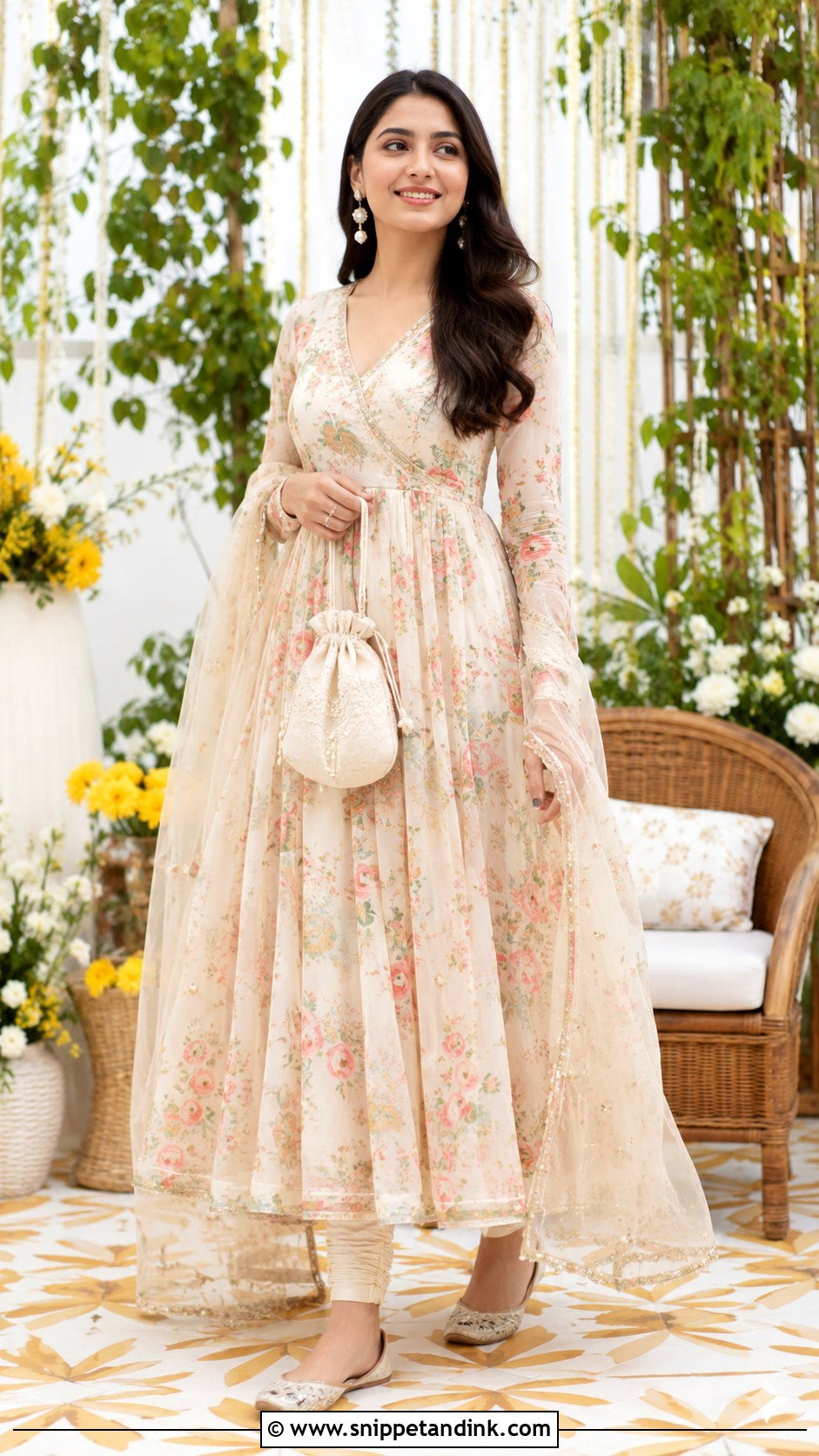
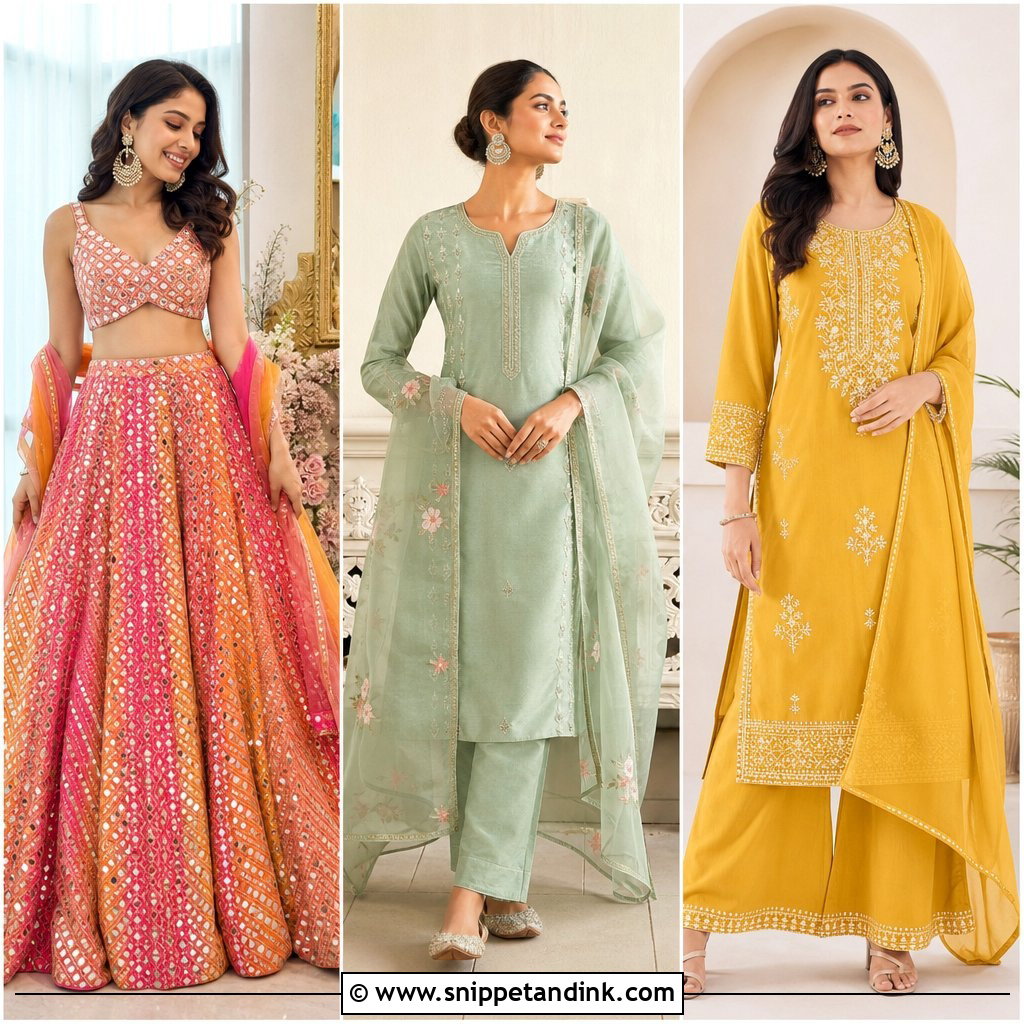
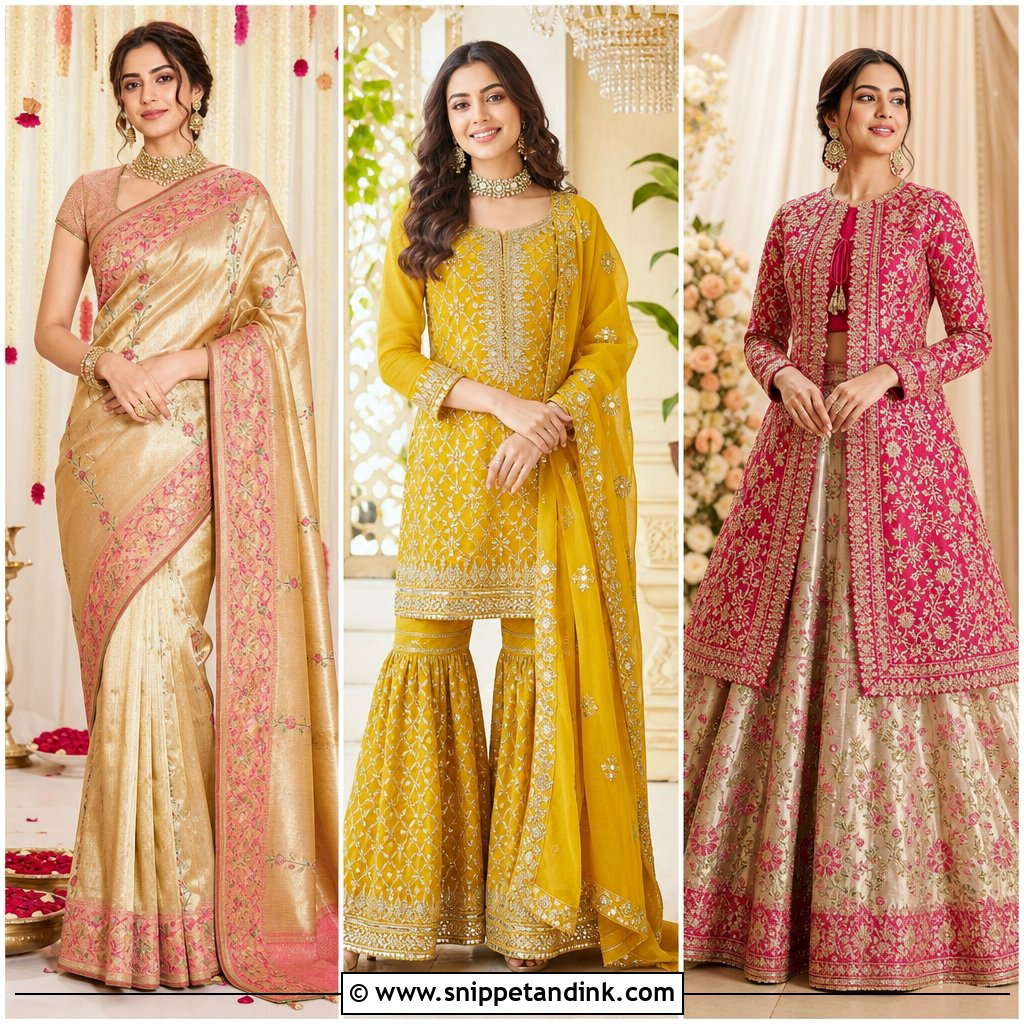
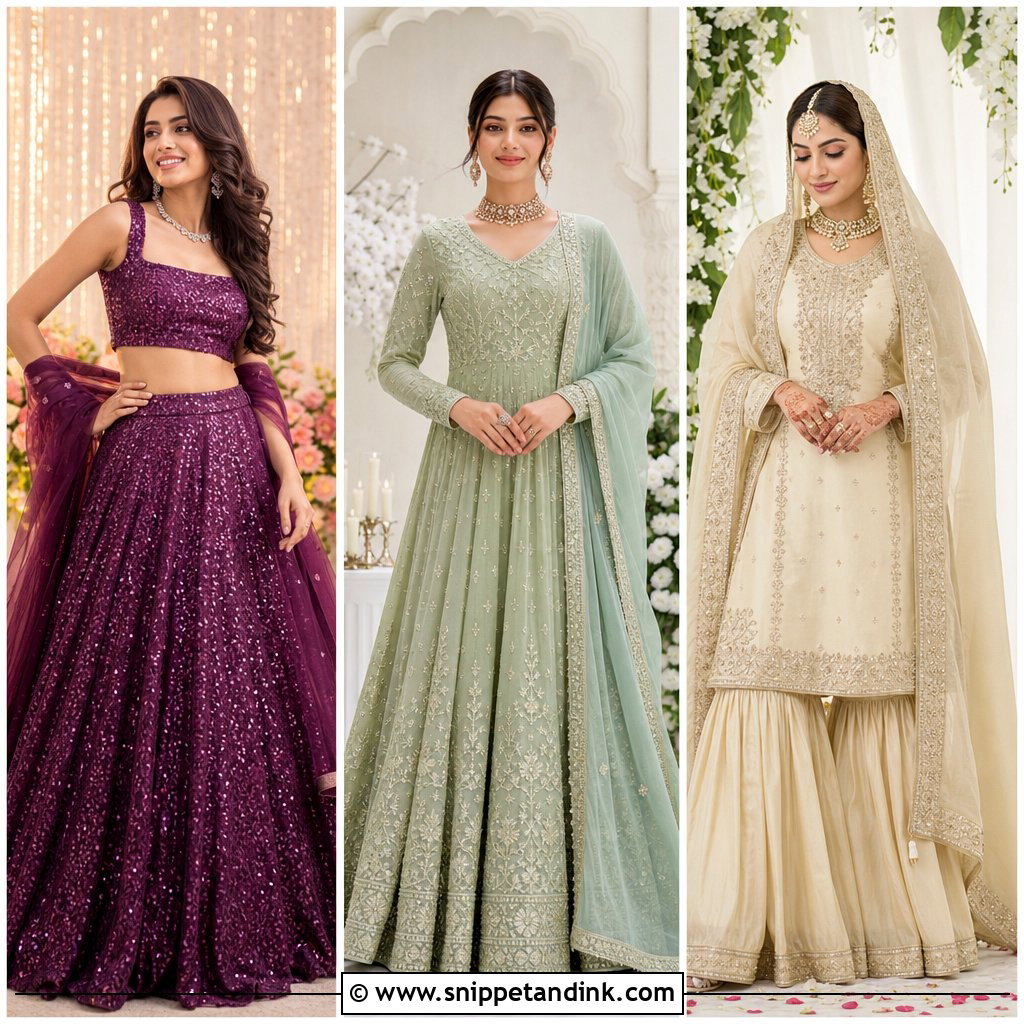
A floral Anarkali is my first suggestion for a daytime mehendi or garden lunch, because the flared skirt lets you sit cross-legged on floor cushions without fighting the fabric. Go calf or floor length in cotton silk, georgette or light chanderi, in soft green, coral, lavender or powder blue. Fitted churidar or straight trousers underneath, whichever you’re comfier in, and a light chiffon dupatta that stays manageable. If you’re getting henna yourself, pick short or three-quarter sleeves so wet paste doesn’t smear onto the cuffs. Embroidered juttis, pearl drops, slim bangles and a small potli finish it, with a braid or low ponytail.
2. Yellow Sharara Haldi Function Outfit
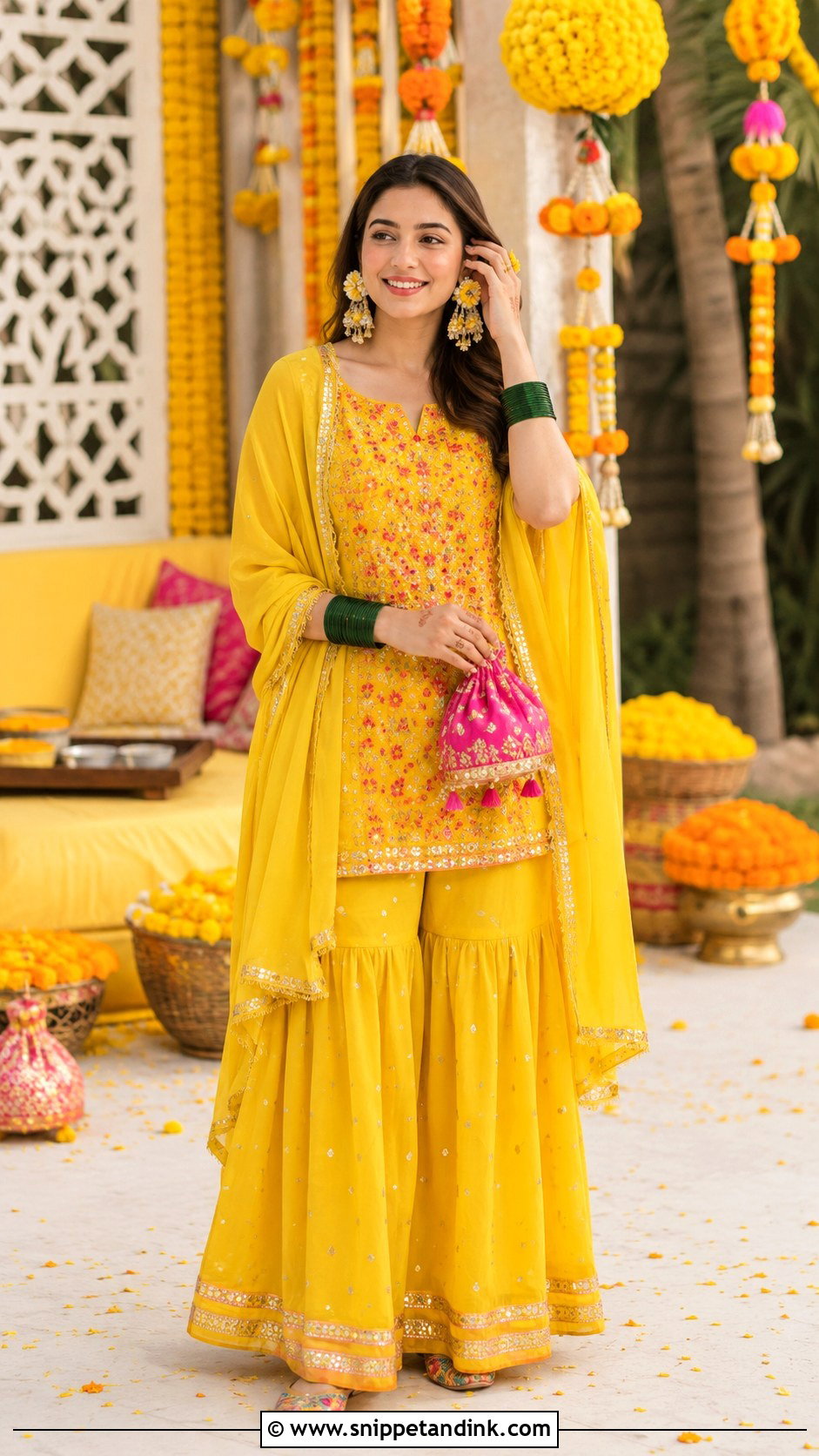
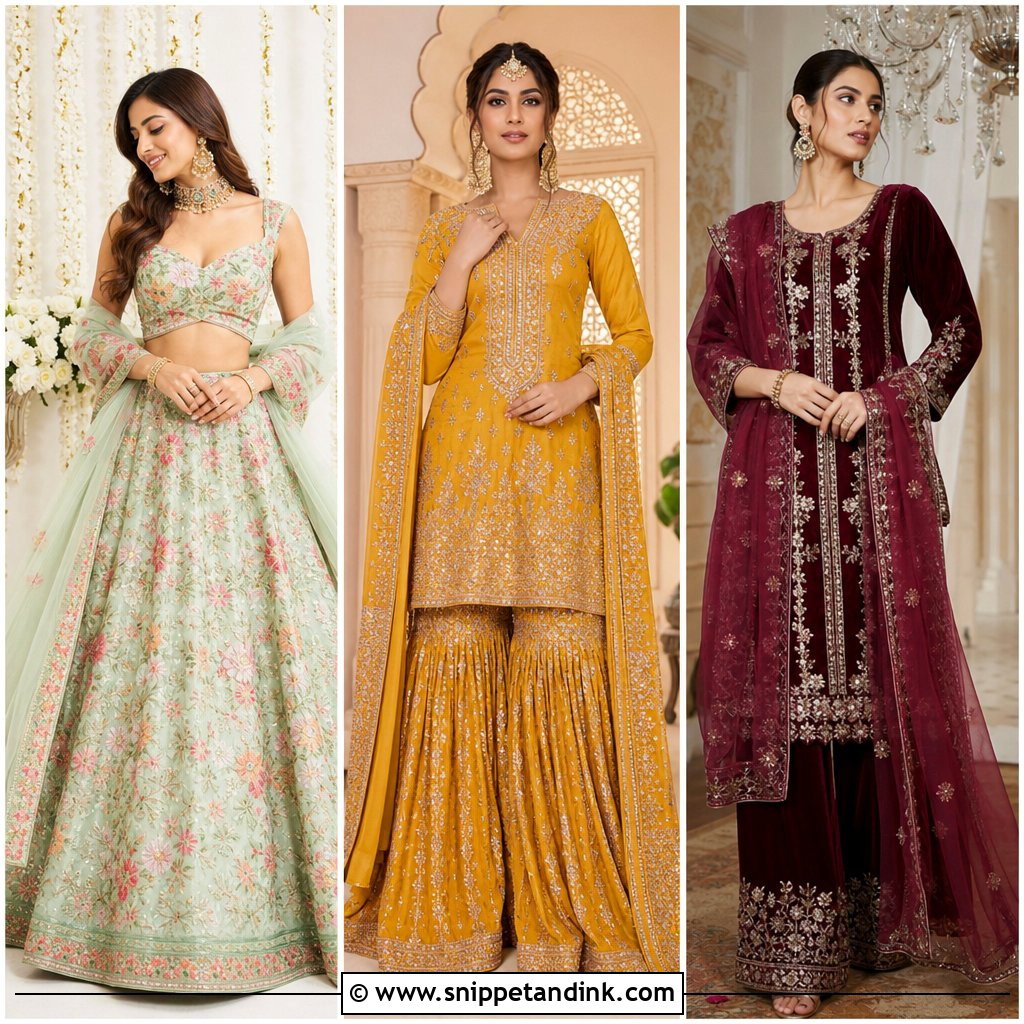
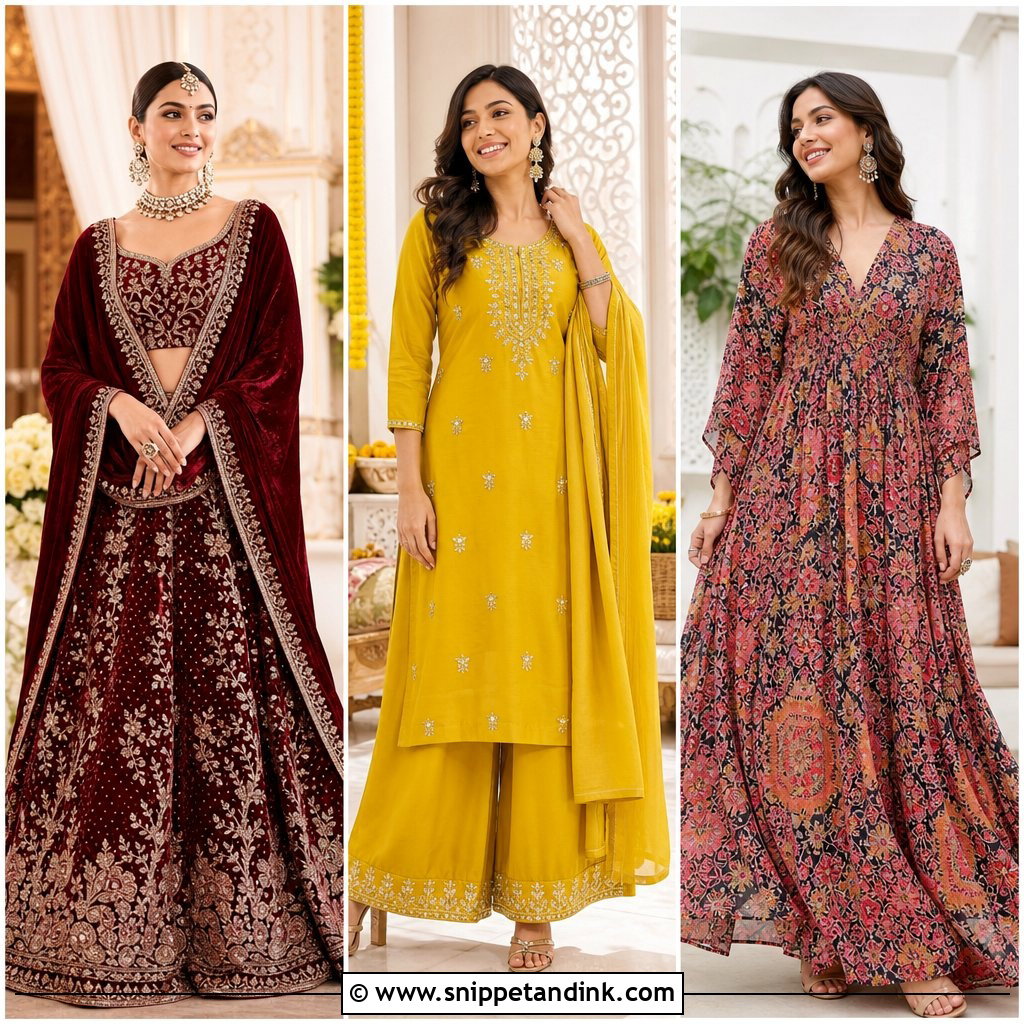
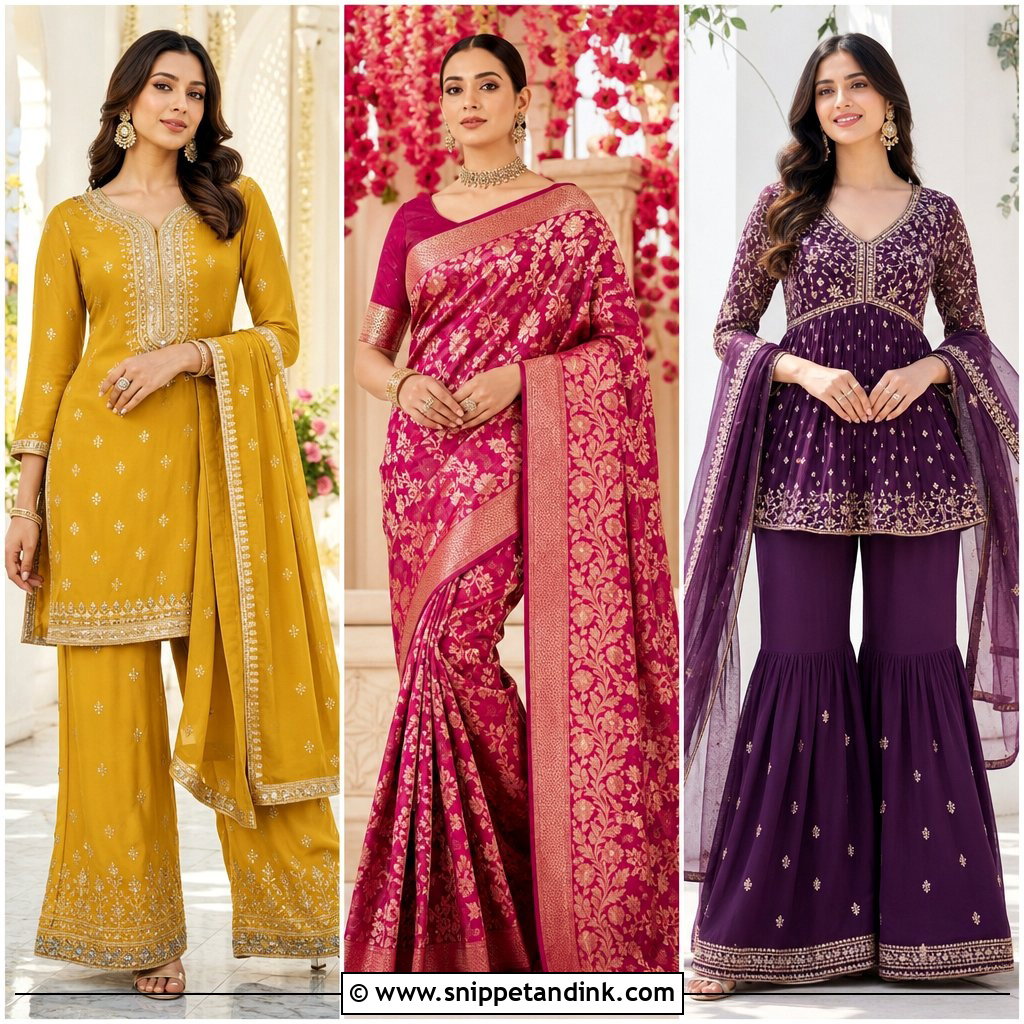
Haldi is the one function where I tell guests to dress for mess. Turmeric paste stains fabric and rarely washes out fully, so a yellow sharara set in a cotton blend or easy-care georgette is the sensible choice; any splash simply disappears into the color. A short kurta, flared sharara and light dupatta move easily. Marigold, lemon, mustard or mango yellow all work, with contrast from green glass bangles, floral earrings or a pink potli. Wear flat juttis or cushioned sandals, because floors around a haldi get slippery. Skip heavy embroidery and trailing hems. A half-up style or braid keeps hair out of the paste, and waterproof mascara earns its place.
3. Mirror Work Lehenga Sangeet Outfit
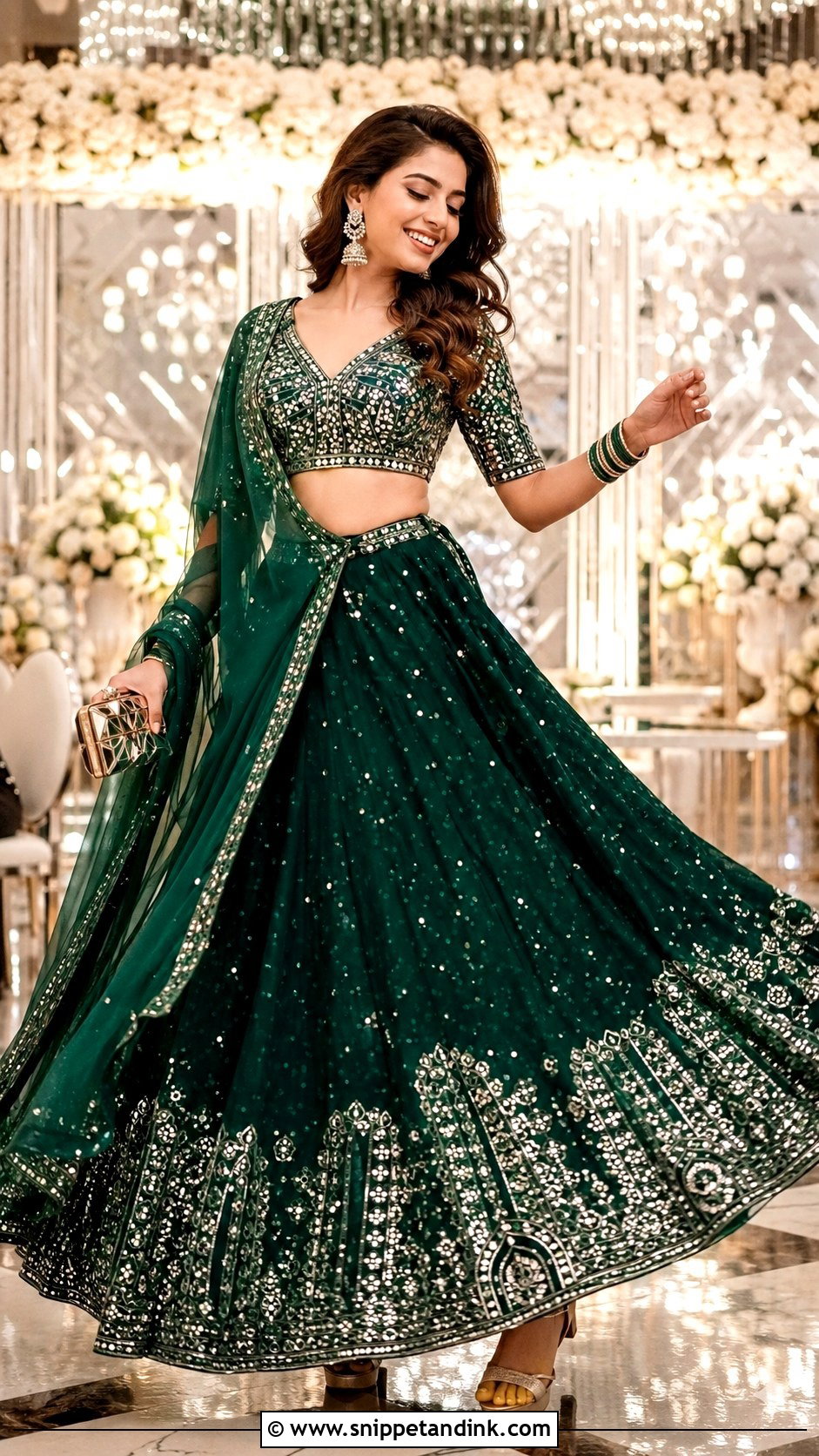
Mirrors catch stage lights, which is why a mirror work lehenga gives you sparkle at a sangeet without much jewelry. For dancing, the skirt matters more than the embroidery: enough flare to turn, a secure drawstring or hooked waistband, and no heavy border weighing down the hem. Real glass mirrors are heavier than plastic ones, and a skirt covered in them gets tiring by midnight. Emerald, navy, plum and deep teal suit the evening. Statement earrings, stacked bangles, a compact clutch and block-heel sandals finish it. Pin the dupatta at the shoulder and the waist so it survives the choreography.
4. Kanjeevaram Silk Saree Wedding Outfit
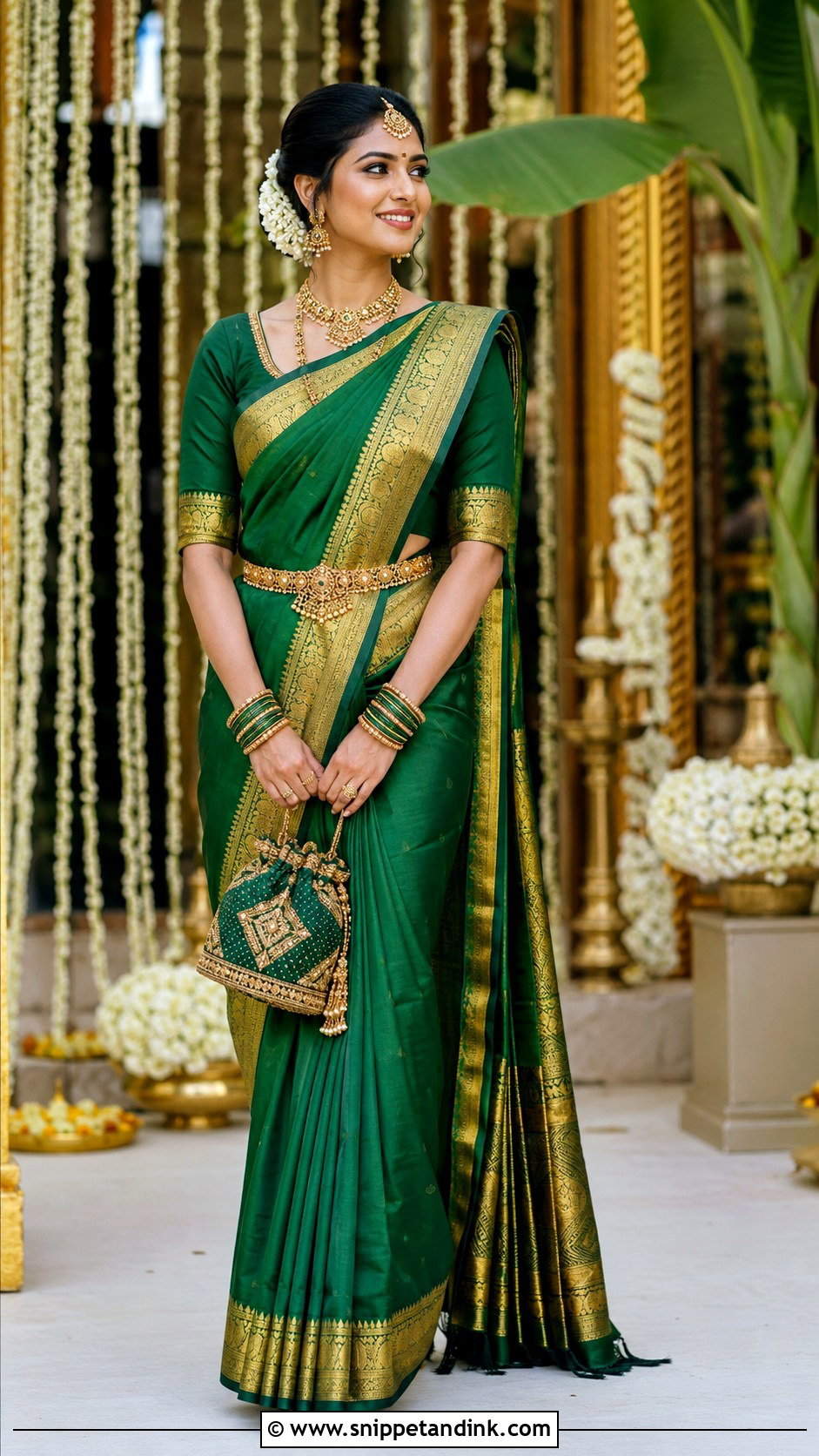
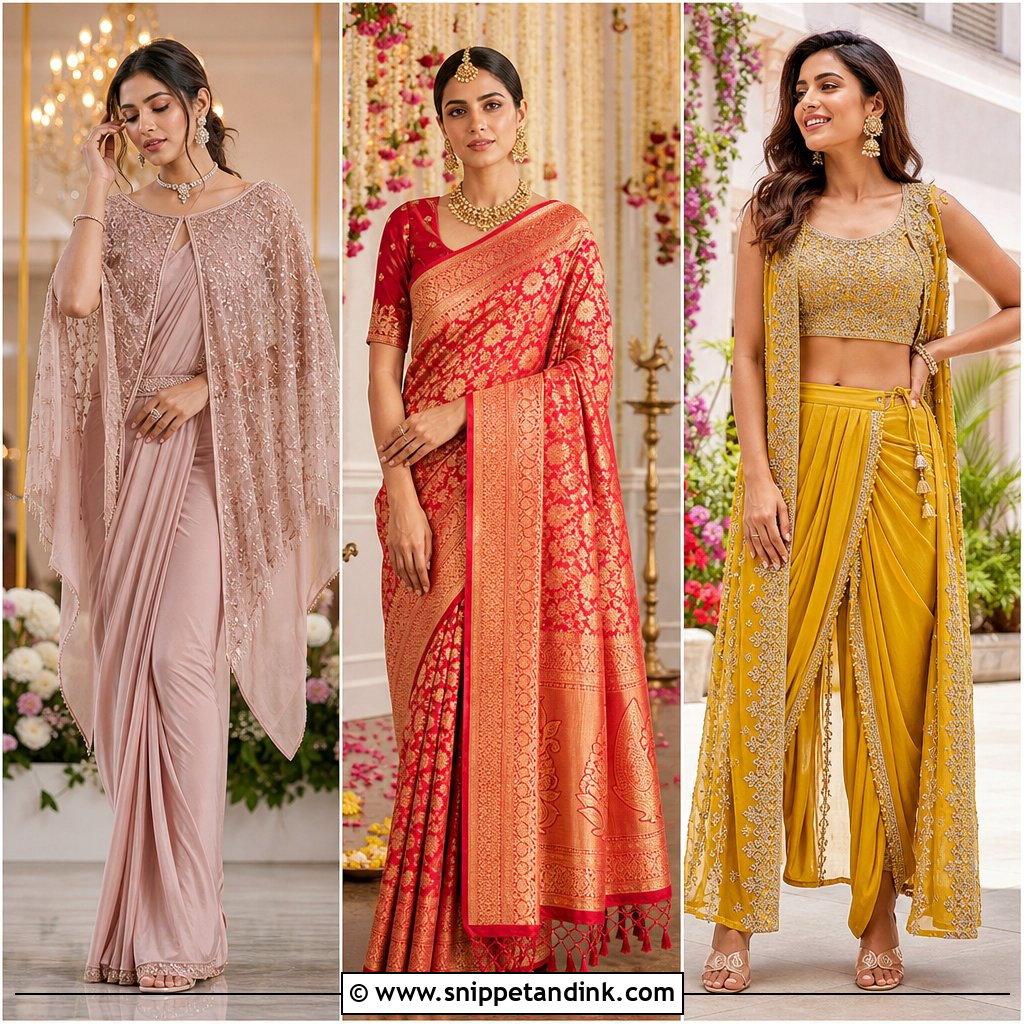
A Kanjeevaram silk saree is heavy, structured silk with a zari border, and that weight is exactly why its pleats sit so crisply through a long ceremony. Peacock green, royal blue, magenta or deep purple all suit it. The blouse has to fit properly, since a loose blouse lets the pallu slide off the shoulder. Neat pleats let you walk, sit and join rituals. Temple-style earrings, a short necklace, bangles and a structured potli complete it, with gold wedges or padded sandals and fresh flowers around a low bun. Silk this heavy feels warm by afternoon, so keep makeup soft: defined eyes, warm blush, a rose or berry lip.
5. Sequin Saree Reception Outfit
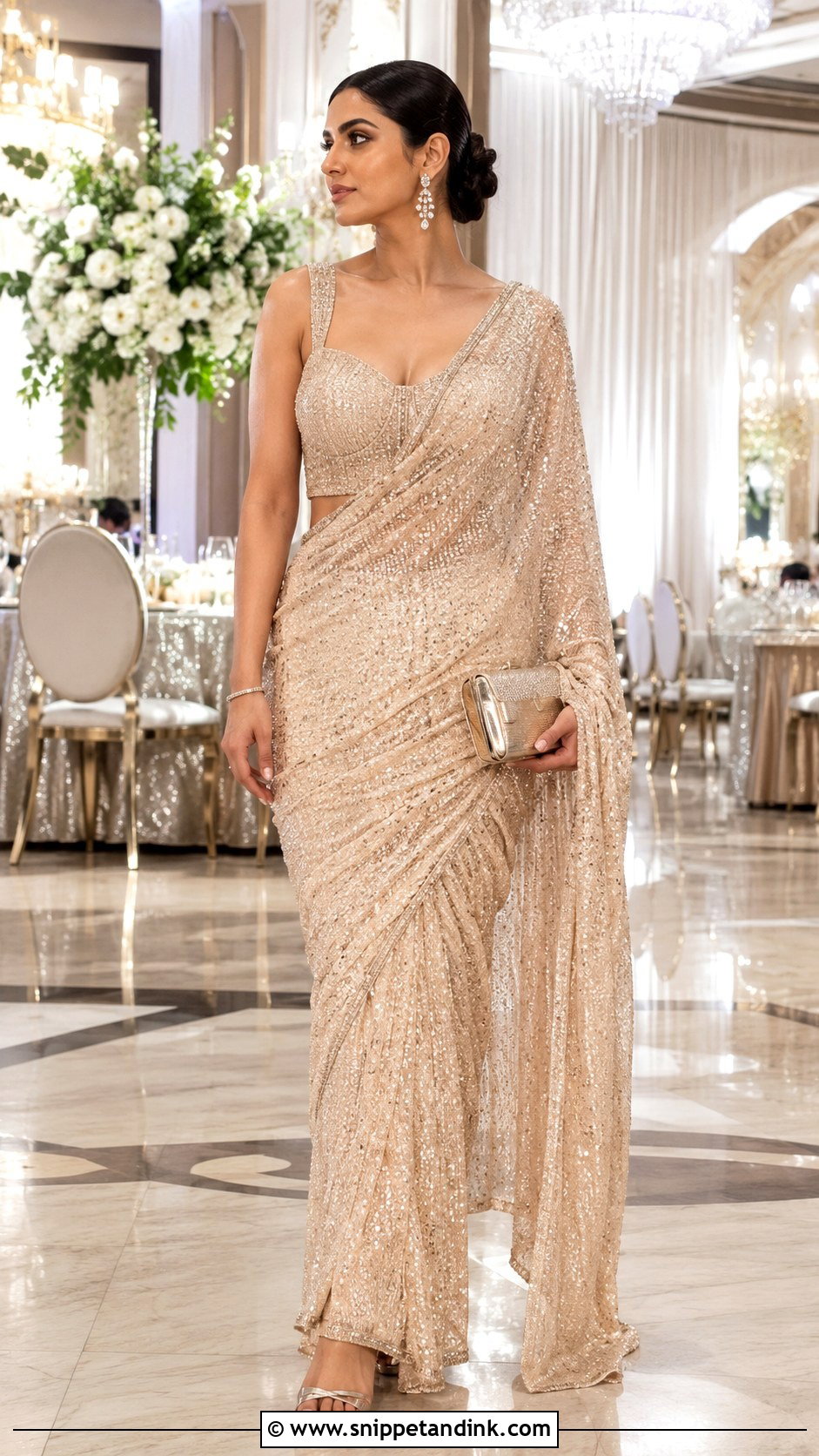
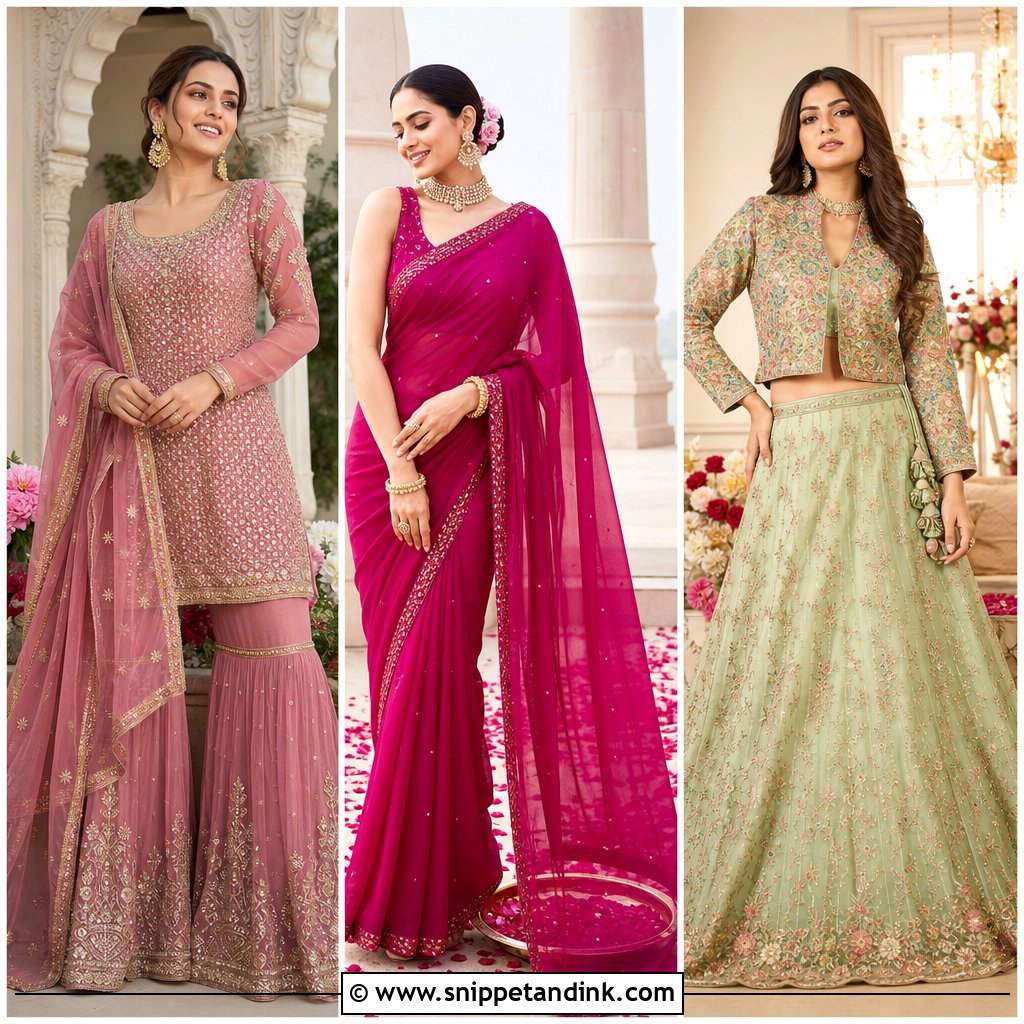
Sequin sarees belong under evening lights. Champagne, pewter, midnight blue, emerald and dusty rose all read refined at a reception. I look for embellishment spread evenly across the drape, since a very heavy border pulls the pleats down and makes the saree hard to carry. Sequins can also scratch the inner arm where the pallu rubs, so a soft lining or a blouse with sleeves helps. Crystal earrings, a slim bracelet, metallic heels and a hard-case clutch are enough. Skip the big necklace; the saree is already reflecting light. A smooth low bun or side-parted waves, and choose either eyes or lips as the focus.
6. Pastel Lehenga Day Wedding Outfit
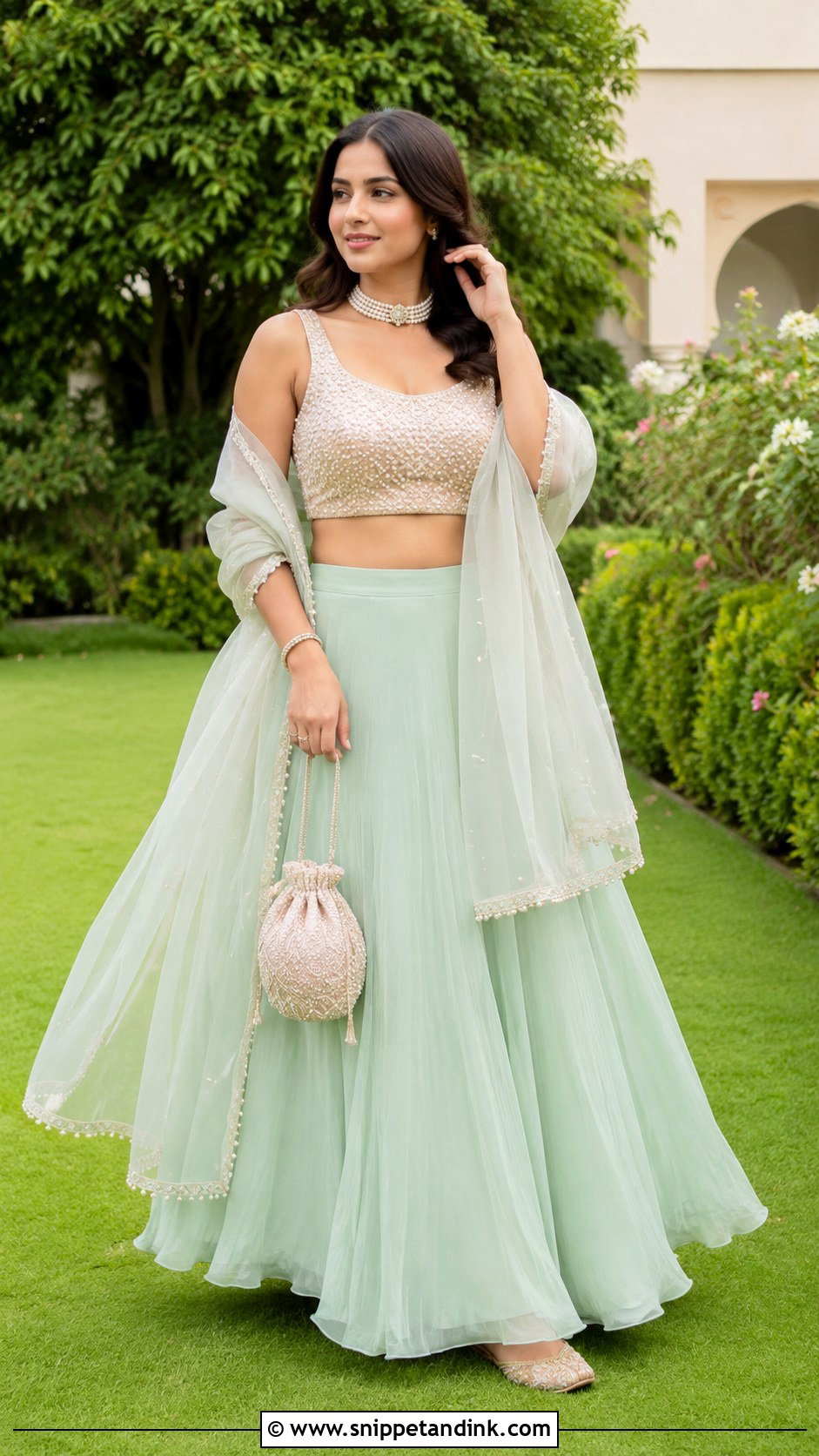
Pastels need daylight. Under warm evening bulbs, mint and lilac can look washed out, so I save a pastel lehenga for a morning or outdoor function. Organza or georgette skirts in mint, blush, lilac, peach or icy blue with threadwork, pearls or scattered sequins move gracefully without bulk. A coordinated blouse with a shaped waist or contrast border adds definition, and a sheer dupatta goes over one shoulder. Pearl earrings, a fine choker, metallic juttis and a beaded potli keep the palette gentle. Loose curls, a braided bun or half-up hair suits the light, and on open lawns, wear sunscreen under the soft pink makeup.
7. Banarasi Saree Marriage Function Outfit
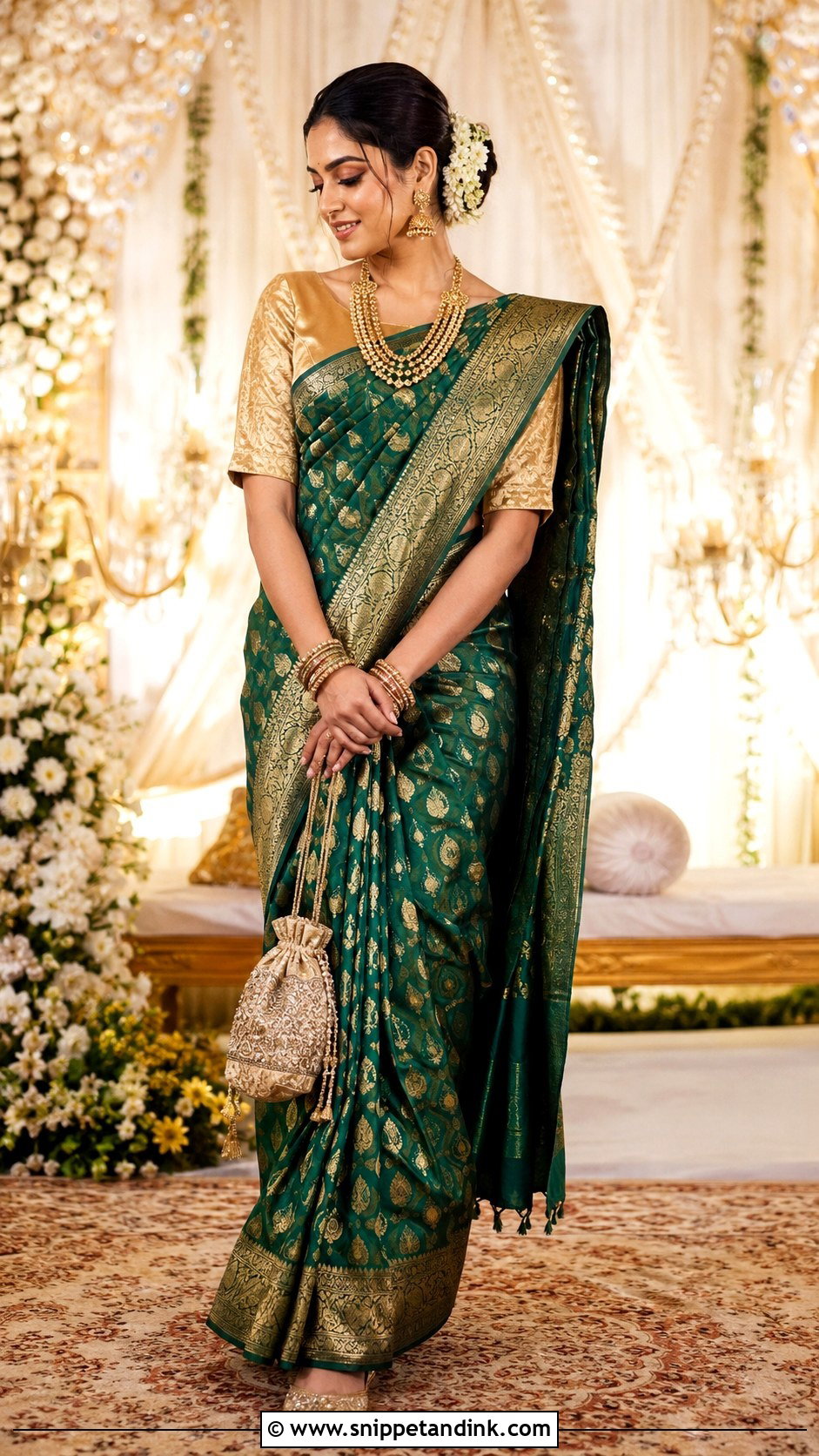
Banarasi sarees carry woven brocade motifs, often in zari, and they look rooted without being loud. Guests should steer clear of the bride’s color; in many North Indian families that’s red, so wine, rust, emerald, violet or navy let you look festive without competing. A contrasting silk blouse in gold, green or jewel-toned brocade works well. Pin the pallu firmly at the shoulder, because a crowded venue is exactly where a loose one gets stepped on. Jhumkas, a medium necklace, bangles and an embroidered potli complete it. Low block heels or cushioned juttis help through long standing, and a center-parted bun with small flowers suits the weave.
8. Chanderi Suit Day Function Outfit
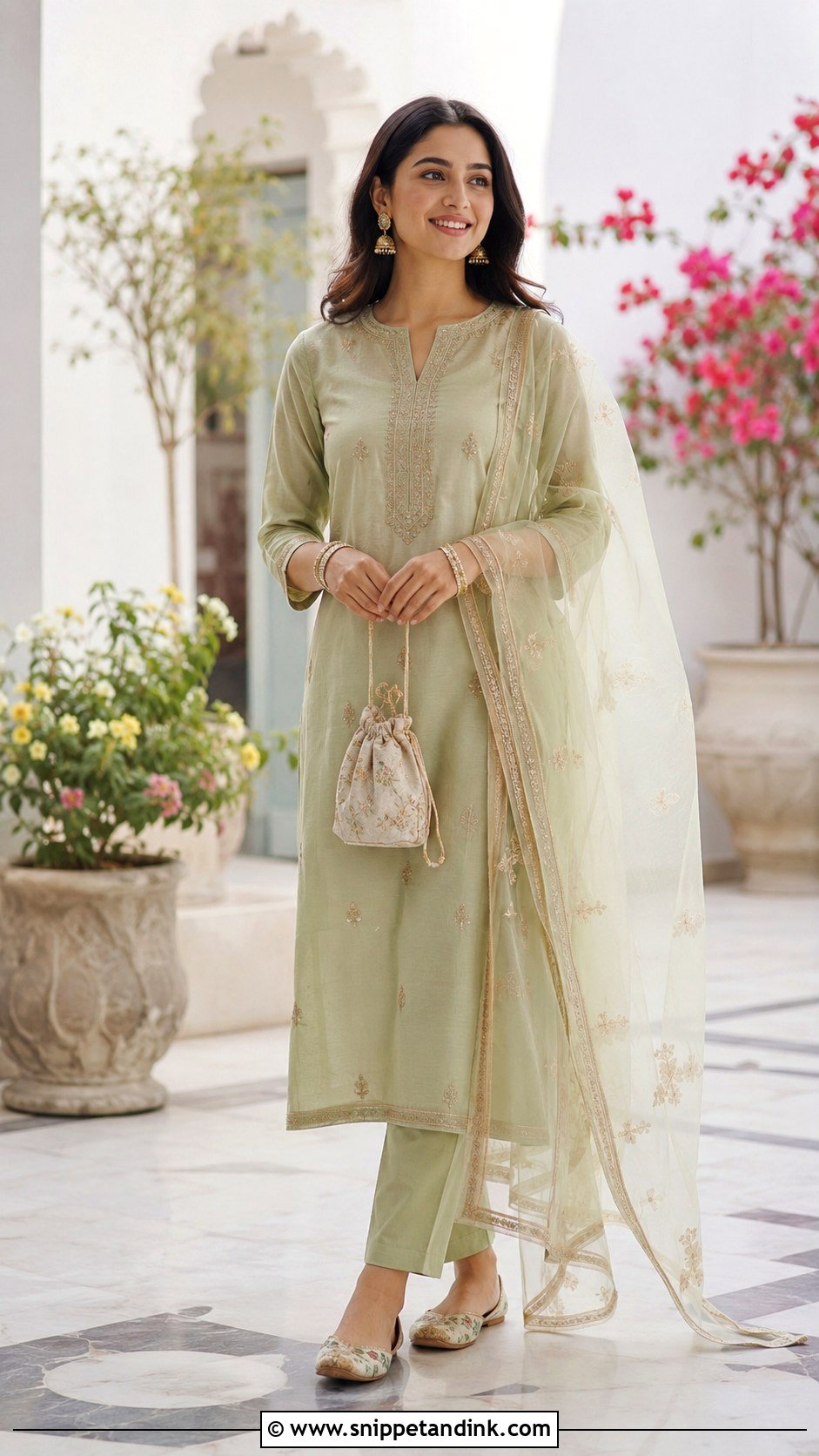
Chanderi is light, slightly sheer and softly lustrous, which makes a Chanderi suit right for a morning ceremony or family lunch in warm weather. A straight kurta with ankle-length pants and a sheer woven dupatta is the classic shape. Ivory with colored embroidery, pistachio, peach, sky blue and soft yellow all suit daylight. Because the fabric is translucent, check that the kurta is properly lined before you leave the house. Three-quarter sleeves and a higher neck add coverage. Small jhumkas, gold bangles, embroidered flats and a sling or potli are enough, with a soft bun, a peach lip and a small bindi.
9. Palazzo Suit Marriage Function Outfit
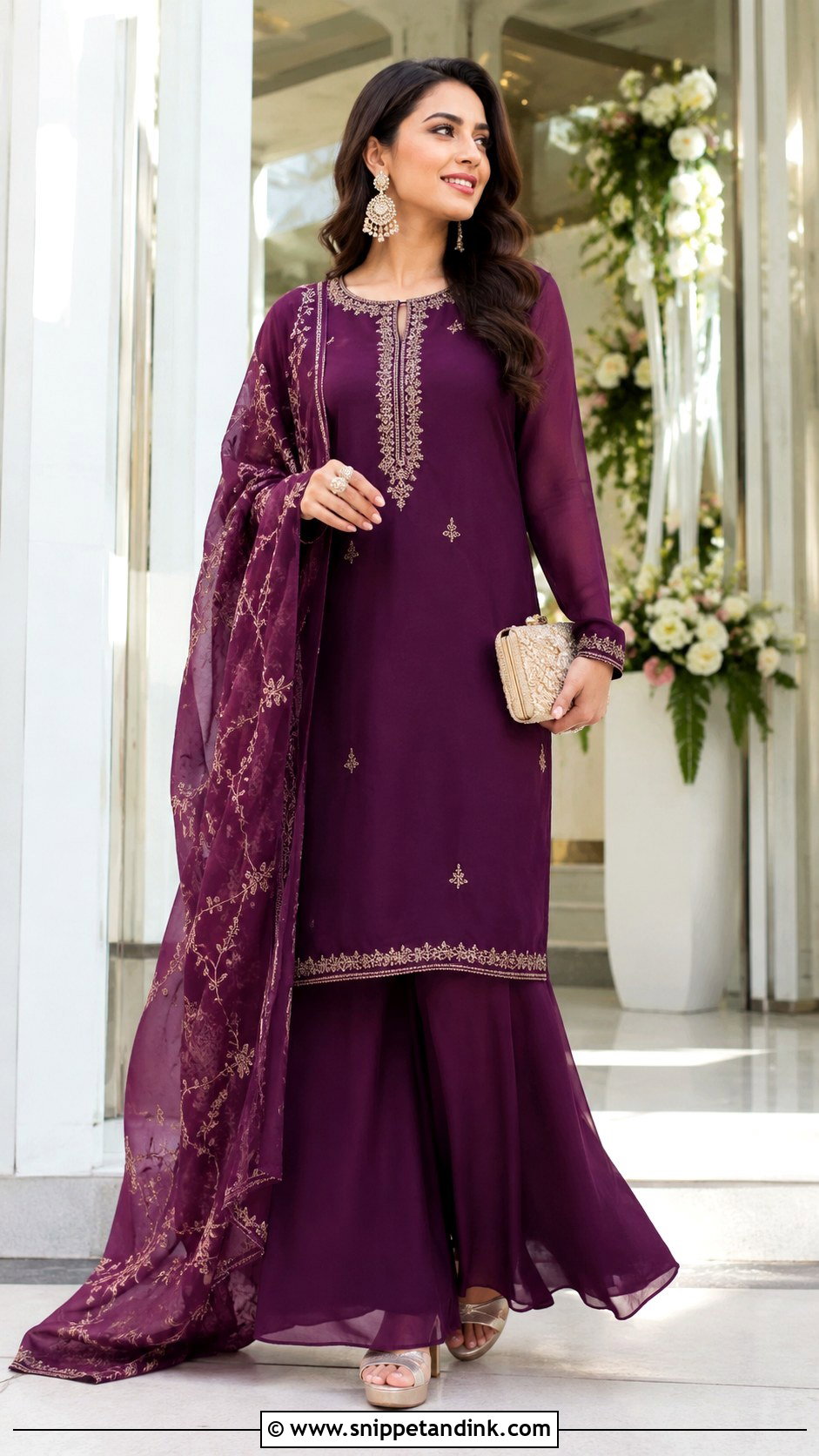
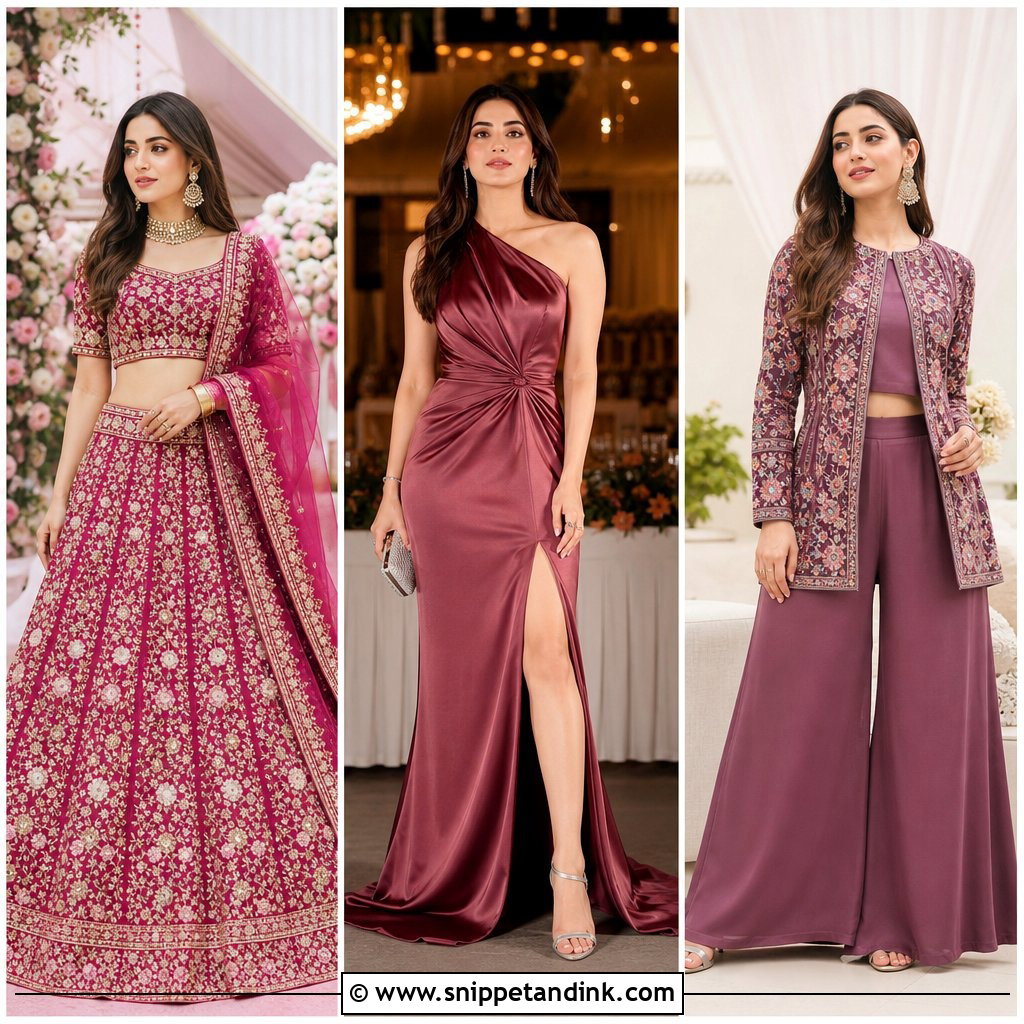
When comfort comes first but the event is still festive, a palazzo suit gives you ease without looking casual. A knee-length kurta over wide-leg palazzos with a light dupatta drapes smoothly in crepe, georgette or a silk blend. Jewel tones suit evening; florals and pastels suit daytime. Hem length is the detail people get wrong. Palazzos should clear the floor in the exact shoes you’ll wear, or a heel catches on the first staircase. Vertical embroidery or a defined neckline balances the wide legs. Chandelier earrings, a slim bracelet, a decorative clutch and platform sandals finish it, with side-swept waves and softly smoky eyes.
10. Embroidered Gharara Wedding Guest Outfit
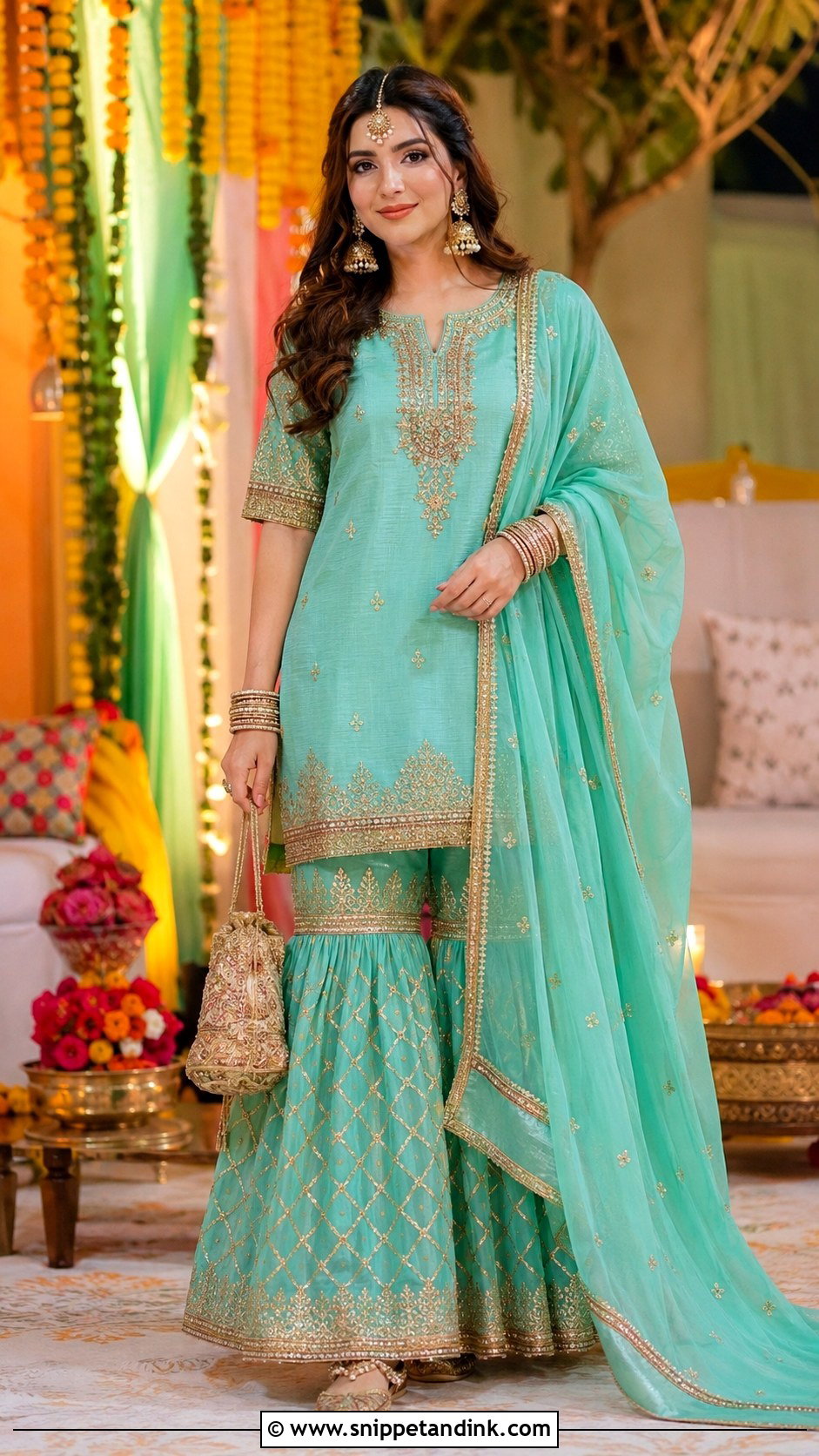
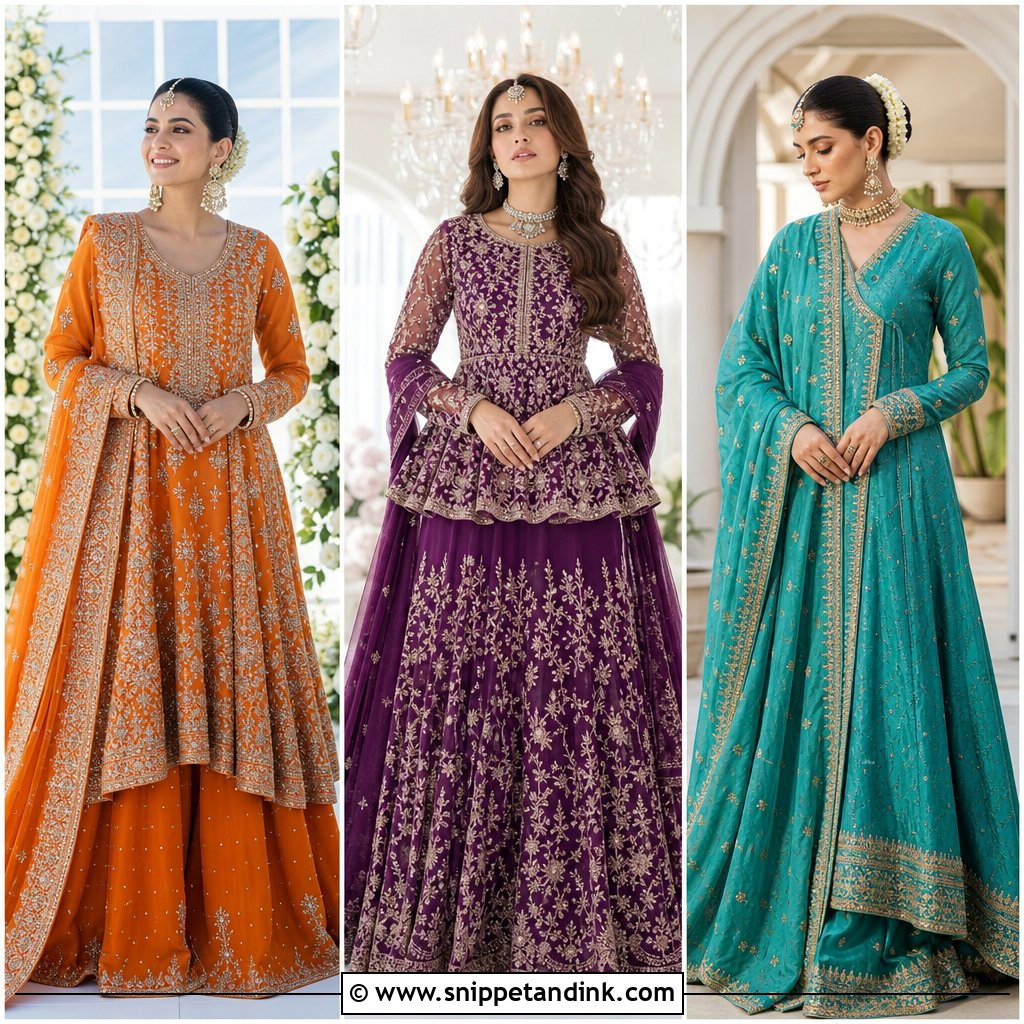
Gharara pants are fitted to the knee, then flare from a joined seam that’s often marked with a gota or embroidered band. That flare already adds volume, so a short, tailored kurti keeps the shape in proportion. Emerald, fuchsia, turquoise, plum or ivory with gold detailing suits a mehendi, sangeet or evening family function. Ghararas use more fabric than they appear to, and stairs need a small lift at the knee, so practice once at home. Wear the dupatta over one shoulder or across both arms. Jhumkas, a fine maang tikka, stacked bangles and embellished juttis finish it, with a braid or tidy bun and a compact bag.
11. Dhoti Pants Indo-Western Function Outfit
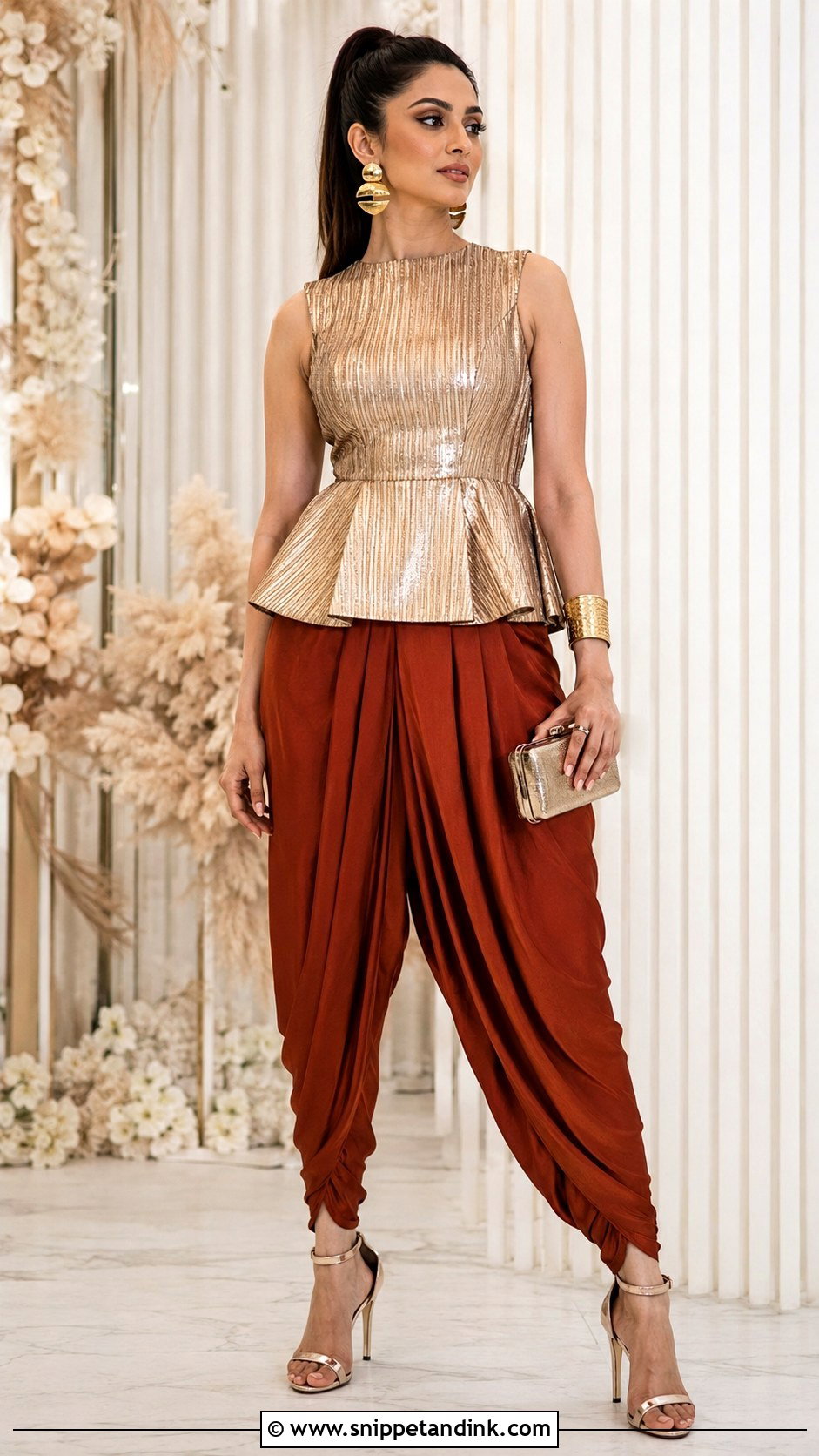
Dhoti pants with a structured top make a distinctive Indo-Western outfit for a cocktail night or modern sangeet. Pair solid or lightly embroidered dhoti pants with a peplum blouse, asymmetric kurta or fitted jacket top. The top should stop at the waist or upper hip so the drape of the pants shows; anything longer hides the whole point. Rust, teal, black, berry or antique gold suit evening. Metallic heels, sculptural earrings, a cuff and a sleek clutch are plenty, and long necklaces only fight an asymmetric neckline. A high ponytail, sharp liner and muted lip suit the shape, and there’s no skirt or saree to manage.
12. Cape Lehenga Marriage Function Outfit
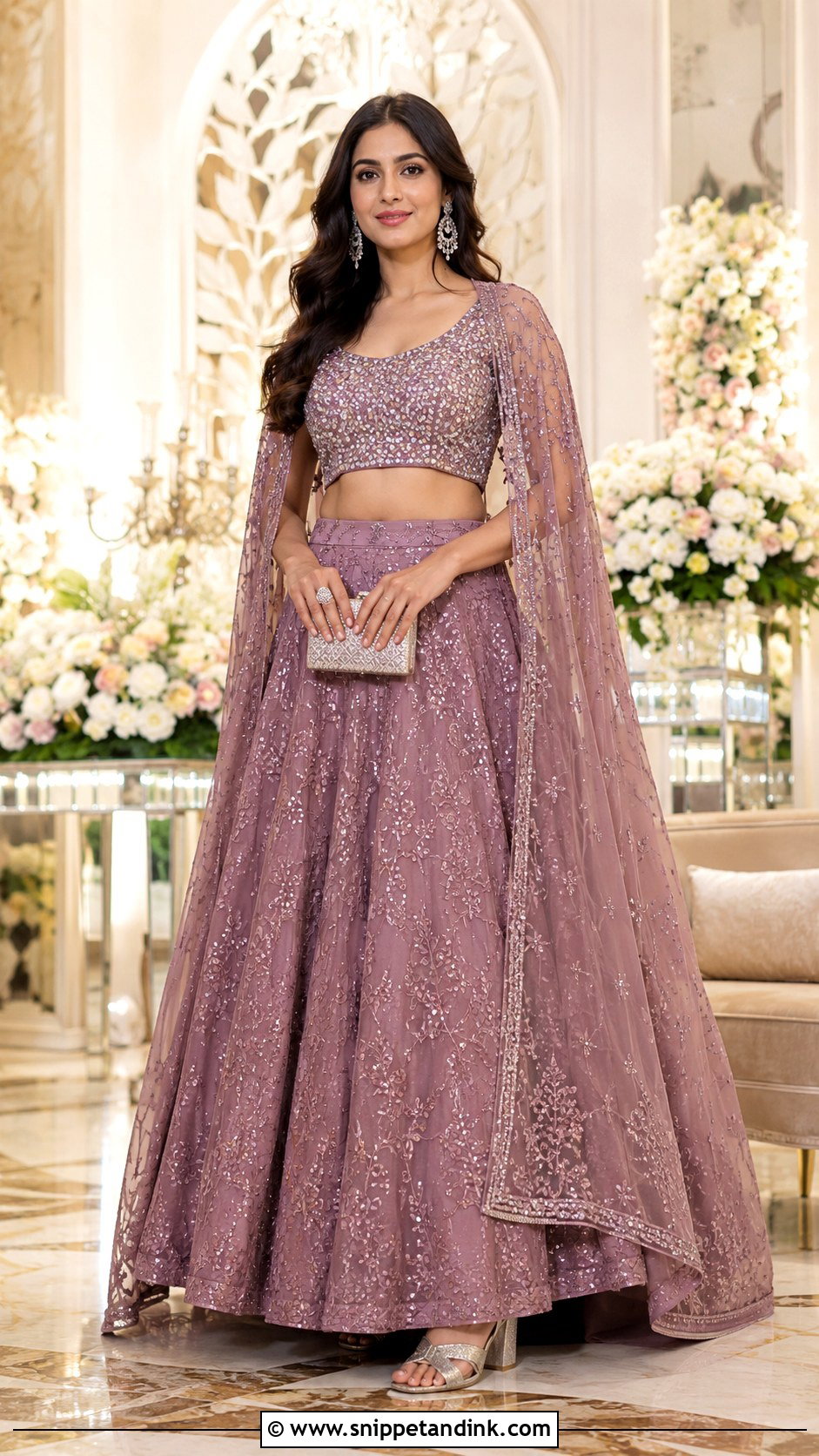
A cape replaces the dupatta, which means nothing to pin, adjust or lose on the dance floor. Pair a flowing lehenga skirt and fitted blouse with a sheer embroidered cape that ends at the hip or calf. Navy, mauve, emerald, silver-gray and deep rose suit sangeet and reception nights. Vertical embroidery on the cape lengthens the line, while a shorter cape shows off the waist. Statement earrings, a ring, a box clutch and block heels finish it. A heavy necklace only works if the blouse neckline is plain, since the cape’s edge sits right there. Low ponytail or controlled waves, soft metallic eyes and a satin lip.
13. Long Jacket Kurta Set Function Outfit
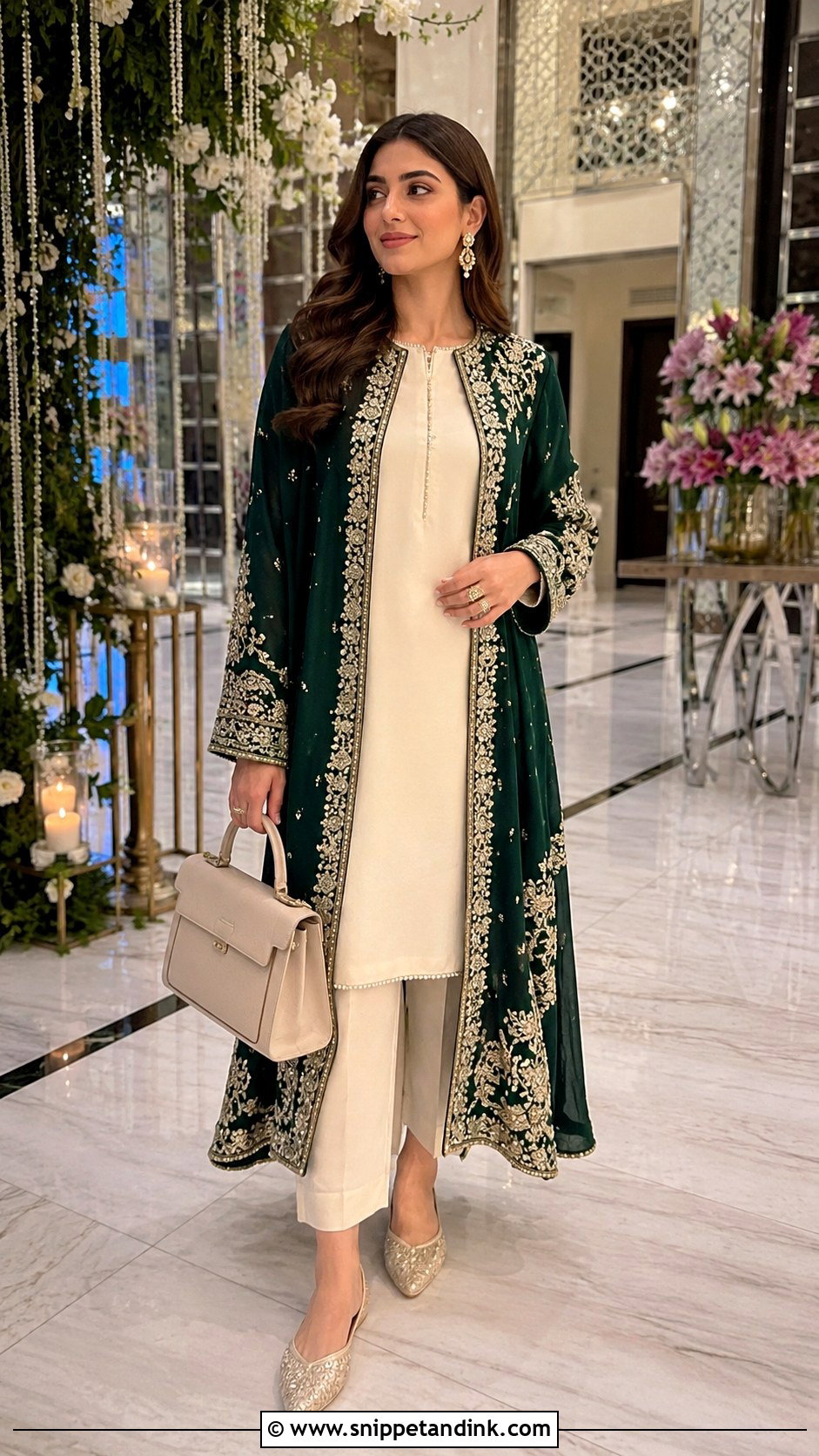
A long jacket over a kurta set gives coverage, structure and warmth when the hall is heavily air-conditioned or the night turns cool. Start with a sleeveless or short-sleeve kurta and straight pants, then add an embroidered open-front jacket. Monochrome looks sleek, and a contrasting jacket freshens pieces you already own, which makes this the most re-wearable idea on the list. Brocade or velvet suits winter; georgette or organza suits indoor events. Pointed juttis, medium earrings, a cocktail ring and a structured bag finish it. Keep the inner kurta plain so the jacket leads.
14. Saree Gown Reception Outfit
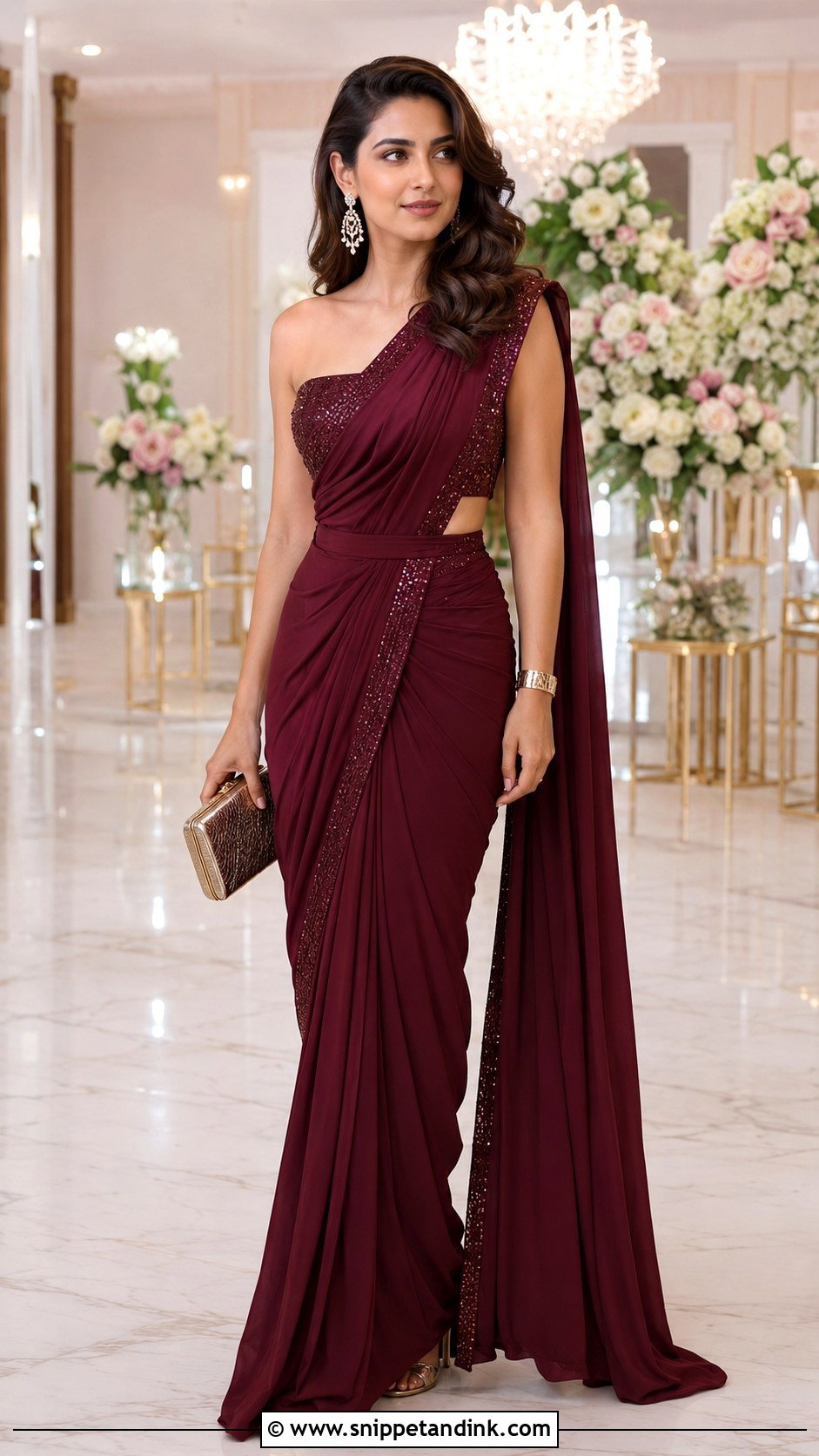
A saree gown gives you the drape without the six yards, which is a relief if you’ve never tied a saree on your own. Look for a defined waist, comfortable armholes and a pallu that doesn’t trail far behind you, because a long attached drape gets trodden on in the buffet queue. Deep blue, burgundy, forest green, metallic gray or muted gold suit a reception or cocktail evening. Drop earrings, a slim cuff, a small clutch and elegant heels are enough, with no extra layers over the drape. Side-swept curls or a clean bun, luminous skin and a lip that complements the gown rather than matching it.

15. Velvet Anarkali Winter Wedding Outfit
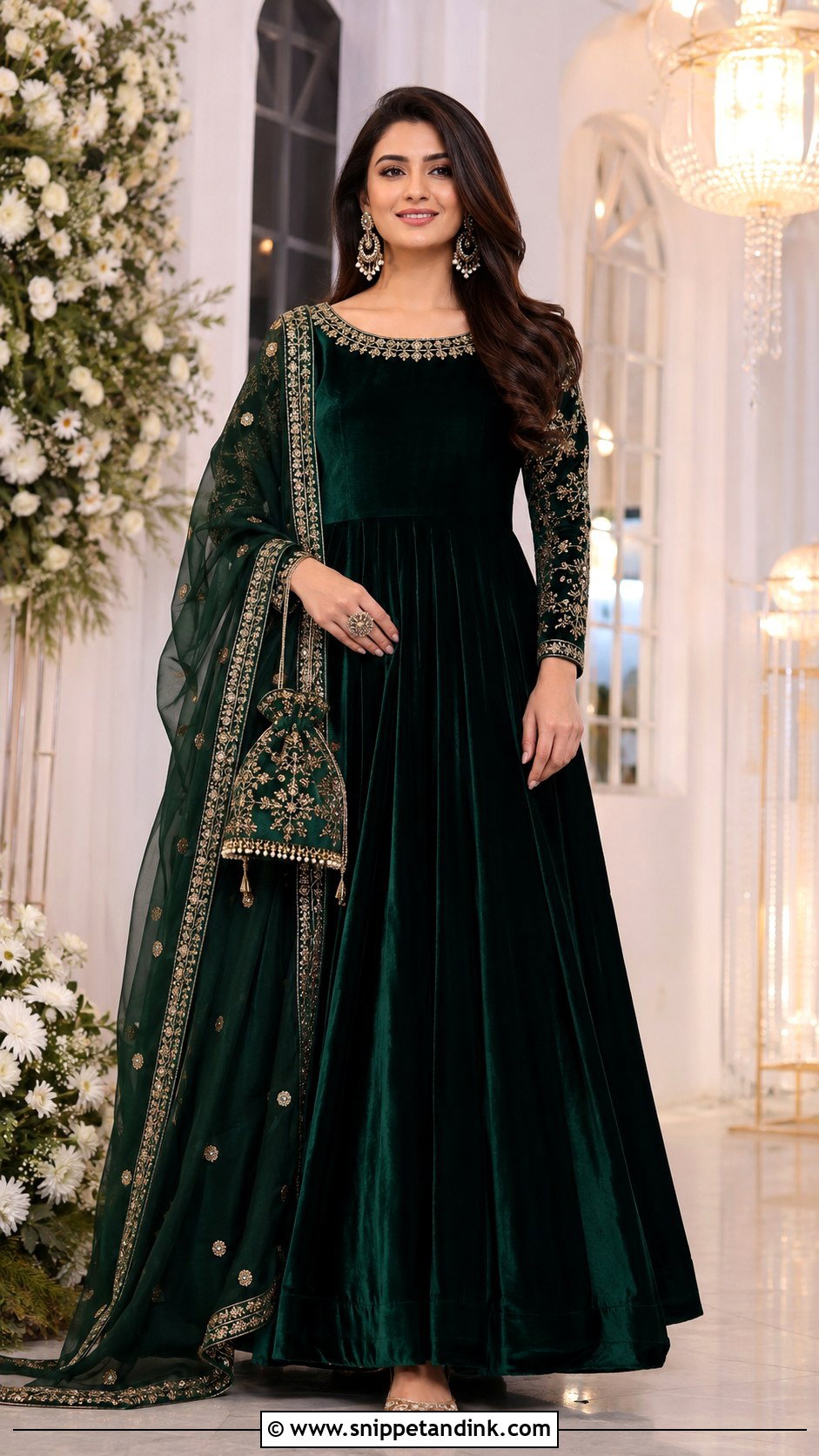
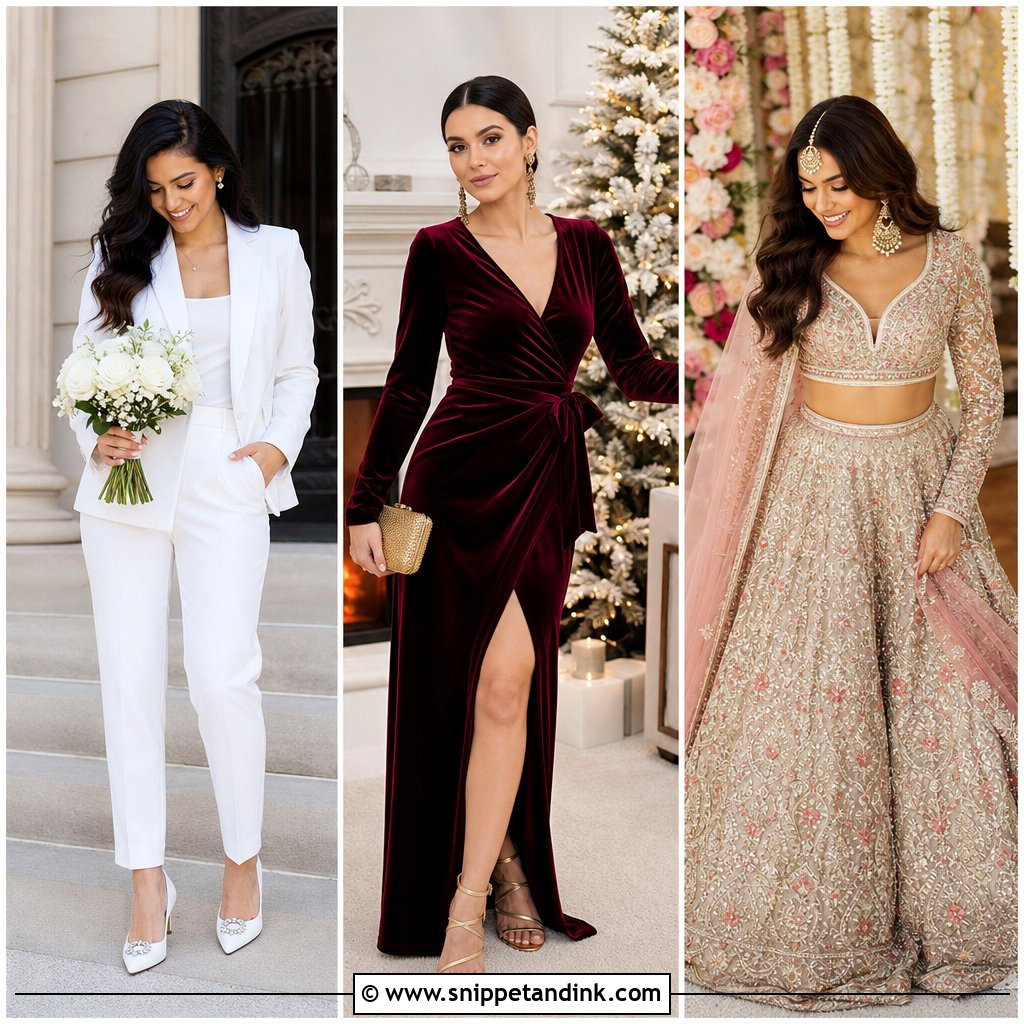
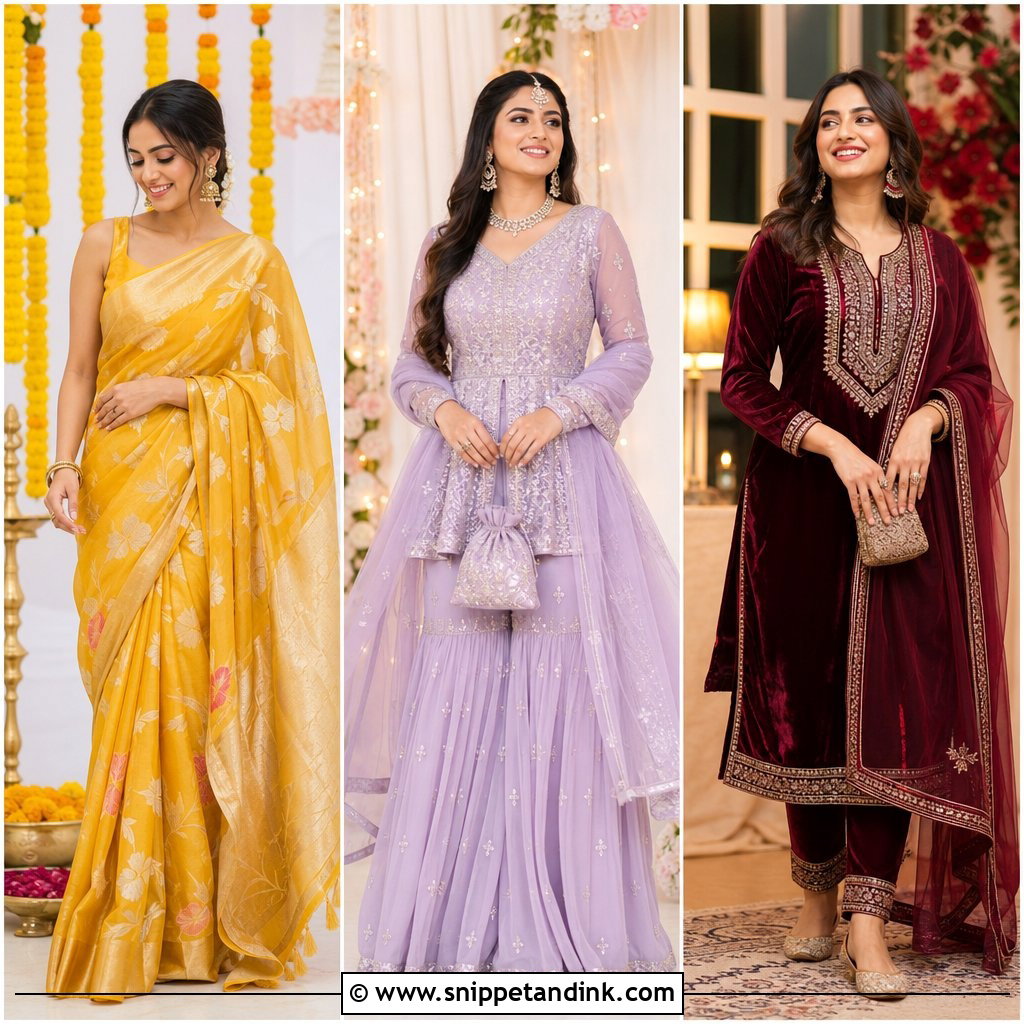
Velvet only makes sense in winter, and in winter it’s the warmest festive choice you have. A full-length Anarkali in maroon, bottle green, midnight blue or plum with restrained zari or thread work, three-quarter or full sleeves and churidar underneath is the classic form. Velvet is heavy, so an organza or net dupatta keeps the whole look from feeling weighed down. Store it hanging rather than folded tightly, or the pile crushes and leaves marks that are hard to lift. Antique-finish earrings, a statement ring, a compact potli and closed-toe juttis finish it, with a center-parted bun and a berry lip.
16. Organza Saree Day Marriage Outfit
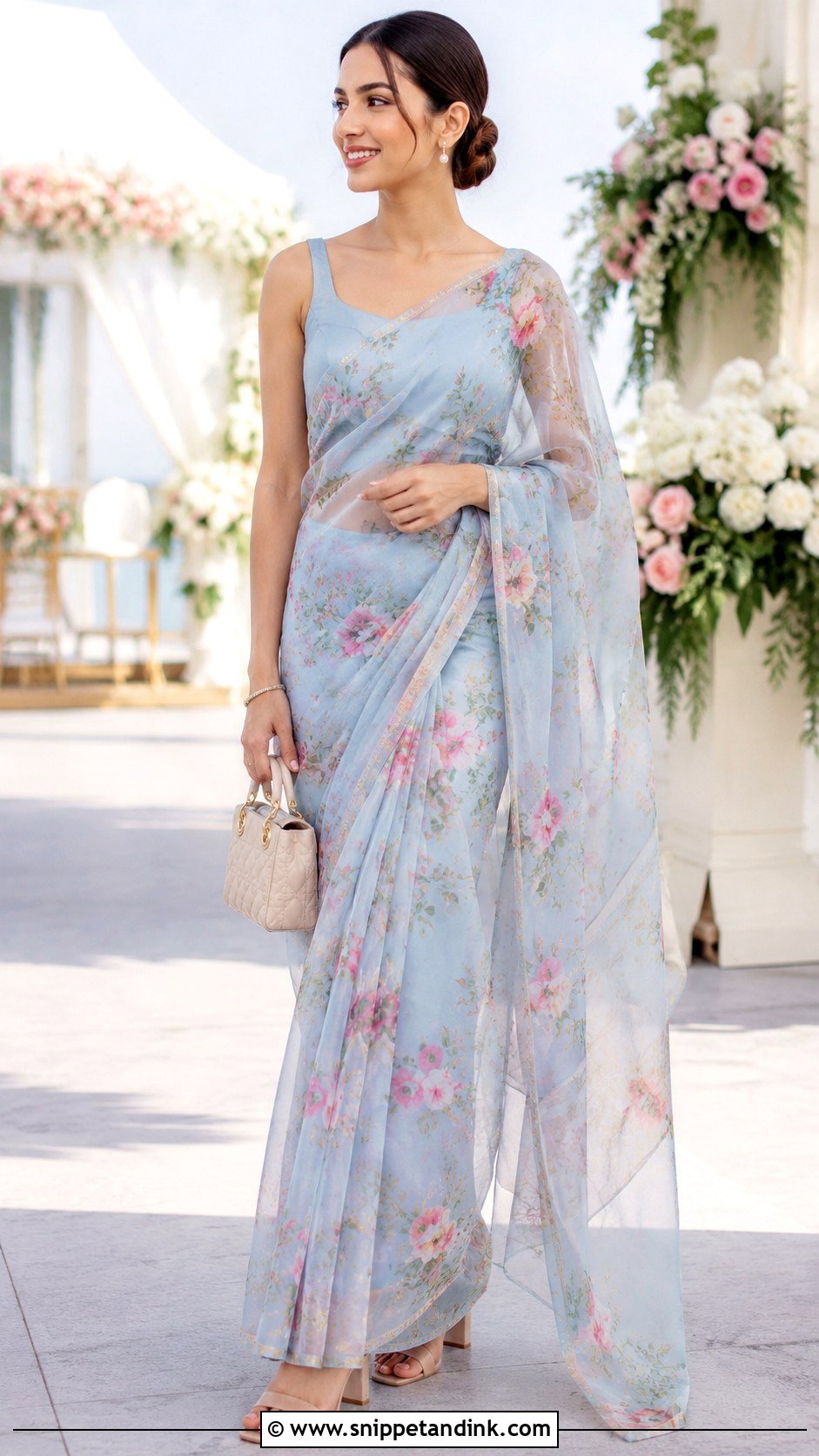
Organza is crisp and holds air, so a saree in it stands away from the body far more than chiffon does. Keep the pleats narrow and pin the pallu carefully, otherwise the volume makes you look wider than you are. Floral prints, fine embroidery or a scalloped border in pastel pink, sage, powder blue, peach or ivory suit a daytime function. Match the blouse or pull one shade from the print. Pearl earrings, a thin bracelet, a small bag and neutral block heels keep it light, and a sleek bun balances the drape. Organza creases sharply when crushed, so don’t sit on the pallu in the car.
17. Printed Co-Ord Mehendi Function Outfit
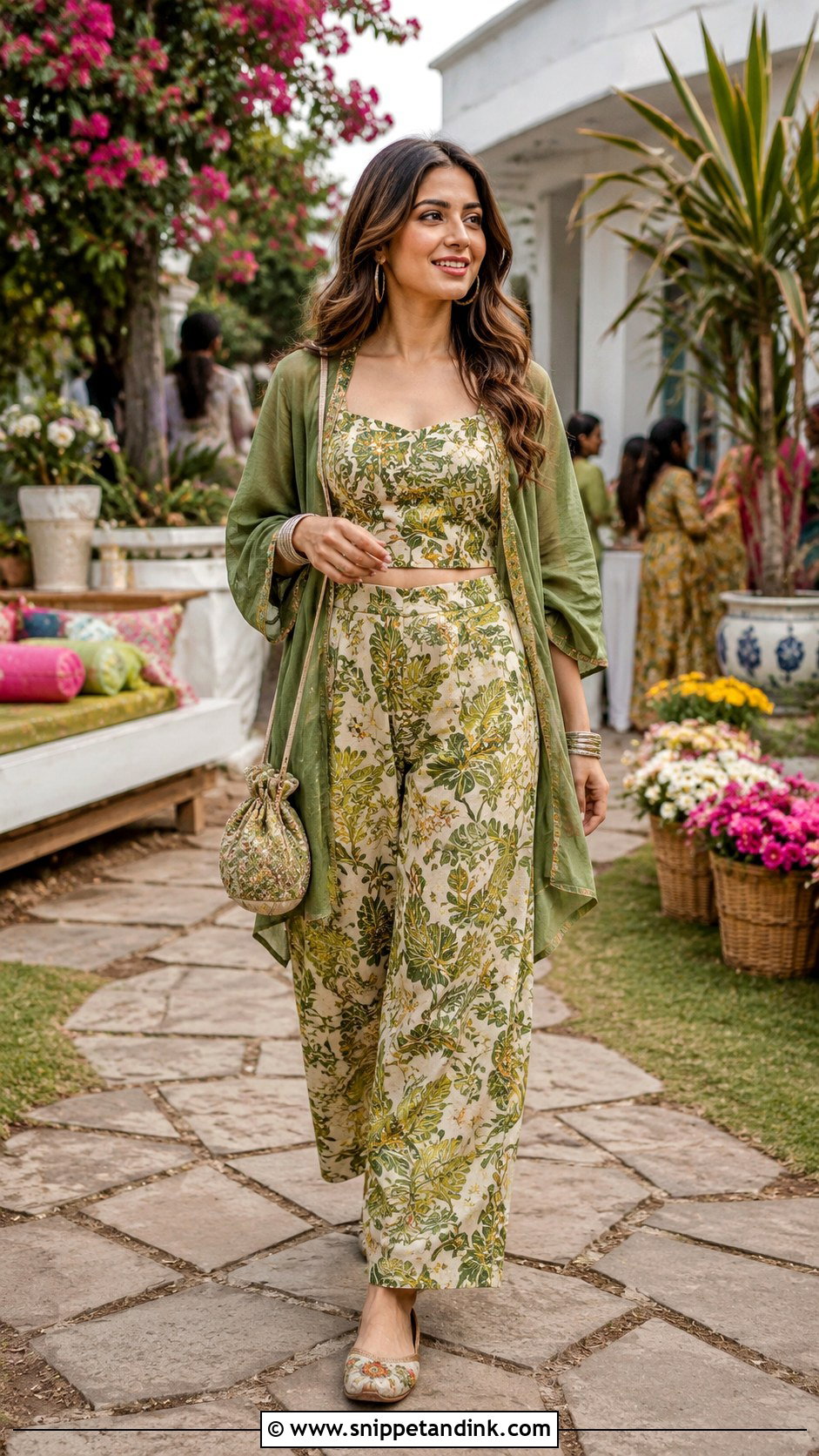
A printed ethnic co-ord is what I’d pack for a casual mehendi or welcome lunch. Wide-leg pants or a long skirt with a matching cropped or hip-length top, plus an optional light shrug, is all it takes. Botanical, geometric and block prints bring energy without heavy embroidery, and block-printed cotton breathes well through a hot afternoon of henna. Juttis, hoop earrings, stacked bracelets and a crossbody potli leave both hands free for the artist. With a bold print, repeat one color in the accessories. A braid, ponytail or loose waves and a pop of colored liner keep it playful.
18. Peplum Sharara Sangeet Outfit
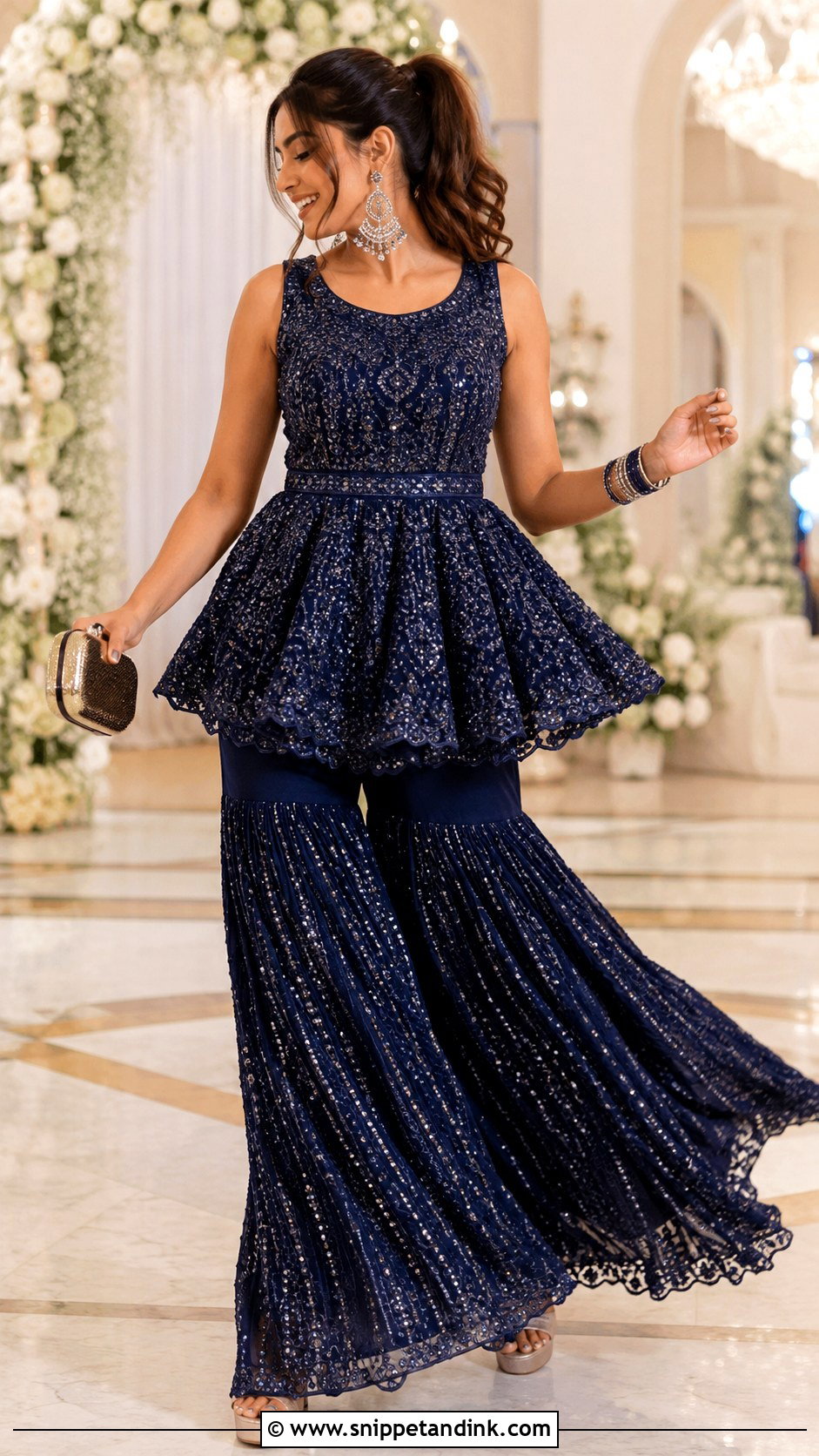
A peplum top over sharara pants defines the waist and lets the flare do the moving. The peplum should fit at the waist without pinching, because you’ll sit, dance and eat in it for hours. Sapphire, magenta, teal, charcoal or deep purple with mirror work or fine sequins suit a sangeet. Add a dupatta only if it contributes something; a cape sleeve or embellished neckline often does enough. Chandelier earrings, slim bangles, a metallic clutch and stable block heels finish it. Keep the sharara a finger’s width above the floor in your shoes, since a long hem is the trip hazard of every sangeet.
19. Kurta And Skirt Marriage Function Outfit
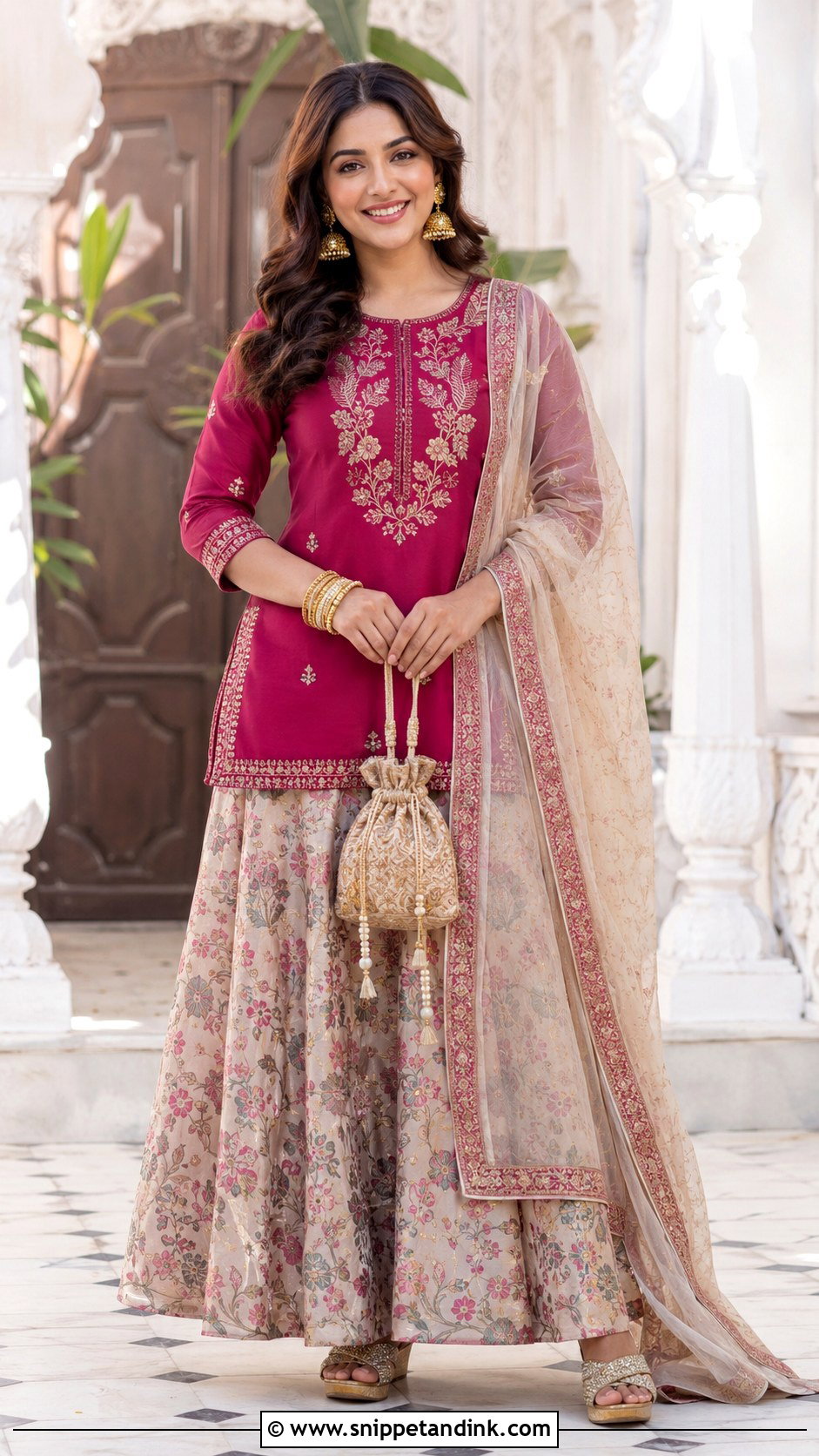
A long skirt with a kurta gives you a lehenga’s movement with more coverage. A short fitted kurta defines the waist; a longer straight one looks modest and streamlined. Pair a solid skirt with an embroidered kurta, or a printed skirt with a plain one, because one busy piece is plenty. A light dupatta over one shoulder suits ceremonies. Jhumkas, bangles, a potli and wedges or juttis finish it. Before the day, sit on the floor and stand up again to check the waistband stays put, a test most people skip. Soft curls, a low braid or a floral bun, with kohl and natural blush.
20. Ethnic Pantsuit Reception Outfit
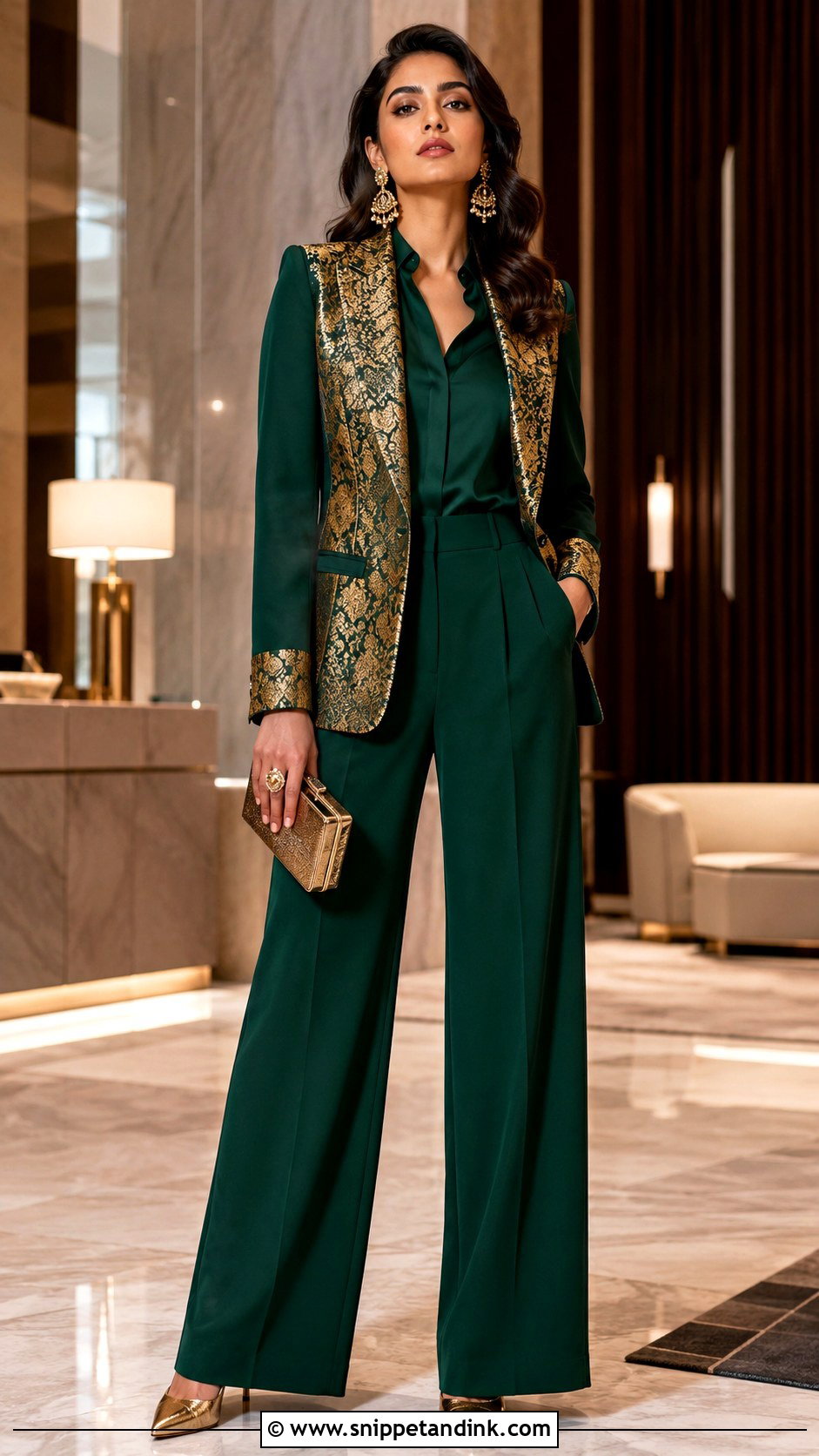
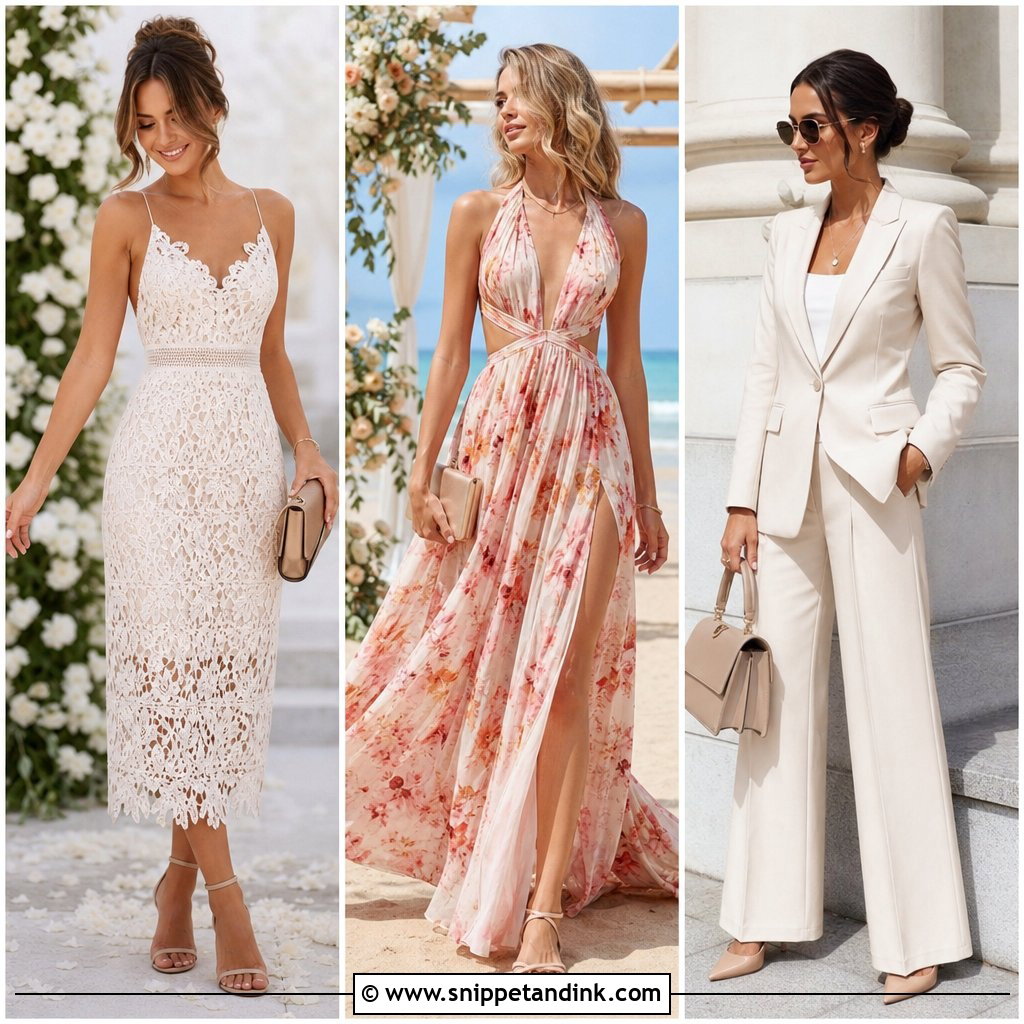
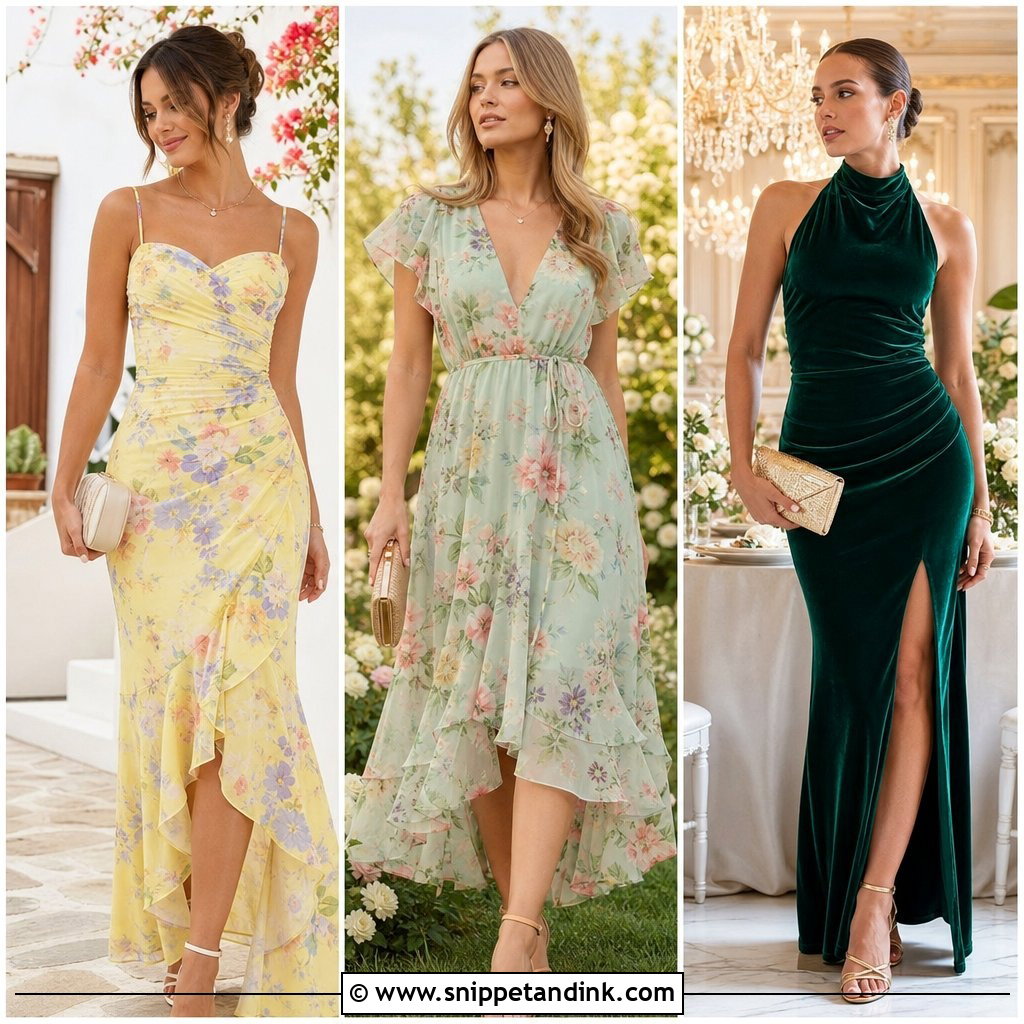
Sharp tailoring can feel as festive as a gown. Wide-leg or straight trousers with a structured blazer carrying brocade panels, metallic embroidery or decorative buttons form the base, with a silk camisole, fitted blouse or modest draped top underneath. Black, ivory, navy, emerald and wine read formal, but check the invitation and the family first, since some families still avoid black or all-white at auspicious events. Statement earrings, pointed heels, a metallic clutch and one bold ring are enough. A sleek ponytail or shoulder-length blowout and a rich lip suit the strong lines at a hotel or city reception.
Pins, Pleats and a Small Bag of Fixes
Draping a saree well takes practice, and a wedding morning is not the time to learn. Many families book a draper for the main day, and pre-stitched or pre-pleated sarees are a sensible shortcut if you’re doing it alone. I secure pleats at the waist with two safety pins hidden on the inside, then pin the pallu at the shoulder through the blouse. Dupattas get one pin at the shoulder and one at the opposite hip.
Re-wearing across functions is easier than people think. A lehenga skirt works again with a different blouse or a short kurta, and a dupatta from one outfit can refresh a plain suit on another night.
What goes in my function bag
- Safety pins in two sizes, plus a few bobby pins
- Double-sided fabric tape for slipping necklines
- Blister plasters, because new leather juttis are stiff until worn in
- Blotting papers and spare bindis
- A small comb and a hair tie for the moment a style gives up
Dress for the Function in Front of You
A wedding week asks a lot of a guest wardrobe, from relaxed daytime rituals to a glamorous reception. Whatever you wear should suit the formality of that particular event and still let you walk, sit on the floor, dance and eat. Sarees and silk suits carry tradition, while shararas, cape lehengas, co-ords and tailored pantsuits bring something newer. Read the invitation, ask the family what they expect, and think about weather and venue. Let jewelry, shoes and hair support the outfit instead of overwhelming it, and wear the colors you feel most like yourself in.
You'll Like These Ideas:



Leave a Reply