
Most of the plus size brides I dress walk in expecting to be talked out of things. I’d rather do the opposite. Every silhouette below exists in curvy sizing, from full A-lines and ball gowns to fitted mermaids, clean crepe and lace, and the gown that fits is the one with honest construction underneath: real boning, lined cups, a waist seam placed where your waist actually is. I’ll tell you what I check on each style at a fitting, who I’d steer toward or away from it, and how I’d finish it with a veil, shoes and jewelry, so you can walk into appointments knowing which of these 20 gowns to ask for first.
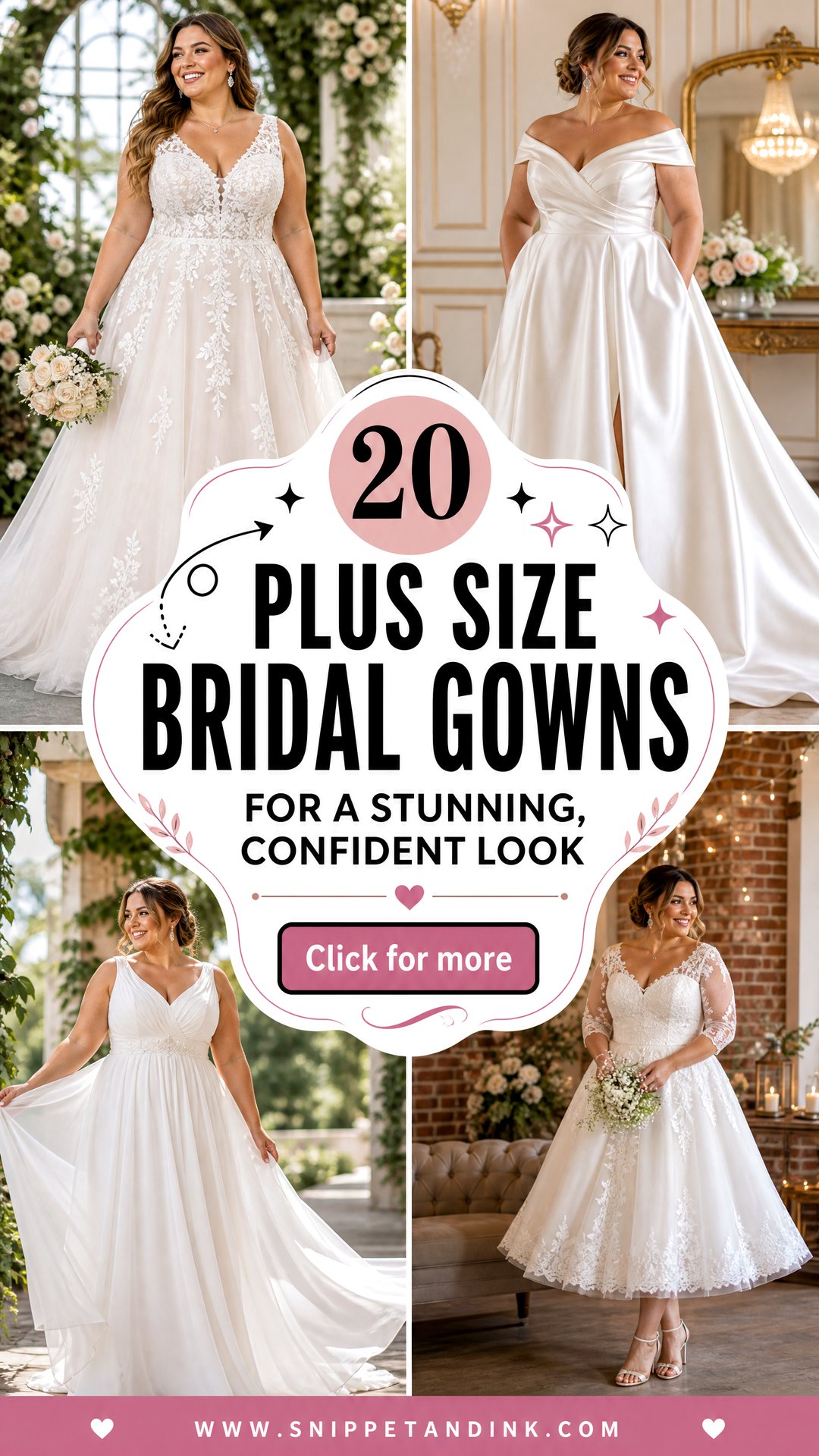
Shopping When the Sample Rack Stops at a Size 14
Many bridal shops still carry samples in one or two small sizes, which means a curvy bride is often shown a gown clipped open at the back with a shawl over the gap. That tells you almost nothing about how the finished dress will sit. When you book, ask outright which sizes their samples run in and whether they stock curve samples. A shop with gowns in your range is worth a longer drive.
If you do try a sample that’s too small, focus on what you can learn: where the waist seam lands, how the skirt hangs, whether the neckline flatters your face. Ignore the bust and back. Bring the bra or bodysuit you plan to wear, and shoes close to your wedding height, so the hem and proportions aren’t guesswork.
Order dates for made-to-measure gowns
Most designer gowns are cut to order, and extended sizes sometimes take longer to produce than straight sizes. I tell brides to order roughly eight to ten months out, then leave about two to three months for alterations. If your timeline is shorter, ask about off-the-rack stock or rush fees before you fall for a gown that cannot arrive in time.
1. Plus Size A-Line Bridal Gown
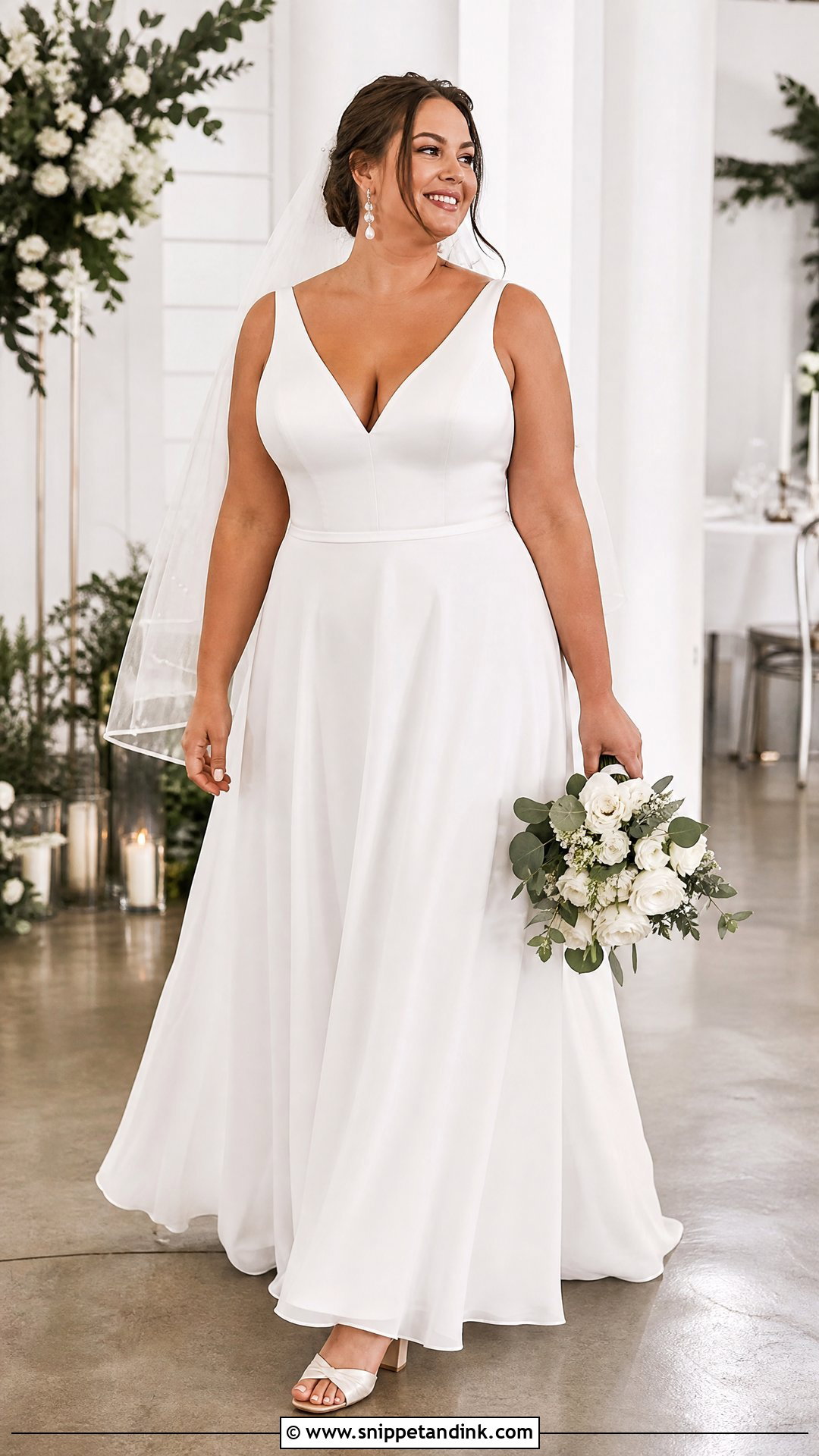
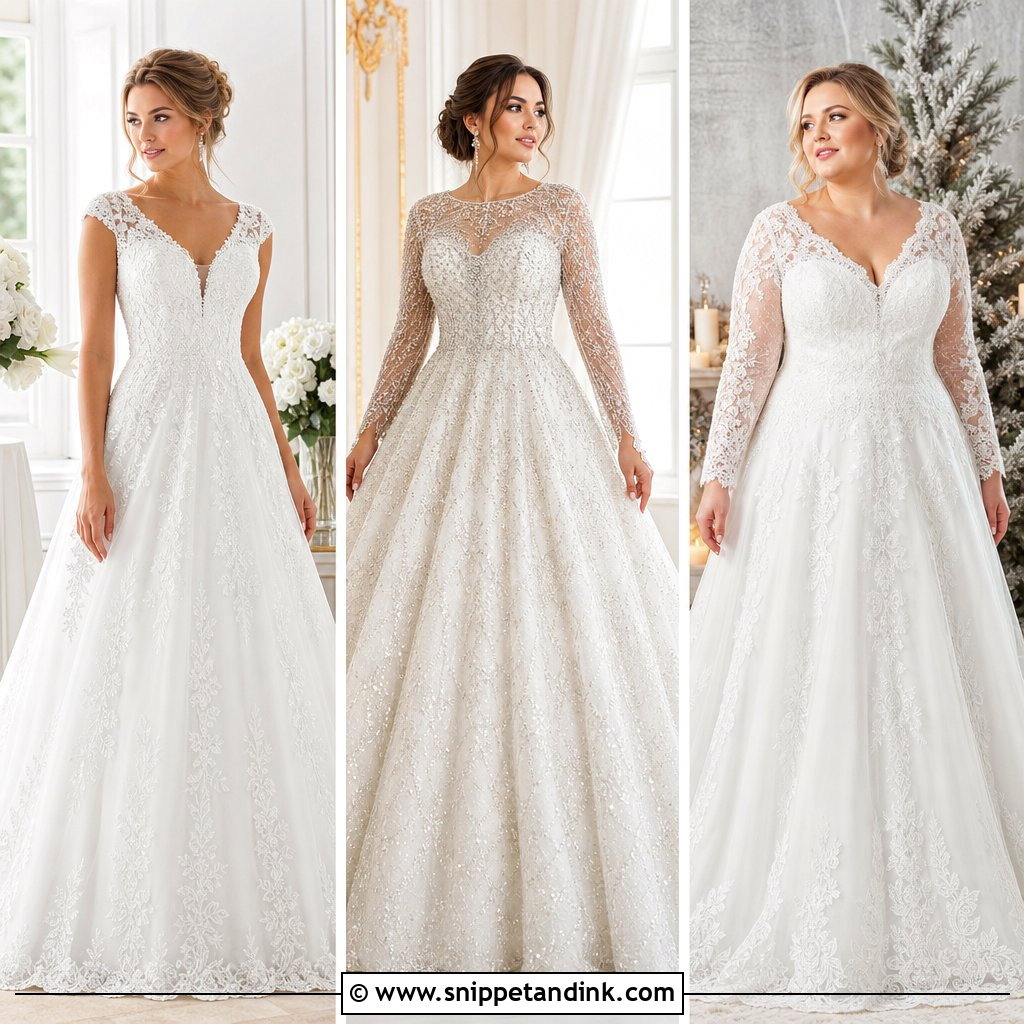
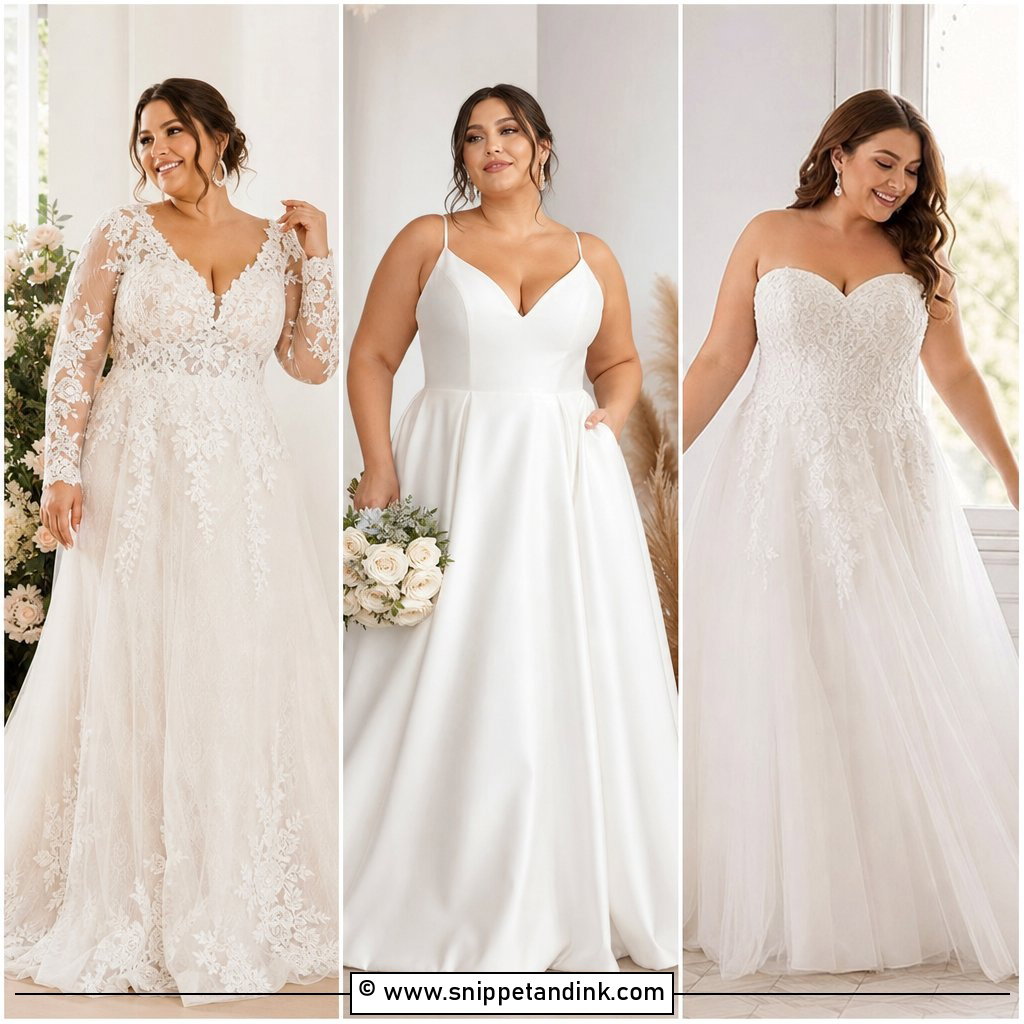
This is the shape I pull first for almost every curvy bride, because the skirt releases from the waist and never has to negotiate the hips. The bodice is where it succeeds or fails. I look for wide straps and a soft V, and I press on the side seams to feel for boning before I even zip it. Chiffon or layered tulle keeps the skirt from getting heavy by the end of the night. A fingertip veil, pearl drops, block-heel sandals and a small trailing bouquet finish it without fuss. Keep alterations to bust, waist and hem; if the seamstress starts taking in the skirt panels, the flow you bought it for disappears.
2. Plus Size Lace Bridal Gown
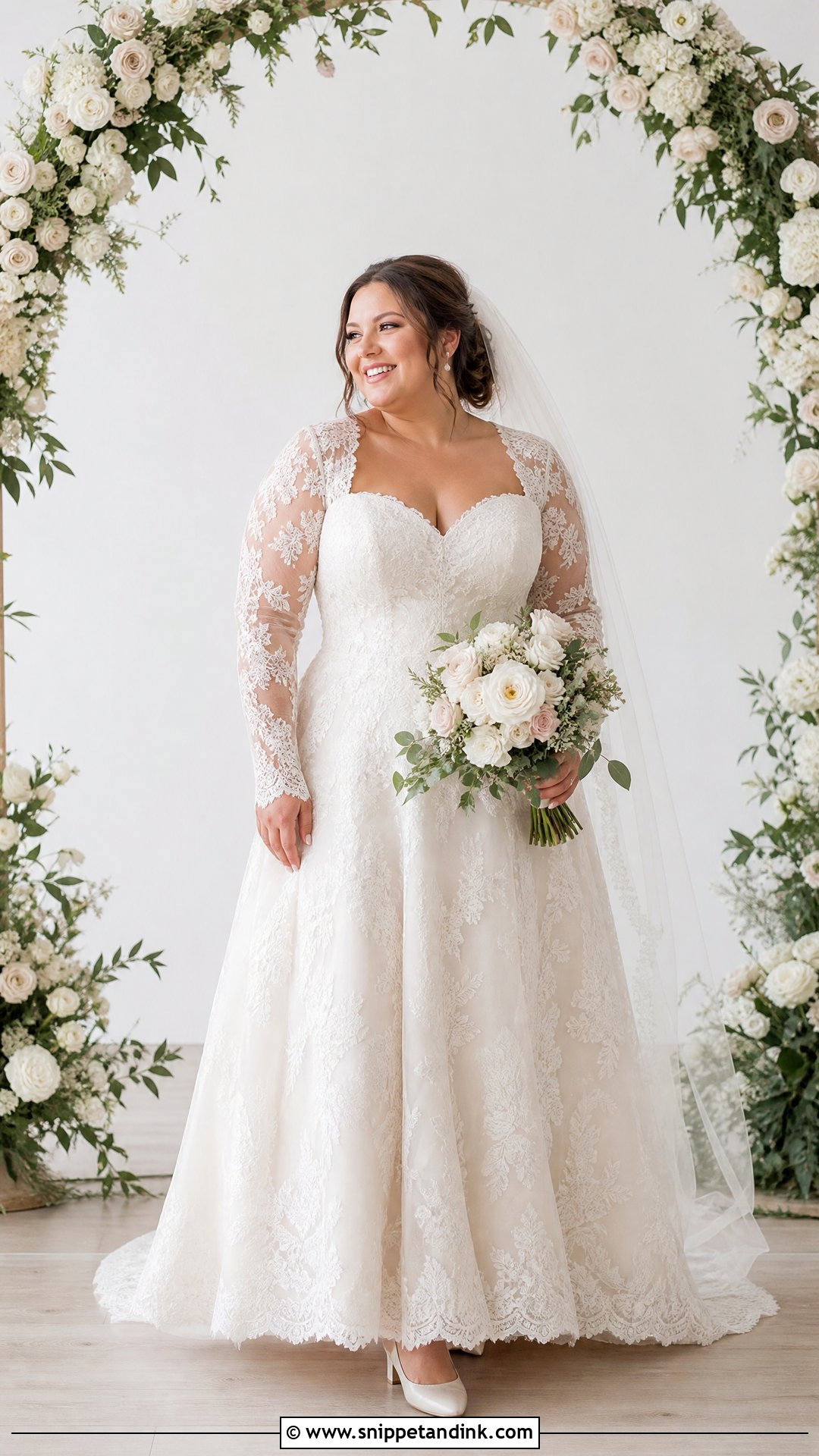
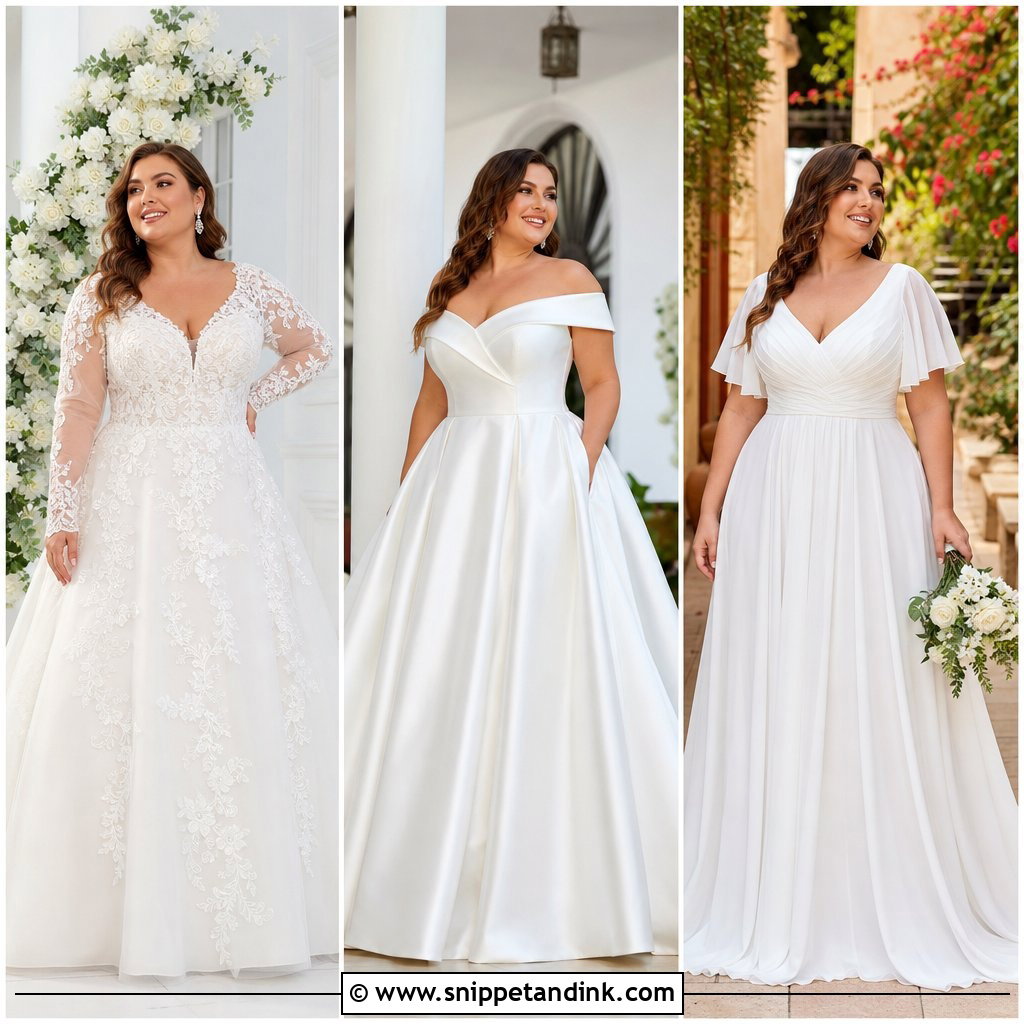
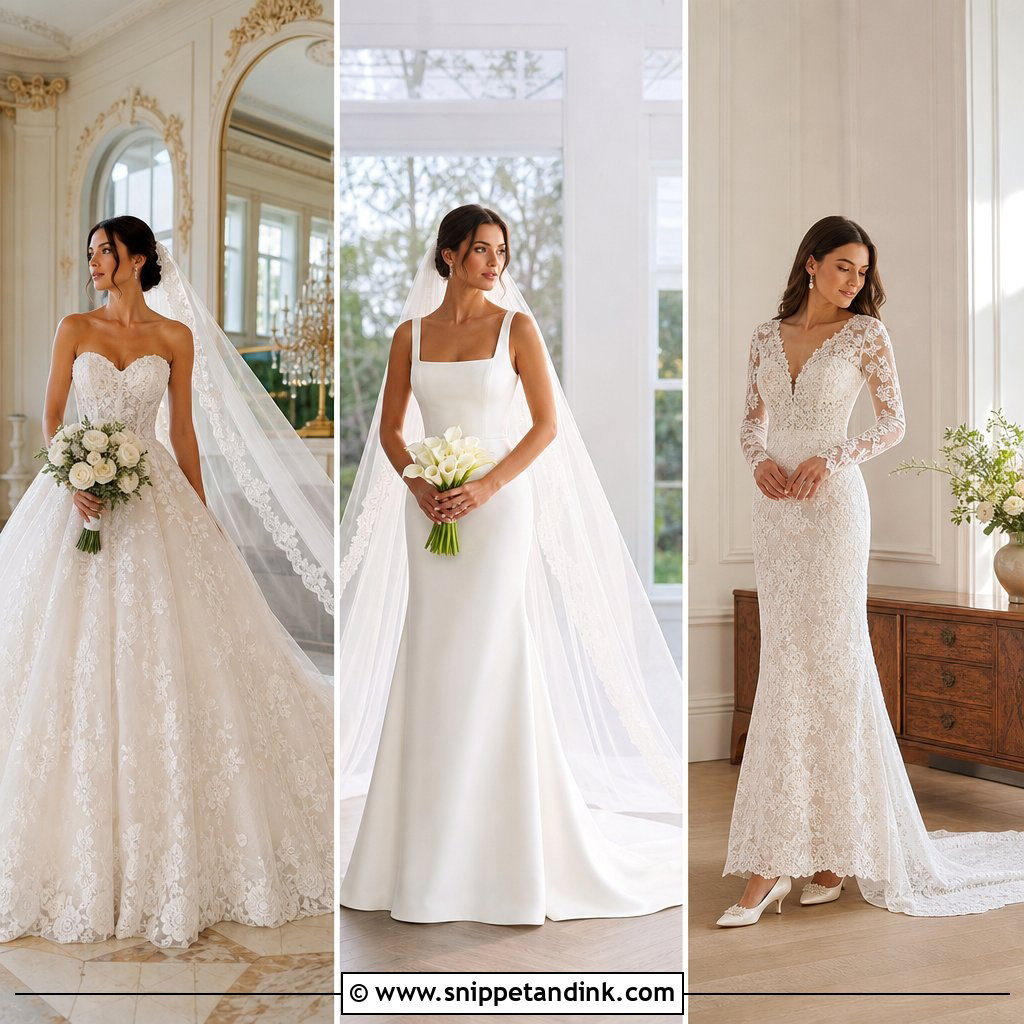
Lace is forgiving to fit because the pattern breaks up seam lines, but it isn’t forgiving to move in. A lined sweetheart bodice with illusion lace sleeves and a gently flared skirt is the version I like best. At the fitting I have brides hug me and lift a glass, because corded lace sleeves are often cut slim and will bite into the upper arm after an hour. Larger motifs read cleaner on a fuller figure than tiny allover embroidery, which can look busy in photos. Then keep it quiet: a plain tulle veil, pearl studs, ivory low heels, a tight white bouquet. Check the lining against your skin too, since scratchy netting under lace is the complaint I hear most at the reception.
3. Plus Size Ball Gown Bridal Gown
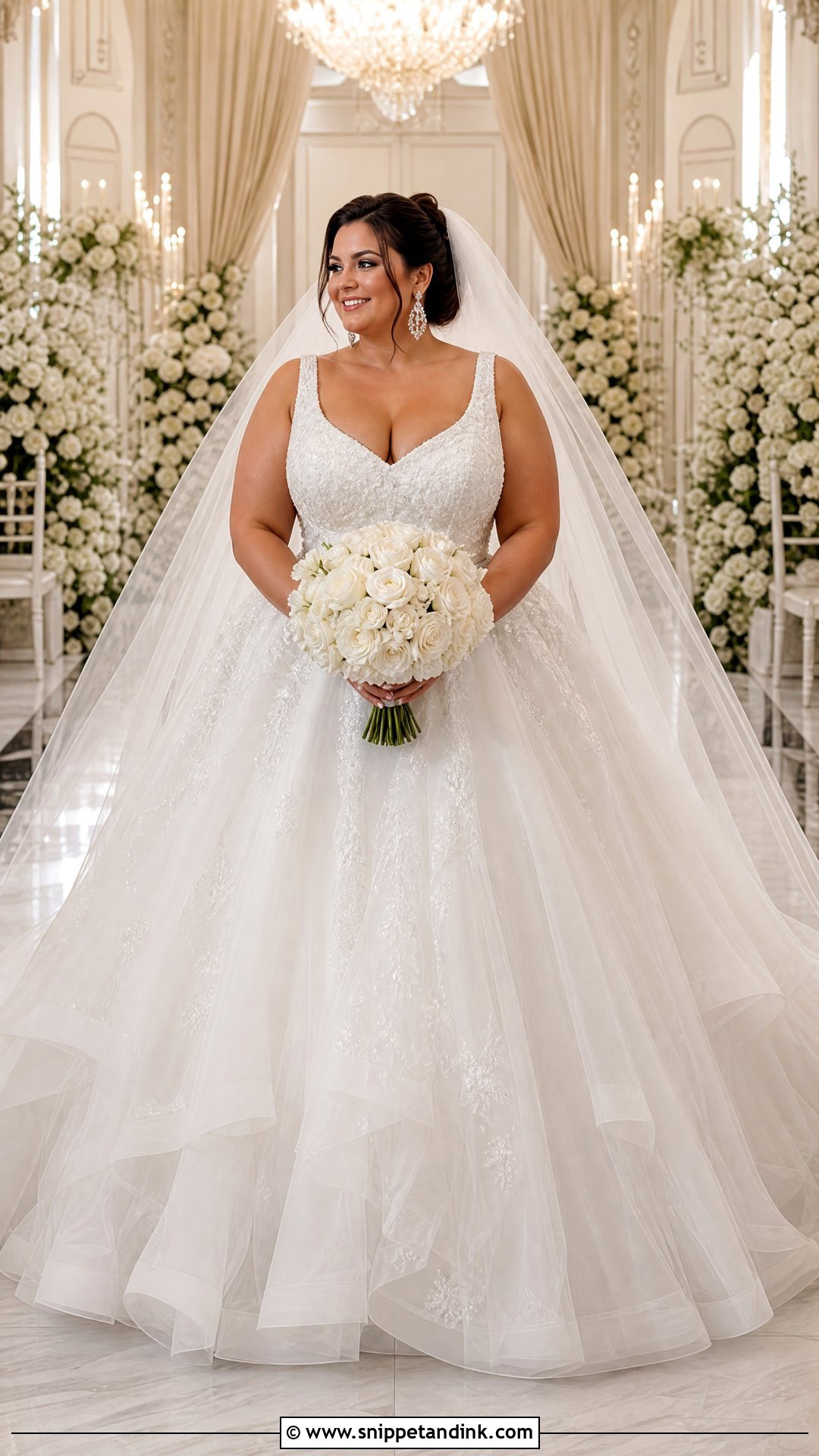
A ball gown is a real commitment in weight, and I say that to every bride who wants one. Tulle layers give you the volume at a fraction of the heft of satin or mikado, so I’d start there. The skirt should begin at your natural waist with a scoop or sweetheart neckline above it, and a defined seam or slim beaded belt keeps the top half from getting lost. Platform block heels under the skirt add height without wobble. Practice sitting, walking and turning in the full gown, and ask how the bustle works before you say yes. A heavy train on a weak bustle will tear its hooks by the first dance.
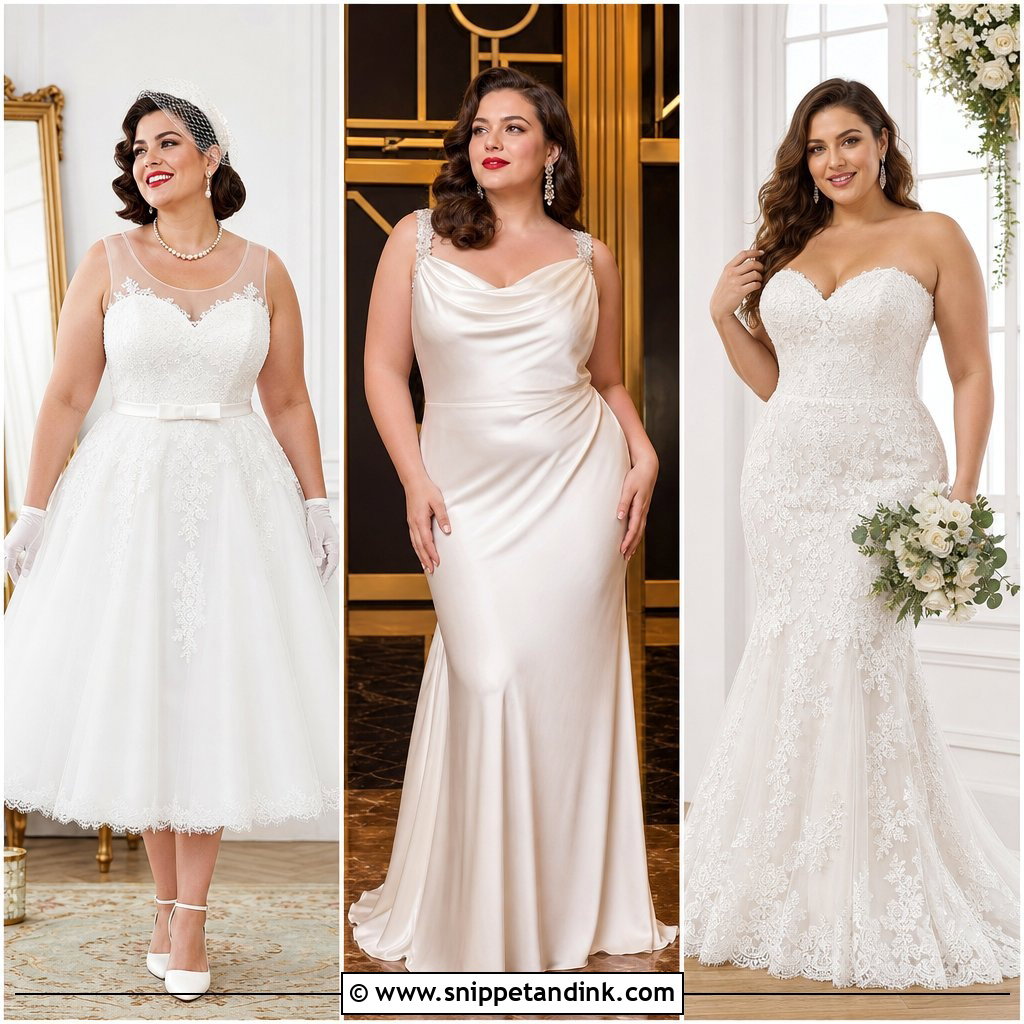
4. Plus Size Mermaid Bridal Gown
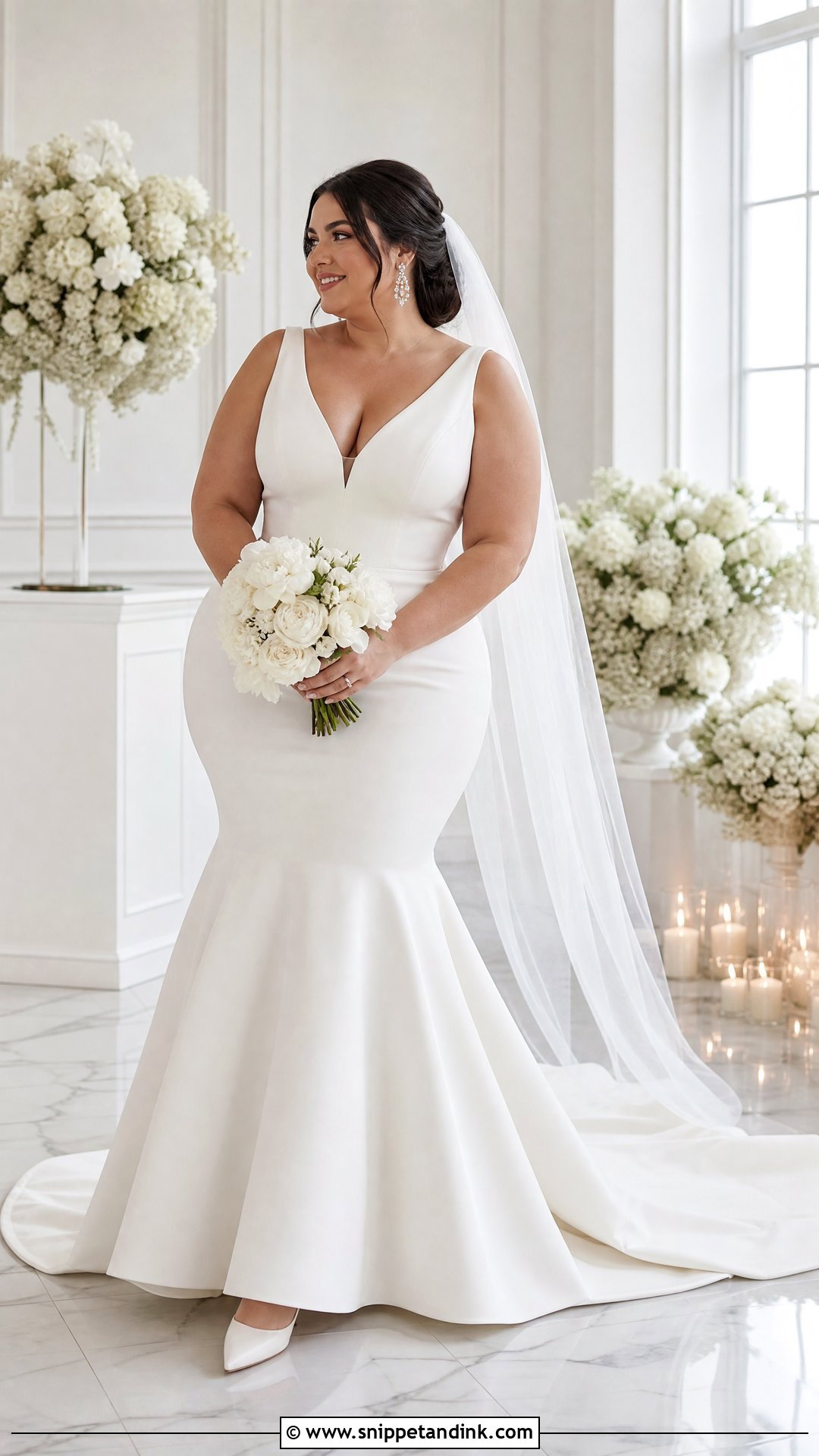
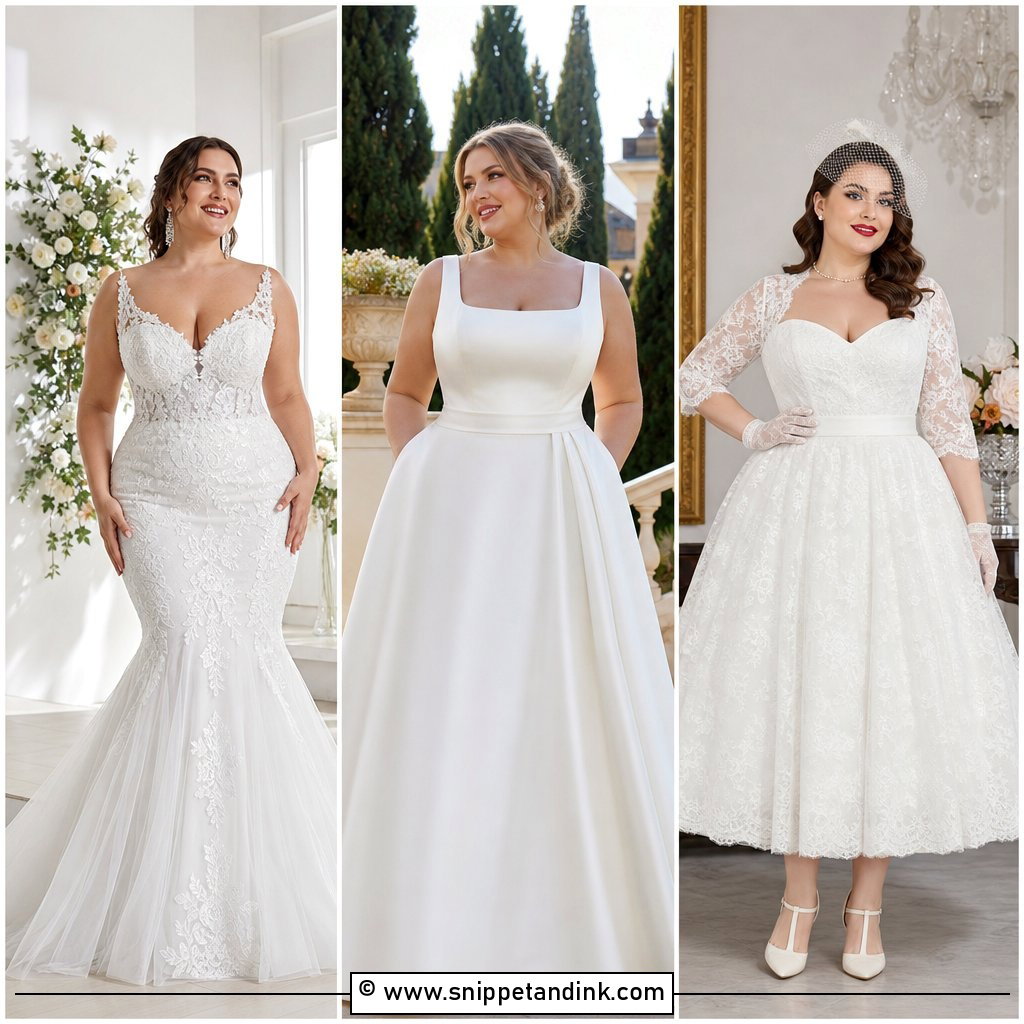
Where the flare starts is the whole question with a mermaid. If it kicks out below the knee, you’ll shuffle all night; I usually want it just above, where your stride can open. Stretch crepe or lace with some give is far kinder here than stiff layered fabric. A V-neck with wide straps adds a long vertical line through the torso and real support. I’d keep the rest plain: a long simple veil, crystal earrings, pointed heels, a small bouquet. Fit it standing and seated, because a mermaid that looks perfect upright can pull across the hips the moment you sit for dinner.
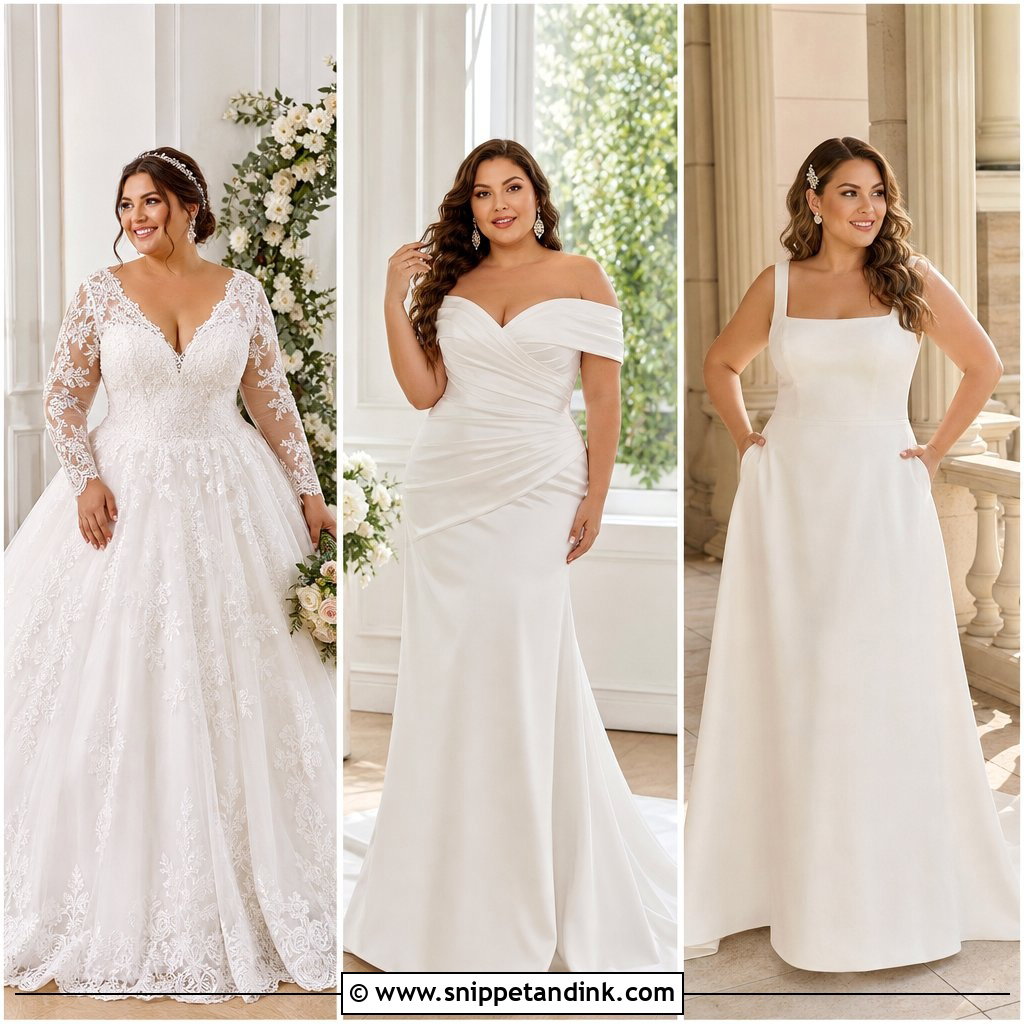
5. Plus Size Long Sleeve Bridal Gown
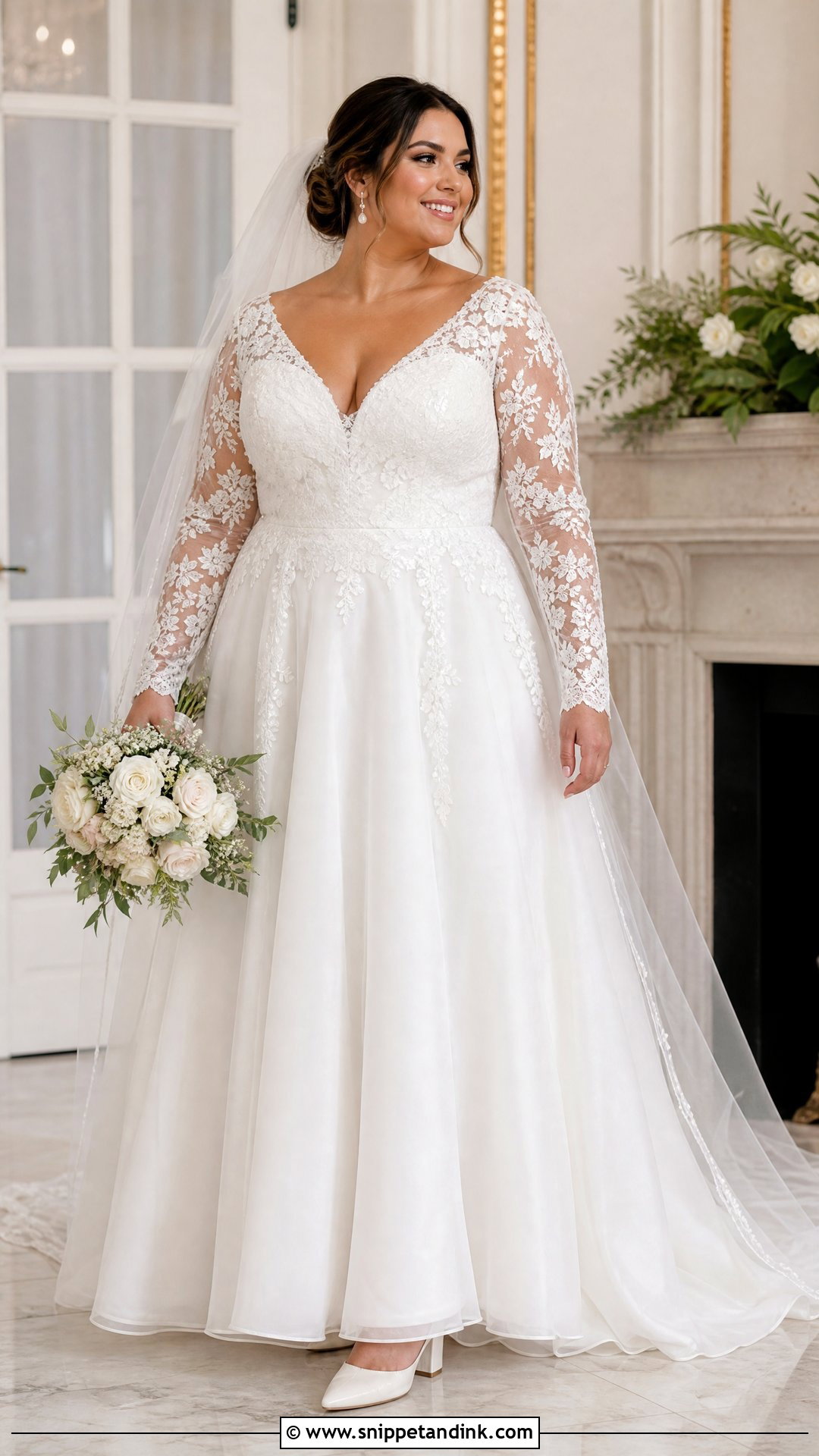
Long sleeves suit cool-season and formal venues, but they trap heat, so I only recommend sheer lace sleeves with flexible seams. Under them I want a lined, supportive bodice and a flowing A-line or fit-and-flare skirt, with an open V or modest scoop to keep the top from feeling closed in. A low textured bun, chapel veil, pearl earrings and closed block heels pair well. Buttoned cuffs need testing: bend your elbows and raise your arms in the shop. And please don’t size down hoping it will look tighter. A sleeve that’s too small binds across the upper arm and back, and no seamstress can add fabric that isn’t there.
6. Plus Size Off-Shoulder Bridal Gown
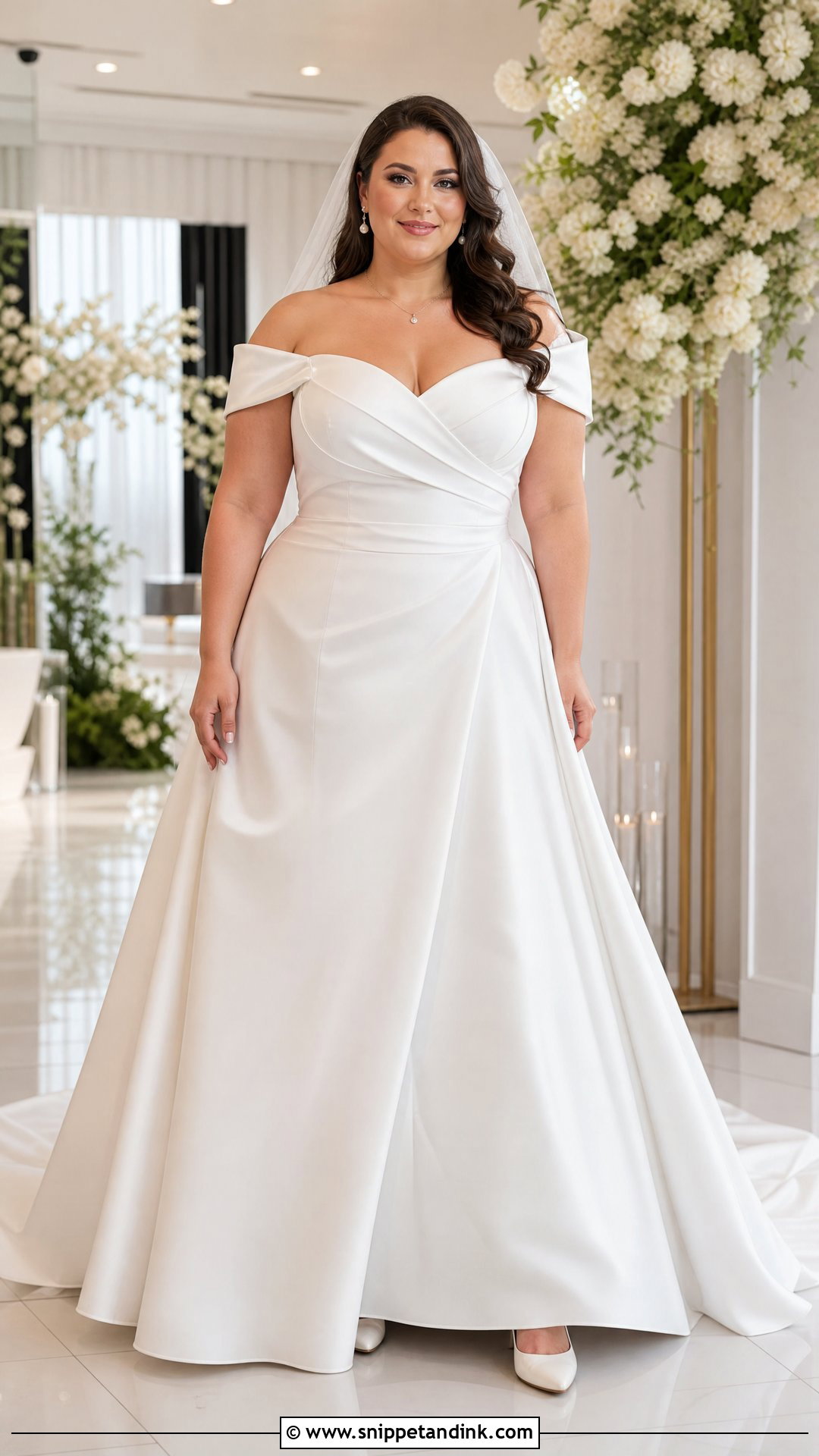
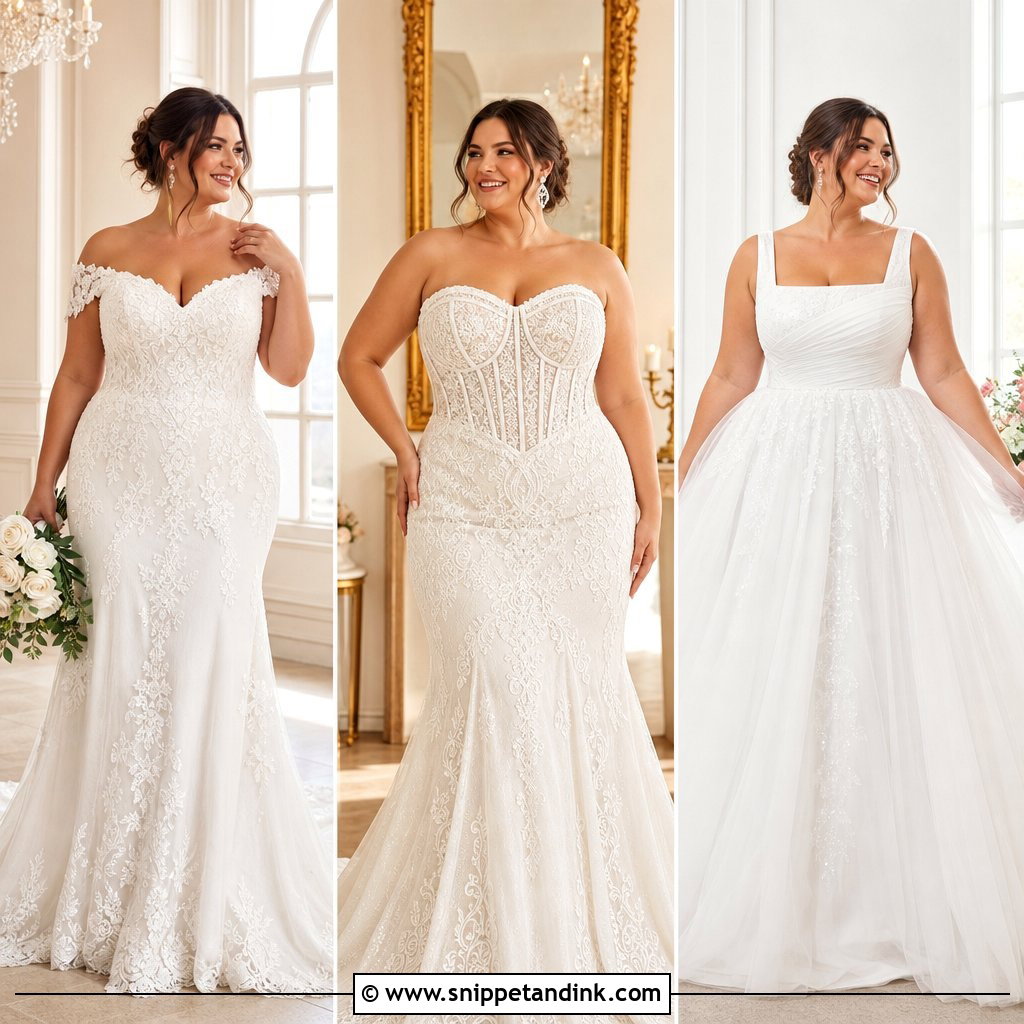
Off-shoulder straps sit on the arm, not the shoulder, which is why they slip or dig unless the bodice underneath holds everything. I want internal boning and molded cups so the straps are decoration, not structure. A fitted bodice over an A-line satin or tulle skirt keeps the proportion even. A loose updo shows the collarbone; add a fine necklace, pearl earrings, a simple veil and closed-toe heels. At the fitting, reach forward as if you’re signing the register and then up for a hug. If the straps ride up or cut in, ask for elastic inside them. Fashion tape is a backup, never the plan.
7. Plus Size Strapless Bridal Gown
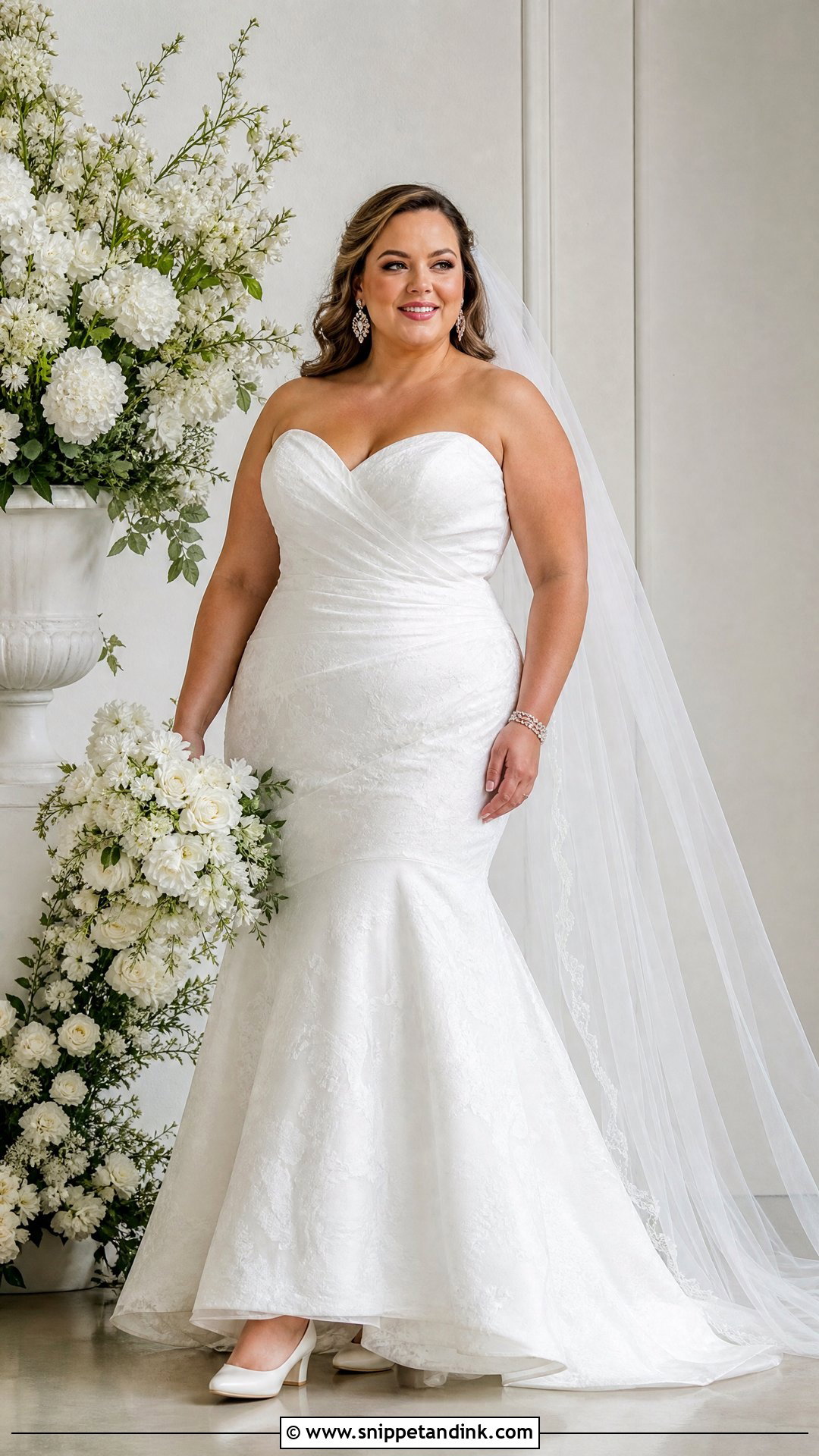
A strapless gown on a fuller bust is completely doable, but only if the bodice is engineered: boning on every seam, a reinforced waist stay and structured cups. Without the waist stay the weight of the skirt drags the top down all evening. A straight neckline looks modern, a sweetheart more traditional. I’d pair it with a sheer fingertip veil, statement earrings, a slim bracelet and supportive block pumps over an A-line or fit-and-flare skirt. Walk, sit, bend and raise your arms in it. If you catch yourself hitching it up even once in the fitting room, it will be a hundred times on the day, so ask about detachable straps or a sheer topper now.
8. Plus Size Satin Bridal Gown
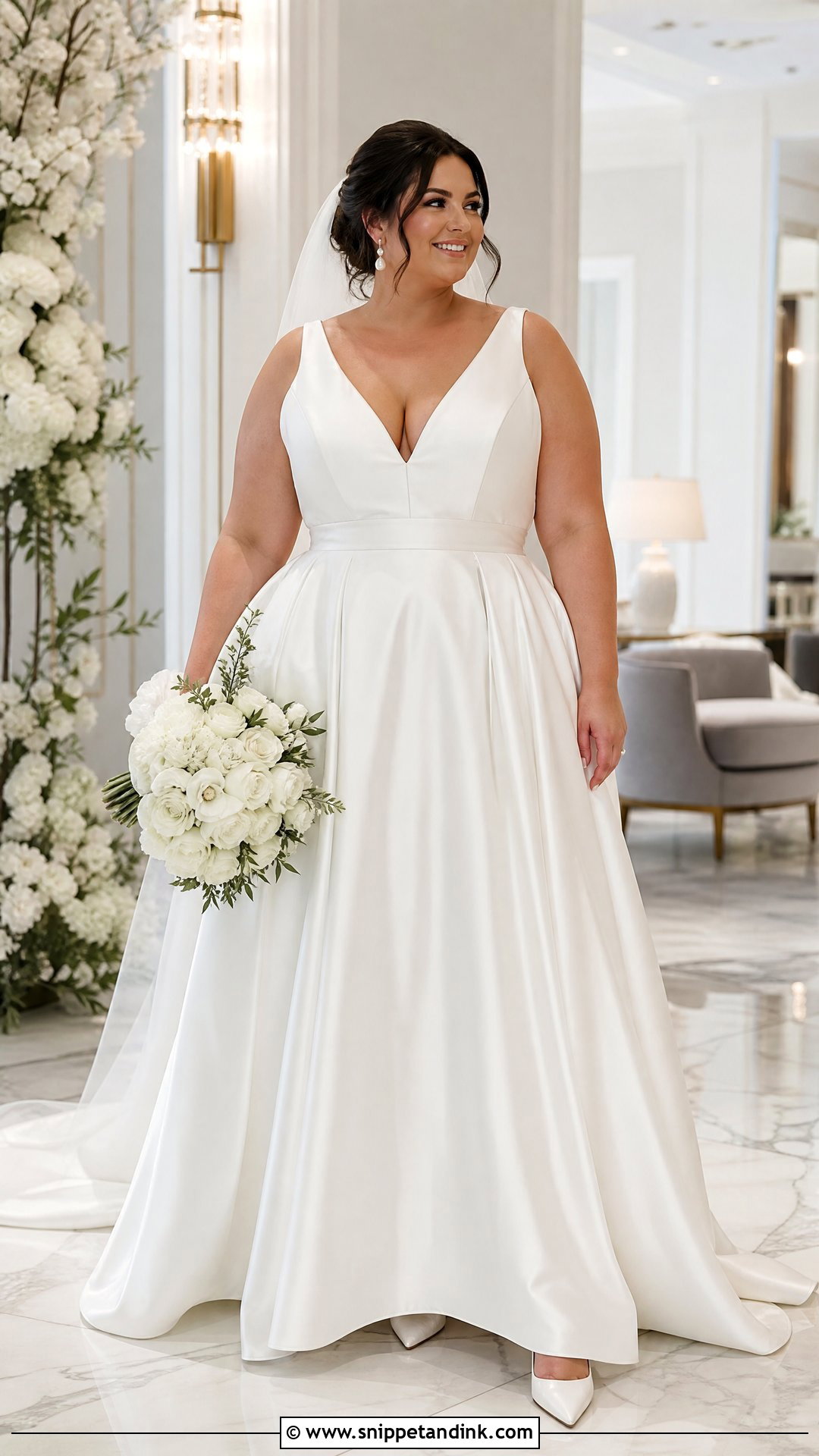
Satin shows everything, which I mean as praise and as a warning. It suits simple tailoring: an A-line with a V-neck, wide straps, a defined waist and soft pleats in the skirt. Because the fabric already carries the look, I keep accessories spare: pearl drops, a plain veil, pointed shoes, a structured white bouquet. Seams placed along the body’s natural lines and a full lining stop the fabric from rippling. Satin creases the moment you sit in a car, so book a steam on the morning and travel with the gown loose in a roomy bag. Ask for a wrist loop and secure bustle so the train is off the floor once the portraits are done.
9. Plus Size Chiffon Bridal Gown
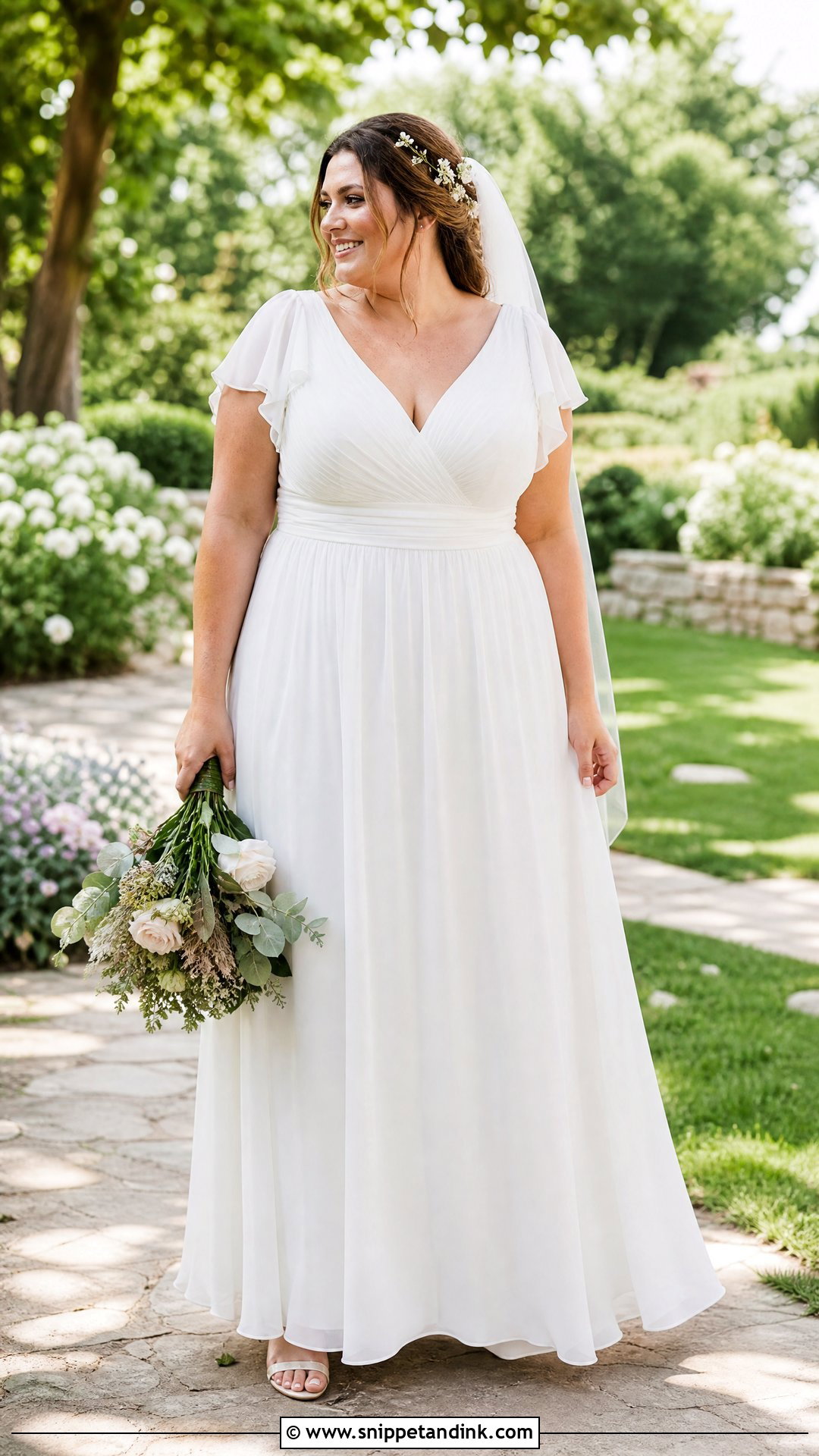
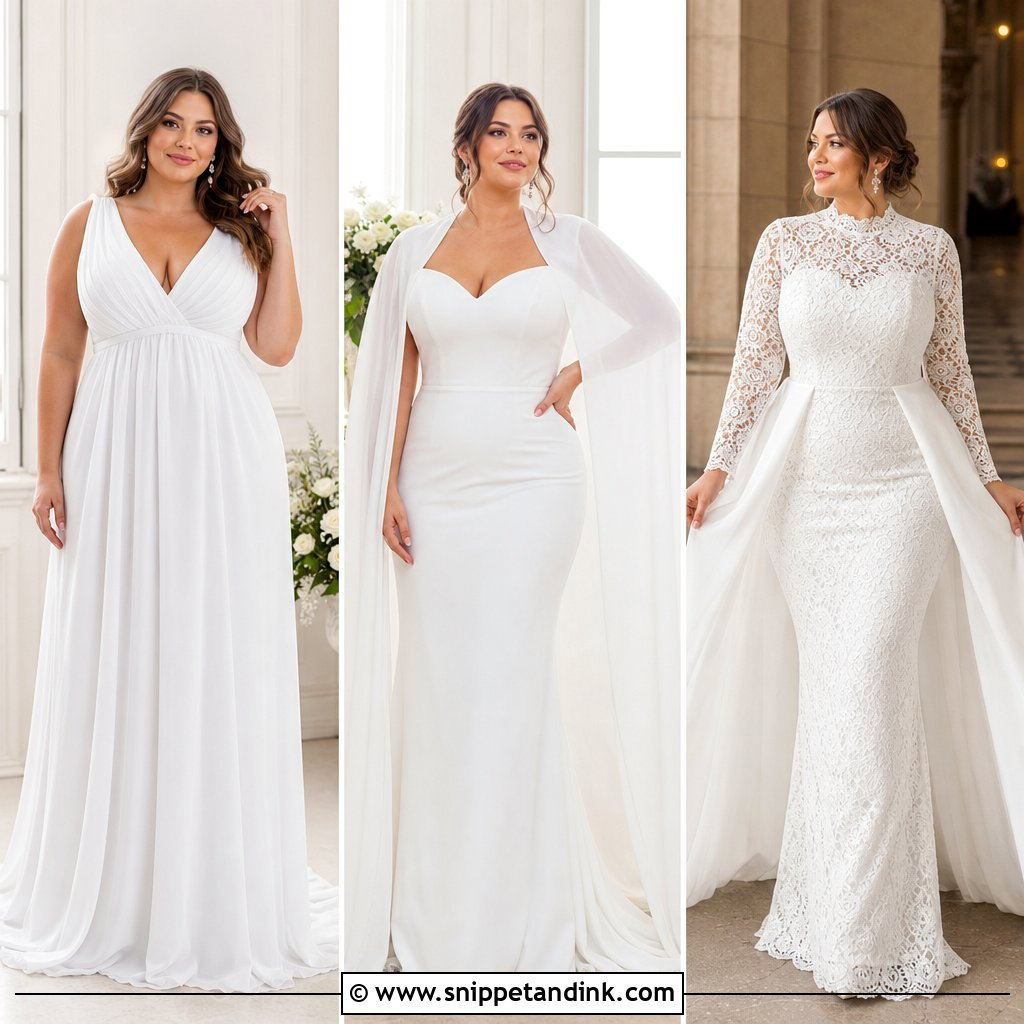
For warm weather and outdoor ceremonies, chiffon is my first suggestion, since it breathes and moves with you instead of sitting on you. I look for a supportive lining, a gathered V-neck bodice, flutter sleeves and either an empire or soft natural waist. Chiffon snags easily, so I avoid prong-set rings, beaded bags or bracelets with rough edges against it. Stand in sunlight before you commit; a single layer can turn see-through, and an extra lining is a simple fix if you ask early. A light veil, floral pins, low block sandals and a loose bouquet suit it. Hem it with your actual wedding shoes on so it clears the ground.
10. Plus Size Boho Bridal Gown
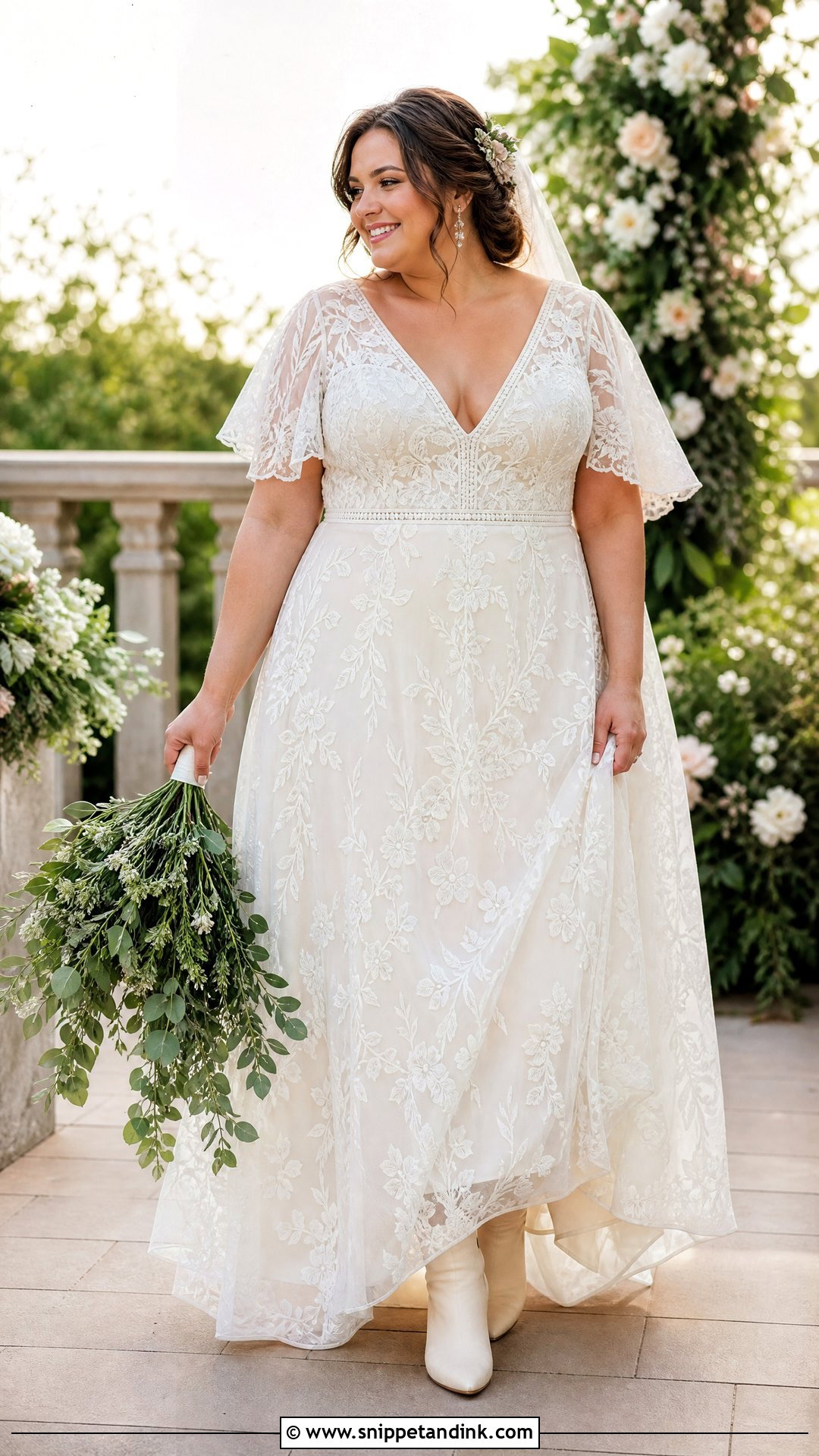
Boho styles are relaxed in spirit but still need to fit like a tailored gown, otherwise they look like a nightdress in photos. A soft A-line with botanical lace, a V-neck and flutter sleeves is the classic version. A nude lining makes lace stand out against the skin; ivory gives more coverage. I pinch the seams at the armhole and waist at the fitting, because loose boho gowns tend to gape there. A flower comb, simple drops, ivory ankle boots or block sandals and a greenery bouquet finish it, with a short veil or light cape if you want one more layer.
11. Plus Size Simple Crepe Bridal Gown
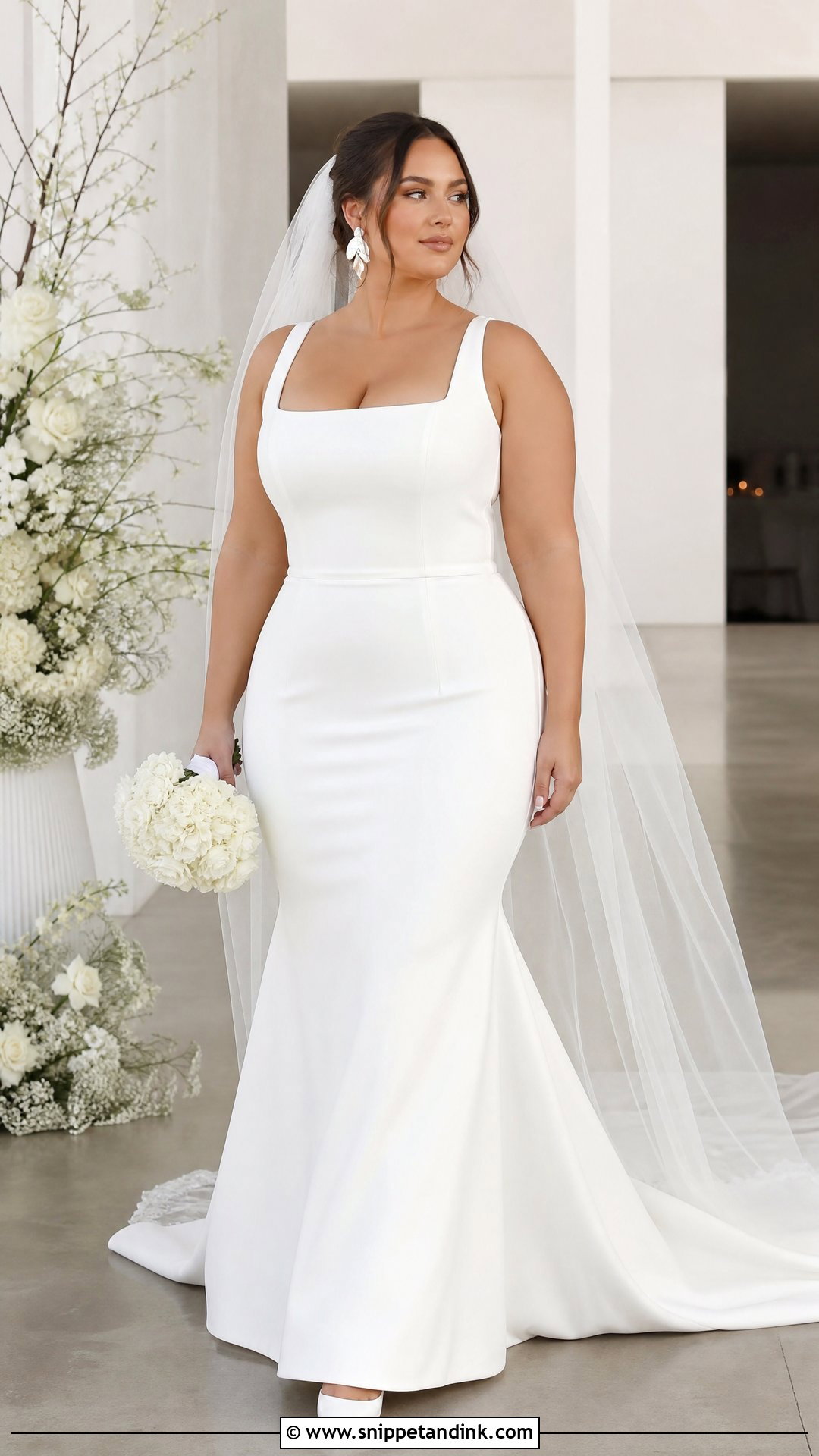
Crepe is honest fabric: it follows the body and shows every seam and every alteration, good or bad. That’s why I recommend a thick stretch crepe, not a thin one. A square neckline, wide straps and a column or fit-and-flare skirt give a clean modern line, finished with a sleek bun, sculptural earrings, a plain cathedral veil, pointed pumps and a small one-color bouquet. Ask for princess seams and a full lining, and leave a little ease so the fabric skims rather than grips. Smoothing underwear is optional. If the gown only looks right with shapewear you dislike, the fit is wrong, not your body.
12. Plus Size Sweetheart Bridal Gown
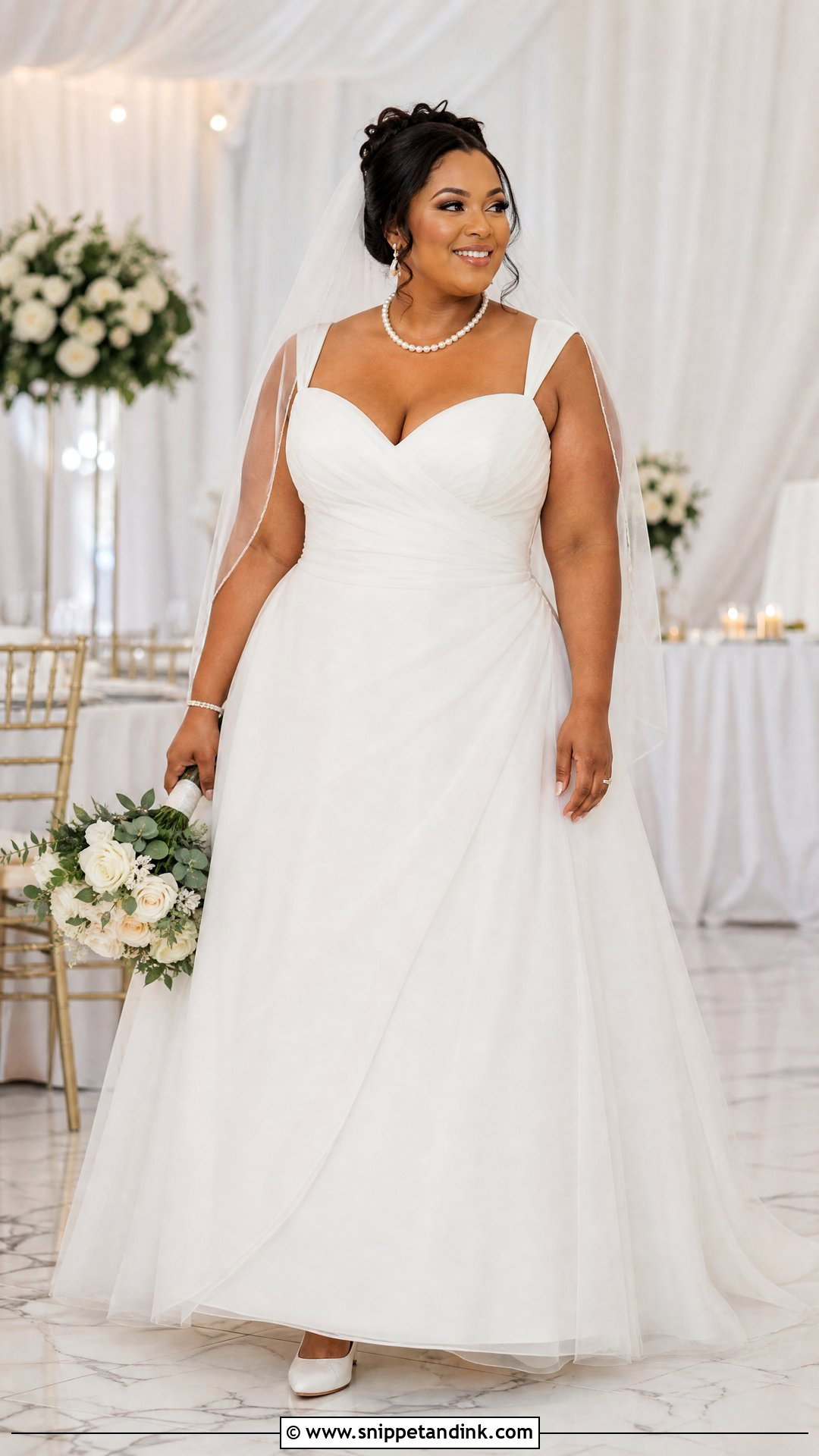
A sweetheart neckline lives or dies at the center front. If the point between the cups lifts away from the chest, the whole bodice looks borrowed. Choose structured, supportive cups with wide detachable straps or a strapless interior that genuinely grips, over a layered A-line skirt. A pearl necklace, matching earrings, a fingertip veil and rounded heels keep it classic. If it sits lower than you’d like, an illusion mesh insert adds coverage without losing the shape. Once the fit is settled, have the bustle done properly so the skirt behaves for dancing.
13. Plus Size High Neck Bridal Gown
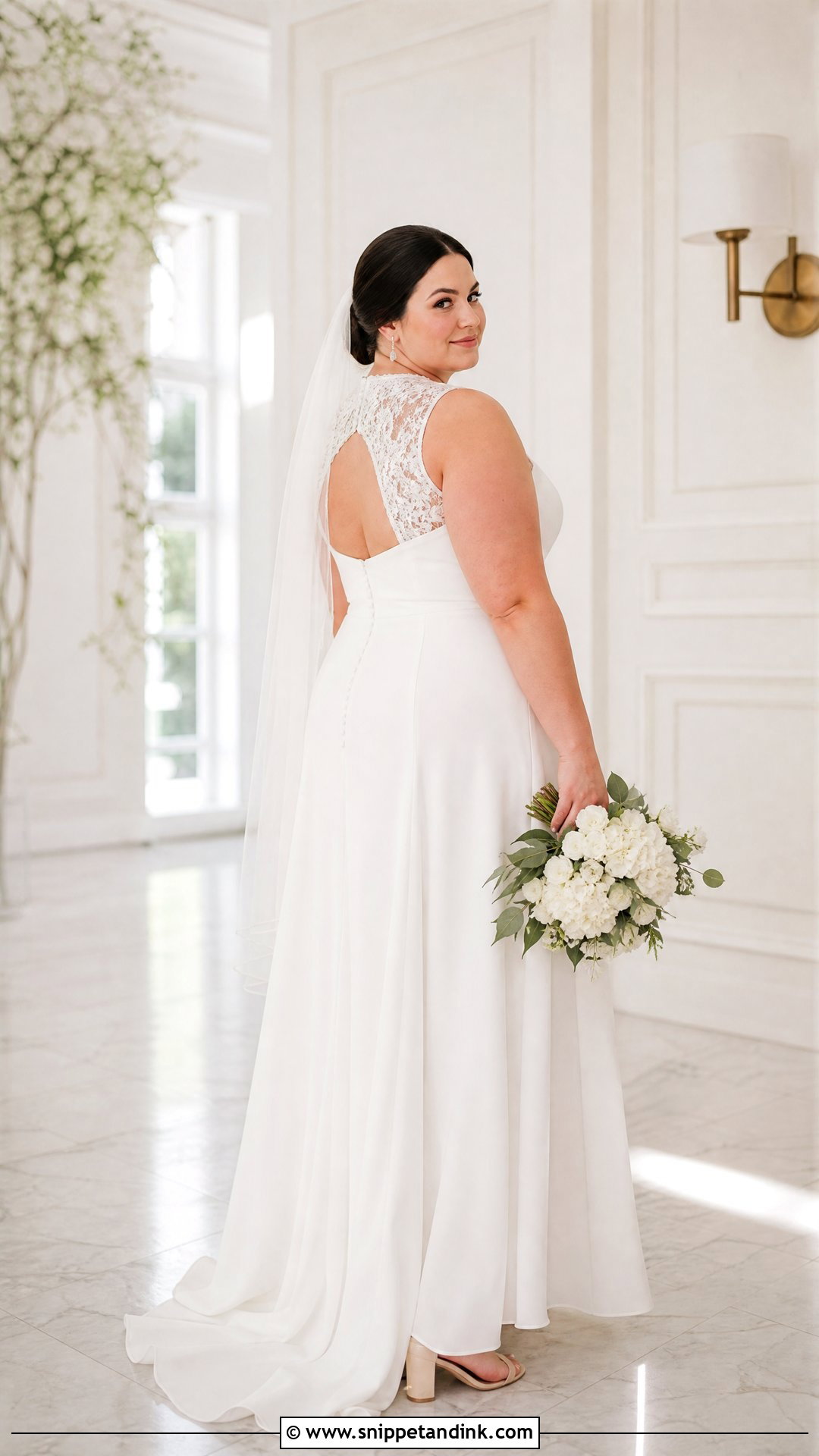
High necks draw the eye up to the face, and on a fuller bust they create a long, unbroken line I love. Sheer lace at the collar keeps it light, especially sleeveless with a chiffon or crepe skirt, and a keyhole or open back stops it feeling buttoned up. Skip the necklace. Small pearl earrings, a low bun and a veil set beneath the bun are enough, with elegant block heels. Sit down and turn your head fully in the fitting; a collar cut even slightly snug will rub raw by evening. Soft lining at the neck and armholes, plus careful shoulder adjustments, lets the bodice lie flat.
14. Plus Size Tea Length Bridal Gown
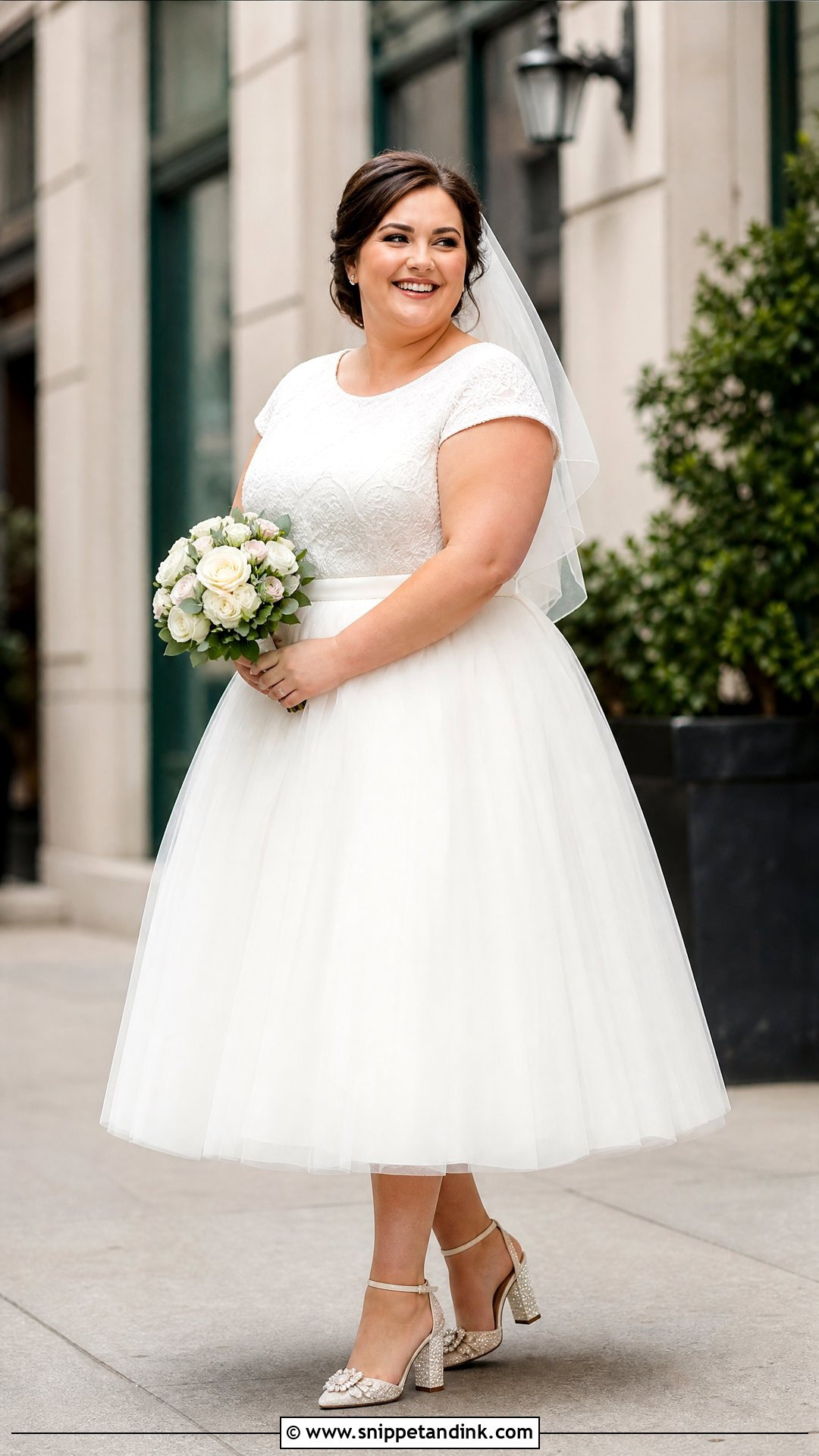
Tea length is the gown for shoe lovers and dancers. With no train to bustle, you simply move. A fitted bodice with short sleeves or wide straps, a defined waist and a skirt ending between knee and ankle is the shape; mikado or layered tulle gives that shorter skirt body. Pair with embellished block heels, a birdcage or short tulle veil, pearl studs and a compact bouquet. Hem placement matters more here than in any long gown. Half an inch moves where the eye lands on your leg, so I pin it with the shoes on, standing in front of a full mirror.


15. Plus Size Empire Waist Bridal Gown
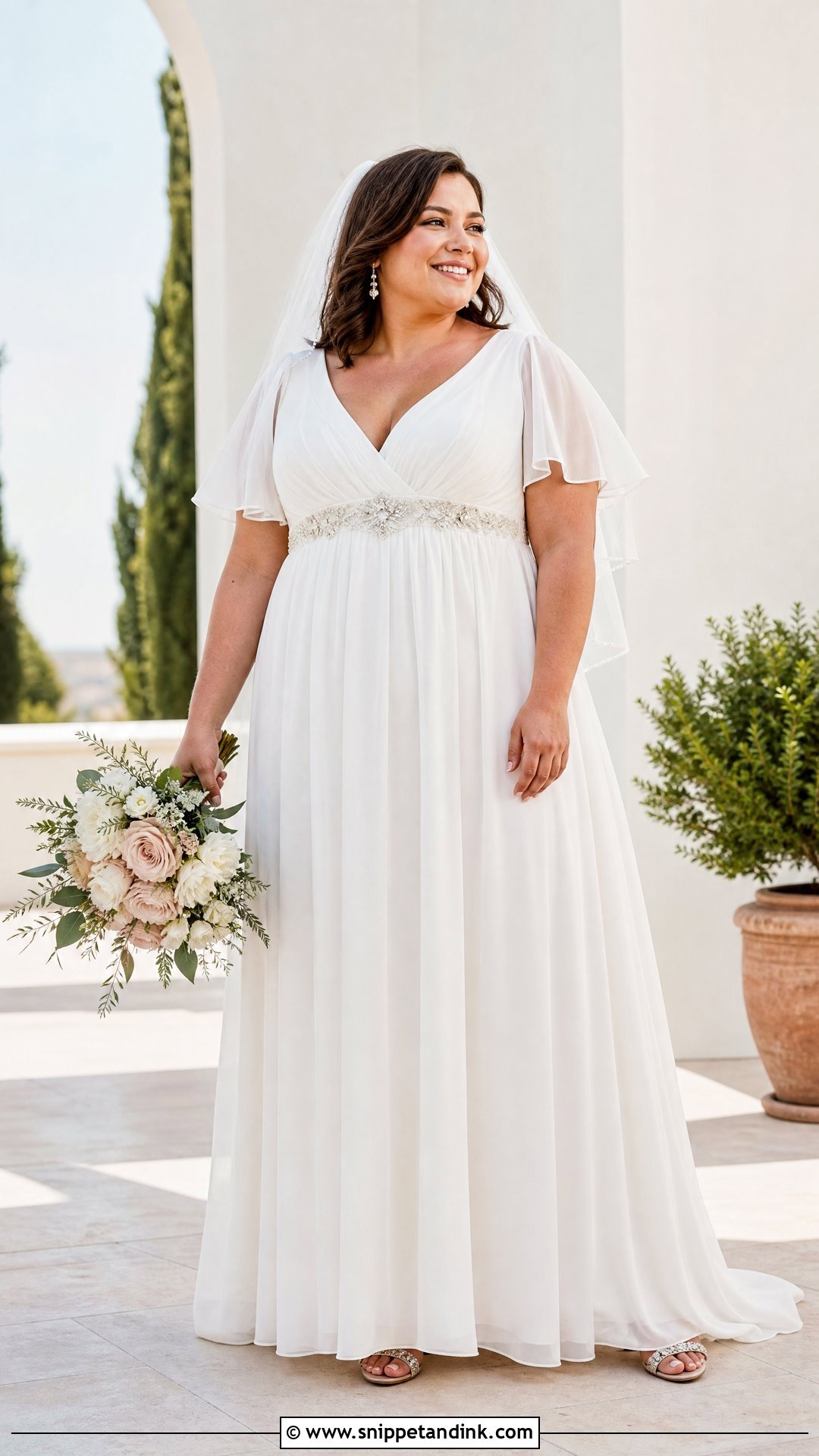
An empire seam gives room through the midsection, and plenty of brides love it for that comfort. The seam must sit directly under the bust, not across it. If it lands too high it flattens, too low and it can look like a maternity line in photos. A secure bodice into chiffon or soft tulle, a V-neck, flutter sleeves and a touch of beading at the waist give shape without weight. Shoulder-length veil, fine earrings, low sandals and a soft bouquet suit it. Test it seated, since the seam rides up when you sit and that’s where it starts to dig.
16. Plus Size Corset Bridal Gown
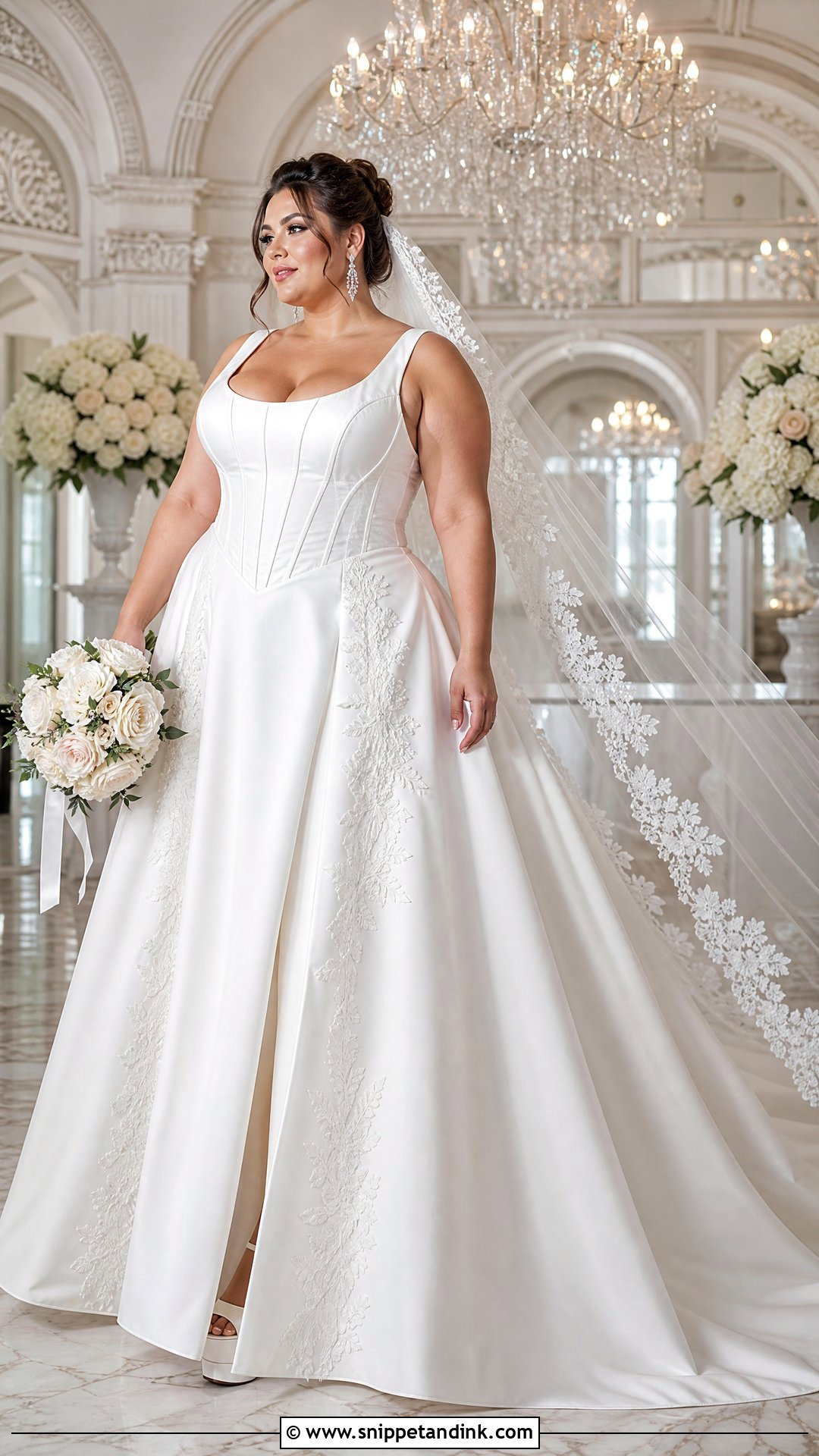
A corset back is the most adjustable closure in bridal, which is why I push it for brides whose weight may shift between first fitting and the wedding. Look for real boning, lined cups and a lace-up back over an A-line or ball gown skirt, with a scoop neck or exposed corset seaming for a modern finish. Platform heels, a cathedral veil, sparkling earrings and a formal bouquet complete it. Supportive is the goal, not tight; you should breathe, sit and eat. Teach one person the lacing well before the morning, working from the middle out. A modesty panel under the laces stops skin showing through the gaps.
17. Plus Size Cape Sleeve Bridal Gown
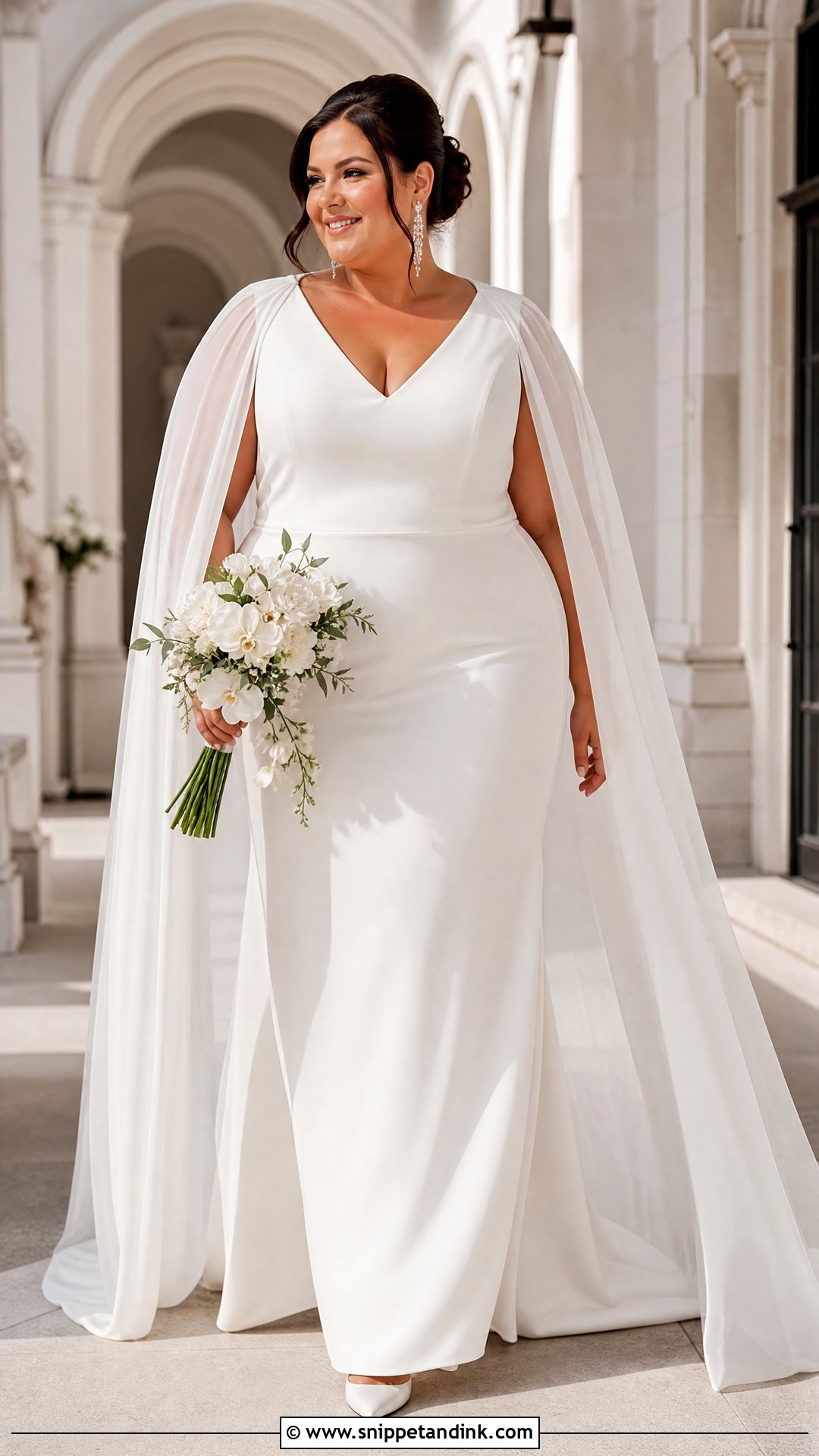
Cape sleeves give drama without anything gripping the upper arm, which is exactly why curvy brides who dislike sleeves often love them. Sheer chiffon panels falling from the shoulders of a sleek crepe or satin gown with a V-neck look best over a column or gentle A-line skirt. Keep the head simple: an updo, small crystal earrings and a comb or short veil, because a long veil fights the cape for the same space. Raise your arms in the fitting and watch whether the panels catch underneath. If they’re detachable, you get a grand entrance and a lighter dress for the reception.
18. Plus Size Floral Bridal Gown
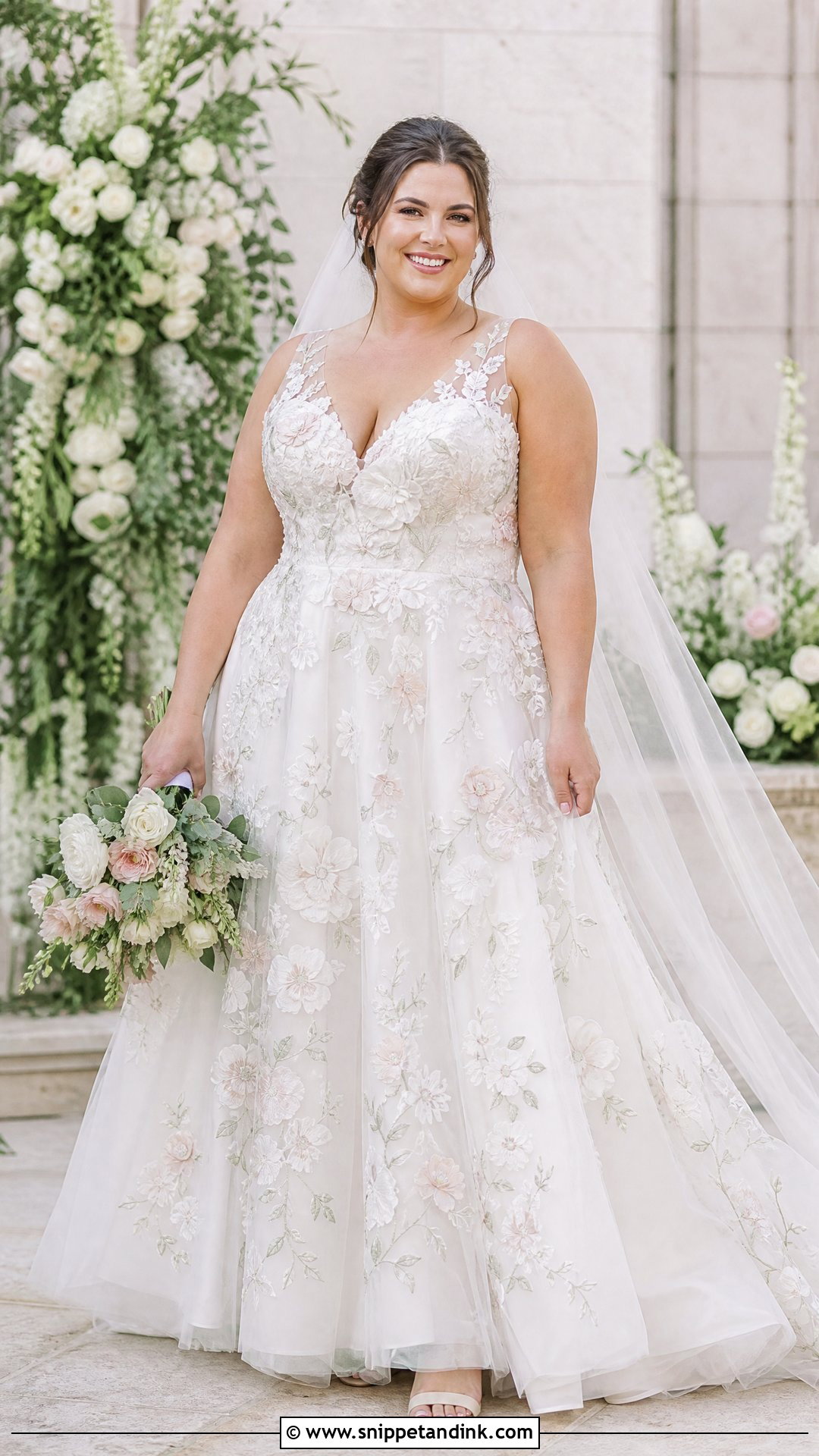
Raised flowers and embroidered vines add depth, and I’d choose them for the pattern you love rather than any rule about reshaping your figure. An A-line with a lined V-neck, illusion straps and appliqués that travel naturally onto the skirt is the easiest version to wear. Ivory, pale blush or soft pastel thread keeps it bridal. Run your hand over the appliqués inside the arm; some are stitched with stiff edges that scratch for ten hours. A plain veil, small studs, block sandals and a bouquet echoing one flower from the gown are all it needs.
19. Plus Size Detachable Sleeve Bridal Gown
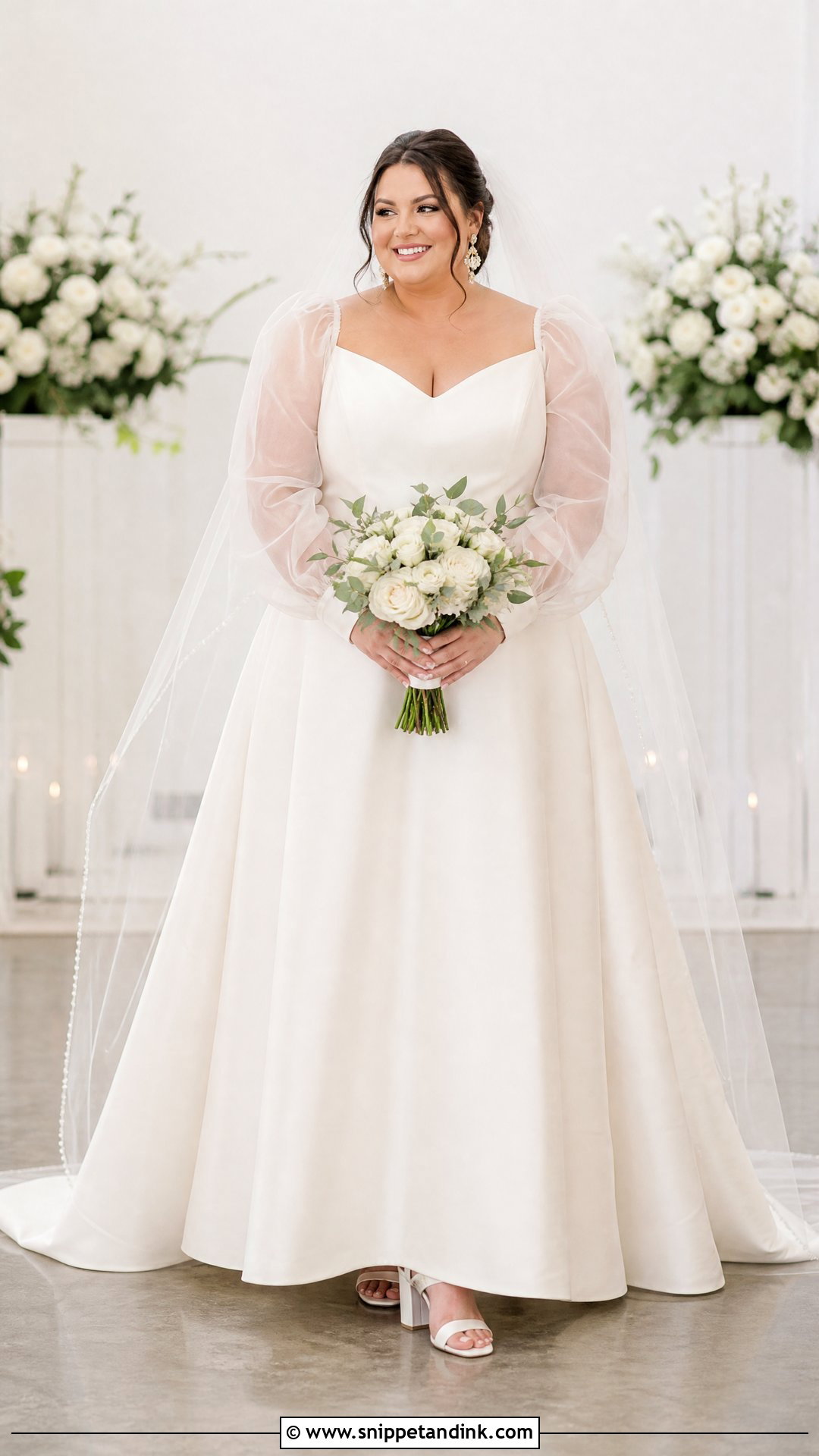
Detachable sleeves solve the ceremony-coverage versus dance-floor-freedom question without a second gown. The base should be a structured strapless or wide-strap satin, crepe or lace dress that stands on its own. Add fitted illusion sleeves, puff sleeves or draped off-shoulder pieces for the vows, then remove them. Test every snap at the fitting by twisting and reaching; cheap attachment points pull and pucker the bodice. Show your helper how they unfasten. Keep the removed sleeves in a labeled cotton bag so they’re clean when the gown goes for preservation.
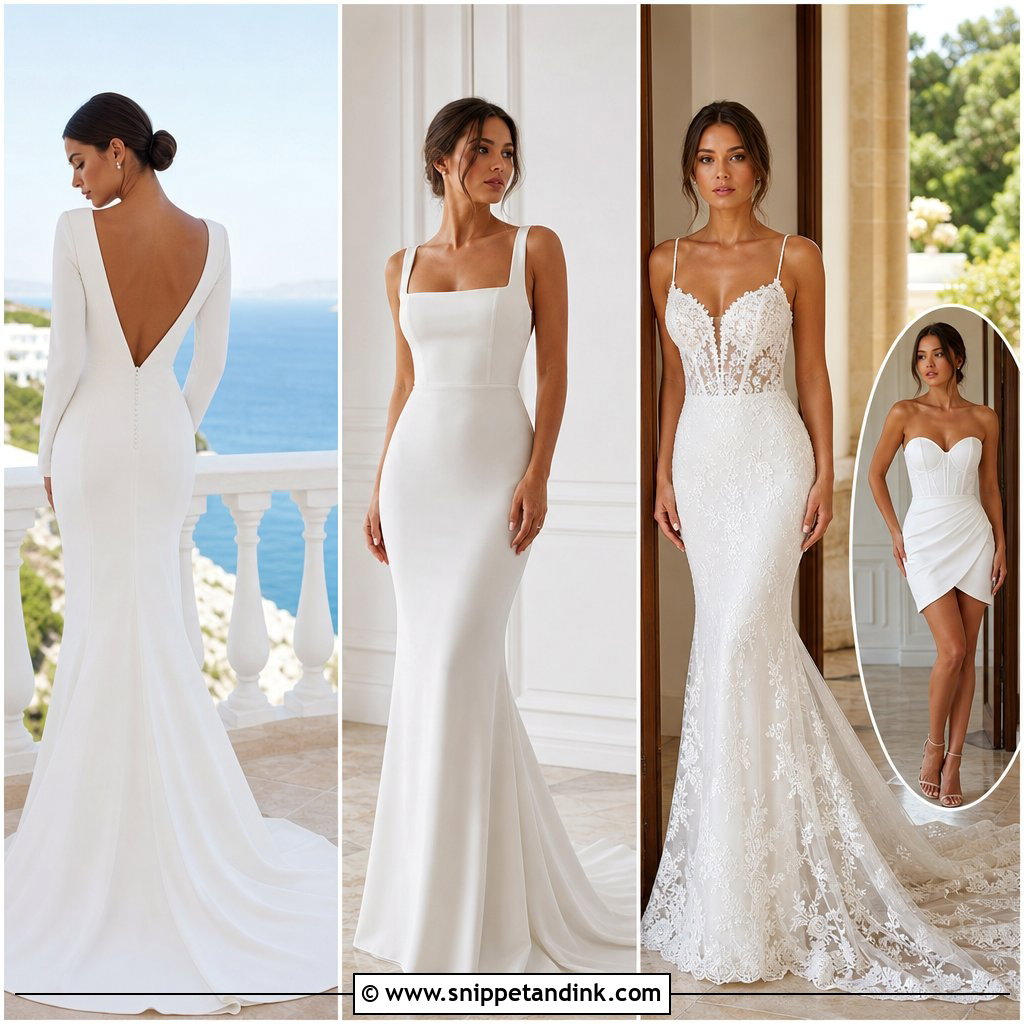
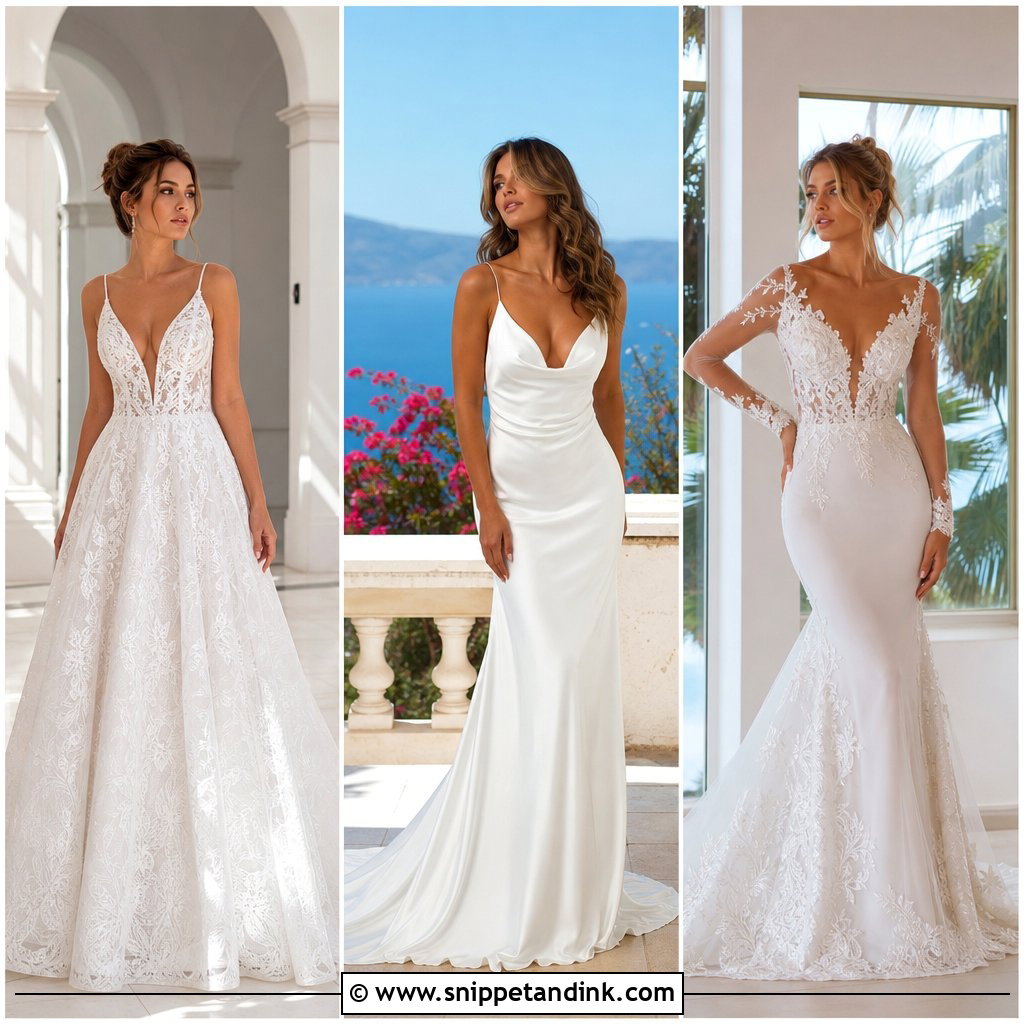
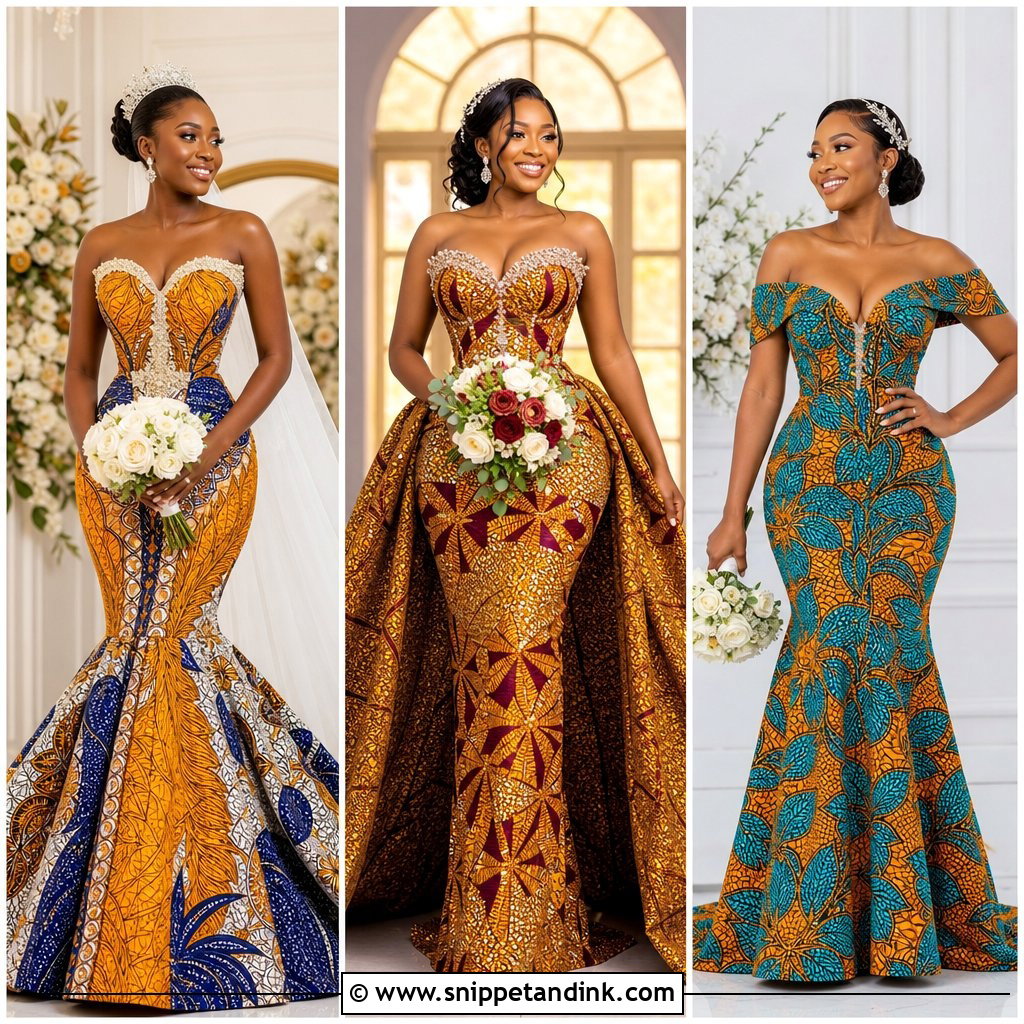
20. Plus Size Colored Bridal Gown
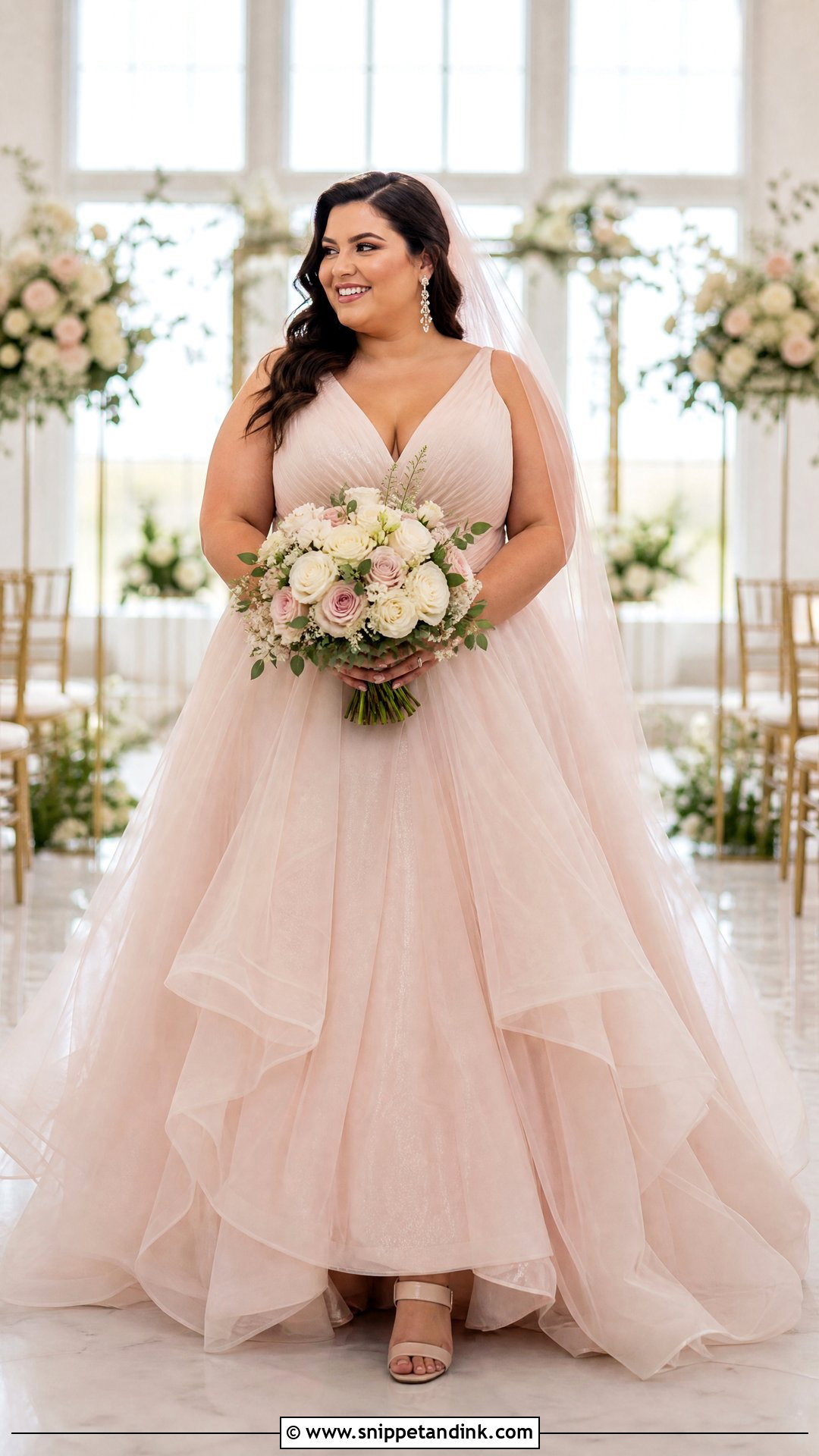
A plus size colored bridal gown is a confident alternative to white. Blush, champagne, pale blue, silver and black all work, and I’d pick the shade that suits the fabric and the mood rather than chasing a skin-tone chart. Blush on satin reads very differently from blush on tulle. A structured A-line or ball gown lets the color lead. Look at it in daylight and under warm indoor bulbs; colored linings shift the top layer, and champagne can go grey in shade. Match the veil to the gown’s undertone, or choose a cape in deliberate contrast, and keep shoes and earrings neutral.
Alterations a Curvy Gown Handles Well, and the Few It Can’t
Taking a gown in is almost always possible. Letting it out depends entirely on how much seam allowance the maker left, and many factory gowns leave very little. That’s why I’d order to your largest measurement and tailor down, never the reverse.
- Usually straightforward: hemming, taking in side seams, adding bra cups, adding straps or a waist stay, and fitting a bustle.
- Possible but involved: converting a zip back to a corset back, which also gives you a few extra inches of adjustment.
- Hard or impossible: letting out a fitted lace bodice, enlarging tight sleeves, and moving a beaded waist seam without restitching the beading by hand.
Plan for three fittings. Wear the same underwear and shoes to each, and bring whoever will bustle and button you to the last one. A gown that fits at the final fitting can still shift if you change your foundation garments afterward, so settle those first.
Trust the Fitting Room Over the Size Tag
The gown that’s right for you supports your body, looks like you, and lets you forget about it once the ceremony starts. From romantic lace and drifting chiffon to tailored crepe, structured satin and color, there’s a plus size version of every silhouette here. Start with the two or three that caught your eye, then try one you’d have ruled out, because brides surprise themselves in the fitting room more often than not. Judge each dress walking, sitting and reaching. Good construction and a skilled seamstress matter far more than the number on the label, and comfortable shoes matter more than either.
You'll Like These Ideas:






Leave a Reply