
Fitted gowns are what more and more brides ask me for at a first appointment, and the range has grown well beyond the dramatic mermaid. Crepe sheaths, bias-cut satin slips, corset bodices, lace fit-and-flare shapes, high-neck columns and short reception dresses all count. Which one suits you depends on your venue, the fabric, and how much freedom you need through the hips and hem. A good fitted dress supports your shape; it shouldn’t squeeze it. Below are twenty-five fitted looks with the veils, shoes and accessories I’d pair with each, plus the fitting checks that separate sleek from uncomfortable.
Tight or Too Tight? Reading the Signs in the Fitting Room
Fitted and too tight can look the same on a hanger, but the mirror tells you quickly if you know what to look for. These are the signs I point out to brides:
- Horizontal pull lines across the hips or stomach. The fabric is straining; the seams need letting out, not you holding your breath.
- A zip that ripples or waves. It should lie completely flat from top to bottom.
- A hem that rides up when you walk. The skirt is too narrow at the knee for your stride.
- Red marks after twenty minutes. Boning or seams are pressing in, and it will only get worse over a long day.
- Not being able to sit on a normal chair. If you can’t sit at the fitting, you won’t sit at dinner.
Fabric changes the rules. Stretch crepe forgives a snug fit; satin and mikado have no give at all, so they need a little more room. When you’re between sizes, I usually suggest ordering the larger one, because seamstresses can take in a gown far more easily than they can let one out.
1. Mermaid Wedding Dress With Cathedral Veil
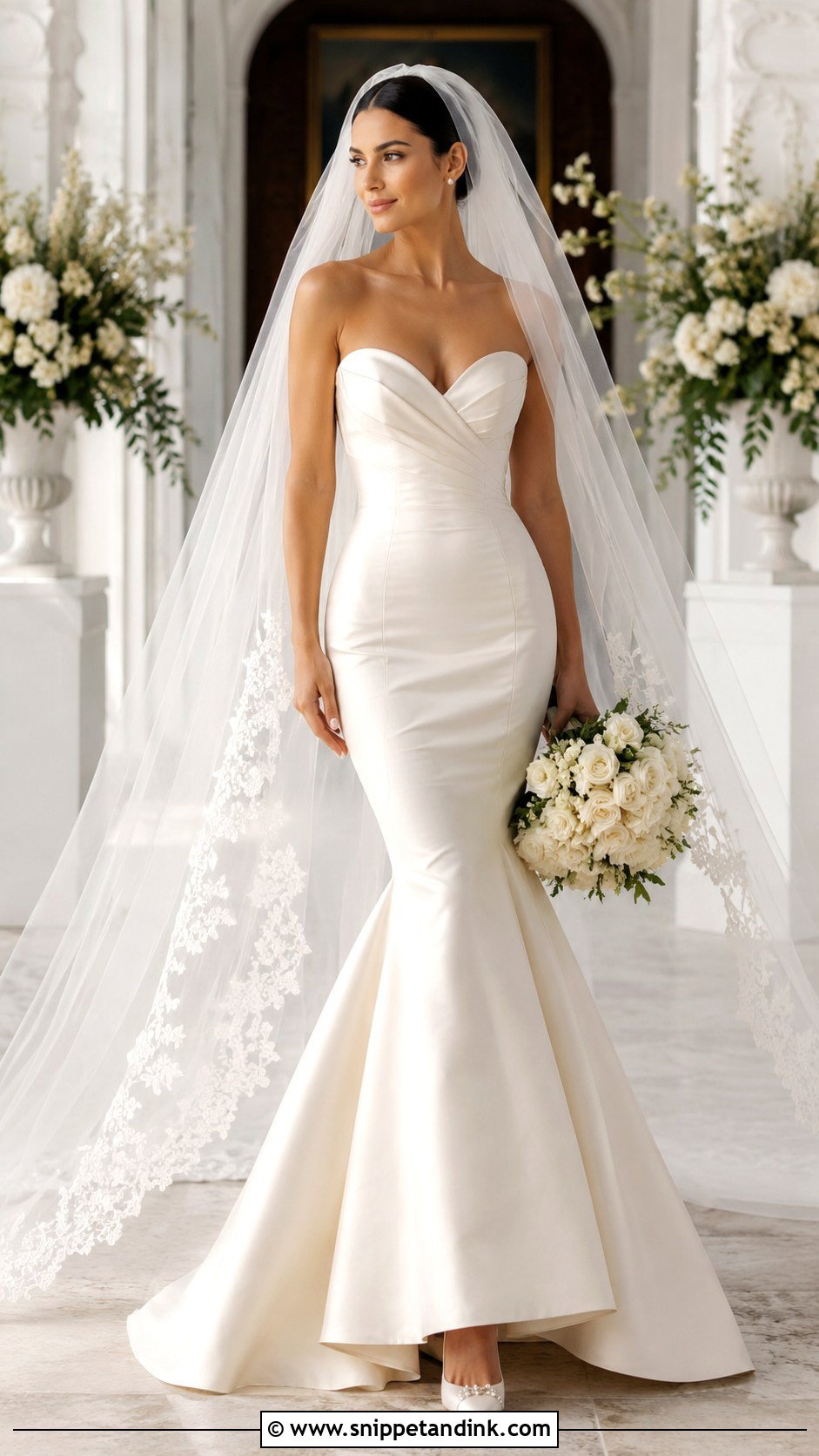
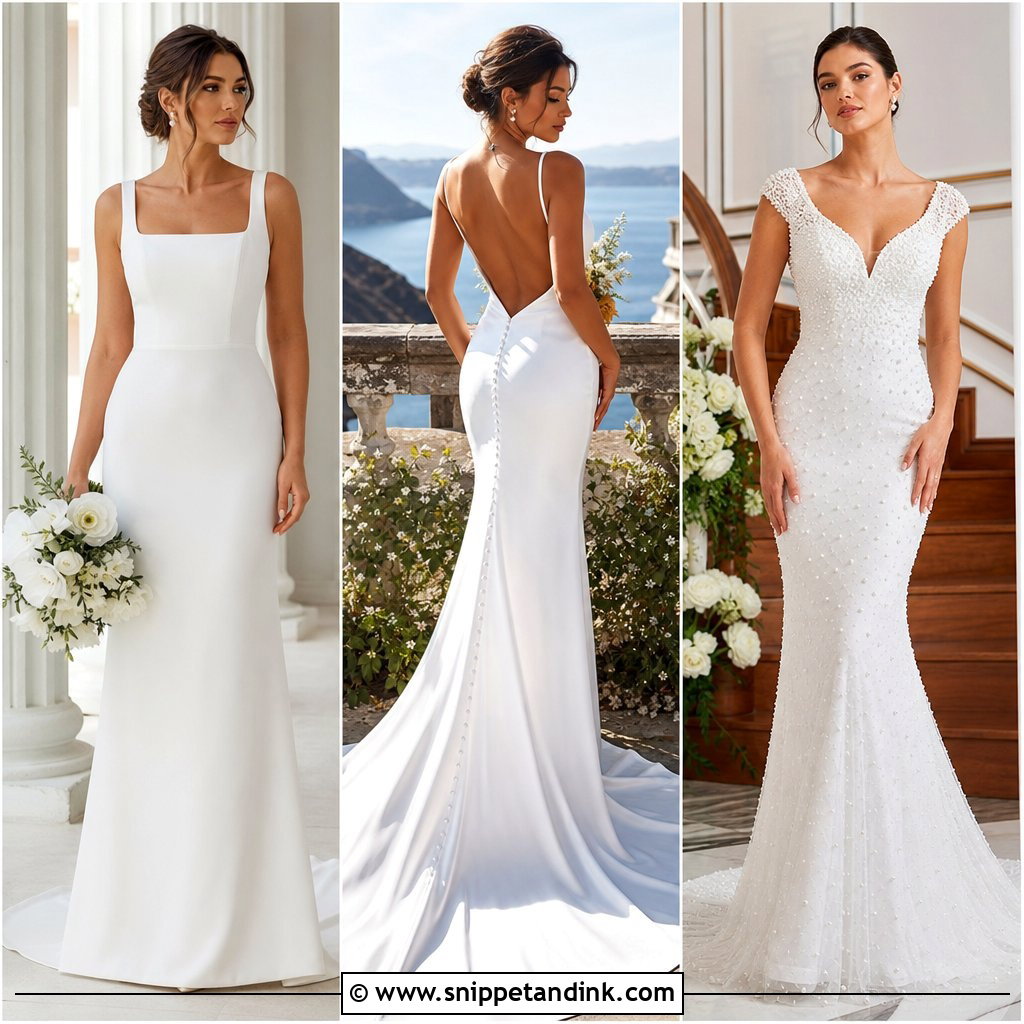
The mermaid is the most dramatic fitted shape: close through the bodice, waist, hips and thighs, then flaring at or below the knee. Smooth crepe or satin looks modern; lace adds texture and hides small pulls better. A cathedral veil balances the narrow line without hiding it. The flare point decides whether you can walk, so I mark it with the bride standing, then have her take ten steps and climb a stair before anything is cut. Pointed heels, pearl studs and a simple bracelet finish it.
2. Tight Lace Wedding Dress With Long Sleeves
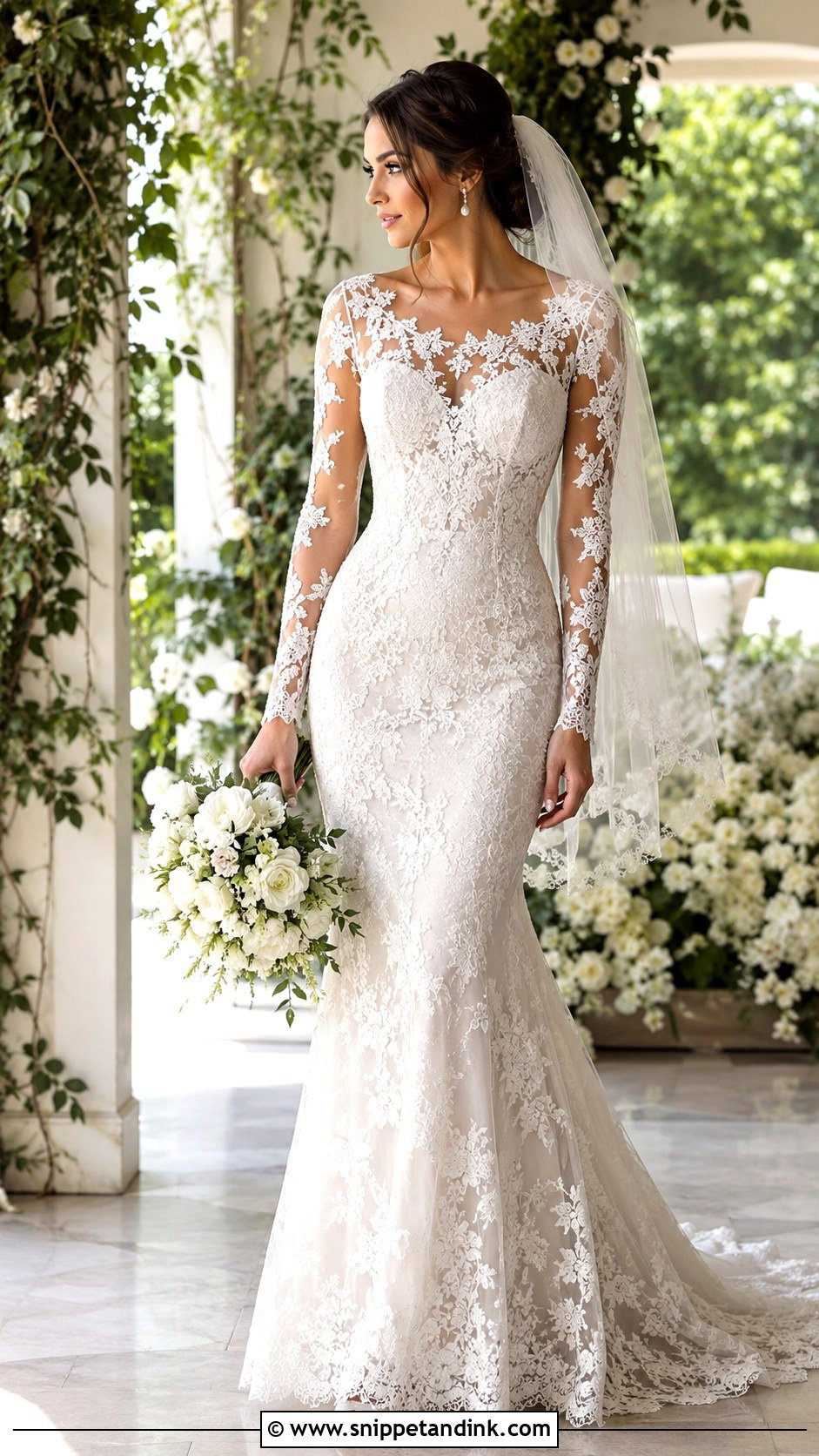
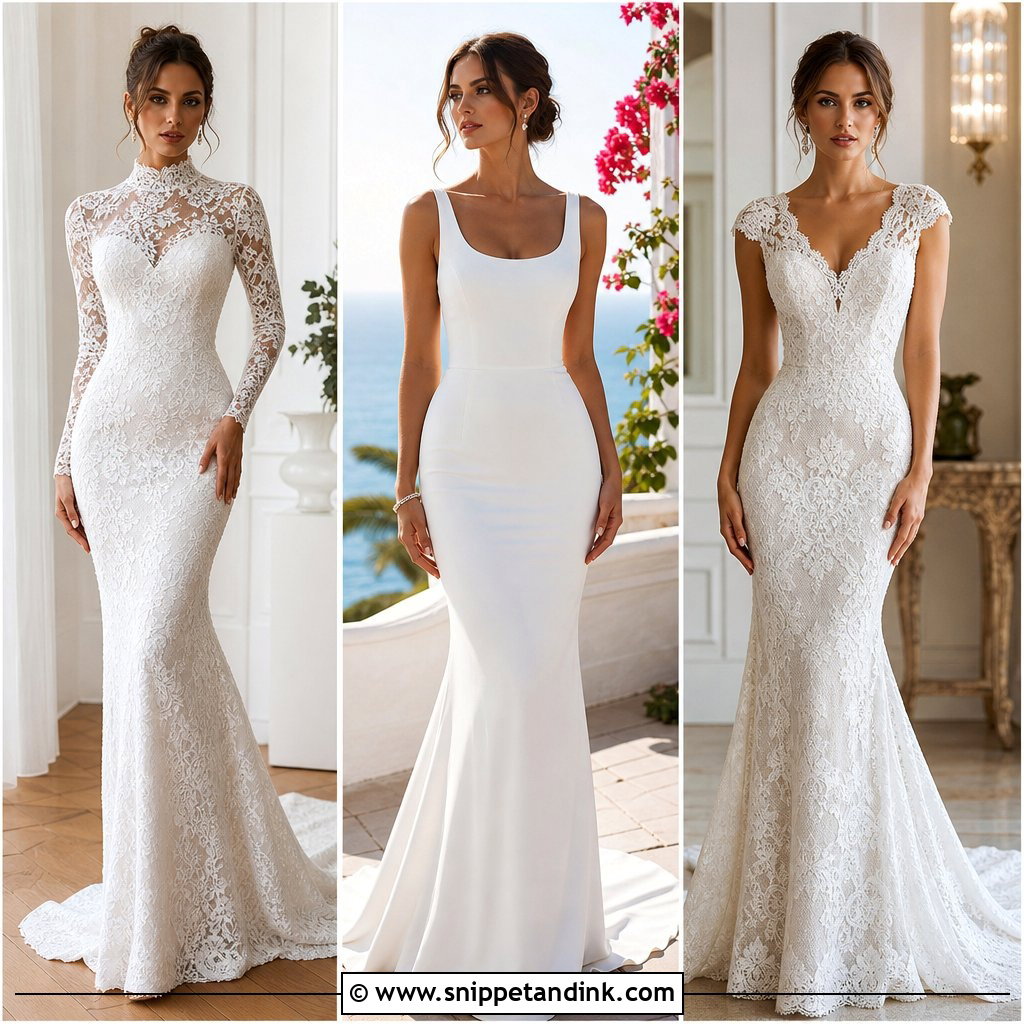
Long lace sleeves on a fitted dress give coverage while keeping the shape. Stretch lace or illusion lining lets the dress follow the body without the lace pulling at the seams. Watch the sleeves themselves: fitted lace sleeves need enough ease at the elbow for you to bend your arm and hold a bouquet, so I always ask a bride to touch her shoulder during the fitting. A slight flare at the hem walks more easily than a fully narrow skirt. A low bun, small drop earrings and a fingertip veil keep the lace visible, and cooler-weather or indoor weddings suit it.
3. Satin Slip Wedding Dress With Strappy Heels
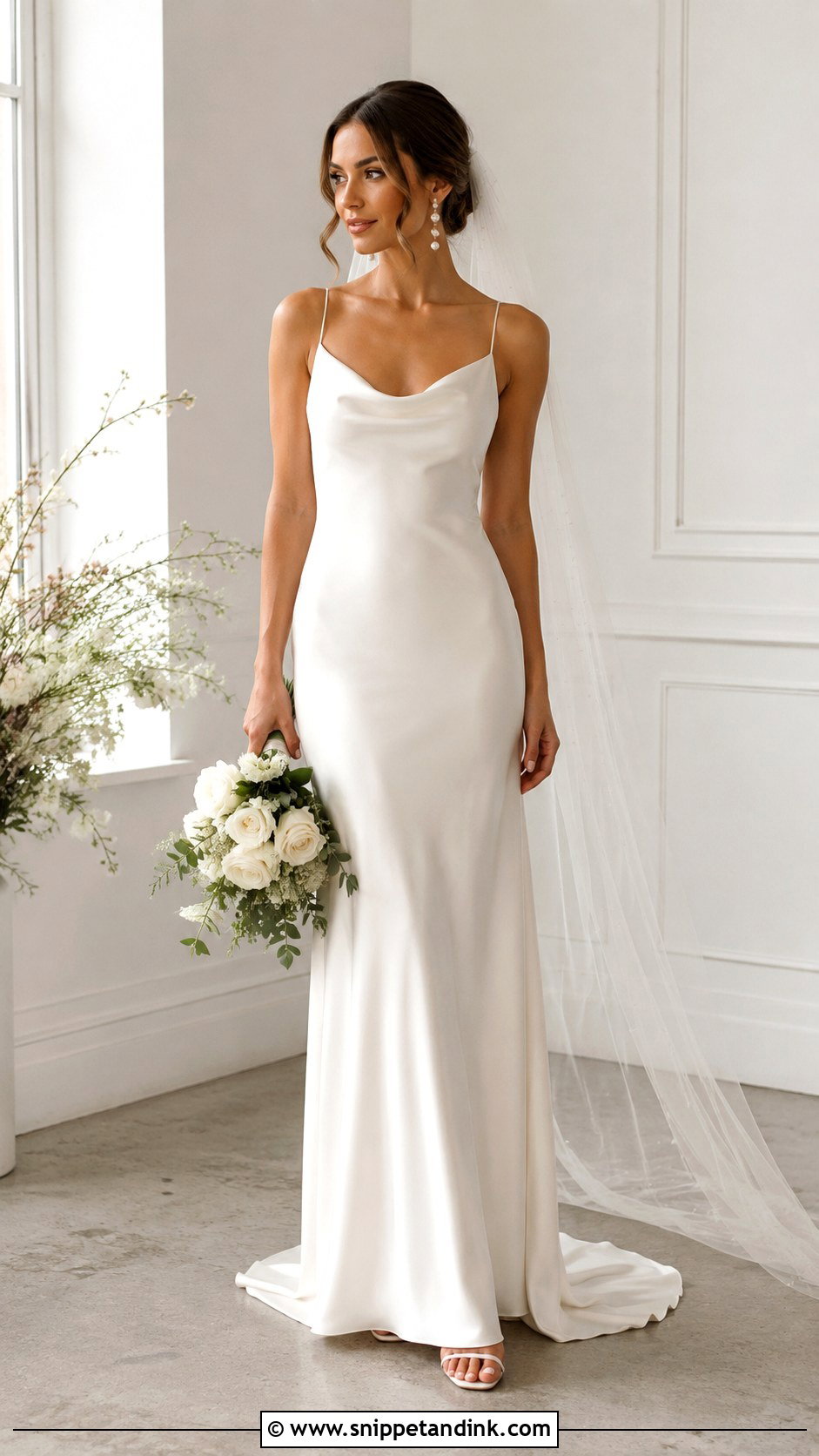
A satin slip is the softest kind of fitted. Bias-cut satin skims the body rather than gripping it, and that’s also its catch: bias cut shows everything underneath, so your undergarments matter more here than with any other dress. I fit these with the exact underwear the bride will wear, often a smooth slip-style piece in her skin tone. A cowl neck, low back or thin straps give it a modern feel. Strappy ivory heels, a fine bracelet and a sheer chapel veil finish it for a city or beach wedding.
4. Strapless Tight Wedding Dress With Pearl Veil
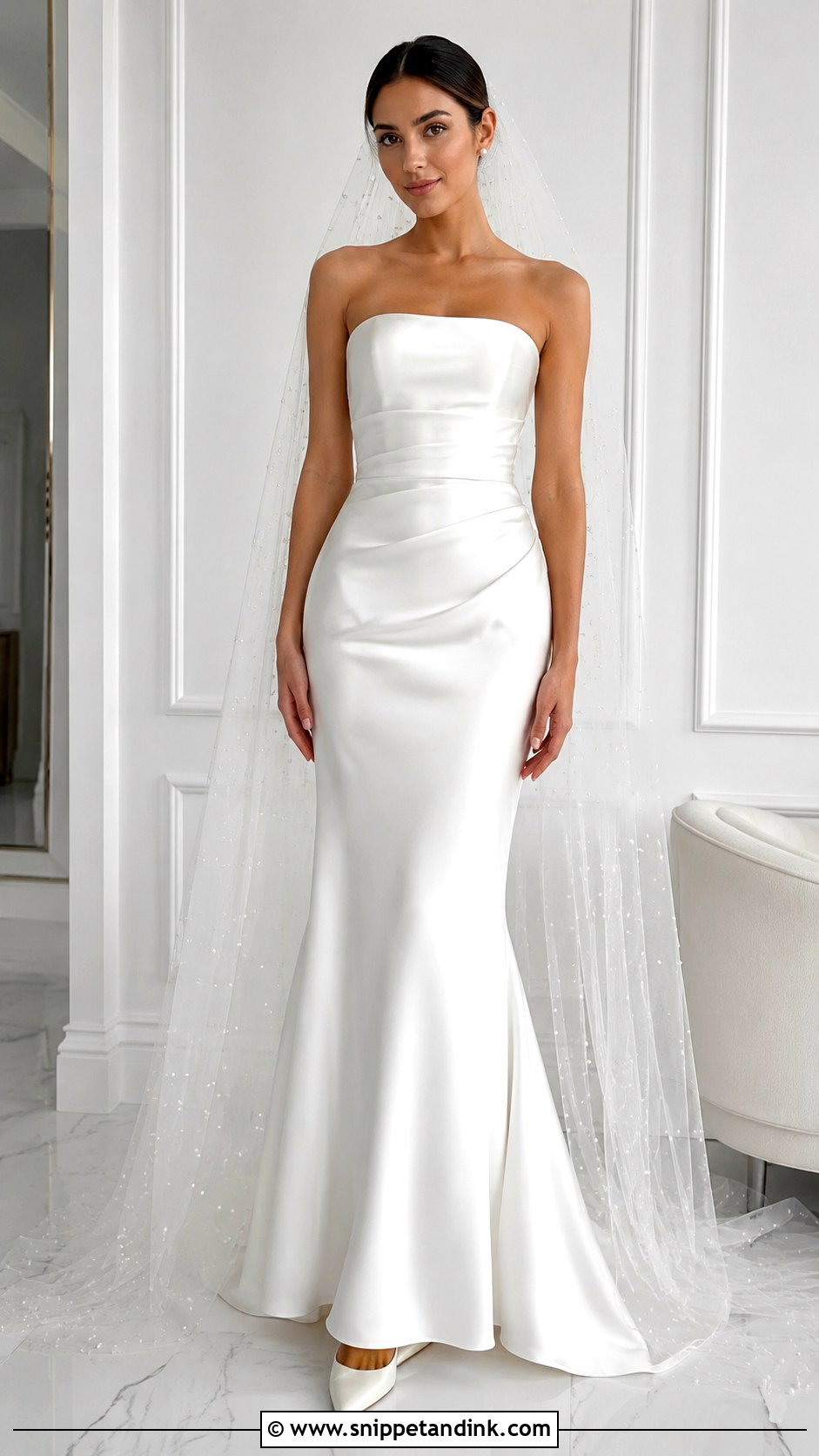
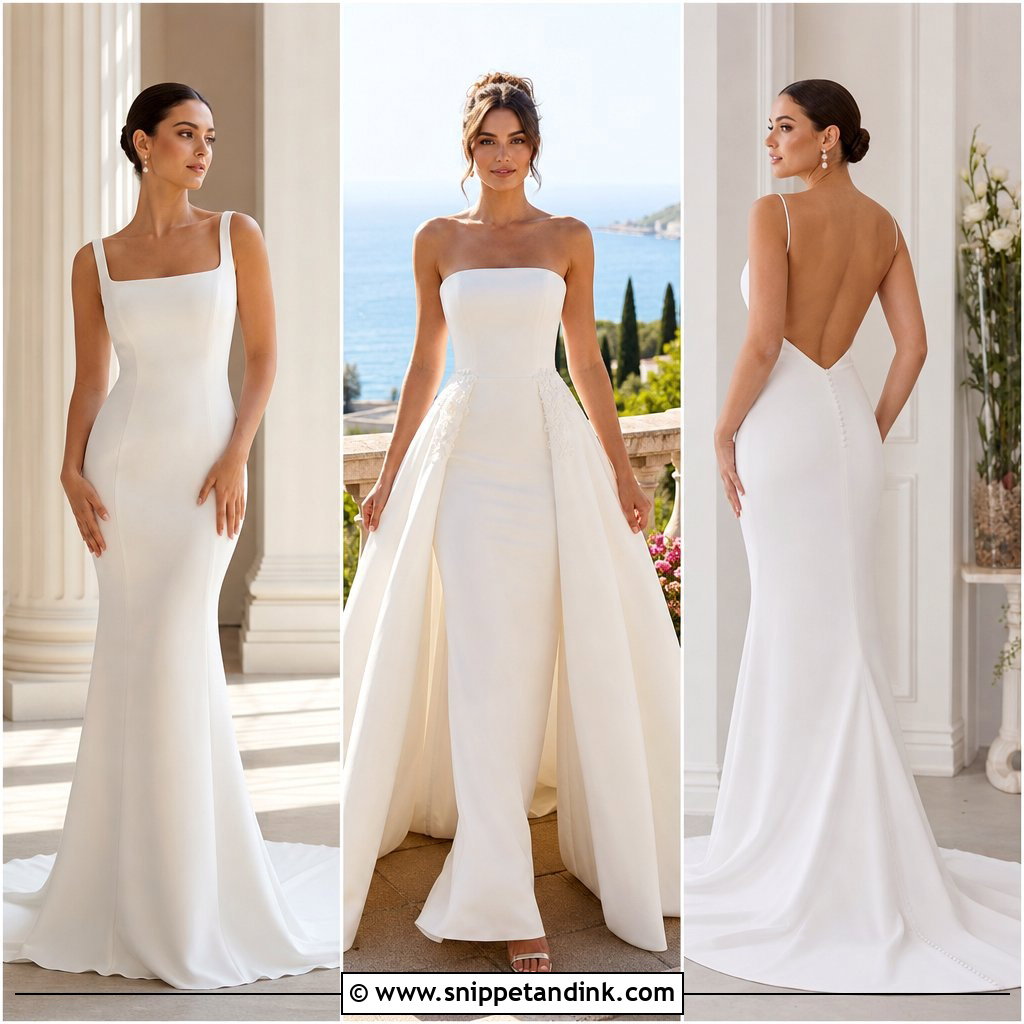
A strapless tight wedding dress stays up because of what’s built into it, not because it’s tight. Look for a structured bodice with boning and a waist stay; a dress that relies on tightness alone pinches at the top edge and still slides. Satin, mikado and crepe all create a smooth surface. A pearl veil adds texture without overwhelming it. With a straight or cat-eye neckline, keep jewelry to small pearl earrings. Gloves or a removable overskirt can change the look later in the day.
5. Crepe Sheath Wedding Dress With Low Bun
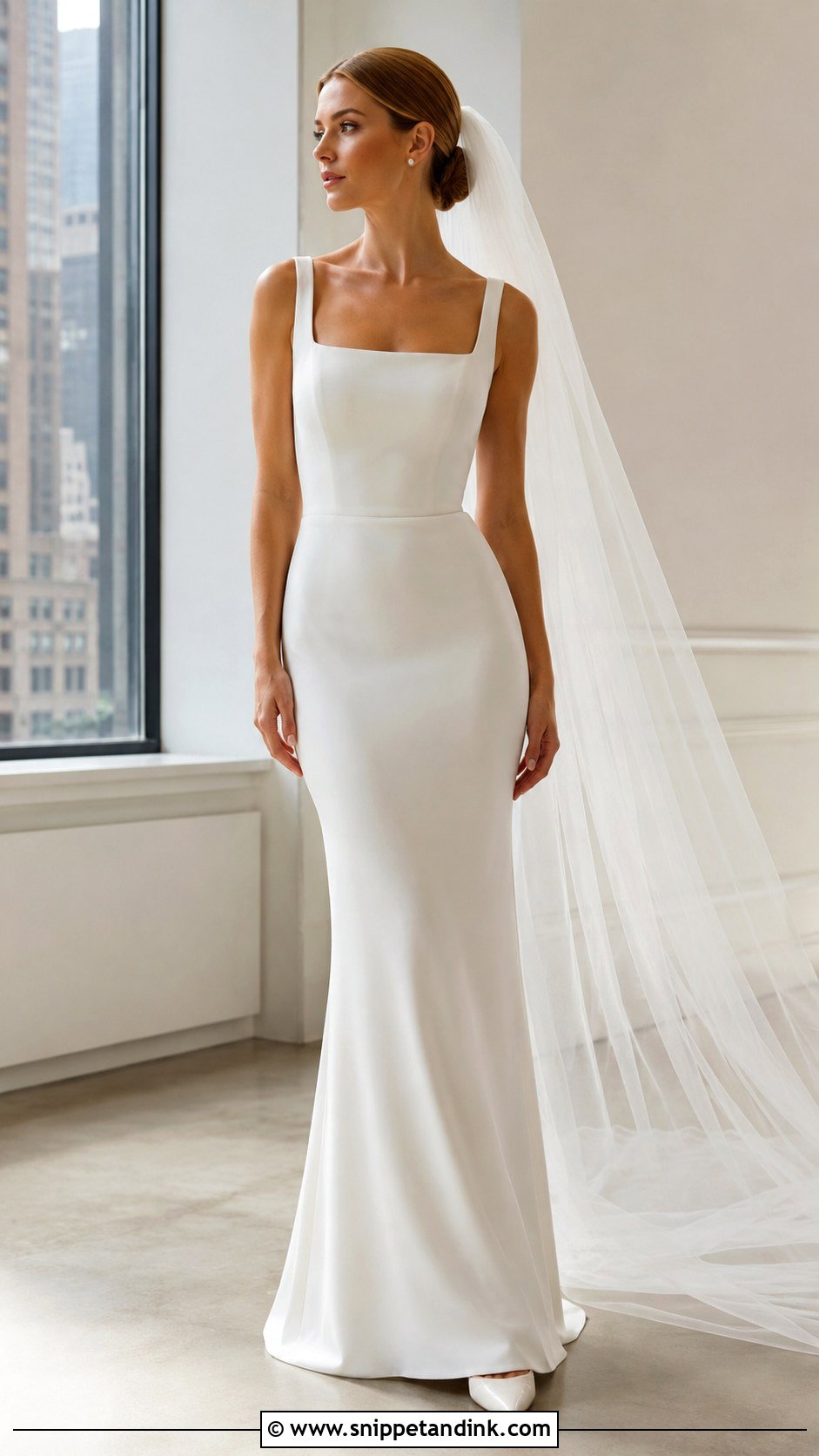
Crepe sheaths are the quiet option. The fabric has enough weight to smooth the body and falls straighter than a mermaid, so the shape is refined rather than dramatic. Crepe shows lumps where seams have been taken in badly, so alterations need a skilled hand, and I always check the side seams in good light. A sleek low bun, pearl studs, pointed-toe heels and a long veil balance the clean line. Square, bateau or off-the-shoulder necklines personalise it for courthouse, rooftop or minimalist weddings.
6. Off The Shoulder Tight Wedding Dress
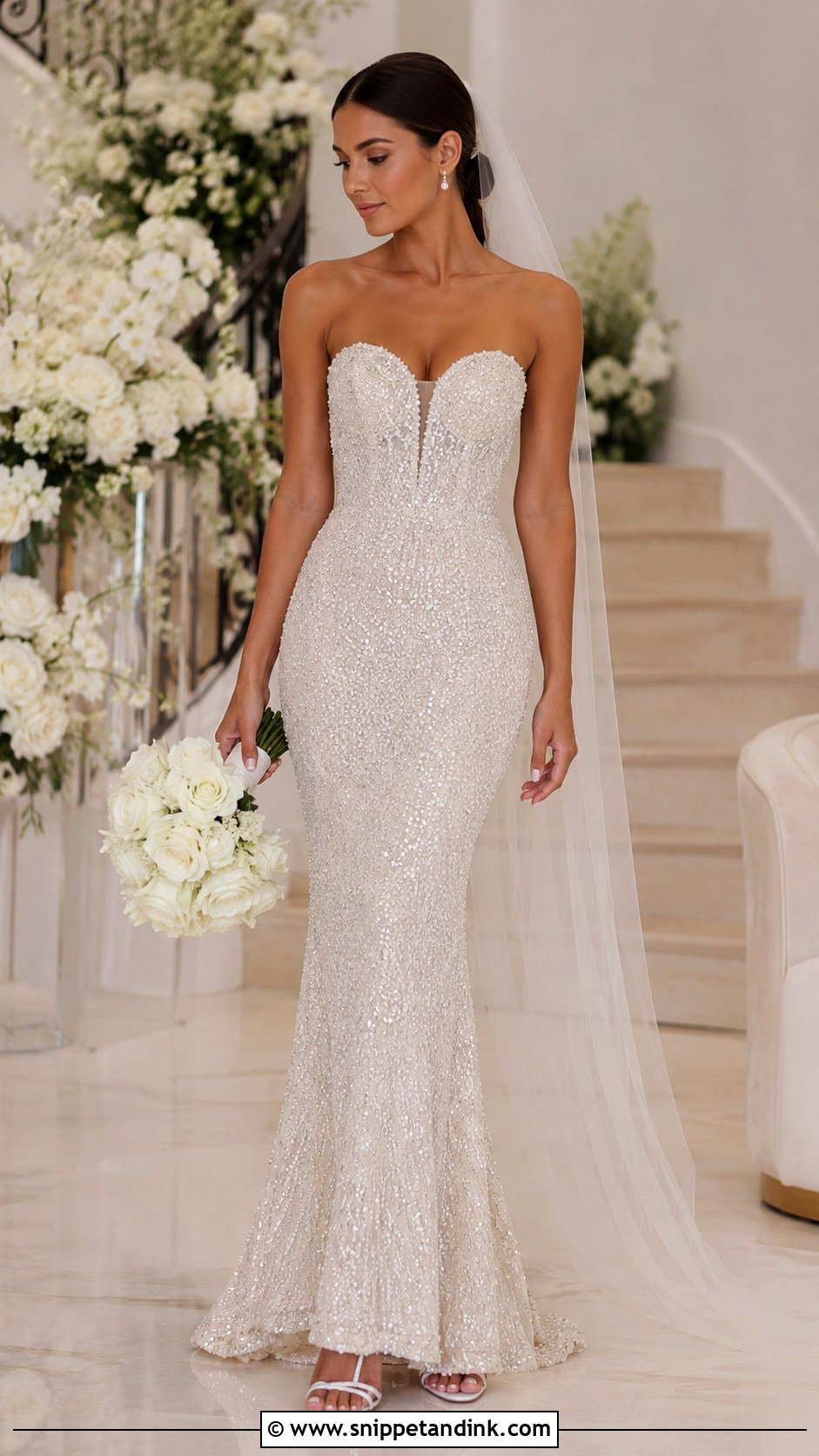
Off-the-shoulder bands frame the collarbone while the rest of the gown stays fitted. Hidden structure in the bodice keeps the bands where they should be. I steer brides toward a trumpet or fit-and-flare skirt with this neckline, because a tight off-shoulder top plus a very narrow mermaid hem limits movement at both ends. Satin, crepe or lace all suit it. A smooth updo, crystal earrings, ivory heels and a chapel veil are plenty.
7. Corset Tight Wedding Dress With Tulle Veil
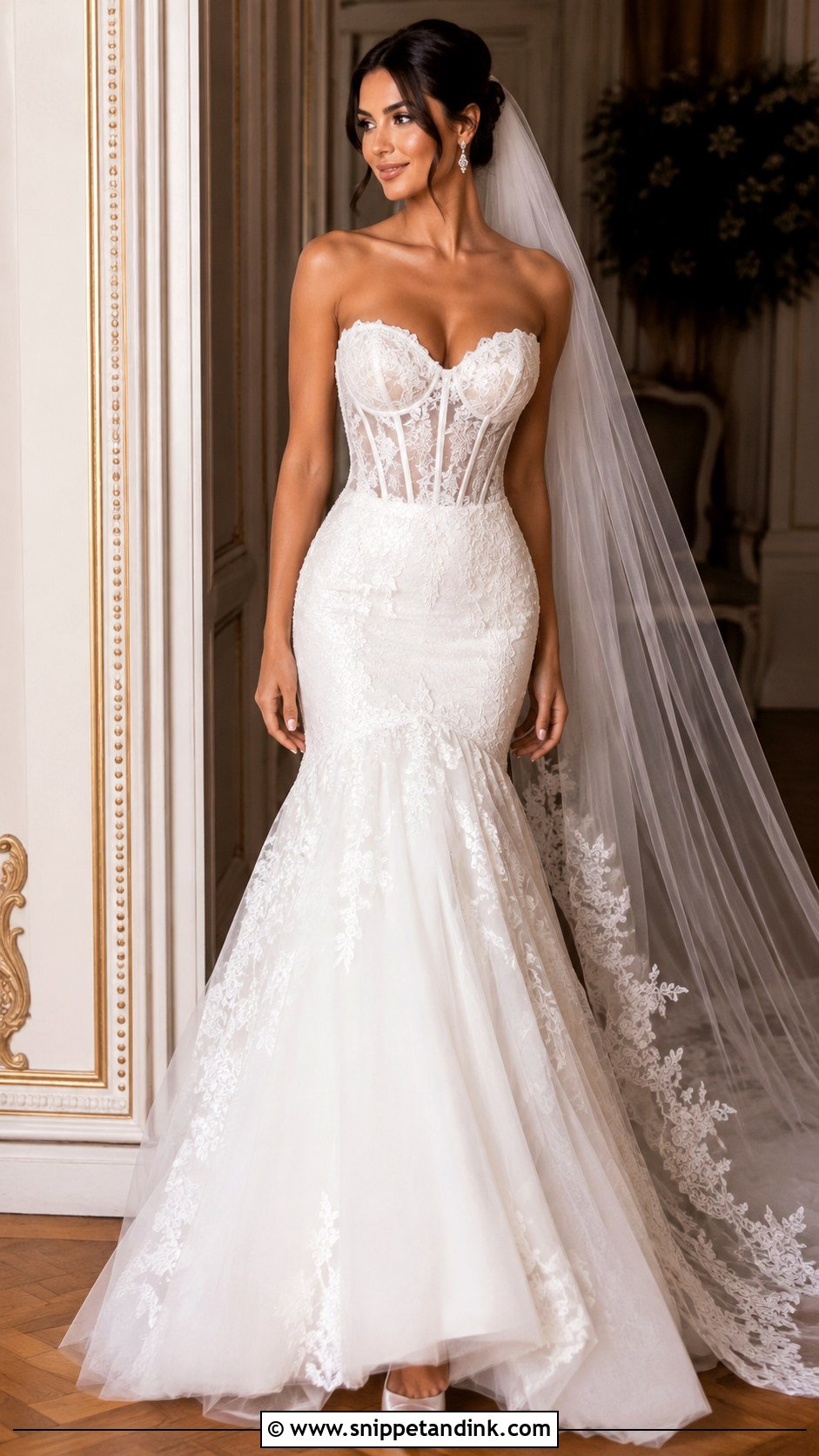
Corsets give the most waist definition and support of any fitted style, and well-placed boning makes them surprisingly comfortable. A lined bodice reads classic; an illusion corset is more fashion-led. A tulle veil softens the structure. My rule in fittings: you must be able to take a full breath, sit down and raise both arms without the boning pressing into your ribs. If you can’t, the fit needs adjusting, not more endurance. A fit-and-flare or mermaid skirt, pointed pumps and drop earrings complete it.
8. High Neck Tight Wedding Dress
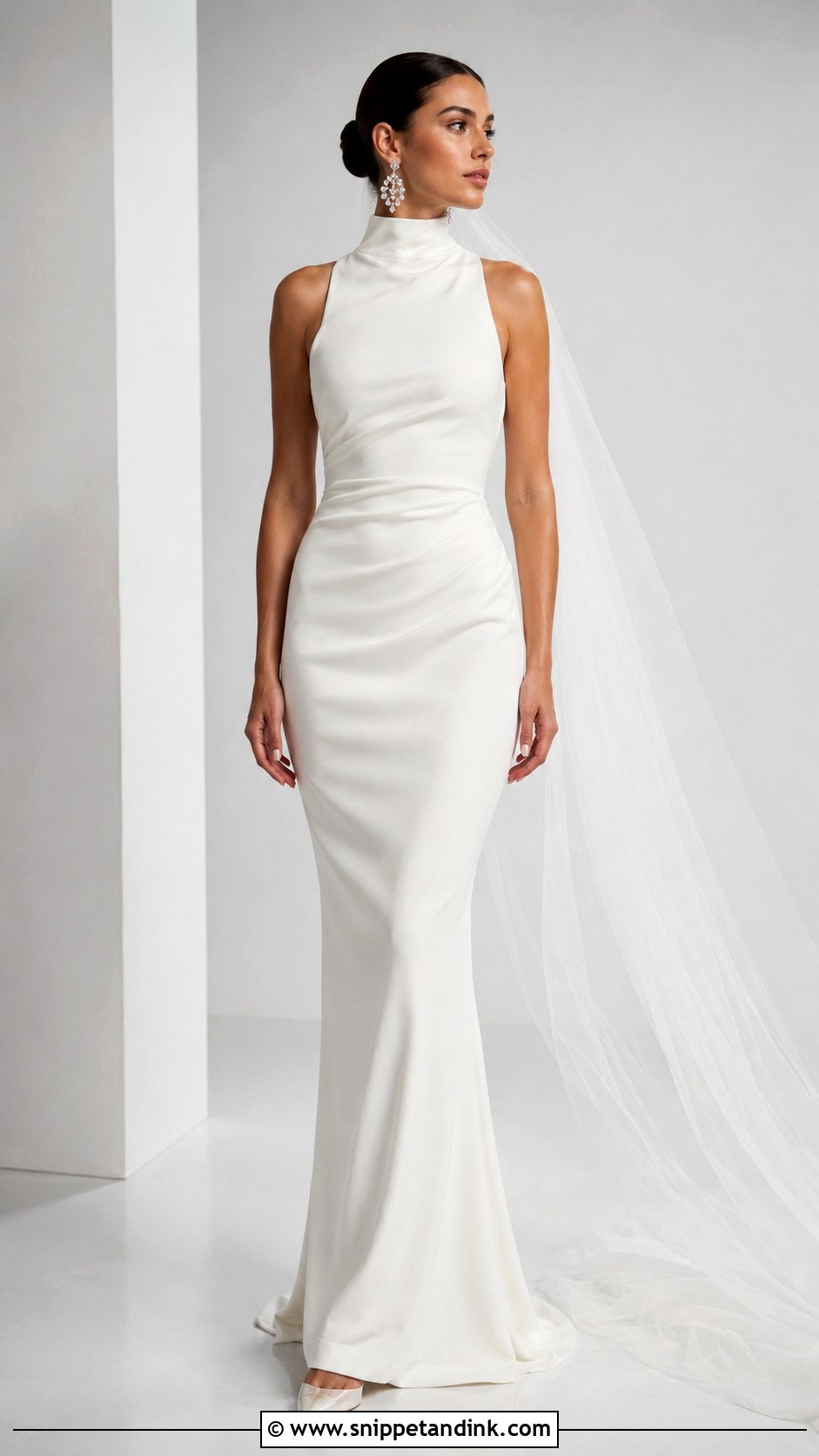
High necklines on a fitted gown look sleek and slightly editorial. A crepe or stretch satin column keeps it clean; lace or beading adds texture. Skip the necklace and let your earrings carry the jewelry. Hair should come up and away from the neck, in a bun, chignon or polished ponytail, or the neckline disappears. I check that a high neck isn’t too snug at the throat, since it will feel tighter as the day warms up. Pointed heels and a veil attached low at the back finish it.
9. Tight Wedding Dress With Open Back
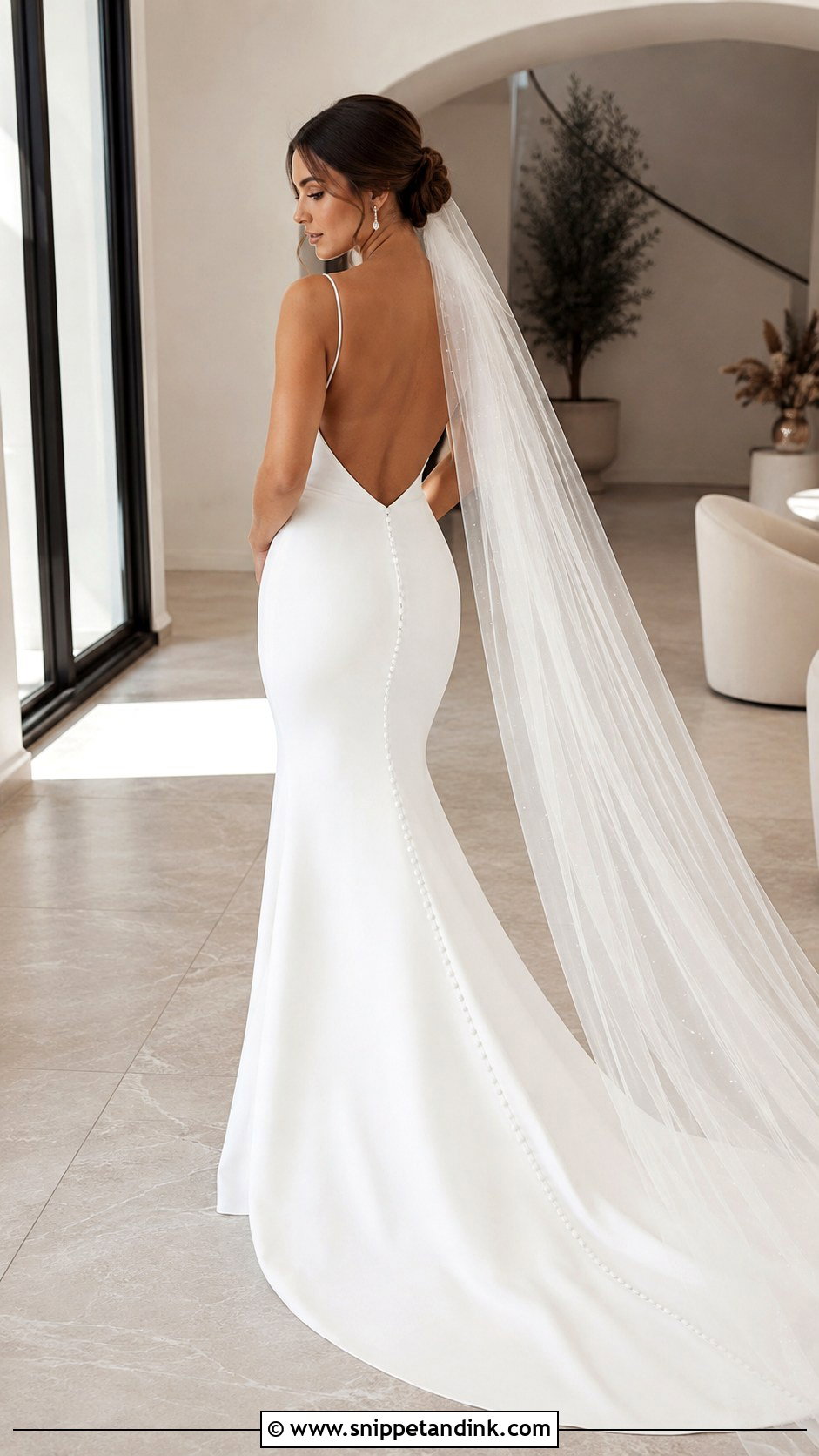
An open back needs strong engineering in front. When the back dips low, the support has to come from structured side seams, secure straps or illusion panels, and the bust may need built-in cups because a regular bra won’t work. Smooth crepe or satin keeps attention on the back. A low bun, back-drop earrings and a sheer veil that can be lifted for photos suit it. Keep jewelry light. Modern ceremonies and destination venues are where I see it most.
10. Beaded Tight Wedding Dress With Simple Veil
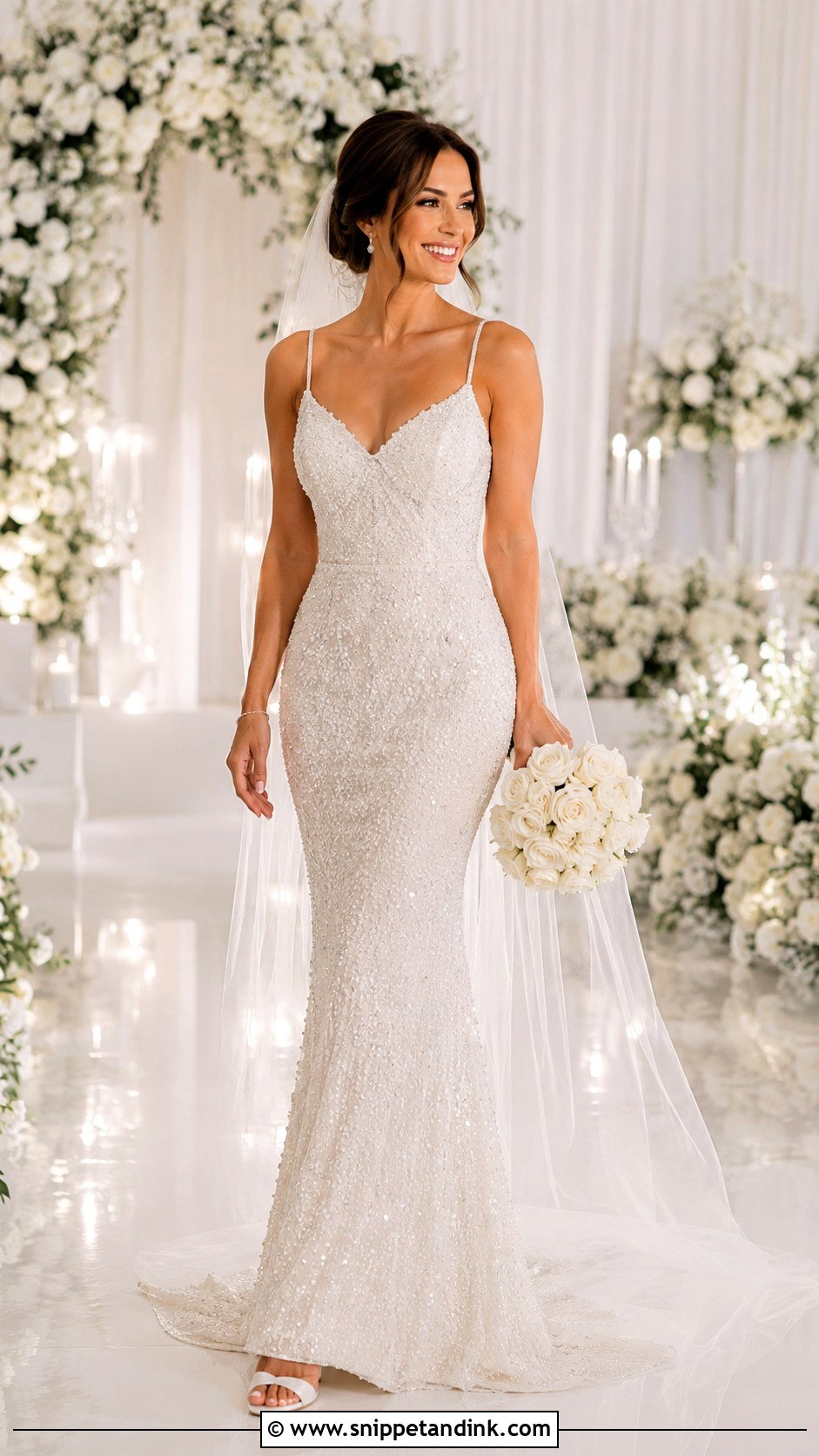
Beading brings shine and texture to a fitted silhouette. Fine beading shimmers gently; larger crystals look more glamorous. Beads on a tight dress are under constant tension, so check the lining is fitted and that nothing scratches at the underarm or inner arm, where beaded bodices rub most. The veil should be simple and sheer, with minimal earrings and satin heels. Bright venues show it off best, because the beads catch light from every angle.
11. Tight Wedding Dress With Detachable Overskirt
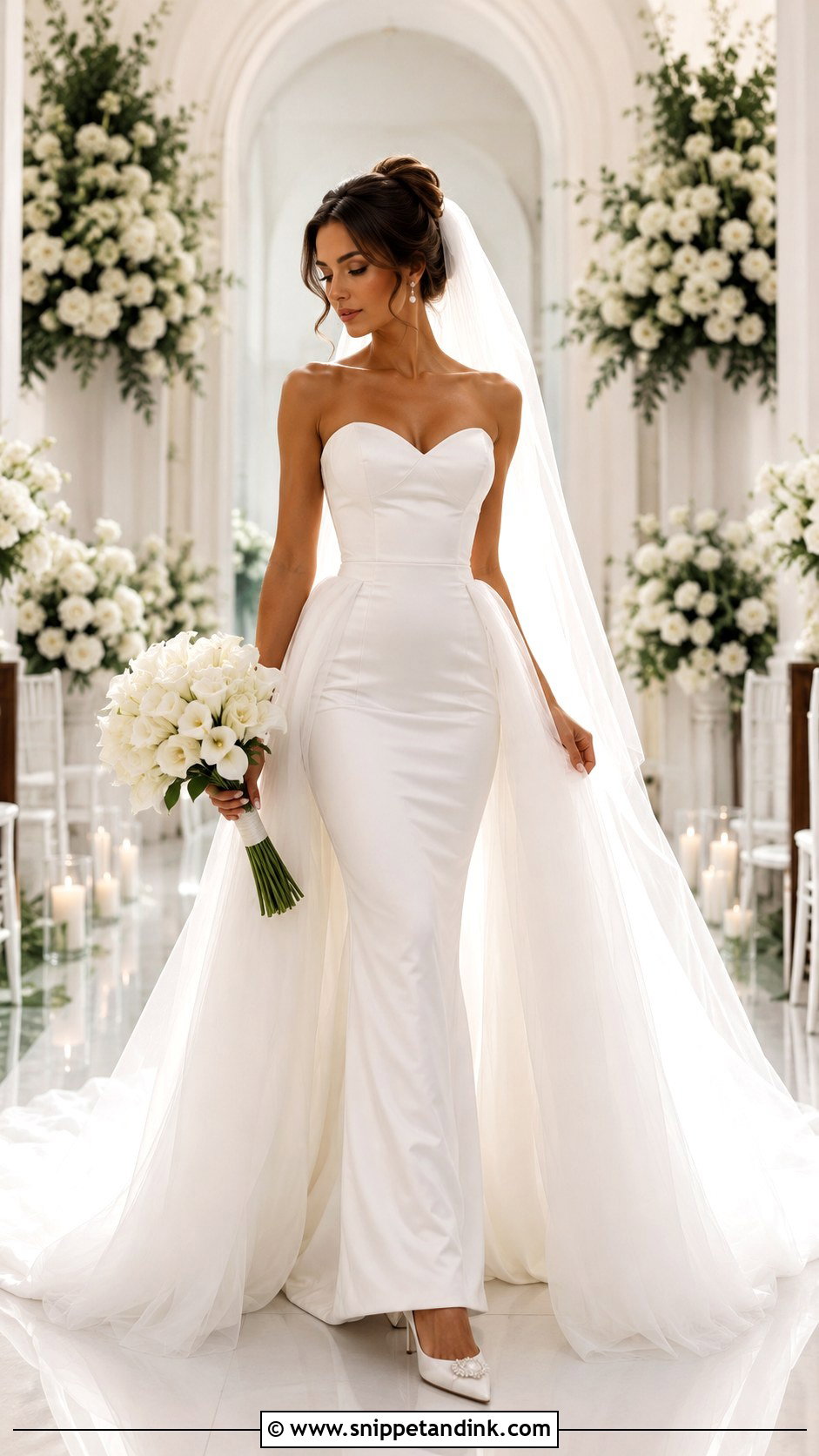
A detachable overskirt gives you a grand ceremony entrance and a fitted reception look from one dress. A tulle or organza overskirt adds volume for the vows; unclip it and the sleek gown underneath is ready for dancing. Choose a crepe, satin or lace base. The overskirt fastenings should be hidden under a belt or bow at the waist, and someone should practise removing it with you. Shoes have to suit both lengths. A cathedral veil works for the ceremony, then statement earrings for later.
12. Tight Fit And Flare Wedding Dress
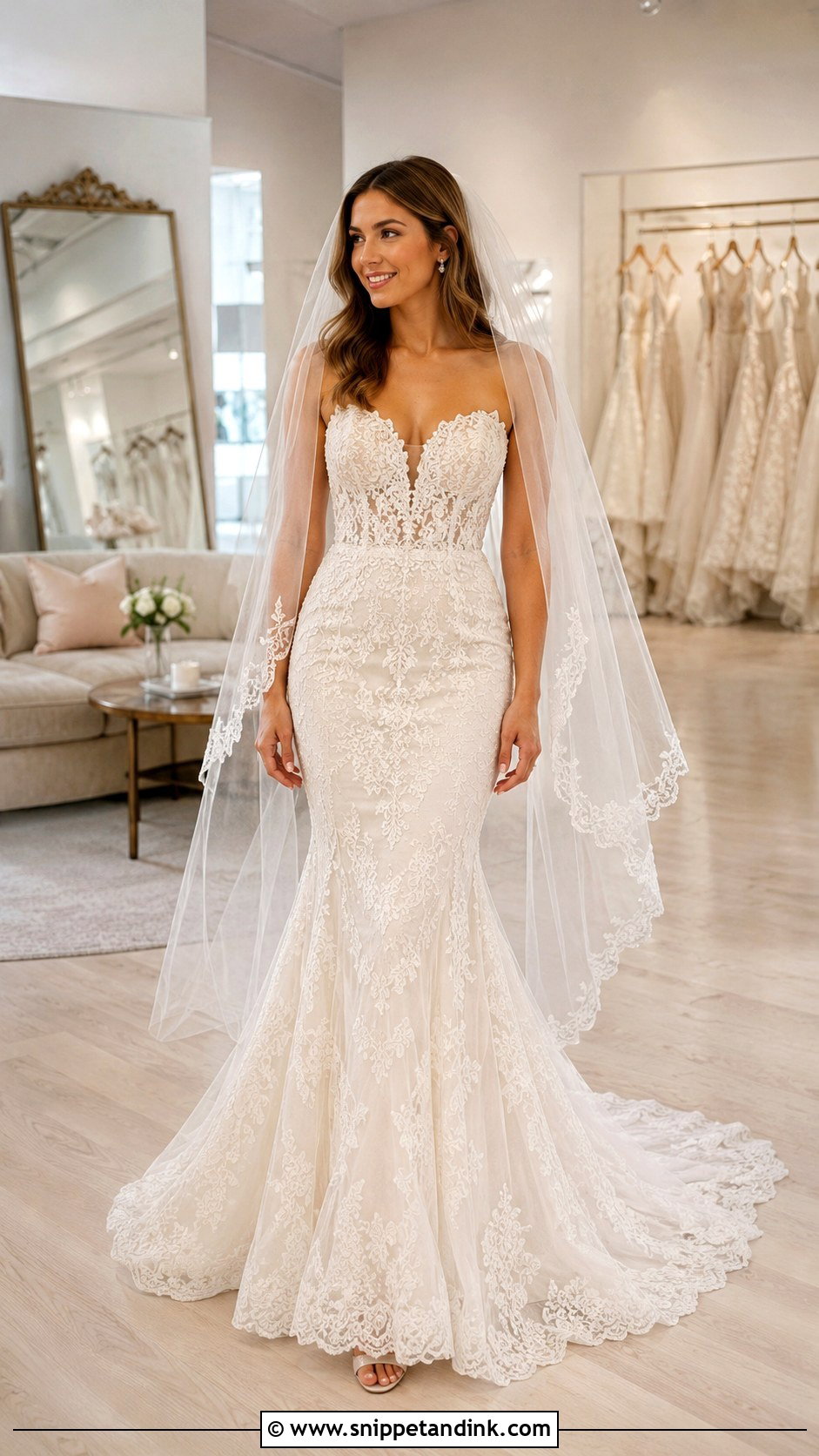
Fit-and-flare is the fitted shape I recommend most to brides trying fitted gowns for the first time. It hugs the bodice, waist and hips, then opens gradually from below the hips or mid-thigh, so it feels sculpted but not restrictive. Lace, crepe or satin all work, and the flare balances most body types. During fittings, walk across the room and watch the skirt: if it bunches above the knee, the flare starts too low. A fingertip veil, comfortable heels and classic earrings finish it.
13. Tight Trumpet Wedding Dress With Pearl Earrings
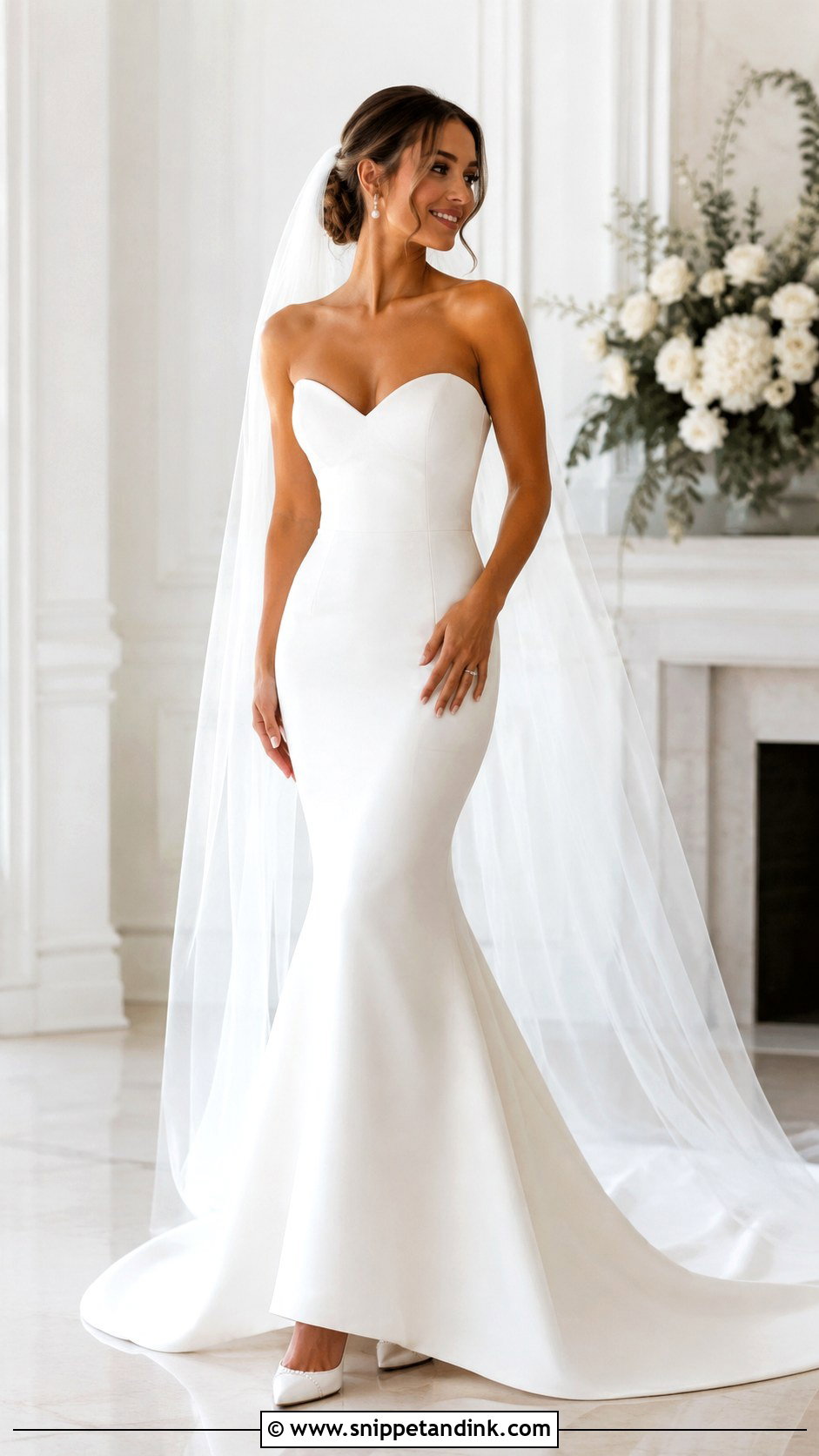
Trumpet skirts flare higher on the leg than a mermaid, usually from mid-thigh, so they move more easily while still looking fitted. That small difference is often what makes a bride comfortable enough to choose a fitted gown at all. Strapless, sweetheart and square necklines all pair well. With lace, keep jewelry simple; with plain crepe or satin, a pearl headband or bracelet adds interest. Pearl earrings, a smooth veil and pointed heels complete it.
14. Square Neck Tight Wedding Dress
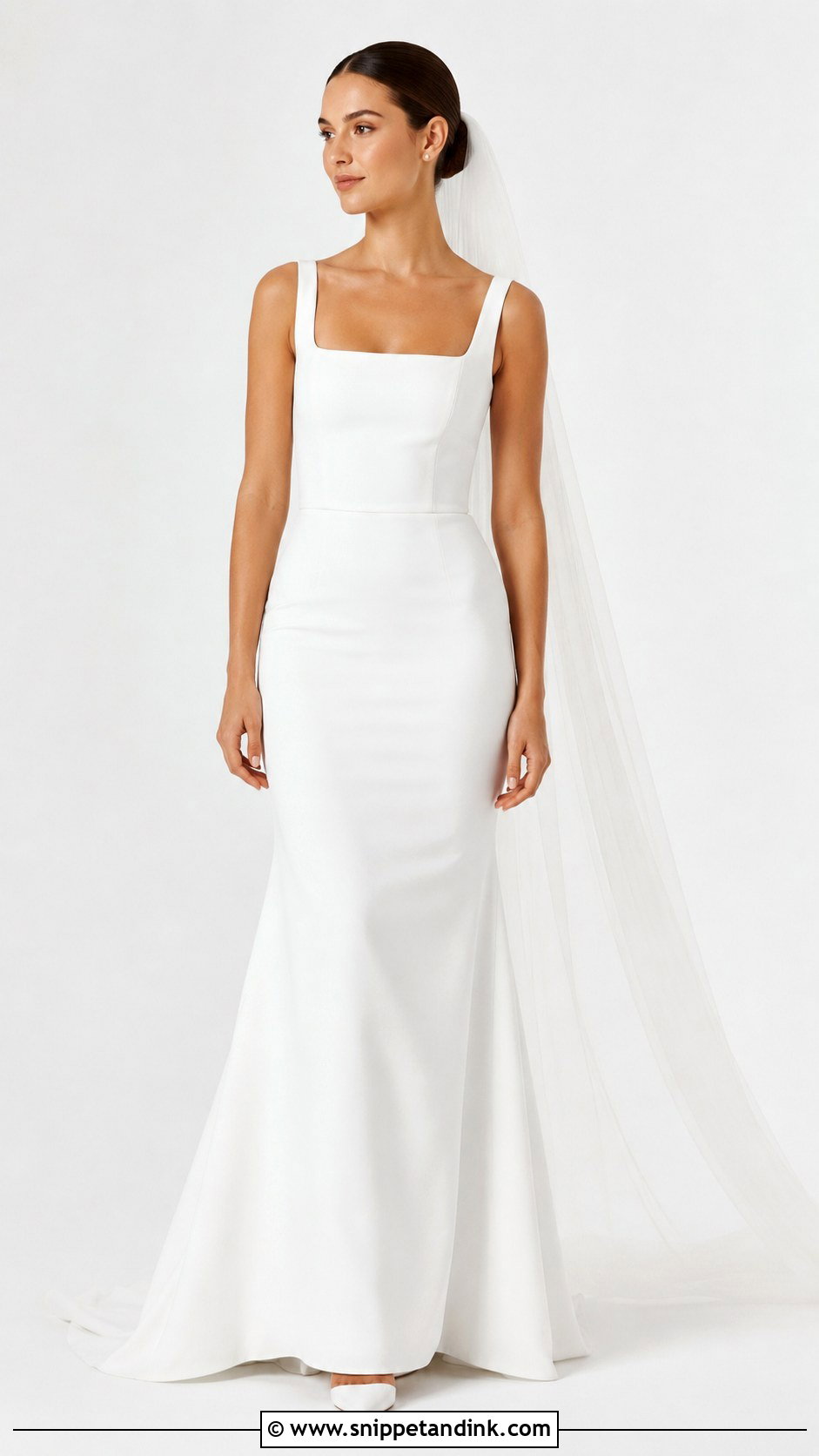
Square necklines look clean and structured without chasing trends. They frame the chest and shoulders and suit a fitted crepe sheath, satin column or lace fit-and-flare. Thicker straps give more coverage and support; slim straps look delicate but offer less hold. The corners of a square neck should sit flat against the skin, so I check them from the side in the mirror. A sleek bun, small hoops or pearl studs, ivory pumps and a long plain veil finish it.
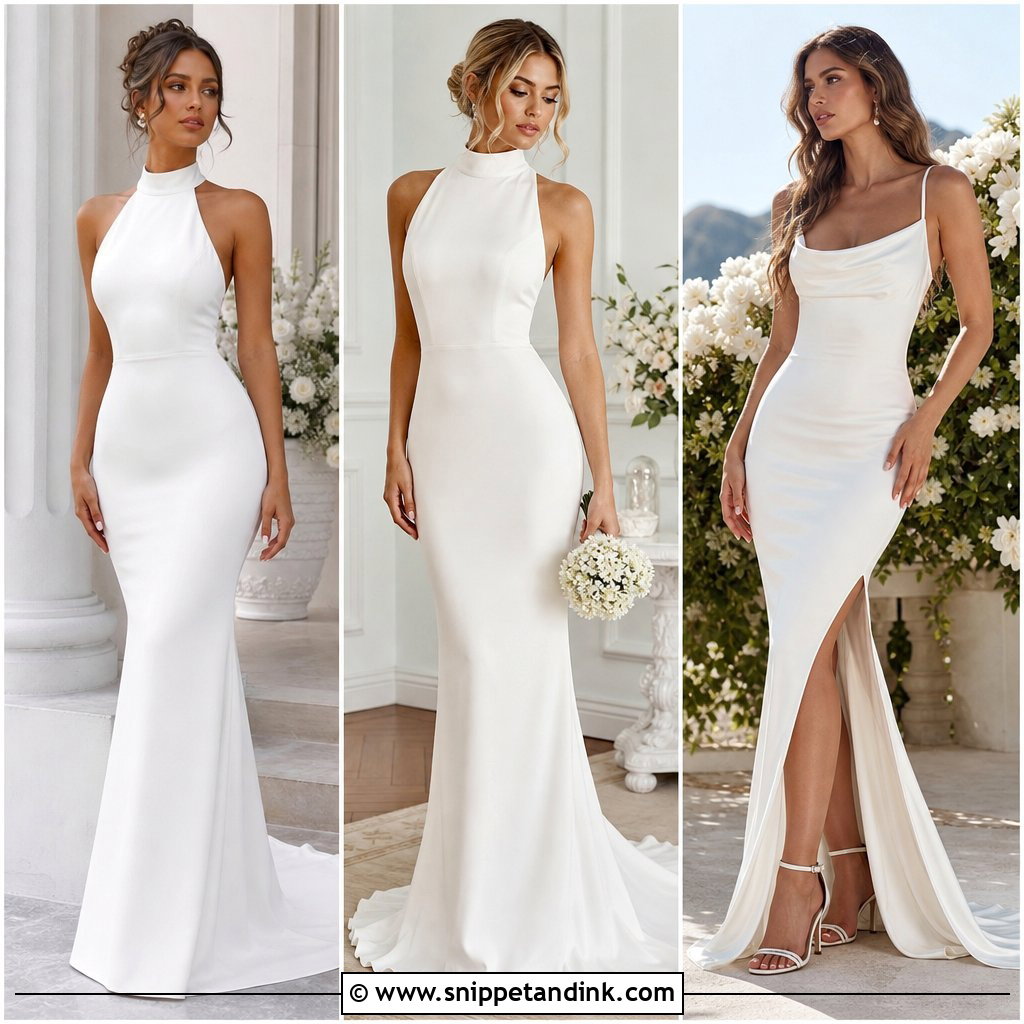
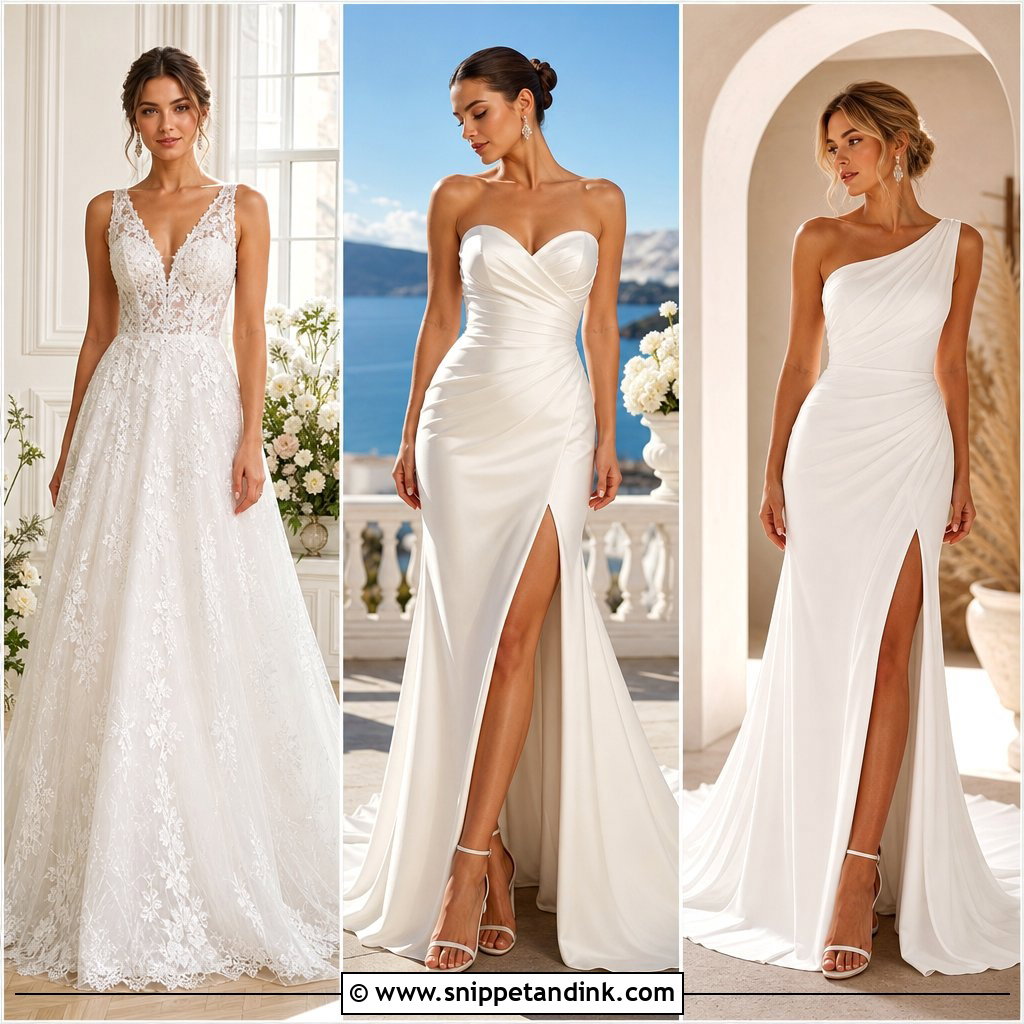
15. Tight Wedding Dress With Side Slit
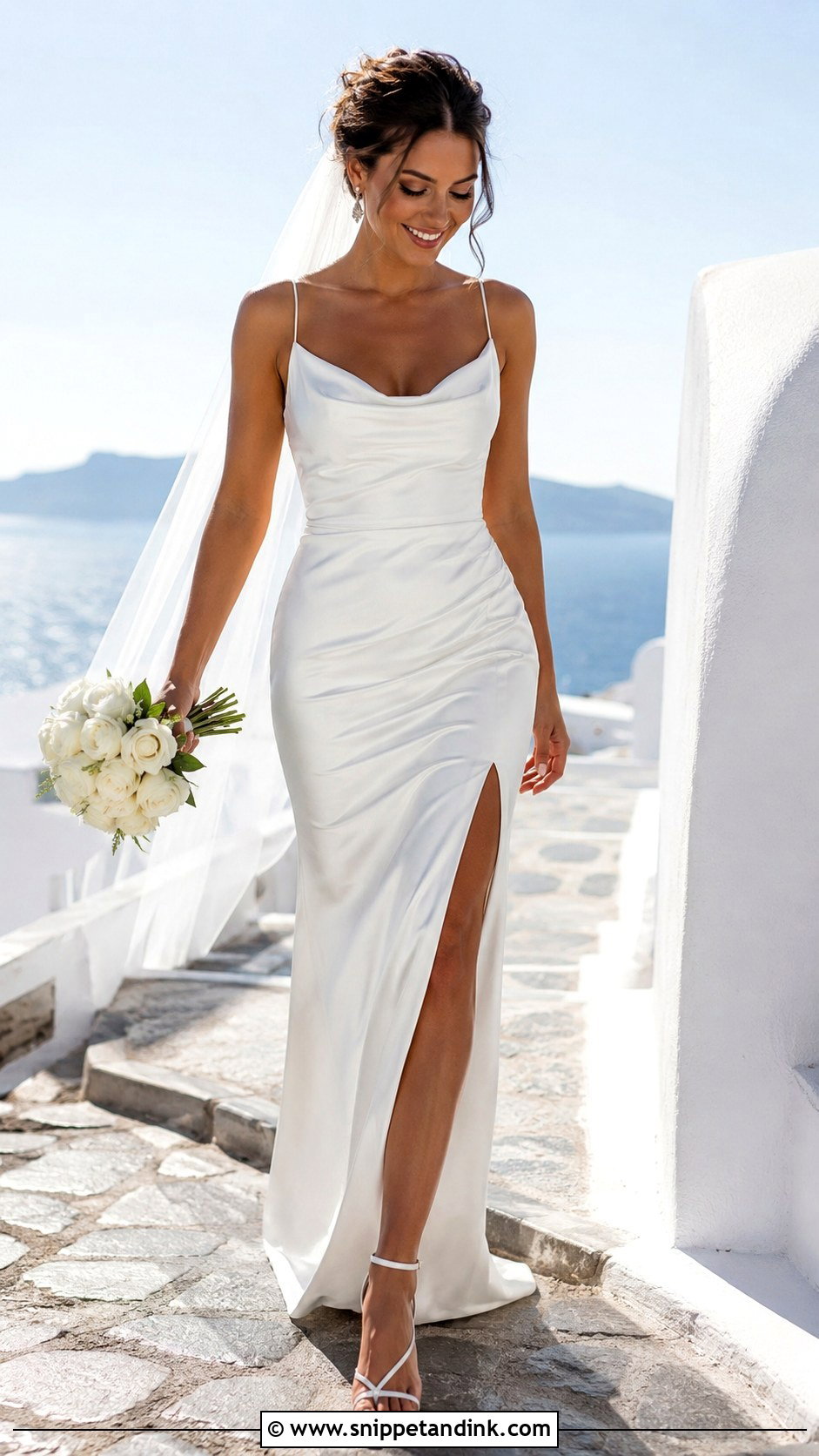
A side slit is the easiest way to make a sheath or column walkable. Satin and crepe drape smoothly around it. Keep the height comfortable for a ceremony: sit, cross your legs and climb stairs at a fitting, and if it opens too far, a few stitches can lower it. Strappy heels and delicate earrings suit it, with soft waves for a relaxed mood or an updo for something formal. Warm-weather and coastal weddings are a natural match.
16. Tight Wedding Dress With Bow Back
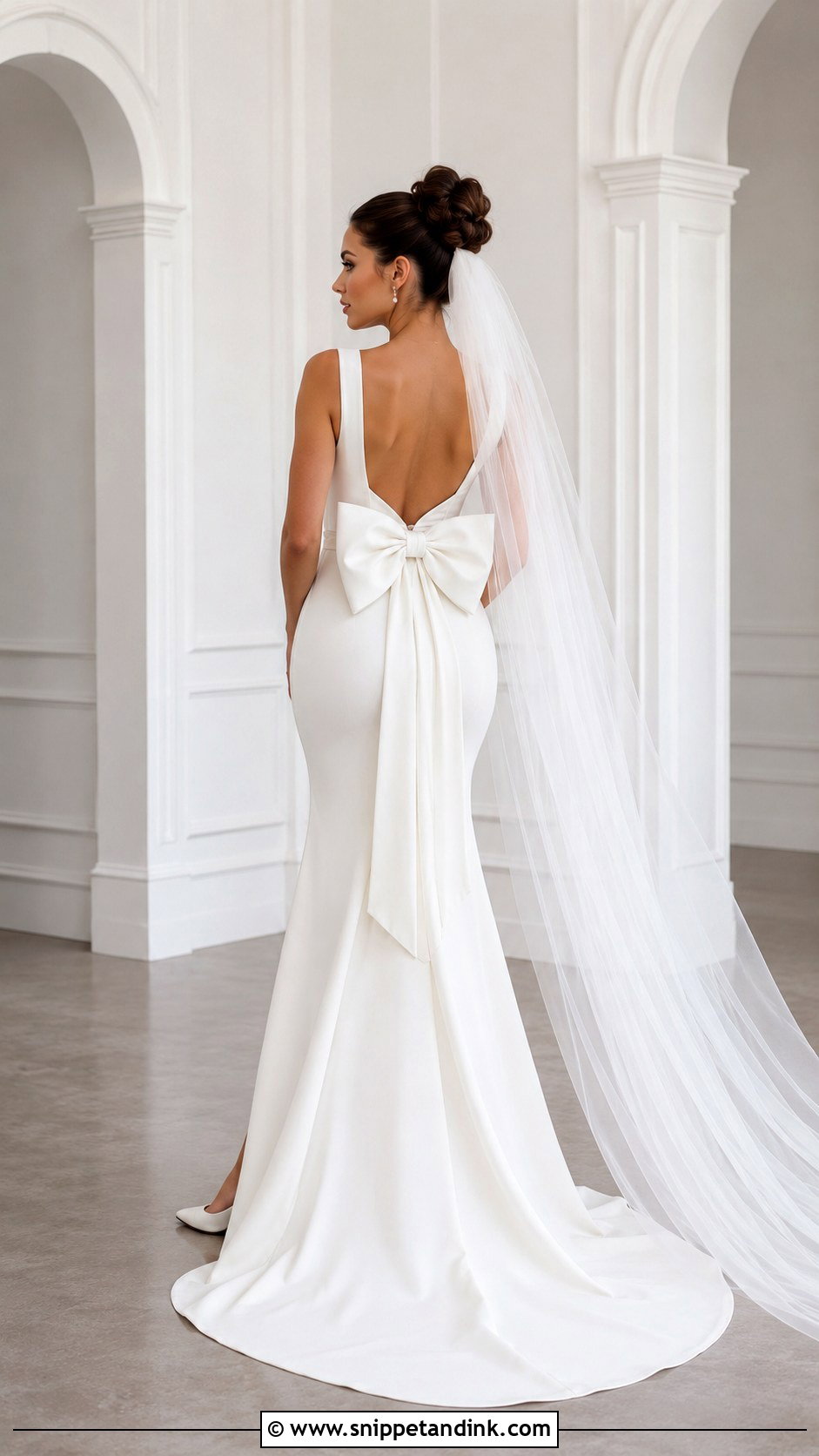
A bow at the back gives a plain fitted gown one memorable feature. A crepe column, satin sheath or fitted strapless dress all carry a structured bow well. A long trailing bow looks dramatic; a small one is softer. The bow will be crushed every time you sit, so ask whether it can be stiffened with interfacing or made detachable for dinner. Place the veil below the bow so it doesn’t hide it, wear your hair up, and keep earrings to pearls.
17. Tight Wedding Dress With Gloves
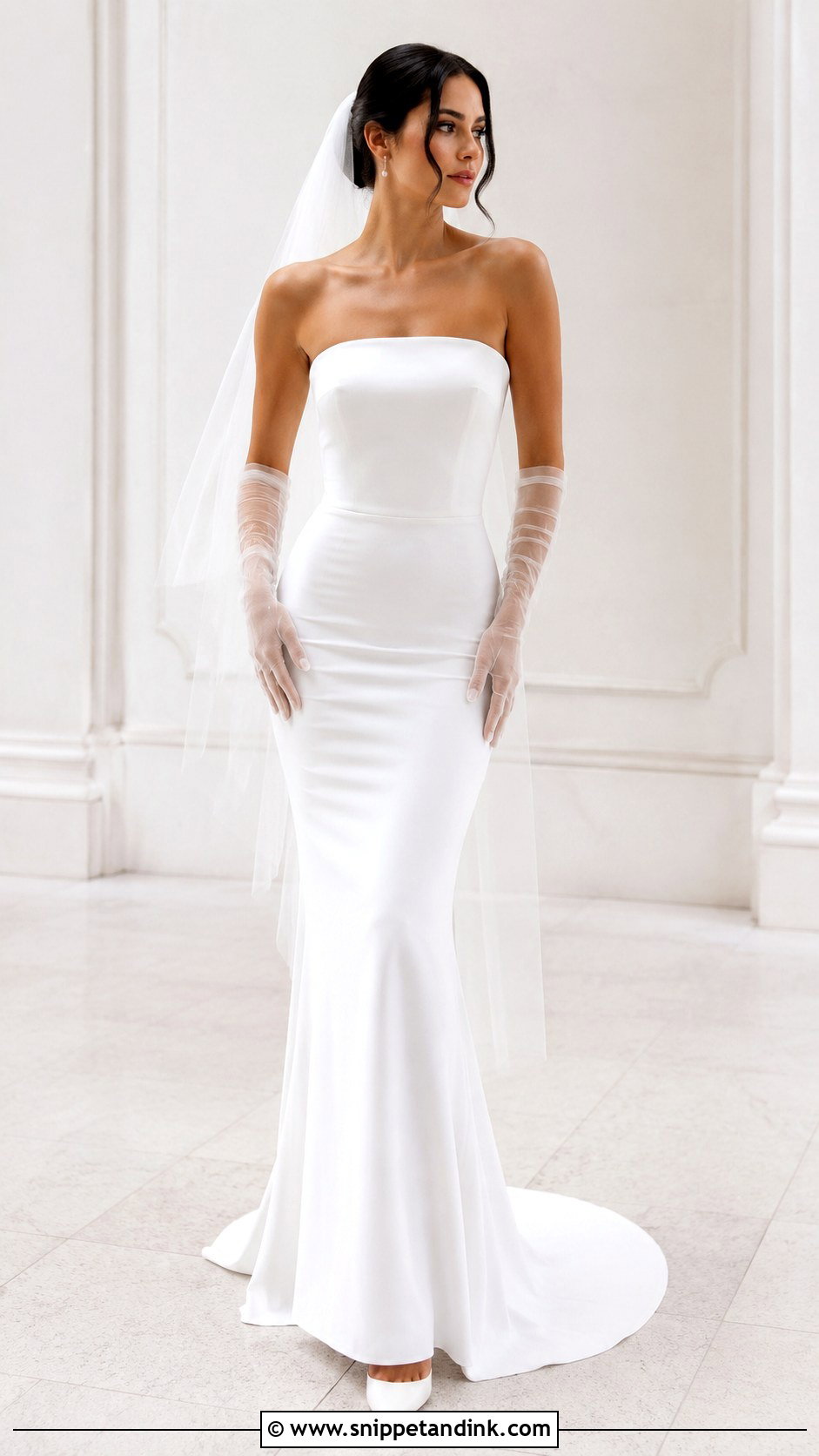
A tight wedding dress with gloves looks polished and deliberate. Gloves suit strapless, off-the-shoulder and sleeveless fitted gowns because they add coverage without changing the dress shape. Satin gloves pair with smooth fabrics; sheer gloves feel softer. Proportion is the key: dramatic opera-length gloves need a plain gown. Plan the ring exchange too, because you’ll need to take one glove off or choose a style with an opening at the finger. Studs, pointed heels and a clean veil finish it.
18. Tight Wedding Dress With Lace Train
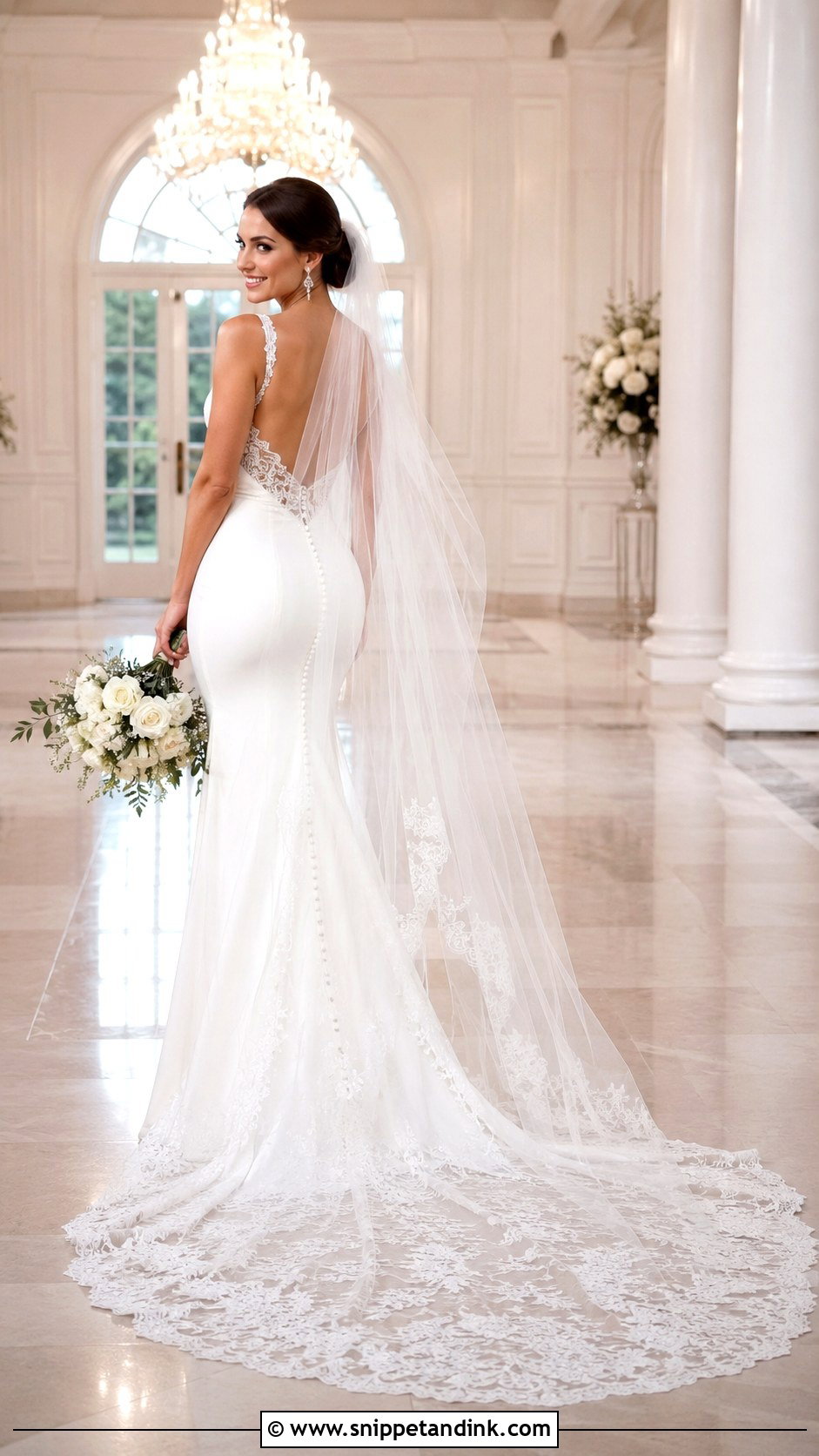
A lace train adds softness behind a smooth, fitted body. It suits fit-and-flare and mermaid silhouettes best. The lace should match the gown’s colour exactly, since ivory lace against a white base looks like a mistake in photos. Lace trains are heavier than they look, so test the bustle at your final fitting and make sure the hooks are strong enough to hold through dancing. A cathedral or chapel veil, classic heels, delicate earrings and a low updo complete it.
19. Minimal Tight Wedding Dress With Clean Accessories
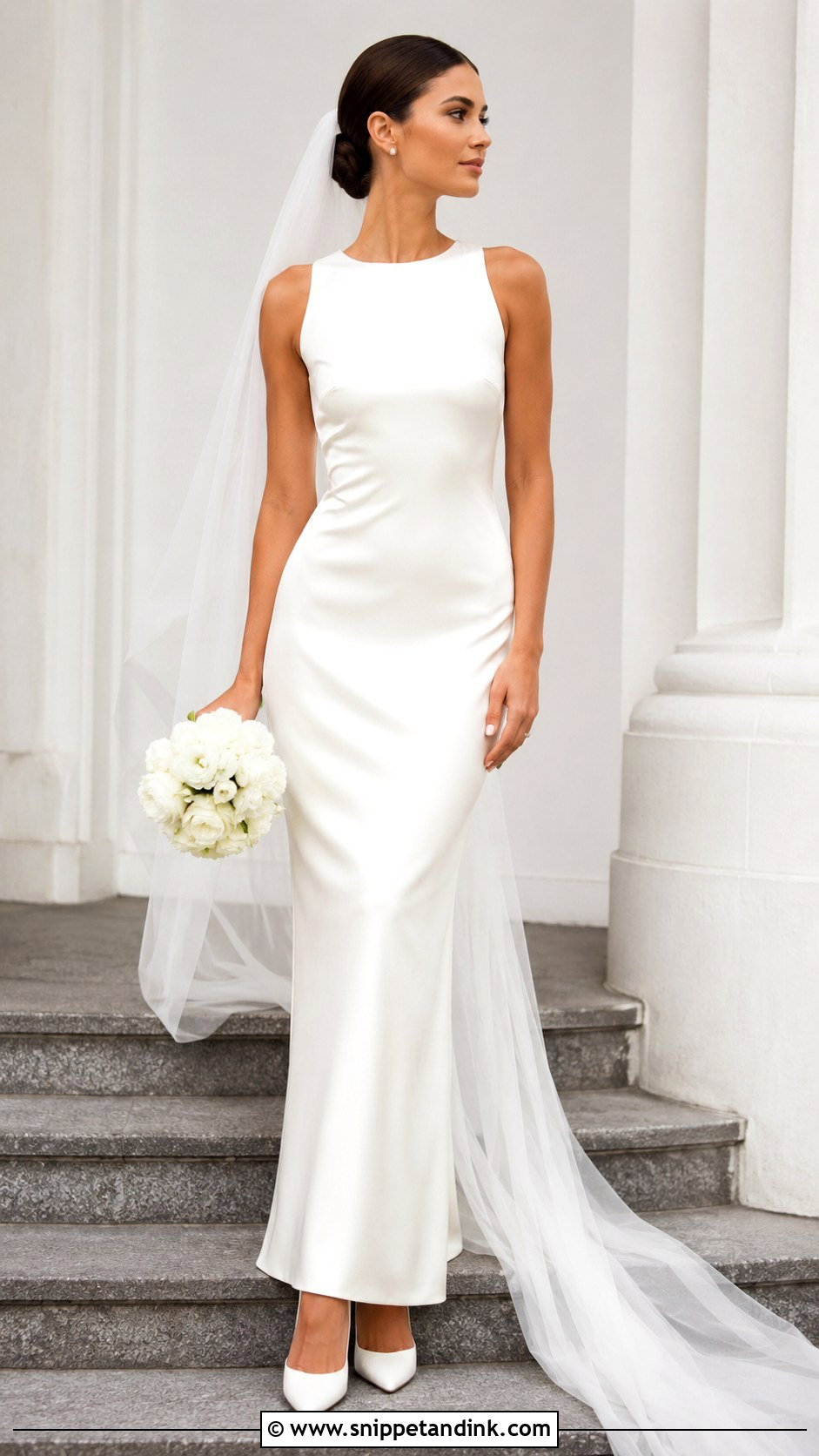
With a minimal fitted gown, fabric, fit and proportion are the whole design. Crepe, satin or silk blends create clean lines without decoration. Choose a sheath, column or fit-and-flare depending on how much structure you want. Every alteration shows on a plain dress, so I’d put the budget into the seamstress rather than accessories. Pointed pumps, pearl studs, a smooth veil and a small bouquet are enough. City venues and courthouse ceremonies suit it.

20. Tight Wedding Dress With Cap Sleeves
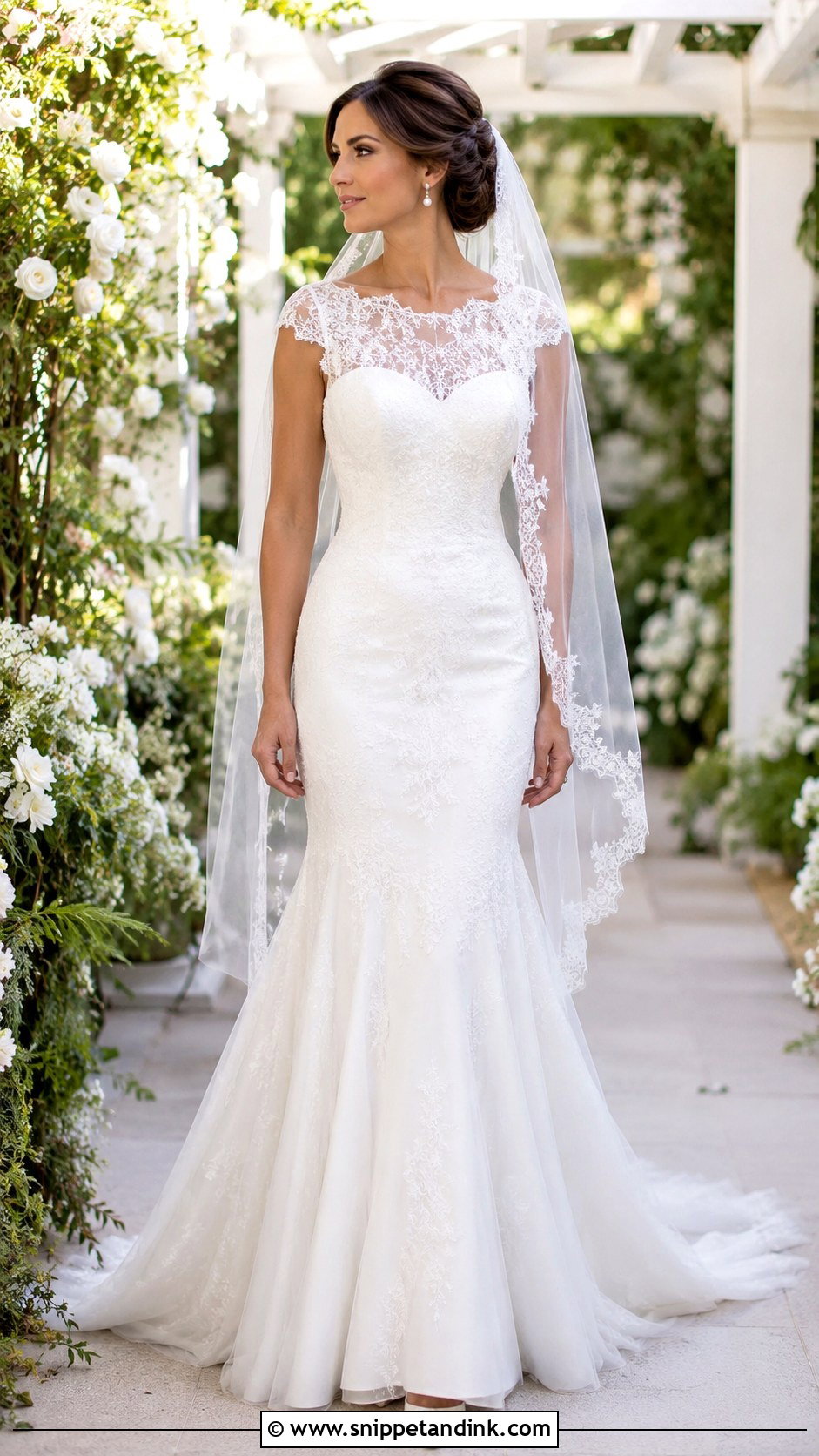
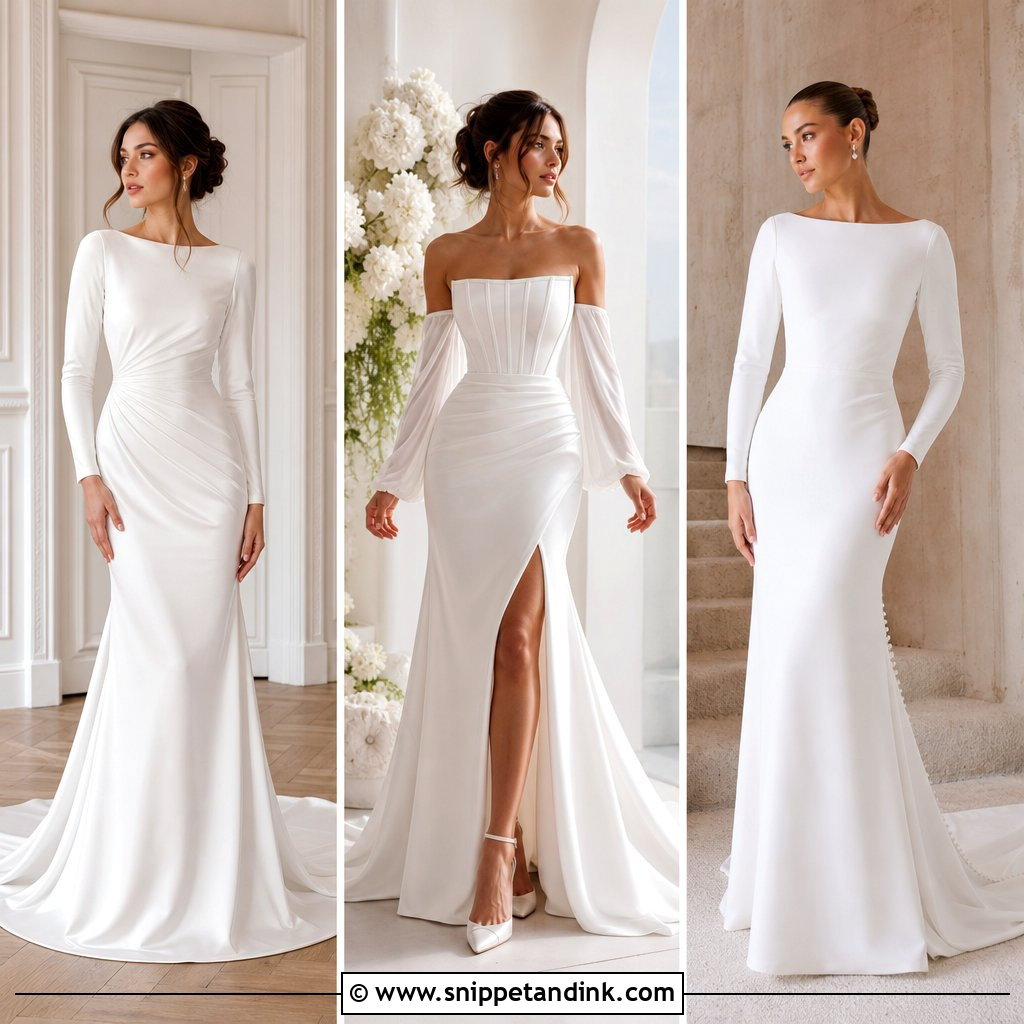
Cap sleeves sit between sleeveless and long sleeves, covering the very top of the shoulder while the gown stays fitted. Lace caps look romantic; crepe or satin looks minimal. The fit of the cap is everything. Too tight and it cuts into the arm; too loose and it flaps away from the shoulder. I adjust it with the arms both lowered and raised. A fitted bodice with a gentle flare, a low bun, pearl earrings and a fingertip veil complete it.
21. Tight Wedding Dress With Halter Neck
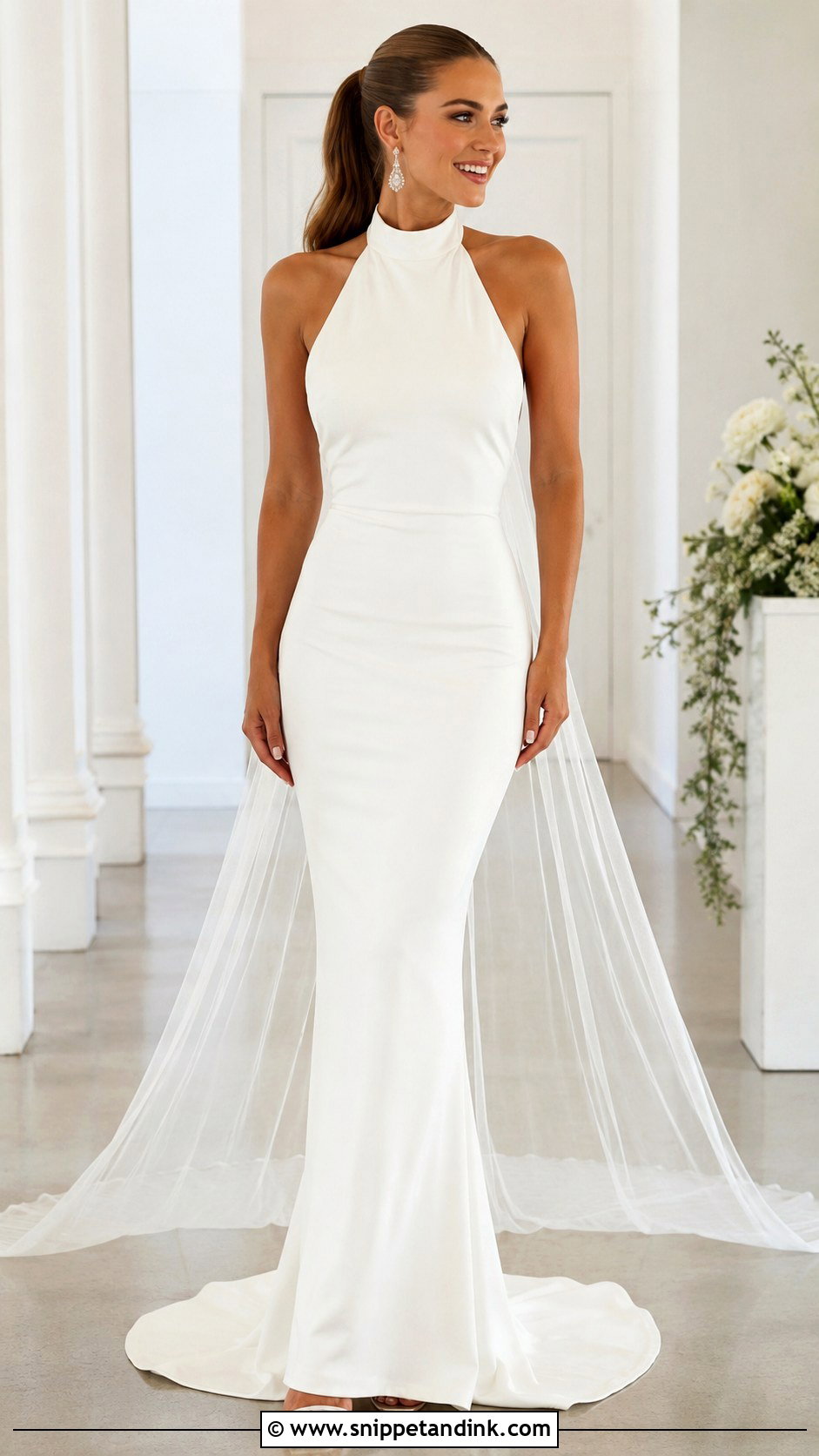
A halter neck draws the eye upward and creates a strong shoulder line. It suits a fitted crepe column, satin sheath or beaded gown. Skip the necklace and wear earrings. A polished bun or smooth ponytail shows off the shape. The weight of the bodice hangs from the neck closure, so heavy fabrics can cause neck strain after a few hours; I check that the bodice is supported at the waist too. Slim heels and a low veil finish it.
22. Tight Wedding Dress With Sweetheart Neckline
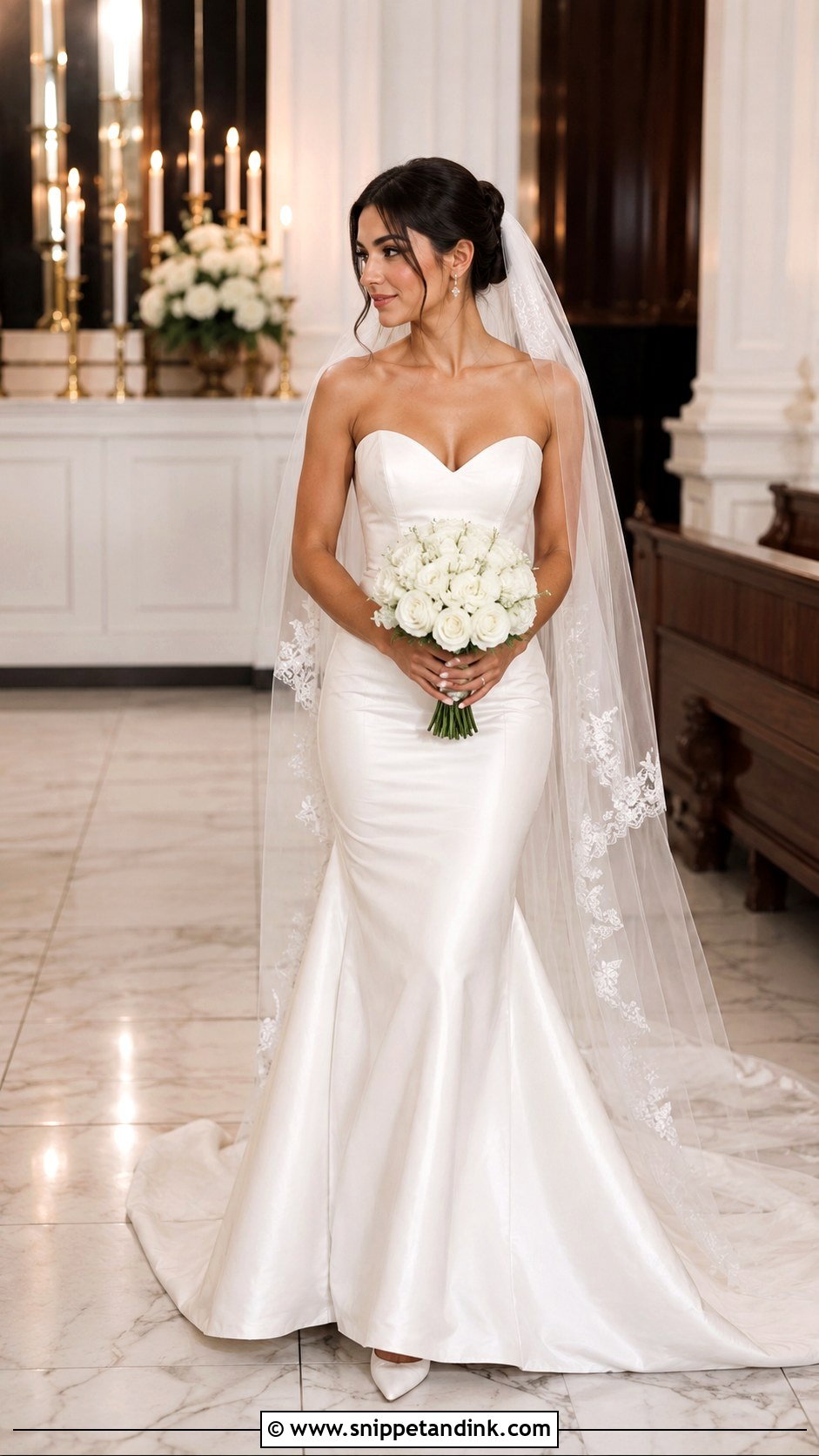
A sweetheart neckline softens a structured fitted gown, and it pairs naturally with corset bodices, mermaid skirts and fit-and-flare shapes. Satin, lace or crepe all suit it. If the neckline feels open, add a fine necklace; otherwise wear statement earrings. The bodice should support the bust without needing constant tugging. If you find yourself adjusting it in the fitting room, the top edge needs taking in. A chapel veil and pointed heels complete it.
23. Tight Wedding Dress With Pearl Details
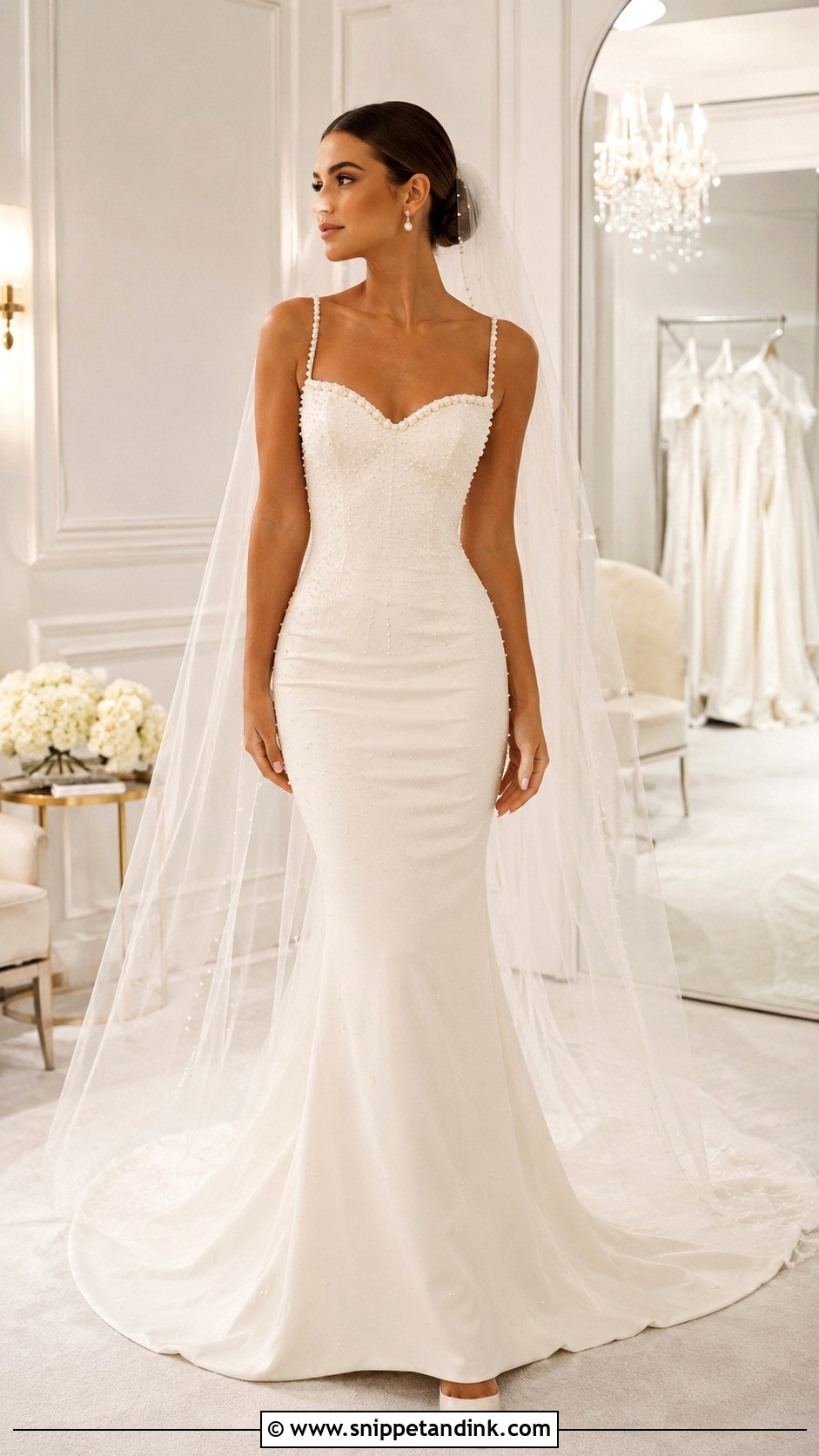
Pearls can sit on the bodice, straps, sleeves or veil, or cover the whole gown. I’d pick one main pearl feature rather than scattering them everywhere, or the dress starts to look busy. A sheath with pearl straps or a mermaid with subtle pearl beading strikes the right balance. Check that pearl straps are sewn securely, since they take the most strain on a fitted dress. Pearl earrings, ivory heels, a sheer veil and smooth hair finish it.
24. Tight Wedding Dress With Reception Mini
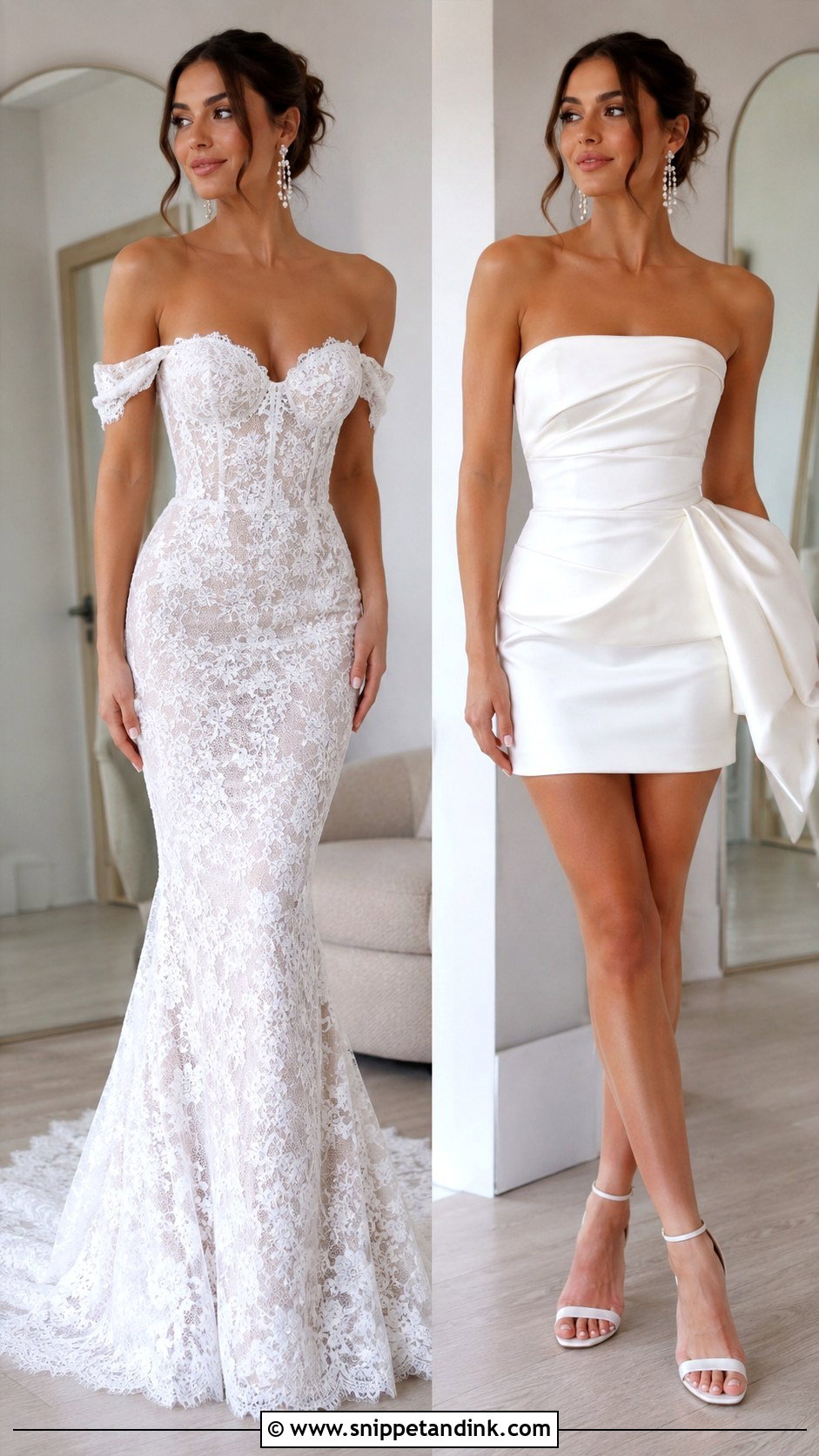
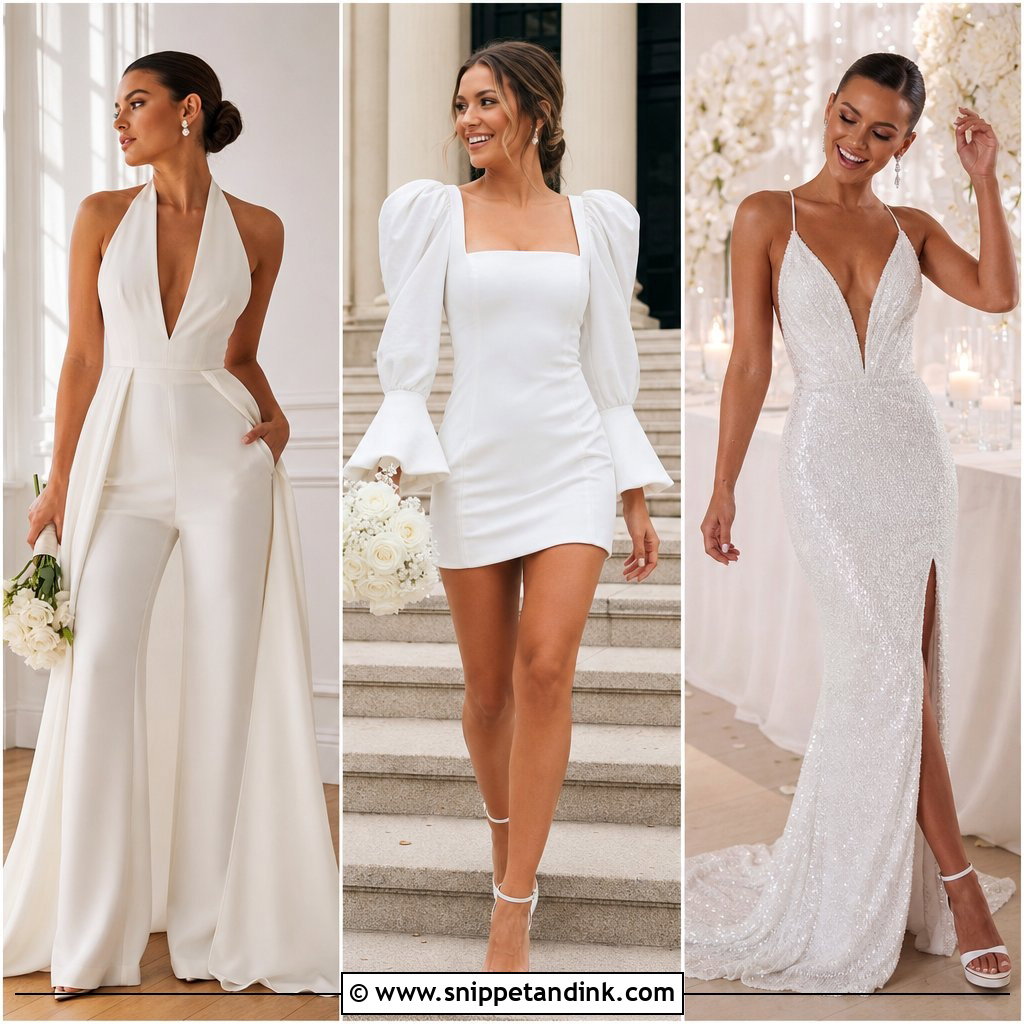
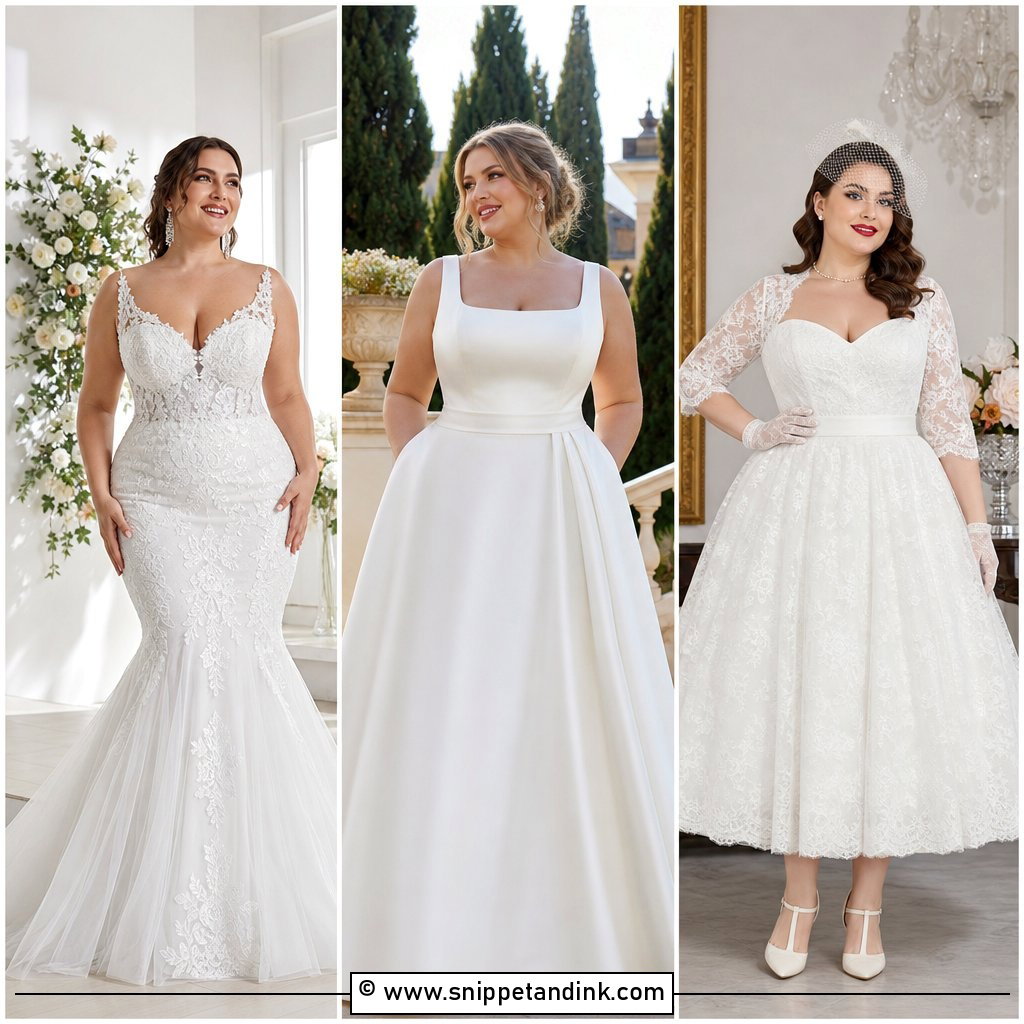
Pairing a fitted gown with a reception mini gives you a formal ceremony look and a playful second outfit. A fitted mermaid, sheath or satin column covers the vows; a tight bridal mini in structured fabric takes over for the party. The mini should still look bridal through fabric, colour or detail: crepe, satin, pearls, bows or subtle sparkle. Keep shoe heights similar so your posture doesn’t change, and plan who helps you change and where.
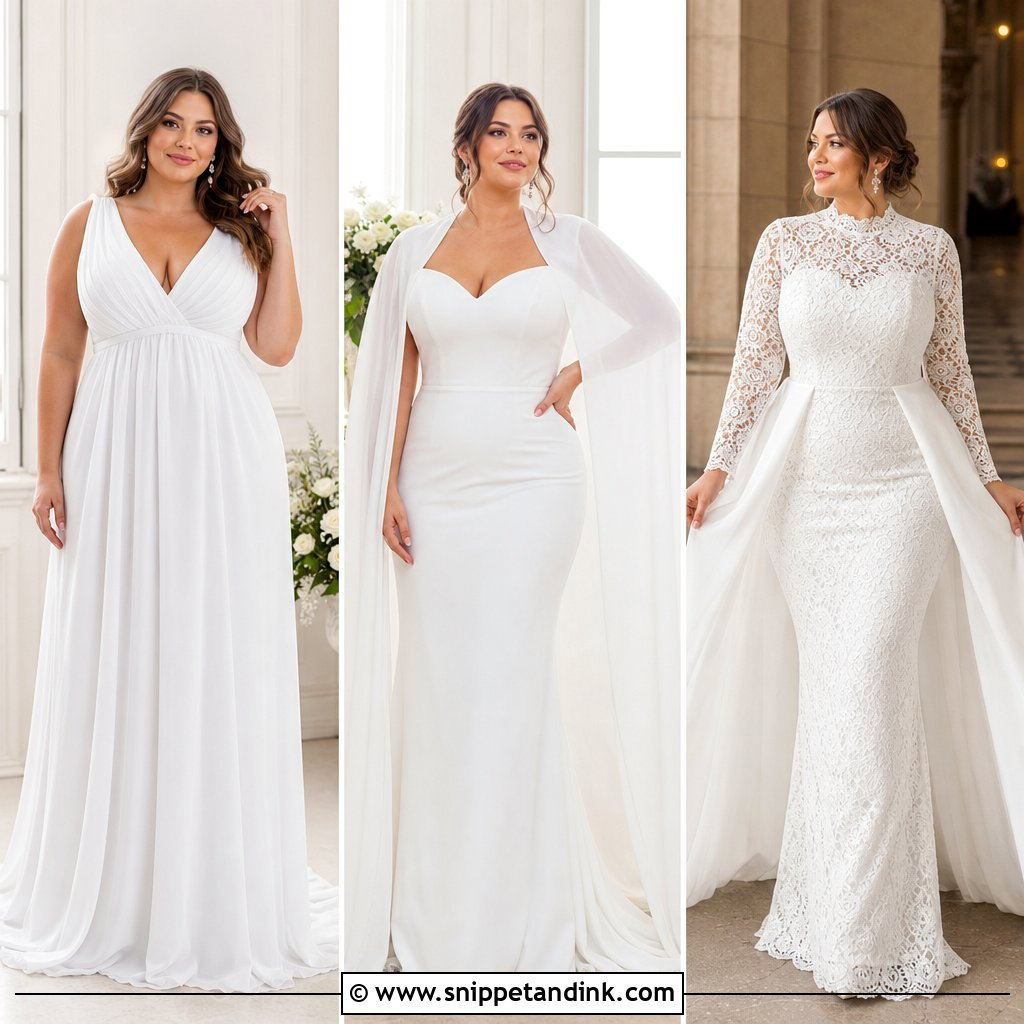
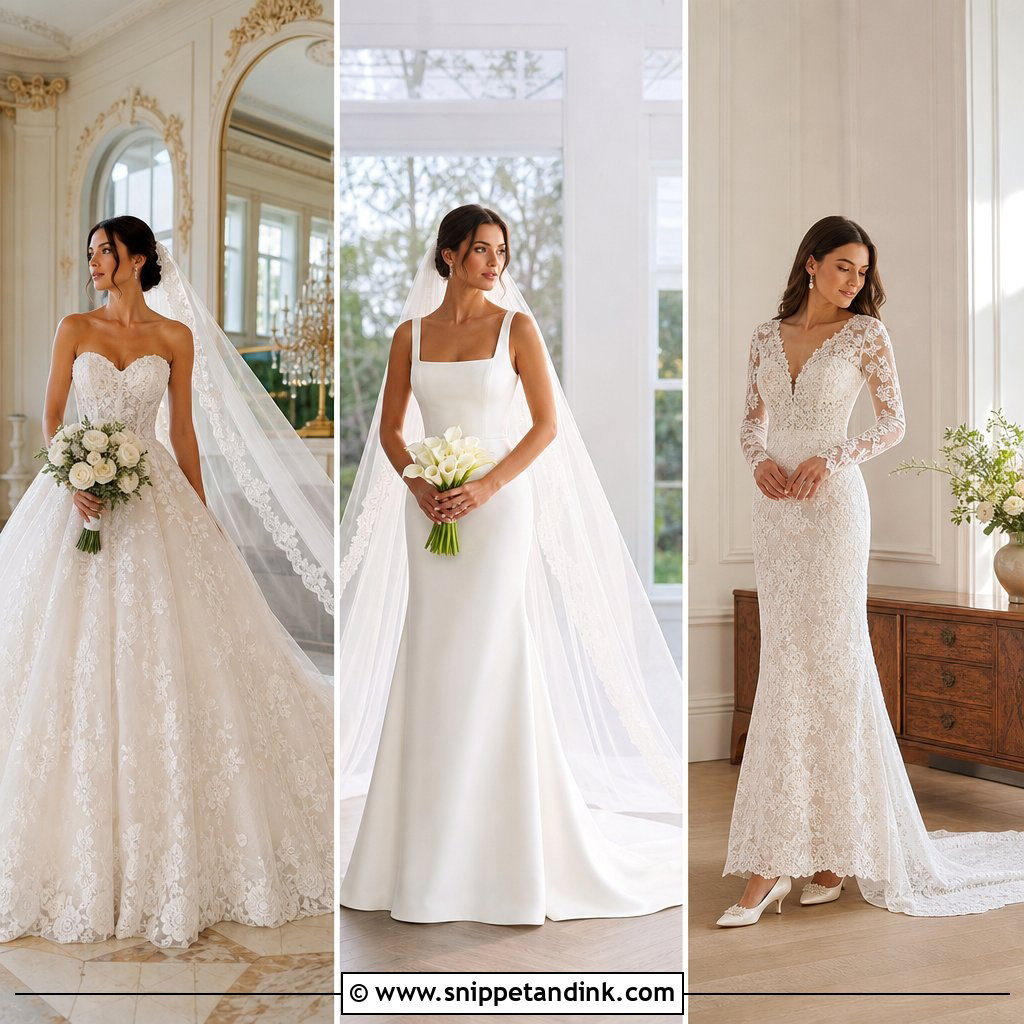
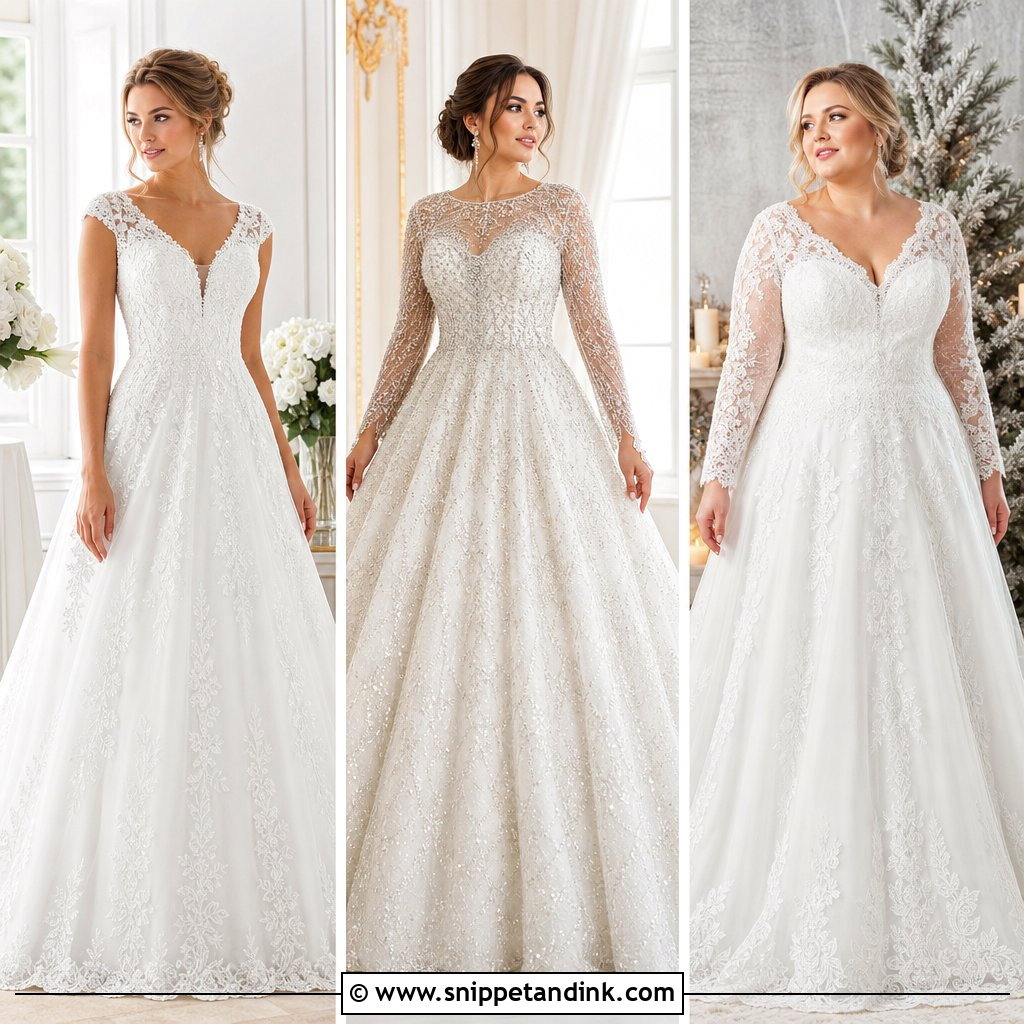
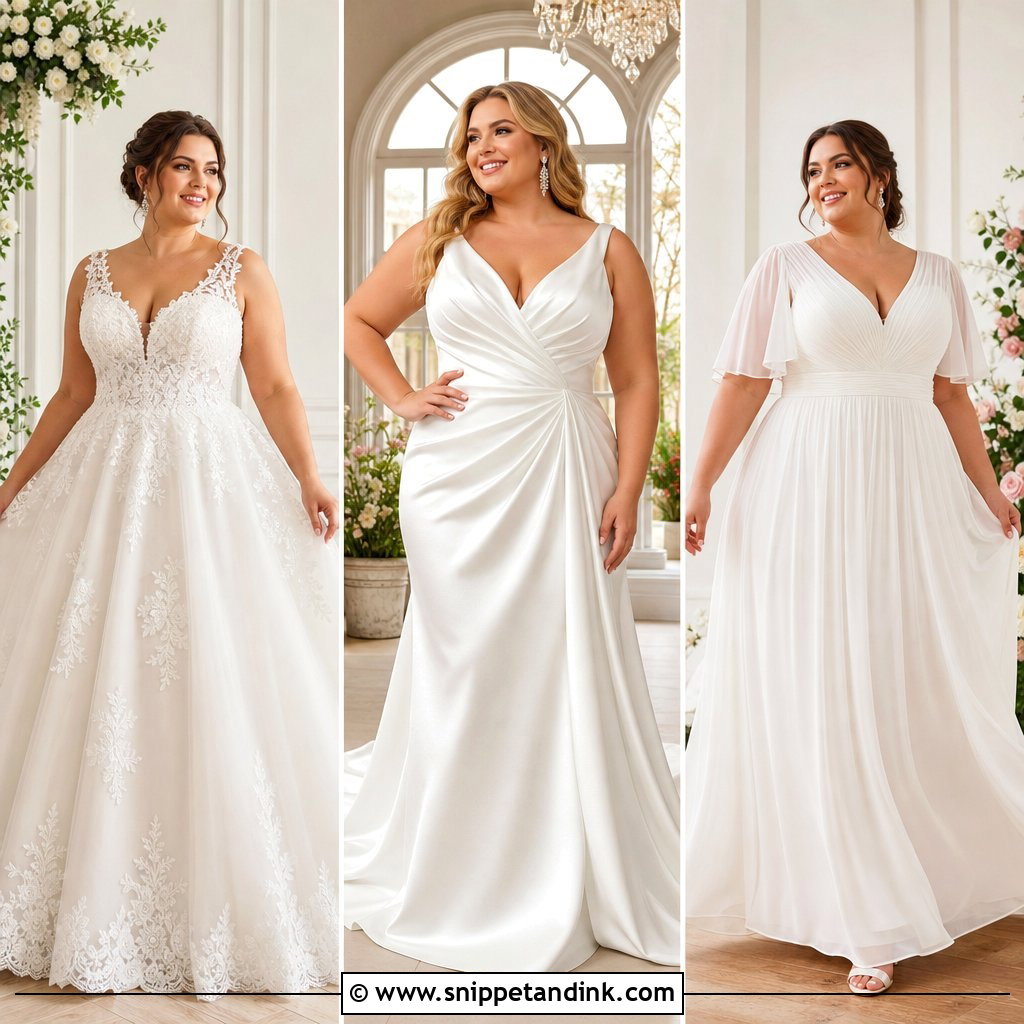
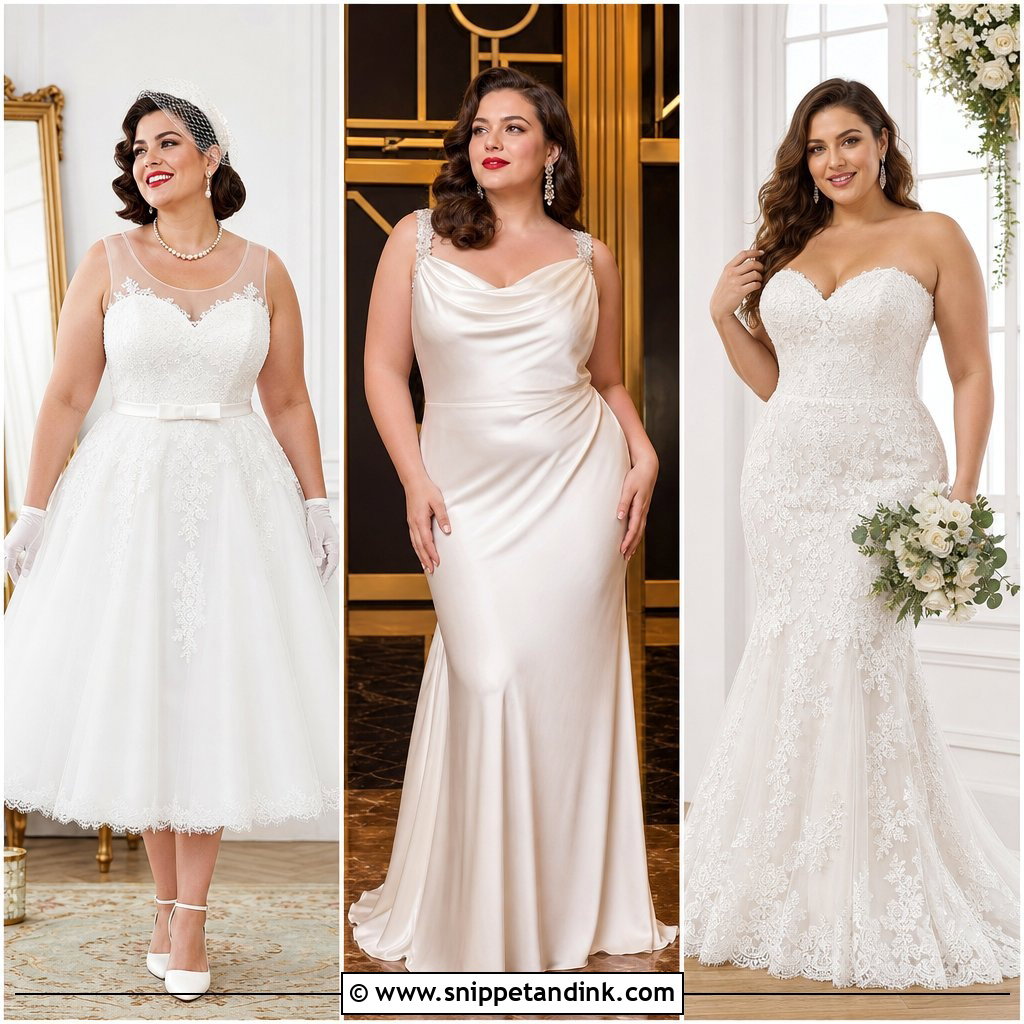
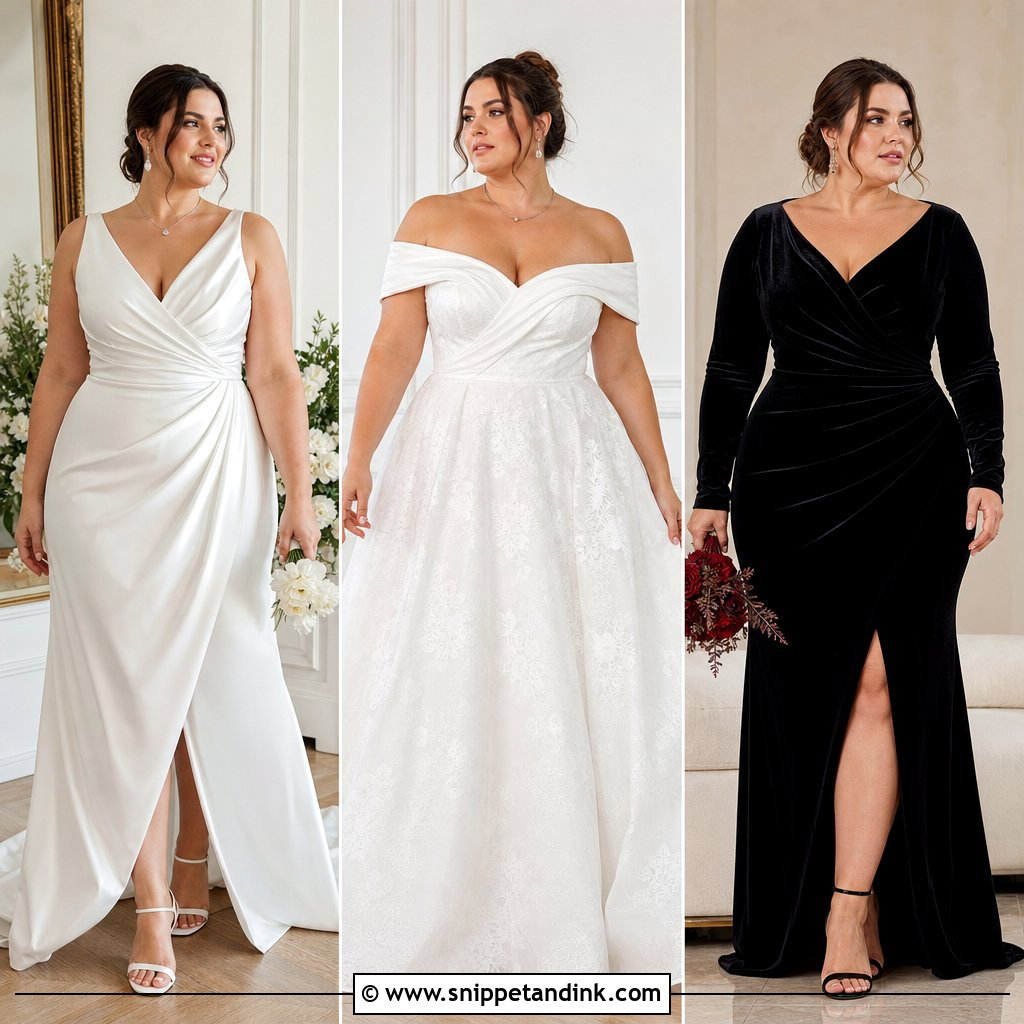
25. Plus Size Tight Wedding Dress With Supportive Bodice
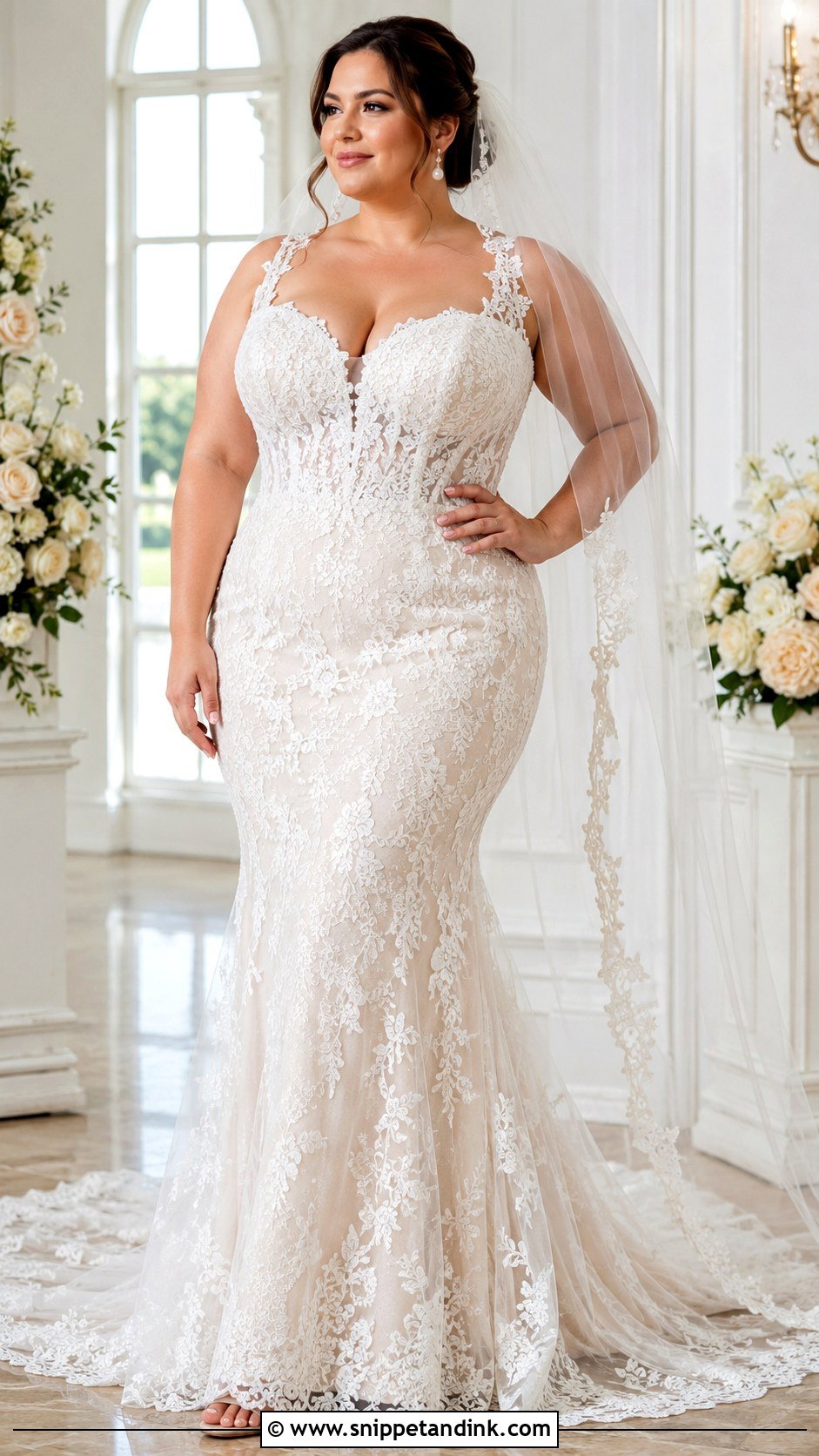
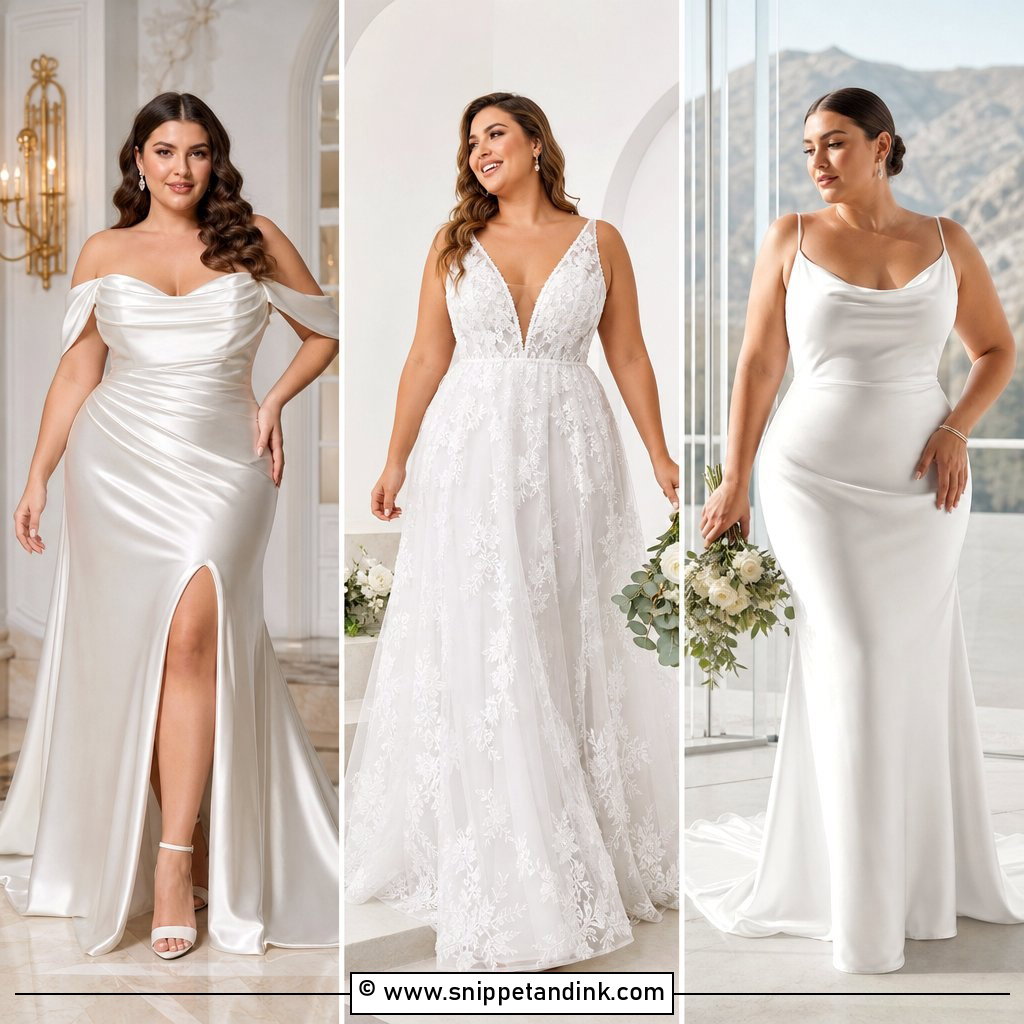
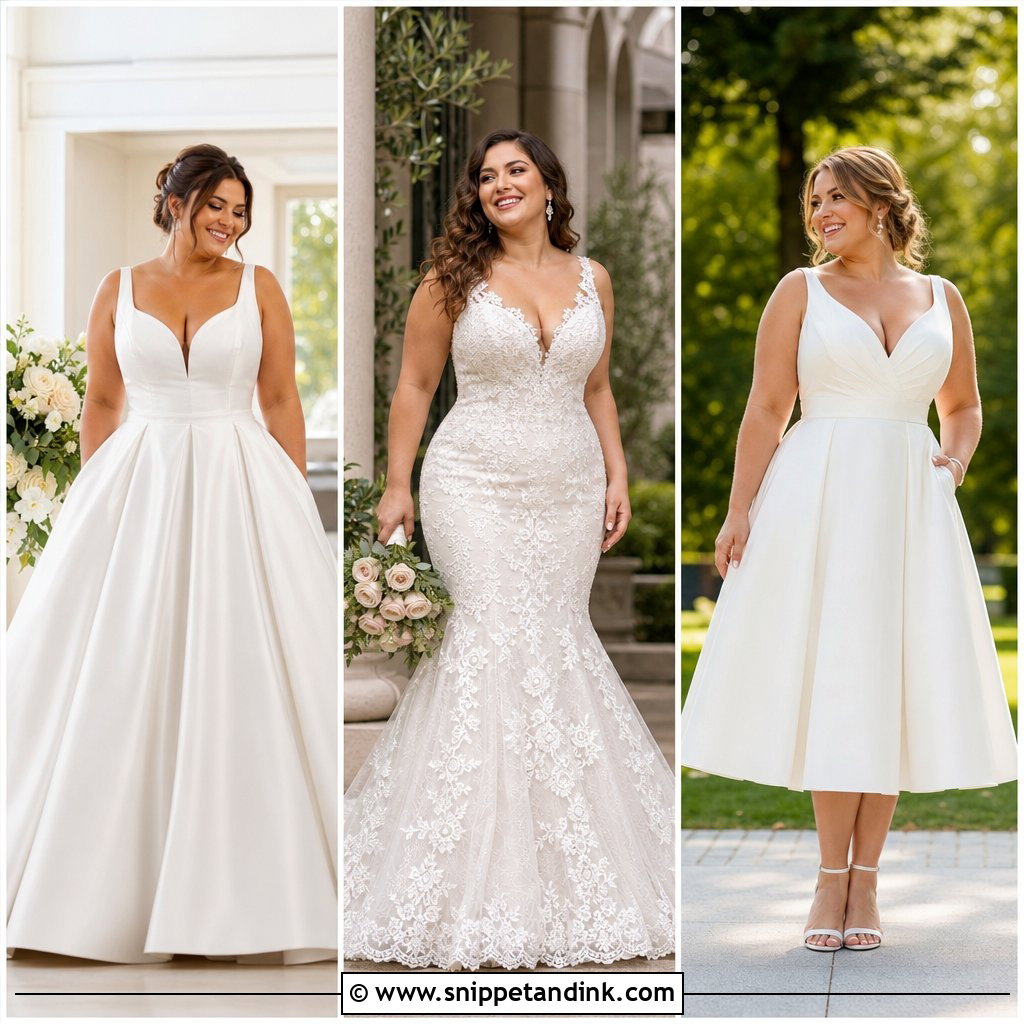
For plus size brides, a fitted gown works when structure, fabric and alterations are right, and support comes first. A well-built bodice, strong lining and comfortable boning shape the body without digging in. Stretch crepe, lined lace and fit-and-flare silhouettes are good starting points. Sweetheart, off-the-shoulder and square necklines all suit. Plan your undergarments early and bring them to every fitting, because shapewear changes your measurements. The goal isn’t to hide your shape but to wear a dress that feels secure from the first photo to the last dance.
Shapewear, Bustles and the Bathroom Question
Nobody likes to ask, but fitted dresses bring practical questions that full skirts don’t. Here’s what I go through with every bride before her last fitting.
Underneath the dress
Pick shapewear before the first fitting, not after. A fitted gown is altered around whatever you wear underneath, and switching later can throw the fit out. Smooth, skin-toned pieces with no visible edges work best under crepe and satin.
Managing the train
Fitted gowns with trains need a bustle for the reception. Ask your seamstress to show the bustle to a bridesmaid or relative, and have them practise it at the final fitting so it takes a couple of minutes on the day.
Using the bathroom
In a mermaid or tight sheath, the easiest method is often to face the toilet tank while someone holds the skirt behind you. It sounds odd, but it keeps the skirt out of the way. Practise once at home in the dress or a similar long skirt so you aren’t working it out on the day.
Sculpted Should Still Mean You Can Sit Down
Fitted dresses can be sleek, romantic, bold, minimal or classic, depending on fabric, neckline and styling. The best one is never simply the tightest. It should support your body, let you move, and suit your venue. Mermaid, trumpet, sheath, slip, corset and fit-and-flare gowns all create a sculpted look in different ways. Try several, sit and walk in each at every fitting, and pay attention to how it feels from every side. With the right veil, shoes and tailoring, you’ll have a dress that feels confident and completely yours.
You'll Like These Ideas:





Leave a Reply