
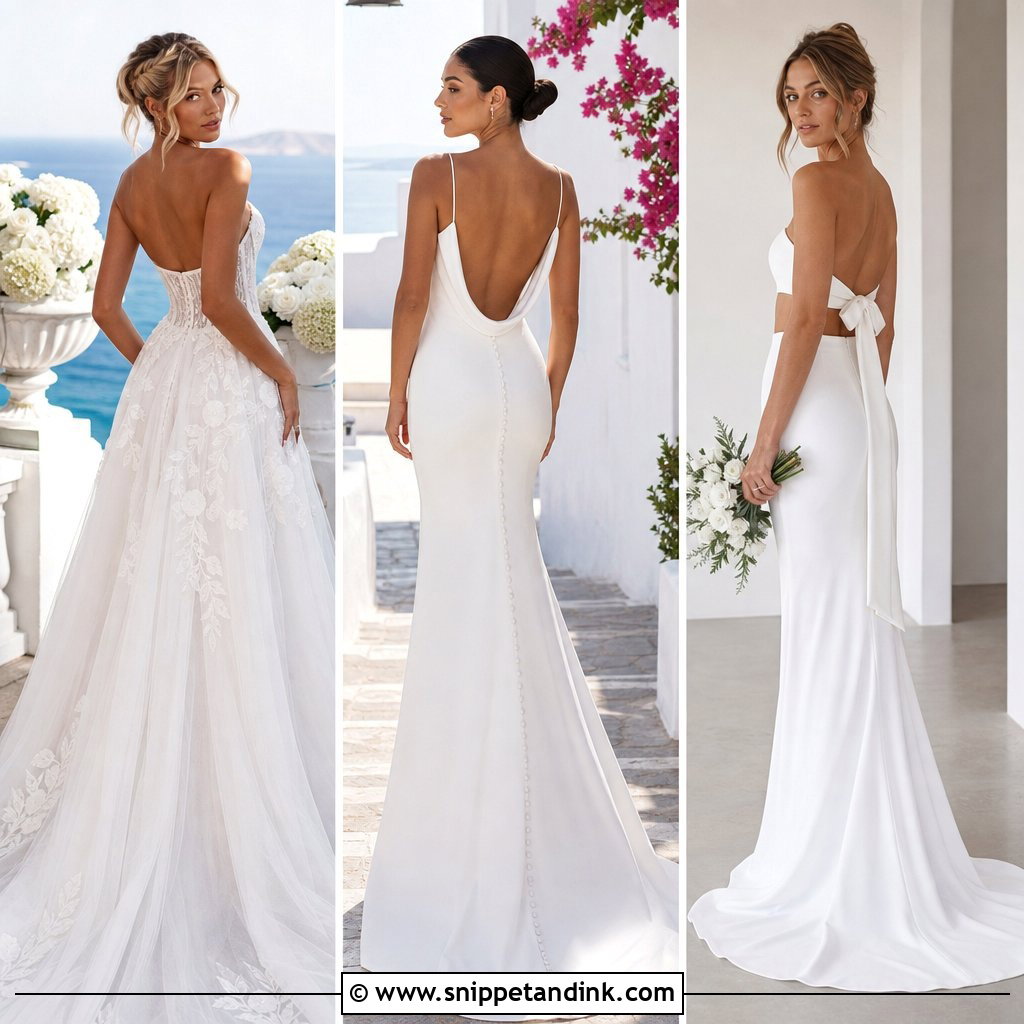
Satin is unforgiving, and an open back is unforgiving too, which is exactly why the pair looks so good when it’s done well. The smooth fabric shows the cut of the back with nothing in the way, and the bare skin gives a plain gown a reason to turn heads as you walk away. Backless designs sit happily on A-line, mermaid, sheath and ball gown shapes, and the edge of the opening can be finished with a cowl drape, a bow, illusion mesh or covered buttons, each one setting a different level of drama. Below are twenty I’d pull for a bride, from quiet sheaths to full trains, each with shoes, jewelry and hair suggestions and the fitting check I’d make first. Formal ballroom or a civil ceremony on a Tuesday, one of these will suit.
Support Without a Bra: What Goes Inside an Open Back
The first question every bride asks me about a backless gown is what she’ll wear underneath. The honest answer depends on how low the back goes, so I sort the options by depth.
- Above the bra band: a keyhole or high scoop. A regular strapless or low-back bra usually still works.
- Mid-back, around the bra line: a low-back convertible bra or a longline bra that sits below the opening. Try it on with the dress, because many show at the sides.
- To the waist or lower: no bra will hide. Support has to be sewn into the dress as cups, boning at the side seams and a firm inner waistband.
Sewn-in cups are the most reliable choice for a deep back, and a good seamstress will place them at a fitting while you wear the gown. Adhesive cups and lift tape can help a smaller bust, but they lose grip on warm, damp skin over a long day, and body lotion makes them fail faster. If you plan to use them, skip moisturiser on the chest that morning and do a full trial wear at home for several hours.
How heavy is the satin?
A heavy duchess style satin holds its own shape and stays close to the body at the back edges. A thin, fluid satin drapes but can sag away from the skin when you lean forward. Lean over a table in the fitting room and ask someone to look from behind.
1. Minimalist Satin Backless Wedding Dress
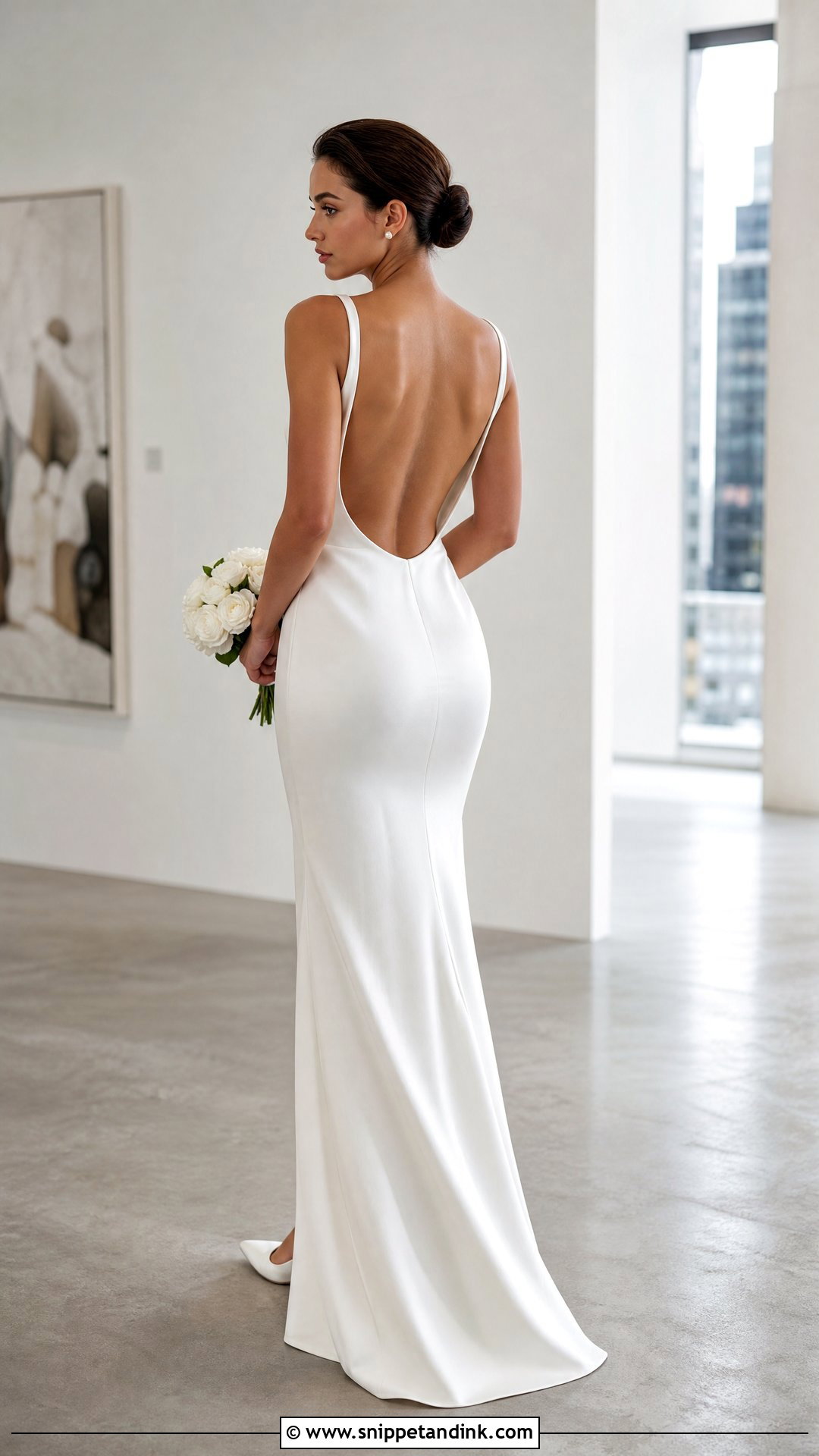
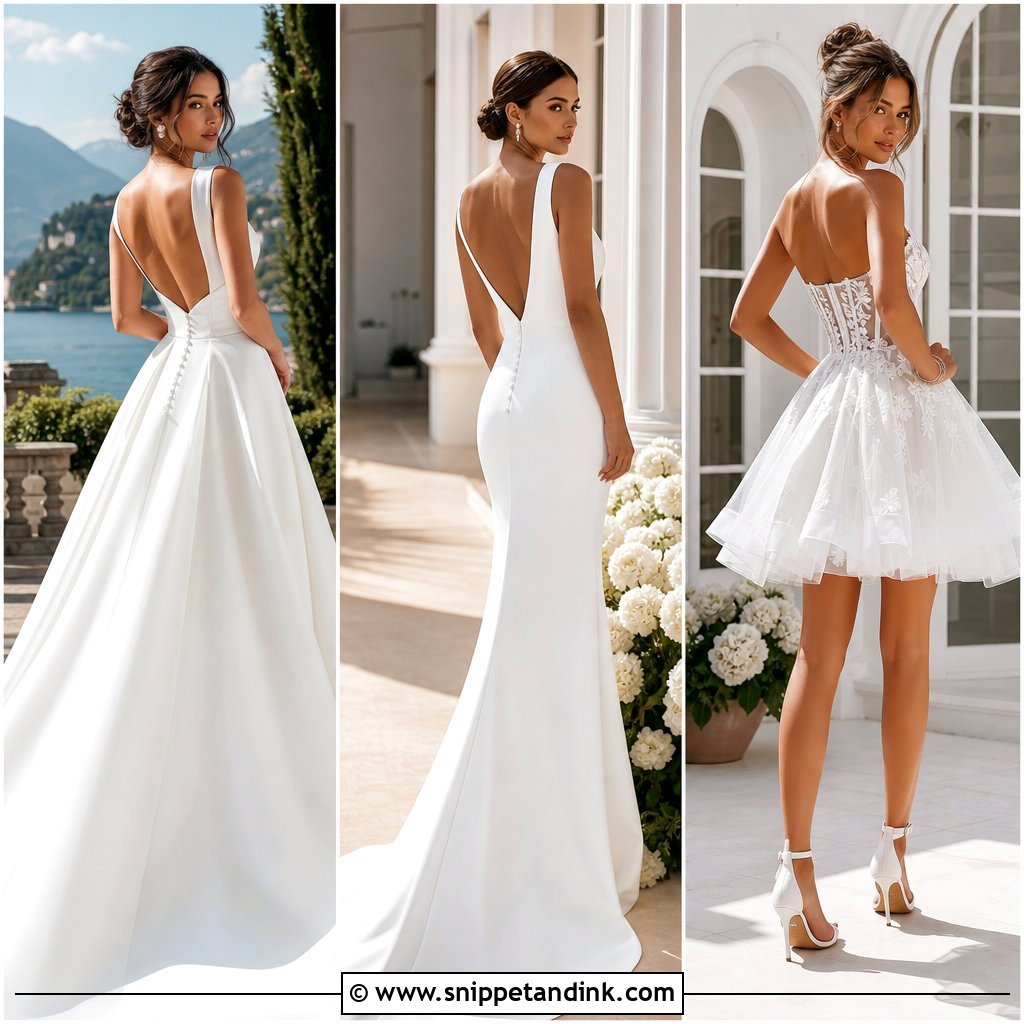
Plain satin and a low scoop back: that’s the whole idea, and it’s harder to pull off than it looks. A fitted sheath with a straight neck, slim straps and a back that dips to the natural waist has nowhere to hide a poor fit, so I’d only choose it if the seamstress is excellent. Go for matte or softly lustrous satin; high shine shows every pull line across the shoulder blades. Ivory pointed pumps, pearl studs and a small structured bag are enough, with one tennis bracelet if you want sparkle. A sleek low bun leaves the back clear. It looks most at home in a gallery or modern city venue.
2. Cowl Back Satin Wedding Dress
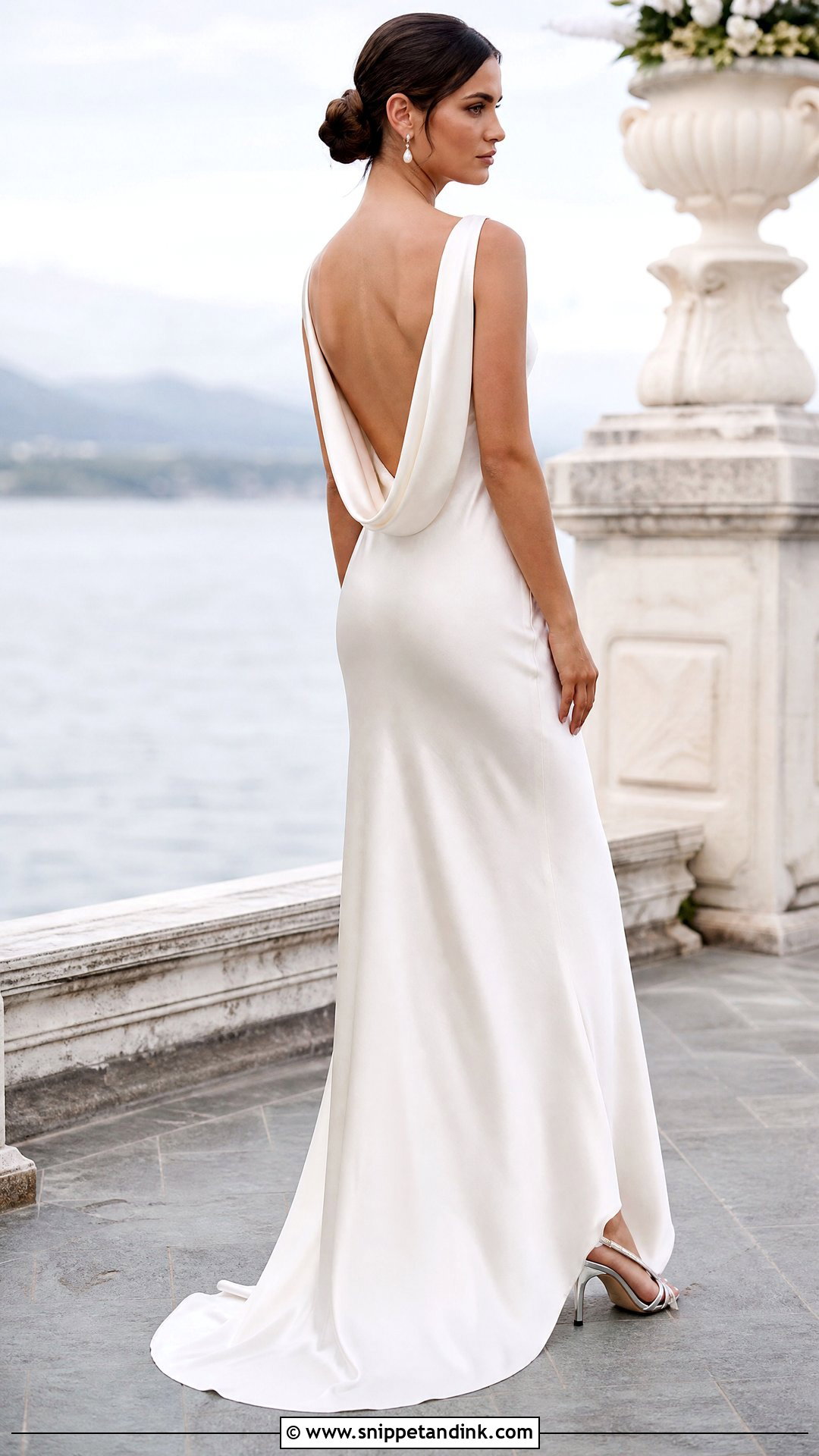
A cowl back hangs in soft folds, and on bias-cut satin those folds move every time you do. The front is usually a high bateau, which gives the back all the surprise. Thin straps or a fine shoulder chain hold the drape in place. Pair metallic slingbacks, small drops and a compact satin clutch, with a soft side bun so nothing covers the folds. Wear a fingertip veil for the ceremony and take it off for the reception. Watch the weight of the cowl: a deep drape in heavy satin pulls the straps outward, so ask for a hidden thread chain linking the straps if they start to slip.
3. Strapless Satin Backless Wedding Dress
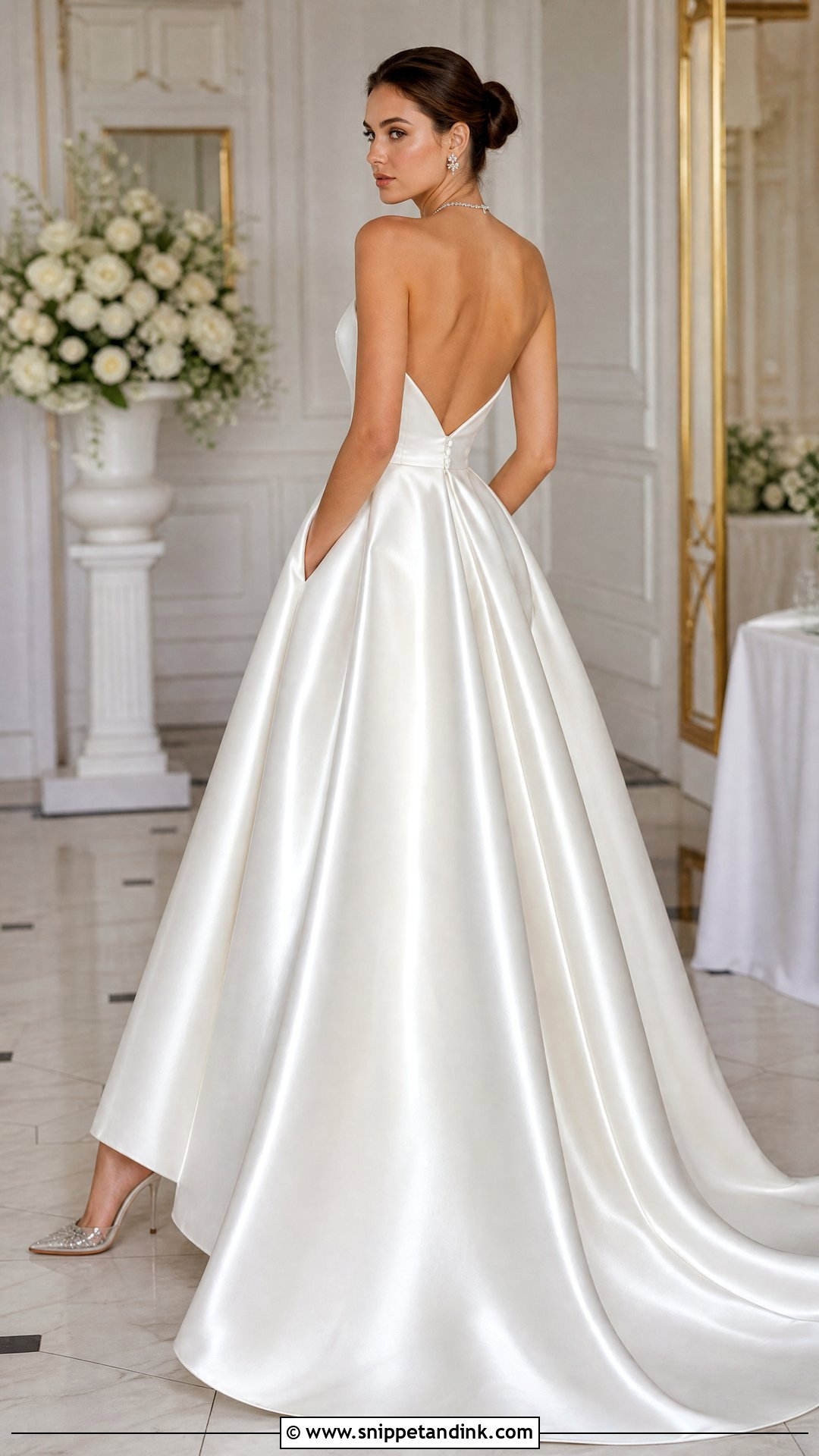
Strapless and backless together means the bodice has to grip your ribs with nothing hanging from the shoulders, so construction comes first. A structured bodice with a softly curved neck, a fitted waist and a back that dips below the shoulder blades sits on an A-line skirt for balance. Pair crystal pumps, a fine necklace and matching studs; a smooth chignon shows both neckline and back. A cathedral veil adds ceremony drama, and a short satin bow or detachable back drape can be added afterward for a second look. Ask how many bones are in the bodice and where the waist stay sits. Without a firm inner waistband, a strapless open back slides down through the evening.
4. Halter Satin Backless Wedding Dress
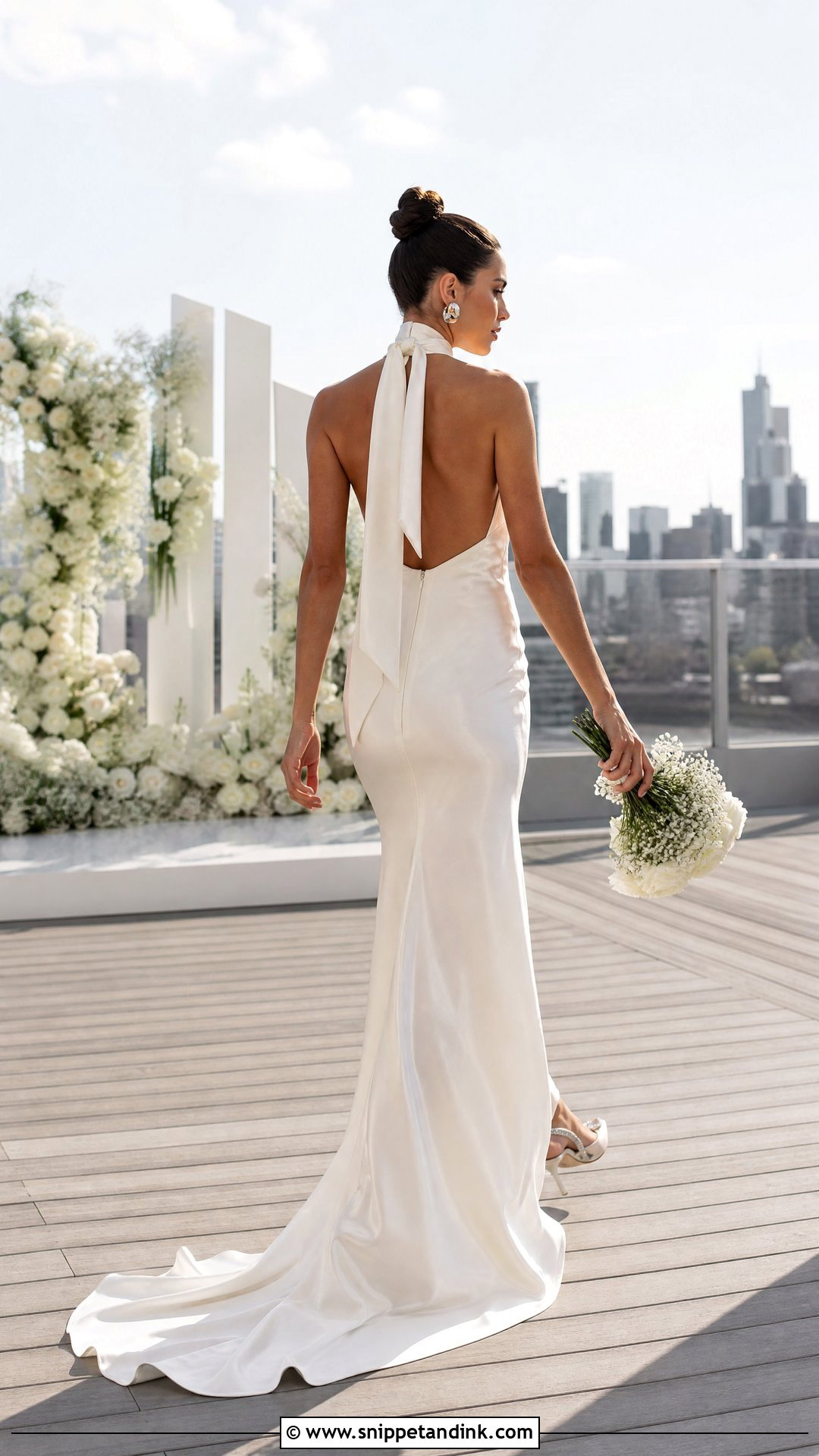
A halter naturally opens into a bare back, and on a satin mermaid the result is long and confident. A gathered neck, fitted waist and a flare below the knee give the shape; long neck ties can trail down the back or knot into a bow. Sculptural earrings, a slim bracelet and pointed satin heels are plenty. Skip the necklace, as the halter already frames the shoulders, and wear a high bun or sleek twist. A chapel train makes the fitted cut feel bridal. The halter carries the bodice from your neck, so a heavy satin can leave you with a sore neck by evening. Wear the sample for a while before deciding.
5. Long Sleeve Satin Backless Wedding Dress
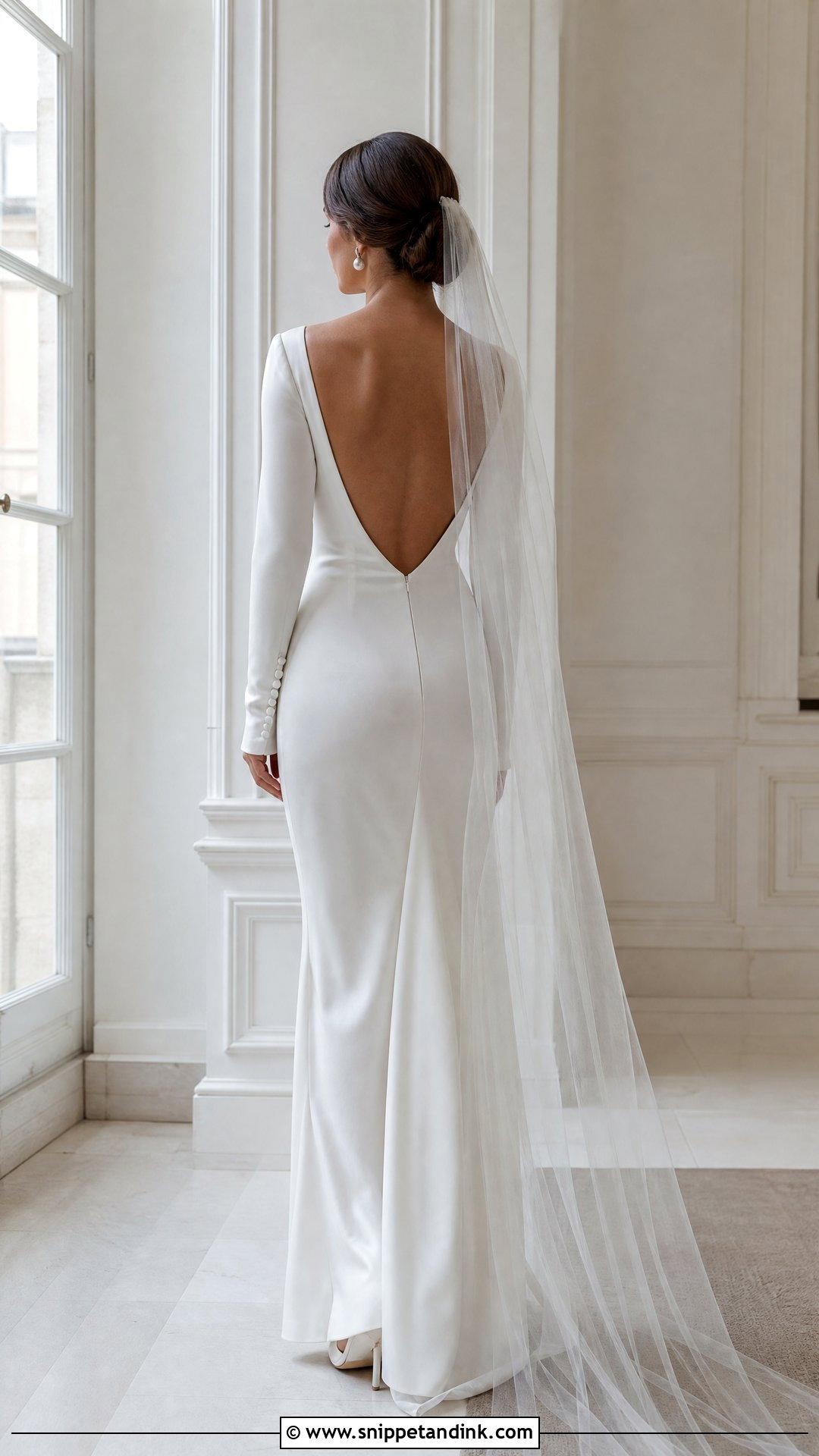
Long sleeves and a deep V-back are a contrast I love for winter. A satin column with fitted sleeves, a modest boat neckline and a V that runs toward the waist covers the arms fully while still showing skin. Covered buttons at the cuffs add a traditional note. Wear closed-toe pumps, pearl drops and a smooth satin clutch, with a low twisted bun. A sheer chapel veil softens the structure during the ceremony, and a satin wrap helps on a cold evening. The sleeves and the open back fight each other: raise your arms and the back edges pull away from the skin. Test it with a full hug in the fitting room.
6. Satin Backless Ball Gown Wedding Dress
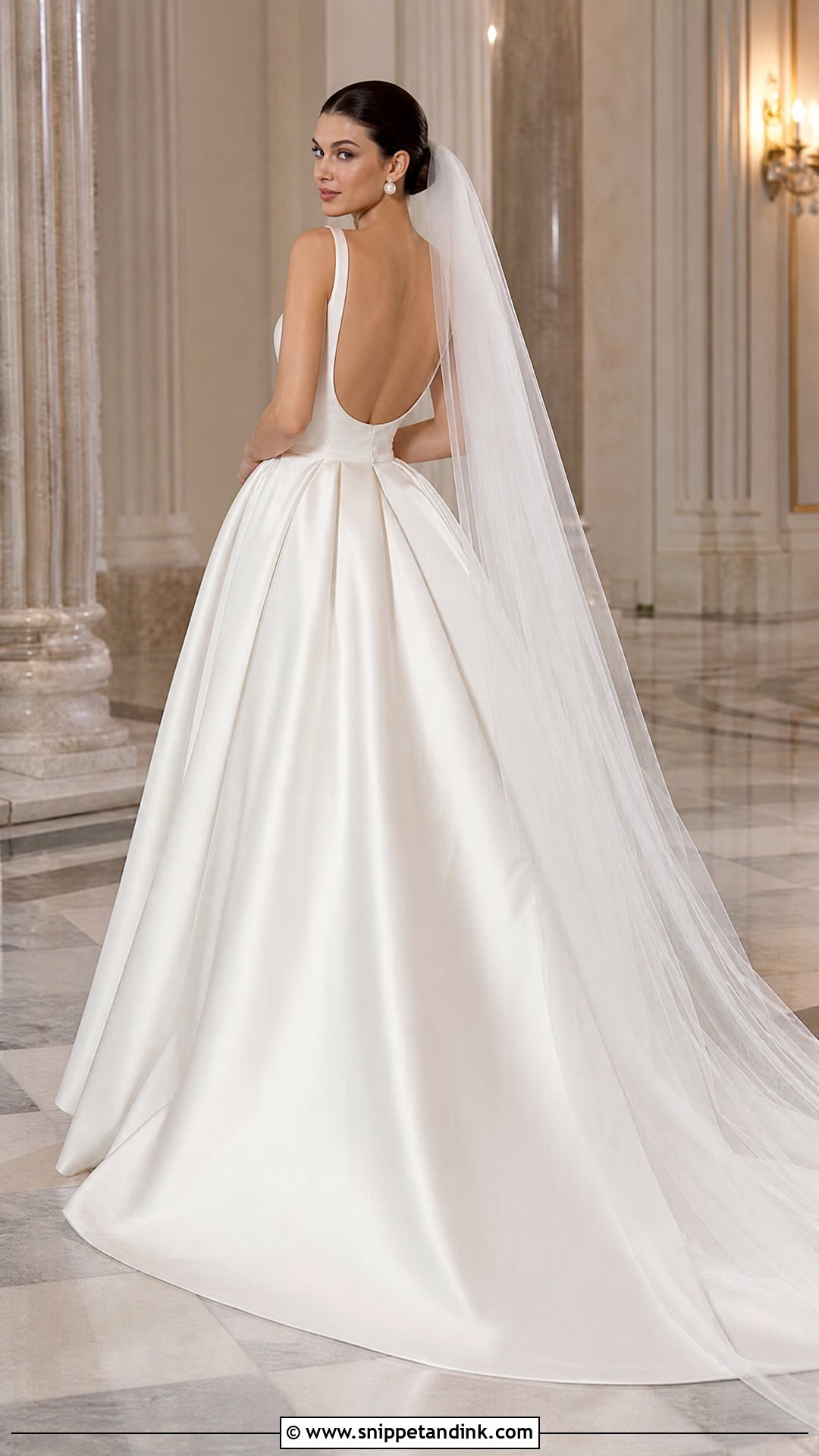
A ball gown with an open back needs wider straps and a rounded back to hold up all that skirt. A fitted scoop-neck bodice gives support, and box pleats or soft gathers build fullness without piles of petticoat. Comfortable block heels will save you, since nobody sees them under the skirt. Classic pearl earrings and a simple bracelet suit it, with a polished bun and long veil. After the ceremony, bustle the train so you can walk and show your shoes. Satin’s smooth face keeps the architecture of the skirt clear in both close-ups and wide shots of a ballroom or historic estate.
7. Pearl Strap Satin Backless Wedding Dress
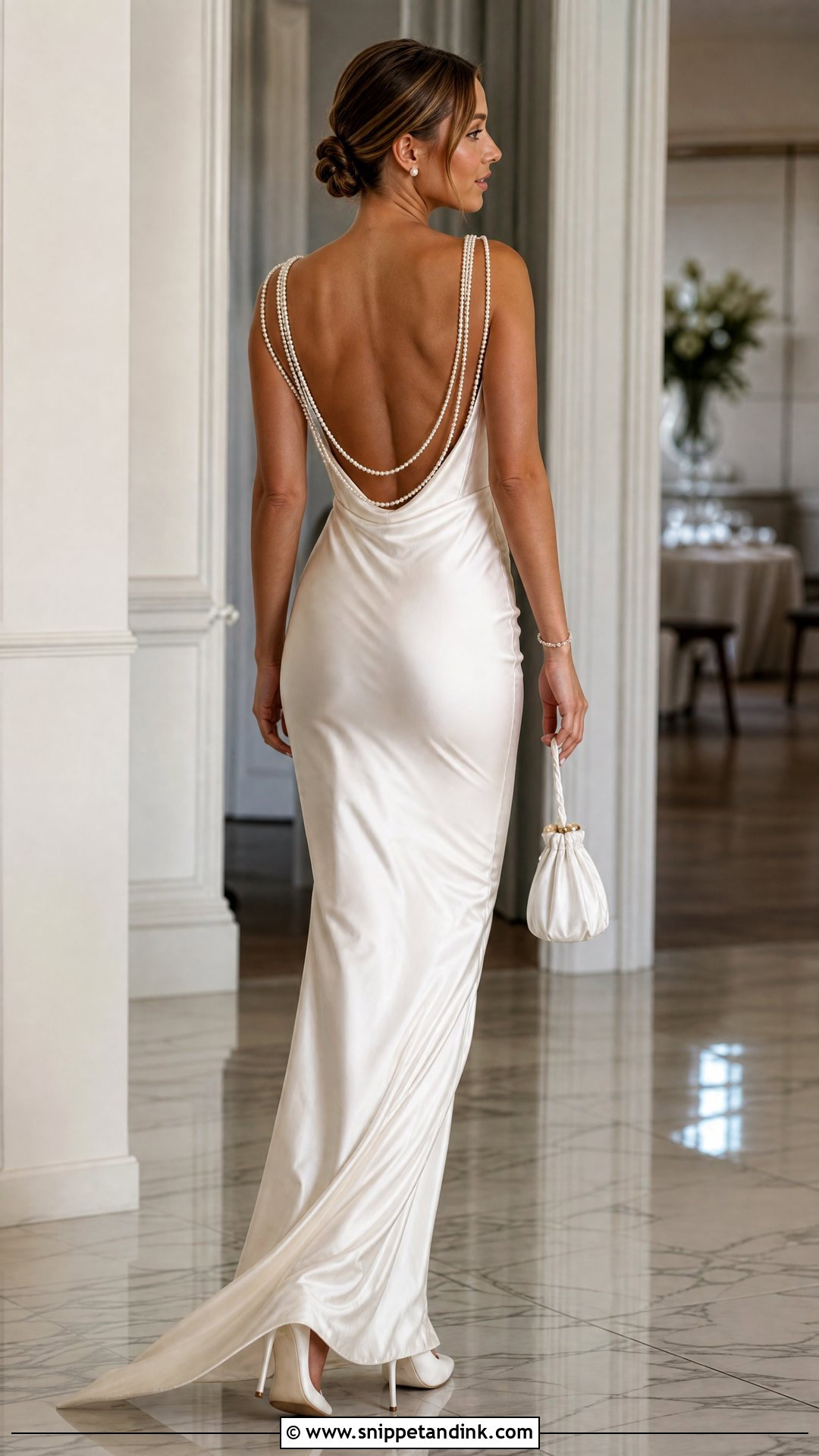
Swap plain straps for fine rows of pearls and a simple backless slip becomes far more interesting. Start with a fitted slip or sheath, a gentle V-neck and a low back, then choose either sewn-in pearl straps or detachable pearl chains that drape slightly across the skin. Ivory pointed heels, pearl studs and a small satin pouch suit it. A pearl necklace would compete, so wear a slim metal bracelet and a neat low bun. Keep the veil short and plain. Detachable pearl chains tend to swing forward when you bend, so ask for small hooks at both ends rather than a single clasp.
8. Bow Back Satin Wedding Dress
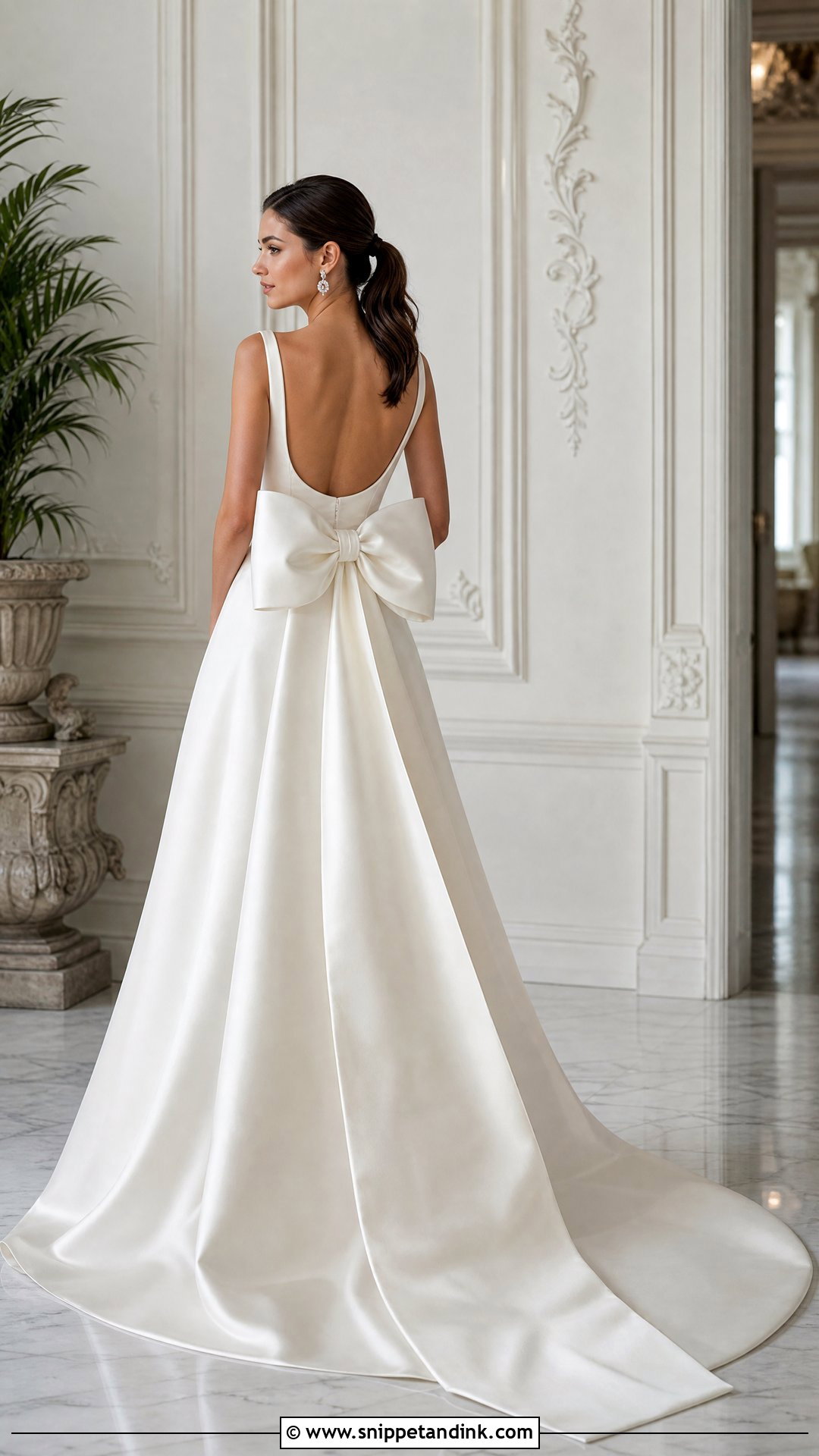
A big satin bow gives a plain gown a focal point without lace or beading. Choose a clean A-line or fit-and-flare with a low square back and a detachable oversized bow at the waist; the tails can fall over the skirt or run into the train. Pointed pumps, tiny crystal earrings and a structured top-handle bag are enough. A smooth ponytail or low bun stays out of the bow’s way. Keep the front simple with a square or straight neckline. Take the bow off after the ceremony for a lighter reception look. An oversized bow crushes flat when you sit, so ask your maid of honour to fluff it after each sit-down.
9. Button Back Satin Wedding Dress
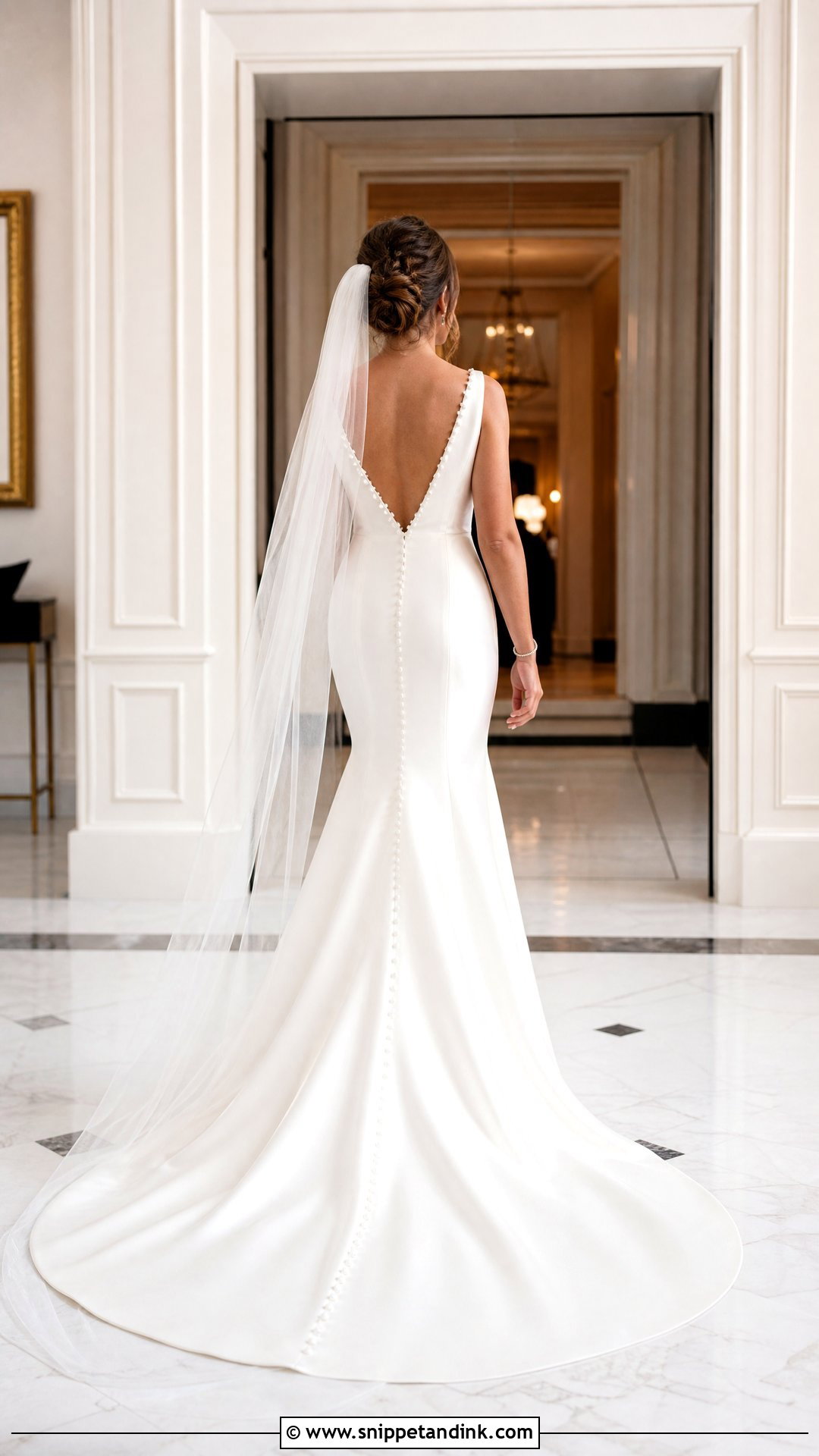
Covered buttons tracing the edge of a low V-back lead the eye down toward the train. On a fit-and-flare, they can run past the waist, and even if they’re purely decorative they give a traditional finish against plain satin. Pointed kitten heels, a fine bracelet and small studs suit it, with a textured chignon to soften the tailoring. A plain cathedral veil continues the button line without adding fuss. Satin reflects light along every seam, so I ask the seamstress to check that the back edges lie completely flat. Even a small gap at the edge of a V-back catches the light and shows in every photo taken from behind.
10. Off Shoulder Satin Backless Wedding Dress
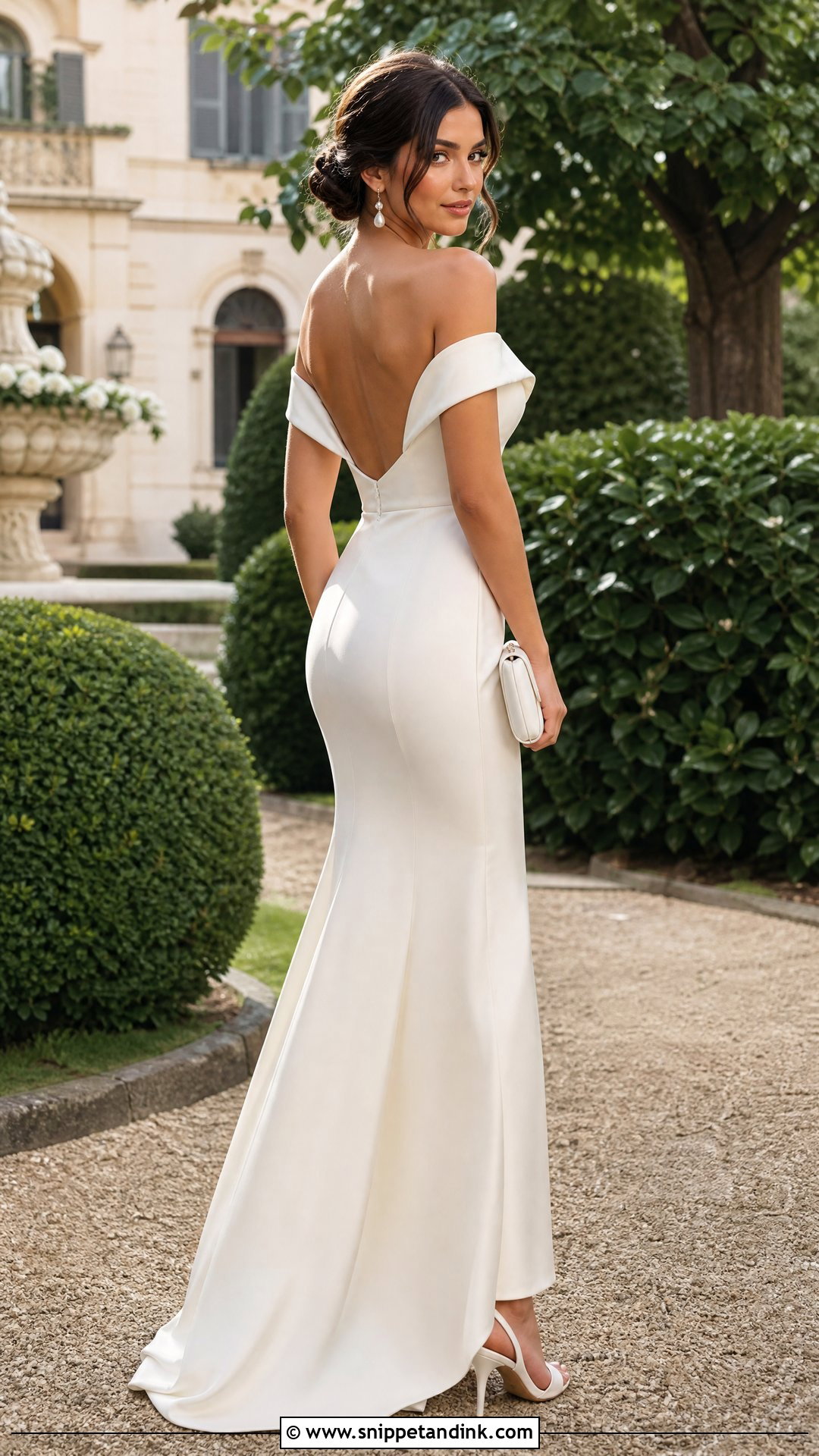
Off-the-shoulder at the front, a curve at the back: this is the most romantic shape in the list. A satin fit-and-flare with folded cuff sleeves and a structured bodice frames the upper body. The sleeves must sit securely on the upper arm and still let you lift your hands to your face. Pearl drops, ivory slingbacks and a small satin clutch suit it, with a loose low bun and a few face-framing pieces. No necklace; the shoulder line needs to stay clean. A detachable overskirt adds volume for the ceremony before revealing the slimmer gown underneath. It’s at its best at formal garden venues and grand estates.
11. High Neck Satin Backless Wedding Dress
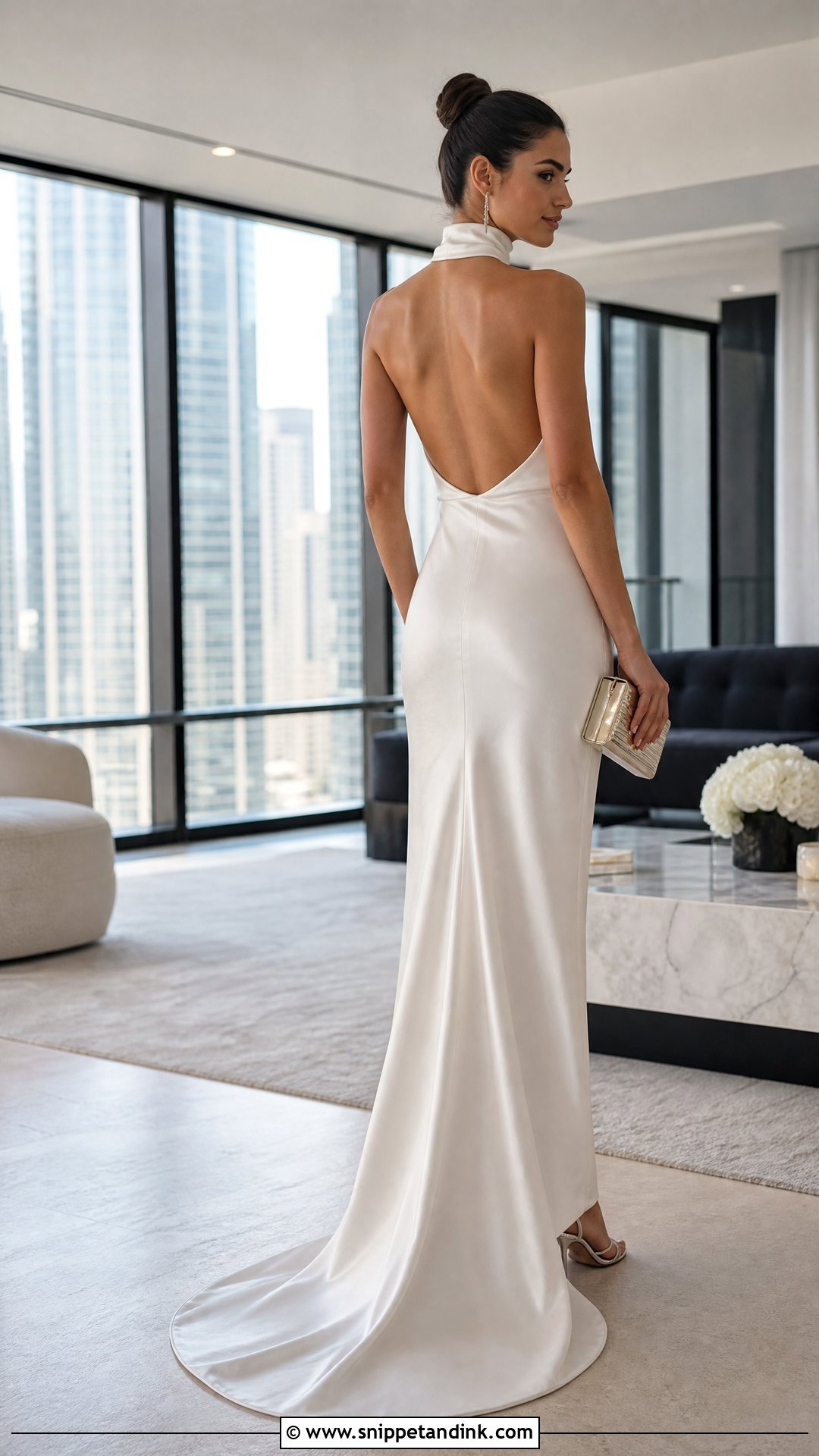
A high neck in front makes a fully open back look deliberate. A satin column with a softly draped mock neck, a little shoulder coverage and a back that opens below the neck fastening keeps the line clean, and the skirt can fall straight or end in a small train. Metallic sandals, slim drops and an ivory clutch suit it, with a sleek high bun. Skip the necklace and the fancy veil edge; a plain fingertip veil is enough. The single fastening at the neck takes all the strain, so check it’s a strong hook-and-bar rather than a single button that might work loose. A city ceremony followed by dinner is where I’d see this one.
12. Spaghetti Strap Satin Backless Wedding Dress
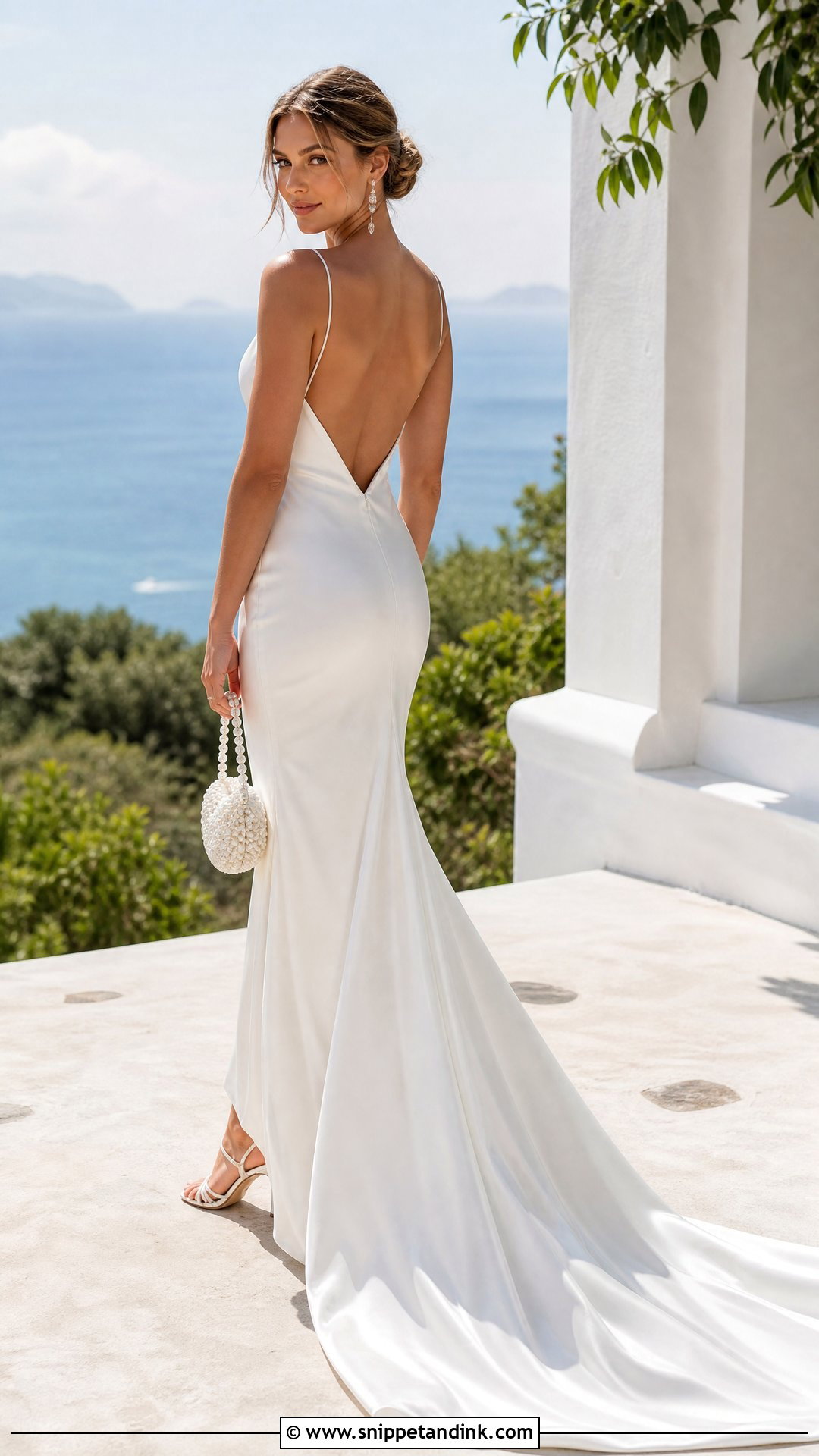
Spaghetti straps make a fit-and-flare look light and simple. A softly structured bodice with a shallow V, a low scoop back and a skirt fitted through the hips before opening into a chapel train keeps the shape. Strappy ivory sandals, fine drops and a small pearl-detailed bag suit it; a low braided bun adds texture without covering anything. Attach a sheer veil under the bun so it comes out easily. Thin straps carry almost no weight, so if you need support, ask for internal cups, side boning and discreet mesh along the back edges. It suits warm-weather garden, beach and destination weddings.
13. Corset Satin Backless Wedding Dress
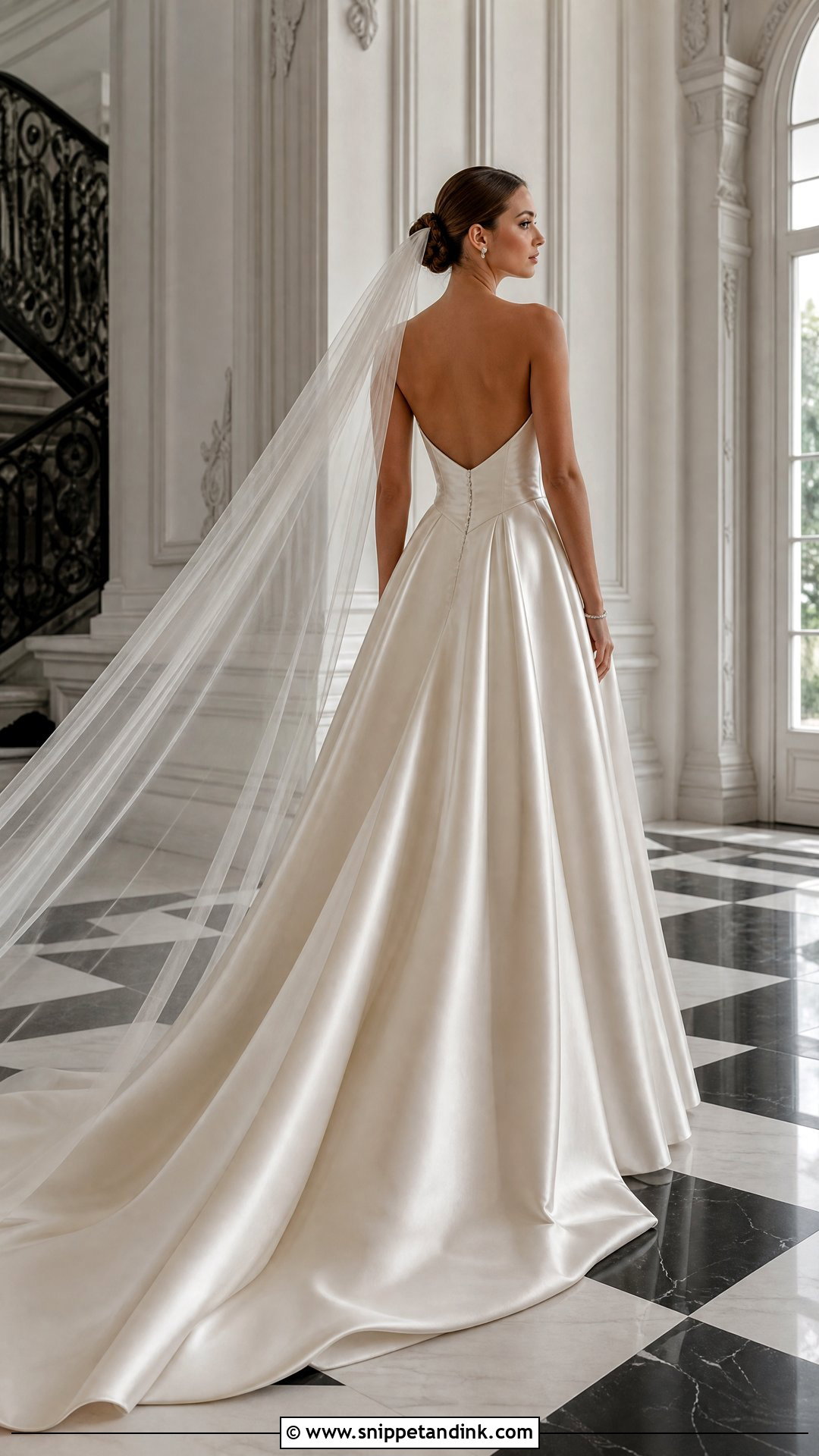
A corset bodice gives structure in front and lets the back drop low, provided the boning is placed at the sides rather than the back. Look for a satin A-line with visible front seaming, a softly pointed neckline and a basque waist that dips slightly below the natural waist to lengthen the torso. Closed satin heels, crystal studs and a delicate bracelet suit it, with a neat centre-parted bun to show the construction. A cathedral veil adds ceremony impact; a detachable satin scarf can cover the shoulders for a religious service. If you can’t take a full breath in it at the fitting, it’s too tight. Have it let out now, not on the morning.
14. One Shoulder Satin Backless Wedding Dress
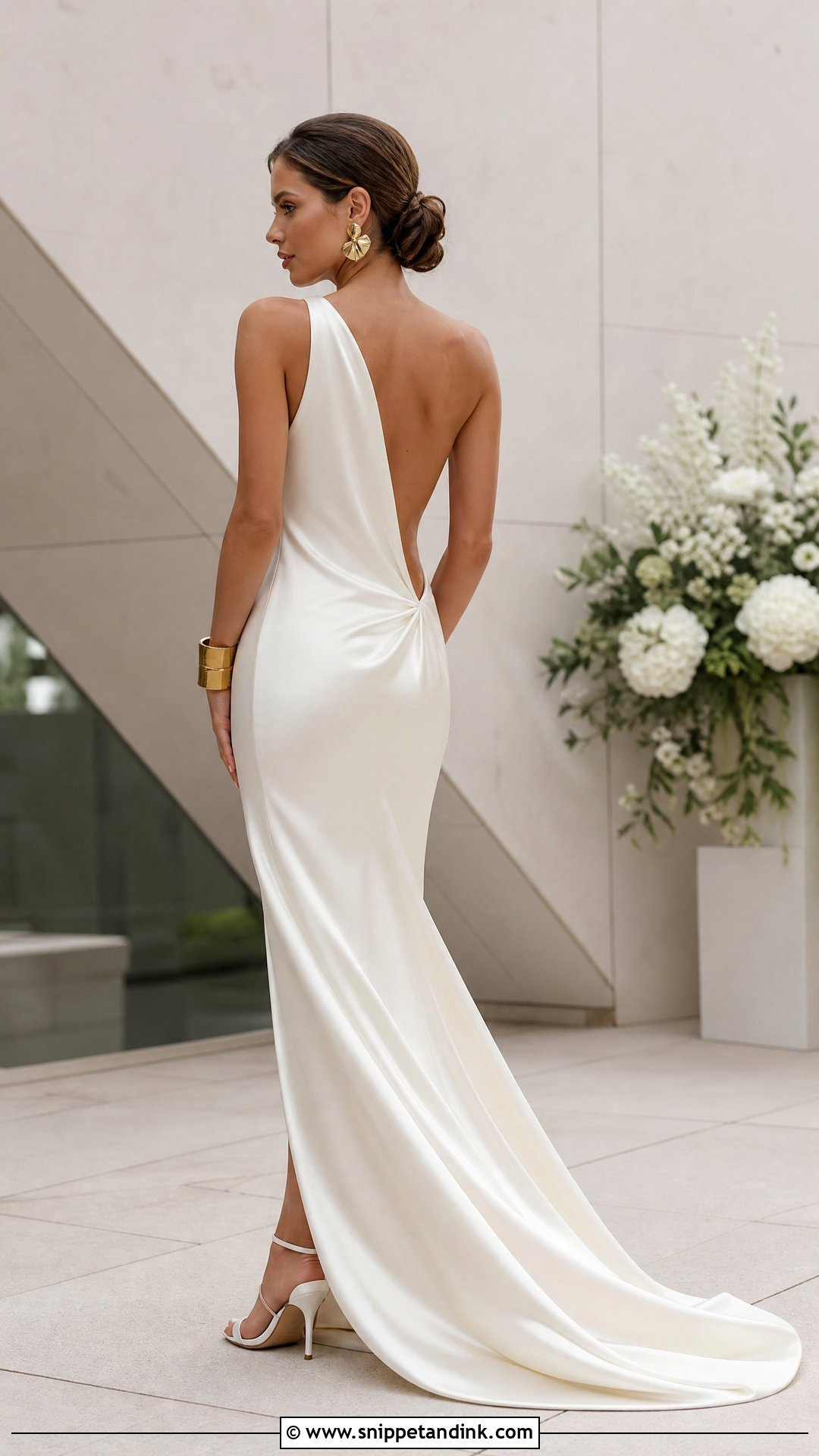
One shoulder in front and a matching angled opening at the back give a column gown a sharp, modern line. The strap has to be supportive, since it’s the only thing holding the bodice up on one side. A soft drape or short train adds movement. Minimal ankle-strap heels, one sculptural earring on the bare side and a slim metallic cuff are all it needs. Sweep the hair into a low side bun opposite the strap. Instead of a veil, a removable cape clipped to the strap works for the ceremony. Architectural venues, museums and rooftops suit it.
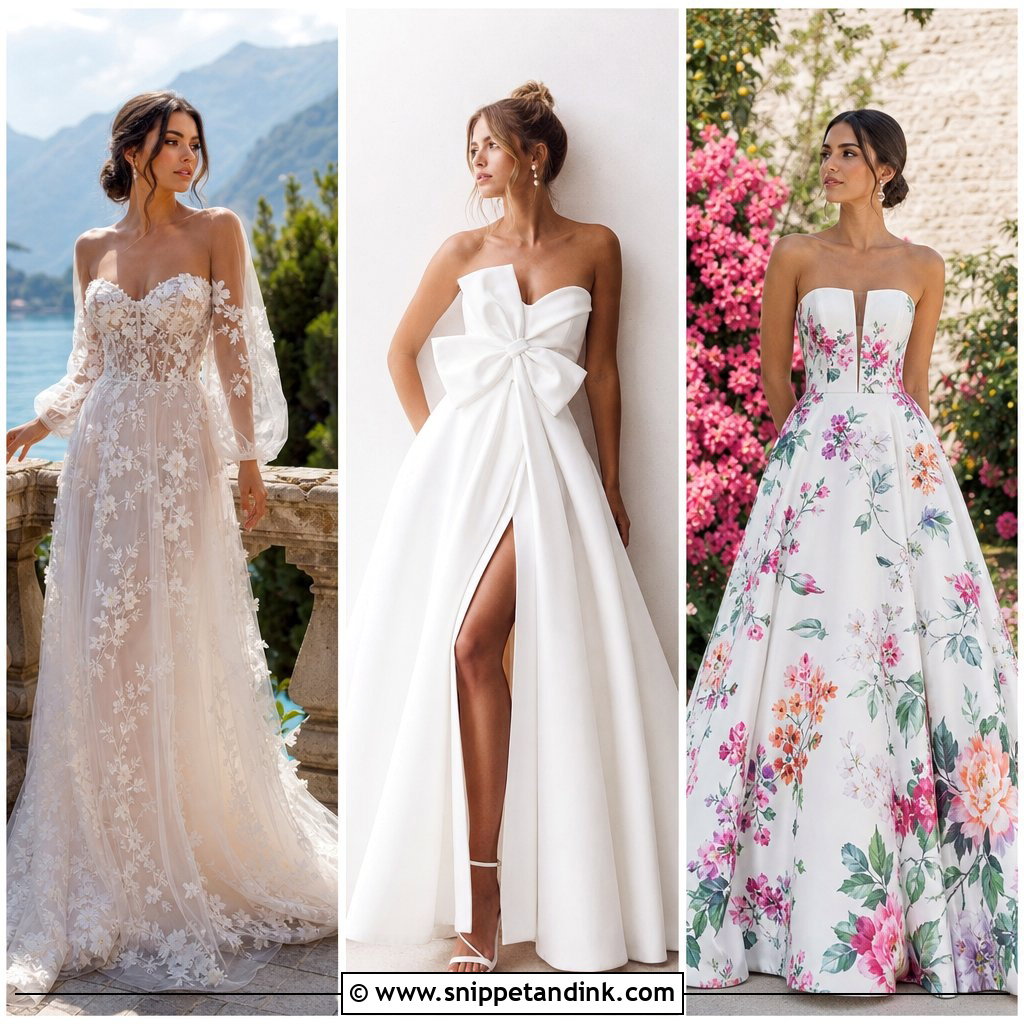
15. Cap Sleeve Satin Backless Wedding Dress
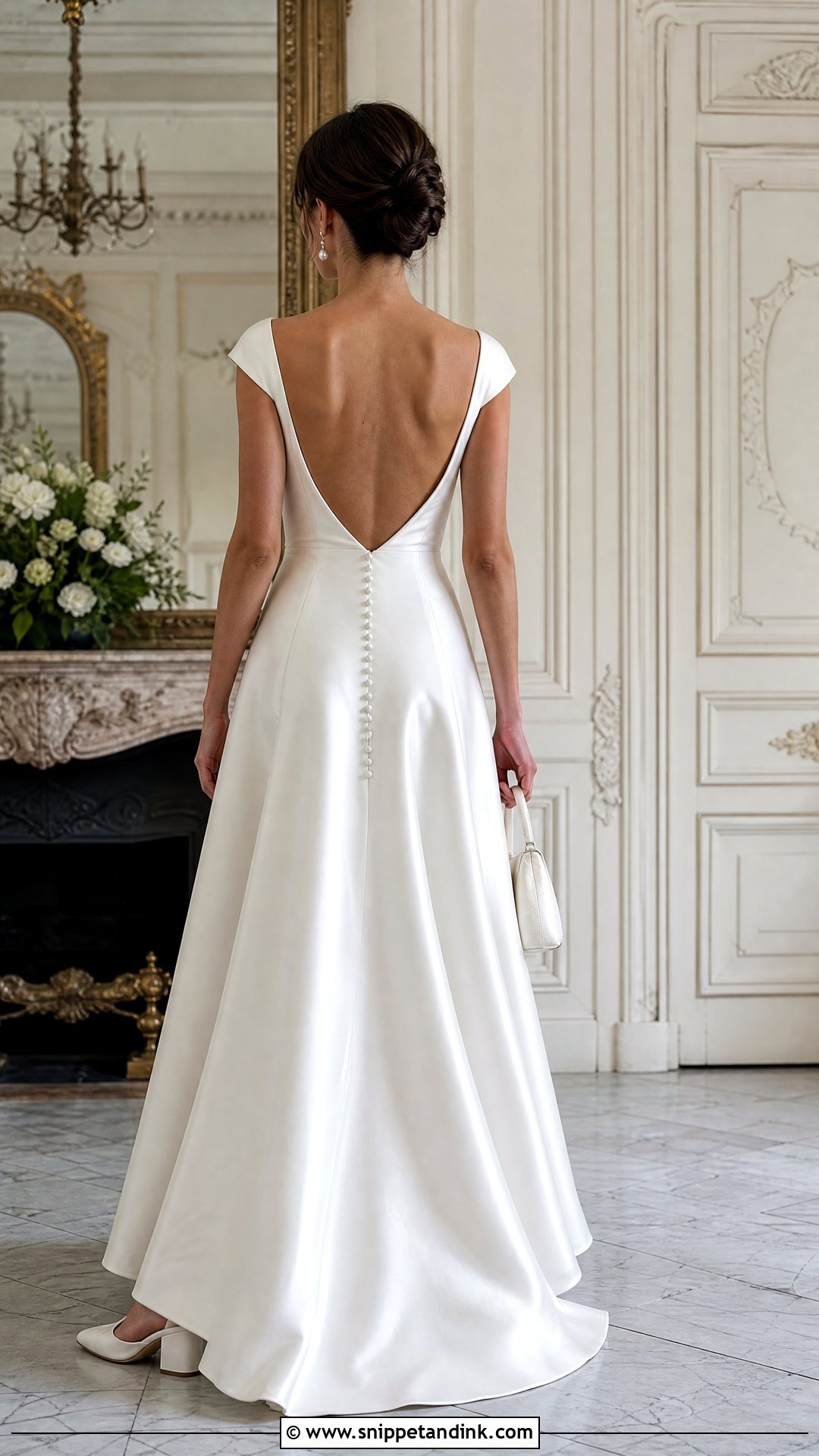
Cap sleeves give a little shoulder coverage while keeping the drama behind you. A satin A-line with a bateau neck, a fitted waist and a V-back framed by narrow cap sleeves is a gentle version of the backless look, and covered buttons starting at the waist add a classic touch. Low block heels, pearl drops and a compact ivory bag suit it, with a French twist or smooth bun. Wear a plain chapel veil for the ceremony and remove it afterward. Cap sleeves can bind across the upper arm when you reach forward, so ask for a small gusset if they feel tight. It suits a bride who wants a modest front and a bold back.
16. Keyhole Back Satin Wedding Dress
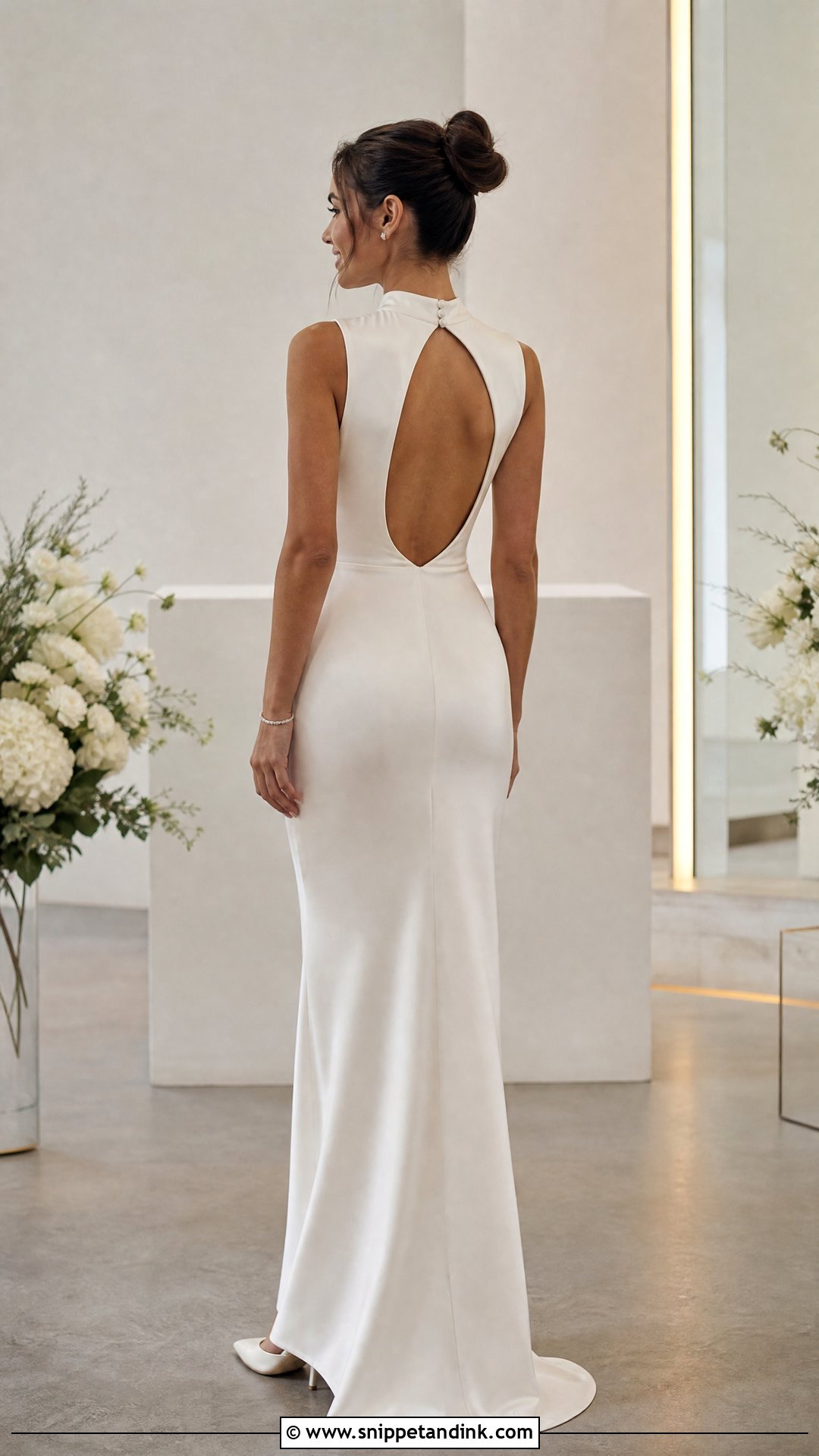
A keyhole opening is the cautious way into a backless gown. A satin sheath with a high neck, a sleeveless bodice and an oval or teardrop opening fastened by covered buttons at the neck shows a sliver of skin and keeps the shoulders and waist covered. Pointed pumps, polished studs and a slim bracelet suit it, with a high bun so the keyhole isn’t hidden. A short veil or removable satin cape adds ceremony formality. It’s also the easiest backless shape to wear a regular strapless or low-back bra under, which matters to a lot of brides.
17. Satin Backless Midi Wedding Dress
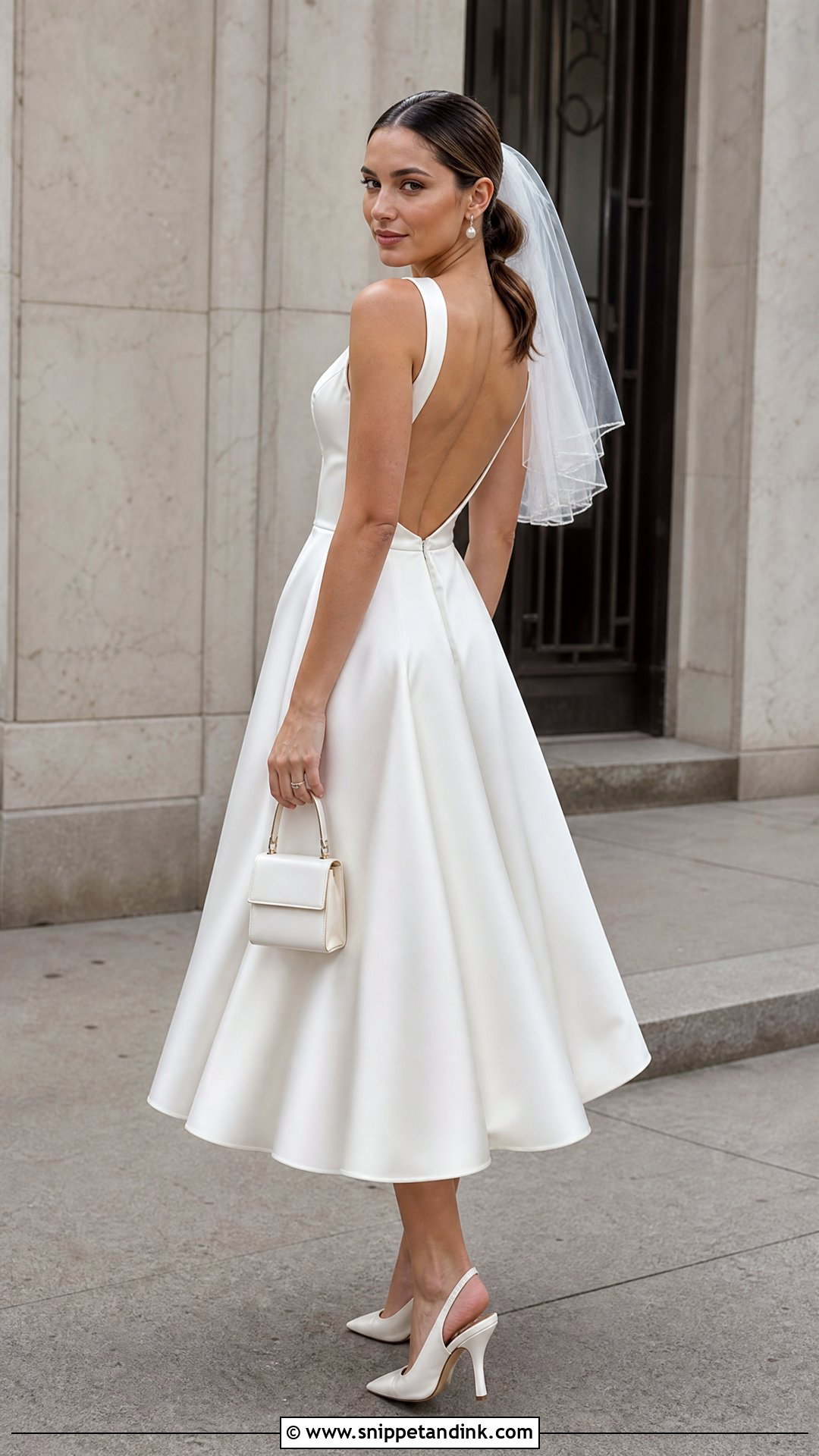
A backless satin midi dress is my favourite for a courthouse wedding, a small celebration or a second outfit. A fitted bodice with a square neck, wide straps, a low back and a gently flared skirt ending between knee and ankle looks tailored and easy. Pointed slingbacks, pearl earrings and a small structured bag suit it. A short veil, padded headband or hair bow tells everyone you’re the bride without overwhelming the shorter hem. Wear a low ponytail or compact bun. Ask for pockets. You’ll use them all day for lip balm and tissues.
18. Satin Backless Wedding Dress With Overskirt
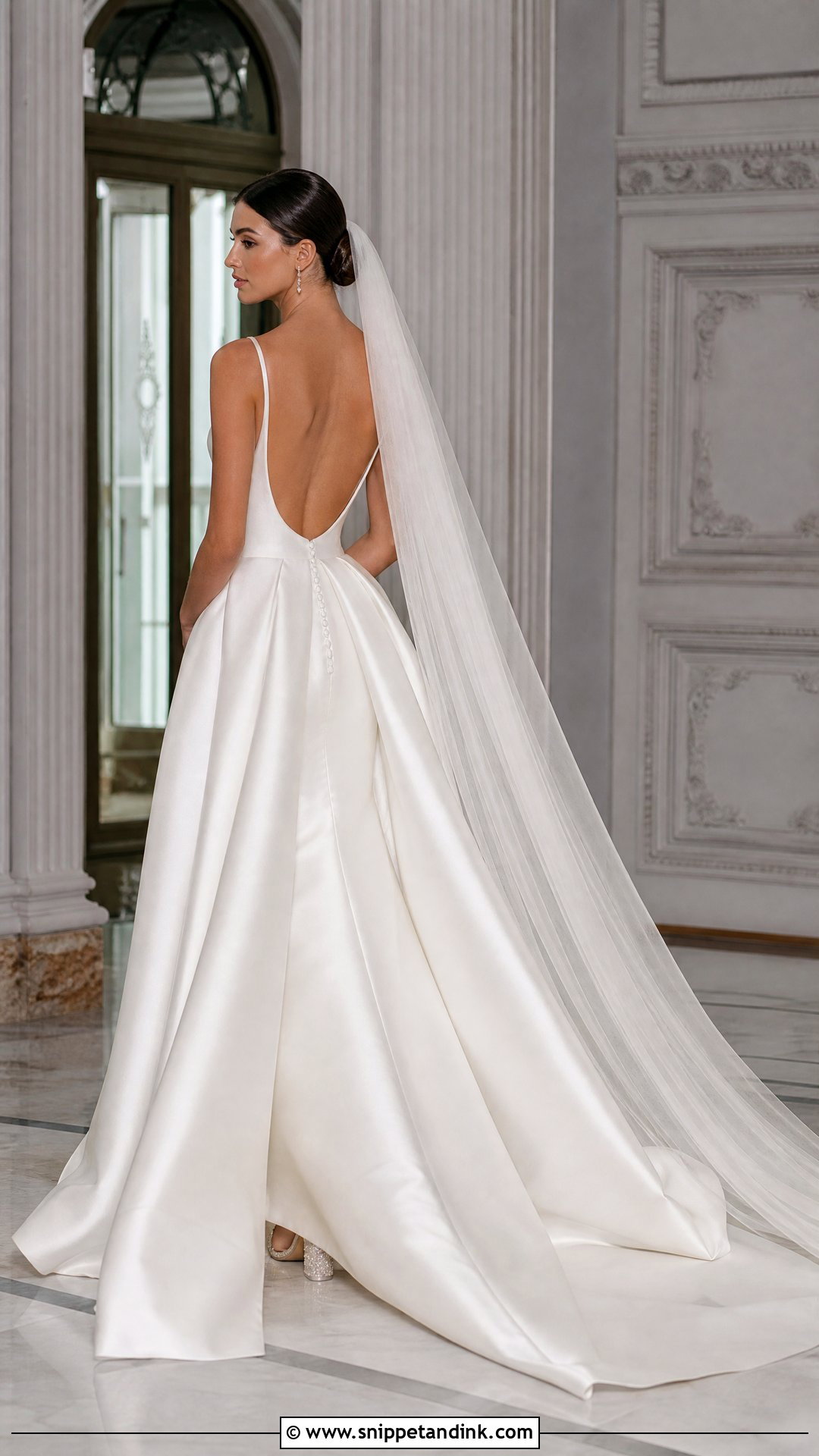
A detachable overskirt gives one satin gown two silhouettes. Underneath is a fitted backless sheath with slim straps, a low V-back and a manageable sweep train. For the ceremony, a full satin overskirt fastens at the waist and turns it into an A-line or ball gown. Embellished block heels, fine earrings and a smooth low bun suit it, with a long plain veil and a narrow bracelet. Remove the veil and overskirt for the reception. The waistband has to sit securely and blend with the gown’s waist; if it shows a ridge through the satin, ask for the fastening to be moved inside.
19. Satin Backless Wedding Dress With Slit
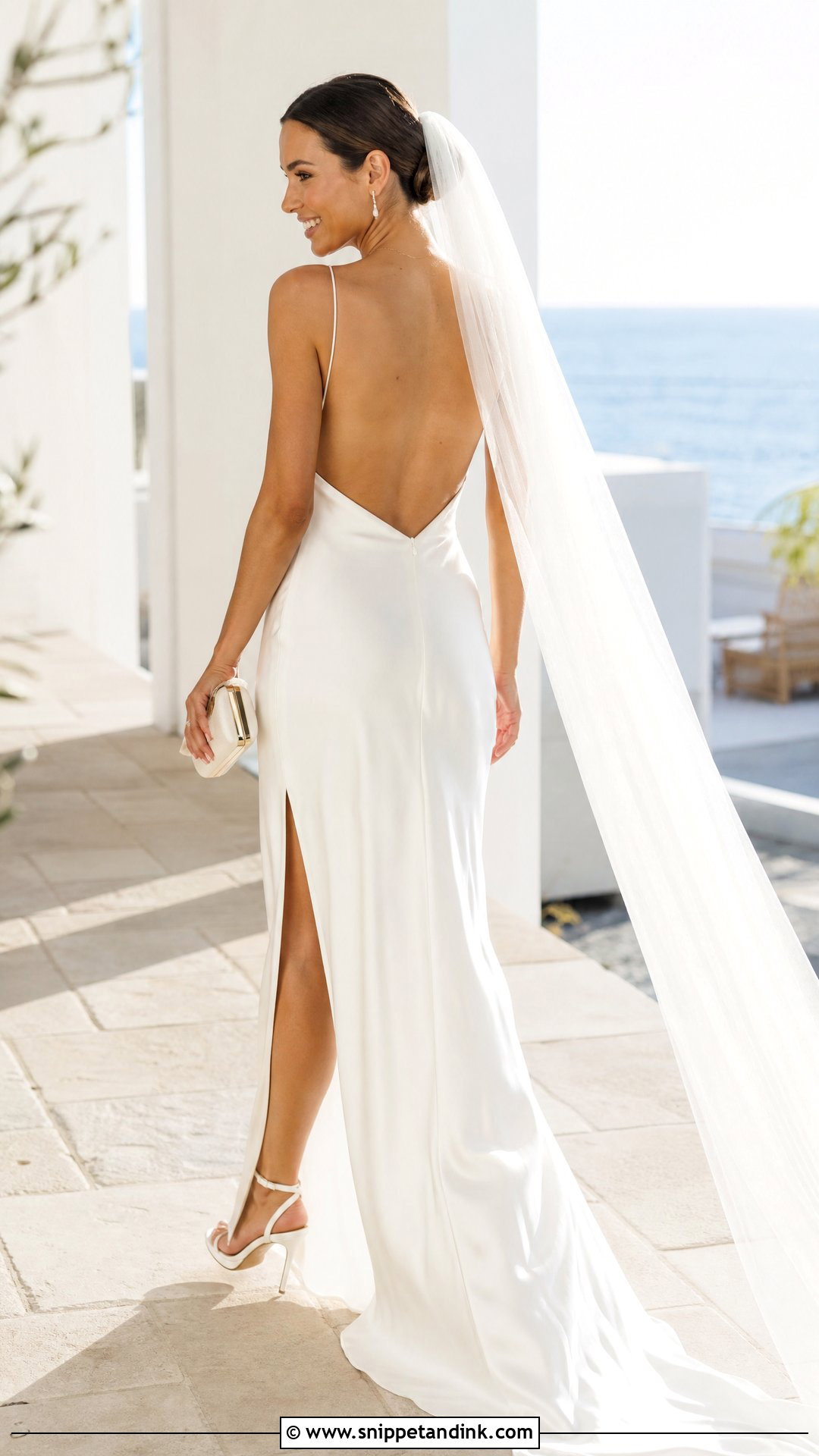
A side slit gives a simple backless gown movement as you walk. A fitted column or soft A-line with a modest front, a low back and a slit ending near the knee keeps the attention split between the back and the leg, and that’s as much as one dress should carry. Pair ankle-strap heels, small drops and a sleek clutch, with a low sculpted bun. A sheer chapel veil softens the ceremony look. Skip extra jewelry. Sit down in front of a mirror at the fitting: a slit placed too high opens a long way when you’re seated. It suits warm-weather weddings, coastal venues and evening parties.

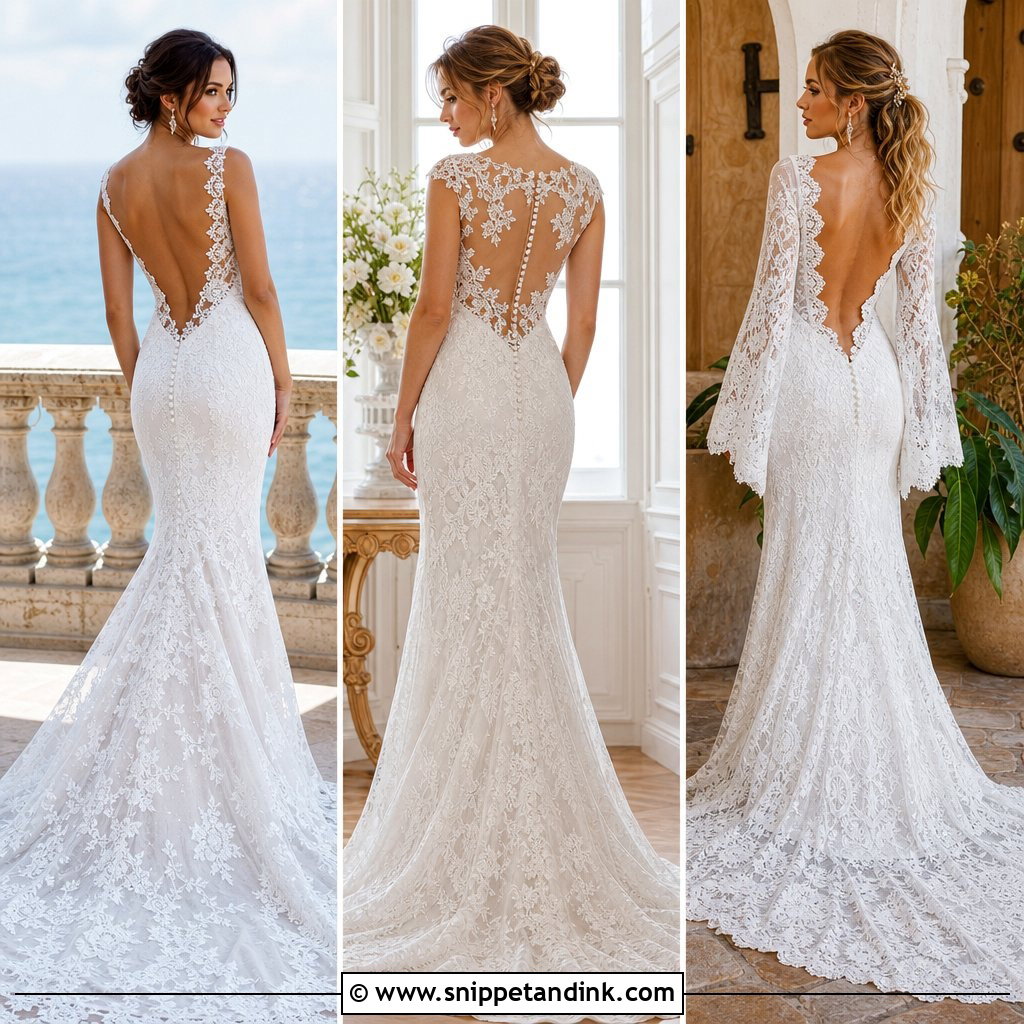
20. Plus Size Satin Backless Wedding Dress
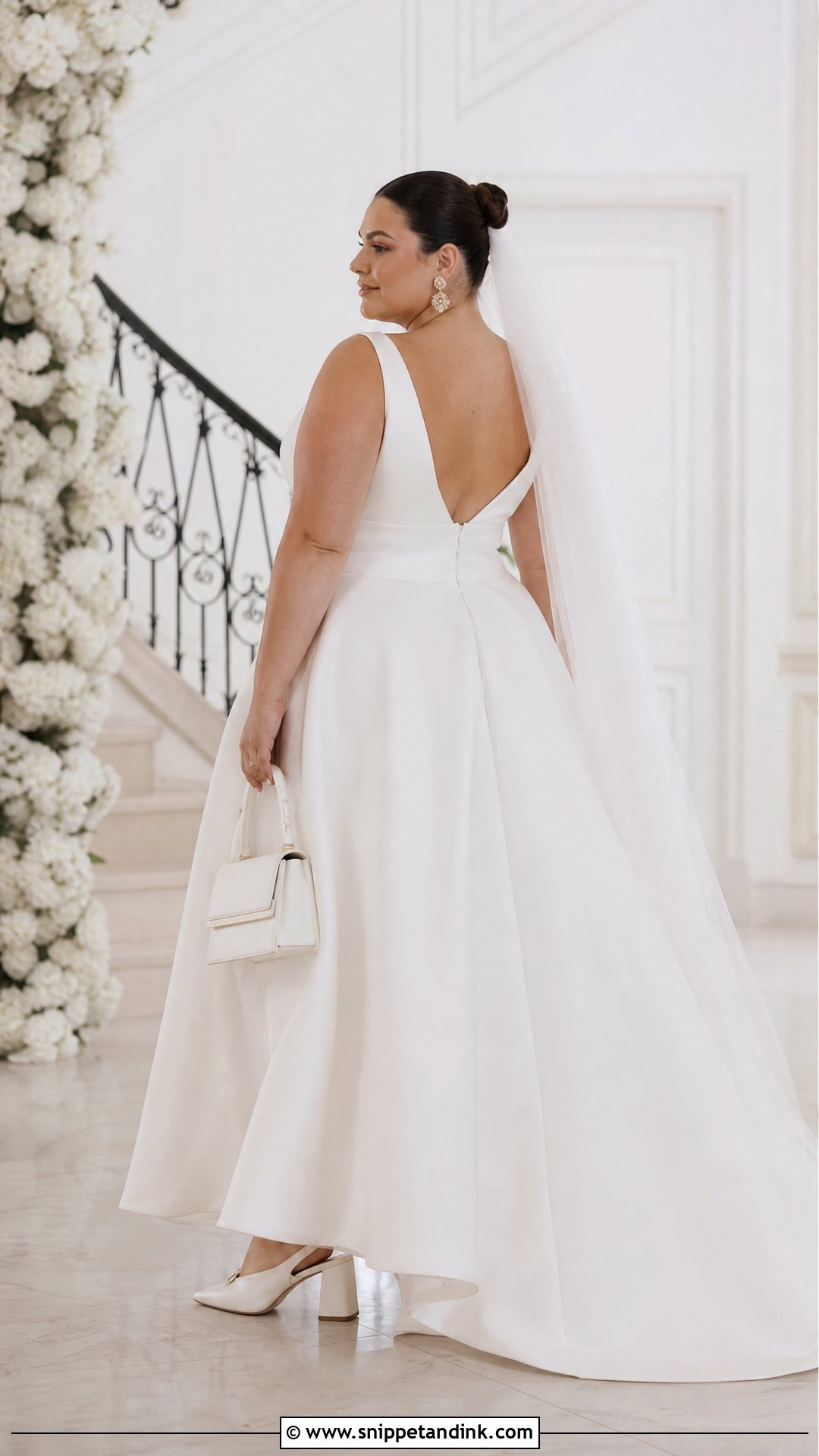
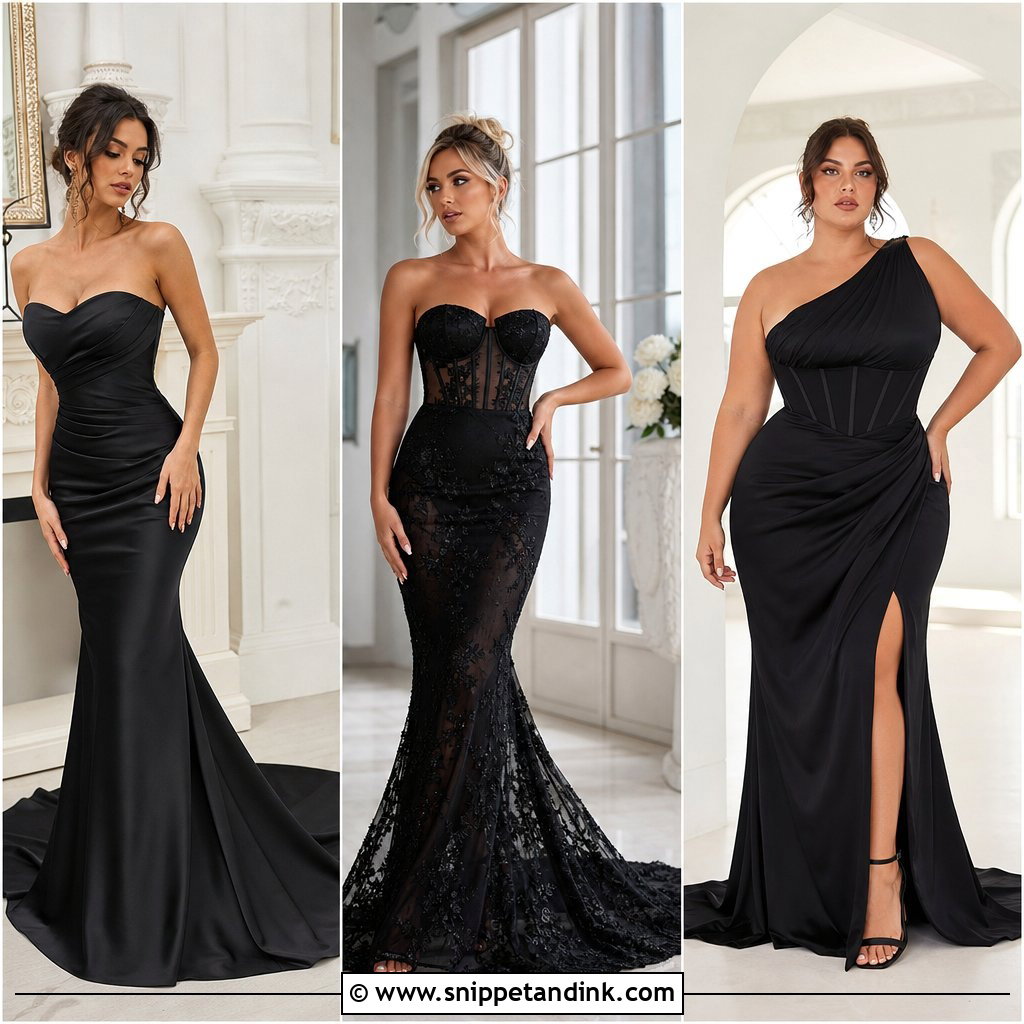
A plus size bride can absolutely wear an open back, but the support has to be built in, not added later. An A-line satin gown with a structured square neck, wide straps, a basque or natural waist and a mid-depth V-back gives the frame. Inside, internal boning, firm cups, strong side panels and discreet illusion mesh hold the bodice steady without closing the back. Comfortable pointed block heels, statement earrings and a small structured bag finish it, with a sleek bun or side-swept updo and a plain chapel veil set below the hair. Don’t let anyone talk you into extra skirt volume to hide your shape. Precise tailoring through the bust and waist, then a skirt that flows over the hips, looks far better.
Your Back Will Be in Half the Photos
Guests see your back for the whole ceremony, and so does the camera. A few practical things make a real difference, and none of them involve the dress itself.
- Watch for strap tan lines in the months before. A summer of vest tops leaves marks that a low back will show plainly.
- If you use self-tan, apply it several days before, not the night before. Fresh tan and body makeup rub off onto ivory satin at the back edges and the straps, and that is very hard to remove.
- Ask your hair and makeup team to finish any body makeup before you step into the gown, and let it set fully.
- Practise standing tall. In a deep back, a slouch shows as folds of fabric at the waist. Shoulders down and back, chin level.
Hair and veil decisions follow the back
Long loose hair hides most of an open back, so if the back is what made you buy the dress, choose an updo or a low bun and keep it. For the veil, attach the comb below the hair rather than on top, so the tulle falls clear of the opening instead of covering it. A very sheer, plain-edged veil lets the back show through during the vows, and taking it off after the ceremony gives you the full reveal for the first dance.
Decide How Low, Then Plan Everything Else
A backless satin gown should look bold and still feel secure. The same fabric stretches from minimal sheaths and fluid slips to ball gowns, corsets and short midis, so start with the depth of the back and the support you need, then look at fabric weight, train length and your venue. Accessories follow: an updo, simple jewelry, shoes you can stand in and a veil placed so the back still shows. Above all, book a seamstress who has altered open backs before, and sit, walk and dance in the dress at the final fitting before you call it done.
You'll Like These Ideas:





Leave a Reply