
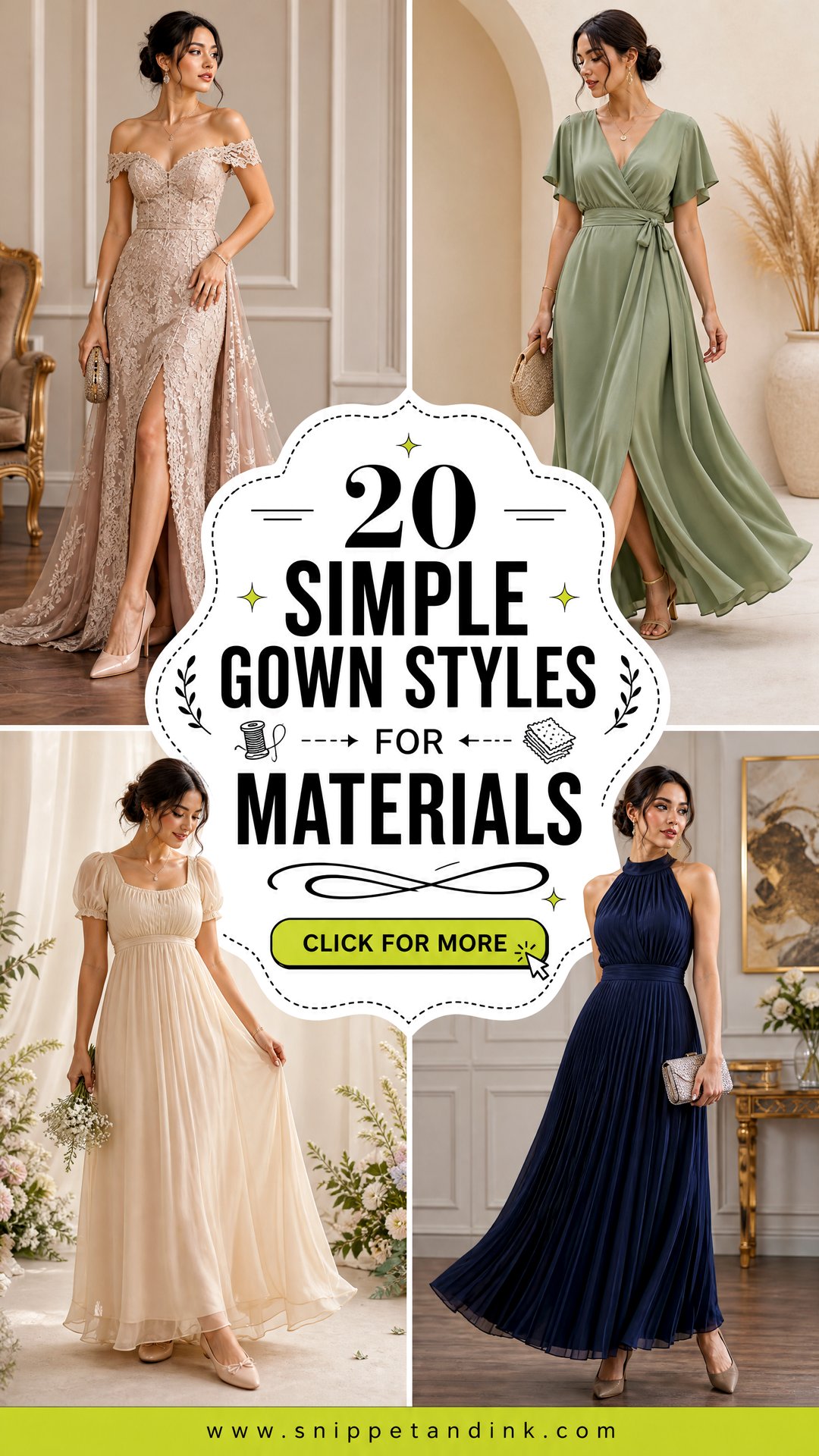
A good length of fabric only becomes a dress you reach for again when the cut suits the cloth. Most of my fittings start with the fabric on the table, not a picture, because Ankara, lace, chiffon, satin, crepe, cotton and velvet all behave differently once they are cut and sewn. Below are twenty simple shapes, from flattering cuts for Ankara to mixed-fabric gowns that pair a print with lace or a plain solid for contrast. Each one comes with notes on length, fit, sleeves, shoes, jewelry and bags, plus what I watch for when the material is the star. Treat them as starting points and adjust for your shape, your comfort and the event you are dressing for.
Reading a Fabric’s Weight and Drape Before Anything Is Cut
The quickest test I know is to hold one corner of the fabric up and let a metre or so hang. If it falls in soft folds that cling to each other, it wants fluid shapes: wraps, kaftans, empire waists, bias skirts. If it holds out in stiff ripples, it wants structure: A-lines, peplums, panels and tiers that rely on the cloth to keep their shape.
- Wax-print Ankara is crisp cotton. It holds flare, pleats and puff sleeves, but it creases when you sit and softens a little with every wash.
- Crepe has weight and a matte surface, so it suits straight and panelled cuts and forgives small fitting flaws.
- Chiffon and voile are sheer and light. They always need a lining and work best gathered or flowing, never tightly fitted.
- Satin reflects light and shows every seam, so it rewards simple shapes and punishes ruching or a sloppy press.
- Lace depends on its lining. A close colour match makes the pattern read; a contrasting lining turns it into a statement.
- Velvet adds bulk at every seam, so I keep it to straight or gently flared gowns with few panels.
Take the fabric to the fitting rather than a photo of it. A tailor who can drape the actual cloth over you will tell you in seconds whether your chosen style is going to work.
1. A-Line Ankara Gown With Block Heels
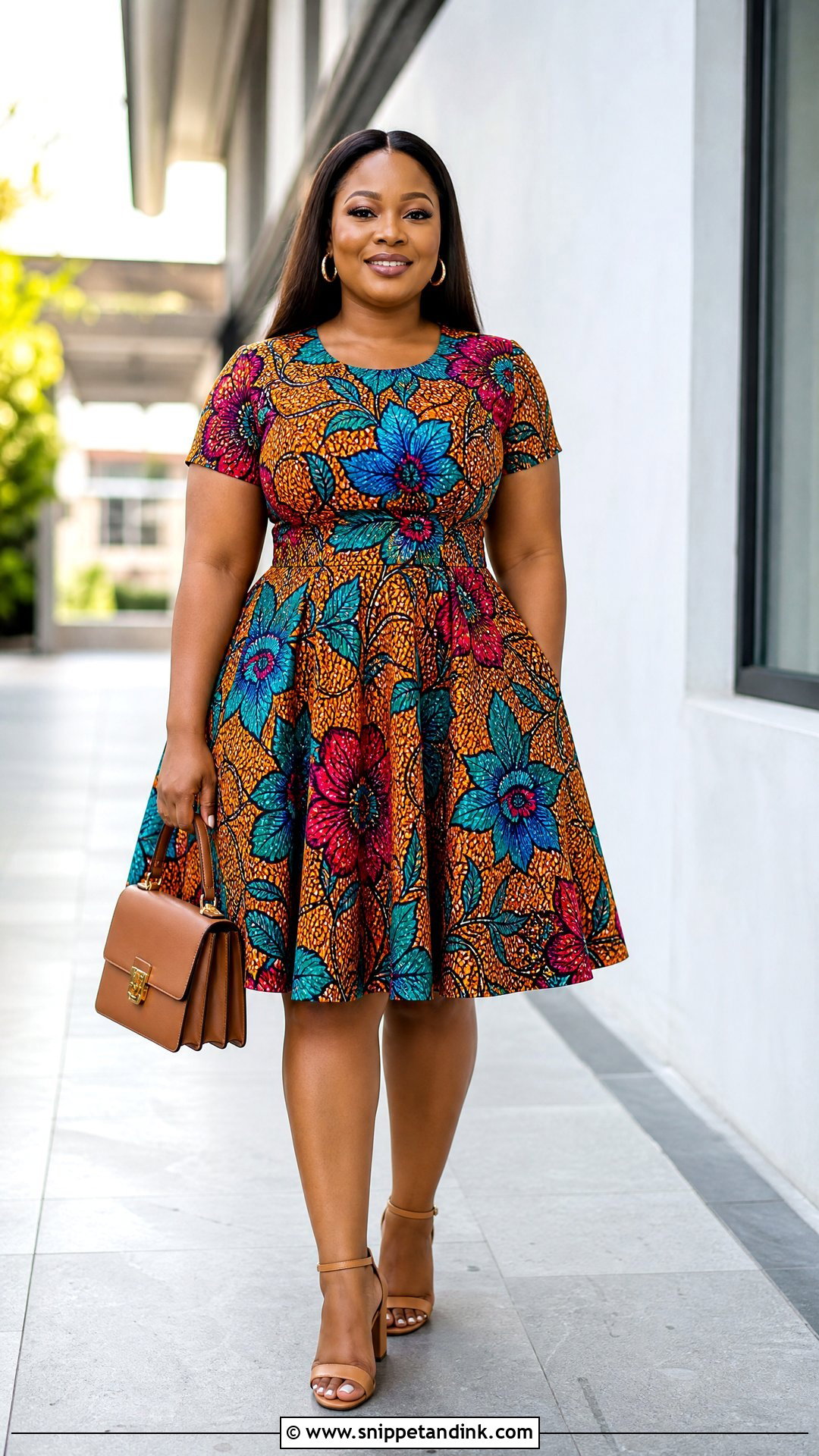
An A-line Ankara gown is the first shape I suggest for a first-time print, because wax cotton holds the flare on its own and needs no complicated tailoring. The bodice sits close, then the skirt widens gently from the waist. Knee length reads casual; midi reads dressier. Short sleeves, a round neck and hidden side pockets keep it practical. The print is already doing the talking, so I pull one shade from it for block heels, or go tan or black, and stop at small hoops and a structured bag. A slim self-fabric belt is optional. One check at the fitting: the side seam pockets should sit flat, since stiff Ankara can make them flare out at the hip.
2. Short Flare Ankara Gown With Sandals
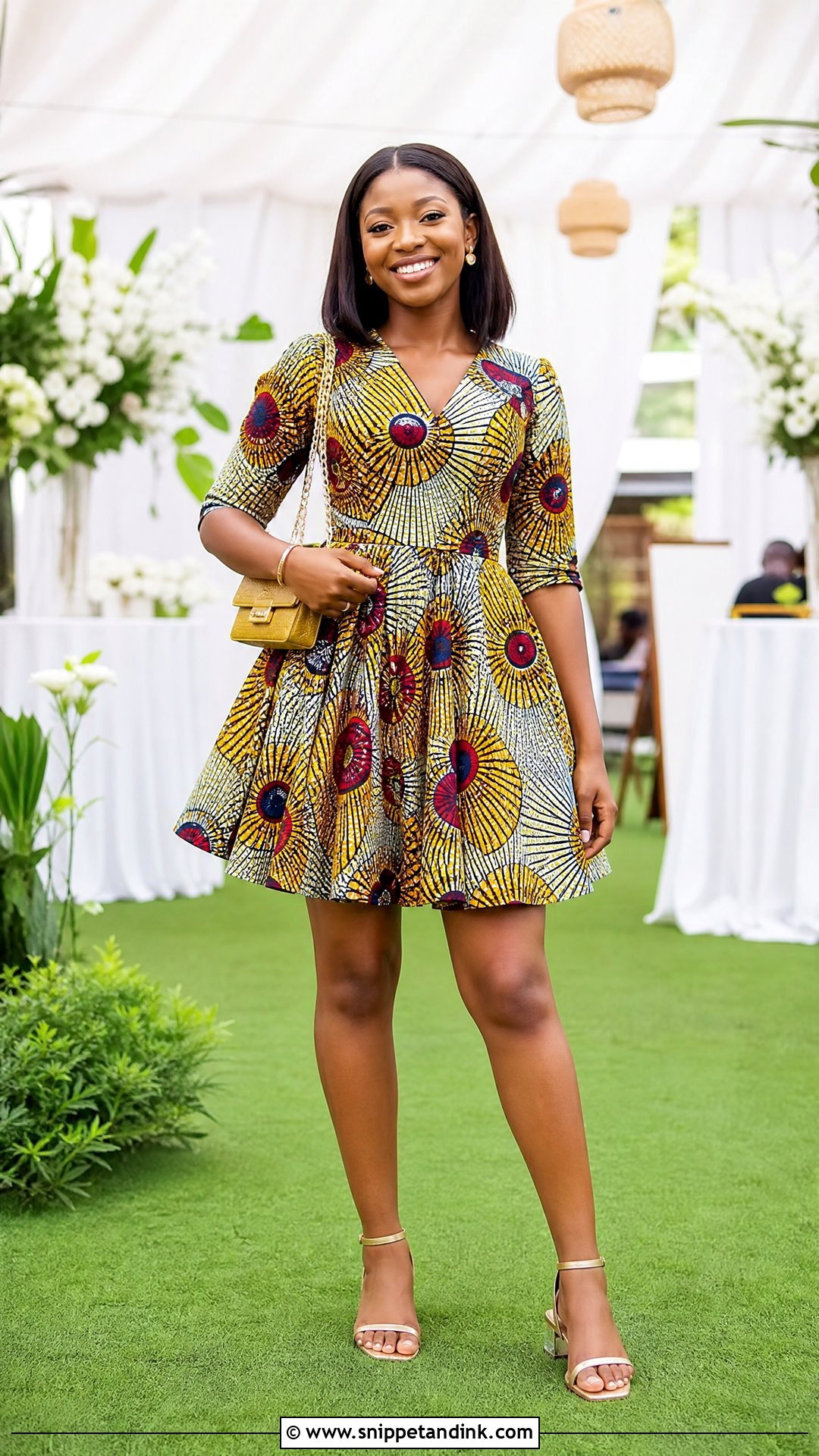
Ask your tailor for a fitted upper section and a gathered or circular skirt that stops near the knee. A circle skirt uses noticeably more fabric than a gathered one, so count your yards before you commit. A modest V or square neck opens the face, and elbow sleeves give coverage without heat. Flat sandals work for daytime; a low heel for a party. Keep earrings small and the bag compact. The thing I measure twice here is the bust, shoulder and waist, because a short flared dress lives or dies on a bodice that moves with you instead of pinching when you lift your arms to dance.
3. Long Free Gown With Flat Mules
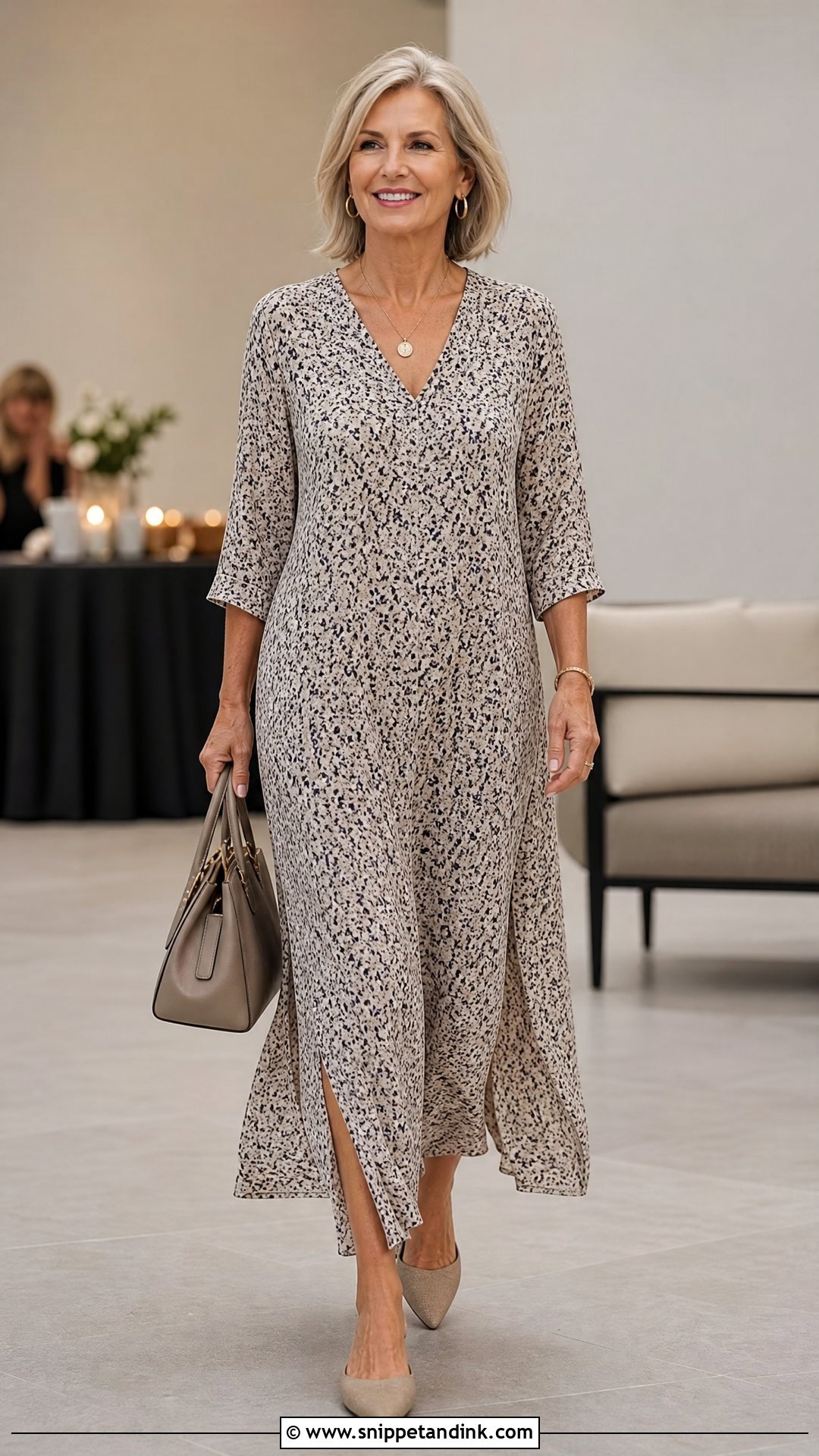
Soft cloth carries a long, loose gown; stiff cloth turns it into a tent. That is my rule of thumb. Crepe, lightweight Ankara, cotton or chiffon over a lining all fall well from the shoulders, provided the neckline keeps some structure so the whole thing doesn’t slide. Small side slits and pockets make walking easier, and three-quarter sleeves with a boat neck keep it versatile. Pointed flat mules, a medium bag and fine drop earrings finish it. With a busy print I hold the shoes and bag to one calm neutral. A long pendant gives a plain version a focal point, so the gown has coverage and comfort without looking shapeless.
4. Off-Shoulder Lace Gown With Pumps
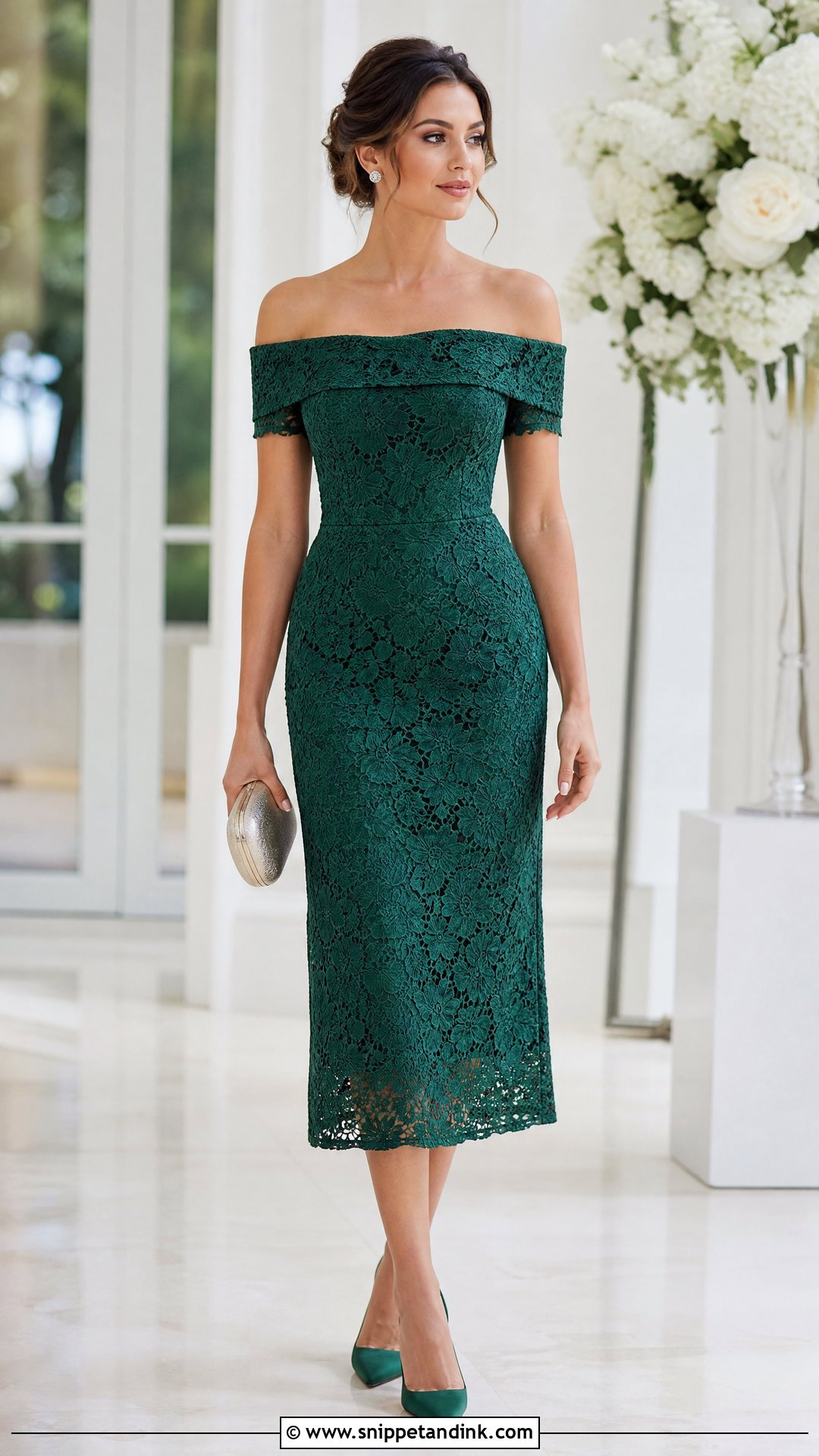
With an off-shoulder lace gown, the neckline is everything. I ask for a band or folded neckline with a stay or elastic inside, because lace alone will creep down the arms by the second hour. A fitted midi or a gently flared skirt is plenty; skip extra layers. Use a smooth matching lining so the lace pattern reads clearly without showing skin. Pointed pumps, a small clutch and pearl or crystal studs are all it needs, and I’d leave the necklace off since the shoulders are already framed. Muted blue, plum, blush, emerald or champagne lace keeps it soft. Tailoring matters more than trim here: a bodice that fits is what makes the plain version look finished.
5. Straight Crepe Gown With Slingback Heels
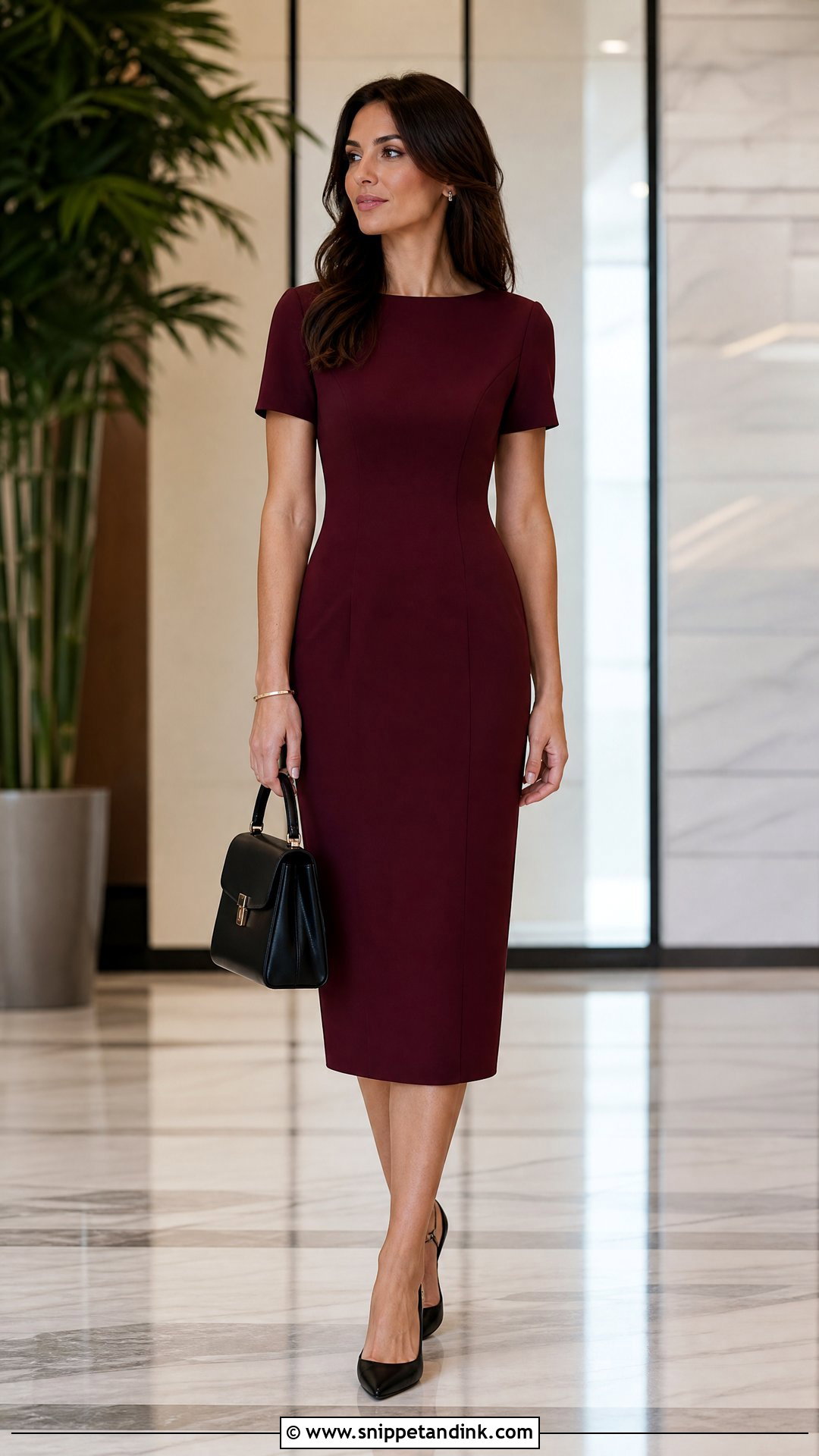
Crepe is the fabric I trust most for minimal shapes, because it drapes without clinging and hides small seam ripples. A straight gown in crepe can follow the body loosely and finish below the knee or near the ankle, shaped with darts, princess seams or quiet panels rather than decoration. Add short sleeves, a modest back slit and a round or soft scoop neck. Slingback heels keep the line long; a top-handle bag and slim bracelet are enough. If the gown is a solid colour, allow one detail only, such as contrast buttons, a small brooch or textured shoes. Navy, burgundy, forest green, cocoa and dusty rose all look rich in crepe. Avoid very pale crepe on a straight cut if you dislike seeing every line underneath.
6. Chiffon Maxi Gown With Strappy Sandals
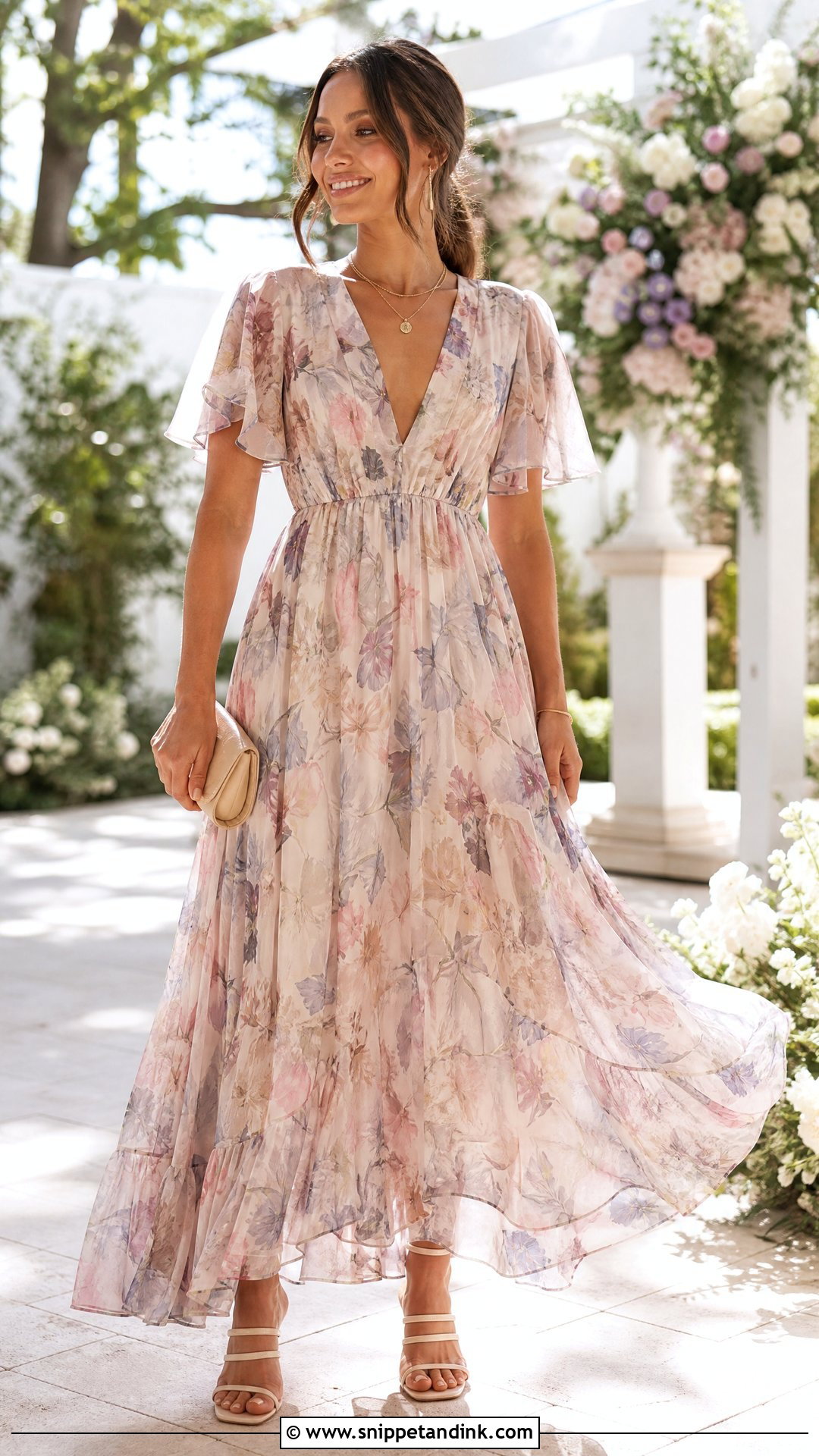
Chiffon moves the moment you do, which is its charm and its catch: it is sheer and it frays. I insist on a full lining through bodice and skirt, and on French or rolled seams so the inside doesn’t unravel. A gathered waist, flutter sleeves and a modest V give shape without fuss, and the skirt can fall loosely to the ankle with enough width to stride. Wear it with low strappy sandals, a compact clutch and fine layered chains. On a floral chiffon, match accessories to a colour already in the print; plain chiffon can take a slightly bigger earring. Have the hem taken up with your actual shoes on, because chiffon that drags will catch under a heel. It suits celebrations, graduations and dressy daytime family events.
7. Ankara Shirt Gown With Loafers
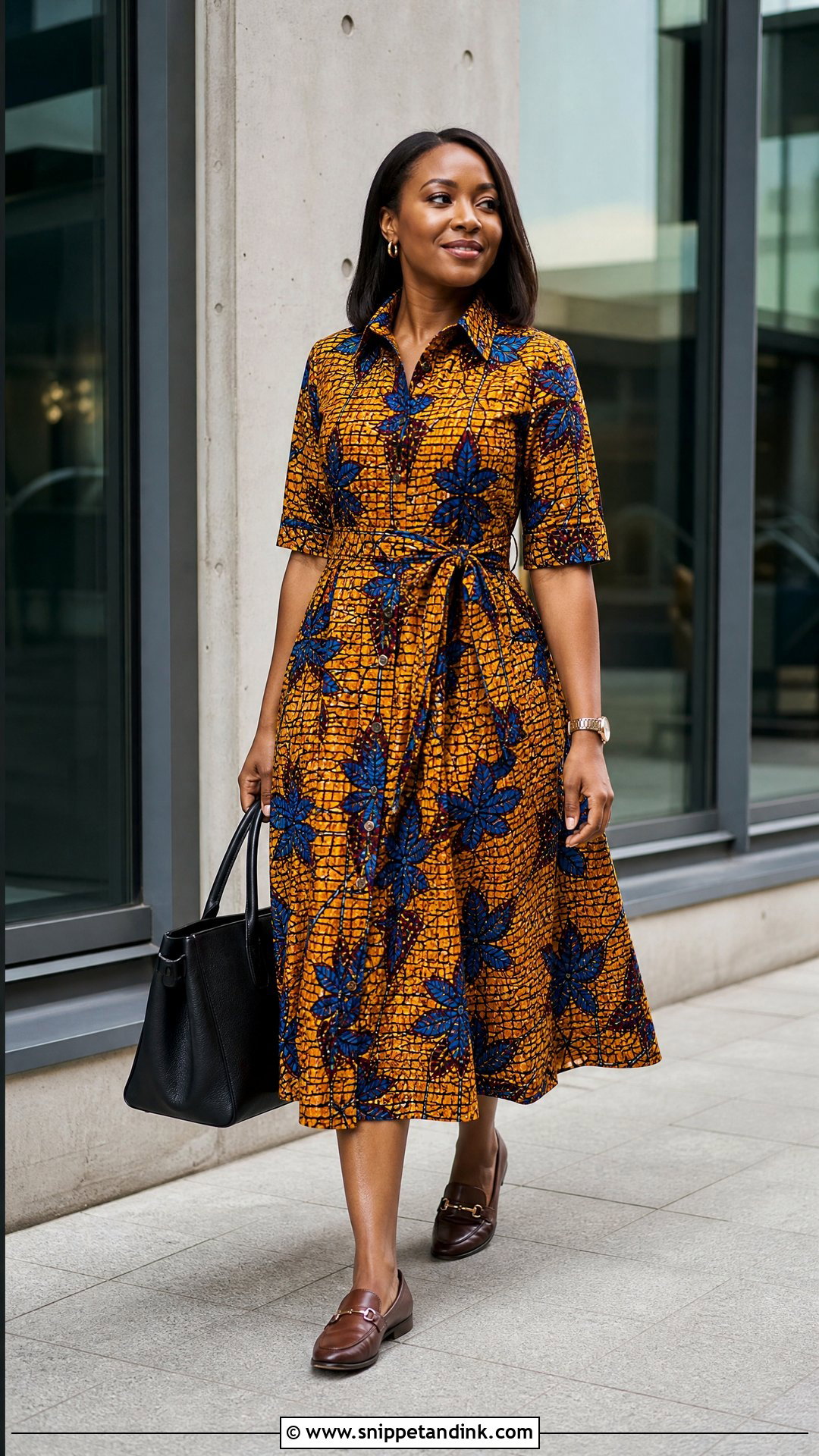
A button-front Ankara shirt gown gives you the structure of a classic shirt with the ease of a dress. Pointed collar, neat placket, elbow sleeves and a flared midi skirt, with a tie belt to adjust the waist and pockets for daily use. Gaping between buttons is the usual fault, so I have the button spacing set at the fullest point of the bust, or add a hidden snap there. Loafers or polished flats keep it smart; a structured tote, a watch and small gold hoops are enough. Roll the sleeves once to relax it. With collar, buttons and print all in play, leave the jewelry restrained. It moves easily from a creative office to errands to a weekend lunch.
8. Peplum Gown With Pointed Heels
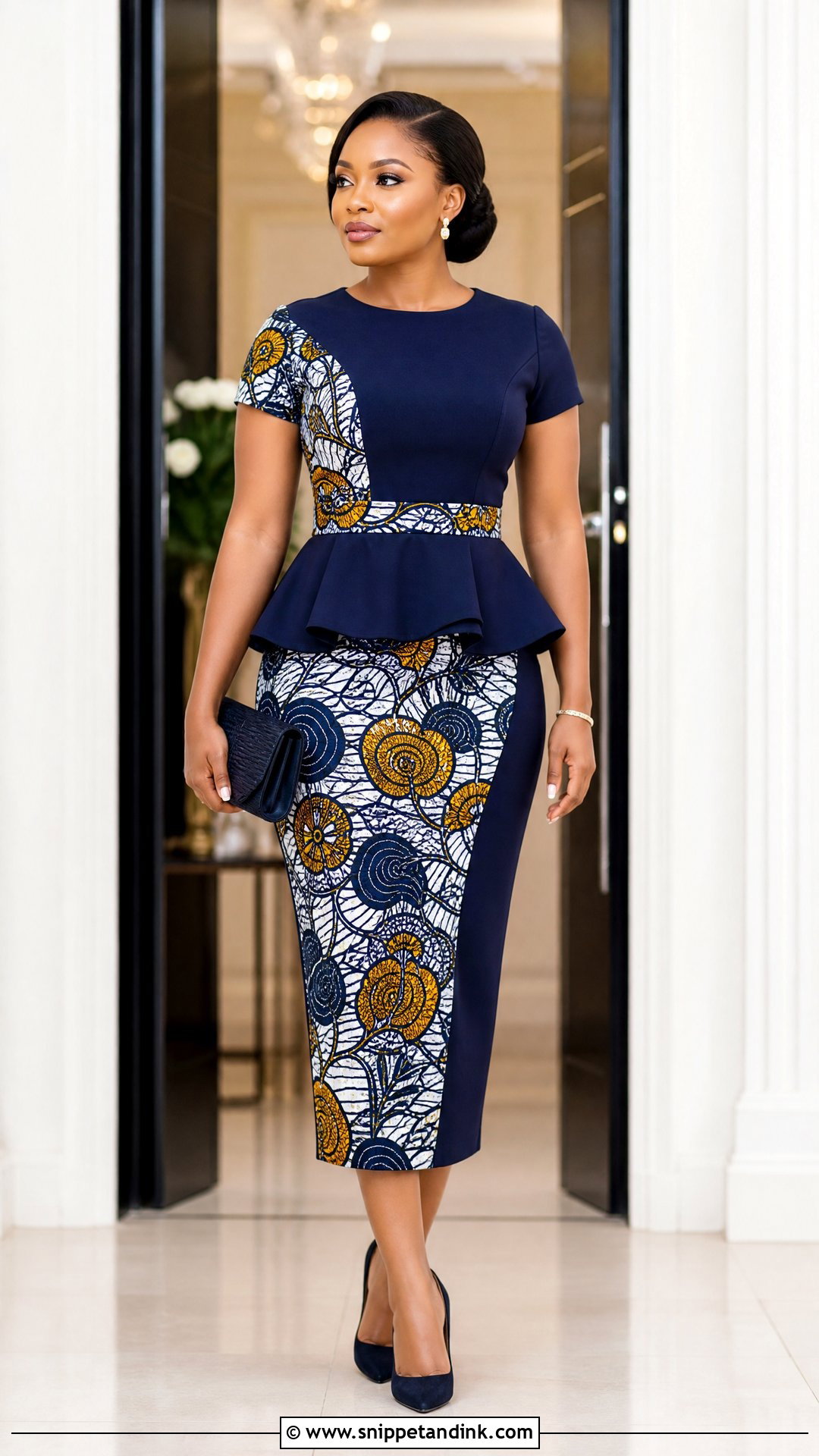
Peplum placement makes or breaks this gown. Start it at the natural waist and let it fall smoothly over a straight or lightly tapered skirt; set it even an inch too low and it adds width exactly where most people don’t want it. Ankara, crepe, lace and medium-weight plain cloth hold the shape. A round neck and fitted short sleeves balance it. I prefer a single-layer peplum to a double ruffle, which can read costume-like in a stiff print. Pointed heels, an envelope clutch and quiet earrings finish it, and pointed ballet flats work just as well if you hate heels. Knee or midi length depends on the event.
9. Wrap Gown With Low Heels
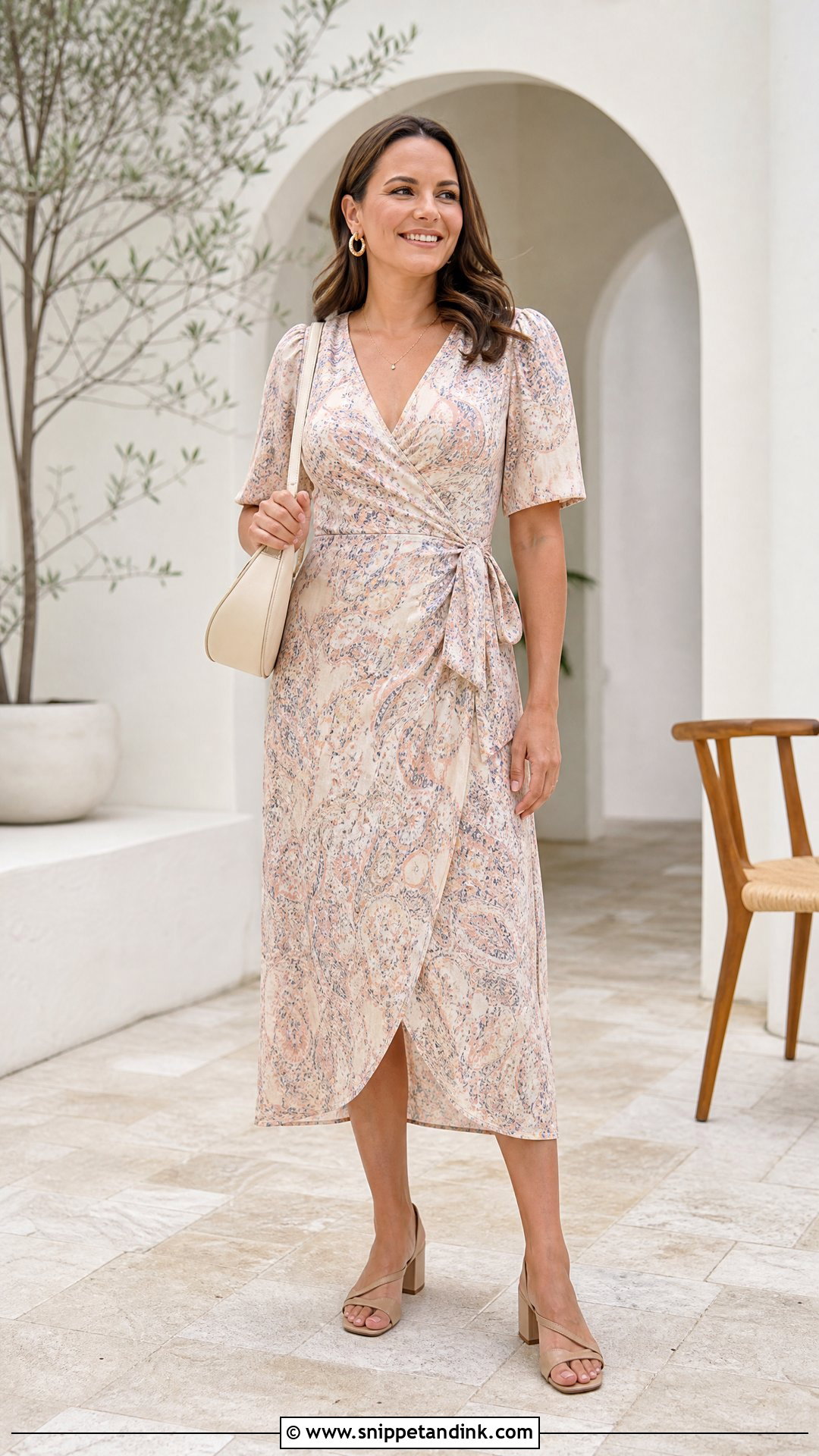
Wrap gowns adjust to you, which is why I recommend them when weight or bust size changes between fittings. Lightweight crepe, jersey, satin-backed fabric and soft Ankara fold across the body without stiffness. Secure the wrap with an inner tie and an outer belt, and if the neckline opens when you lean forward, add a hidden snap or a matching modesty panel. A midi skirt and elbow sleeves suit most occasions. Low heels, a curved shoulder bag and medium earrings are plenty. Plain wraps can take a patterned bag; printed wraps want plain shoes and bags. Jersey wraps are the most forgiving but the least structured, so choose crepe if you want the gown to keep its line.
10. Puff Sleeve Gown With Kitten Heels
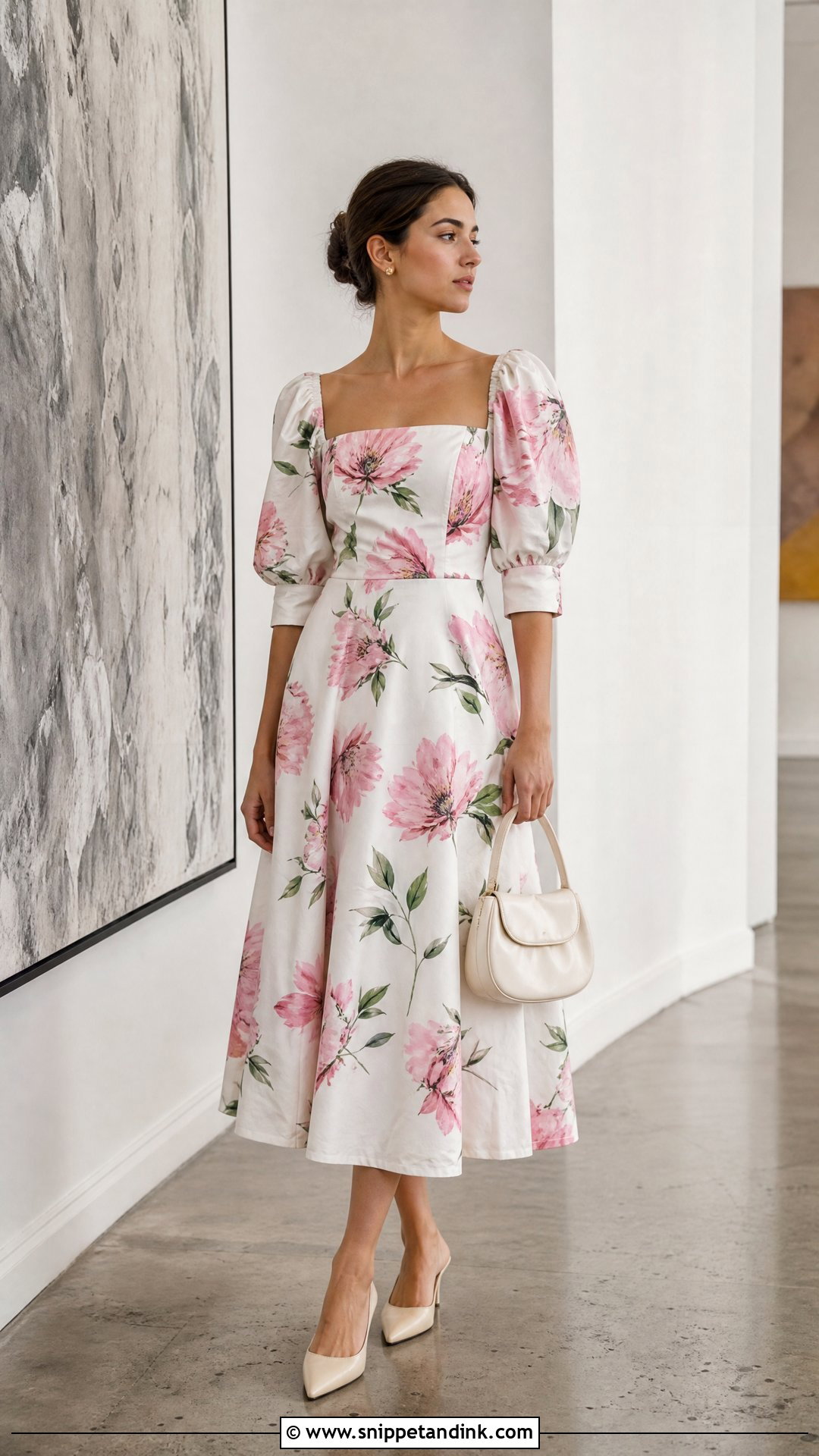
Puff sleeves change a plain gown without beading, but the volume needs control. Short or elbow length, soft gathers at the shoulder and a fitted cuff keep them from swallowing the arm. A straight midi or lightly flared skirt balances the top. Cotton, organza over lining, Ankara and structured crepe hold the puff; chiffon collapses unless you add a tulle insert inside the sleeve, which I often do. Kitten heels, a small bag and studs complete it. Skip a big necklace, because it competes with the sleeves, and pair the shape with a square neck to frame the upper body. On a large print, I check where the motifs land on the bust before anyone cuts.
11. Kaftan Gown With Embellished Flats
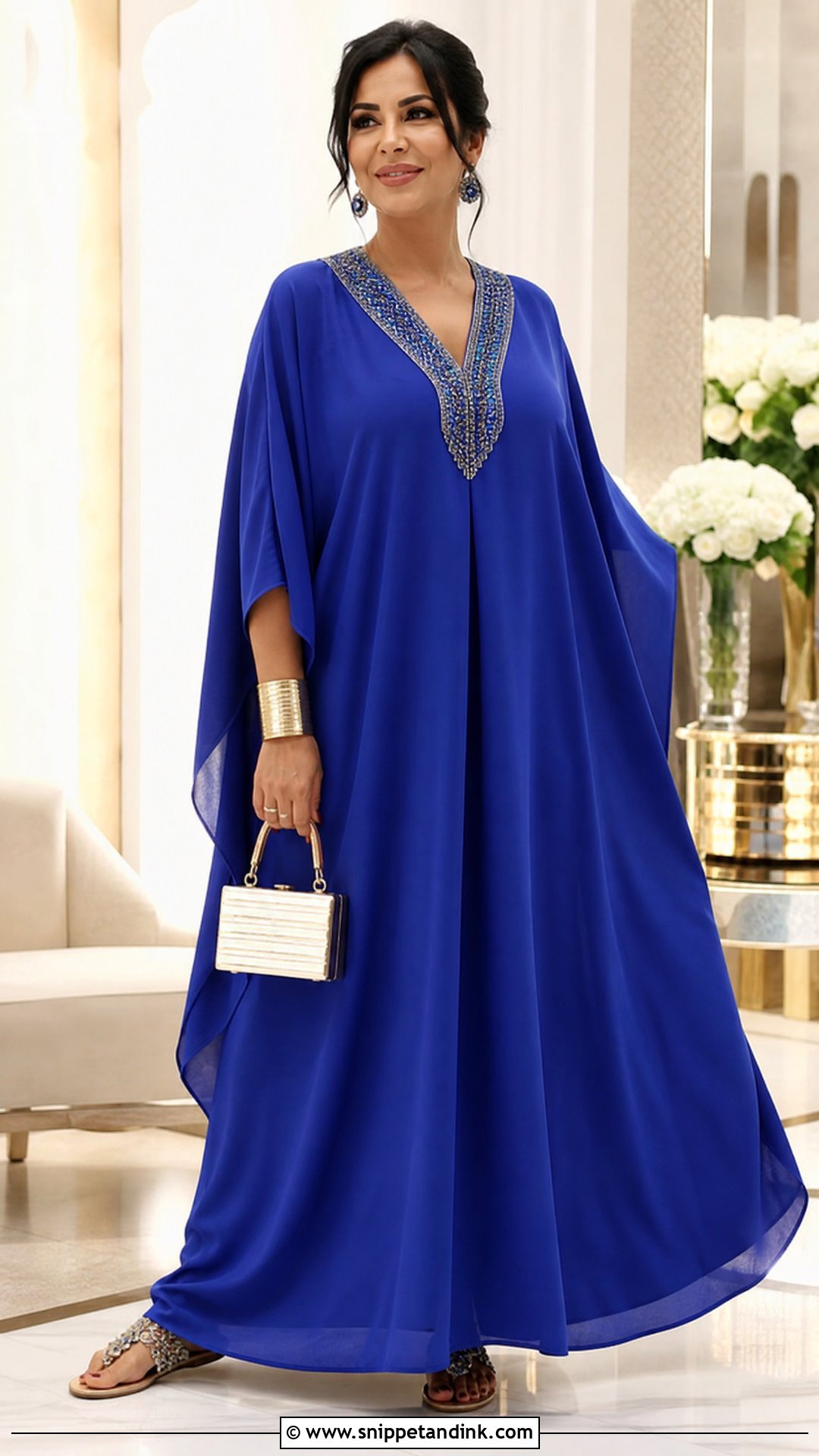
A kaftan gives room, drape and a simple full-length line. Soft crepe, chiffon over lining, silk blends or light lace give the fluid finish; heavy cotton makes it boxy. A V-neck and wide sleeves create the classic shape, and an inner waist tie lets you add definition when you want it. Keep embellishment to the neckline or sleeve edges rather than all over, partly for looks and partly because beads on a sleeve snag on everything at a buffet. Embellished flat sandals, a structured mini bag and one bold cuff finish it, with earrings in the same metal as any beading. The hem should clear the floor so the shoes show and stairs feel safe. It suits formal family gatherings and cultural celebrations.
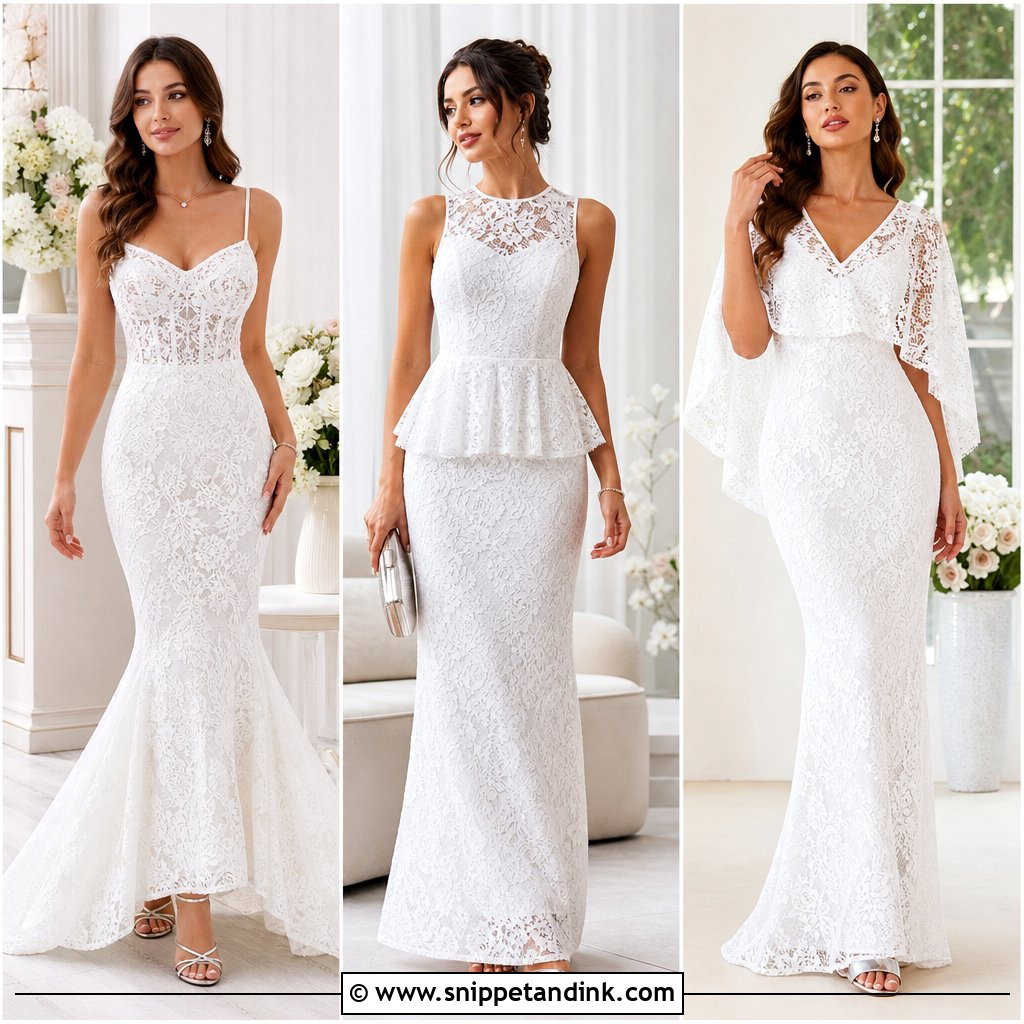
12. Mermaid Lace Gown With Metallic Heels
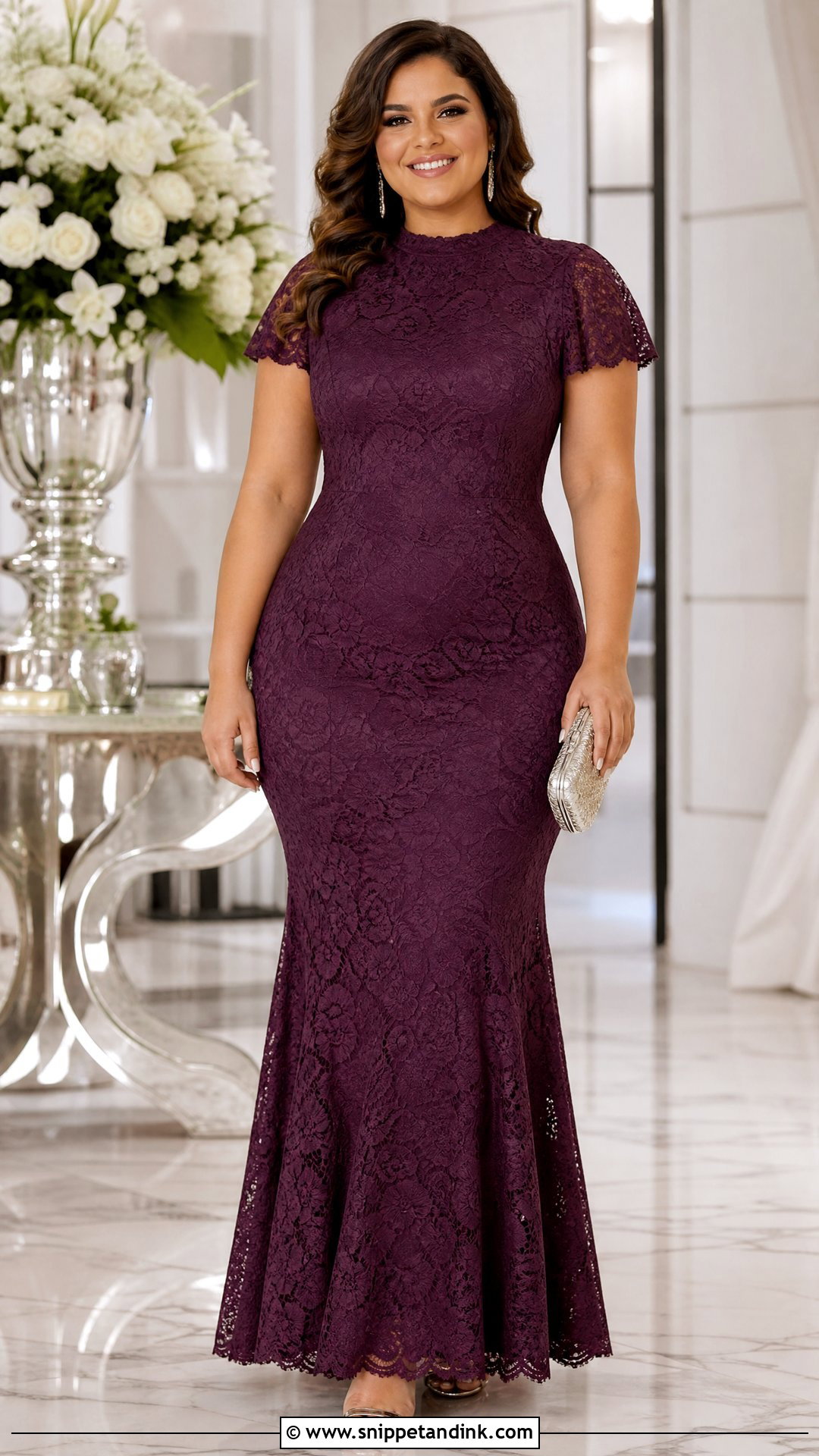
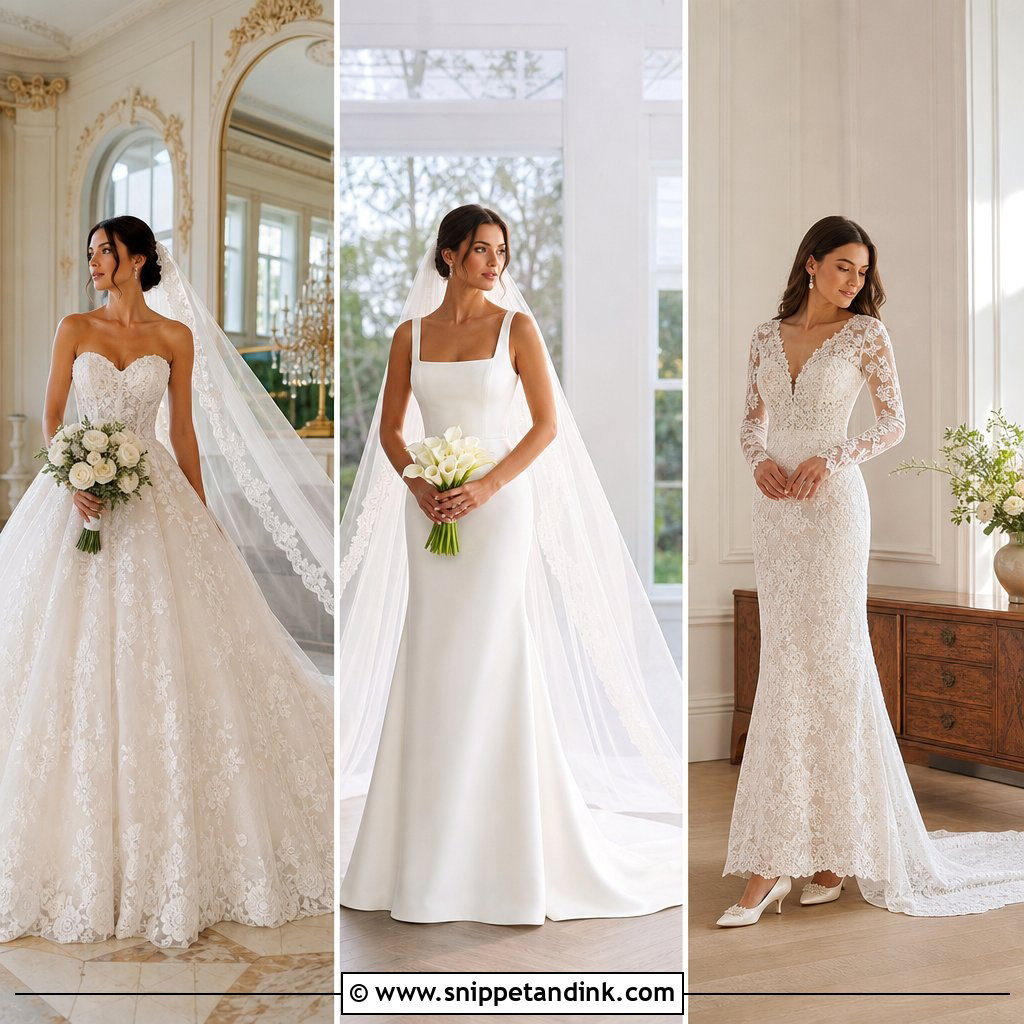
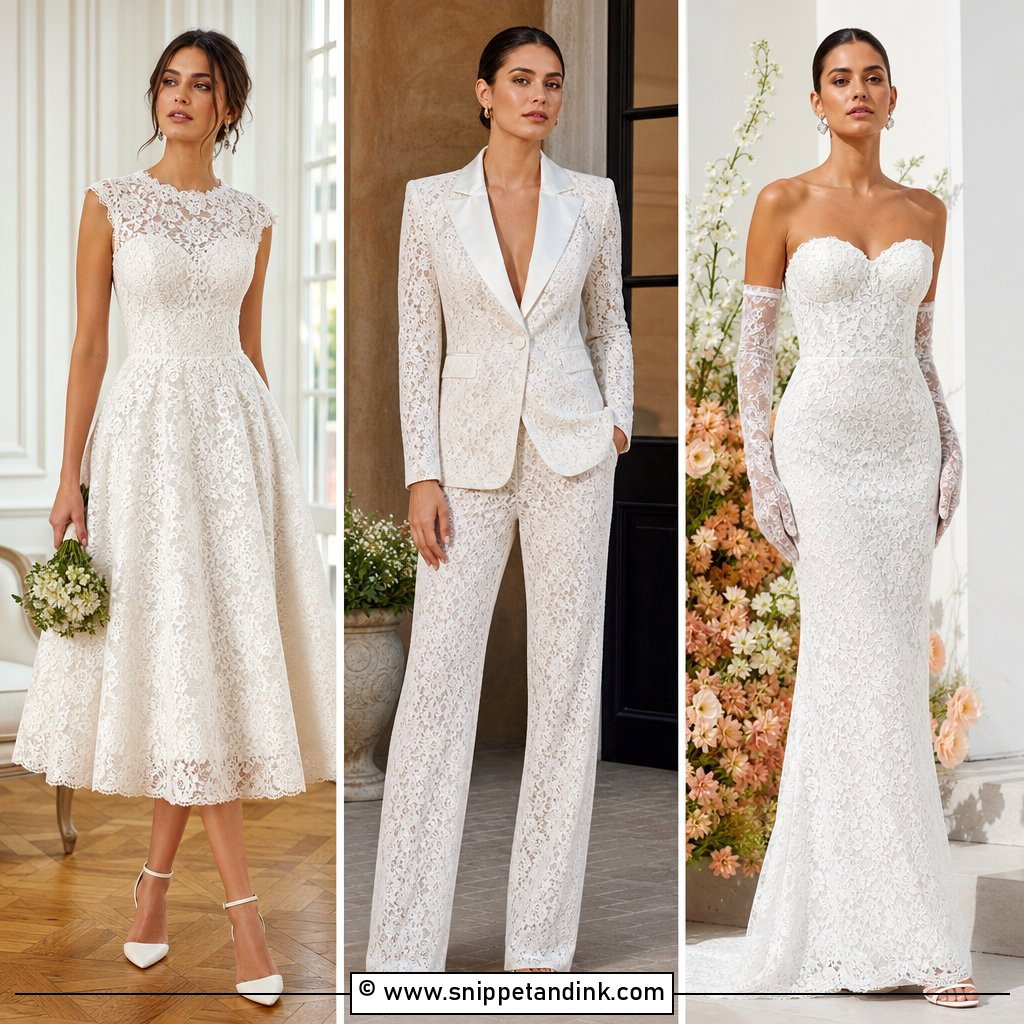
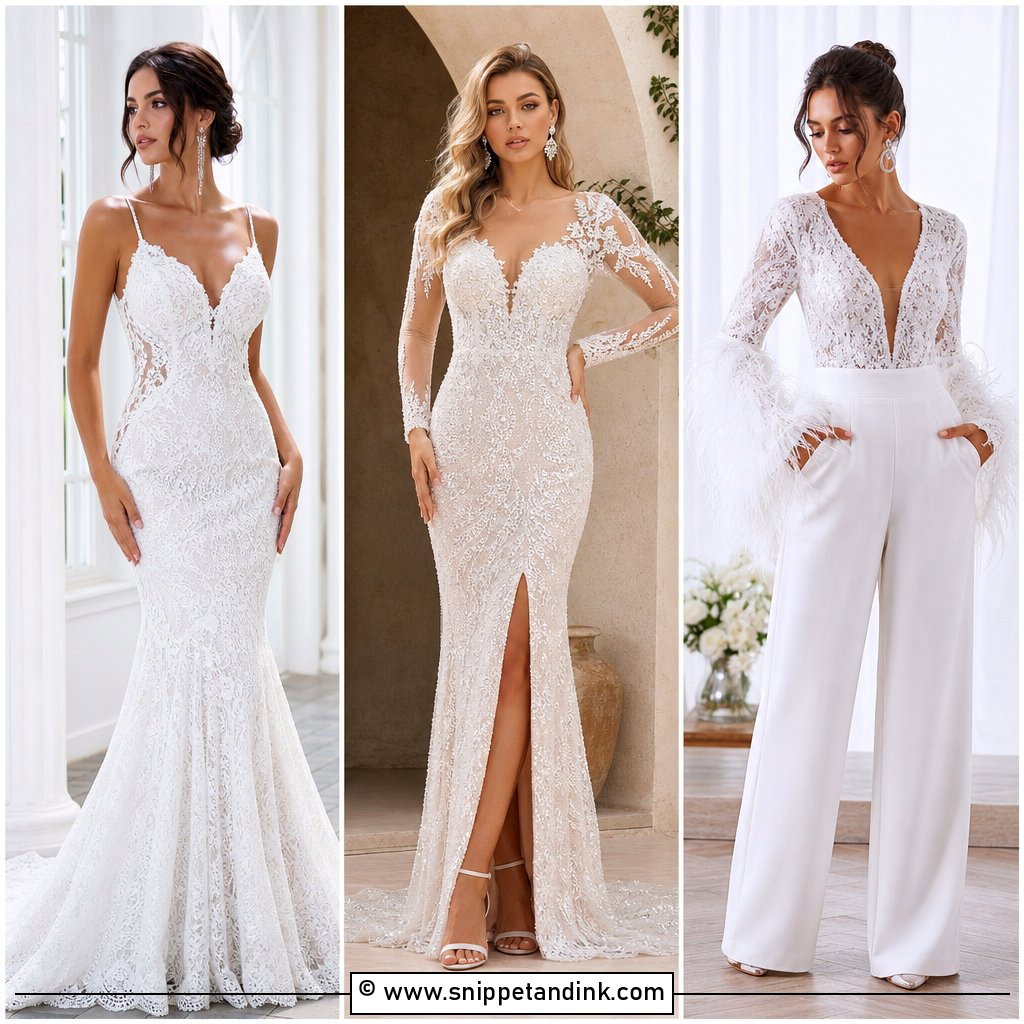
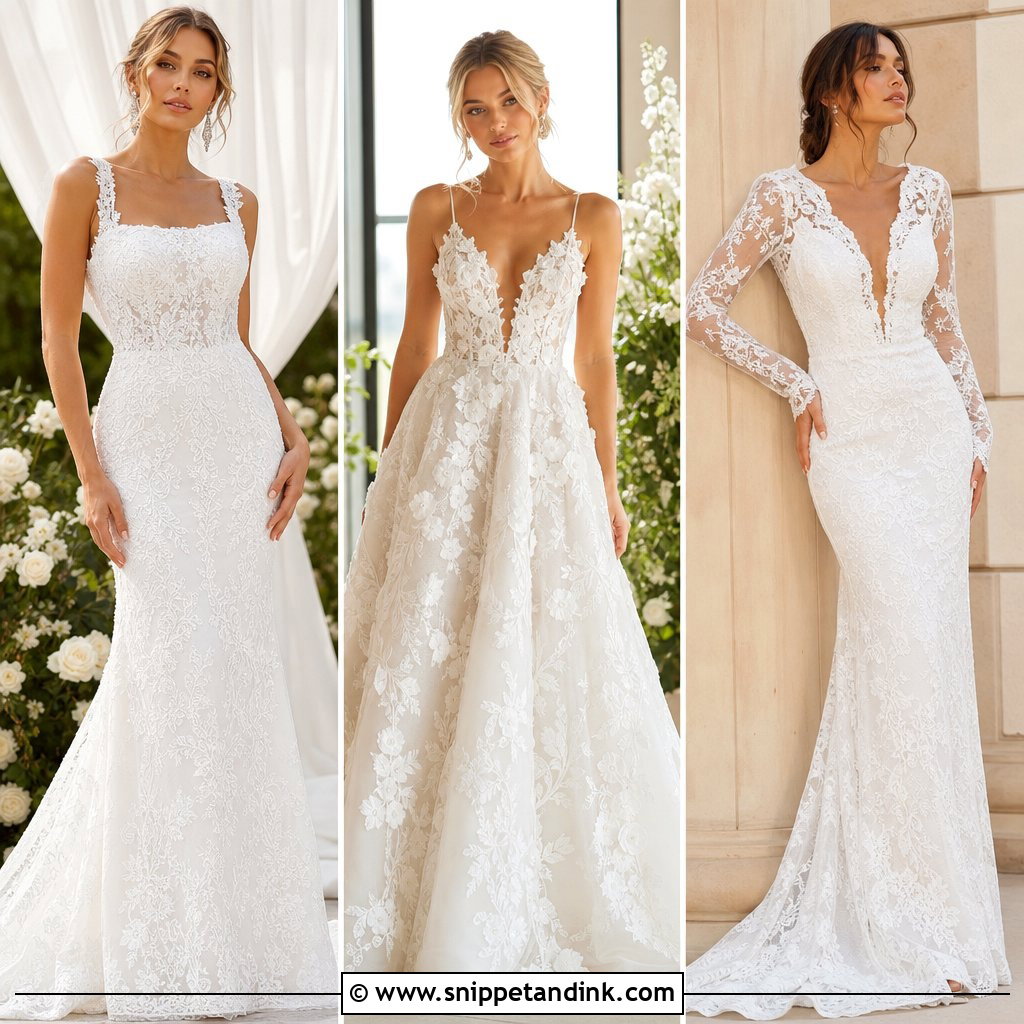
Mermaid is the shape I’m most cautious with, because it is fitted where you need to move: hips, thighs and knees. A simple lace version should flare moderately rather than ending in a big train, and I always ask clients to sit, climb a step and walk fast at the fitting. If the flare restricts you, a back slit or a slightly higher front hem fixes it. A lined lace bodice, short sleeves and a higher neck balance the fit. Pick lace with a clear pattern and a lining that matches its colour closely. Gold, silver or bronze heels finish it without introducing another shade; add a small hard-case clutch and slim drop earrings. The plain construction is what lets the lace texture show.
13. High-Low Gown With Ankle Strap Heels
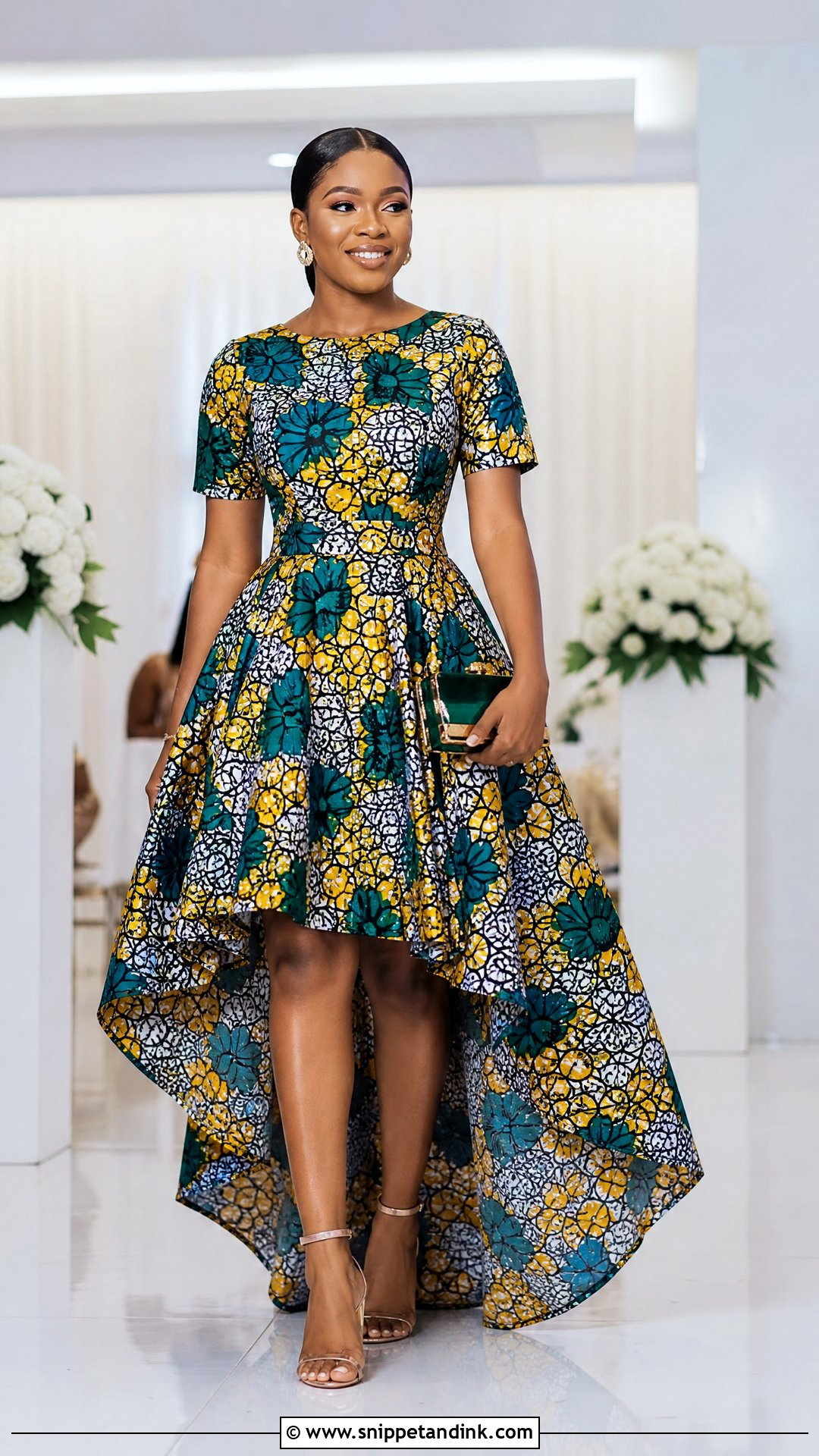
A high-low hem shows the shoes while keeping the sweep of a long dress. The front ends around the knee or mid-calf and the back falls toward the ankle. Chiffon gives soft movement; taffeta, Ankara or structured cotton give a fuller, more sculpted hem. Keep the bodice simple, with short sleeves and a plain neckline. Ankle-strap heels belong here because they are fully on show. Add a box clutch and small statement earrings. I’d keep the back hem off the ground, since a trailing back gets stepped on in crowds. On printed cloth, ask your tailor to plan the pattern around the curved hem so the motifs don’t get chopped at the shortest point.
14. Empire Waist Gown With Ballet Flats
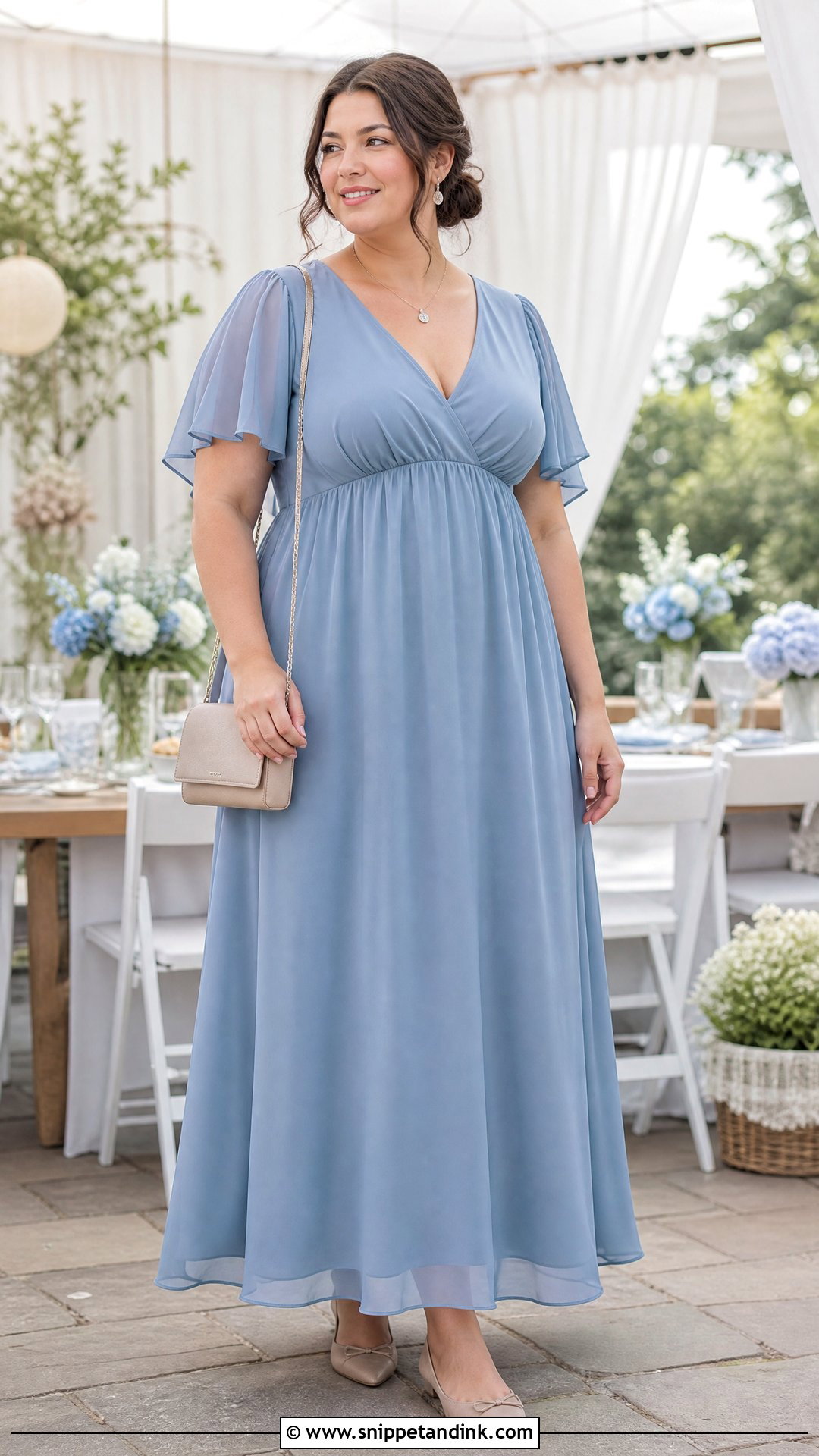
An empire waist gown seams just under the bust and falls loosely from there. It needs soft fabric: chiffon, soft cotton, light crepe or a fluid print. Thick or stiff cloth stands away from the body under the bust and can look like extra volume, which is the most common complaint I hear about this cut. A V, scoop or square neck with flutter or short sleeves suits it, and the skirt can stop at midi or ankle length depending on your height. Pointed ballet flats, a small crossbody and delicate earrings finish it; a short pendant adds interest without cutting across the high waist. Get the shoulders and upper bodice snug so the rest can stay loose.
15. Tiered Cotton Gown With Wedge Sandals
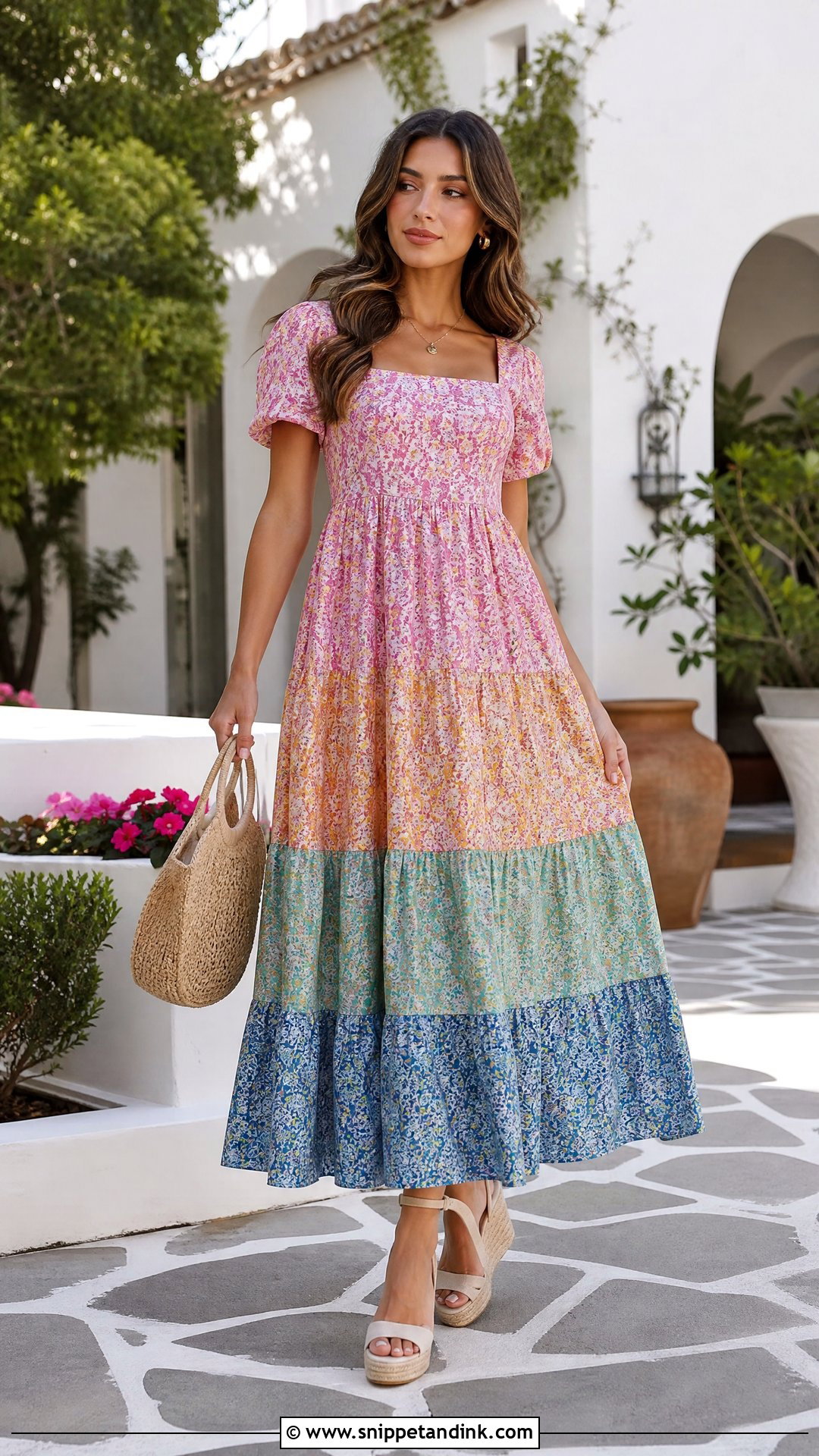
Tiers add volume in horizontal bands, so the fabric has to be light: cotton, cotton Ankara, voile or a breathable print. Start the first tier at the hip rather than the waist and the top half stays smoother. A fitted bodice, short sleeves and a square neck balance the fuller skirt. Two or three tiers is my limit; each extra tier needs more gathering and more fabric, and the skirt gets heavy and hot fast. Wedge sandals, a woven bag and small hoops make it a day look, with a thin belt if the bodice feels loose. It is a warm-weather gown for garden parties, weekend outings and casual family events.
16. One-Shoulder Satin Gown With Minimal Heels
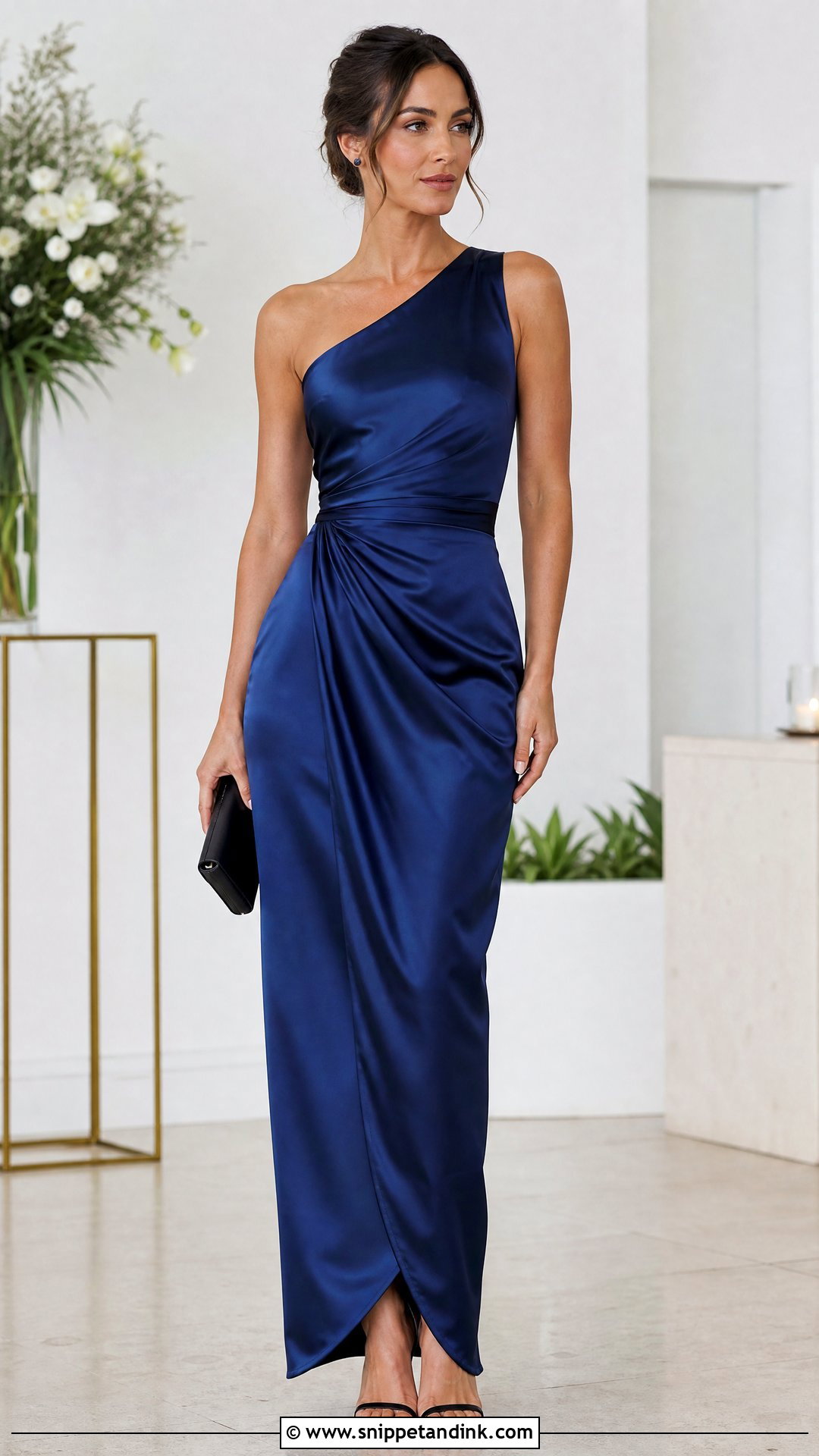
Satin shows everything: pulled seams, uneven pressing, every bump of a lining. A one-shoulder satin gown therefore needs clean construction more than any trim. I ask for a wide strap rather than a narrow one, because it carries the weight and lets the satin lie flat across the bust. Midi or ankle length, with gentle shaping at the waist; the skirt can be straight, softly flared or lightly draped to one side. Minimal heeled sandals, a small clutch and one statement earring or matching studs finish it. Skip the necklace so the asymmetric line is clear, and avoid heavy ruching, which looks busy in a fabric that already reflects light. Jewel tones, pastels and neutrals all work. A well-pressed lining helps the gown skim the body.
17. Mixed Material Gown With Neutral Pumps
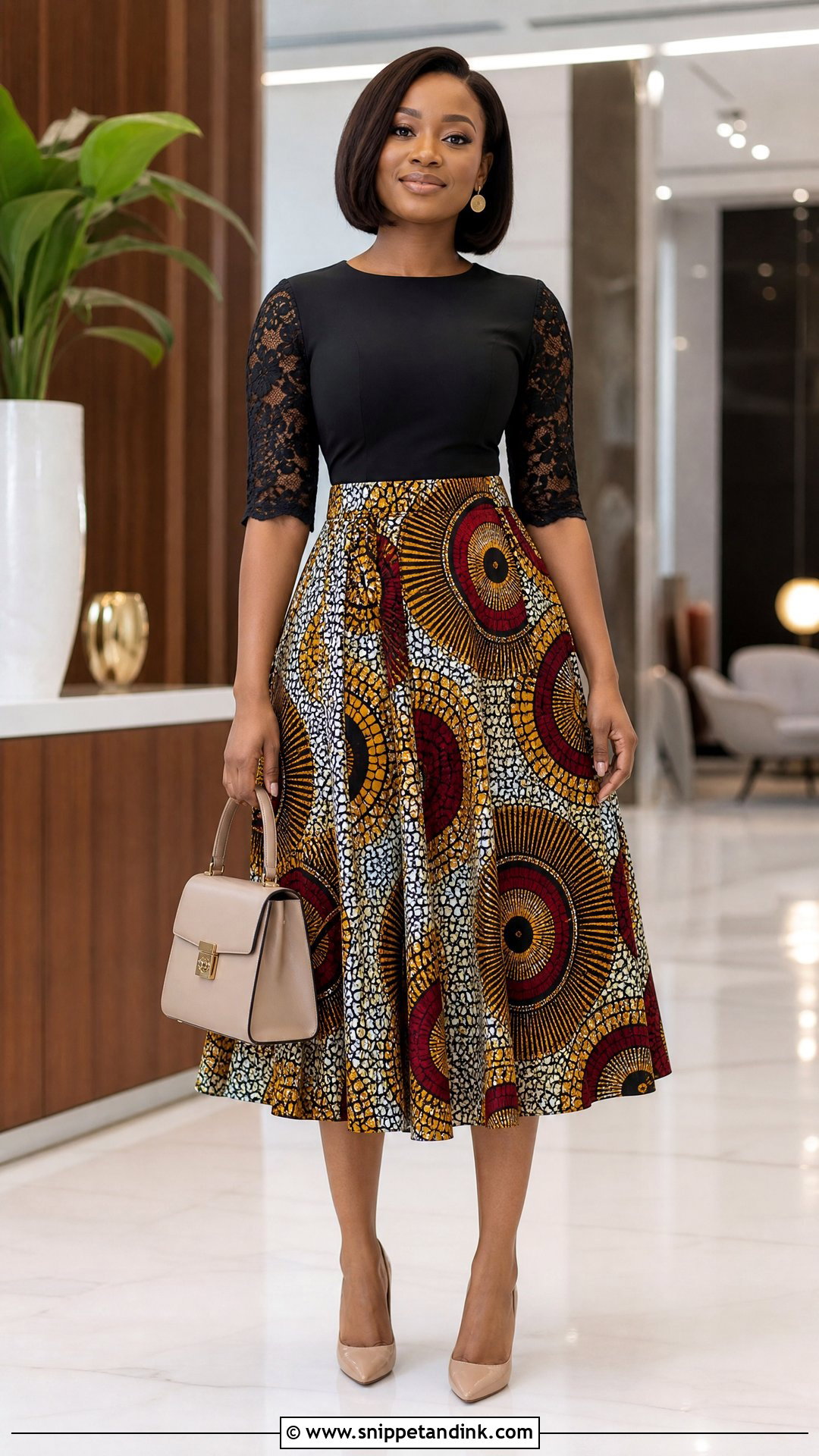
Mixing two materials makes a simple gown feel personal: Ankara skirt with a plain crepe bodice, or lace sleeves on a solid midi. One fabric should lead and the second should act as an accent at the sleeves, neckline, side panels or hem. Before anything is cut, I lay the two fabrics side by side by a window, because colours that match under shop lighting can clash in daylight. Check that both can be cleaned the same way too, or the first wash will shrink one and pucker the seam. Keep the silhouette simple with an A-line skirt, fitted waist and modest neck. Neutral pumps, a structured bag and simple earrings keep it uncluttered. Avoid more than two prints or textures in one gown.
18. Bell Sleeve Gown With Platform Sandals
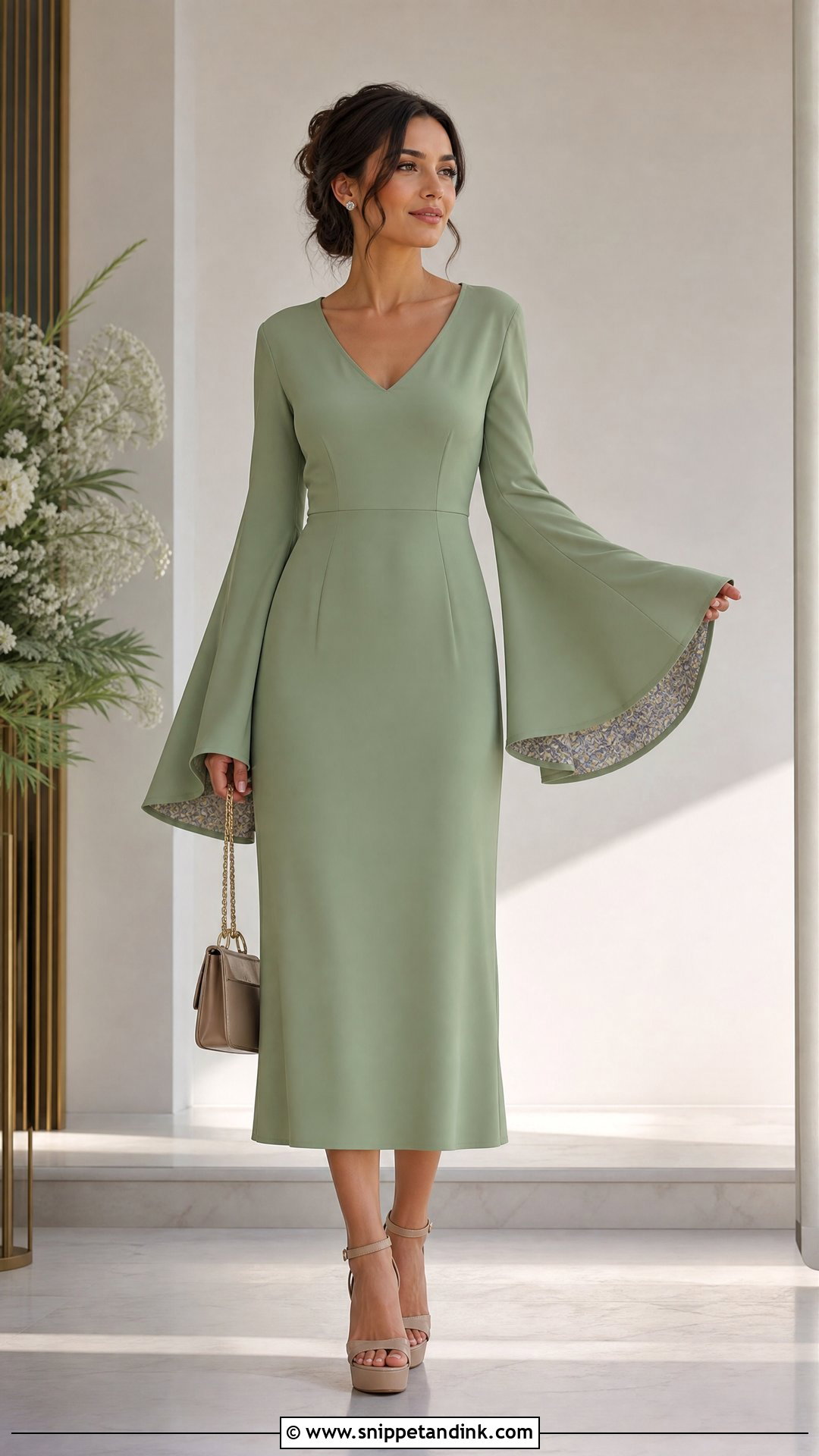
Bell sleeves give a simple gown movement, especially in lace, chiffon, crepe or soft Ankara. Keep the upper arm fitted and let the sleeve widen near the elbow or wrist; a clean straight or gently flared midi keeps the balance. Platform sandals give the wide sleeves a steady base. A compact shoulder bag, studs and one slim bracelet are enough, and if the sleeves cover your hands, skip bracelets, since the cuff will catch on them all day. A boat neckline or modest V spreads attention evenly. On printed cloth I like a solid lining inside the flare, so the shape shows each time you lift your arm.
19. Pleated Gown With Closed Toe Heels
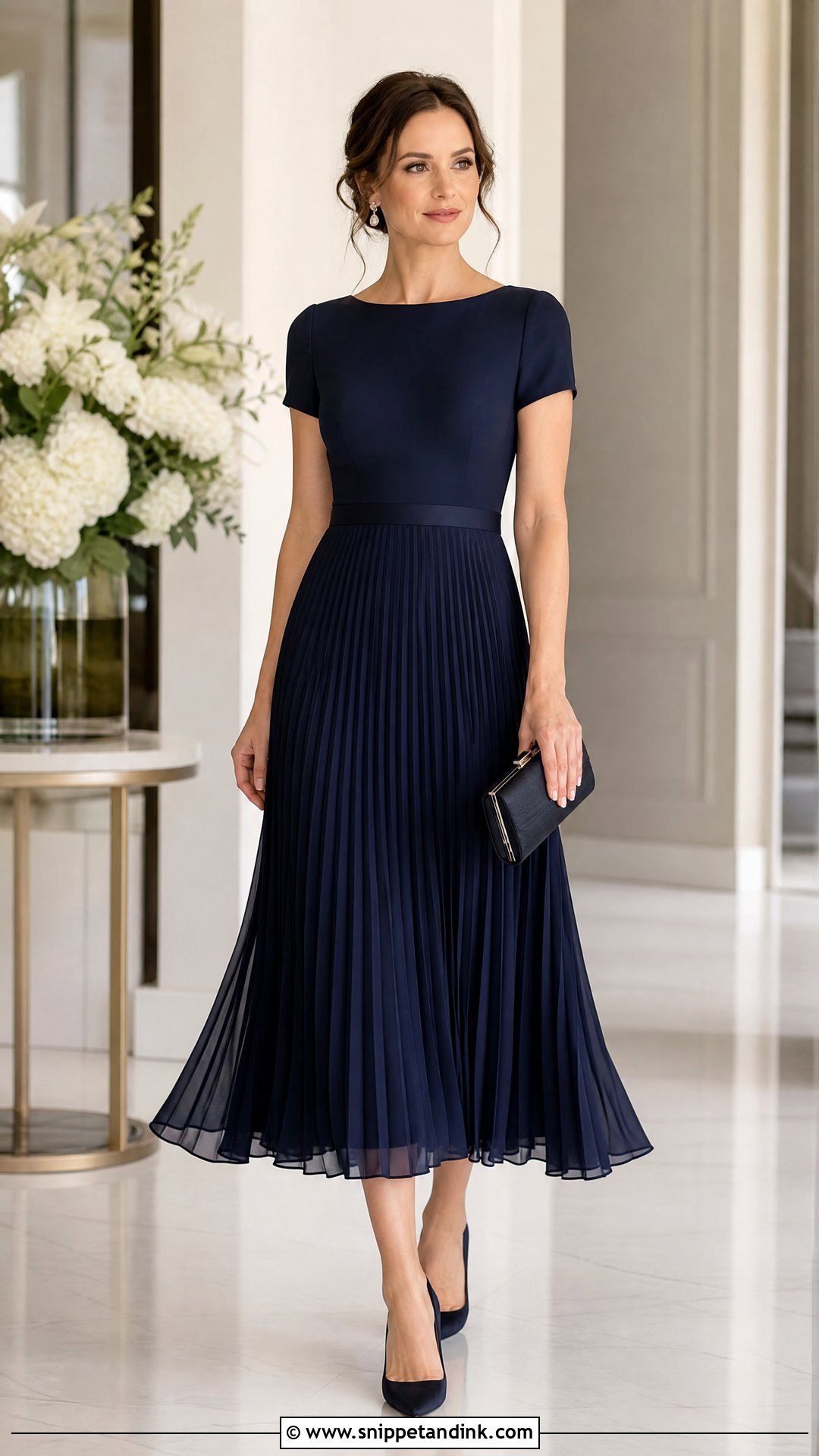
Pleats add texture without sequins. Fine pleats suit chiffon and light synthetic blends, which hold a heat-set pleat; wider box pleats suit cotton, Ankara and medium crepe. Natural fibres won’t keep a sharp knife pleat through a long day, so expect to re-press cotton pleats before each wear. Pleat the skirt and keep the bodice smooth, with a defined waist, short sleeves and a round neck. Closed-toe heels, a structured clutch and small drops finish it, and a slim belt can hide the waist seam. On a printed fabric, fewer pleats let the pattern read. Leave enough ease through the hips to sit comfortably, or the pleats will splay open every time you do.
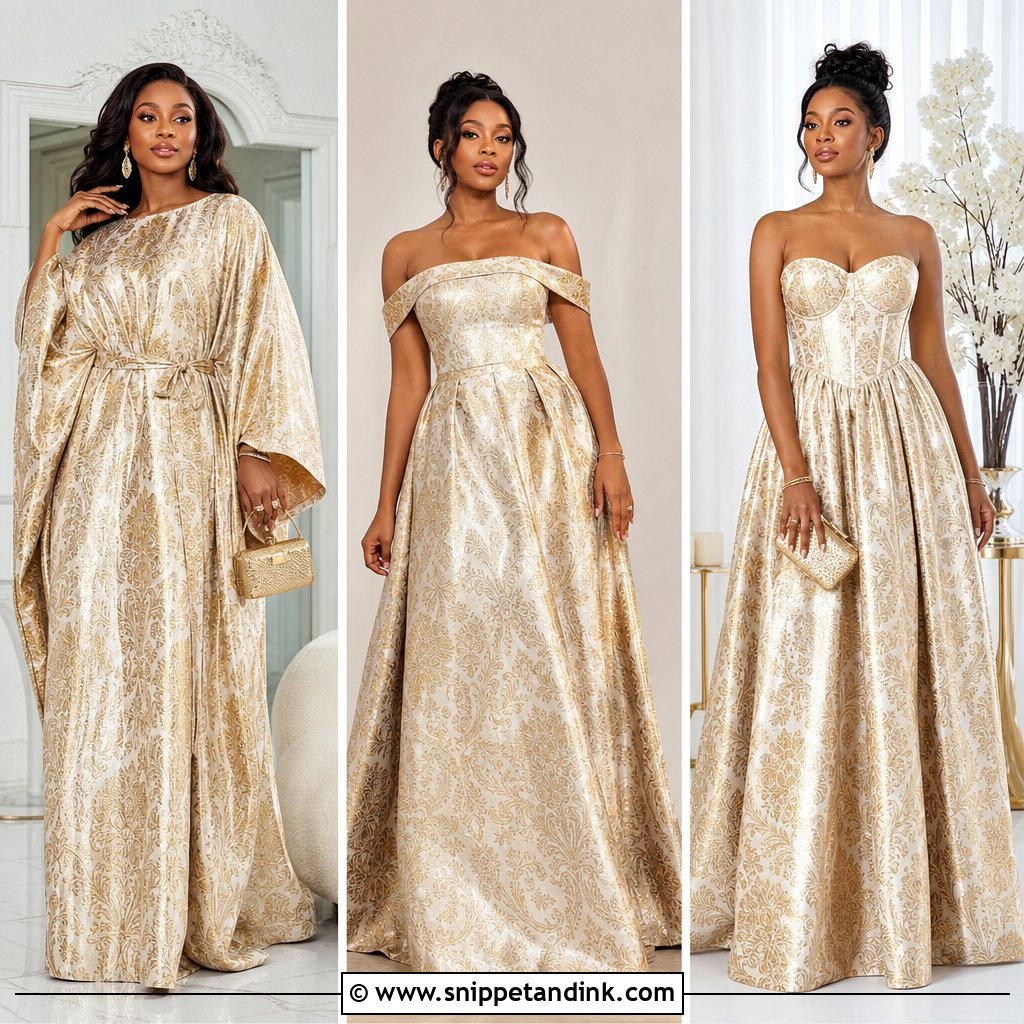
20. Simple Panel Gown With Low Sandals
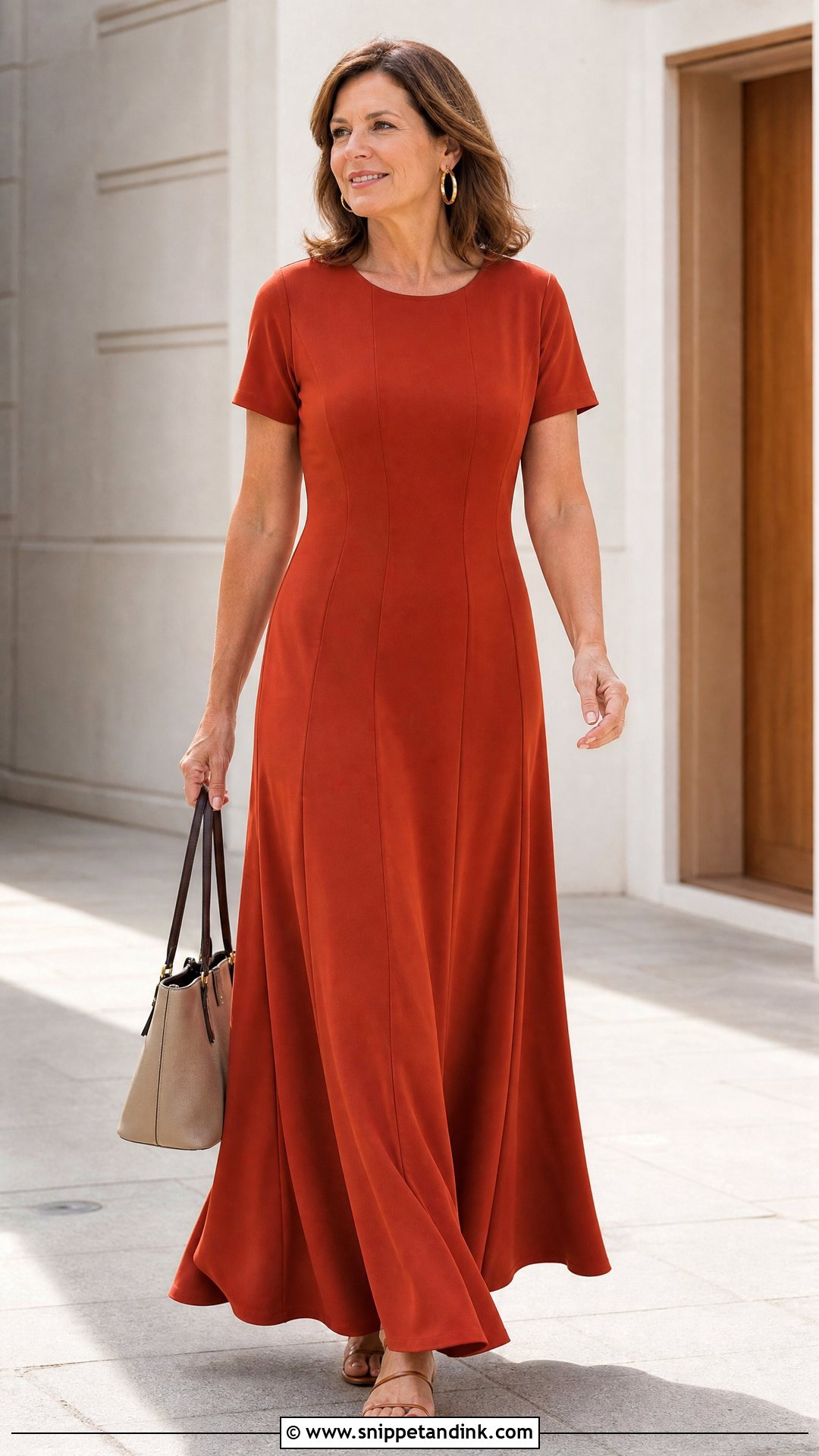
Vertical panels do the shaping in this gown, so it needs no waist decoration at all. Plain crepe, cotton, linen blends, Ankara or moderately structured lace all work. Ask for a close fit through the shoulders and upper body, easing into a gentle flare toward the hem; the long seams also make the figure read taller. A round neck, short sleeves and discreet side pockets make it an everyday gown. Low sandals, a medium tote and polished hoops complete it. If you add contrast, keep it to one or two side panels. Linen blends crease within an hour of sitting, so pick crepe or Ankara if the gown has to look pressed at the end of an event. Clean seams and careful pressing finish the tailored look.
Yardage, Pre-Washing and Print Placement on Ankara
Ankara is usually sold in six-yard pieces, and most of the simpler shapes above fit within one piece for an average size. Fuller skirts, circle cuts, tiers, bell sleeves and long trains can push you into a second piece, so I ask the tailor for an exact figure before buying. Running out halfway and trying to find the same print again rarely ends well.
Wash first, sew second
Cotton prints can shrink slightly and may release some excess dye on the first wash. I have clients wash the fabric in cold water, dry it in the shade and press it before it goes to the tailor. A gown cut from unwashed cloth can come out of its first wash a little shorter and tighter than the one you approved at the fitting.
Where the motifs land
Large motifs need planning. A big circle sitting dead centre on each side of the bust, or a bold stripe of print chopped at the waist seam, is the most common thing I see go wrong with print gowns. Ask your tailor to lay the pattern pieces on the fabric with you before cutting and to match the print across the centre back seam and zip.
Keeping the colour bright
Wash Ankara inside out in cold water with a mild detergent, keep it out of direct sun while drying, and iron on the reverse side. Lace, satin and beaded gowns are safer hand-washed gently or sent to a dry cleaner, and should be stored on a padded hanger with the heavy skirt supported so the shoulders don’t stretch.
Let the Cloth Decide the Cut
Every shape here, fitted or flared, short, midi or floor length, works best when it suits the fabric you already own. Before you settle on one, handle the cloth: feel its weight, hold it to the light to check transparency, pull it for stretch, and note how big the print is and how it falls. Take accurate measurements and agree on lining, closures, pockets, hem length and sleeve movement with your tailor before anything is cut. Then choose shoes and accessories that sit back and let the material lead. Adjust each design to your proportions and taste, and even a familiar piece of fabric will come back from the tailor feeling new.
You'll Like These Ideas:


Leave a Reply