
By the walima, a bride has usually had her hair backcombed, sprayed and pinned under a heavy barat dupatta, sometimes for two events in a row. The reception look tends to be lighter: softer curls, sleeker buns, half up styles that move with a flowing dupatta. That lighter mood still needs structure, though, because the walima is long, the jewellery is often still substantial and the photos go on for hours. These twenty styles run from classic to modern, and for each I’ve noted how it carries a tikka, a dupatta and a long evening.
Pinning a Heavy Dupatta Without Crushing the Style
Many walima dupattas are lighter than the barat one, but embroidered or embellished fabric still weighs more than people expect, and it all hangs from a few pins in the hair. I plan the hairstyle around where those pins will go.
- Give it something to grip. A bun, a pinned crown section or a small hidden braid is where the dupatta pins should go. Pins pushed into loose curls slide out within an hour.
- Use the right pins. Large U-pins or dupatta pins with a slight hook hold fabric better than bobby pins, and they don’t leave dents in the curls.
- Leave the tikka path clear. The tikka chain runs along the parting and hooks in behind. I set the dupatta just behind that hook so the chain doesn’t twist.
- Check the weight at the trial. Bring the real dupatta, or one of similar weight. A light chiffon at the trial won’t show you how a heavy one pulls.
If the dupatta is very heavy, I’d lean toward a low bun or a structured updo over loose curls. Open hair under a lot of weight flattens at the crown long before the evening ends.
1. Low Bun With Maang Tikka
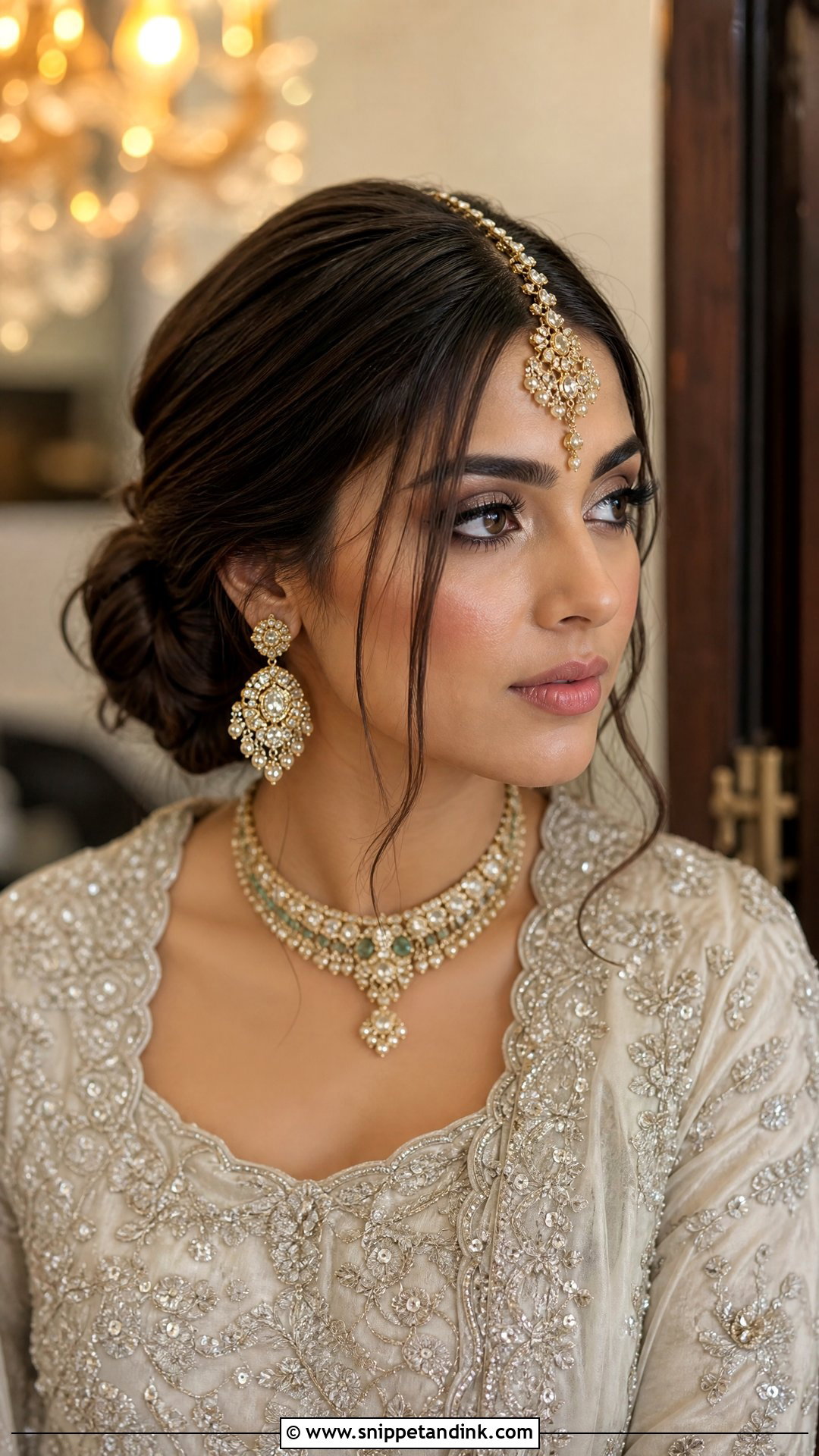
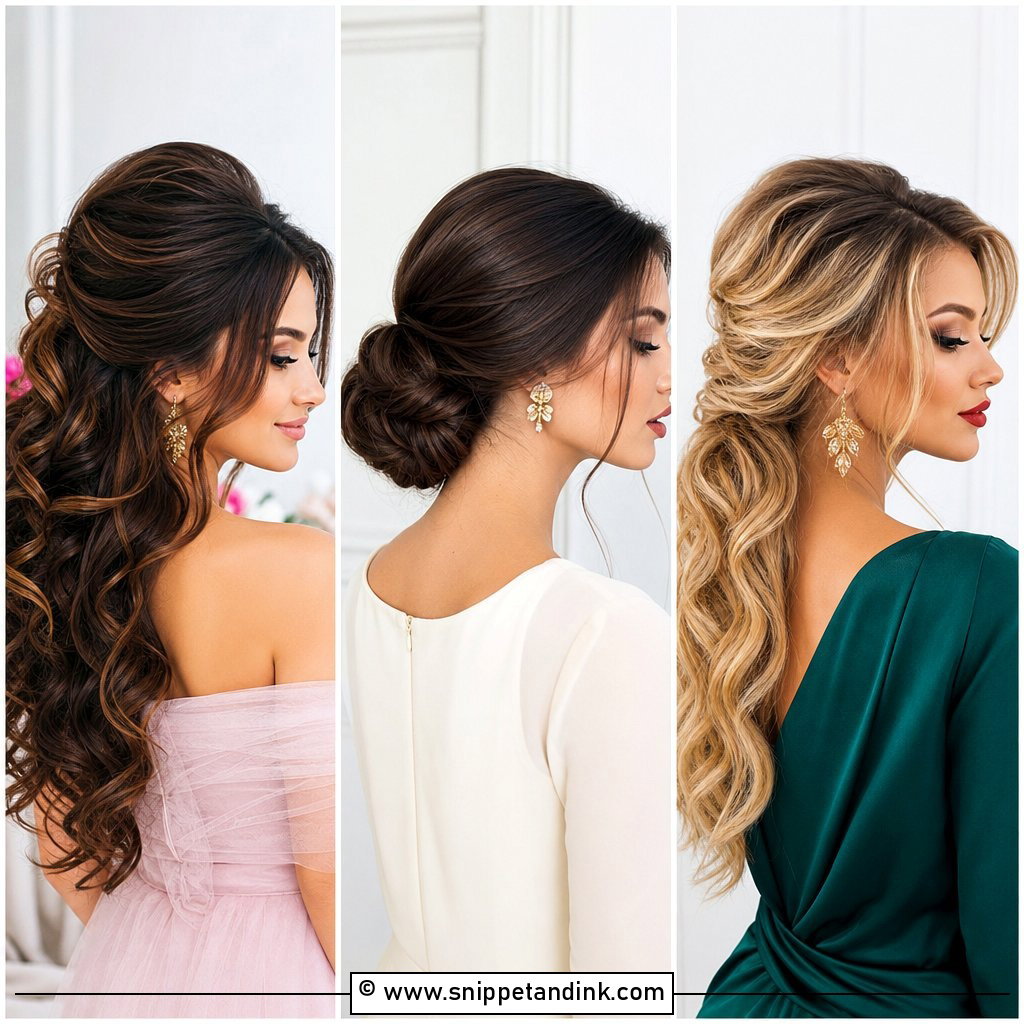
I reach for the low bun more than any other walima style because it does three jobs at once. It gives a dupatta a solid base to pin into, leaves the parting clean for the maang tikka chain, and sits low enough that the fabric drapes over without squashing it. Sleek or softened with a few loose strands, it suits round and oval faces alike. A small rose or a few pearl pins tucked at the side is enough decoration.
2. Soft Hollywood Waves
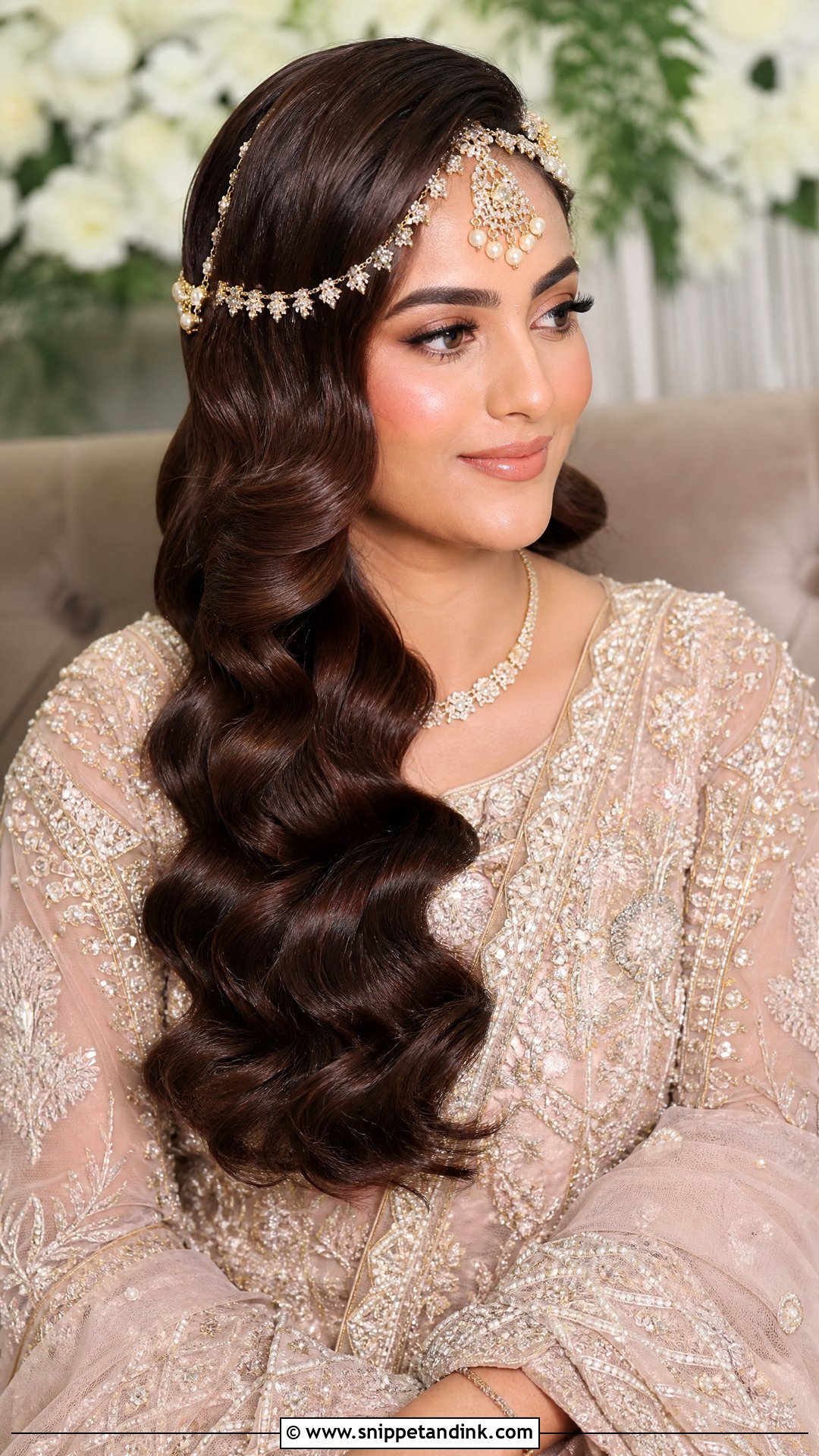
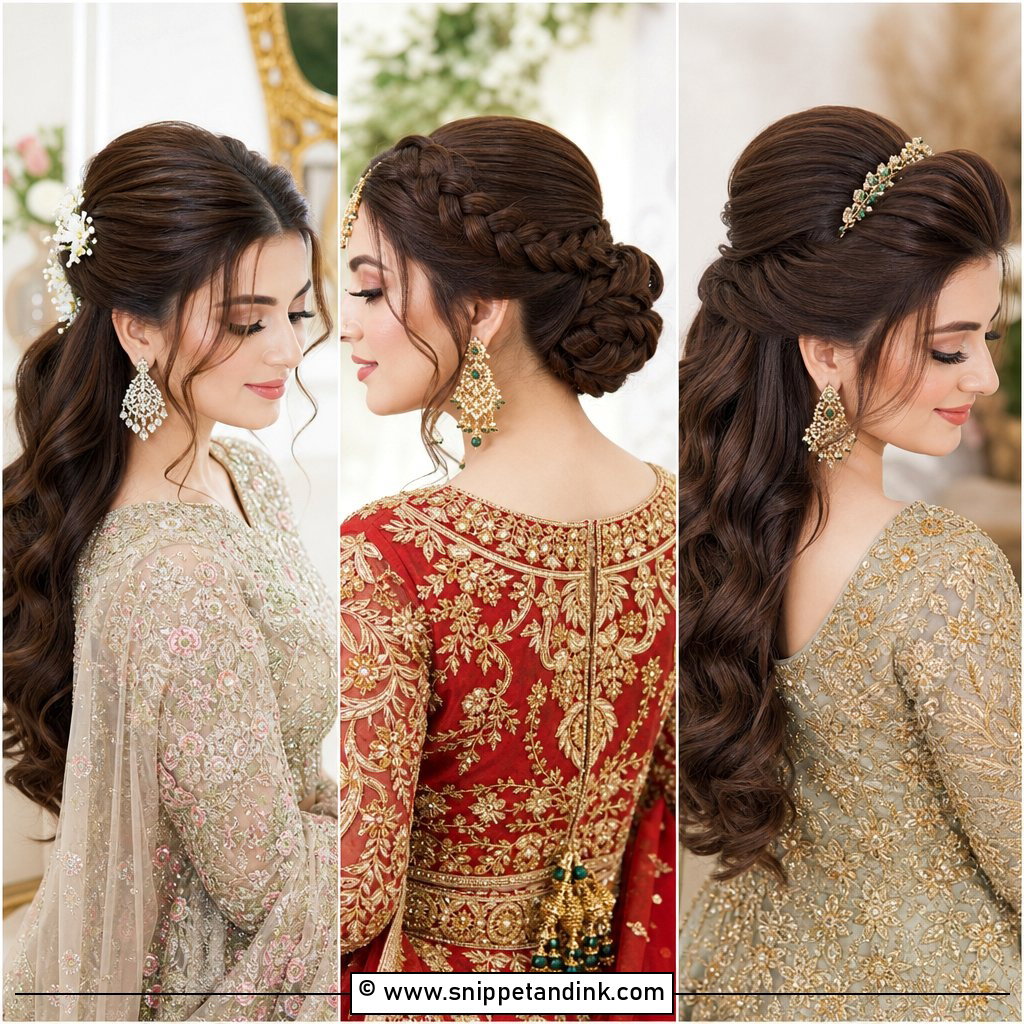
Hollywood waves are glamorous but delicate under a dupatta, so I plan them with the drape in mind: the dupatta pins behind the ear on the non-wave side, and the curls fall forward over the other shoulder. The waves need medium to long hair and a proper set, cooled before brushing. A side part and a delicate matha patti give it a vintage-meets-modern feel. A drop of shine serum keeps the waves glossy for photos.
3. Half-Up Half-Down With Curls
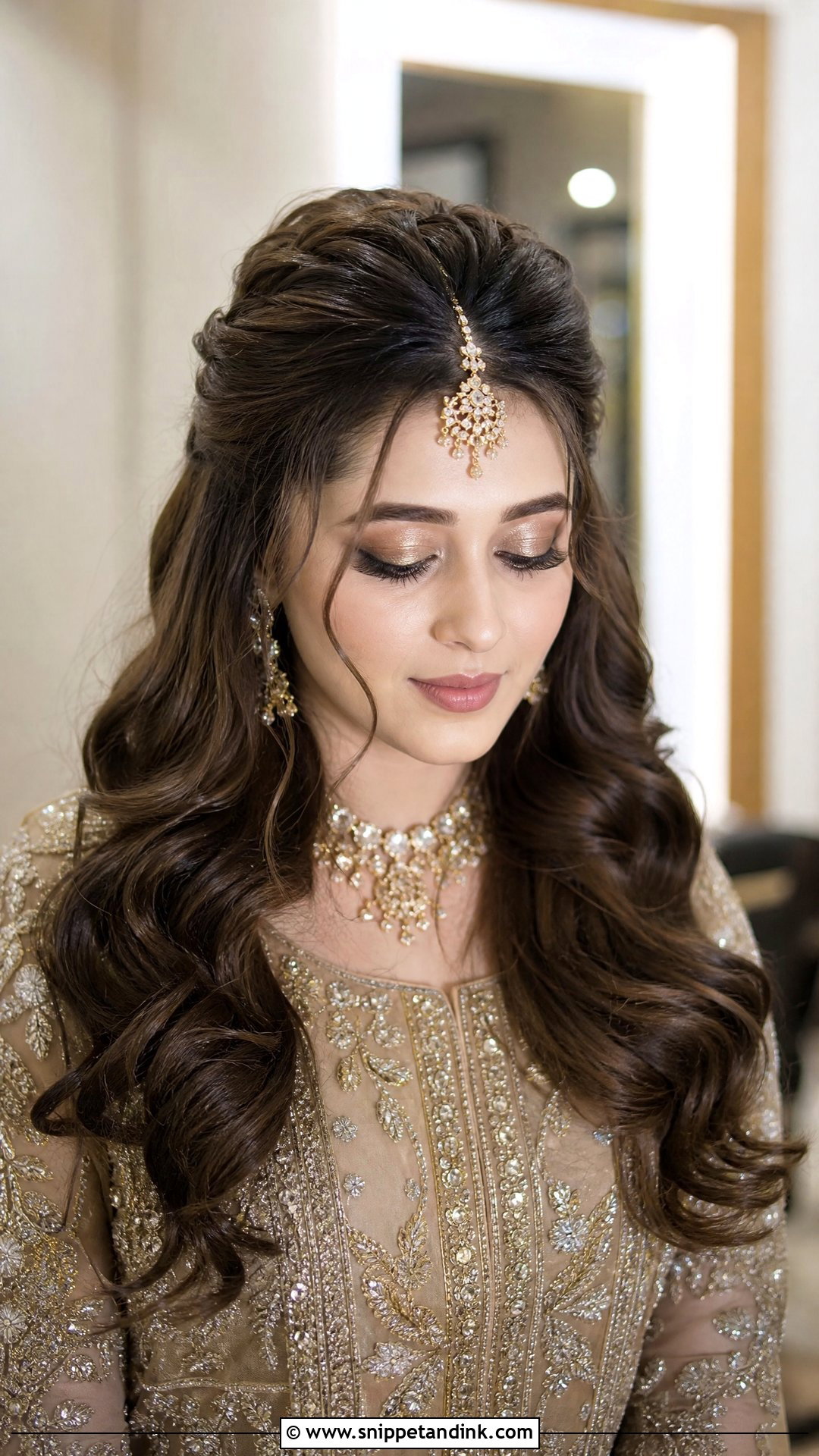
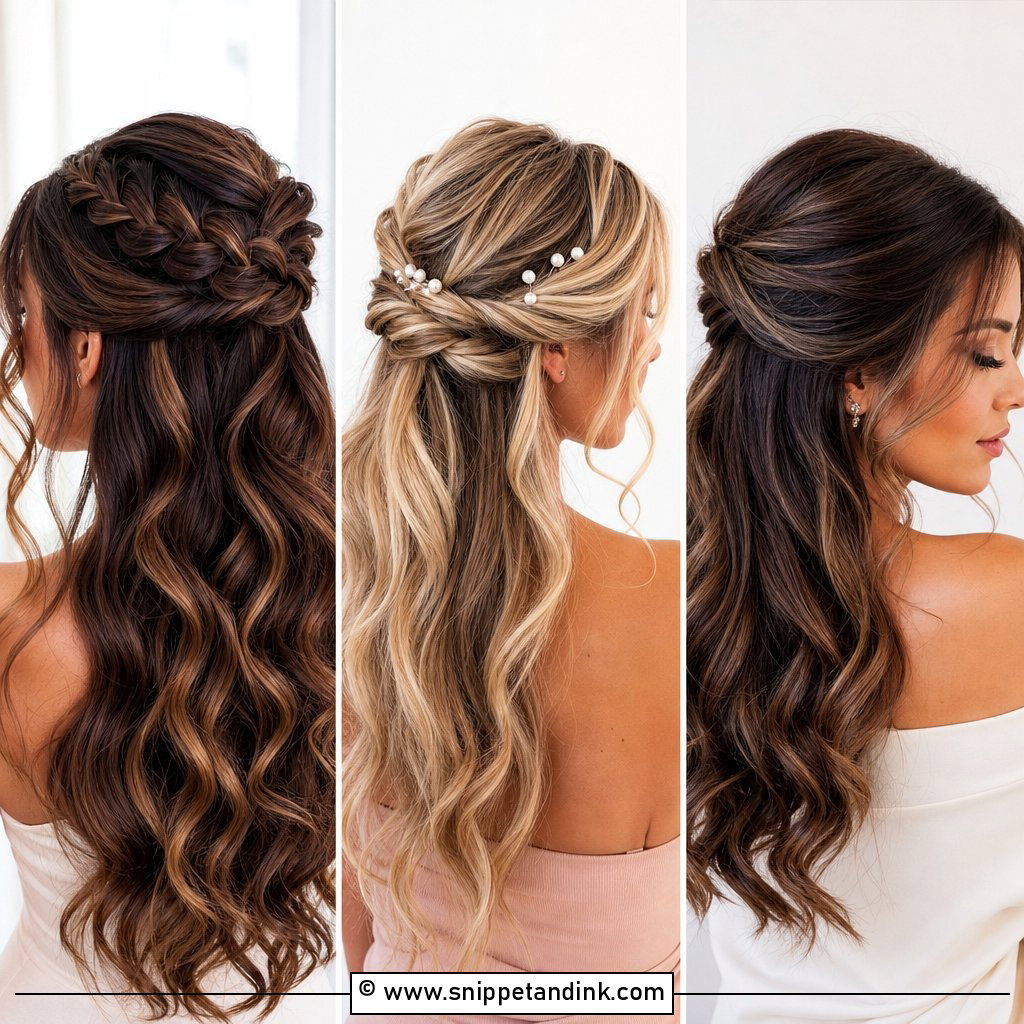
Half up, half down keeps the front off your face and the length free. I pin the crown section firmly, because it’s what holds the maang tikka hook and the dupatta pins. A thin twist or braid on each side adds detail and grip. The loose curls below let the dupatta fall naturally over your back. On fine hair, I’ll add a small padding under the crown so the pinned section doesn’t look flat once the dupatta is on.
4. Braided Crown With Fresh Flowers
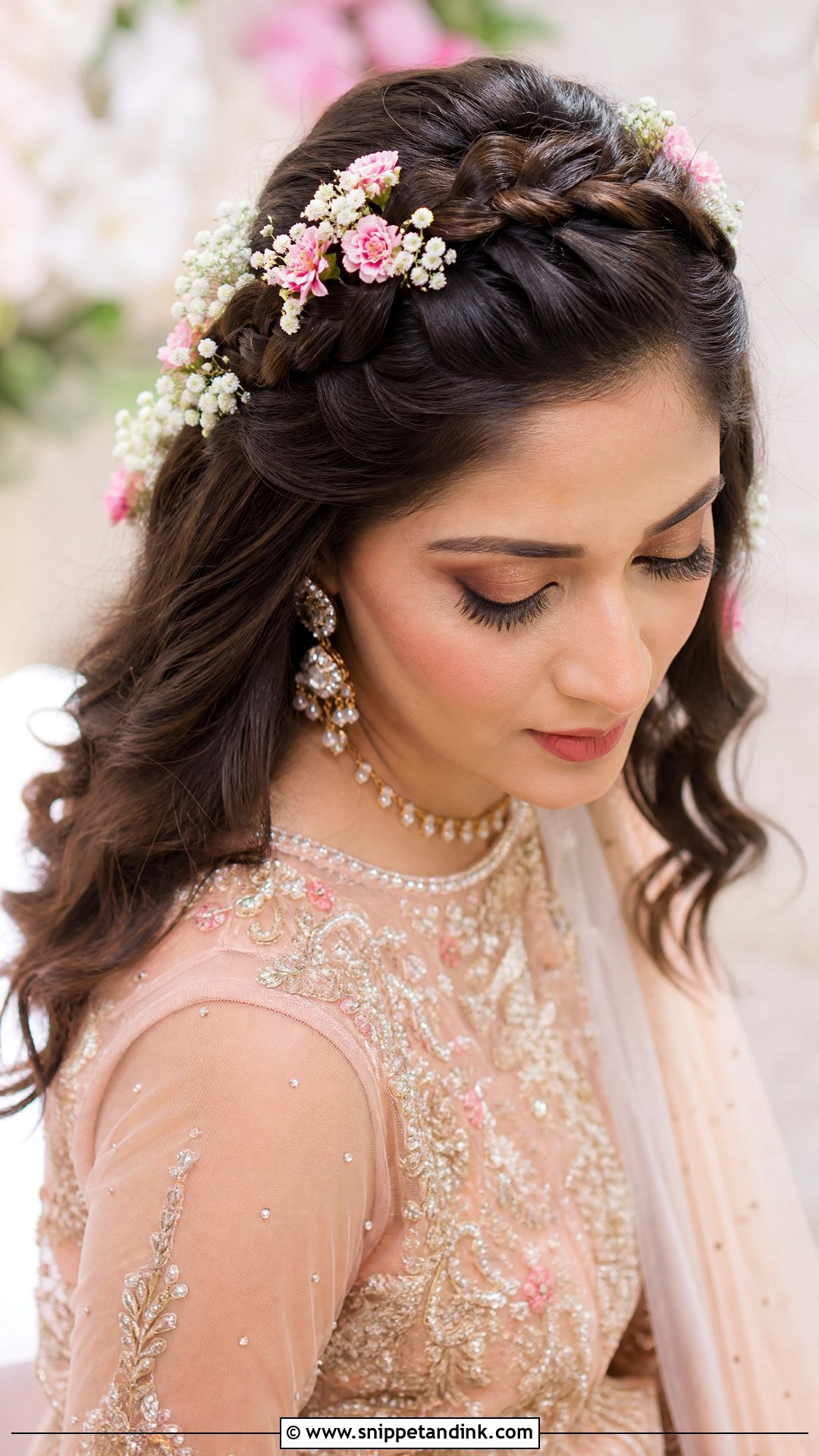
A braided crown keeps hair entirely off the neck, which makes it one of the coolest options for summer or daytime walimas. Real or fabric flowers tucked into the braid can match the outfit. Long, thick hair gives the fullest crown; on finer hair I use a clip-in braid wrapped around your own. The braid sits where a heavy dupatta would normally pin, so this style suits a lighter dupatta draped behind the shoulders rather than over the head.
5. Front Puff With Open Curls
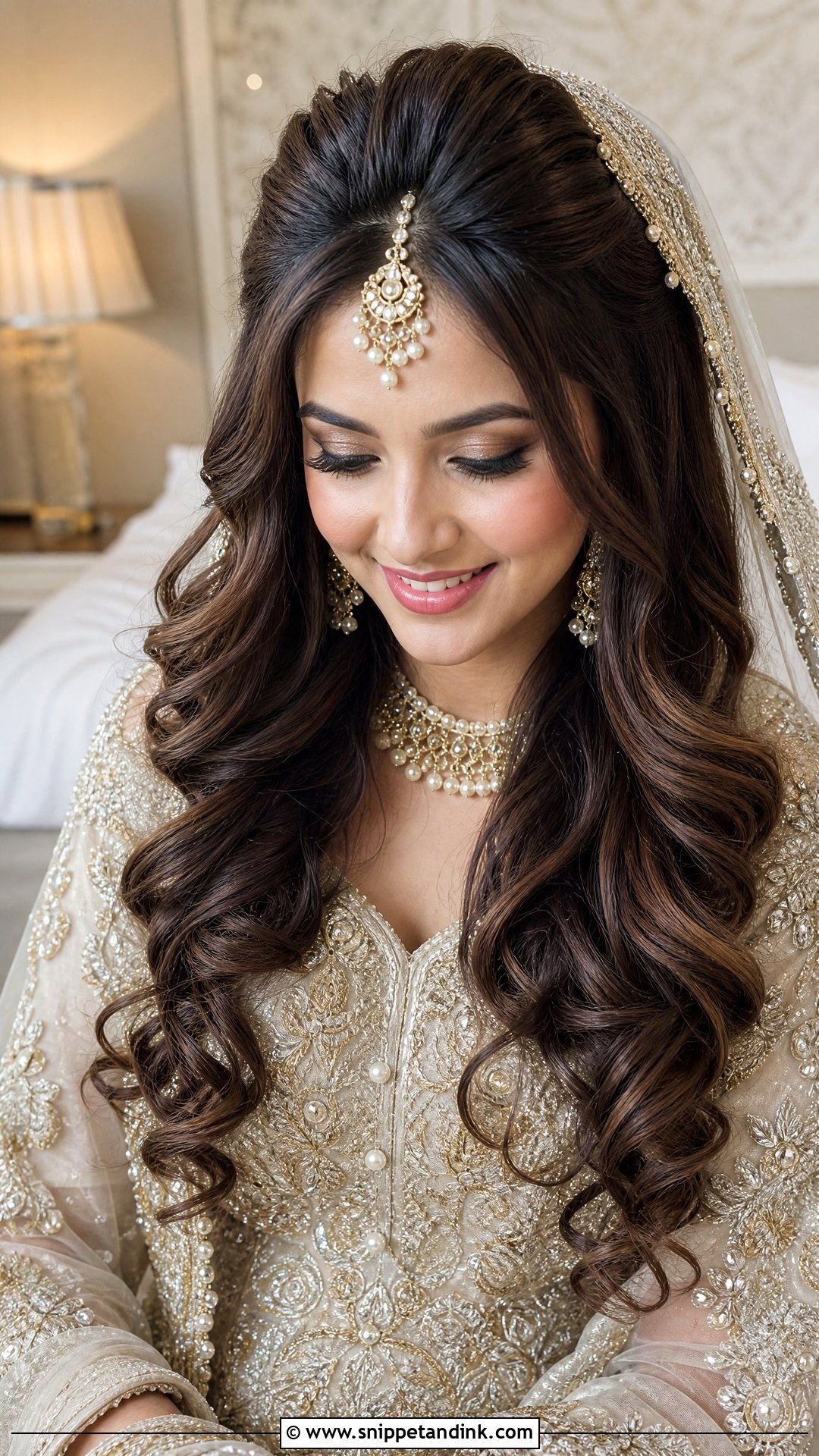
The front puff lifts the crown and lengthens the face, which is why it’s so common in Pakistani bridal styling and especially flattering on rounder faces. Under the puff, the length falls in curls. I build the puff on a teased base and anchor it with crossed pins, then rest the tikka just in front of it. The puff can sink under a heavy dupatta, so I pin the dupatta behind the puff, not on top.
6. Sleek Low Ponytail
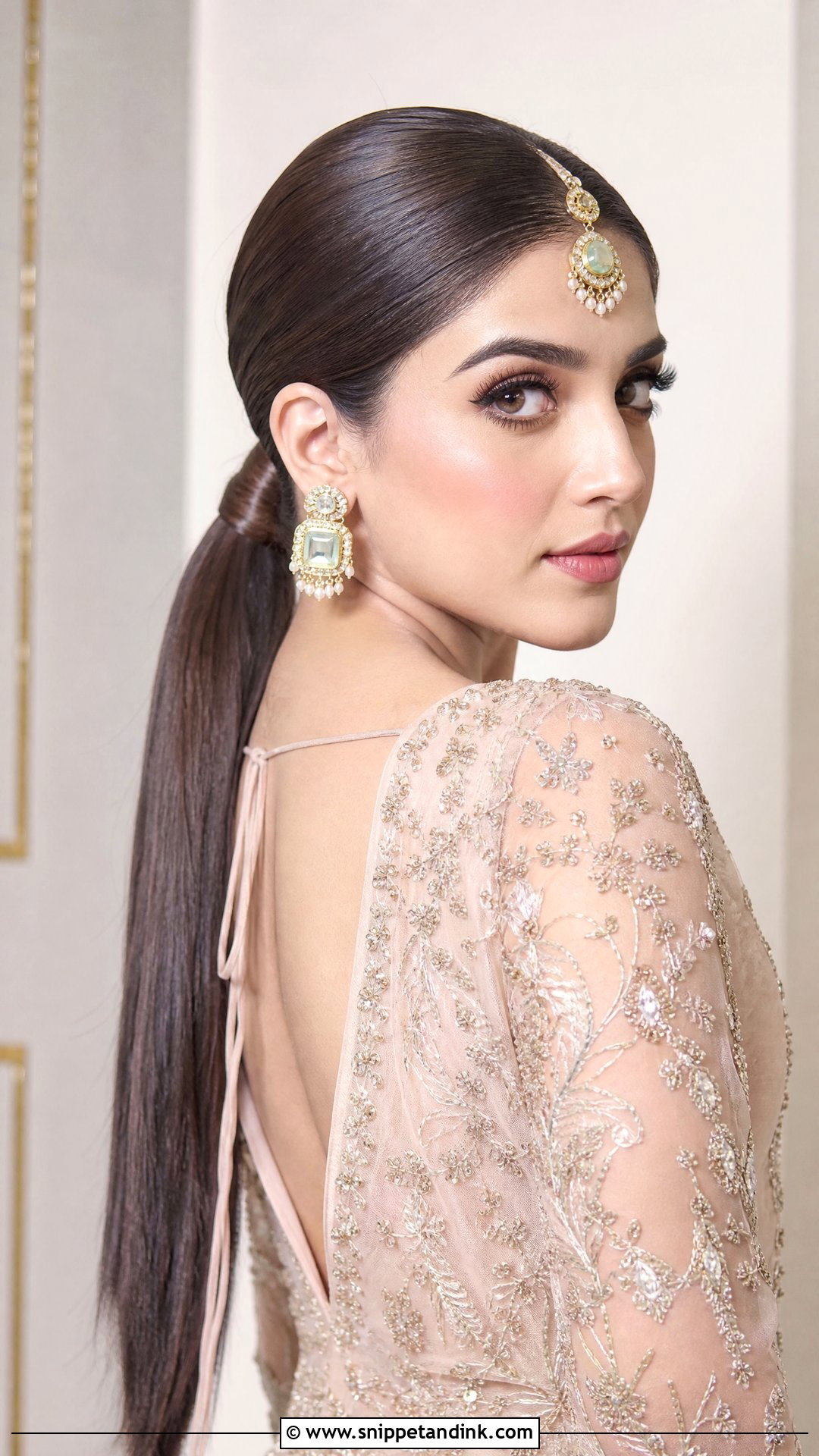
A sleek low ponytail is the minimalist walima option. Pulled back smooth, it puts the focus on statement earrings and a bold tikka. I wrap a section around the elastic and pin it in place, and run shine spray over the top. The low position looks bridal rather than sporty, and the neat hairline sits well under a dupatta. Sleek styles show every flyaway, so I’d skip it if your hair has a lot of short new growth at the front.
7. Messy Bun With Loose Strands
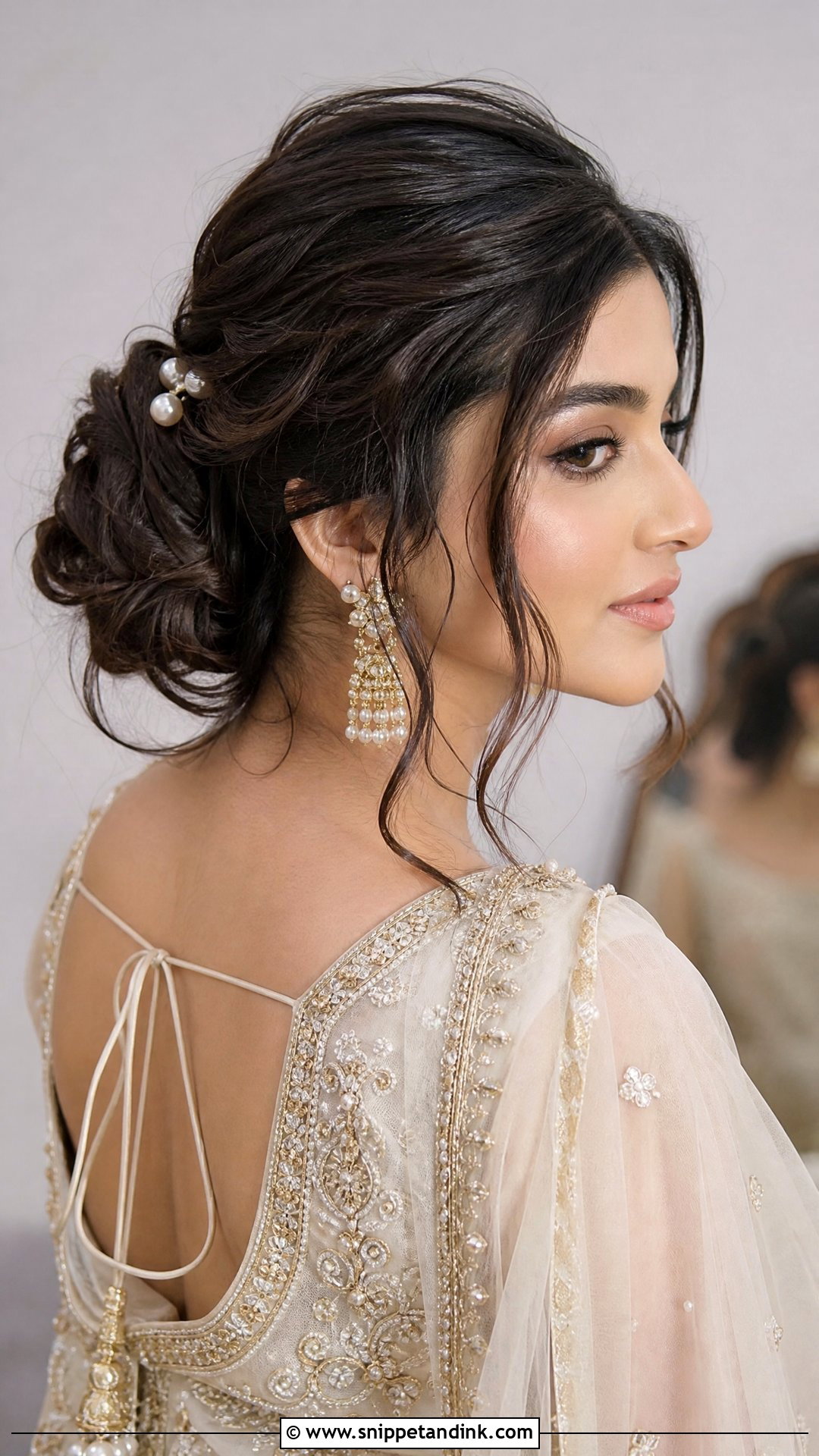
A loose bun gives a relaxed, airy finish, and the texture makes thinner hair look fuller. I pin the base securely first, then loosen it with my fingers and leave a few strands at the face. Small flowers or pearls slot easily into the gathered curls. It pairs naturally with a light, floaty dupatta draped over one shoulder. For a bride who wants comfort over polish, this is the most forgiving style here.
8. Side Swept Curls With Side Part
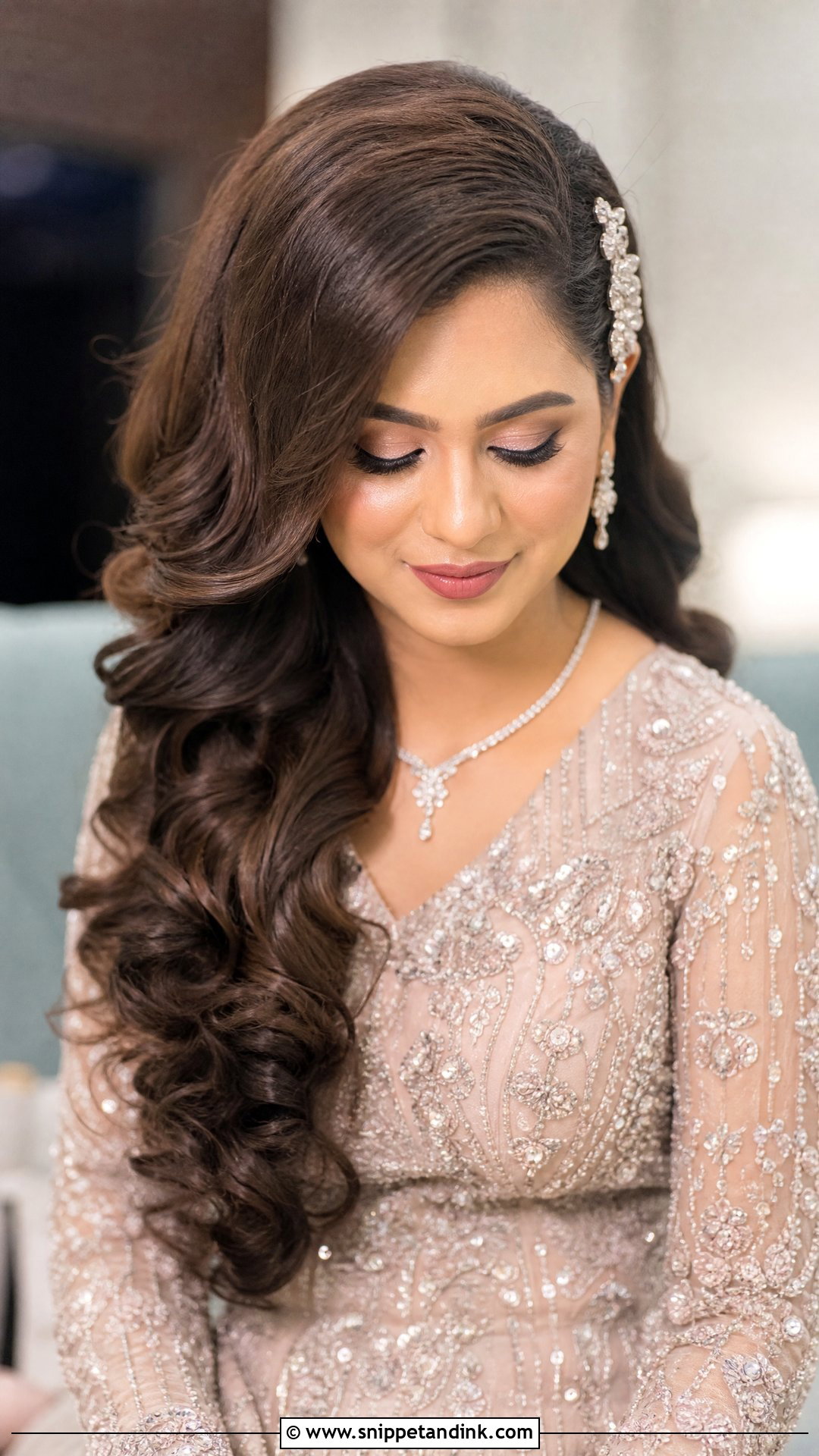
Sweeping curls over one shoulder draws attention to the opposite side, which then carries the jewellery and the dupatta. A deep side part adds volume on top. I pin the far side flat behind the ear with criss-crossed bobby pins so the curls stay put. Medium to long hair suits it best. A sparkly clip at the parting adds a final accent.
9. Floral Low Bun With Gajra
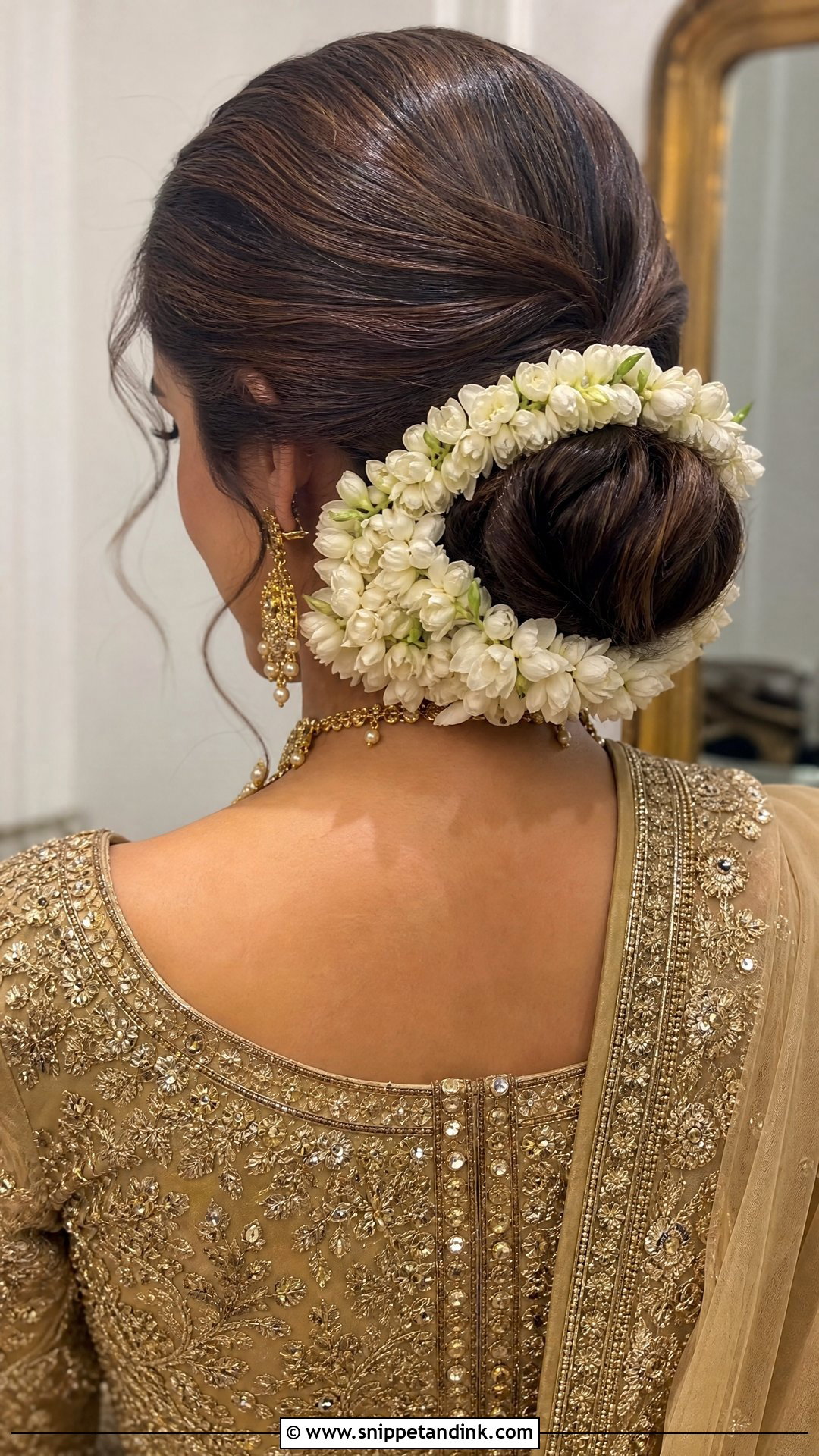
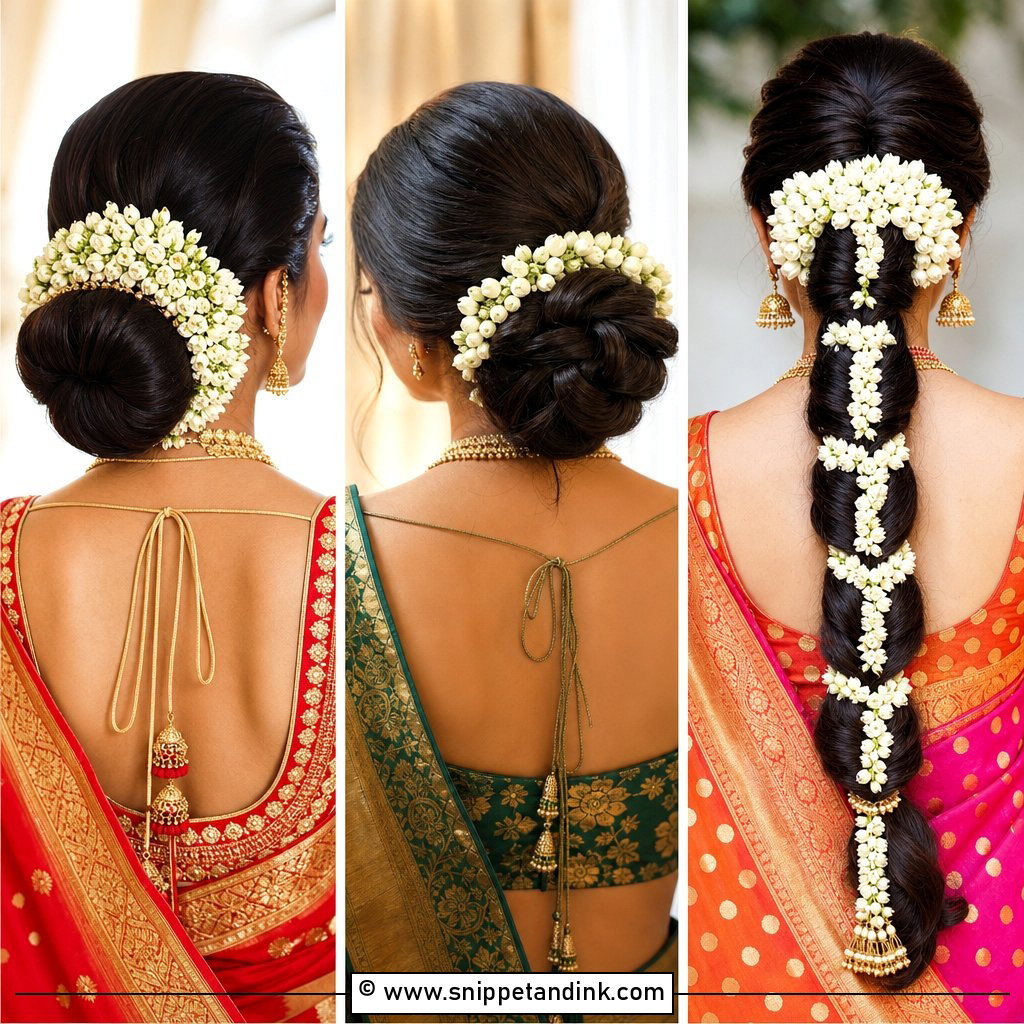
A gajra of fresh white flowers around a low bun is a South Asian tradition I love working with. Jasmine and mogra smell wonderful but wilt and brown within a few hours in warm rooms, so I ask for the gajra to be delivered close to the time of styling and kept cool until then. The bun stays smooth so the flowers become the focus. It sits well with heavy and light dupattas, and especially suits warm evening receptions.
10. Twisted Half Updo
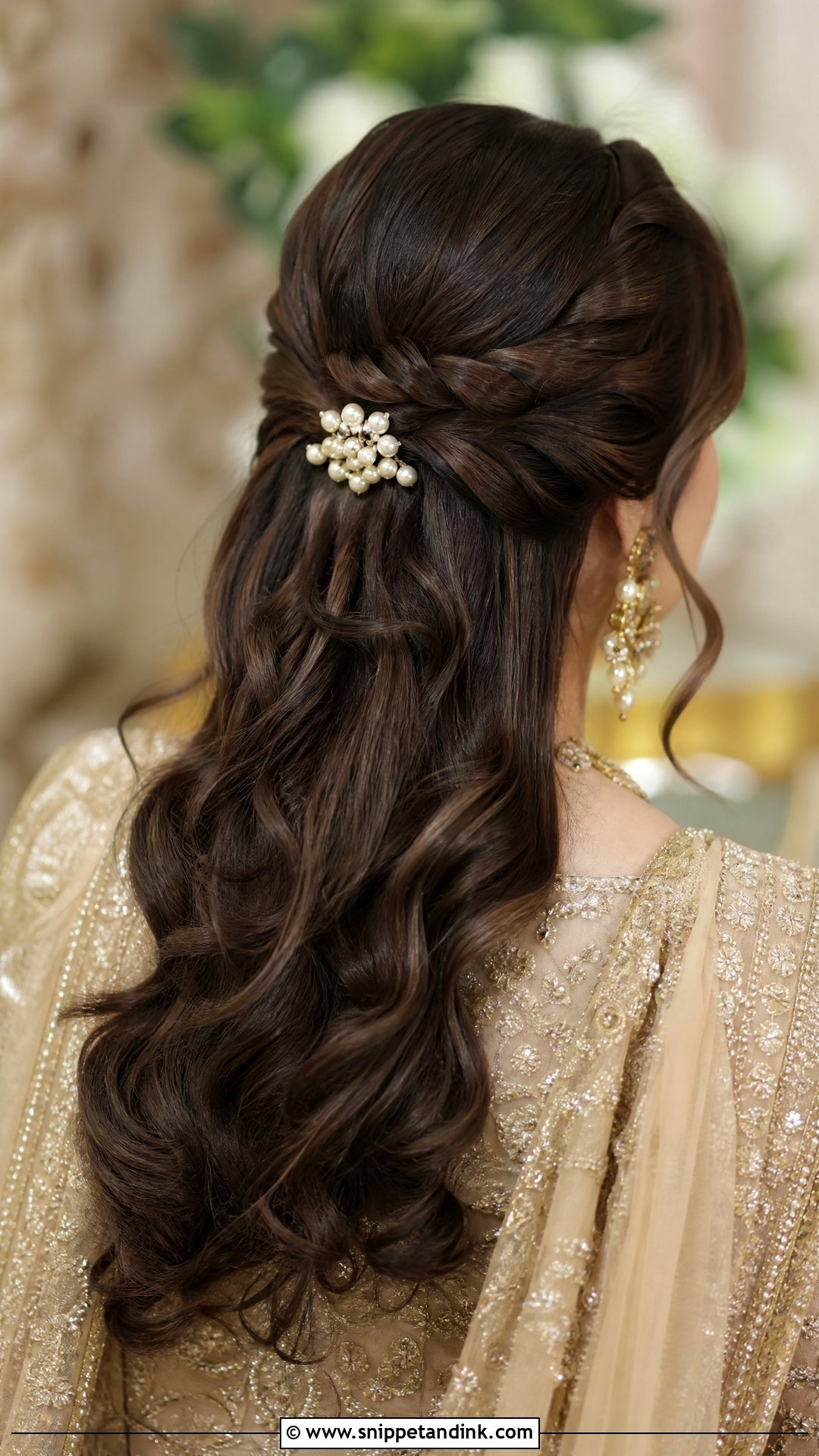
Twisting two sections from each side of the face and pinning them at the back gives detail and keeps hair from falling forward during the evening. The rest falls in soft waves. Because the twists lock the crown, jewellery sits securely in the parting. It works on most lengths. A pearl pin where the twists meet hides the bobby pins underneath.
11. Voluminous Curly Blowout
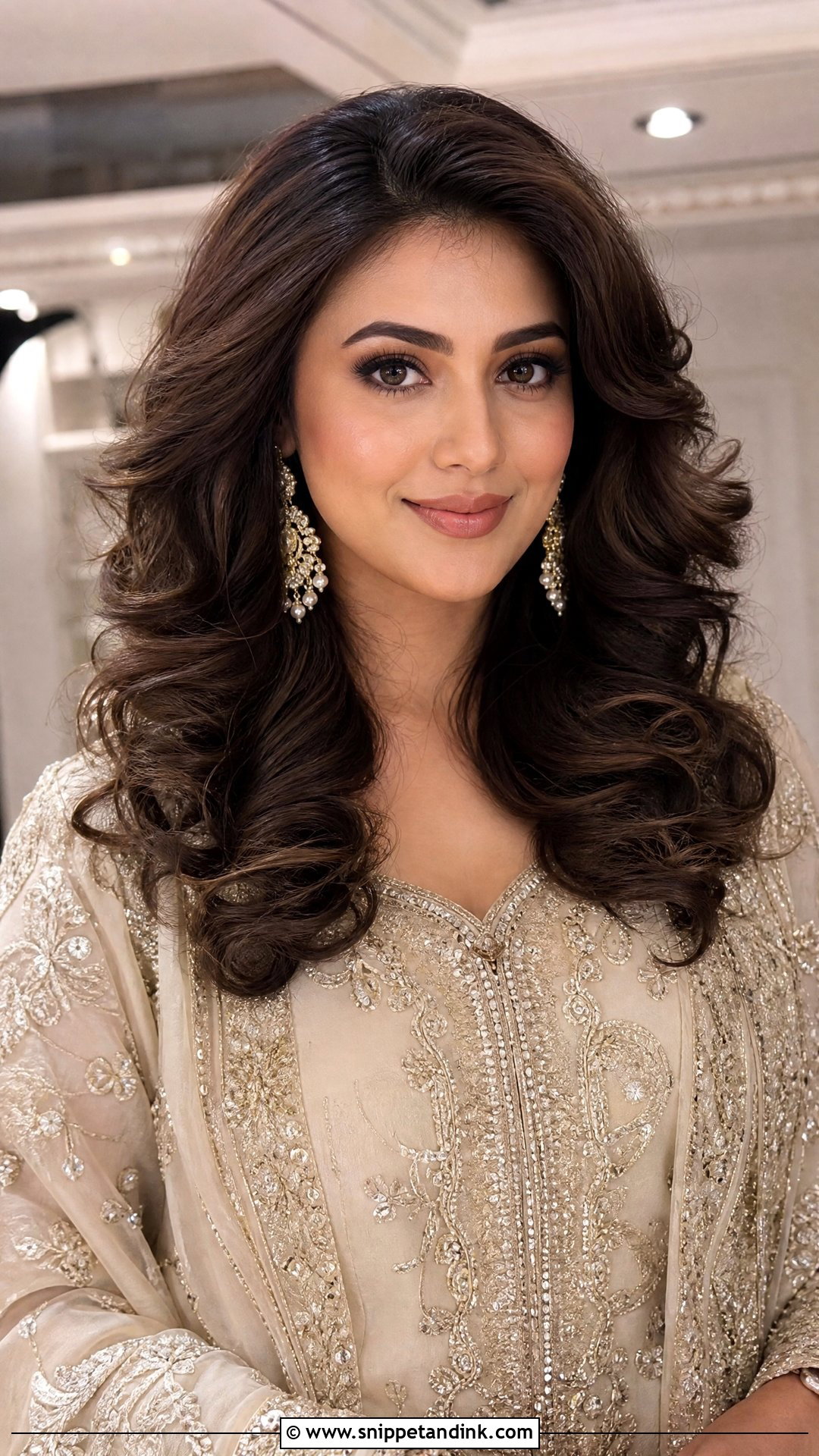
A voluminous blowout gives bouncy, rounded body with ends that flick outward. I dry with a round brush, then set the ends in large rollers while you get dressed. Centre or side part both work. It pairs well with statement earrings and a light dupatta. Volumising spray at the roots helps keep lift, but a blowout softens in humidity, so in a warm hall I’d pin the dupatta loosely to avoid flattening the crown.
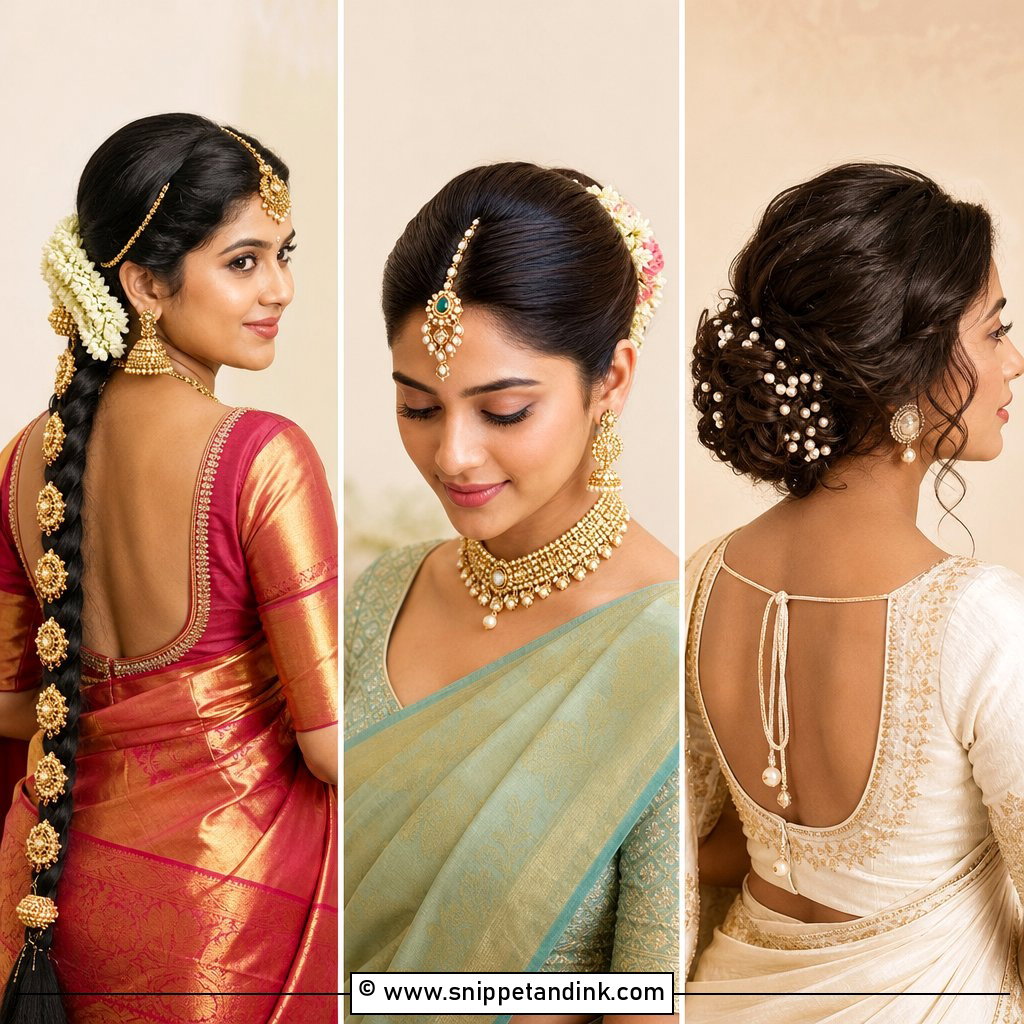
12. Bridal Bun With Pearl Pins
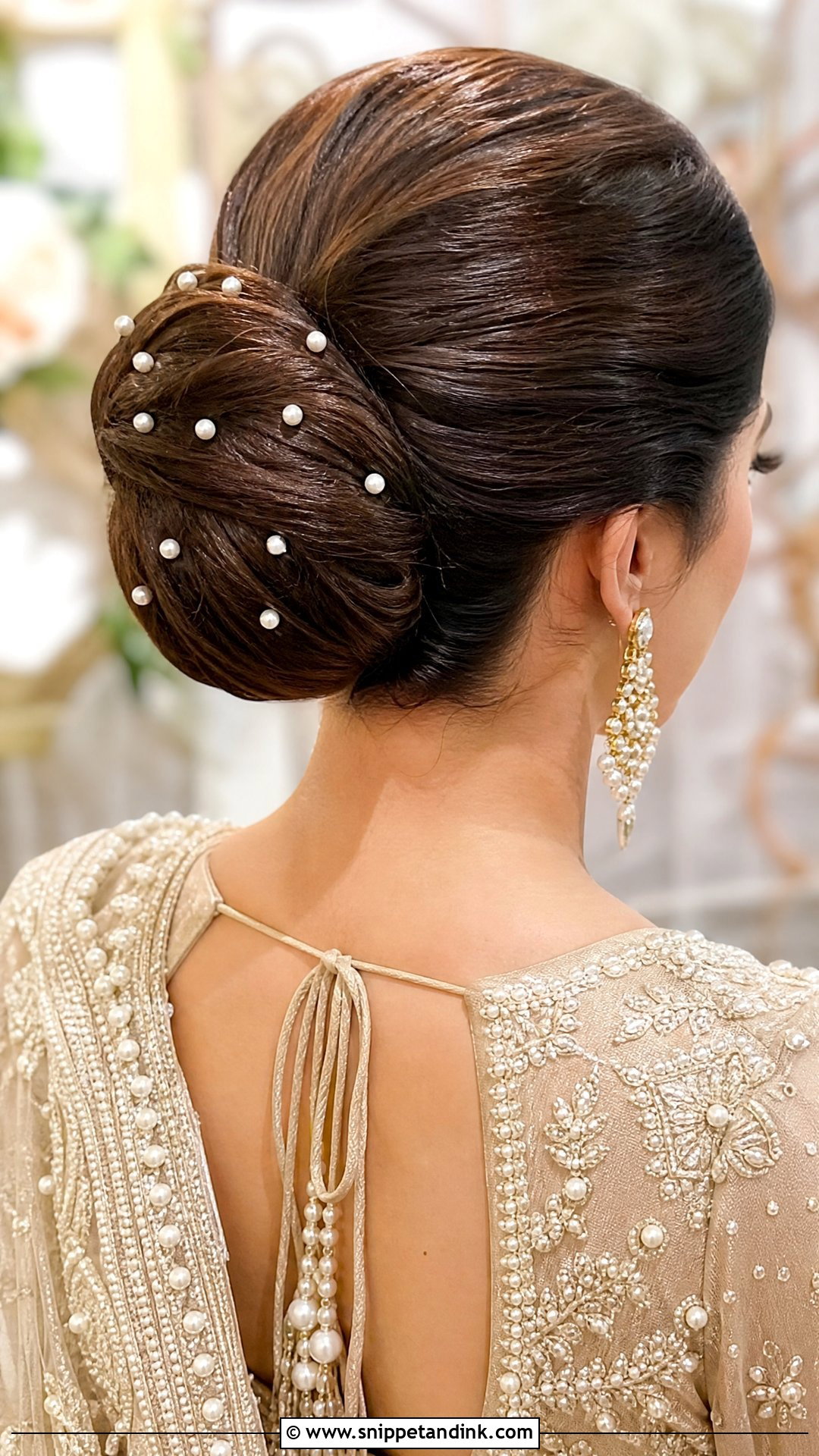
Scattered pearl pins on a smooth bun add shimmer without weight. I place the bun low or mid-height depending on where the dupatta will pin, then push the pearls in at slightly irregular spacing so they look scattered. Pearls are especially pretty with white, ivory or pastel walima outfits. The style suits all hair types and face shapes.
13. Loose Fishtail Braid
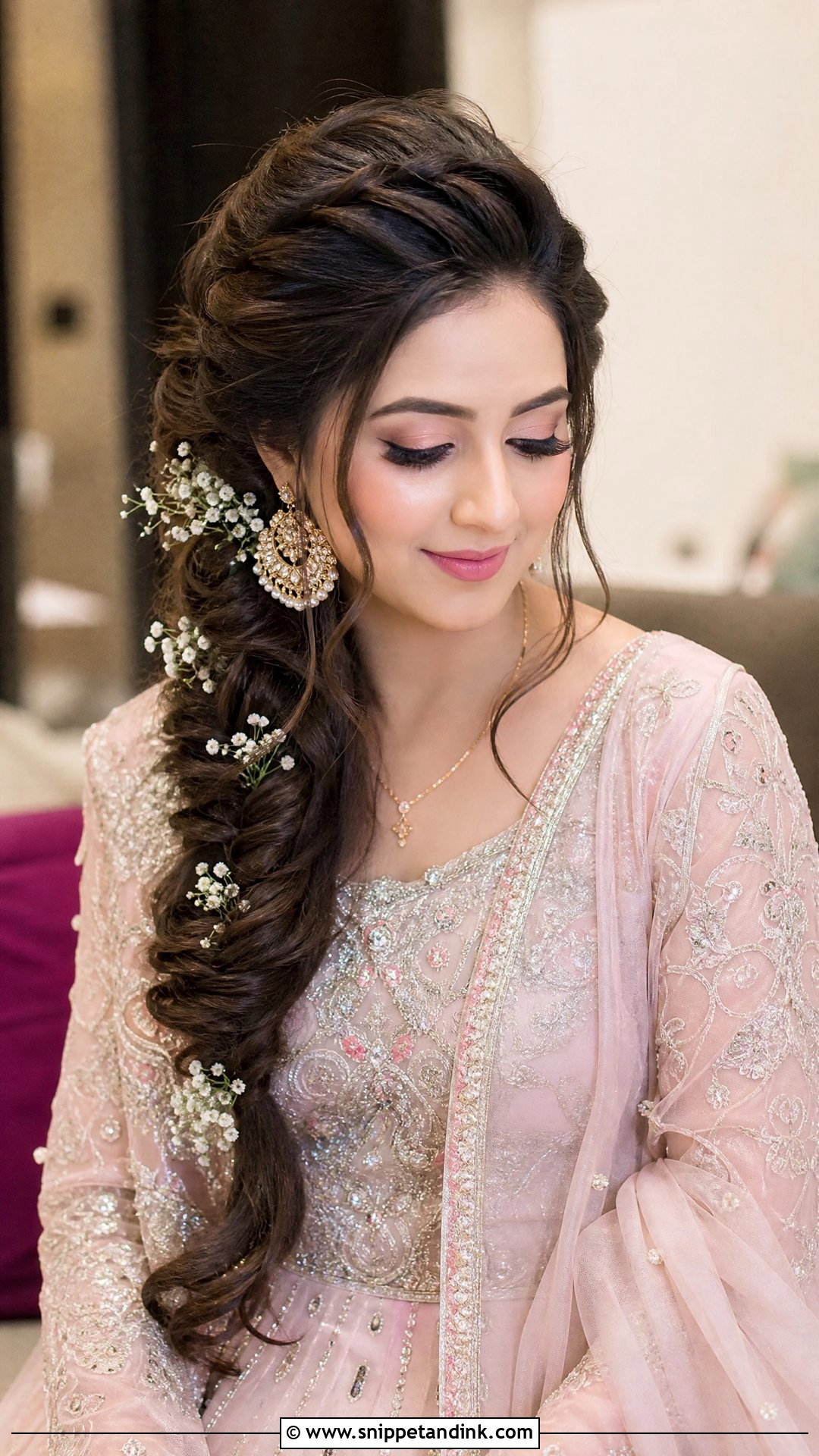
A fishtail takes longer to braid than a regular three-strand, but it holds well and looks more intricate. I braid it fairly tight, then pull the edges gently loose so it looks full. It drapes over one shoulder, leaving the other clear for jewellery. Long, thick hair gives the best result. Tiny flowers or pearls along the braid add detail, and it pairs well with a light dupatta and a soft front puff.
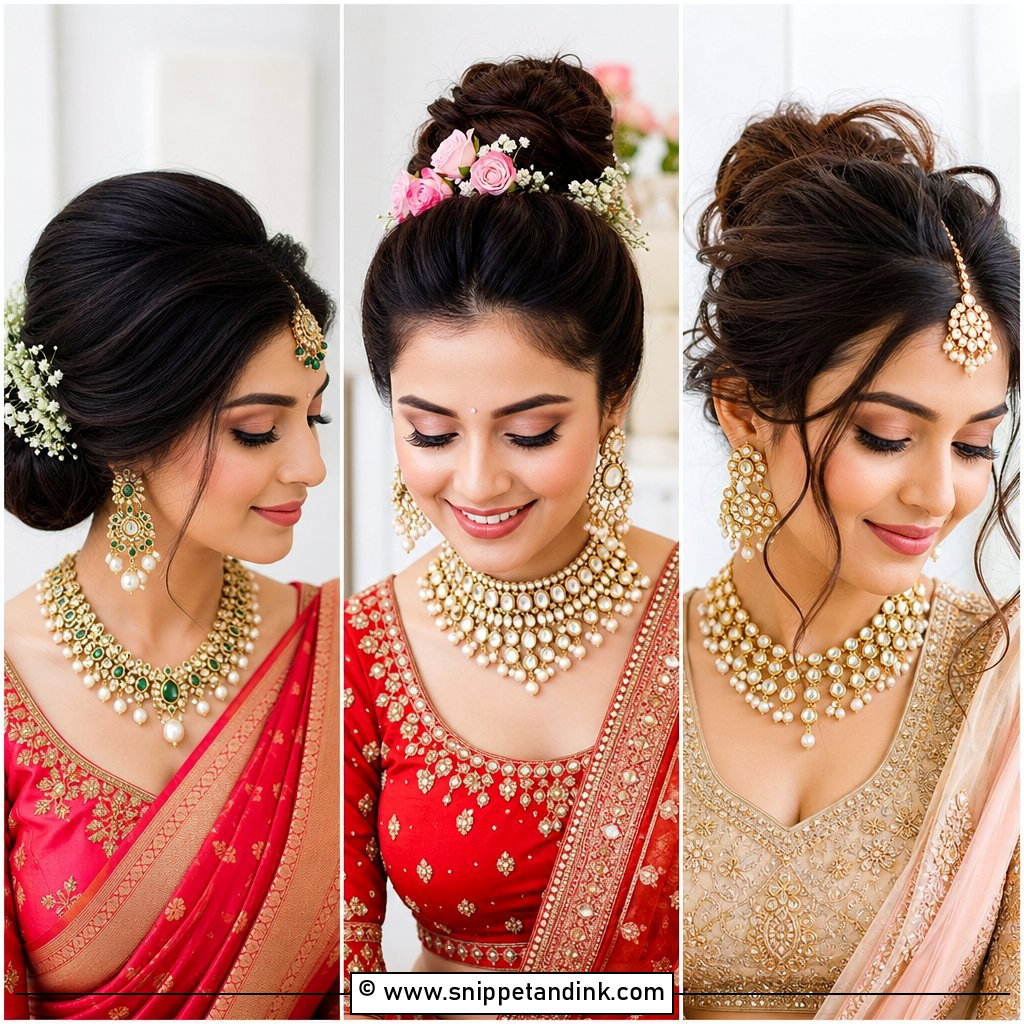
14. Curly Updo With Maang Tikka
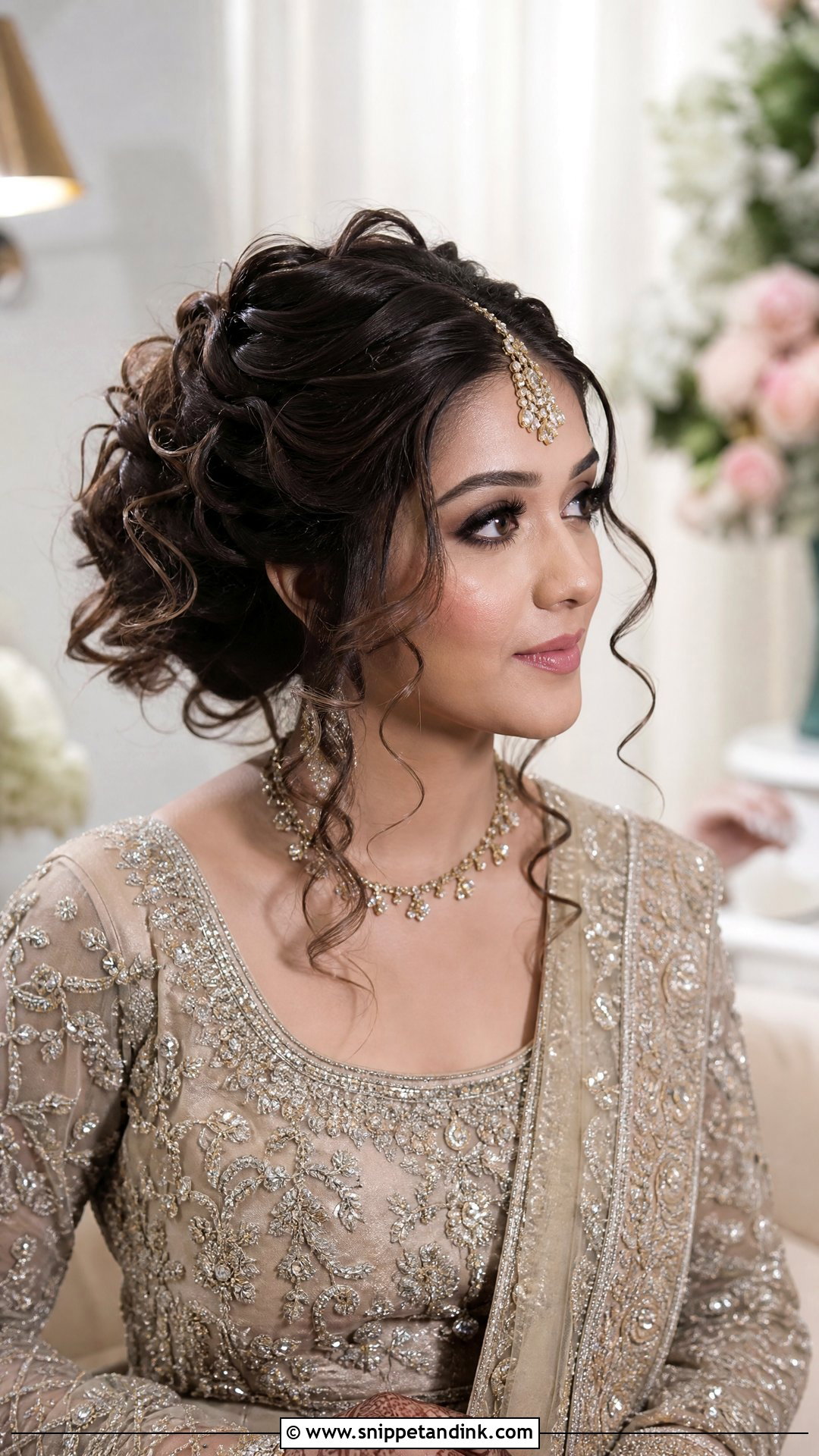
A curly updo pins your curls into a soft shape at the crown, leaving a few peeking out for dimension. Everything is lifted, so the tikka and earrings are fully on show, and the neck stays cool during a long reception. I keep the curls defined rather than brushed out, which stops the updo looking stiff. Face-framing tendrils soften it. It carries heavy and light dupattas, as long as the dupatta pins below the curls.
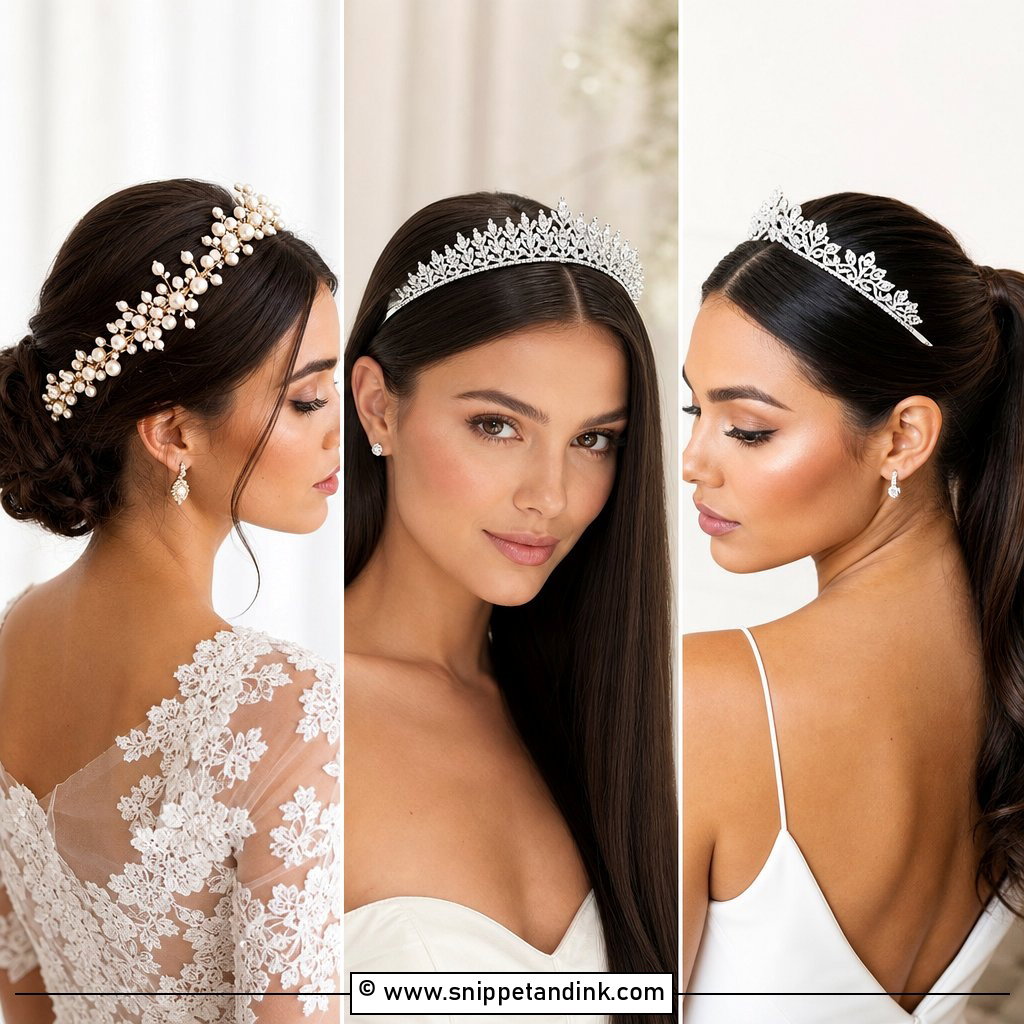
15. Beachy Waves With Center Part
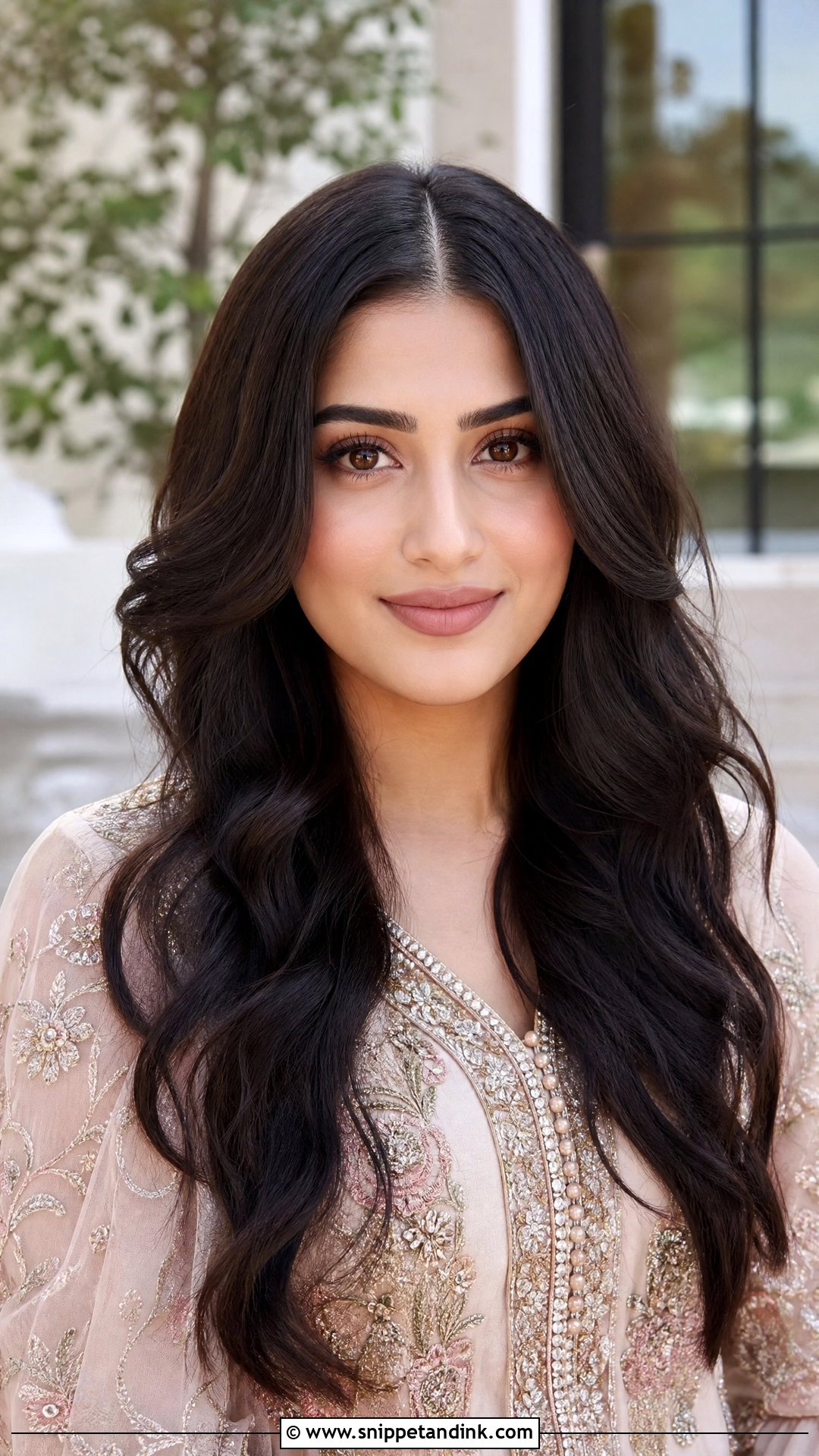
Centre-parted beach waves are the most relaxed style here, and the most modern. The loose, tousled texture pairs with clean, minimal jewellery and daytime or outdoor receptions. I use a texturising spray for a piecey finish. Naturally wavy hair takes this style almost without effort. Loose hair can tangle with dupatta embroidery, so a smooth-edged dupatta suits it best.
16. Rose Adorned Side Bun
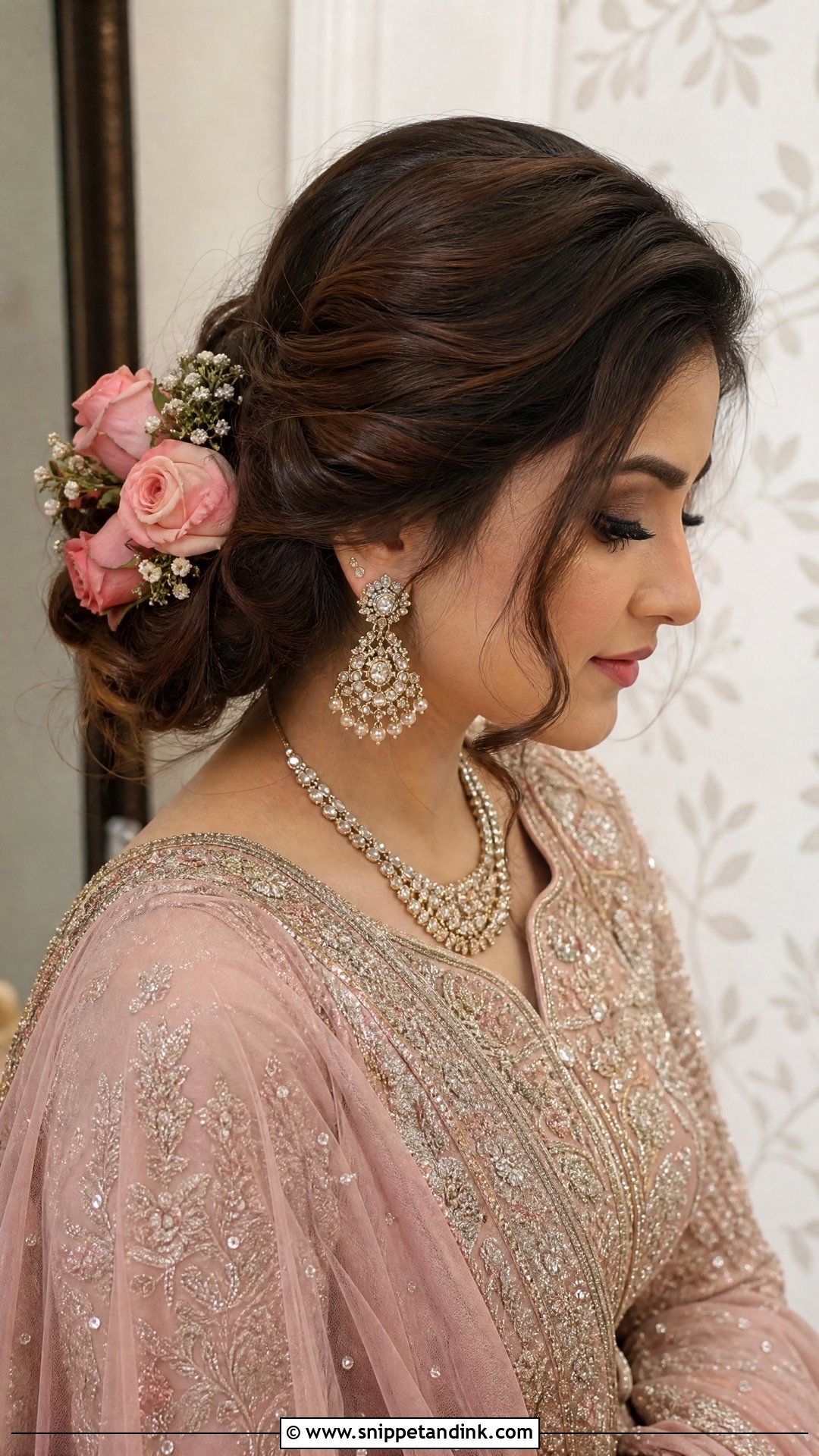
A side bun just behind the ear is a little unexpected, and it leaves the opposite shoulder open for jewellery and the dupatta. Adding a fresh rose or a cluster of small blooms makes it a feature. I anchor it low so it stays comfortable and secure when you turn your head. Soft tendrils at the face finish it. It’s especially pretty in profile photos.
17. Sleek Straight Hair With Center Part
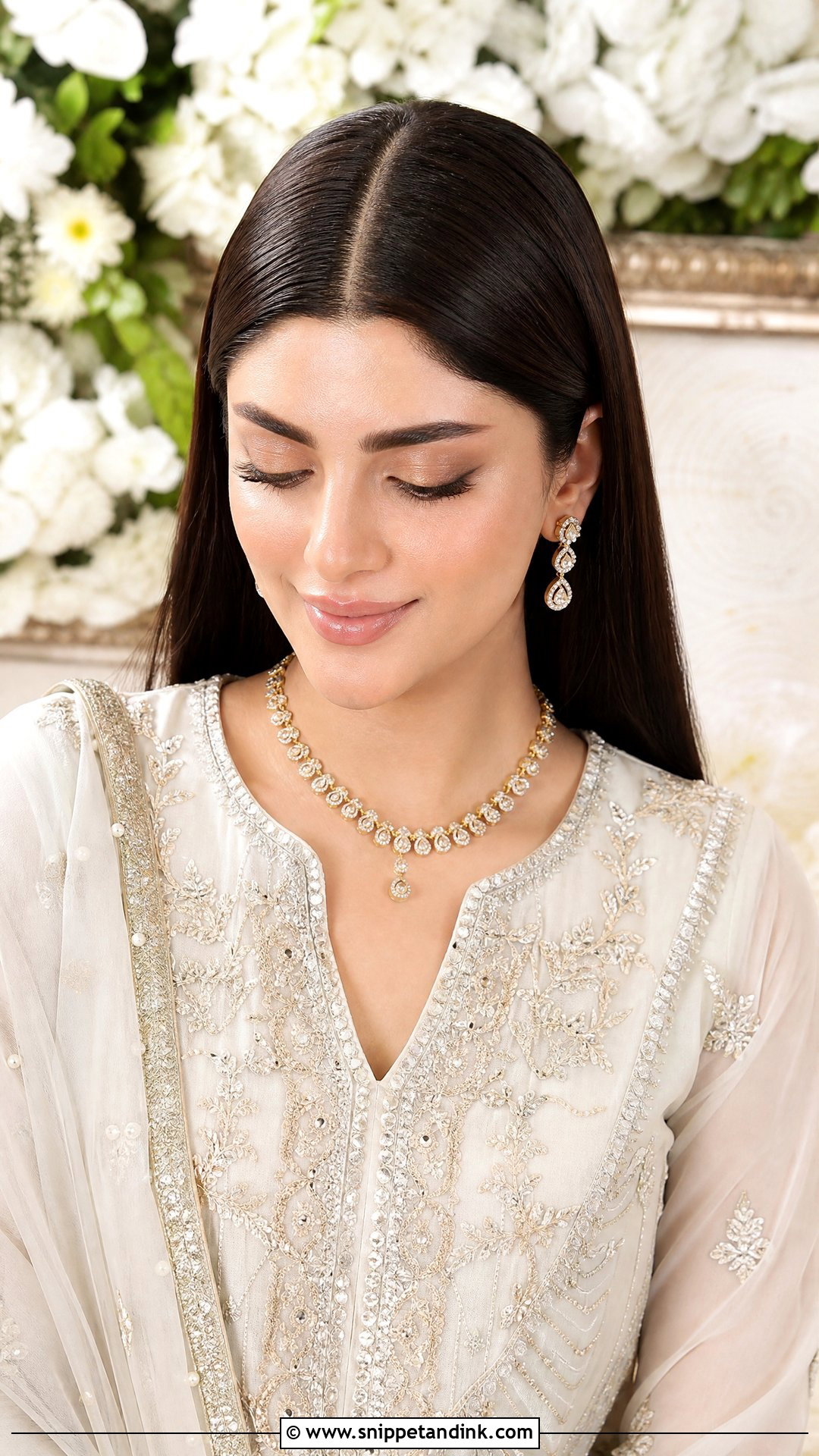
Sleek, straight hair with a sharp centre part puts all the focus on the jewellery and your face. I use a smoothing serum and a flat iron in thin sections to get real shine. It sits well with a light dupatta draped behind the shoulders. Long, healthy hair suits it best; damaged ends show clearly on straight hair, so a trim a few weeks before helps. It’s the quietest option, and that’s its appeal.
18. Vintage Roll Updo
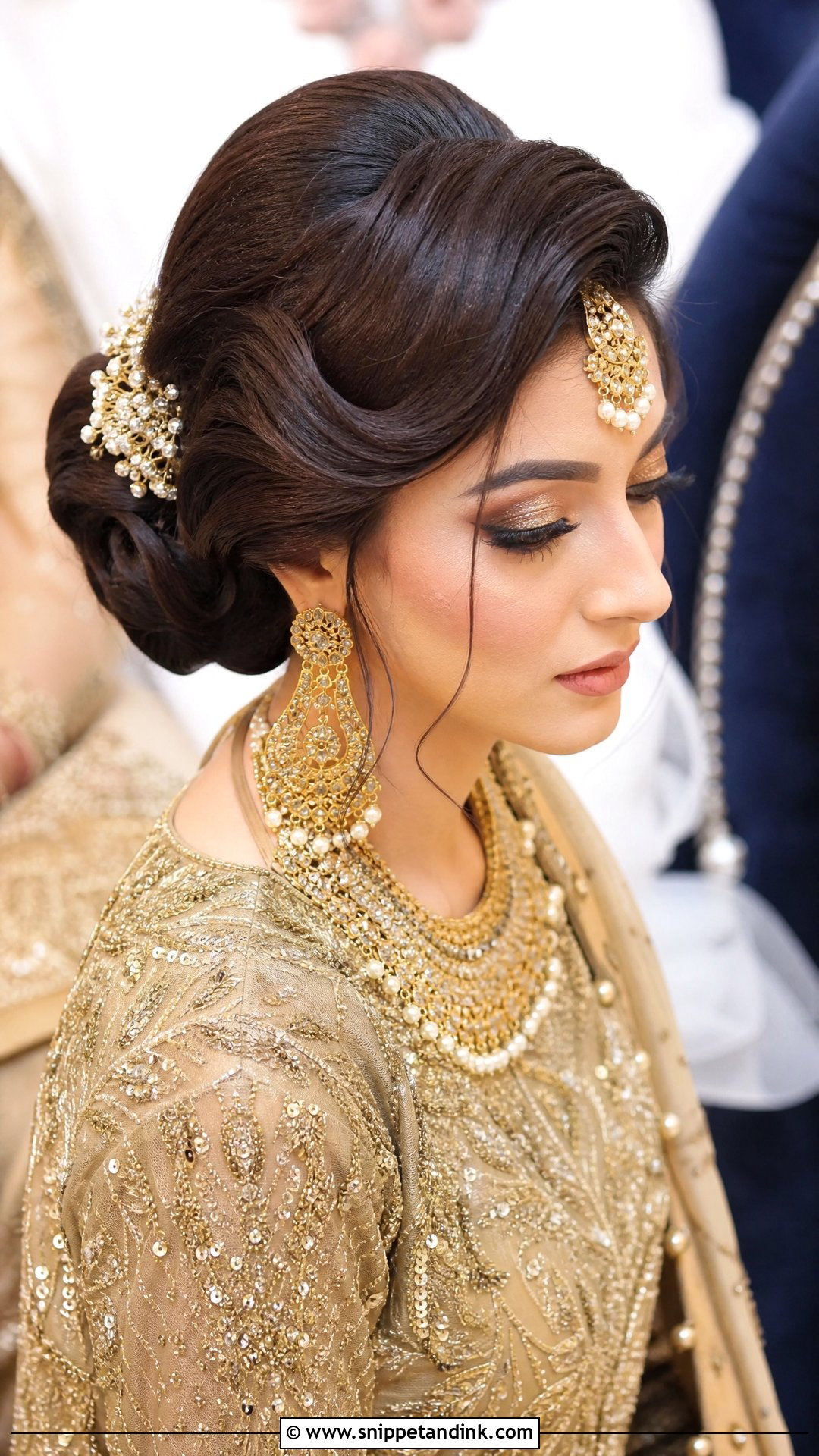
Vintage rolls are sculpted curves pinned close to the head, which makes them one of the most secure styles on this list. The clean lines show statement earrings and a maang tikka well. I set the hair first so the rolls have body, then shape and pin each one. A jewelled clip adds sparkle. It holds firmly all evening and looks especially graceful in side profile.
19. Curtain Bangs With Soft Curls
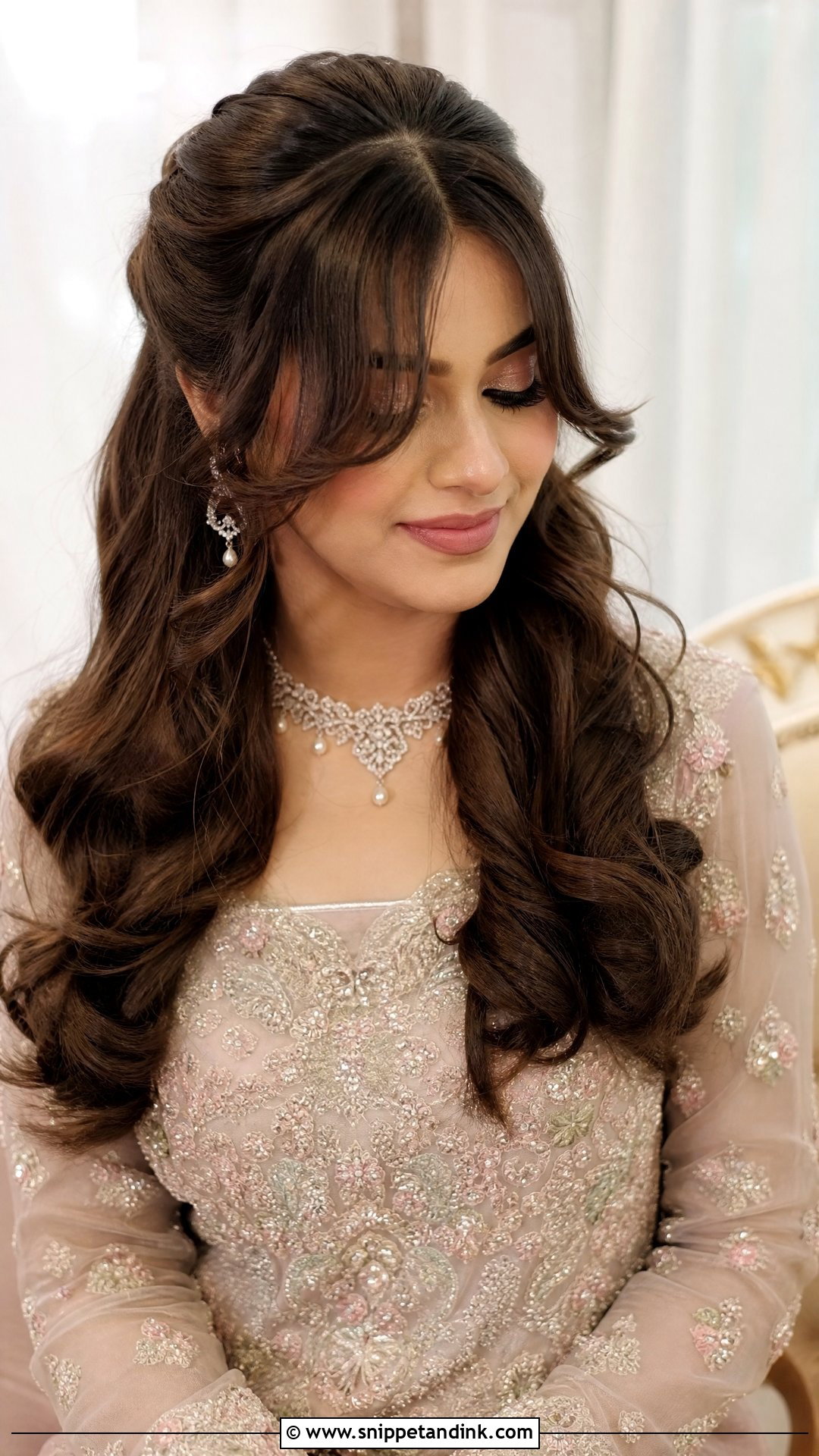
Curtain bangs sweep to each side and draw attention to the eyes, and soft curls through the length add movement. They work with a half up style or loose curls. One practical point: a maang tikka chain and curtain bangs compete for the same space, so I’ll set the bangs slightly wider so the tikka can sit cleanly in the parting. Bangs cut in the last week before the wedding tend to sit too short, so trim earlier.
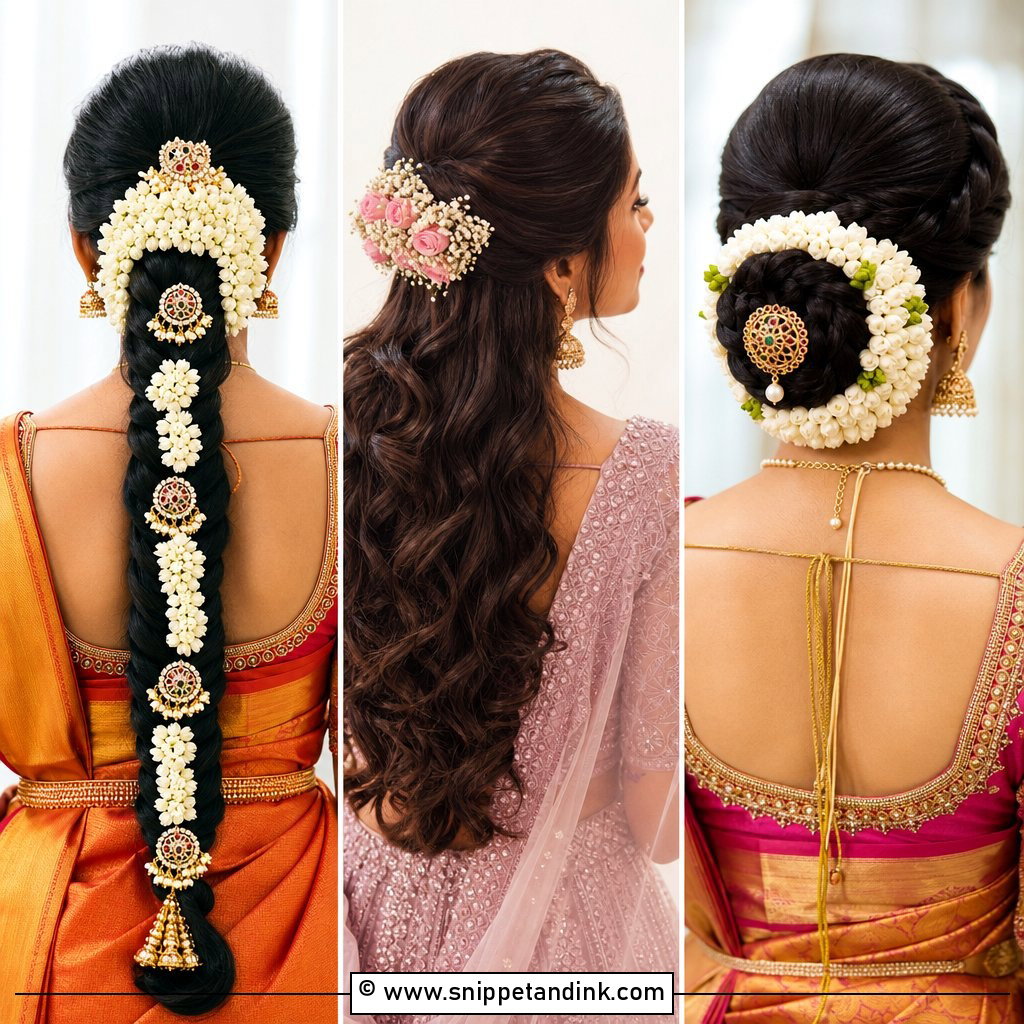
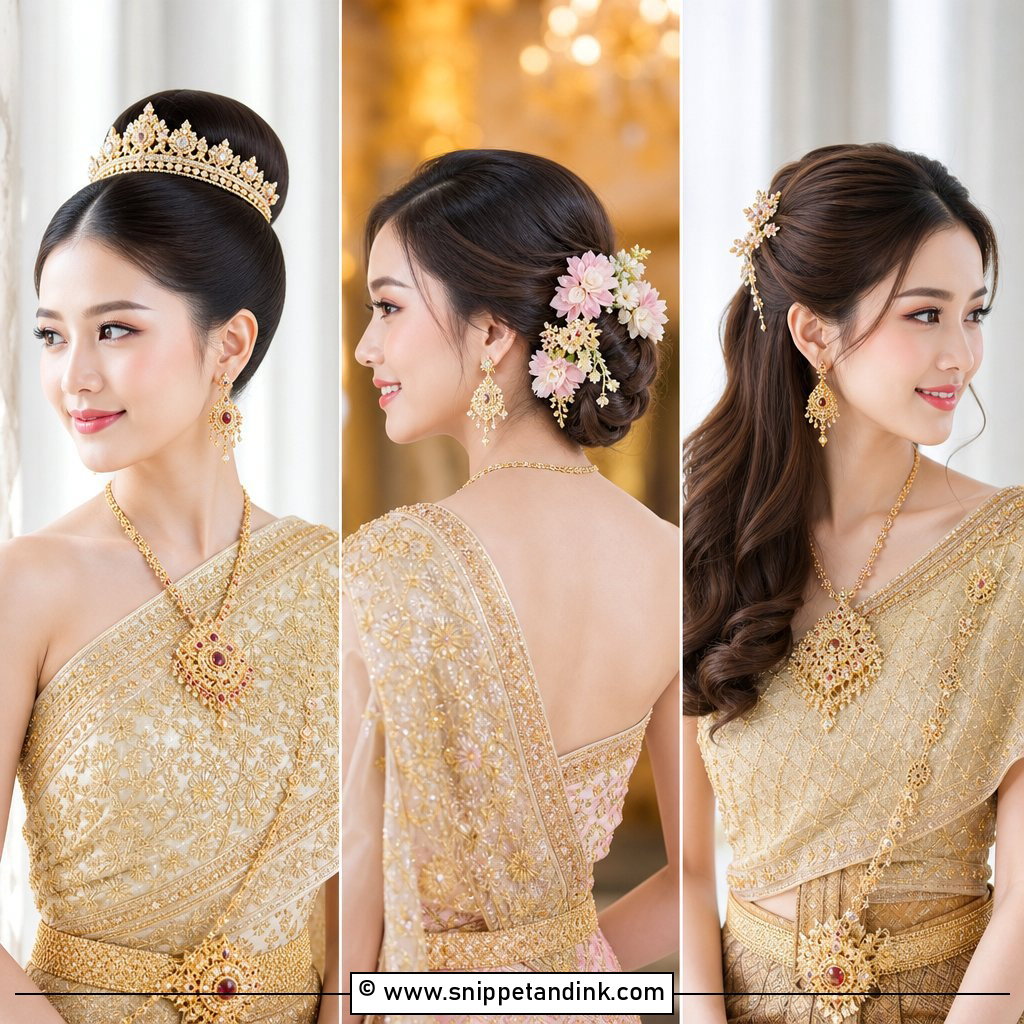
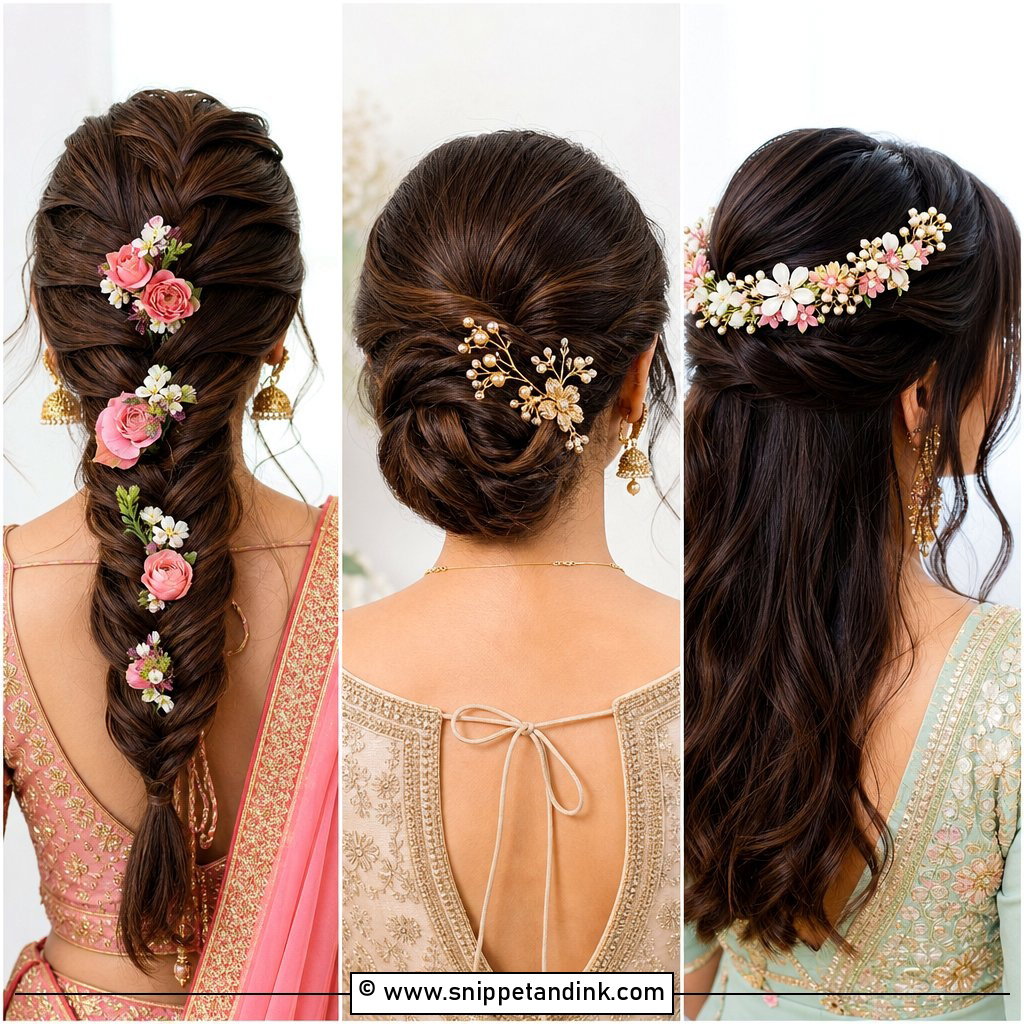
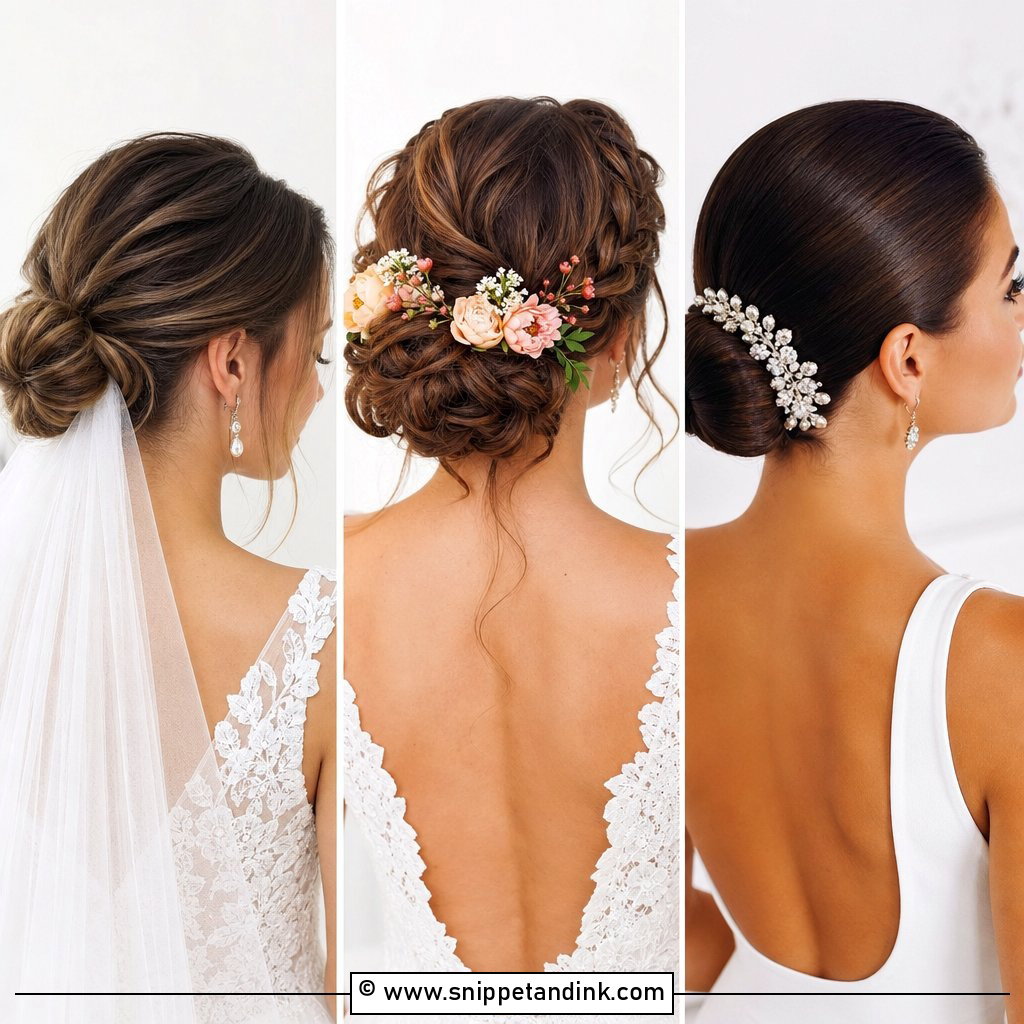
20. High Bun With Statement Jewelry
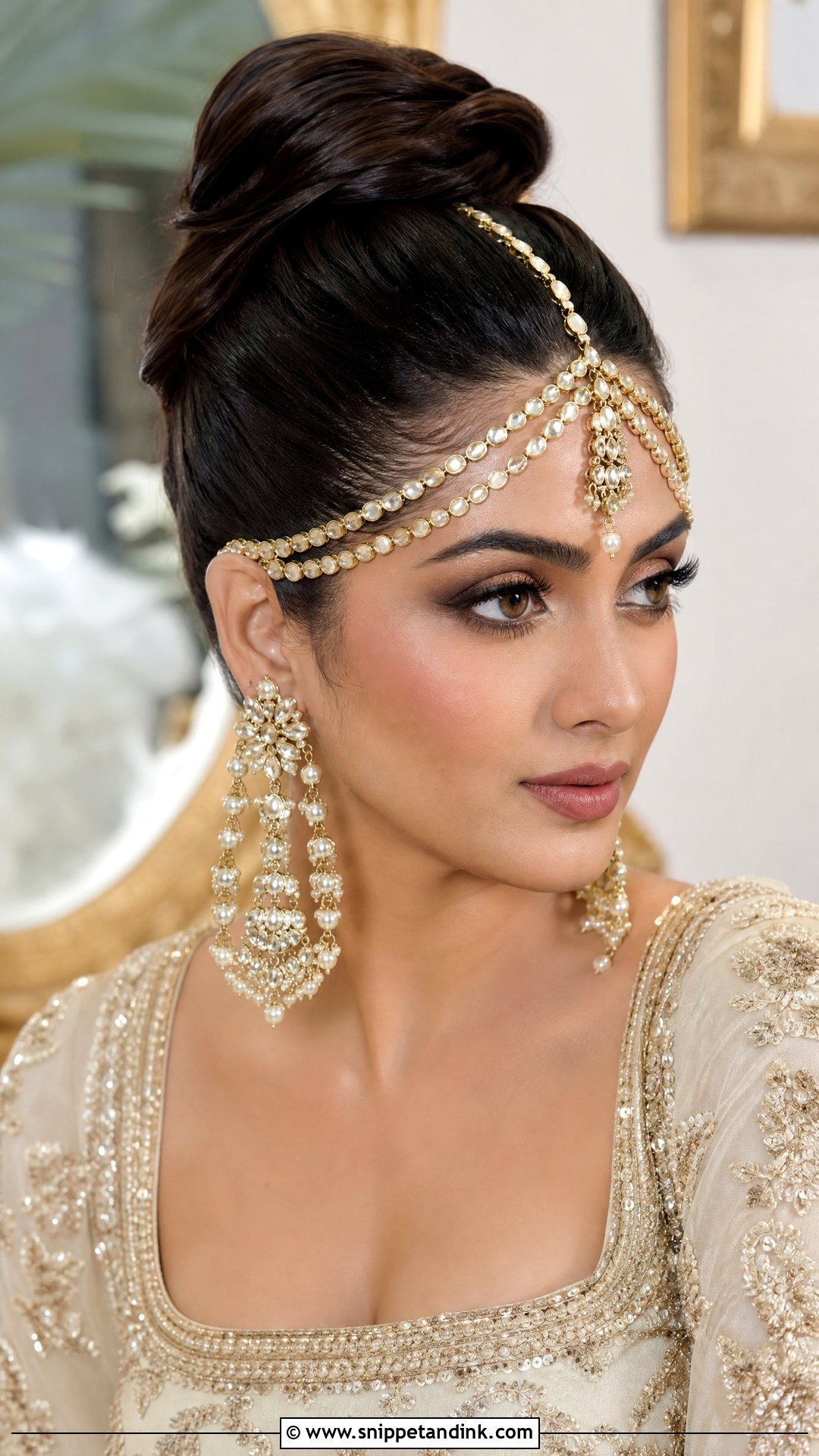
A high bun at the crown lengthens the neck and gives bold jewellery the spotlight. It suits a dramatic reception look and keeps the neck completely clear. I wrap it smooth or add soft twists for texture. The dupatta needs to drape low across the shoulders or pin below the bun, since pinning over a high bun pulls it backward. Statement earrings and a matha patti pair well with it.
Recovering Hair the Morning After the Barat
The walima often comes a day or two after the barat, and the hair can still be full of spray, backcombing and pin tangles. Rushing that removal is how hair breaks.
The night before
Take every pin out first, before you touch a brush. Then work a conditioner or oil through the lengths and comb out the backcombed sections from the ends up. Wash with a clarifying shampoo to remove the product buildup, follow with a good conditioner, and dry the roots well.
A sore scalp
A heavy tikka and dozens of pins can leave the scalp tender. If yours is sore, tell your stylist; a lower bun or a style that pins in different places avoids pressing on the same spots. It’s also a good reason to choose a lighter matha patti or tikka for the walima.
Let the Dupatta Decide How Much Hair You Show
Your walima hair can be softer and more playful than your barat look, whether that’s romantic curls, a sleek bun or a flower-adorned braid. Before choosing, think about how heavy your dupatta is, where your jewellery sits and how many hours you’ll be wearing everything. Share your outfit and jewellery photos with your stylist, not only hair pictures, so the style is planned around them. Then pick the one you’ll be comfortable in from the first photo to the last guest.
You'll Like These Ideas:


Leave a Reply