
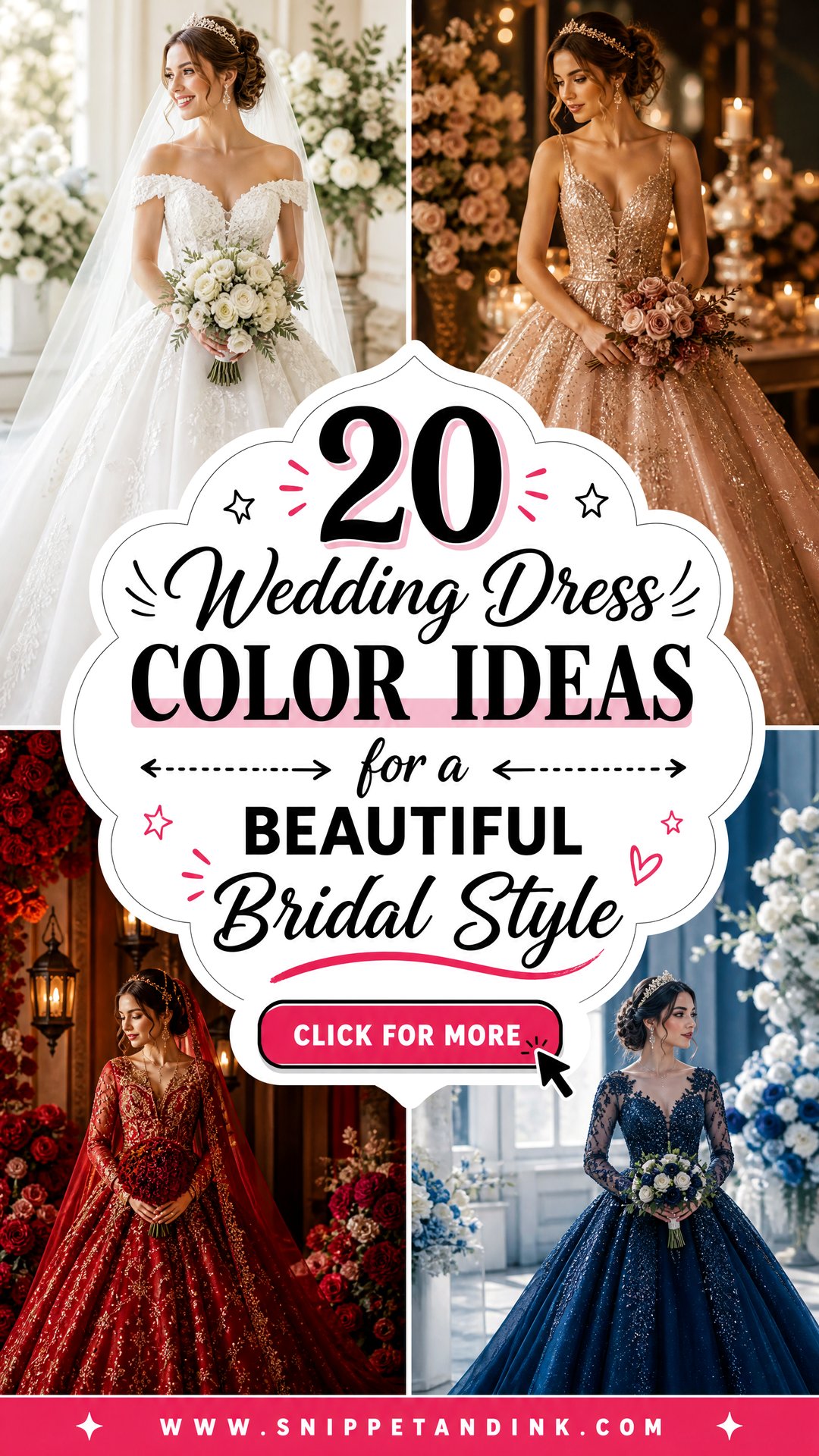
Color changes how a fabric looks, how its details photograph and how the whole wedding feels, long before anyone notices the neckline. The shades below run from crisp whites and soft neutrals to pastels, jewel tones and black. Bridal designers now cut champagne, blush, blue, metallic and even black gowns as regular collection pieces, not special orders. The test I use is the same for all of them: see the fabric in daylight, under indoor bulbs and through a phone camera before you decide. Once the gown is chosen, the veil, shoes, jewelry, flowers and makeup follow its undertone, not the other way around.
Hold the Swatch Under Your Chin First
Before we look at a single gown, I like to hold fabric up to a bride’s face by a window with no makeup on. A gown’s color sits right below the jaw, so it either brightens your skin or pulls color out of it, and that’s visible in seconds.
- Stand in natural daylight, facing the window, with hair pulled back.
- Hold a white swatch, then an ivory one, then the color you’re drawn to, flat against your collarbone.
- Look at the skin around your mouth and under your eyes. Shadows that deepen or a gray tinge mean the shade is working against you; a fresher look means it suits you.
- Take a photo of each with your phone camera, without filters. The camera exaggerates what the eye half notices.
Cool-toned skin often looks brighter in pure white, silver, blue and lavender, while warm skin tends to glow in ivory, champagne, peach and gold. That’s a starting point, not a rule. Plenty of brides break it happily, and makeup can bridge a small gap. It can’t fix a shade that fights you outright.
1. Pure White Wedding Dress
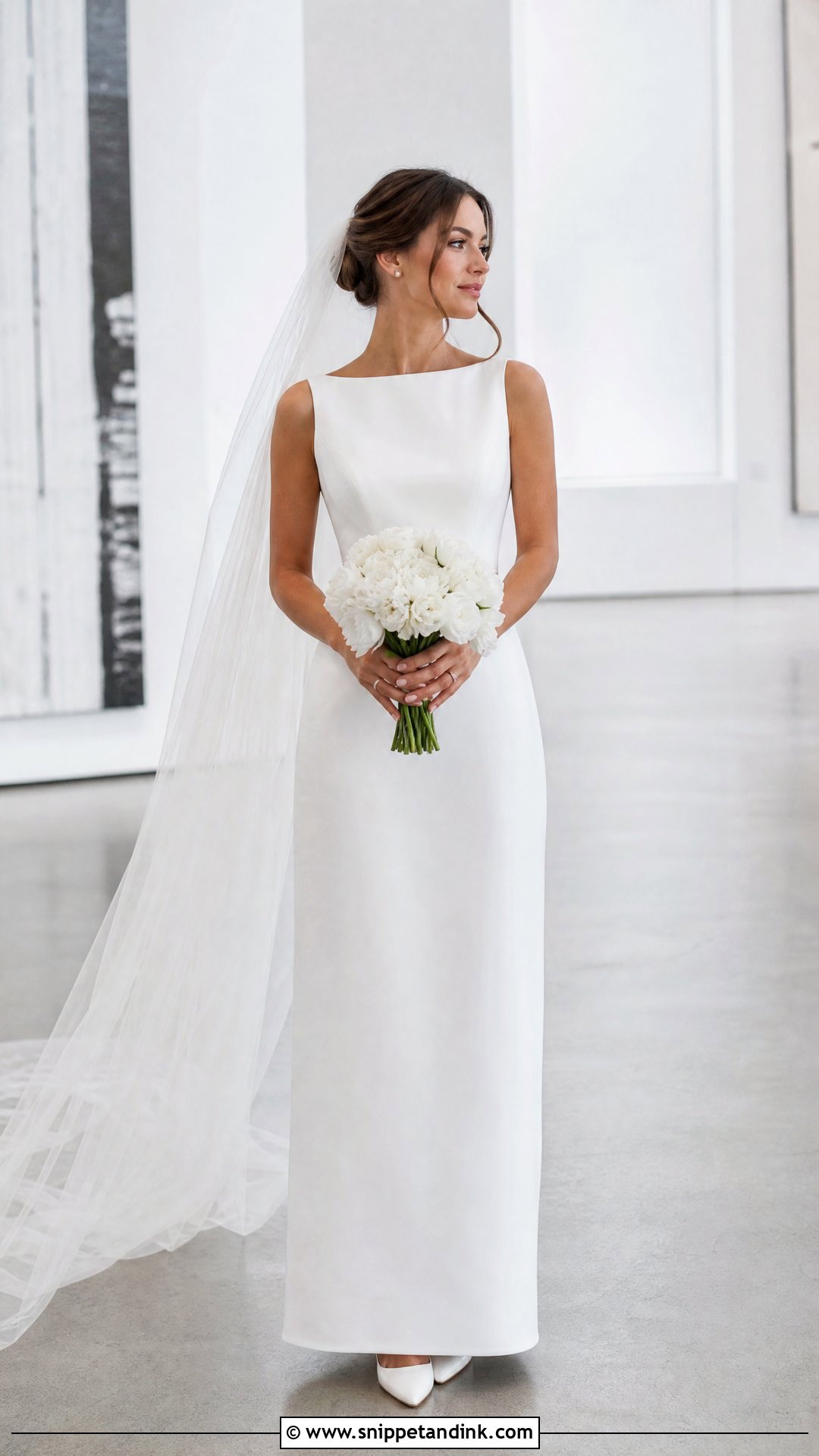
Pure white is the sharpest bridal color and the least forgiving. It looks brightest in smooth satin, mikado or crepe; a fitted column with a square neckline feels modern, while a full ball gown gives classic drama. White pointed pumps, pearl or diamond studs, a structured white clutch and a sheer white veil keep everything in one tone. Silver suits it, especially with crystal beading. Stark white next to the face can drain a fair or olive complexion, so I always pair it with a pink-toned lip and a bit of definition around the eyes.
2. Ivory Wedding Dress
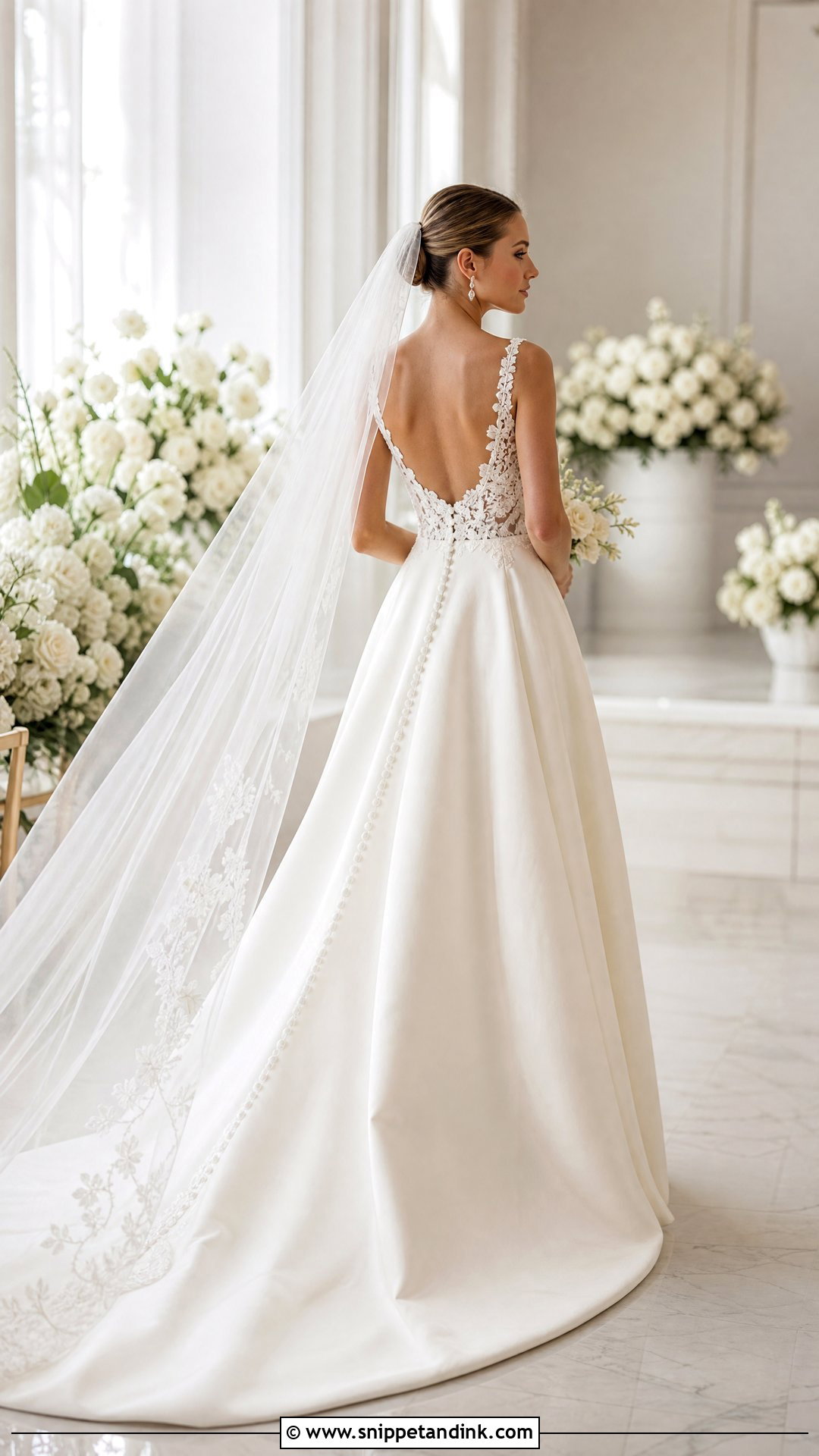
Ivory is the color most brides end up in, often without realizing it, because most “white” gowns are a shade of ivory. It’s warmer than optical white and kinder to lace, since floral patterns show without harsh contrast. Try an ivory A-line with a fitted lace bodice, flowing skirt and covered buttons, with pearl drops, an ivory cathedral veil and satin slingbacks. Delicate gold or mixed metals suit the warmth. Cream roses with greenery finish it. Take a swatch shopping. Ivory varies a lot between makers, and a bright white veil beside a warm gown looks gray by comparison.
3. Cream Wedding Dress
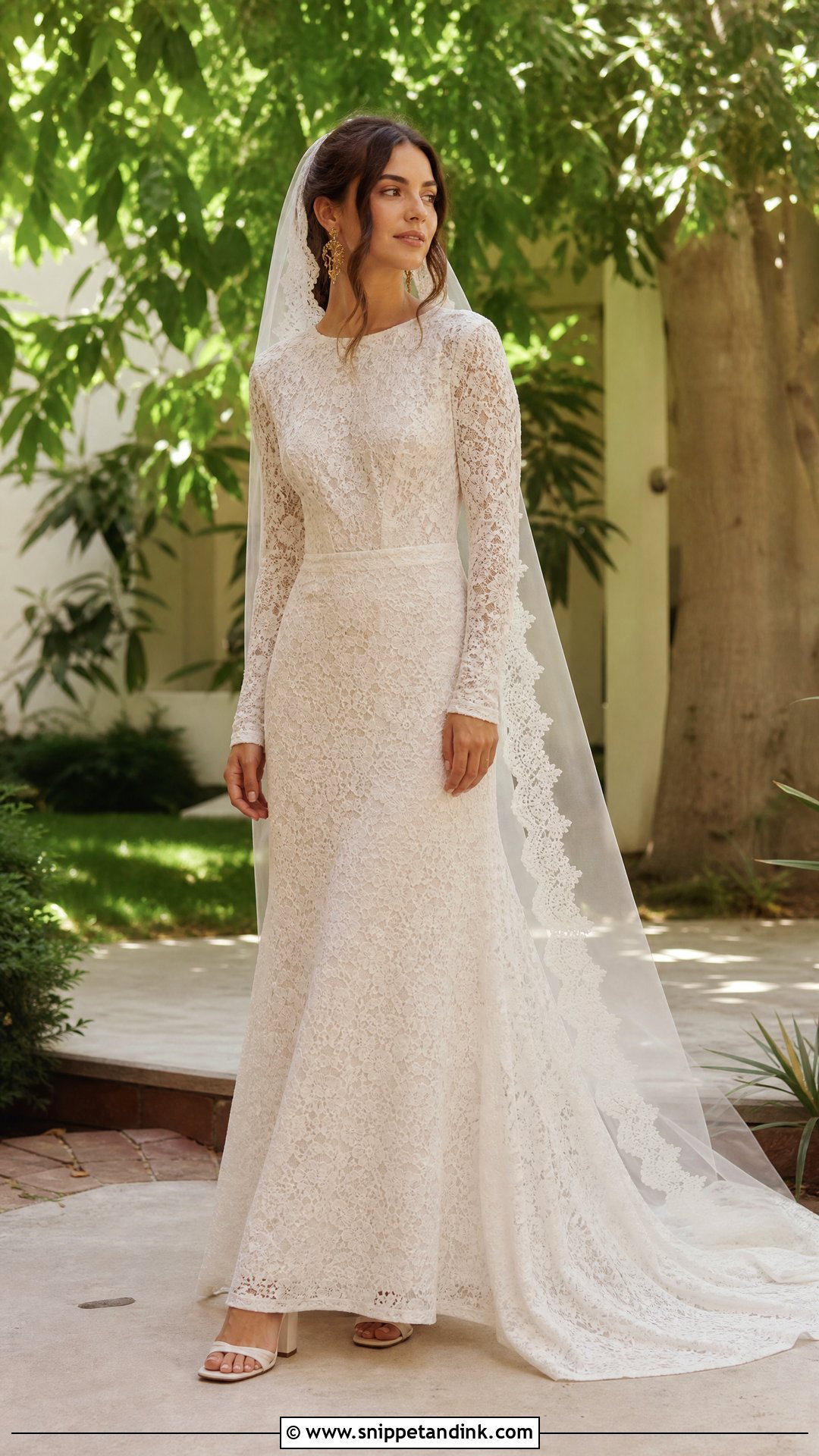
Cream sits a step warmer than ivory, with a faintly buttery tone that loves vintage lace, chiffon and soft satin. A long-sleeved cream gown with a defined waist and a gentle train makes a romantic garden outfit. Antique-gold earrings, cream block-heel sandals and a fingertip veil with a narrow lace edge suit it; a matching cape or cropped faux-fur wrap covers cooler days. Keep the bouquet to ivory blooms and leaves. Warm indoor bulbs push cream toward yellow, so photograph the full outfit at a fitting. If the veil and shoes still match on your phone screen, they’ll match in the album.
4. Champagne Wedding Dress
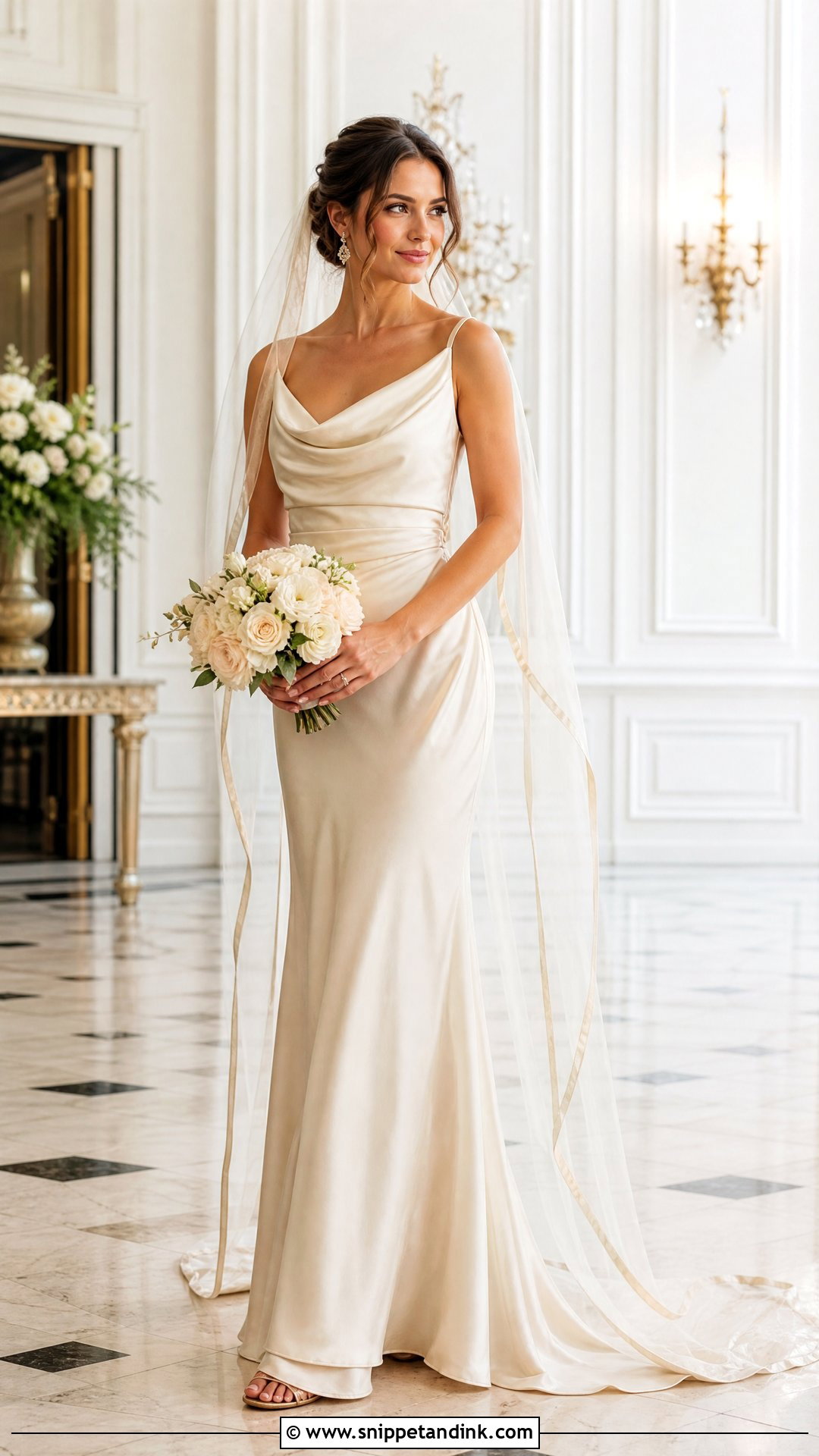
Champagne covers everything from pale beige to soft golden tan, so I never buy accessories for it without a swatch in hand. A champagne satin gown with a draped neckline, fitted waist and fluid skirt makes an evening look. Light-gold heels, crystal drops and a small metallic clutch suit it. A sheer ivory veil works, but a champagne-edged one blends better. Warm bronze eyeshadow and a neutral rose lip pick up the golden tone without overpowering it. Champagne also makes a good lining under ivory lace or beaded tulle. Keep the bouquet paler than the dress so it doesn’t sink into it.
5. Blush Pink Wedding Dress
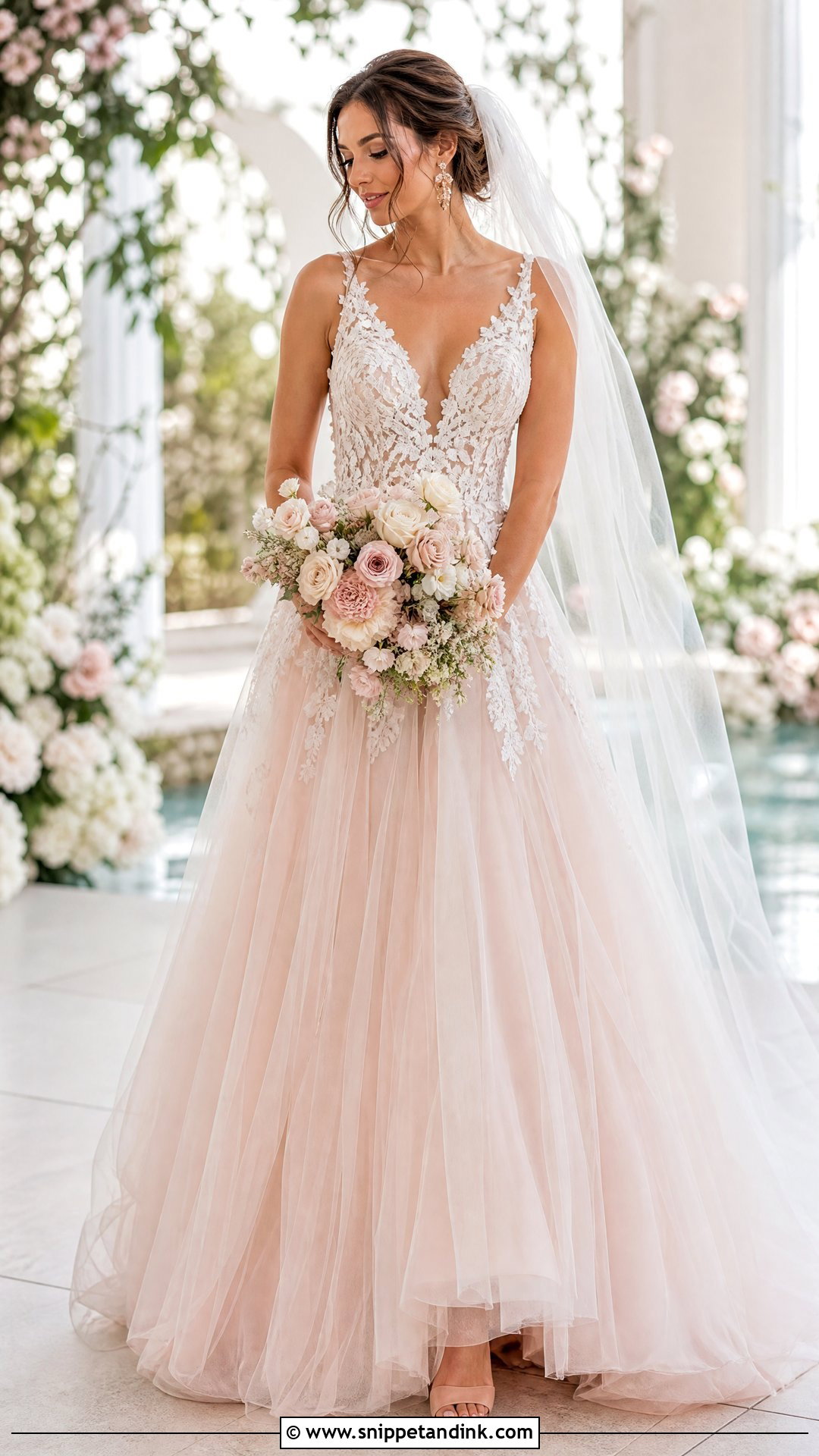
Could a barely pink gown still feel bridal? Yes, if you keep the pinks to one family. A blush tulle ball gown with an ivory lace bodice gives gentle contrast; all-over blush satin looks cleaner. Nude or blush heels, rose-gold earrings and a veil matched to the palest tone in the gown suit it. Repeat the blush once, in the shoes, lipstick or bouquet ribbon, and let cream flowers and pale greenery do the rest. Blush is a chameleon on camera. Against green foliage it can turn beige, and in warm light it can read ivory, so look at it against your actual backdrop if you can.
6. Dusty Rose Wedding Dress
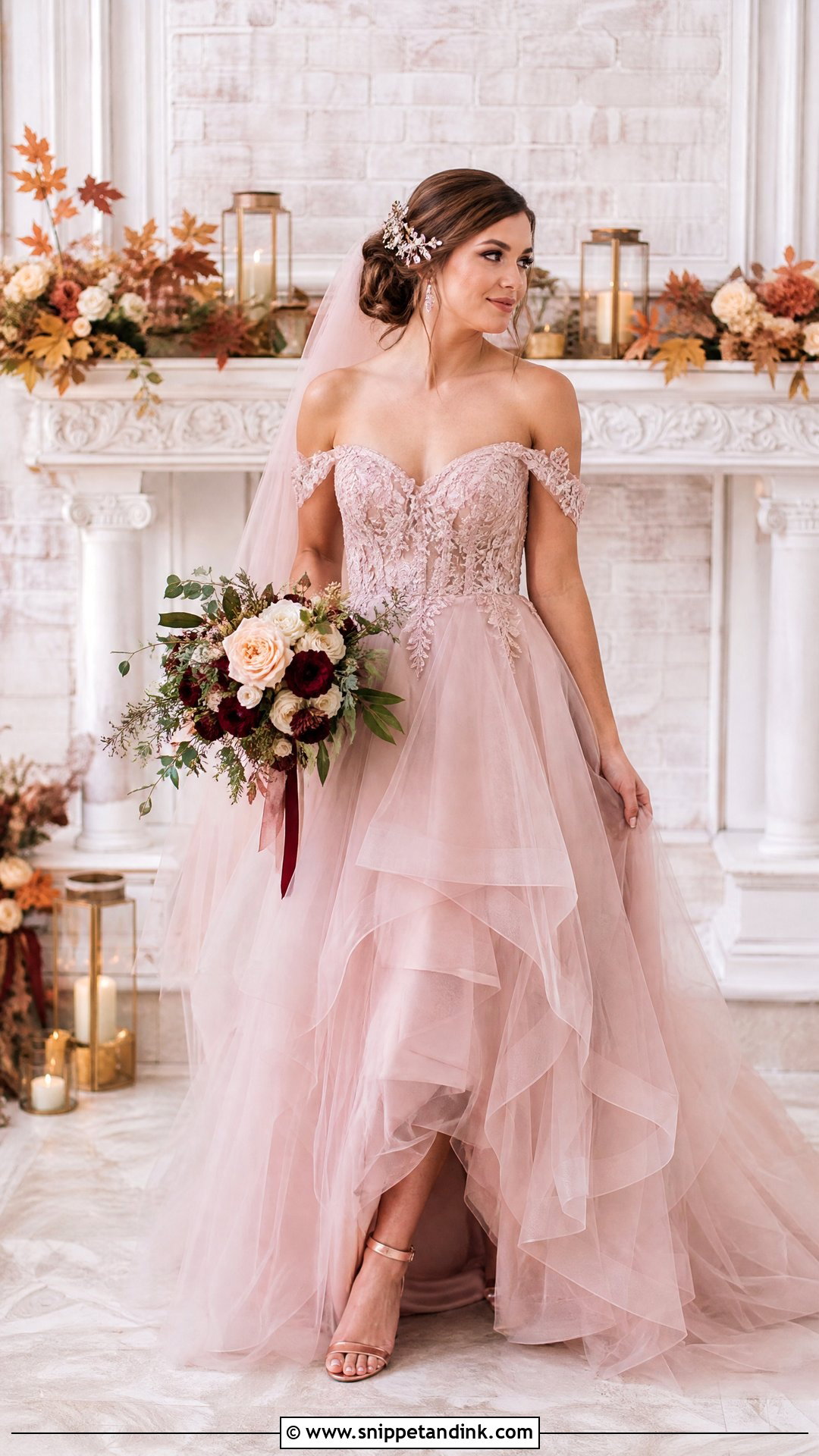
Dusty rose has more depth than blush and a grayish softness that flatters most skin tones. It looks rich in layered tulle, embroidered lace or velvet-trimmed designs for a cooler season. Try an off-the-shoulder A-line with a layered skirt and an embroidered bodice, with rose-gold sandals, a fine crystal comb, softly waved hair and a mauve-pink lip. An ivory, blush or matching dusty rose veil can all work, but compare them in person; dyed tulle rarely matches dyed satin exactly. Cream, muted pink and burgundy flowers add depth. Keep jewelry minimal.
7. Peach Wedding Dress
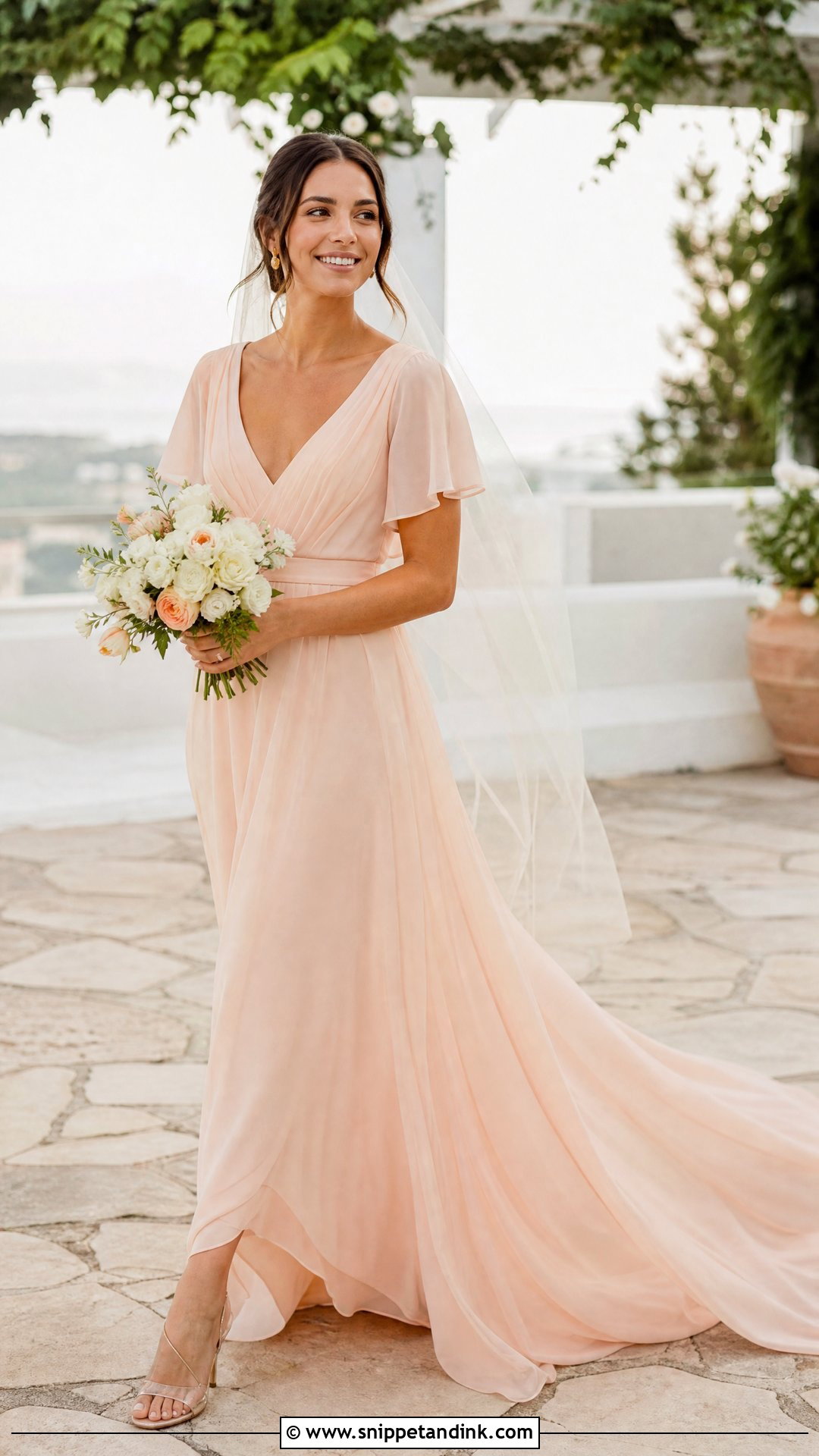
Peach is a daytime color, and a pale one, at that. Saturated peach tips into orange fast. A flowing chiffon gown with flutter sleeves, a defined waist and a chapel train keeps it airy. Champagne heels, small gold earrings and a sheer cream veil suit it. Coral lipstick fights with the fabric, so a balanced nude-pink is safer. Cream flowers with a touch of peach finish it. When you shop, work out whether the fabric leans pink, yellow or orange; that one answer decides your jewelry metal, your shoes and your blush.
8. Butter Yellow Wedding Dress
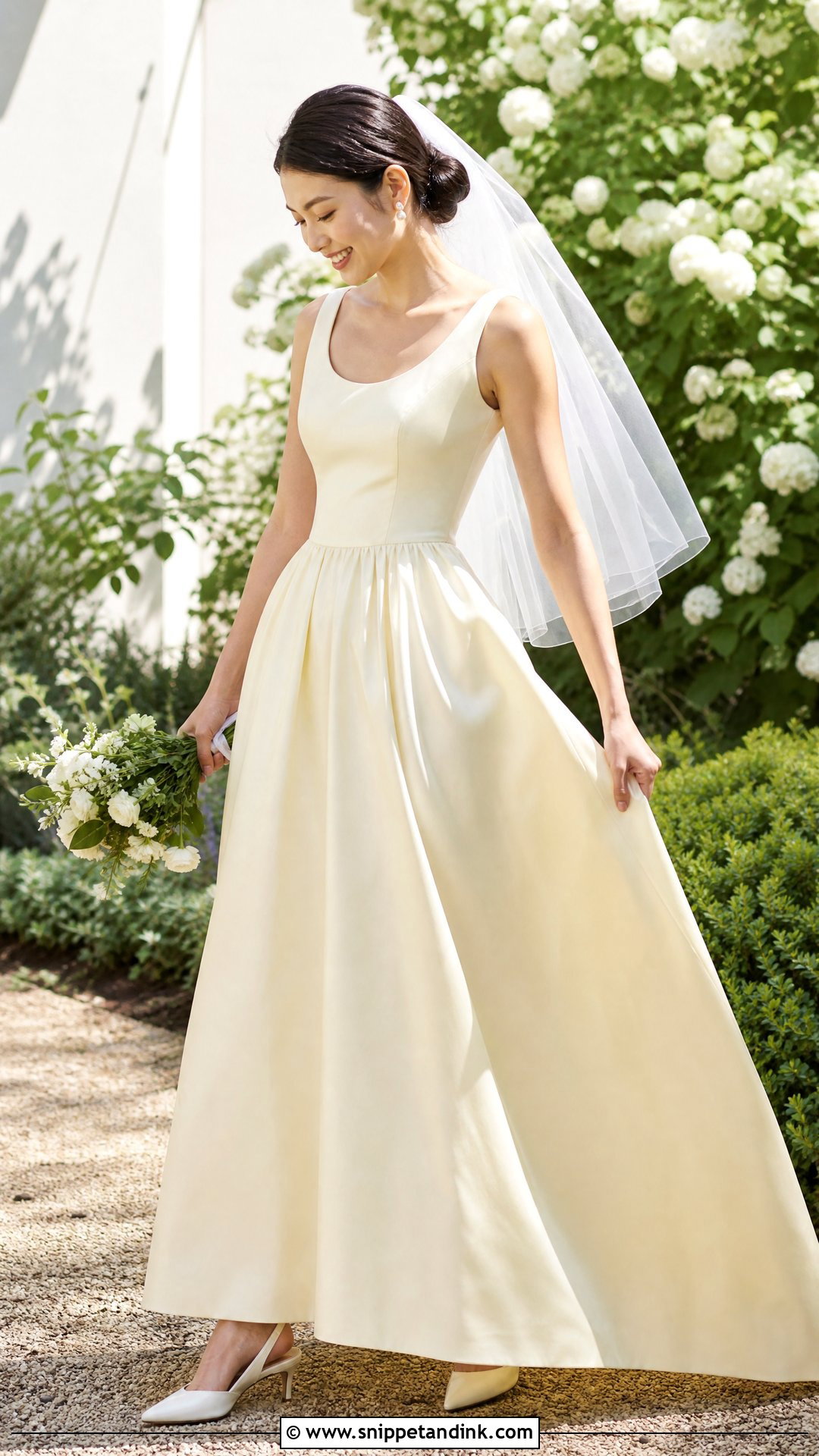
Butter yellow is cheerful without shouting, and it suits spring gardens and relaxed outdoor ceremonies. A simple silk A-line with a scoop neck, fitted bodice and gently gathered skirt lets the color carry the outfit. Ivory slingbacks, small pearl earrings and a clean-edged light veil suit it, with white and cream flowers and a few soft green accents. Skip yellow-gold jewelry, which disappears against the fabric; pearls or pale brushed gold give definition. Pastel yellow reads almost cream in shade and much brighter in full sun, so check it in both.
9. Pale Blue Wedding Dress
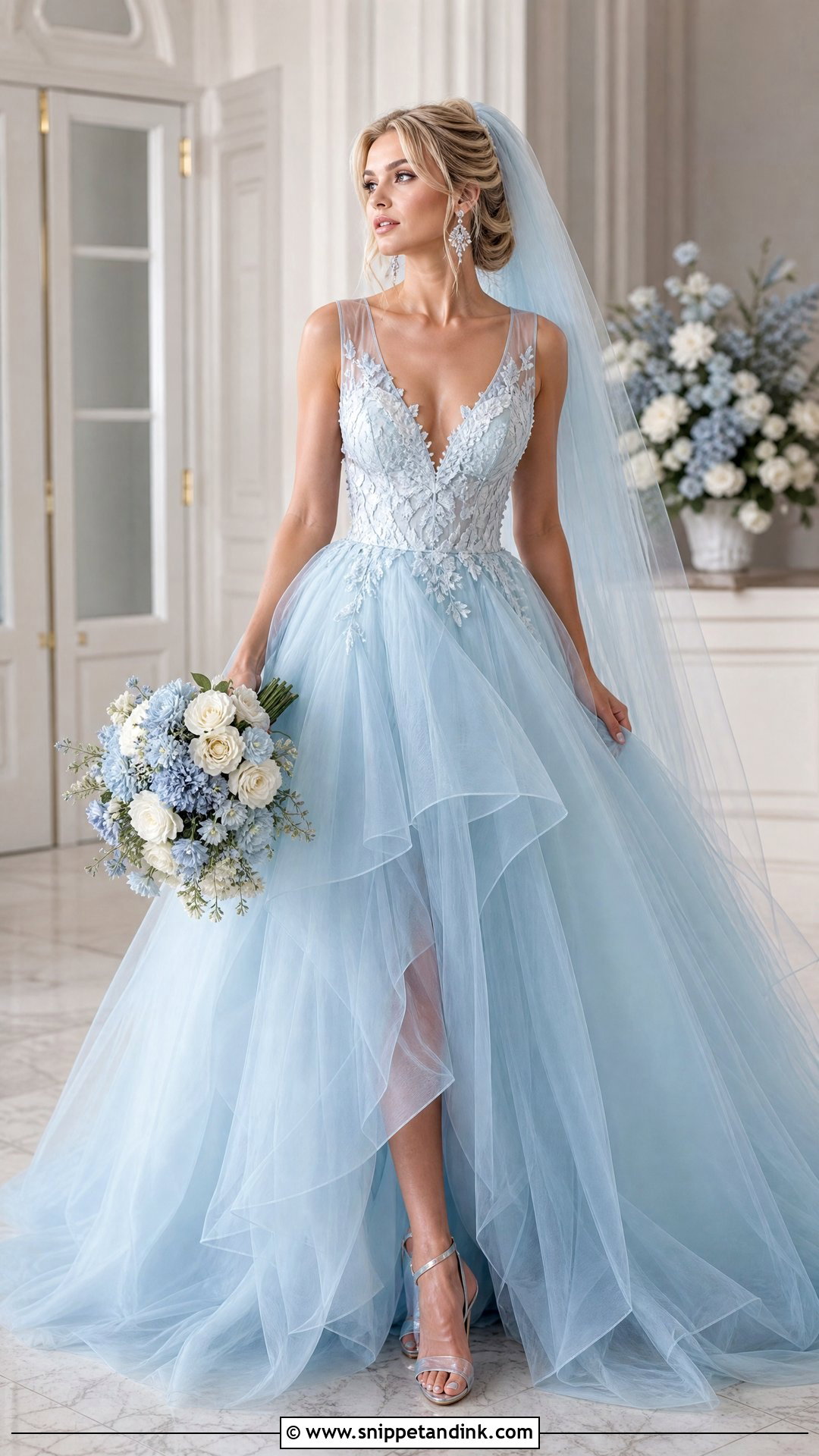
Pale blue is calm, and it’s the colored gown I see family accept most easily, perhaps because of the old “something blue” tradition. An icy blue tulle gown with a fitted bodice and layered skirt makes an ethereal outfit that still feels formal. Silver heels, crystal earrings and a sheer pale blue or ivory veil suit it; a silver comb or small tiara echoes the cool tone. Keep the bouquet white with a few blue accents. For a gentler start, try ivory lace over a blue lining. Pale blue ranges from powdery to gray, so match accessories in daylight.
10. Lavender Wedding Dress
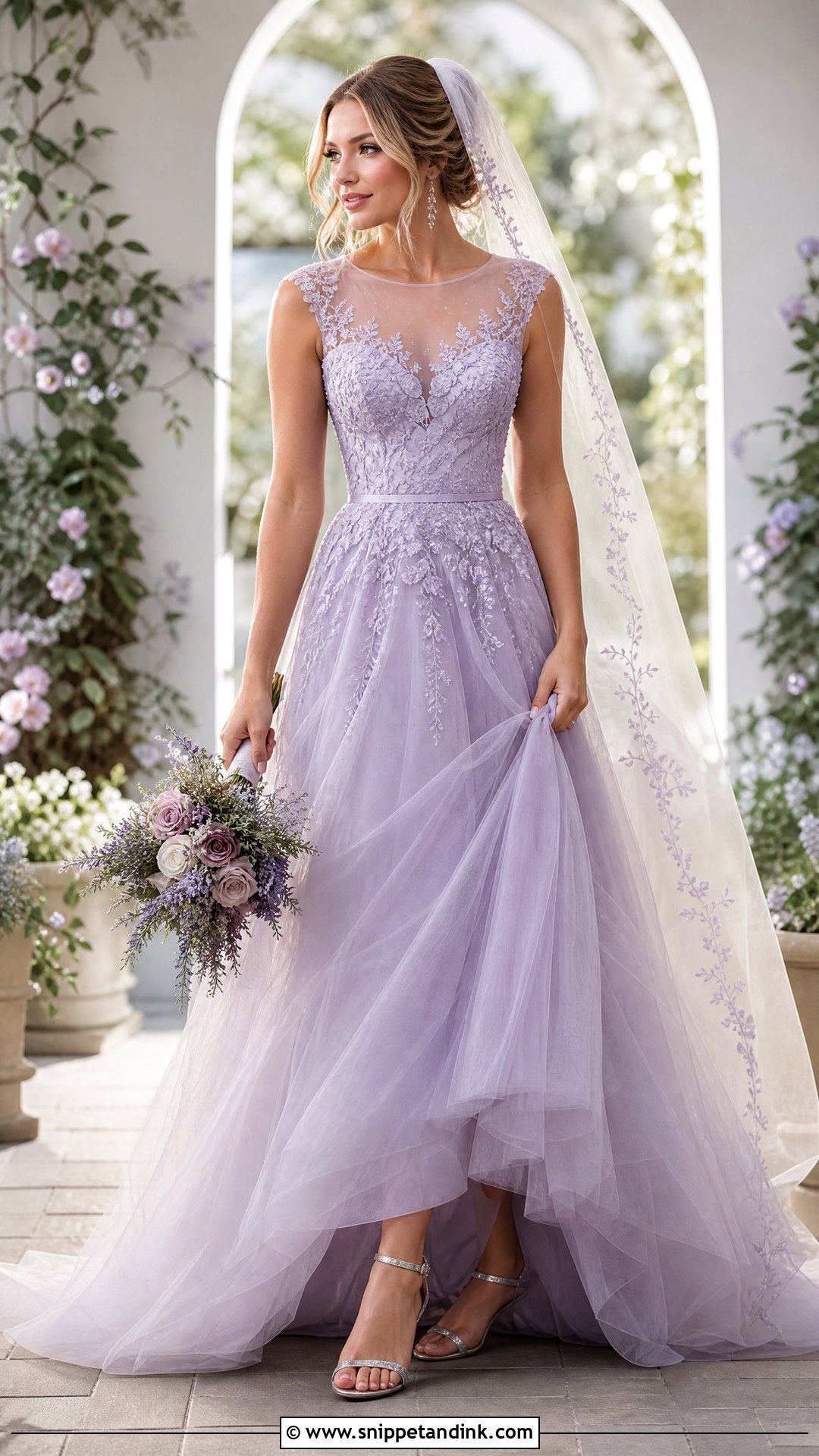
A lavender wedding dress has a storybook feel, but only while the purple stays light. Airy tulle, embroidered organza or fine lace keep it that way. An illusion neckline, fitted waist and soft layered skirt work in a garden or a ballroom. Silver sandals, amethyst or crystal earrings and a simple ivory veil suit it, or one with faint lavender embroidery at the edge. Keep makeup gentle: neutral eyes, rosy cheeks, a muted berry lip. White, lilac and green flowers stand out against it. Avoid strong yellow accessories, which turn the pastel garish.
11. Sage Green Wedding Dress
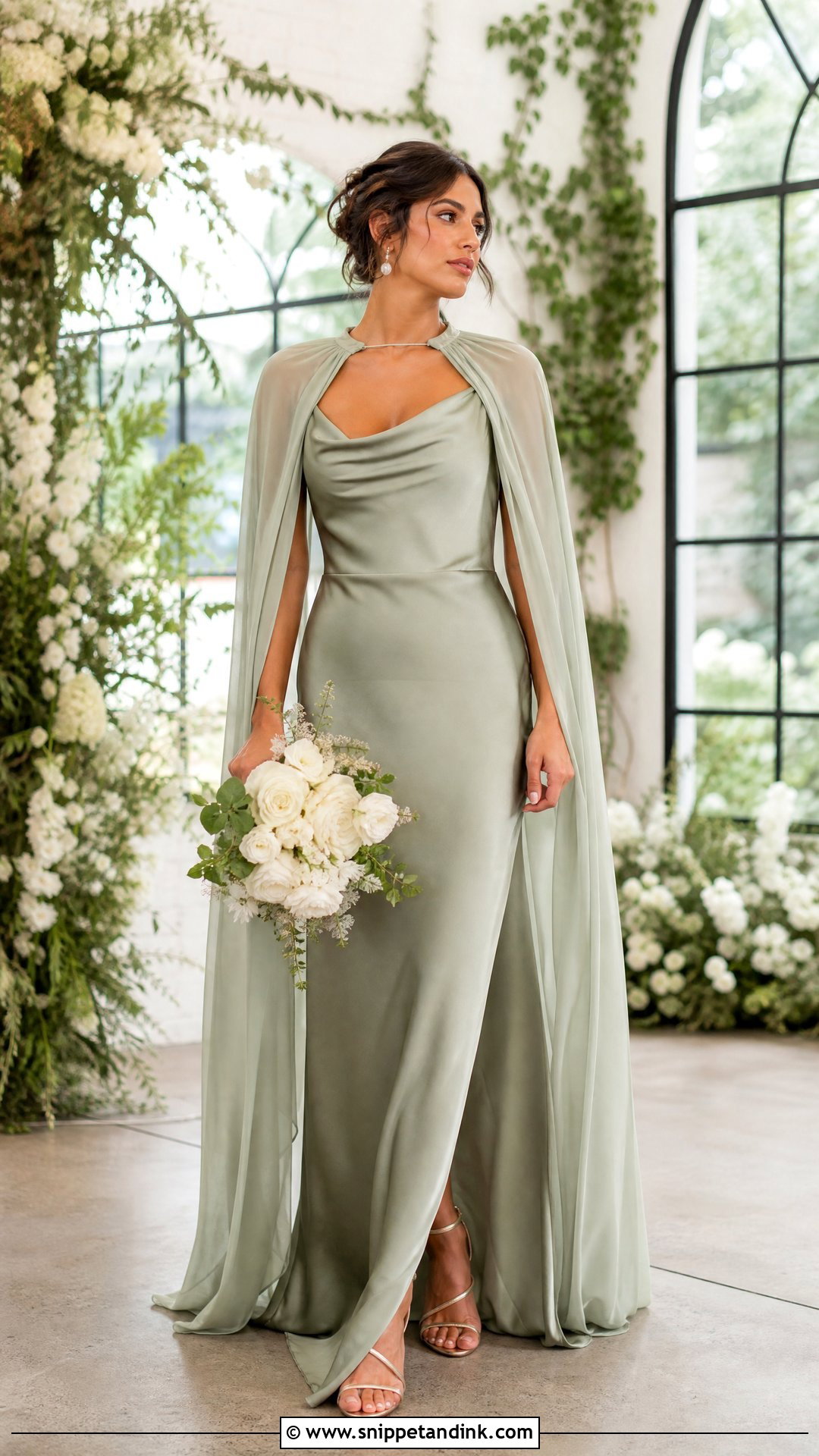
Sage is a muted gray-green, and that grayness is what keeps it bridal rather than bright. A sage satin slip with a draped neckline, defined waist and detachable chiffon cape makes a modern outfit. Light-gold heels, pearl drops and a small cream bouquet give contrast. A veil is optional; a sheer cape gives similar movement. Warm neutral makeup and a soft rose lip suit it. Green fabric close to the face can bounce a greenish cast onto skin, especially in shade under trees. Stand by a window with the gown at your collarbone and look at your jaw before you commit.
12. Mint Green Wedding Dress
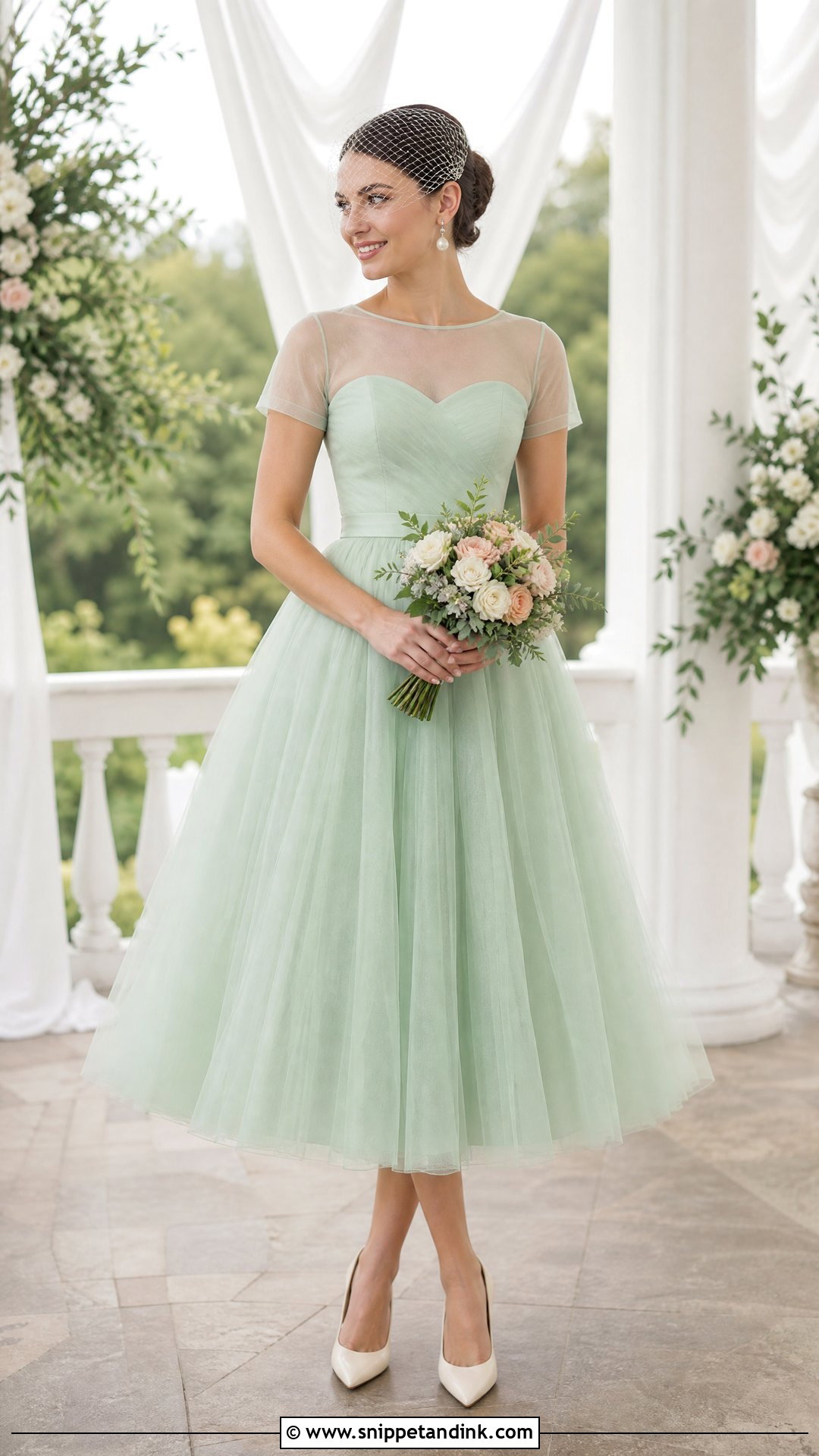
A mint green wedding dress is lighter and more playful than sage. It suits an airy tea-length gown, flowing chiffon or a full tulle ball gown with small appliqués. For daytime, a mint tea-length dress with a fitted bodice, full skirt and short sheer sleeves pairs well with ivory pumps, pearl earrings and a birdcage or short veil. Cream flowers keep it clean. Mint comes in two kinds: blue-based, which wants silver, and yellow-based, which wants pale gold. Mint can turn blue under flash, so ask your photographer to take a test frame at the venue.
13. Silver Wedding Dress
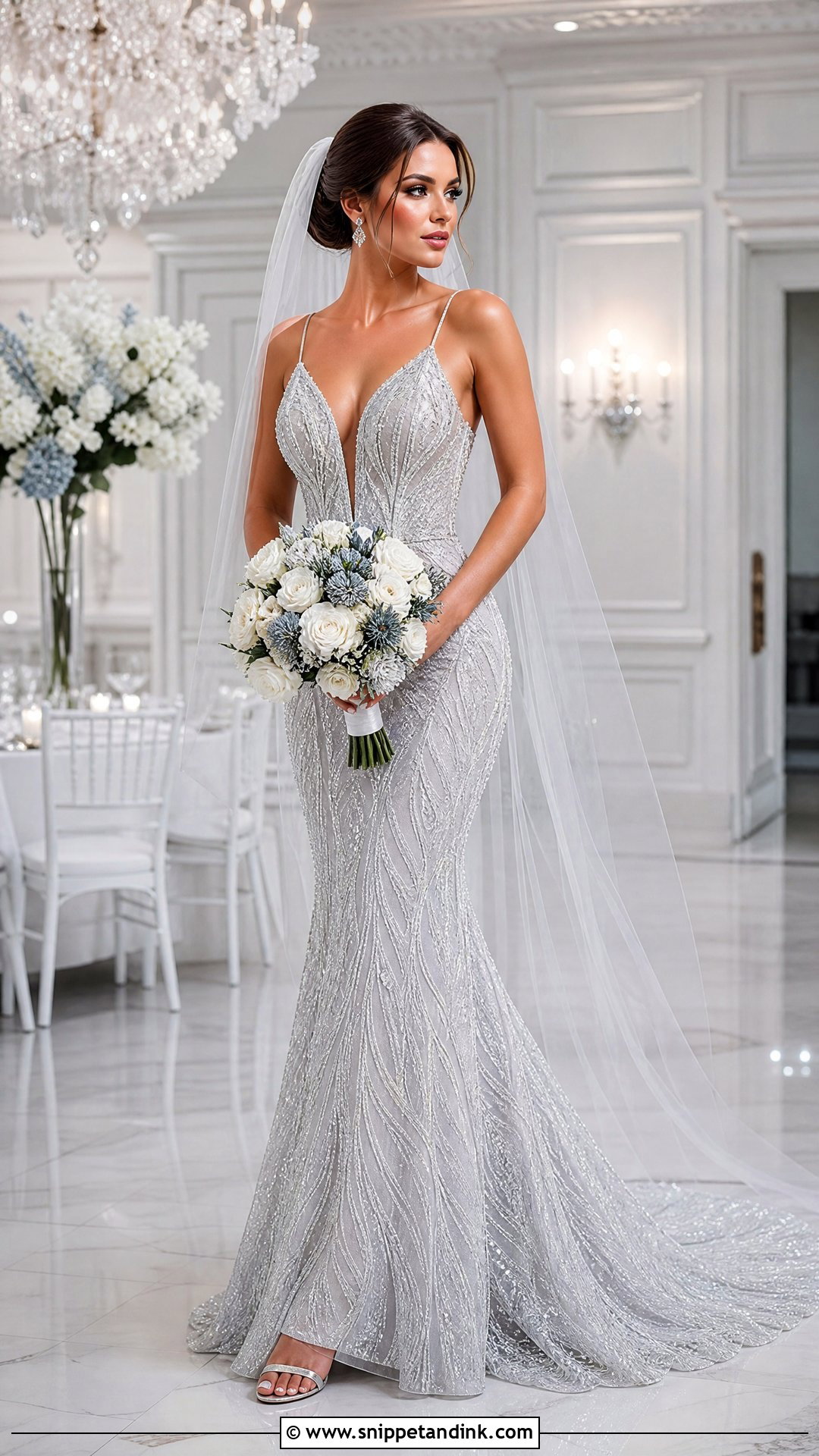
Silver is glamorous without being a bright color, and it’s mostly an evening choice. A fitted gown in fine beading, sequins or metallic embroidery needs very little help: simple silver sandals, crystal studs and a smooth low bun. A plain sheer veil keeps it from getting busy; a beaded one only works if the dress is restrained. Carry white flowers with green or blue-gray accents for contrast. Metallic fabric acts like a mirror and picks up the colors around it, so a red-carpeted aisle or gold walls will tint it. See it at the venue if you possibly can.
14. Gold Wedding Dress
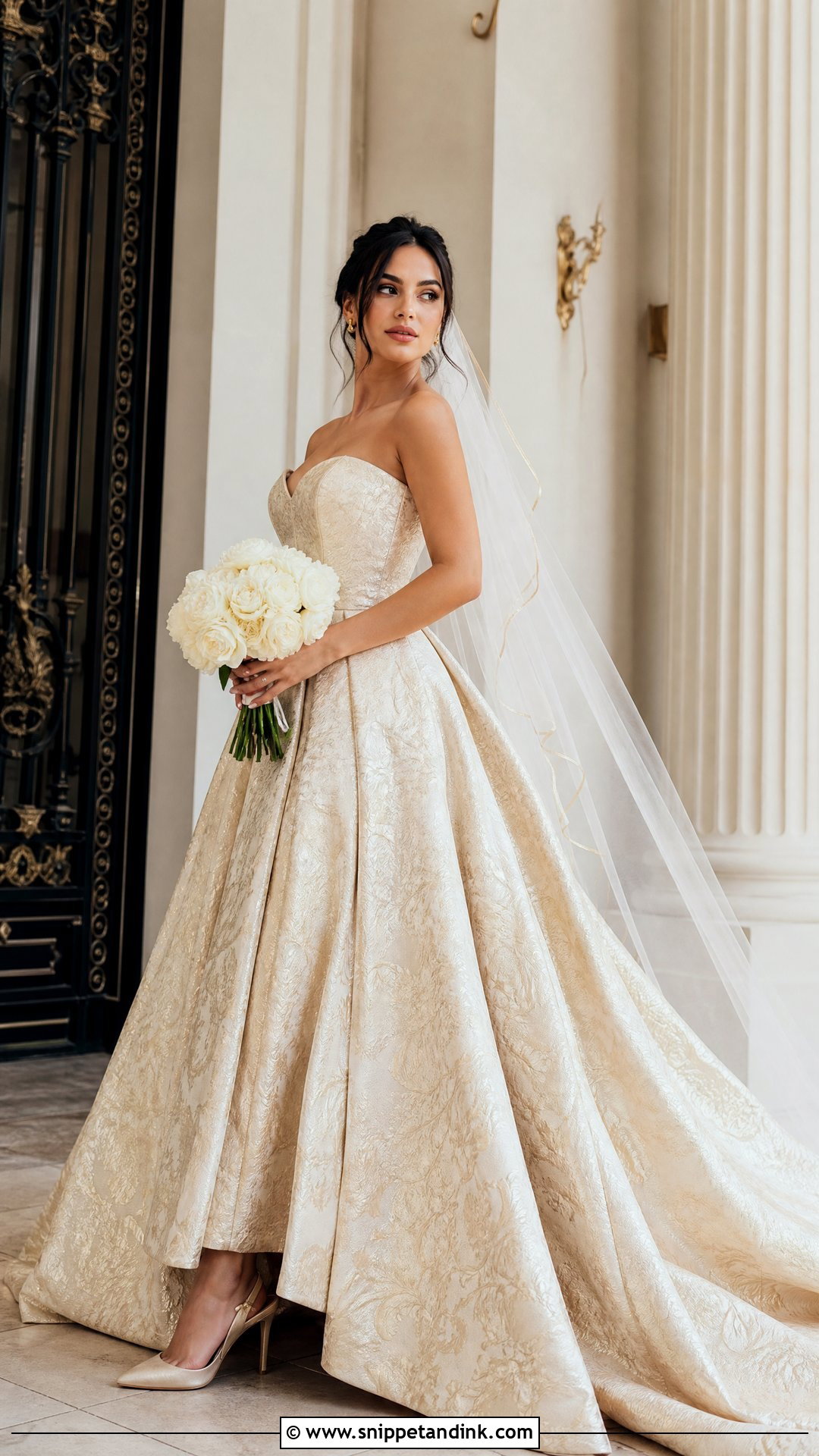
Gold has presence, and it needs a formal room to justify it. Pale gold feels softer; antique gold is more dramatic. A metallic brocade ball gown with a structured bodice, full skirt and long train makes the color look intended. Neutral champagne heels, small gold earrings and a simple veil with a narrow metallic edge are enough. Don’t glitter every accessory, because the gown should be the strongest reflective piece. Cream flowers and deep greenery cool it down. Hold your jewelry against the fabric before the day: yellow, rose and antique golds side by side look like three different outfits.
15. Rose Gold Wedding Dress
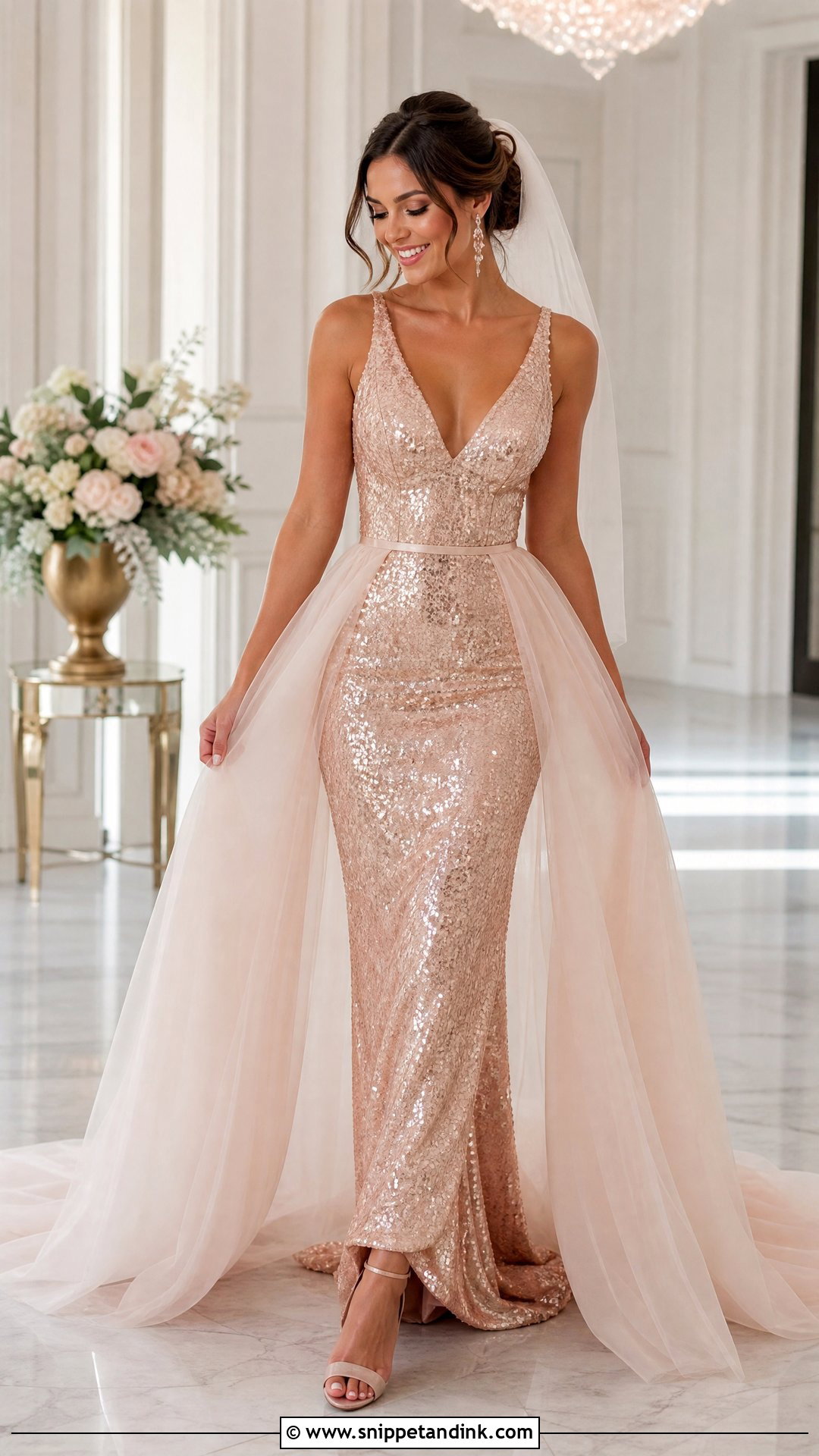
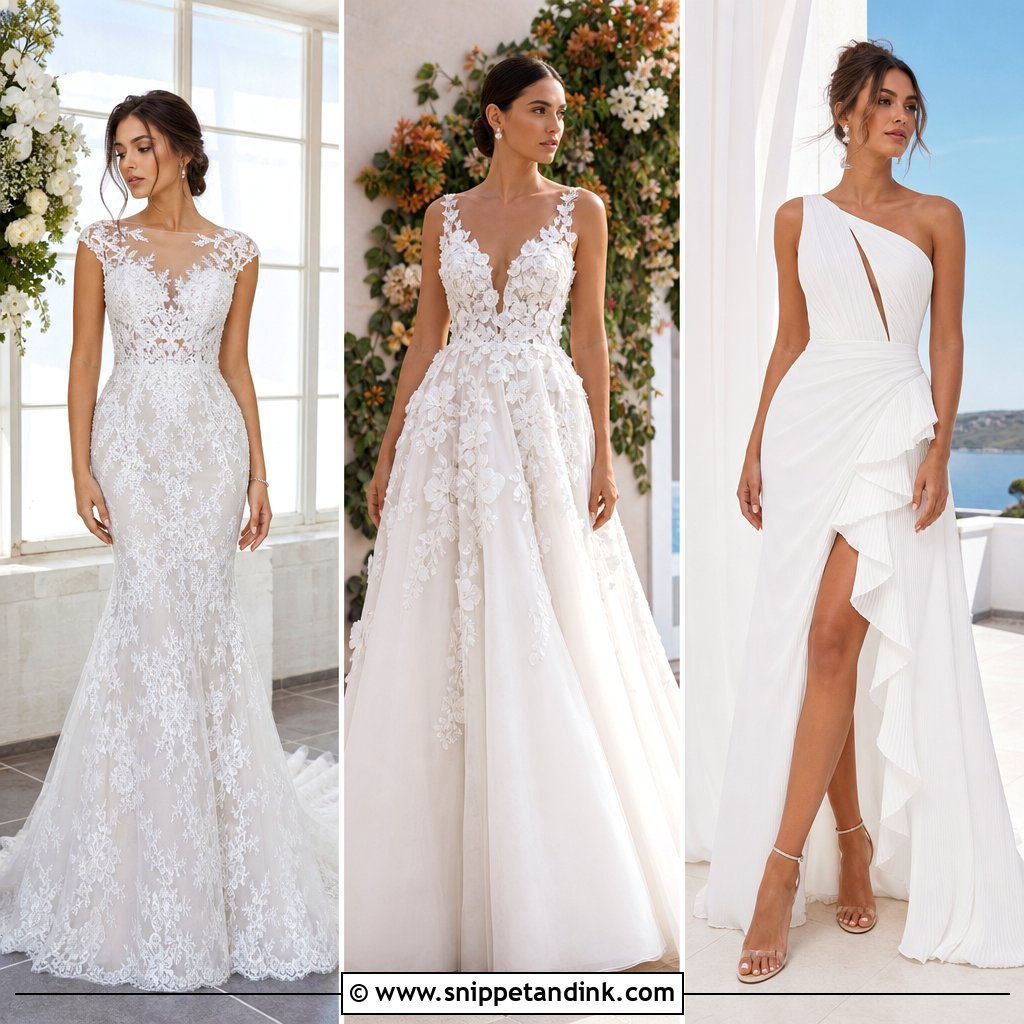
Rose gold sits between blush and metallic, and it suits a bride who likes pink but wants shimmer. Try a fitted gown with fine sequins, a V-neck and a soft tulle overskirt, with blush heels, understated rose-gold earrings and a plain sheer veil. A low textured bun and rosy neutral makeup support it without turning everything pink. Carry cream flowers with small muted rose accents. Rose gold can be anything from pale copper to cool pink metallic. Bring a fabric scrap to the jewelry counter, or the earrings will look a shade off all night.
16. Black Wedding Dress
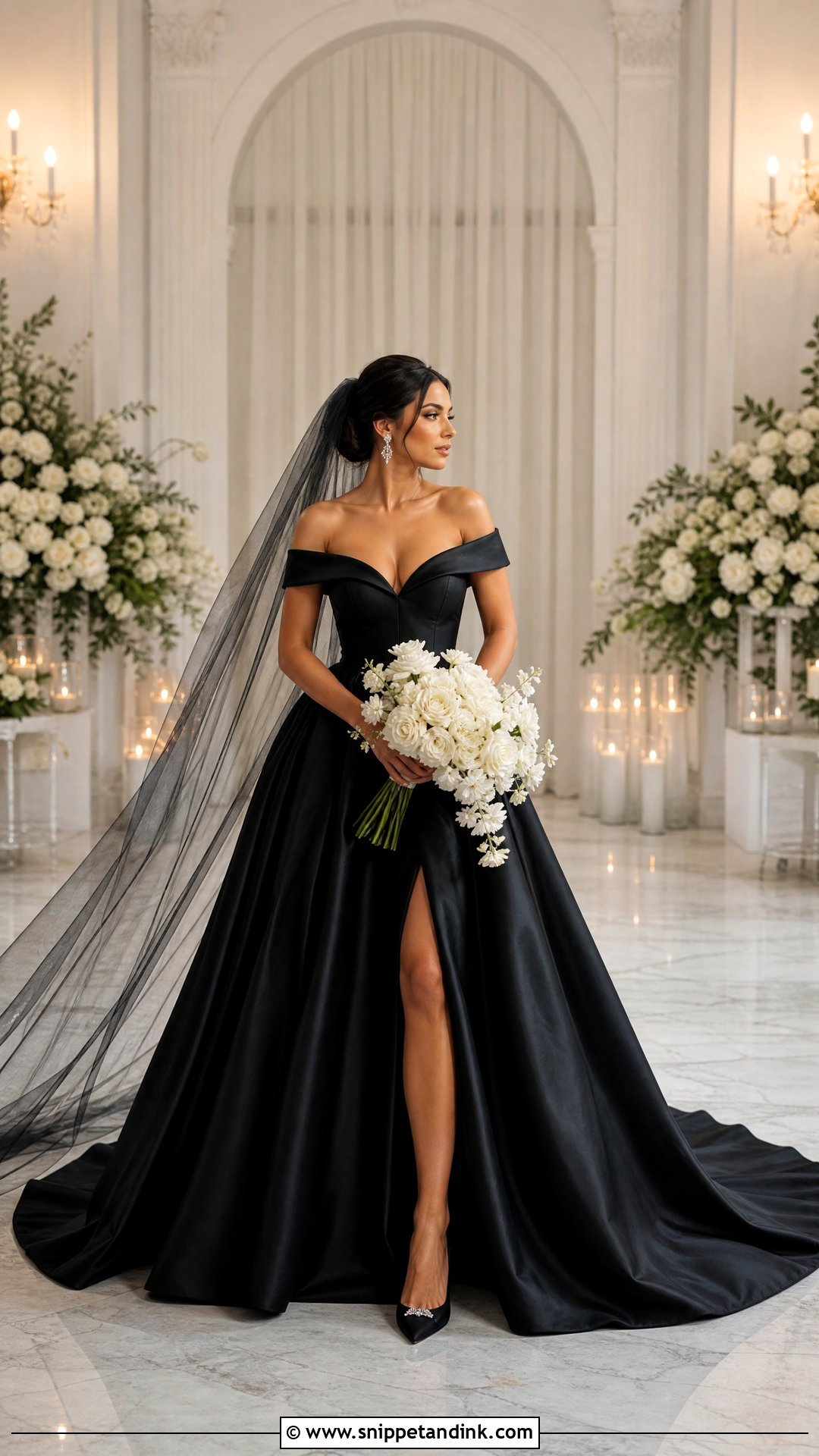
Black is a serious bridal option now, available in satin, lace, tulle and embroidered designs in both minimal and detailed shapes. For a formal outfit, choose a black off-the-shoulder ball gown with a structured bodice and sweeping train. Black pointed heels, crystal earrings and a sheer black veil keep it cohesive; ivory embroidery on the veil or pearl earrings bring light back to the face. White flowers with greenery stand out clearly. Black shows deodorant marks, makeup and dust far more than white does, so dress after makeup and keep a lint roller handy. Luminous skin and a soft berry lip suit it better than very dramatic makeup.
17. Red Wedding Dress
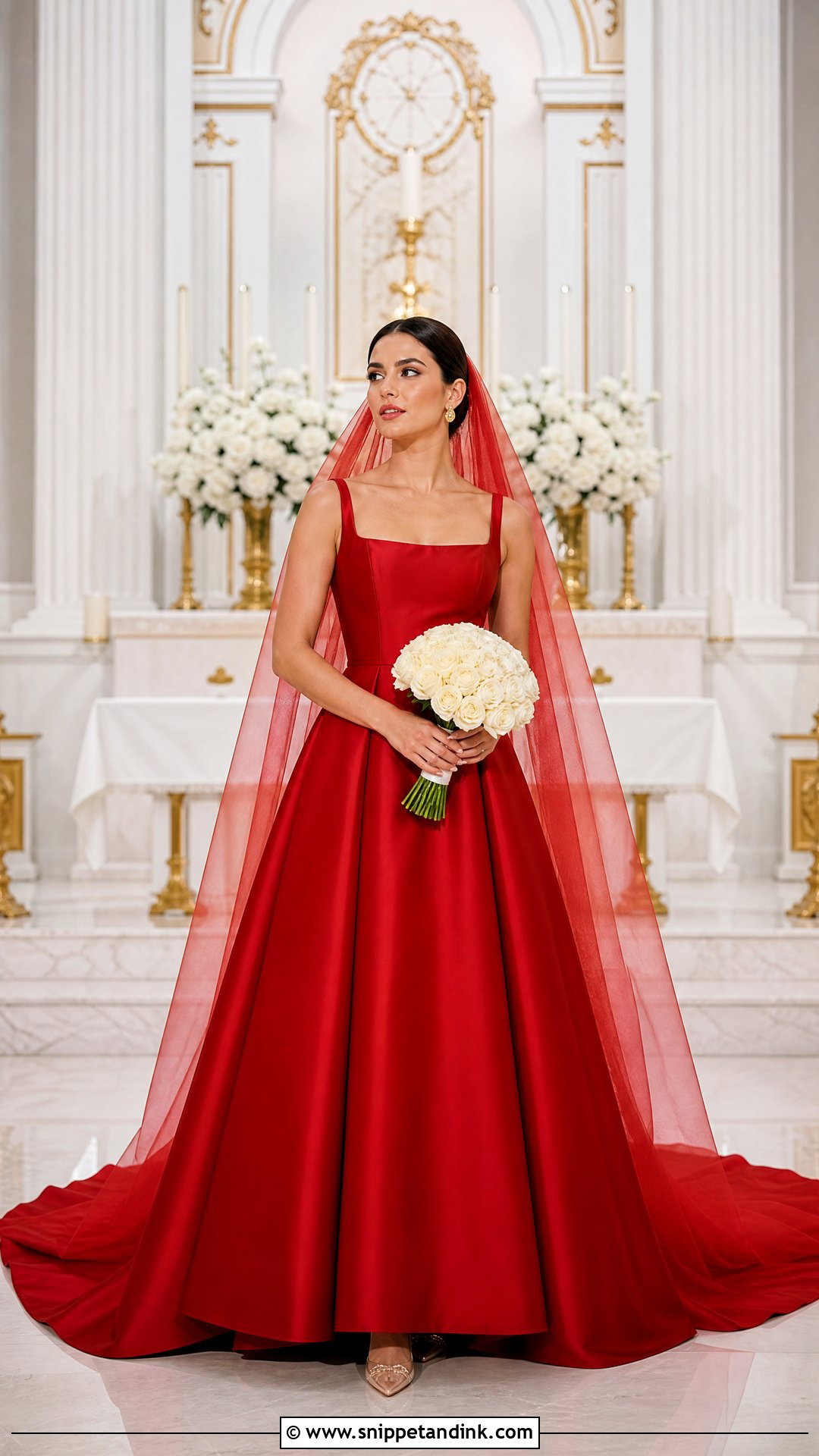
Red puts color at the center of the outfit and carries meaning in many cultures, so ask yourself what it means to your family as well as how it looks. Shades range from bright scarlet to classic true red. A red satin A-line with a fitted bodice, clean neckline and long train needs no extra decoration. Neutral or matching red heels, simple gold earrings and a sleek hairstyle suit it. A red veil makes it monochrome; a sheer neutral one softens it. Match your lipstick to the gown’s undertone. Blue-reds and orange-reds clash badly next to each other, and the lips are where it shows.
18. Burgundy Wedding Dress
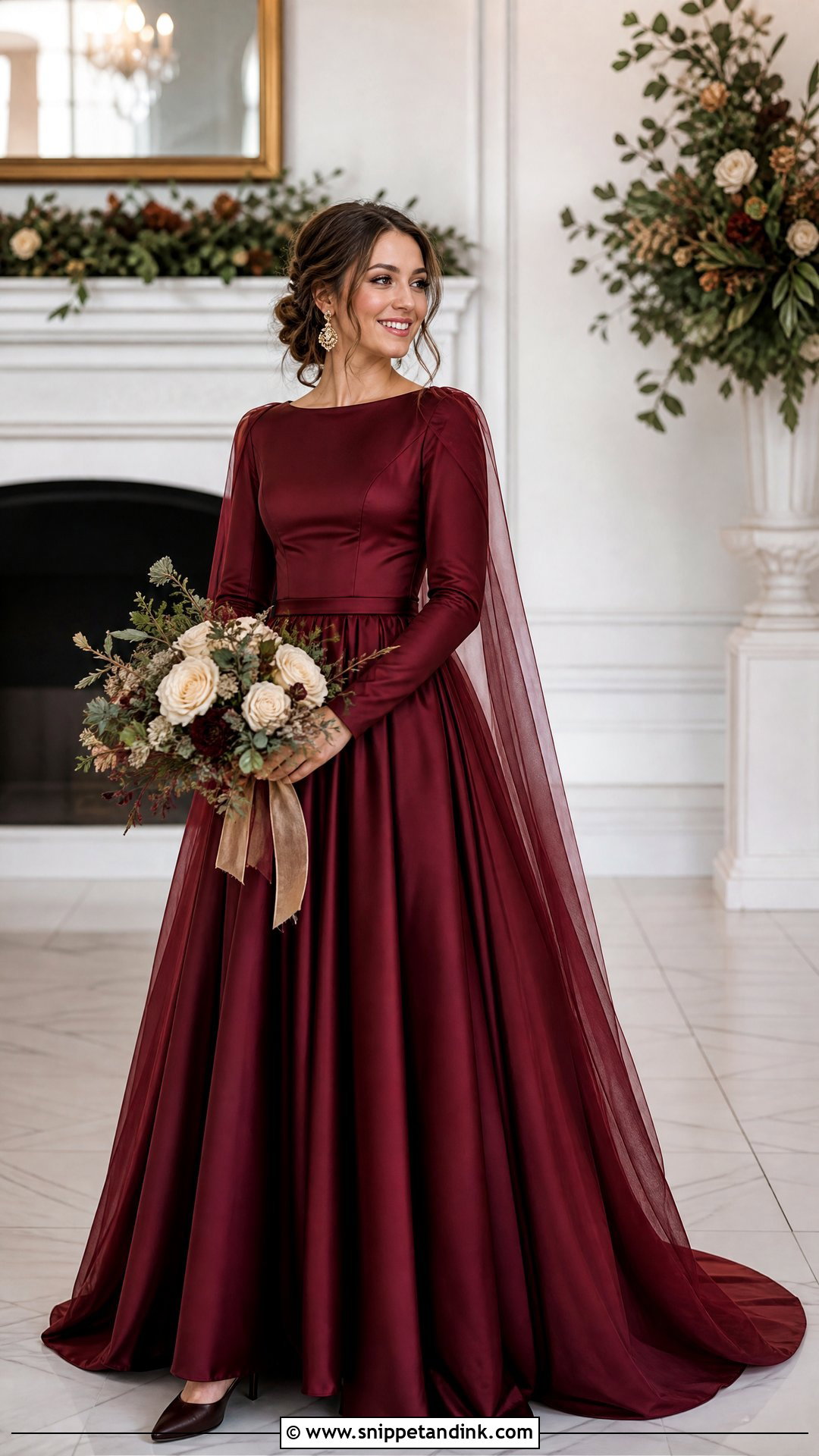
Burgundy is a fall and winter color, and it looks deepest in velvet, satin, layered tulle or lace. A long-sleeved burgundy ball gown with a fitted waist and softly structured skirt makes a dramatic outfit. Antique-gold earrings, dark neutral heels and a sheer burgundy cape or veil suit it, with a cream bouquet and muted greenery. Warm neutral eyes and a berry lip should relate to the fabric without matching it. Burgundy leans red, purple or brown depending on the dye, and studio flash exaggerates those differences, so check every accessory beside the actual gown.
19. Navy Blue Wedding Dress
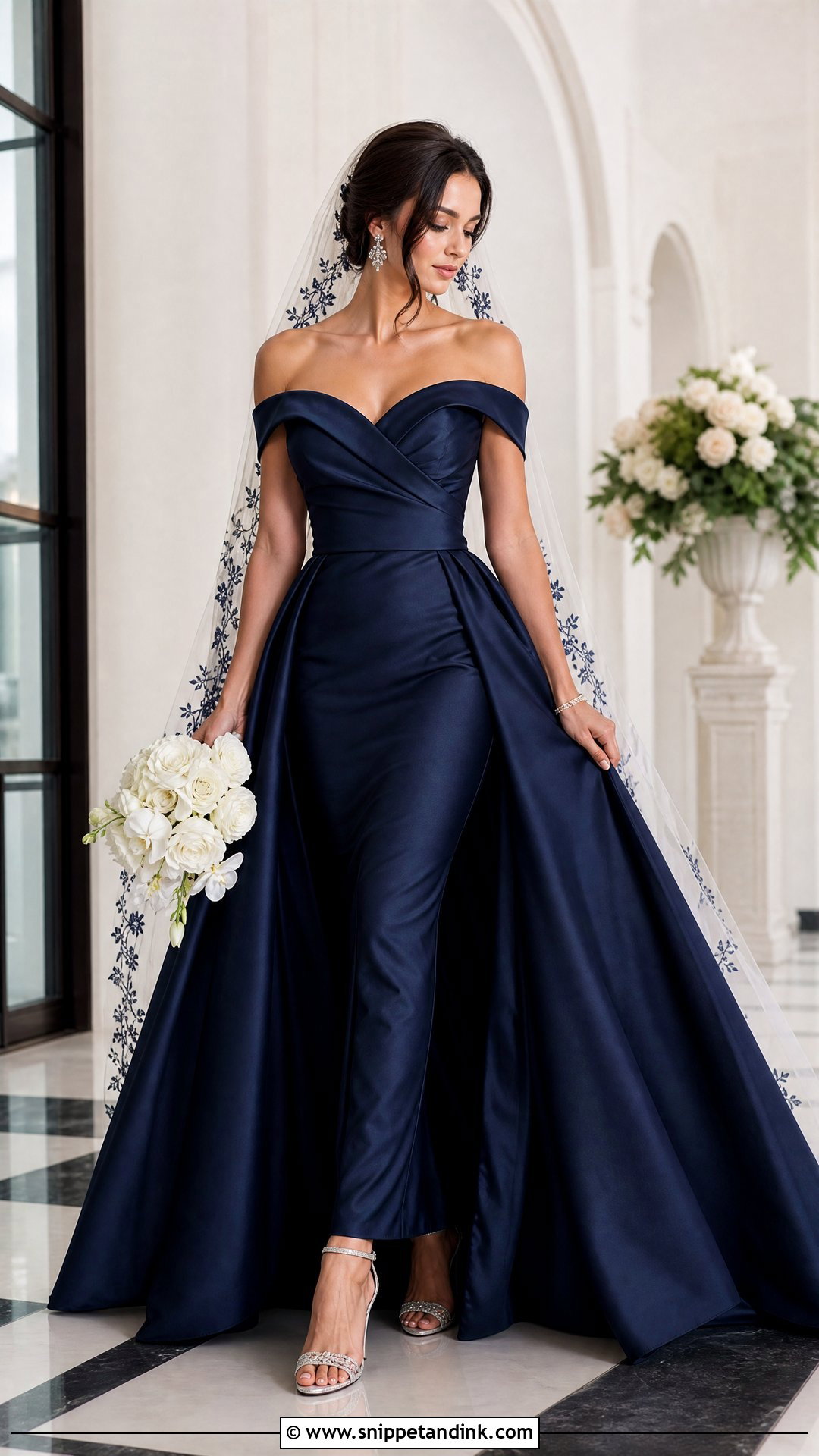
Navy is formal without the severity of black. It holds its depth in satin, mikado, velvet or embroidered tulle. Try a navy fit-and-flare with an off-the-shoulder neckline and a detachable overskirt for two reception looks. Silver heels, sapphire or crystal earrings and a sheer navy veil suit it, or ivory tulle with navy embroidery if a full navy veil feels heavy. White flowers and silver-green foliage stand out well. Navy can look black at night, so flash photos may lose its blue. Go easy on blue eyeshadow; a neutral smoky eye and soft rose lip keep it balanced.

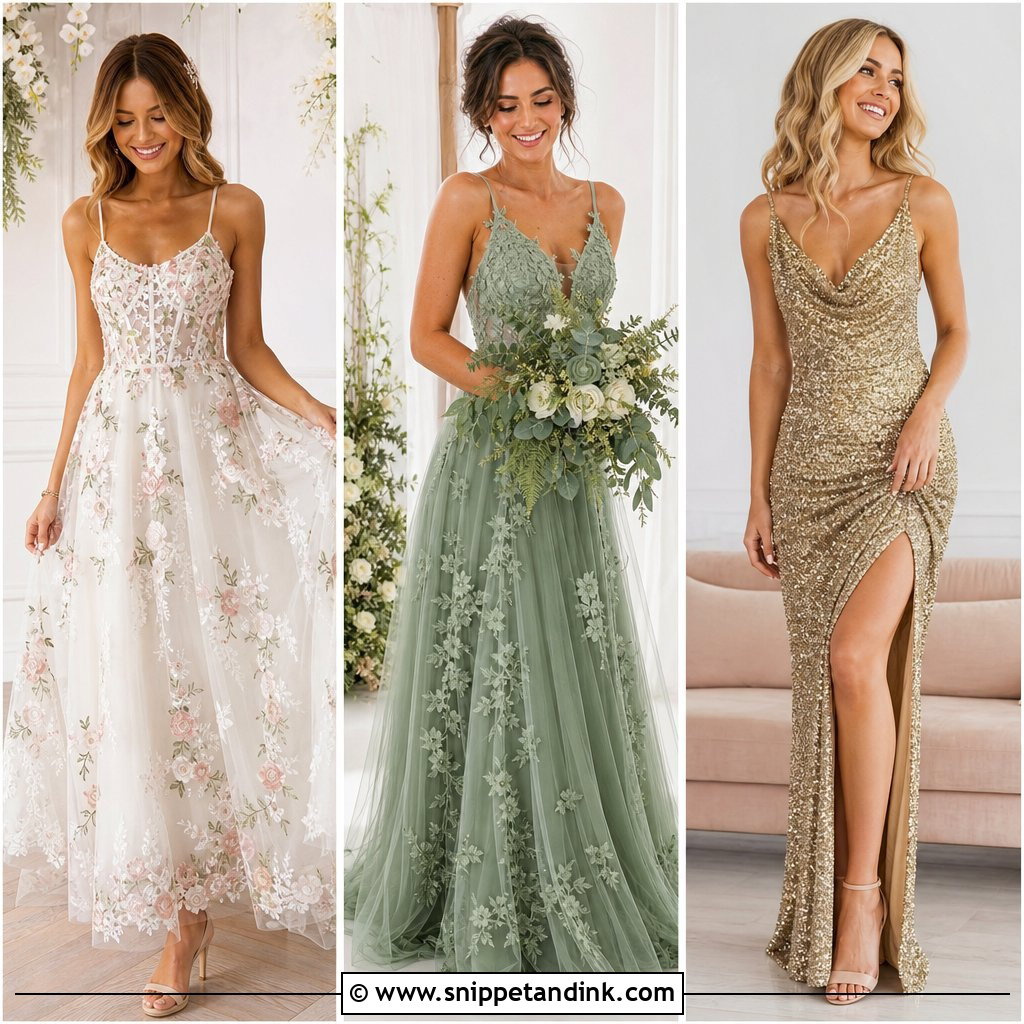
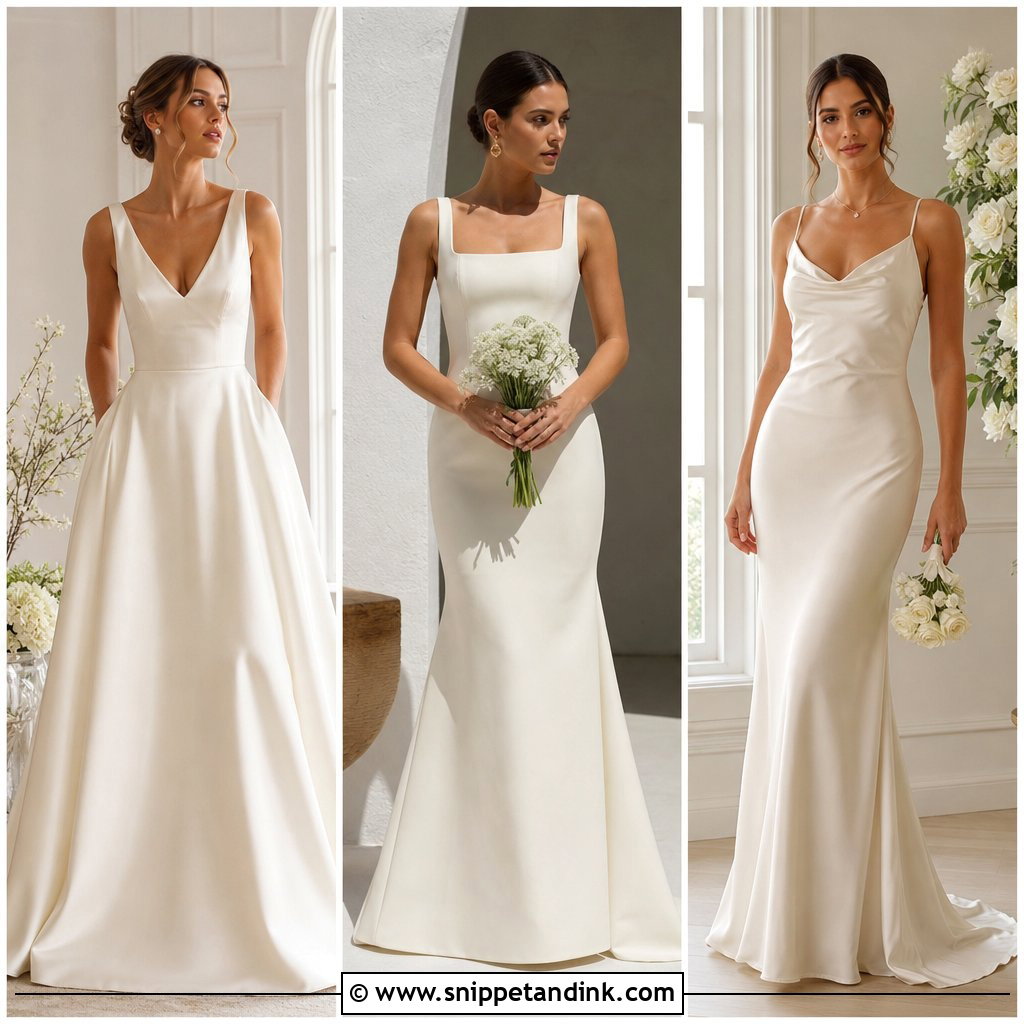
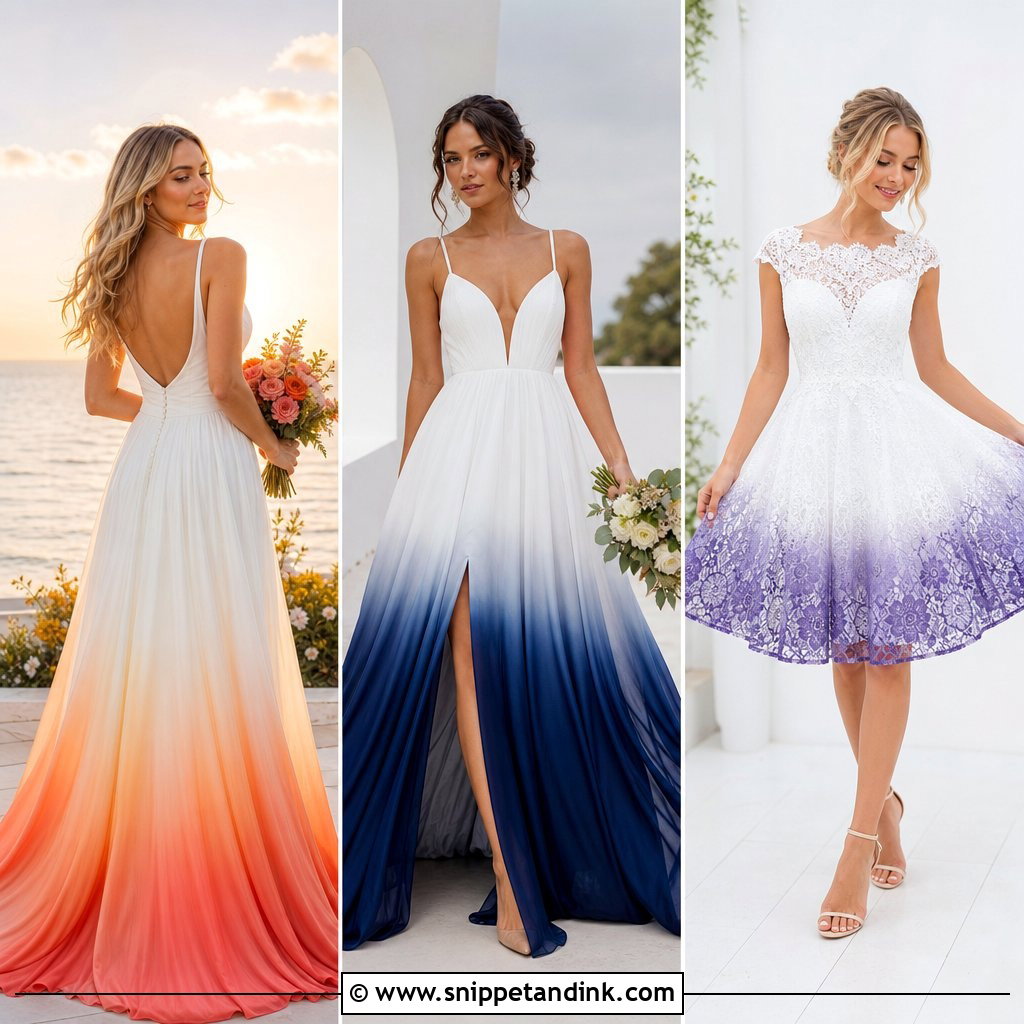
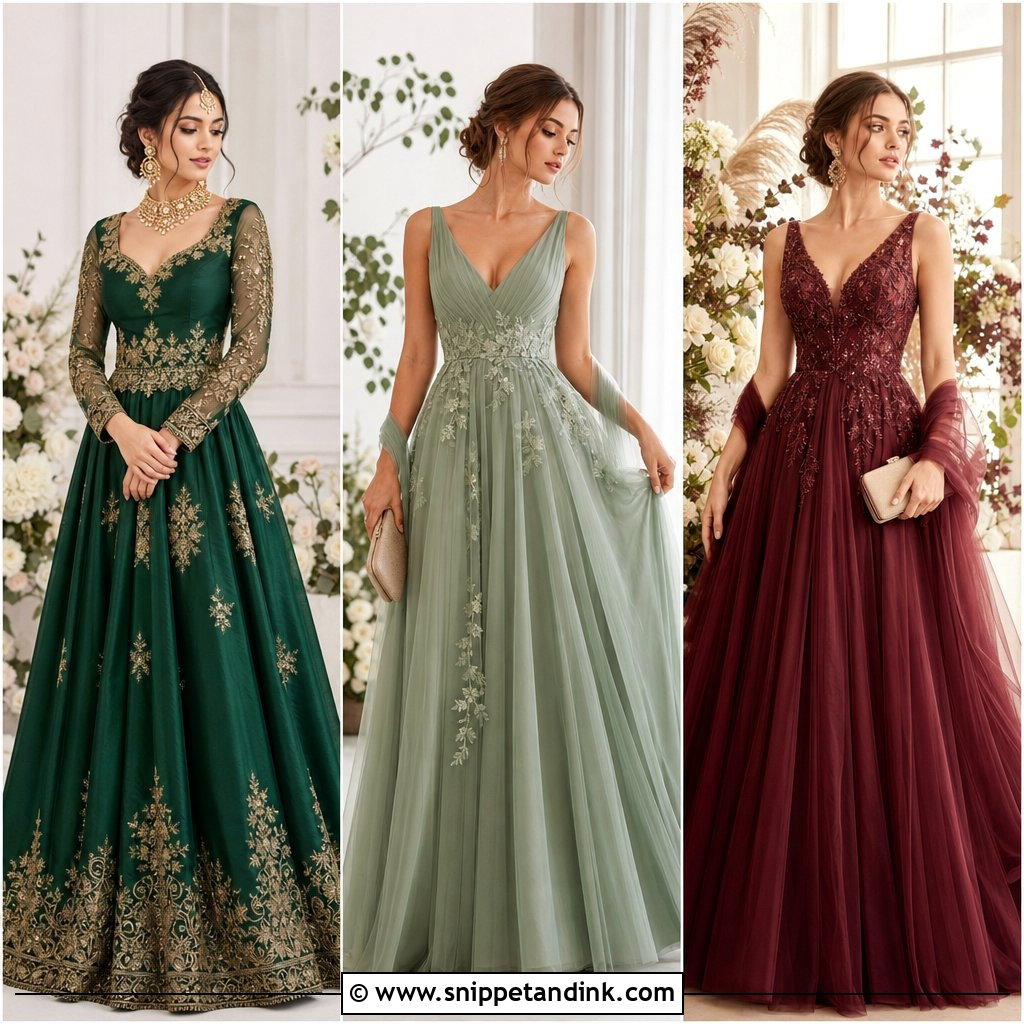
20. Emerald Green Wedding Dress
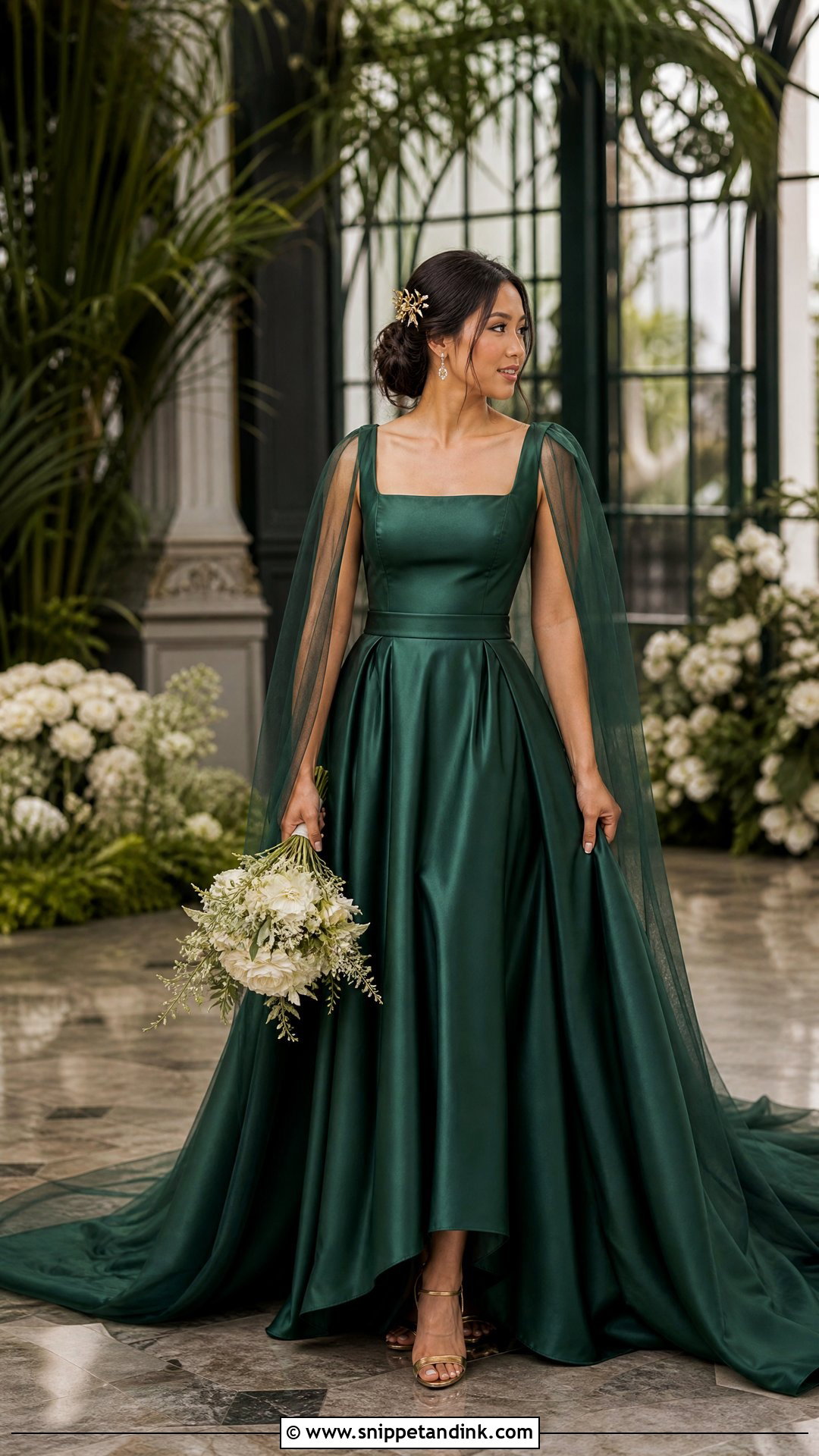
Emerald is a jewel tone that suits evening venues and grand rooms. An emerald satin gown with a square neckline, fitted waist, full skirt and chapel train looks rich with gold sandals, small emerald or diamond earrings and a fine gold hairpiece. A sheer green cape can replace the veil; a neutral veil gives softer contrast. Keep foliage in the bouquet to a minimum or it disappears into the dress. Warm gold makeup and a muted berry lip finish it. Emerald ranges from blue-green to yellow-green, so line up the jewelry, shoes and fabric together before you buy anything.
What a Colored Gown Shows That White Hides
Colored fabric behaves differently over a long day, and I warn brides about it early so there are no surprises at the reception.
- Perspiration: mid-tone silks and satins, especially dusty rose, sage and blue, darken visibly where they get damp. Dress shields sewn into the bodice help a lot.
- Dark shades: black, navy and burgundy show deodorant, face powder and lint. Let antiperspirant dry fully before dressing and keep a lint roller in the emergency kit.
- Dye matching: alterations on a colored gown need thread and any added fabric from the same dye lot. Ask the shop to order extra fabric with the dress in case a sleeve or panel needs to be added later.
- Light-sensitive dyes: pastels can fade where sunlight hits them through a garment bag. Store the gown in the dark both before the day and afterward.
Ordering time
Some colored gowns are made to order rather than held in stock, and custom shades can add weeks to delivery. Ask about lead time at the first appointment, and order sooner than you would a white gown if you’re set on a particular shade.
Is It the Shade You’d Wear Again Tomorrow?
The right bridal color is the one that still looks like you when you see yourself in the photos. Start from the shades you already wear, your ceremony setting and the silhouette you want. Then check the fabric in daylight, under indoor bulbs and under flash, because satin, lace, tulle, velvet and sequins all show the same dye differently. Once the gown is settled, match the undertone across the veil, shoes, jewelry, bouquet and makeup rather than copying the exact color. Ivory or emerald, it should be a shade you genuinely love.
You'll Like These Ideas:


Leave a Reply