
More brides now come to me asking for colour first and silhouette second. Some want a shade that suits their skin better than white ever has, some are matching a season or a venue, and some are honouring a culture where white was never the bridal colour to begin with. Every colour below can still look bridal, but only if fabric, shape and accessories are handled with care. Pastels need fabric with movement, jewel tones need structure, metallics need restraint. I’ve grouped soft pastels, deep jewel tones, earthy neutrals, metallics and bold statement shades, with notes on the fabric each one needs and who it suits.
Does Your Skin Lean Warm, Cool or Neutral?
White and ivory forgive a lot. Colour doesn’t. A shade sitting right under your chin reflects onto your skin, so the wrong one can make you look tired or flushed in every close-up. Before I show a bride any coloured gown, I do a simple draping test.
- Take off your makeup and stand by a window in daylight.
- Hold a piece of fabric in each colour you’re considering at your collarbone, one at a time.
- Watch the shadows under your eyes and around your mouth. A good colour makes them soften; a bad one deepens them.
- Notice which colour makes your eyes look brighter, not just which one you like on the hanger.
Warm skin usually glows in peach, copper, soft gold, sage and burgundy. Cool skin tends to suit lavender, ice blue, emerald, cobalt and rosy blush. Neutral skin can wear most of them. The vein and jewelry tests you find online are unreliable, so trust the fabric against your face. If you love a colour that doesn’t suit you, keep it away from the face with an ivory bodice and a coloured skirt.
1. Blush Pink Wedding Dress
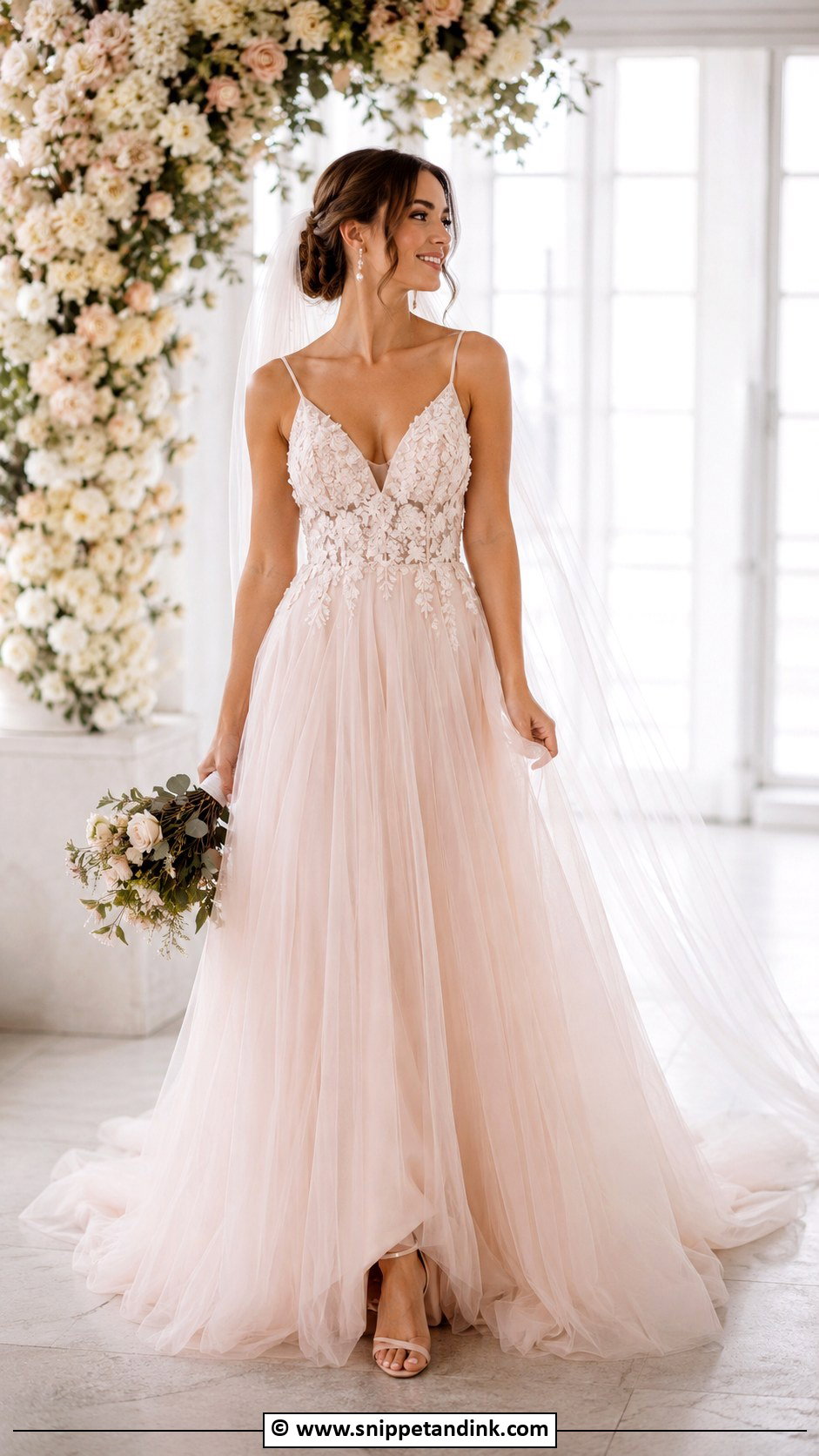
A blush pink wedding dress is the gentlest step away from white, and brides who try one are often surprised by how warm it makes their skin look. Tulle, chiffon, satin and floral lace all carry it well. For a ceremony look, I’d go with a blush A-line with fine straps, a sheer veil, pearl earrings and ivory or nude heels; a fitted blush satin dress turns modern with pointed pumps. The undertone matters most. Rosy blush suits cooler skin, while dusty, slightly beige blush is kinder to olive and warm complexions.
2. Dusty Blue Wedding Dress
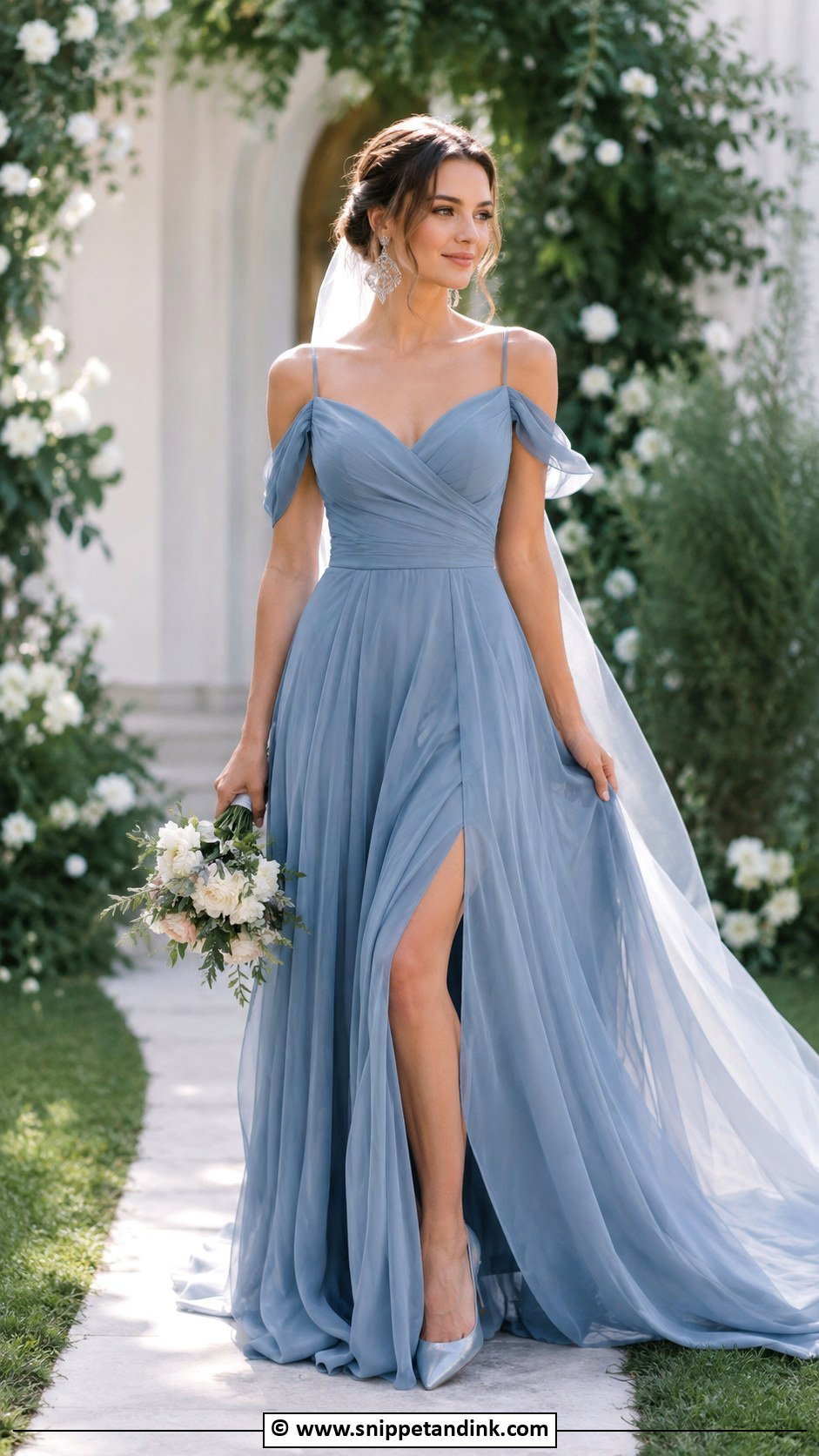
Dusty blue is calm and quietly unexpected, with enough grey in it to avoid looking like a bridesmaid dress. It moves best in chiffon, layered tulle or sleek satin, especially at garden and coastal weddings. Silver jewelry, soft waves and pale blue or metallic heels round it out. Long sleeves give it a classic feel; strapless reads fresh. Dusty blue fades easily in strong sunlight on camera, so I suggest some texture, such as embroidery, appliqué or a sheer cape veil, to keep the dress from looking flat in outdoor photos.
3. Lavender Wedding Dress
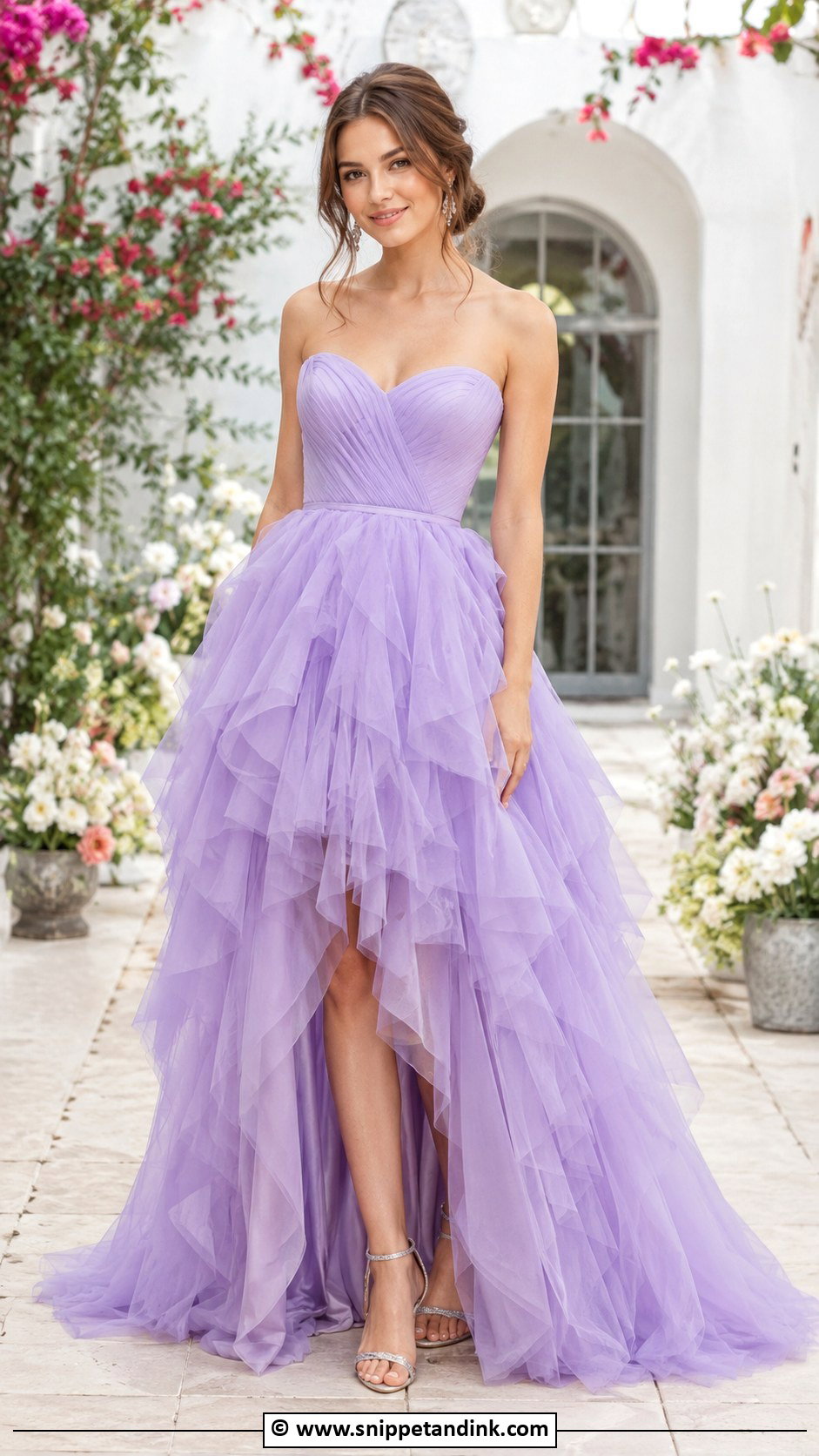
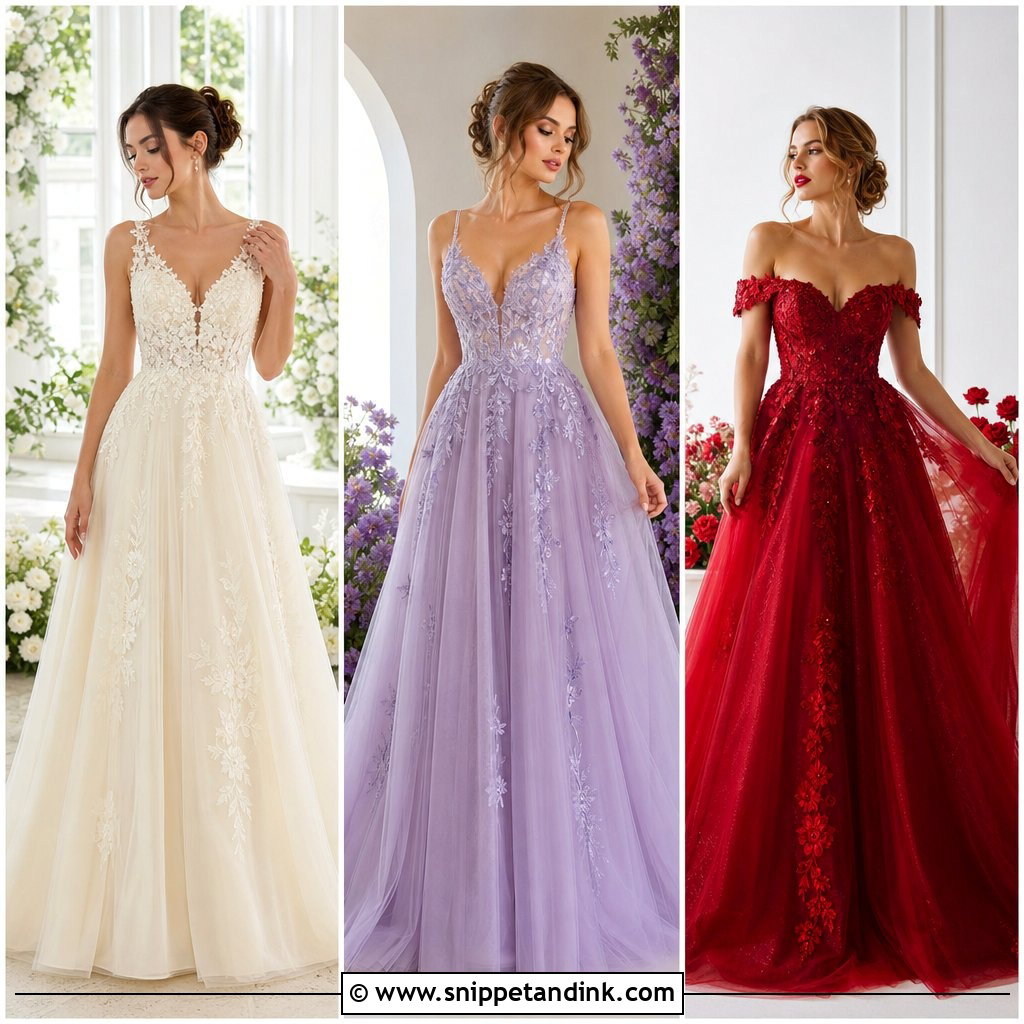
Lavender can tip into sweet very quickly, so styling decides whether it reads bridal or prom. A lavender tulle ball gown feels whimsical with crystal earrings, silver sandals and a soft veil. For a cleaner version, a lavender crepe or satin column with minimal jewelry and sleek hair looks deliberate. Cool-toned makeup and soft pink lips suit it. Purple dyes are the most likely to shift under warm indoor bulbs, turning slightly grey or pink, so I always look at the fabric in the evening light of the venue type.
4. Sage Green Wedding Dress
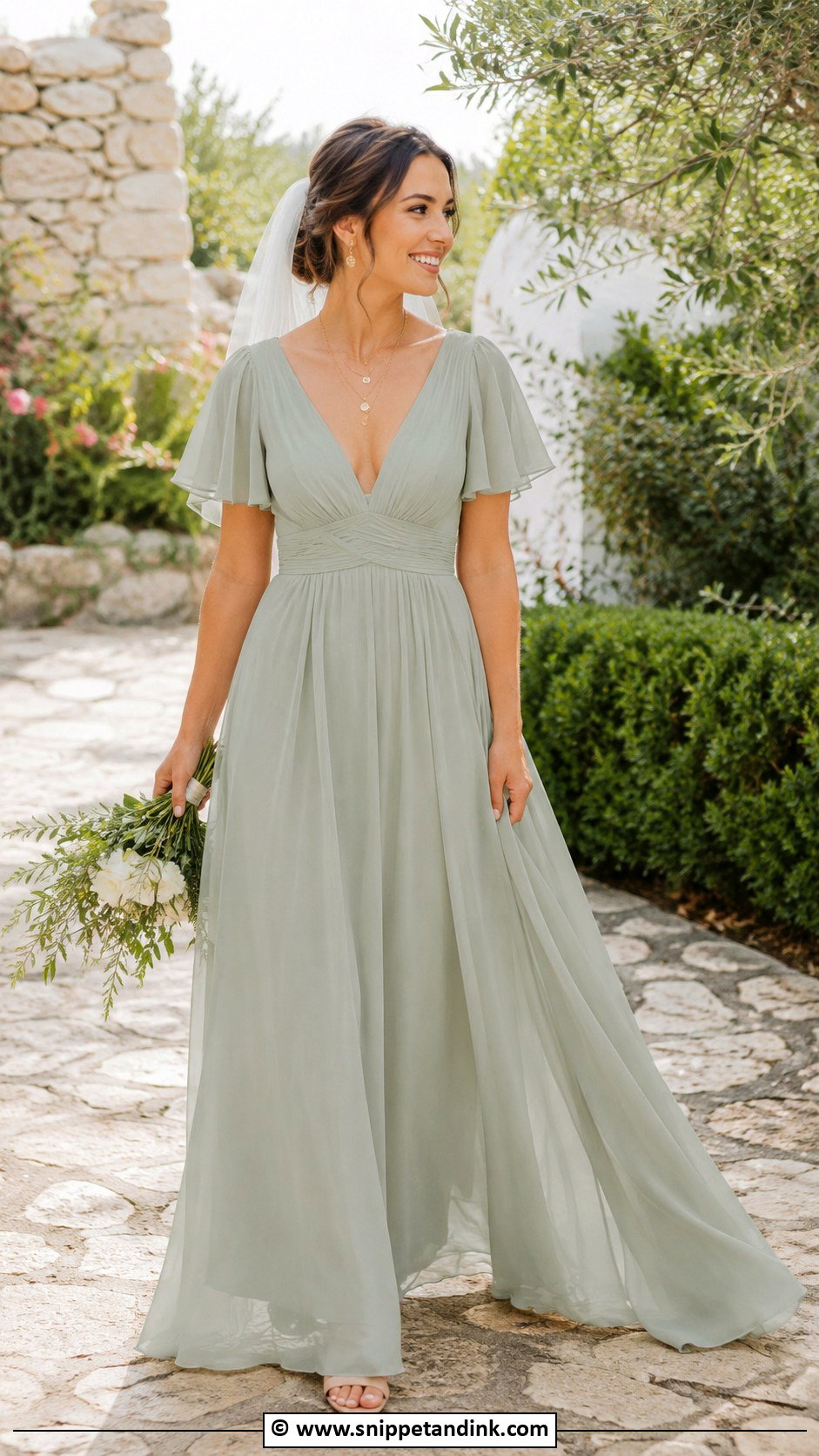
Sage is the colour I recommend most for outdoor and botanical weddings, because it sits so naturally against greenery and stone. A sage chiffon gown with flutter sleeves, low heels and fine gold jewelry looks soft and easy. For formal settings, sage satin with a structured bodice and clean train feels refined. Cream flowers, pearls and neutral shoes suit it. Sage has a grey base, which makes it gentle on most complexions, though very pale skin may need a little extra warmth in the makeup to avoid looking tired.
5. Soft Gold Wedding Dress
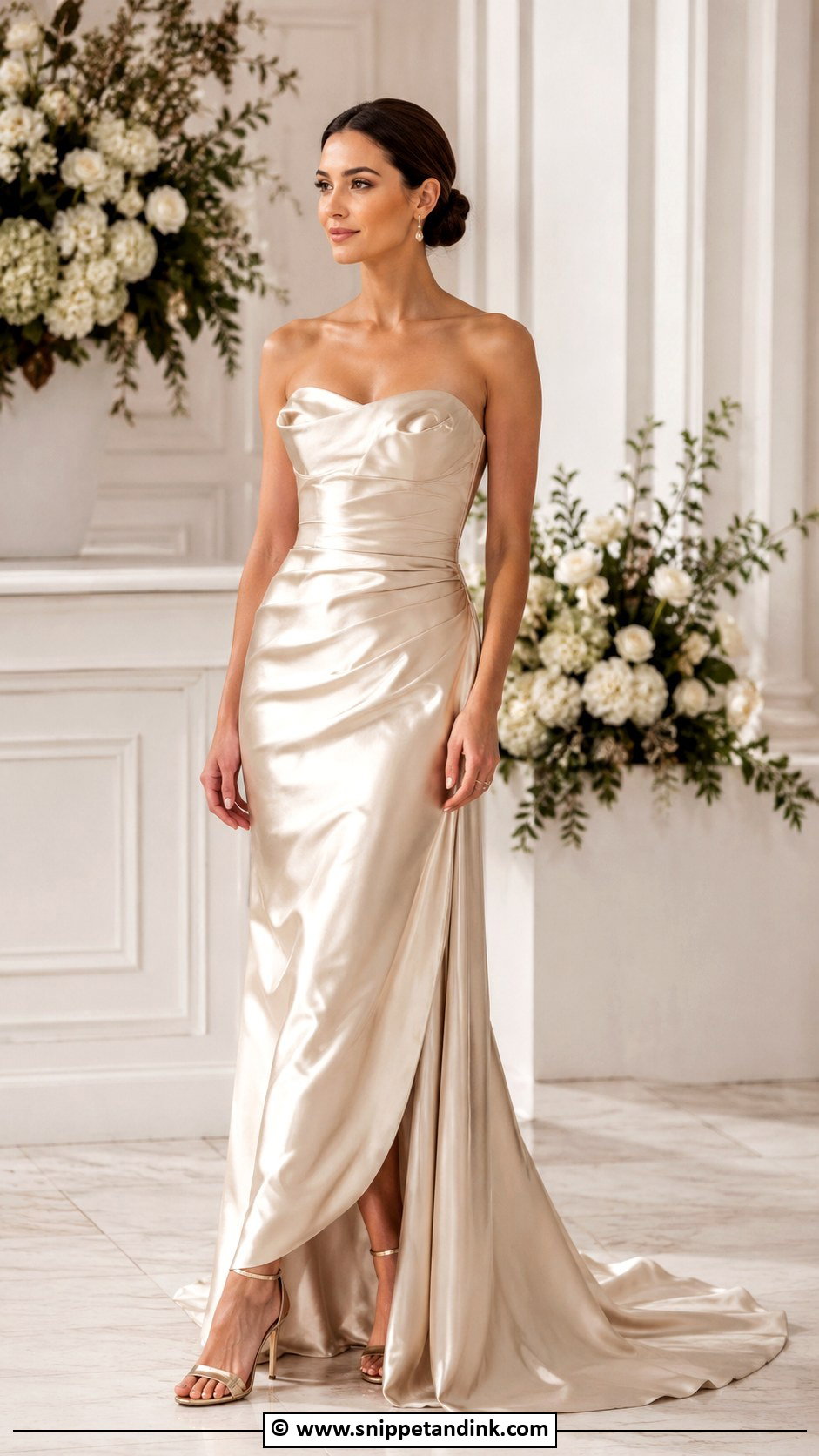
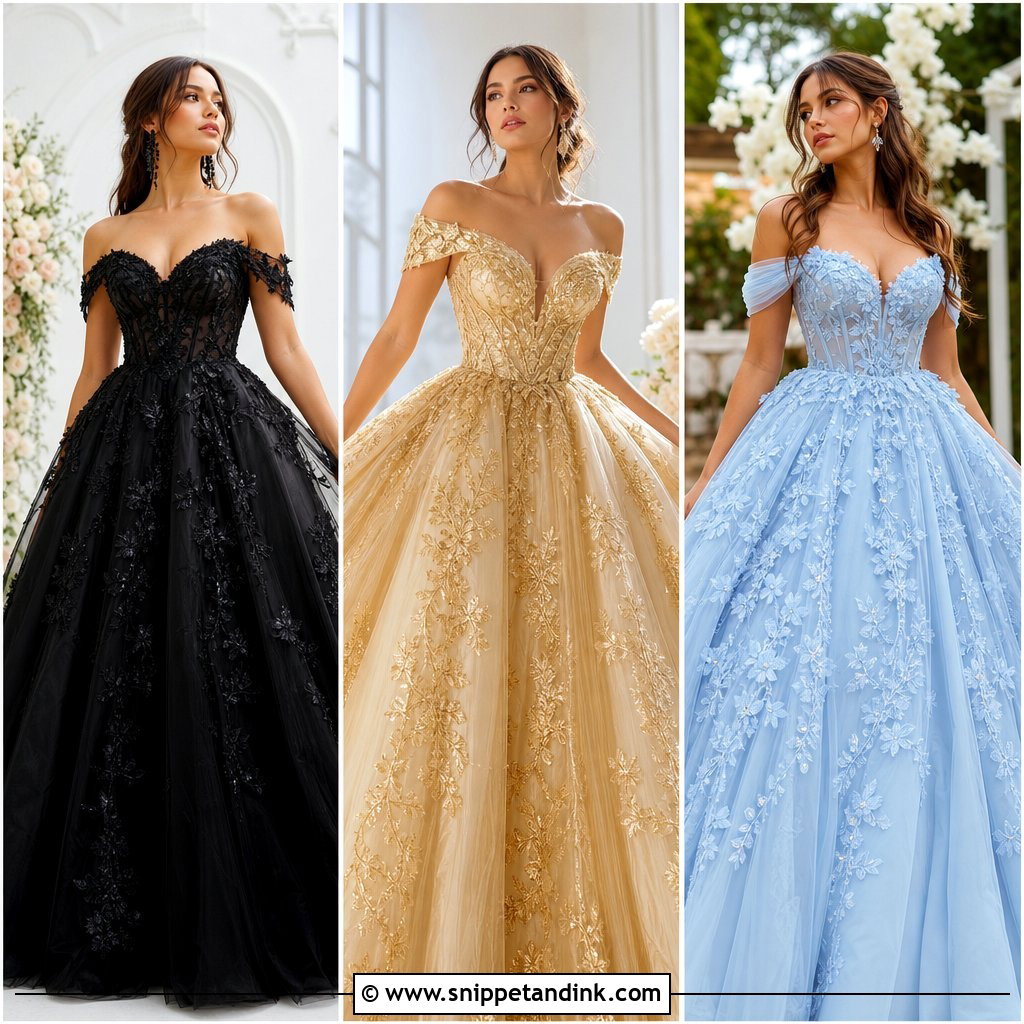
Soft gold glows under evening light without the flash of full metallic. A pale gold satin gown gives a smooth, luminous surface; soft gold beading over tulle adds texture. I keep the rest plain: simple earrings, metallic heels, a clean hairstyle. Gold flatters warm skin tones especially, and the more muted the shade, the more brides it suits. Brighter, yellower golds can look brassy in photos taken with a flash, so I lean toward champagne-gold whenever in doubt.
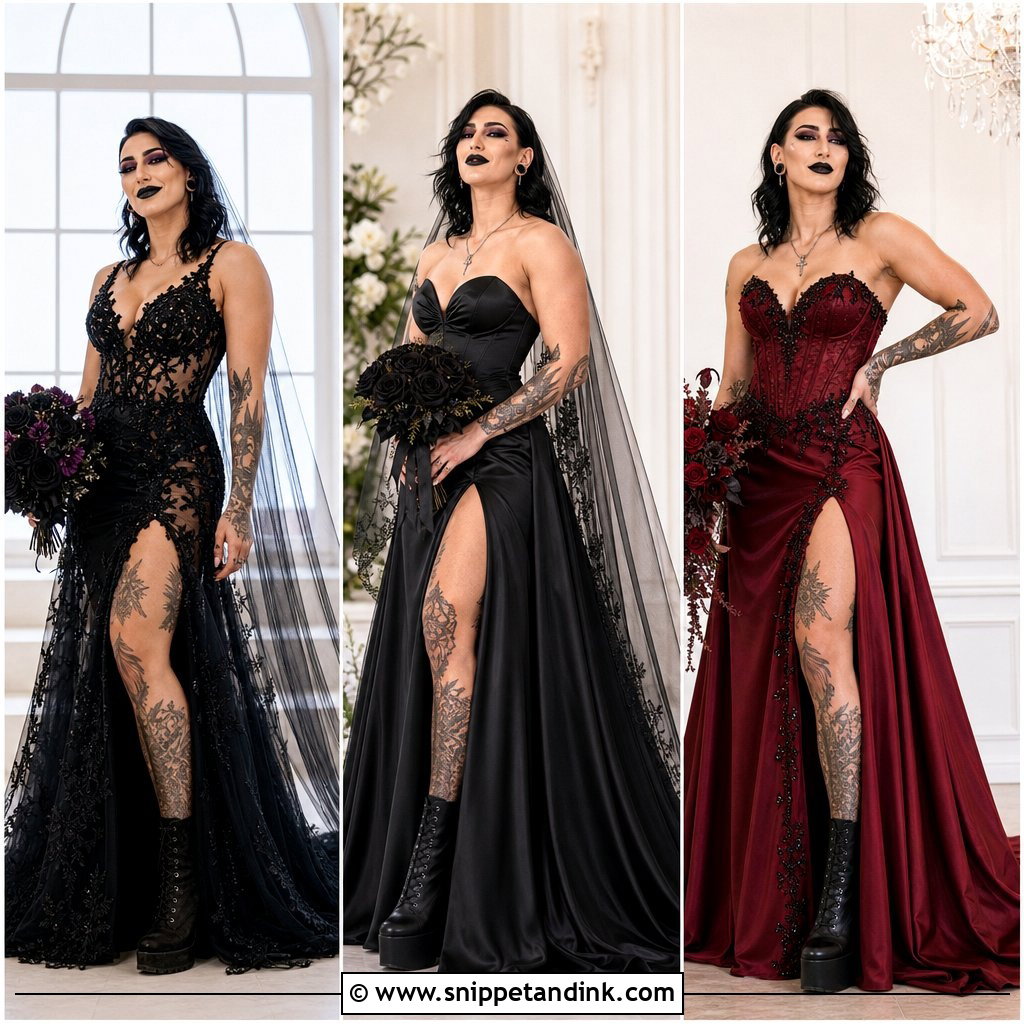
6. Black Wedding Dress
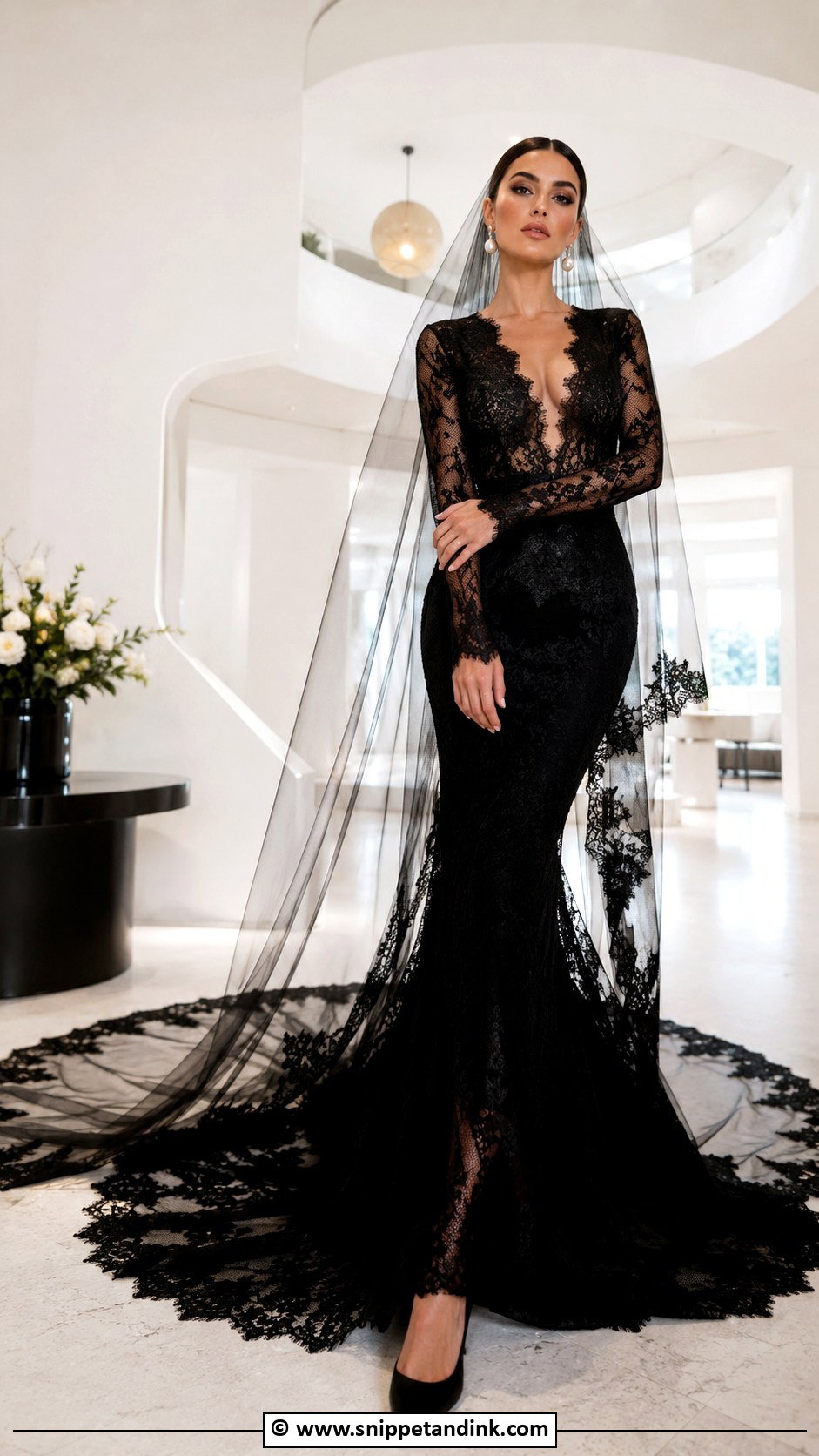
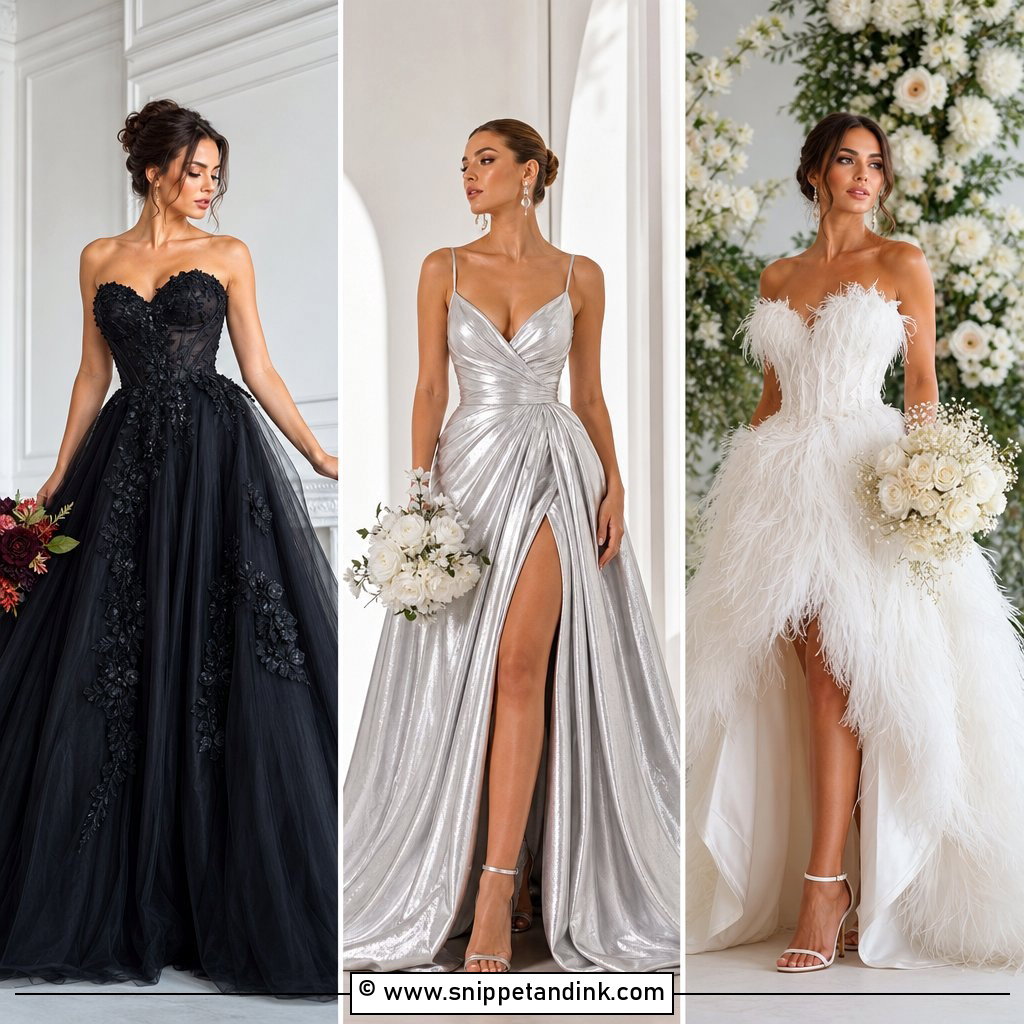
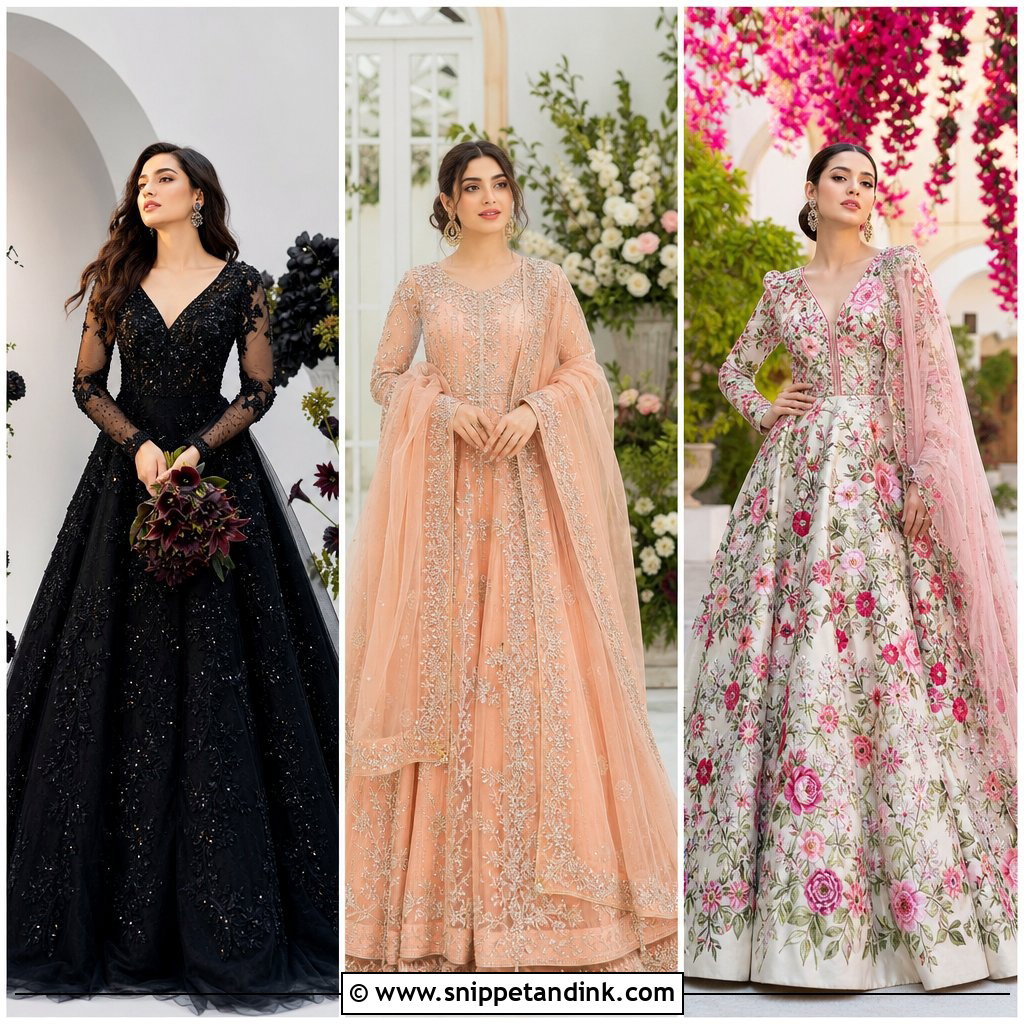
Black is for the bride who wants her ceremony look to feel powerful, and it needs luxurious fabric to read as bridal rather than evening wear. A black lace gown with a long train, pointed heels and pearl or diamond-style jewelry balances romance with edge. A black satin slip is sleeker with a clean bun and minimal accessories. A sheer black veil, sculptural earrings or a white bouquet add contrast. I’d have an honest conversation with older relatives ahead of time, since black still means mourning in many families and can cause real upset if it comes as a surprise.
7. Red Wedding Dress
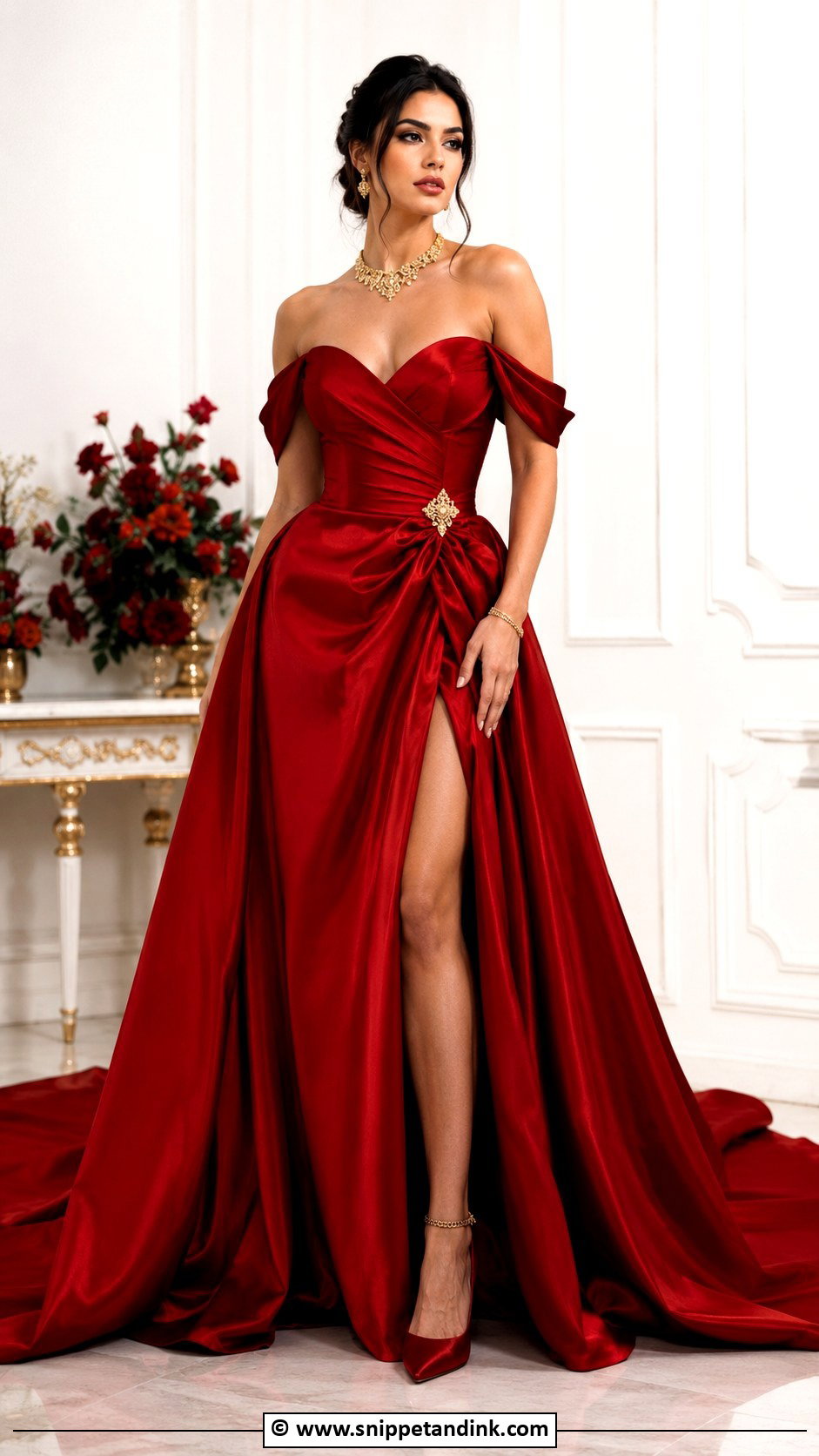
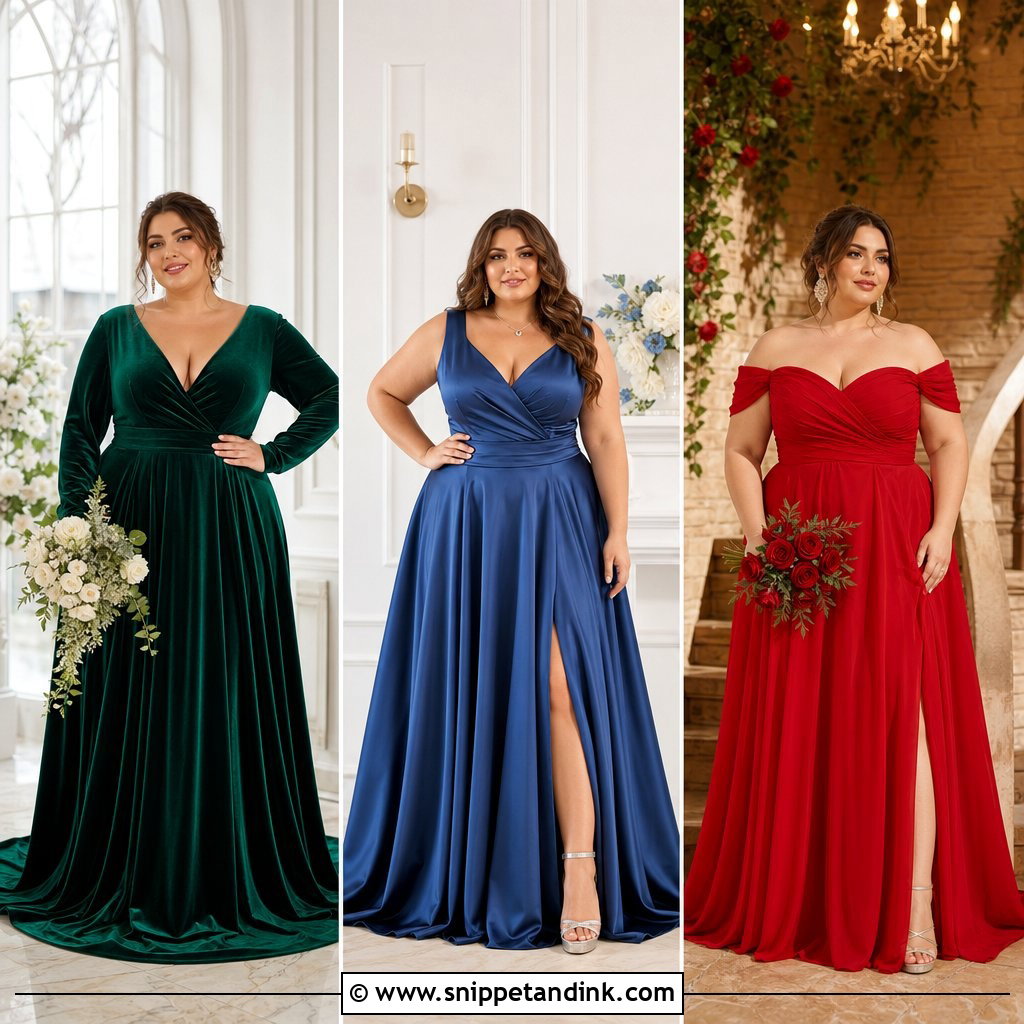
Red carries meaning: joy, luck and celebration in many cultures, and the traditional bridal colour in several of them. A deep red satin ball gown with gold jewelry and matching heels looks rich and formal; a softer ruby lace dress feels romantic. Choose one standout feature, such as a dramatic train, structured bodice or embroidered fabric, and keep the rest calm. Red sits very close to the face in photos, so I check it against the bride’s lipstick early; a lip that’s slightly too blue or too orange will clash immediately.
8. Emerald Green Wedding Dress
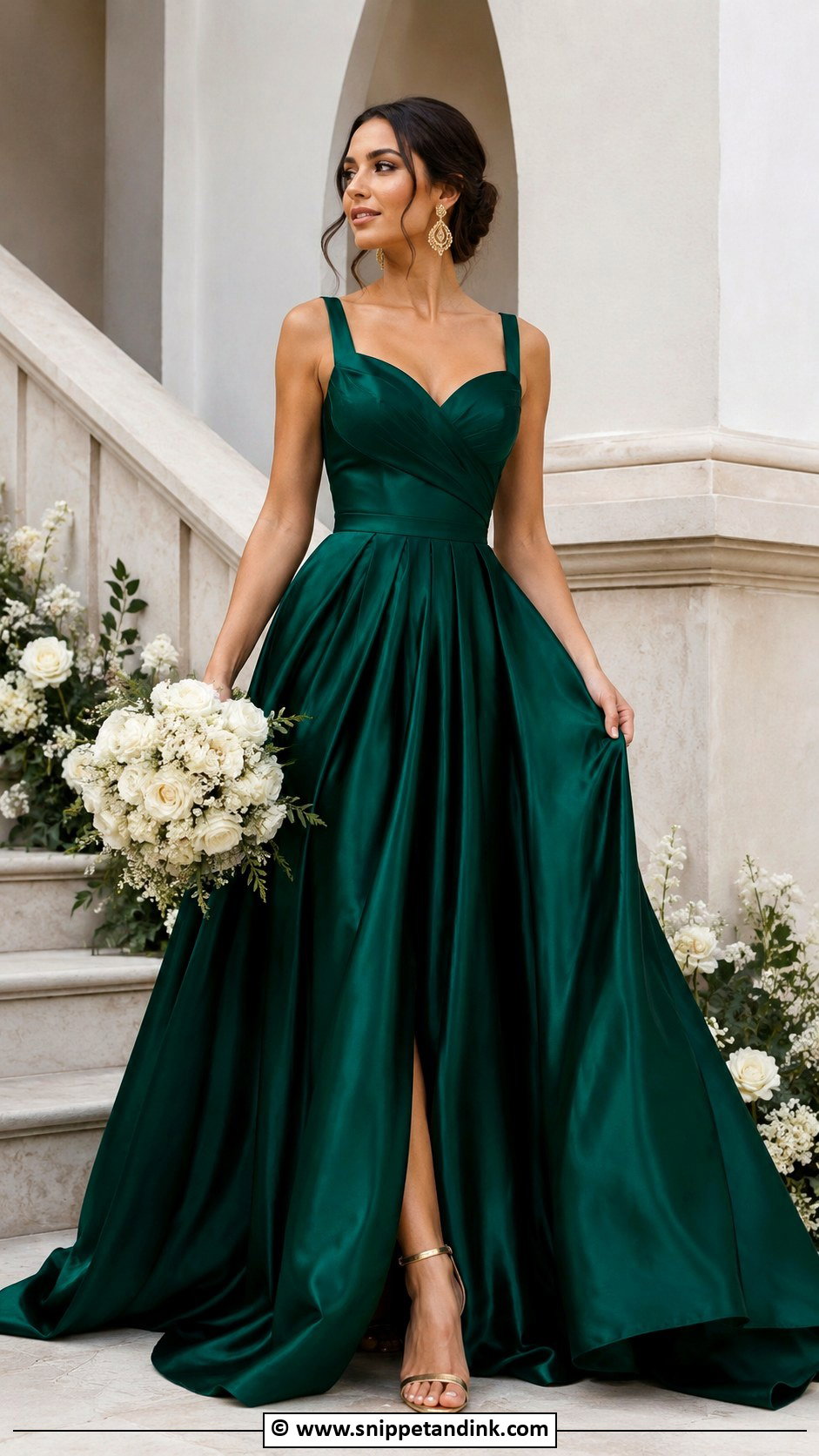
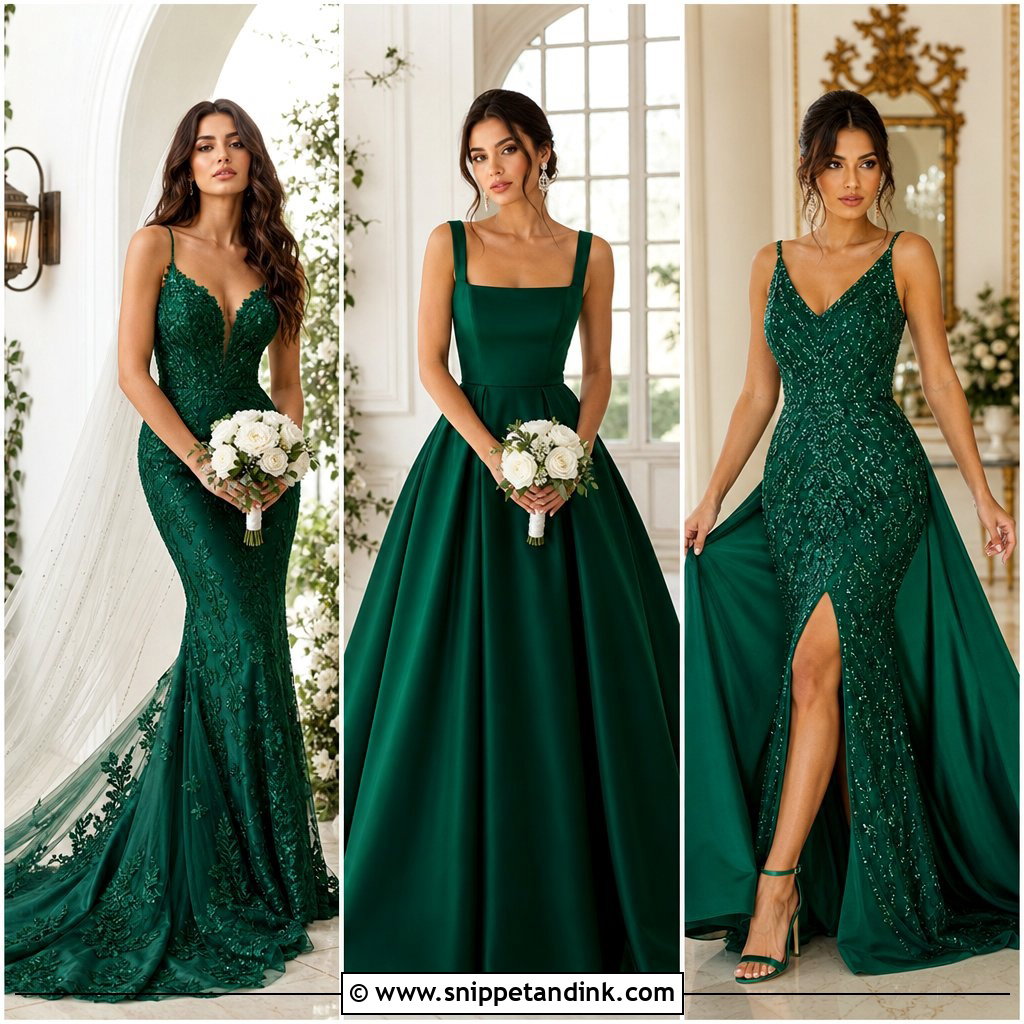
Emerald has depth without harshness, which is why it suits so many complexions. Velvet, satin, crepe and structured mikado bring out its richness. For a formal look, I’d choose a fitted bodice and full skirt with gold jewelry and elegant heels; a sleek column with a clean updo and small metallic clutch is more modern. To keep it bridal, add soft contrast with ivory flowers, pearls or delicate sheer sleeves. Emerald velvet is warm, so save that version for cooler months.
9. Silver Wedding Dress
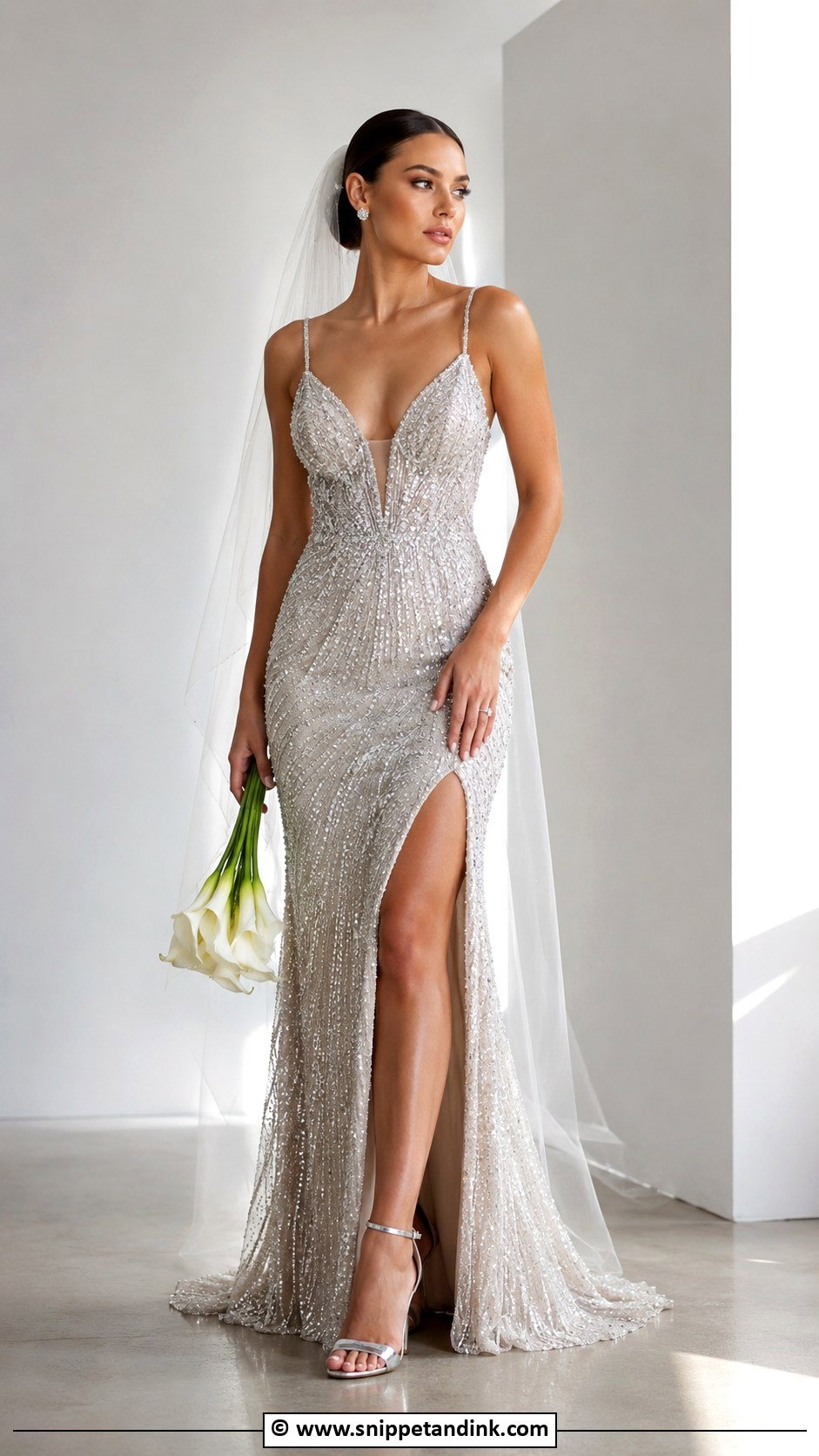
Silver catches light like nothing else on this list, so the main job is stopping it from looking like costume. A silver beaded gown with a simple veil and metallic heels makes a polished evening outfit. Silver satin feels softer and more minimal with crystal studs and clean makeup. I look for gowns with structure and real movement, and I keep the bouquet refined. Cool-toned accessories and a smooth hairstyle suit it. Heavily beaded silver gowns can be heavy and scratchy at the underarm, so test it with your arms around someone before buying.
10. Navy Blue Wedding Dress
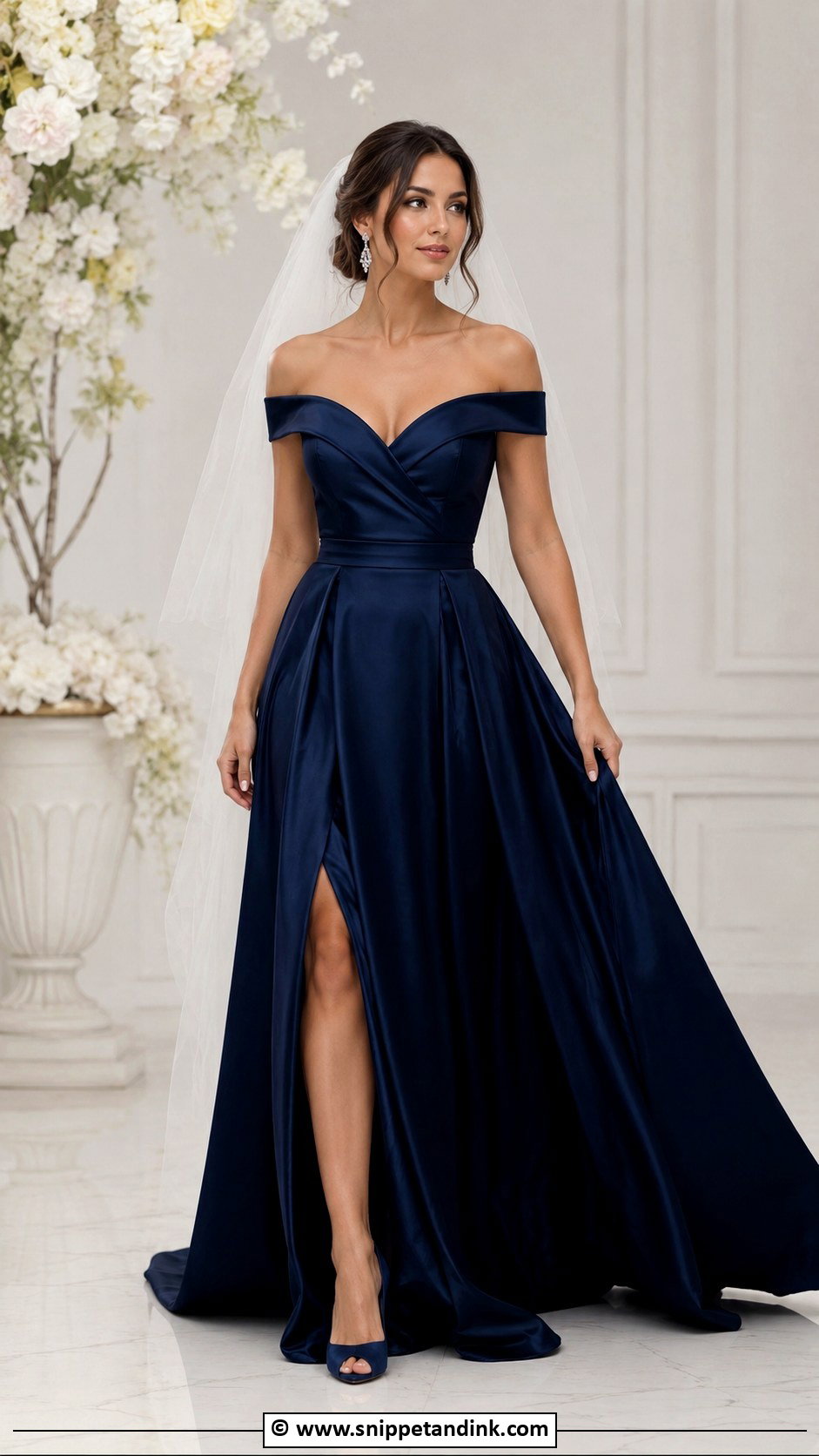
Navy gives you a dark colour without going to black, and it feels classic and formal in satin, crepe, velvet or lace. A navy off-the-shoulder gown with silver earrings, navy heels and a soft veil has a quiet drama. Light beading works for an evening ceremony. It pairs easily with white, ivory, silver or soft blush accessories across most seasons. Matte navy can read almost black in candlelight, so if you want it to look clearly blue in reception photos, choose a fabric with some sheen.
11. Pale Yellow Wedding Dress
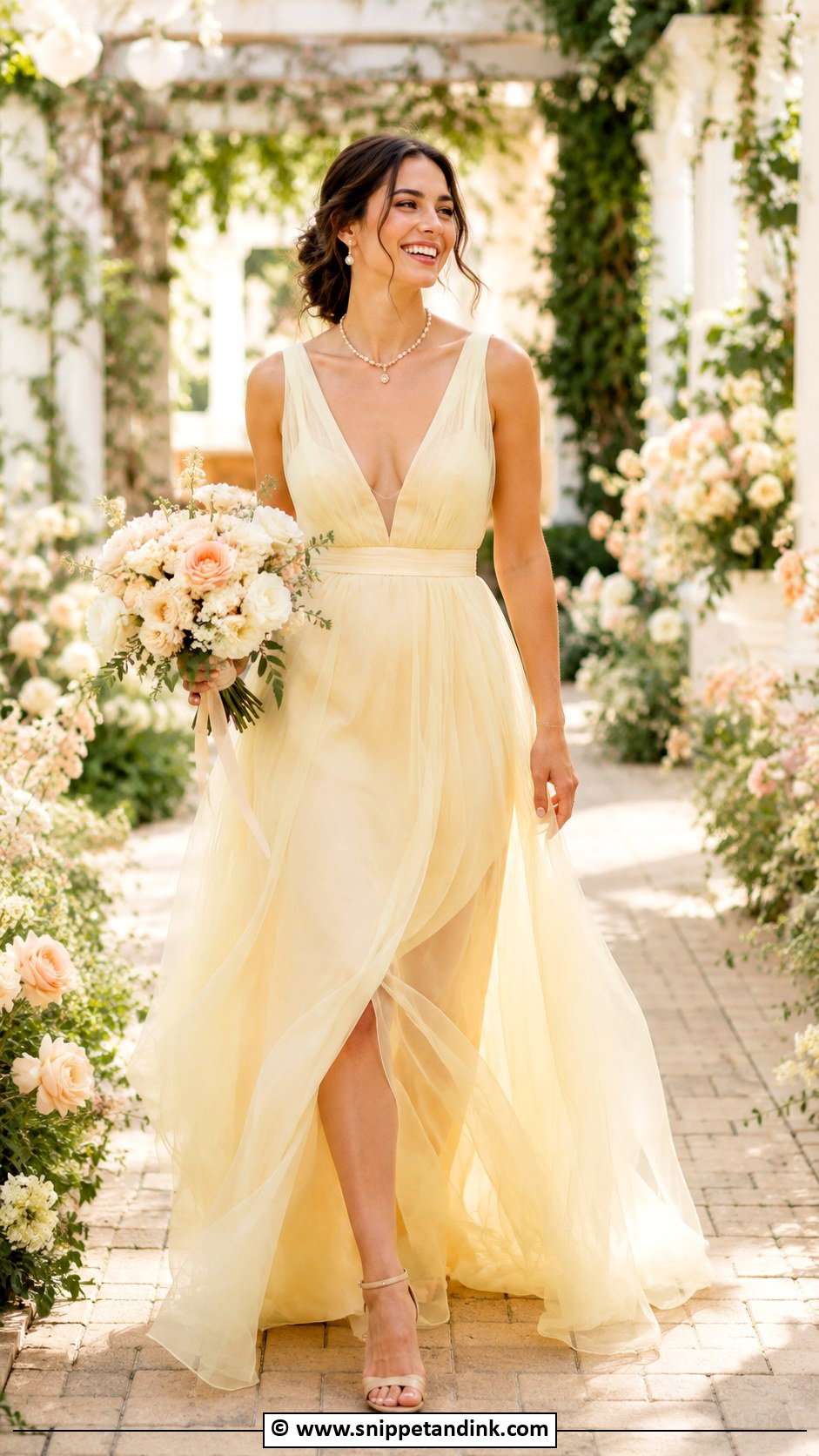
A pale yellow wedding dress is sunny and soft, and it shines at spring, summer, garden and daytime weddings. A pale yellow organza gown with a flowing skirt, nude sandals and fine pearls feels light; a butter-toned satin midi or full-length gown looks more modern with simple heels and a clean bouquet. Stay with muted yellow over anything saturated. Yellow is the colour I’m most careful with near the face. Butter tones warm most complexions, but lemony yellows can make skin look sallow, so try it on before ordering.
12. Ice Blue Wedding Dress
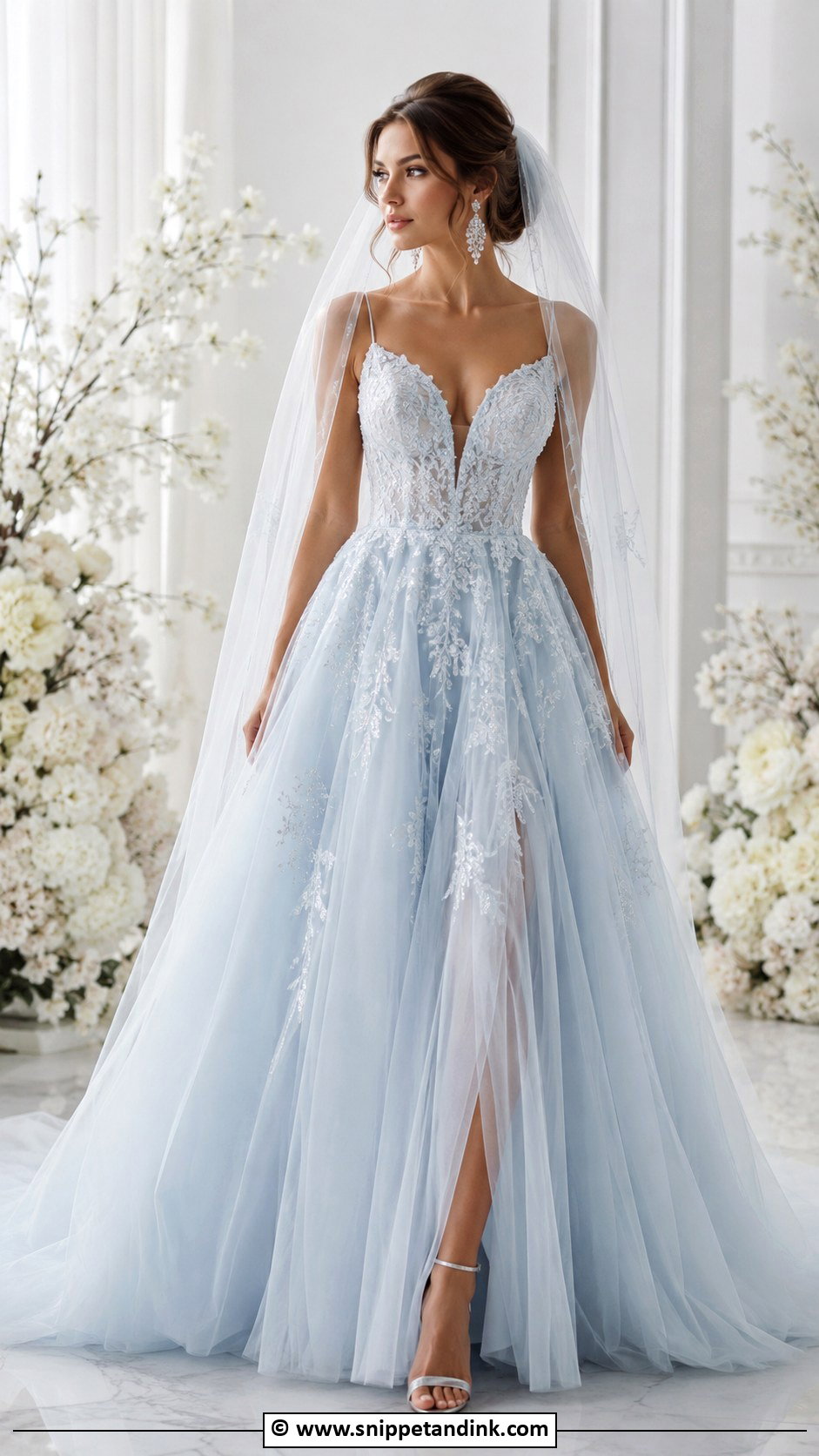
Ice blue sits so close to white that most guests won’t notice the colour until you’re close, which is exactly why some brides love it. It glows in layered tulle, sheer organza or softly lustrous satin. Crystal earrings, silver heels and a sheer veil keep it delicate. A fitted long-sleeve version looks clean and sophisticated; a full skirt leans fairytale. Ice blue can look plain white in bright outdoor photos, so if you want the colour to register, keep your veil and flowers warmer or creamier for contrast.
13. Mauve Wedding Dress
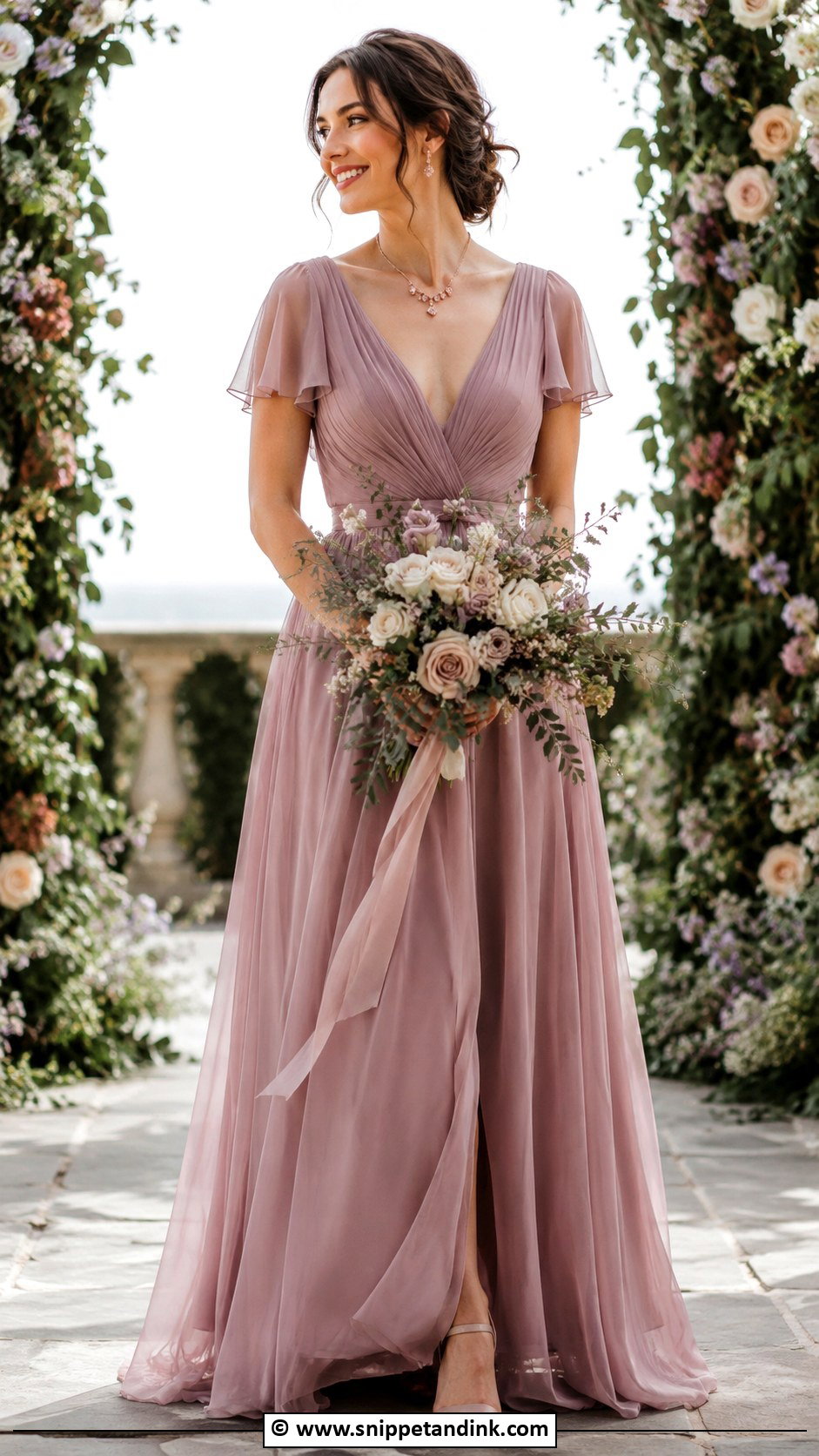
A mauve wedding dress is a grown-up take on pink or purple, with a dusty rose-purple tone that suits chiffon, crepe, satin and lace. A mauve wrap-style gown with fine sleeves, neutral heels and rose-toned jewelry is soft and wearable; a structured bodice with a flowing skirt is more formal. Ivory, taupe, soft grey and gold accessories all sit well beside it. I find mauve one of the most forgiving colours to photograph, because it holds its tone in shade and sun alike.
14. Copper Wedding Dress
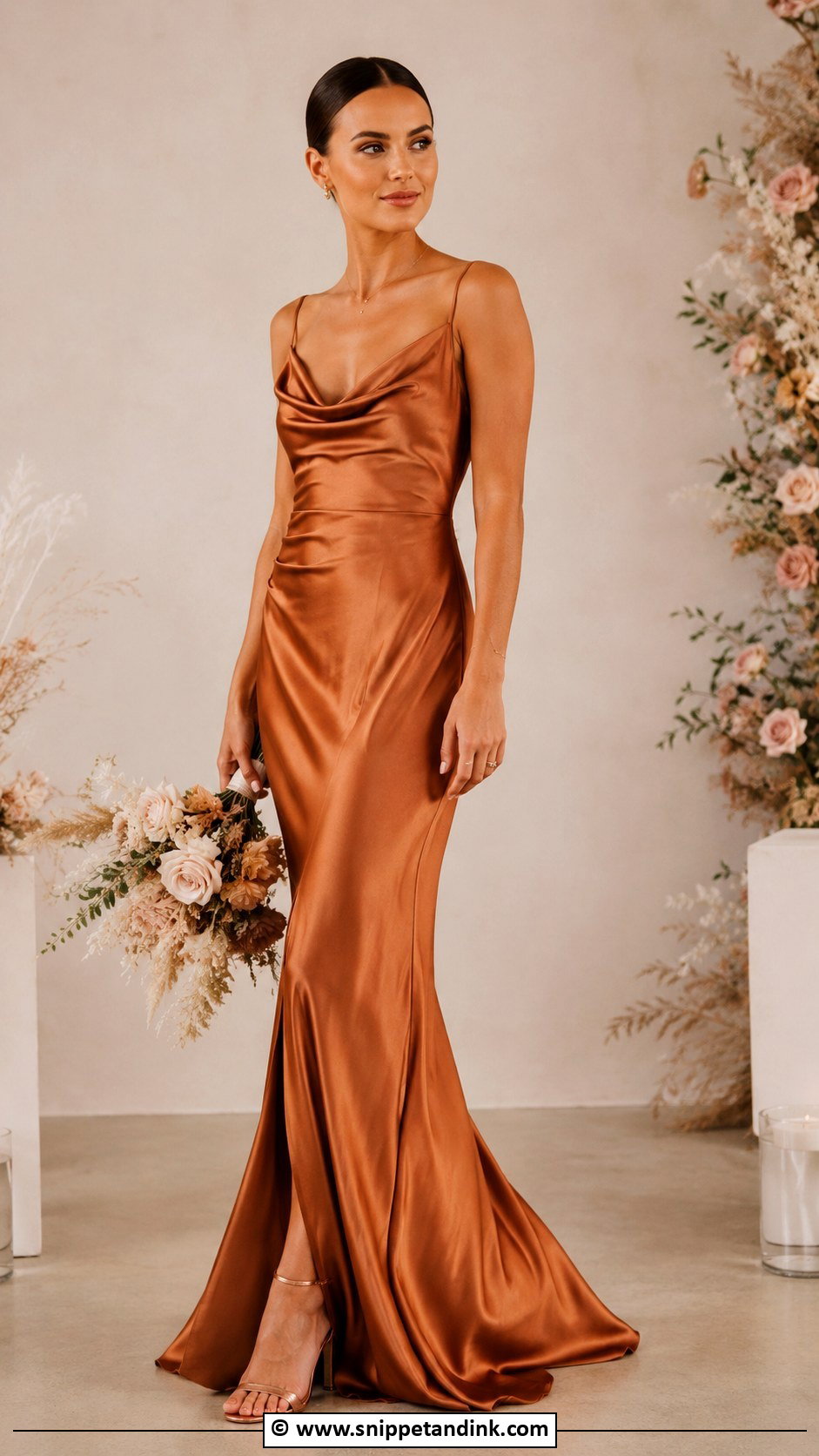
Copper glows. In late-afternoon light it looks almost like it’s lit from inside, which makes it a favourite for autumn and outdoor weddings. A copper satin dress with a draped neckline, bronze heels and simple gold jewelry looks sleek; copper tulle with a subtle shimmer is softer. Because the colour is strong, keep accessories minimal. Copper suits warm skin tones best, and on very cool, pink-toned skin, I’d steer toward rose gold instead.

15. Teal Wedding Dress
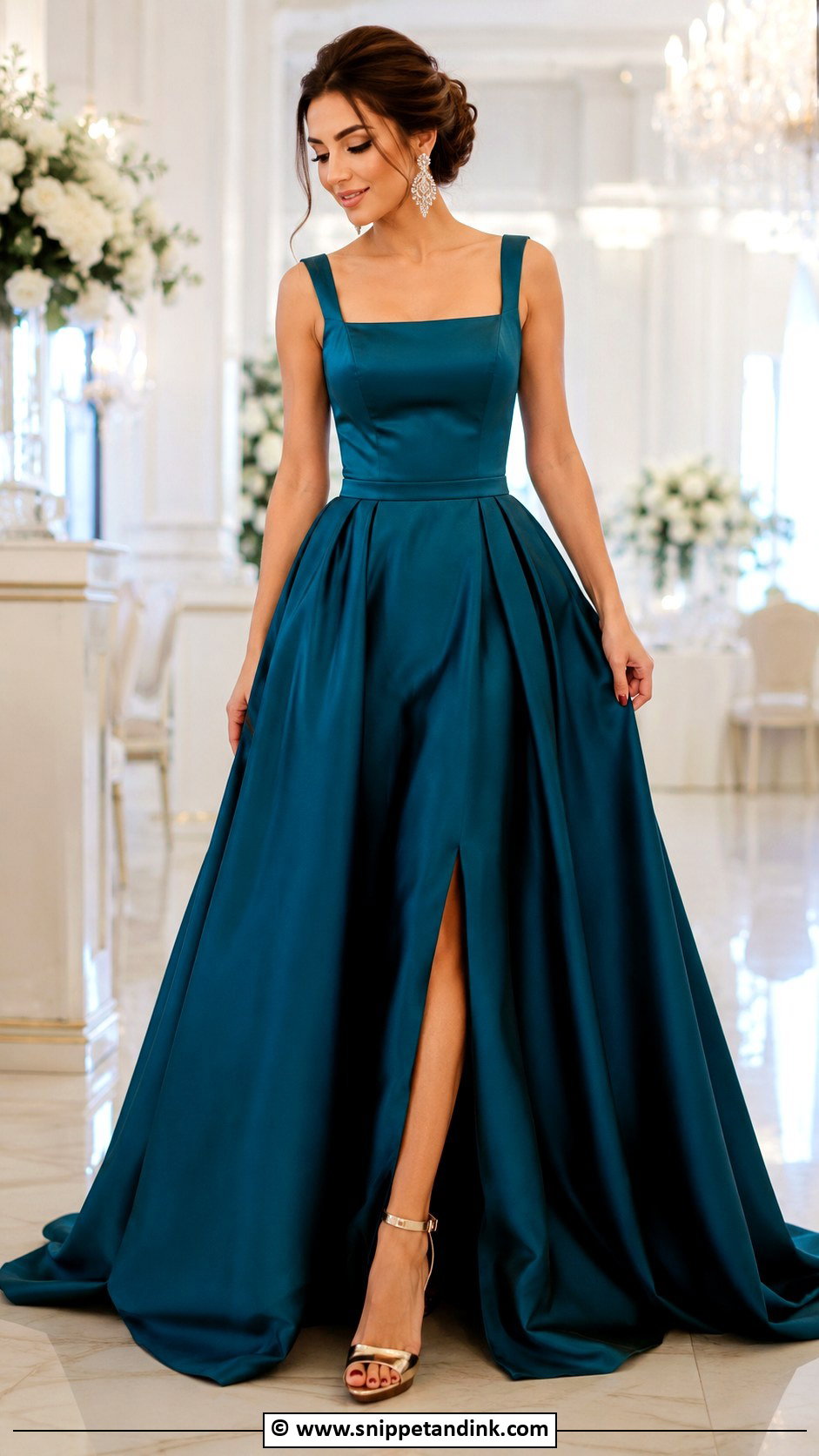
Teal sits between blue and green and has more of a modern edge than emerald or navy. A teal satin gown with a fitted waist, metallic heels and statement earrings is polished and formal; flowing teal chiffon suits an outdoor celebration. Whether silver, gold or pearl suits it depends on whether the teal leans blue or green, so I choose the metal with the dress in hand. It has enough depth to stand out against a crowd of guests in photos.
16. Floral Print Wedding Dress
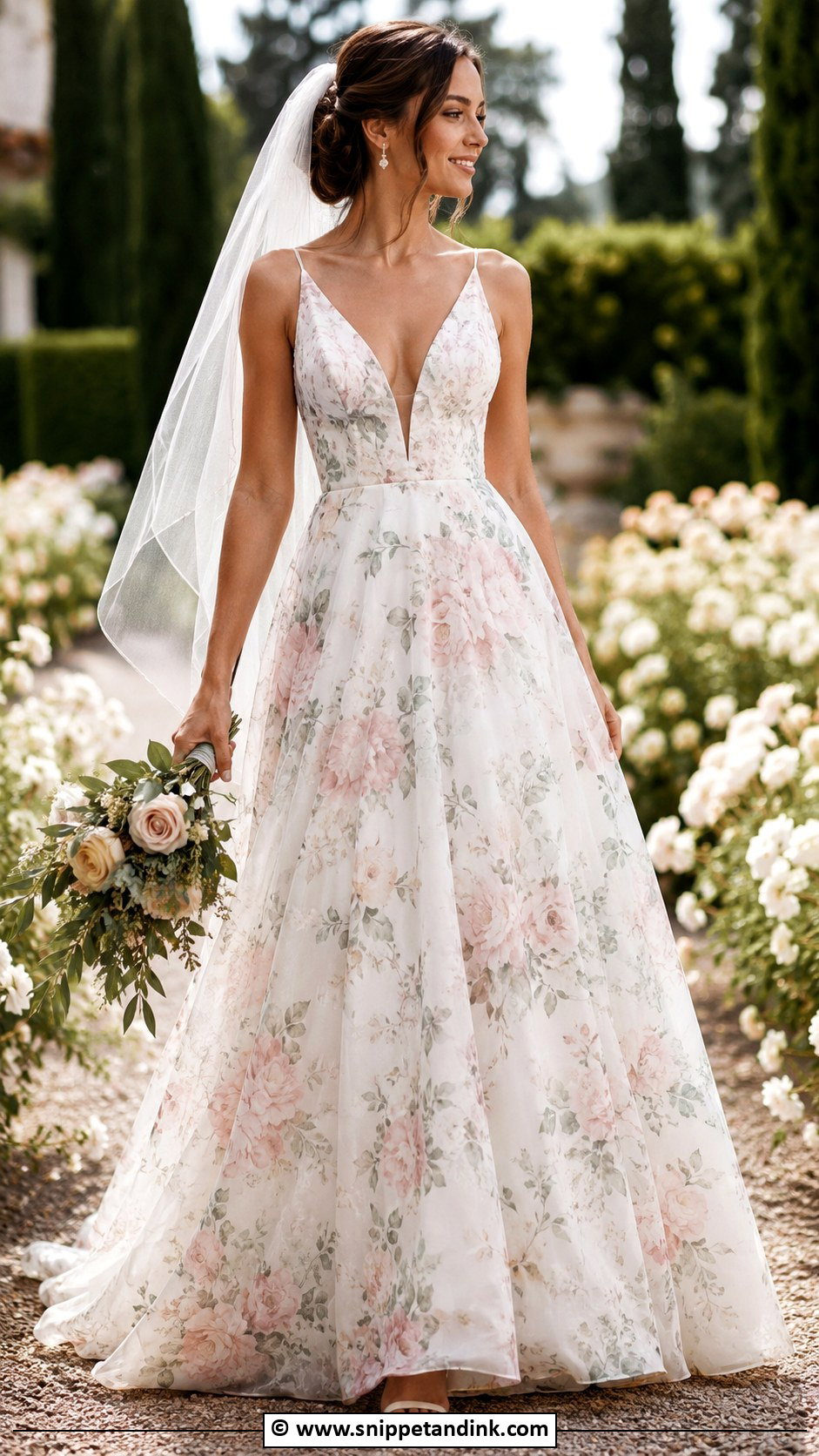
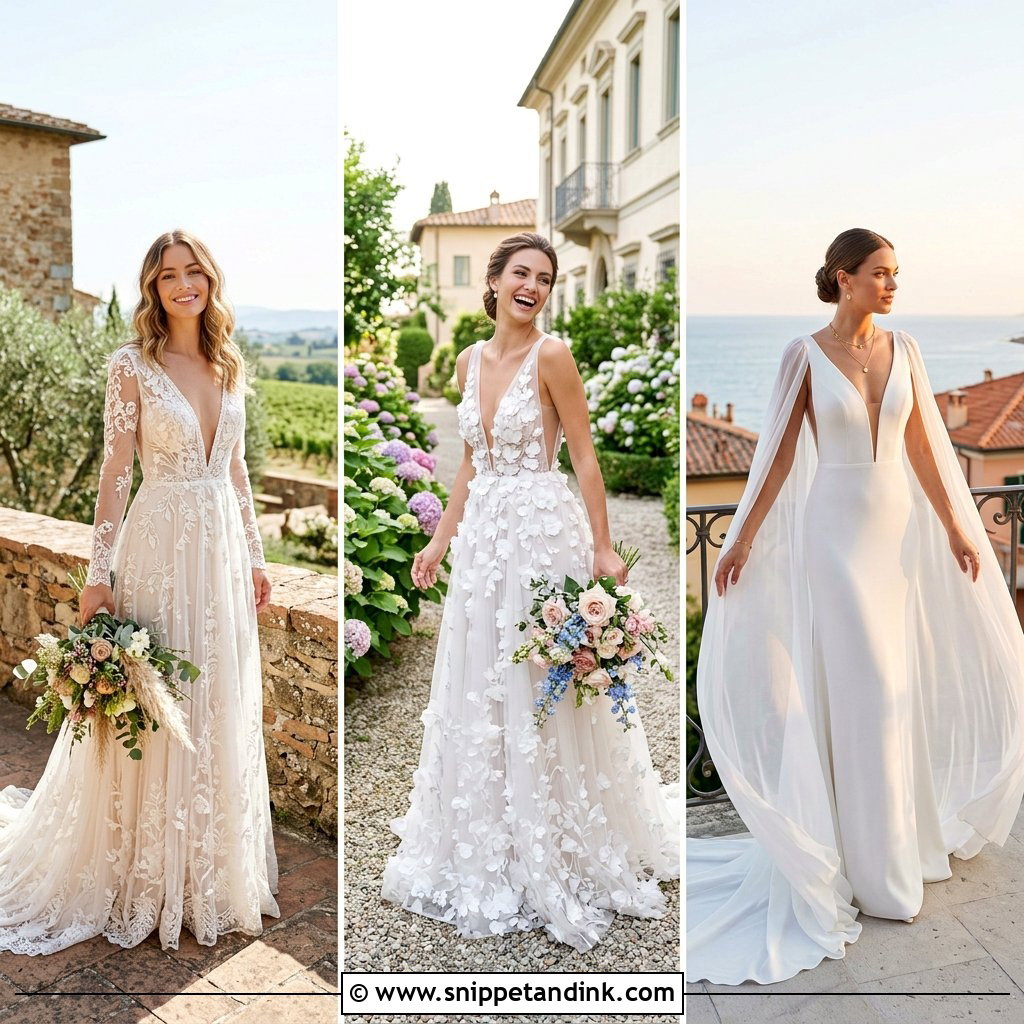
Floral prints bring colour, pattern and movement together. Painted flowers, embroidery or soft botanical prints on a white or pastel base read bridal but playful. Style it with simple heels, fine earrings and a plain veil that won’t compete with the pattern. An A-line suits outdoor ceremonies; fitted floral lace looks more polished. I usually ask the florist to build the bouquet in just one or two colours lifted from the print, so the flowers frame the dress instead of fighting it.
17. Rose Gold Wedding Dress
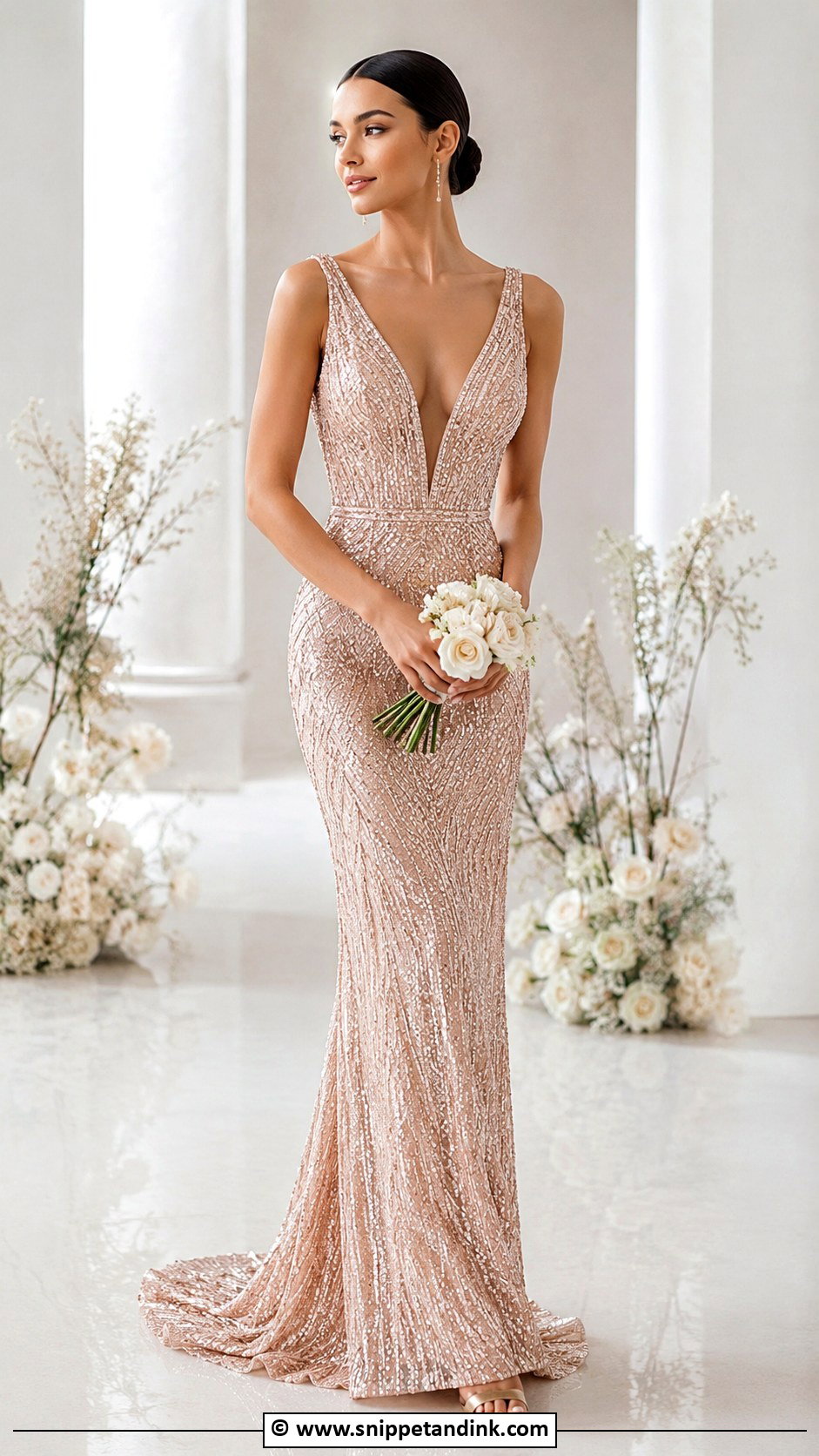
Rose gold blends pink warmth with metallic shine. A rose gold sequin or beaded gown looks elegant with simple heels, fine earrings and sleek hair; for something softer, rose gold embroidery over nude or blush tulle is gentler. The muted versions flatter far more brides than the very shiny ones, which can look plasticky under flash. Keep accessories minimal so the glow reads sophisticated. It suits formal venues and evening ceremonies.
18. Gray Wedding Dress
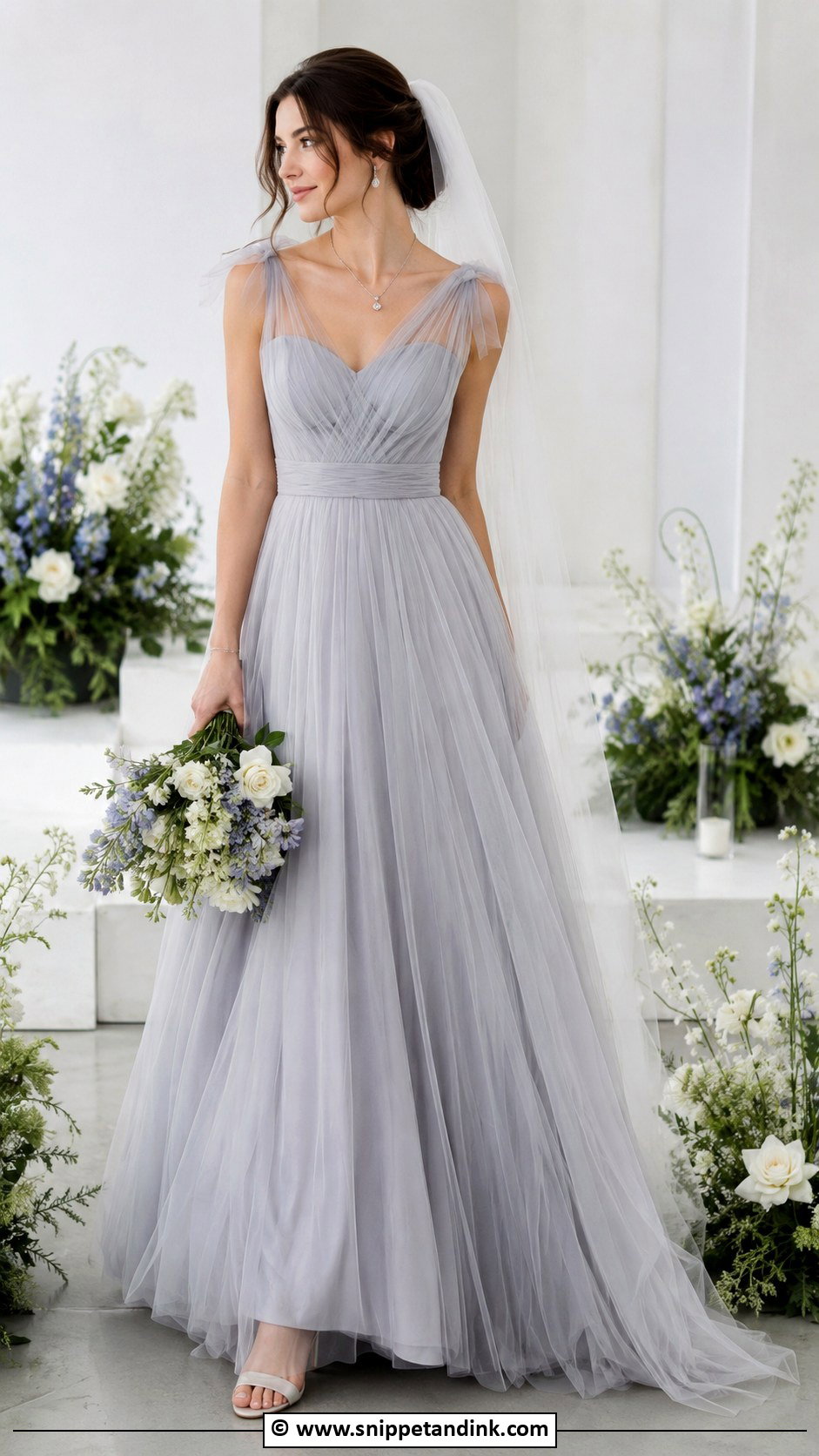
Grey surprises people. Soft dove grey is romantic and delicate; deeper charcoal is dramatic. A grey tulle gown with silver jewelry, pale heels and a sheer veil looks soft and refined, while grey satin or crepe with clean lines feels architectural. Cool-toned flowers, pearls and metallic details all suit it. Grey can drain colour from the face, so I usually suggest a slightly warmer blush and lip than the bride would normally wear.
19. Mint Green Wedding Dress
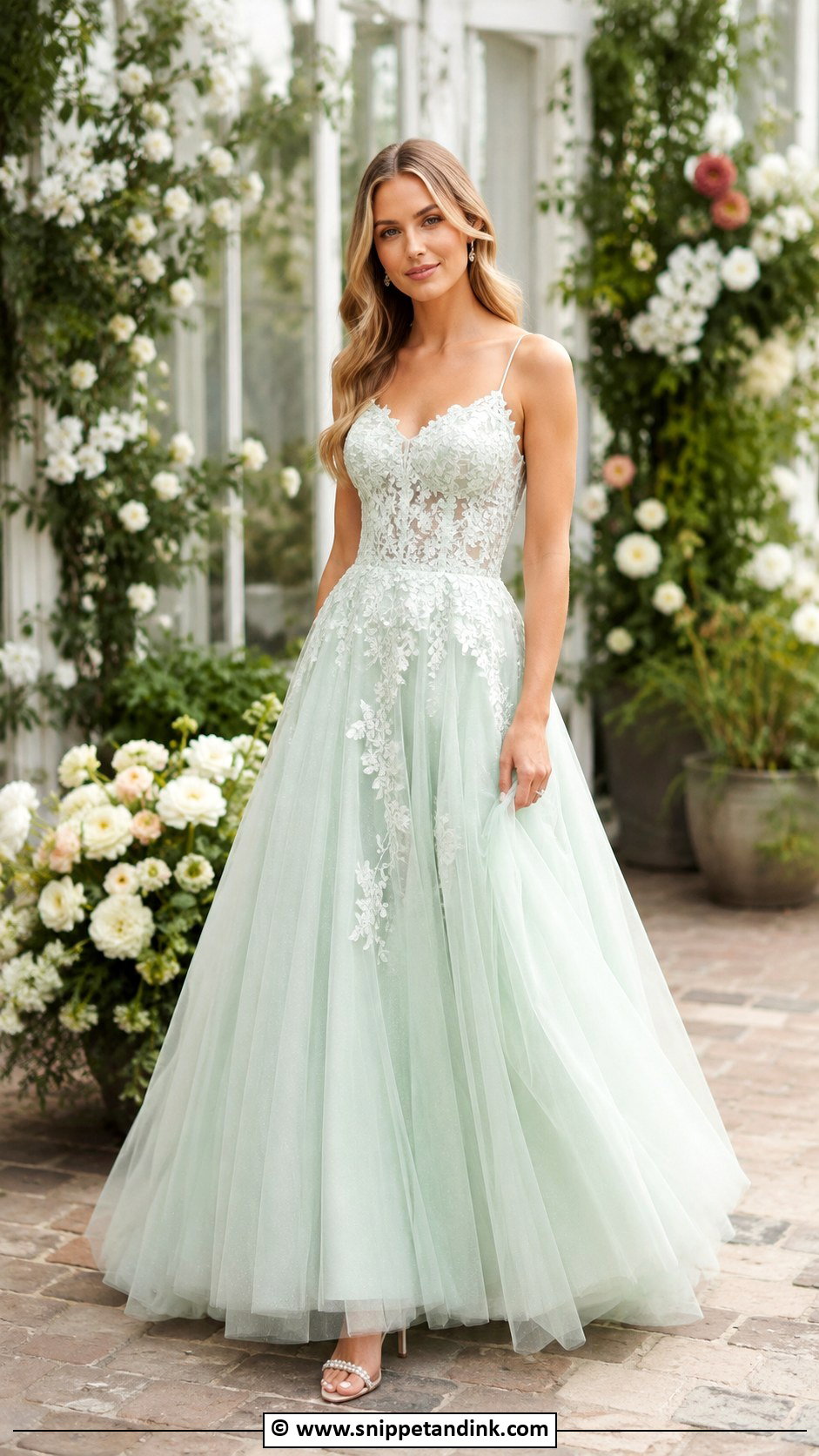
A mint green wedding dress is fresh and light for spring and summer weddings in airy, natural settings. A mint tulle gown with a fitted bodice, soft veil and pearl sandals looks sweet but polished; a mint satin slip with strappy heels and minimal jewelry is more modern. Choose a softly muted mint, not a bright one. Ivory, silver, pale pink and light gold accessories all suit it. Mint shows makeup transfer and sweat more than darker colours, so I keep blotting papers handy all day.


20. Burgundy Wedding Dress
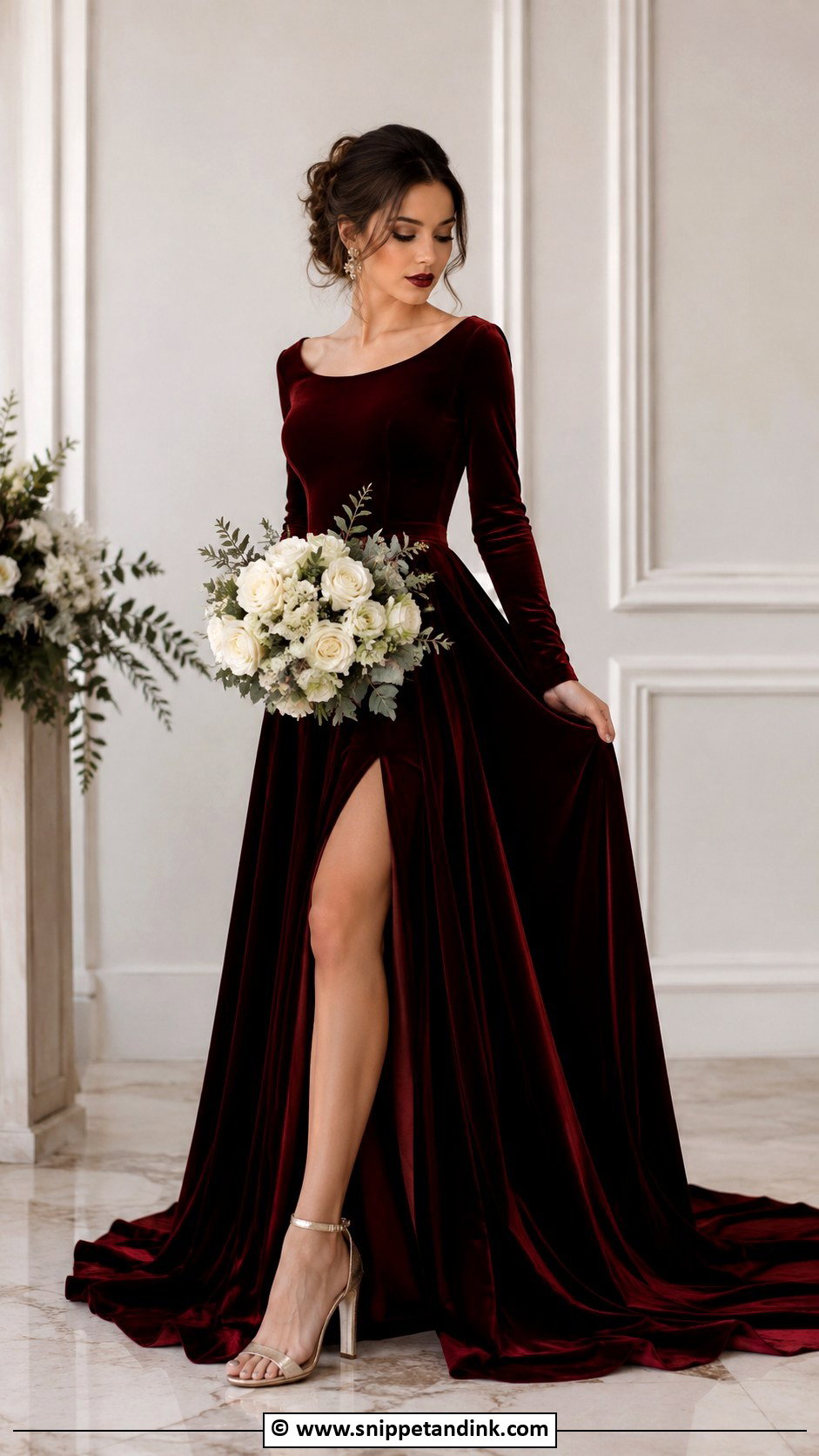
Burgundy is deep and romantic without being flashy. A burgundy velvet gown with long sleeves, metallic heels and fine earrings looks luxurious; burgundy satin with a structured bodice and soft train is strong and classic. Because the colour is dark, lighter accessories balance it: ivory flowers, gold jewelry or nude shoes. It’s most at home in formal settings and cooler seasons, though it can work year-round. I’d pair it with a lip in the same wine family; a bright pink lip next to burgundy looks accidental.
21. Peach Wedding Dress
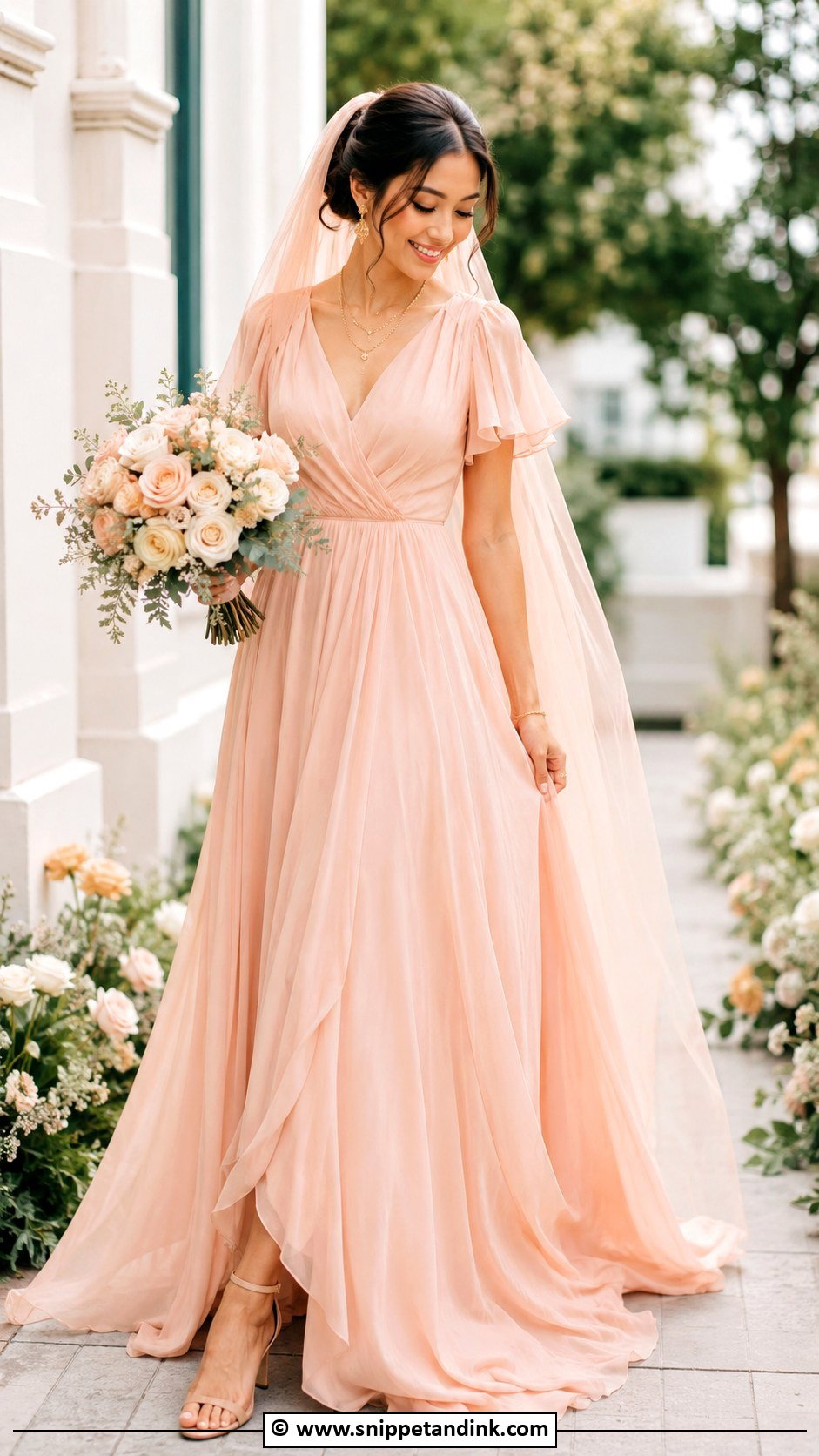
Peach is blush’s warmer, sunnier cousin. A peach chiffon gown with flutter sleeves, nude heels and gold jewelry looks soft and graceful; peach satin with a sleek veil and structured bouquet is more polished. It’s especially flattering on warm and neutral skin tones, though the right shade can suit many brides. Pale peach is delicate, deeper peach has more presence. Peach and coral are easy to confuse online, so ask for a fabric sample before you order.
22. Plum Wedding Dress
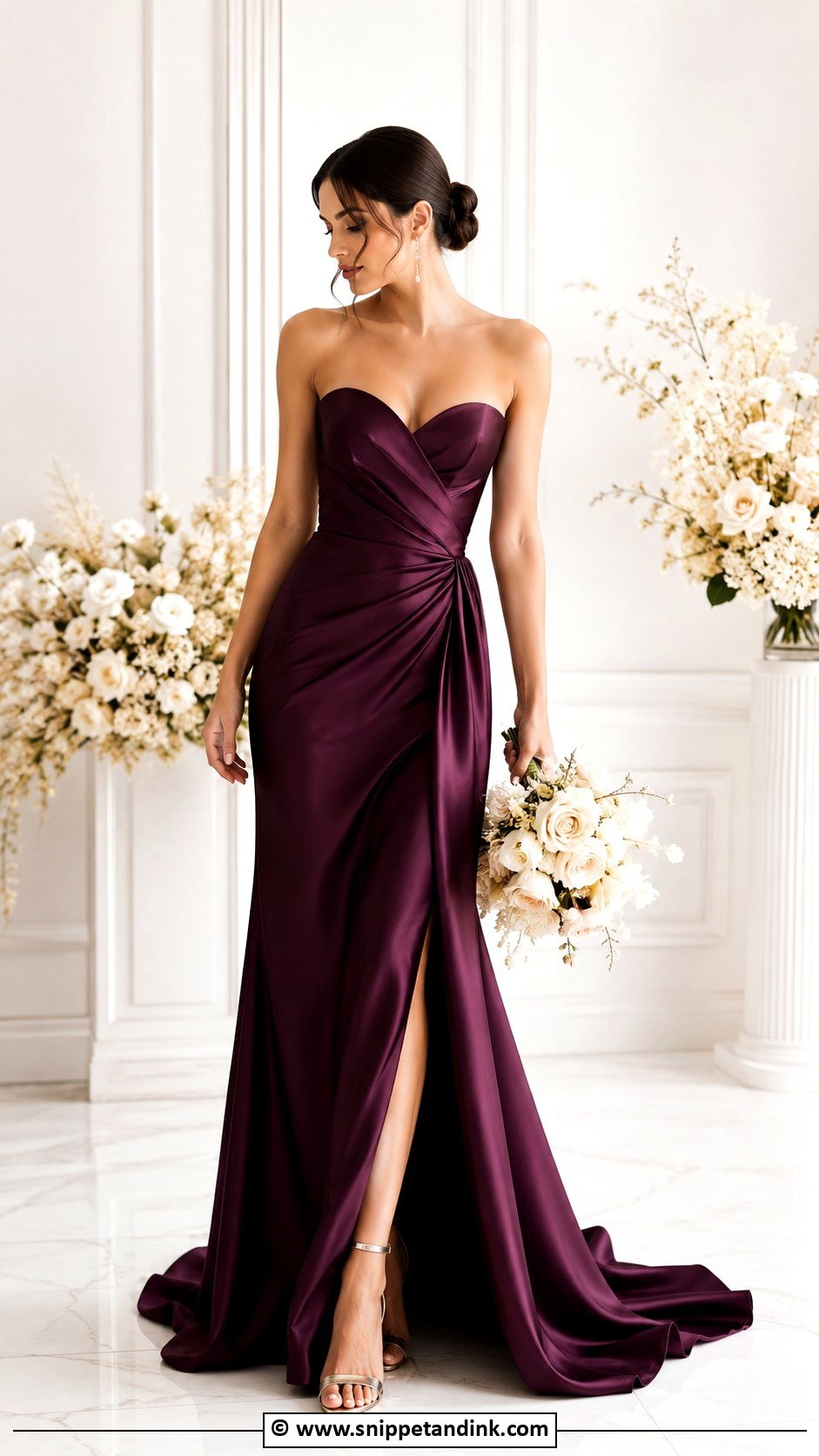
Plum gives a rich colour story without going as far as red or black. A plum satin gown with a soft train, metallic heels and fine earrings feels formal; plum lace leans romantic and a little vintage. Gold, silver, ivory and muted pink accessories all suit it. I keep the makeup polished with one focal point and avoid adding too many other colours. Plum holds its depth both indoors and outdoors, which makes it easier to photograph than most purples.
23. Taupe Wedding Dress
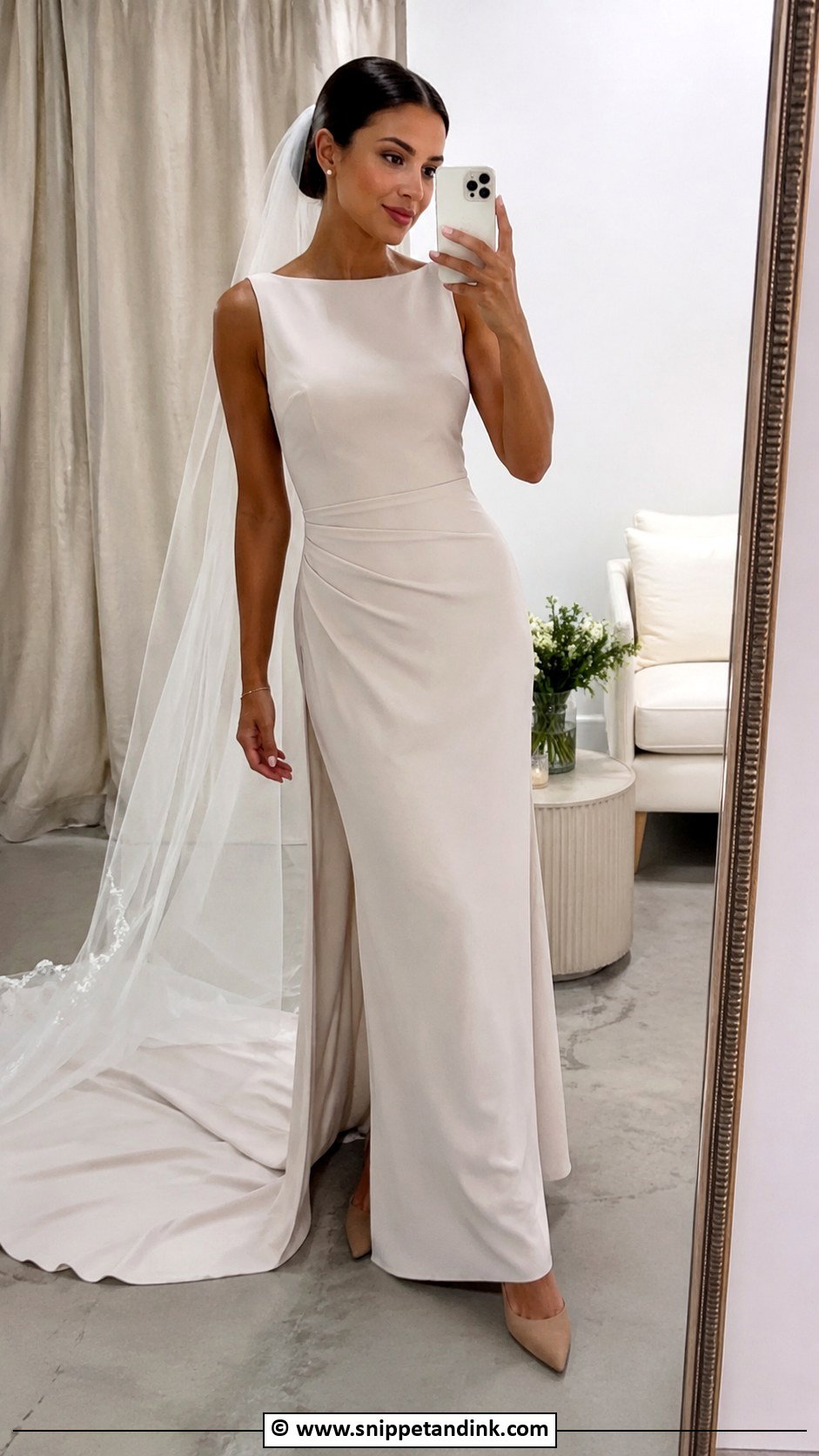
Taupe sits between beige, grey and soft brown, and it’s the quietest colour here. A taupe crepe gown with clean lines, nude heels, pearl earrings and a plain veil looks calm and finished; taupe tulle with lace appliqué is softer. The risk is looking casual, so fabric quality matters more here than with any other shade. I look for satin, heavy crepe or rich lace. It suits minimalist weddings and understated venues.
24. Cobalt Blue Wedding Dress
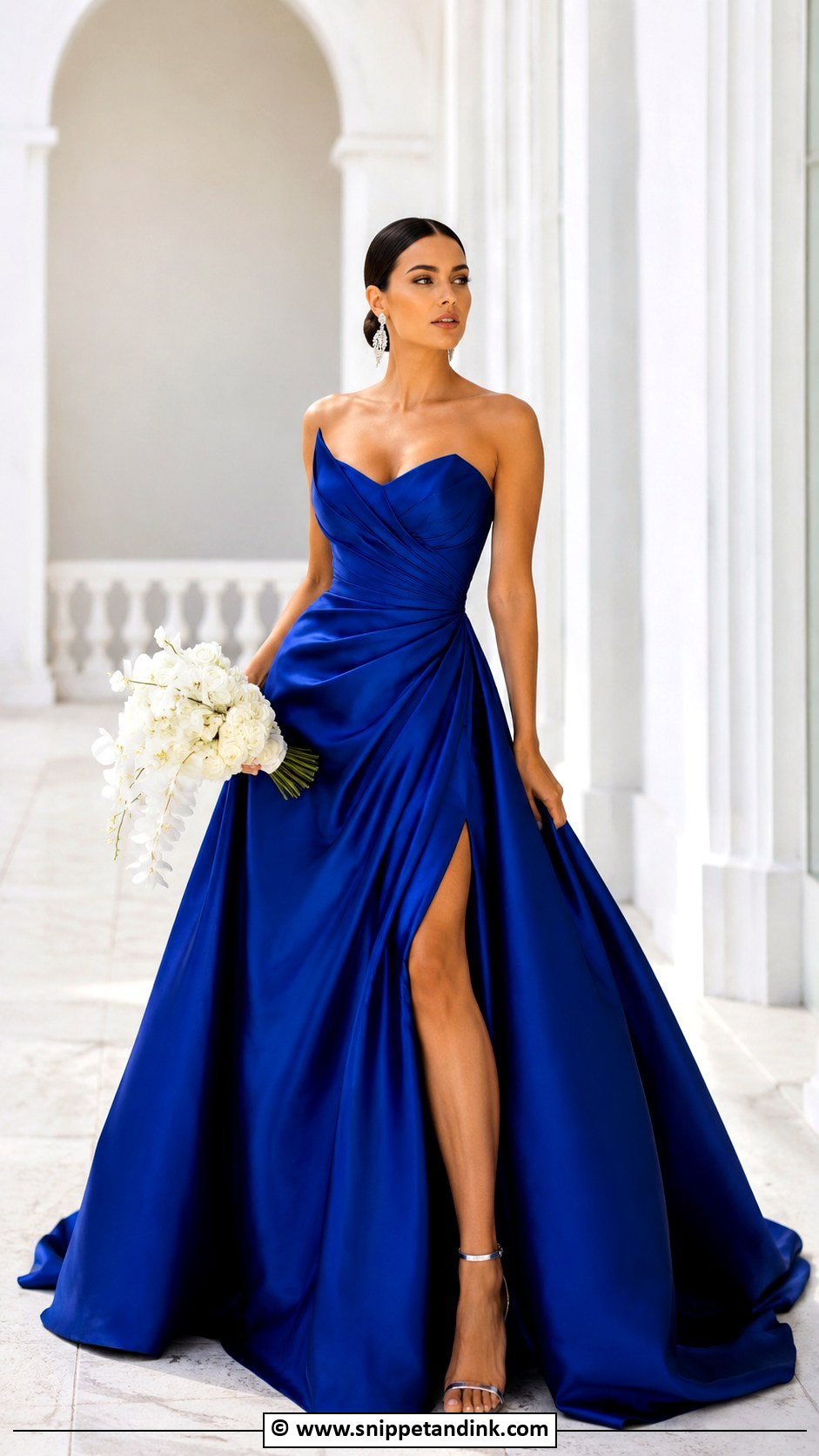
Cobalt is bright, confident and full of energy. A cobalt satin gown with a sleek silhouette, silver heels and bold earrings feels fashion-forward; cobalt tulle softens it with movement. Since the shade is intense, keep accessories simple: white flowers, crystal jewelry and a smooth hairstyle. Cobalt reflects onto the skin under the chin in photos, giving a slight blue cast, so I warm up the foundation a touch for these brides. It stands out sharply in every frame.

25. Multicolor Ombre Wedding Dress
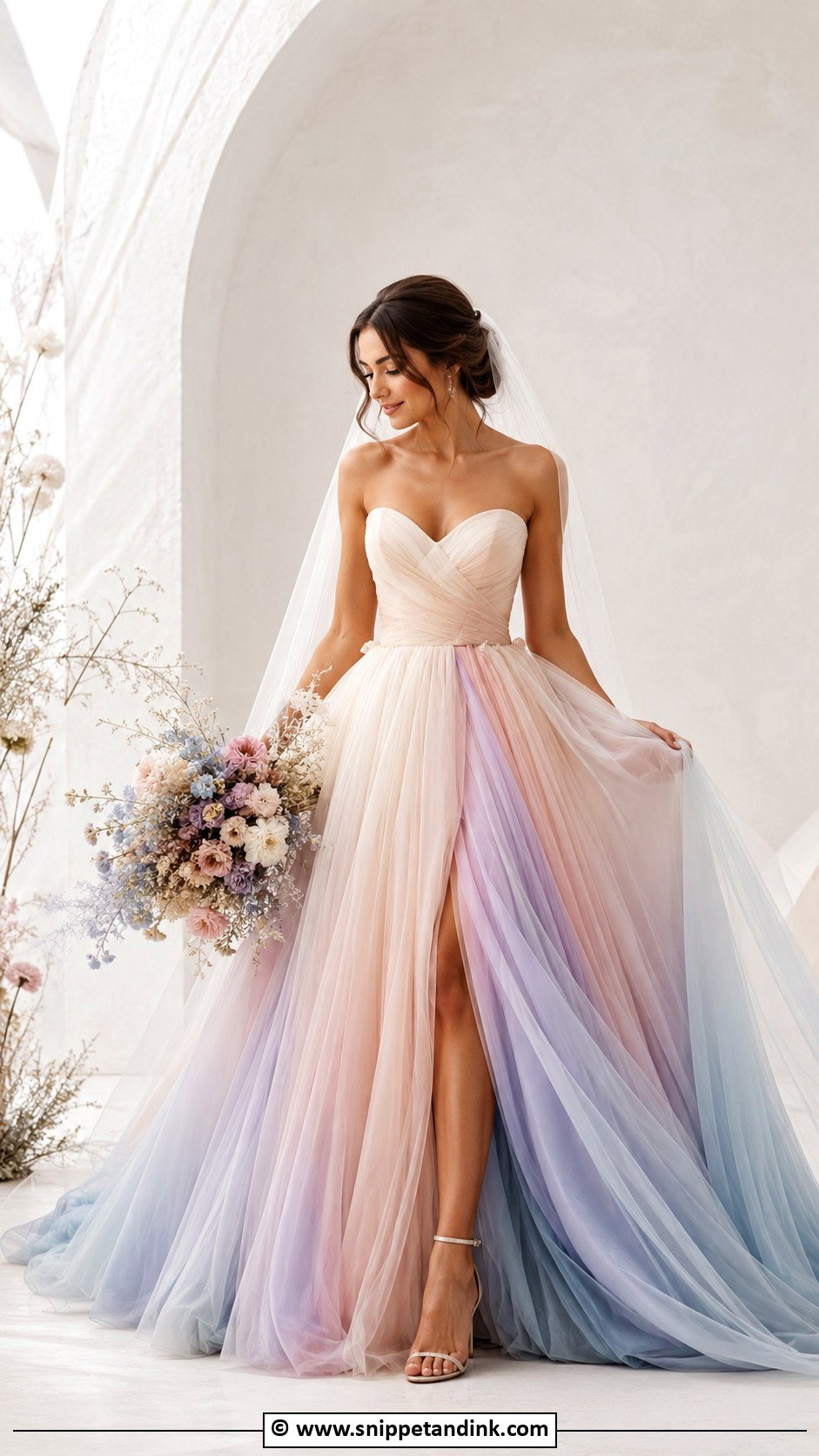
Ombre is the most artistic choice here, a gown fading from ivory into blush, lavender, blue or sunset tones. Soft fades feel romantic; jewel-toned ombre is more dramatic. Simple heels, minimal jewelry and a clean veil keep the colour transition the focus. The quality is in the blending. A good ombre is dyed gradually so the change looks smooth; cheaper versions use panels of different colours with a visible line. Check the transition closely in person before you buy.
Bridesmaids, Flowers and a Groom Around a Coloured Gown
When the bride is in white, everyone else can wear almost any colour. Once the gown has colour, the whole party needs planning, or the bride blends into her own bridesmaids. My first rule is that no one stands next to the bride in her exact shade.
- Put bridesmaids in a deeper or more muted version of your colour, or a neutral that frames it.
- Give your florist a fabric sample, not a photo. Screen colours are rarely accurate.
- Let the groom pick up the colour in one small place, such as a tie, pocket square or buttonhole.
- Tell your photographer the dress colour in advance so they can set white balance to keep it true.
Talk to family before the fitting, not after
Colour carries meaning. Red is the bridal colour in several traditions, while white or black can signal mourning in others. A short conversation with parents or grandparents early on usually turns surprise into support, and sometimes brings out a family custom you’d love to include.
The Right Colour Is the One That Suits Your Face
Wearing colour isn’t about rejecting tradition. It’s about choosing a dress that suits your face, your venue and the meaning you want the day to carry. Soft, bold, minimal and dramatic shades can all read bridal when the fabric, shape, shoes, jewelry, veil and bouquet work together. Try your shortlist on in daylight, look at it next to your face without makeup, and you’ll usually know within minutes which colour is yours.
You'll Like These Ideas:




Leave a Reply