
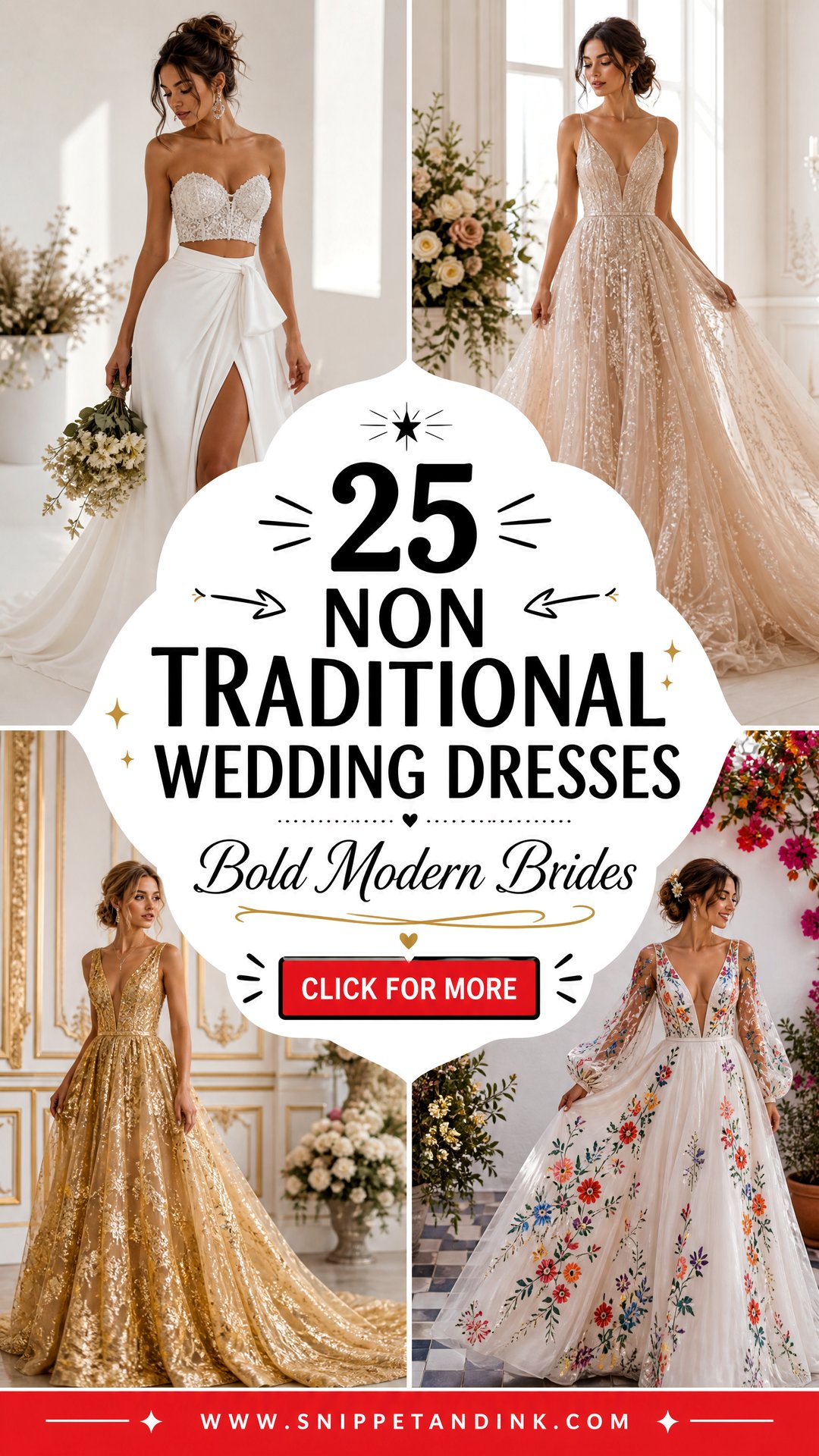
More of the brides I dress arrive saying they do not want a white ball gown, and then are not sure what they do want. Colour, texture, a short hem, sharp tailoring, separates, a vintage cut: any of these can carry a wedding if the outfit still has something that says bride. My starting point is always the venue, how much you need to move and what you will be doing in it, then personality. Pastel reads soft. A suit reads strong. A floral print reads joyful without looking casual. Below are 25 alternatives to the classic gown, with what I watch for when a bride tries each one.
Testing a Coloured Gown Against Skin, Light and Camera
White is forgiving because everyone knows what it looks like. Colour is not. The same blush can glow on one bride and make another look tired, and venue lighting shifts every shade. Before ordering anything coloured, I run the same short test.
- Hold the fabric under your chin by a window in daylight, with no makeup or with your planned makeup. Look at your skin, not the fabric. If you look grey or flushed, try the next shade along.
- Repeat under warm indoor bulbs. Reception rooms are often lit warm, which pushes pinks toward peach and blues toward grey.
- Take a phone photo with and without flash. Purples, some blues and metallics change on camera more than they do in person.
- Ask for a swatch to take home, and show it to your photographer and florist. They will tell you if it vanishes against the backdrop or fights the flowers.
Sample gowns in salons are often only available in ivory, with the colour ordered later. Ask to see the real fabric in the shade you want before you pay a deposit, and check how long a custom colour takes, since it can add weeks to production.
1. Blush Pink Wedding Dress
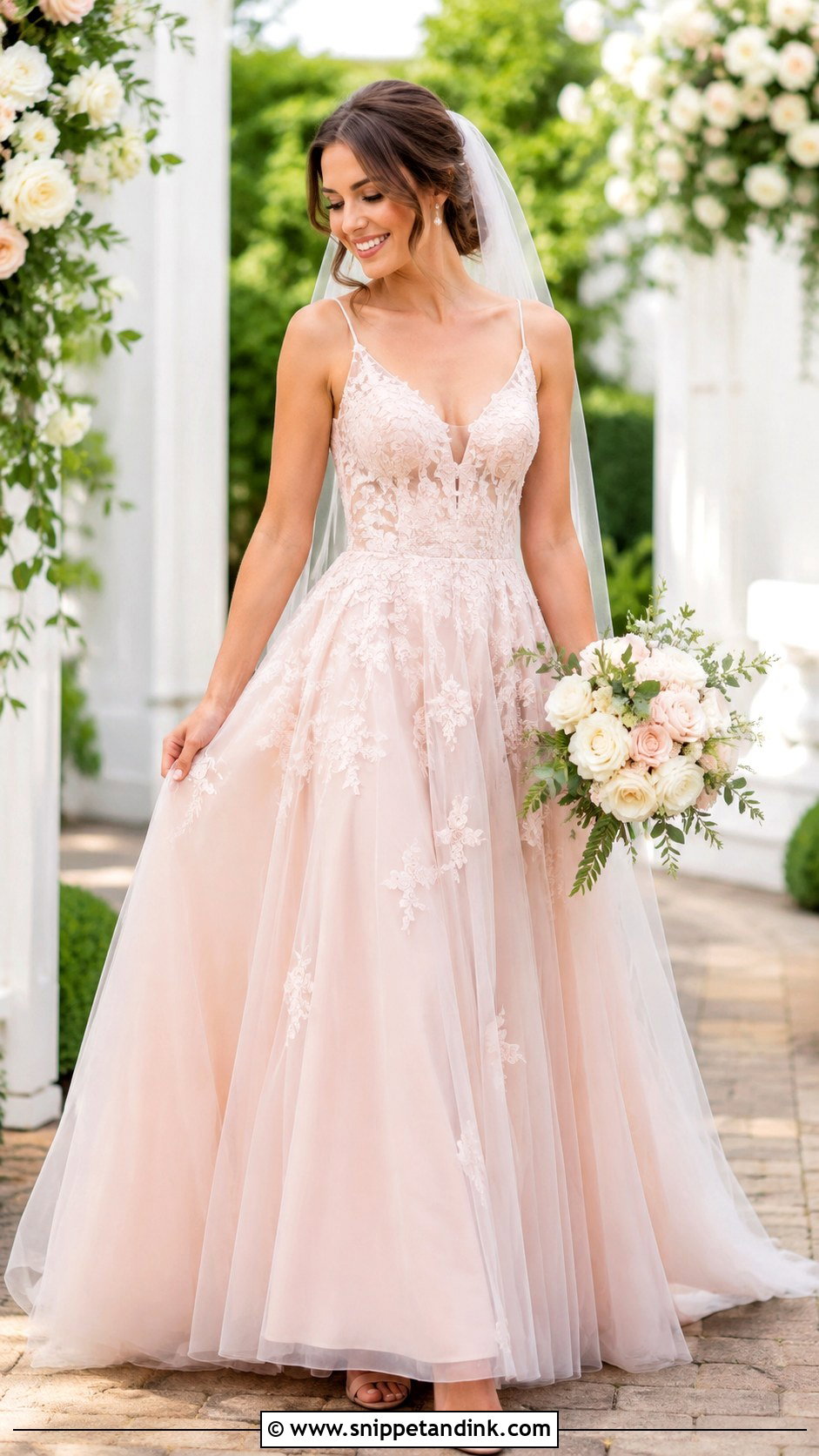
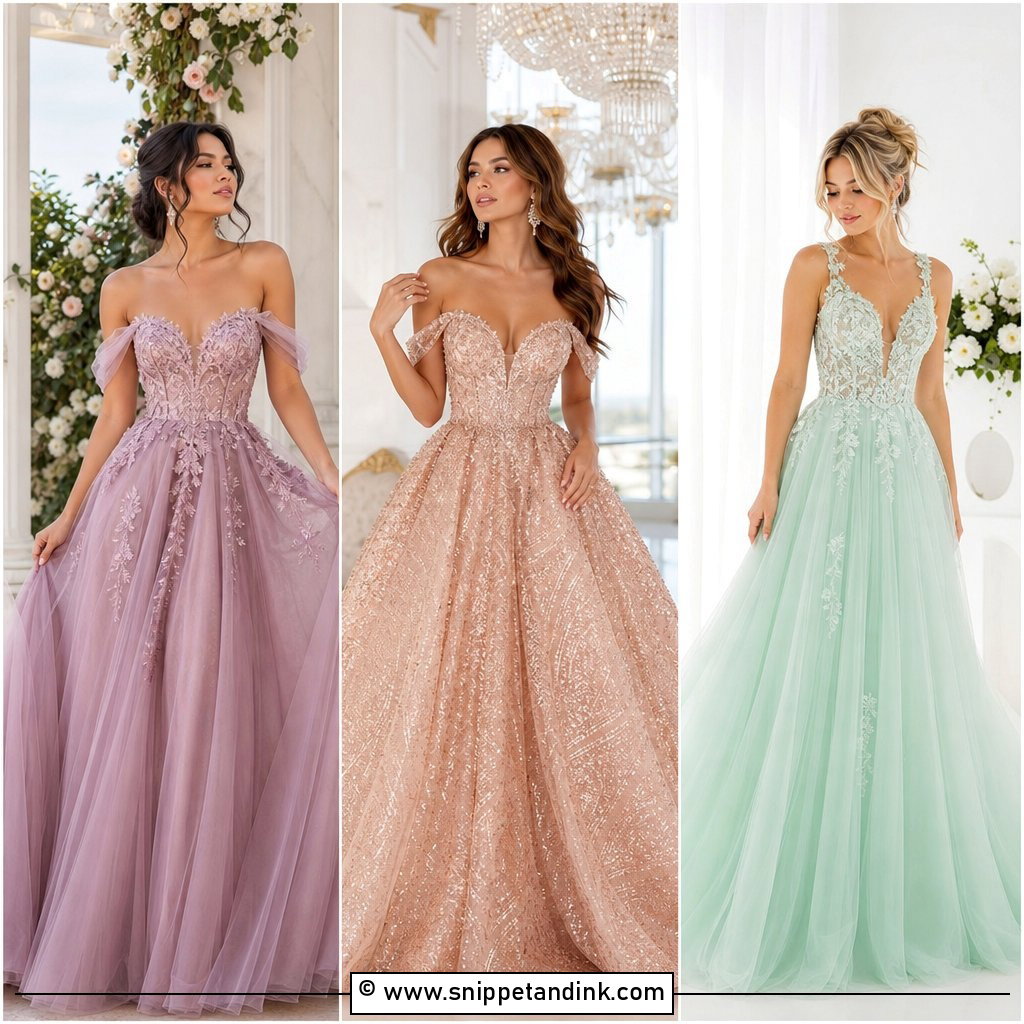
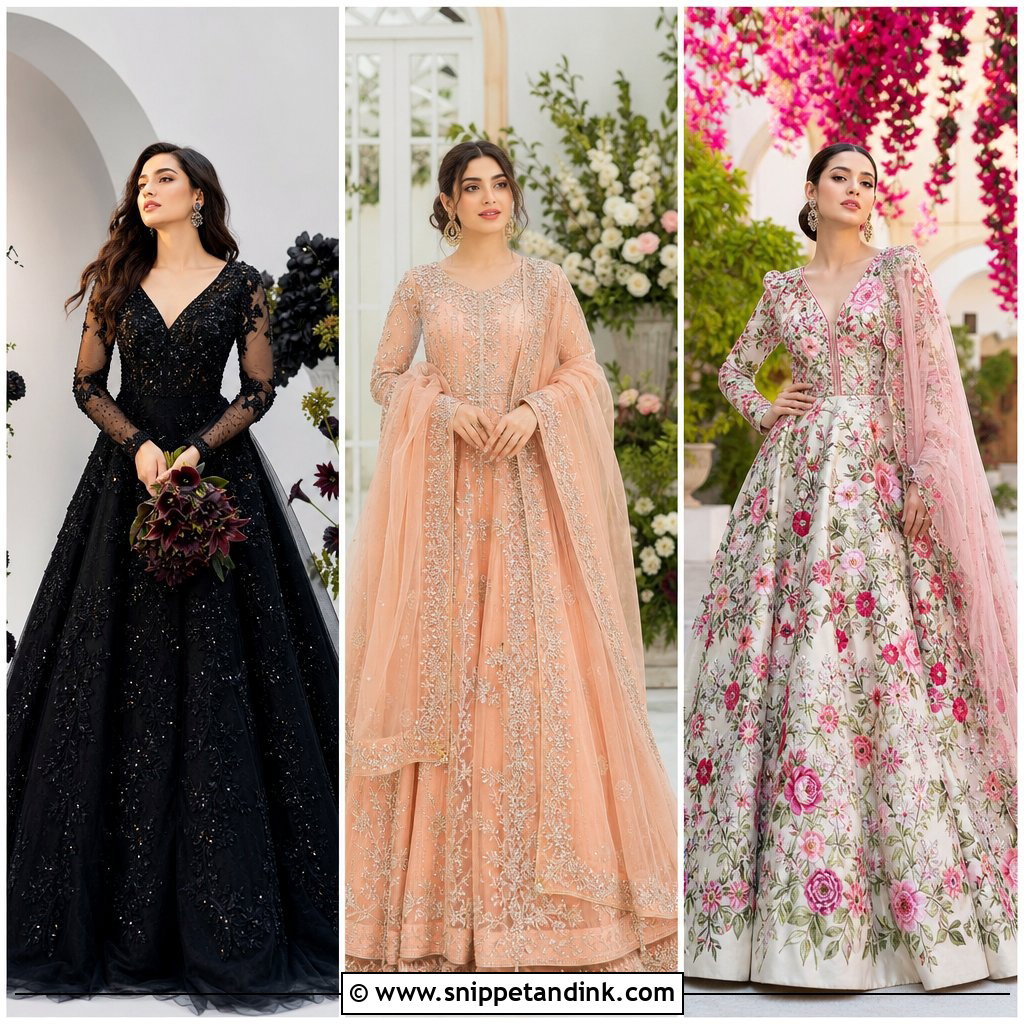
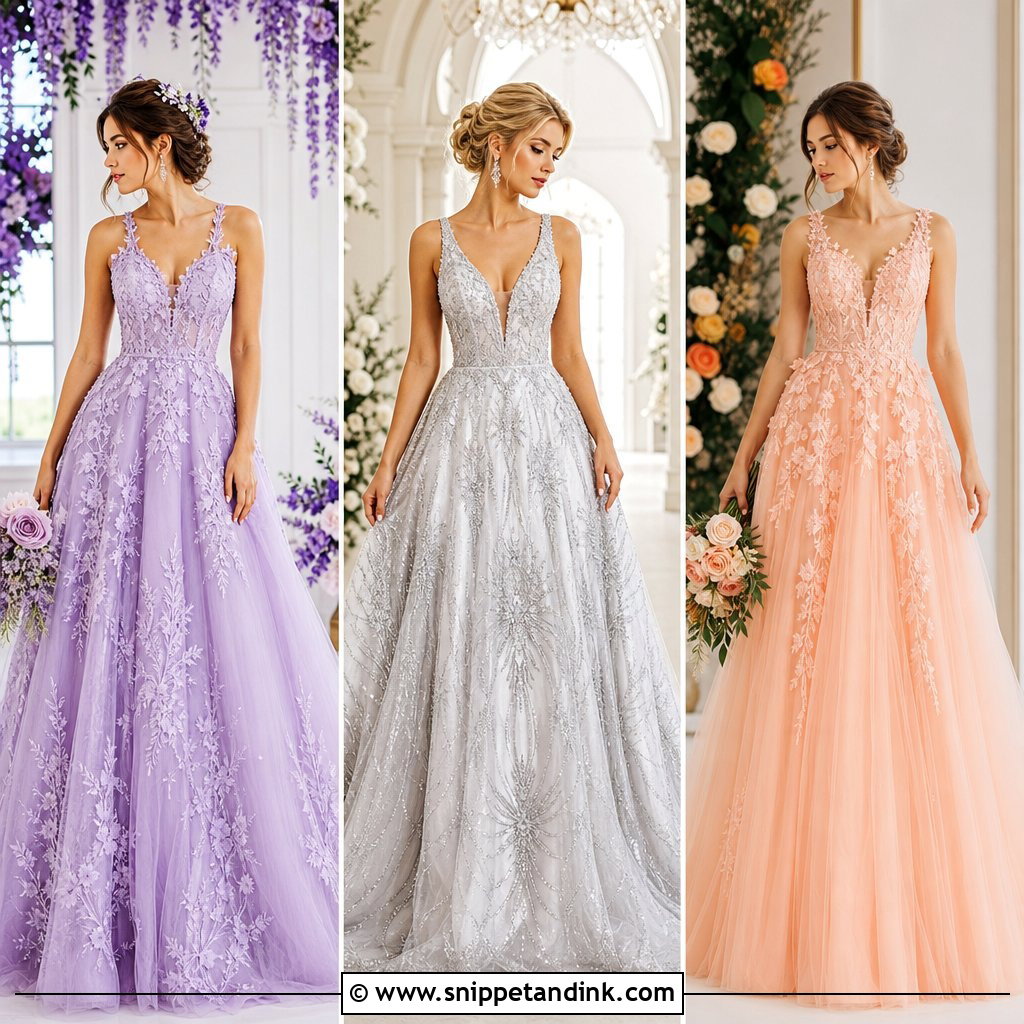
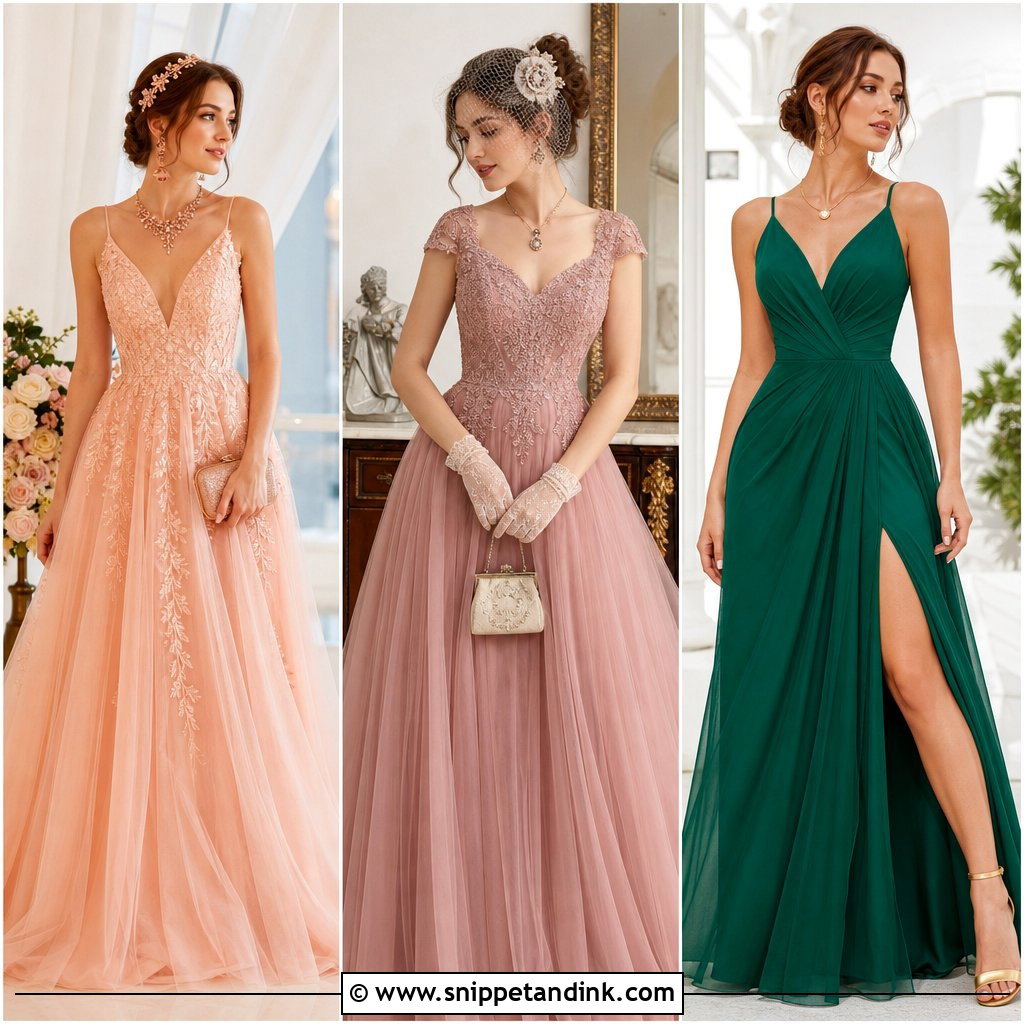
Blush is the gentlest step away from white, which is why I suggest it to brides who are nervous about colour. A flowing A-line, a satin slip or a tulle midi in pale rose all work. The shade matters more than the cut. Cool-toned pinks can make warm skin look sallow, so I always hold two swatches under the chin in daylight before ordering. Pearl earrings, nude or ivory heels and a light veil keep it bridal; a bouquet in cream, peach or soft green lets the dress lead. It suits gardens, modern venues and small ceremonies.
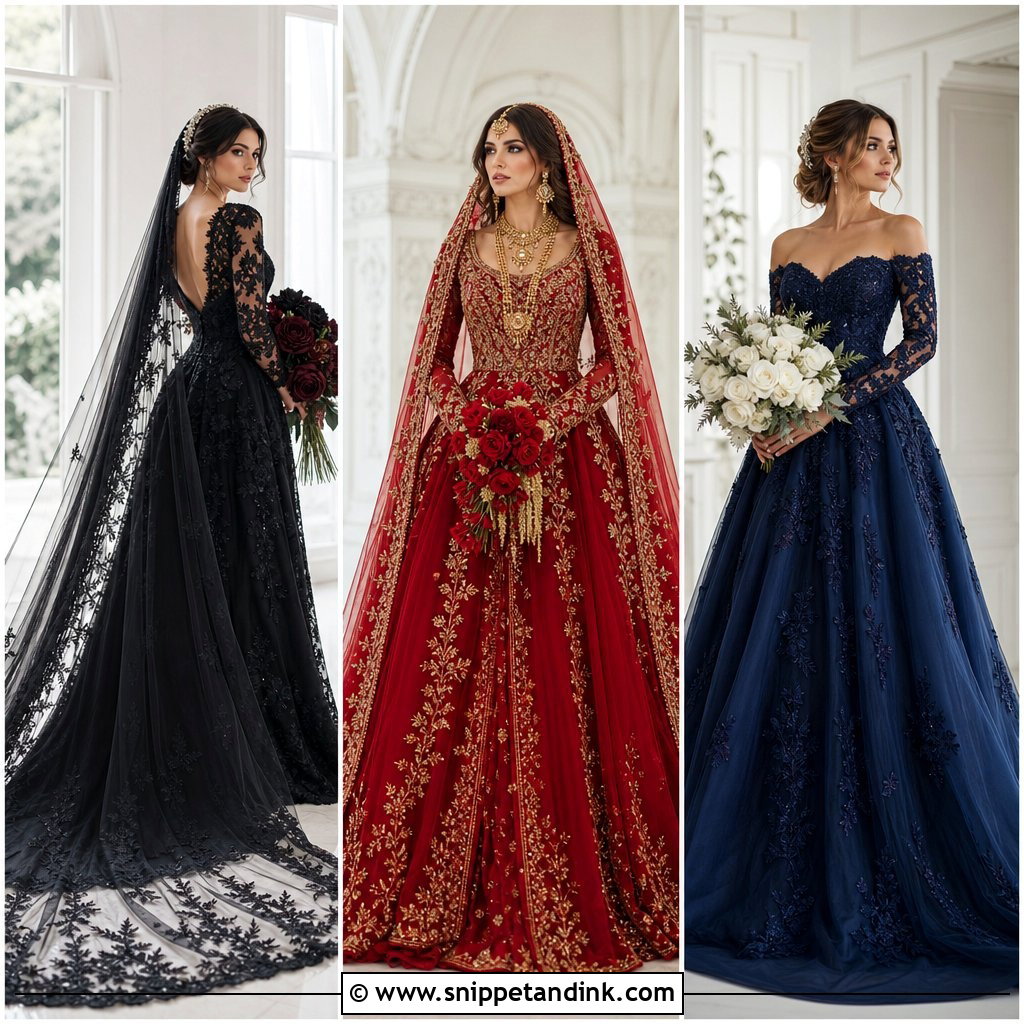
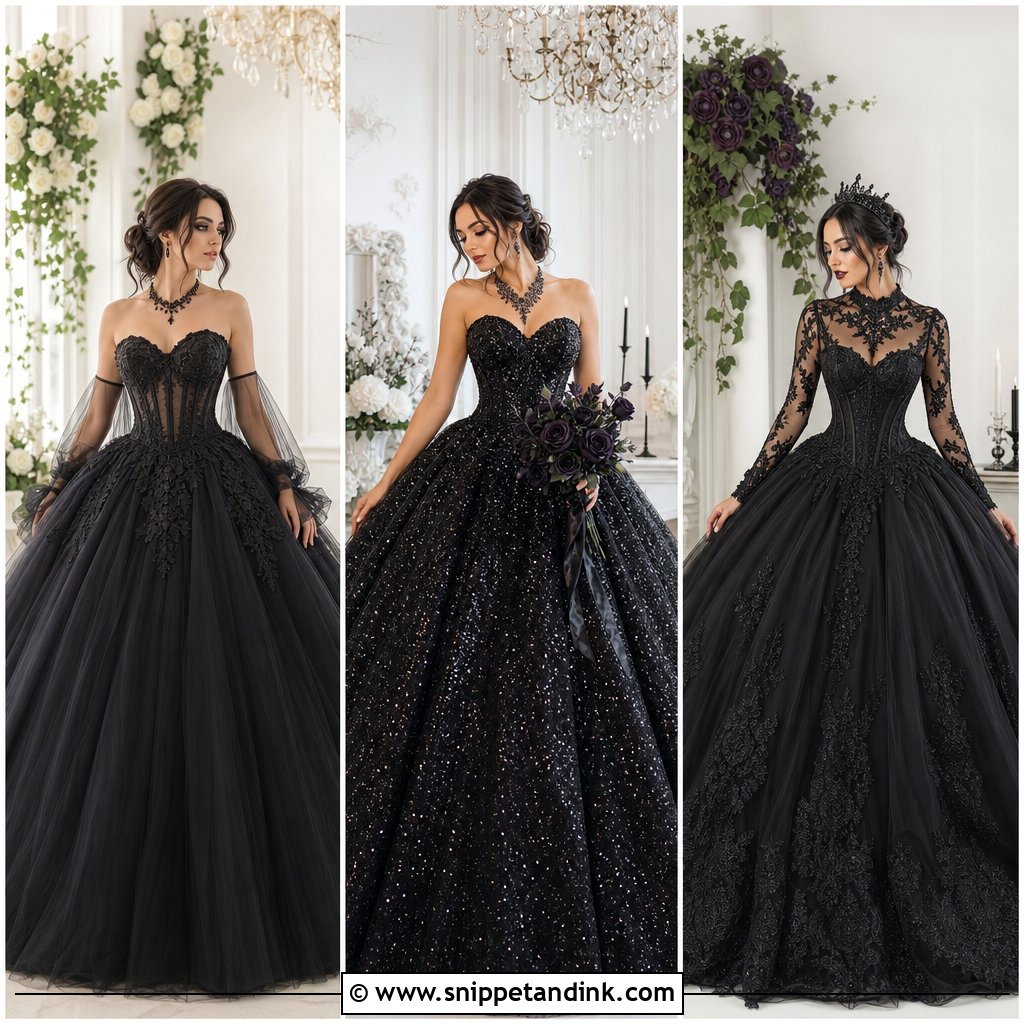
2. Black Wedding Dress With Veil
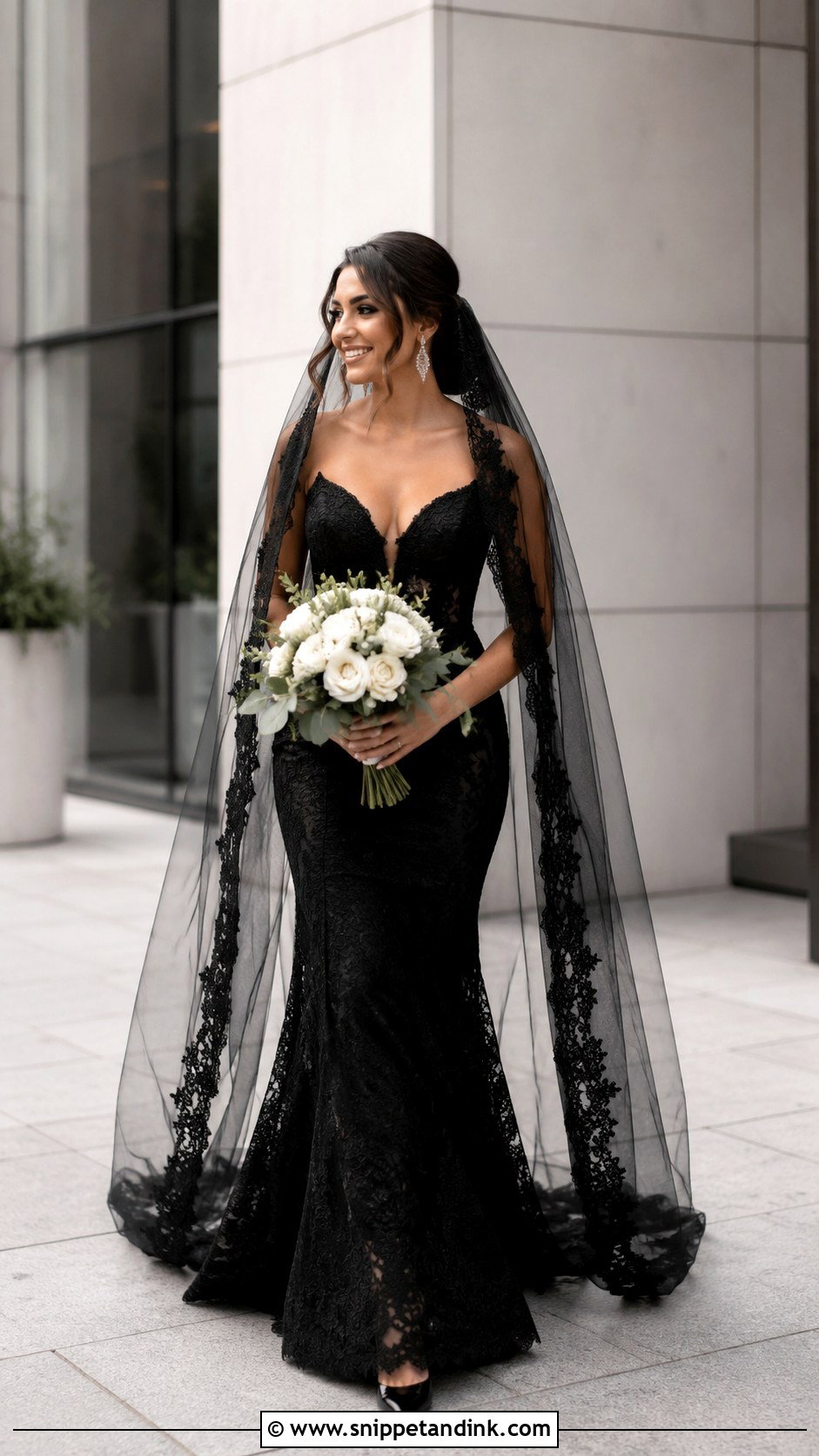
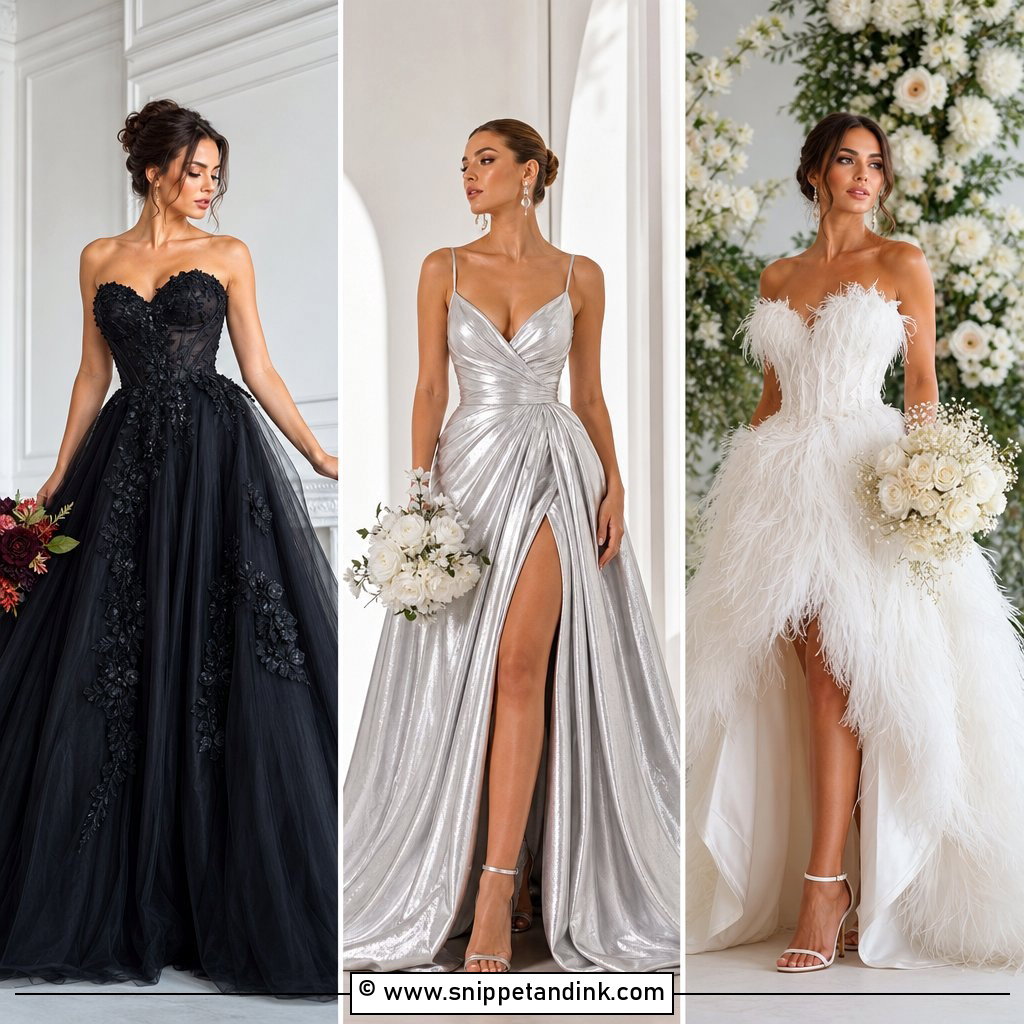
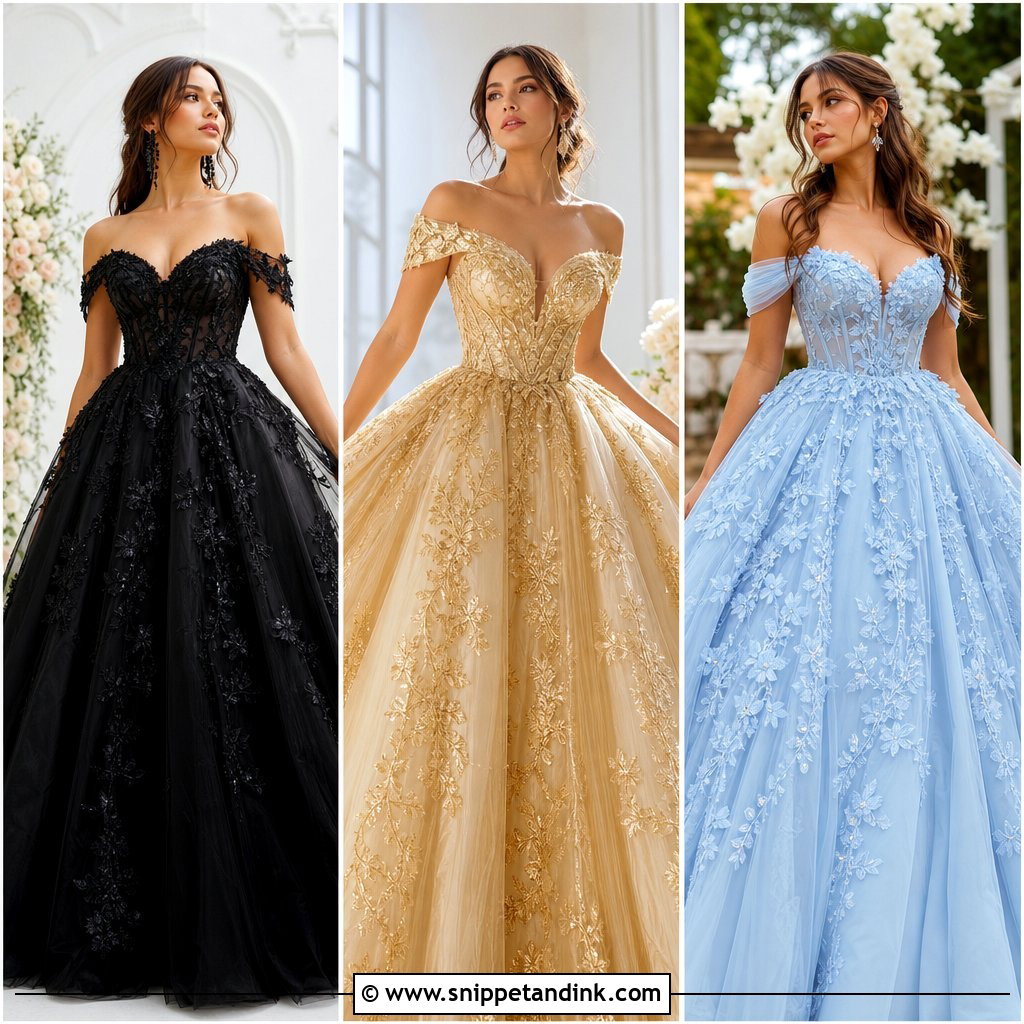
Black is dramatic and very easy to get right if the shape is refined. A fitted crepe gown, long-sleeve lace or a sleek satin column all work; anything fussy starts to look like an evening dress instead of a wedding dress. Black or crystal heels and sculptural earrings suit it, and the veil decides the mood: sheer black for full drama, ivory to soften it. A white-and-green bouquet balances the depth. One practical point: black satin shows every speck of lint and pet hair, so pack a lint roller. It looks right at home in city halls, galleries and evening receptions.
3. Blue Wedding Dress
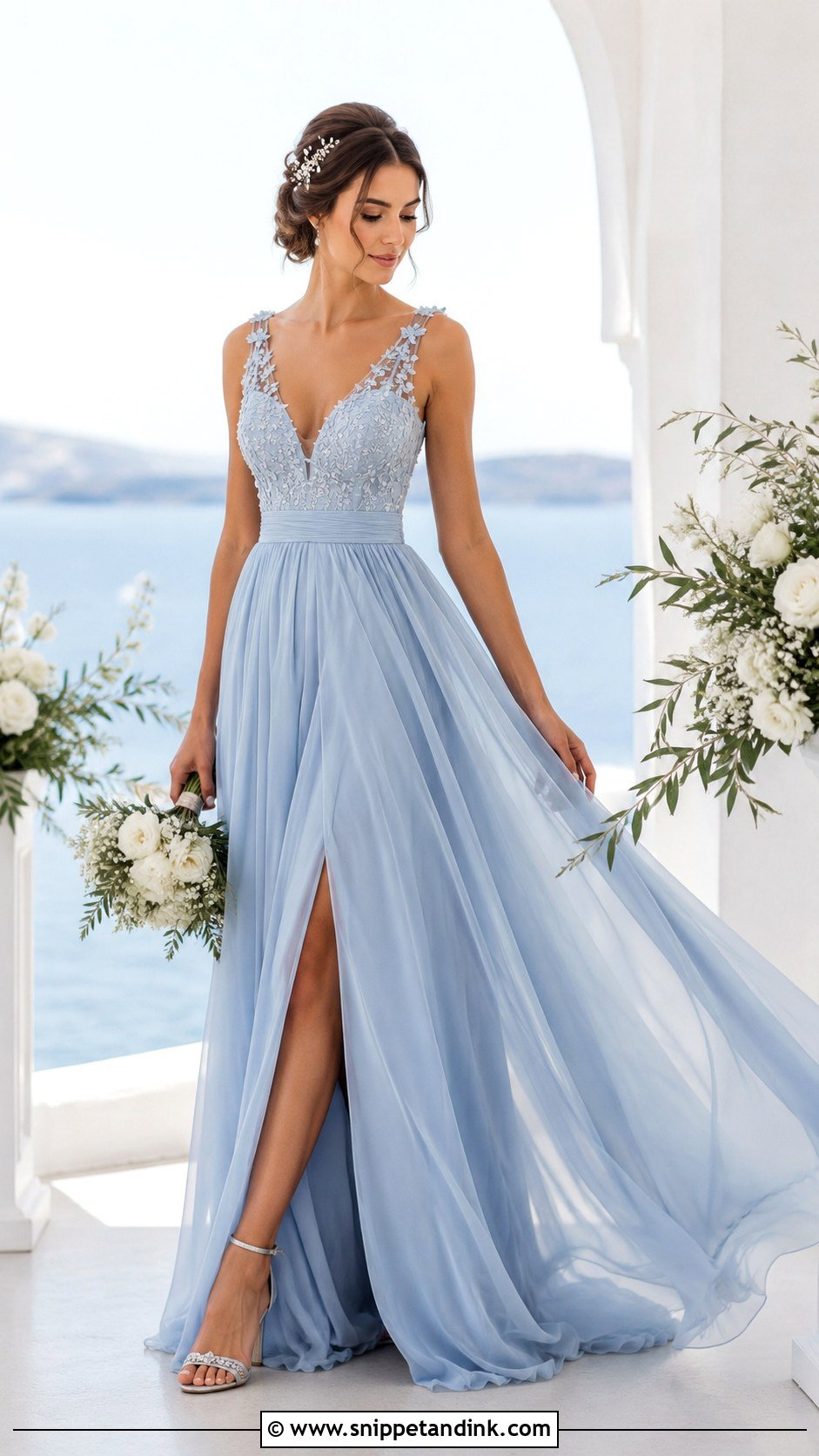
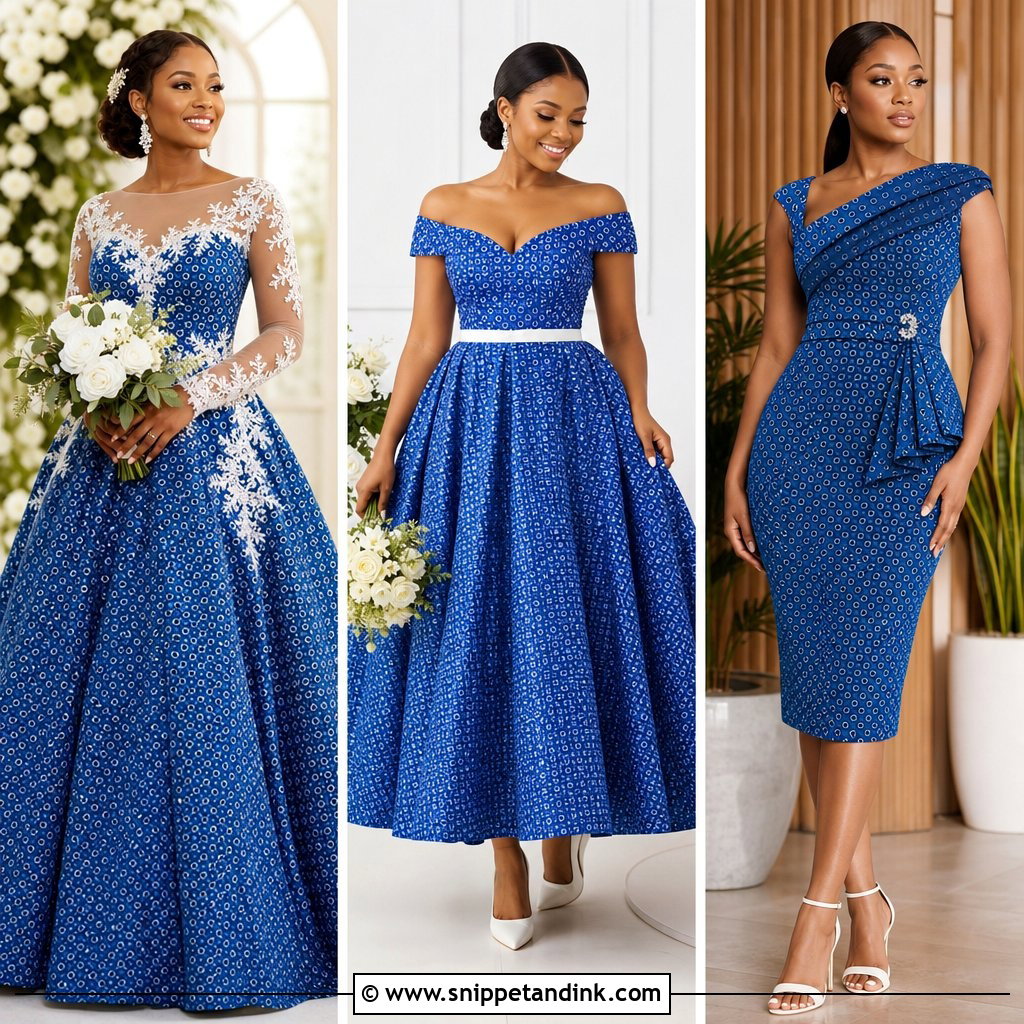
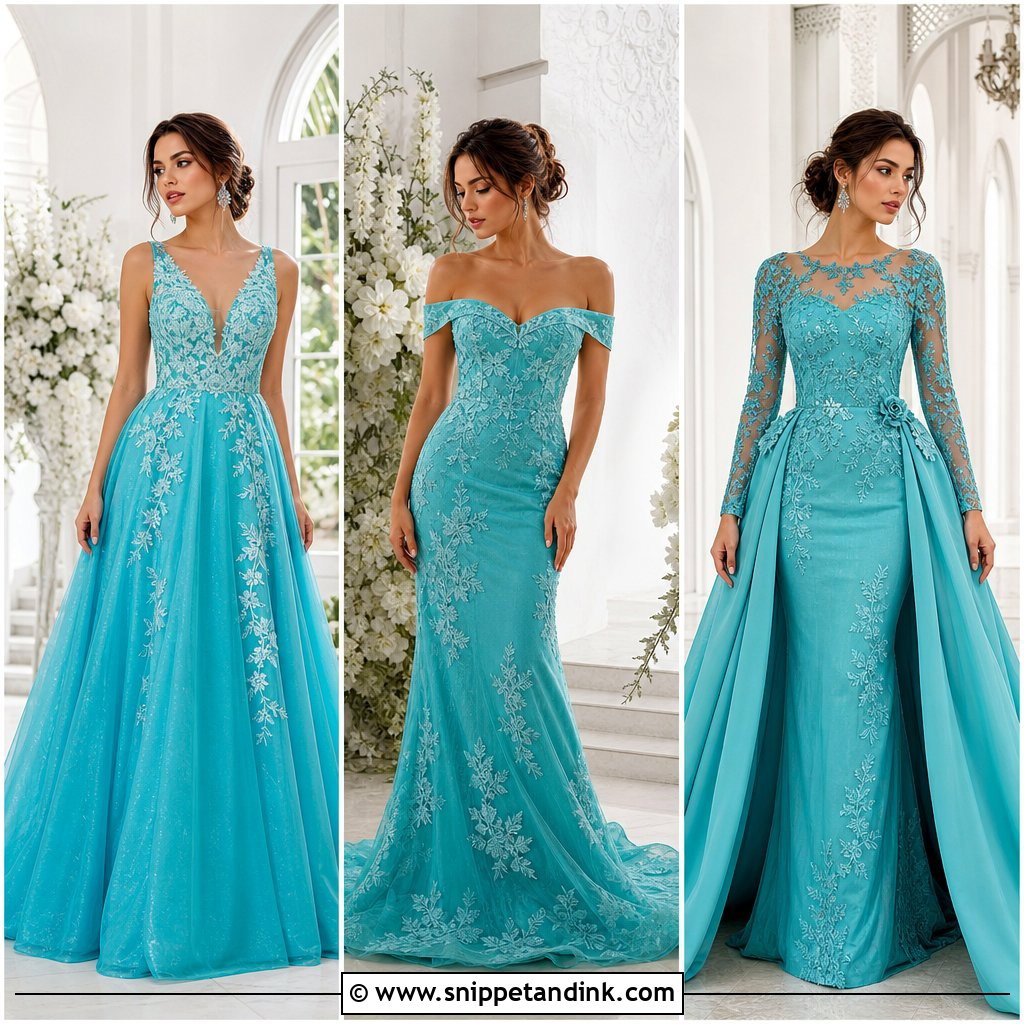
Blue brings a calm, airy feel. Soft powder blue, icy blue and dusty blue all stand apart from ivory while staying delicate, especially in chiffon, satin or organza that moves when you walk. Without bridal details, blue drifts into bridesmaid territory, so I look for draping, a corset bodice, sheer sleeves or a full skirt. Silver heels, crystal pins and a small structured clutch polish it. Coastal sites and light-filled rooms suit it best.
4. Floral Wedding Dress
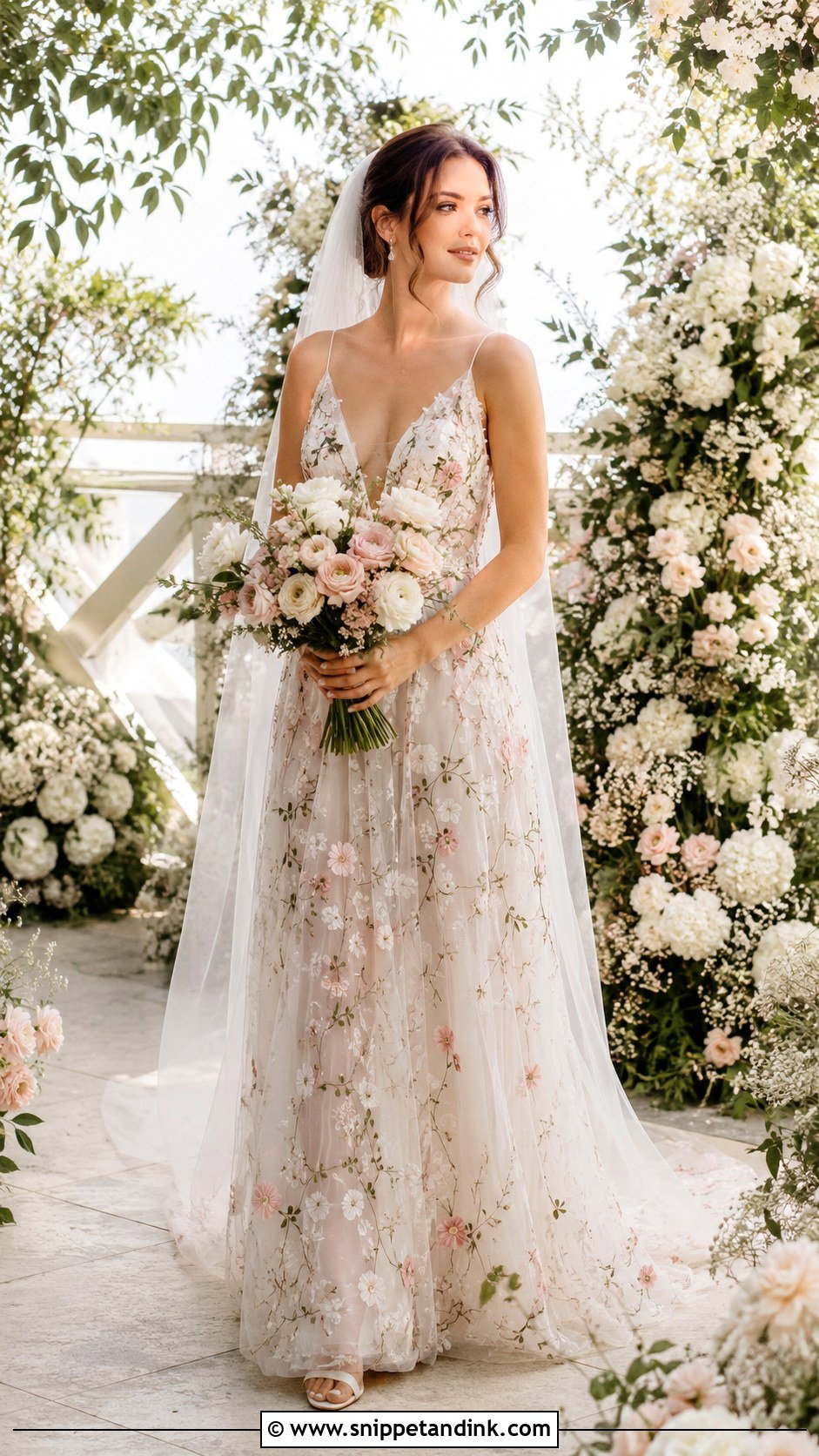
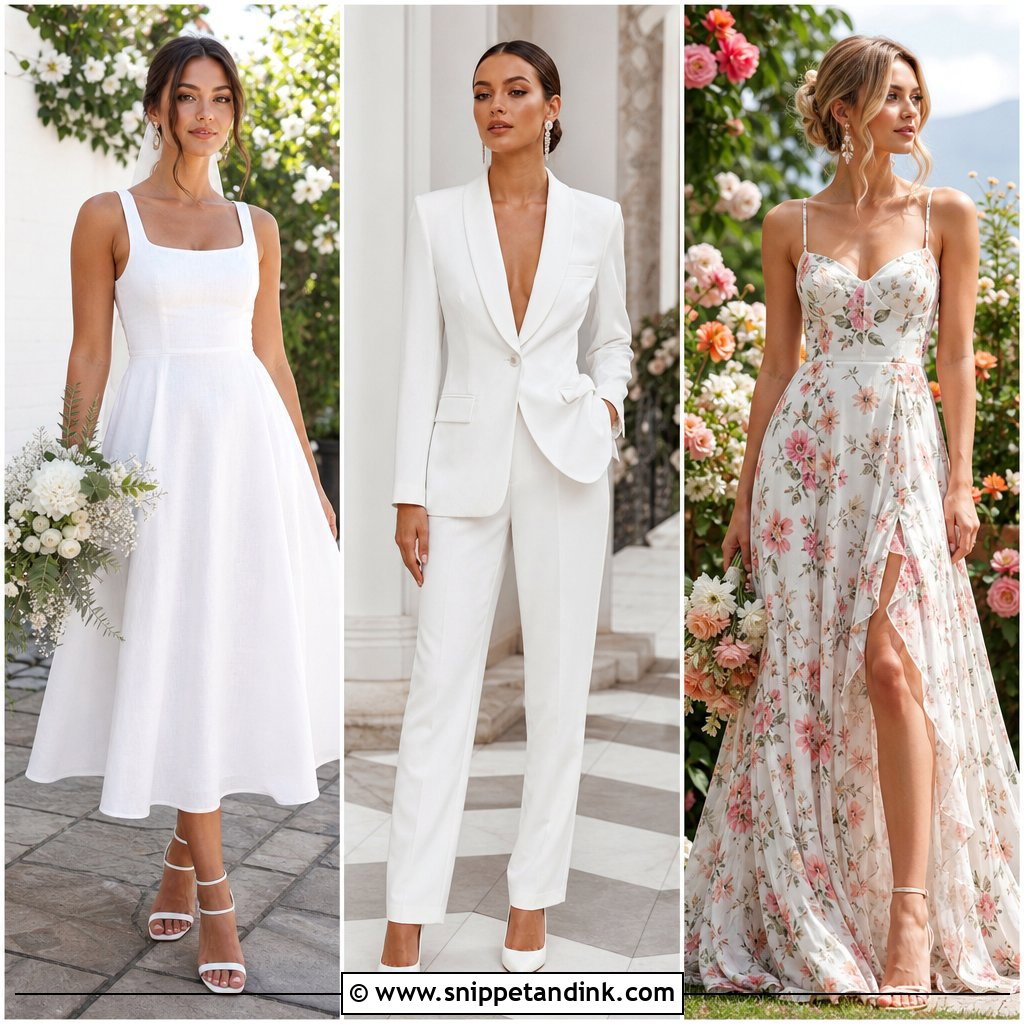
Flowers can come as embroidery on a sheer overlay, a watercolour print or scattered appliqué, each giving colour, movement and personality in one dress. Because the dress already does the talking, I keep accessories few and deliberate: simple heels, small earrings, a soft veil or flower comb. Ask your florist to pull one or two colours from the fabric so the bouquet does not clash. Gardens, spring ceremonies and relaxed celebrations suit it. Too many colours in one print can look busy in group photos, so choose a print with a narrow palette.
5. Short Wedding Dress
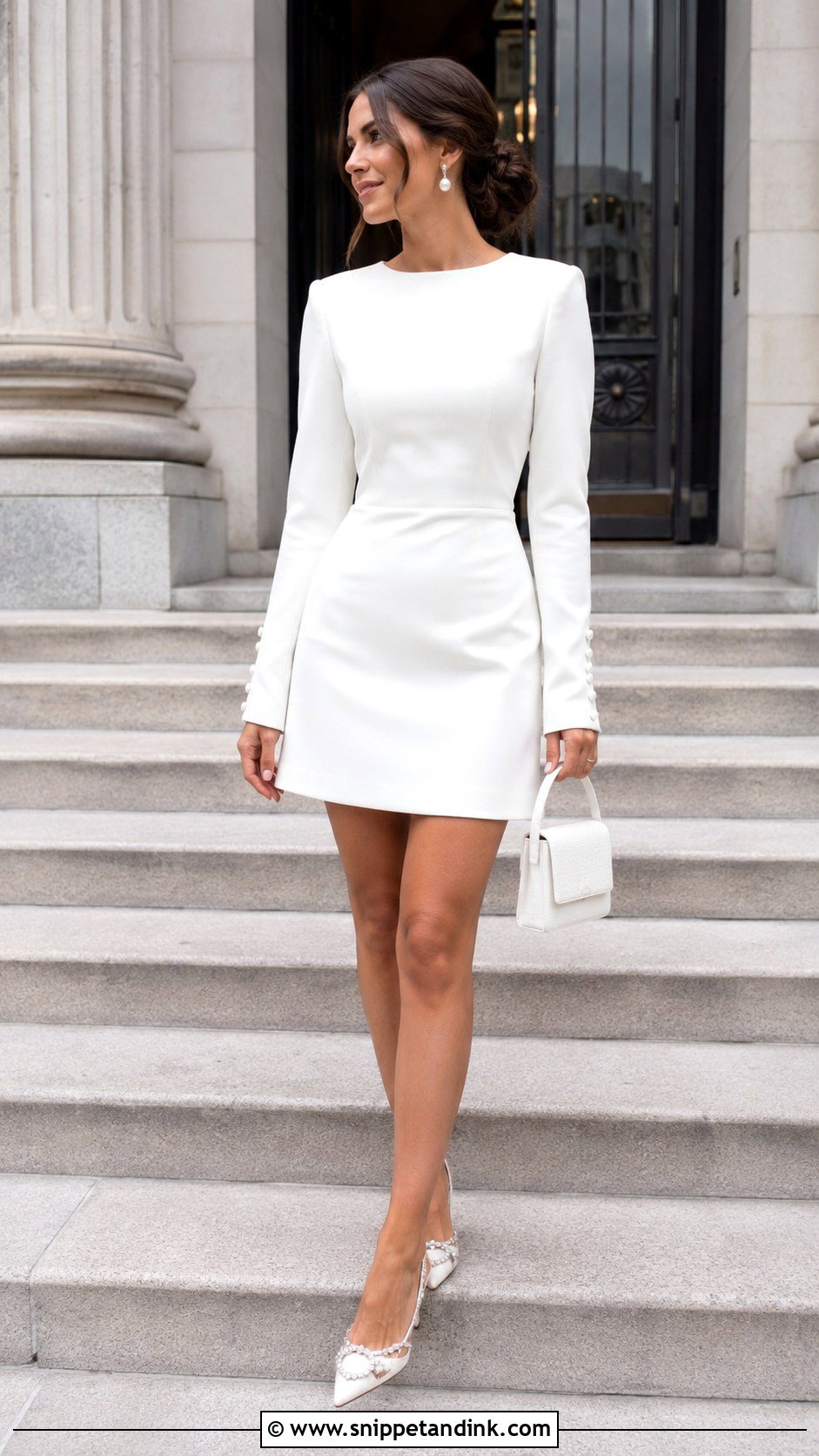
Short dresses move better than anything else on this list. A long-sleeved mini looks fashion-forward; a knee-length or tea-length dress feels playful. Since the shoes are on show, choose them with care: slingbacks, pointed pumps or embellished flats. Pearl studs, a bow veil or a structured mini bag finish it. The thing I check is how the hem behaves when you sit and climb steps, because minis ride up. Courthouse weddings, elopements, receptions and warm-weather ceremonies all suit it.
6. Bridal Jumpsuit
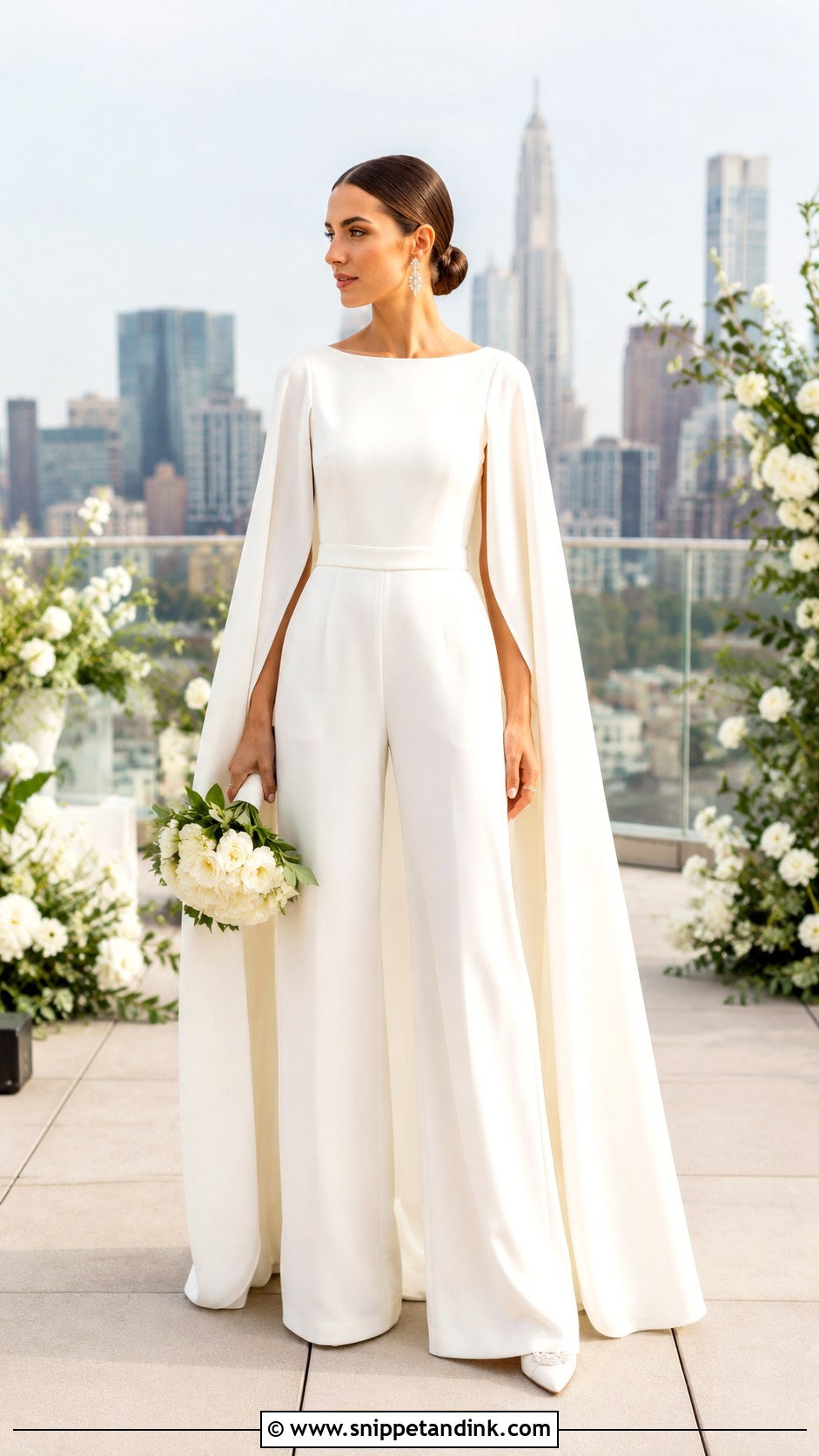
A jumpsuit is the most confident alternative to a dress and one of the easiest to wear all day. A wide leg in ivory, champagne, blush or black looks the most formal. A cape overlay, a deep V, structured shoulders or a lace bodice brings in the bridal feel. The honest drawback is the restroom; a jumpsuit means undressing fully, so choose a long back zip you can reach or plan for help. Pointed heels, bold earrings and a low bun or soft waves finish it, at a courthouse, on a rooftop or as a reception change.
7. Bridal Pantsuit
Fit decides whether a bridal pantsuit looks powerful or borrowed. A tailored blazer with wide-leg trousers in ivory, cream, champagne, soft grey or pastel blue creates a clean line top to bottom. Under it, a silk camisole, a lace bodysuit or nothing at all if the blazer is built to close securely. I always have a tailor shorten the sleeves to just show the wrist bone and hem the trousers for the exact heel height. Pointed heels, a sleek clutch and statement earrings balance it; a small veil or bow softens it. It suits civil ceremonies, modern venues and second looks.
8. Two Piece Wedding Dress
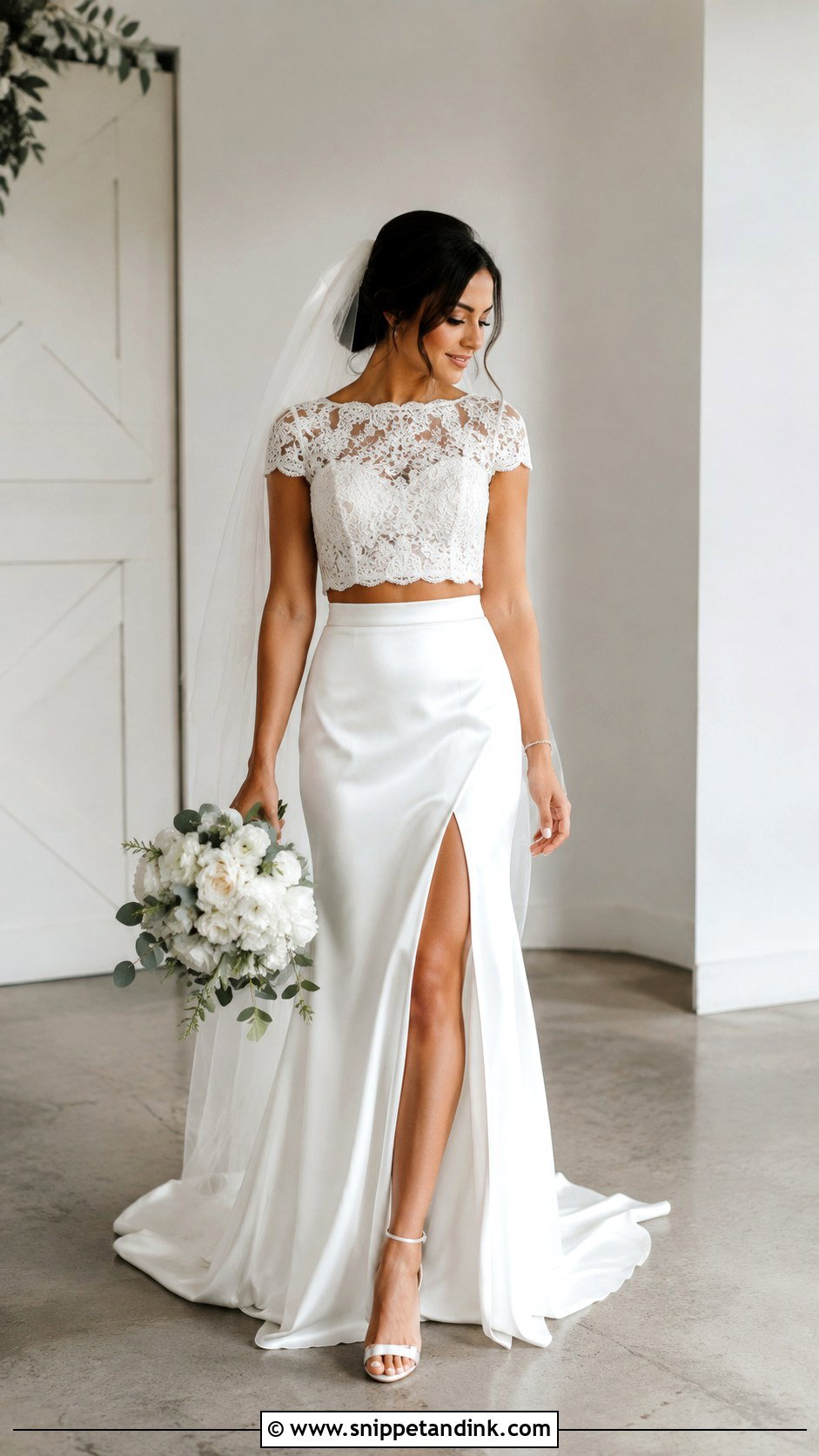
Separates give flexibility while still looking deliberate. A cropped lace top with a full satin skirt, a corset over flowing chiffon or a sleek tank with a column skirt can match exactly or contrast through texture. Two pieces are easier to alter than one gown, and you can size top and bottom separately. Watch the gap at the waist when you raise your arms; a sliver of skin is fine if you planned it and awkward if you did not. Strappy heels, a delicate bracelet and a light veil or hair piece complete it, and dancing is easy.
9. Champagne Wedding Dress
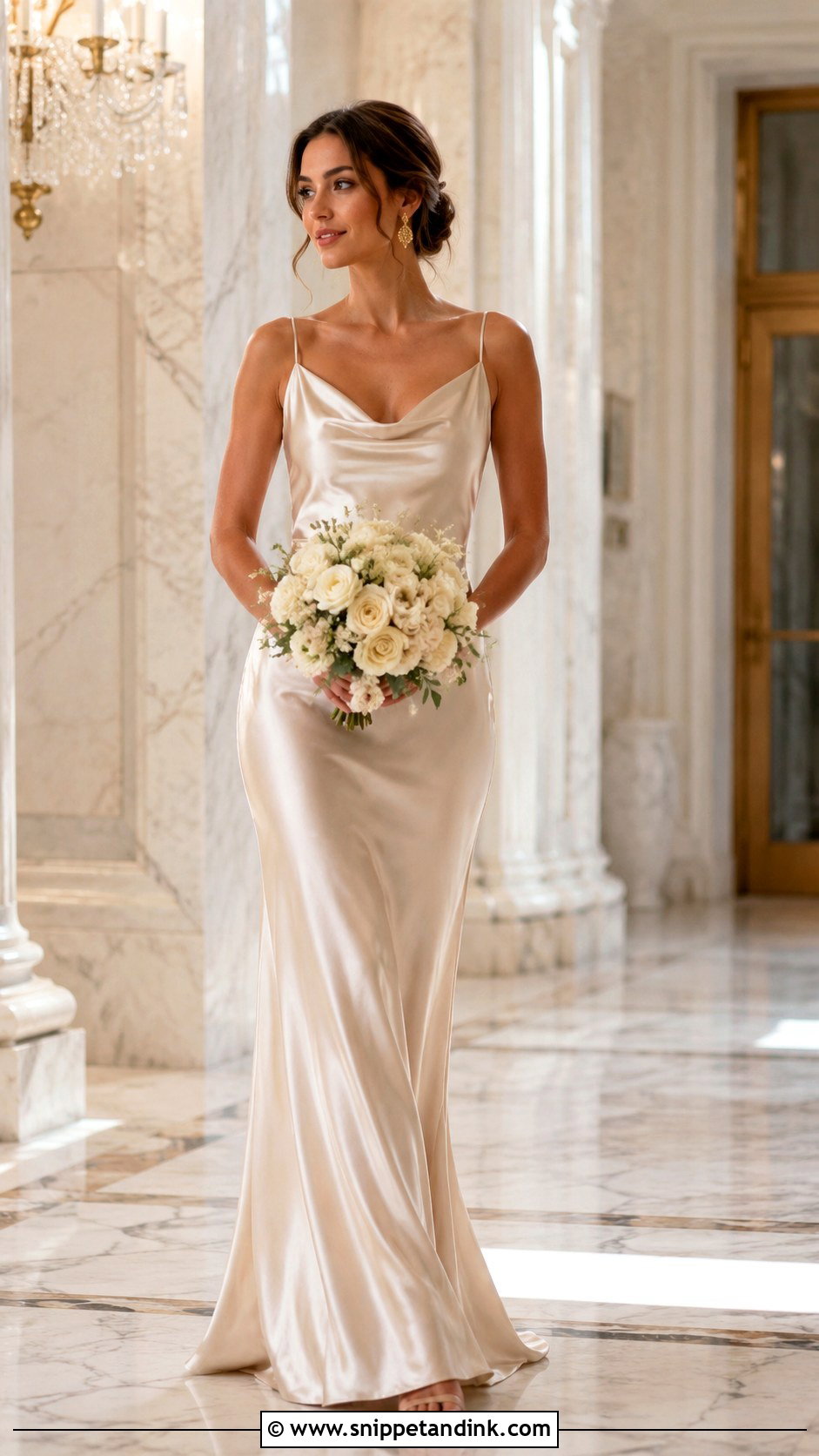
Champagne trades bright white for warmth, and it flatters more skin tones than stark white does. Satin, silk, lace and beading all take the colour well. A slip dress keeps it minimal, a fitted gown adds glamour and an A-line softens it. Champagne varies widely from pinkish to greyish to golden between makers, so compare the actual fabric, not the website photo. Gold jewelry, nude heels and a cream bouquet suit it at hotels, outdoor venues and city weddings.
10. Gold Wedding Dress
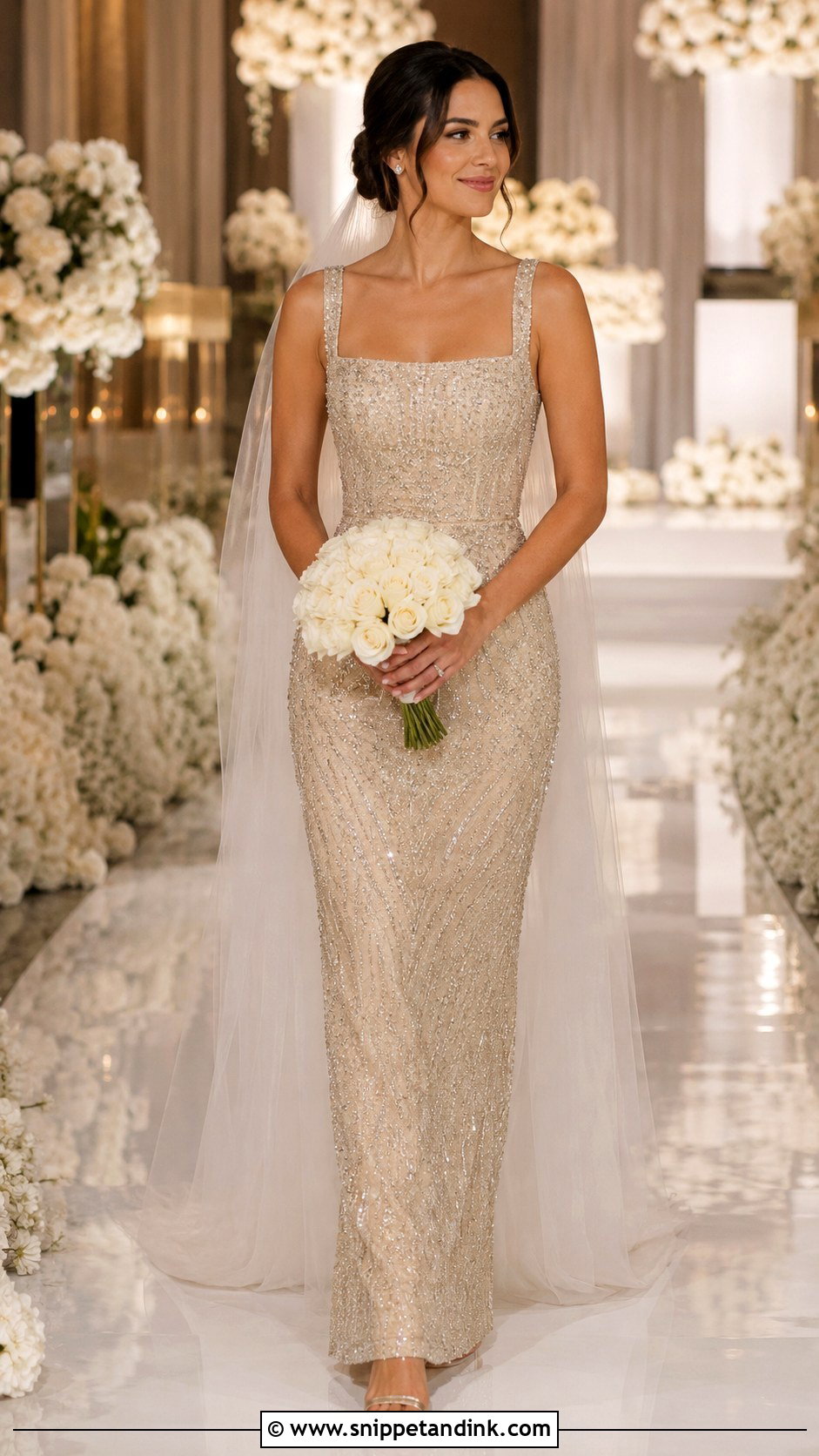
Gold is for the bride who wants shine and celebration. Soft gold, antique gold or pale metallic champagne stay elegant rather than costume-like. A beaded sheath, satin gown, sequin midi or embroidered tulle are the usual routes. Metallic fabrics reflect colour onto the face, which is flattering on warm skin and harsher on very cool skin, so test it next to your face, not just in the mirror from a distance. Minimal heels, simple earrings, smooth hair, a cream bouquet and clean makeup keep it refined for evening and formal venues.
11. Red Wedding Dress
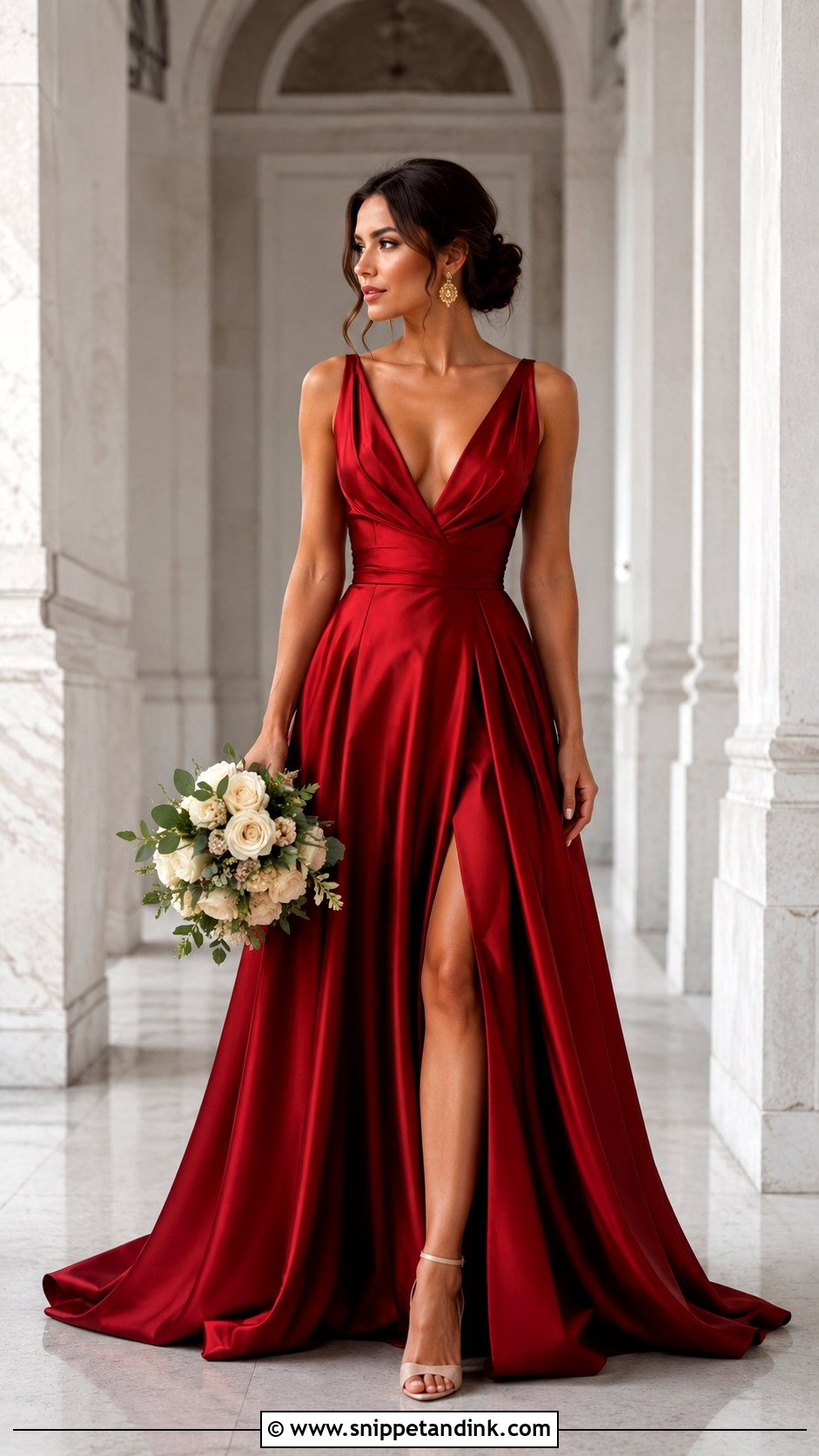
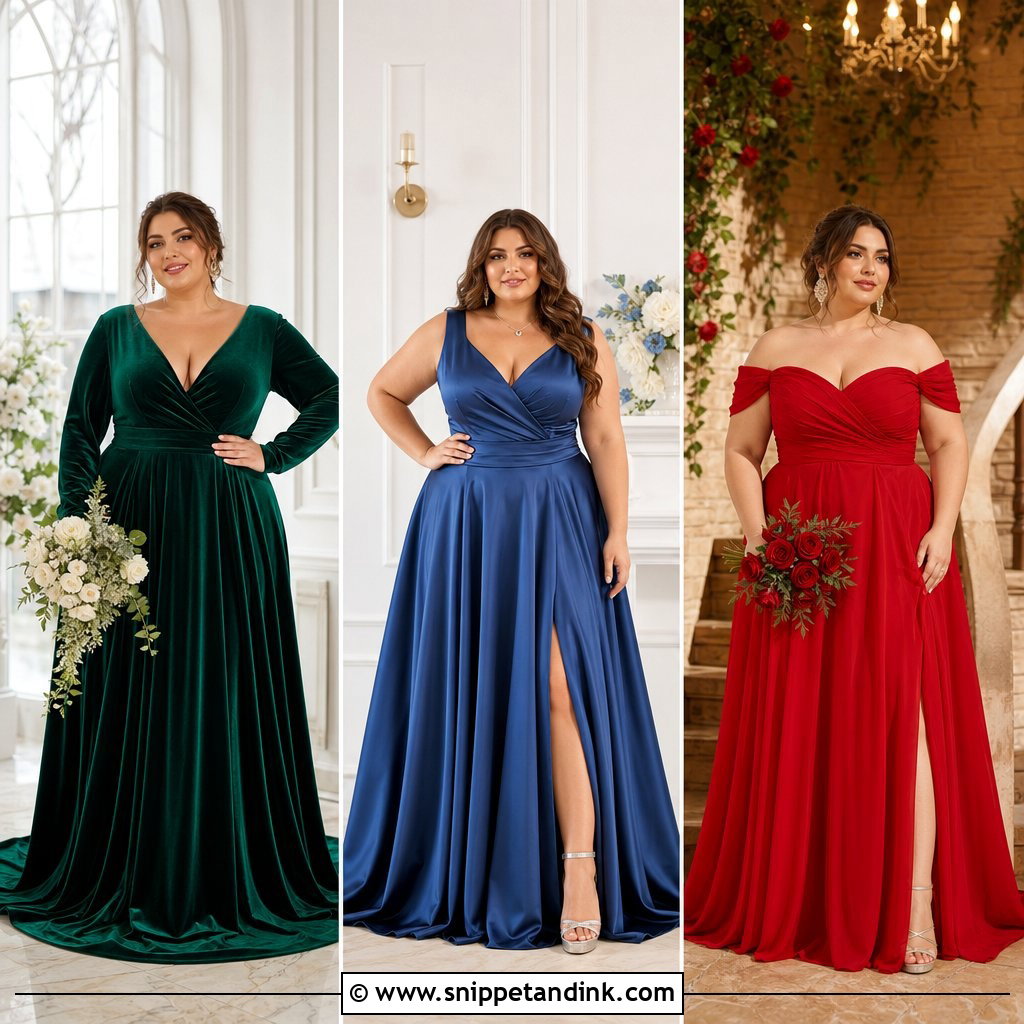
Red carries meaning for many brides, cultural or personal, and it is impossible to ignore. Deep burgundy, crimson, cherry or a softer rose-red all work. A fitted satin gown reads dramatic; flowing chiffon softer. Because the colour is doing so much, I keep the silhouette clean and the accessories neutral: plain heels, gold or pearl earrings and a bouquet in cream, blush or greenery. Red can bleed onto skin if you sweat in a cheap dye, so ask about colourfastness. It is not subtle, but it can be very elegant.
12. Green Wedding Dress
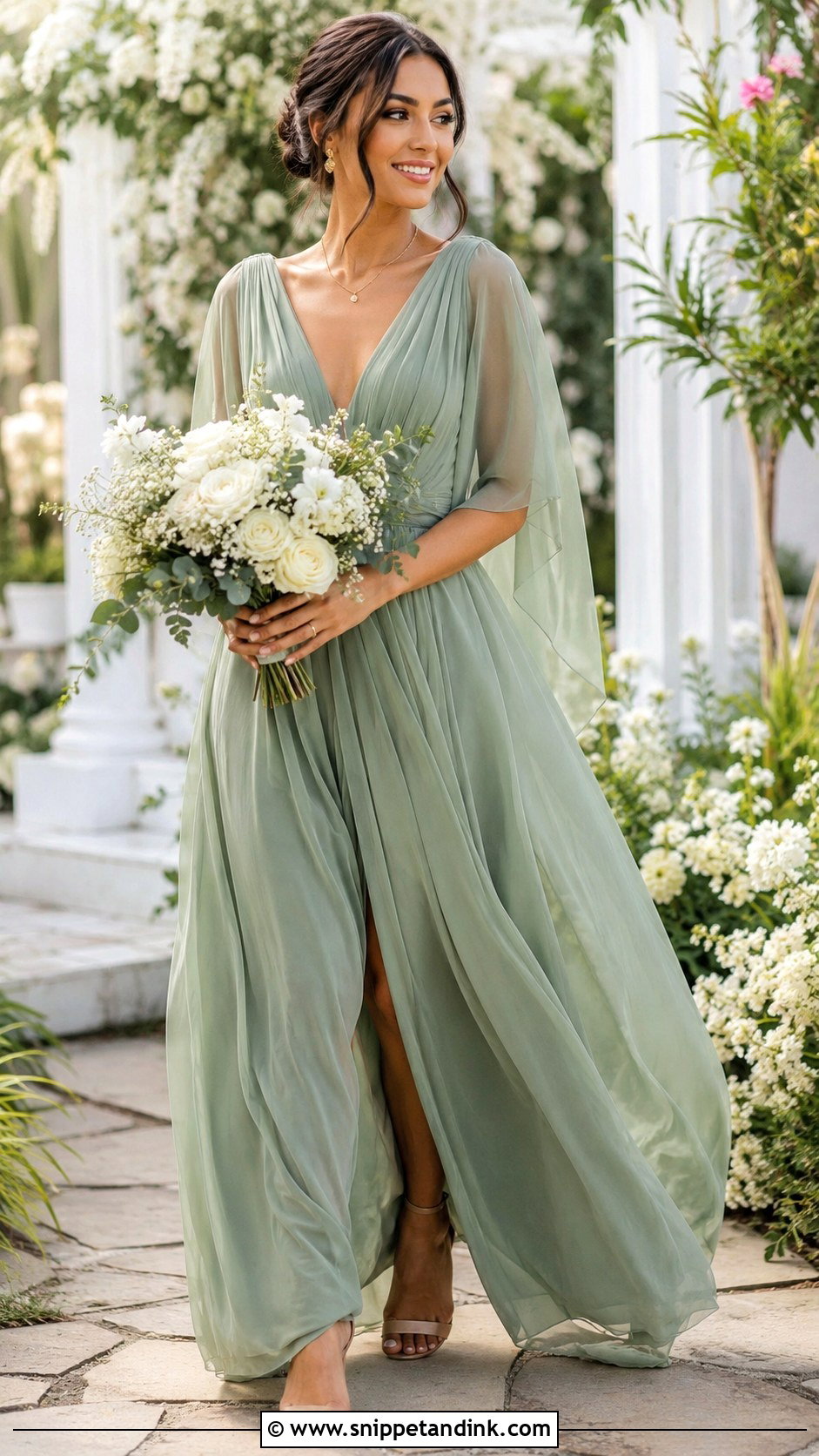
Green surprises people in the best way. Sage is soft and romantic; emerald rich and formal; olive quiet and earthy. A flowing gown suits an outdoor ceremony, a satin slip looks modern, a structured dress fits a polished venue. In garden and forest settings green blends with the surroundings while still standing out, though very pale sage can disappear against foliage in wide shots, so I check backgrounds with the photographer. Gold jewelry, nude heels and white flowers with greenery complete it.
13. Lavender Wedding Dress
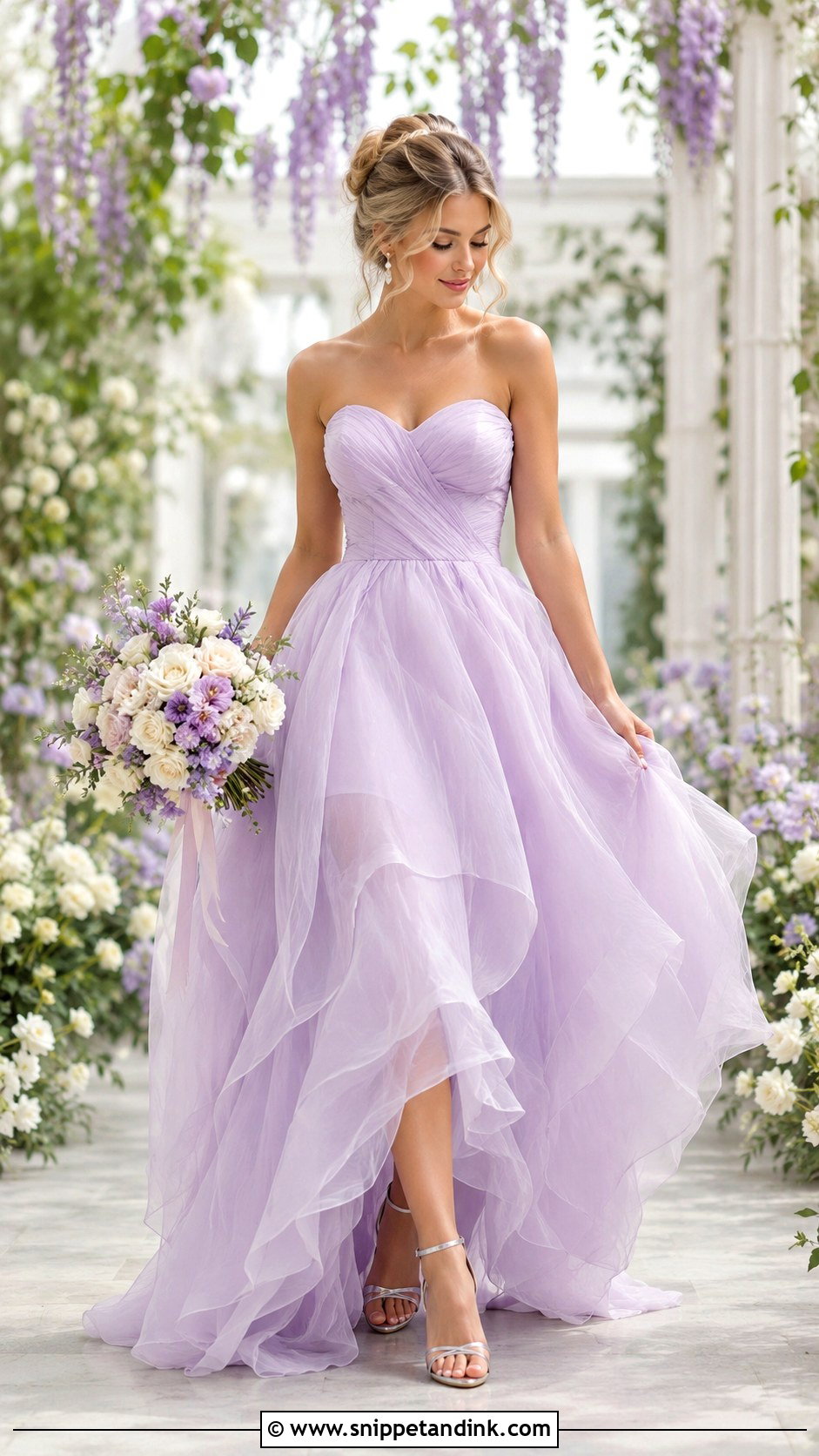
Lavender sits in the pastel family but has more personality than blush. Pale lilac, dusty lavender and mauve all feel romantic. Tulle, chiffon, silk or organza give it movement. Purple shades are notoriously hard for cameras to reproduce, sometimes turning blue in photos, so I ask the photographer to check a test shot. Bridal details like a corset bodice, soft train, delicate embroidery or sheer sleeves help. Silver heels, pearl earrings and cream-and-purple flowers suit spring and garden weddings.
14. Silver Wedding Dress
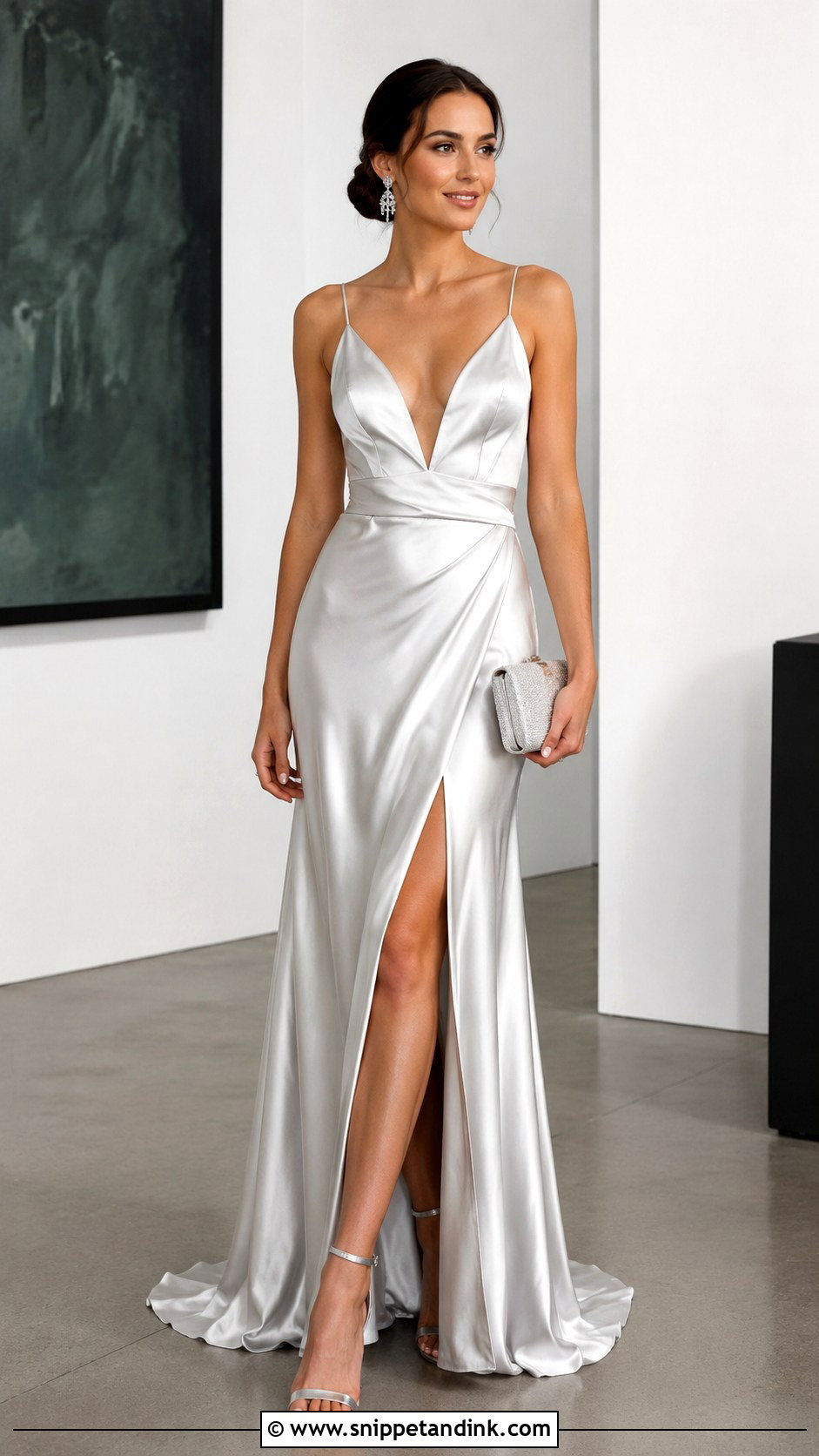
Silver gives a cool, modern edge. Satin keeps it sleek, sequins add glamour and beaded tulle softens it. Choose the shade for your venue, from pale silver-grey to soft shimmer. Crystal earrings, silver heels and a plain clutch keep it refined; a smooth bun or soft waves suit it. Silver needs good light. Under dim, warm reception lighting it can look grey, while in a bright loft or by evening candles with flash it catches light well. City weddings and evening parties are its natural home.


15. Tea Length Wedding Dress
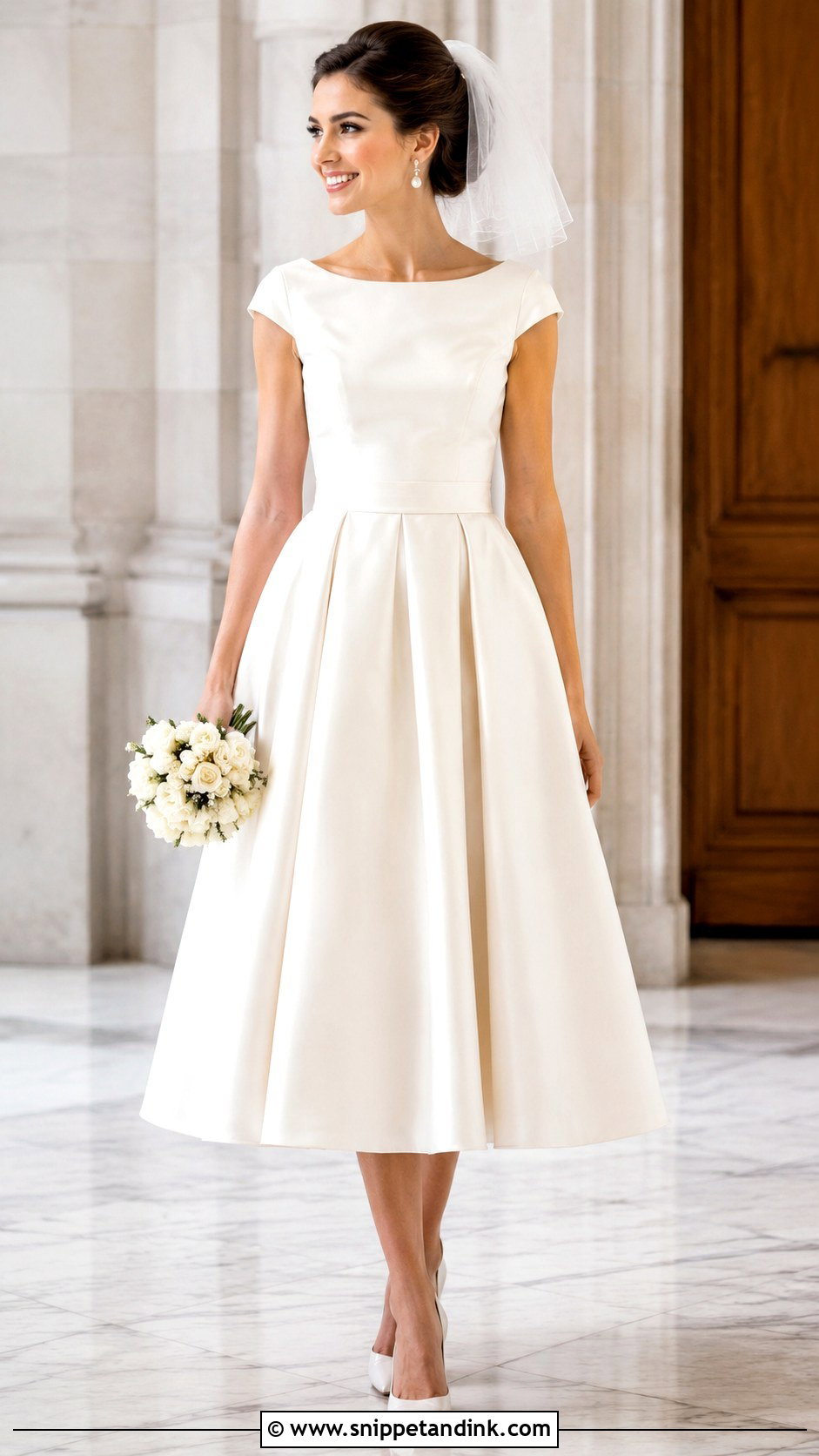
Tea length lands between the knee and ankle, and it has a vintage charm that is hard to fake. The shoes become part of the look, so I steer brides to pointed pumps, Mary Janes or embellished flats. A fitted bodice with a full skirt reads classic; a sleek tea-length column modern. The skirt needs a petticoat or crinoline to hold that period shape, and that layer should be soft so it does not scratch your legs. Pearl earrings, a short veil or satin bow finish it for courthouse ceremonies and garden weddings.
16. Wedding Dress With Colorful Embroidery
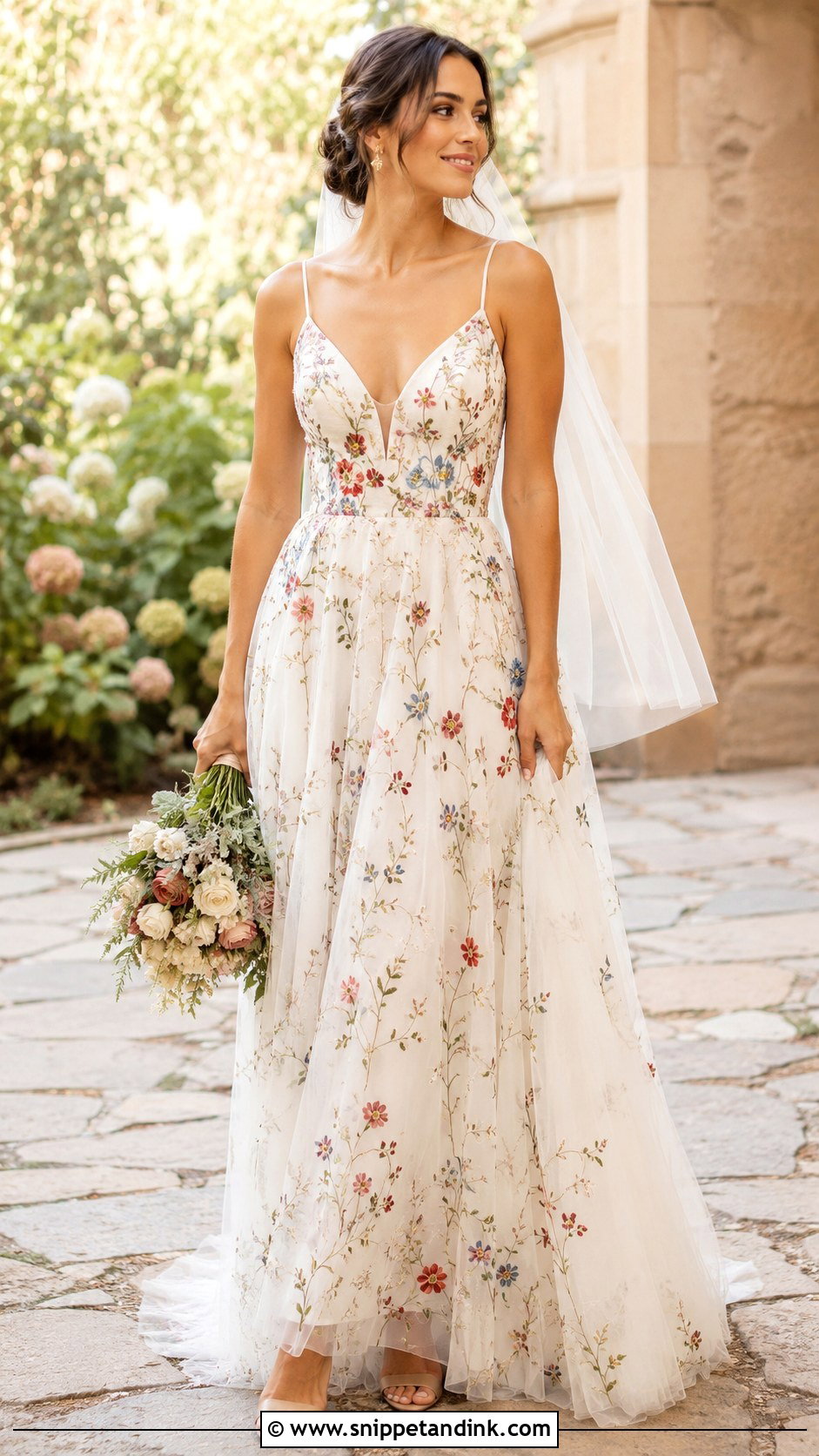
Adding colorful embroidery to an ivory, nude, blush or pale blue base keeps the bridal silhouette while adding art. Flowers, vines, stars or abstract patterns can echo your bouquet, season or palette. I keep the shoes simple, nude heels or ivory sandals, and the veil trim minimal so the embroidery leads. Ask how it is backed; dense embroidery on fine tulle can pucker if it is not stabilised. It is the easiest way to wear colour without committing to a fully coloured gown.
17. Ombre Wedding Dress
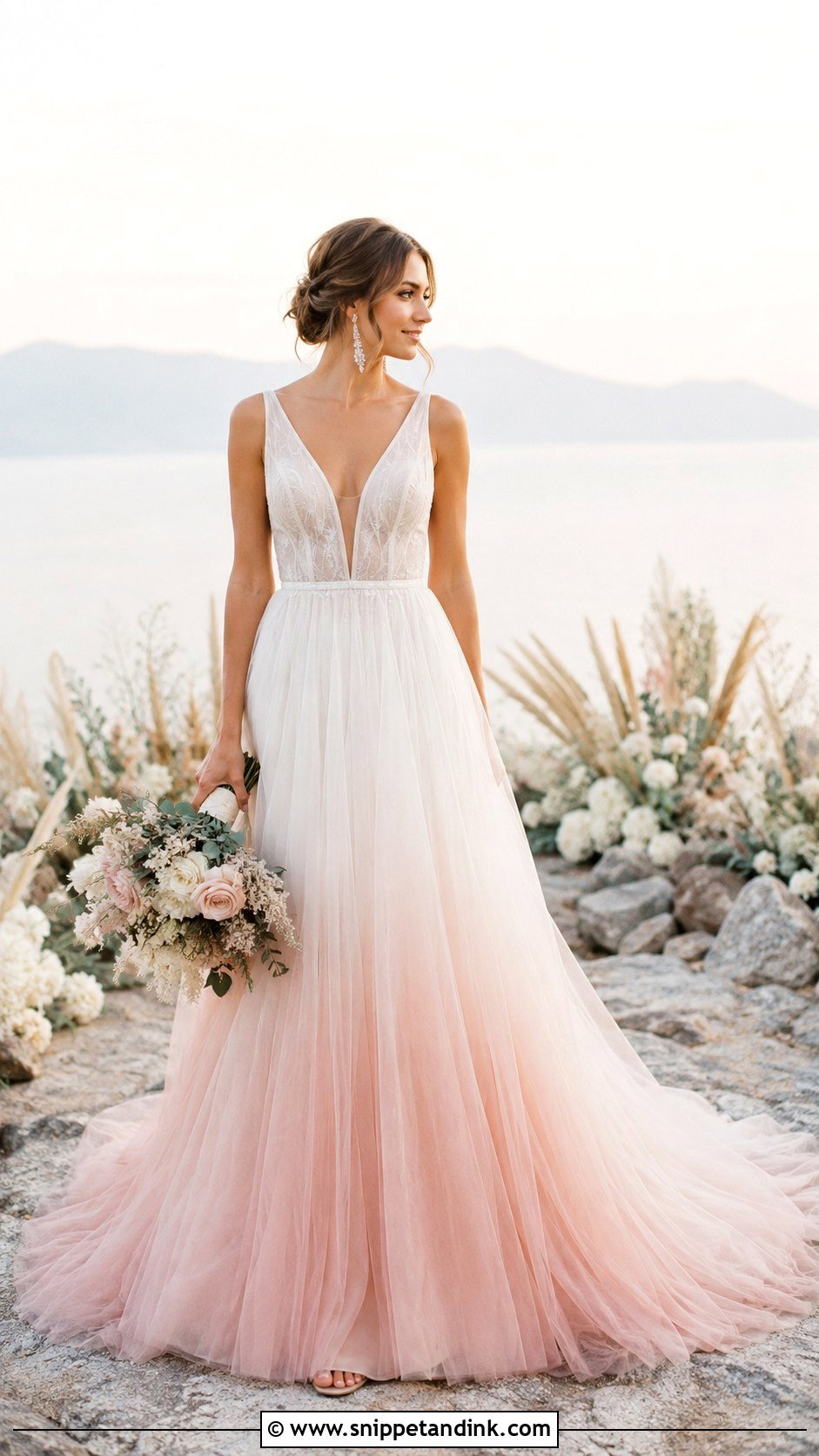
Ombre fades from ivory into blush, blue, lavender, peach, grey or even black, keeping the traditional part near the face and the personality at the hem. A tulle or chiffon skirt shows the gradient best, because movement makes the shift look natural. I check the fade under daylight, because hand-dyed ombre can look patchy if the dye was not graduated carefully. Simple heels and minimal jewelry keep it clean. Outdoor ceremonies and creative venues suit it.
18. Cape Wedding Dress
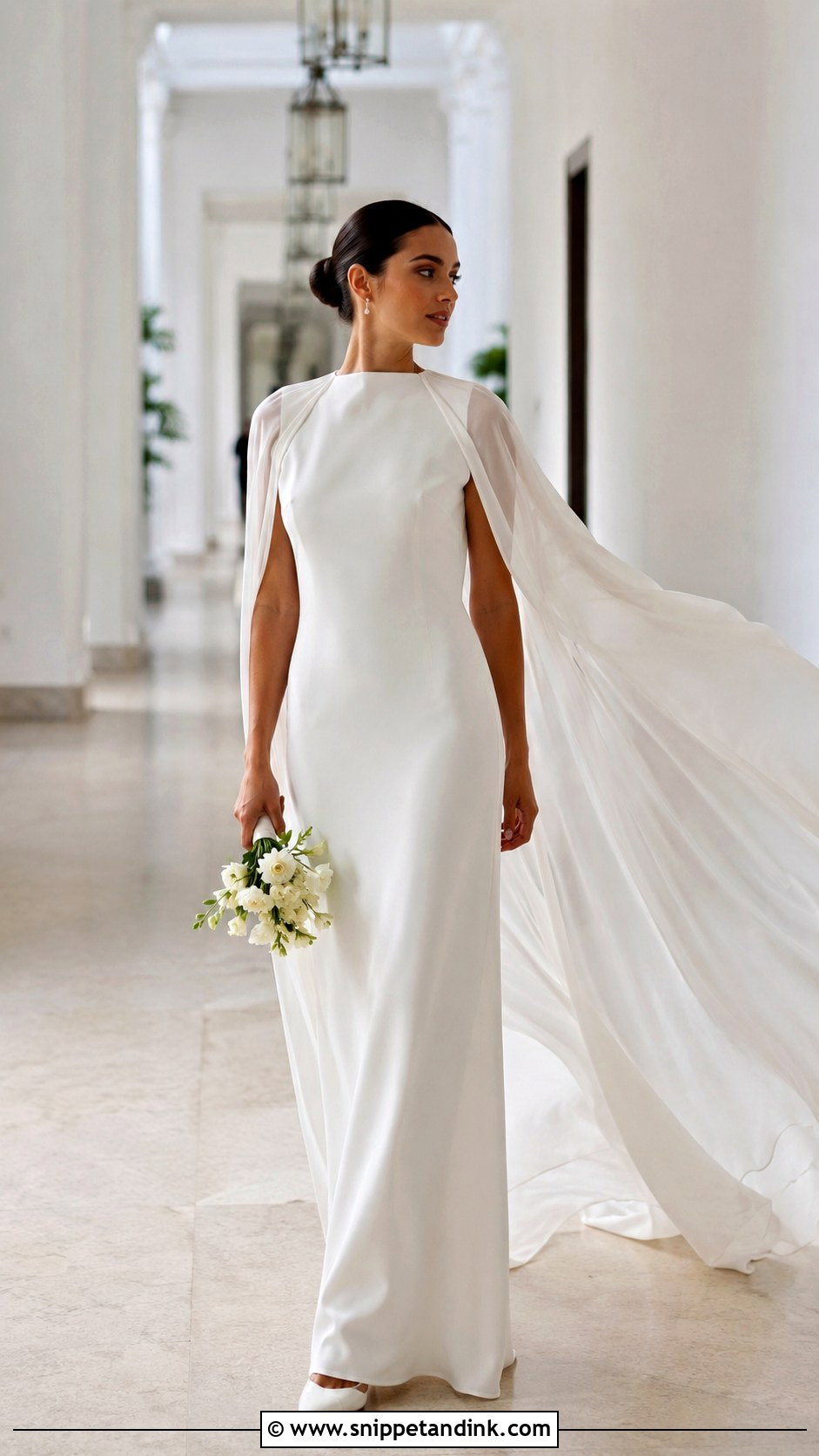
A cape does a veil’s job with more structure. Sheer, beaded, lace, satin or detachable, it gives drama for the ceremony and can come off for dancing. Over a simple column or a jumpsuit, a long cape makes a strong modern outfit. The fastening is what I check first: a cape anchored at both shoulders sits evenly, while one tied only at the neck pulls on your throat and twists when you turn. Keep shoes sleek and accessories few; the back view and walking shots are where it shines.
19. Feather Wedding Dress
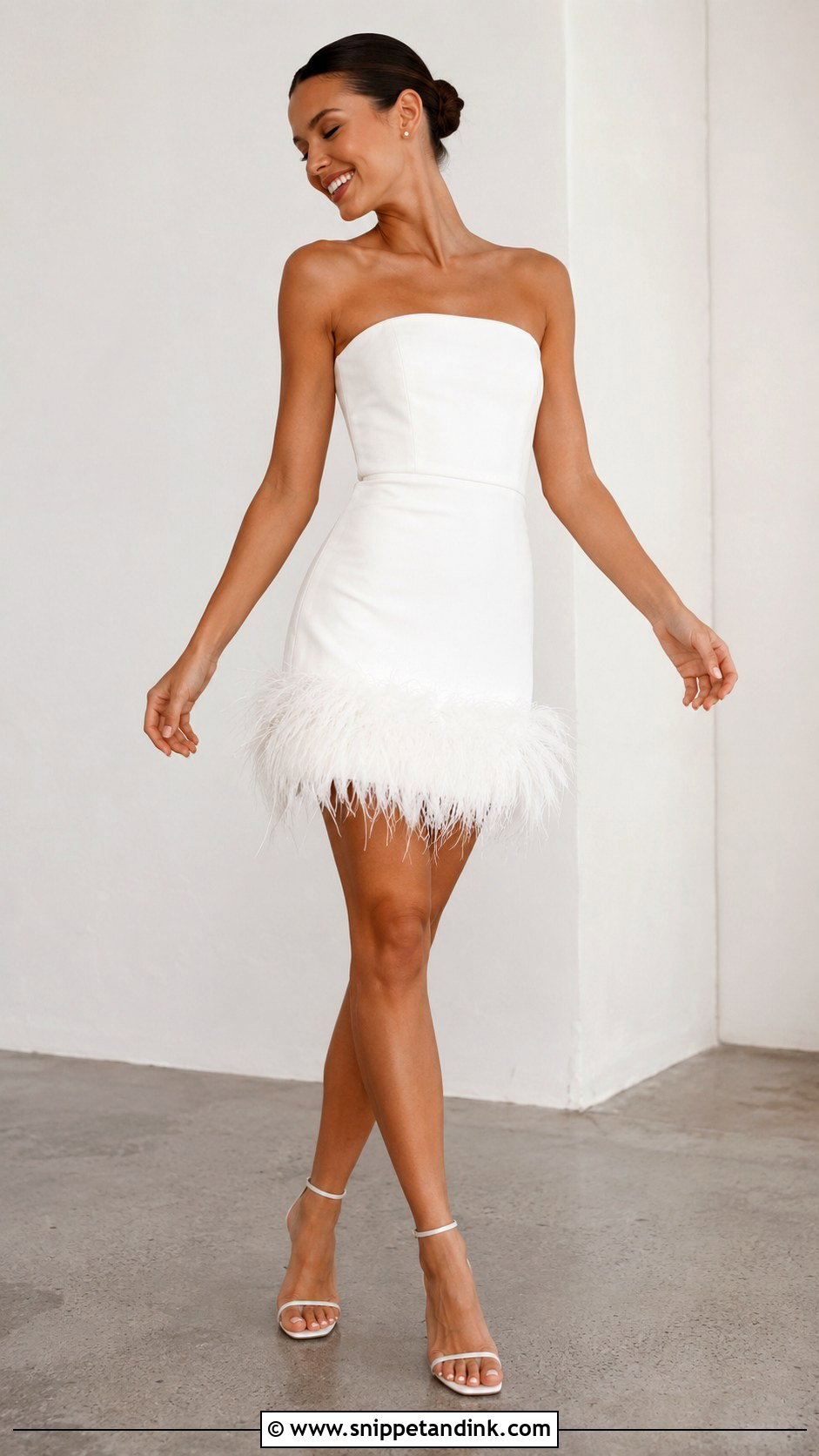
Feathers are fun, but only one feather moment per outfit. Trim on a mini, cuffs on a gown or a feather hem on a midi all work; covering everything looks like costume. Simple heels, smooth hair and small earrings keep it modern. Ostrich feathers shed a little and flatten in rain or humidity, so I pack a spare and keep the dress in a garment bag until the last minute. It is a festive choice for receptions, elopements and fashion-led ceremonies.

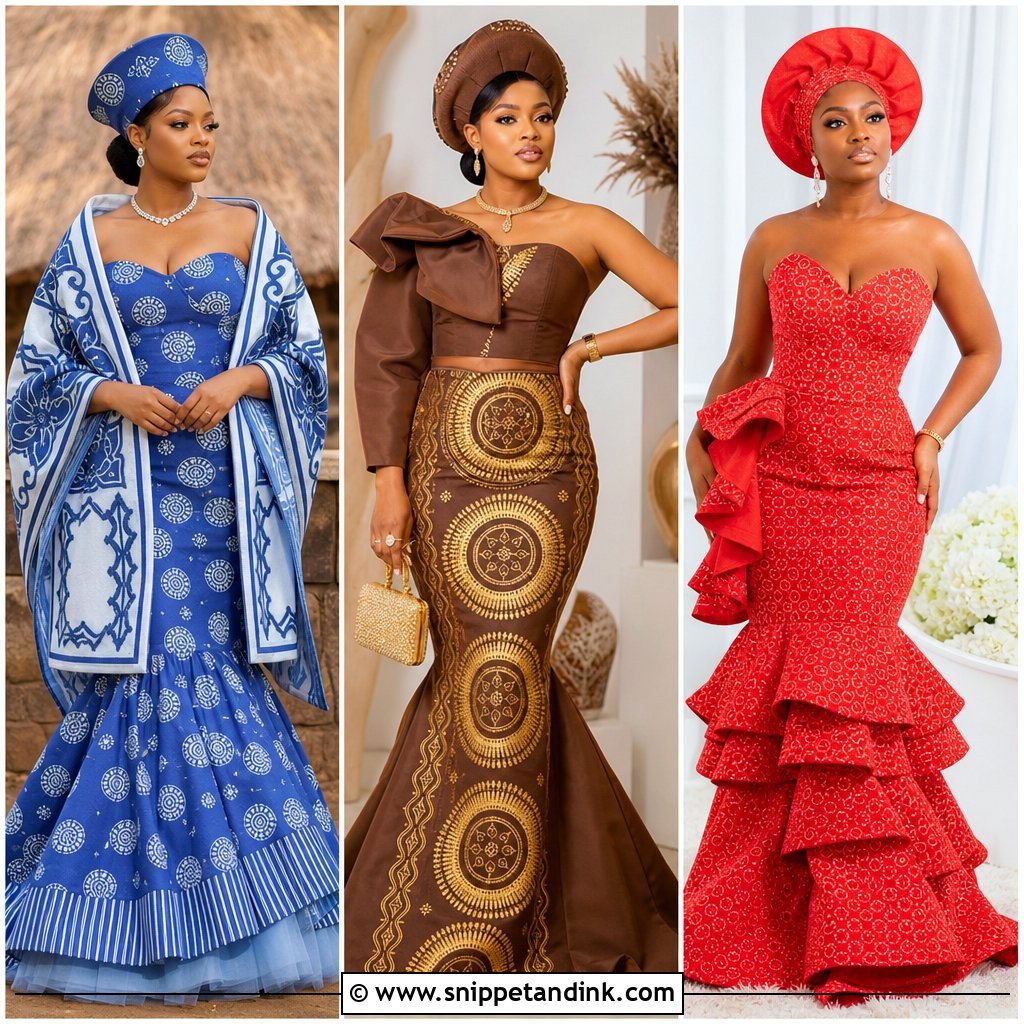
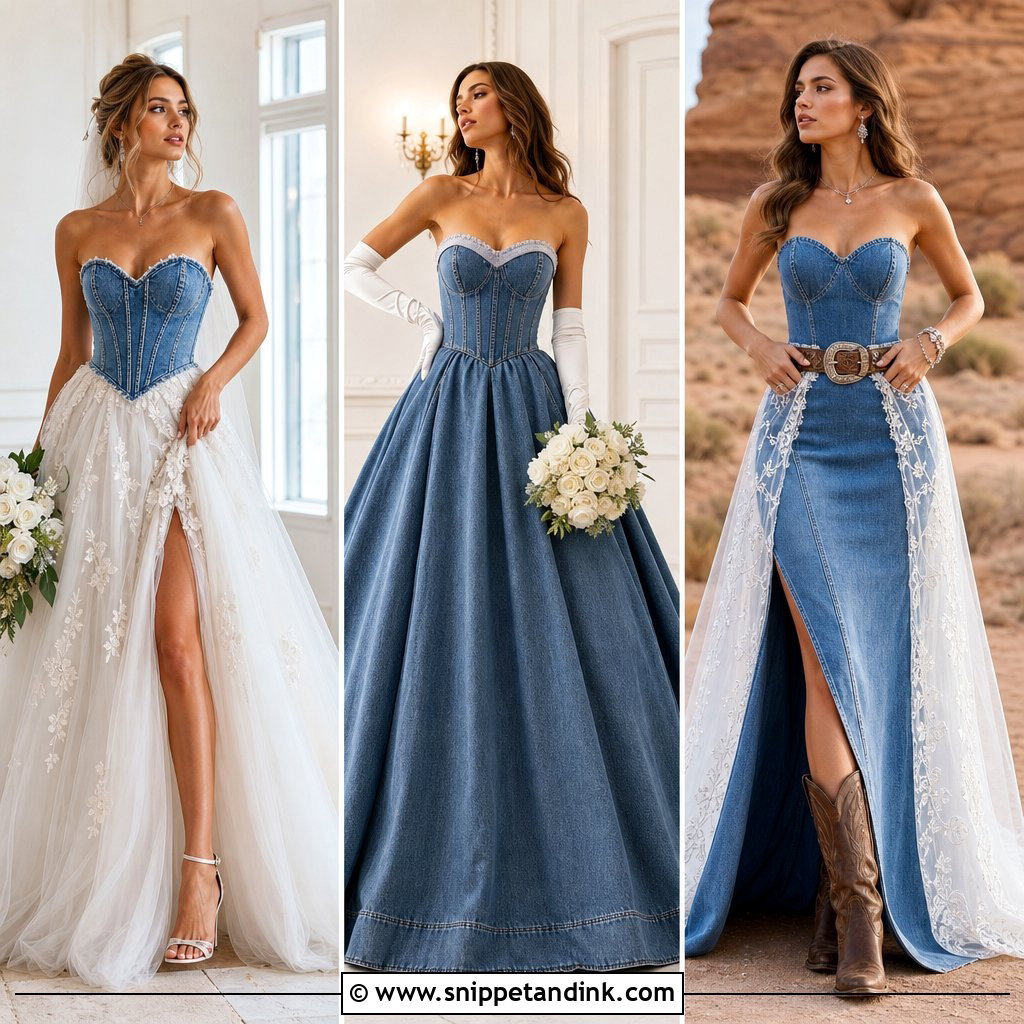

20. Bridal Midi Dress
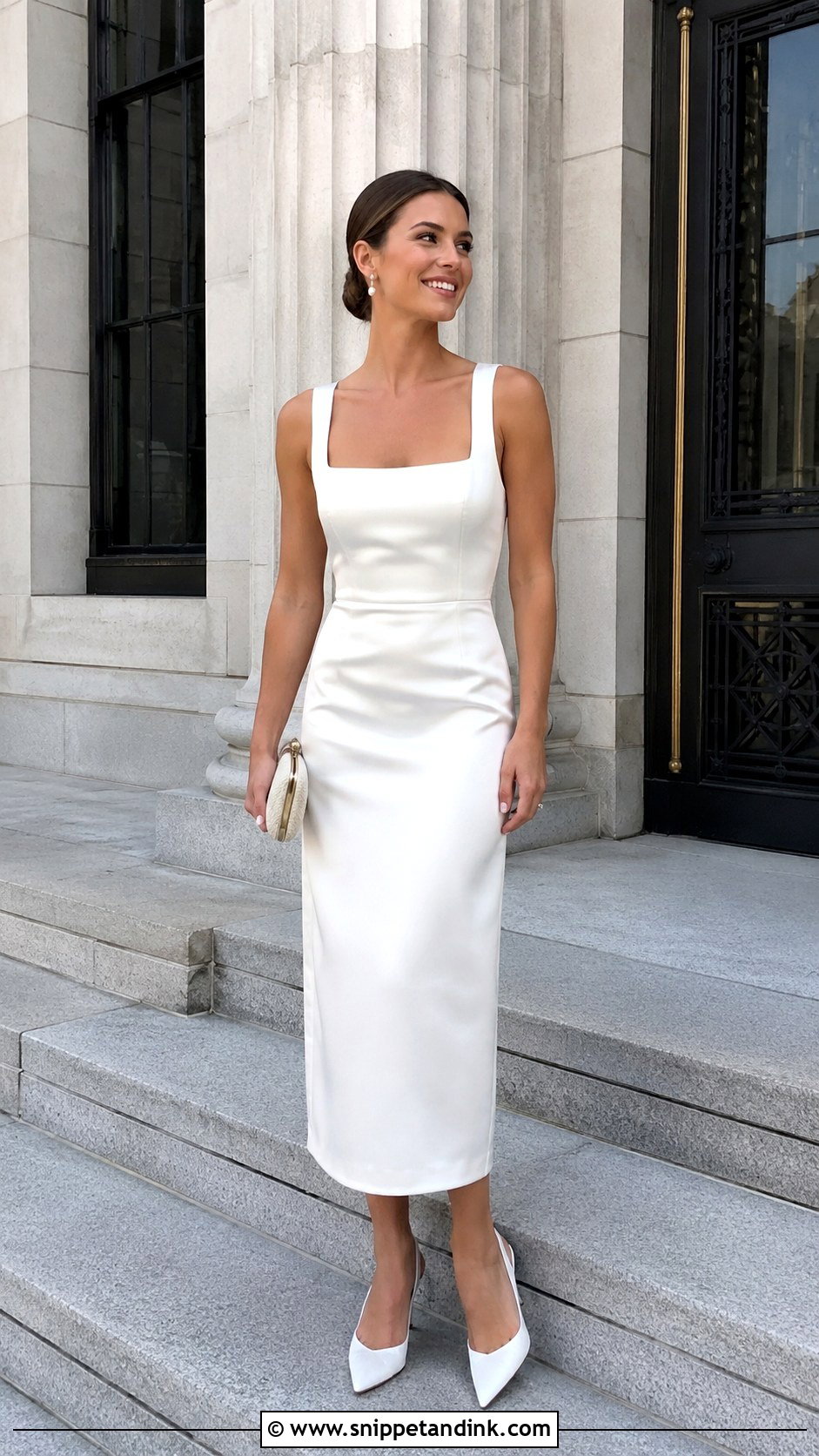
Midi length looks polished and practical at once. Satin, crepe, lace or structured cotton all hold it, in a fitted sheath, square neck, wrap or full skirt. Slingback heels, pearl earrings and a small clutch suit it, and a birdcage veil or hair bow adds the bridal note. I pay attention to exactly where the hem falls on the calf; a few centimetres higher or lower changes how long your legs look. Courthouse weddings, small ceremonies and reception changes are its sweet spot.
21. Printed Wedding Dress
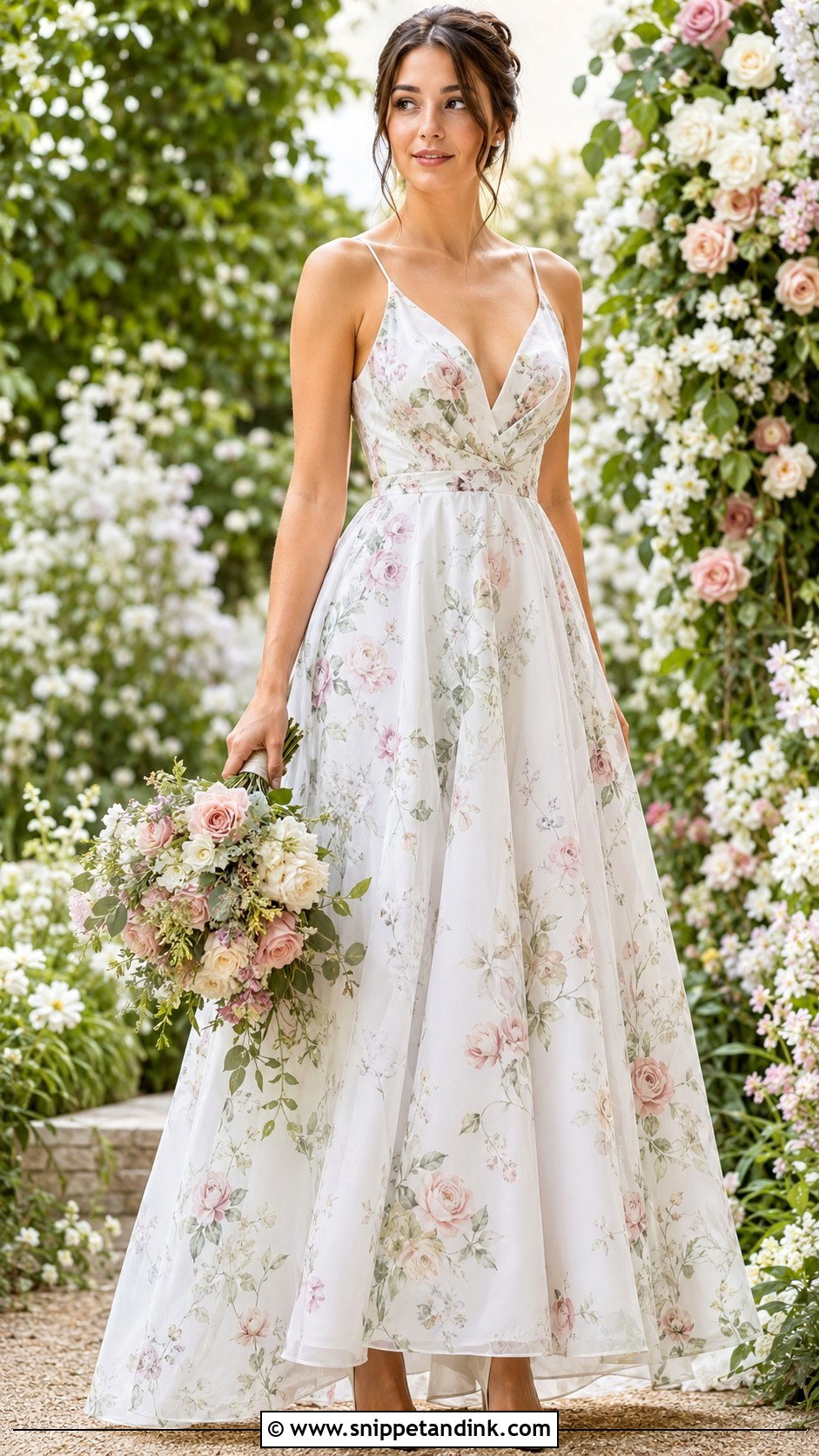
If plain white has never felt like you, a print may. Florals are most common, but watercolour, abstract, toile and subtle botanicals can feel bridal too. A print with a narrow, refined palette keeps it looking deliberate and grown-up rather than like a sundress. Solid shoes, simple jewelry and a bouquet that picks up one or two print colours tie it together. Gardens, destination celebrations and creative venues suit it. Big prints get cut awkwardly at seams, so check that the pattern is matched at the side seams.
22. Velvet Wedding Dress
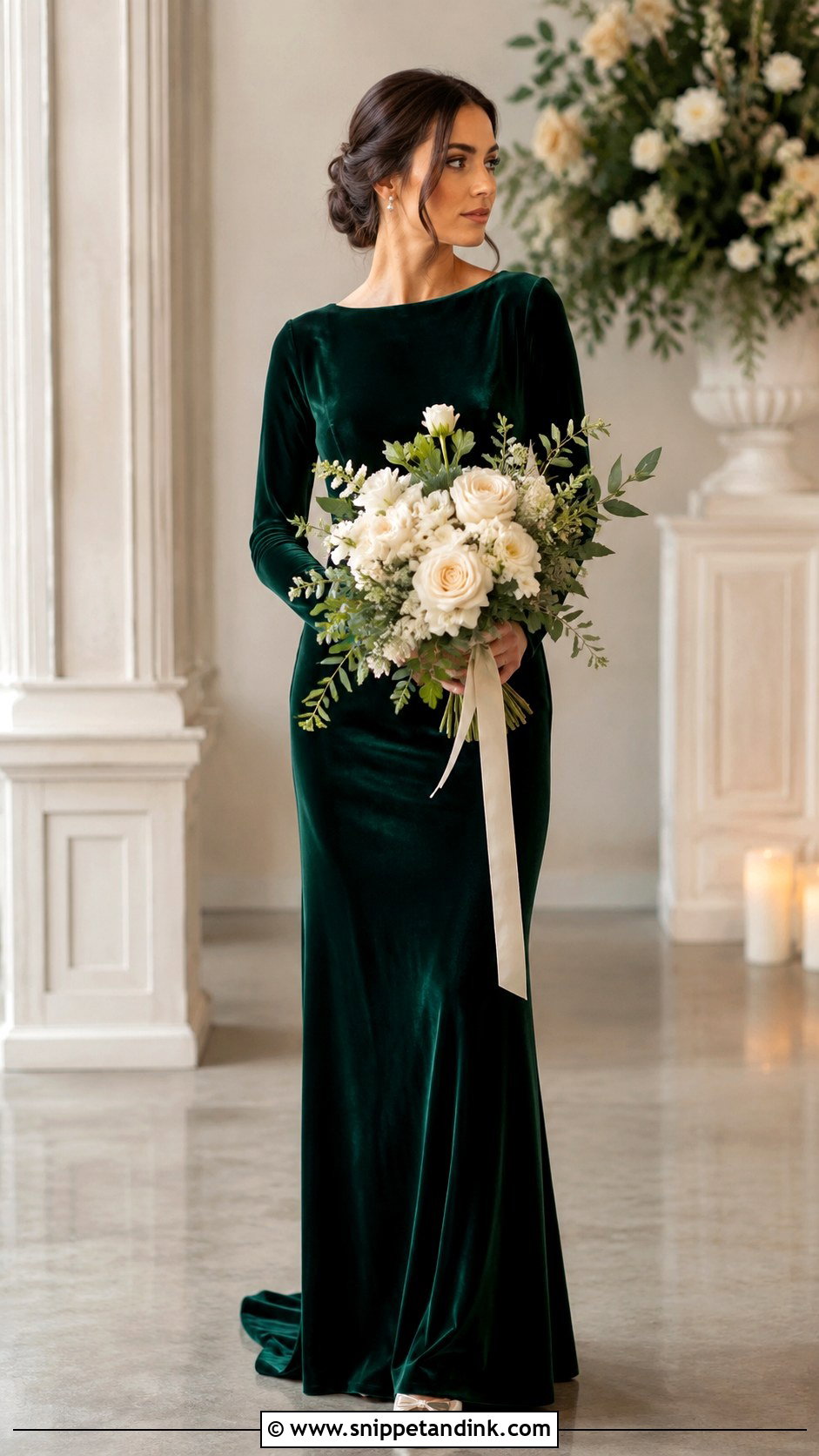
Velvet has depth and quiet drama, and it feels cosy in cool months. Ivory, champagne, emerald, navy, burgundy and black all suit it. Because the surface is so rich, the silhouette should stay clean: a fitted long-sleeve gown, slip, wrap or simple A-line. Velvet crushes where you sit and cannot be pressed flat with an ordinary iron, so steam it from the inside and stand as much as possible before photos. Understated heels, small earrings and a soft bouquet are enough, especially at indoor winter venues.
23. Bridal Skirt And Top
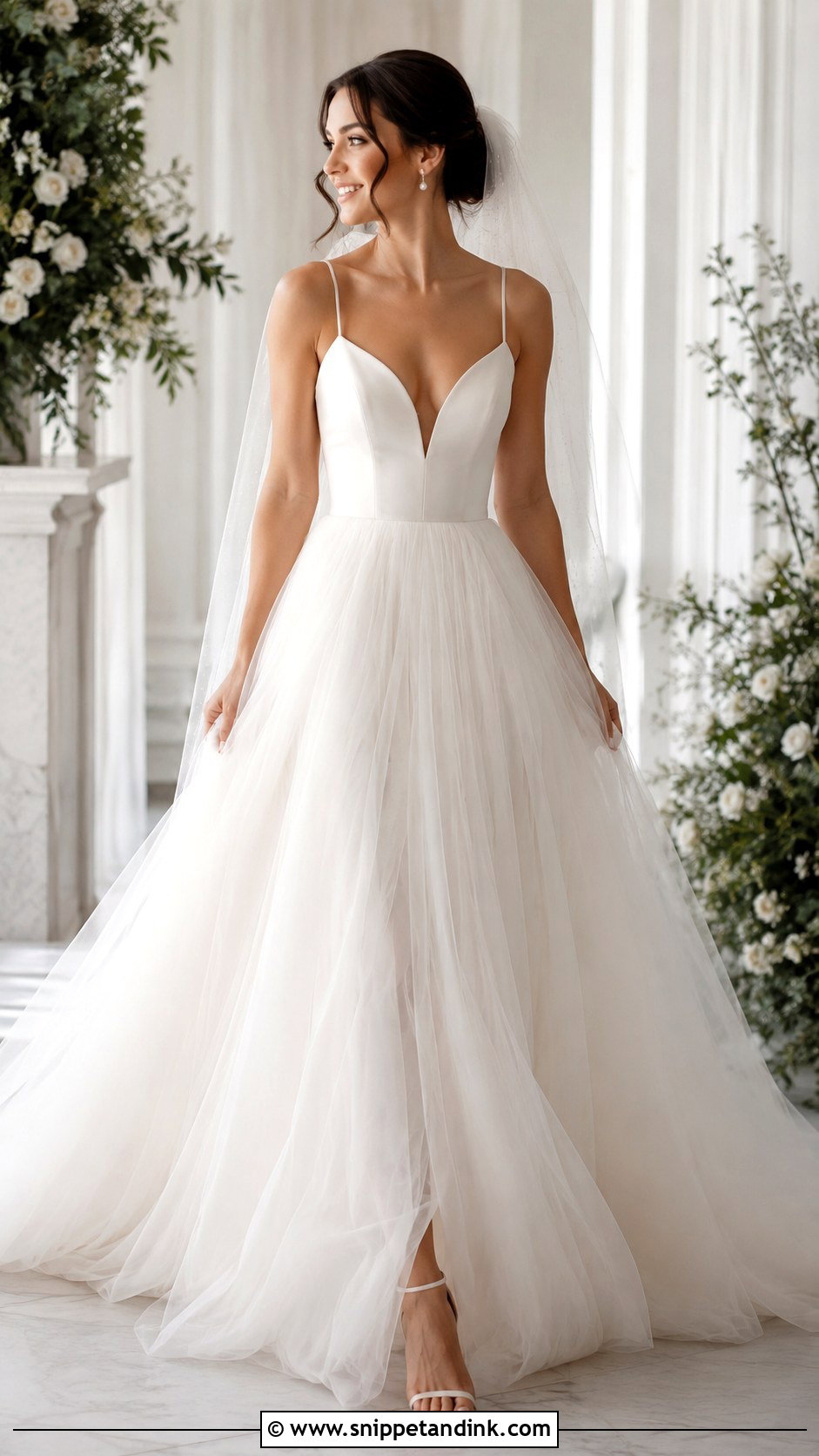
A skirt and top let you build the outfit in sections. A full tulle skirt with a fitted bodice is romantic; a satin maxi with a tailored top is modern; a lace blouse with a simple skirt is softer. The pieces need to meet cleanly at the waist or overlap smoothly. I have the tailor add a small loop to hold the top in place so it does not ride up as you move. Heels, delicate jewelry and a veil or hair accessory add the bridal finish, and sizing top and bottom separately helps many body types.
24. High Low Wedding Dress
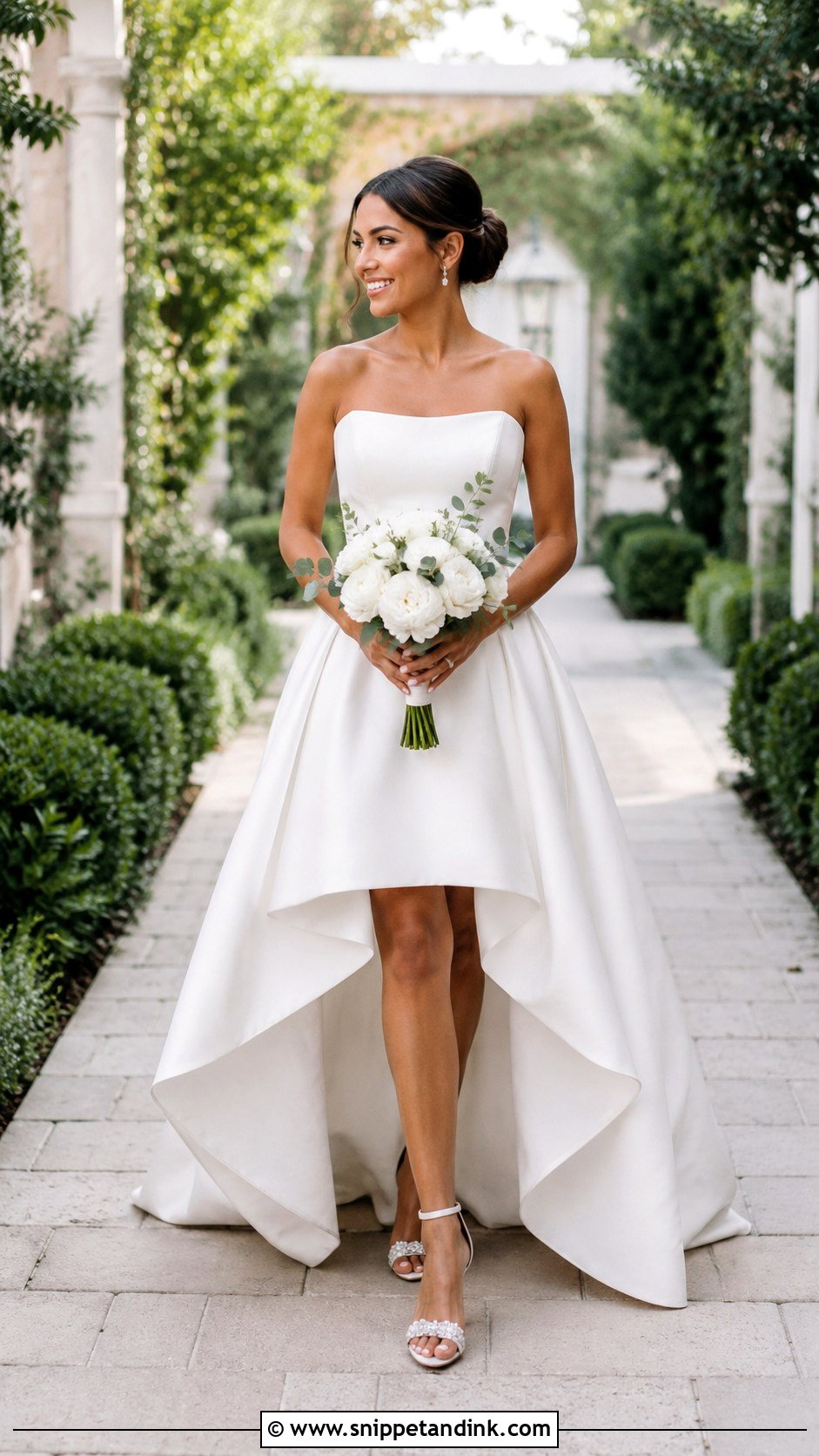
A high-low hem gives you a sweeping back with an easy, shorter front. Structured satin reads modern; tulle romantic. You will be showing your shoes, so pick statement heels and break them in. The curved hem is hard to finish well; a sloppy one flips up and shows the lining when you walk, so inspect it closely. Simple earrings and a neat bouquet are enough. Outdoor venues, courthouse steps and the dance floor all suit it.

25. Color Block Wedding Dress
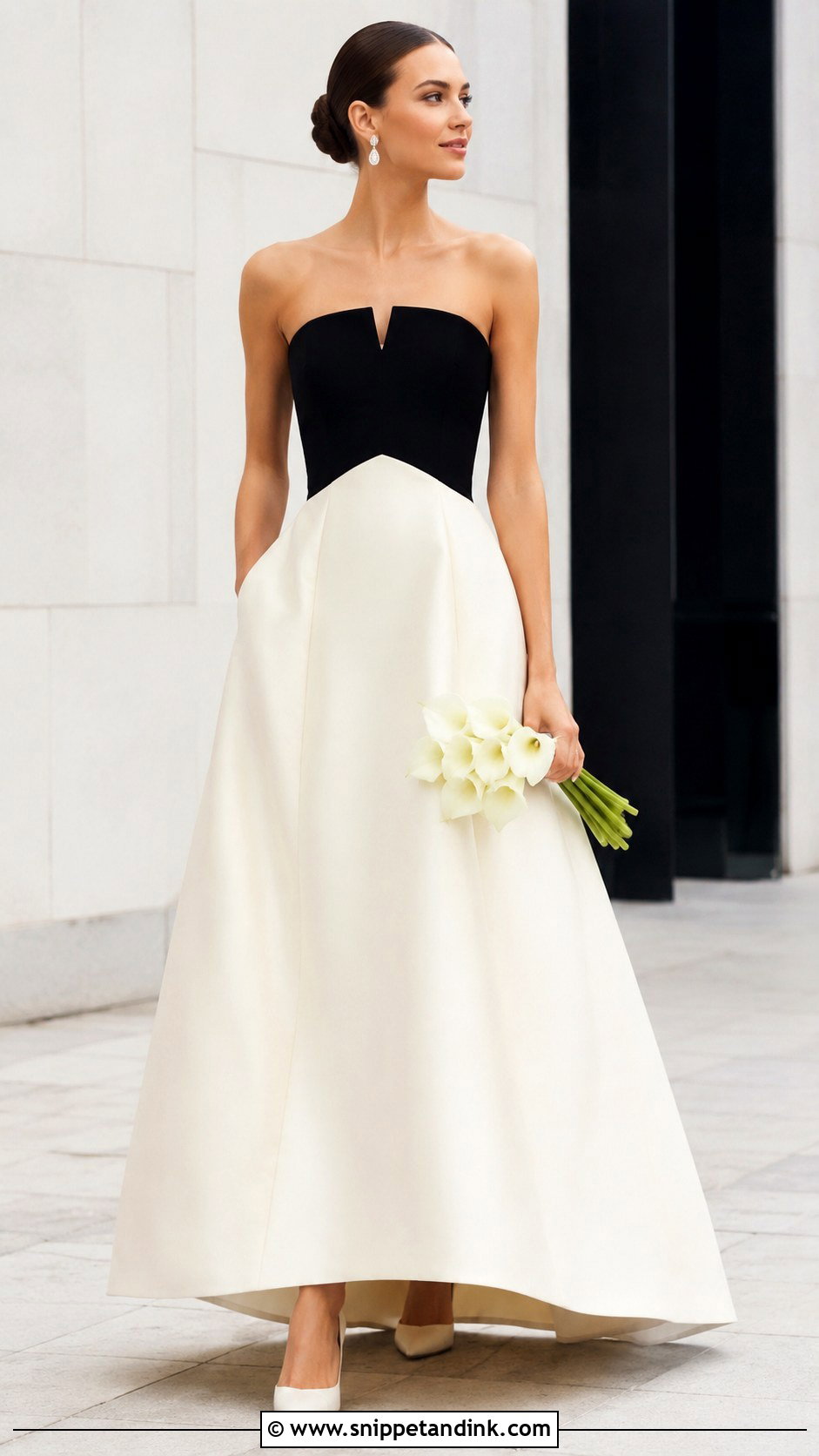
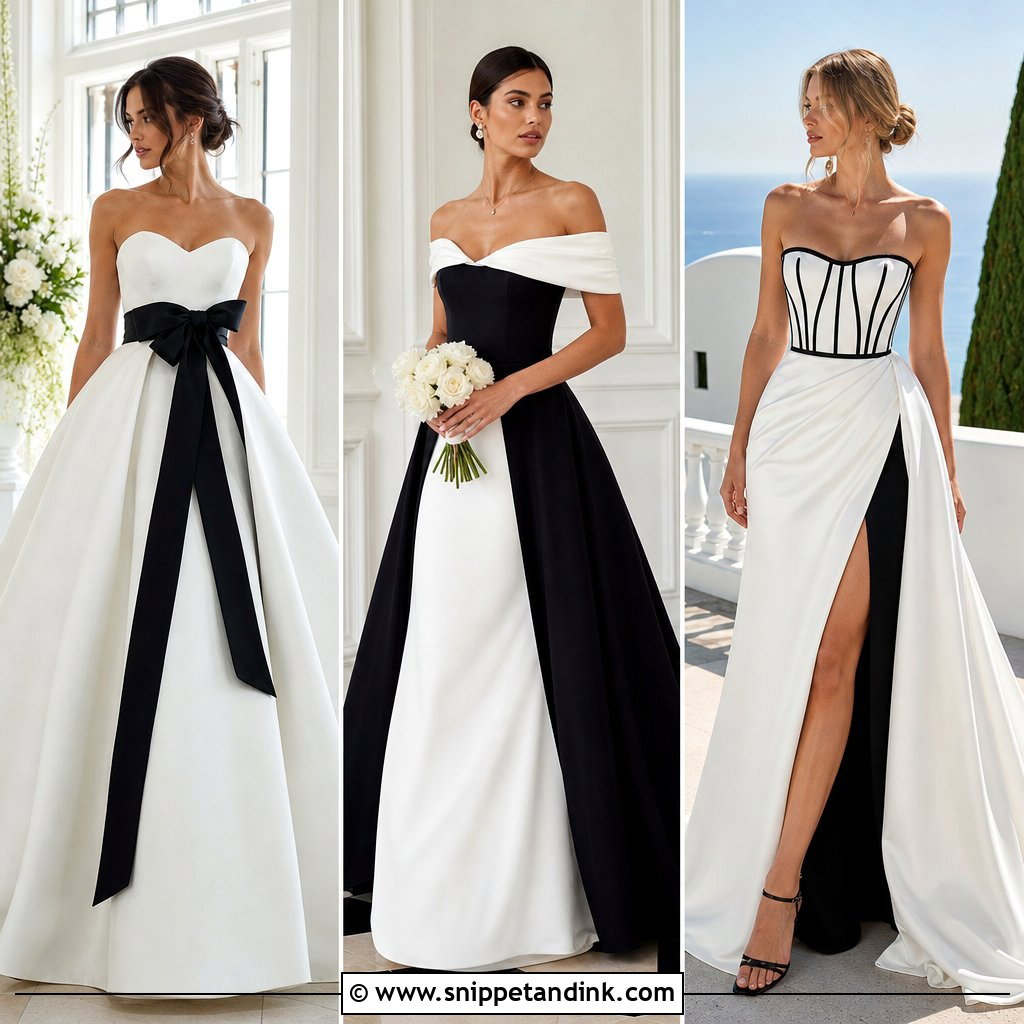
Colour blocking can be subtle, ivory with blush panels, or graphic, black and white, blue and cream, champagne and gold. A simple silhouette makes the placement look deliberate: a strapless column, an A-line or a structured midi. Where the colours meet matters most. A contrasting panel ending at the widest part of the hips draws the eye there, so I place seams where the bride wants attention. Keep accessories minimal with solid heels and sleek jewelry for modern venues and city weddings.
Telling Family Before They See You in Black or Green
A non-traditional dress surprises people, and a surprise on the morning of the wedding can turn into a tense conversation at exactly the wrong time. I gently suggest brides share at least the colour or the idea with parents or close family well in advance. You do not have to show the full look; a fabric swatch is often enough to take the shock out of it.
It also helps to think about the guest list. In some families and cultures, certain colours carry strong meaning at weddings, red for luck or black and white for mourning, so a quick word with an older relative can save hurt feelings. If you love a bold colour but the ceremony is in a religious building with a dress code, consider a cover-up for the service and the full look at the reception.
Finally, tell your bridal party early, so their outfits are not chosen in a colour that clashes with yours or, worse, matches it.
What Makes a Non-White Outfit Still Read as Bridal
There is no single formula for bridal style anymore. Pastels, black, embroidery, trousers, short hems, metallics and capes can all look like a wedding outfit when one or two details still signal bride. Before you commit, think about comfort, movement, the venue, the photos and how the whole look comes together, then try it on and move around in it. A dress that breaks tradition is not less bridal; it can be more memorable, because it looks like the person wearing it.
You'll Like These Ideas:




Leave a Reply