
Dressing as a guest is a different brief from dressing a bride. You want to look festive and put together across several long evenings, without drifting into bridal territory. Pakistani party wear wedding dresses manage that through colour, embroidery and movement, from organza shararas and chiffon maxis to velvet ghararas, silk lehenga cholis and jacket suits. Between them they cover the mehndi, nikkah, baraat, walima, dholki and the dinners in between. Some women want heavy zardozi and a statement dupatta; others want pastels and clean cuts. I’ve styled each look below from shoes to dupatta, with the practical things I check when a client tries it on.
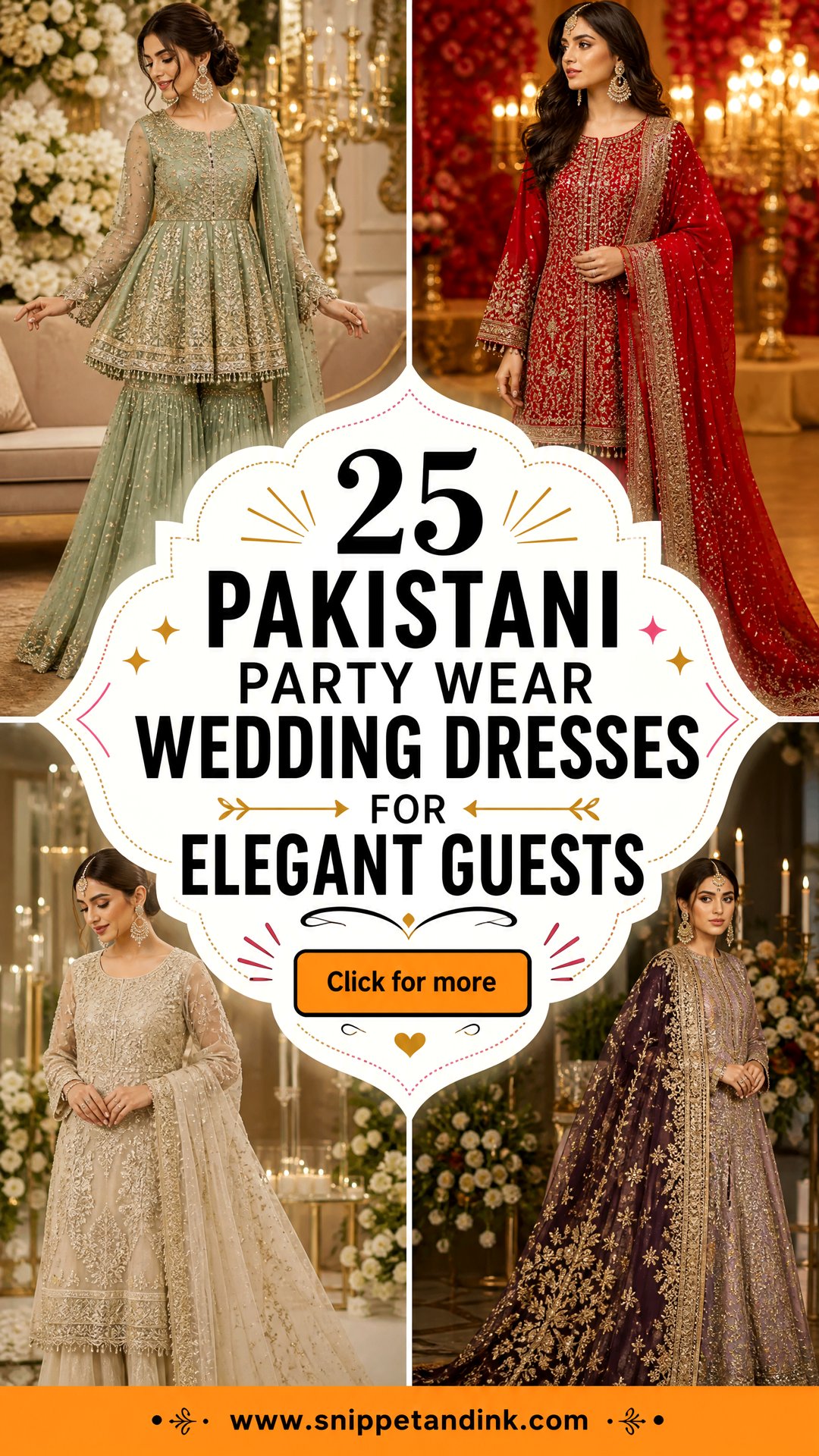
Colours and Coverage That Pakistani Families Notice
Most guests who ask me for help are worried about the same thing: getting the etiquette wrong. Pakistani weddings are relaxed about a lot, but a few unwritten rules are noticed by every aunt in the room.
- Red and heavy maroon are the bride’s colours at the baraat. Guests can wear red at other events, but keep it lighter in work and avoid a heavy bridal dupatta.
- White and ivory are often worn by the bride at the nikkah and by many at the walima. If you can, find out her colour first.
- Black is fine in many families and frowned upon in others. Ask the hosts if you’re unsure.
- Coverage expectations vary. Sleeveless blouses and deep backs are normal at some receptions and out of place at a mosque nikkah, so a dupatta or jacket you can add is useful.
Mehndi is the one event where bright, clashing colour is welcome from everyone. Yellow, green, orange and pink are expected, and that’s the night to wear the outfit you’d consider too loud elsewhere.
1. Pakistani Organza Sharara Dress
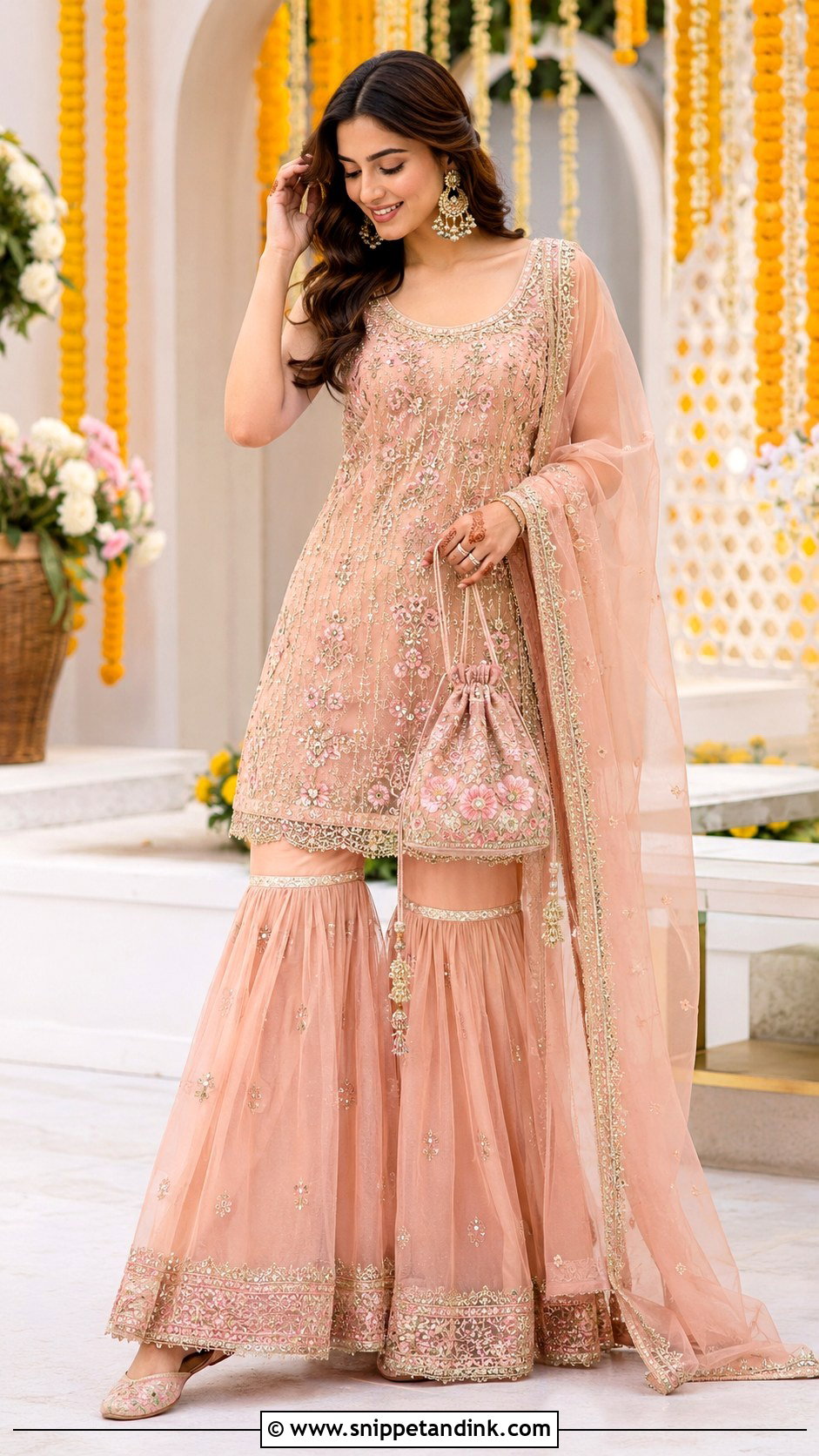
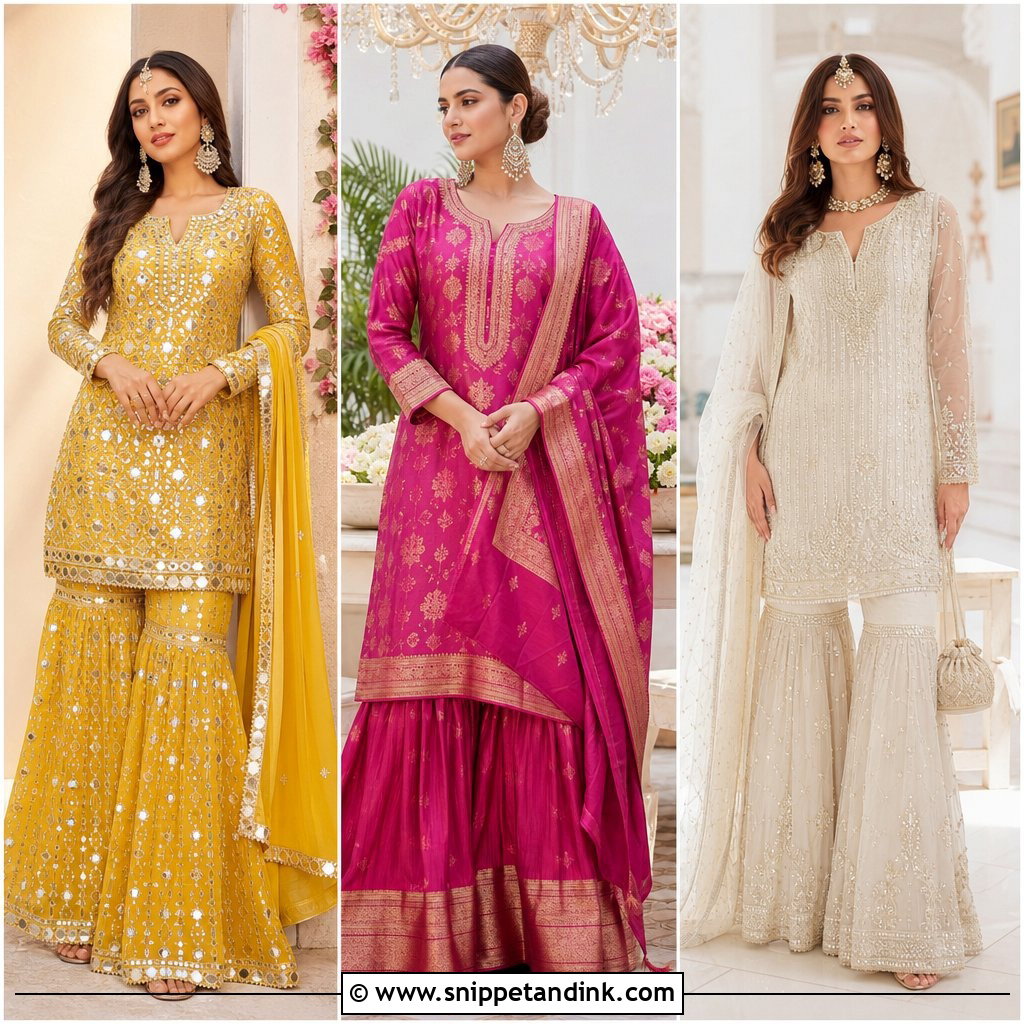
Organza shararas are easy to look good in and slightly tricky to sit in. A short embroidered kameez over a flared organza sharara, with a matching dupatta finished in gota, sequins or a scalloped edge, photographs crisply because organza holds its shape. That same stiffness means the sharara can rustle and scratch at the inner leg, so I ask for a soft lining from the waist to the knee. Blush, mint, ivory, powder blue and champagne suit daytime; emerald, plum and navy suit the evening. Block heels or embellished khussas, jhumkas, a small potli and soft curls or a low bun finish it for mehndi, dholki and close family events.
2. Pakistani Chiffon Maxi Dress
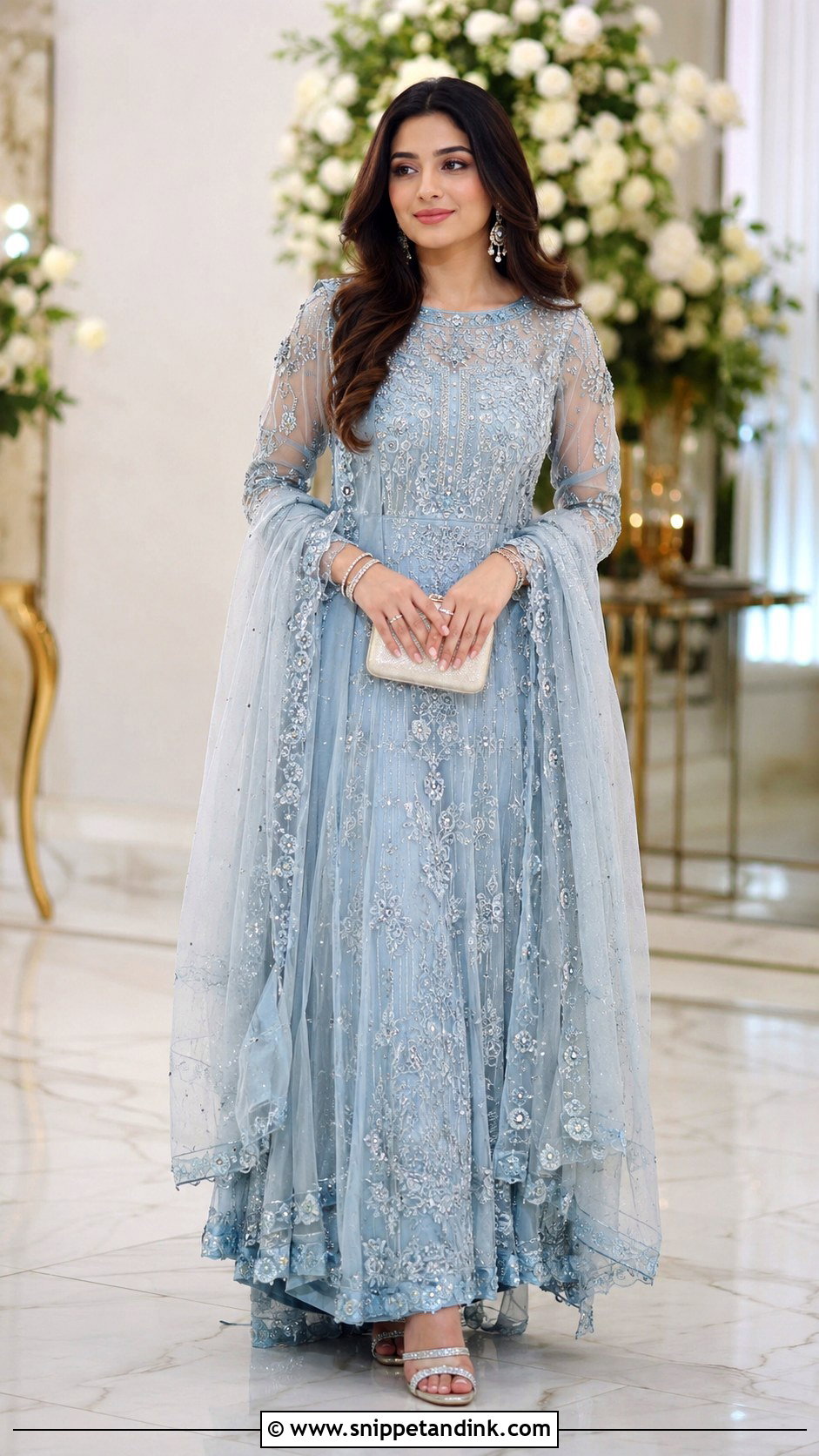
If you’re attending four functions and only want to pack one outfit that needs no fuss, a chiffon maxi is it. The long silhouette looks polished without layers. Look for delicate threadwork, sequins, pearls or crystal embroidery at the neckline, sleeves and hem, and a matching chiffon dupatta for movement. Chiffon is sheer, so the lining should run the full length of the skirt, not stop at the knee. Metallic heels, a clutch and slim bangles finish it. Pastels sit well at a walima; maroon, teal and midnight blue are more formal for receptions.
3. Pakistani Velvet Gharara Dress
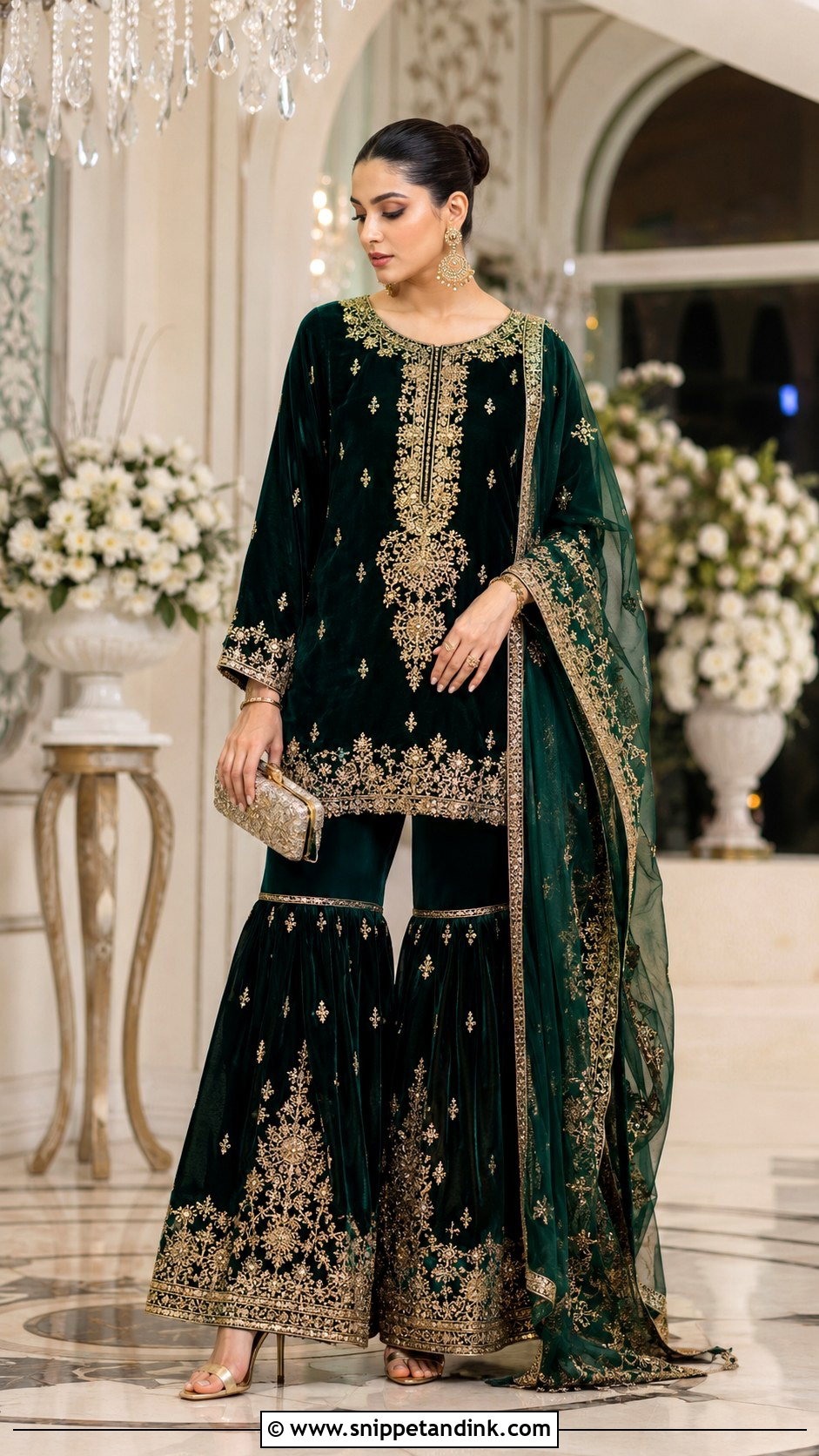
Velvet ghararas belong to winter. Velvet gives instant richness in jewel tones like ruby, bottle green, deep purple and navy. A short velvet shirt with zardozi, dabka or tilla work over a wide gharara with embroidered knee panels is regal for a baraat or formal dinner. Velvet is heavy and warm, so I’d only make the shirt in velvet and keep the gharara in raw silk if the hall is likely to be crowded. A net or organza dupatta keeps the bulk down. Pointed heels, statement earrings and a structured clutch complete it.
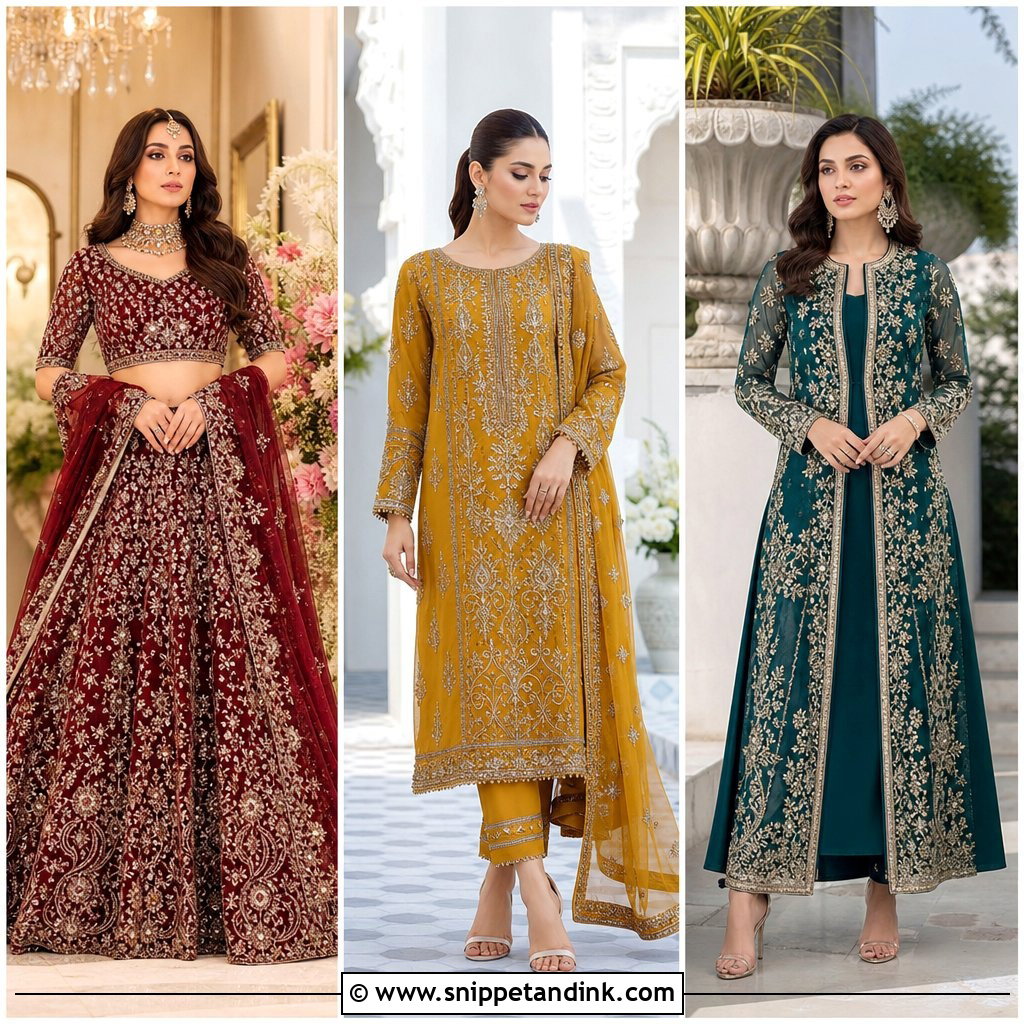
4. Pakistani Lehenga Choli Dress
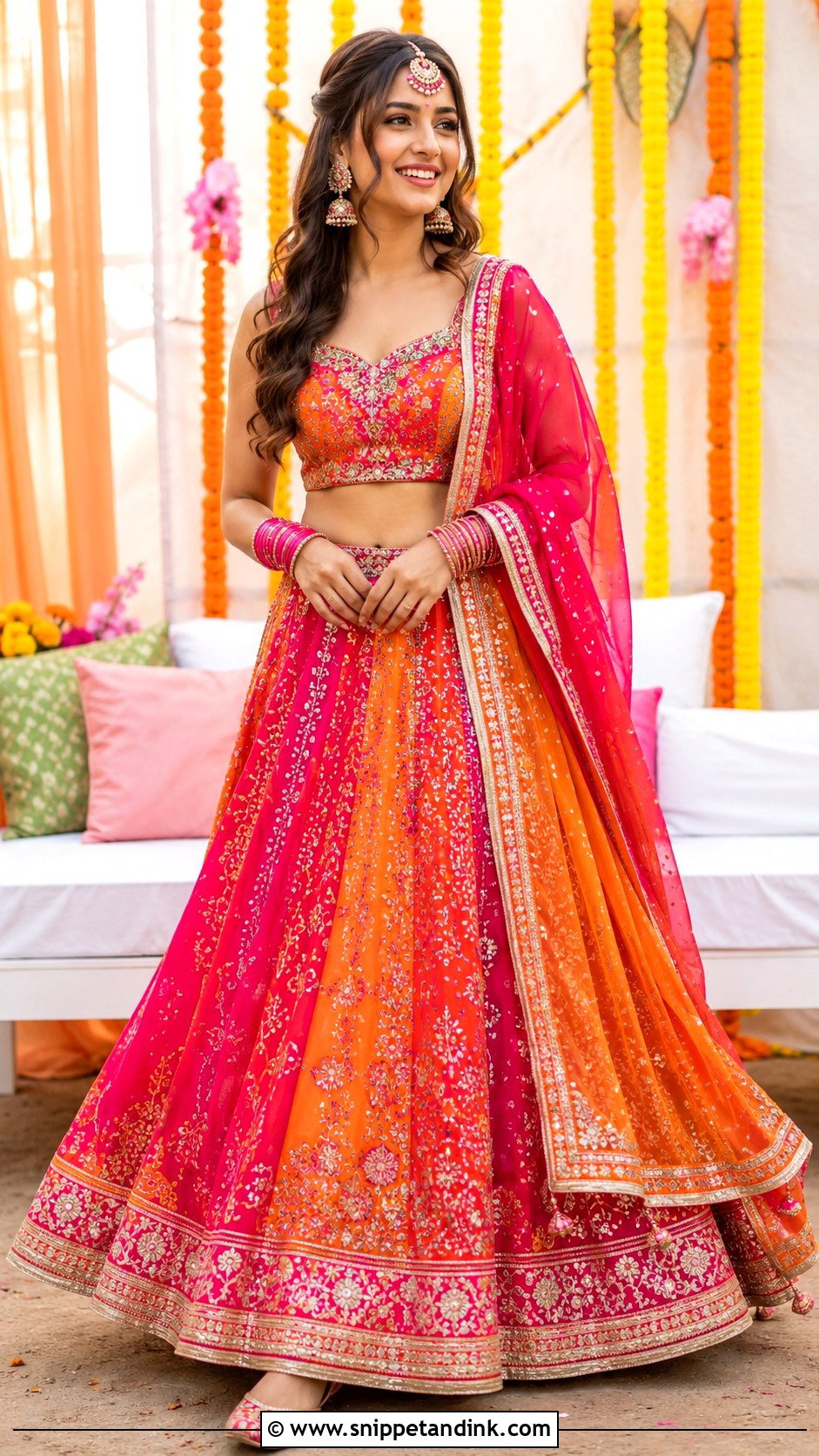
A Pakistani lehenga choli dress is a classic for mehndi and baraat. A flared lehenga with mirror work, gota, zari or sequins, a fitted choli and a coordinated dupatta make up the set. Mustard, orange, fuchsia, green and turquoise feel lively at a mehndi; rose gold, maroon and champagne are more formal. A heavily worked lehenga needs very little jewellery: a tikka, earrings and bangles are usually plenty. Have the lehenga hemmed with the shoes you’ll wear, platform heels or decorated khussas, because a lehenga hem that’s an inch too long catches under your feet on every step.
5. Pakistani Long Shirt With Cigarette Pants
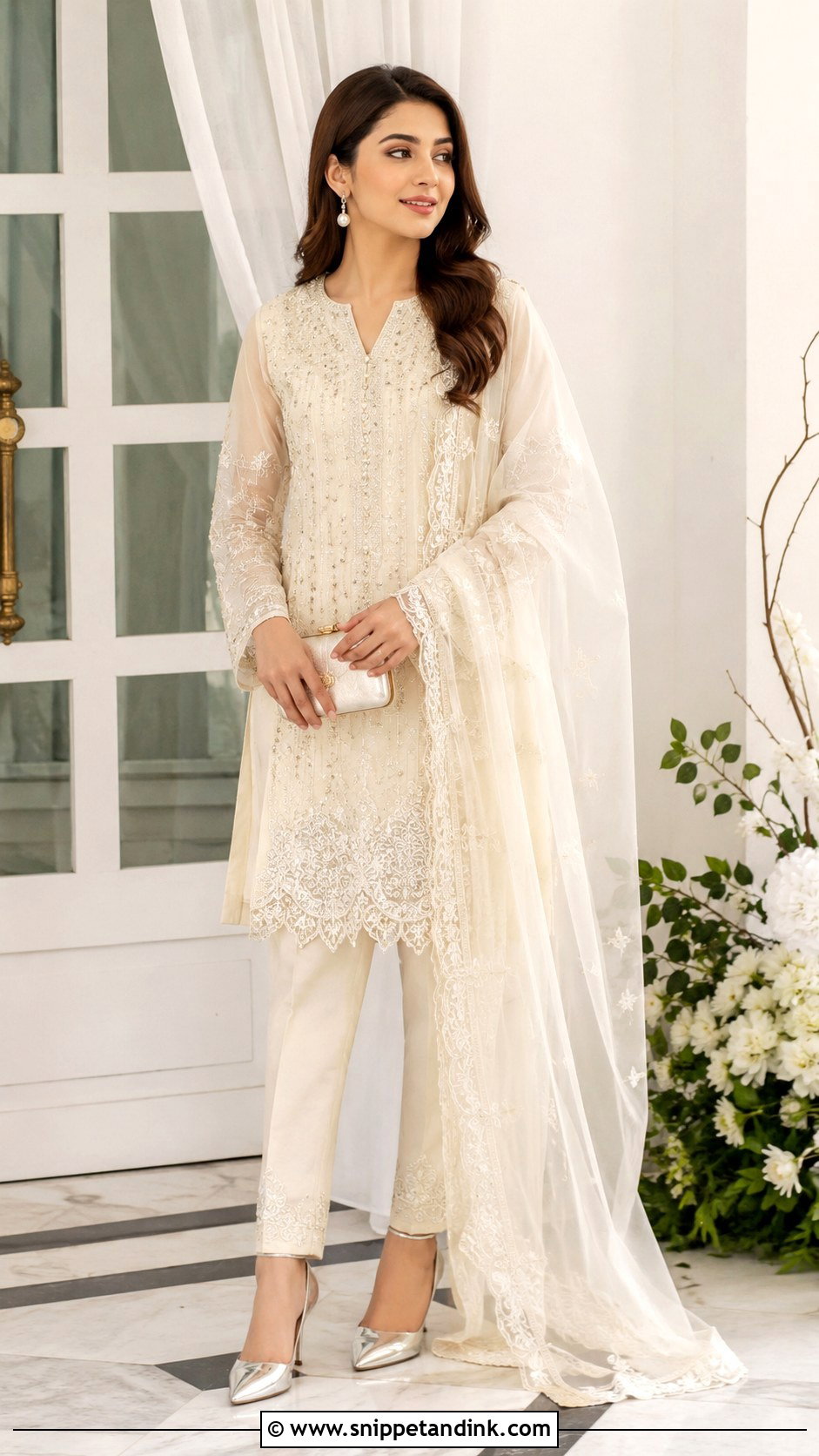
Long shirts with cigarette pants are the sleek, modern option. The embroidered shirt creates a long line and the fitted pants keep it clean. Pick raw silk, chiffon, net or organza depending on the season, with embroidery on the neckline, sleeves, slits and daman. Cigarette pants need some stretch or a little ease at the knee, or they wrinkle badly after sitting through a long dinner. A chiffon or organza dupatta with lace or embroidered edging, pointed heels, a box clutch and delicate jewellery suit a nikkah, engagement dinner or walima.
6. Pakistani Angrakha Frock Dress
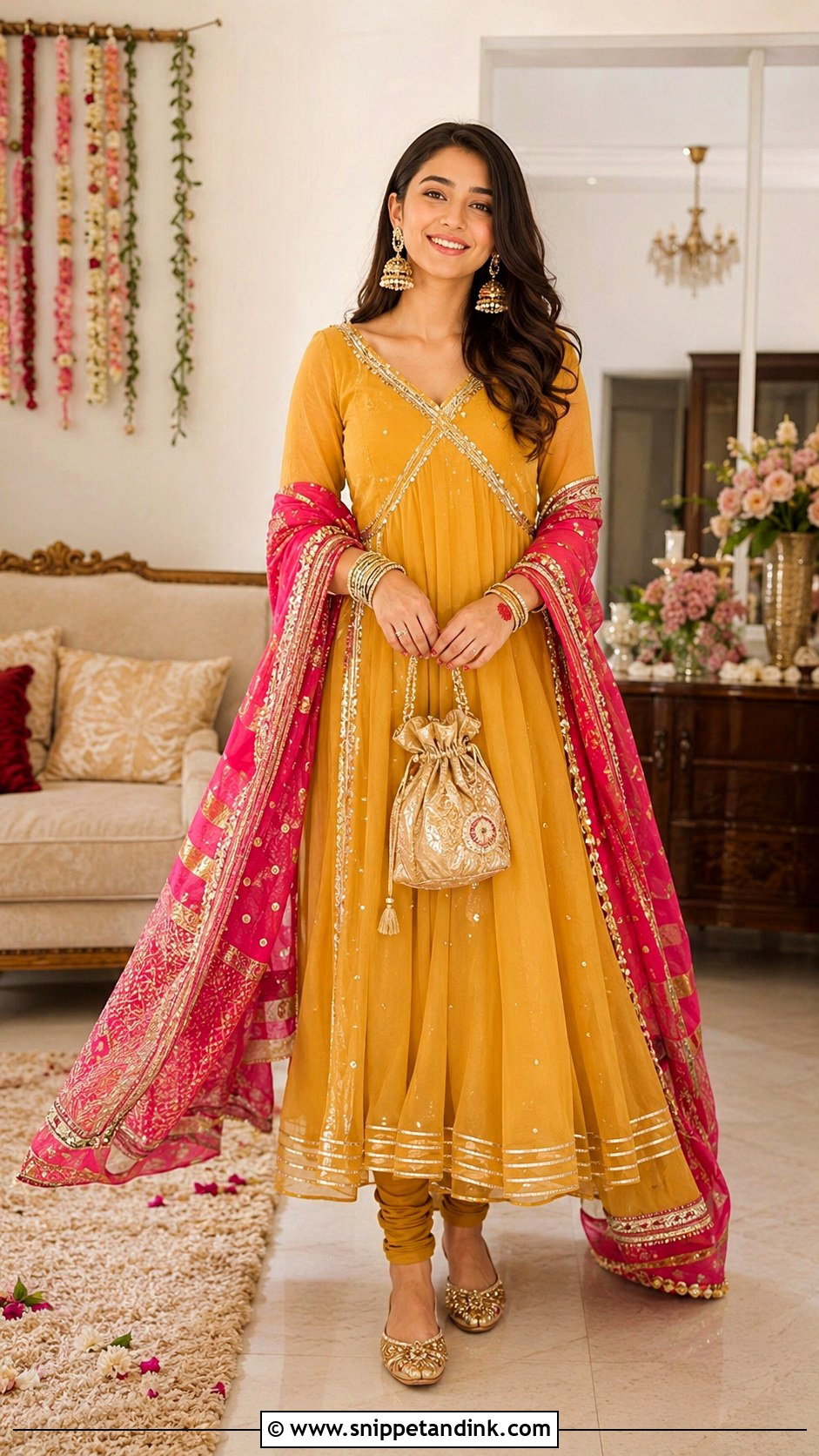
A Pakistani angrakha frock dress has a crossed neckline, a tie detail and a flared shape that make it feel festive. Chiffon, silk, net or cotton net with gota, mirror work, threadwork or light zardozi suits it. Churidar, straight pants or a flowing sharara can go underneath. The tie is the weak point. It slackens as you move, so ask for a hidden hook or snap under it. A matching bordered dupatta, jhumkas, bangles and embellished khussas suit mehndi, mayun, dholki and daytime family celebrations.
7. Pakistani Peplum With Sharara Dress
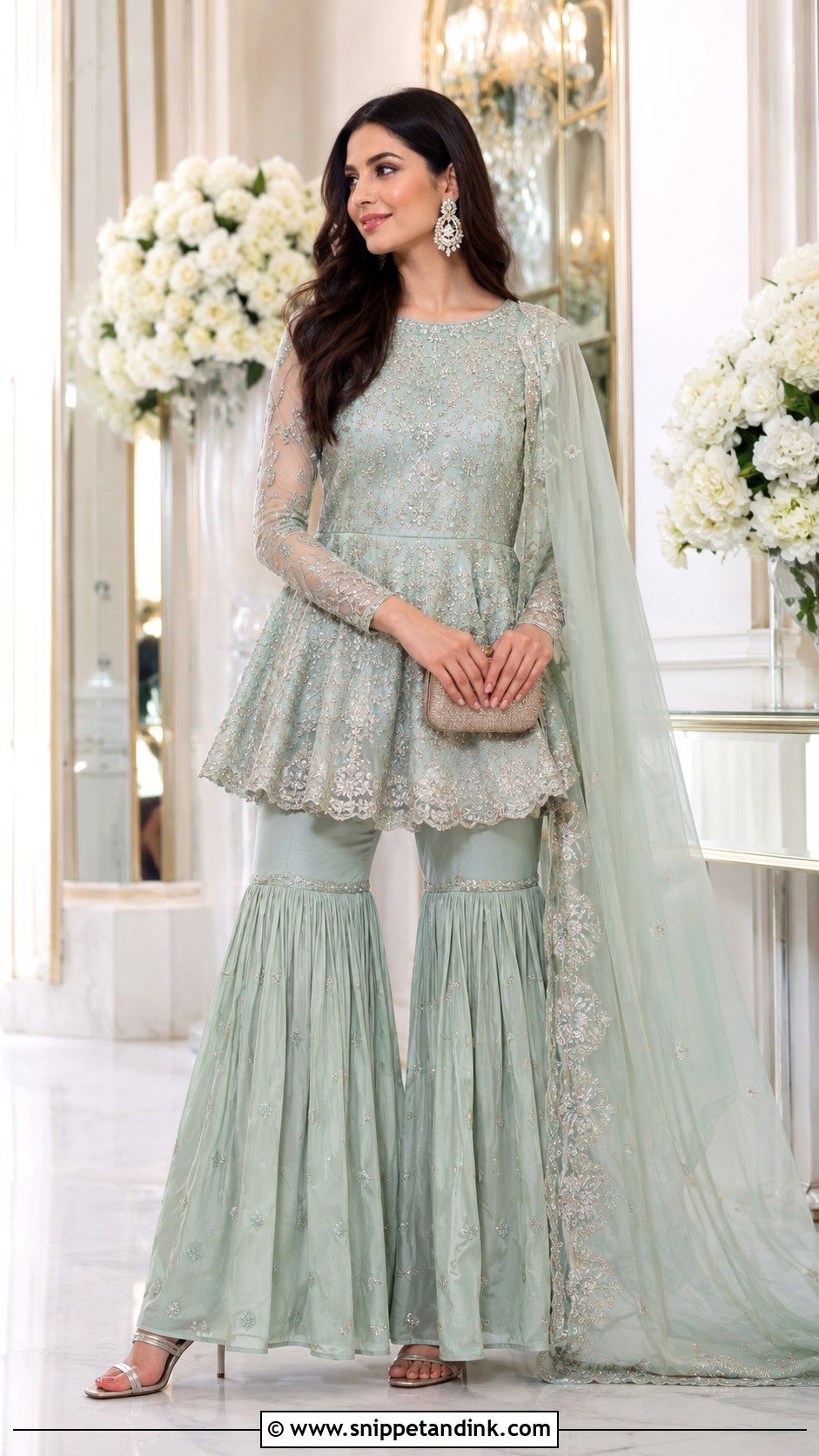
Peplum with sharara feels youthful, which is why I suggest it for sisters, cousins and the bride’s friends. The structured peplum marks the waist and the sharara gives volume. Embroidery at the neckline, sleeves, waist and hem keeps it balanced, in soft net, organza or raw silk. The peplum should end at the high hip; any lower and it cuts the leg line. A heavily bordered dupatta makes it more formal. Strappy heels, a small clutch and statement earrings finish it.
8. Pakistani Pishwas Dress
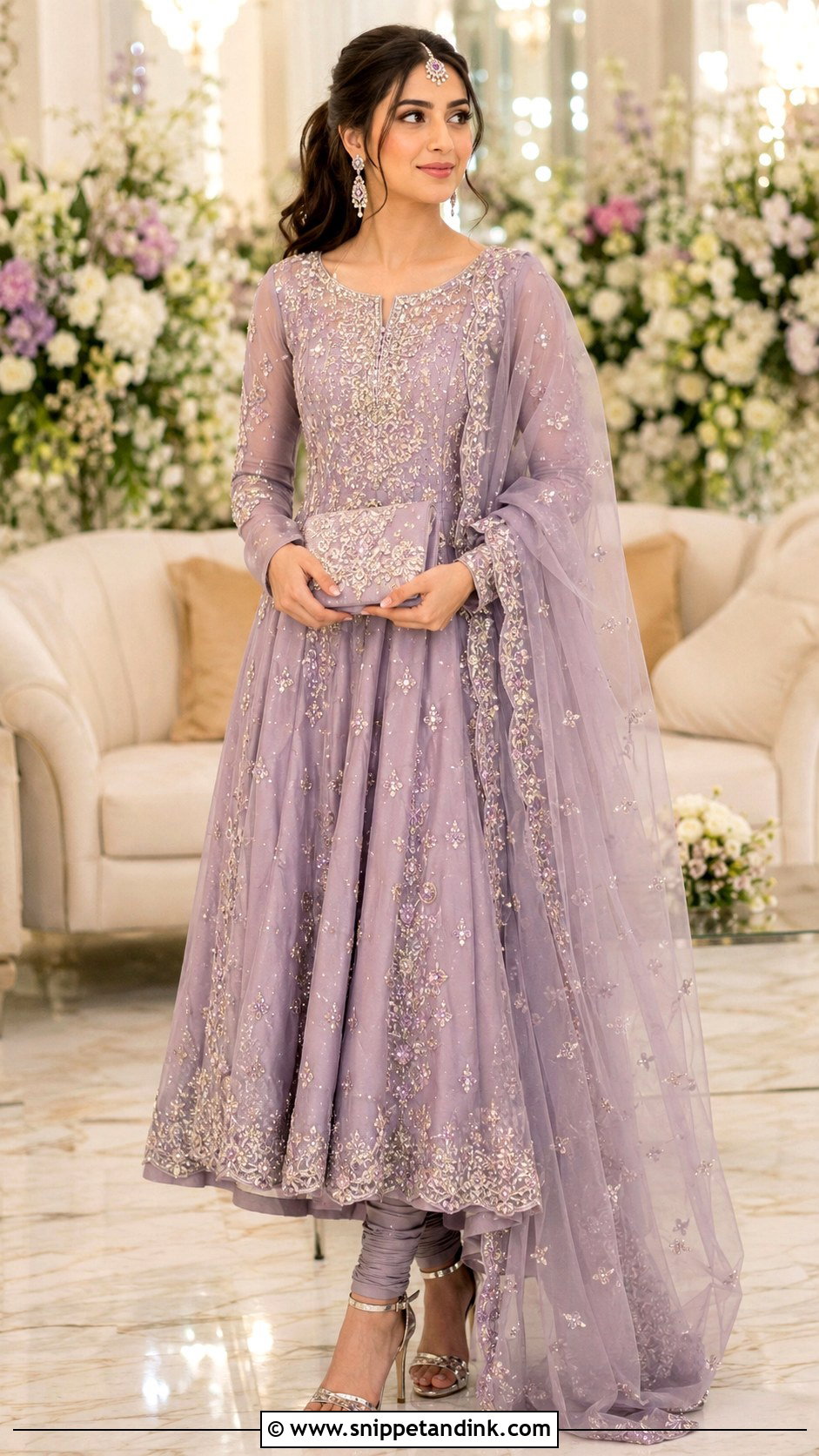
Pishwas dresses give elegance, coverage and movement in one piece. The long flared shape looks regal with churidar and a sheer dupatta. Embroidered bodice details, sequin spray, gota borders or delicate zari on the panels give it occasion. Pastels suit a walima, while deep colours are more formal for a baraat or reception. Heels help the dress fall well, but the hem must be set to them. A pishwas cut for flats drags once you add heels, and the reverse leaves the churidar showing more than intended. A tikka, drop earrings and a small embroidered bag finish it.
9. Pakistani Net Saree Dress
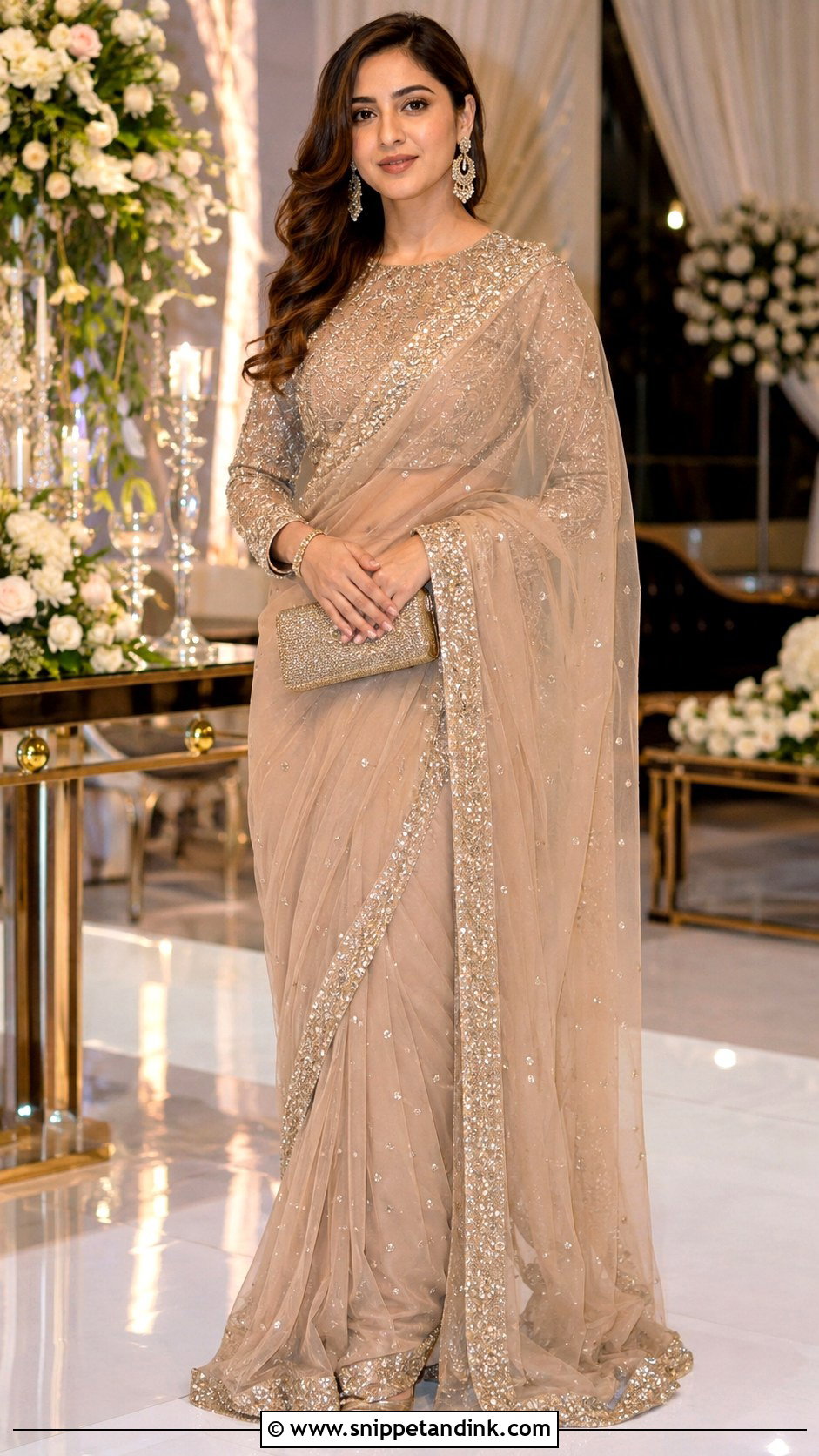
Net sarees are sophisticated at formal receptions and lighter than they look. A net or chiffon saree with sequins, cutwork borders, pearls or threadwork, a modest blouse and a petticoat that matches the saree colour are the basics. Net is slippery to pleat, so I pin the pleats at the waist and the pallu at the shoulder with small safety pins on the inside. If you’ve never tied a saree, have it draped for you or choose a pre-stitched one. Soft waves, a sleek bun or a side parting, plus heels, a clutch and statement earrings, suit walima dinners and engagement parties.
10. Pakistani Jacket Lehenga Dress
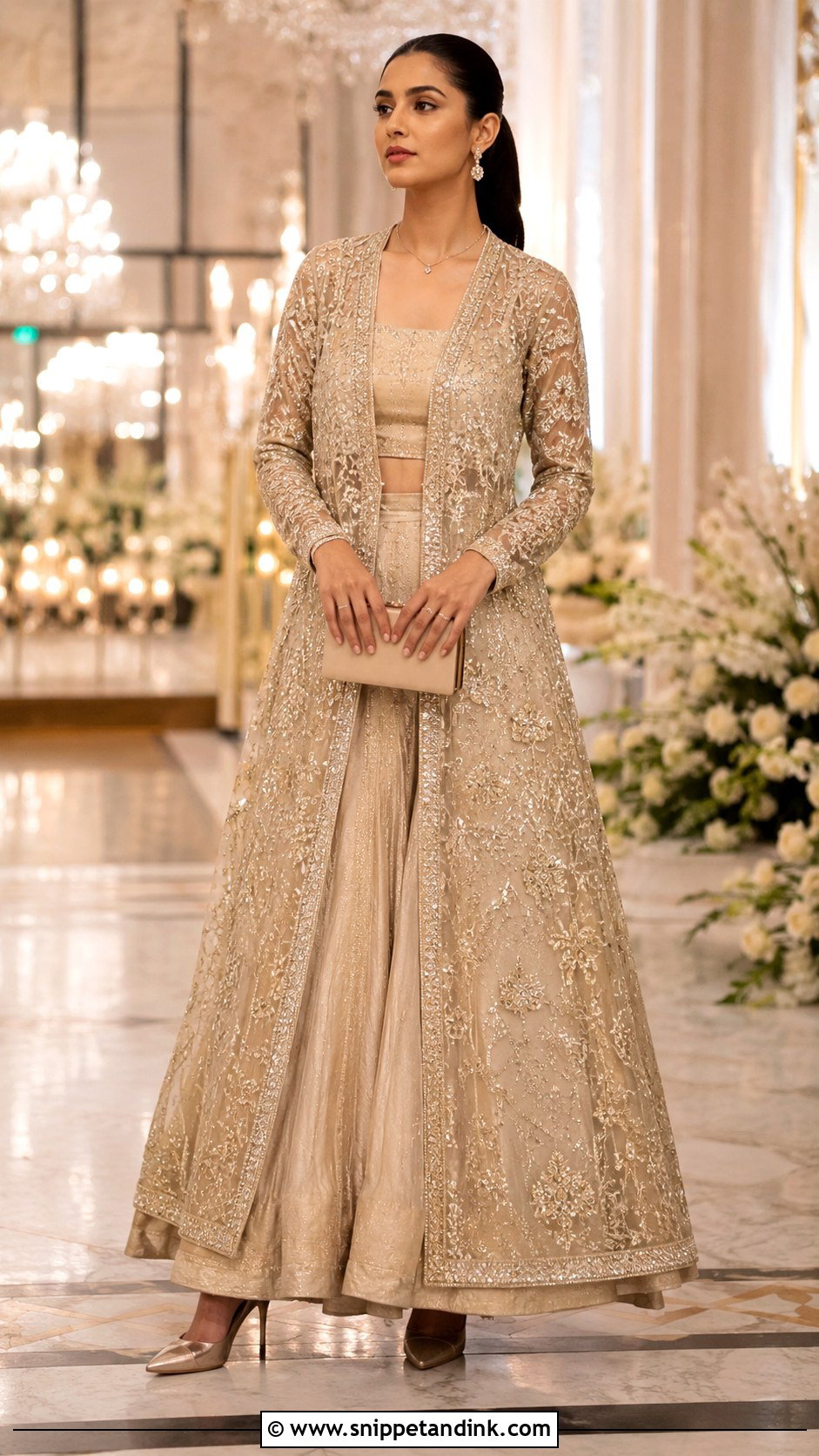
Jacket lehengas are modern but rooted in tradition. The set is usually a lehenga, a blouse or inner shirt and a long embroidered jacket, which adds coverage and structure for formal events. Organza, net, velvet or raw silk suit different seasons. Front-open embroidery, pearl detailing or zardozi borders over a simpler lehenga keep the jacket as the focus, so jewellery stays minimal. A full-length worked jacket hangs from the shoulders, and I check that the shoulder seam sits exactly at the shoulder bone so it doesn’t slide back. Heels and a sleek clutch finish it for receptions, baraat events and winter parties.
11. Pakistani Gota Work Dress
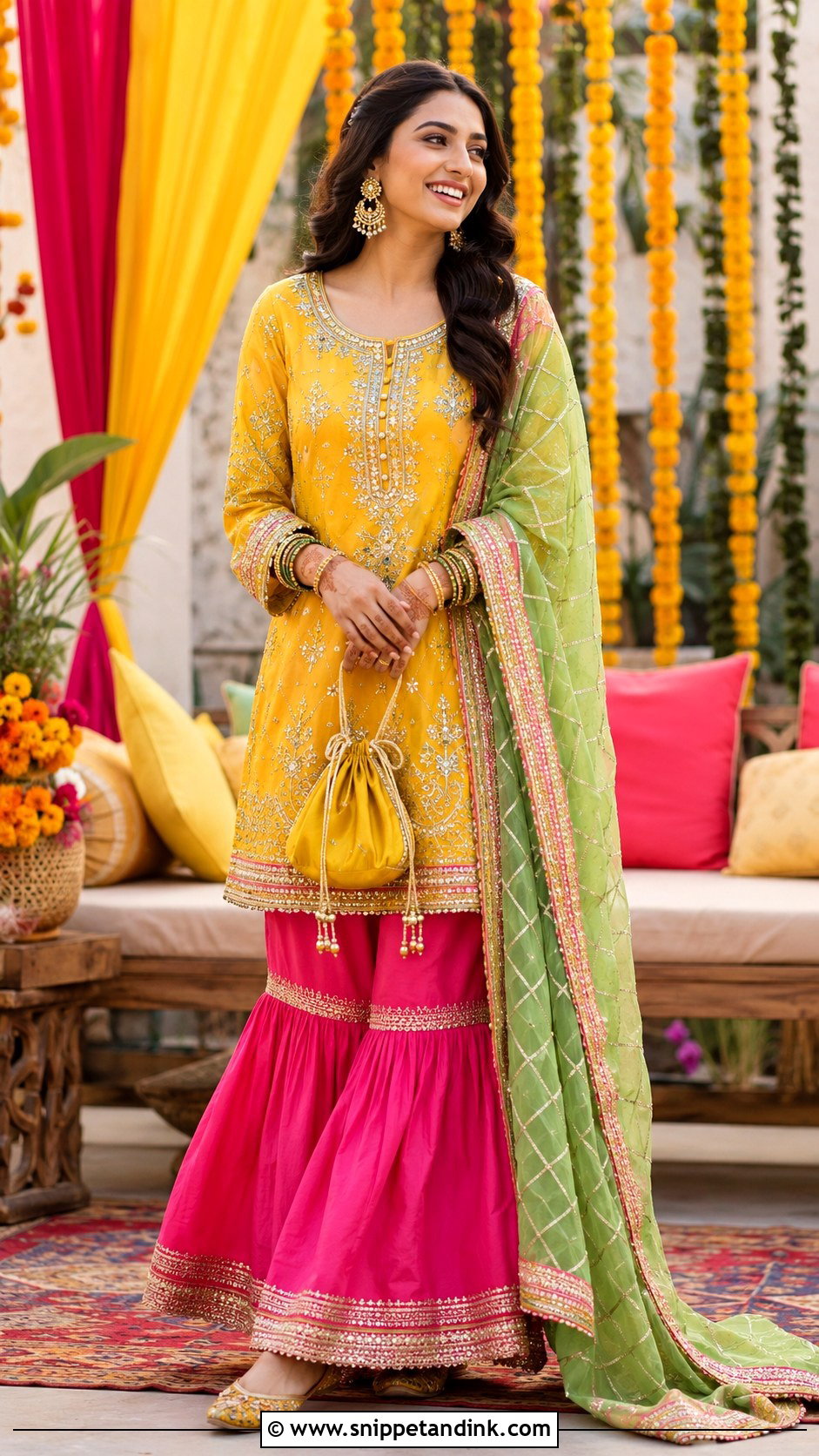
Gota is the trim of the mehndi. A Pakistani gota work dress catches the light and feels festive straight away, especially at mehndi, mayun and dholki events where bright colour and traditional detail are expected. A yellow, orange, green, pink or turquoise shirt goes with a sharara, gharara or lehenga, and a gota-bordered dupatta adds movement when you dance. Real metallic gota tarnishes over time, so store it wrapped in cotton, away from damp. Bangles, jhumkas, a potli and embellished khussas are enough jewellery. It’s comfortable and easy to wear again.
12. Pakistani Mirror Work Dress
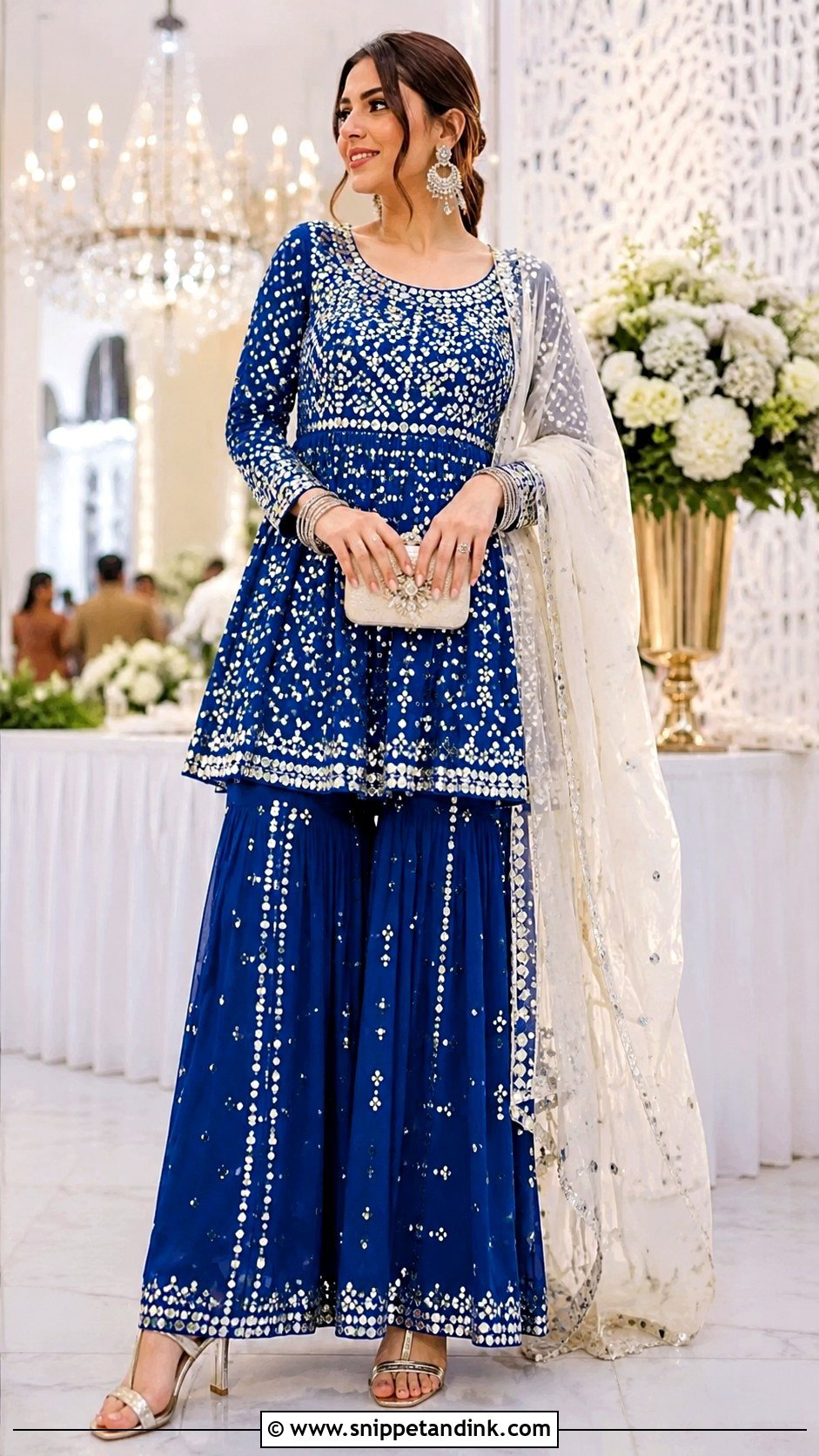
Mirror work looks best on dark or vibrant fabric: emerald, royal blue, hot pink, mustard and black. It’s playful and catches every light. A mirror work kurta with a sharara, a short choli with a lehenga or a peplum with wide pants all work. Mirrors are stitched-on glass with hard edges, and a net dupatta can snag on them, so if the outfit is heavily mirrored, choose a lighter georgette or chiffon dupatta. Simple metallic heels or khussas, a small bag and oxidised or gold-tone jewellery suit mehndi nights and family celebrations.
13. Pakistani Silk Lehenga Dress
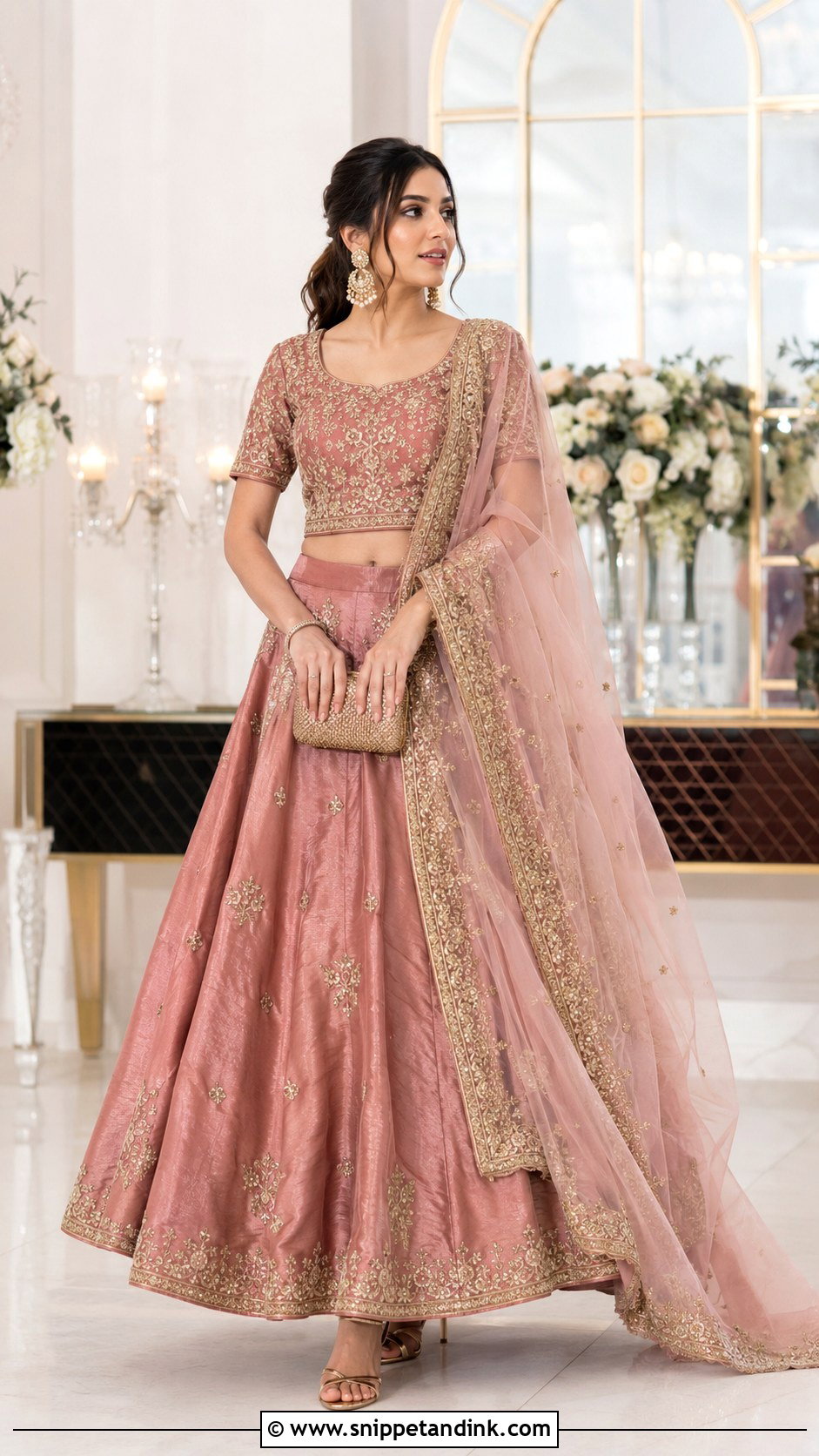
Silk gives a lehenga structure, so it holds its shape in photos without much petticoat help. Raw silk, Korean silk or silk blends with embroidered borders, tilla work, pearls or sequins are the usual choices, paired with a fitted choli or short shirt and a net or organza dupatta for contrast. Soft gold, rust, emerald, maroon and dusty rose suit wedding parties. Raw silk marks with water, so be careful with drinks and keep it away from rain. Heels, a clutch and traditional earrings complete it for a baraat, engagement or formal reception.
14. Pakistani Pastel Walima Dress
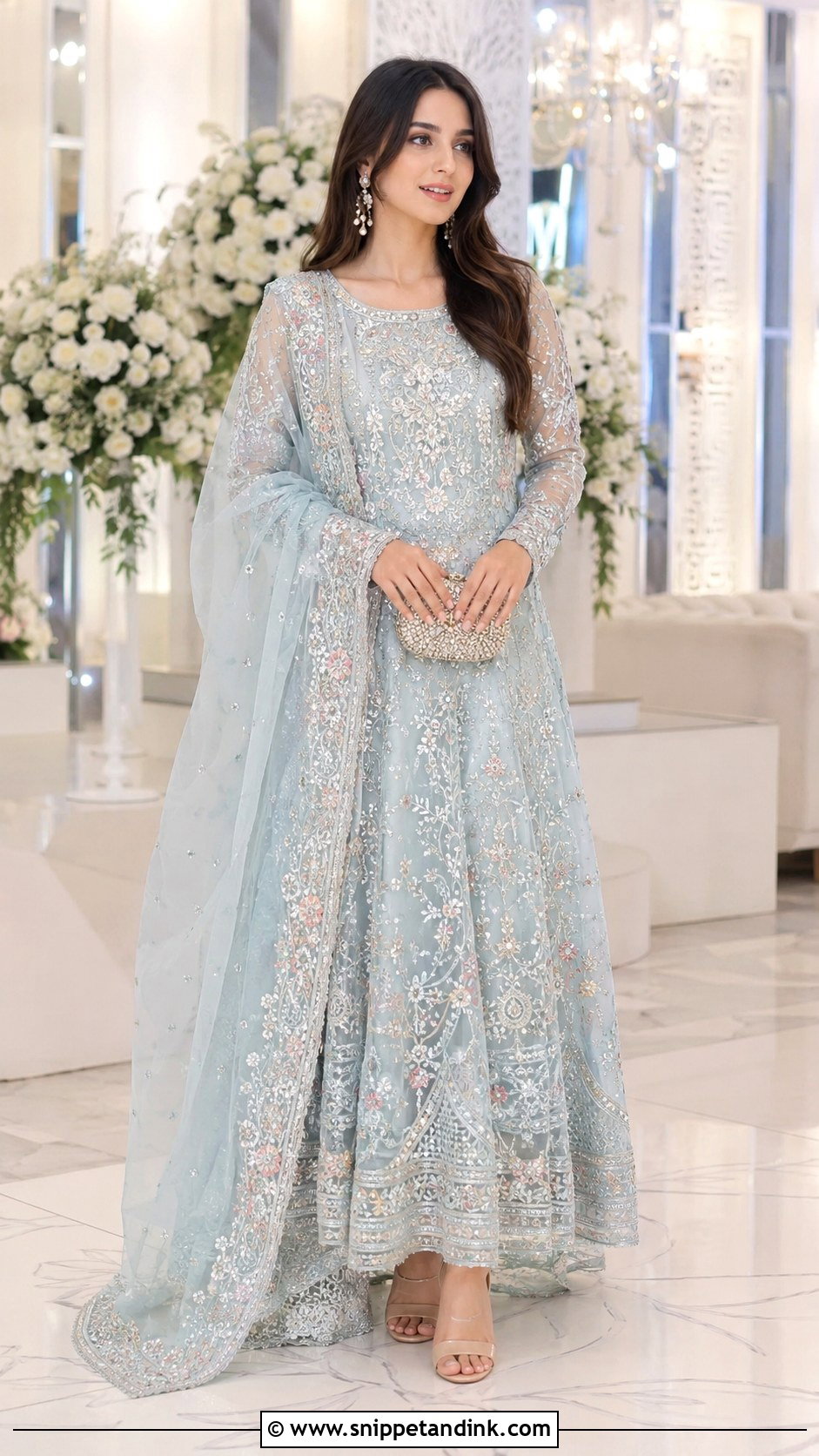
Pastels dominate walimas, and a Pakistani pastel walima dress in ice blue, blush, lavender, mint, peach, champagne or ivory sits well under bright reception lighting. A chiffon maxi, an organza shirt with pants, a net pishwas or a pastel lehenga with delicate embroidery all work. Silver, pearl and crystal suit pastels better than heavy gold, which can overwhelm a pale base. Many brides choose pastels for the walima too, so as a guest I’d steer you to a pastel the bride isn’t wearing if you can find out. Nude or metallic heels, pearl earrings, a soft clutch and fresh makeup complete it.
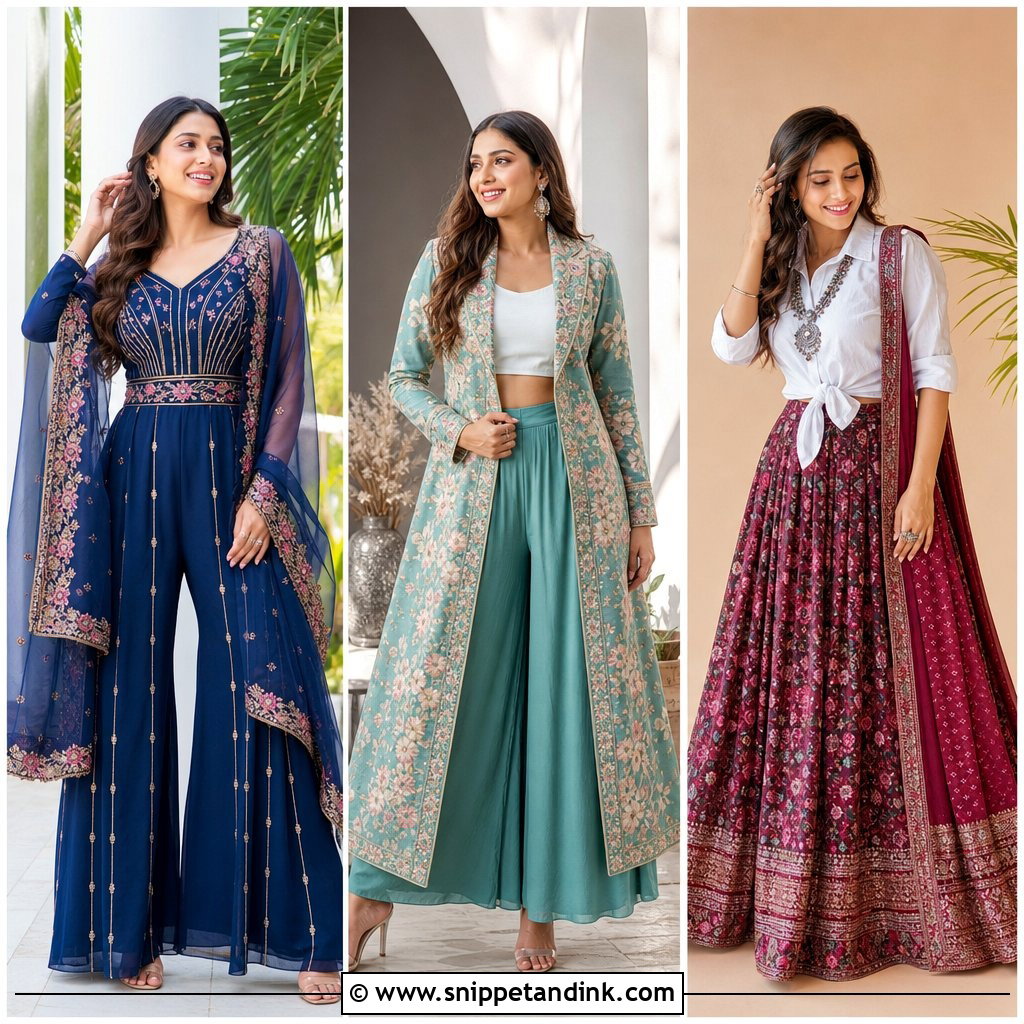

15. Pakistani Black Formal Dress
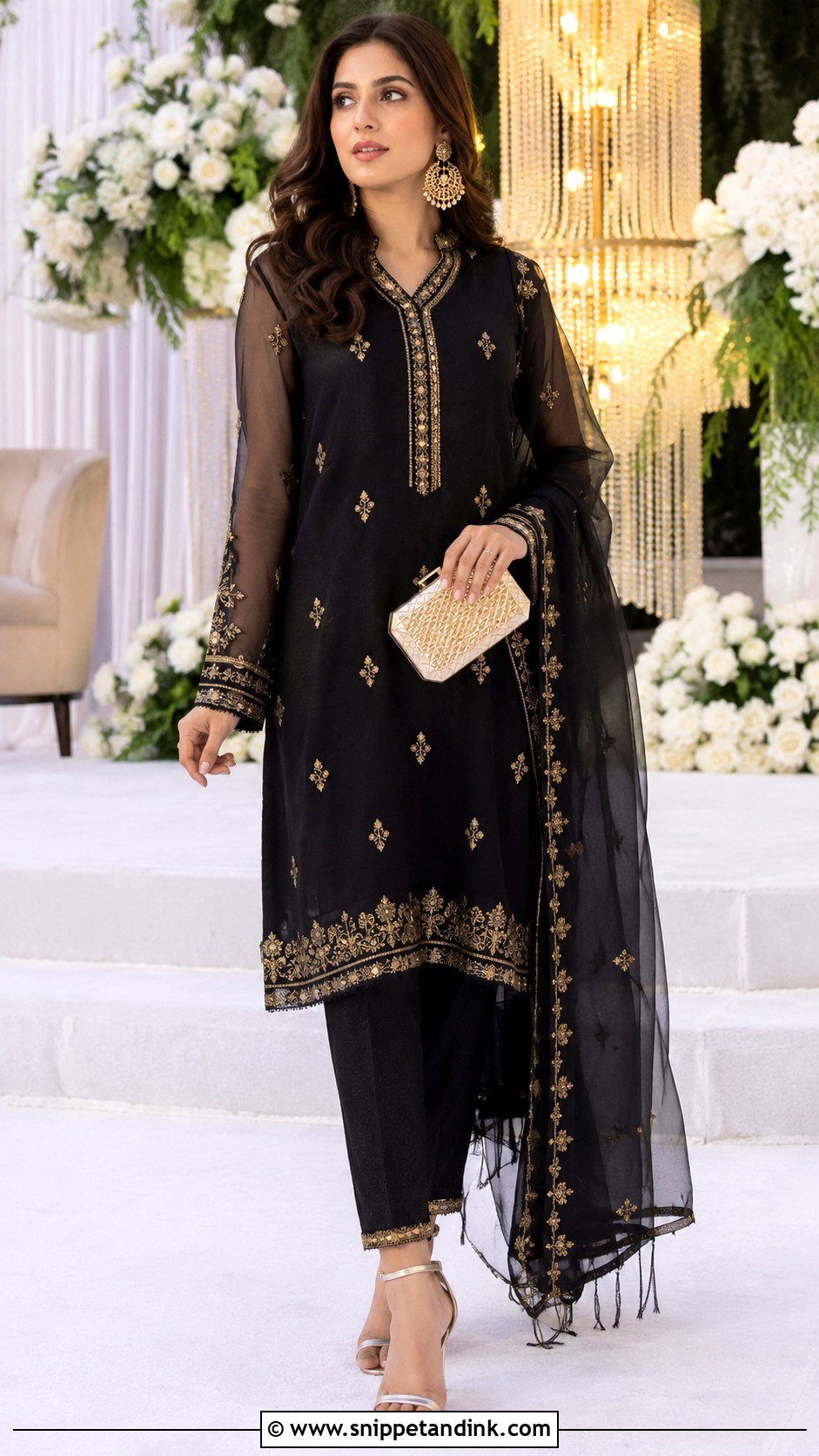
Black is chic at an evening reception, but check with the hosts first, since some families consider it unlucky or inappropriate at a wedding. Black looks striking with gold, silver, copper or antique embroidery. A long black shirt with cigarette pants, a black chiffon maxi, a velvet gharara or a black saree with embellished borders all work. Keep the styling clean: metallic heels, a structured clutch and bold earrings, with a sleek bun or soft waves. Don’t overload it unless the event is very formal. It’s also one of the easiest outfits to wear again.
16. Pakistani Red Wedding Party Dress
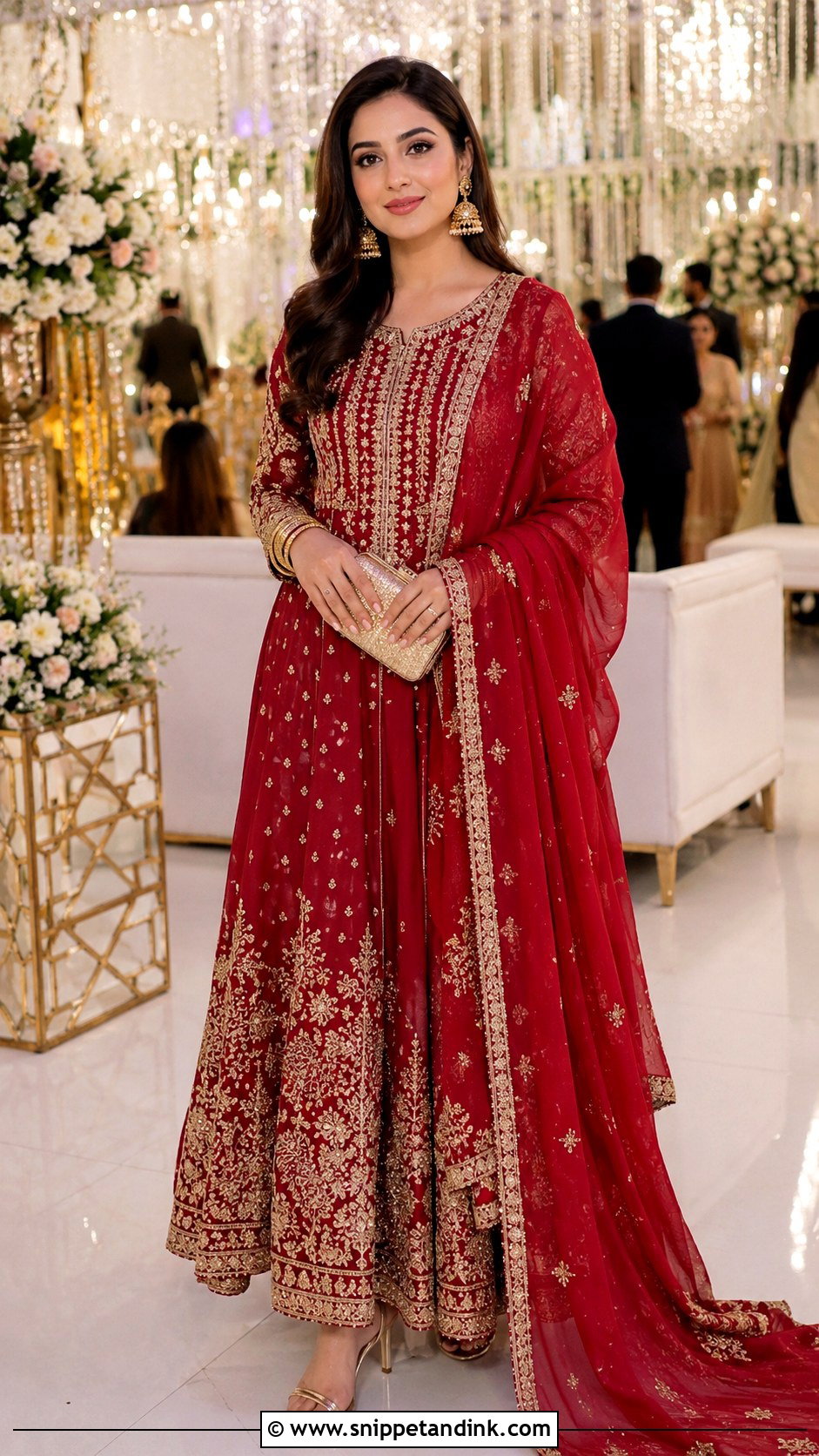
Red is the colour guests need to handle most carefully, because it’s what the bride usually wears. A guest’s red should look like party wear: a red chiffon maxi with light gold embroidery, a red long shirt with straight pants, or a red sharara suit with a simpler dupatta. Deeper reds like ruby, cranberry and maroon are easier to style for evening. I’d avoid a full red lehenga with a heavy bordered dupatta at the baraat entirely; it’s the closest thing to the bride’s outfit. Gold heels, jhumkas, bangles, a clutch and balanced makeup finish it.
17. Pakistani Green Mehndi Dress
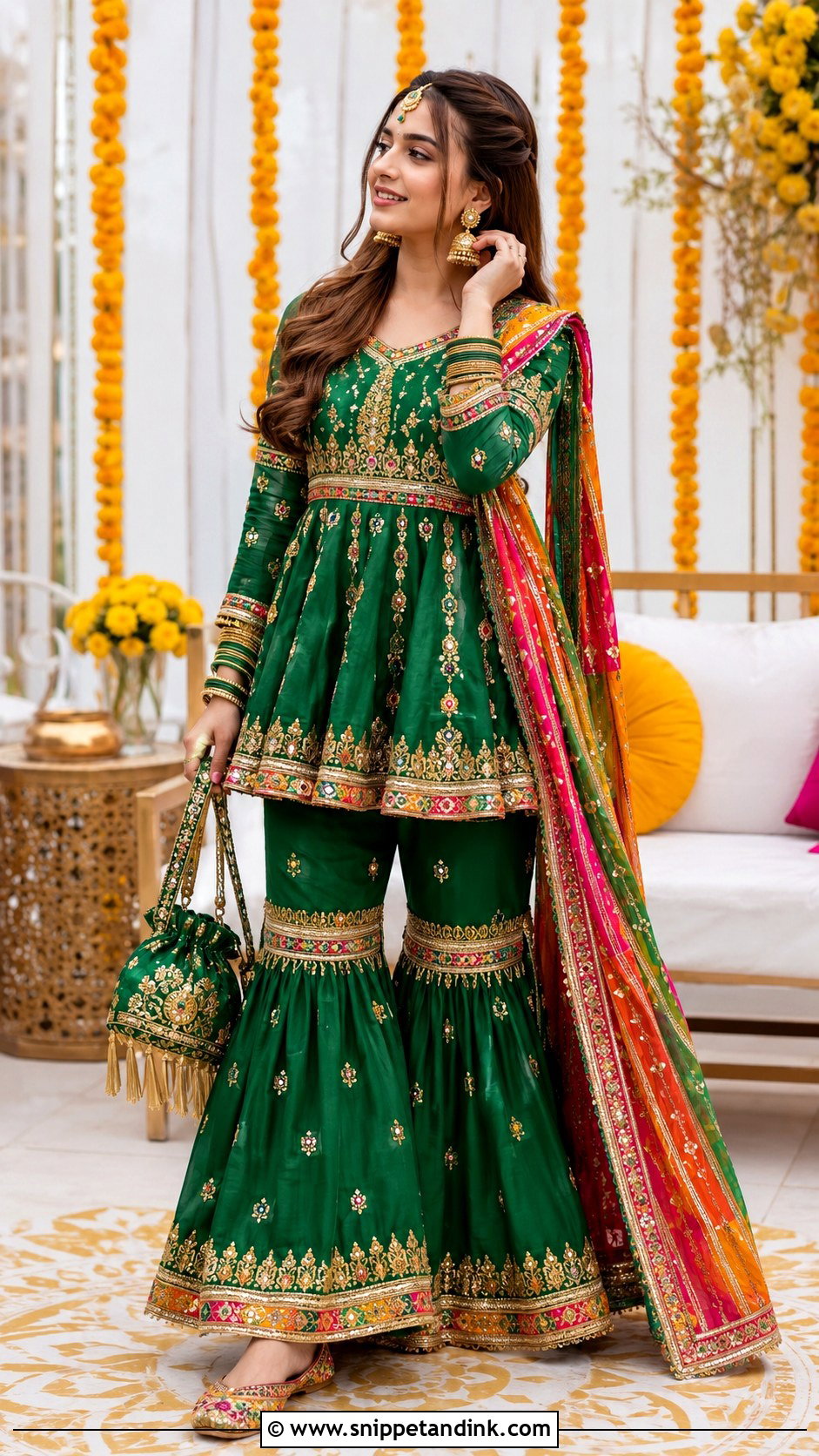
Green is the mehndi colour, in emerald, parrot, mehndi green, pistachio or olive. For a traditional look, wear a green short shirt with a yellow or pink gharara and a gota dupatta. For a modern take, try a green peplum with a sharara or a green lehenga with mirror work. Mehndi functions often involve henna being applied around you, and fresh henna paste stains light fabric, so keep the dupatta clear of wet hands. Bangles, jhumkas, khussas and a potli complete it, bright and easy to dance in.
18. Pakistani Maroon Velvet Dress
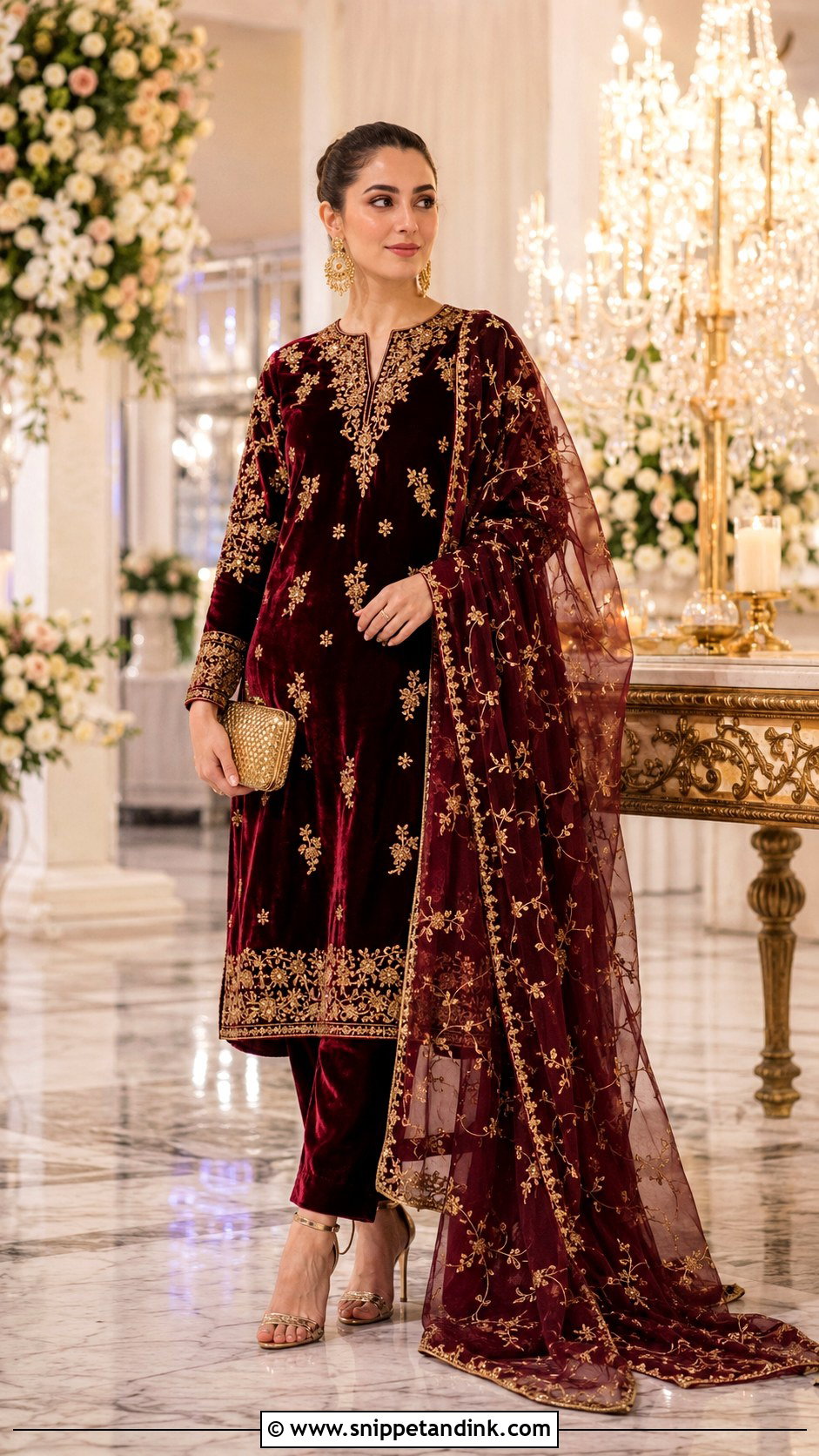
For colder seasons and formal evenings, a Pakistani maroon velvet dress looks rich and classic. A velvet long shirt with straight pants, a velvet gharara suit or a velvet peplum with a flared bottom all work, and gold zardozi, dabka, tilla and sequins sit well on maroon. Velvet crushes where you sit, so smooth the back of the shirt under you as you sit down rather than after. A lighter net or organza dupatta balances the weight. Gold heels, a small clutch and traditional earrings complete it for baraat, reception dinners and winter weddings.
19. Pakistani Ivory Embroidered Dress
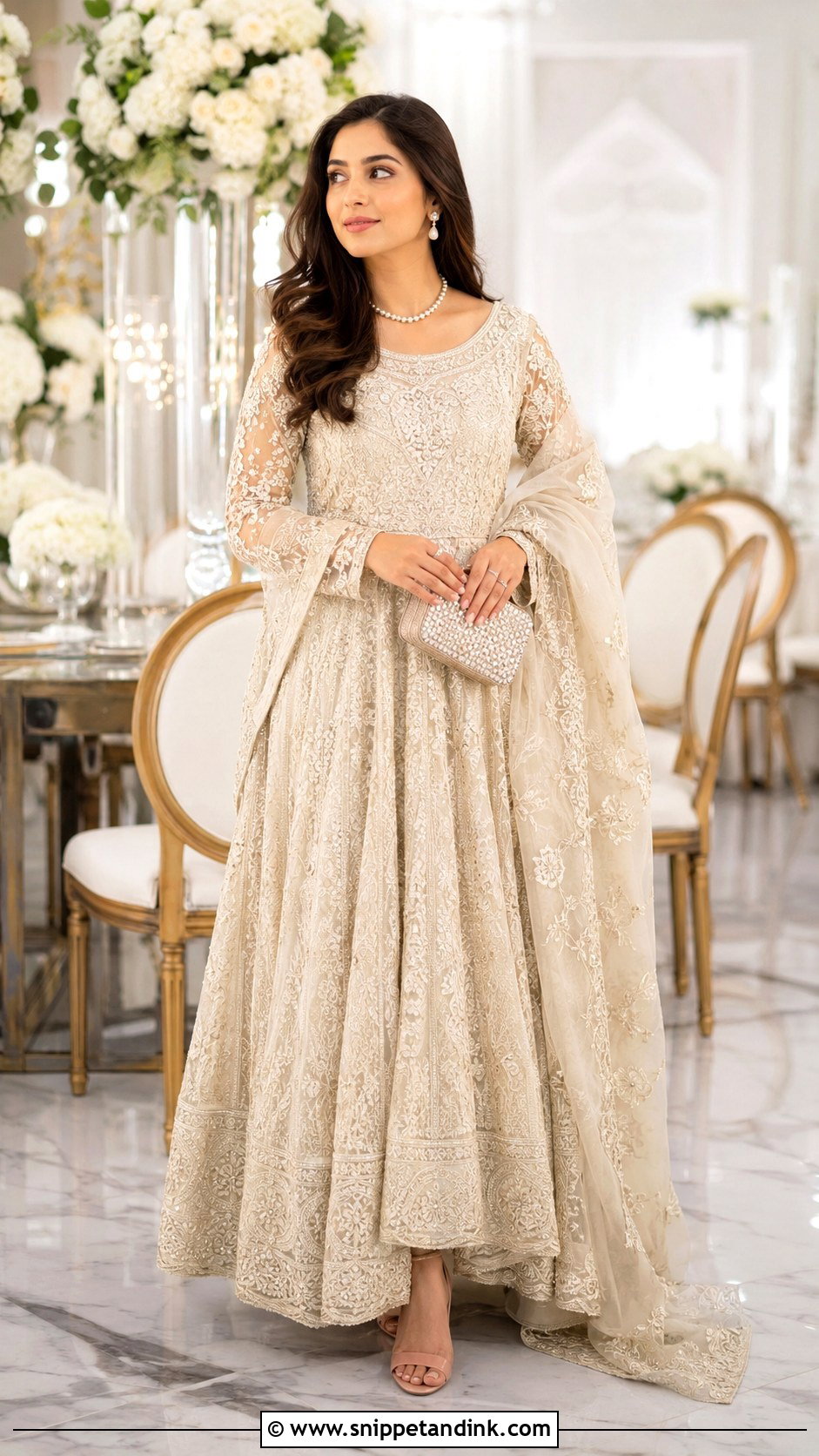
Ivory is soft and expensive-looking at walimas, engagement dinners and elegant parties, with silver, pearl, champagne or light gold embroidery. An ivory long shirt with trousers, an ivory pishwas or an ivory lehenga with a sheer dupatta all work. Light colours show the quality of fabric and stitching more than dark ones, so this is where I’d spend more on tailoring and less on embellishment. Guests should check that the bride isn’t in ivory for that function. Nude, gold or silver heels, a pearl or crystal clutch and jewellery scaled to the embroidery finish it.
20. Pakistani Anarkali Dress
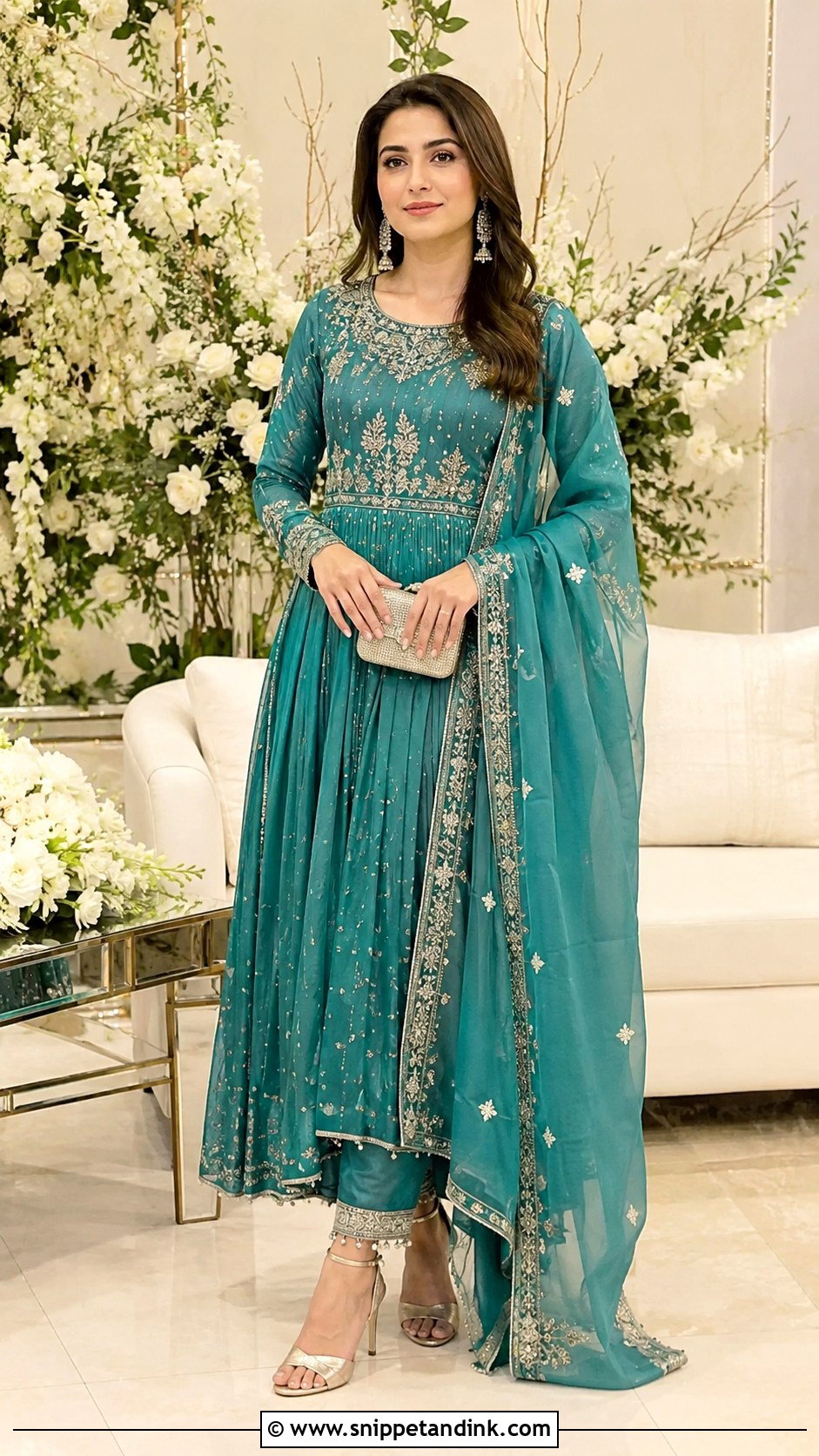
Anarkalis are forgiving: a fitted bodice and a flared skirt that skims everything below the waist. Chiffon, silk, net or georgette with embroidery on the bodice, sleeves and hem, worn with churidar and a dupatta over one shoulder, is the classic set. Gota, zari or sequin borders make it more festive. The waist seam should sit at or just above your natural waist; a dropped seam makes the skirt look heavy. Heels or khussas, drop earrings and a clutch finish it for a nikkah, mehndi, walima or family dinner.
21. Pakistani Front Open Gown Dress
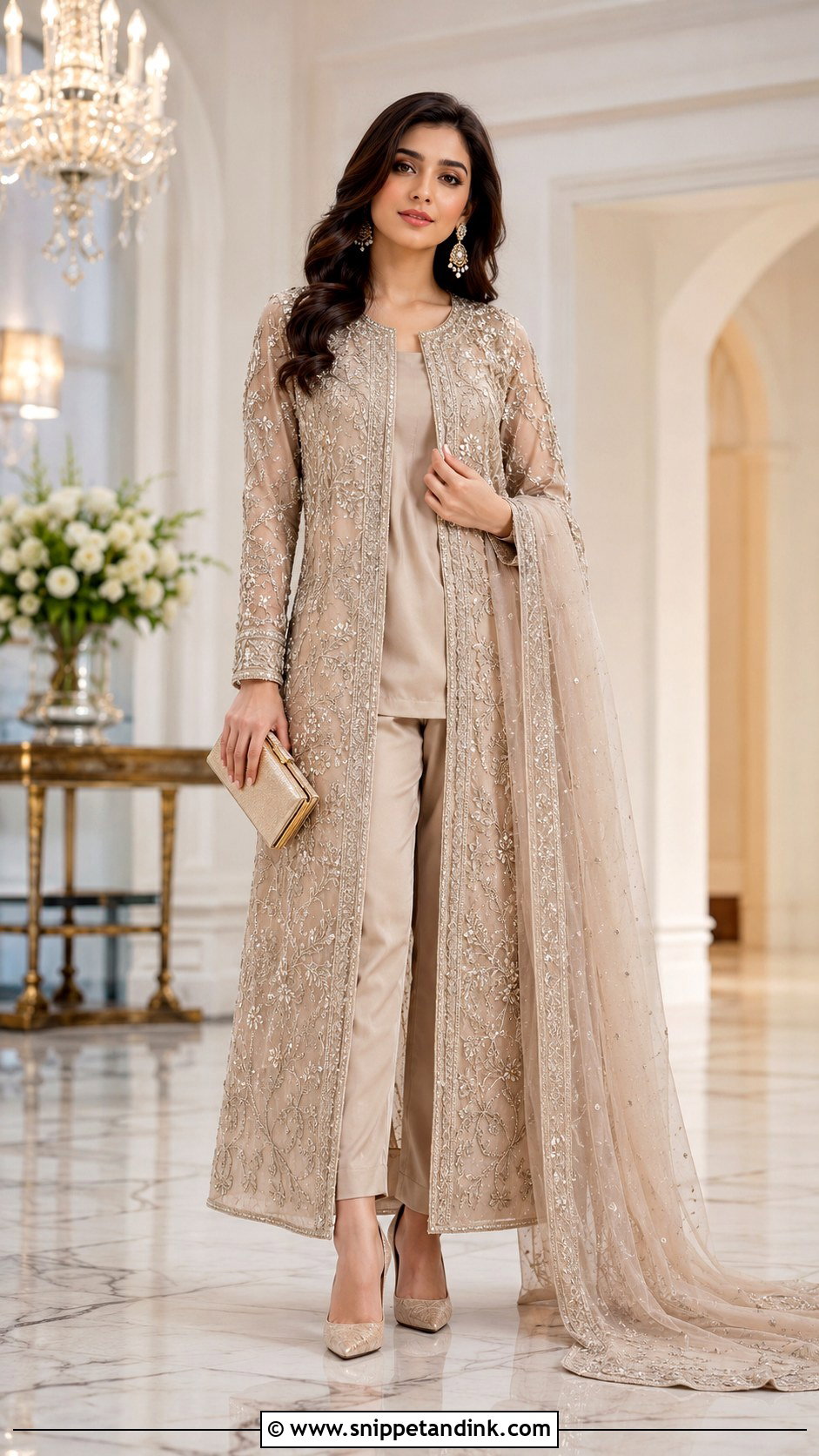
Front-open gowns are dramatic without being very traditional. A long embroidered gown goes over an inner shirt and trousers, a lehenga or straight pants. Net, organza or chiffon flows; velvet suits winter. Embroidery down the front panels, sleeves and hem creates a tall line. Where the gown opens matters: from the waist suits a fast walker, since the inner outfit shows with each step, while an opening from the hip can look closed when you stand still. A light dupatta is optional. Heels, a sleek clutch and refined jewellery suit receptions and formal dinners.
22. Pakistani Short Shirt With Gharara
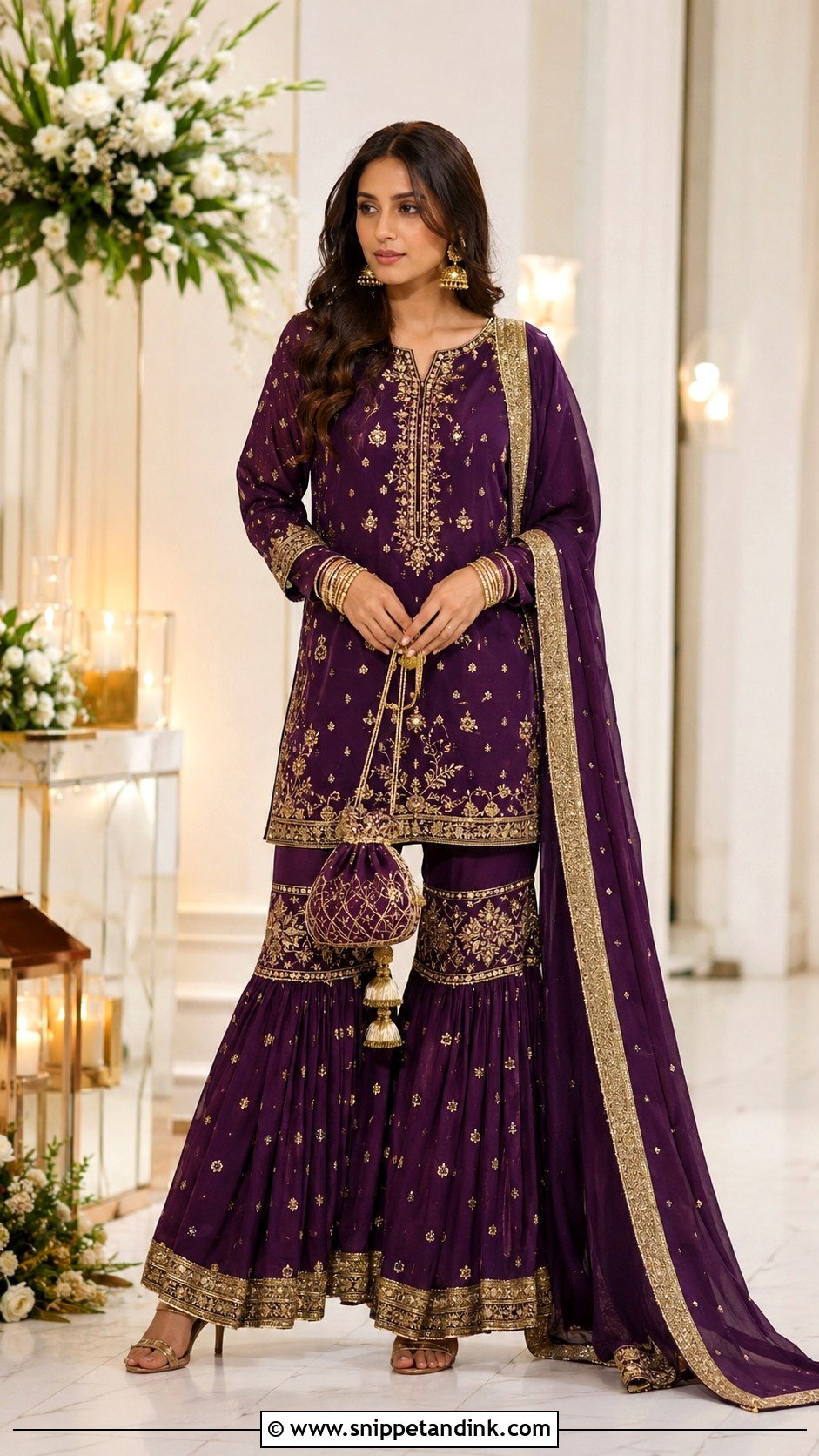
Short shirt with gharara is the outfit most Pakistani families picture for a wedding, and it’s loved for a reason. The short kameez shows off the gharara flare and the embroidered knee panels. Silk, organza, chiffon or velvet suit different events. Bright colours with gota or mirror work suit the mehndi, while deeper shades with zardozi or pearls suit the baraat or reception. I always check the knee joint height with the shoes on; it should sit right at the knee so you walk naturally. A bordered dupatta, statement earrings, bangles and heels or khussas complete it.
23. Pakistani Two Piece Formal Dress
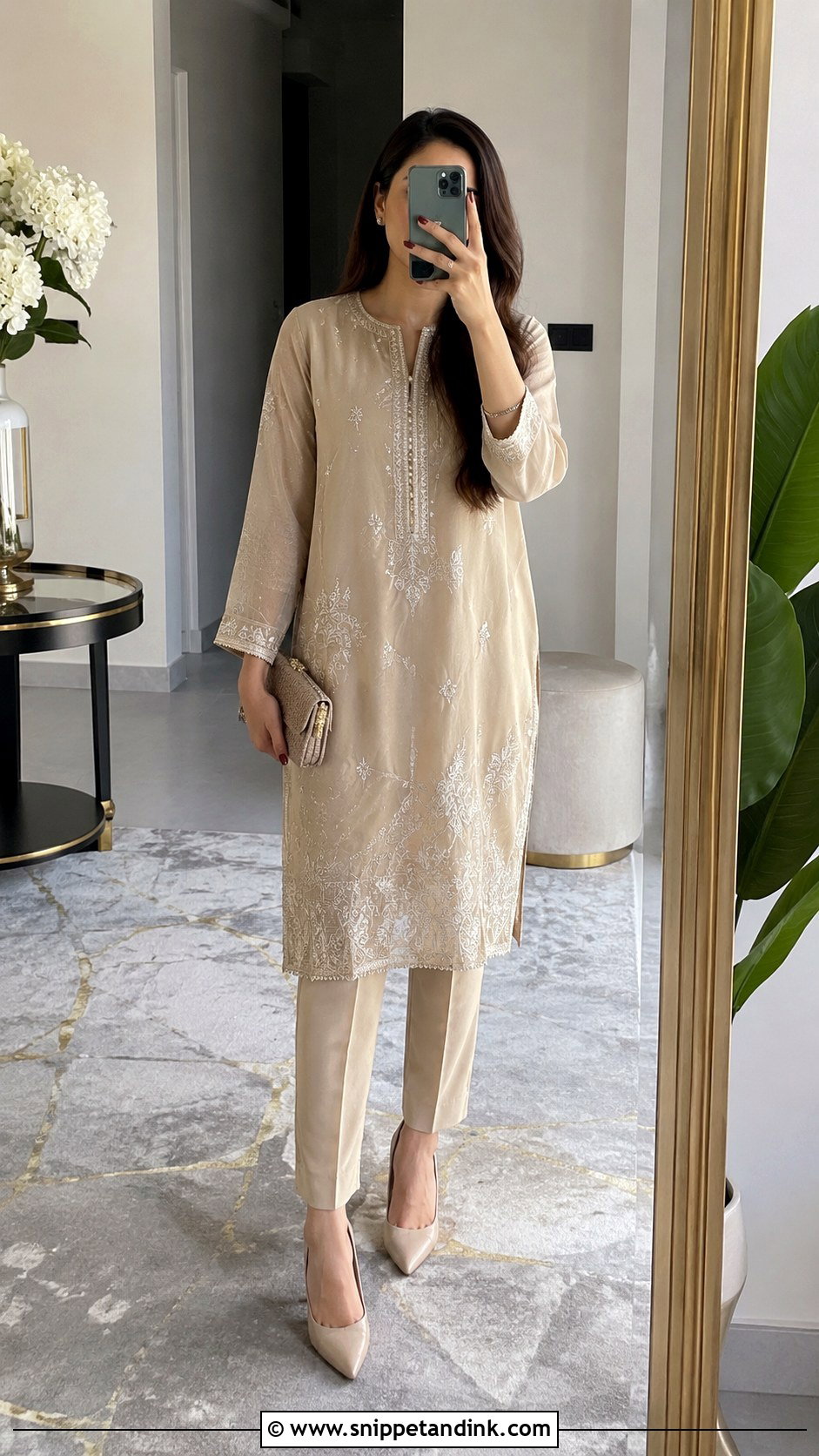
Two-piece formal sets are practical for smaller events: post-wedding dinners, engagement lunches and family gatherings. An embroidered shirt and matching trousers, with no dupatta or a very light one, keeps it polished without weight. Raw silk, chiffon, organza or crepe with neat embroidery at the neckline, sleeves and hem work, with straight or cigarette pants. Crepe is the one I recommend for travel because it barely creases. Heels, a clutch and small earrings finish it, and the pieces restyle easily later.
24. Pakistani Heavy Dupatta Dress
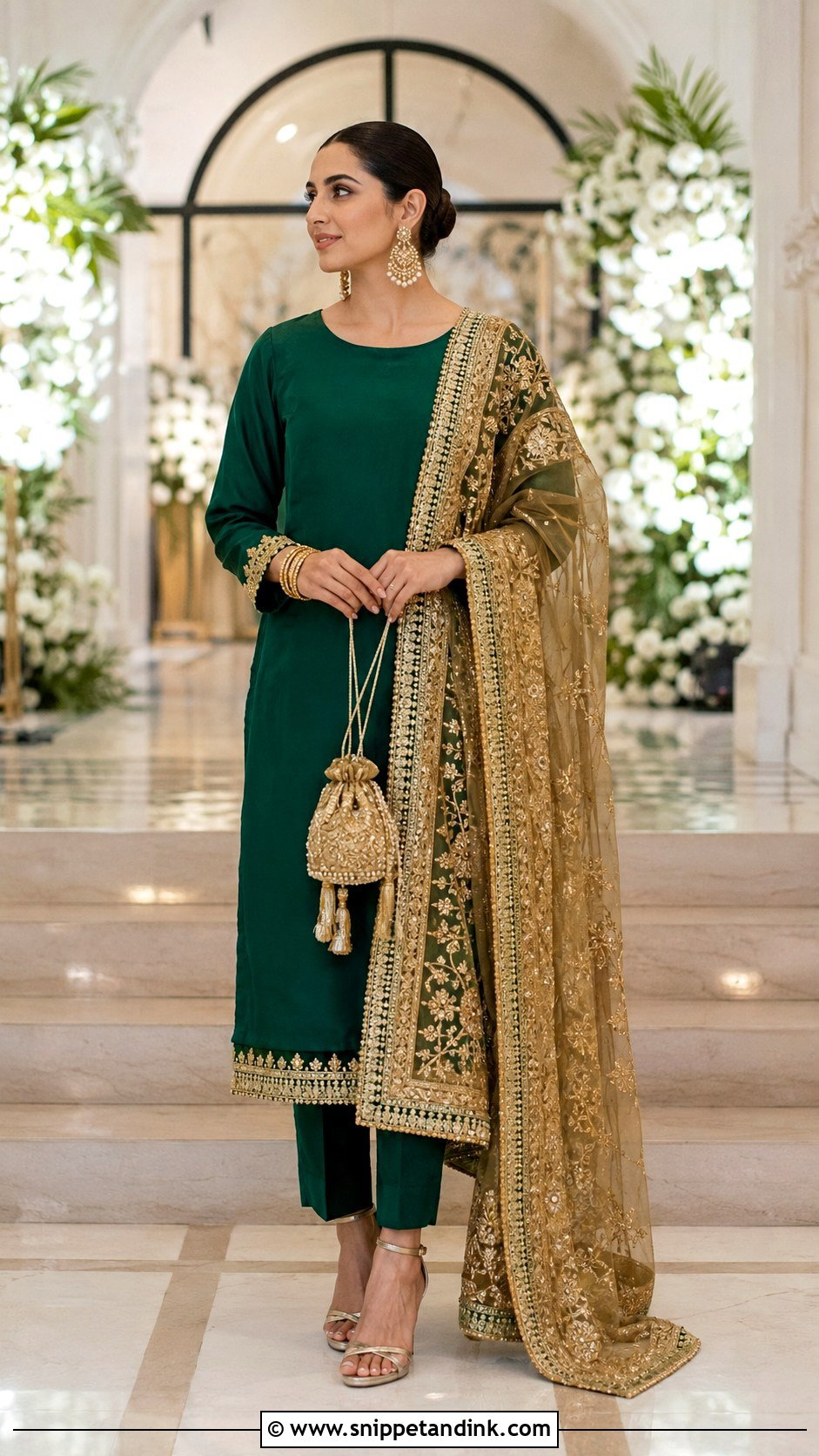
A heavy dupatta can turn a simple outfit into wedding wear. Start with a plain or lightly embroidered shirt and trousers, then add a statement dupatta with gota, zardozi, mirror work, kiran, sequins or a heavy border. Contrast makes it work: gold over emerald, pink over ivory or red over beige. Heavy dupattas slide off the shoulder all evening unless they’re secured, so I pin them to the shirt at the shoulder seam from the inside. Heels, jhumkas, bangles and a potli finish it, comfortable for a long event.
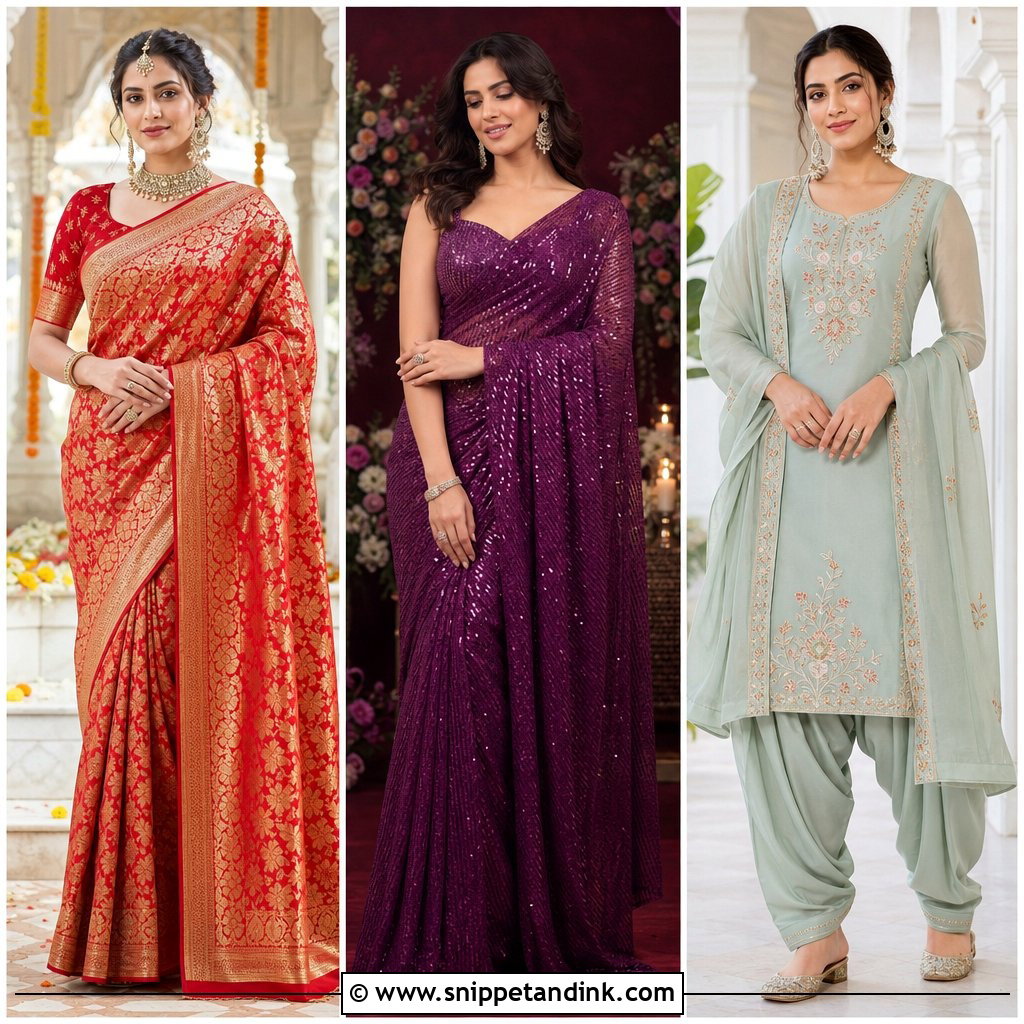
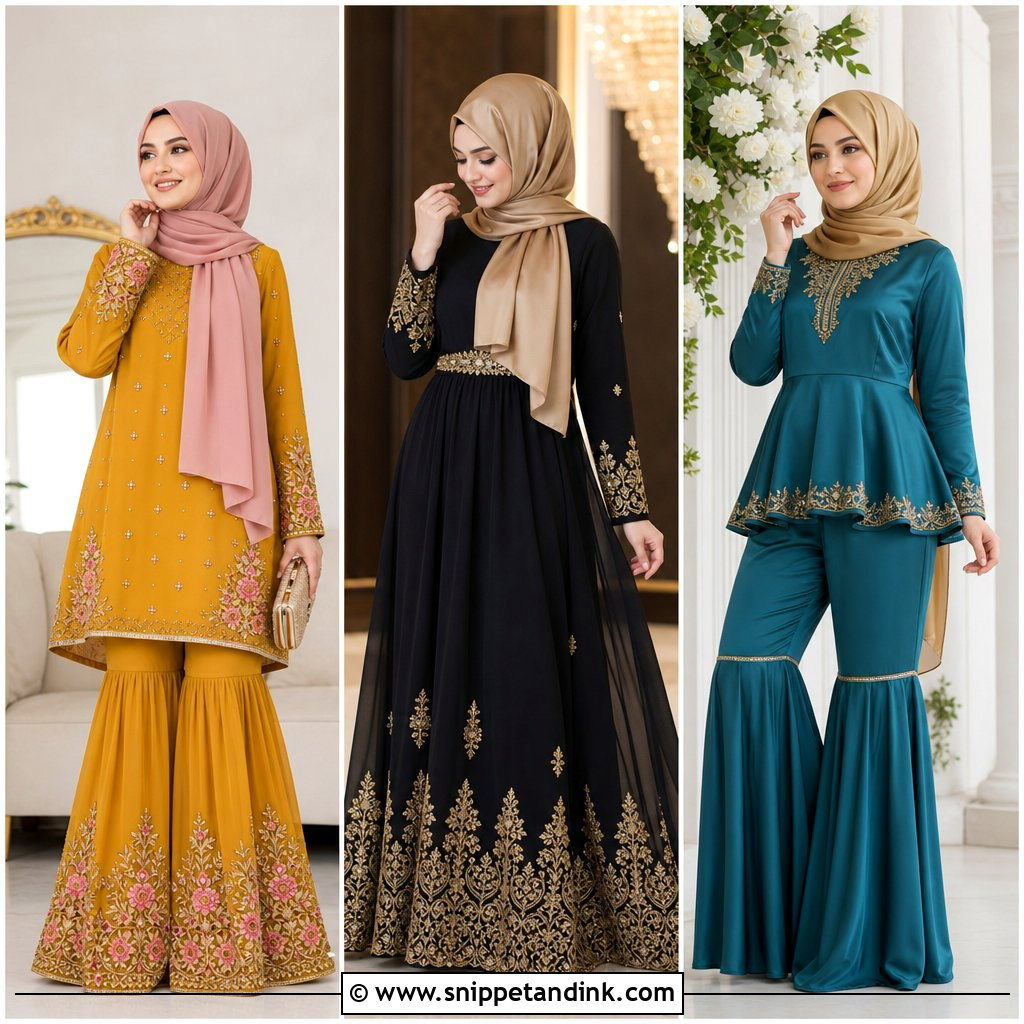
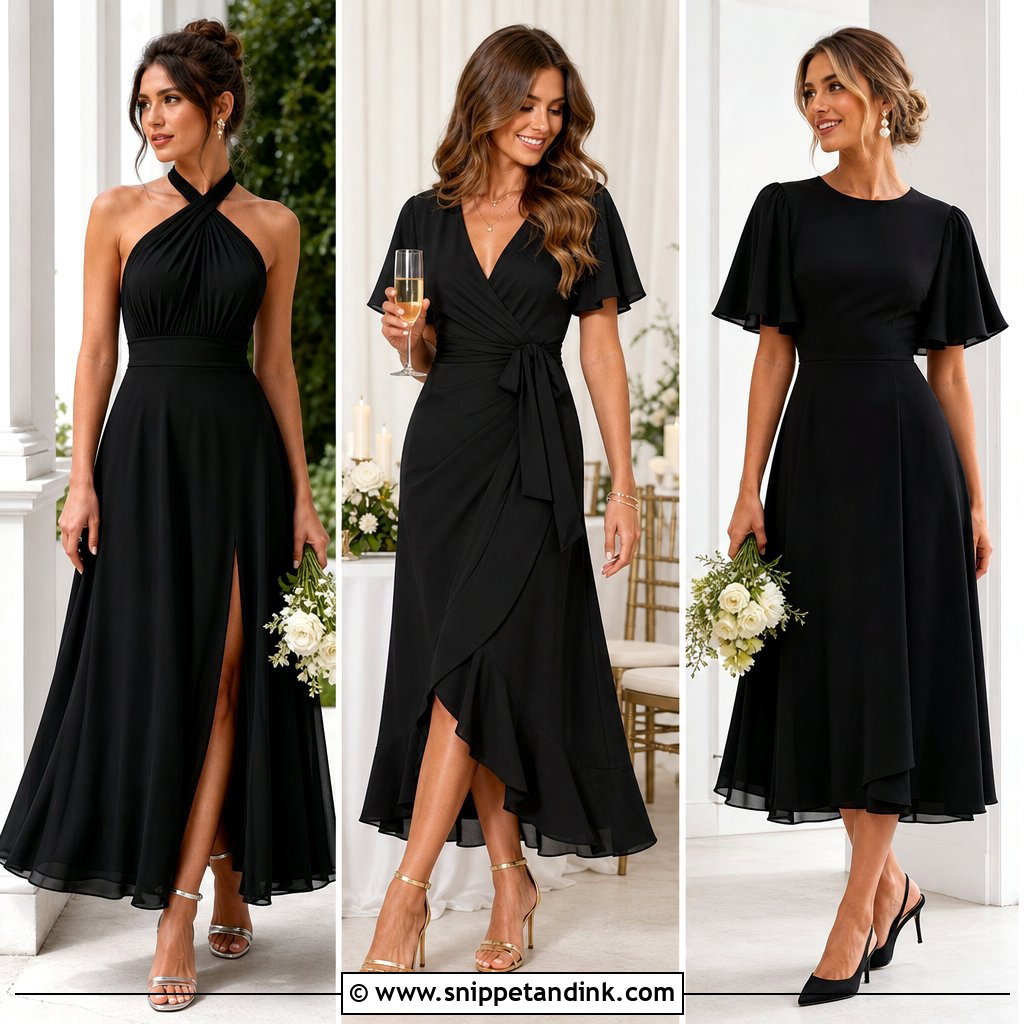
25. Pakistani Cape Dress
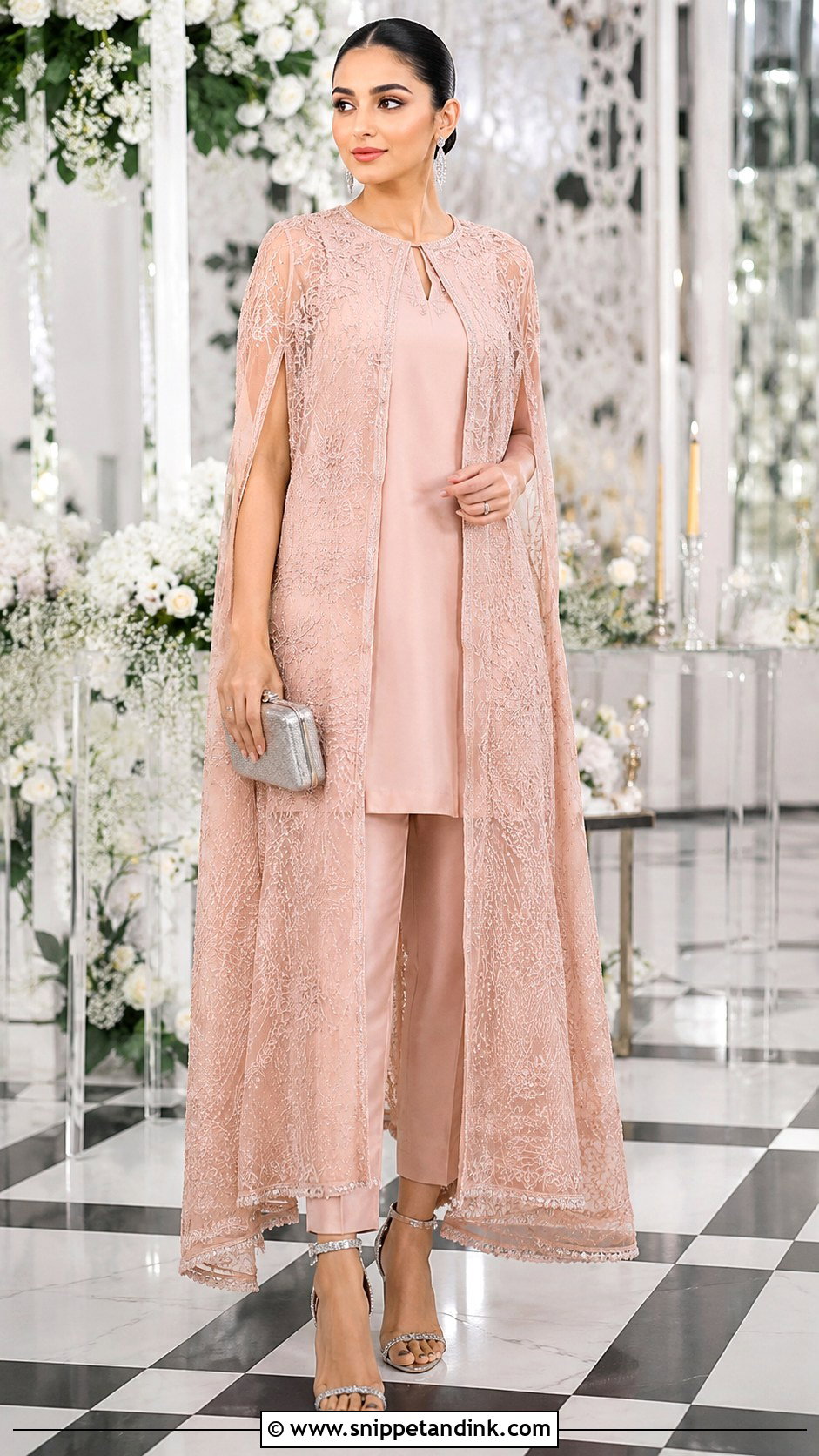
Capes replace the dupatta for women who want something different. The cape can be attached to a gown, worn over a sleeveless or full-sleeve inner, or paired with a long shirt and trousers. Embroidery, pearls, sequins or crystals make it formal. Soft net and organza capes move gracefully; velvet ones suit winter. Lift your arms at the fitting, because a cape cut too short across the back pulls the neckline backwards. Keep the rest of the outfit clean. Heels, a clutch and sleek earrings suit receptions and engagement dinners.
Packing Party Wear for a Wedding You Have to Travel To
Many guests fly in for a Pakistani wedding and need four or five formal outfits in one suitcase. Embroidered clothes travel badly if they’re packed like everyday wear, and heavy pieces can lose beads or crush their zari on the way.
- Turn embroidered shirts inside out and fold them with tissue between the layers, so sequins and mirrors don’t catch on each other.
- Roll dupattas around a cardboard tube or soft scarf rather than folding them, which avoids hard creases in net and organza.
- Put each outfit in a cotton bag with its jewellery and a note of the function, so dressing in a busy house is quick.
- Carry the heaviest outfit in your hand luggage if you can; it’s the one you can’t replace if a bag goes missing.
- Pack a small travel steamer. Ironing directly on zari or sequins can melt or tarnish them.
Fabrics matter for travel too. Crepe, crushed chiffon and georgette shake out with minimal steaming, while tissue, organza and raw silk crease hard. If you’re short on luggage space or time, plan the creasing fabrics for the events where you’ll have time to steam.
A Guest Wardrobe That Respects the Bride
Every function has its own fit: a traditional gharara for the mehndi, a pastel pishwas for the walima, velvet in winter and a sleek long shirt with pants for a modern dinner. Beyond the look, the outfit has to let you sit, walk, greet people and enjoy yourself for hours. Fabric, tailoring, dupatta weight, shoes and jewellery shape the result more than any single embellishment. Respect the bride’s colours, check the hosts’ expectations on black and red, and you’ll be well dressed at every event.
You'll Like These Ideas:



Leave a Reply