
Turkey changes the dress brief more than most destinations, because a single country can mean a grand Istanbul hotel, a Cappadocia terrace at dawn, an Aegean beach in a strong breeze or a modest family ceremony full of tradition. When I style a bride marrying there, my first question is which of those she’s actually facing, and how many events she’s dressing for. The looks below run from modest gowns and clean satin to Ottoman-inspired embroidery, henna night outfits, beach dresses and reception changes. Each is styled head to toe, with the practical notes I’d give before a fitting. Read them with your venue, your season and your family’s expectations in mind.
Planning Outfits Around Kına, Takı and the Red Sash
A Turkish wedding is rarely one outfit. Many families hold an engagement, a henna night and the wedding itself, and each comes with customs that affect what the bride wears. I talk these through before we look at any dresses.
- Kına gecesi, the henna night: the bride traditionally wears red or deep purple, often a velvet bindallı with gold embroidery, and a red veil over her face. Sleeves need to push back easily for the henna on the palms.
- The red sash: in many families a male relative ties a red ribbon or sash around the bride’s waist before she leaves home. A dress with a clearly defined waist shows it best, and a heavily beaded waistline can snag on it.
- Takı, the gold pinning: guests pin gold coins, jewelry or banknotes onto the couple, usually onto a ribbon worn across the bride. Delicate lace and fine tulle tear under that weight, so the ribbon needs its own anchor points sewn into the bodice.
Ask your family early which of these they plan to include. It changes the fabric I’d recommend, and it may mean a second dress that can handle pinning while the main gown stays untouched.
1. Modest Turkey Wedding Dress With Long Sleeves
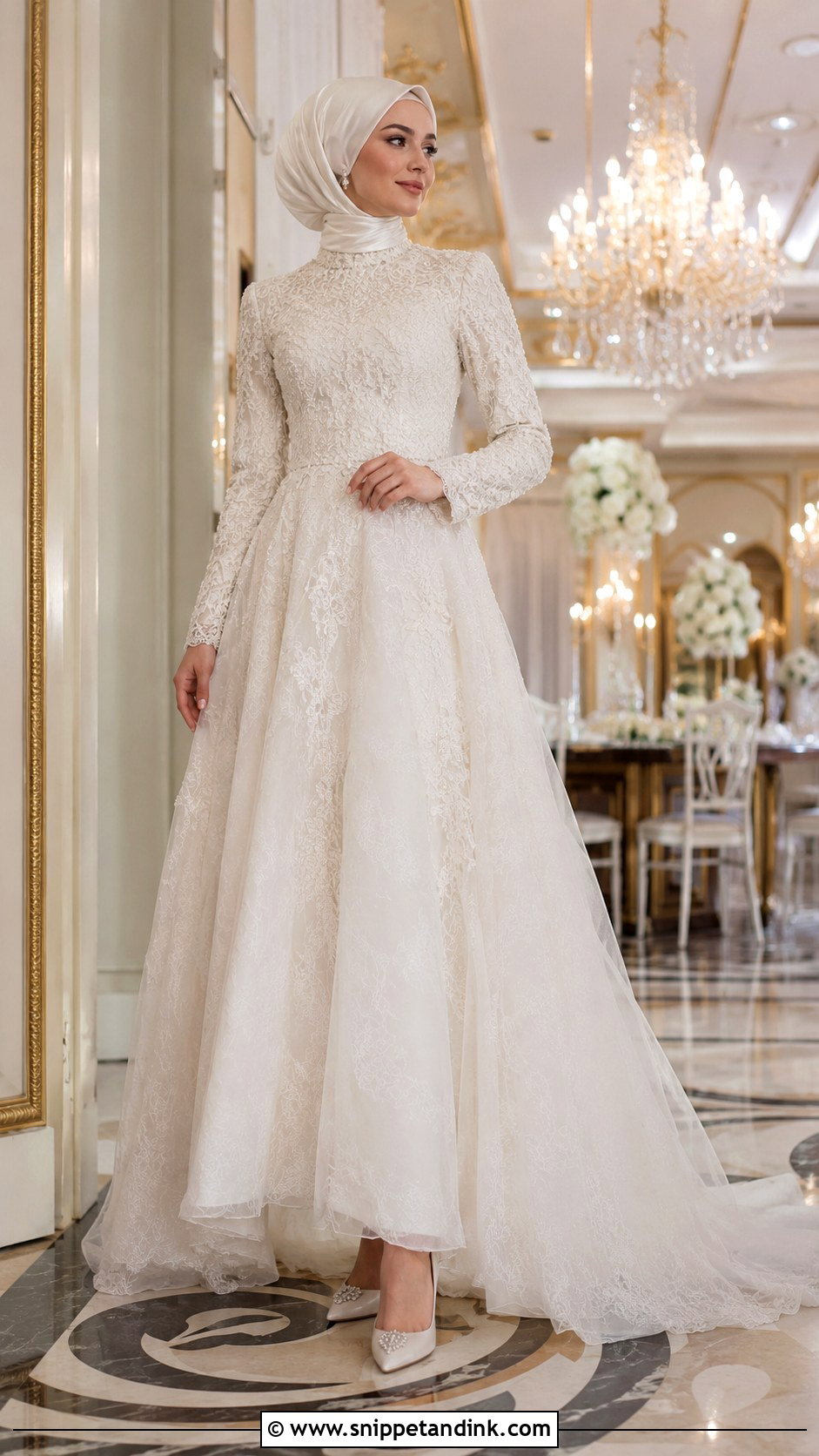
Long sleeves and a high neck are among the most requested bridal shapes in Turkey, and the challenge is keeping full coverage from looking heavy. I’d go for lace sleeves, a fitted bodice and a softly layered A-line skirt, so the eye has somewhere to rest. If you wear a hijab, bring a fabric swatch from the gown to your hijab fitting; ivory comes in dozens of tones, and a mismatch right by the face shows in every close-up. Pearl earrings, a fine bracelet and pointed satin heels keep it refined for a ballroom or a family-centered ceremony. Light embroidery at the cuffs, neckline or waist adds polish without sparkle everywhere.
2. Turkish Hijab Wedding Dress With Lace Train
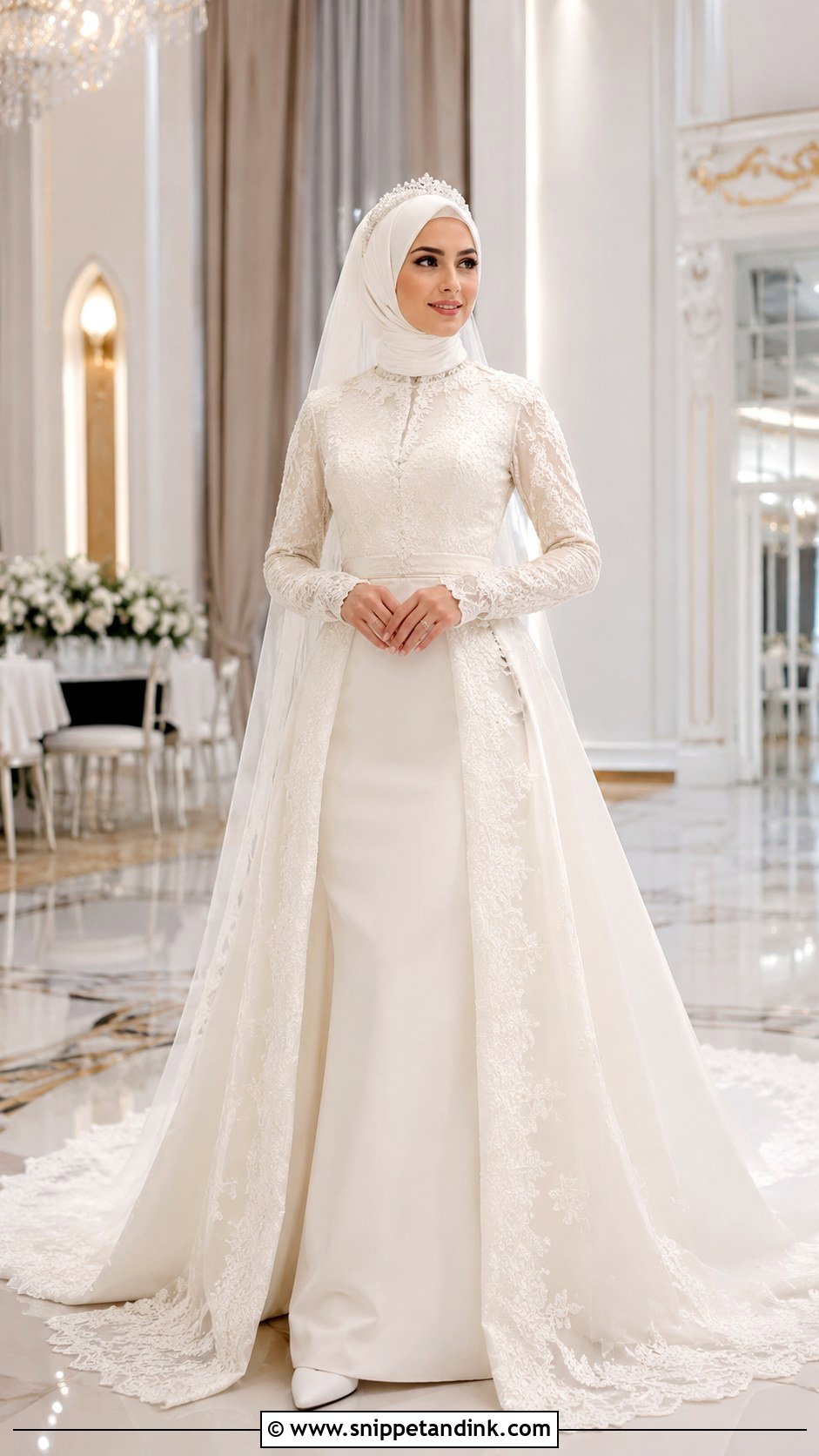
A lace train gives a fully covered bride a dramatic entrance, and the back of the dress is where the drama should live. Look for a structured bodice, full lining, long sleeves and a train that spreads cleanly behind you. A chiffon or silk hijab softens the face, and a jeweled headpiece can sit over it to anchor the veil. The engineering detail I always check is weight: a long veil plus a jeweled piece over a hijab needs to be pinned to an underscarf, not to the hijab fabric alone, or it slides back during the walk. Simple ivory pumps or closed-toe heels let the train carry the moment.
3. Ottoman Inspired Wedding Dress With Gold Embroidery
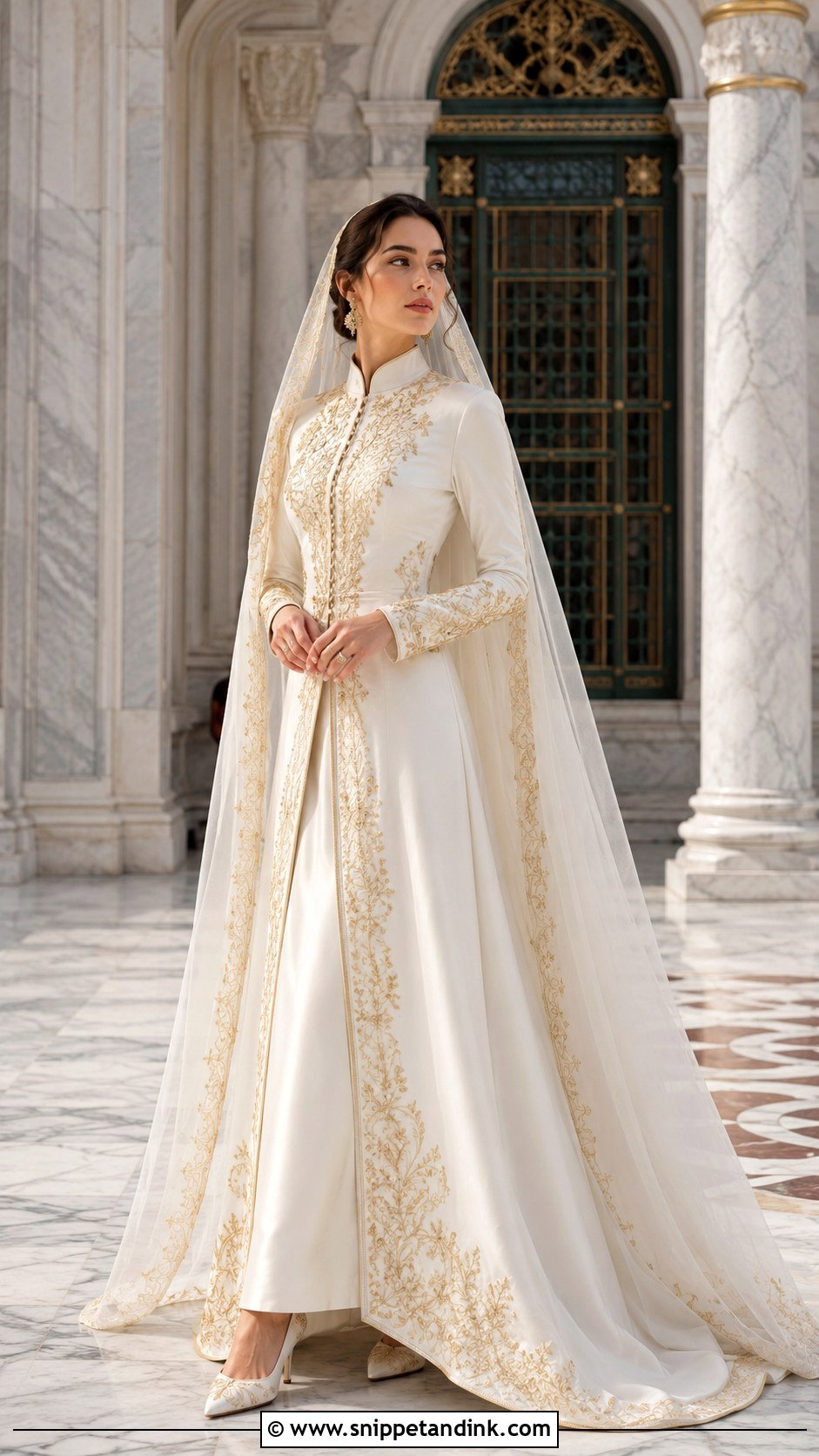
Gold embroidery is the heart of an Ottoman-inspired gown, and restraint is what keeps it bridal rather than theatrical. I’d look for an ivory or cream base with long sleeves, a structured waist and embroidery placed at the bodice, cuffs and hem, leaving the skirt panels quiet between them. A veil with a fine gold edge ties it together. Match the metal in your earrings to the thread; gold embroidery can run warm yellow or pale antique, and a mismatch is surprisingly visible. A low bun or covered style and elegant heels finish it. It suits historic venues, palace-style hotels and evening ceremonies, where the gold catches candlelight.
4. Red Turkish Henna Night Dress
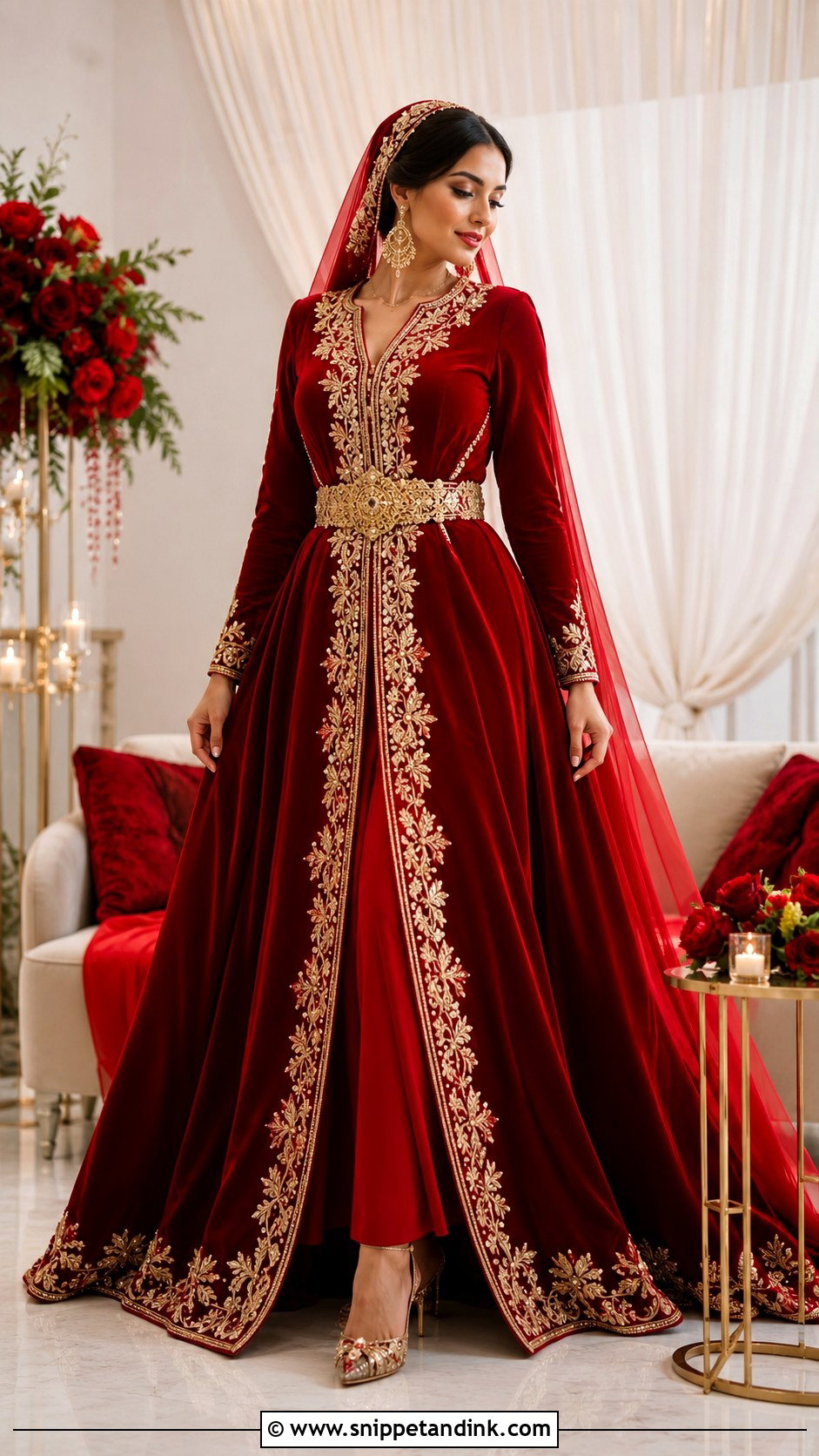
A red Turkish henna night dress is often bolder than the white gown worn the next day, and the fabric carries that weight. Velvet, satin or brocade with gold embroidery, long sleeves and a full or slightly flared skirt is the classic route, finished with a red veil, a gold belt, statement earrings and embellished heels. Remember that the henna itself is applied that night. Wide or bell sleeves can be pushed back easily for the palms, while tight sleeves get in the way and risk smudging the paste. For a modern version, keep the silhouette clean and confine the gold to the waist, sleeves and neckline.
5. Cappadocia Wedding Dress With Flowing Chiffon
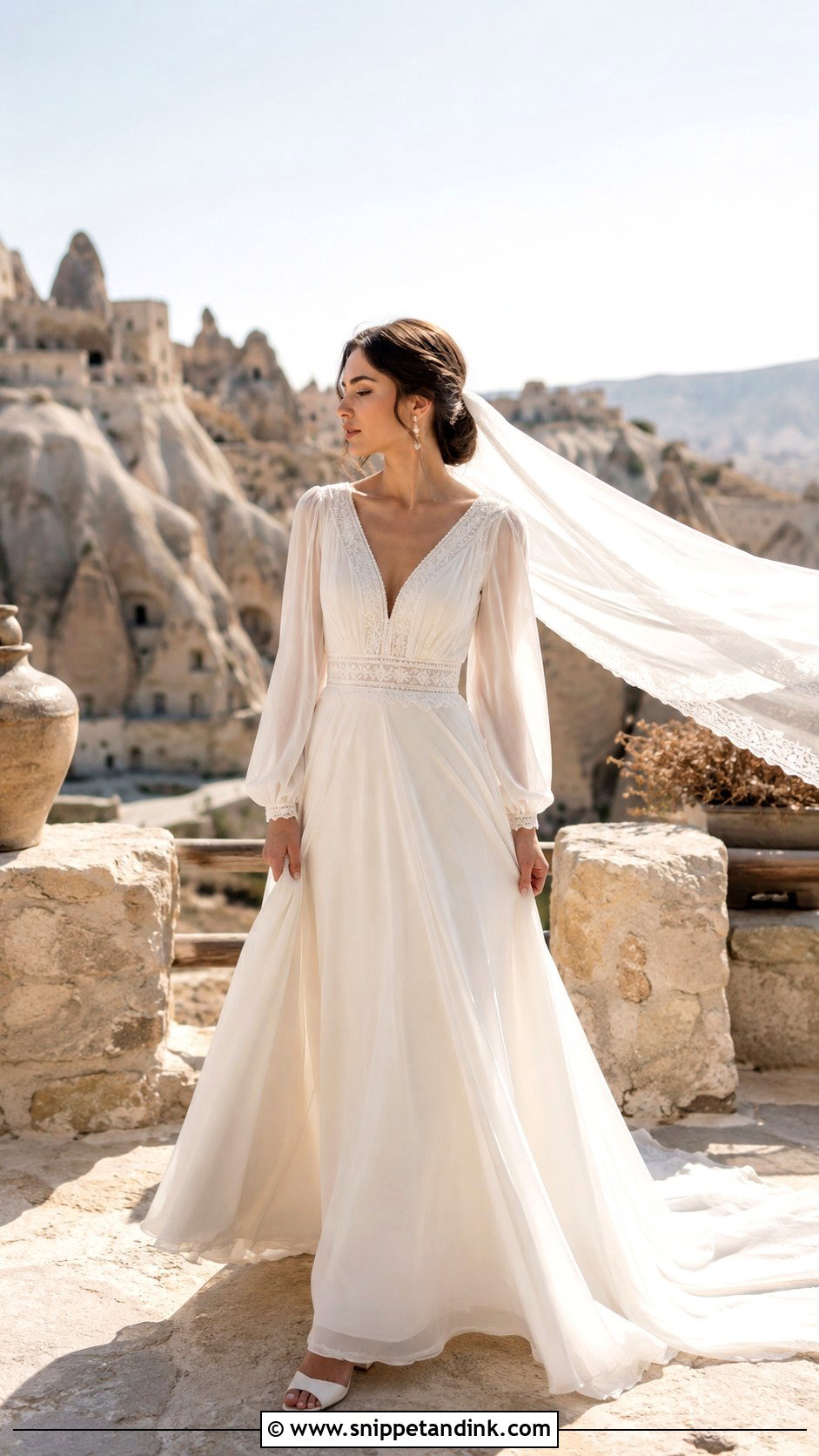
Chiffon belongs in Cappadocia because it moves against the stone and the open sky, and those landscapes are photographed mostly in wide shots where movement reads clearly. An airy A-line or empire waist with soft sleeves, a light train and minimal embellishment is the shape I’d choose. Sunrise shoots start cold, even in summer, so plan a wrap or cape for the early frames and expect chiffon to cling a little in the dawn damp. Block heels handle uneven rock better than stilettos. Delicate drops, a veil that catches the breeze and soft waves or a low textured bun complete it.
6. Istanbul Wedding Dress With Satin Ball Gown
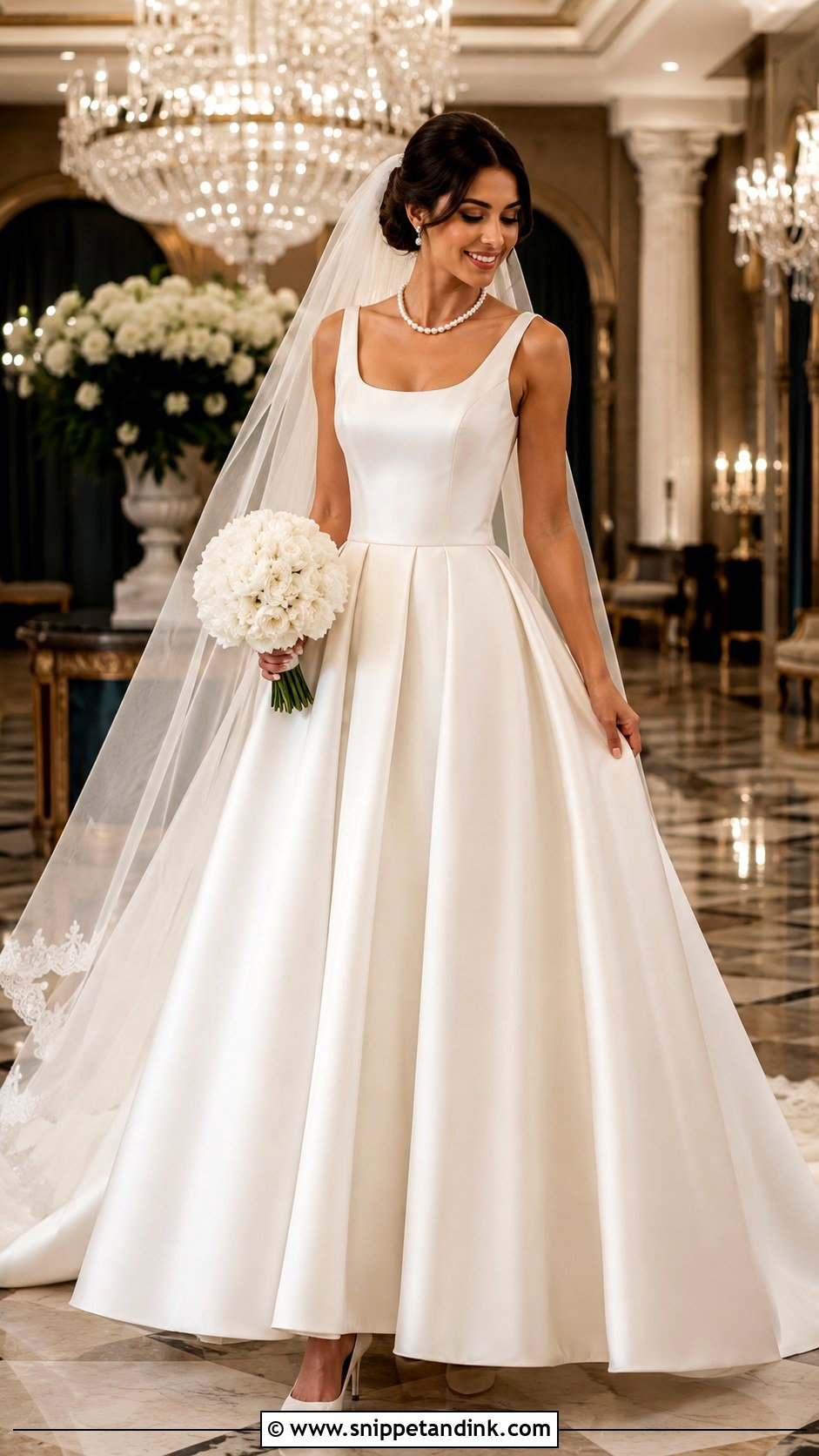
A satin ball gown is the formal answer for an Istanbul hotel or a grand reception hall. A clean bodice, a defined waist and a full skirt with soft sheen rather than glitter look classic with a cathedral veil, pearls and satin pumps. Choose an off-shoulder or a modest high neckline depending on your comfort. Satin’s weakness is creasing. A full satin skirt shows every fold from the car and every crease from sitting, so I’d have it steamed on site and ask for a heavier duchess satin, which recovers better than a thin one. Keep the bouquet neat so the gown stays the center.
7. Turkish Princess Wedding Dress With Tulle Skirt
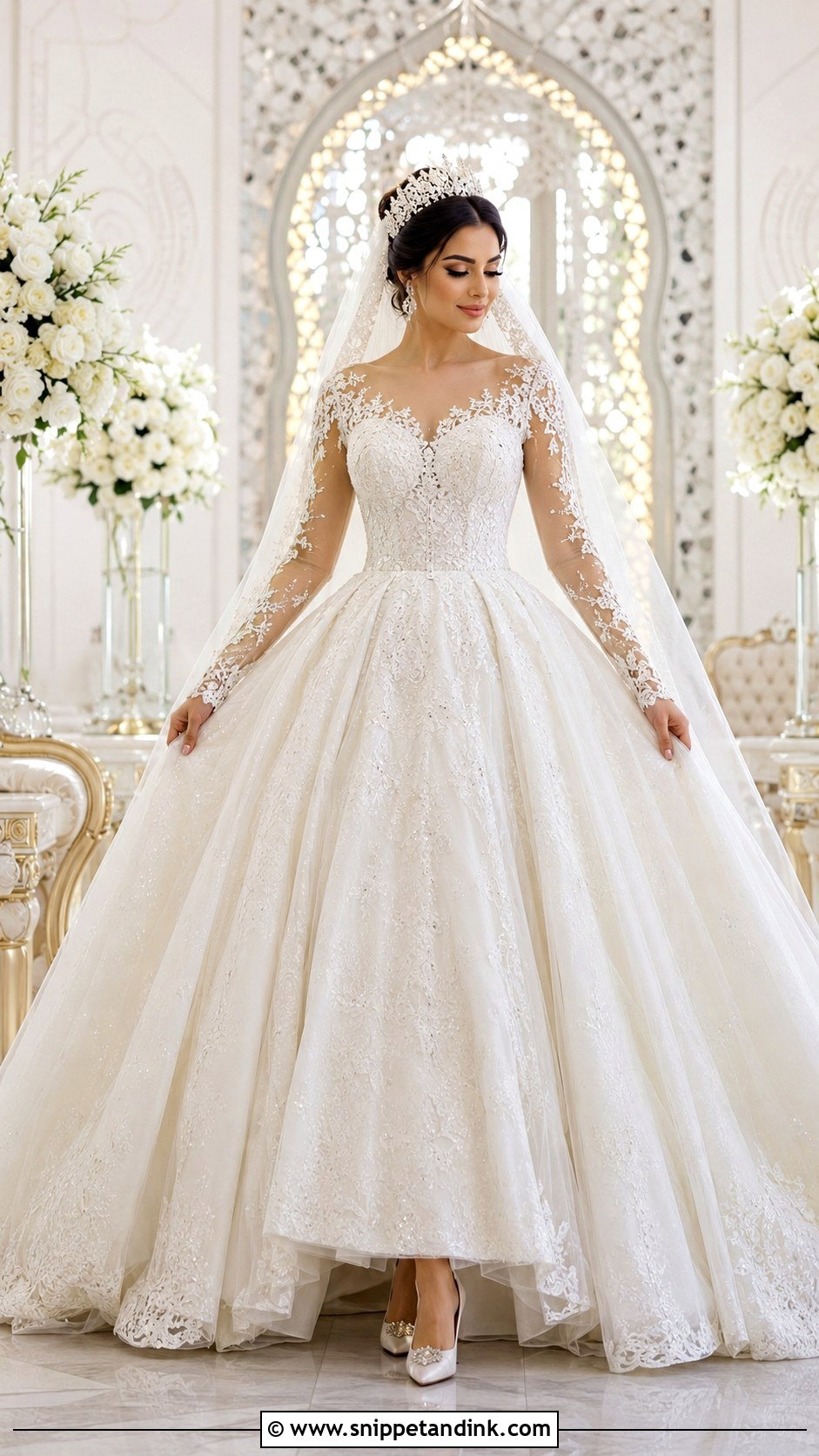
A Turkish princess wedding dress gives you the fairytale moment: a fitted bodice in lace, beadwork or embroidery over a voluminous tulle skirt. Long sleeves or an illusion neckline keep it refined. A tiara, a long veil and classic heels are all the accessories it needs. Large Turkish weddings often mean hours of dancing in a packed hall, and a big skirt takes up real floor space, so make sure the venue has room. If you’re petite, ask for softer, fewer tulle layers; a very heavy skirt can make you look as if you’re standing inside it.
8. Turkey Beach Wedding Dress With Open Back
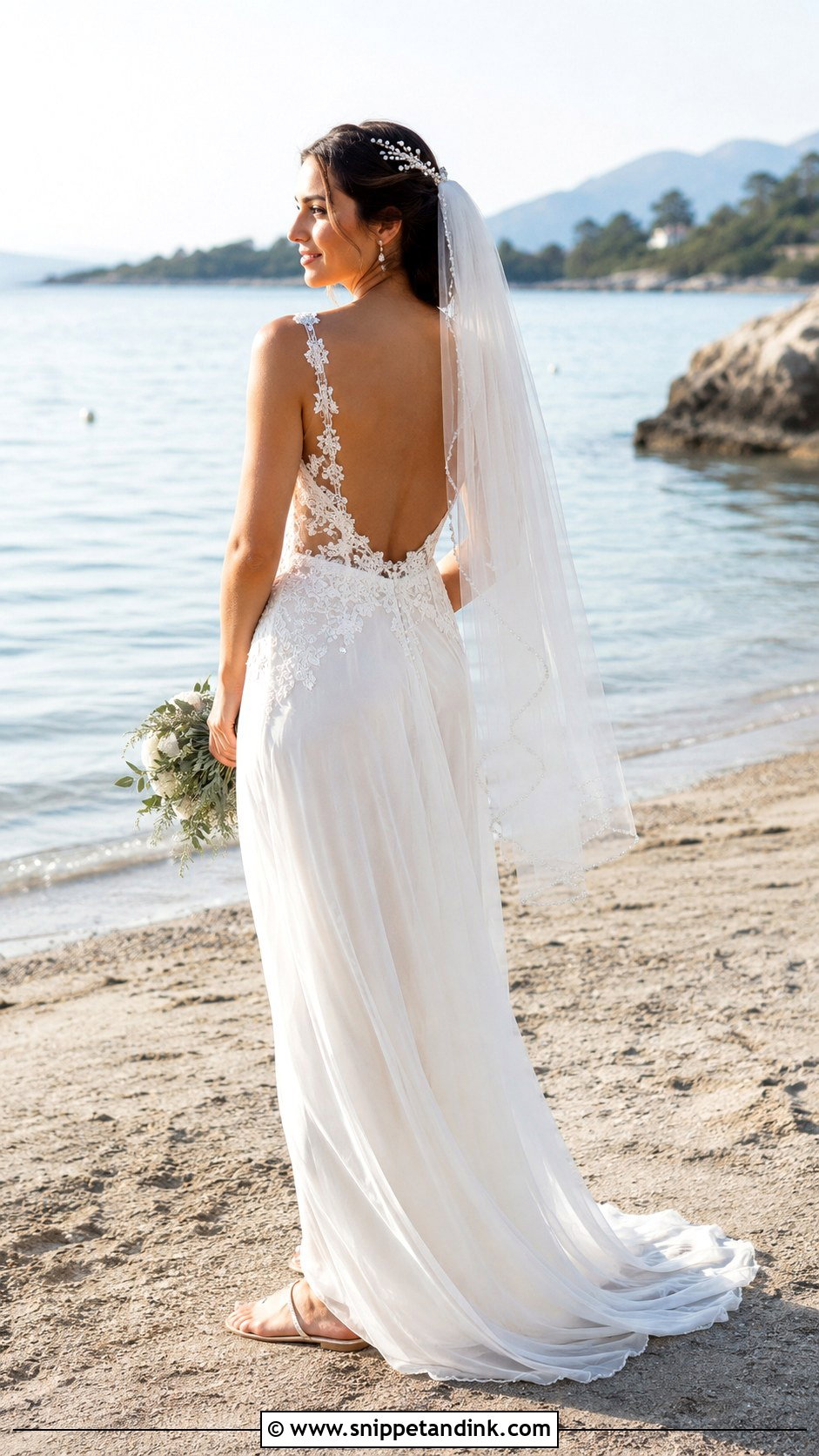
On the Turkish coast, an open-back gown in crepe, chiffon or light lace feels relaxed and still bridal. A slim A-line or sheath won’t drag heavily through sand. Flat sandals, pearl hair pins and a small bouquet finish it, and a fingertip veil behaves far better than a cathedral length on the shore. The Aegean is often windy in summer afternoons, which suits a light skirt but lifts an unsecured veil, so I pin veils more firmly for Bodrum, Fethiye or any seaside ceremony than I would indoors. Antalya tends to be hotter and stiller, so prioritize breathable lining there.
9. Turkish Mermaid Wedding Dress With Beaded Bodice
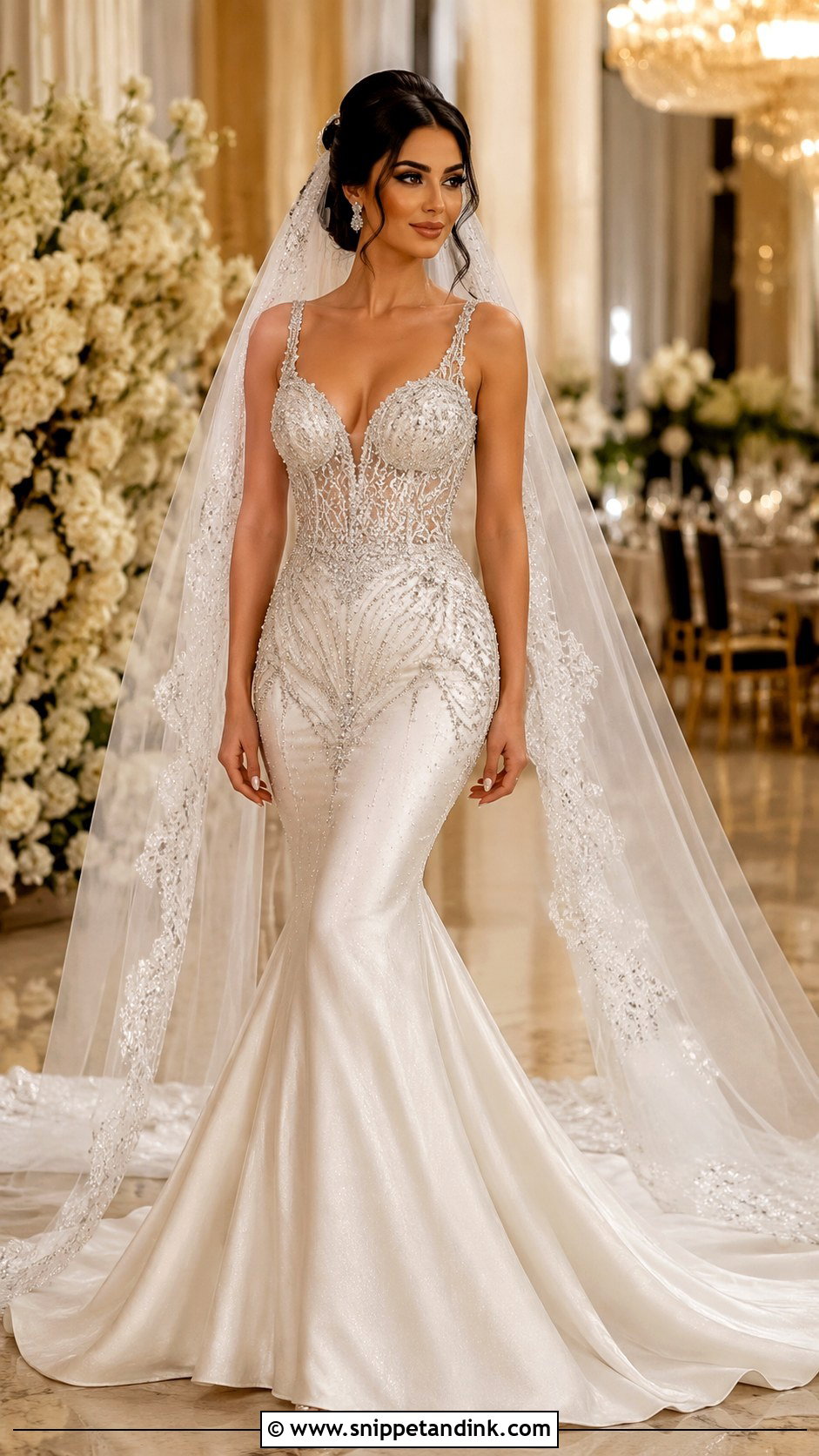
A mermaid gives a fitted, glamorous line, and a beaded bodice keeps the sparkle where people actually look. Choose a sculpted bodice, a long train and beading focused on the upper body or waist, with the skirt flaring smoothly below the hips or knees. Where that flare starts matters more than anything: too low and you’ll shuffle all evening, which is a real problem at a Turkish wedding with long stretches of dancing. Sleek heels, a long veil and polished hair suit evening halls and luxury hotels. For modest coverage, add long lace sleeves and a higher neckline.
10. Simple Satin Turkey Wedding Dress
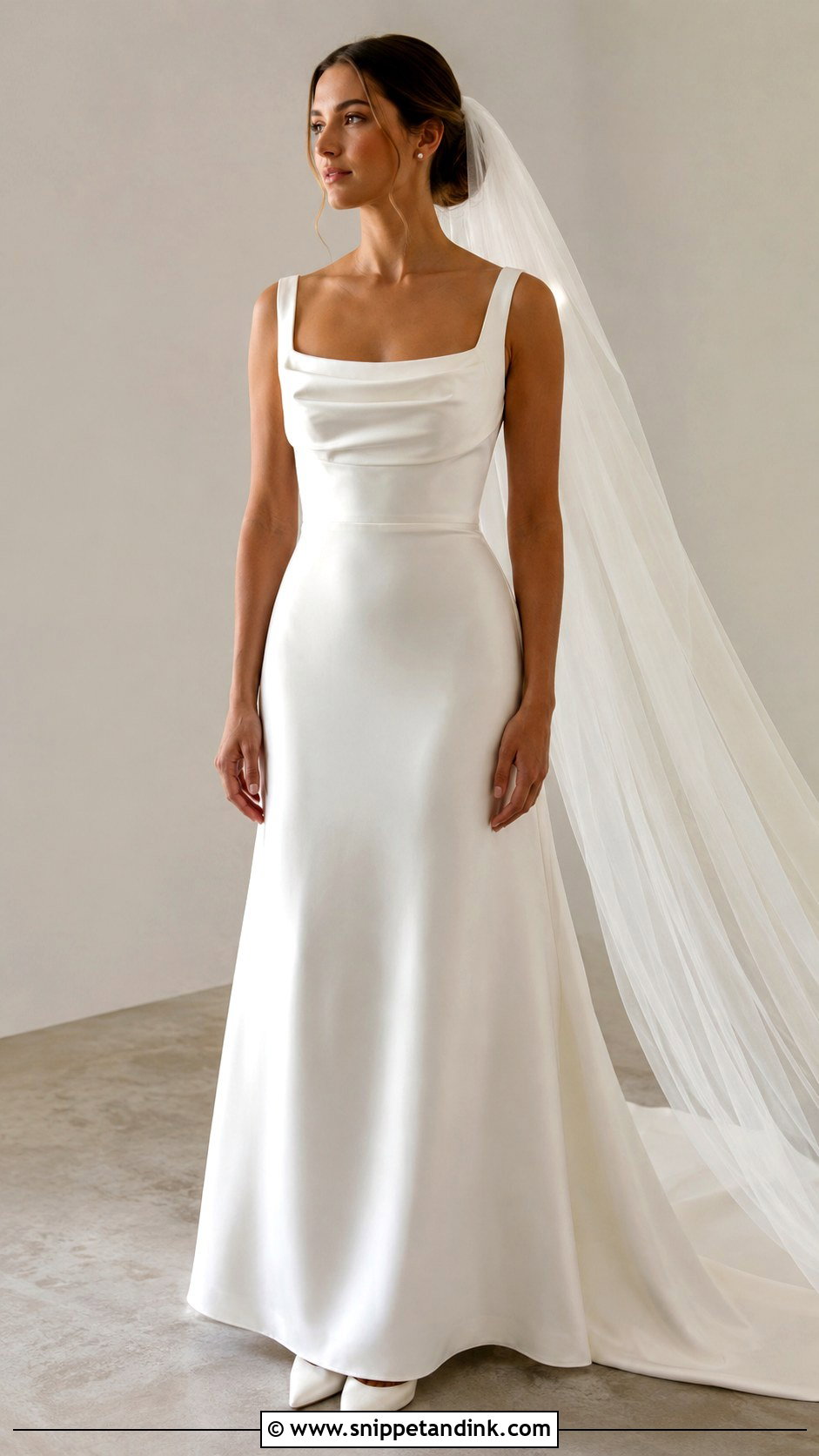
In a simple satin dress the fabric does the work, so the cut has to be sharp. A square neckline, long sleeves or a softly draped bodice over an A-line or sheath skirt all suit it. Pearl studs, a smooth veil and pointed heels are enough. This is my usual suggestion for civil ceremonies, modern receptions and brides who don’t want lace or sparkle. Without decoration, every pull and ripple shows, so I’d put more of the budget into alterations than into embellishment, and finish with a neckline that flatters your shoulders.
11. Turkish Lace Wedding Dress With High Neck
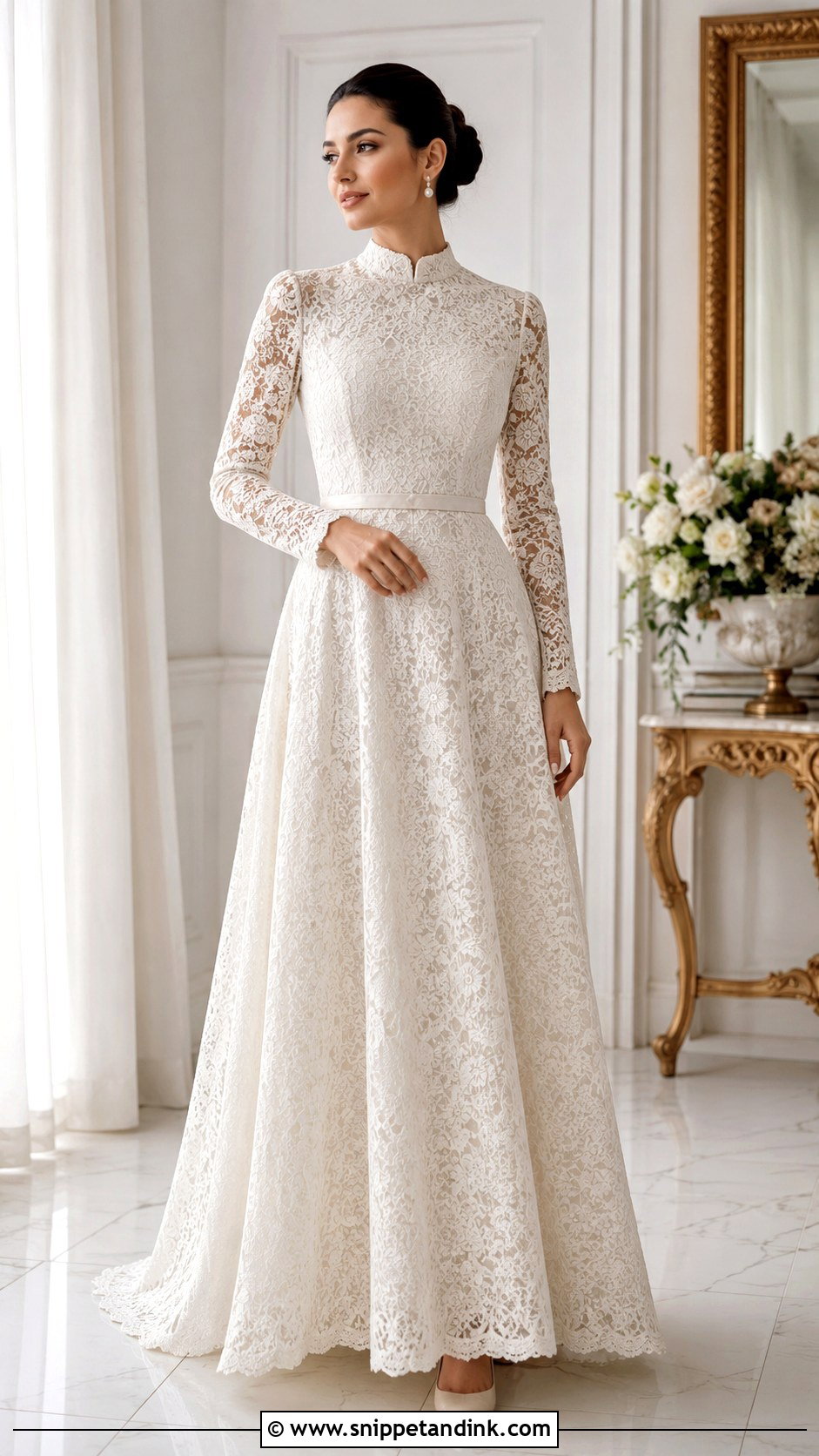
A high lace neck gives structure at the top, and the lace keeps it from looking severe. Choose a fully lined bodice for more coverage, or an illusion lace neckline if you prefer something lighter. Long sleeves, a defined waist and a flowing skirt balance the shape, with a neat bun, pearl drops and ivory heels. I always ask brides to turn their heads and look down at a fitting, because a high collar that rubs the chin in a mirror check will be irritating by the reception. Keep makeup soft so the lace leads.
12. Turkey Civil Wedding Dress With Blazer
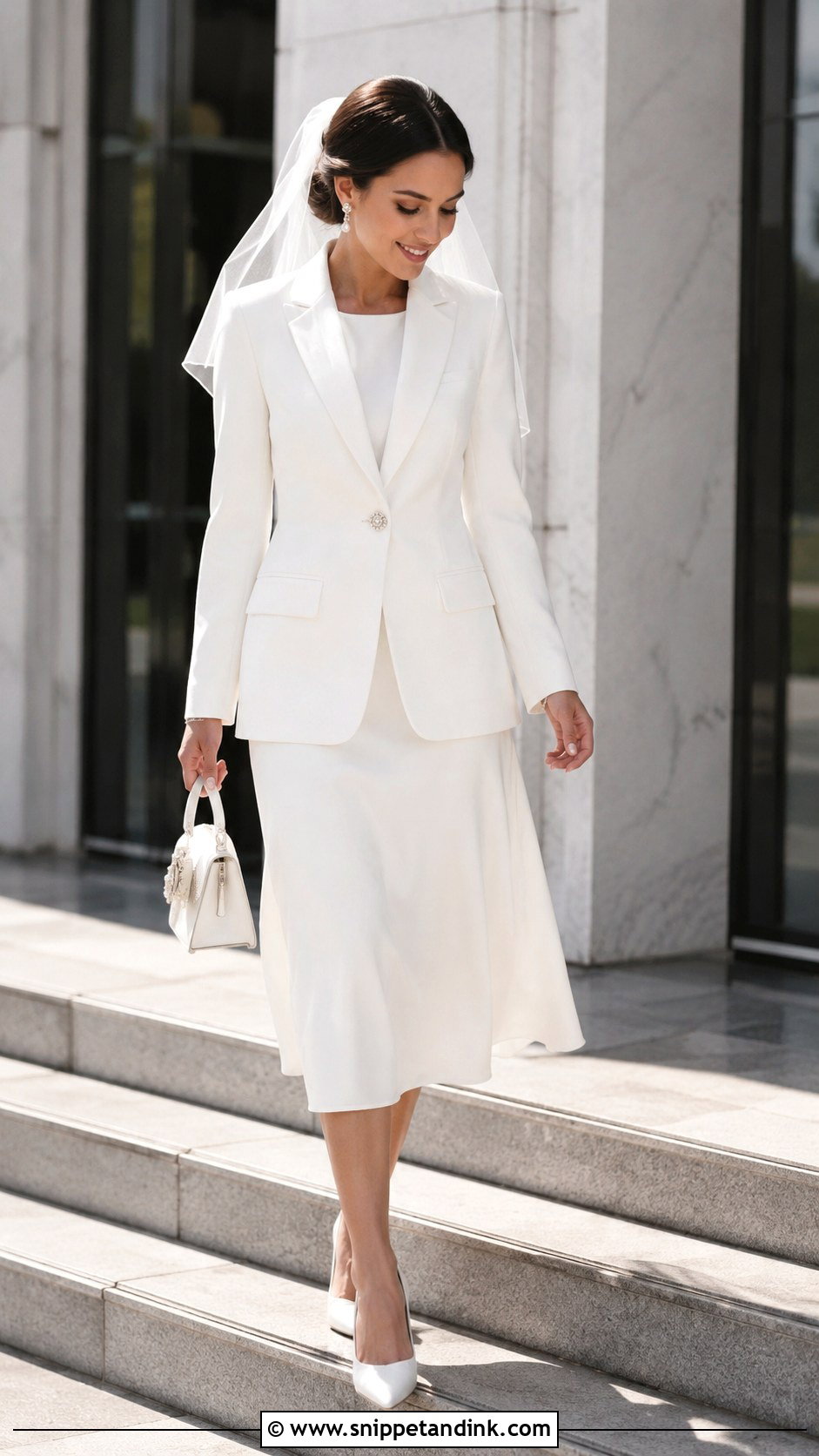
Turkish civil ceremonies are quick and official, so a dress plus blazer suits the setting well. Start with a white midi, a satin slip or a simple crepe sheath, then add a tailored bridal blazer for a courthouse or registry office ceremonies look. Pointed pumps, a structured mini bag and pearl earrings polish it, and a short veil or bow clip adds the bridal note. Have the blazer cut to close over the dress without pulling; a jacket fitted over a sweater will gape over a slip. It’s also a smart first look if you’re changing into a bigger gown later.
13. Turkish Wedding Dress With Detachable Overskirt
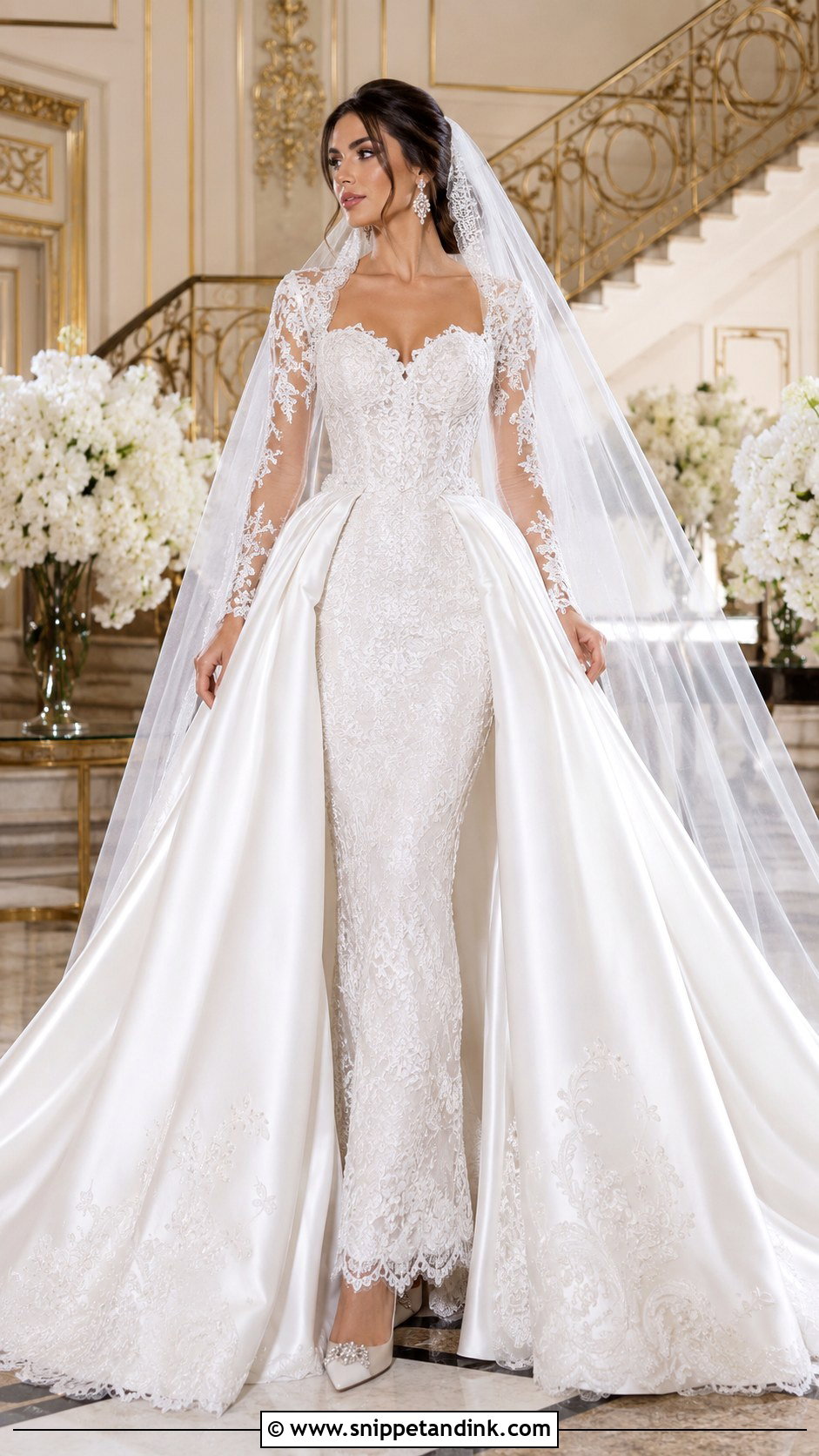
Large Turkish weddings move from entrance to photos to hours of dancing, which is why a detachable overskirt earns its place. Wear the full skirt for the ceremony and the grand entrance, then remove it for the reception. A fitted lace or satin base gown works best underneath. A long veil, delicate earrings and comfortable heels suit both versions. Ask for hidden fastenings, and test them with the person who’ll actually unhook you, because the change usually happens in a few rushed minutes between moments.
14. Turkish Kaftan Wedding Dress
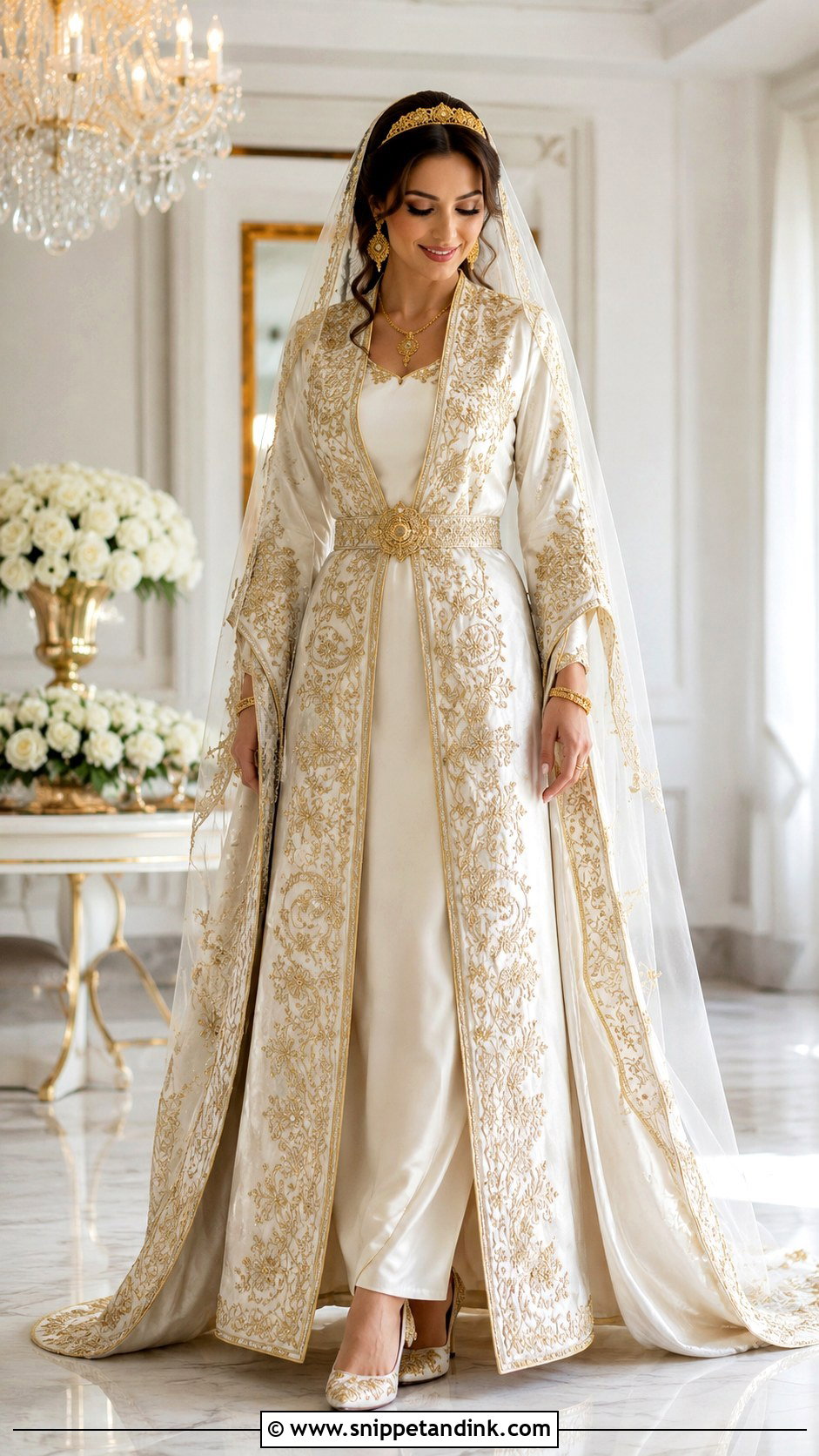
A kaftan gives a cultural bridal look with a relaxed but luxurious shape. Long ivory, cream, red or gold fabric with embroidery, wide sleeves and a structured belt is the classic form, worn over a simple coordinating dress or slip. In Turkey you’ll also see the bindallı, a velvet robe-style dress with heavy gold embroidery traditionally worn at the henna night, and a kaftan is often a modern echo of it. Embellished flats or low heels make sense for long celebrations, with a soft veil, gold jewelry and sleek hair. Rich fabric and careful tailoring at the shoulders matter most, since a kaftan that’s too wide there looks borrowed.



15. Turkey Garden Wedding Dress With Floral Embroidery
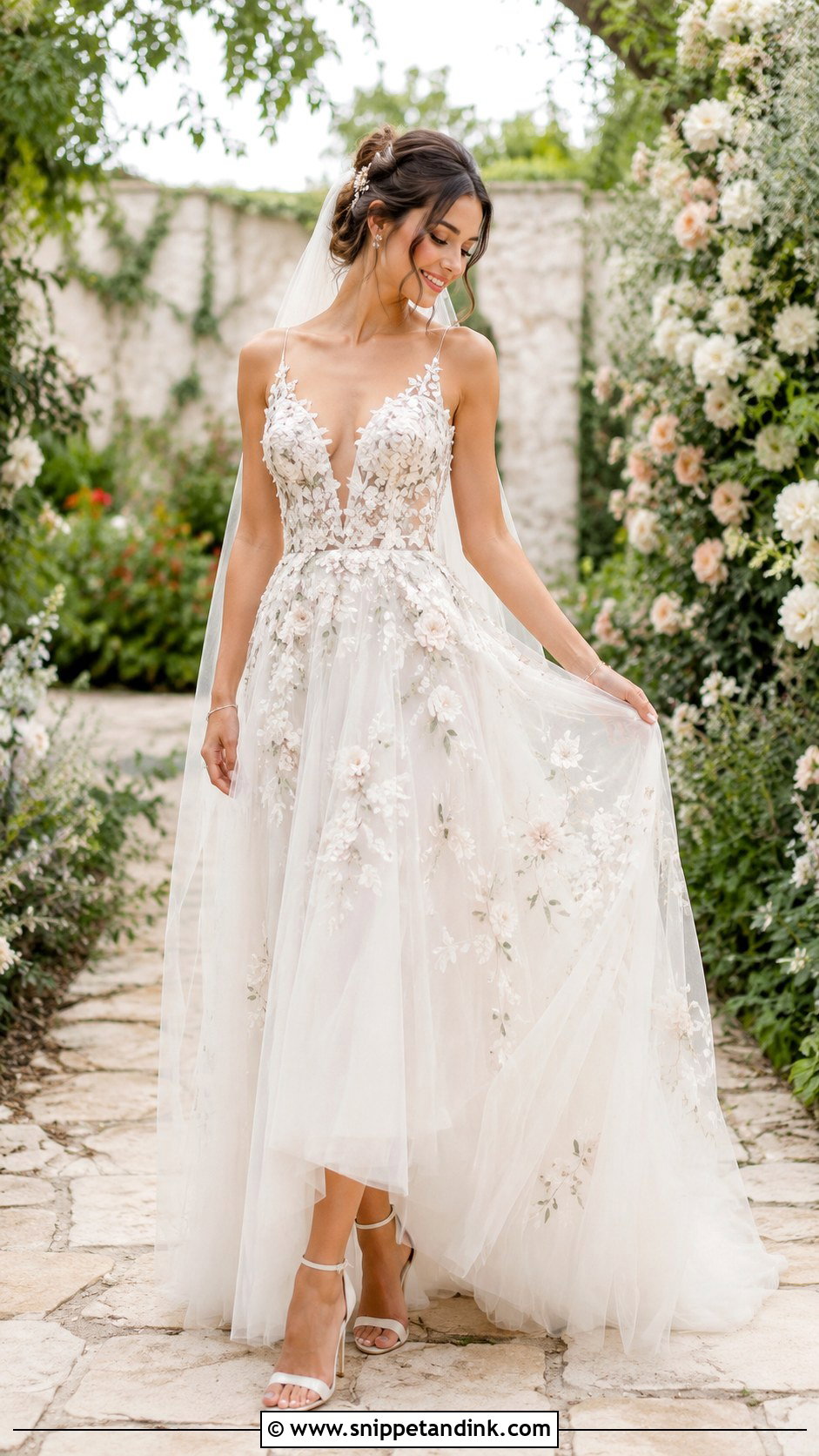
Embroidered flowers on the bodice, sleeves or skirt make a garden gown romantic without formality. Light tulle or organza keeps it airy outdoors, and delicate heels, floral hair pins and a soft veil finish it for spring and summer weddings in gardens, courtyards or villas. Stiletto heels sink into lawns, so I’d test your shoes on grass before you commit. Keep accessories light because the embroidery already supplies detail. For a softer palette, blush, champagne or pale blue stitching freshens classic white.
16. Turkish Winter Wedding Dress With Velvet Cape
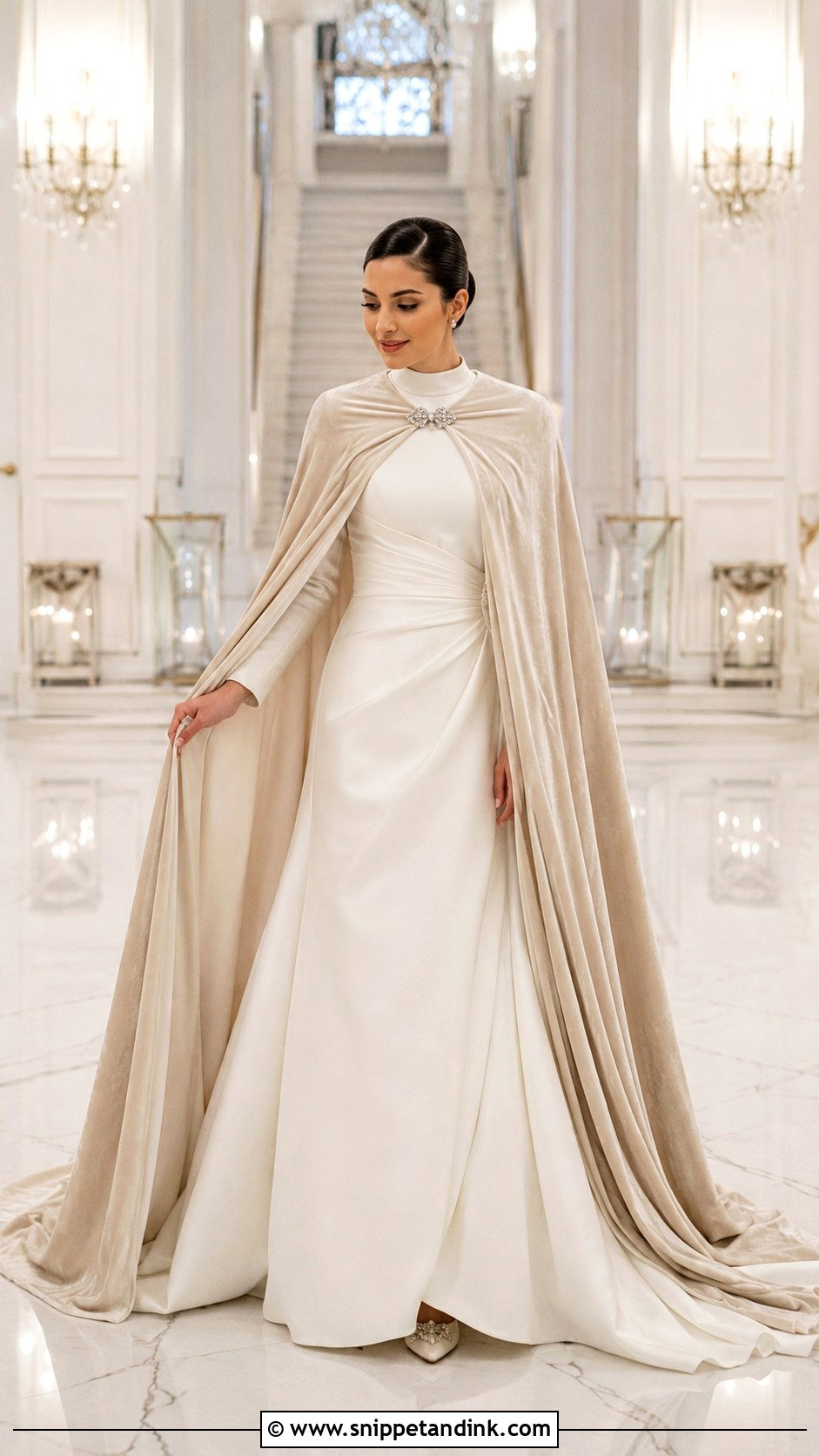
Turkey gets genuinely cold in winter, especially inland, so a velvet cape is practical as well as dramatic. Start with a long-sleeve satin, crepe or lace gown and layer an ivory or champagne velvet cape over it. Velvet has a nap that catches light differently from each direction, which looks rich in photos but also shows crushing, so hang the cape rather than folding it. Closed-toe heels, pearl earrings and a neat hairstyle that doesn’t fight the cape’s neckline suit winter hotel weddings and historic venues. A jeweled brooch at the closure gives the sparkle.
17. Turkey Summer Wedding Dress With Organza Sleeves
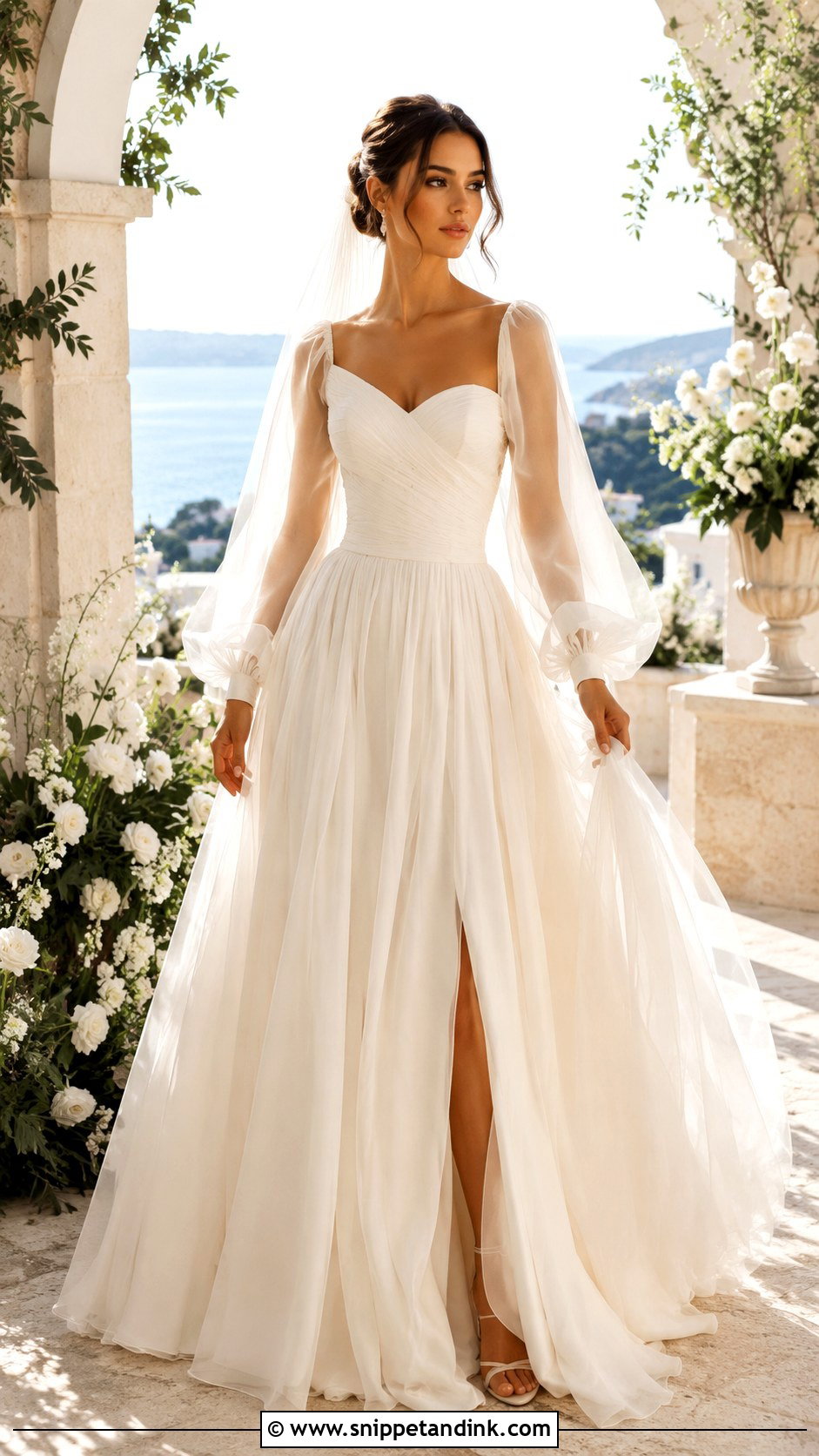
Organza sleeves give coverage in summer without trapping much heat, since the weave is open and the fabric stands away from the skin. A fitted bodice, a soft A-line skirt and sheer puff or bishop sleeves create a romantic shape. Open-toe heels, small pearls and a simple veil keep it light for coastal towns, gardens and bright indoor spaces. Organza does crease sharply and can feel a little scratchy at the wrist, so ask for a soft binding inside each cuff. Keep the lining breathable and the beadwork minimal.
18. Turkish Reception Dress With Sparkle
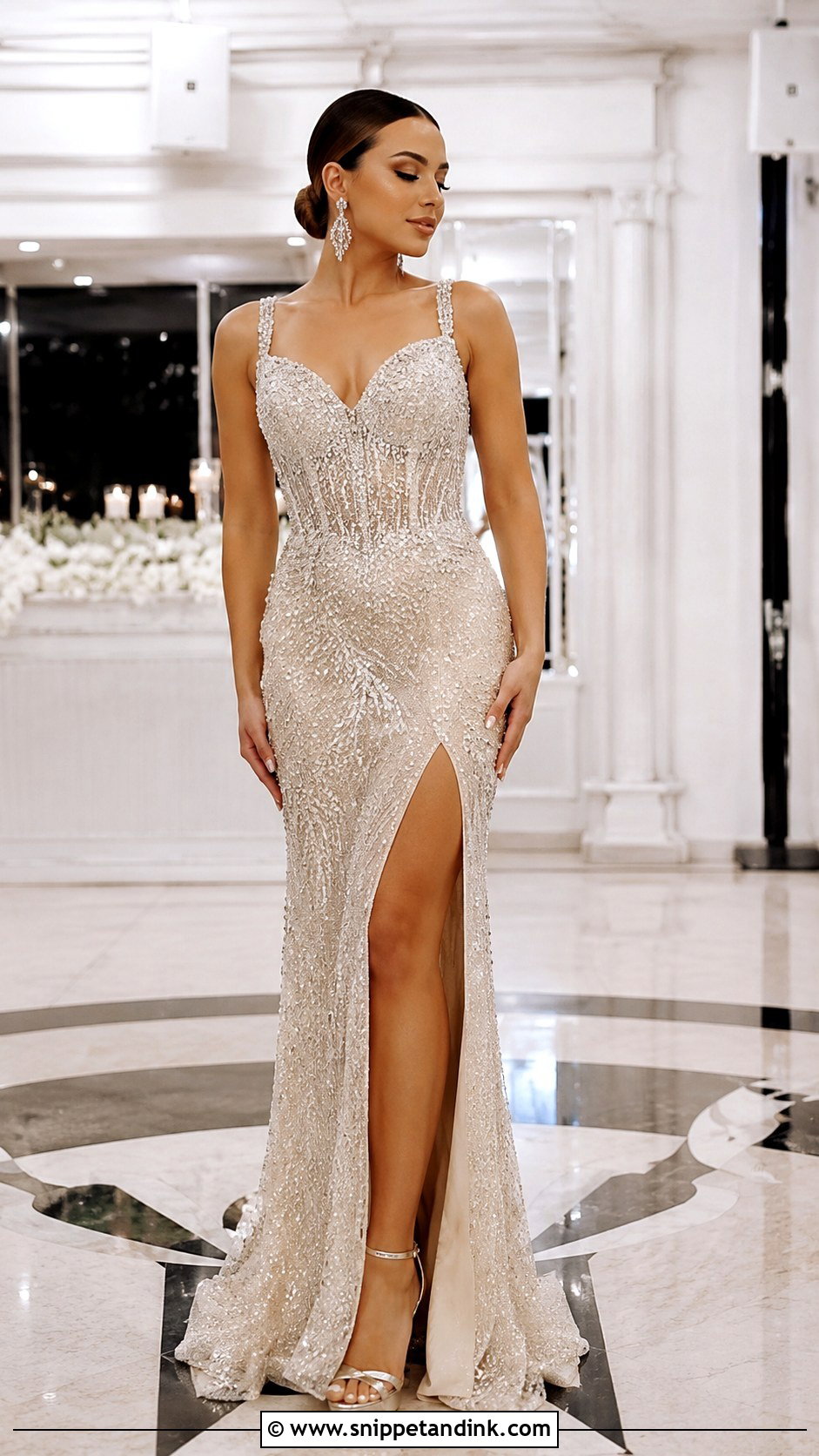
The reception dress is where many Turkish brides let the sparkle out. A fitted or A-line gown with sequins, crystals or beaded embroidery in silver, ivory, champagne or soft gold works under evening lighting, with metallic heels and statement earrings. Keep the hair simple to balance it. If the ceremony gown was modest or traditional, the second look can be more playful and still bridal. The inside matters as much as the outside: sequin backing and crystal settings scratch the arms and underarms during dancing, so I always check that the lining covers them fully.
19. Turkish Wedding Dress With Pearl Details
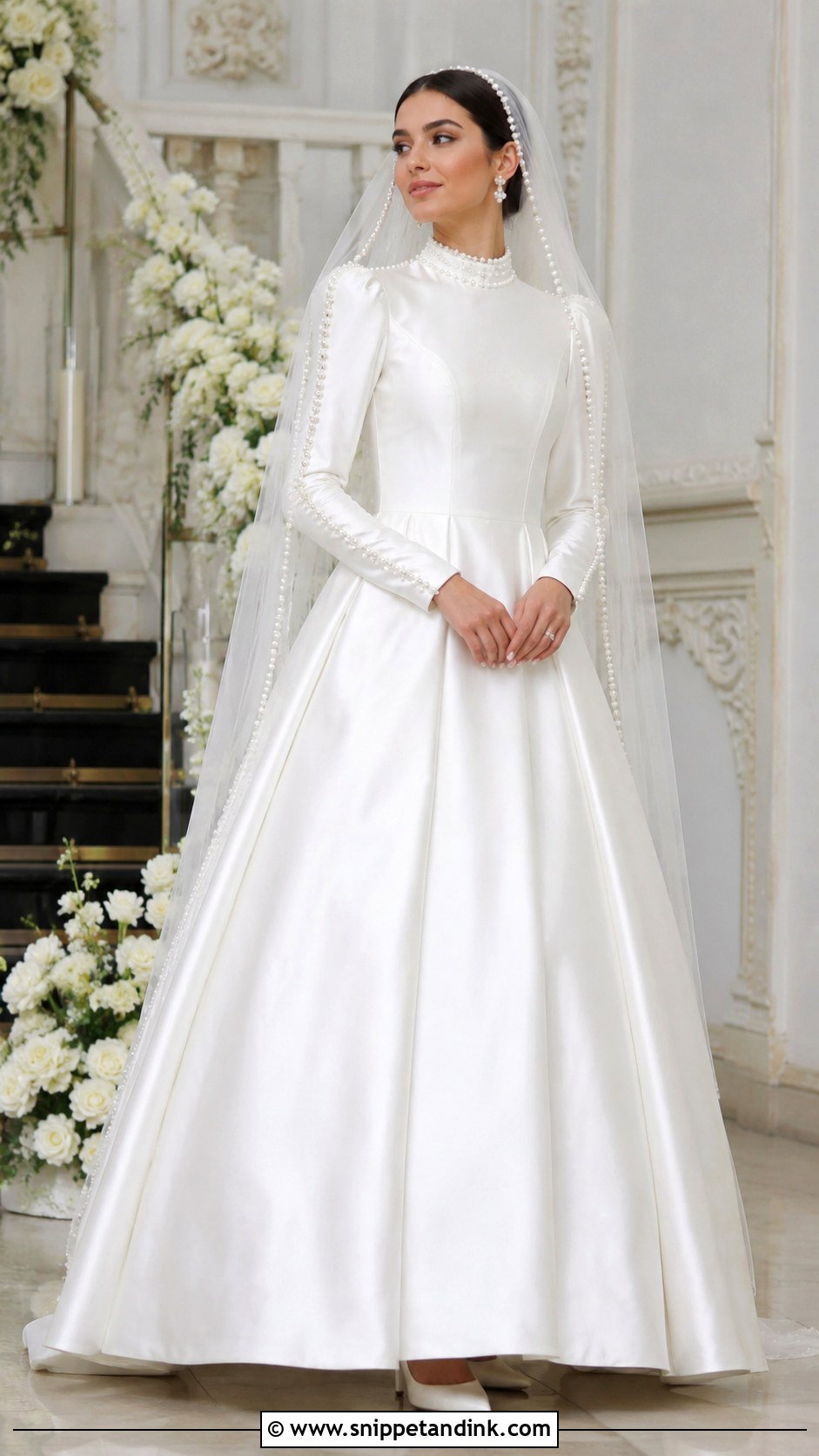
Pearls can sit on the sleeves, bodice, veil, gloves or even the shoes, and the best dresses choose one or two places rather than all of them. A crepe or satin gown with pearl-trimmed sleeves, a pearl veil or a beaded neckline is my favorite approach. Pearl earrings and simple heels keep it cohesive for modest brides, city weddings and ballrooms alike. Mixing crystal and pearl pieces rarely works, since one reads warm and the other cold. Check that individual pearls are sewn on rather than glued, as glued ones pop off when you hug.



20. Turkey Wedding Dress With Corset Bodice
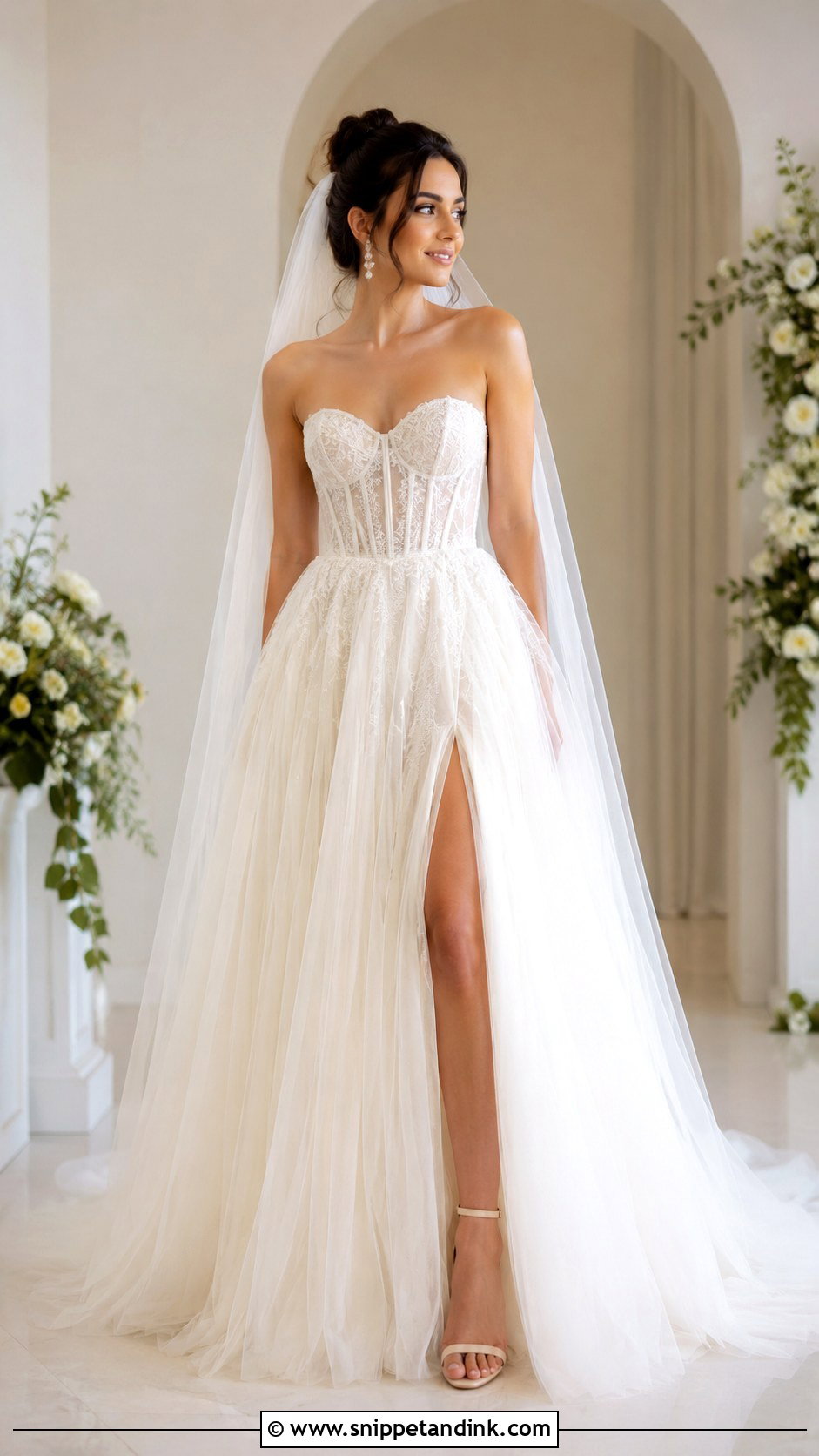
A corset bodice gives you shape and support, with a curved neckline flowing into tulle, satin or organza. For a modest version, add lace sleeves or an illusion high neck over the corset, which keeps the structure but changes the feel completely. Drop earrings, a long veil and neutral heels suit it. Turkish receptions run long, and a corset fitted snugly at noon can feel tight by midnight, so I’d fit it so you can comfortably eat and sit, not only stand. Good tailoring matters more here than any added embellishment.
21. Turkish A Line Wedding Dress With Veil
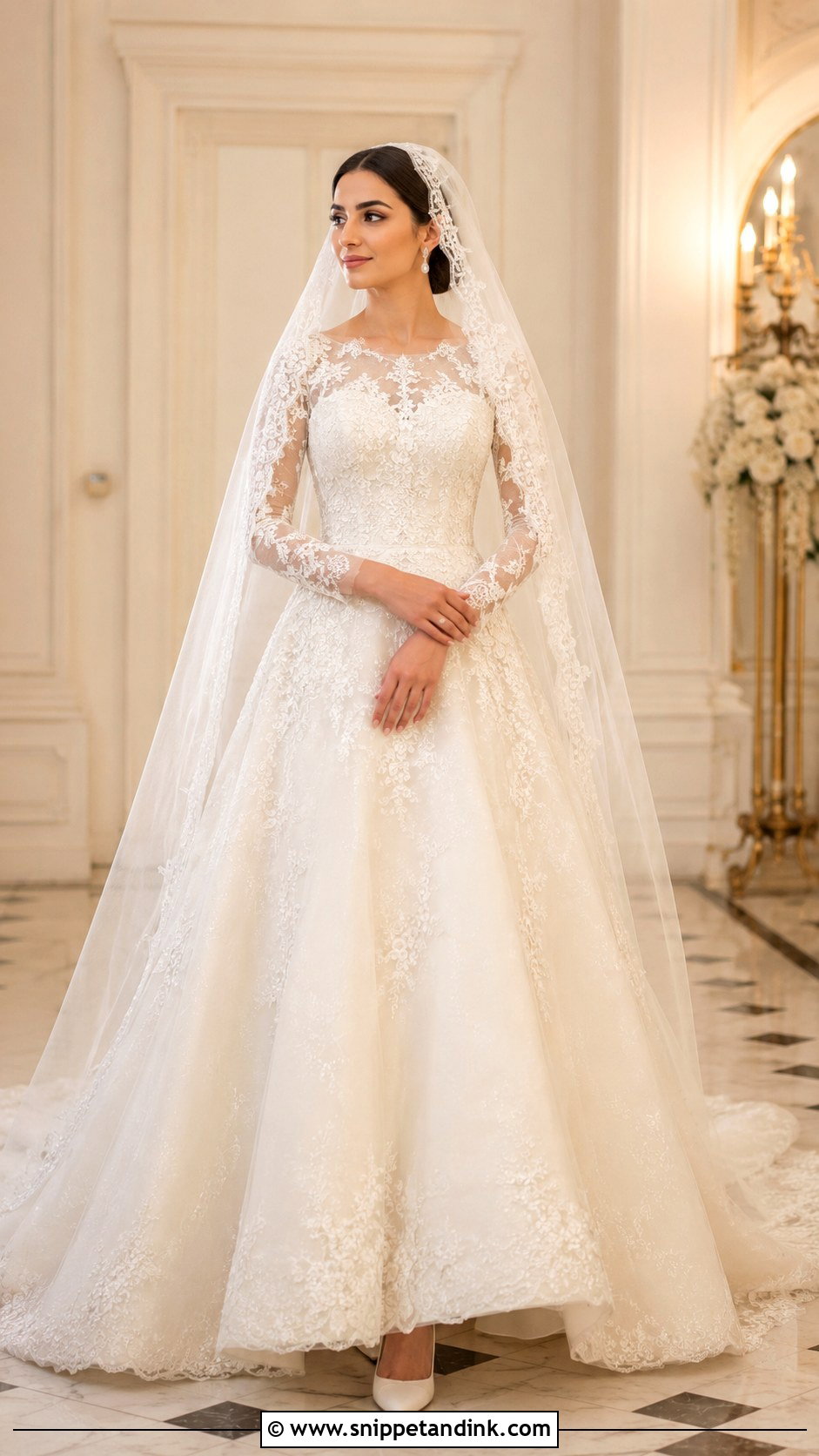
An A-line flatters more body types than almost any other shape because the fitted top and gently widening skirt create balance without fuss. Lace, satin, organza or crepe can all work, depending on season and venue. A long veil, pearl earrings and classic pumps finish it for family halls, gardens and hotel ballrooms. Choose long sleeves and a higher neckline for modest coverage, or a sweetheart neckline with light straps for a softer feel. When someone can’t decide between three silhouettes, this is the one I put on her first.
22. Turkish Minimalist Wedding Dress With Clean Lines
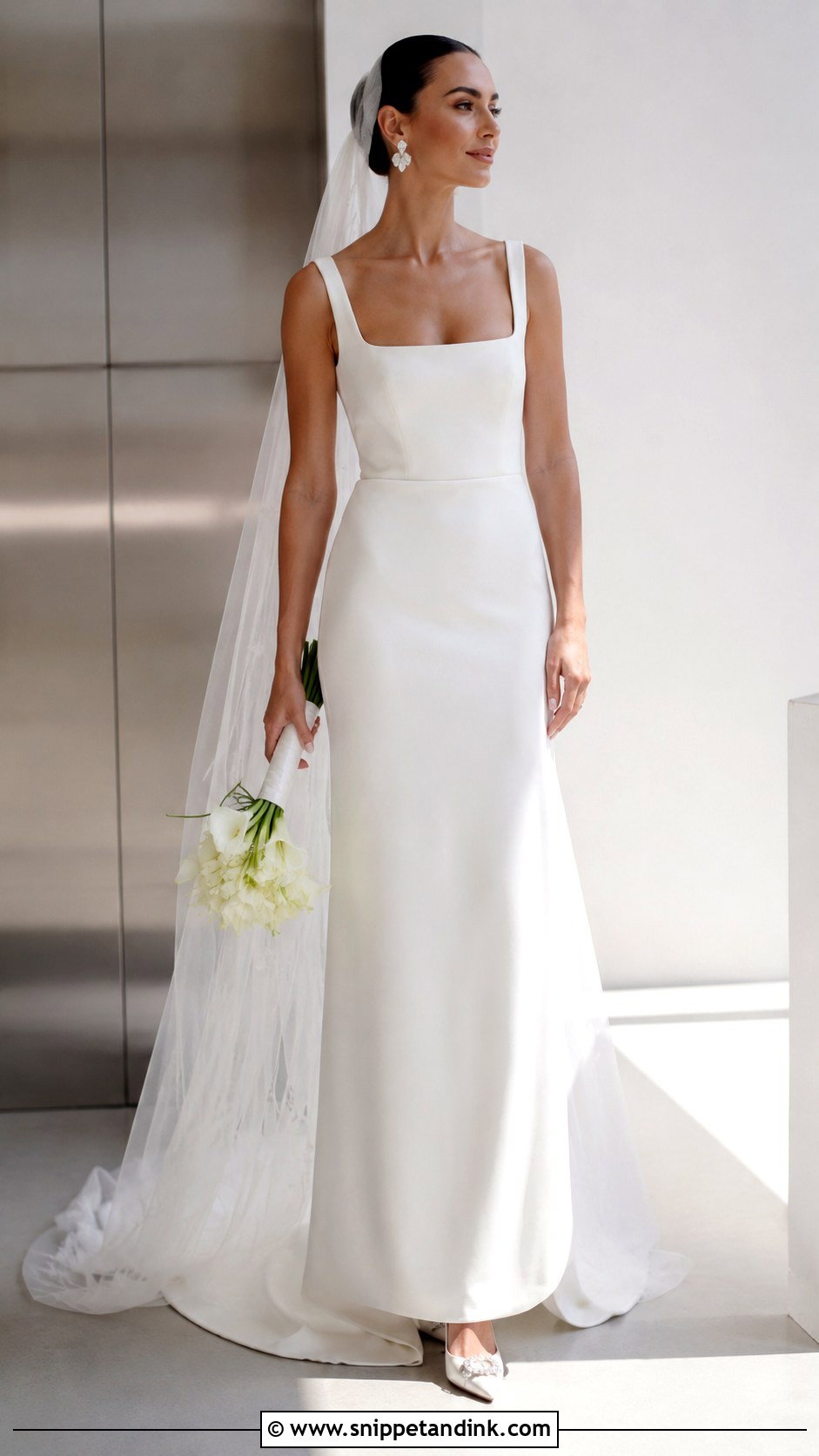
Minimal dresses rely on fabric and cut. Satin, mikado and crepe hold their shape well, and a square neck, long sleeves or a column skirt gives a sleek line. Sculptural earrings, pointed heels and a smooth veil are enough for city weddings, gallery-style venues and hotel ceremonies. Mikado is stiff and quite warm, so it’s better suited to cooler months than a July coast wedding. With so little decoration, fit is everything. The gown should skim the body without pulling, from the front, side and back.
23. Turkish Plus Size Wedding Dress With Supportive Bodice
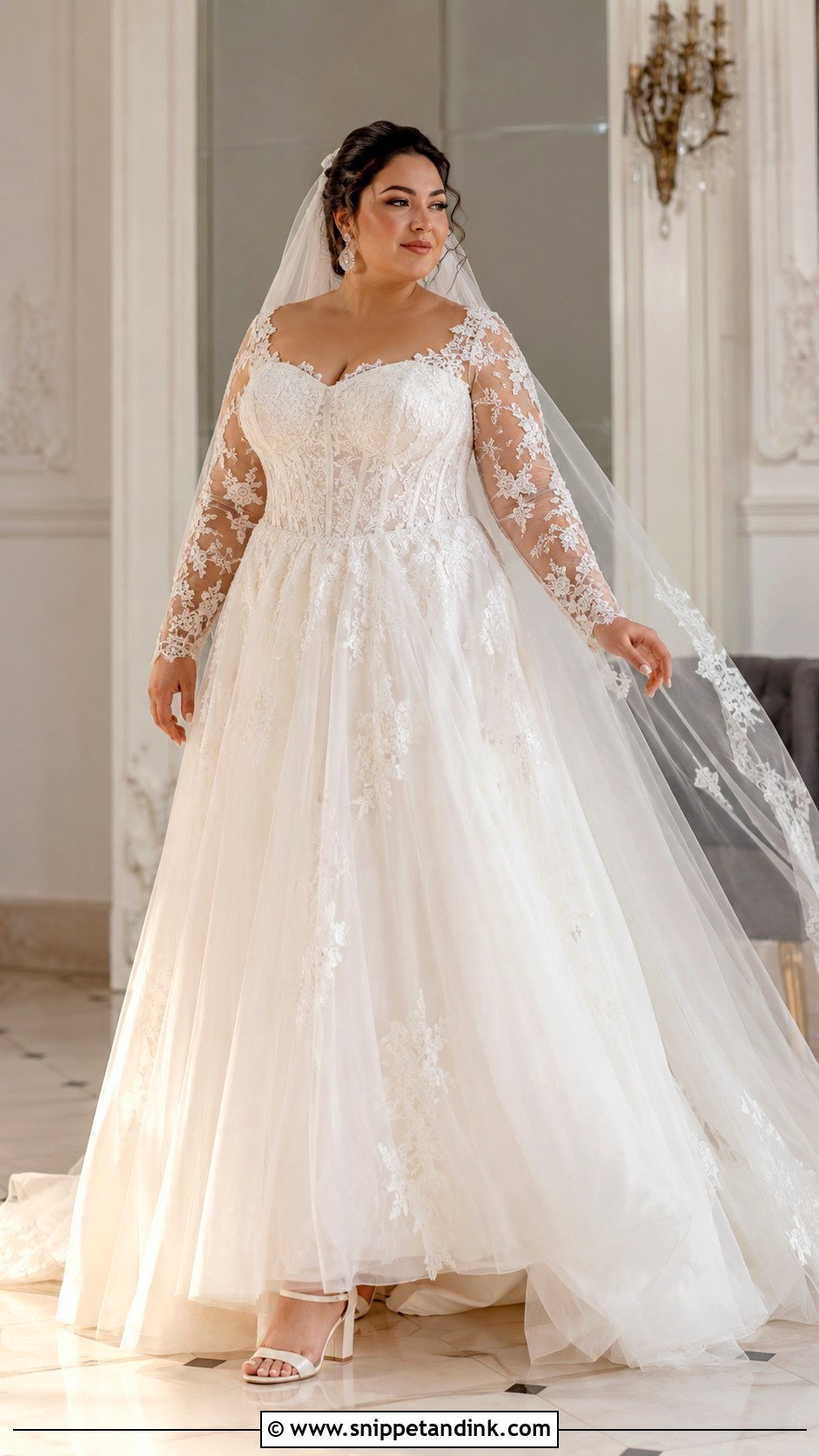
A supportive bodice is the foundation here, and comfort should come before any detail. Look for an A-line, ball gown or soft mermaid with built-in structure through the waist and bust. Wide straps, long lace sleeves or an illusion neckline give extra support while still looking bridal. Satin, tulle and structured crepe glide over the body; thin jersey and clingy charmeuse show every line. I’d ask the alterations team to add internal corsetry or a waist stay if the dress doesn’t already have one. A long veil, comfortable block heels and earrings that frame the face complete it.
24. Turkish Petite Wedding Dress With Short Train
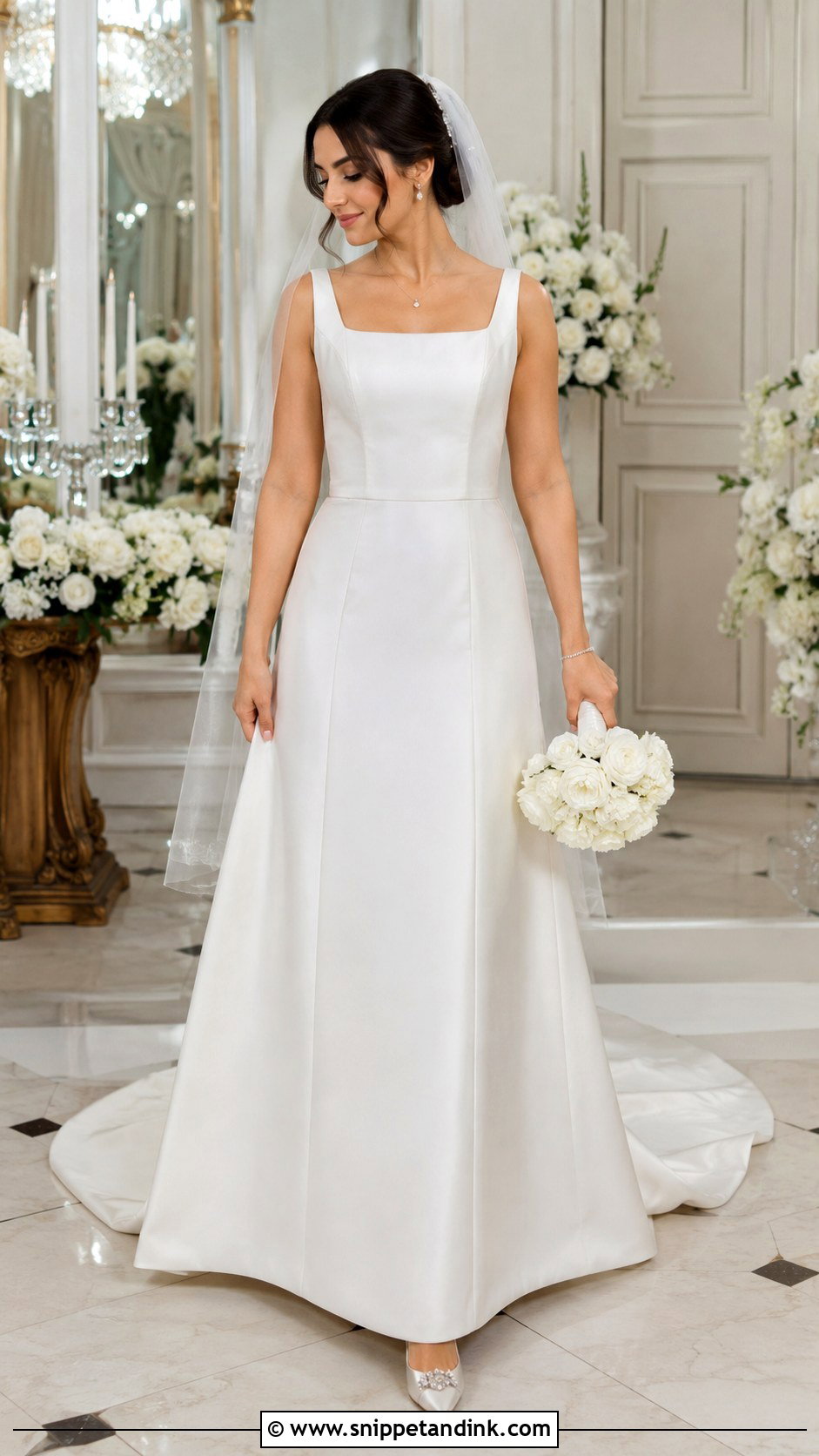
Proportion is everything for a petite bride, and a short train keeps the formality without swamping you. A defined waist and vertical seams lead the eye upward. A-line, sheath and slim ball gown shapes all work, as long as the skirt doesn’t overwhelm your frame. Keep the train chapel-length or shorter, and choose pointed heels, a simple veil and delicate jewelry. Heavy layers can be made to work, but only when the waist is tailored precisely; otherwise you look hidden inside the fabric.


25. Turkey Destination Wedding Dress With Lightweight Lace
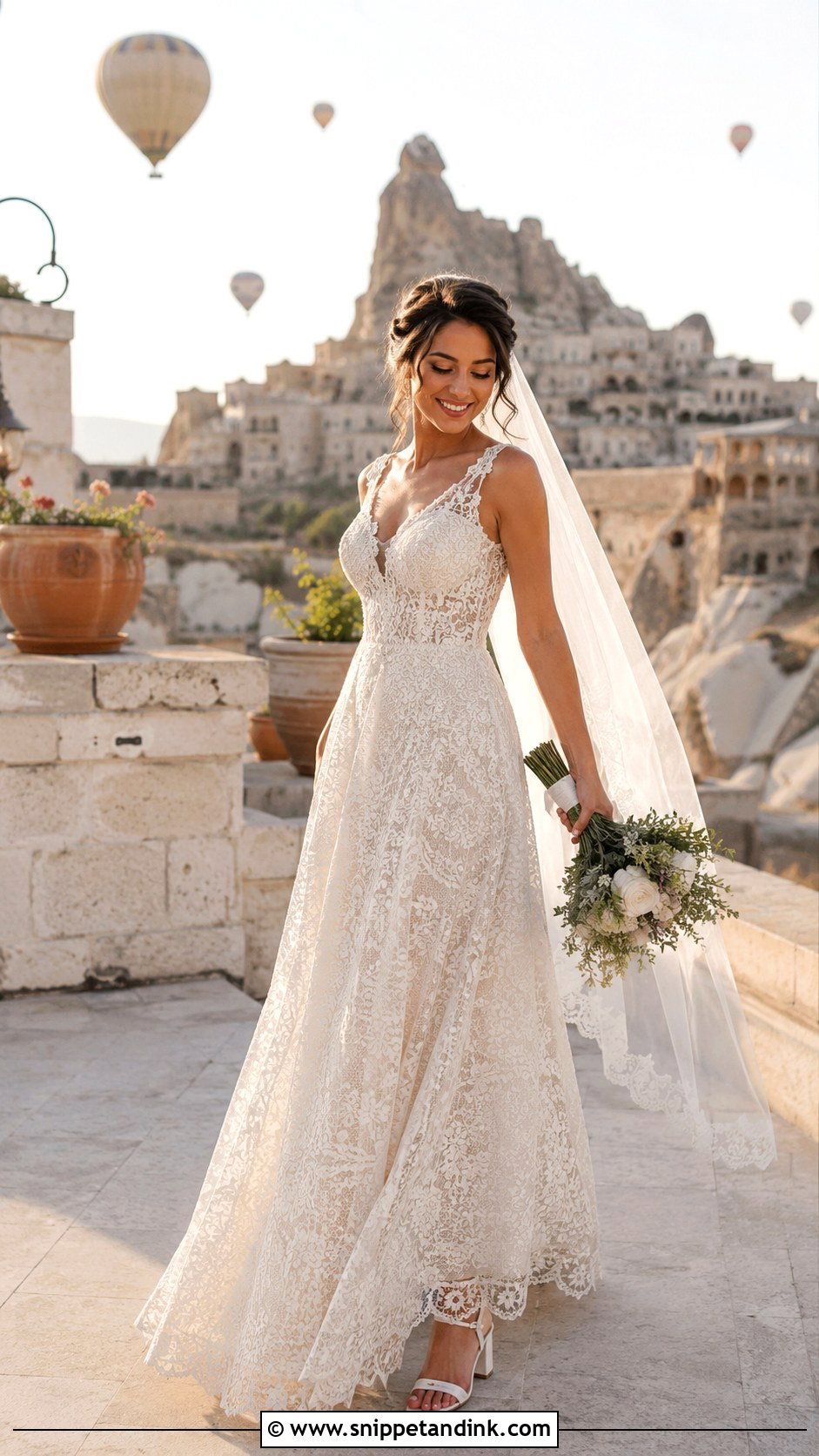
A destination dress has to survive a flight, unpack well and cope with stairs or stone paths at the venue. Soft lace over a breathable lining, a gentle A-line and secure sleeves or straps tick those boxes. Block heels, a light veil and simple jewelry that’s easy to carry finish it. It suits Cappadocia terraces, coastal resorts, gardens and villas. Old stone streets and venue stairs catch a heavy train, so keep it short and bring a seamstress-sewn wrist loop for lifting it. The dress should look special and still be easy to wear from morning to night.
Cappadocia Dawns, Aegean Wind and Istanbul Rain
Turkey’s regions have very different weather, and I plan a bride’s layers around where she’ll be, not around the country as a whole.
Cappadocia
Dry, high and cool at dawn even in summer, with cold, snowy winters. Sunrise balloon shoots need a wrap or cape you can drop for the shot, and shoes that grip dusty rock.
The Aegean and Mediterranean coast
Hot summers, with a steady breeze on many Aegean afternoons. Choose breathable linings, pin veils securely and avoid heavy satin for midday ceremonies.
Istanbul
Humid summers and damp, chilly winters with rain that can arrive quickly. Keep a clear umbrella and a cover-up for transfers between car and venue, and avoid silk that water-marks if you’re marrying in the colder months.
If you plan photos at a mosque, you’ll need covered shoulders, arms and legs, and a headscarf. A light cape or bolero that matches the gown solves this without a second outfit.
Where in Turkey You Marry Shapes the Dress
A Turkish wedding can take a bride from modest lace and red henna night dresses to satin ball gowns, beach dresses and kaftans, sometimes all in one week. Start with your venue, the weather and how many events you’re dressing for, then let your own taste decide the details. Fit, fabric and movement matter more than any trend, and accessories should support the dress rather than compete with it. If the outfit suits the place and lets you dance, you’ve chosen well.
You'll Like These Ideas:






Leave a Reply