
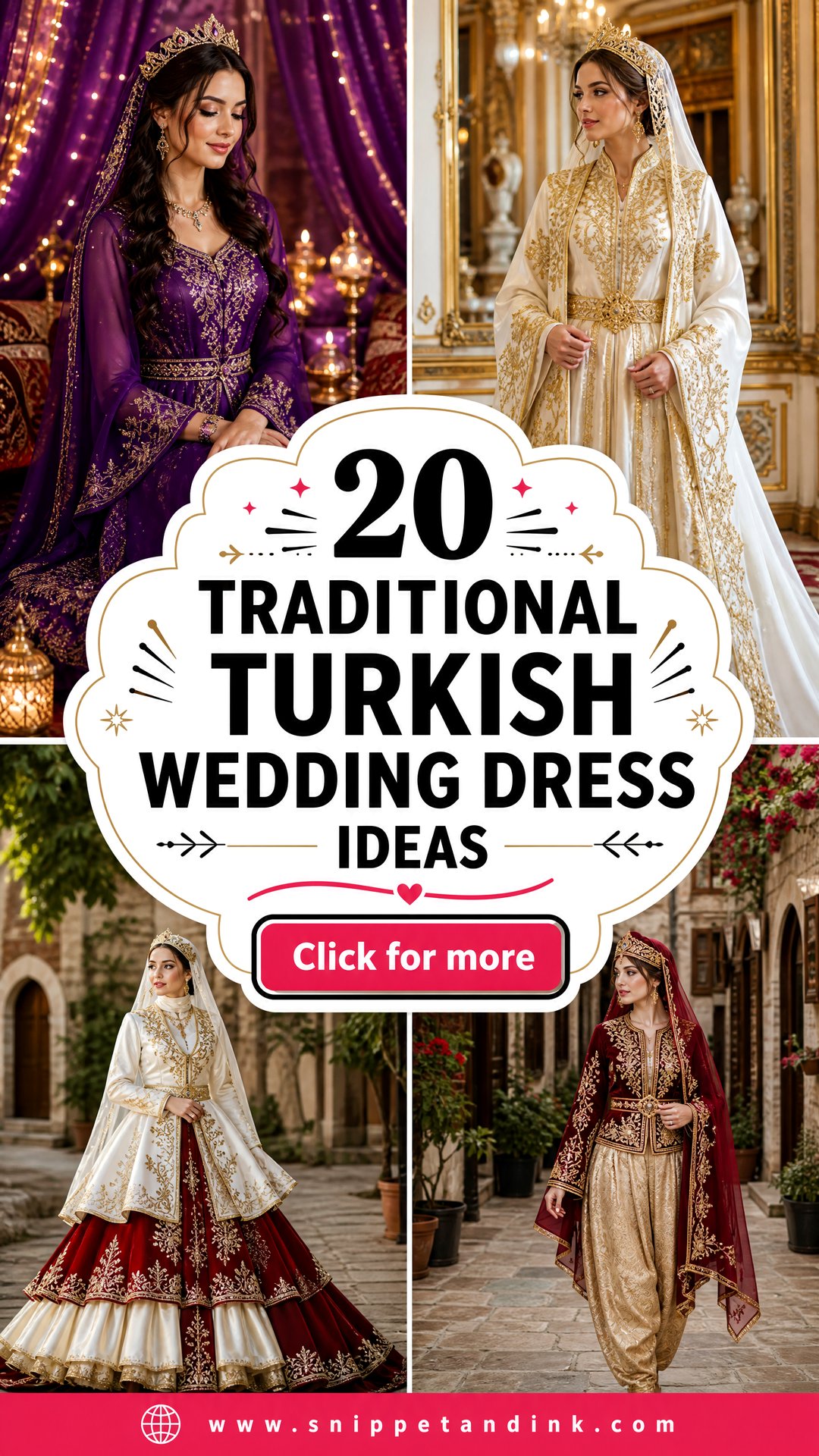
Turkish bridal dress has a vocabulary all its own: Ottoman entari robes, velvet bindallı dresses heavy with gold, regional Anatolian clothing and the elaborate kaftans worn for kına gecesi, the henna night. Red is the color most people picture. Burgundy, emerald, navy, purple, ivory and pastel satin all have a place too. Around the dress you’ll find gold-thread motifs, jeweled belts, embroidered veils, şalvar trousers, cepken jackets and crowns. Because Turkish bridal clothing changes from region to region and family to family, I’ve written each look below as a complete outfit with the fit and fabric notes I’d give a bride at her first appointment.
Rent, Buy or Commission a Bindallı?
Most brides wear a henna-night dress for one evening, and a heavily embroidered velvet piece is expensive to make, so renting is very common in Turkey and in many diaspora communities. Here’s how I weigh the three routes with a bride.
- Rent if you want the full traditional look for one night and don’t mind standard sizing. Book early in wedding season, try it on in person, and check the lining under the arms and the zip, which wear first.
- Buy ready-made if you’d like to keep it, wear it to siblings’ weddings or pass it on. Expect alterations at the waist and sleeve length.
- Commission if you want a specific color, a modest cut or real dival or tel kırma work. Allow several months, because hand embroidery can’t be rushed.
Whichever you choose, try the dress with the belt, crown and veil together. A heavy crown changes your posture, and a belt that looks fine on a hanger can dig in once you sit.
1. Red Velvet Turkish Bindallı Dress
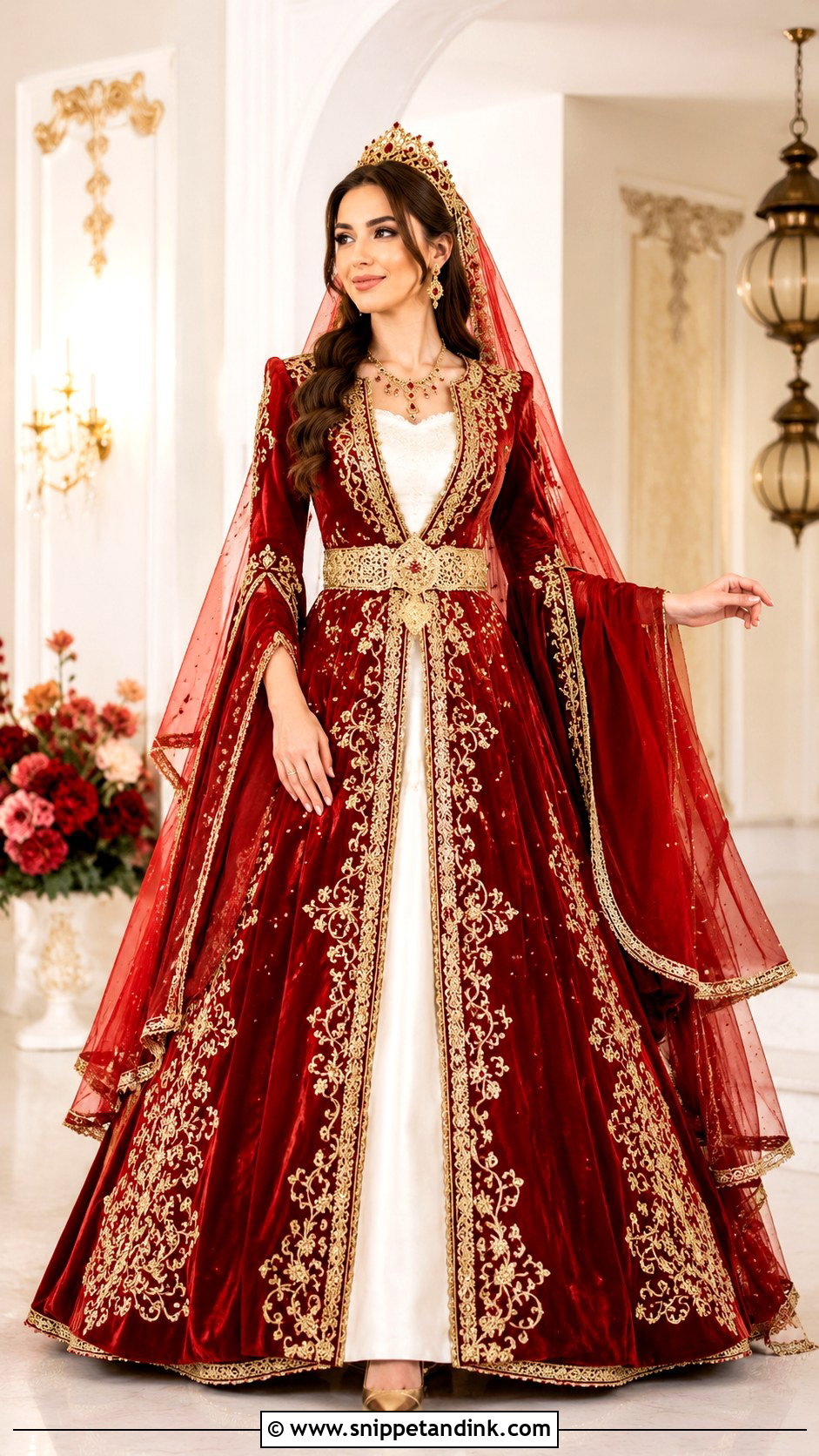
Bindallı means roughly “with branches,” after the trailing floral embroidery, and a red velvet bindallı is the dress most families still picture for henna night. The gold work is often dival embroidery, where metallic thread is couched over a cut card pattern, which is why the motifs stand slightly raised. Choose floor length, fitted through the waist with a mild flare at the hem so you can walk and sit. A wide gold belt, low gold heels and the red veil complete it, with a crown or embroidered fez for height. One necklace and drop earrings are enough. Raised embroidery catches jewelry, so I avoid chains that hang across the bodice.
2. Burgundy Turkish Kaftan Dress
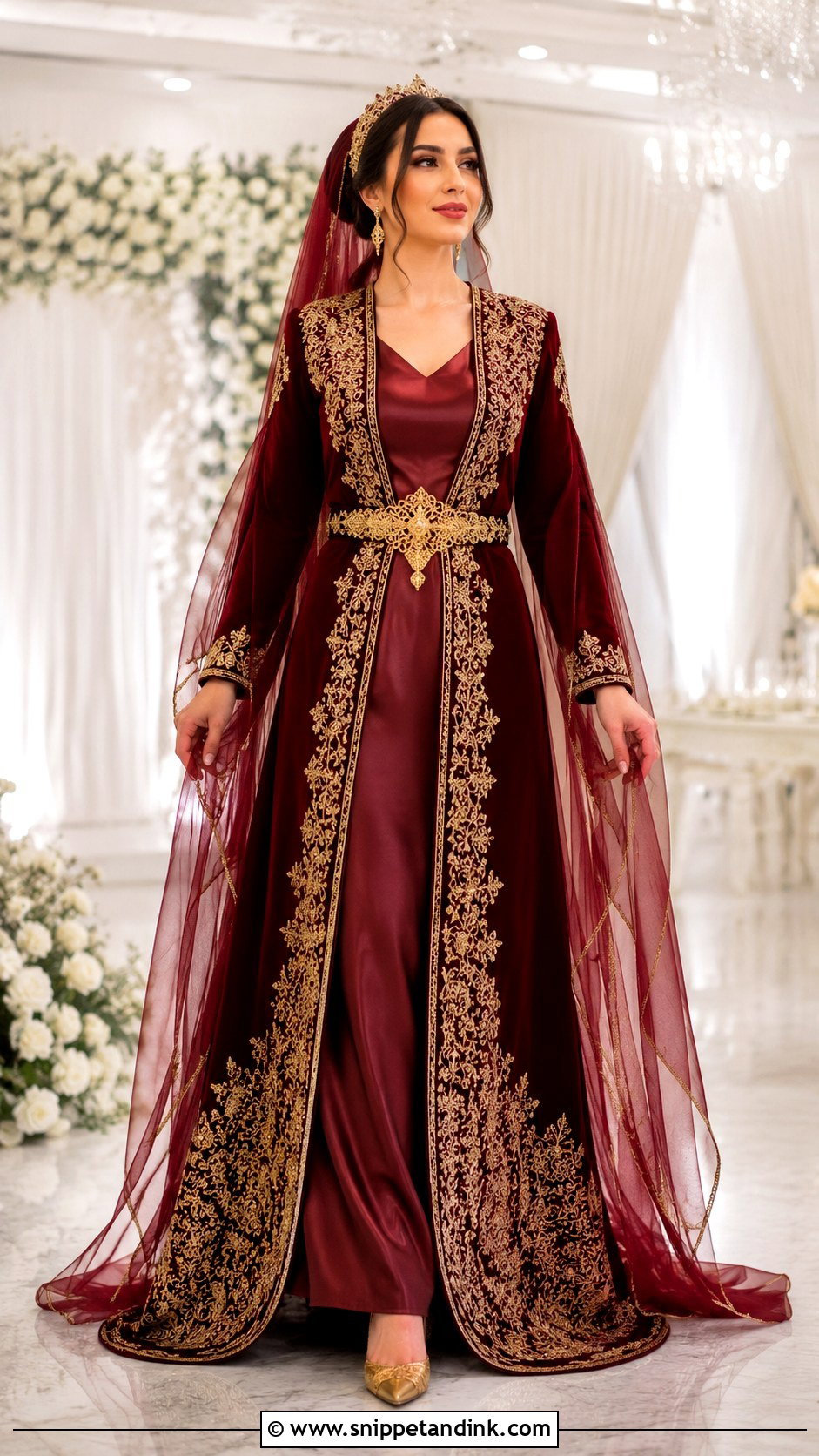
Burgundy reads as red by candlelight and as something richer in daylight, which makes it a good compromise for a bride whose family wants red and who doesn’t. Wear a slim satin underdress beneath an open-front velvet kaftan, with gold embroidery tracing the neckline, cuffs, front edges and train. A structured metal belt at the natural waist stops the layers looking bulky. Pointed gold flats will see you through a long night; block heels if you want height in photos. A burgundy headpiece, a shoulder-length sheer veil and small gold earrings finish it. The open front gives your legs room to dance.
3. Emerald Green Turkish Bridal Kaftan
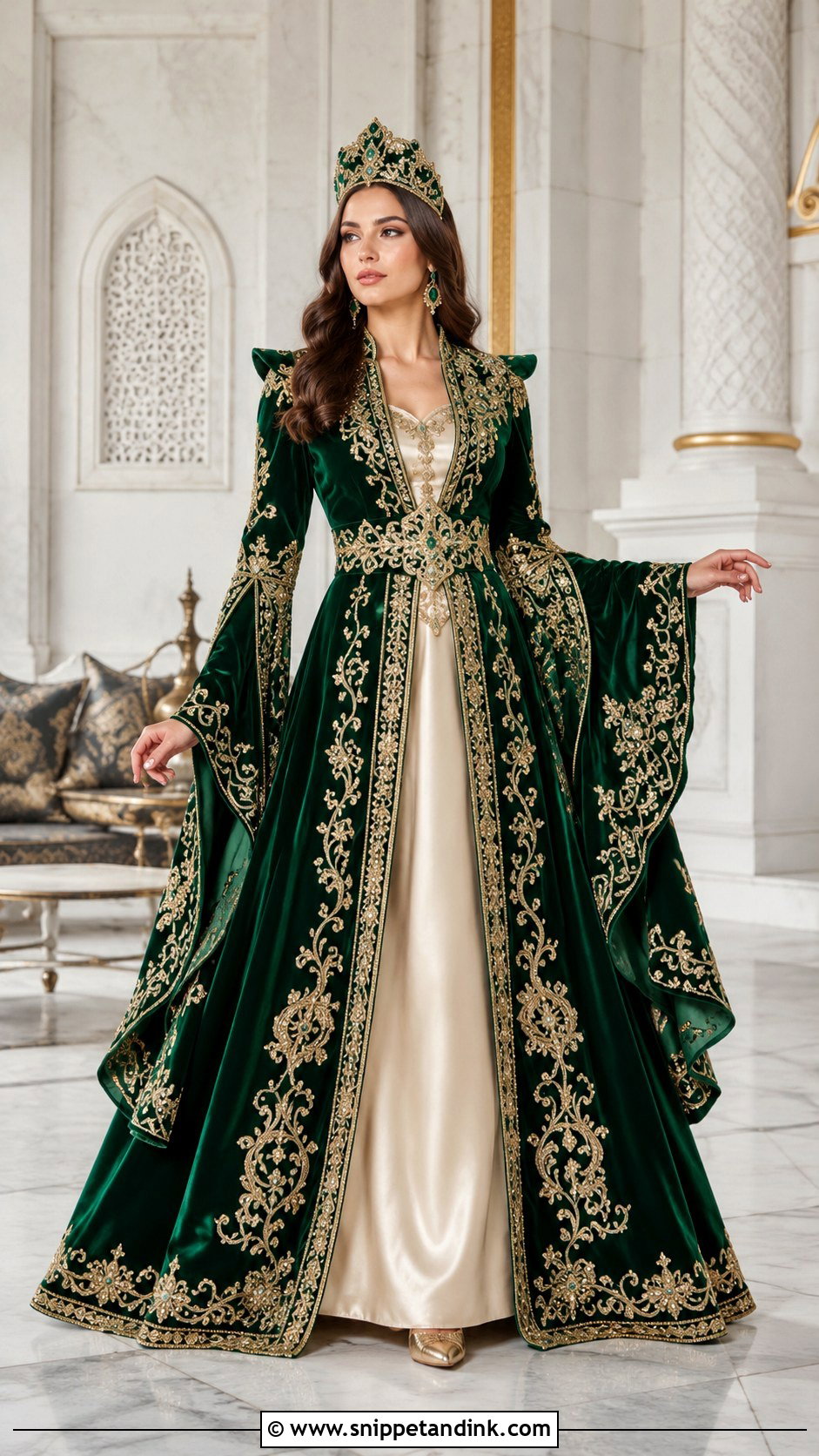
Emerald velvet against gold is one of the richest pairings in Turkish bridalwear, but velvet pile changes color depending on which way it’s brushed. I check that every panel has been cut with the nap running the same direction, or the kaftan looks two-toned in photographs. Pick an open front, defined waist and moderate train over a matching or champagne column dress. Embroidered vines along the sleeves and edges leave enough plain fabric to show off the velvet. Add a filigree belt, emerald drops and metallic closed-toe heels. A crown frames a low bun; a draped emerald headscarf gives more coverage.
4. Navy Blue Turkish Bindallı Dress
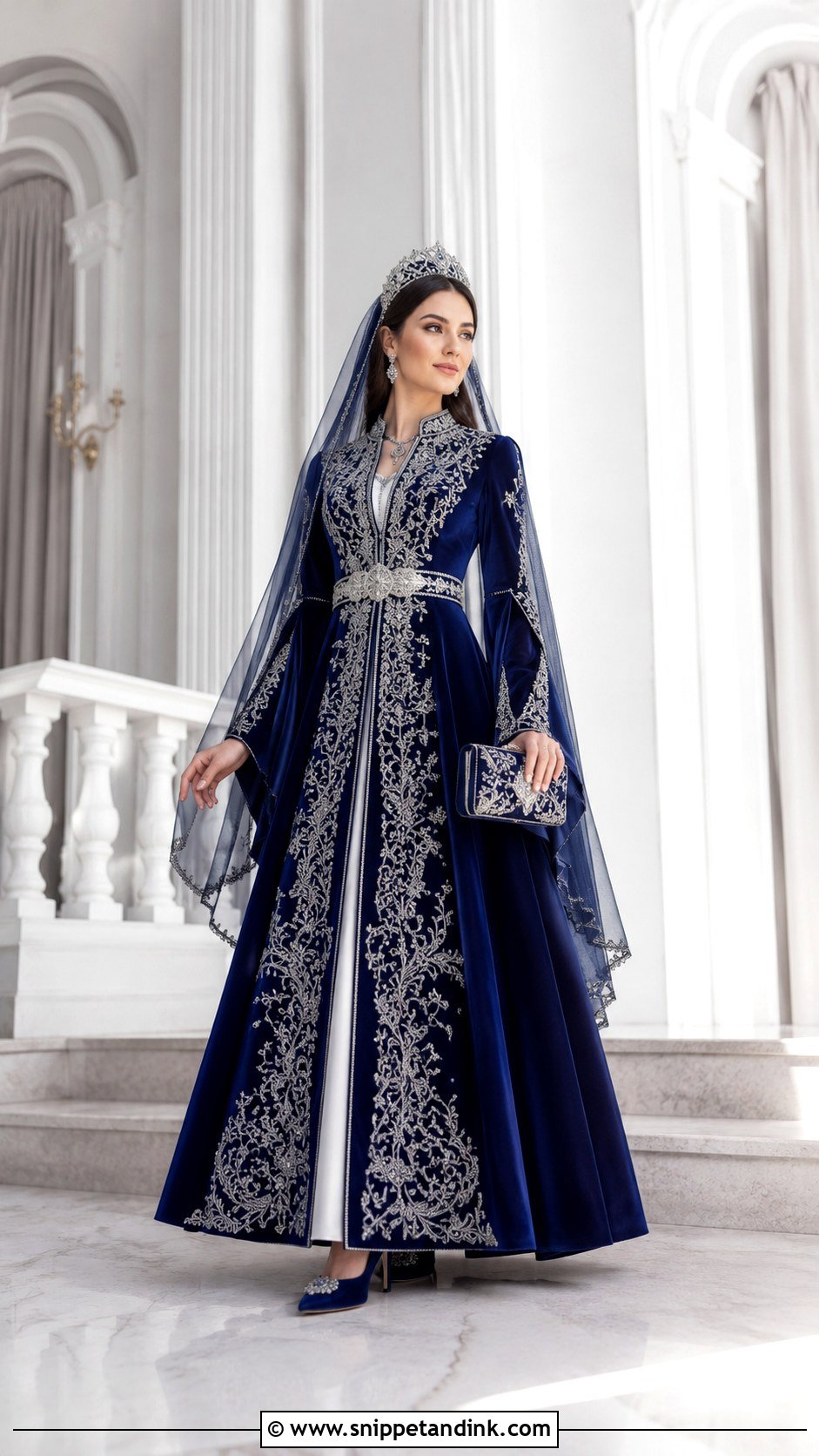
Navy gives a dark bindallı without the associations black carries at a wedding. Gold embroidery on navy is lower contrast than you’d think, so silver or pale gold keeps the motifs readable from across a room. A long, lightly flared silhouette walks well. Add a silver-toned belt, navy pumps, a small embroidered clutch and crystal earrings to bring light to the face, plus a matching crown with a light navy veil fixed at the back. I’d ask your makeup artist for a brighter cheek and a rose lip, because dark velvet near the face pulls color out of skin under evening lighting.
5. Purple Turkish Henna Night Dress
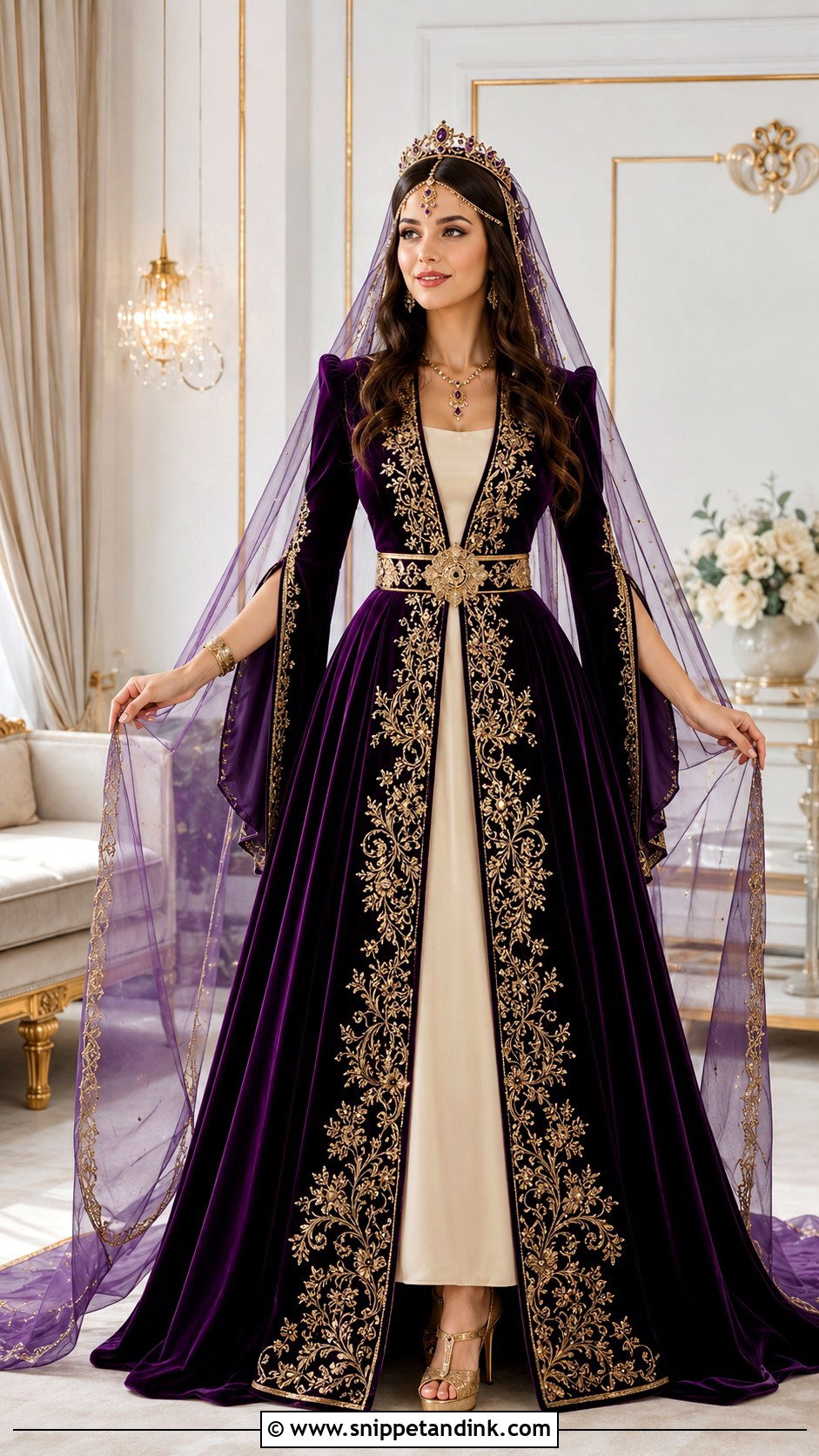
Purple is the color I suggest when a bride wants to stand apart from the red-and-green rooms she’s seen at every cousin’s kına. For a Turkish henna night outfit in royal purple, choose a velvet bindallı with gold embroidery concentrated on the neckline, cuffs and lower skirt, fitted long sleeves and a full skirt. An antique gold belt and purple or gold block heels follow. A small crown, sheer purple veil and a fine forehead chain finish the head. If the embroidery is dense, stop at earrings and a bracelet. Purple shifts toward blue under cool LED light, so check it in your venue’s lighting.
6. Ivory And Gold Turkish Bridal Kaftan
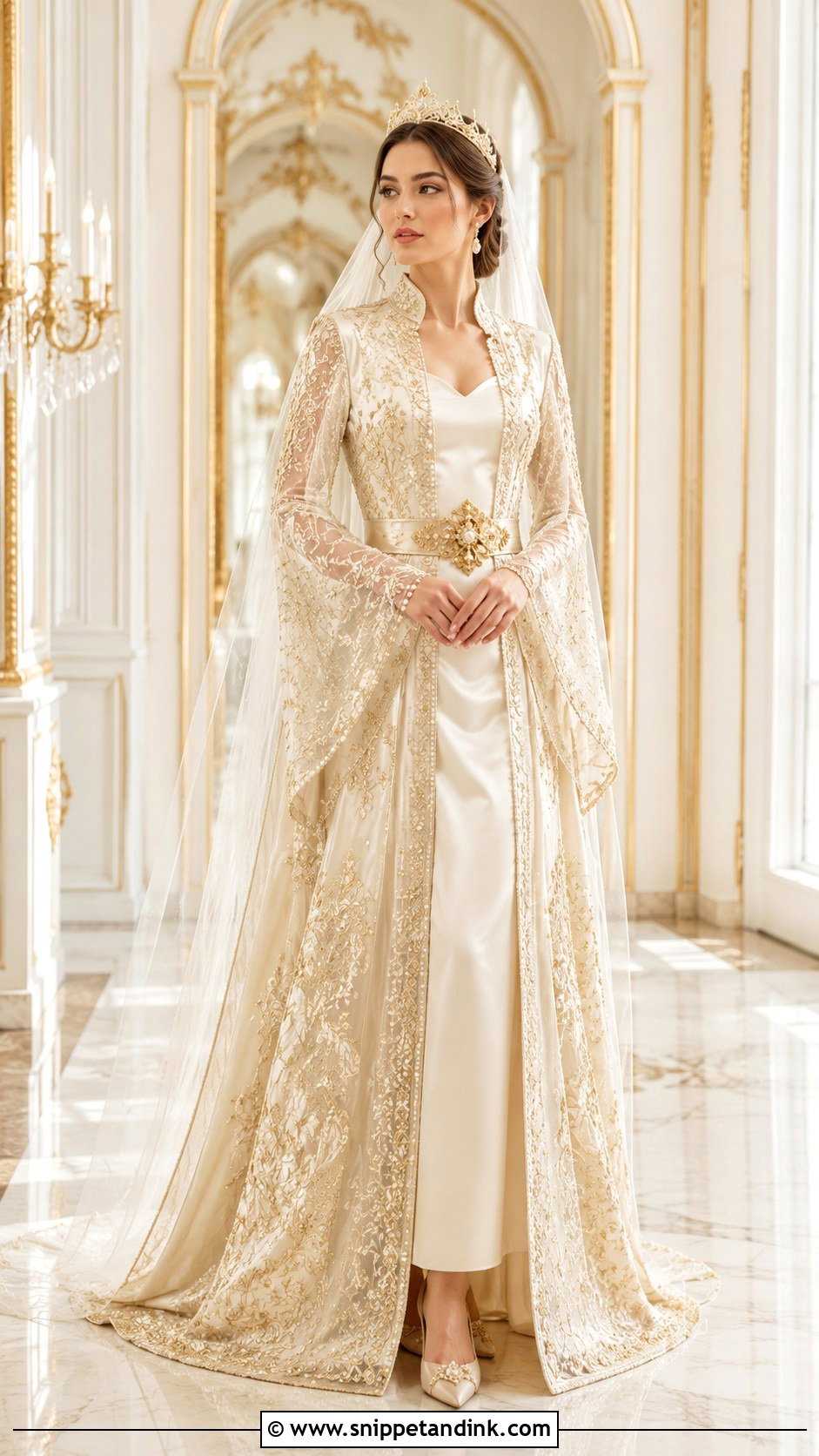
Ivory and gold is the version I’d steer a bride toward for a daytime event or a garden kına, where dark velvet would feel heavy. Start with an ivory satin gown, modest neckline and a flowing skirt, then add an embroidered ivory kaftan left open so both layers show. Gold thread, pearls and small crystals pick out cuffs and borders. A gold belt, pointed ivory heels and pearl drops complete the look, with a sheer veil under a simple gold crown. With no strong color to carry it, texture has to do the work, so mix velvet borders, satin panels and raised embroidery.
7. Red Turkish Entari And Şalvar Outfit
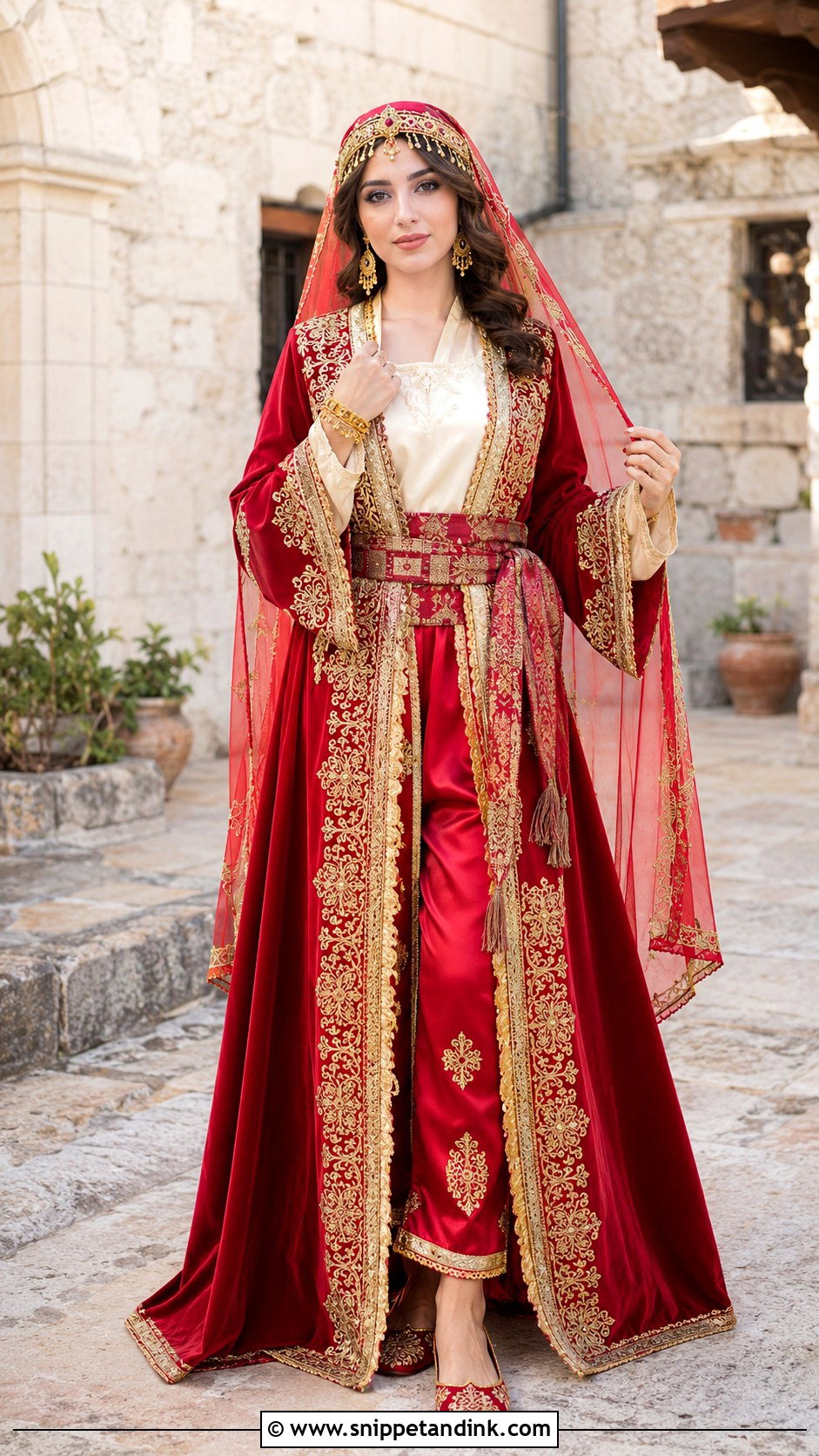
This is the outfit for a bride who wants something closer to older Ottoman dress. It layers a red entari robe over şalvar trousers and a light gömlek-style chemise, the three garments that formed the classic Ottoman women’s ensemble. The entari should be fitted through the bodice with a long front opening and side slits deep enough to show the embroidered trousers when you walk. A cream silk blouse softens the red and gold. Secure it with a woven sash, add low embroidered slippers, gold earrings and stacked bracelets, and pin a red veil over a small headpiece. Şalvar need a generous crotch depth to move well, so sit cross-legged at your fitting.
8. Turkish Üç Etek Bridal Outfit
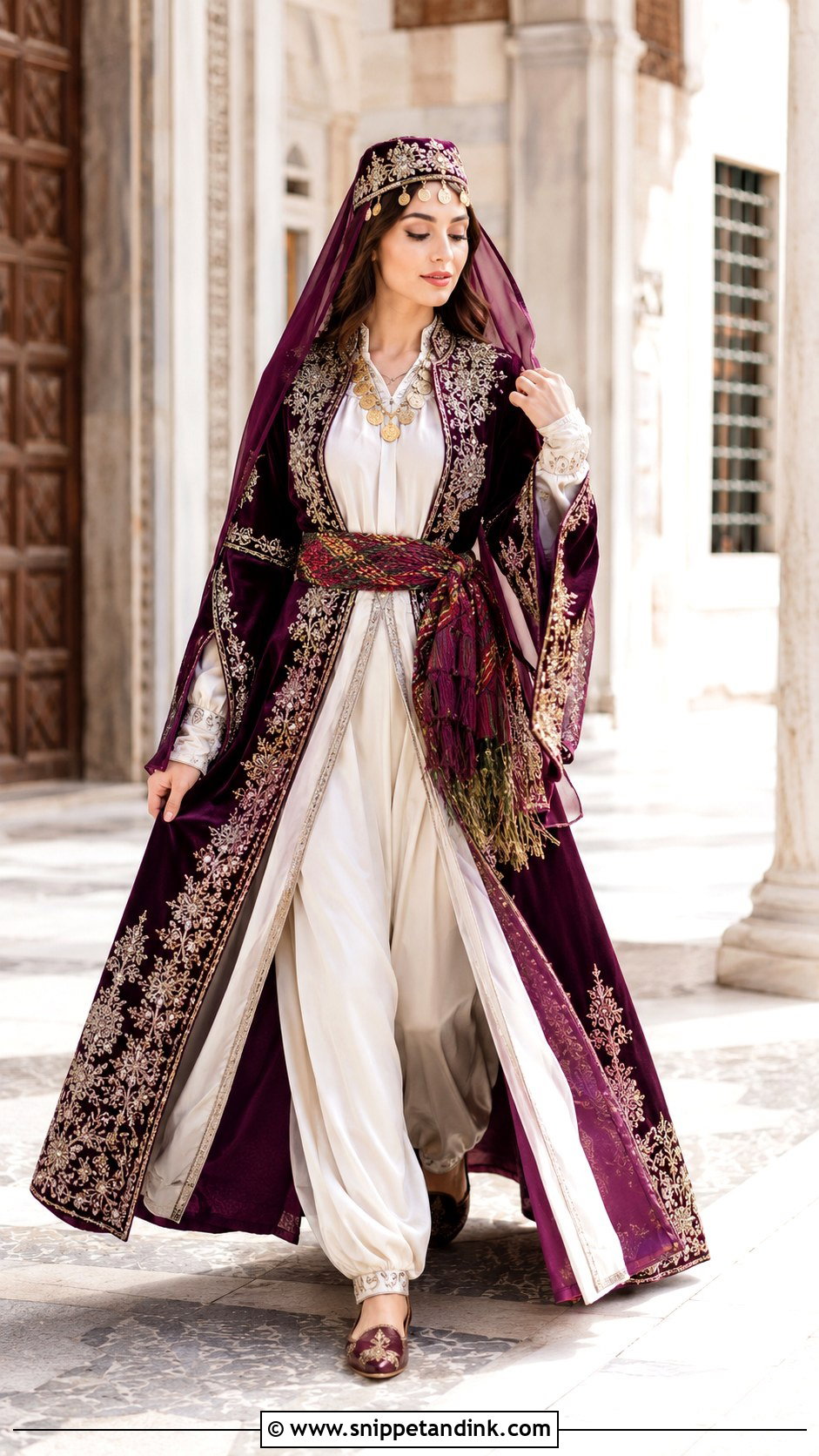
Üç etek means three skirts: the dress opens into three long panels from the waist, and when you dance they swing apart to show the trousers. That movement is the reason to choose it. Go jewel-toned in red, blue or plum, with fitted sleeves and embroidery running along the panel edges, over satin şalvar and a light long-sleeved blouse. An embroidered sash, low leather slippers and a small coin necklace complete it, with a scarf over braids or a decorative cap. Details differ across regions. I’d ask a maker or relative who knows the family’s version before commissioning one.
9. Turkish Cepken And Şalvar Bridal Outfit
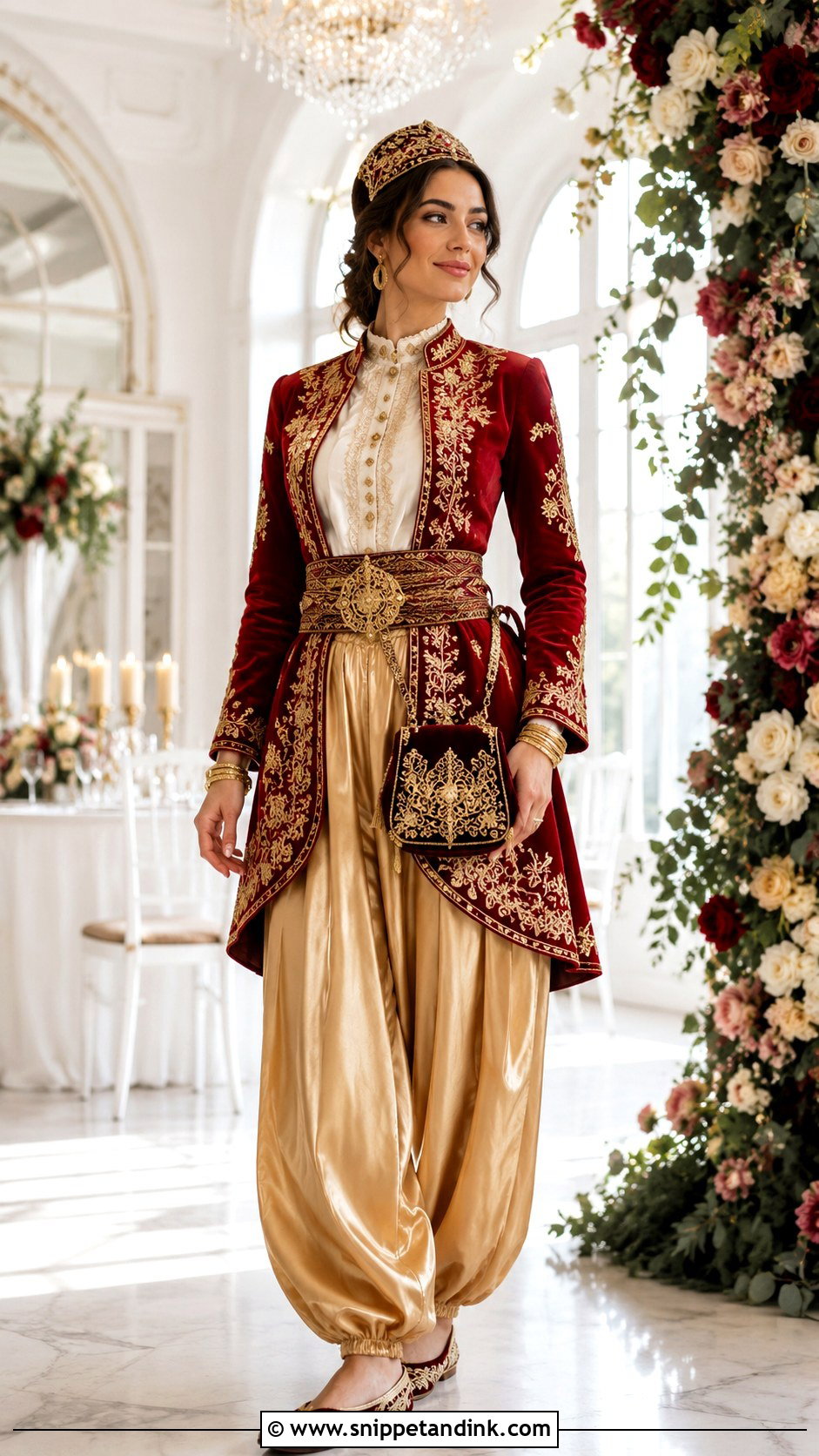
If you plan to dance most of the night, the cepken and şalvar is the outfit I’d point you toward. A cropped velvet cepken embroidered around the neck, front and sleeves goes over a high-neck silk blouse in cream or soft gold. The satin trousers are full through the leg and gathered at the ankle, so there’s no train to step on. Embroidered flats, a wide woven sash, a small pouch, gold hoops and fine bangles finish it, with a cap or scarf to match the jacket. It makes a good second outfit after a heavy ceremonial kaftan.
10. Turkish Kutnu Fabric Bridal Dress
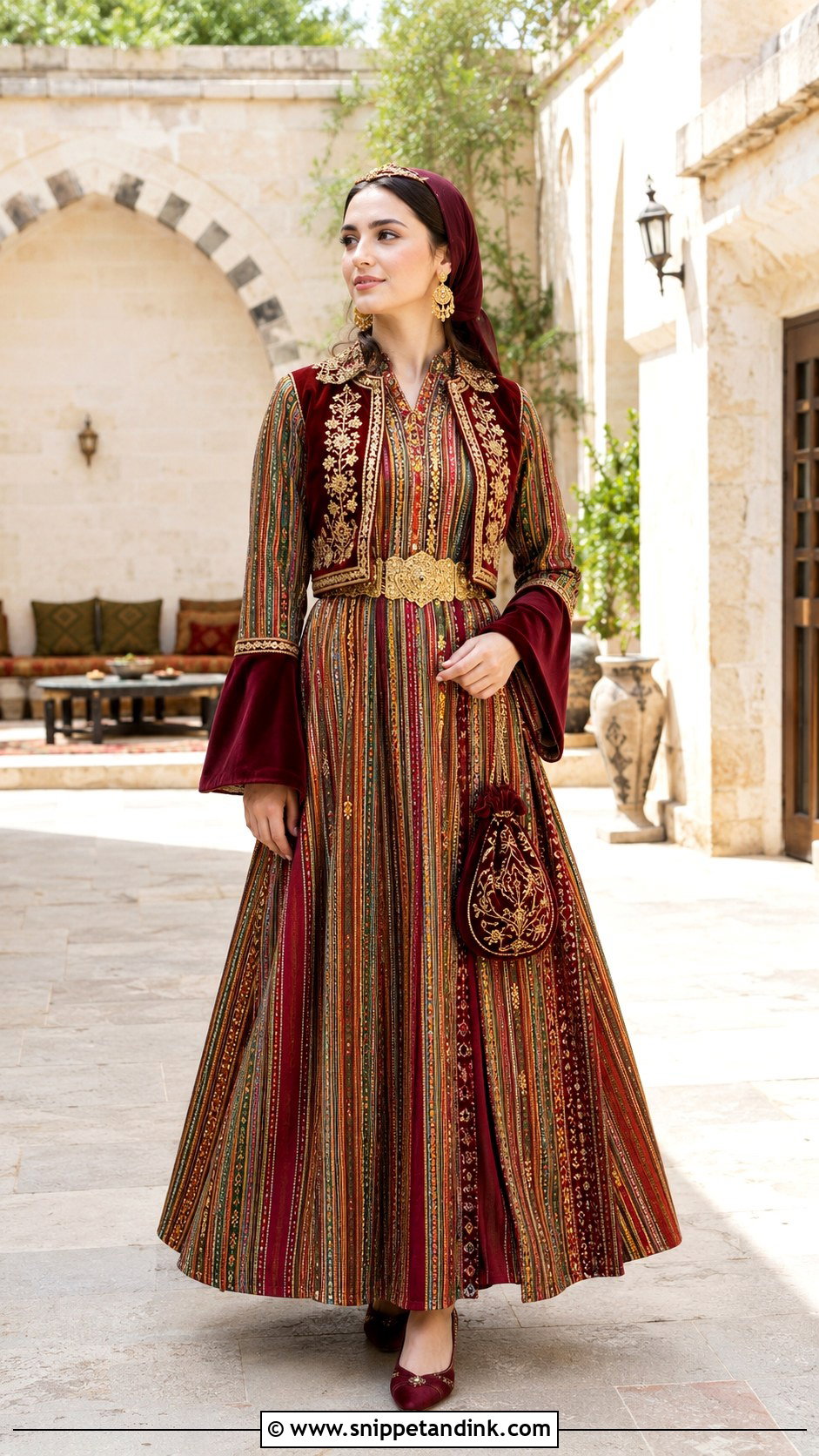
Kutnu is a striped silk and cotton cloth with a long history of weaving in Gaziantep. It has a slight sheen and a firm hand, and it holds a structured cut well. I’d use it for an entari-style dress with a fitted bodice and gently flared skirt; vertical stripes lengthen the body, and solid velvet cuffs and neckline borders give the edges definition. Add a cepken for a cool evening. A metallic belt breaks the stripes at the waist. Choose shoes in one solid shade taken from the fabric, plain gold earrings, a small embroidered bag, and a simple veil or scarf. Stripes have to be matched at the seams, so give the maker time.
11. Turkish Bursa Silk Wedding Dress
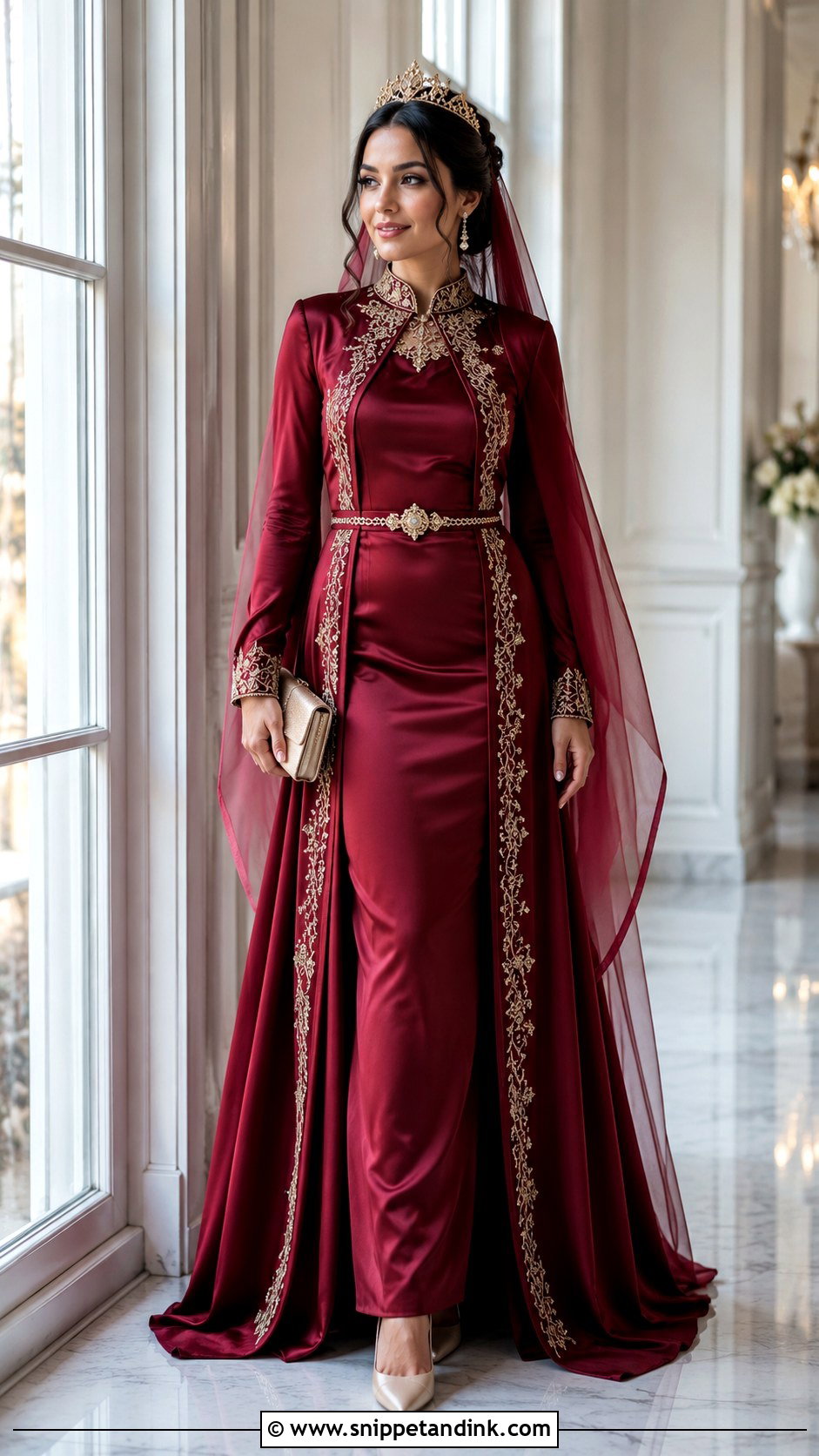
Bursa silk is fluid and lighter than velvet, which matters more than brides expect on a warm night. A floor-length gown in ruby, ivory or pale rose with a soft waist and long sleeves suits it, with gold embroidery confined to neckline and cuffs. Layer a light open robe for the ceremony and take it off for dancing. A narrow jeweled belt, satin heels, pearl earrings, a silk clutch and a delicate veil under a low crown complete it. Silk marks with water and perspiration, so I keep blotting papers and a dress shield handy, and avoid underarm seams that sit tight.
12. Turkish Tel Kırma Bridal Dress
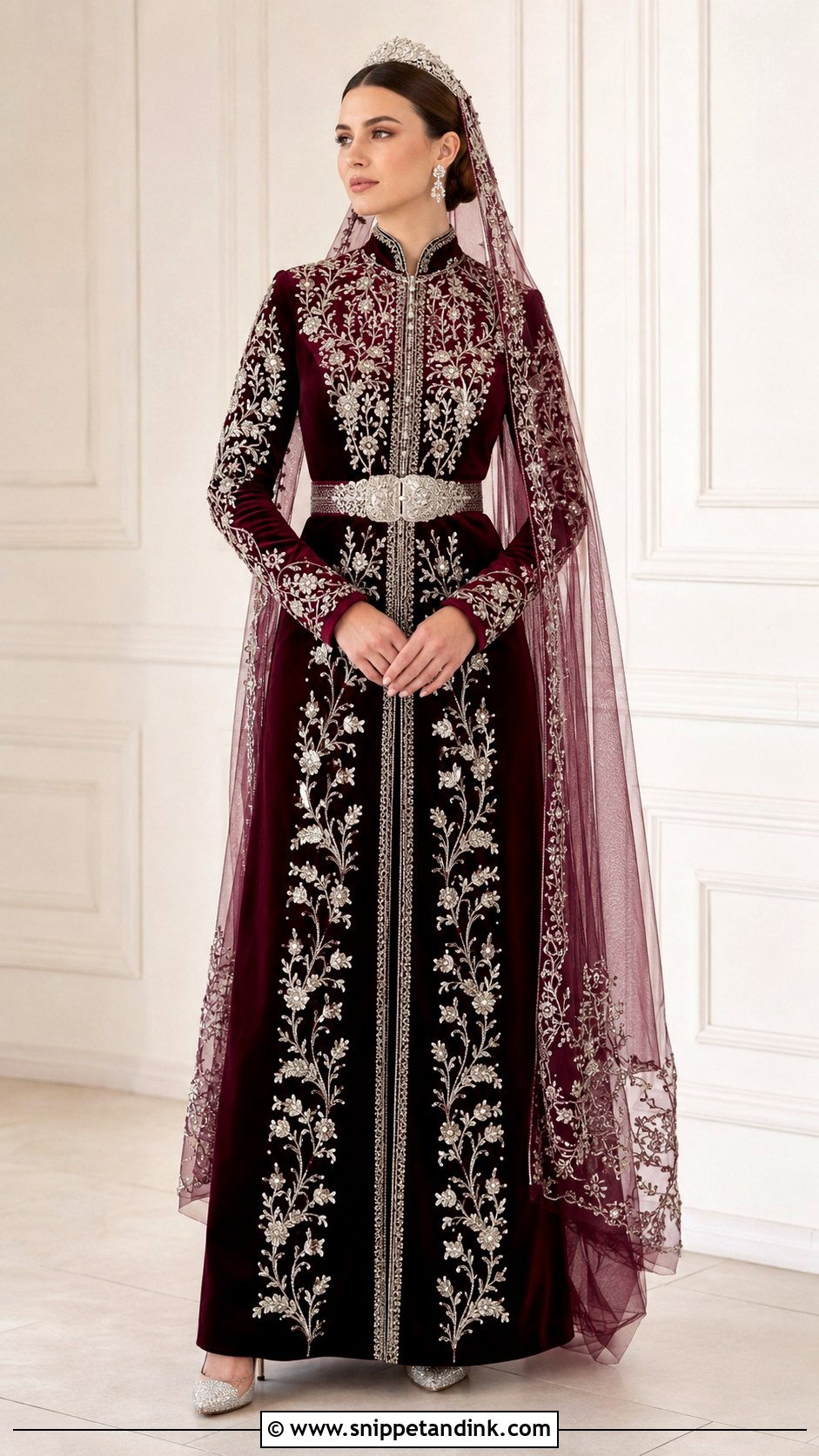
Tel kırma is worked with thin, flat strips of metal threaded through fabric and folded by hand, so the shimmer comes from metal rather than thread. It’s light and delicate, which is why I like it on dark velvet in small silver motifs rather than dense gold. A high neckline and straight floor-length skirt give a clean ground for it. Add a silver belt with a modest clasp, closed heels, crystal drops and a sheer veil edged in the same work. Keep the bag small and plain. The folded metal can catch on lace and knits, so watch what guests wear when they hug you.
13. Blue And Silver Turkish Kaftan Dress
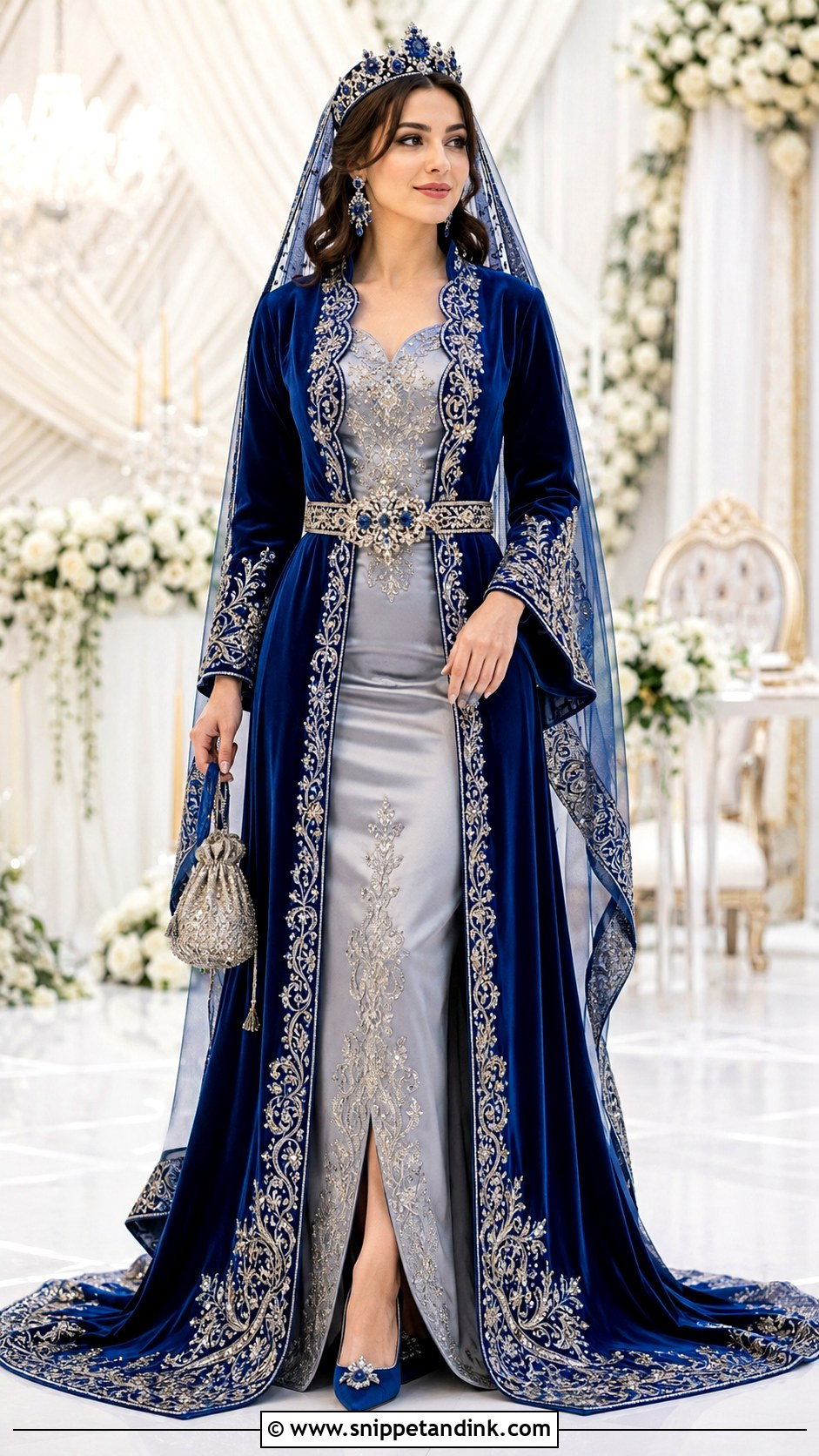
Sapphire and silver is a cooler palette that holds its color under bright event lighting. Start with a fitted silver-grey satin gown and layer a long sapphire blue kaftan in velvet over it, open at the front. Embroidery should frame the neckline, waist, cuffs and train rather than cover everything. A silver filigree belt ties the layers together. Blue pumps, crystal earrings and a silver evening pouch follow, with a small jeweled crown and a shoulder-length blue veil. I’d pair it with cool pink makeup and a softly defined eye so the saturated blue doesn’t overpower the face.
14. Pink Satin Turkish Bindallı Dress
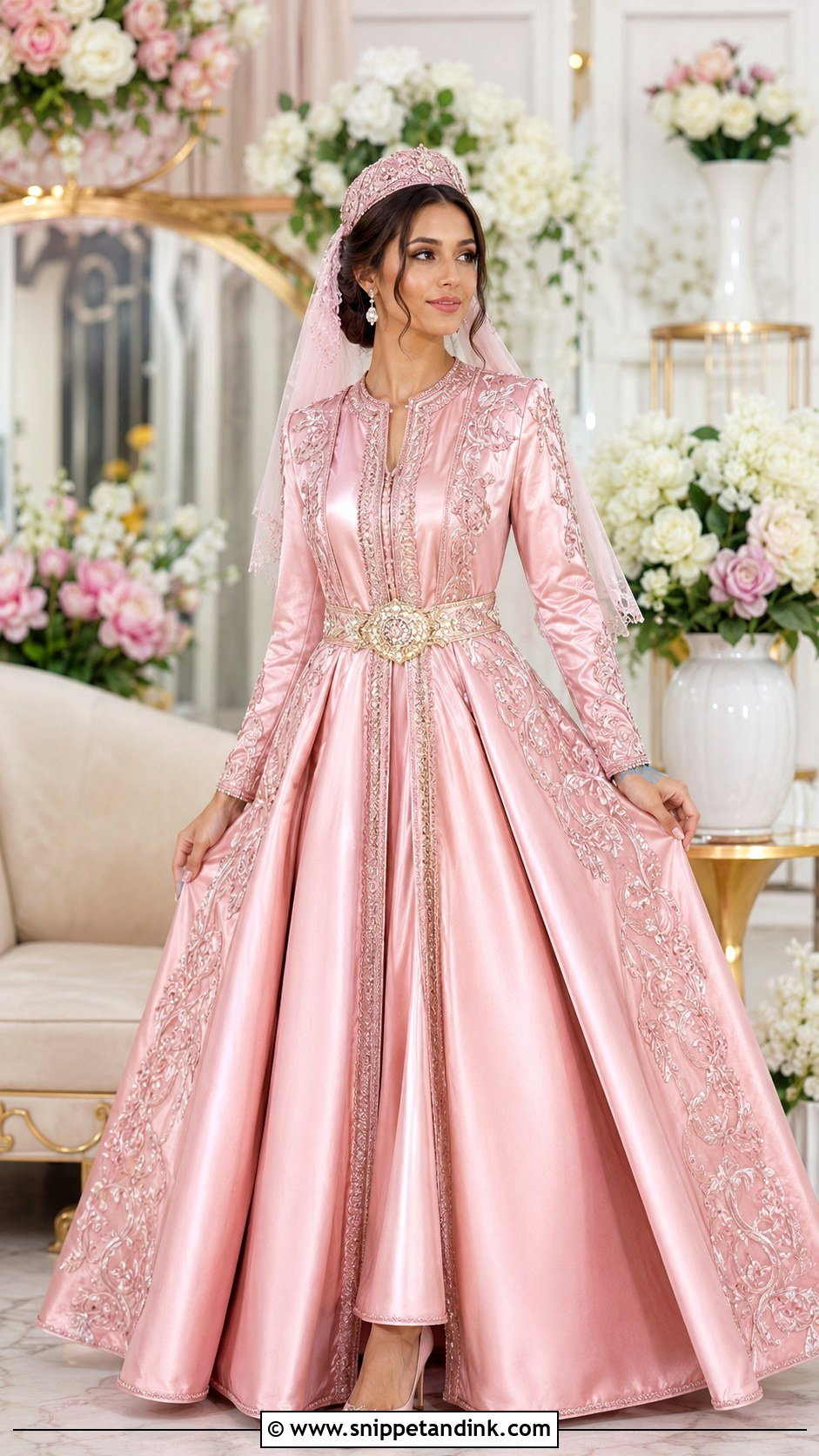
Pastel pink satin is the soft version of a bindallı, and in two pieces it’s easier to fit and far easier to move in. Look for a full A-line skirt and a fitted long-sleeved blouse, with gold or silver floral embroidery on the cuffs, hem and bodice front and some beadwork for depth. The two-piece cut came later in the garment’s history, as European tailoring influenced Turkish dress, so it’s an authentic variation rather than a modern shortcut. Add a jeweled belt, blush heels, pearl drops, a satin headpiece and a short veil. Pastel satin shows water marks and makeup transfer quickly, which is worth knowing for a daytime henna party.
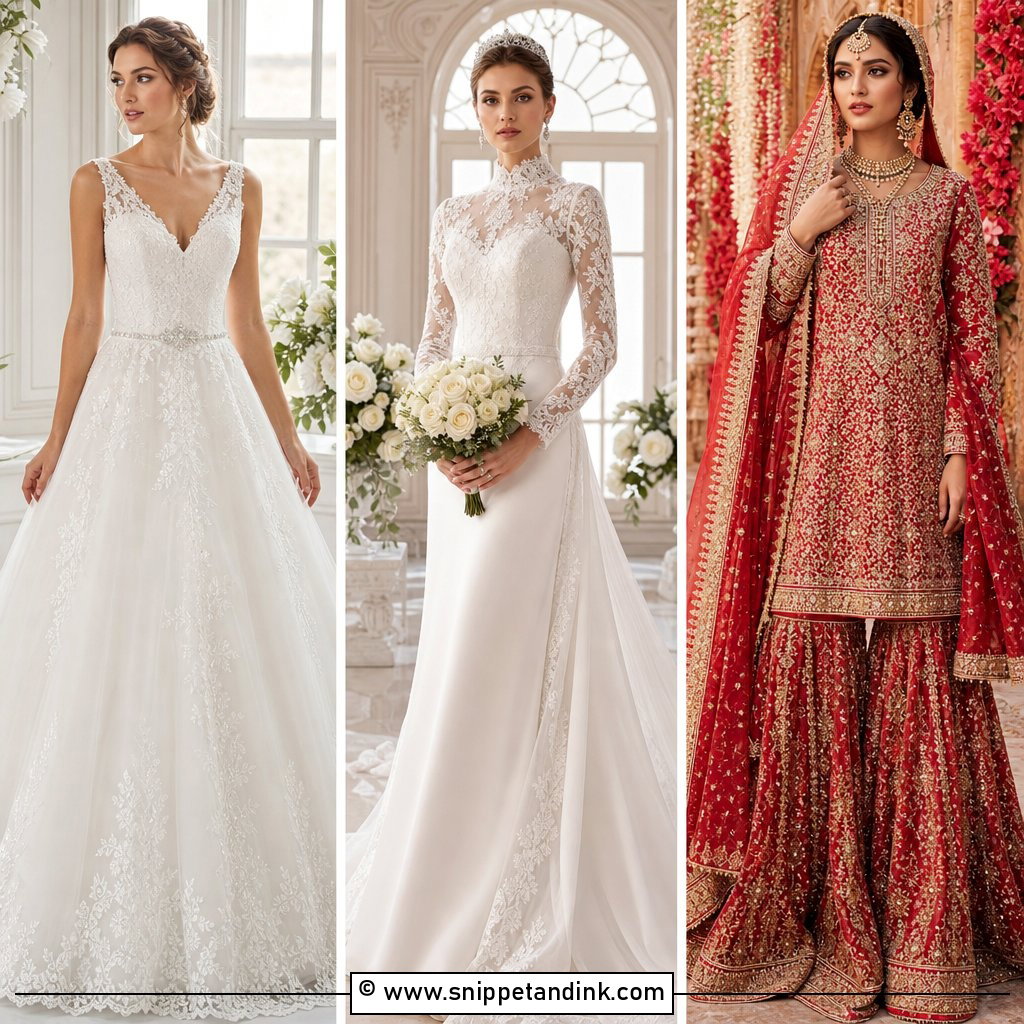
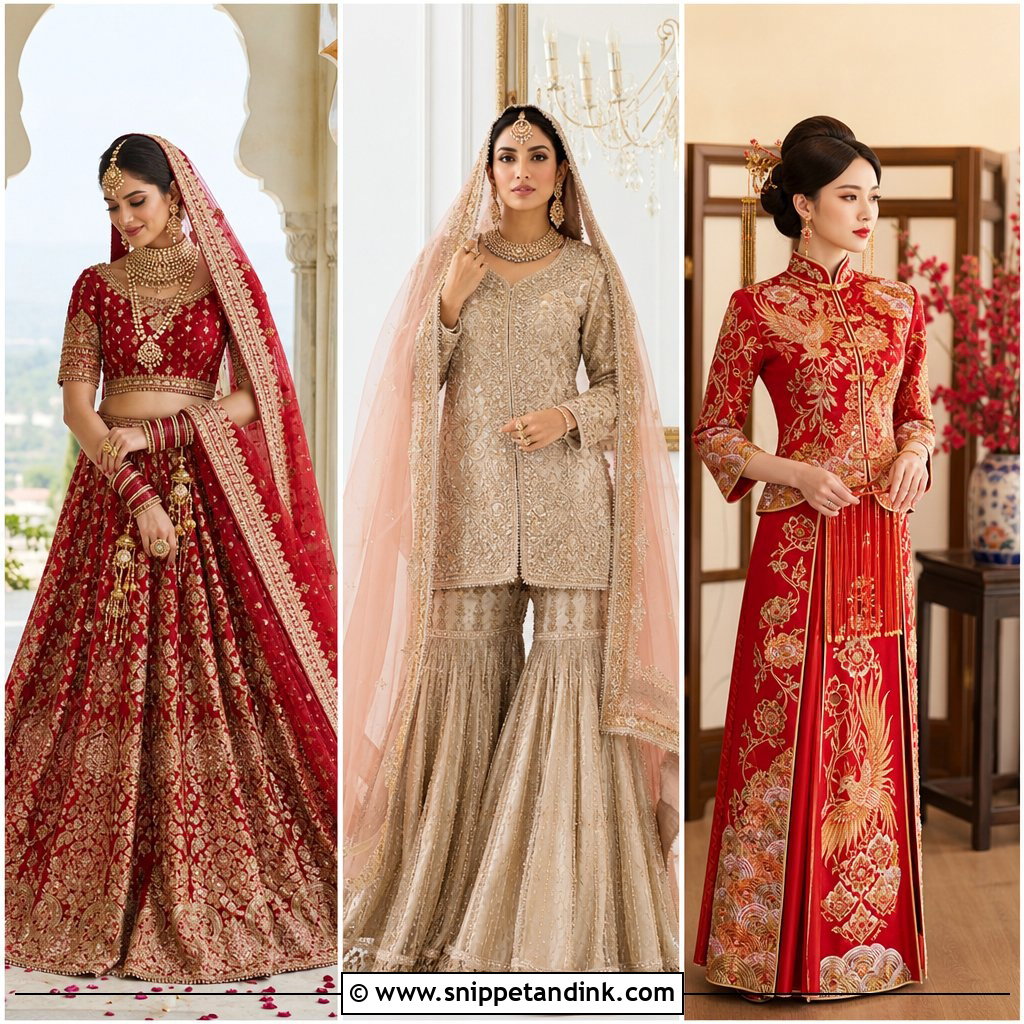
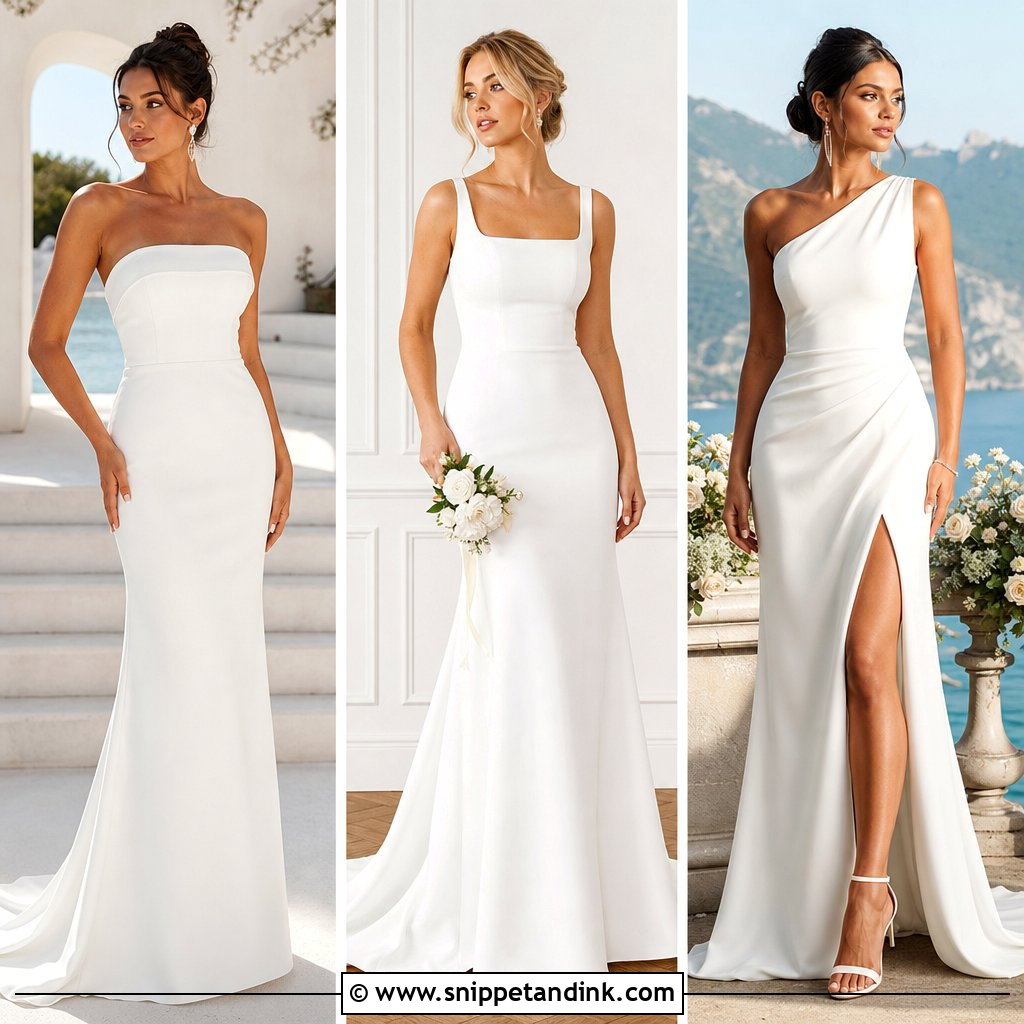
15. White Ottoman Inspired Wedding Gown
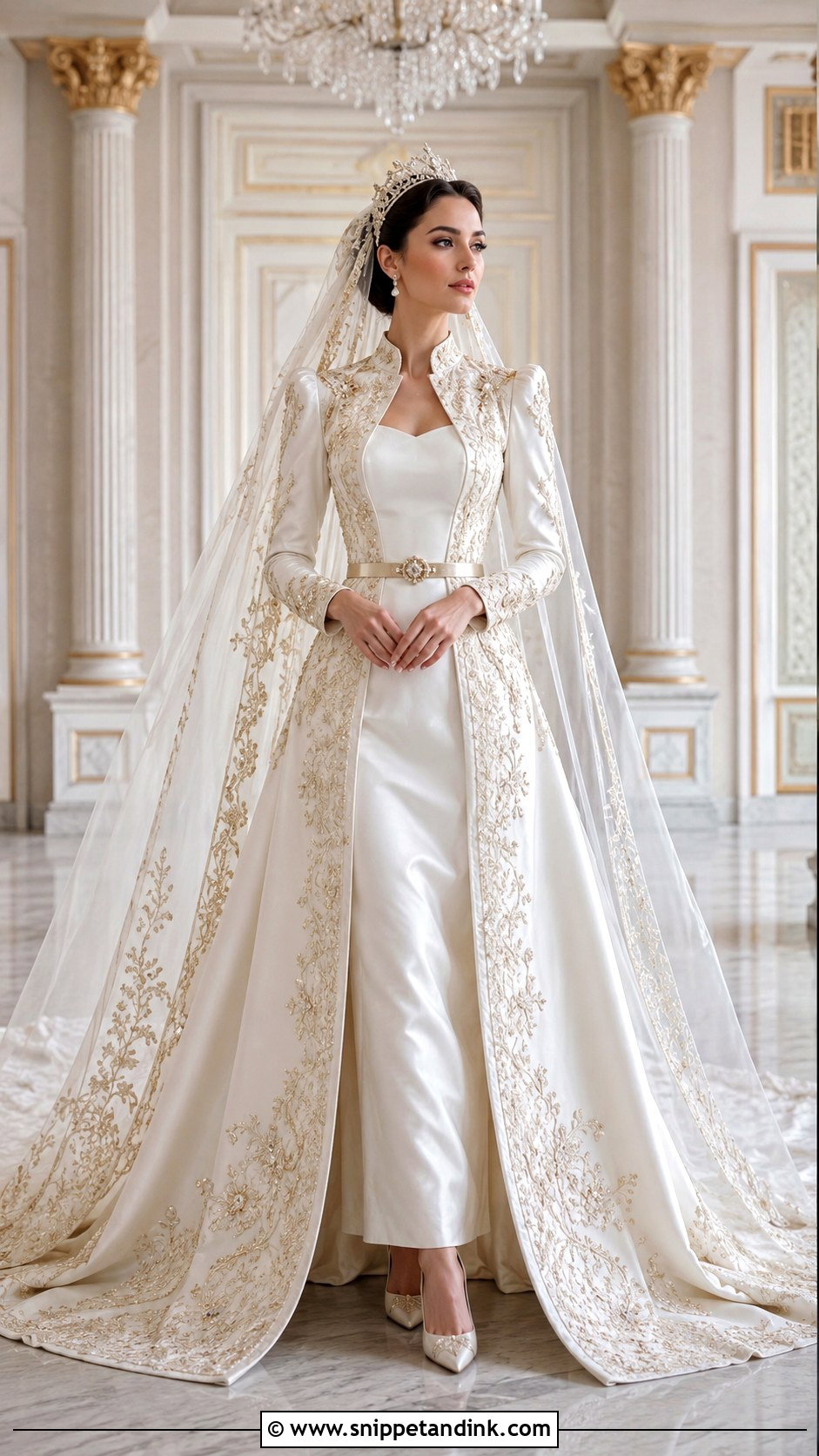
One gown can carry both the modern and the traditional, if you’d rather not change between two dresses. A long-sleeved satin or mikado gown with a structured bodice, modest neckline and full skirt takes gold embroidery at the cuffs, shoulders and waist to echo ceremonial robes. Add a detachable embroidered overskirt or open kaftan for the entrance, then remove it for the reception. Ivory heels, a gold belt, pearl earrings and a chapel veil edged in metallic motifs complete it. Mikado holds structure without much boning, so it’s a comfortable choice for a long day. Keep the crown small.
16. Turkish Bridal Dress With Red Veil
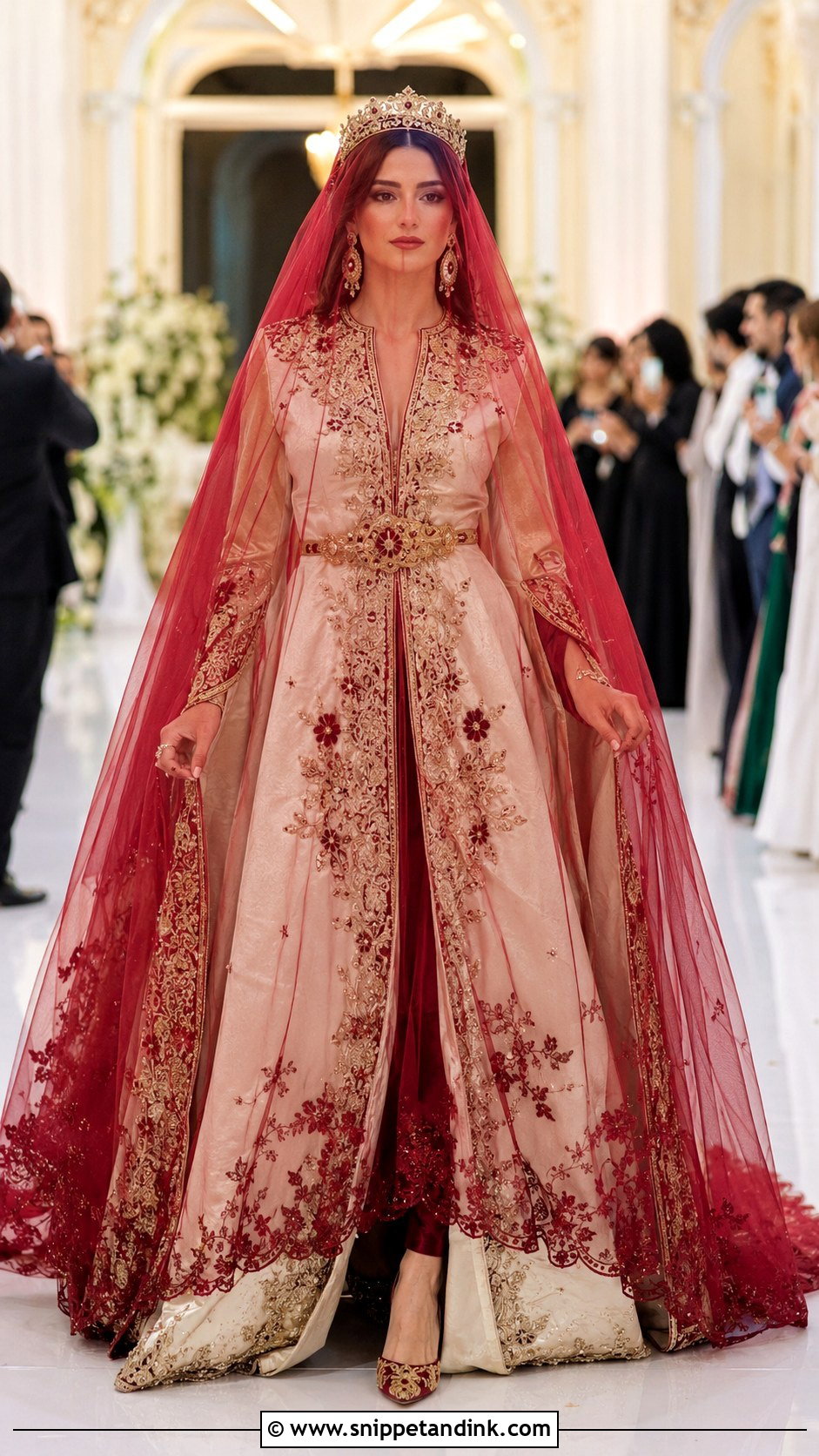
The red veil, or duvak, is often the single detail that makes a Turkish family feel the bride is properly dressed, and at the kına it’s the moment everyone watches. Wear it over a richly embroidered red, burgundy or ivory gown. Choose a light veil you can see through, so the dress stays visible and you can walk safely. Gold edging or scattered motifs are plenty. Attach it to a crown, embroidered cap or smooth bun depending on formality, then add a gold belt, matching shoes and simple drops. Keep the face area clear of competing pieces. I fix the veil comb at two points so it doesn’t lift when someone raises it.
17. Turkish Hijab Bridal Kaftan
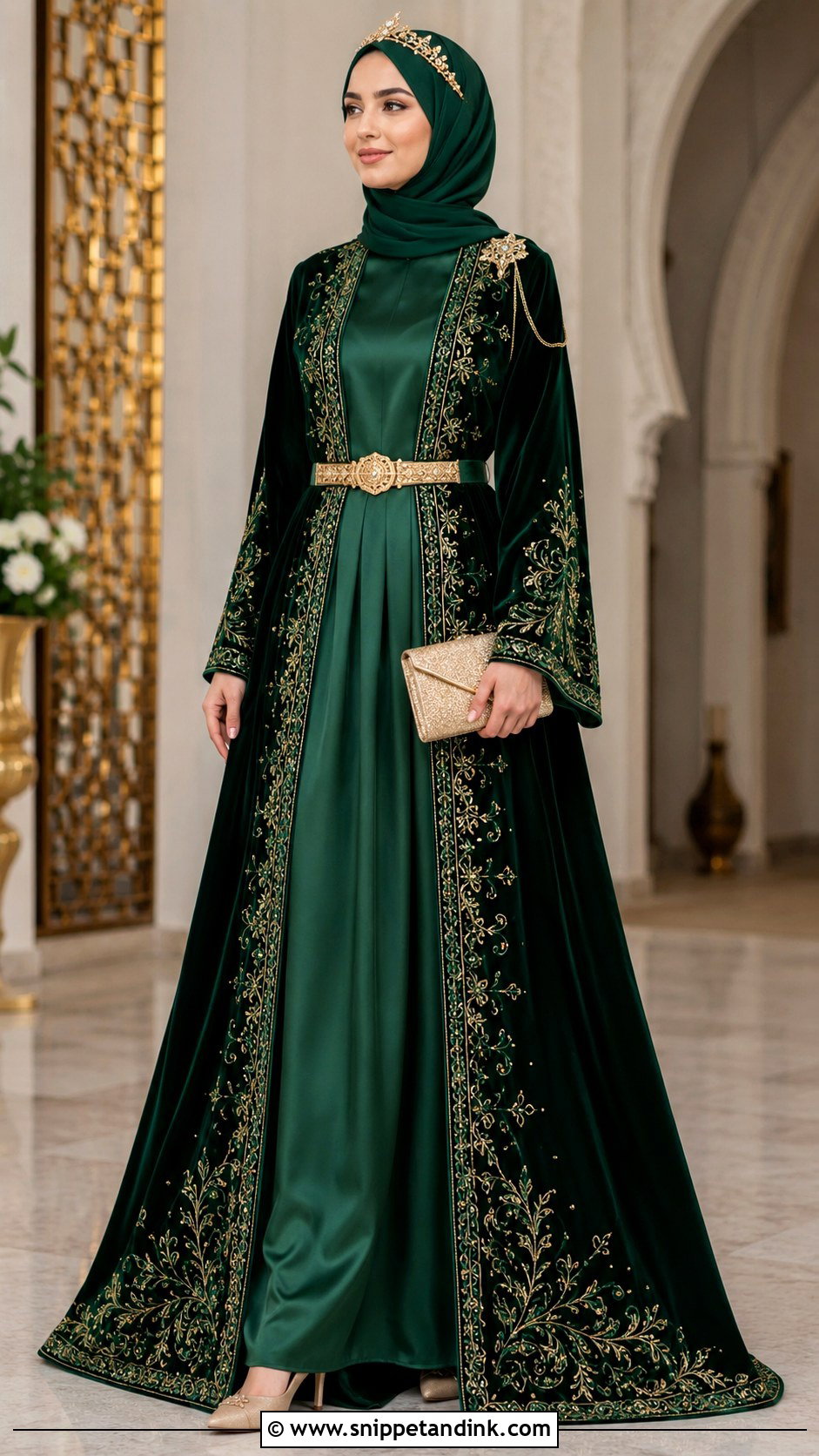
A Turkish hijab bridal kaftan gives full coverage with a lot of grandeur. I start with a high-neck, long-sleeved inner dress in satin or crepe, then add an embroidered velvet kaftan that closes securely at the waist. A matte hijab fabric stops shine bouncing around the face in photos. The crown or jeweled band goes over the hijab, and I pin it through an underscarf rather than the outer fabric so it can’t slide. Add a wide metallic belt, closed block heels, drop earrings only if they’ll show, and perhaps a shoulder brooch. Keeping every layer in one color family lengthens the line.
18. Anatolian Embroidered Turkish Bridal Dress
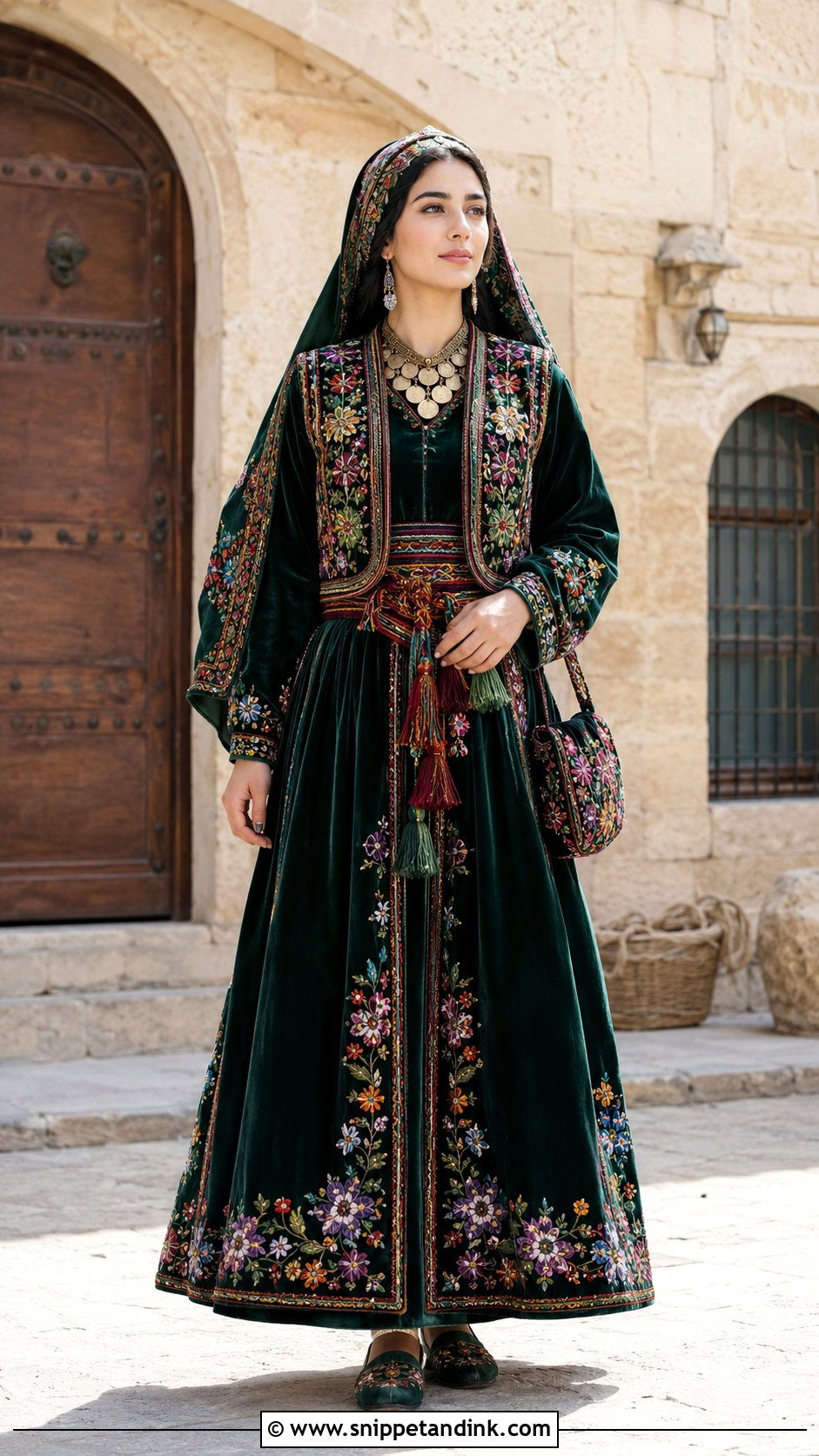
Anatolian embroidery is regional. A motif from one province can mean nothing, or something different, in another, so I’d never put it on a dress without confirming where it comes from. With that settled, start from a solid velvet or wool-blend dress in deep red, navy or forest green, with embroidery at the chest, sleeves and hem. Add a woven waist sash, an embroidered vest and traditional low shoes, then a scarf that repeats one color from the needlework and modest coin jewelry. It works best when it reflects the bride’s own family background.
19. Yörük Inspired Turkish Bridal Outfit
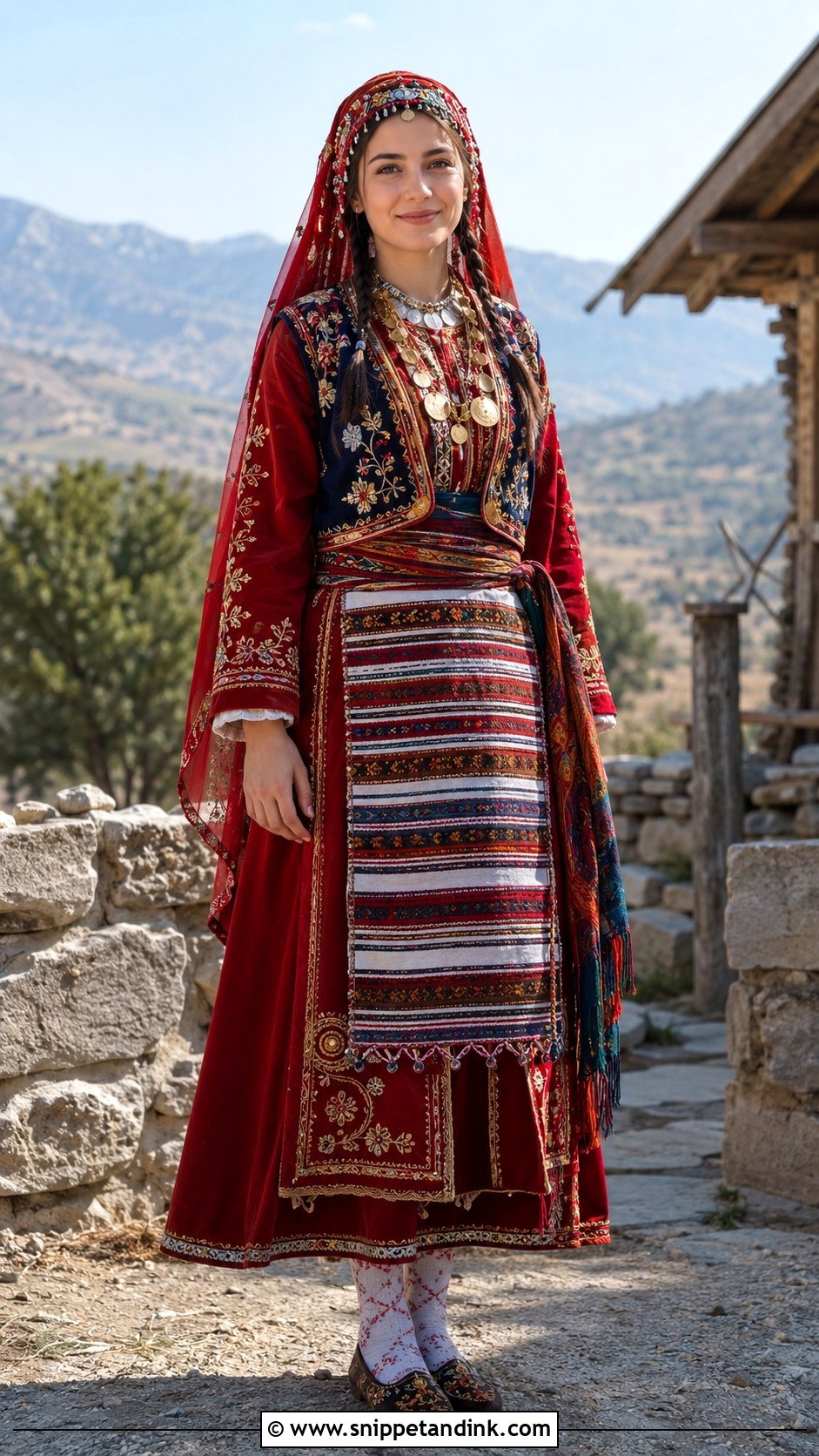
Yörük dress is layered and practical, made for nomadic life, and its textiles are mostly woven rather than embroidered. A Yörük-inspired bridal outfit pairs a long embroidered dress with a fitted vest or cepken, a striped apron panel or woven sash, opaque stockings and embroidered leather shoes, with a decorated headscarf over braids. Red, indigo, cream and green are typical, but the exact palette depends on the group being referenced. Coin jewelry adds movement; one necklace is enough with this much pattern. Coins are heavy, so I check the clasp and the neckline seam before the day. Lean on relatives or specialists for accuracy.
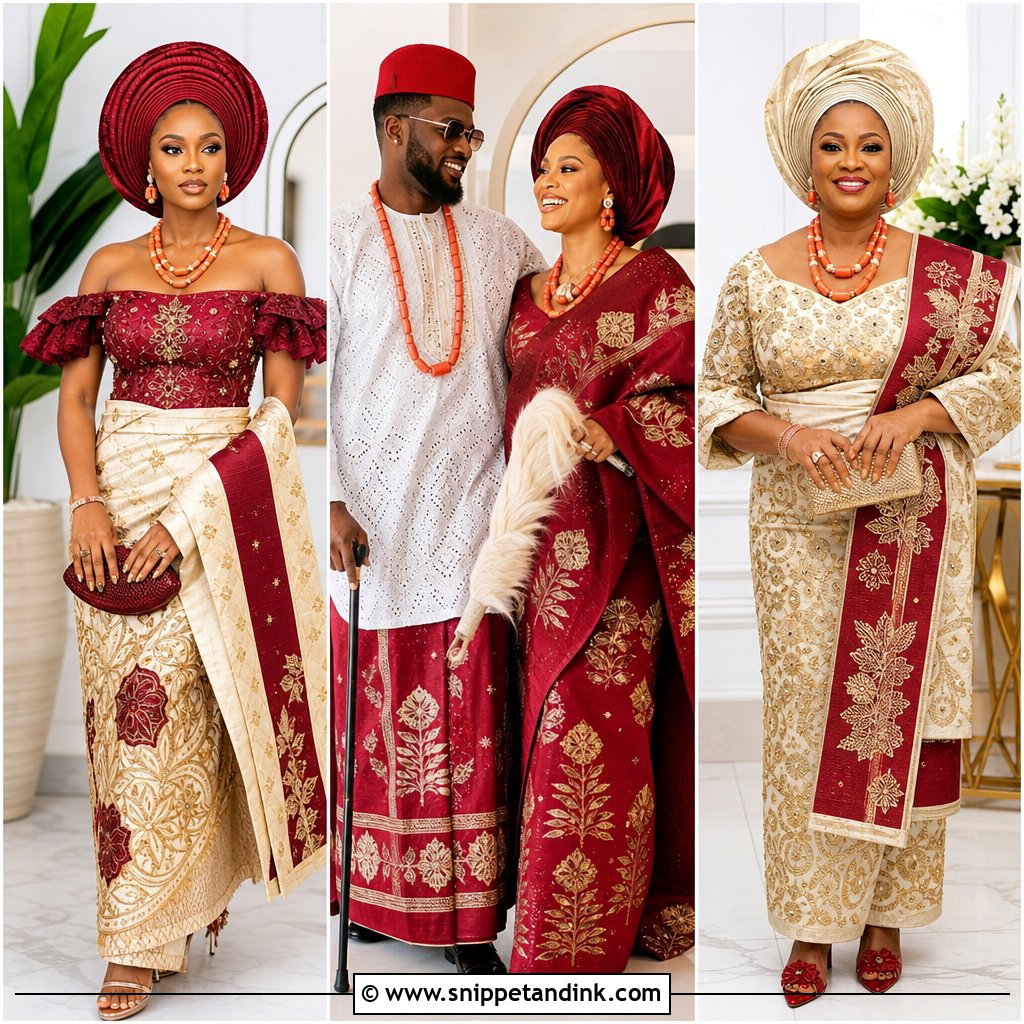
20. Turkish Wedding Gown With Detachable Kaftan
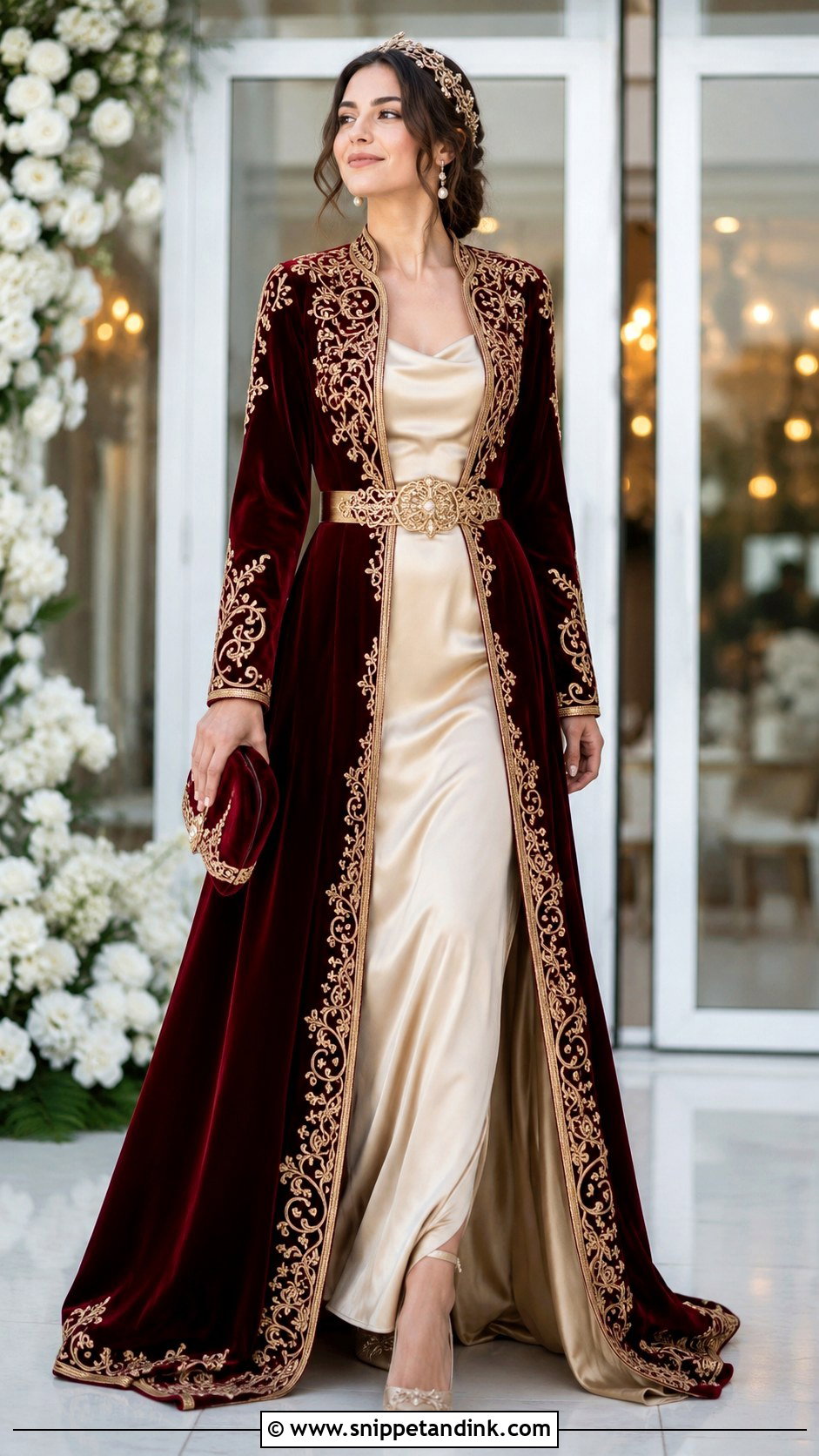
A detachable kaftan is the most practical way I know to get two looks without a full outfit change. Under it goes a streamlined ivory, red or champagne gown that fits comfortably through the bodice. Over it, a floor-length velvet or satin kaftan for the entrance and family photographs, with gold embroidery along the open front and a removable belt at the waist. After the ceremony the kaftan comes off and the crown is swapped for a simpler hair piece. Keep the same heels, earrings and clutch throughout. Ask for the belt to fasten over both layers and over the gown alone.
Henna Paste, Long Sleeves and Velvet Pile
At a kına the bride’s palm is often closed around a gold coin before the henna is applied, then wrapped in a cloth or red glove. That’s lovely to watch and a real problem for a velvet sleeve. Fresh paste stains velvet and satin, and pile holds onto it.
- Choose sleeves that can be pushed above the wrist, or ask for a snap or button at the cuff so they fold back cleanly.
- Have someone hold a dark cloth under your hands until the glove or wrap is on.
- Keep the crown and veil on, but move the jewelry off your wrists before the paste comes out.
- Sit on a dark throw during the henna so a dropped spot lands on the throw, not the skirt.
If paste does hit the dress, don’t rub. Let it dry, lift it off gently, and have a specialist cleaner look at the mark before you try anything else.
Velvet Crushes. Here Is How I Handle It
Velvet flattens wherever it’s pressed, from sitting, packing or a long car ride. Never iron the face of it. I steam velvet from the inside, holding the steamer just off the fabric, then brush the pile gently in its natural direction once it’s dry. Hang it on a padded hanger with room either side, in a breathable cotton bag rather than plastic. For travel, roll the skirt around tissue rather than folding it, and unpack as soon as you arrive. Embroidered velvet is warm too, so if your kına is outdoors in summer, plan a lighter second outfit for the dancing.
A Red Veil, a Gold Belt and Your Grandmother’s Opinion
The traditional Turkish wedding dress ideas that work best are the ones where the bride understands what each detail means. A red velvet bindallı gives the classic henna-night entrance; an embroidered kaftan, layered entari or regional outfit takes a more personal route. Color, fabric, belt, veil, jewelry, shoes and headpiece should read as one outfit. If you’re referencing a particular region, ask relatives, local artisans or museum costume collections before settling on motifs. Historic layers or a modern gown under a removable kaftan, the outfit should still feel like you.
You'll Like These Ideas:


Leave a Reply