
A haldi is the one wedding function where your outfit is expected to get dirty. Bridesmaids sit on low seating, lean in to apply paste, get hugged by aunts with yellow hands and dance on wet floors, all in harsh daylight. When I dress a bridesmaid for it, I care less about the embroidery and more about how the fabric moves, breathes and recovers from a stain. Yellow is still the classic, but ivory, lime, mustard, peach, pink and green all work, and the right fabric matters more than the shade. Cotton, georgette, chiffon, organza, muslin and rayon each behave differently, and I’ve noted which suits which kind of haldi below.
Sit on the Floor at Your Fitting
Most haldi rituals happen at floor level or on a low stool, and bridesmaids spend a lot of the ceremony crouching, kneeling and reaching across the bride. A lehenga that looks perfect standing in a mirror can be miserable once you fold your legs. At the final fitting I ask every bridesmaid to run through the movements she’ll actually make.
- Sit cross-legged for two minutes. If the waistband digs in or the skirt pulls tight across the knees, ask for more ease at the waist or a wider flare.
- Raise both arms above your head. A blouse that rides up or a kurti that pulls at the armholes will do it all morning.
- Lean forward as if you’re applying paste to someone’s feet. Check the neckline and whether the dupatta slides off.
- Walk up two steps. Floor-length hems need to clear your footwear, and haldi floors are often wet.
Bring the shoes you’ll wear to that fitting, since hem length depends on them. Also ask for the blouse to close at the back with hooks rather than a long zip if you’ll be pinning a dupatta over it, because zips can snag the fabric as you move.
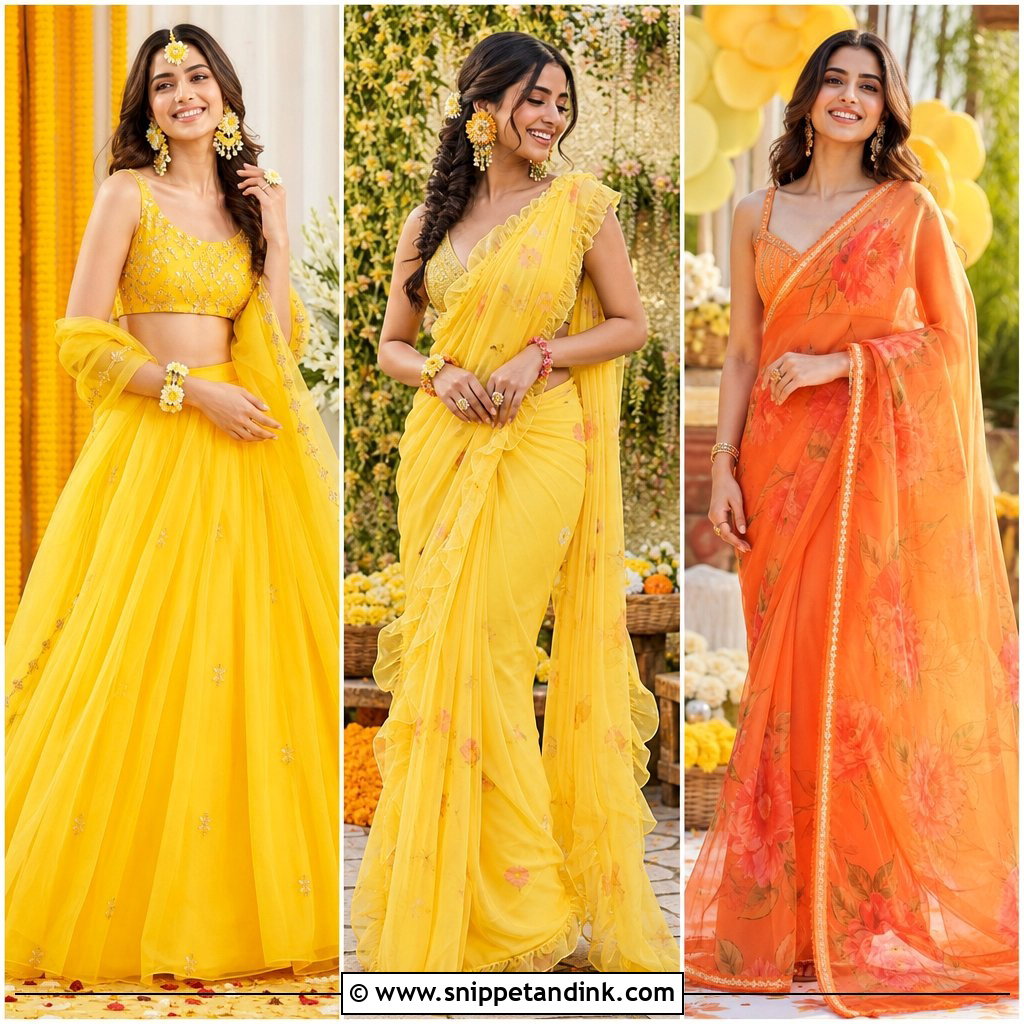
1. Yellow Lehenga For Haldi Bridesmaid
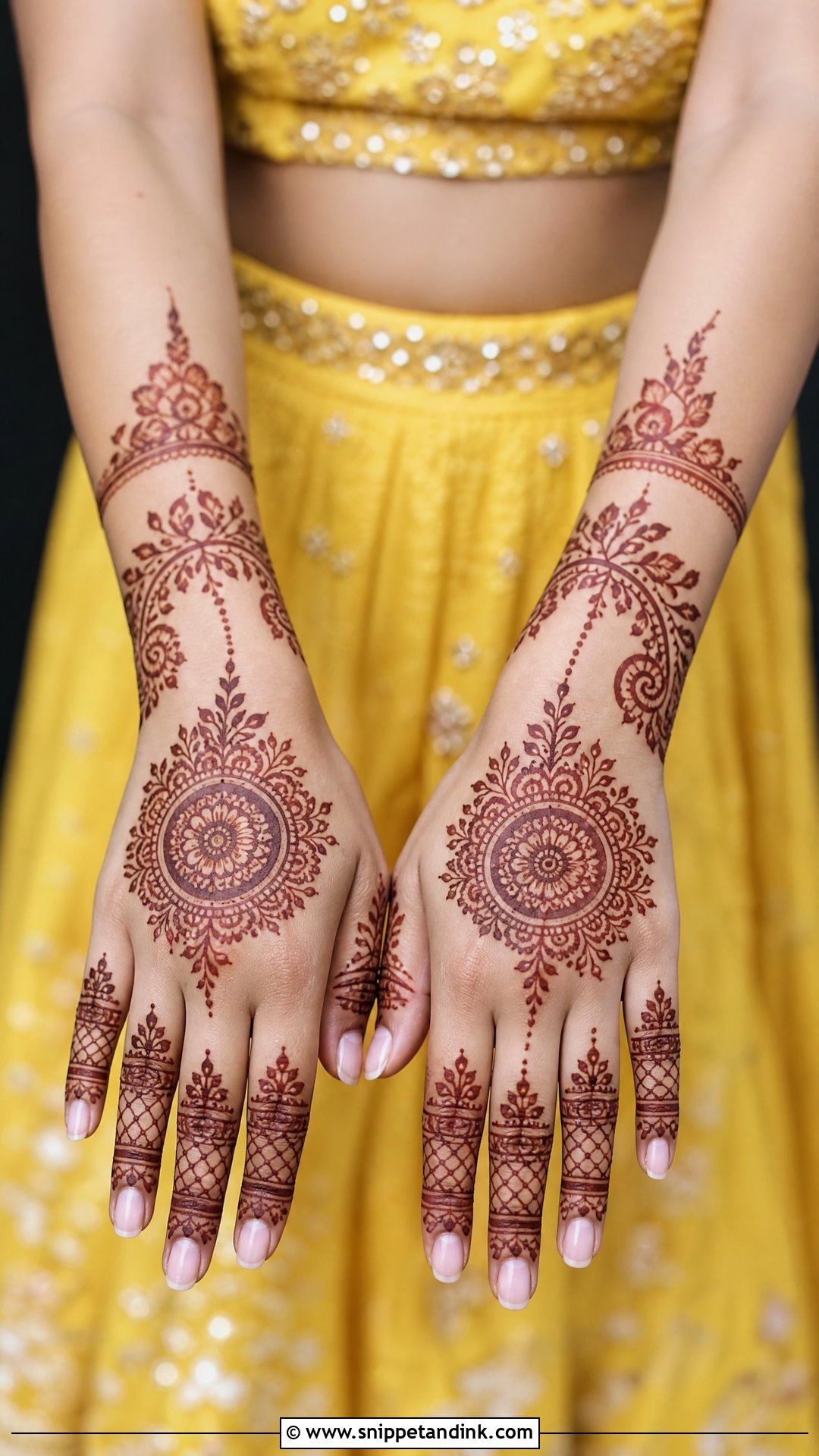
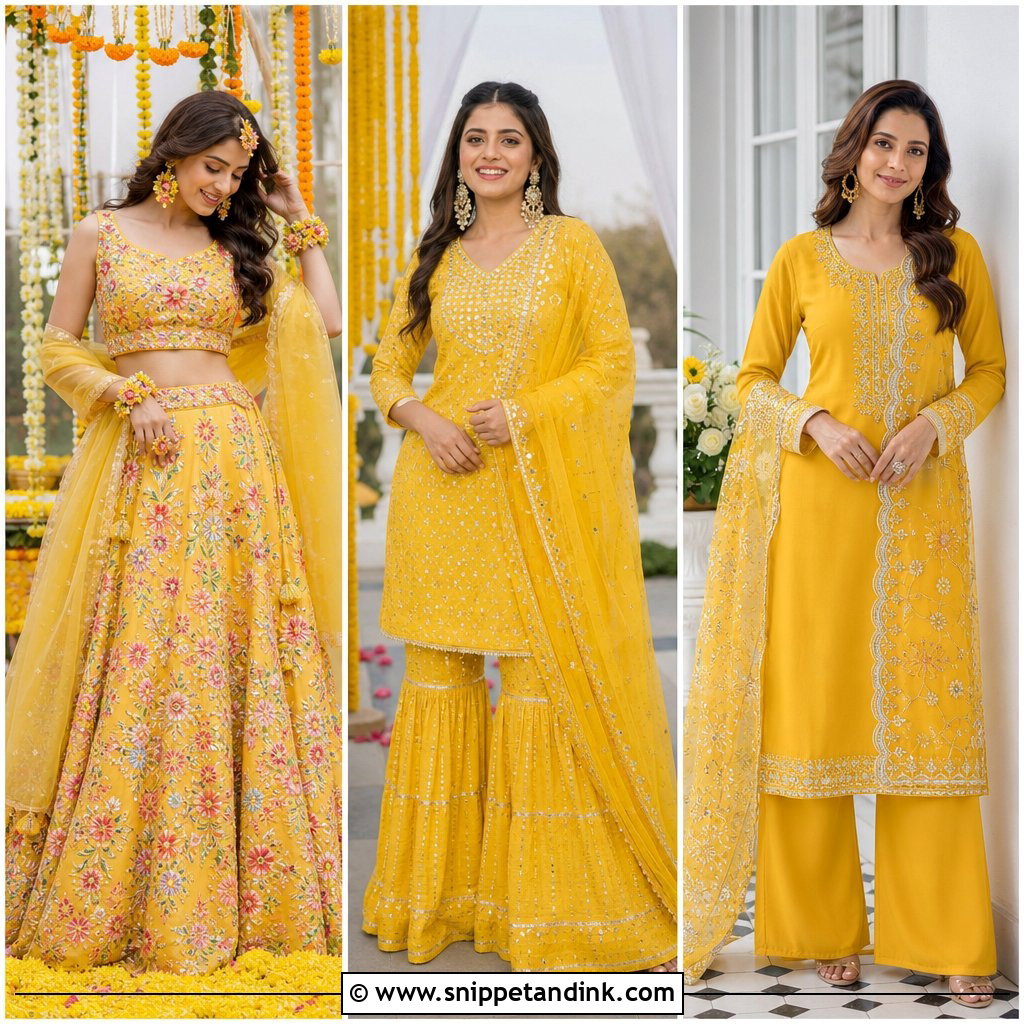
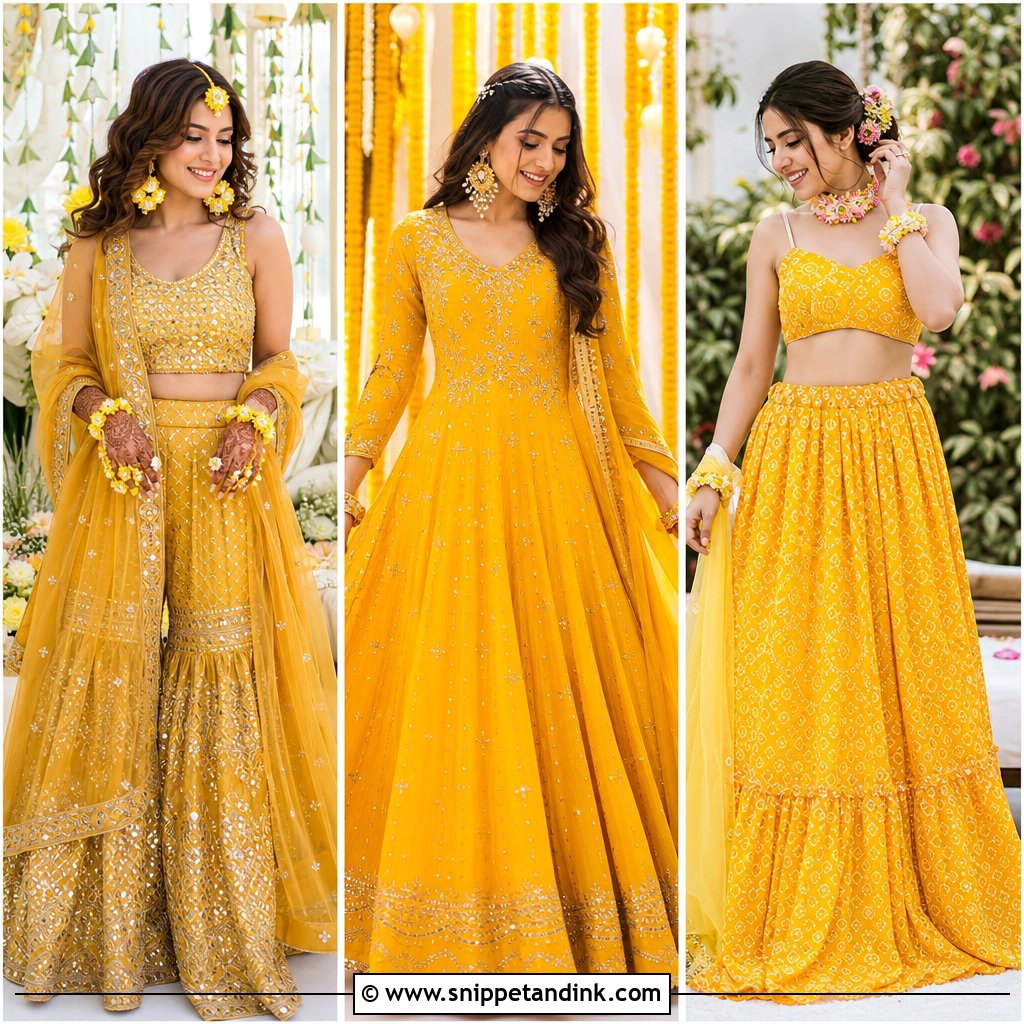
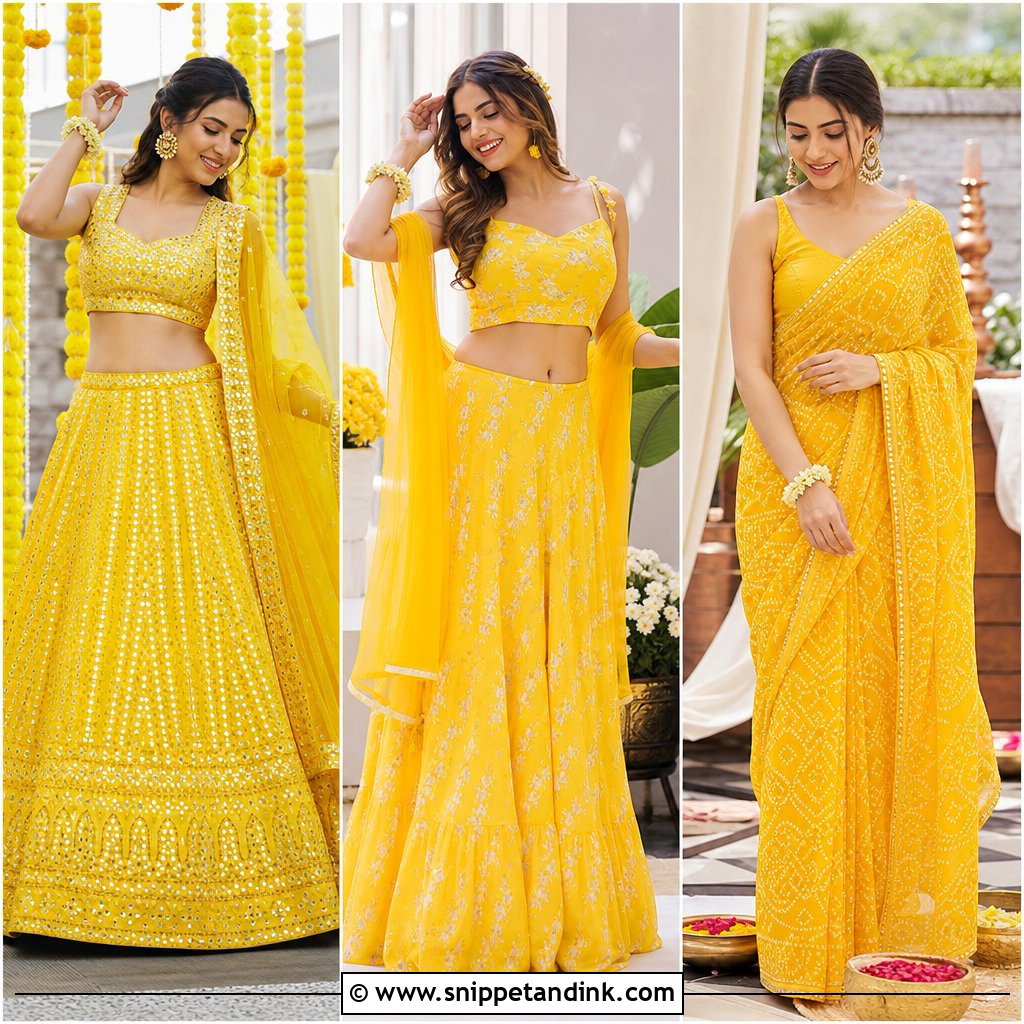
If you’re unsure what to wear, a yellow lehenga is the answer nobody will question. I’d keep the skirt light, with a simple blouse and a soft dupatta, because you’ll be sitting, standing and dancing repeatedly. Floral prints, mirror borders, gota or fine thread work give enough festivity without competing with the bride. Outdoors, georgette, cotton silk or organza beat velvet and dense satin, which trap heat within the first hour. Lemon yellow reads fresh, while mustard looks richer on camera and forgives stains better. Wedges or juttis are kinder than heels on grass.
2. Mustard Sharara For Haldi Bridesmaid
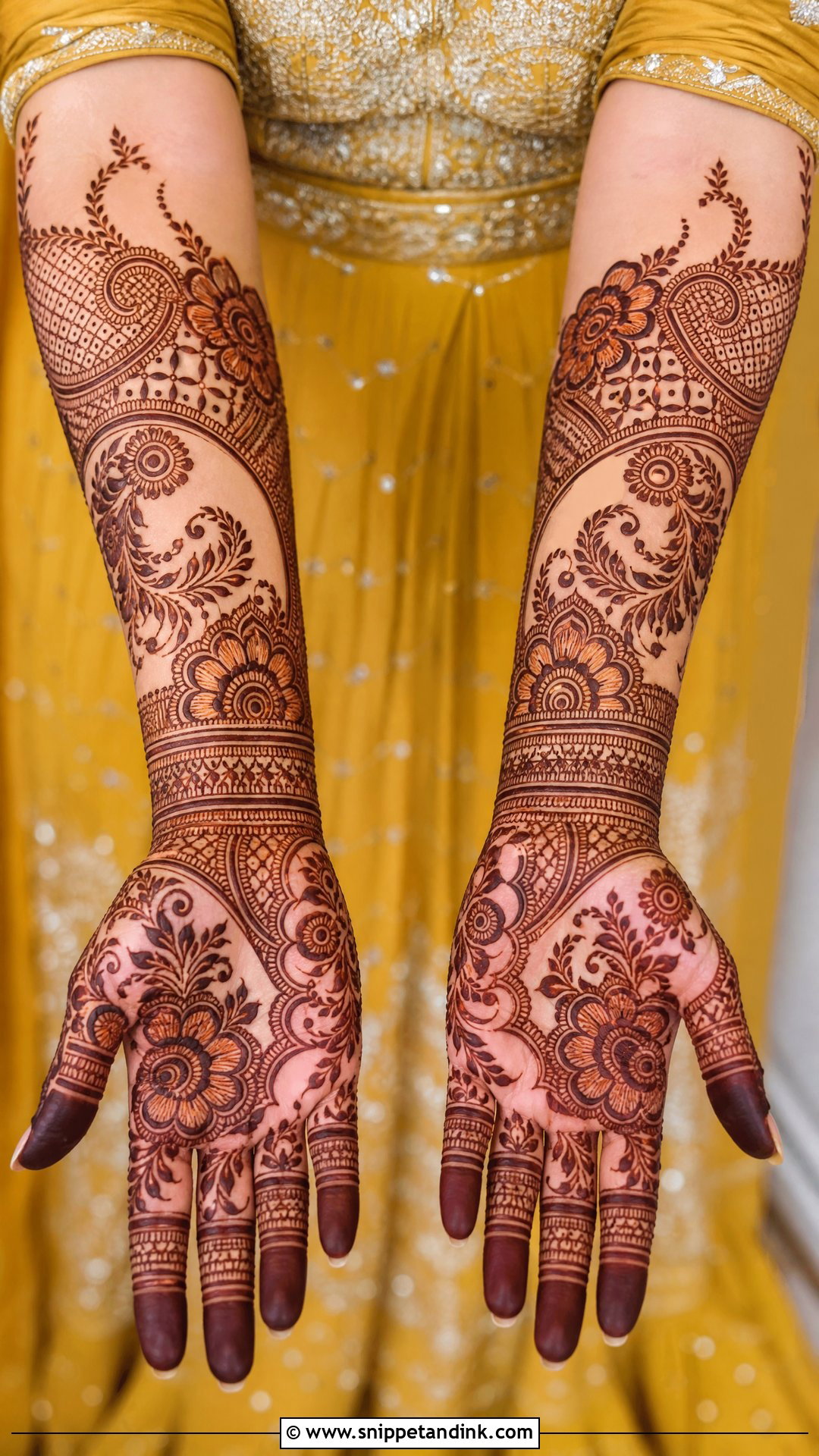
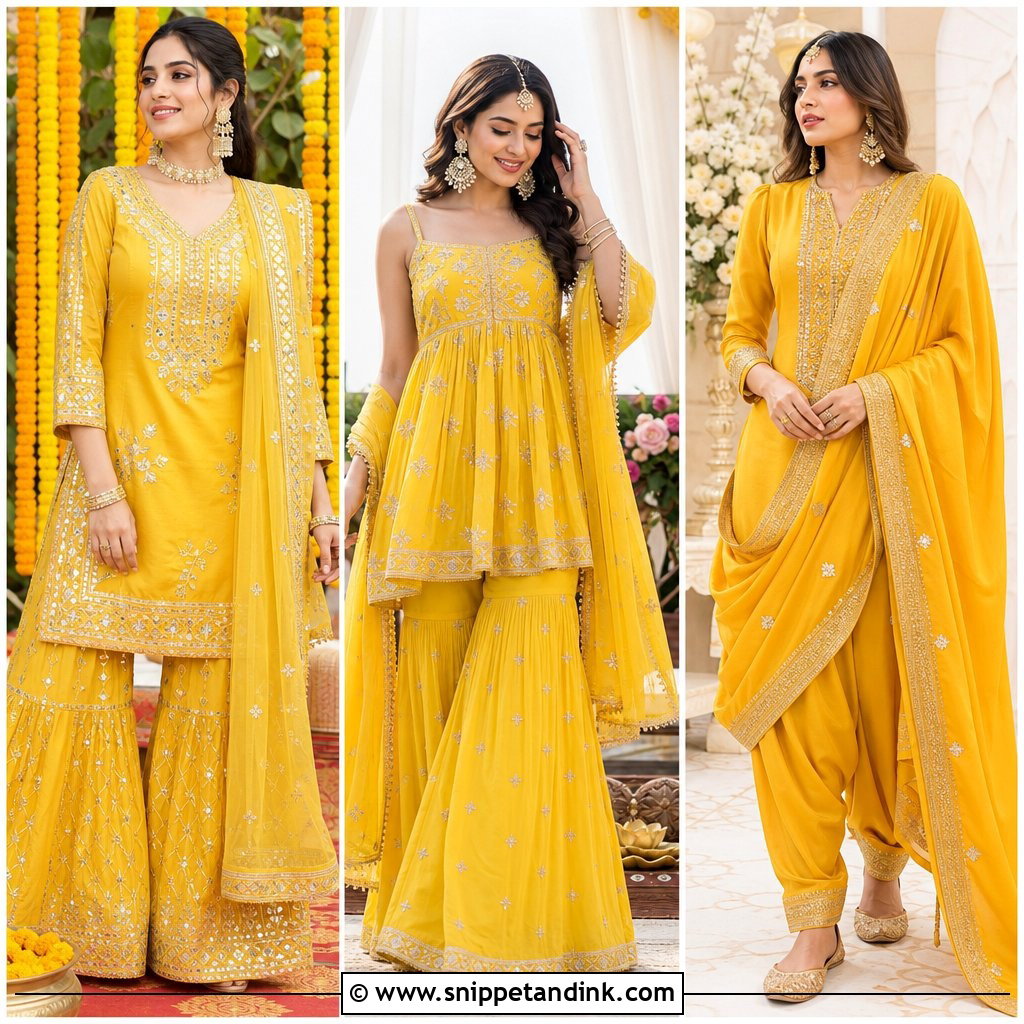
Wide sharara legs swing when you dance and let you sit cross-legged without hitching anything up, which is why I like them for bridesmaids who’ll be close to the rituals. A short kurti with mirror work or zari trim keeps it traditional. Mustard hides turmeric far better than pale lemon, a practical point if you’re the one helping the bride. For a group, mustard shararas with different necklines or dupatta drapes look coordinated without being identical.
3. Floral Anarkali For Haldi Bridesmaid
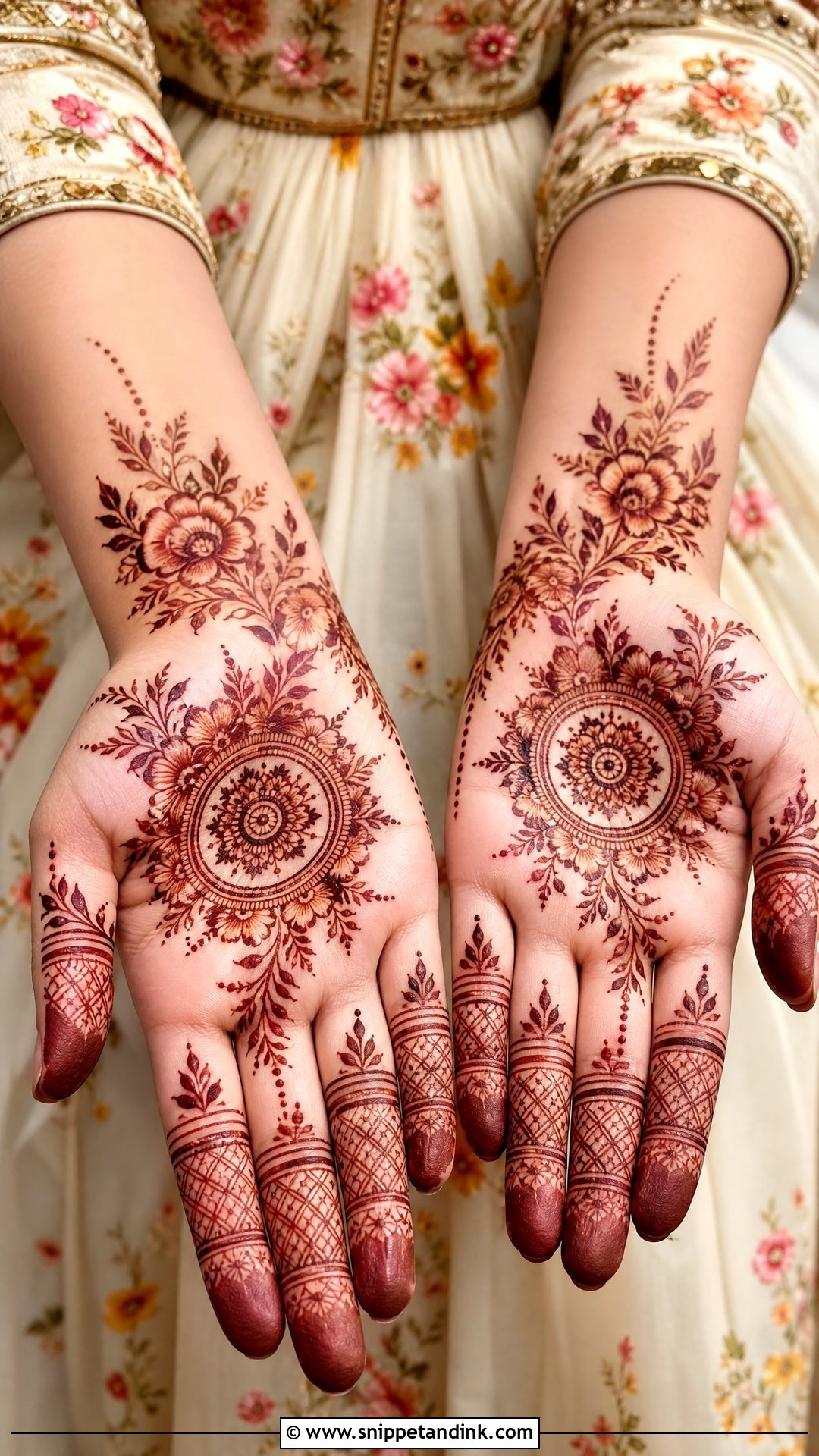
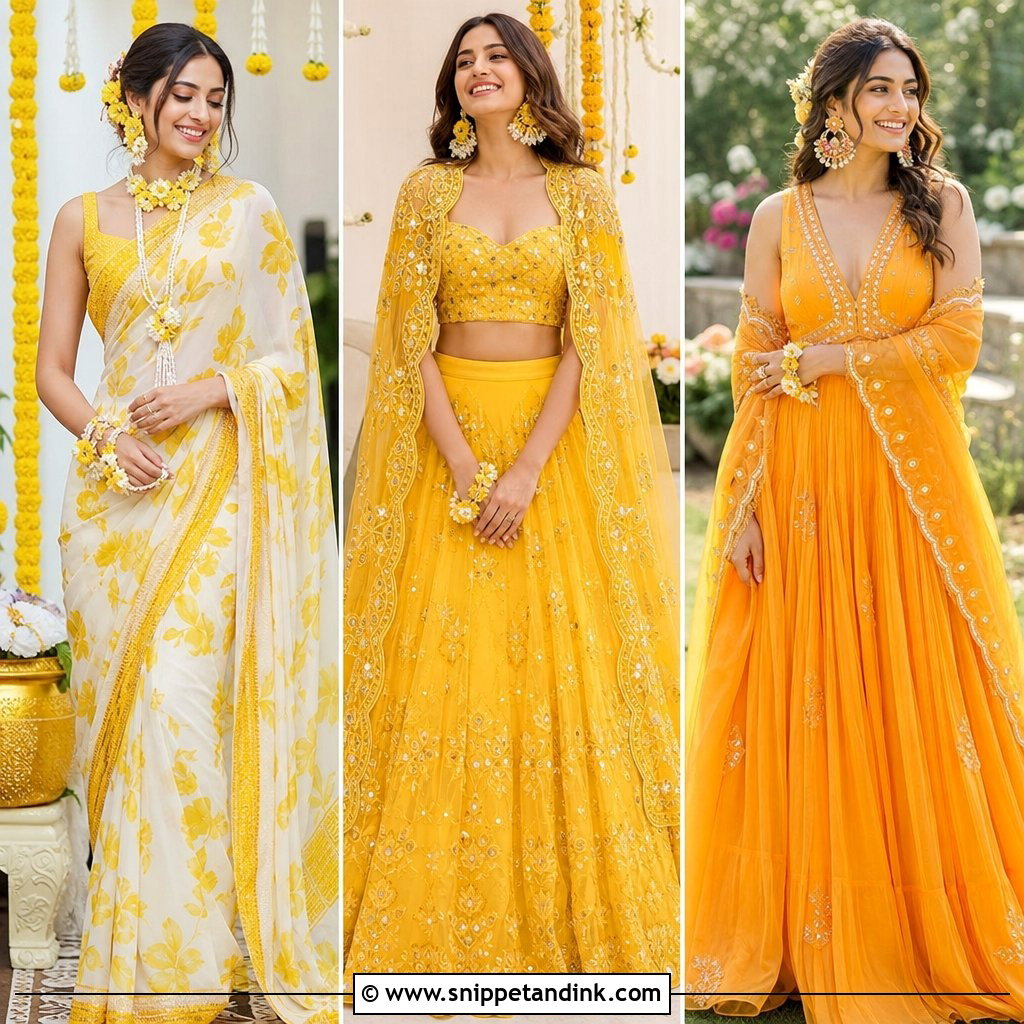
A floral anarkali gives full coverage without weight, which is why I suggest it for bridesmaids who want a modest silhouette. Look for cotton, chiffon or georgette in yellow, peach, pink or green prints. The flare moves well on camera and the fitted bodice keeps it neat. Full sleeves or a higher neck are easy to add. One thing to check at the fitting: very full anarkalis pool on the floor when you sit, so keep the hem just above the ankle. It suits mixed-age bridesmaid groups well.
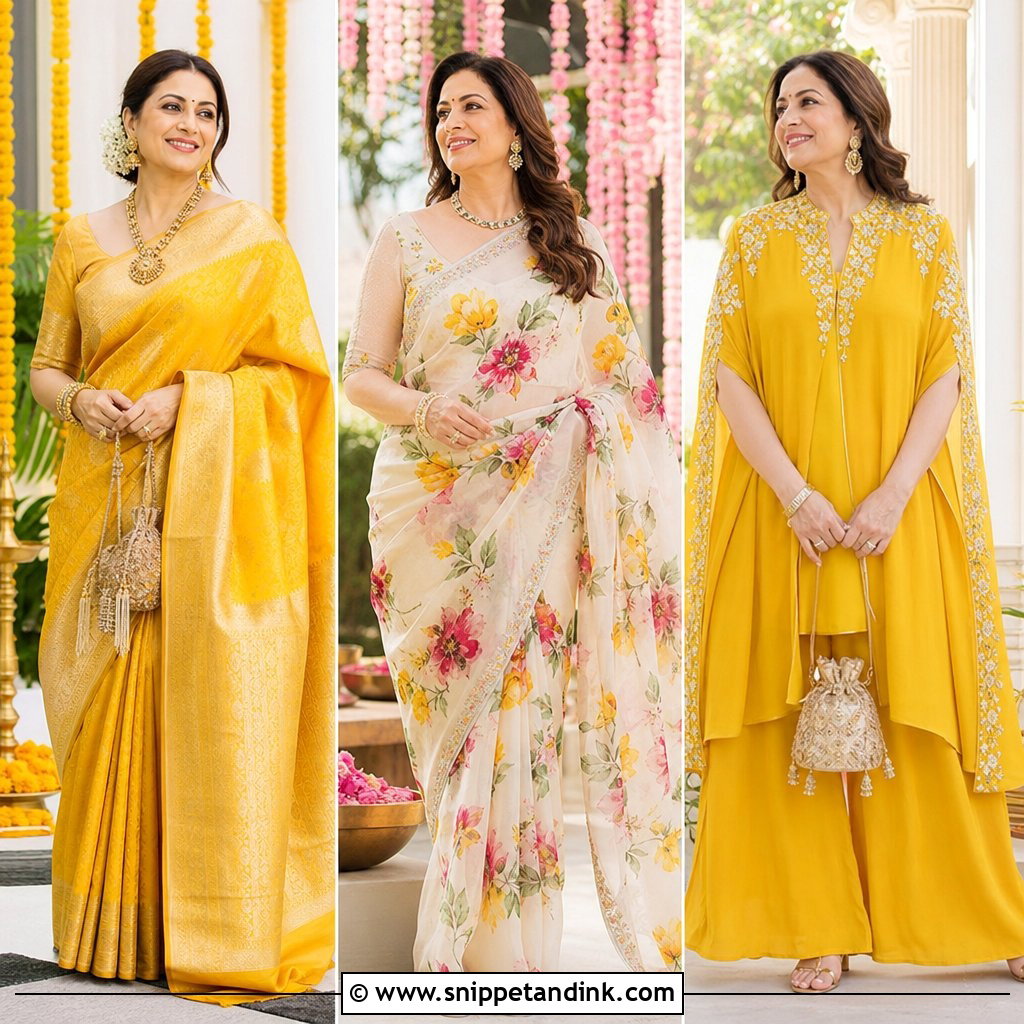
4. Yellow Saree For Haldi Bridesmaid
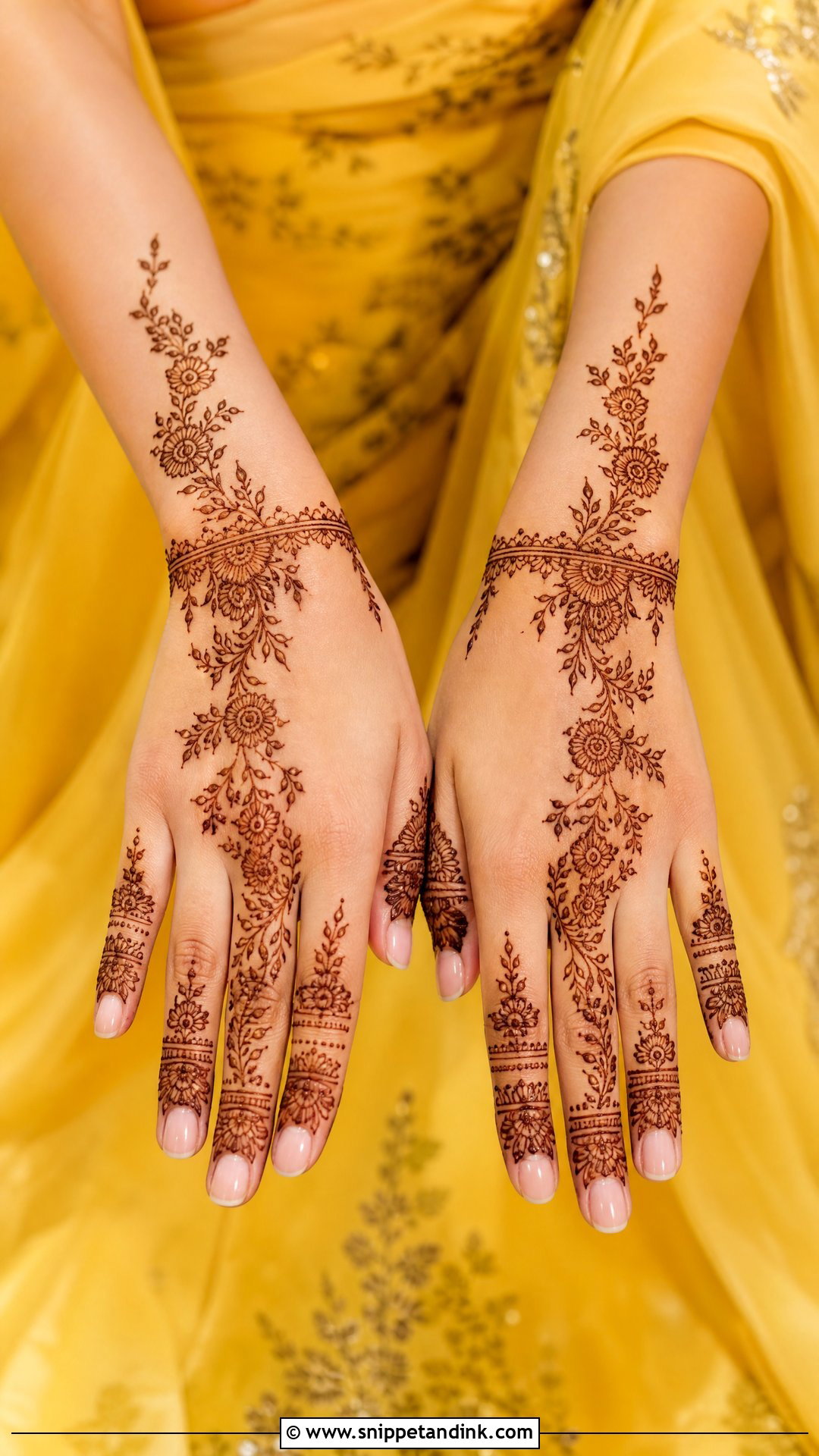
Skip heavy silk for a haldi saree. Chiffon, organza, linen or cotton drape lighter and survive a wash. A pre-stitched saree is a sensible option if you’re nervous about pleats coming loose during rituals. Choose the blouse by dress code: sleeveless, puff-sleeve or back-tie. A thin gold border or a floral print is enough detail. I pin the pleats at the waist and the pallu at the shoulder, both from underneath, and add a second pin at the shoulder for dancing.
5. White And Yellow Lehenga For Haldi Bridesmaid
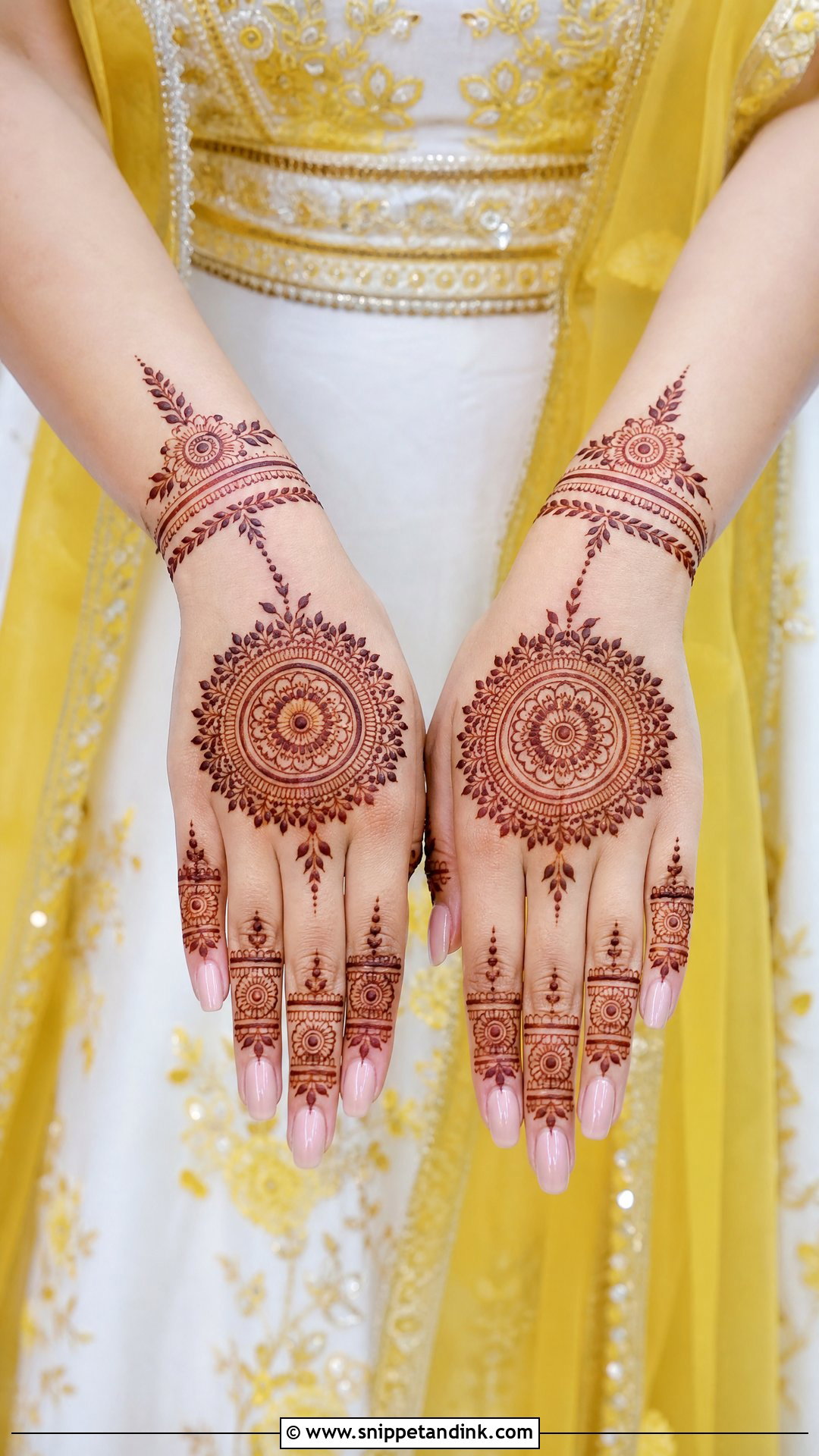
White and yellow together look clean against marigold decor, but white is the riskiest base at a haldi. I nudge bridesmaids toward ivory, cream or off-white, which hide a faint yellow mark far better than optical white. A white lehenga with yellow floral print, or a yellow dupatta over white, keeps the ceremony link. Only wear it if you’re fine with washing it, or if prints can disguise a smudge. Yellow bangles or floral jewelry tie it to the occasion, and it sits naturally at garden haldis with pastel themes.
6. Pink And Yellow Lehenga For Haldi Bridesmaid
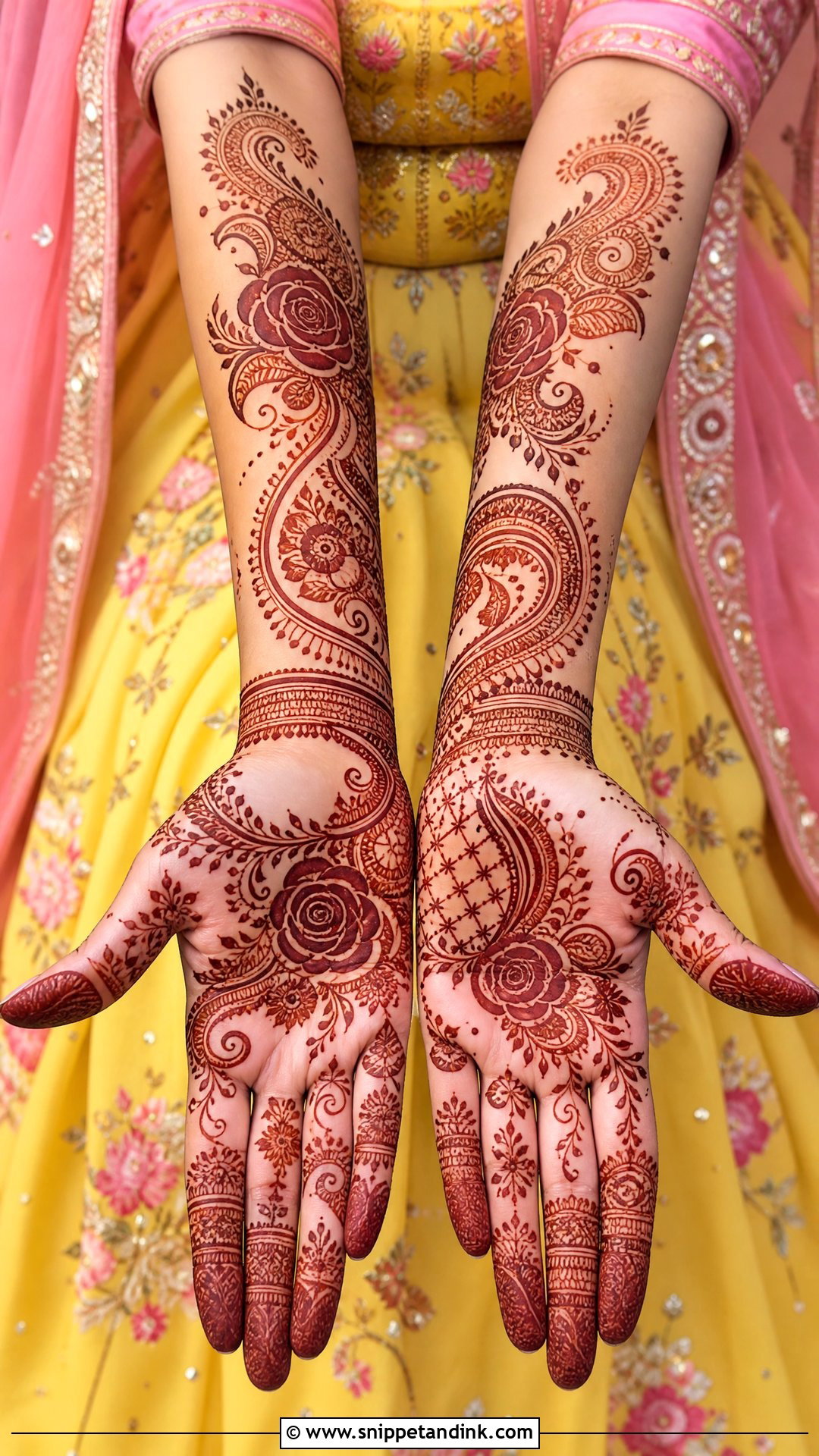
Pink and yellow are the combination I reach for when the bride is in solid yellow and the bridesmaids need to sit slightly apart from her on camera. It can be a yellow skirt with a pink blouse, a pink dupatta with yellow embroidery or a print that mixes both. Soft pink looks romantic and hot pink reads bolder. With two strong colors already working, I keep the jewelry to floral earrings and let the outfit do the rest.
7. Haldi Kurta Palazzo Set
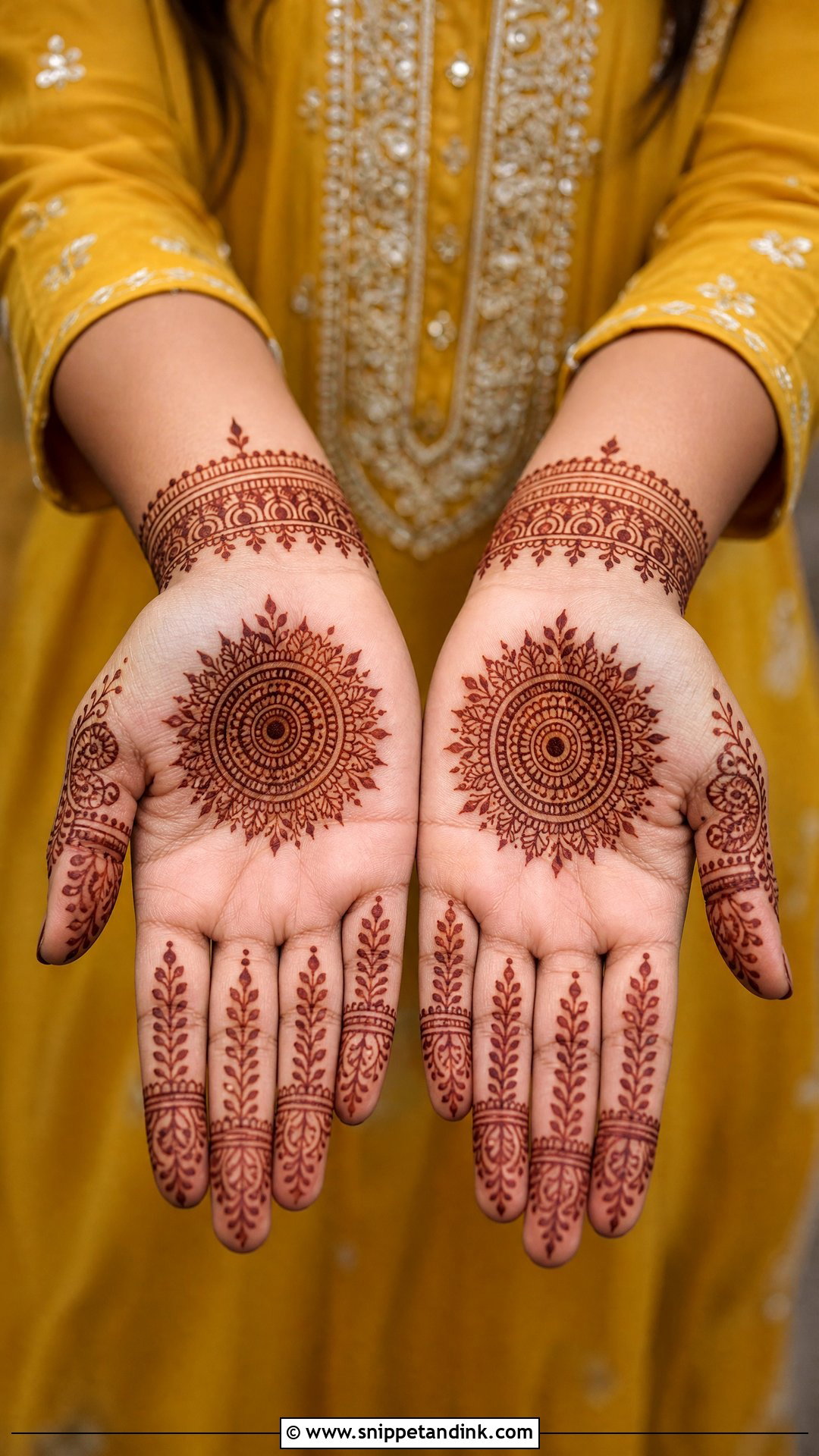
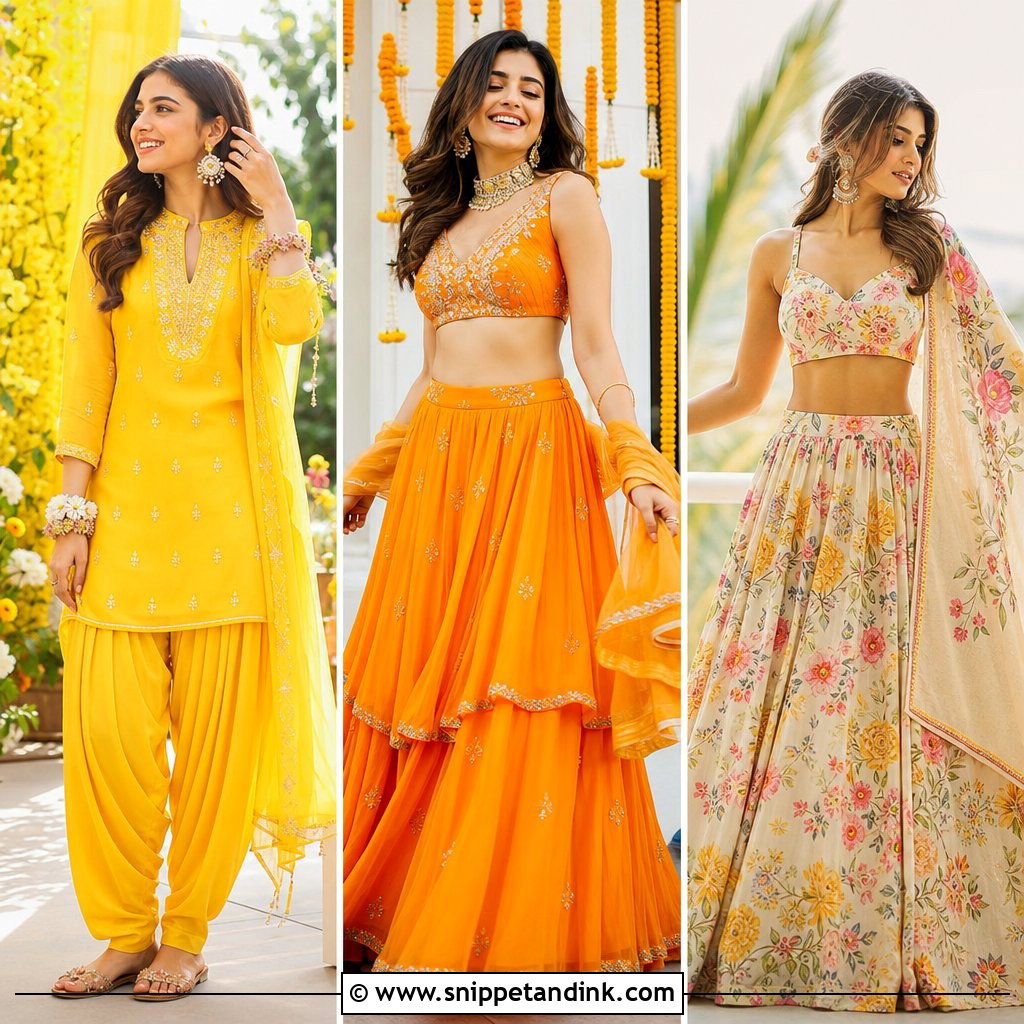
Comfort first? A kurta palazzo set is festive without any of the management a lehenga needs. A straight kurta over wide palazzos gives room to sit, move and help with rituals. Yellow, lime, ivory or peach with light embroidery, block print or mirror work all fit. At a home haldi it’s the most practical choice. A printed dupatta, jhumkas and stacked bangles dress it up, and kolhapuris or embellished flats suit it better than heels.
8. Haldi Crop Top Skirt
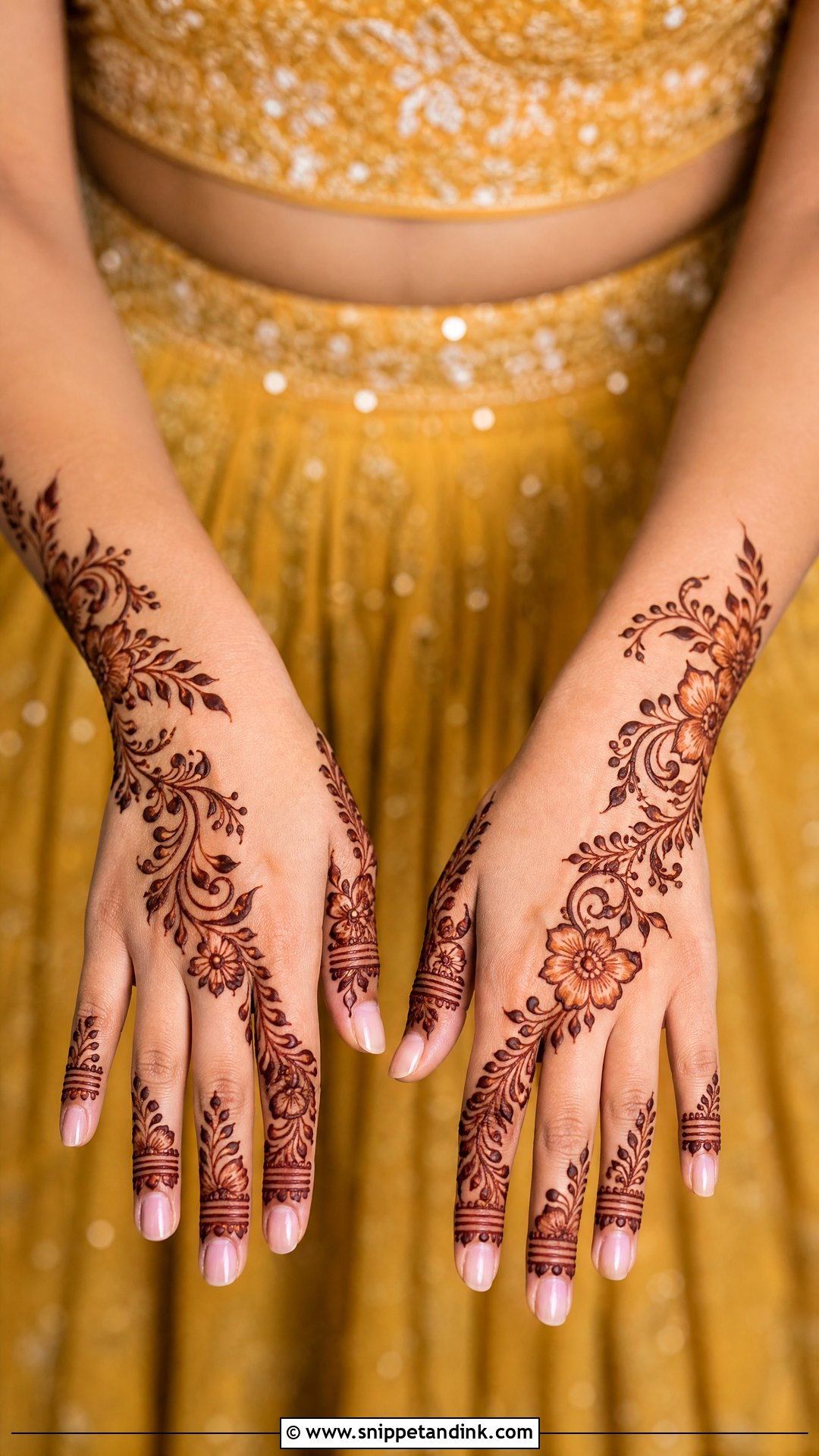
A crop top and flared skirt reads modern but still ethnic, and younger bridesmaids at destination haldis tend to love it. I’d pick a flared skirt in yellow, mango or a floral print with a simple crop blouse. The thing I check at the fitting is the gap between blouse and skirt when the arms go up, since applying haldi involves a lot of reaching. A light dupatta makes it more traditional if the family expects that, and mirror work or tassels add movement for twirling shots.
9. Haldi Cape Set Bridesmaid
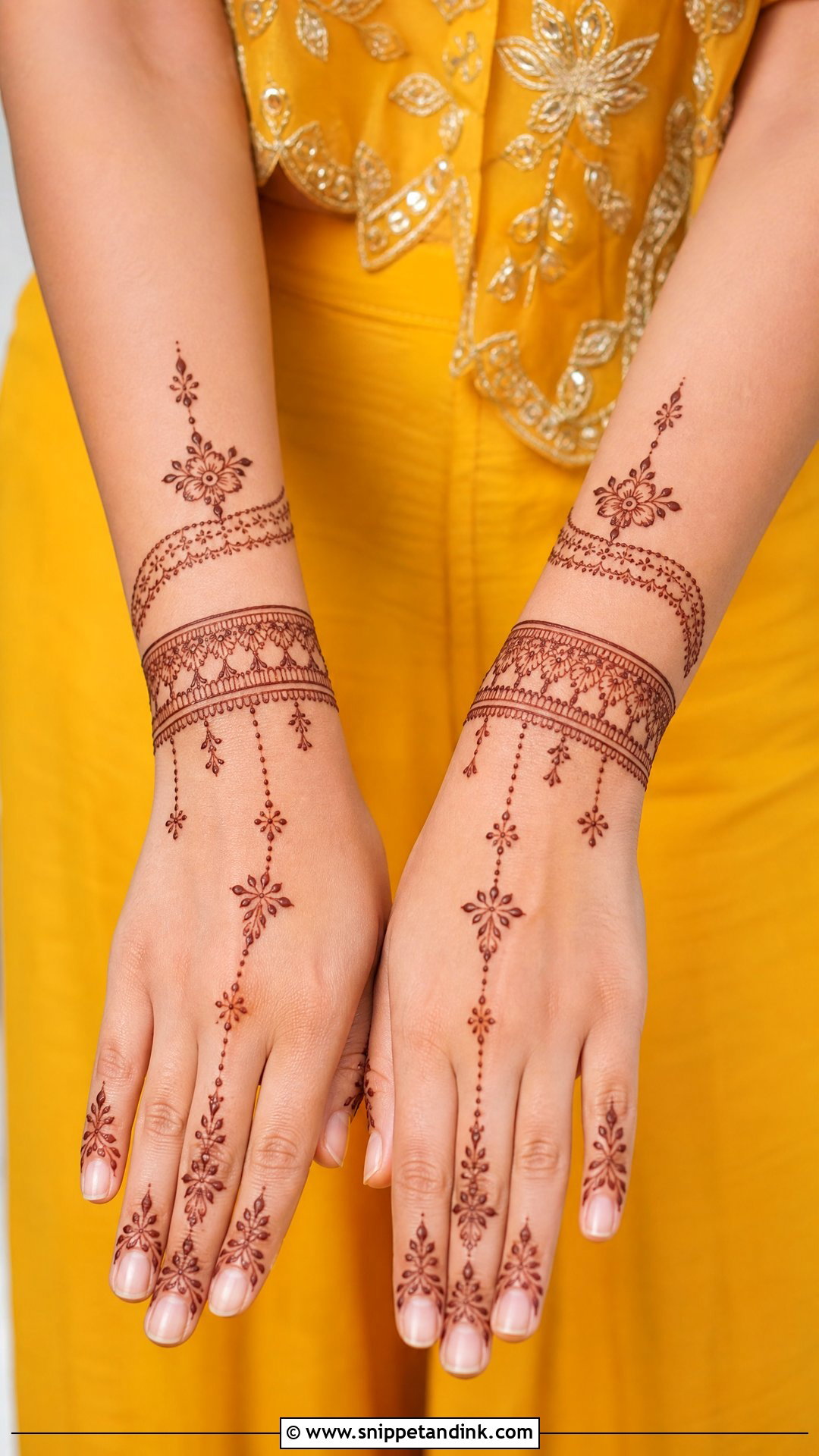
A cape replaces the dupatta, so you get movement without constantly re-pinning fabric. A yellow crop top with palazzos under a sheer cape looks fresh in daylight, or an embroidered cape over a kurta set gives a more modest version. It suits poolside, resort and open-lawn ceremonies. Very long capes are a problem on crowded or wet floors, since the hem drags through spilled paste. Let the cape be the statement and keep jewelry quiet.
10. Haldi Dhoti Pants Outfit
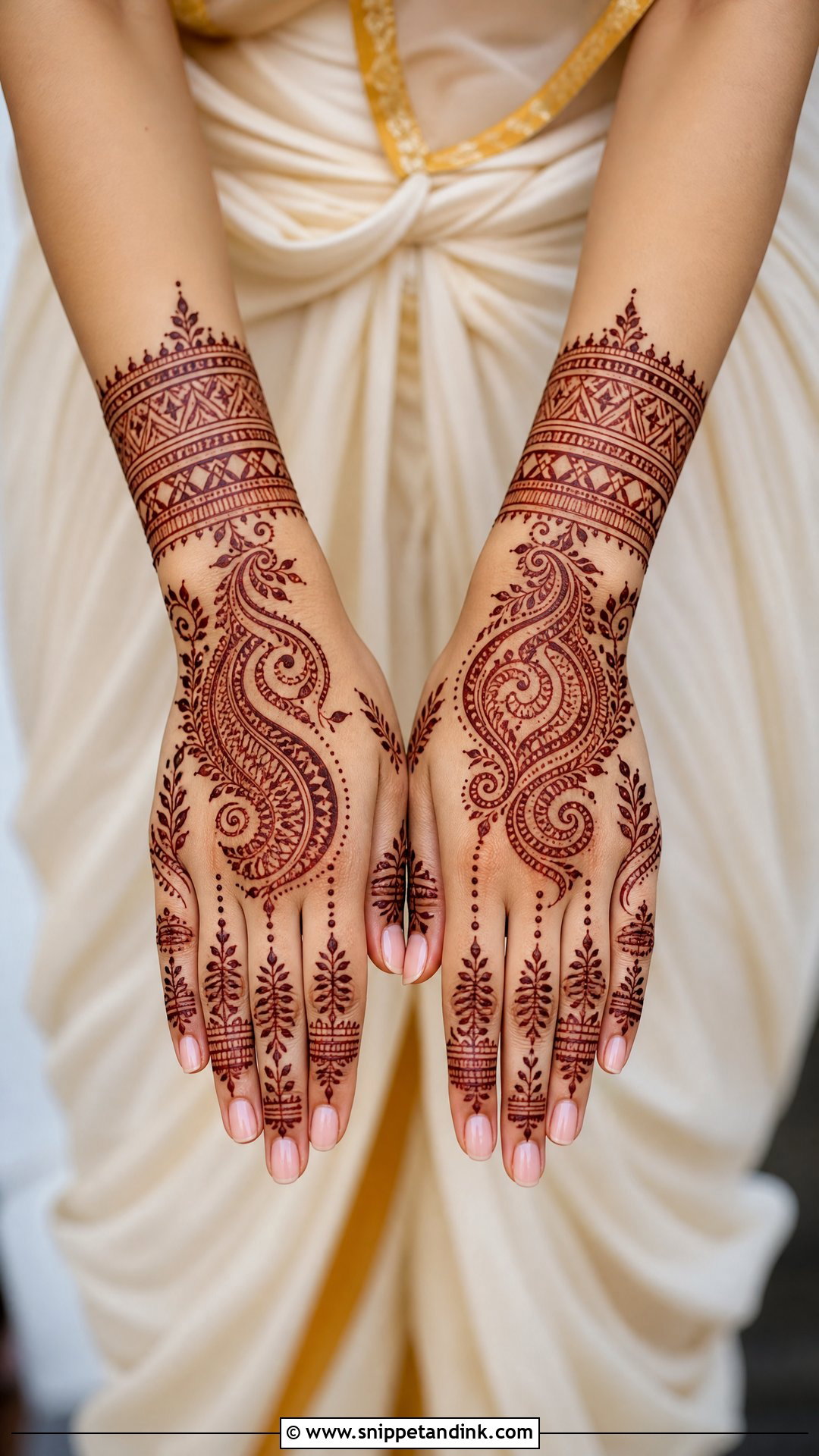
Dhoti pants bring an Indo-western feel and are about the easiest thing to run around in when you’re helping the bride. I pair them with a peplum top, short kurti or crop blouse, and a printed jacket or draped dupatta adds festivity. The drape needs a fabric with some fall, like rayon or crepe, because stiff cotton dhotis add bulk at the hips. Bold earrings, a braid and flats complete it.
11. Haldi Gharara For Bridesmaid
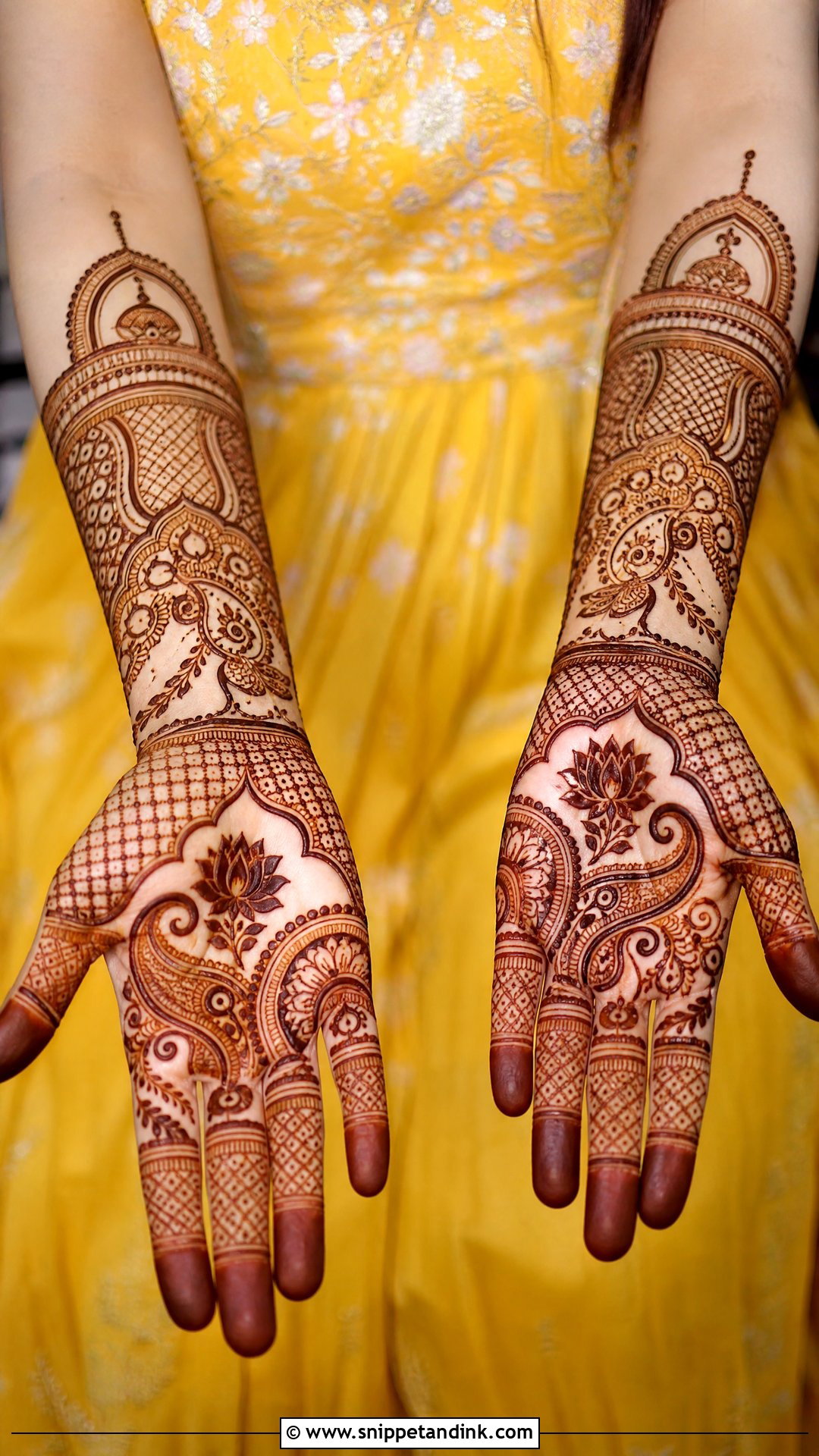
A gharara is fitted to the knee, then flares out in gathered fabric below, which looks rich on camera. It’s dressier than a sharara, so it suits a more traditional family. Yellow, mustard, lime or ivory ghararas with gota patti or mirror work fit the occasion. A short kurti and light dupatta balance it. Keep embroidery moderate, since haldis are more relaxed than the wedding itself. Gharara joins at the knee carry a lot of fabric, so I hem them a touch shorter than usual to avoid tripping on steps.
12. Haldi Co Ord Set Bridesmaid
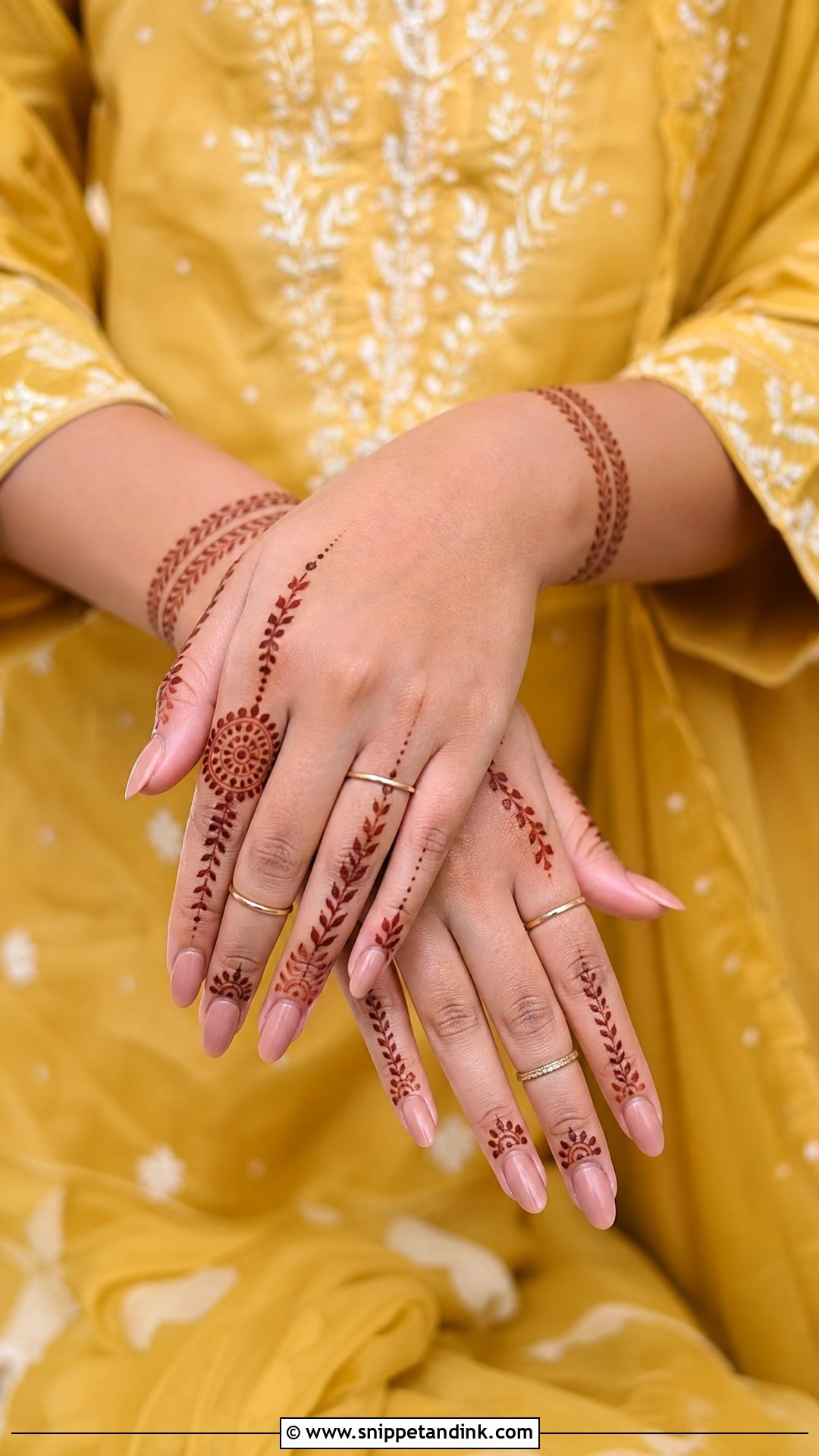
A co-ord set suits a bridesmaid who dresses simply in everyday life and doesn’t want to feel costumed. It might be a printed kurta and pants, a crop top with trousers or a tunic with wide-leg pants. Marigold, sunshine yellow or a floral print keeps the haldi connection. Under a modern dress code it looks more current than a traditional suit. Add a dupatta only if the family expects one, then finish with minimal jewelry and flats.
13. Haldi Jacket Lehenga Bridesmaid
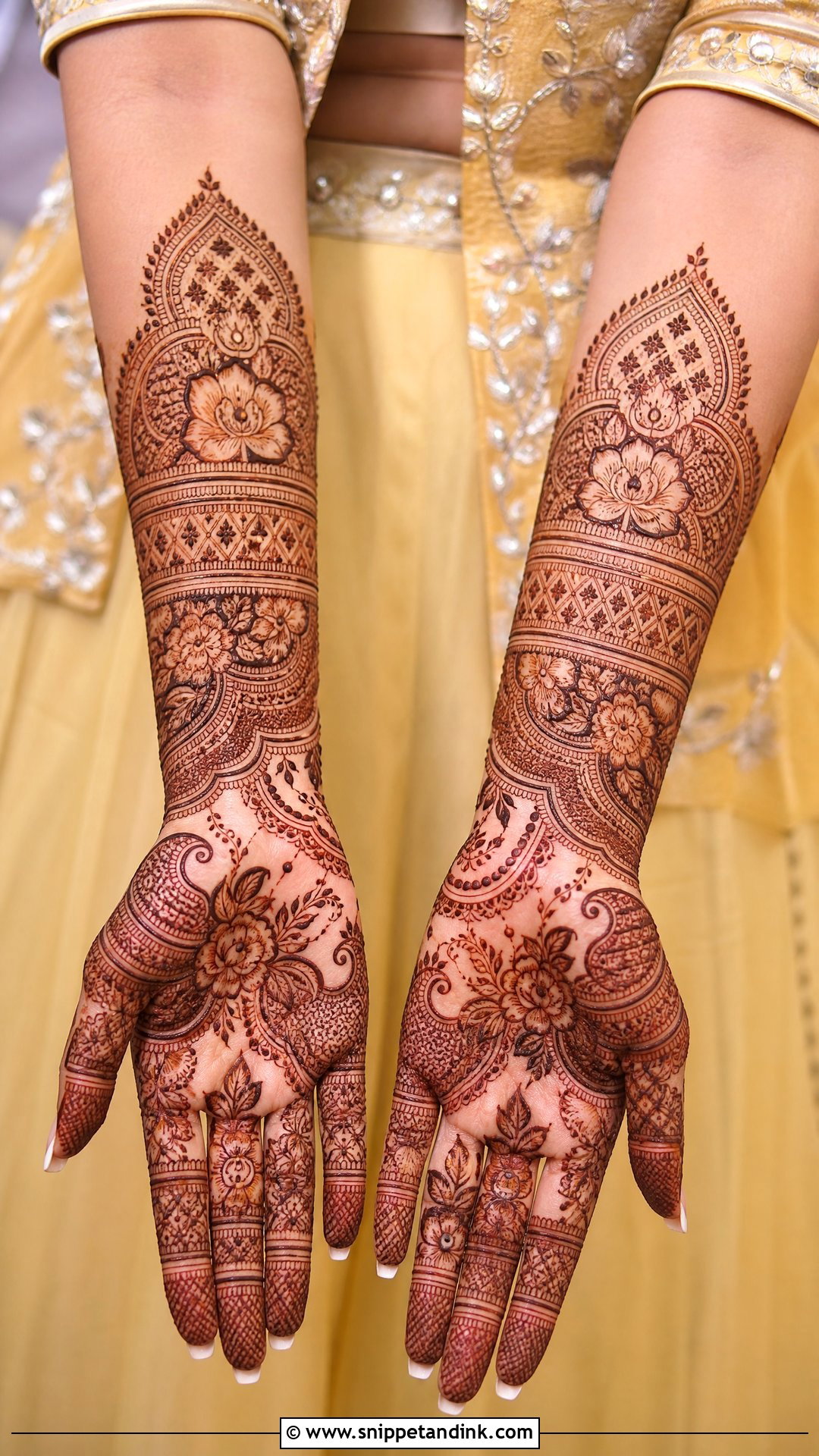
A jacket lehenga gives coverage and keeps both hands free, which matters when you’re passing bowls of paste around. A simple yellow lehenga under a printed or embroidered jacket balances well. Short jackets feel playful and long sheer ones look more formal. Heavily embroidered jackets get warm fast outdoors, so I’d go for a light one at a midday function. Neat hair keeps the attention on the jacket.
14. Haldi Printed Saree Bridesmaid
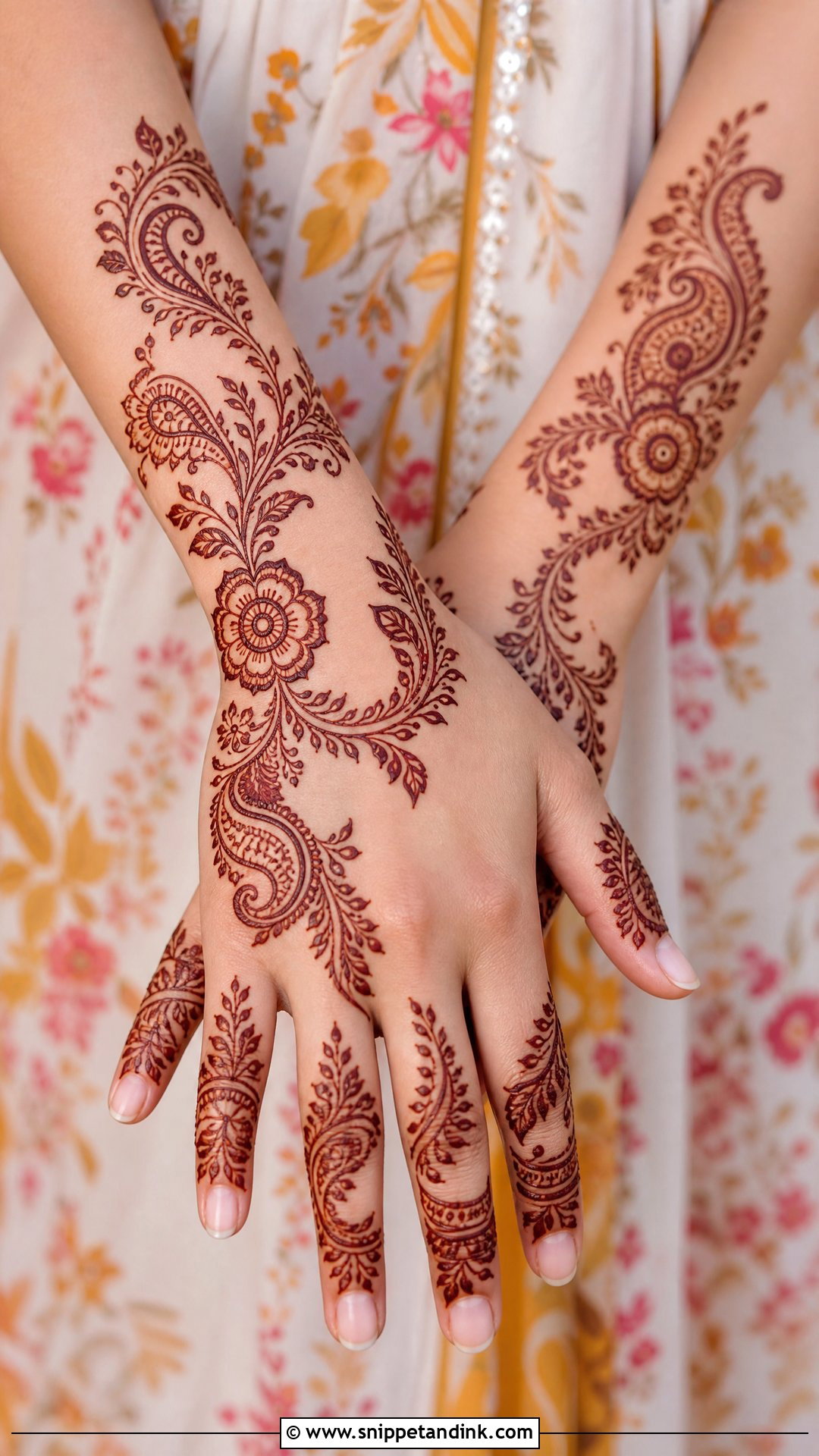
Printed sarees are lighter than embroidered ones and far more forgiving of a wash. Floral, leheriya, bandhani and abstract yellow motifs all suit a haldi, and Printed sarees in cotton, chiffon, georgette or organza can be chosen by venue. A contrast blouse in pink, green, orange or white makes it more fun. If you’re new to sarees, a pre-draped one saves a lot of worry. Simple earrings, a bindi and flowers in the hair finish a classic daytime look.

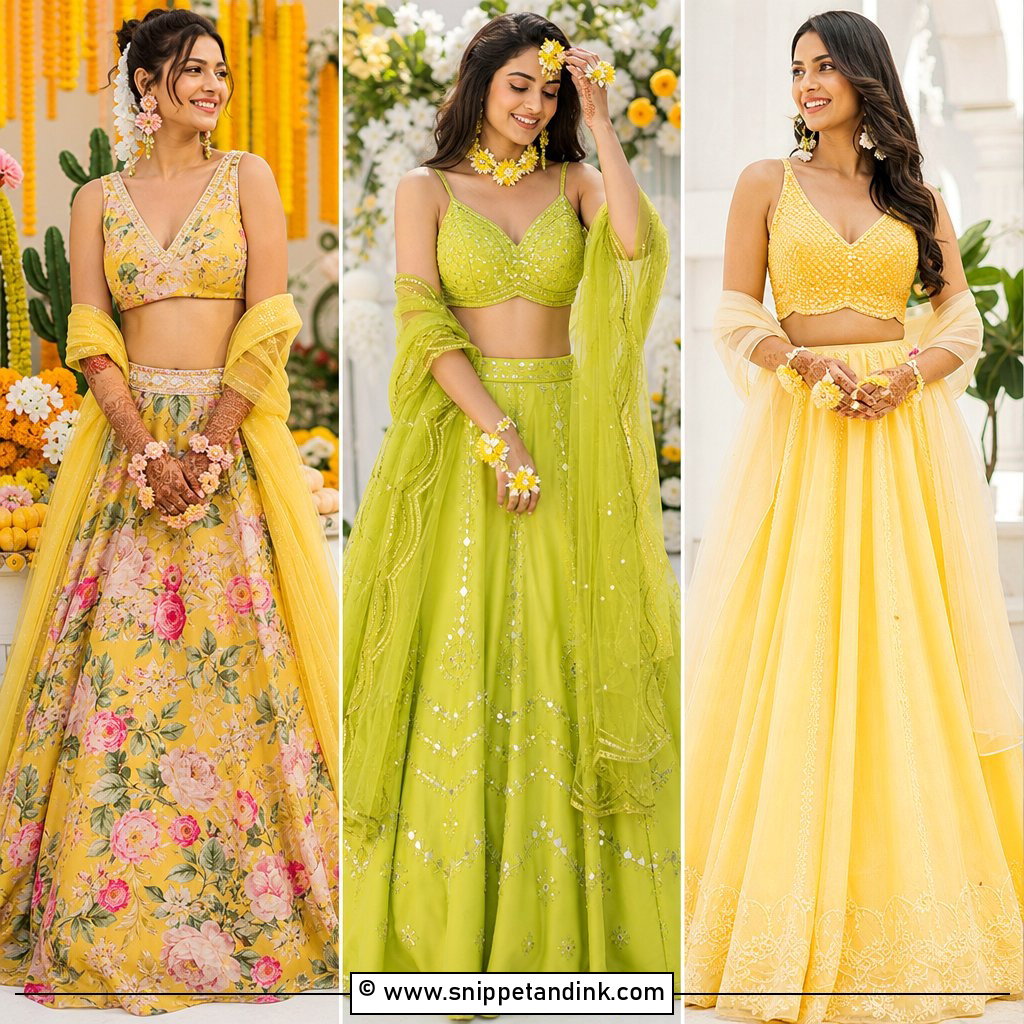
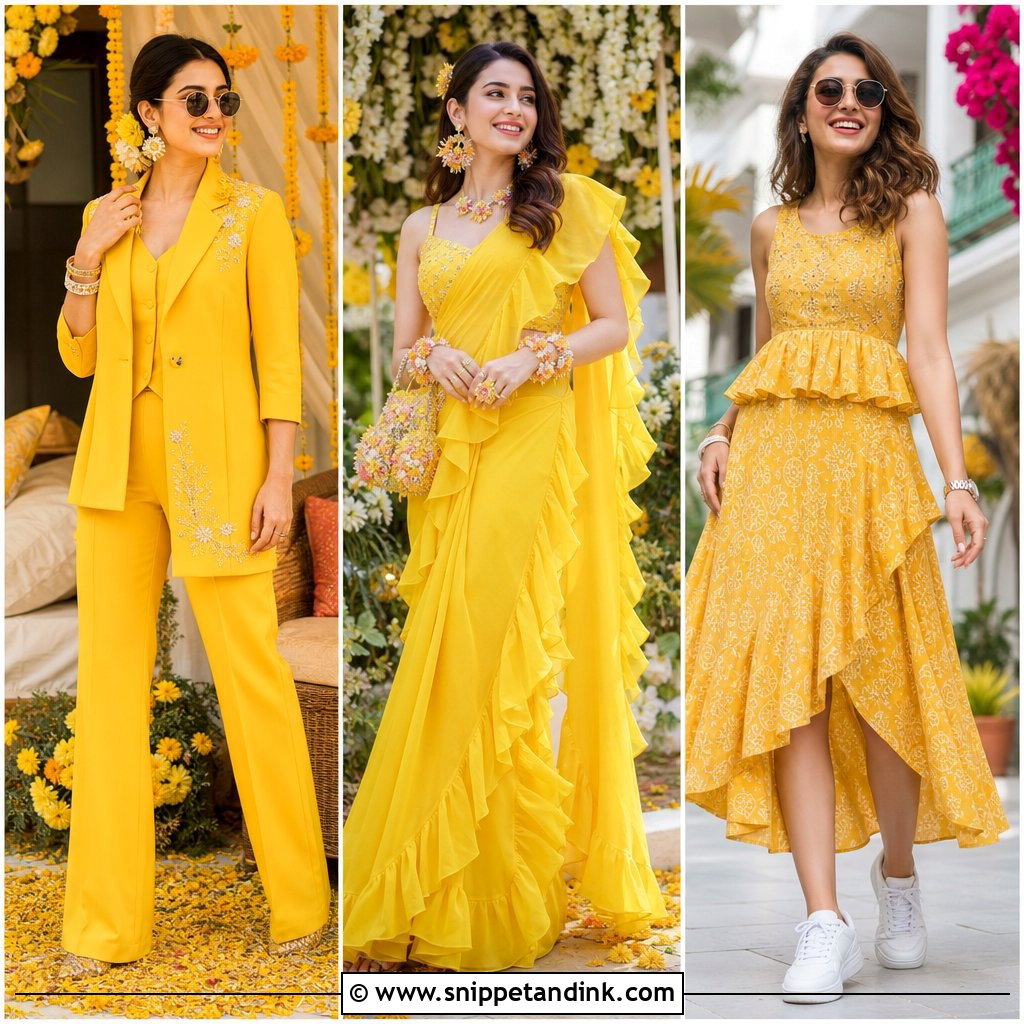
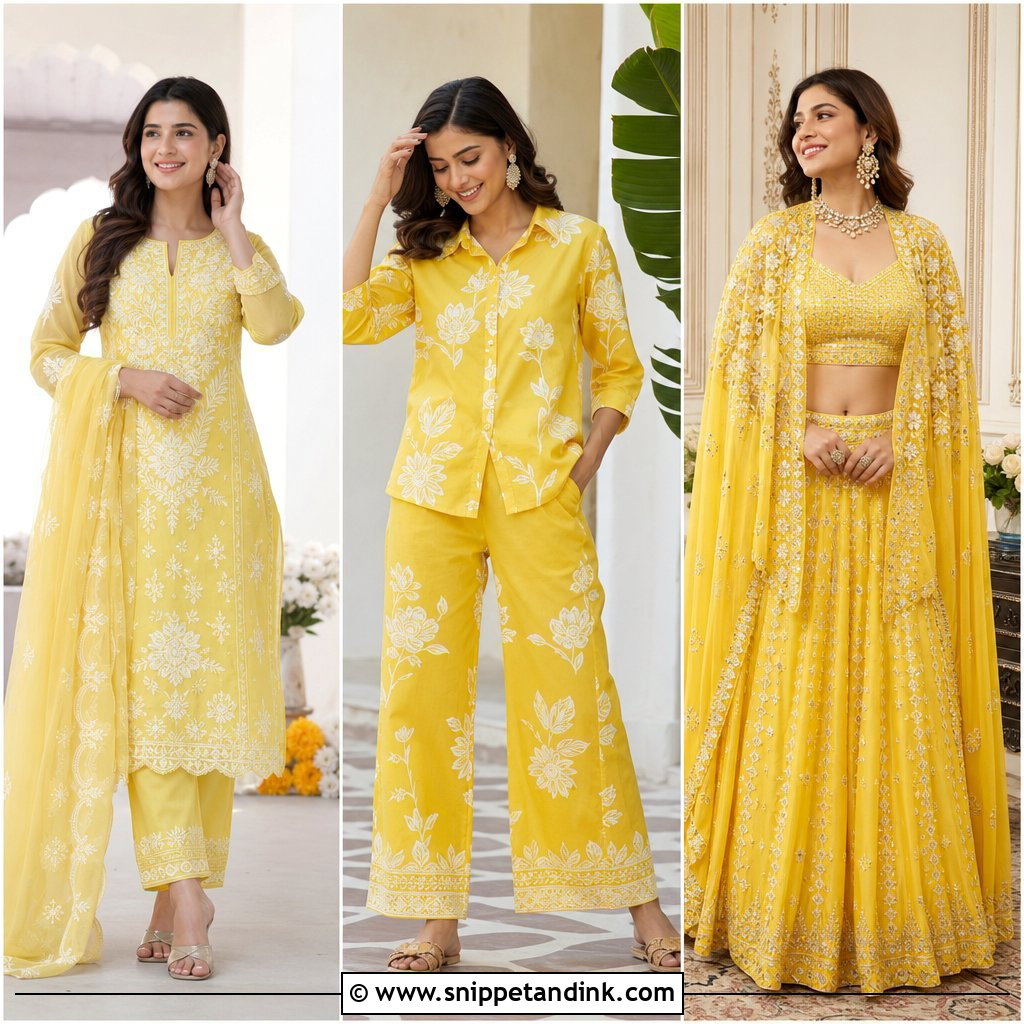
15. Haldi Chikankari Kurta Bridesmaid
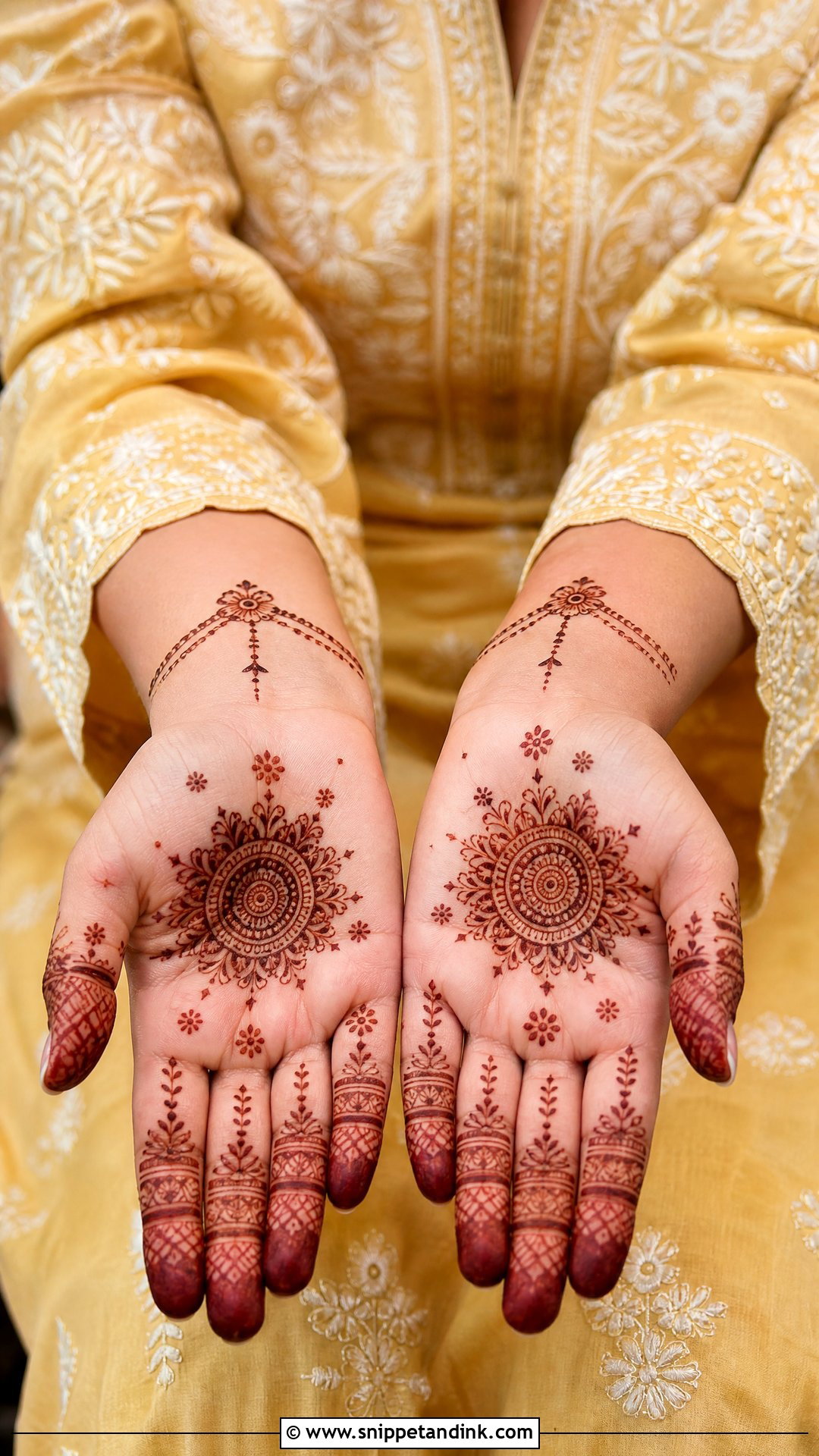
Chikankari is delicate hand embroidery traditionally worked in white thread, and it suits bridesmaids who prefer texture to shine. Yellow chikankari on cotton, georgette or modal breathes well for daytime rituals. Wear it with palazzos, straight pants or a flowy skirt. White chikankari with yellow accessories fits pastel themes. Hand-worked chikankari should be washed gently and never wrung, so think about how you’ll clean it before you sit near the paste. It’s also one of the most reusable outfits here.
16. Haldi Mirror Work Lehenga Bridesmaid
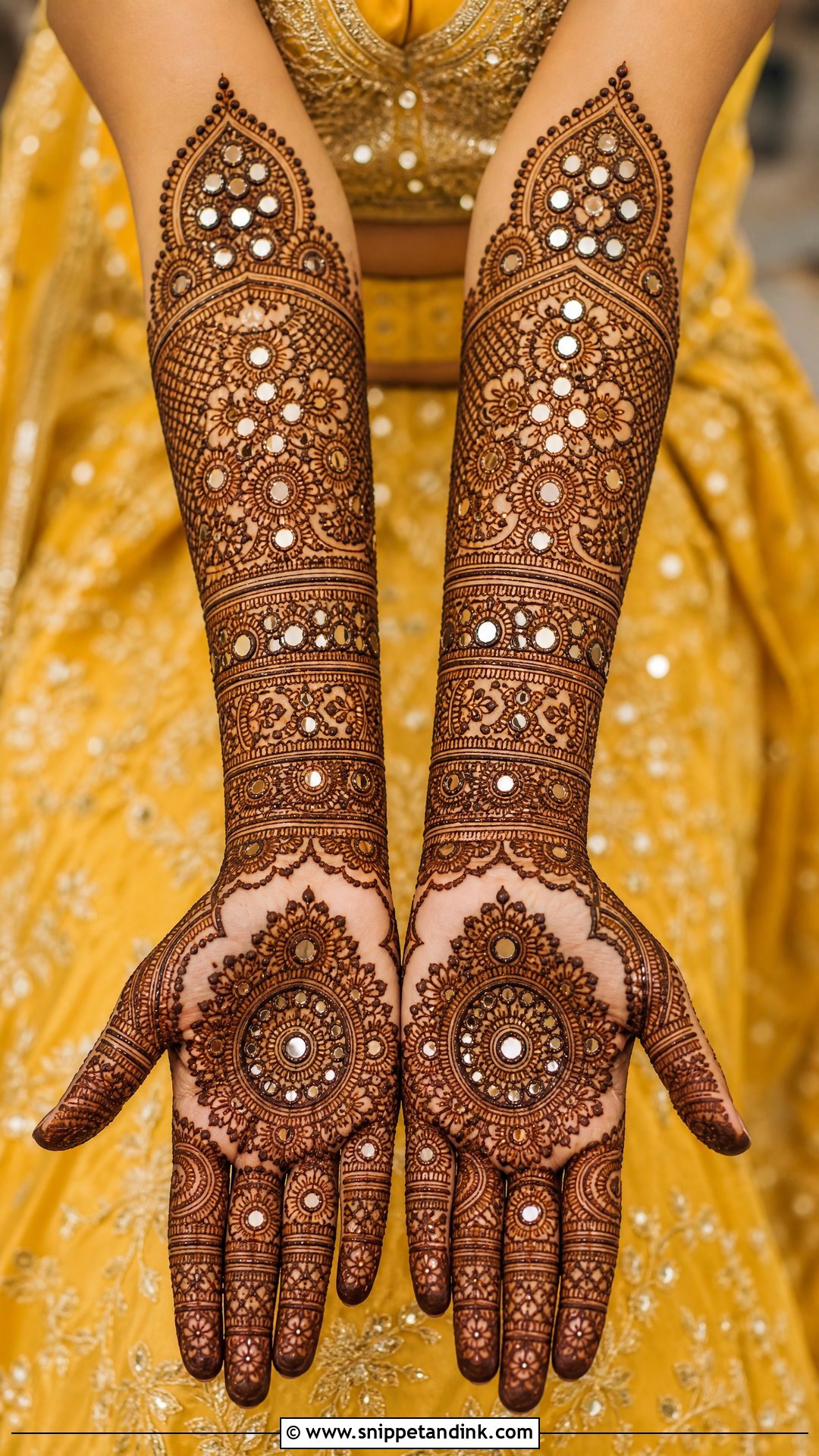
Mirror work does the sparkling for you, so the jewelry can stay minimal. Small mirror detailing keeps the lehenga light, while dense all-over work gets heavy and scratchy against the arms. Sunlight catches the mirrors naturally, which is why this suits desert, palace and open-air venues. A simple blouse, flared skirt and matching dupatta are enough. Mirrors can’t go in a machine, so turmeric on the surrounding fabric needs spot cleaning rather than a full wash.
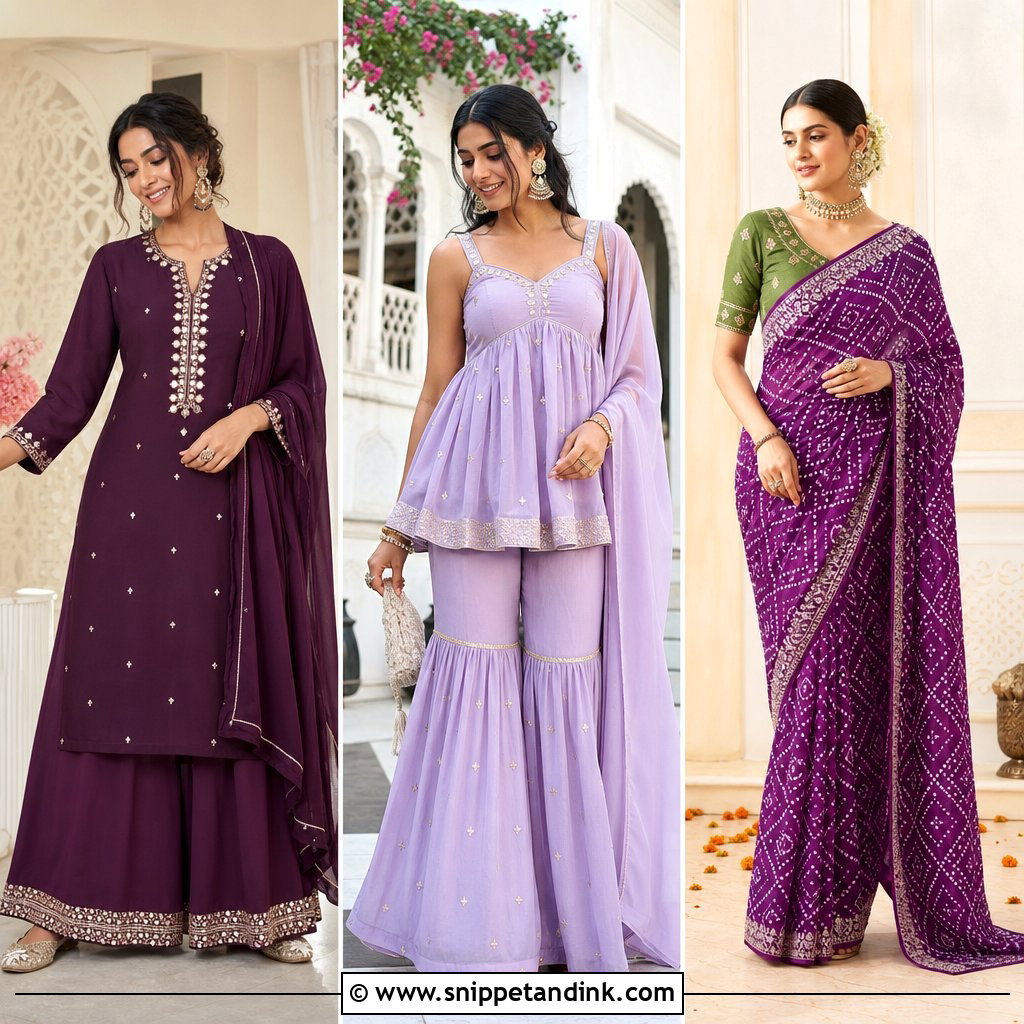
17. Haldi Bandhani Outfit Bridesmaid
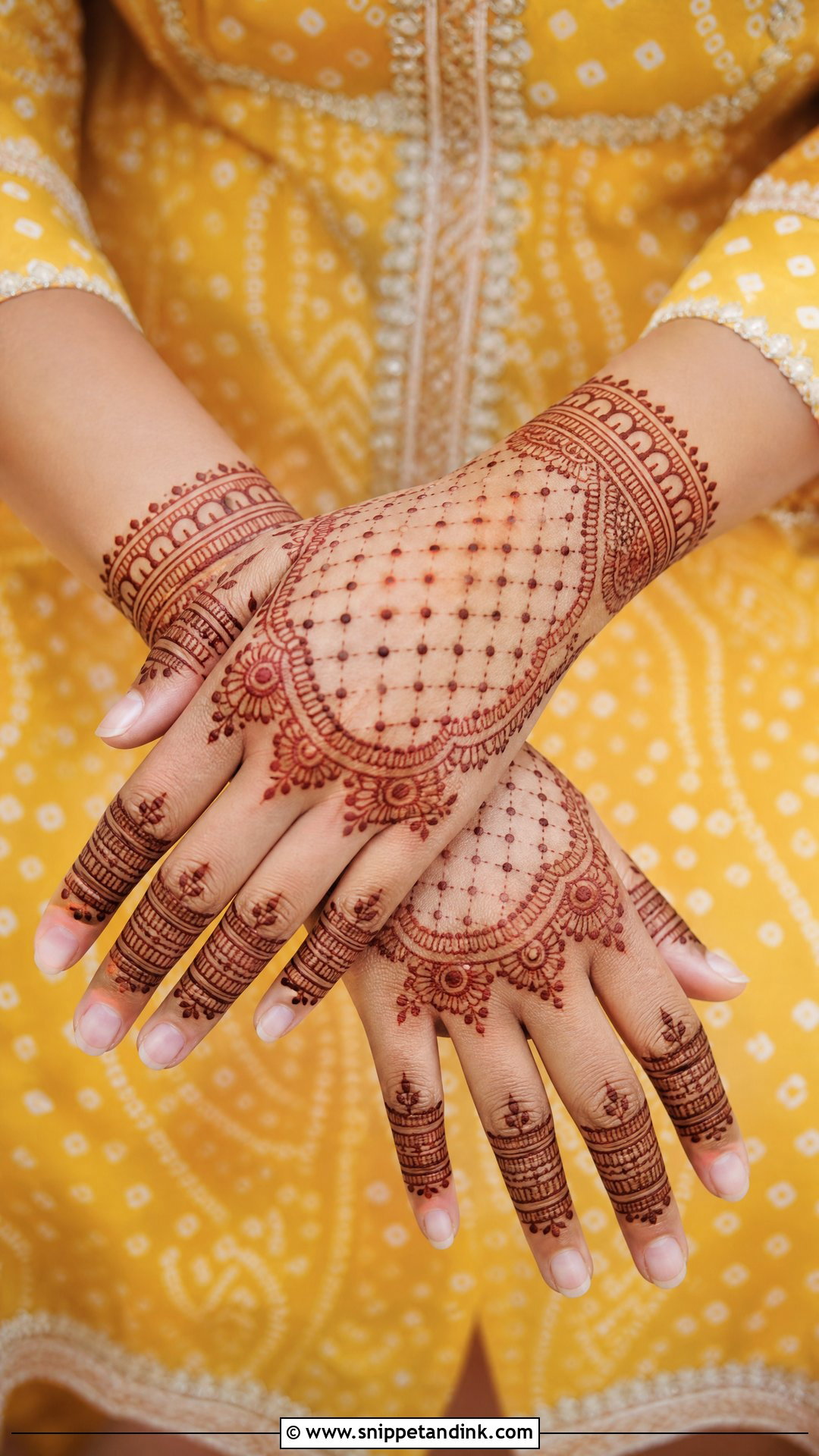
Bandhani is tie-dye that leaves tiny dots across the fabric, and that busy pattern hides small stains far better than plain cloth. A yellow bandhani saree, lehenga or kurta set brings regional character, and yellow mixed with pink, green, orange or red looks richer. I prefer lightweight cotton silk, georgette or chiffon. Oxidized jewelry, bangles and a bindi give a folk finish that suits Rajasthani and Gujarati themes. Bandhani dyes can bleed, so the first wash should be cold and on its own.
18. Haldi Leheriya Saree Bridesmaid
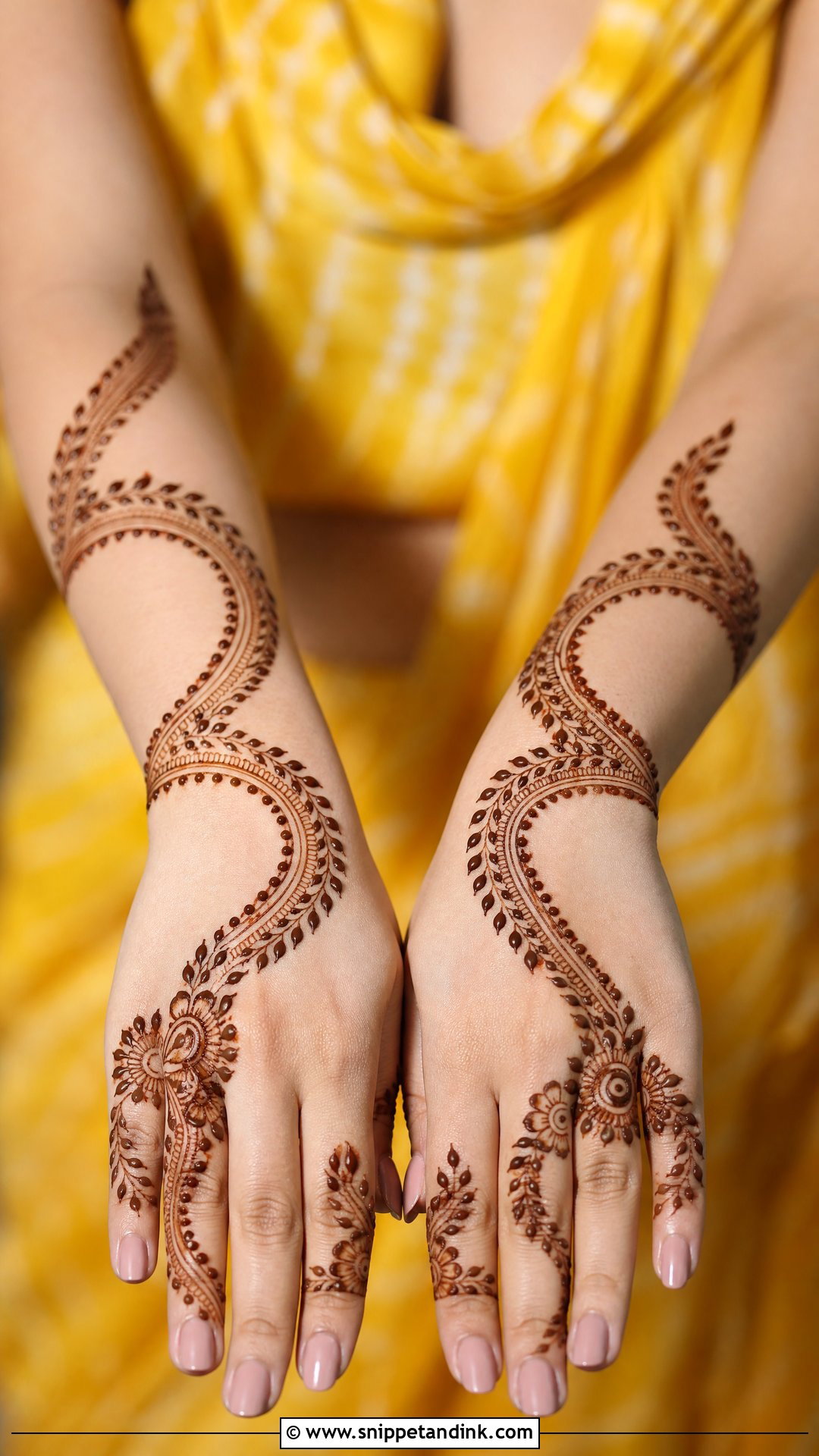
Leheriya is a resist-dyed wave pattern, and it looks lively in candid pictures because the stripes move with the drape. Yellow with pink, orange or green accents gives color without heavy embroidery. Chiffon, georgette or light silk drape easily. I pair it with a plain blouse so the pattern stays clean. A pre-stitched leheriya saree gives the same look with less fuss, and a low bun with flowers keeps the neckline clear.
19. Haldi Peplum Top Sharara Bridesmaid
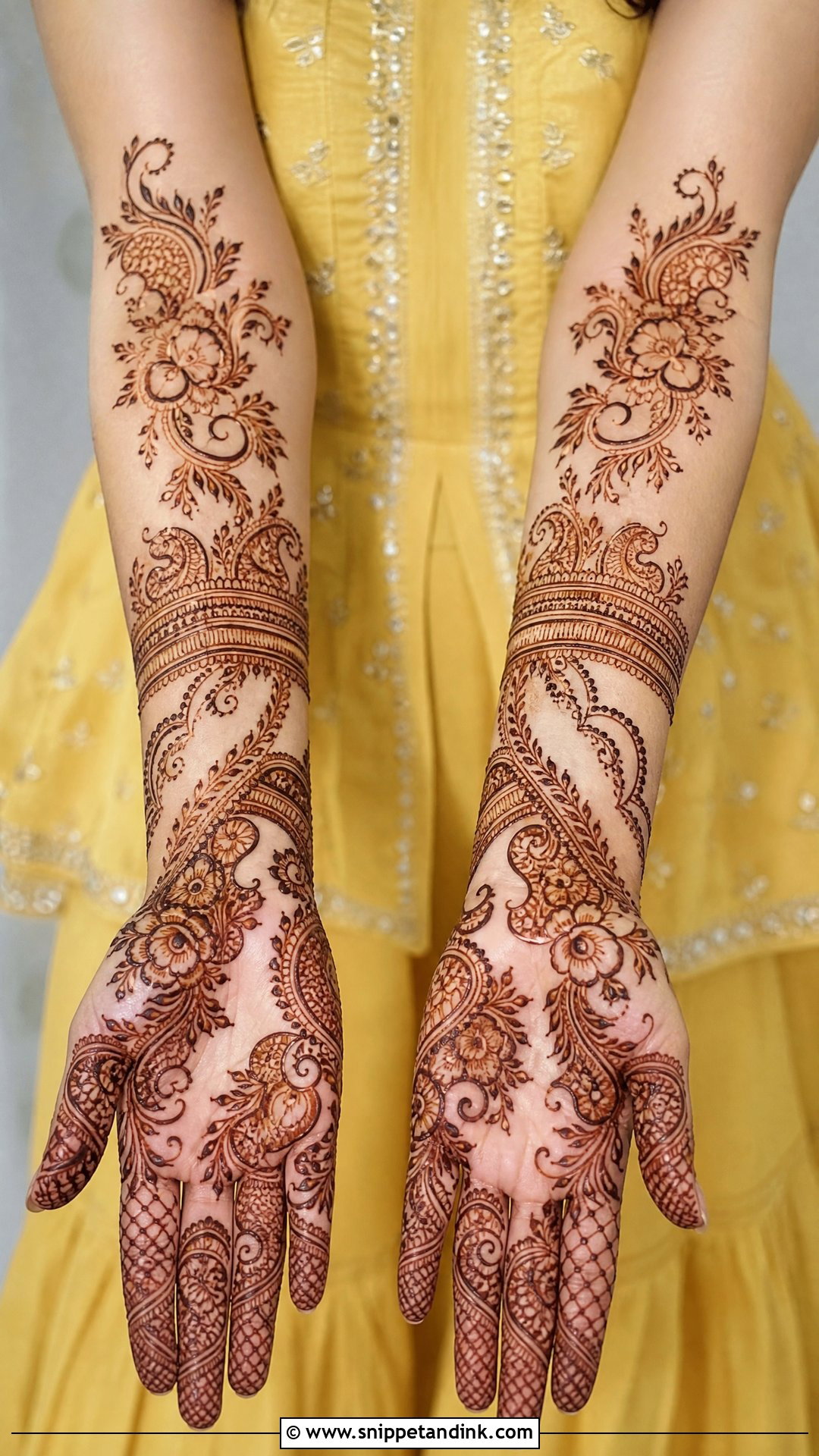
A peplum flares out at the waist, giving shape for bridesmaids who don’t want to wear a cropped blouse, and the sharara underneath keeps it festive. Yellow, mango or ivory with gota, mirror or thread work all fit. The dupatta is optional here. It’s comfortable for dancing and helping the bride, and statement earrings with simple hair keep the silhouette clean.



20. Haldi Organza Saree Bridesmaid
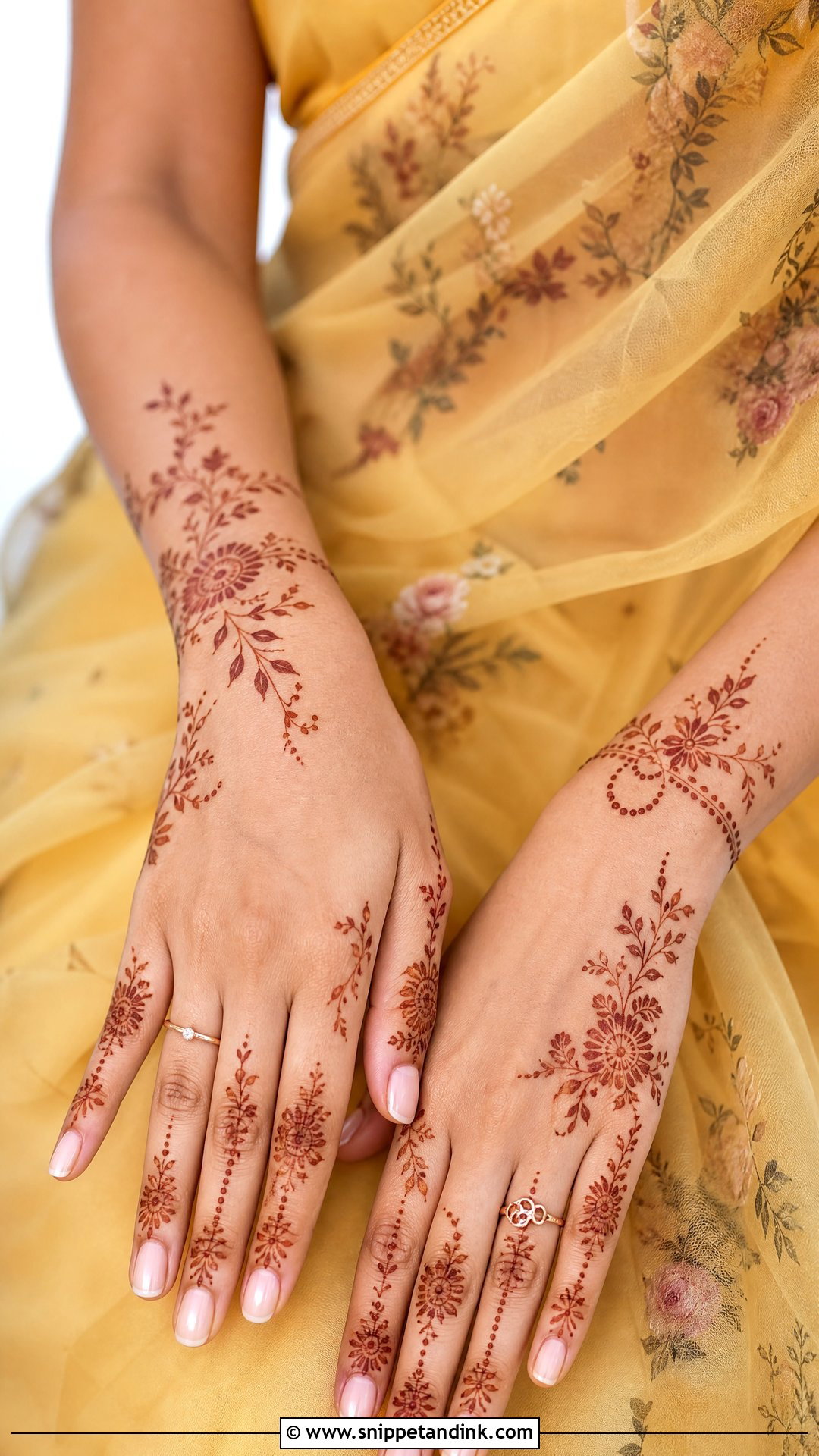
Organza is crisp and holds volume, which gives a saree a light, airy shape in pastel yellow, lemon, ivory or peach. Small floral embroidery or a thin border suits daytime. Because the fabric stands away from the body, I keep the blouse fitted and simple, and pin the pleats well. My honest advice: save organza for a styled, photo-led haldi. Silk organza water-marks easily and turmeric doesn’t come out of it cleanly, so it’s the wrong pick for a messy one.
21. Haldi Cotton Suit Bridesmaid
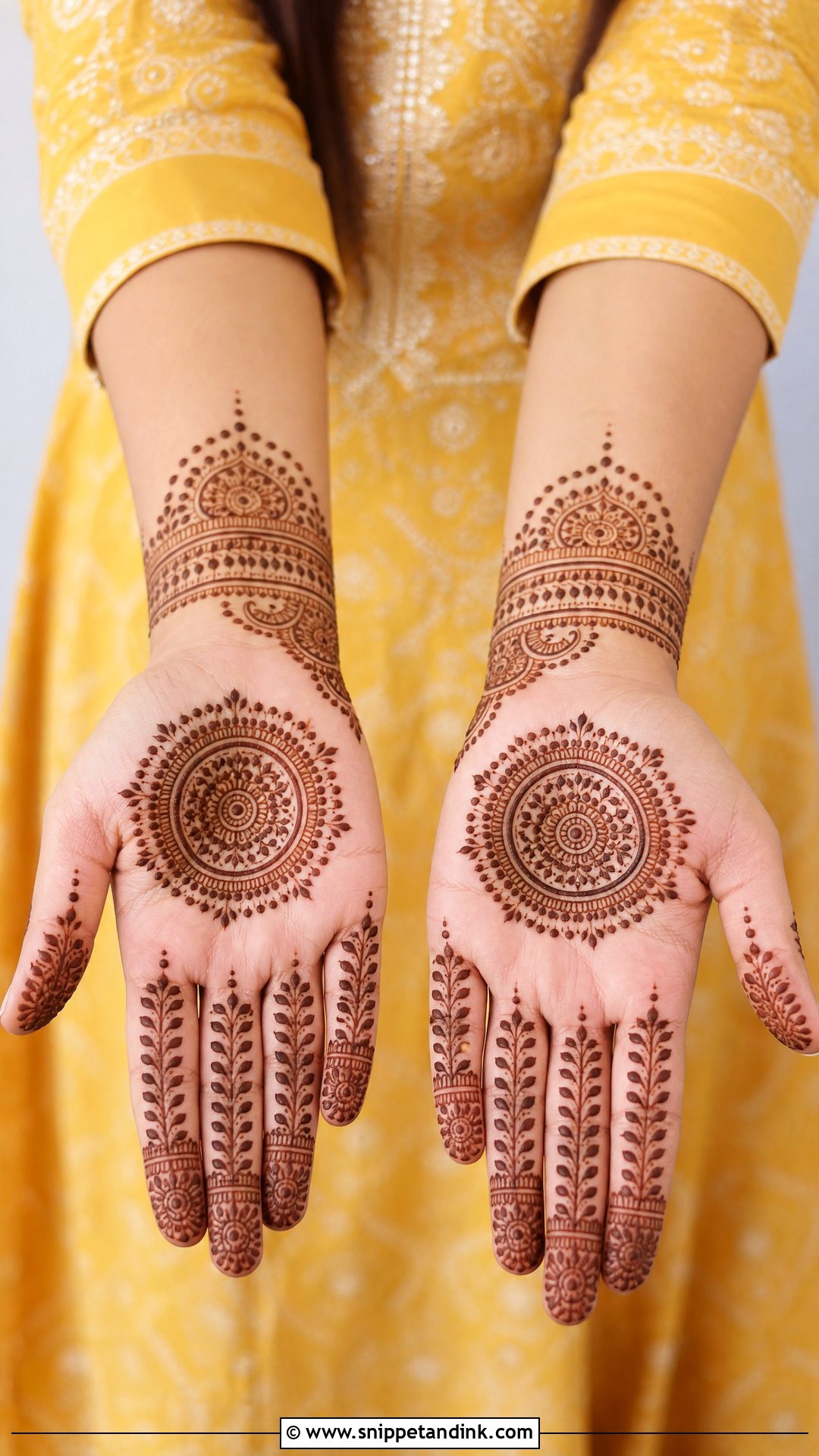
For a casual, hot or home haldi, a cotton suit is the most sensible choice in this list. It breathes, washes and can still look festive in yellow block print, floral print or with gota trim. Straight pants, palazzos or churidars all work. It’s budget-friendly and reusable for other wedding events. Silver jewelry, bright bangles or fresh flower earrings dress it up, and flats keep it practical. Pre-wash it once at home, since cotton block prints can shrink slightly the first time.
22. Haldi Indo Western Jumpsuit
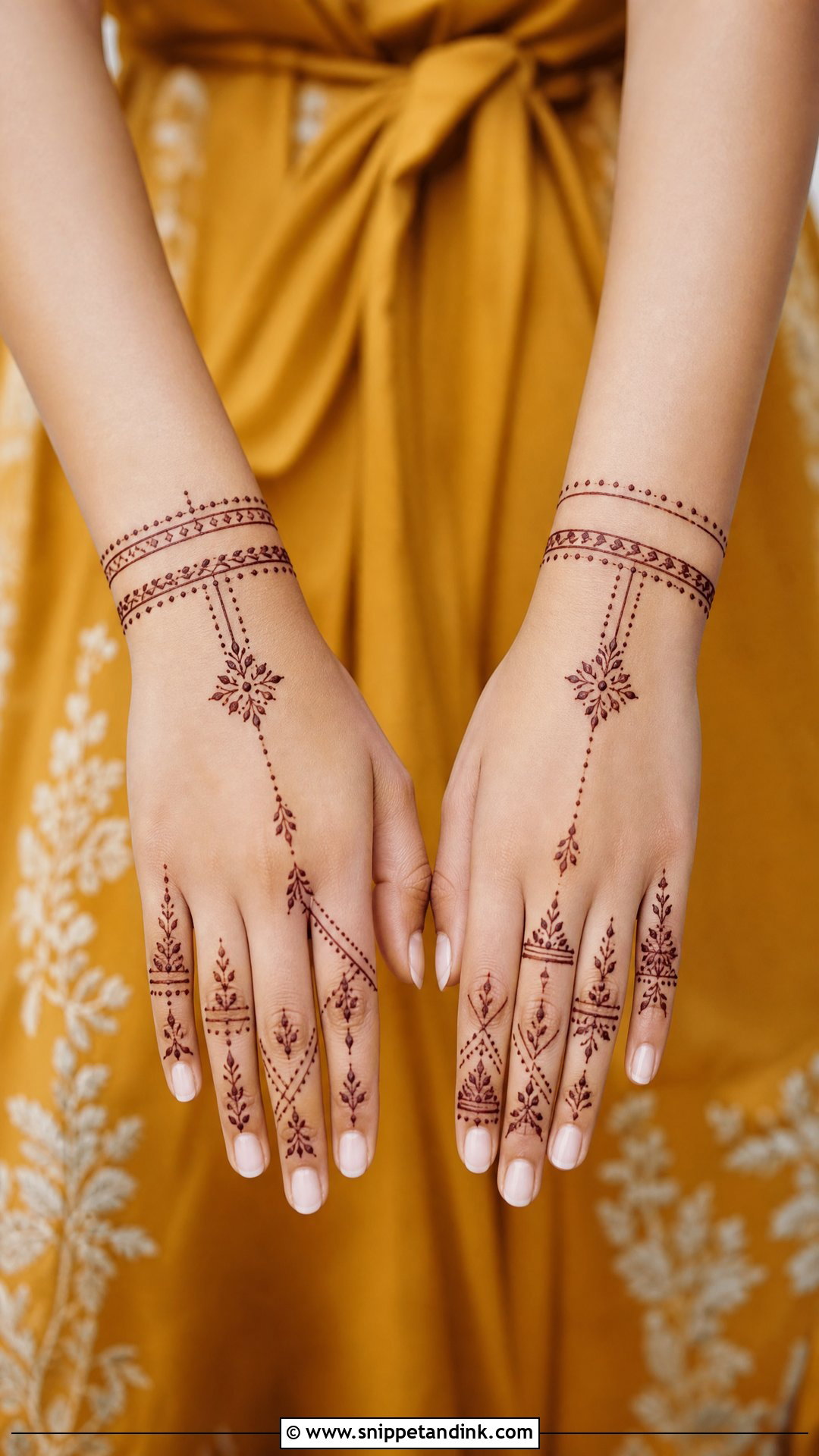
A jumpsuit gives one-piece ease with ethnic detail such as draped panels, cape sleeves, mirror work or a built-in dupatta effect. Yellow or mustard suits resort weddings, destination ceremonies and smaller haldis. At the fitting, sit on the floor in it. Rituals often happen on low seating, and a jumpsuit with a short rise pulls uncomfortably when you fold your legs. Sleek accessories like hoops, cuffs or small jhumkas fit the line.
23. Haldi Ruffle Saree Bridesmaid
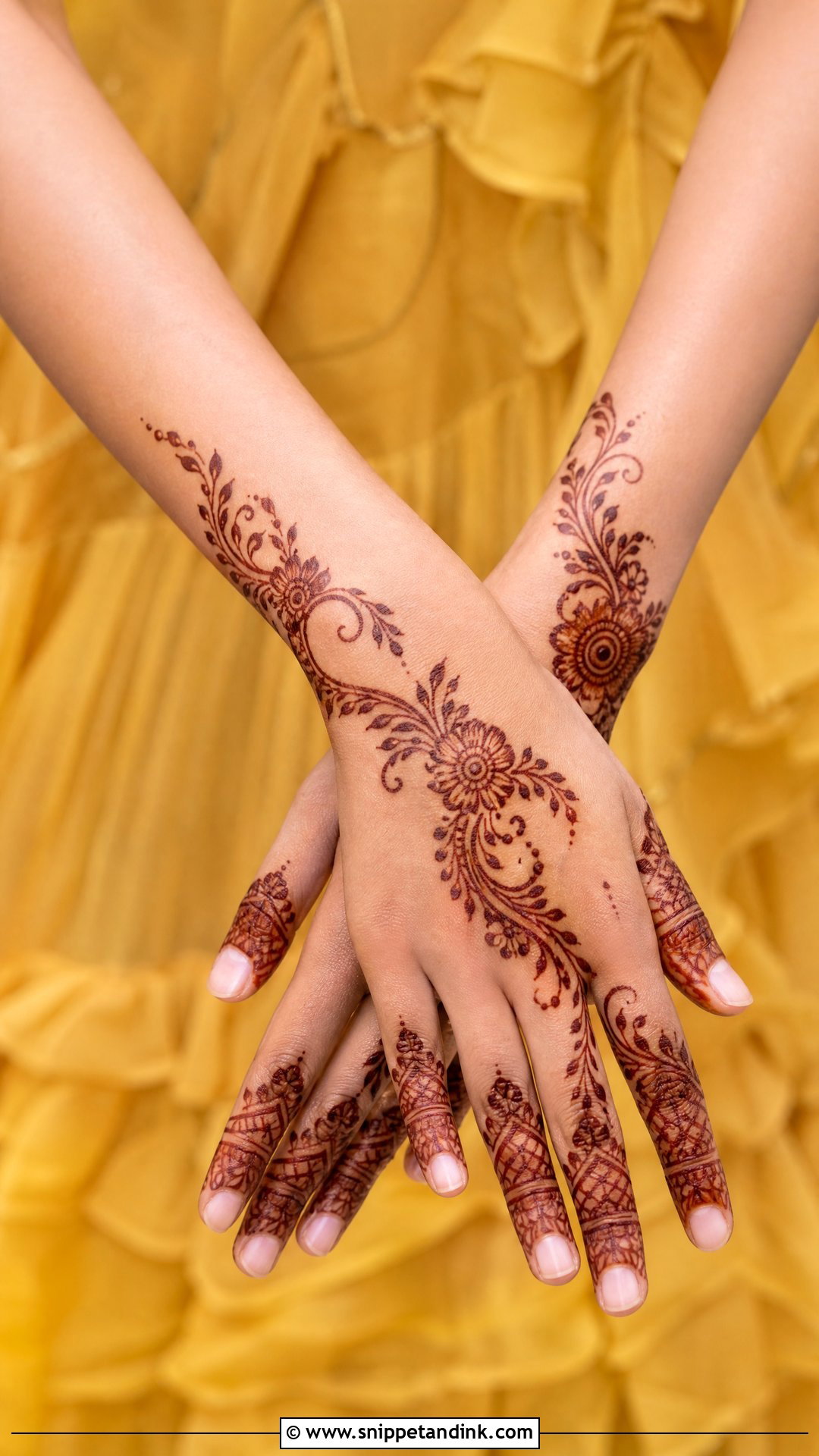
Ruffles give a saree volume and movement without any embroidery at all. Yellow, lime, peach and floral ruffle sarees look young and fun. A belt at the waist holds the drape in place when you dance, and I’d add it even if the saree is pre-stitched. A simple blouse stops the outfit getting busy. It fits modern themes and groups who want coordinated but fashionable looks. Comfortable footwear matters, since ruffled hems catch on heels.
24. Haldi Pastel Lehenga Bridesmaid
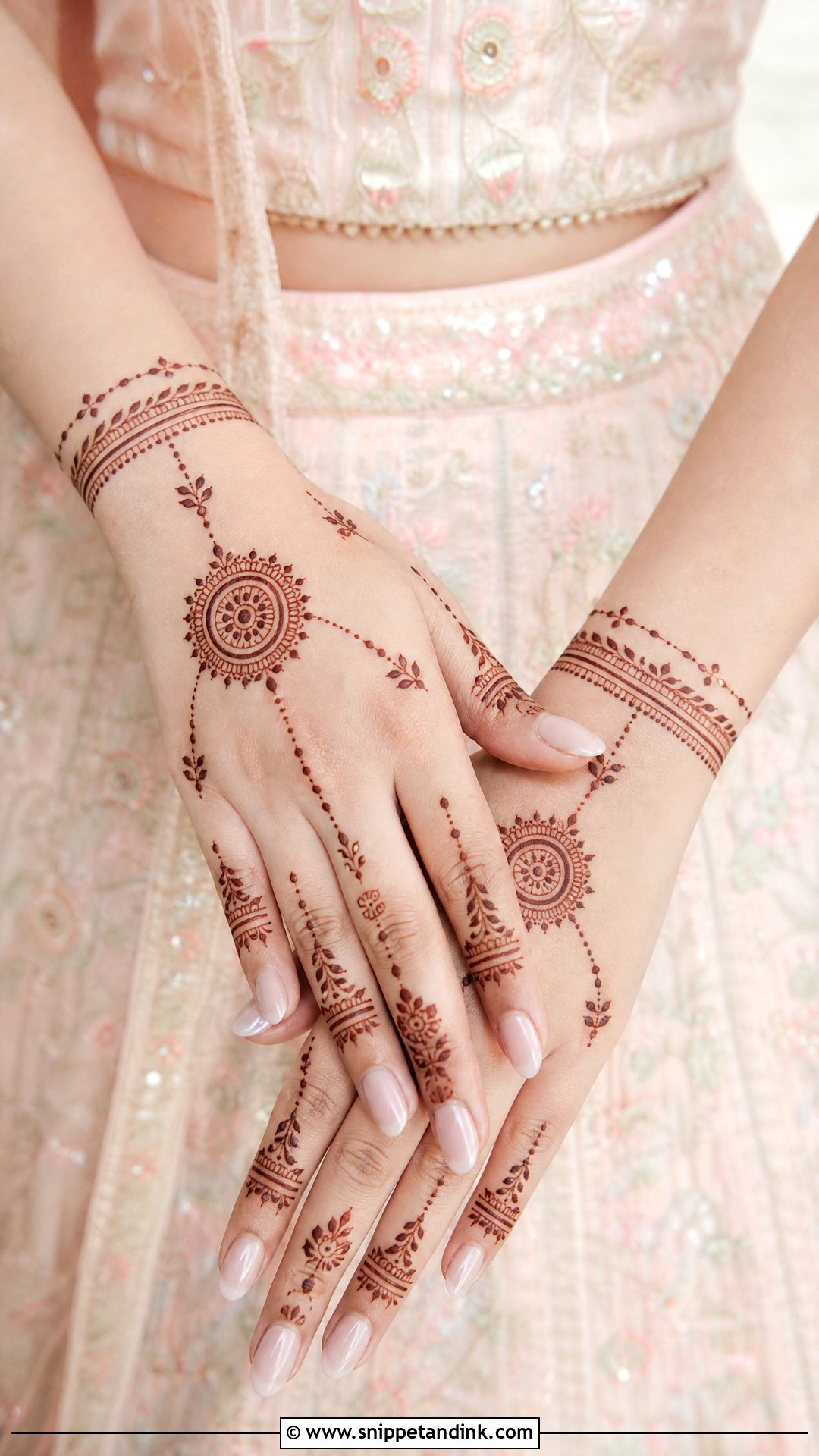
Pastels make sense when the decor is soft, floral or garden-themed. Butter yellow, mint, peach, blush or ivory with yellow accents look fresh and calm. Floral prints, light embroidery or organza overlays suit daytime. When each bridesmaid wears a related shade, group photos look planned, and next to a bride in strong yellow, pastels give clear contrast. The trade-off is stains: pale fabric shows turmeric clearly, so avoid the palest shades if your haldi is known for paste fights.

25. Haldi Green Outfit Bridesmaid
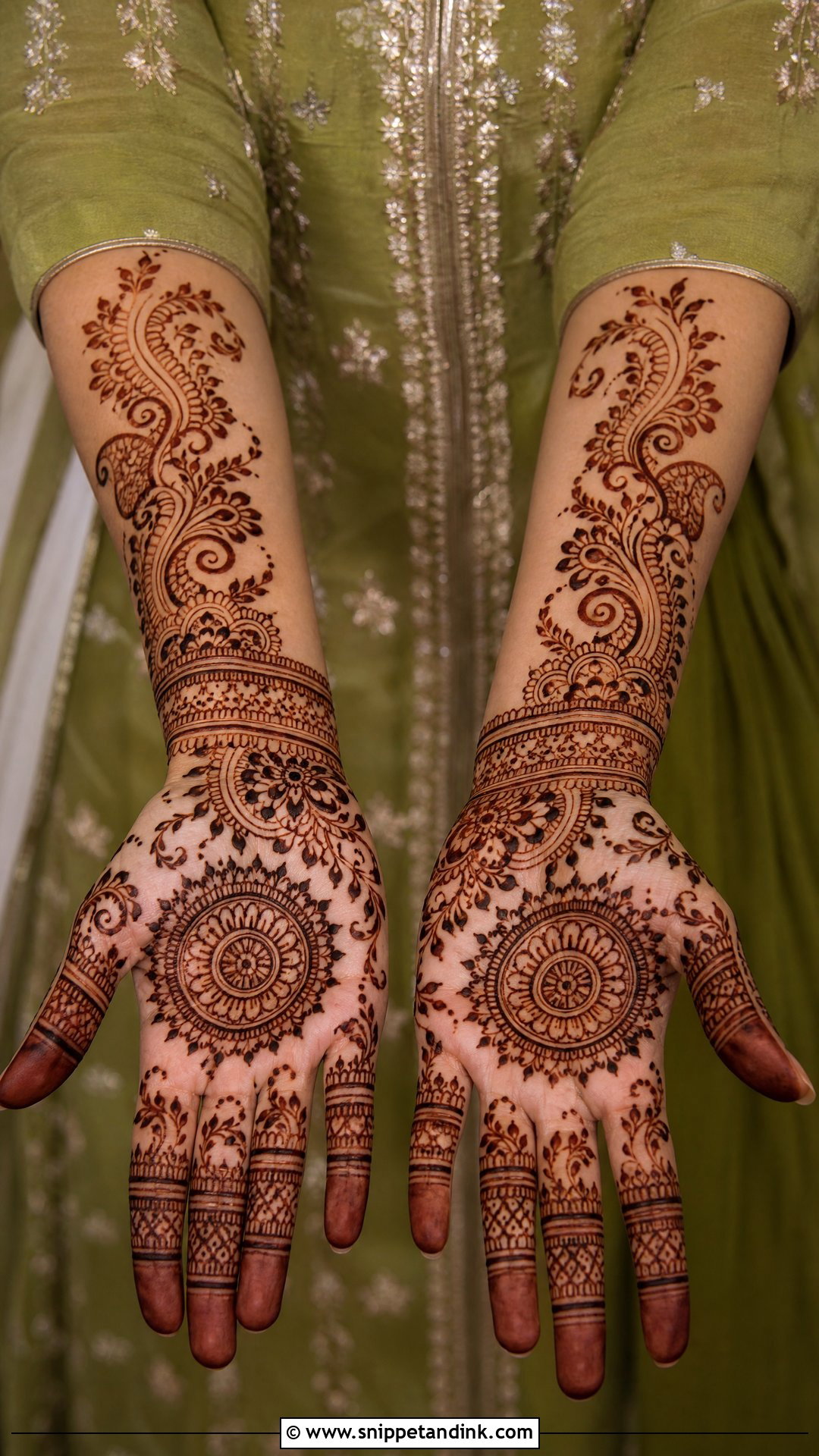
Green is my favorite alternative to yellow. Lime, mehendi green, pista and parrot green all sit happily next to marigolds and turmeric. Wear it as a lehenga, sharara, saree or kurta set with yellow accessories to stay connected to the ceremony. It’s useful when the bride wants coordinated bridesmaids who aren’t in yellow. Gold jewelry warms it up and flower accessories make it playful. Most skin tones carry at least one of these greens well, so a group can each pick her own shade.
26. Haldi Orange Outfit Bridesmaid
Orange is close to the turmeric and marigold palette but bolder than yellow. A saffron lehenga, burnt orange saree or tangerine kurta set all work. It hides stains better than pale colors, which suits active bridesmaids. I balance it with neutral makeup, gold earrings or a soft dupatta. It pairs with yellow, pink and green if there’s a color theme. Breathable fabric matters more than ever with a color this strong, since sweat marks show on bright orange.
27. Haldi White Kurta Yellow Dupatta
A white kurta with a yellow dupatta is the understated choice. The white base keeps it clean and the dupatta brings the haldi mood. Ivory or cream softens it. A printed or gota-bordered dupatta makes it more festive. It suits home ceremonies, temple-style rituals and groups with a coordinated dress code. Be realistic: wear this only if the application will be light, because white shows every mark. Yellow bangles, juttis and fresh flowers complete it.
28. Haldi Kaftan Set Bridesmaid
A kaftan set suits a destination or poolside haldi, where the heat makes anything fitted miserable. Yellow, ivory or tropical floral kaftans with subtle embroidery or tassels look festive. Pair with straight pants, palazzos or a slip depending on the design. Check the lining in daylight before the day: some kaftan fabrics that look opaque indoors turn sheer in direct sun. Statement earrings and flat sandals finish it, and it’s one of the easiest pieces to wear again.
29. Haldi Matching Bridesmaid Outfits
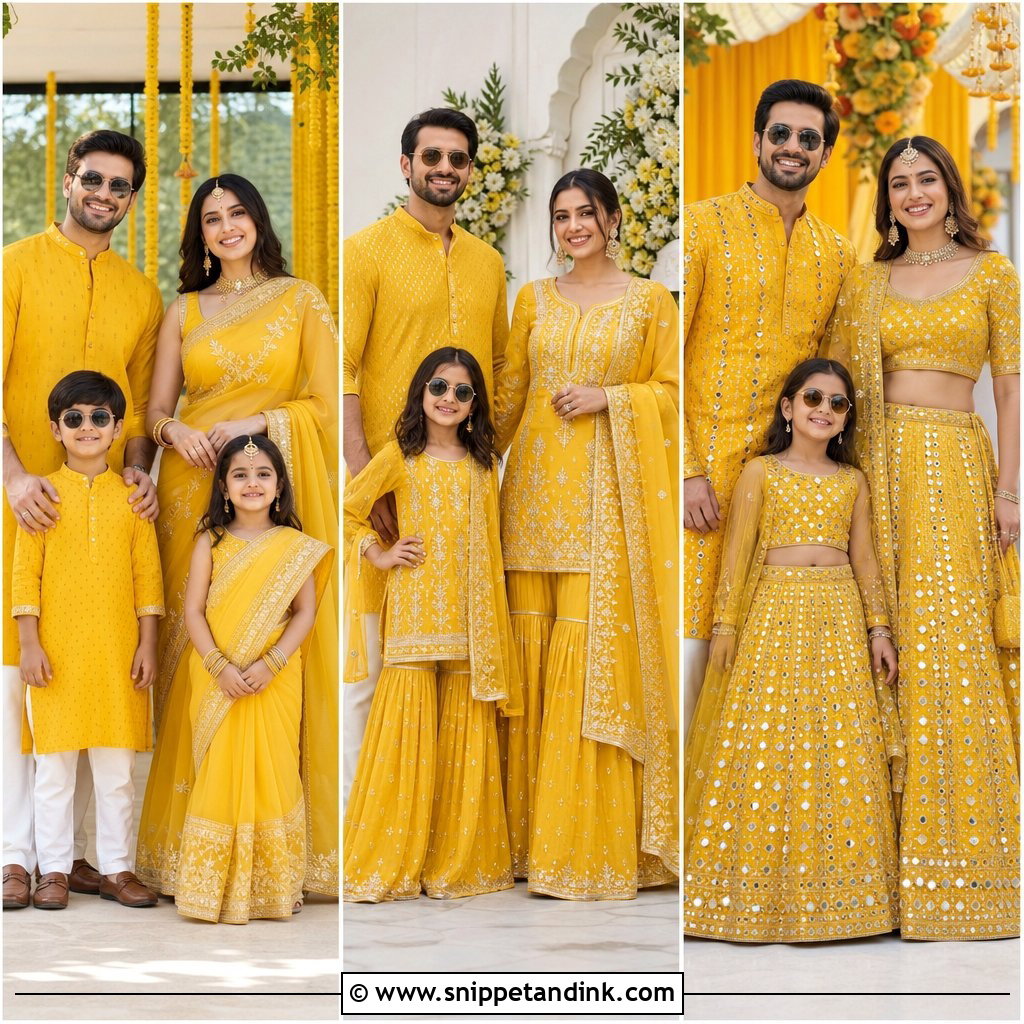
Matching outfits make group photos look organized, but identical cuts rarely suit every body in the group. My approach is one color palette and free choice of silhouette: a saree for one bridesmaid, a sharara for another, a kurta set for a third, all in mustard. Matching floral jewelry or the same dupatta ties them together. It looks planned without forcing anyone into a neckline or fit she’ll be uncomfortable in all day.
30. Haldi Simple Bridesmaid Outfit
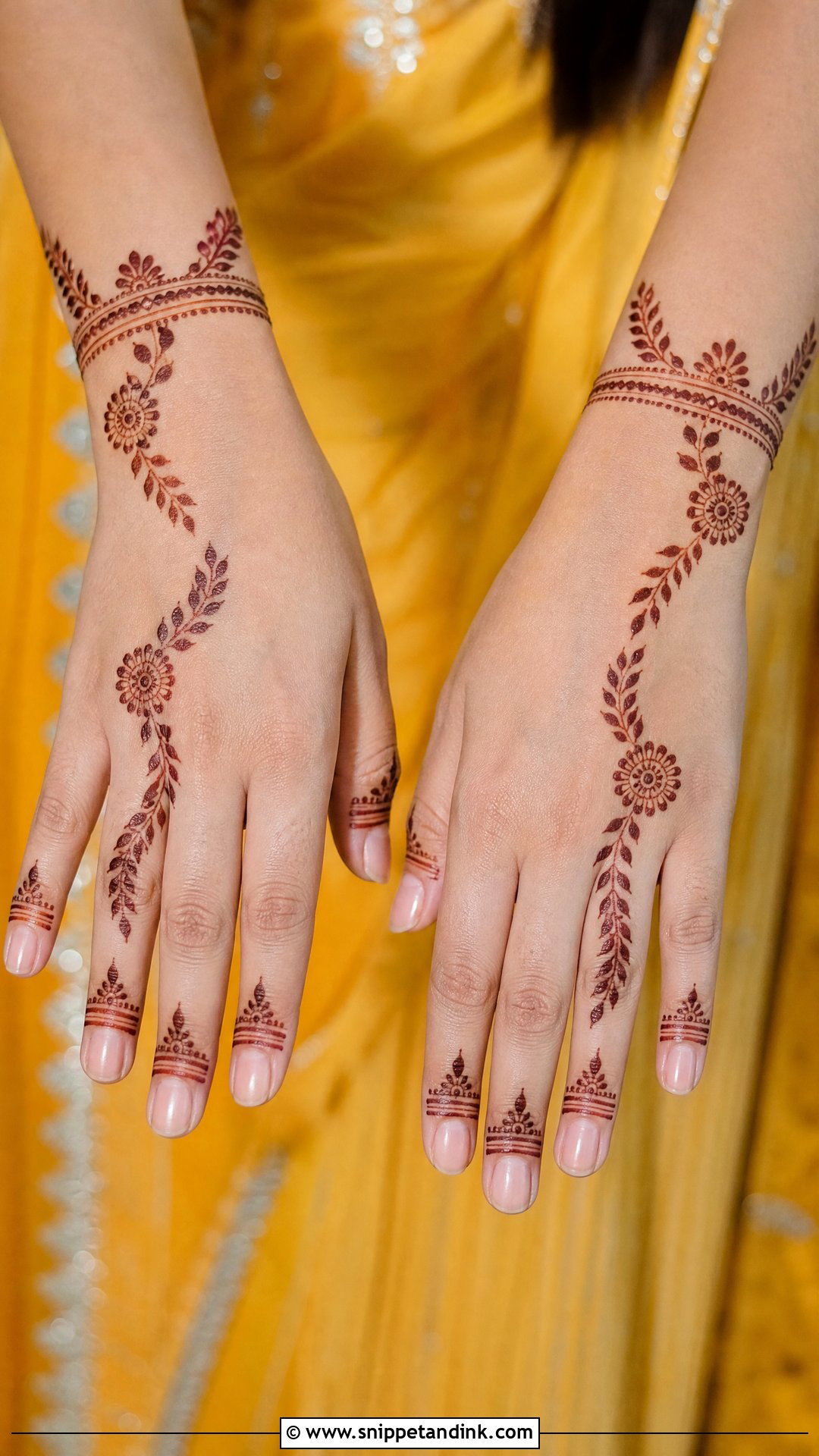
Simple is often the smartest option for a haldi. A plain yellow kurta set, a light saree, a cotton lehenga or a printed co-ord is enough for a smaller ceremony. Avoid anything heavy, costly or hard to wash. Earrings, bangles, fresh flowers or a bright dupatta add personality. When you know the ceremony gets messy, a simple outfit lets you join in freely, and it keeps the focus on the bride. Breathable fabric, secure draping and comfortable footwear matter more than anything else here.
Turmeric on Fabric: What Washes Out and What Doesn’t
Turmeric is a strong natural dye, and how it behaves depends on the fabric you’re wearing. Act quickly, before it dries, and never rub a fresh smear, because rubbing pushes the color deeper into the weave. Scrape off what you can with the edge of a card, then blot from the back of the fabric with cold water.
- Cotton and linen: treat with a little liquid dish soap and cold water, then wash as usual. On white or cream cotton, drying the item in direct sunlight often fades what’s left, as turmeric’s color breaks down in strong light.
- Polyester georgette and chiffon: synthetic fibers usually release turmeric more easily than natural ones, so a cold wash with a stain remover tends to work.
- Silk and silk organza: don’t experiment at home. Water can leave rings, so take it to a dry cleaner and tell them it’s turmeric.
- Gota, zari and mirror work: avoid soaking, since metallic threads can tarnish. Spot clean the fabric around the embellishment only.
Avoid hot water and the dryer on any turmeric mark until it’s fully gone. Heat can set the stain so it never comes out.
Dress for the Ritual You’ll Actually Be In
The right haldi outfit for a bridesmaid balances joy with practicality. Lehengas, shararas, sarees, kurta sets and Indo-western pieces all work, but venue, dress code, weather and how close you’ll be to the paste decide which one. If you’re helping the bride, choose something washable and easy to move in. If the event is styled for photos, organza, ruffles, florals and coordinated palettes come into their own. Keep accessories light, makeup fresh and footwear comfortable, and you’ll spend the day celebrating instead of guarding your clothes.
You'll Like These Ideas:




Leave a Reply