
Knowing what not to wear saves almost as much heartache as saving photos of dream gowns. None of what follows is about taste. It’s about the dresses I watch brides struggle in: gowns that pinch by the speeches, date the photos within a few years, fight the venue or quietly undermine how confident you feel. Most of them fail on fit, fabric or a trend that never suited the day. Read it as a checklist to run through before you say yes to anything.
Alterations That Go Smoothly, and the Ones That Fight the Dress
Several mistakes below come down to expecting a seamstress to rebuild a gown. Some changes are routine. Others mean taking the dress apart, and the more of it that has to come apart, the more it costs and the more can go wrong. This is how I explain the difference to brides before they order.
Usually straightforward
- Taking in side seams on a plain bodice or skirt.
- Shortening straps and adding bust cups or a waist stay.
- Hemming a single-layer skirt with a plain edge.
- Adding bustle points to a standard train.
Slow, costly or risky
- Letting a dress out. Bridal gowns often have little spare seam allowance, so there may be nothing to release.
- Hemming a scalloped lace edge, which means unpicking the lace and reattaching it higher up.
- Hemming many layers of tulle, each cut separately.
- Taking in seams covered in beading or appliqué, where the beads come off by hand and go back on afterwards.
- Reshaping a neckline, which is closer to reconstruction than alteration.
Plan for two or three fittings, typically starting a couple of months before the wedding, with the final one a few weeks out. Bring your wedding shoes and the exact underwear you’ll wear to every appointment. Alteration costs are usually separate from the gown price and vary widely, so ask for a rough quote at the first fitting.
1. Overly Tight Mermaid Wedding Dress
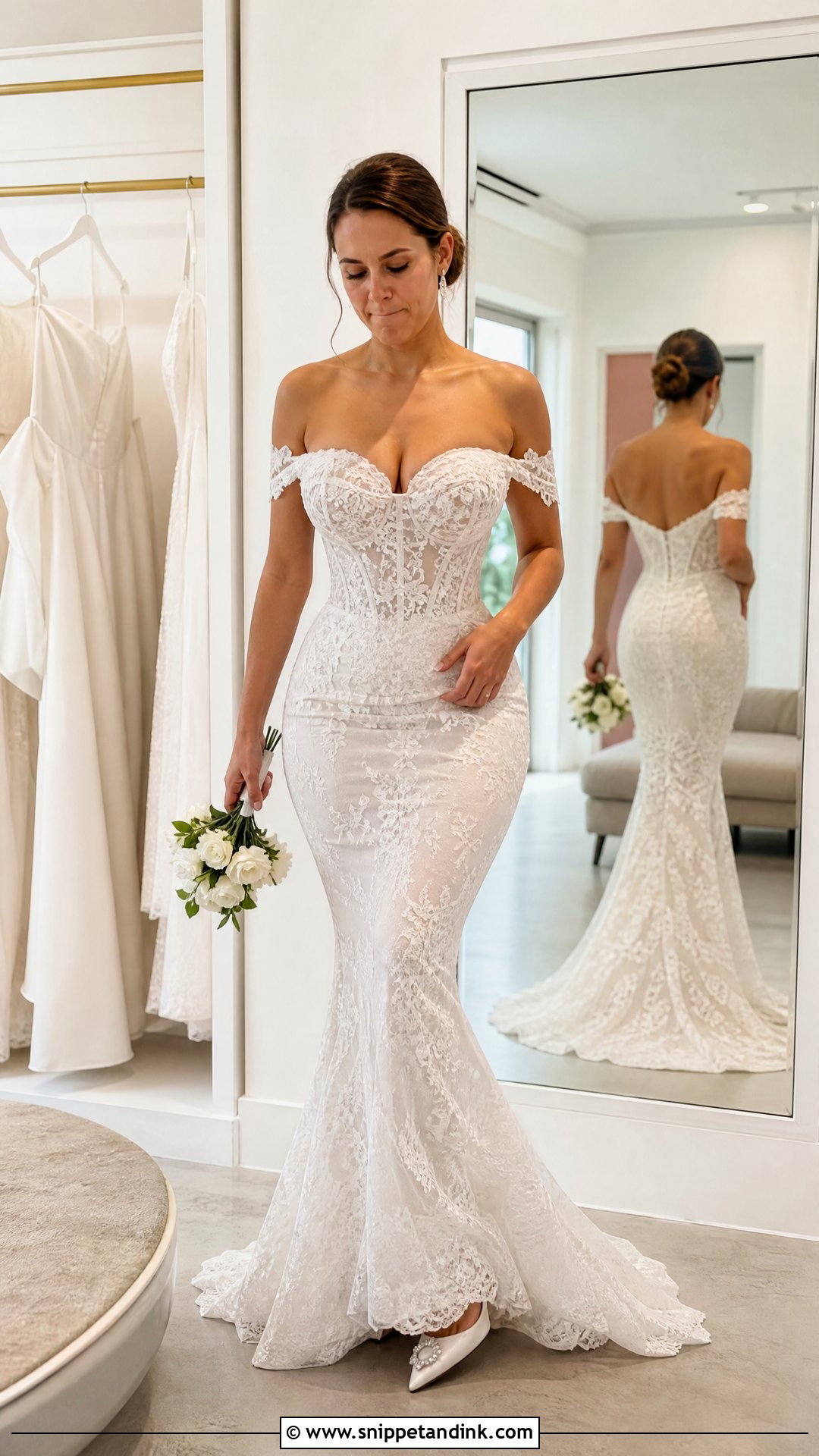
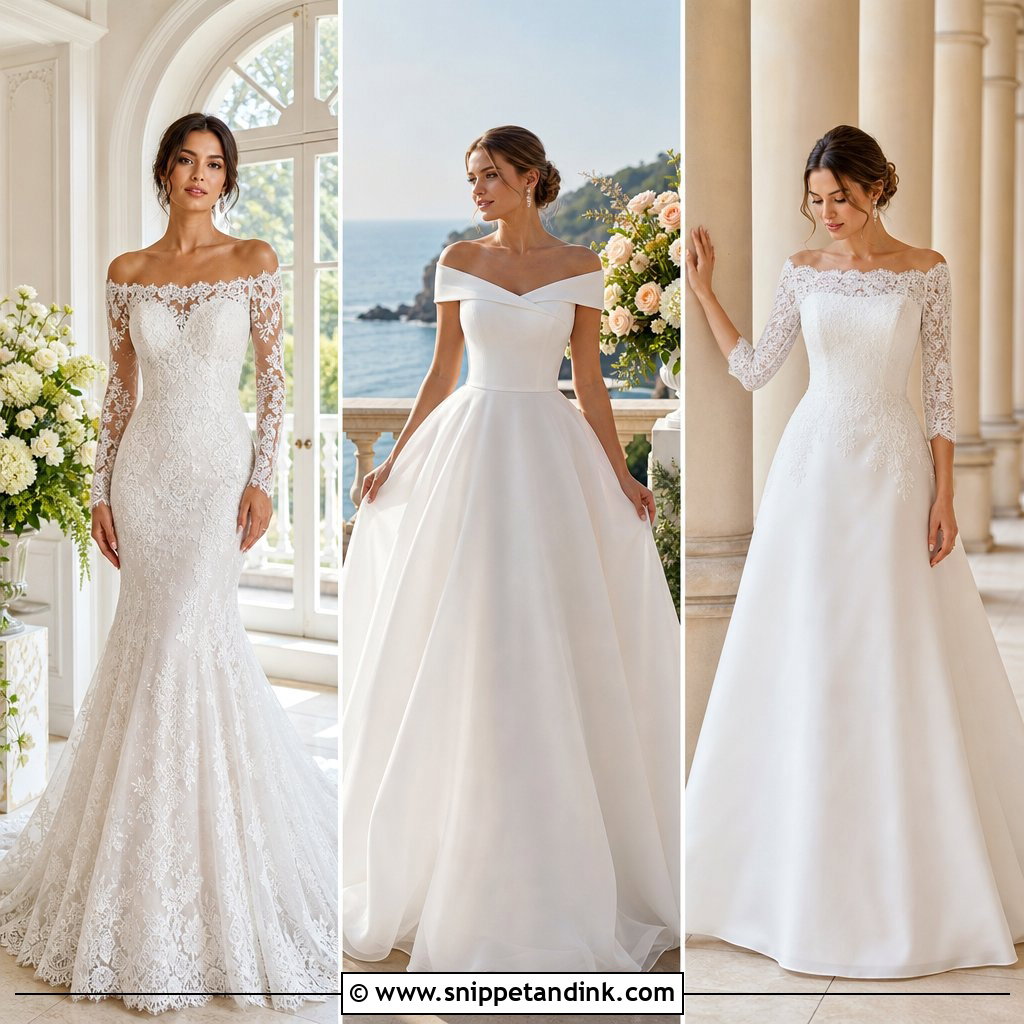
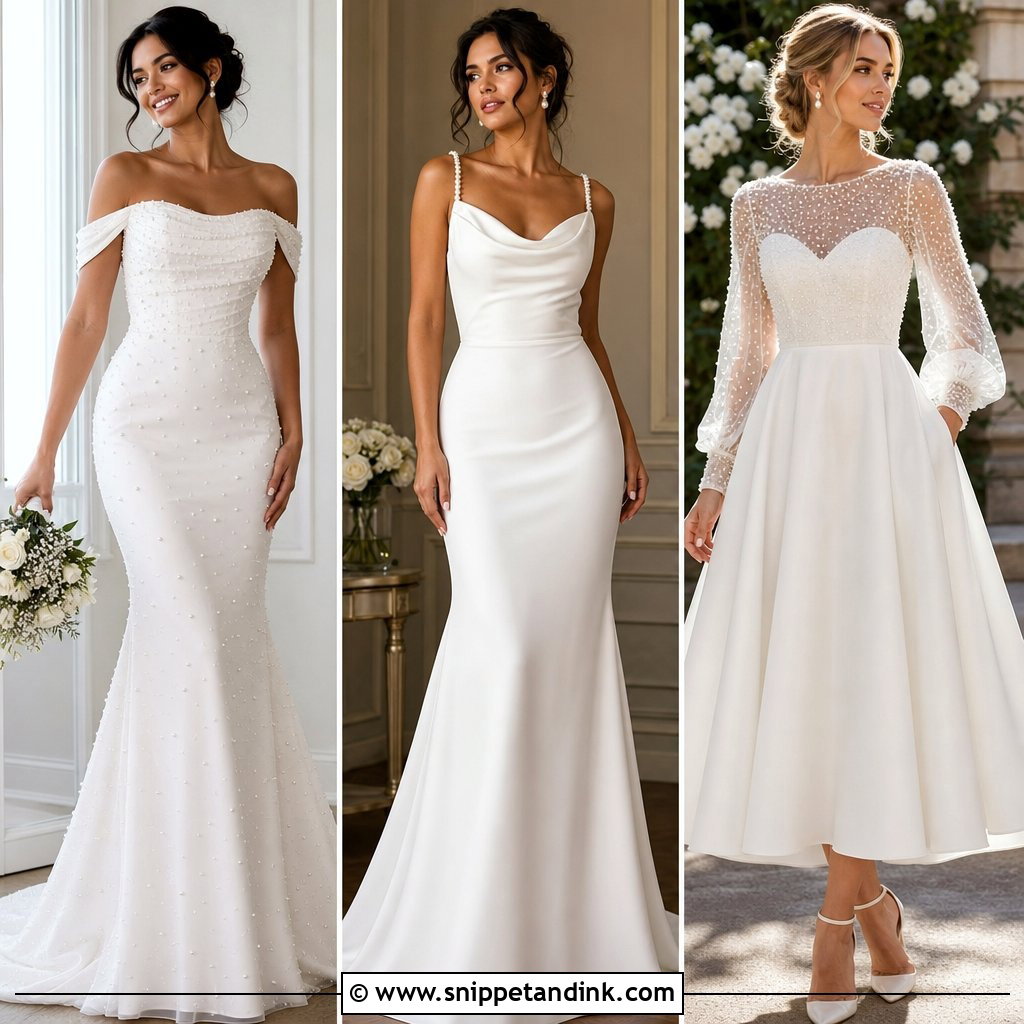
Mermaid gowns look dramatic in a fitting room and turn into a problem once you have to walk to the car. When the skirt is narrow through the hips, thighs and knees, you end up taking tiny steps, perching instead of sitting and worrying about seams in every photo. The silhouette isn’t the issue. The flare point is. I look for a flare that starts at or just above the knee, plus a lining with some stretch, so the bride can climb a step without hitching her skirt.
2. See Through Lace Wedding Dress
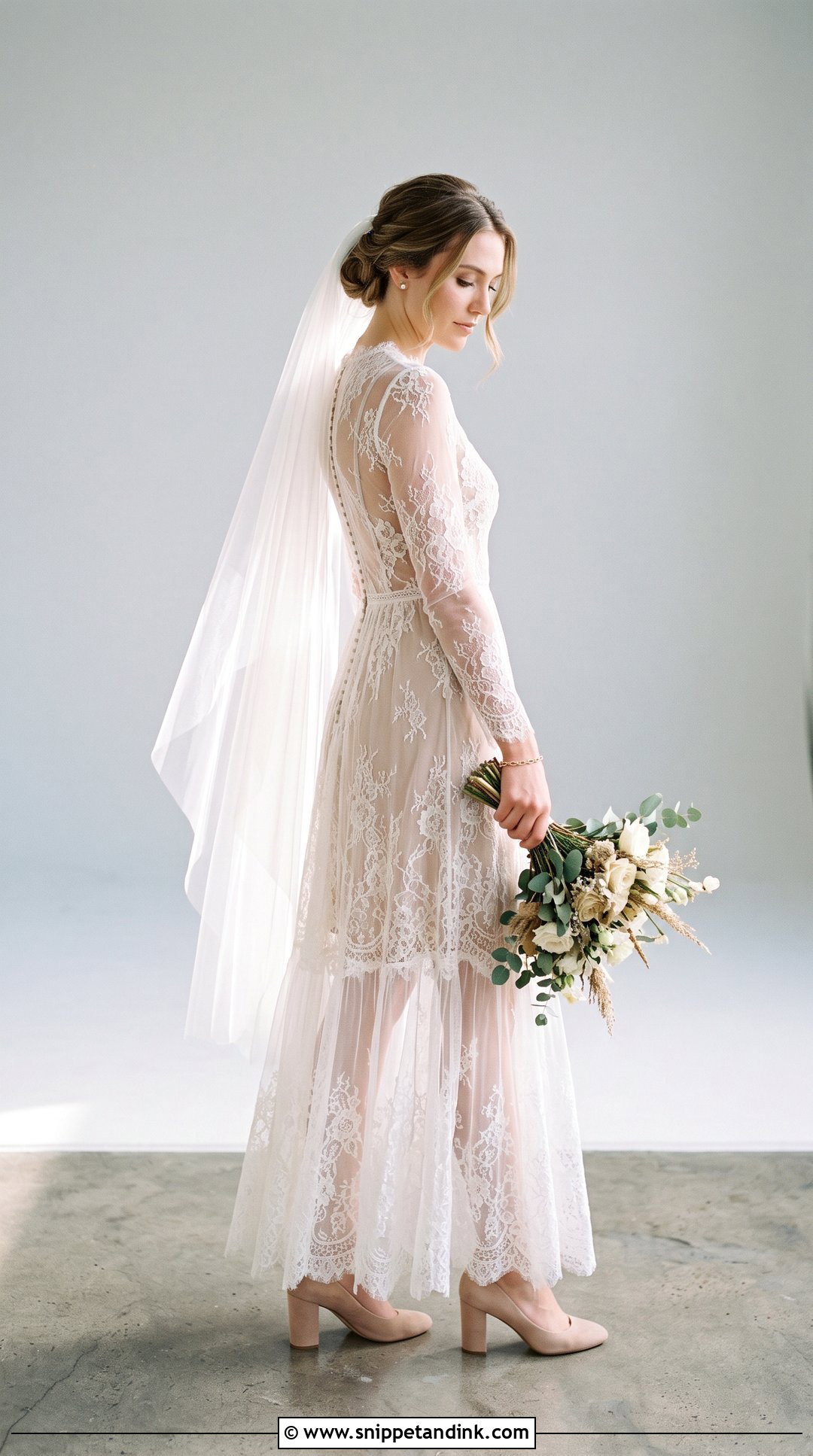
Sheer lace reads as modern on the rack and very different under flash or midday sun. Exposed cups and barely lined skirts show far more once you stand near a window, and you’ll spend the evening adjusting. Before ordering, I photograph the bride in the sample with the flash on, because a phone flash tells you roughly what a photographer’s will. Lined lace with illusion panels in a nude close to your skin keeps the texture without the surprise.
3. Heavy Ball Gown Wedding Dress
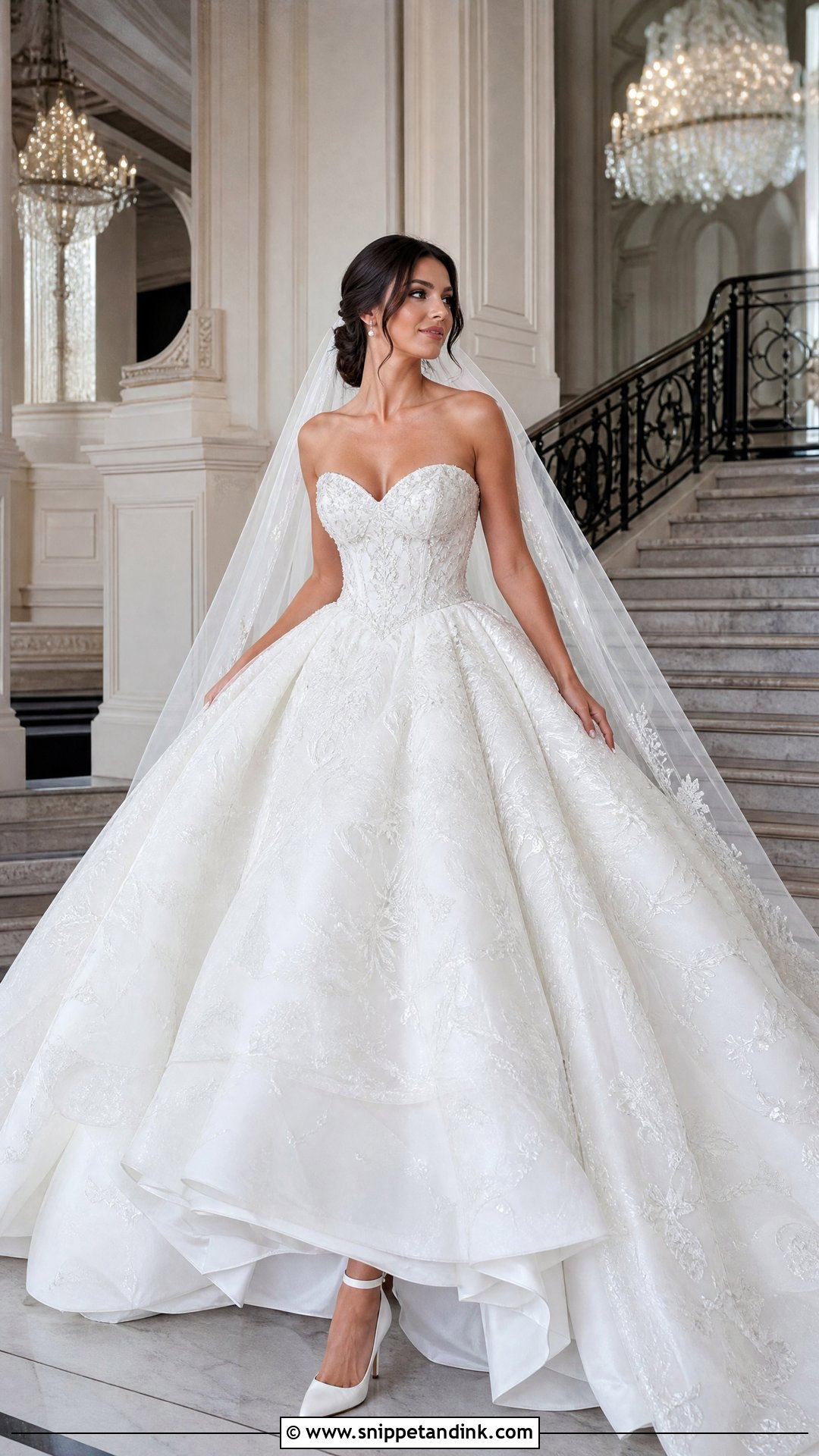
Weight is the part of a ball gown nobody warns you about. Layers of tulle, satin, beading and crinoline plus a long train can become exhausting within a few hours, especially in summer, outdoors or at a venue full of stairs. When a bride falls for volume, I ask the consultant to let her hold the skirt up and walk the length of the shop twice. If she’s already tired, we look at horsehair hems and lighter layers that give the same shape for less weight, and a bustle she can trust.
4. Wedding Dress With Too Many Trends
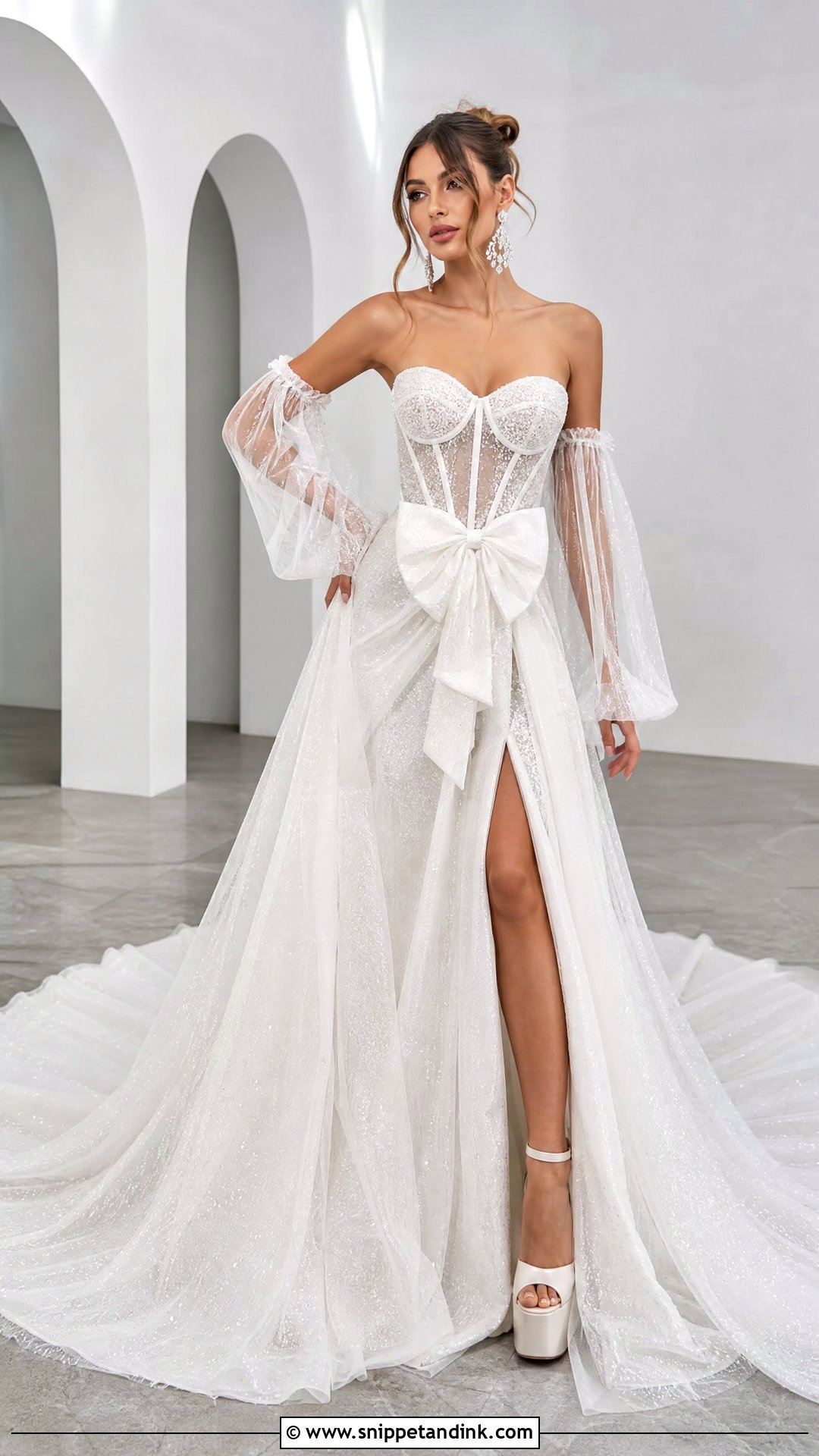
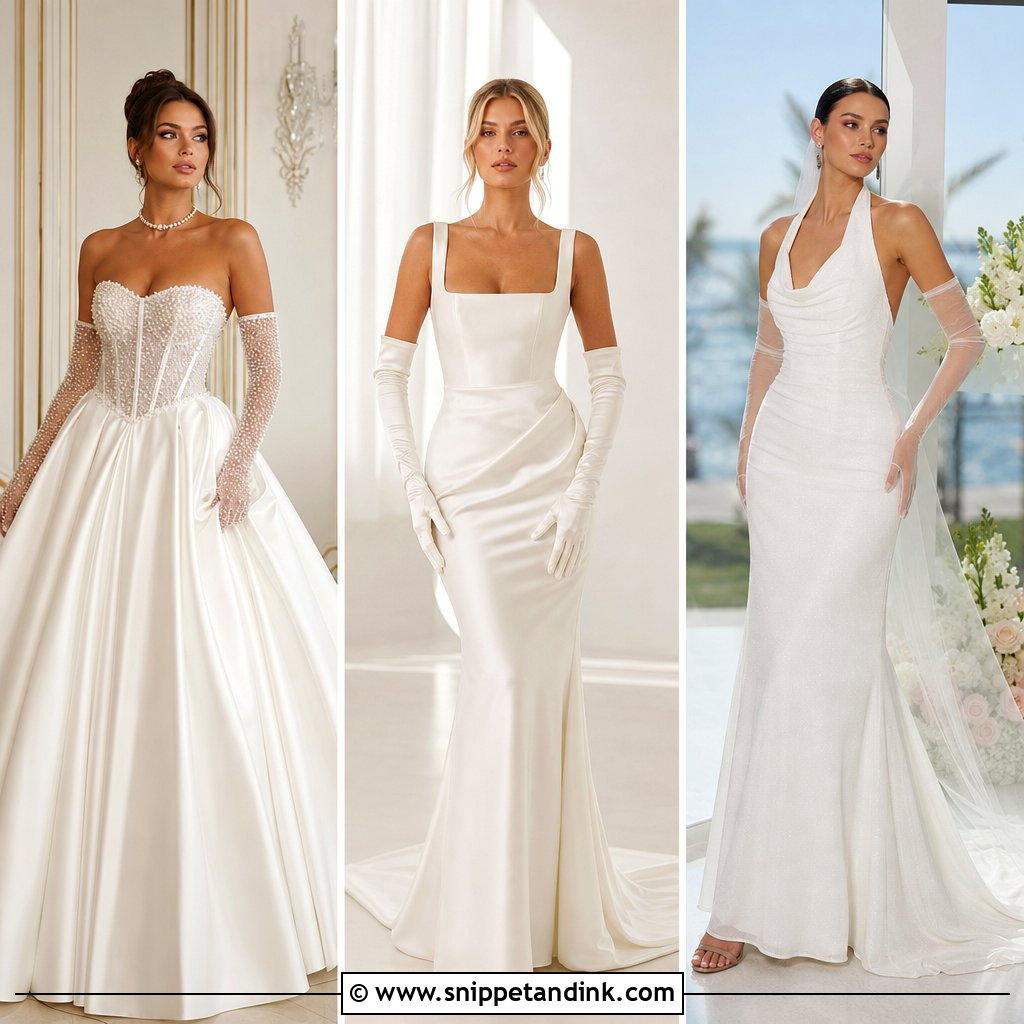
Oversized bows, sheer corsets, detachable sleeves, a thigh slit, pearl gloves, a cape and heavy sparkle, all on one bride. Any one of those is fine. Together they compete, the bride disappears and the photos date to one very specific season. My rule in the fitting room is one statement feature, maybe two, and everything else in a supporting role.
5. Wrong Size Wedding Dress
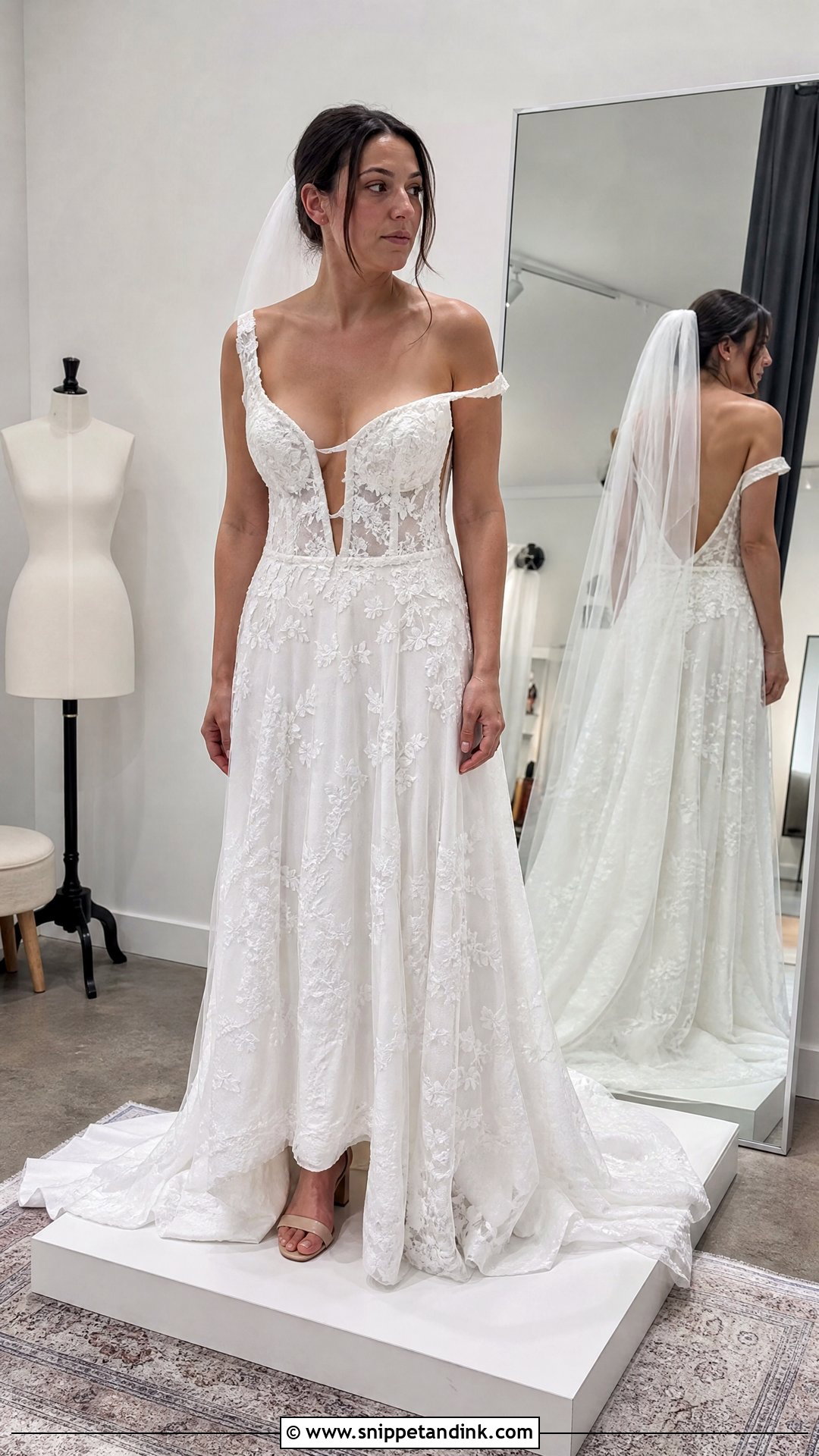
Ordering a size down and hoping alterations will fix it is one of the most common mistakes I see. Taking in a waist or shortening a hem is routine. Major resizing is not, because it shifts the neckline, the straps, the boning and the placement of lace or beading. Too small and the dress pulls and digs; too large and it gaps after heavy work. Bridal sizing runs smaller than high-street sizing, so ignore the number on the label and choose the size that gives your seamstress room to work.
6. Cheap Fabric Wedding Dress
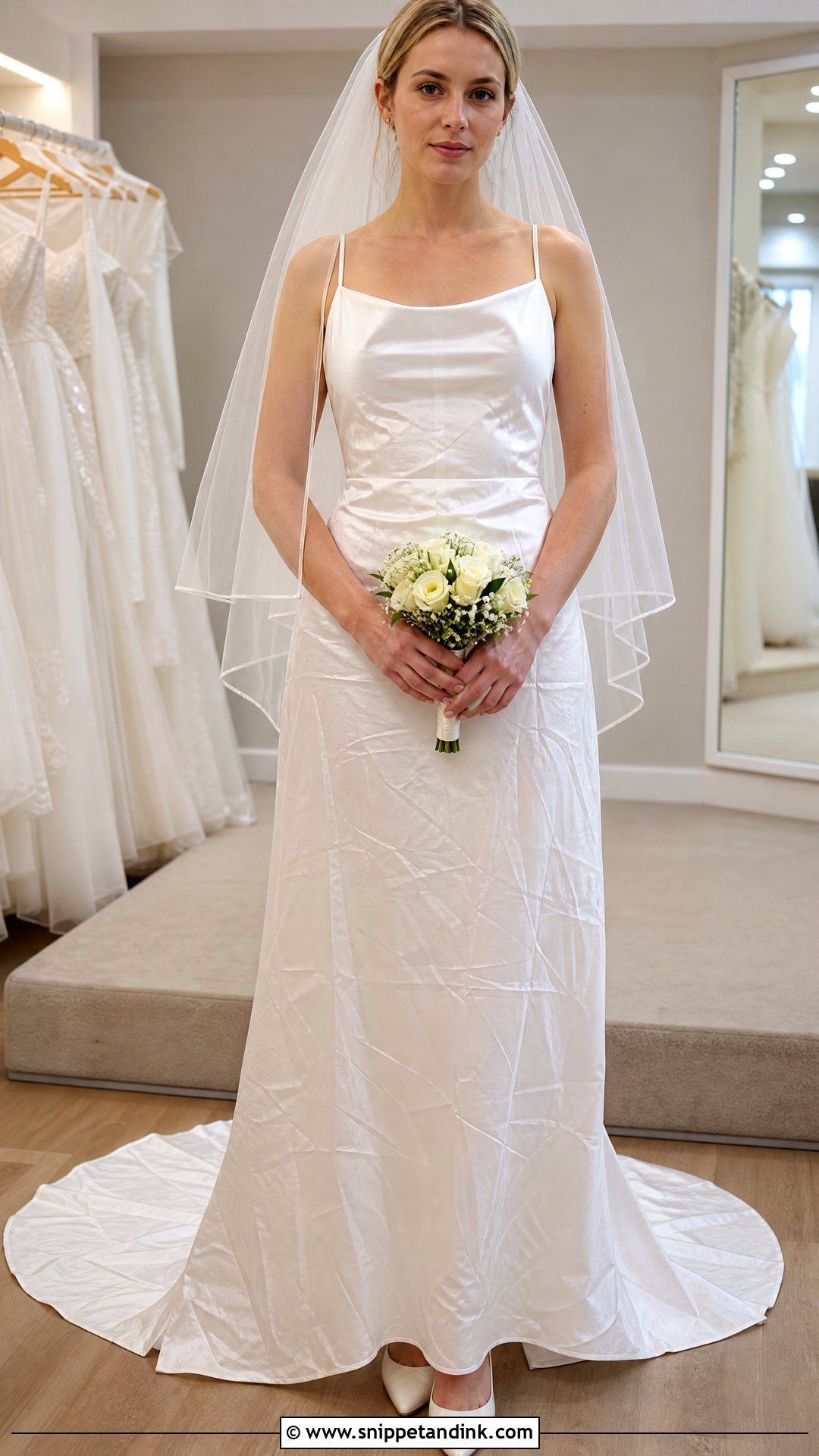
Fabric decides whether a good design looks expensive or thin. Cheap satin creases badly, poor lace looks flat and stiff tulle can scratch, and a weak cloth clings, shows underwear lines and loses shape as the hours go on. Price isn’t the whole story; Many affordable gowns are made from fabric with real weight and a soft finish. I scrunch a corner of the skirt in my hand for a few seconds when I’m assessing a dress. If it stays crumpled, it will look that way after the ceremony.
7. Uncomfortable Strapless Wedding Dress
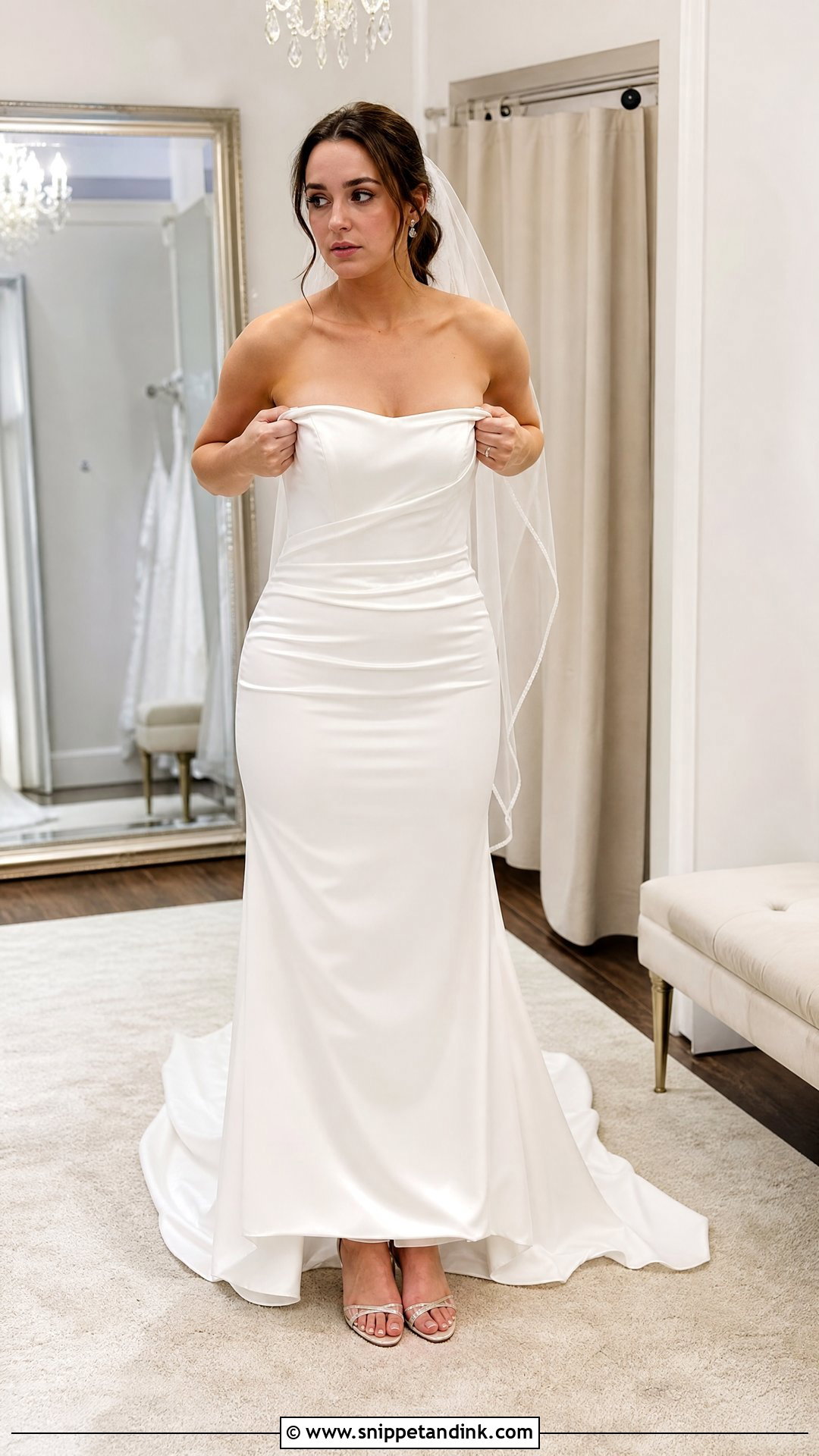
Strapless gowns can be wonderful when they’re built correctly, and miserable when they aren’t. A bodice that relies on tightness at the top slips all day, and you’ll see the tugging in your posture and the candids. Proper support comes from boning and a waist stay that anchors the dress at the narrowest point. At fittings, sit, walk, lift both arms and dance a few steps. If anything moves, the structure needs work before the hem does.
8. Wedding Dress With Bad Bust Support
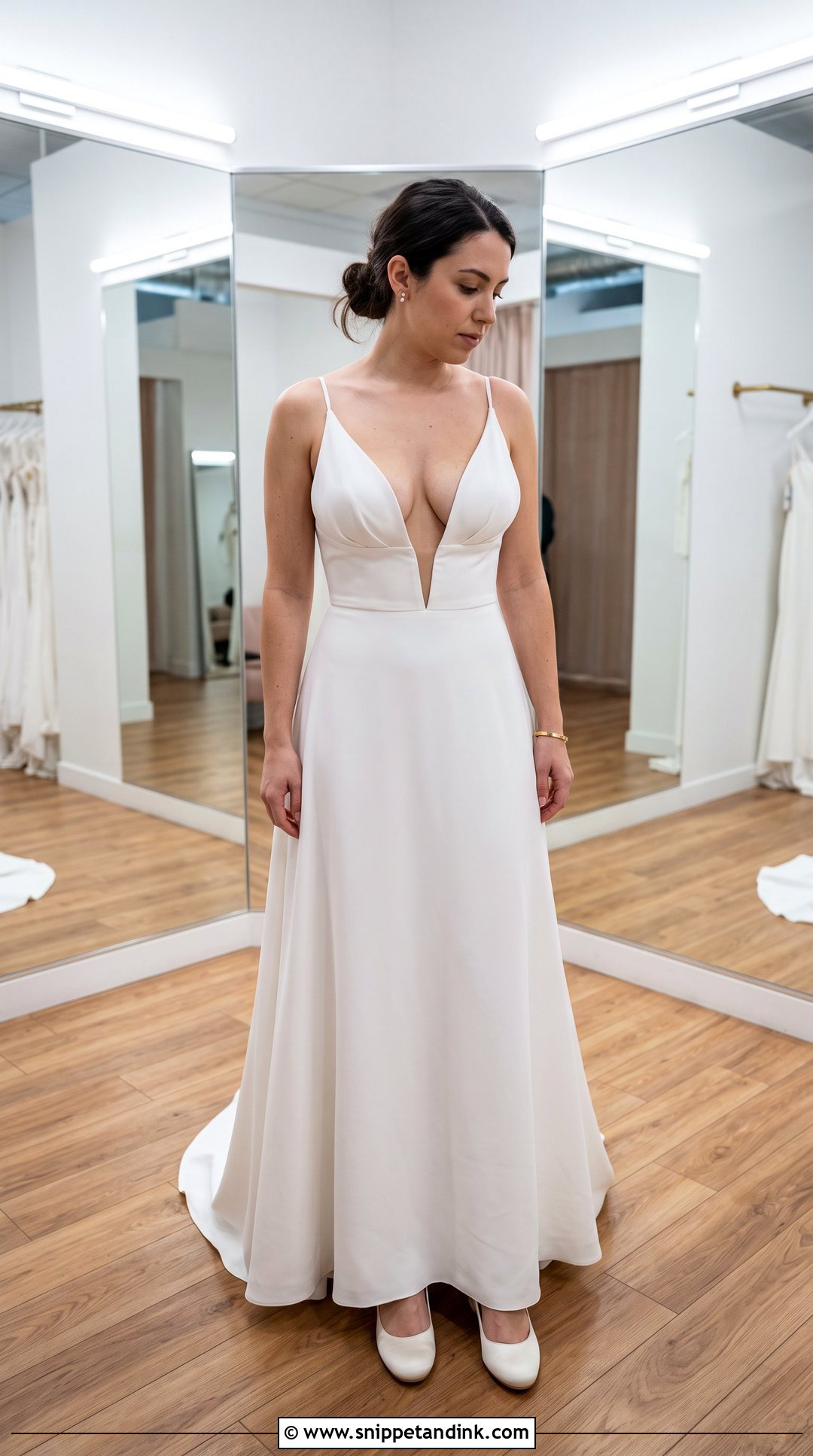
Bust support problems are hard to hide. Cups sit too high, too low, too far apart, or press the chest into a shape that isn’t yours, and plunging necklines, sheer bodices and open backs make every one of those flaws more visible. This usually happens when a gown is chosen from a model photo. Ask your seamstress about built-in cups, boning and a sturdy lining. Cups sewn into the bodice are often easier than any bra, and they’re a quick alteration.
9. Long Train Wedding Dress For Outdoor Wedding
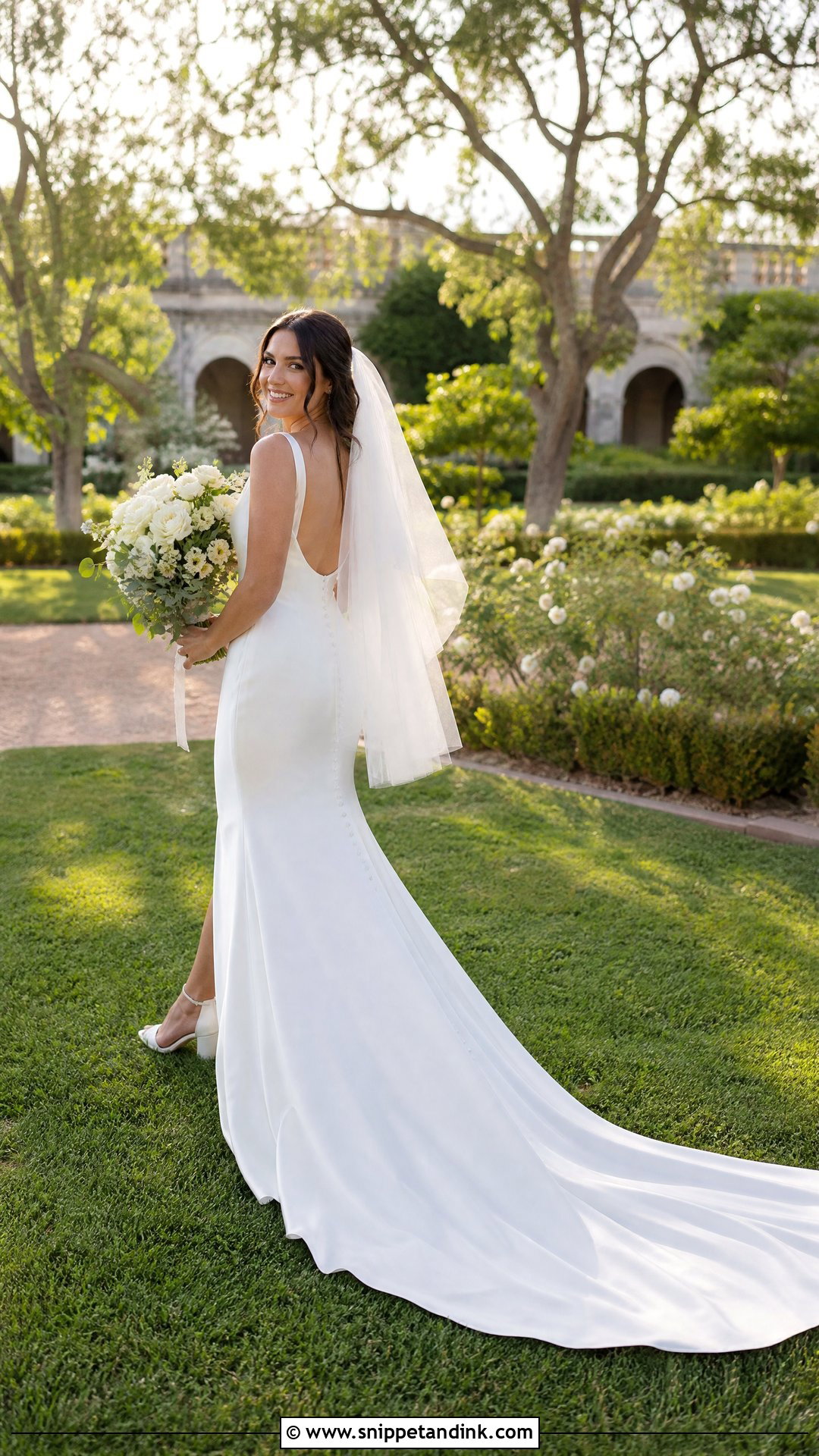
Outdoors, a long train collects grass, dirt, leaves, sand and moisture far faster than brides expect. Garden lawns, beaches, ranch venues and wet seasons are the worst for it, and uneven ground makes the train hard to manage while guests tread on it. A chapel or court length works better. If you’re set on drama, have the bustle done so it can go up straight after the aisle, and expect the hem to come back darker either way.
10. Beach Wedding Dress With Heavy Beading
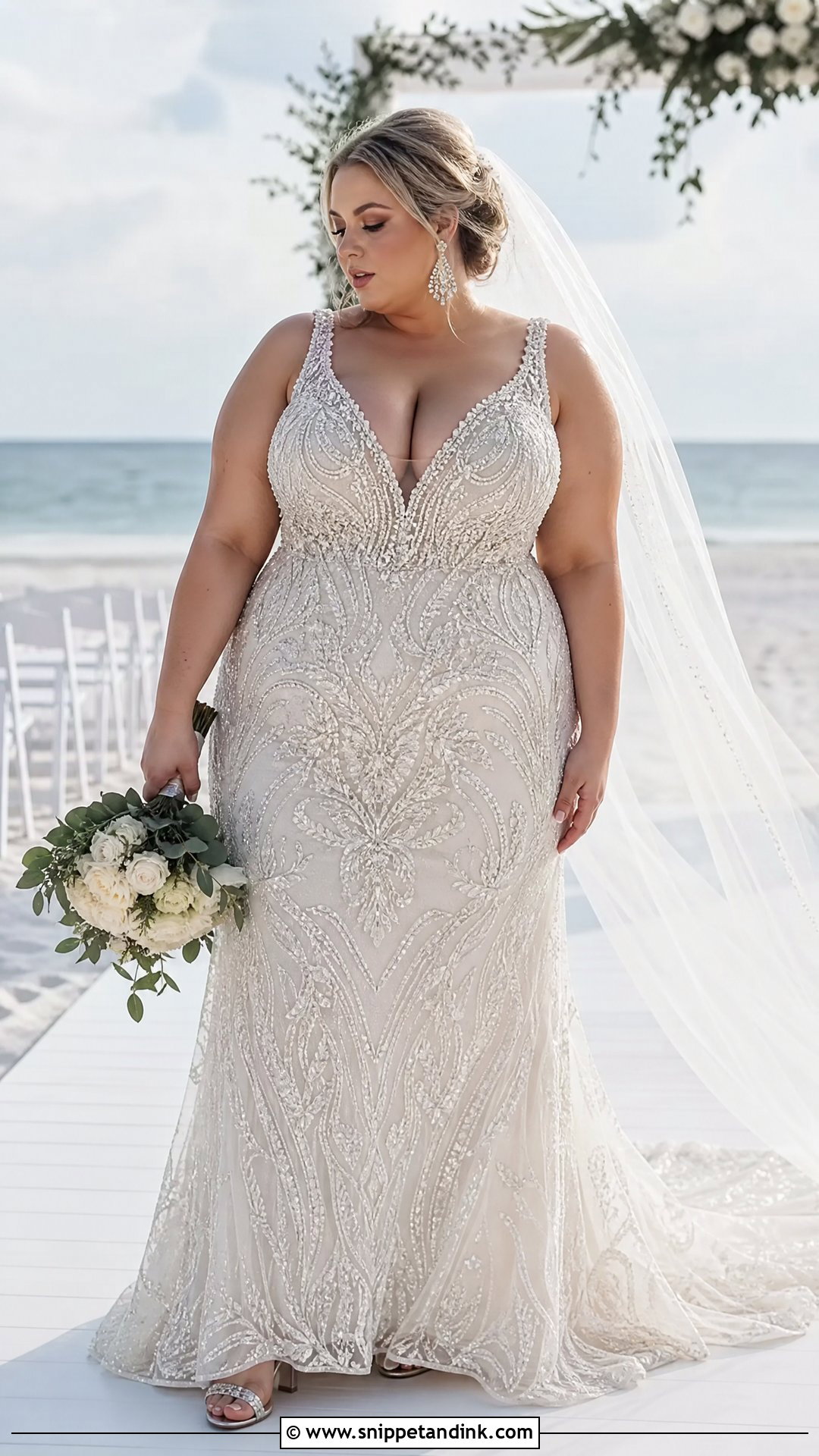
Heavy beading on the sand is a hot, stiff choice. Beads, crystals and thick embroidery add weight that drags in humidity and direct sun, and the shine looks formal against water and a relaxed coastal backdrop. Beaded hems also pick up sand and hold it. Soft lace, chiffon, crepe or a light shimmer feel special without weighing you down, and they move with the sea breeze instead of against it.
11. Winter Wedding Dress With Thin Fabric
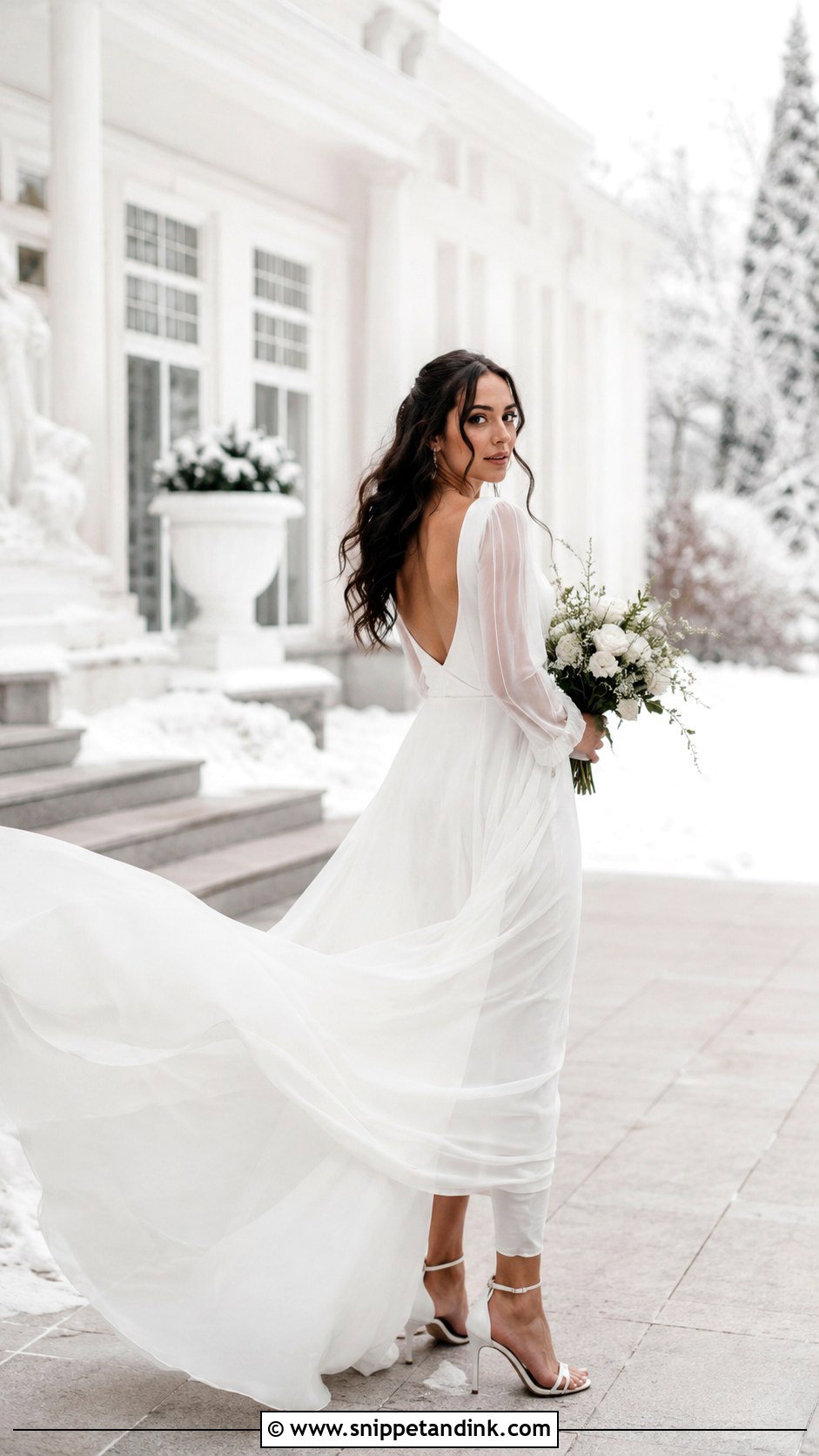
A thin gown at a winter wedding is fine indoors and miserable on the walk between venues or during outdoor portraits. Lightweight chiffon, sheer lace and barely lined bodices give almost no warmth, and a cold bride shows it in her shoulders and her smile. I plan winter looks around a warmer base: long sleeves, thicker satin, mikado, crepe, velvet accents or a tailored bridal coat that photographs as part of the outfit rather than something grabbed at the door.
12. Wedding Dress With Itchy Fabric
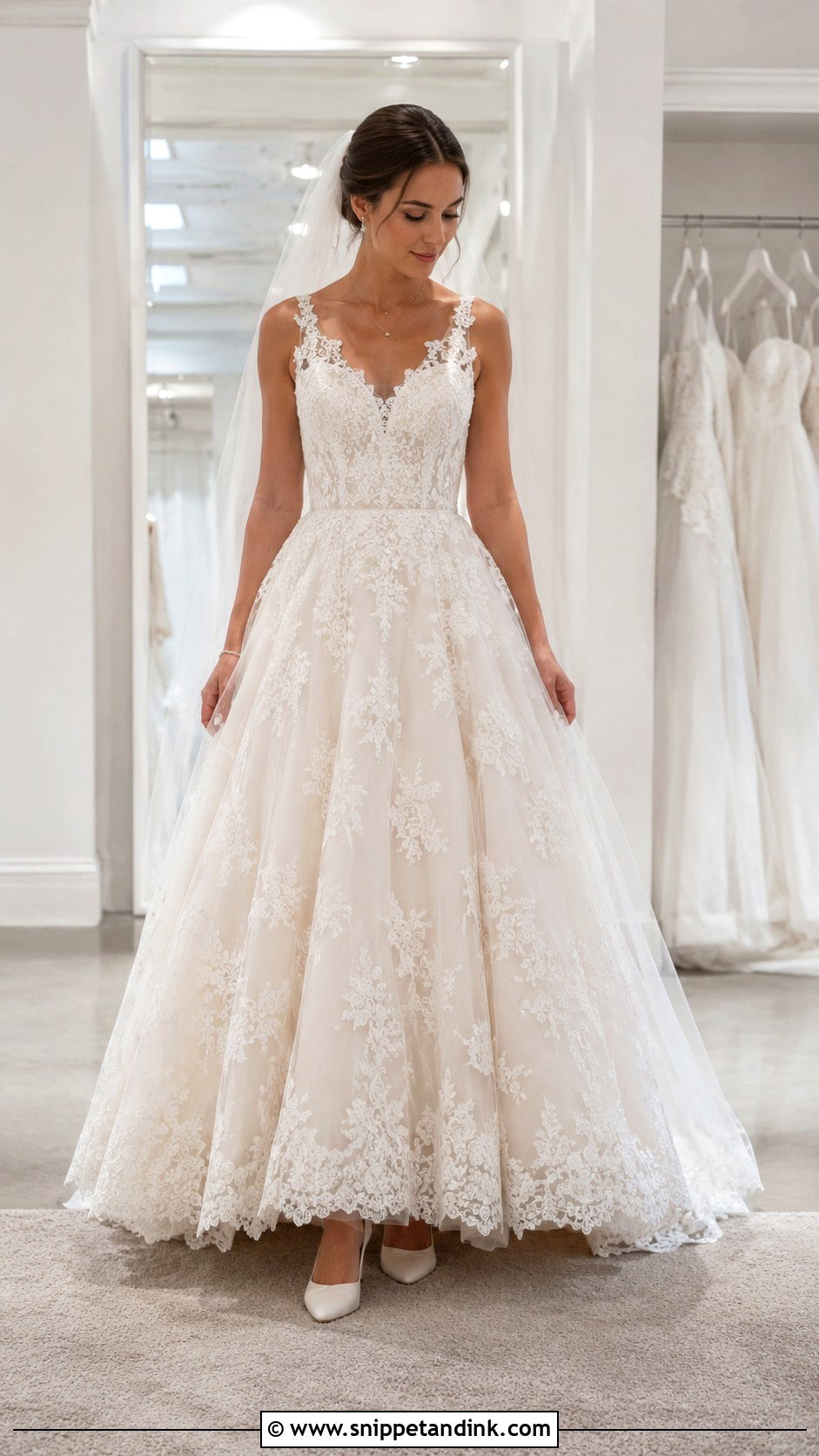
Itchy fabric is easy to ignore for ten minutes in a boutique and unbearable by hour six. Scratchy lace, stiff tulle, rough sequins and unfinished seams irritate the arms, waist, chest and thighs, and heat makes the friction worse, particularly for sensitive skin. Sit down in the sample and rub your inner arm against the bodice. A seamstress can sometimes line the worst areas, but not under sheer lace, so test before ordering.
13. Wedding Dress With Poor Alterations
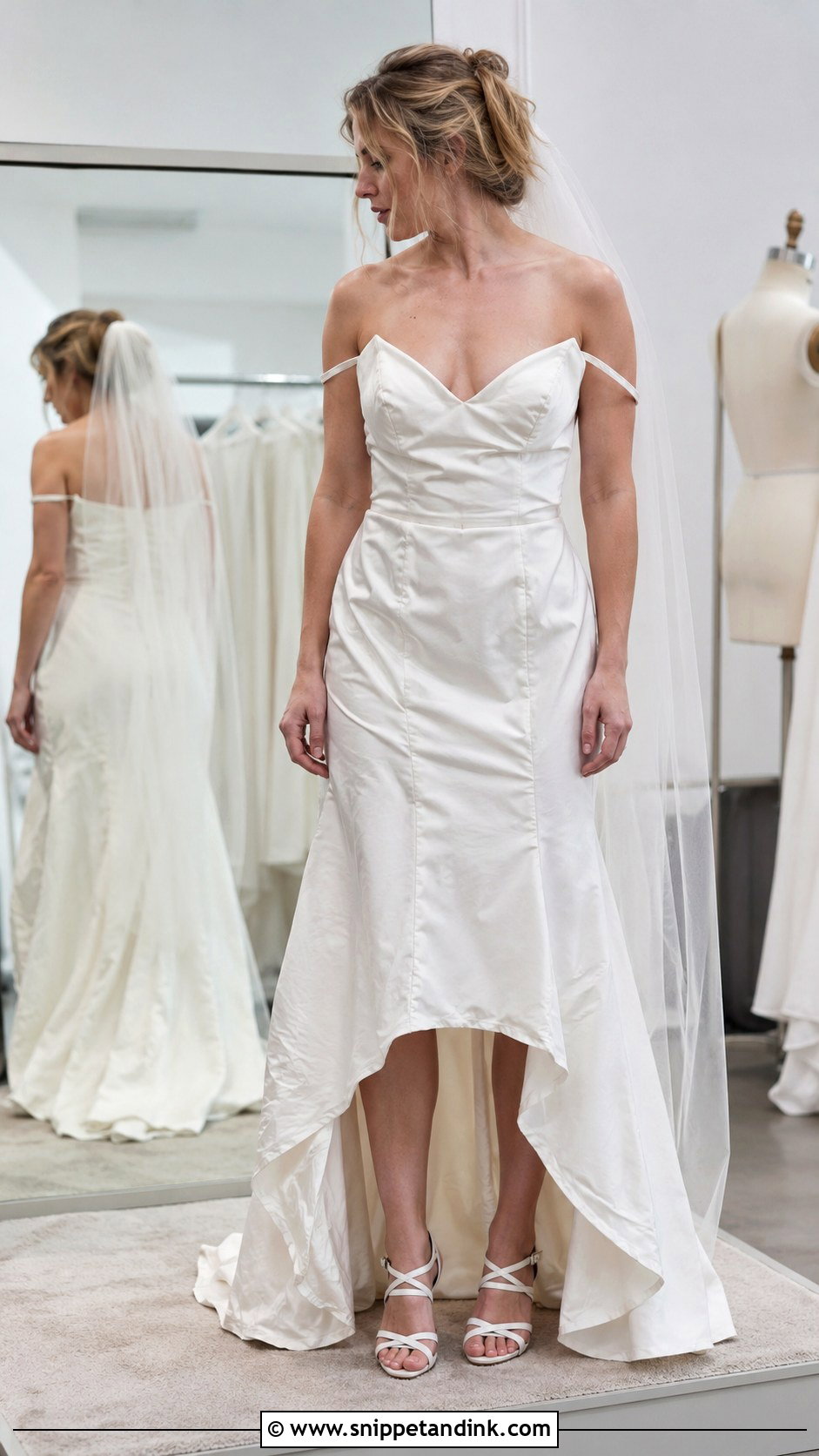
Poor alterations can make an expensive gown look wrong: uneven hems, gaping necklines, puckered seams, twisted straps, a bustle that bunches and a bodice that no longer lies flat. Bridal gowns are complicated garments, and lace, boning and beading change how every adjustment has to be done. I always tell brides to budget for an experienced bridal seamstress from the start rather than treating alterations as an afterthought. A great fit lifts a simple dress, and a bad one can spoil a designer gown.
14. Wedding Dress That Does Not Match The Venue
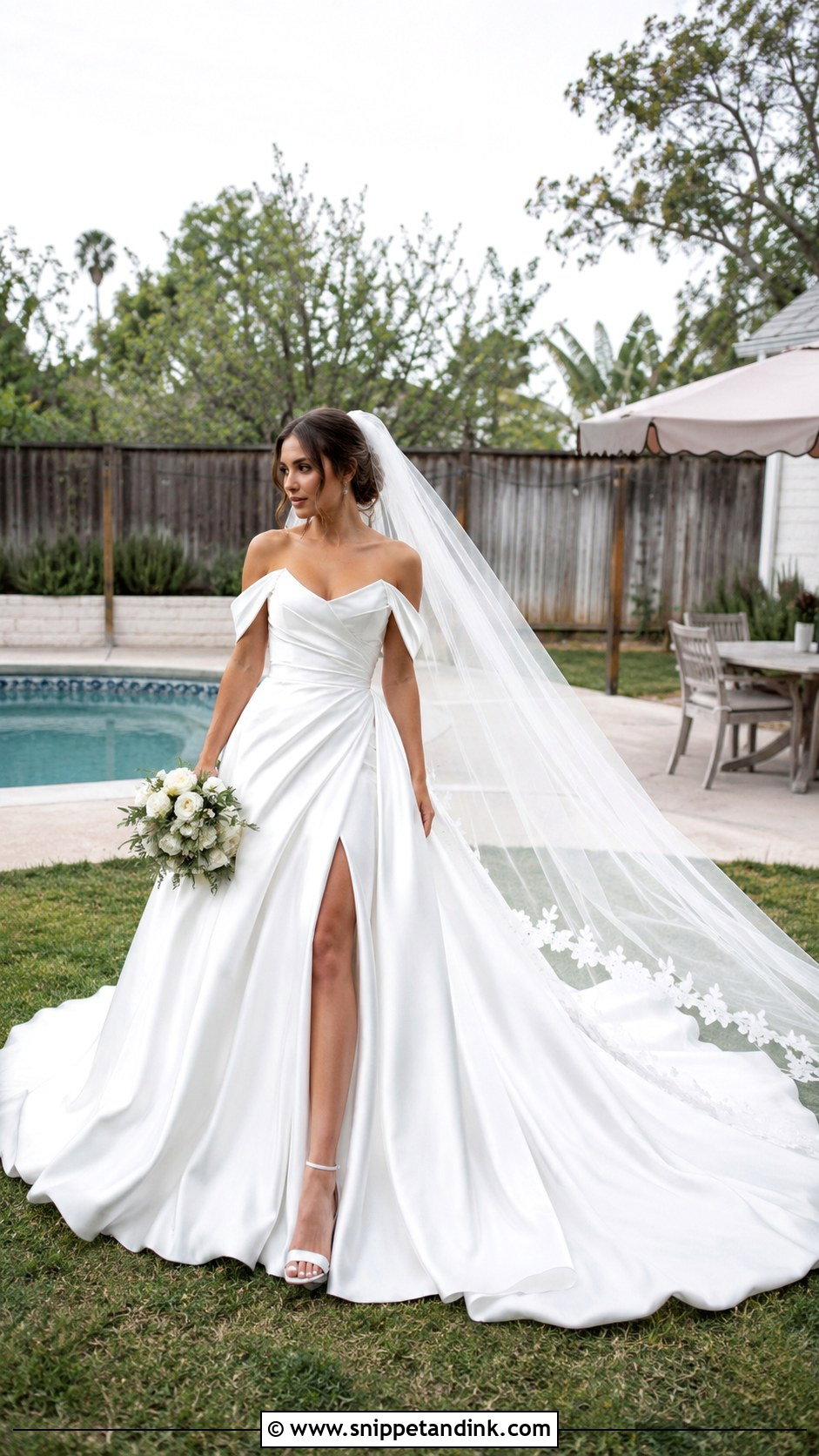
Some gowns simply belong somewhere else. A cathedral-length satin gown feels overdressed in a backyard, a slip dress can look underdressed in a grand ballroom, and beachy chiffon sits oddly at a black-tie evening. The dress doesn’t need to copy the venue, but it should agree with the mood and the formality. Walk the venue in your head before you shop: the floors, the weather, the light, the distance between ceremony and reception. Then rule out anything you’d have to manage all day.
15. Wedding Dress That Does Not Match Your Personality
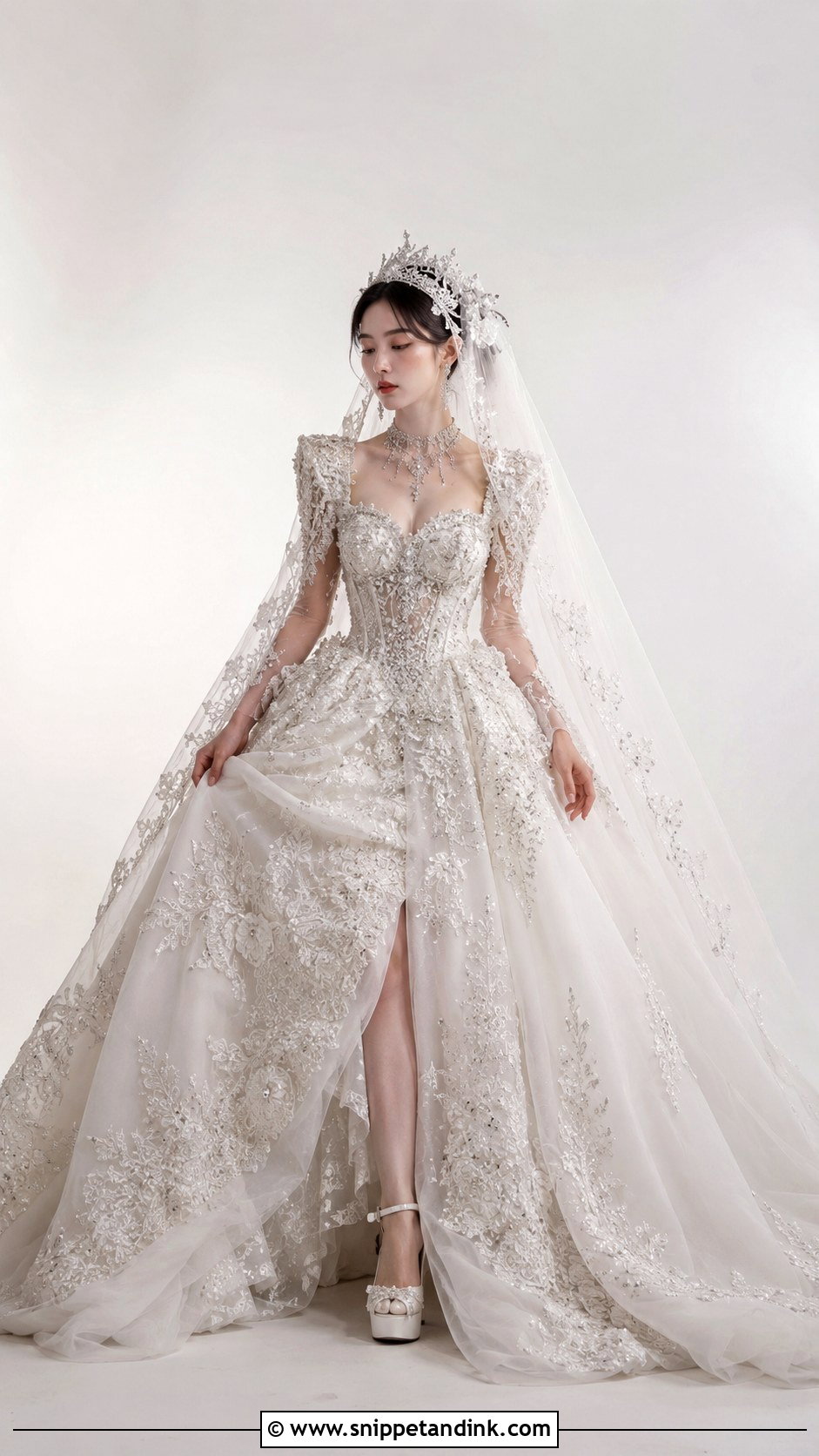
A dress that doesn’t feel like you can cause regret even when everyone in the room loves it. Wedding pressure pushes brides toward family approval, social media reactions or a fantasy version of themselves. If you dress minimally day to day, a heavily embellished gown may feel like a costume by the first dance. If you love fashion, a plain dress may feel unfinished. I ask brides to bring a photo of an outfit they wore and felt great in. It tells me more than any mood board.
16. Wedding Dress With Too Much Sparkle
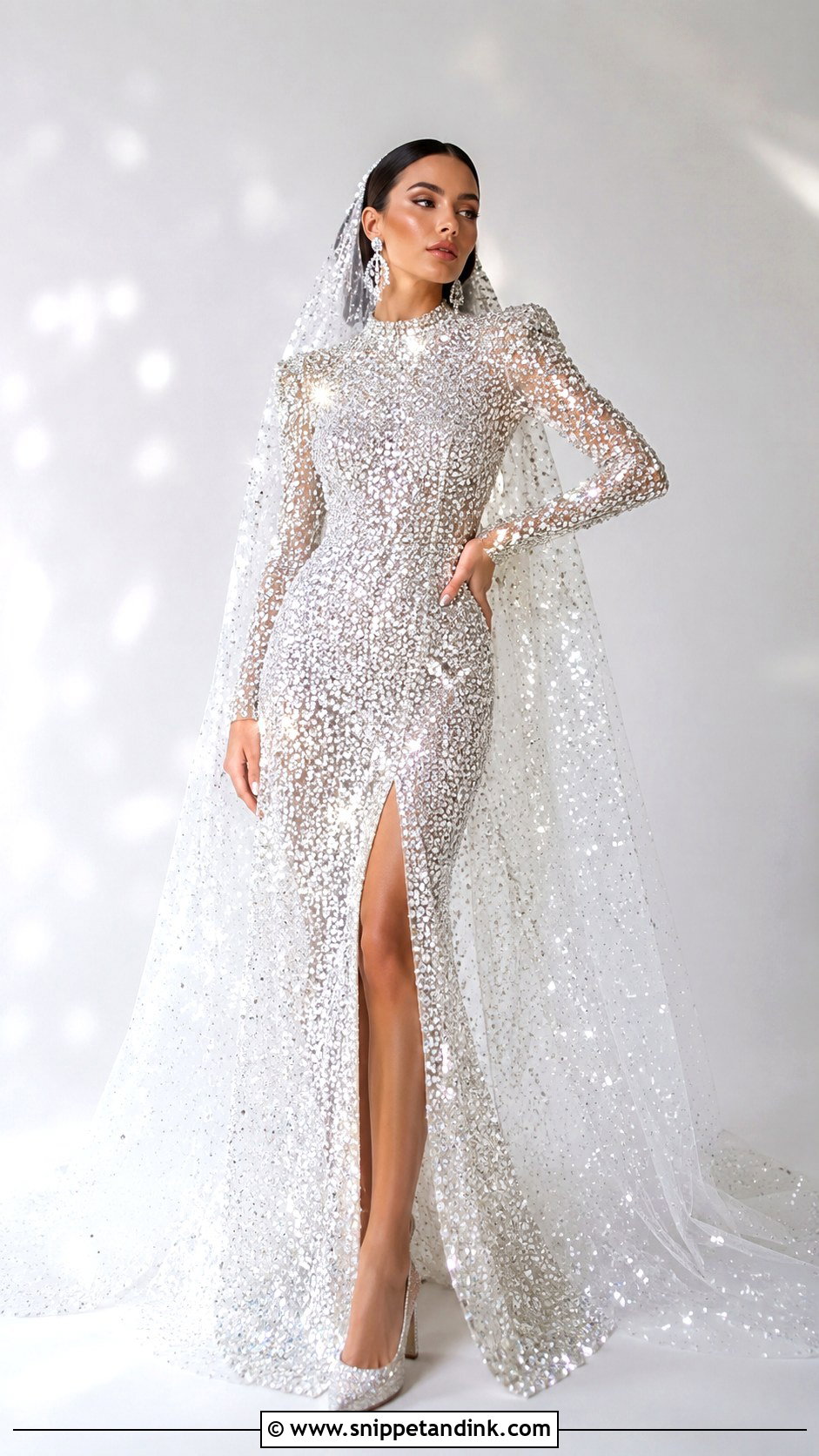
Too much sparkle overwhelms the bride, especially under flash or bright lighting. Heavy sequins, crystals, metallic thread, glitter tulle and beaded appliqué can bounce light harshly, add real weight and scratch the inner arm. Shine works best with somewhere quiet for the eye to rest. Put it in one place, a beaded bodice, a shimmer skirt or delicate crystal straps, and keep the rest matte.
17. Wedding Dress With Oversized Bow
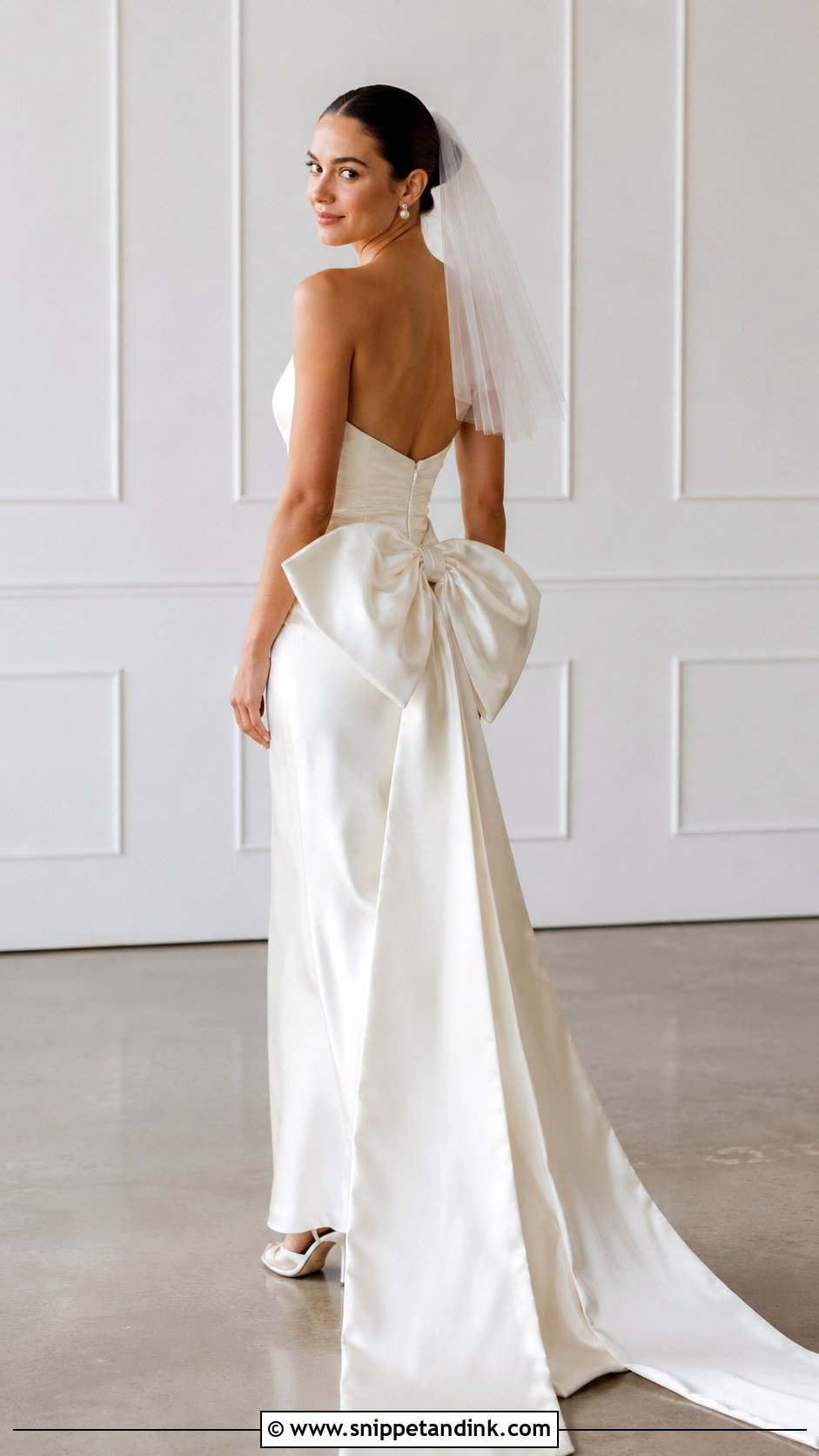
Big bows look great in editorials and awkward in motion. On the back, shoulder, waist or train they can break the line of the gown, make sitting uncomfortable and add bulk to side views. Stiff fabrics hold a bow’s shape; soft ones droop by evening. If the bow is wider than your frame or competes with the veil, bouquet and hair, scale it down or ask for one that can be removed for the reception.
18. Wedding Dress With Detachable Sleeves
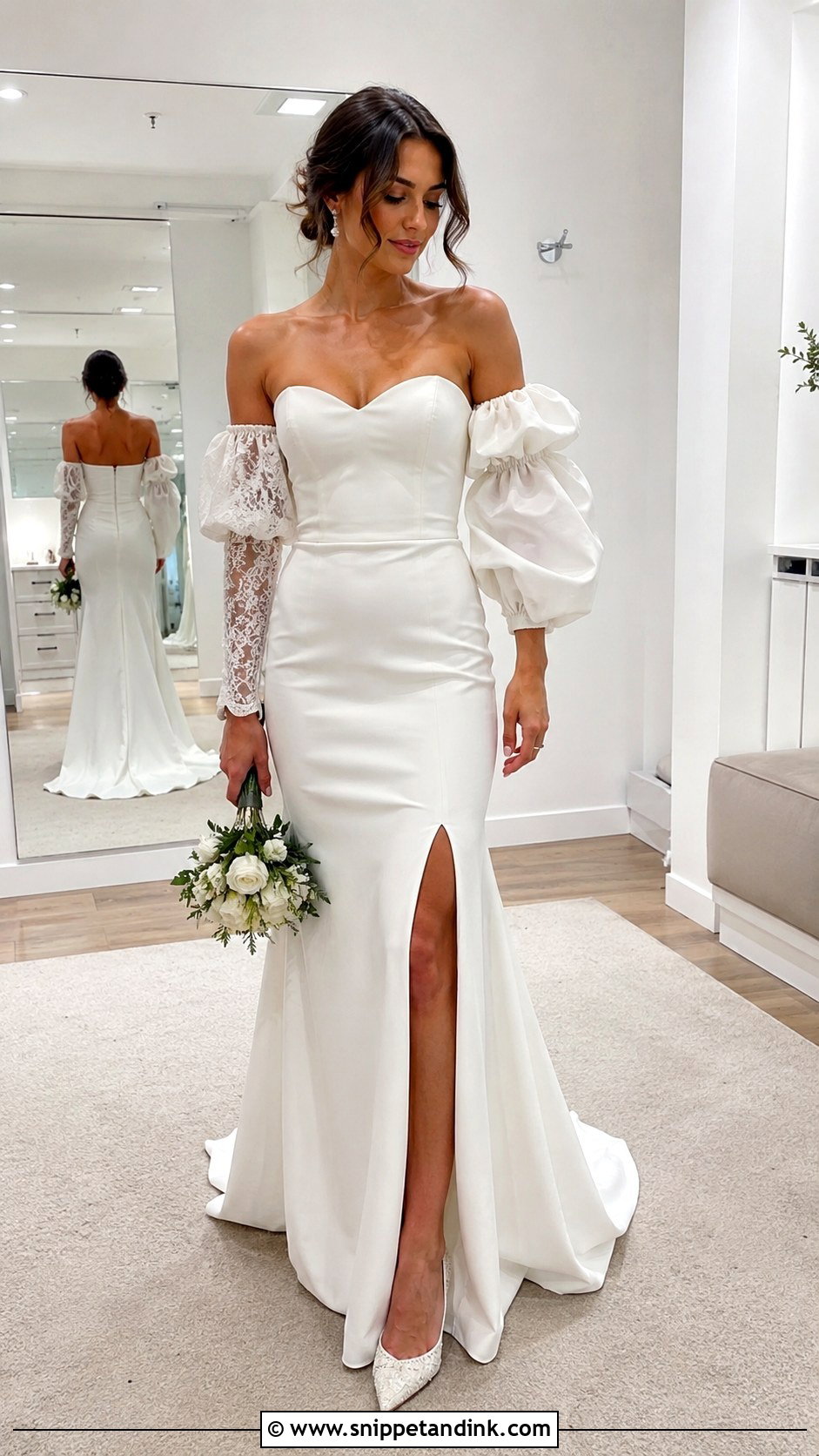
Detachable sleeves sound practical, and badly made ones look like an afterthought. They slide, twist, gap and limit how high you can lift your arms. What matters is integration: the fabric, color, lace pattern and attachment points have to match the gown exactly. Try the dress both ways at every fitting. The attachment is usually a few small hooks or snaps, so ask your seamstress to reinforce them before the day.
19. Wedding Dress With Extreme High Low Hem
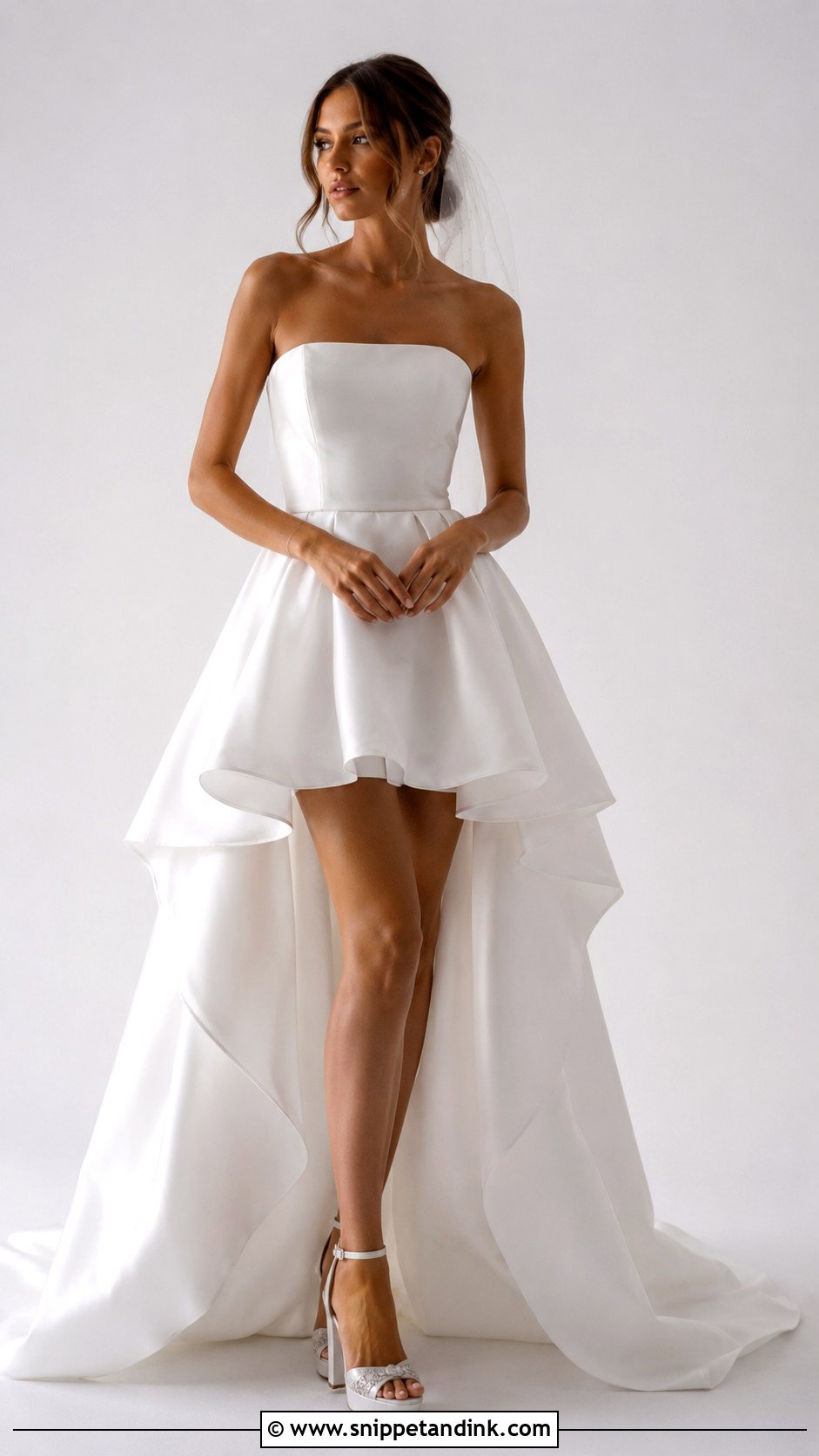
An extreme high-low hem is hard to style. The short front and long back create a strong break that can throw proportions off in photos and put all the attention on shoes and legs. Too short at the front, too dramatic at the back, and it reads as a party dress. A gentle high-low can suit a casual ceremony or a reception change, but only with clean tailoring. Stiff, uneven or ruffled versions rarely survive the camera.
20. Wedding Dress With Too Deep Plunge
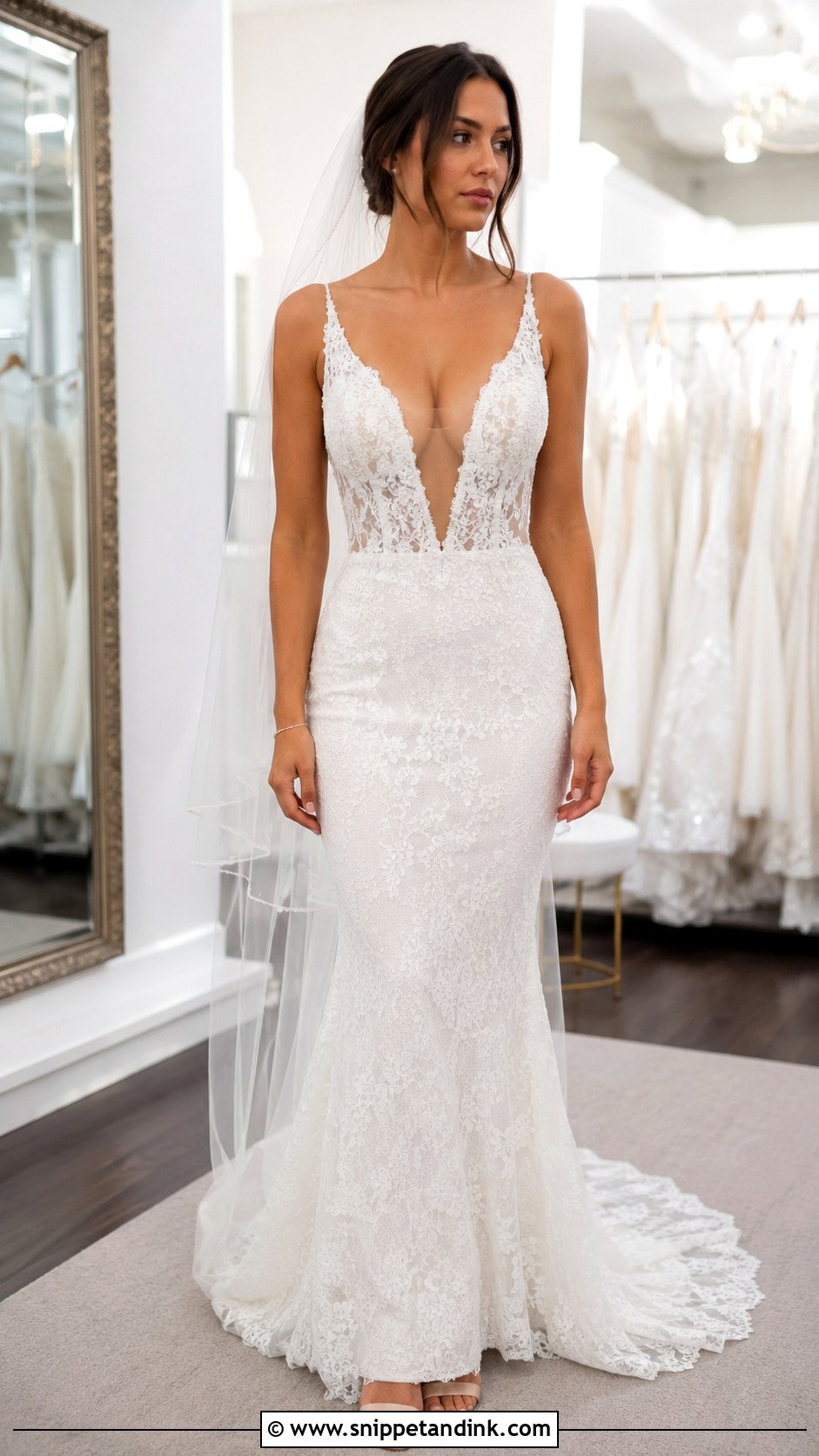
Deep plunges are fine on a runway and stressful at a family wedding if the neckline isn’t secure. They need precise tailoring, strong illusion mesh and enough structure to stop the bodice drifting when you lean in for a hug. Without that you spend the day checking yourself. I keep a roll of double-sided fashion tape in my kit for any plunge, but tape is backup, not the plan. Also think about the ceremony setting and how relaxed you’ll feel in it with older relatives.
21. Wedding Dress With Awkward Slit
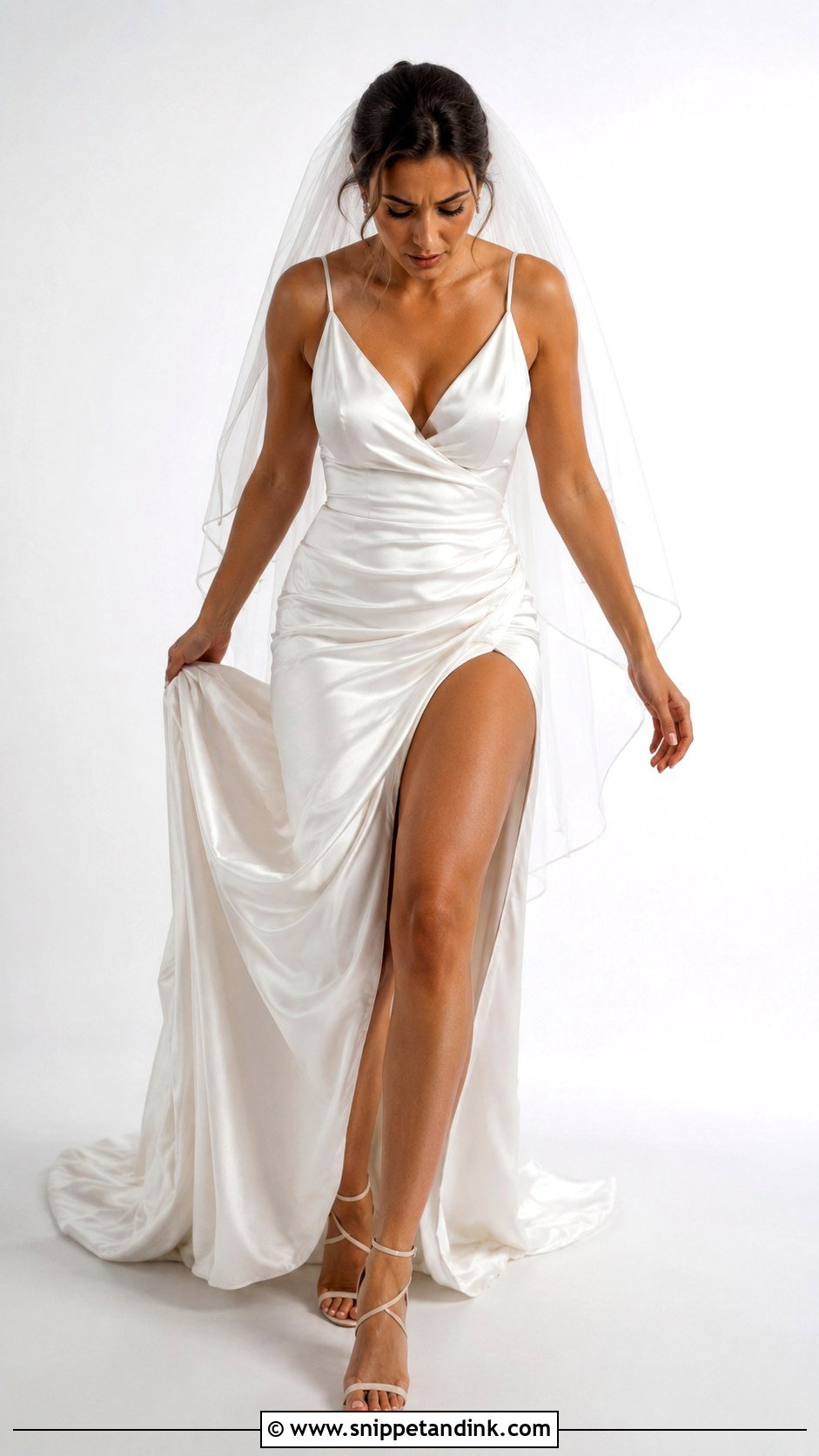
A slit in the wrong place opens when it shouldn’t. Too high, too central or set where the leg naturally steps forward, and it parts every time you sit or walk, limiting how you can pose. Fabric changes everything here. Soft crepe falls closed after a step, while stiff satin tends to gape open. The slit should follow the natural movement of the skirt, so check it while seated and on stairs.
22. Wedding Dress With Giant Puff Sleeves
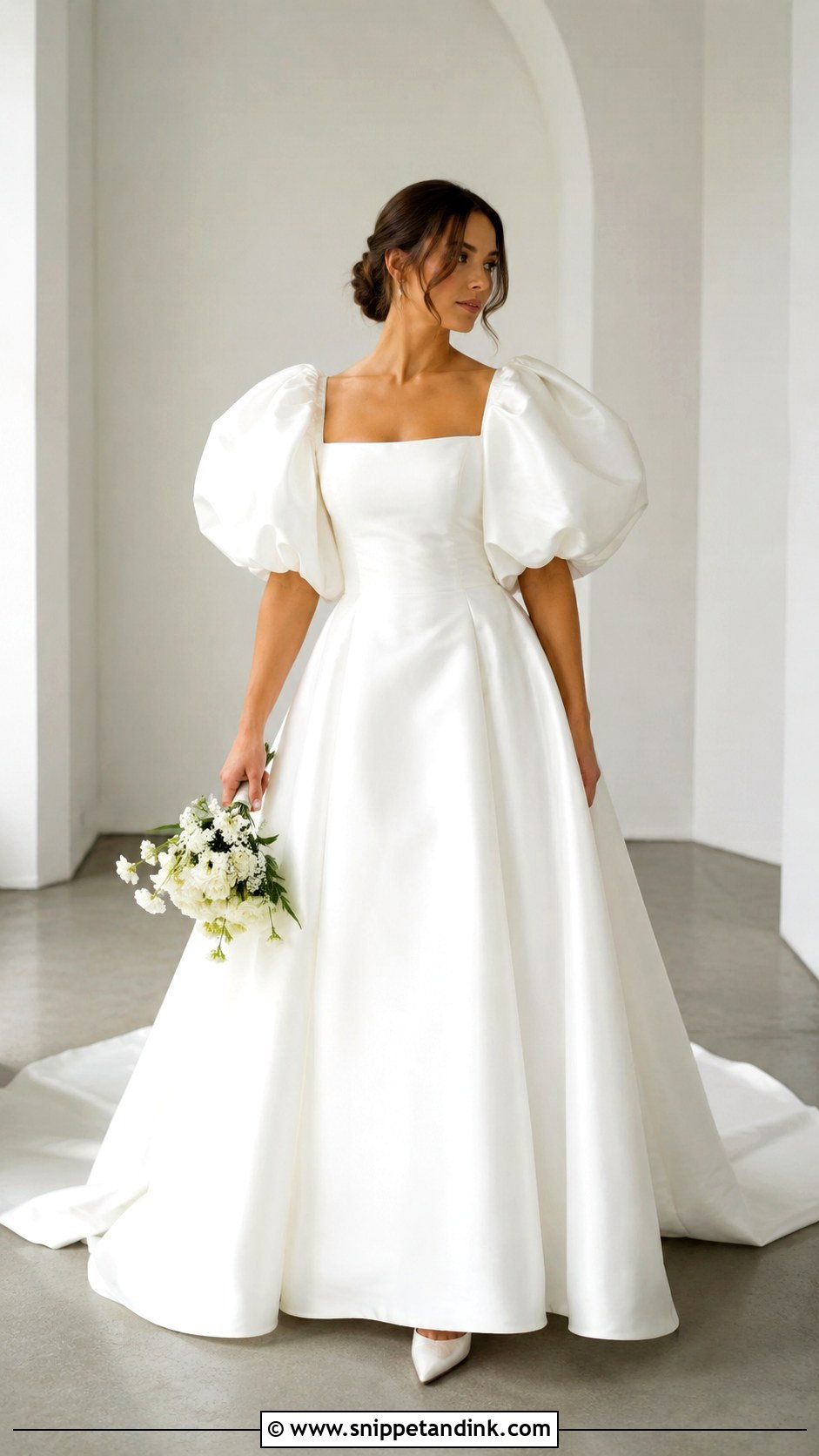
Giant puff sleeves are memorable and date quickly. They widen the shoulders, crowd the face and neckline, compete with the bouquet and get hot over a long day, and they can restrict arm movement. Scale is the question. A small-framed bride can disappear inside them. If you love volume, try a softer sleeve in sheer fabric, or one that can be removed after the ceremony.
23. Wedding Dress With Mismatched Accessories
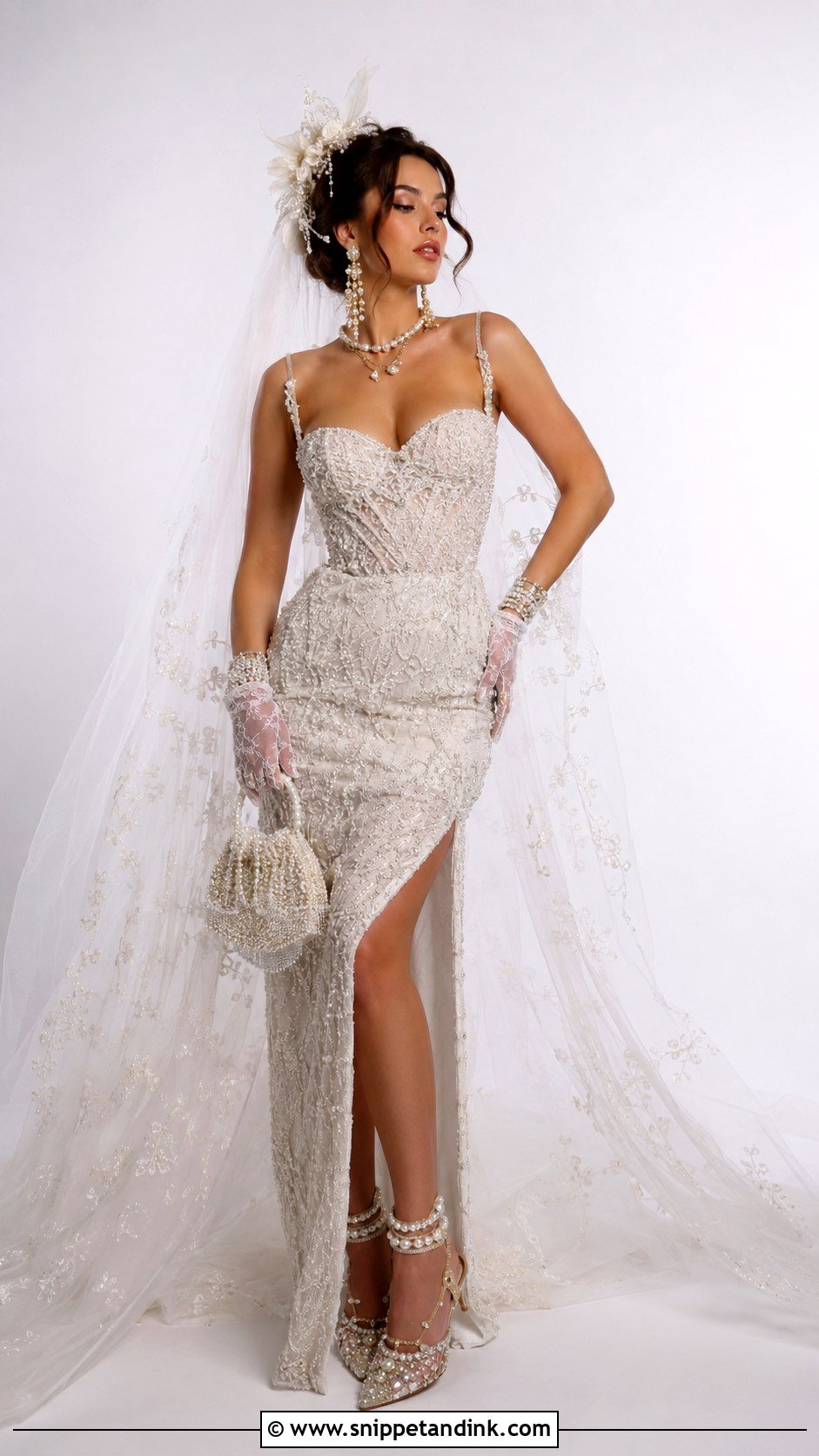
Styling goes wrong when every piece is chosen on its own. A heavily beaded gown with a dramatic veil, statement earrings, ornate shoes, sparkly hairpieces and bold gloves is just too much, and mismatched accessories make a simple dress look unfinished too. I lay everything out on a bed next to the dress before the final fitting. Anything that fights the neckline, the fabric or the embellishment goes back in the box.
24. Wedding Dress With Wrong Undergarments
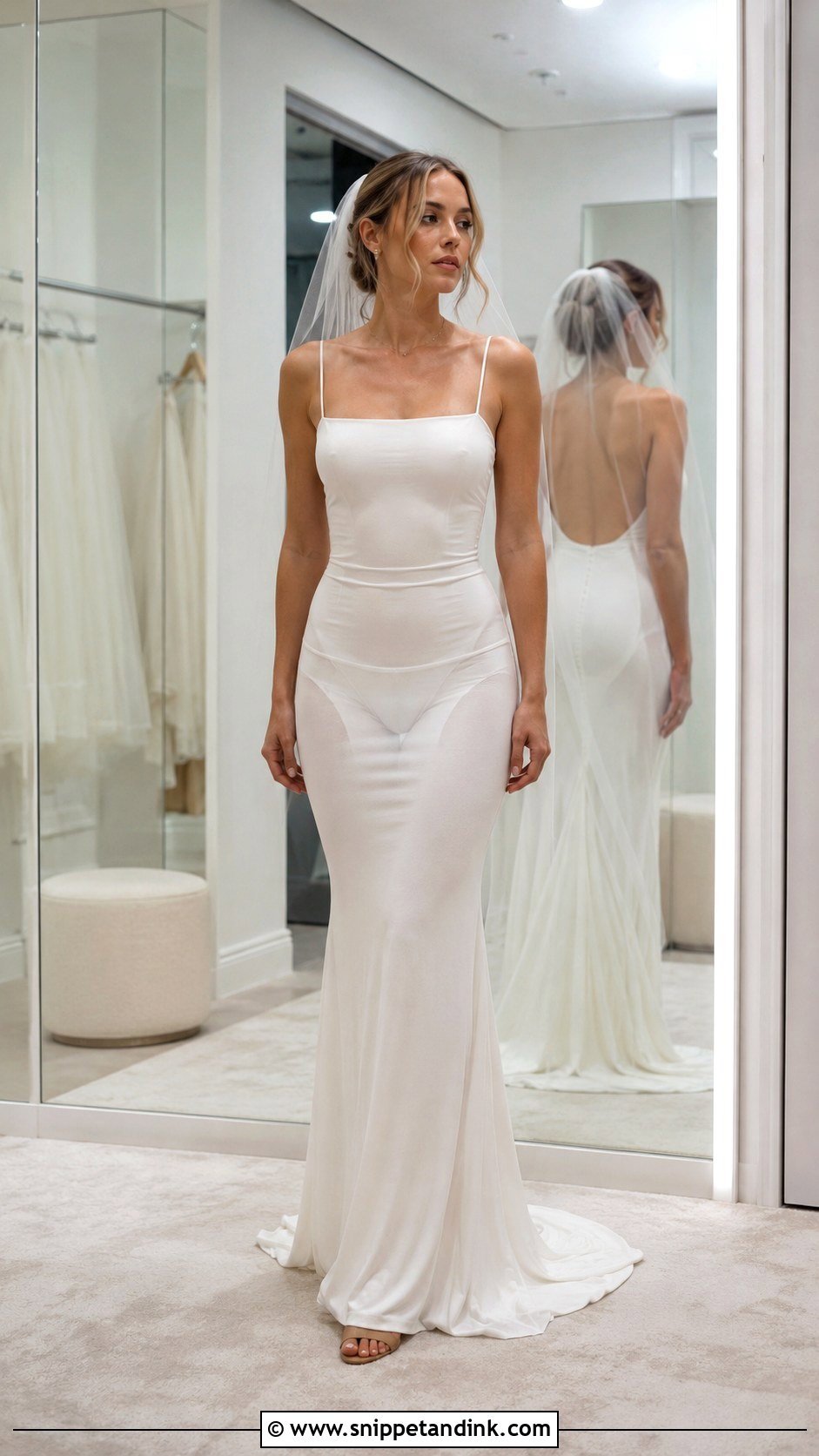
Underwear causes more fitting surprises than anything else. Bright white bras show under ivory, textured shapewear prints through smooth crepe, and a strap in the wrong place ruins an open back or illusion neckline. Choose nude to your skin tone rather than white. Bring the actual pieces you plan to wear to every fitting, because the seamstress pins the dress around them. Waiting until the wedding week to solve this is how brides end up taped in at the last minute.
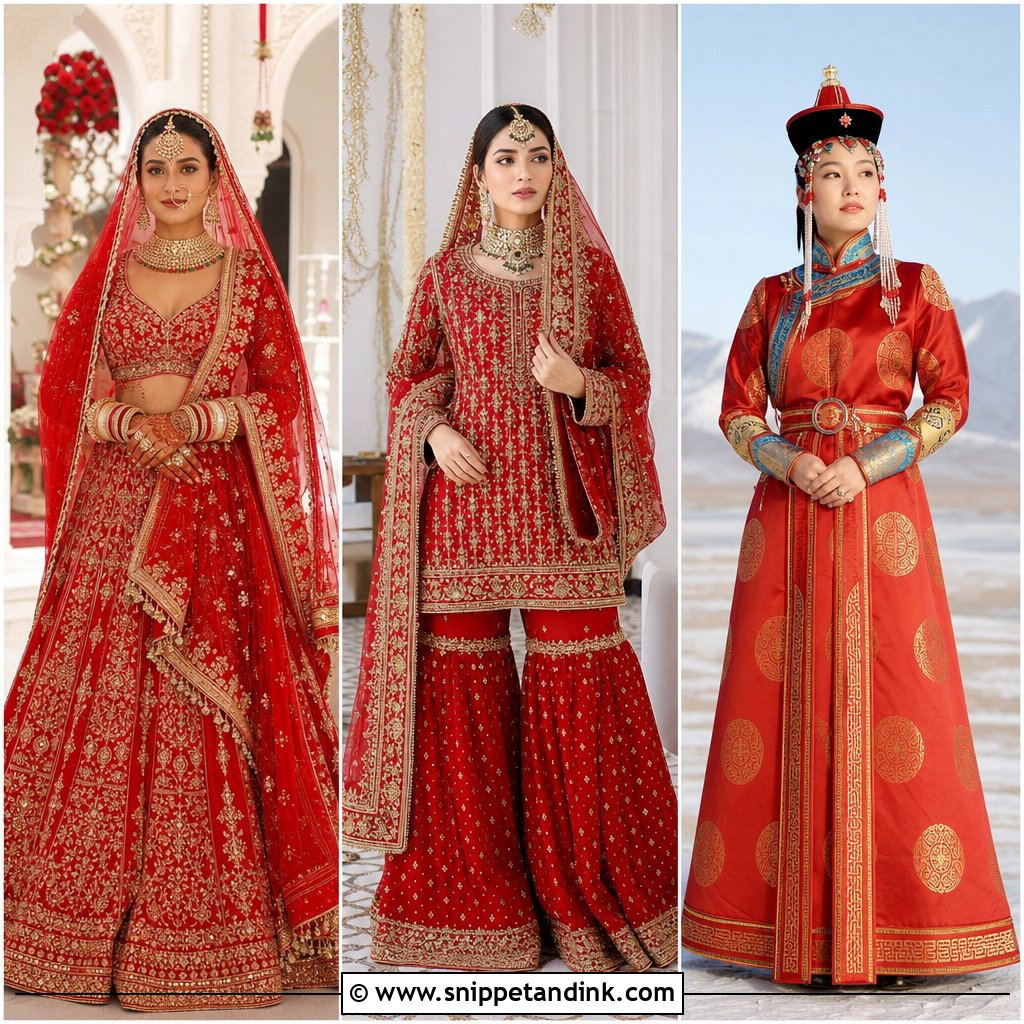
25. Wedding Dress With Bad Bustle
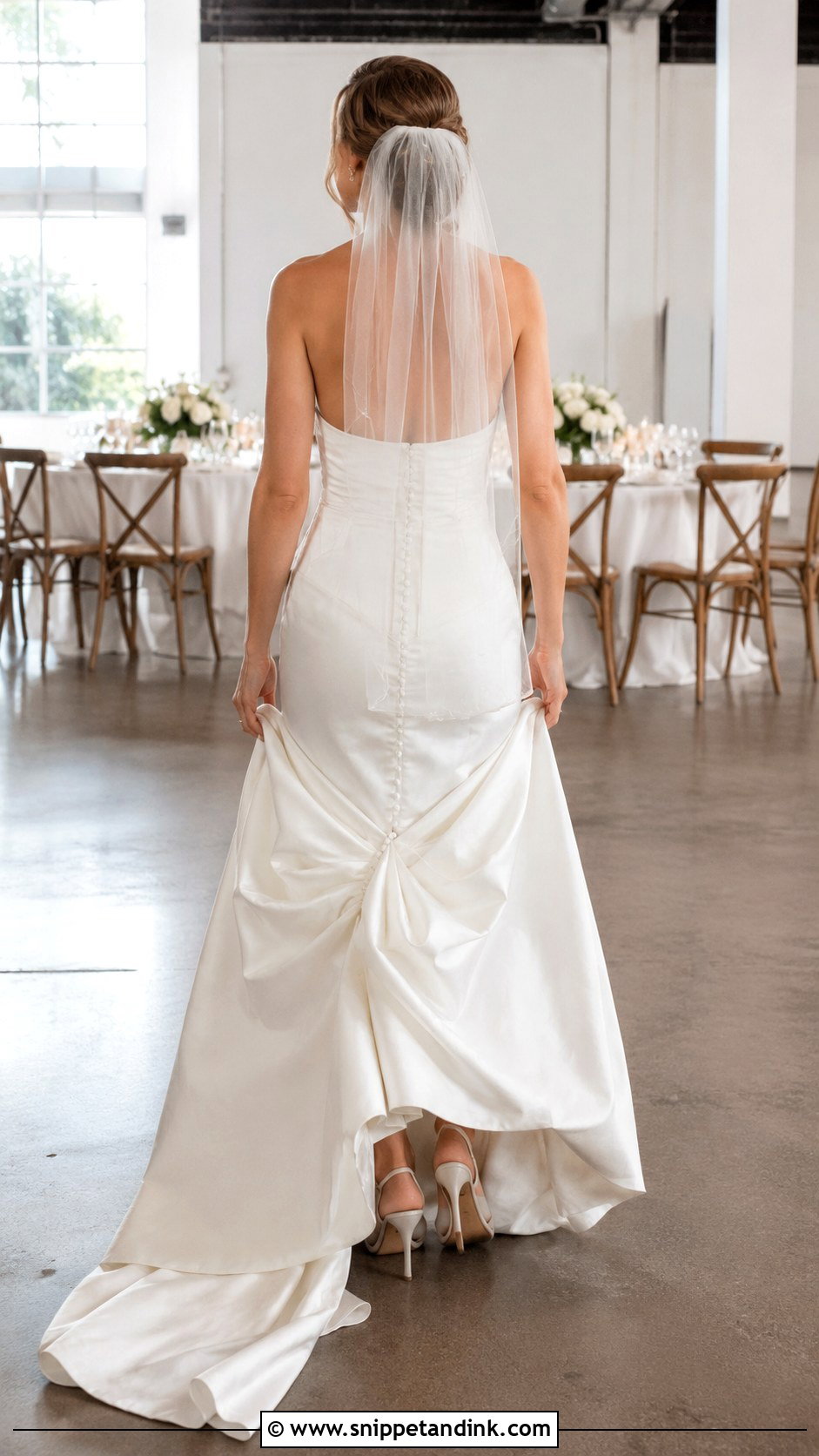
A weak bustle causes trouble the minute the reception starts. If it’s confusing or badly placed, the train drags, rips or bunches into lumps at the back. Heavy or layered trains often need several bustle points to lift evenly. Have the seamstress teach the person who’ll actually do it, and take a short video from behind while they practise. I also ask for the bustle loops to be marked with a dot of colored thread so they can be found quickly.
26. Wedding Dress Bought Only For Photos
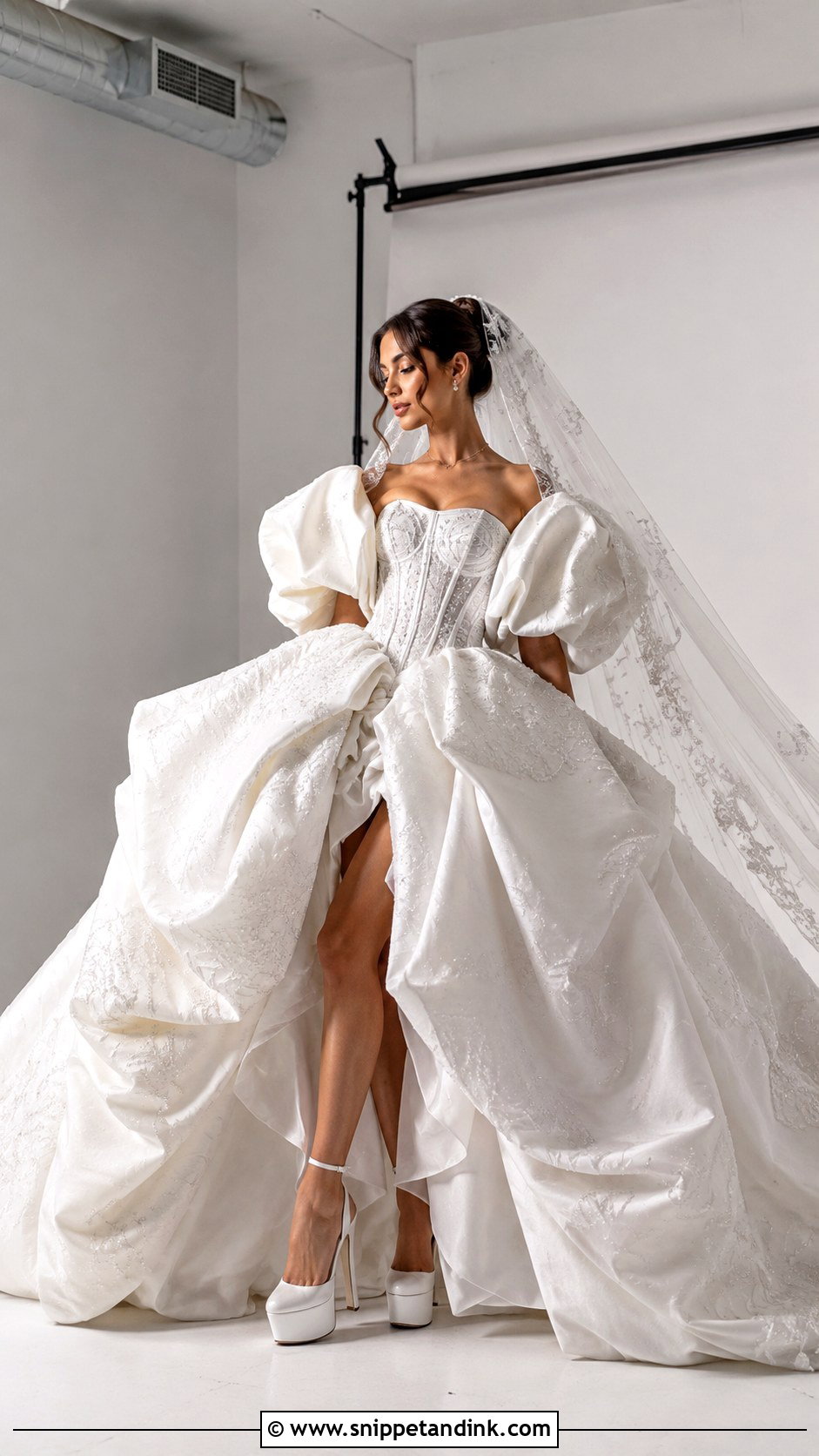
Some dresses are chosen for one angle on a screen. They look incredible in a still image and fail as soon as you walk the aisle, sit for dinner, greet guests and dance. Photo-led gowns are often heavy, stiff, sheer or hard to alter, and some only work from the front. Ask for a full walk and a sit-down in the shop. Your photos matter, but you have to live in the dress for the whole day first.
27. Wedding Dress Chosen By Everyone Else
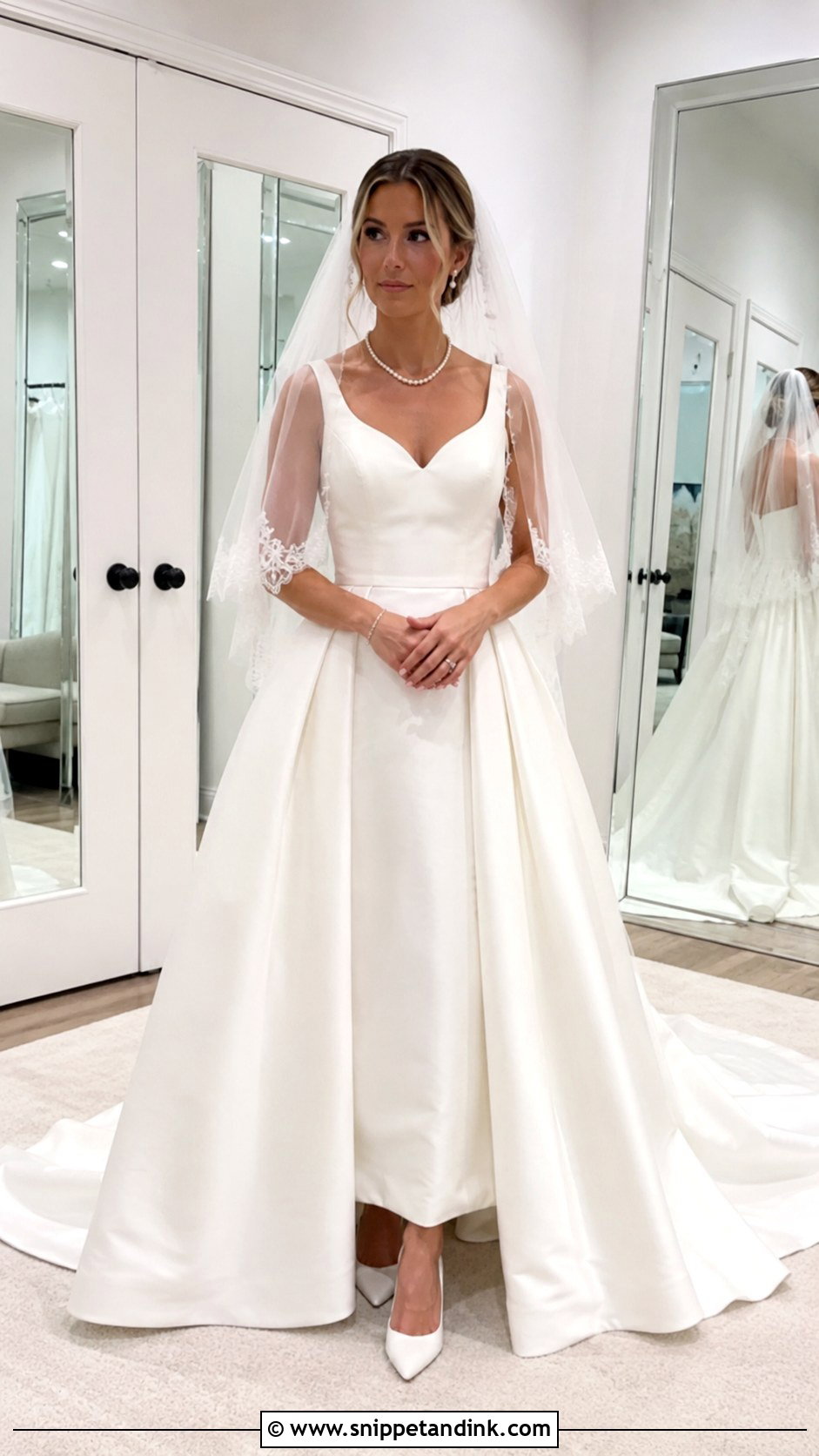
When the dress is chosen by everyone else, the bride often questions it later. Family, friends and the bridal party all have opinions about what looks “bridal,” “flattering” or “appropriate.” Their input helps until it outweighs yours, and a gown picked because the room cried or cheered can feel borrowed by the wedding. Bring two or three people who know your style, not a crowd. The problem isn’t always an unattractive dress. Sometimes it’s a lovely one you never really chose.
28. Wedding Dress Too Similar To A Trend Online
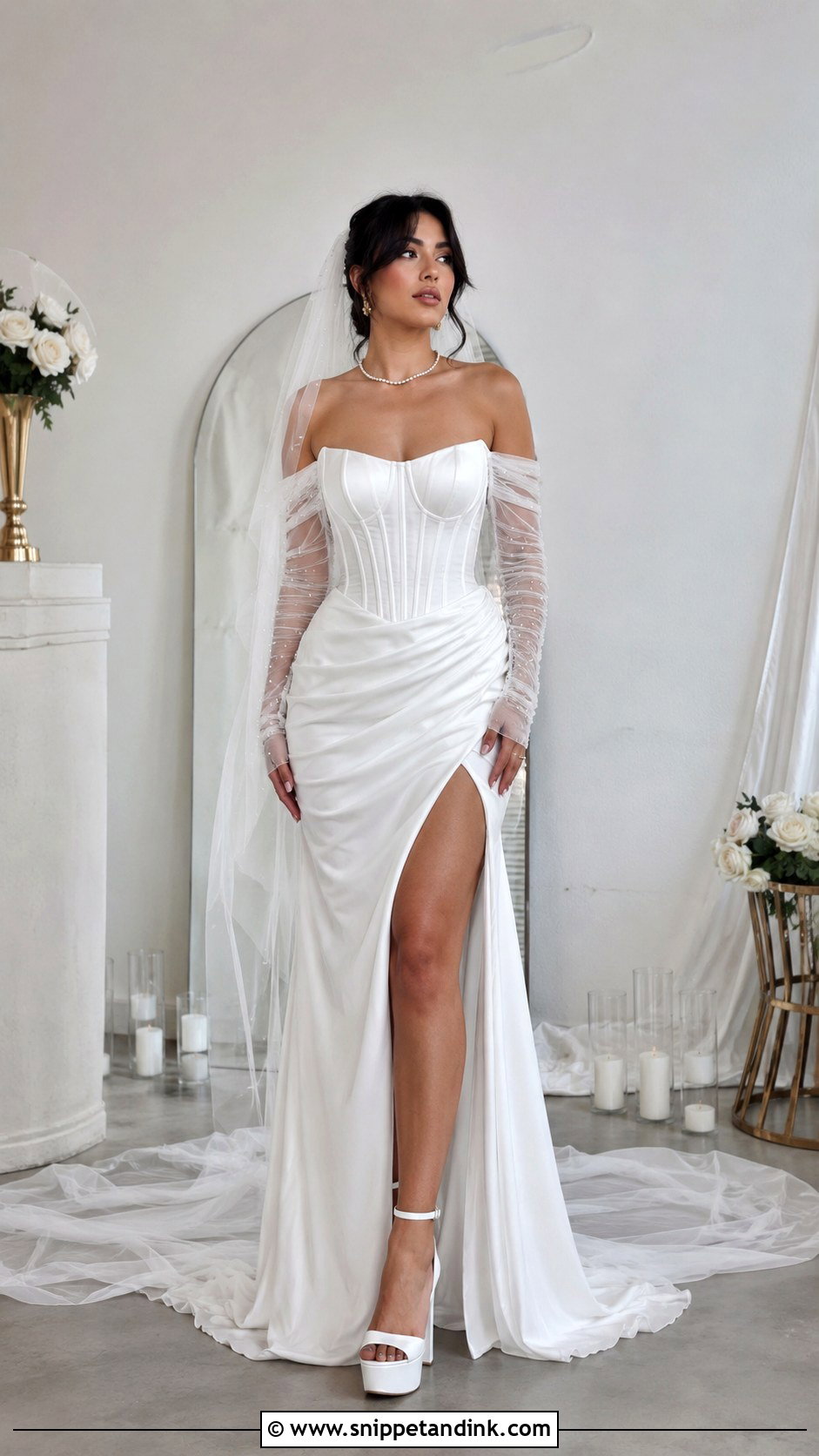
Viral bridal looks spread fast. One neckline, one sleeve, one corset style or one skirt detail appears across every feed for a season, then everywhere, then nowhere. If popularity is your main reason for a dress, you may feel less connected to it in your own photos later. Ask yourself whether you’d still want it without the likes and saves. Use trends for ideas and keep your own style in charge.
29. Wedding Dress With No Movement
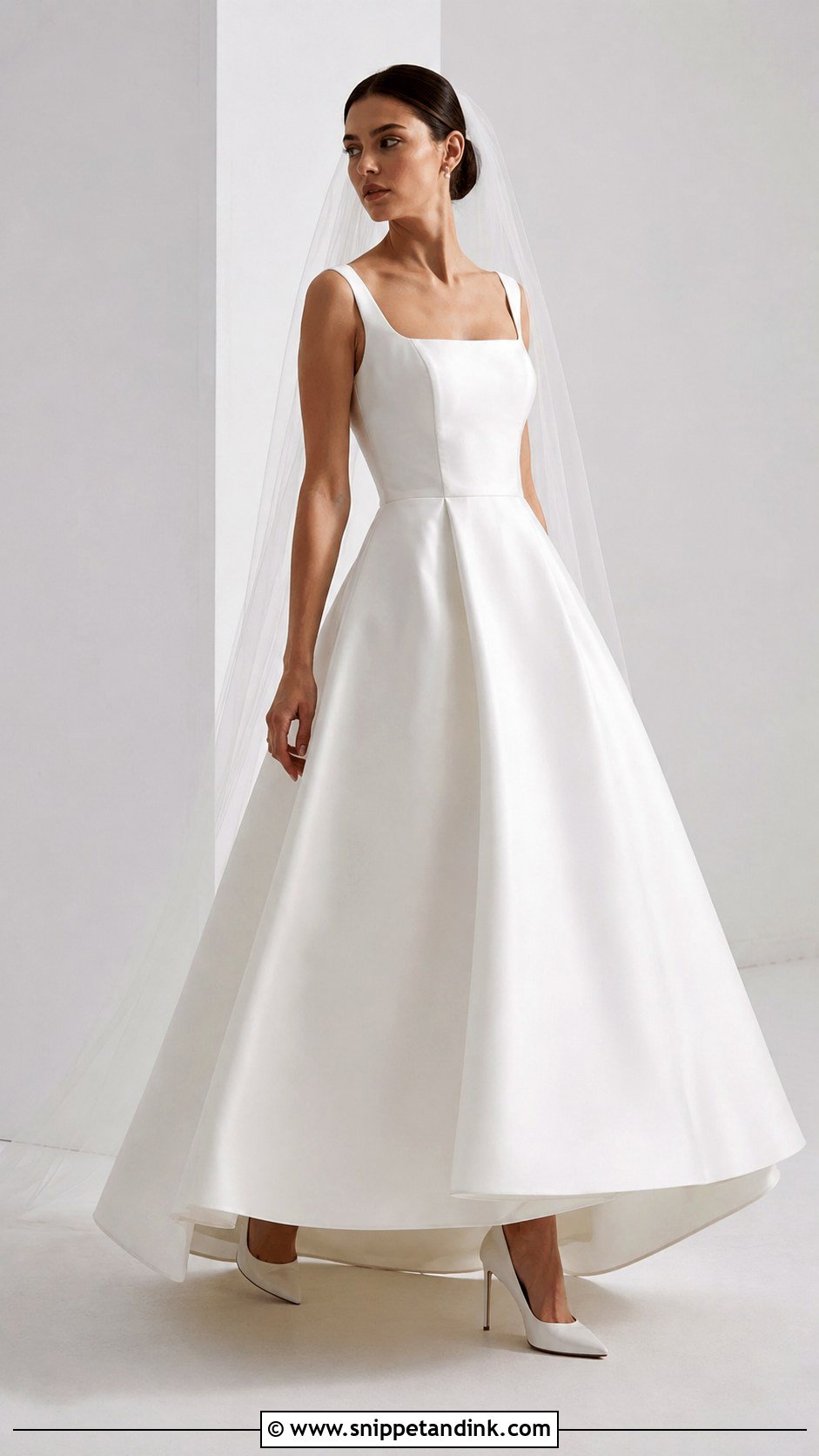
Stiff gowns stand well and move badly. Very tight skirts, rigid fabrics, heavy boning and stiff overlays all change how you enter a room and get through the reception, and weddings involve a lot of walking, turning, hugging and dancing. At fittings, don’t just stand in front of the mirror. Take steps, sit, turn quickly and reach up. A good dress should move when you do.
30. Wedding Dress That Ignores Comfort
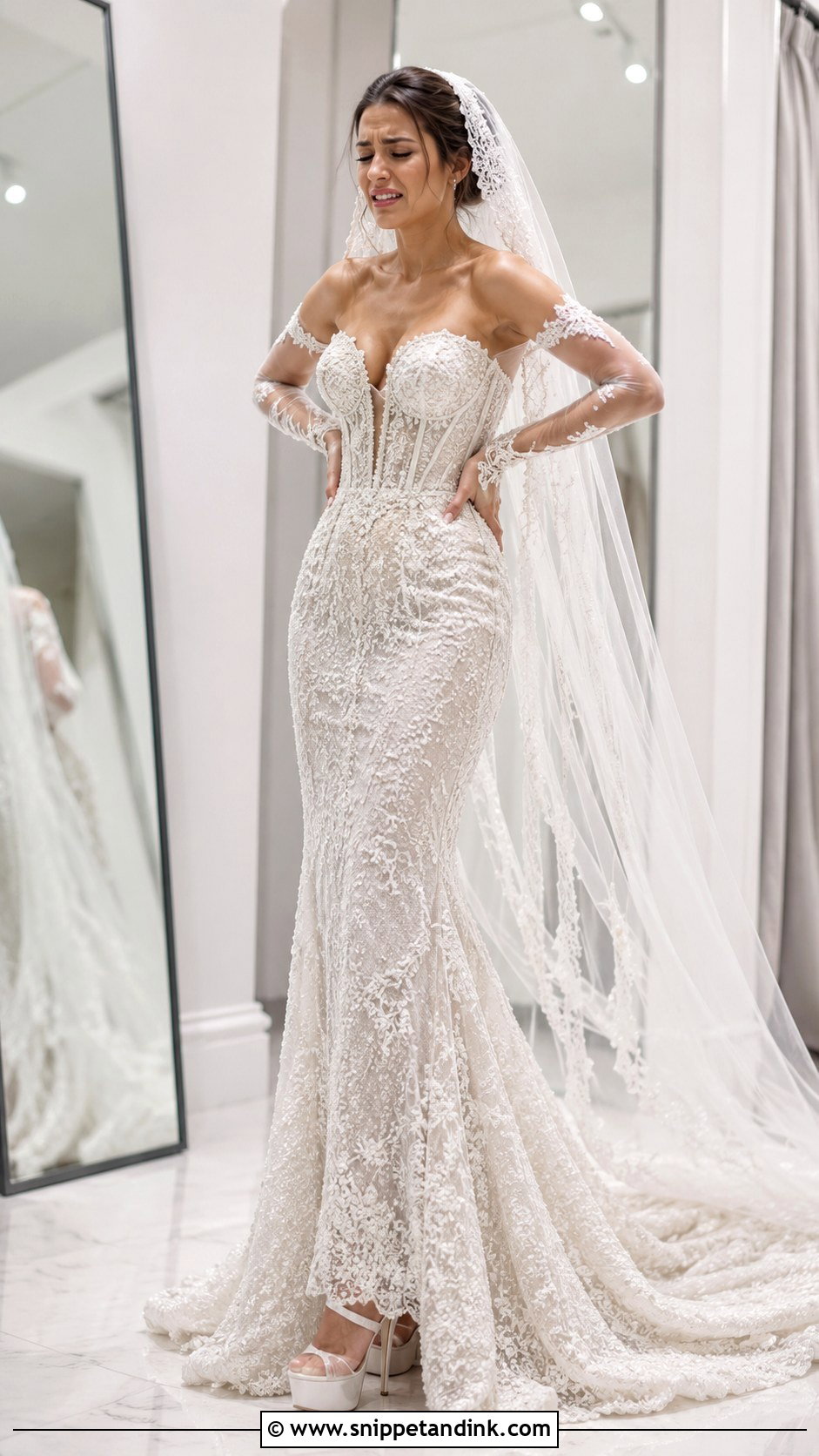
Discomfort colors everything else. If a gown pinches, scratches, slips, overheats, weighs too much or limits breathing, it pulls your attention away from the people you’re there for. Brides sometimes accept pain because they believe beauty requires it, and I don’t agree. Comfort means breathable lining, secure structure, smooth seams, manageable weight and a silhouette you can move in. The worst dress isn’t the boldest one. It’s the one that keeps you from being present.
If Something Gives Way Between the Vows and the First Dance
Even a well-chosen dress can fail on the day. Zips break, bustle loops snap and a heel goes through a hem. None of it is a disaster if someone nearby has the right things in a small bag and knows what to do.
- A broken zip: the bride gets sewn in. Pack a needle already threaded in a color close to the dress, and a few large safety pins to hold the gap on the inside while someone stitches.
- A snapped bustle loop: safety pins placed on the underside of the skirt hold the train up for the evening.
- A torn hem from a heel: a few loose hand stitches or a strip of fashion tape stops it spreading.
- Red wine or a sauce splash: blot with a clean white cloth and plain water, never rub, and leave the rest for the cleaner.
- A slipping strap or a gaping neckline: double-sided fashion tape and lingerie strap clips.
Hand the kit to one person who came to the bustle lesson, not to the bride. I also suggest that person carries a small pair of scissors for loose threads, since pulling a thread on lace or beading can unravel a whole row.
Run Every Dress Through a Real Day Before You Say Yes
Every mistake on this list starts with the first mirror moment. A gown has to suit your venue, season, body and comfort, and the real plan for the day, not just look right standing still. Trends, opinions and photos can help, but they shouldn’t replace how you feel when you sit, walk and breathe in it. Pay attention to fabric, movement, tailoring and support, and style the full outfit from veil to shoes. A dress that feels secure photographs better too.
You'll Like These Ideas:








Leave a Reply