
A gown looks expensive because of what happens up close: how heavy the fabric hangs, how cleanly a seam lies over the hip, whether the beading was sewn by hand or glued. Price helps, but I’ve seen modest dresses read richer than designer ones simply because they were altered well. The looks below cover couture ball gowns, pearl-covered bodices, sleek satin, lace cathedral trains and reception pieces. The ones that work share restraint. Silk, structure and hand beading do the heavy lifting, and the veil, shoes and jewellery are there to support the dress, never to argue with it.
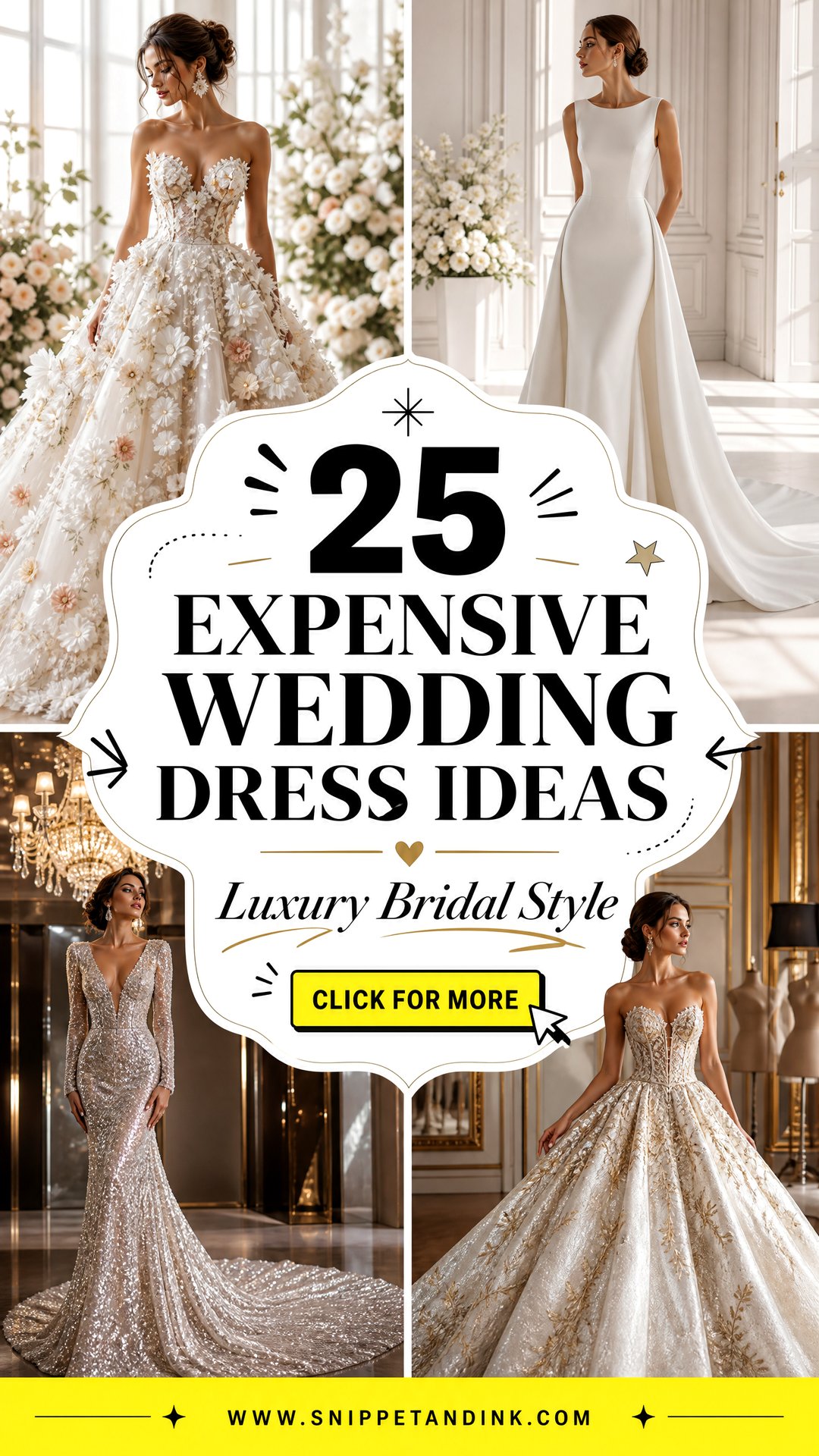
Turn the Dress Inside Out Before You Fall for It
I always look at the inside of a gown before the outside. The front can be copied by any factory; the inside tells you how it was made and how it will behave after eight hours of wear.
Fabric content
Read the label. Silk satin, silk crepe and silk mikado drape and age differently from polyester versions, which can look close on a hanger but shine harder under flash and hold creases more stubbornly. Polyester isn’t wrong, and some modern blends are very good, but you should know what you’re paying for.
Beading and lace
Run a hand gently over the embellishment. Hand-sewn beads sit individually and move slightly; glued or heat-set stones feel rigid and leave a shiny residue at the edges. On lace, look for motifs cut around and appliquéd over the seams instead of seams running straight through the pattern.
Seams, lining and boning
Clean, enclosed seams, a full lining and boning sewn into channels are signs of a well-built bodice. Exposed raw edges, plastic boning that bends easily and a lining that doesn’t reach the hem usually mean the dress will need more work at alterations. That cost belongs in your budget from day one.
1. Luxury Satin Ball Gown Wedding Dress
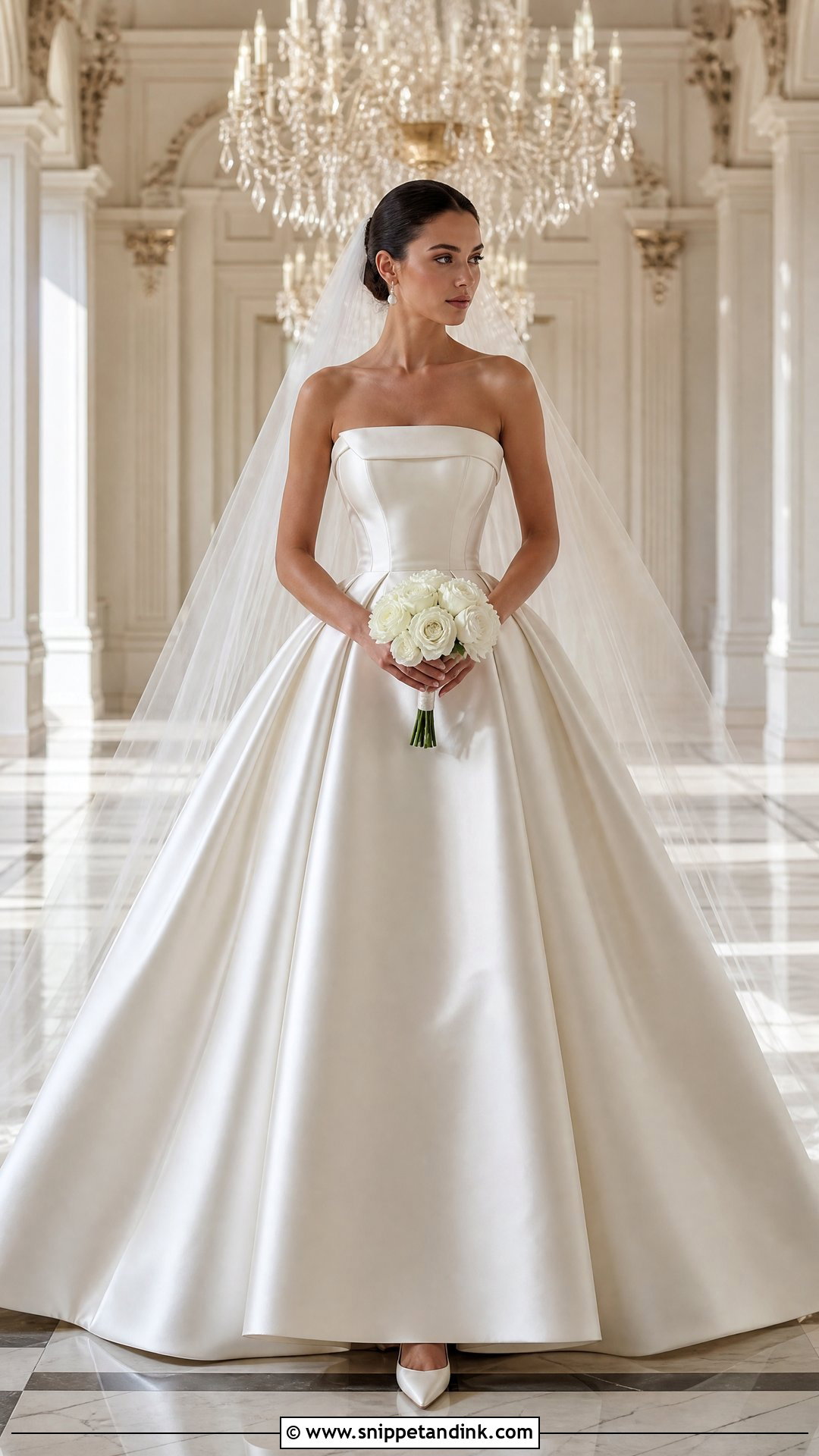
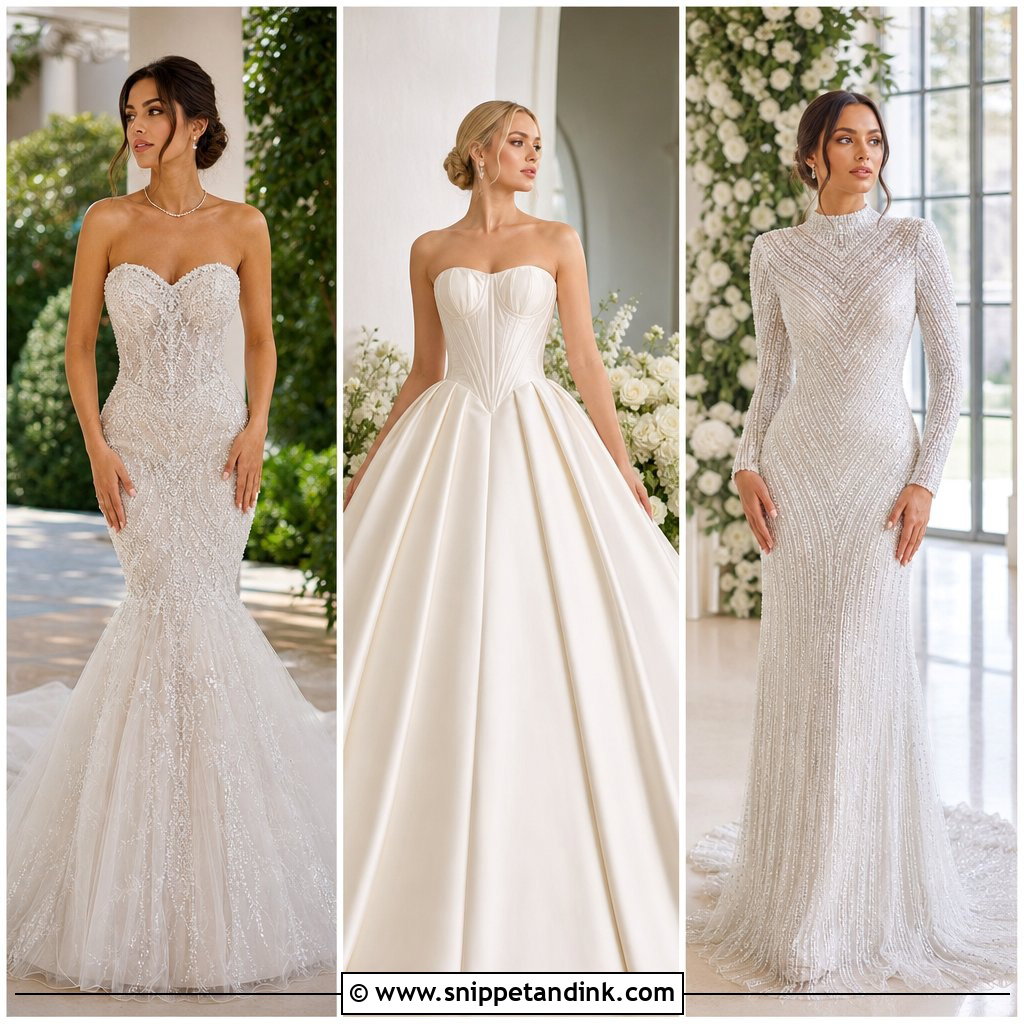
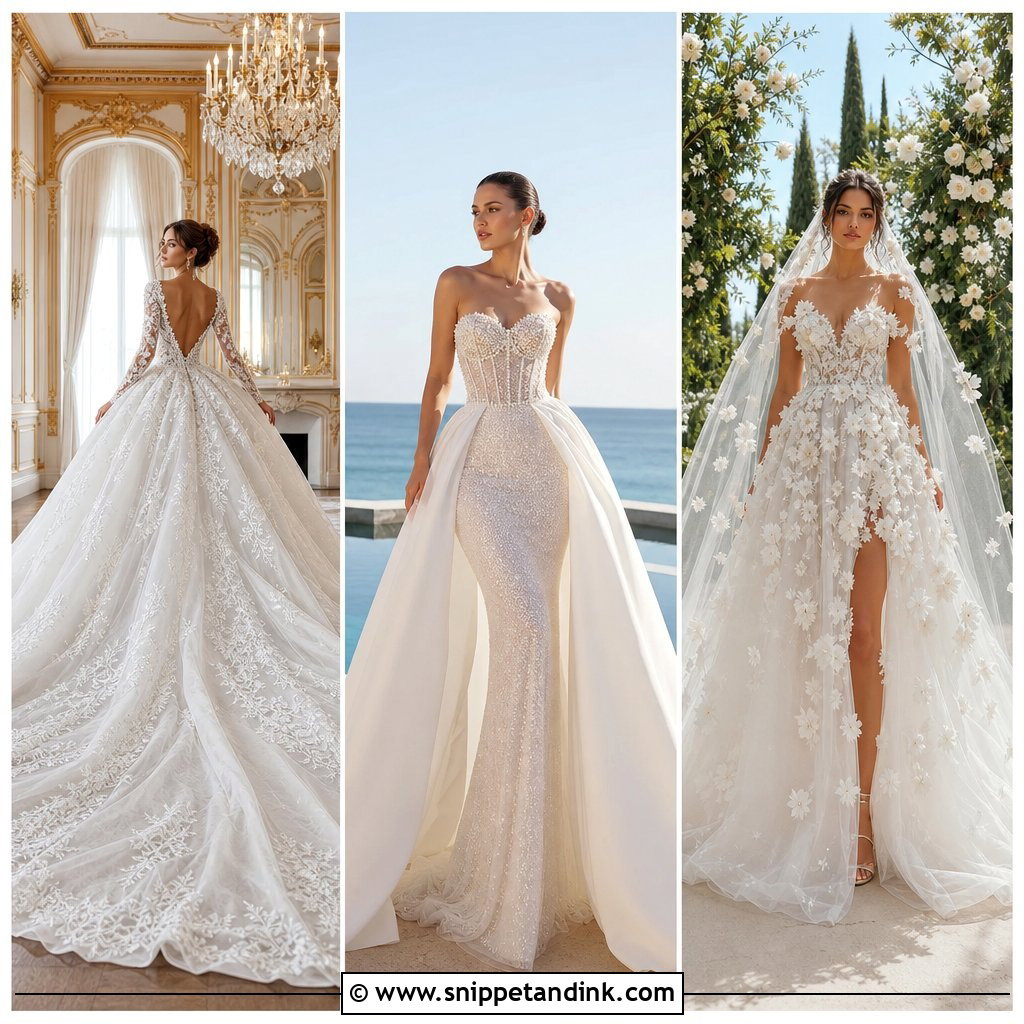
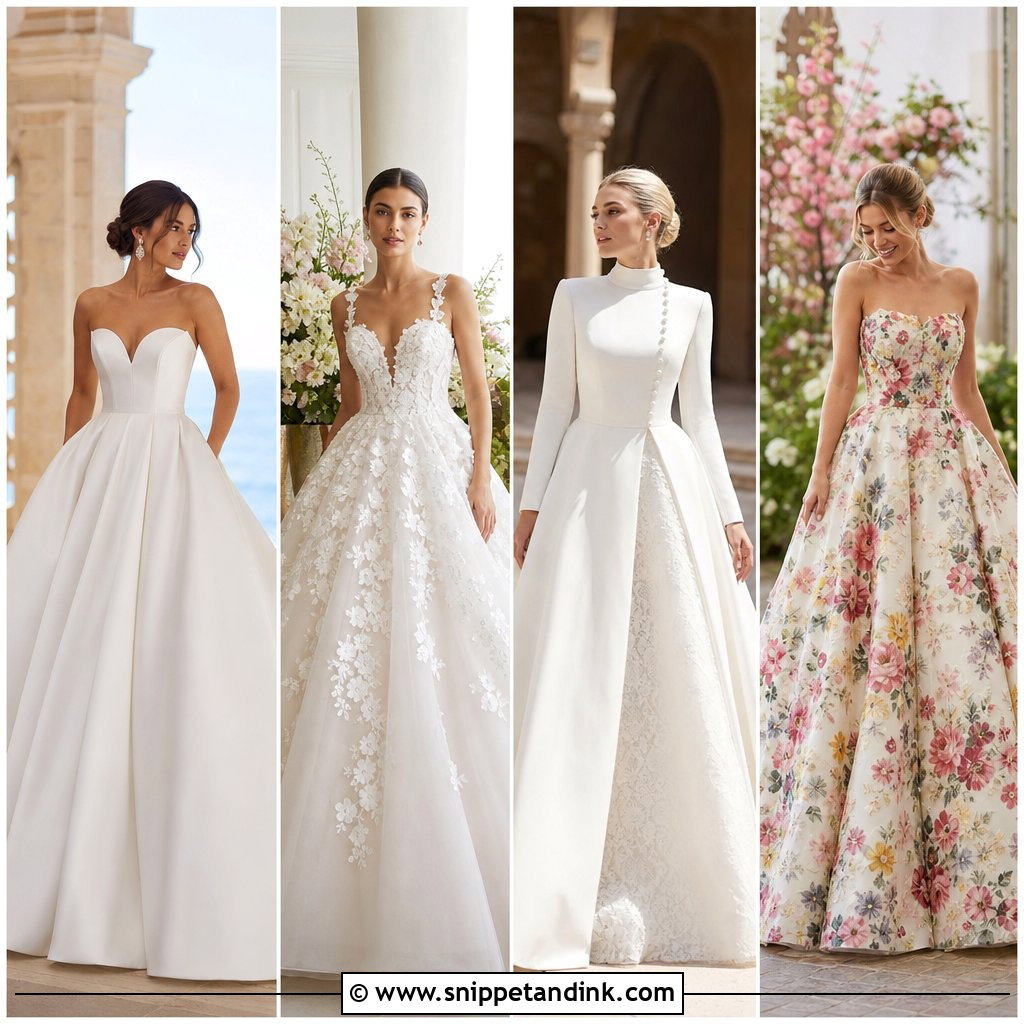
Plain satin is unforgiving, which is exactly why a satin ball gown reads luxurious when it’s right. There’s nowhere for a bad seam or a ripple at the waist to hide. I check how the skirt lies when the bride stands still; good duchess satin falls in deep, even folds rather than puckering at the waistband. A strapless or scoop bodice, pointed satin heels, pearl drops and a cathedral veil suit a ballroom or black-tie estate. Keep the rest quiet: a smooth chignon and a small white bouquet.
2. Beaded Mermaid Wedding Dress
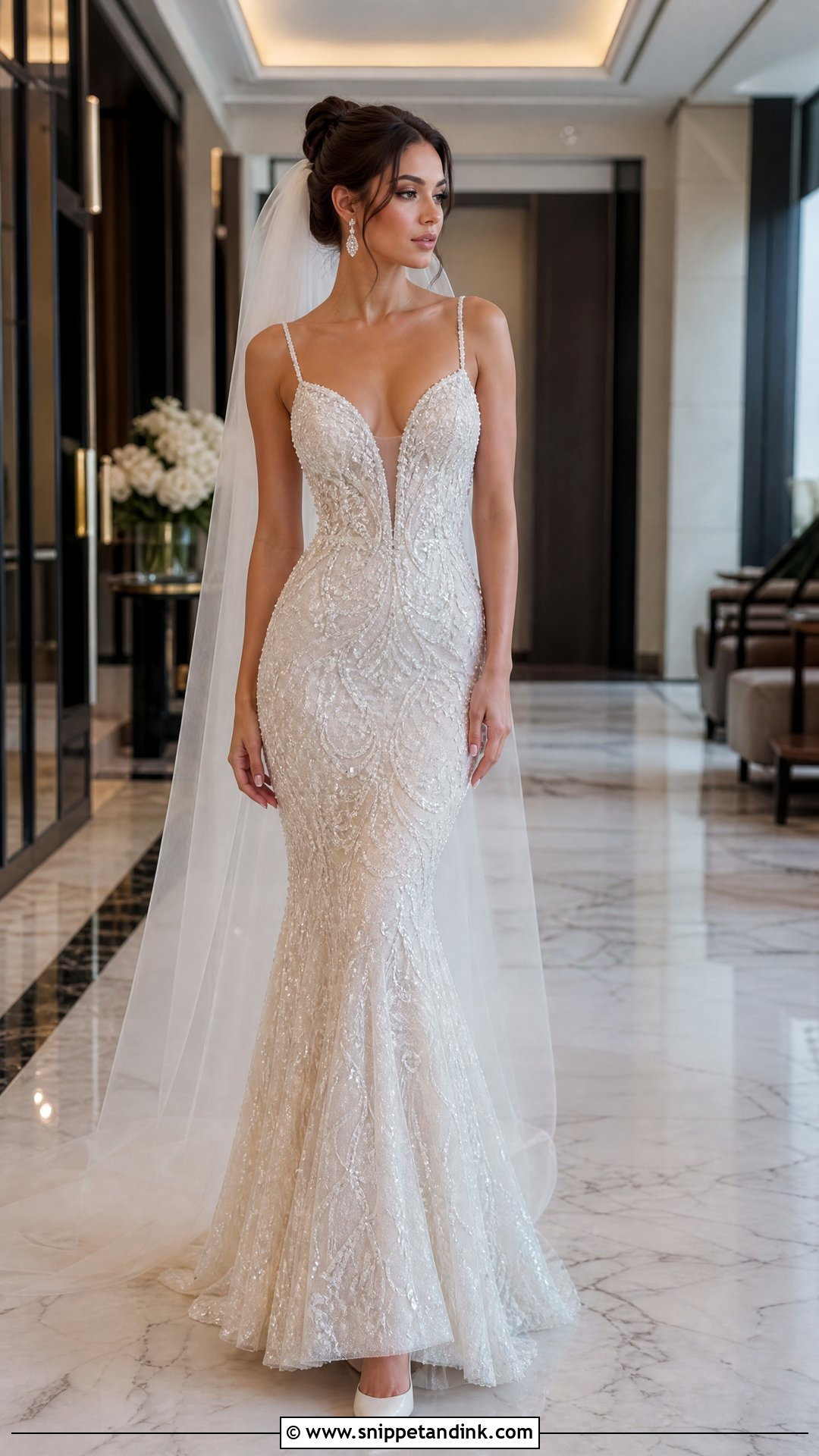
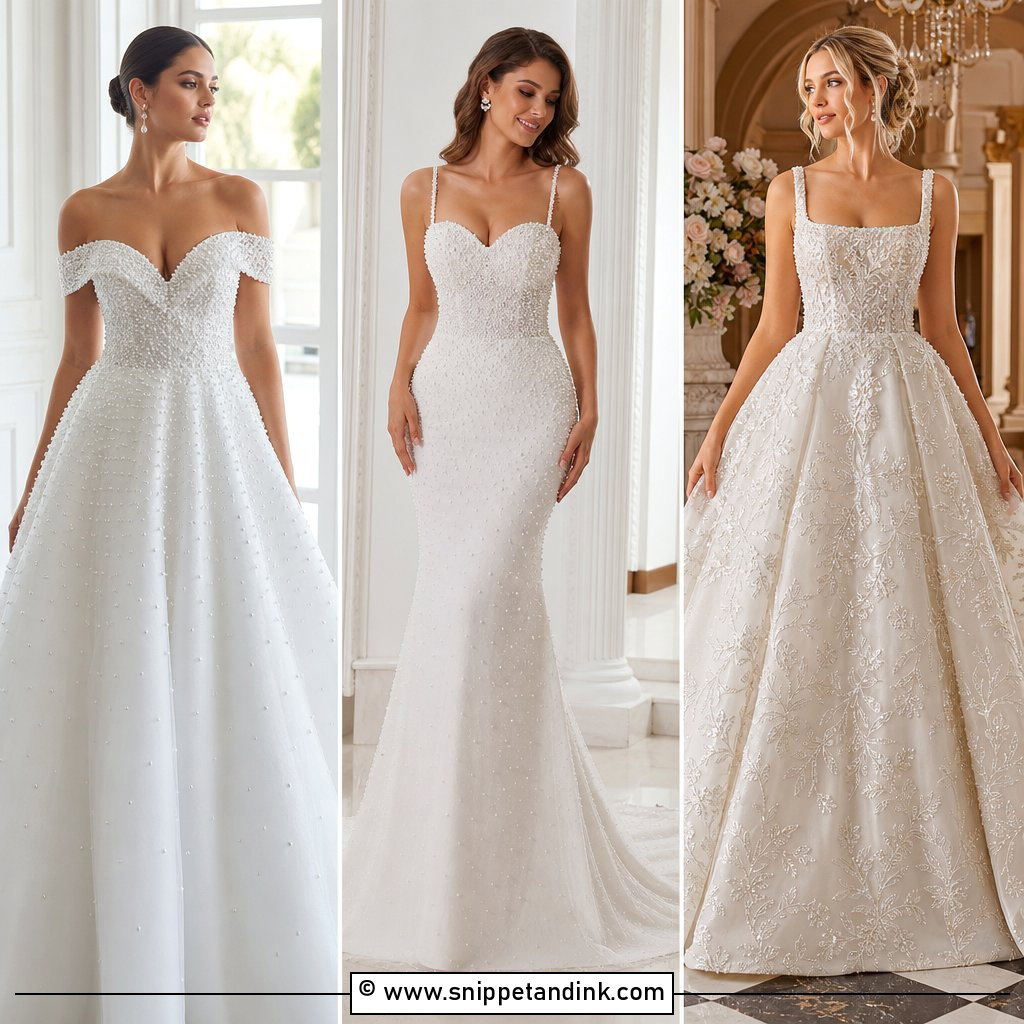
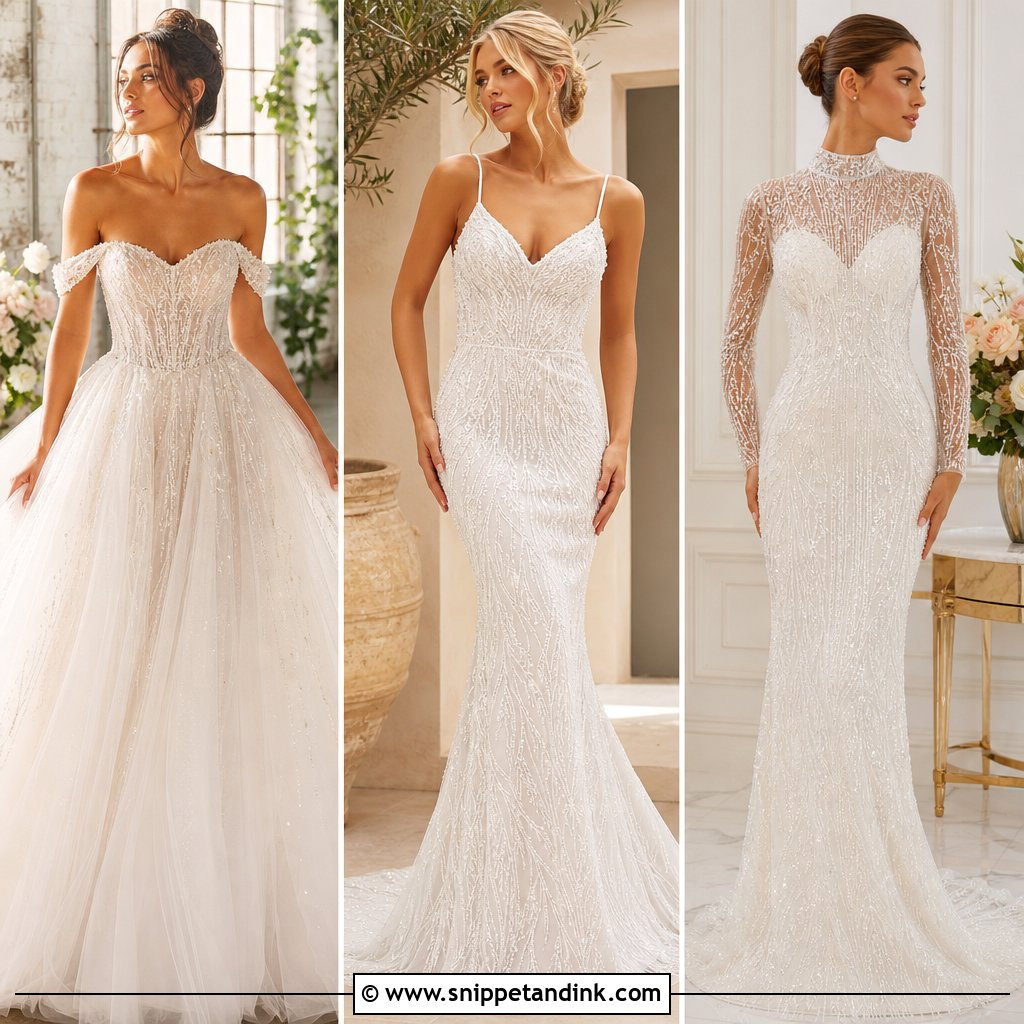
A beaded mermaid wedding dress carries a lot of weight on a narrow frame, and that weight pulls. Hand-beaded lace or crystal embroidery should follow the body’s lines and stop before it turns busy. The fit through the hips needs to be exact, because beading adds no stretch and every pound of crystals drags the flare down if the knee seam sits too low. I have brides walk a full length of the shop and climb a step before I sign off. Sleek heels, a long veil and small diamond or crystal earrings are plenty; hair and bouquet stay simple.
3. Long Sleeve Lace Wedding Dress
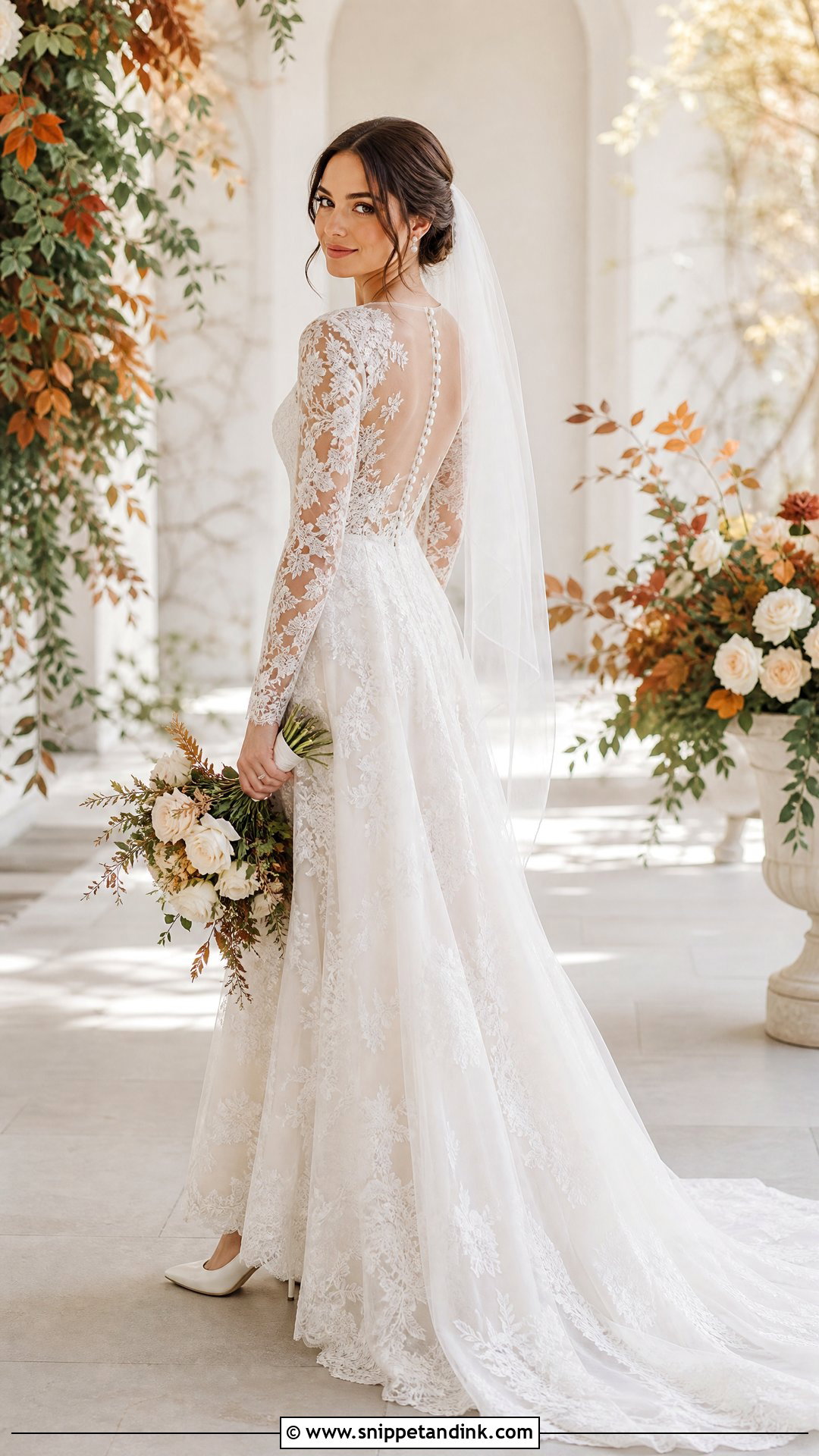
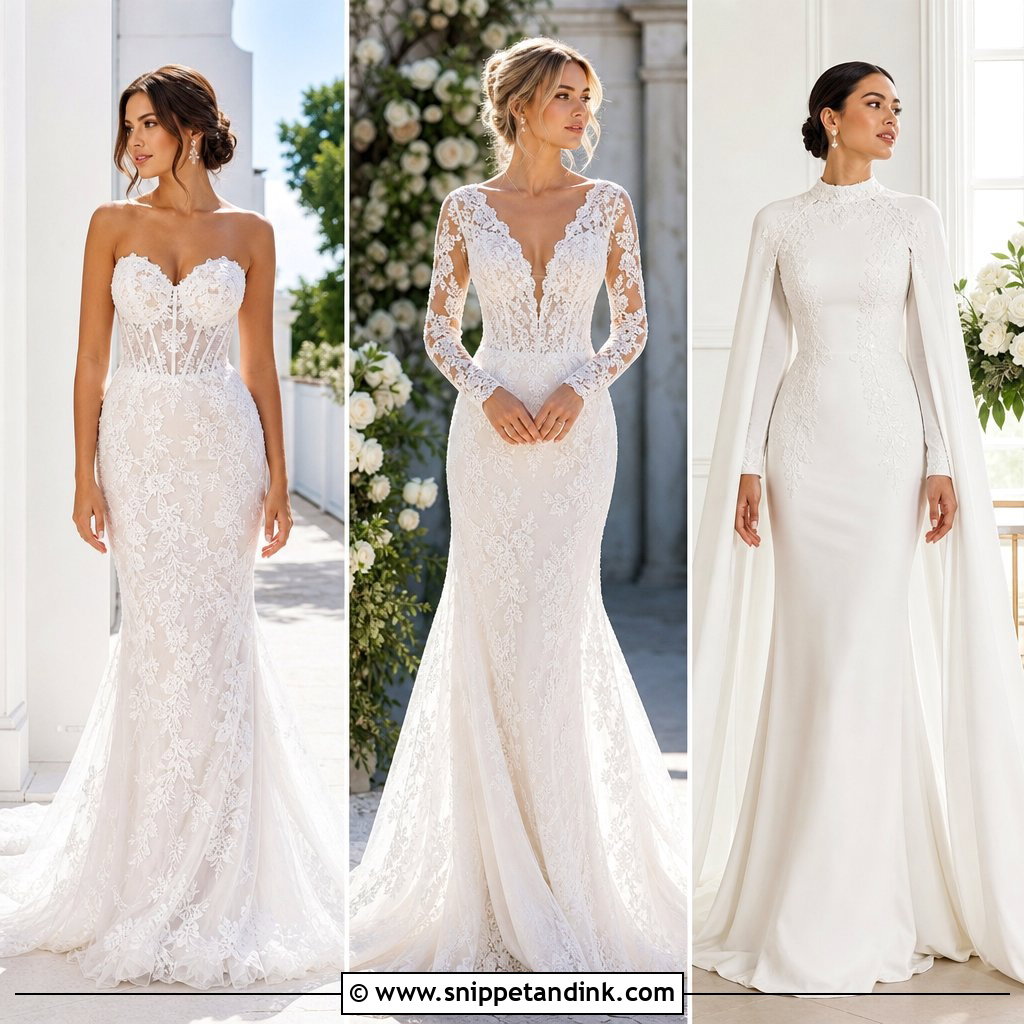
Lace sleeves show the quality of the lace more than any other part of a gown. Fine floral lace with the motifs hand-cut and placed along the arm looks costly; lace simply run across a seam looks cheap. A fitted bodice with an A-line skirt or a slim column with a train both work. I also ask for covered buttons on the cuff, a clean lining and a sleeve cut long enough that it doesn’t ride up the wrist when the arms lift. Satin pumps, pearl studs and a plain veil that leaves the sleeves visible are all you need for a fall, winter or garden wedding.
4. Pearl Embellished Wedding Dress
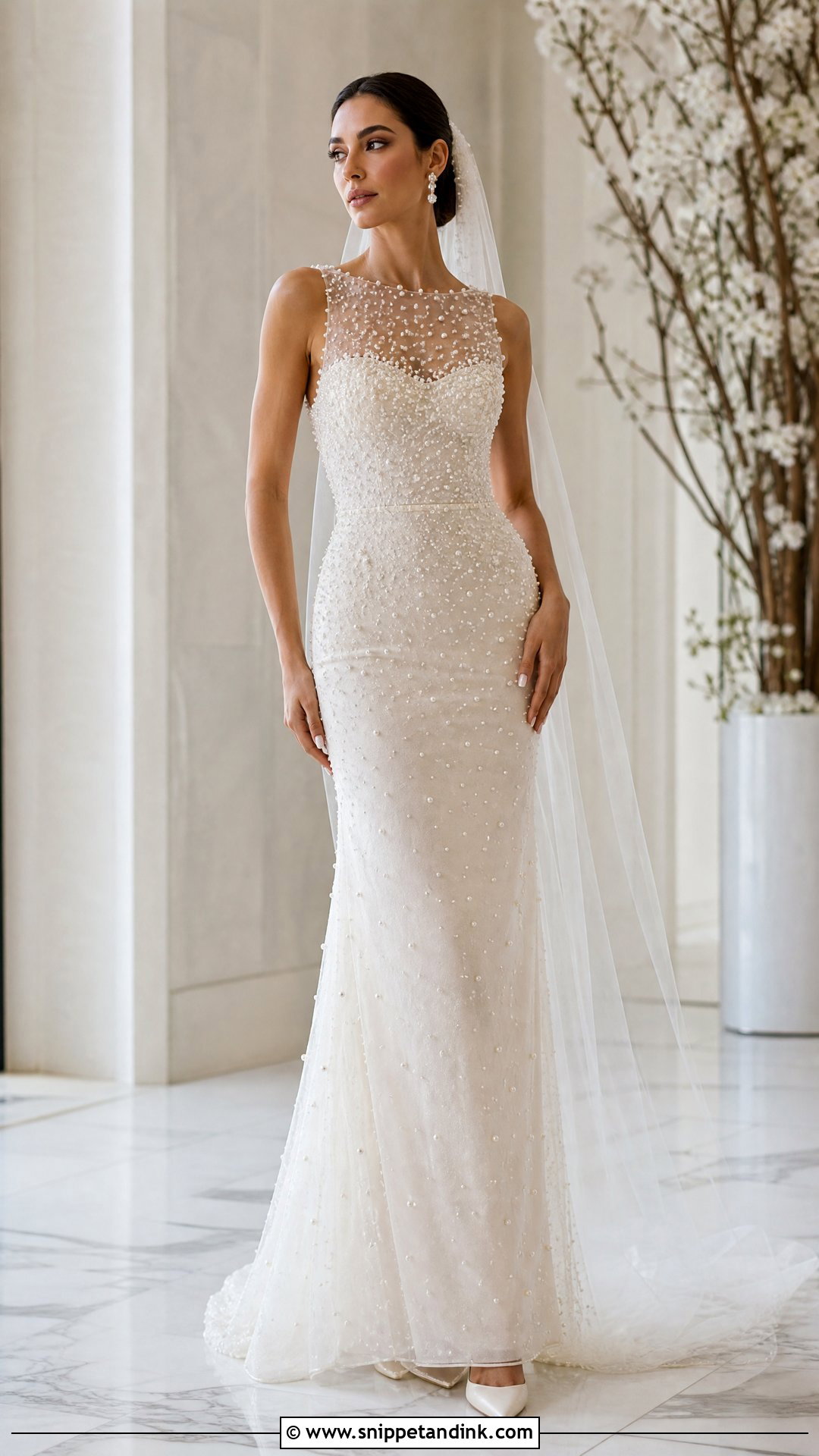
Pearls give a softer shine than crystals. They catch light as a glow rather than a flash, and on camera that reads more expensive. I’d look at how they’re attached: individually stitched pearls on tulle, a corset bodice or a sheer sleeve hold up, while pearls glued in clusters pop off during the hugging. Pearl earrings, ivory heels and a clean veil balance the dress without extra statement pieces. Modern venues, coastal weddings and chic indoor ceremonies all suit it, with a smooth bun or Hollywood waves.
5. Off Shoulder Couture Wedding Dress
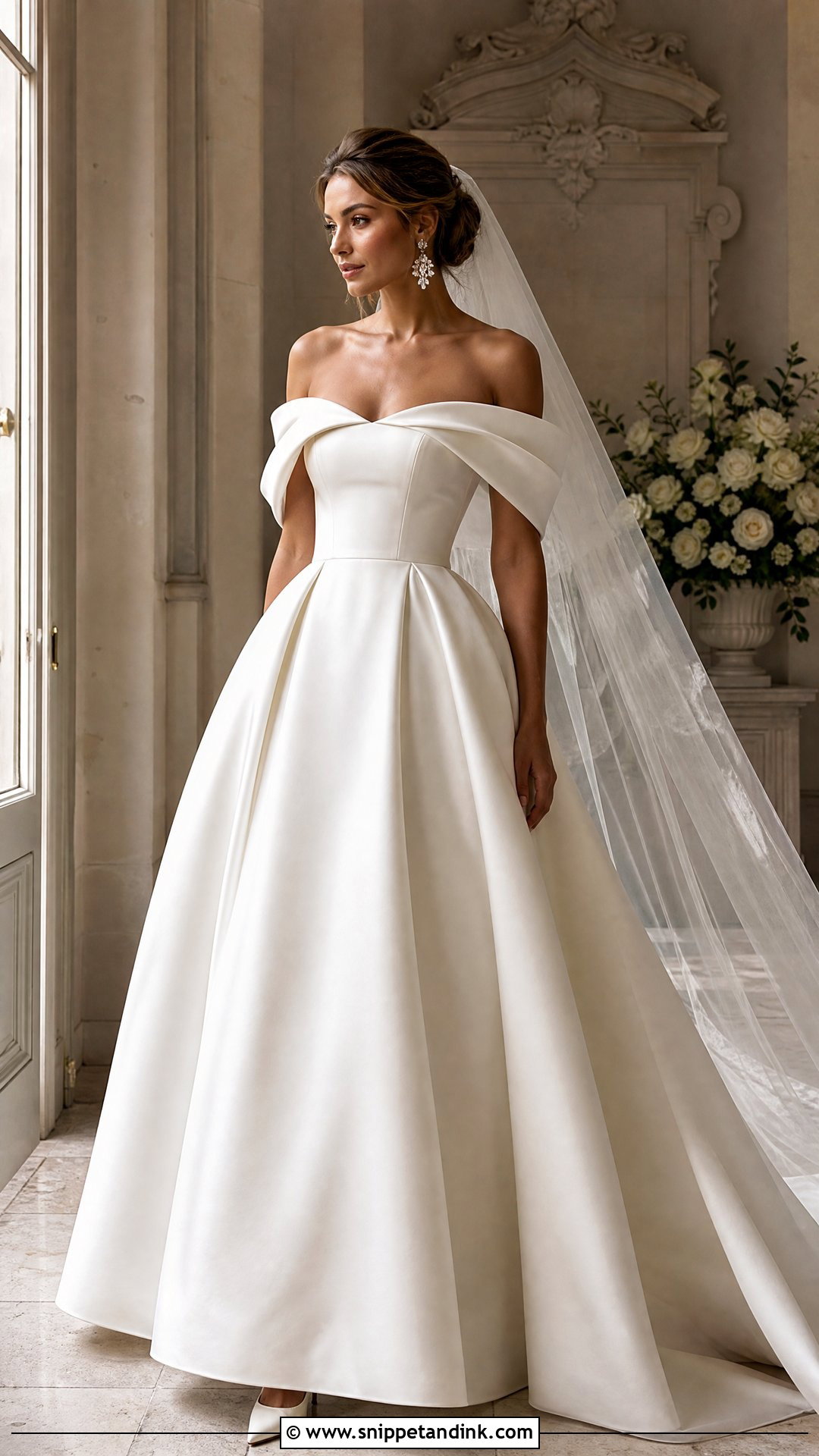
An off shoulder couture wedding dress puts the attention on the collarbone and the shoulder line. Mikado, satin or crepe give a structured edge, and lace softens it. What separates couture from a high-street copy is the internal construction: a boned bodice that holds the dress up by itself, so the sleeves are decorative rather than load-bearing. If you feel the sleeves doing the work, it will slide all night. Earrings frame the face, a necklace is unnecessary, and a statement veil with pointed heels finishes it for an estate or grand garden.
6. Corset Bodice Wedding Dress
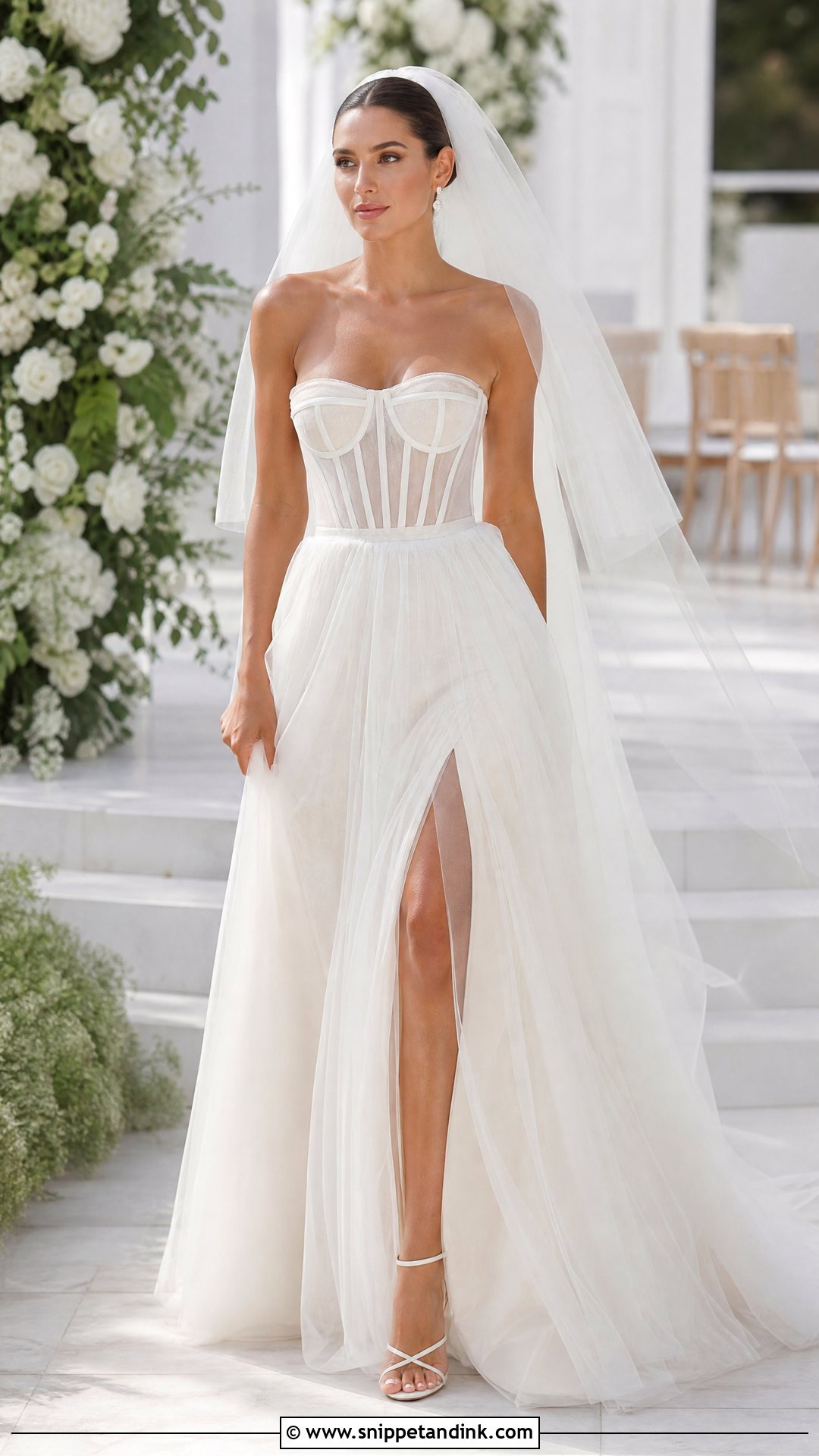
Corsetry is the quickest way to make a dress feel made for you, because a well-boned bodice shapes the waist and supports the bust without straps. Pair it with a tulle skirt, a sleek satin skirt or a lace train. Visible boning with clean lines looks modern; lace or beaded appliqué laid over the corset reads softer. The fitting question I always ask is how it feels sitting. A bodice that’s perfect standing can dig into the ribs at dinner, so try it at a chair. Strappy heels, a long veil and small drop earrings complete it.
7. Cathedral Train Wedding Dress
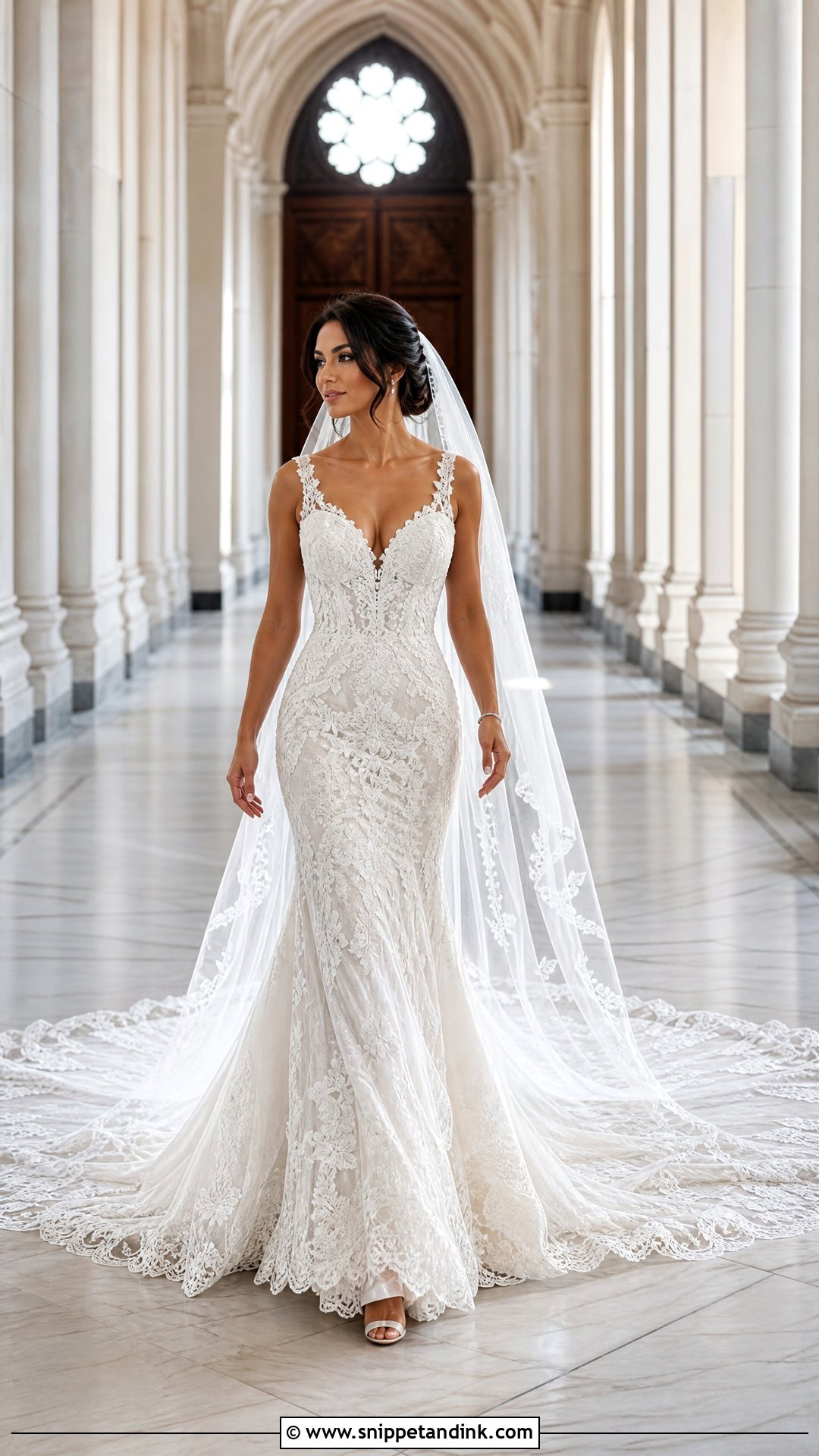
Nothing signals a formal wedding like a cathedral train wedding dress sweeping down a long aisle. It can be fitted lace, smooth satin or structured mikado. Plan the bustle at the same time as the dress: a cathedral train needs several bustle points to lift cleanly for the reception, and the person doing it on the day should practise at your final fitting. Elegant heels, a long veil and very little jewellery let the train carry the scale. Large venues and dramatic photography make the most of it.
8. Silk Slip Wedding Dress
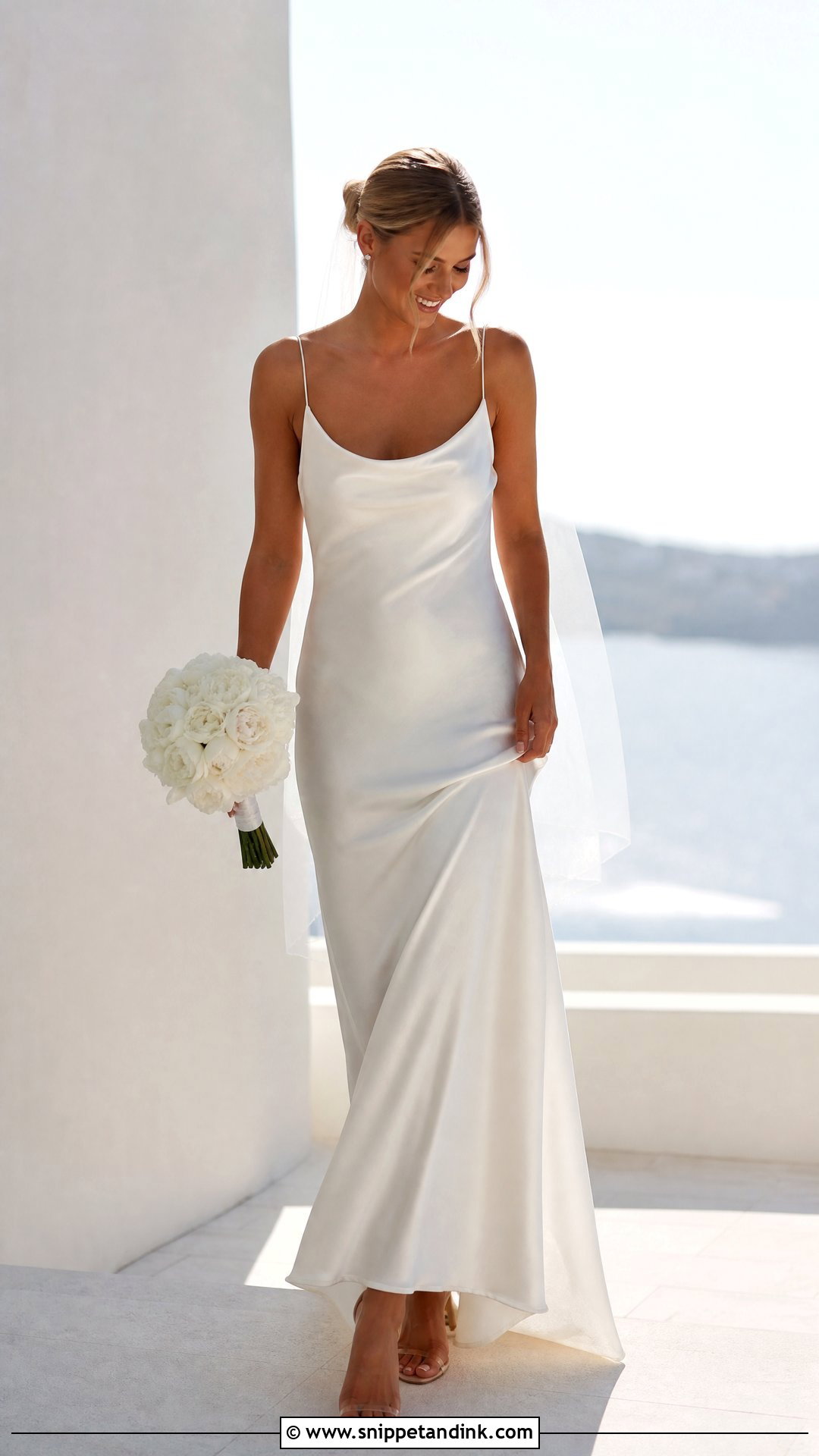
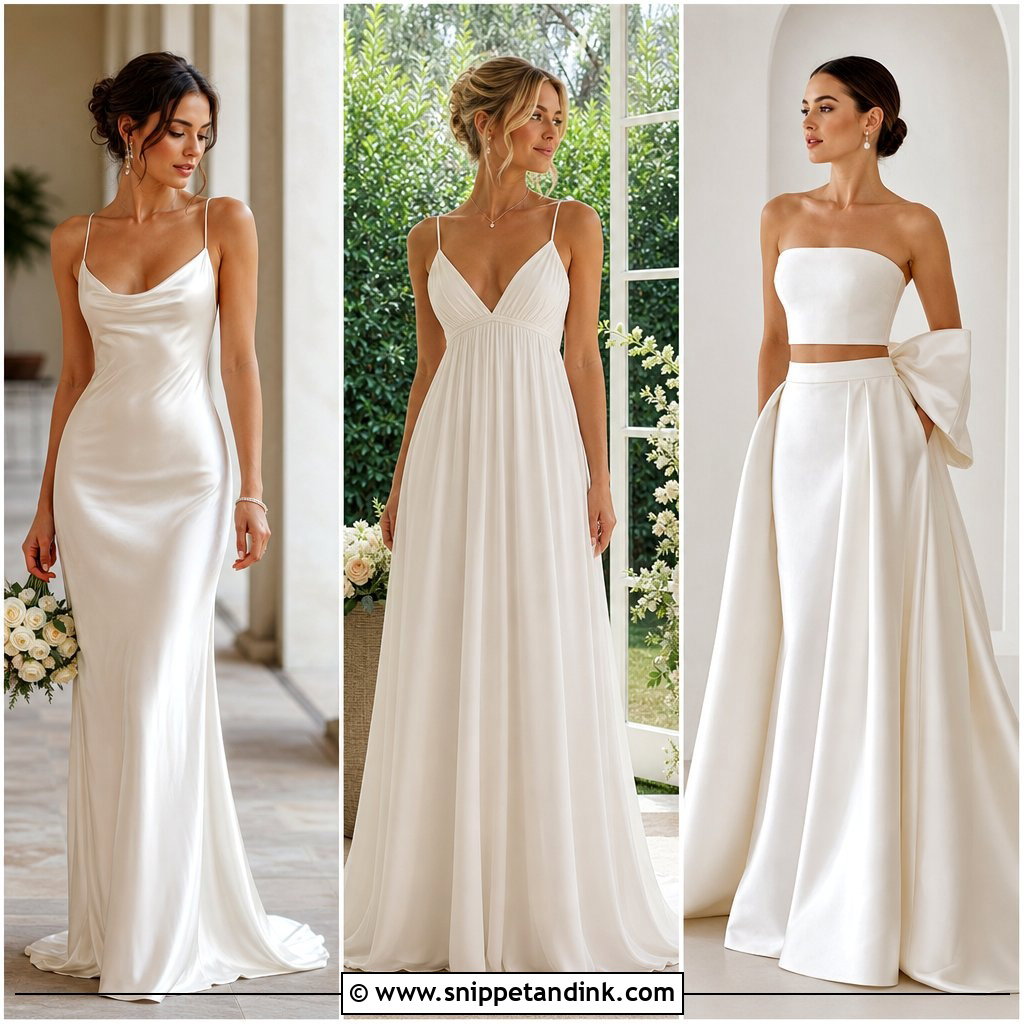
Silk slips are expensive in the quietest way, and they’re also the least forgiving. A bias-cut silk follows every curve and shows every line underneath, so the right shapewear and a tailor who knows how bias fabric drops over time are non-negotiable. Hang the dress for a few days before the final hem; bias silk lengthens as it settles. Barely-there heels, diamond studs and a soft veil keep it clean. For more coverage, add a sheer cape or a tailored bridal coat over the top for a destination or city ceremony.
9. High Neck Wedding Dress
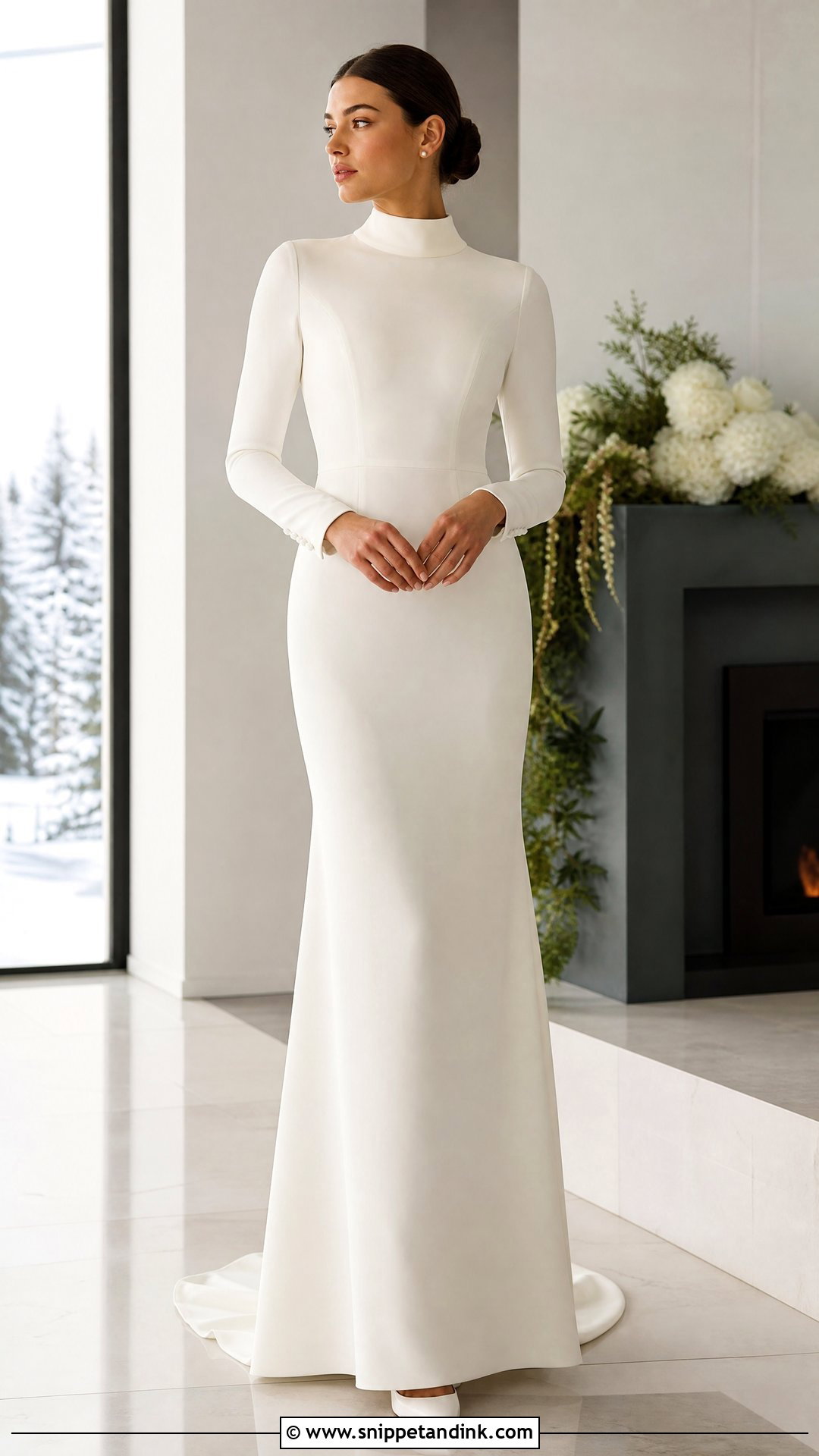
A high neckline frames the face so well that a necklace becomes redundant. Lace, crepe, satin or beaded mesh all hold the shape. Pull the hair back so the neckline stays visible; loose waves tend to catch on beaded mesh at the collar. Choose a fitted silhouette for something sleek or an A-line for something softer, and add pearl or diamond studs with closed-toe heels and a simple bouquet. Indoor and winter ceremonies suit it best, as does any bride who wants coverage that still looks fashion-led.
10. 3D Floral Wedding Dress
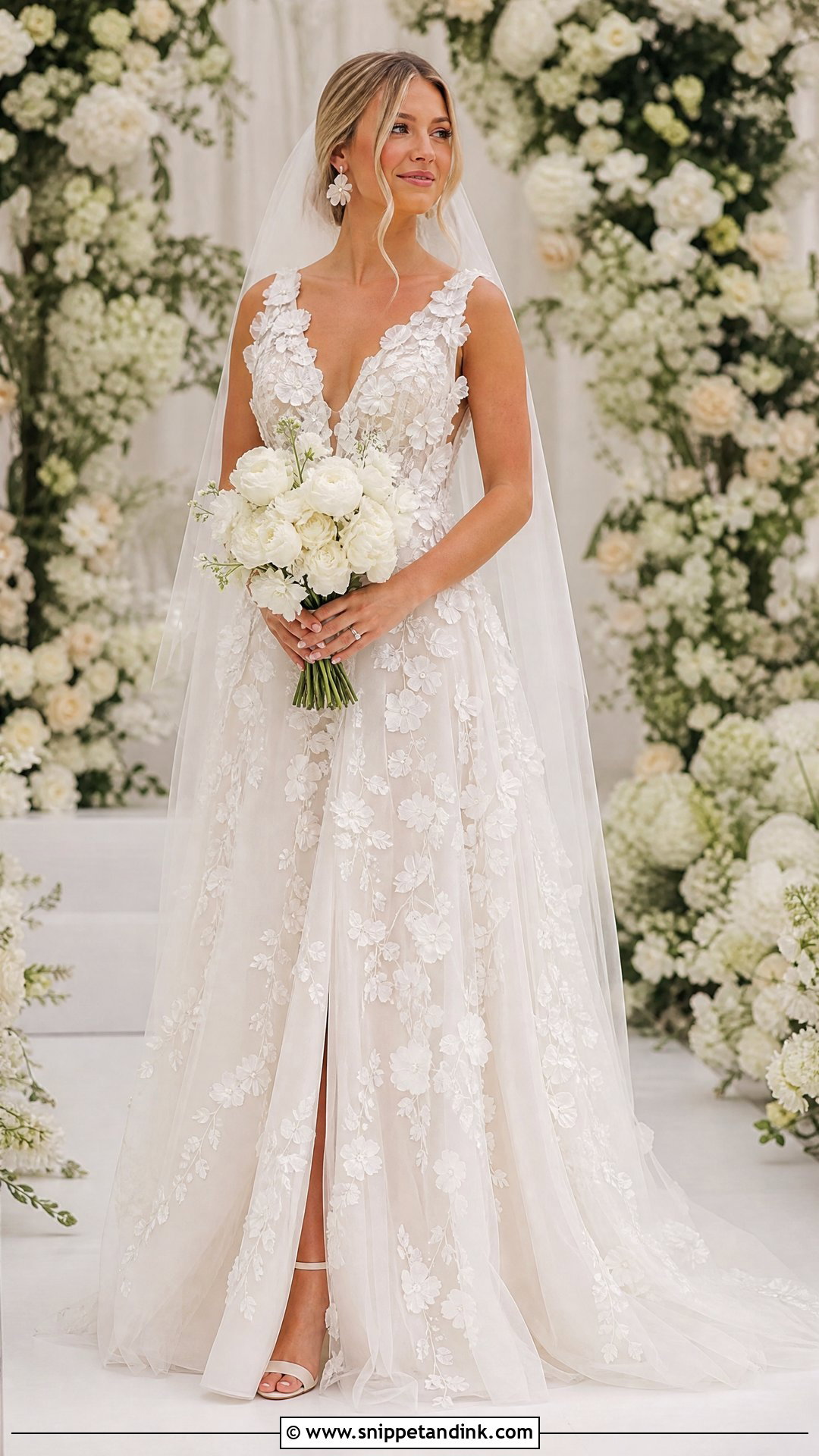
Three-dimensional florals bring texture and movement, scattered across the bodice, sleeves, skirt or train. The expensive versions use soft, shaped petals with real dimension; stiff, flat-cut flowers look like craft-store trim. I warn brides that 3D appliqués crush under a seatbelt and a long car ride, so plan to sit carefully and fluff them before the ceremony. Delicate heels, floral earrings and a sheer veil let the details show through. Spring and garden settings fit it well, with a simple bouquet and soft curls, a low bun or half-up hair.
11. Designer Minimalist Wedding Dress
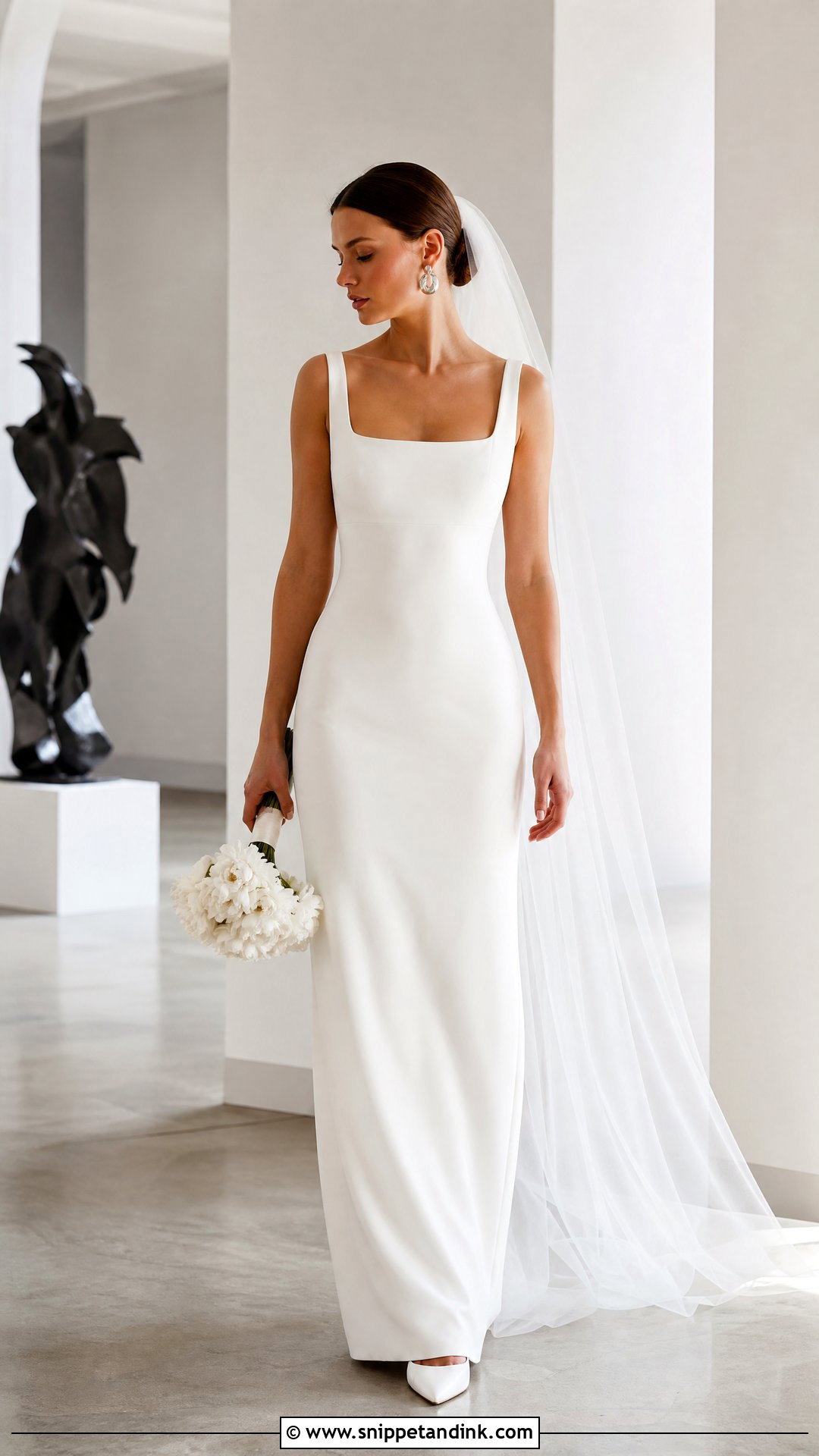
A designer minimalist wedding dress has nothing to hide behind, so the tailoring has to be perfect. A square neckline, column, structured A-line or long-sleeve crepe all work. I go over seam lines and the hem in the fitting with a mirror behind and in front; a dart a few millimetres off is visible on plain crepe in a way it never is on lace. Sleek pumps, sculptural earrings and a smooth veil are enough. A polished bun and natural makeup suit museums, city venues and courthouse celebrations.
12. Crystal Embroidered Wedding Dress
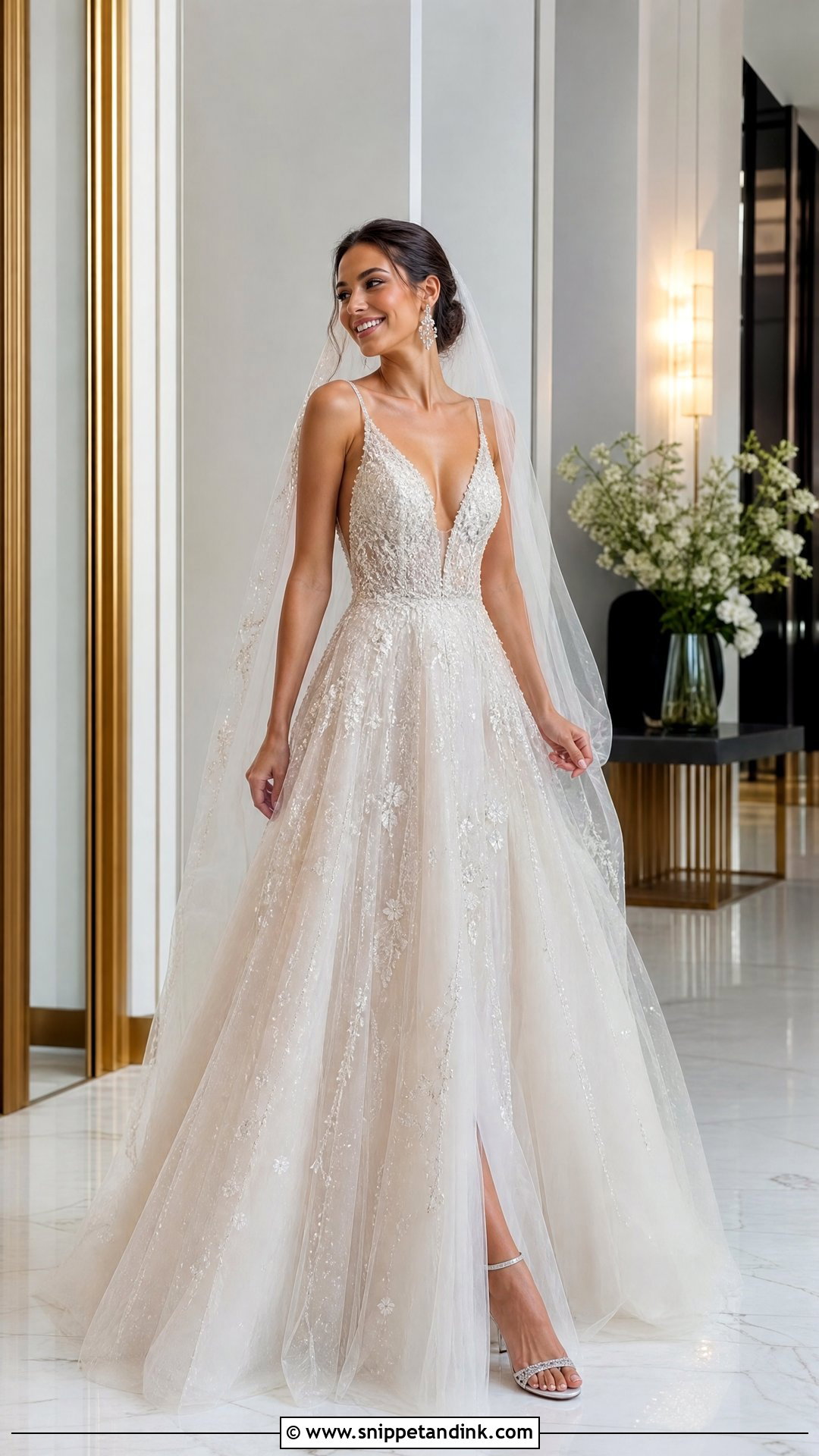
Crystal embroidery is made for evening light. Candlelit ballrooms and hotel venues make it shimmer as you move. The embroidery should follow the body or form a soft pattern over tulle, lace or mesh rather than covering every inch. Ask how the crystals are attached, since sewn stones survive a long night far better than heat-set ones. Silver or ivory heels, crystal earrings and an undecorated veil keep the sparkle refined. A smooth, polished hairstyle leaves the crystals in focus.
13. Vintage Inspired Wedding Dress
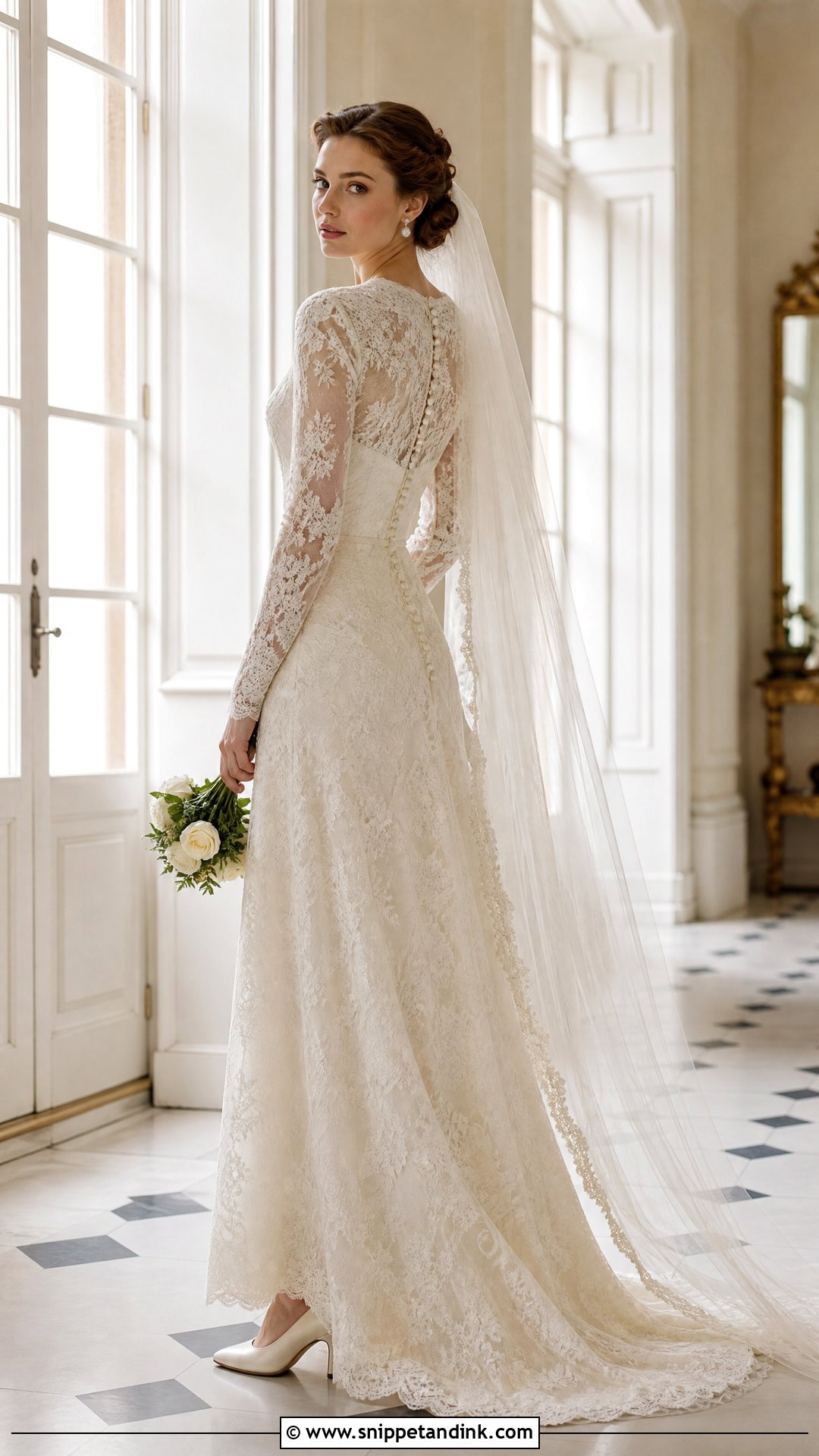
Vintage references look rich when the fabric is good and the fit is current. Old Hollywood satin, Edwardian lace or a 1950s shape all translate well with covered buttons and soft sleeves. My caution is fit: genuine period gowns were cut for different undergarments, so even an inspired-by dress needs its waist and bust adjusted to your body today. Satin pumps, pearl earrings and a period-appropriate veil suit historic venues and estates. A red lip can work, though soft neutrals age better in photos.
14. Dramatic Tulle Wedding Dress
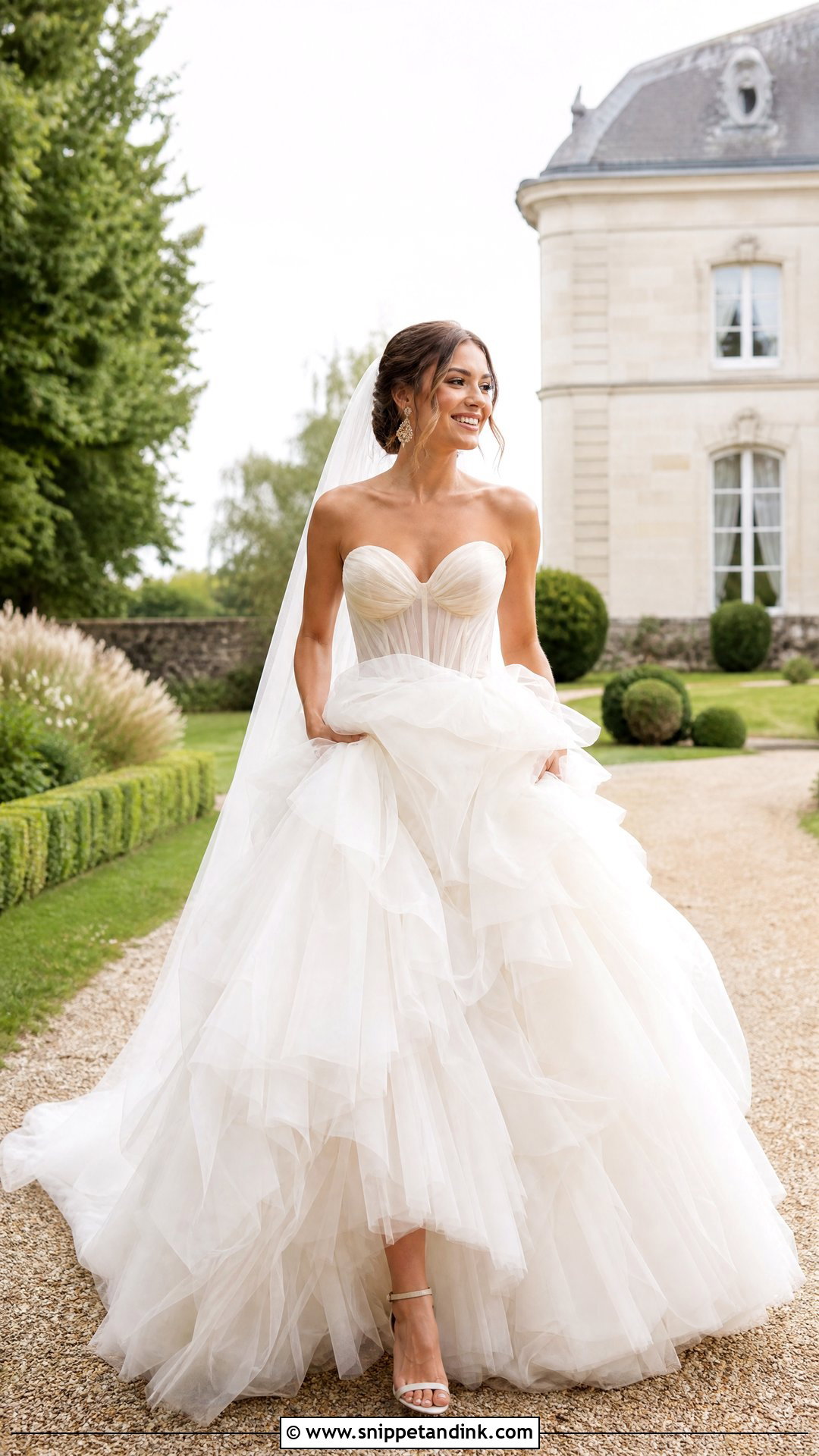
Volume is the point of tulle. Layers of fine tulle over a structured bodice give the fairytale shape, but more layers mean more weight and more heat. I check that the skirt has a lightweight lining underneath so the layers float rather than collapse. Crystal or pearl earrings, satin heels and a simple veil are plenty, with no oversized accessories. Garden weddings and estates suit it, and tulle moves well in walking shots. Tulle snags on rough stone and gravel, so watch the hem outdoors.

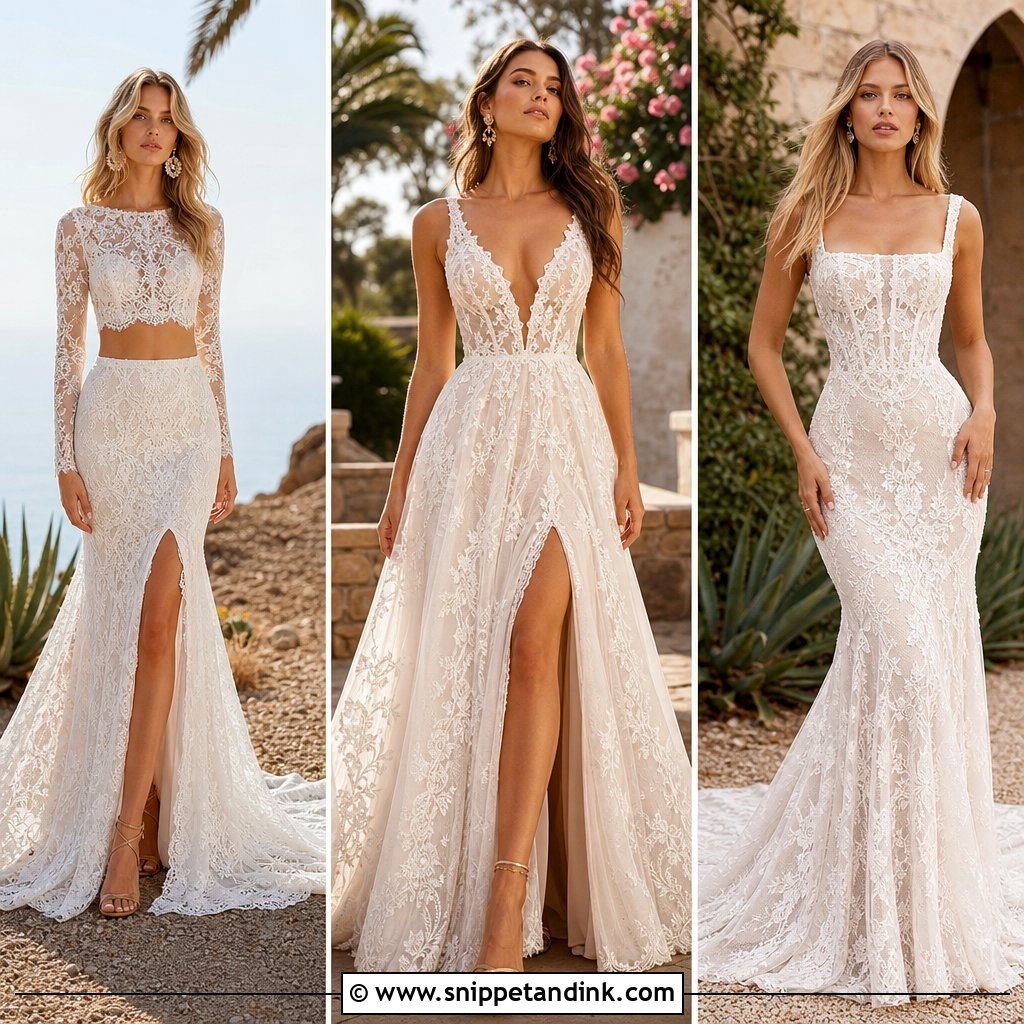
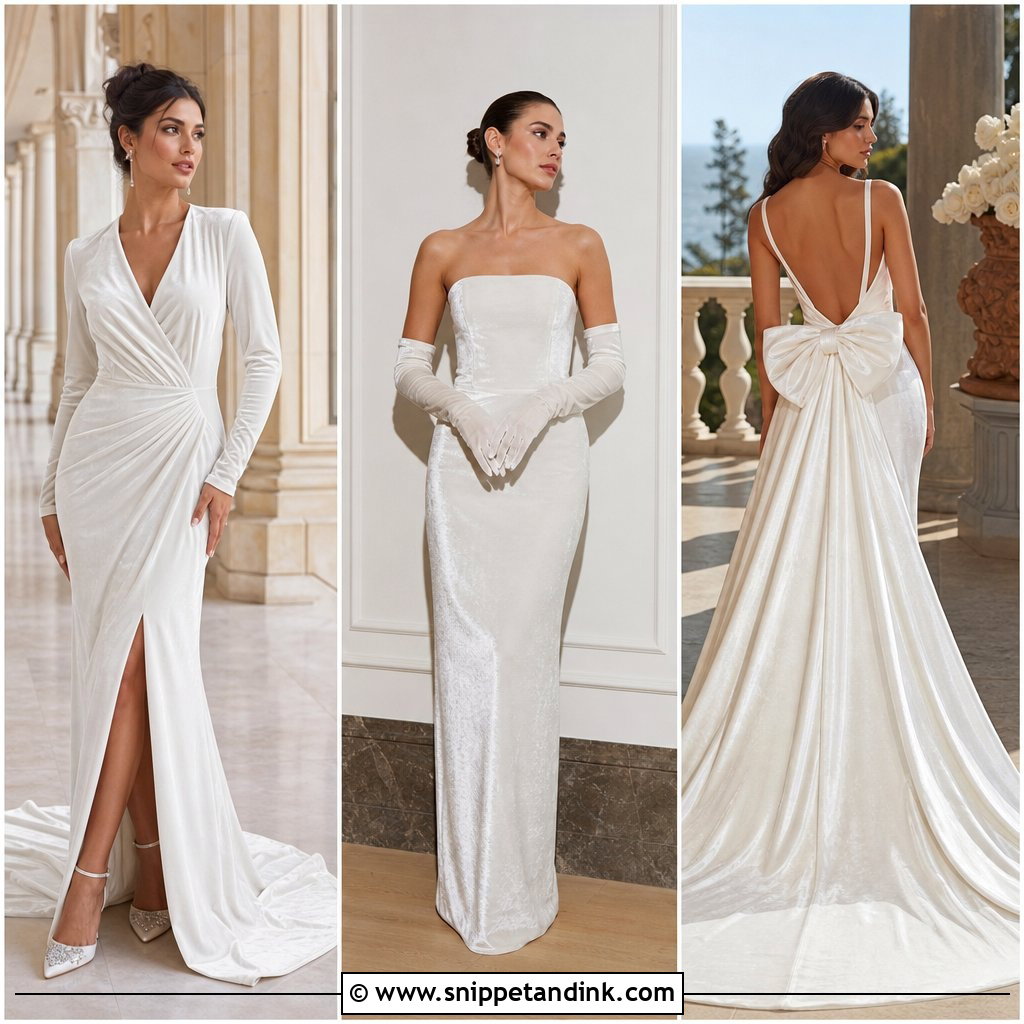
15. One Shoulder Wedding Dress
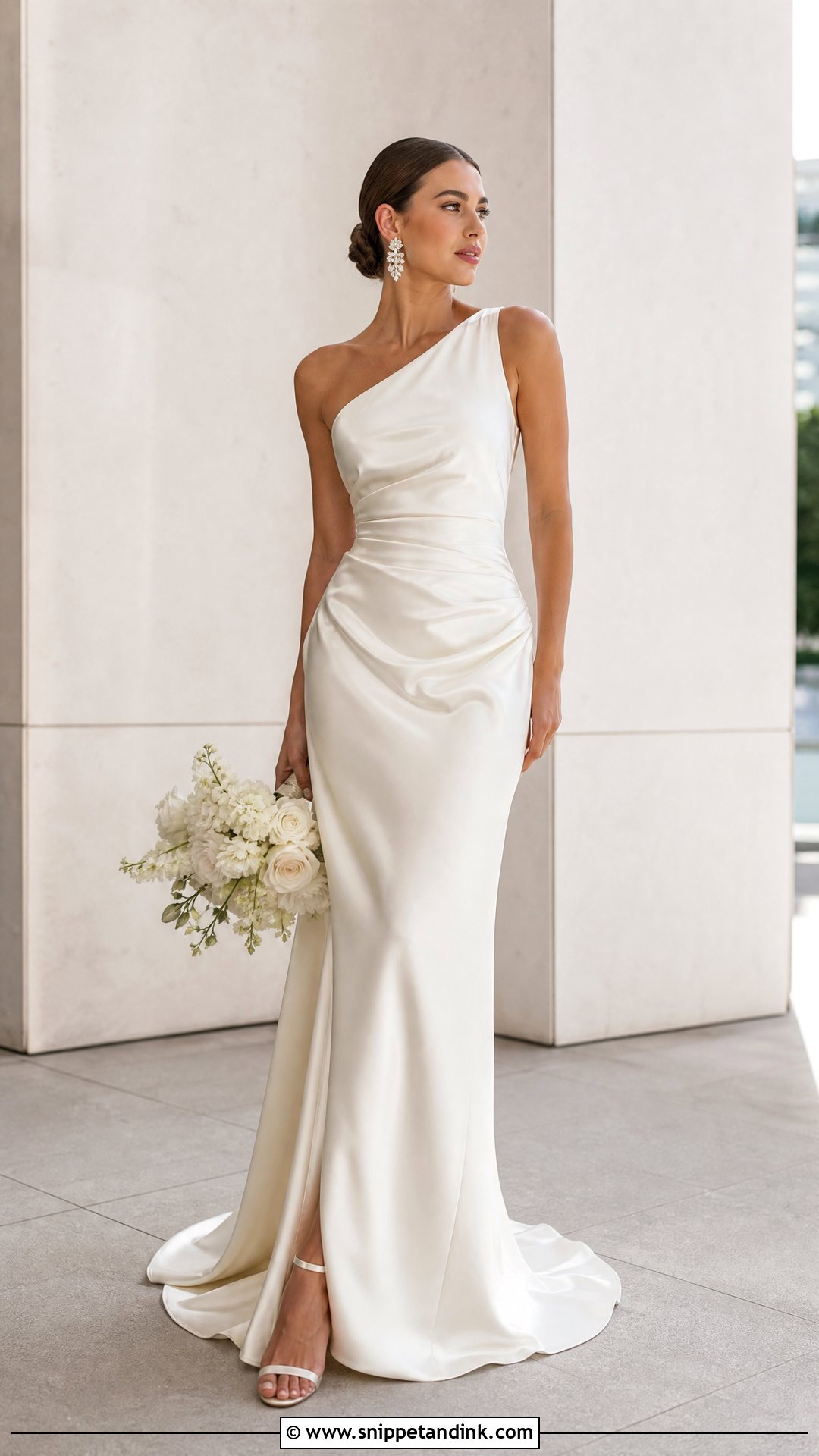
One shoulder asks for clean fabric: satin, crepe or mikado. The asymmetric line carries the design, so skip the necklace and choose statement earrings and a smooth updo instead. A fitted column looks sleek, an A-line softer. Get the strap tension right at the fitting. Too tight and it digs in by the speeches; too loose and the bodice shifts toward the bare side every time you raise that arm. City weddings, galleries and destination venues are where I see it most.
16. Feather Detail Wedding Dress
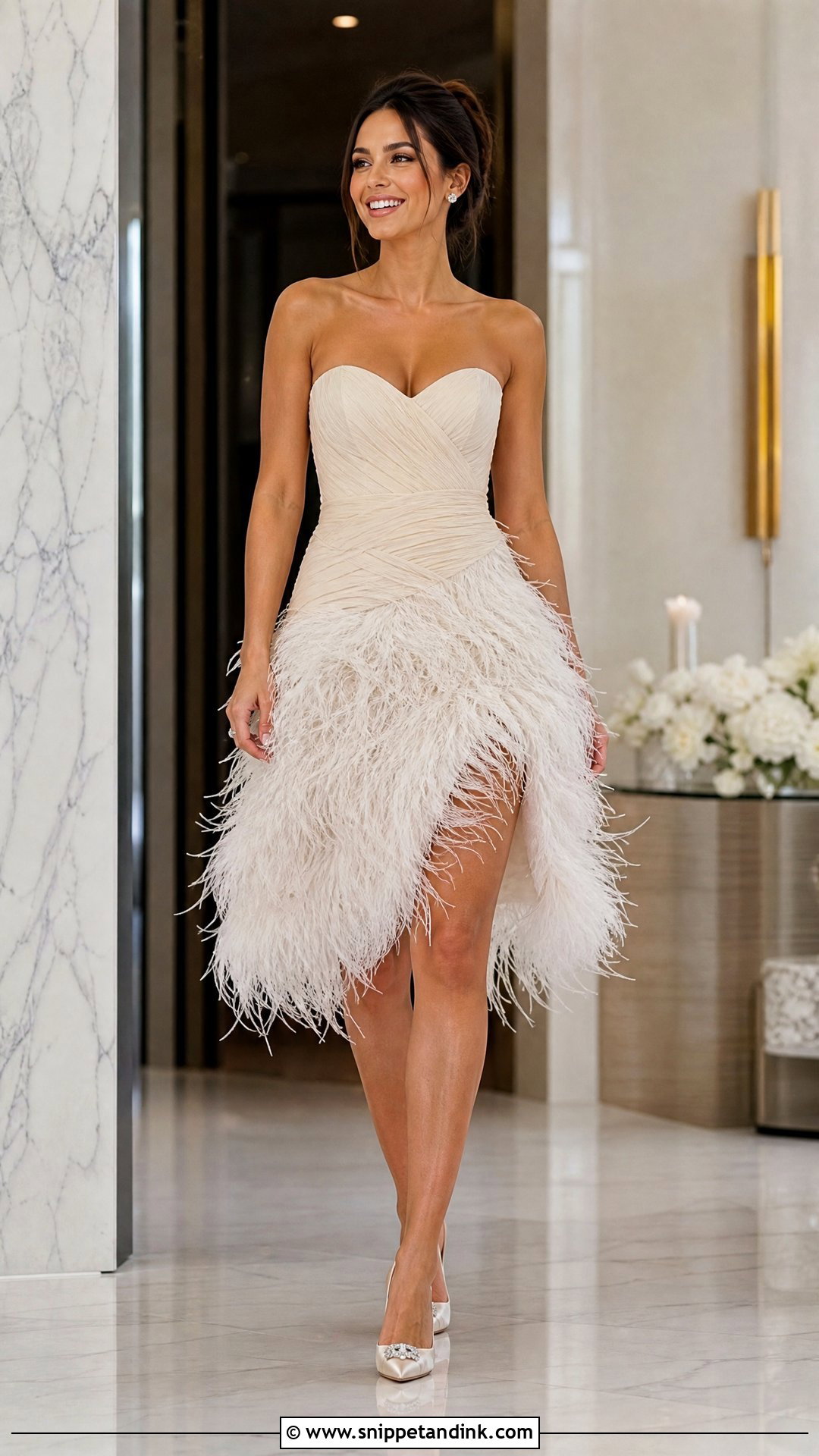
Feathers work in controlled doses: along a hem, at the cuffs, around the neckline or on an overskirt. Too many and the dress starts to look like a costume. They also hate humidity and rain, which flatten and clump them, so I’d keep this one for indoor venues or a reception entrance. Sleek heels, diamond studs and a simple veil, or no veil at all, keep the look sharp. A fitted bodice with a feather skirt is playful; smooth hair and polished makeup stop it from going too far.
17. Sculptural Mikado Wedding Dress
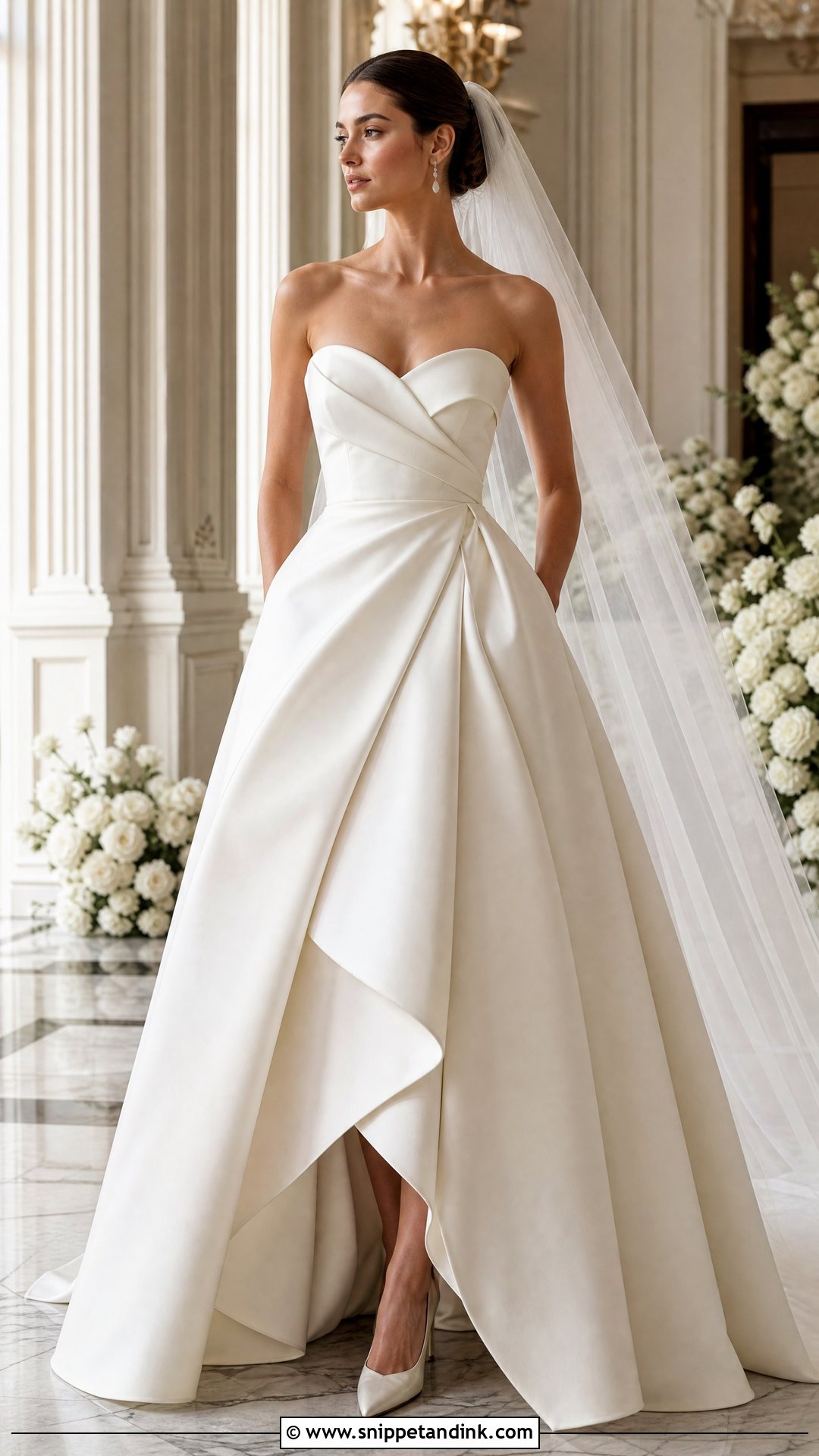
Mikado has weight and a low sheen, which is why it holds architectural folds, crisp pleats and dramatic skirts. It’s the fabric I suggest to brides who want luxury without lace or sparkle. A strapless, square or off-shoulder bodice with pointed heels, a structured veil and minimal jewellery is all it takes. Mikado creases where it’s sat on, though, so steam it on the morning and spread the skirt when you sit in the car. Formal venues show its shape best.
18. Royal Lace Wedding Dress
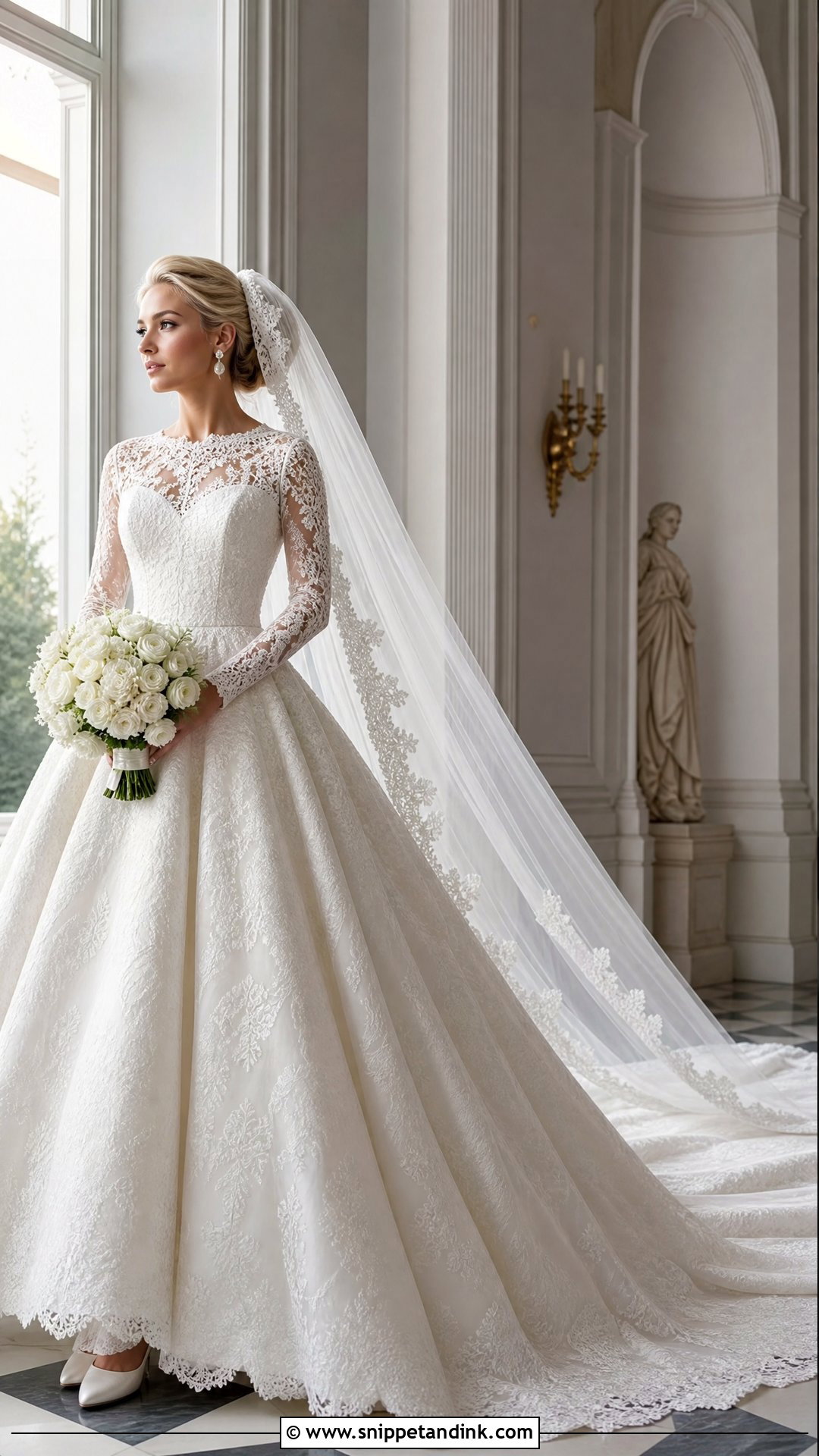
Royal lace means fine, detailed lace, never heavy or flat. A long-sleeve bodice, fitted waist, full skirt and sweeping train create the regal shape, finished with pearl earrings, satin heels and a cathedral veil. I check that the lace motifs are matched at the centre back and along the sleeve seams; misaligned lace is the giveaway of a rushed dress. White roses or garden flowers in a soft, classic bouquet suit a grand venue and a formal ceremony.
19. Overskirt Wedding Dress
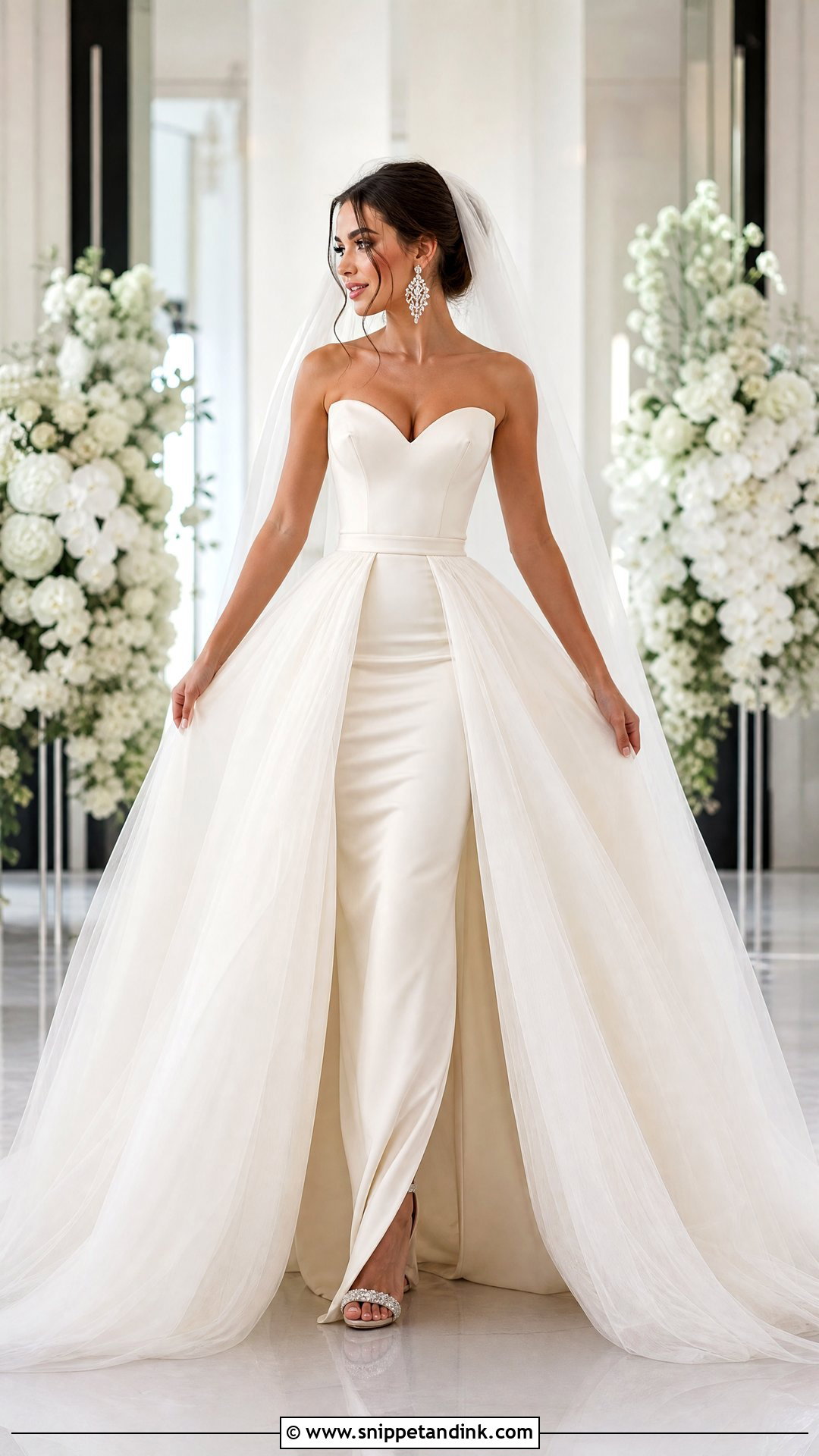
Two looks, one dress. A detachable overskirt gives you the dramatic ceremony silhouette, then comes off for a sleeker reception gown. Build it on a fitted lace, satin or crepe base with a detachable tulle, organza or mikado overskirt. Ask how it fastens. Hidden hooks or snaps around the waist come off faster and cleaner than a zip, and someone other than you should practise removing it before the day. Wear a veil for the ceremony and switch to statement earrings for the reception.

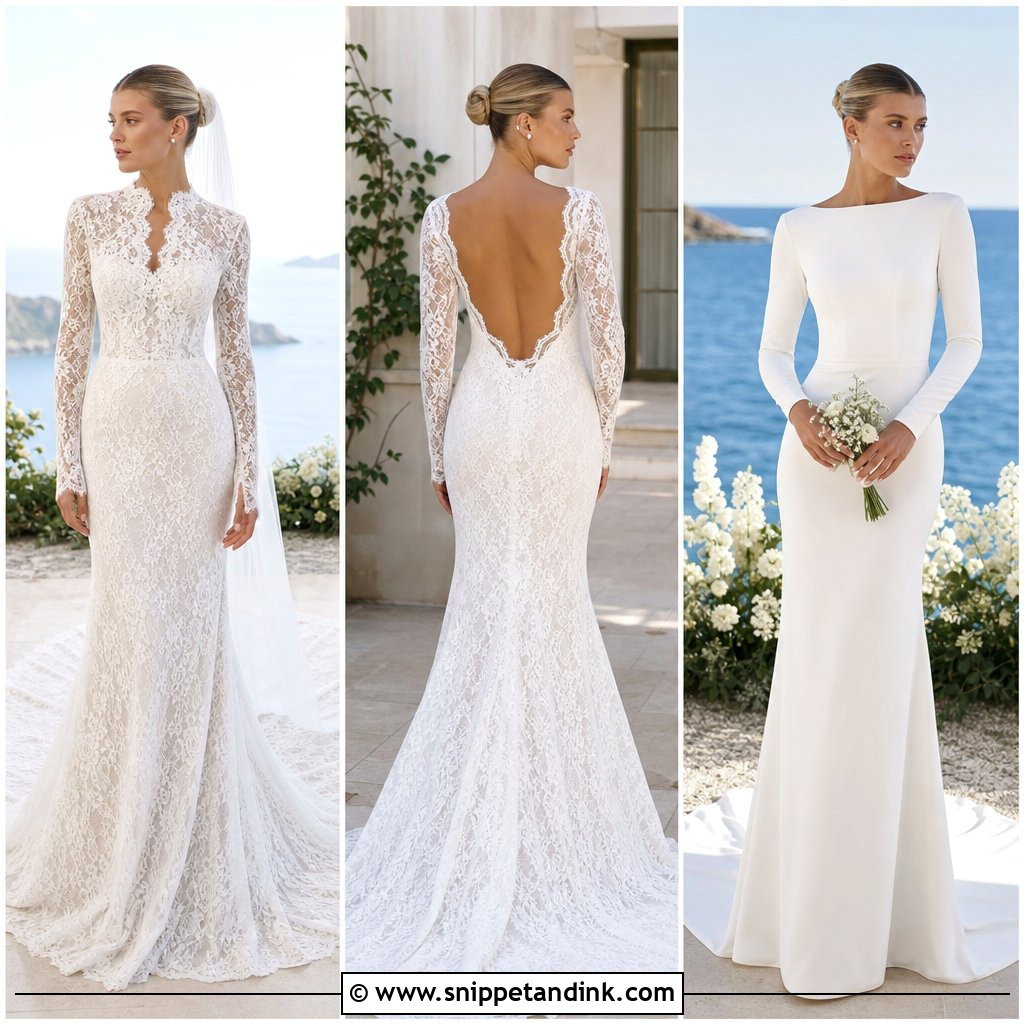
20. Sequin Wedding Dress
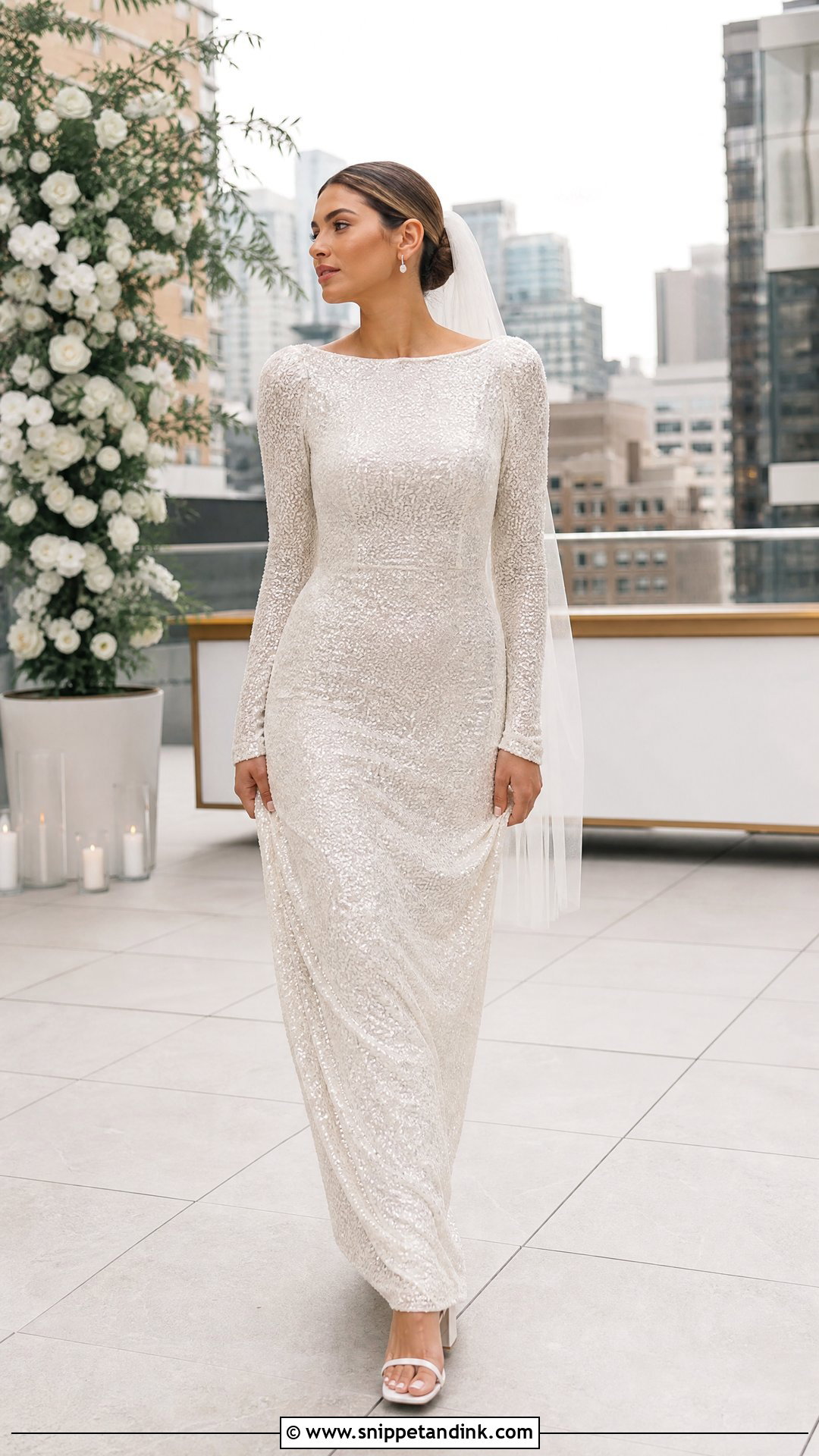
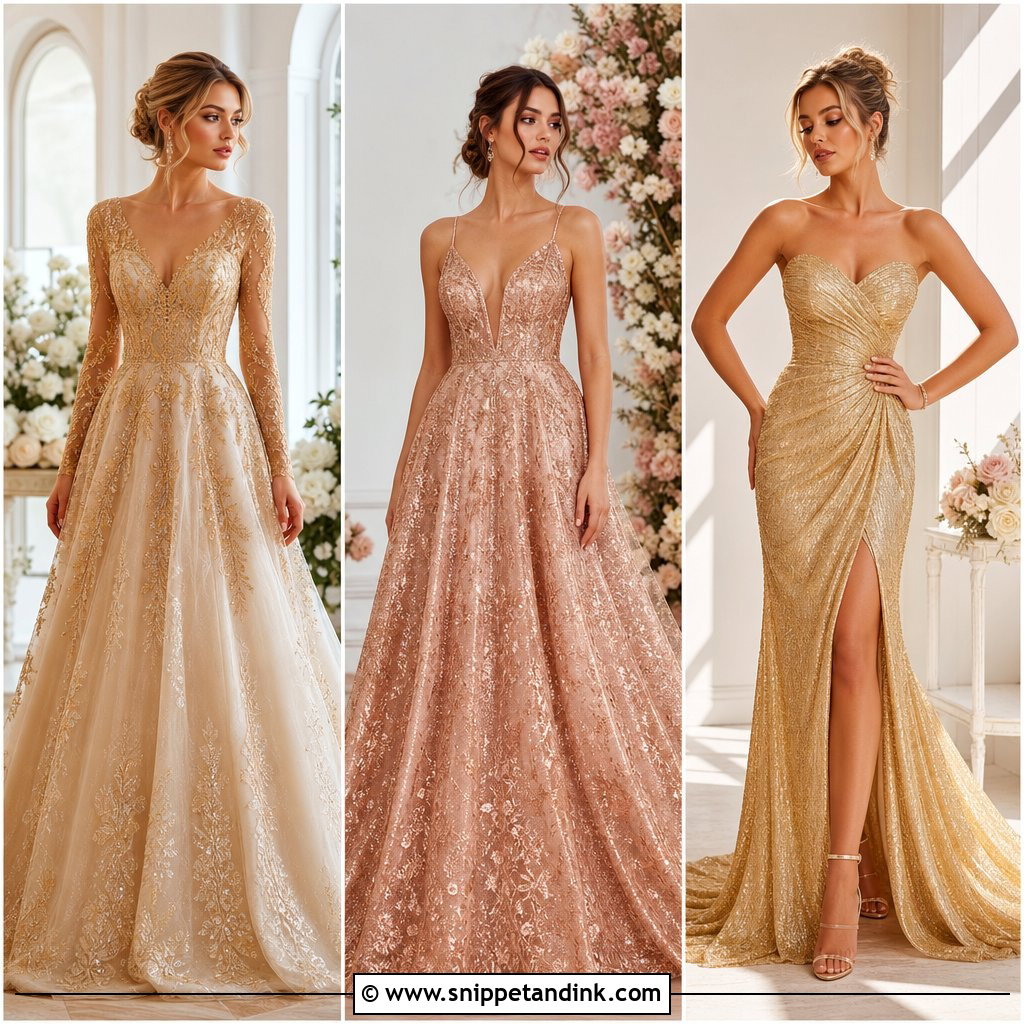
Sequins mean shine from neck to hem, so the shade matters: soft ivory, champagne or silver-white keep it bridal. A fitted column, long sleeves or a low back keep it from looking flashy. Sequined fabric has a scratchy inner seam, especially under the arms, and a good dressmaker will bind it with soft tape. Sleek heels, simple earrings and a minimal veil are all it needs, with a quiet bouquet. Evening and rooftop receptions suit it best.
21. Bows Wedding Dress
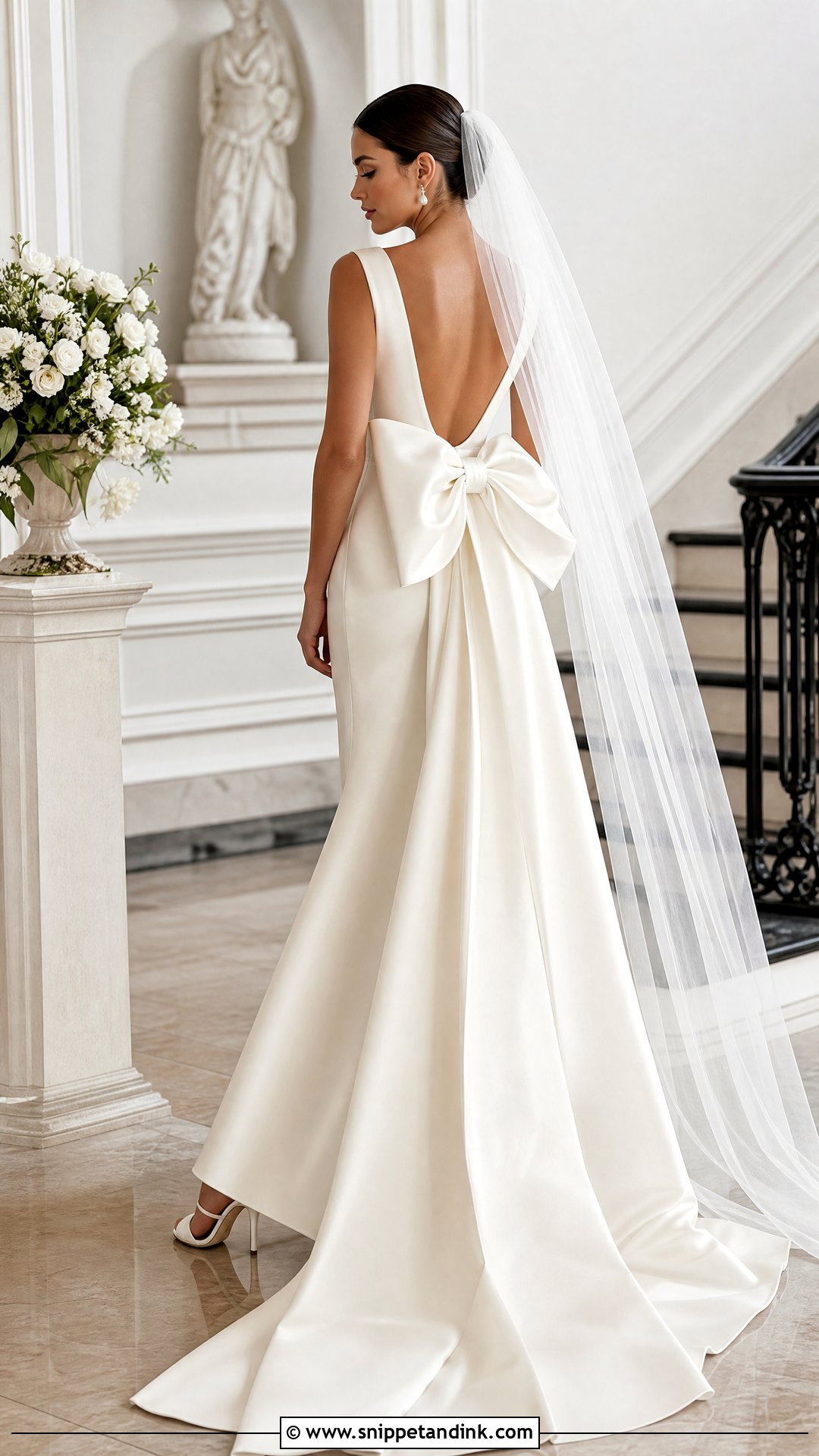
Bows go wrong when they’re too small or too many. A single large back bow, shoulder bows or a waist bow on clean satin or mikado look sculptural, not childish. I make sure the bow is interfaced so it holds its shape after hours of sitting; an unstructured bow droops by dinner. Simple heels, pearl earrings and a veil that clears the bow keep the back visible. Classic ceremonies, estates and portraits shot from behind make the most of it, with a low bun or smooth waves.
22. Cape Wedding Dress
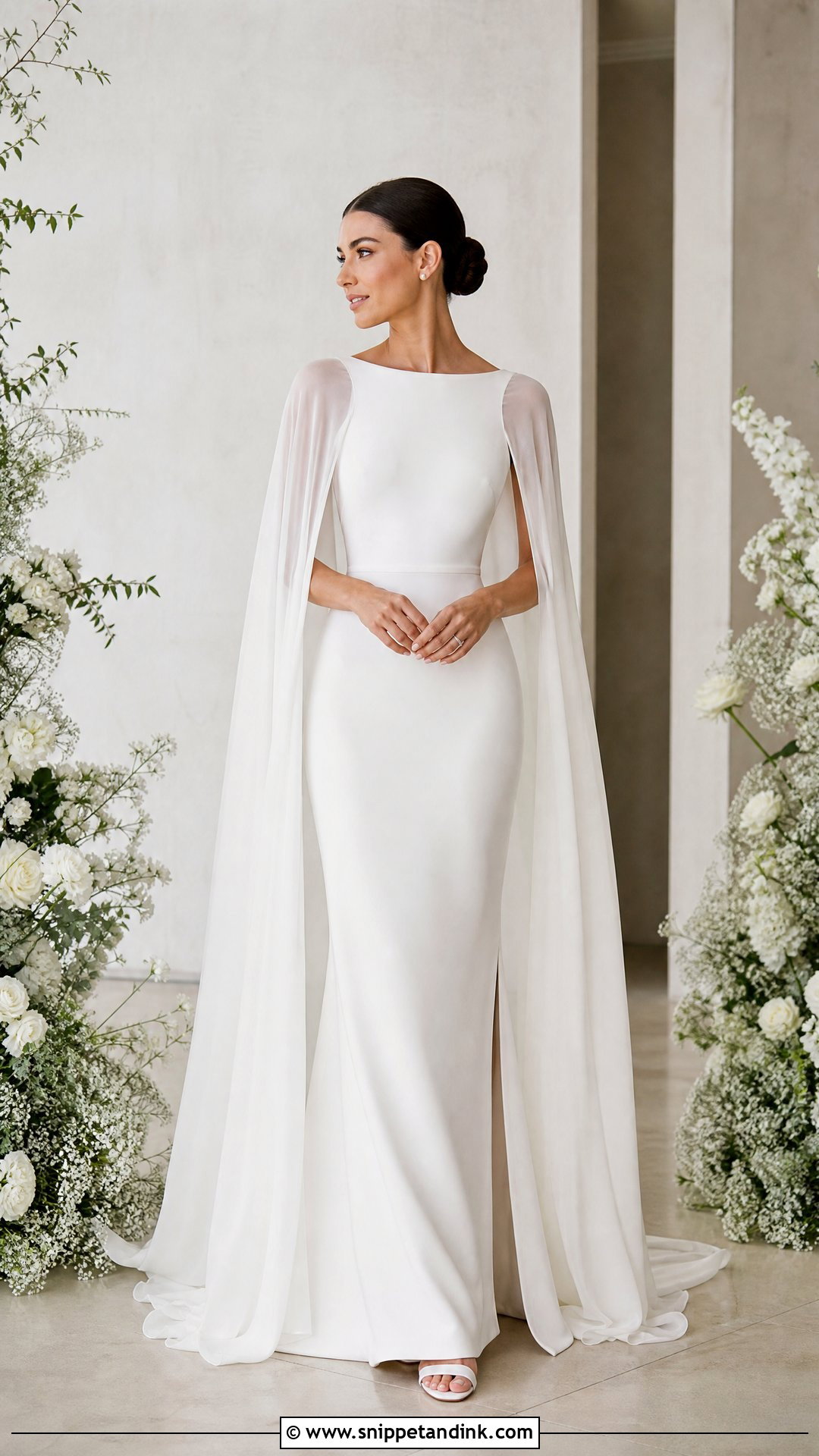
Brides who don’t want a veil often love a cape. It can be sheer, lace, pearl-trimmed or flowing chiffon, worn over a sleek crepe gown, satin column or minimalist ball gown. The cape should move as you walk, so I test it in the aisle-length space at the boutique; heavy edging stops it floating. Simple heels and small earrings keep it central. Modern venues, destination weddings and cooler seasons all suit it, and a cape turns a plain dress into something editorial.
23. Black Tie Wedding Dress
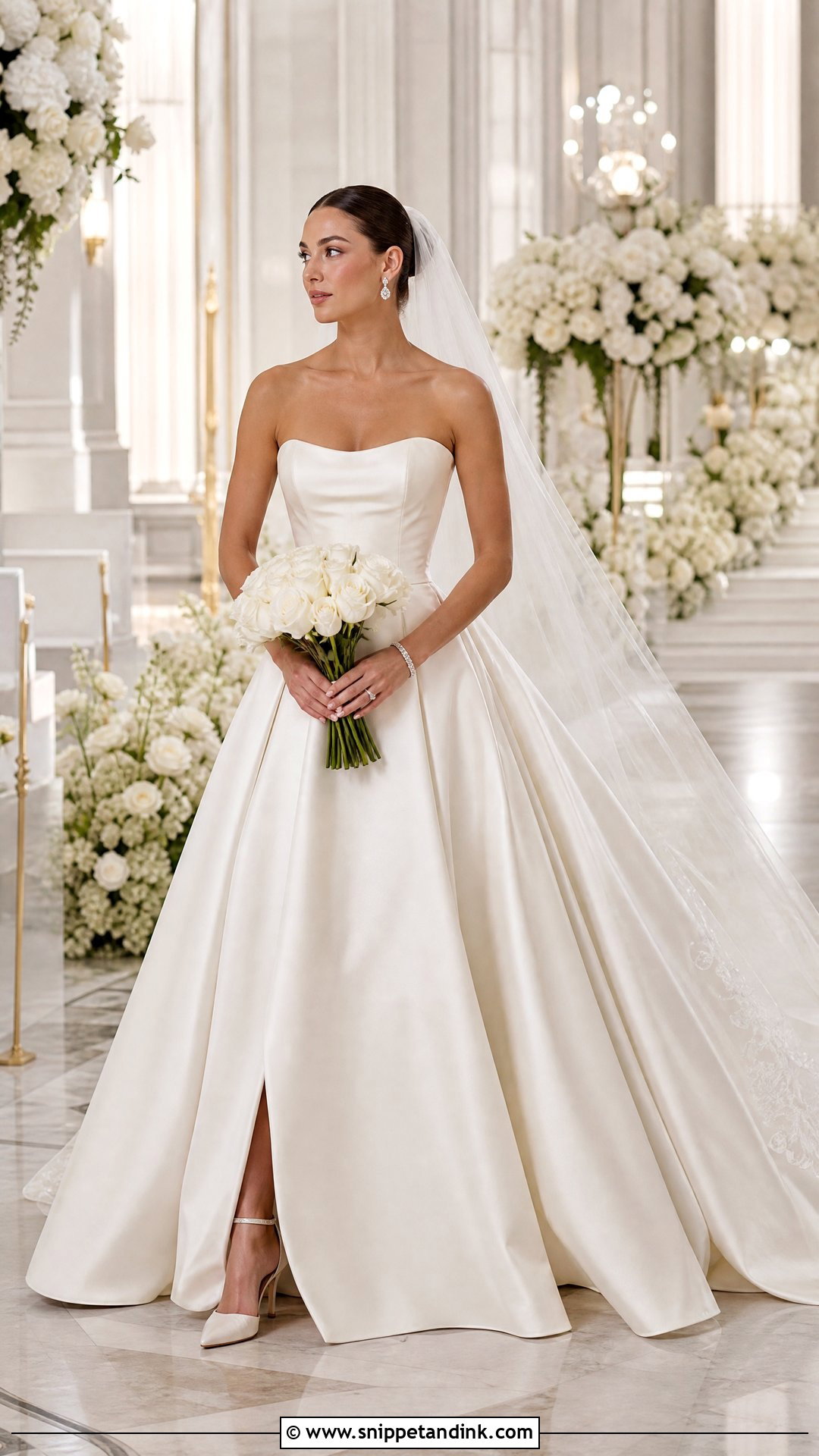
A black-tie wedding asks for formality from every piece. A structured ball gown, fitted satin, crystal embroidery or lace with a dramatic train all qualify, paired with fine heels, real jewellery, a refined veil and a classic bouquet. This isn’t the time for casual styling. Each piece should look chosen. I’d choose fabric that looks rich in person under hotel or museum lighting, since cheaper satin goes shiny and thin under strong spotlights. A sleek bun, soft waves or a polished updo all suit it.
24. Reception Mini Wedding Dress
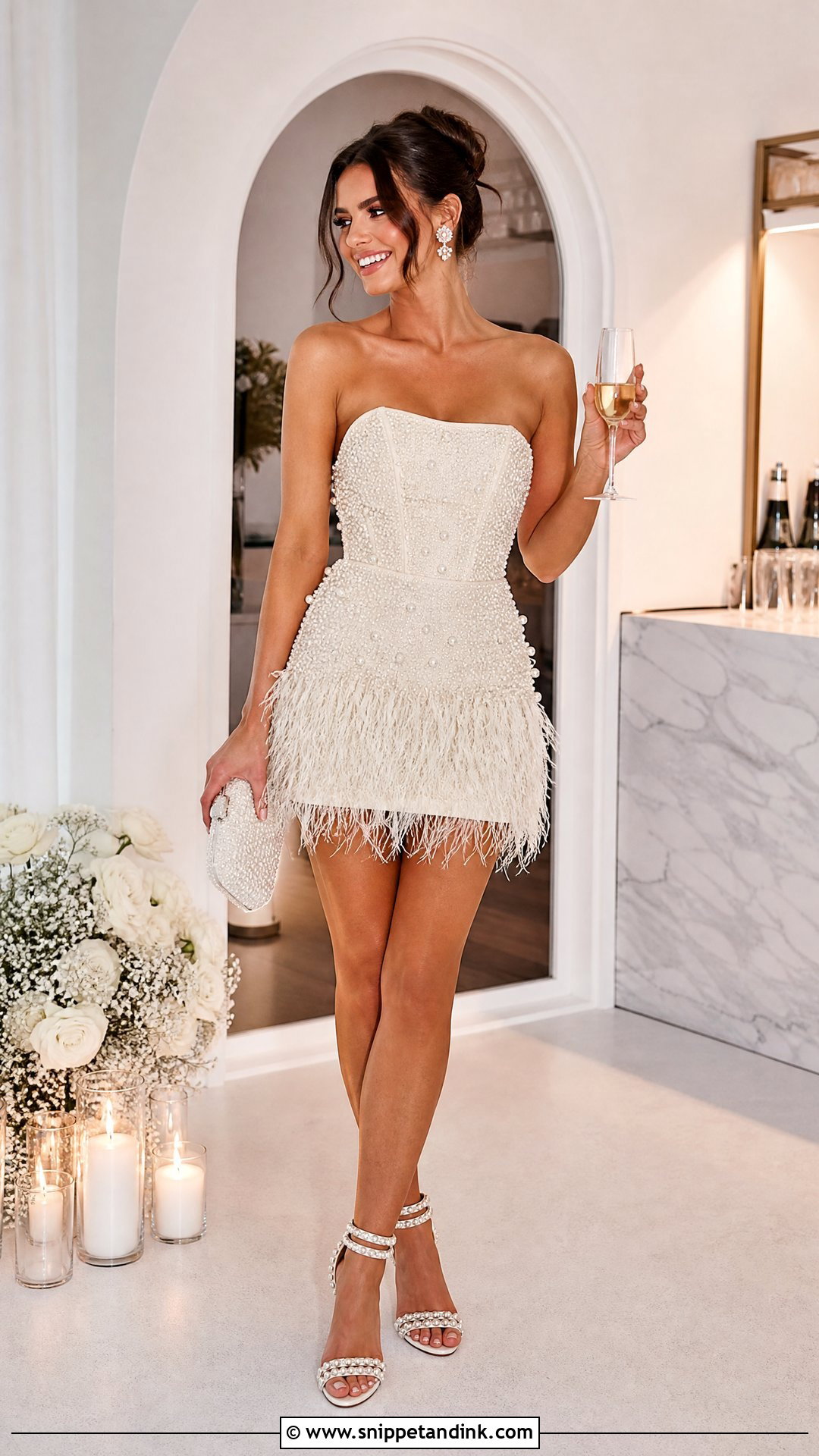
The reception mini is the fun look, for dancing and the late-night photos. Feathers, pearls, crystals, satin or structured bows keep it bridal rather than ordinary party wear. Bring your statement heels, sparkling earrings and a small clutch, and change your hair too: a sleek ponytail or a fresh bun makes the switch feel deliberate. If the ceremony gown is traditional, a mini shows another side of you. Have it altered at the same time as the main gown; it’s easy to forget until the last week.
25. Custom Couture Wedding Dress
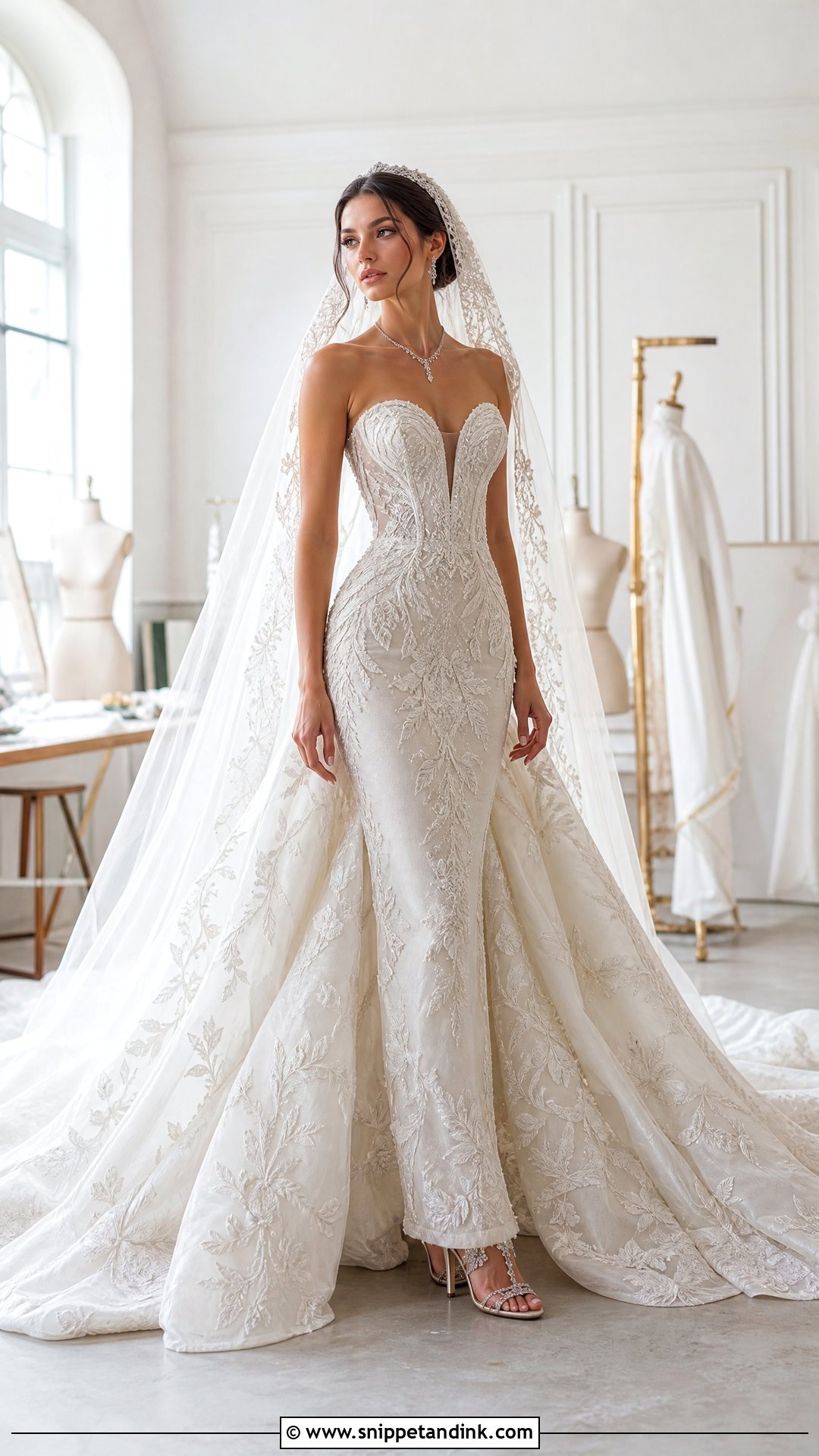
A custom couture wedding dress is made around your body and your setting, so you choose the neckline, fabric, embroidery, train, sleeves and finishing. The process involves several fittings and starts with a toile, a plain cotton mock-up, so there’s real time involved. Be honest with the atelier about how you’ll move on the day: dancing, kneeling, stairs. Fine jewellery, simple heels and a veil cut from matching fabric or trim usually suit a custom gown better than extra statement pieces.
A Realistic Calendar for a Designer or Couture Gown
High-end gowns are usually made to order, and production alone often takes several months before alterations even begin. Couture with a toile and multiple fittings takes longer still. Every atelier quotes its own timeline, so treat this as a working outline and ask yours for theirs in writing:
- Around a year out: start trying on, so you know which shapes and fabrics actually suit you before ordering.
- Nine to ten months out: place the order, or begin the design process for a custom piece.
- Two to three months out: first alteration fitting, wearing the real shoes and undergarments you’ll wear on the day.
- Four to six weeks out: second fitting, plus learning the bustle with the person who’ll do it on the day.
- One to two weeks out: final fitting and collection, with the gown steamed and hung in a breathable bag.
Rush fees exist, but they cost more and leave no buffer if a fitting reveals a problem. Heavy beading and big trains also add alteration time, since a hem on a beaded train has to be unpicked and re-beaded by hand. If your date is close, a sample gown or an in-stock designer piece is often the calmer route.
Where the Money in a Wedding Dress Actually Shows
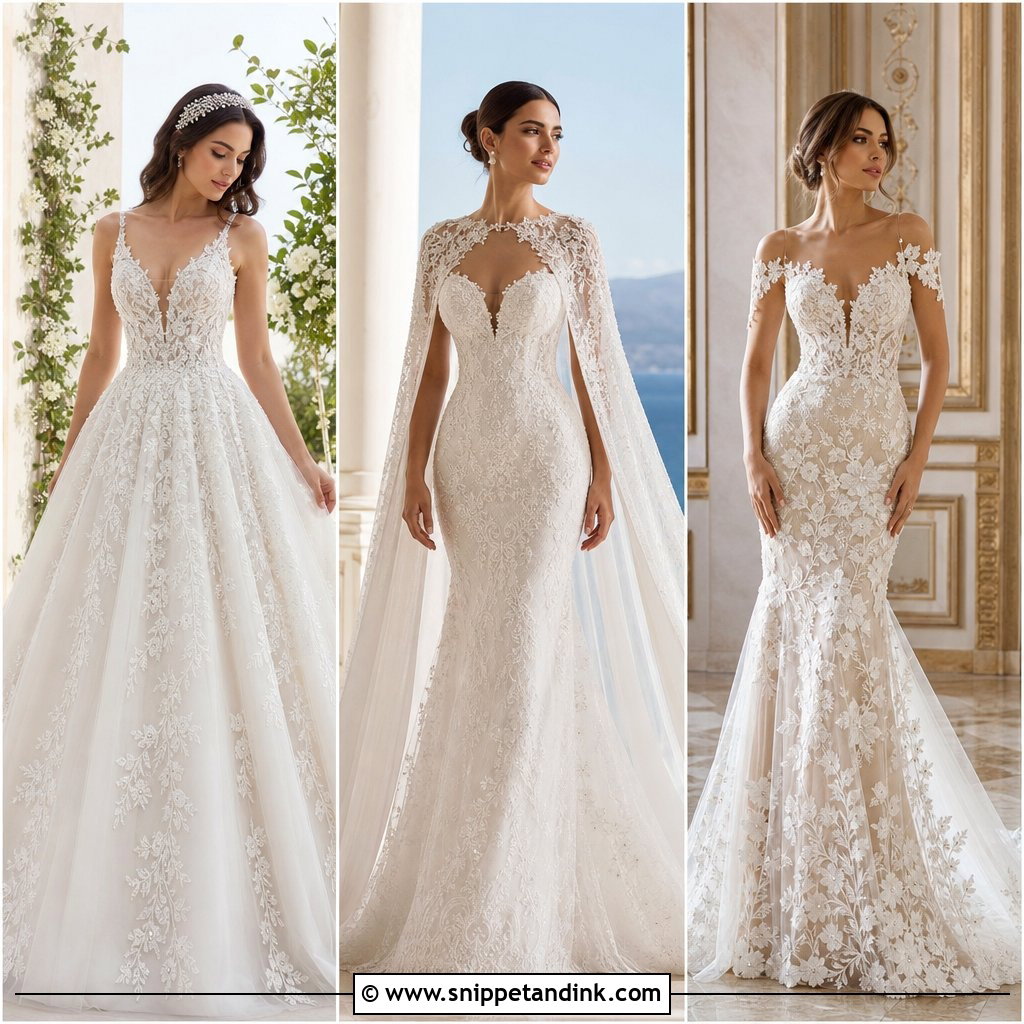
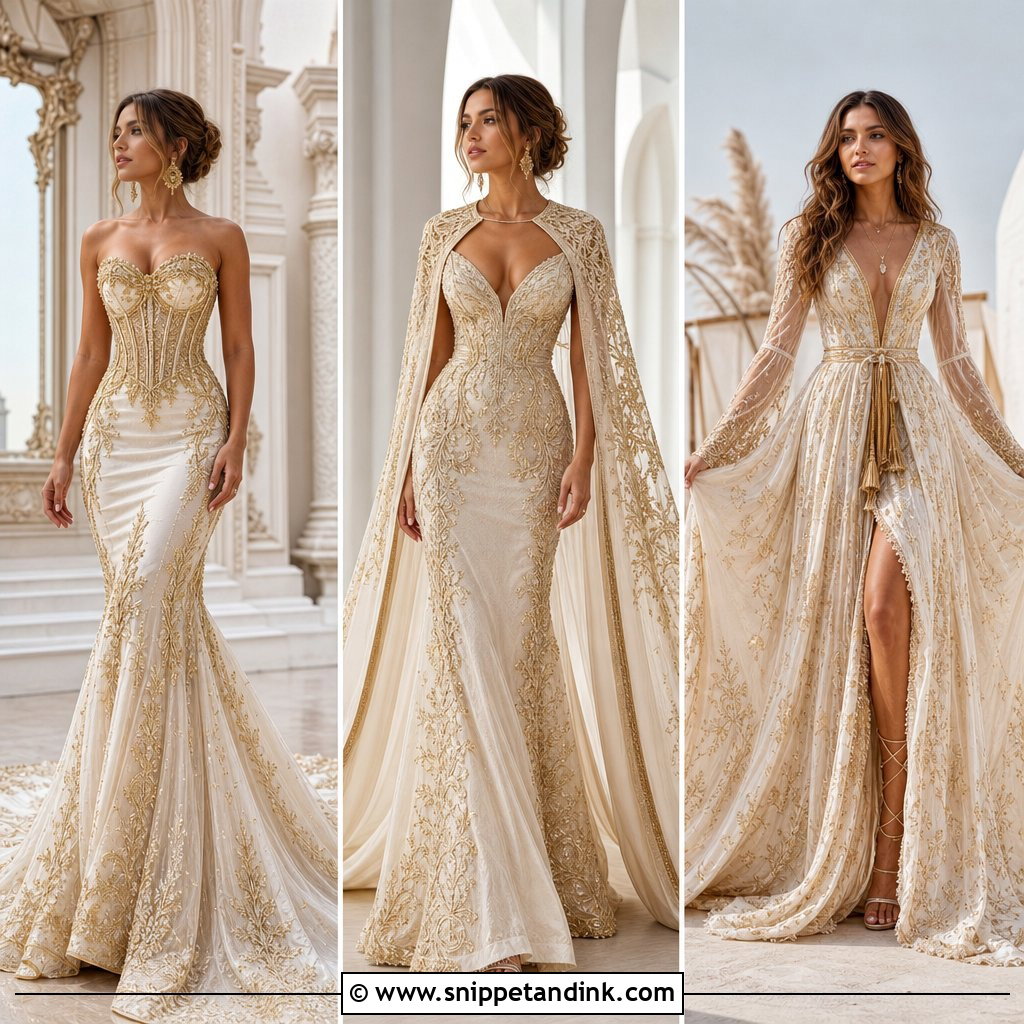
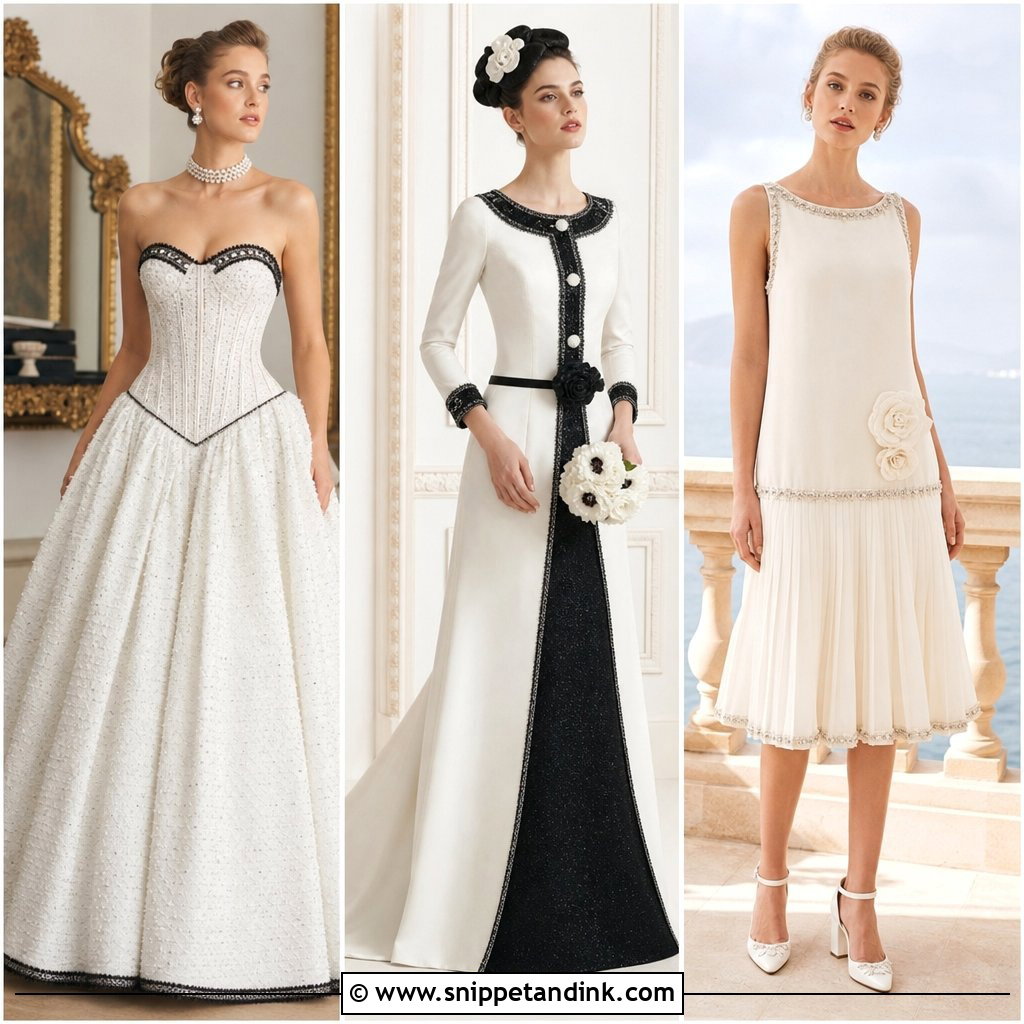
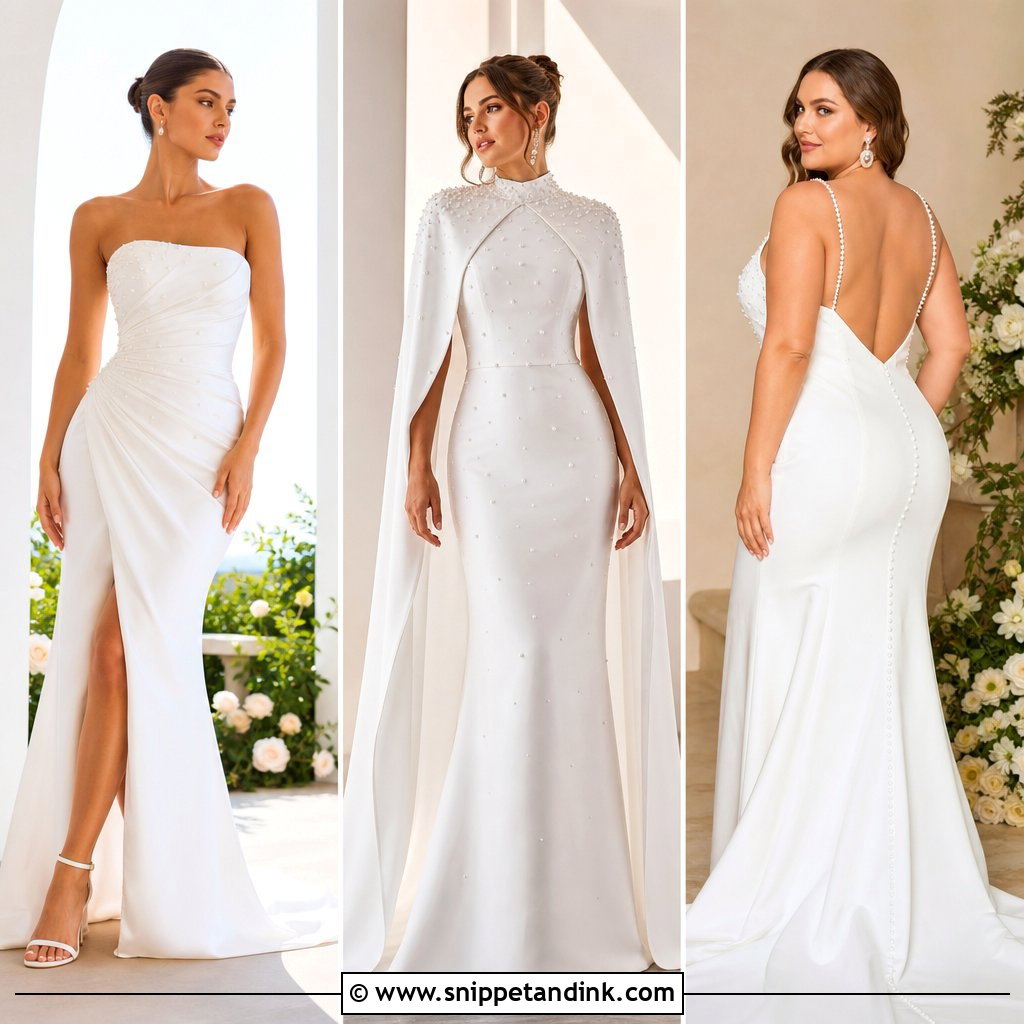
Luxury bridal style can be dramatic, minimal, romantic or modern, and none of it depends on the price tag alone. Fit, fabric movement and how the accessories work with the dress are what people notice. A couture ball gown, a pearl bodice, a lace train, a silk slip or a custom design can all look expensive when they’ve been altered properly. Match the gown to your venue and season, then let the shoes, veil, jewellery, hair and bouquet support it, and the whole outfit holds together from the aisle to the last dance.
You'll Like These Ideas:




Leave a Reply