
When a bride tells me she wants a traditional outfit, my first question is: whose tradition? Your own family’s, your partner’s, or both? The answer decides who you should be asking, and it should be relatives before designers. Cultural dress is not a costume. It carries regional craft, faith and family history, and the details that matter to the people watching are often the ones a photo will not show you. After that come the practical questions: the climate, the venue, and how much kneeling, dancing or walking the ceremony involves. The twenty looks below range from red lehengas and woven wrappers to embroidered robes, sculpted headwear, layered skirts and quiet white cotton. Use them to start the conversation at home.
Ordering Handwoven Cloth From a Maker Abroad
Plenty of brides live far from where their tradition’s cloth is woven. Ordering kente from Ghana, a habesha kemis from Ethiopia or a bunad from Norway is possible, but it takes longer than a dress from a local shop, and handwoven pieces cannot be rushed.
How I run a long-distance order
- Ask for physical swatches before committing. Screen colours lie, especially reds and golds.
- Get measurements taken by a local tailor, not at home with a tape, and send the maker a full-length photo too.
- Agree in writing how much seam allowance the maker leaves, so a local tailor can do the final fitting.
- Build in shipping and customs time, then add a margin, so the garment arrives with months to spare for alterations.
- Plan who will dress you on the day if the maker cannot be there.
If a relative is visiting the weaving region, send them with the swatches and measurements. That one trip can save weeks of messages.
1. Indian Red Lehenga Bridal Outfit
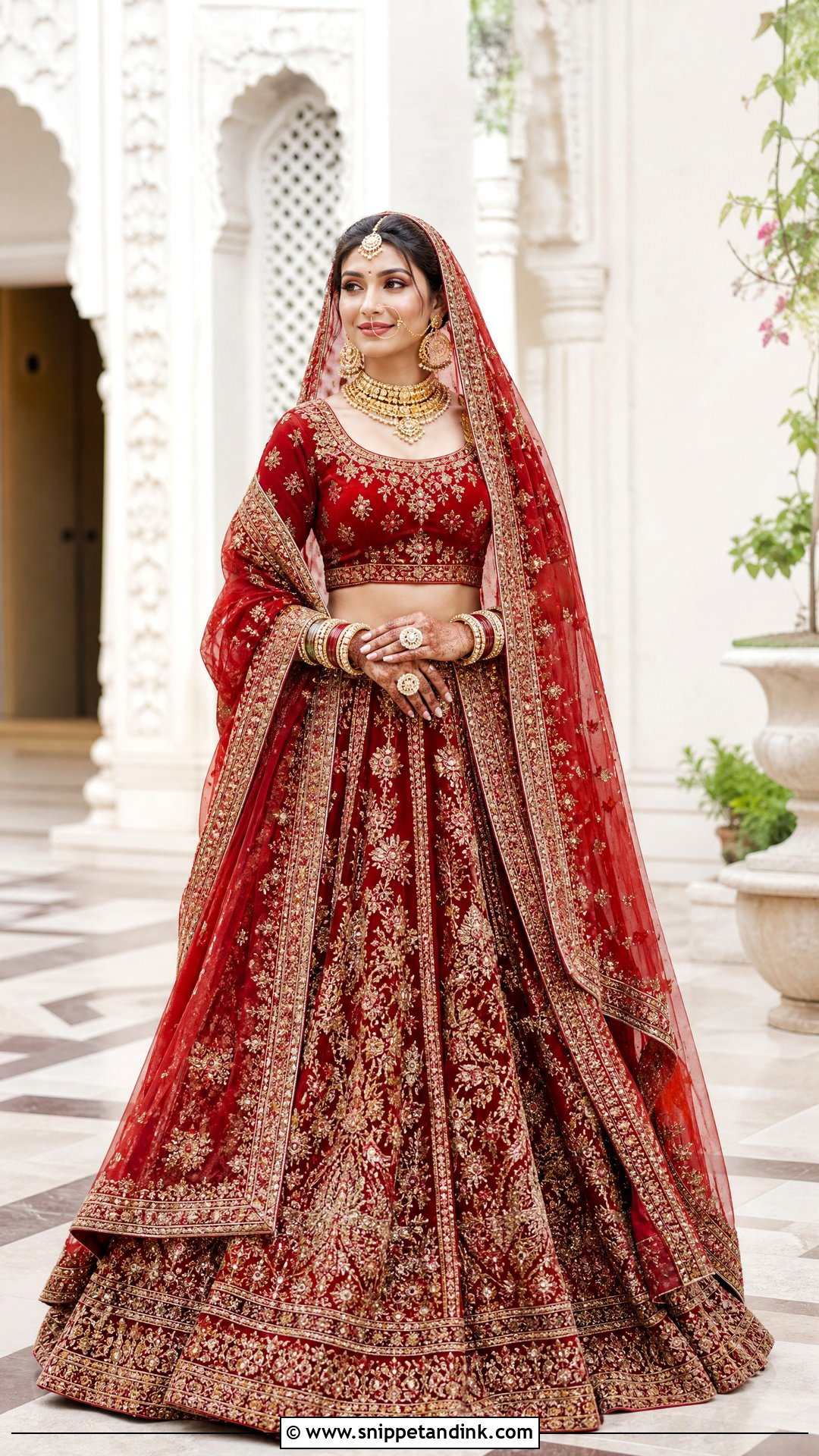
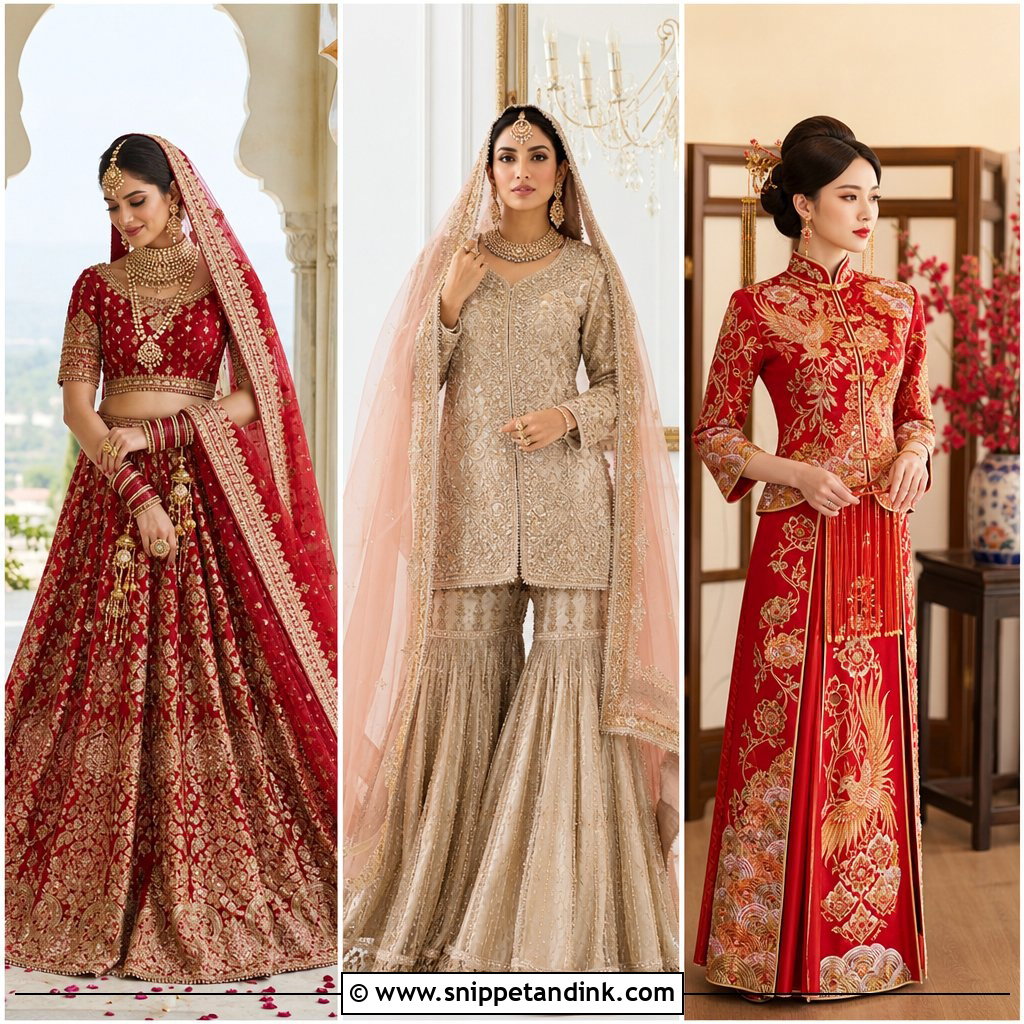
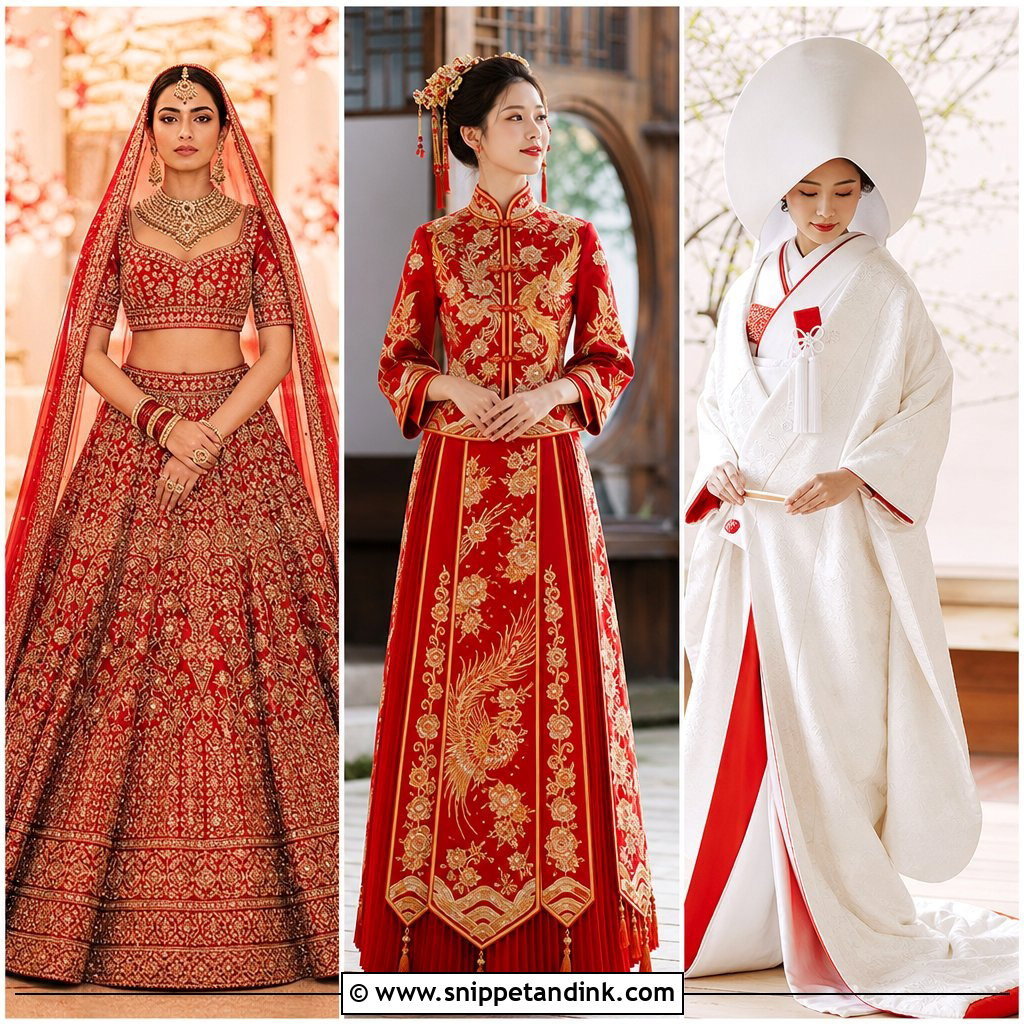
A full red lehenga with zari, beadwork and a fitted choli is still the default for many Indian brides, usually with two dupattas, one over the head and one framing the bodice or waist. Necklace, earrings, bangles, anklets and embroidered juttis complete it. The single most useful choice for comfort is where the embroidery sits. A skirt worked only at the border can weigh a fraction of one embroidered all over, and from three metres away most guests cannot tell the difference. Indian bridal customs vary enormously by region, religion and family, so confirm the colour, the drape, the jewellery and the head covering with relatives before you order.
2. South Indian Silk Saree Bridal Outfit
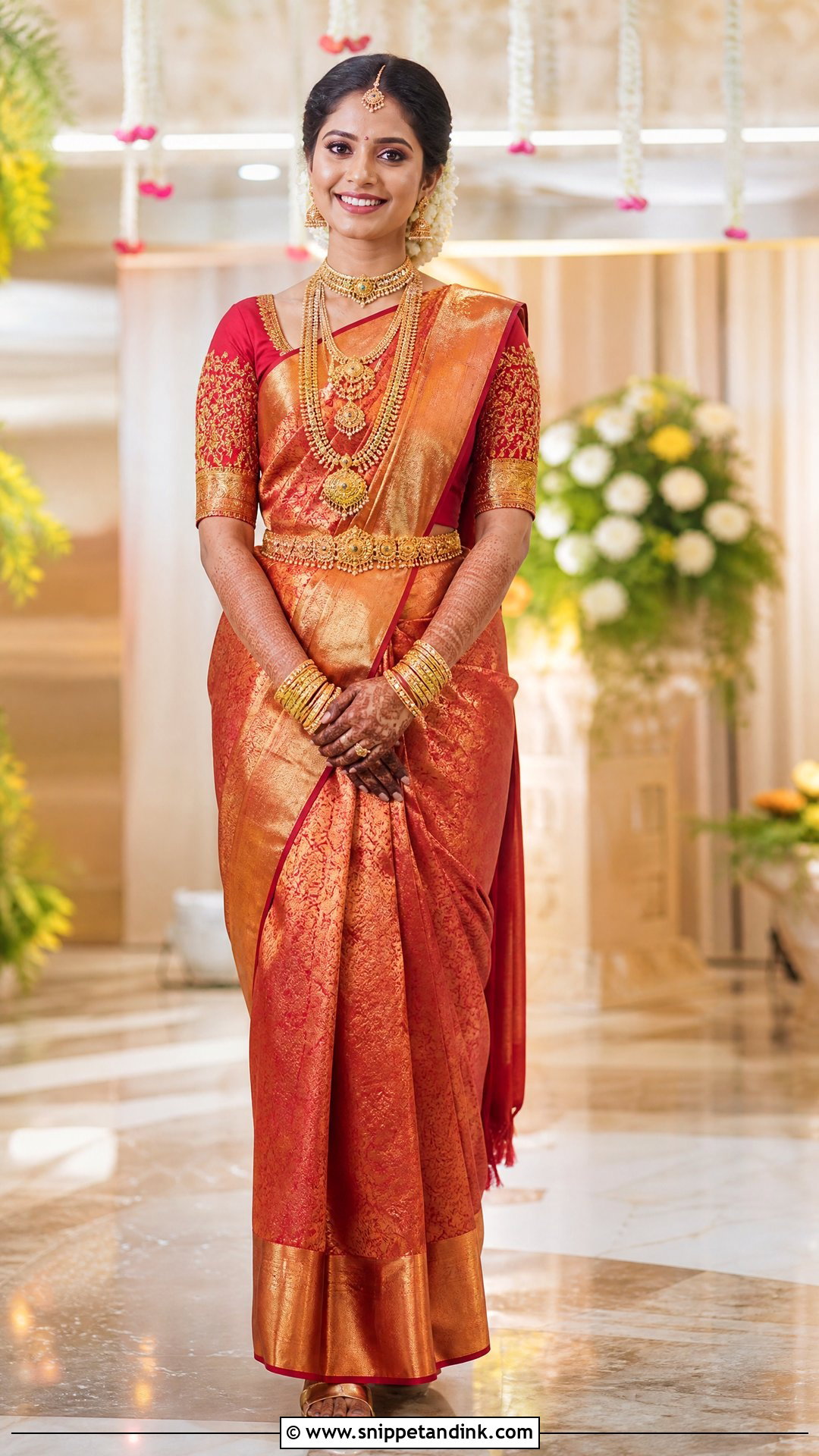
Silk sarees move in a way stitched outfits cannot, which is a big part of why so many brides choose one for the main ceremony. Red, green, gold and coral are common, but follow the colour your family favours. A contrasting blouse brings out the woven border. There are many regional drapes, so choose the one that belongs to your ceremony, and get the pleats pinned by an experienced draper. Gold necklaces, earrings, bangles, a waist belt and hair ornaments finish it, with fresh flowers in a braid or bun. I’d pick cushioned sandals over heels here: they disappear under the hem and you will be standing longer than you expect.
3. Pakistani Gharara Bridal Outfit
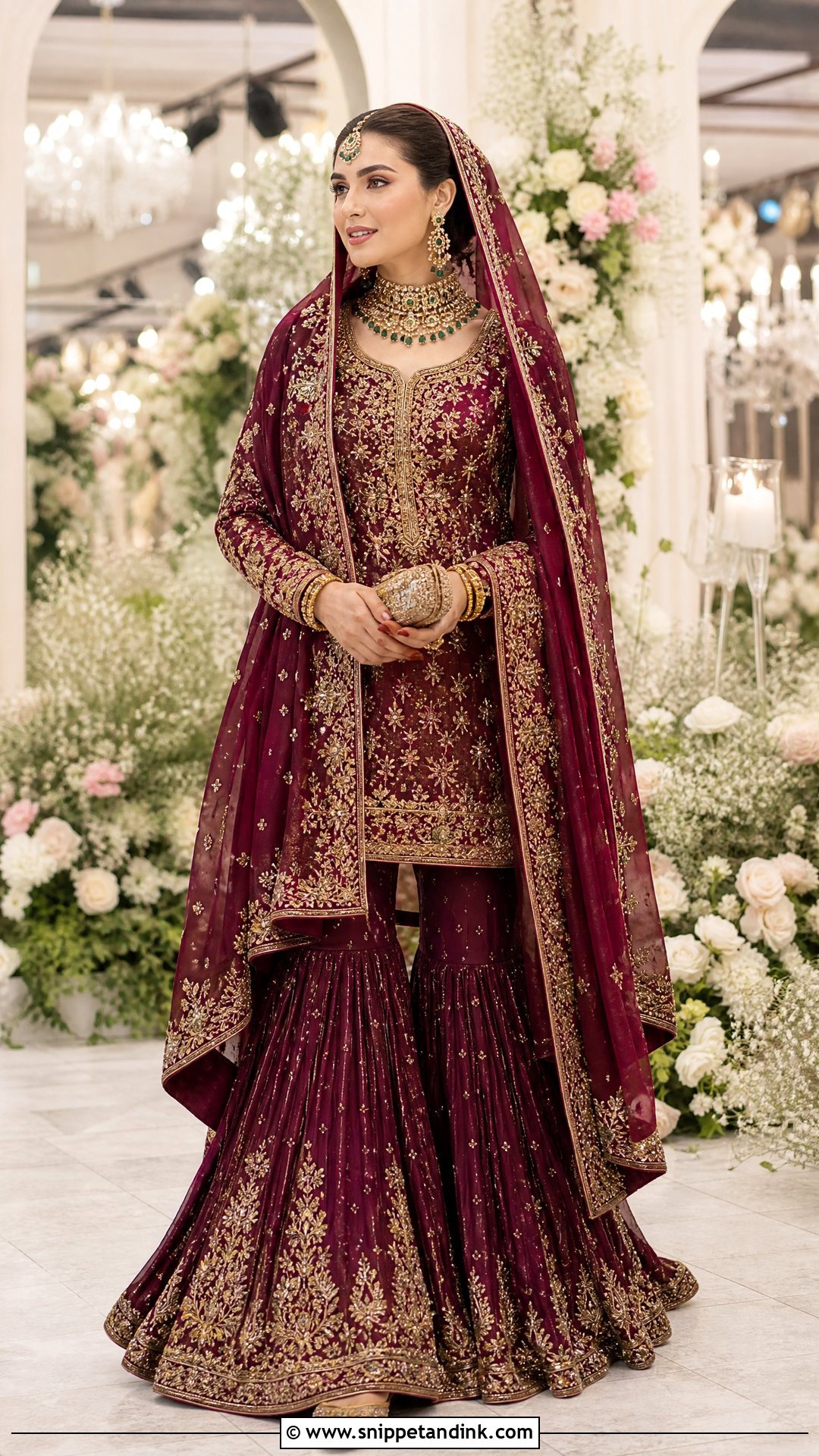
Pakistani ghararas are fitted through the thigh and burst out at the knee, which is what gives them their swing. Pair the trousers with a richly worked tunic and a dupatta or veil. Deep red, magenta, emerald, plum and antique gold are the formal palette. Keep embroidery to the neckline, cuffs, trouser seams and dupatta border so the weight is spread rather than piled in one place. Pin the dupatta over the head or across one shoulder, as your family prefers, then add a statement necklace, earrings, bangles, a small clutch and embellished flats or low heels. Test the trouser length in the actual shoes. The flare hides your feet, and a hem that catches is a fall waiting to happen on stage steps.
4. Malay Tudung And Sarong Bridal Outfit
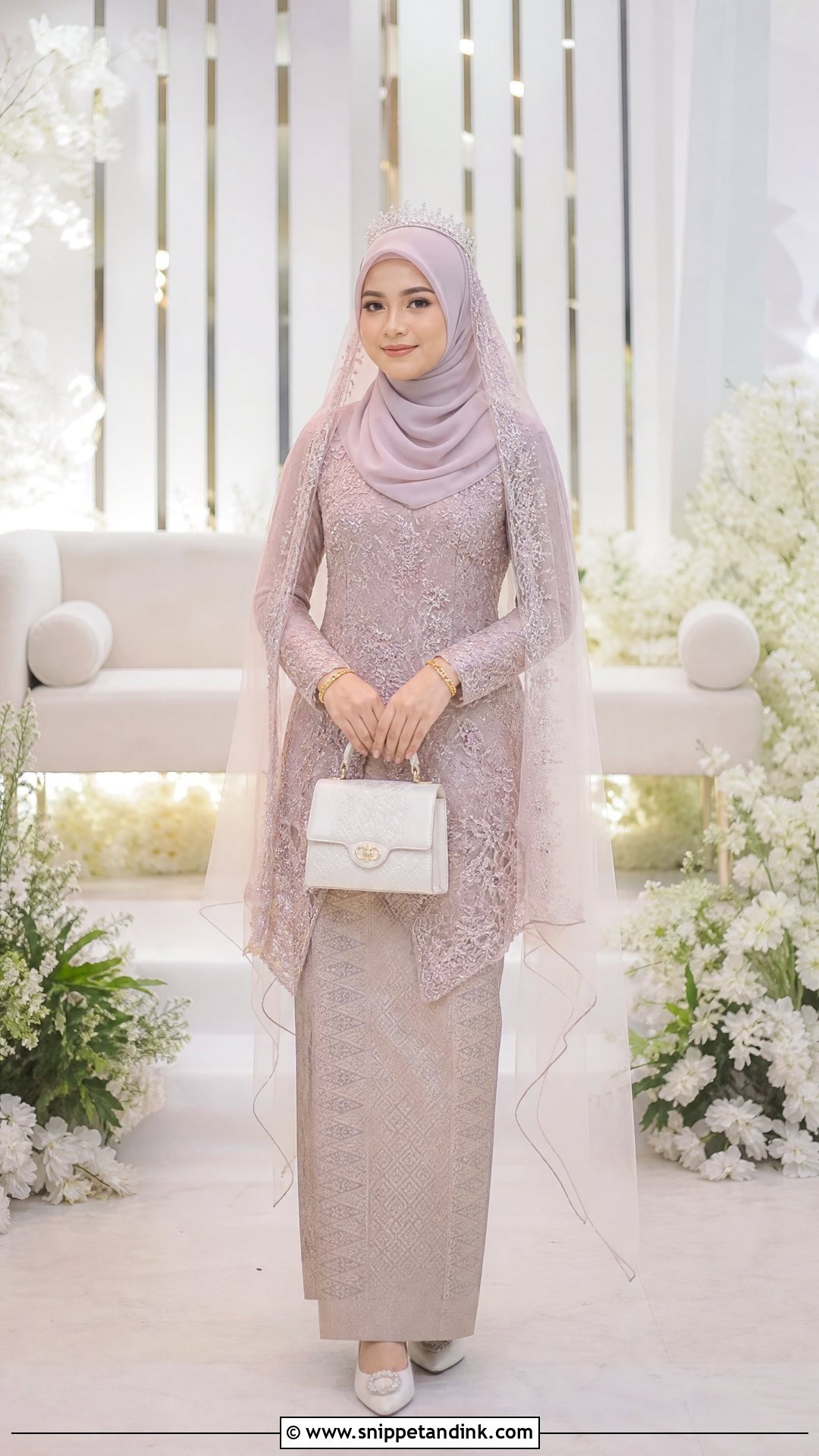
A Malay bridal look is built on modest coverage: a long-sleeved blouse and formal sarong in complementary colours, a neatly arranged tudung and a decorative selendang over the shoulder. Ivory, soft gold, blush, green and jewel tones are all used, depending on local tradition. Embroidery, beading or woven metallic thread at the neck and cuffs gives definition. Many brides wear a crown or ceremonial head ornament for the sitting-in-state, along with closed shoes, fine bracelets and a small structured bag. The tudung is where I spend most time at a trial, because a crown pinned over it must sit level for hours without pulling the fabric off the forehead. Customs vary across Malay communities, so work with family or a specialist on fabrics and accessories.
5. Yoruba Aso Oke Bridal Outfit
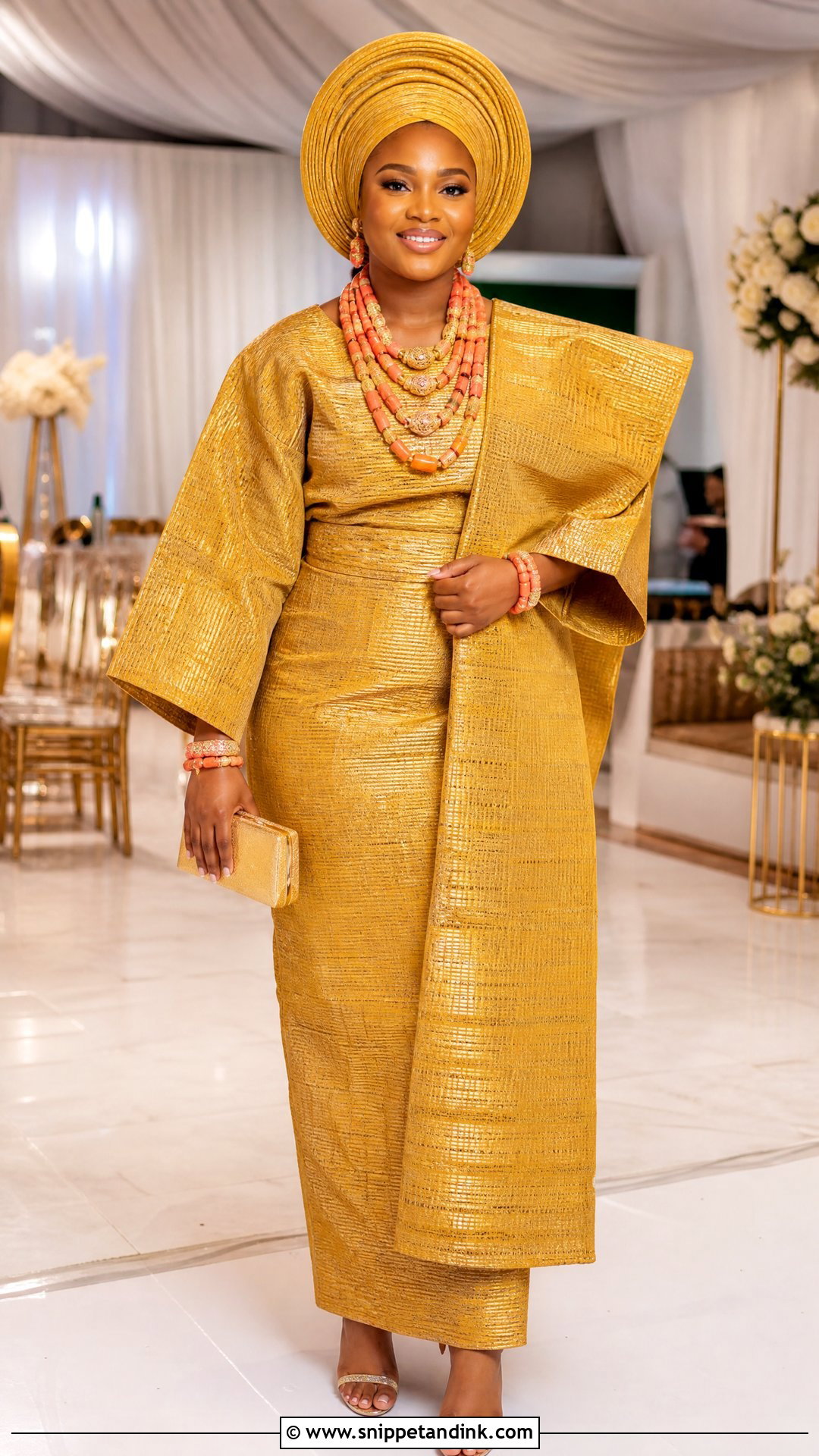
A Yoruba aso oke bridal outfit is four pieces working together: the iro wrapper, the buba blouse, the ipele sash over the shoulder and the gele. Gold, coral, white, deep red, blue or a family-chosen colour all work. Layer beads at the neck and wrists and match the earrings to the headwrap. Aso oke is hand-loomed and stiff, which is why it holds a tall gele, but it also makes the wrapper bulky, so I keep the shoes simple and steady. The groom and family often wear coordinating cloth, which makes the colour a shared decision. Have an experienced tier do the gele, and do one fitting with every piece on at once.
6. Ghanaian Kente Bridal Outfit
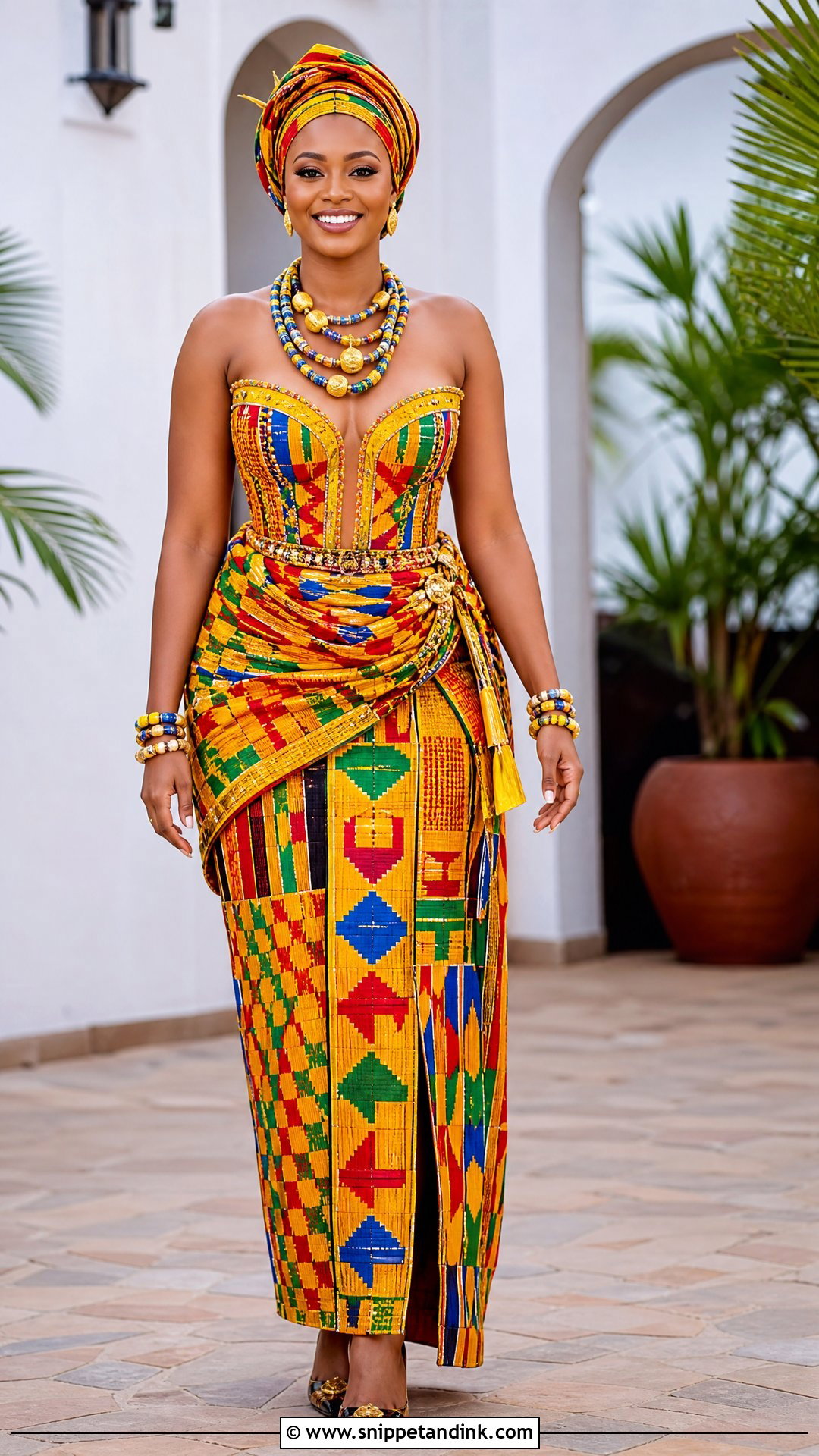
Kente can be wrapped and pinned in the traditional way or tailored into a structured dress; both are right, depending on the bride and her community. The cloth is woven in narrow strips sewn edge to edge, and patterns and colours can carry specific meanings, so choose with guidance. A duku headwrap adds height and balances the pattern. Layered beads, gold earrings, bracelets and dressy flats or heels finish it. If the groom wears kente too, look at both outfits side by side in daylight before approving them; indoor light hides clashes that the camera will find. A Ghanaian designer or weaver can help you choose cloth and place the pattern well.
7. Ethiopian Habesha Kemis Bridal Outfit
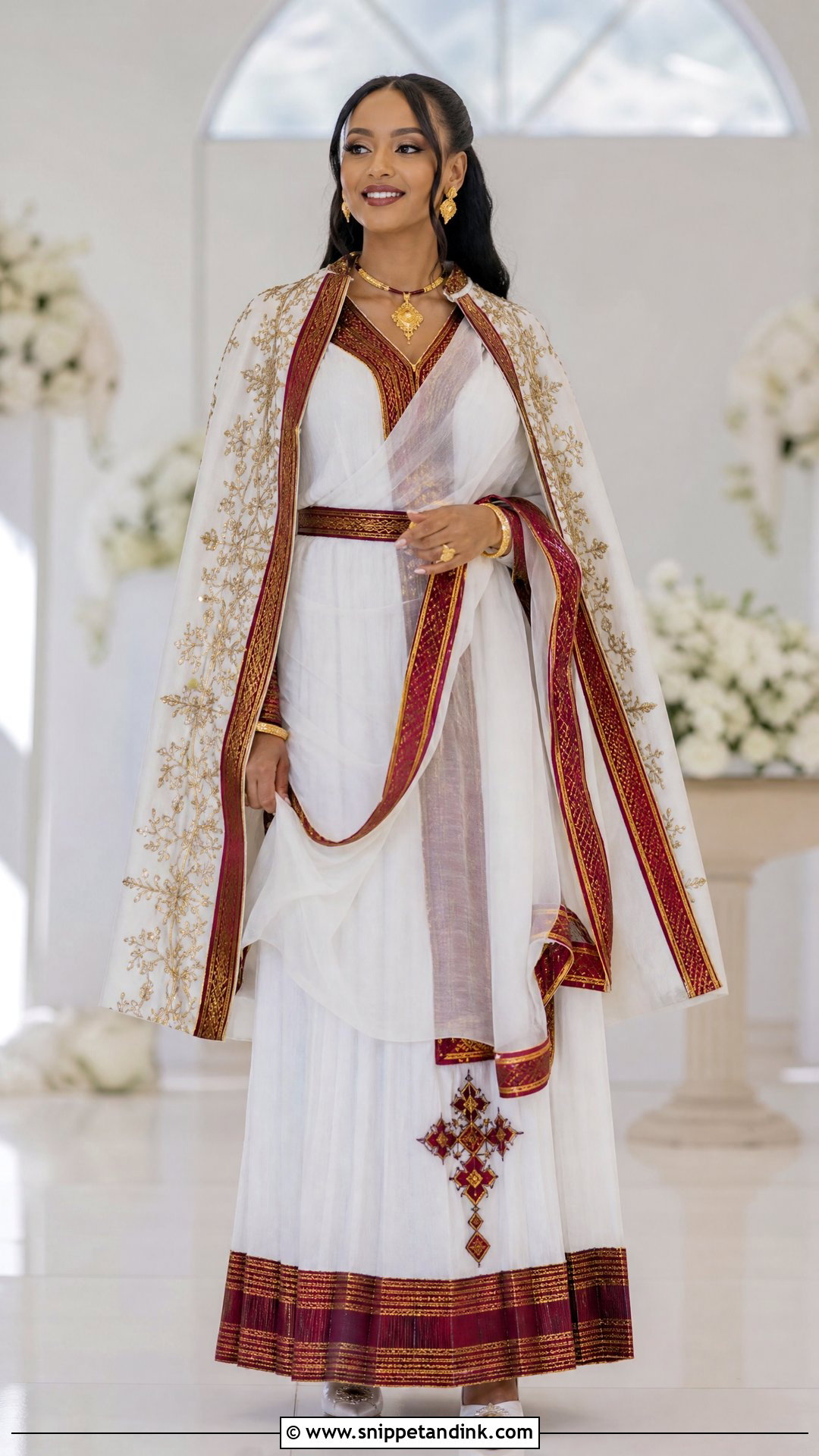
The Ethiopian habesha kemis is white handwoven cotton with a woven or embroidered border, the tibeb, running around the neckline, cuffs and hem. It can stay simple or carry rich gold, blue, green or burgundy borders. A sheer netela shawl goes around the shoulders, and many brides add a ceremonial cape when the family’s tradition includes one. Gold jewellery and closed shoes are enough. Handwoven cotton is soft, breathable and wonderful for dancing, but it creases readily, so I steam it as late as possible. Buying from an Ethiopian maker matters here: fabric quality and border placement are what make the dress look right.
8. Korean Hanbok Bridal Outfit
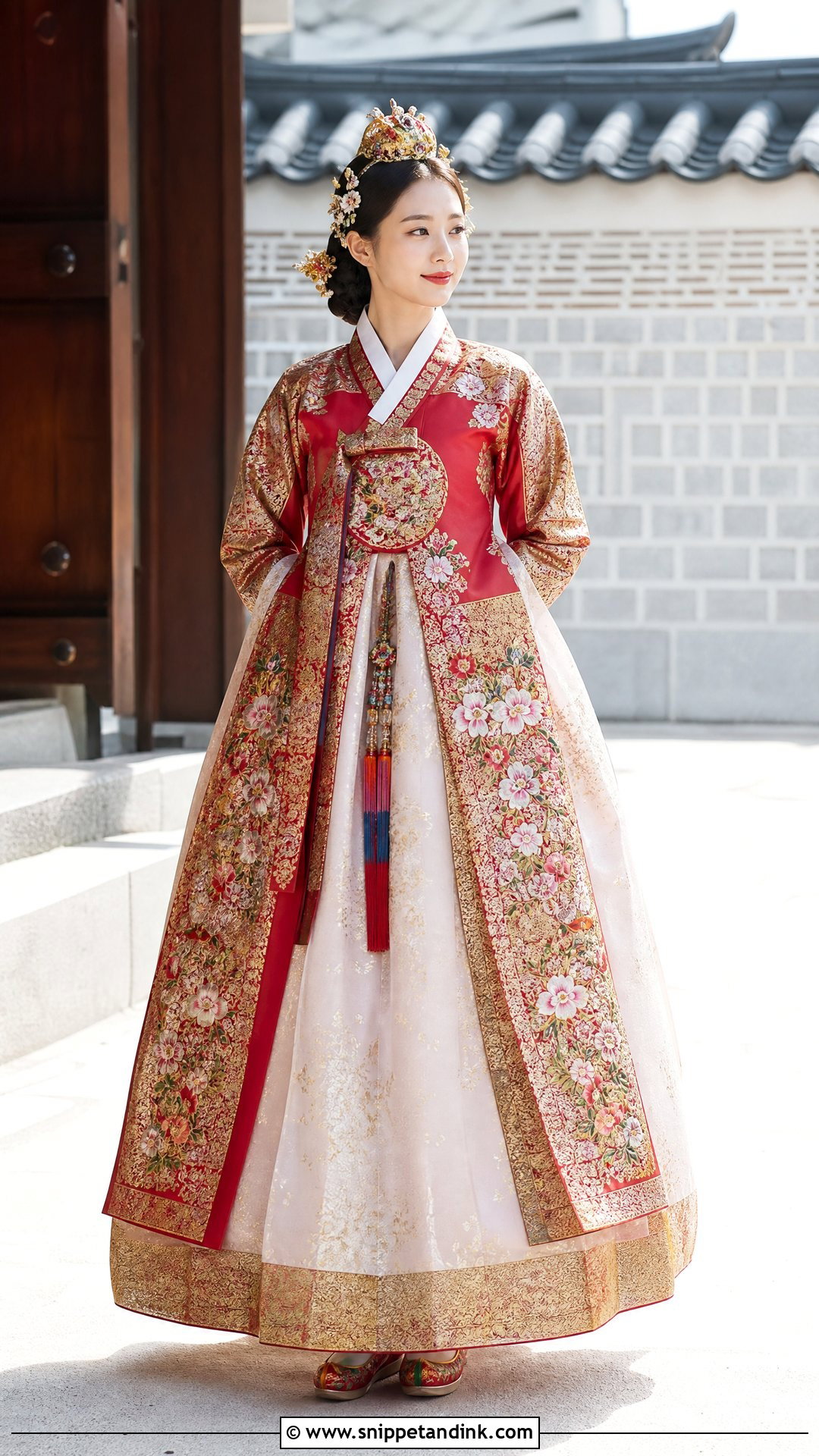
A Korean hanbok bridal outfit pairs a short jeogori jacket with a full, floor-length chima. Choose colours connected to your family’s customs rather than whatever looks best in inspiration photos. The jacket should sit neatly above the skirt so the shape balances from every side. A richly embroidered hwarot robe can go on top for the formal ceremony. Traditional hair ornaments, a neat updo, decorative shoes and restrained makeup complete it. Most brides rent ceremonial hanbok from a specialist, which I recommend: they dress you, explain how to move, and handle the garment correctly. The skirt is long, so lift it from the front with one hand when you walk or bow.
9. Japanese Shiromuku Bridal Outfit
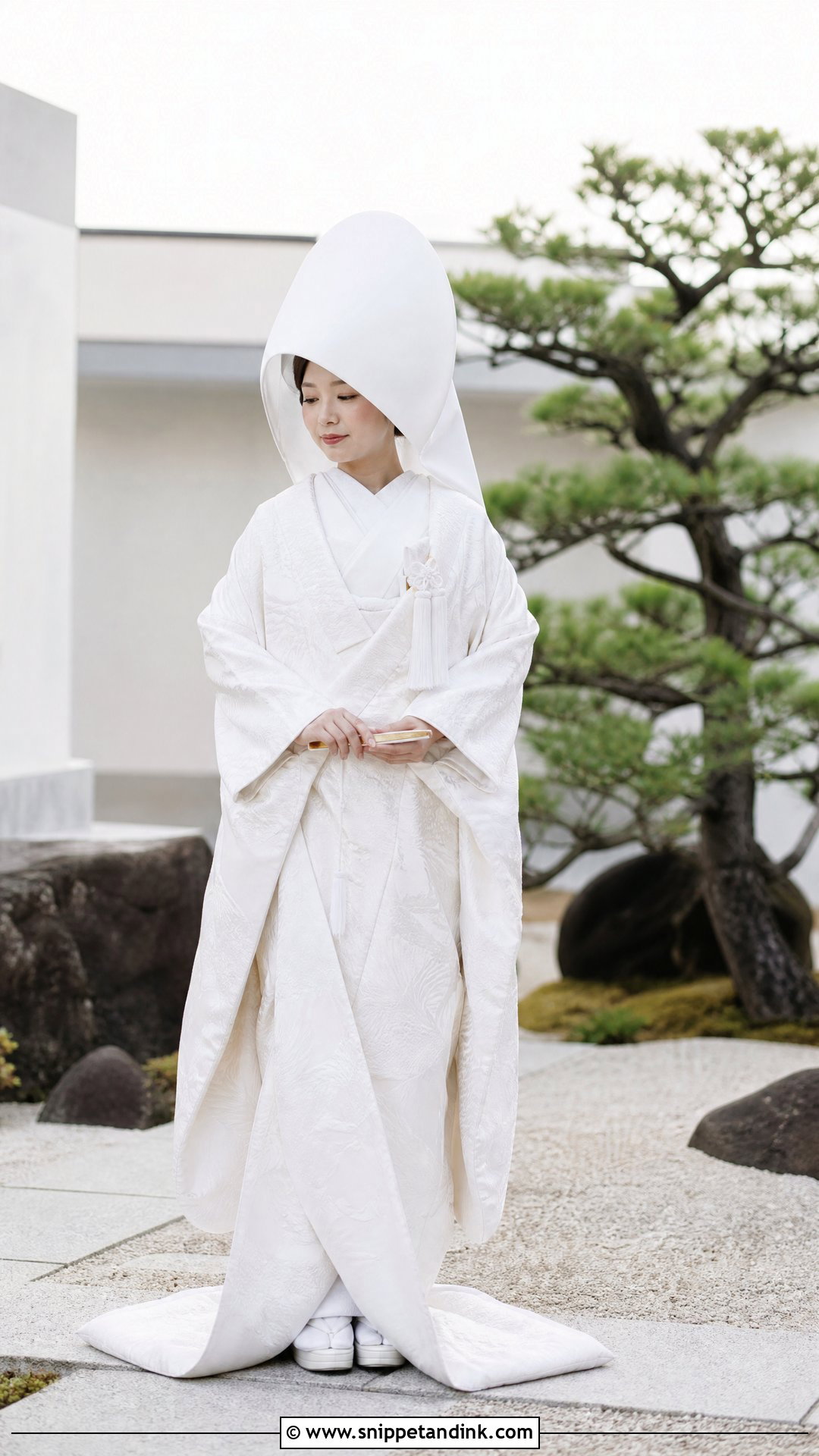
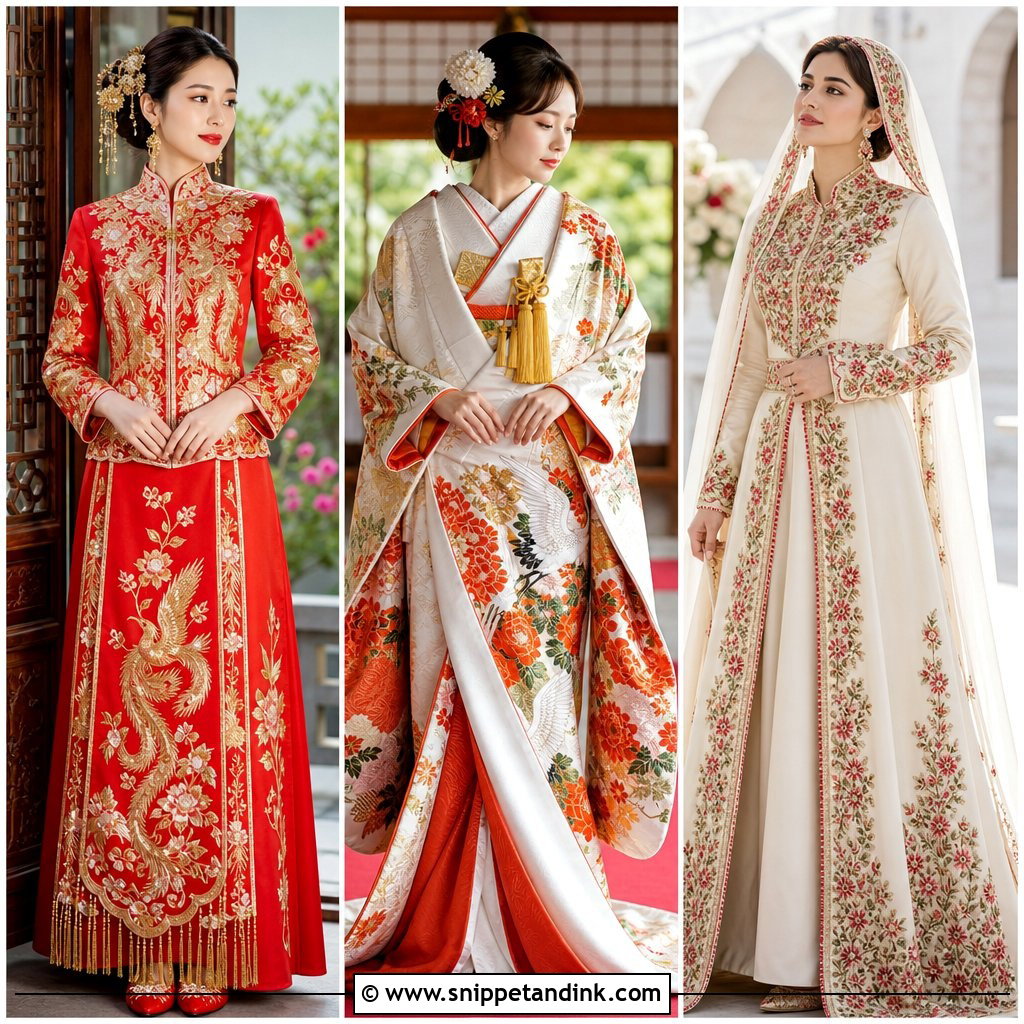
Shiromuku means pure white, and the Japanese shiromuku bridal outfit is white from head to toe: layered kimono, long sleeves, obi and accessories, with subtle woven motifs for texture. A wataboshi or tsunokakushi headpiece frames the face, and white footwear keeps the colour unbroken. The layers are heavy, so practise walking, sitting and turning. A trained dresser is not optional; the obi and layers must be tied correctly to stay secure. Many brides change into a coloured kimono or another outfit for the reception. My practical advice is to eat something before dressing, because once you are in a shiromuku, eating is difficult.
10. Chinese Red Qun Kwa Bridal Outfit
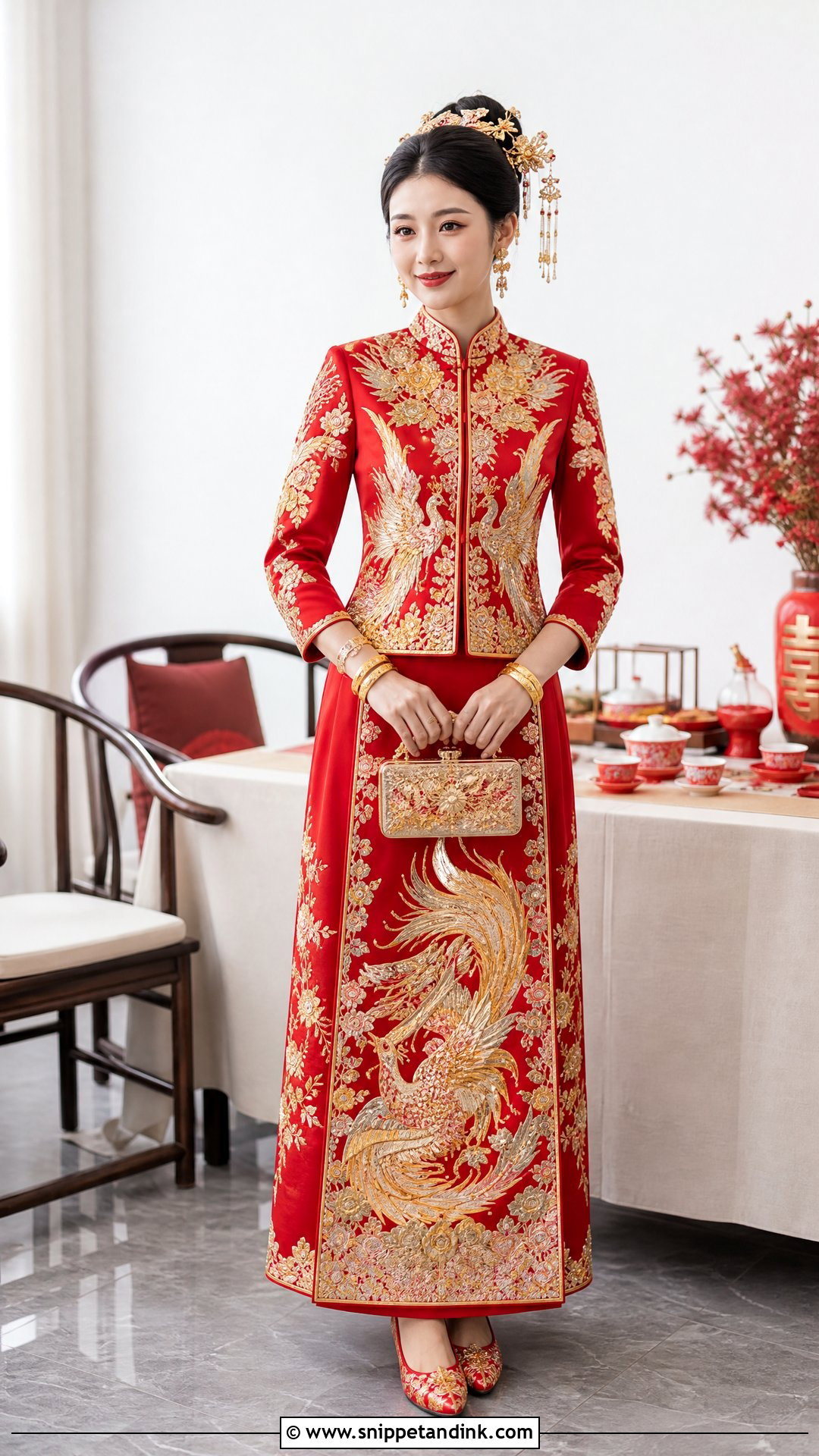
A red qun kwa, jacket and skirt in red with gold embroidery, is a strong choice for the wedding or tea ceremony. Motifs such as dragon and phoenix are usually worked continuously across both pieces, so they should line up when the jacket closes. Gold jewellery, red or gold shoes and decorative hairpins complete the palette, with a sleek bun to keep the collar clear and a small red clutch. Bridal dress differs by region and community, so confirm garment and motifs with family. Order early. Alterations on a qun kwa are limited because a tailor cannot cut through embroidery, so shoulders, cuffs, waist and skirt length must be planned around it.
11. Javanese Batik Bridal Outfit
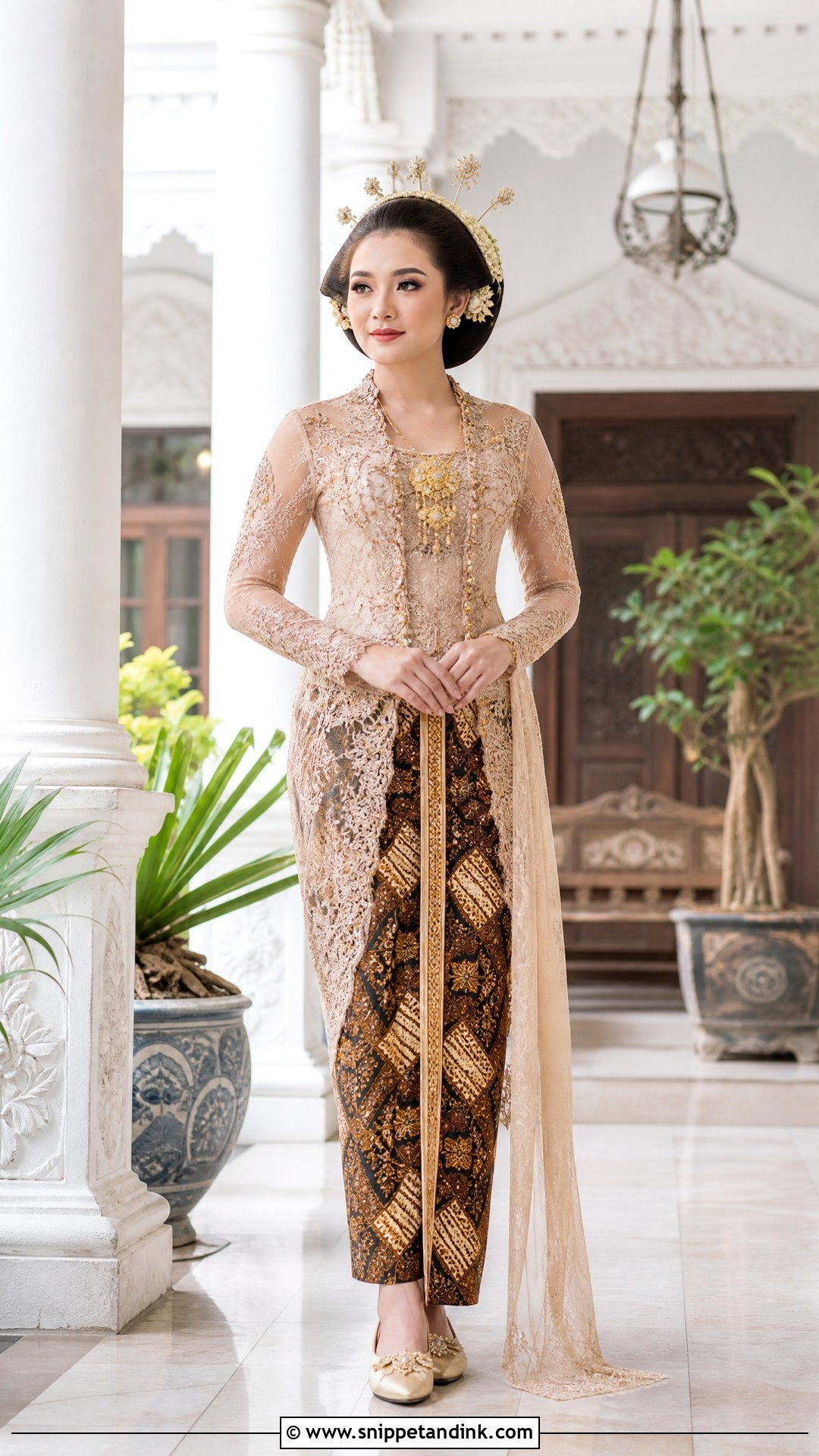
Batik is the base of a Javanese bridal outfit: a cloth wrapped around the waist, worn with a fitted, decorated blouse for a long column shape. Some batik patterns are associated with weddings, so pick yours with guidance from relatives or a Javanese specialist. Formal hair styling, traditional ornaments and jewellery complete it, with closed or backless dress shoes. The wrap limits your stride, so practise walking and sitting beforehand. A hidden zip or hook closure can make the cloth easier to wear, as long as it does not change the pattern or important details. I’d always do a full fitting with blouse, cloth, shoes and hair ornaments together.
12. Filipino Yakan Bridal Outfit
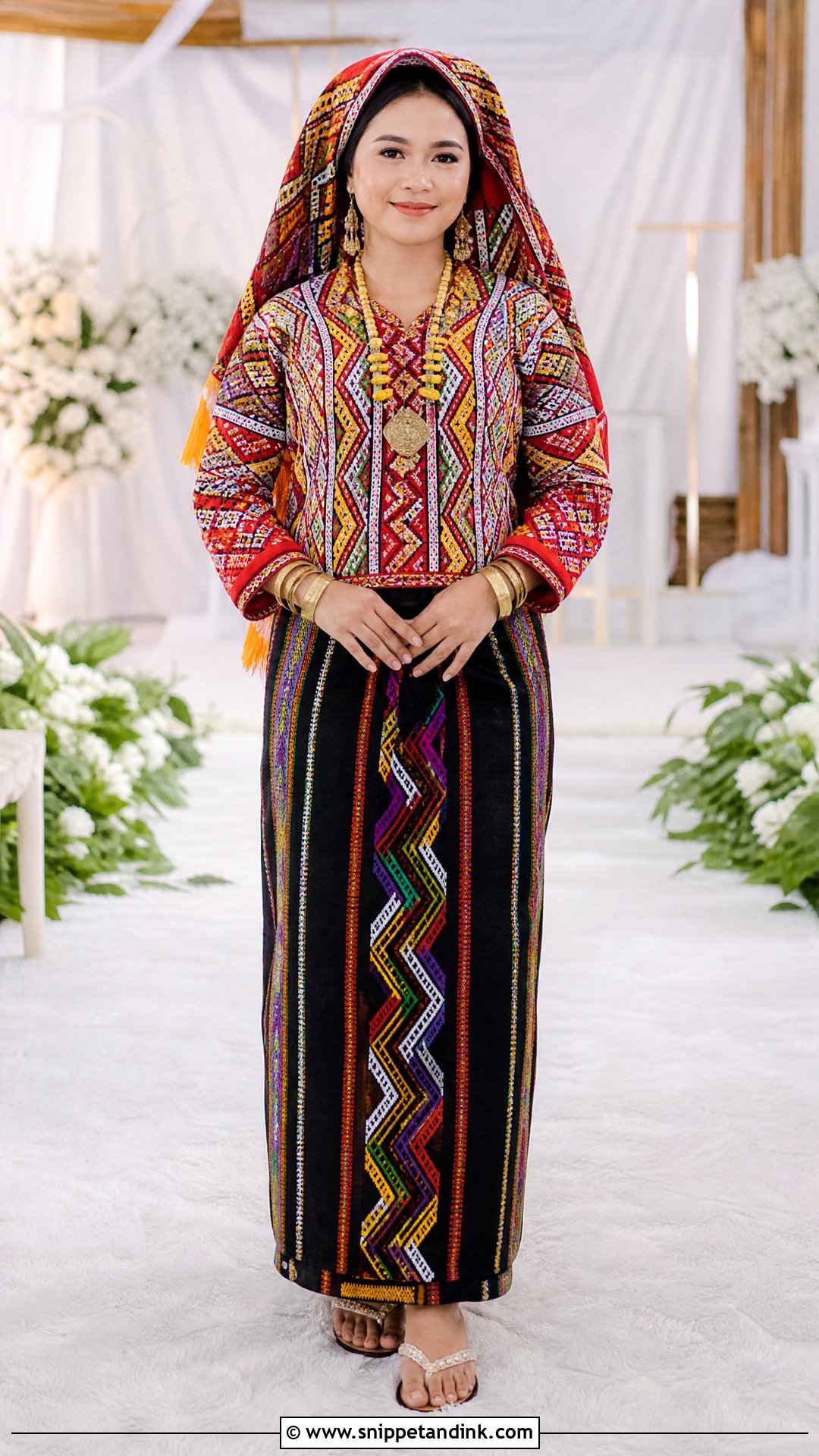
Yakan weaving, from Basilan in the southern Philippines, is done on a backstrap loom in dense geometric patterns, and the cloth is thick enough to hold its shape. A bridal outfit may include a bright fitted top, a patterned lower garment and a matching head covering. Let the weaving set the colours, then keep shoes and accessories simple. A fitted inner layer makes the heavy cloth more comfortable against the skin. Work with a Yakan weaver or cultural specialist rather than copying the look from printed fabric, which cannot reproduce the texture and misses the meaning. Do a full dressed rehearsal to make sure top, skirt, headpiece and shoes all stay put.
13. Mongolian Deel Bridal Outfit
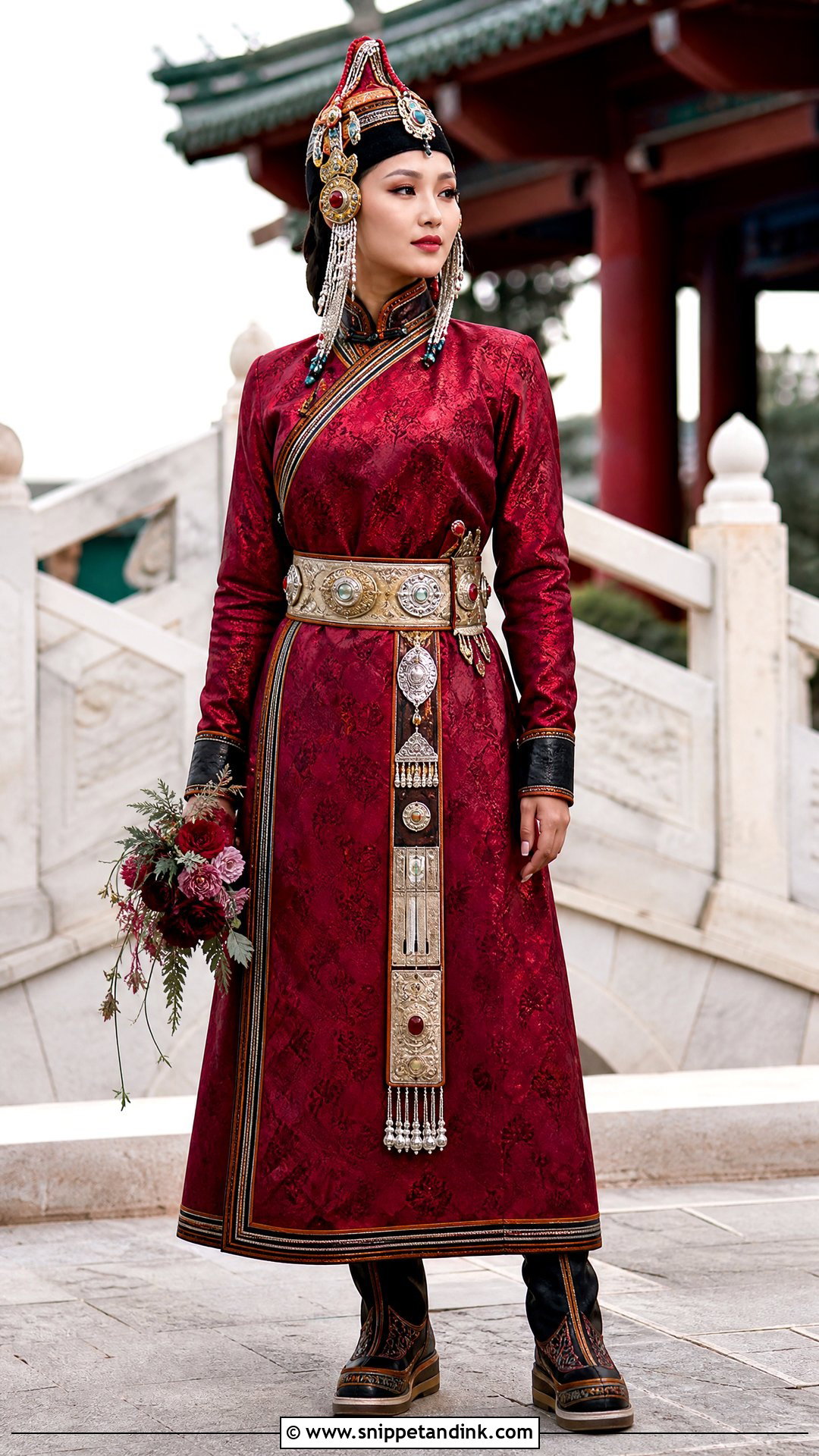
The deel is a long robe that wraps across the front and is belted with a wide sash, giving a strong, upright shape. For a bride it is made in rich silk or brocade, with contrasting trim on the collar, front closure and cuffs. Traditional boots with upturned toes, meaningful jewellery and regional headwear complete it. Deel cuts and bridal pieces differ between Mongolian groups, so don’t mix details from different traditions without guidance. A specialist tailor can adjust shoulders, sleeves, sash placement and hem without losing the proportions. The sash takes several turns around the waist, and I’d have it tied at the fitting so you know how it feels to sit in it.
14. Tibetan Layered Bridal Outfit
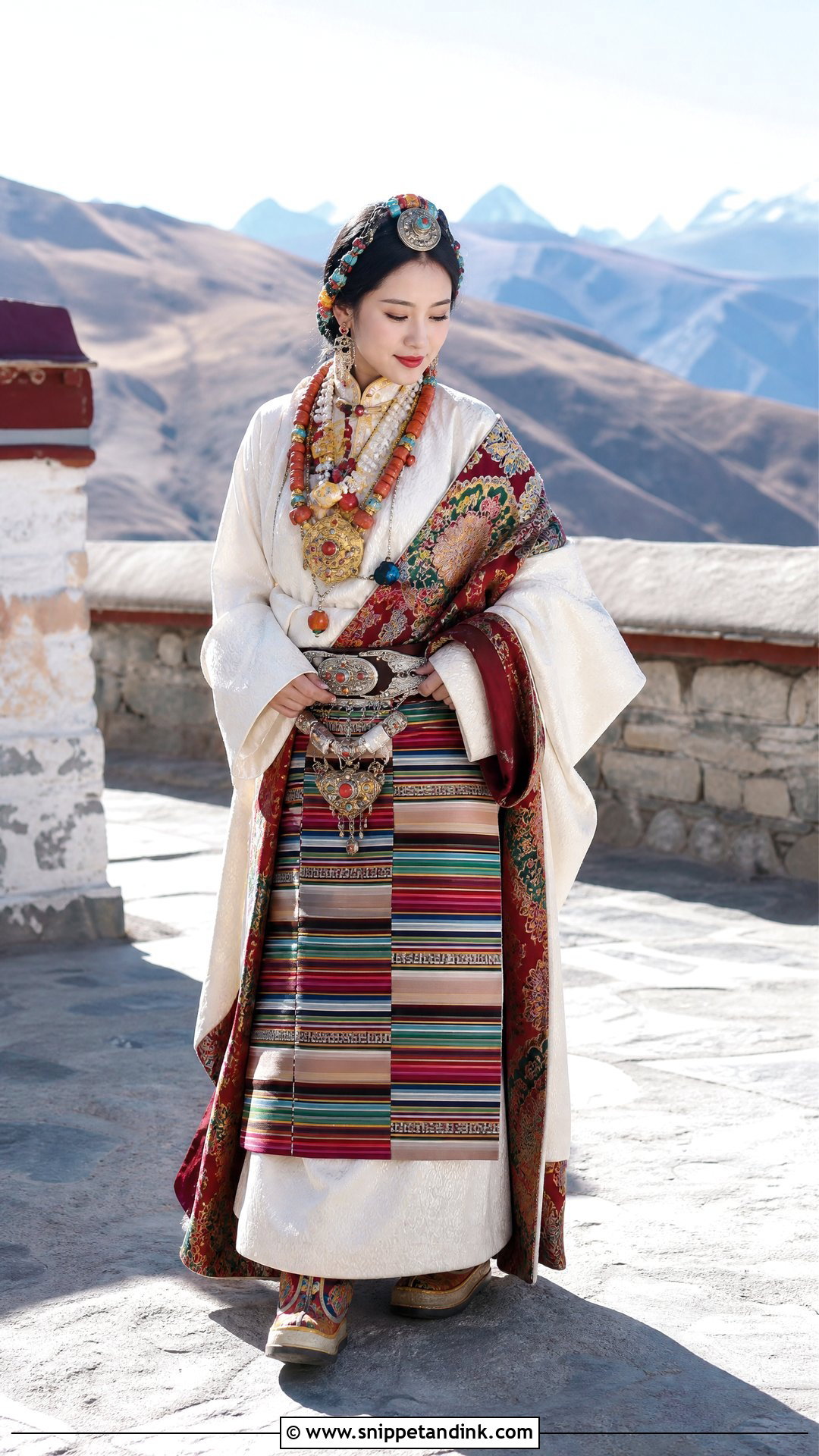
Tibetan bridal dress is about layers, typically a long wool or silk robe with colourful borders, worn with an apron or outer garment chosen by the bride’s community and family. In many areas the striped apron is associated with married women. Red, blue, green and gold borders add colour without hiding the base. Jewellery, practical shoes and a carefully arranged hairstyle or headpiece finish it. Wool makes this the warmest outfit in the list, which suits a cold-weather or mountain wedding and is hard going in a warm hall. Avoid assembling it from generic ‘Tibetan-style’ pieces; ask family or an experienced maker which layers, colours and jewellery belong together.
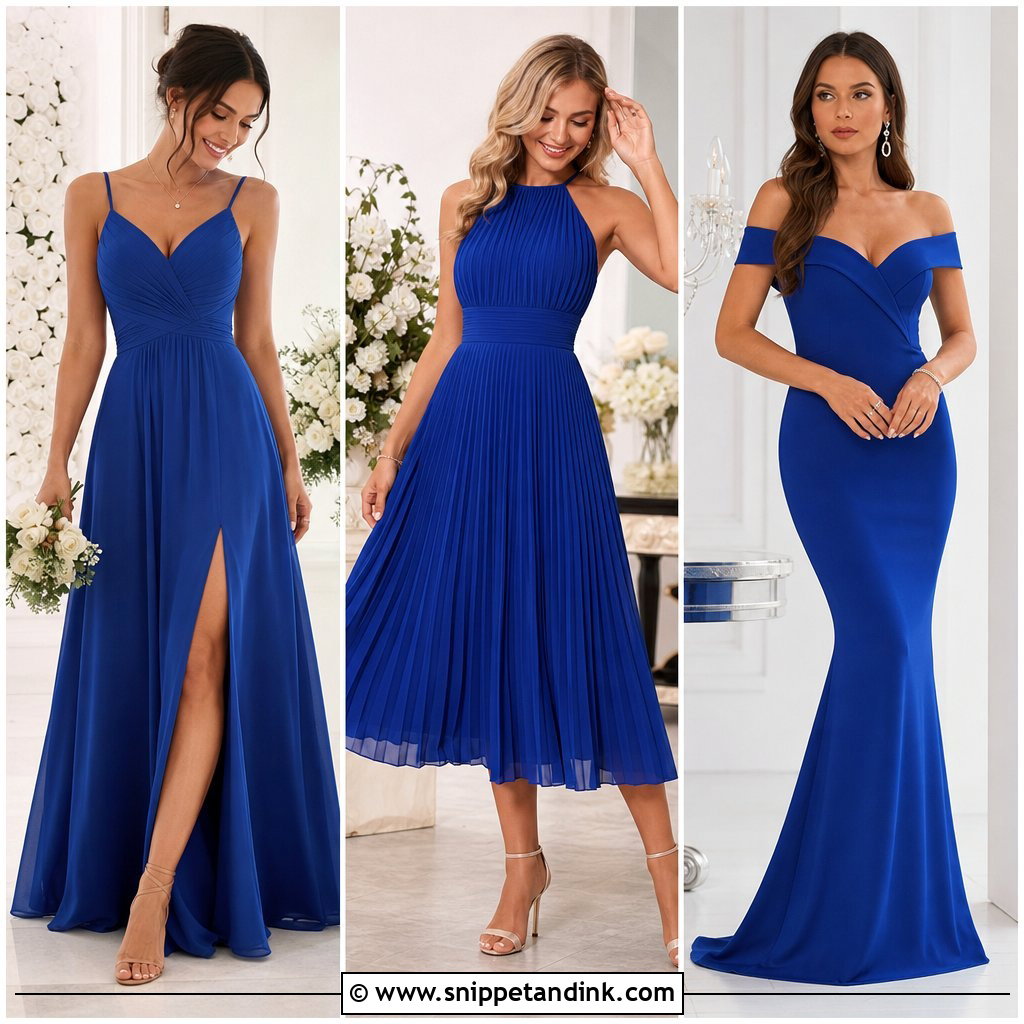
15. Kikuyu Kitenge Bridal Outfit
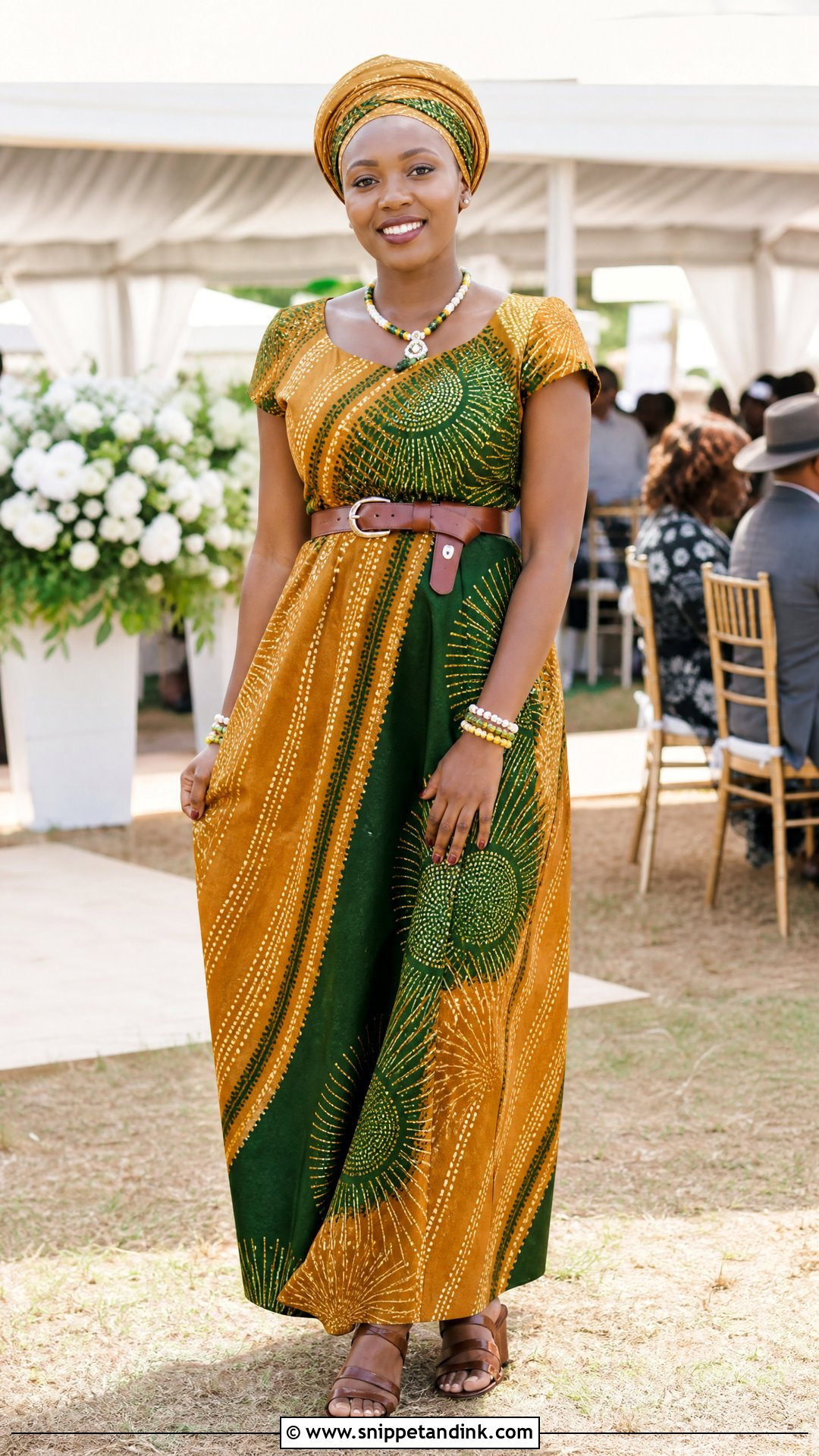
For a ruracio, the Kikuyu dowry ceremony, many brides choose a Kikuyu kitenge bridal outfit as a gown, a two-piece or a wrapper and blouse in a fabric the family has agreed on. Golden brown, rust, cream and green are common, with blue or brighter accents for personality. A matching headwrap, leather belt, beaded jewellery and comfortable sandals or closed shoes finish it. Families often wear the same kitenge, so I give the bride a different cut, a longer hem or a structured headwrap to set her apart while she still matches. A good Kikuyu designer will centre the print across seams, sleeves and the front.
16. Norwegian Bunad Bridal Outfit
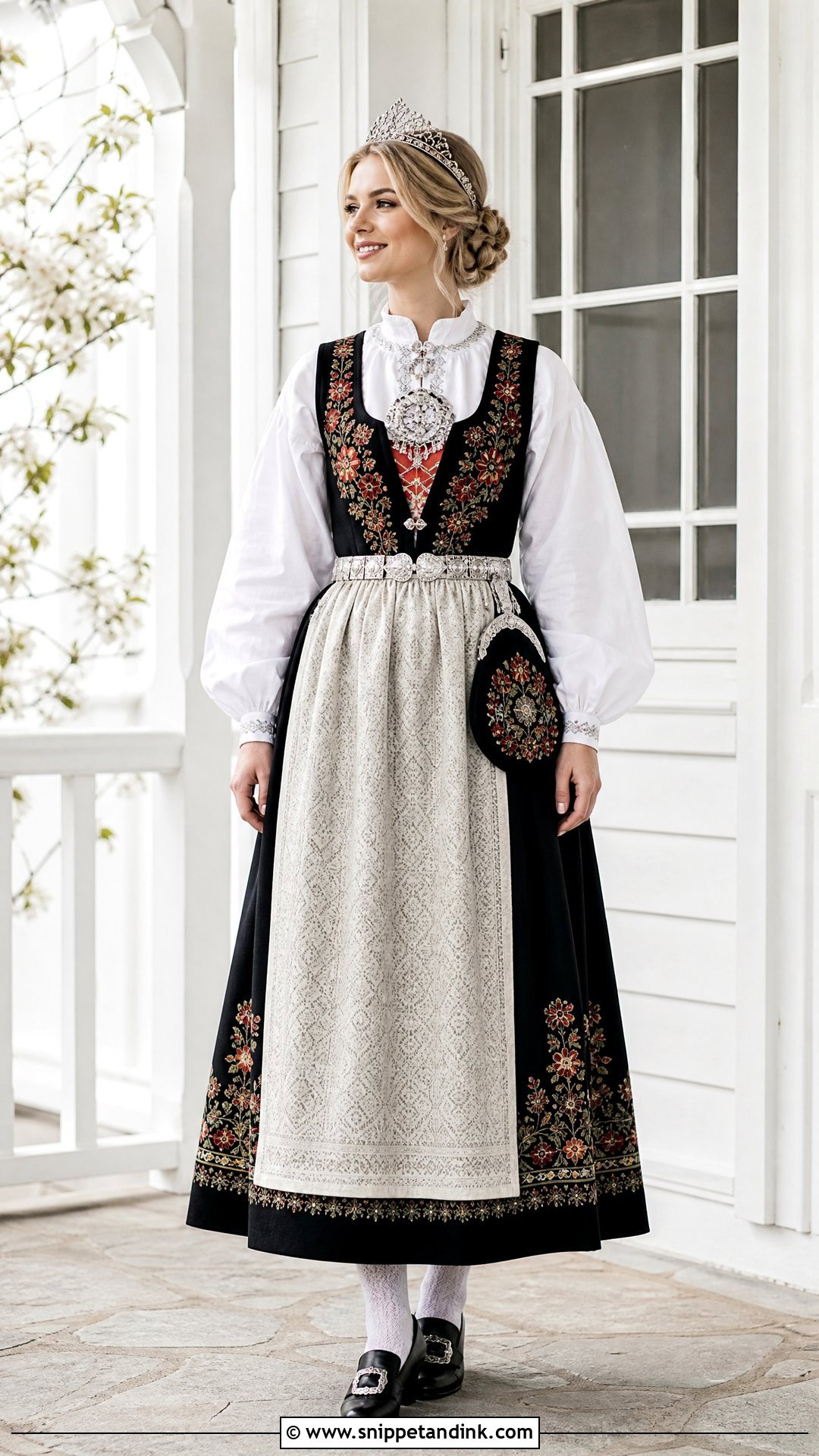
A bunad is tied to a specific district, so it should come from the bride’s family area, not be picked by colour. The full set may include an embroidered bodice, blouse, long skirt, apron, decorative belt, silver jewellery, stockings and dark shoes. A regional bridal crown is worn where the tradition and availability allow. Keep makeup subtle so the embroidery and silver stay prominent. New bunads are made by specialists and take a long time, so start very early if you are commissioning one. Good tailoring at the bodice, waist, sleeves and hem keeps it comfortable without changing its traditional proportions.
17. Scottish Tartan Bridal Gown
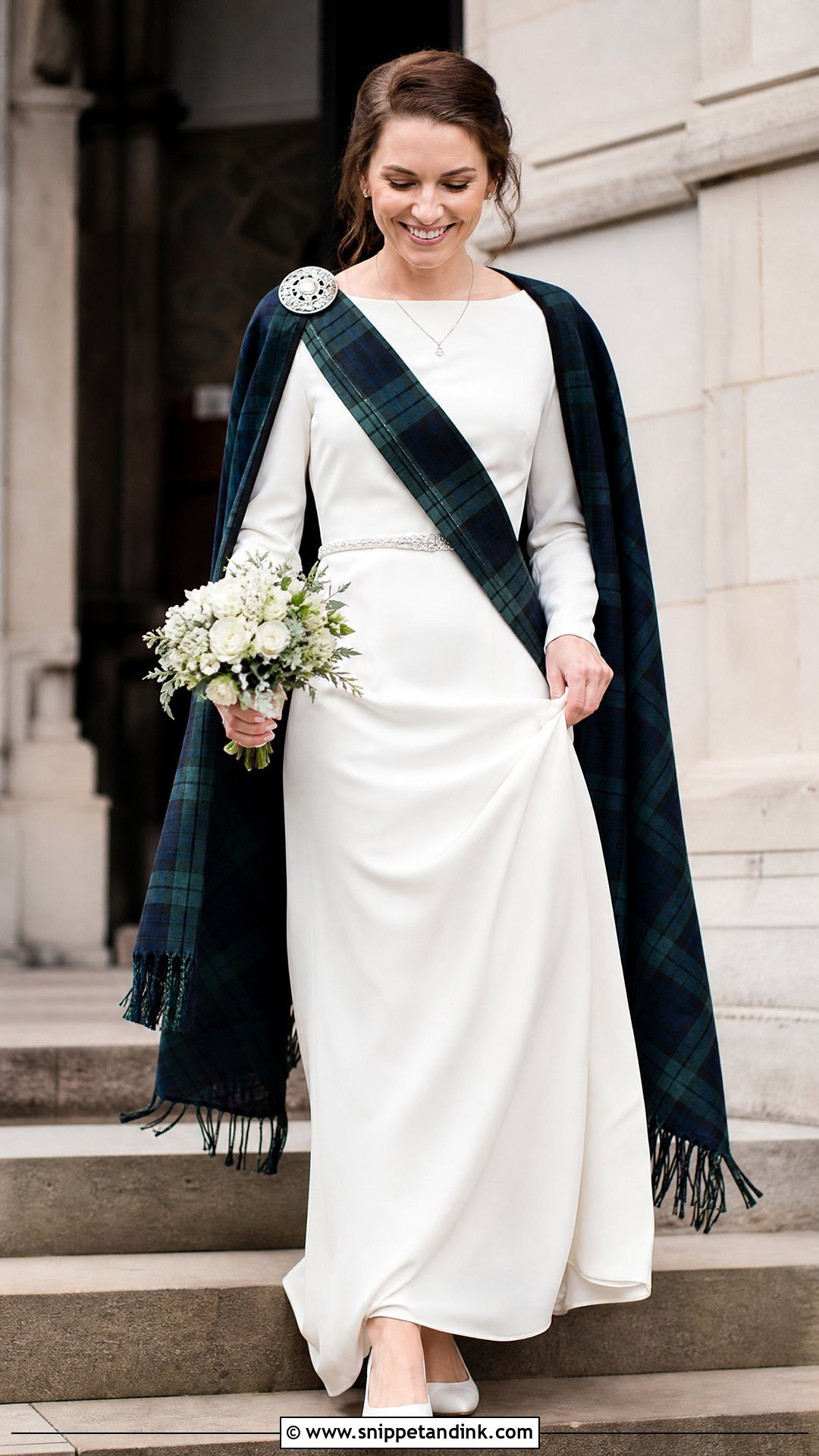
Scottish brides usually wear a white gown and bring in the family tartan through a sash, cape, waistband, train or shoulder wrap. Keep the gown fairly plain; heavy lace or beading fights with tartan. A brooch fastens the sash, with closed shoes, a small bouquet and fine jewellery. The groom and wedding party often wear the same tartan. Check which tartan is correct, whether clan, family, district or a personally registered one, before ordering, and ask the family about which shoulder the sash should go over, since there are conventions. Stripes must run straight across seams, which needs a tailor who works with tartan.
18. Guatemalan Huipil Bridal Outfit
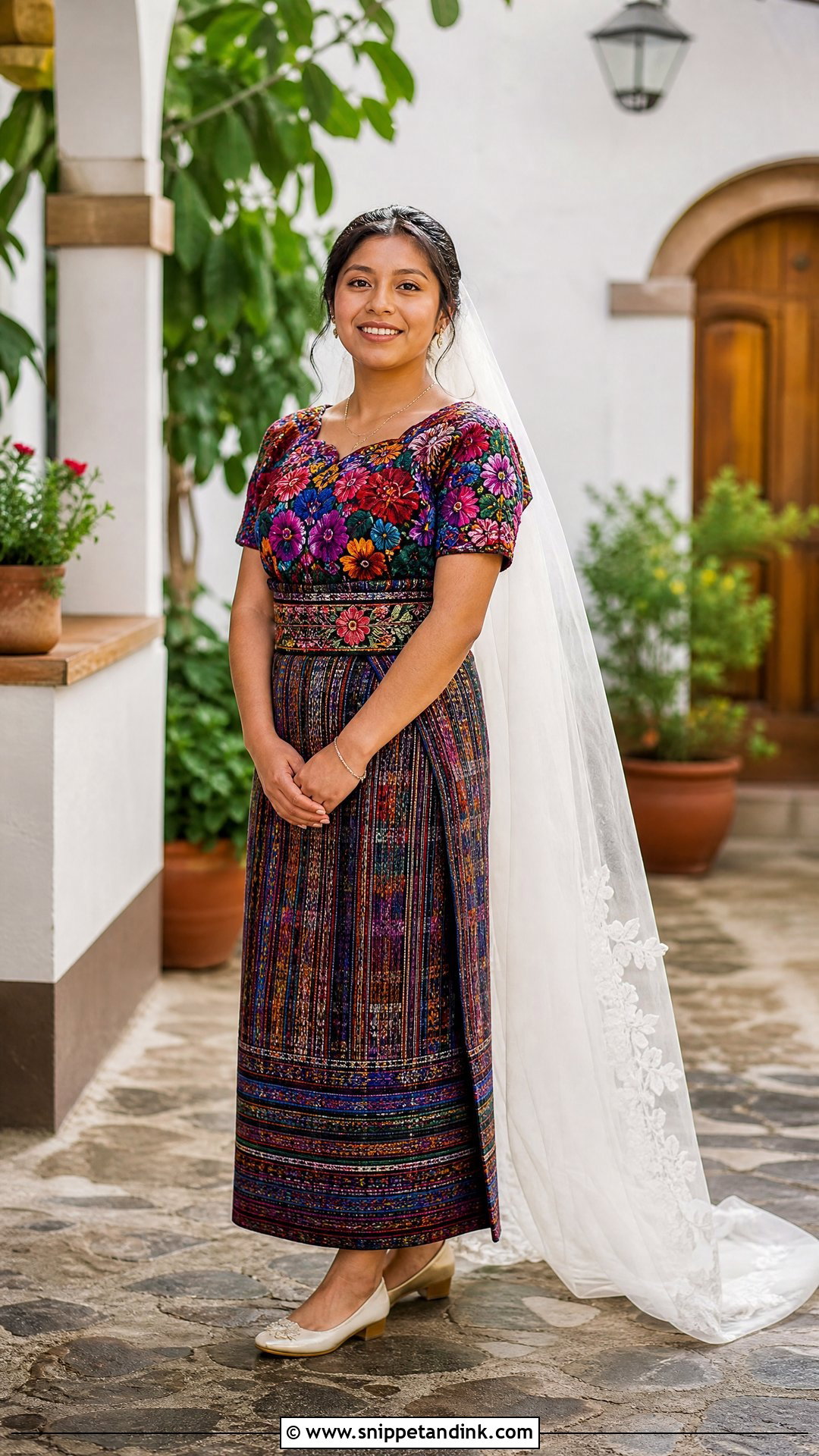
Huipil embroidery reads clearly in full-length photos, which is one reason I like it for a bride. Pair the huipil with a coordinating woven skirt and a belt or sash. A long veil adds softness and leaves the textiles on view. Low, comfortable shoes should suit the skirt length and setting, and jewellery should support the pattern, not compete with it. Garments differ by community, so identify the right regional pieces first, and if you can, work with a weaver from the bride’s own town. Test the veil, blouse, skirt, belt and shoes together; a veil pinned over thick huipil fabric needs stronger pins than over a gown.
19. Peruvian Pollera Bridal Outfit
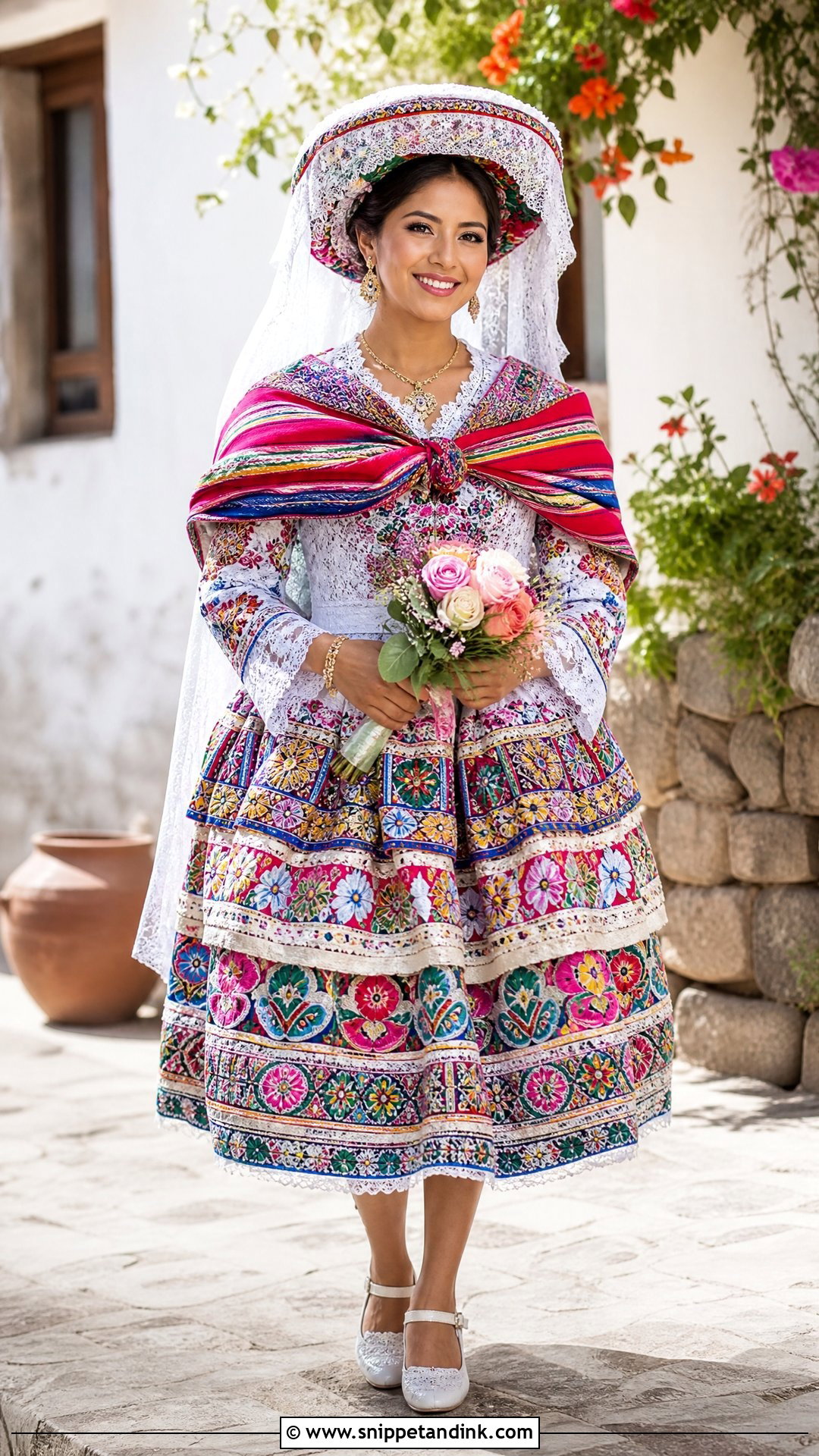
Andean weddings are often outdoors and communal, which is where a layered pollera comes into its own. The full look is the skirt, an embroidered blouse, a shawl and a regional hat such as a montera where that custom applies. Colours and motifs should come from the bride’s area rather than a general Andean mix. Closed shoes give stability under the full skirt, with woven or metal jewellery. Check the total weight of the layers, and only shorten them with an expert’s guidance. If the groom wears a poncho, coordinate colours rather than matching exactly. A local artisan will know how embroidery, hat, skirt and accessories fit together.
20. Moroccan Caftan Bridal Outfit
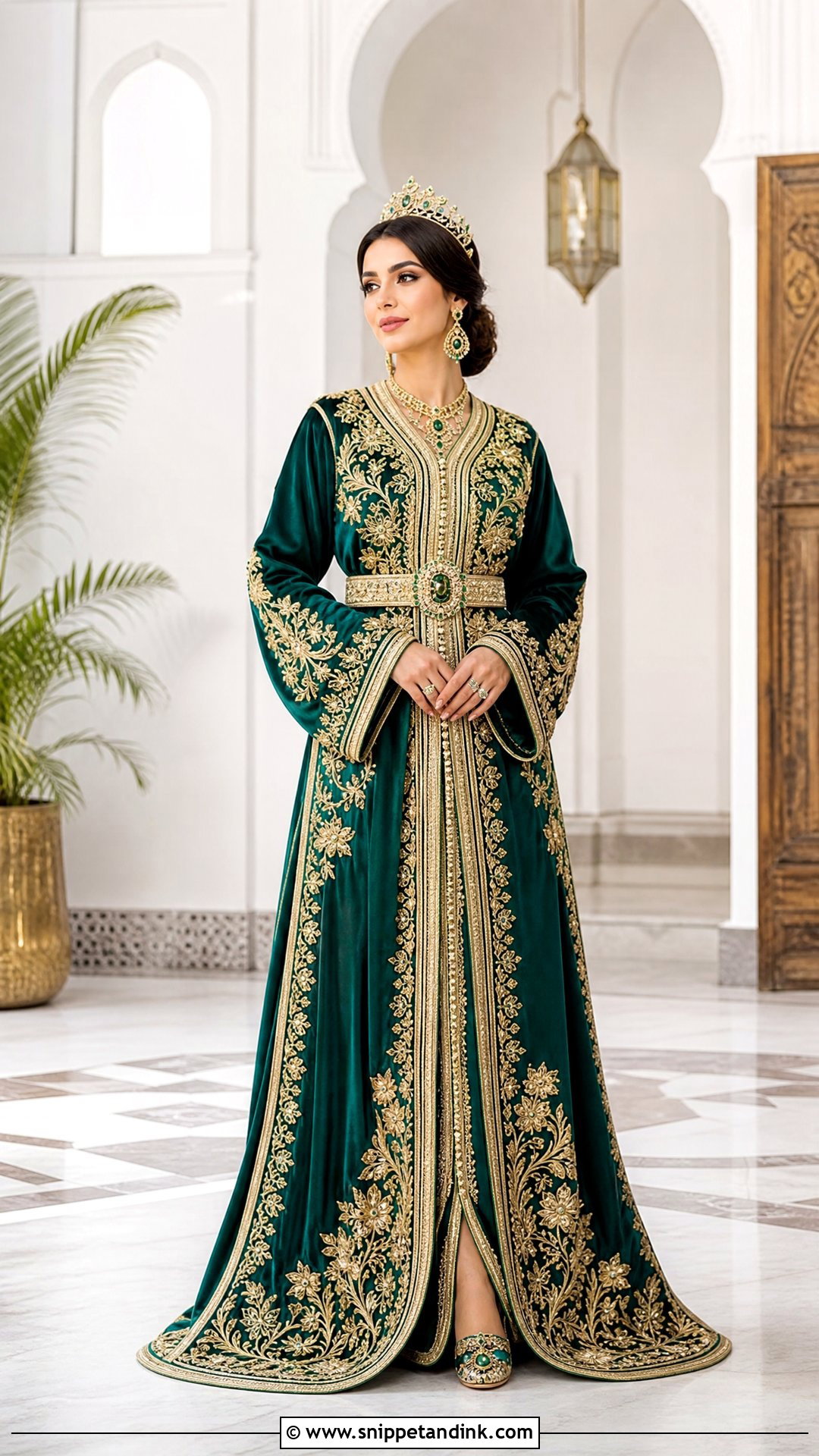
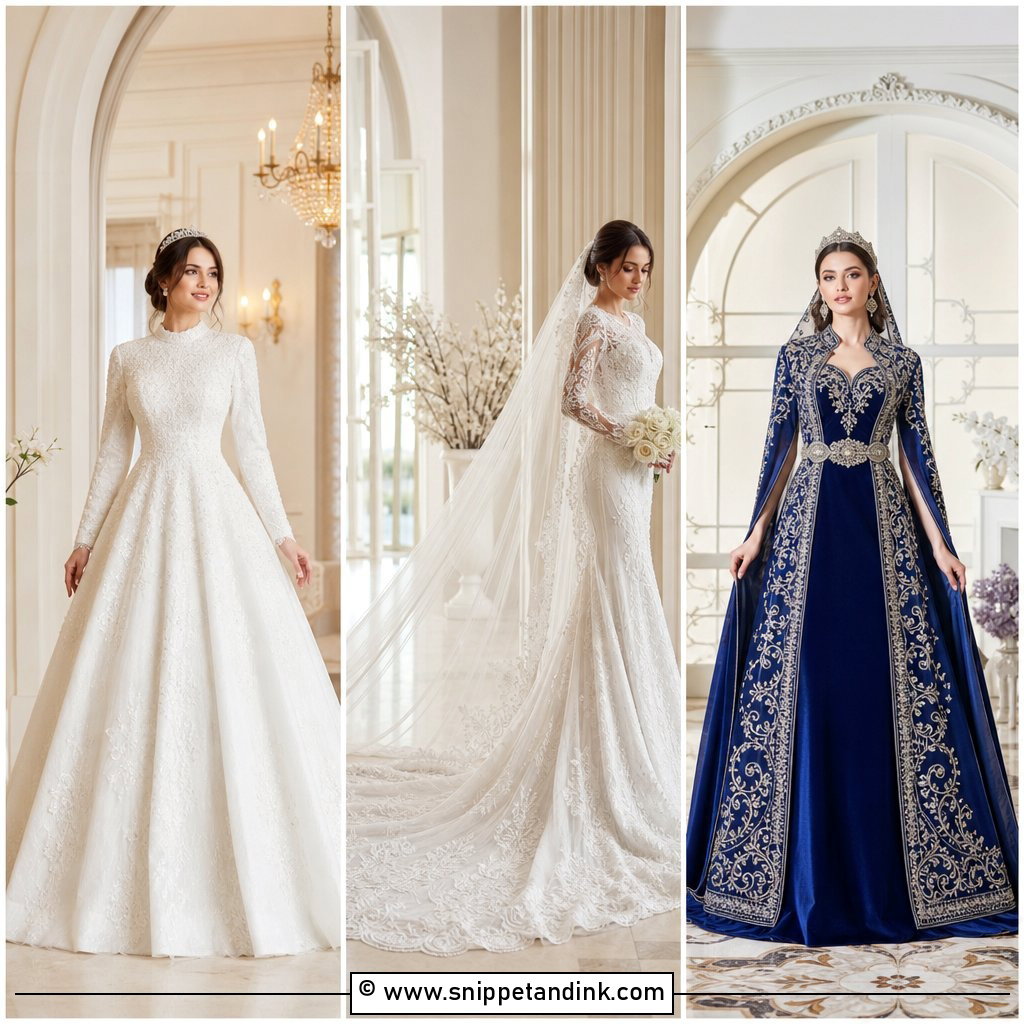
A Moroccan bridal caftan or takchita gives a regal floor-length shape covered in detail. The difference is layers: a caftan is a single robe, while a takchita adds a sheer or decorated overlayer, cinched with an ornate belt. Brocade, velvet and silk are the usual fabrics, with embroidery, beading and trim following the neckline, sleeves and front opening. Formal slippers or low heels, gold jewellery, a polished hairstyle and a headpiece finish each look. Many celebrations include several outfit changes, so plan the order and changing time. Fittings need the belt on, because it changes where the hem and sleeves fall.
How Heat, Cold and Rain Treat These Garments
Traditional outfits were made for the climate they came from, and a wedding somewhere else can catch them out. Wool bunads and Tibetan robes are excellent in cold mountain air and exhausting in a heated hall in July. Aso oke, songket and heavy brocade trap heat because they are dense or metallic. Cotton habesha kemis and huipiles breathe well but crease and show sweat.
My checks are simple. For a hot venue, ask for a cotton lining and plan a cool room where the bride can rest between ceremonies. For a cold one, find out if a cape, shawl or second layer is acceptable in the tradition rather than reaching for a modern coat. Outdoors, long hems and wrappers pick up wet grass and mud, so carry a clip to lift the skirt between photos, and keep silk and velvet out of the rain; water spots on silk can be permanent.
Footwear for the ground you will actually stand on
I ask for photos of the venue floor before choosing shoes. Stilettos sink into lawns and catch between deck boards, and smooth leather soles slide on polished stage steps and marble. A low block heel or a flat with a rubber sole works under almost every outfit here, since long skirts, wrappers and robes hide the feet anyway. Scuff the soles of new shoes on concrete before the day so they grip.
Start the Conversation at Home, Then Call a Maker
The outfit that means the most is the one that ties your taste to your actual family and community. Find out which garment, colour, cloth, jewellery and headpiece belong to your ceremony, then work with artisans who can keep those details while improving fit and comfort. Resist mixing cultural pieces just because they look good together. Build one complete outfit and wear it, fully dressed, before the day. Good shoes, secure draping, balanced accessories and accurate tailoring make even the most elaborate look wearable. Take any of these twenty ideas to your relatives, designers and cultural specialists as the start of that conversation.
You'll Like These Ideas:


Leave a Reply