
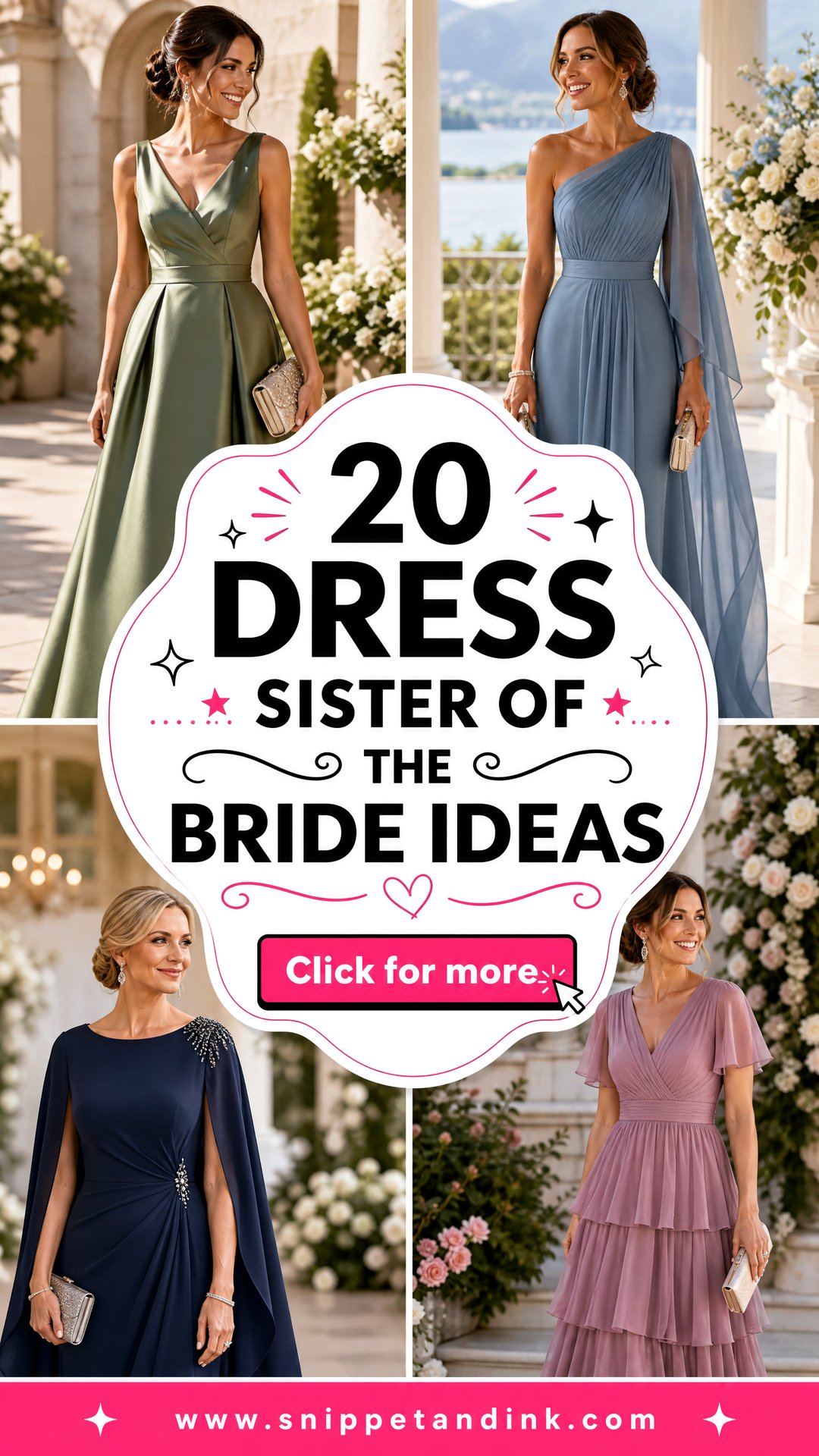
Dressing for your sister’s wedding is a strange mix of pressure and freedom. You’ll be in more photos than any guest, often next to the bride, yet you usually aren’t told exactly what to wear. My first advice is always the same: ask her before you shop. Find out the palette, what the bridesmaids are wearing, the venue and how formal she wants it. Then think about how the fabric photographs, whether the neckline will behave while you hug a hundred relatives, and whether you can sit through dinner. Below are twenty complete outfits for garden, beach, daytime and black-tie weddings, with the shoes, bag and layer I’d put with each.
Decoding the Dress Code Line on the Invitation
Sisters often ask me what the words on the invitation actually mean in fabric and hem length. Here’s how I translate them for a family member who’ll be photographed beside the bride:
- Black tie: floor length, refined fabric like satin, crepe or velvet, and formal shoes. A smart cocktail dress will look underdressed next to the wedding party.
- Black tie optional or formal: floor length is safest, though a dressy midi in a rich fabric works at many venues.
- Cocktail or semi-formal: knee to midi length, with more freedom in color and print.
- Garden or beach formal: lighter fabrics and practical shoes, but still a proper dress rather than a sundress.
When the invitation says nothing, I look at the venue and time. An evening reception in a hotel ballroom leans formal; a lunchtime ceremony in a barn leans relaxed. And because you’re family, aim one step dressier than the guests.
Colors to clear with her first
White, ivory, champagne and very pale blush are off-limits unless she asks for them. In some traditions red belongs to the bride, and in others black reads as mourning, so if the families come from different cultures, check before you buy. Also ask whether she’d like you to tie in with the bridesmaids or stand apart from them.
1. Satin A-Line Sister of the Bride Dress
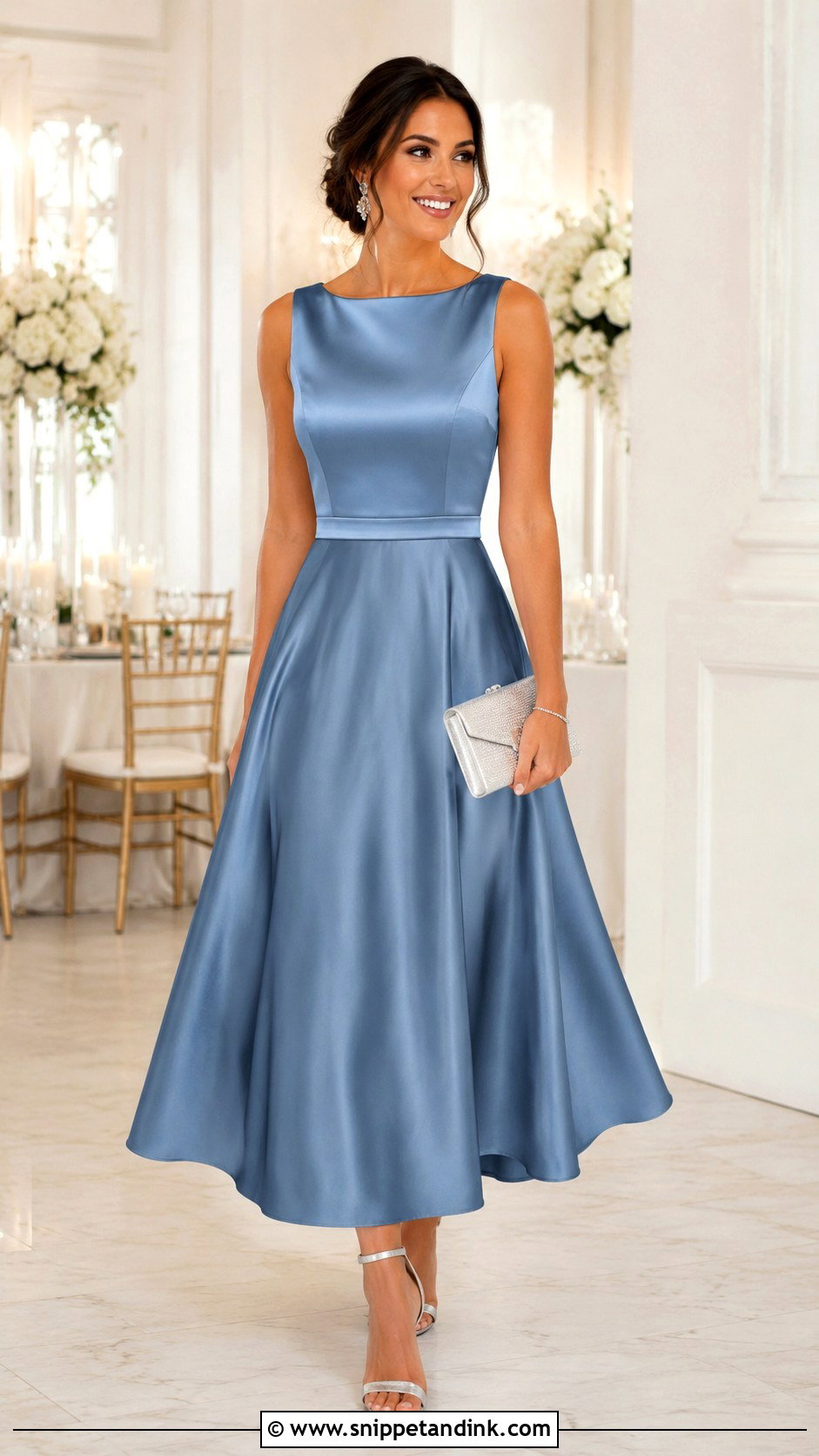
Satin A-lines are my safe recommendation for sisters who don’t love shopping. The fitted bodice and soft skirt work for most body shapes and most dress codes from semi-formal up. Rich shades like dusty blue, deep rose, emerald or burgundy carry satin’s sheen well. Slender metallic heels, an envelope clutch and fine drop earrings are enough. The higher the shine, the plainer the jewelry should be, because shiny satin plus sparkle can flare in flash photos. A low bun or side-parted waves suit it. Bring a wrap in the same or a slightly deeper shade for air-conditioned rooms.
2. One-Shoulder Chiffon Sister of the Bride Dress
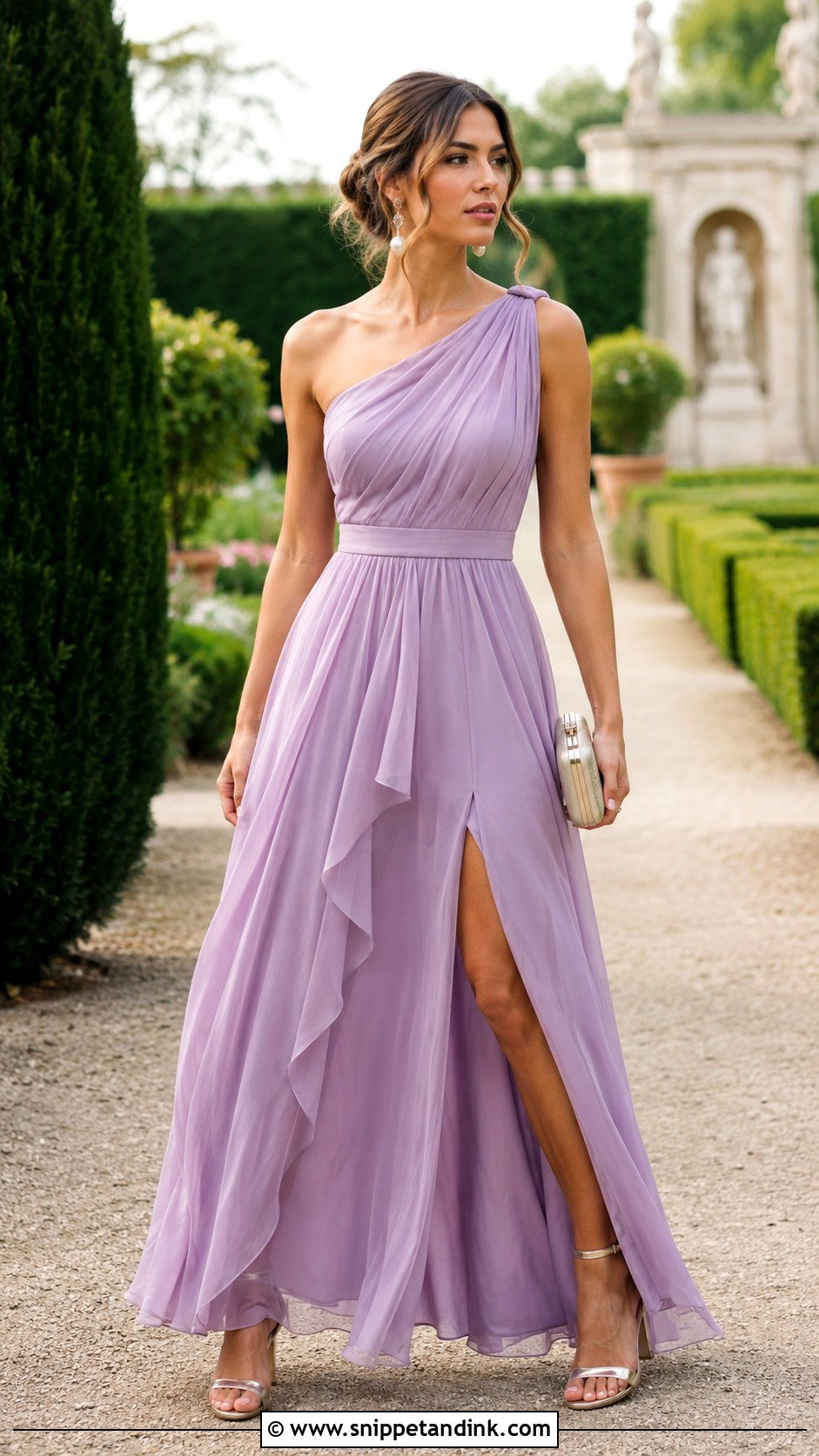
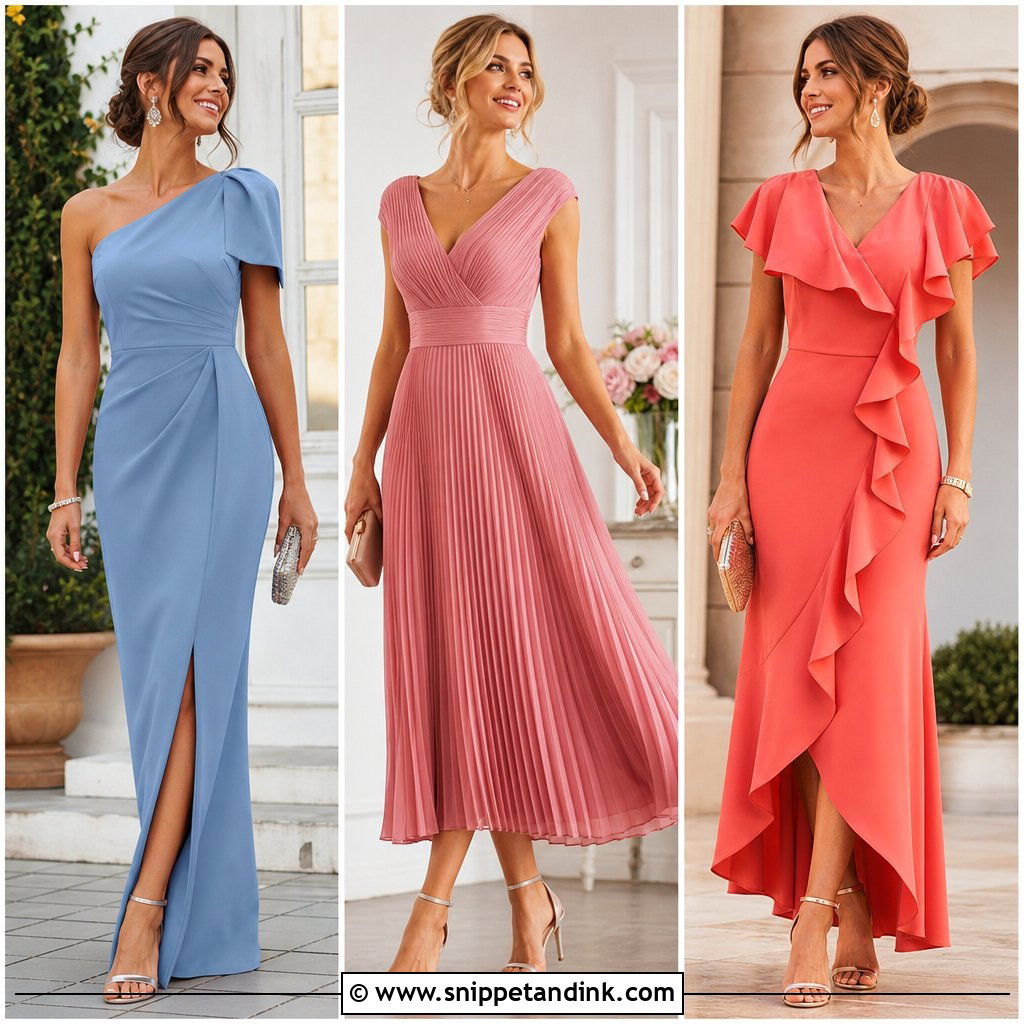
Chiffon moves when you walk, which is exactly what you want on a lawn or a terrace. The one-shoulder neckline adds interest without any embellishment. Lavender, sage, muted coral or navy sits near the bridesmaid palette without copying it. Block-heel sandals won’t sink into grass. I’d wear a single statement earring on the bare side and put hair up so the neckline reads clearly. Make sure the dress is fully lined; unlined chiffon turns see-through the moment you stand in front of a sunny window. A defined waist keeps all that floaty fabric from looking shapeless in pictures.
3. Floral Midi Sister of the Bride Dress
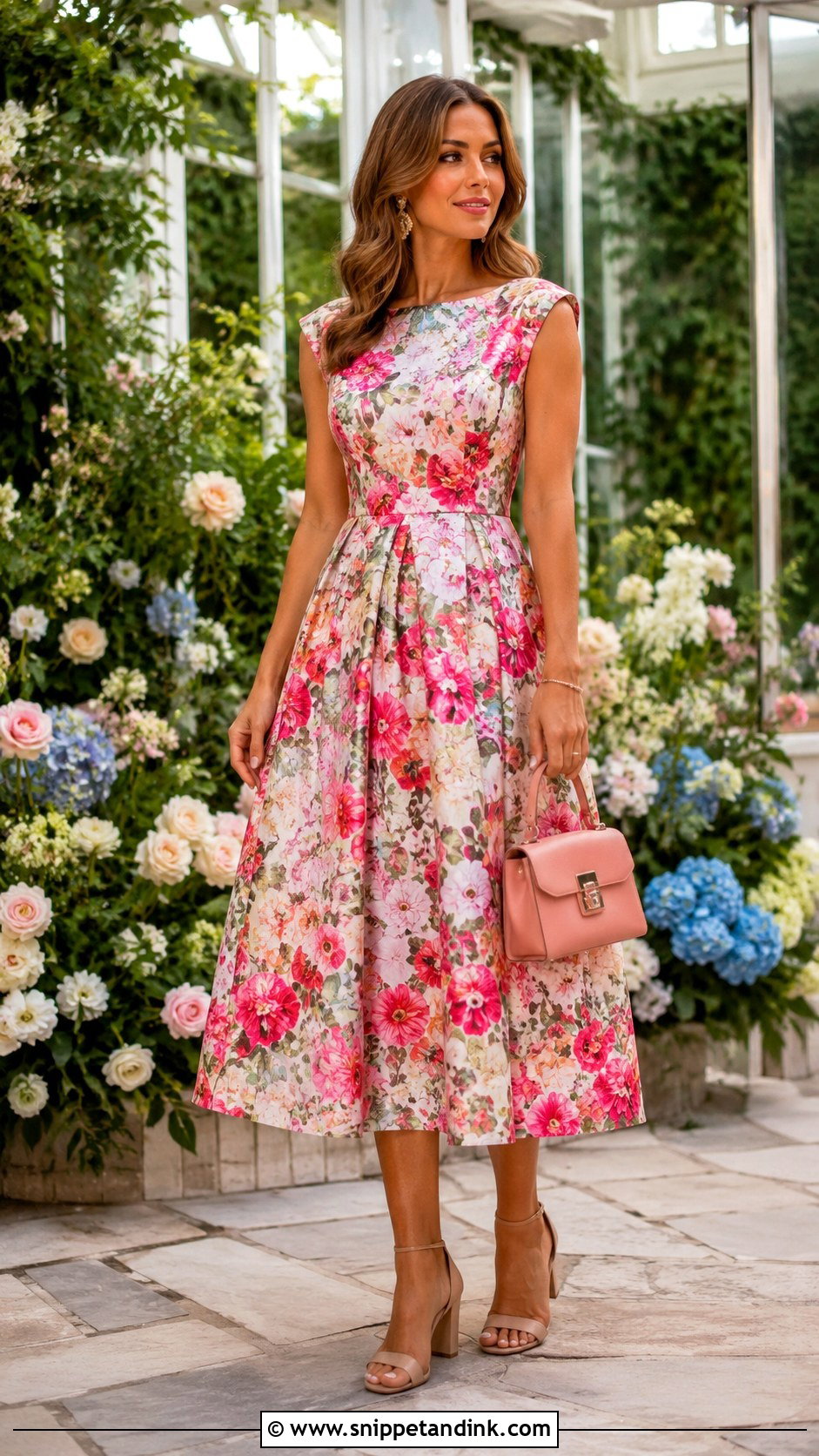
Pick a floral with a colored background, not a white or ivory one. From a distance, a pale-ground print reads as white in photos, and that’s the one thing a bride’s sister must avoid. A fitted waist, a softly flared skirt and a sensible neckline give it enough presence for your role. Nude or coordinating block heels, a small top-handle bag and understated gold jewelry finish it. Floral earrings or a hair ribbon can pick up the print, but one echo is enough. Cotton sateen, chiffon or light crepe all breathe at an afternoon garden wedding. Sit down in it before buying; midi hems ride up more than you’d think.
4. Velvet Long-Sleeve Sister of the Bride Dress
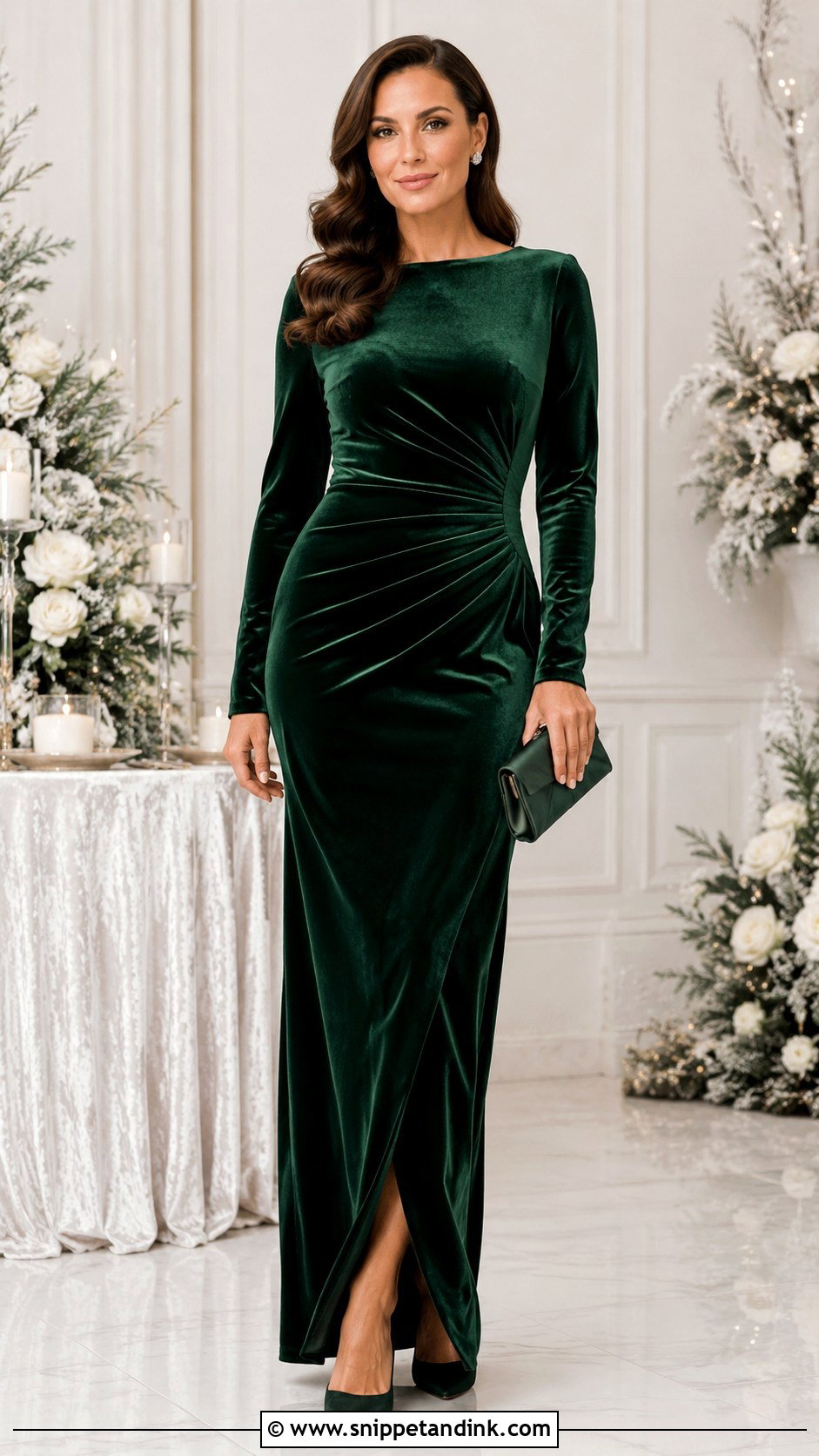
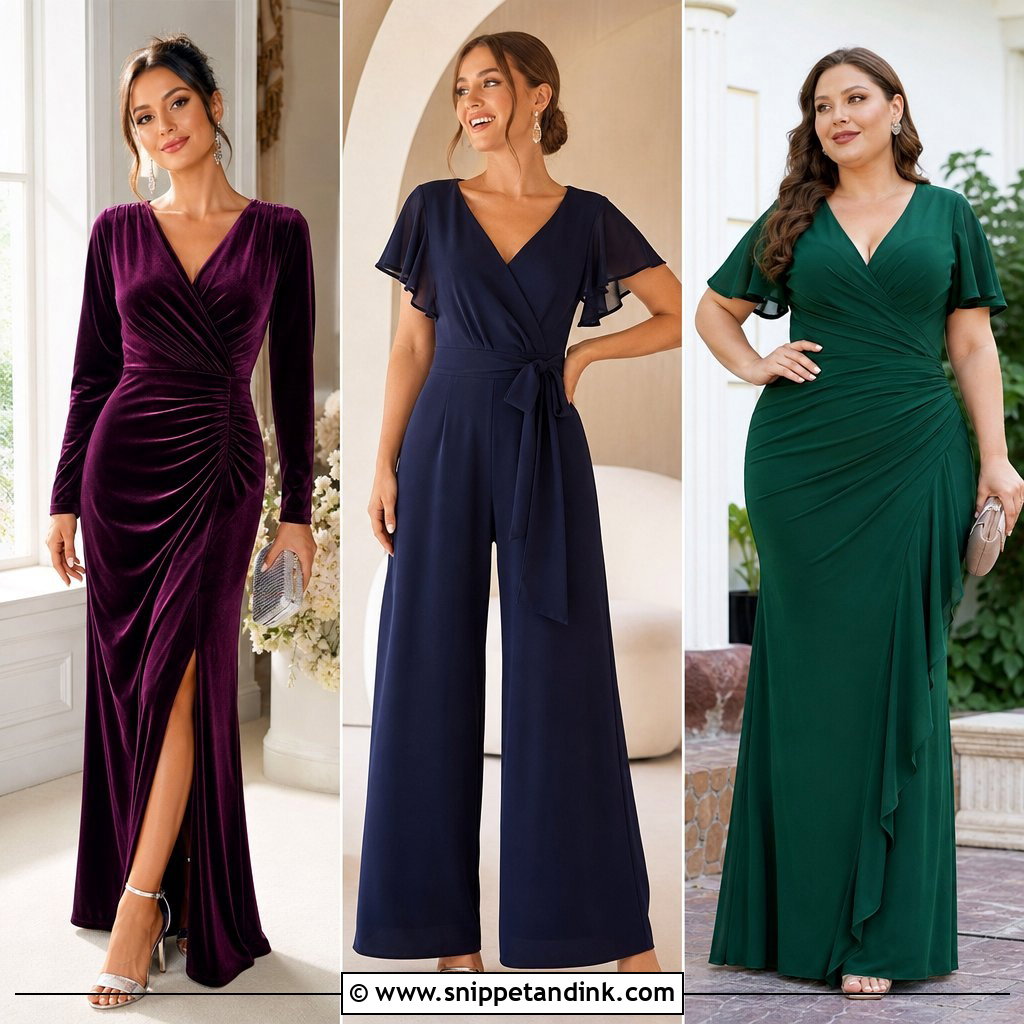
Velvet is my favorite fabric for a winter wedding because it photographs with depth even in low evening light. As a sister of the bride outfit, a long-sleeve midi or floor-length dress in forest green, midnight blue, plum or dark teal looks rich without any extra decoration. Pointed pumps and a satin clutch add a little contrast. Keep jewelry streamlined: crystal studs and a slim bracelet. A gathered waist or wrap-style bodice gives shape without bulk. Velvet crushes where you sit and lean, so hang it in a steamy bathroom the night before rather than ironing it. A tailored coat covers you between venues.
5. Pleated Halter Sister of the Bride Dress
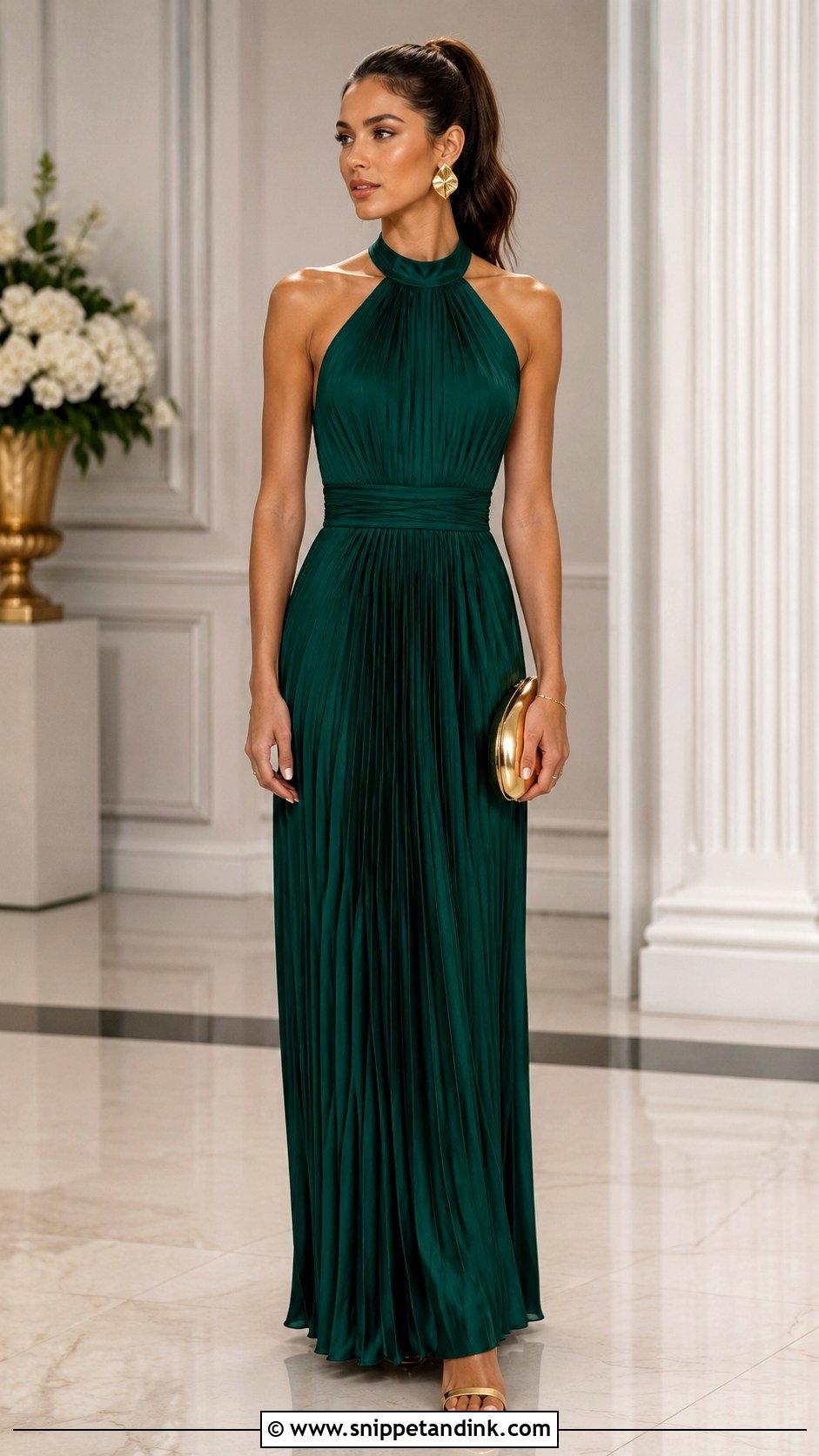
Fine pleats give texture without any beading, and a halter neckline frames the face so cleanly that a necklace becomes pointless. Jewel tones suit formal rooms; mauve, cornflower or eucalyptus feel right outdoors. Slim ankle-strap heels, a hard-shell clutch and sculptural earrings complete it. Hair up, either a low bun or a high ponytail, so the shoulders show. The fit points I check are the halter strap, which shouldn’t dig into the neck after a few hours, and the pleats, which should fall straight from the waist rather than splaying over the hips.
6. Lace Fit-and-Flare Sister of the Bride Dress
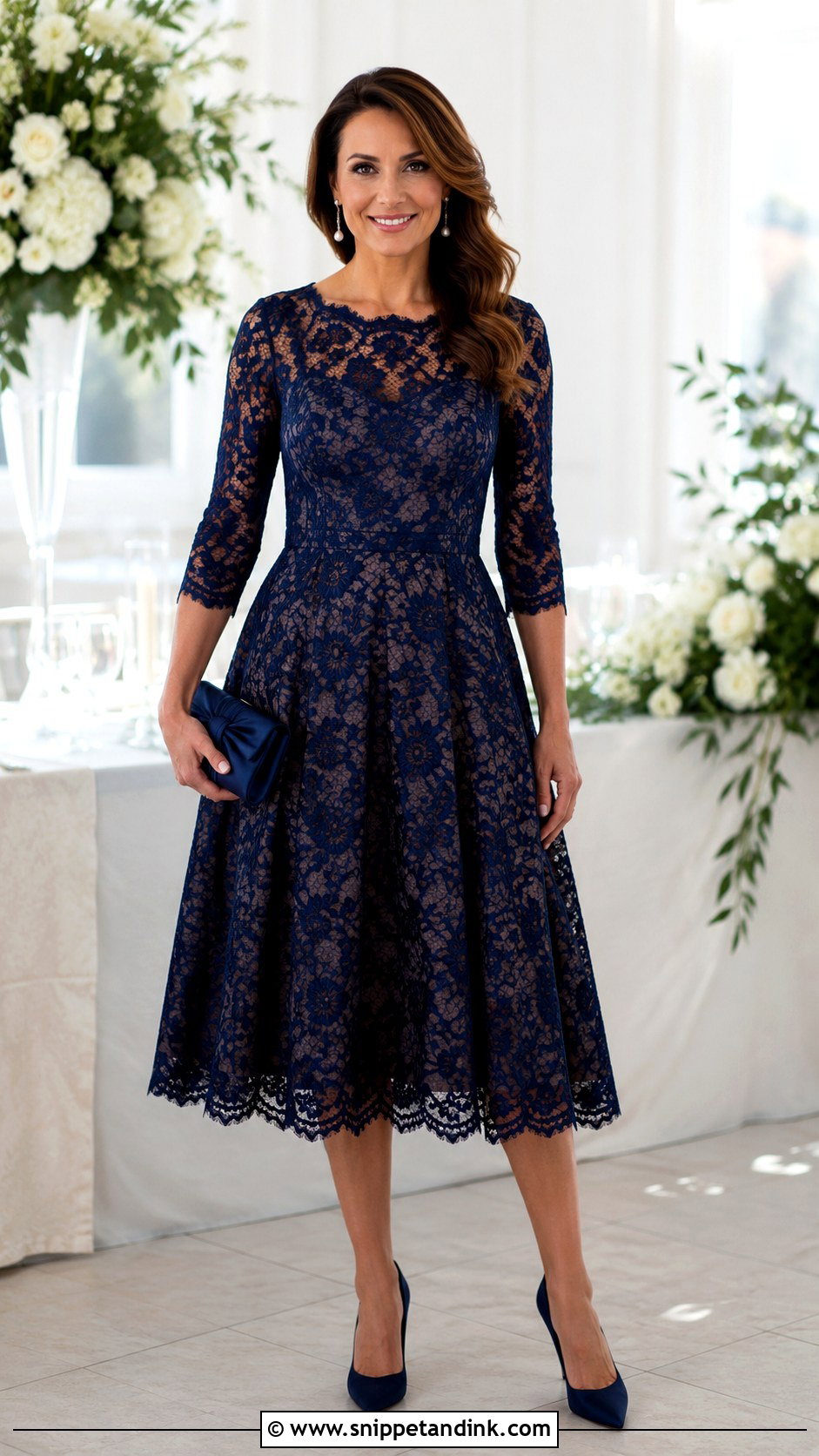
Lace is the fabric most likely to look bridal, so color is what separates you from your sister. Navy, berry, slate blue and soft plum keep it clearly a guest dress. A knee-covering or midi fit-and-flare feels polished, and pointed pumps, a satin clutch, pearl drops and a slim bracelet are plenty. With busy lace, skip statement necklaces and decorated shoes. A side-swept style softens it without hiding the neckline. I always check how far the lining reaches; some lace dresses stop lining above the knee, which looks fine standing and very different when you sit in the front row.
7. Off-the-Shoulder Crepe Sister of the Bride Dress
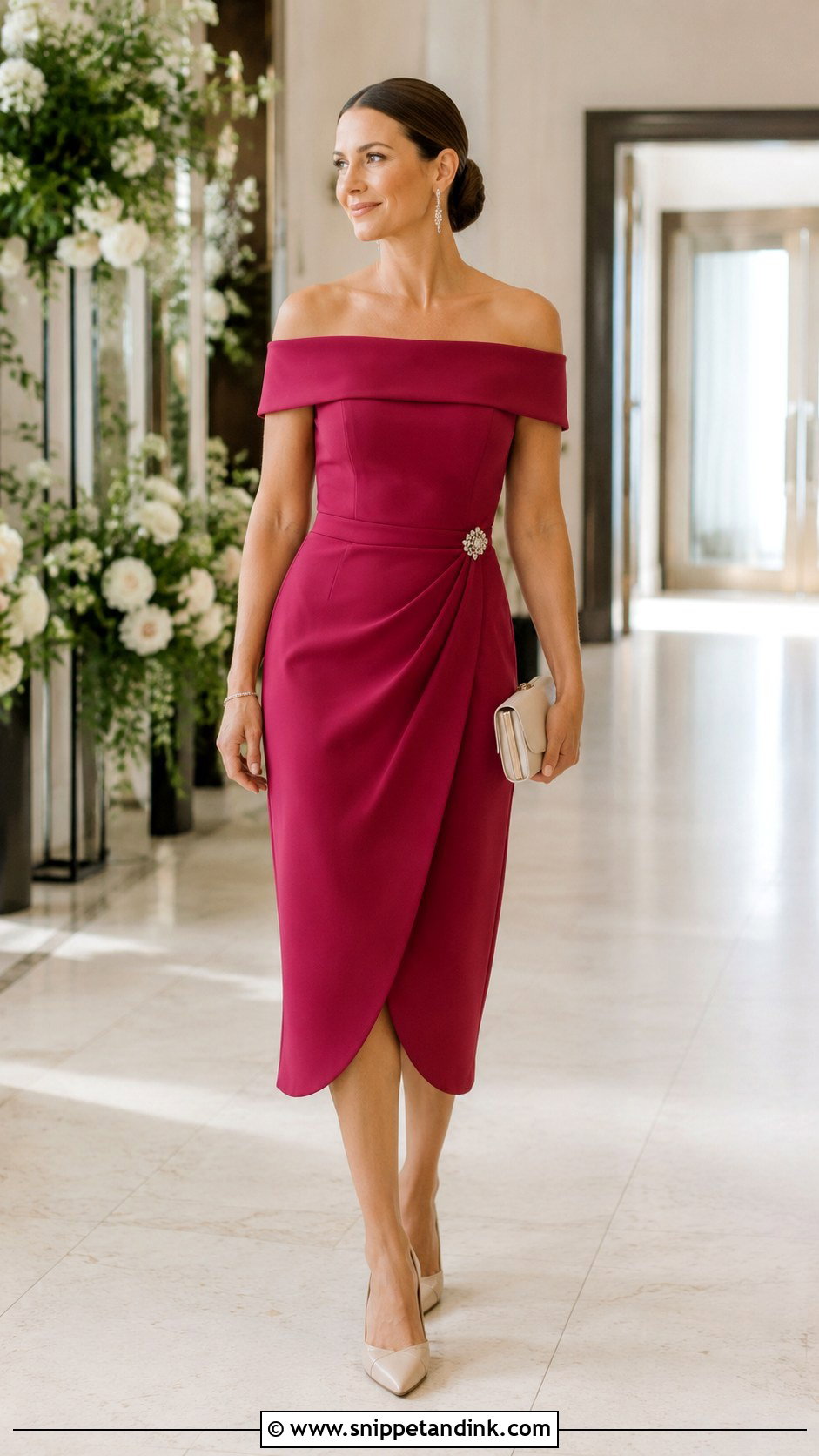
Crepe is the matte alternative to satin, and that low shine is a real advantage in bright daytime photos. An off-the-shoulder midi in cobalt, raspberry, deep green or terracotta looks crisp. With a plain neckline, a short necklace that follows the curve works; with a fold-over collar, switch to crystal earrings. Pointed slingbacks and a structured clutch keep it modern. Wear a bun or shoulder-swept waves. Test the neckline by hugging someone tall, because off-shoulder bands love to slide. Crepe also shows underwear lines, so pick smooth, seam-free pieces.
8. Cape-Sleeve Sister of the Bride Gown
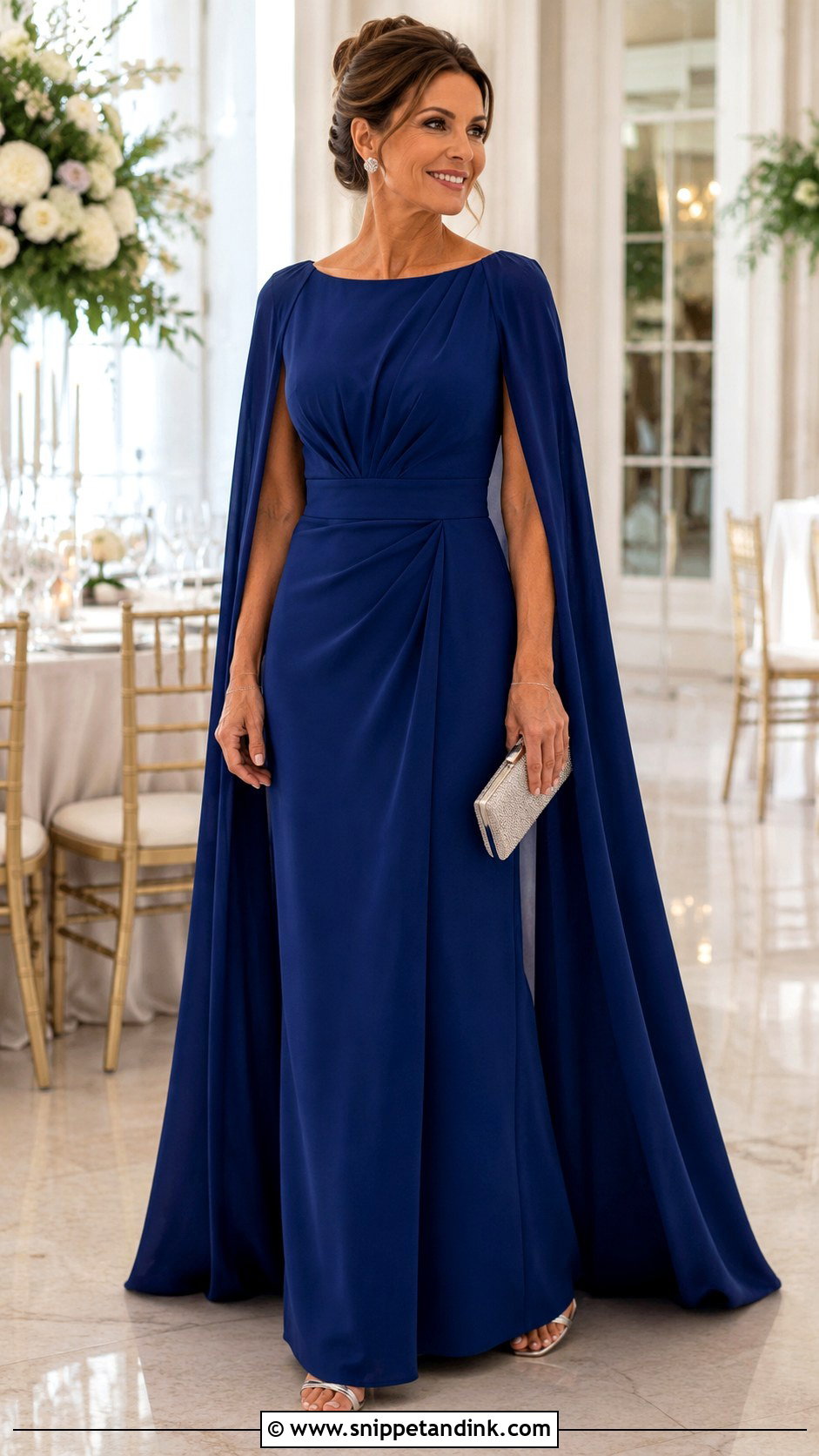
A cape sleeve gives you coverage and drama in one piece, and it often replaces the shawl you’d otherwise carry all night. Fluid crepe or chiffon in aubergine, sapphire, rosewood or steel blue lets it drift as you walk. Keep the rest of the dress simple. Heeled sandals, a slim metallic clutch and sparkling studs are enough, with hair in an updo so it doesn’t tangle with the cape. My practical check: sit at a table and reach for a glass. If the cape falls past your hands or drags across a plate, it needs shortening.
9. Jacquard Tea-Length Sister of the Bride Dress
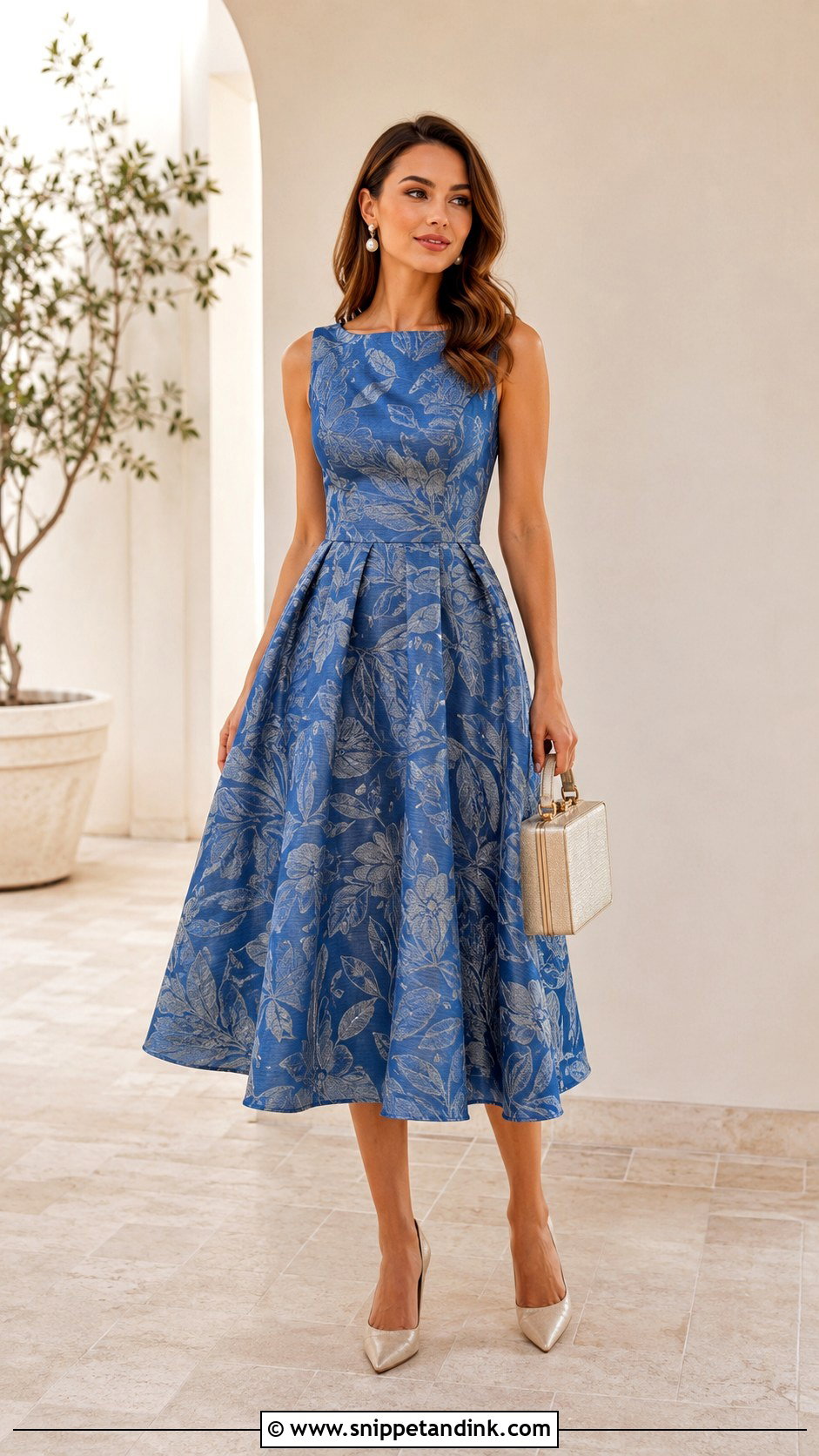
Jacquard has the pattern woven in rather than printed on, so it holds its shape and looks expensive in posed family photos. Botanical designs, tonal florals or abstract motifs in blue, pink, green or bronze all suit a daytime or vintage-leaning wedding. Pointed pumps, a box bag and pearl or gemstone earrings complete it, with hair smooth and low. The trade-off is stiffness: a jacquard bodice can feel rigid at the dinner table, so sit and reach at the fitting. For true tea length, the hem should land between lower calf and ankle.
10. Wrap Maxi Sister of the Bride Dress
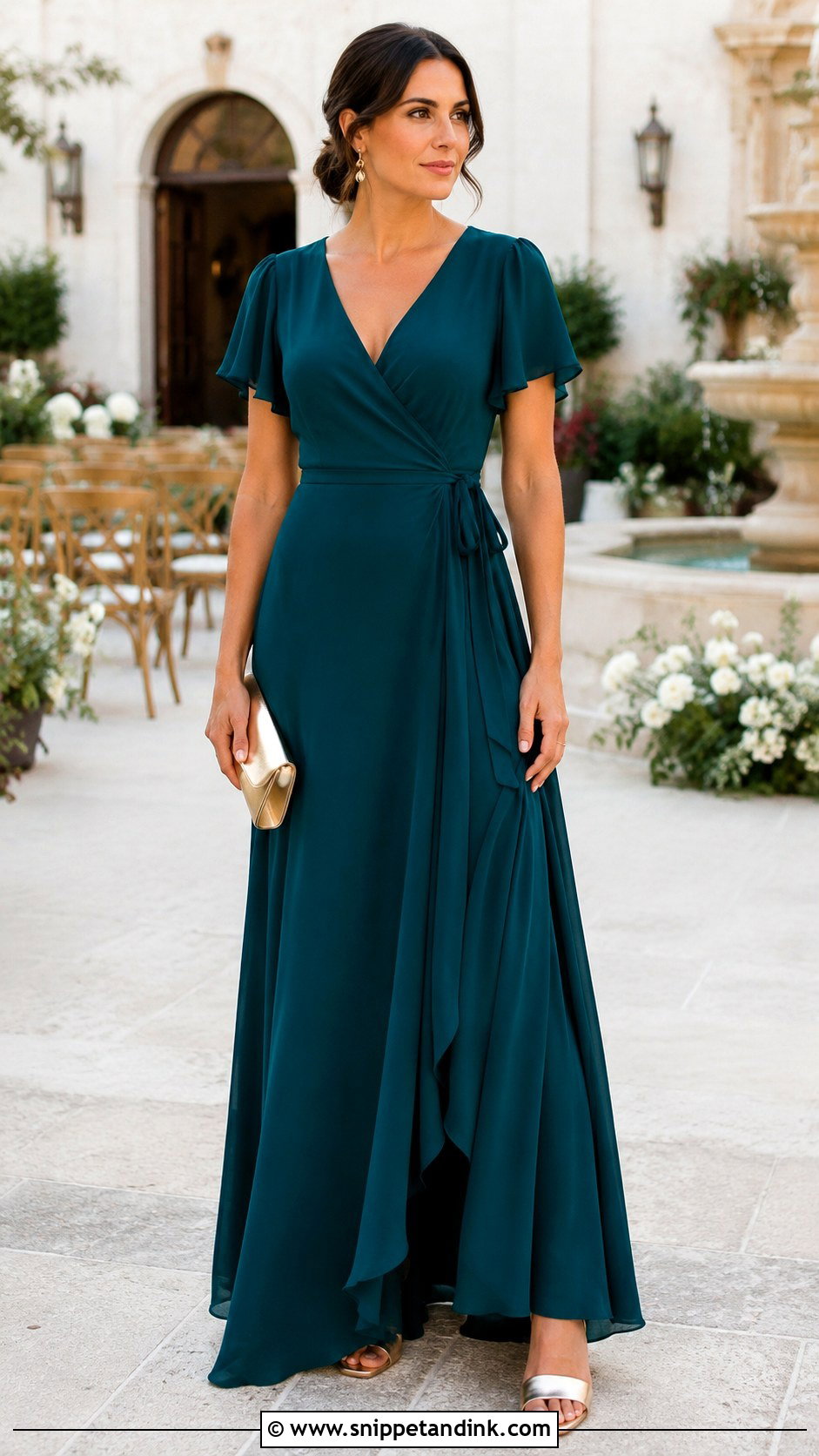
Wrap dresses adjust as you go, which helps if the wedding day runs from morning prep to midnight. A wrap maxi dress in matte jersey, chiffon or soft crepe, in teal, wine, navy or a muted floral, gives you waist definition without boning. The risk is the wrap itself opening in wind or when you bend to fix the bride’s train. I always add a small snap or fashion tape at the cross of the neckline. Block-heel sandals, a woven or satin clutch and medium hoops or drops suit it. A layered necklace only works if the V is shallow. Loose waves or a textured low bun finish it.
11. Beaded Column Sister of the Bride Gown
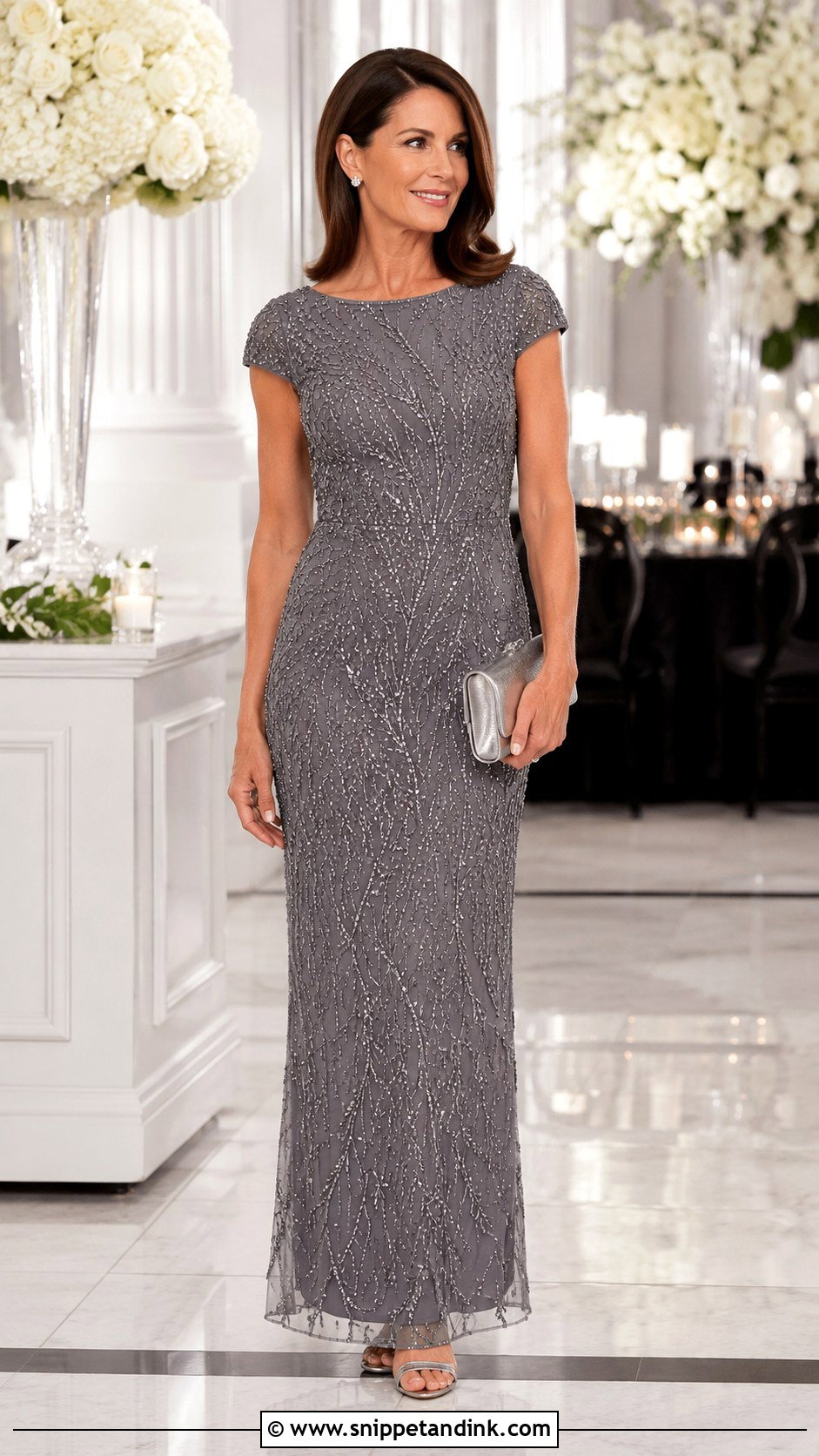
Sparkle needs a calm silhouette, and a column gown provides one. Navy, pewter, deep green or burgundy with beading concentrated at the neckline, shoulders or waist feels evening-ready without looking like a costume. Simple metallic sandals, a satin clutch and small studs are enough; a large necklace would compete with the beads and snag on them. A sleek side part or low chignon keeps the line clean. Before you buy, run a hand along the inside under the arms. Scratchy lining there becomes painful by the speeches. Hem it to clear the floor in your actual shoes so you aren’t stepping on beads.
12. Ruffled One-Shoulder Sister of the Bride Dress
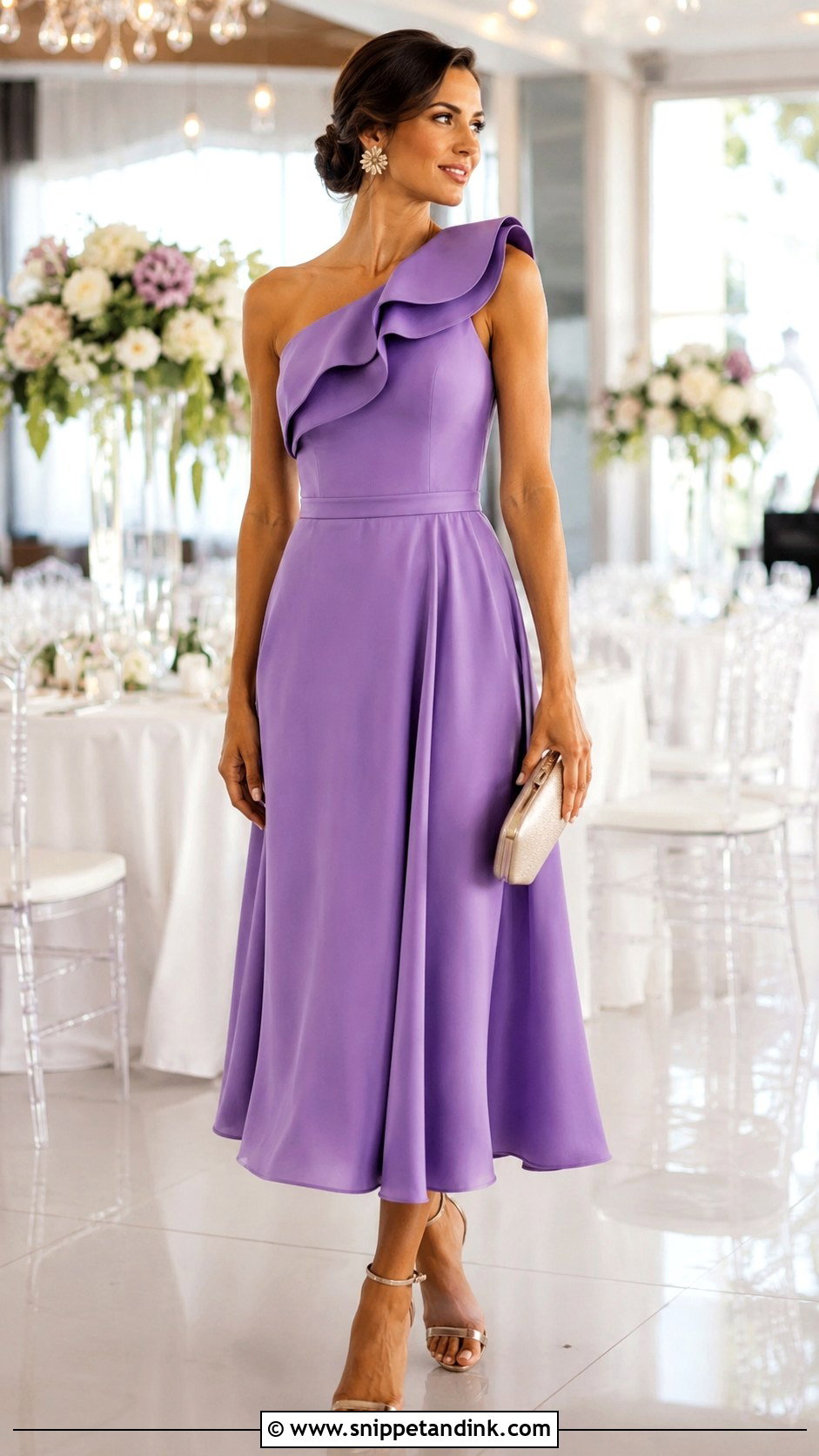
A ruffle adds personality without needing loud color, provided it stays in one place. On a one-shoulder dress, I like it framing the neckline rather than running down the whole skirt. Coral, violet, blue and emerald are cheerful choices for a festive wedding. Slim heels, a smooth clutch and a cuff on the opposite wrist keep the rest quiet, and one crystal or metallic earring highlights the bare side. Hair away from the shoulders. Petite sisters should be careful here: a big ruffle plus a tiered skirt swallows a smaller frame, so choose a softly draped skirt instead.
13. High-Neck Chiffon Sister of the Bride Dress
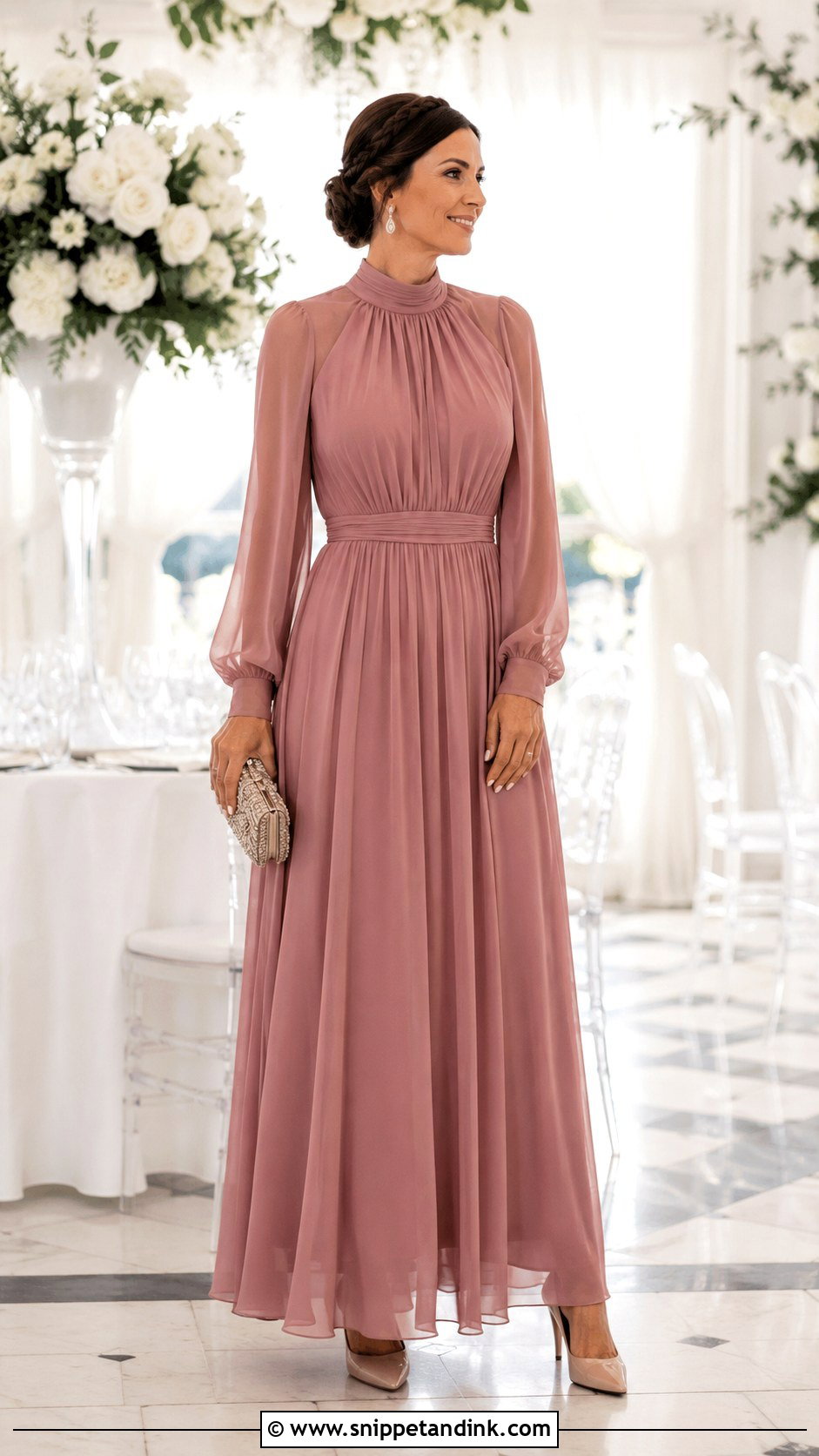
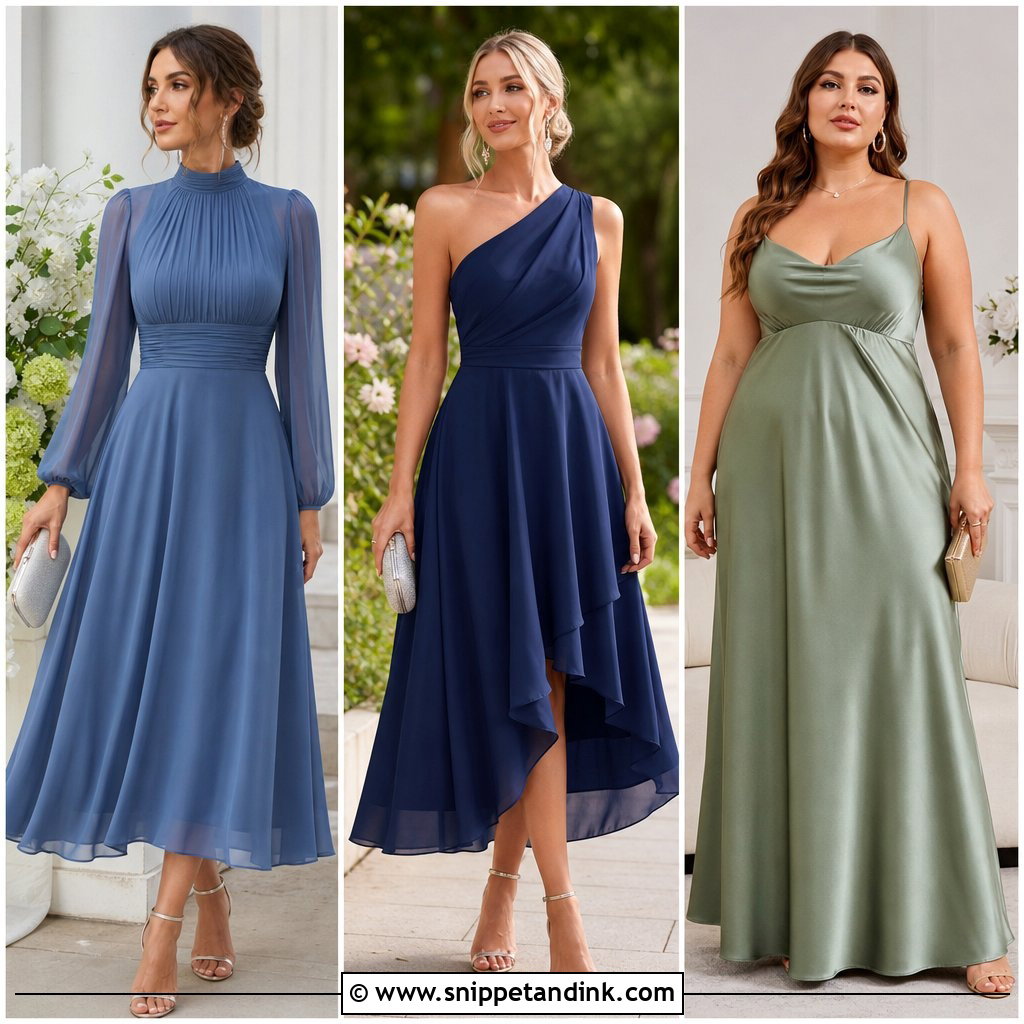
Some sisters simply don’t want to think about a neckline all day, and a high-neck chiffon gown solves that. It’s also my go-to for weddings that ask guests to dress modestly. Look for a defined waist, a gathered neckline and a flowing skirt in dusty rose, navy, sage or plum. Pointed heels, a beaded clutch and drop earrings are plenty; leave the neck bare. An updo, braided bun or sleek ponytail shows off the bodice. In warm weather, choose light sleeves or an open back. Check the lining under bright light, since thin chiffon is more transparent than it looks on the hanger.
14. Cowl-Neck Satin Sister of the Bride Dress
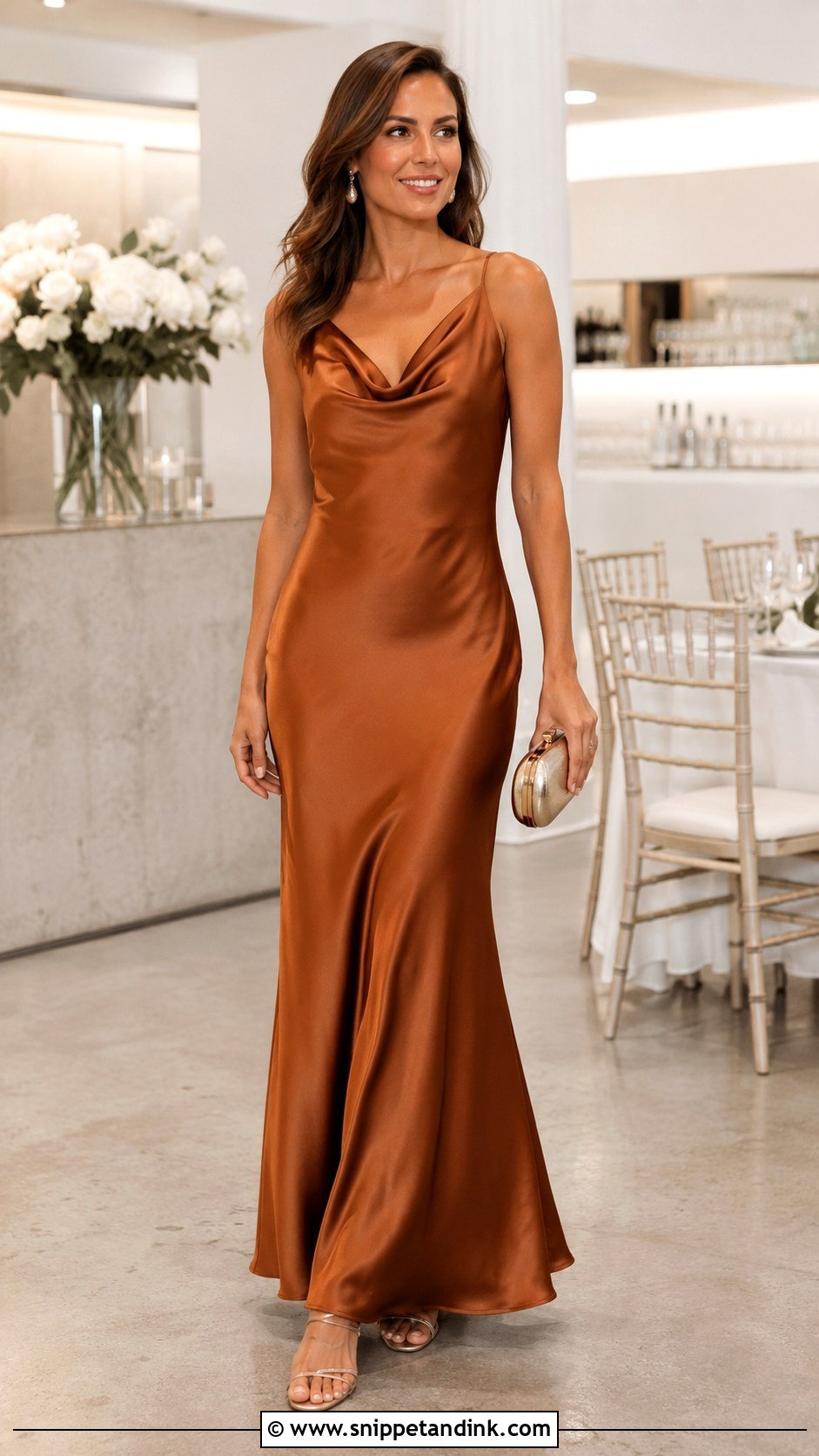
Cowl-neck satin is the relaxed evening option, and it suits sisters who find structured gowns stiff. A midi or maxi in copper, olive, deep blue, mauve or berry, cut on the bias, skims the body rather than gripping it. Delicate heeled sandals, a small metallic bag, fine earrings and a slim bracelet keep the focus on the drape. Hair can go soft, low or half-up. Bias-cut satin is honest about what’s underneath, so seam-free underwear matters, and the cowl shifts when you lean forward. I pin it discreetly at the shoulder seam before the ceremony starts.
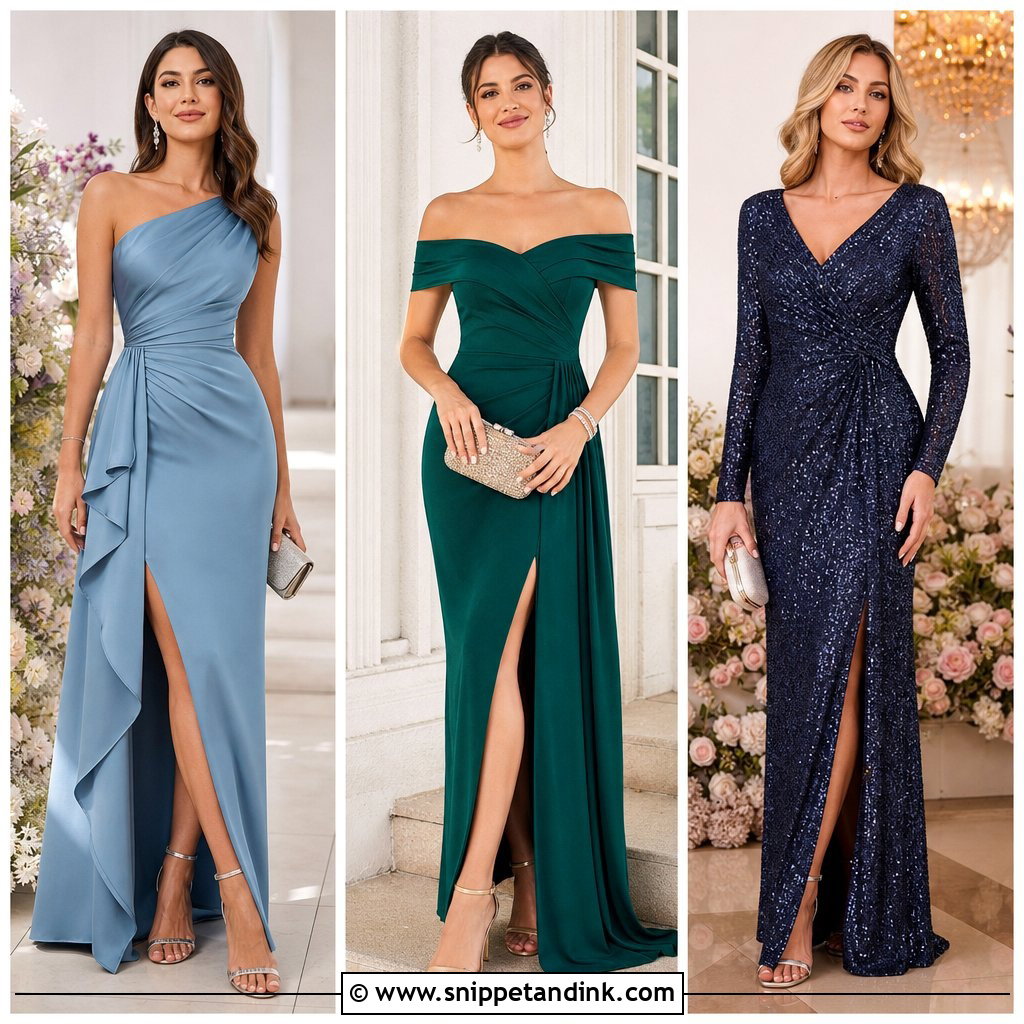
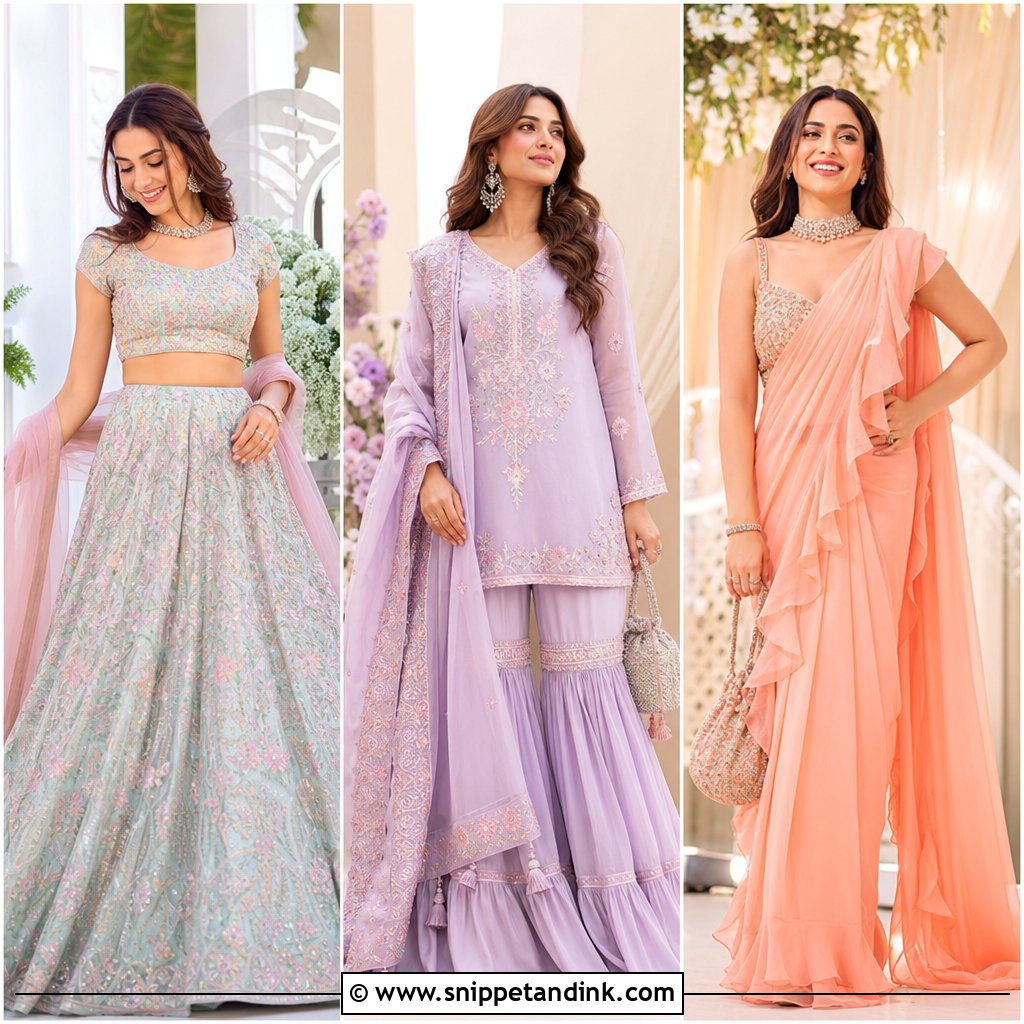
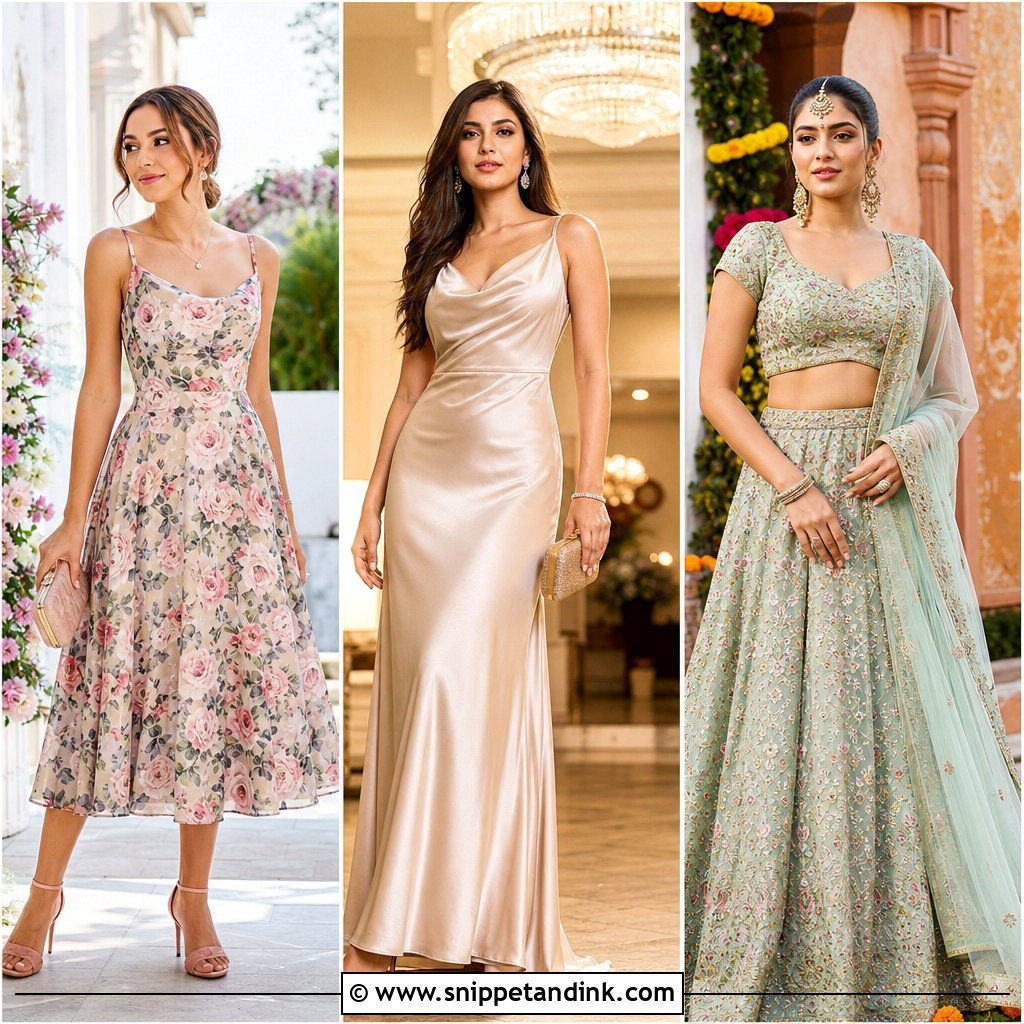
15. Embroidered Tulle Sister of the Bride Dress
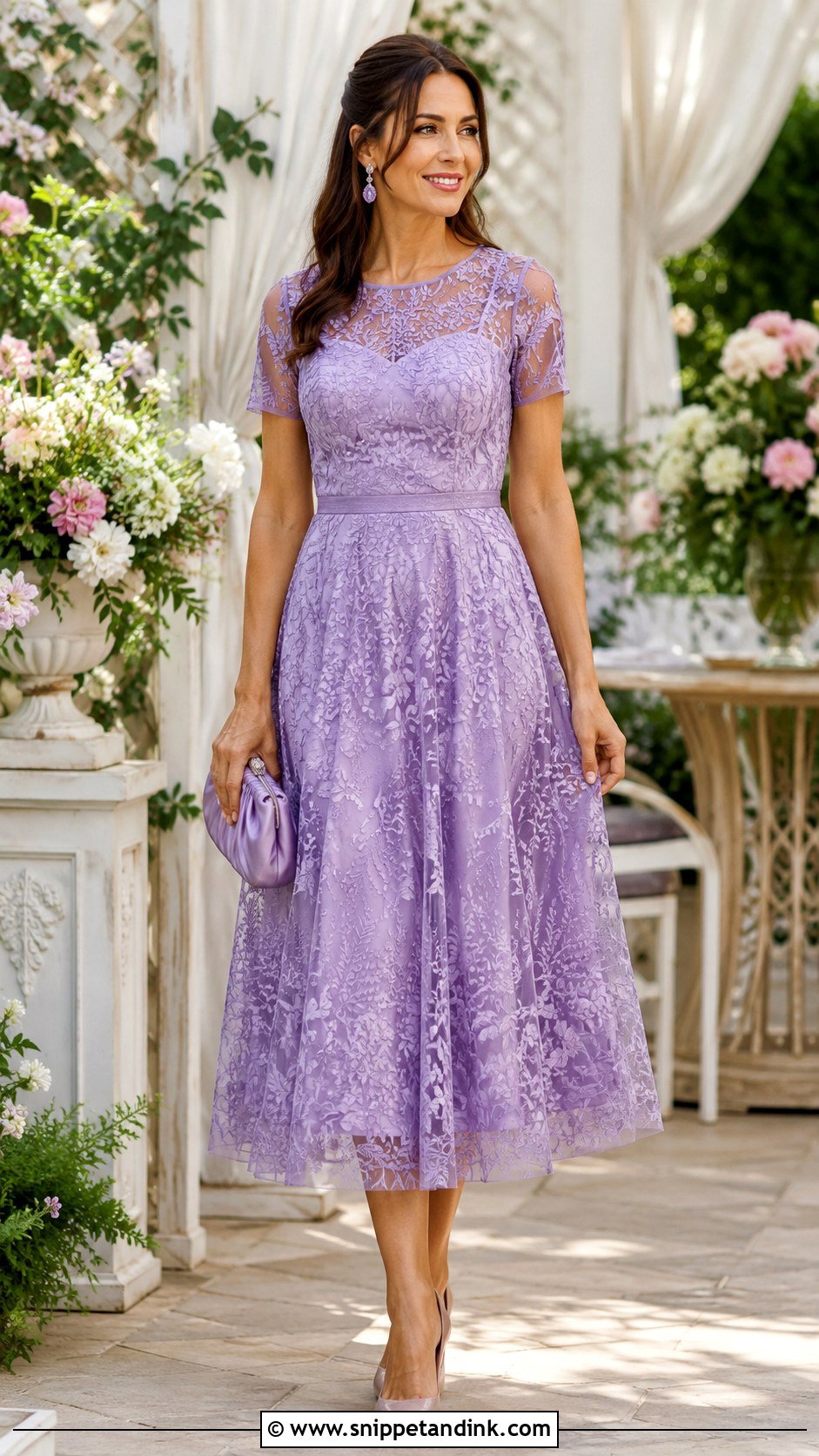
Embroidered tulle feels soft and wedding-appropriate, but it’s the closest category to bridalwear, so color matters. Colored tulle over matching lining, with botanical or tonal embroidery, keeps you clearly separate from your sister. Avoid bright white appliqué. Lavender, blue, rose or soft green in midi or ankle length suit spring and summer. Understated pumps, a satin mini bag and fine gemstone earrings are enough; if the bodice is covered in embroidery, skip the necklace. Check the hem and sleeves for loose threads before the day. Keep the skirt volume modest so you don’t crowd the bride in the lineup.
16. Tiered Chiffon Sister of the Bride Dress
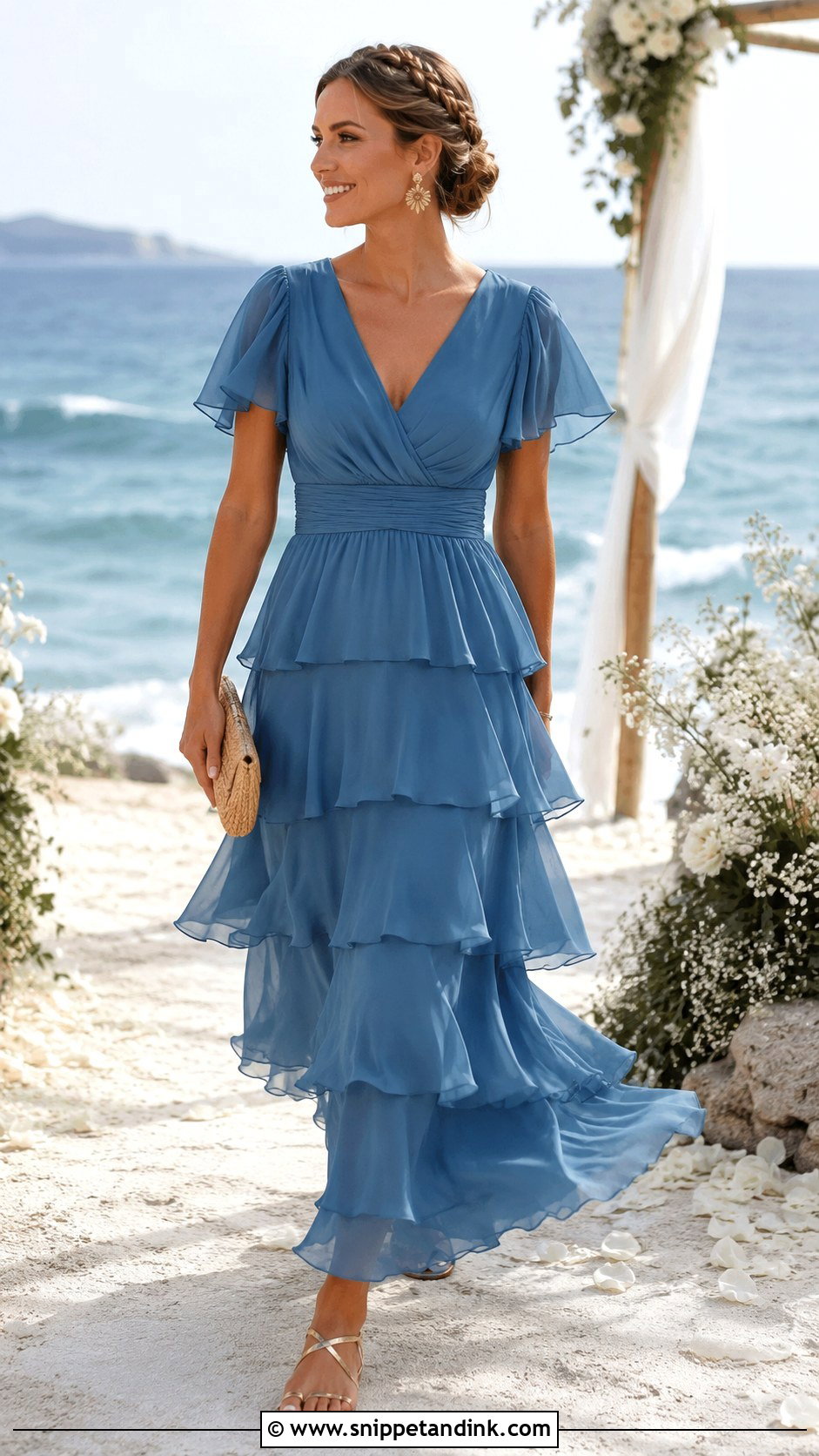
Tiers move beautifully at the beach, but only if they’re narrow and placed softly; big ruffles turn into sails in a sea breeze. A midi or maxi design in ocean blue, hibiscus pink, marigold or leafy green suits a bright destination setting. Stable block heels or flat sandals, a small woven clutch and light gold jewelry finish it. Natural waves, a braided updo or a low ponytail fit the mood. Insist on full lining and a hem that clears the sand. A seamstress can add small weights inside the hem so the layers stay down during photos.
17. Empire-Waist Plus-Size Sister of the Bride Dress
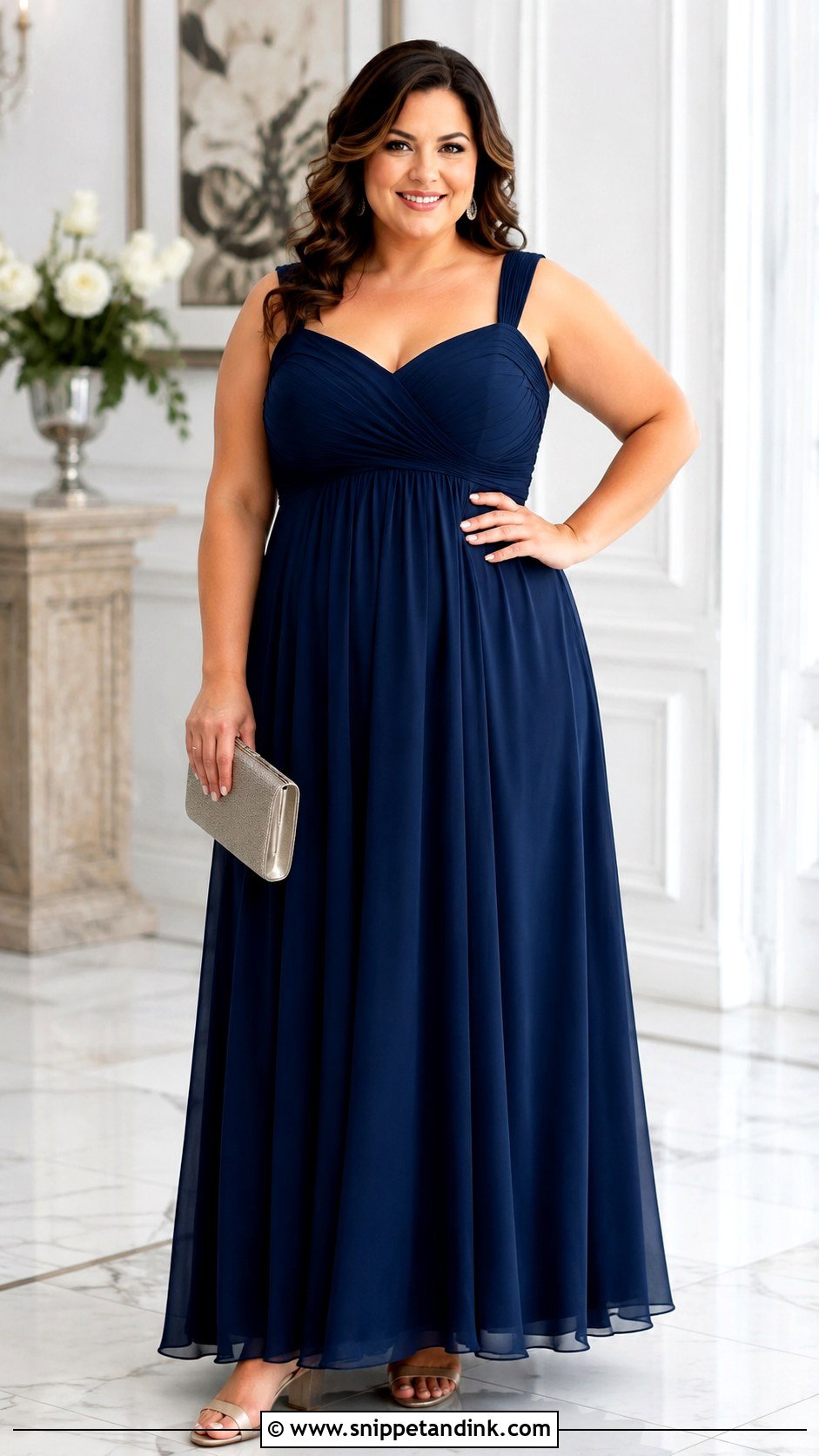
The empire waist only works when the seam sits just under the bust. Too high and it squashes; too low and it cuts across the fullest point. That’s the first thing I check on plus-size sisters, before color or fabric. Supportive straps and a secure neckline matter just as much. Stretch crepe or lined chiffon in sapphire, wine, teal or magenta looks rich. Block heels, a structured clutch and medium earrings suit the proportions, and a tailored shawl gives optional cover. Soft curls or an updo finish it. Budget for alterations at the bust, straps and hem; they make the biggest difference here.
18. Petite Midi Sister of the Bride Dress
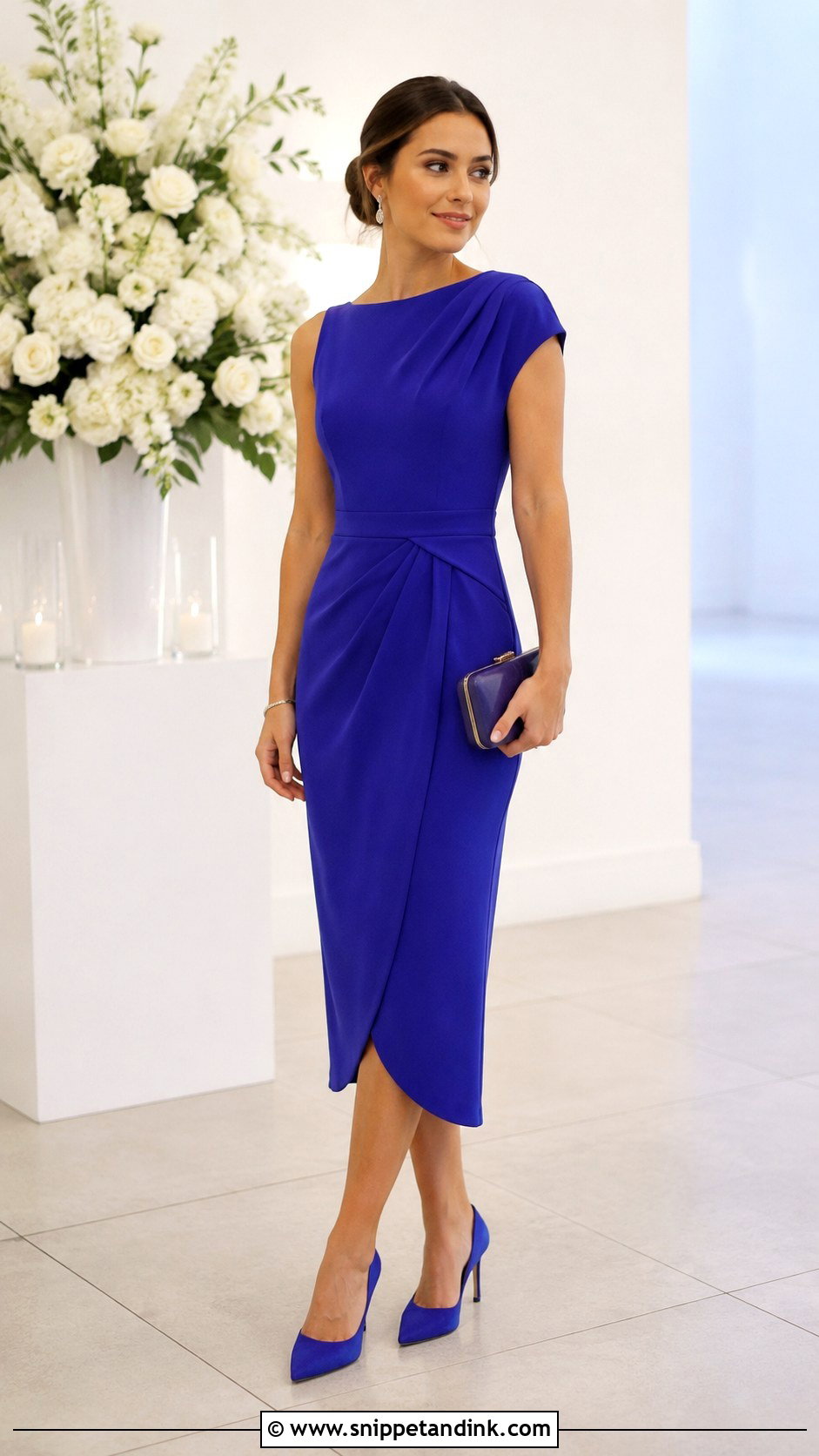
Petite frames get lost in too much fabric, so a streamlined midi is my starting point for a petite sister of the bride. Hem just below the knee or around mid-calf, with the waist clearly defined at the natural line. One color from top to toe in crepe, satin or chiffon, in raspberry, cobalt, emerald or navy, gives an unbroken vertical line, and pointed heels in the same tone stretch it further. Small clutch, delicate earrings, one bracelet. A cropped wrap flatters far more than a long shawl. Petite sizing saves money on alterations to the bodice and sleeve length.
19. Modest Long-Sleeve Sister of the Bride Dress
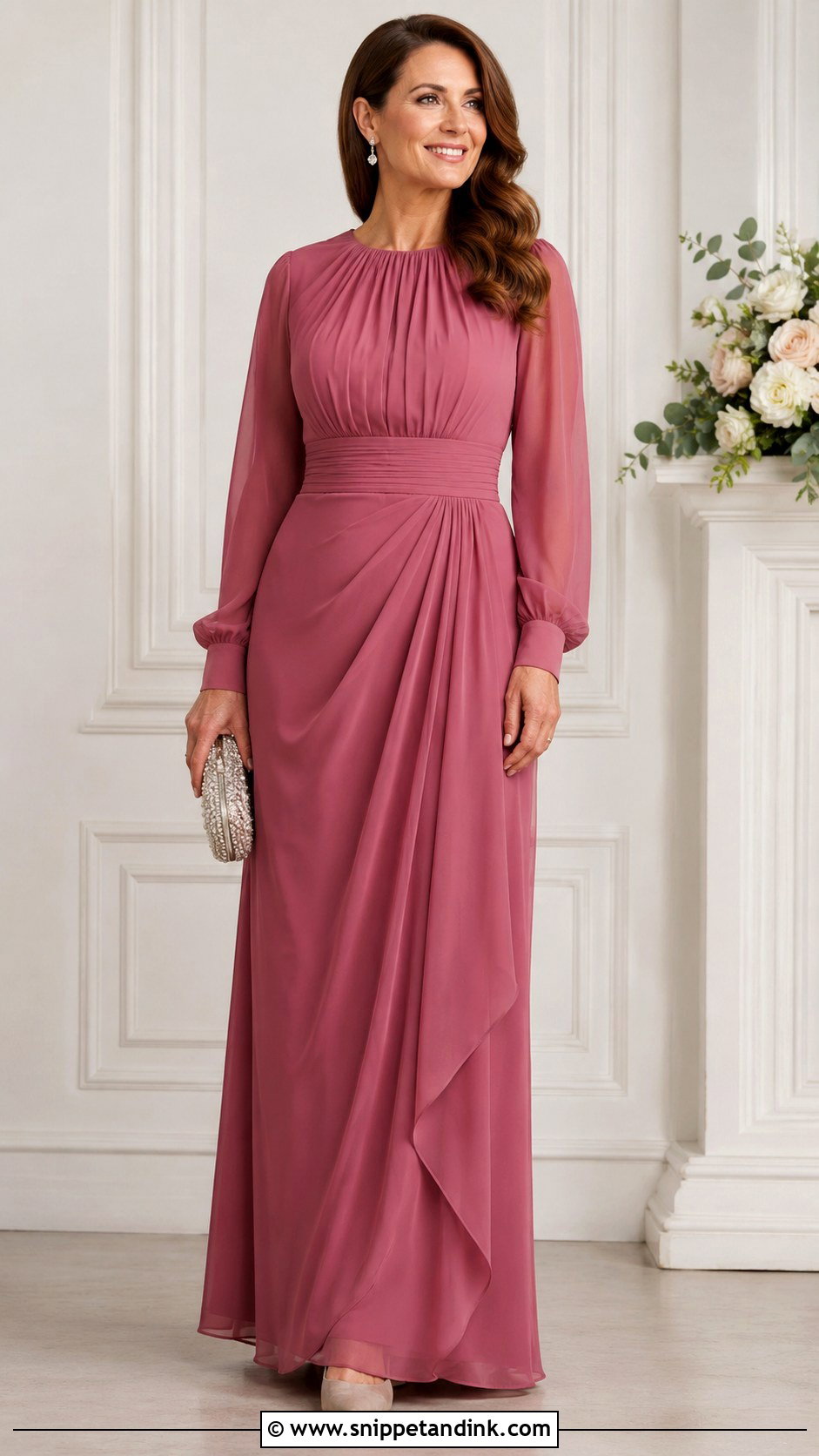
Long sleeves can feel heavy by the evening unless the fabric is light, so I steer modest sisters toward chiffon, lace or soft crepe sleeves on a lined, full-length skirt. Deep rose, navy, green and plum give you color without reading bridal. Closed-toe pumps, a beaded clutch and refined earrings complete it. A decorative cuff, pleated shoulder or gathered neckline adds interest without showing more skin. Hair can be smooth, side-swept or in a polished ponytail. Raise your arms at the fitting: you’ll be helping with veils, bustles and bouquets, and sleeves that pin your arms down make that hard.
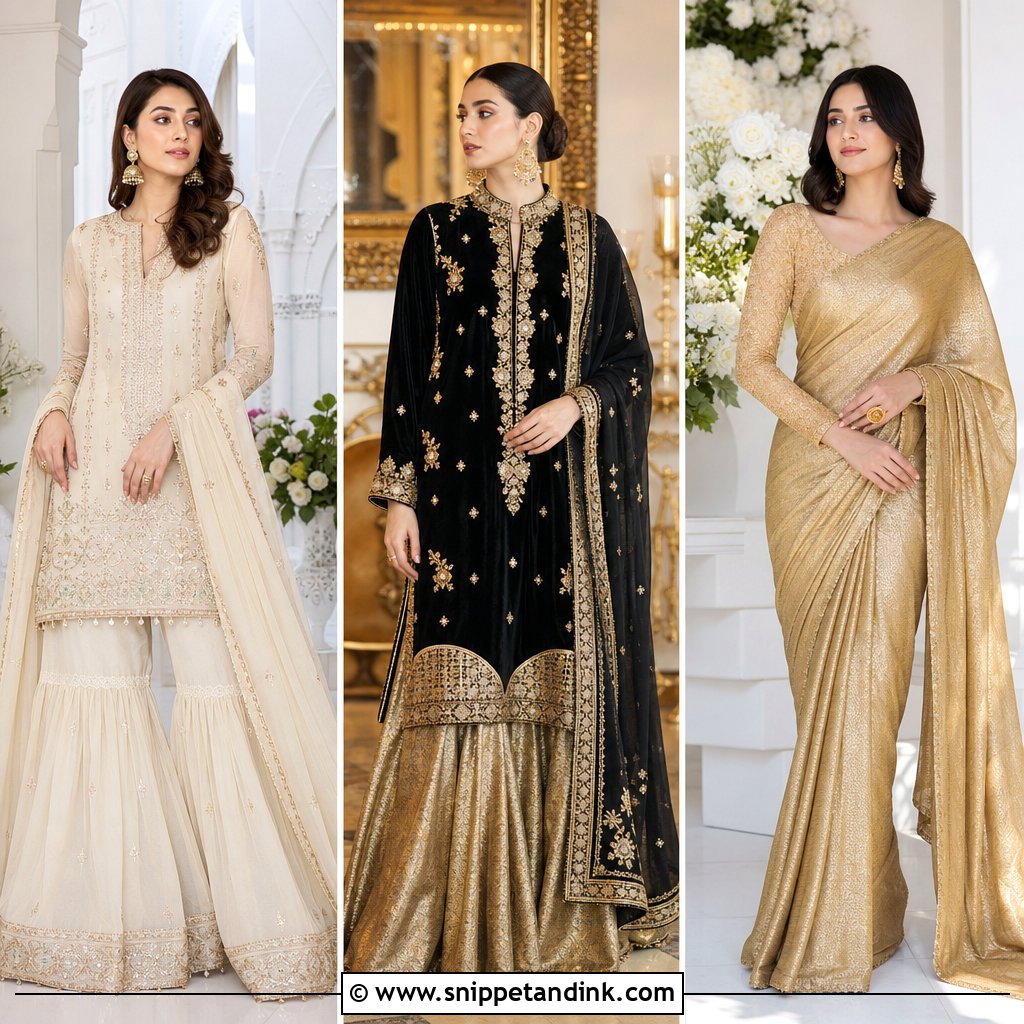
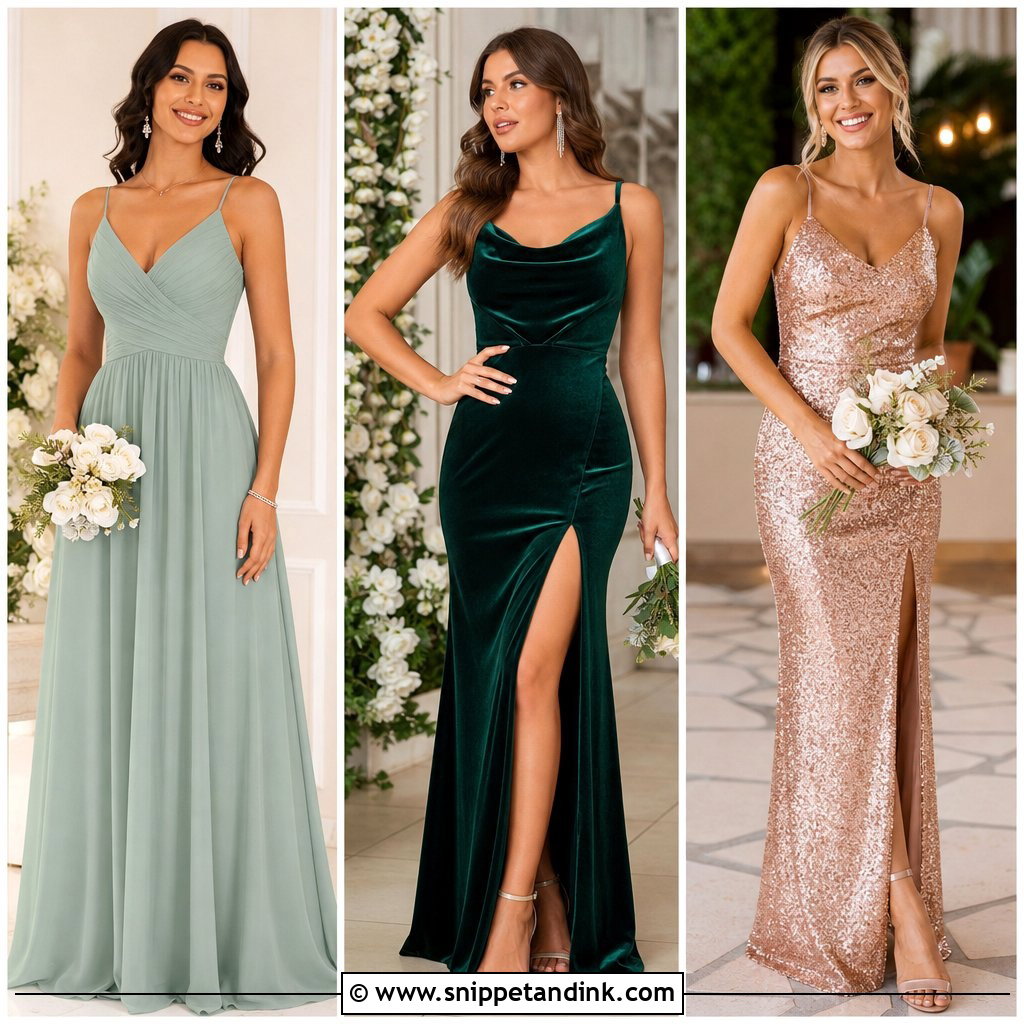
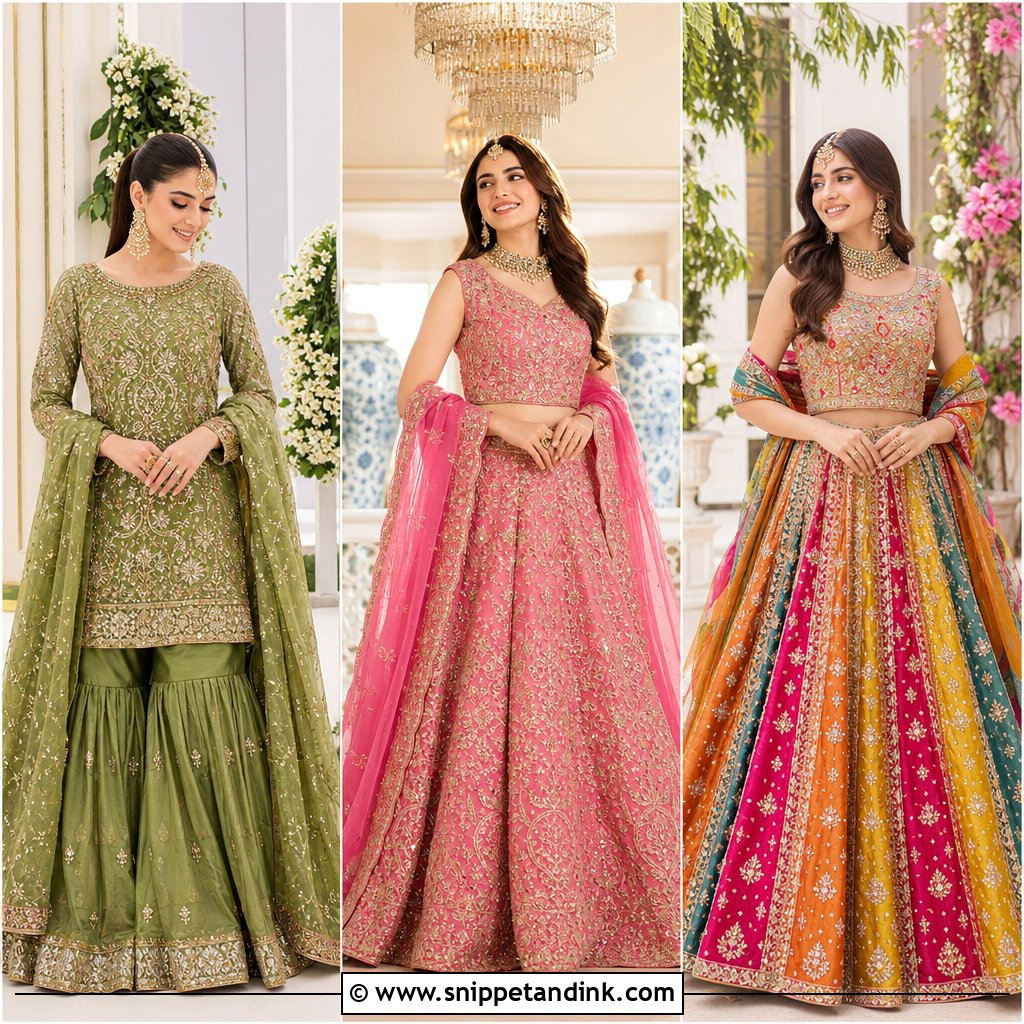
20. Black-Tie Sister of the Bride Gown
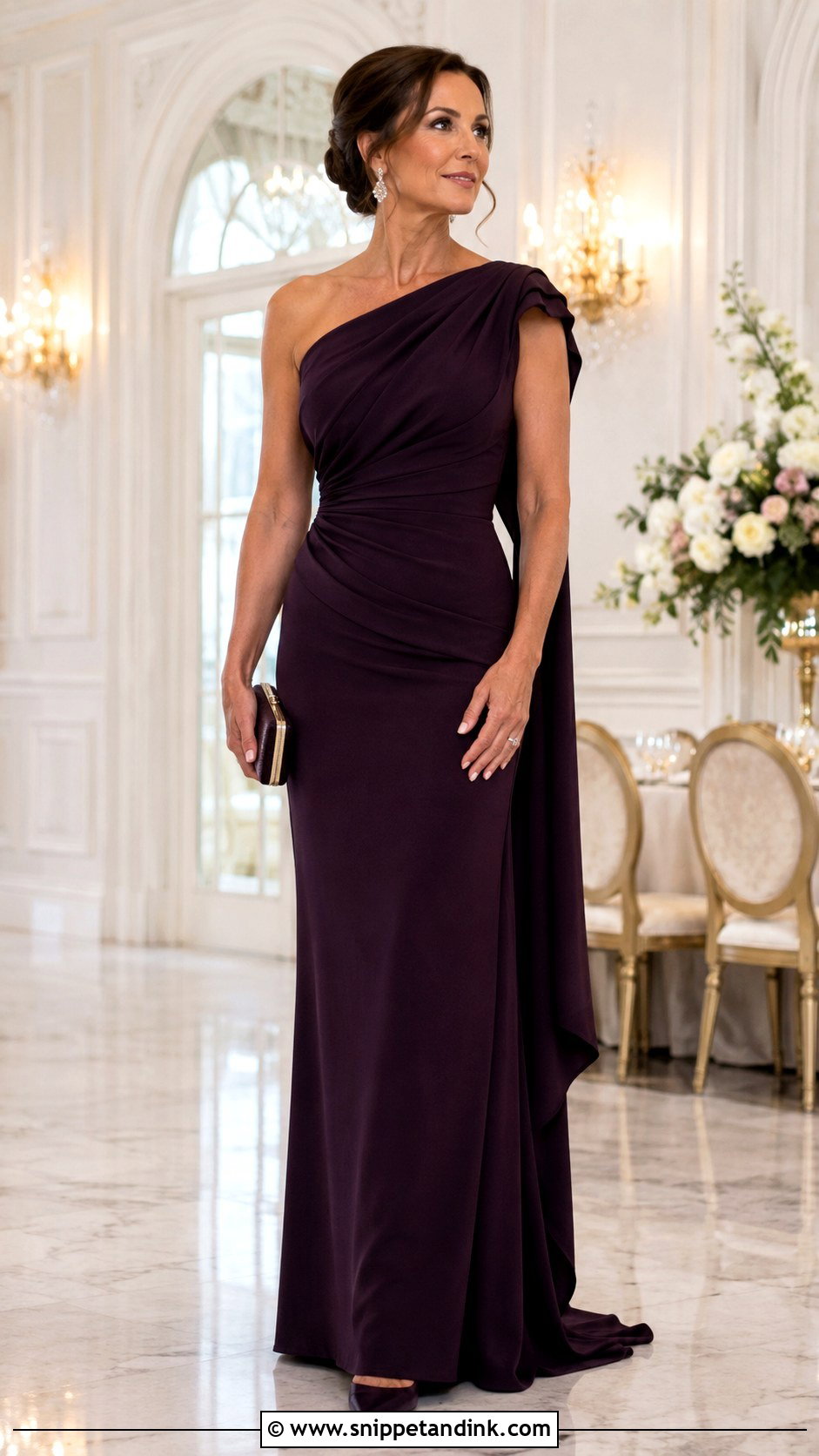
Black tie means a floor-length gown, and as the sister you’re expected to look the part without stealing focus. Draped crepe, satin or chiffon in navy, emerald, burgundy, aubergine or pewter works well. A fitted waist and a controlled skirt keep it elegant. Pick one focal point, such as a draped shoulder, a beaded waist or a low back, rather than all three. Heeled sandals or pointed pumps, a structured clutch and fine crystal or gemstone jewelry finish it, with a sleek updo or glossy waves. Have the hem set while wearing the exact shoes. An inch too long and you’ll trip on the stairs at the venue.
A Dress That Can Keep Up With Your Jobs on the Day
Sisters rarely just attend. You’ll probably be in the getting-ready room, helping her into the gown, fixing the veil and holding things. I’d plan your outfit around those tasks as much as around the photos.
- Choose a dress you can zip yourself, or one with a side zip, because everyone else will be busy with the bride.
- Get your hair and makeup done before hers is finished, then get dressed early so you’re free when she needs you.
- Pockets are worth asking a seamstress to add; tissues, lip color and safety pins all need a home.
- Check that you can kneel in the dress to fluff her train, and that the fabric won’t crease badly when you do.
Keep your shoes and a pair of flats in one bag together, and a spare pair of tights if you’re wearing them. Long receptions are hard on the feet, and a sister in pain stops dancing early.
Ask Her First, Then Dress for the Whole Day
A good sister-of-the-bride outfit honors the wedding and still feels like you. Work out the dress code, season, venue and palette first, then find a silhouette that stays secure while you move. Accessories can finish the look, but they shouldn’t fight an embellished dress or a strong neckline. Book alterations early, break in your shoes and look at the full outfit in daylight and indoor light. And show your sister anything that could look bridal before you buy it. With those checks done, any of the dresses above can carry you from the getting-ready room to the last dance.
You'll Like These Ideas:


Leave a Reply