
Dressing the bride’s sister is a different job from dressing a guest. You’re in half the family photos, you’ll be greeting people at the door, fixing your sister’s dupatta, carrying things and dancing at the mehndi, often across four functions in one week. So when I put together an outfit for your sister’s wedding, I plan around movement and the bride’s colors before I think about embroidery. The looks below cover the mehndi, nikkah, baraat and walima, from ghararas and lehengas to peshwas, sarees and straight suits, each with the shoes, jewelry and dupatta placement I’d use. One rule first: agree on colors and embellishment with the bride before you buy anything heavy.
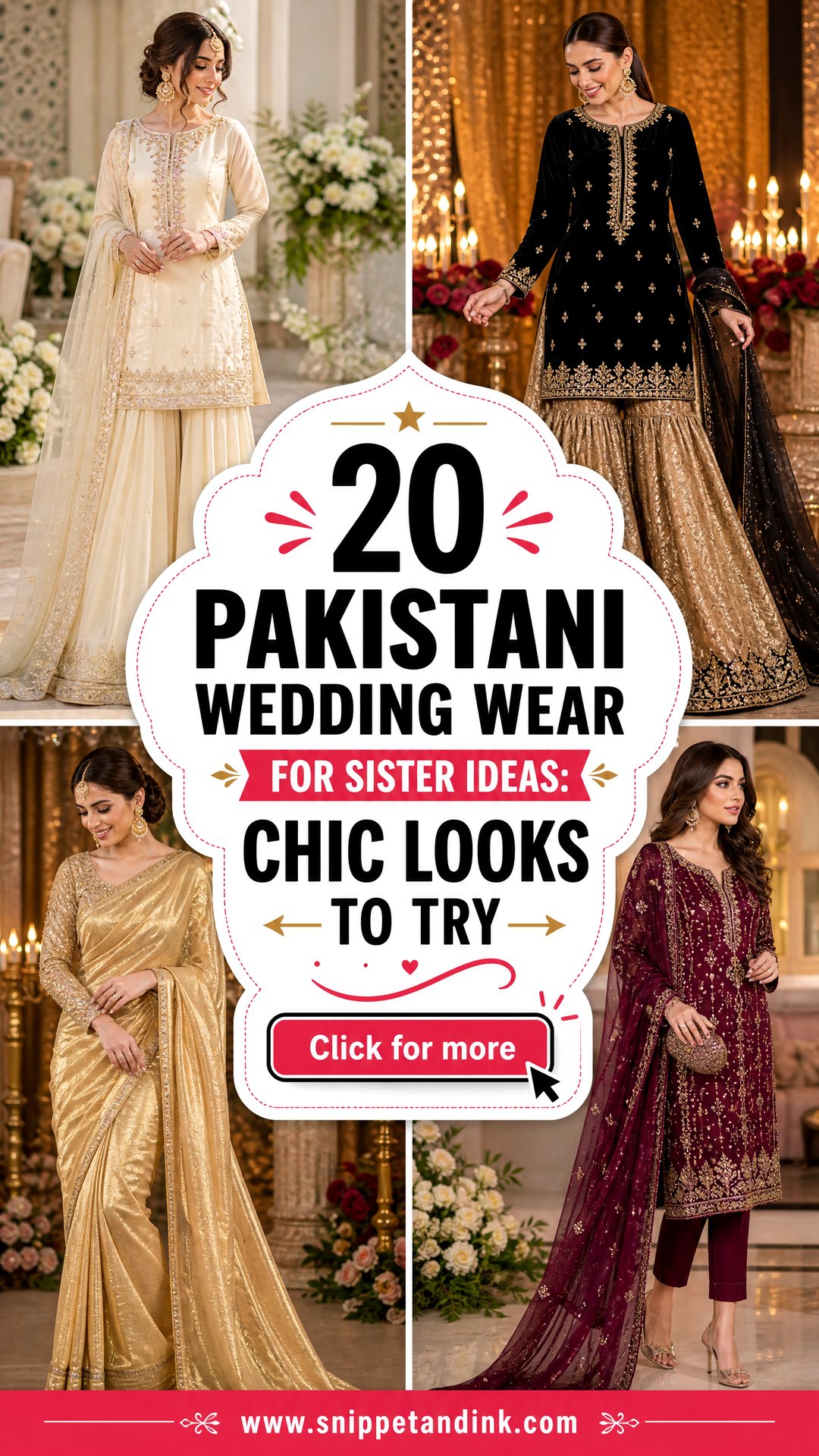
Agree on a Color Plan With Your Sister First
The single conversation that saves the most trouble is the one where the bride tells you what she’s wearing at each function. I ask sisters to write it down: mehndi, nikkah, baraat, walima, with her color and roughly how heavy her outfit is. Then you plan your own wardrobe as the supporting palette.
A few things usually come out of that conversation. Bridal red and heavy gold at the baraat are hers. Ivory and champagne at the nikkah and walima often are too. Some brides want their sisters coordinated, either all in one color or in shades of it, and that decision affects how early you need to order fabric. And if there’s more than one sister, decide together if you’re matching or simply avoiding a clash; three different pinks in one stage photo look accidental.
Making four outfits fit one budget
You don’t need four equally heavy outfits. I put the money into the baraat look, keep the mehndi outfit light and inexpensive since it may get henna or oil on it, and plan one versatile suit that can be restyled for the walima with a different dupatta and jewelry. Guests rarely notice a repeated kameez when the dupatta, hair and earrings change.
1. Pakistani Yellow Gharara With Green Kurti
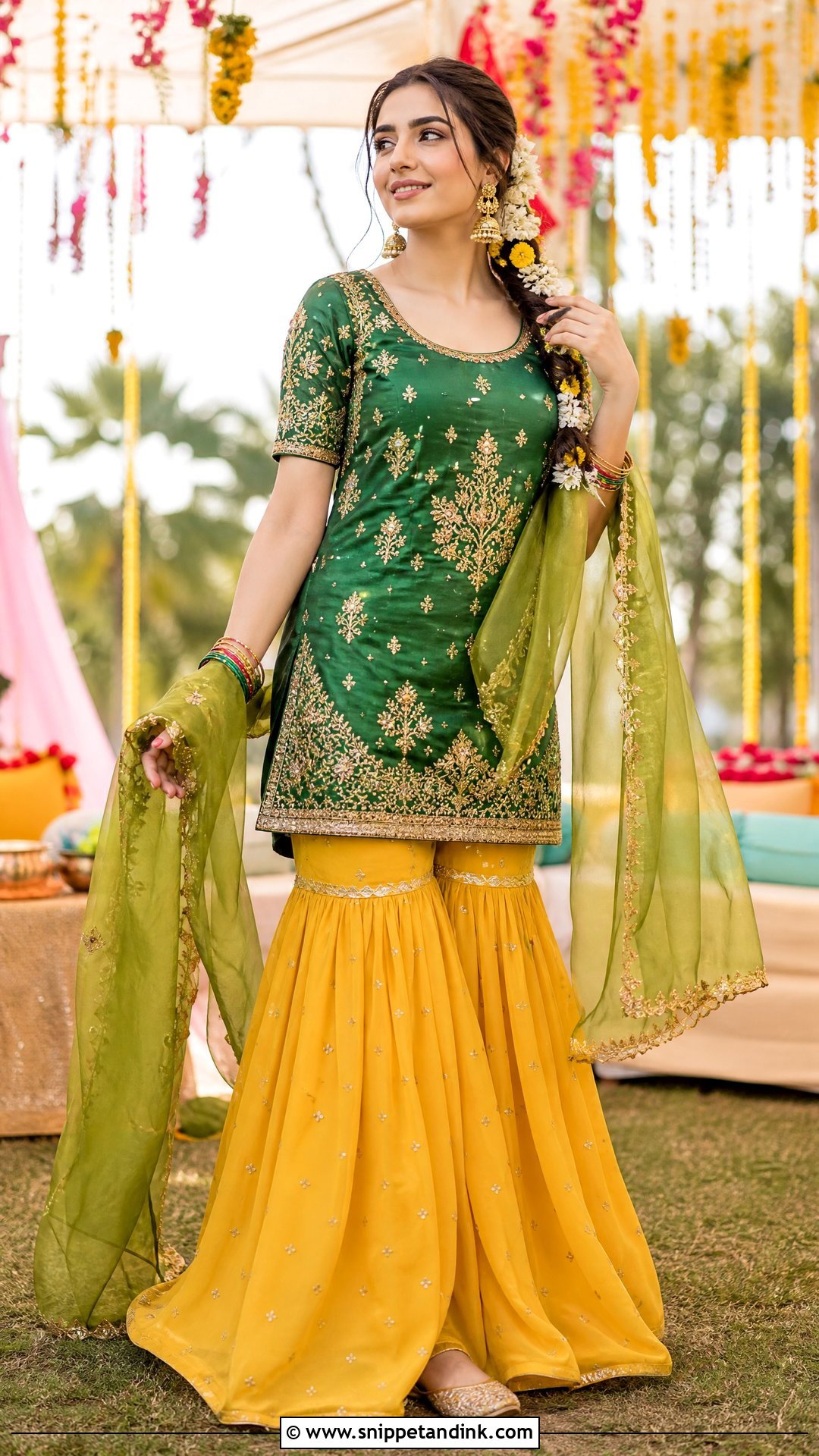
Yellow and green is the classic mehndi pairing, and for a sister it’s the practical one too. A short raw silk kurti with gota at the neckline, sleeves and hem sits over a yellow gharara with a defined knee joint and a wide worked border. Keep the dupatta in light green organza; anything heavier ends up in your hands all night. Gold khussas, colorful bangles and jhumkas, and fresh flowers worked into a braided hairstyle or low bun. Pin the dupatta at the shoulder with two pins, not one, because you’ll be bending over the bride’s hands and plates of mithai.
2. Pakistani Mirror Work Lehenga Choli
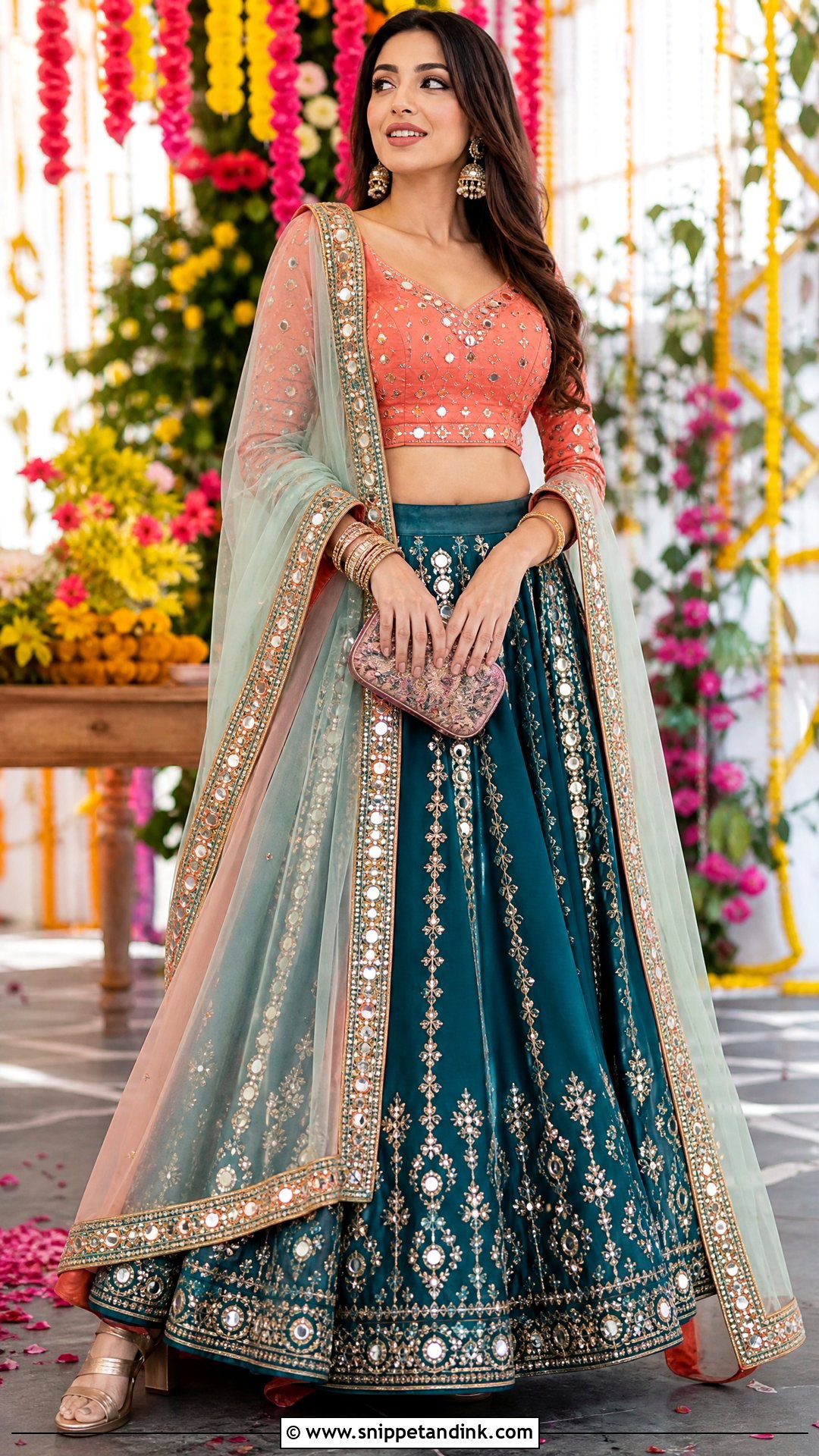
Mirror work earns its keep after dark, when every small glass piece throws back the lights. I’d try a deep teal lehenga with multicolored panels and a fitted coral choli. The choli needs a secure neckline and proper sleeves, since a heavily mirrored blouse is weighty and will shift during dancing if the fit is loose. A sheer dupatta with a narrow mirror border can be draped on one shoulder or tied at the wrist. Skip the necklace if the blouse is densely worked. Block heels, statement earrings and a sleek ponytail are all it needs.
3. Pakistani Angrakha Peshwas With Churidar
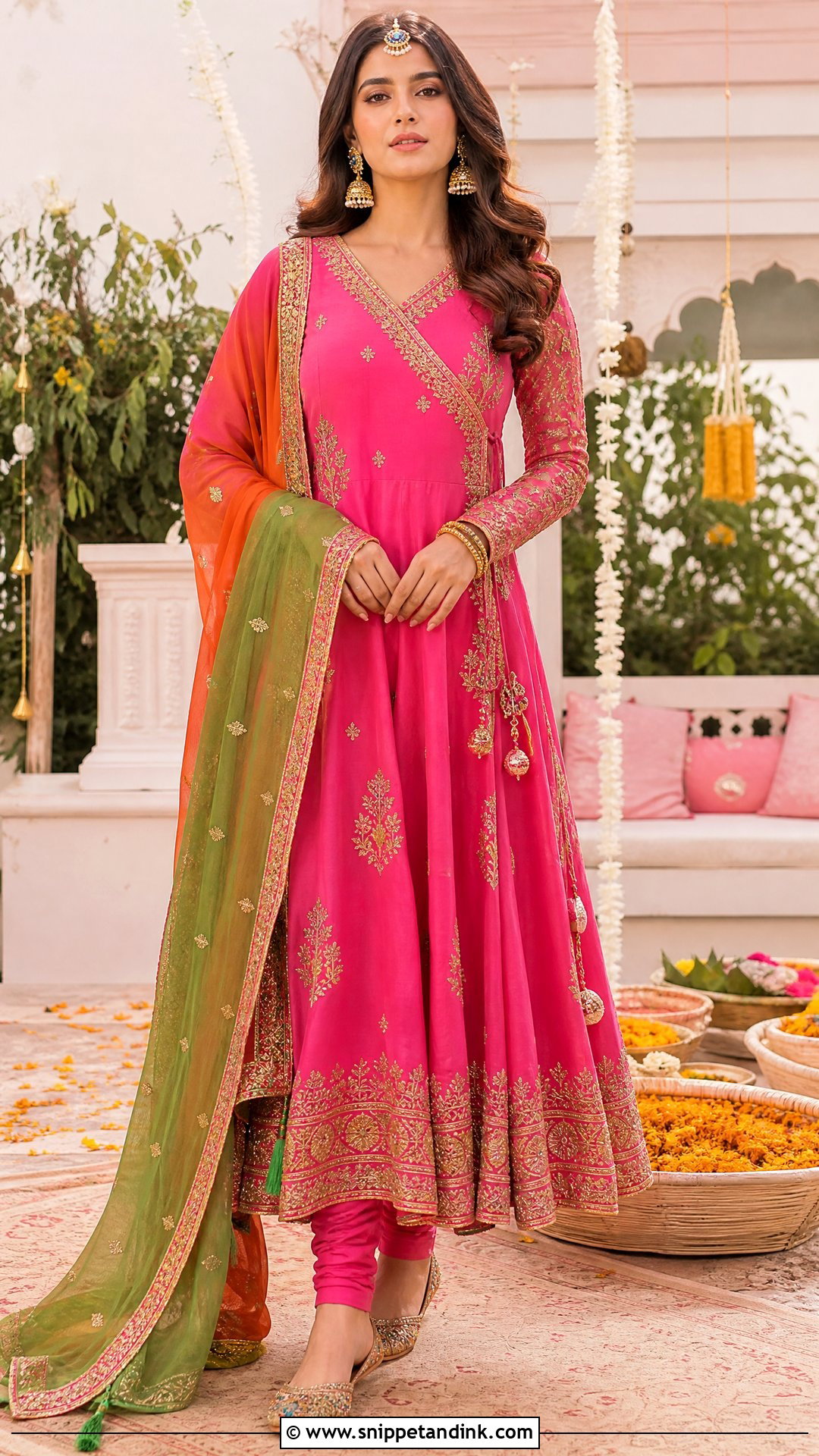
The crossover bodice is where an angrakha peshwas succeeds or fails, so this is the piece I’d never buy without a fitting. In rani pink with fine gold work and a generous flare, it moves well over a fitted churidar. An orange or green dupatta with scattered motifs keeps it mehndi-bright. Ask the tailor to finish the skirt just above the floor; a sister walks, climbs on stage and kneels far more than a guest does. Gold jhumkas, a small maang tikka and embroidered khussas, but stop there so it never reads as bridal. A smooth bun shows off the wrapped neckline.
4. Pakistani Ivory Sharara With Long Kameez
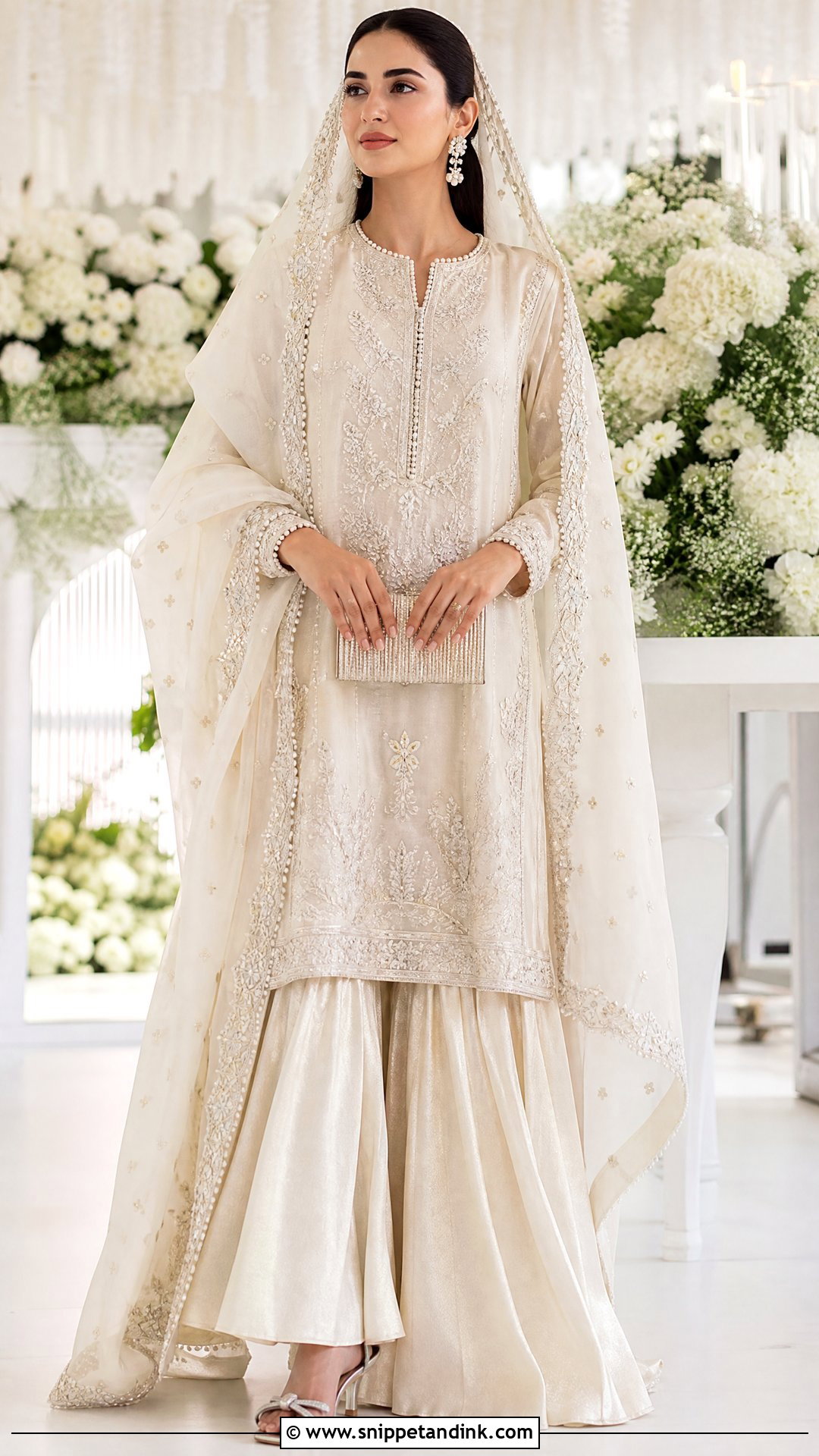
Ivory at a nikkah is only a safe idea once you know what the bride is wearing. In some families it’s reserved for her, so ask first. If it’s yours, a straight knee-length kameez with a flowing sharara in matching raw silk, with pearl and silver threadwork, is quiet and correct. A sheer scalloped dupatta can go loosely over the head during the ceremony. Pearl drops, silver sandals and a rosy lip. If ivory belongs to the bride, pale sage or powder blue gives the same calm effect without any awkwardness.
5. Pakistani Blush Pishwas With Organza Dupatta
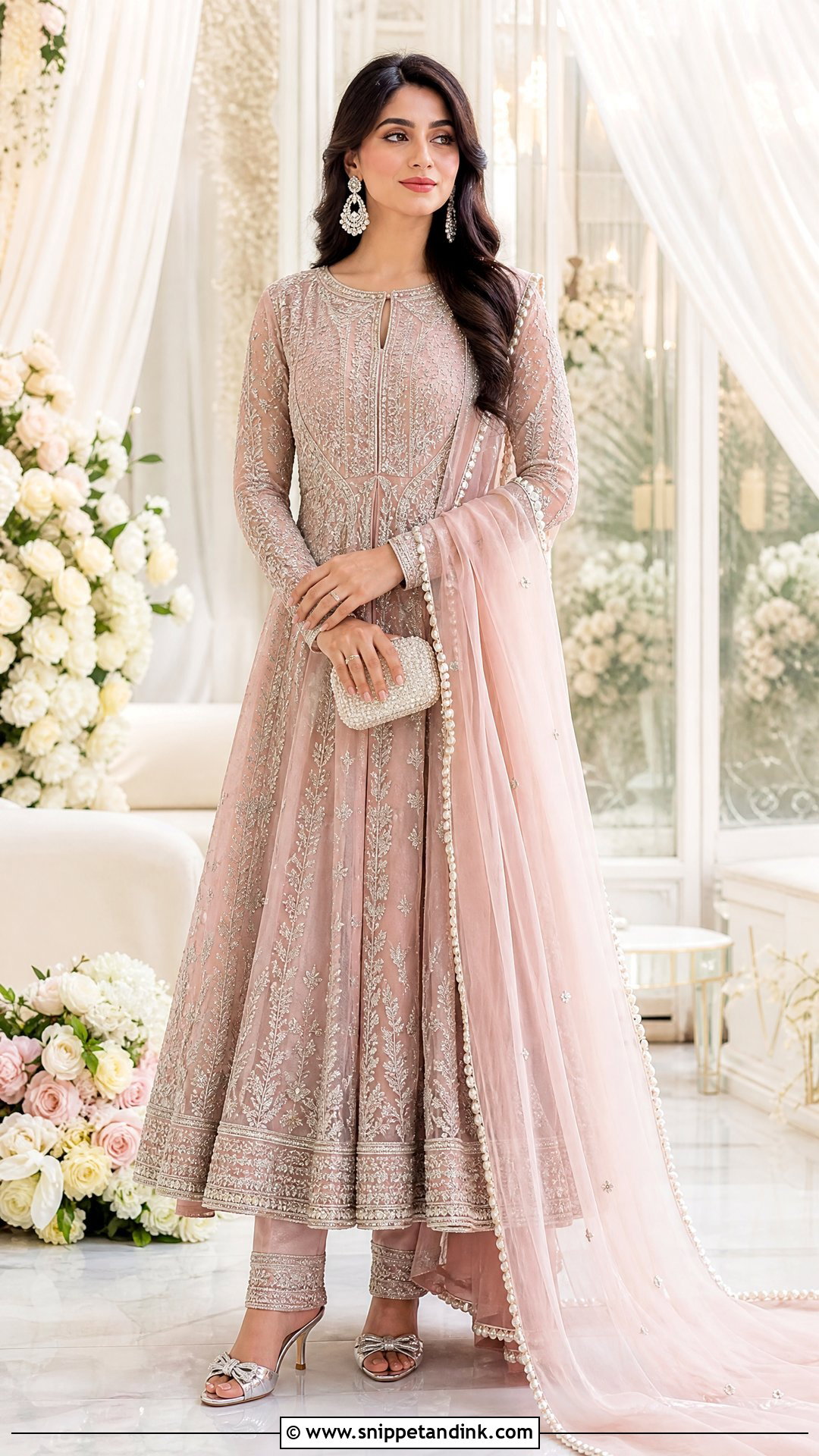
Blush pishwas suits a bright daytime nikkah, and its trick is in the lining. A light lining gives the skirt its shape; without one, the flare collapses, and with a heavy one you’ll be lifting a lot of fabric every time you climb stairs. Choose a floor-length design with a fitted bodice, full sleeves and pearl or silver embroidery, over narrow trousers. A matching organza dupatta with embroidered scallops, crystal earrings, a slim tikka and silver kitten heels. Keep it a shade away from the bride’s palette, and use deeper rose accessories if you need definition.
6. Pakistani Teal Velvet Shirt With Lehenga
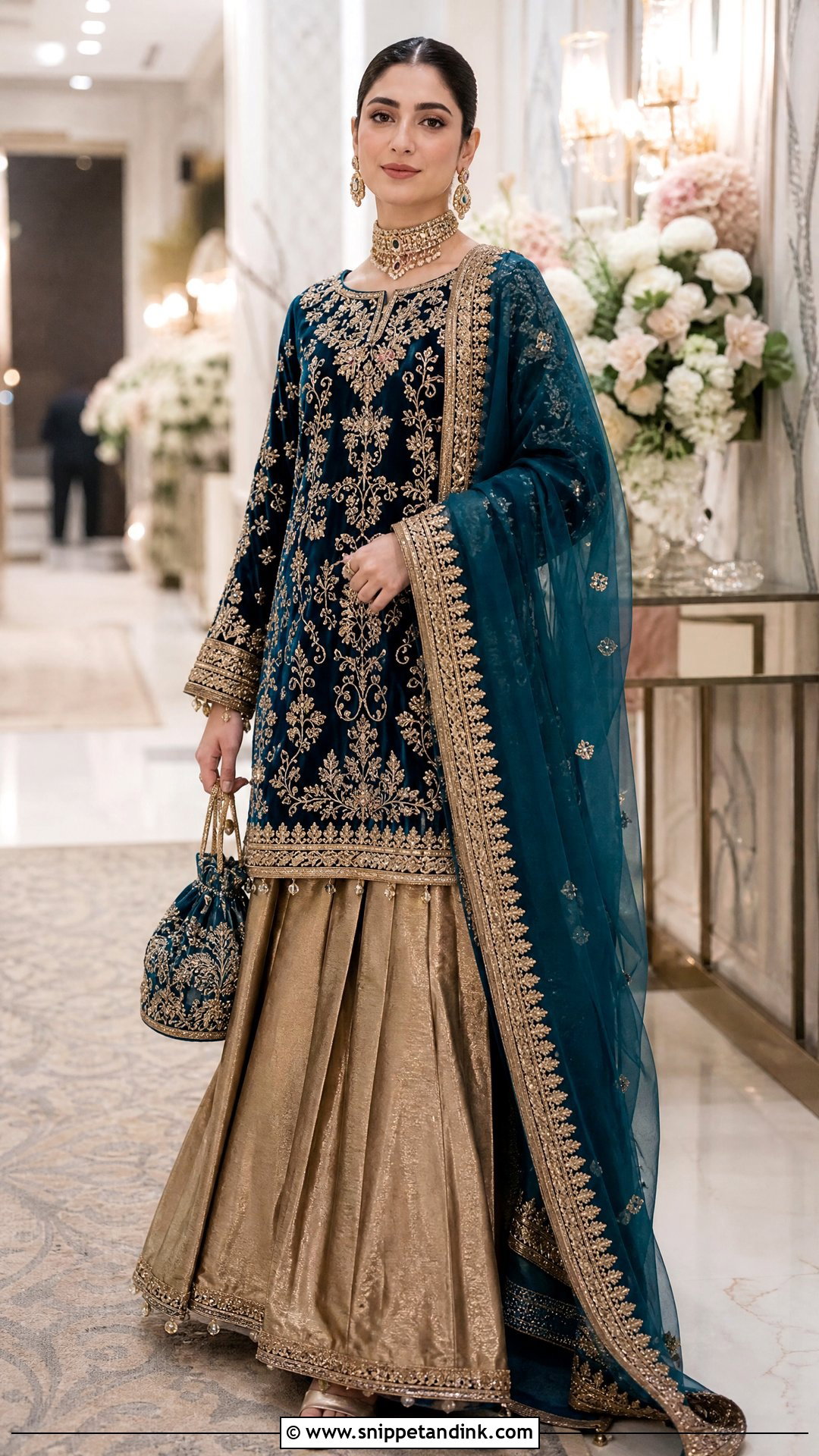
Velvet is for a winter baraat, and the teal velvet shirt and lehenga is one of my favorite sister looks for that night. A fitted mid-thigh shirt with antique gold work at the neckline, cuffs and hem sits over a muted gold raw silk lehenga with enough flare to move, but no train. A teal net dupatta links the two. Velvet already has depth, so I keep the embroidery concentrated rather than covering the shirt. Check the armholes at the fitting: velvet has no stretch, and you’ll be lifting your arms to adjust the bride’s jewelry all evening.
7. Pakistani Maroon Farshi Gharara With Short Shirt
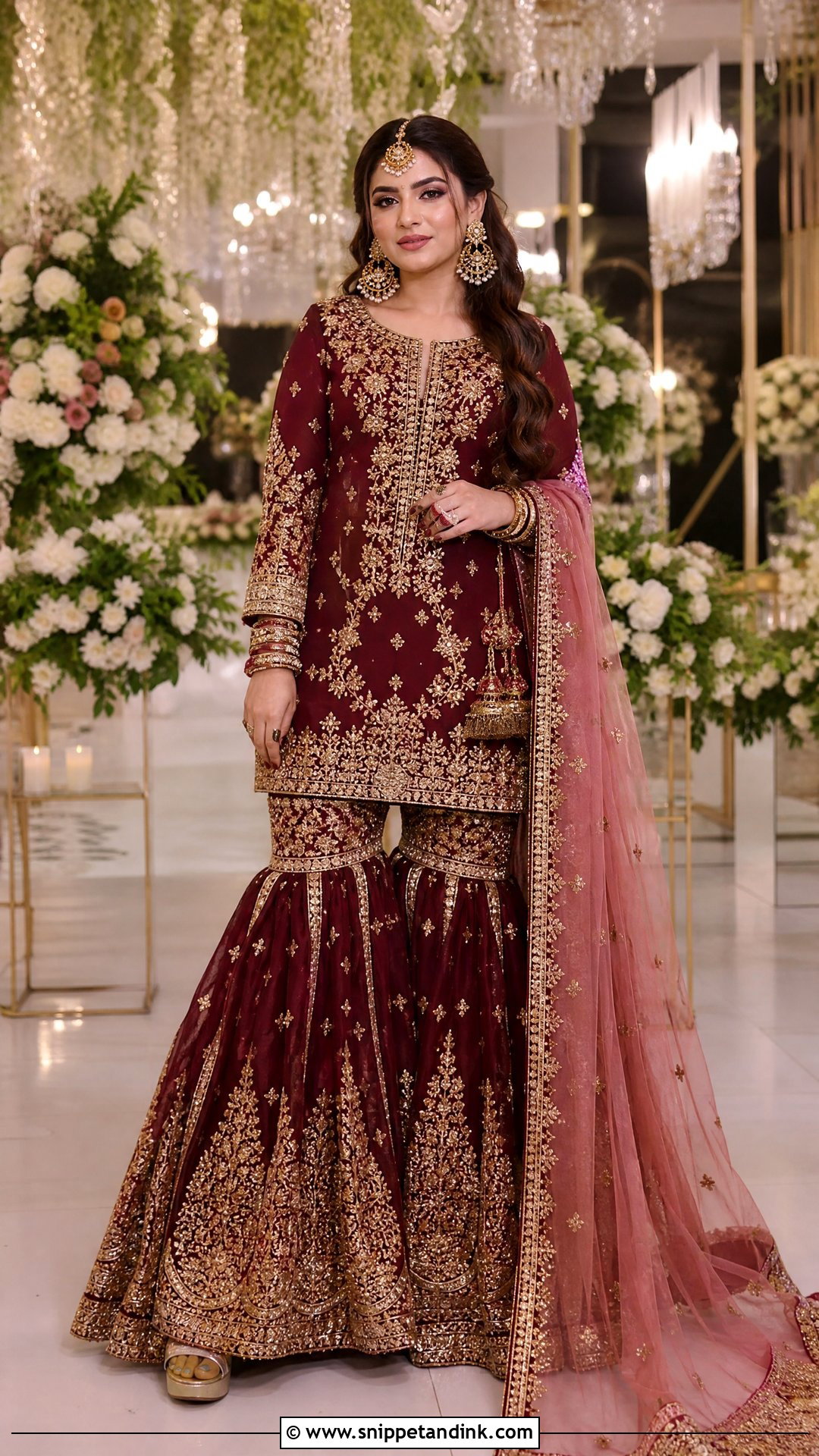
Farshi ghararas are glorious and genuinely hard to walk in. The traditional version pools on the floor, so I measure the length with your shoes on and keep the sweep generous but just clear of the ground. Tailor it closely above the knee before it opens out, and pair it with a short shirt in gold zardozi or dabka. A muted gold or dusty rose dupatta softens the maroon. Chandbalis, a small tikka and platform sandals. If the neckline of the shirt is heavily worked, the necklace stays light or stays at home.
8. Pakistani Emerald Peplum With Lehenga
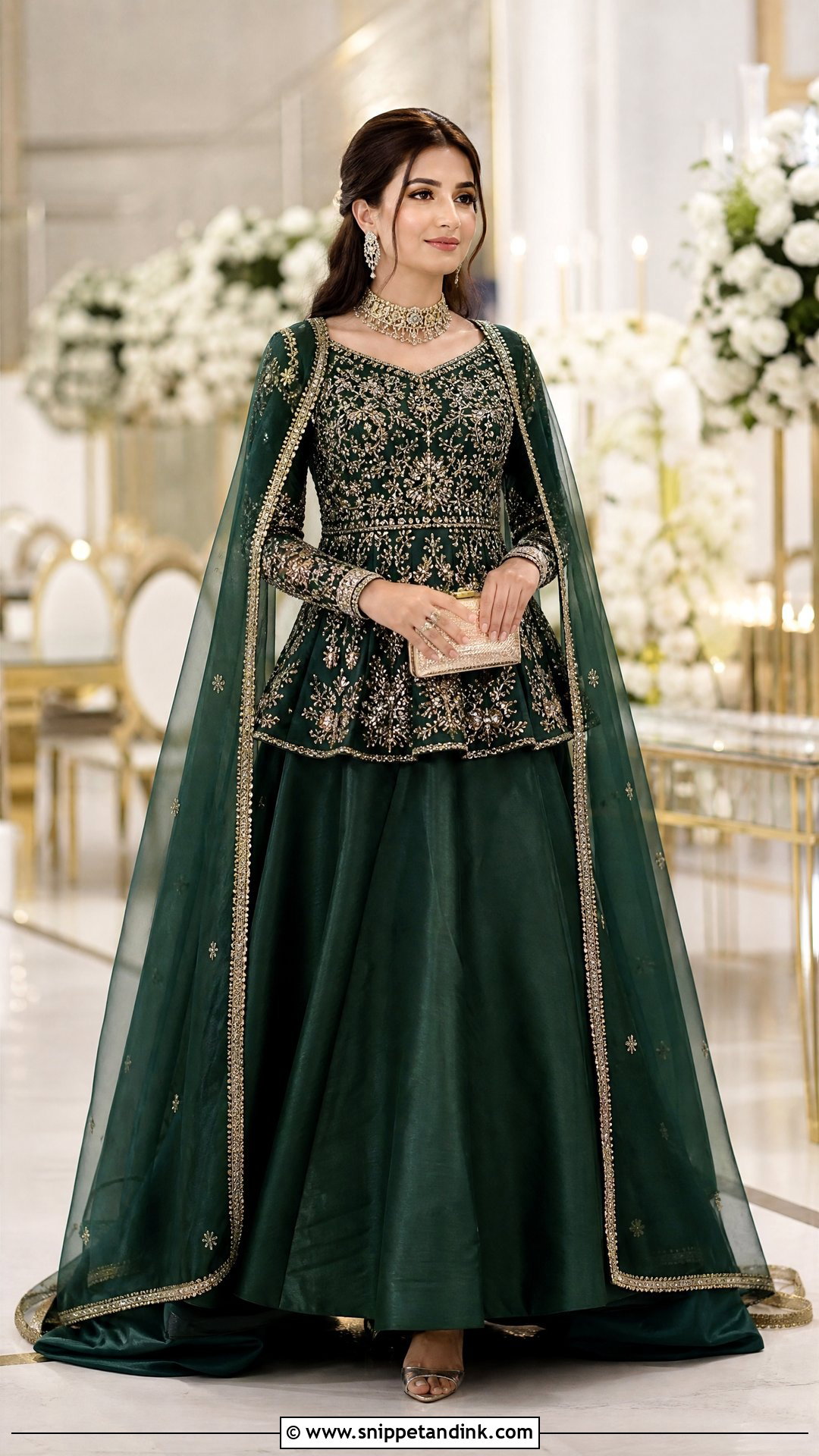
A peplum over a lehenga looks crisp in formal family photos because the waist stays defined even when you’re sitting. Pick an emerald peplum with three-quarter sleeves and antique gold work, over a matching raw silk lehenga with a broad border and restrained motifs. The peplum has to end above the fullest part of the skirt or the shape turns boxy. Pin the dupatta behind both shoulders and you’ll have both hands free. A gold choker, drop earrings and a low ponytail.
9. Pakistani Navy Saree With Embellished Blouse
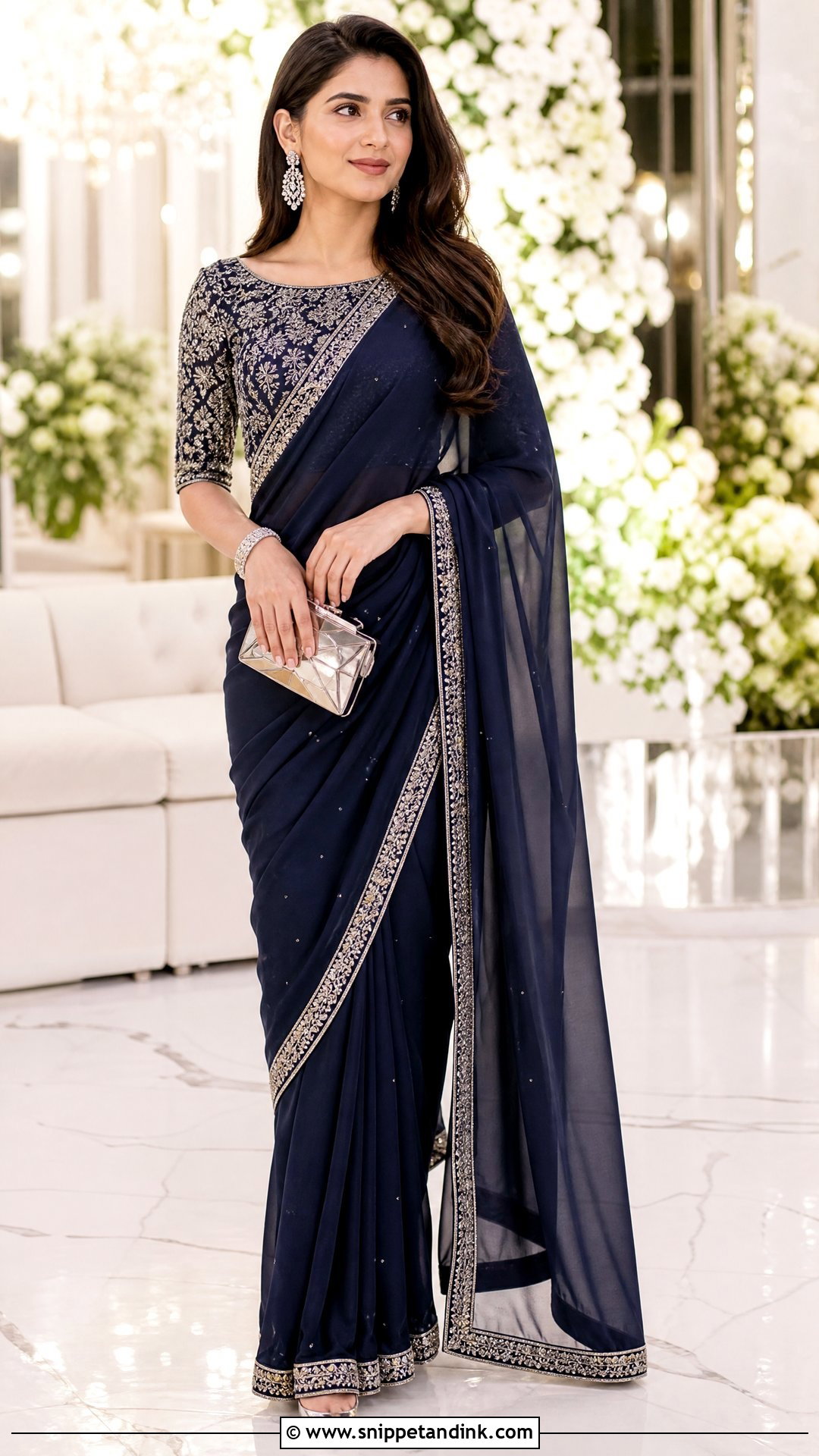
If you’ve never worn a saree for six hours, a walima is a gentle place to start, and navy is a forgiving color. Choose chiffon, georgette or soft net with a fine silver border, and a fitted blouse with full or elbow sleeves and a secure neckline. I’d strongly suggest getting it pre-pleated or pre-stitched: a sister doesn’t have time to re-tuck pleats in a bathroom mid-event. Silver earrings, pointed metallic heels and a small box clutch. Navy stands out against light reception decor and pastel bridal colors.
10. Pakistani Champagne Maxi With Dupatta
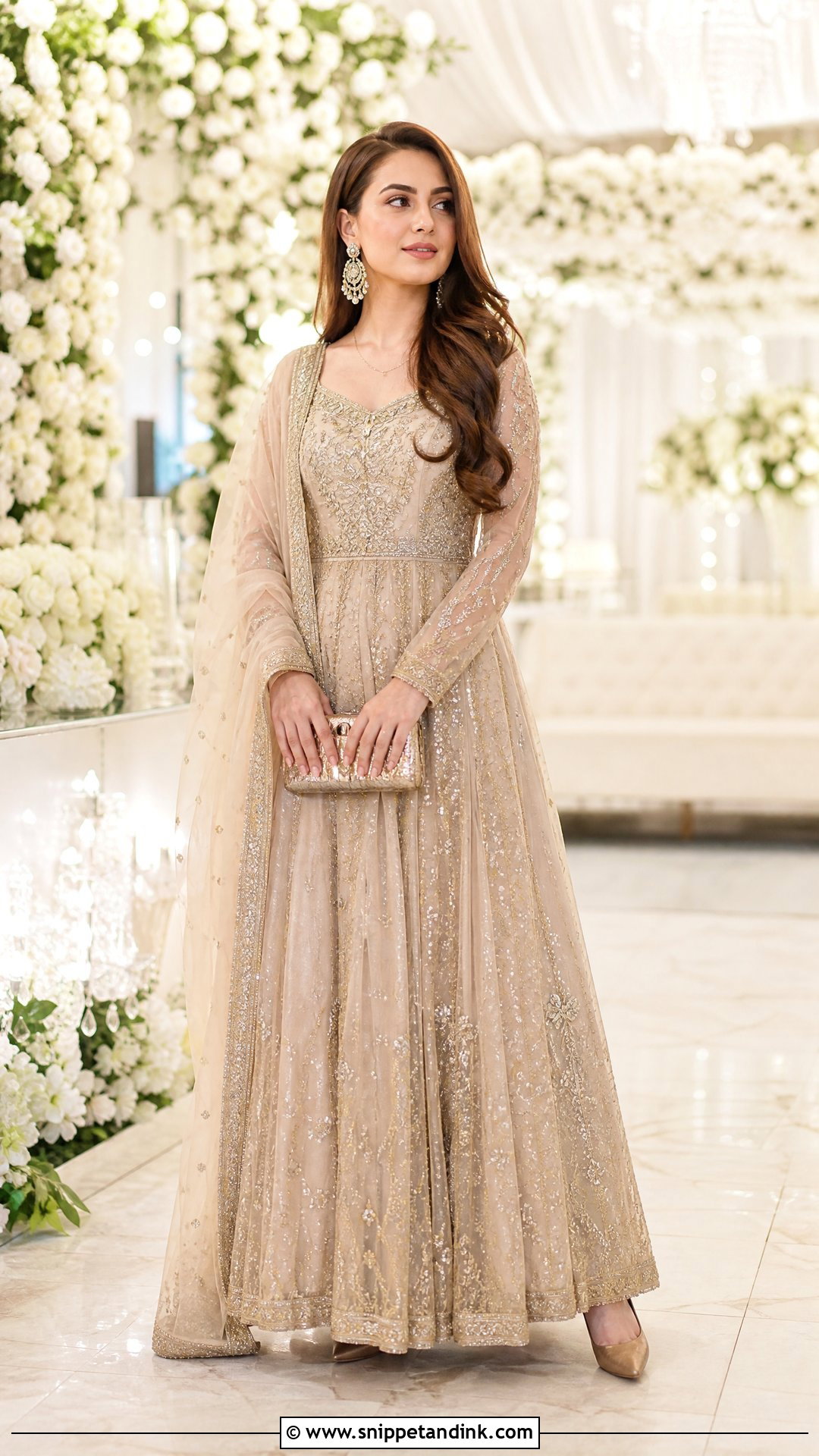
Champagne is the color most likely to clash with a bride without anyone meaning it to. Under bright hall lighting, champagne and bridal ivory look almost identical in photos. Check her walima outfit first. If the coast is clear, a floor-length maxi with a shaped bodice, balanced silver or pale gold work and sheer full sleeves is graceful indoors. Wear the dupatta over one shoulder or around the arms, with crystal drops and closed-toe heels. If it’s too close, taupe or dusty blue give the same effect.
11. Pakistani Powder Blue Anarkali With Churidar
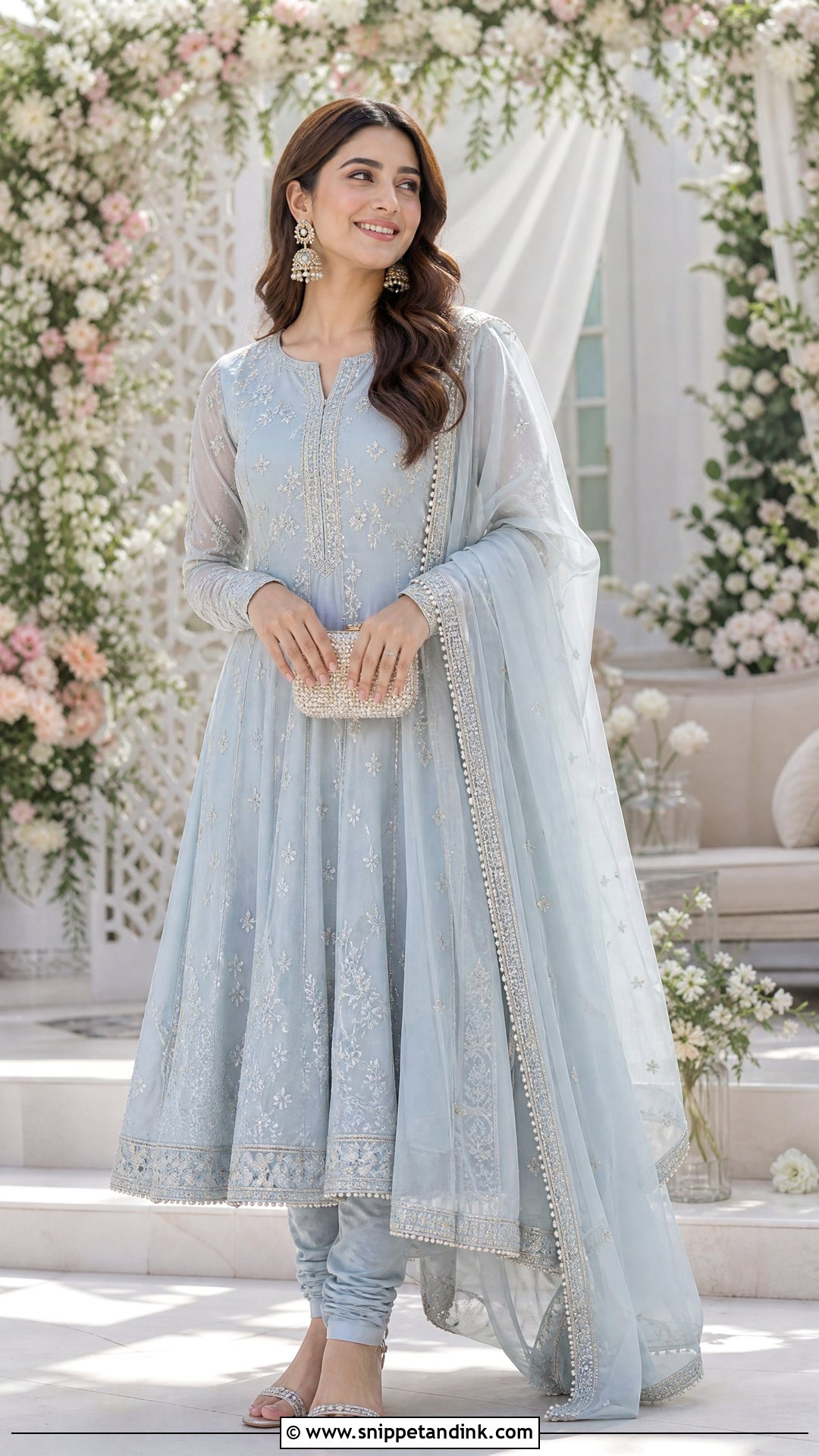
Powder blue Anarkalis hold their shape better than most pastels, because the fitted upper section gives the eye a structure to read. A calf or floor-length dress with a flared skirt and delicate silver embroidery, over a matching churidar, suits a nikkah or daytime walima. Drape a pearl-edged dupatta across the front or pin it to one shoulder. Silver jhumkas, a pearl ring, low block heels. In flat daylight, a slightly deeper blue border at the hem and sleeves keeps the outline crisp.
12. Pakistani Rani Pink Peplum With Sharara
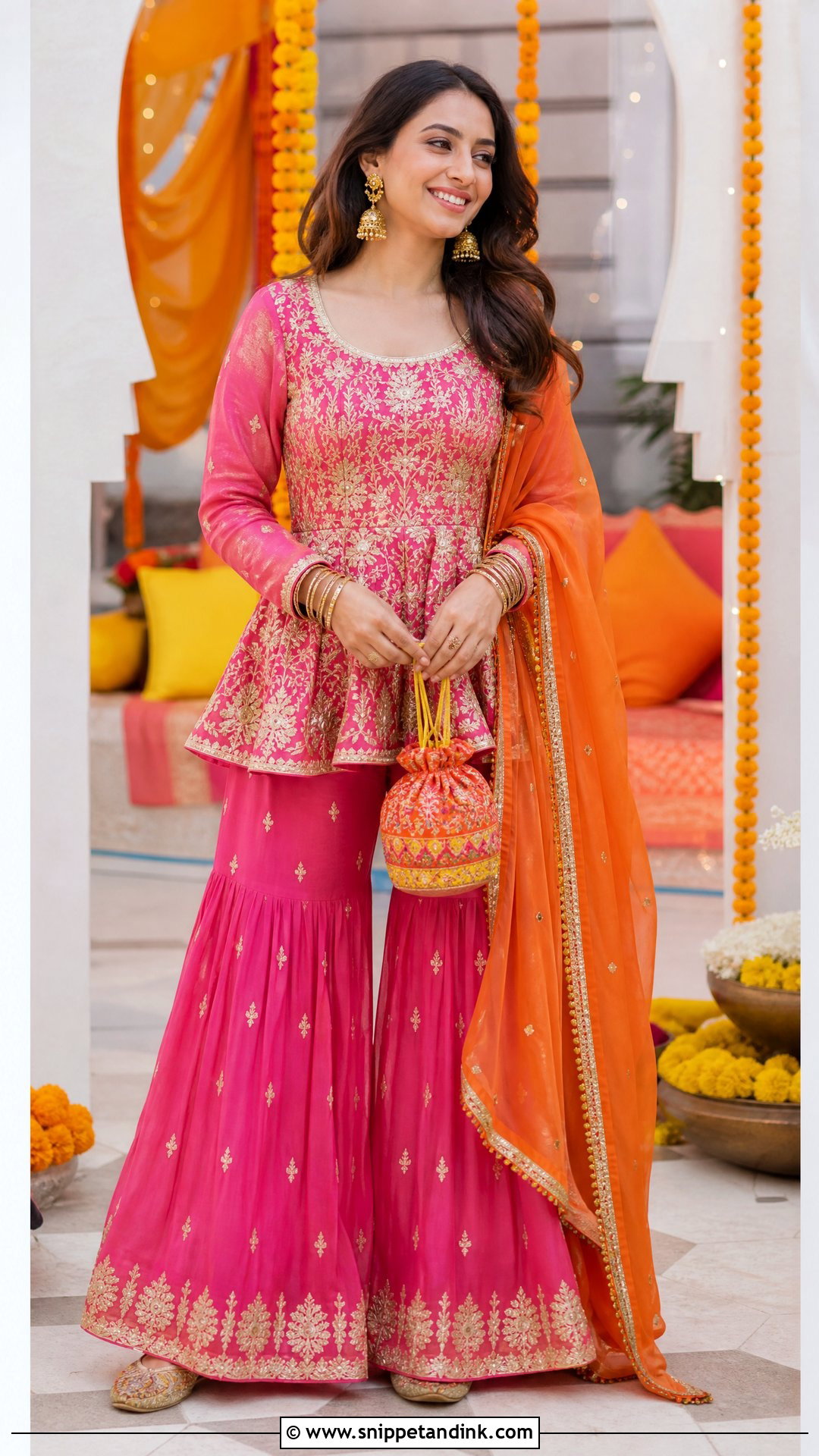
Rani pink is loud enough by itself, so I’d pick one jewelry feature and leave the rest small. A short peplum top over a wide sharara in matching silk or georgette, with gold work at the waist and neckline and scattered motifs on the pants, is ready for a mehndi or baraat. An orange dupatta adds heat. Gold jhumkas, layered bangles and khussas. The sharara is the reason this outfit is so easy to dance in: the volume starts at the hip, not the knee.
13. Pakistani Black Velvet Kurta With Gold Gharara
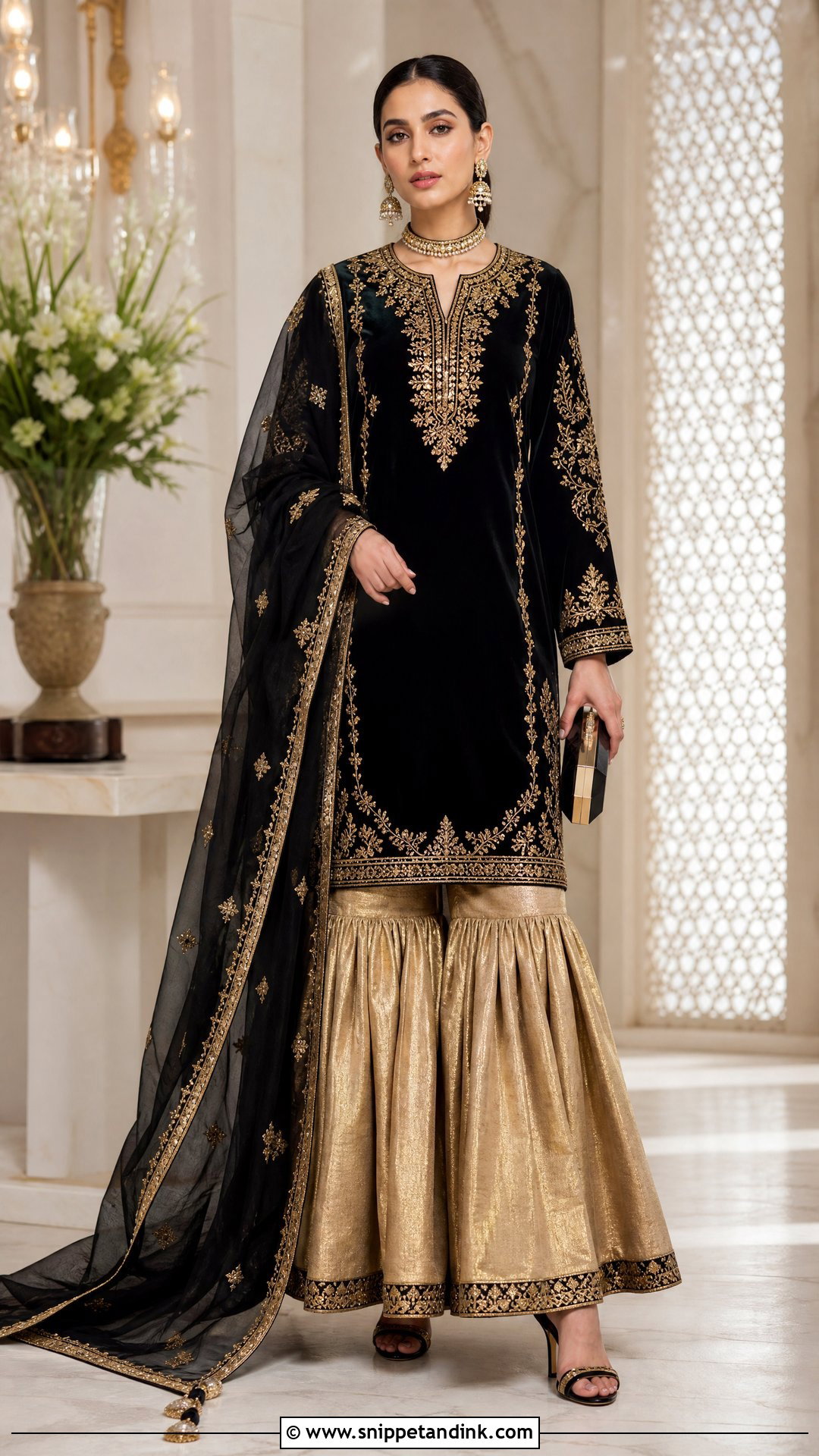
Before you settle on a black velvet kurta, ask whether black is welcome at that function. Some families avoid it at weddings entirely. Where it’s fine, a knee-length kurta with antique gold work at the neckline, sleeves and slits over a gold tissue or jamawar gharara is dramatic and clearly not bridal. A black organza dupatta with small gold motifs ties it together. A compact choker, a structured clutch and defined eyes. Ask for a breathable lining, because velvet traps heat at an evening event.
14. Pakistani Rust Asymmetric Shirt With Dhaka Pajama
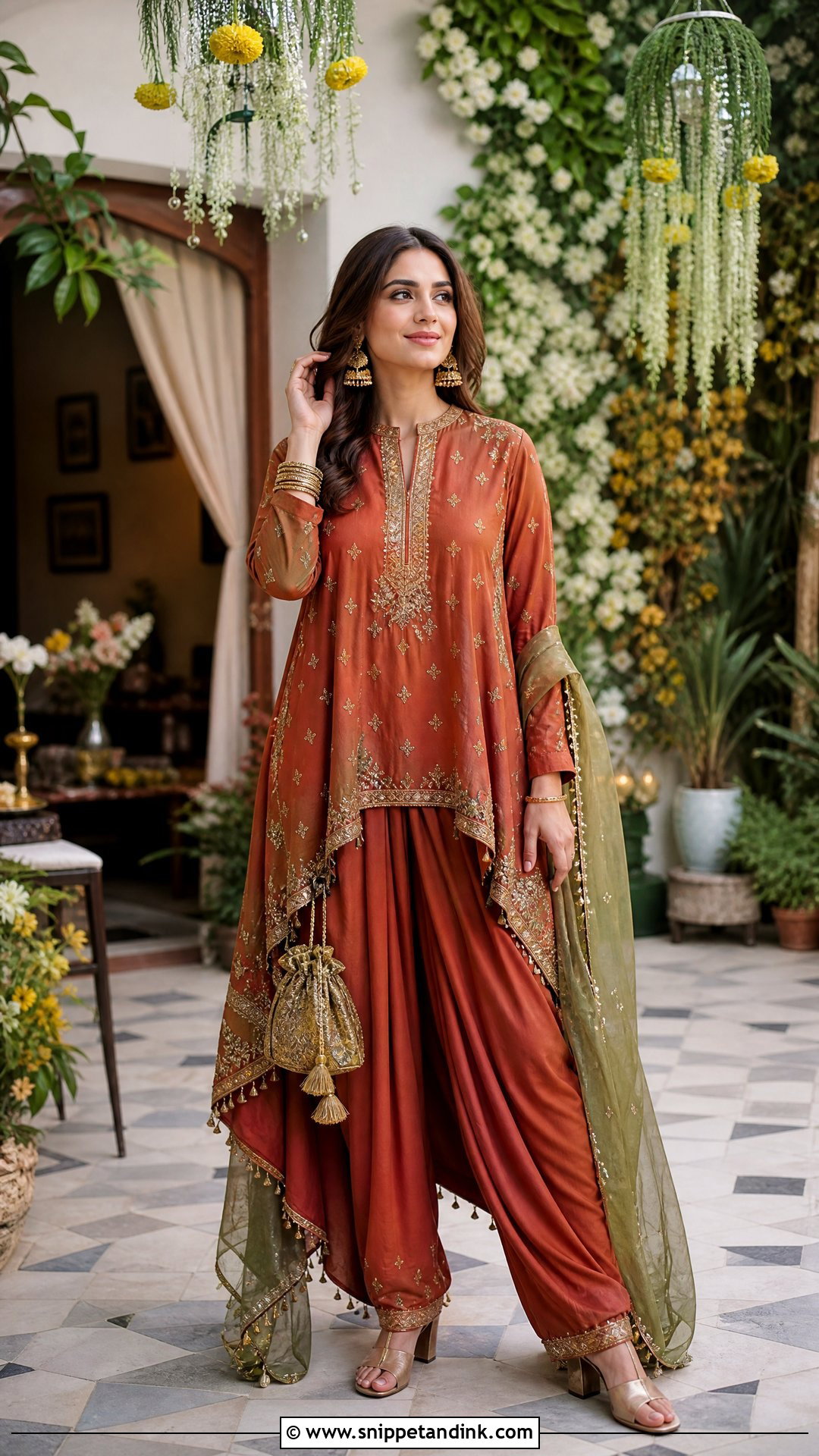
This is the one I’d hand a sister who has hosting duties at a pre-wedding dinner. A rust asymmetric shirt with gota work and embroidered cuffs sits over a wide Dhaka pajama in a fluid fabric that balances the shorter front hem. An olive or mustard organza dupatta adds depth, pinned at the shoulder so it stays put while you move between tables. Gold hoops or medium jhumkas, block-heel sandals and a side braid. Rust also stands apart from all the pinks and greens that crowd a mehndi.
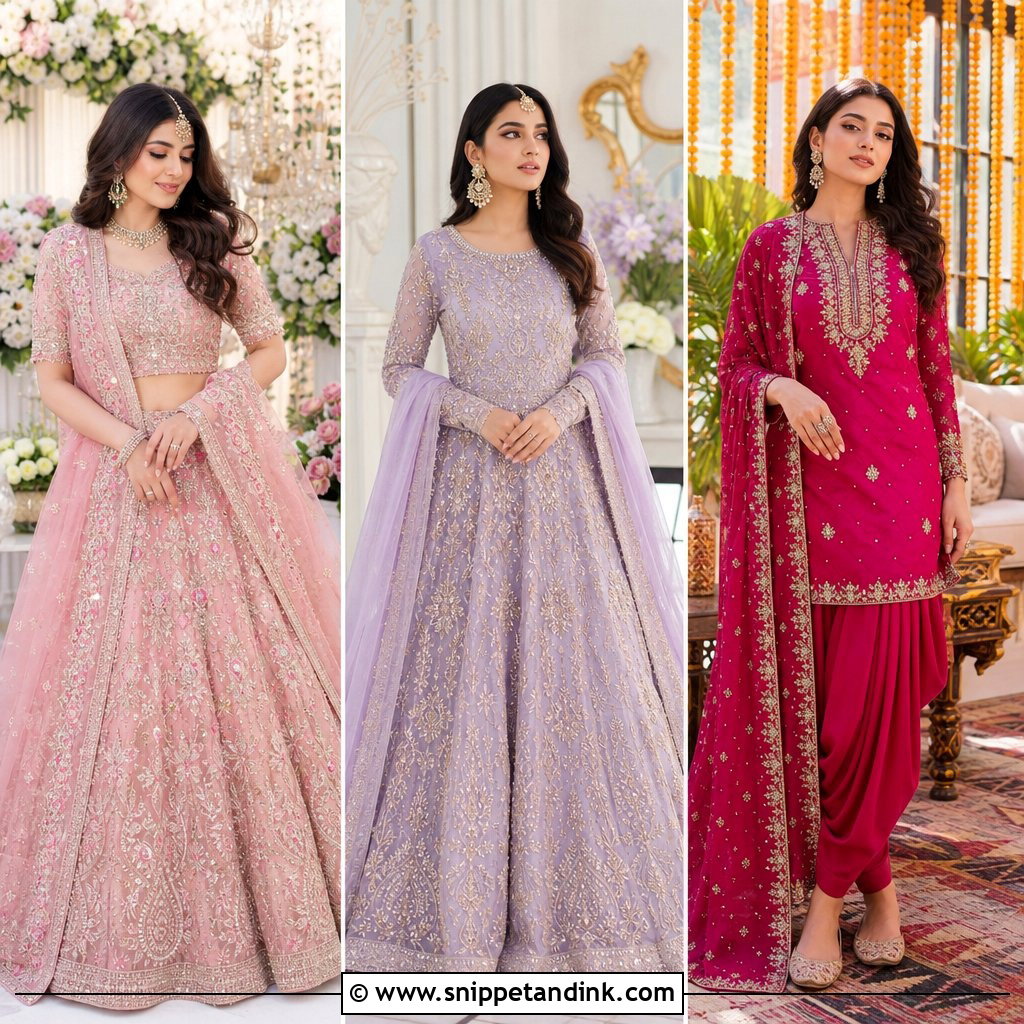
15. Pakistani Lilac Cape Lehenga Outfit
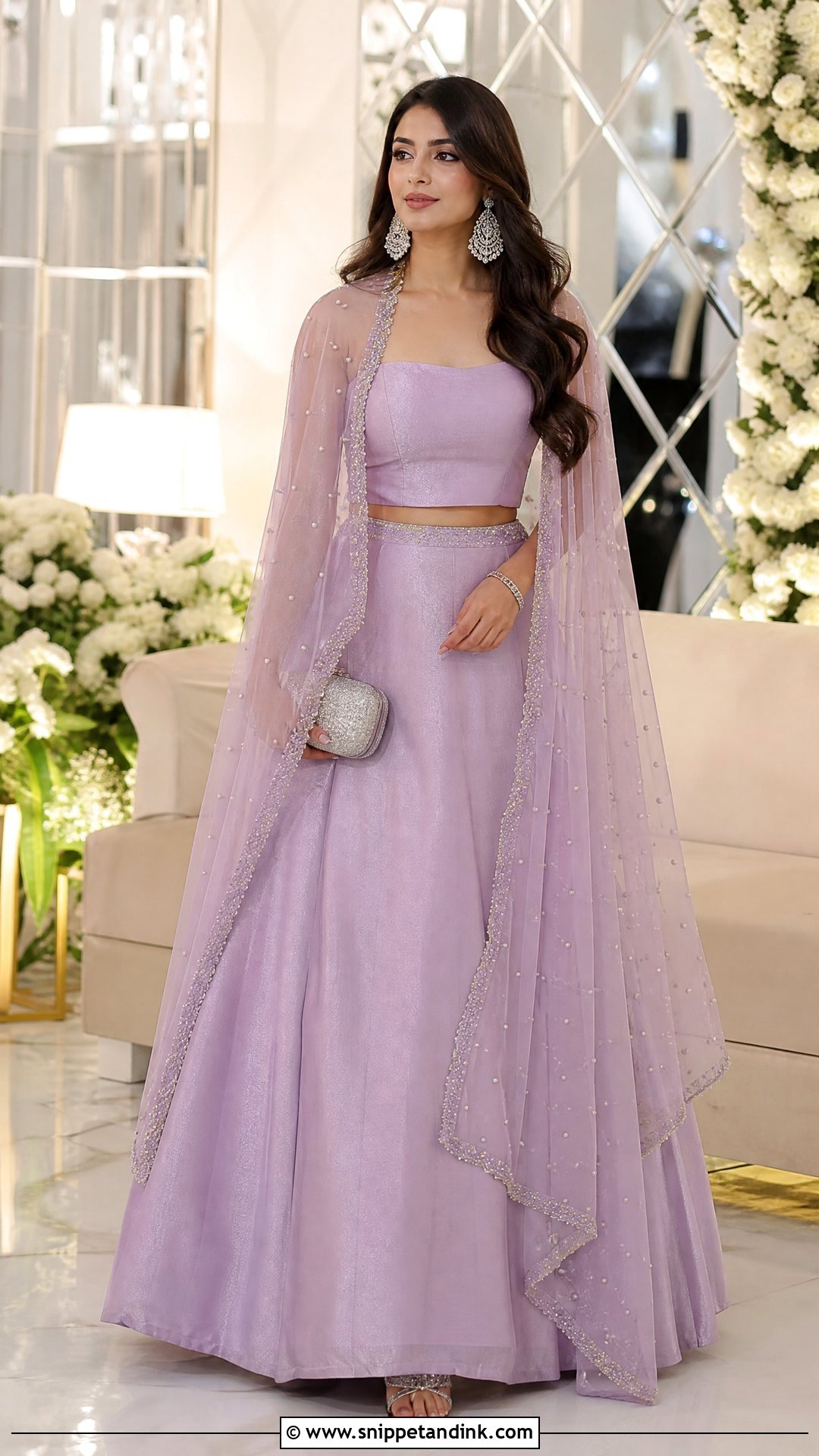
The cape replaces the dupatta here, which is a relief if you’ve spent three functions holding one. A fitted sleeveless or short-sleeved blouse and moderately flared raw silk lehenga in lilac sit under a sheer embroidered cape with silver threadwork and pearls. Two fit points matter: the cape should end above the lehenga hem so you don’t step on it, and it needs practical arm openings. Chandelier earrings, metallic heels, and a sleek ponytail or low bun so the cape’s shoulders stay visible. Best at a walima or engagement.
16. Pakistani Coral Frock With Crushed Sharara
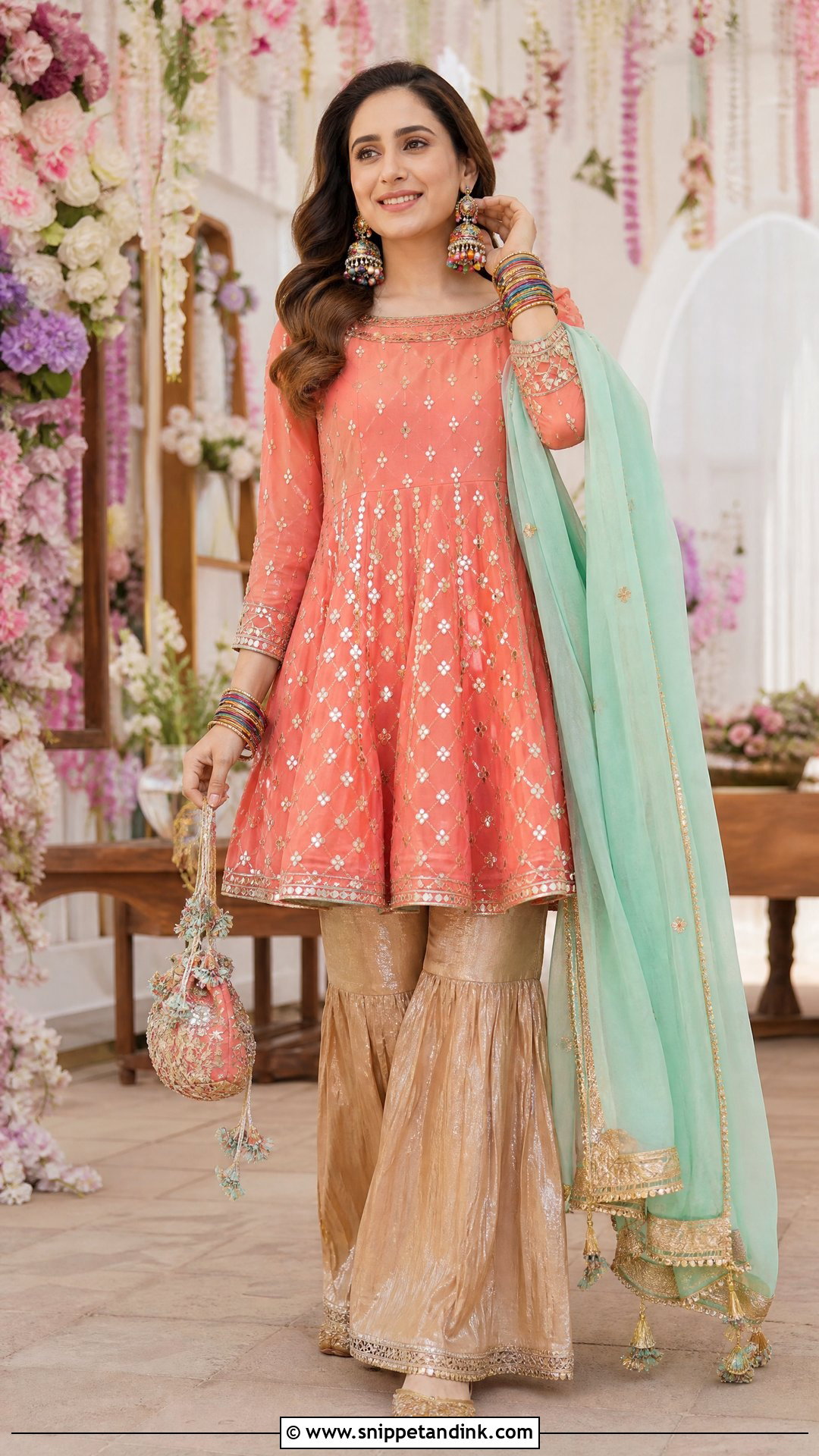
Coral frocks look playful, but the fit at the waist decides whether they look sweet or sloppy. The frock should flare from a properly fitted waist and end around the knee, structured but not tight, since you’ll sit on the floor at the mehndi more than once. Gota or mirror work at the neckline and hem, a soft gold or coral crushed sharara, and a mint or yellow dupatta. Crushed fabric is a gift for a busy sister: it hides creases from sitting and packing. Colorful jhumkas, gold khussas and a half-up style with small flowers.
17. Pakistani Gold Tissue Saree With Full Sleeve Blouse
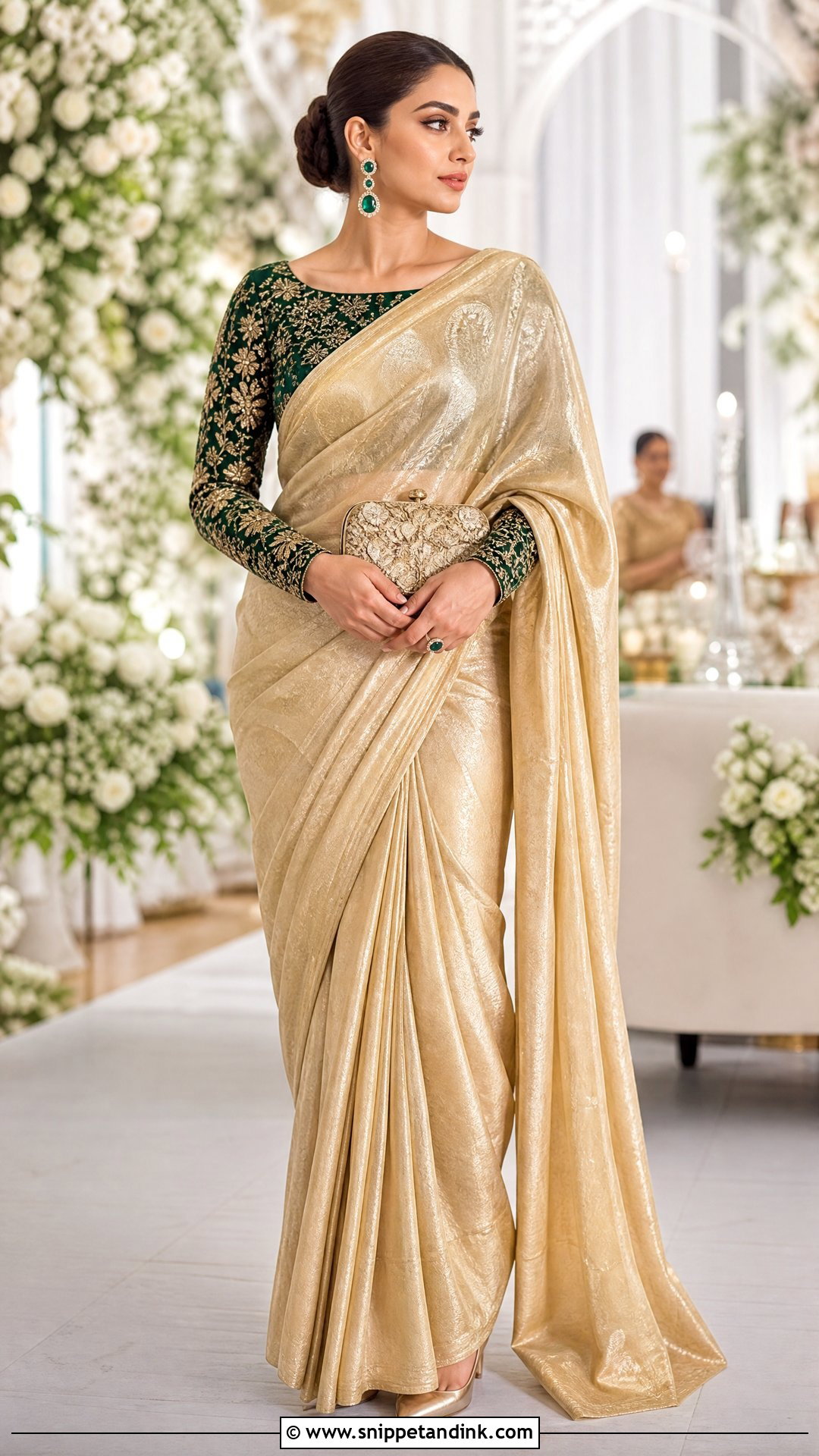
Gold tissue looks regal at a baraat and also looks a lot like what many brides wear, so read the room. If your sister is in a metallic outfit, I’d pull your saree back with a darker blouse in bronze or deep green and skip the headpiece. A fitted full-sleeve blouse balances the tissue’s shine; keep the border refined and the pleats crisp. Emerald earrings, a ring and a small brocade clutch. Tissue is stiff and can scratch, so line the blouse sleeves softly.
18. Pakistani Plum Long Shirt With Cigarette Pants
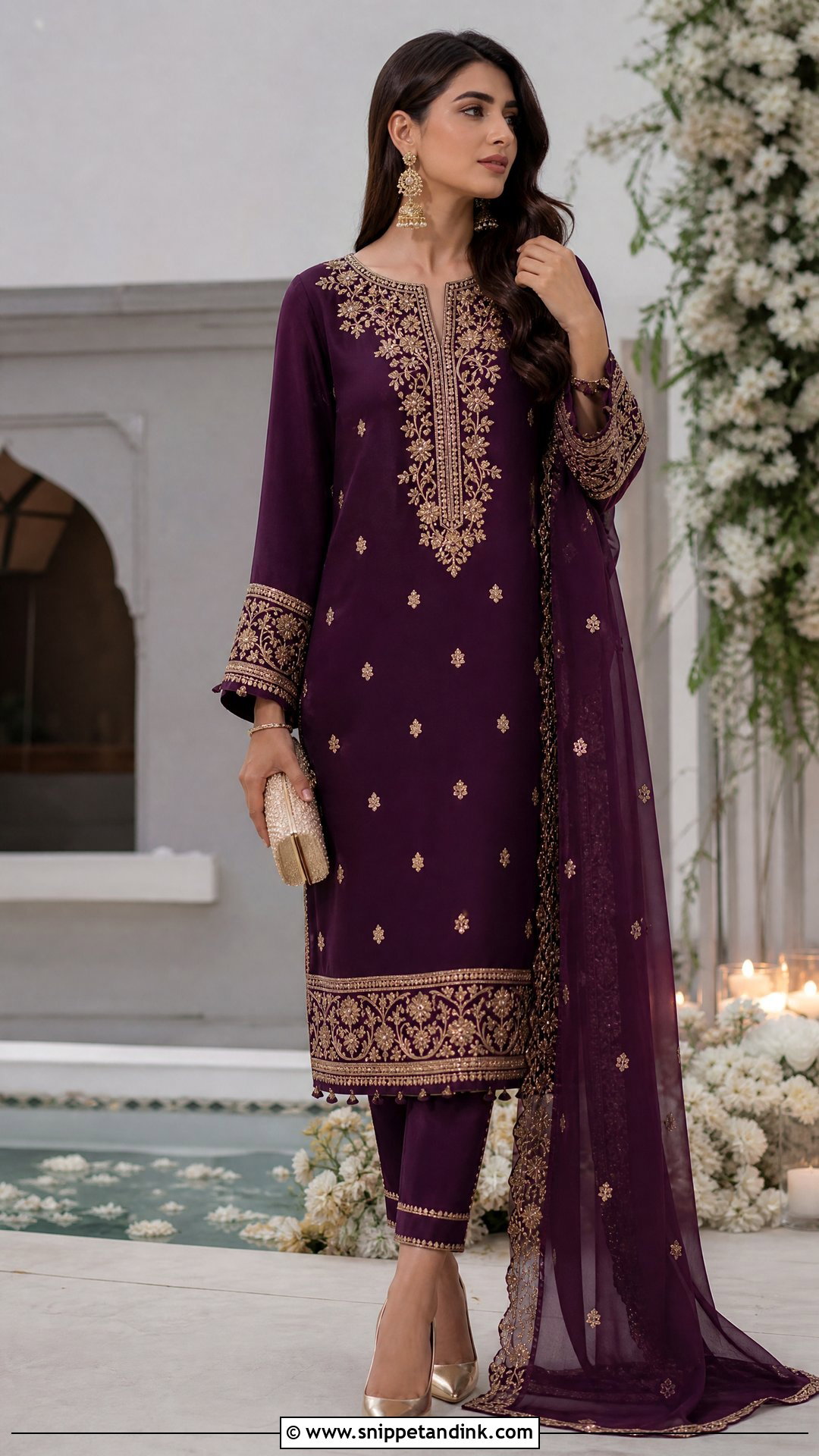
No big skirt, still formal: a plum long shirt with cigarette pants is what I suggest for an intimate nikkah, a family dinner or a walima. Pick a straight or gently A-line shirt below the knee with embroidery at the neckline, side panels and hem, over tailored cigarette pants with small worked ankle openings. A matching organza dupatta with a gold border. The fit checks are simple but non-negotiable: shoulders that sit right, and pants you can sit cross-legged in. Statement earrings, pointed heels, side-parted waves.
19. Pakistani Mint Floral Lehenga With Organza Dupatta
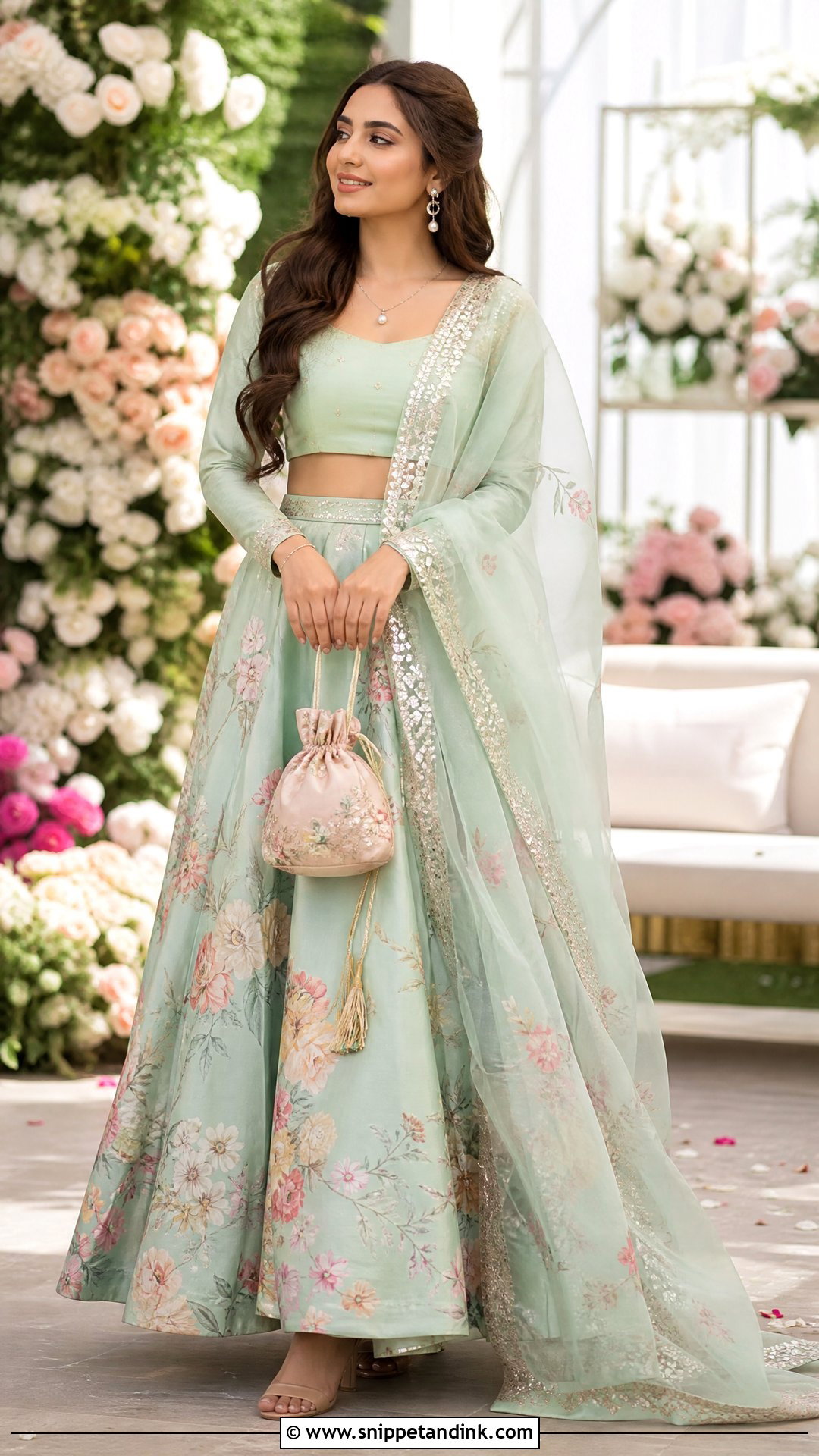
A mint floral lehenga brings color to a daytime nikkah or outdoor event, but florals tip into casual if the fabric is too soft. I’d choose a silk base, an embellished waistband or a worked hem to keep it formal. Blush, peach and pale gold flowers on the skirt, a fitted mint blouse with modest sleeves, and a plain organza dupatta with a floral border so it doesn’t fight the print. Pearl earrings, nude block heels and loose waves or a braided half-up style. In daylight it stays fresh and comfortable.
20. Pakistani Cobalt Jamawar Peshwas With Dupatta
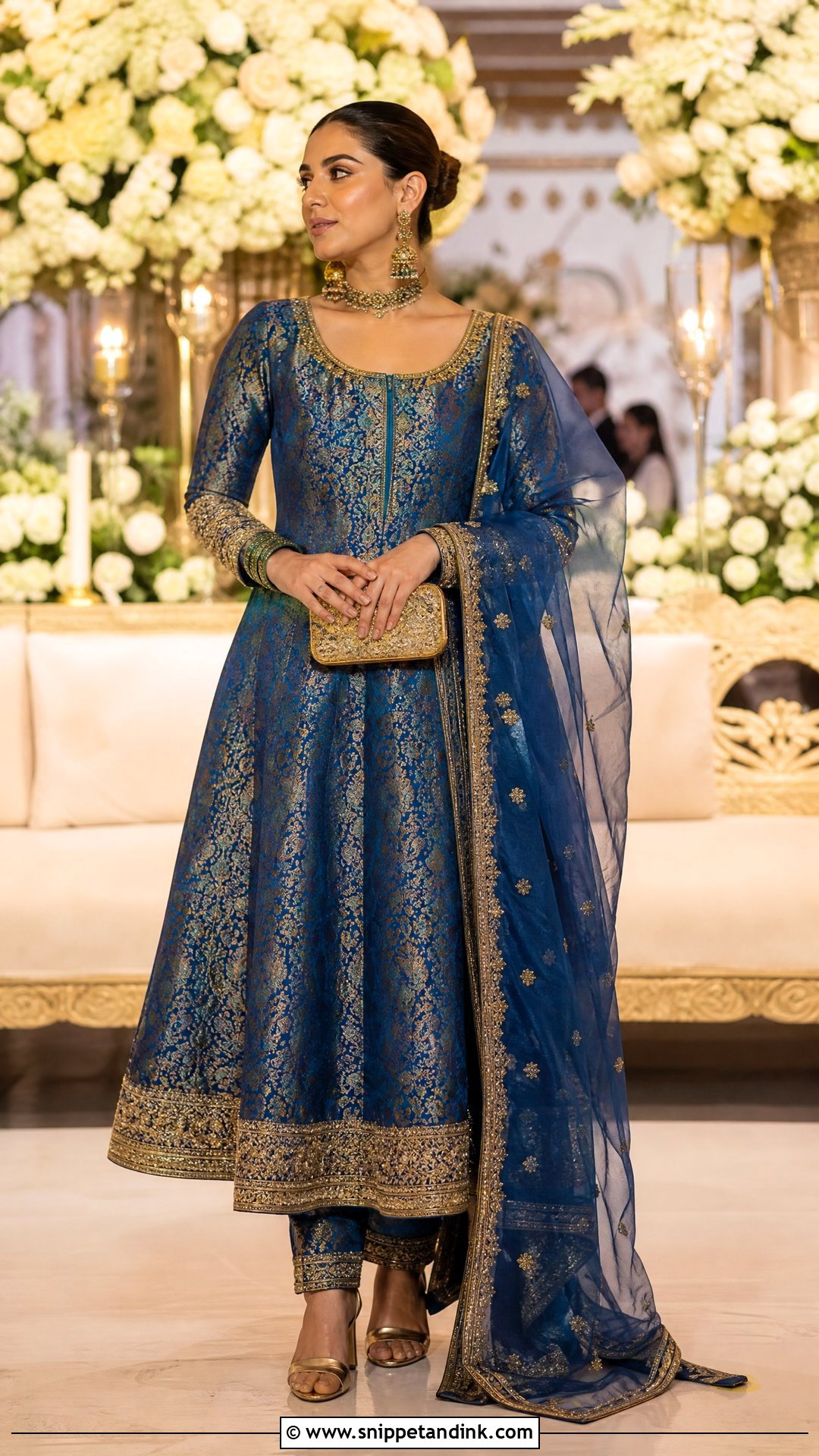
Cobalt is the color I’d reach for when the bride wears red at the baraat. It holds its own in family photos without competing. A long jamawar peshwas with a fitted bodice and patterned panels, edged in antique gold at the neckline, waist and hem, shows off the woven design; I’d avoid adding embroidery on top of jamawar, since the weave is the decoration. Narrow trousers, a cobalt organza dupatta with a gold border, antique jhumkas and gold block heels. Keep the skirt length manageable and ask for a breathable lining.
Safety Pins, Bobby Pins and a Spare Pair of Khussas
The bride’s sister ends up as the person everyone comes to when something slips, tears or pinches. I’d carry a small pouch for the whole week, or hand one to a cousin who stays near the stage.
- Plenty of safety pins and dupatta pins in gold and silver, for you and the bride.
- Bobby pins that match the bride’s hair color, plus a small comb.
- Double-sided fabric tape for a gaping neckline or a hem that has come loose.
- A needle pre-threaded in the colors of the main outfits.
- Blotting papers and the bride’s lipstick, since she won’t be carrying a bag.
- Flat khussas or foldable flats for when heels give out late in the night.
Henna is the other hazard. At the mehndi, wet paste smudges onto light fabric and stains it permanently, so keep your dupatta away from fresh designs and let the bride’s hands dry before you help her change. If a stain does happen, don’t rub it; a cleaner who handles formal wear has a much better chance with it untouched.
Standing Beside the Bride in Every Photo
A sister’s outfits have to look special and survive a week of being useful. Sit down with the bride before you shop, agree on colors and embroidery weight for each function, and then plan for the venue, the weather and how much walking or dancing each event involves. From a yellow mehndi gharara to a cobalt baraat peshwas or a navy walima saree, the version that works is the one tailored to fit, with a dupatta pinned securely and shoes you can stand in for hours. Get those right and your sister stays the center of attention, with you beside her looking the part.
You'll Like These Ideas:


Leave a Reply