
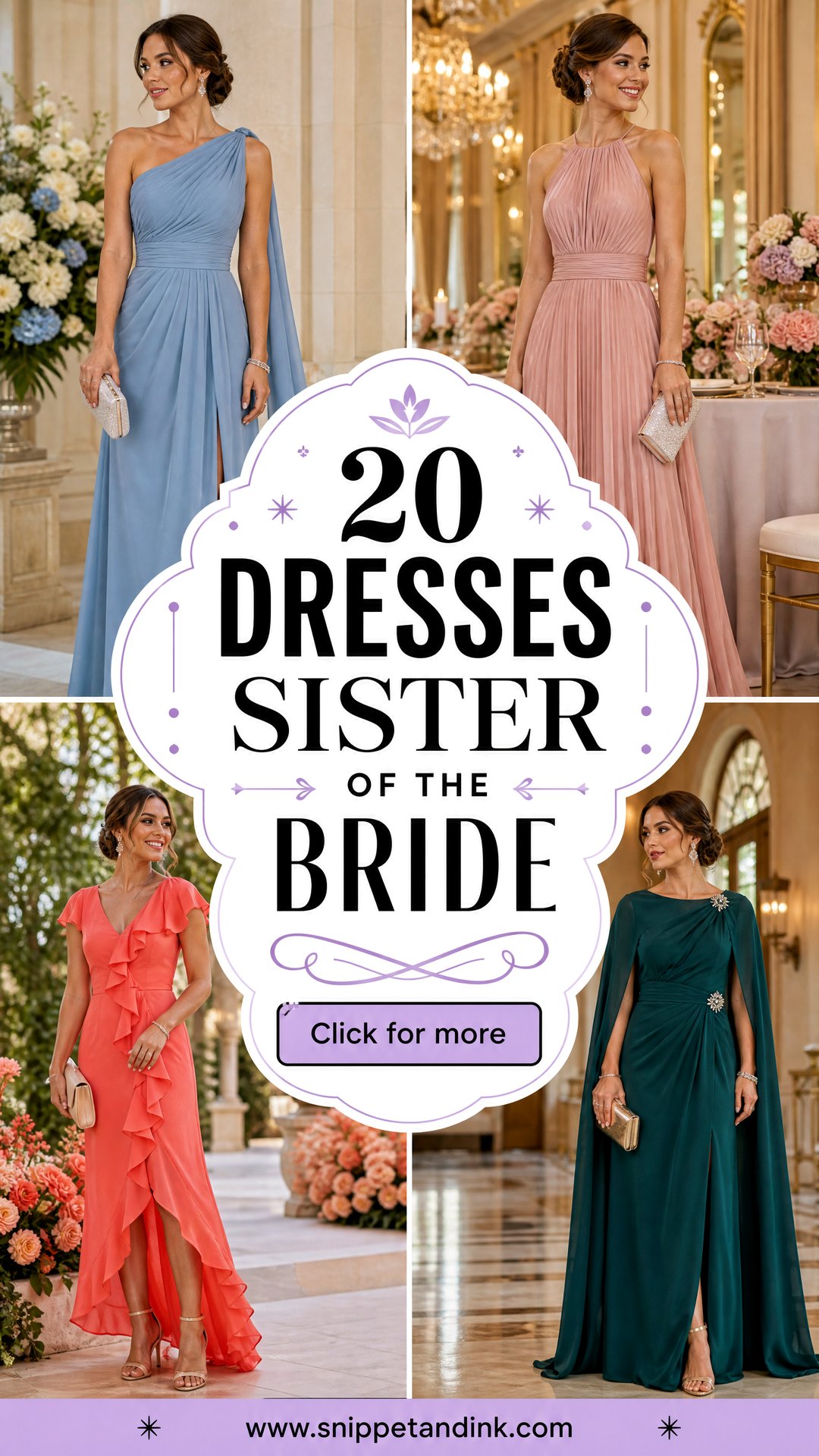
When a bride’s sister comes to me for a fitting, she’s usually carrying two worries: looking right in every family photo and not stepping on the bride’s toes. I start both conversations in the same place, with the wedding dress code and the color palette, because those two answers rule out half the rack before anything is tried on. After that come season, time of day and how much moving you’ll actually do. Ask your sister directly about white, ivory and the bridesmaid color. A quick text now saves an awkward return later. The twenty looks below are ones I’d genuinely pull for a client in your position, with notes on where each tends to go wrong.
The Jobs You’ll Do on the Day Decide the Fabric
Before we talk color, I ask what the sister will actually be doing. The answer changes the fabric more than any trend. A sister who is also maid of honor may bustle the train, hold two bouquets, kneel to straighten the veil and give a toast. A sister in the front row mostly needs to look composed in family portraits and dance later.
- Bustling and kneeling: choose a skirt with real ease at the hip. Tight satin columns can split at the back seam when you crouch behind a gown.
- Giving a toast: you’ll stand alone in front of the room, often under a spotlight. Matte crepe and velvet hide nervous heat better than thin satin, which shows damp patches under the arms.
- Receiving lines and hugs: loose sequins and rough beading snag knitwear and lapels, and they can catch the bride’s gown while you’re adjusting it.
- Little ones in the family: if you’ll be lifting a flower girl or a nephew, a dark or washable fabric forgives sticky hands.
Tell your sister what you plan to wear before you buy anything nonreturnable, and send a photo taken in daylight rather than the product image. Most brides relax once they see the real color next to their palette, and nobody gets a surprise at the rehearsal.
1. Navy Satin Sister of the Bride Dress
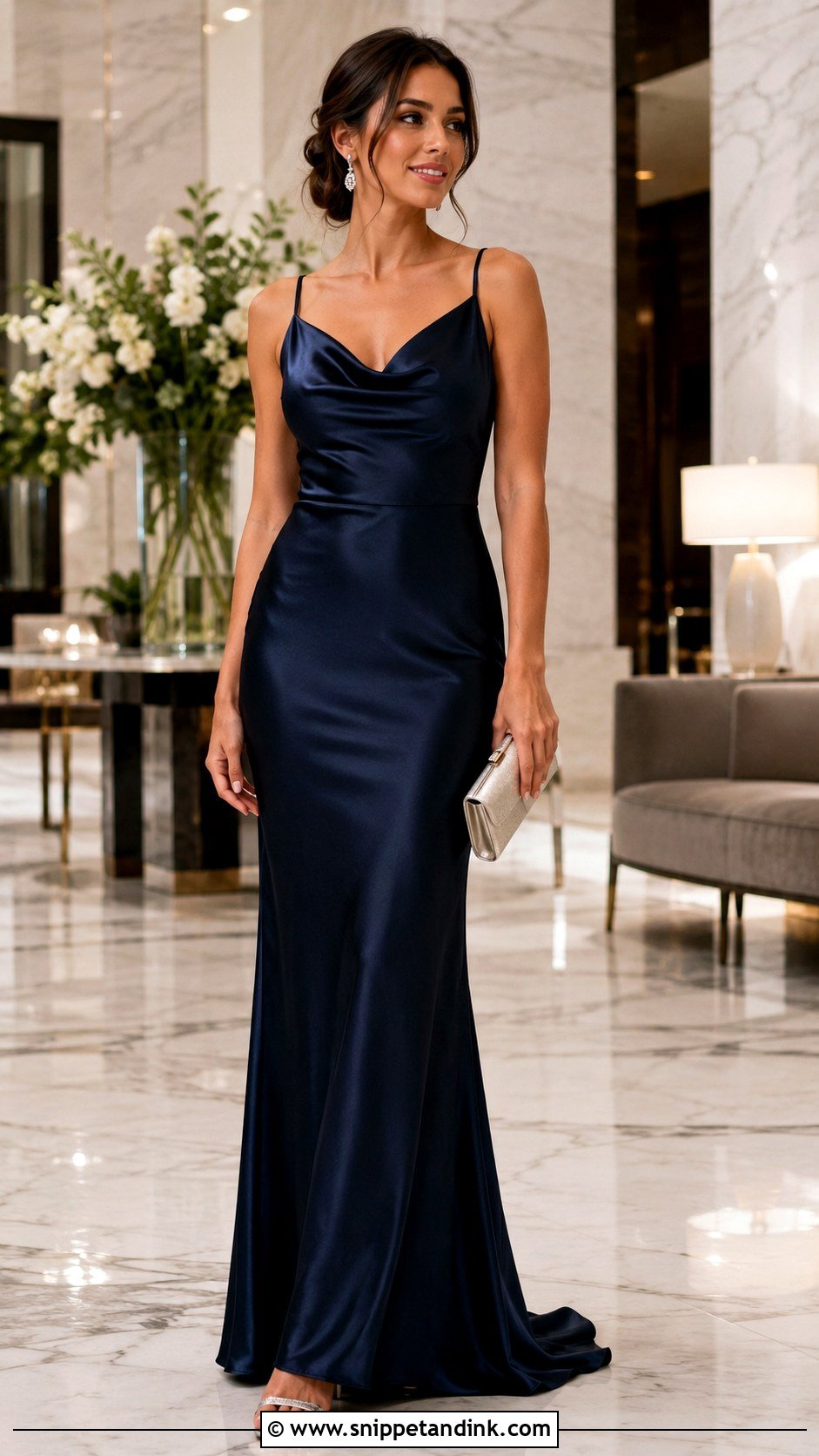
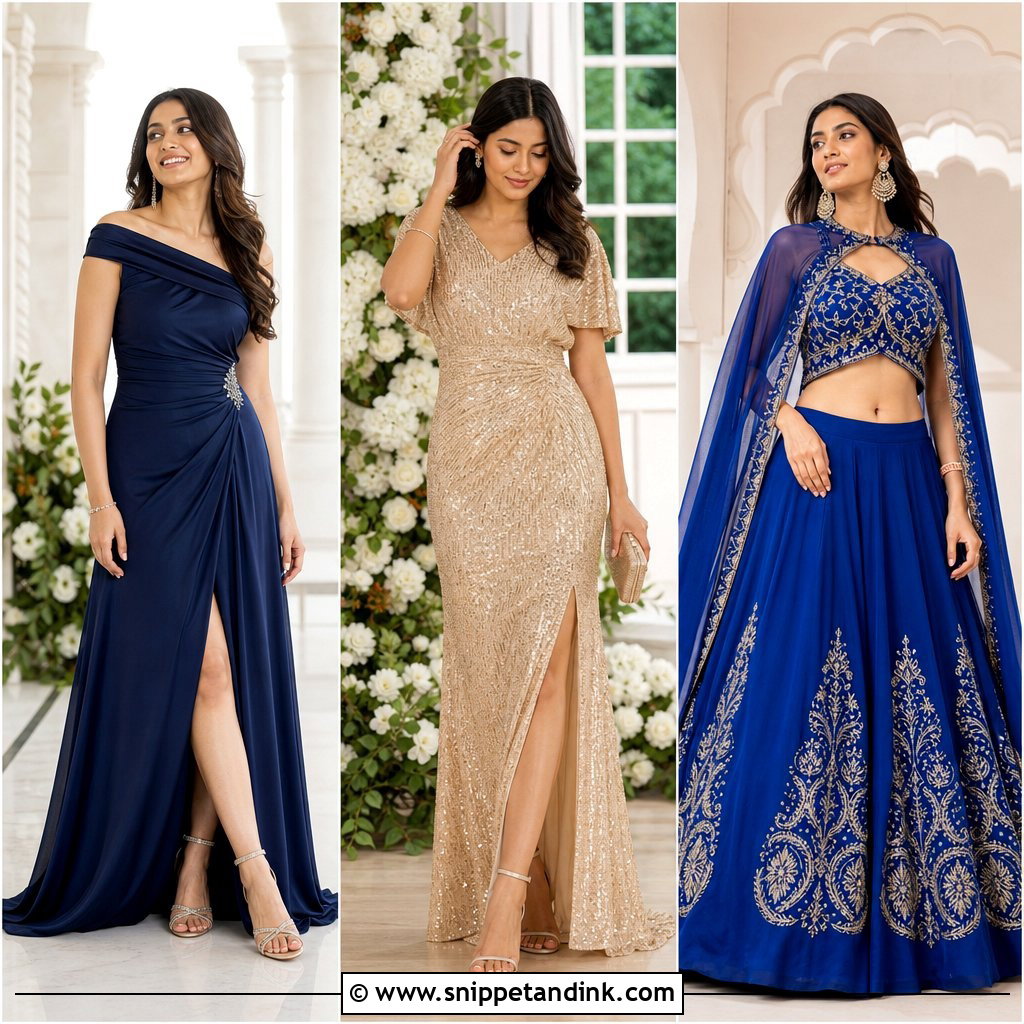
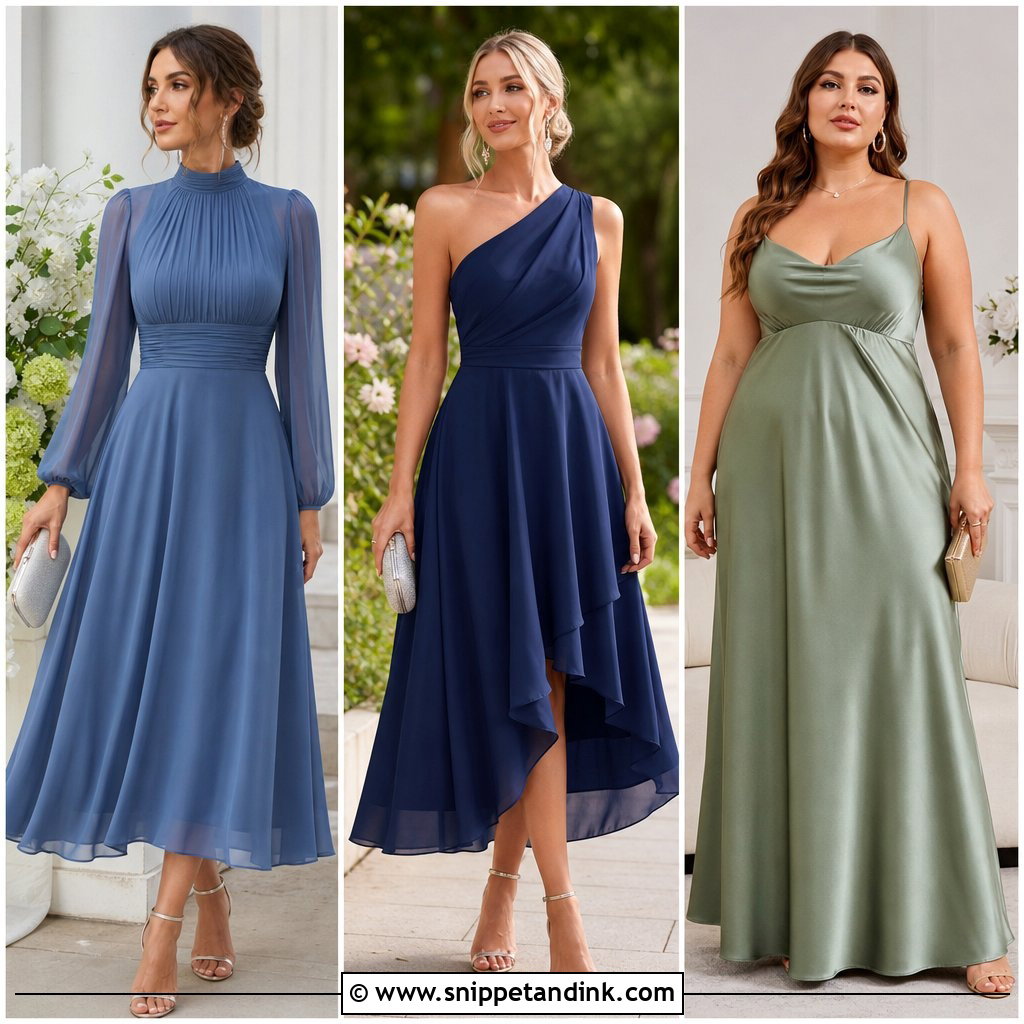
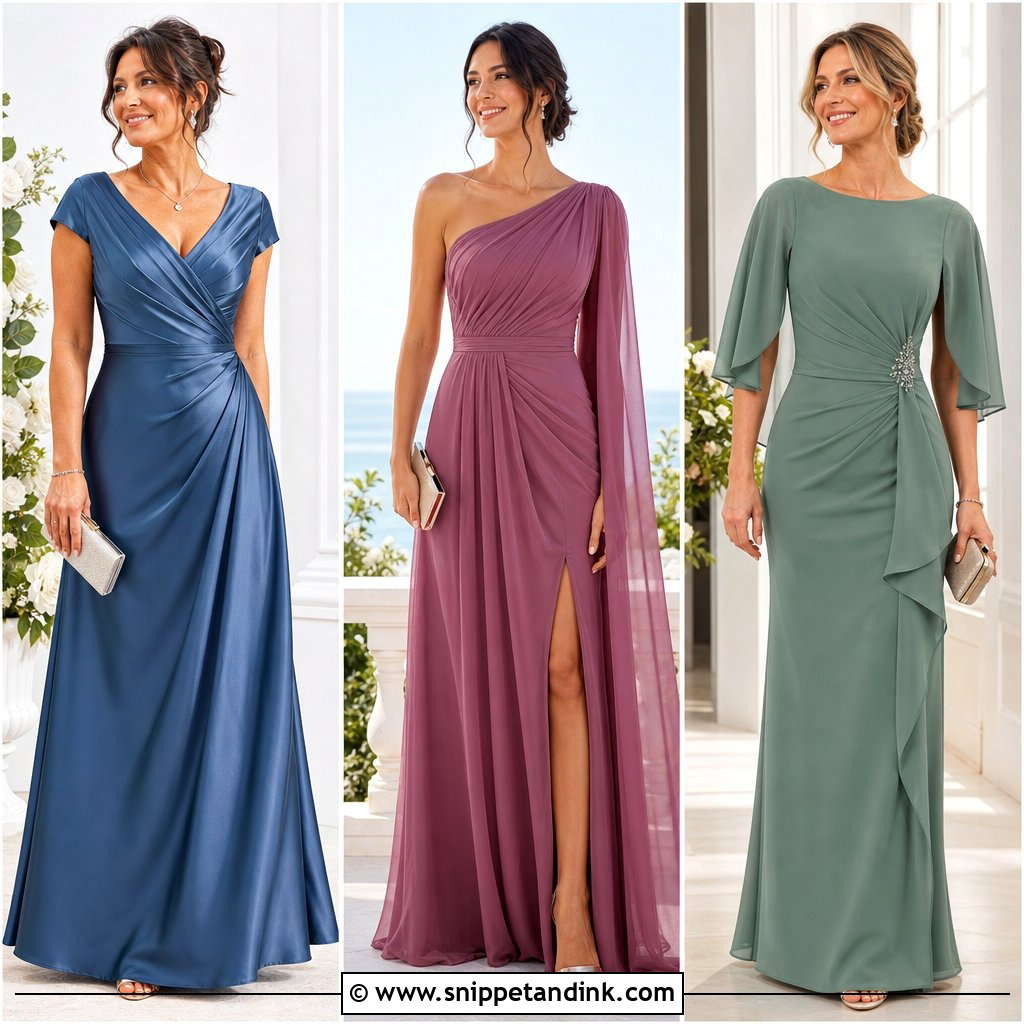
Navy satin is the dress I reach for most when a sister tells me the wedding is an evening ballroom or hotel affair. Look for soft draping, a defined waist and a hem that just skims the floor in your heels; cowl, square and one-shoulder necklines all keep it current. The first thing I check is sheen. Hold the fabric near a window, because high-shine satin bounces flash straight back at the camera and every ripple at the hip turns into a bright streak. A heavier, duller satin hides that. Silver strappy heels, a metallic clutch and crystal drops finish it, with smooth no-line underwear and a strip of fashion tape at the neckline so it still sits flat after dinner.
2. Sage Green Chiffon Sister of the Bride Dress
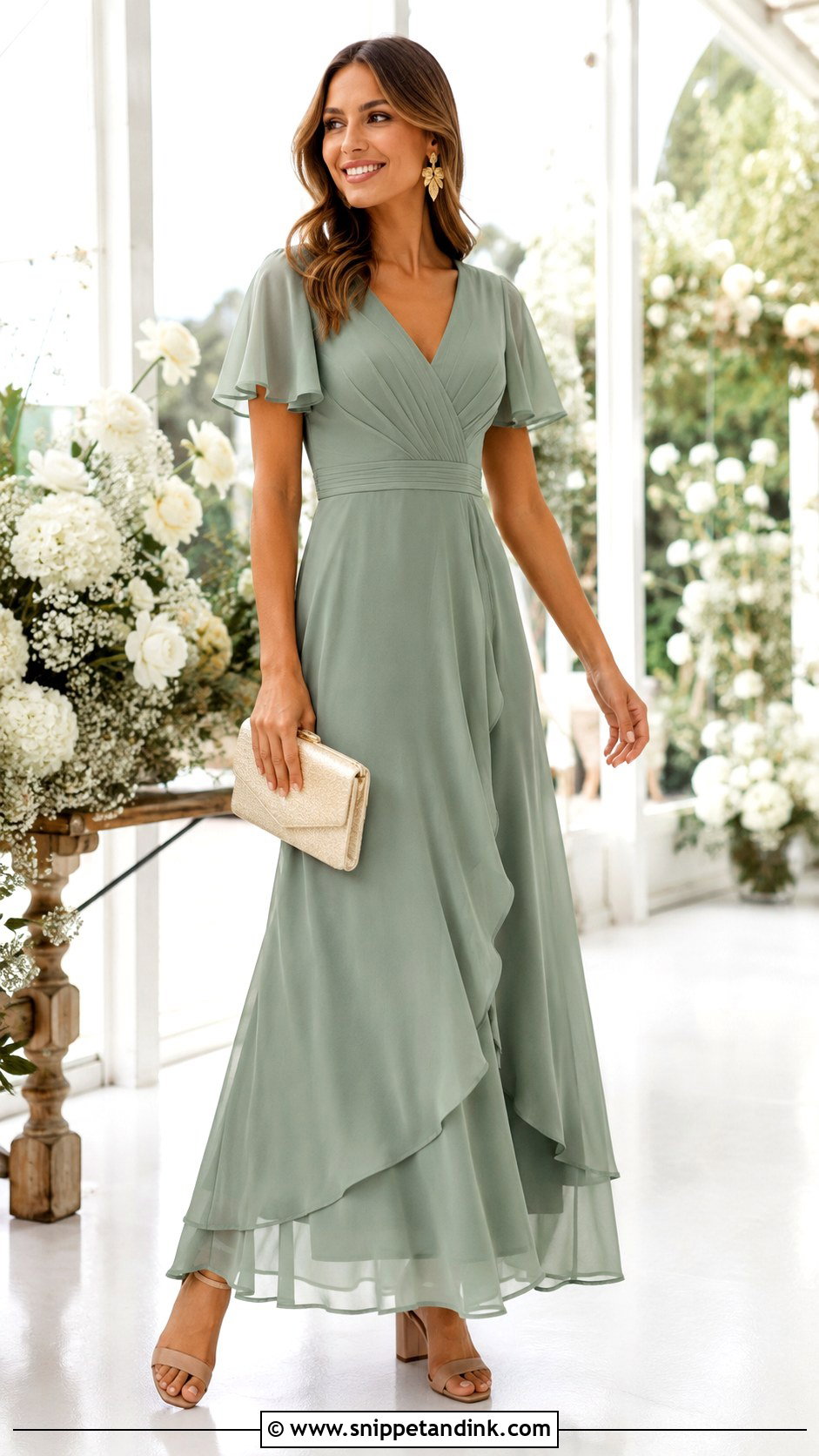
Sage chiffon belongs at a spring garden wedding. A flowing maxi with a fitted bodice and flutter sleeves moves well outdoors, and chiffon breathes in afternoon heat in a way satin never does. Its weak spot is the hem: chiffon dragged across grass and gravel snags and frays within an hour, so I always have it taken up to clear the ground in your actual shoes. Nude block heels won’t sink into the lawn. Add a pale gold clutch and a loose half-up style. One warning before you buy: if the sister of the bride isn’t standing with the bridesmaids, check that sage isn’t their color, because from the back rows two greens read as one.
3. Burgundy Velvet Sister of the Bride Dress
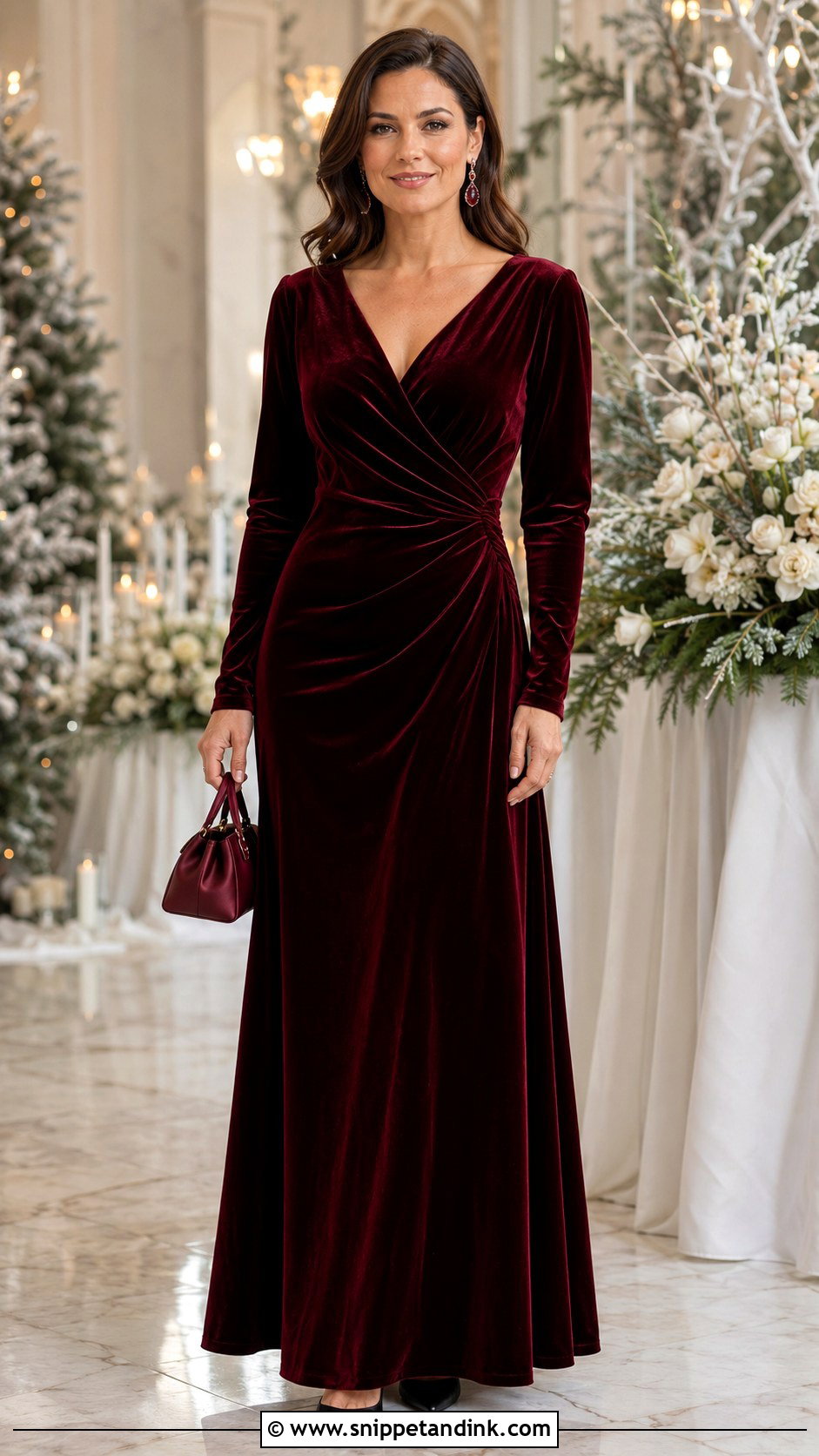
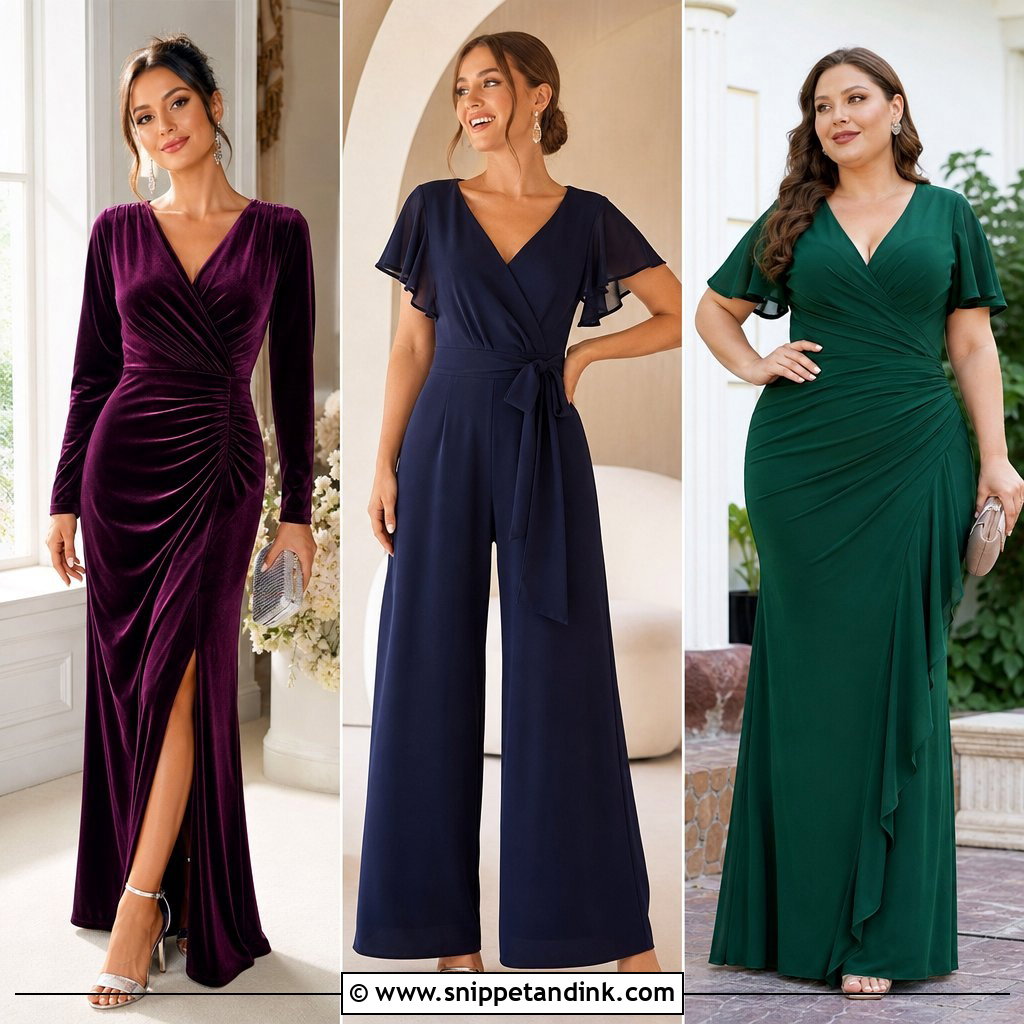
Velvet is a cold-weather fabric, and burgundy gives it the depth that suits autumn and winter evenings. A wrap bodice with long sleeves over a column or softly flared skirt balances well on most figures. Velvet has a pile, though, and it shows every pull. Where the fit strains across hip or waist, the nap flattens and catches light differently, so you get a shiny band exactly where you don’t want attention. Size for the hips and take the waist in. Black pointed pumps, a small satin bag and gold or garnet earrings are enough, and a tailored wool coat gets you in from the car. Check the family color plan before committing to a red this deep.
4. Dusty Blue One Shoulder Sister of the Bride Dress
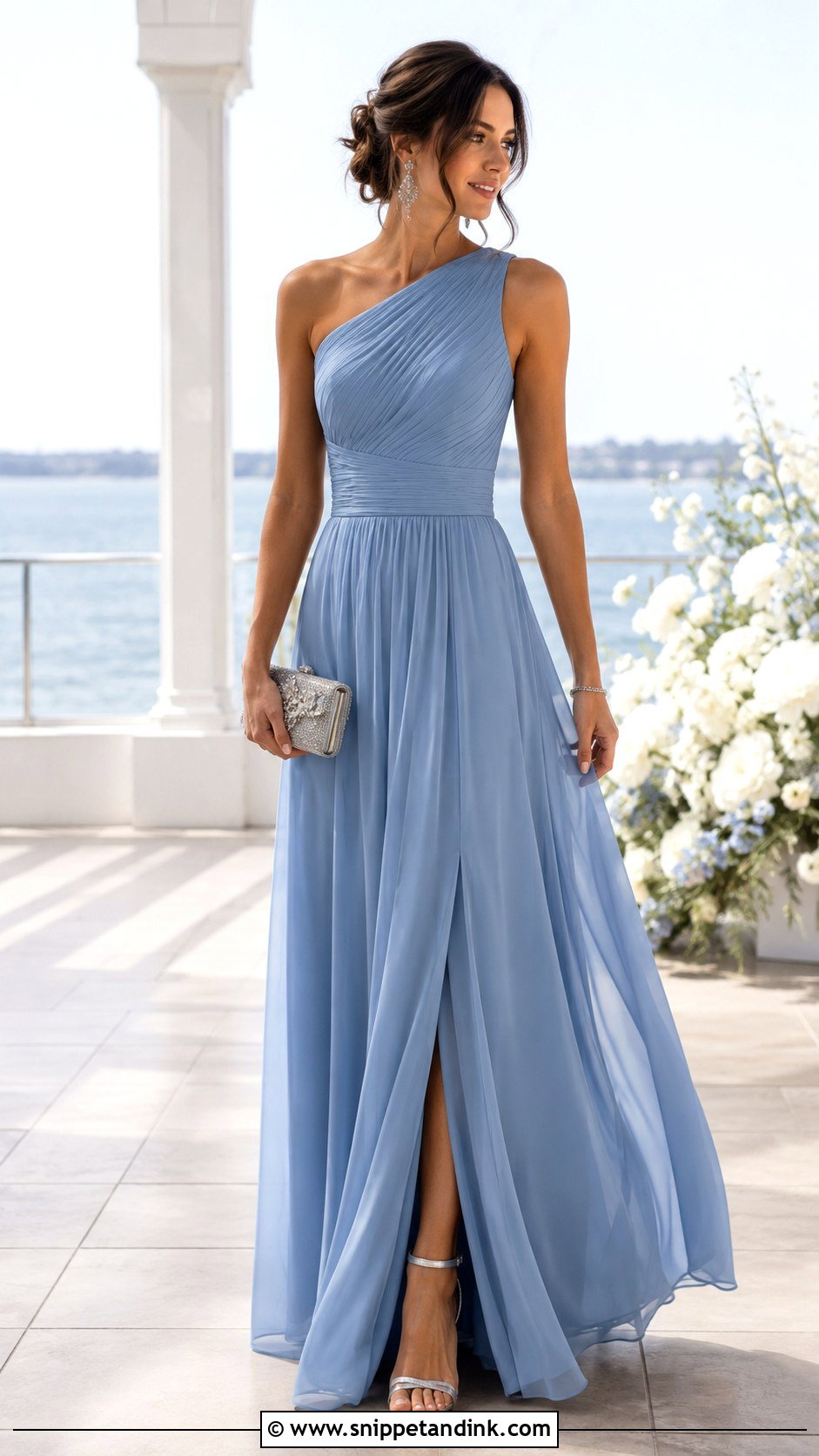
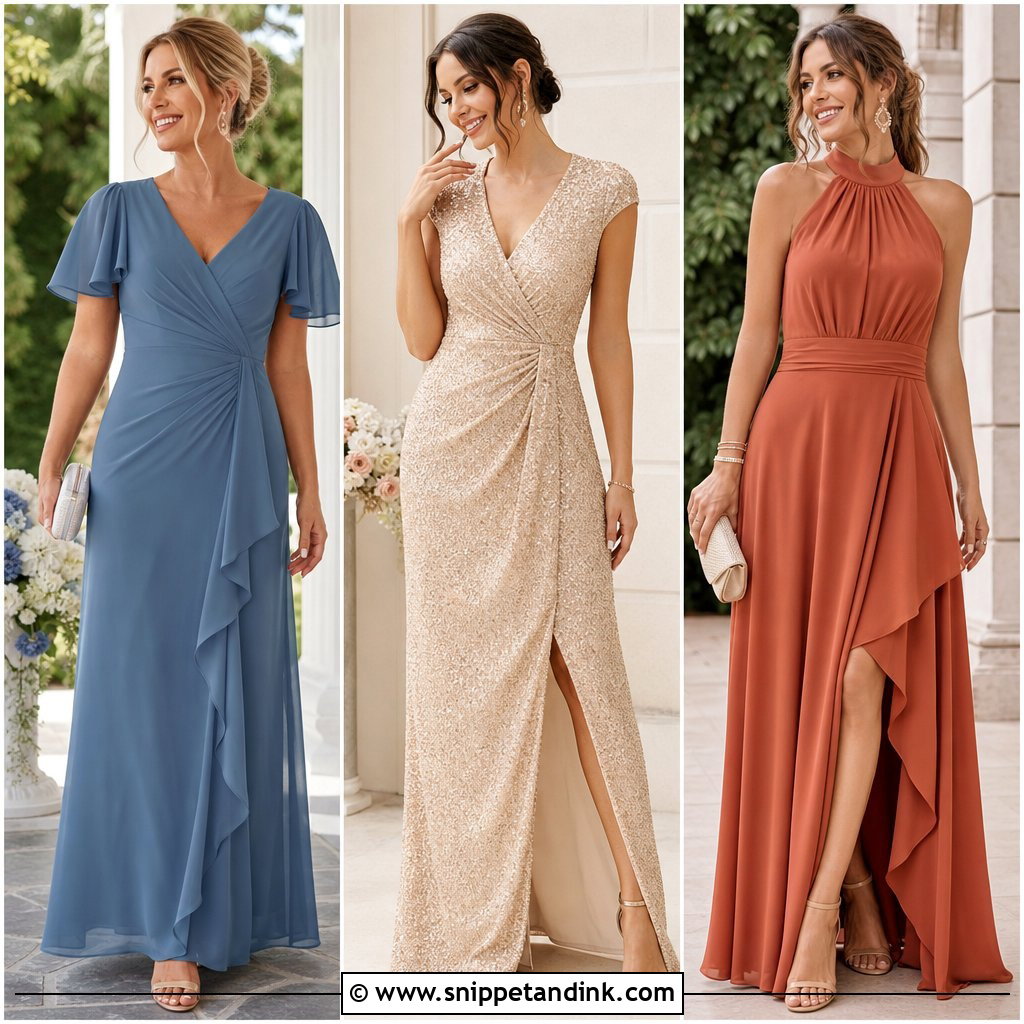
I like a one-shoulder neckline for sisters who’ll be hugging relatives all day, as long as the bodice is built to stay put. At the fitting I have the client raise both arms and lean in for a pretend hug. If the strap shifts or the opposite side gapes, it needs an internal stay or a firmer cup. The asymmetry already frames the collarbone, so skip the necklace and wear drops. Crepe gives structure; chiffon gives movement. Dusty blue in this cut suits coastal venues and formal summer weddings, with silver heels and a low side bun set away from the strap.
5. Floral Midi Sister of the Bride Dress
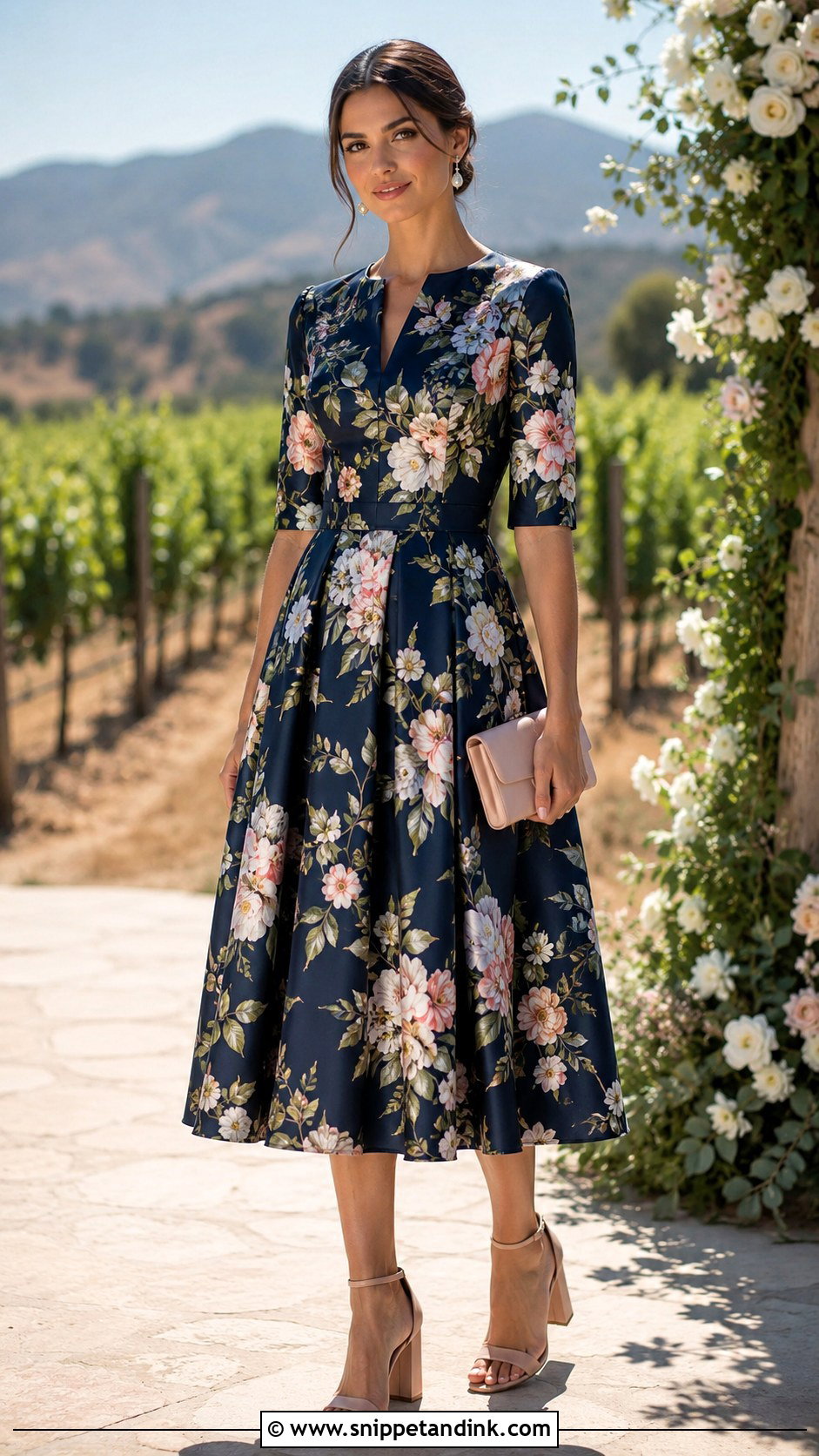
Florals are the trickiest thing I style for family members, because a print that looks colorful on the hanger can read as mostly white from fifteen feet away. Pick one on a dark or clearly colored ground. A fitted waist, flared skirt and elbow sleeves suit garden, vineyard and brunch weddings, and a midi hem is far easier to dance in than a sweeping gown. Pull one shade from the print for your sandals or bag. Fabric matters more than pattern here: casual cotton looks like a sundress beside the rest of the immediate family, so stay with silk, chiffon, organza or satin.
6. Emerald Green Column Sister of the Bride Dress
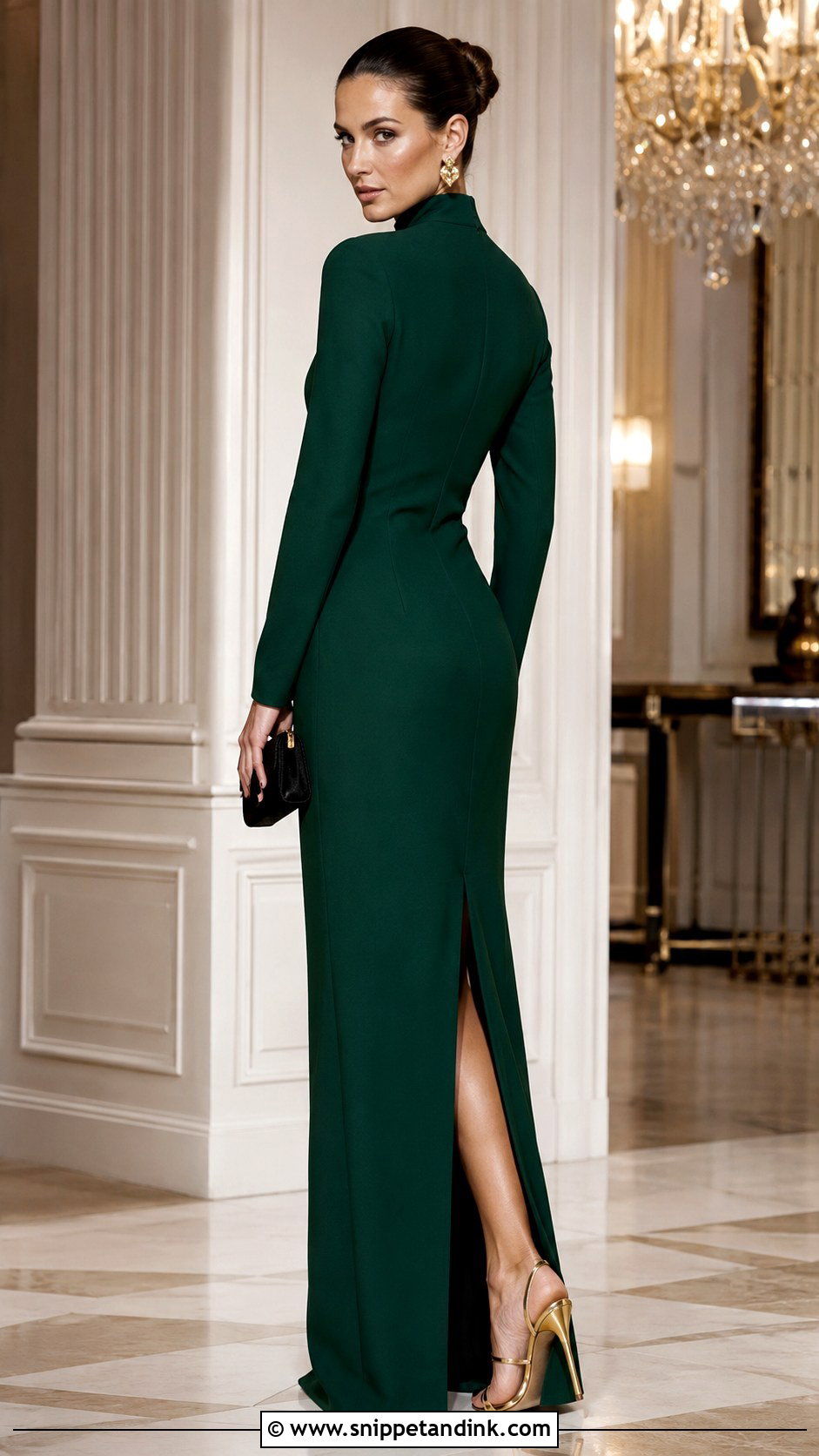
Emerald is a confident color for black tie, and a clean column with a high neck or modest V lets it work alone. The catch with any straight column is walking. I ask clients to climb a step in the fitting room; if the skirt binds at the knee, it needs a back slit or a fabric with some stretch. Gold heels, sculptural earrings and a small black or metallic bag are all it wants. Keep your other colors quiet and have the hem done professionally, since an uneven column hem is the first thing anyone notices.
7. Rose Pink Pleated Sister of the Bride Dress
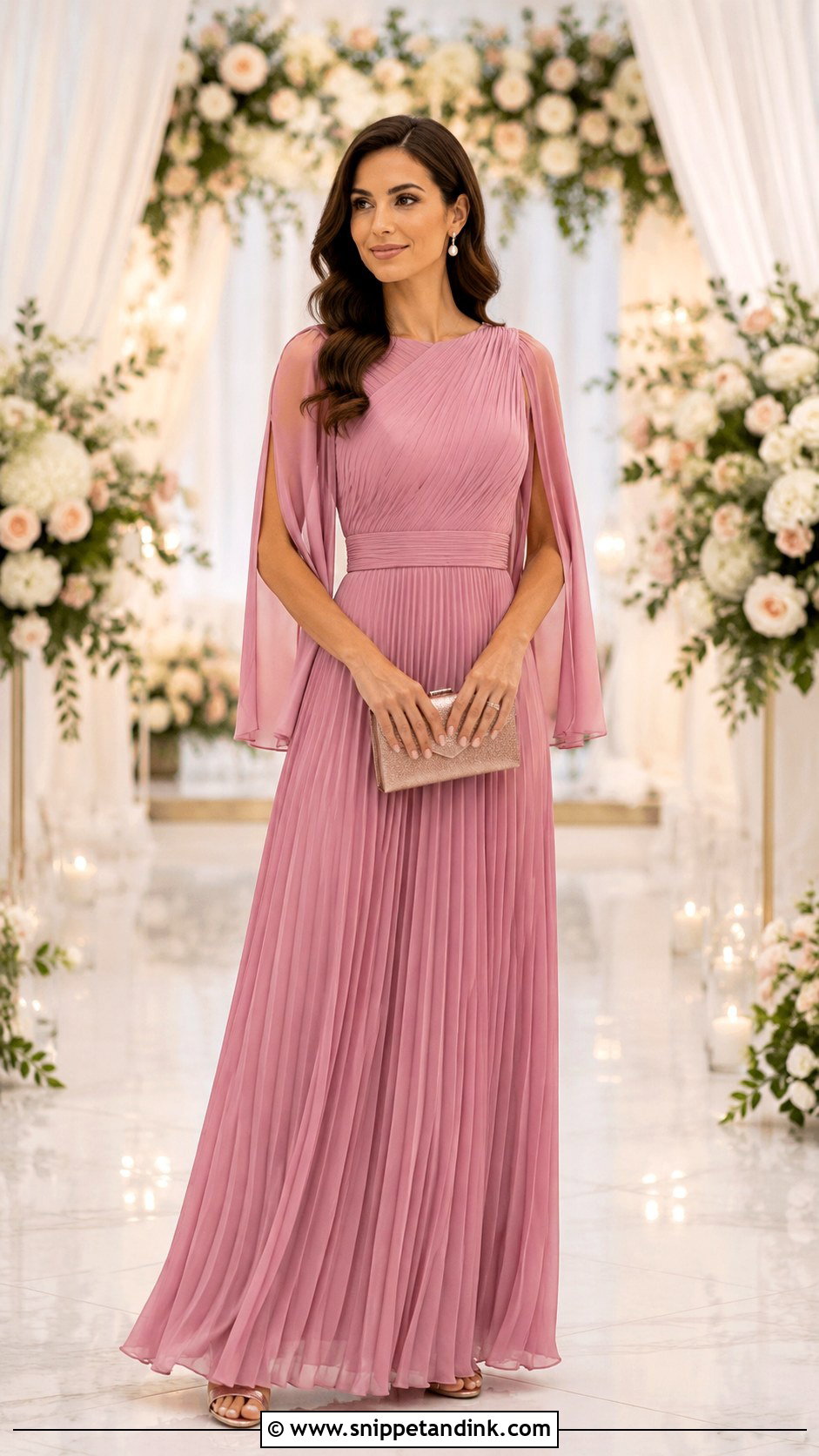
Rose pink is warmer and more celebratory than pale blush, once the bride has approved it. A pleated maxi with a defined waistband suits the color, because fine pleats give texture without the weight of beading. The risk is the camera. Very pale pink can wash toward white under flash or hard sun, so hold the dress next to something ivory and take a flash photo on your phone before you decide. If it looks bridal on screen, go a step deeper to rose or mauve. Champagne heels, pearl drops and a twisted updo finish it. Put heel cushions in your bag; family stands through greetings and portraits for a long time.
8. Black Tie Sister of the Bride Gown
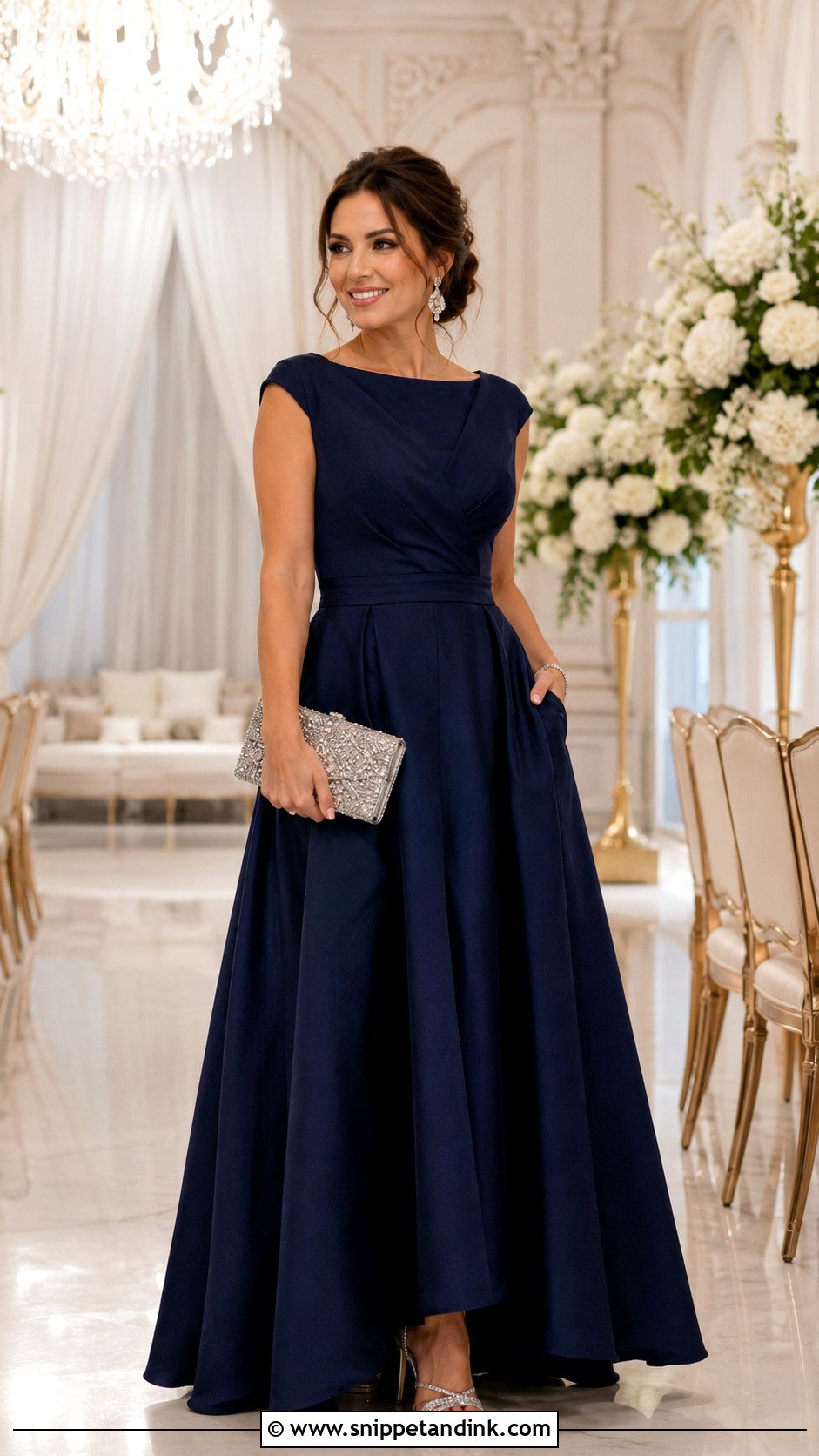
A black-tie dress code calls for floor length, in black, midnight blue, deep plum or another rich shade, cut in crepe, silk, satin or a good chiffon. A fitted bodice with a full skirt is classic; a column is more modern. Wear one statement piece of jewelry, not three. If you’re considering black, ask your sister first, since some families still read it as mourning. My hem rule is simple: it should just kiss the floor in the shoes you’ll wear, so bring those shoes to every fitting. Formal gowns often need hem, straps, waist and bust adjusted, and that can take more than one appointment.
9. Champagne Sequin Sister of the Bride Dress
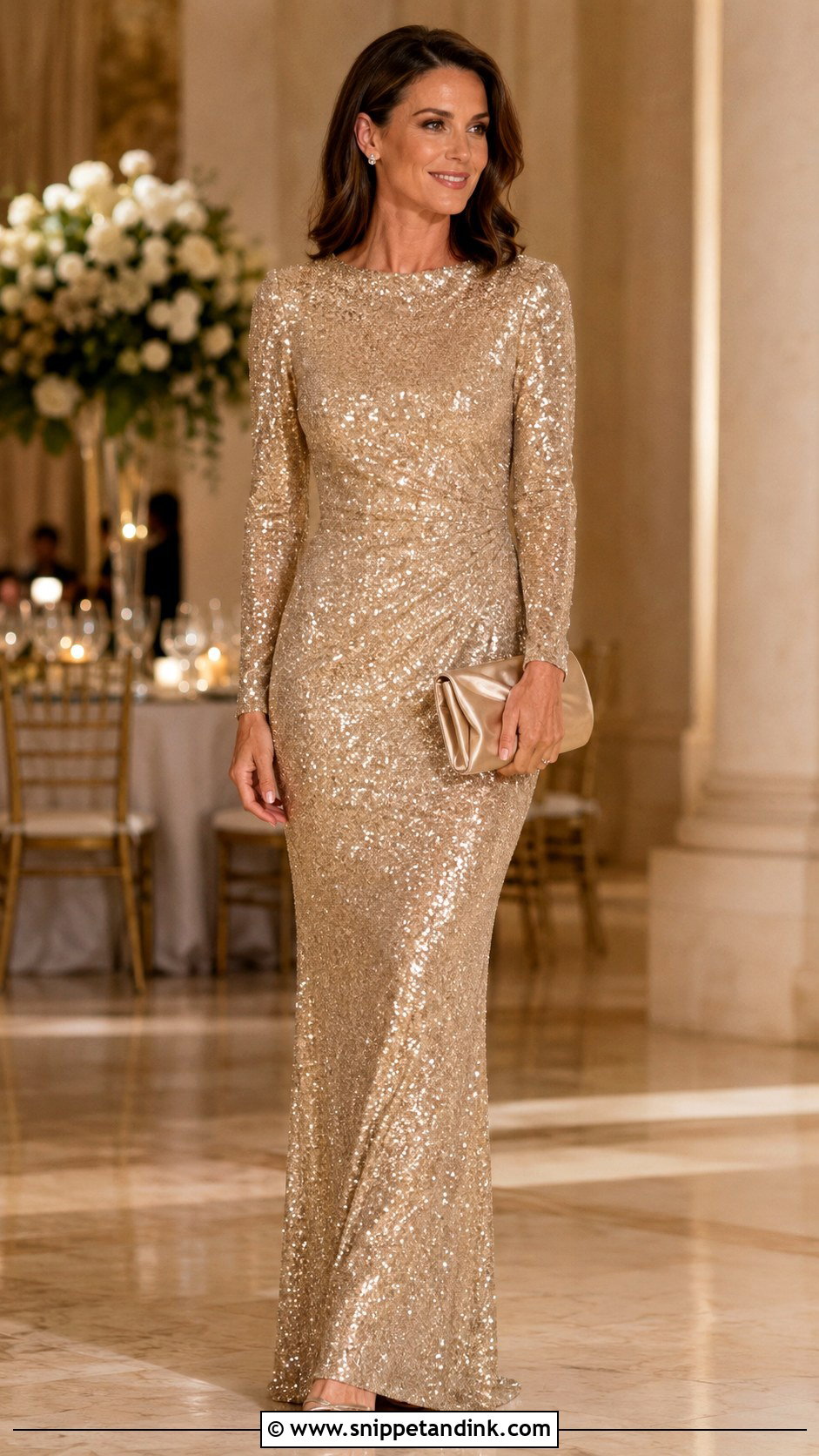
A champagne sequin dress can be right for a glamorous evening, but only with the bride’s blessing and only in a clearly gold or bronze tone. Pale champagne sequins look ivory in flash photos. Long sleeves and a streamlined midi or floor-length shape keep the sparkle grown up. Two checks I always do: run the inside seams against your skin, since unlined sequins scratch the underarm raw by the reception, and hold the dress against your wrap and bag, because sequins snag fine knits. Neutral metallic heels, a plain satin clutch and small studs, with a sleek low bun. No necklace.
10. Lavender Off Shoulder Sister of the Bride Dress
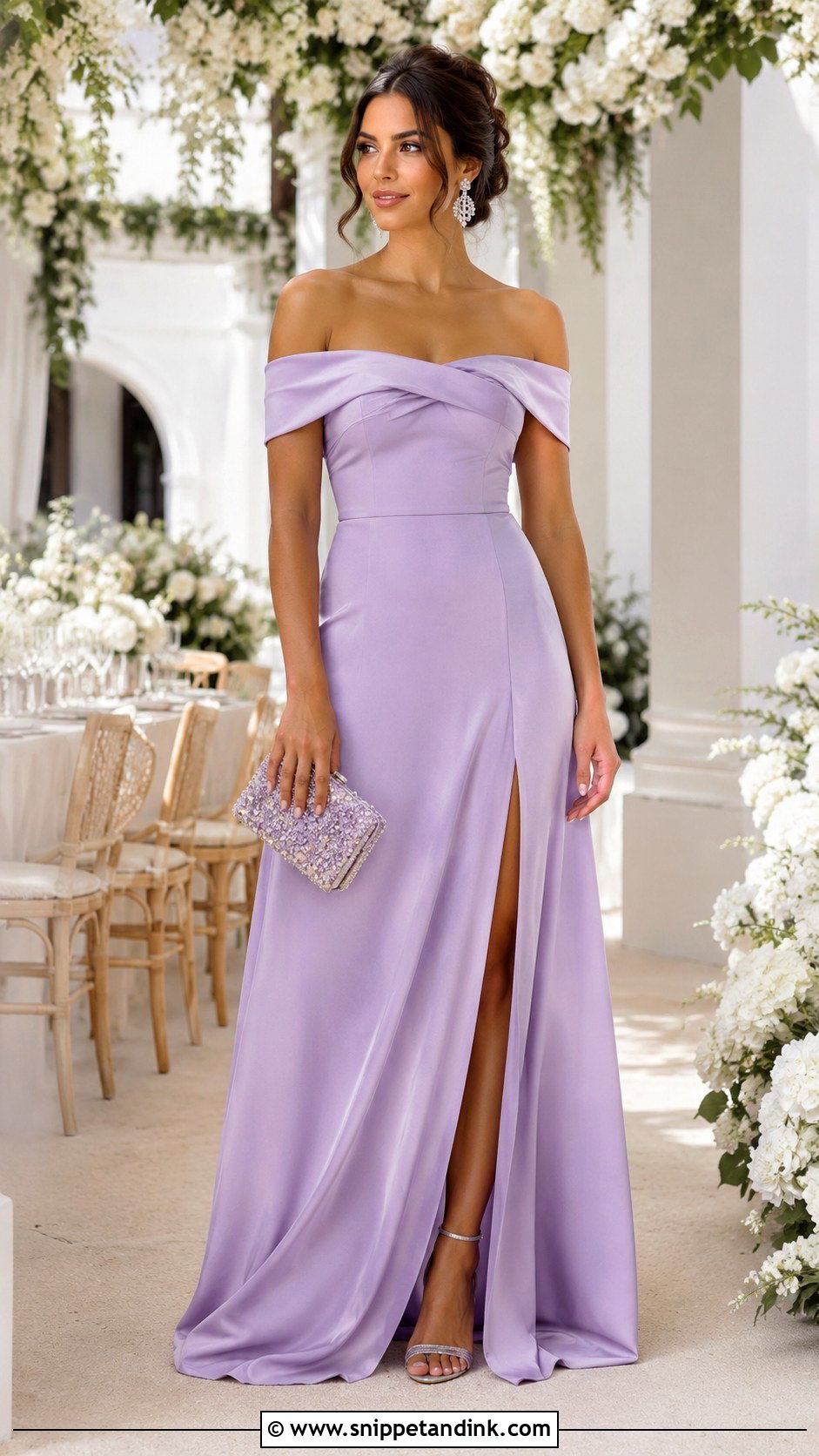
Off-shoulder necklines cause more fidgeting at weddings than any other cut I see. Lavender suits spring and summer in this shape, but only if the folded neckline sits on a structured inner bodice with boning or grip elastic. Test it by lifting your arms to shoulder height. If the band rides up toward your collarbones or slides down, it’ll do that every time you hug someone. Silver sandals, a lilac clutch and crystal earrings keep the palette cool, and hair worn up shows the neckline. Medium lavender holds its color in photos better than pale lilac. Confirm it isn’t the bridesmaid shade, and bring a light wrap for an air-conditioned dinner.
11. Teal Wrap Sister of the Bride Dress
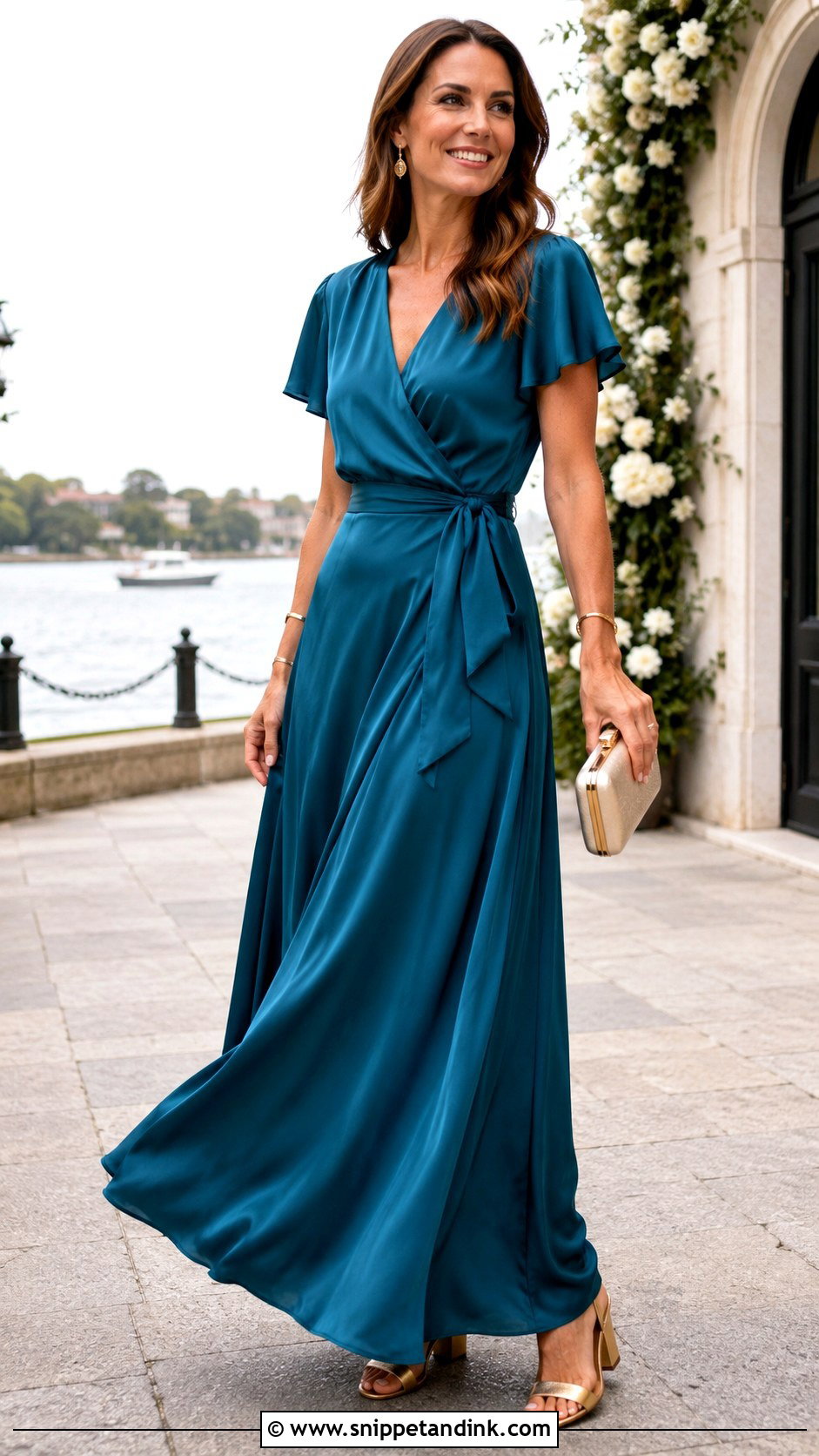
Wrap dresses flatter a lot of figures because the tie sets the waist wherever you need it. For a wedding, choose a dressier version in satin, crepe or chiffon; casual jersey looks like office wear. The weak point is the front overlap. Sit down, climb a stair and stand in front of a fan in the fitting room, and watch whether it opens. A small snap sewn at the crossover fixes it for good, and I trust that far more than tape at a breezy waterfront venue. Gold block heels and a structured clutch suit teal at destination, autumn and evening weddings.
12. Plum Long Sleeve Sister of the Bride Dress
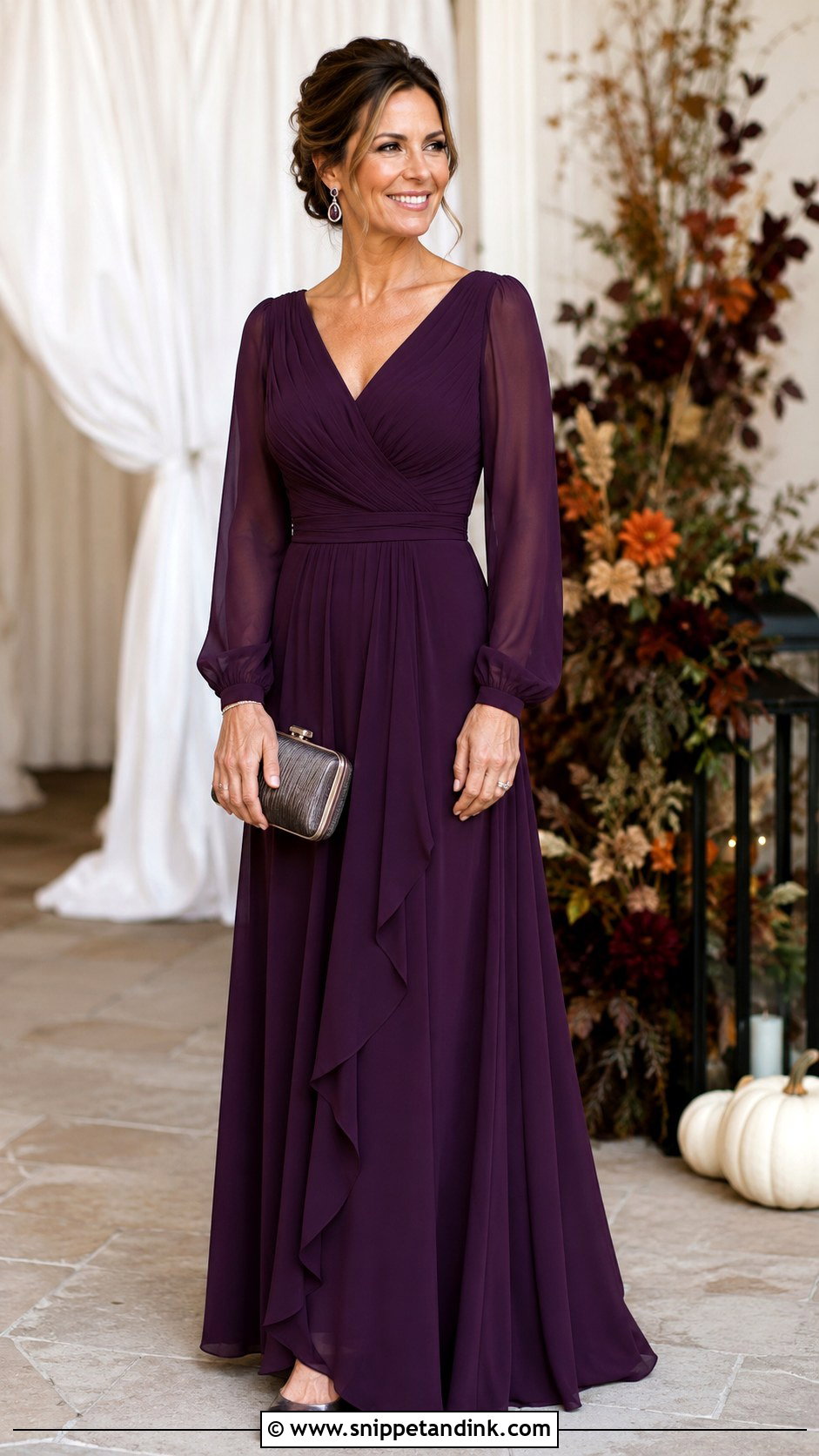
Deep plum is softer than black yet formal enough for candlelit receptions. A V-neck bodice, defined waist and sheer chiffon sleeves give coverage without weight. Lighting is plum’s problem. Some dyes turn brown under warm bulbs and others go almost black in a dim room, so look at the dress under a yellow lamp at home before you cut the tags. A clear berry plum keeps its color on camera. Pewter heels, a metallic bag and amethyst or crystal earrings suit it, and if the sleeves are lace, keep every other texture plain.
13. Cobalt Blue Midi Sister of the Bride Dress
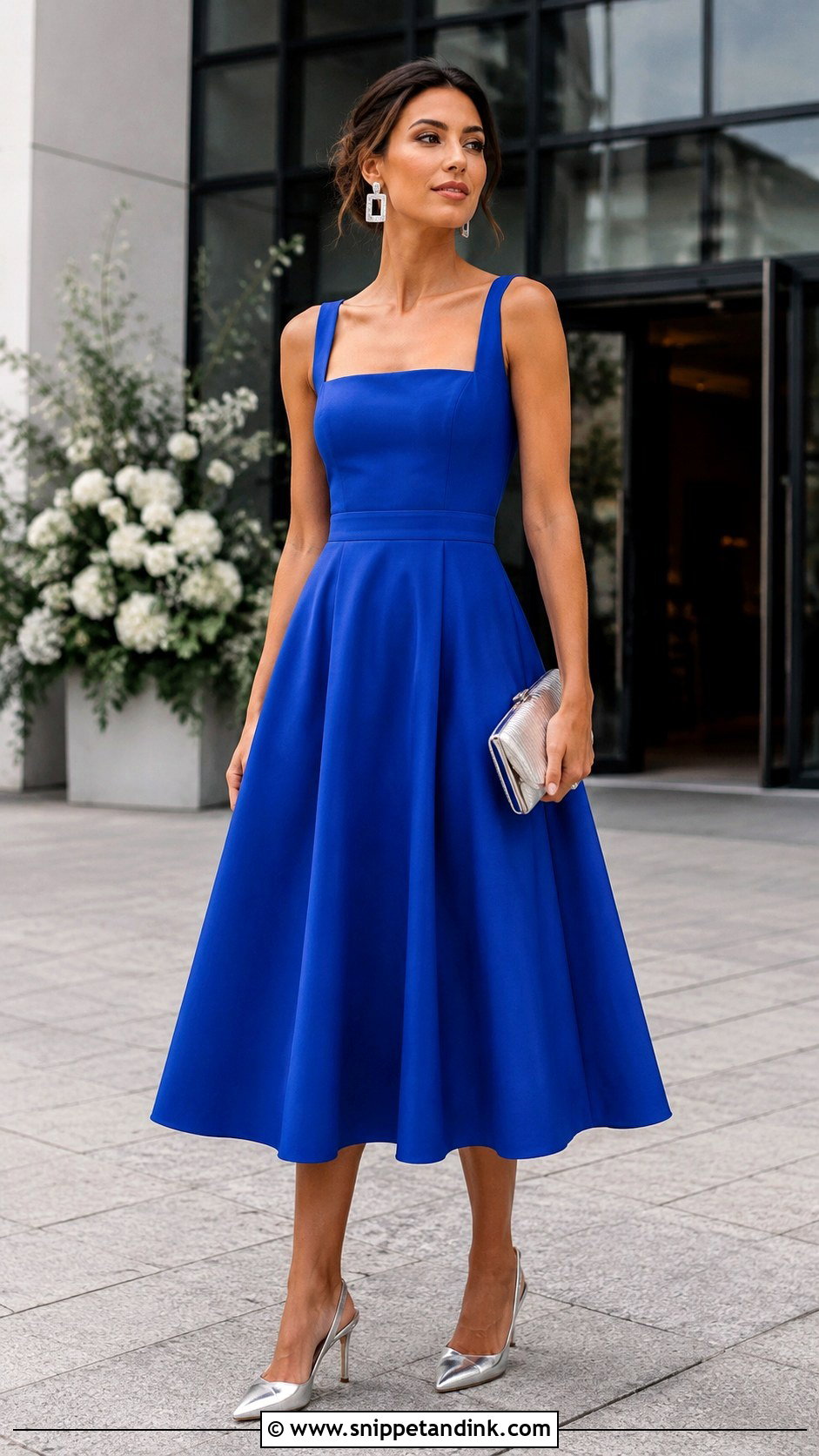
Cobalt is joyful and modern, and a structured midi with a square neck and full skirt fits daytime ceremonies and city venues. Because the color is already loud, keep everything else quiet: silver slingbacks, a small navy or metallic bag, simple geometric earrings. Here’s what I check first with a full midi. Sit on a low chair. A stiff skirt can ride up several inches when seated, and the family table is usually in full view of the photographer during speeches. Pockets are handy, but empty them before portraits.
14. Terracotta Satin Sister of the Bride Dress
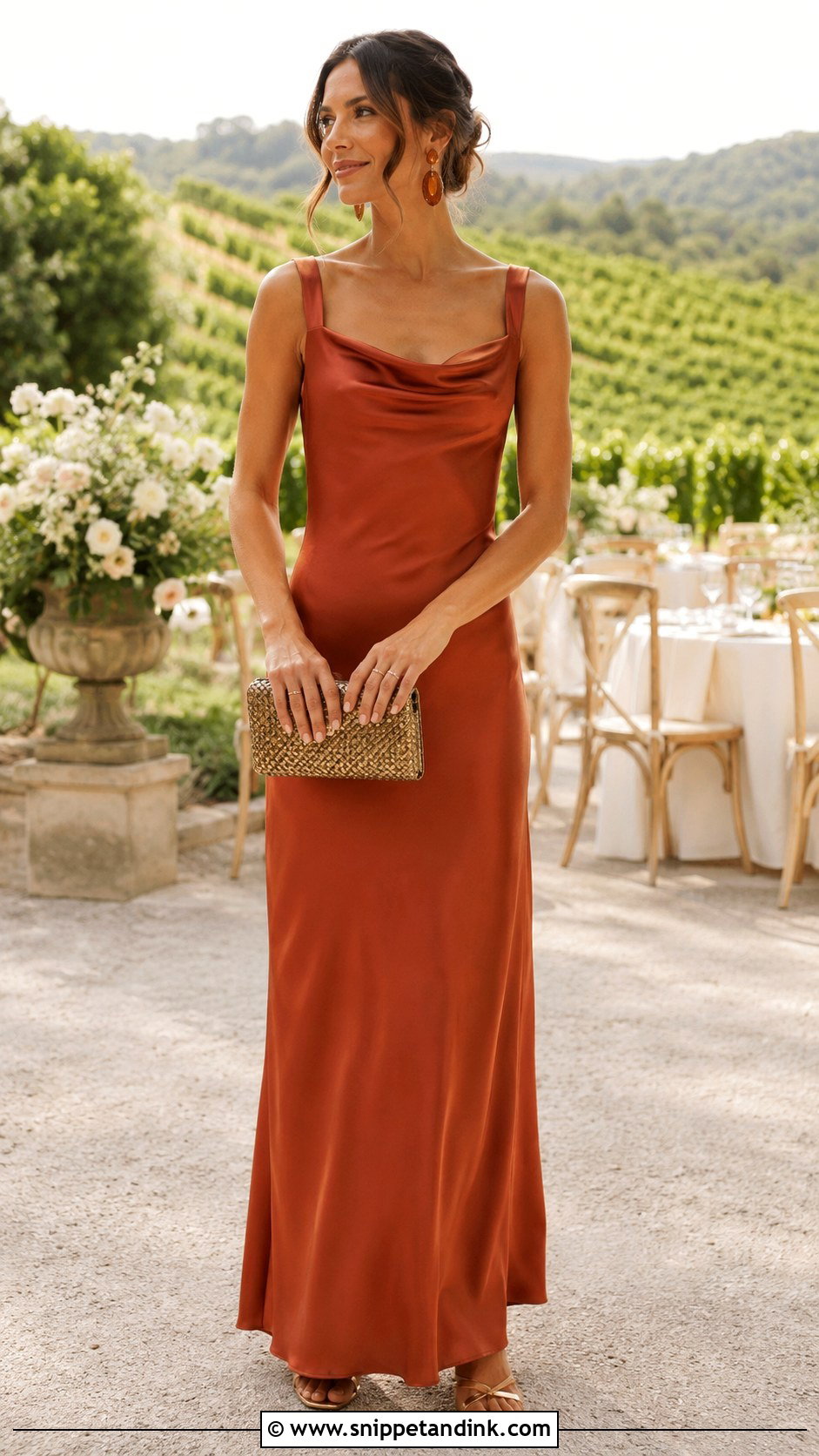
Warm terracotta satin settles naturally into desert, vineyard, rustic and autumn palettes. A bias-cut maxi or a draped A-line with wider straps gives reliable support. Bias-cut satin is honest to a fault. It clings, so any underwear line shows, and it creases wherever you sit for more than a few minutes. Wear smooth no-line pieces, travel with the dress in a full-length bag and steam it at the venue rather than at home. Brushed-gold sandals and amber earrings with a textured low bun suit the earthy tone. If the bridesmaids are in rust or copper, a deeper terracotta keeps you distinct.
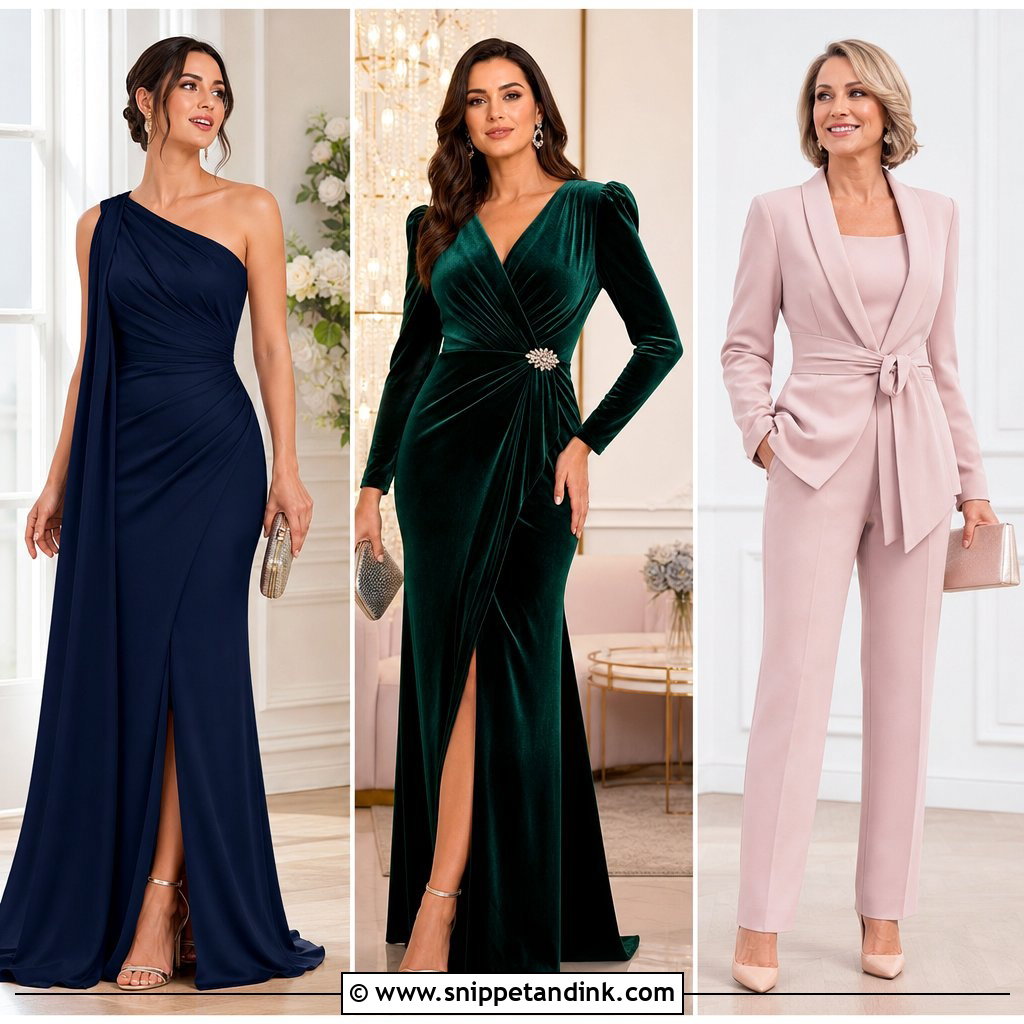
15. Black Lace Sister of the Bride Dress
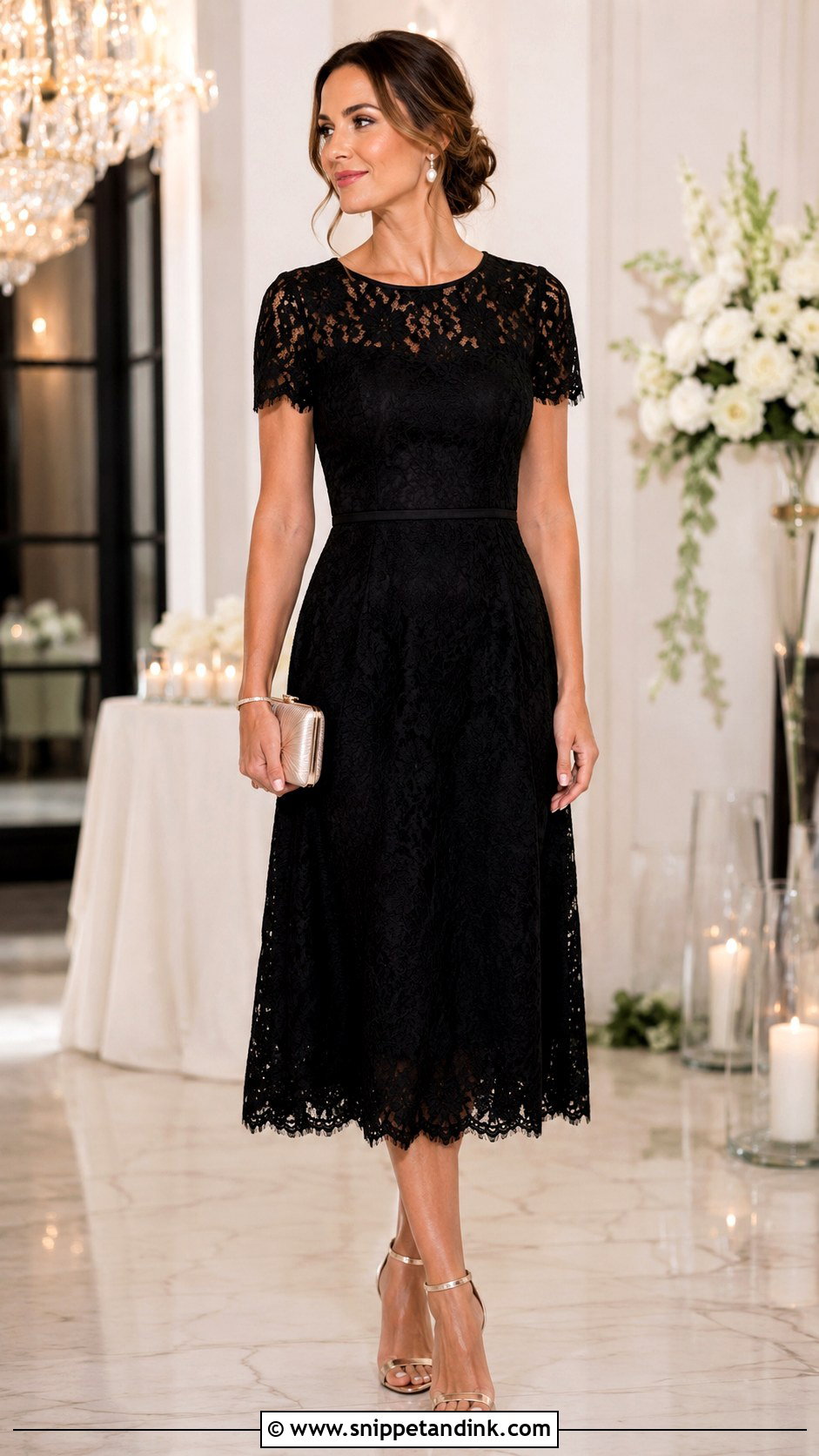
Black lace works at an evening wedding when your sister is happy with black and the family’s traditions allow it. Choose a fully lined dress with the lace laid over it; patches of sheer skin push lace toward cocktail wear. Quality shows at the edge. A fine, neatly scalloped hem looks expensive, while heavy, stiff lace can look like a costume in close portraits. Black or metallic heels, a satin box clutch and pearl or crystal earrings are plenty. Soften the hair and makeup a little, and if you want color, a jewel-toned wrap adds it.
16. Coral Ruffle Sister of the Bride Dress
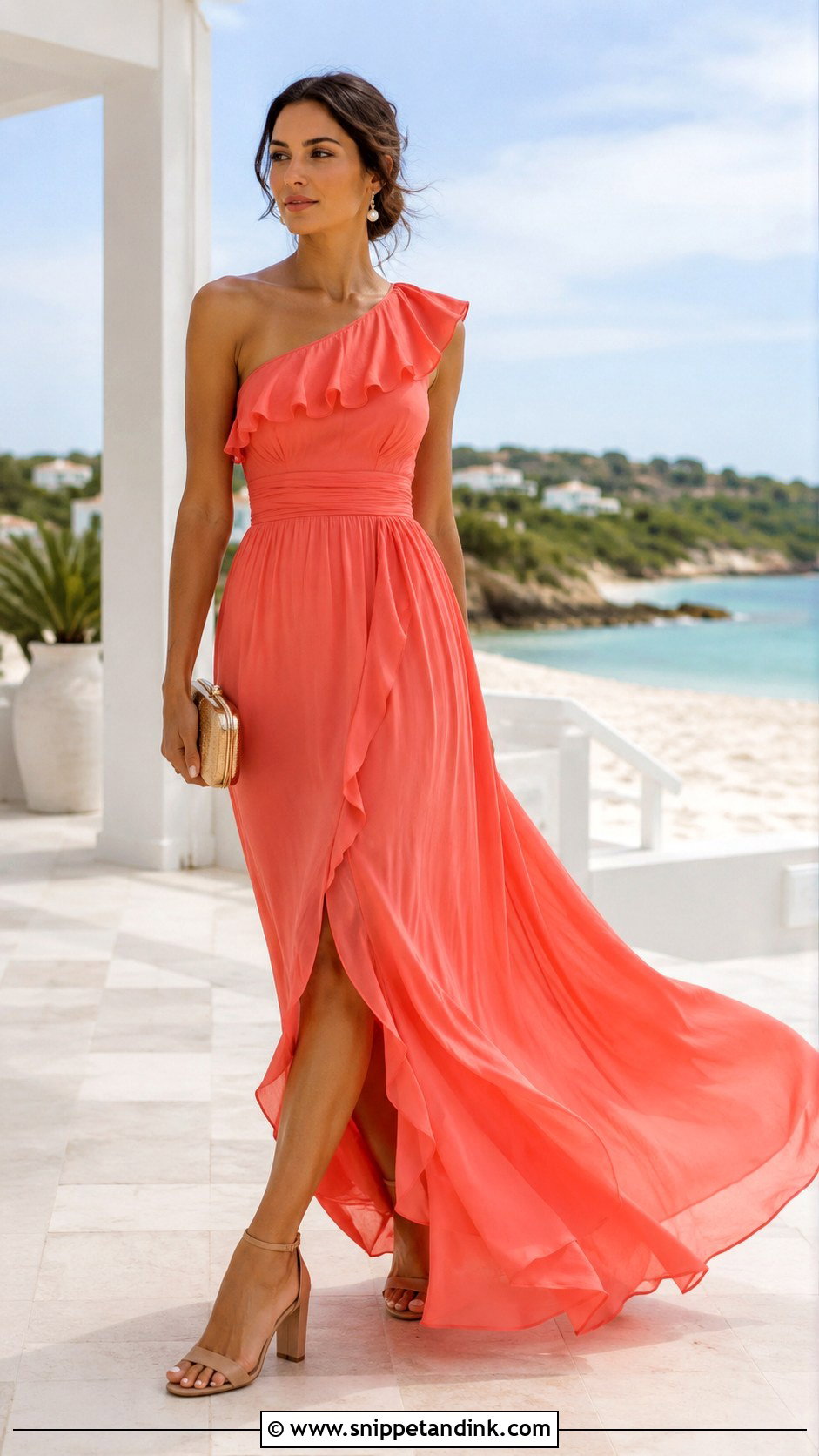
Coral suits warm-weather weddings at the beach, a resort or a garden. Keep the ruffles to one zone, neckline or skirt, on a one-shoulder or V-neck maxi; ruffles everywhere swamp most people. Online coral is unreliable. The same dress can look pink in one listing and orange in another, so see it in daylight before you match shoes or lipstick, and choose a clear coral rather than neon. Nude sandals, a gold clutch and small pearls finish it. On sand or uneven paths, block heels, wedges or dressy flats will save your ankles.
17. Floral Embroidered Sister of the Bride Gown
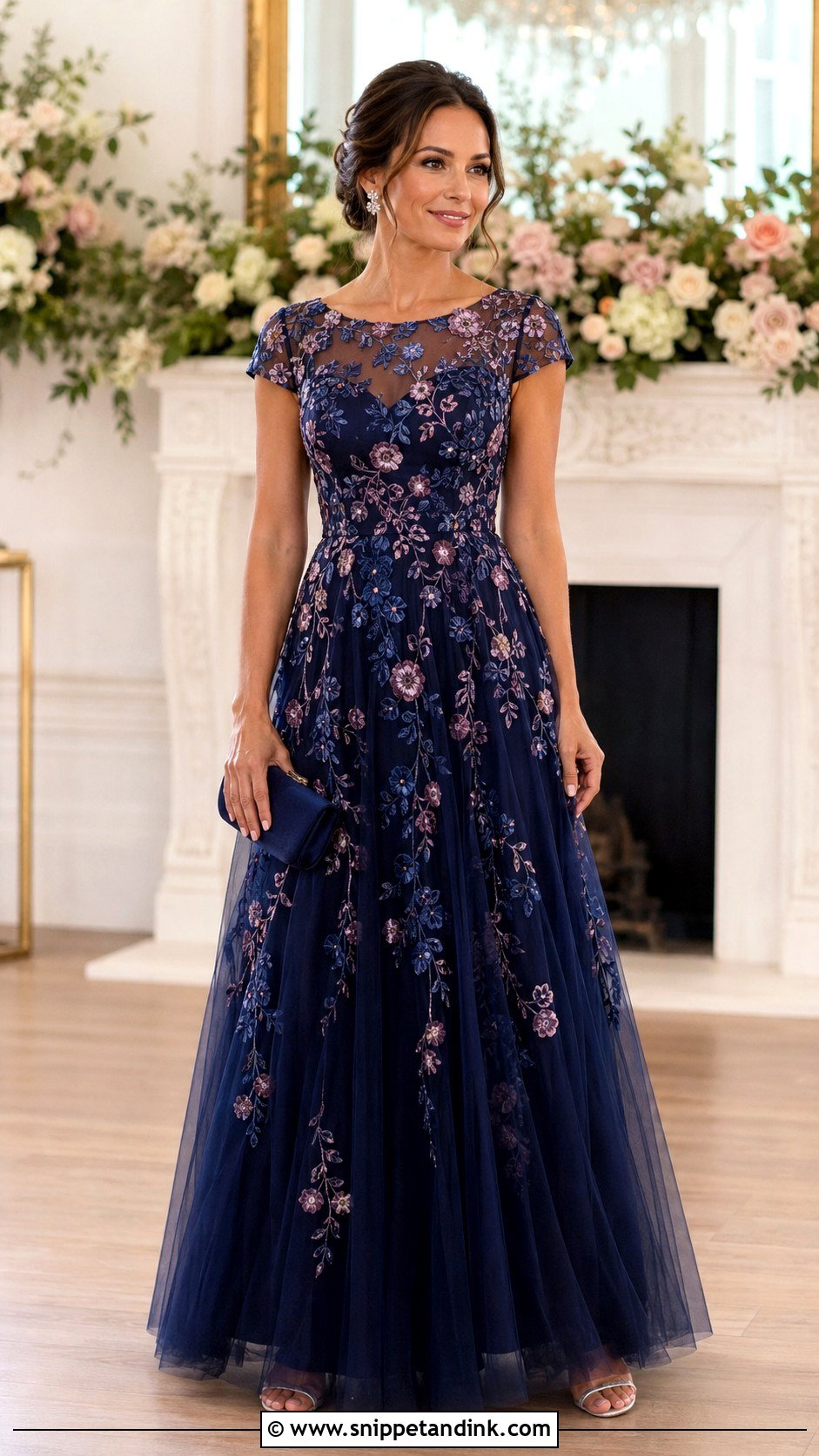
An embroidered gown feels special enough for the bride’s sister, as long as the base color keeps it clear of bridal territory. Navy, dusty blue, mauve and deep green all manage that. Embroidery has one practical trap: alterations. When a seamstress takes in a bodice, motifs at the side seams can be cut or bunched, so look at where the embroidery falls before buying and ask whether the waist can be altered without disturbing it. Pick one thread color for small earrings and keep the clutch solid. Leave floral crowns at home; they tip the outfit into fancy dress. A full lining stops the embroidery backing from scratching.
18. Copper One Sleeve Sister of the Bride Dress
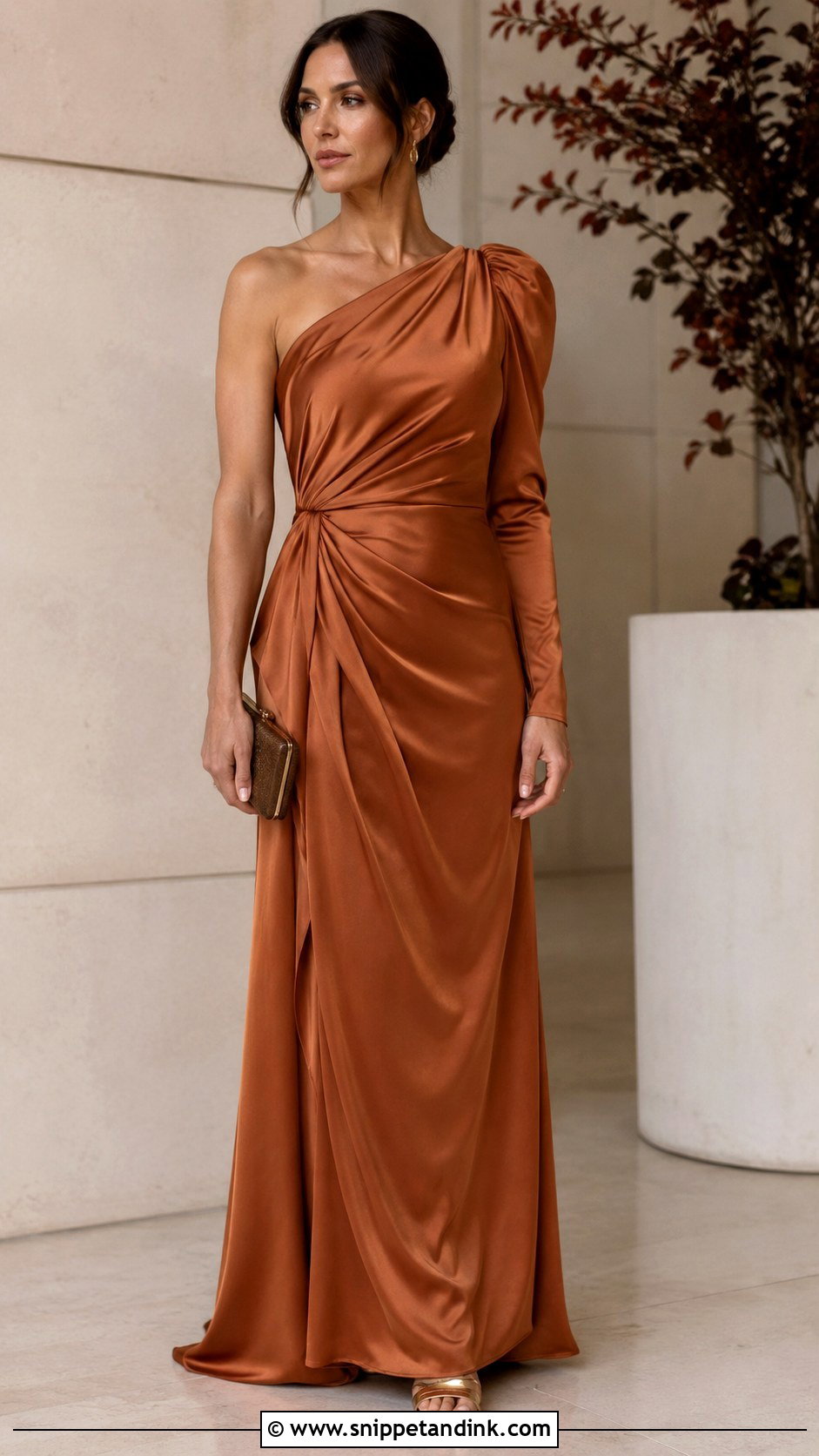
A copper one-sleeve gown brings warm metallic color and a modern line to formal autumn weddings and evening receptions. Look for soft satin or crepe with controlled draping at the waist. Metallic copper changes with the light: in cool daylight it can read rose, under warm indoor bulbs it can go orange or brown, so photograph it both ways before choosing shoes. Draped waists also twist as you move. I’d pair it with shapewear that grips rather than slides and have the drape tacked in place during alterations. Dark brown or muted gold heels, simple gold earrings and a sleek low bun keep the single sleeve visible.
19. Mocha Halter Sister of the Bride Dress
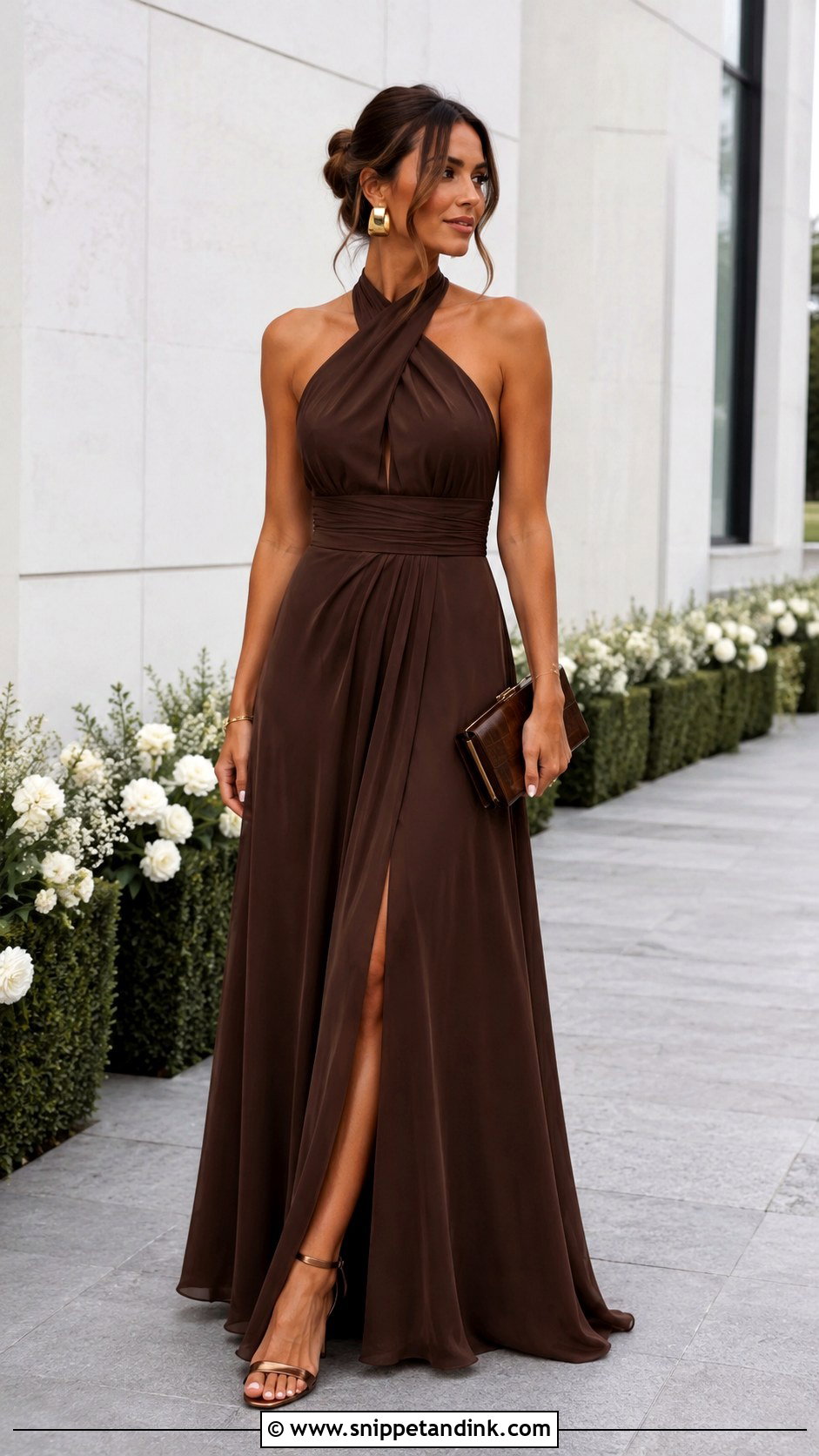
A mocha halter gown is a modern neutral that keeps a sister well away from bridal shades. Pick a cocoa or coffee tone with clear contrast against ivory, cut as a fluid maxi with a defined waist. Halters hang the bodice from the back of the neck, and after several hours that can ache. In the fitting room I check whether the closure adjusts or is just a fixed loop; an adjustable hook or tie is much kinder. You’ll likely need a low-back or convertible bra and some tape. Gold cuff earrings, bronze sandals and a chocolate clutch make a tonal look, with a high bun to keep the neckline clear.
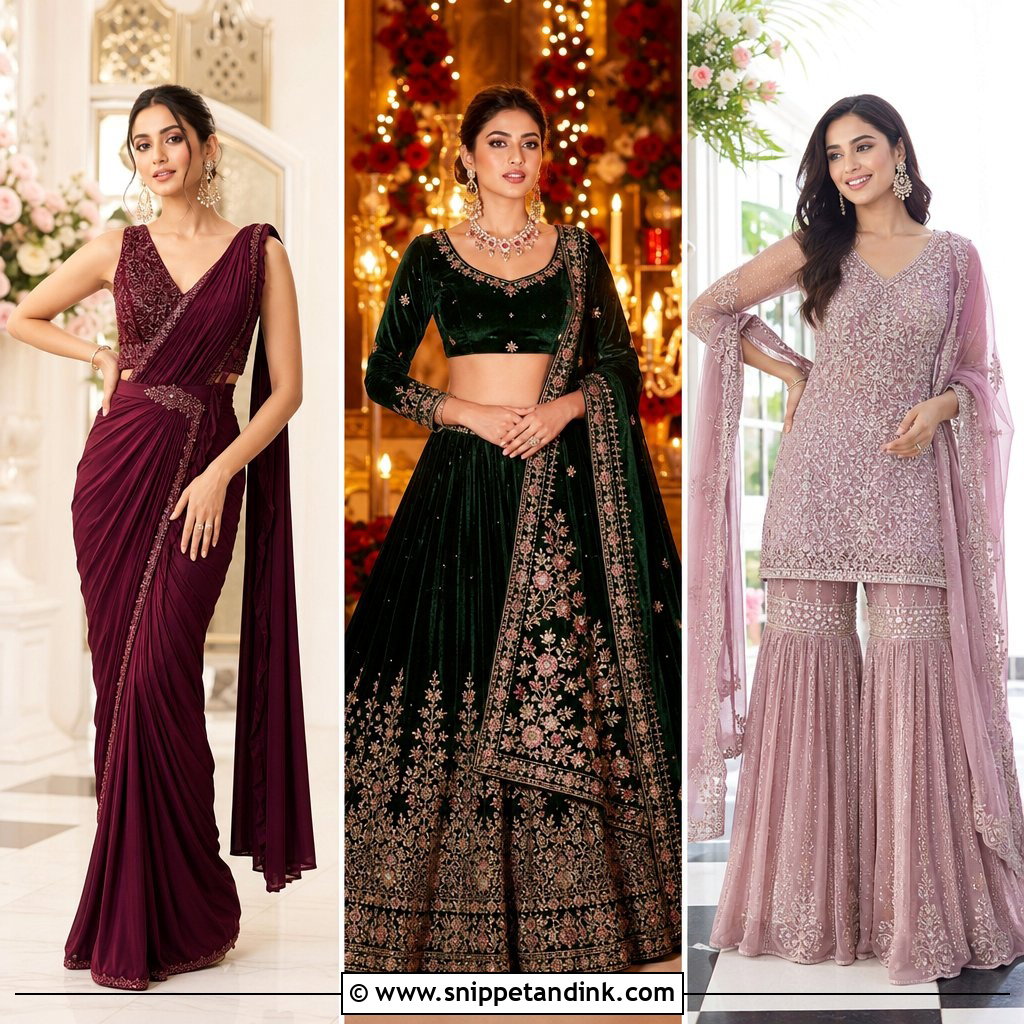
20. Jewel Tone Cape Sister of the Bride Dress
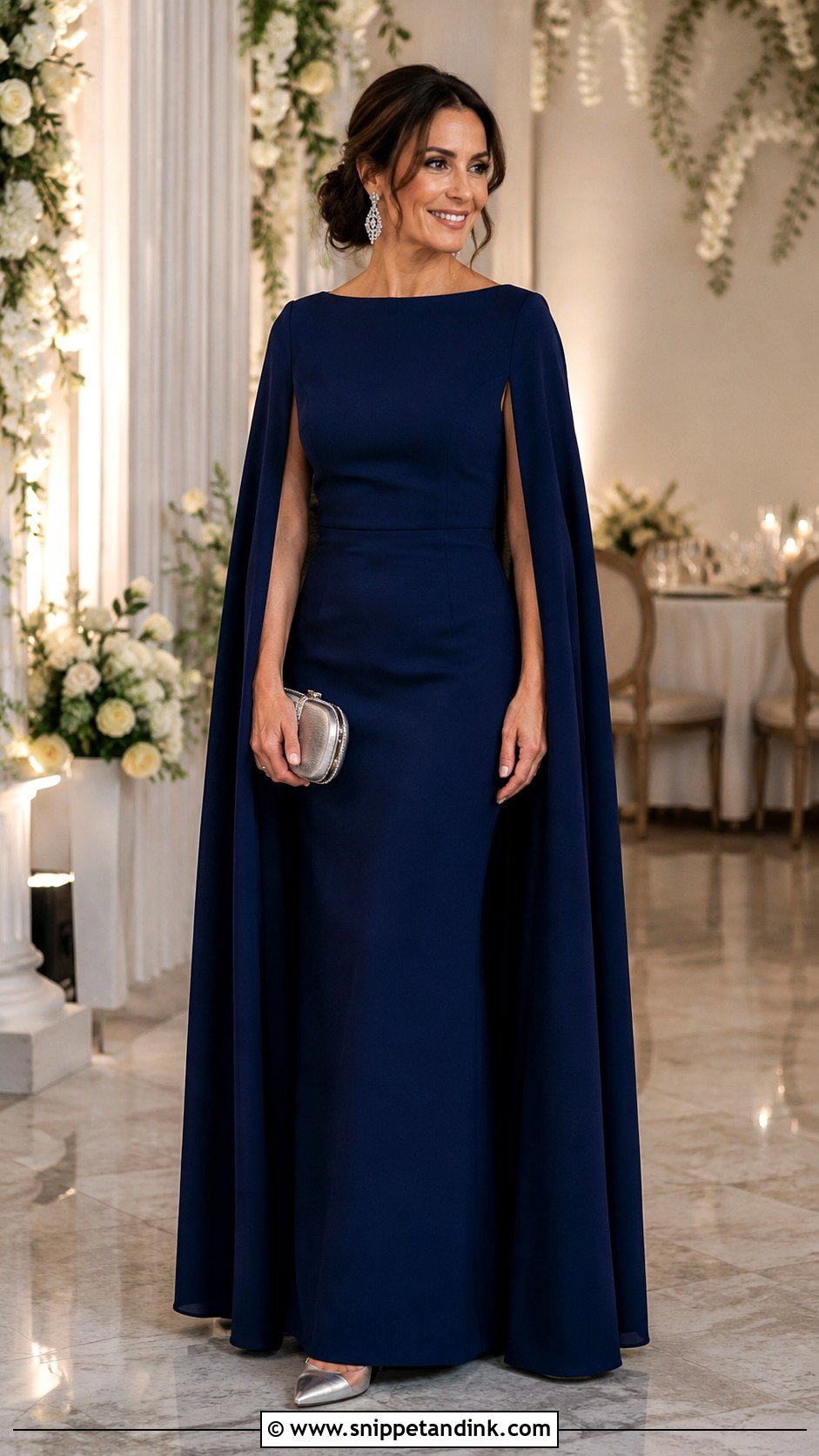
A cape dress gives coverage and movement at once, which is why I suggest it to sisters who want their arms covered without sleeves. Choose a jewel tone in a fitted column with a light cape attached at the shoulders. The cape should fall behind your arms. If it drapes forward, it’ll swing into your plate at dinner and tangle with your bag strap, so practice sitting, walking and holding a clutch before the day. Pointed heels, a small metallic clutch and studs or drops are all it needs, and no necklace. It suits formal indoor ceremonies in the cooler months.
Alterations Take Longer Than Shipping
The problem I see most is a dress bought six weeks out, which leaves no room for a return, a reorder or a proper hem. Formal dresses nearly always need something: a hem set to your exact shoes, shortened straps, a waist taken in. Work back from the date.
- Three to four months before: order, ideally from a shop with a clear return window. If you’re between sizes and the shop allows it, order both.
- Eight to ten weeks before: first fitting. Bring the shoes, the bra or shapewear and any wrap you plan to wear. A hem pinned while you’re in sneakers will be wrong in heels.
- Three to four weeks before: second fitting, where you sit, walk and dance in the finished dress.
- Wedding week: collect it, try it on once more and steam it at the venue, not at home.
Seamstress lead times vary a lot by season, and spring and early autumn are when shops fill up with bridal work, so call early. Ask for a written quote too, since hemming a layered chiffon skirt takes far more time than a single lined hem.
Pack Your Clutch for Two Dresses
The sister usually ends up as the bride’s emergency kit as well as her own, so I tell clients to pack for both gowns. Fashion tape, a few safety pins, a stain pen safe on silk, heel cushions, blotting papers and a short length of thread wound around a card, one in your dress color and one in ivory. If it won’t fit in your clutch, hand the pouch to the planner and tell her it’s there.
Does Your Dress Survive a Family Hug?
Start with a conversation, not a shopping cart. Settle color, formality and where you’ll stand in the bridal party with your sister, then let season and venue narrow the shape. A well-altered simple dress beats an embellished one straight off the rack nearly every time, and good underwear plus shoes you can stand in for hours matter more than any accessory. Whatever fabric you land on, try it with everything you’ll carry, sit down in it and hug someone. If it still feels like yours after that, buy it.
You'll Like These Ideas:


Leave a Reply