
As the bride’s sister you sit in an odd spot: dressier than a guest, but not part of the matched bridesmaid line unless she asks you to be. The dresses below run from garden ceremonies to black tie, and they include chiffon midis, satin gowns, sequins, flutter sleeves, pleated designs and plus-size cuts. Get four answers from your sister before you shop: the dress code, her palette, the venue, and whether she has a preference for you specifically. Then plan shoes you can stand in, jewelry that suits the neckline and a bag big enough for her emergency lipstick.
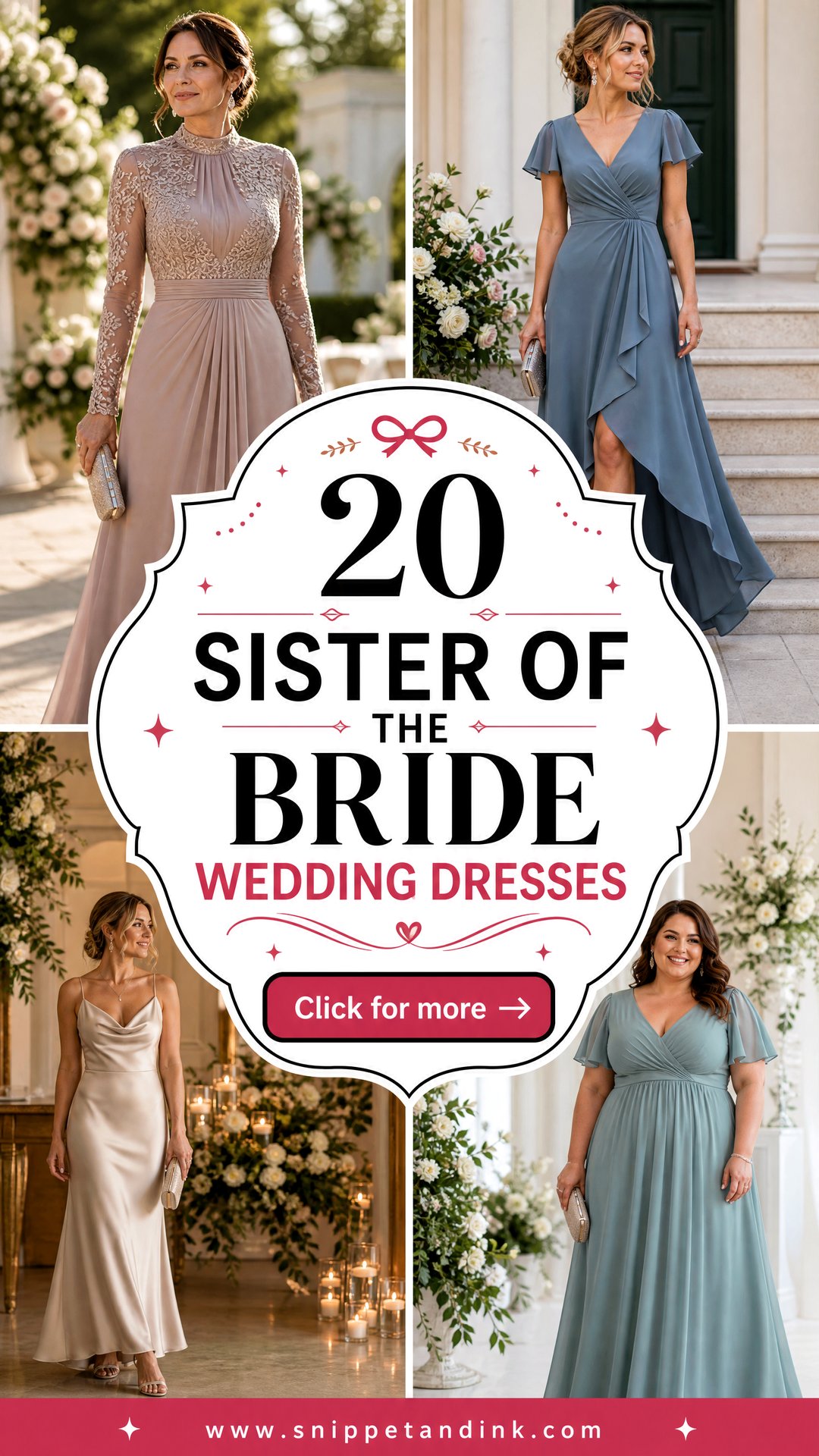
Sister, Bridesmaid, or Both? Settle Your Role Before the Dress
The first question I ask a bride’s sister is not her size or her favorite color. It’s whether she is standing up as a bridesmaid or maid of honor. The answer changes almost everything.
If you’re in the bridal party
You’ll usually wear the bridesmaid dress or a variation of it. As maid of honor, it’s common to wear the same color in a different cut, or a slightly different shade, so you stand out in the line without breaking it. Agree on this with your sister in writing, ideally before the bridesmaids order, so your dress arrives from the same dye lot if it’s the same fabric.
If you’re not
Then you’re a very visible guest. You’ll be in the family portraits, so I’d choose something that sits well next to both the bridesmaids and the parents. A shade from the palette that the bridesmaids aren’t wearing is the safest choice. Avoid white, ivory, very pale blush and champagne unless your sister has said yes, and steer clear of the exact bridesmaid color so nobody mistakes you for the one who missed the group order.
1. Satin Cowl Neck Sister of the Bride Dress
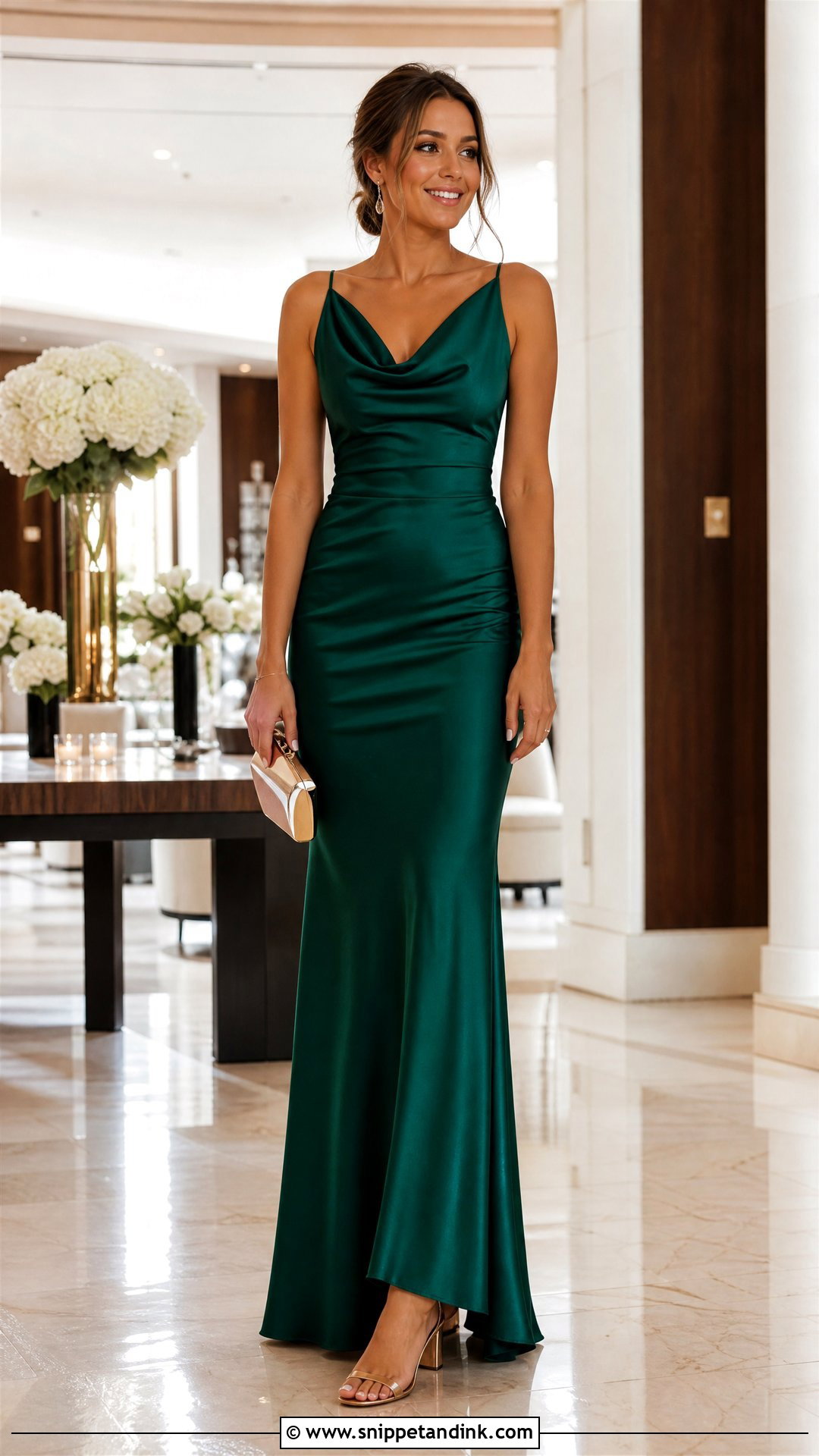
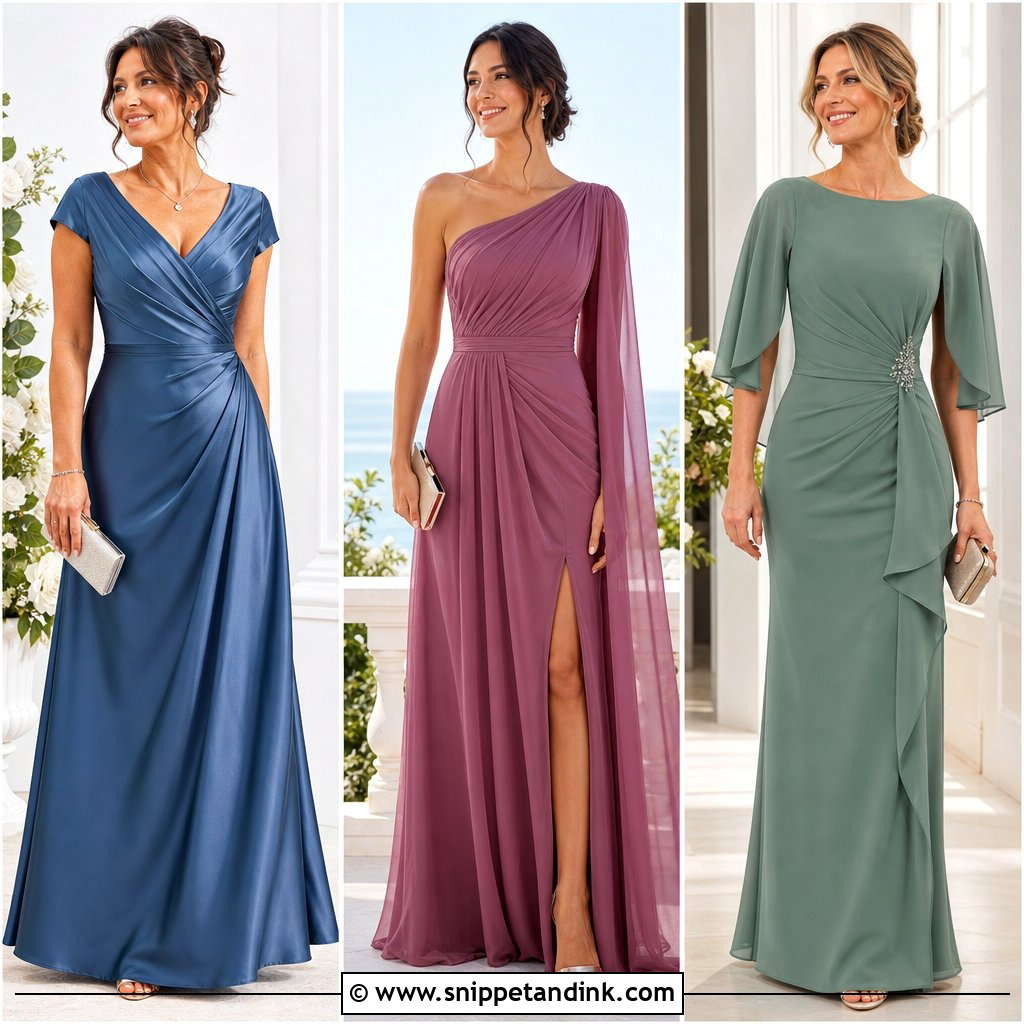
Satin with a cowl neck is quietly glamorous at an evening wedding. A midi or floor-length cut in navy, emerald, burgundy, dusty blue or muted rose works, and a smooth updo or side-parted waves let the drape show. The catch with a cowl is that it falls open when you lean over, and as the sister you’ll be bending to fix a train or pick up a dropped program. I’d do a deep lean in the fitting room and add a small hidden stitch or tape if it gapes. Drop earrings, a slim bracelet, a structured clutch and strappy block heels finish it. Satin water-spots, so carry a stain pen and steam it at the hotel.
2. Chiffon Flutter Sleeve Sister of the Bride Dress
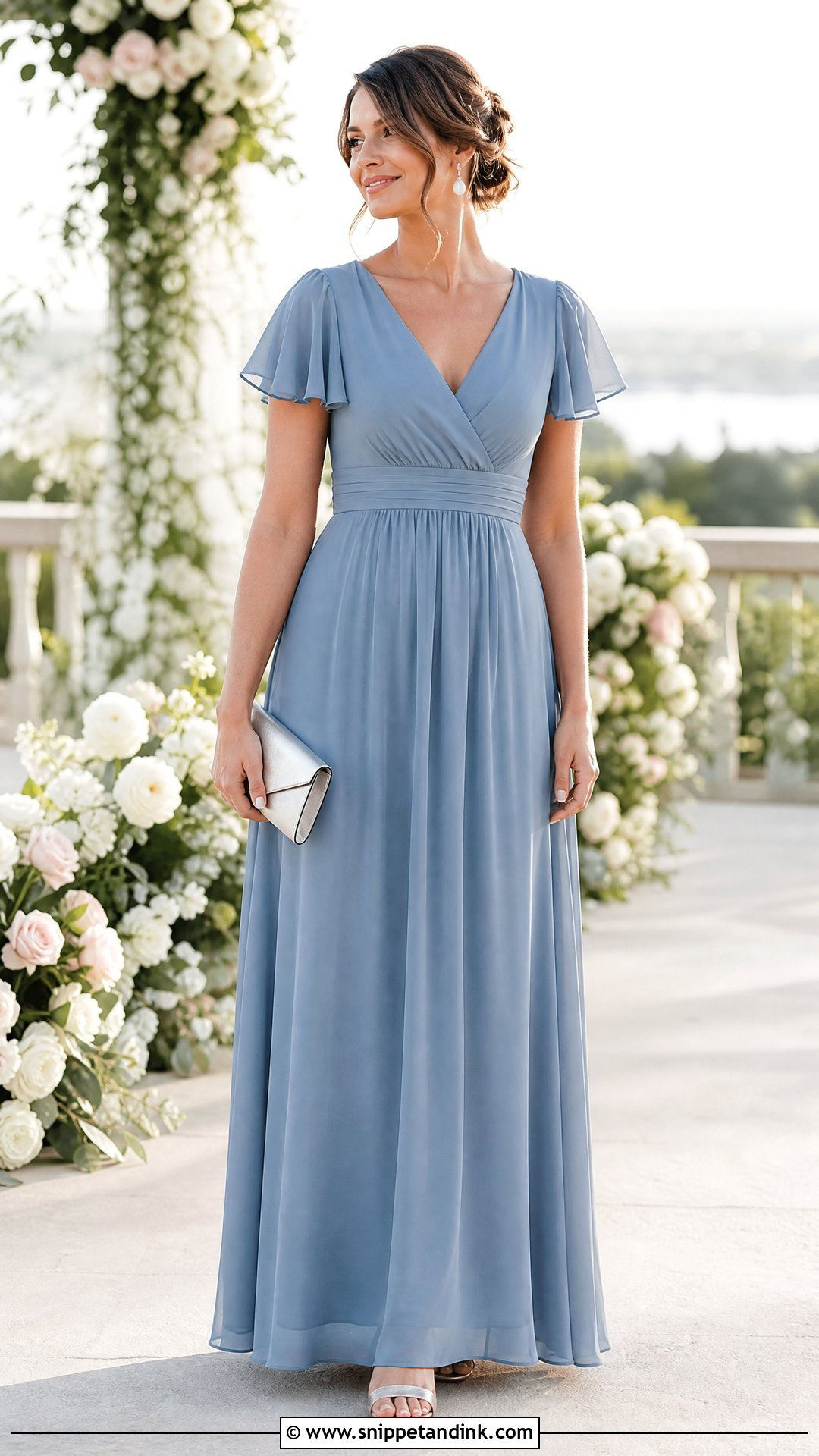
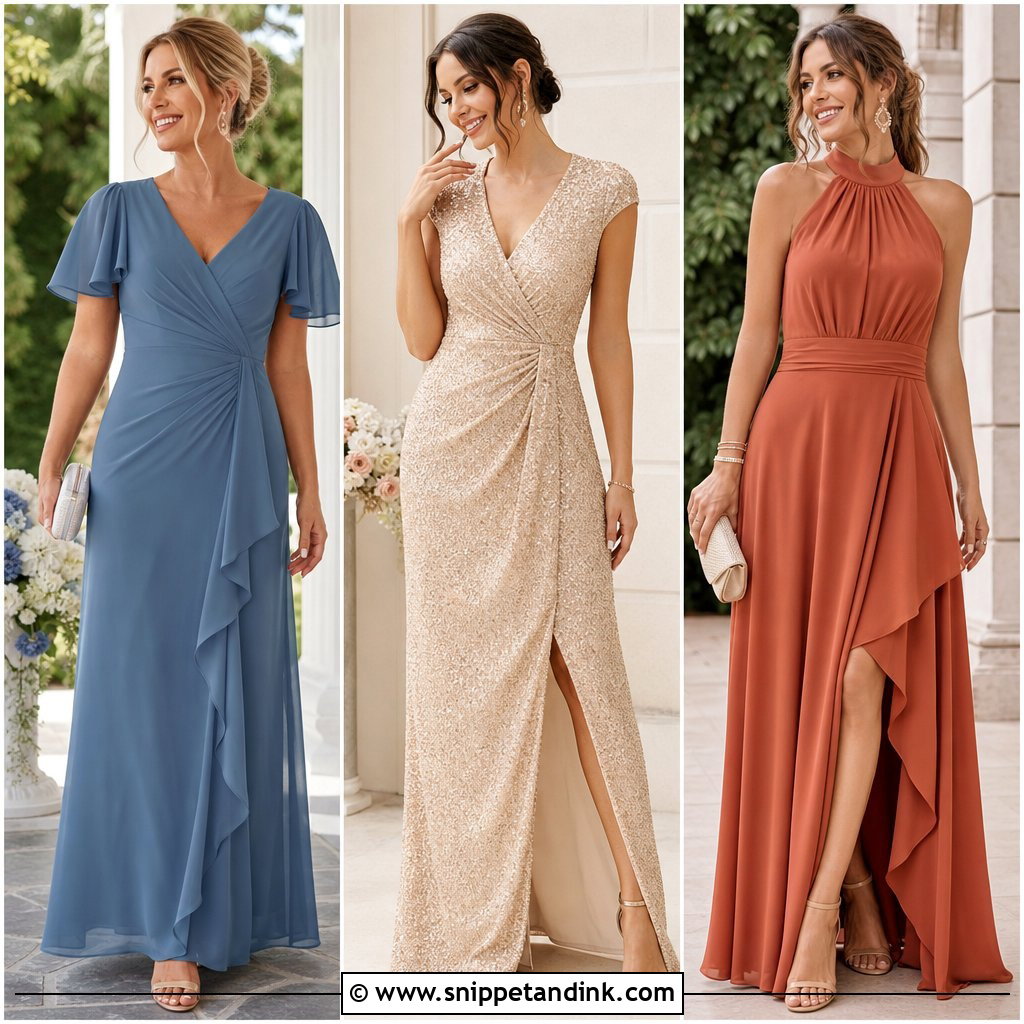
Chiffon moves in a breeze and stays cool, so it’s my default for warm outdoor ceremonies. A flutter-sleeve maxi dress covers the upper arm without trapping heat. Sage, lavender, mauve, slate blue or soft coral suit most palettes, and an empire or defined waist shapes it without pinching. Pick metallic low heels, pearl or crystal earrings and an envelope clutch. Stilettos sink into lawns, so heel shape matters as much as color here. A braided updo shows off the sleeves. One honest drawback: chiffon snags on bouquet wire and rough stone walls, so watch where you lean during portraits.
3. One Shoulder Sister of the Bride Dress
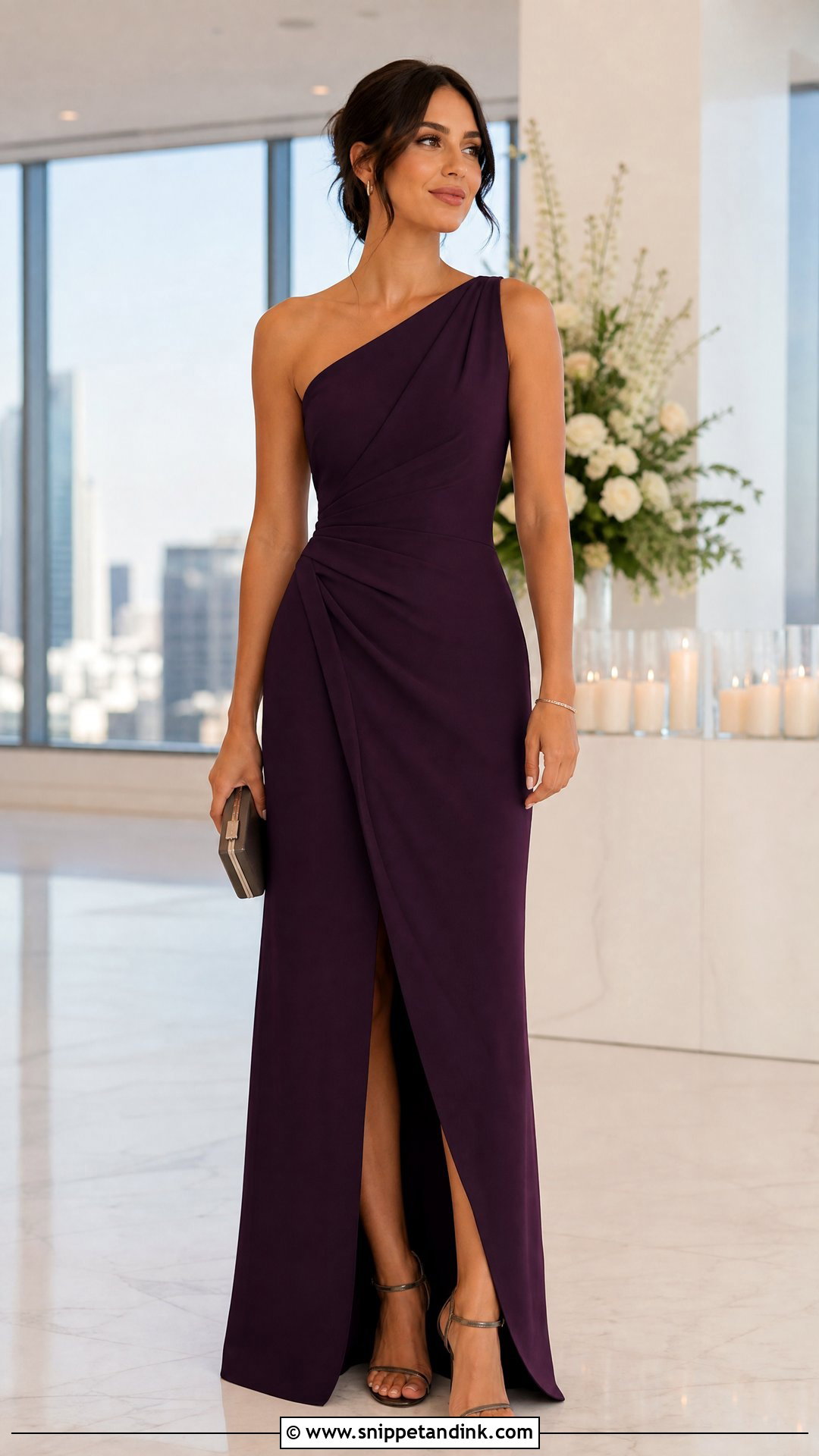
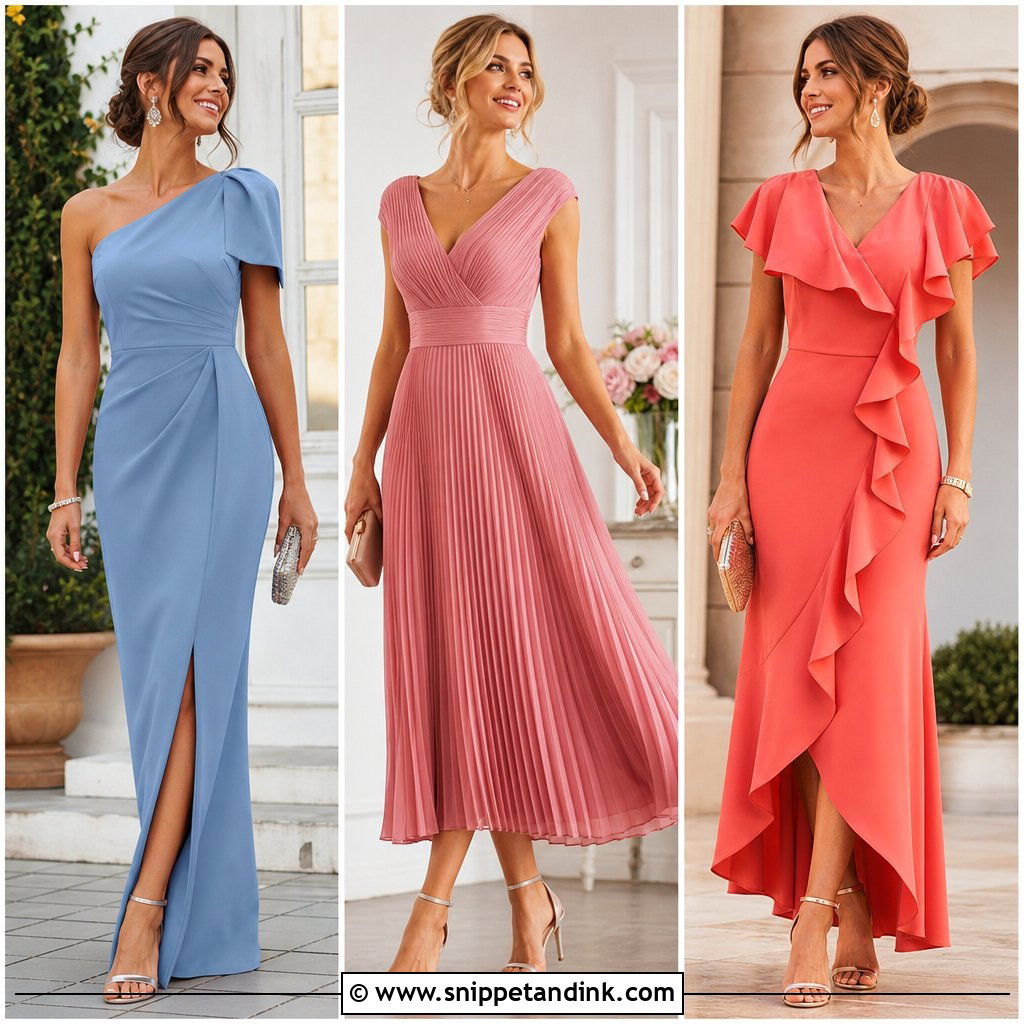
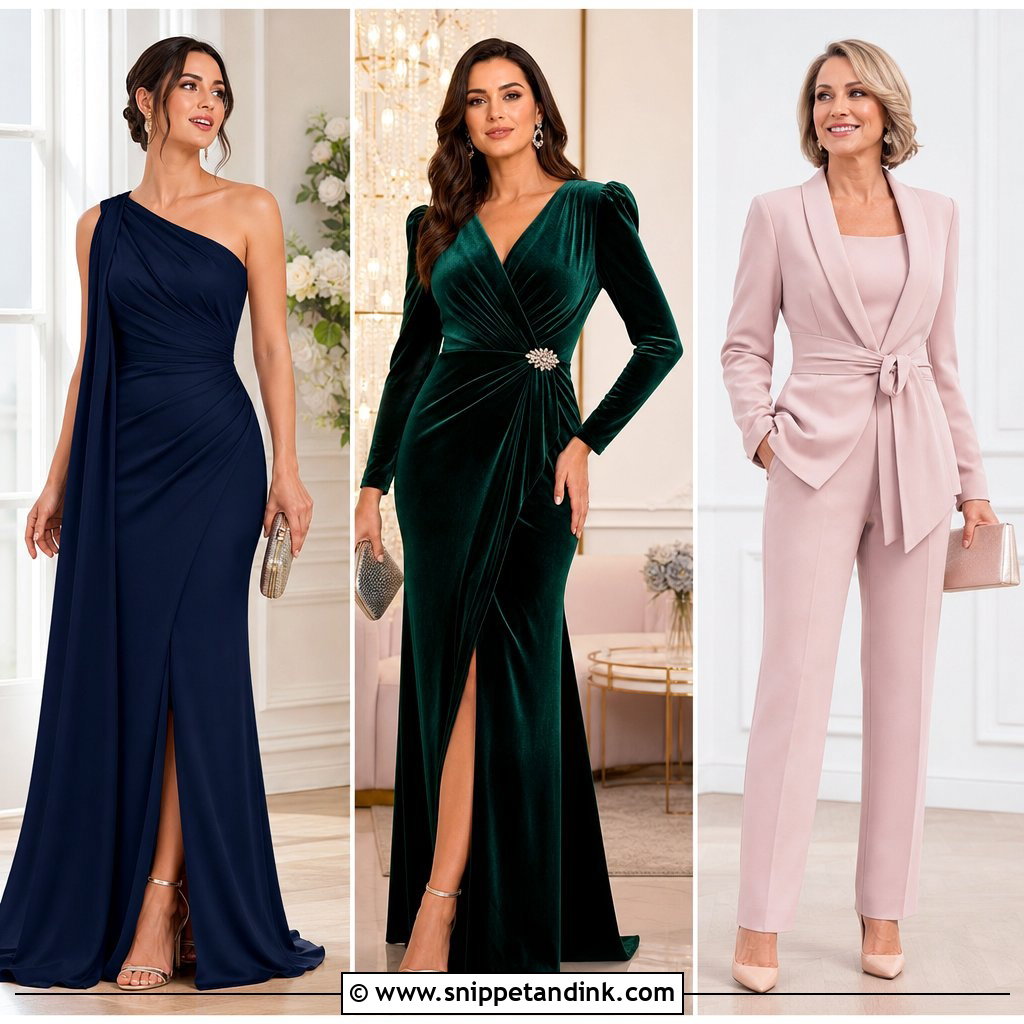
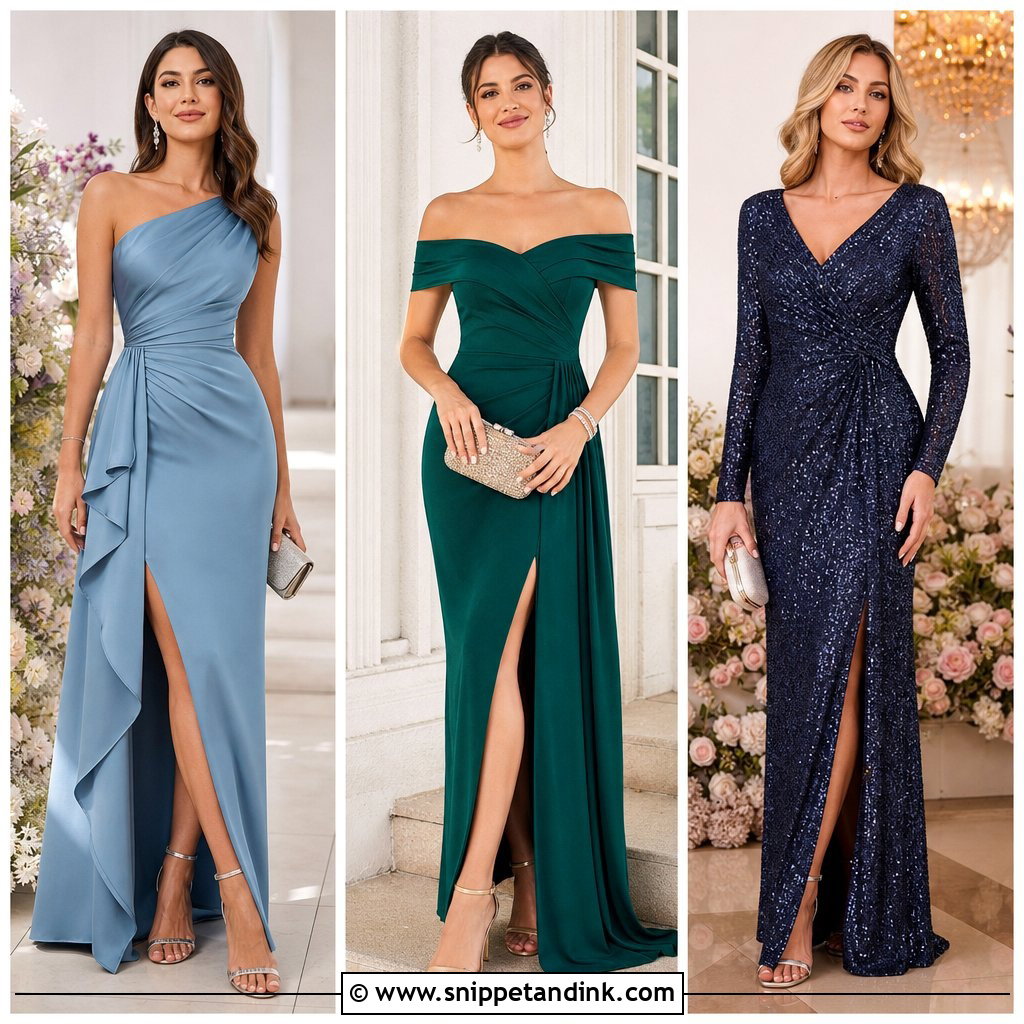
Want something modern that still reads formal? A one-shoulder cut is clean and strong. A draped midi suits an afternoon; a floor-length gown suits evening. Jewel tones, navy, terracotta and deep plum make the diagonal neckline stand out. The single strap carries all the bodice weight, so I check it doesn’t slide when you lift your arms or hug someone shorter than you. Keep the jewelry to one cuff and small earrings and sweep your hair to the bare side or into a low bun. Pointed pumps or simple heeled sandals finish it.
4. Floral Midi Sister of the Bride Dress
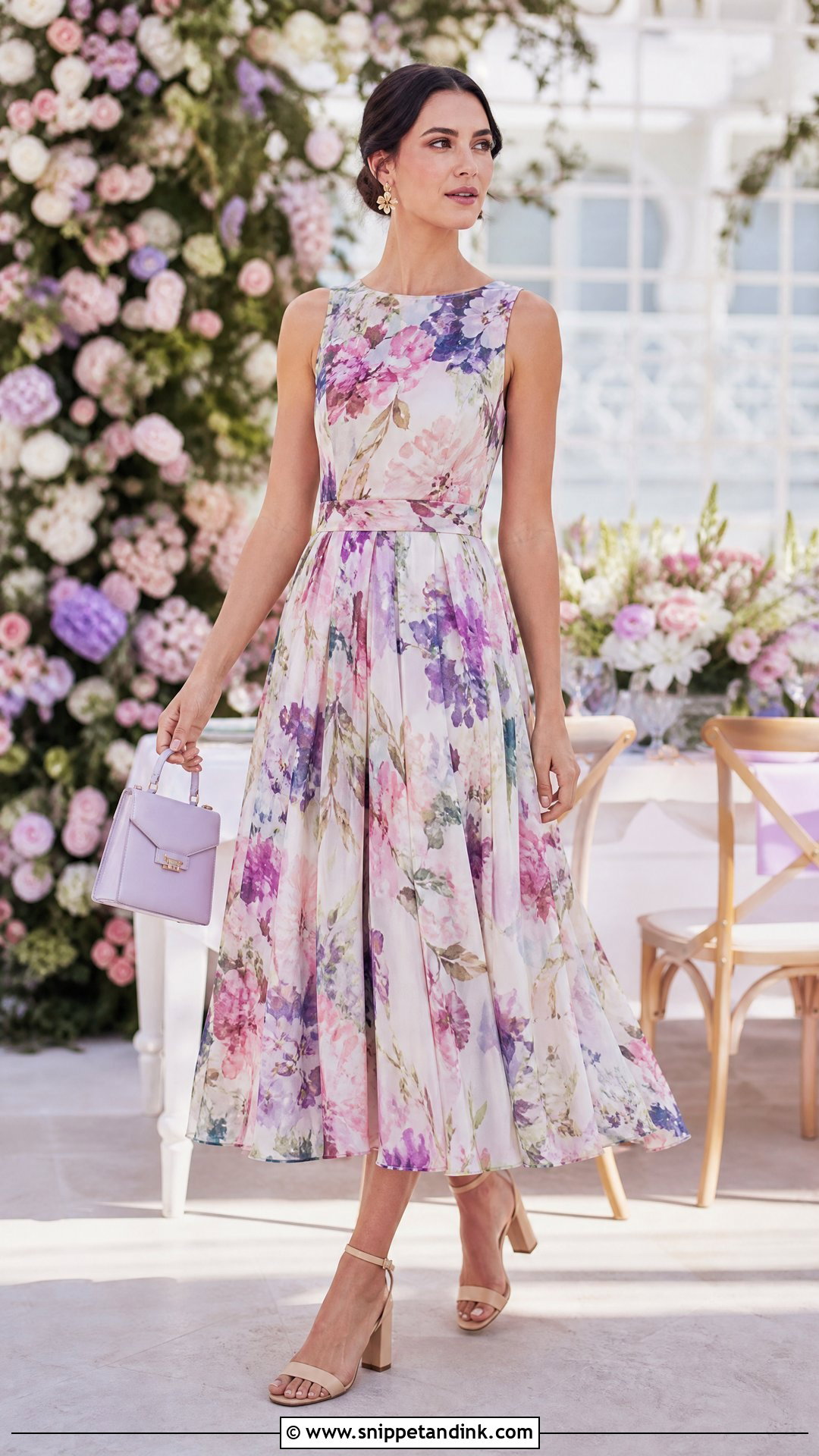
Floral midis feel right at a garden, estate or daytime wedding, as long as the print is refined rather than sundress casual. Watercolor, embroidered or botanical florals on a clear base color look intentional. A fitted waist and gently flared skirt keep it polished through a long afternoon. Pull one color from the print for your shoes or clutch and keep the earrings small. My firm rule: avoid prints on a white or ivory ground unless your sister says yes, because from across a lawn they read as a white dress in photos. Neutral block heels, a top-handle bag and a light wrap for the evening chill complete it.
5. Velvet Long Sleeve Sister of the Bride Dress
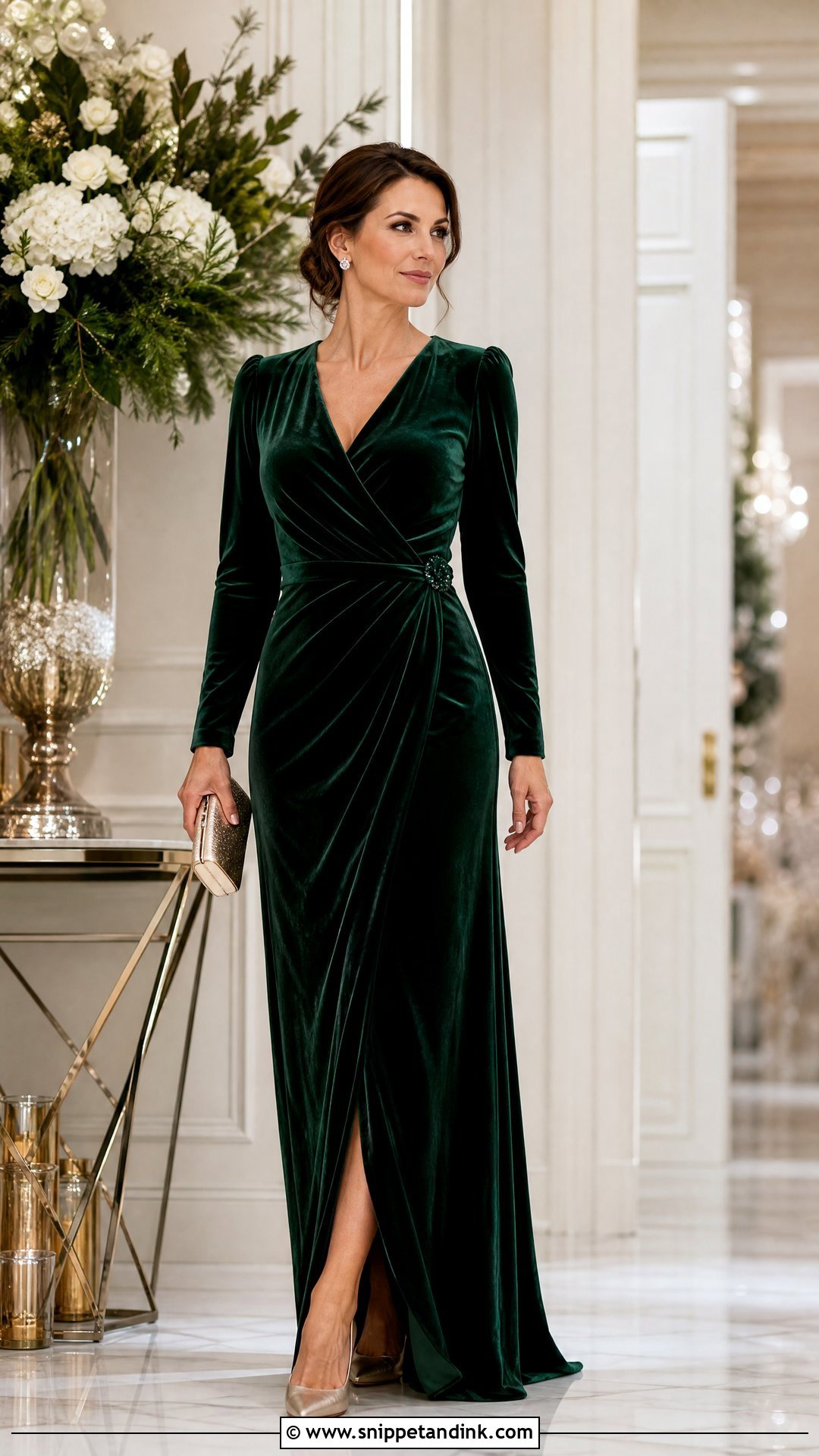
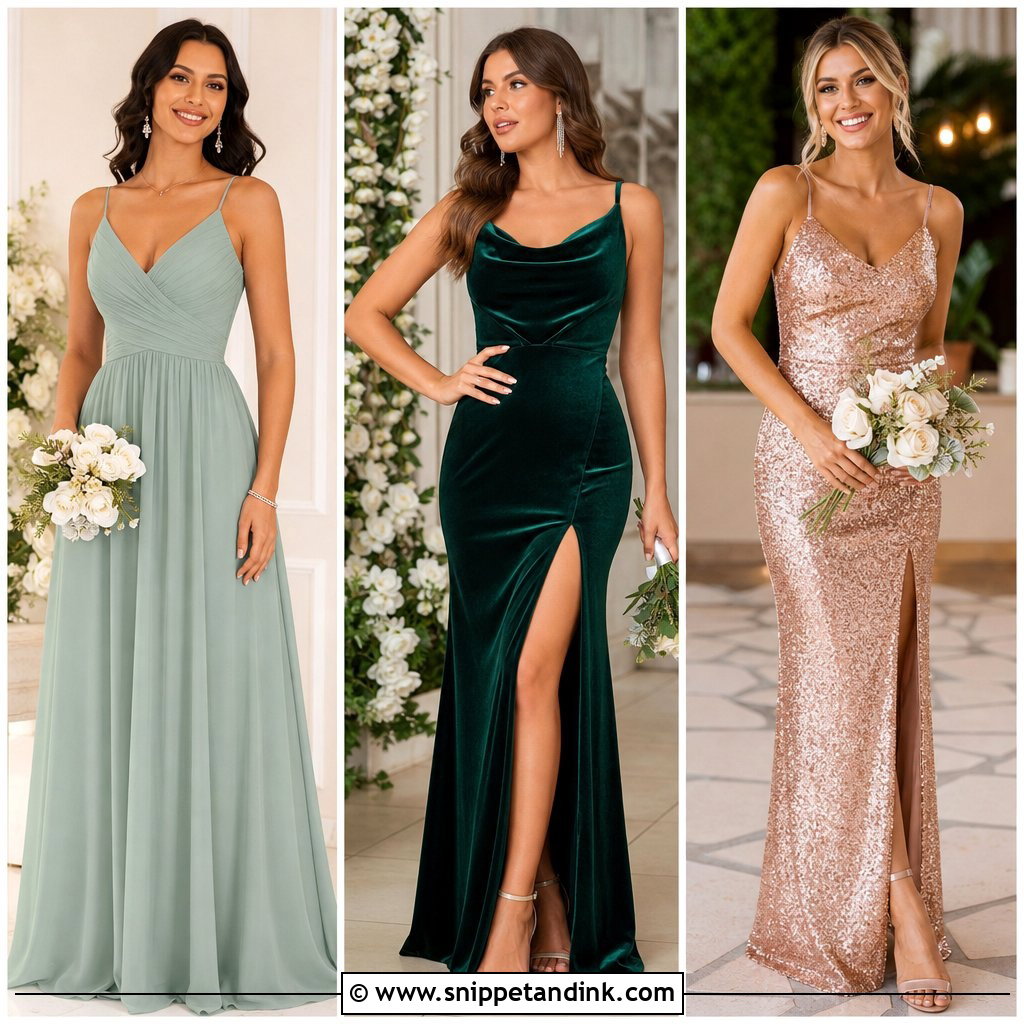
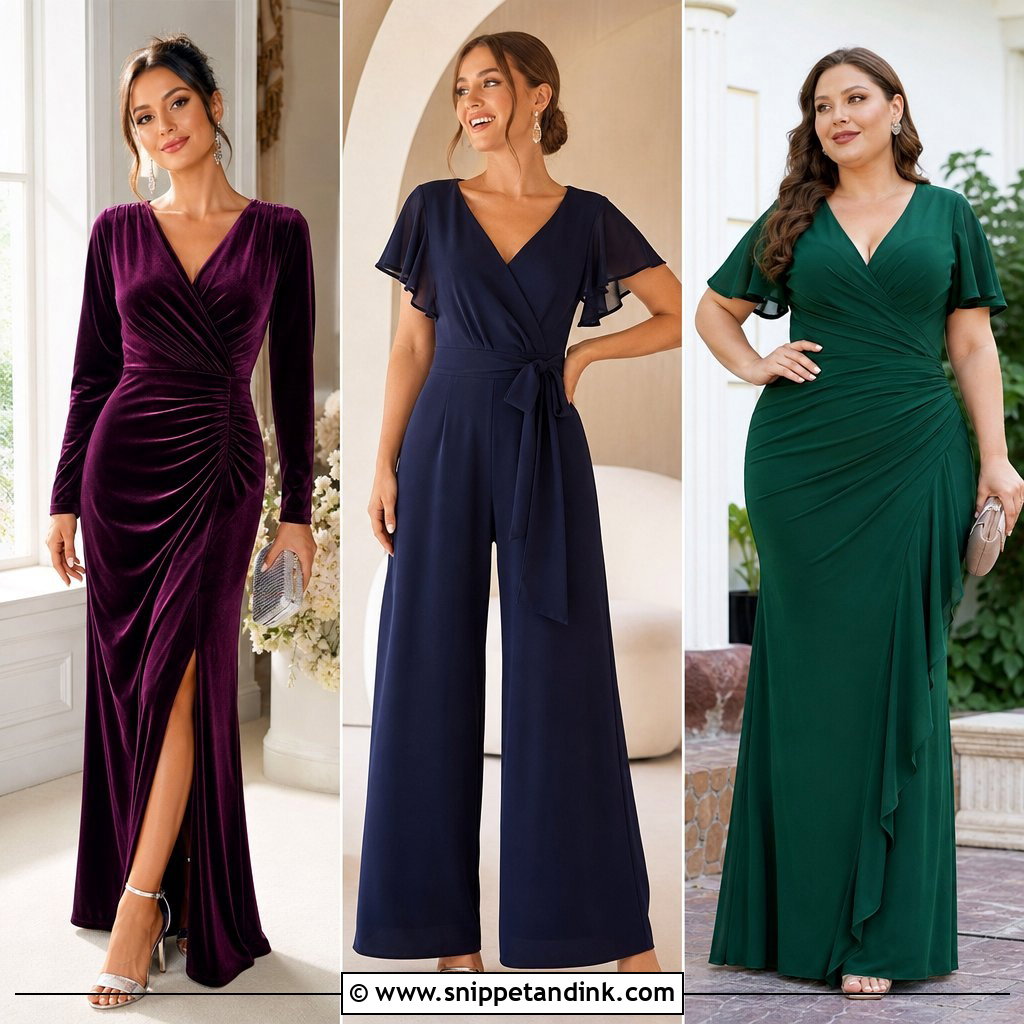
Velvet belongs at fall and winter weddings. A long-sleeve gown in forest green, navy, wine or dark teal looks rich without any beading. Wrap, column or soft drape all work, depending on how much structure you like. Velvet adds visual weight and some real bulk, so I’d skip clingy cuts if you’re wary of that and check you can sit and walk easily in anything fitted. Pointed pumps, a small metallic clutch and crystal studs or a single pendant are enough; the fabric is the decoration. Keep hair smooth and makeup simple. A tailored wool coat keeps it formal outside.
6. Sequin Column Sister of the Bride Dress
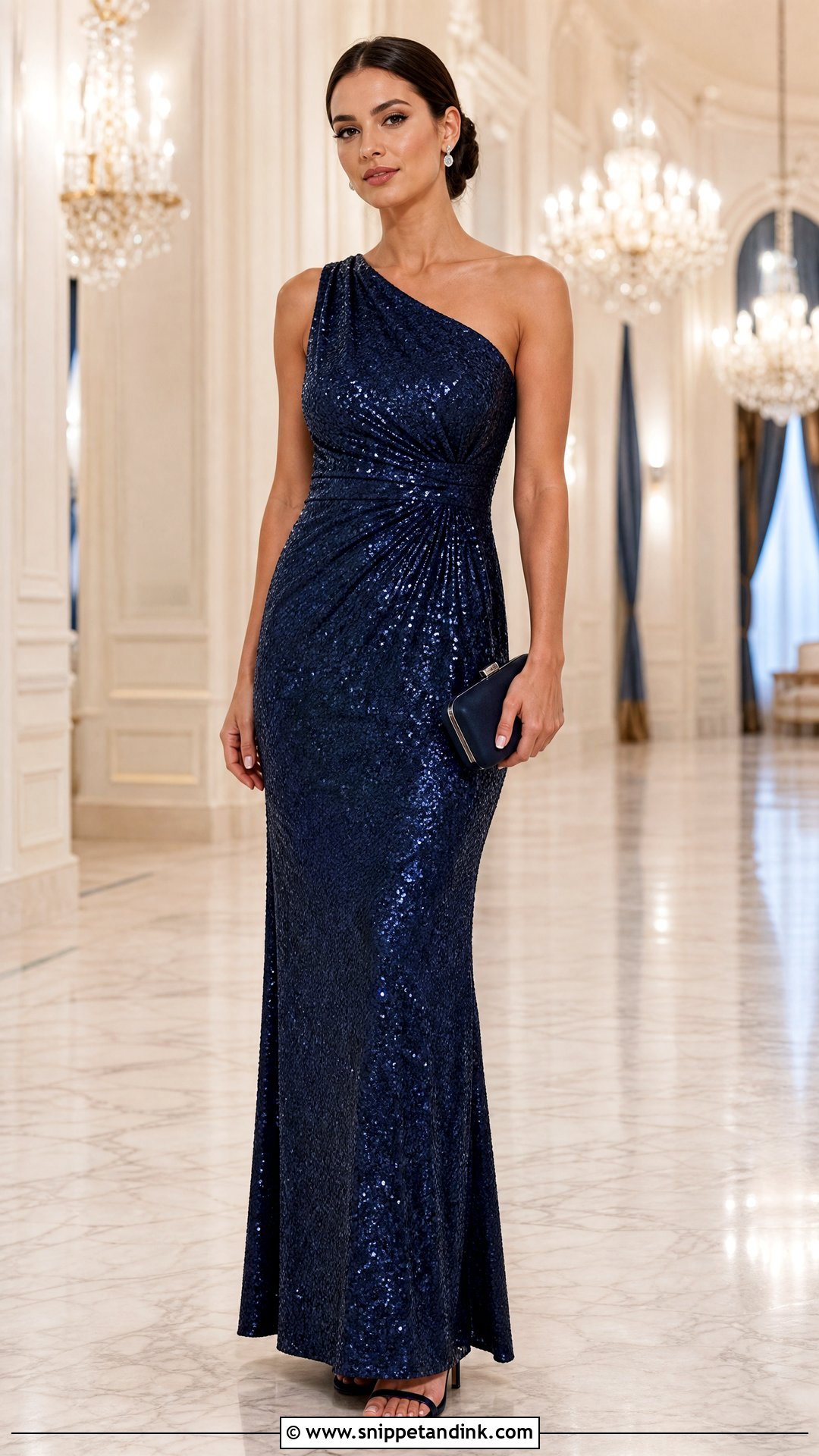
A little sparkle makes a sister of the bride dress feel like an occasion. Go for a column gown with tonal sequins rather than a contrasting pattern; navy, champagne rose, pewter, burgundy and deep green all shine without shouting. Always check with the bride before choosing very pale metallics. Sequins scratch, and the underarm is where they rub raw over a long night, so I always feel the lining there before recommending a dress. Satin heels, a compact clutch, small earrings and no necklace with a beaded neckline. A low bun keeps hair from catching on the sequins.
7. Lace Fit and Flare Sister of the Bride Dress
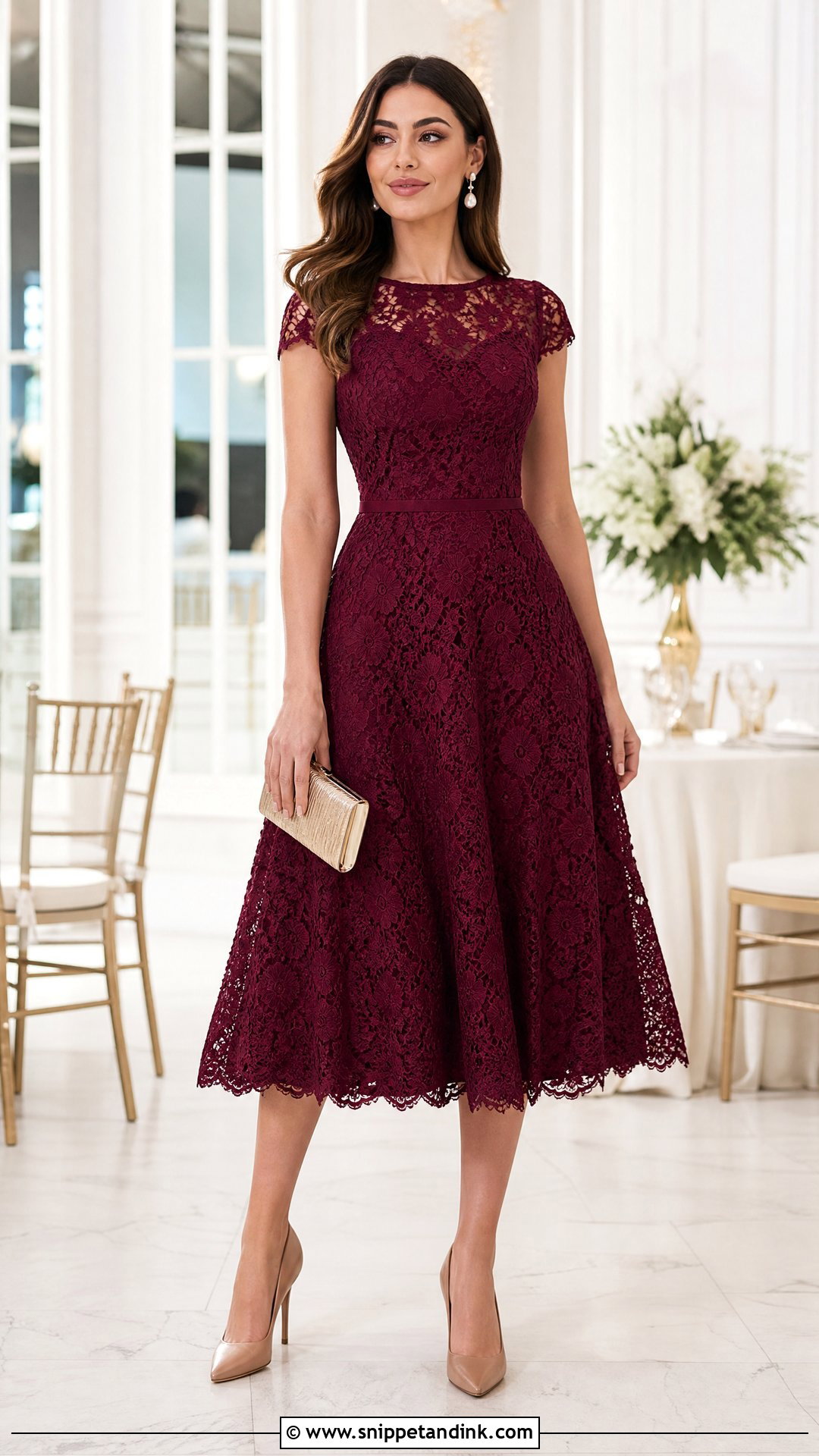
Lace gives texture; a fit-and-flare gives a waist and room to move below it. Knee or midi length suits cocktail attire, and longer suits a formal ceremony. Blue, berry, plum, teal and dusty rose keep lace from looking bridal. Look hard at the lining in bright light; some lace dresses use a nude underlayer that photographs as bare skin under flash. Stretch lace sits more comfortably through hours of sitting and greeting. Pointed pumps, a structured clutch and pearl earrings are plenty, with no elaborate necklace over a busy lace. A soft blowout or low chignon finishes it.
8. Pleated Halter Sister of the Bride Dress
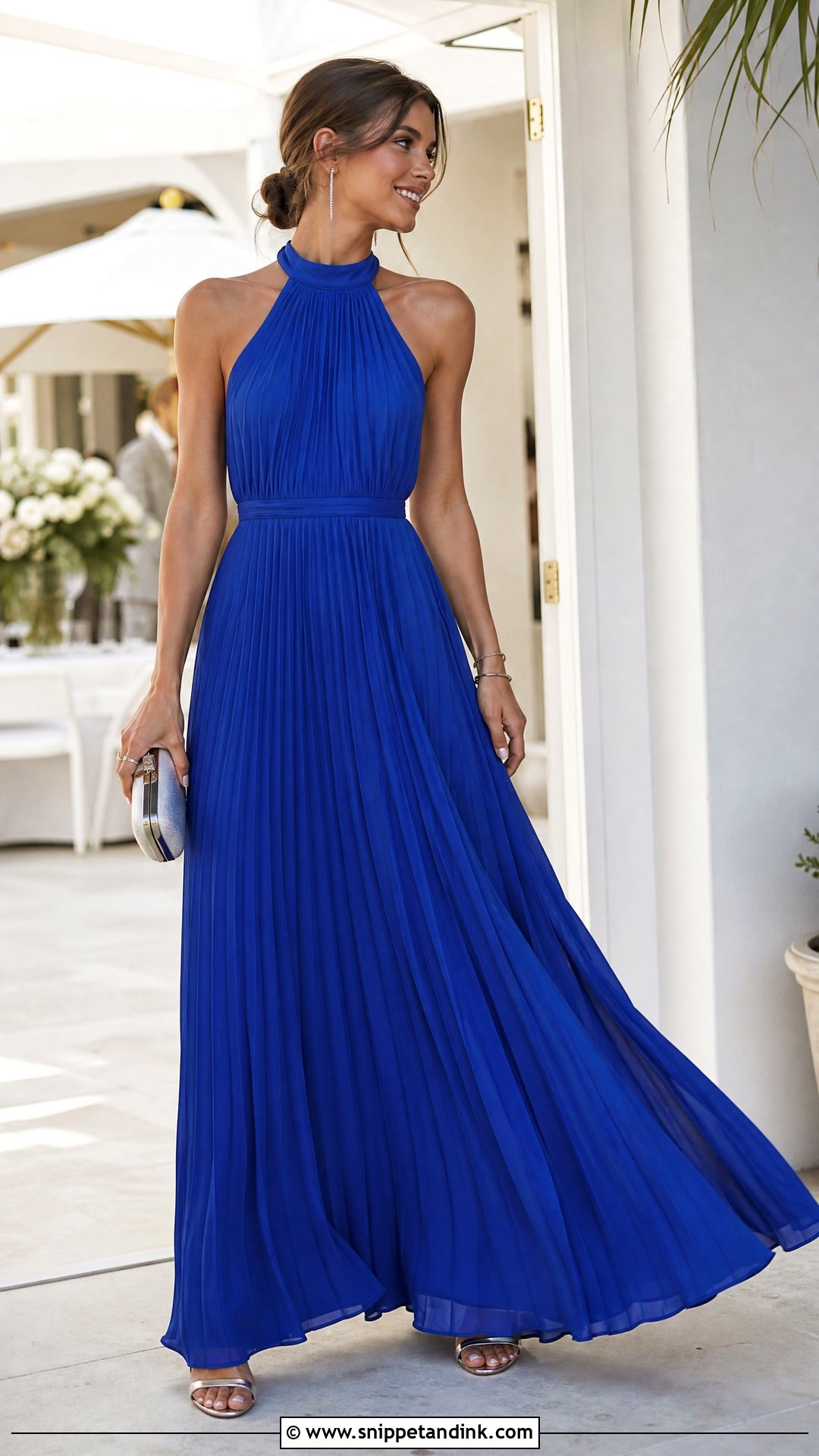
Fine pleats give a halter movement without bulk. In chiffon or light satin, it works for summer, destination and modern indoor weddings. Cobalt, raspberry, olive, lilac and midnight blue are good midi or maxi colors. The halter neck carries the dress, and it can pull on the back of the neck by evening, so I suggest checking the strap tension and closure carefully. If you need support, choose a halter with a built-in structured bodice rather than an open back. Skip the necklace, wear slim drop earrings and a few fine bracelets, metallic sandals and a small clutch. Hair up shows the shoulders.
9. Off the Shoulder Sister of the Bride Dress
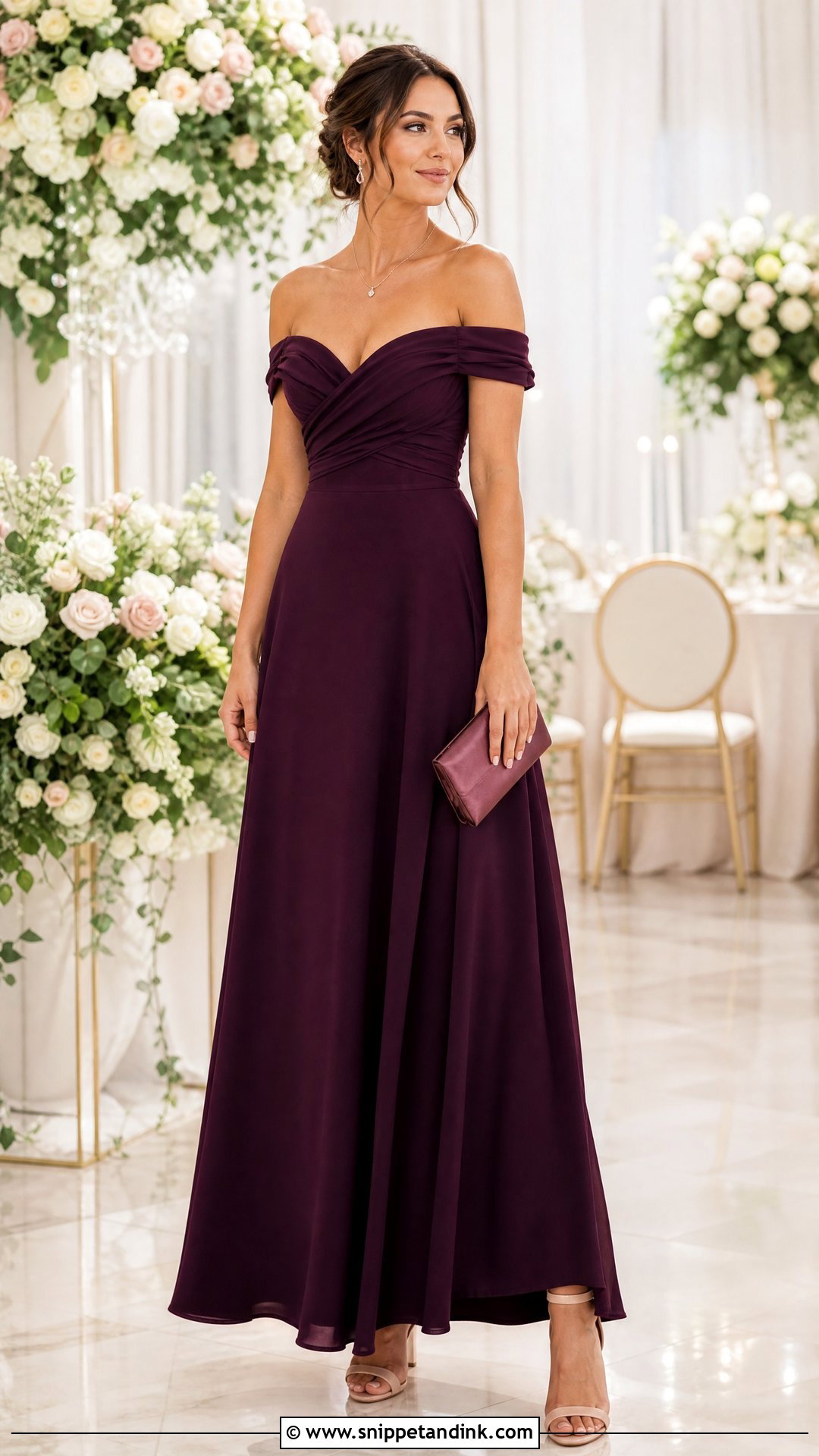
Off the shoulder is romantic and works for formal or semi-formal weddings. A fitted bodice with an A-line skirt balances the open neckline, and navy, aubergine, emerald, burgundy or muted pink suit most seasons. The trouble with this neckline is that it creeps up when you raise your arms, so I’d test a full wave and a hug before buying, and look for silicone grip tape inside the band. A short pendant or delicate choker, drop earrings, a satin clutch and block-heel sandals complete it. Brushed-back hair keeps the shoulders clear, and a light wrap covers you when the evening cools.
10. Wrap Sister of the Bride Dress
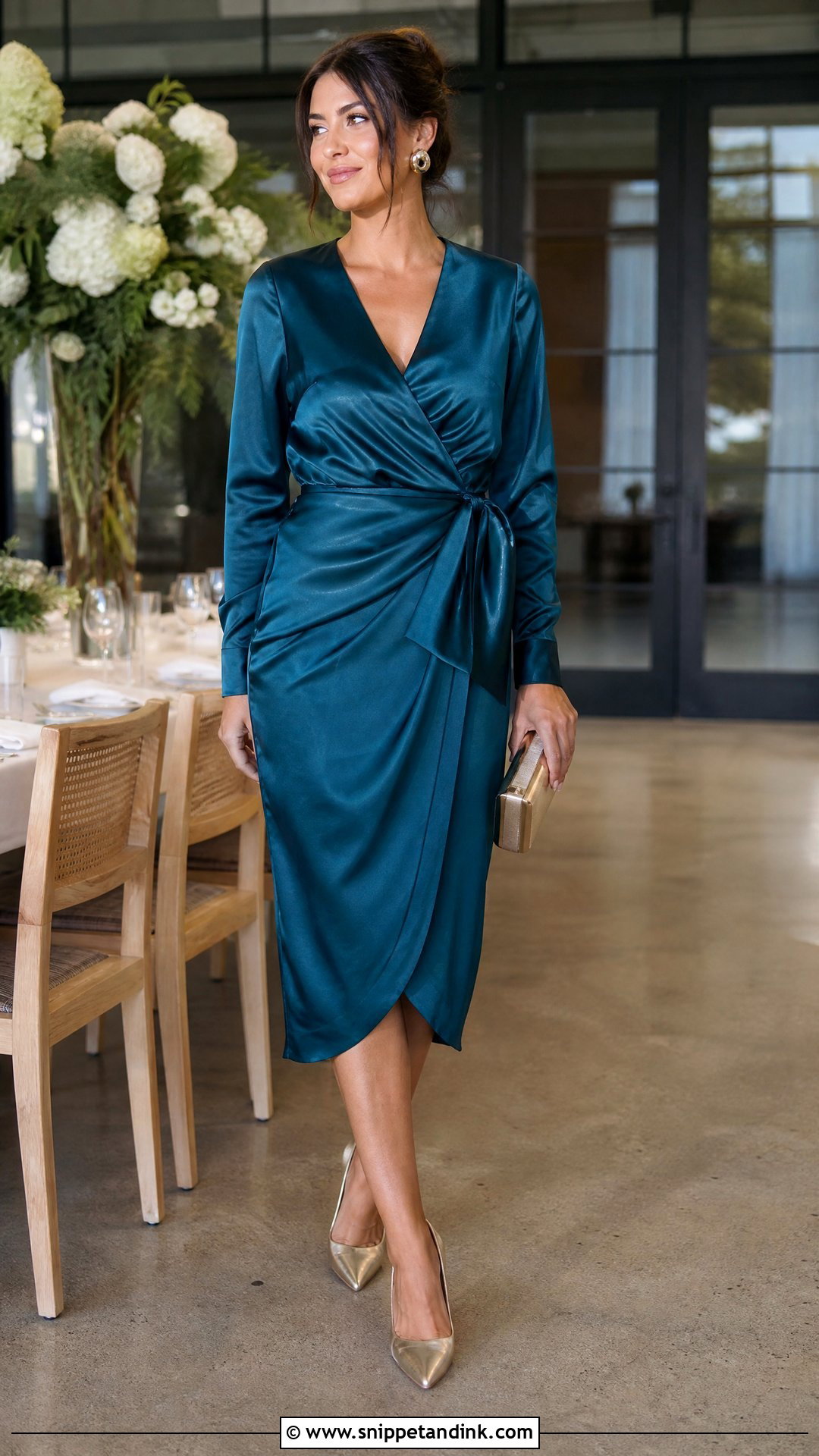
The wrap dress is the most adaptable shape here, because you set the waist yourself. That helps over a long day when you’ll eat, sit and dance. Choose a dressy fabric such as satin, velvet, chiffon or crepe; jersey looks like office wear in photos. A midi suits cocktail; a full-length wrap gown suits evening. Wrap skirts flap open when you walk in a breeze or sit down, so I put a strip of fashion tape at the neckline and one at the skirt overlap, and a smooth camisole adds cover without changing the shape. Pointed pumps, a box clutch and medium earrings finish it. Solid jewel tones keep it classic.
11. High Neck Sister of the Bride Dress
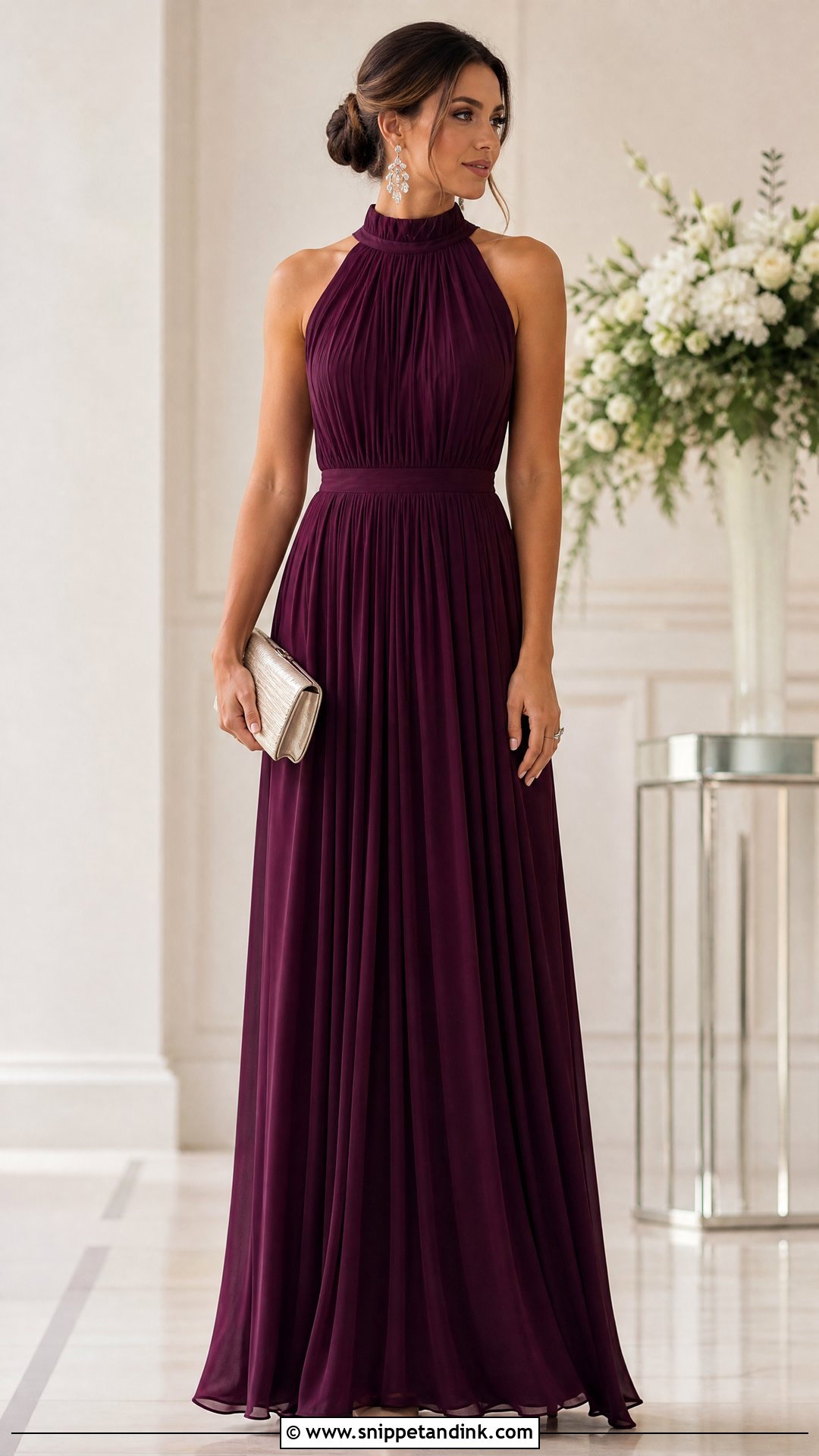
A high neck focuses all the attention on your face and shoulders. In pleated chiffon, draped satin or smooth crepe it looks graceful rather than severe. Sleeveless suits warm weather; long sleeves suit cooler months. Dark teal, plum, navy, olive or berry give a sophisticated family look. Wear your hair up, otherwise the neckline and hair crowd each other. Skip the necklace and let statement earrings do the work, with a slim ring and structured clutch. Sit and eat a few bites in it at the fitting; a high collar that’s fine standing can feel tight once you’re seated.
12. Asymmetrical Hem Sister of the Bride Dress
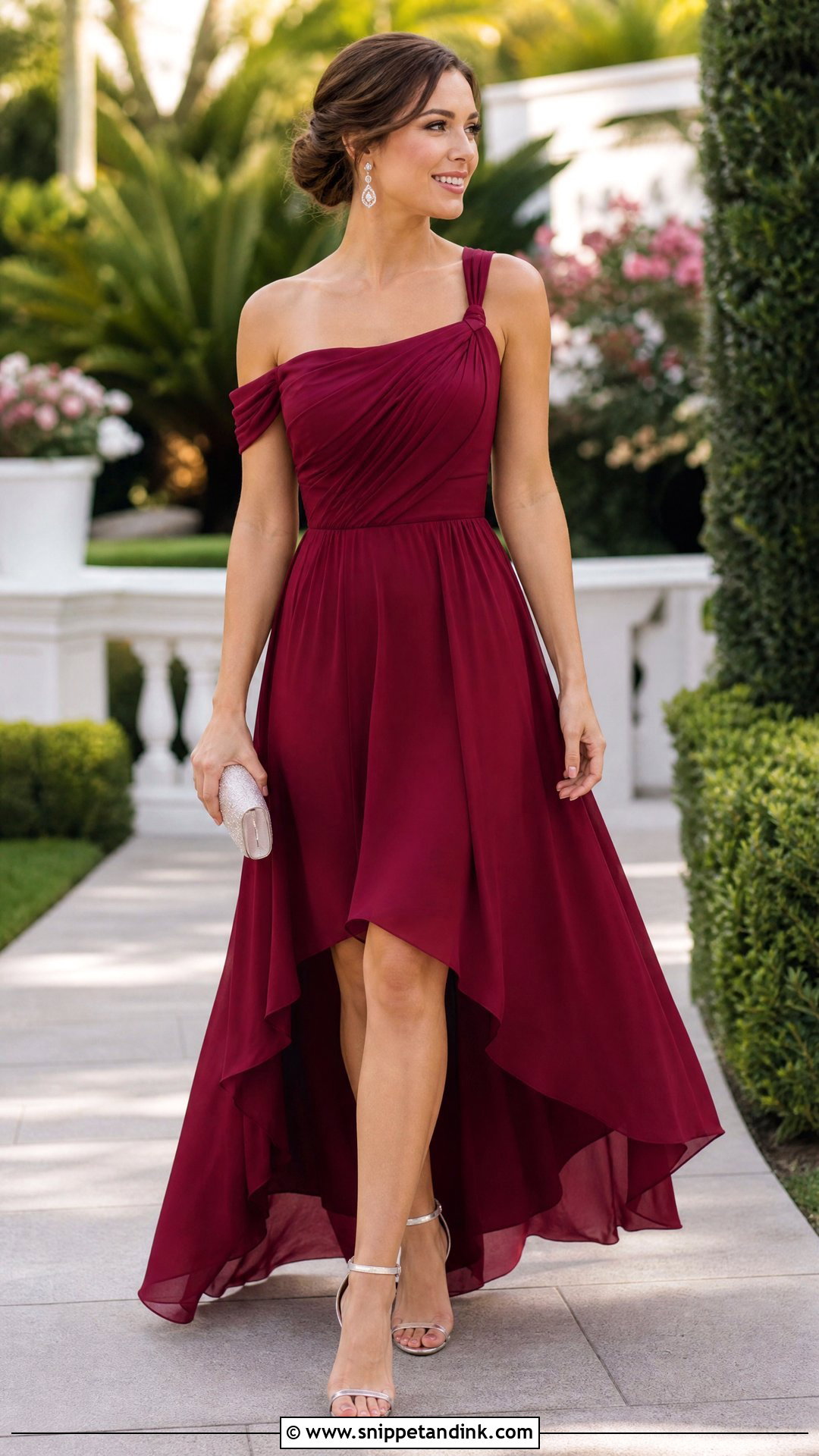
An asymmetrical hem gives movement without stealing attention from the wedding party. A high-low dress in chiffon or satin suits cocktail weddings, with the drama of a long back and the ease of a short front. Solid royal blue, cranberry, dark green or dusty purple work best. Your shoes are fully on show, so choose ankle-strap heels or pointed pumps you’d be happy to see in every photo. Keep the bodice clean if the skirt has ruffles. The short front also stays out of wet grass outdoors. Walk the full outfit around a room before the day; a hem that’s lower on one side can catch a heel on stairs.
13. Cape Sleeve Sister of the Bride Dress
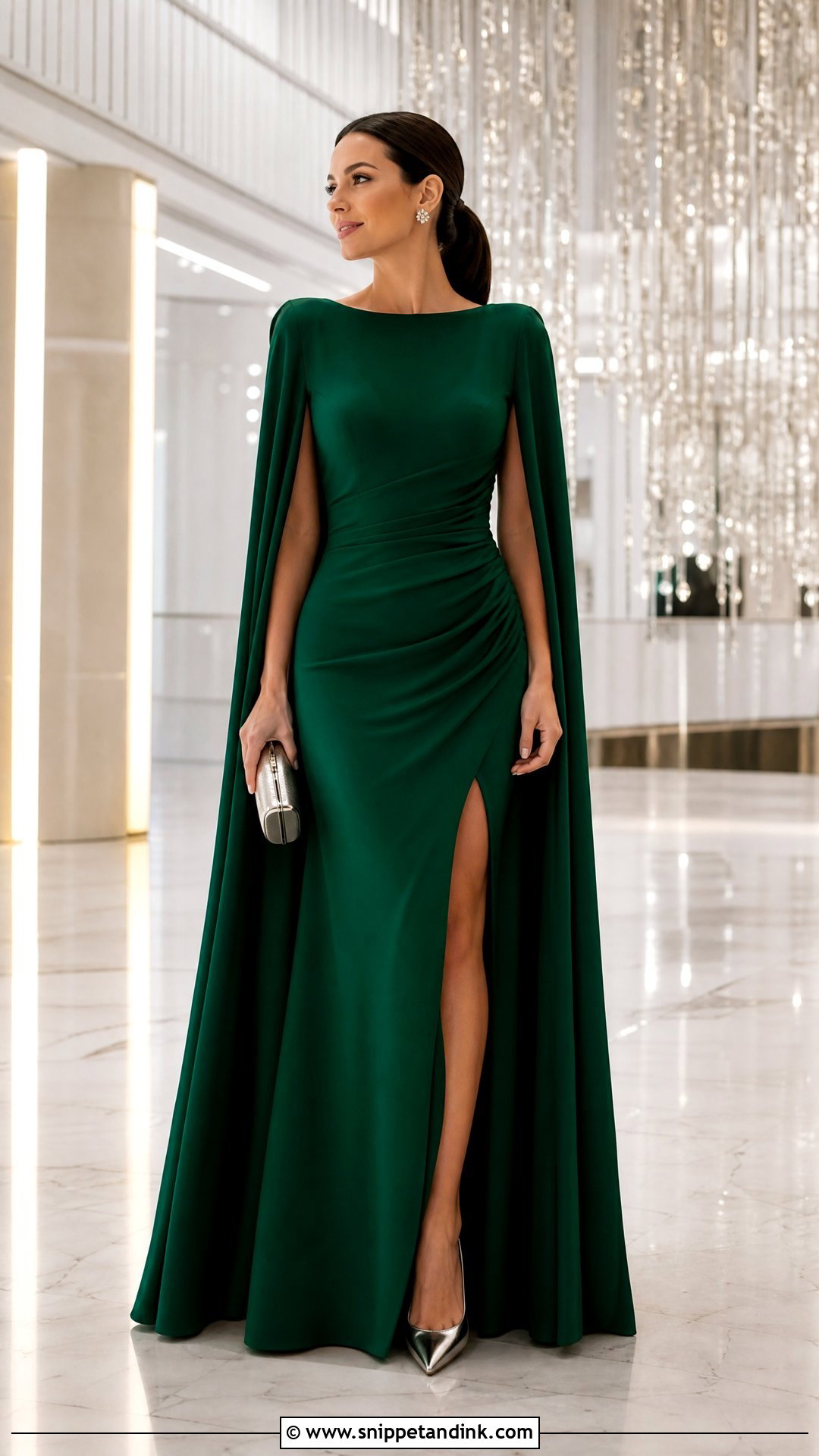
Cape sleeves give coverage and a lot of movement while keeping the line slim. A midi column suits cocktail attire and a floor-length gown suits evening. Crepe, chiffon or satin in navy, burgundy, emerald or deep violet all work. The sleeves are the statement, so keep accessories small: crystal studs, a slim clutch, pointed heels, sleek bun. I’d test eating and lifting a glass in it; capes can drag through a plate or knock a drink, and you’ll also be holding the bride’s bouquet while she signs the register.
14. Tea Length Sister of the Bride Dress
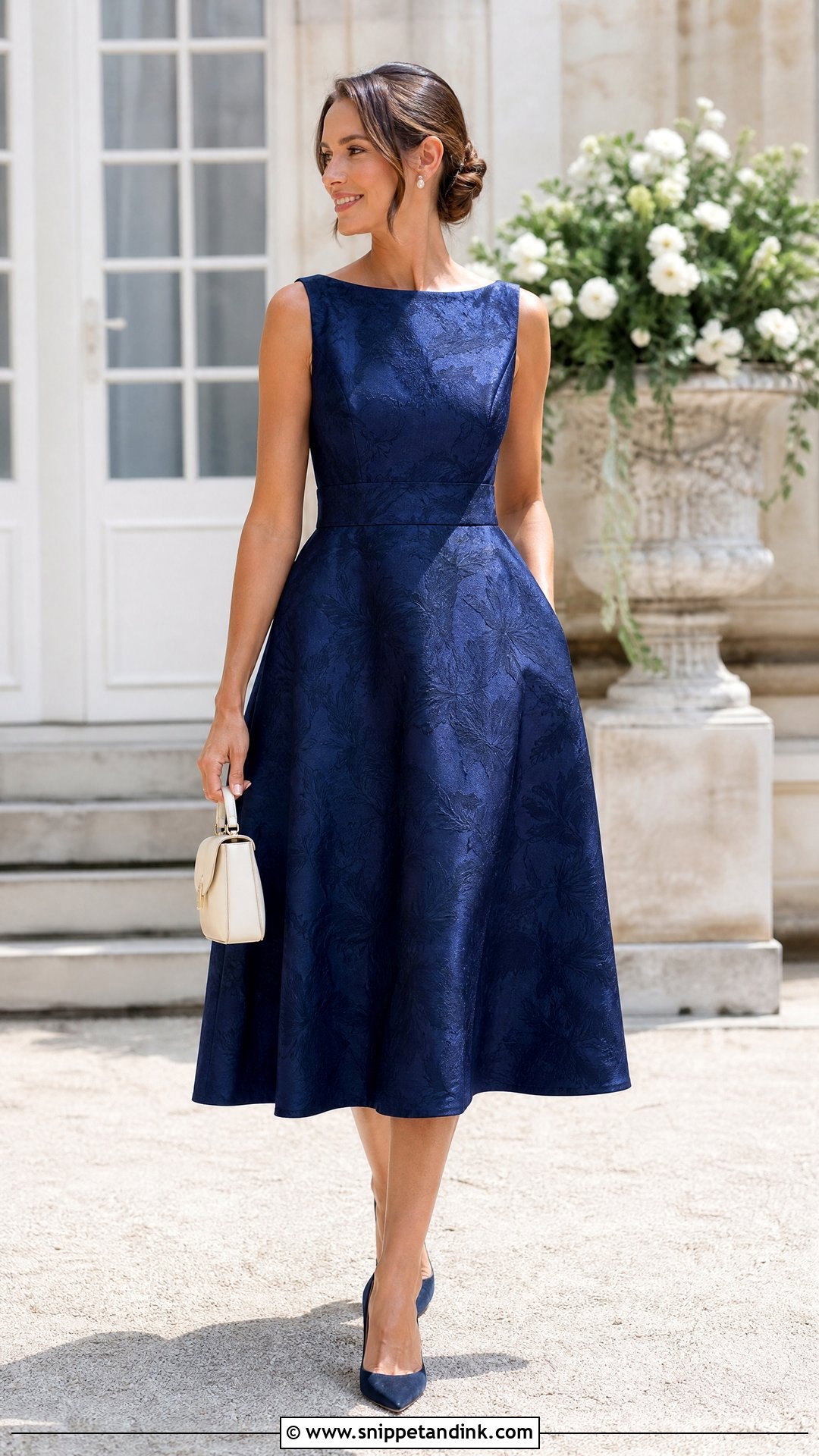
Tea length sits below the knee and above the ankle, so it’s practical to walk and dance in and it has a vintage feel. A structured A-line in satin, jacquard, crepe or embroidered fabric holds the shape well. Sapphire, mauve, raspberry and soft green are festive without competing with the bride. Because the shoes show, they become part of the look; pointed pumps are my choice. Go easy on petticoats unless the wedding has a retro theme, since too much volume reads as costume. A top-handle bag, pearl or crystal earrings and a smooth bun or side-swept waves finish it.
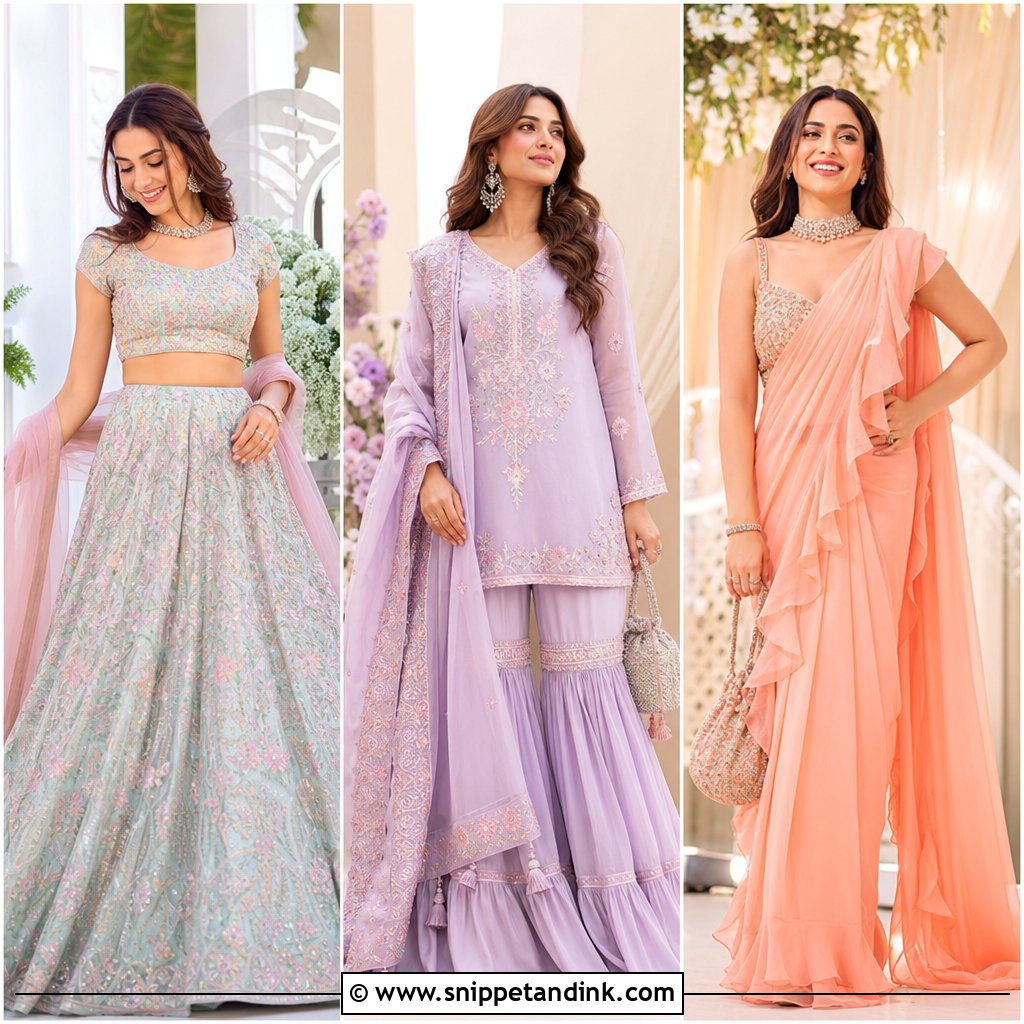
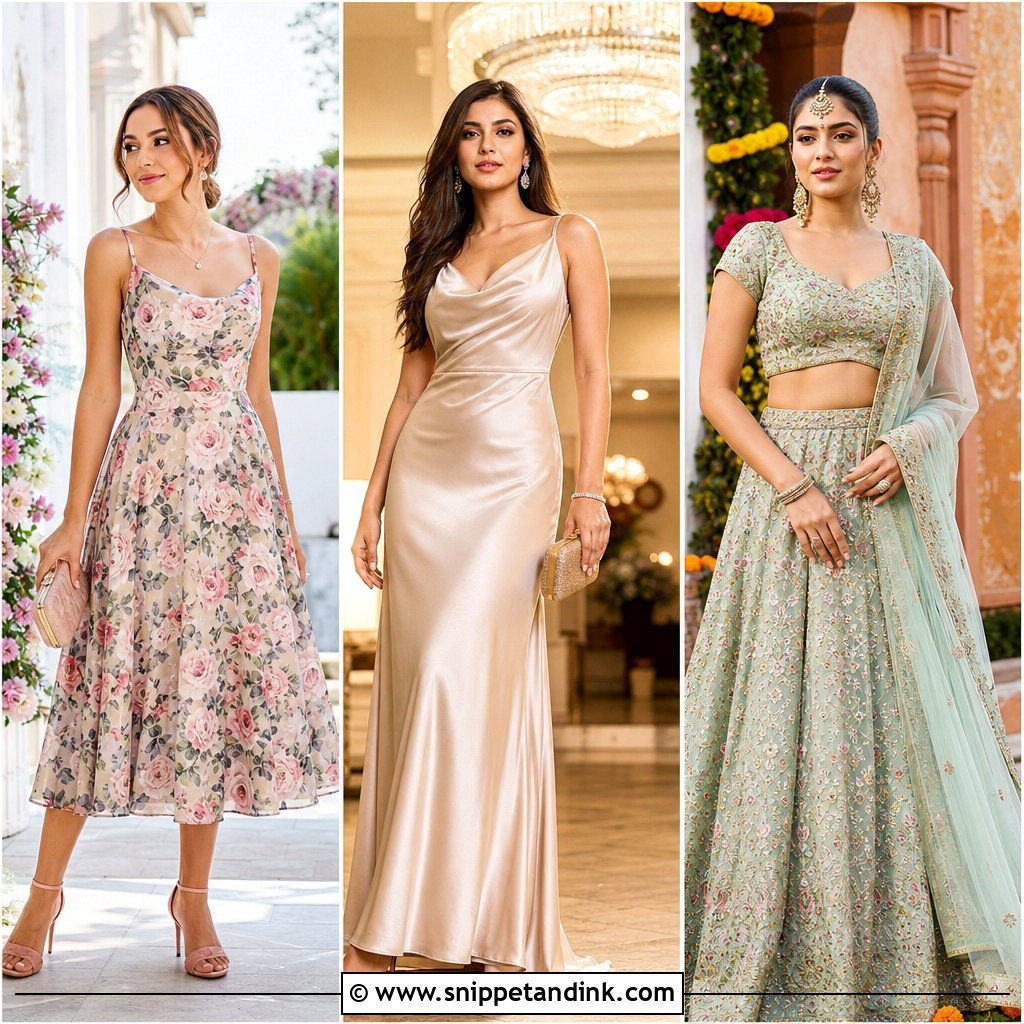
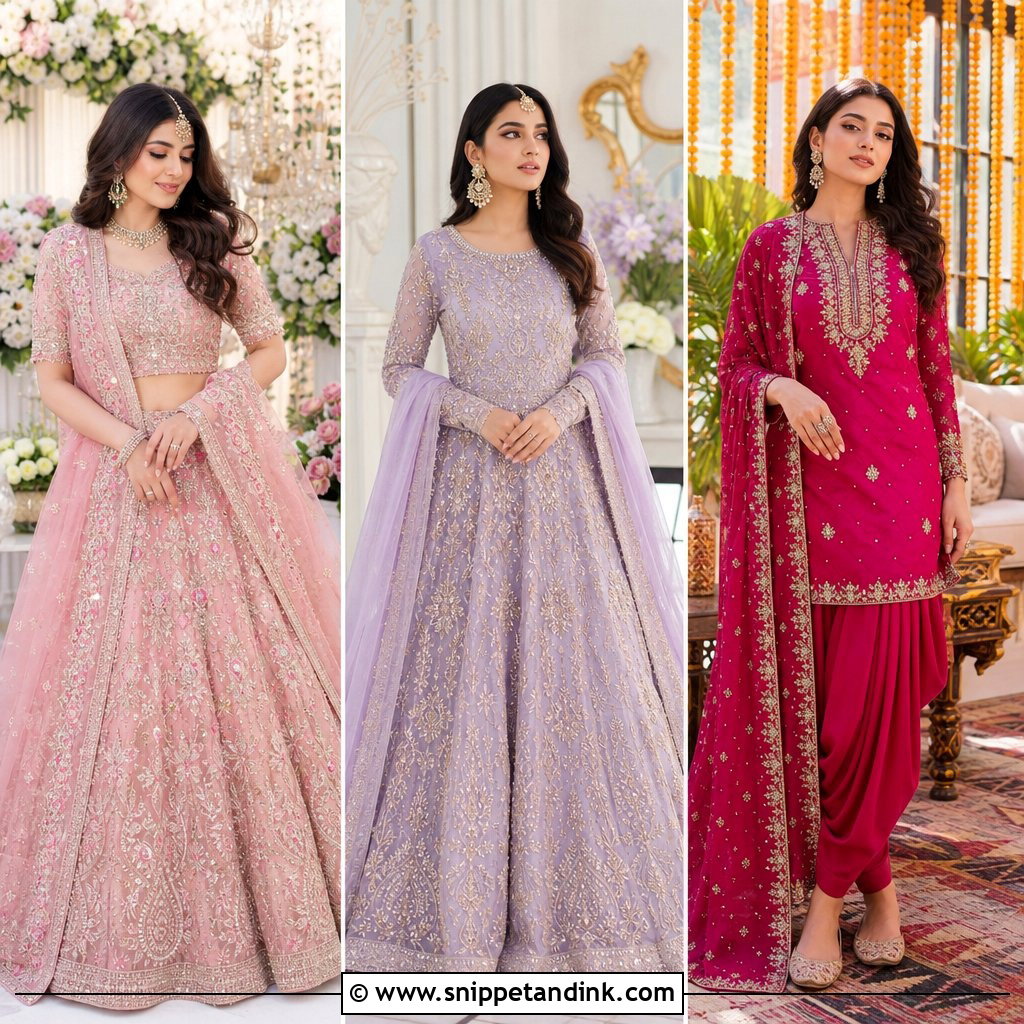
15. Tiered Ruffle Sister of the Bride Dress
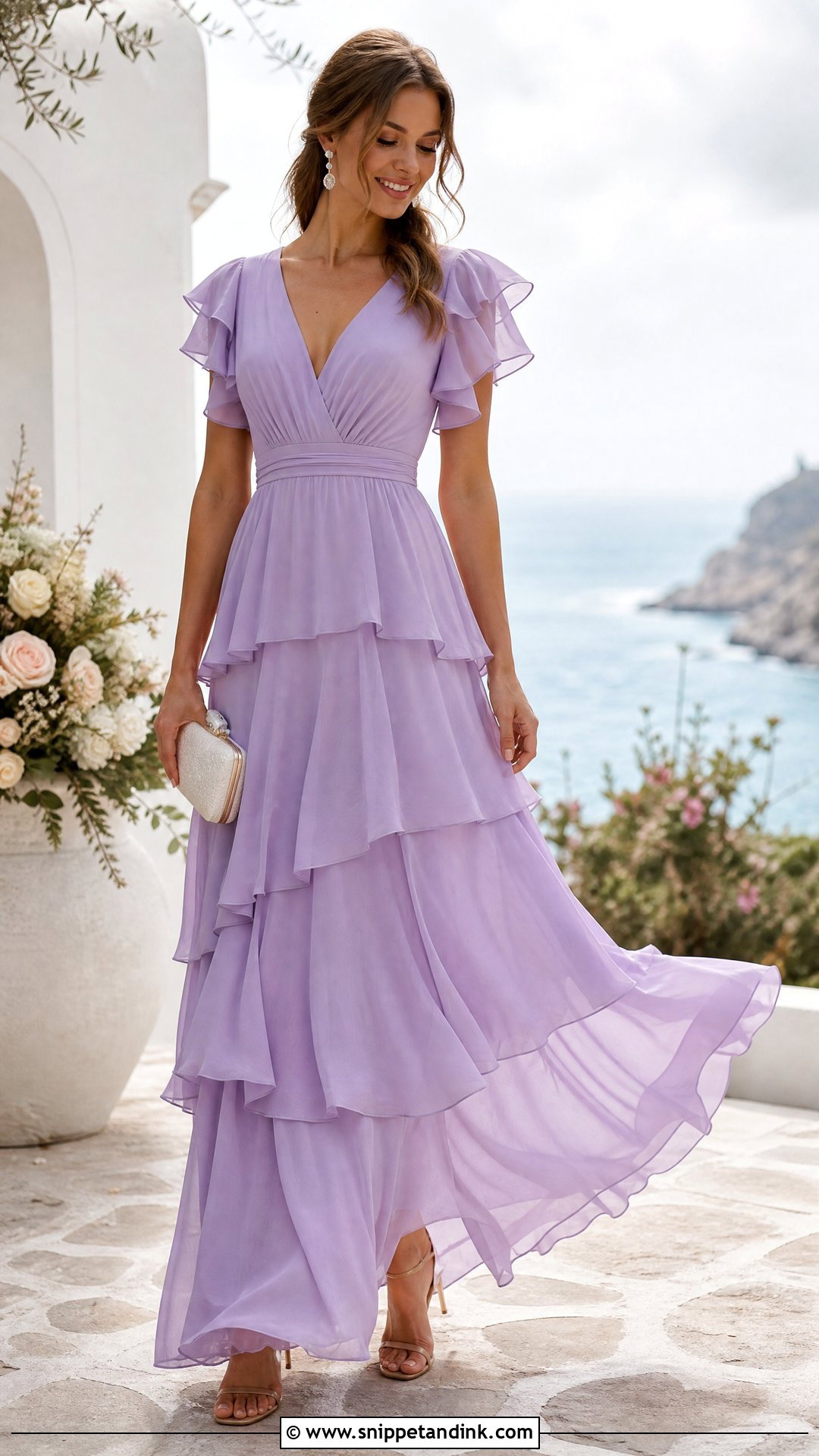
Tiers and controlled ruffles bring movement without fuss. Look for a chiffon midi or maxi dress with a defined waist and ruffles kept to one zone: sleeves, neckline or skirt, not all three. Muted blue, rose, lavender, sage and warm berry suit it. Tiered skirts bunch when you sit, and the top tier can ride up, so sit down in the fitting room and see how it settles when you stand. Neutral heels, a small clutch and fine earrings, with a low ponytail or relaxed updo. Garden, coastal and spring or summer ceremonies are a natural fit.
16. Satin Slip Sister of the Bride Dress
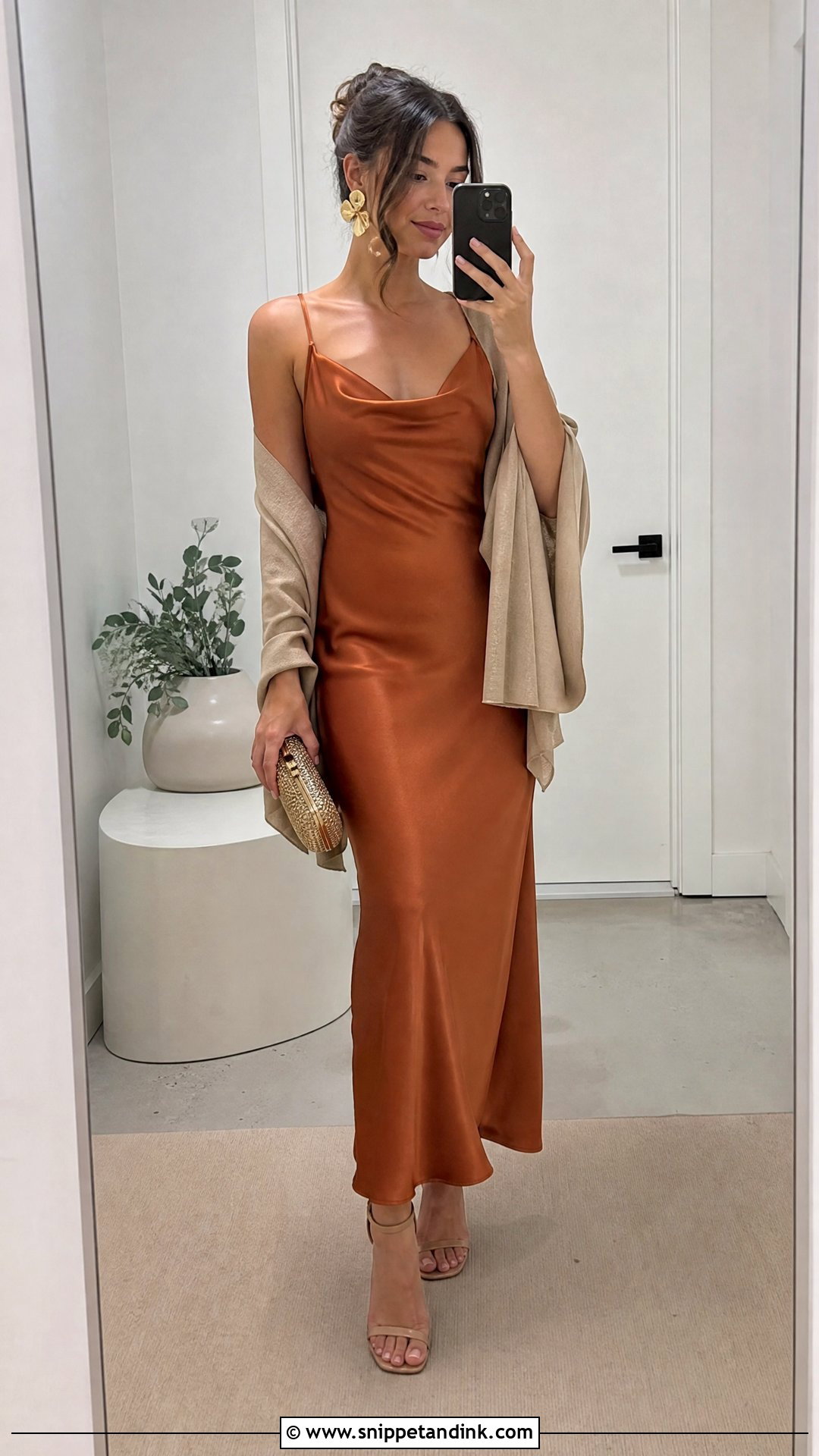
A satin slip dress looks refined only when the fit is exact. Choose a midi or ankle-length cut with wider straps, a soft drape at the neck and some structure through the bodice. Avoid any shade that turns white under a flash; champagne and pale silver often do. Jewel tones, copper, navy, chocolate brown and deep rose are safer. Satin shows every line underneath, so smooth no-line underwear and fashion tape at the neck are not optional here. A tailored wrap or light blazer adds cover. Sleek sandals, sculptural earrings and a small bag, with a neat bun. Steam it just before you leave.
17. Modest Long Sleeve Sister of the Bride Dress
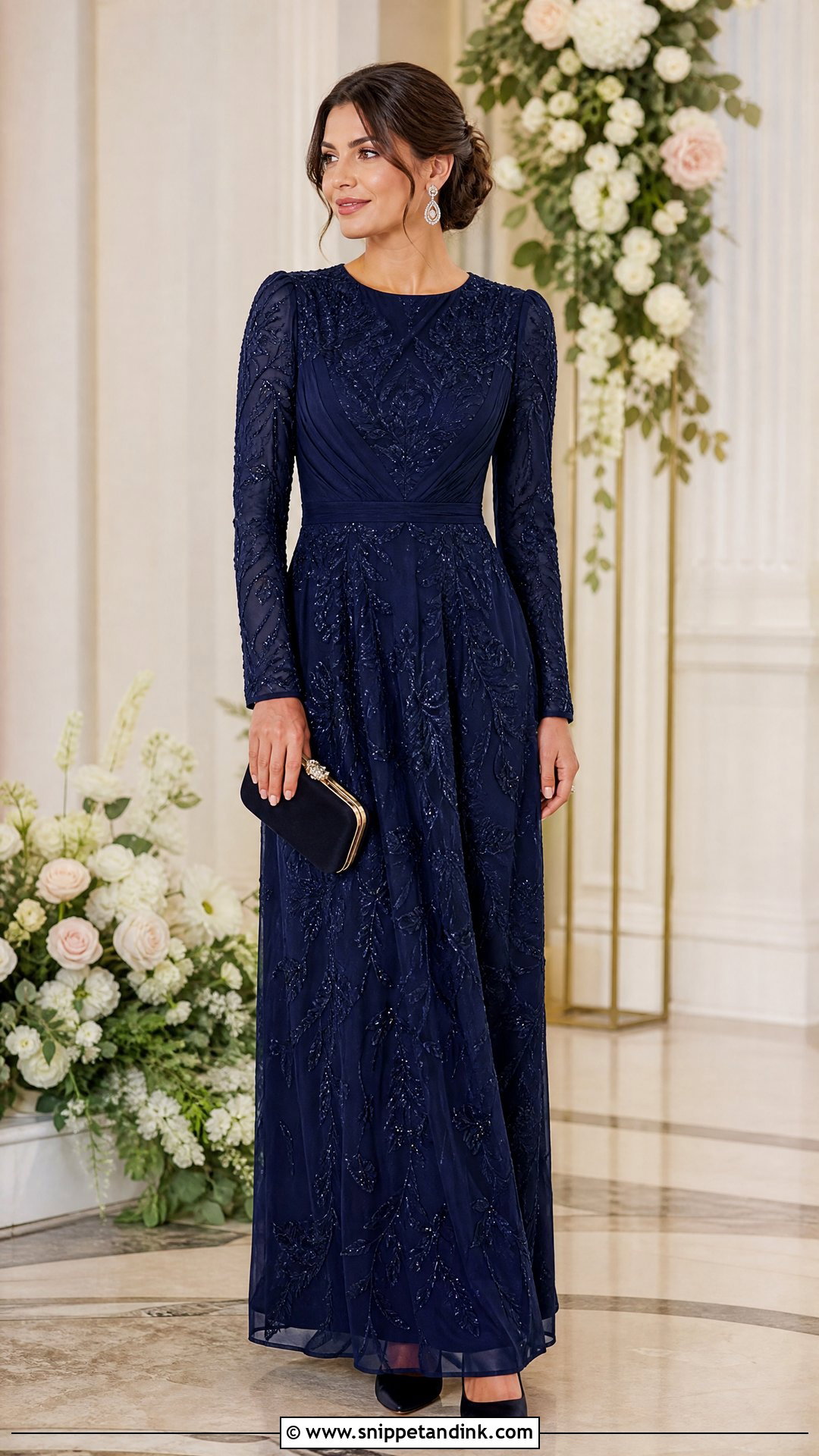
Modest doesn’t mean dull. A long-sleeve maxi with a defined waist and a flowing skirt can carry pleating, embroidery, tonal sequins or covered buttons. A jewel neck, bateau or soft V keeps it graceful. Rich blue, burgundy, forest green, plum and mauve all suit. Long sleeves restrict arm movement more than you’d expect, so I always have the wearer reach forward and overhead in the fitting room; a slightly fuller sleeve head fixes most problems. Closed heels, a structured clutch and sparkling earrings, kept quiet if the dress is embellished. A polished updo, and fabric that breathes for the season.
18. Plus Size Empire Waist Sister of the Bride Dress
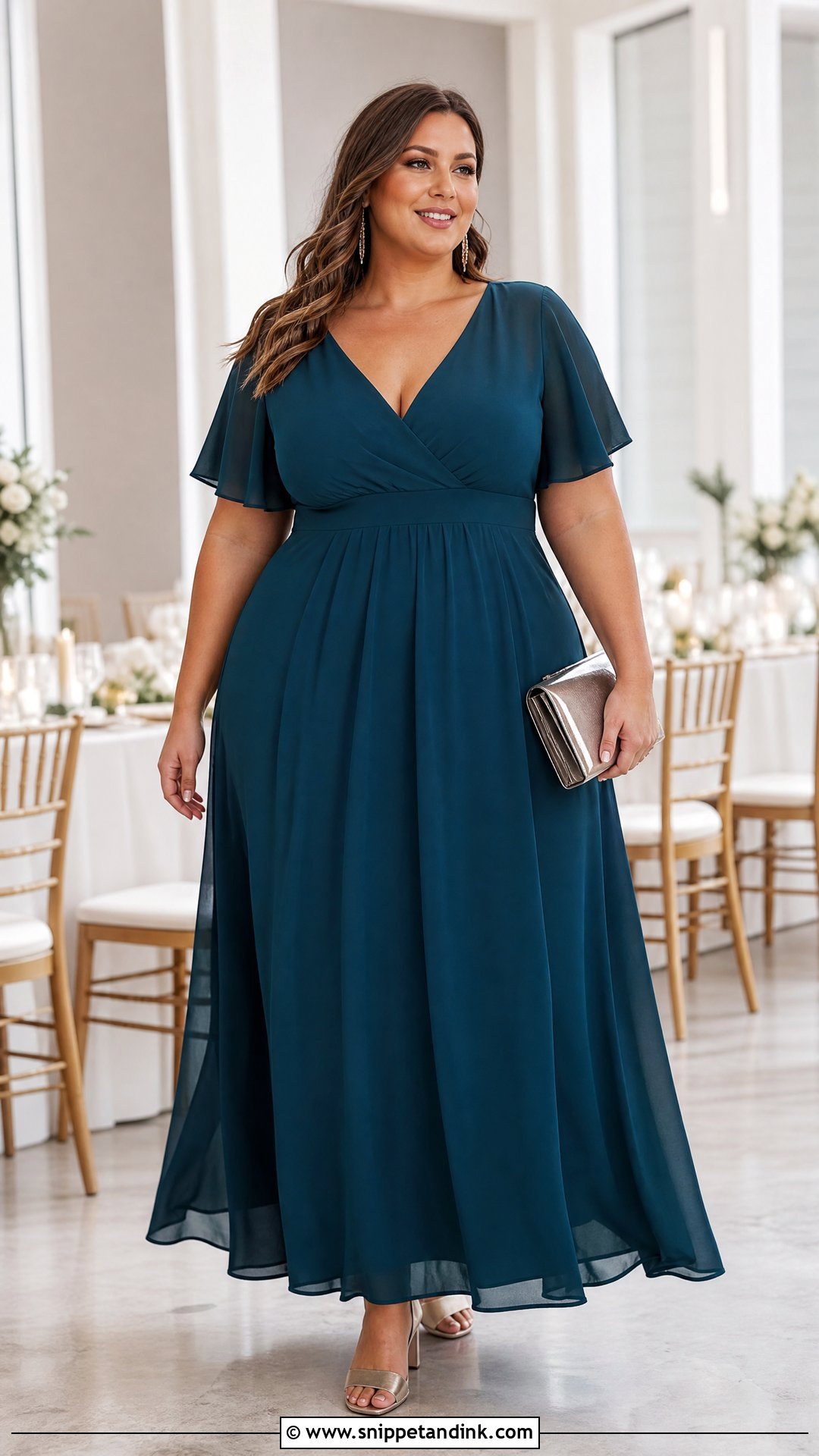
An empire waist gives room through the middle and a long, flowing line. Look for a supportive bodice, well-placed seams and fabric that skims instead of clinging. Flutter sleeves, a soft V and an A-line chiffon skirt suit many settings. Extended-size ranges now cover chiffon, lace, sequins and pleats, so you shouldn’t have to settle. Choose deep teal, berry, navy, plum or a color the bride approves. The empire seam must sit right under the bust; if it lands on the bust, it pulls and looks tight, and that’s the alteration I’d prioritize. Supportive block heels, drop earrings and a structured clutch finish it. Buy your undergarments before the first fitting.
19. Petite Midi Sister of the Bride Dress
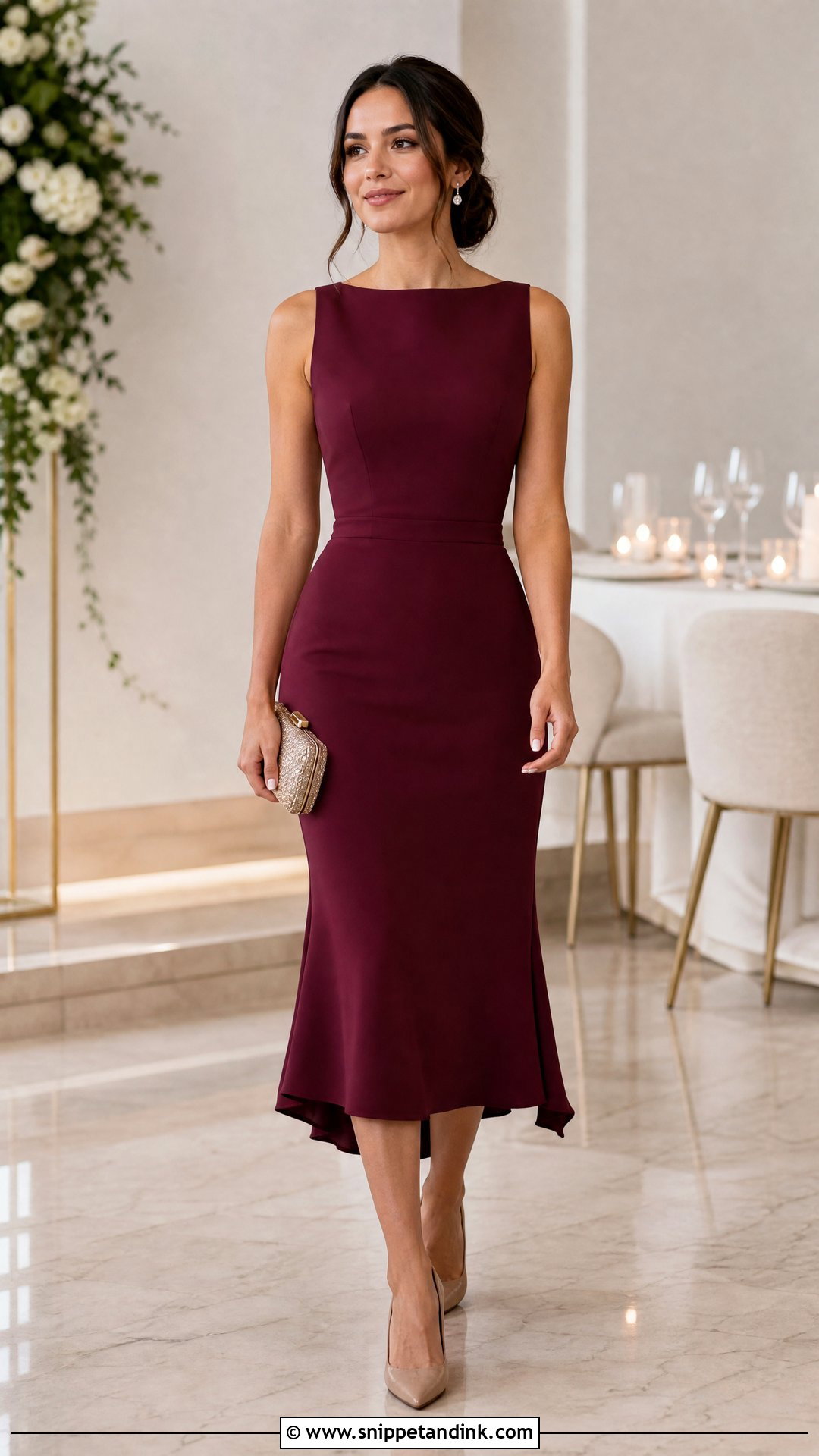
On a petite frame, a well-proportioned midi gives a long line with fewer alterations. The hem should land below the knee or at the narrowest part of the calf; anywhere else it cuts your leg. A defined waist, a clean neckline and small-scale prints or embellishment keep the dress from swamping you. A single color from head to toe helps too, in navy, berry, green or blue. Pointed heels add length, and a compact clutch keeps things in scale. Shop petite sizing if you can, because shortening the hem is easy, but moving a waistline or armhole is not.
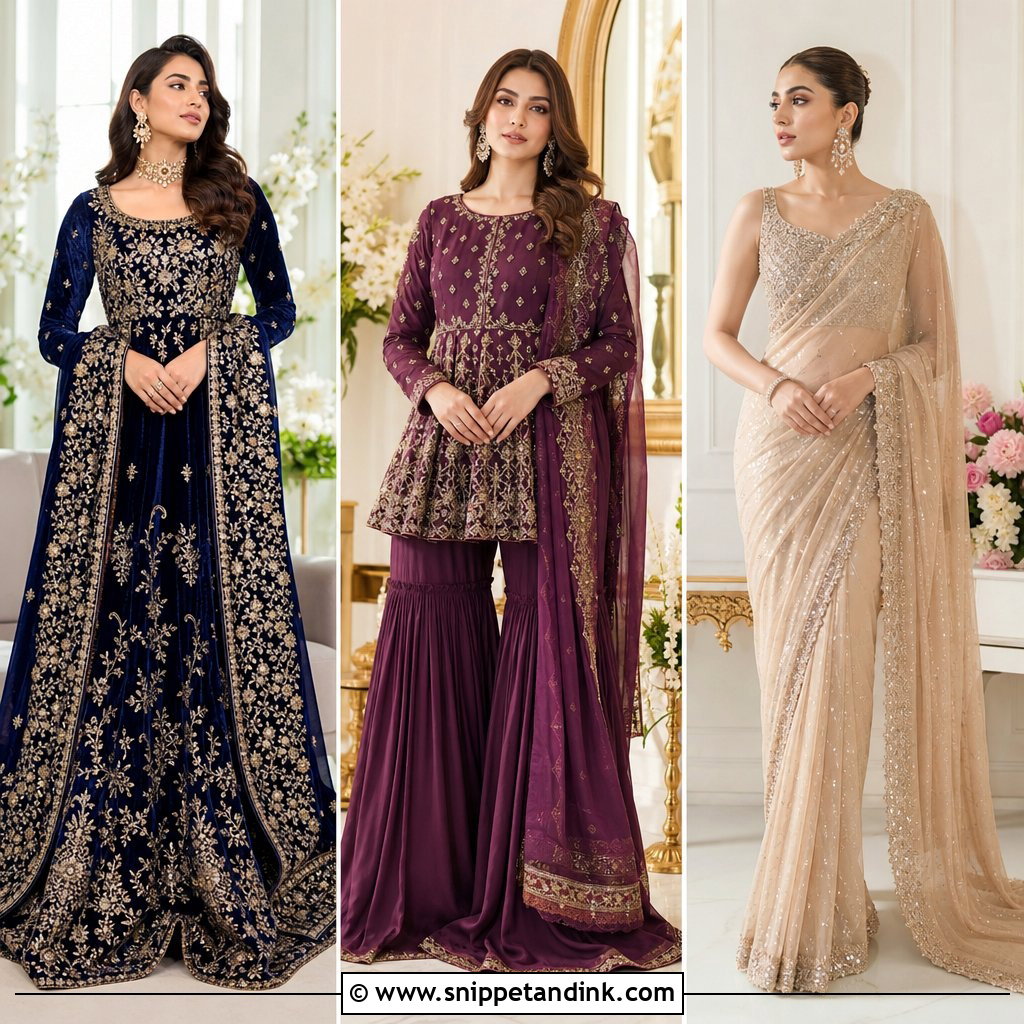
20. Beaded Black Tie Sister of the Bride Dress
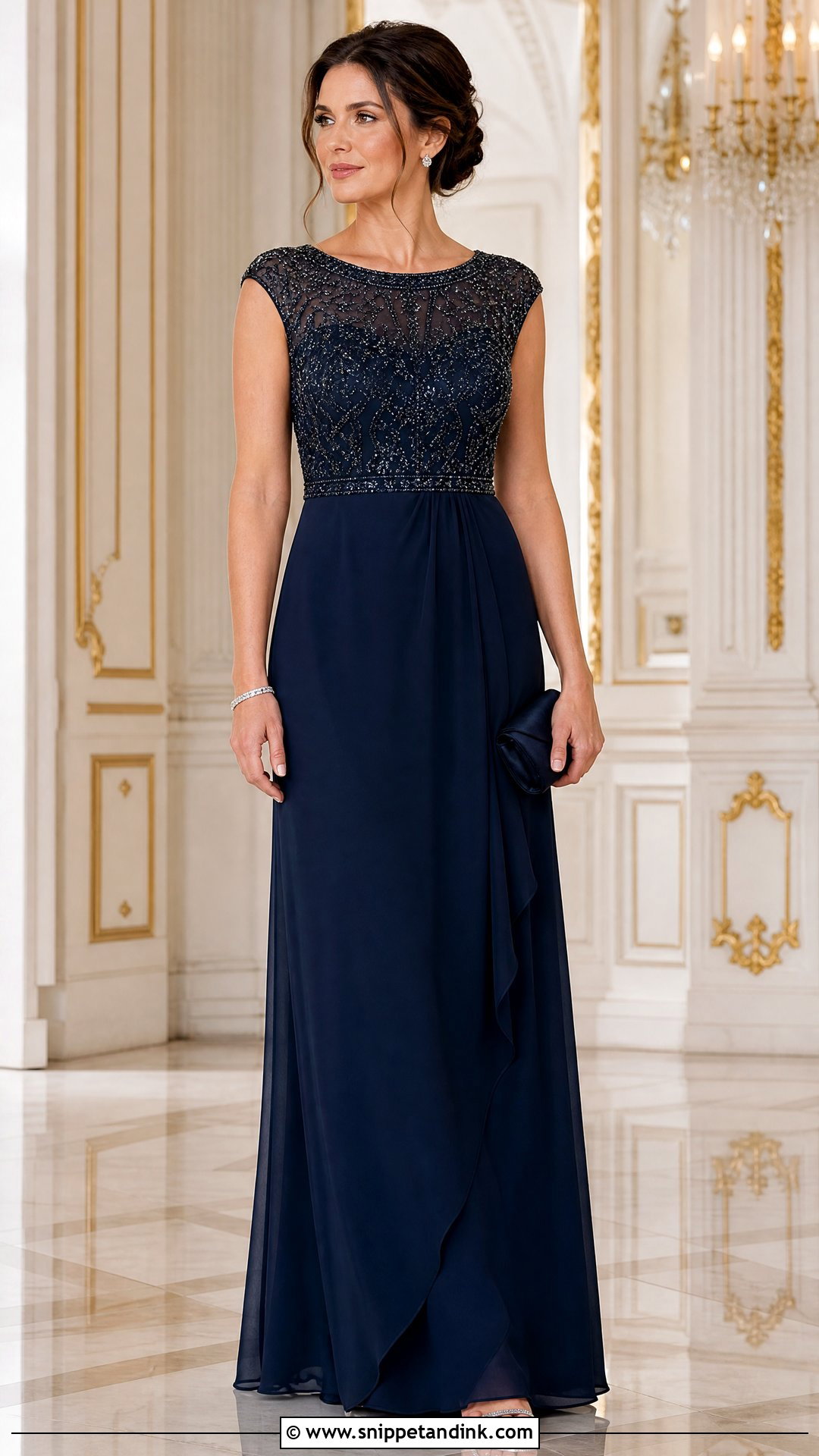
Black tie calls for a floor-length beaded gown. Keep the beading concentrated at the bodice, shoulders or waist; a gown beaded edge to edge can tip toward bridal and is heavy to dance in. Navy, emerald, burgundy, charcoal or midnight blue look formal. Closed pumps or delicate heeled sandals, a satin clutch, crystal studs and one bracelet complete it. An oversized bag spoils the line. Beads catch loose hair, so an updo is the practical choice. Bring your exact shoes and undergarments to every alteration, because beaded hems can’t be adjusted easily once the work is done.
Counting Back From the Wedding Date
Occasionwear moves slower than everyday clothes. Many formal dresses are made to order once you buy them, and production plus shipping can run a few months, depending on the label. Alterations then need their own window. Here’s the rough schedule I give sisters, which you should adjust to what your boutique quotes you:
- Around four to six months out: confirm your role, palette and dress code with the bride, then shop.
- As soon as you’ve chosen: order, and ask the shop for a realistic delivery date in writing.
- When the dress arrives: try it on right away to check the size and color match what you ordered.
- About six to eight weeks out: first alteration fitting, wearing your wedding shoes and undergarments.
- Two to three weeks out: final fitting; walk, sit, raise your arms and dance in it.
- Week of the wedding: steam it, hang it in a breathable bag and pack your tape, stain pen and spare pins.
If time is short, buy off the rack in a dress that fits well at the shoulders and bust. Those are the hardest places to alter, while hems and straps can be adjusted quickly by most seamstresses.
A Dress You Can Kneel, Hug and Dance In
Your dress should respect the dress code and still feel like you. Garden, cocktail, destination, winter and black-tie weddings each point to different fabrics and lengths. Talk to your sister about color, formality and how much sparkle she’s comfortable with, and leave enough time for alterations. Try everything on with the shoes and underwear you’ll actually wear. Go easy on accessories. And pick something you can move in, since you’ll be straightening her veil, carrying her things and dancing with your family long after the formal photos are done.
You'll Like These Ideas:


Leave a Reply