
As the bride’s sister you end up in more photographs than almost anyone apart from the couple, and you’re on your feet from the morning hair appointment to the last song. That changes how I dress a sister. Before we look at a single dress, I want three answers from the bride: her palette, what the bridesmaids are wearing, and how formal the day really is. After that I dress for the jobs you’ll actually do, which means shoes you can stand in all afternoon and a hem that climbs stairs without being lifted. The twenty outfits below run from a satin evening gown to a full lehenga, each with the shoes, bag and hair I’d put with it.

The Questions I Ask the Bride Before a Sister Shops
Sisters often buy first and ask later, then find out the colour clashes with the mother of the bride or the dress code changed. A ten-minute conversation saves the return. These are the things I ask the bride to settle for her sister before we start pulling dresses:
- Should you match the bridesmaids, coordinate with them, or stand apart? Each answer leads to a very different rail of dresses.
- Which colours are taken? Her own dress, the bridesmaids’ shade and often the mothers’ outfits are worth knowing so you don’t arrive as a near-copy.
- Are there coverage rules at the ceremony venue? Some religious venues expect covered shoulders, which changes how I approach strapless and halter styles.
- Does she want to see the outfit before you buy it? Some brides do, some honestly don’t mind, and it’s better to know which.
I’d also order earlier than feels necessary. Many formal dresses are made or shipped to order over several weeks, and you want the dress in hand with time left for alterations, which tailors usually like to start around a month to six weeks before the date.
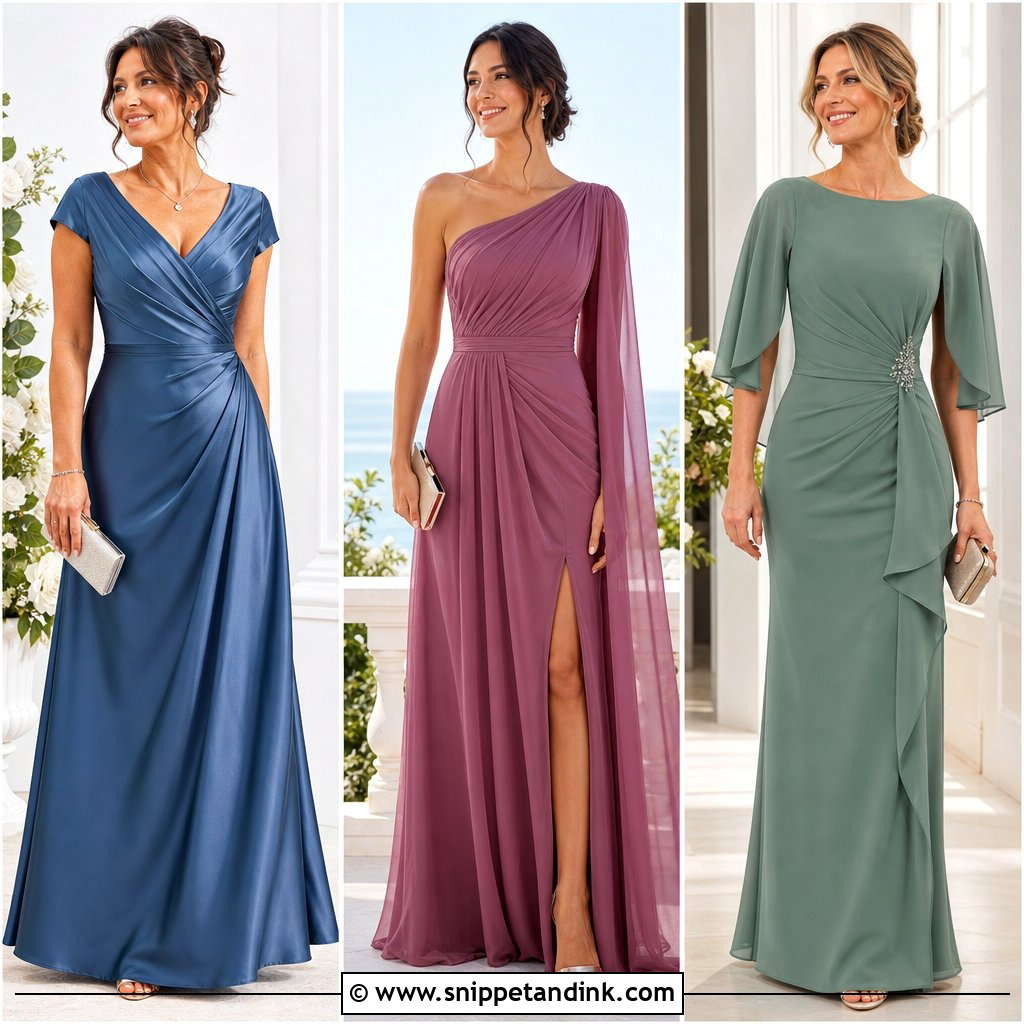
1. Sister Of The Bride Satin Gown
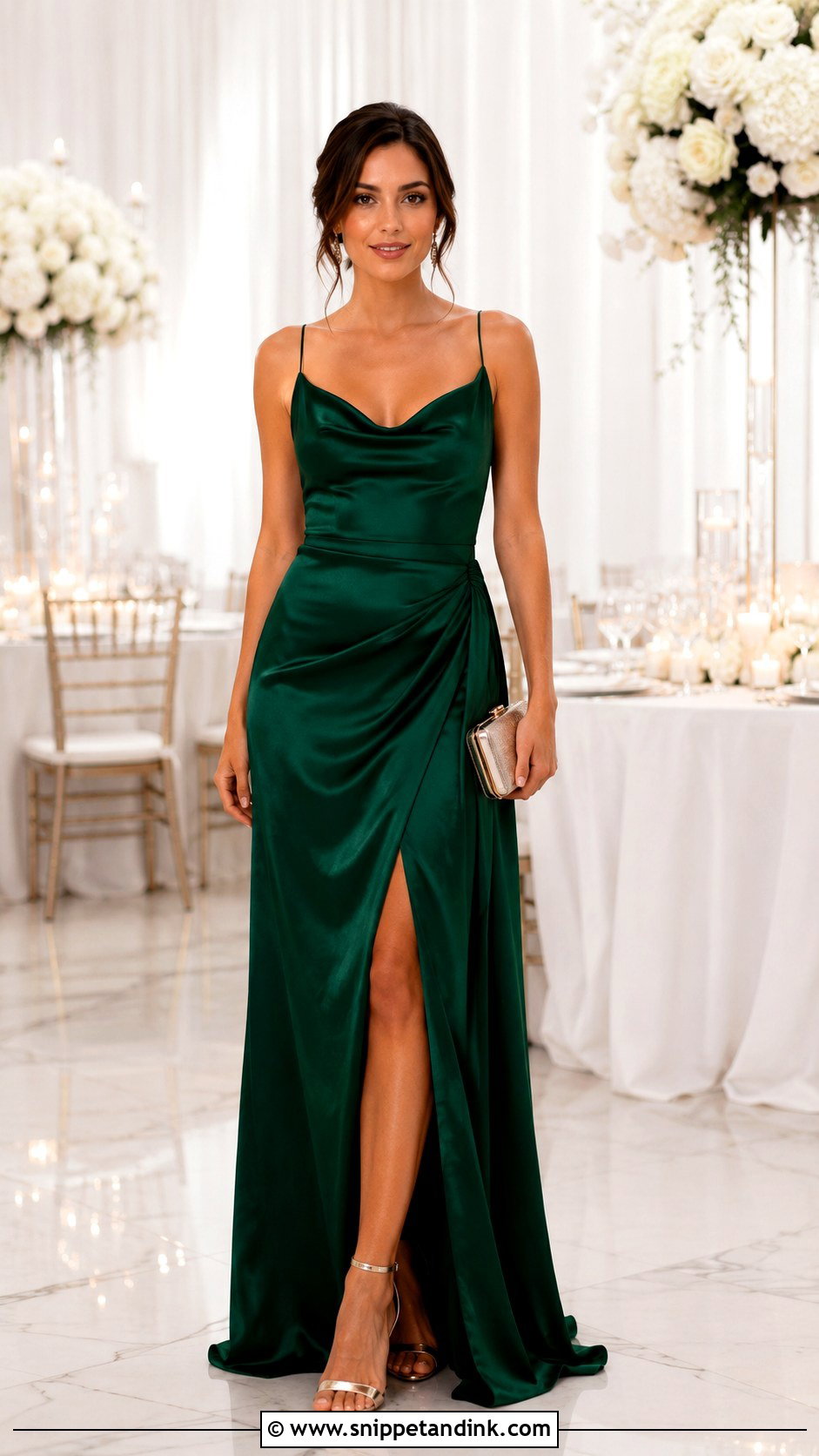
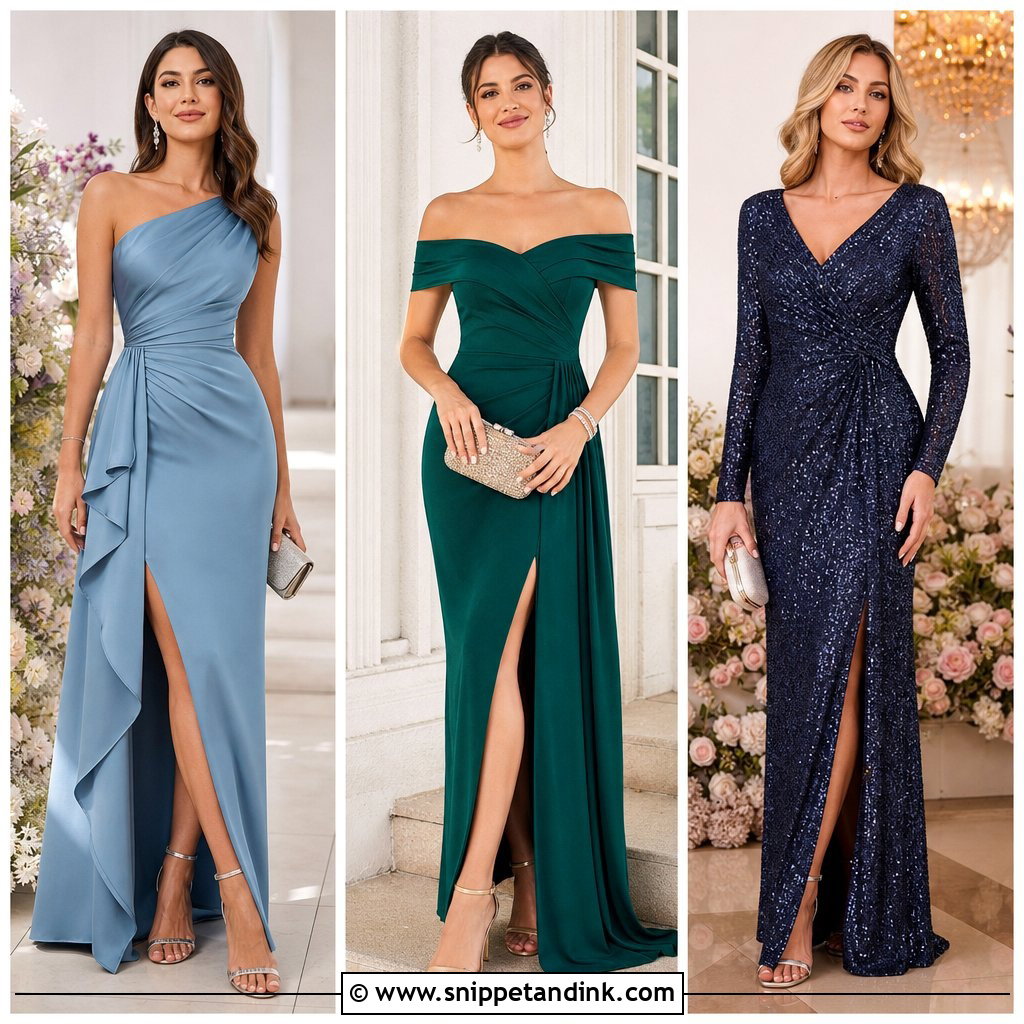
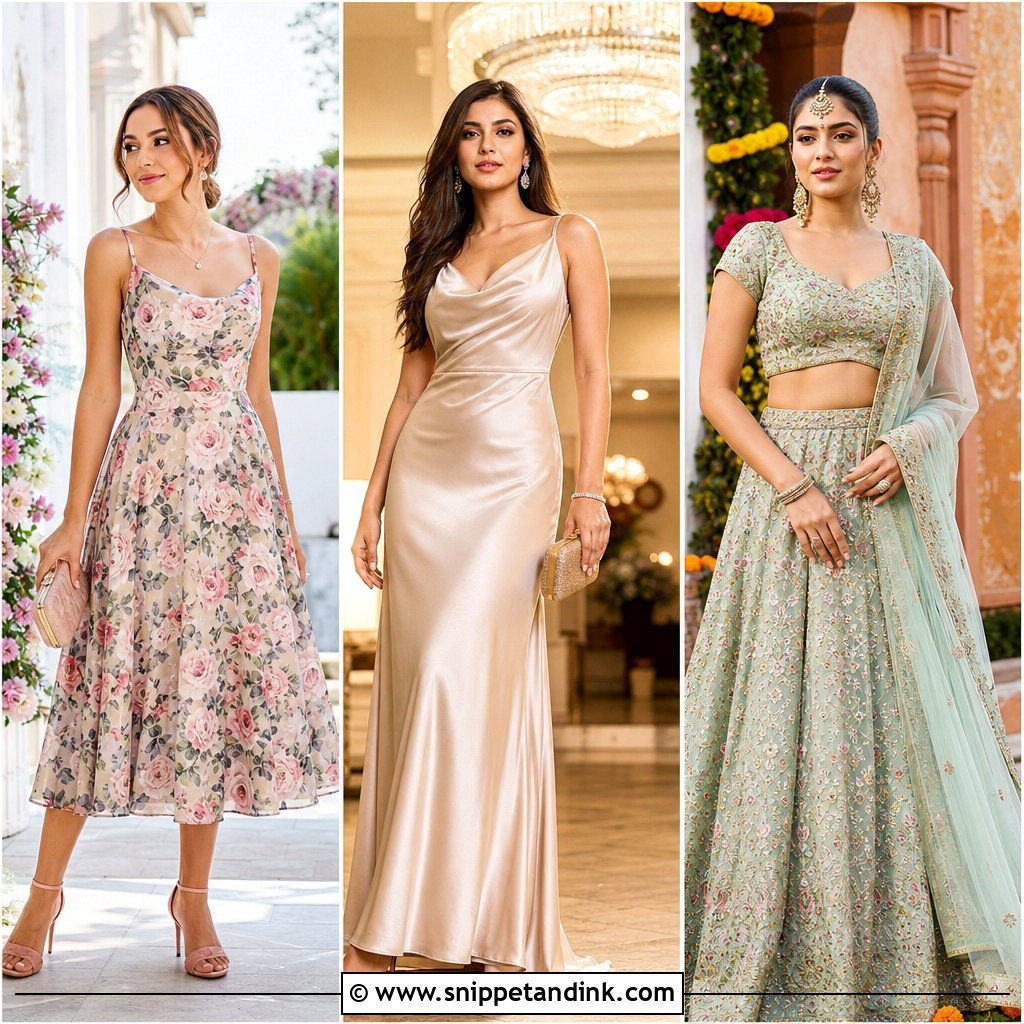
Satin is what I reach for when a sister wants to look properly dressed up at an evening wedding without any beading. I’d start with a floor-length design in emerald, navy or copper, cleared with the bride first, because satin throws light and its colour reads stronger under flash than it does on the hanger. The honest drawback is creasing. An hour seated at dinner leaves lines across the lap, so choose a heavier, double-faced satin over the thin glossy kind that shows every seam and every undergarment edge, and steam it on the morning. If the neckline is draped, skip the necklace; drop earrings and a low bun finish it.
2. Sister Of The Bride Floral Midi Dress
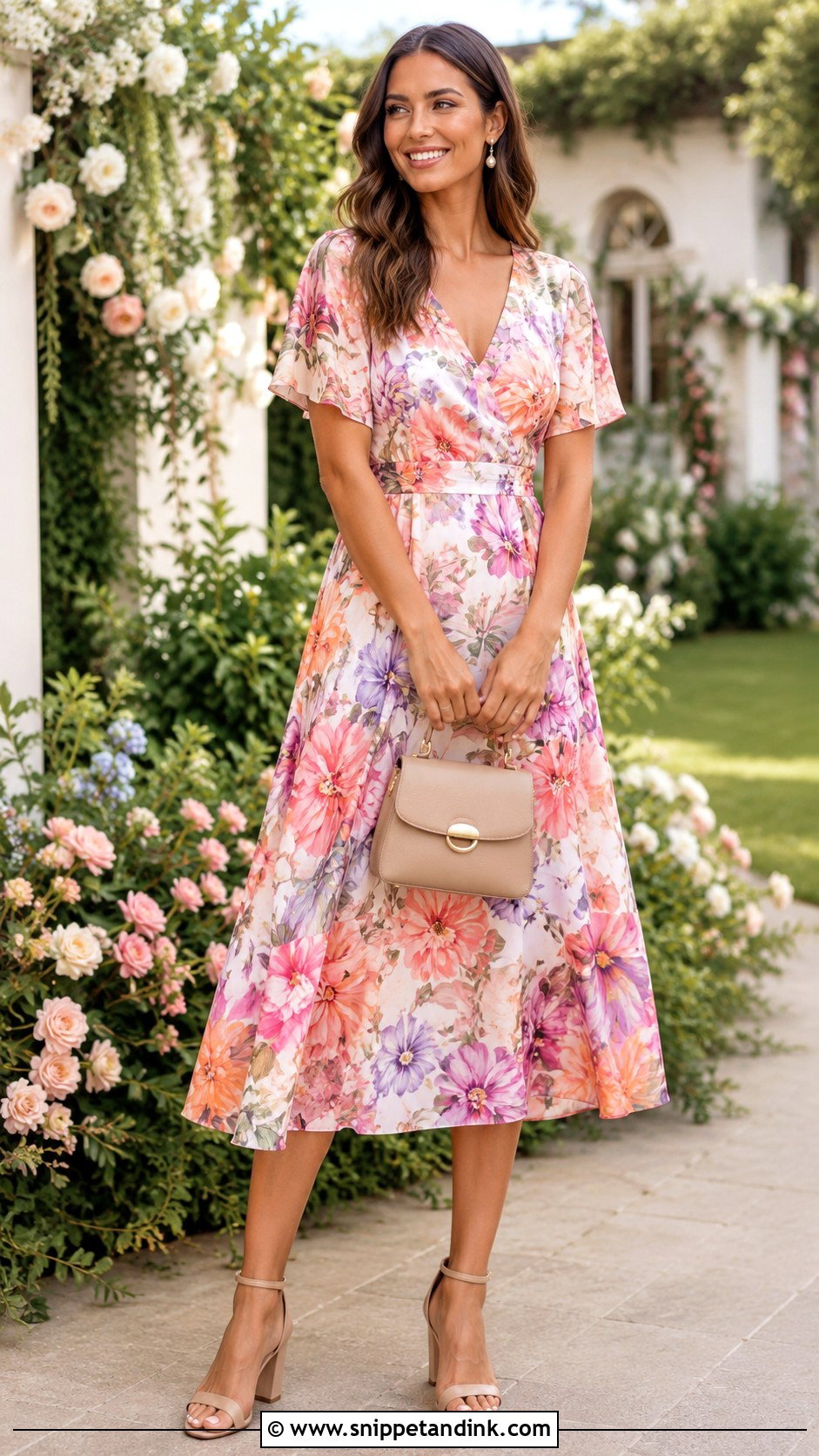
Daytime florals are trickier than they look. A print on a pale ground can read almost white in strong sun, so I take the dress to a window or outside and check the background colour before I look at anything else. The cut I trust on the widest range of figures is a fitted bodice into an A-line skirt: it marks the waist and then stops asking for attention. Block-heel sandals cope with lawns, and a cropped wrap covers your shoulders if the ceremony is in a church before the garden party.
3. Sister Of The Bride One Shoulder Maxi Dress
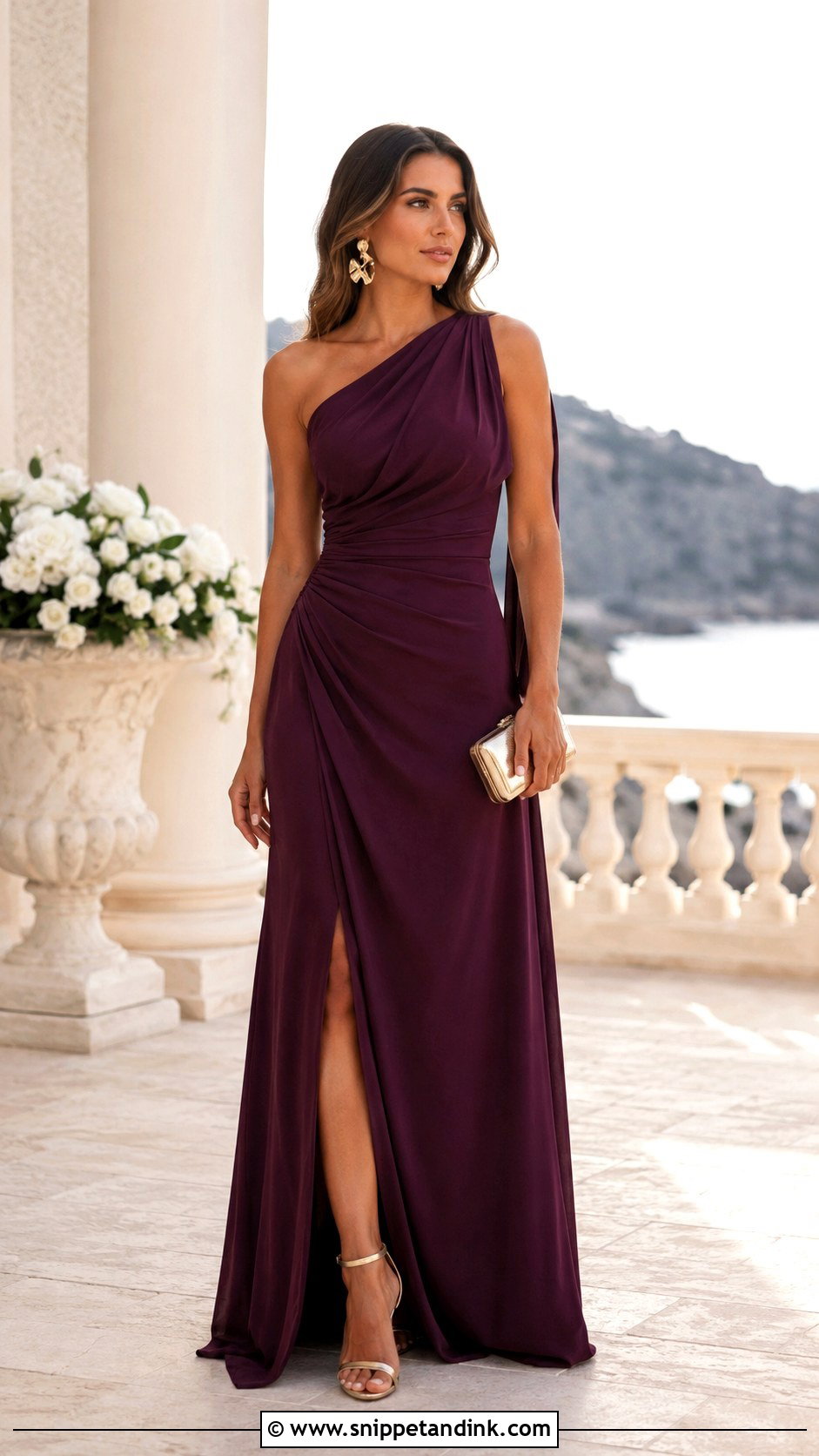
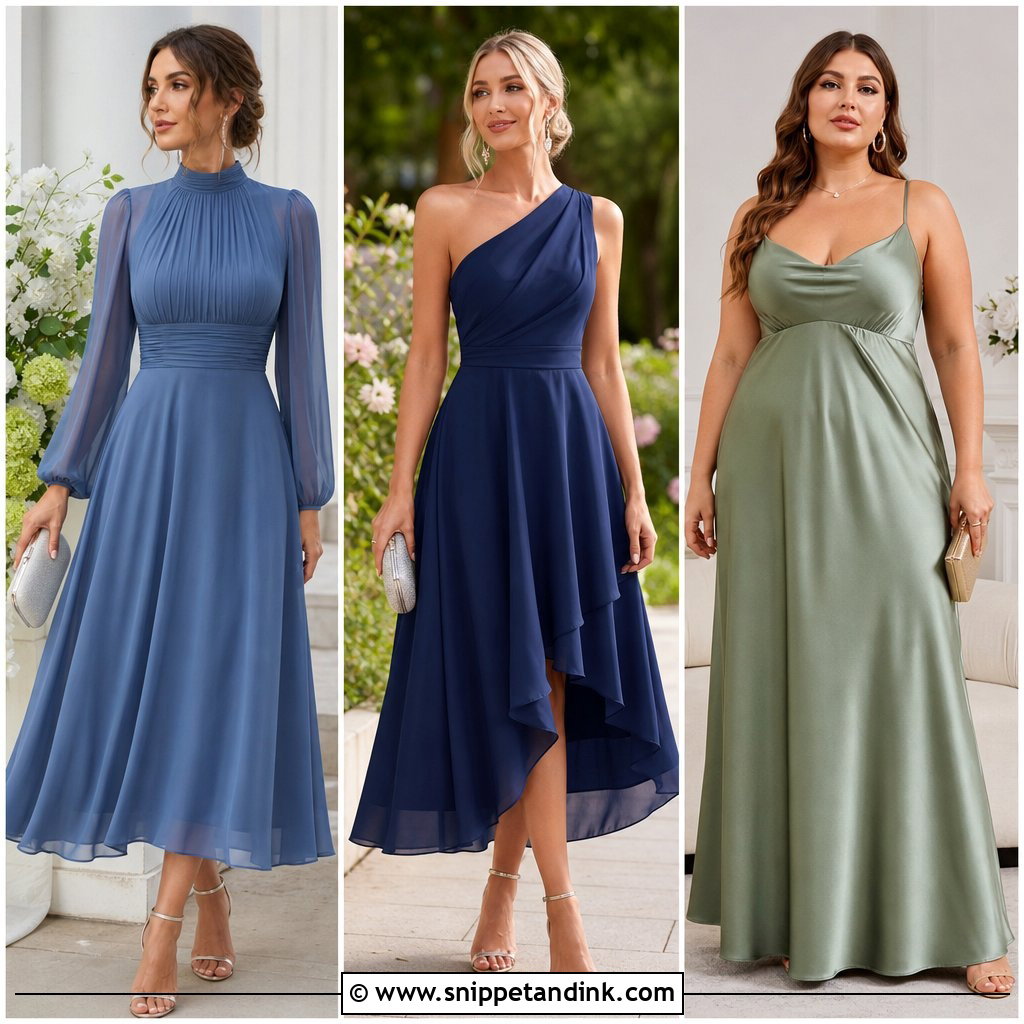
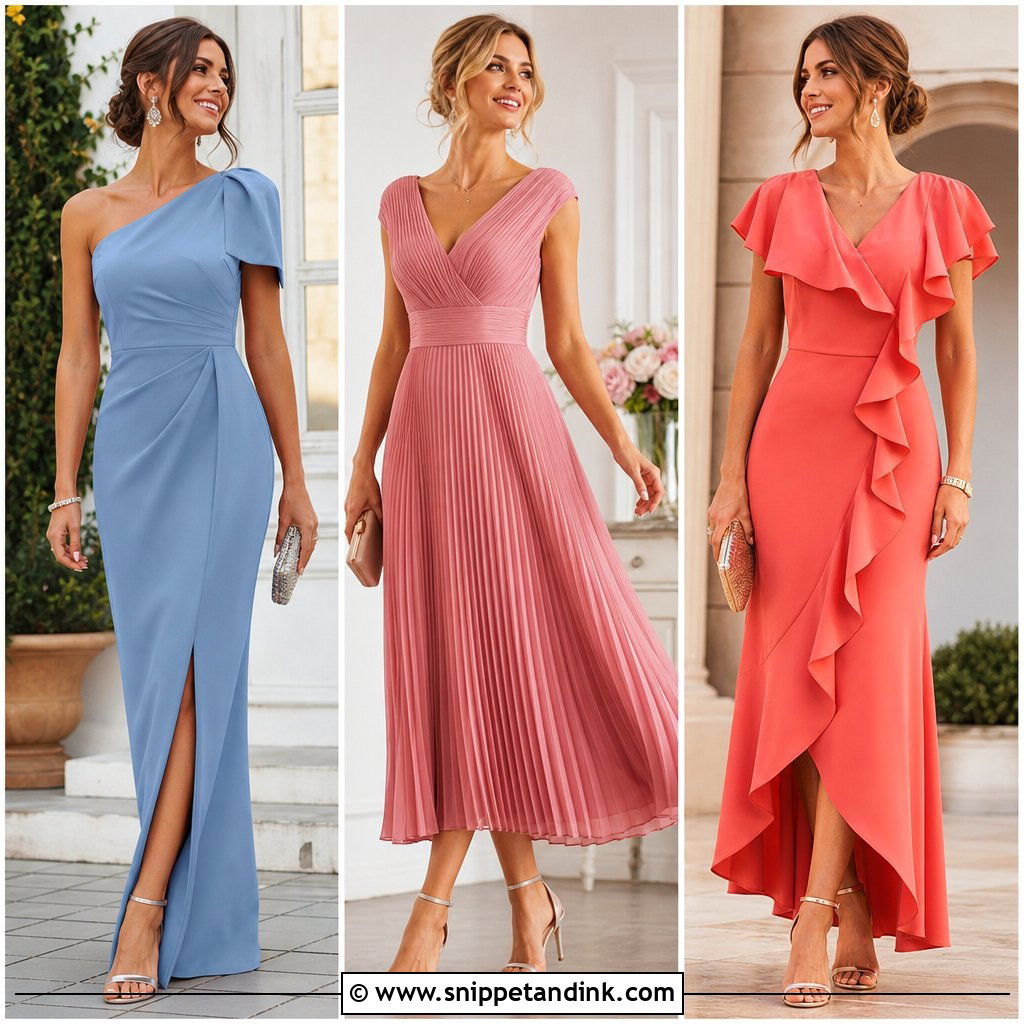
A one-shoulder maxi in solid plum or cobalt gives a sister something modern that still sits comfortably beside more traditional bridesmaids. The single strap carries the whole bodice, so I check it on a body, never a hanger. Raise your arm as if you’re hugging someone: if the dress slides toward the bare side, the side seam needs taking in. A strip of fashion tape along the neckline edge holds it through the dancing. Wear sculptural earrings instead of a necklace and sweep your hair to the covered side so the bare shoulder stays in view.
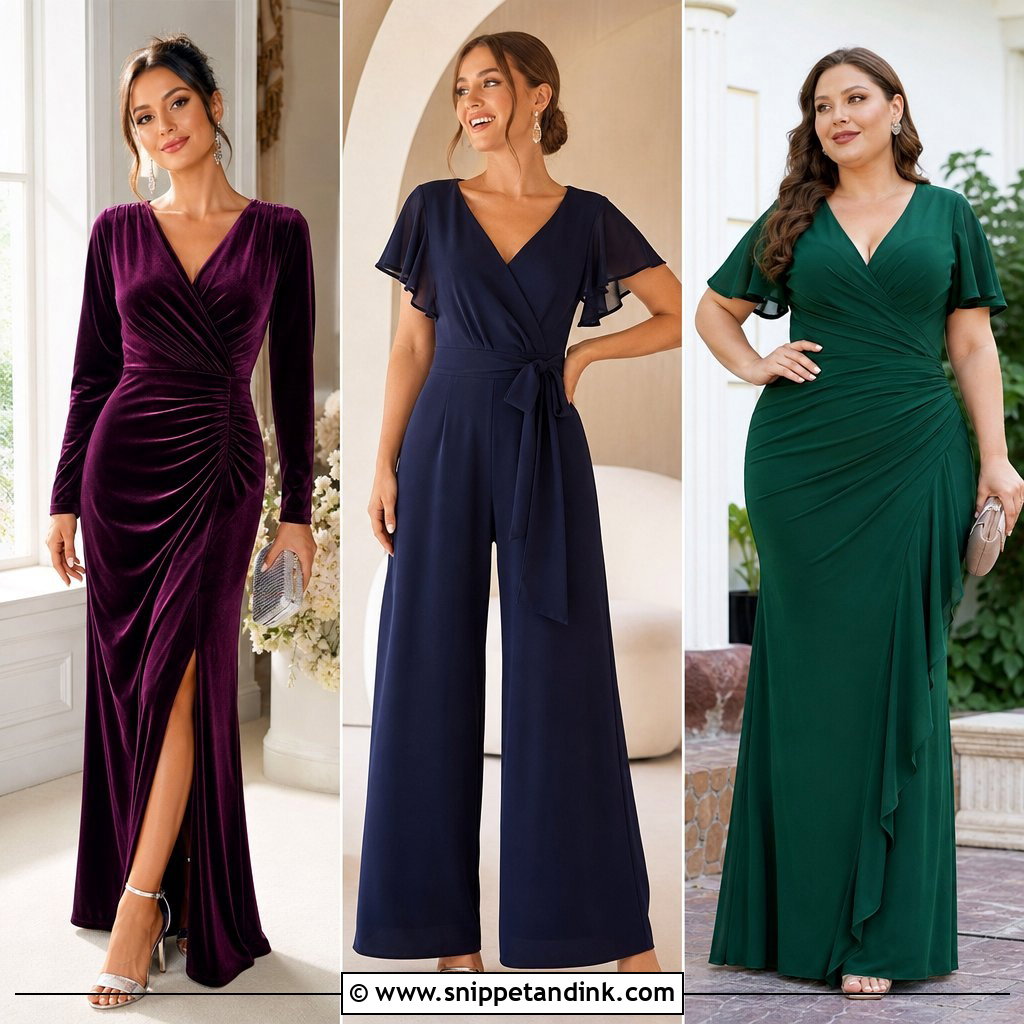
4. Sister Of The Bride Velvet Gown
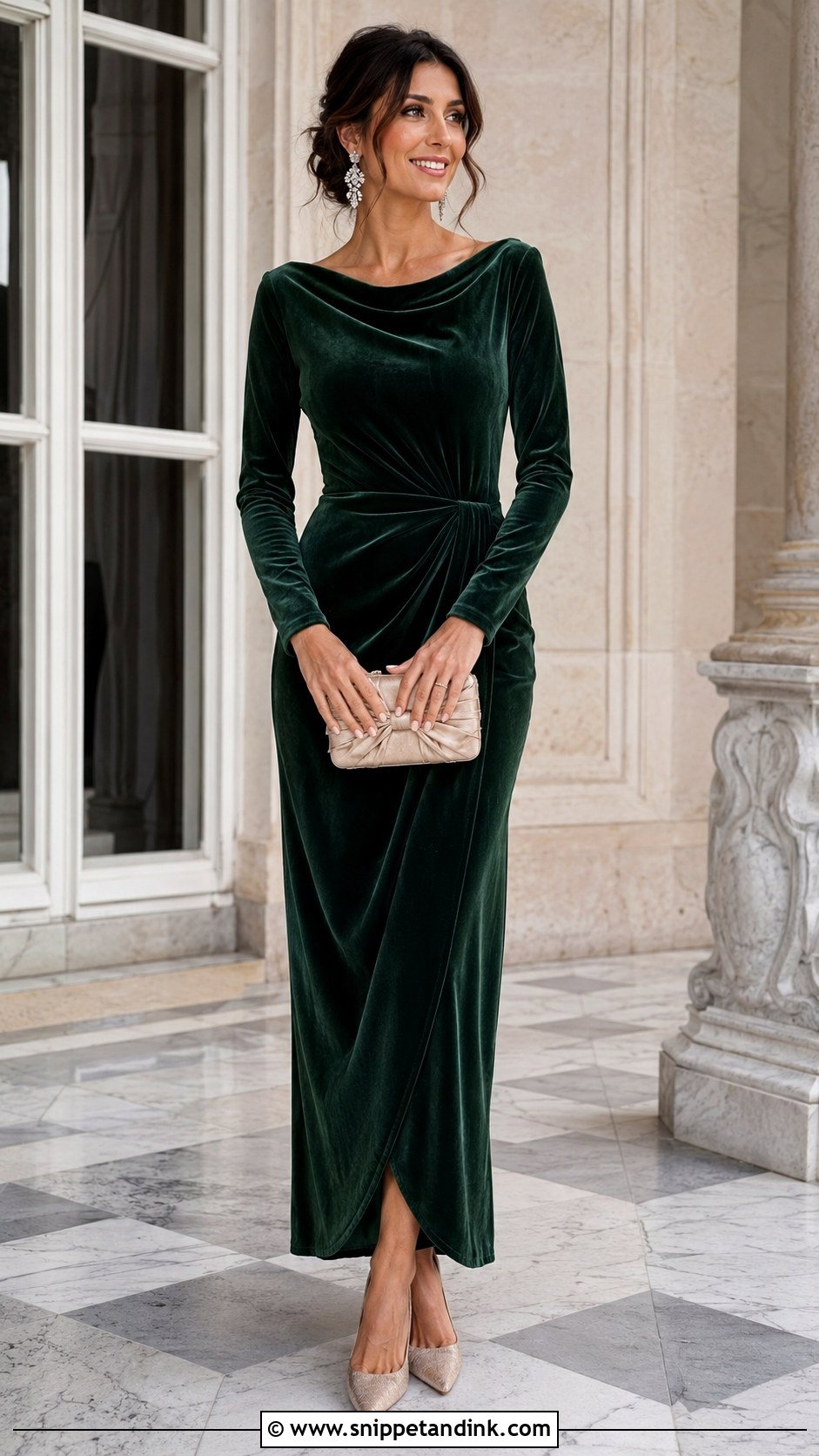
Velvet is my answer for late autumn and winter, when chiffon starts to look underdressed for the season. Forest green, midnight blue and wine keep their depth on camera, though the pile changes shade as light hits it from different angles, so one dress can show two tones in a single picture. I like that. Stick to a column or wrap shape, because a full velvet skirt gets heavy quickly. The catch is heat: a crowded ballroom warms up fast, so look for a breathable lining and think twice about long sleeves if the reception is indoors.
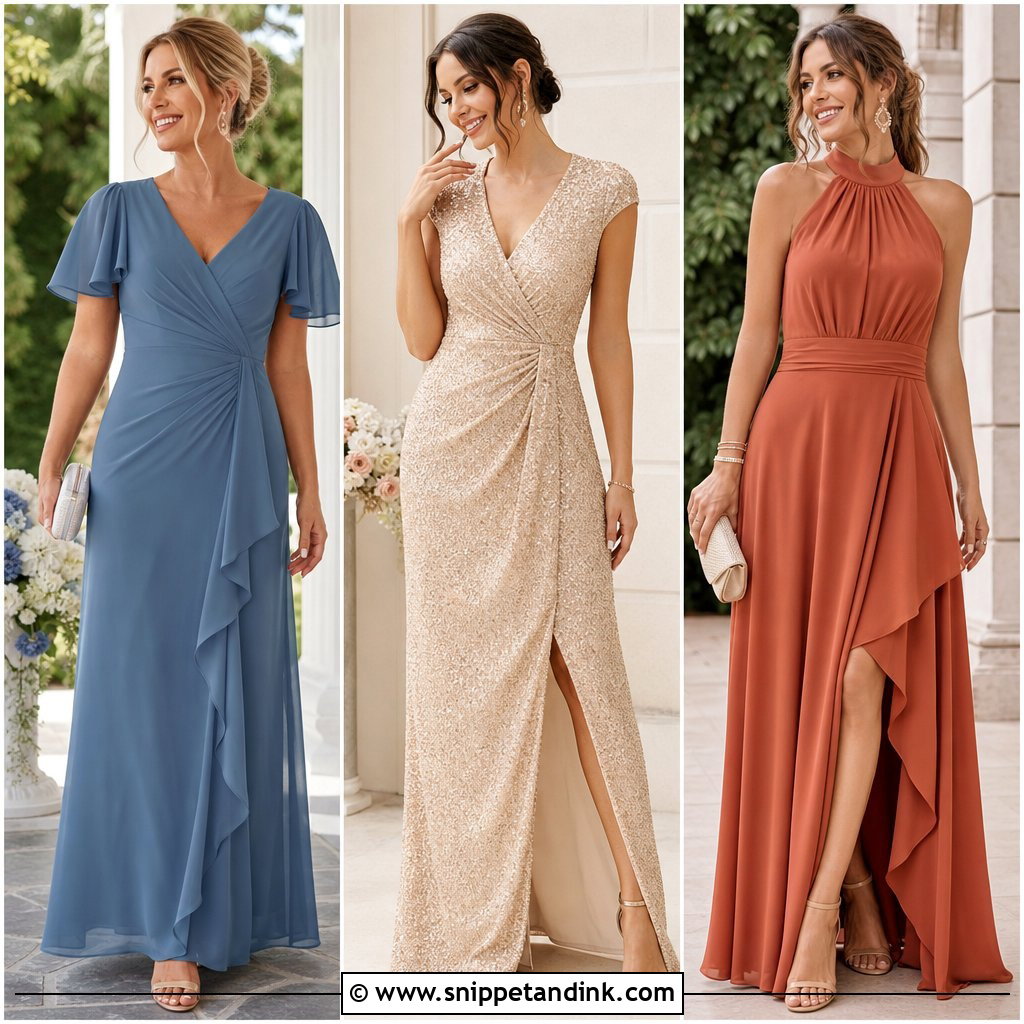
5. Sister Of The Bride Chiffon Wrap Dress
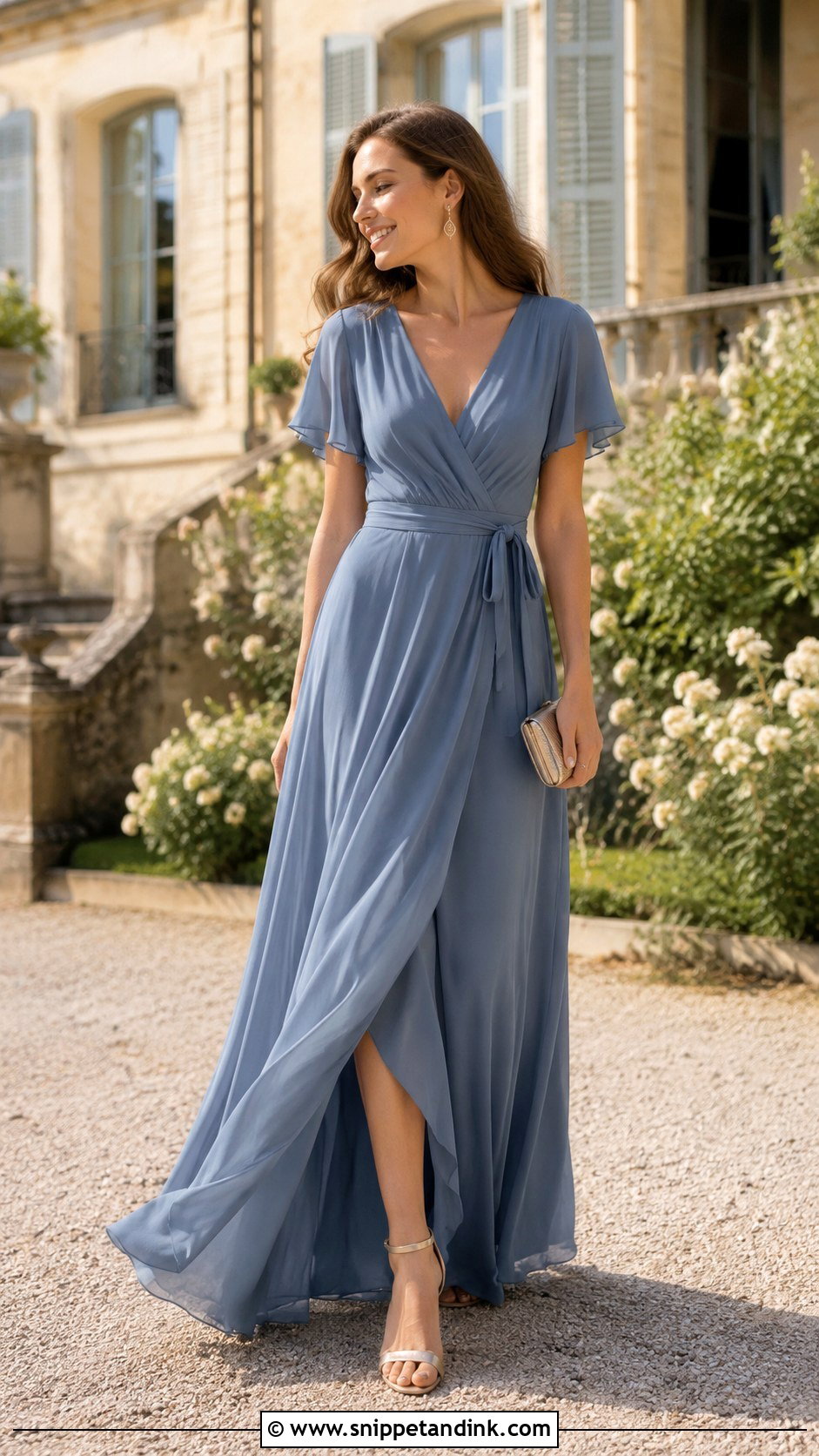
Chiffon is the most forgiving fabric on this list for a long day. It’s light, it moves when you walk, and a wrap bodice can be loosened a little after dinner, which a zipped bodice never allows. Its weakness is snagging. Chiffon catches on bracelet clasps, bag chains and the posts of statement earrings, so I keep accessories smooth and small. A slip underneath helps the skirt fall straight and stops it clinging when there’s a breeze. Dusty blue and sage sit easily beside most bridesmaid palettes.
6. Sister Of The Bride Sequin Evening Dress
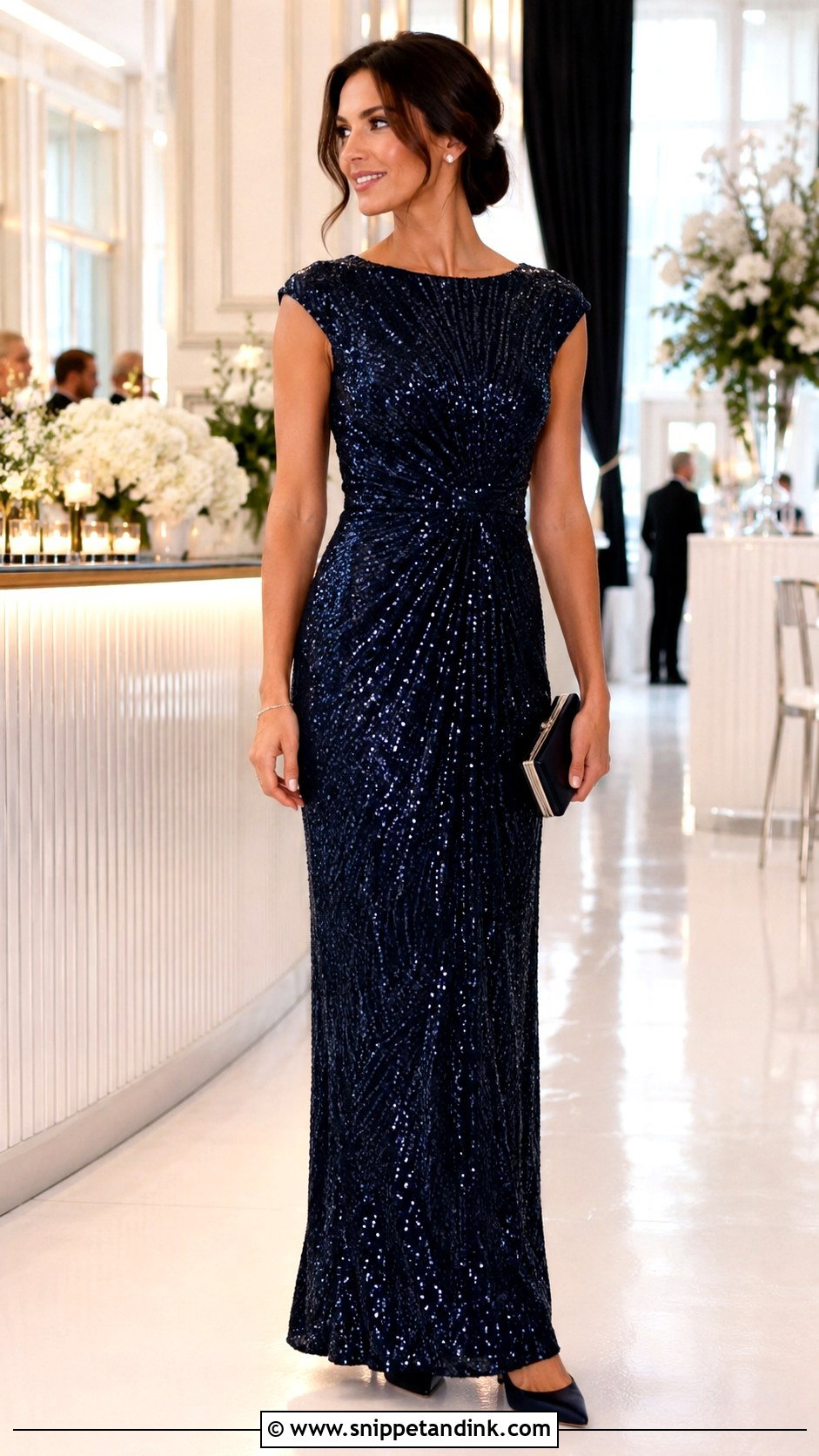
Sequins look expensive or cheap, and the difference is mostly colour and cut. I steer sisters toward navy, pewter or bronze beadwork on a plain column shape, and away from silver and champagne, which drift toward bridal in photos. Check the underarm before you buy. Sequins sewn right up to the arm seam rub the skin raw by the reception, and a lined dress with a plain inner sleeve saves you from that. Then keep everything else quiet, satin pumps and small studs, since a sequinned dress plus a jewelled necklace turns noisy.
7. Sister Of The Bride Tailored Jumpsuit
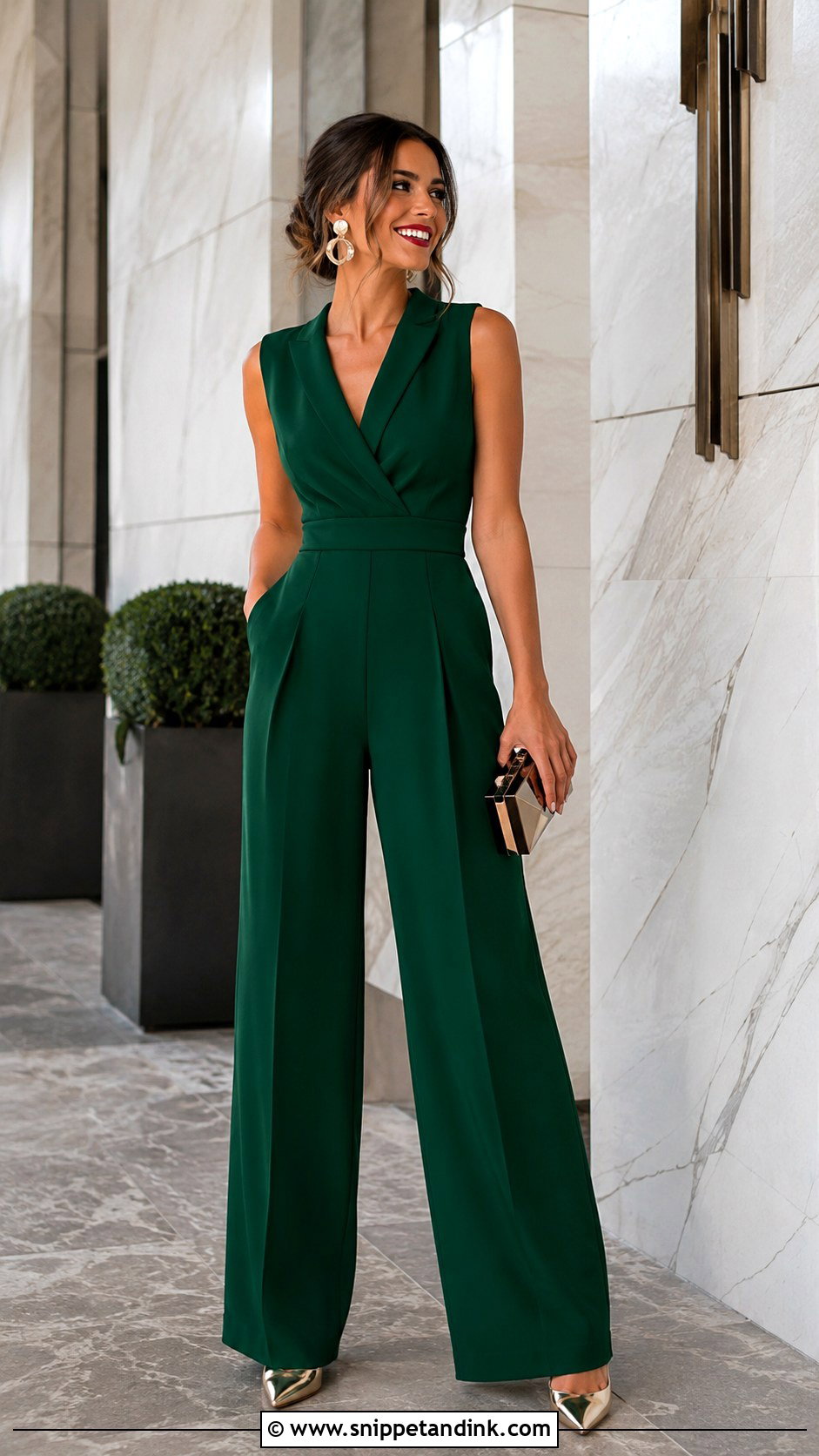
Not every sister wants a dress, and a tailored jumpsuit photographs just as formally as a gown if the fabric has some weight to it. I look for crepe with a wide leg and a defined waist. The fitting point most people miss is torso length. If the body is even slightly short, it pulls at the crotch when you sit and at the shoulders when you reach up, so in the fitting room I have clients sit, stretch their arms overhead, then walk. Plan your bathroom trips too: a jumpsuit usually means undressing to the waist.
8. Sister Of The Bride Pantsuit Outfit
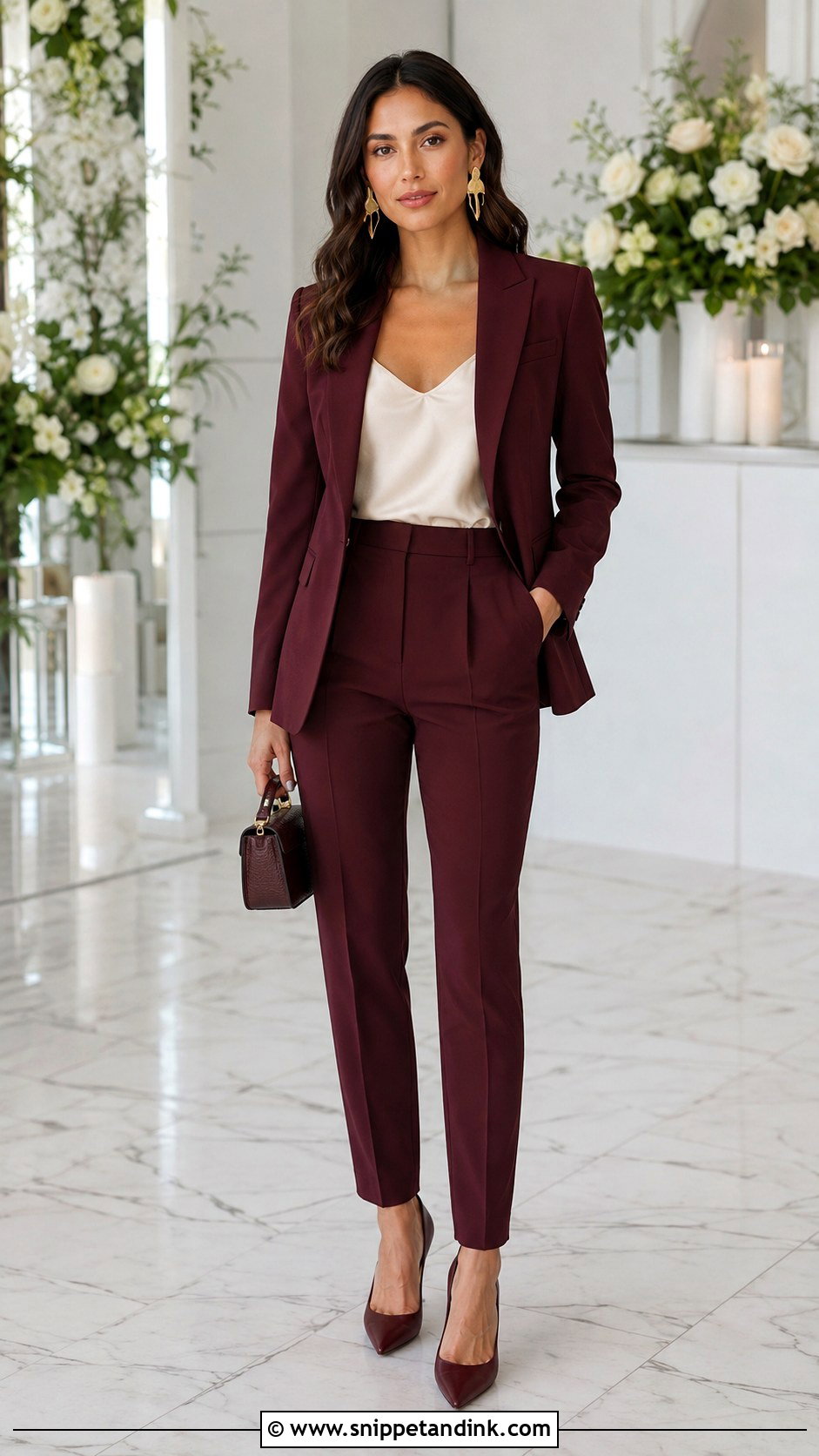
A well-cut pantsuit belongs to the sister who feels like herself in structure rather than a gown. I’d go single-breasted in burgundy or emerald with high-waisted trousers and a silk camisole underneath. Hem length decides whether it looks tailored or borrowed. The trousers should almost touch the floor with your wedding shoes on, so bring those exact pumps to the alteration appointment; a pointed toe lengthens the leg further. One fine necklace is plenty against the lapels.
9. Sister Of The Bride Pleated Maxi Dress
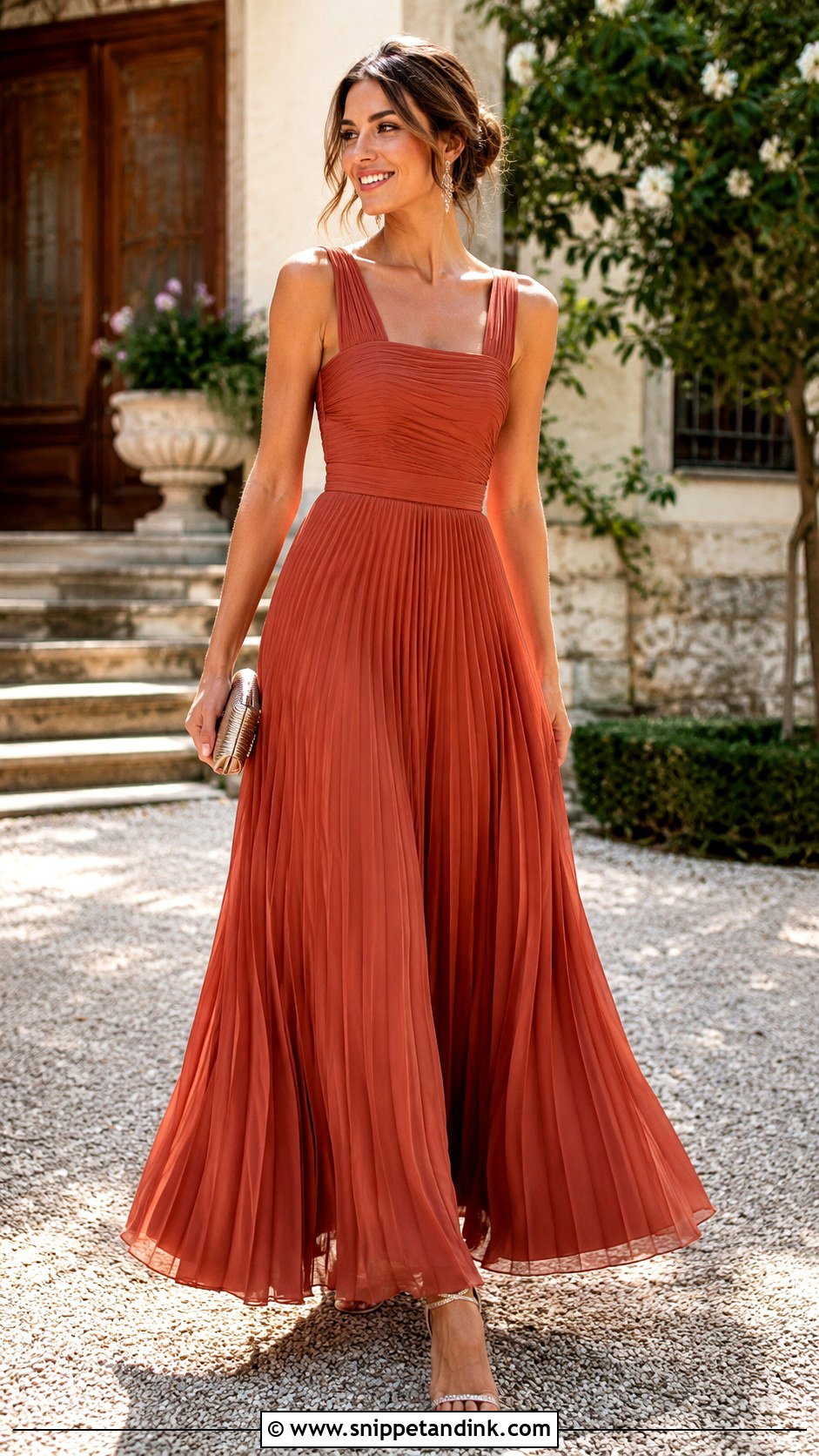
Fine pleats give a dress movement without any beadwork, and the vertical lines make a full-length skirt look longer still. Olive, plum and terracotta pleat well because the shadow inside each fold deepens the colour. Never iron pleats flat. I steam them hanging, from the inside, and if the dress is travelling I roll it rather than fold it so the edges stay crisp. A low twisted bun keeps hair from catching on a pleated shoulder.
10. Sister Of The Bride Off Shoulder Dress
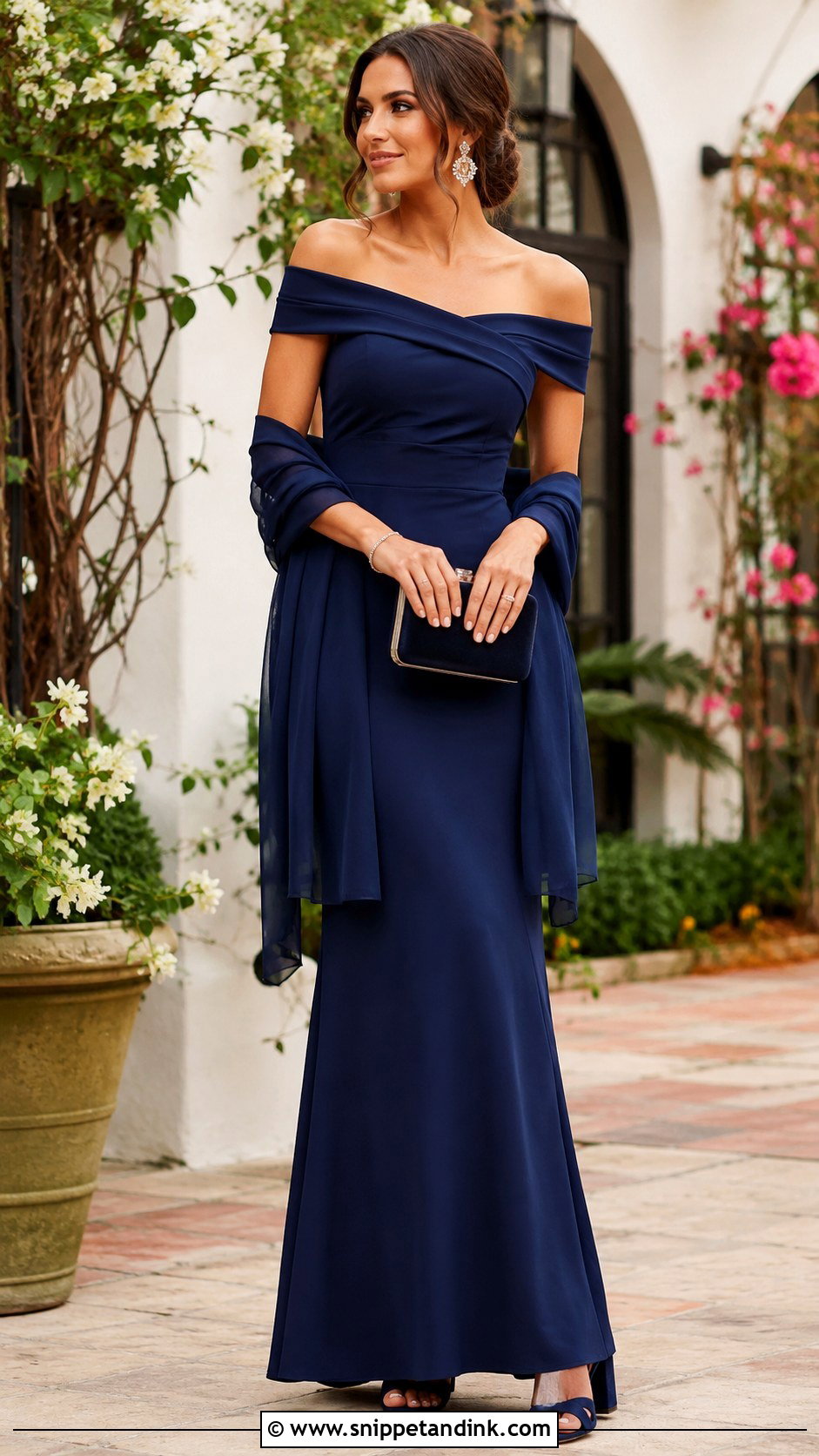
This neckline only works if it stays where it was put. I’m feeling for internal boning or a silicone grip strip along the top edge, because without one the sleeves creep up your arms every time you wave across a room. Raise both arms in the fitting room before you commit. Sapphire, rust or deep green keep you well clear of bridal white. Wear a short necklace or bold earrings, depending on how bare the collarbone is, but not both, and pin your hair into a side-swept updo so the shoulders stay visible.
11. Sister Of The Bride Cape Dress
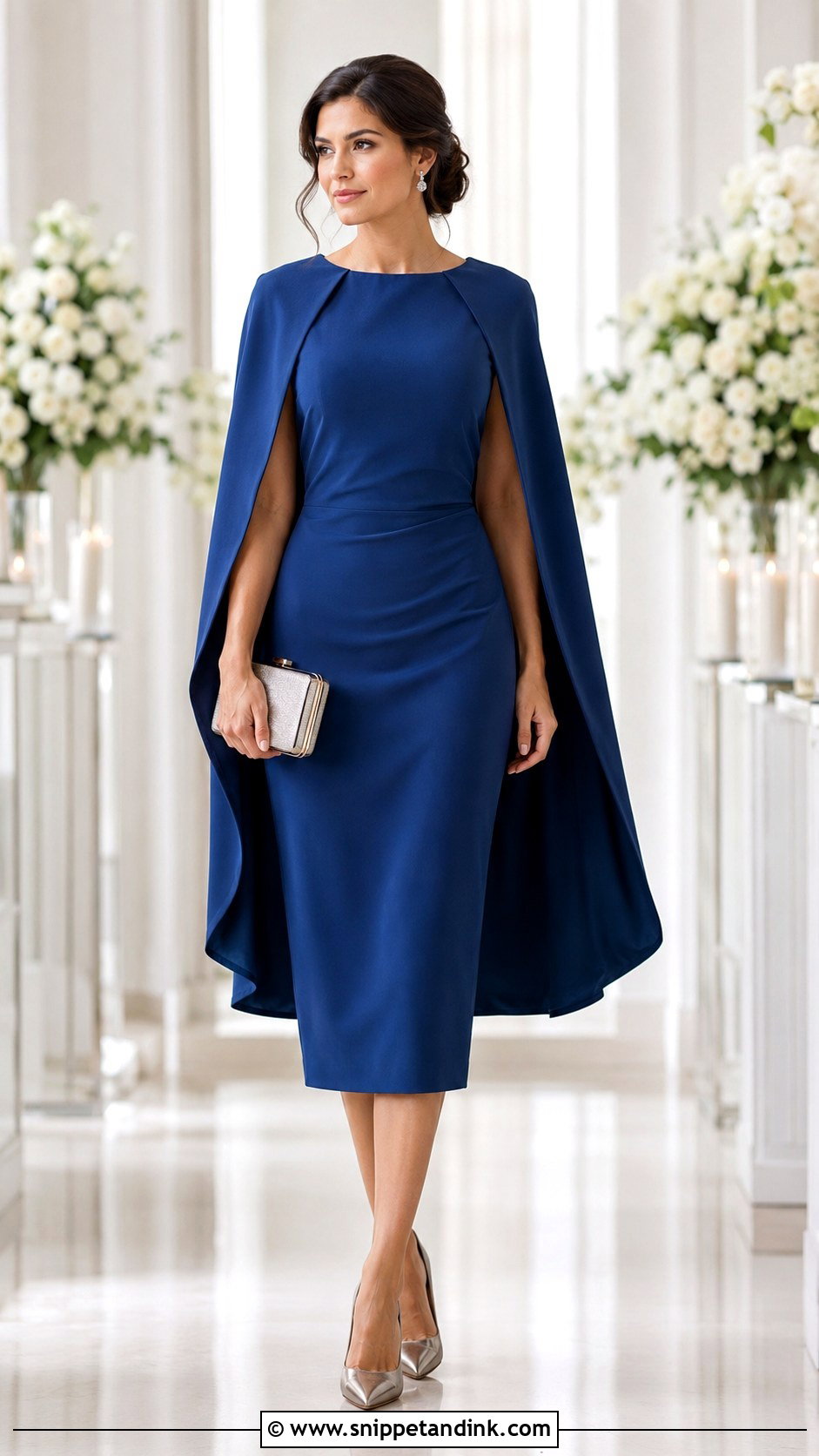
A cape dress solves the cold-ceremony problem without a jacket that hides your dress in every photo. The cape should fall cleanly from the shoulder seam; cut too wide, it flaps forward each time you bend to fix the bride’s hem. Some capes also pull the neckline backward when you sit, which I only ever catch by having the client sit down in it. Solid royal blue or dark teal keeps the look refined, and hair worn sleek behind the ears won’t tangle in the fabric.
12. Sister Of The Bride Tea Length Dress
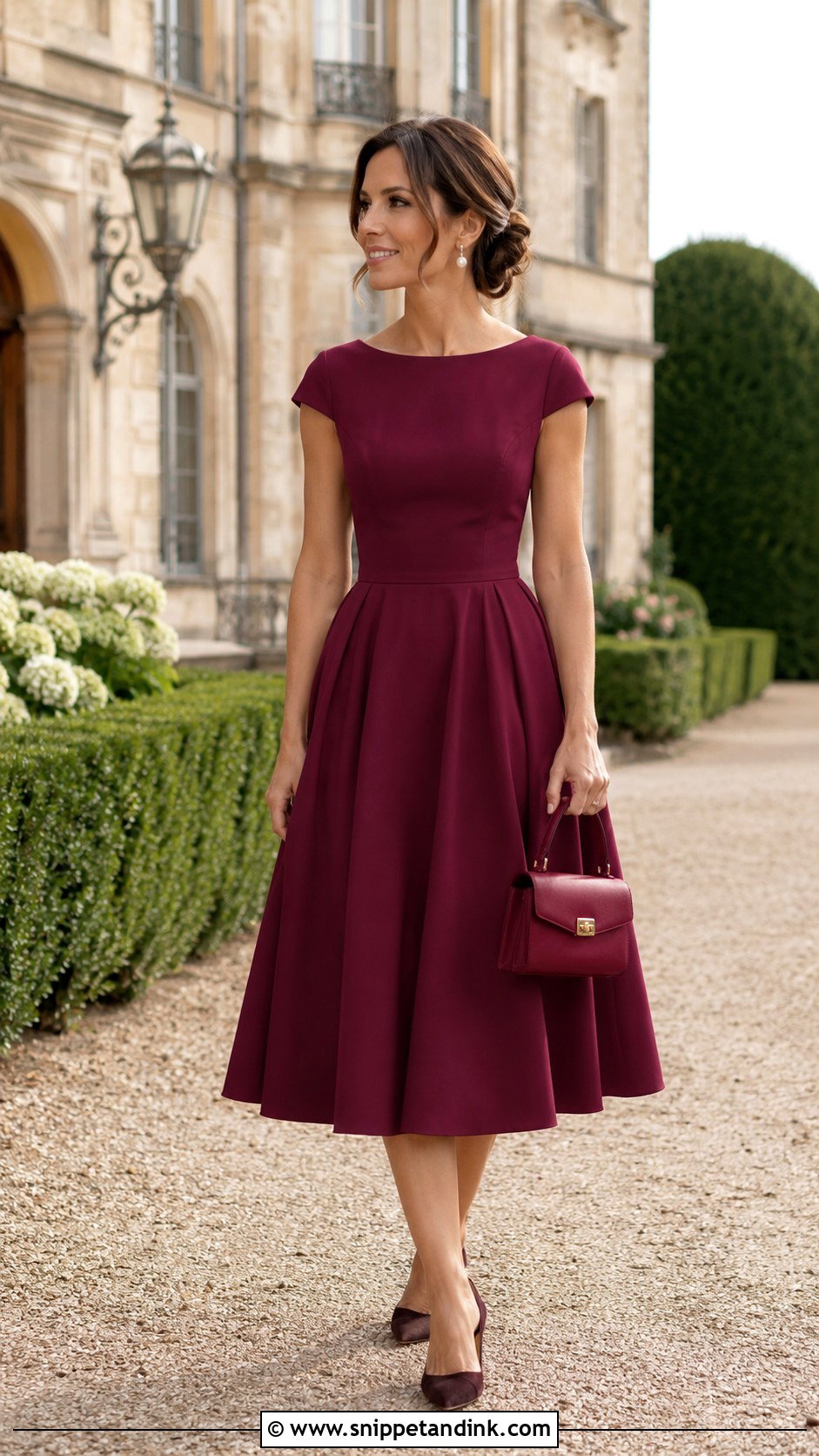
Tea length shows your shoes, so they become part of the outfit rather than an afterthought. The hem should land between knee and ankle, and I’d pick slingbacks or pointed pumps you’ve already worn for a full evening, not a new pair. A small petticoat gives a flared skirt the shape it was designed around; ask whether one comes with the dress. Navy or berry with pearl earrings and a neat chignon reads vintage without tipping into costume.
13. Sister Of The Bride Lace Midi Dress
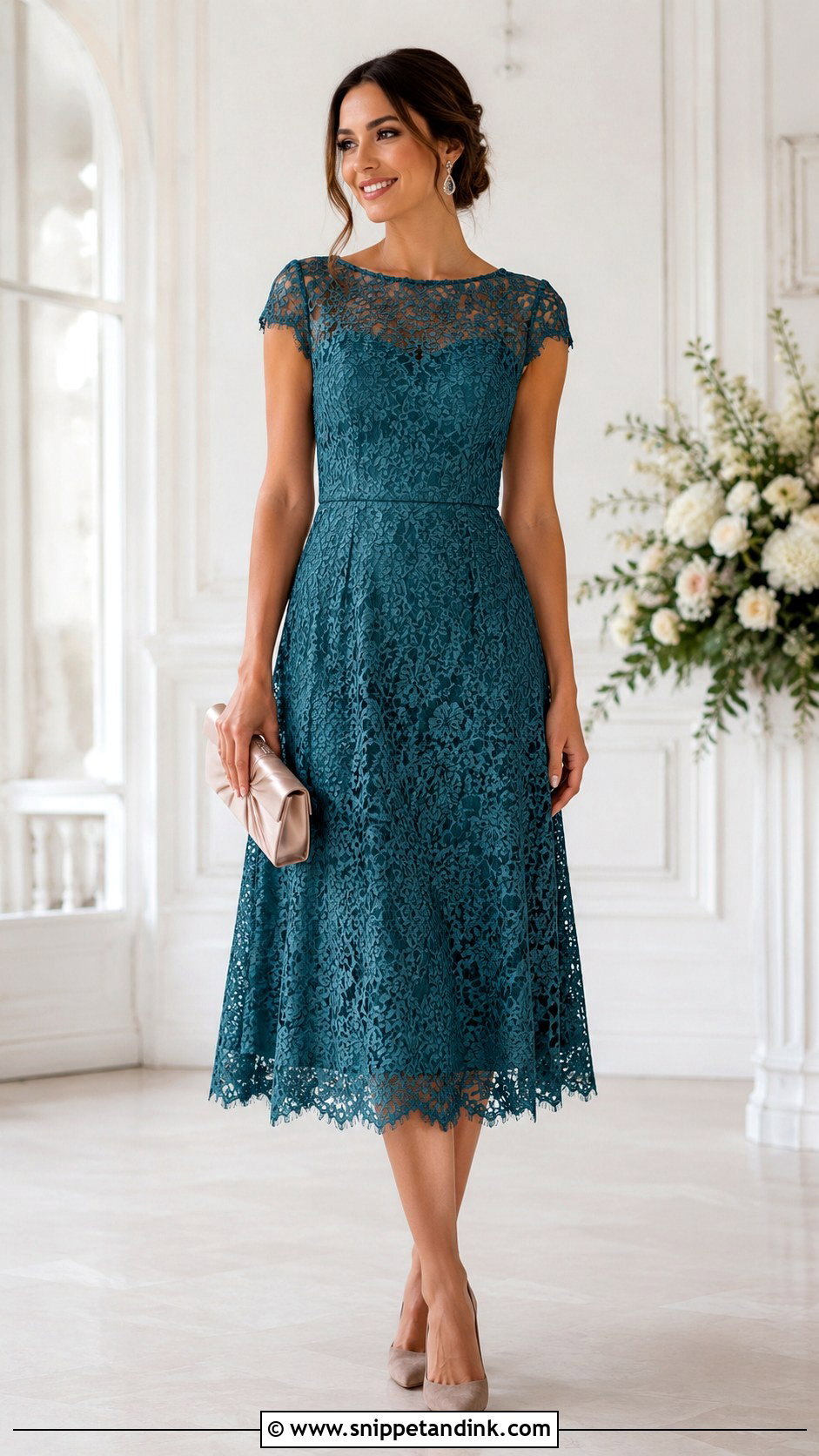
Lace is where I see the most colour mistakes. Ivory, cream and pale blush lace can all pass for bridal in daylight, and a nude lining behind pale lace makes it worse. Pick navy, teal or a deeper pastel with a lining that matches, so the pattern stays clearly visible. Then feel the inside of the sleeves and neckline: corded lace can scratch over a long day. Suede pumps and small earrings let the lace remain the detail.
14. Sister Of The Bride Halter Neck Gown
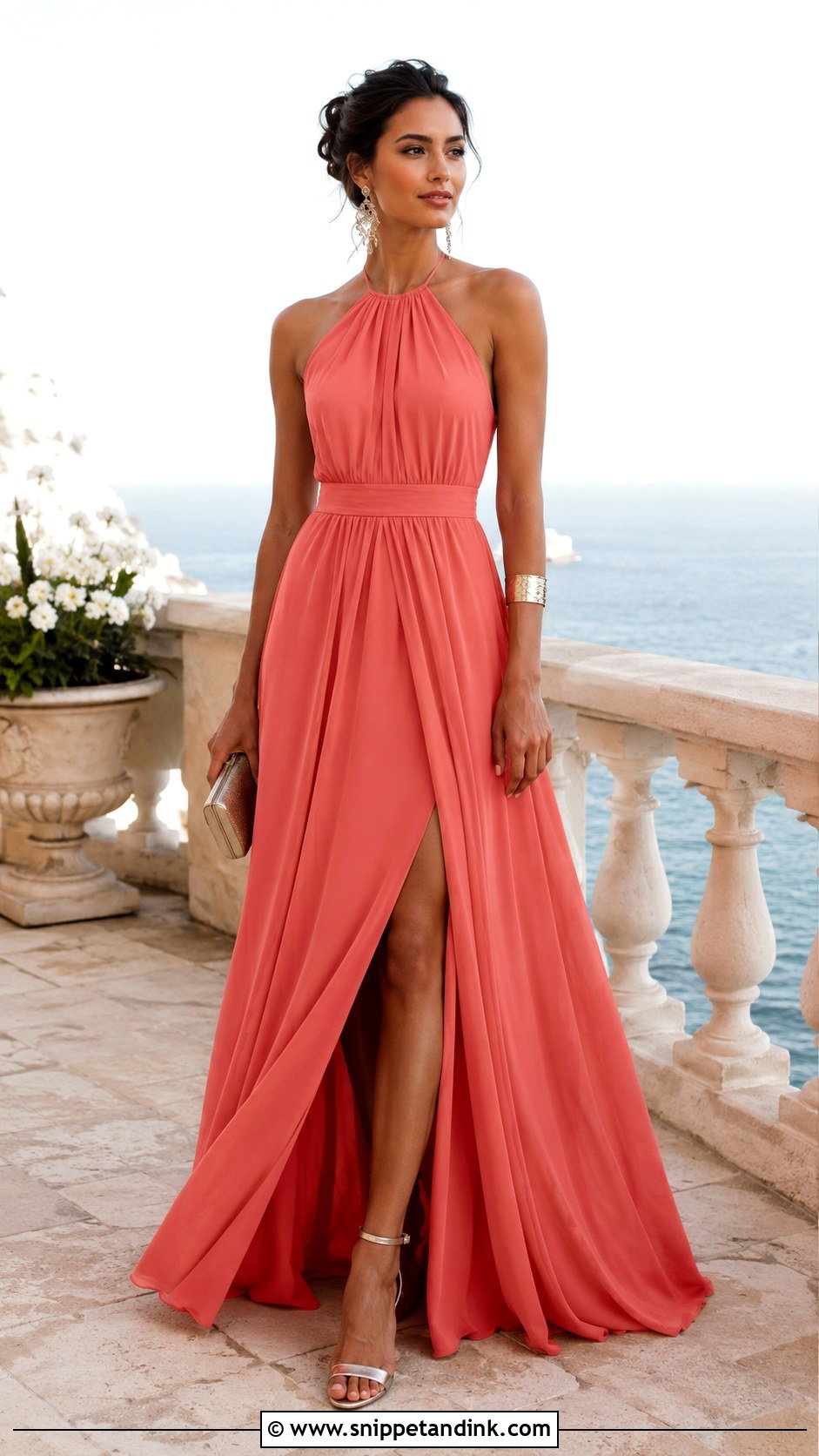
A halter frames the shoulders cleanly, but all of its weight hangs from the back of your neck. I’d wear it at home for twenty minutes before deciding. If the strap digs in, a wider band or a built-in bra spreads the load. Skip the necklace entirely, add a dramatic earring or a slim cuff, and put your hair up; worn down, it hides the very neckline you chose.
15. Sister Of The Bride Garden Wedding Dress
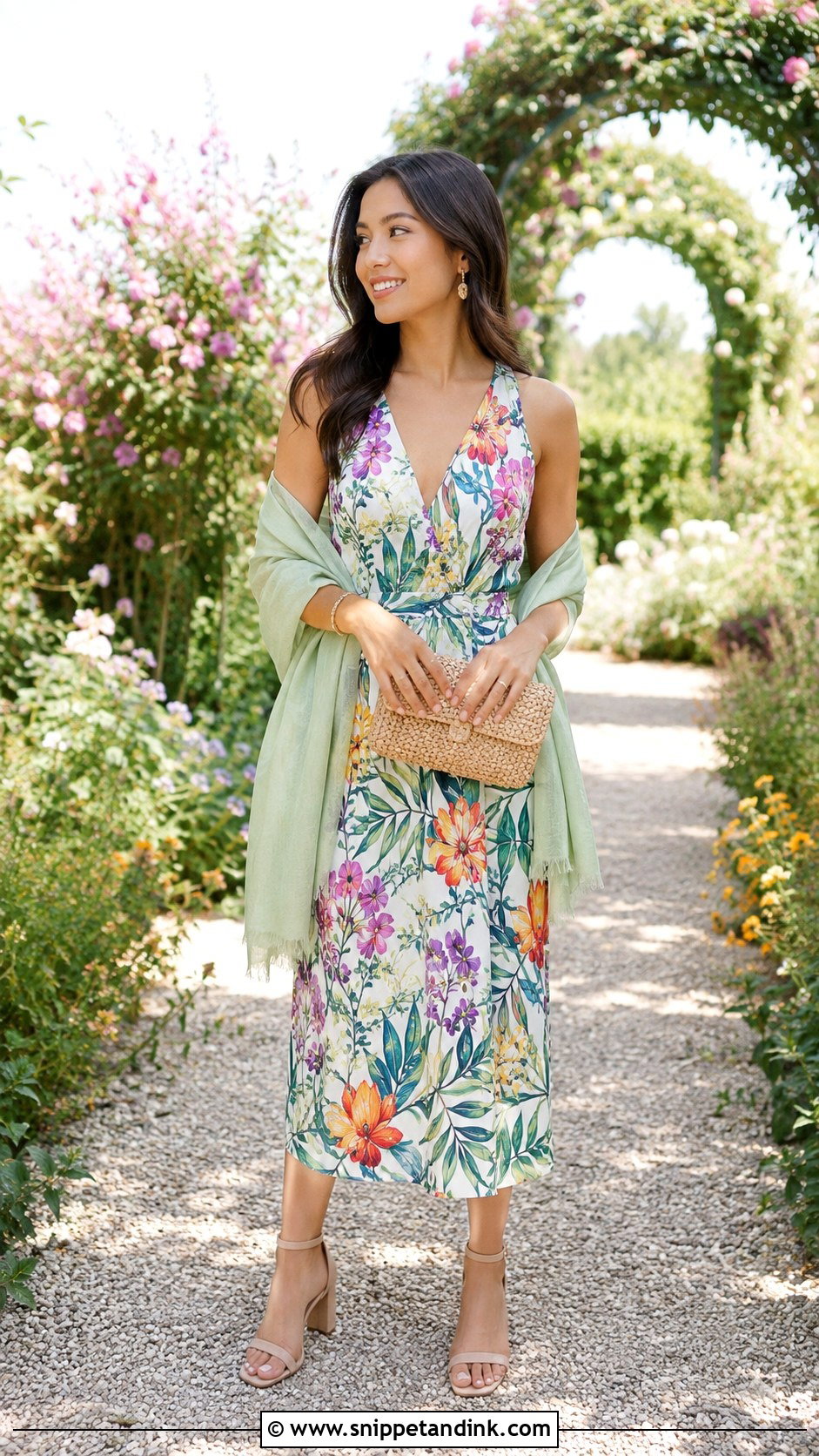
Grass, gravel and evening dew are the real dress code at a garden wedding. I’d go for a colorful midi dress with a botanical print and flutter sleeves, keeping the hem above the ankle so it doesn’t collect a muddy line along the bottom. Stilettos sink into lawns; block heels, wedges and dressy flats don’t. A braided updo holds in a breeze far better than loose waves, which blow straight into lip gloss during outdoor portraits.
16. Sister Of The Bride Beach Wedding Dress
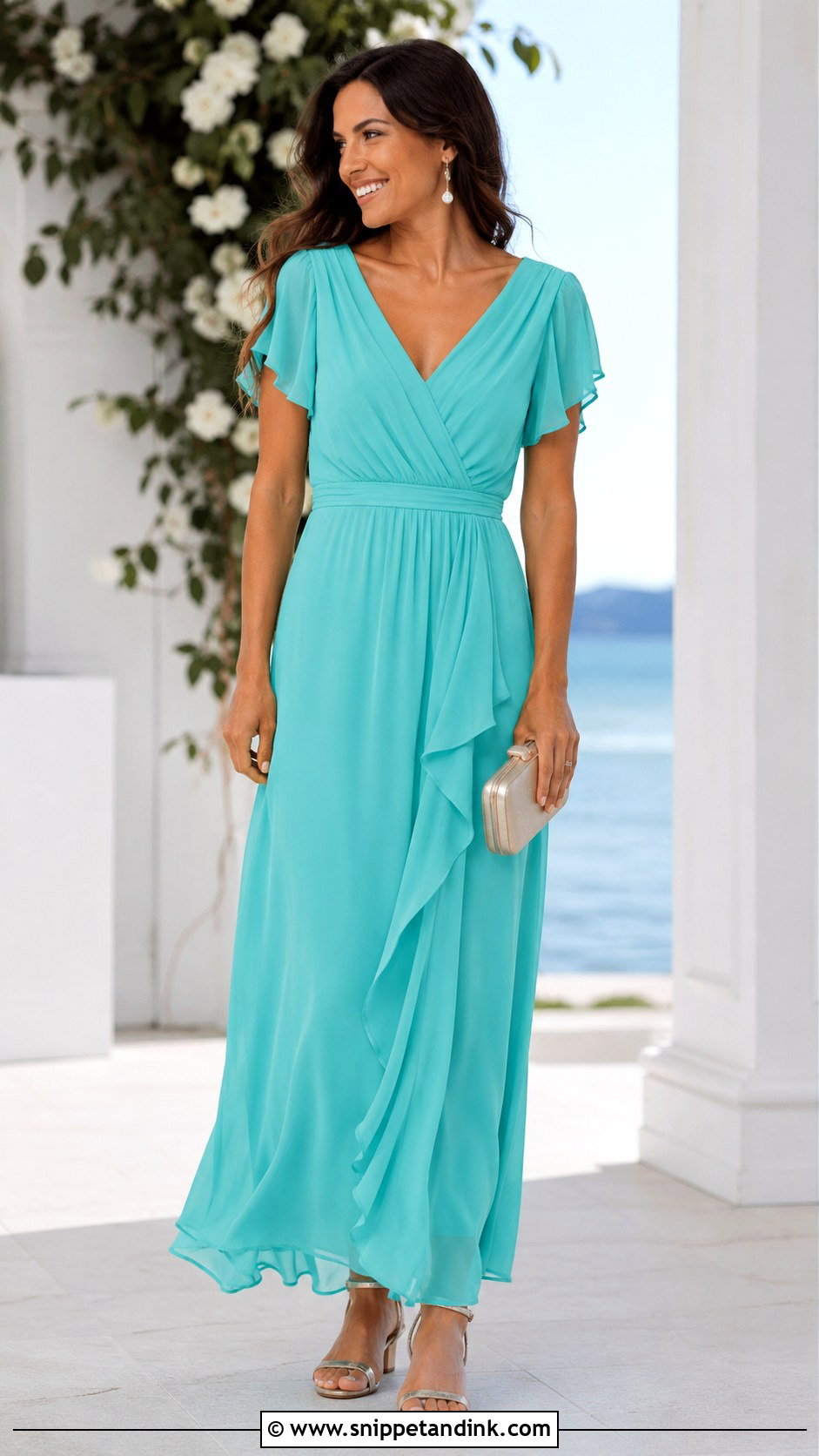
Sand and wind decide everything on a beach. Chiffon and georgette move well, but they also blow sideways, so I look for a hem with a little weight or a crepe that hangs. Coral, turquoise or a tropical print sit naturally against water. Wear flat sandals or low wedges, since anything with a slim heel sinks. A textured low bun survives the wind better than hair worn down, and earrings need secure backs; drop one in the sand and it’s gone. Leave trains for another wedding.
17. Sister Of The Bride Winter Wedding Outfit
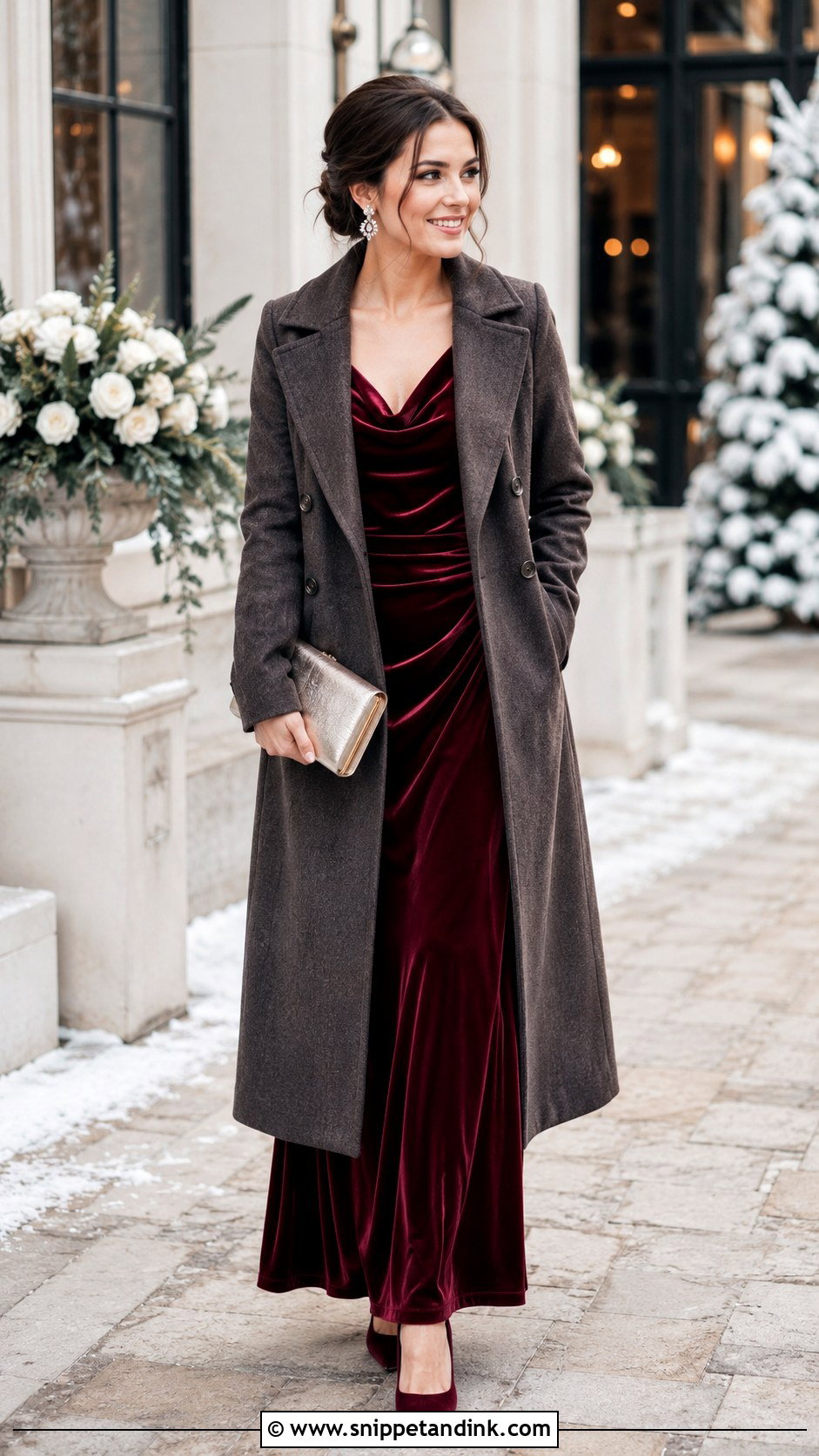
My test for winter layers is simple: would they look right in the formal portraits? You may well be wearing them for the outdoor shots. Start with a long-sleeve crepe or velvet gown in navy or forest green, then add a tailored wool coat or a structured cape in a colour that sits beside the dress rather than fighting it. The puffer grabbed from the car is the layer that ruins pictures. Sheer thermal tights with closed-toe pumps are a sensible trade, and hair worn up won’t get flattened by a collar.
18. Sister Of The Bride Summer Wedding Outfit
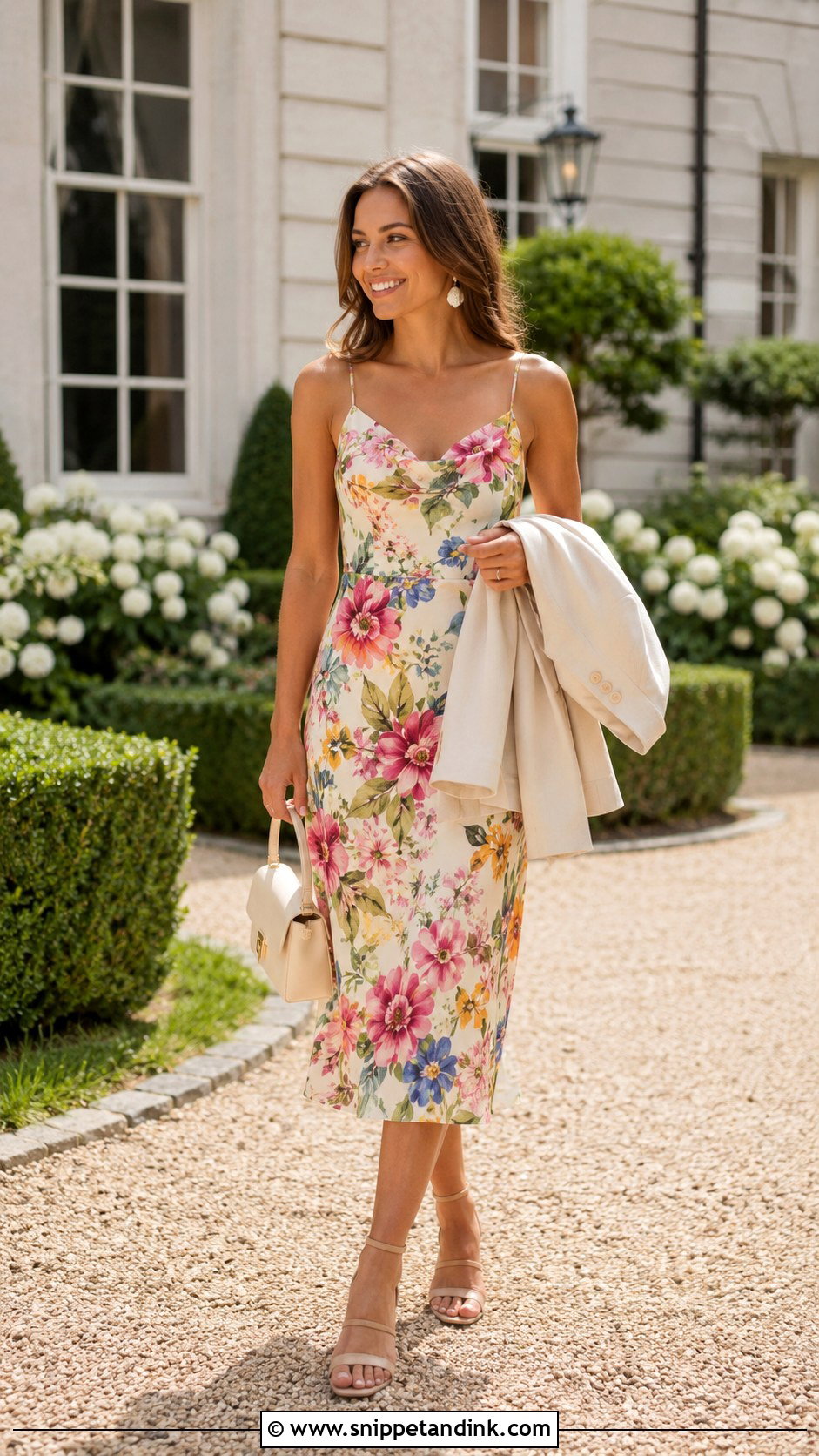
Heat shows up first in the fabric. Linen blends and light crepe breathe; polyester chiffon over a synthetic lining traps warmth against you all afternoon. Hold any summer dress up to a window before buying, because some light fabrics turn see-through in direct sun. Coral or bright blue keeps you cheerful and clearly separate from the bride. Get your hair off your neck with a braided bun, and keep a linen blazer for the air-conditioned reception room.
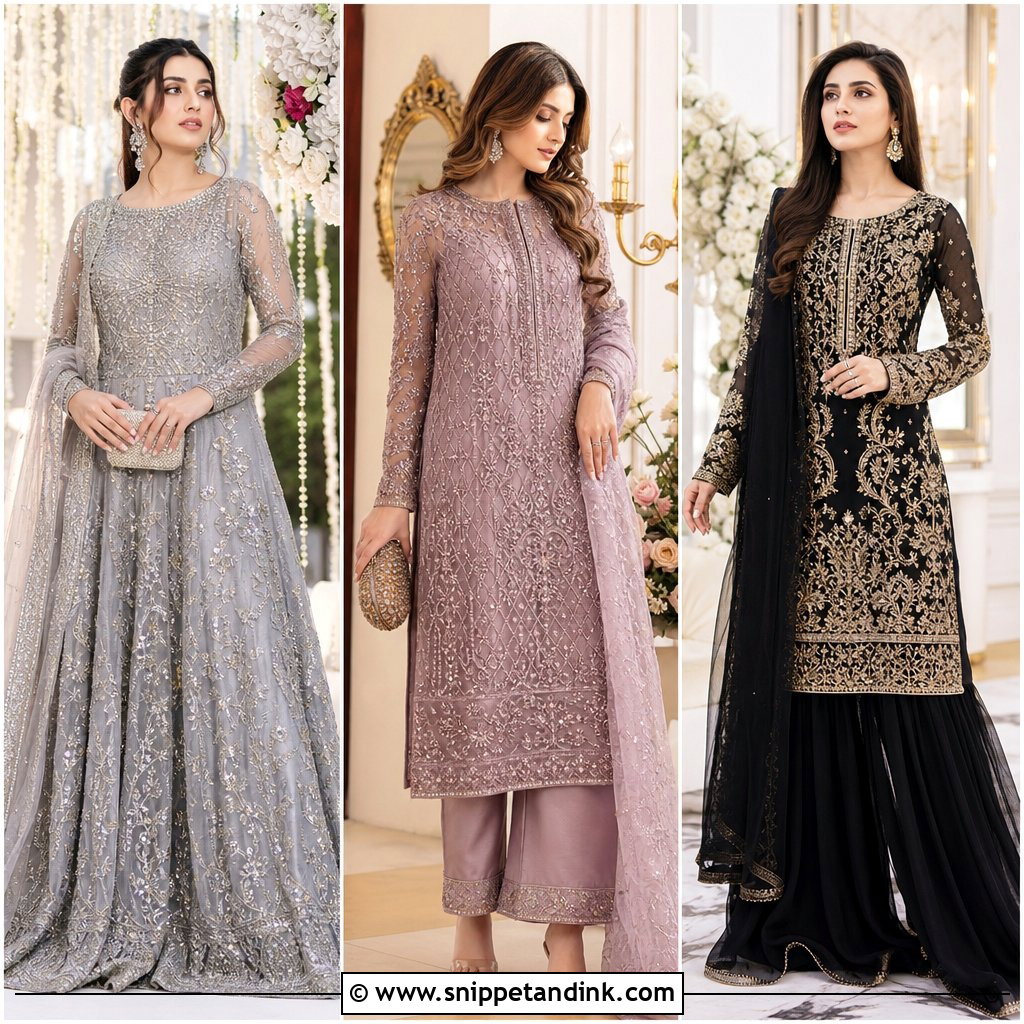
19. Sister Of The Bride Saree Outfit
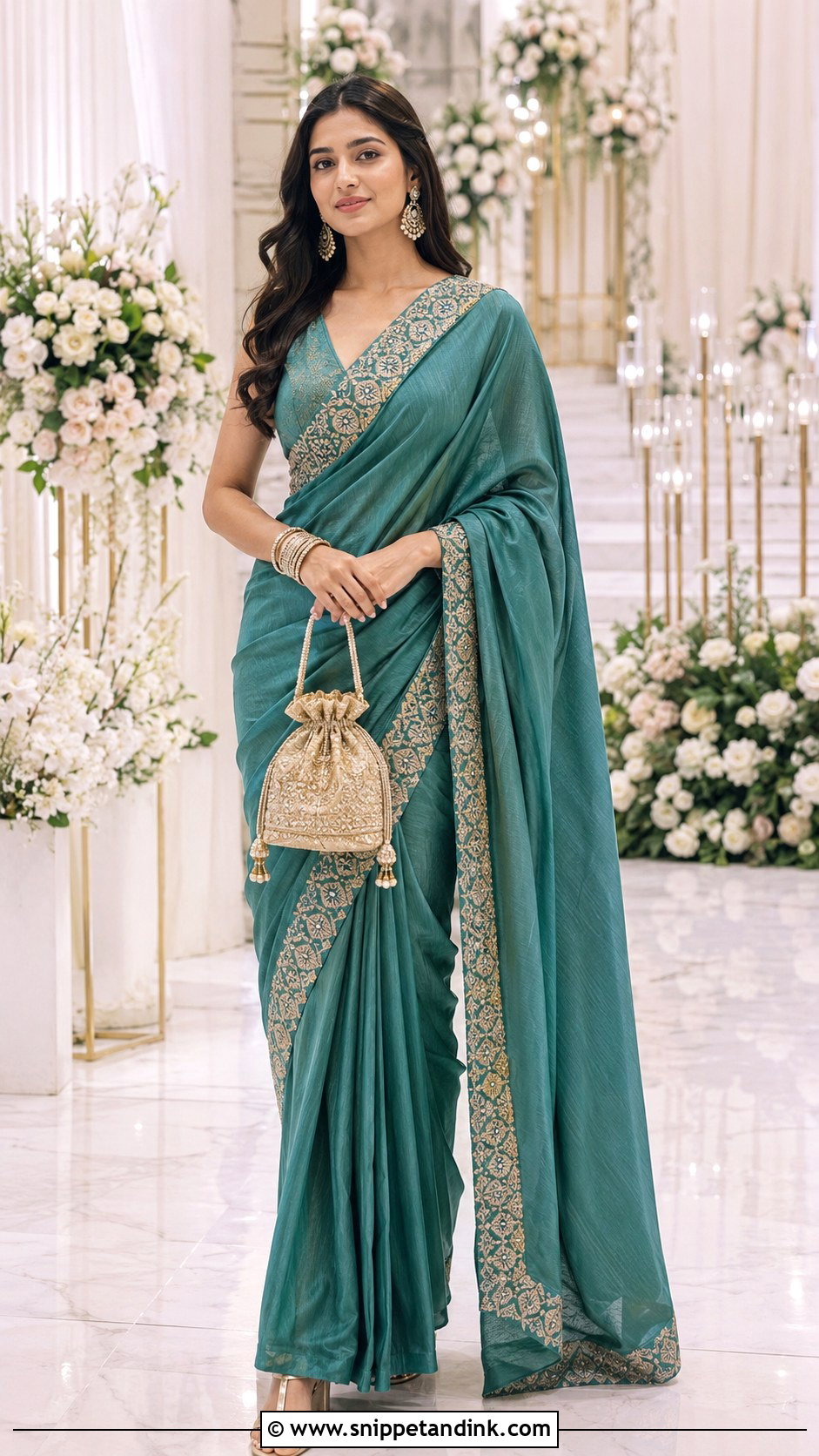
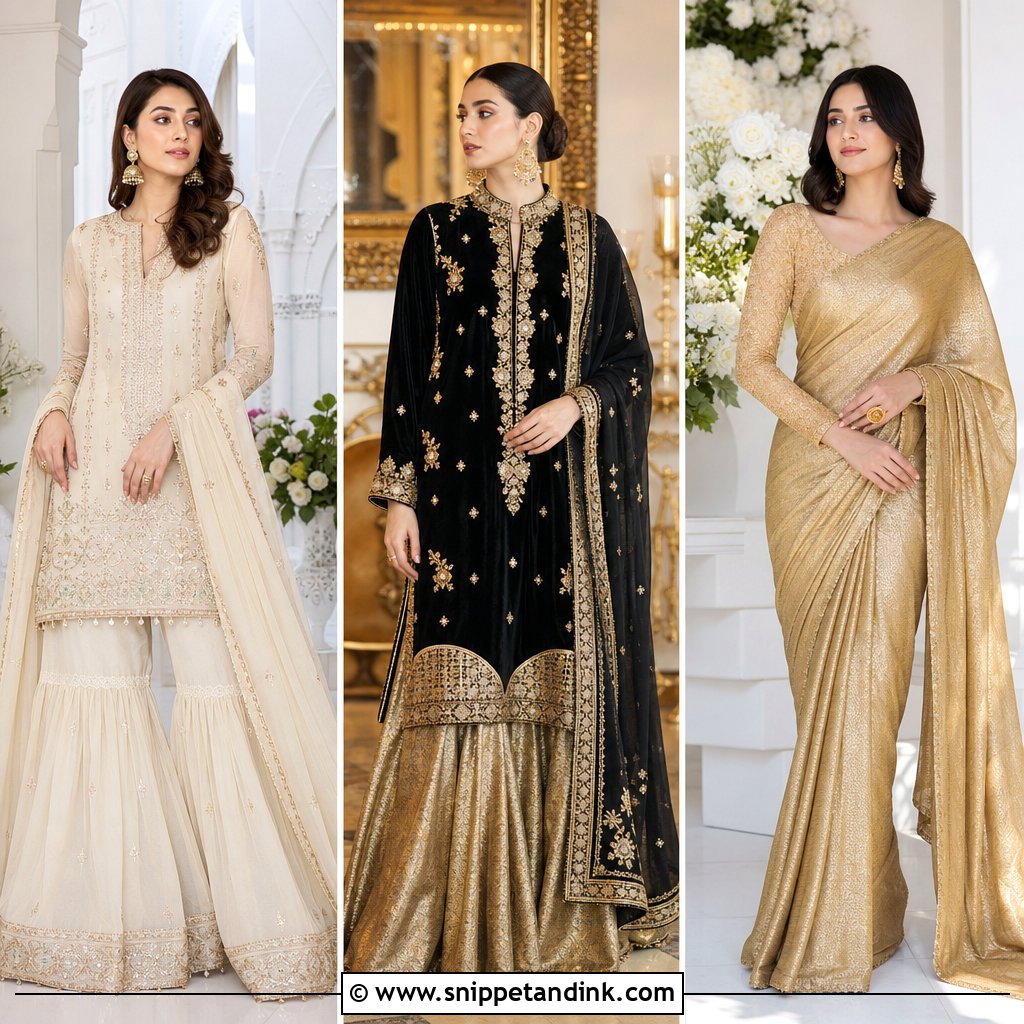
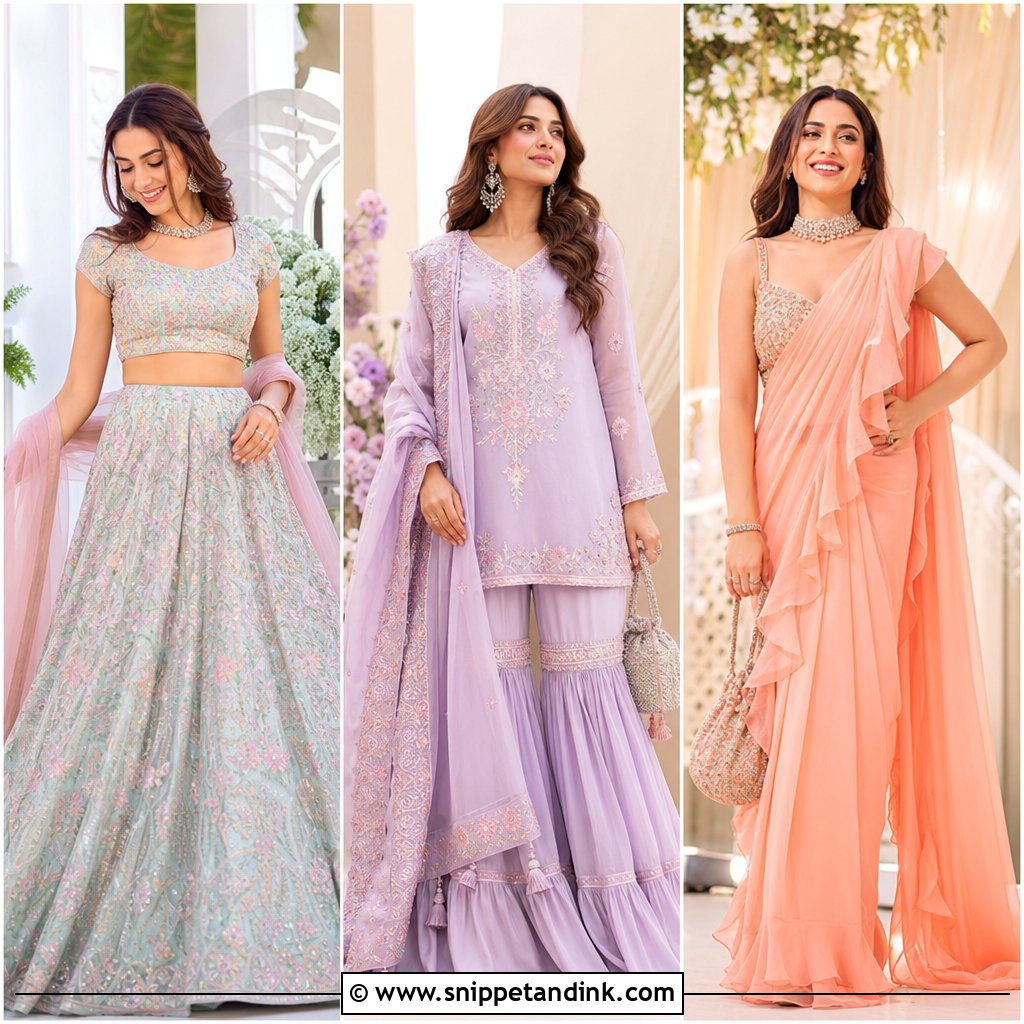
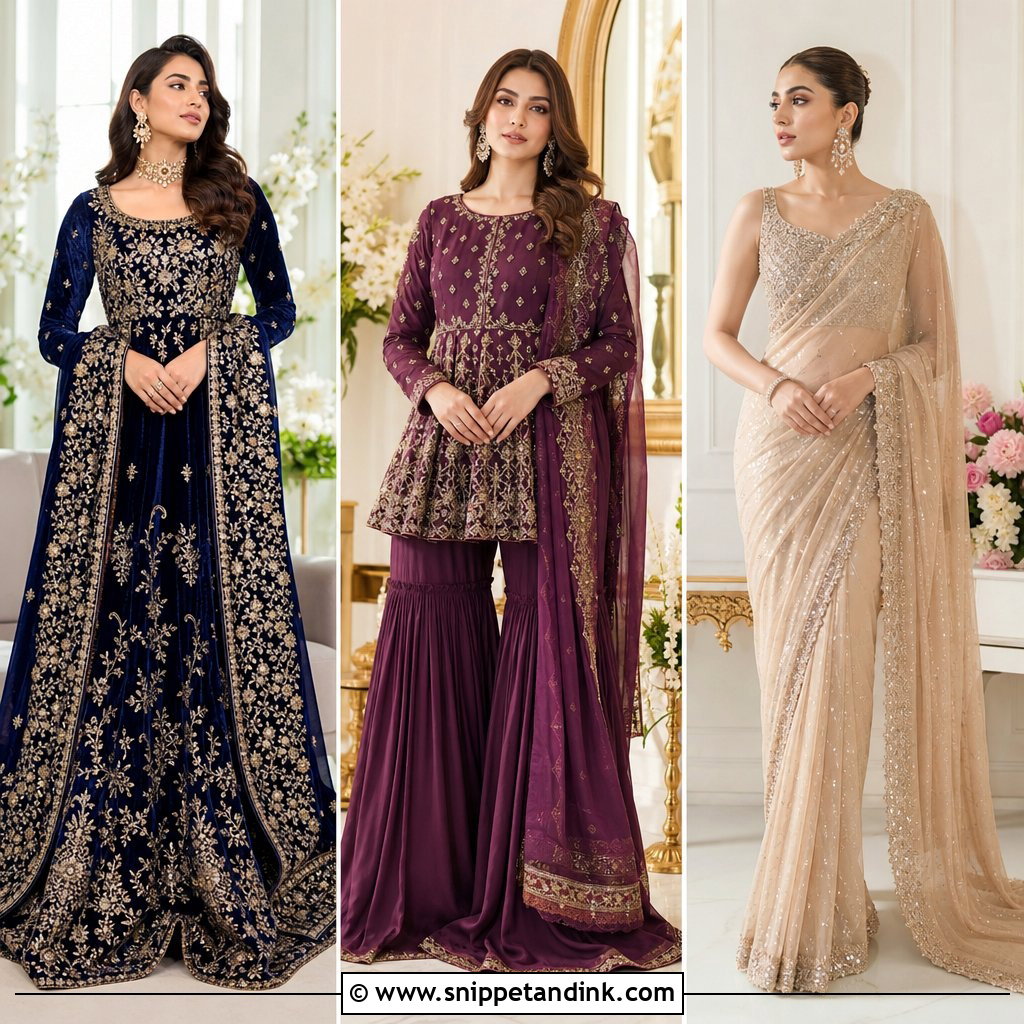
A sister’s saree should complement the bride’s outfit without echoing its colour or its border. Silk drapes with weight and holds pleats; georgette and chiffon are lighter for daytime and warm venues. The pleats are what slip during greetings and dancing, so I pin them at the waist and secure the pallu at the shoulder, and I’d always rehearse the drape once before the wedding morning. A well-fitted blouse matters more than the jewellery. Match your earrings to the embroidery instead of wearing every piece you own.
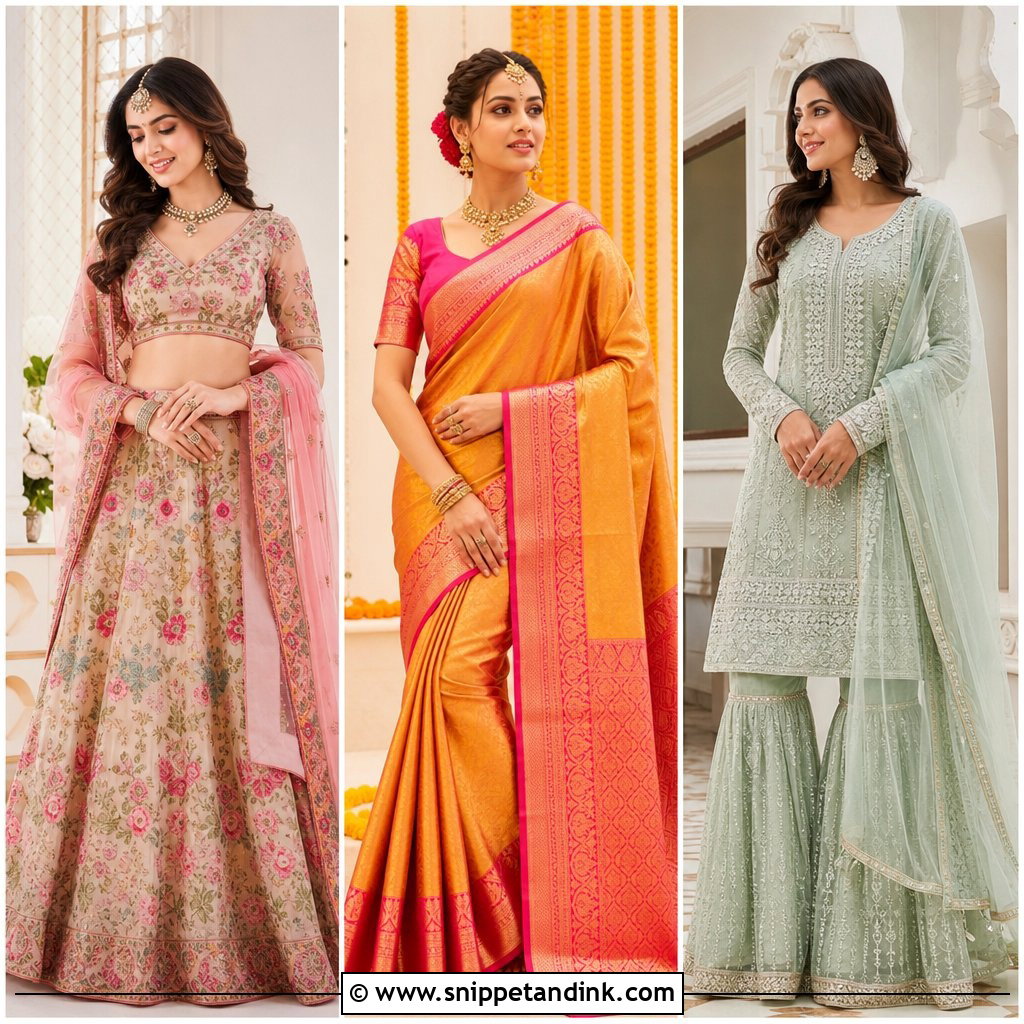
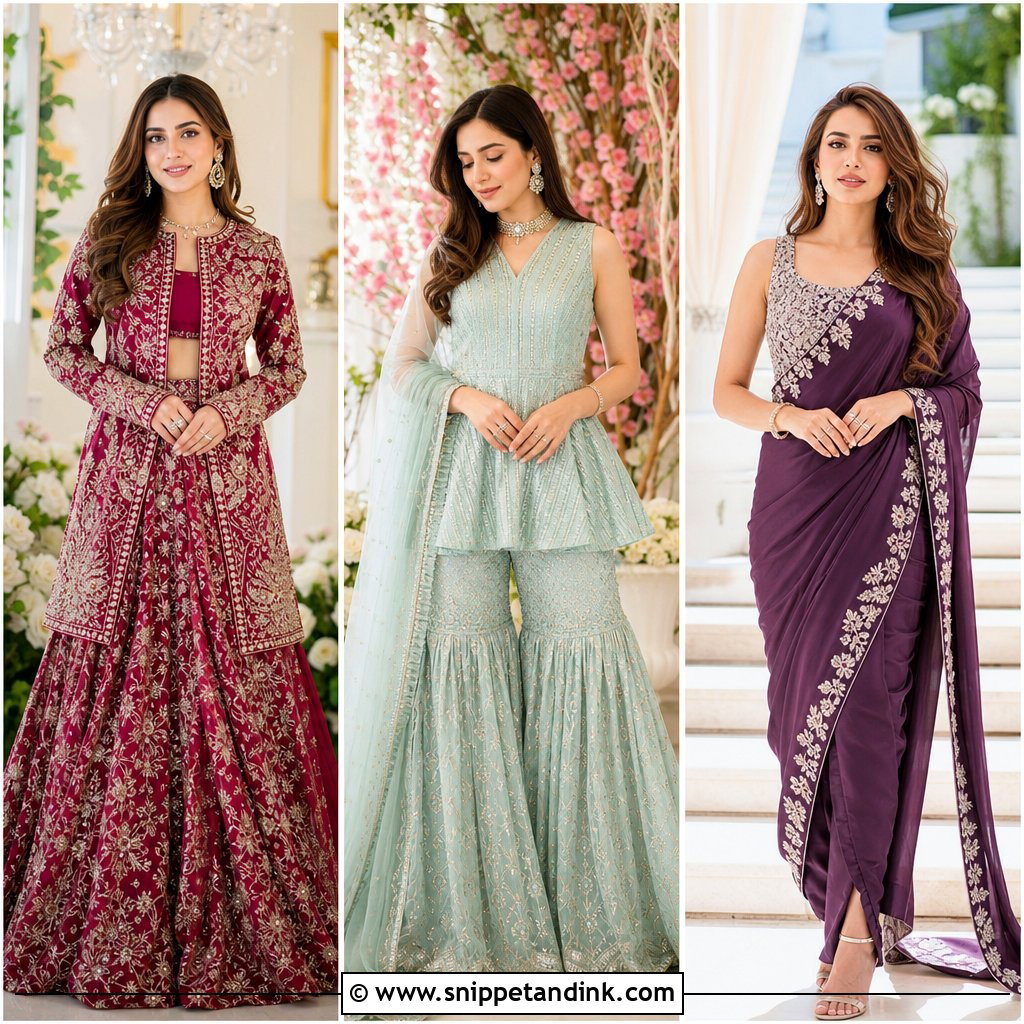
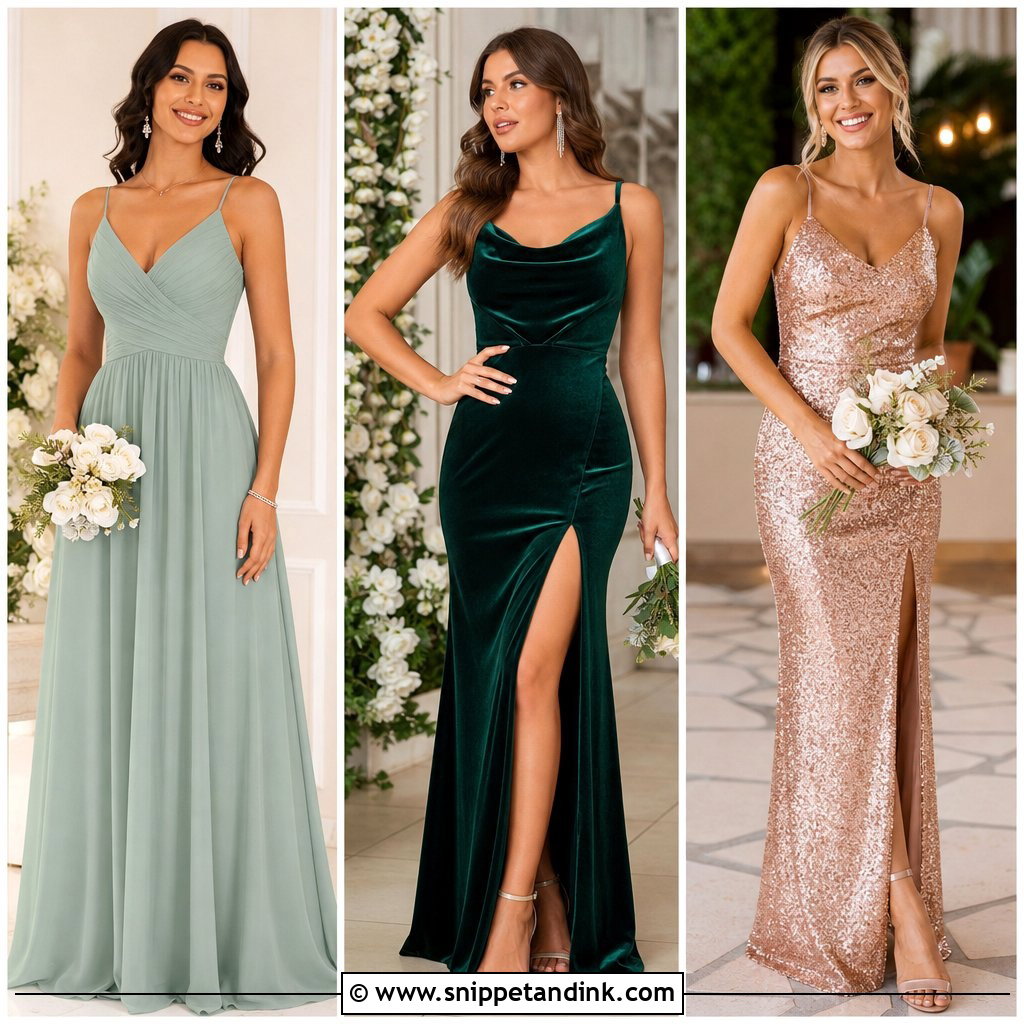
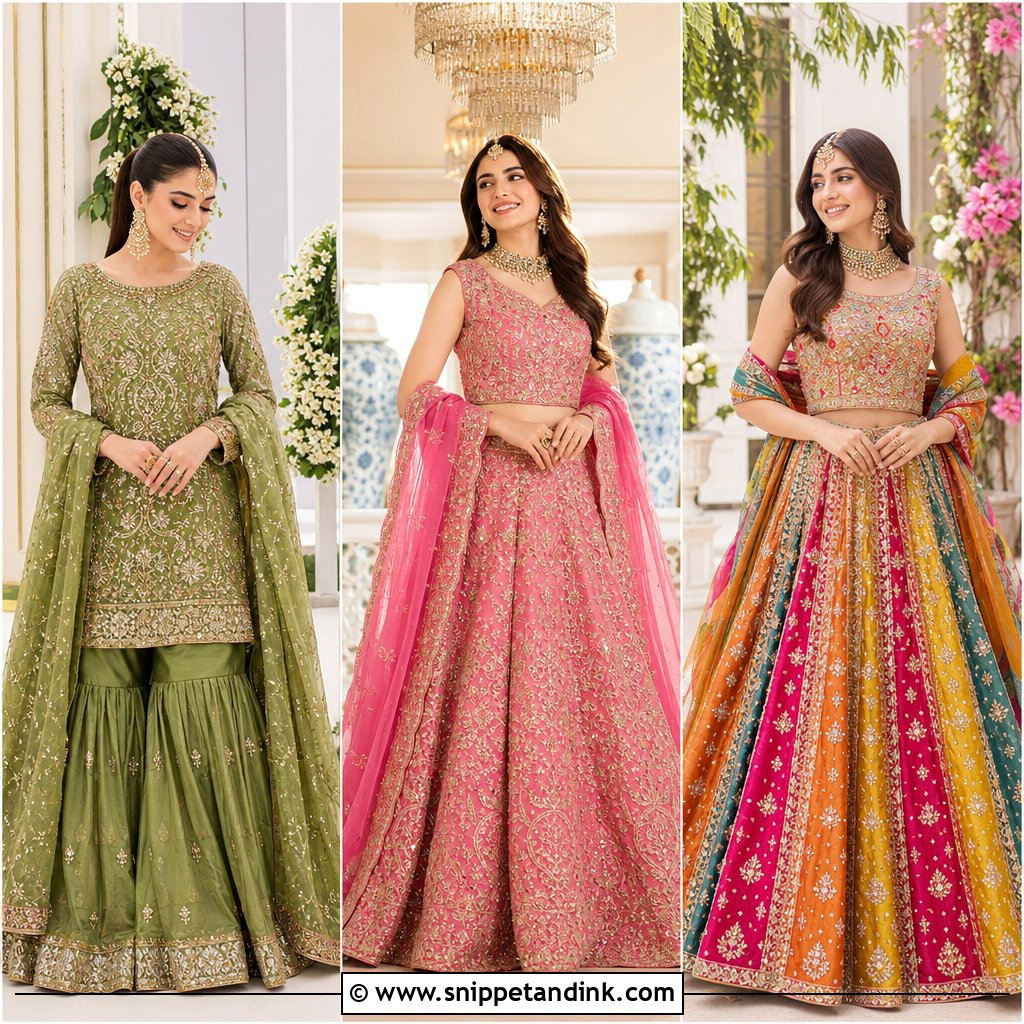
20. Sister Of The Bride Lehenga Outfit
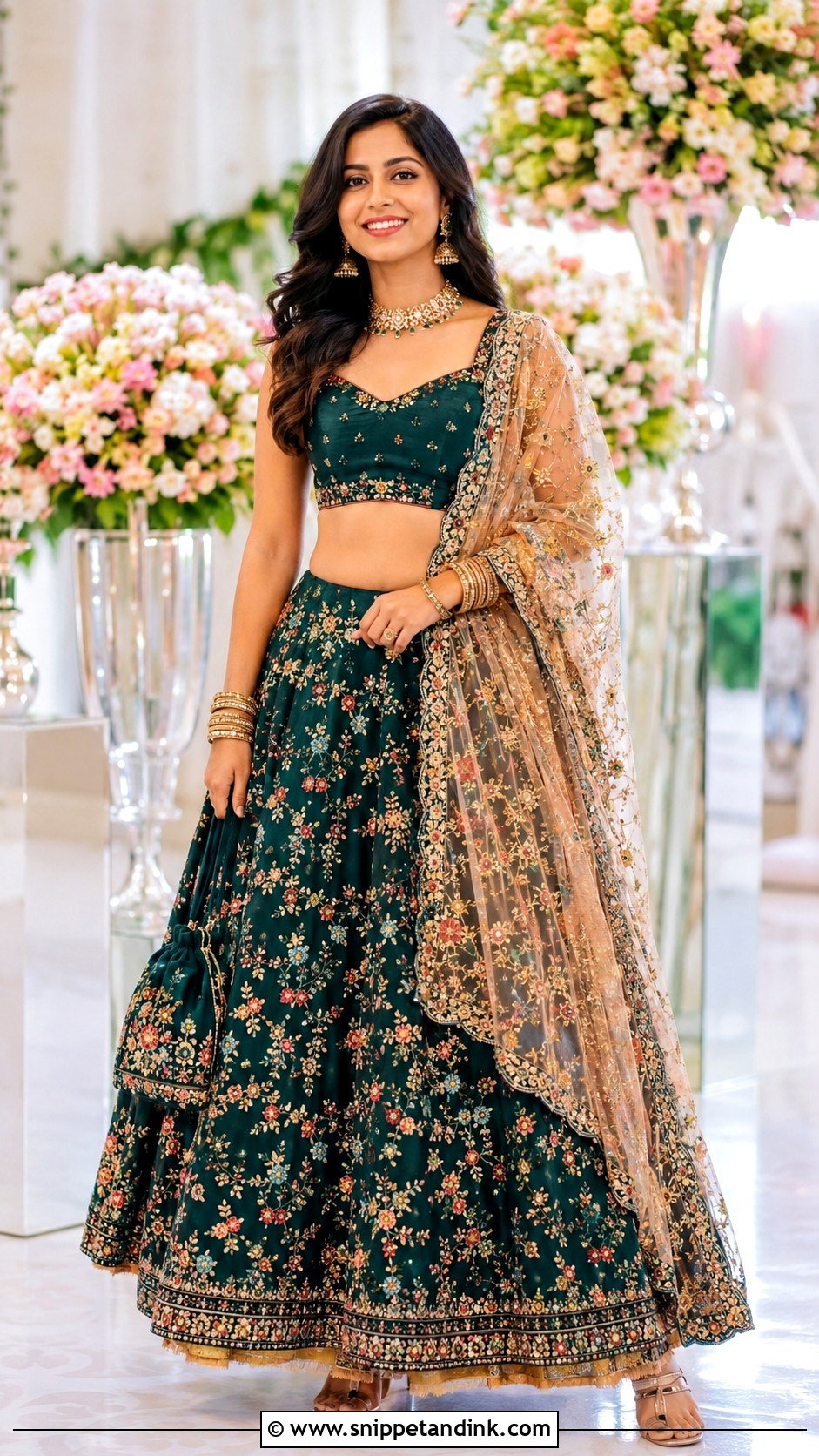
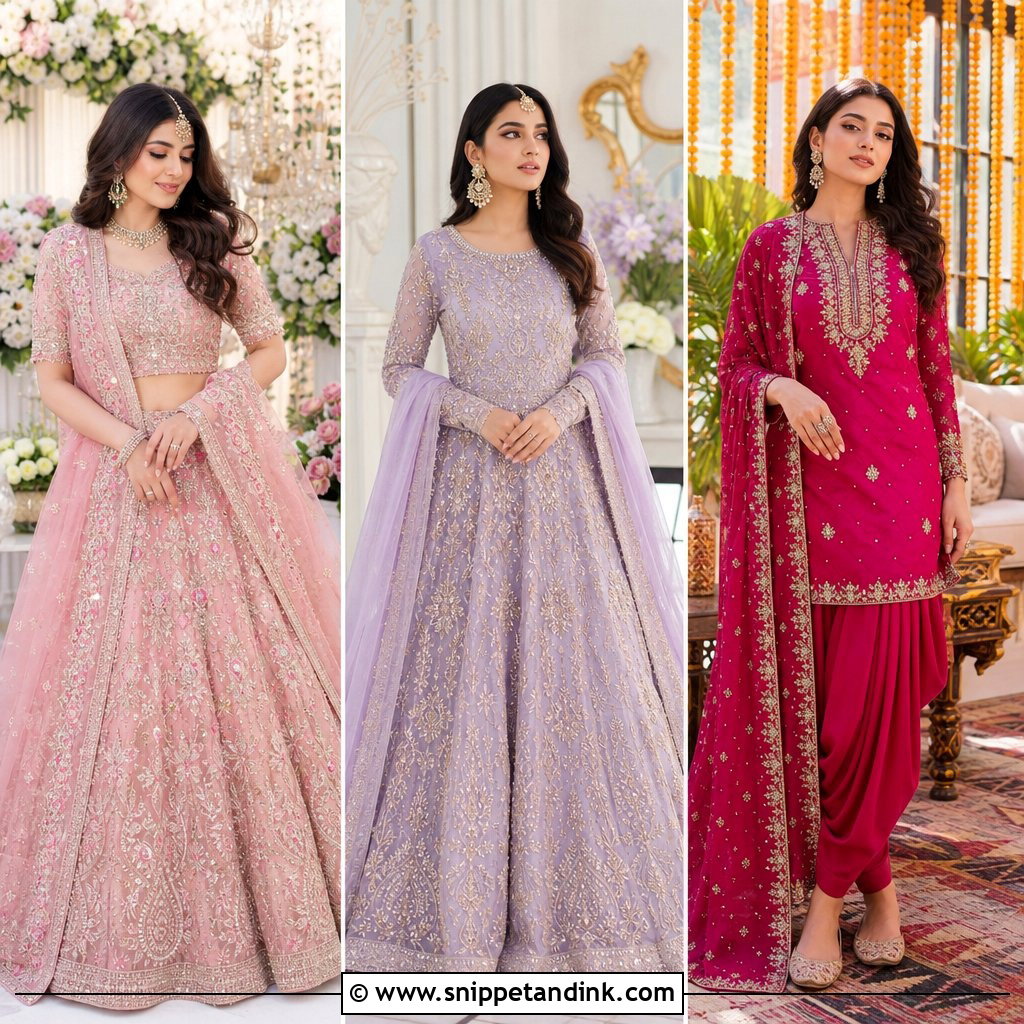
A lehenga gives the bride’s sister a full festive look for an Indian or fusion wedding, and the first thing I check is how much the skirt weighs. Dense embroidery and mirror work add up quickly, and you’ll be sitting on the floor for rituals, dancing late and running errands for your sister in between. Lift the skirt on the hanger and imagine eight hours of that. Choose a colour clearly apart from the bride’s, pin the dupatta so both hands stay free, and pick the necklace to suit the blouse neckline rather than the other way round.
What a Sister’s Dress Has to Do All Day
A guest can sit down and look pretty. The bride’s sister is usually working: zipping the dress, fixing the veil, bustling the train after the ceremony, holding the bouquet during the vows, crouching to straighten a hem for photos. I fit for those movements as much as for the mirror.
Movement checks in the fitting room
Kneel on one knee as if you’re spreading out her train. Reach behind your own head as if pinning a veil. If either move pulls the neckline down or splits a seam, the dress either needs adjusting or isn’t the one. Strapless styles and tight mermaid skirts fail these tests more than anything else.
Hugs, makeup and the shoulder problem
You’ll hug more people than anyone except the couple, and foundation transfers. Pale satin and light chiffon show it immediately at the shoulder; darker or printed fabrics hide it. If your heart is set on a pale dress, tuck a soft cloth and a little micellar water into your bag; dabbed, not rubbed, it usually lifts a fresh mark before it sets.
The bag I’d pack for you
Keep it small enough to hang across the body so your hands stay free: safety pins, fashion tape, a few bobby pins in her hair colour, blotting papers, plasters for both your feet and hers, and a fold-up pair of flats for the dancing.
Dressing Next to the Bride Without Copying Her
The outfit has done its job if the getting-ready photos show you as part of her day and still entirely yourself. Confirm the dress code, venue and palette with your sister before spending anything. Then run the dull tests: sit, climb a flight of stairs, hug someone, stand for an hour in the shoes. In my experience those catch more problems than any style rule, and they’re the reason a sister is still comfortable when the dancing starts.
You'll Like These Ideas:


Leave a Reply