
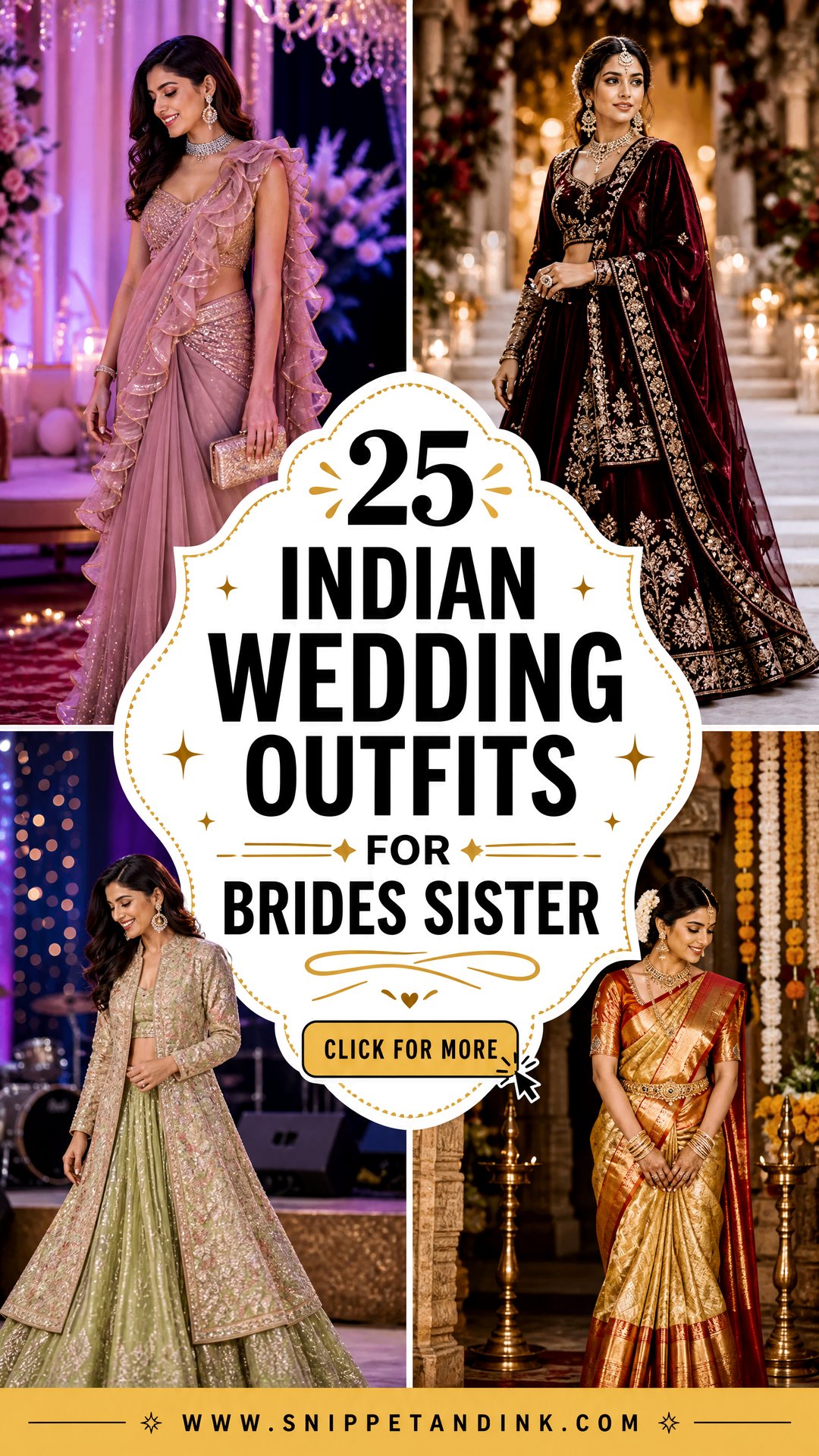
The bride’s sister has the hardest wardrobe brief at an Indian wedding. She’s in nearly every photo, she’s on her feet from the haldi to the vidaai, and she has to look festive without ever pulling focus from the bride. When I dress a sister, I plan by function and by job: lighter, movable pieces for the daytime rituals, richer fabric for the evenings, and jewelry that frames the face rather than covering the neckline. Below are 25 complete looks for her, from lehengas and sarees to shararas, anarkalis, gowns and fusion sets, each with the practical detail I’d check before saying yes.
Dressing for the Sister’s Real Jobs at Each Ritual
Before I look at a single color, I ask a sister what she’ll actually be doing. A guest can sit through a ceremony in anything. A sister ties the bride’s kaleere, carries trays, sits on the floor beside the mandap, runs between rooms and dances on a stage. The outfit has to survive that list.
Questions I ask before shopping
- Will you sit on the floor during any ritual? If so, skip stiff fishtail skirts and tight churidars.
- Are you performing at the sangeet? Rehearse the choreography in the actual outfit, not in gym clothes.
- Will you be holding the bride’s dupatta or train during the pheras or entrance? Keep your own sleeves and bangles simple so nothing catches.
- Is your henna being applied at the mehendi? Then that outfit needs short or loose sleeves.
- Is anyone in the family particular about colors? Ask about red, white and black early, not the night before.
Then I ask the bride for her colors for every function and keep a note on my phone. Two sisters showing up in the same pink as the bride is the one mistake no amount of styling can fix on the day.
1. Pastel Lehenga For Bride Sister
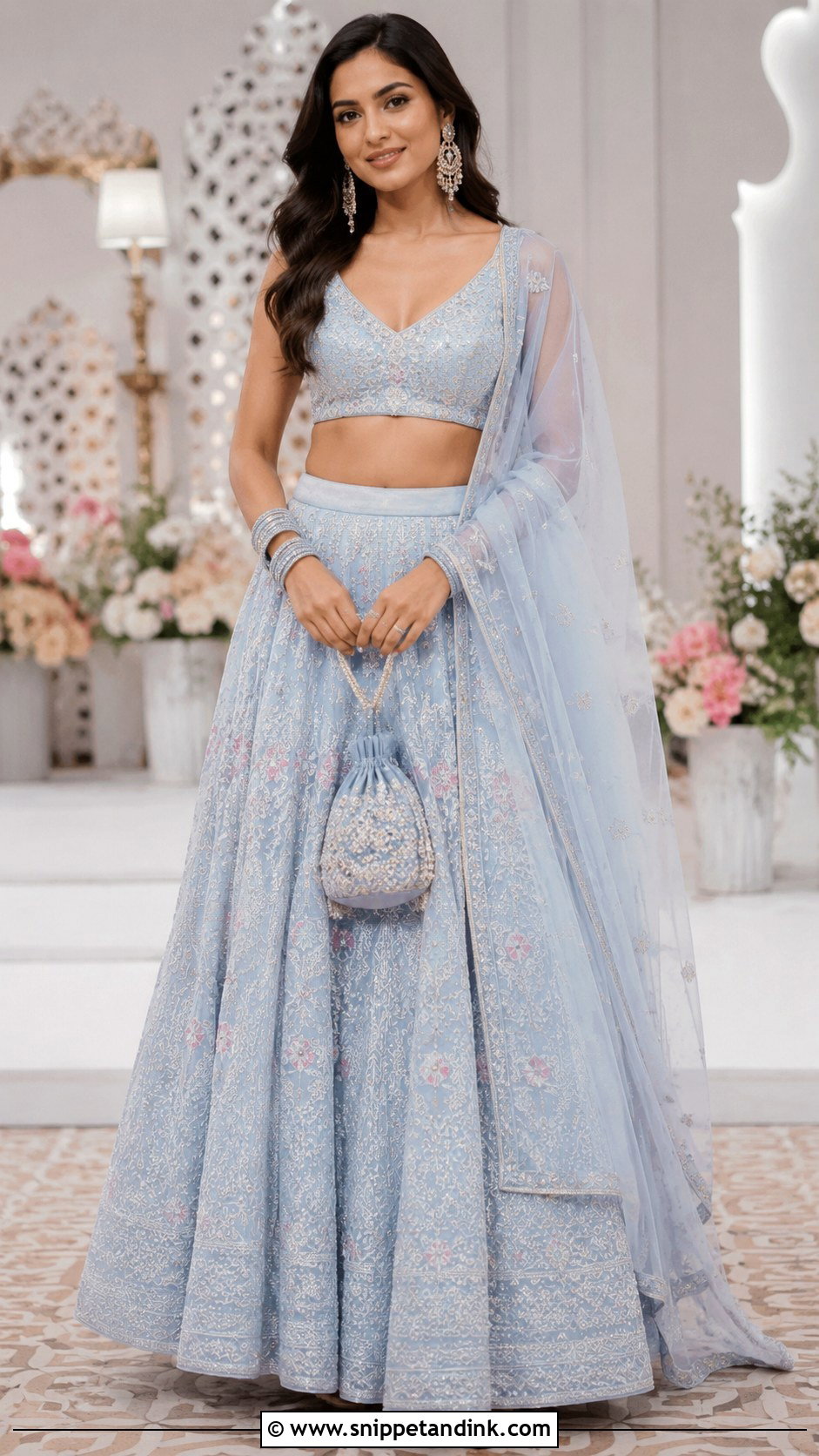
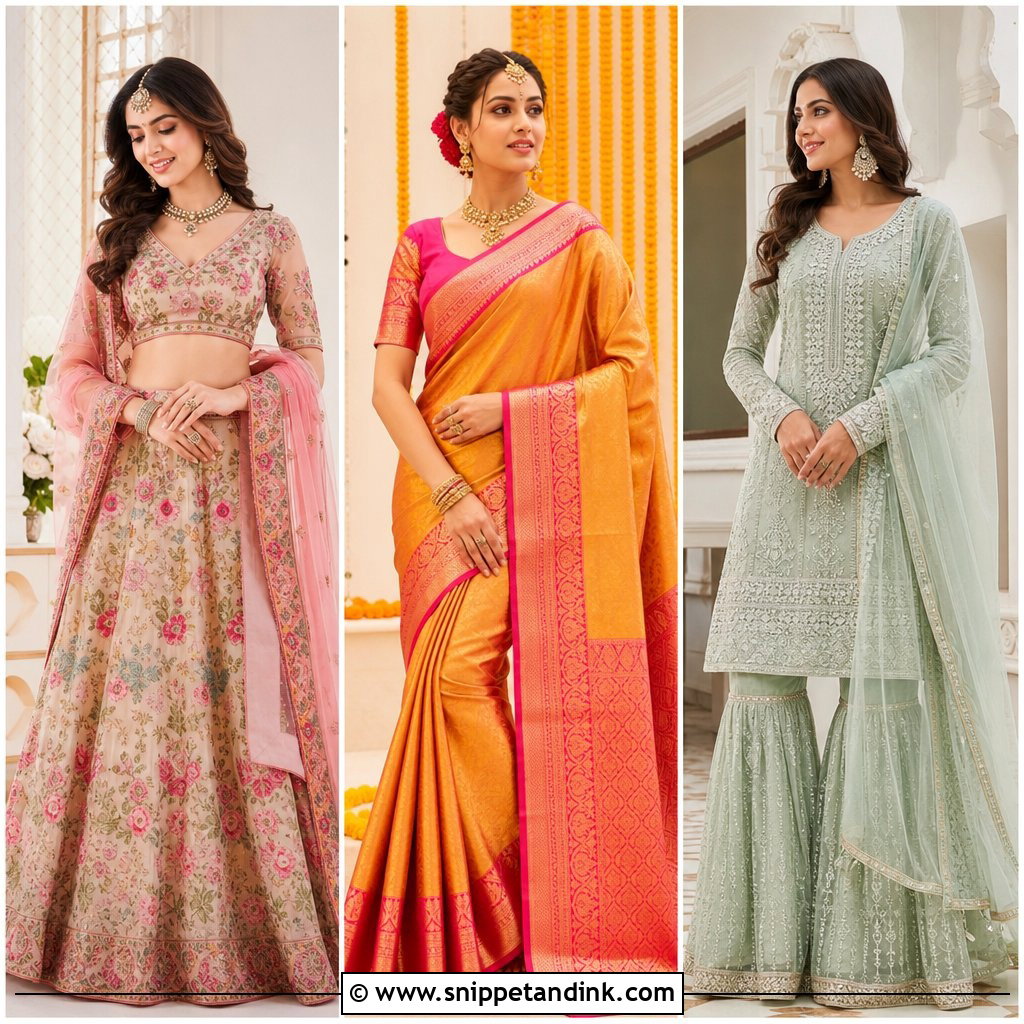
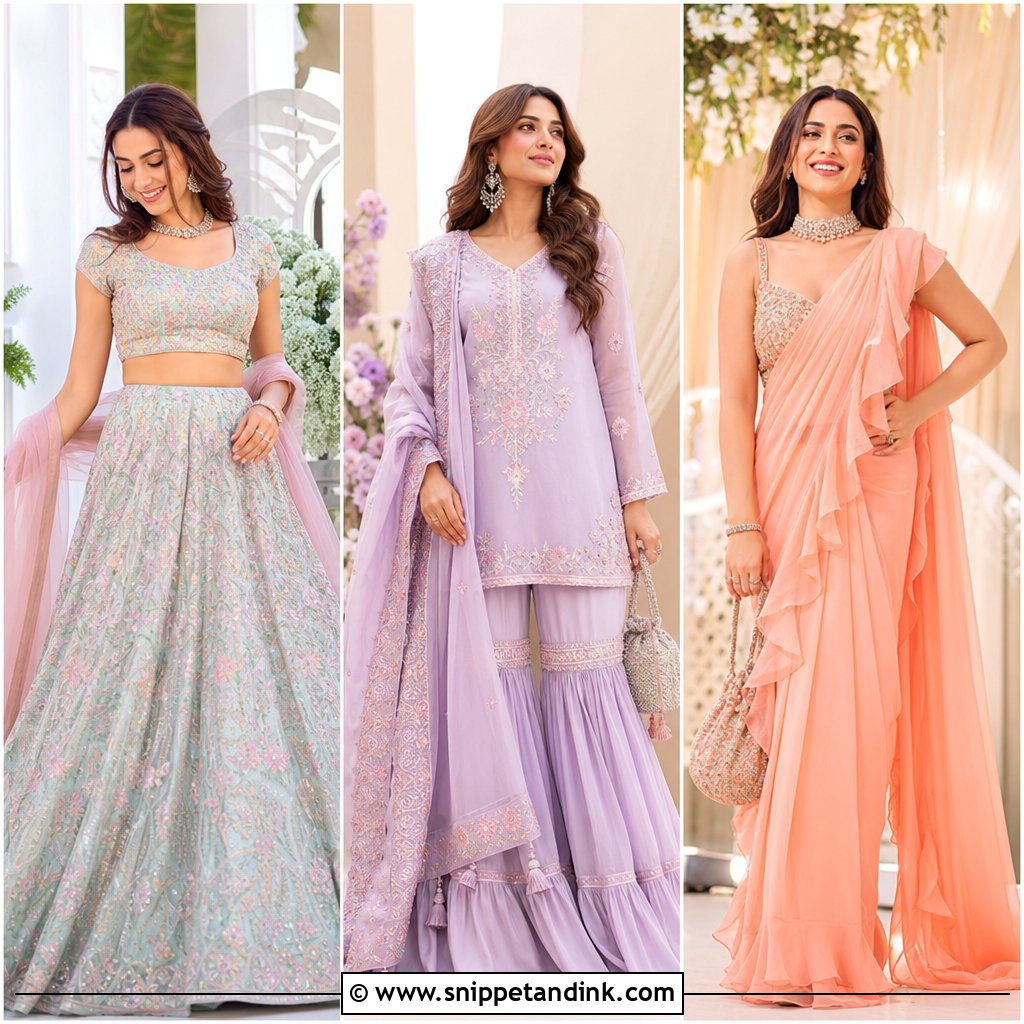
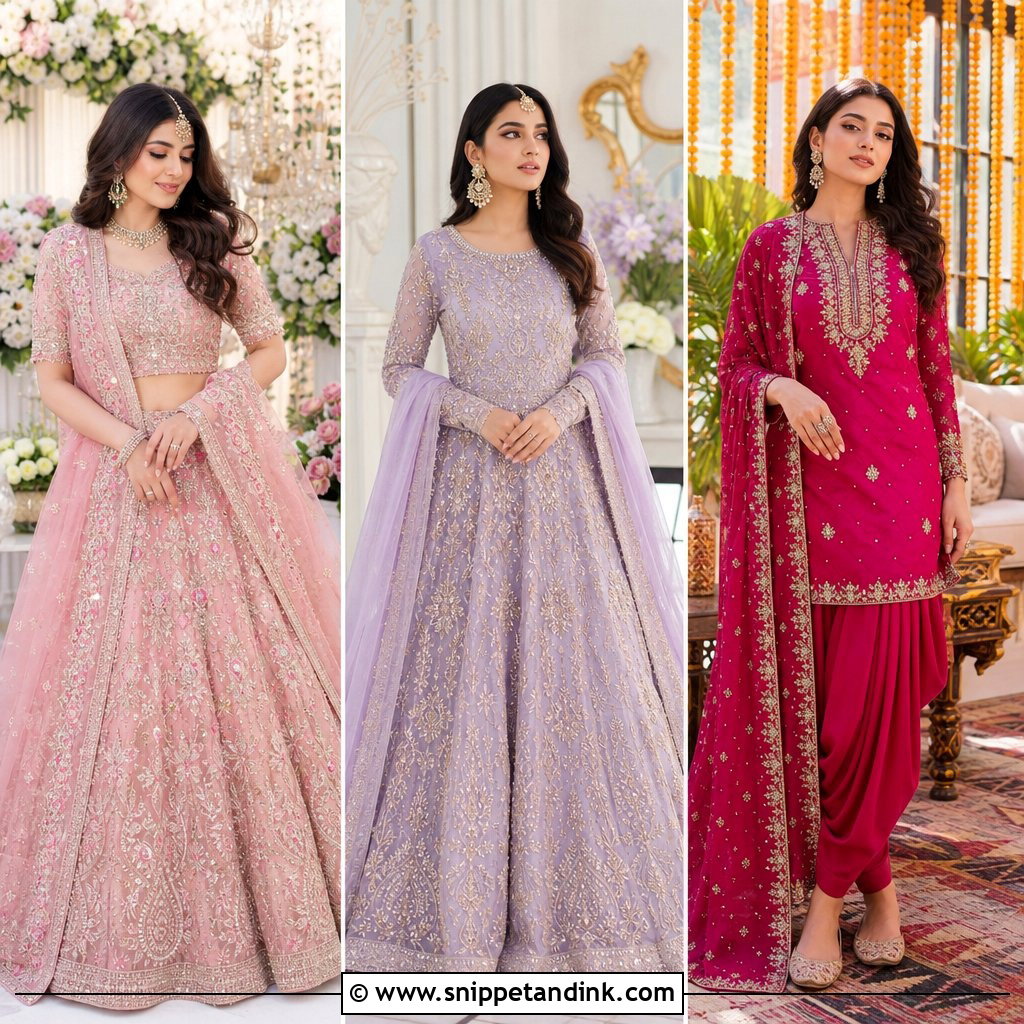
Pastel is the safest place to start, because it reads festive but nowhere near bridal. Powder blue, blush, mint or soft peach with pearl or thread embroidery all work. I ask for a structured blouse with enough room at the underarm to lift your arms, since you’ll be adjusting the bride’s dupatta and hugging relatives all day. Choose a lightweight dupatta with a neat shoulder drape over a heavy one. Chandelier earrings, stacked bangles and a small potli finish it, with soft curls or a sleek bun and nude heels or embellished juttis.
2. Mirror Work Lehenga For Sangeet
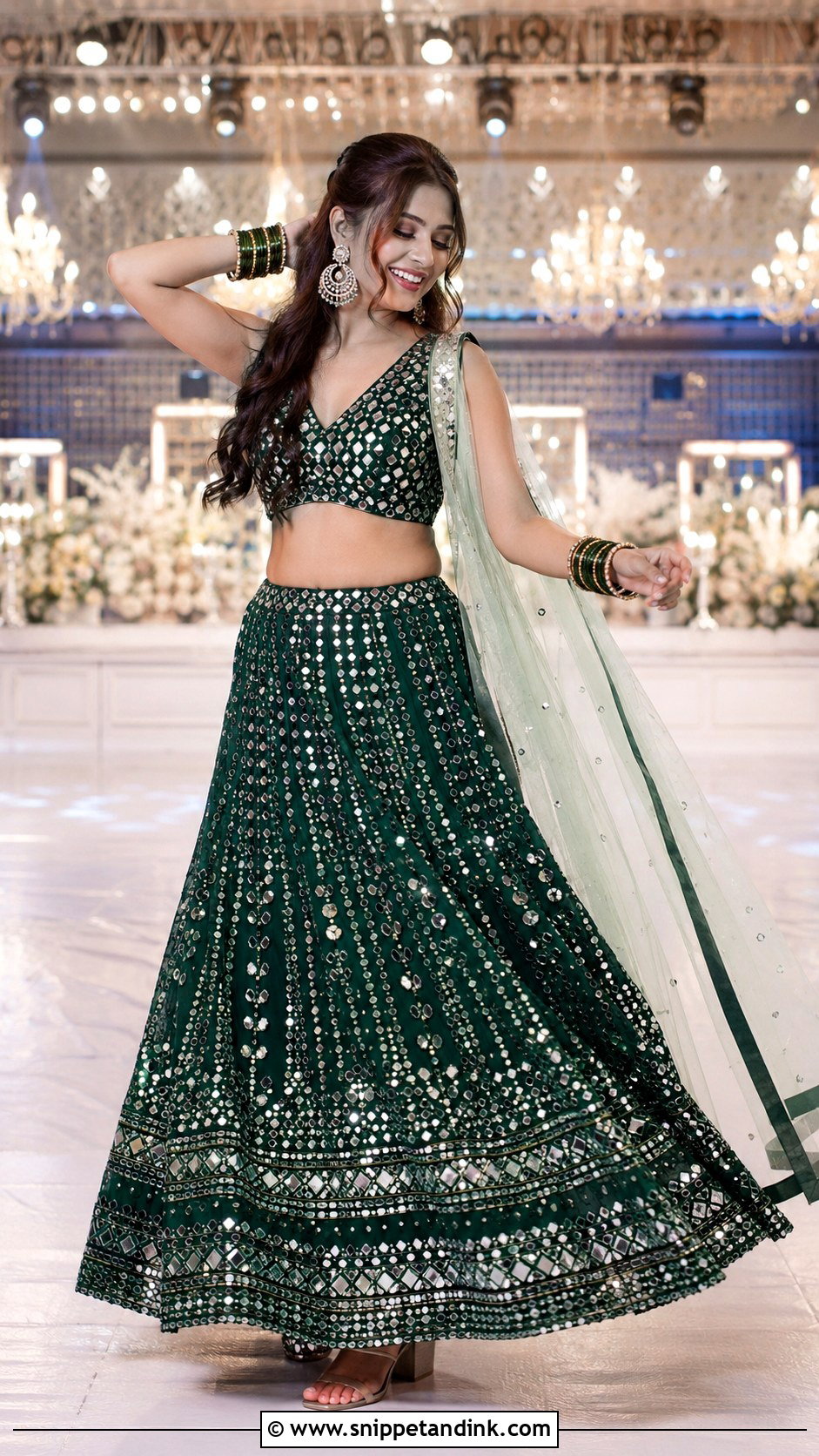
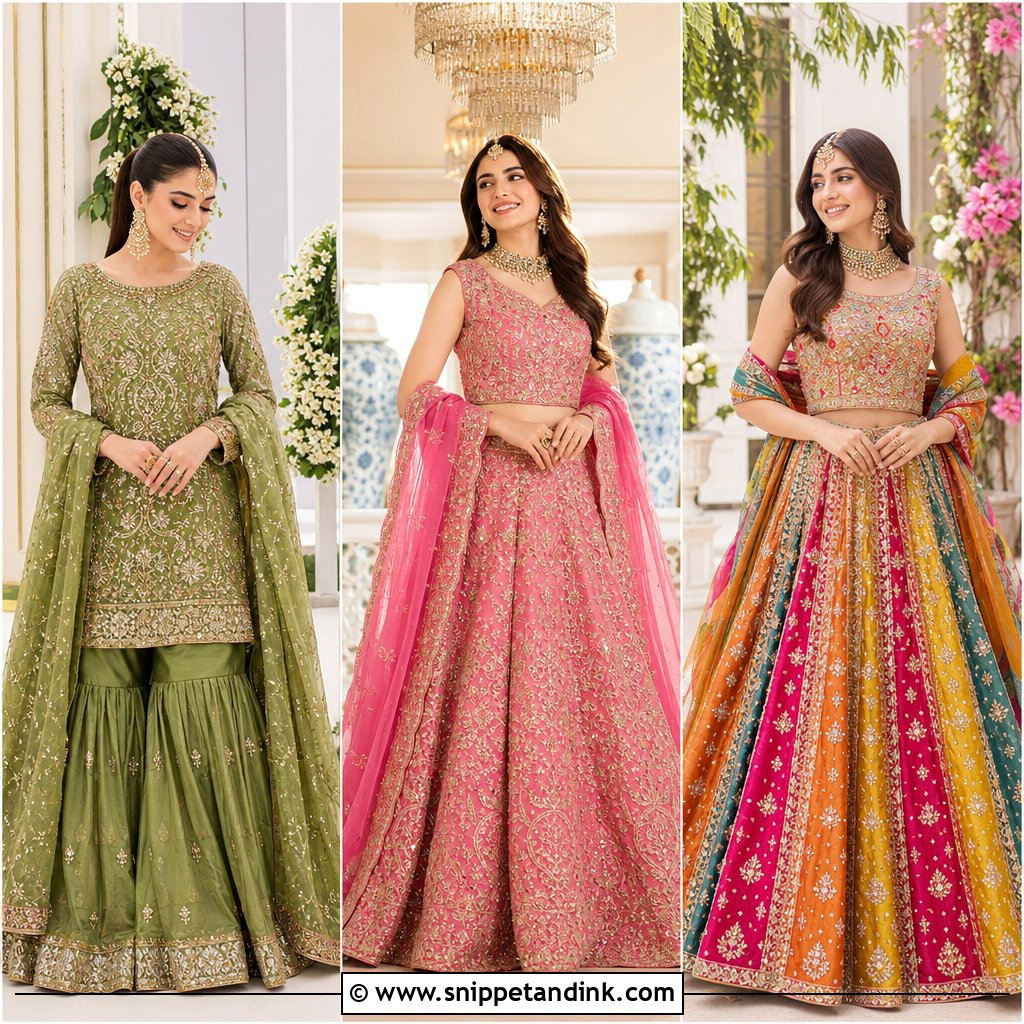
Mirror work earns its weight at the sangeet, where it flashes every time you spin. That weight is the problem, though. A bridal-style lehenga with dense mirrors on every panel can pull hard at the waist once you start dancing, so I look for a lighter skirt with scattered mirror work instead. Emerald, hot pink, cobalt or sunshine yellow suit an energetic night. Pair it with a fitted blouse, a soft dupatta, statement earrings and block heels. If you’re performing, tie your hair into a half-up style or ponytail so it stays off your face on stage.
3. Silk Saree For Wedding Ceremony
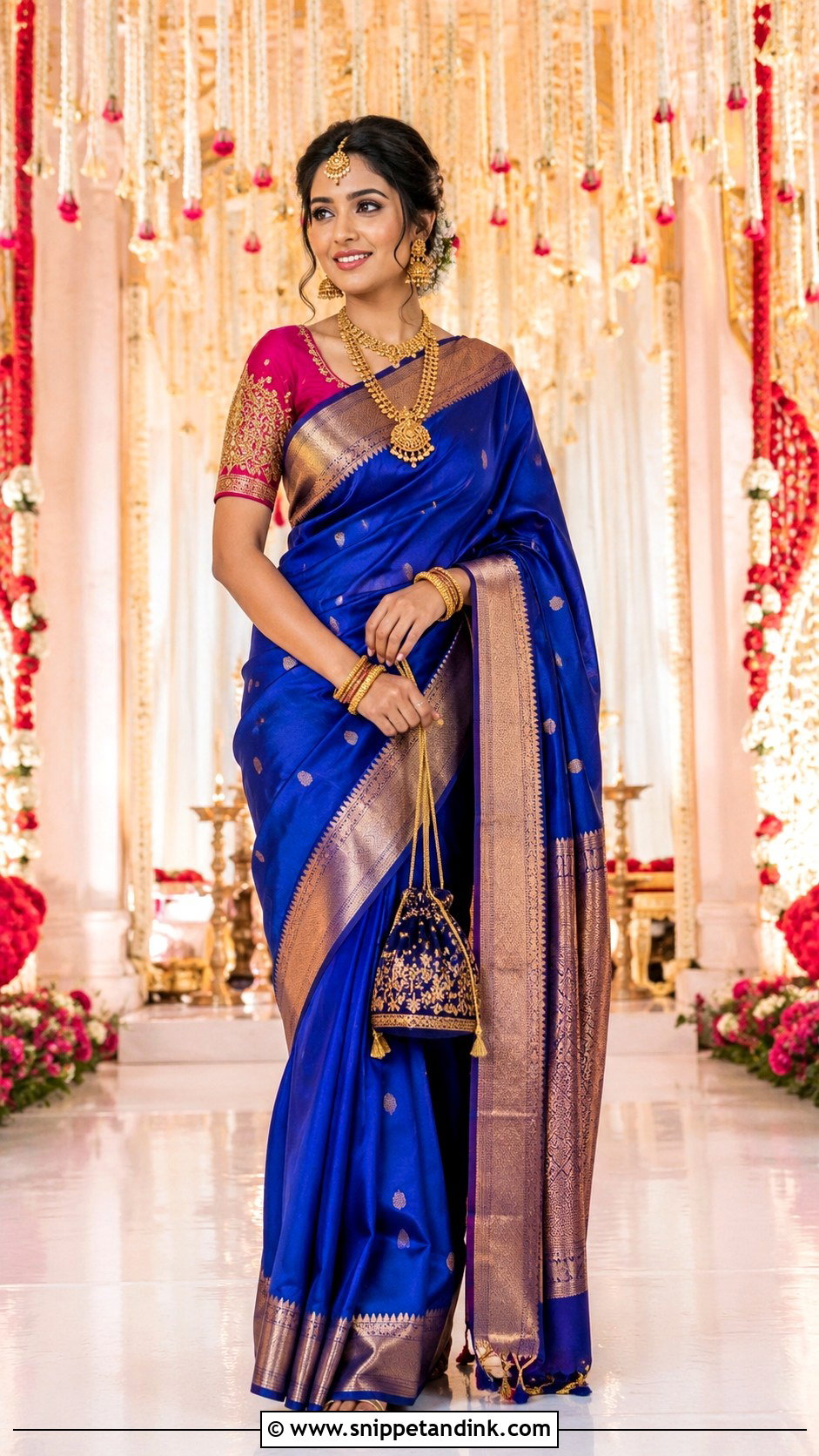
For the main ceremony, a silk saree still carries the most weight with older relatives. Kanjivaram, Banarasi, Paithani or Patola-inspired weaves all suit, depending on your region and family. Jewel tones like royal blue, rani pink, bottle green or mustard look right, but check the bride’s exact shade first and stay well clear of it. A contrasting blouse makes a traditional saree look younger. Pure silk is heavier than most people expect, so have the pleats pinned at the waist and shoulder by someone experienced; you’ll be standing, bending and handing things to the priest for hours. Temple jewelry, jhumkas and a flower-trimmed bun finish it.
4. Sharara Suit For Mehendi
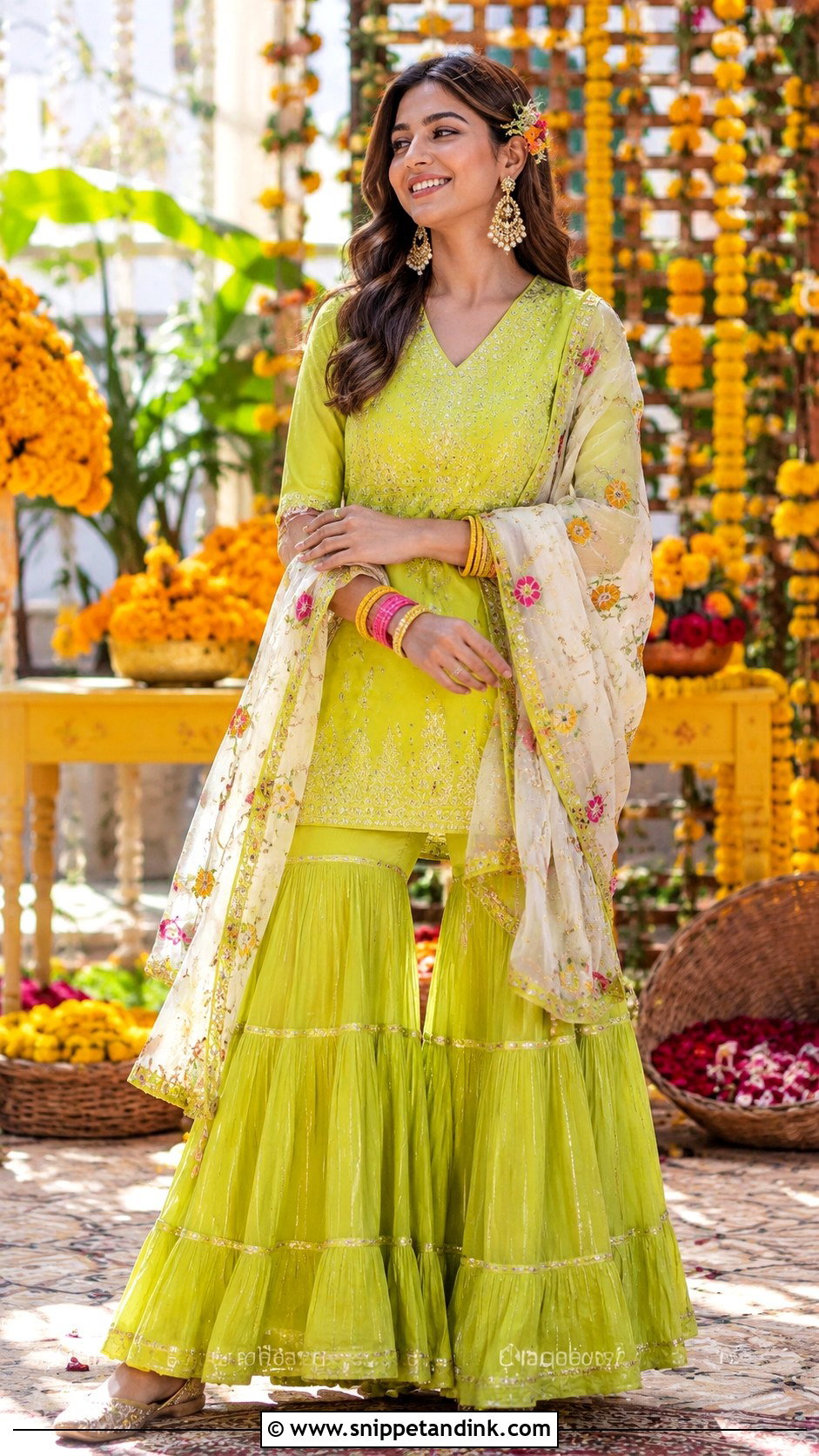
Mehendi means sitting cross-legged for long stretches, and a sharara handles that better than almost anything else. Pick a short kurti with flared sharara pants in green, lime, peach or coral, colors that look fresh in daylight and sit well against marigold decor. Gota patti or light zari gives festive detail without weight. Pin the dupatta firmly to one shoulder so your hands stay free. If you’re getting henna yourself, choose sleeves that end above the elbow or push up easily, because wet paste and embroidered cuffs don’t mix.
5. Yellow Anarkali For Haldi
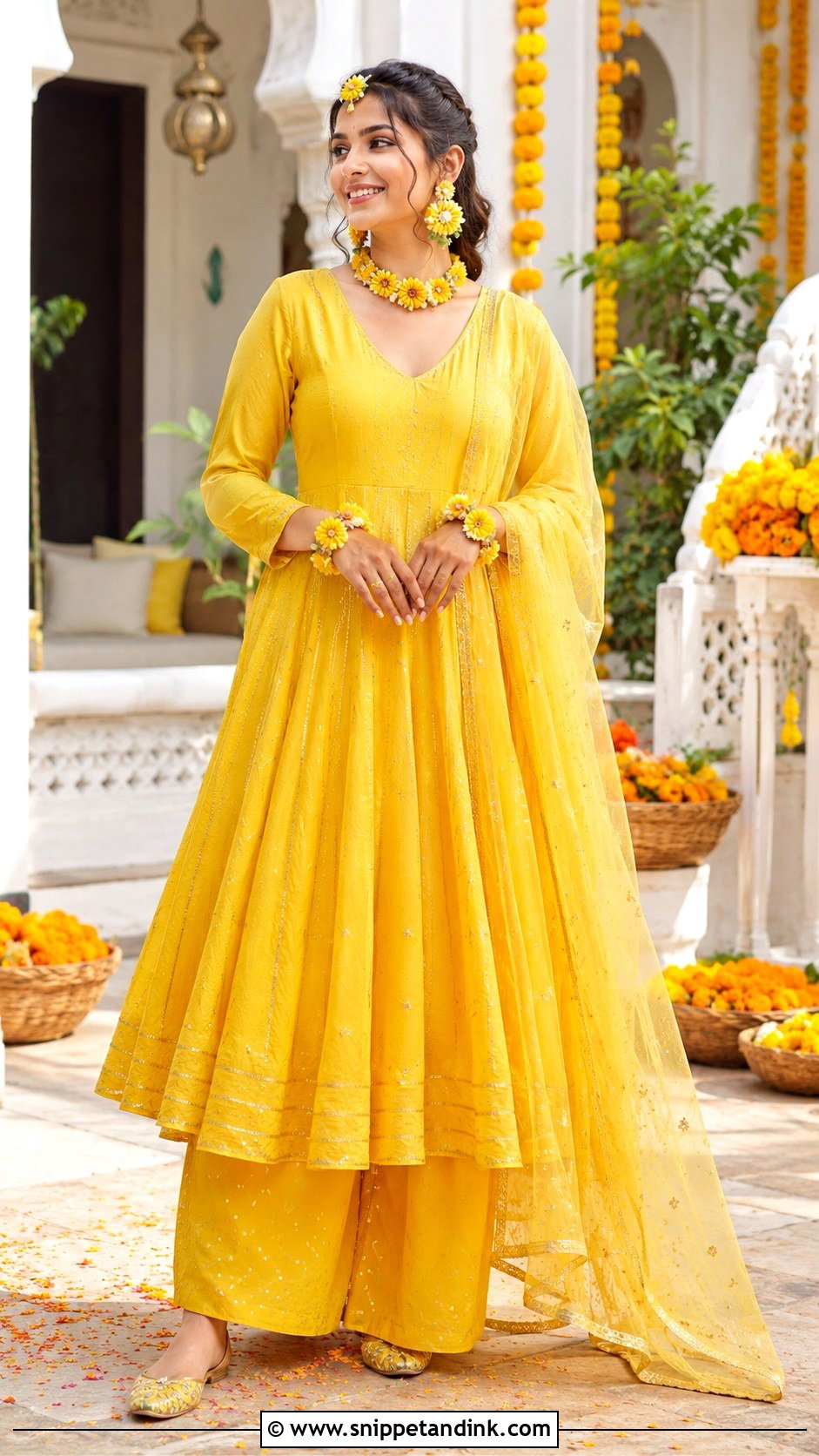
Haldi gets messy, and turmeric stains are stubborn, so I treat whatever a sister wears to it as an outfit that may not come back. A yellow anarkali hides the paste better than any other color. Cotton silk or chanderi breathes in the heat; organza looks pretty but marks easily. A flared anarkali with minimal embroidery over churidar or palazzos, a light dupatta and flat juttis is all you need. Floral jewelry or a single pair of statement earrings is enough. Keep makeup dewy and light, because heavy base and turmeric paste end up as one streaky layer.
6. Ruffle Saree For Cocktail
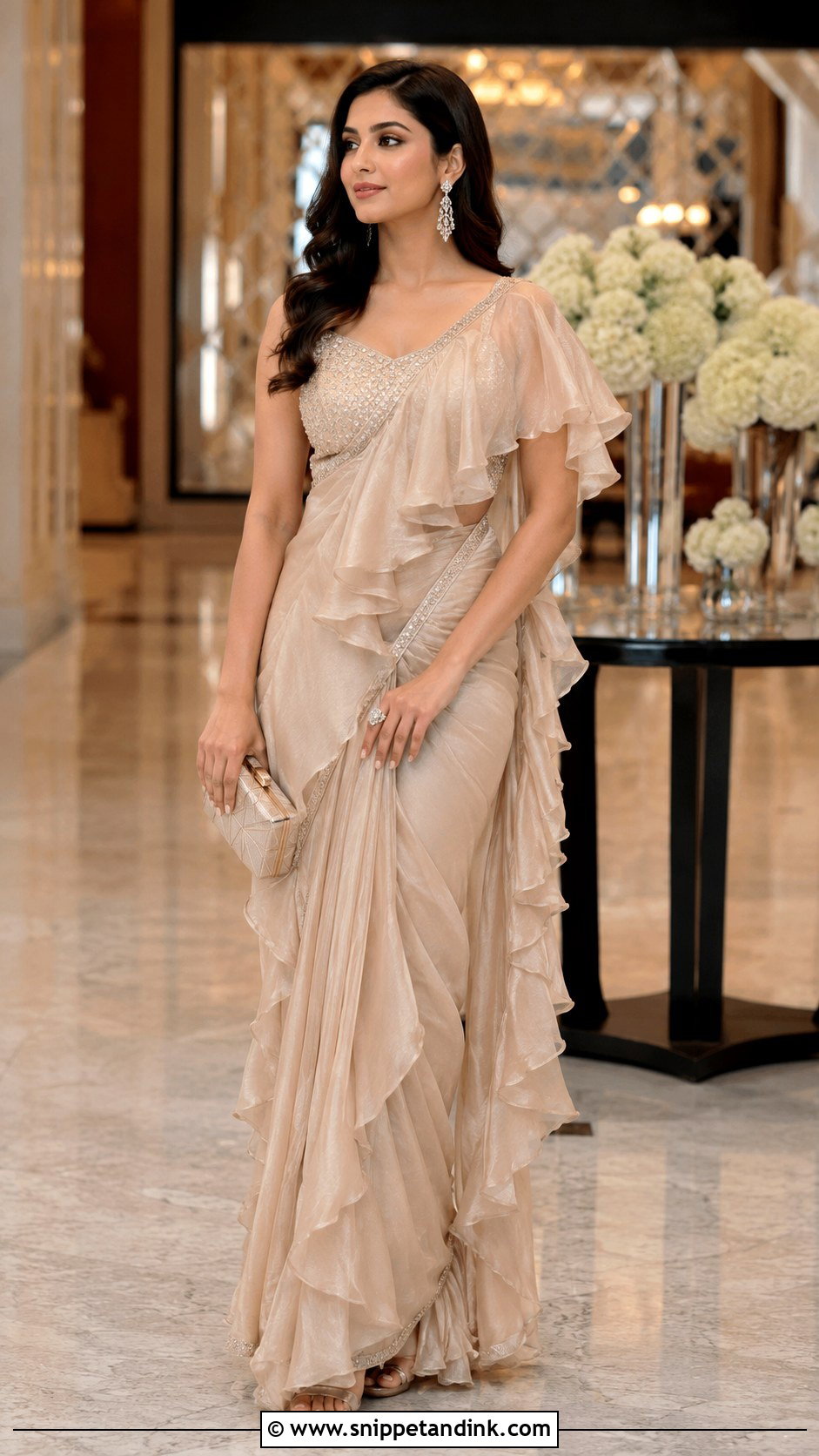
A ruffle saree gives you drama for a cocktail night without the bulk of a lehenga. The ruffles already move, so I strip back the accessories: one pair of diamond-style earrings, a cocktail ring and soft waves. Champagne, mauve, teal or blackened navy all suit evening light. I’d pick a pre-draped version here, since hand-pleating ruffled georgette is fiddly and tends to bunch at the hip. An embellished blouse, sleek heels and a structured clutch finish it. It suits hotel venues and formal receptions.
7. Gharara Set For Bride Sister
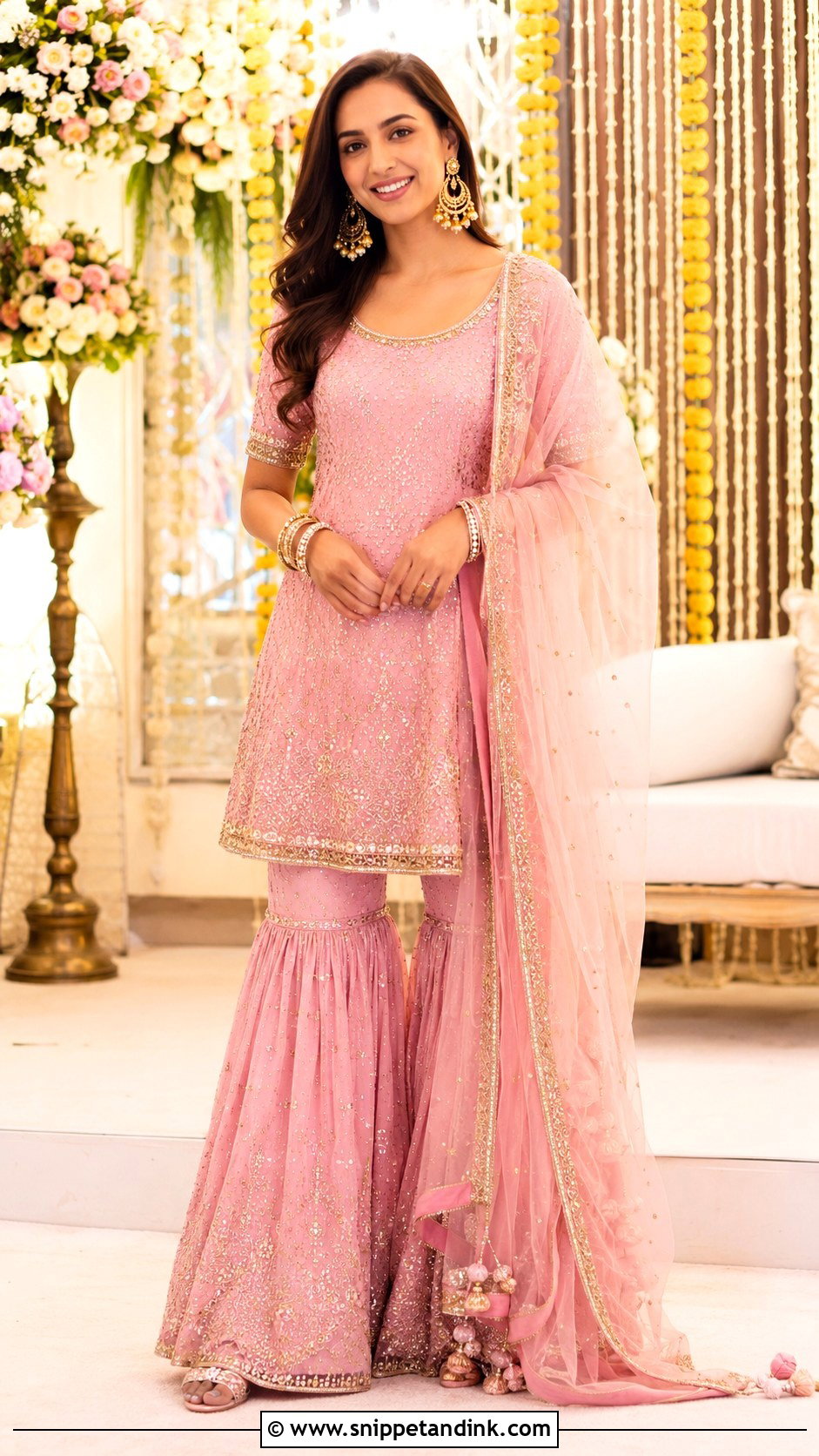
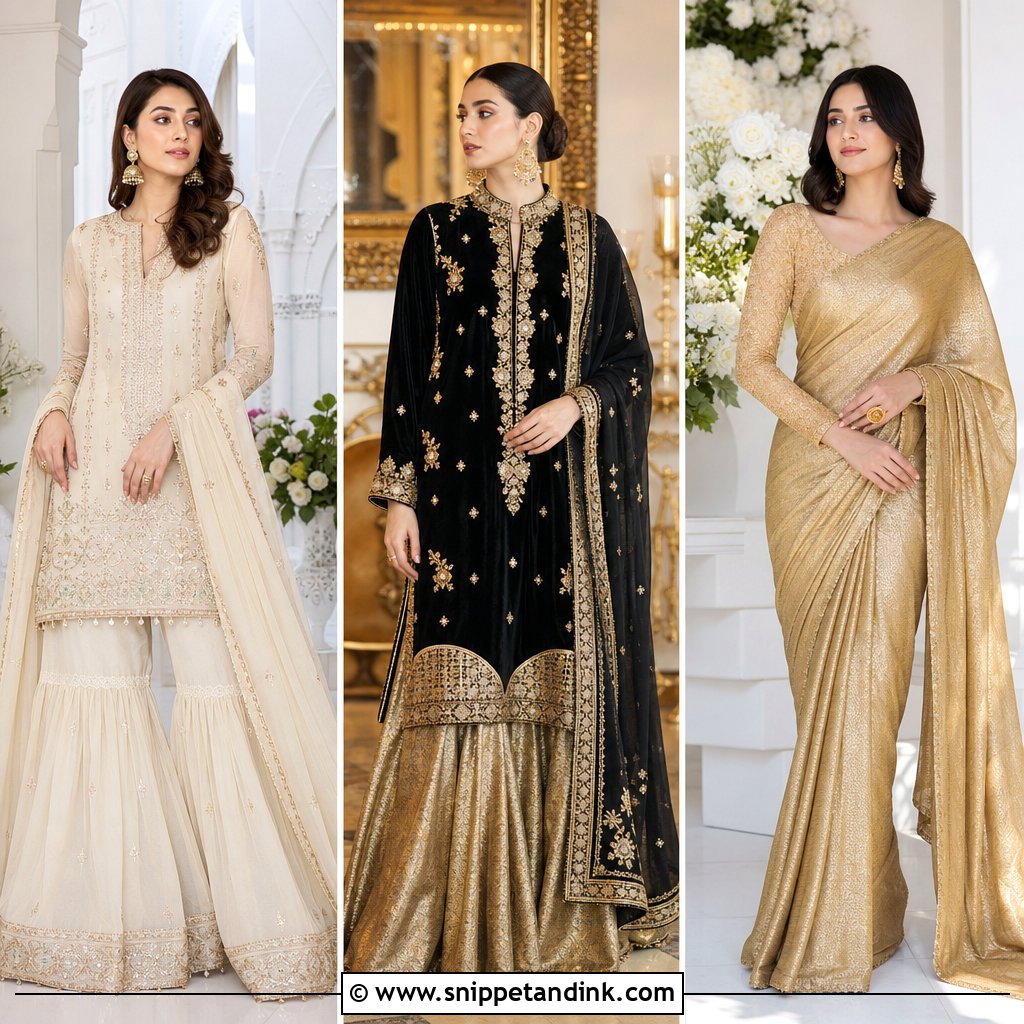
Gharara is the sister’s answer to a lehenga when she wants something royal but easier to walk in. The fitted thigh and flared lower panels give a strong shape, and a short kurti balances it. Silk, brocade, tissue or georgette with zari, gota or resham work all suit. One fitting point I always check: the joint at the knee where the flare starts should sit right at your knee, not above it, or the pants look short and catch when you climb stairs. Soft pink, ivory with gold, sage, maroon or navy all suit. A middle-parted bun balances the volume.
8. Banarasi Lehenga For Wedding
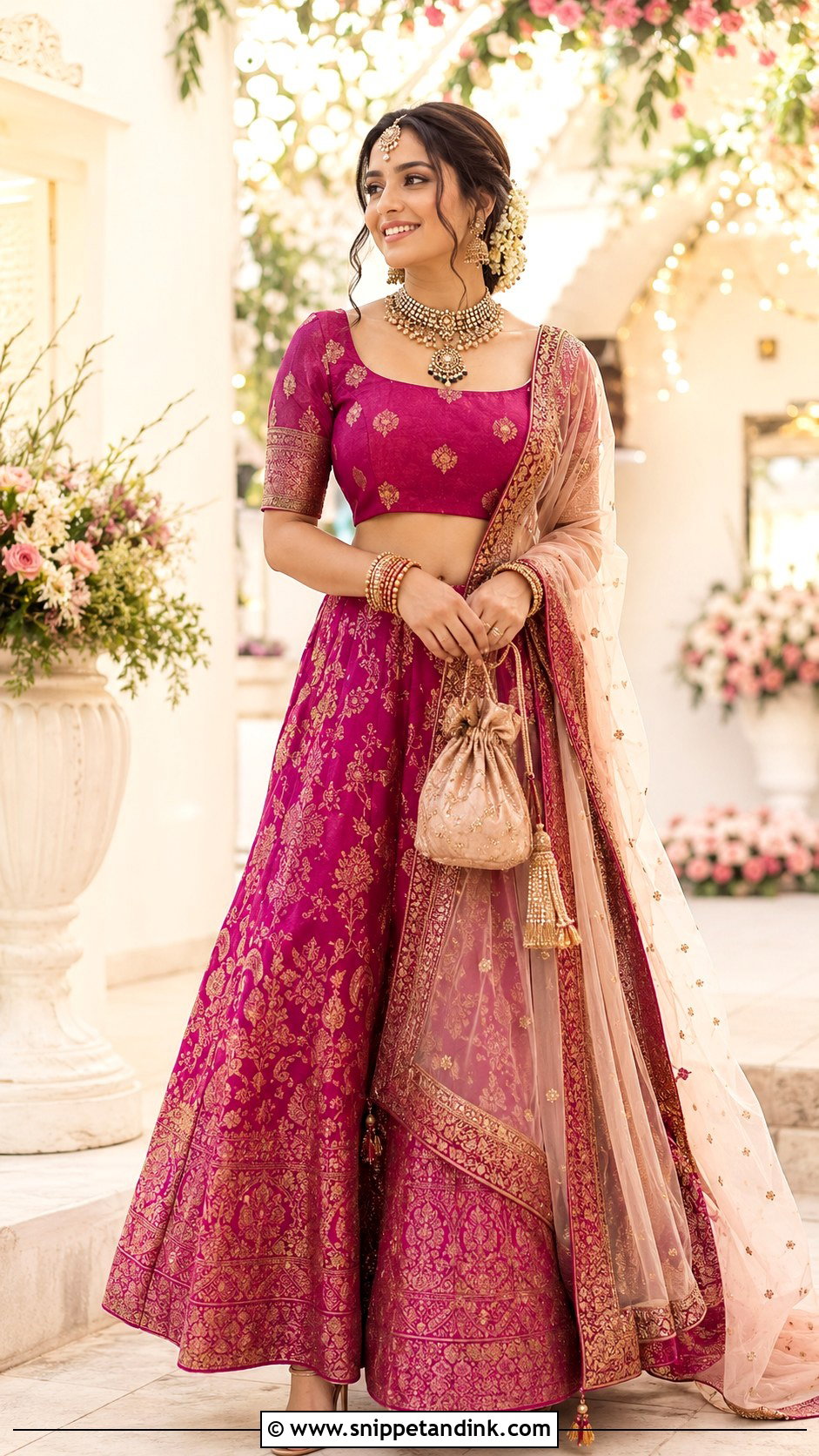
Banarasi is my pick for a sister who wants tradition without the formality of a saree. The weave carries the richness, so you don’t need embroidery everywhere. Magenta, emerald, rust or purple suit most wedding palettes. Keep the dupatta lighter than the skirt; two full Banarasi pieces together can weigh more than you want to carry through a long ceremony. A plain silk blouse lets the skirt lead. Antique gold jewelry, a small bindi and a potli finish a look that reads right in formal family portraits.
9. Cape Lehenga For Reception
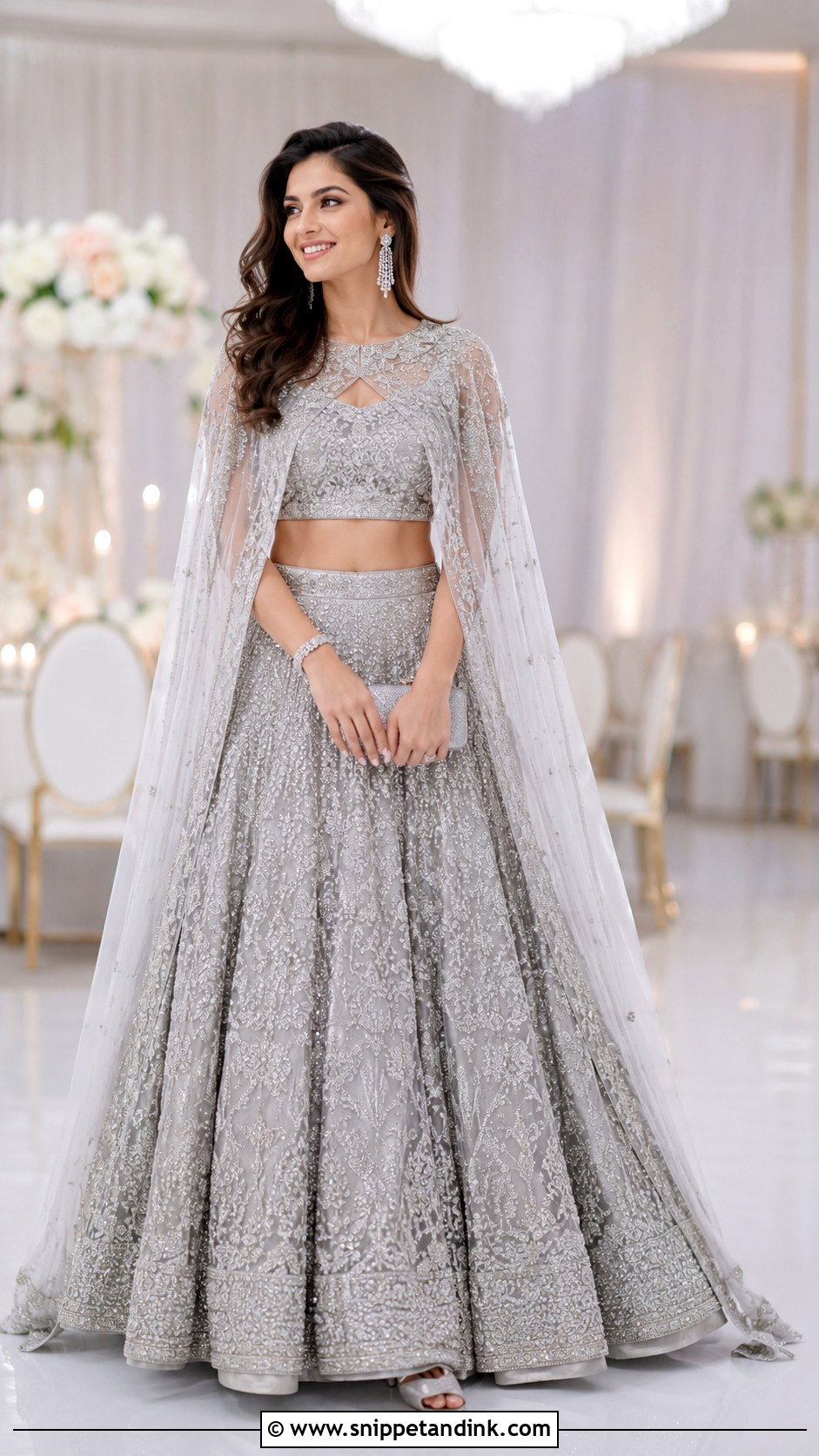
Swap the dupatta for a cape and you lose the one accessory that keeps slipping. That’s the practical case for a cape lehenga at the reception. A soft net, organza or georgette cape over a sequined or tonal skirt gives movement without weight. Champagne, powder blue, mauve or deep wine all hold up under evening lighting. Keep jewelry sleek with drop earrings and a bracelet, and skip a bulky necklace, which tangles with the cape’s edge when you hug guests.
10. Floral Lehenga For Mehendi
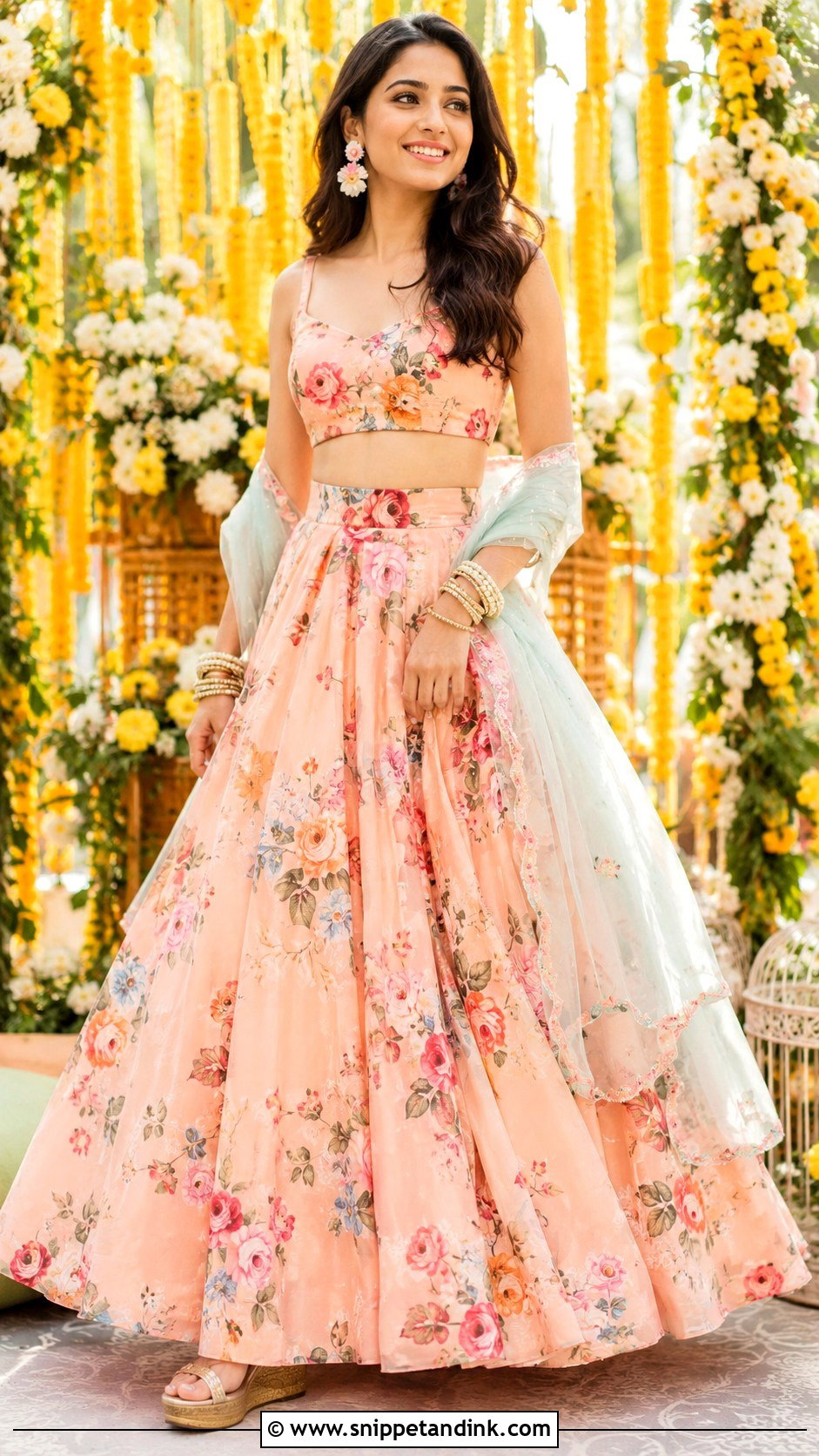
Florals belong at a daytime mehendi or garden function. A floral lehenga in printed organza, silk or lightweight cotton silk, with embroidery kept to the blouse or dupatta, feels young without trying hard. Pistachio, peach, lemon or sky blue suit outdoor light. I’d choose a sleeveless or short-sleeve blouse if you’re planning to get mehndi, since the paste needs to dry untouched. Floral earrings, glass bangles and juttis keep it relaxed for the games and music.
11. Sequin Saree For Reception
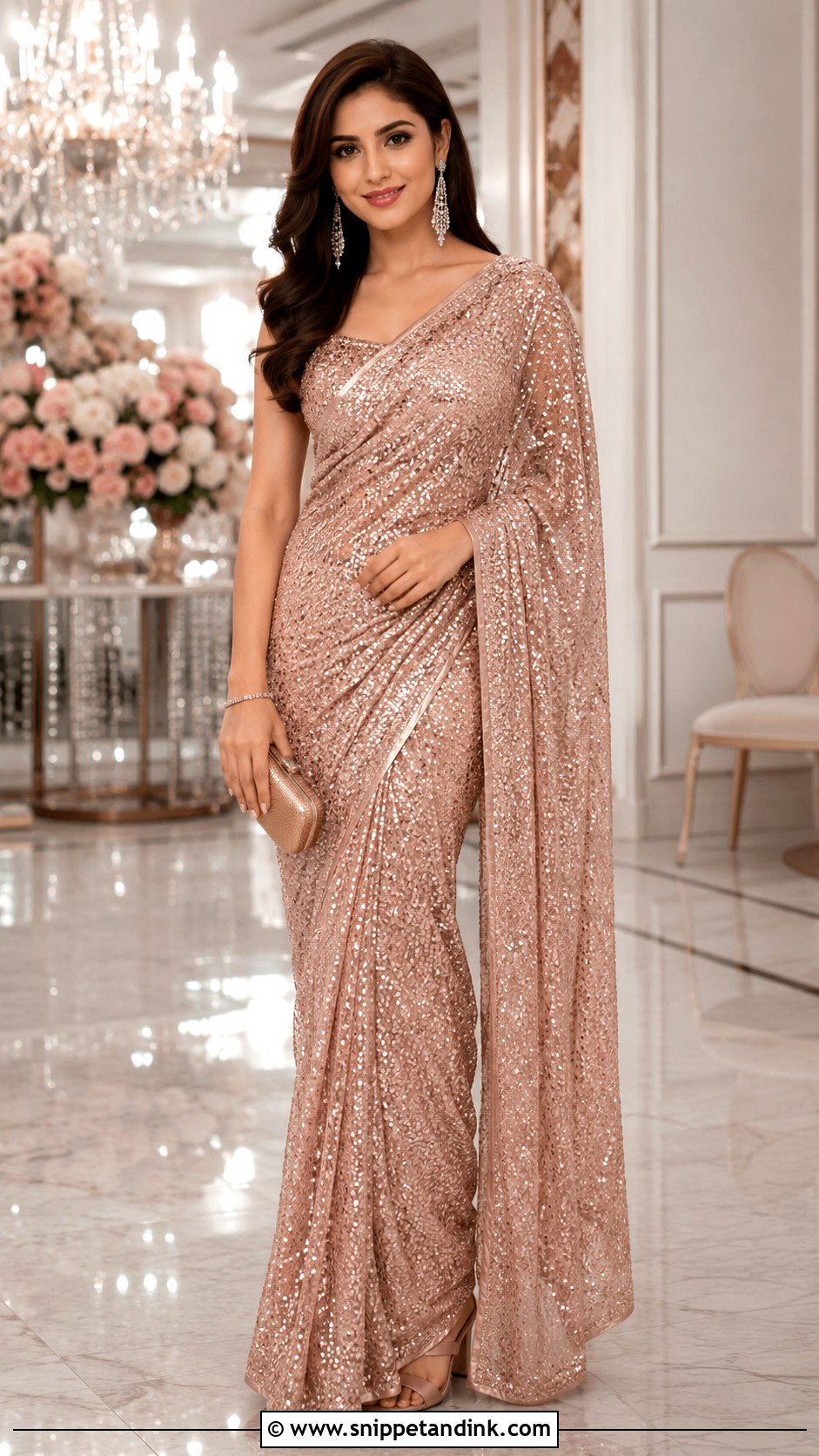
Sequins on a saree need a fluid base, or the fabric stands away from the body and the drape looks boxy. That’s why I look for georgette, chiffon or crepe here. Champagne, silver, bronze or midnight blue pick up evening light well. With that much sparkle, keep everything else quiet: sleek hair, long earrings, a delicate bracelet and a small clutch. Check the blouse’s inner seams for scratchy sequin threads before you commit, because you’ll be hugging guests for hours. Comfortable heels matter at the reception, where the greeting line can run long.
12. Peplum Lehenga For Bride Sister
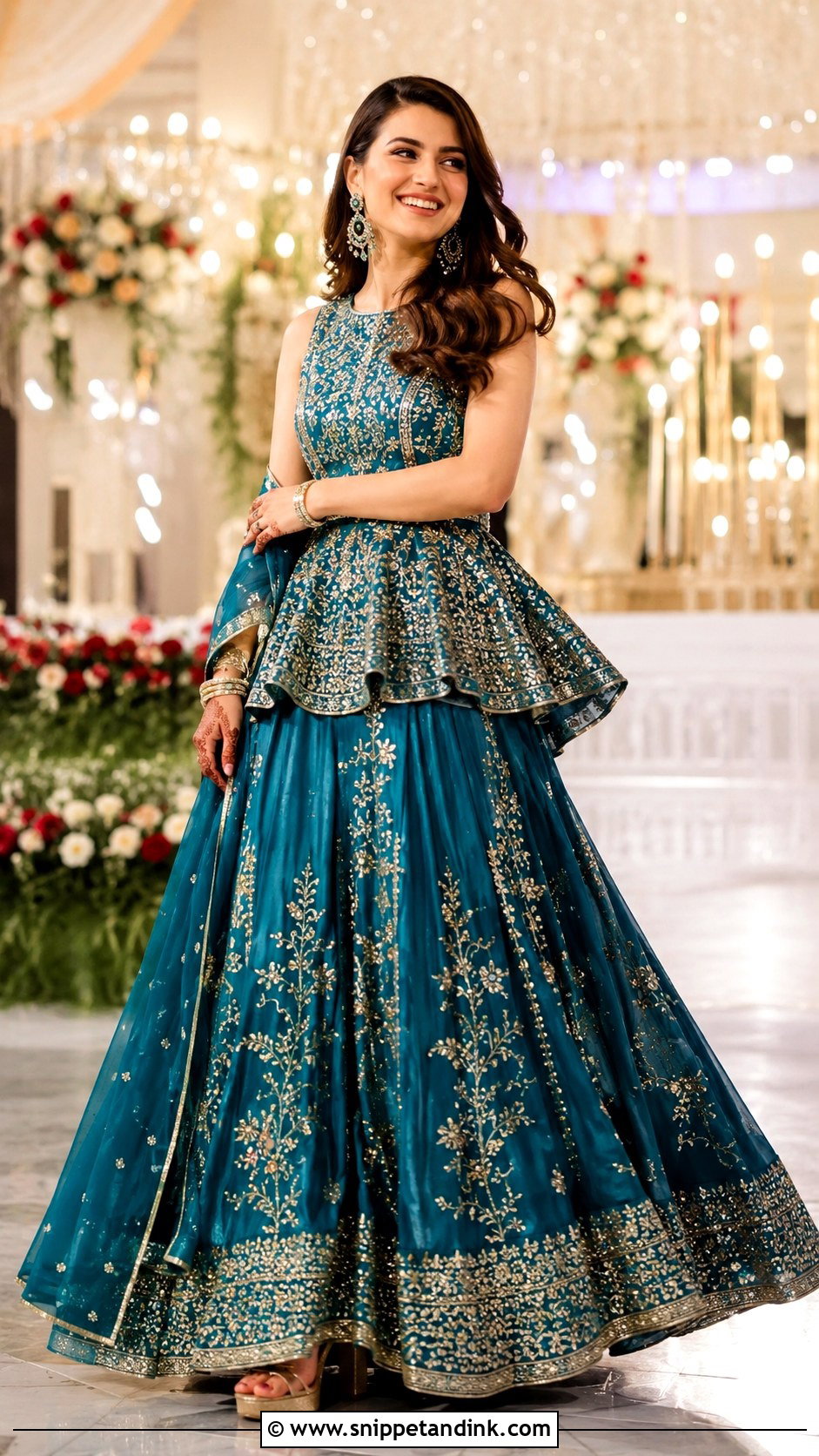
A peplum top replaces both the blouse and the dupatta, which makes this the most practical lehenga for a sister who’s also hosting. It gives structure at the waist and stays put while you dance. Choose a flared skirt with a fitted or embroidered peplum in silk, brocade or organza. Teal, coral or fuchsia suit a sangeet or engagement. The peplum’s length matters: it should end at your high hip, because a longer peplum shortens the legs in photos. Statement earrings and platform heels or embellished flats finish it.
13. Chikankari Lehenga For Day Wedding
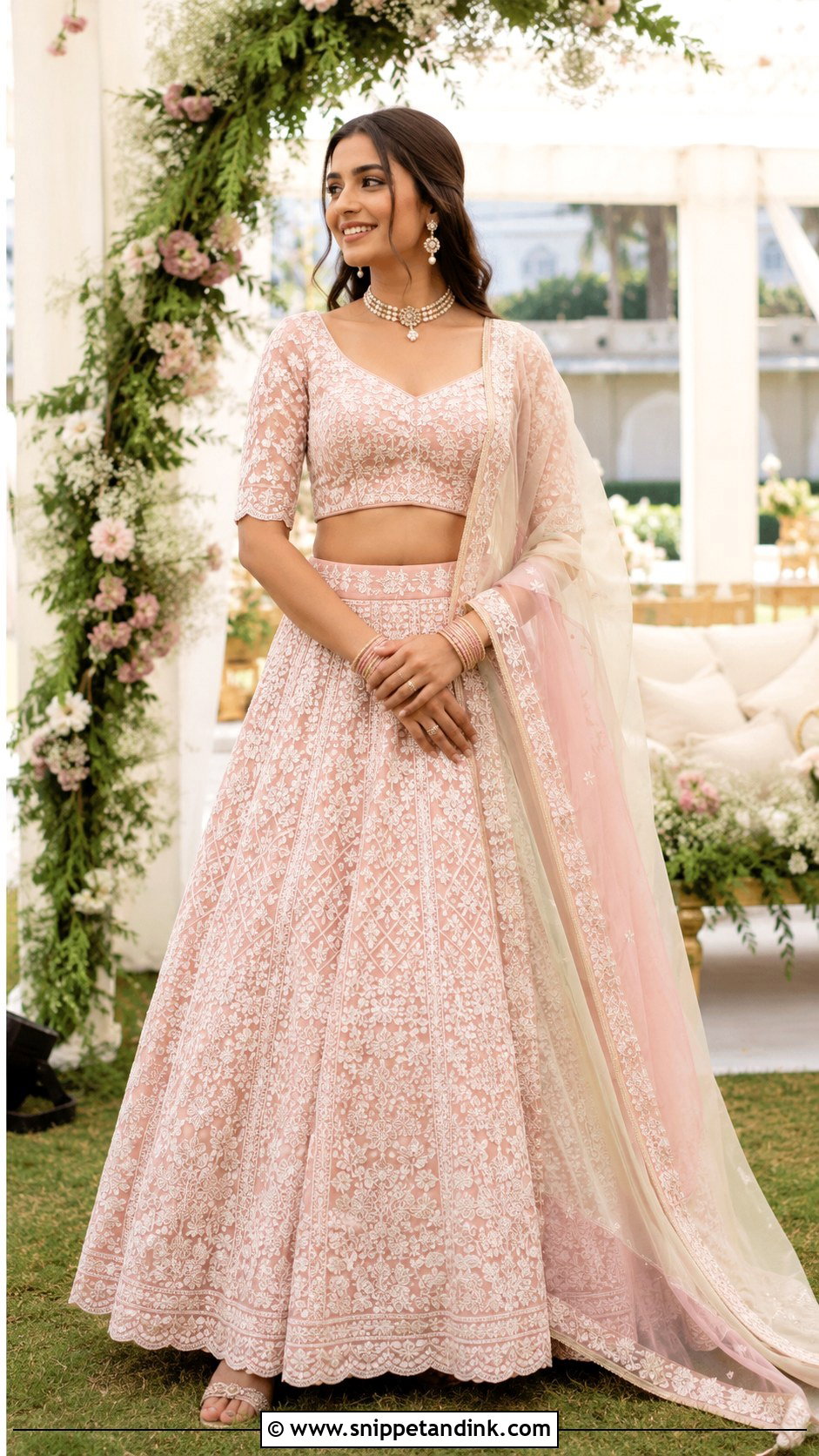
Chikankari is refined rather than loud, which is useful if the bride is wearing something heavy and you want to stay quietly beside her. It suits a day wedding or morning ceremony. Ivory, blush, mint or light yellow all work; avoid plain white unless the family is comfortable with it, since white still carries mourning associations in some households. A contrast dupatta or colored jewelry adds festivity. Pearls and pastel bangles suit the fine threadwork. It breathes well in warm weather, which matters more than people think at an outdoor muhurat.
14. Velvet Lehenga For Winter Wedding
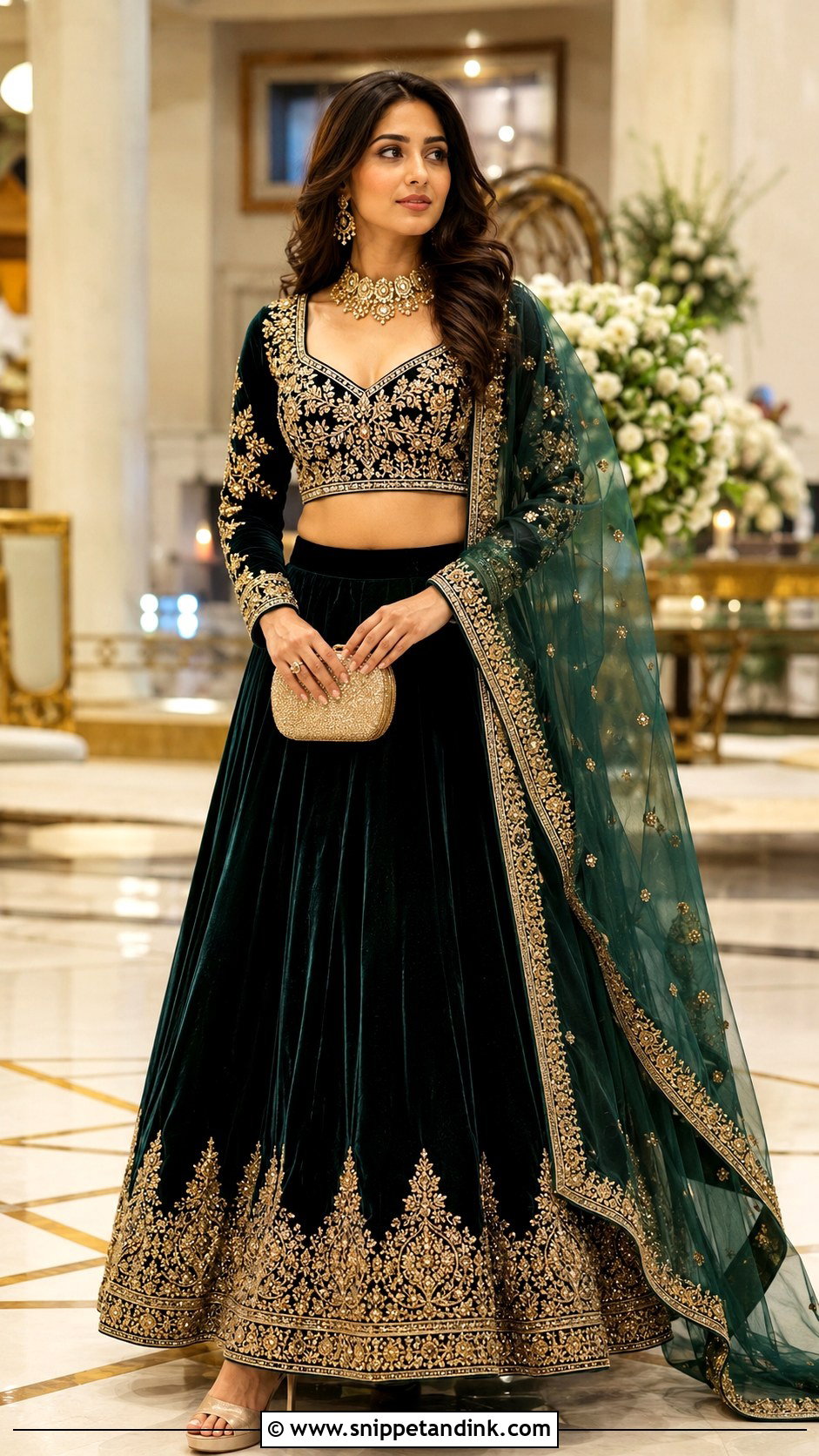
Velvet is the winter fabric I trust most: it’s warm, it deepens every color, and it looks rich under evening light. Emerald, wine, navy or plum are where velvet looks its best. Because the fabric already looks luxurious, keep the embroidery restrained. A velvet skirt with a lighter blouse and net dupatta is easier to wear than a full velvet set, which can get hot indoors once the heaters and crowd warm up the hall. Polki-style jewelry and a low bun suit it at evening ceremonies, receptions or colder destination weddings.
15. Organza Saree For Engagement
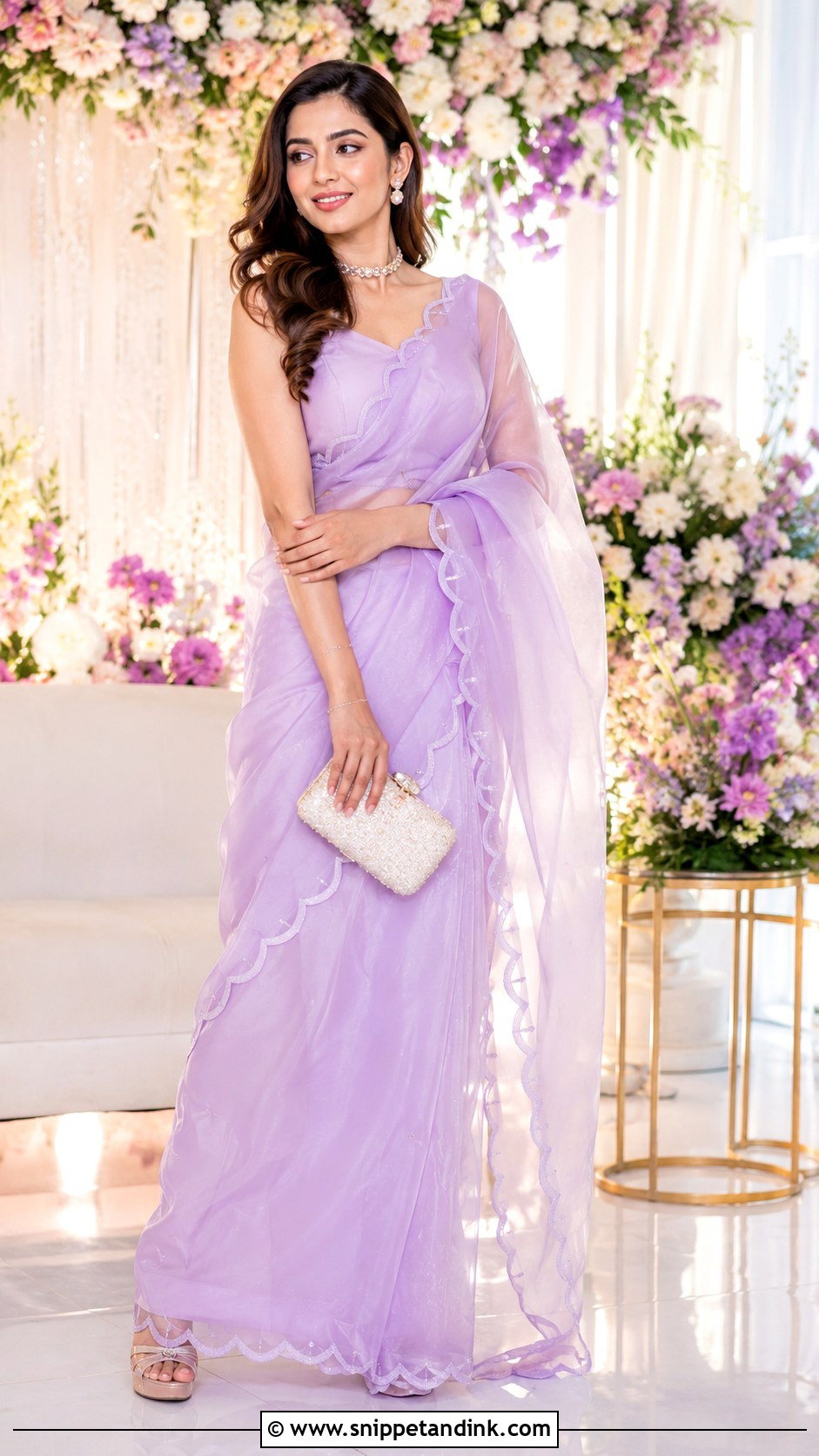
Organza looks light but holds its shape, so it suits an engagement or ring ceremony where you want to be dressed up without weight. Embroidered, printed or scallop-edged organza in blush, lilac, sage or powder blue works well. Organza springs back rather than falling, so it needs more pins than silk; I pin the pleats and the pallu at the shoulder, or the drape puffs out by the second hour. A fitted blouse in the same color family or a metallic contrast, pearl earrings or a delicate choker, and a sleek bun finish it.
16. Indo Western Dhoti Set
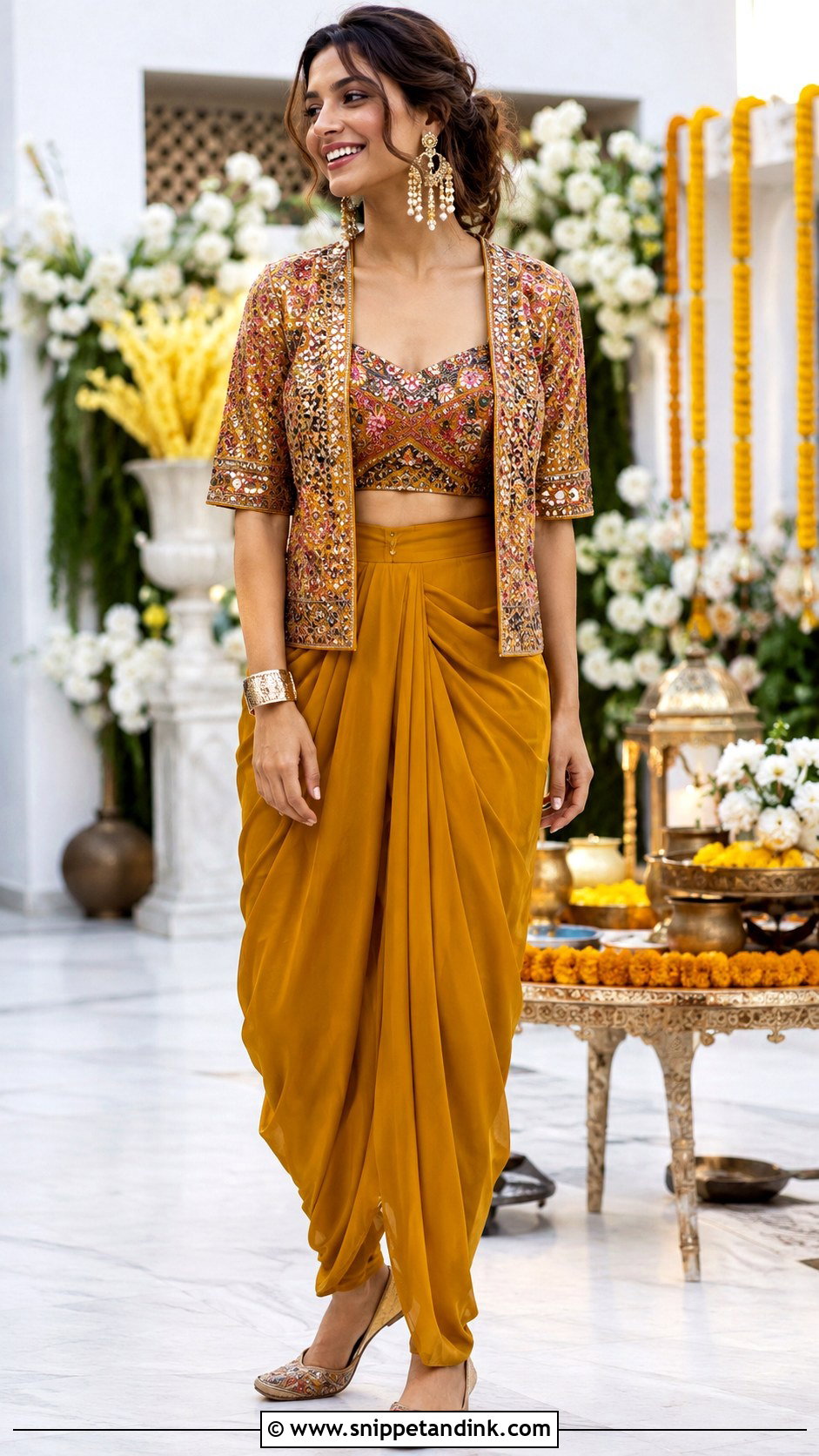
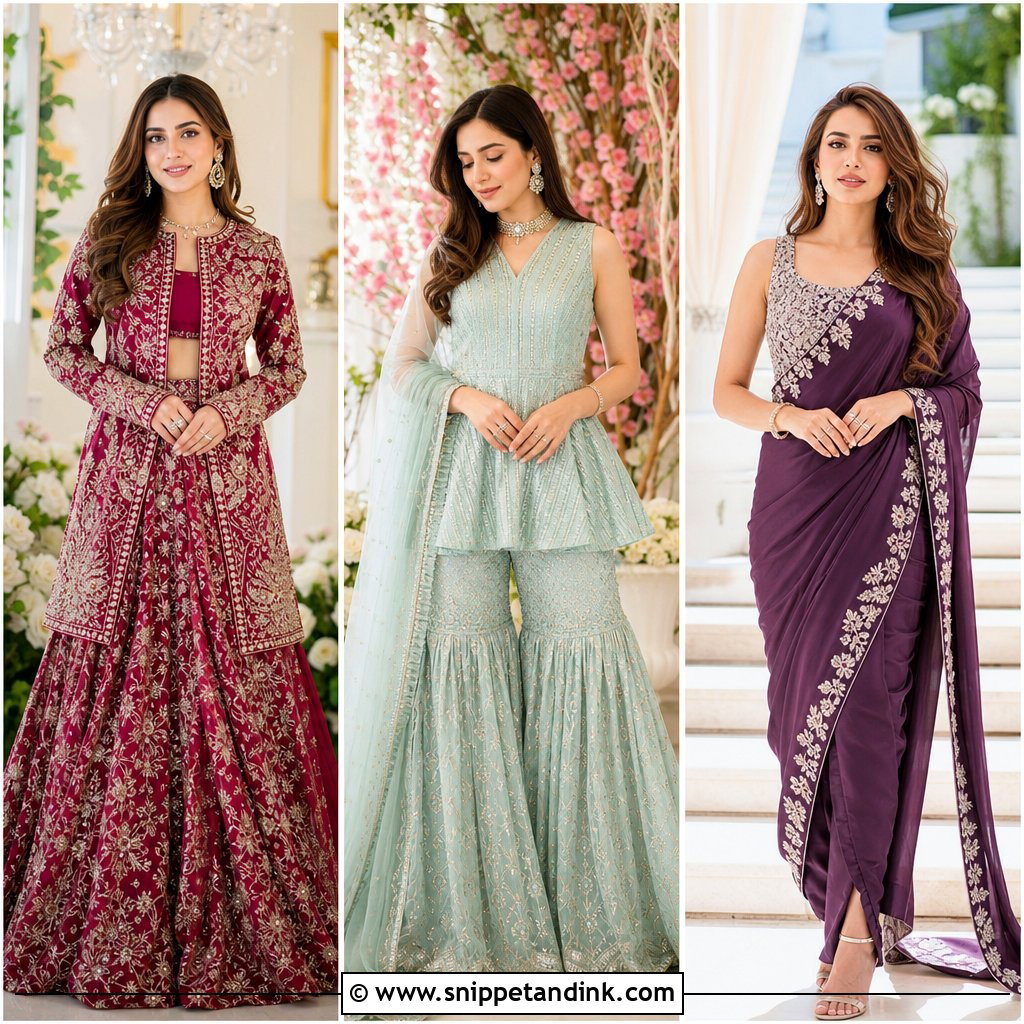
For relaxed, high-movement events, an Indo western dhoti set gives you freedom a lehenga can’t. It suits mehendi, welcome lunches and smaller pre-wedding gatherings. Pair draped dhoti pants with a crop top, embroidered jacket, cape or short kurti. Mustard, teal, coral or hot pink keep it festive. I’d check the drop of the crotch drape before buying; too low and it looks sloppy in seated photos. Statement earrings, a cuff and clean hair keep the modern silhouette sharp.
17. Jacket Lehenga For Sangeet
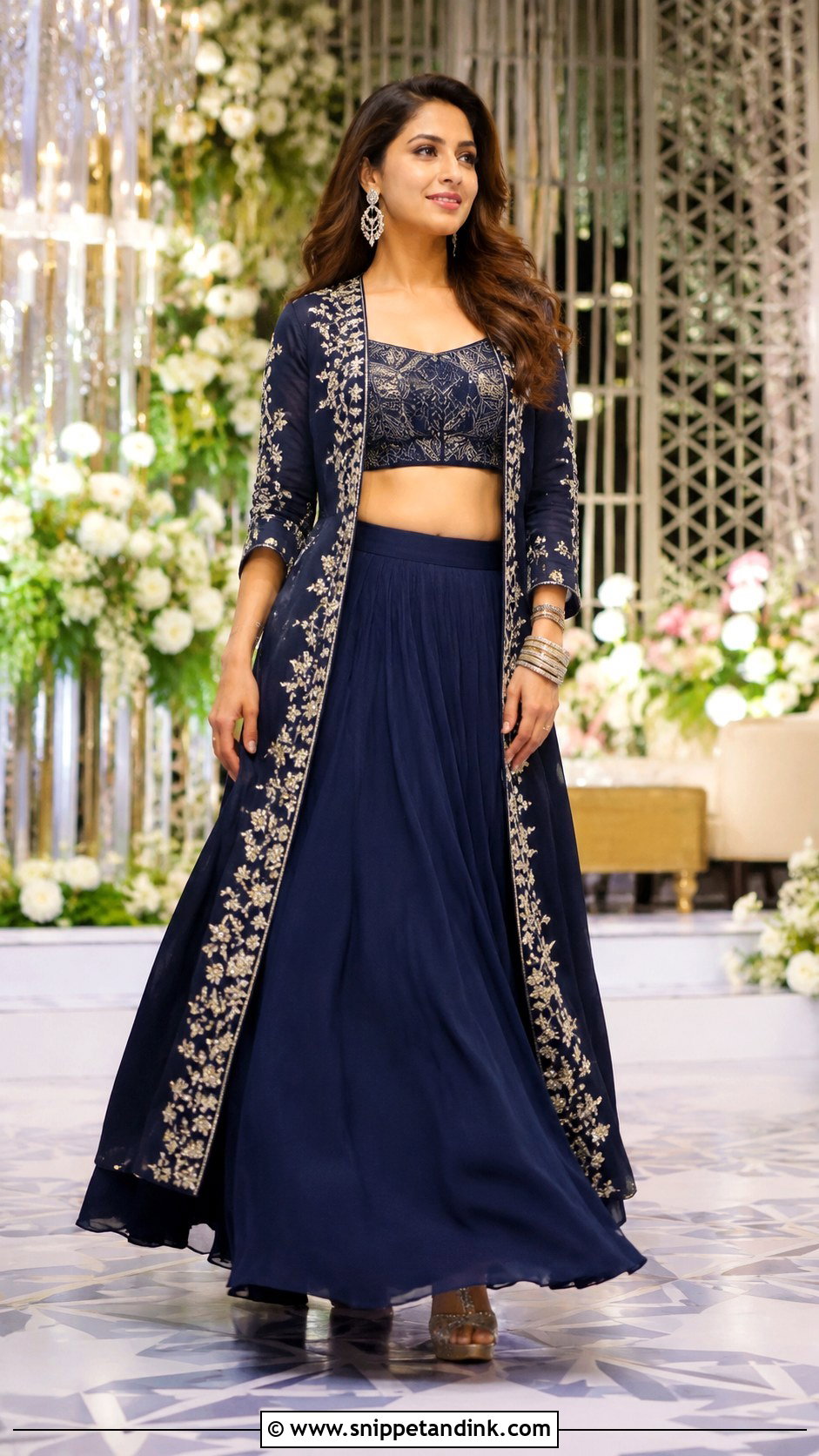
The jacket stays on while a dupatta slides off, and that’s why I like a jacket lehenga for a sangeet performance. Long, short, sheer or structured, the jacket sets the mood. Keep the skirt and crop top simple underneath so the whole outfit doesn’t get heavy. Jewel tones, metallics and deeper pastels all work for evenings. If the jacket is embroidered near the neckline, skip the necklace and let earrings frame your face. Block heels or platform sandals carry you through the choreography.
18. Kanjivaram Saree For South Indian Wedding
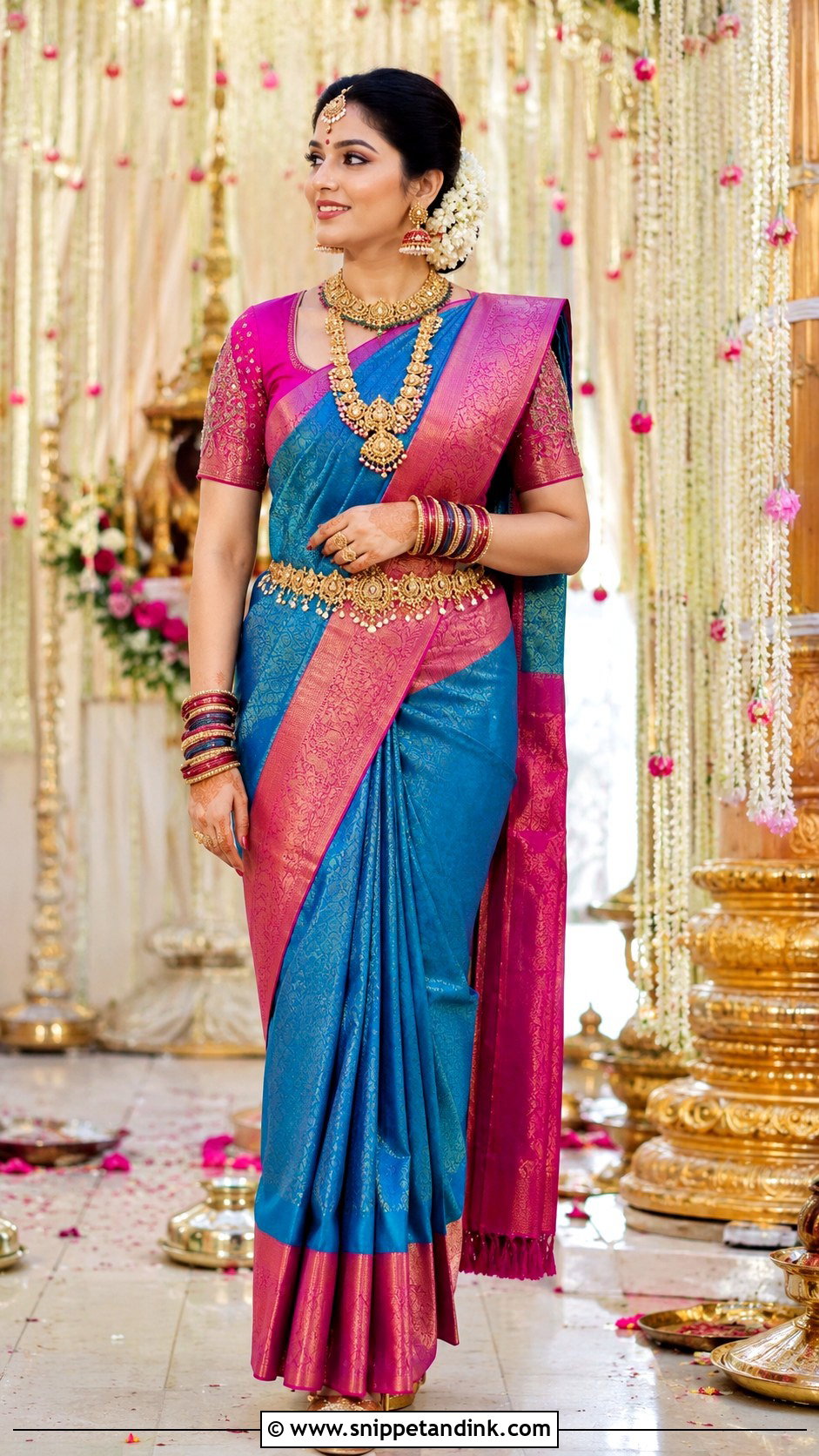
At a South Indian wedding, a Kanjivaram is the respectful choice for the sister during the main ceremony. Magenta, peacock blue, turmeric yellow or purple with a contrasting border all suit. A real Kanjivaram is heavy silk, so the blouse fit decides your comfort: I want the armholes cut close enough that the saree doesn’t drag the shoulder seam down. Temple jewelry, bangles and a neat bun with fresh jasmine finish it, if that matches the family’s custom. Keep the pleats secure, especially if you’ll be helping with rituals on the floor.
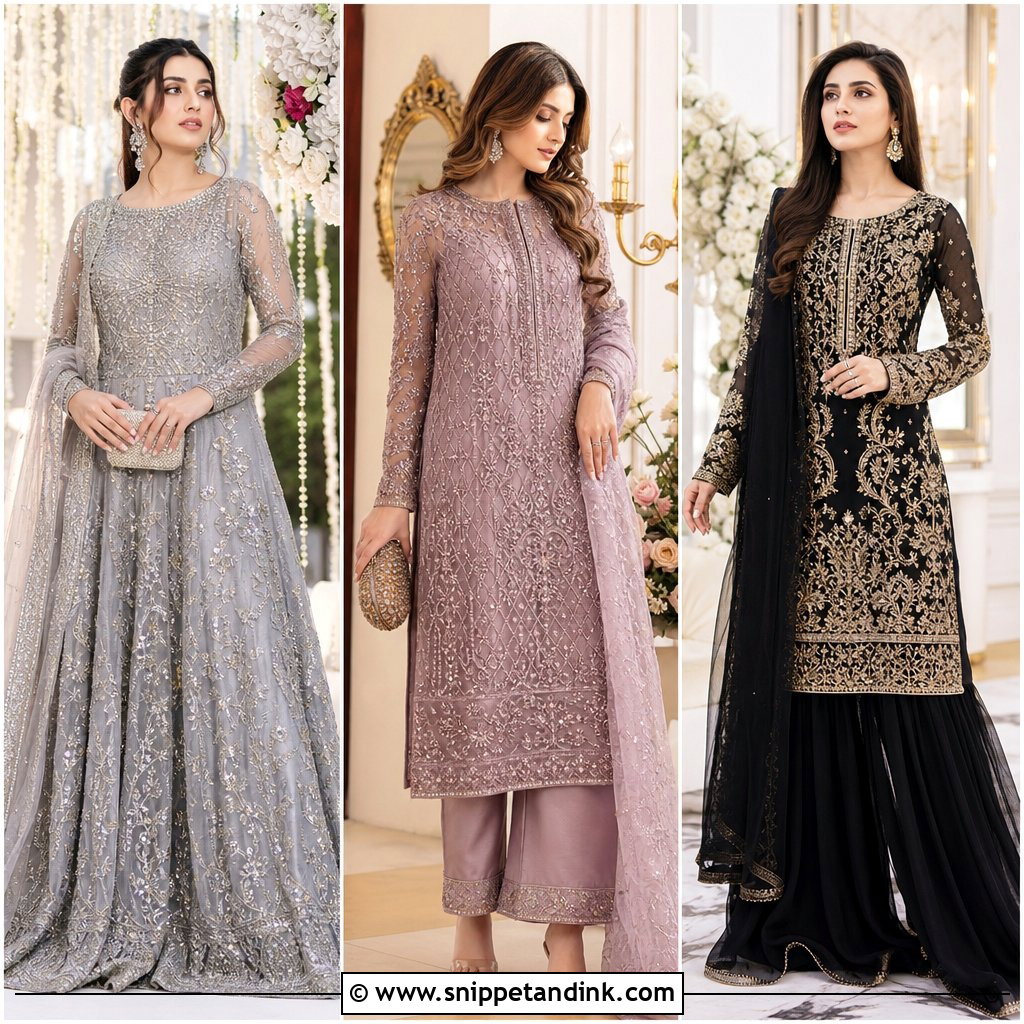
19. Palazzo Suit For Family Function
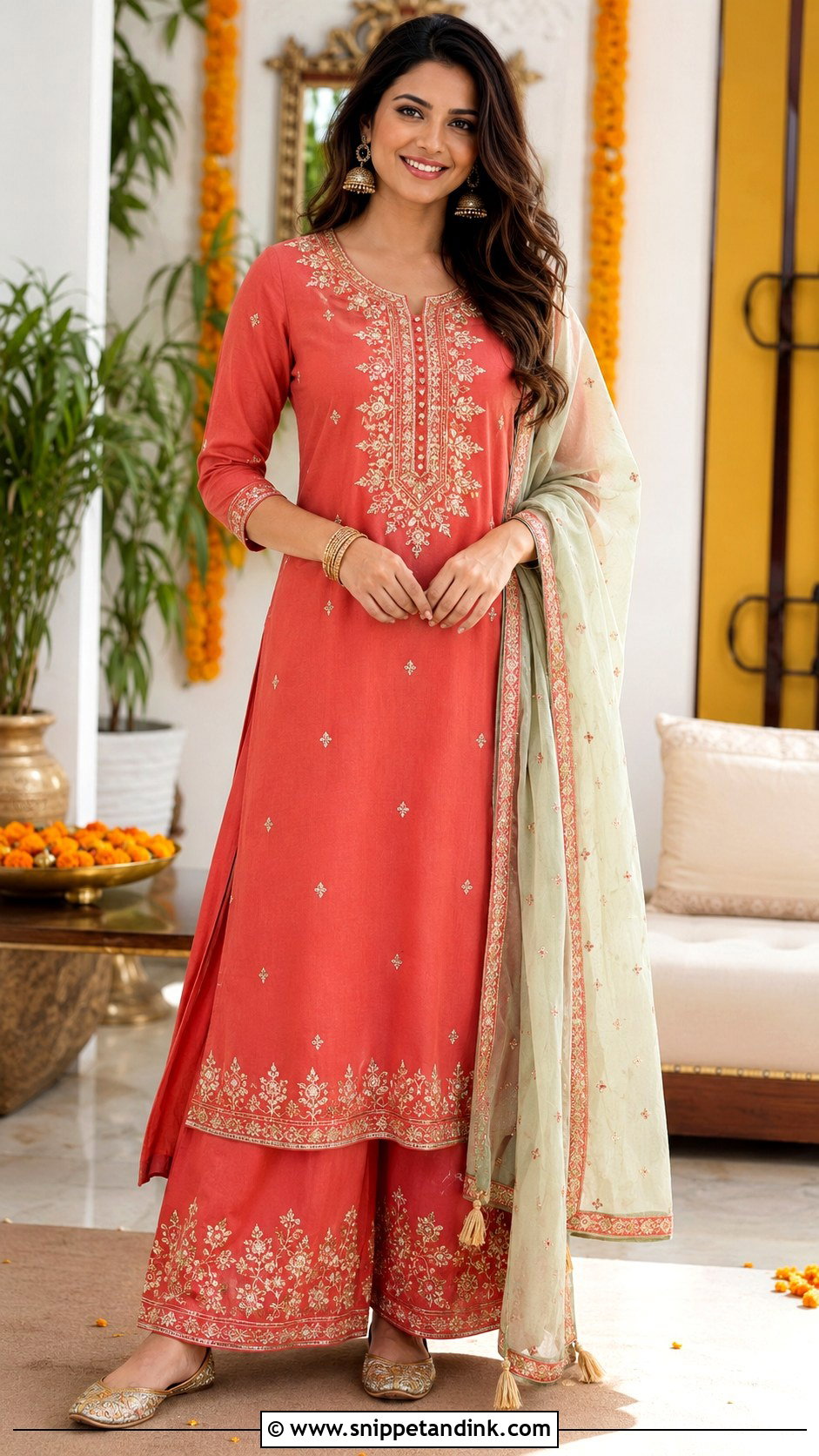
Smaller family functions, travel days and pre-wedding rituals at home don’t need a lehenga. A palazzo suit with a long kurta and light dupatta in chanderi, georgette or cotton silk looks dressed up without the weight. Embroidery at the neckline or hem keeps it festive. Soft colors suit daytime and jewel tones the evenings. I always pack at least one of these, because there’s usually a lunch or a temple visit nobody mentioned in the itinerary. Jhumkas, bangles and embroidered flats are enough.
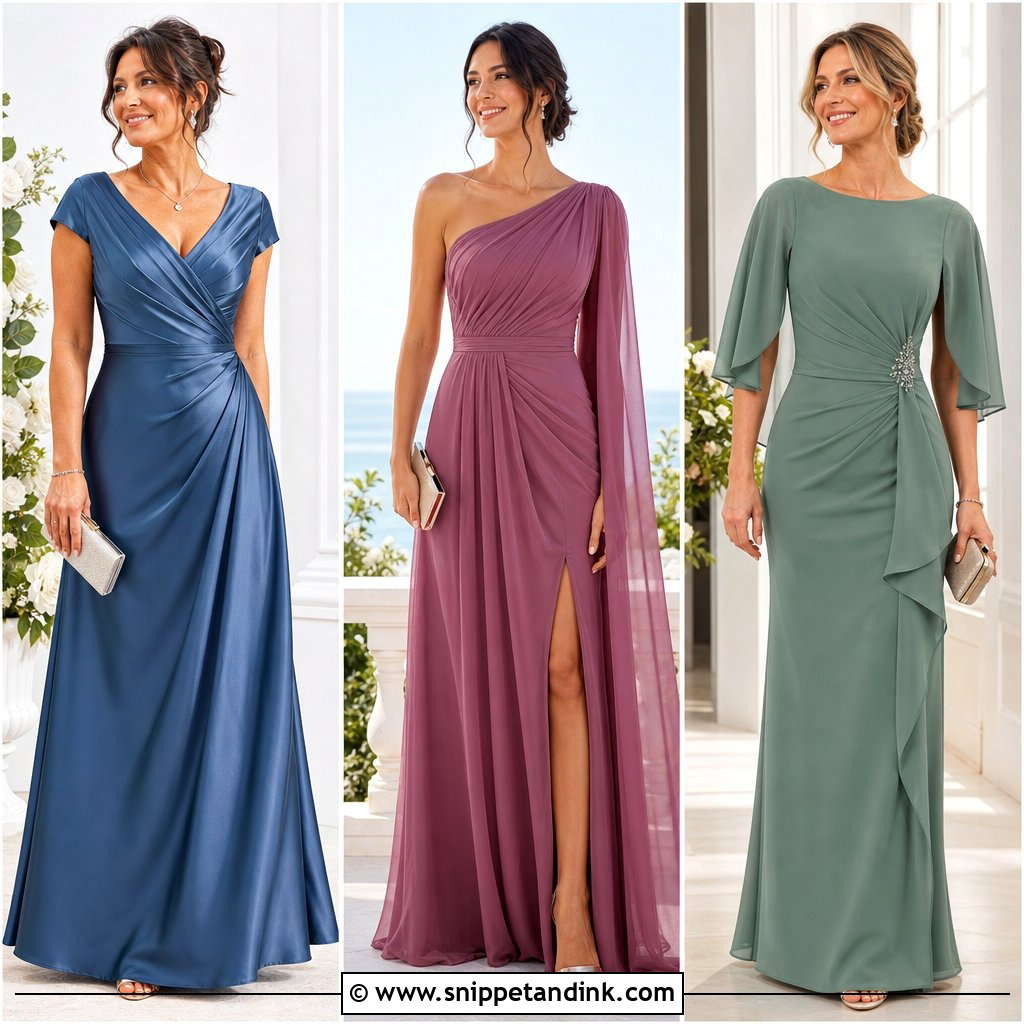
20. Pre Draped Saree For Bride Sister
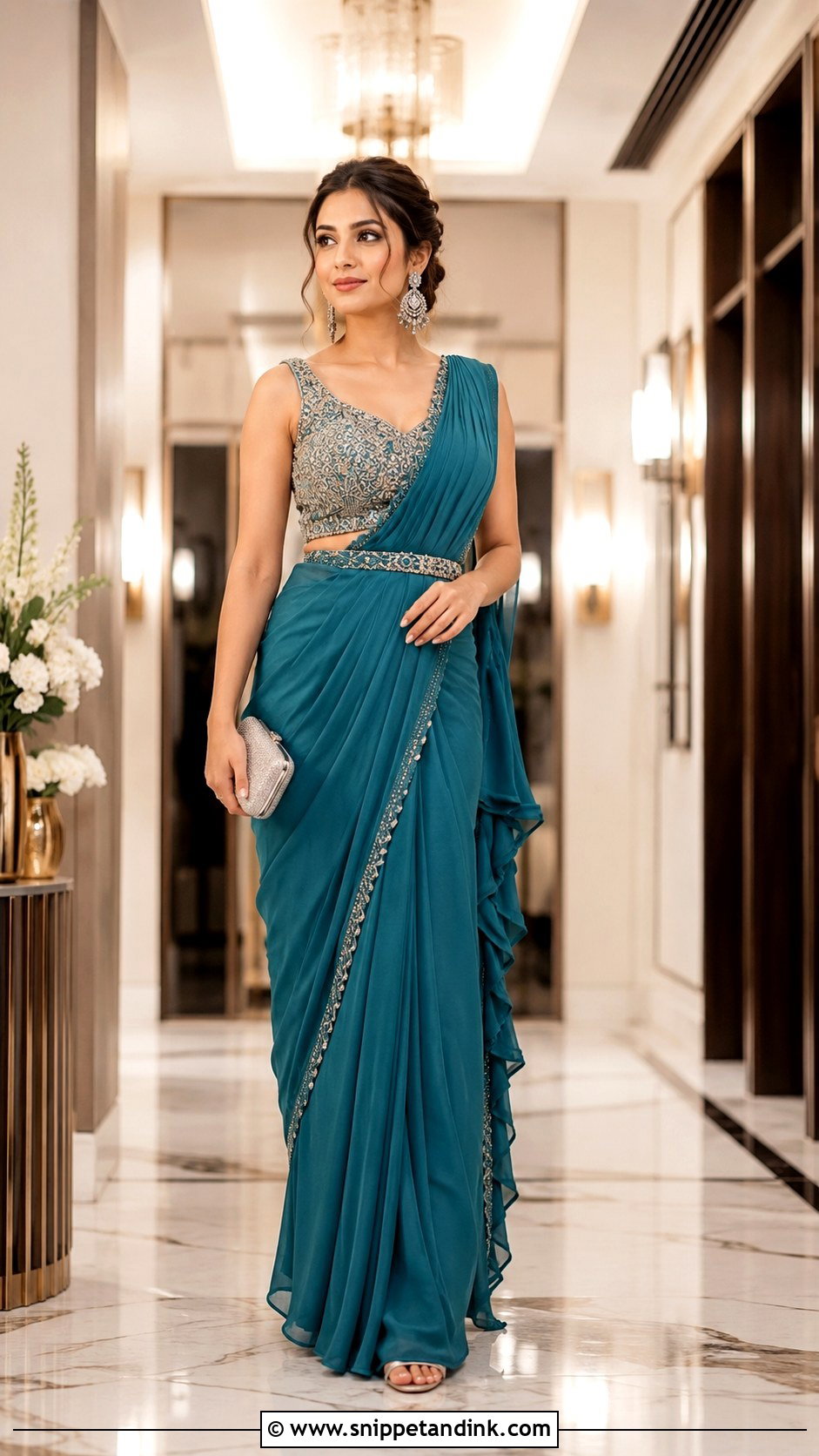
The sister is the one running back for the bride’s lipstick, fixing a hem and herding cousins into photos. A pre draped saree gives you the saree’s grace without pleats coming loose while you do all that. Look for a pre-stitched style in crepe, georgette, satin or chiffon with an embellished blouse. Metallics, jewel tones and soft pastels can all work depending on the function. Ask for the stitched pleats to be tacked flat at the waistband; bulky stitched pleats add width at the hip. Heels, statement earrings and waves or a low bun finish it.
21. Brocade Skirt And Crop Top
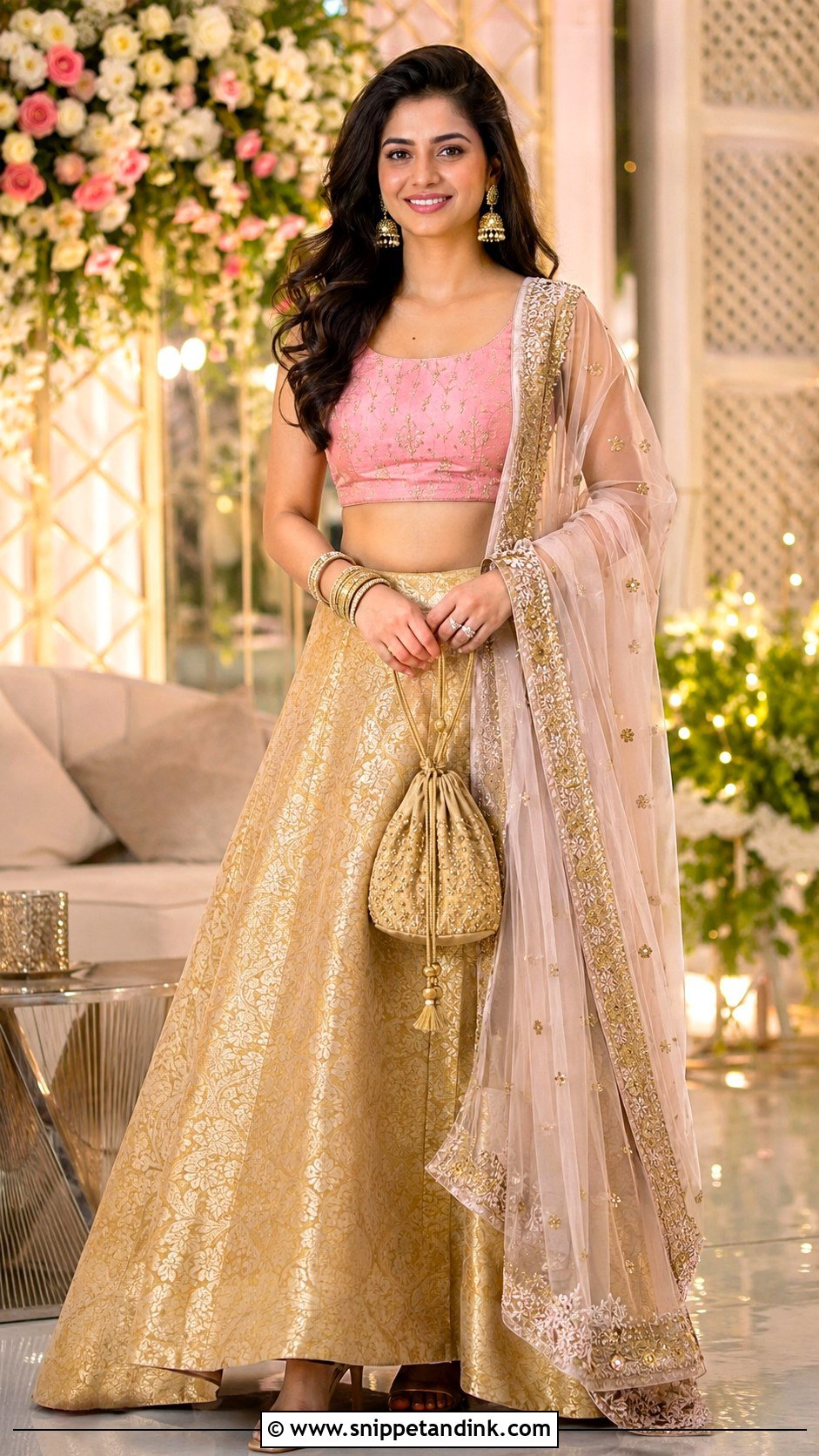
If you want the look of a lehenga without its weight, a brocade skirt and crop top get you most of the way there. The woven fabric reads traditional, but the cut looks young. Choose a full brocade skirt with a plain silk crop top, or reverse it with a brocade blouse over a solid skirt. Brocade is stiff, so I’d add a soft lining at the waistband; the raw weave can scratch bare skin at the midriff. Gold, pink, green or royal blue look festive. Add a light dupatta for a more formal event, with jhumkas and a potli.
22. Anarkali Gown For Reception
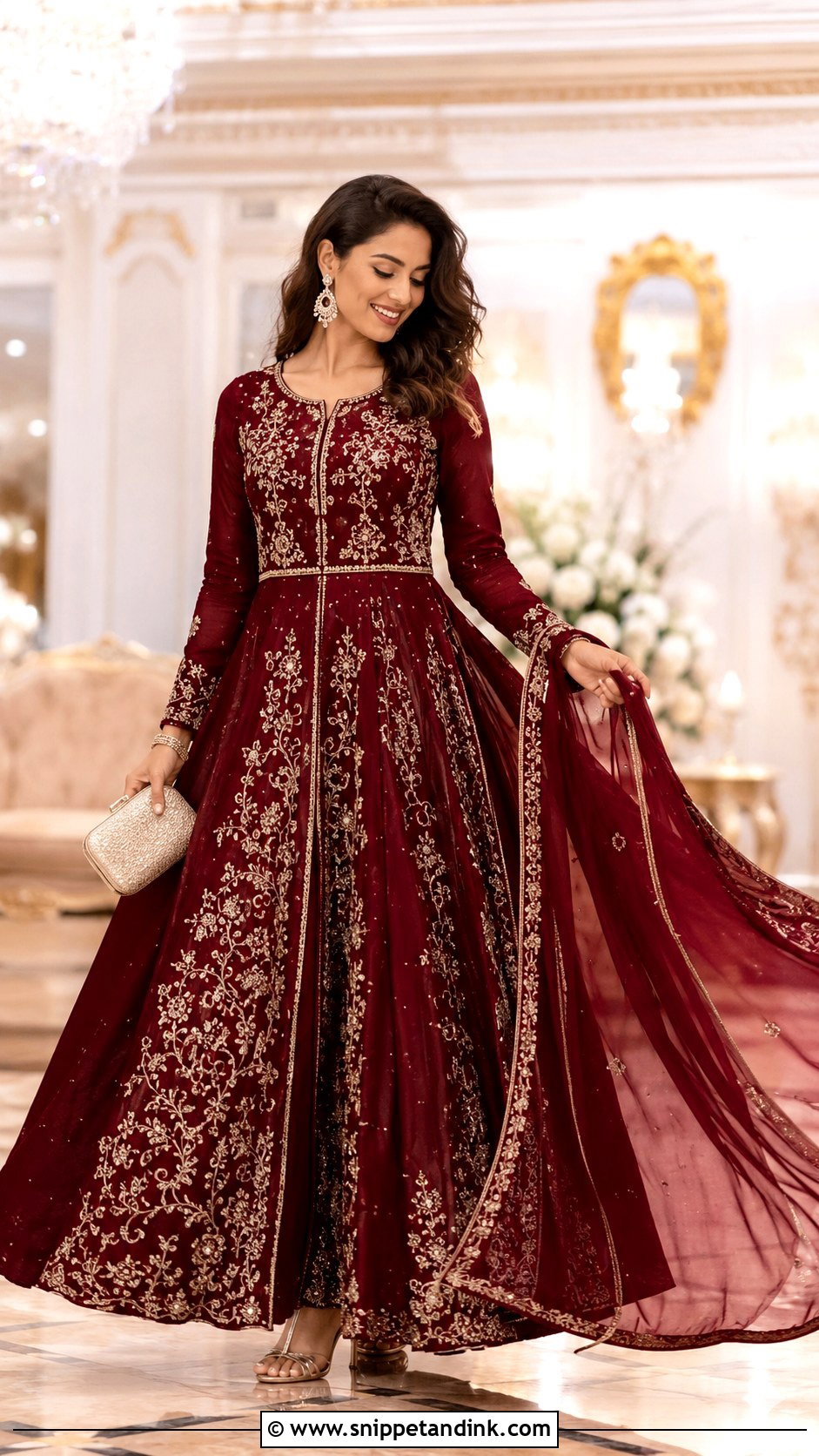
An Anarkali gown gives you reception drama with no drape to manage at all. A floor-length silhouette with embroidery, sequins or tonal thread work suits evening events, and deep teal, wine, midnight blue or champagne all hold up under low lighting. A fitted bodice with a flared skirt moves well in walking shots. Get the hem measured with the shoes you’ll actually wear; a floor-length anarkali hemmed for flats will catch under heels. A high neck wants earrings only, while a scoop neck can take a delicate necklace.
23. White And Gold Lehenga For Bride Sister
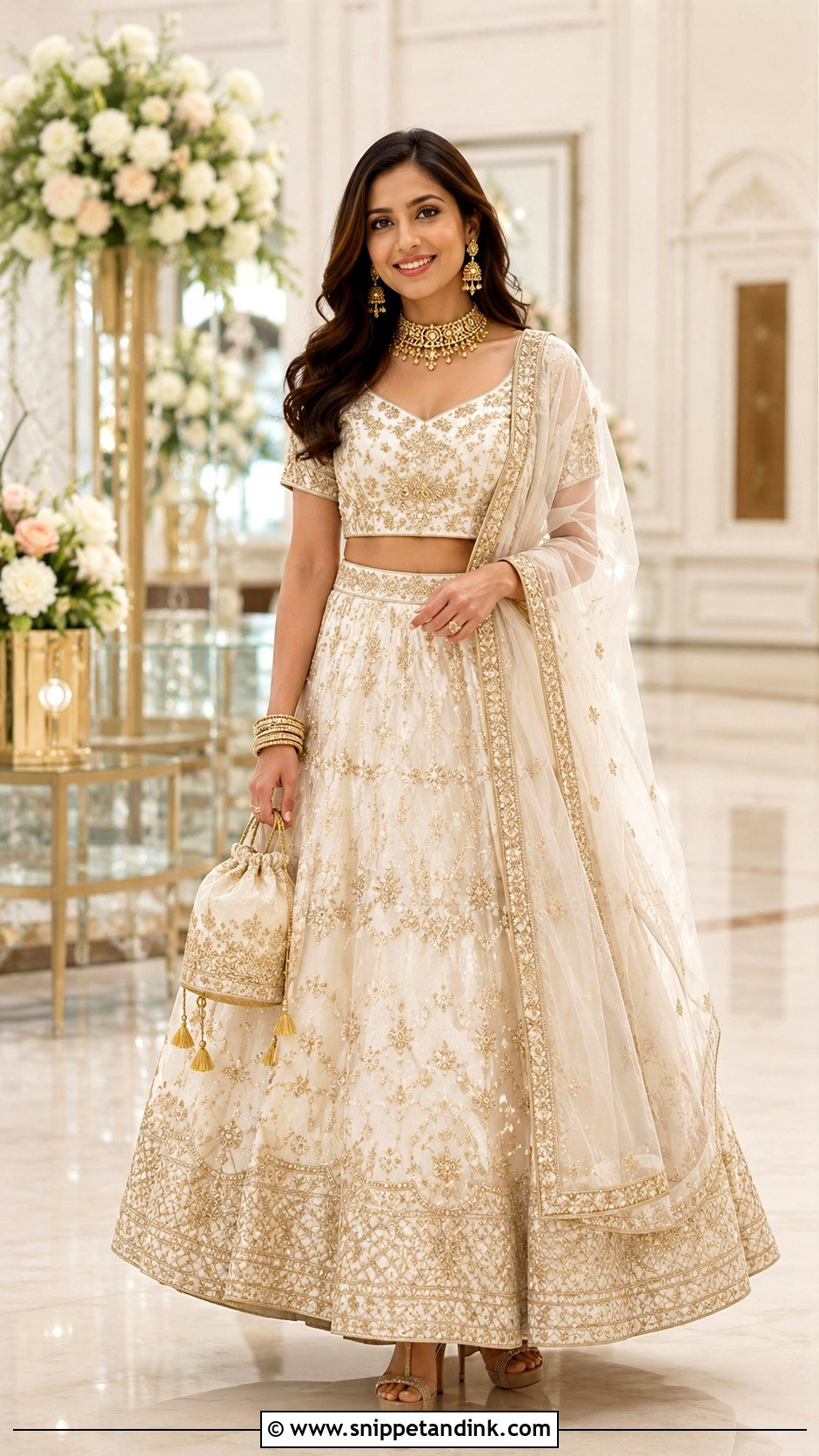
White and gold can work for the bride’s sister, but I’d ask the bride and both families first, since some communities still avoid white at weddings. Once that’s cleared, choose ivory, cream or off-white over stark white, which can glow blue in flash photos. Gold zari, mirror work or pearl detailing gives a regal finish. Keep the embroidery moderate so the outfit stays clearly a guest’s, not a bride’s. Gold jewelry, a soft gold potli and a colored lip add warmth. It suits an engagement, reception or day wedding.
24. Red Saree For Sister Of Bride
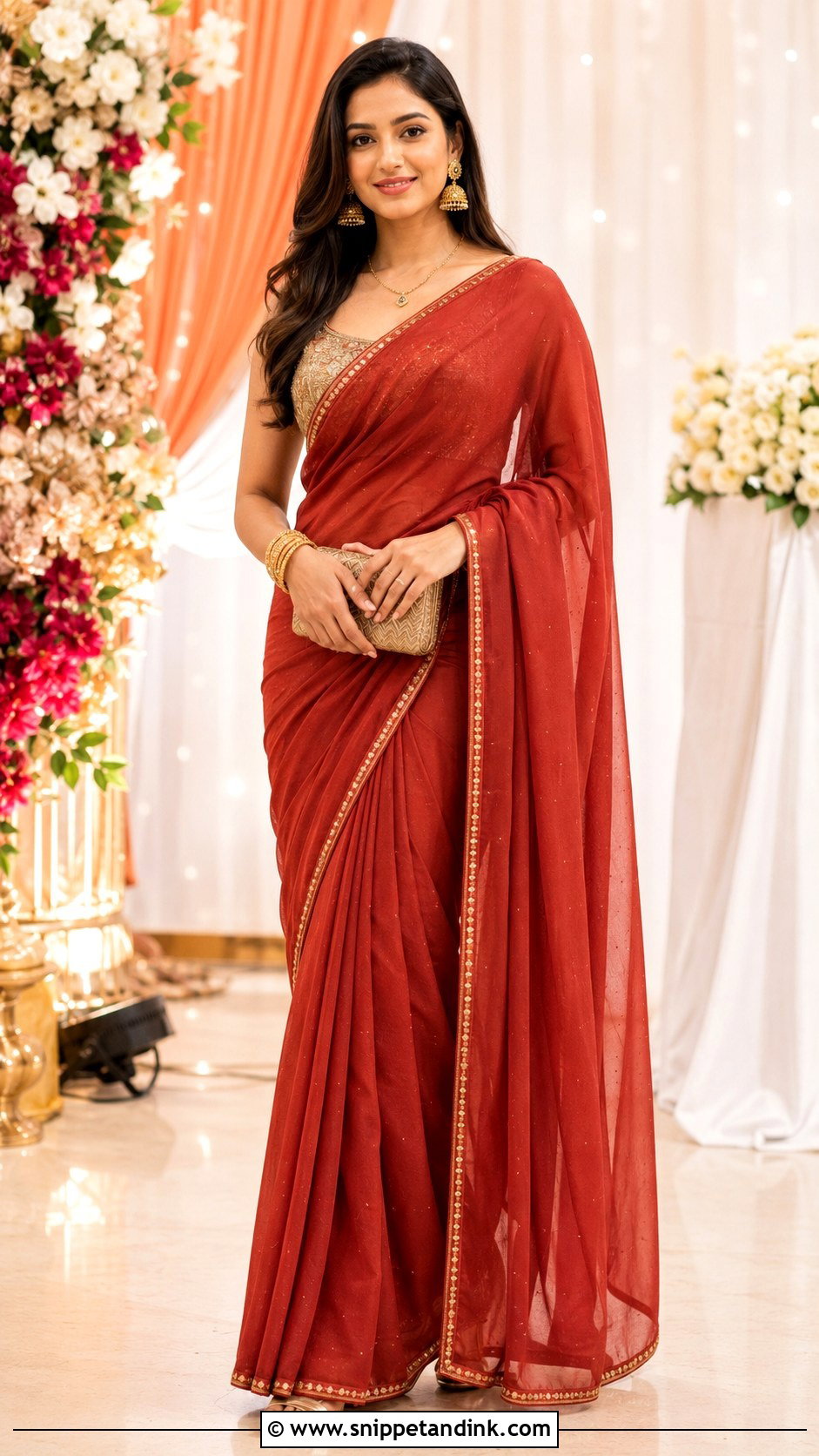
Red is risky on the bride’s sister, and I only say yes after checking what the bride is wearing at the same event. If she isn’t in red, choose a lighter tomato or rust red, or red with a simple border rather than a heavily worked bridal saree. Chiffon, georgette, organza or light silk keep it graceful. A contrast blouse in gold, pink or green moves it further from bridal territory. Jhumkas, bangles and a delicate necklace are enough. Save it for the reception, sangeet or family functions.
25. Co Ord Set For Mehendi
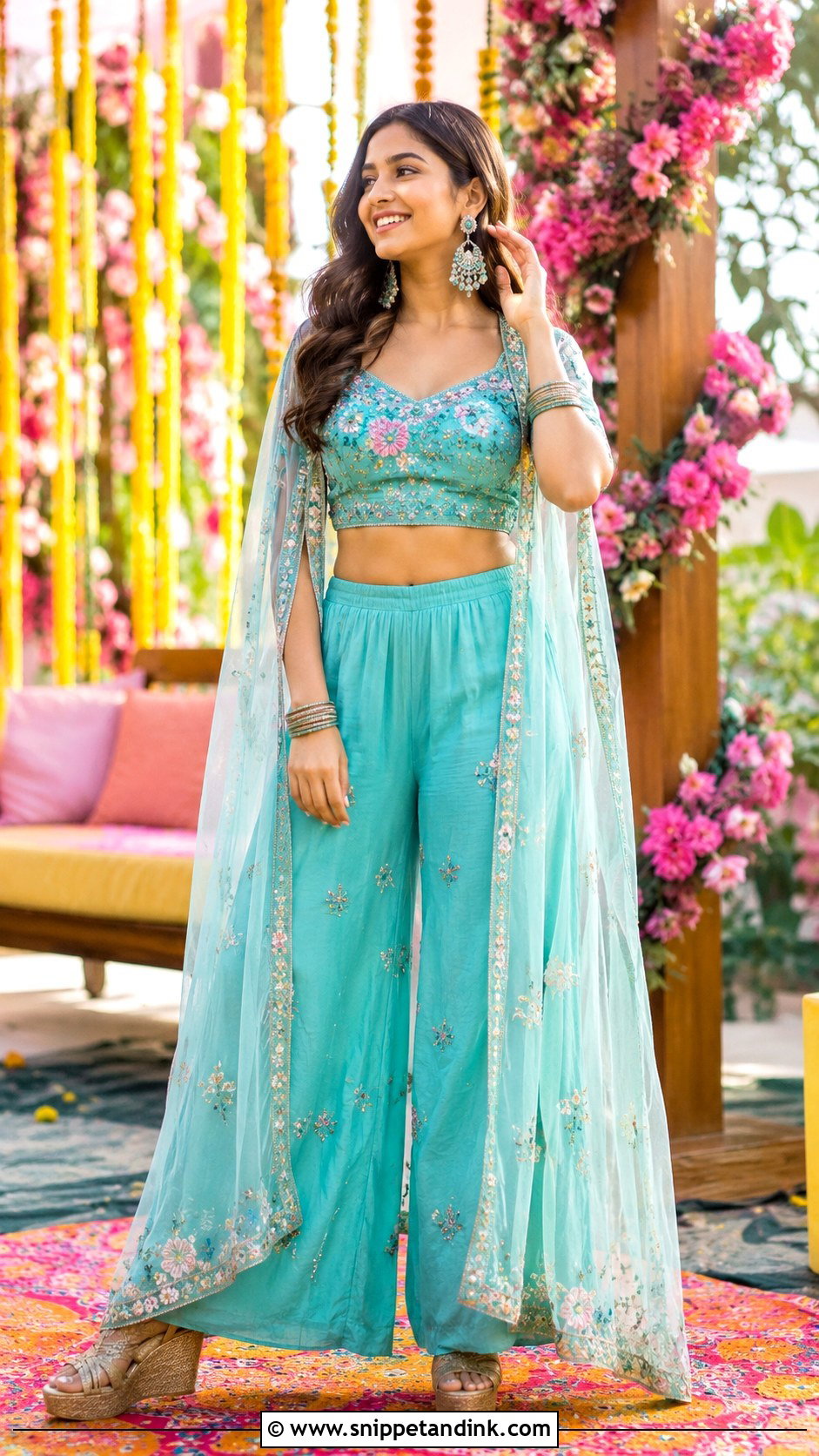
Co-ords are the easiest outfit in this list to dance, sit and run around in. A festive co ord set can be a crop top and skirt, kurta and pants, or blouse and palazzo with embroidery, prints or mirror details. Lime, coral, pink or turquoise suit mehendi decor. Add a light cape or shrug if you want more coverage. Since there’s no dupatta, the neckline carries the look, so I’d choose one with some embroidery there. Statement earrings and comfortable flats or wedges finish it.
Six Outfits, One Suitcase and a Hotel Iron
Multi-day weddings, especially destination ones, mean packing five or six heavy outfits plus jewelry. How I pack them decides whether they come out ready or creased.
- Fold zari and brocade with soft tissue or a cotton cloth between the layers. Metallic thread creases sharply and can tarnish against plastic.
- Hang velvet the moment you arrive and steam it from the inside; a hot iron flattens the pile and leaves a shiny mark.
- Pack each function in its own labelled bag: outfit, blouse, petticoat, dupatta pins and the jewelry for it.
- Carry the ceremony outfit in your hand luggage if you’re flying. It’s the one that can’t be replaced at the venue.
Reusing Jewelry Across the Week Without It Looking Repeated
Nobody needs a new set for every function. I usually build a sister’s week around two anchors: one gold or kundan set for the traditional events and one lighter pair of statement earrings for the fusion ones. Changing how they’re worn does the rest. The same jhumkas look different with a sleek bun at the ceremony and loose waves at the sangeet, and a choker worn on its own one day can sit under a dupatta the next. In photos, the outfits change so much that repeated earrings rarely register.
Festive Enough for the Photos, Quiet Enough for the Bride
A sister’s wardrobe is a balancing act. You want to look special and comfortable without taking attention from the bride. Plan lighter pieces for haldi and mehendi, something you can dance in for the sangeet, a traditional saree or lehenga for the ceremony and a polished look for the reception. Comfort counts as much as color here, since you’ll be in rituals, performances and family photos from morning to night. Use the looks above to build a set of outfits that work as hard as you will.
You'll Like These Ideas:


Leave a Reply