
An Indian bridal gown changes my work as a makeup artist more than people expect. A lehenga with a head dupatta frames the face in fabric; a gown with an open neckline leaves the face, neck and shoulders as one canvas, and the color of that gown decides almost every product I reach for. The twenty gowns below cover regal reds, pastels, metallics, corsets, capes and saree drapes, for ceremonies, receptions, engagements and sangeets. For each, I’ve noted the jewelry, shoes and hair that suit it, plus how I’d approach the face. Choose the silhouette you can move in first; the styling can be built around it.
Bring a Fabric Swatch to Your Makeup Trial
A makeup trial done in a plain T-shirt tells me very little. The color, sheen and neckline of a gown change how foundation, blush and lipstick read, so I ask every bride to bring a swatch of the fabric, a photo of the full gown and, ideally, the main jewelry.
How gown color changes what I use
- Red, maroon and burgundy: the lipstick is matched to the fabric’s undertone, and I keep the cheeks softer so the lip leads.
- Ivory, champagne and pastels: these reflect light upward, so I use less highlighter and more definition in the brows and lashes to stop the face looking flat.
- Emerald, royal blue and other jewel tones: warm bronze or neutral eyes work better than matching the gown’s color on the lids.
- Gold and silver sequins: the face goes matte to satin, never glittery, because the gown already supplies the shine.
Necklines matter too. Off-shoulder, corset and deep cuts expose the chest and shoulders, so the skin there needs to match the face. High necks and capes mean the jawline needs extra setting, because fabric rubs against it all night.
1. Red Embroidered Indian Bridal Gown
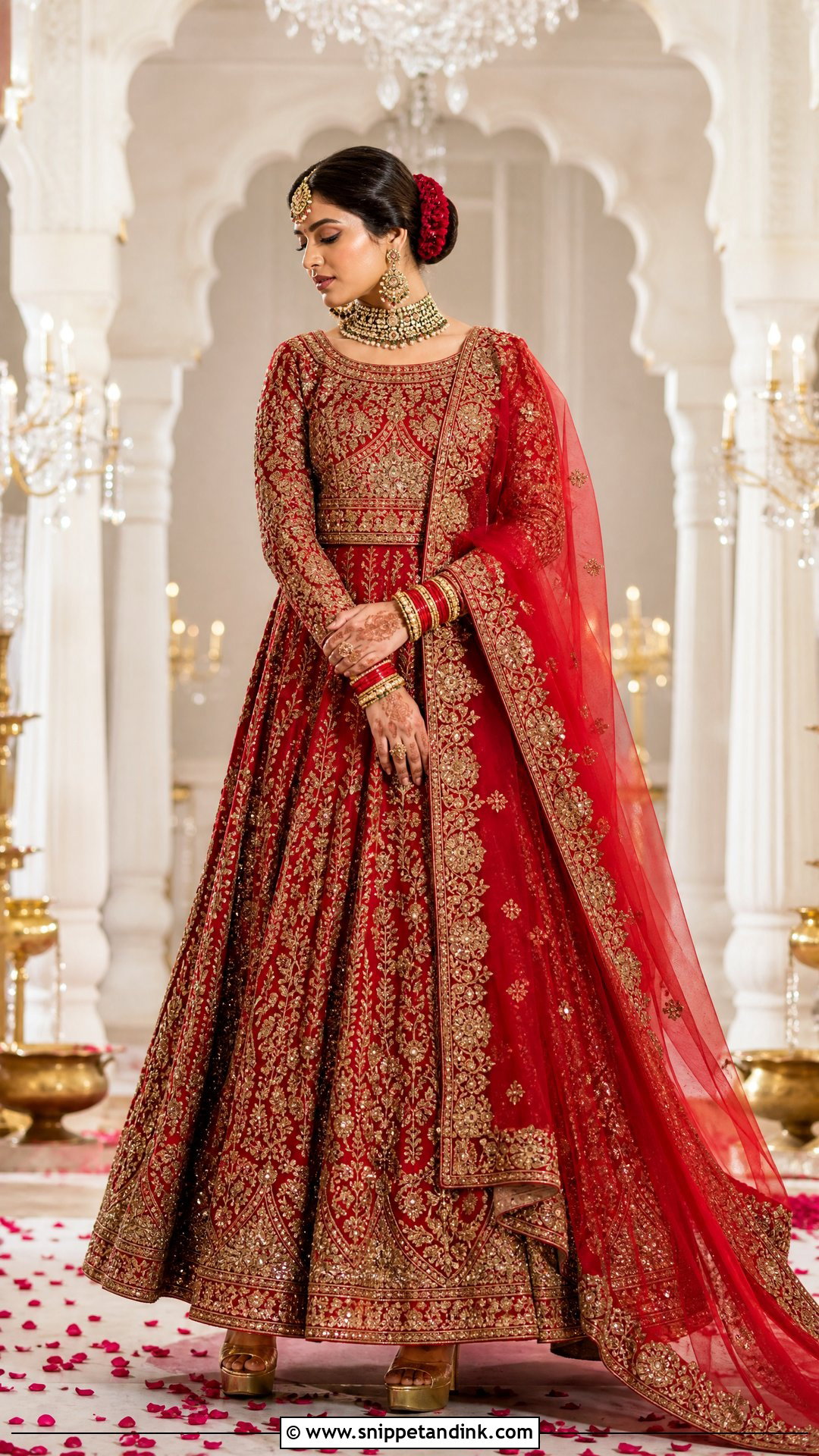
Red embroidery on an A-line gown keeps the weight of traditional bridal wear in a simpler shape. Zardozi, resham, dabka or antique gold work across the bodice and skirt, a sweetheart or modest V-neck and a matching sheer dupatta make it ceremony-ready. A kundan choker, coordinating earrings, a maang tikka and stacked red-and-gold bangles finish it, with gold platform heels for height you can stand in. A center-parted bun with fresh flowers suits it. On the face, I match the lip to the red of the gown’s undertone. A blue-red lipstick against an orange-red gown looks mismatched in every close-up.
2. Ivory Indian Bridal Gown
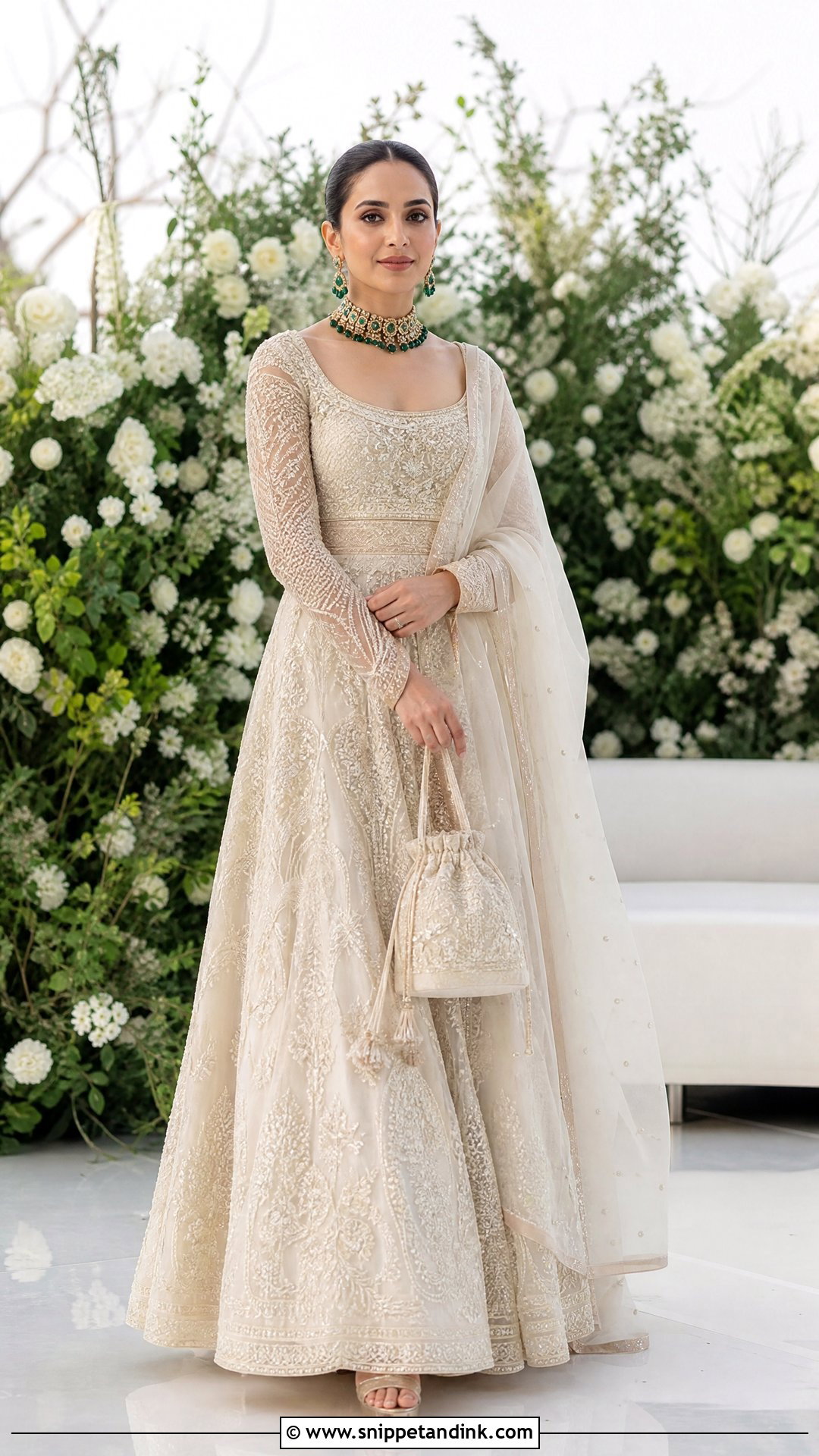
Ivory sits right under the chin and bounces light back onto the face, so an ivory Indian bridal gown lets me use less highlighter than almost any other color. Pearlwork, tonal thread, sequins or chikankari-style detail give it depth without overwhelming the pale fabric. A fitted bodice and flowing skirt are easy to walk and dance in. Emerald or ruby jewelry adds contrast, with champagne heels and a small embroidered potli. A low textured bun and a light ivory dupatta edged in beading complete it. It belongs at a reception, engagement or garden ceremony with a modern but formal dress code.
3. Pastel Pink Indian Bridal Gown
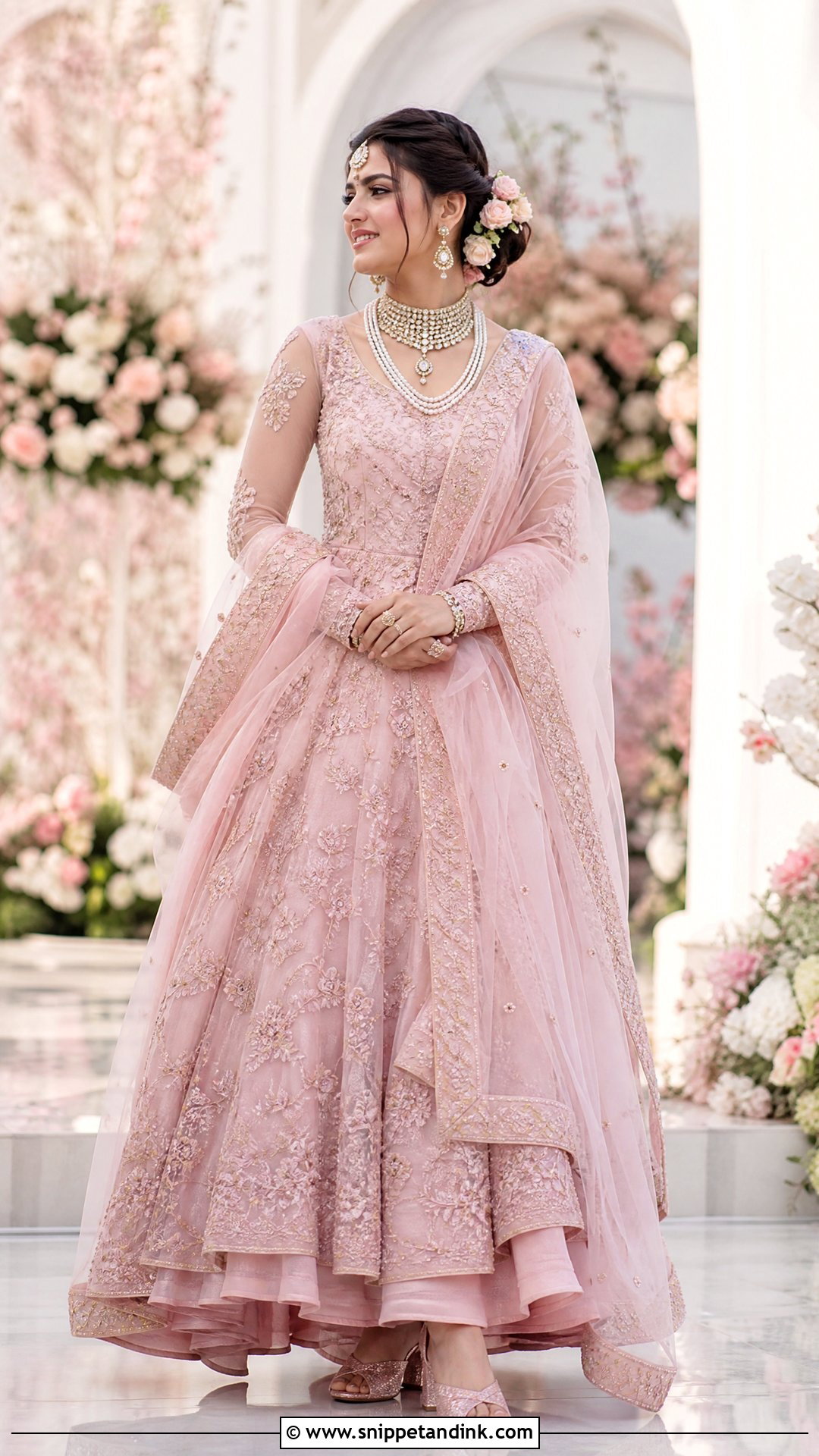
Blush pink layers move softly in daylight, and they’re forgiving on almost every skin tone. Floral embroidery, scattered crystals and a gently flared skirt keep this gown romantic; rose-gold embellishment holds the palette together. A sheer dupatta over one shoulder gives traditional coverage while the neckline stays visible. A pearl-and-kundan necklace, matching drops and rose-gold block heels finish it, with a braided bun and pale pink flowers. I keep cheeks and lips in the same rosy family as the fabric and skip heavy contour, which looks muddy beside pastels in sunlight. Detachable sleeves are worth asking for if you need extra coverage for part of the day.
4. Emerald Green Indian Bridal Gown
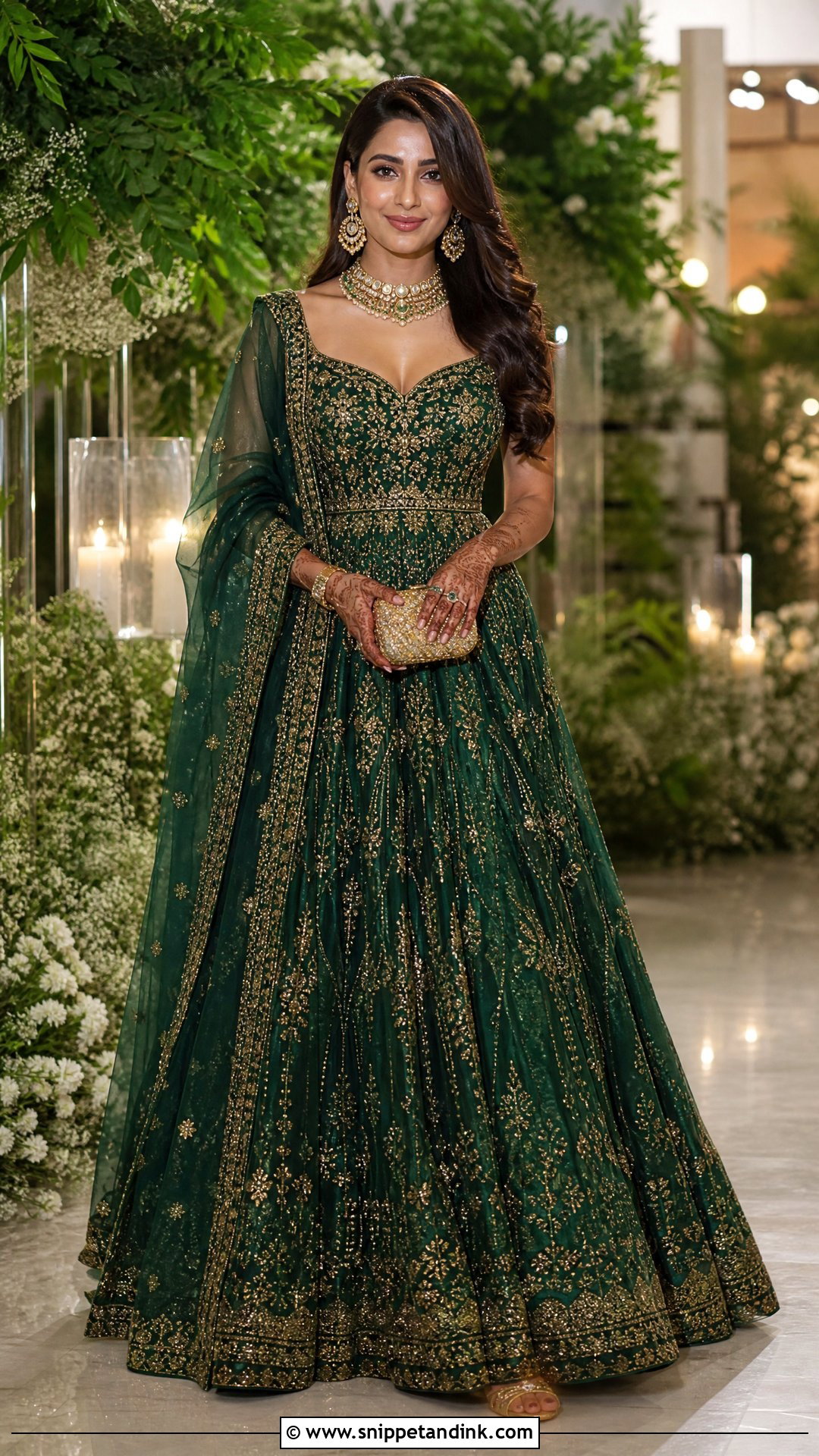
Emerald is a gift for warm skin tones and for brown eyes, which the green makes look deeper. Velvet suits cool weather; silk, georgette and net layers are lighter. Gold embroidery at the bodice, waist and hem adds richness without covering the whole gown. A polki choker, statement earrings, a small gold maang tikka, metallic sandals and an embroidered clutch bring it together. For hair, glossy side-parted waves or a low bun with fine accessories both work. I’d do warm bronze eyes and a muted lip. Green eyeshadow to match the gown is the one choice I’d talk you out of; it flattens the look. Receptions and sangeets with candles and greenery suit it.
5. Royal Blue Velvet Indian Bridal Gown
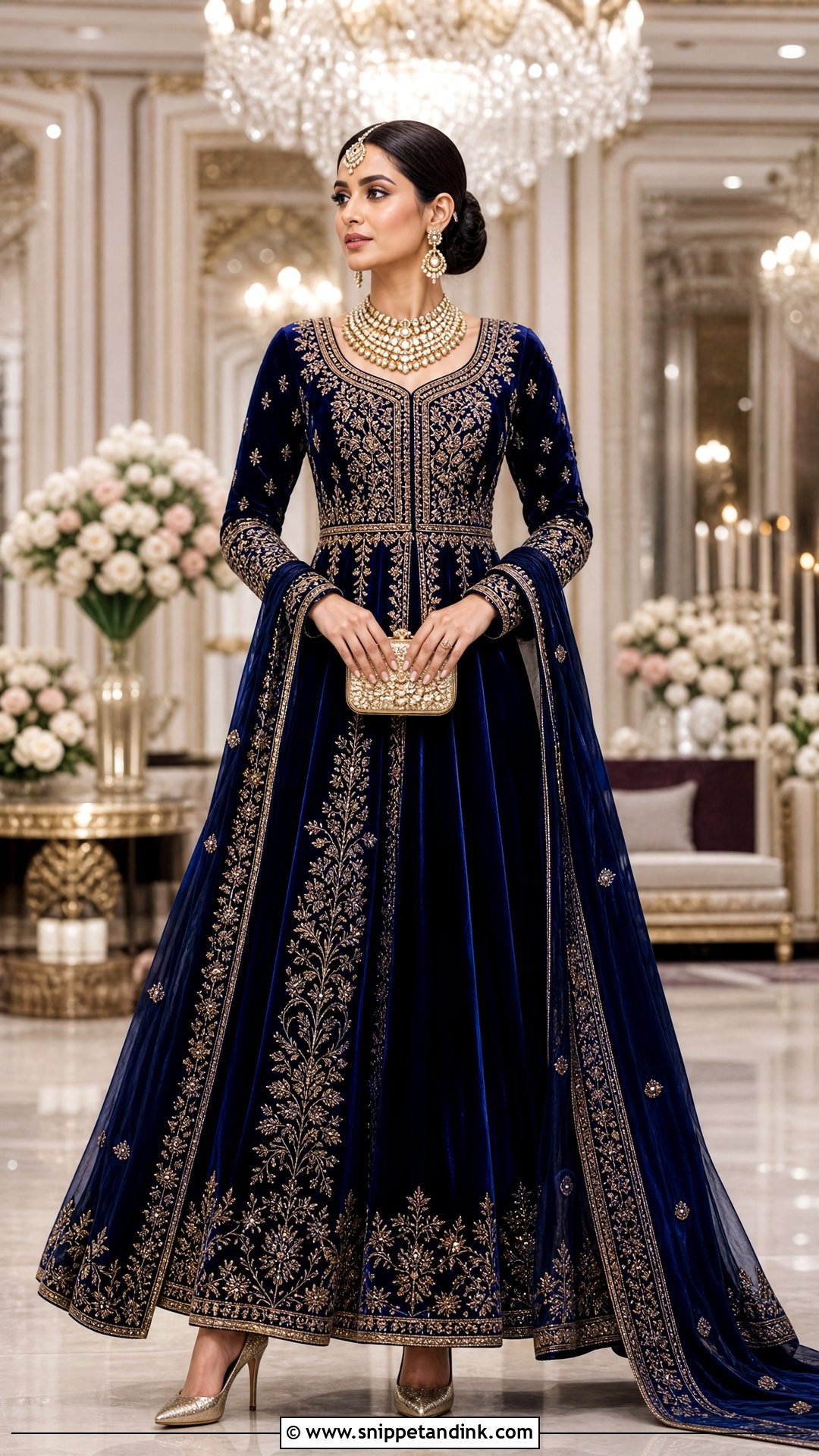
Royal blue velvet is a cold-weather gown. In a warm, crowded hall velvet holds heat, and I end up blotting a bride every half hour. In winter, though, it’s majestic: a structured bodice, a full skirt and antique-gold embroidery need few accessories. Three-quarter sleeves or a high neckline add coverage if you want it. One layered kundan necklace, matching earrings and a single statement ring beat several competing pieces. Closed-toe gold heels sit well under the heavy skirt, and an embellished box clutch is practical. A smooth low bun and softly defined eyes keep the mood formal for a ballroom or evening engagement.
6. Gold Sequin Indian Bridal Gown
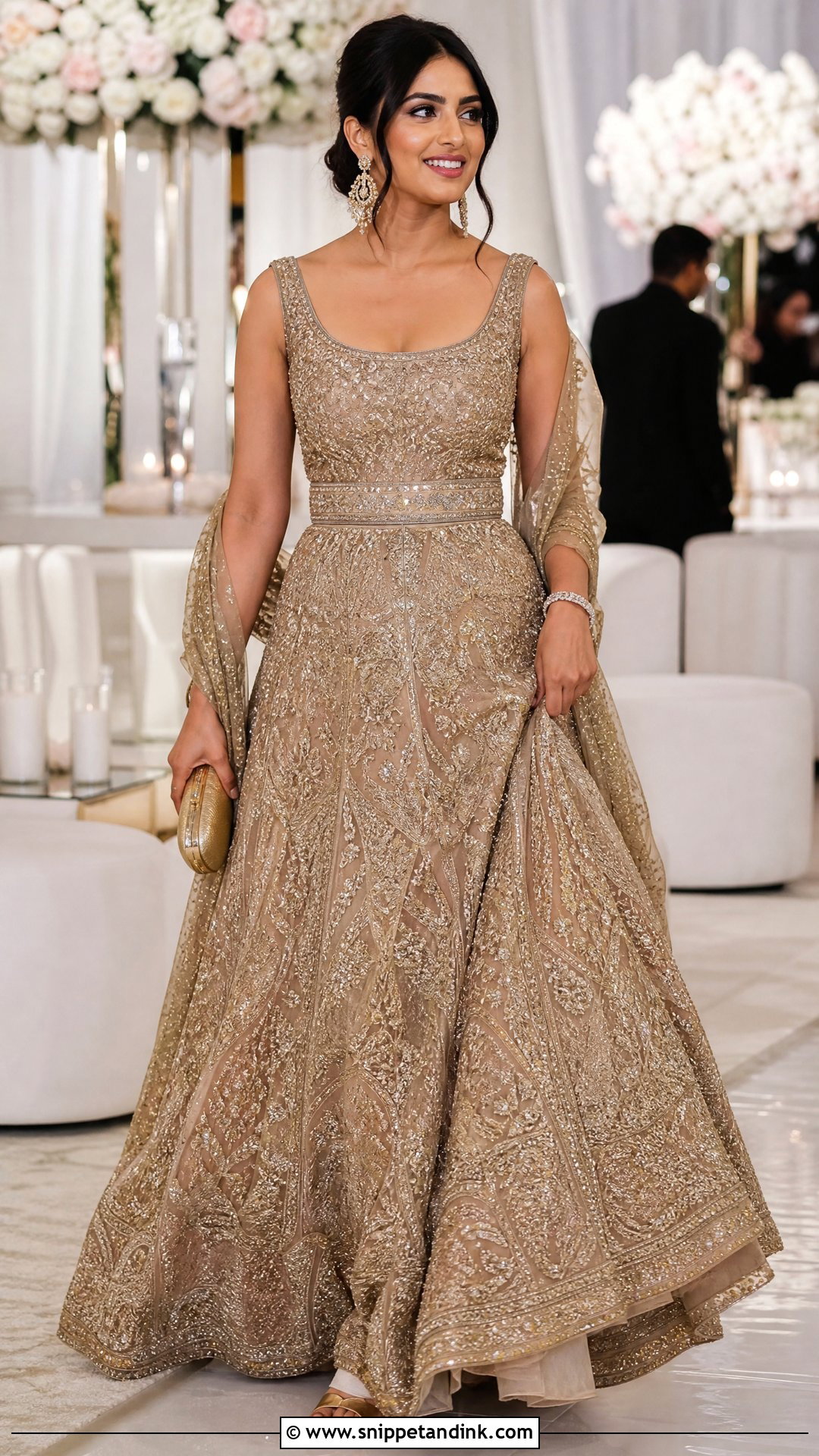
Light catches every movement in a gold sequin Indian bridal gown, which is why I go easy on shimmer on the face. Sequins plus glittery highlighter plus flash equals a shiny forehead in every photo. Choose sequins in mixed champagne, antique gold and soft bronze instead of one bright metallic. A fitted waist with an A-line or column skirt lets you move. If the neckline is heavily worked, wear diamond-look earrings, a slim bracelet and a cocktail ring instead of a necklace. Neutral metallic heels, a sleek clutch, and a high bun or brushed-out waves finish a reception look made for dancing.
7. Champagne Indian Bridal Gown
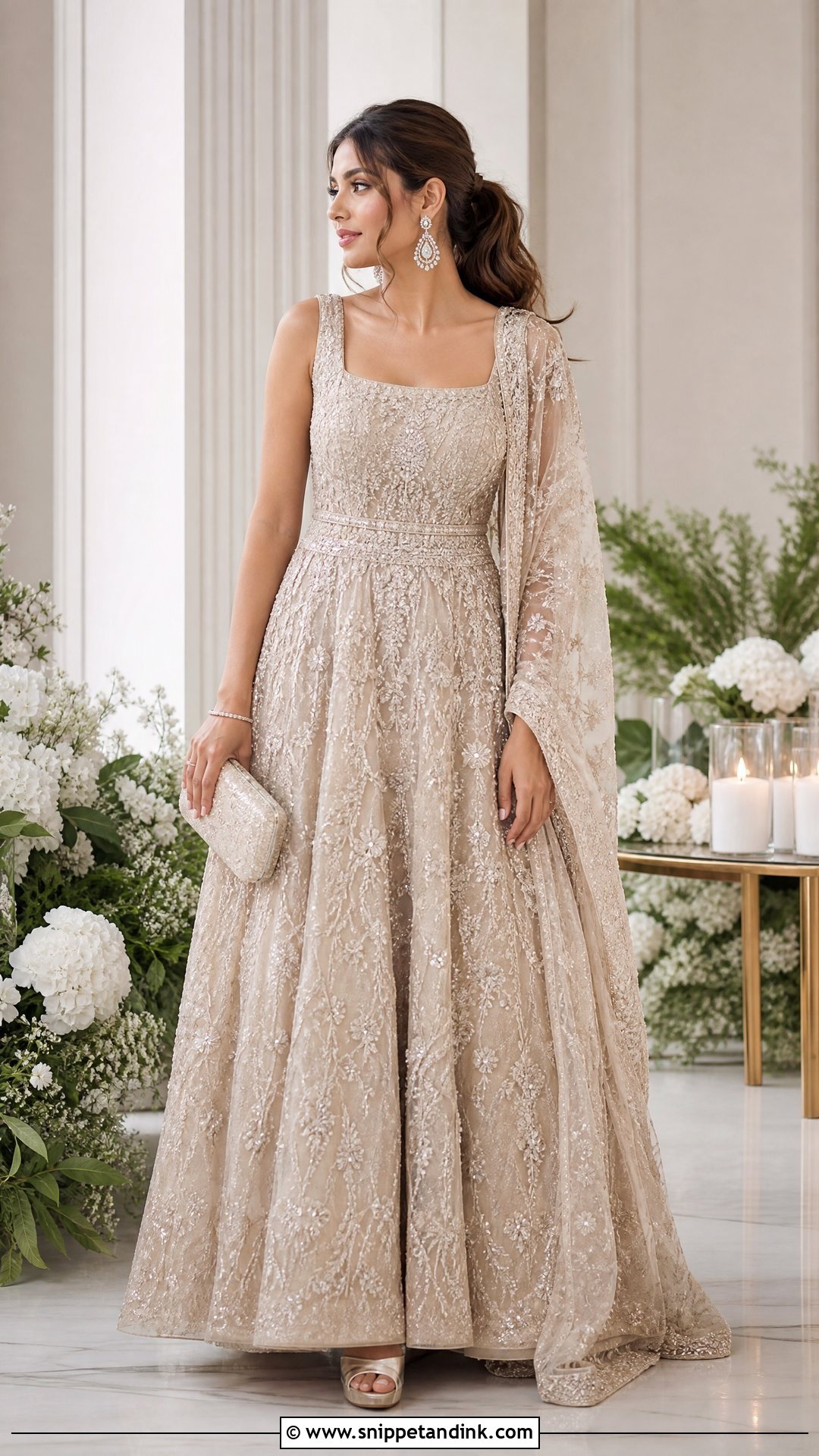
Champagne sits between ivory and gold, and it’s the most flexible of the neutrals for skin tone. Tonal beadwork, fine cutdana, pearls and a soft shimmer show in both daylight and ballroom light. A square neckline and defined waist give a clean structure. Uncut diamonds, pearl drops and a fine bracelet suit it, with champagne platform sandals and a compact clutch. A low ponytail with soft waves feels current. I’d keep makeup in soft bronzes; anything too cool can make the champagne look grey beside the skin. It moves easily from an engagement to a reception and rewears well afterwards.
8. Maroon Indian Bridal Gown
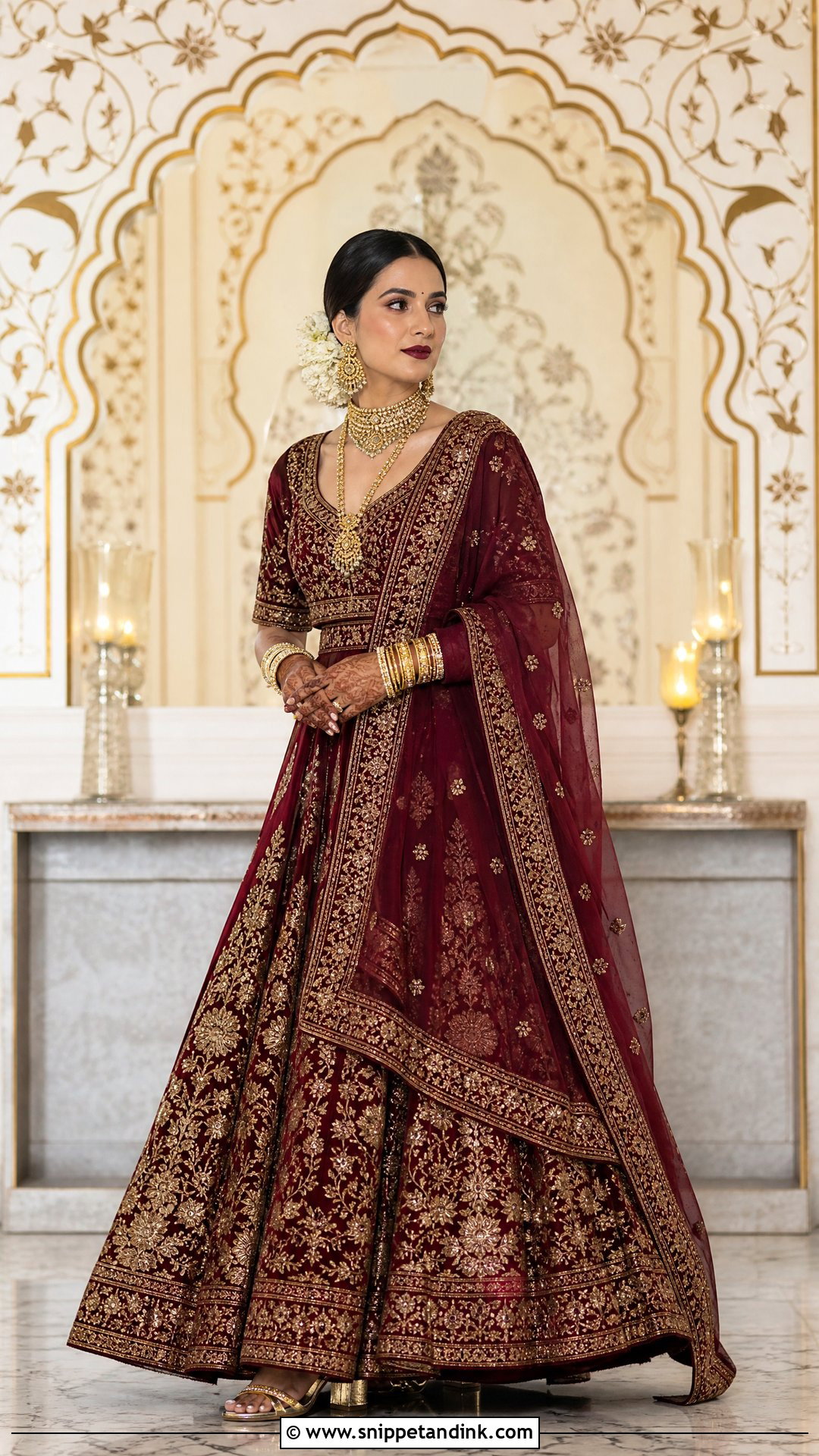
Maroon gives you the depth of bridal red with a moodier finish, and it handles evening lighting better than bright red. Look for antique-gold zari, a shaped waist and a sweeping skirt, plus a matching dupatta with a narrow border that can be pinned at the shoulder or drawn over the head for rituals. Traditional gold jewelry fits: a choker, a long necklace, jhumkas and coordinated bangles, with maroon or gold block heels under the full skirt. A center-parted bun, defined liner and a muted berry lip suit the palette. If you plan to cover your head during the ceremony, tell your makeup artist; a dupatta resting on the hairline changes how much I set the forehead.
9. Lavender Indian Bridal Gown
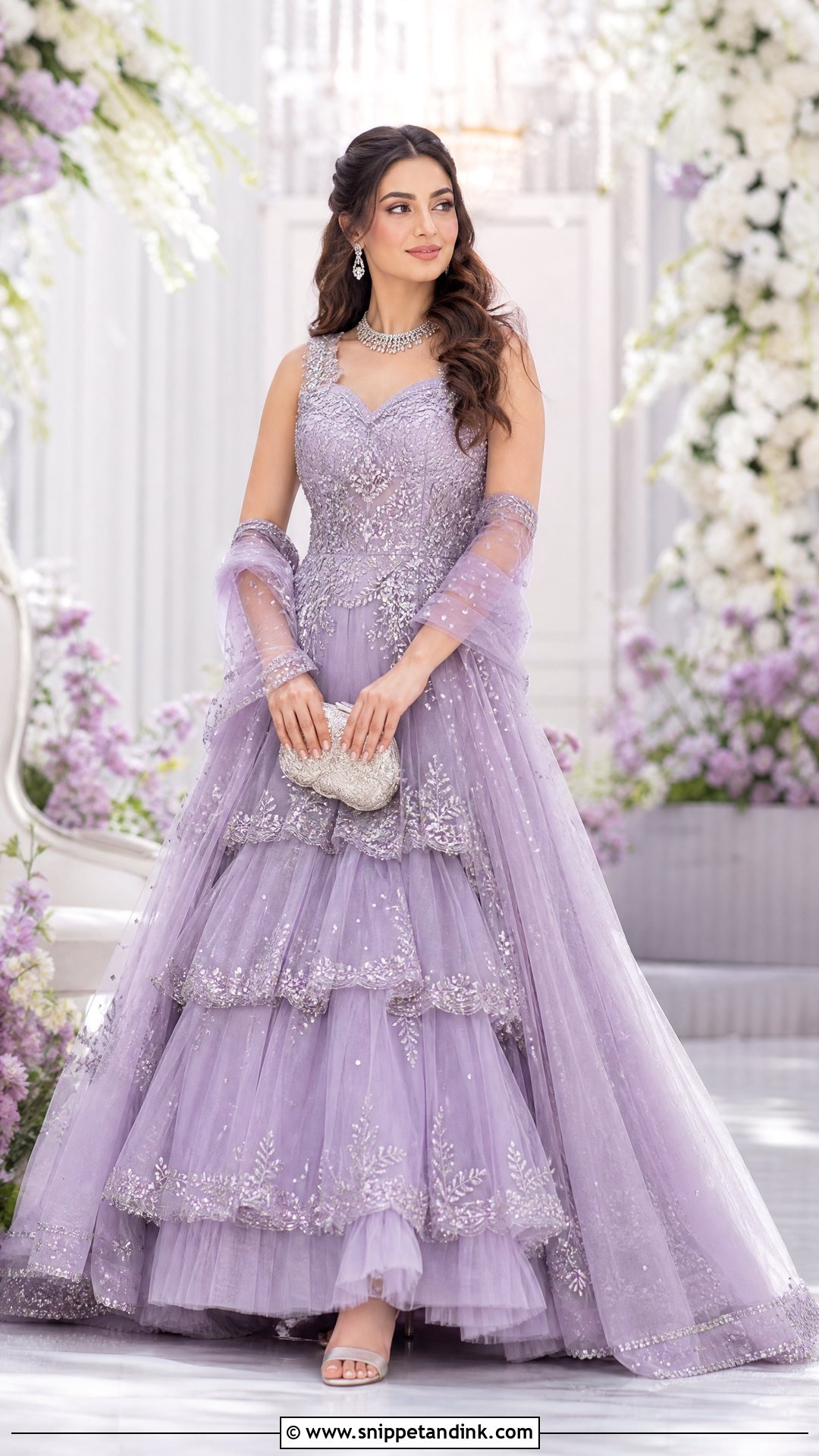
Lavender flatters cool and neutral undertones and can wash out very warm skin unless the makeup adds warmth back. A layered tulle or organza skirt with silver threadwork, tiny crystals or dimensional flowers sits against a fitted bodice, and detachable sheer sleeves let you change the look across the day. Diamond-look jewelry, pale metallic heels and a silver clutch suit it, with soft curls, a half-up style or a loose braided bun. I’d lean into mauve on the lids and lips with soft highlight. Daytime engagements and spring receptions with natural light and floral backdrops show it best.
10. Saree Draped Indian Bridal Gown
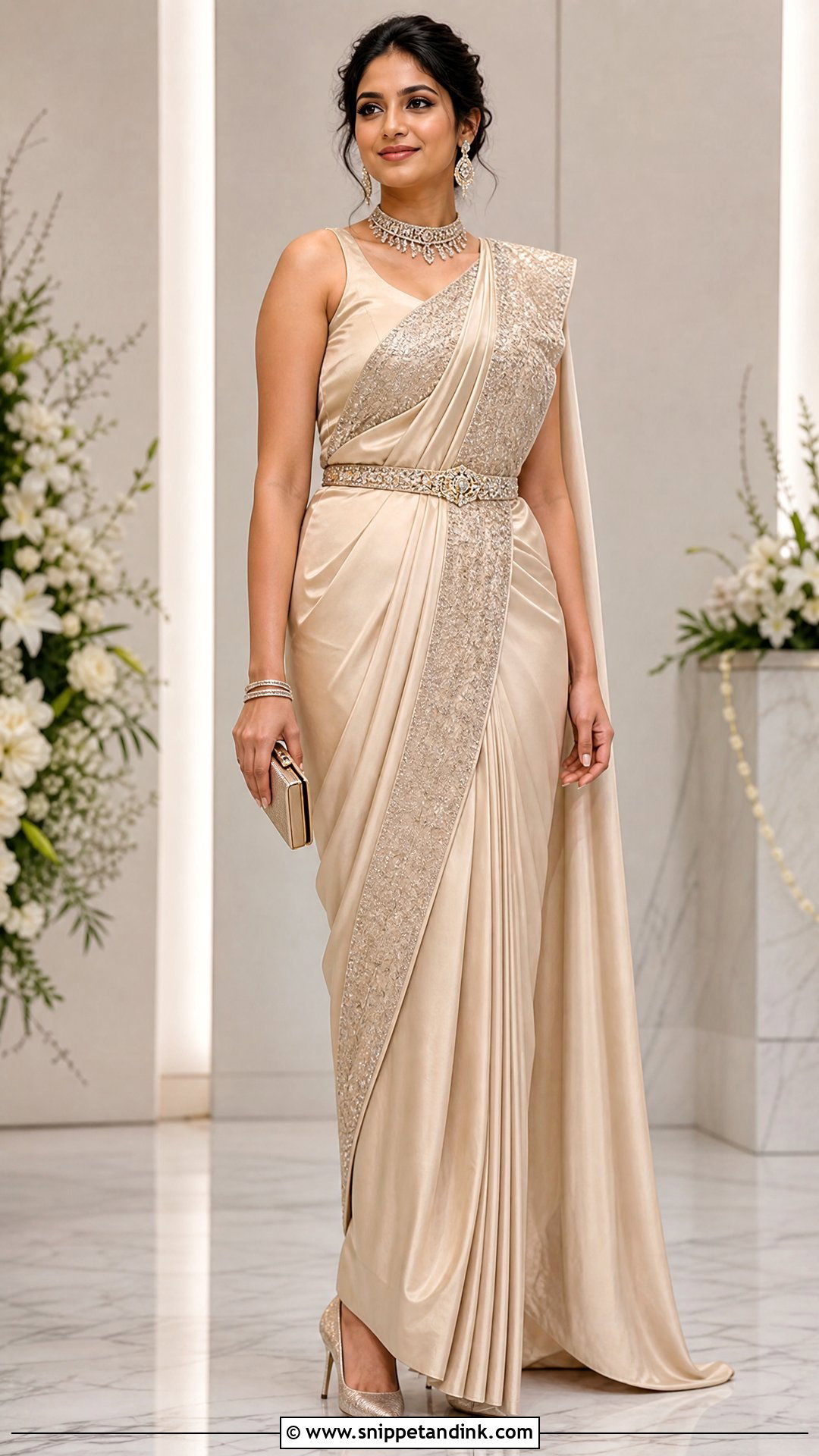
Can’t decide between a gown and a saree? A pre-draped saree gown gives you pleats and a pallu-style overlay without the re-tucking a real drape needs. A fitted inner gown with a fixed panel across the waist and shoulder holds its shape all evening, and satin, georgette or crepe fall smoothly. A statement choker, coordinating earrings and a decorative waist belt define it, with pointed metallic heels and a slim clutch. Finish with a sleek bun and strong eyes. The pallu covers one shoulder and can shade that side of the face, so I check the contour from both angles at the trial.
11. Cape Sleeve Indian Bridal Gown
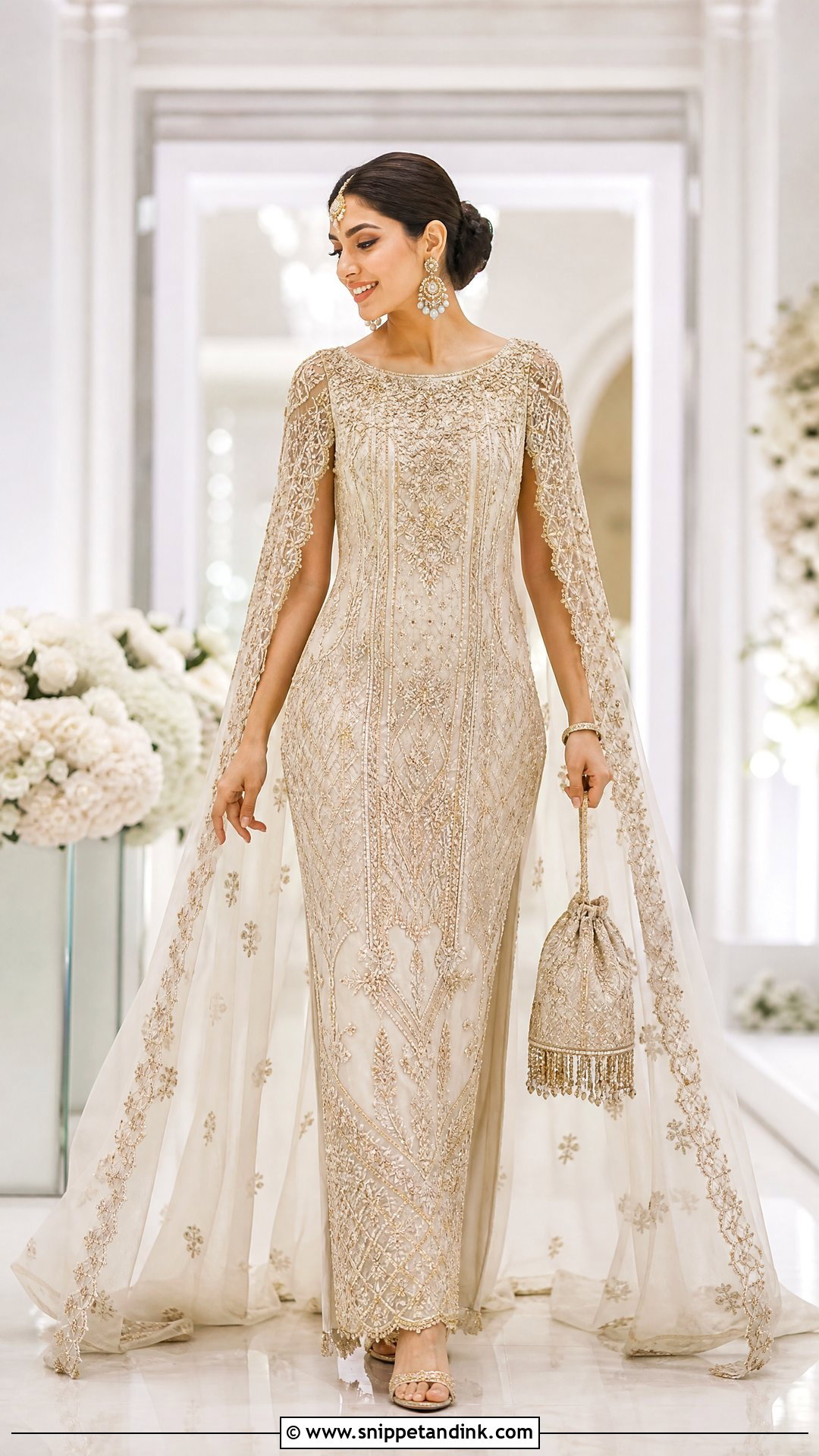
A cape replaces the dupatta and frames the shoulders, so I keep the hair off them. Choose a fitted or softly flared gown with a sheer cape attached at the shoulders and embroidered only at the edges; heavy work across the panel drags it down and hides the gown’s shape. Statement earrings, a delicate maang tikka and one bracelet are enough jewelry, with embellished heels and a small potli. A smooth bun or polished waves pinned back suit it. Keep foundation off the neckline edges at the shoulder seams, because sheer capes pick up makeup transfer easily. Receptions, engagements and formal sangeets suit it.
12. Corset Indian Bridal Gown
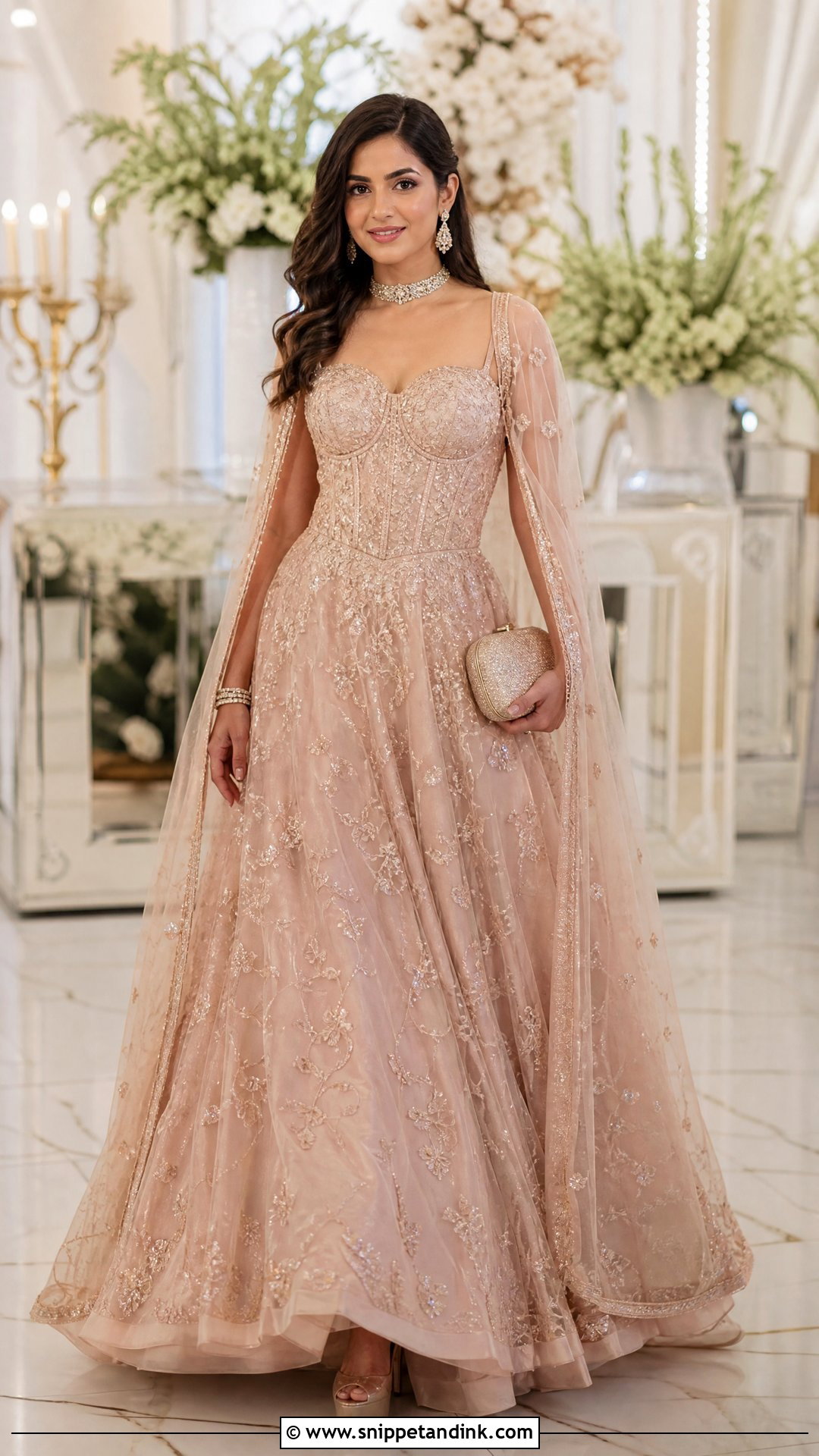
A corset bodice should be supportive, not crushing. If you can’t take a full breath at the fitting, you won’t eat or dance comfortably later. Floral embroidery, crystals or gold threadwork soften the boning lines and link the silhouette to Indian craft. A lightweight choker, drop earrings and an embroidered dupatta loose across the arms suit it, with platform heels for stability and a beaded clutch. A high bun or soft side-parted waves keep attention at the neckline. Because the corset exposes the décolletage, I blend foundation down onto the chest so the face and neck don’t look like two different shades in flash photos.
13. Anarkali Indian Bridal Gown
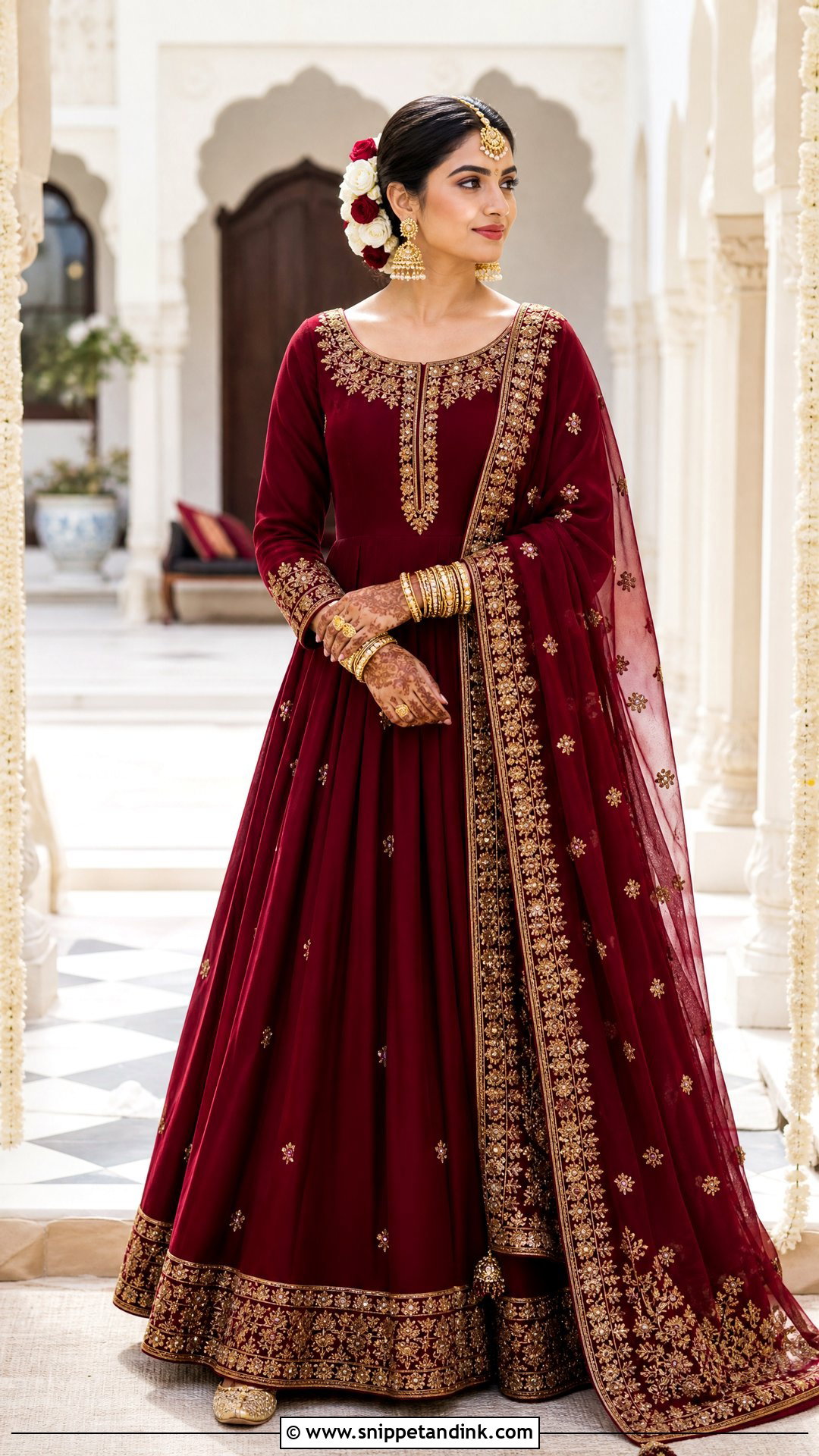
An Anarkali’s flowing panels fall away from a fitted upper body, which is why it suits so many figures. Silk, brocade, georgette or net change its structure, so pick by season. Keep intricate embroidery to the neckline, cuffs and hem and leave open fabric to swing. Jhumkas, a maang tikka, stacked bangles and an embroidered dupatta draped over one shoulder complete it, and juttis can replace heels if comfort comes first. A braided bun and softly defined makeup suit the modest, graceful shape. It works for ceremonies, engagements and family-centered celebrations.
14. Peplum Indian Bridal Gown
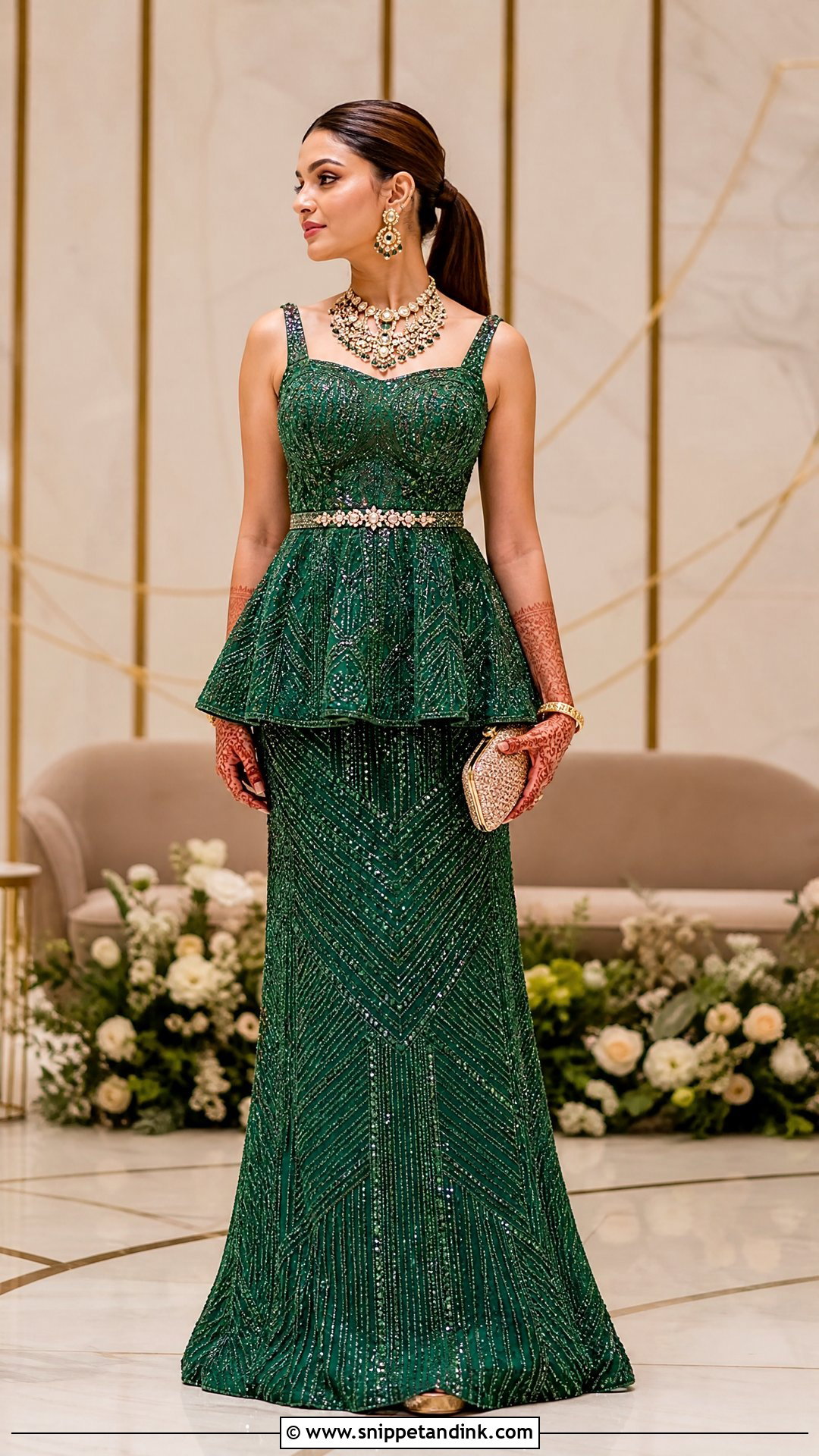
A peplum adds a flared waist detail to a fitted top and floor-length skirt, and it should define the waist without stiffening it. Concentrate embroidery on the bodice and let it lighten toward the hem. A medium-length kundan necklace, statement earrings and a slim belt (only if it suits the peplum placement) work well, with comfortable block heels and a small clutch. A polished ponytail or low bun keeps the neckline and waist visible. For more coverage, full sleeves or a light dupatta keep the structure intact. It’s a good fusion choice for an engagement, reception or sangeet.



15. Mermaid Indian Bridal Gown
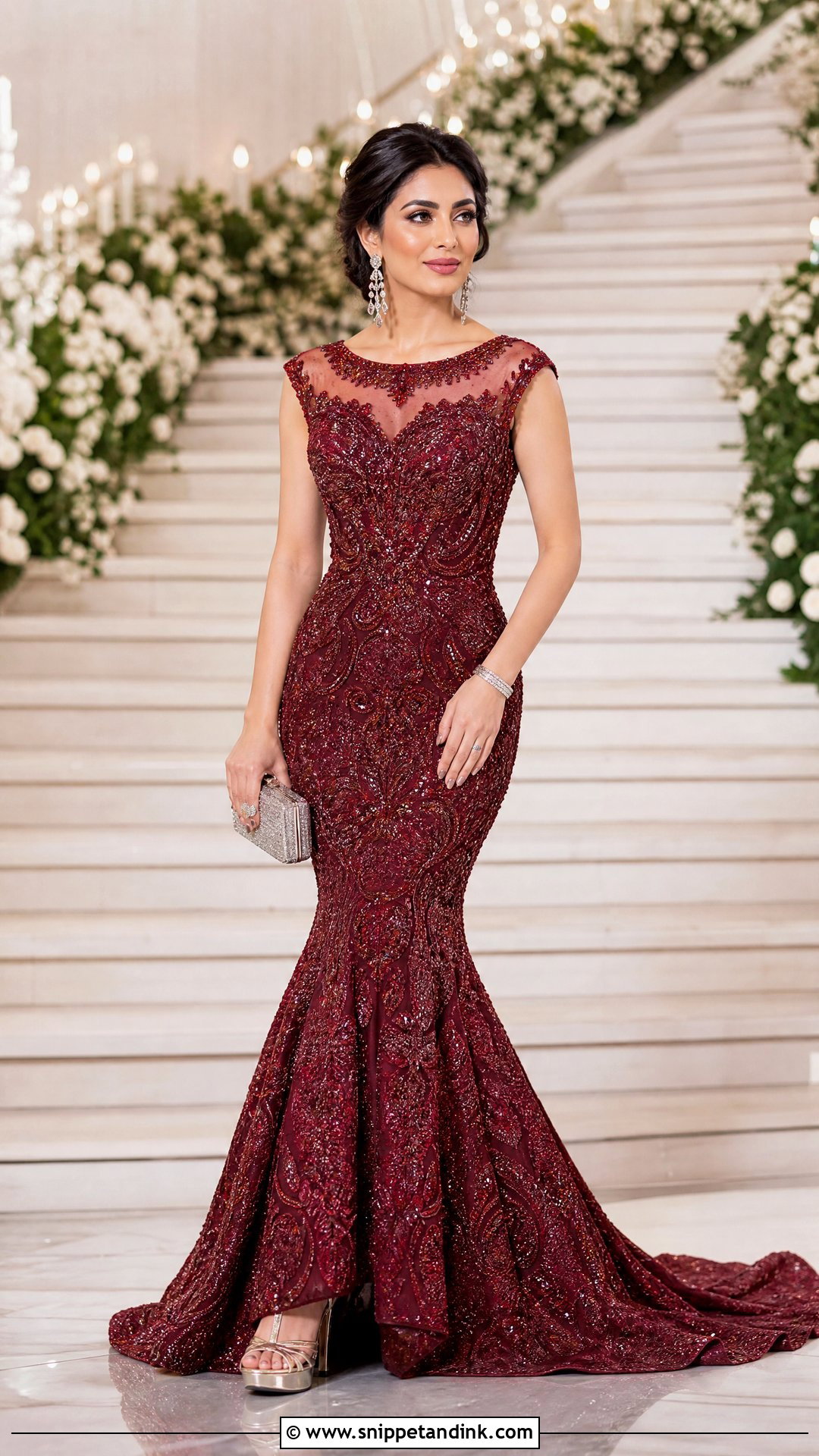
The mermaid is the gown I see brides struggle in most, because the flare point near the knee limits the stride. A stretch lining beneath embroidered net, sequins or crystals makes a real difference to comfort, and the tailoring should leave room to walk, sit and dance. A sweetheart, off-shoulder or illusion neckline complements the sculpted shape. Long earrings, a sleek bracelet, a statement ring and metallic platforms finish it, with a compact clutch rather than a big potli. Side-swept waves or a smooth bun, depending on the neckline, complete a glamorous reception look.
16. Ball Gown Indian Bridal Gown
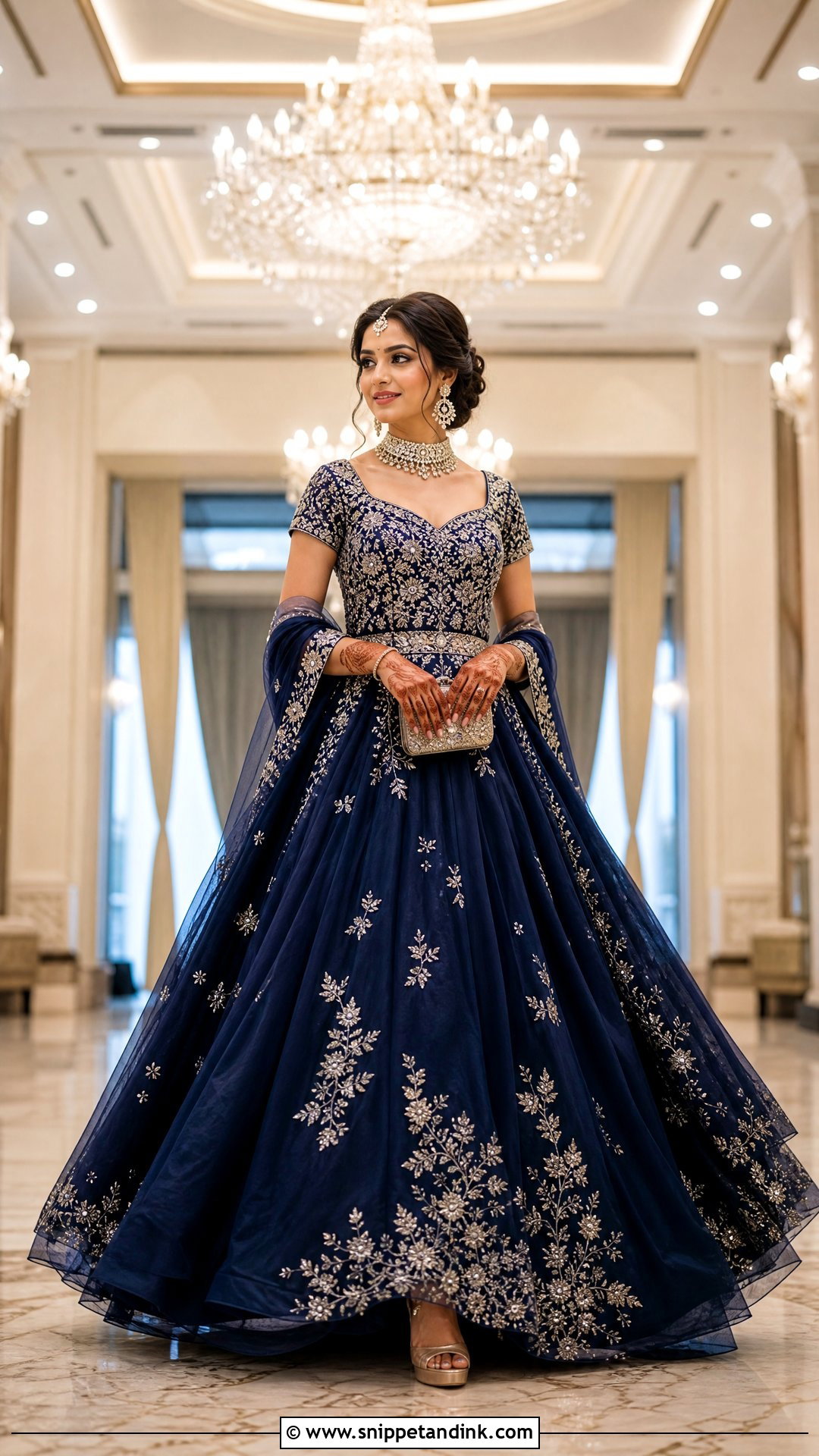
A full ball gown makes the grandest entrance, and it needs a room big enough to let the skirt move. The fitted bodice and voluminous skirt are classic; Indian embroidery gives cultural depth. Jewel-toned velvet suits winter, tulle and organza warm weather. Embroidered vines, architectural motifs or scattered crystals add detail without making the whole skirt heavy. A choker, drop earrings and a fine headpiece or maang tikka suit it, with secure platform heels and a structured clutch. A neat bun keeps the neckline visible and balances the volume. With this much skirt, I scale the makeup up slightly, especially the brows and lips, so the face doesn’t get lost.
17. High Neck Indian Bridal Gown
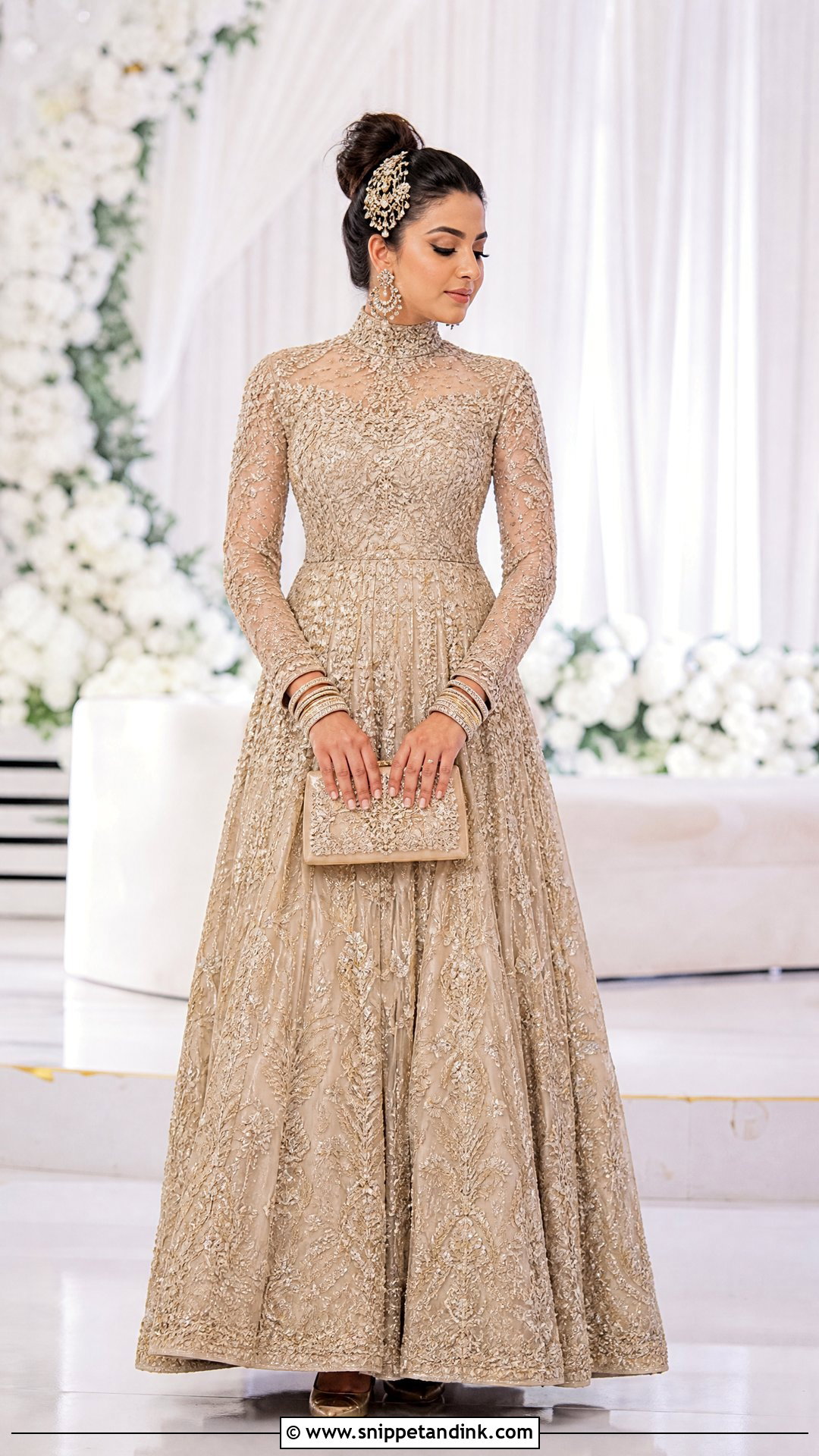
A high neck frames the face, so skip the necklace and let statement earrings, a jeweled hair accessory and coordinated bangles do the work. Embroidered net, lace or structured fabric should sit comfortably at the throat without pressing. Three-quarter or full sleeves continue the line, and a flowing skirt keeps it from looking severe. Closed-toe metallic heels and a small embroidered clutch support the formal mood. Wear your hair up in a high bun, braided updo or low knot. One practical warning from my kit: a high collar rubs foundation off the jawline, so I set that area thoroughly and leave a blotting sheet with whoever holds your bag.
18. Off Shoulder Indian Bridal Gown
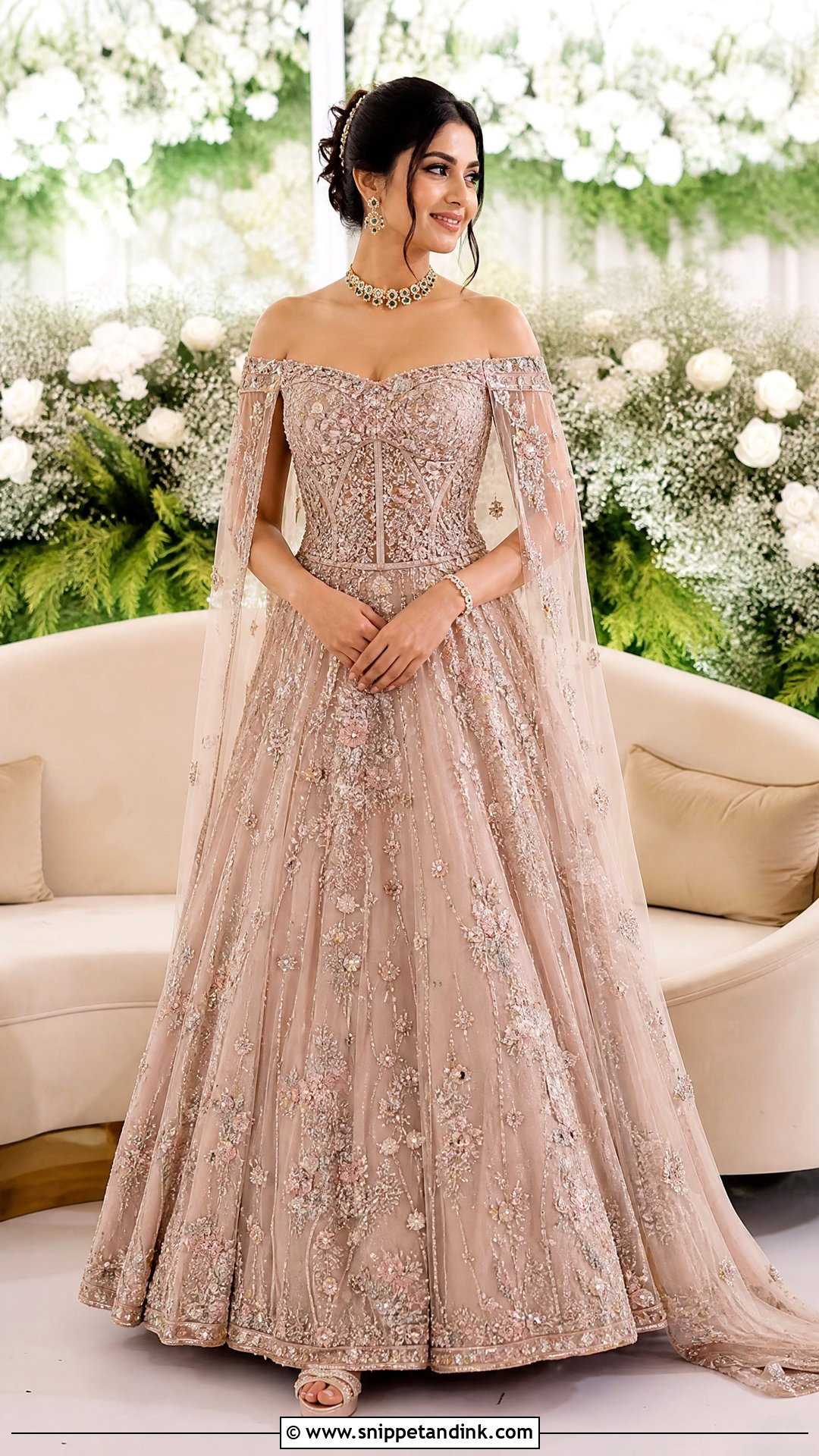
Off-shoulder necklines put the collarbones and shoulders on show, and that whole area becomes part of the makeup. I always even out the shoulders and chest with a light body product so they match the face under flash. The bodice needs internal structure so the gown stays up through the evening. A wide A-line skirt with floral embroidery and light beadwork keeps it soft. A short kundan choker or one necklace sitting above the neckline, matching earrings, a slim bracelet and embellished heels complete it. A soft updo with face-framing strands keeps the shoulders clear. Add a detachable cape or sheer dupatta for a covered entrance.
19. Floral Embroidered Indian Bridal Gown
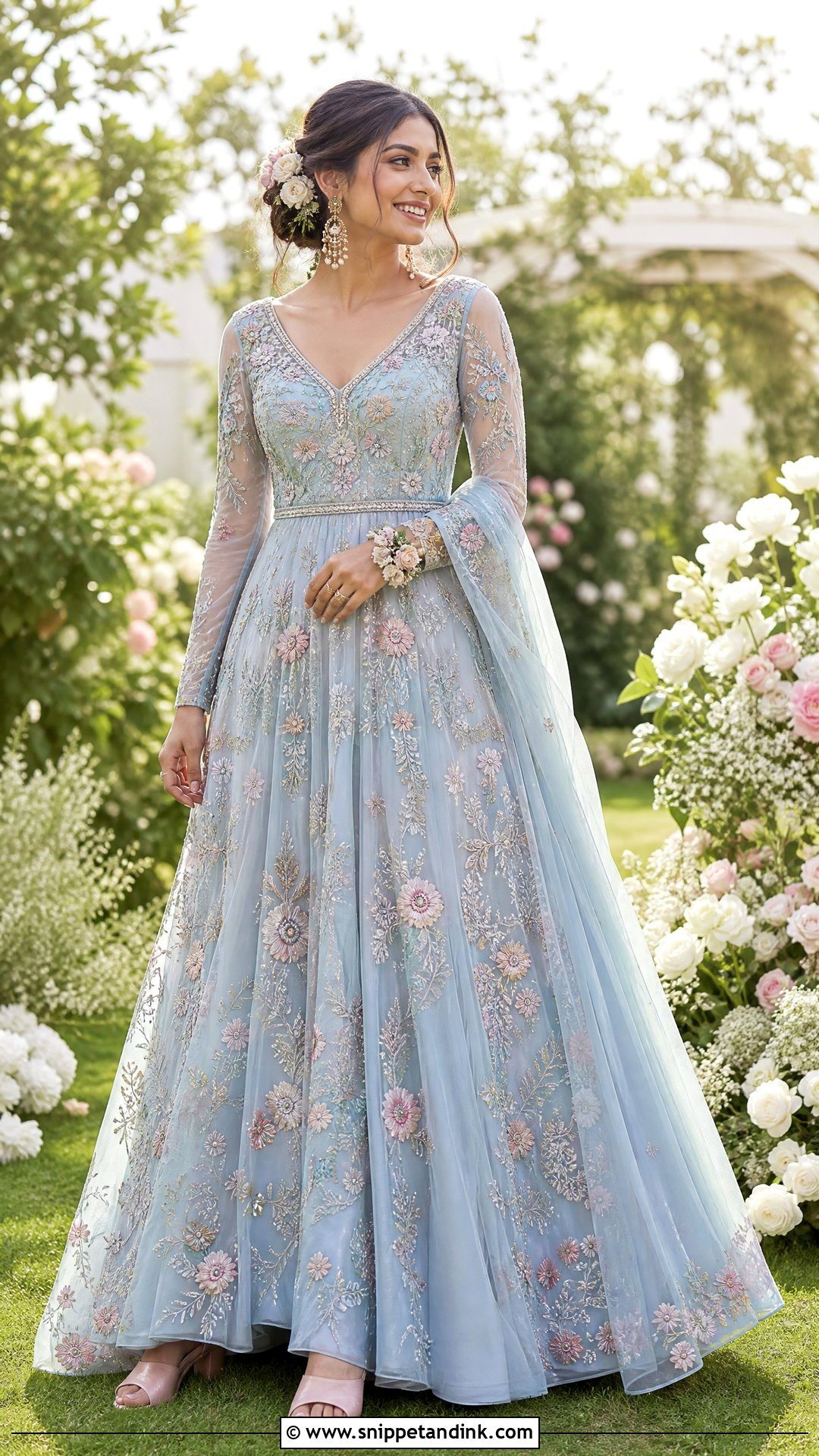
Multicolored floral embroidery on a neutral, blush, sage or powder-blue base needs a clean silhouette so the threadwork stays the feature. A fitted waist with a layered A-line skirt moves easily through daytime celebrations. Pearl jewelry, floral-inspired earrings and a delicate bracelet suit it, and nude or pastel block heels avoid adding another strong color. A loose bun with small flowers finishes the look. With this many colors near the face, I pick just one of them to echo in the cheeks or lips and keep the eyes soft. Garden engagements, daytime receptions and spring weddings suit it.
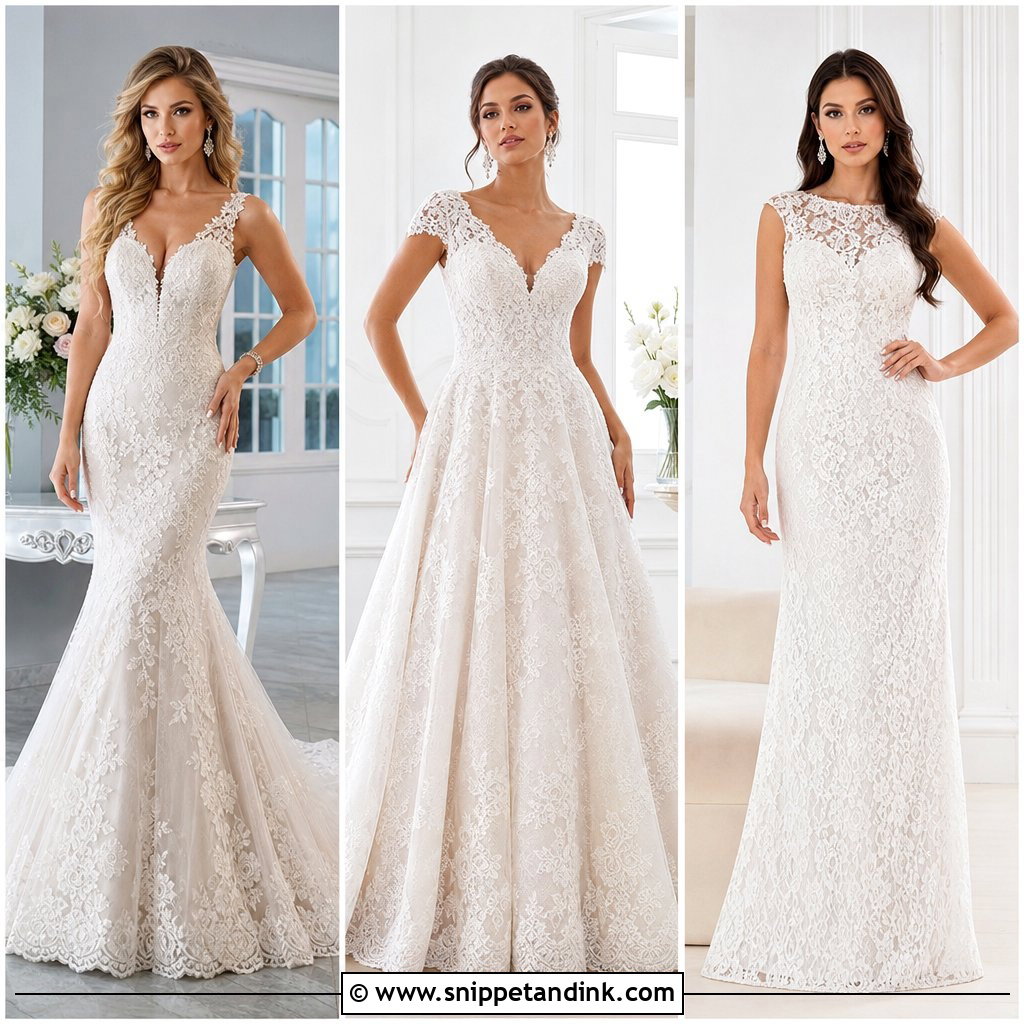
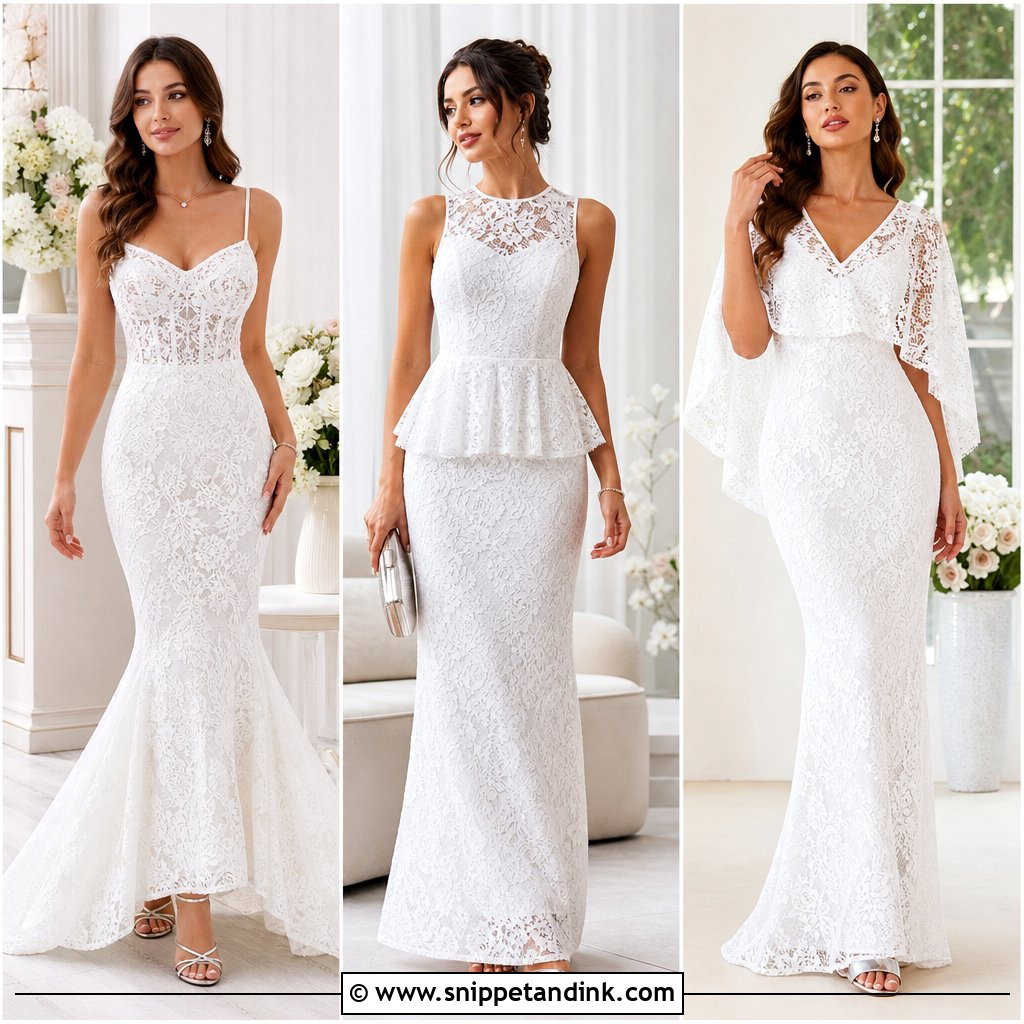

20. Detachable Overskirt Indian Bridal Gown
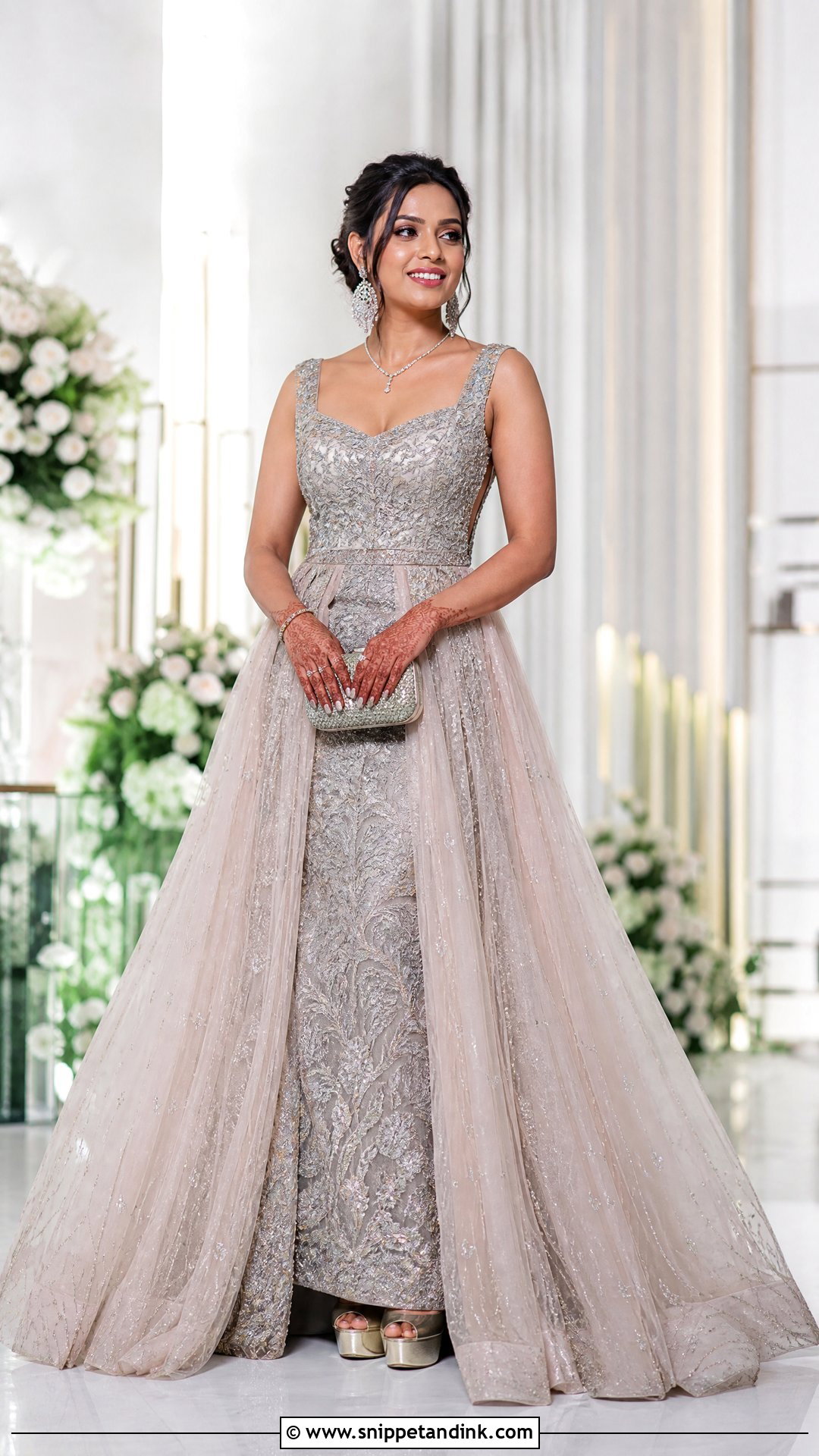
A detachable overskirt gives you two bridal moments from one outfit: a voluminous skirt for the entrance and portraits, then a lighter fitted gown or column for dancing. The join is what I’d inspect at the fitting. It should sit smoothly at the natural waist and fasten without visible bulk, and someone besides you should know how to remove it. Statement earrings, a fine necklace, metallic platforms and a compact clutch suit both versions, with a sleek ponytail or polished bun. Plan a quick powder and lip touch-up for the switch, since the change usually happens right before the busiest photos of the evening.
Stepping Into a Fitted Gown After Hair and Makeup Are Done
Many brides get ready in the order of hair, makeup, then dress, which is right. The risk is the moment the gown goes on. Here’s how I protect the work when it’s time to dress.
- Wear a front-button or zip top while hair and makeup are done, so nothing has to come off over your head.
- Step into the gown wherever possible rather than lowering it over your head. Most back-zip and corset gowns allow this.
- If it must go over the head, cover the face with a thin, clean scarf or a makeup guard, and have two people lift and guide the gown.
- Fasten the gown before the jewelry goes on, then the earrings, necklace and maang tikka, then a final check of the hair.
- Finish with a light mist of setting spray, held at arm’s length so it doesn’t spot silk or satin.
Keep a small touch-up kit with whoever is closest to you through the day: blotting papers, a pressed powder, your lipstick and a few cotton buds. Heavy gowns and warm venues mean a little shine by the second hour, and blotting before powdering keeps the base from building up and looking cakey.
A Full Rehearsal With Gown, Jewelry and Face On
The right gown should feel comfortable and look like you. Start with a silhouette that lets you move and suits how formal the event is, then coordinate the jewelry, shoes, hair and dupatta with its neckline, fabric and embellishment. At the final fitting, wear your actual shoes and practice sitting and walking. If you can, do one complete run-through with your makeup trial look and jewelry on, and take photos with and without flash. Classic red, pastels, jewel tones and metallics can all be made personal once you see the whole picture together.
You'll Like These Ideas:






Leave a Reply