
A grand wedding dress is about scale: a skirt with real volume, a fabric with weight, a train that keeps arriving after you do. What I’ve learned from dressing brides in these gowns is that the drama only lands when the dress still lets you move, sit and breathe. You might be drawn to a satin ball gown, floral lace or a sharp column. Below are twenty gowns styled from veil to shoes, with the fitting checks I’d make on each one. The accessories are deliberately restrained, since a dress with this much presence rarely needs help.
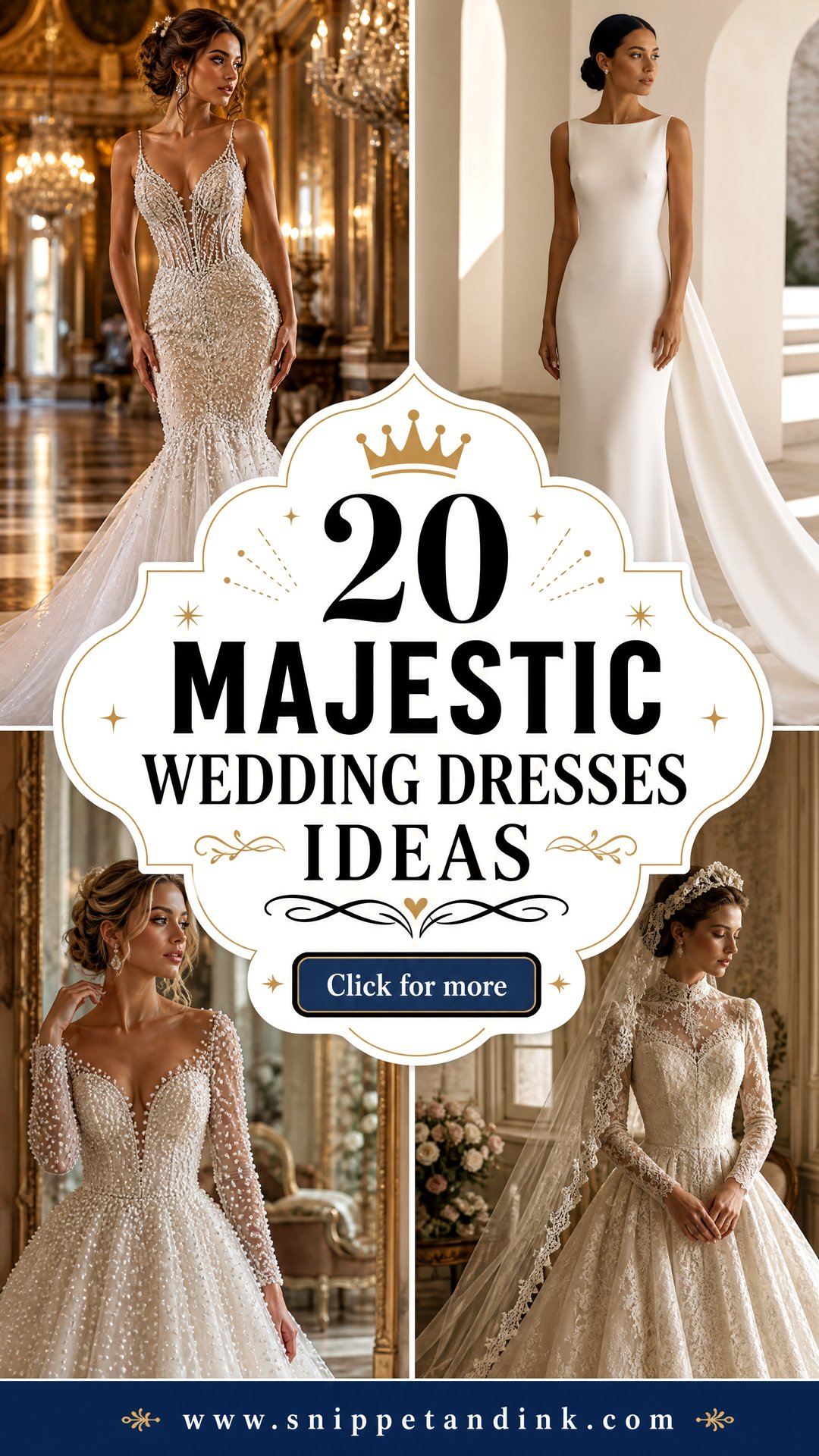
How Much Gown Your Venue Can Actually Hold
The first question I ask about a dramatic dress isn’t about the bride at all. It’s about the room. A full ball gown and a cathedral train are designed for wide aisles and high ceilings, and in a small space they look cramped rather than regal.
Measure the aisle before you fall for a skirt
A big tulle or satin skirt can be well over a meter across at the hem. If your aisle is lined with chairs and narrow, guests on the end seats will be brushed all the way down. Ask your venue for the aisle width, then compare it with the skirt span the boutique gives you.
Ground, heat and the length of the day
- Grass, gravel and sand stain and catch long trains. Outdoors, I lean toward a chapel train or a shorter sweep.
- Layers of satin and petticoat get hot. For a summer ceremony without air conditioning, organza and chiffon breathe better.
- A heavily beaded gown can feel very different at the end of a long day than it does at the fitting. If you plan a long reception, think about a lighter second look.
None of this means a small venue rules out drama. It usually means moving the drama into the bodice, a bow or a cape, and keeping the skirt to a size the room can carry.
1. Satin Ball Gown Wedding Dress
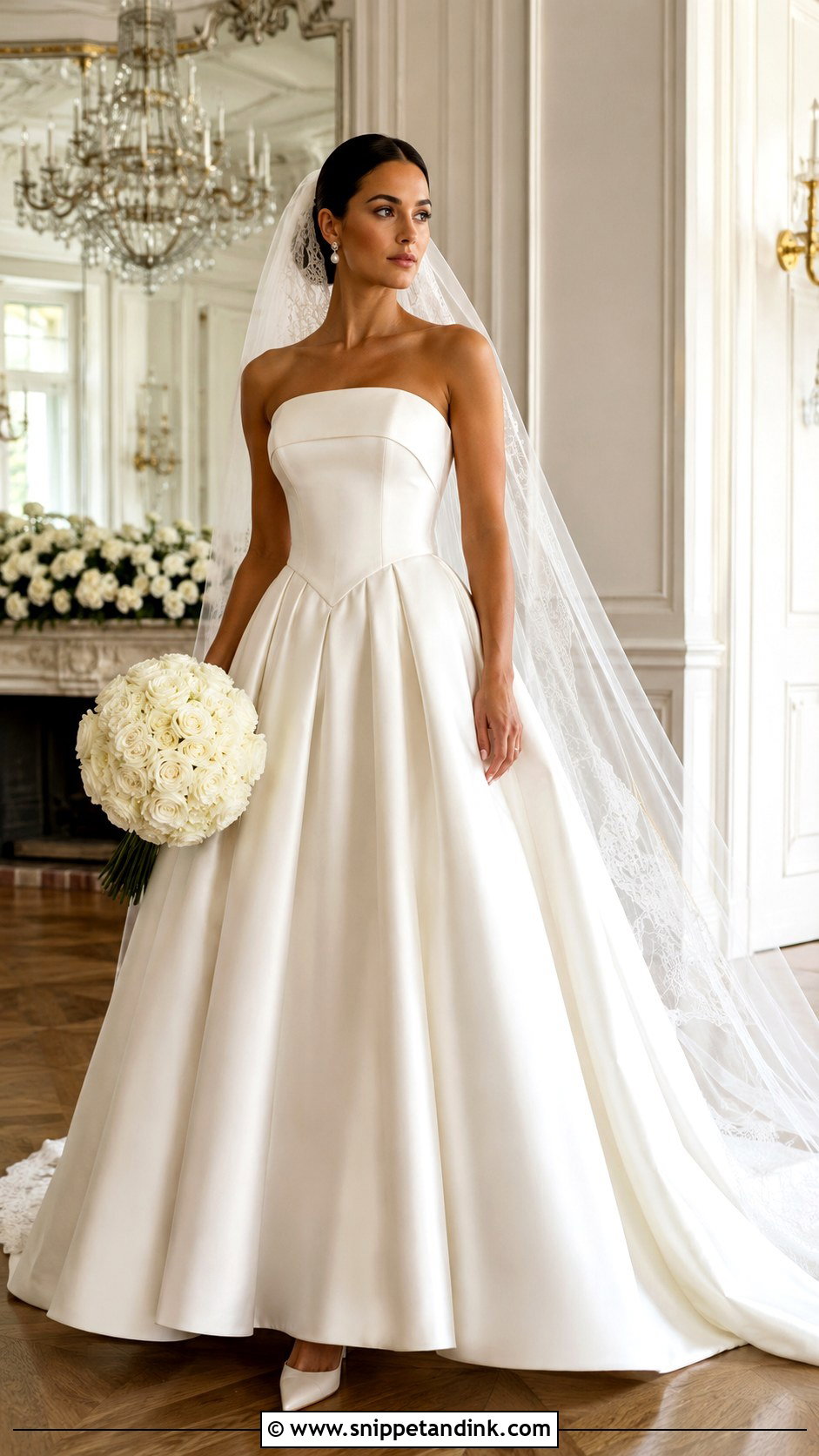
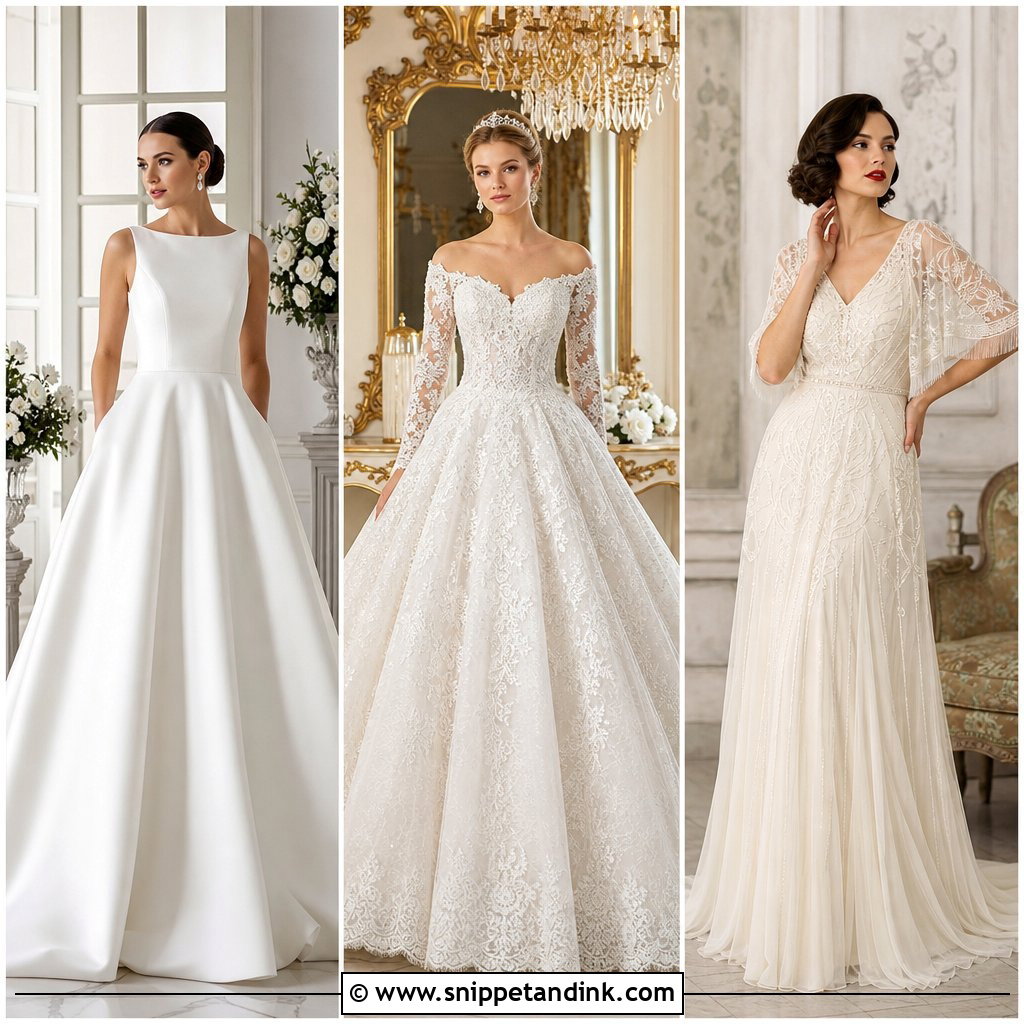
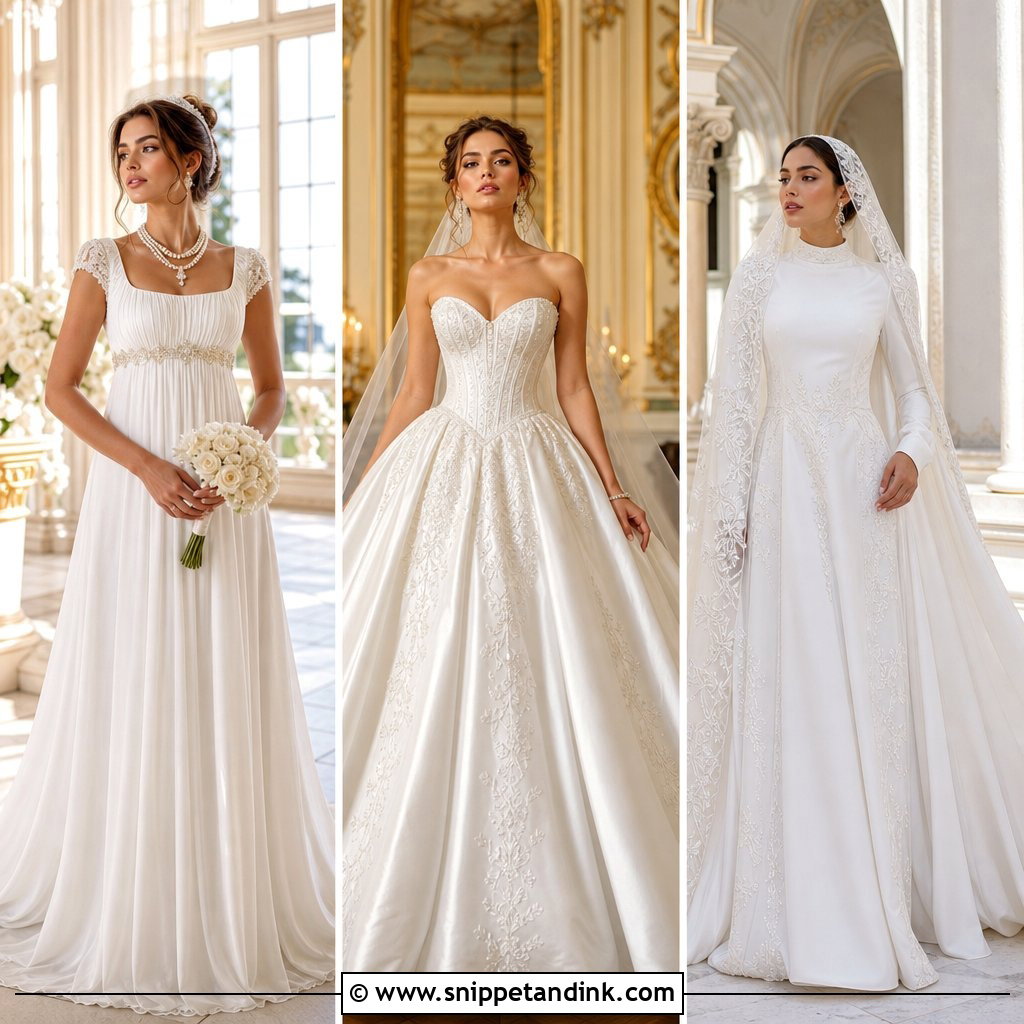
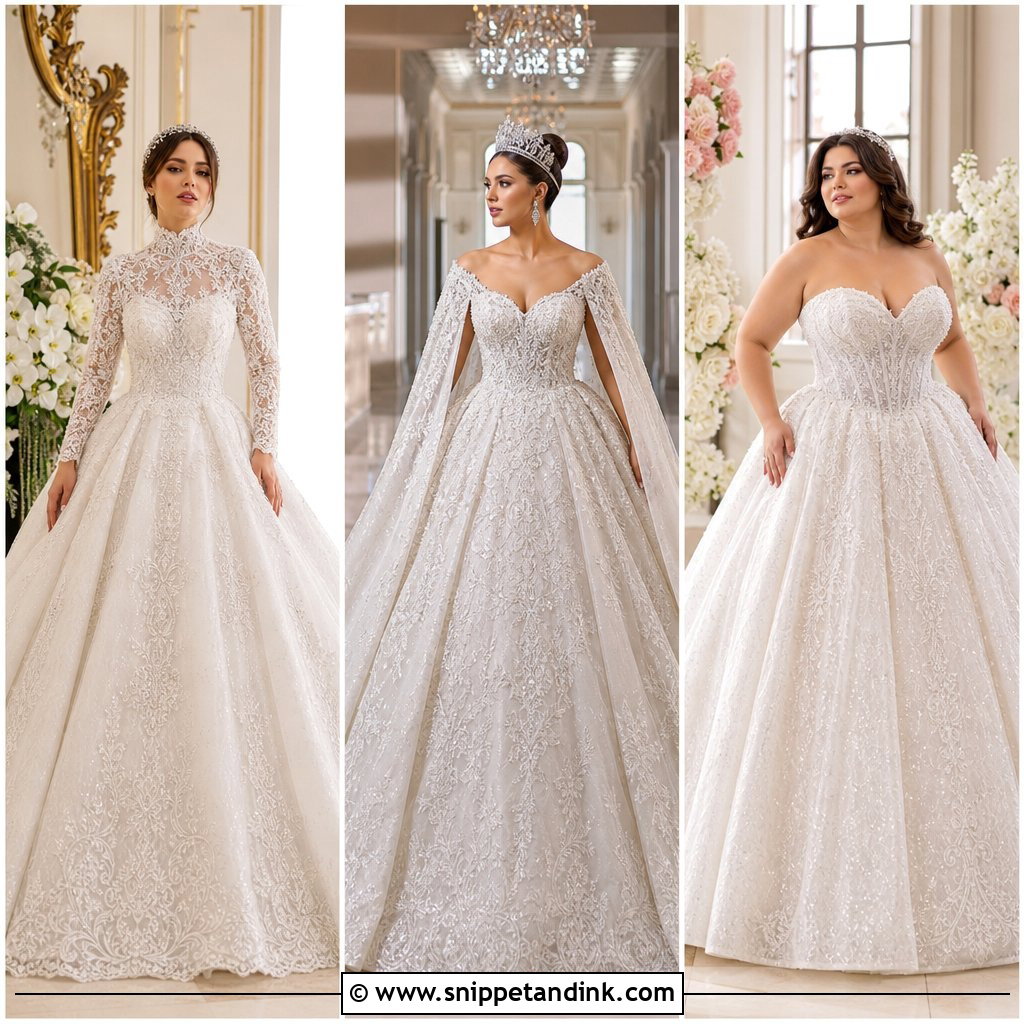
Satin holds a pleat crisply, which is why a full pleated skirt in this fabric keeps its shape through the whole day rather than collapsing by the speeches. A structured strapless bodice with a soft curve at the neckline, and a Basque waist if you want the torso to look longer, give it that regal line. Pearl drops, pointed ivory pumps and a smooth cathedral veil are all it needs. I always ask for hidden pockets in a skirt this full; there is room, and you will use them. Sit, walk and lift your arms before signing off the bodice. Keep the bouquet compact, and save this gown for a ballroom or estate with space to spare.
2. Long Sleeve Lace Wedding Dress
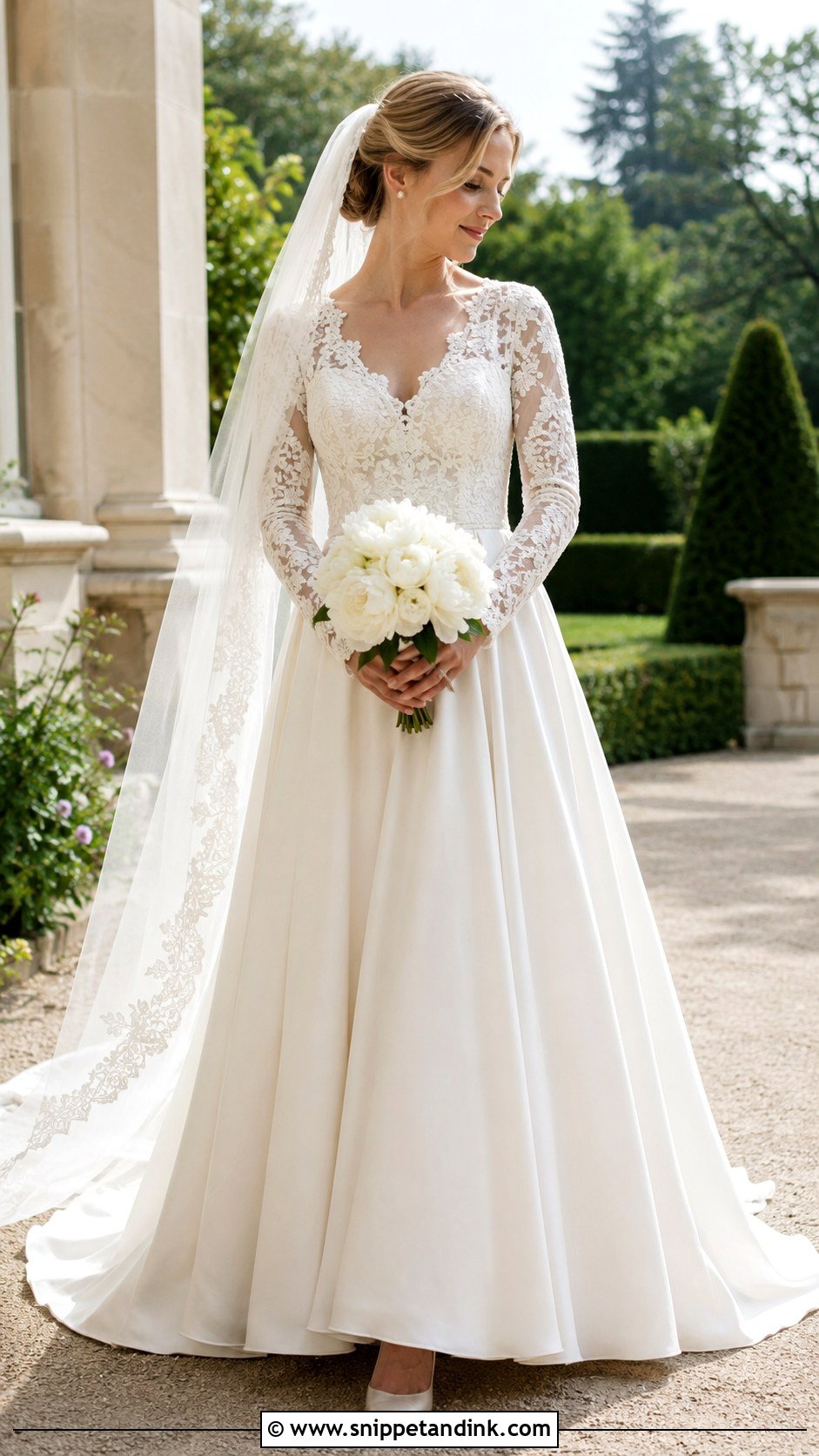
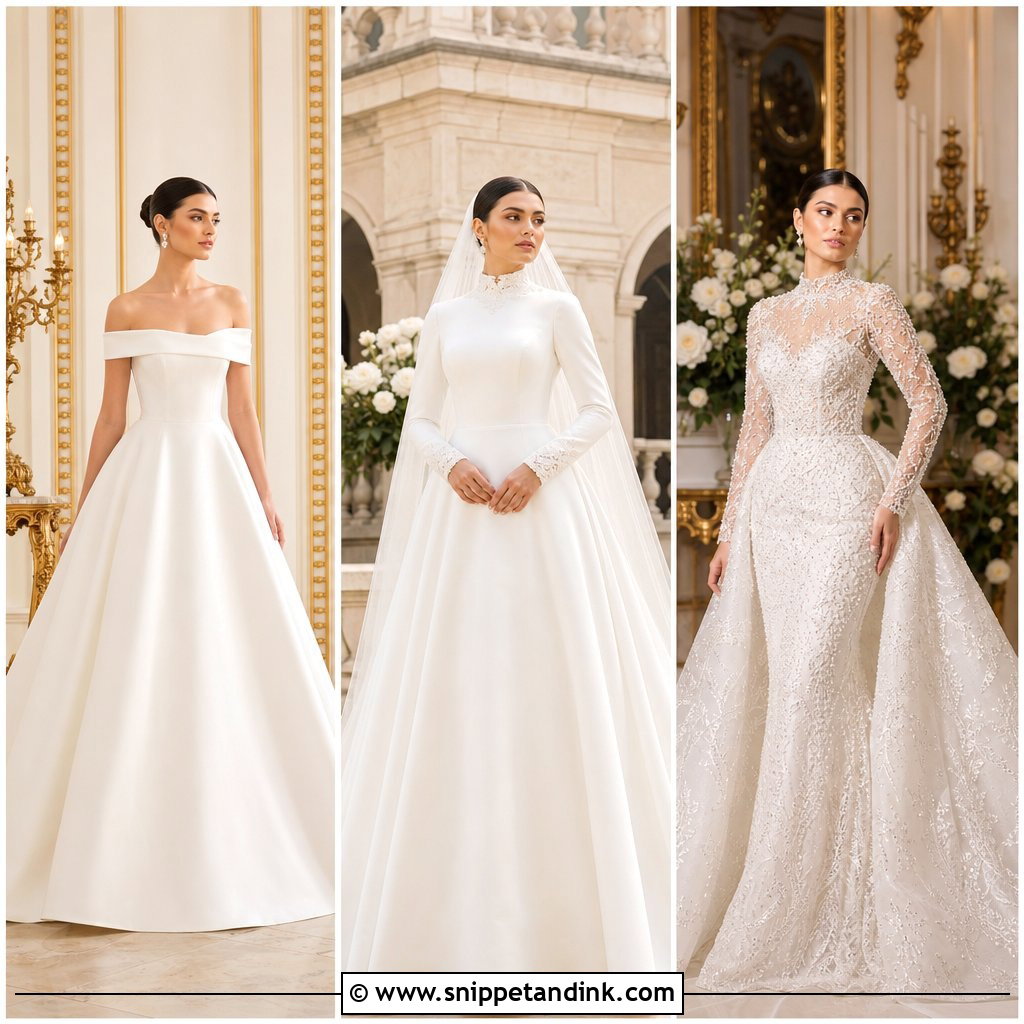
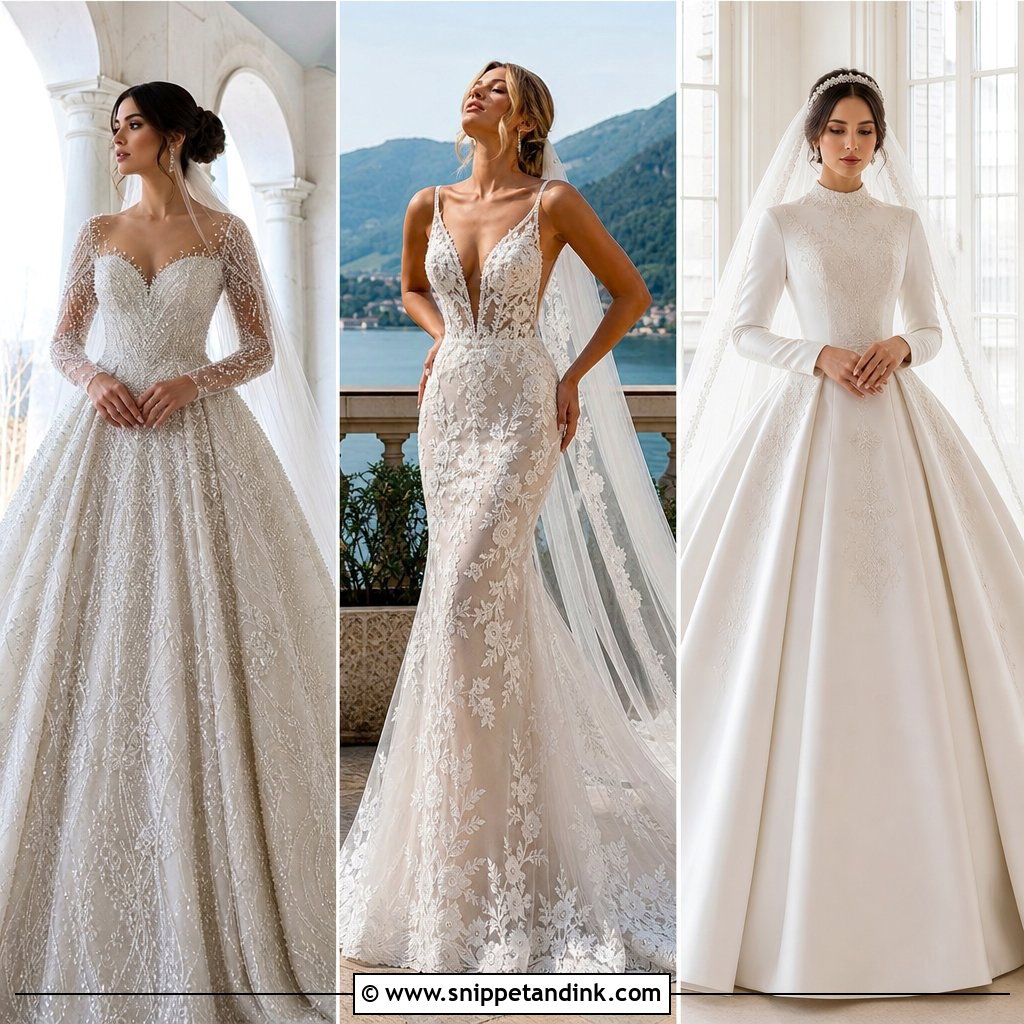
Long lace sleeves are where comfort is won or lost. Bend your elbows and roll your shoulders at the fitting: lace with a little stretch moves with you, while rigid lace pulls across the back every time you reach. An A-line with a fitted lace bodice, softly sheer sleeves and an ivory-lined skirt is the classic version. Covered buttons down the back and a gentle V-neck keep it open. I’d add pearl studs, low satin heels and a lace-edged veil that repeats the gown’s texture, with a loose updo so the back shows. White peonies and greenery give a fresh contrast.
3. Basque Waist Wedding Dress
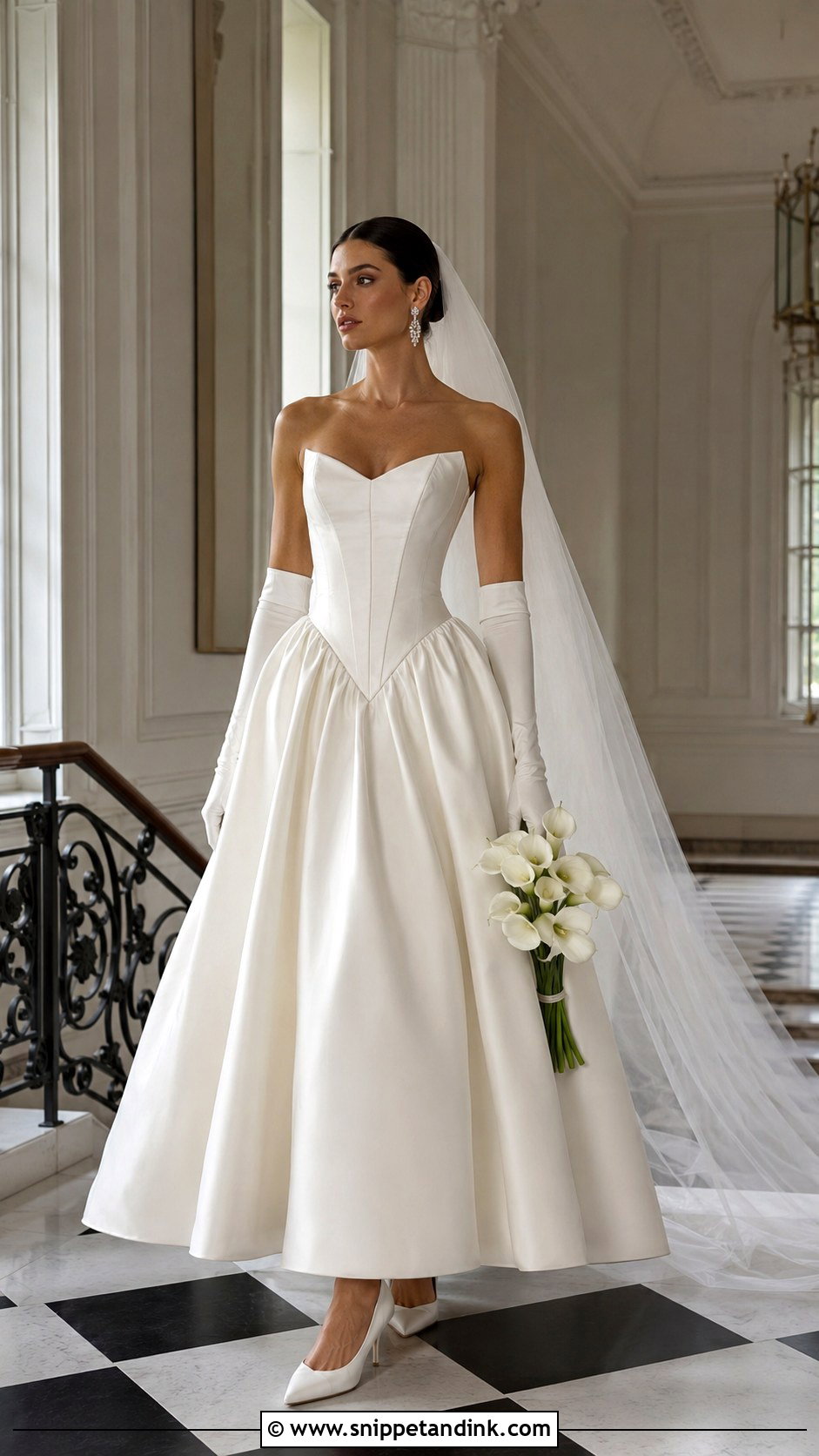
The Basque point is the whole story of this dress, so nothing should interrupt it: no belt, no heavy beading at the waist. It looks sharpest on a corseted bodice over matte satin or Mikado, a stiff woven fabric that holds a sculpted line. A square or soft scoop neckline frames the collarbone. Opera-length gloves push it toward royal, and crystal earrings add measured sparkle. Finish with pointed pumps, a long plain veil and calla lilies. Have the tailor check the bodice while you are seated, because a pointed waist can dig into the thighs if it runs too long.
4. Floral Appliqué Wedding Dress
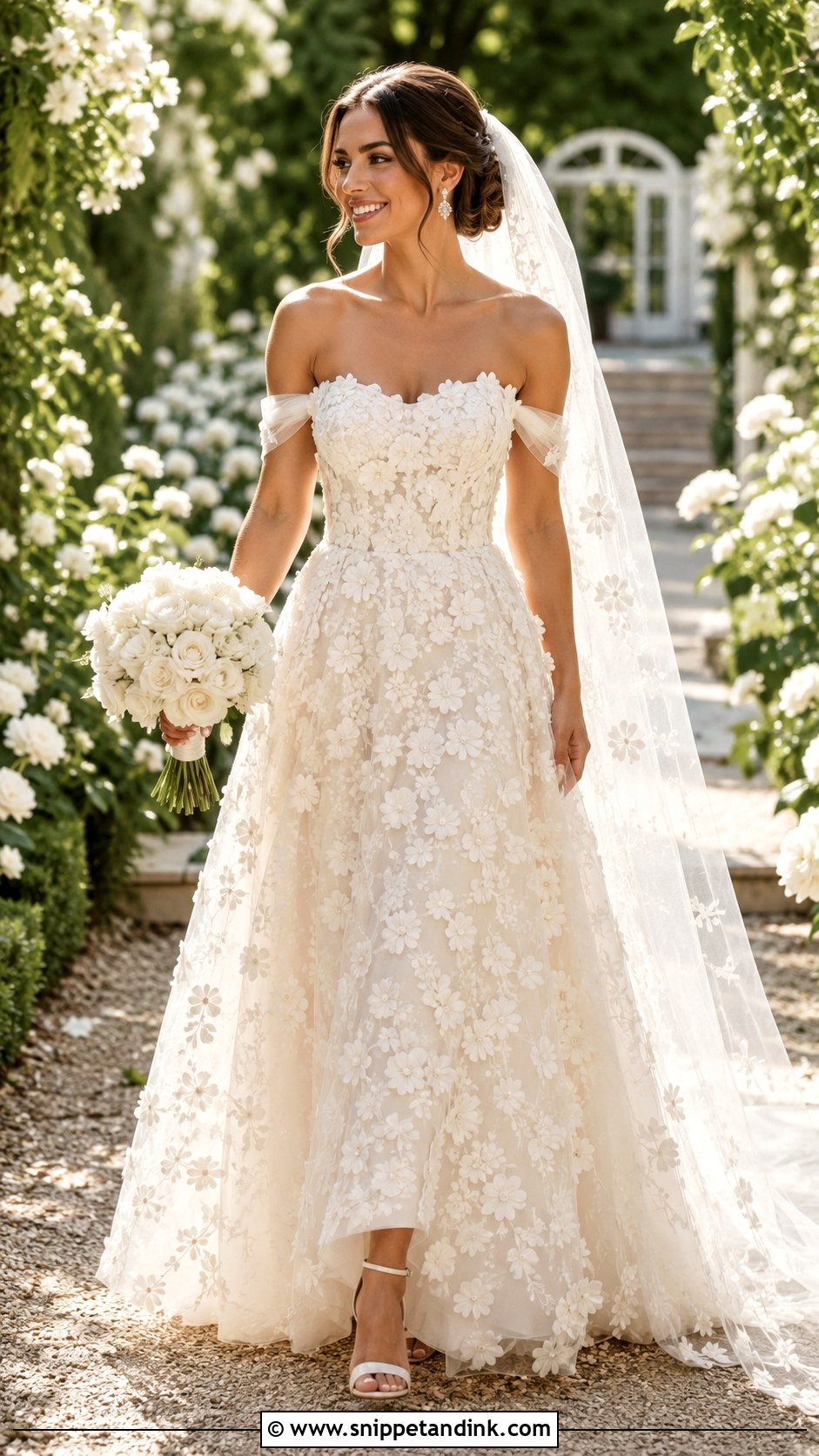
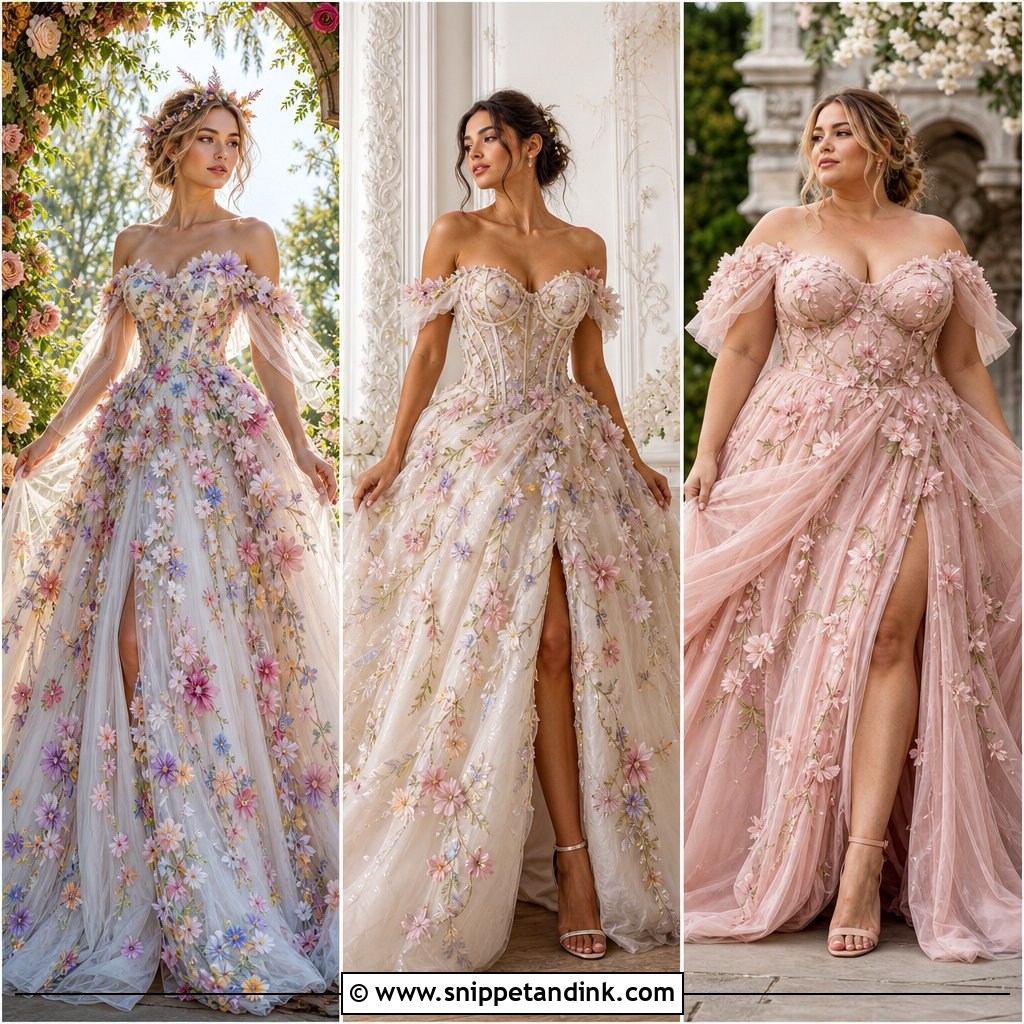
Raised appliqué gives texture that reads from across a room. The best versions space the flowers carefully over the bodice and let them continue onto the skirt, rather than stopping abruptly at the waist. One problem I watch for: three-dimensional petals snag fine tulle veils, so we always test the veil against the gown at the fitting and sometimes choose a smoother edge. Detachable tulle straps add support to a strapless neckline if you need it. Small studs, ankle-strap heels and a single-color bouquet keep it calm, and a garden or greenhouse suits it.
5. Off The Shoulder Wedding Dress
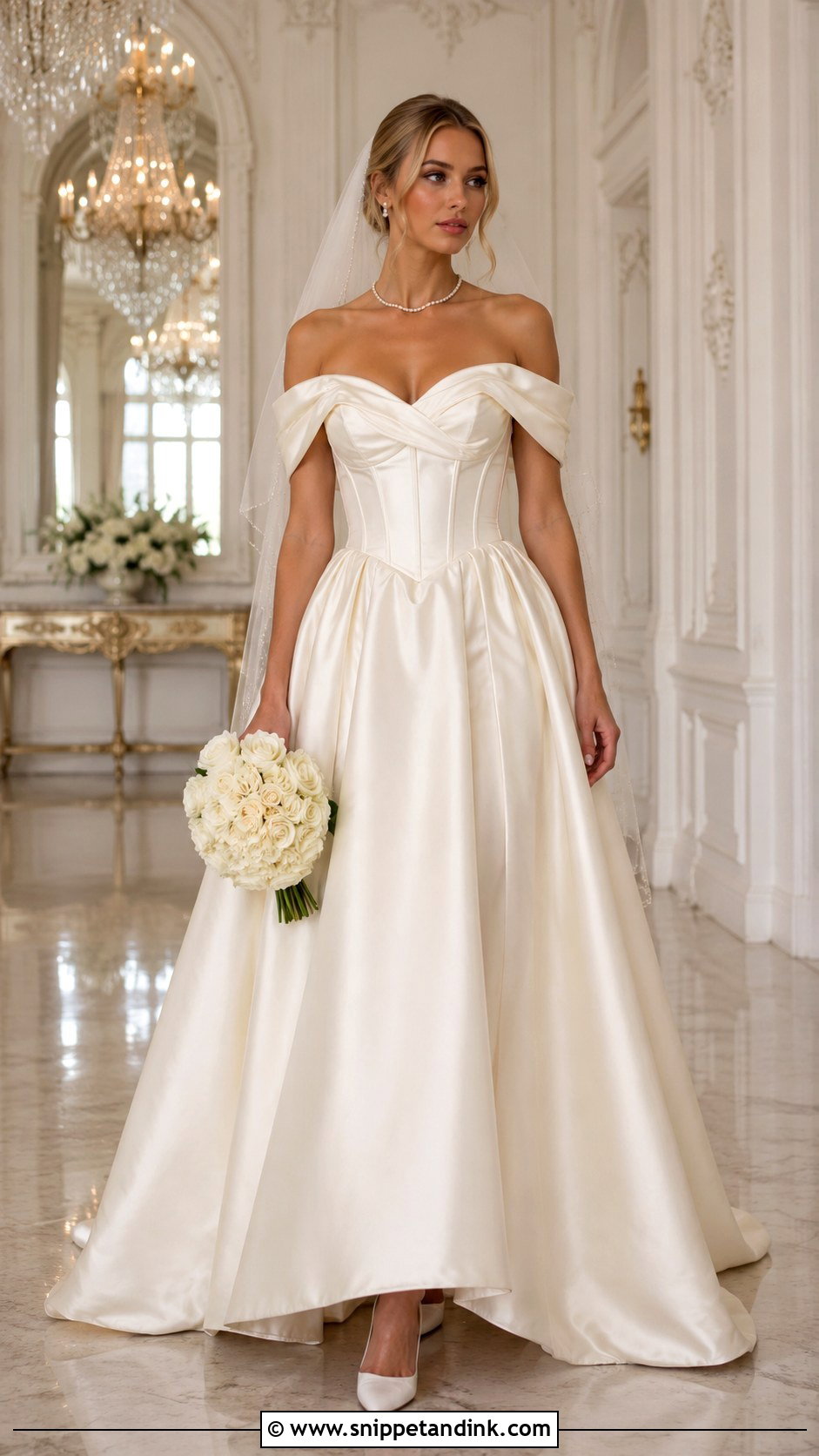
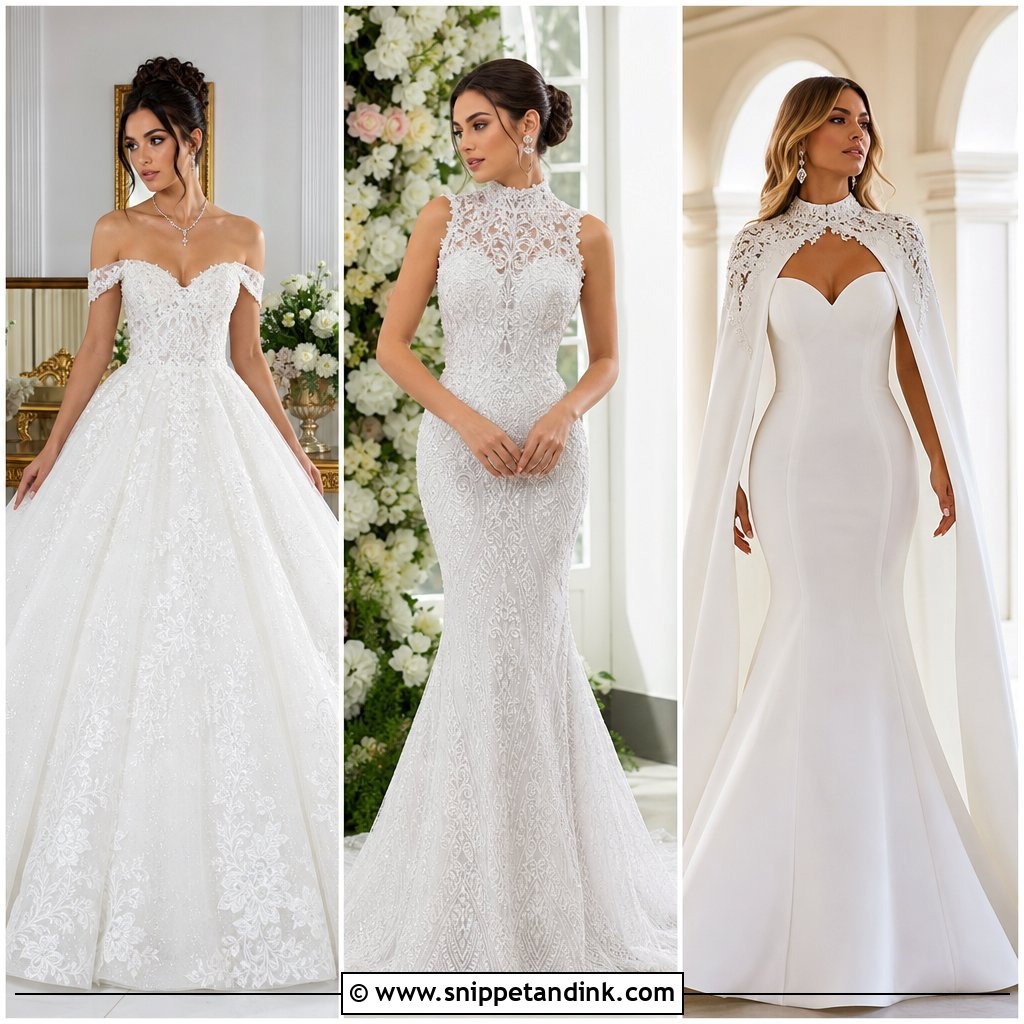
The off-the-shoulder drape over a corset bodice and full satin skirt is one of the most flattering shapes I fit, and also one of the most fiddly. Drapes set too low pin your arms to your sides. Practice hugging, sitting and lifting your arms during alterations until the sleeves stay put. A choker-style pearl necklace or short pendant fills the open neckline, with simple earrings alongside. Closed-toe satin heels, a fingertip veil and a round bouquet of ivory roses finish it. Soft waves or a low bun echo the curve of the shoulders.
6. Beaded Mermaid Wedding Dress
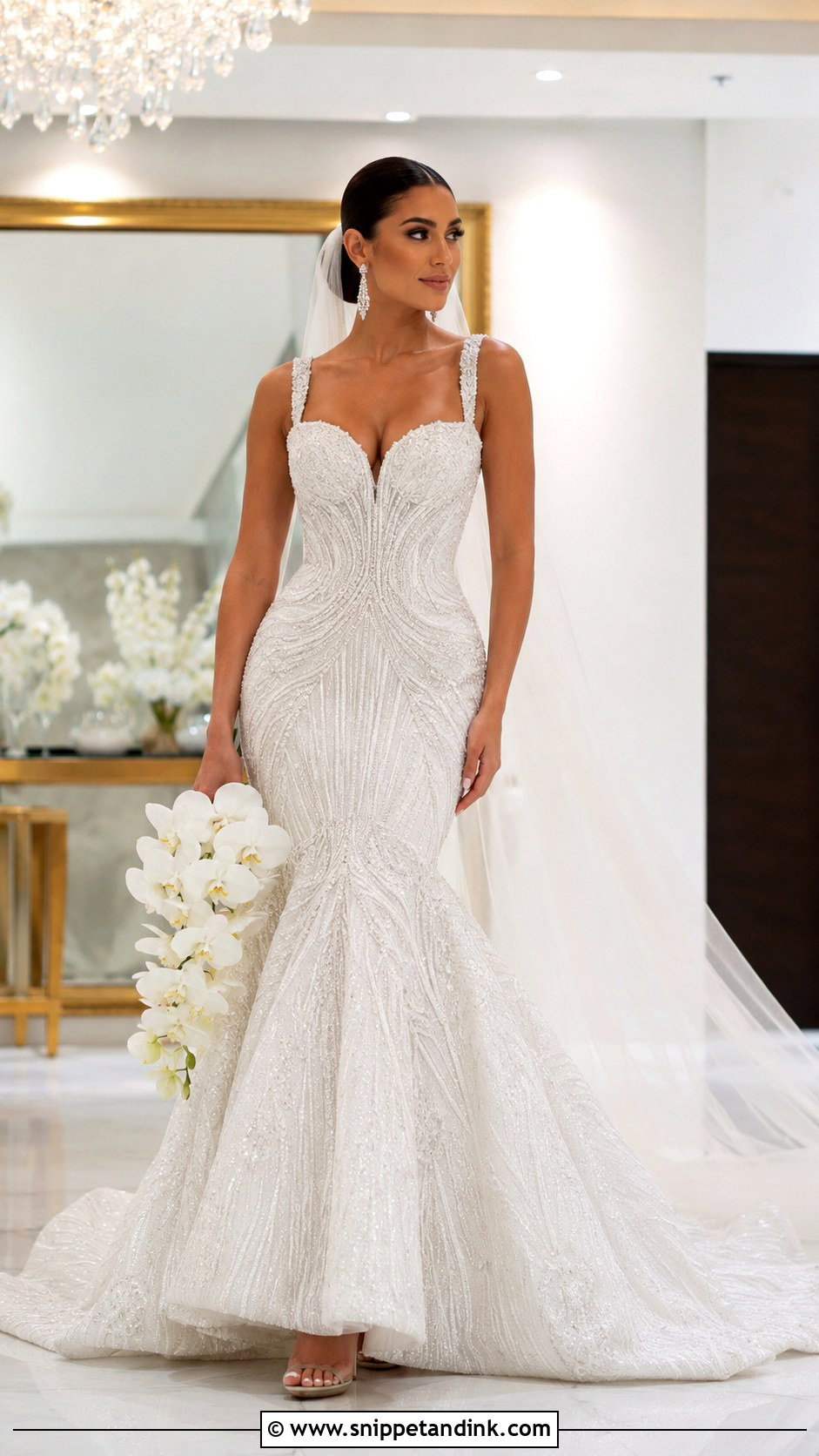
Beading on a mermaid adds weight as well as shine, and a heavily beaded skirt can pull the flare lower over a long day. Vertical or curving bead patterns lead the eye down the body, which is exactly what this silhouette wants. Choose a supportive bodice with the flare starting around the knee. Crystal drops, metallic ivory heels and a plain cathedral veil let the surface do the talking, and a sleek bun clears the neckline. In a close-fitting gown I make brides take full strides and sit at every fitting. Flexible lining and a sturdy bustle make the reception manageable. White orchids suit the glamour.
7. Square Neck Wedding Dress
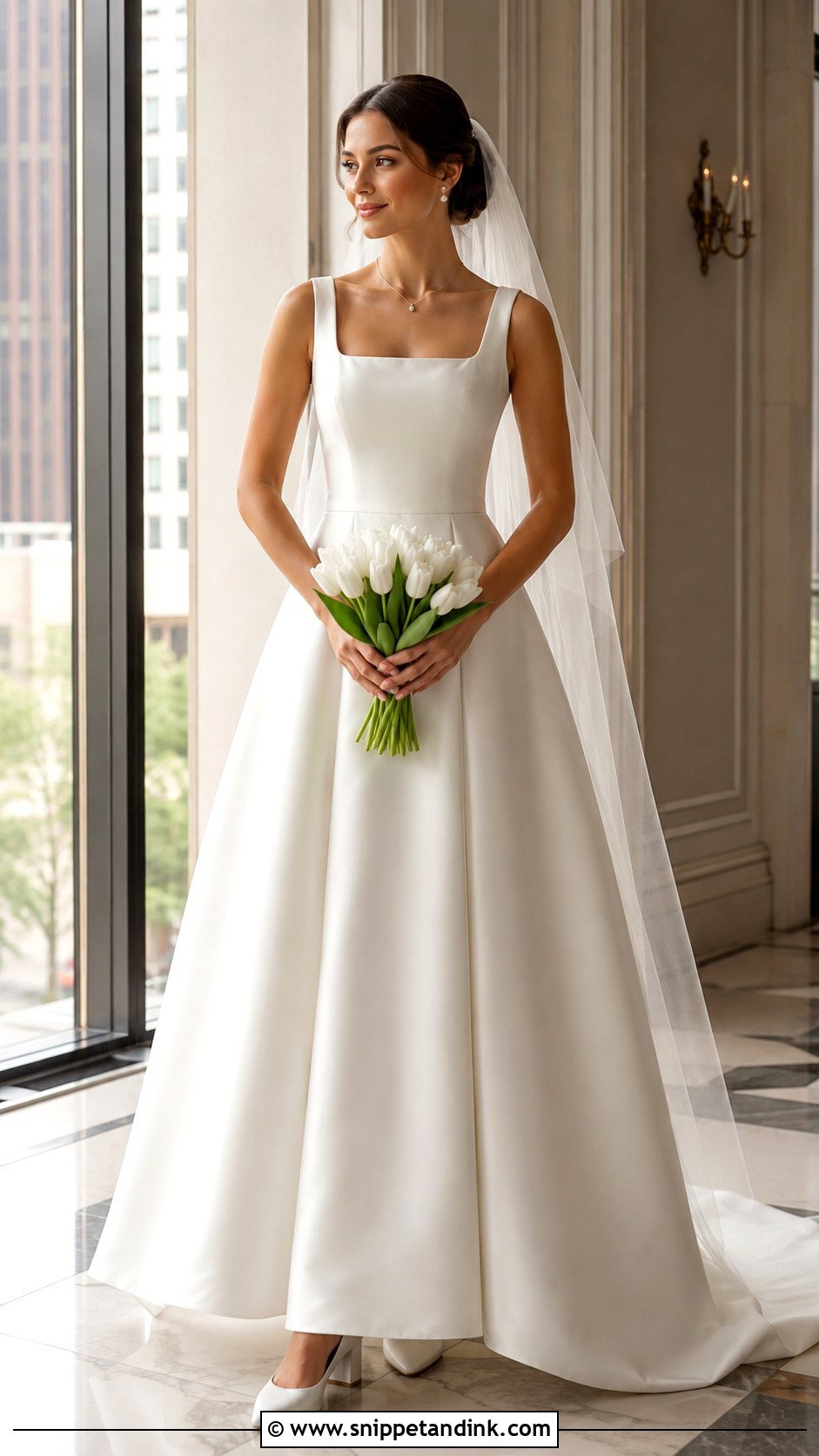
Check the corners. A square neckline only looks crisp if both corners sit flat against the chest and stay there when you move; if they lift, the tailor needs to adjust the strap length. Built in substantial satin with wide straps and a fitted waist, it is formal and modern at once. Add fitted sleeves if you want more coverage. A delicate pendant, pearl earrings, block-heel pumps and a chapel veil complete it. I’d pull the hair into a low chignon so the neckline stays open, and keep the bouquet to white tulips with very little greenery.
8. Cathedral Train Wedding Dress
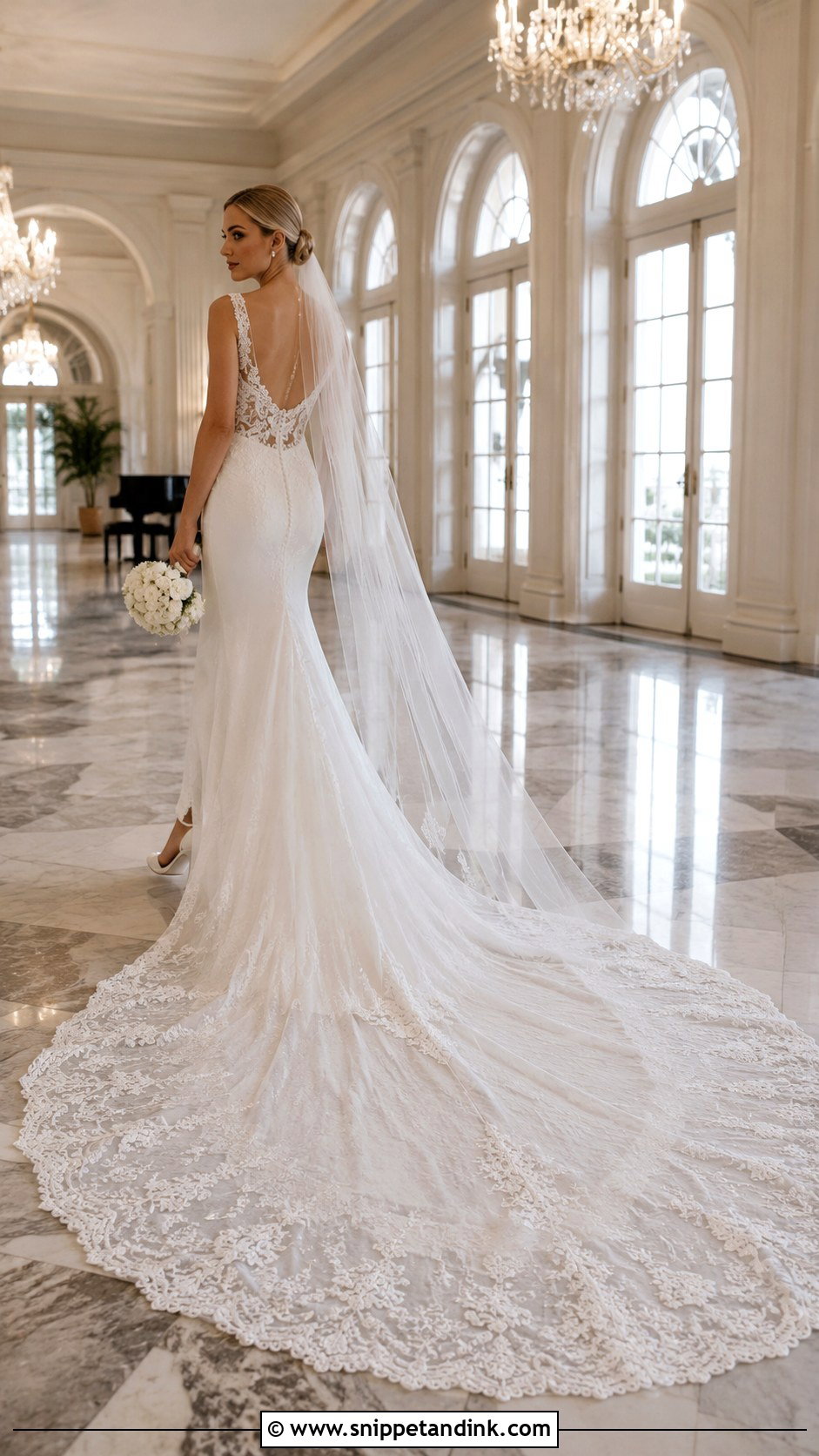
A cathedral train is the most ceremonial detail a dress can carry, and the gown in front should stay fairly streamlined so the back can take over. Fitted lace or structured satin both work. The veil can follow the train’s shape, but make it lighter and plainer than the dress. Pearl earrings, pointed heels and a secure low bun anchor it. The practical side: ask your seamstress for a strong bustle, and practice turning around in the gown, since a long train wraps around your feet if you pivot on the spot. A wide aisle is essential, and so is someone appointed to arrange the train before you walk.
9. High Neck Wedding Dress
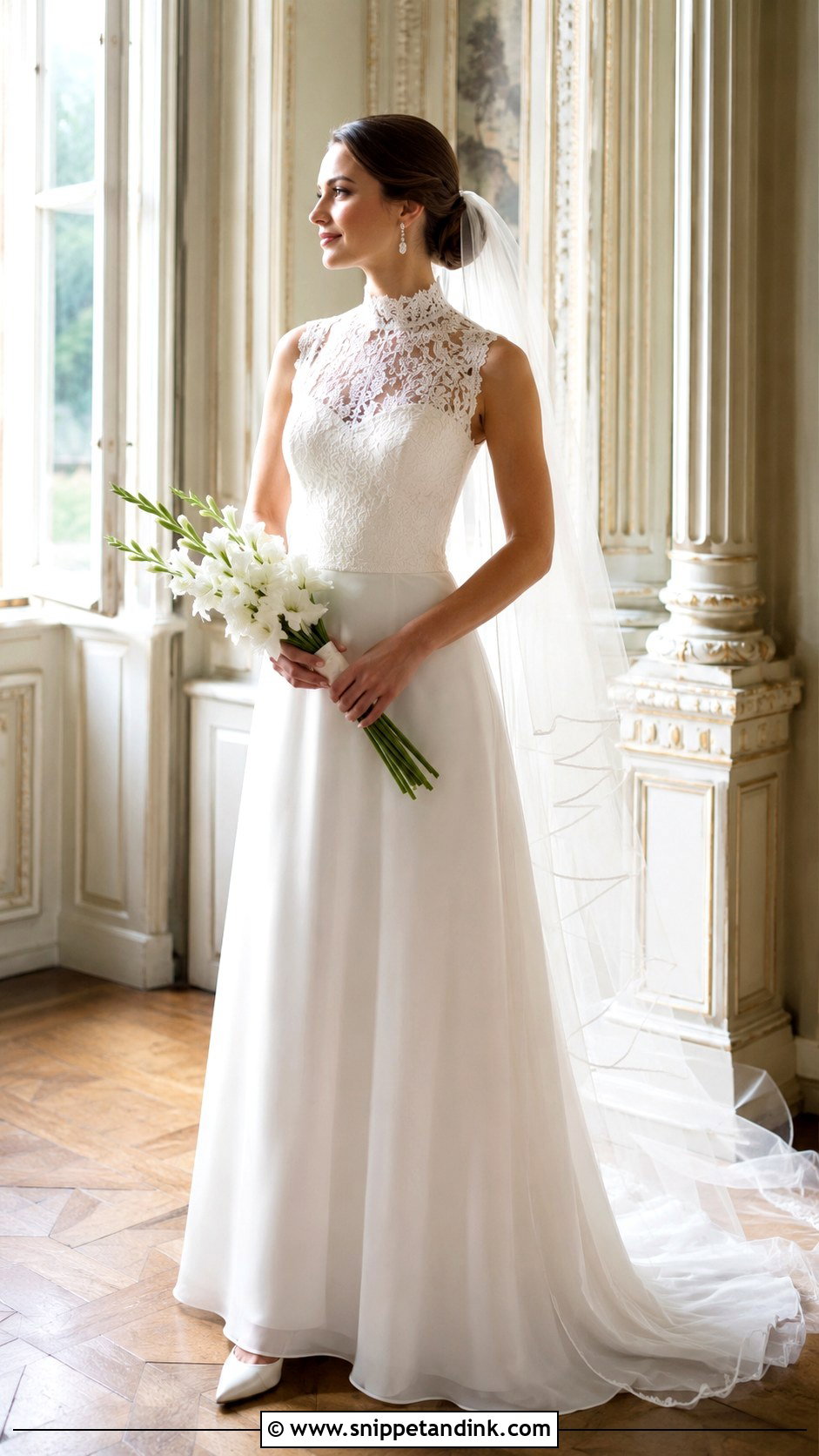
High necklines look composed, but the collar is where I spend most of the fitting. It must sit smoothly without folding when you turn your head or look down. Look for a fitted lace bodice with a lined front, a sheer upper panel and covered buttons at the back, over an A-line skirt in crepe or chiffon so the top doesn’t feel heavy. Skip the necklace and wear refined drop earrings. Pointed satin shoes, a low bun and a veil attached beneath the hairstyle keep it sleek. Long-stemmed white flowers add a vertical line that suits the shape.
10. Minimalist Column Wedding Dress
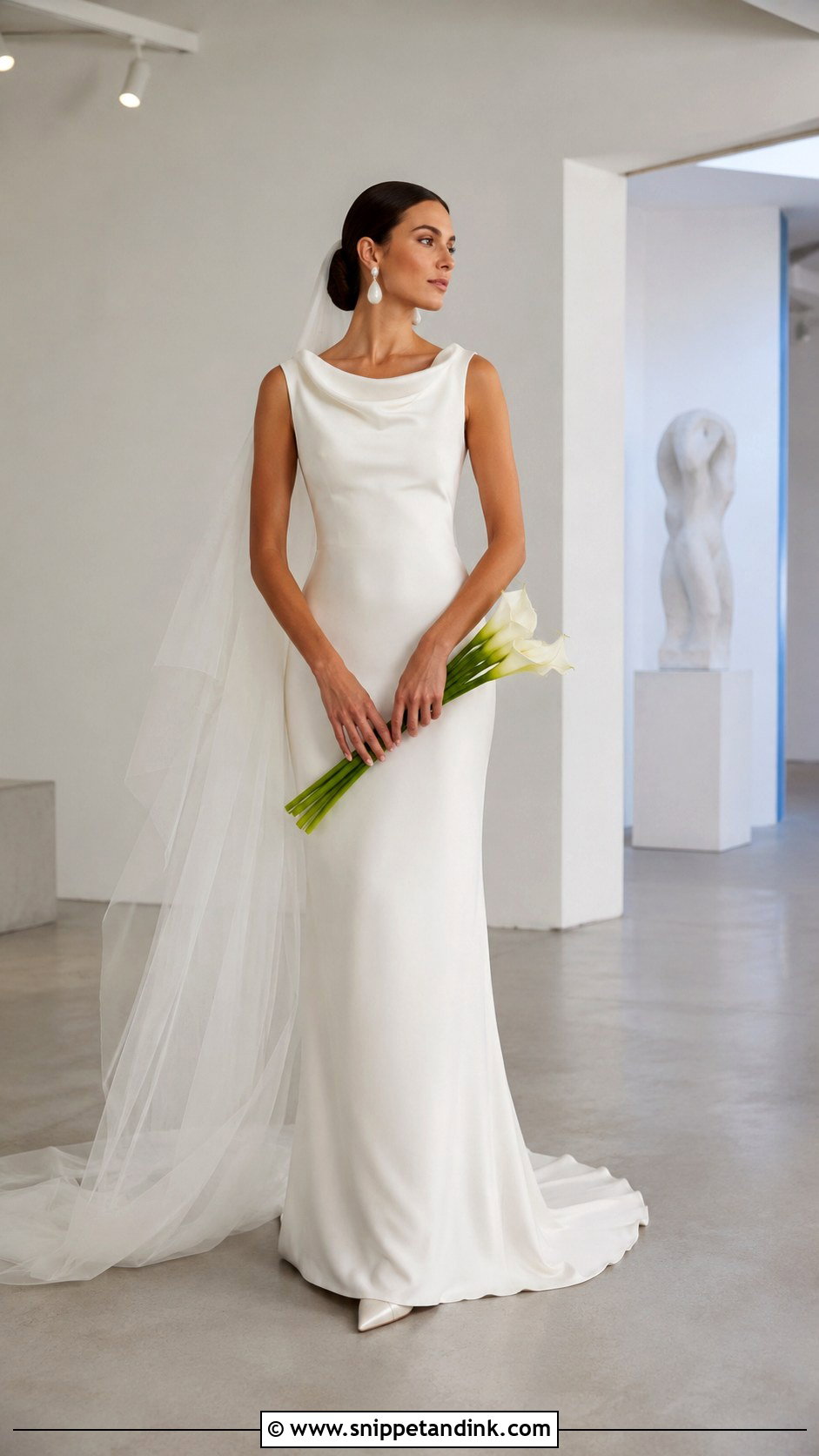
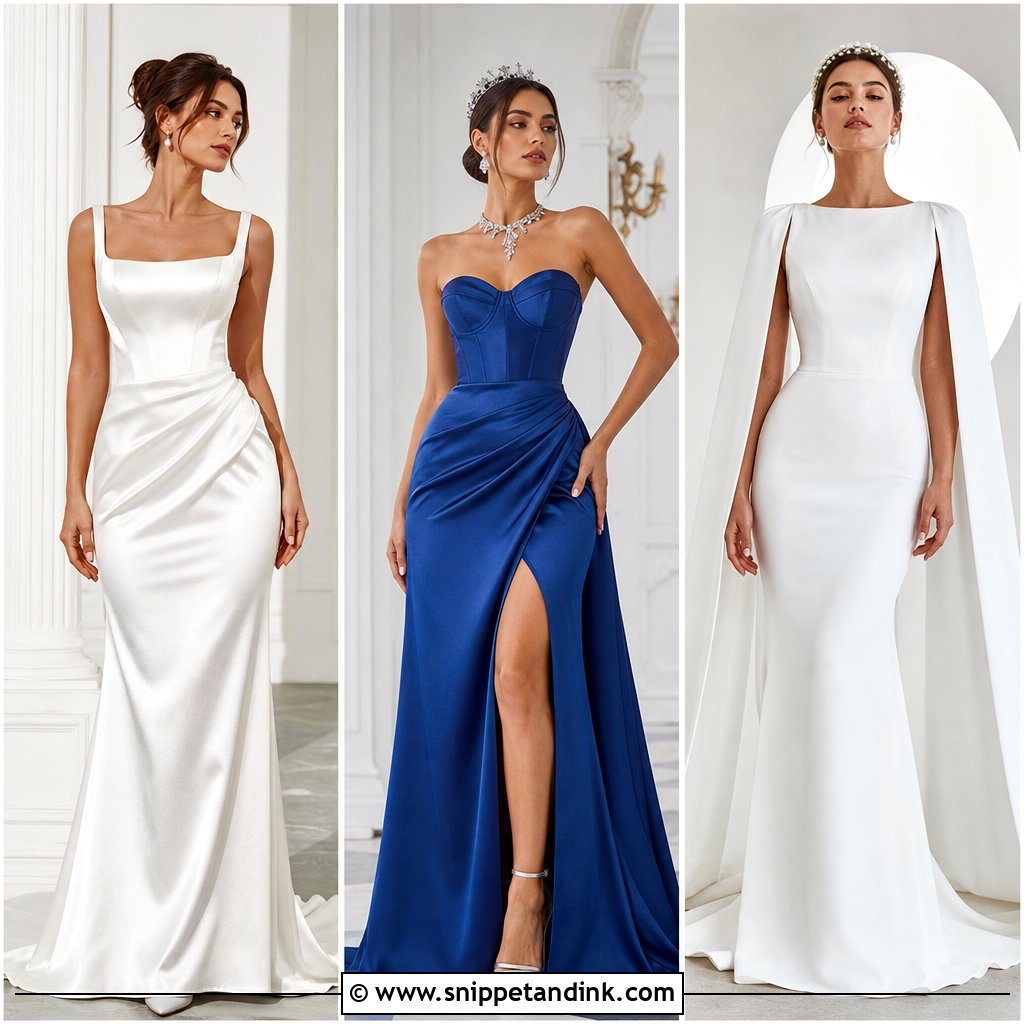
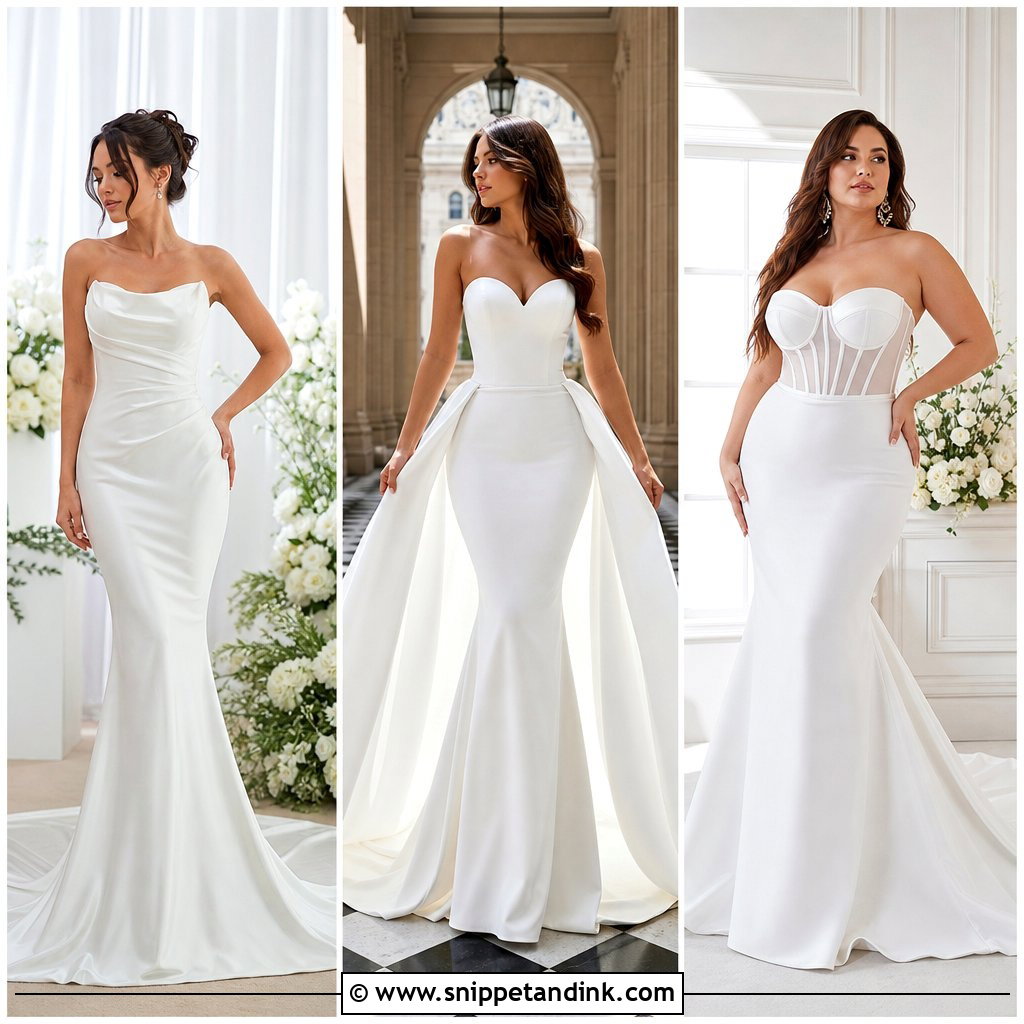
Without embellishment to distract, a column dress in silk crepe or satin is judged entirely on cut and fabric. I check the lining in daylight, since a cheaper lining shows through pale crepe, and I watch for any ripple at the waist seam. A softly draped neckline, precise seaming and a subtle train give it movement. Sculptural earrings, pointed pumps and a sheer chapel veil complete it, with a polished bun and calla lilies. Wear smooth, edge-free undergarments to every fitting. A gallery or rooftop venue lets this quiet gown read as confident.
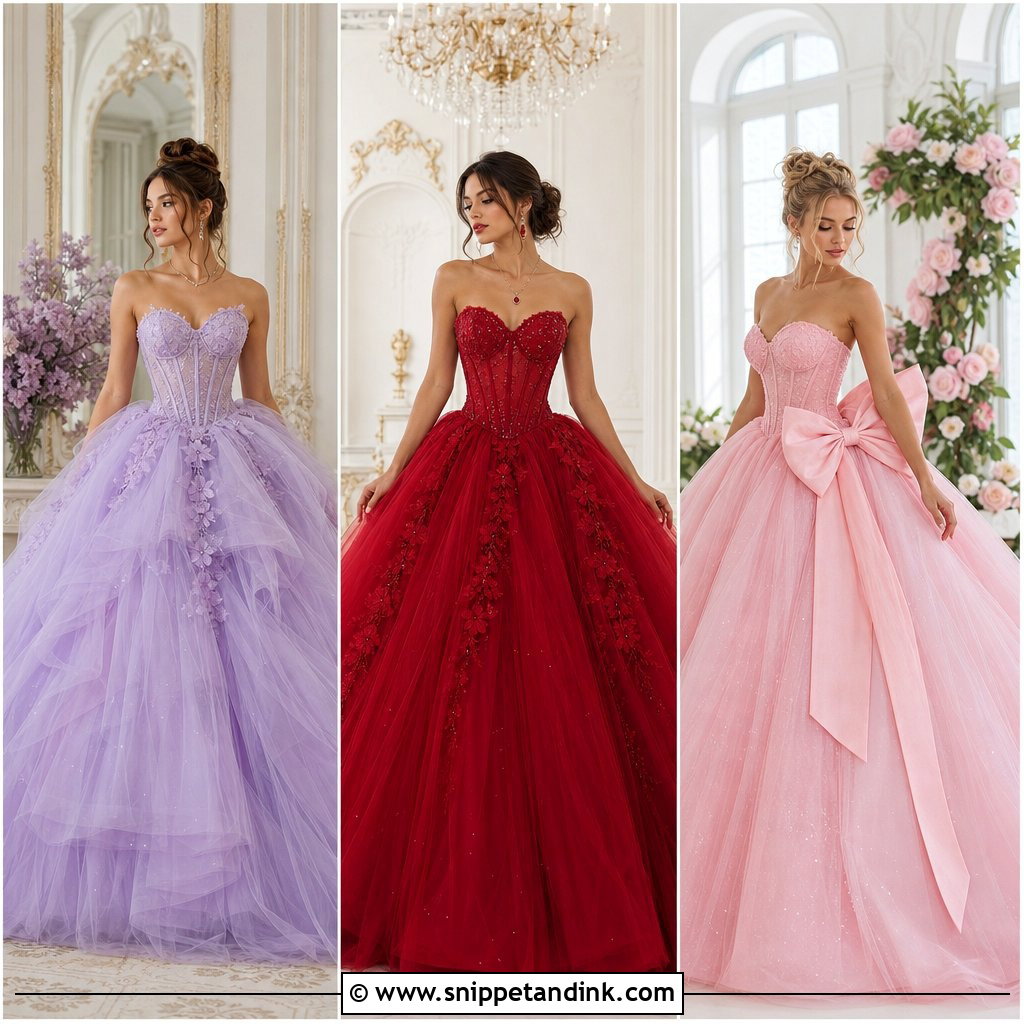
11. Corset Ball Gown Wedding Dress
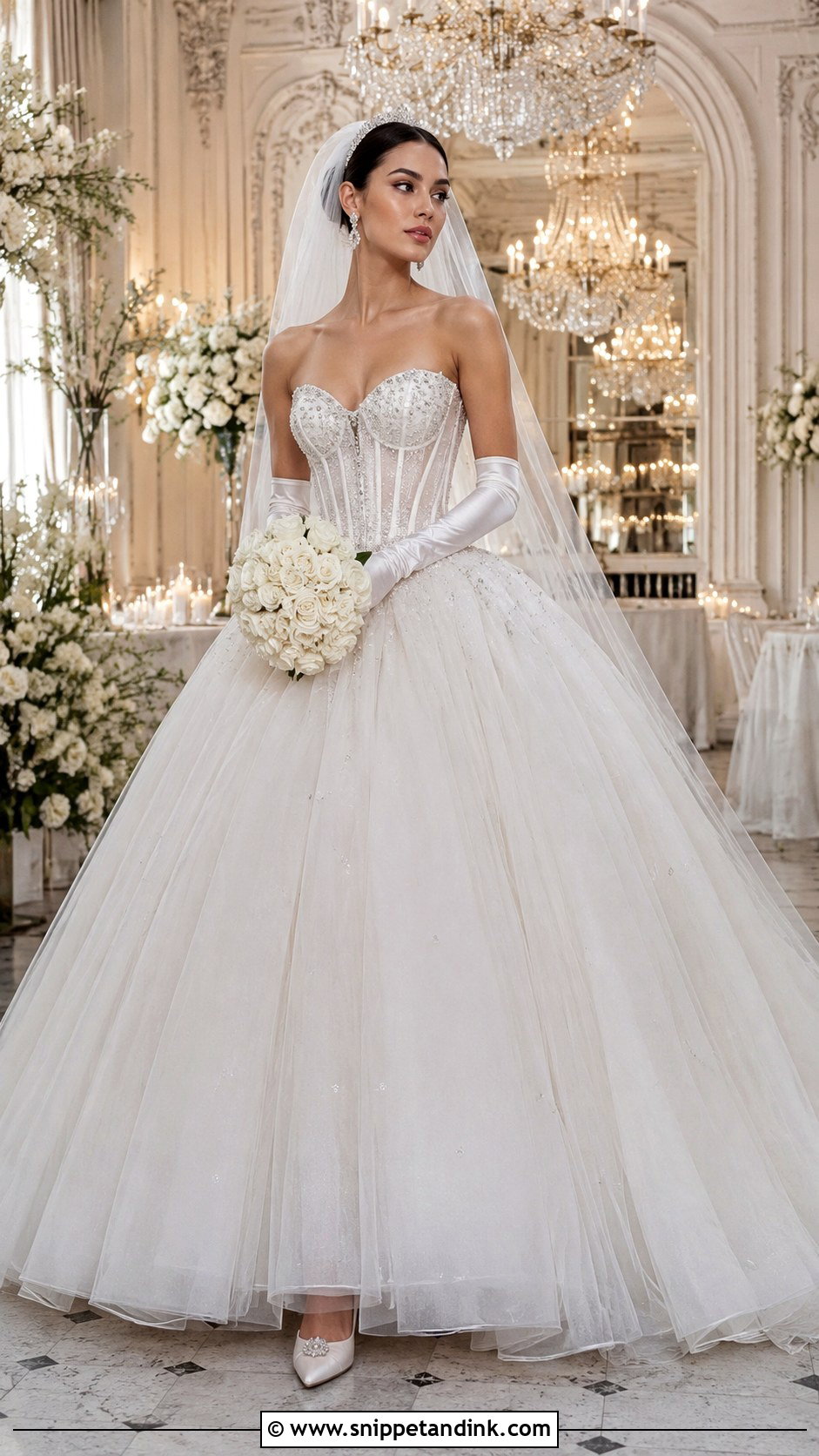
Structure and volume together: supportive boning, a secure back closure and a full tulle or satin skirt. A sweetheart neckline softens the corset, and a dropped or pointed waist sharpens it. I ask brides to stay in this gown for ten minutes at each fitting, standing, sitting and leaning, because a corset that feels fine for one minute can bite after five. Crystal studs, elbow gloves and closed-toe ivory heels suit it. A plain cathedral veil keeps the focus on the bodice, and white roses tied with narrow ribbon finish it with a neat updo.
12. Cape Sleeve Wedding Dress
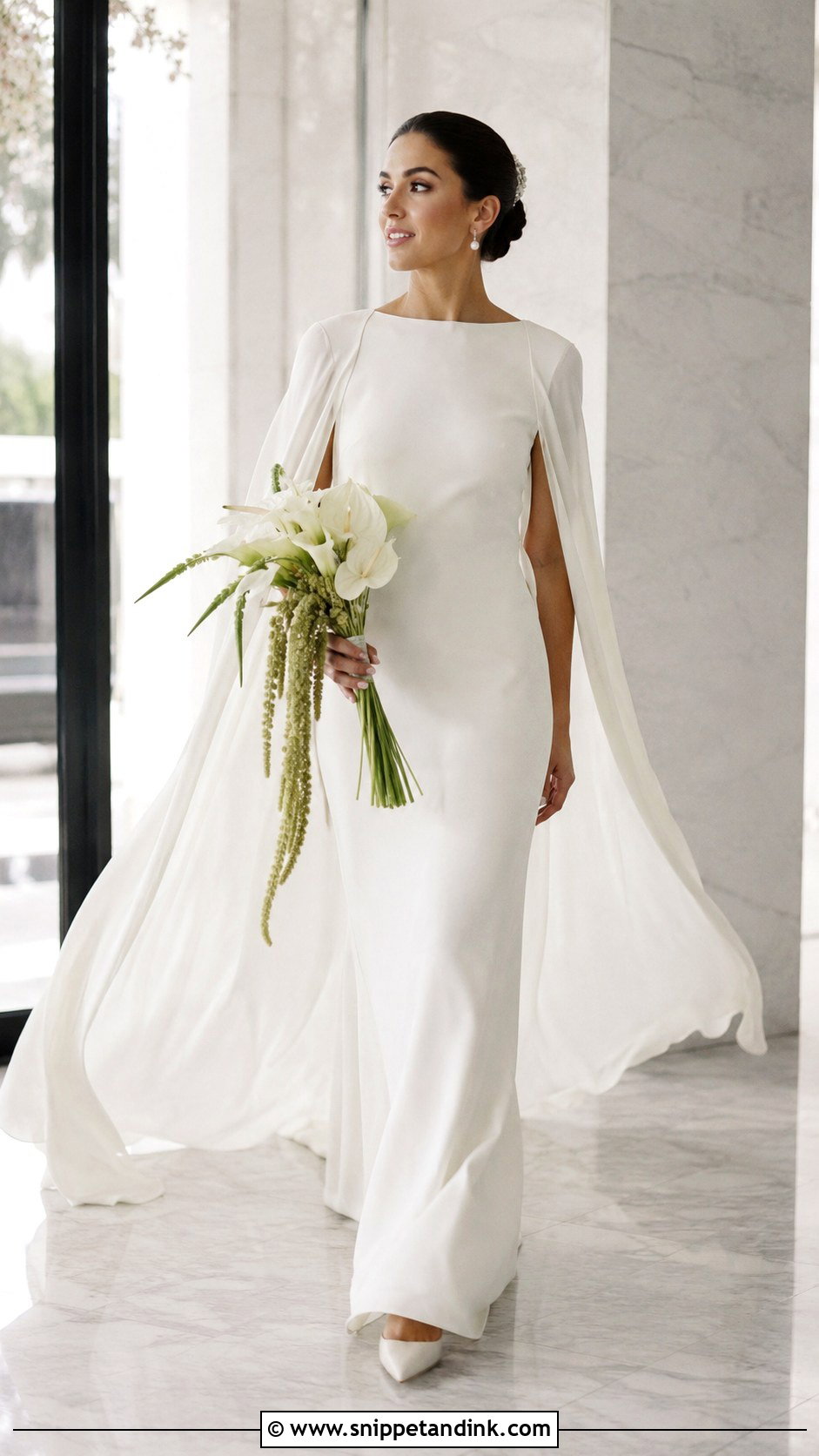
Cape sleeves give drama without the tight fit of a set-in sleeve, so they suit brides who hate anything restricting their arms. The panels attach at the shoulder and float behind as you walk; crepe, chiffon and soft tulle all drape well. Because the cape already does what a veil does, I usually swap the veil for a clean hair comb. Pearl studs, pointed heels and a low bun or ponytail keep the shoulders visible. Make sure the cape clears the floor when you sit, or it gets trodden on at dinner. Detachable panels give you a second look later.
13. Pearl Embellished Wedding Dress
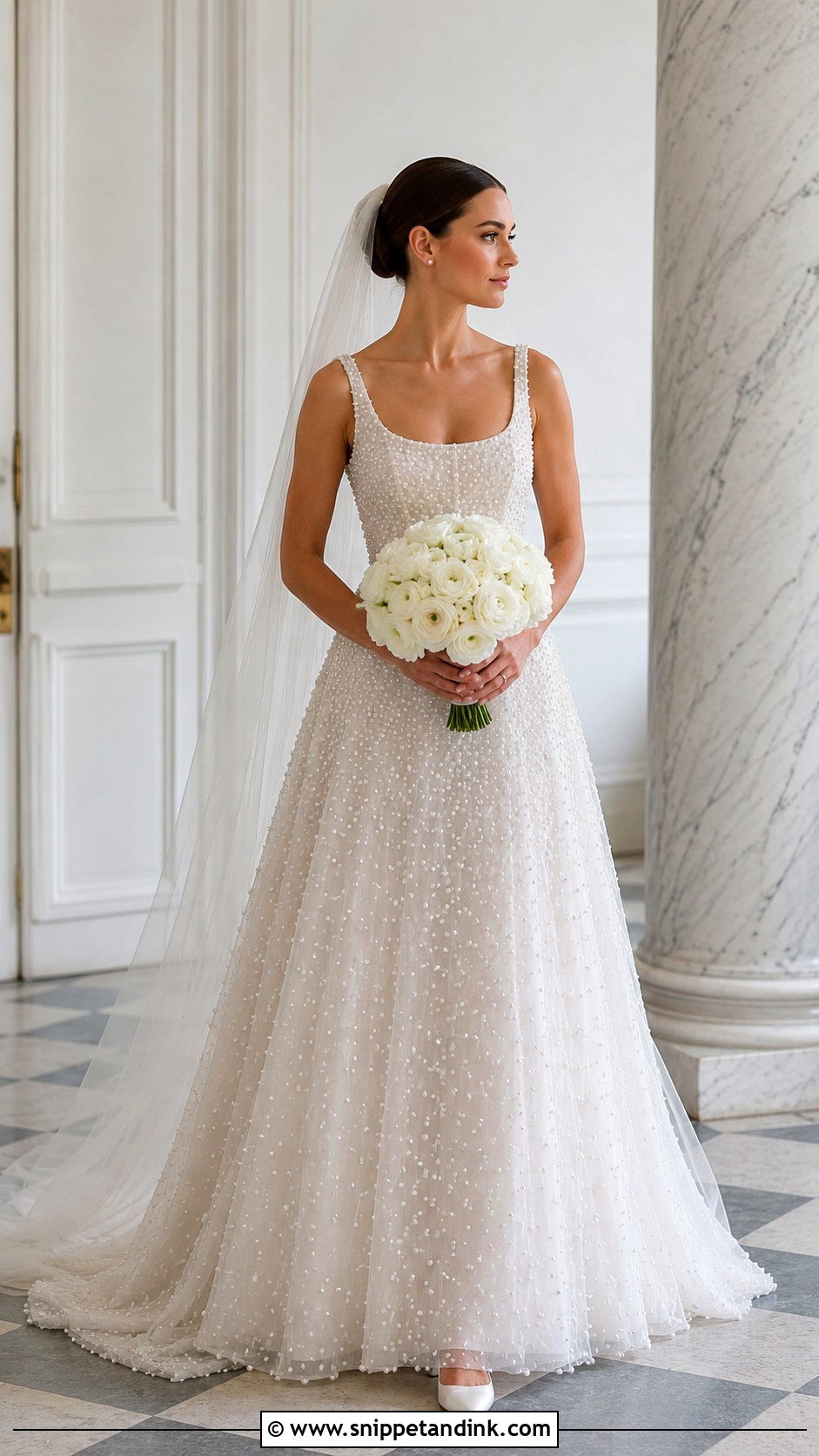
Pearls catch the light softly rather than flashing like crystal, which flatters skin in daytime photos. The best layout concentrates them on the bodice and spaces them out down the skirt, over a sheer overlay on a fitted A-line. I always run my hand along the underarm and waist of these gowns, because raised pearls in those spots rub skin raw by evening. A smooth lining fixes it. A bateau or scoop neckline keeps it from looking fussy. Simple pearl studs, satin pumps, a plain veil, a sleek bun and white ranunculus finish a gown that works in a ballroom or a garden estate.
14. Tiered Tulle Wedding Dress
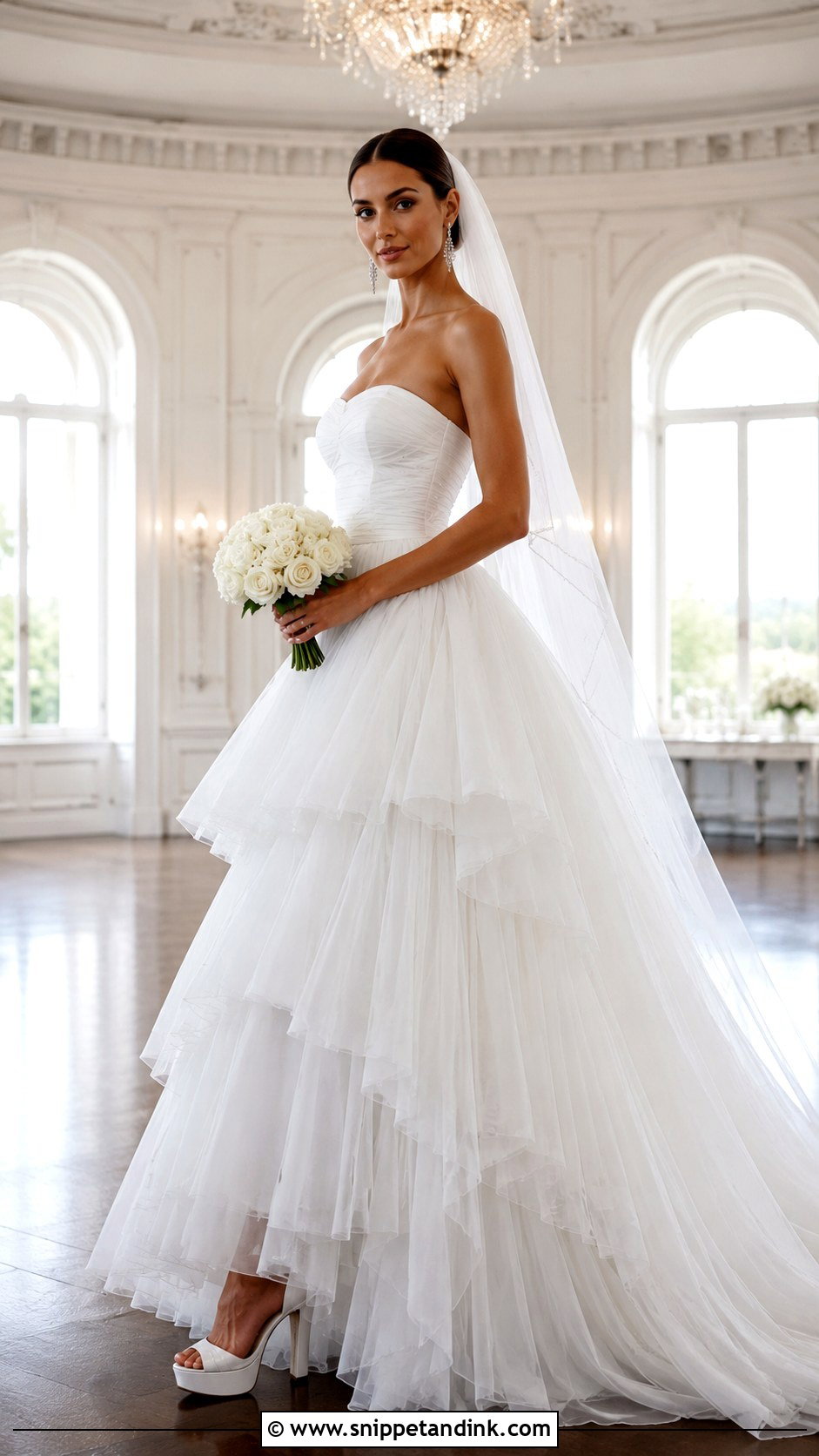
Tiered tulle moves with every step, but only if the tiers hang evenly. Bustling can bunch them, so check how the layers fall once the bustle is up. A fitted bodice at the natural waist and a strapless or narrow-strap neckline stop the top half from looking heavy. Pair it with subtle crystal earrings, platform bridal heels and a light fingertip veil. The right petticoat matters as much as the heel height here; I fit the hem with both in place. A soft updo and a simple bouquet of sweet peas or roses keep attention on the skirt.
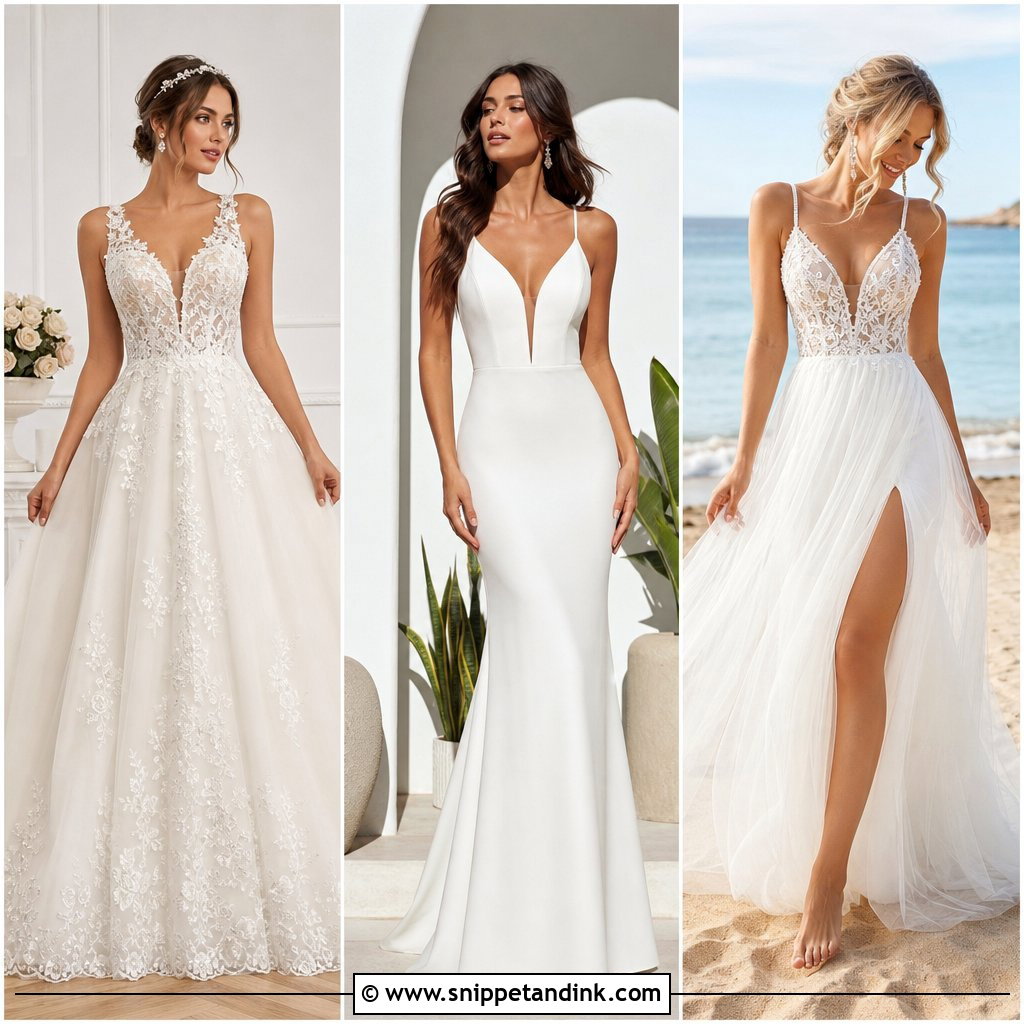
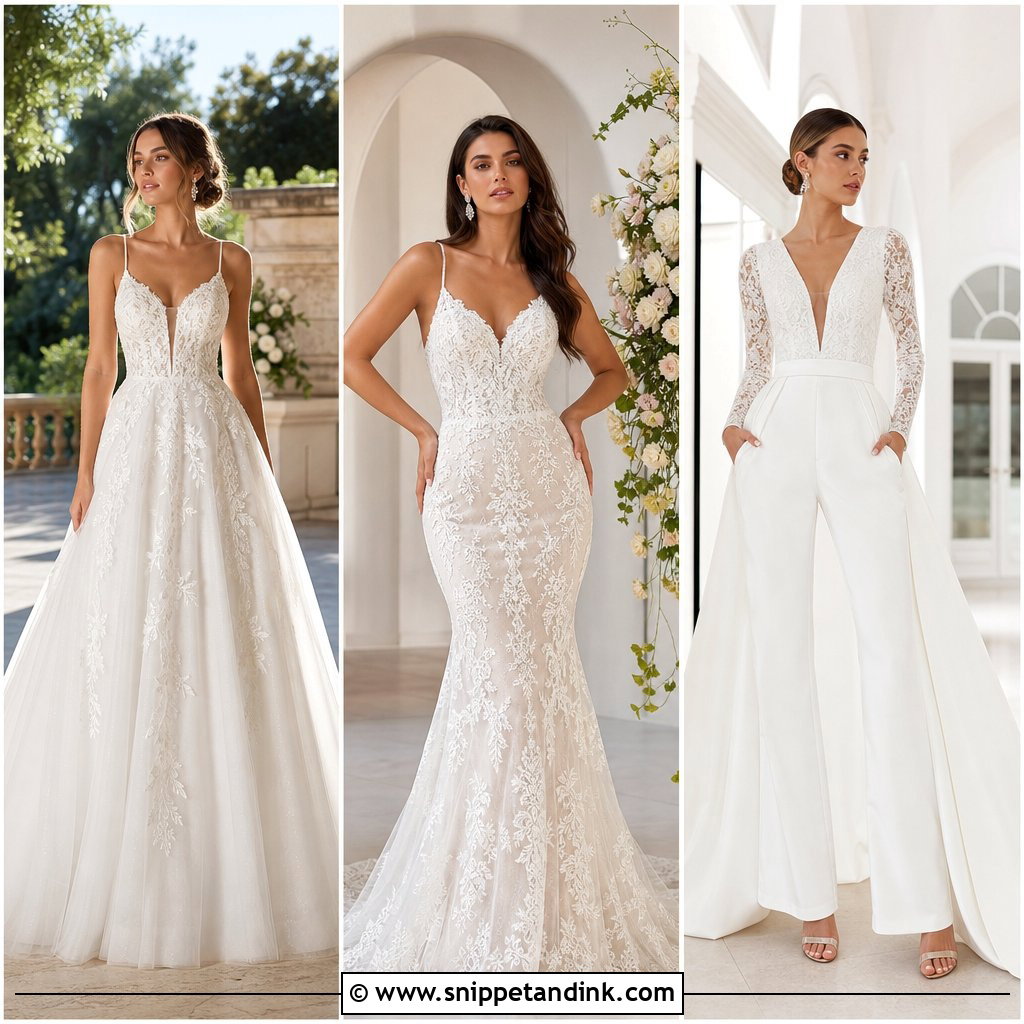
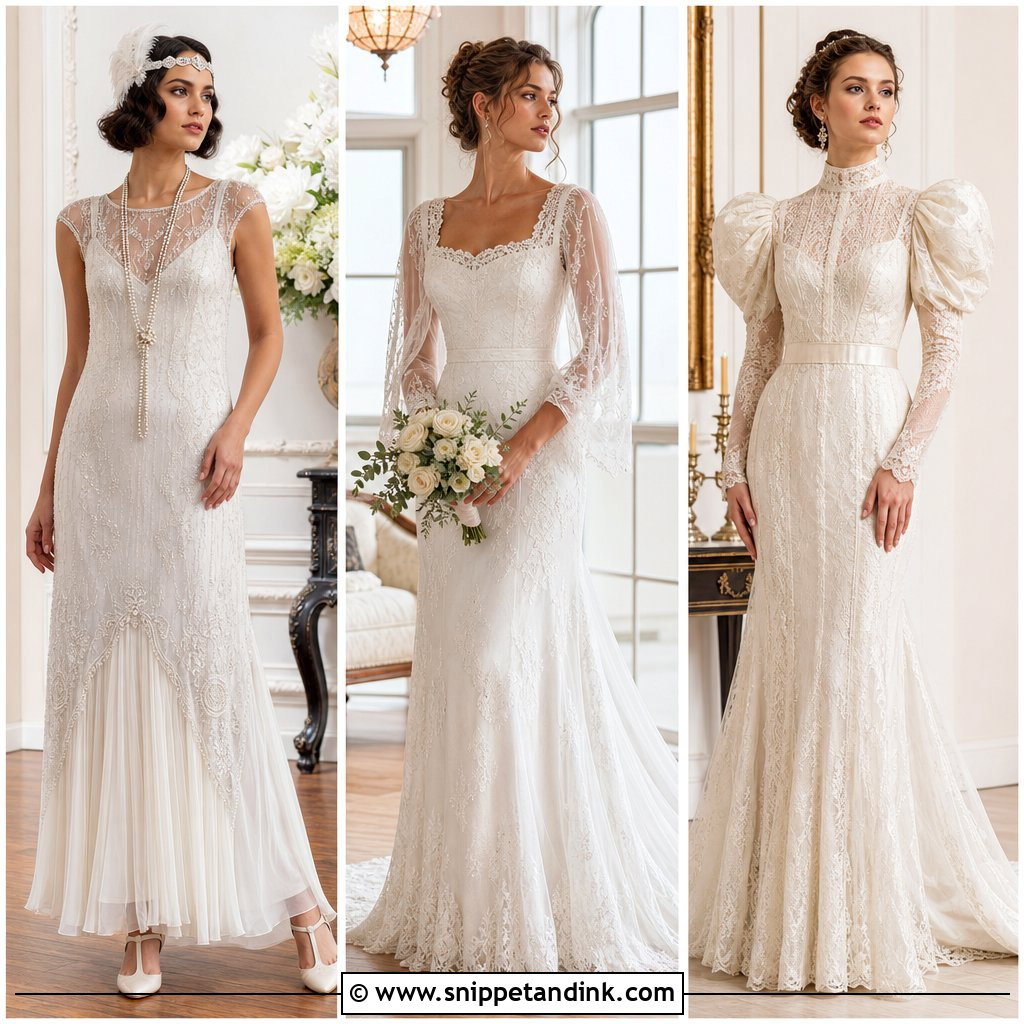
15. Vintage Lace Wedding Dress
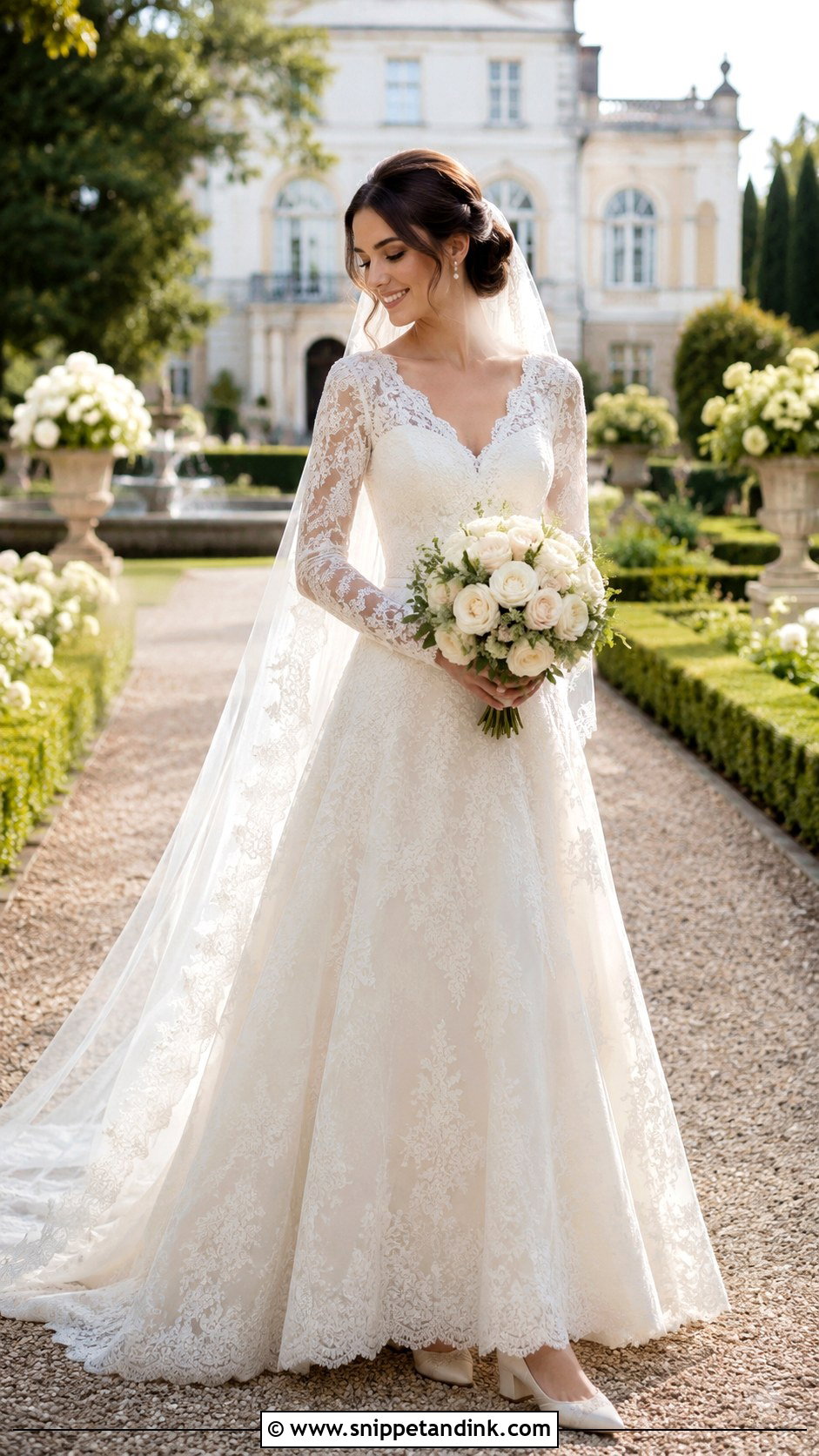
Vintage-style lace has character, and the trick is stopping it from tipping into costume. An ivory A-line with a fitted bodice, gentle V, long lace sleeves and scalloped edges does that well, especially with covered buttons. I touch the lace at the cuffs and neckline before anything else: some vintage-look laces are stiff and scratch. Pearl earrings, low block heels and a lace-trimmed veil suit it, plus a loose chignon and cream garden roses to warm up the ivory. With a busy lace, keep every accessory simple. A historic house or intimate indoor venue fits its mood.
16. One Shoulder Wedding Dress
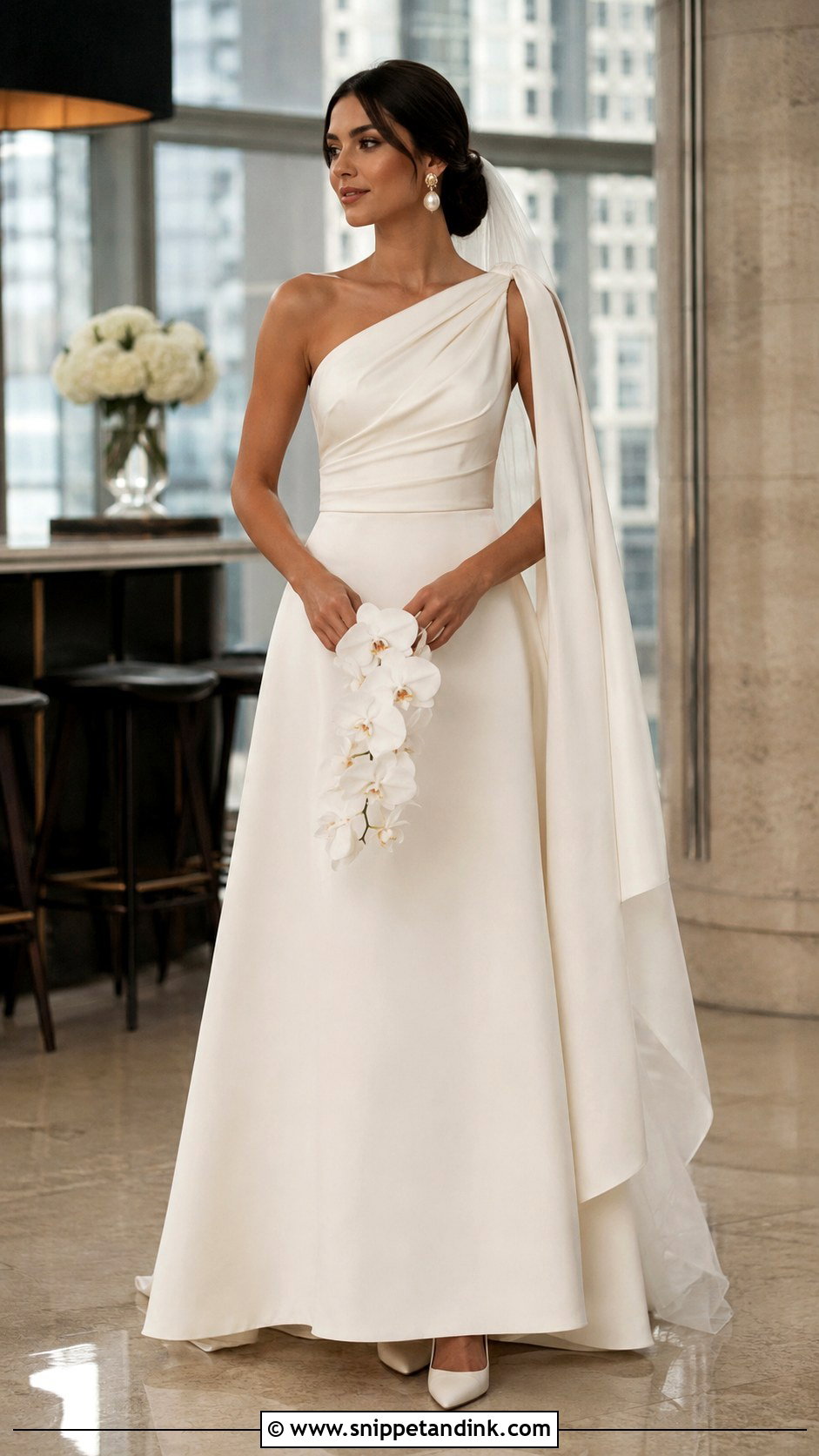
One shoulder means one strap carrying the whole bodice, so internal support decides whether this dress works. During fittings I check the shoulder stays put when you raise your opposite arm, and that the bodice sits level. Satin or crepe with soft draping across the front, over an A-line or column skirt, keeps it modern. A detachable shoulder bow or sash adds movement. Skip the necklace and wear bold earrings. Sleek ivory pumps, a low side-parted bun and a plain veil under the hairstyle finish it, with a narrow bunch of white orchids.
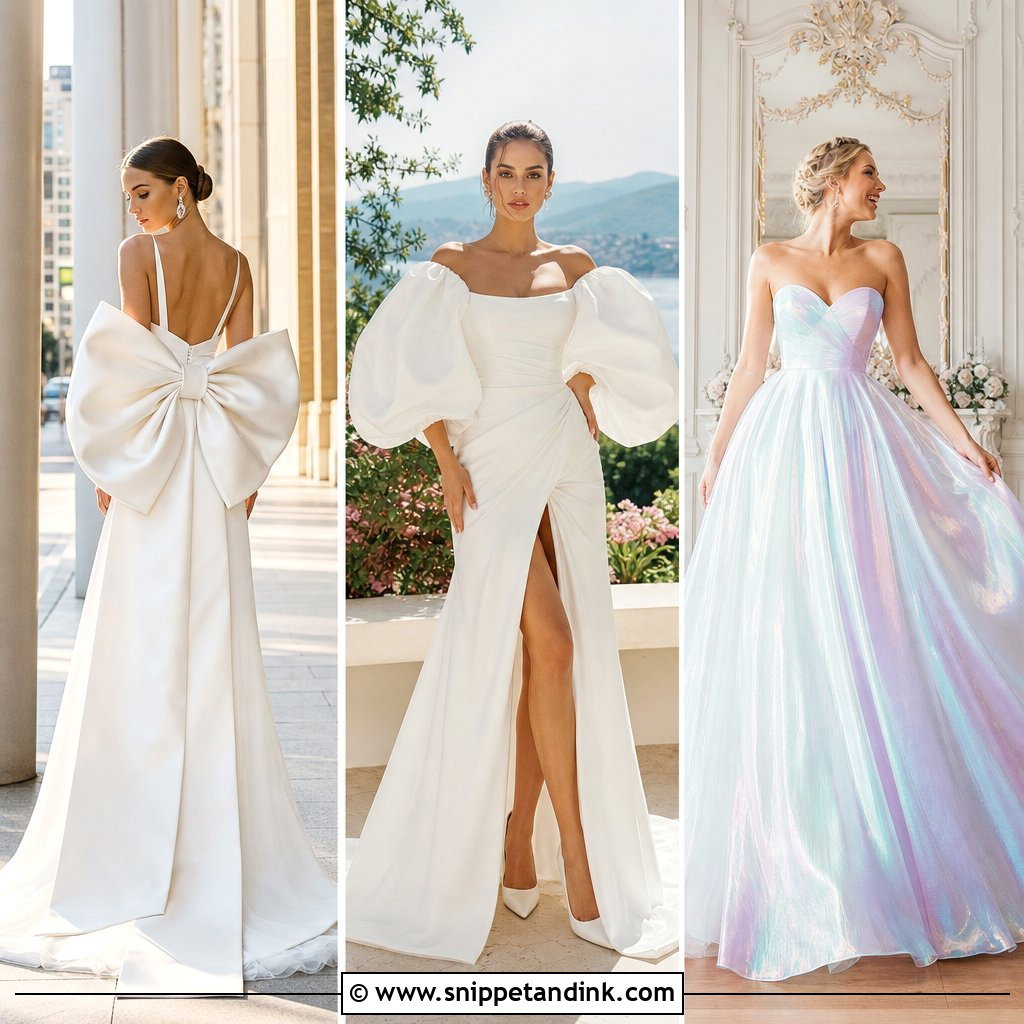
17. Bow Back Wedding Dress
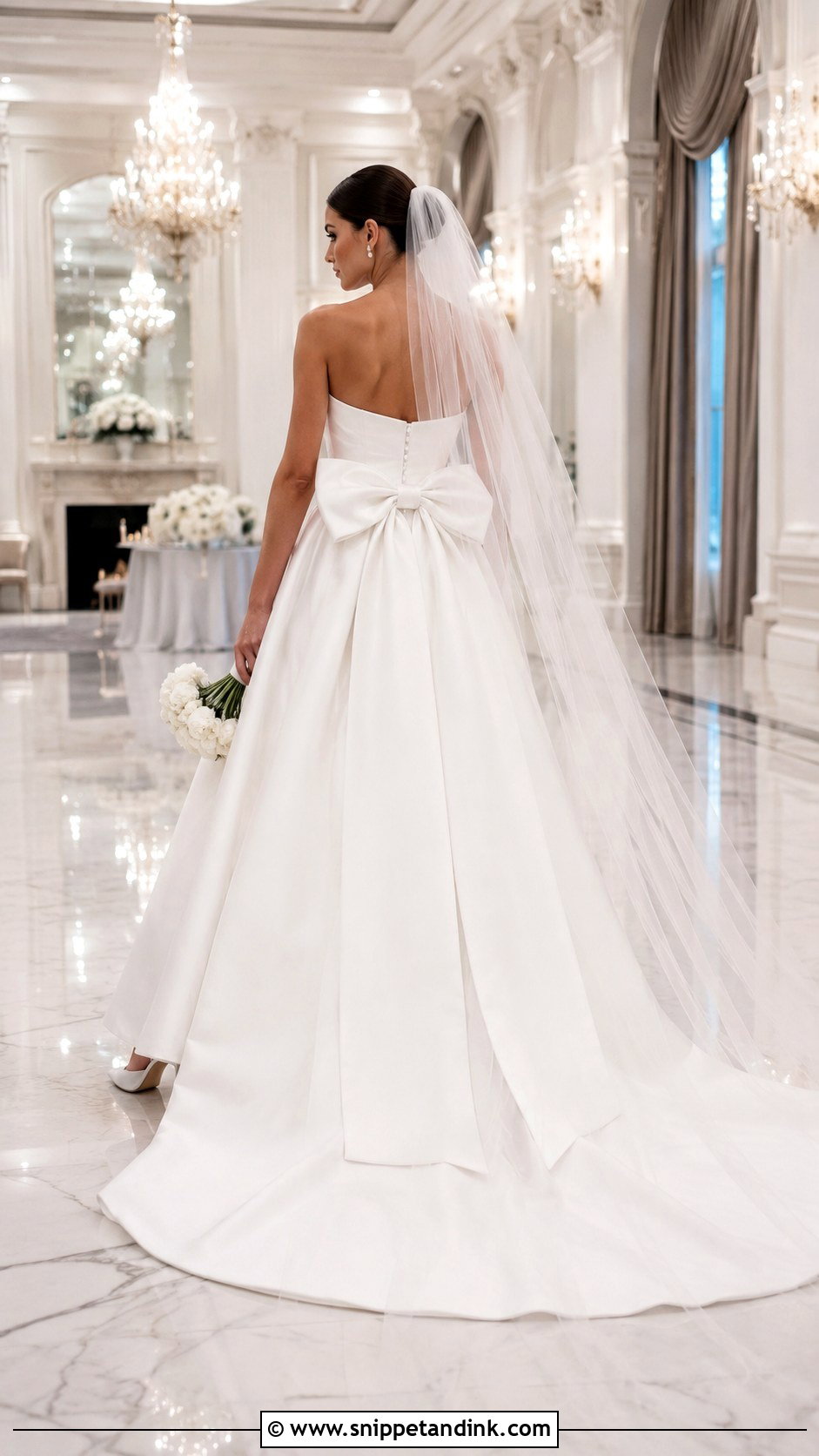
An oversized bow at the back gives guests something to look at for the entire ceremony. Set it on a clean satin ball gown or A-line, and let long tails run into the train. The bow must be secured firmly; a heavy one can tilt as you walk, so ask your tailor to anchor it at more than one point. Keep the front plain with pearl studs, a smooth neckline and a compact white bouquet. The veil should either stop above the bow or run past the train, never end on top of it. A polished updo, and a detachable bow if you want a simpler look for the reception.
18. Blush Pink Wedding Dress
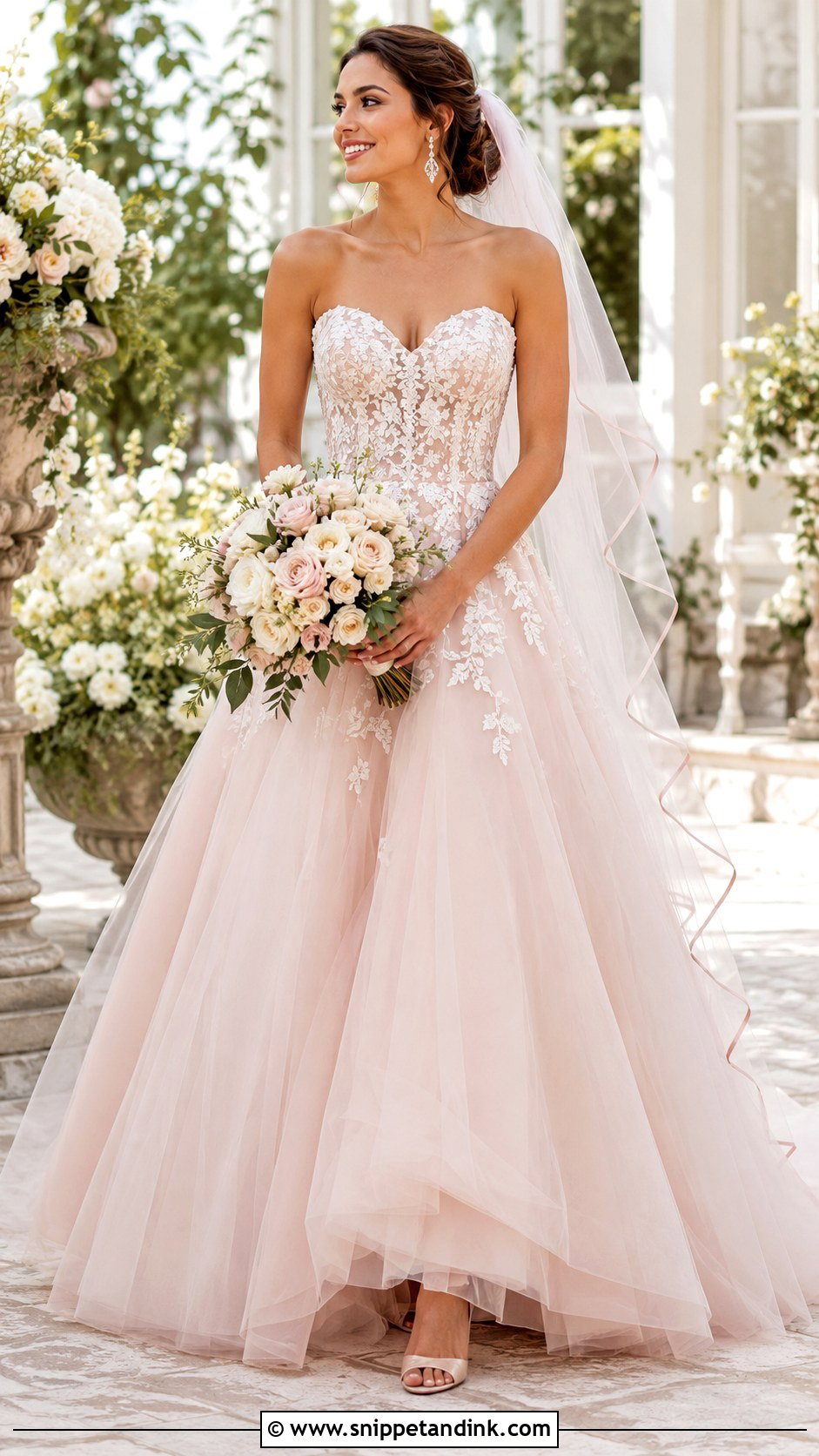
Blush is the color I warn brides to test in more than one light. A pale pink underlayer that looks warm in the boutique can read almost white outdoors, or turn peachy under tungsten bulbs. View the fabric in daylight and, if you can, in photos of your venue. Here the tulle ball gown has ivory appliqués over the pink with a fitted sweetheart neckline. Rose-gold earrings, ivory heels and a sheer veil with a faint blush edge suit it, and cream with pale pink flowers ties it together. Keep the makeup fresh so it doesn’t fight the dress.
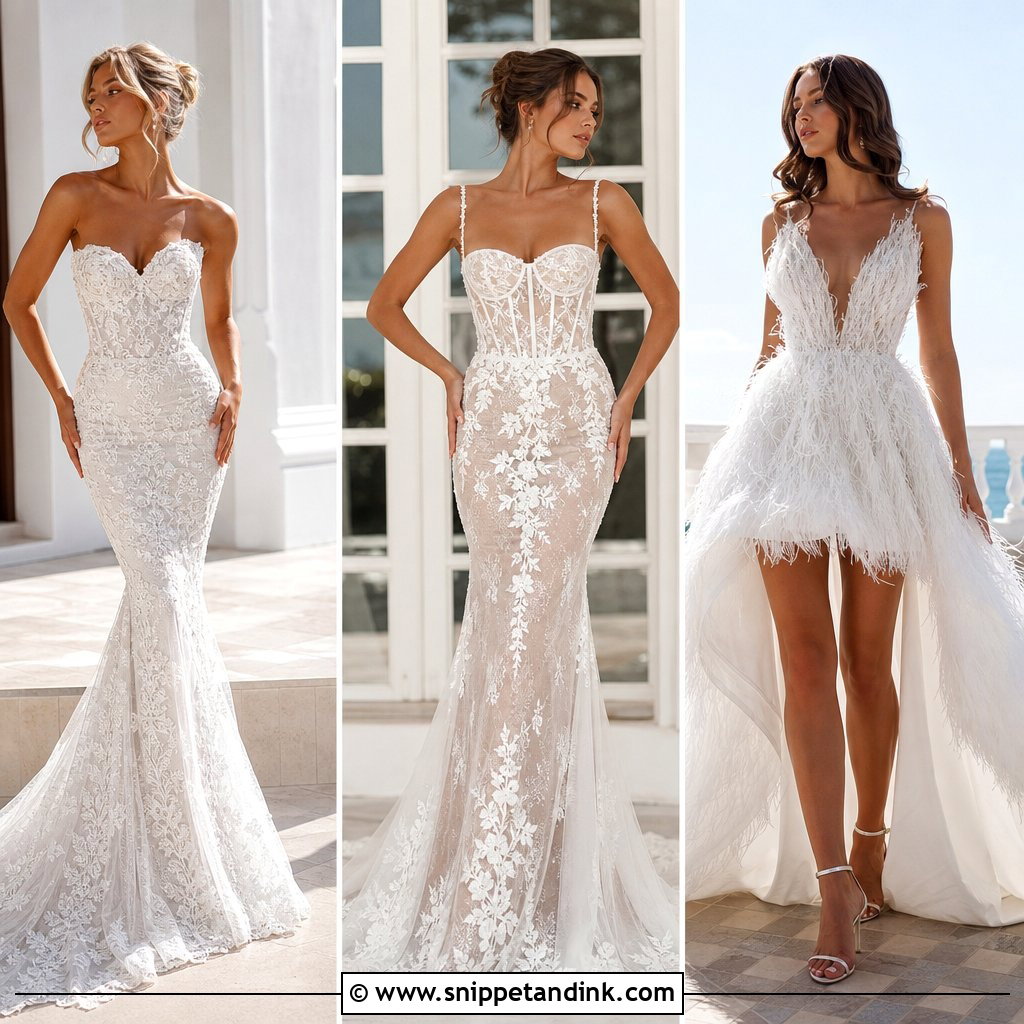
19. Detachable Overskirt Wedding Dress
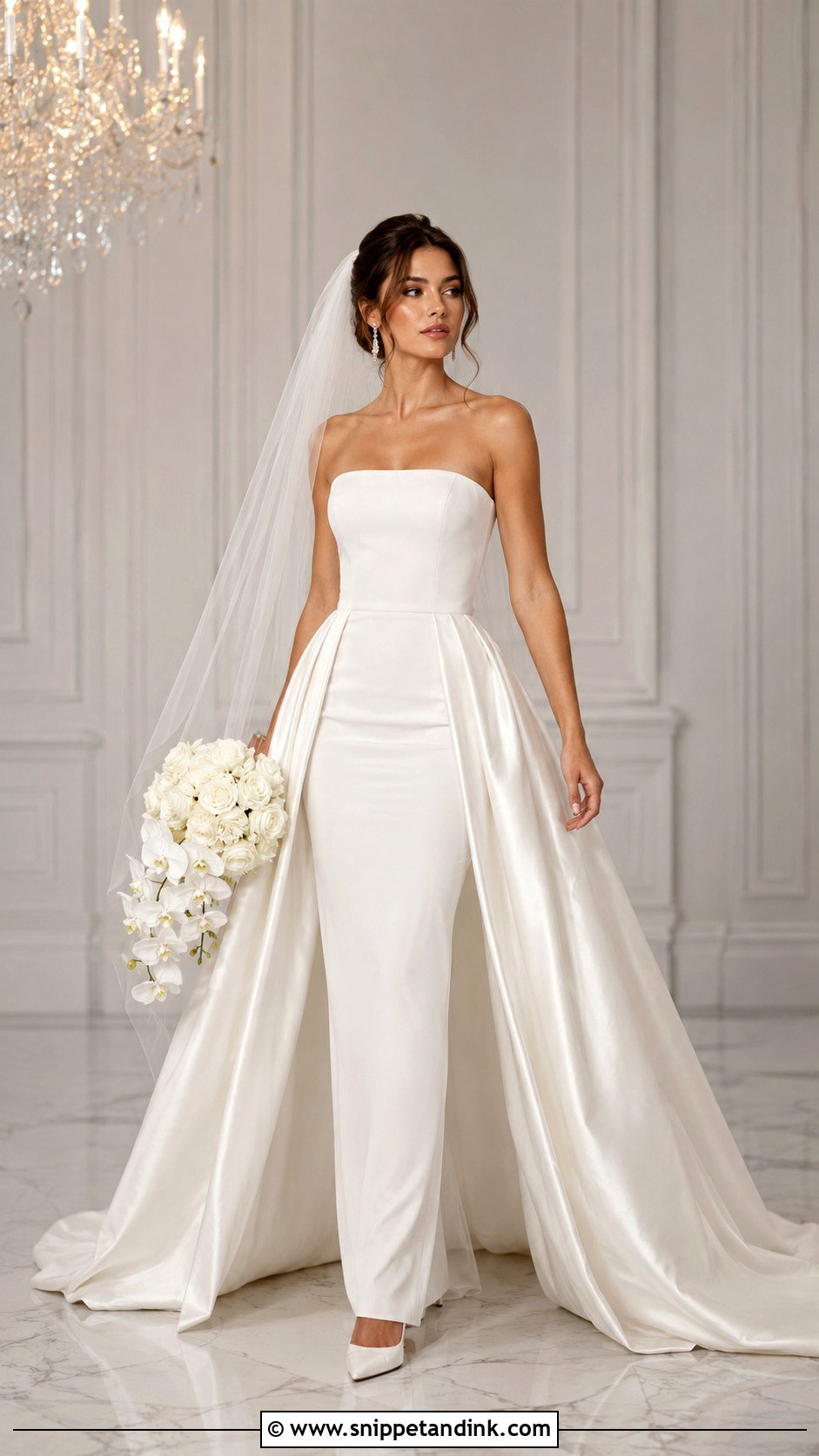
A detachable overskirt turns a fitted crepe or lace column into a full ball gown for the ceremony, then gives you back your legs for the party. The attachment points are what I test hardest: hooks or snaps should be invisible and strong, and the overskirt must come off without dragging the base dress. Drop earrings, pointed heels and a chapel veil suit the first look. Once the overskirt is off, I like swapping the veil for a sparkling comb. A structured bouquet works with both versions.
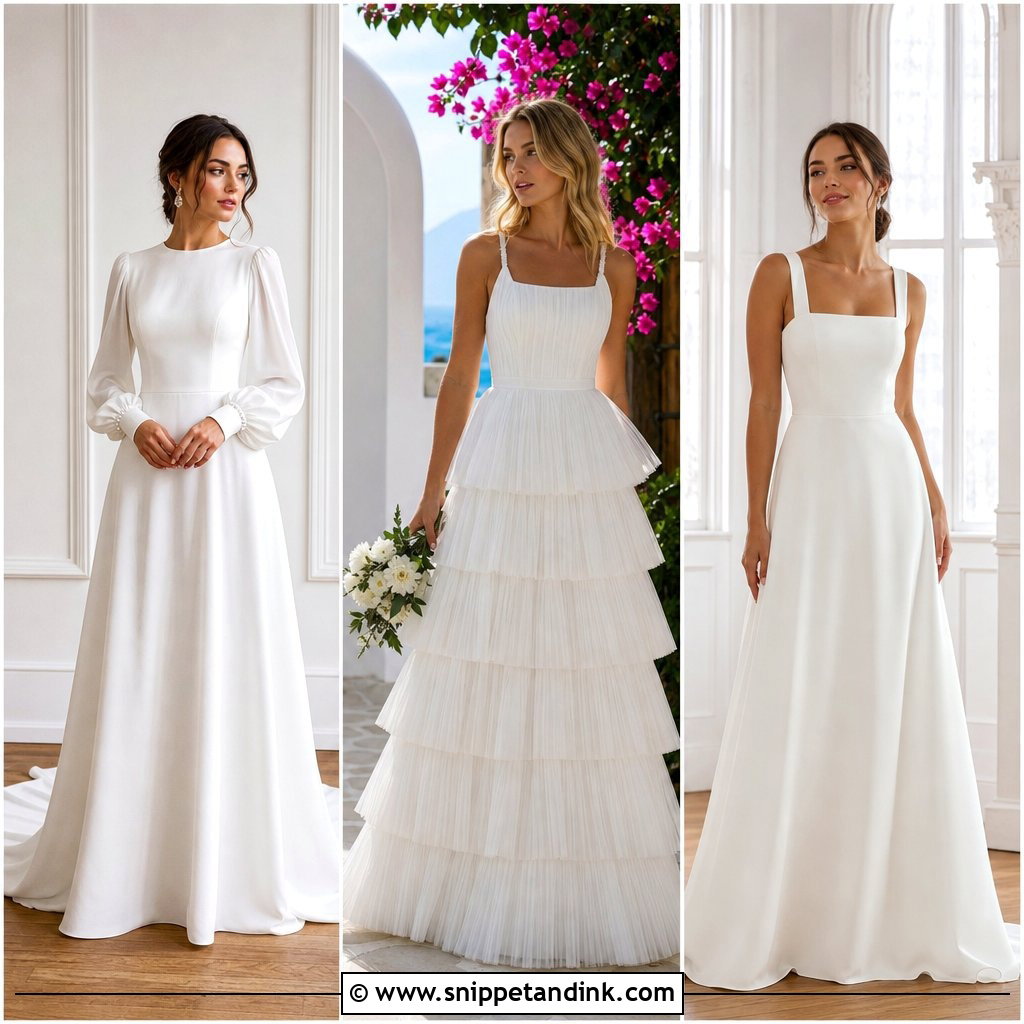

20. Ruffled Organza Wedding Dress
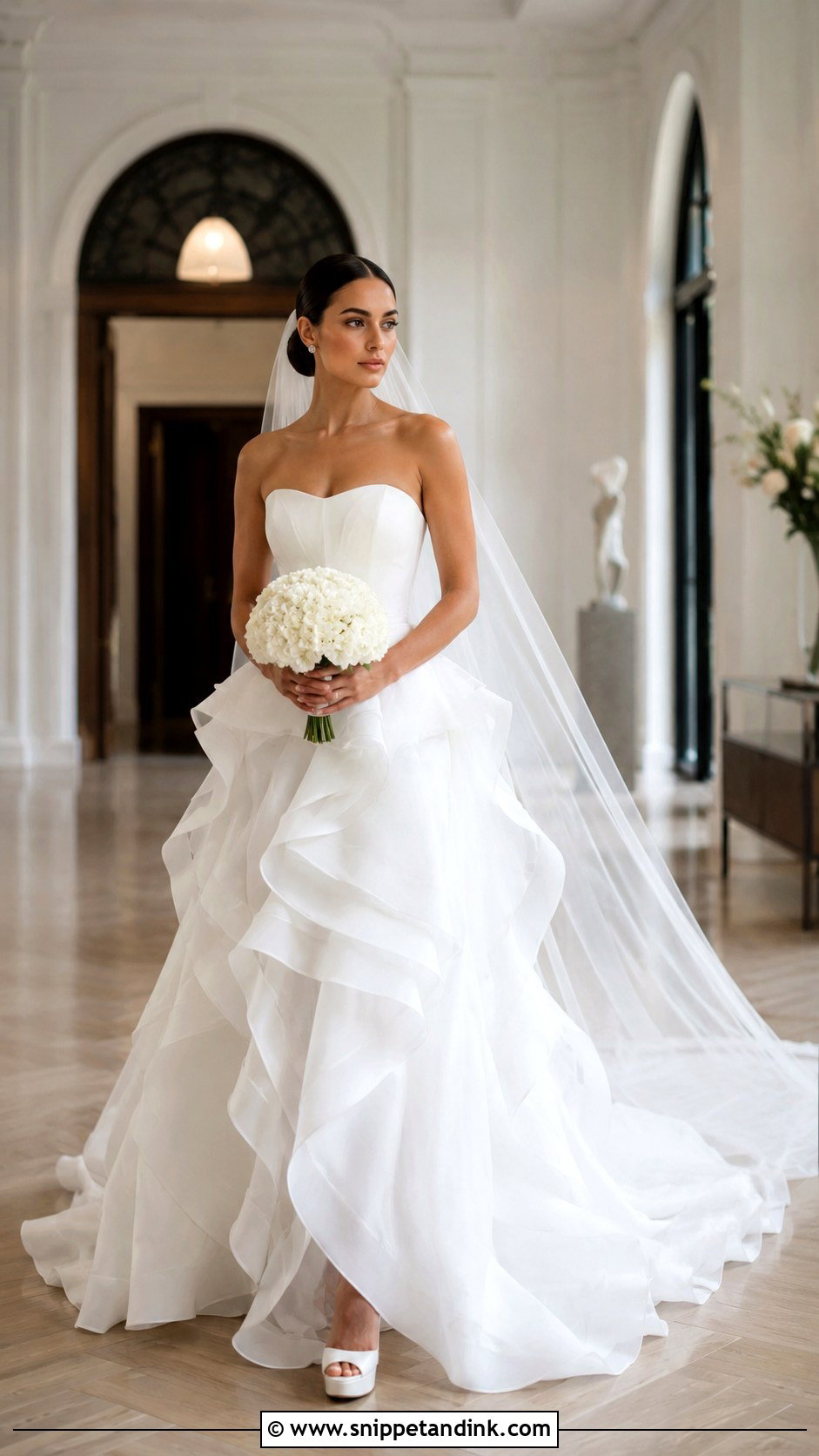
Organza is crisp and light, so big ruffles in it give huge volume without huge weight. Choose a few large, controlled ruffles rather than many small ones; the small ones swamp most frames. A strapless fitted bodice gives the skirt a clean base. Small crystal earrings, ivory platforms and a plain veil that falls past the last ruffle finish it, and a sleek bun keeps the top neat. Organza crushes when packed tightly, so it needs steaming on the morning. Walk on grass, stone and carpet before the day if your venue has all three.
Cars, Stairs and Restroom Trips in a Full Skirt
The moments brides forget to plan for are the ones that crush a big dress. These are the things I talk through at the final fitting.
Getting into the car
Sit down backward onto the seat first, then swing your legs in, and let someone gather the skirt and train in after you. A larger car with a bench seat is worth arranging for a ball gown. Sitting on a train for a long drive creases it, so lift it onto your lap where you can.
Stairs
Going up, lift the front of the skirt with both hands so your toes don’t catch the hem. Going down, have someone carry the train behind you so it doesn’t pull you backward. Practice once in the shoes you’ll wear.
The restroom
With layered skirts, the easiest method is to face the toilet, gather the skirt up from behind and toward the front, and have one person help hold the volume. Pick that person ahead of time, ideally someone who isn’t shy. Some brides also wear a slip or petticoat that tucks up easily for this reason.
Pack a small kit with safety pins, a needle and ivory thread, a stain pen and double-sided tape, and give it to the person who knows your bustle. Most problems on the day take a minute to fix if the tools are close by.
A Grand Gown Should Still Let You Dance
What makes these gowns feel grand is proportion: a silhouette that suits your venue, construction that holds you up, and accessories that step back. Start with the shape that makes you stand taller, then look hard at fabric, neckline, train and inner support. A plain veil calms heavy embellishment, while strong earrings lift a minimal dress. Keep walking, sitting, turning and reaching at every fitting, and don’t treat secure closures, comfortable shoes and a reliable bustle as afterthoughts. Satin, lace, tulle or crepe, the right one is the dress you forget you’re wearing by the second dance.
You'll Like These Ideas:



Leave a Reply