
Most of the gowns brides call ugly are not badly designed. They are badly matched: to the body wearing them, to the room, to the light, or to everything else piled on top. This guide to 25 Ugly Wedding Dresses is not here to mock anyone’s taste, because nearly every style below can be worn well. What I want you to see is the pattern I watch for in fitting rooms: stiff fabric that won’t move, embellishment with no focal point, a fit that strains when you sit, and three trends fighting on one bodice. Learn to spot those, and you can rescue almost any idea that excites you.

Sit, Lift, Turn: The Fitting Room Test I Run on Every Gown
A dress can look right standing still under flattering boutique lights and still be wrong for your wedding. So before I let a bride fall for anything, we put it through the things the day will actually ask of it. It takes ten minutes and saves a lot of regret.
- Sit on a low chair for a full minute. Watch where the fabric creases and whether the bodice digs into your ribs.
- Lift both arms as if hugging someone taller. A strapless or cutout bodice that slides now will slide all evening.
- Turn slowly in front of a three-way mirror. Most guests see your back during the ceremony, so the back has to be finished.
- Ask someone to take a phone photo with the flash on. Flash exposes shiny fabric, sheer linings and harsh sequins faster than any mirror.
- Walk to a window and look at the colour in daylight. Ivory, champagne and blush can change completely away from warm shop bulbs.
If a gown passes all five and you still love it, the style is not ugly for you, whatever anyone else thinks. If it fails one, ask the consultant whether that problem can be altered out before you decide.
1. Puffy Sleeve Wedding Dress
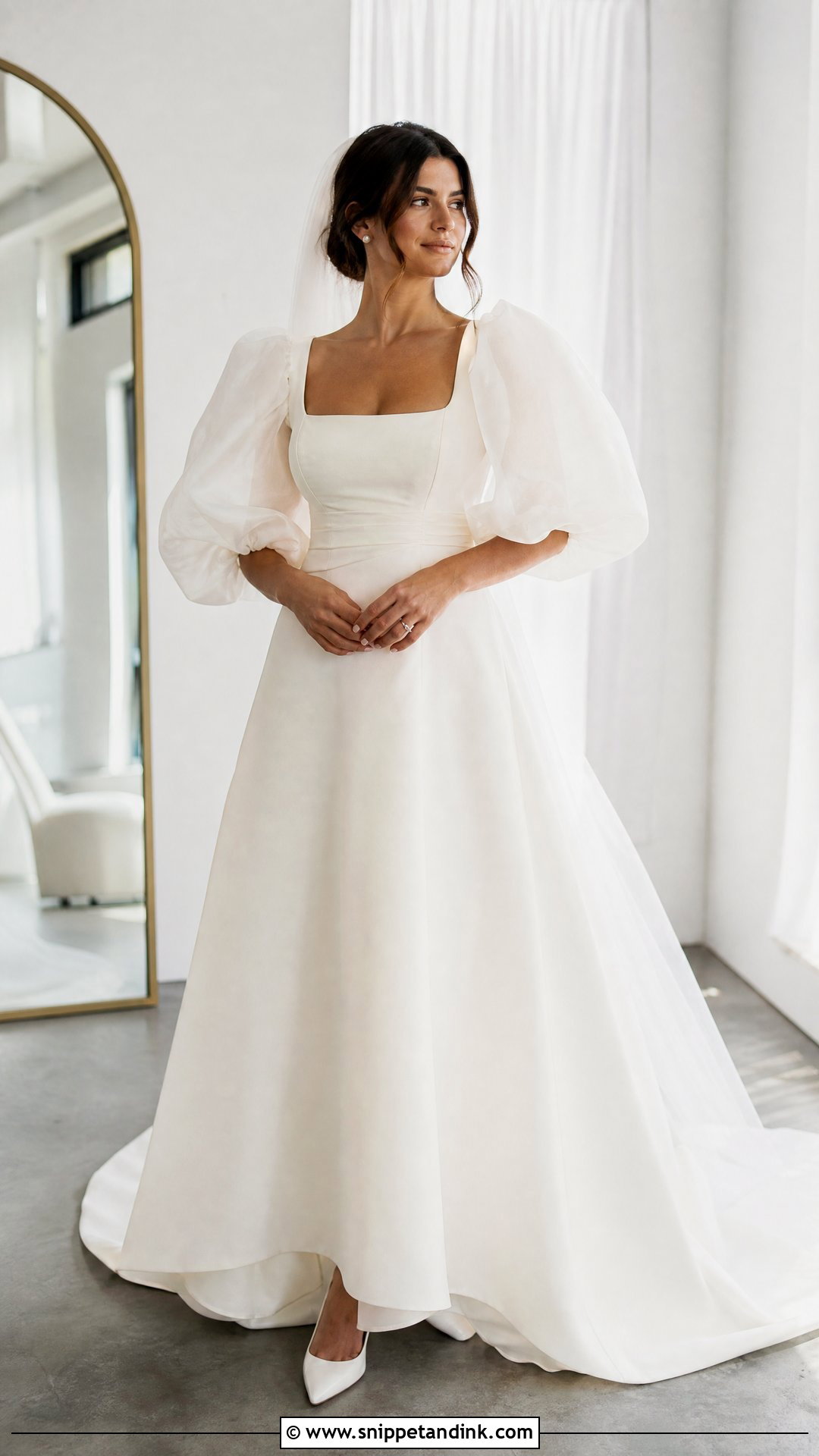
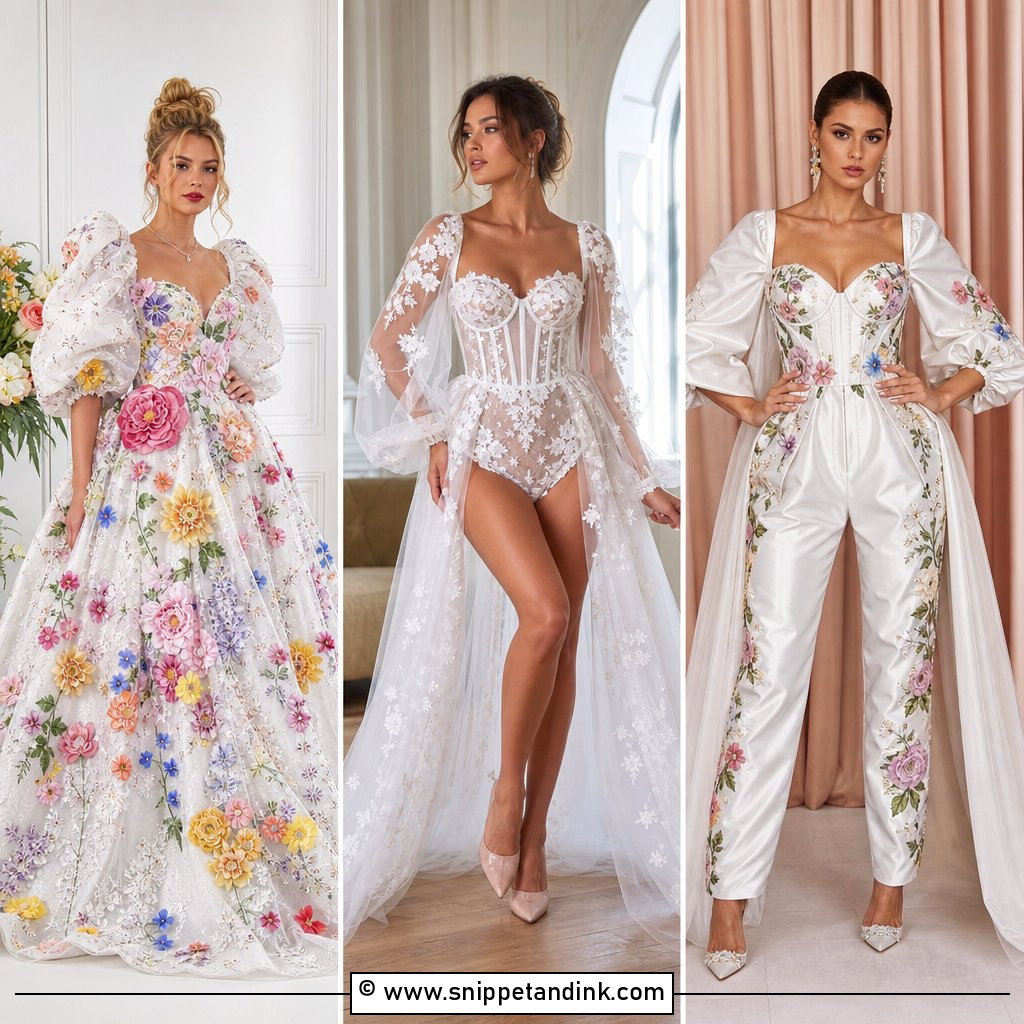
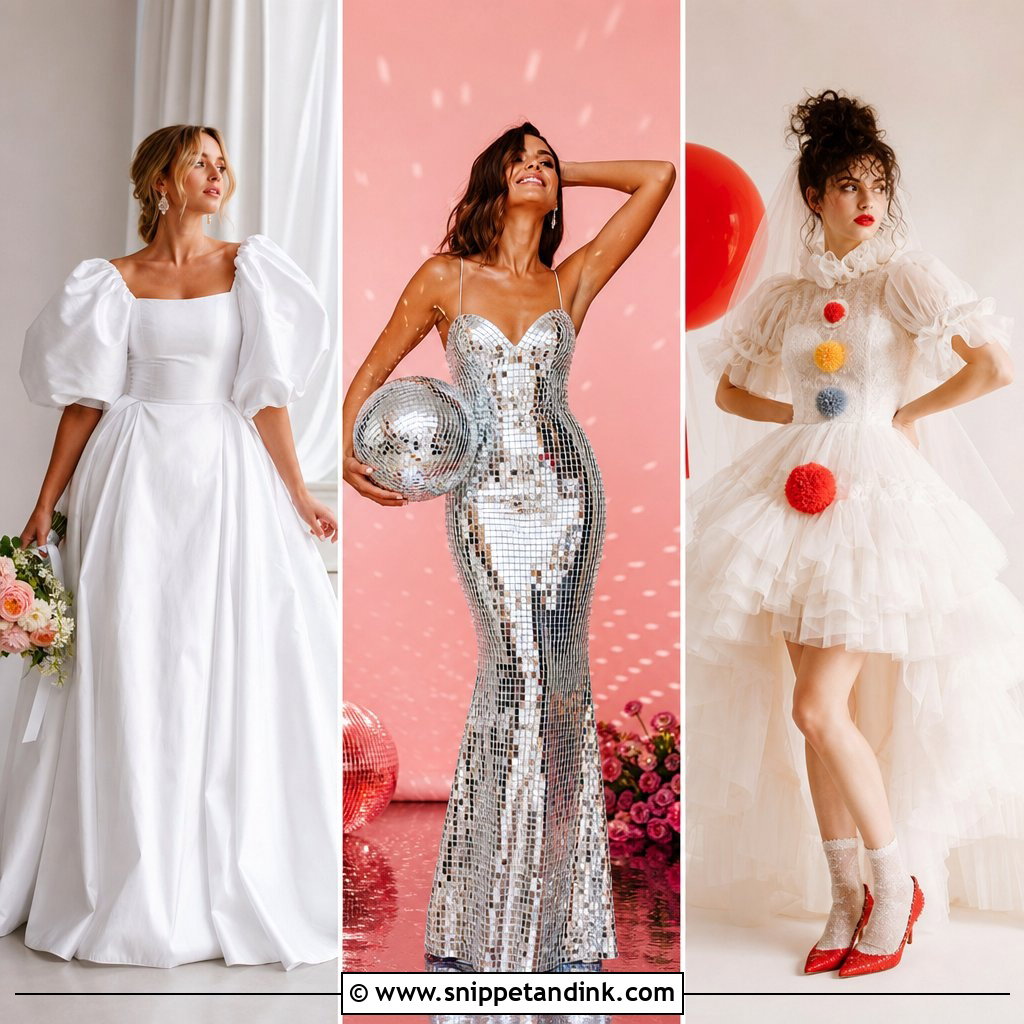
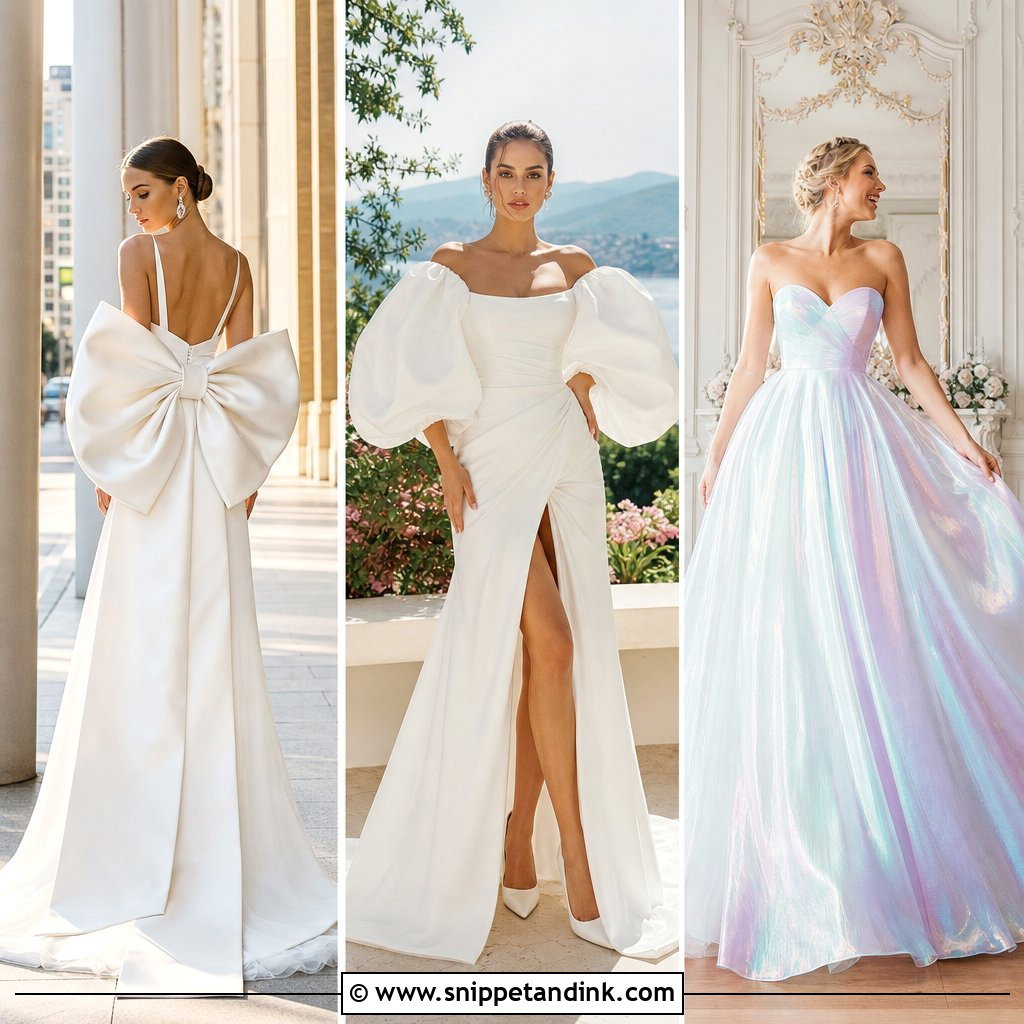
Sleeves are the first thing I check from the back of the room, not the mirror. A puffy sleeve wedding dress turns awkward when the sleeve is wider than the skirt is full, because the eye reads the bride as top-heavy. Stack a tall veil, chandelier earrings and chunky heels on that and the shoulders carry everything. If you love volume, let the sleeve be the only loud part. Organza holds a soft puff without the crunch of taffeta, and an A-line skirt balances the width so the sleeve looks planned rather than borrowed from a costume rail.
2. Over Ruffled Wedding Dress
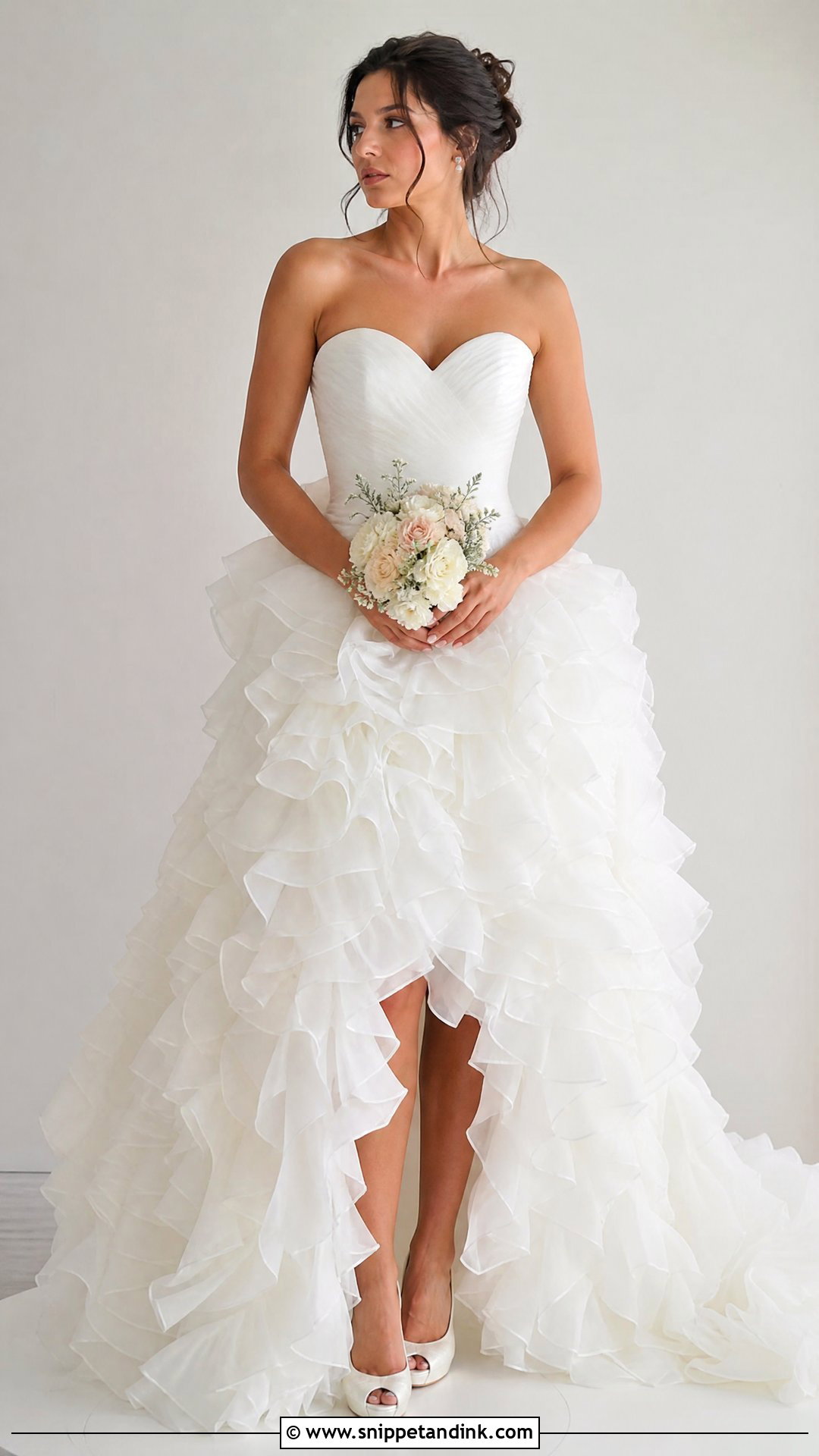
Ruffles swallow a bride when they appear everywhere at once. Once the neckline, sleeves, skirt and train all share the same frilly texture, the camera can’t find an edge, so you photograph wider than you are. I keep ruffles to one zone, usually the hem, where they move when you walk and settle when you stand. Then everything else goes quiet: sleek hair, tiny earrings, a tight bouquet. A floral crown and lace gloves on top of a fully ruffled gown is where it tips over.
3. Shiny Satin Wedding Dress
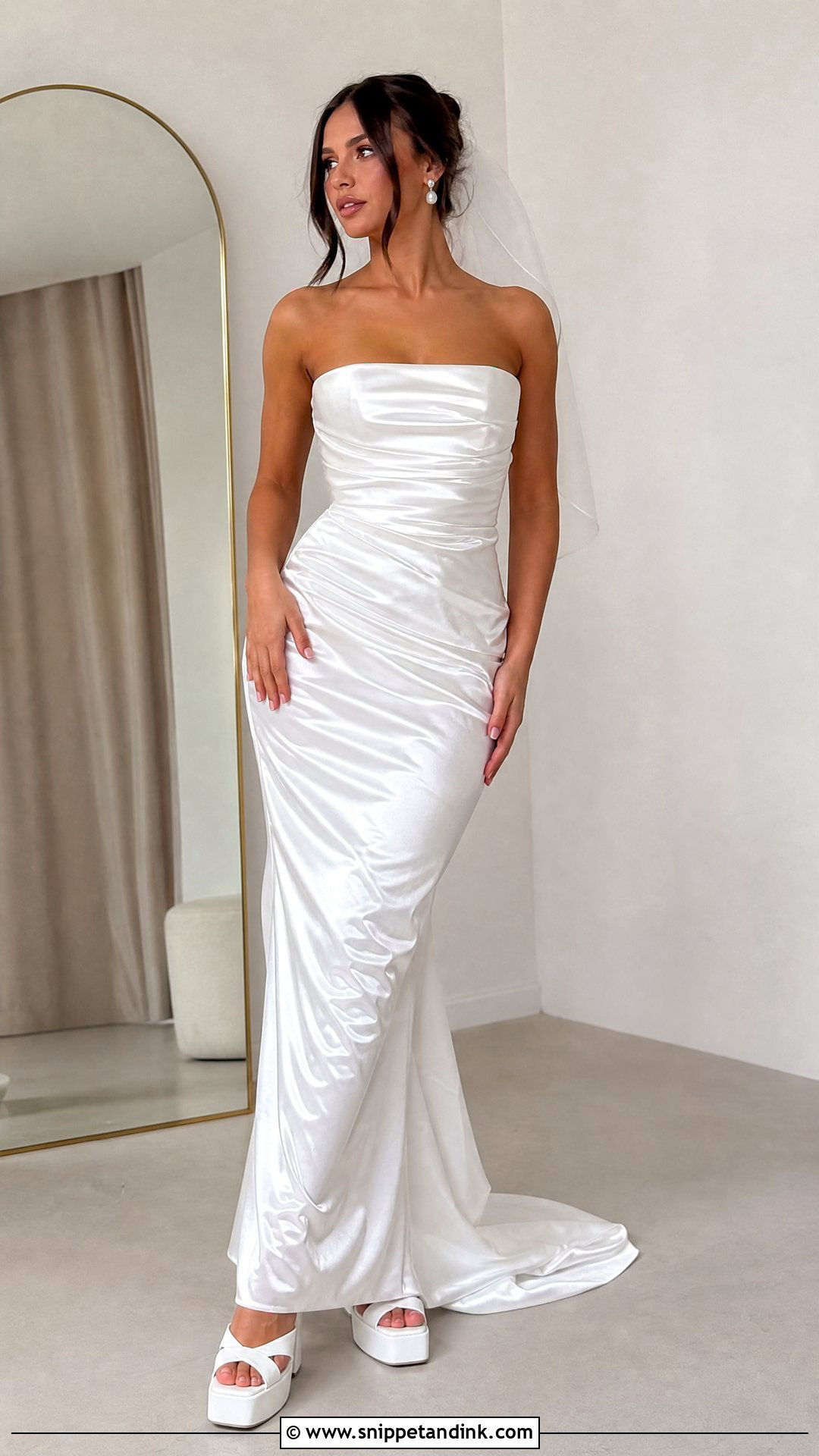
Thin, high-shine satin creases the moment you sit in the car, and those creases show up as bright lines across the hips in every flash photo. That is usually why a satin gown looks cheap, not the colour or the cut. A heavier duchess or a matte-finish satin drapes instead of folding, and it forgives a long day. I’d also skip the glossy clutch and patent platforms, since shine on shine reads as prom. Have the gown steamed on the morning, hang it from its loops, and keep the styling simple: a low bun, pearl studs and a pointed pump.
4. Too Tight Mermaid Wedding Dress
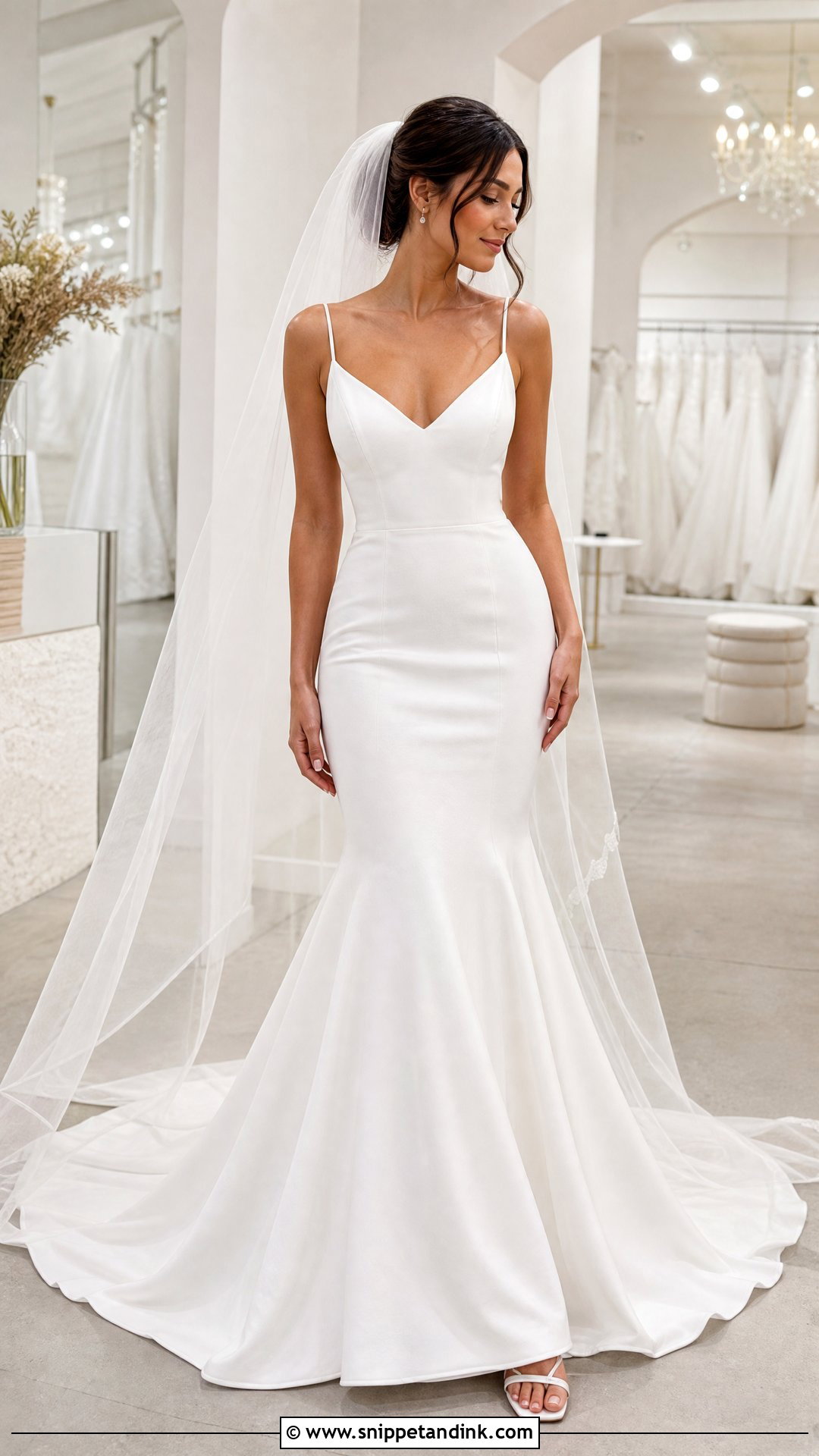
I ask every bride trying a mermaid to sit on a low chair and then climb two steps. If the gown squeezes the ribs or pins the knees, you’ll feel it at hour three, and it shows in your posture long before that. The flare should start where your leg can still stride, generally around or just above the knee; too low and you shuffle. A gown with a bit of stretch in the lining and good boning lets the silhouette follow you instead of fighting you. Keep the rest calm, with smooth shapewear, a soft veil and sandals you can stand in.
5. Giant Bow Wedding Dress
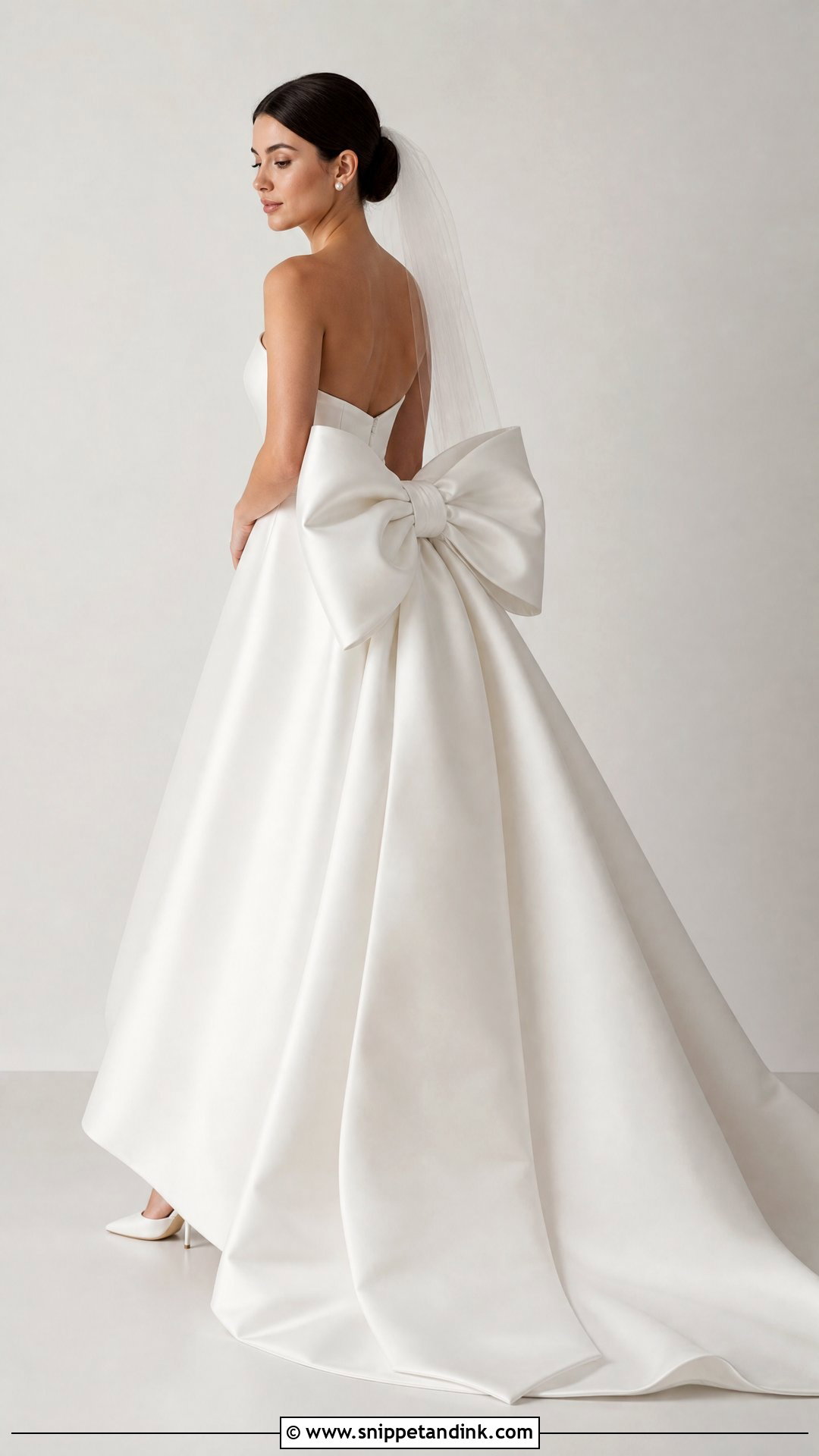
A bow only works as the single loud note. Put a giant one on the front waist of a gown that already has lace, beading and a dramatic train, and it starts to look like packaging. I prefer it at the back, on crisp satin that holds its shape without collapsing, so it shows during the processional and in the walking-away photos. Check that it sits flat when you lean back against a chair, because a big bow pressed into a seat crushes fast. Skip the tiara and glitter shoes and the bow looks deliberate.
6. Sheer Corset Wedding Dress
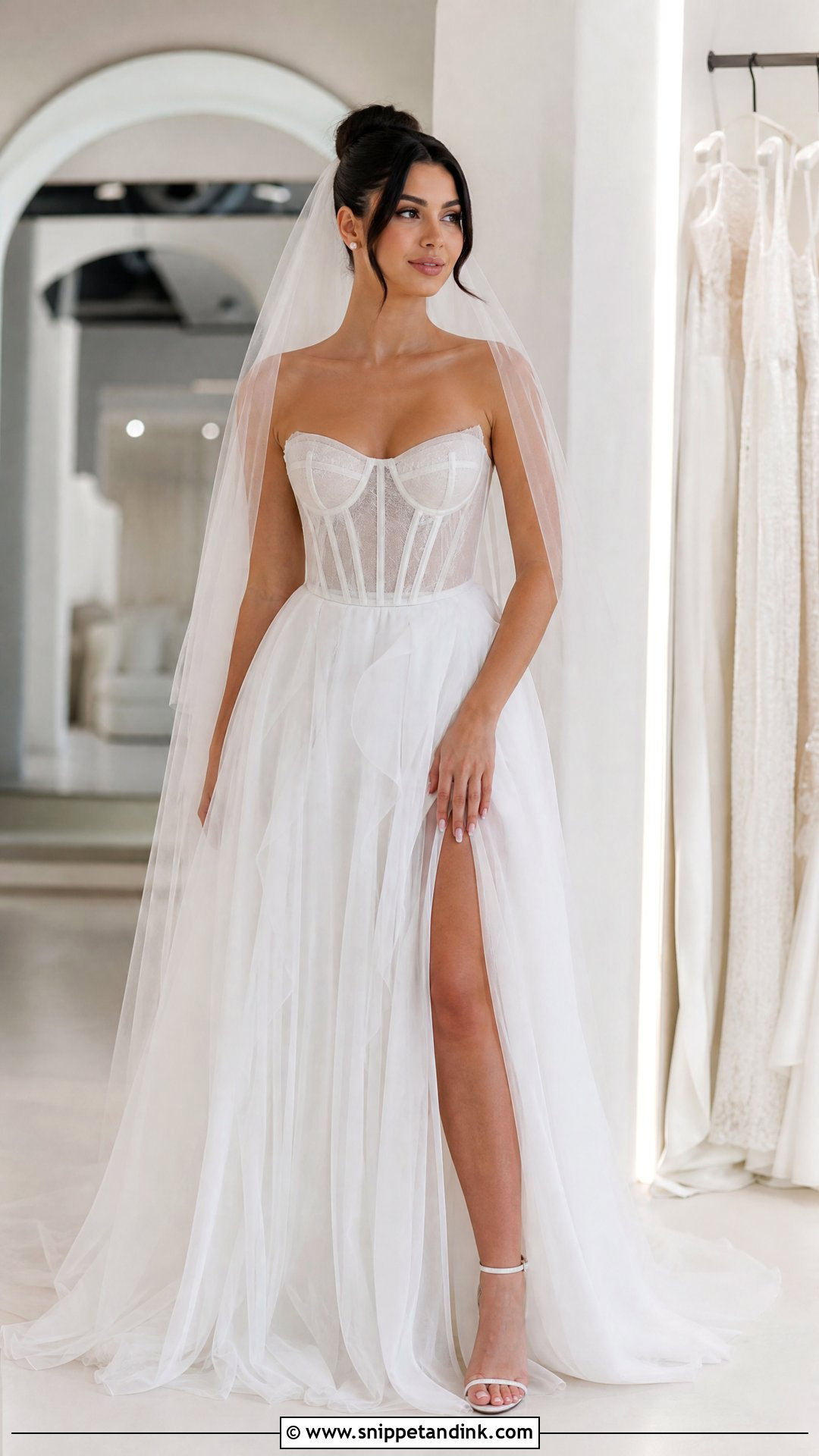
With a sheer corset, the problem is rarely the transparency itself. It’s the lining. If the mesh is a shade off your skin, every bone and seam reads as a hard stripe in photos, especially under flash. I always hold lining swatches against the bride’s arm in daylight before ordering, and I check that the boning lies flat rather than pressing ridges into the fabric. Pair it with a soft tulle or satin skirt and simple earrings so the structure looks like craftsmanship, not underwear.
7. Neon Color Wedding Dress
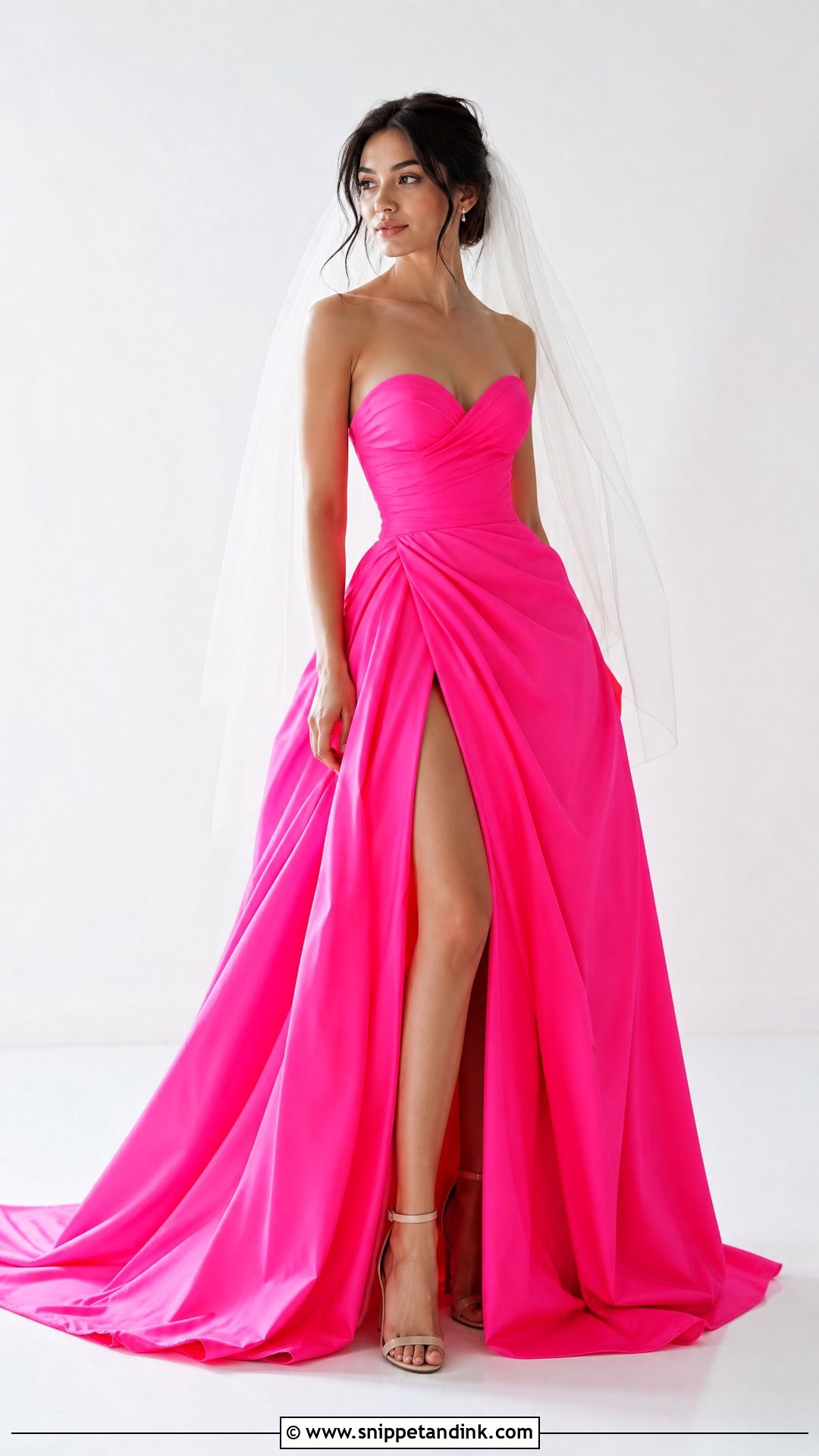
Neon fights everything around it. Orange, lime, hot pink and electric blue bounce coloured light onto your skin and into the flowers, and photographers often struggle to correct the cast. I’d steer most brides toward a softer version of the colour they love: blush, buttercream, pale blue or lavender all read as colour without glowing. If neon is truly you, give it one controlled place, like the shoes or a sash, and keep the gown itself in a quieter shade.
8. High Low Wedding Dress
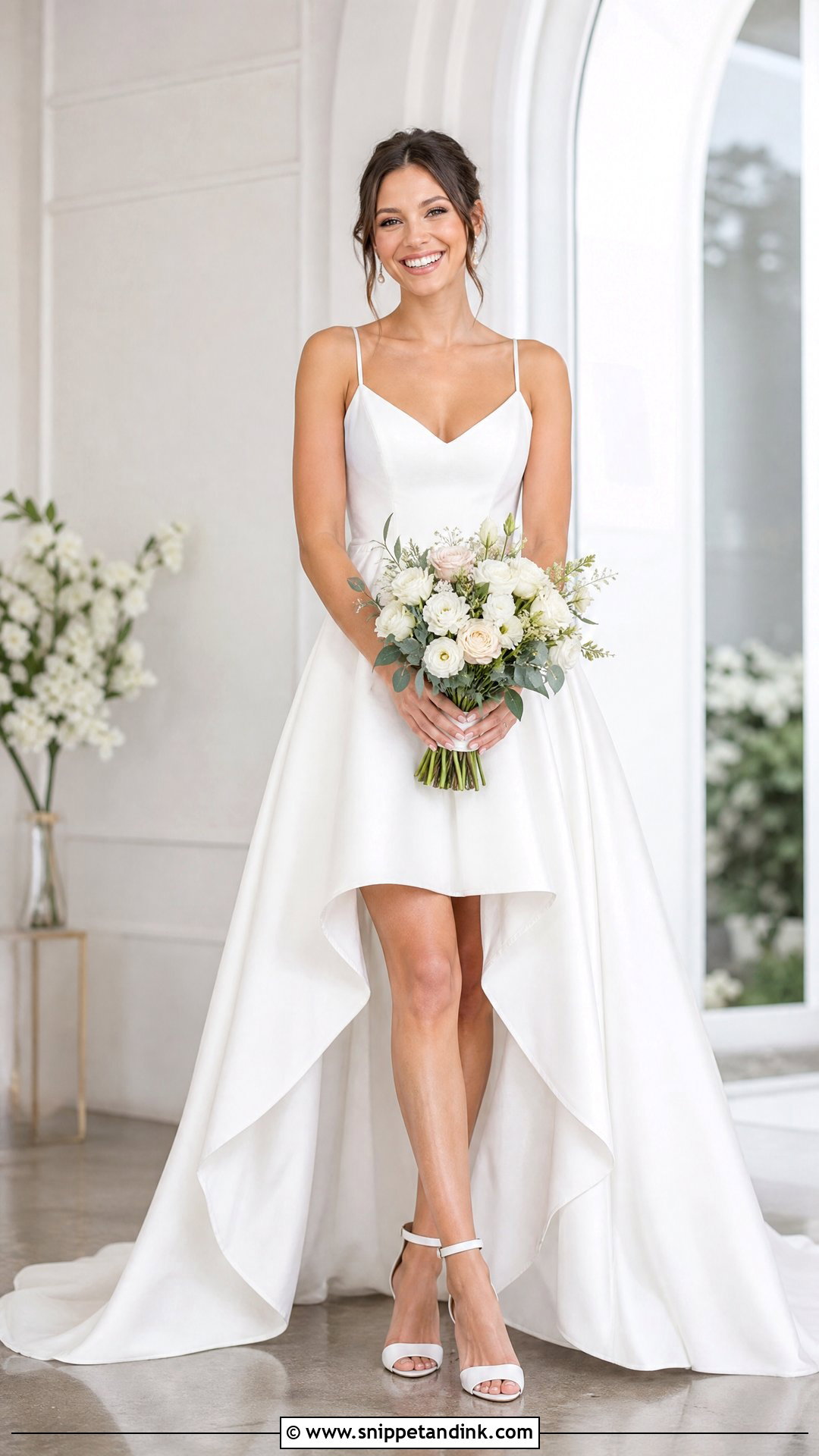
A high low hem fails when the front and back seem to belong to different events. A short front says cocktail party while a long back train says cathedral, and bulky shoes make the split louder. My fix is a gentler drop: a tea-length front easing into a soft back drape, so the line flows when you turn. Because the shoes are always on show, they need to be the prettiest, most comfortable pair you own. Keep the bodice plain and the veil short.
9. Feather Wedding Dress
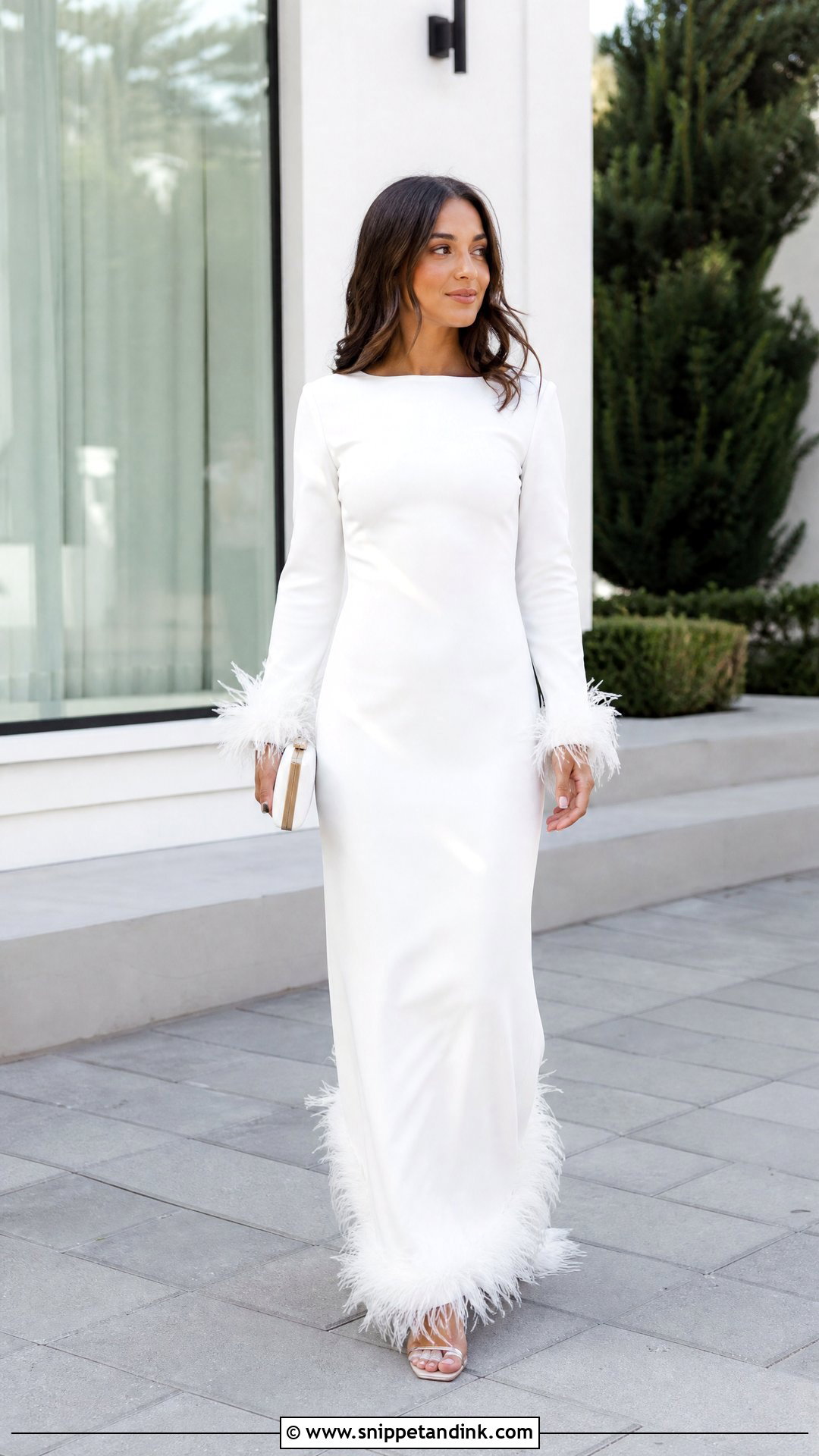
Feathers shed, flatten and go fuzzy in motion, and full coverage hides the body underneath them. On a dance floor they also catch on sleeves and jacket buttons. I like feathers as trim: cuffs on a sleek column gown, or a band at the hem where they float when you walk. Store a feathered gown hanging, never folded, and ask the shop how to fluff it with steam held at a distance. Pair with plain sandals and brushed waves so the texture has room.
10. Sequin Wedding Dress
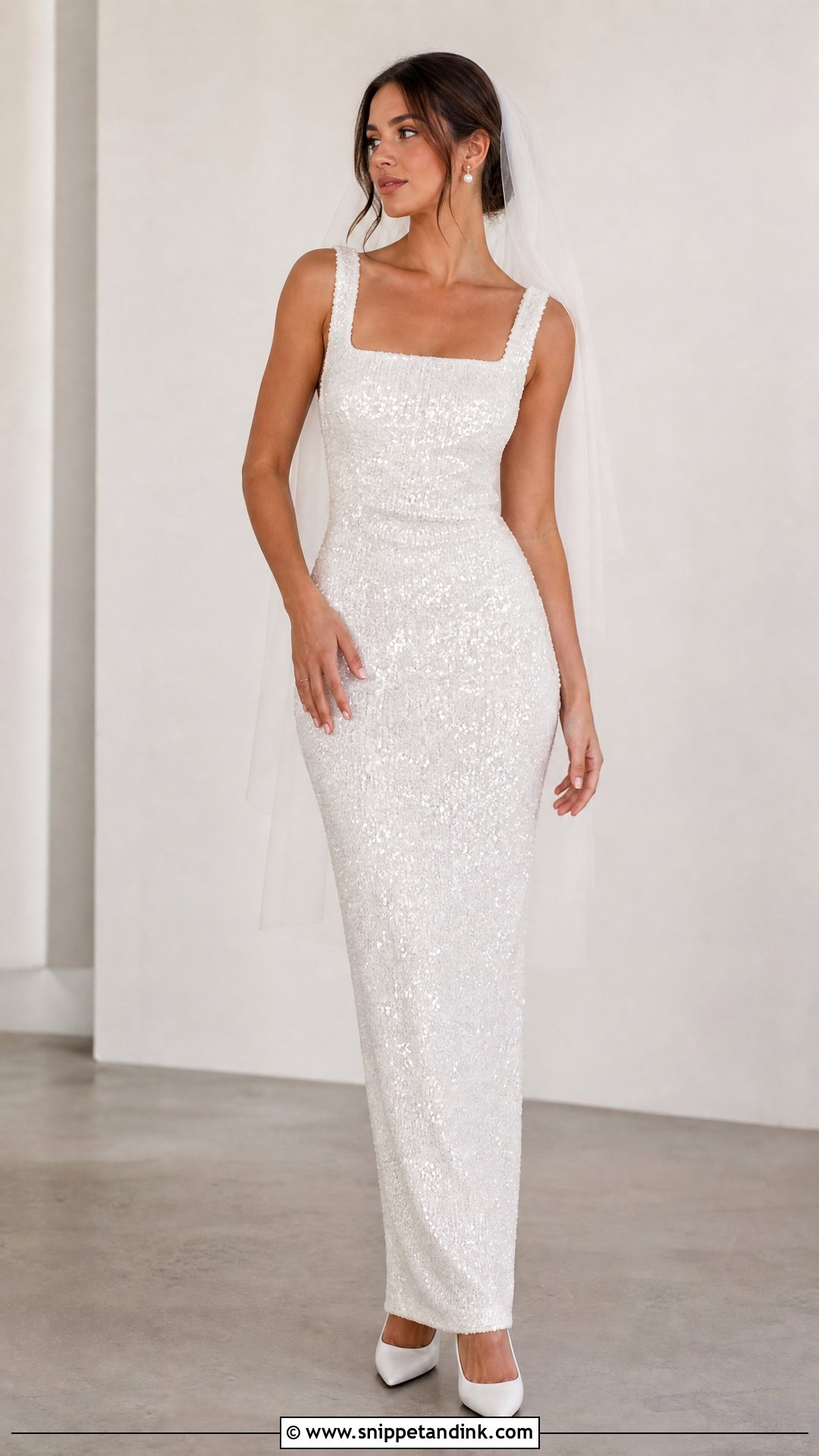
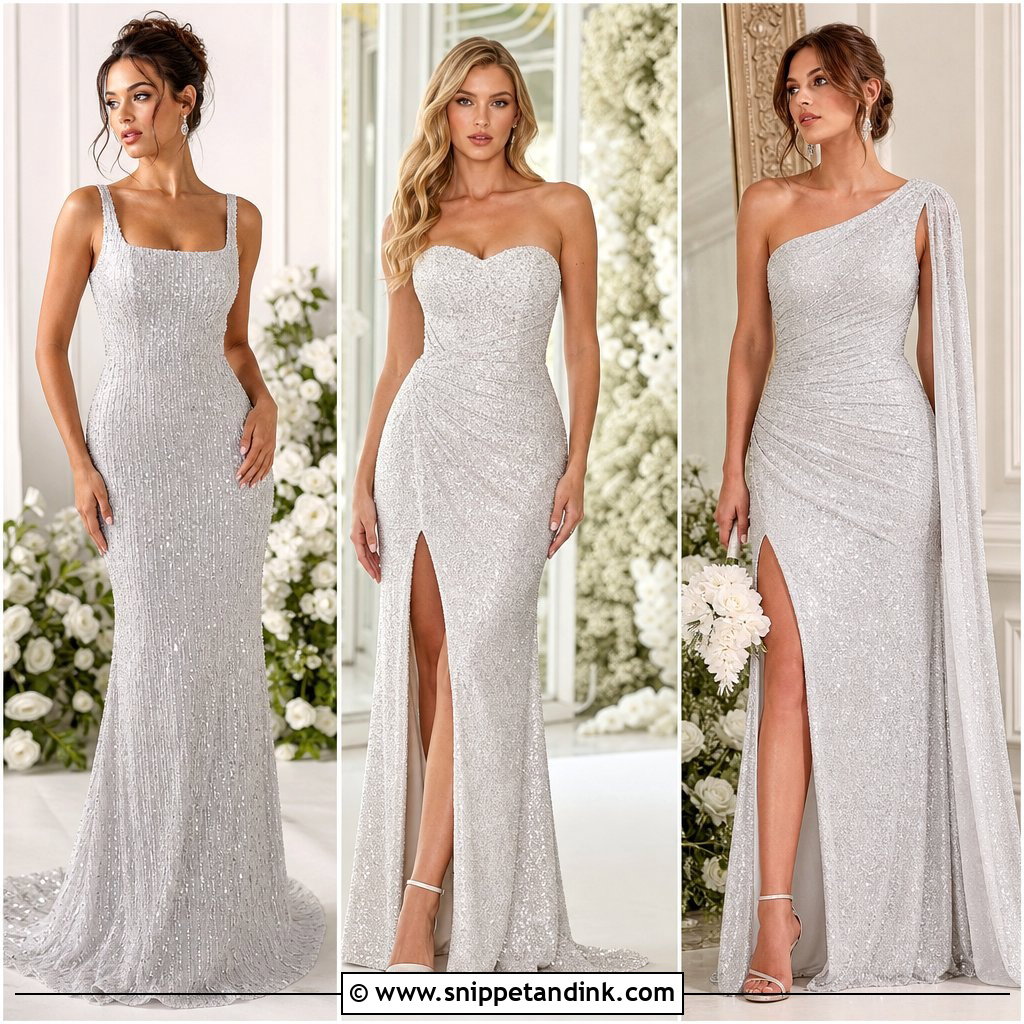
Full-body sequins can bounce flash back as hard white spots, and under reception lighting they tend to flatten your shape into one glitter block. I also feel the weight: sequins on a heavy base drag on the shoulders by evening. A simple shape such as a long sleeve sheath or slip dress lets the sparkle be the whole story. Matte shoes, small jewelry, a plain veil and soft makeup do the rest. Before you buy, check the inside seams too, since cut sequins scratch the arms.
11. Black Lace Wedding Dress
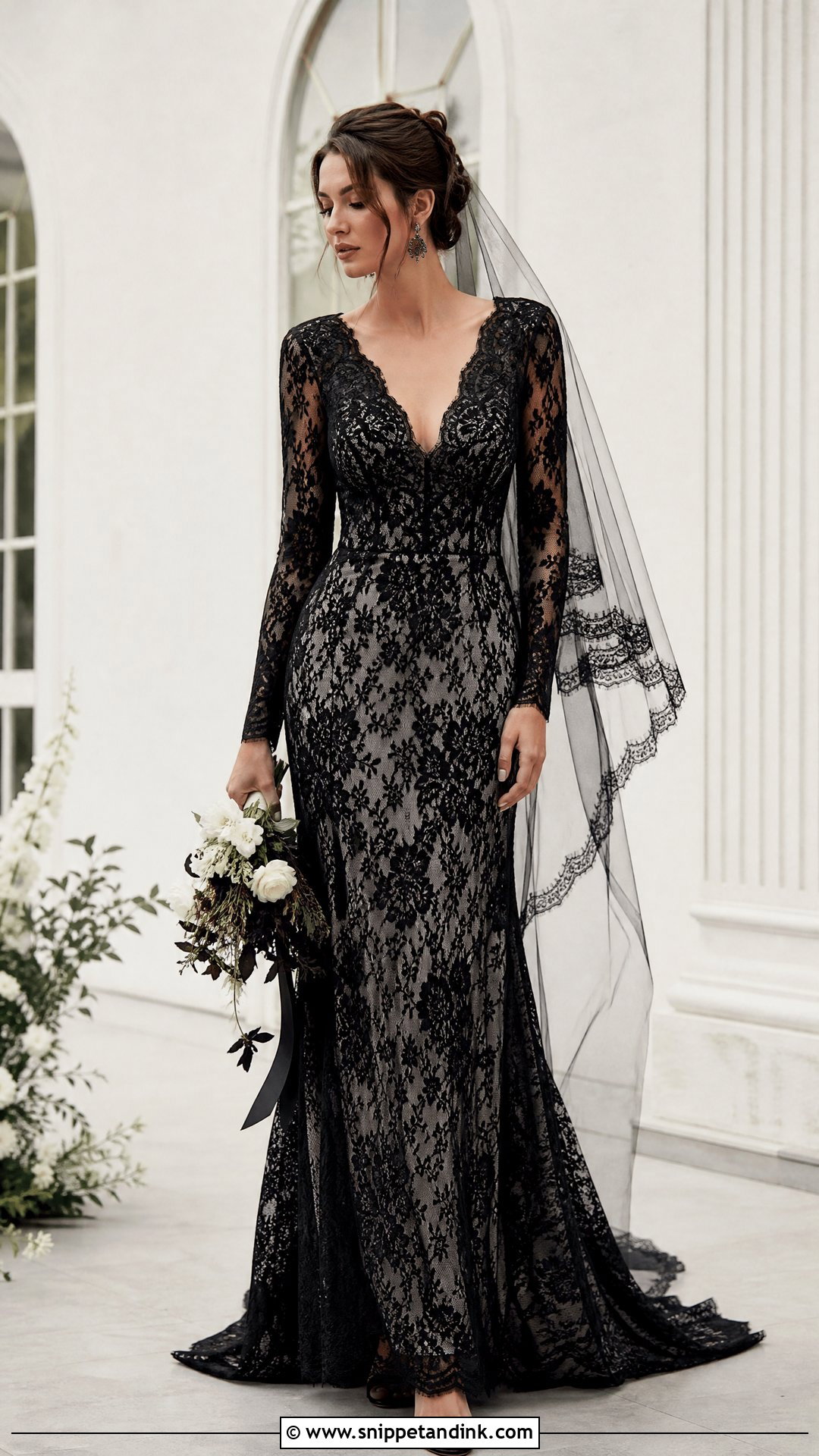
Dense black lace on a full skirt, with dark gloves, dark heels and smoky makeup, loses all its depth in photos and reads as one heavy shape. Black needs contrast to show its pattern. I like sheer black lace laid over nude, ivory or champagne lining, so the motif stands out against something lighter. Lighten the rest with delicate heels, a small veil and clean jewelry. Done that way, a black gown looks romantic. Without it, the gown starts to feel like Halloween.
12. Short Front Long Back Wedding Dress
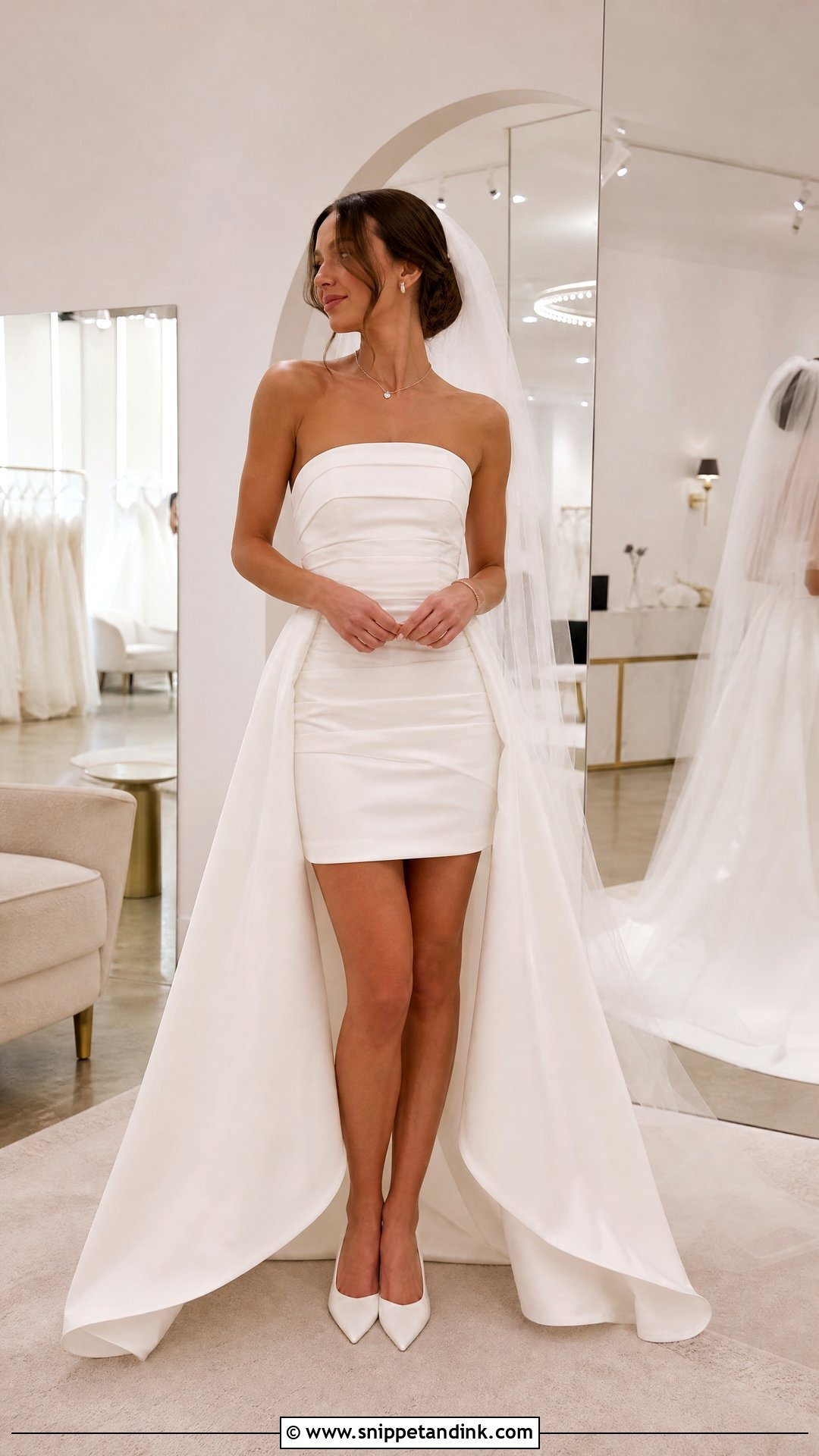
Of all the hemlines here, a short front long back wedding dress is the one I find hardest to style, because it makes the shoes the most important item in the outfit. Above-knee in front with a dramatic train behind breaks the line of the body in two. A cleaner route is a structured mini with a removable overskirt: full drama for the aisle, then unhook it for dancing. Ask your seamstress to fit the overskirt waistband separately so it doesn’t twist. Pointed pumps and a sleek veil finish it.
13. Cupcake Ball Gown Wedding Dress
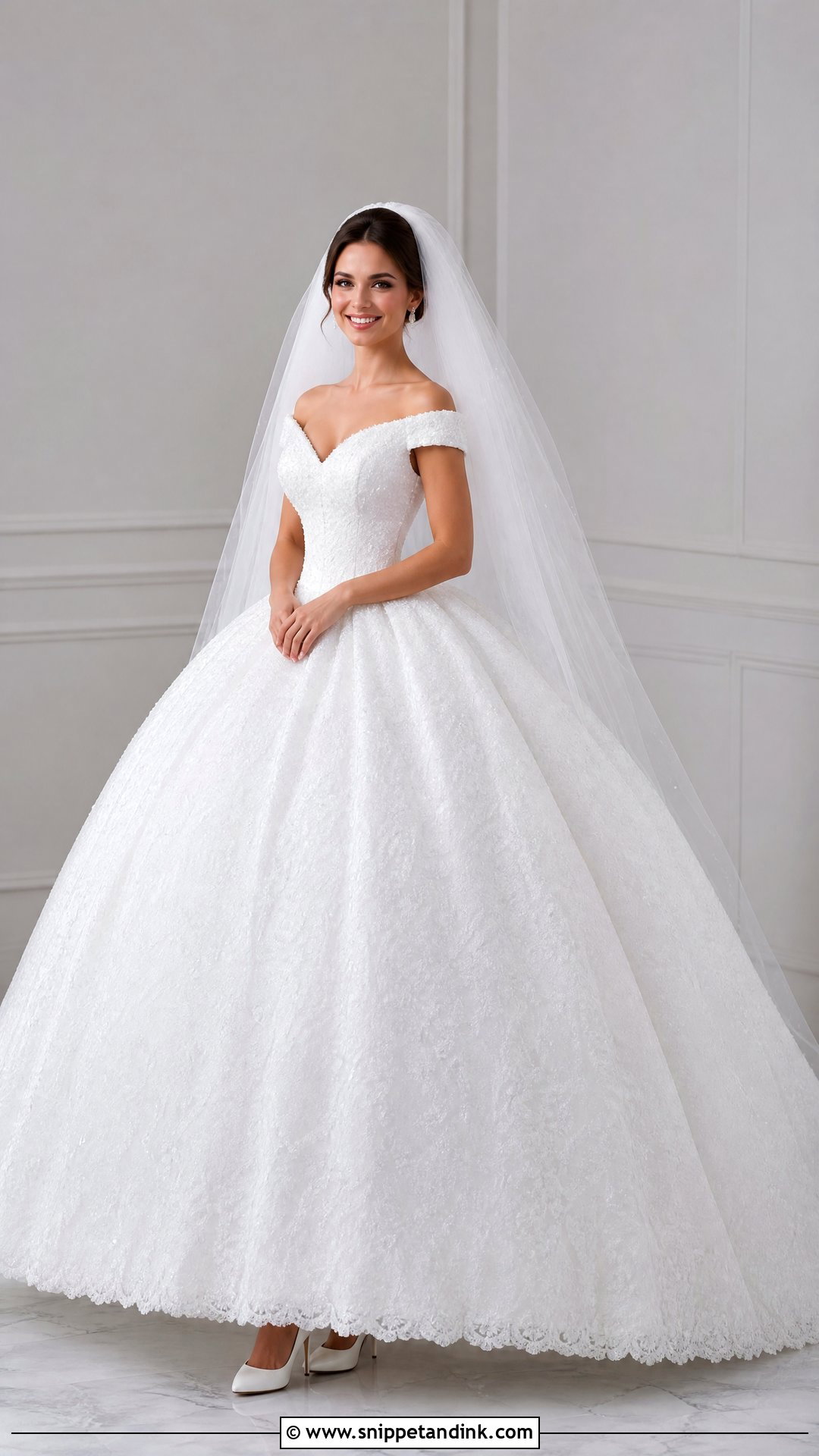
The issue with a cupcake skirt is not volume. It’s volume that can’t move. A stiff, round skirt sitting out like a shell shortens most brides and makes the waist disappear under a beaded bodice. I look for ball gowns built from many soft tulle layers rather than one rigid petticoat, so the skirt sways when you walk. Check that you can get through a standard doorway and into a car without crushing it. Keep the bodice plain, the train controlled and the updo clean.
14. Drop Waist Wedding Dress
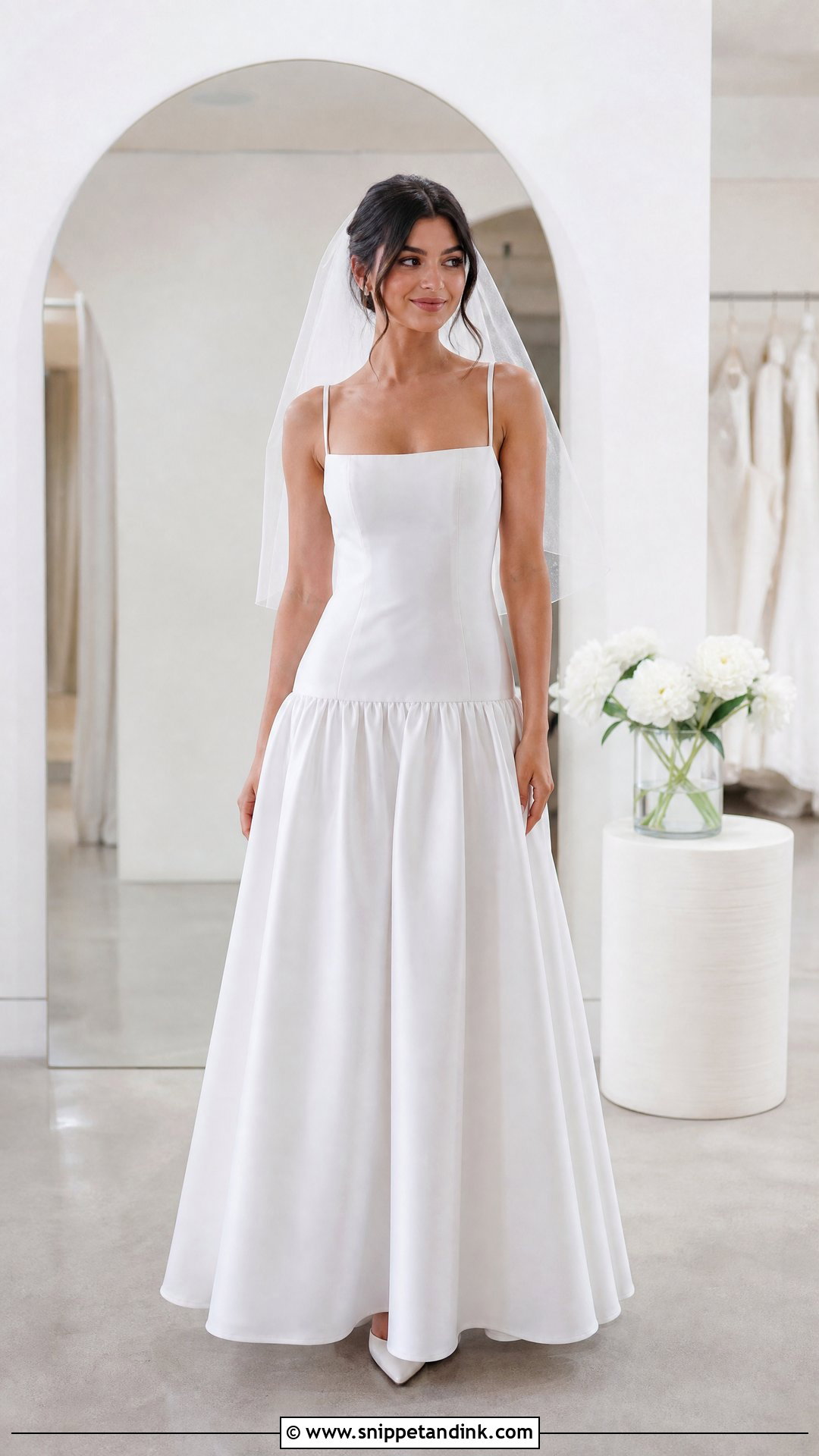
A drop waist set too low with a sharp flare from the hip shortens the legs and stretches the torso. That proportion dates a gown faster than any fabric does. If you love the silhouette, have the waistline sit just at the top of the hip bone, where it follows your body instead of cutting across it. A light skirt, delicate straps and a medium veil keep the transition from bodice to skirt fluid. Avoid heavy lace and platform heels with it.
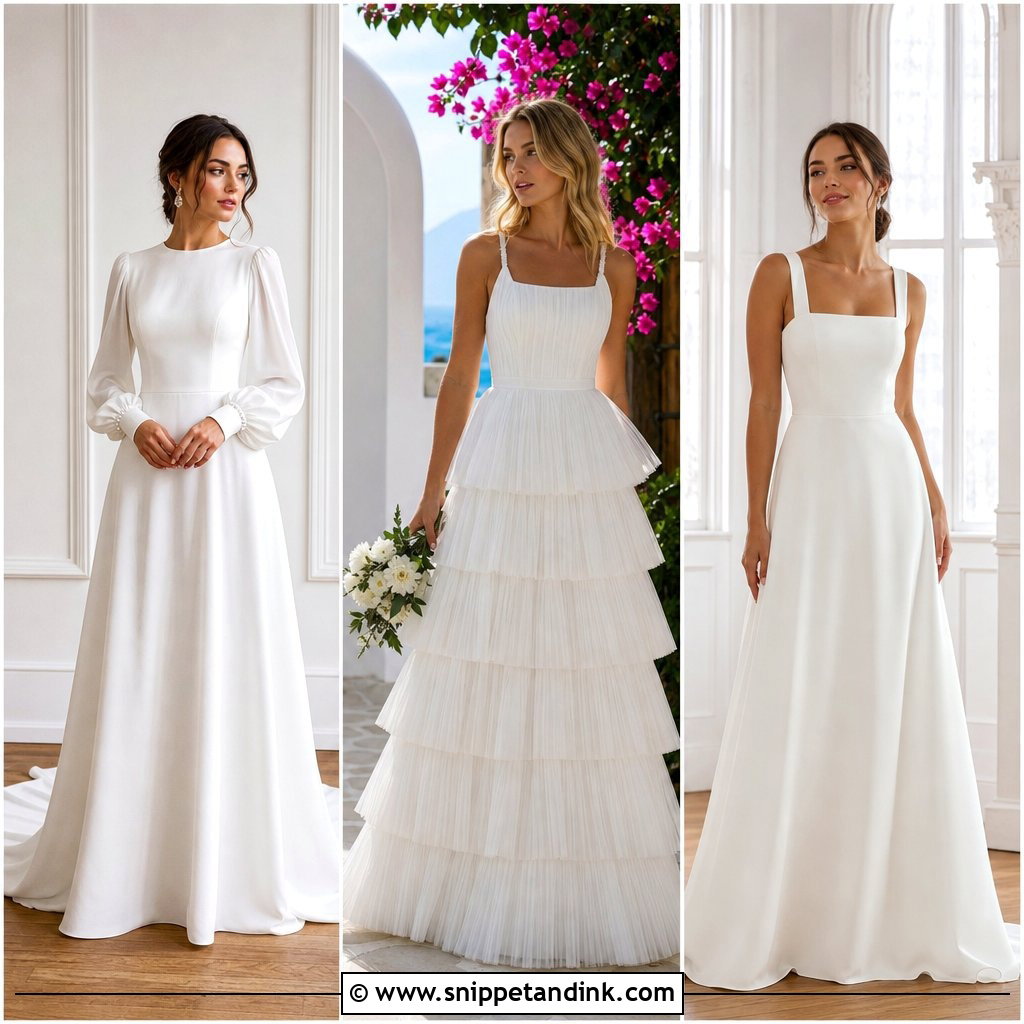
15. Tiered Tulle Wedding Dress
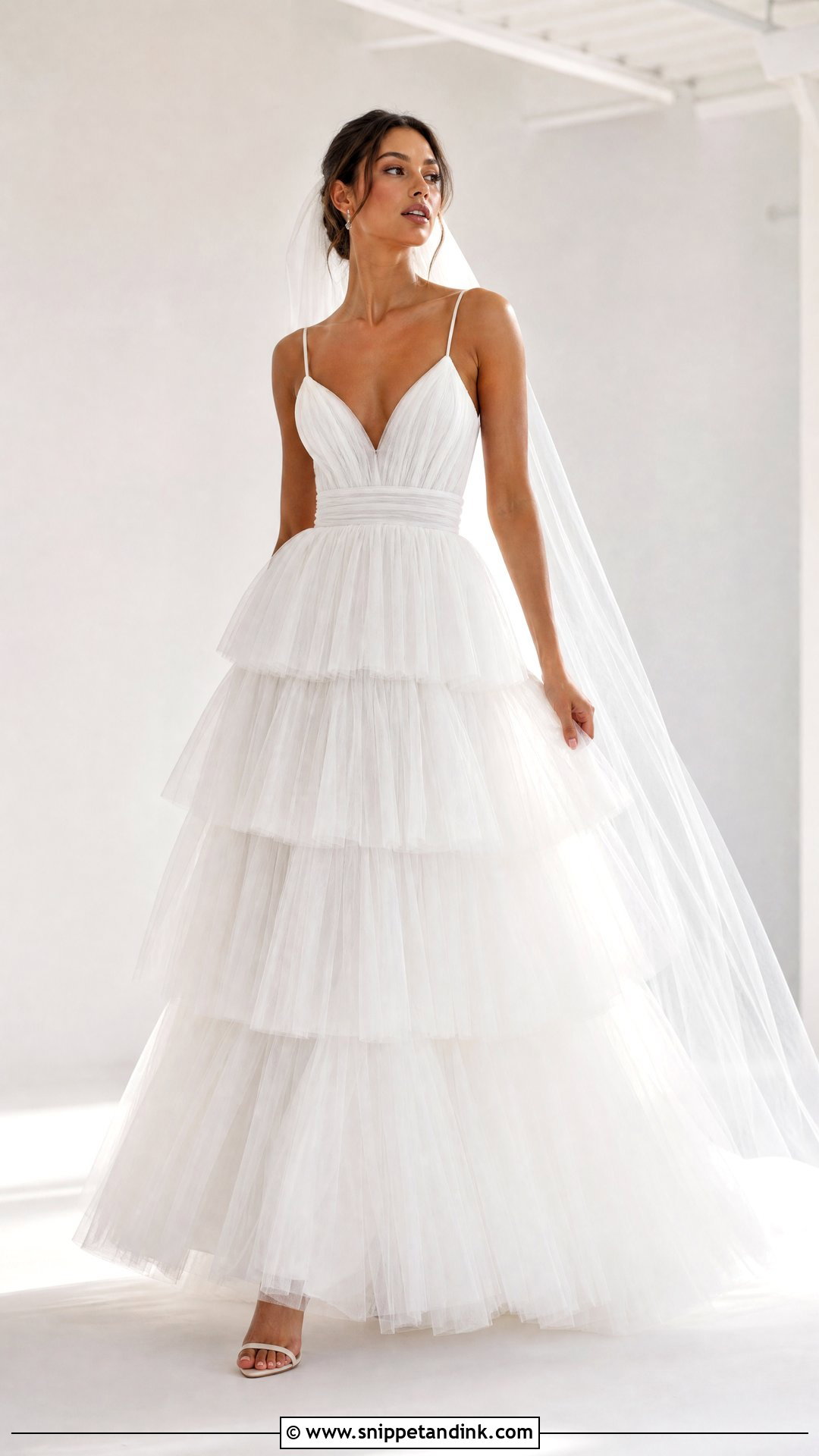
Each tier of tulle adds a horizontal line across your body, so a tiered tulle wedding dress with thick, tightly gathered layers can chop you into sections. I look for fine, soft tulle with generous spacing, so the eye travels down rather than across. Watch for tulle catching on beaded heels and bracelets, which snags it into ladders. Keep the top fitted and plain, and choose barely-there shoes and minimal jewelry.
16. Denim Wedding Dress
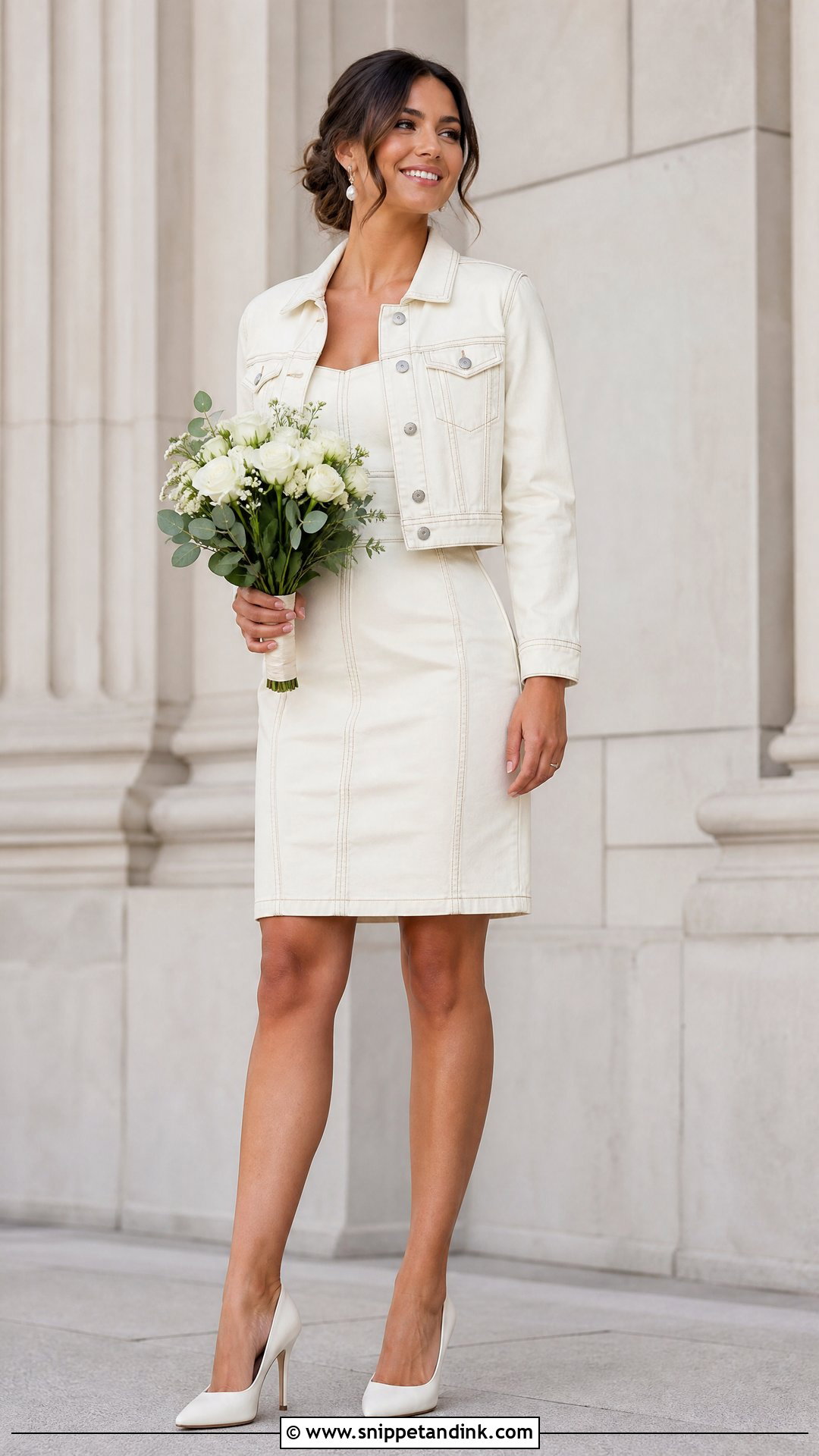
Stiff denim doesn’t drape, and a tight denim bustier with patchwork panels and cowboy accessories reads as a theme rather than bridal wear. I like the fabric best as an accent. A denim wedding dress in a soft, washed ivory can suit a courthouse ceremony, or a cropped denim jacket thrown over a slip dress works for the reception. Pre-wash anything new, because raw indigo can transfer onto white fabric and skin.
17. Camo Wedding Dress
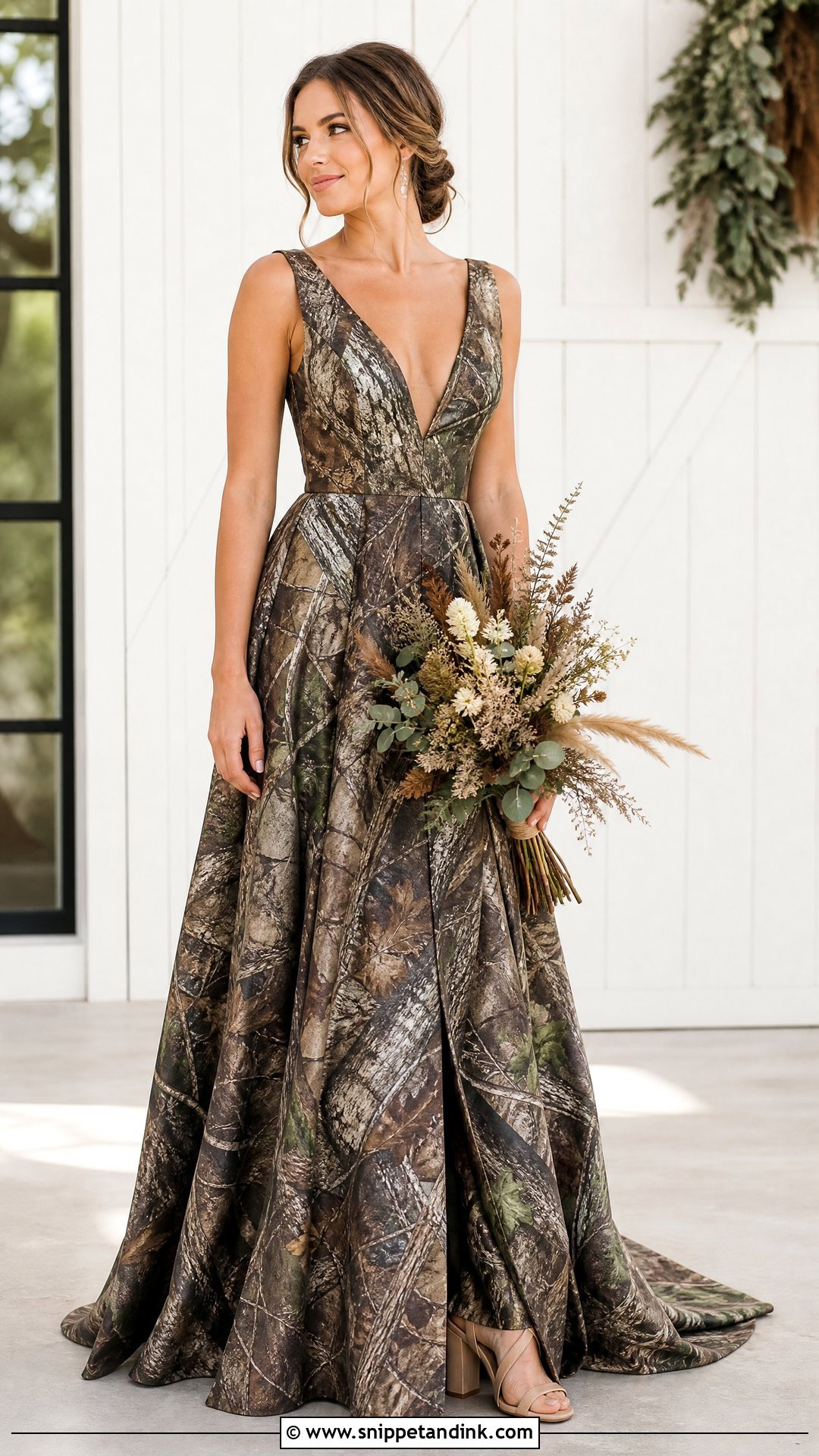
Camouflage print breaks up shapes by design, which is exactly why a full camo gown makes a bride look less defined in photos. It also clashes with most flowers and venue decor. If the outdoors matters to you, I’d bring it in through materials: an ivory gown with a moss-green sash, leaf embroidery, an earthy bouquet, block heels or neutral boots for the grass. A camo garter or groom’s tie keeps the private joke without letting it run the picture.
18. Metallic Wedding Dress
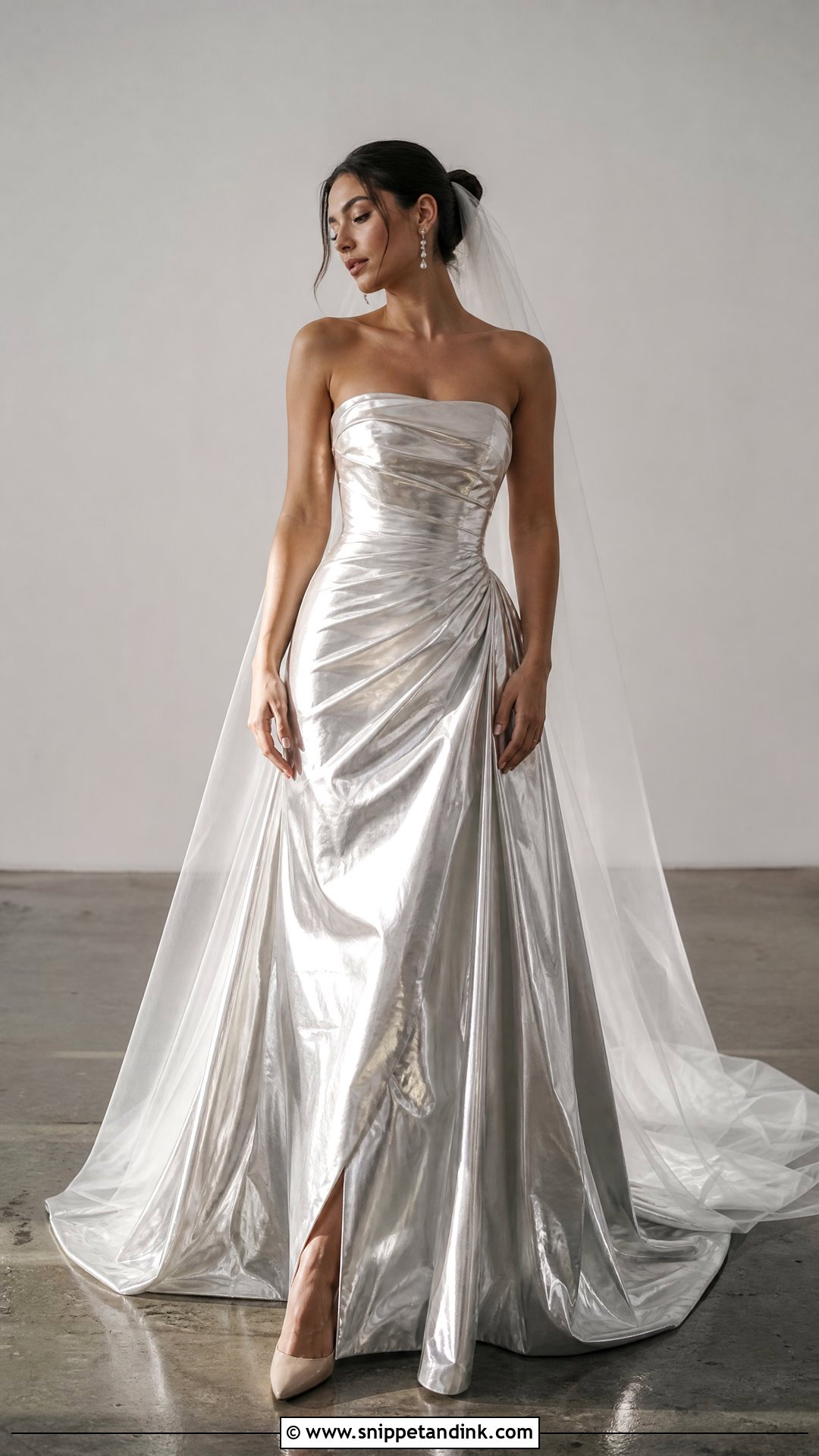
Silver, gold and chrome-like materials act like mirrors: every light in the room becomes a hot spot on the dress. They are also often stiff, so they stand away from the body. My usual swap is a soft champagne shimmer or a subtle brocade, where the metallic thread sits in the weave. Pair it with matte nude heels and plain earrings, and stick to a column or soft A-line. One reflective element is luxury. Three is armor.
19. Ill Fitting Strapless Wedding Dress
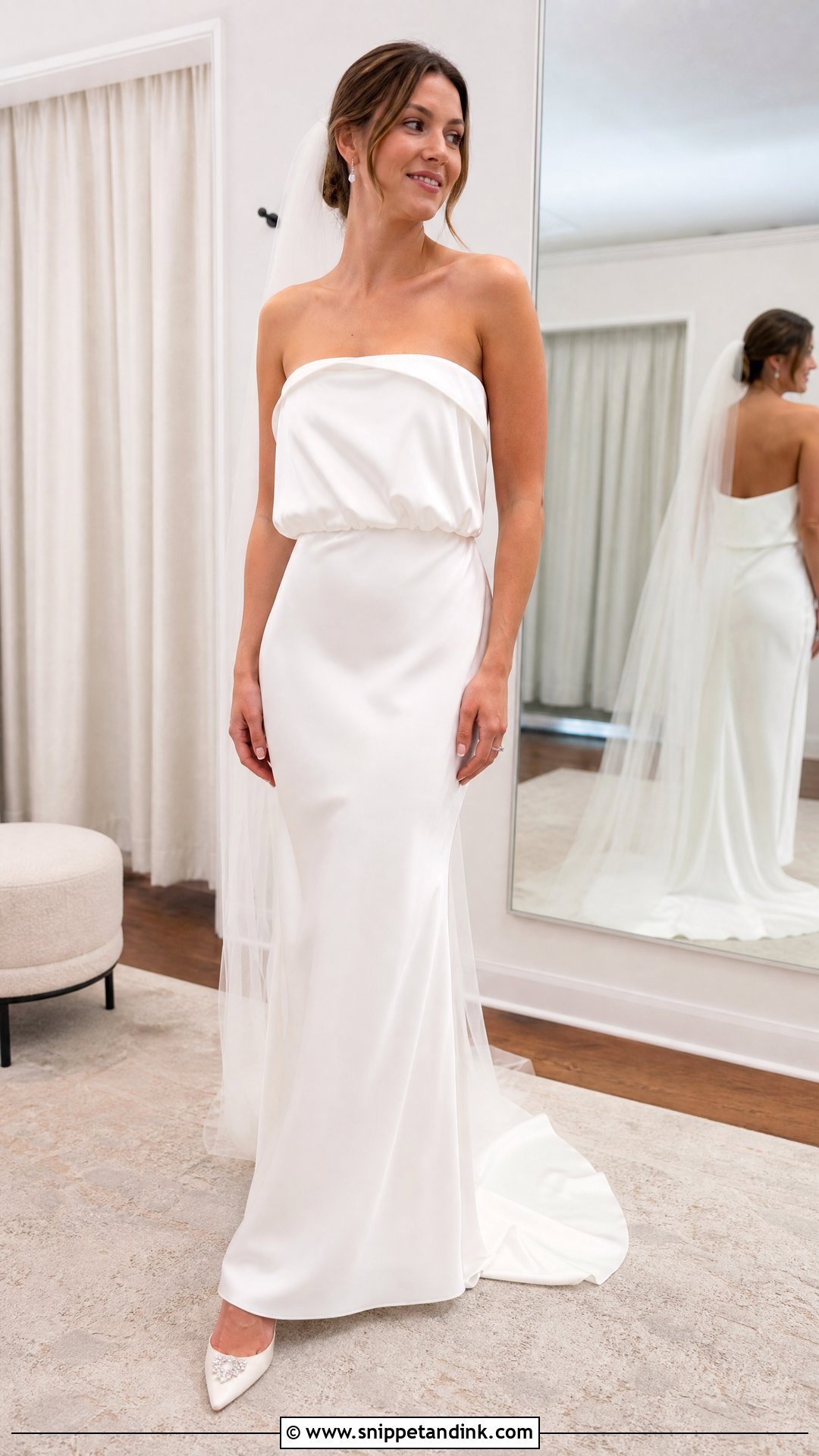
An ill fitting strapless bodice means a day spent tugging it up, and you can see that in every candid shot. If it gaps, slides or flattens the bust, no skirt or veil will save it. The fix lives inside the gown: firm boning, a waist stay that anchors the bodice at your natural waist, and alterations done with your actual shoes and undergarments. At the final fitting I have brides raise both arms and hug someone. If the bodice moves, it goes back to the seamstress.
20. Over Beaded Wedding Dress
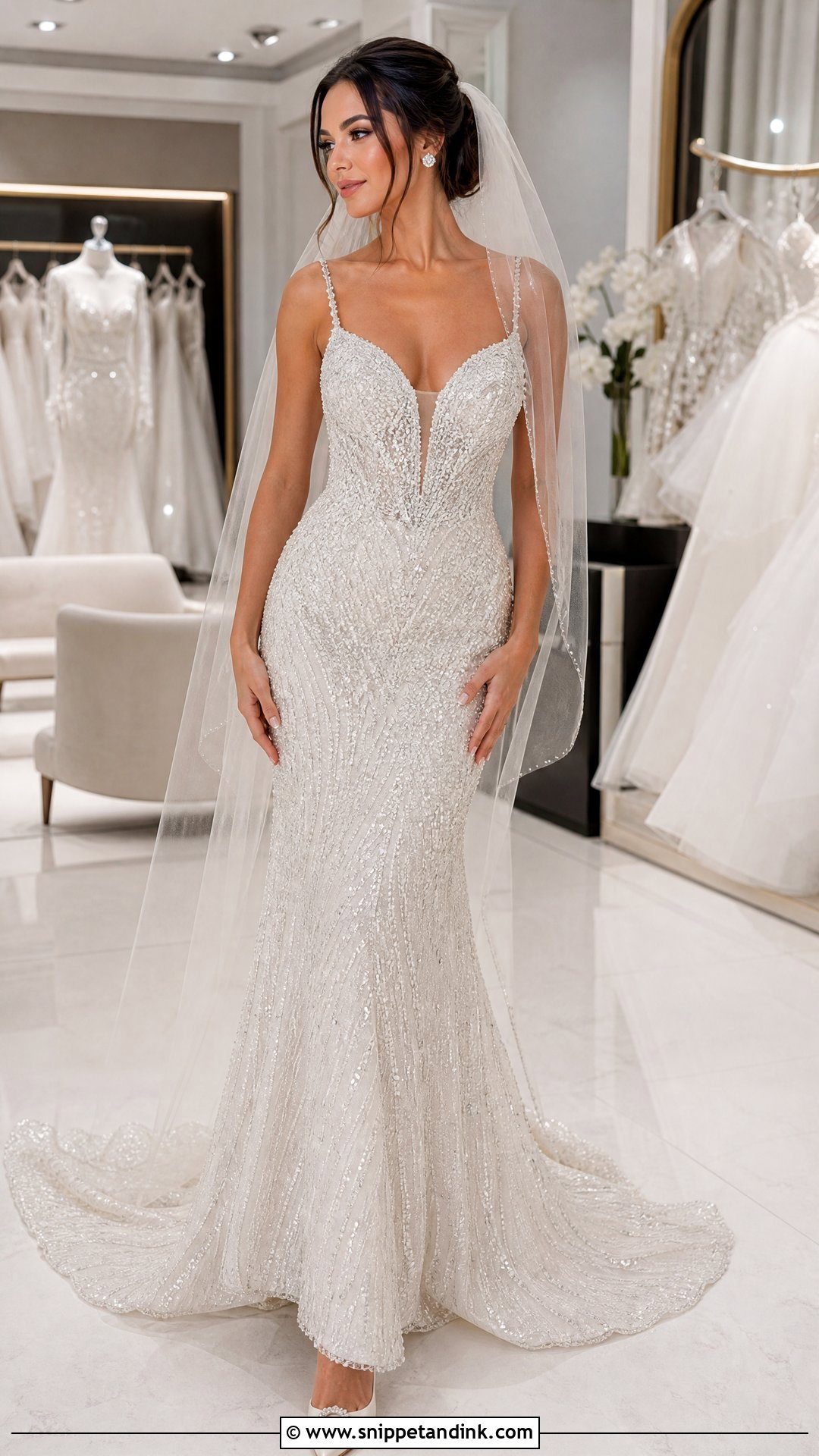
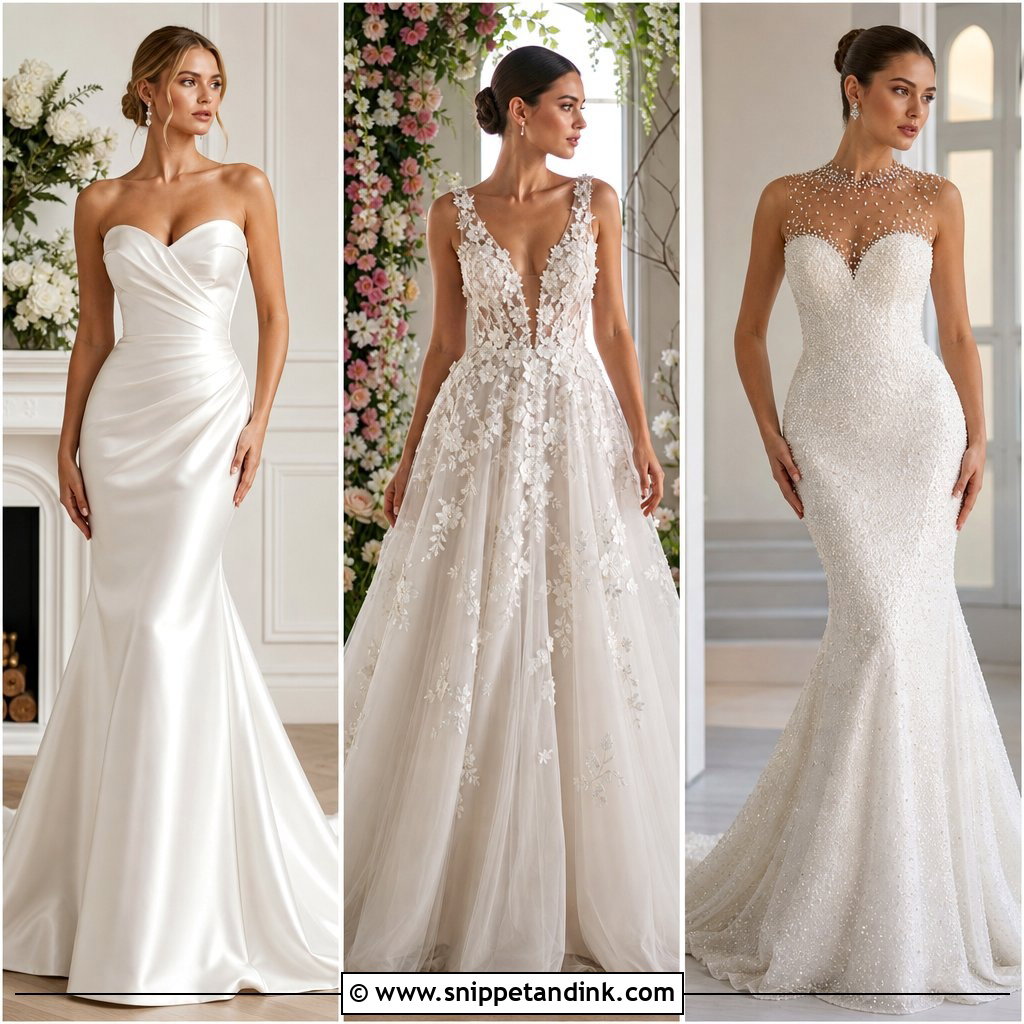
Heavy beading weighs more than people expect, and a gown covered head to hem can pull on the shoulders through a long reception. It also loses its focus, because when everything sparkles nothing does. I’d keep beadwork where it guides the eye, along the neckline, waist or train, and leave the skirt plain. Satin shoes, simple jewelry and a sheer veil let the handwork read. Bustle loops need extra reinforcement on beaded trains, so ask about that at your first fitting.
21. See Through Skirt Wedding Dress
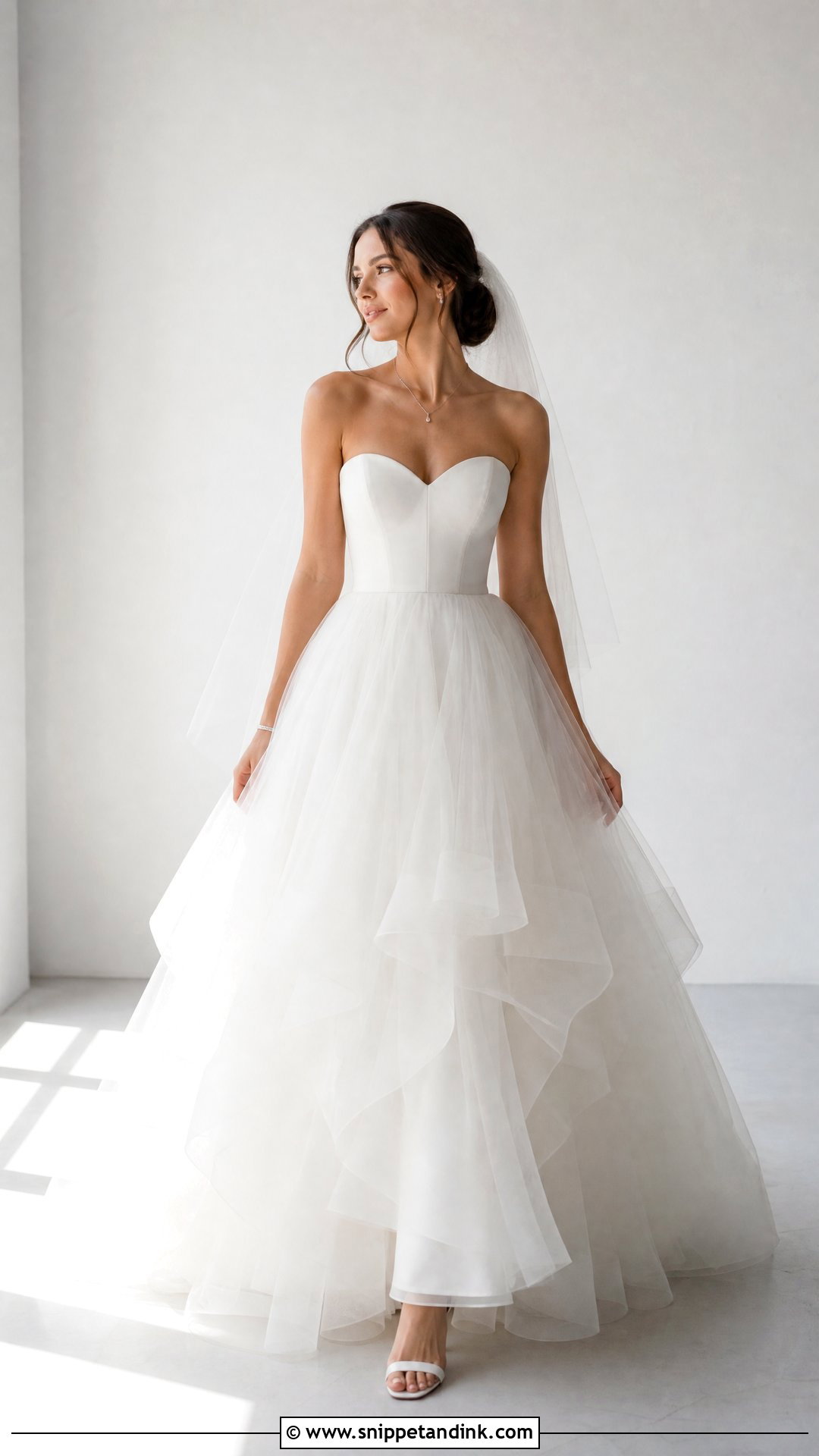
A see through skirt that looked modern on a runway can look unfinished at a wedding, where photos are taken from every angle and in strong backlight. A lining cut too short leaves a visible line mid-thigh. When I fit one, I take a phone photo with the sun behind the bride, because that is how the ceremony shots will look. Layered tulle over a lining at a flattering length gives the airy effect without surprises. Keep the bodice more covered if the skirt is sheer.
22. Big Train Wedding Dress
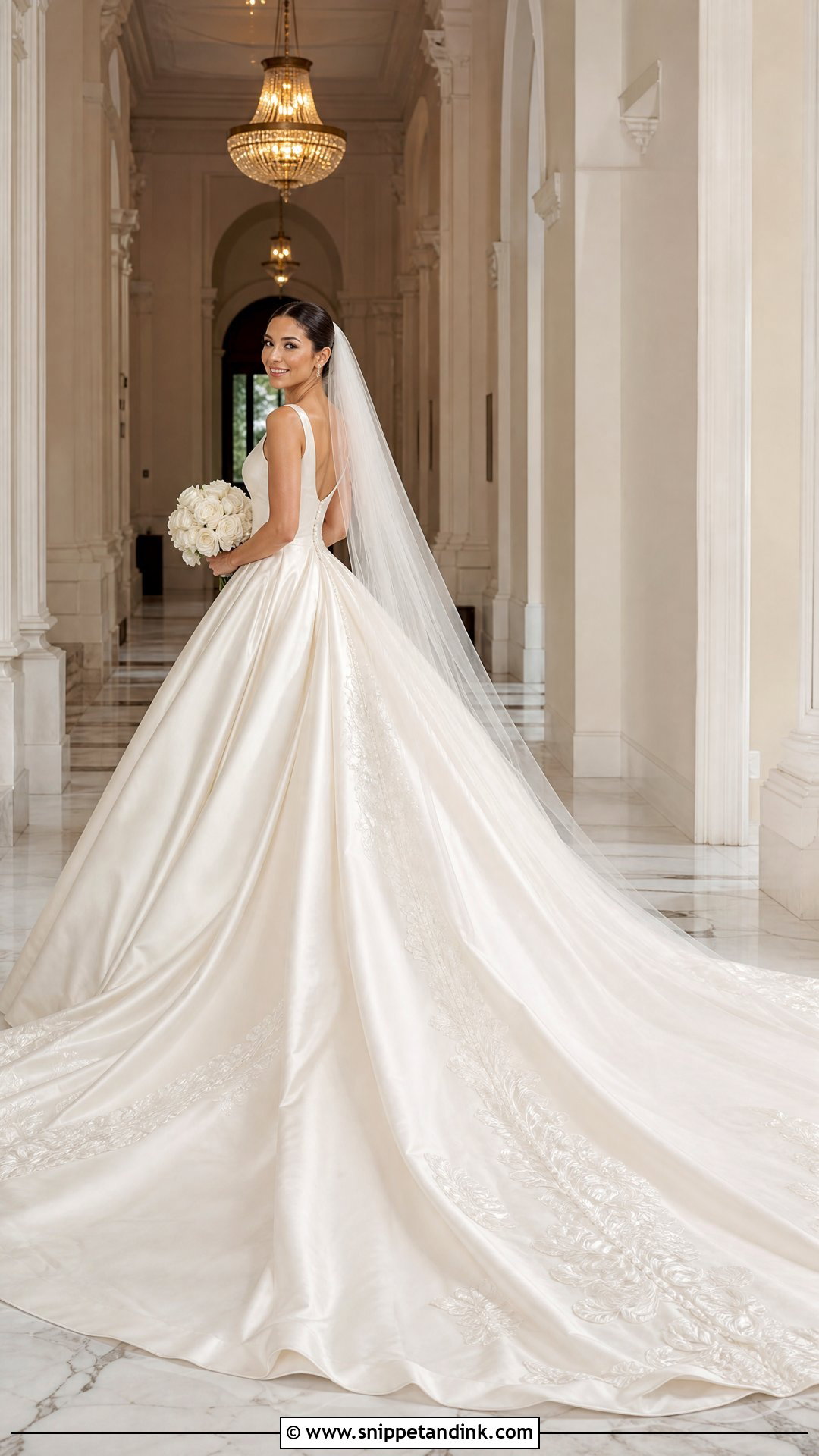
Trains drag, gather grass and need someone to arrange them before every photo. If your ceremony space is narrow or your venue has stairs, a long cathedral train becomes a job. I always ask how many changes of location the day has before recommending length. A chapel train or detachable overskirt suits smaller spaces, and the bustle should be planned at your fittings, with a bridesmaid shown how to hook it up. Practice walking backward, too: you’ll need to for the recessional photos.
23. Floral Print Wedding Dress
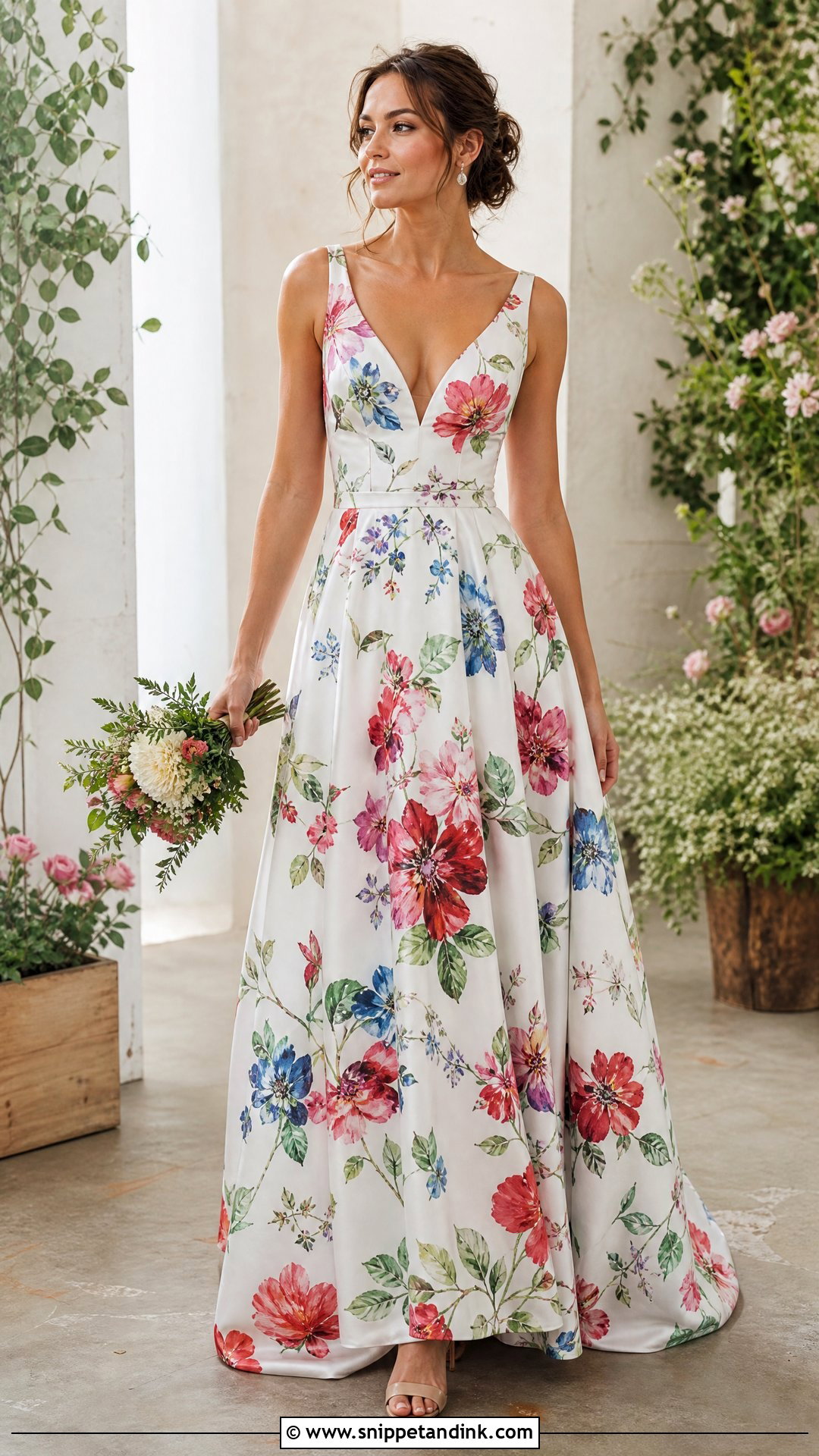
Floral prints go wrong when the flowers are oversized, high-contrast or placed so that a big bloom lands on the bust or hip. Prints also compete directly with the bouquet. I’d look at watercolor prints, tonal embroidery or scattered appliqué instead, and check where the motifs sit on your body in a full mirror before ordering. Then tell your florist about the gown, so the bouquet picks up one colour from it rather than adding a third palette.
24. Two Piece Wedding Dress
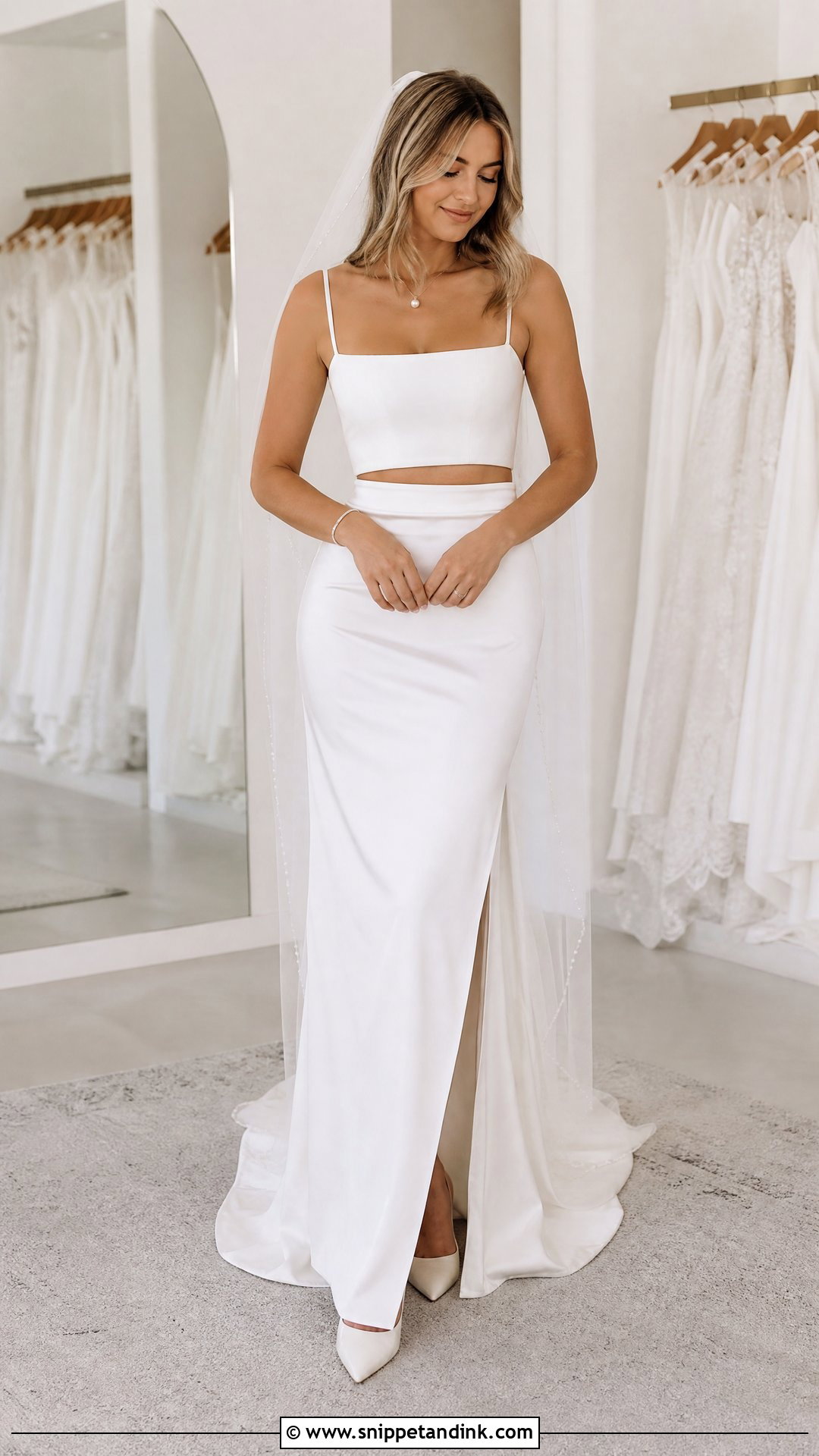
A two piece set looks casual when the gap between top and skirt shows too much skin at the wrong height. A tiny crop over a low skirt also shifts every time you raise your arms. I prefer a structured top and a high-waisted skirt that meet, or nearly meet, at the natural waist, cut from the same fabric so they read as one outfit. Sit down in it during the fitting, because the top tends to ride up. Styled with care it looks fresh. Thrown together, it looks unfinished.
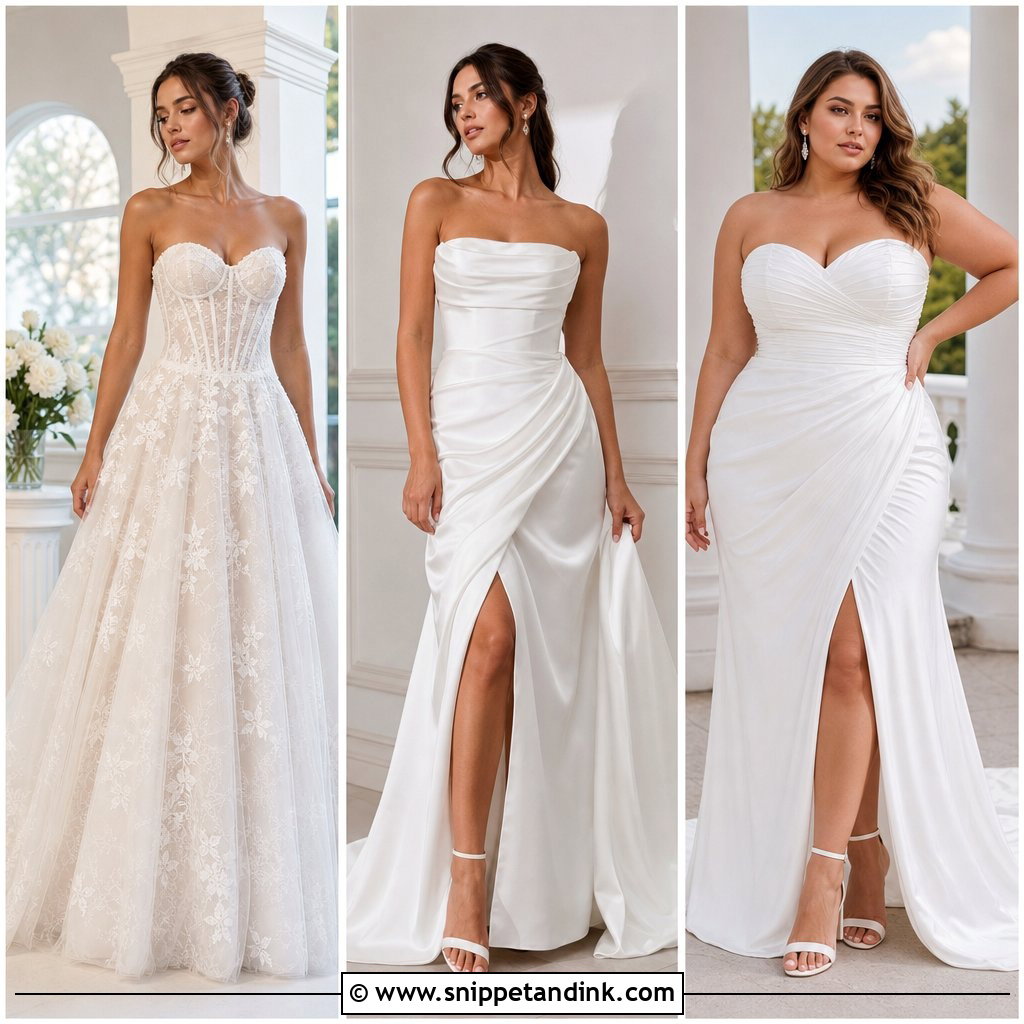
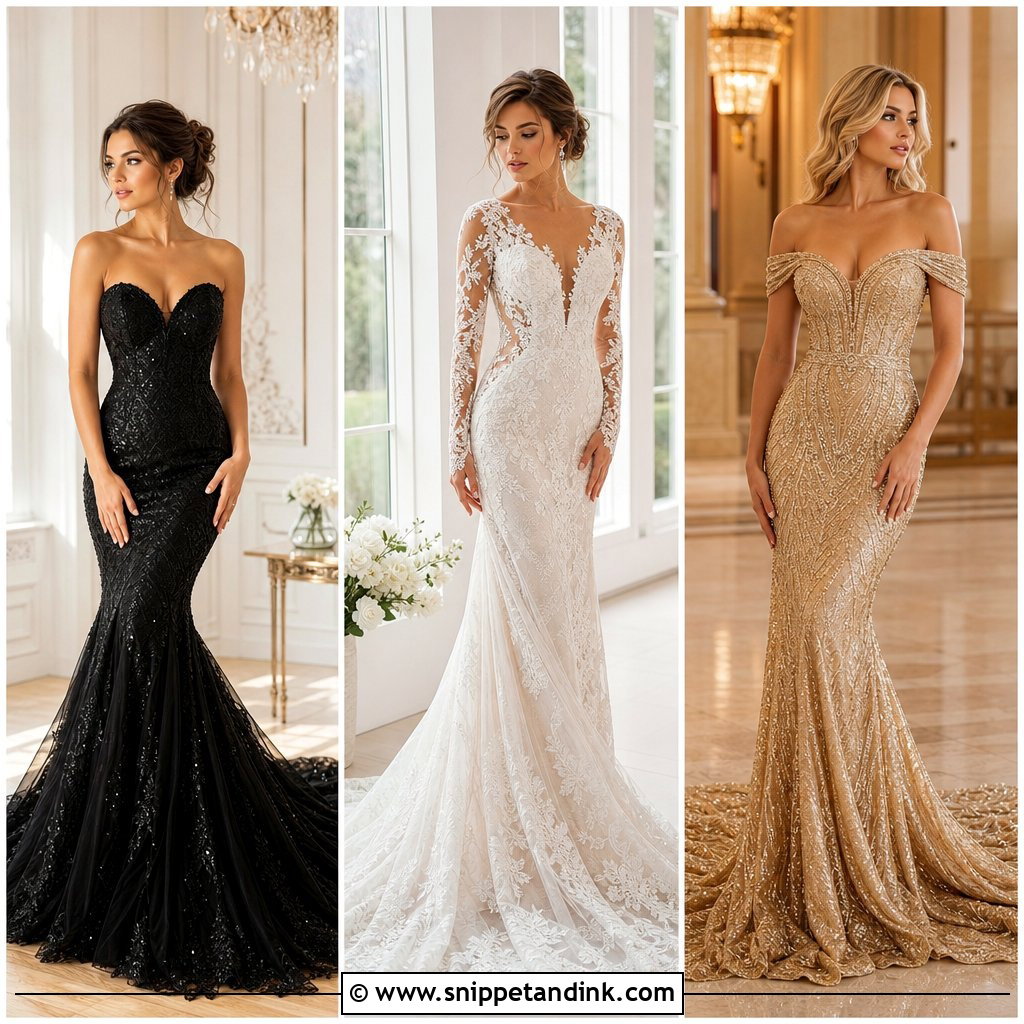
25. Extreme Cut Out Wedding Dress
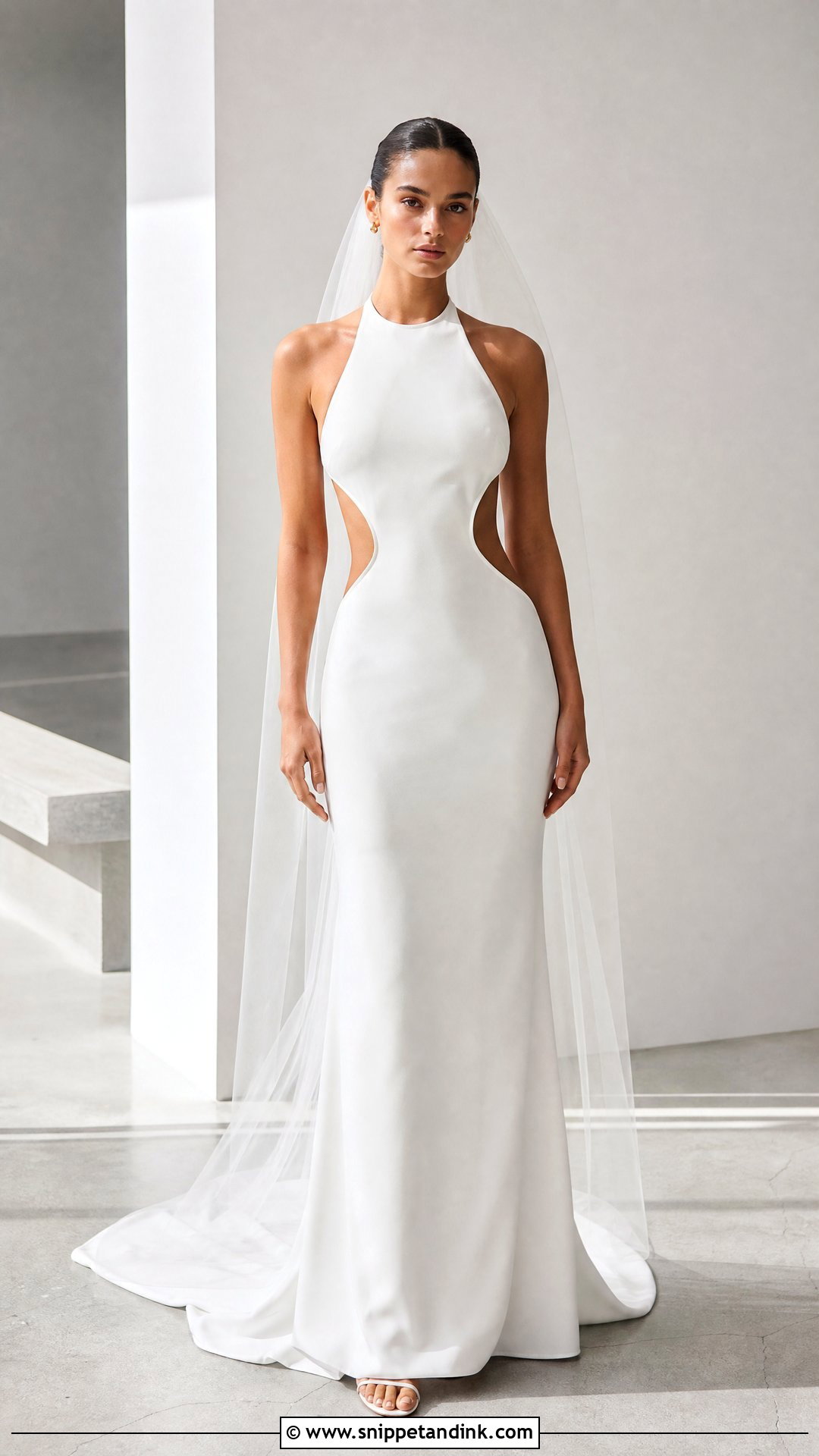
Cutouts move when you move, and large ones placed at the waist or ribs can gape when you sit or slide when you dance. Several at once, plus sheer panels and a high slit, give the eye nowhere to rest. I’d pick one cutout area and have the edges reinforced with fashion tape and a bit of boning. A crepe gown with small side cutouts and minimal jewelry looks modern. Tailoring is what makes it work, so allow time for an extra fitting.
Rescuing a Dress You Already Bought
Plenty of brides read a list like this after the gown is already hanging in the closet. Don’t panic. A good bridal seamstress can change more than most people realize, and I’d always try alterations before selling a dress at a loss.
What a seamstress can usually change
- Removing a bow, a ruffle tier or a layer of tulle, which often fixes a busy gown in one step.
- Swapping a mismatched nude lining for one closer to your skin tone.
- Adding thin straps or a halter to a strapless bodice that won’t stay up.
- Shortening a train or adding a bustle so a long gown works in a small venue.
- Moving or reducing beadwork, though this is slow handwork and costs vary widely.
What is much harder to fix
Fabric quality can’t be altered. Thin, high-shine satin will still crease, and stiff metallic cloth will still stand away from the body. A waistline in the wrong place is also difficult to move without remaking the bodice. In those cases I’d change the styling around the dress instead: matte shoes, a plain veil, softer hair.
Timing matters. Most bridal alterations take two or three fittings, so start roughly two to three months before the wedding, and bring your real shoes and undergarments to every appointment. Bigger structural changes need longer, so ask the seamstress for her schedule at the first visit.
Balance Is What Separates Bold From Messy
Almost every gown on this list fails for the same reason: nothing in the outfit was allowed to be quiet. Big sleeves, bold colour, feathers, sequins, sheer panels and dramatic trains can all work once the fit, fabric and setting agree with each other. When you try a dress, look at it head to toe with your shoes, veil and jewelry, and then sit, walk and turn in it. If you still smile at the mirror after that, the style is yours, however unusual it looks on the hanger.
You'll Like These Ideas:




Leave a Reply