
Dressing for your own sister’s wedding is exciting right up to the moment you realise you need five outfits and none of them can upstage her. Good Indian wedding wear for sister has to hold up through rituals, dancing and a long day of photographs, and that comes down to fit and fabric far more than trend. In my fittings, I usually steer sisters toward an embroidered lehenga for the ceremony, a sharara for the mehendi, a saree for the family portraits and something fusion for the reception, with pastels for daytime and jewel tones after dark. The 25 looks below each come with the tailoring or styling detail I’d check before the big day.

Tailoring Changes That Make a Lehenga Wearable All Day
Most of the comfort in an Indian outfit is built at the tailor, not the boutique. These are the changes I ask for on almost every sister’s lehenga and blouse, and none of them show from the outside.
- A side zip on the blouse instead of a row of back hooks. You can get in and out of it without help between functions.
- Light padding stitched into the blouse, so you’re not managing a separate bra strap under a deep back.
- A pocket hidden in the lehenga’s side seam for a phone or lipstick. Most tailors will add one if you ask.
- Dupatta weights or small tassels at the corners, which stop a light dupatta from flying around outdoors.
- An extra inch of seam allowance in the blouse, because weight can shift in the weeks before a wedding.
Give the tailor time. Blouse stitching slows down badly in peak wedding season, so I’d hand everything over at least a month ahead and book a final fitting about a week before the first function.
1. Pastel Lehenga For Sister Wedding
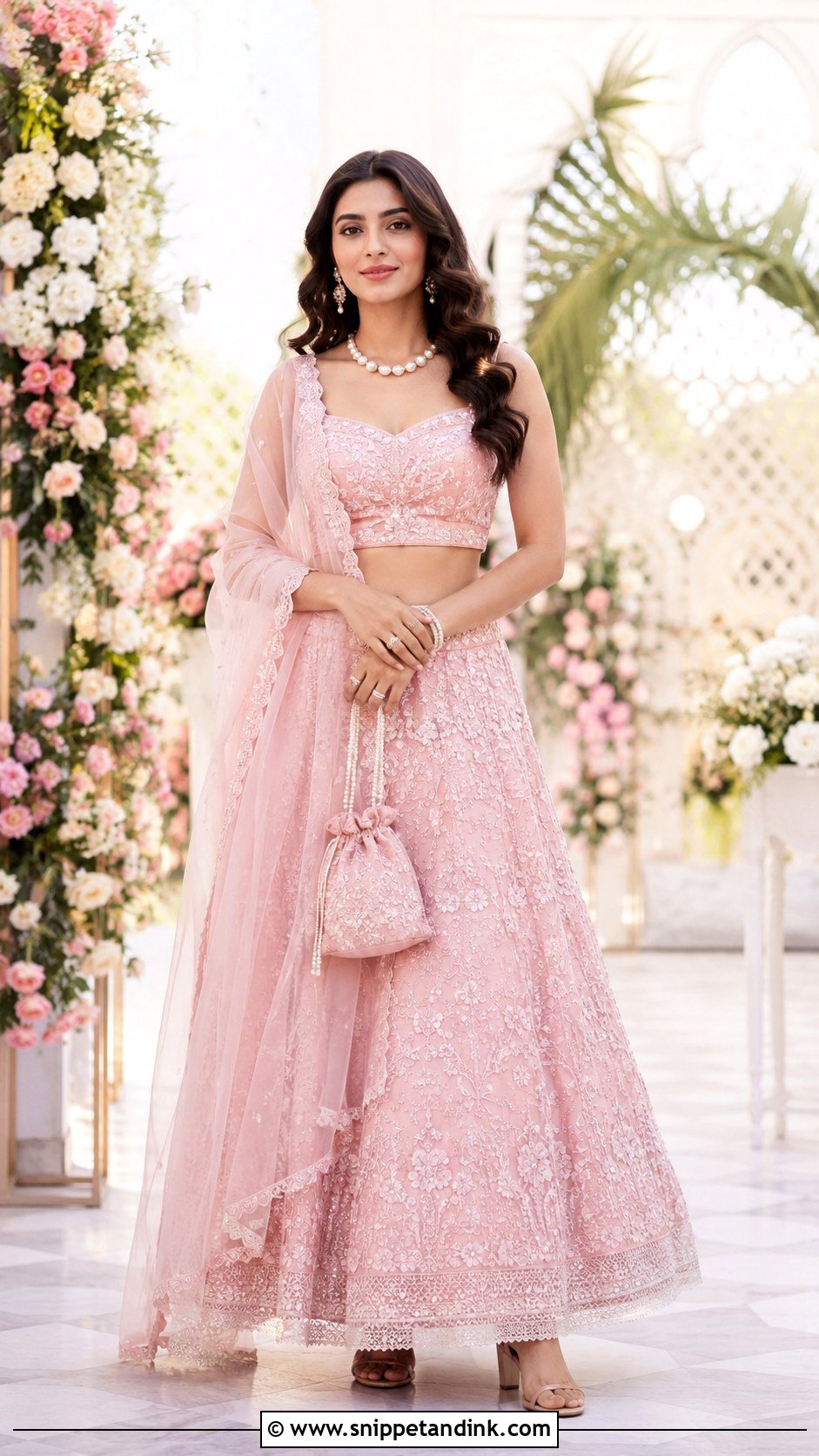
Pastels solve the sister’s biggest worry, which is looking underdressed next to a heavily dressed bride without competing with her. Blush, mint, powder blue or peach with threadwork or light zari suit daytime ceremonies and garden functions. I ask the tailor to add a can-can layer only if the skirt collapses without it; a soft lehenga with no can-can is far easier to sit in at a long ceremony. A fitted blouse, flowy dupatta, block heels and pearl or kundan jewelry finish it, with fresh, glowing makeup.
2. Banarasi Silk Saree For Sister Wedding
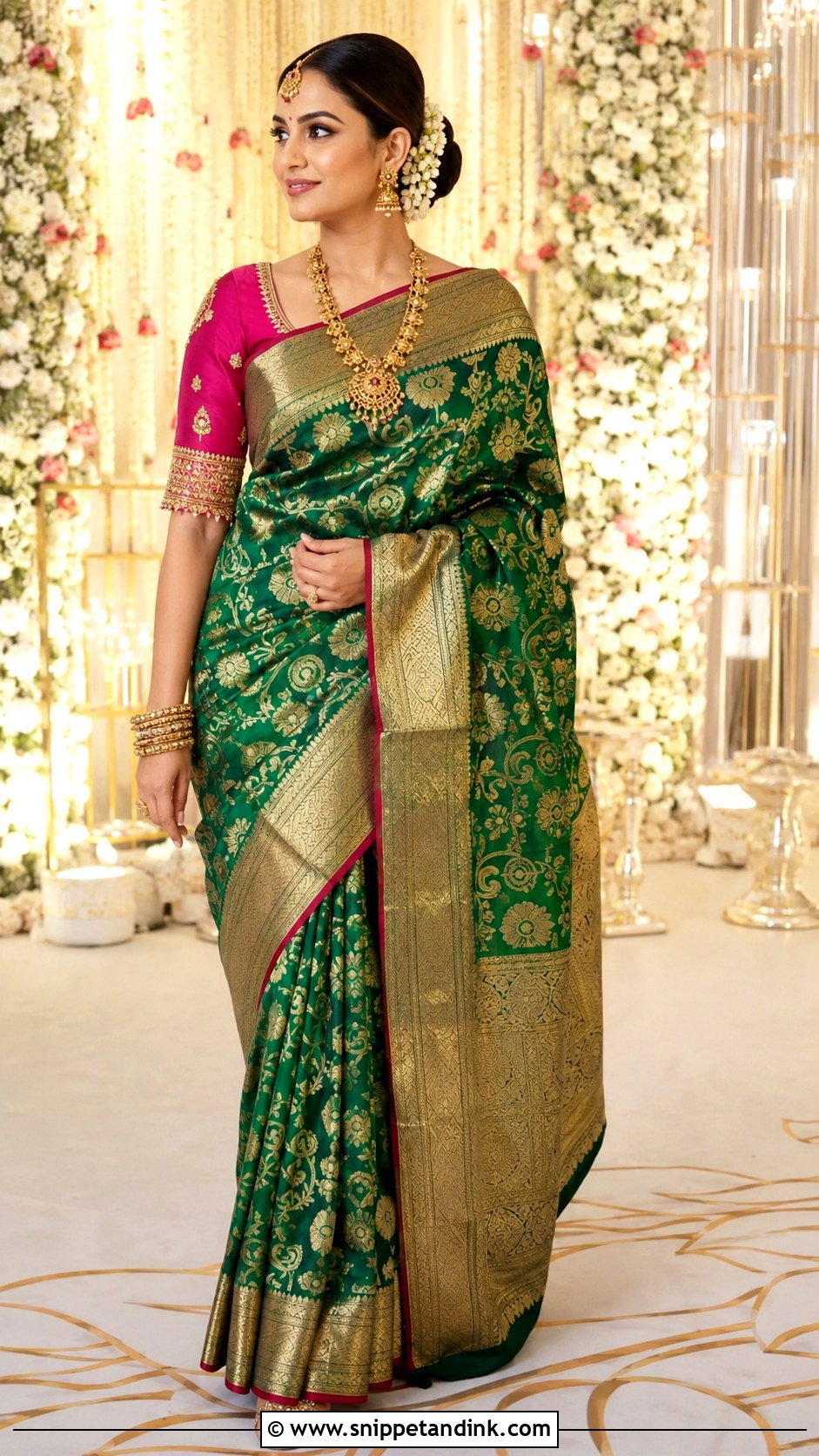
Banarasi silk carries the formality the main ceremony asks for. Emerald, royal blue, rani pink or deep maroon look regal against the woven gold motifs. The blouse is where you can make it feel current: elbow sleeves, a square neckline or a small back detail. One thing I always flag is that Banarasi silk is slippery, so ask for the pleats to be pinned to your petticoat in two places, not one. Temple jewelry, gold bangles and a sleek bun with flowers suit the family portraits, where the weave reads clearly on camera.
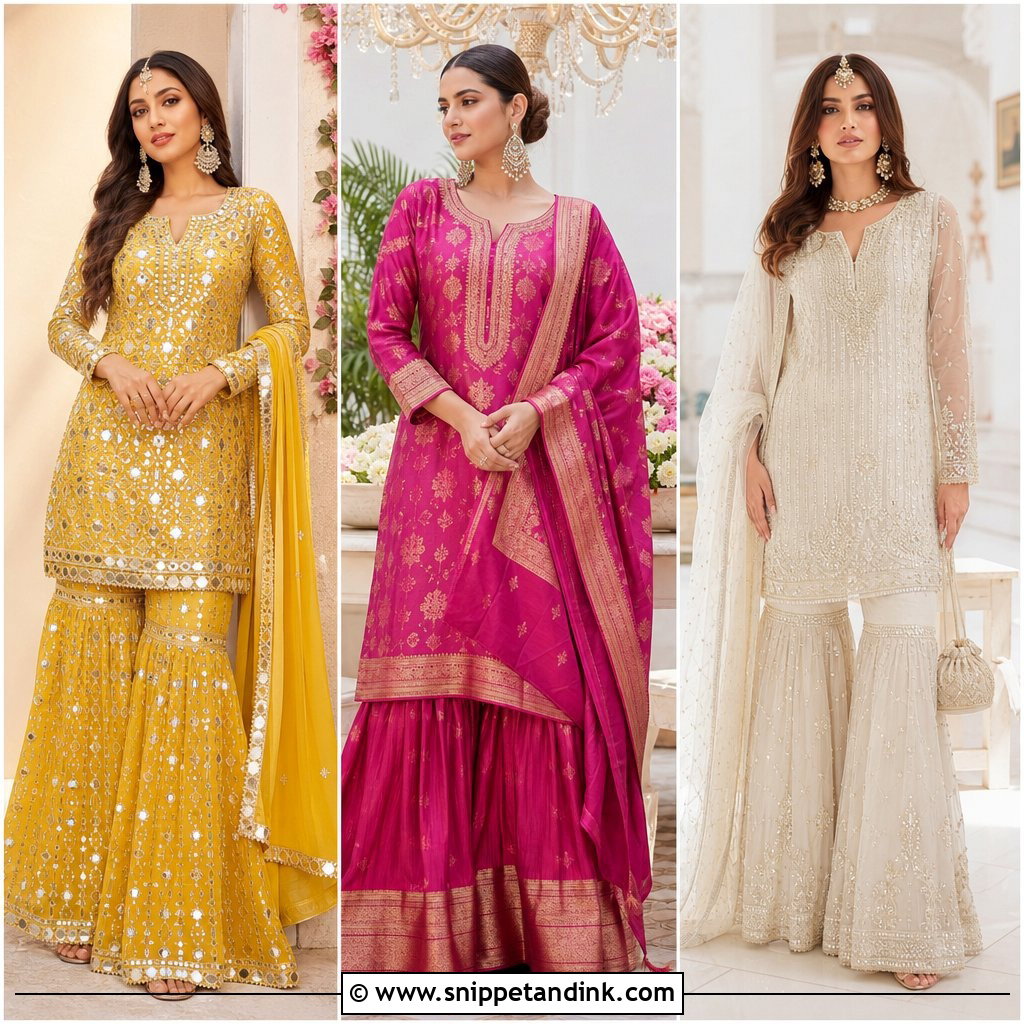
3. Sharara Set For Sister Wedding
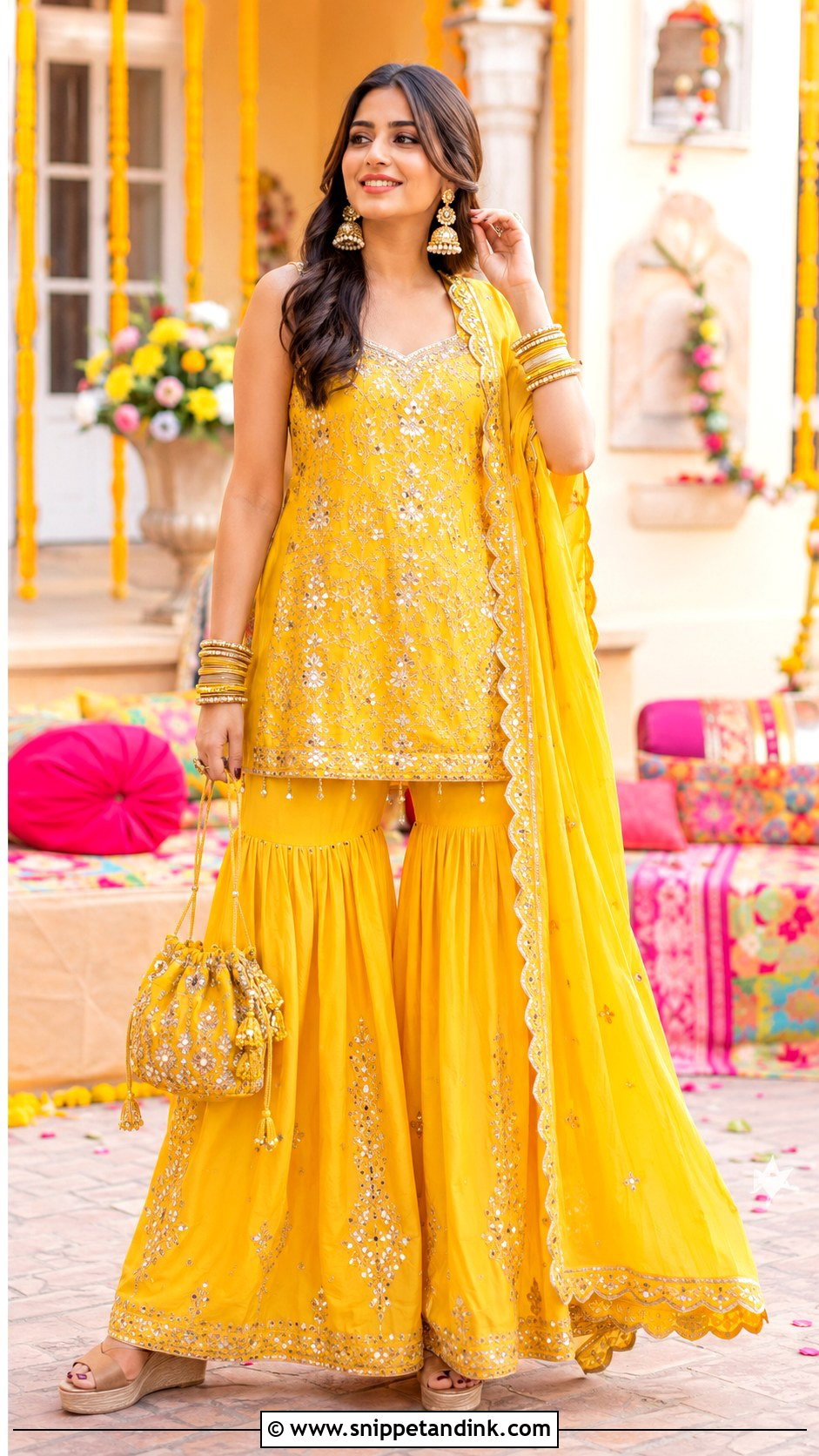
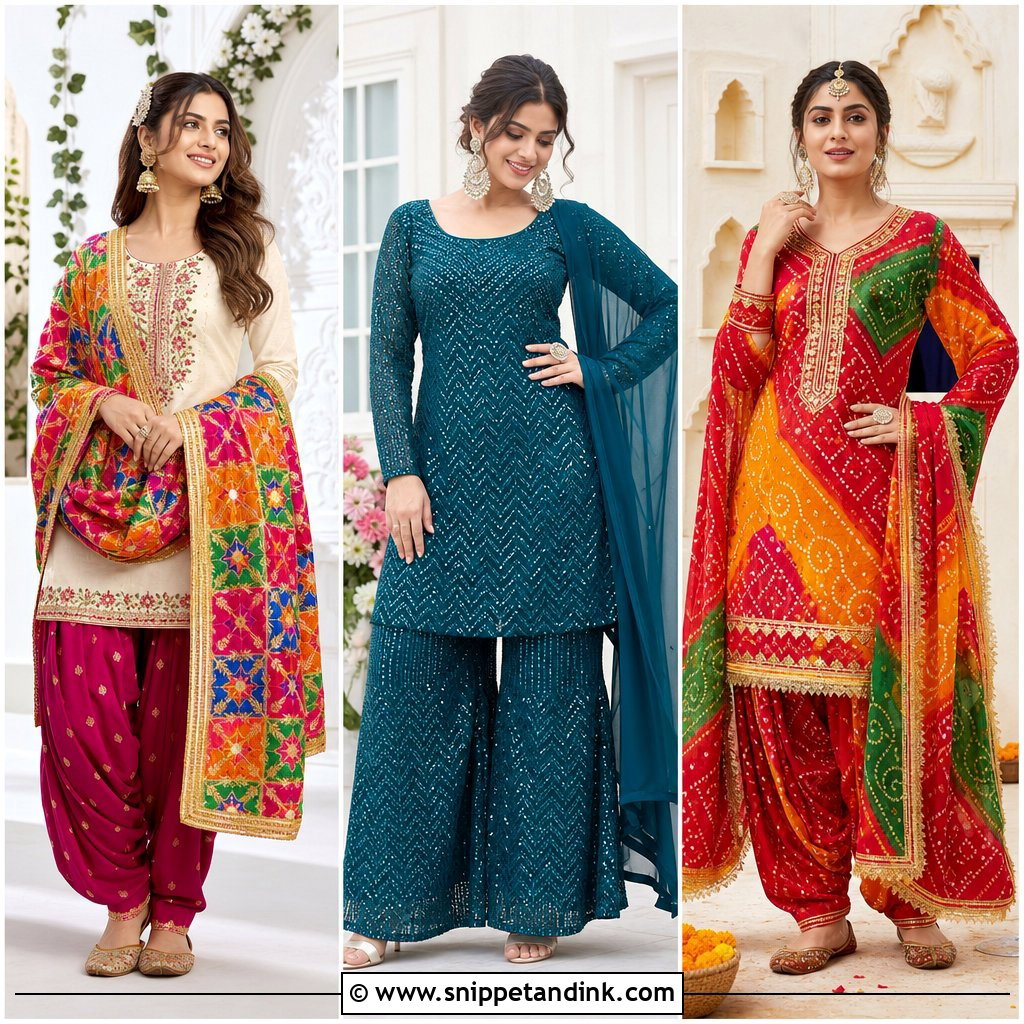
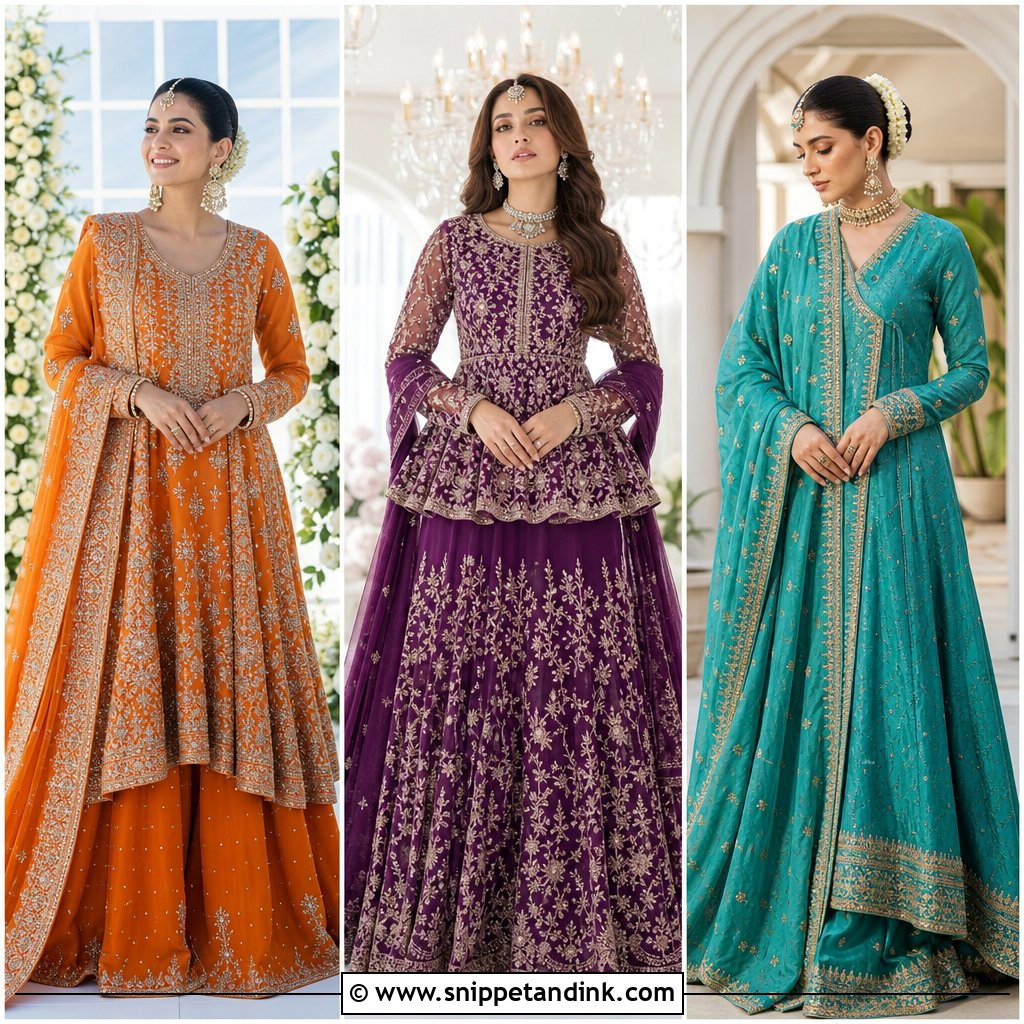
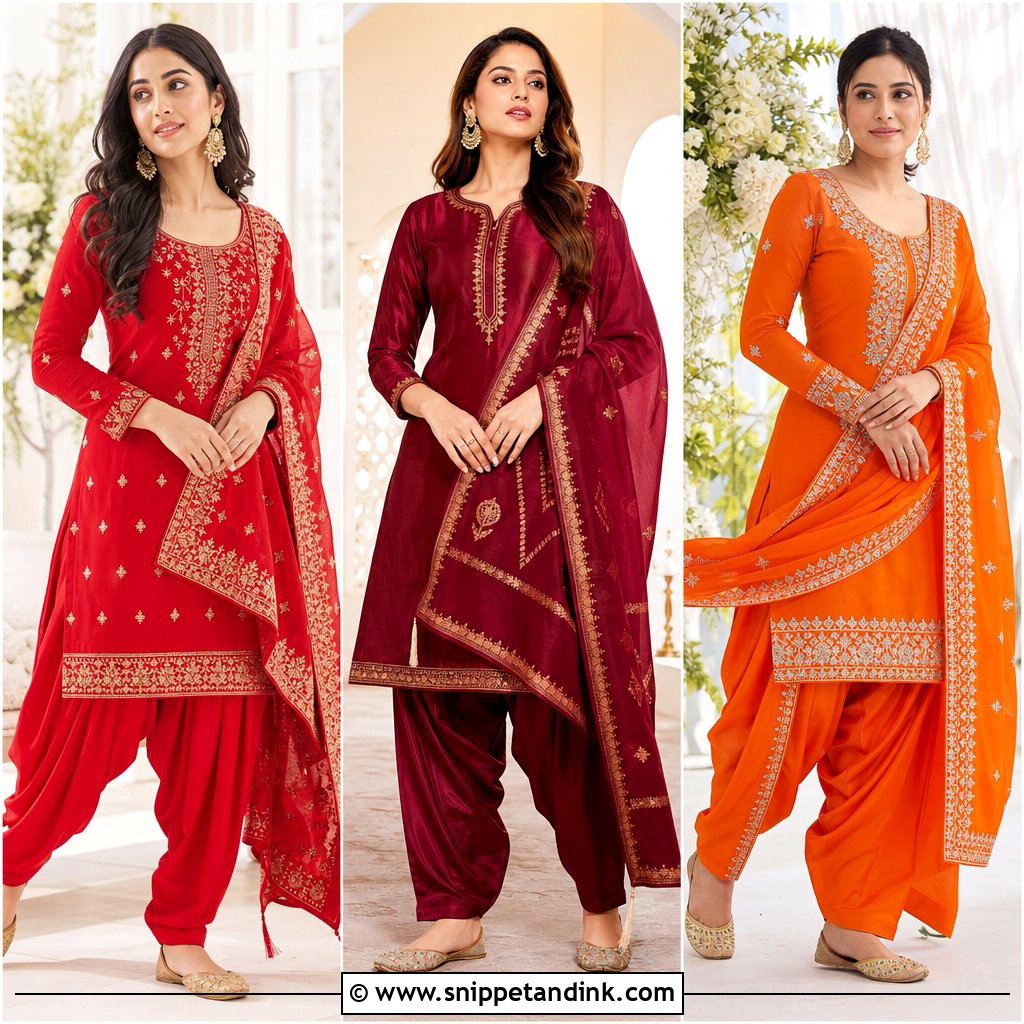
For the mehendi and sangeet, I’d put a sister in a sharara before almost anything else. The flared pants give drama without a lehenga’s weight, and the short kurti keeps it young. A sharara with gota patti, mirror work or zari borders in yellow, coral or turquoise looks festive. Pin the dupatta to one shoulder so it stays put while you dance or carry trays. Jhumkas, stacked bangles and wedges finish it. Check the sharara’s waistband is elastic or drawstring at the back; a fully fitted waist gets uncomfortable after a big lunch.
4. Anarkali Suit For Sister Wedding
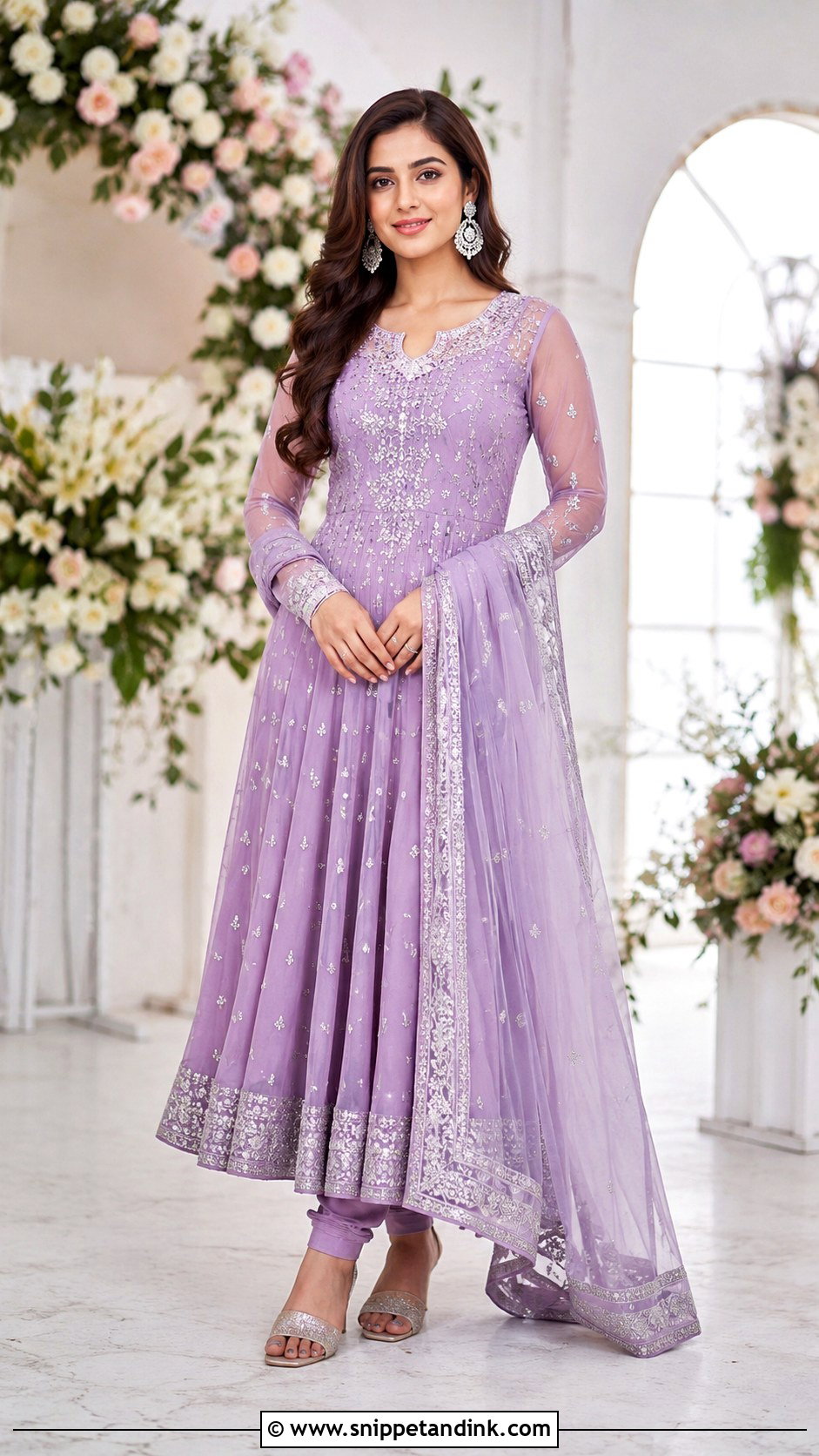
Anarkalis are the closest thing to a universal outfit at an Indian wedding: they work at almost every function and flatter most body types. A floor-length cut in silk, georgette or organza with embroidery at the neckline, sleeves and hem is graceful and easier to manage than a lehenga. Pastels suit daytime, jewel tones evenings. The fit that matters is the yoke: it should sit just under the bust so the flare falls cleanly. Add churidar, a sheer dupatta, statement earrings and a low bun.
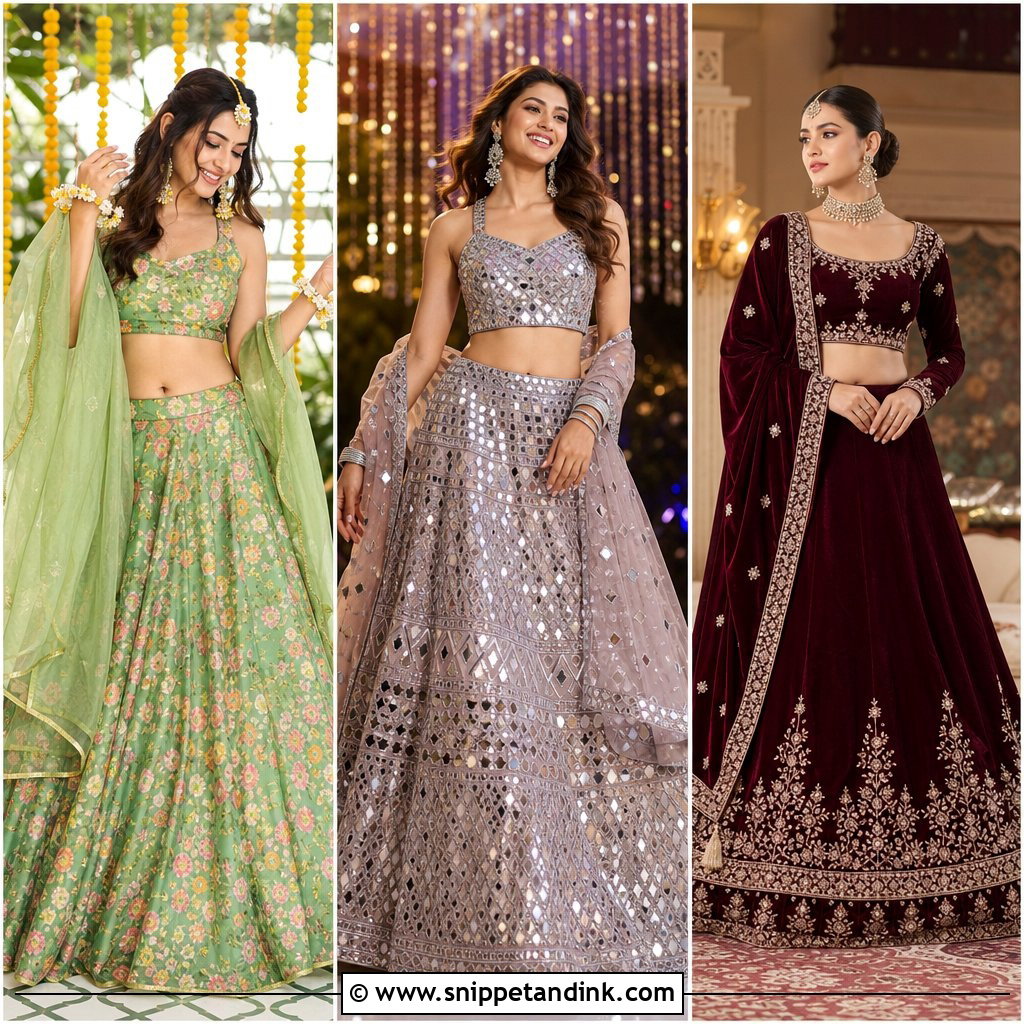
5. Mirror Work Lehenga For Sister Wedding
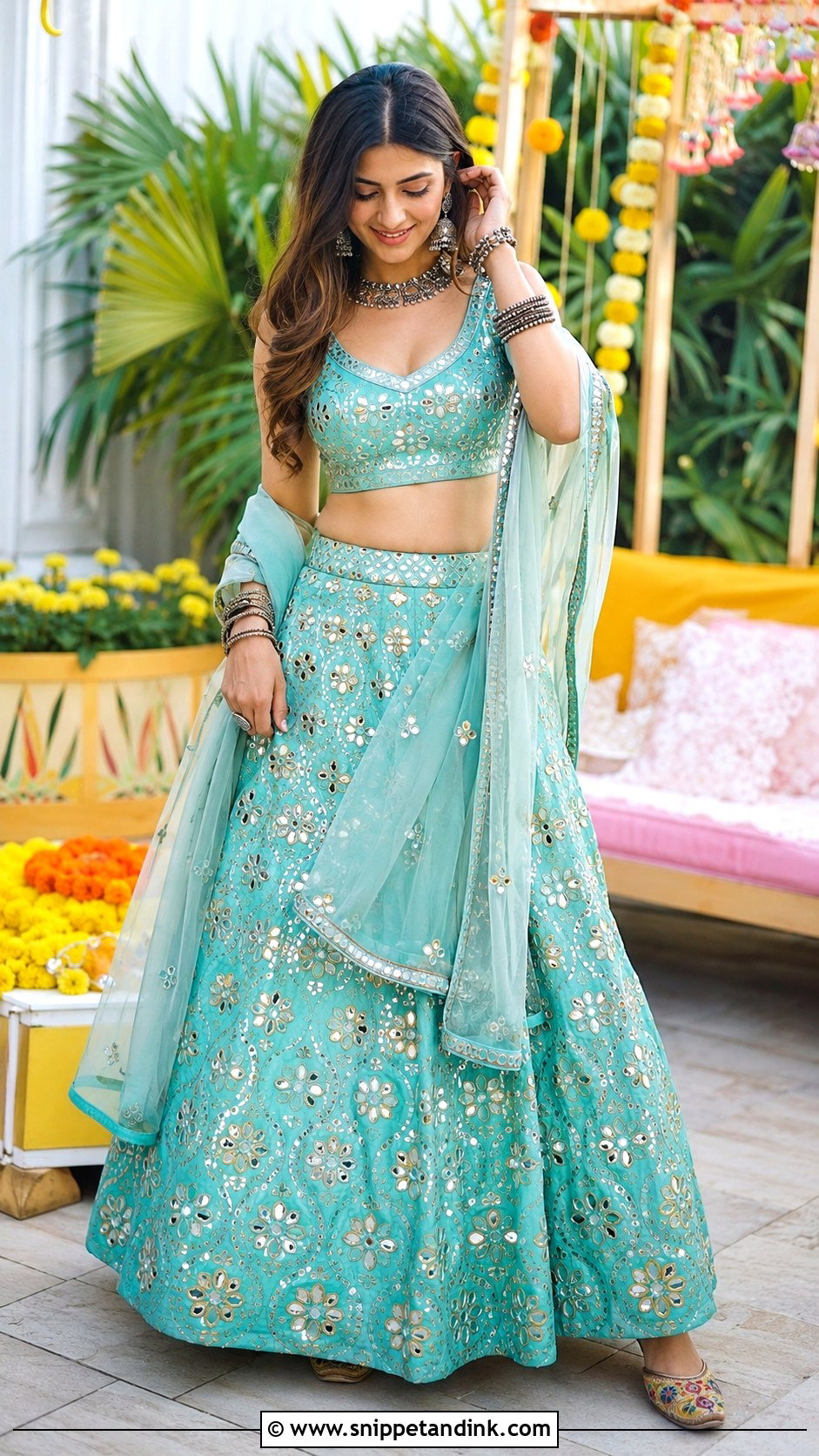
Mirrors catch every light at a mehendi or sangeet, and they look alive in video. Orange, pink, green, turquoise or ivory with mirror embroidery across the skirt and blouse brings instant celebration. Mirror work is heavy, though, and the backs of hand-set mirrors can scratch, so I check the blouse lining under the arms before anything else. A lightweight dupatta keeps the weight down. Oxidized jewelry, a small bindi and embroidered juttis finish it. Go lighter on makeup shimmer, since the outfit already shines.
6. Pre Draped Saree For Sister Wedding
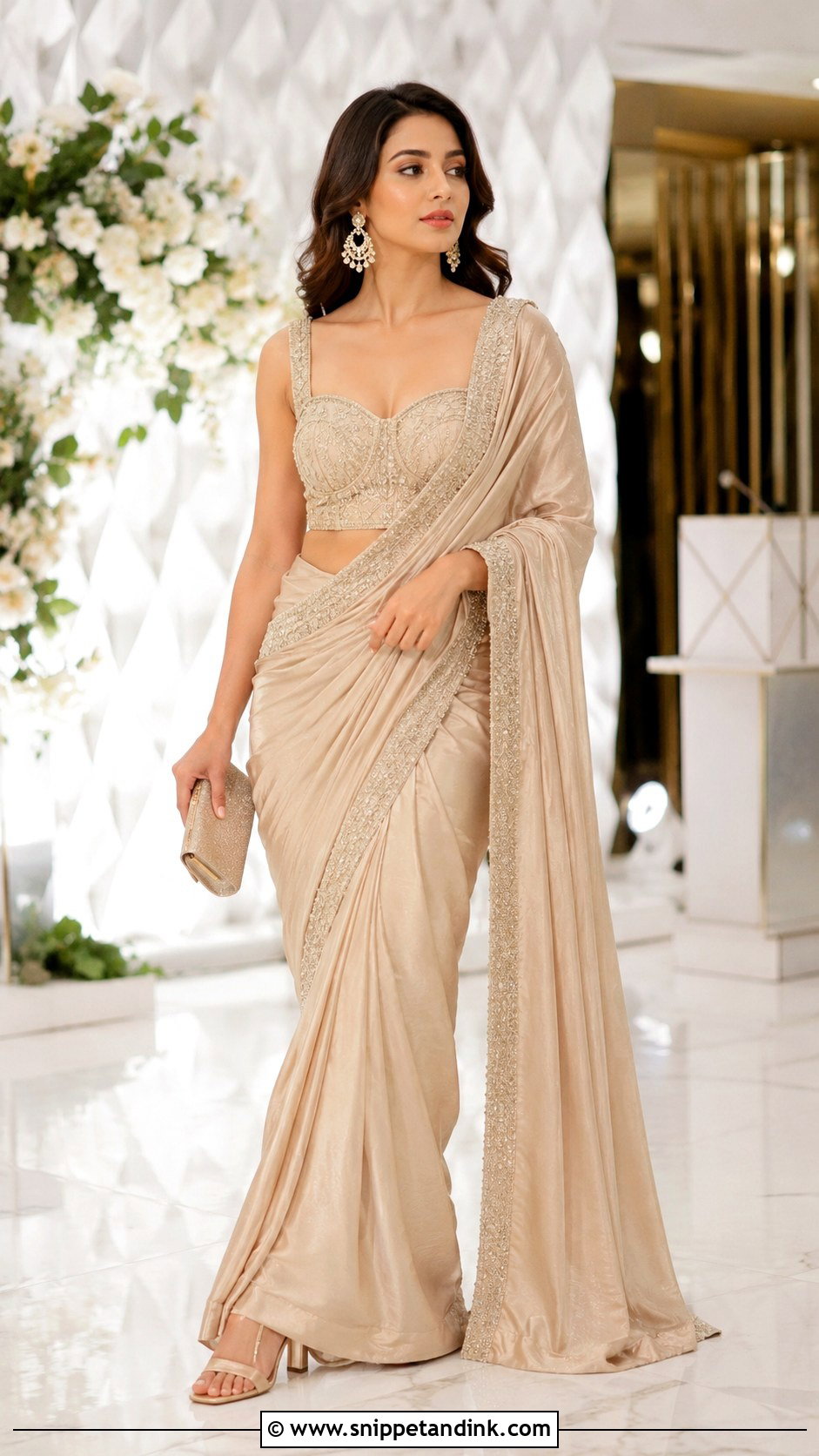
A sister is up and down all day, and a pre draped saree is the one saree that survives that without a pleat adjustment. Satin, georgette, crepe or silk with a structured blouse all work. Embellished borders or a cape-style drape make it feel special. When I fit these, I make sure the stitched pleats lie flat at the waistband, since a bulky stitched fold adds width at the hip in photos. Heels, statement earrings and a sleek clutch finish it for a reception or engagement.
7. Jacket Lehenga For Sister Wedding
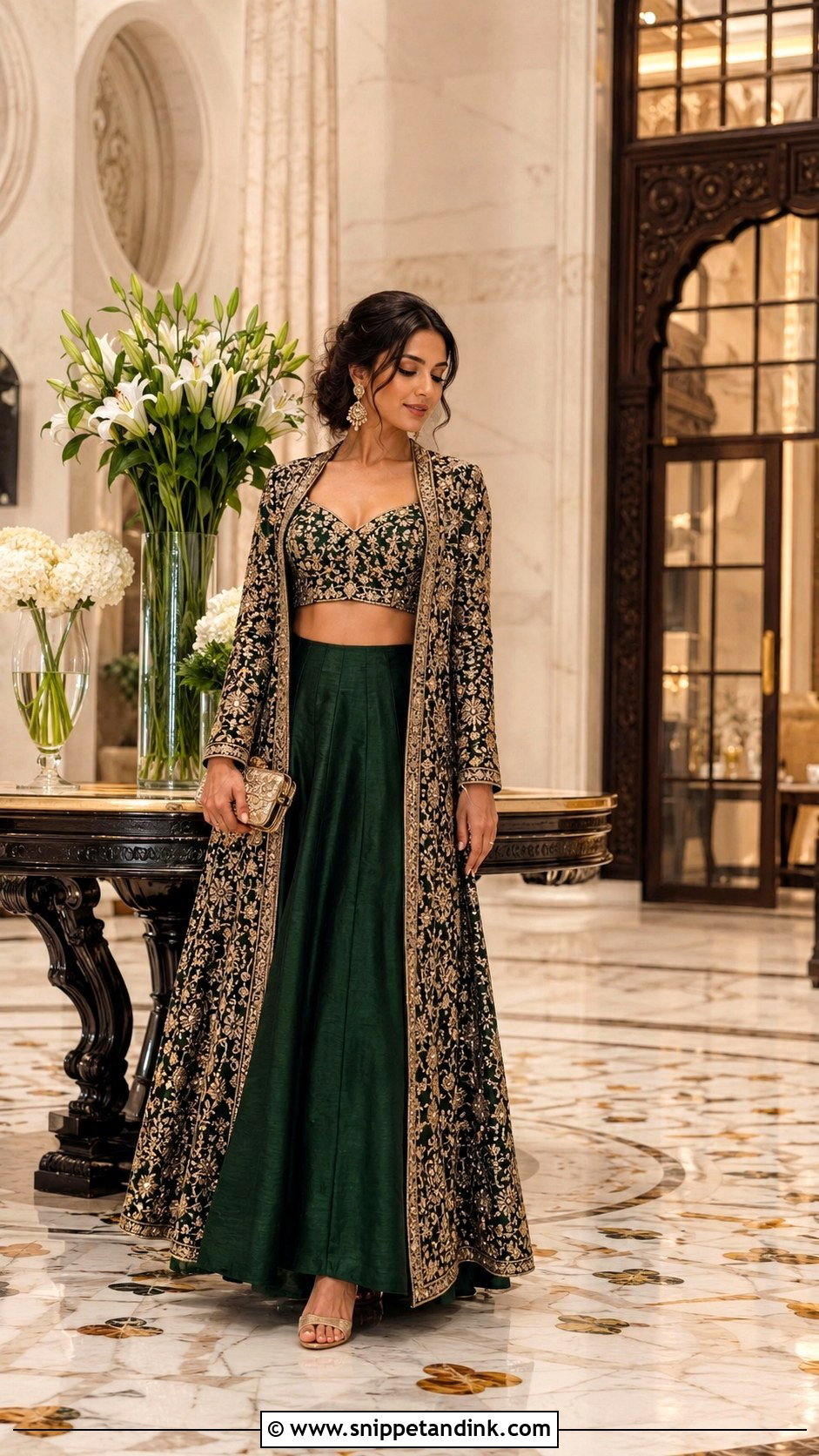
Coverage and structure in one piece: that’s what a jacket lehenga gives you. The long embroidered jacket, cape jacket or short structured jacket replaces the dupatta. A silk or raw silk lehenga under a zardozi or threadwork jacket suits winter weddings and evening receptions. The thing to watch is the jacket’s weight on the shoulders; heavy zardozi pulls the jacket backward, so the front opening should be cut to hang straight. Keep accessories to earrings, rings and a neat clutch.
8. Ruffle Saree For Sister Wedding
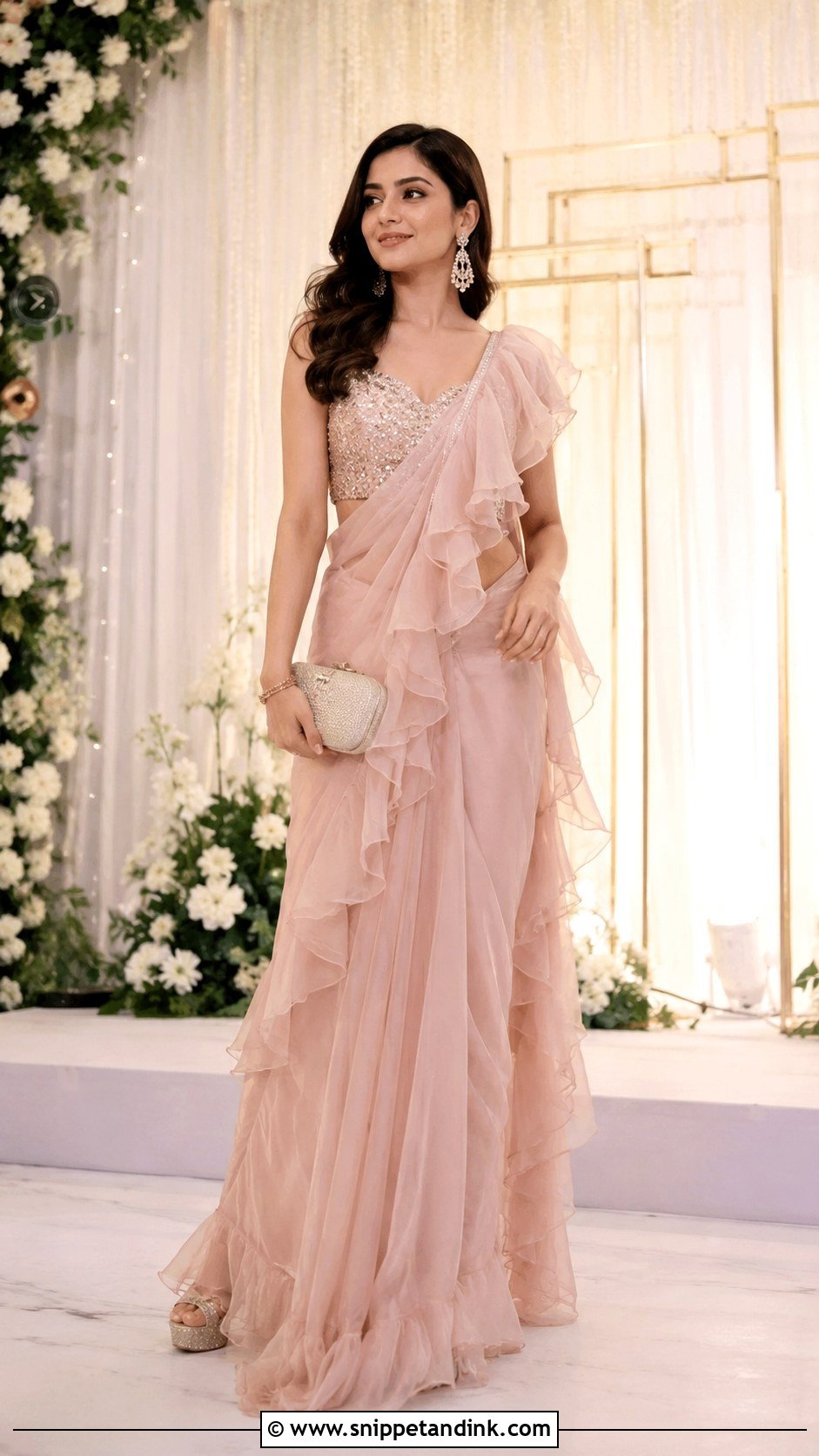
Ruffles bring softness and movement to a saree, and they suit a sister who wants playful rather than traditional. Organza, chiffon or georgette keep the ruffles floating. Let the blouse carry the statement, with embroidery, sequins or a structured neckline. I’d pick a pre-draped version, because hand-pleated ruffles tend to clump at the hip. Heels, a mini clutch and earrings that frame the face finish it, with hair sleek or softly waved, for a sangeet or reception.
9. Gharara Set For Sister Wedding
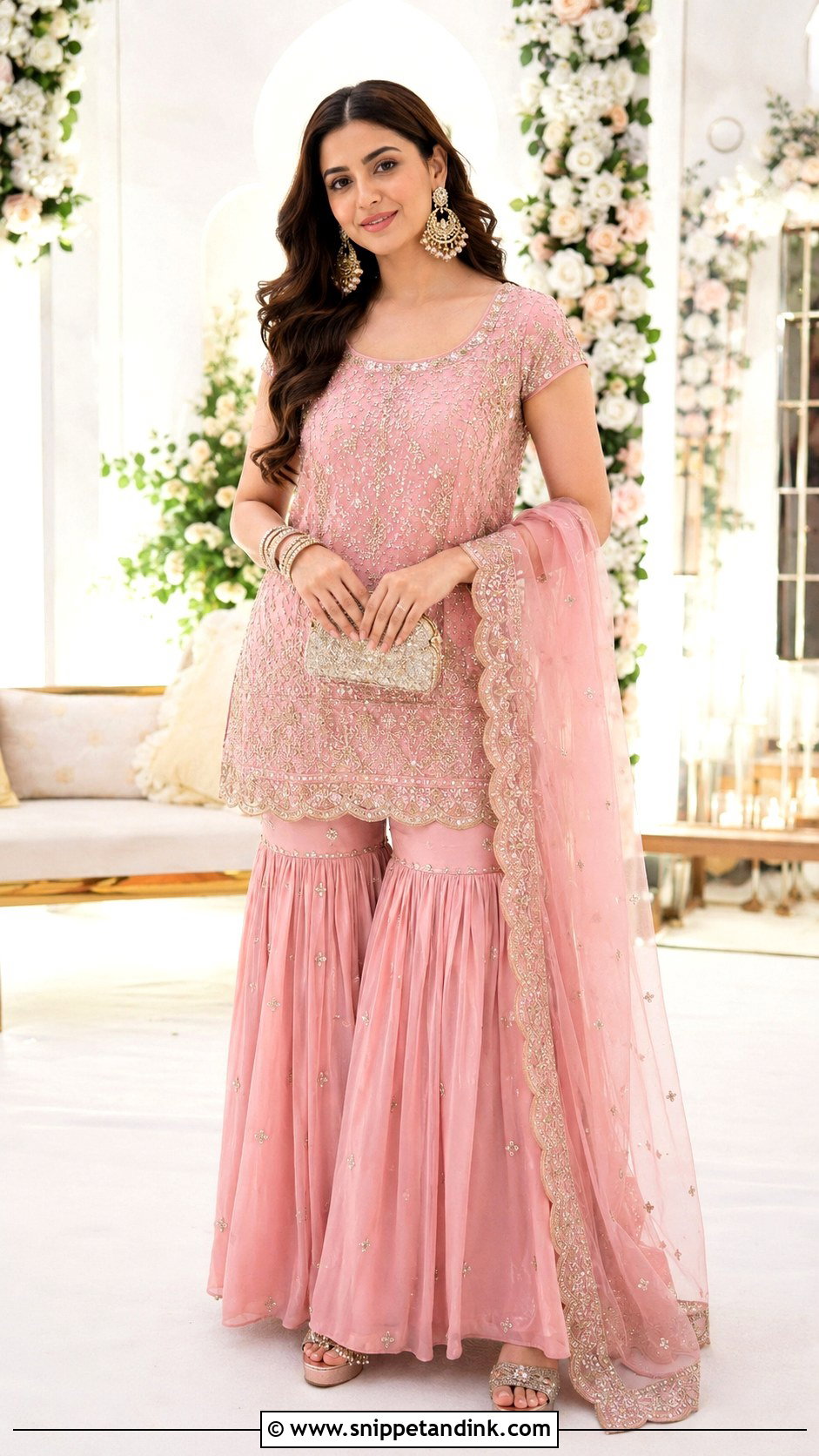
A gharara has an old-world elegance the other silhouettes on this list don’t. The fitted upper leg and dramatic flare from the knee suit nikah ceremonies, sangeet, mehendi and traditional family functions. Silk, brocade or georgette with zari, gota or beadwork looks rich. The knee band, where the flare joins, needs to sit exactly at your knee, so wear your actual shoes at the final fitting. A short kurti, a dupatta over one shoulder, chandbalis and a center-parted bun complete it.
10. Floral Lehenga For Sister Wedding
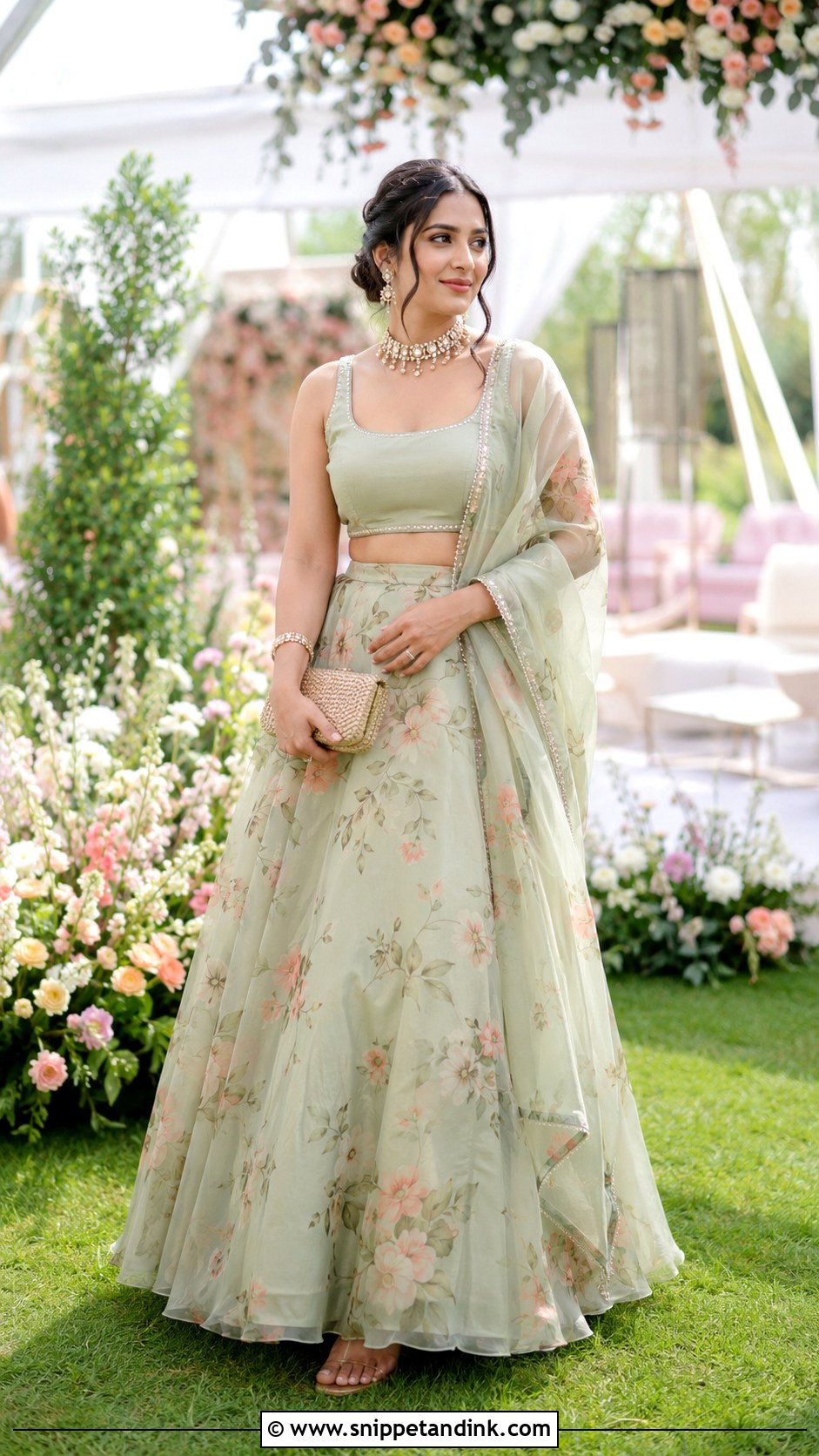
Daytime functions are where florals belong. A floral lehenga with printed or embroidered flowers, or 3D appliqué on organza or net, suits mehendi, haldi and brunch-style events. Peach, lilac, sage or ivory keep it airy. If you wear it to the haldi, accept that 3D appliqué will trap turmeric paste; I’d save the appliqué version for a cleaner function and wear a printed one to the haldi. A simple blouse, sheer dupatta and pearl jewelry finish it.
11. Sequin Saree For Sister Wedding
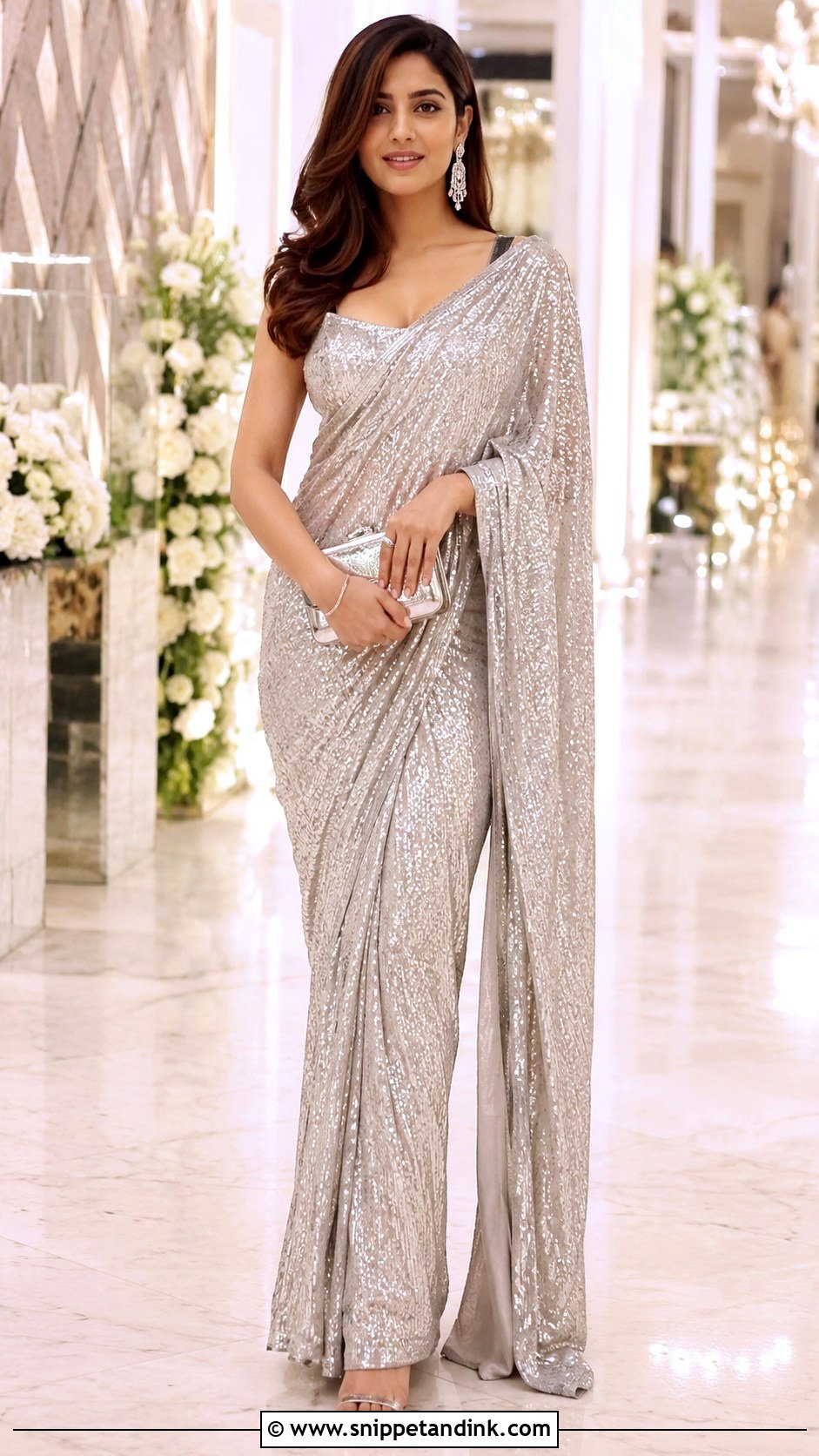
Evening functions are made for sequins. Champagne, silver, navy or emerald sarees look polished at a reception or sangeet; black can work too, if the family is comfortable with it. Balance the shine with a clean blouse shape and minimal jewelry: one pair of statement earrings, heels and a sleek clutch. Ask the tailor to line the blouse fully, because sequin threads on the inside scratch through a long evening of hugs.
12. Velvet Lehenga For Sister Wedding
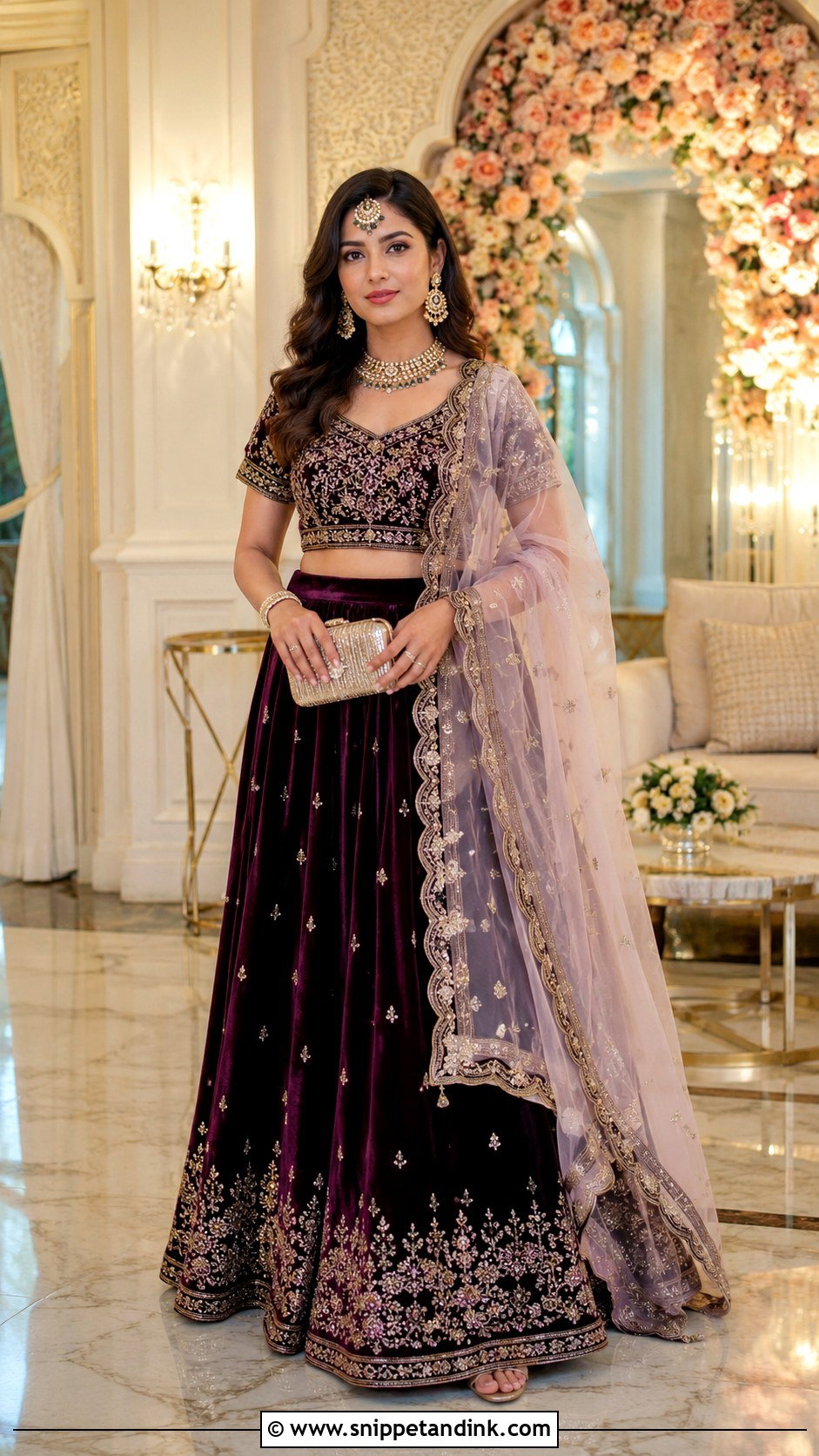
Velvet looks warm because it is warm, which makes it ideal for winter weddings and a poor choice for a summer one. Emerald, navy, plum or bottle green deepen beautifully in velvet. Gold, antique silver or tonal threadwork keeps the embroidery refined. Since velvet has weight, pair it with a lighter dupatta in net, organza or chiffon. Store velvet hanging, never folded; fold lines in the pile are hard to steam out the morning of. Kundan jewelry and a sleek bun complete it.
13. Organza Saree For Sister Wedding
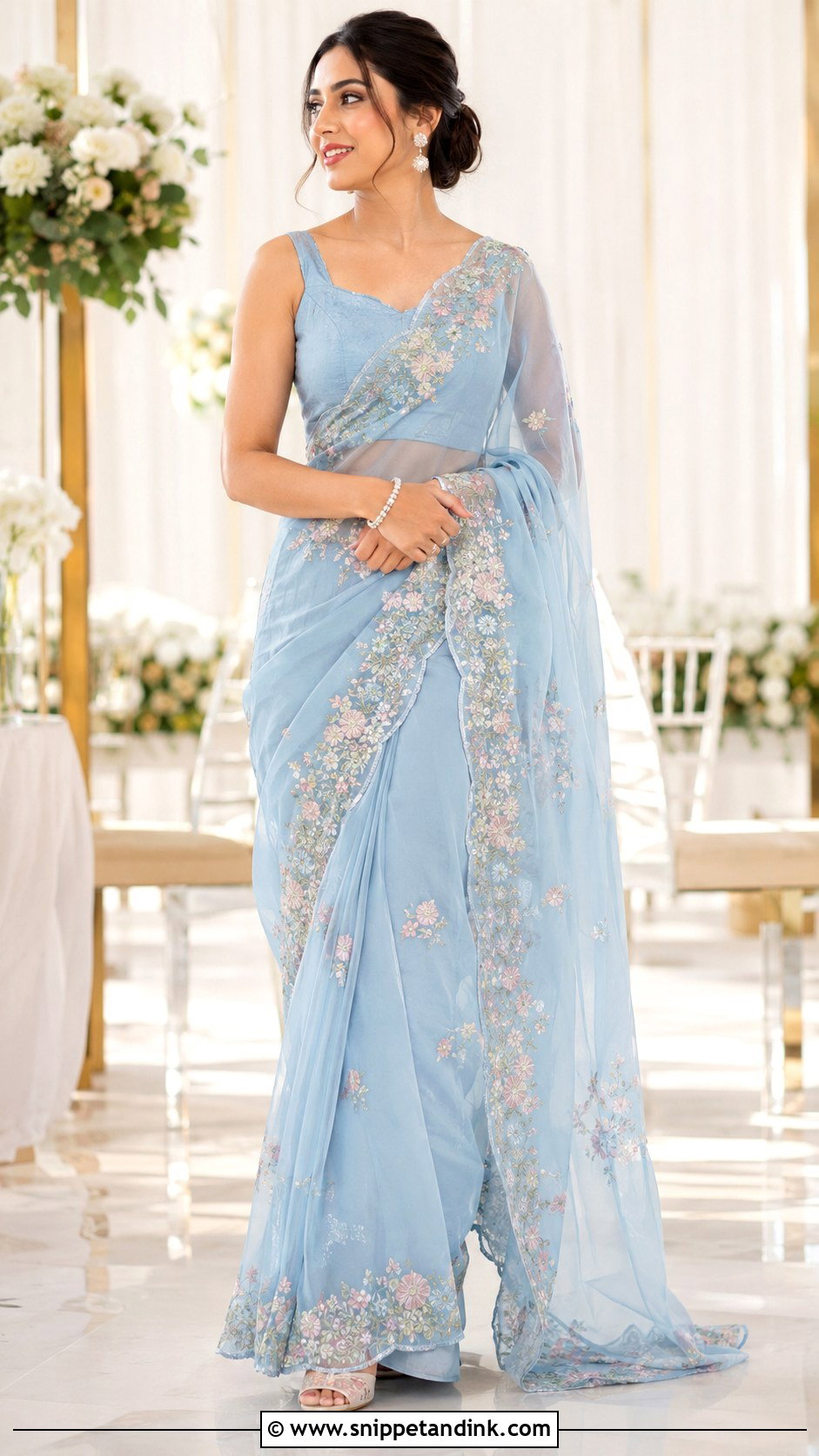
Organza has crisp volume without weight, so it reads polished at daytime functions. Floral embroidery, pearl details or soft zari borders in ivory, blush, powder blue or lemon look fresh in natural light. Because organza springs back, it needs extra pins to keep the pleats sharp; I pin at the waist, the hip and the shoulder. A fitted blouse, pearl earrings and a delicate choker finish it for an engagement or morning ritual.
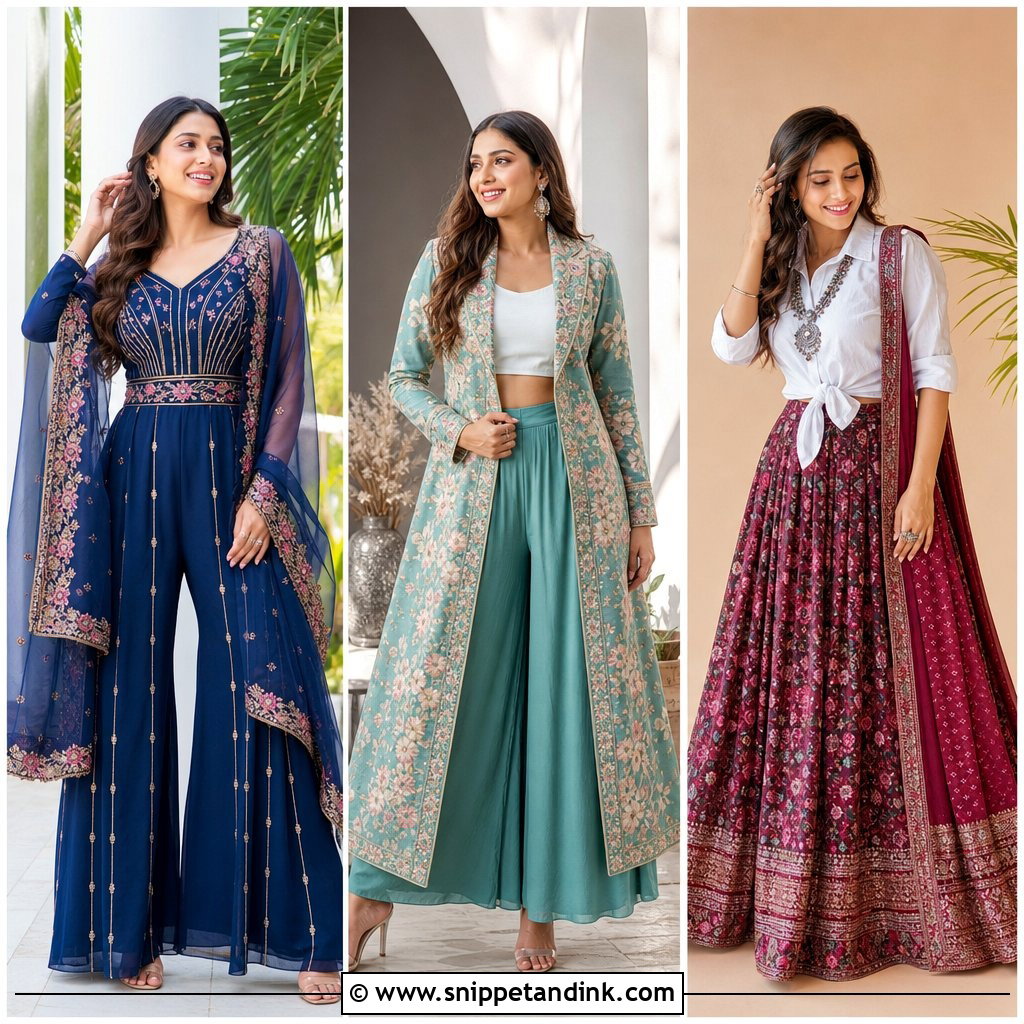
14. Indo Western Skirt Set For Sister Wedding
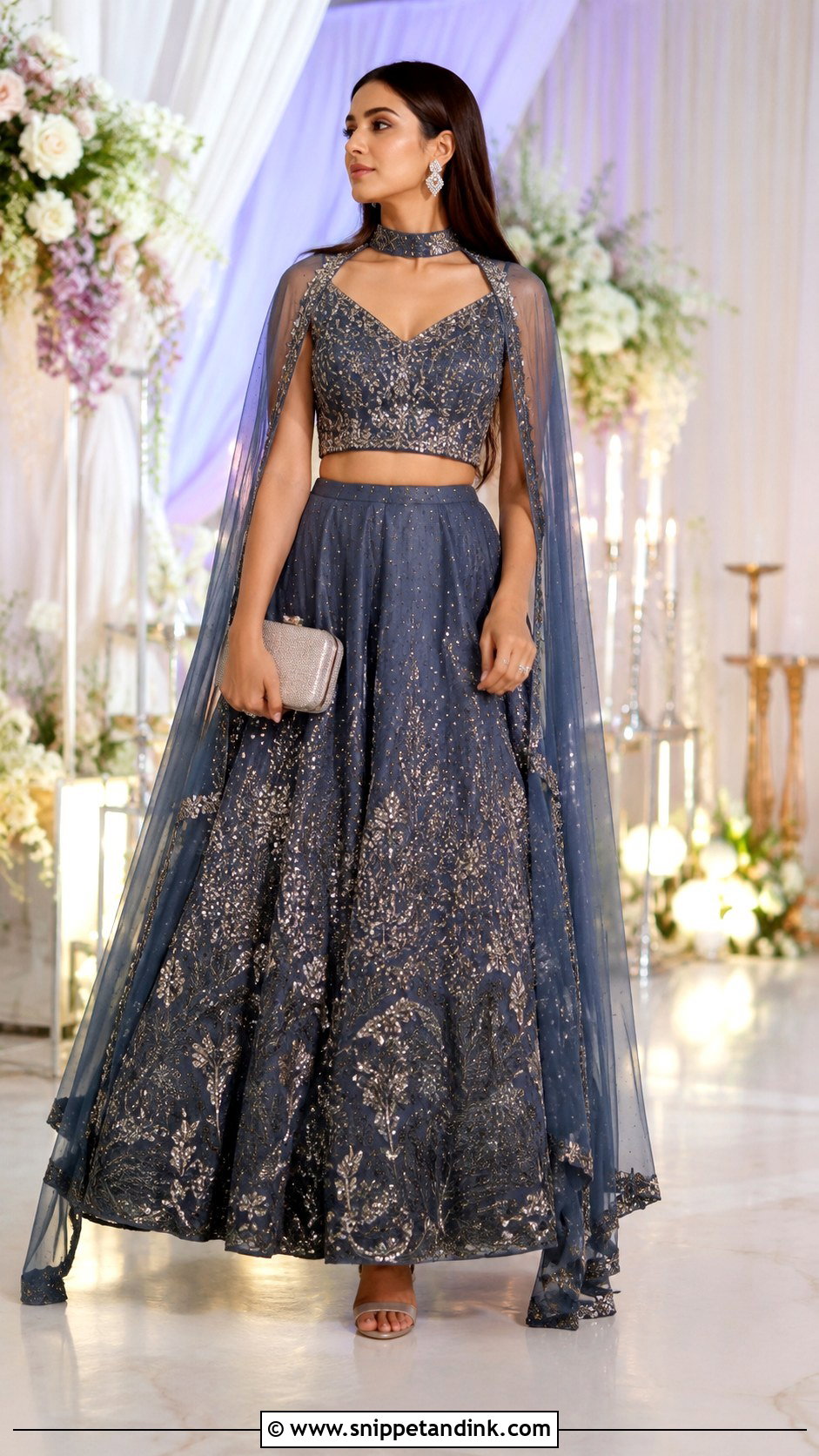
Some sisters want fusion, and an Indo western skirt set is how I give it to them without losing the festive feel. A crop top and flared skirt with a cape, jacket or draped dupatta suits sangeet, reception or destination events. Metallic embroidery or mirror work dresses it up. The skirt length matters more than people think: it should clear your shoes by a few millimetres so you can walk and dance without lifting it. Heels and sleek earrings finish it.

15. Chikankari Lehenga For Sister Wedding
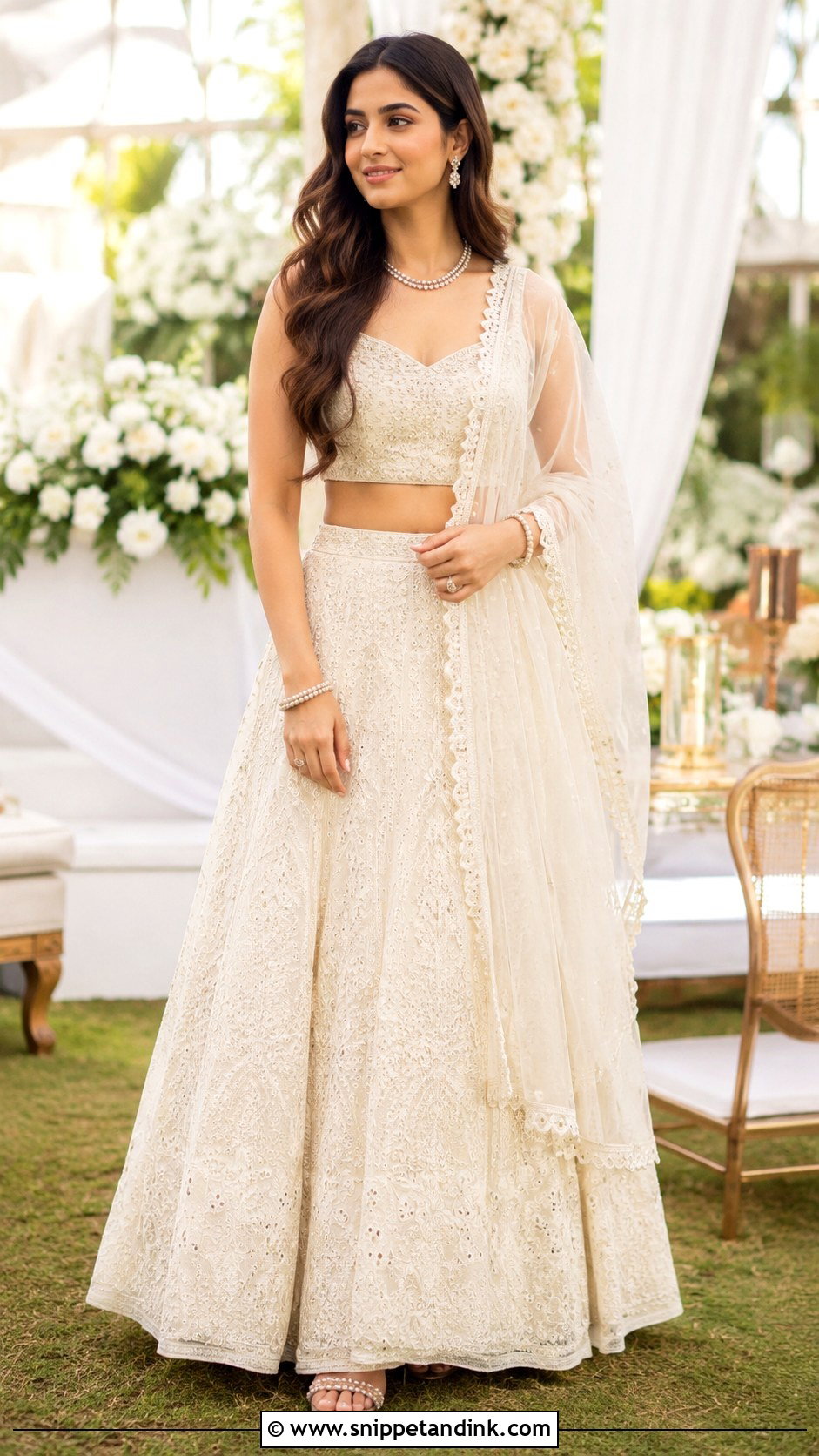
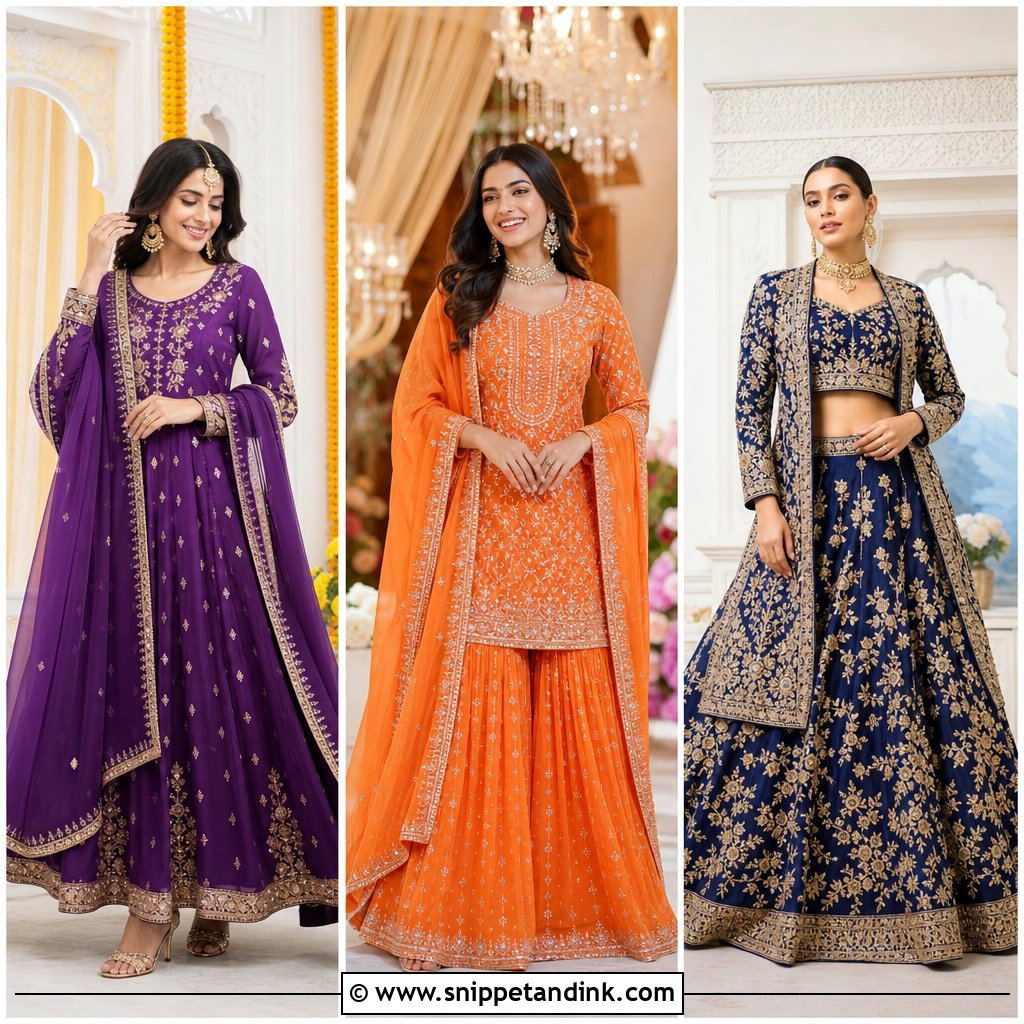
Chikankari is quiet luxury: fine threadwork with mukaish or pearl accents that rewards a close look. Pastels, ivory, sage or light blue suit daytime pheras, engagements and summer weddings. It’s usually lighter than heavily embellished wear, which makes it a good all-day choice. Fine chikankari snags easily on stone-set bangles and rings, so I pair it with smooth pearl jewelry and keep the hands simple. A sheer dupatta and embellished sandals finish it.
16. Palazzo Suit For Sister Wedding
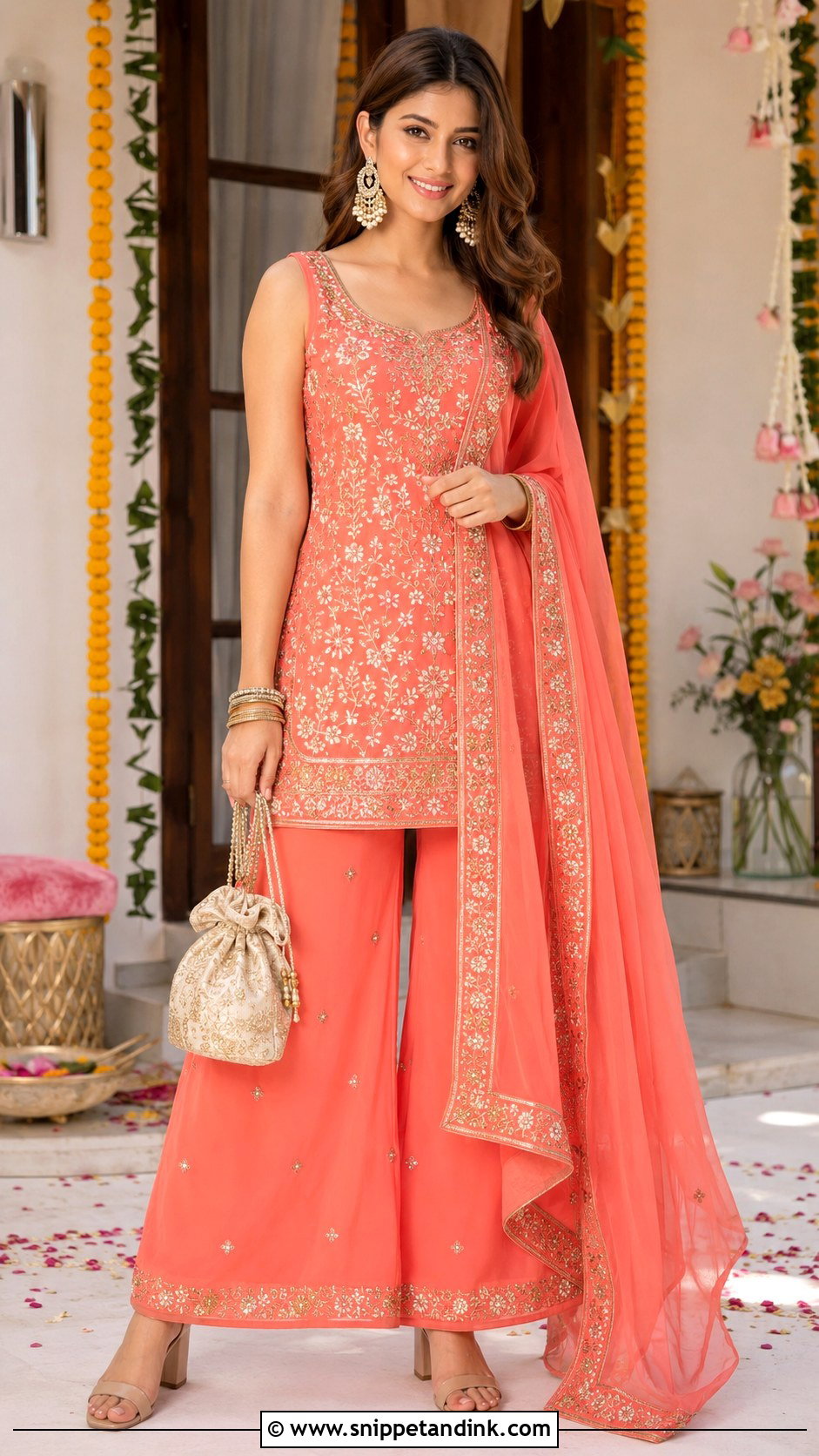
On busy days with travel, haldi or small ceremonies at home, a palazzo suit keeps you comfortable without looking plain. A long straight kurta looks refined; a short kurti feels more playful. Silk, georgette or brocade in rich colors or pastels all work, with a dupatta that carries a detailed border. Wide palazzos can trail on the floor; I ask for them hemmed to the top of the foot for flats, so they don’t collect dust and petals by evening. Earrings, bangles and block heels finish it.
17. Cape Lehenga For Sister Wedding
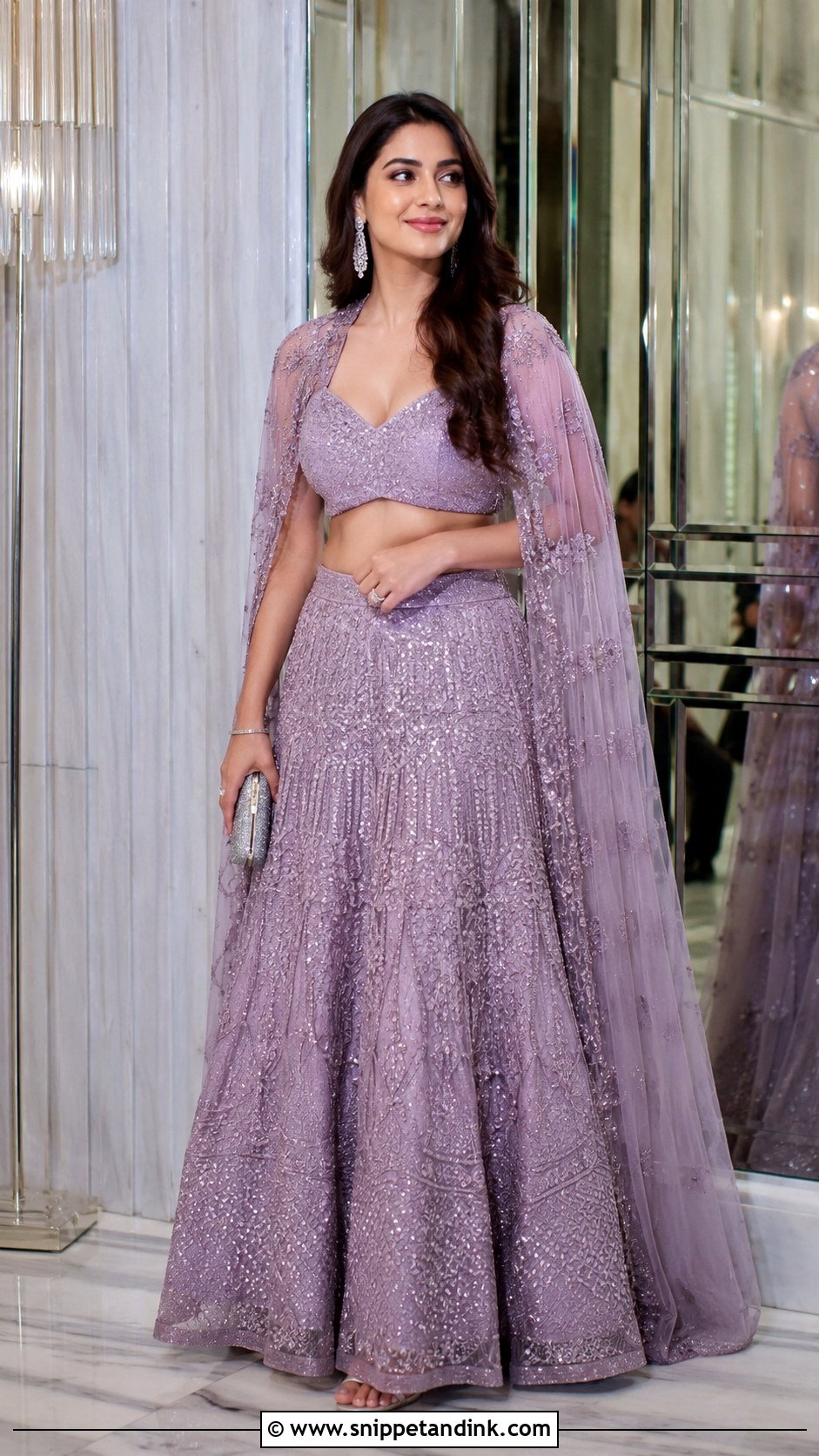
A cape replaces the dupatta, so there’s nothing to slip off your shoulder while you dance or pose. That’s my reason for liking cape lehengas at receptions and sangeets. Sheer, embroidered or lightly sequined capes over a fitted blouse and flowy skirt suit silver, blush, teal or deep green. The cape should end above the skirt’s hem, or it catches underfoot on stairs. Drop earrings and a sleek hairstyle complete it.
18. Kanjeevaram Saree For Sister Wedding
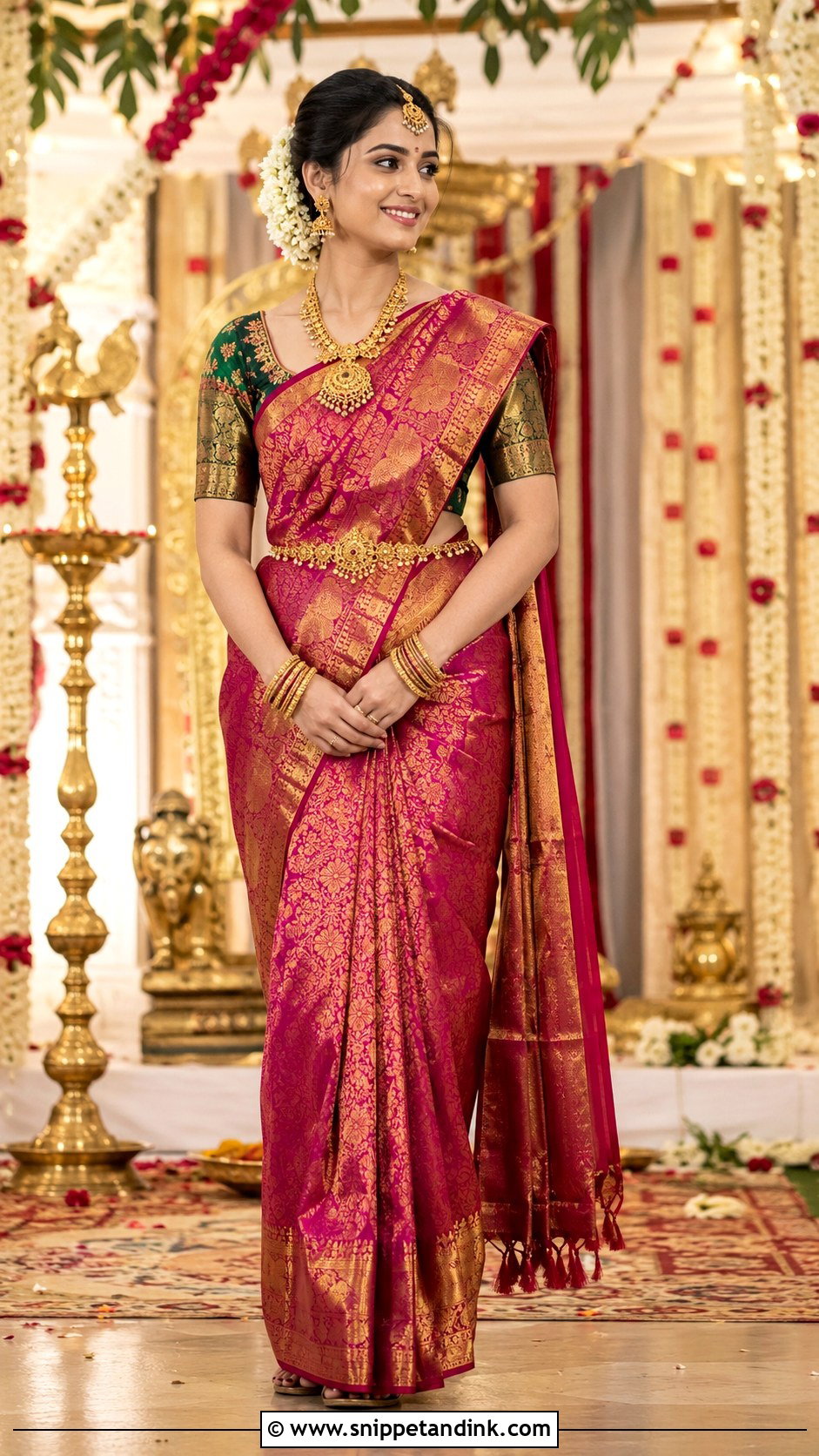
At South Indian ceremonies, the Kanjeevaram does most of the styling for you: rich silk, bold contrast borders and color pairings that already feel festive. Gold, magenta, green or royal blue all suit. Pair it with a contrast blouse, temple jewelry and a bun with flowers. Real Kanjeevaram is heavy, so I have the blouse fitted with the saree draped on, not on its own; the weight of the pallu changes how the shoulder sits. Comfortable heels or traditional sandals complete it for ceremony photos.
19. Dhoti Saree For Sister Wedding
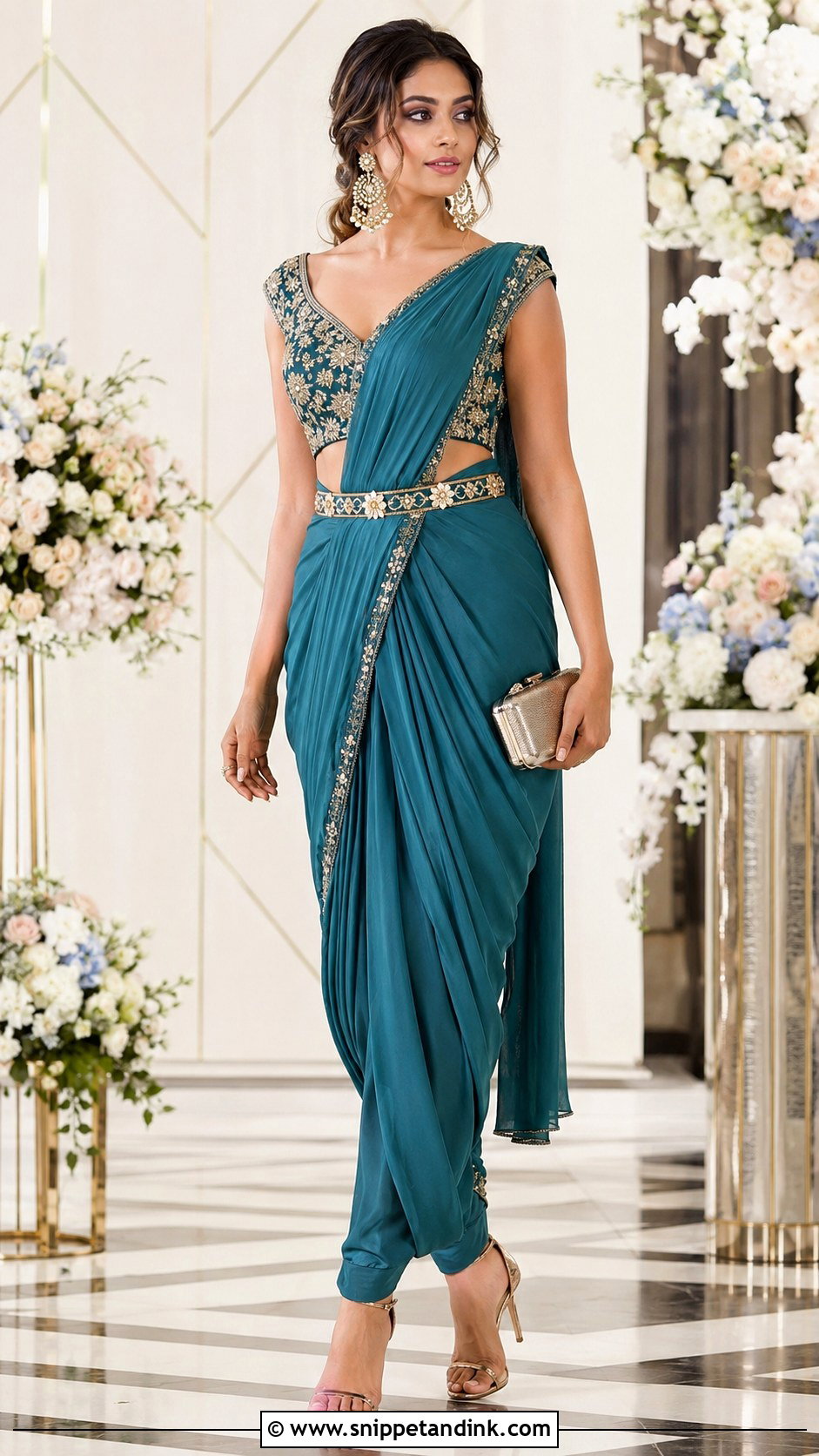
For a sister who likes modern fashion, a dhoti saree combines a saree’s drape with the comfort of pants. It suits a sangeet, reception or a fashion-forward pre-wedding event. Crepe, satin or georgette with an embroidered blouse or peplum top works well, and a belt adds waist definition. Practise sitting and climbing stairs in it before the day, since the drape across the front can pull if it’s stitched too tight. Keep the jewelry clean so the drape stands out.
20. Embroidered Kurta Skirt Set For Sister Wedding
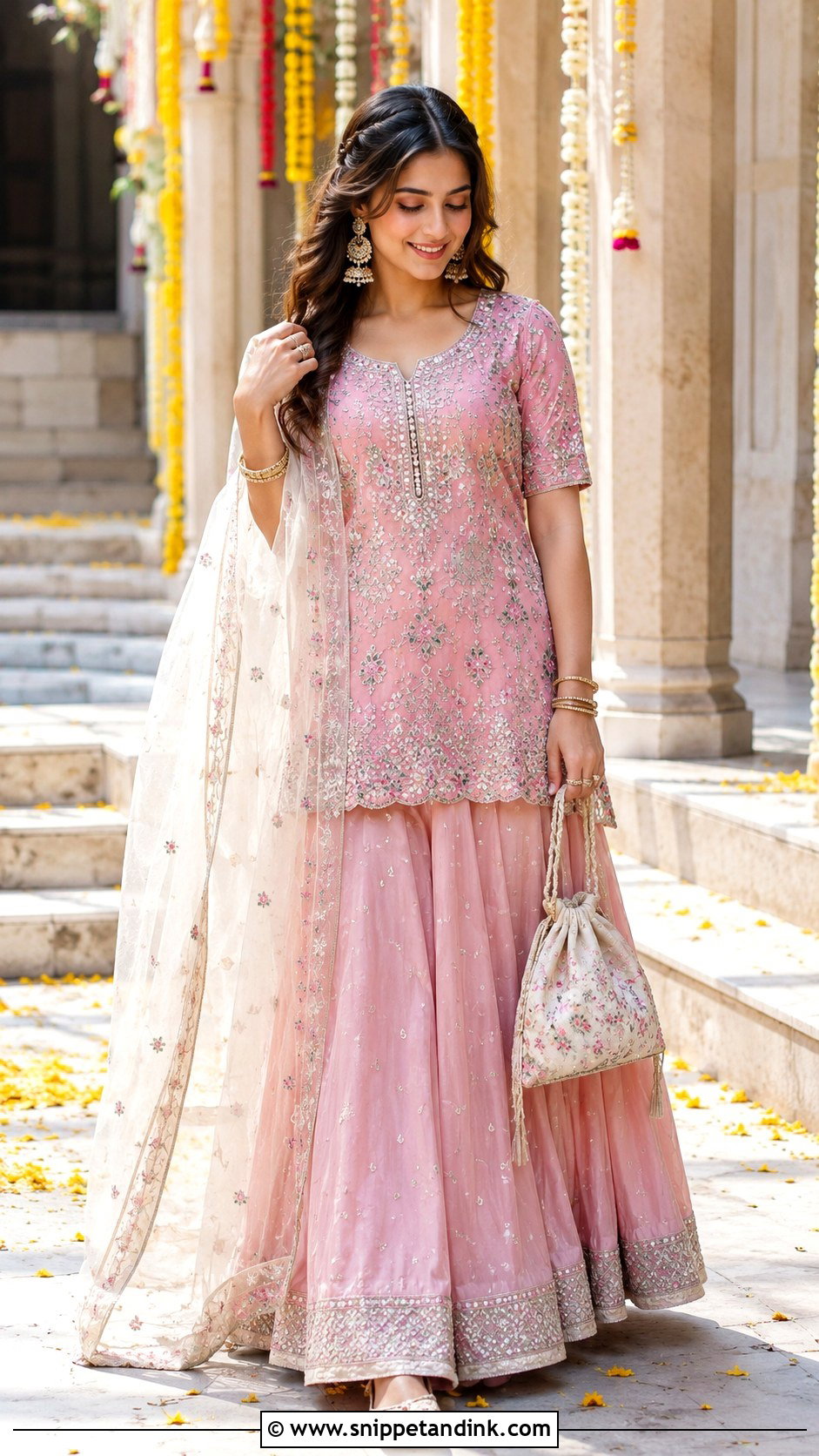
Half suit, half lehenga, the embroidered kurta skirt set is one of the most comfortable festive options here. A long or short kurta over a flared skirt suits mehendi, haldi, engagement or family rituals. Cotton silk, chanderi or raw silk with gota, mirror work or zari keeps it festive. If the kurta is long, ask for side slits up to the hip so you can sit cross-legged without it pulling. A light dupatta, earrings, bangles and embellished flats complete it.
21. Net Lehenga For Sister Wedding
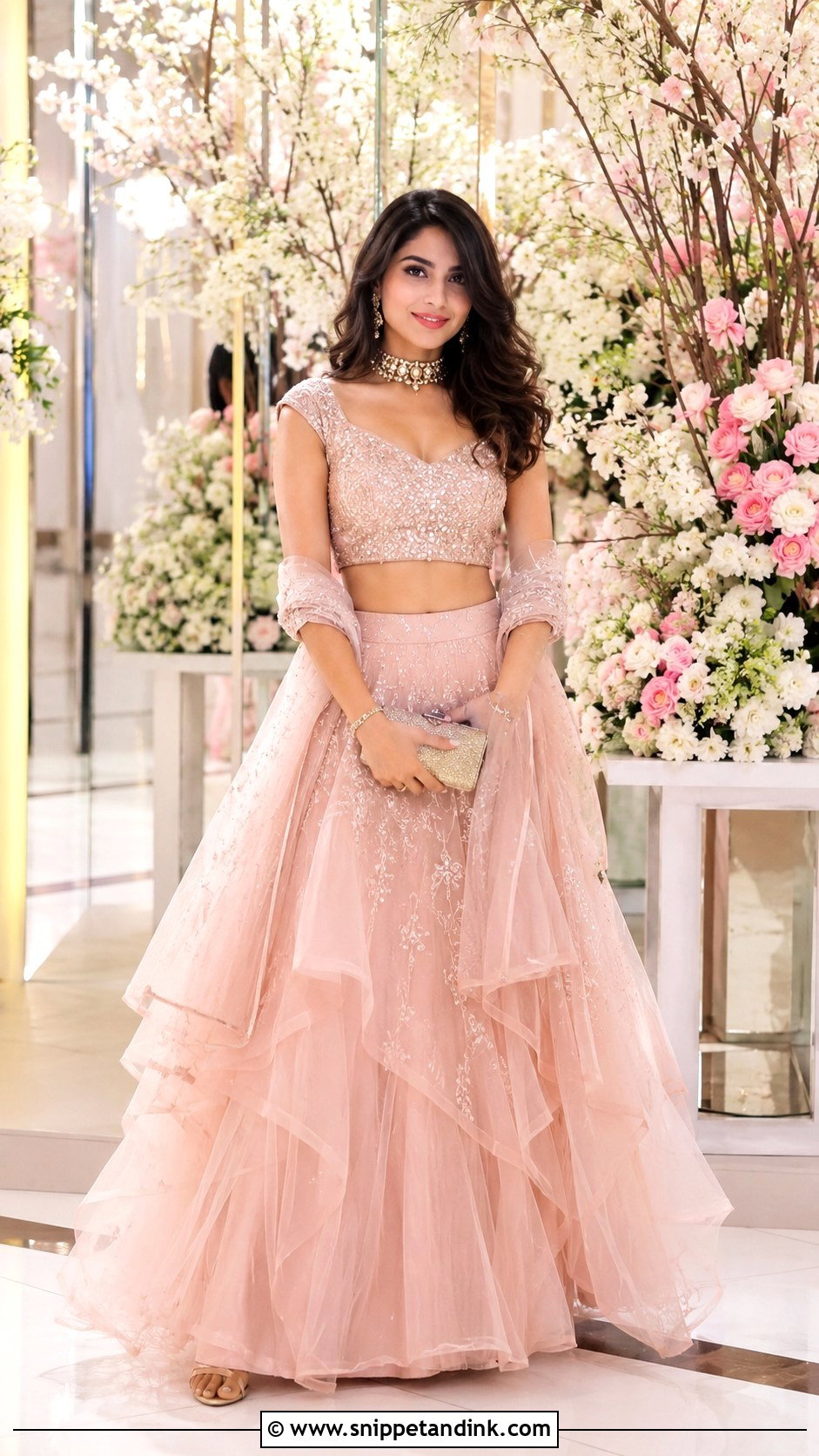
Net gives a lehenga volume and a soft, layered look, but only if the embroidery is rich enough; plain net can look like costume fabric under bright lights. A layered net skirt with sequins, beads or floral threadwork in blush, champagne or powder blue suits an engagement or reception, and deeper tones suit the ceremony. I check the inner layers for scratchy net edges at the waist and ask for a soft lining band. Balance it with a structured blouse, a light dupatta and a choker.
22. Brocade Lehenga For Sister Wedding
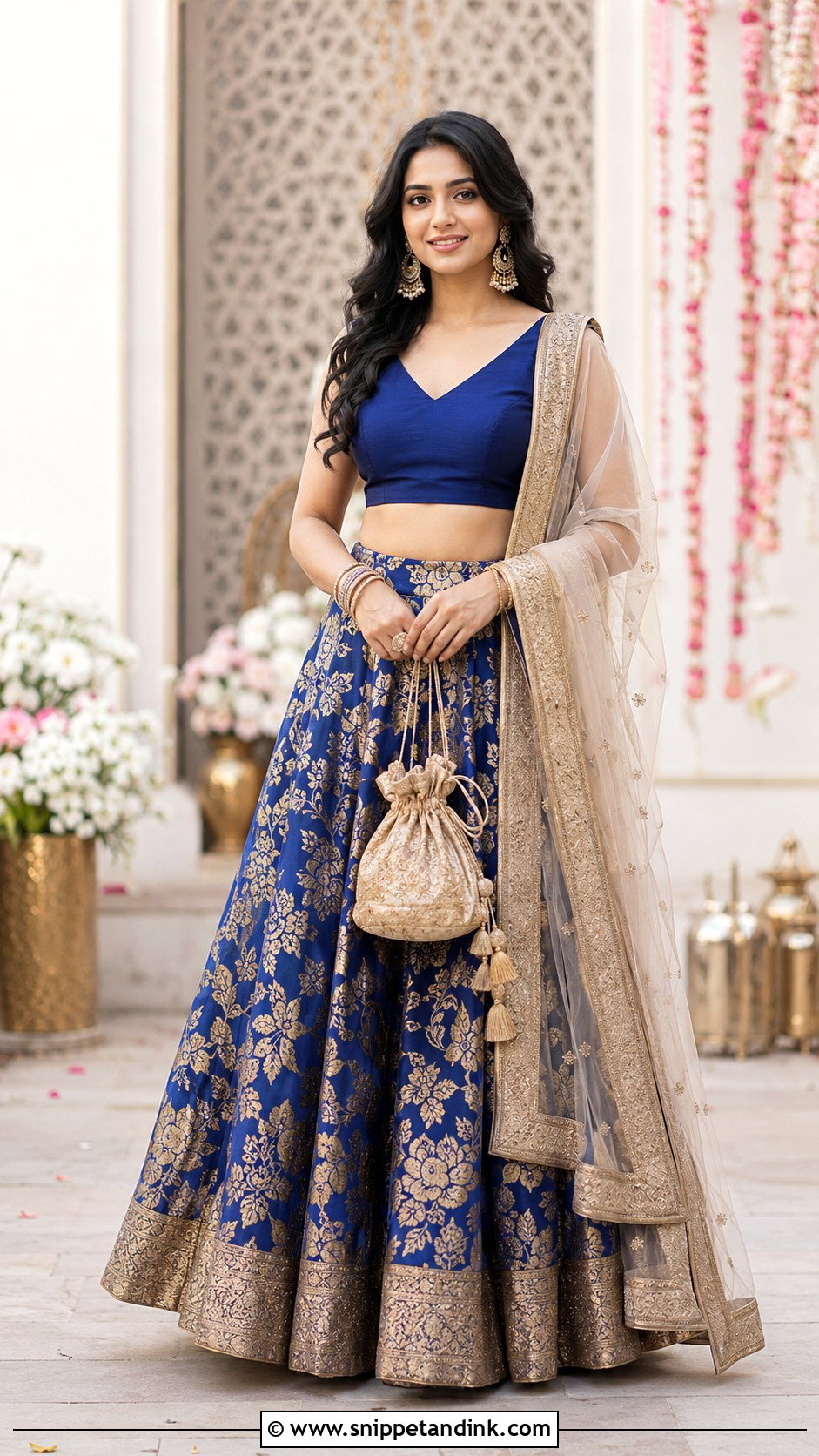
Brocade does its own decorating. The weave creates texture and shine, so the lehenga needs very little added embroidery. Classic pairings like pink and orange, green and gold, or blue and silver feel rooted in tradition. Pair it with a simple blouse, a soft dupatta and traditional jewelry. Because brocade is stiff, I prefer a skirt with plenty of panels or kalis; a brocade skirt cut with too few panels stands out like a bell and wrinkles at the hip when you sit.
23. Co Ord Set For Sister Wedding
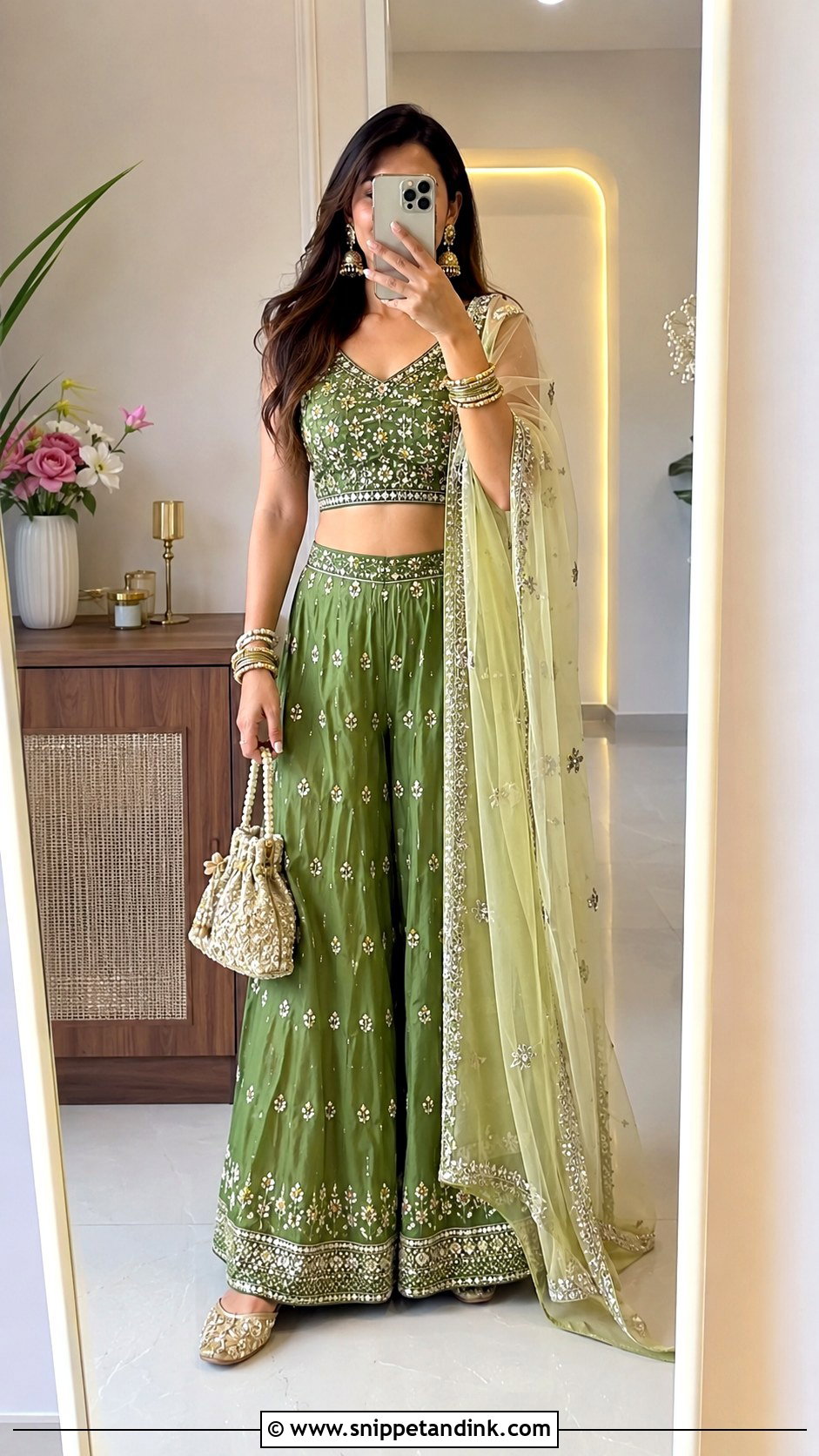
Not every function needs a full outfit. An ethnic co ord set suits the haldi, mehendi, welcome dinners and casual family events. A crop top and skirt, kurta and pants, or blouse and palazzo with embroidery, prints or mirror details keeps you coordinated without being overdressed. Bright shades suit daytime, metallics evening. Add a cape or dupatta if the event turns more formal. I like these for sisters who’ll be hosting, because nothing needs pinning.
24. Heavy Dupatta Suit For Sister Wedding
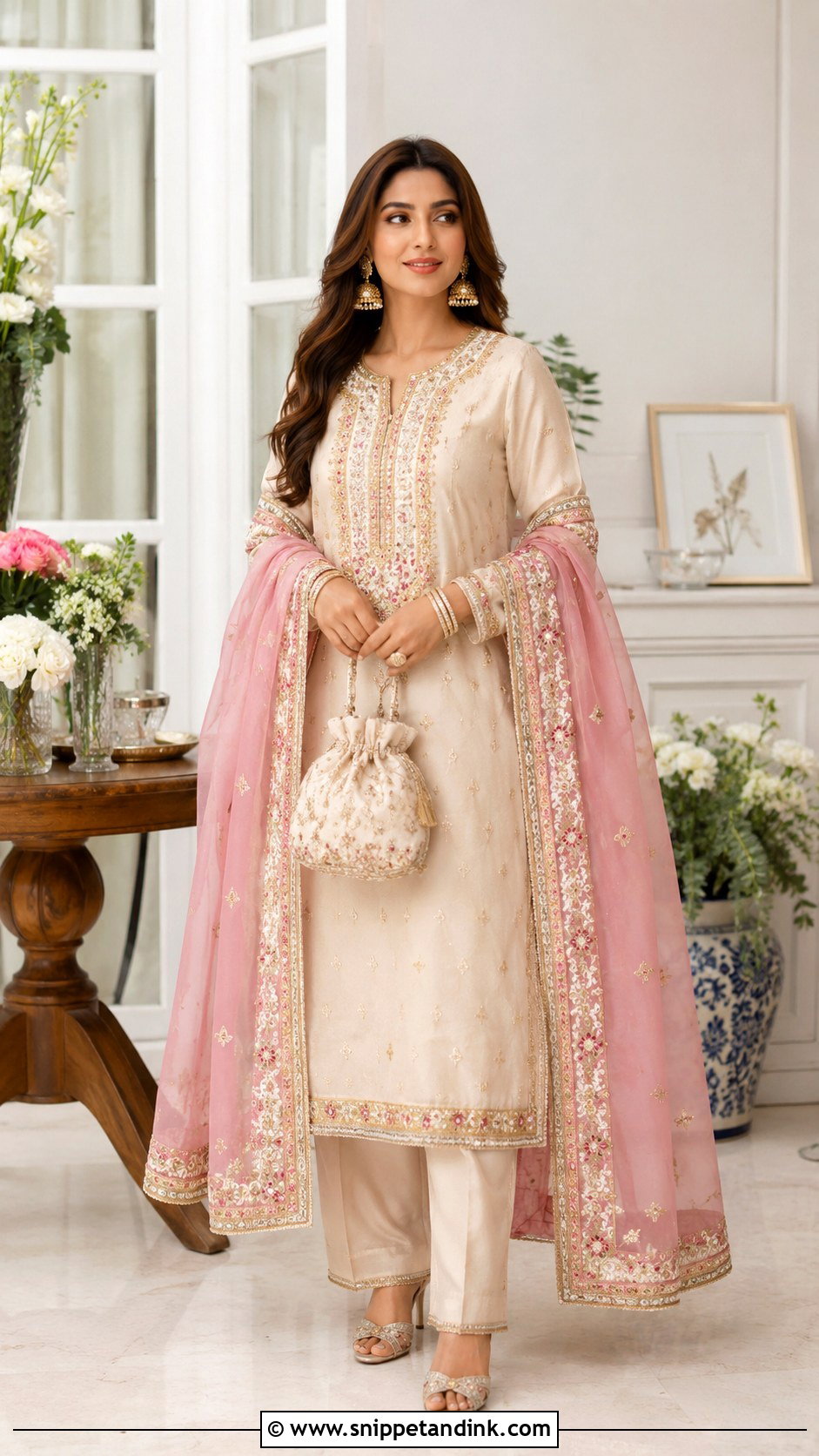
Let the dupatta do the talking. A heavy dupatta suit pairs a simple kurta and pants with a dupatta carrying all the drama: phulkari, Banarasi weave, mirror work or zari borders. It’s comfortable, modest and easy to restyle, since the dupatta can go over a different suit at the next wedding. A heavy dupatta needs proper anchoring, so I pin it at the shoulder and the opposite hip. Jhumkas, bangles and embroidered heels finish it for smaller ceremonies and daytime rituals.

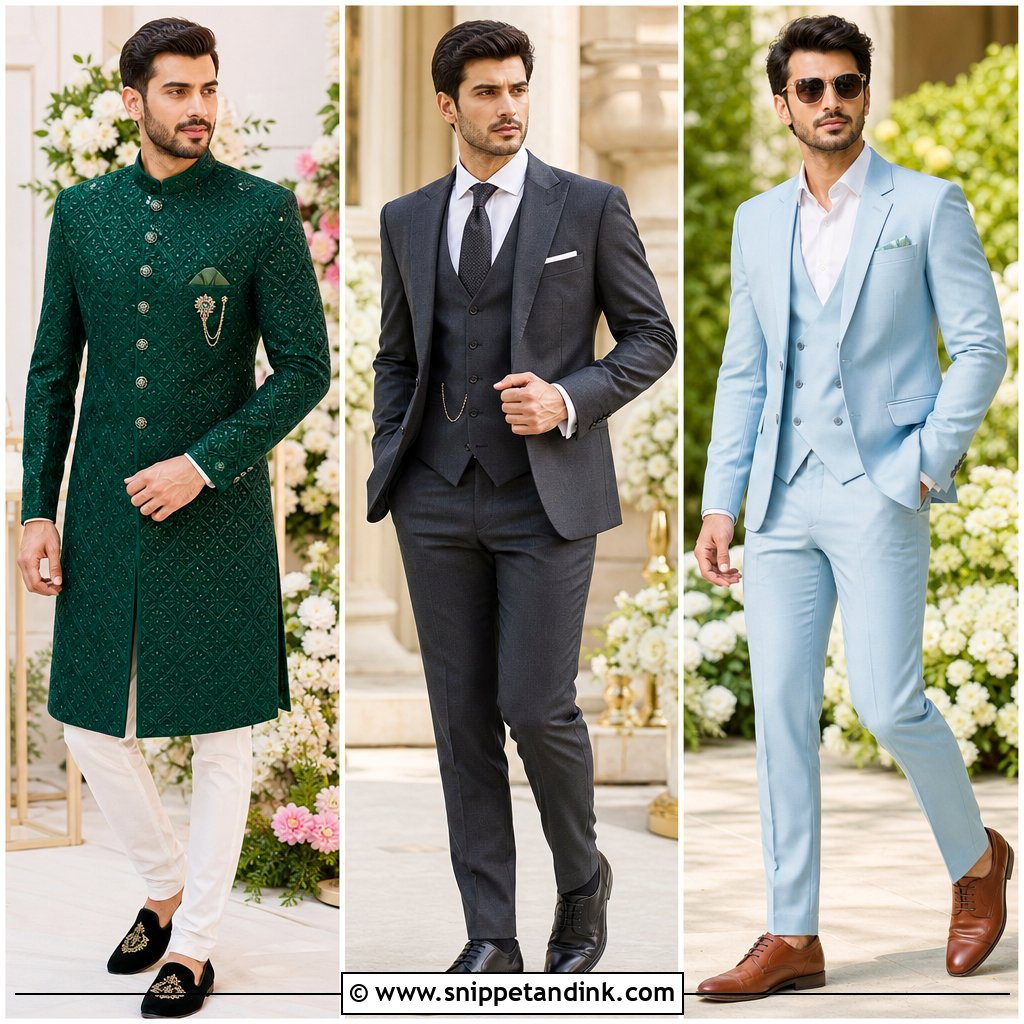
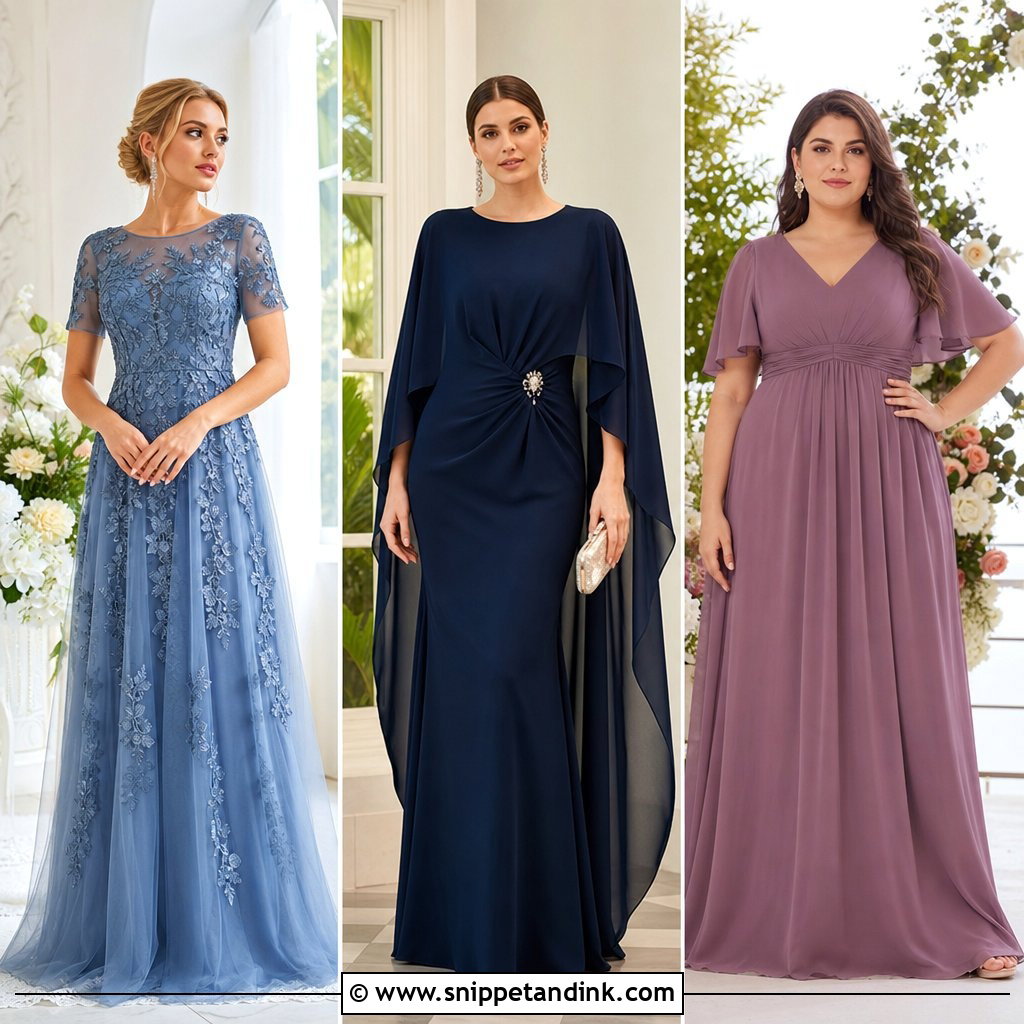
25. Reception Gown For Sister Wedding
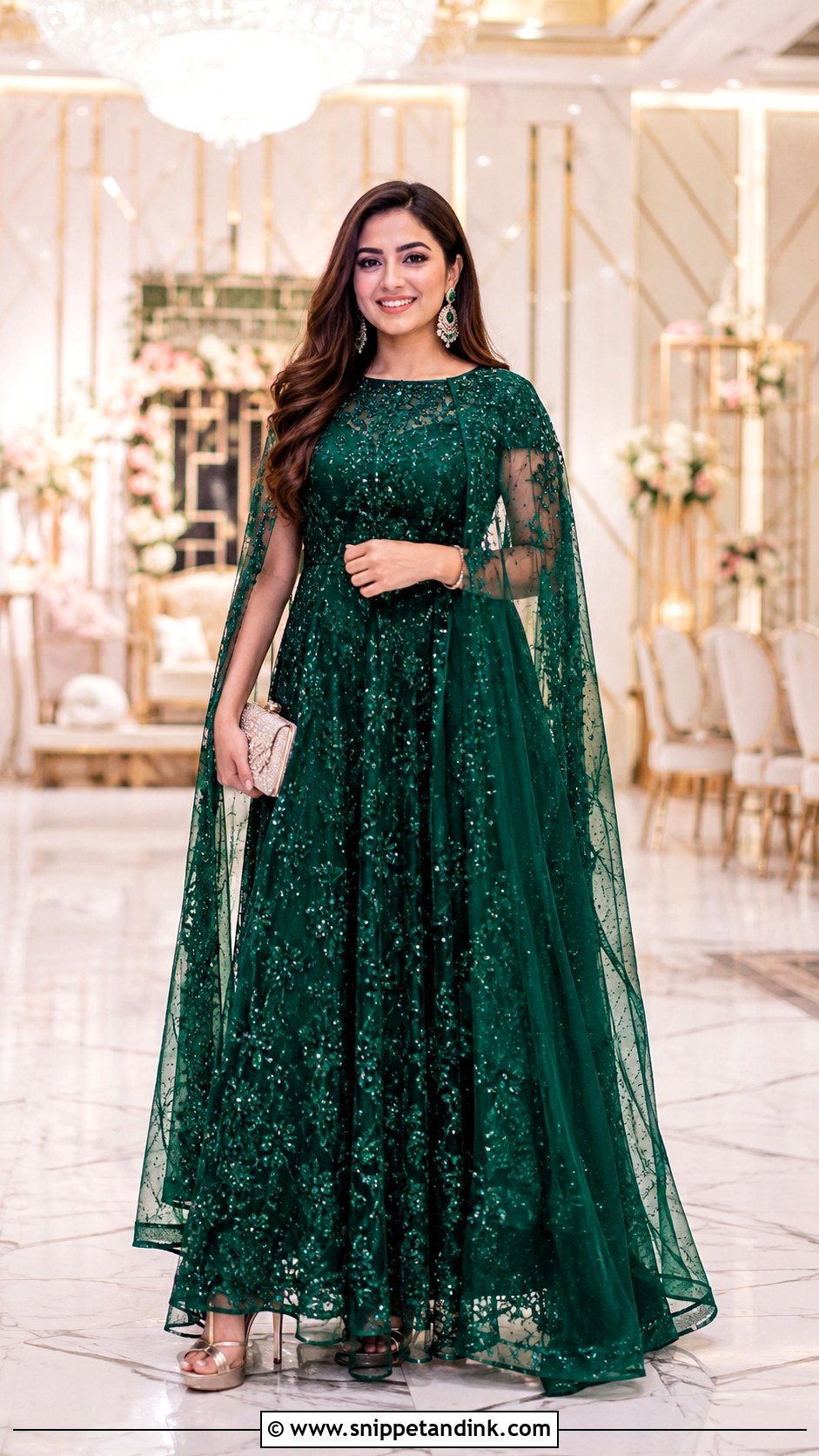
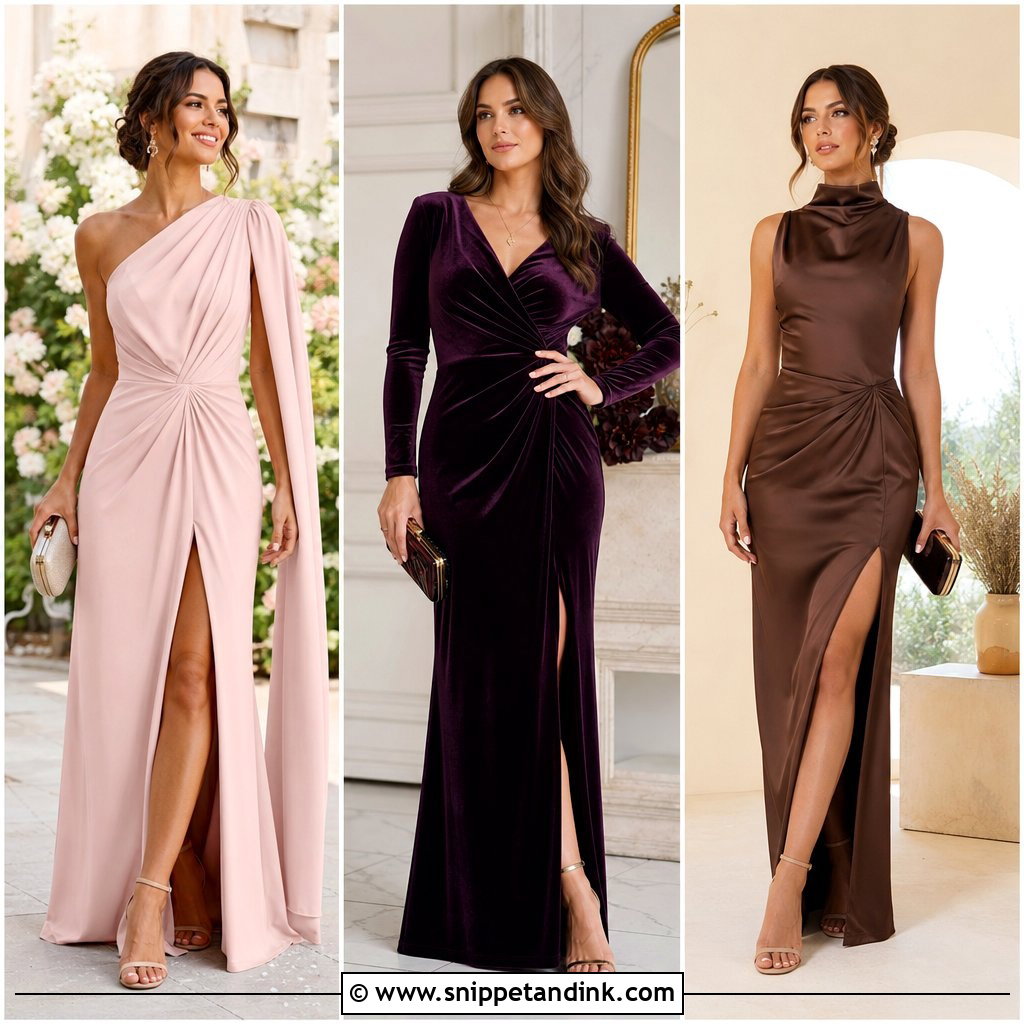
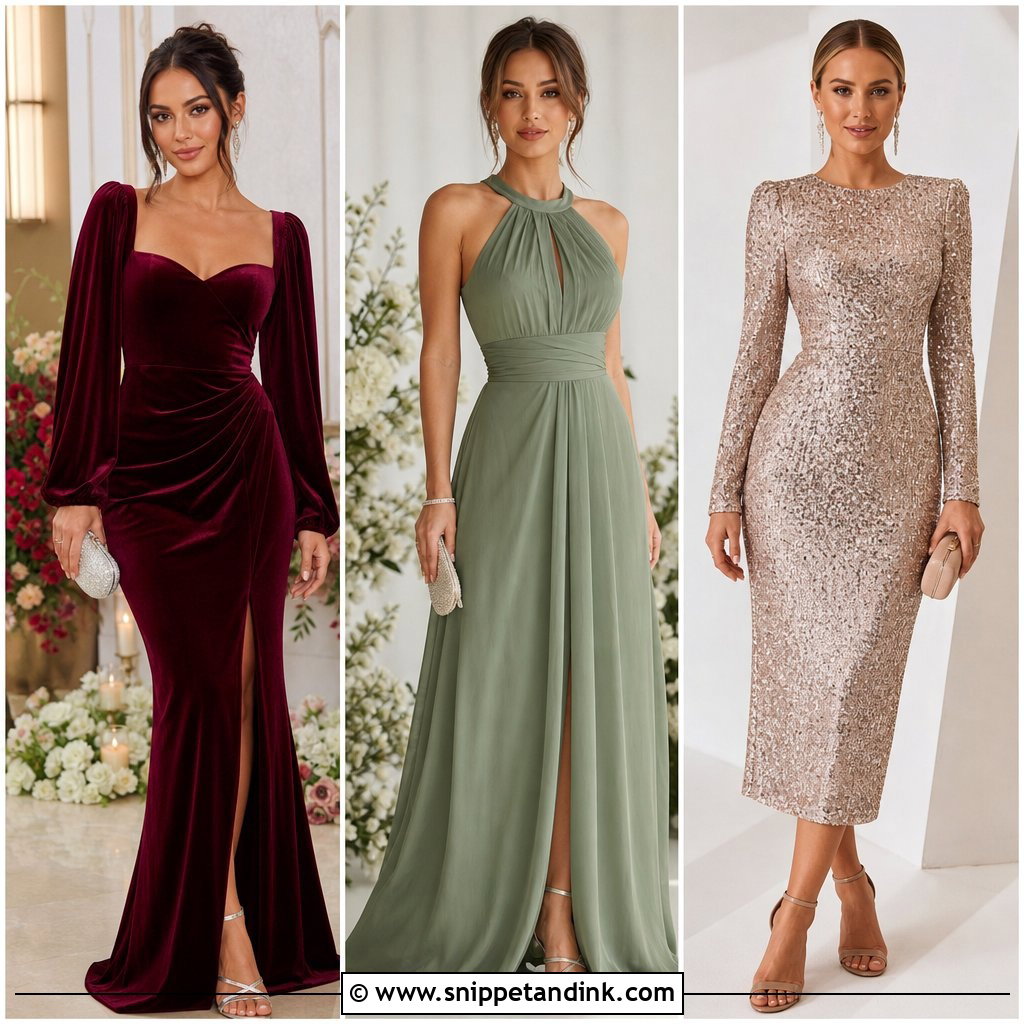
By the reception, most sisters are tired of pinning and draping, and a gown with Indian detailing is the relief. Embroidery, sequins, beadwork, cape sleeves or a draped silhouette keep it connected to the wedding. Emerald, navy, champagne or deep plum look polished in evening light. Have it hemmed in the heels you’ll wear; a gown that’s an inch long gets stepped on by every relative who comes in for a hug. Statement earrings, a clutch and soft waves finish it.
Rescuing Silk From Spills, Snapped Hooks and Sudden Rain
Something will go wrong with at least one outfit over a wedding week. Most of it can be handled quietly if you know what to do in the first few minutes.
Food or drink on silk
Blot, don’t rub. Press a dry tissue or napkin on the spot to lift what you can, and keep water off pure silk, since it can leave a ring that’s harder to remove than the stain. Point the stain out to the dry cleaner after the wedding rather than trying to fix it at home.
A hook or zip that gives way
Safety pins from the inside will hold a blouse for hours. I always tuck two into the petticoat waistband for exactly this. A broken zip can be pinned closed along its length and hidden under the dupatta.
Rain on an outdoor function
Lift hems before you cross wet grass, and if velvet or zari gets damp, hang it up to air dry as soon as you’re back, away from direct heat. Never pack a damp outfit; zari can tarnish and silk can mark if it’s left folded wet in a bag overnight.
Outfits That Last From the First Ritual to the Last Dance
The outfit that works at your sister’s wedding is the one you forget you’re wearing. Banarasi and Kanjeevaram silks, cape lehengas, shararas and Indo western sets all have their function; what decides which one is the timing, the venue, the dress code and how much you’ll be moving. Get the footwear comfortable, the draping secure and the jewelry in proportion to the outfit. Do that, and your wardrobe will look as good in the last photo of the night as it did in the first.
You'll Like These Ideas:


Leave a Reply