
Picking a wedding cake flavor is the part of planning couples enjoy most, and it’s also the one where I see the most second-guessing. A wedding slice has to please a grandmother and a nine-year-old, survive a few hours on a stand, and still taste fresh after dinner. Vanilla, chocolate, red velvet and almond stay popular because they do all that reliably. Lemon raspberry, pistachio, coconut and citrus are the brighter options couples ask me about now. Below are 20 flavors I bake, with notes on what each pairs with and where each one has limits.
How to Get the Most From a Cake Tasting
By the fourth sample, most people can’t tell what they’re tasting anymore. Sugar dulls the palate quickly, so a little structure helps.
- Start with the lightest flavors, such as vanilla, lemon or almond, and finish with chocolate, caramel and spice.
- Taste each cake with its frosting and filling together. A plain sponge tells you very little about the slice your guests will eat.
- Keep water or plain unsweetened tea nearby and sip between samples.
- Write one line about each flavor right away. After six cakes, memory gets unreliable.
- Ask how the flavor holds up after a few hours at room temperature, especially for anything with cream, curd or fresh fruit.
Don’t go hungry, and don’t go straight after a big meal either. A light lunch beforehand gives you the clearest sense of what you actually like.
1. Vanilla Wedding Cake
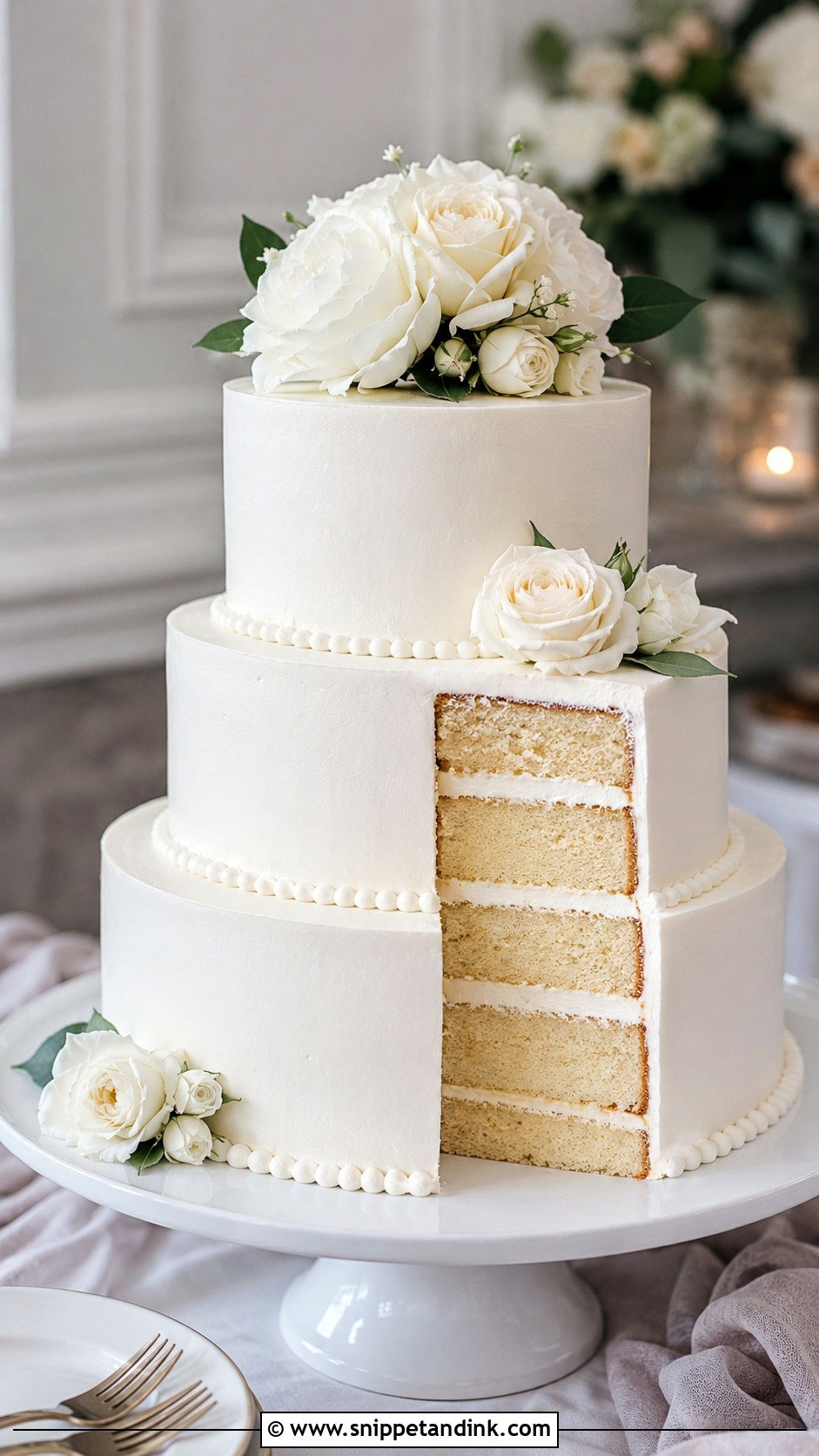
Vanilla is the flavor I trust most for the bottom tier, the one that feeds the most people. A good wedding vanilla uses real vanilla bean or a quality extract, and you can taste the difference in a plain bite. It takes almost any partner: Swiss meringue buttercream, cream cheese frosting, berry compote, lemon curd, caramel or chocolate ganache. It also gives a clean white crumb, which matters if the cake is cut in front of guests. Simple, yes, but rarely the wrong call.
2. Almond Wedding Cake
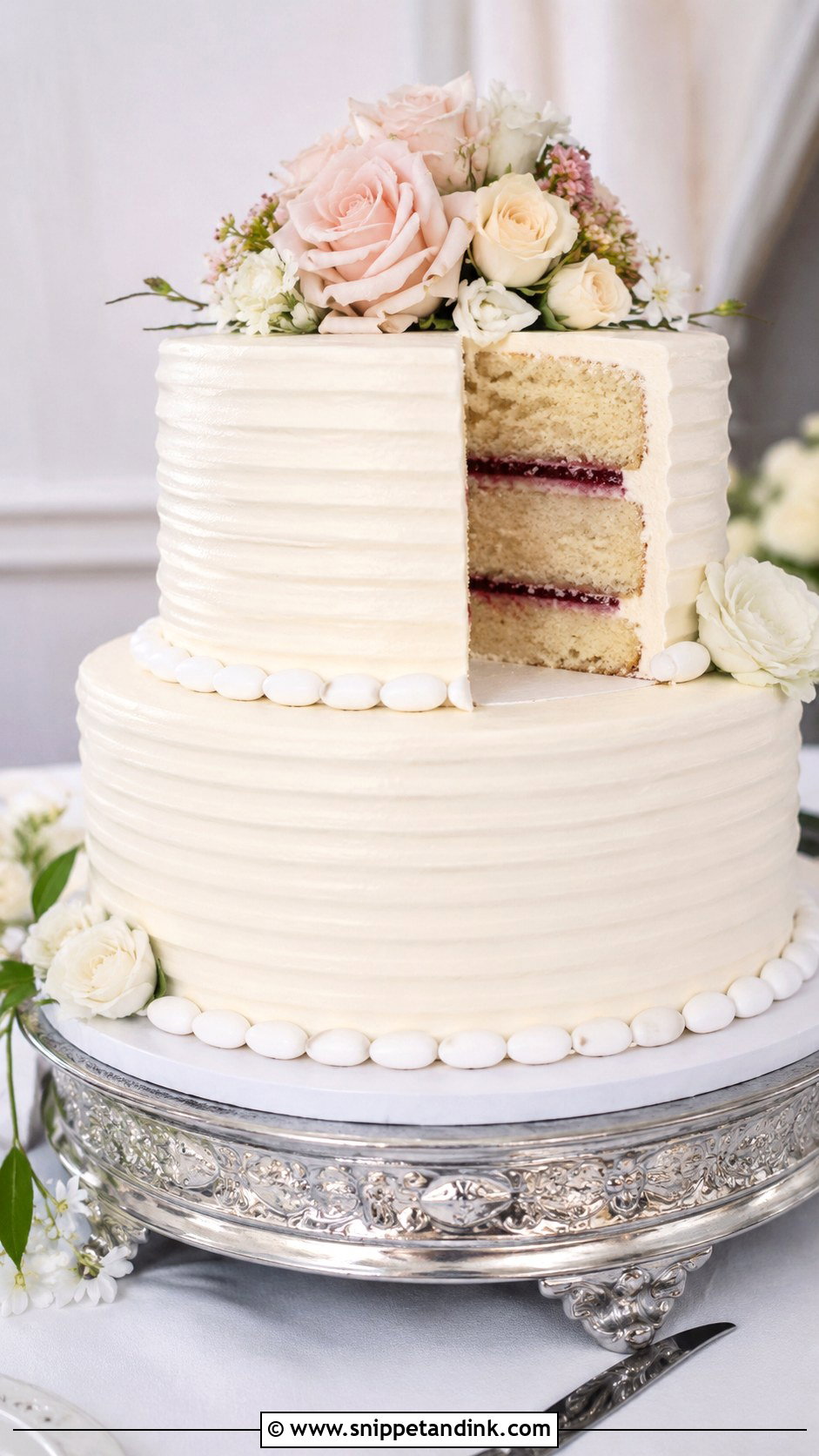
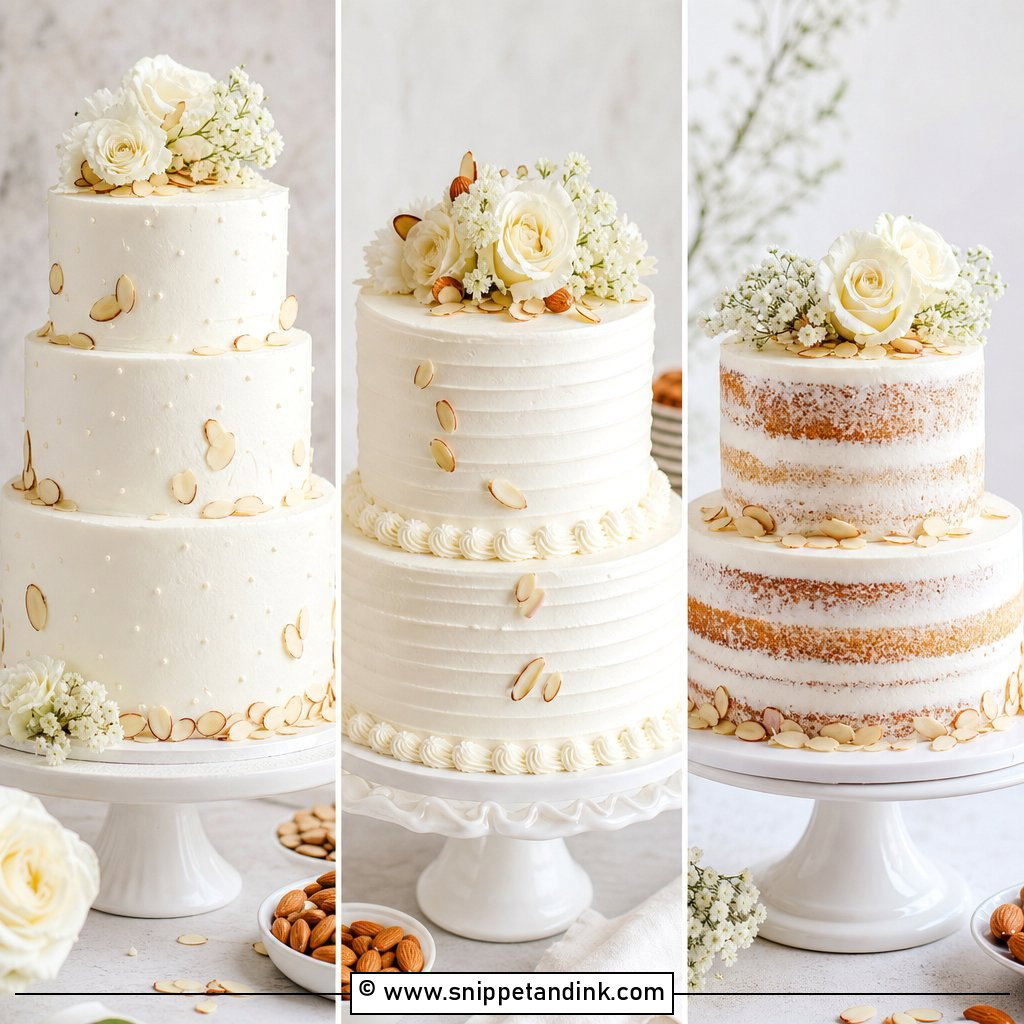
Almond is the flavor many guests describe as tasting like wedding cake, even if they can’t name it. It’s fragrant and gently nutty, and a little almond extract goes a long way; too much turns it medicinal. Raspberry filling, vanilla buttercream, white chocolate mousse and apricot preserves all pair well. A white almond sponge keeps the slice pale. One thing to plan for: almond is a tree-nut flavor, so it needs a clear label on the dessert table.
3. Chocolate Wedding Cake
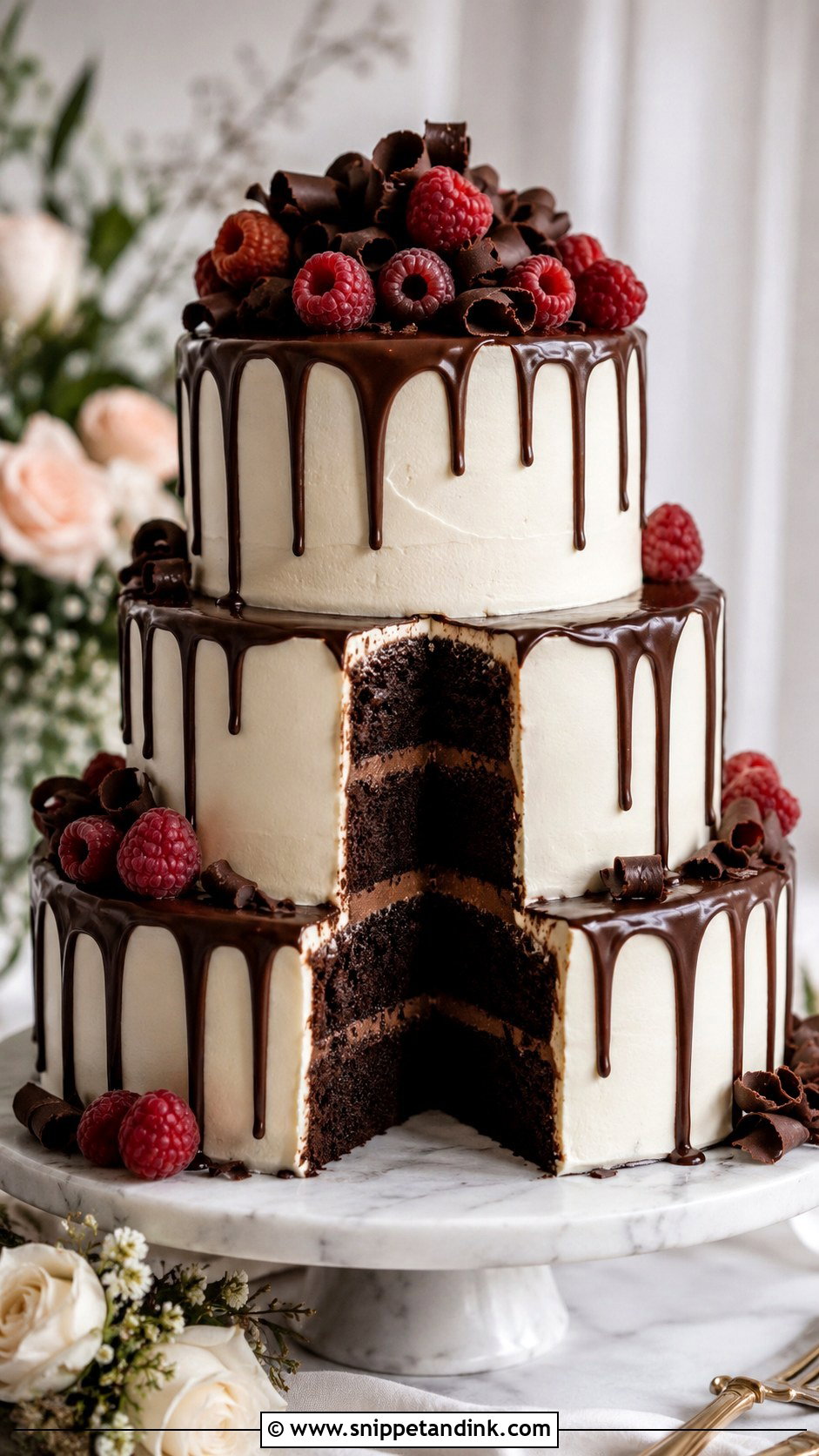
Chocolate is usually the first tier to disappear. A good wedding chocolate cake should be moist and balanced, not bitter; I use a blend of cocoa and melted chocolate for depth. Ganache, salted caramel, raspberry preserves, mocha filling and whipped cream all pair well. Under ivory buttercream nobody sees the dark crumb until it’s cut, so it fits a formal cake. In a multi-tier cake, I often put chocolate on one tier and a lighter flavor on another so guests have a choice.
4. Red Velvet Wedding Cake
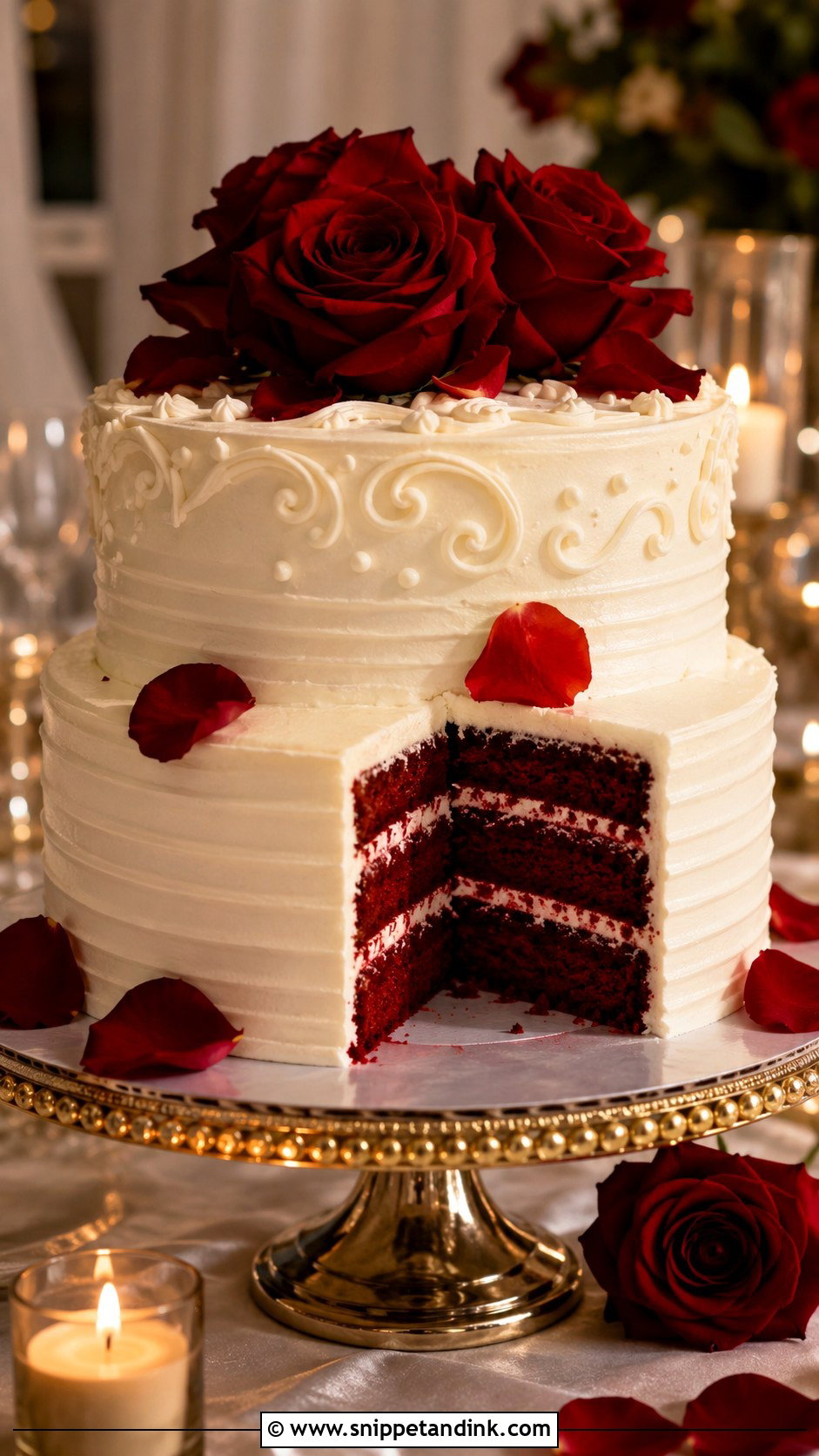
Red velvet is mostly about the contrast of a deep red crumb against white frosting, so the slice itself becomes part of the show. The flavor is gentle: mild cocoa with a little tang from buttermilk. Cream cheese frosting is the classic partner, but it’s soft and needs refrigeration, so on a stacked cake I usually put cream cheese in the filling and use a firmer buttercream outside. It suits evening receptions and romantic, rose-heavy decor.
5. Lemon Raspberry Wedding Cake
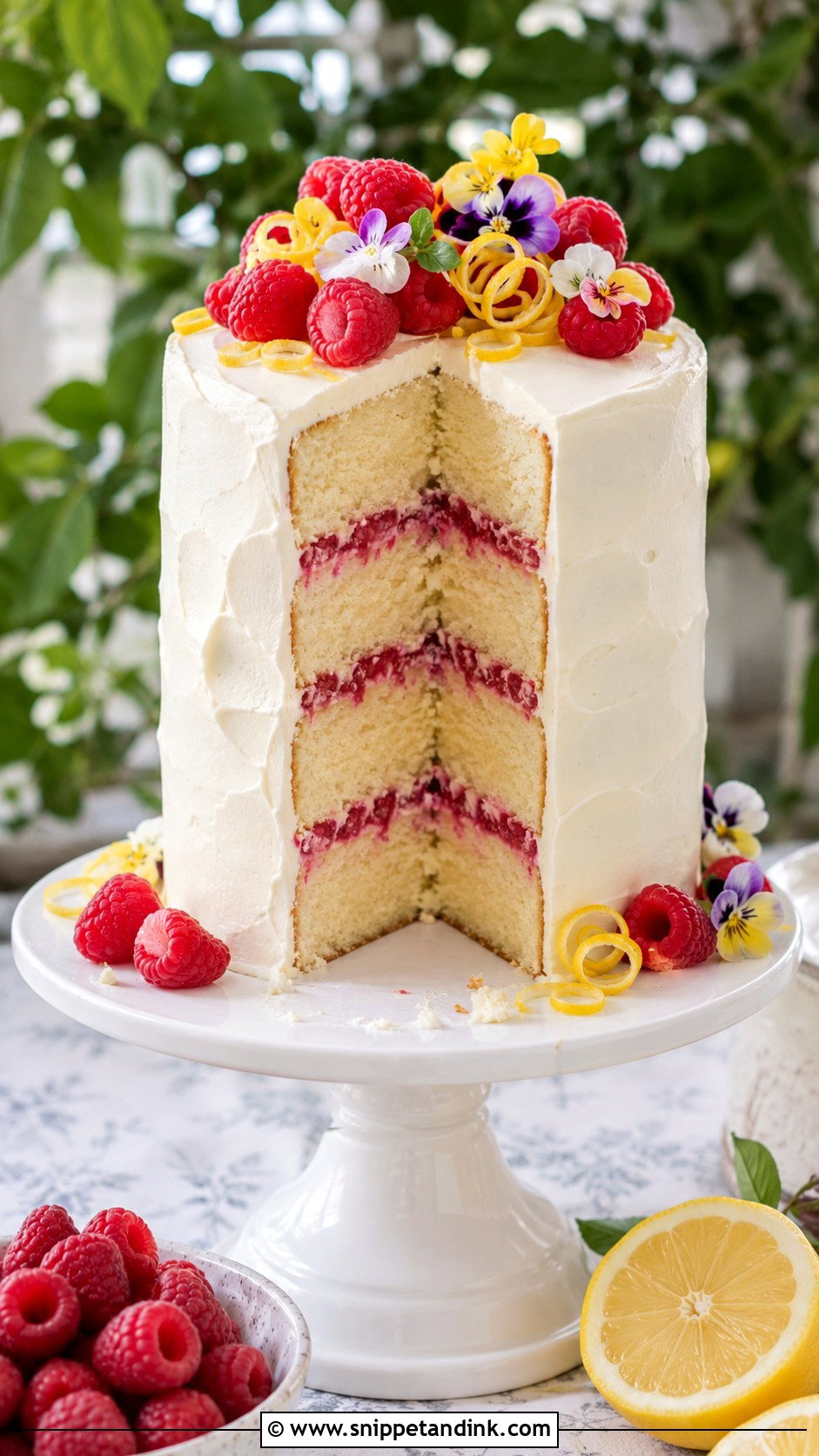
After a heavy dinner, lemon raspberry is the slice people finish. The lemon cake gives a clean citrus flavor, while raspberry adds color and a little tartness. I pair it with Swiss meringue buttercream rather than a sweeter frosting so the brightness comes through. The pale yellow layers with a pink filling look pretty when sliced. It’s a natural fit for spring and summer, garden venues and brunch receptions.
6. Strawberry Wedding Cake
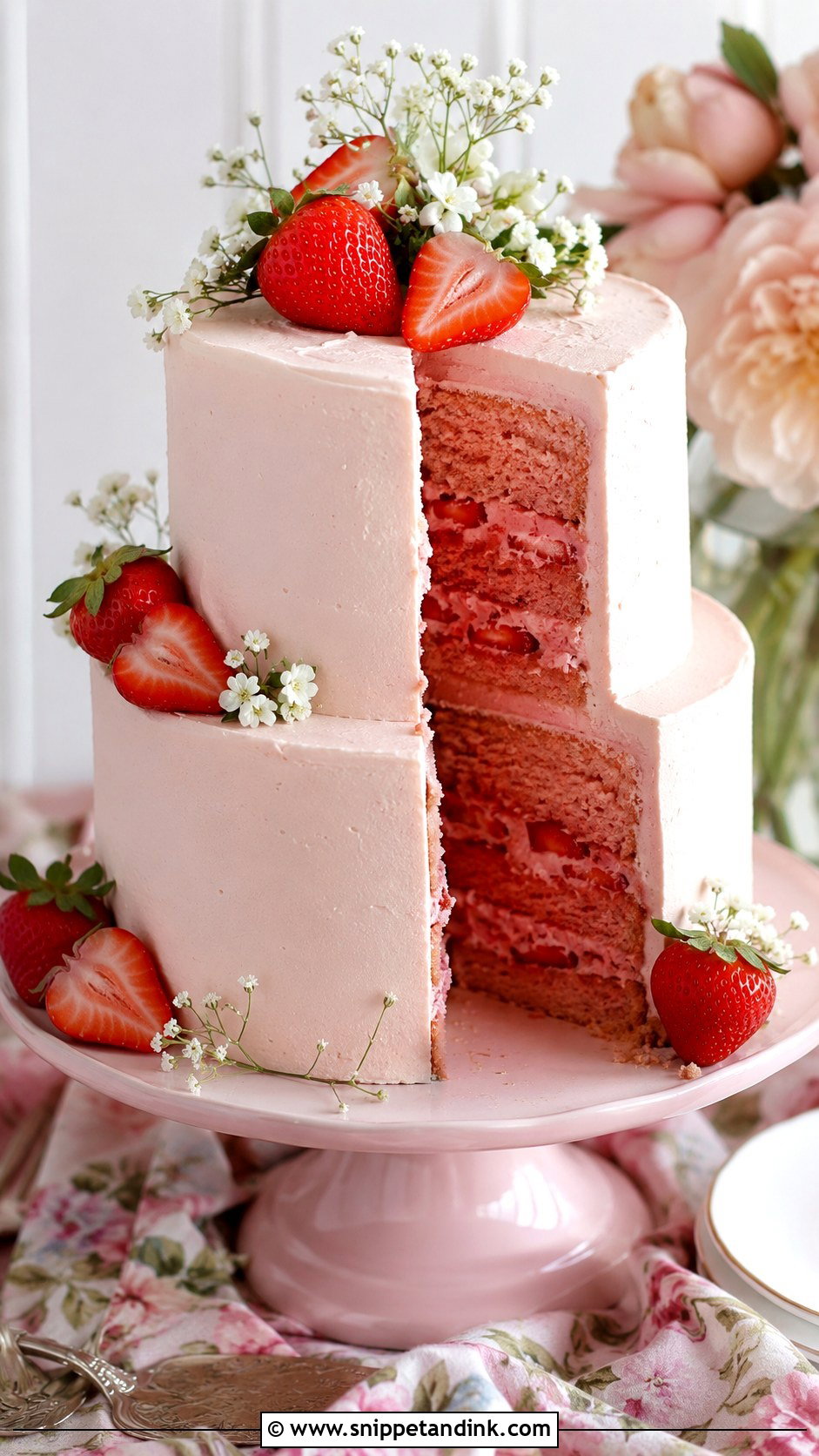
Strawberry cake depends on the strawberries. Extract alone tastes artificial; I reduce fresh or frozen berries into a concentrated puree and fold that into the sponge, which gives real flavor and a soft natural pink. A filling of fresh berries in cream tastes wonderful but needs refrigeration and should be assembled close to the event. It pairs well with vanilla buttercream, white chocolate or lemon curd, and suits pastel palettes in spring and summer.
7. Carrot Wedding Cake
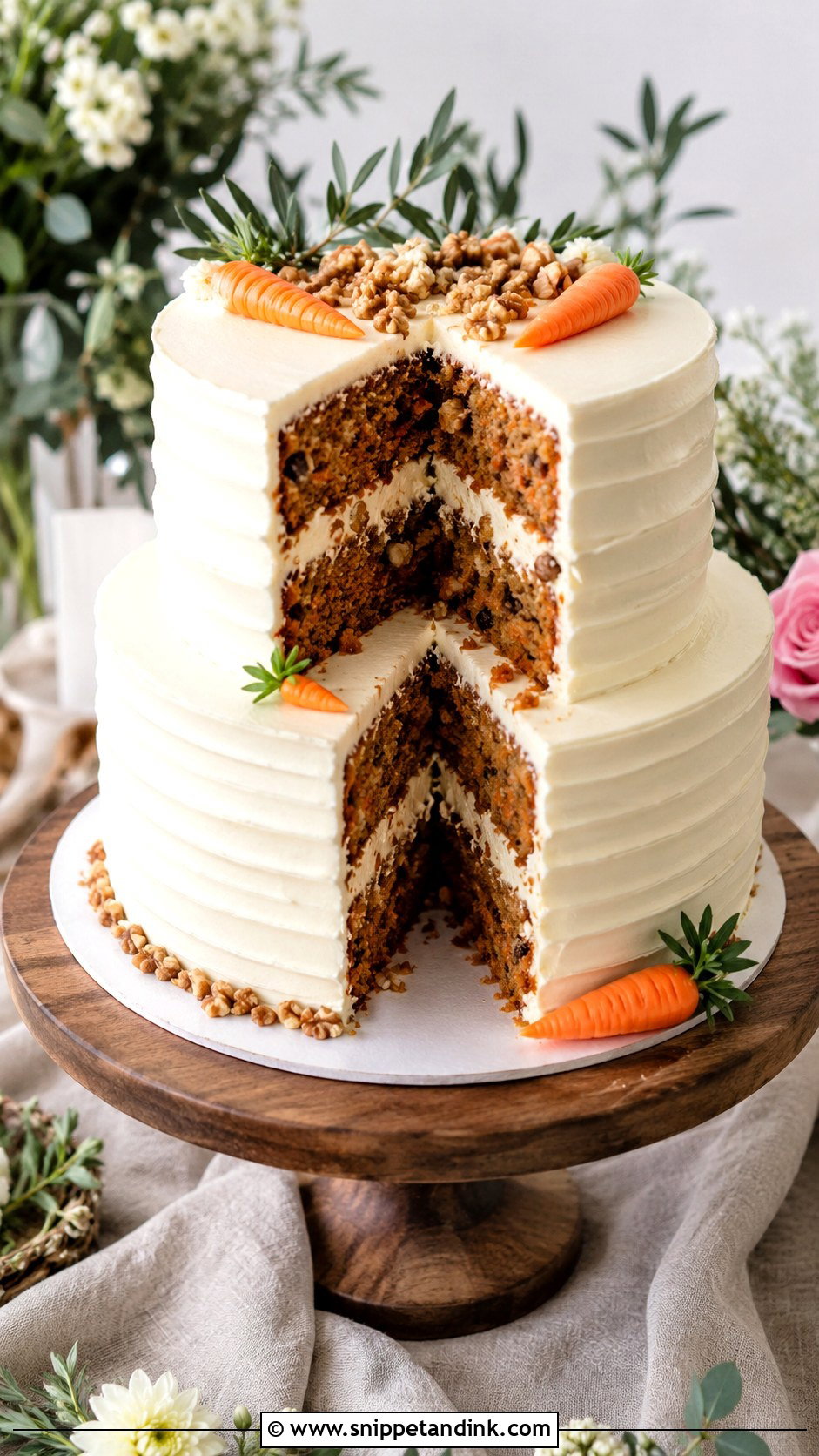
Carrot cake is one of the most forgiving cakes I bake: the grated carrot and oil keep it moist for days, so it holds up well in large tiers. Spices, nuts or pineapple add texture, though nuts should be flagged for guests with allergies. Cream cheese frosting is the classic pairing, and its tang balances the sweetness. For fall weddings and rustic venues, it can look surprisingly polished with smooth white frosting and pressed flowers.
8. Coconut Passion Fruit Wedding Cake
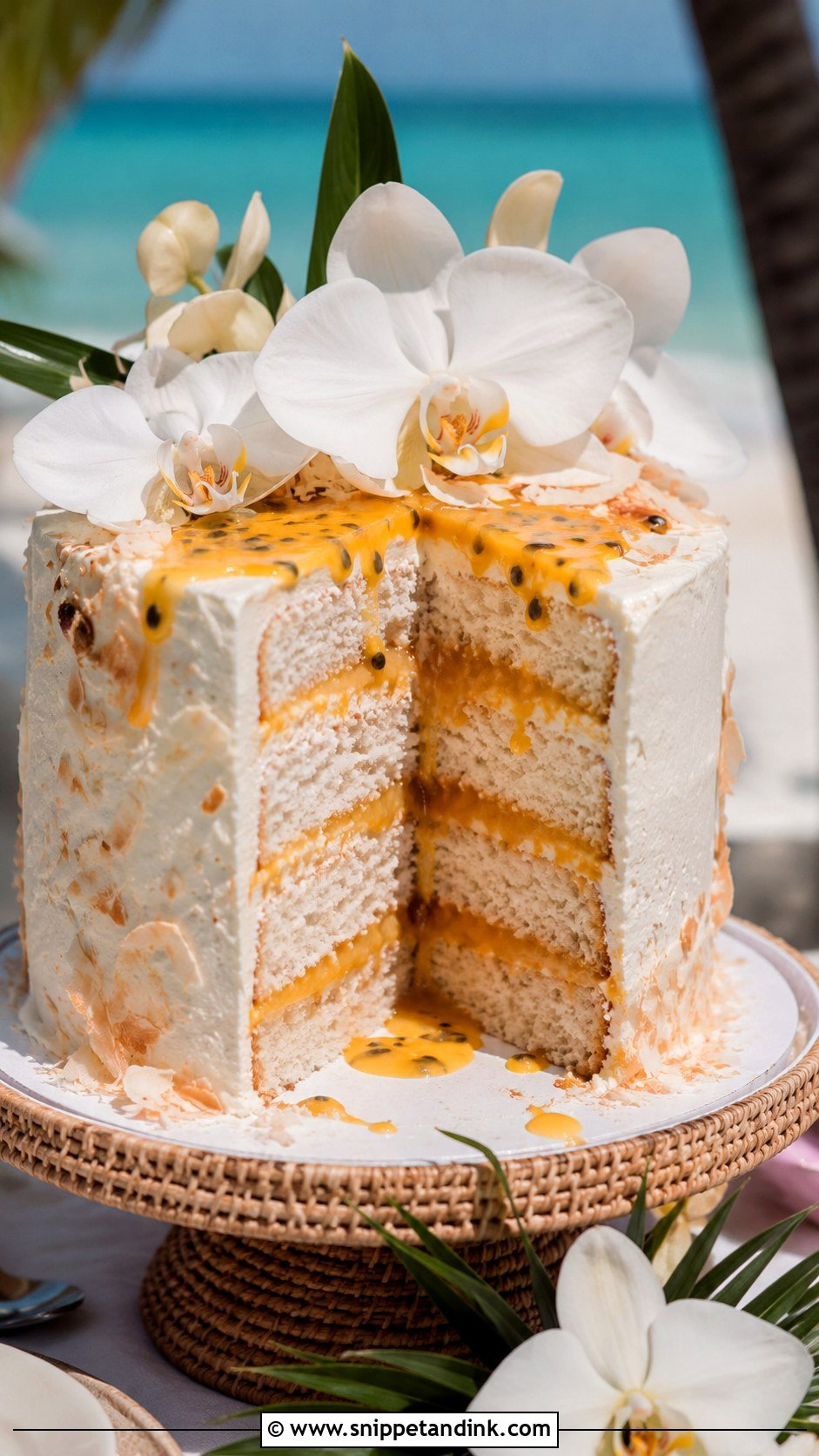
Coconut and passion fruit taste like a holiday, which is why they’re so popular for tropical weddings and beach receptions. Soft coconut sponge carries the creamy sweetness, and a passion fruit curd filling adds tart, sunny brightness. Passion fruit is very acidic, so I balance it with coconut or vanilla Swiss meringue rather than whipped cream, which can break down next to the curd. Toasted coconut and fresh flowers finish it simply.
9. Pistachio Wedding Cake
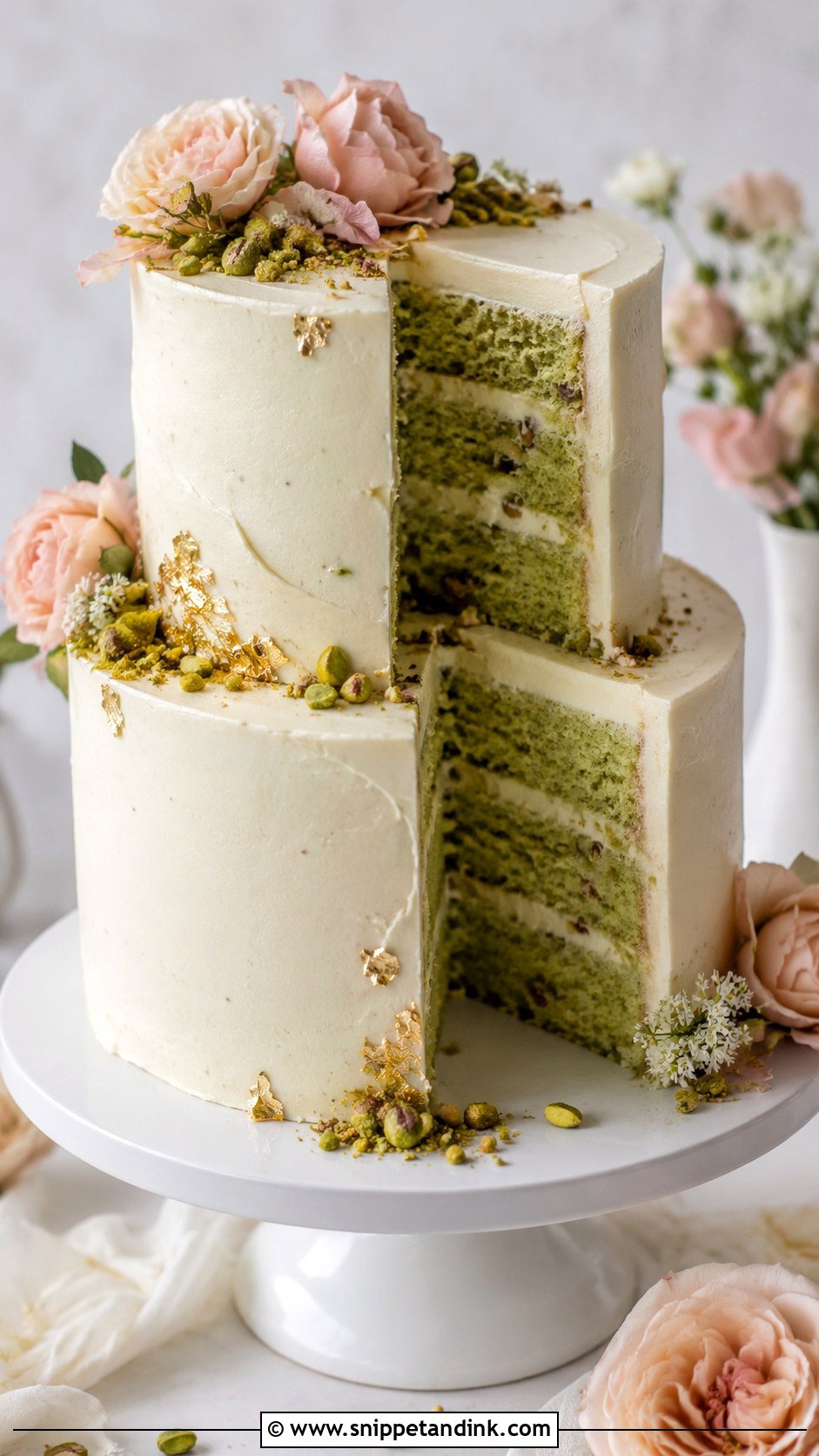
Real pistachio paste gives a gentle, nutty flavor and a soft green crumb; cheaper versions use green coloring and almond extract, so ask what your baker uses. Pistachio pairs nicely with rose, raspberry, honey, white chocolate or citrus. The flavor is mild enough for guests who like classic cakes, and the pale green layers look distinctive when sliced. Like almond, it needs a nut allergy label on the table.
10. Tiramisu Wedding Cake
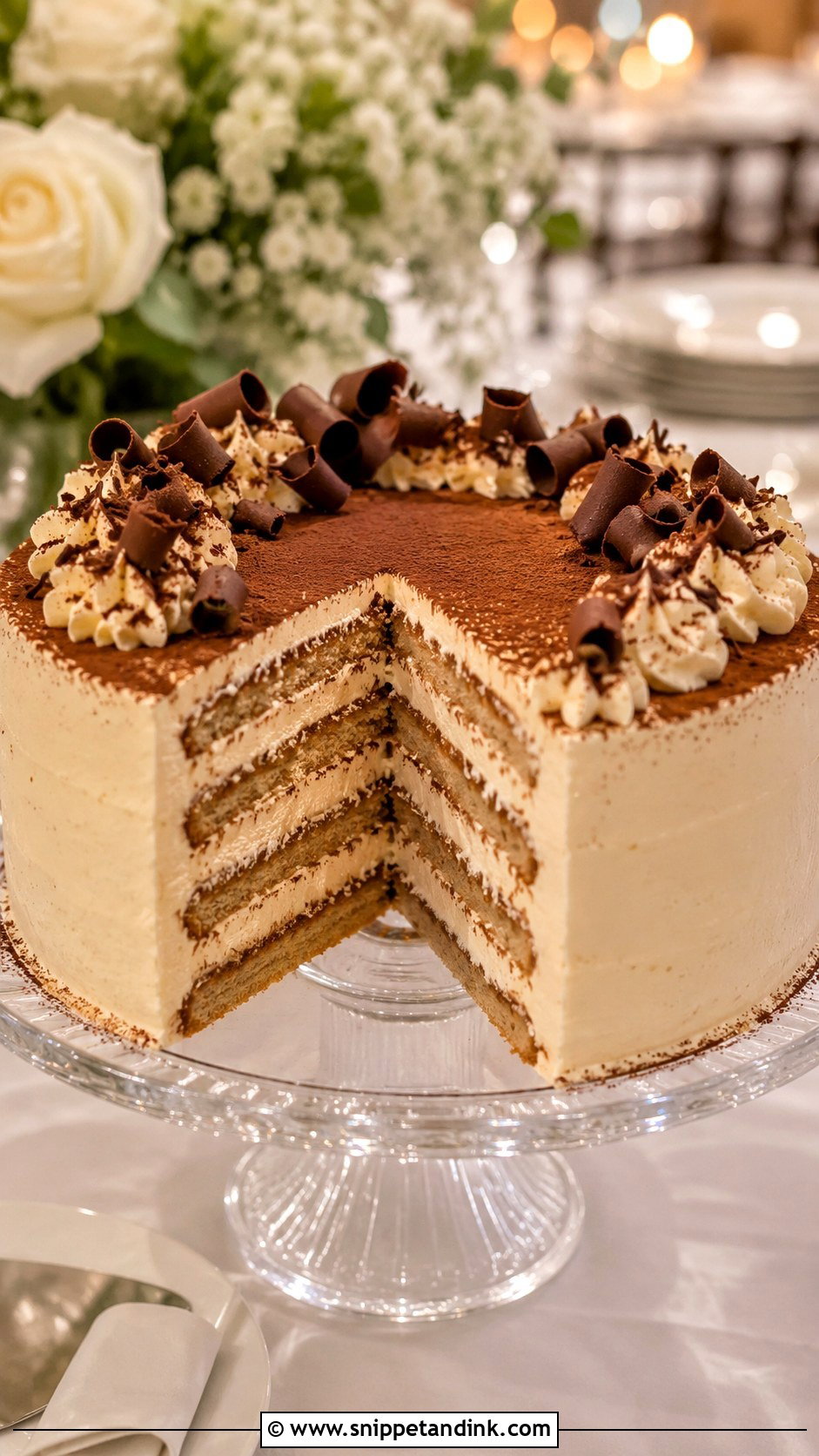
Real tiramisu is too soft to stack, so wedding versions are rebuilt: coffee-soaked sponge layers, a stabilized mascarpone filling and sometimes espresso buttercream, finished with cocoa powder. That filling is dairy-heavy and must stay chilled until close to serving. It’s a grown-up flavor that suits evening receptions and restaurant weddings. I’d avoid it for a long outdoor afternoon. Chocolate curls and smooth cream frosting keep it elegant.
11. Salted Caramel Wedding Cake
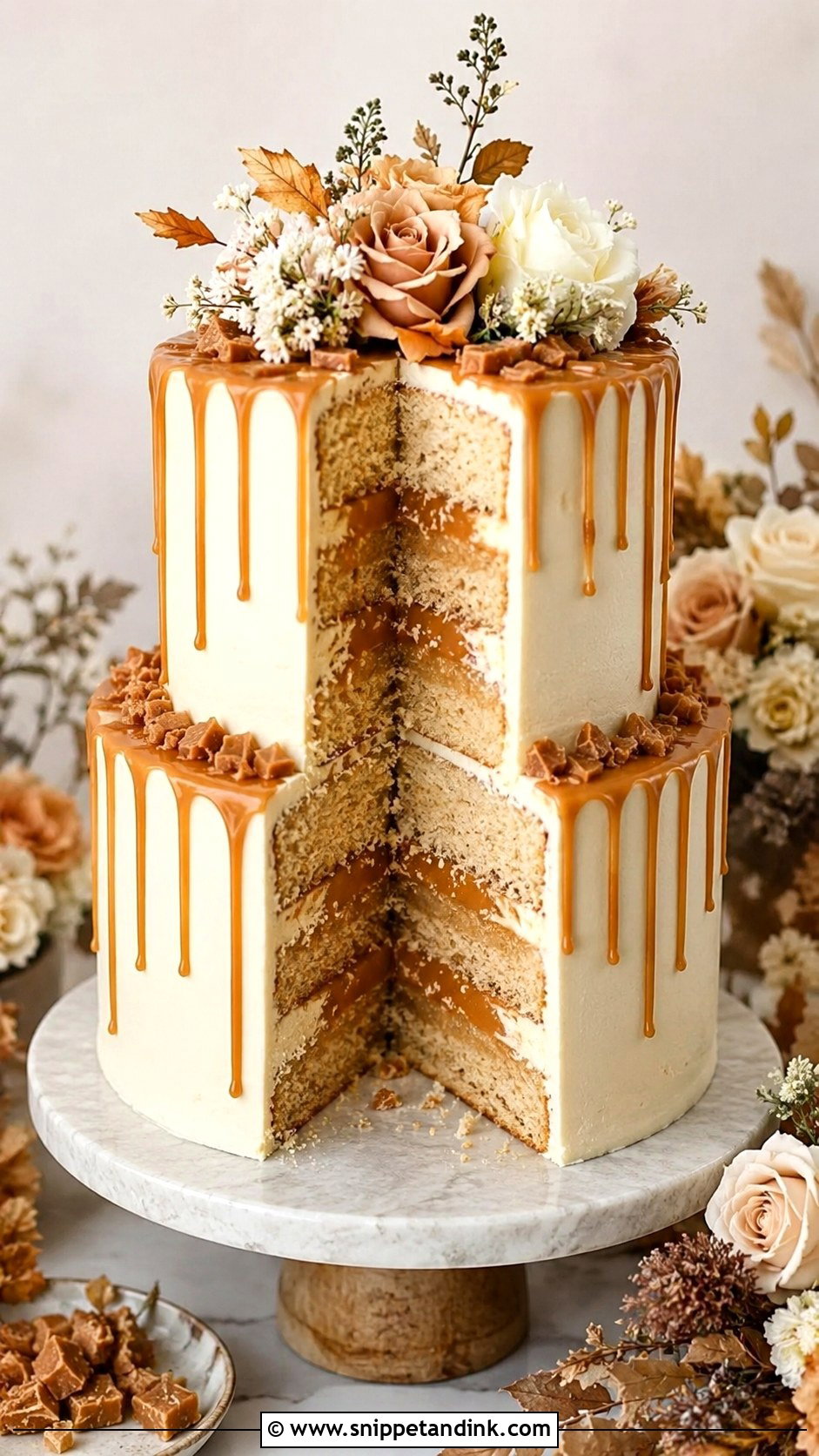
Salted caramel tastes rich and buttery, and the salt is what stops it from being cloying. I usually pair it with brown sugar or butter cake layers and a silky buttercream. Homemade caramel is soft and can ooze out between tiers in a warm room, so I thicken it for stacked cakes. Caramel drips, gold details or toasted nuts suit it, and it works well as a single tier paired with vanilla or chocolate.
12. Earl Grey Lavender Wedding Cake
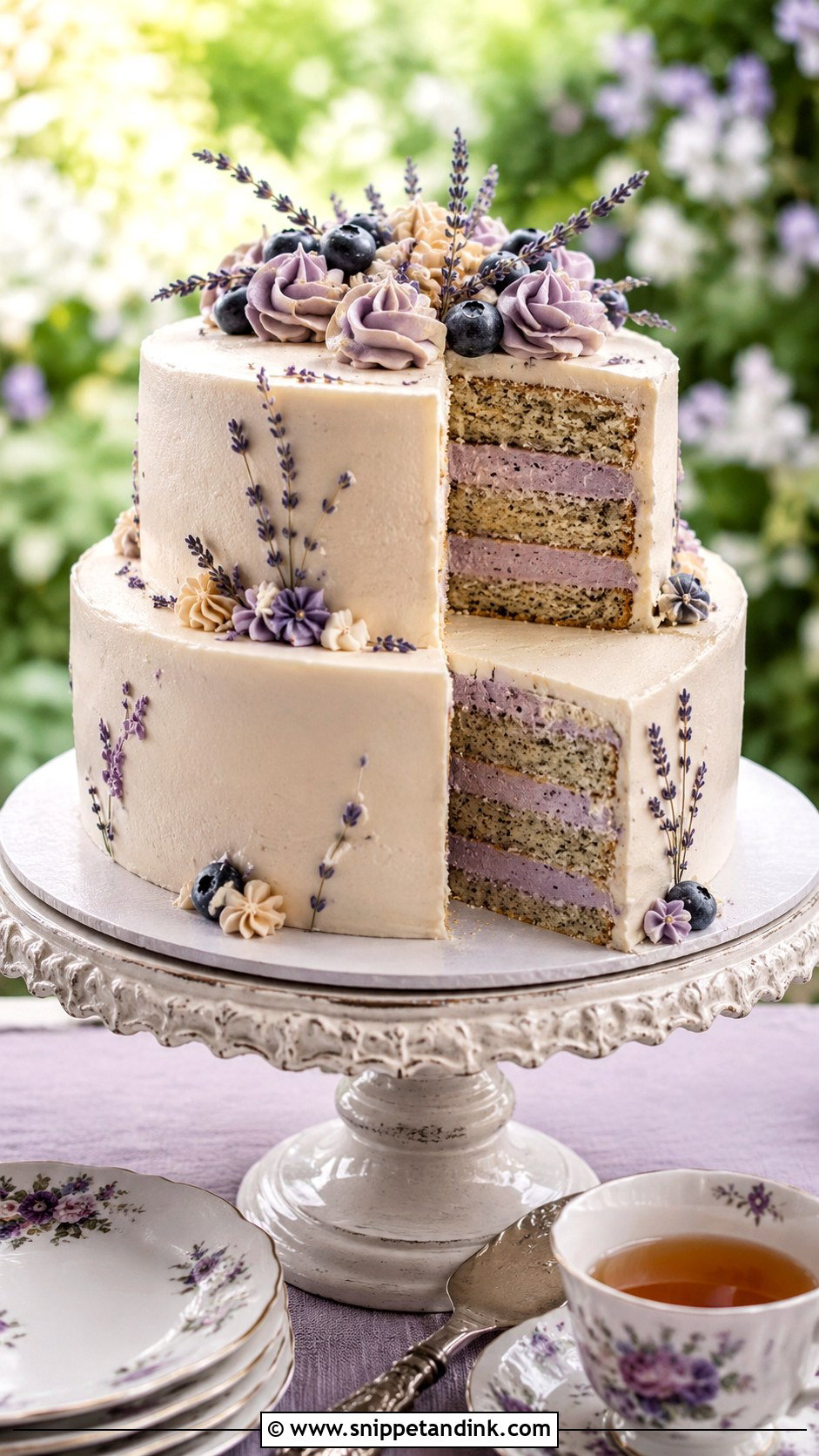
Earl Grey lavender lives or dies on restraint. I steep the tea into milk or butter for a gentle bergamot note, then add lavender very lightly, because too much tastes like soap or perfume. Honey buttercream, lemon curd or blackberry filling all pair well. It suits spring, garden venues and afternoon receptions, and a pale lavender frosting or a few dried edible flowers keep the look calm.
13. Olive Oil Citrus Wedding Cake
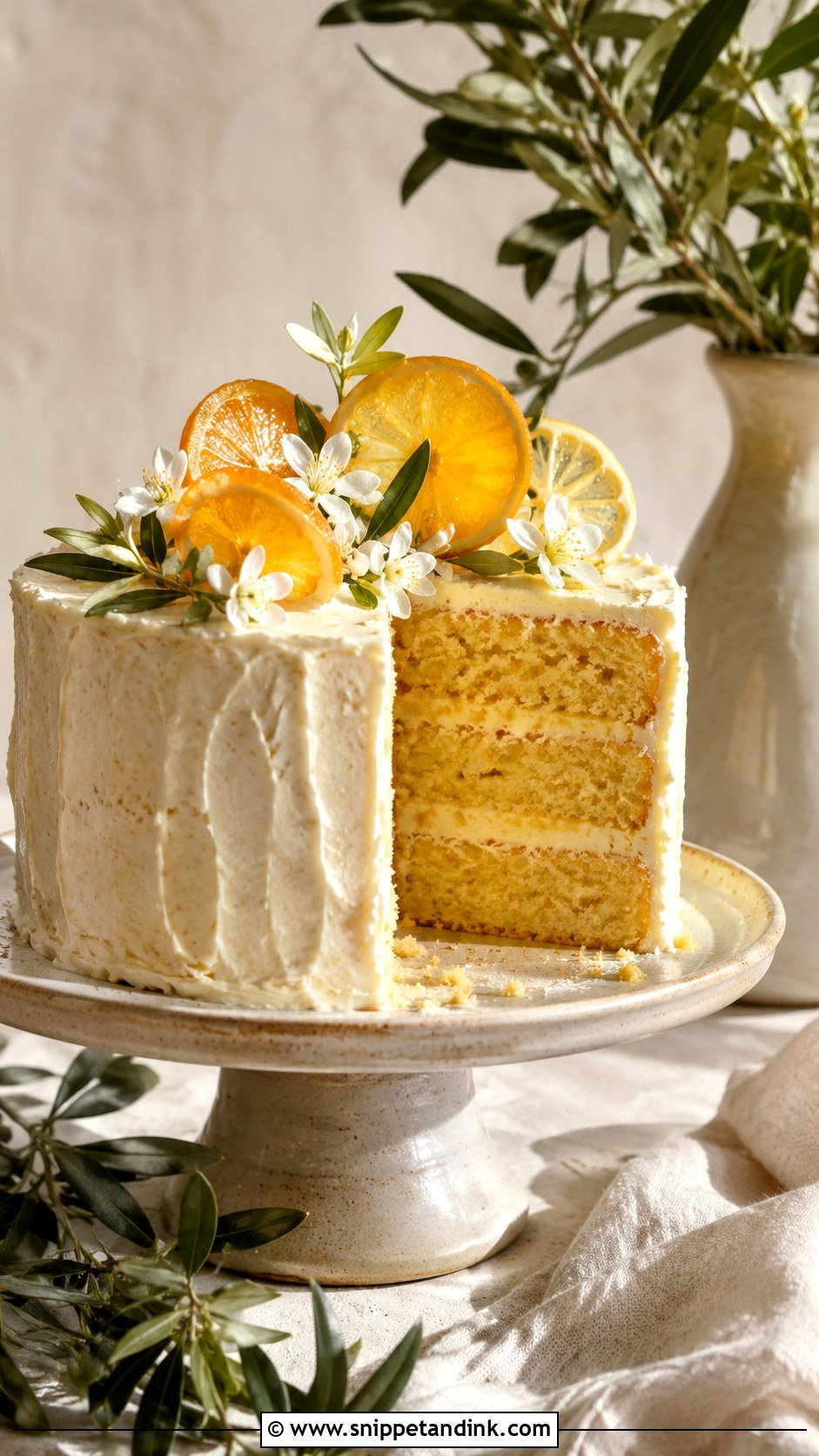
Olive oil gives a tender, moist crumb that stays soft even in the fridge, which butter cakes don’t. Paired with citrus, it’s bright and less sweet than most wedding cakes. Orange, lemon, grapefruit or blood orange can all work depending on your season. Mascarpone frosting, whipped vanilla cream or citrus curd suits it. It’s a natural choice for Mediterranean menus and couples who don’t love very sweet cake.
14. Cookies And Cream Wedding Cake
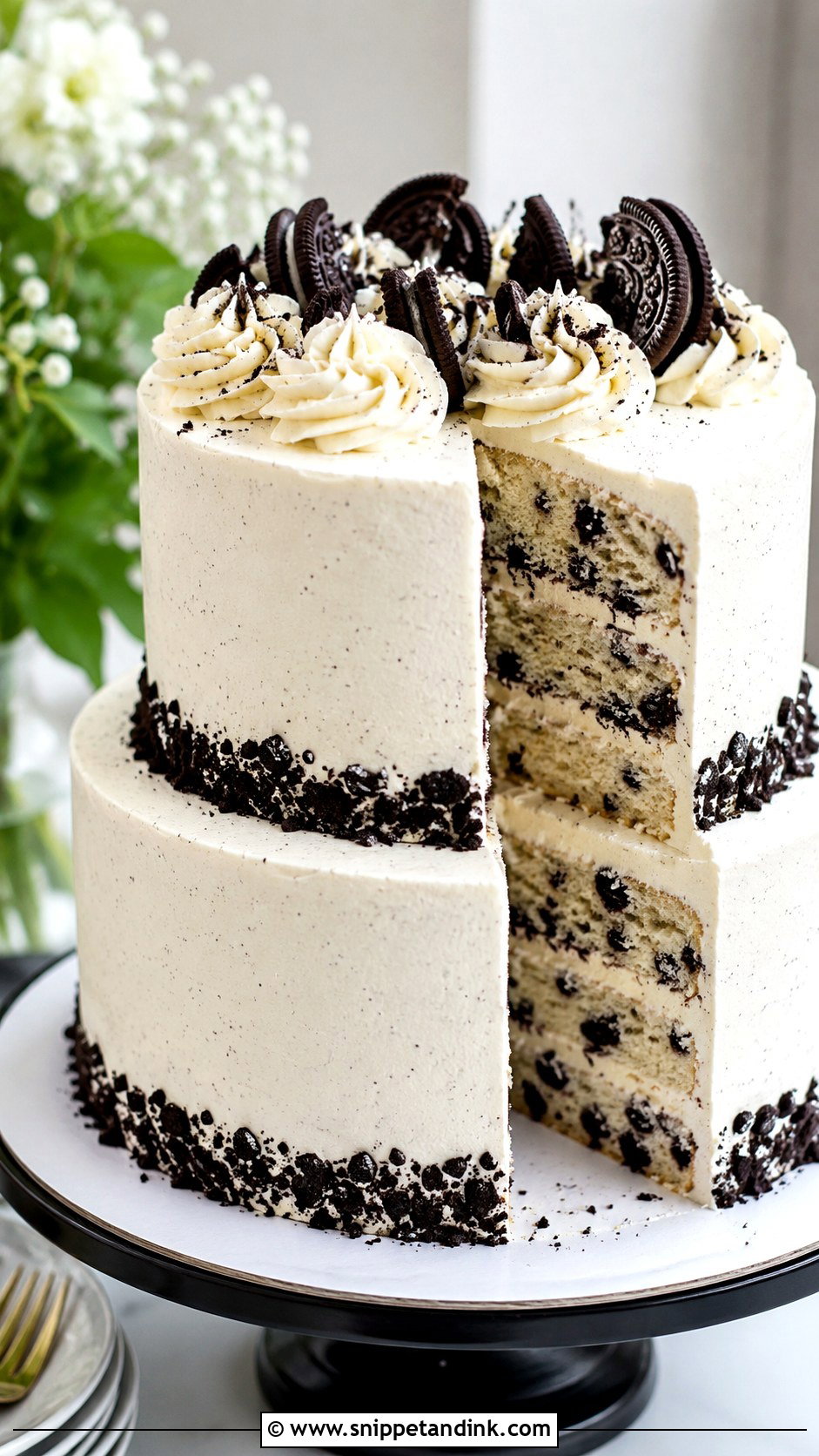
Cookies and cream is a fun flavor that’s easier to dress up than people expect. The cake can be vanilla with crushed chocolate sandwich cookies, chocolate with a cream filling, or a mix. Under smooth white buttercream it looks formal until it’s sliced. The crumbs soften over time, so I fold them in close to baking. It’s a great late-night cake or dessert table option.


15. Funfetti Wedding Cake
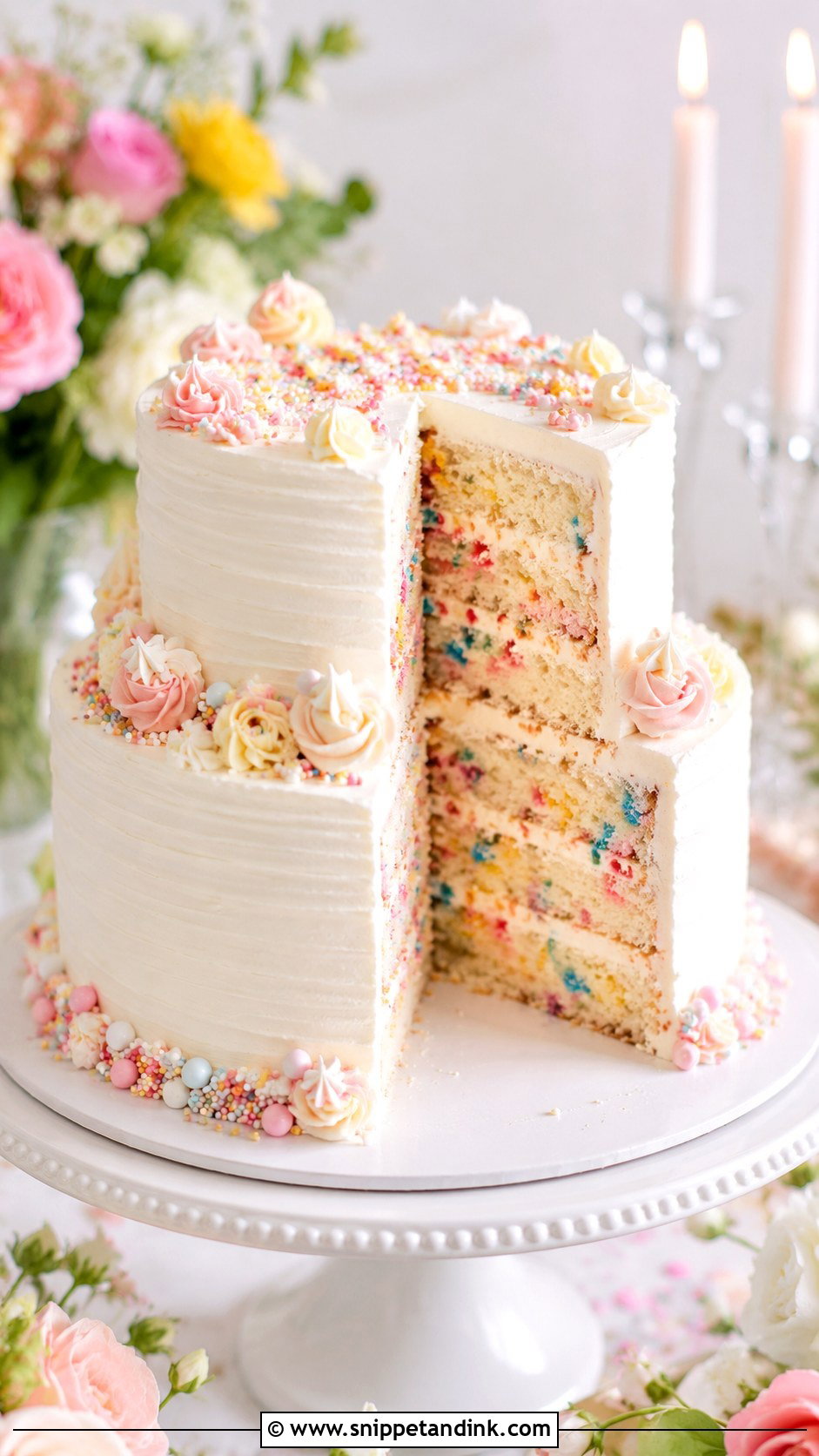
Funfetti makes the cake cutting feel joyful because every slice looks festive. For a wedding, I hide the color inside: smooth white buttercream outside, maybe a few pearl sprinkles, and the confetti only appears when it’s cut. Use sprinkles made to hold their color in baking, as some cheaper ones bleed and turn the crumb muddy. Vanilla buttercream, strawberry or white chocolate filling all pair well.
16. White Chocolate Raspberry Wedding Cake
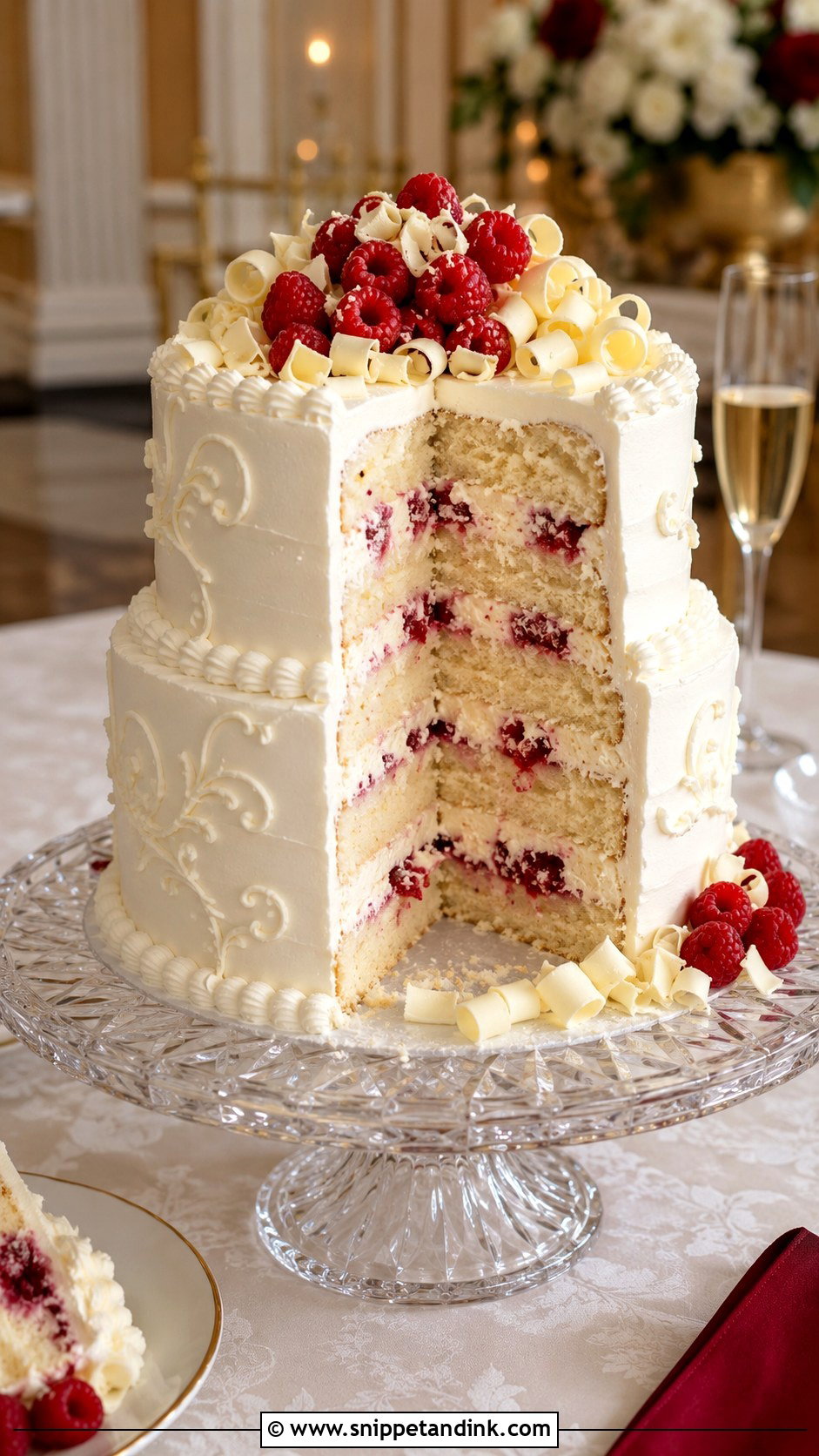
White chocolate is very sweet on its own, so raspberry’s tartness is what makes this pairing work. I use it in a vanilla sponge, a white chocolate cake or almond cake layers. Swiss meringue buttercream or whipped white chocolate ganache keeps it creamy. The pale cake with red filling looks romantic when sliced. It suits formal and classic weddings and appeals to almost every guest.
17. Banana Wedding Cake
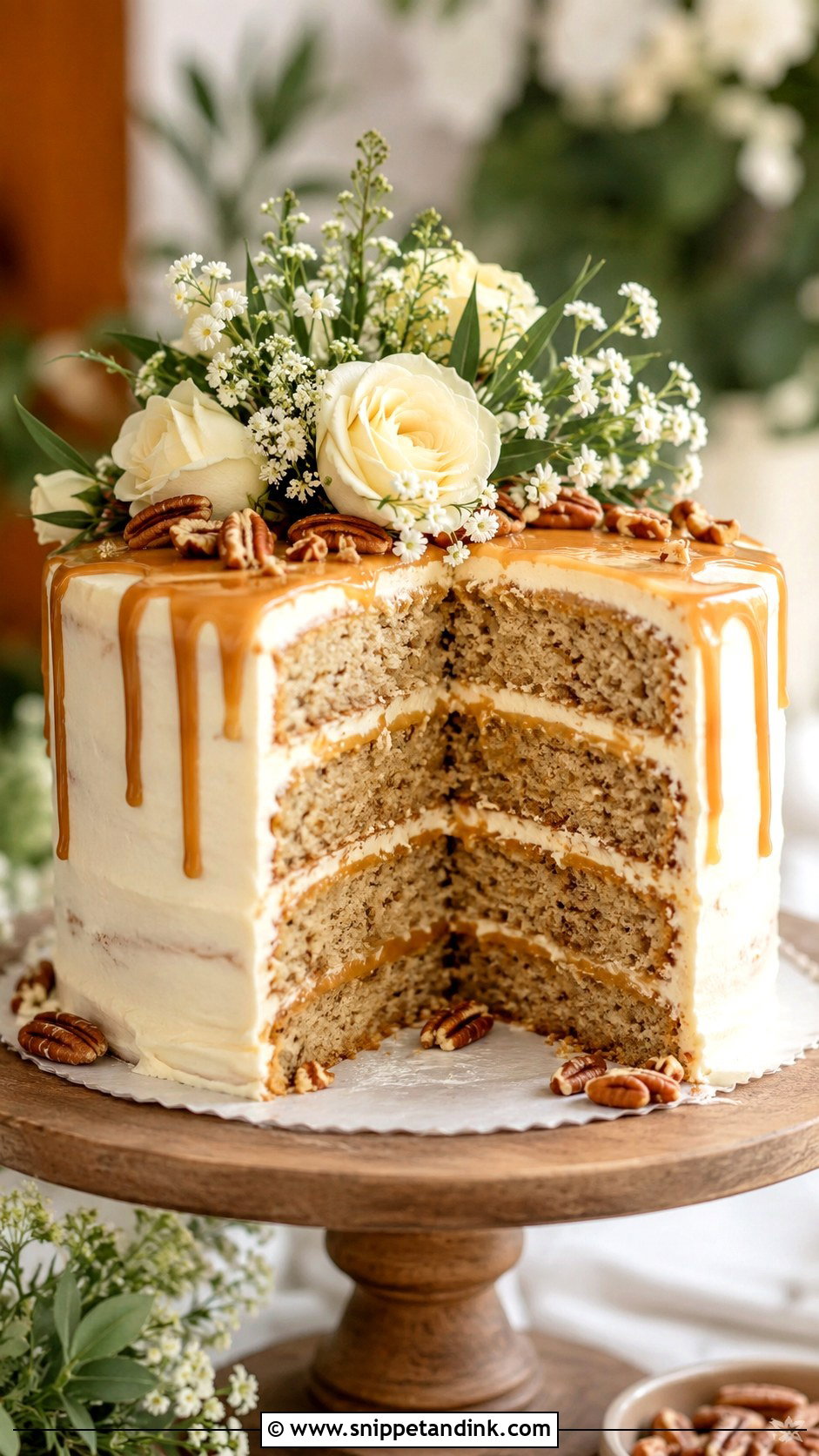
Banana cake is moist and comforting, and it’s best made with very ripe bananas for the deepest flavor. Cream cheese frosting or a caramel filling is the classic match; chocolate ganache or peanut butter buttercream are fun alternatives, though peanut needs an allergy label. Banana crumb can darken slightly at the edges over time, so I bake it close to the event. It suits brunch weddings and rustic venues.
18. Chai Spice Wedding Cake
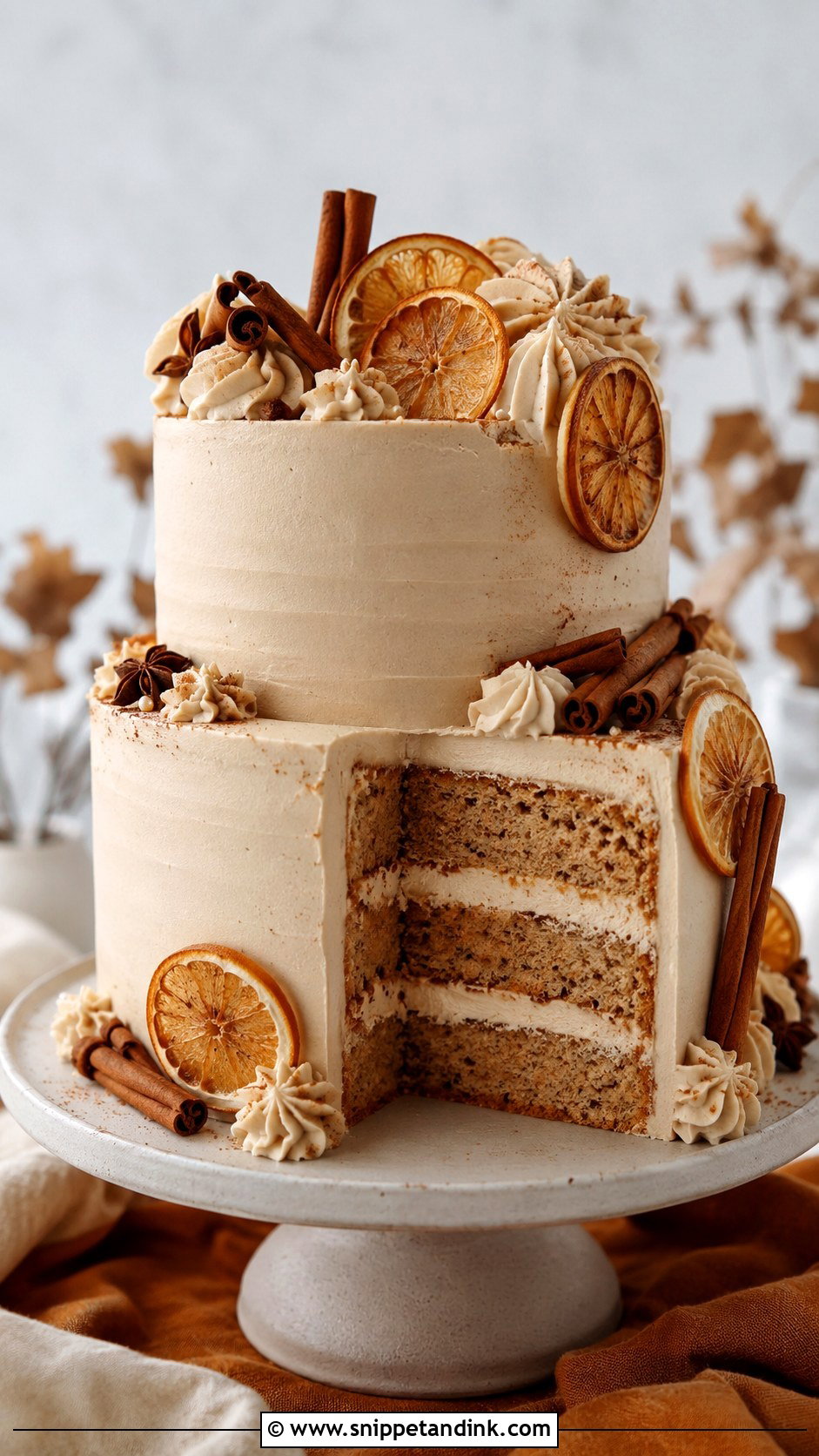
Chai is my favorite answer for fall or winter couples who want warmth without holiday decorations. The sponge is spiced with cinnamon, cardamom, ginger, cloves and black tea. I keep the cloves light because they overpower the rest quickly. Honey buttercream, caramel or pear compote pairs well. Soft beige frosting, dried citrus or simple flowers suit the look.
19. Matcha Yuzu Wedding Cake
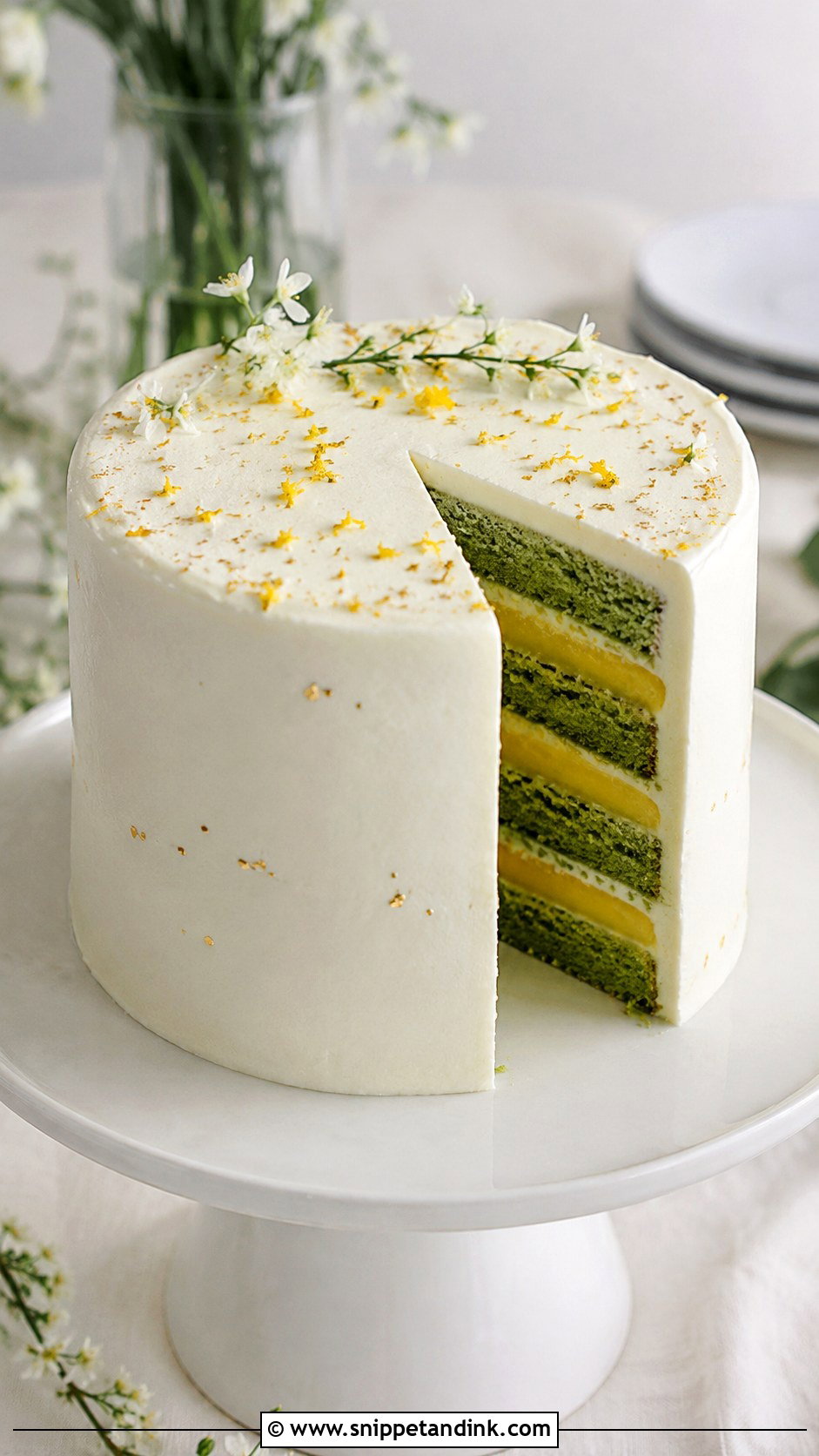
Matcha gives a pale green crumb and an earthy flavor, and yuzu adds a sharp, floral citrus note. Matcha turns bitter when overused, so the dose and grade matter; a ceremonial or high culinary grade gives a cleaner flavor and brighter color. White chocolate frosting or whipped cream softens it. It suits modern, minimalist weddings with simple white frosting and citrus accents.
20. Marble Wedding Cake
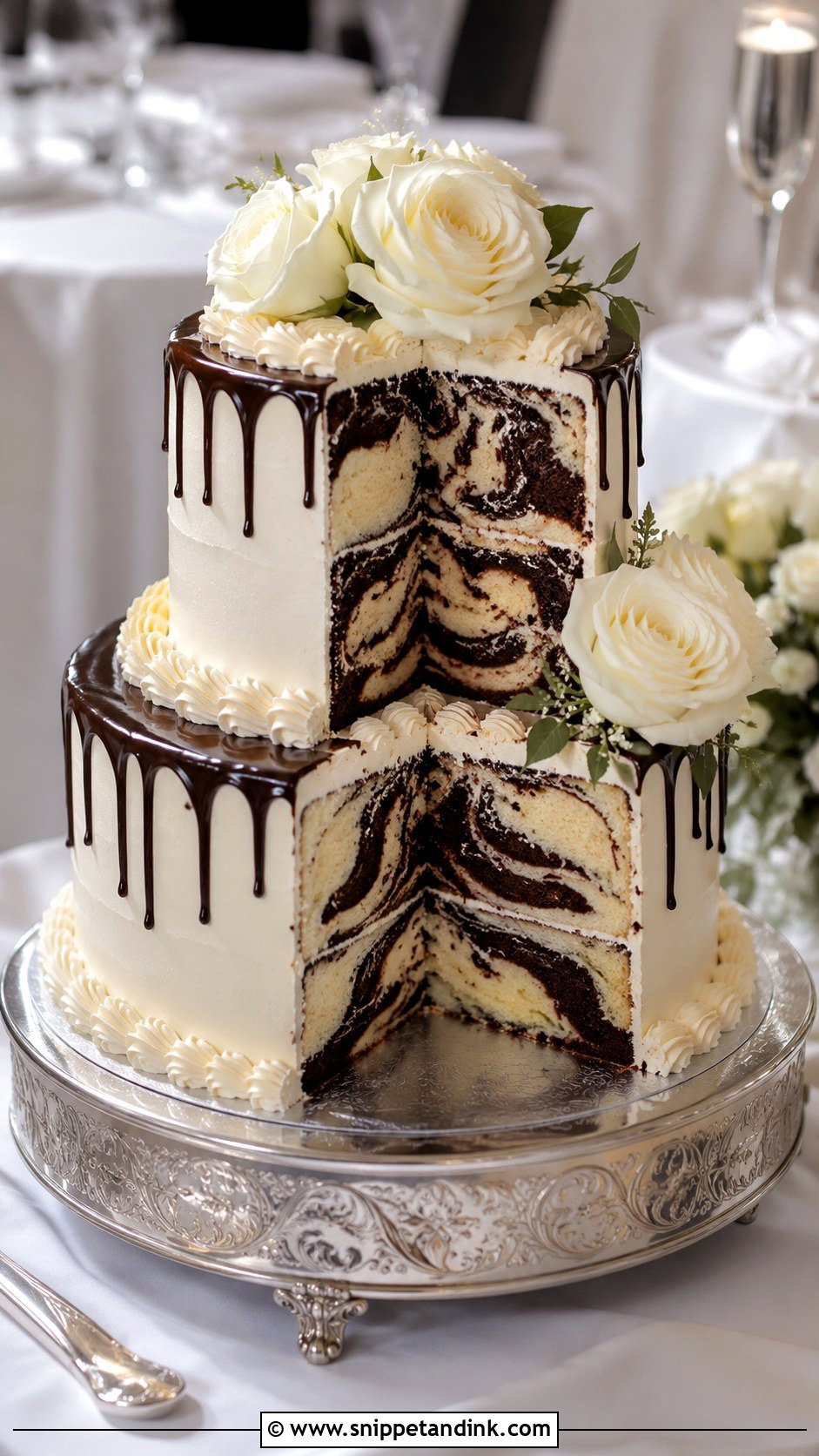
Marble is the compromise for couples who can’t decide between vanilla and chocolate. It combines both in one soft, swirled sponge, so guests get a hint of richness. The swirl needs a light hand: over-mixing turns it a muddy brown instead of distinct ribbons. Vanilla buttercream, chocolate ganache or raspberry preserves suit it. Easy to serve to a crowd, and every slice looks a little different.
Can Every Tier Be a Different Flavor?
Yes, and for a three-tier cake I often recommend it. Guests appreciate a choice, and it lets you include a personal favorite without risking the whole cake on it. A few practical rules keep it working:
- Put the safest flavor on the largest tier, since it feeds the most guests.
- Keep the boldest or most unusual flavor on a smaller tier.
- Use the same outer frosting on every tier so the cake looks unified.
- Let your caterer know which tier is which, so slices can be labeled when they’re served.
Fillings That Need the Fridge
Some fillings can’t sit out for long. Cream cheese, mascarpone, whipped cream, custard and fresh fruit should stay chilled until shortly before serving, which matters if your cake is displayed for hours at an outdoor reception. Buttercream, ganache, jams and stable curds are much more forgiving. If your favorite flavor uses a delicate filling, ask your baker whether a more stable version can go into the display tiers, with the delicate one served from a chilled kitchen cake that guests never see.
Allergies are worth one more mention: if any tier includes nuts, peanut, gluten-free or dairy-free versions, ask for clear labels on the dessert table.
One Flavor for Everyone, One That Tastes Like You
The best flavor fits your taste, your season and the meal before it. Vanilla, almond, chocolate and red velvet earn their place for a reason, while lemon raspberry, pistachio, coconut passion fruit and matcha yuzu feel more current. On a tiered cake, I usually suggest keeping one crowd-pleasing flavor and adding one that feels personal to you. Taste them together, with the frosting, and pick the slice you’d happily eat twice.
You'll Like These Ideas:




Leave a Reply