
Sponge is the cake I recommend when a couple tells me they want guests to actually finish their slice. It’s airy where a pound cake is dense, and it carries fruit, cream and floral flavours without tasting heavy after a big dinner. It also takes most finishes, from a semi-naked coat to Swiss meringue buttercream or fondant. What sponge asks for in return is respect for its structure and its moisture, and I’ll point out where that matters as we go. Here are 25 sponge-based wedding cakes, from classic vanilla to matcha, with the practical notes I’d give at a tasting.
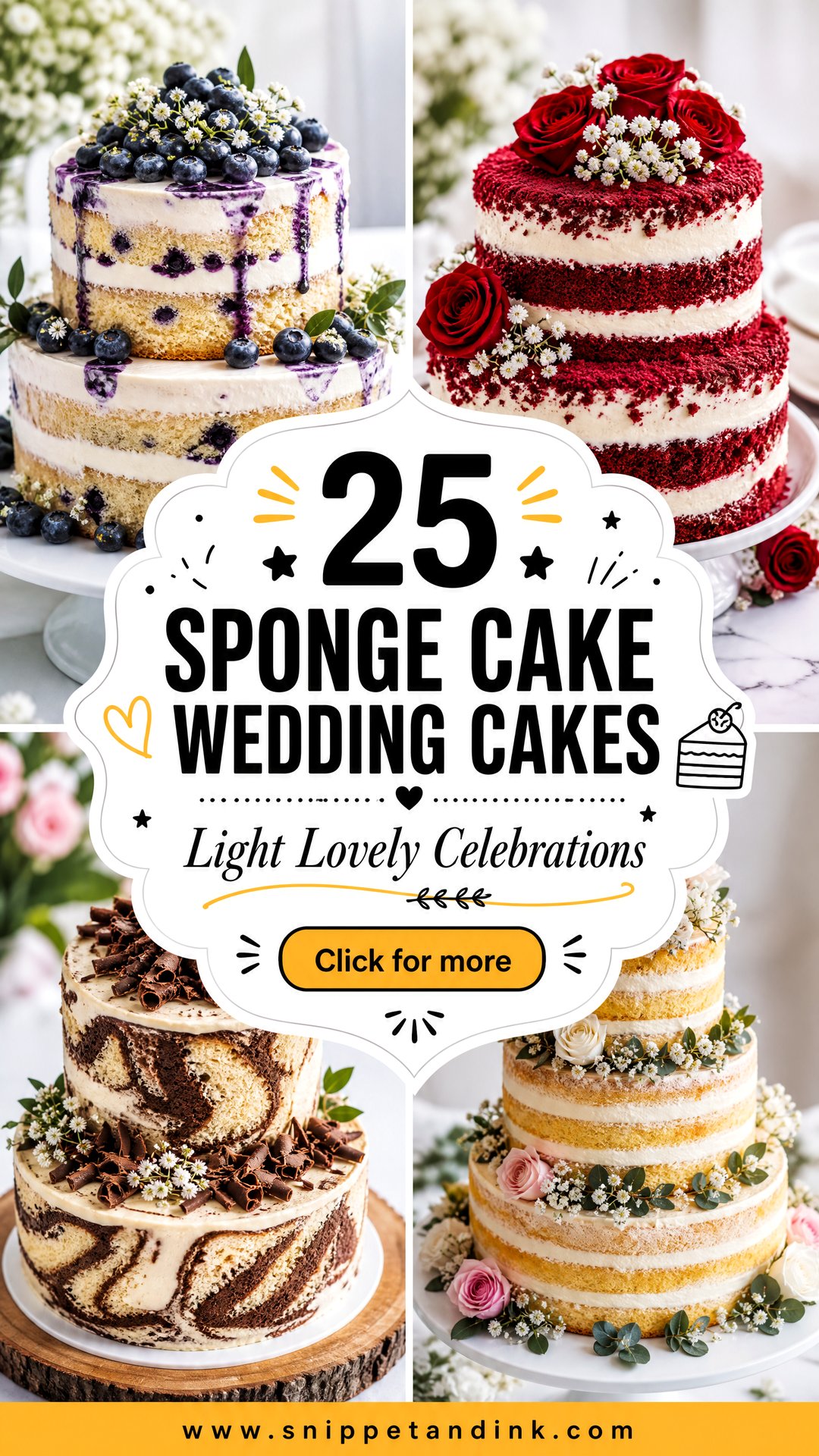
Can a Light Sponge Carry Three Tiers?
Yes, but it needs more help than a dense butter cake. Sponge gets its lightness from whipped eggs, so the crumb is open and soft, and it compresses under weight. A tall sponge cake is really several separate cakes sitting on hidden supports.
- Each tier sits on its own cake board, with dowels or wide straws pushed into the tier below to carry it. The sponge itself holds almost none of the load.
- A central dowel through all the tiers stops sliding during transport, and I’d ask any baker whether they use one.
- Very light chiffon or genoise sponges work best as top tiers or for smaller cakes; a slightly sturdier sponge suits the bottom tier.
- Moisture syrup keeps the crumb tender, but too much makes it weak, so a good baker brushes rather than soaks.
If your heart is set on four or five tiers, ask about mixing in a firmer cake for the base tier, or using a dummy tier, which is decorated foam that looks identical but carries the height without needing to be cut.
1. Vanilla Sponge Wedding Cake
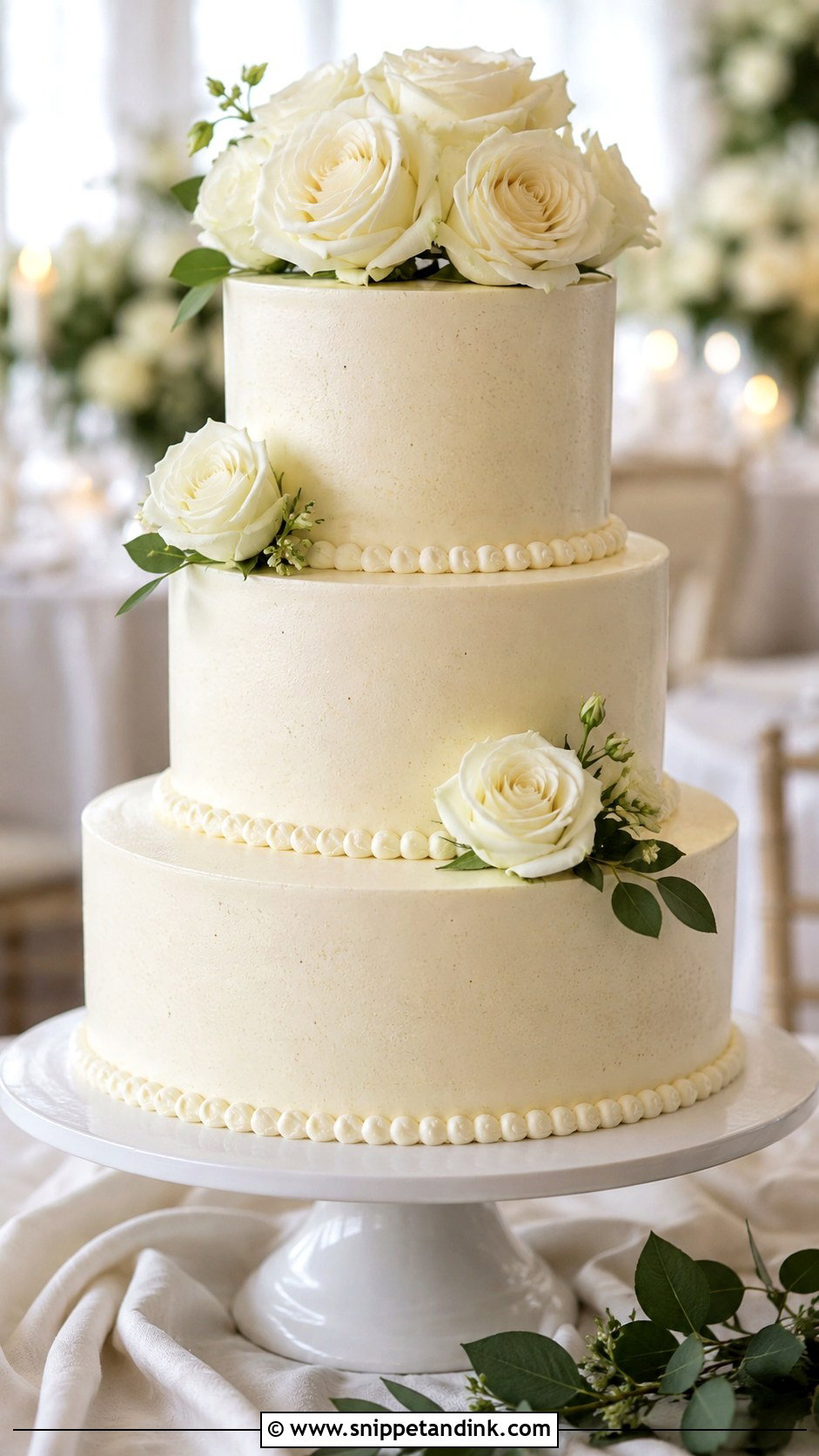
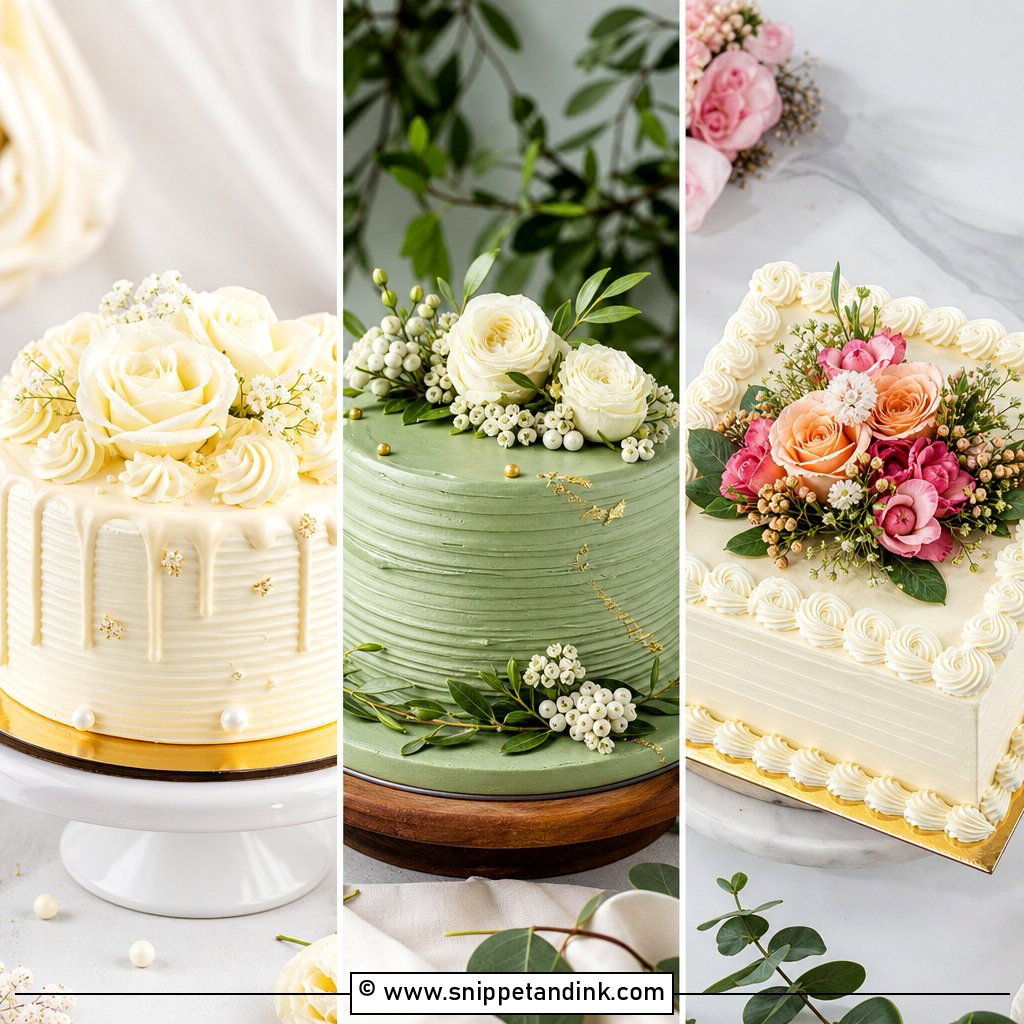
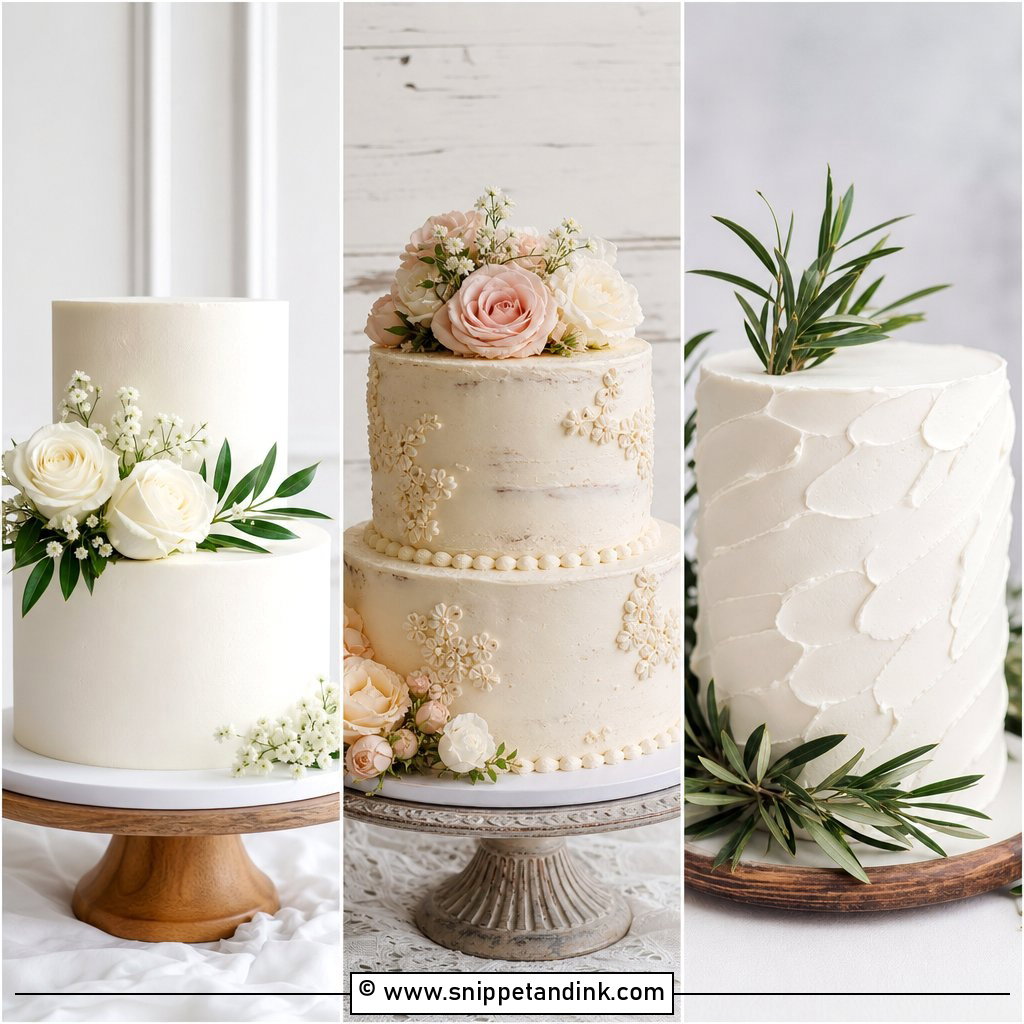
Vanilla is the flavour I’d never talk a couple out of. A pale sponge layered with vanilla bean buttercream or a thin raspberry preserve suits almost any guest list, and it sits gently after a full meal. For a classic table, smooth ivory frosting, simple pearl piping and fresh white flowers are enough. The quality shows in the vanilla itself, so I use real vanilla bean or paste rather than essence, and I brush each layer with a light syrup so the crumb stays moist through the reception.
2. Lemon Sponge Wedding Cake
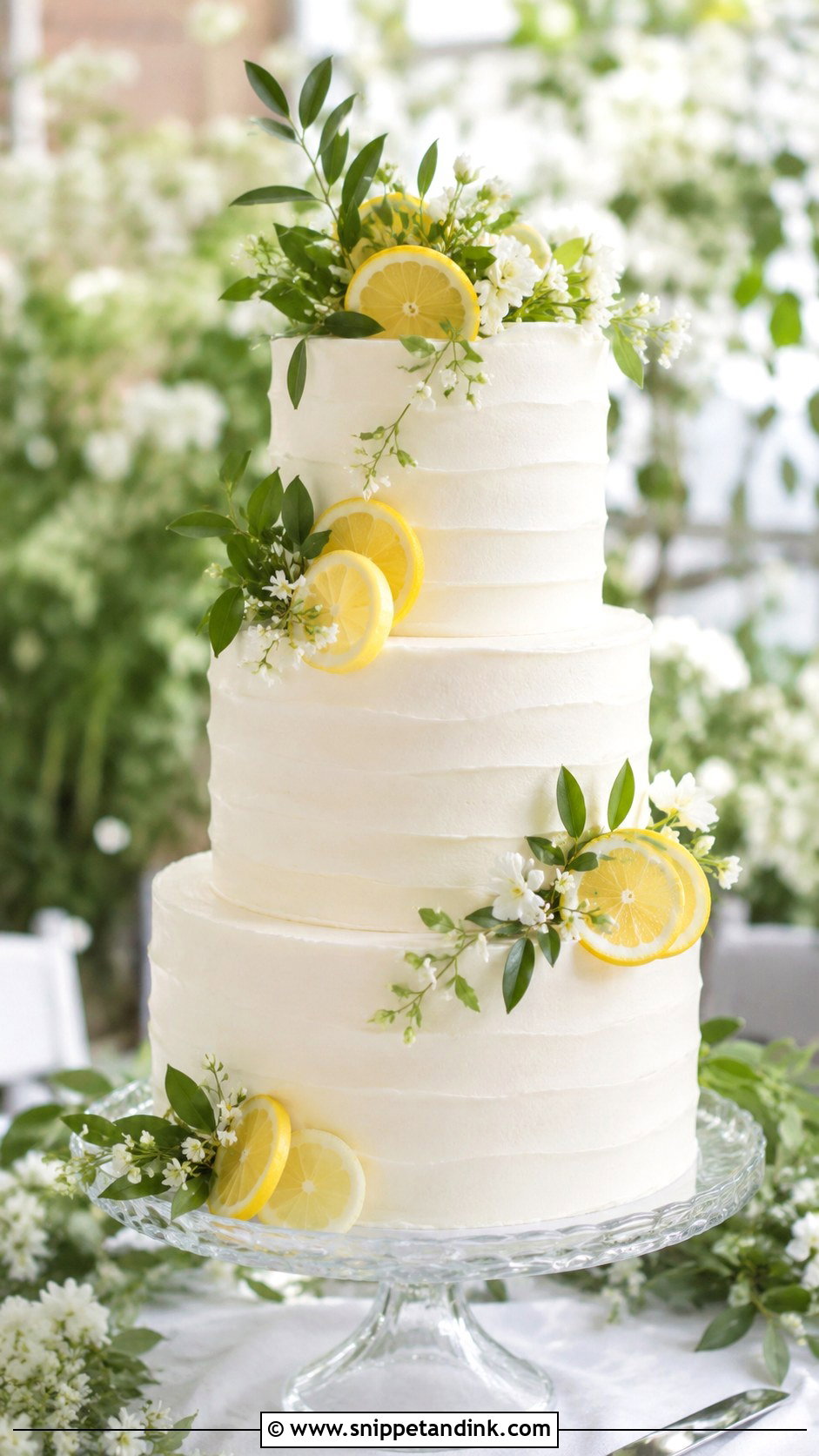
Lemon cuts through a rich dinner better than anything else on this list. I layer a soft yellow sponge with lemon curd and whipped buttercream, or with elderflower cream for a more floral finish. Smooth white frosting, thin lemon slices and pale greenery suit garden, brunch and coastal receptions. One practical point: curd is wet, so I pipe a ring of buttercream around the edge of each layer first. Without that dam, the curd seeps outward and the sides of the cake can bulge or stain in a warm tent.
3. Strawberry Sponge Wedding Cake
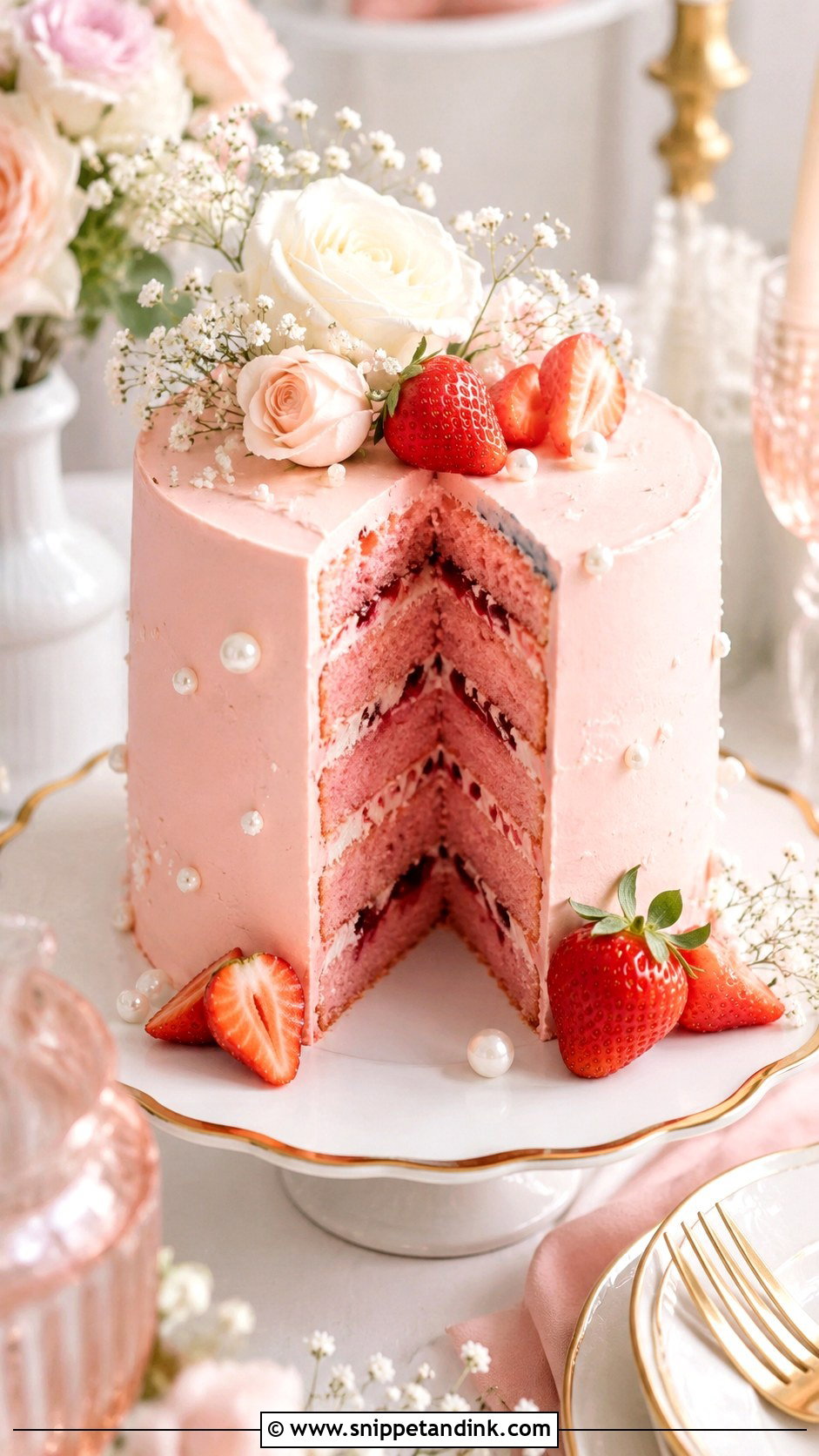
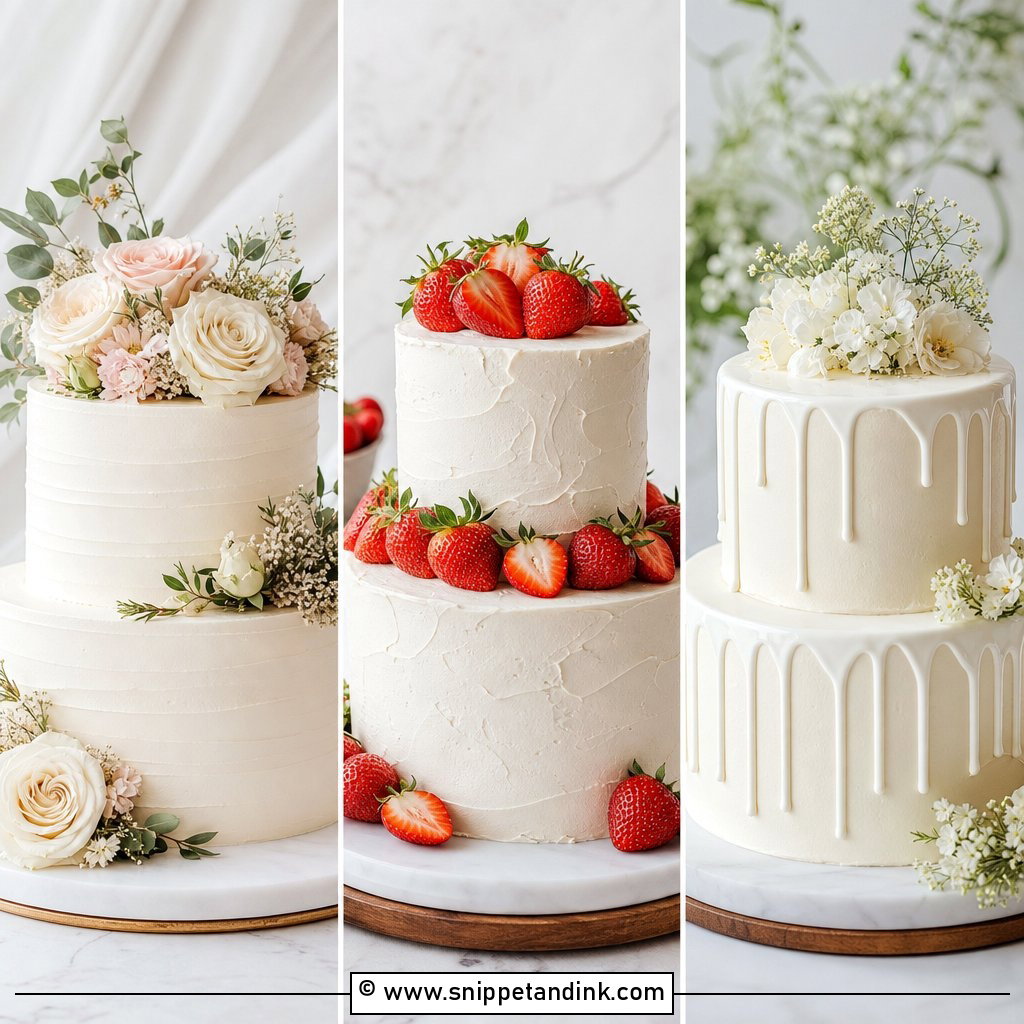
Strawberry is romantic without trying too hard. A pale vanilla or strawberry-tinted sponge layered with compote, whipped cream or Swiss meringue buttercream looks soft on the outside with blush frosting and white flowers, and the red filling shows up clearly when the cake is cut. Fresh strawberries are the tricky bit. Sliced berries inside a cake release juice within hours, so I use a cooked compote for the filling and keep whole fresh berries for the top, added on site.
4. Victoria Sponge Wedding Cake
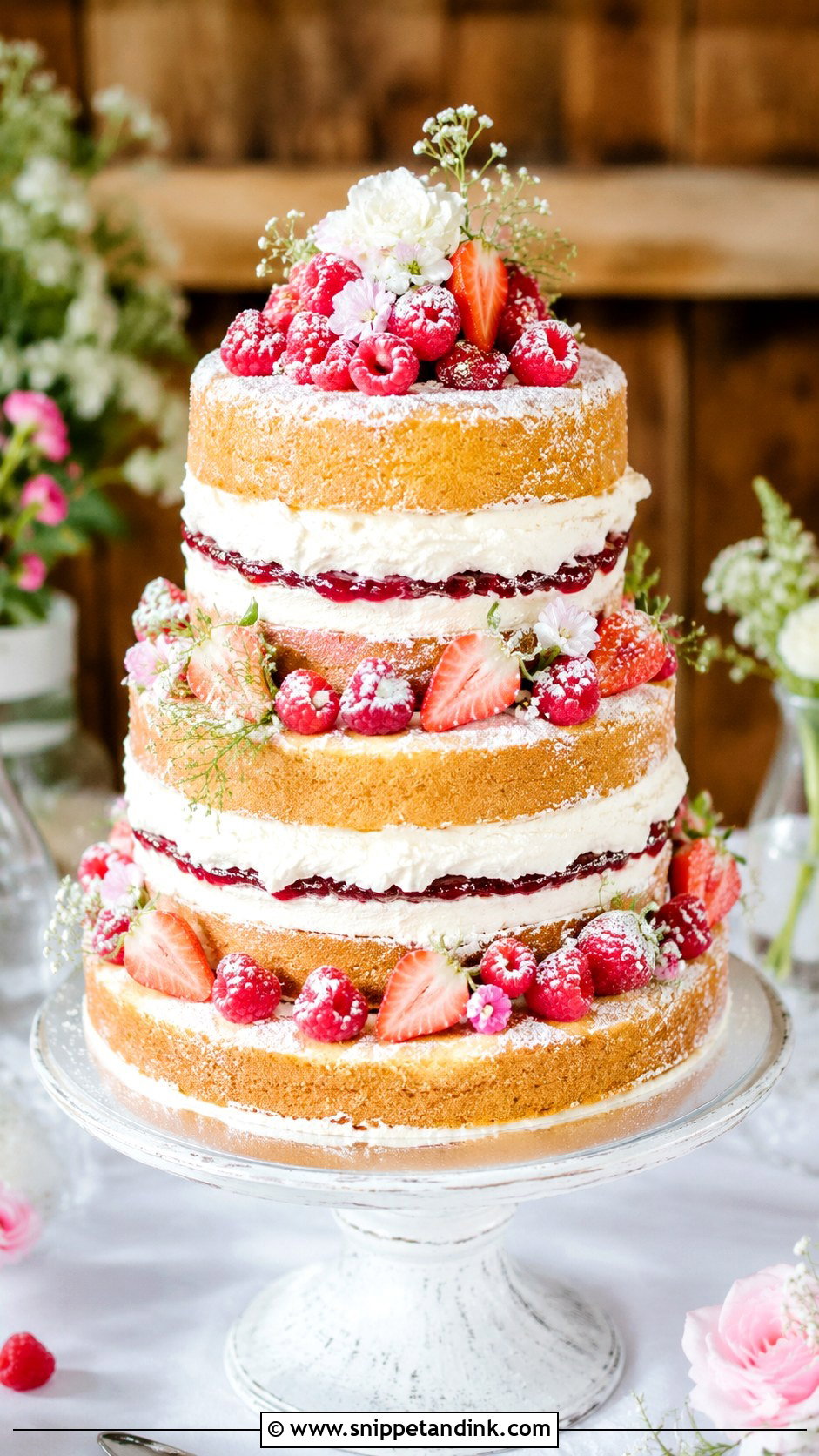
The Victoria sponge wedding cake started life as a simple two-layer cake with jam and cream, and for a wedding I build it up into stacked tiers with smooth buttercream or a semi-naked finish and fresh berries. A dusting of icing sugar keeps the English tea-party feel. It’s not overly sweet, so guests enjoy it even after dessert. Real whipped cream, though, won’t hold on a stacked cake for hours at room temperature, so for an all-day display I use a stabilised cream or a light vanilla buttercream in its place.
5. Chocolate Sponge Wedding Cake
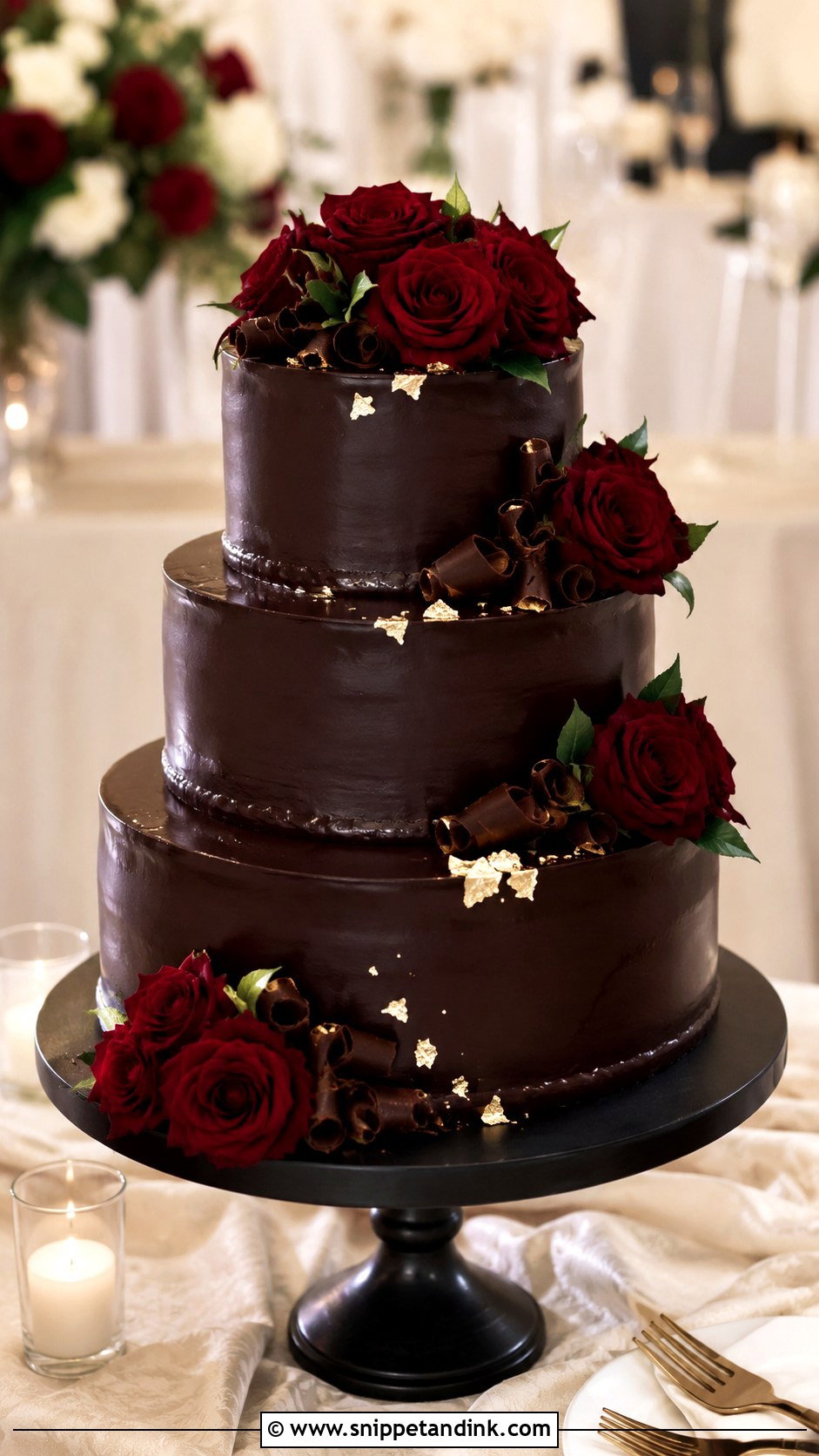
Chocolate sponge gives the depth of chocolate without the weight of a dense fudge cake. The airy layers take mocha buttercream, ganache, raspberry or salted caramel. For a formal evening, I cover it in smooth dark ganache with gold accents and fresh flowers; for a softer look, ivory buttercream with a chocolate drip. A chocolate sponge wedding cake under dark ganache shows every fingerprint and scuff in transport, so I set it hard in the fridge before it travels and handle it only by the board.
6. Raspberry Sponge Wedding Cake
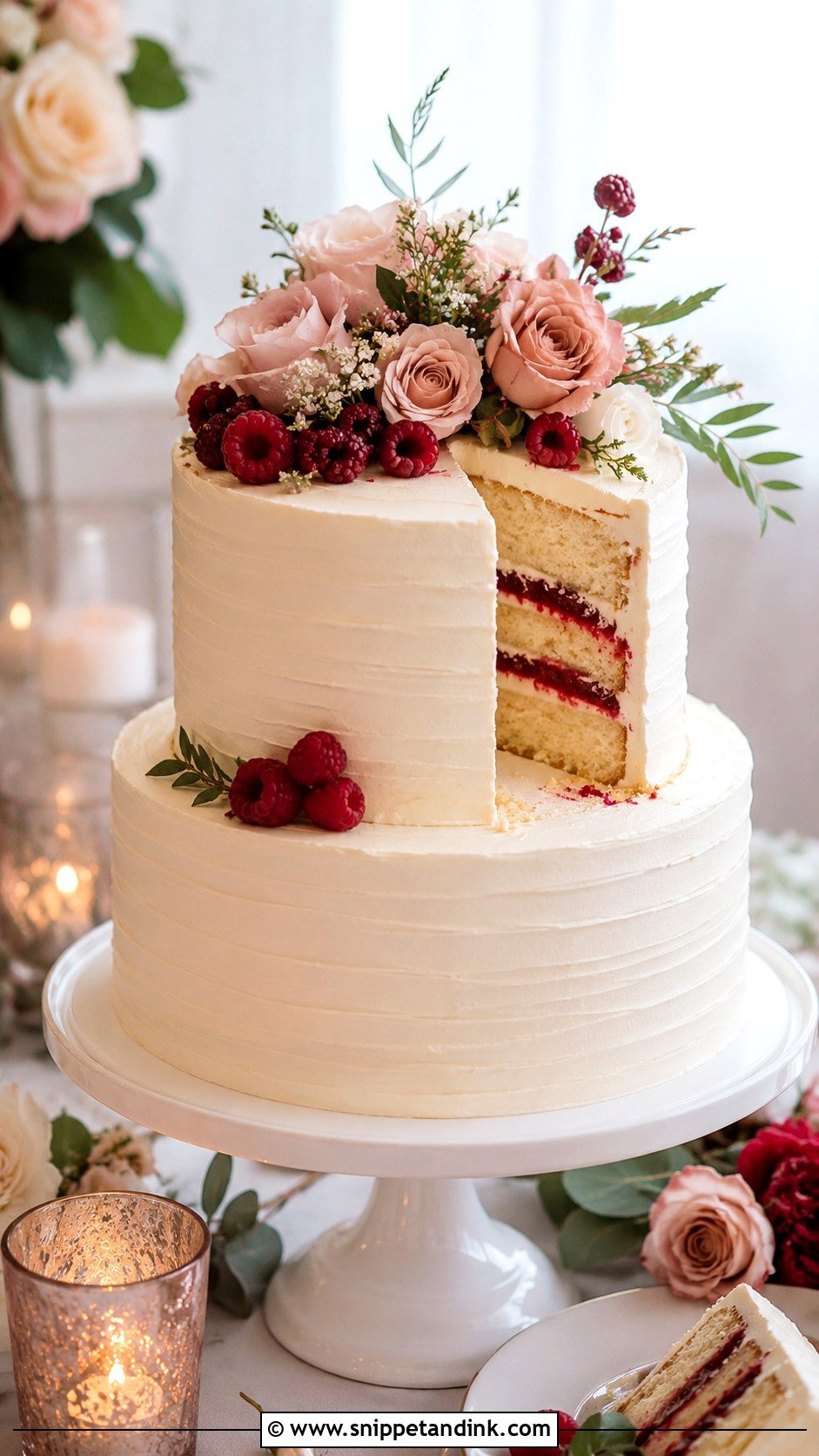
Tart raspberry and a plain sponge balance each other out. I bake the sponge in vanilla, almond or lemon and spread raspberry preserves between the layers, then finish in smooth white buttercream so the red shows when sliced. Fresh raspberries on top look polished but crush easily; I set them in place at the venue rather than before the drive. Blush roses push it toward romance, dark berries toward drama, and the flavour stays fruity without being too sweet.
7. Almond Sponge Wedding Cake
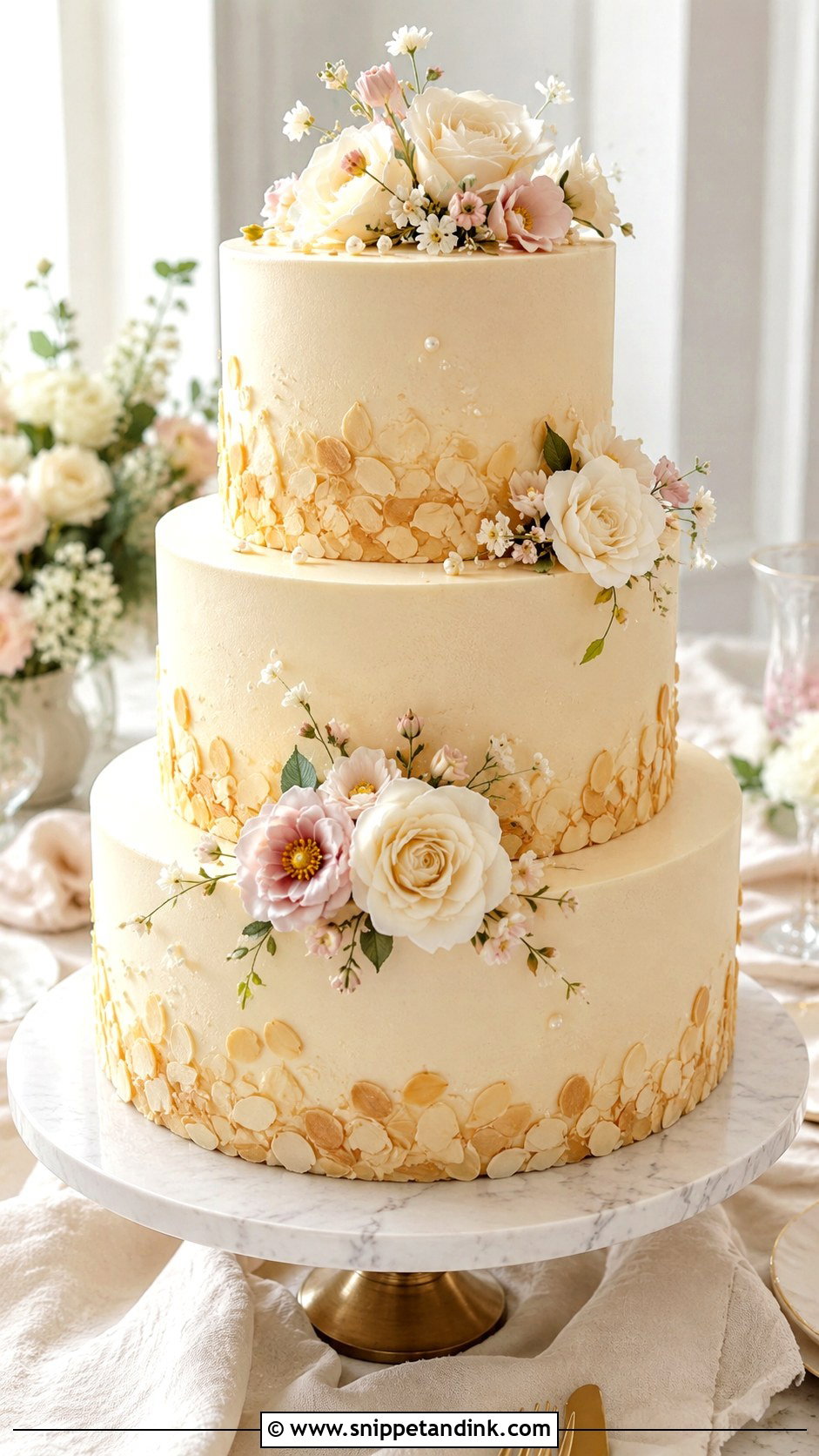
Almond has a soft nutty warmth that feels a little more special than vanilla without being unfamiliar. It pairs with raspberry, cherry, apricot or vanilla bean buttercream, and for the outside I’d suggest smooth ivory frosting, piped borders or a few sugar flowers. A semi-naked coat with fresh blooms moves it toward rustic. Ask your caterer about nut allergies before you commit. If even one guest has a serious allergy, I’d rather bake that tier nut-free than have someone avoid the cake entirely.
8. Orange Sponge Wedding Cake
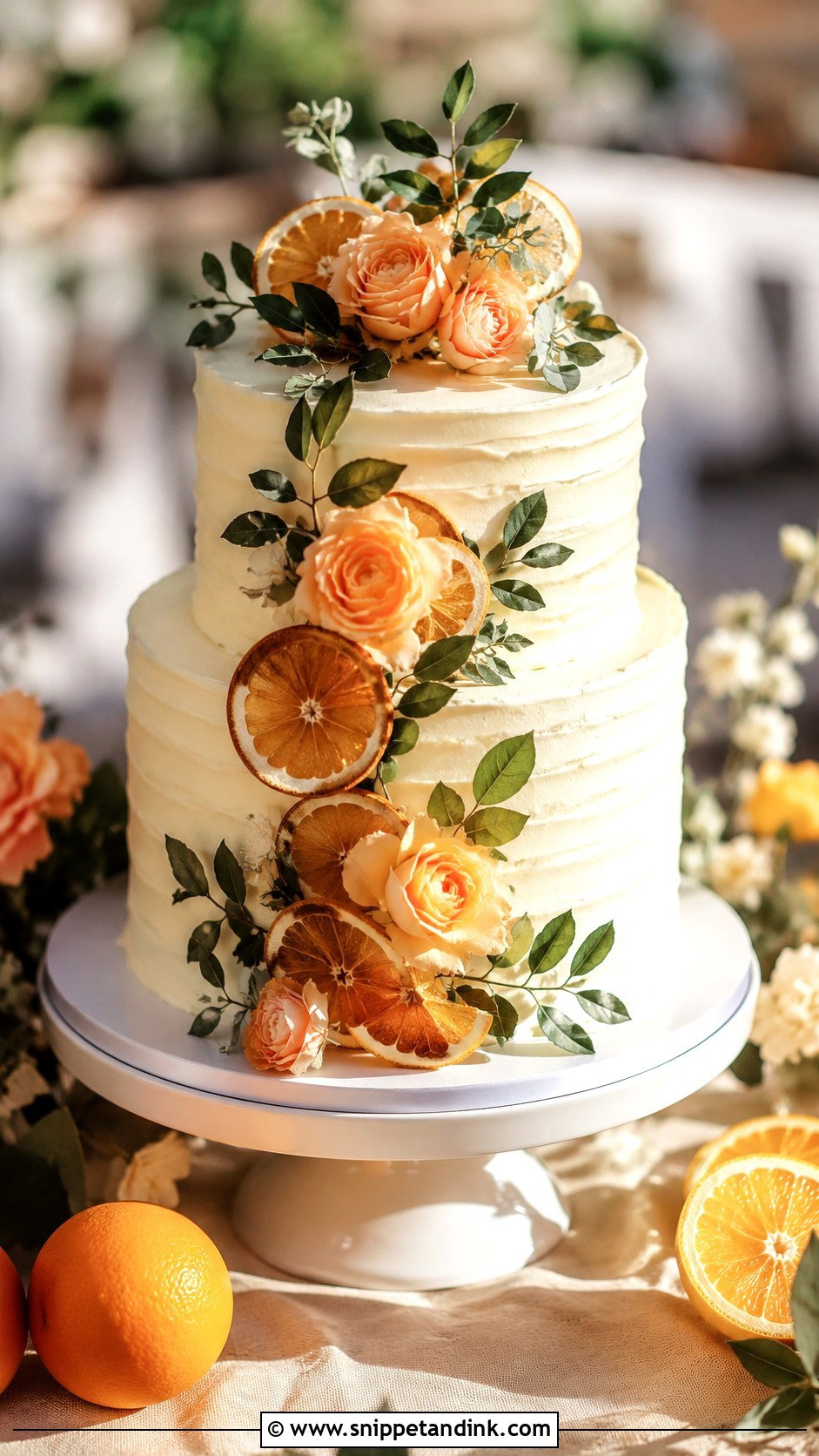
Orange is sunnier than vanilla and softer than lemon. I pair the sponge with vanilla buttercream, orange curd or a mascarpone filling, and finish it in white or pale peach with dried orange slices, fresh flowers and greenery. Gold accents warm it further. The flavour comes from fresh zest more than juice; juice adds liquid that weakens the crumb, so I keep it for the syrup. Dried orange slices are best added on the day, since they soften and curl against buttercream overnight.
9. Coconut Sponge Wedding Cake
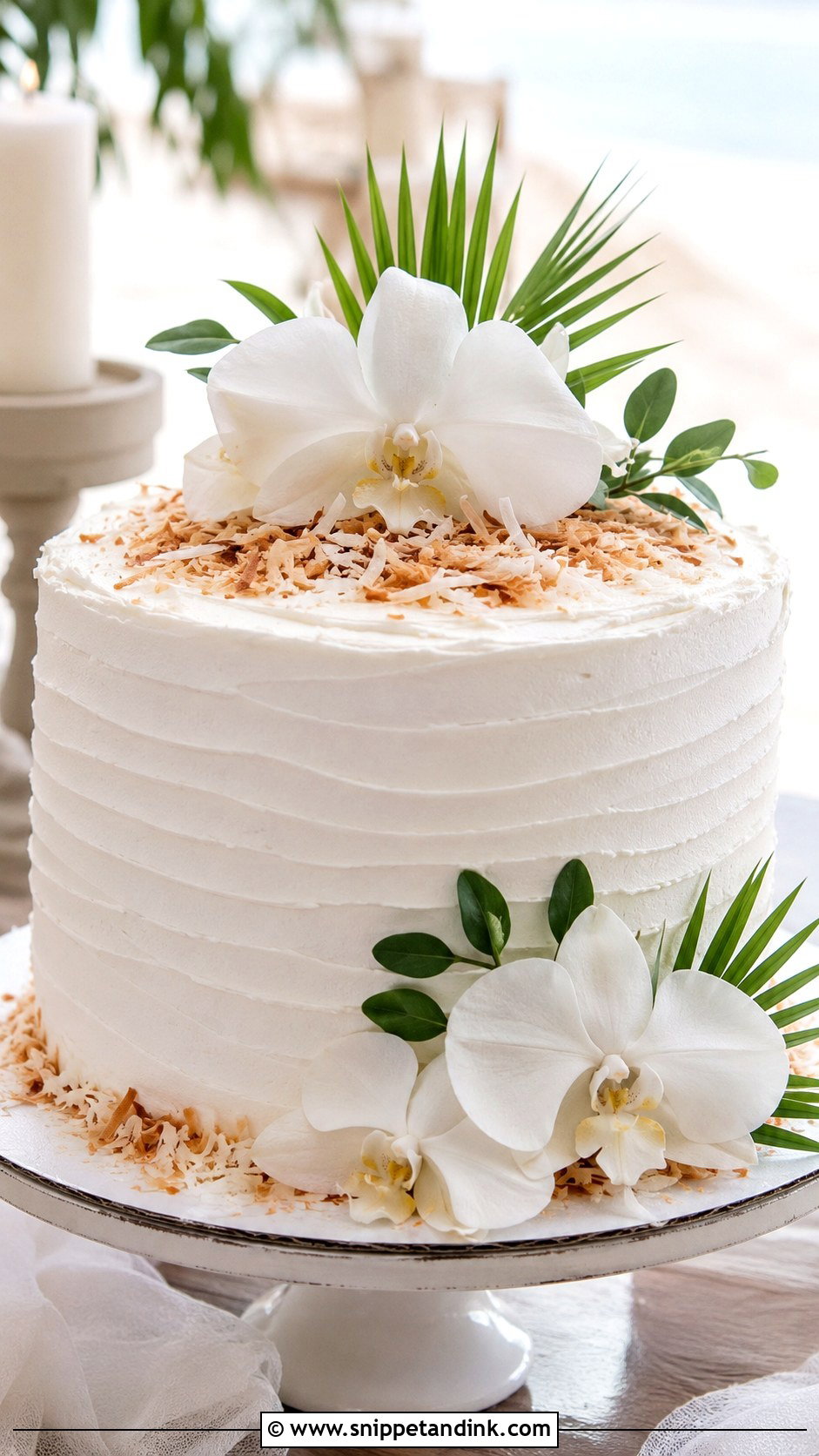
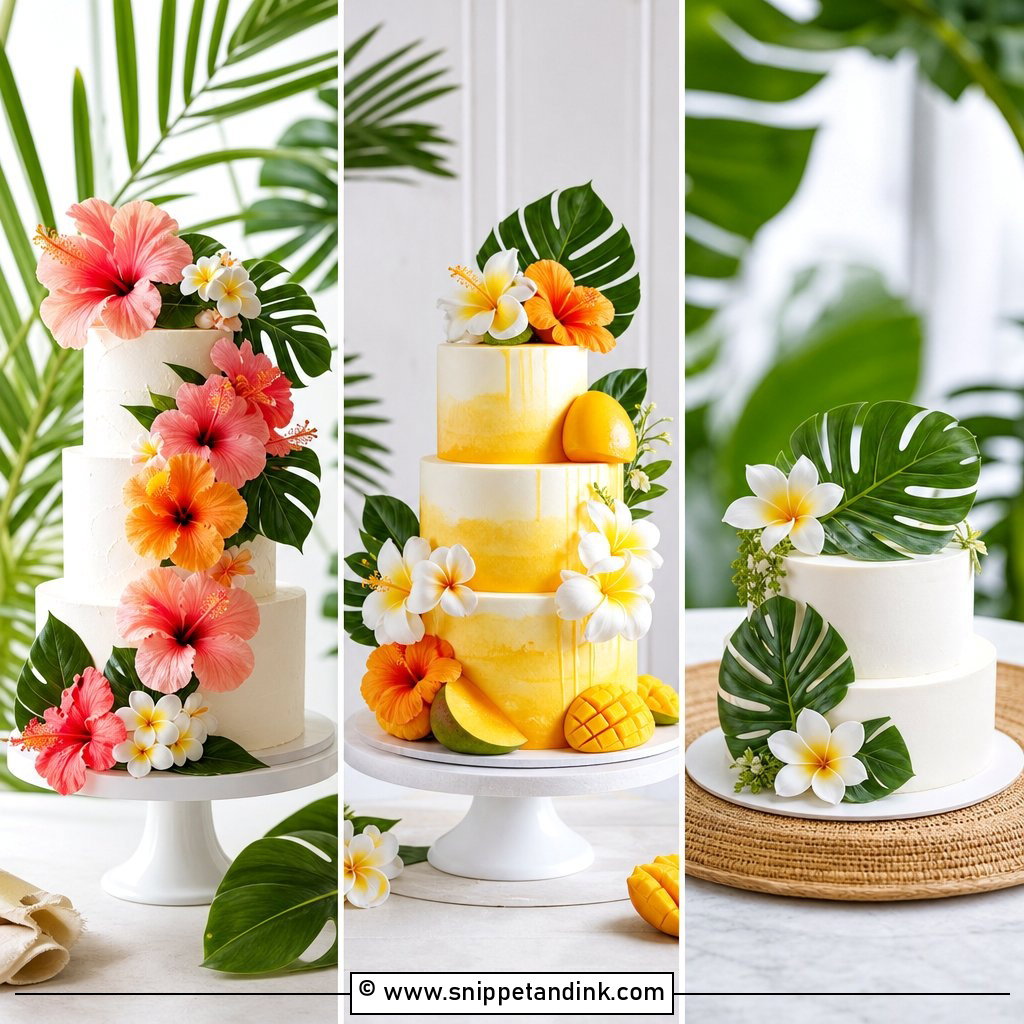
Coconut feels tropical but can still look formal. A fluffy pale sponge layered with coconut cream, vanilla buttercream or passion fruit curd, finished with smooth white frosting, toasted coconut, orchids or sugar flowers, suits beach weddings and destination receptions. Heat and humidity are the enemy at those venues. The coconut sponge wedding cake should stay chilled until the last moment and be set up out of direct sun, because buttercream softens quickly outdoors in summer.
10. Champagne Sponge Wedding Cake
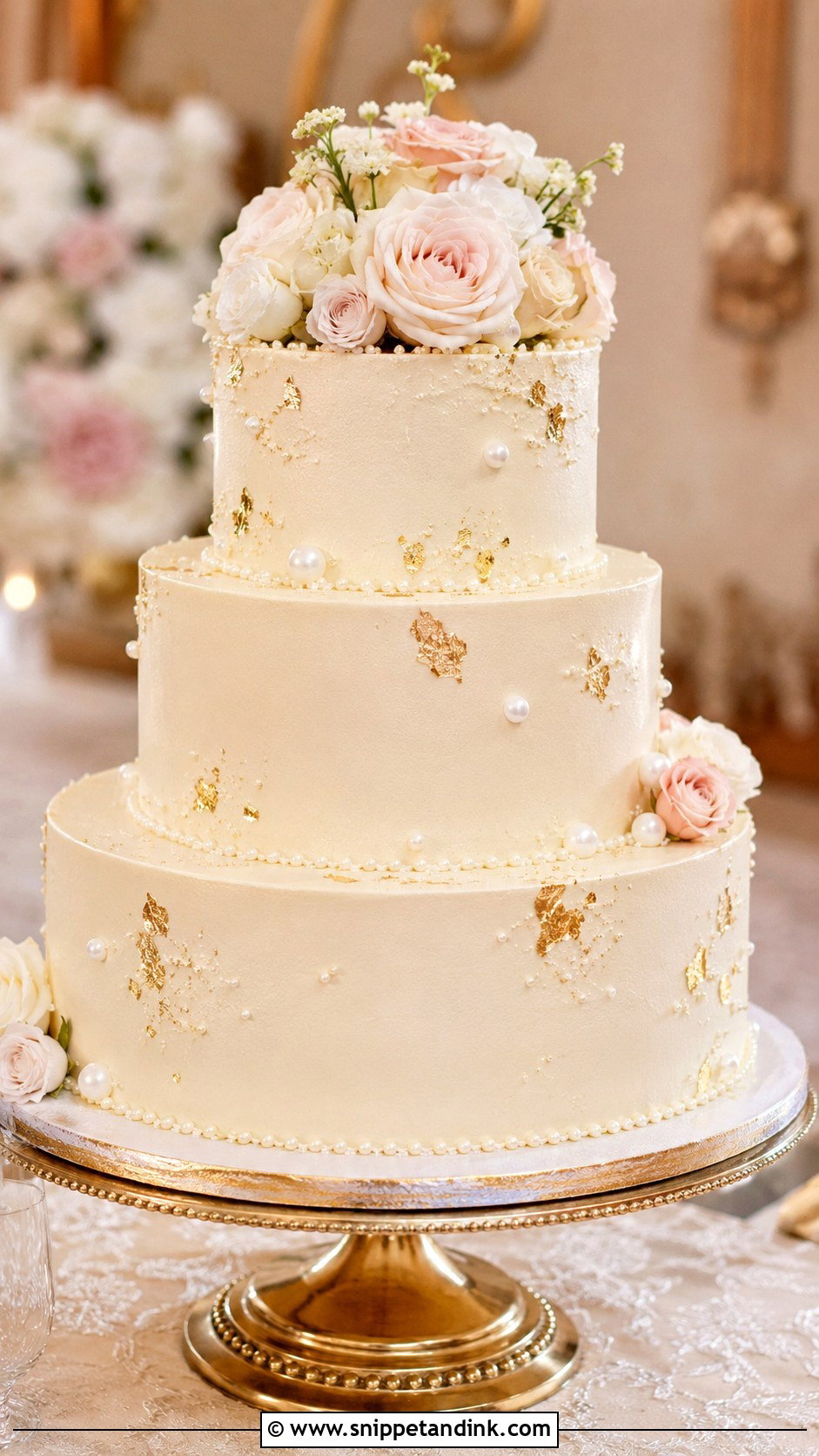
It’s festive from the first slice. The sponge carries a subtle sparkling wine flavour, layered with vanilla buttercream, strawberry filling or elderflower cream, with gold leaf touches, pearl details and pale flowers on the outside. The flavour is delicate, which makes it easy for guests. Honest note: most of the champagne character bakes out of the sponge itself, so I add it to the syrup and the buttercream too. Otherwise you end up with vanilla cake by another name.
11. Elderflower Sponge Wedding Cake
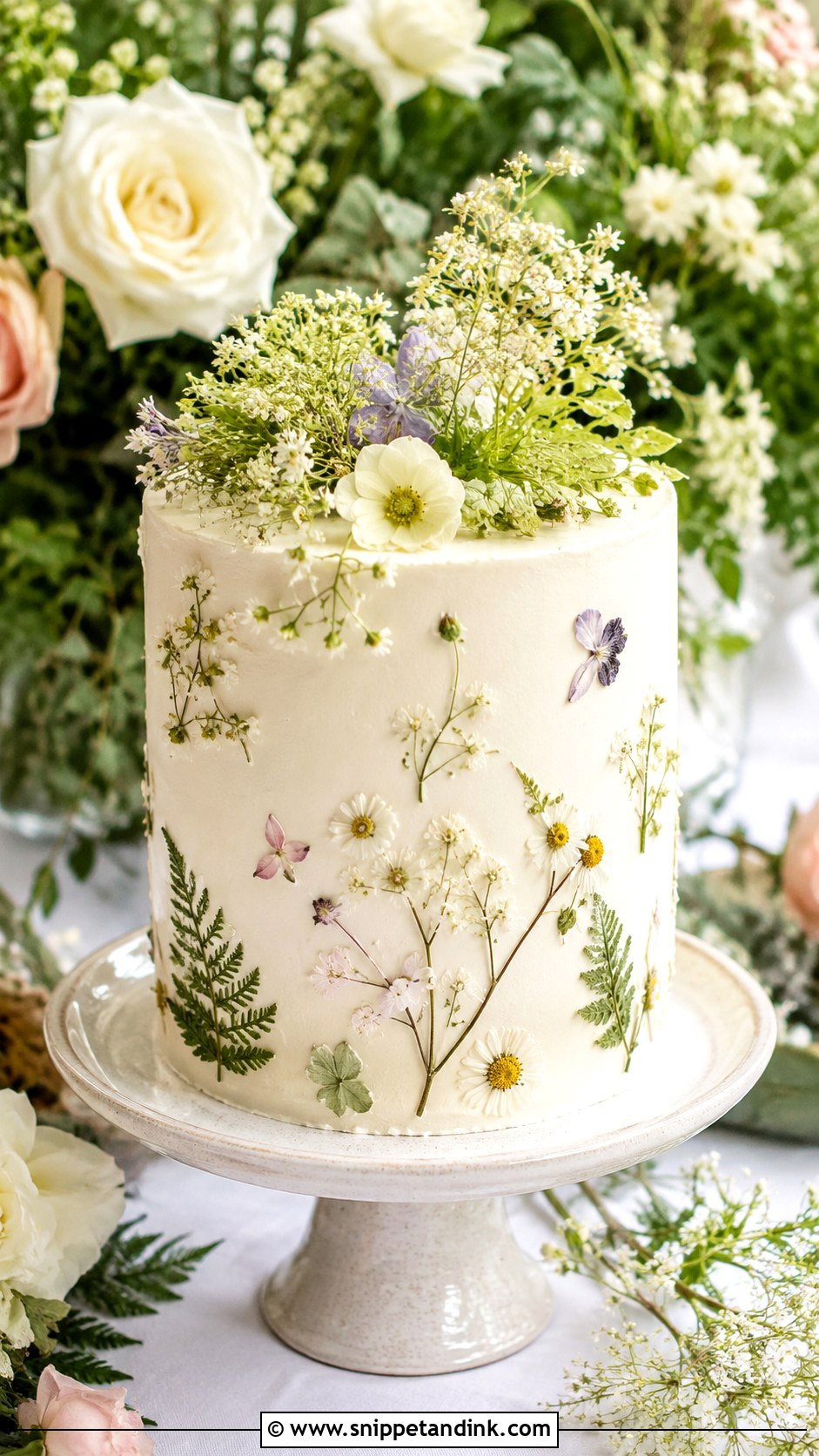
Elderflower tastes floral without being perfumed, and with lemon curd, vanilla buttercream or berries it tastes of early summer. Smooth white frosting, pressed edible flowers, greenery or tiny piped blossoms suit a garden setting. I use elderflower cordial in the syrup and the buttercream rather than in the sponge batter, where the flavour fades in the oven. If you’re unsure, try a slice at the tasting with and without it; some guests find it subtle to the point of disappearing.
12. Lavender Sponge Wedding Cake
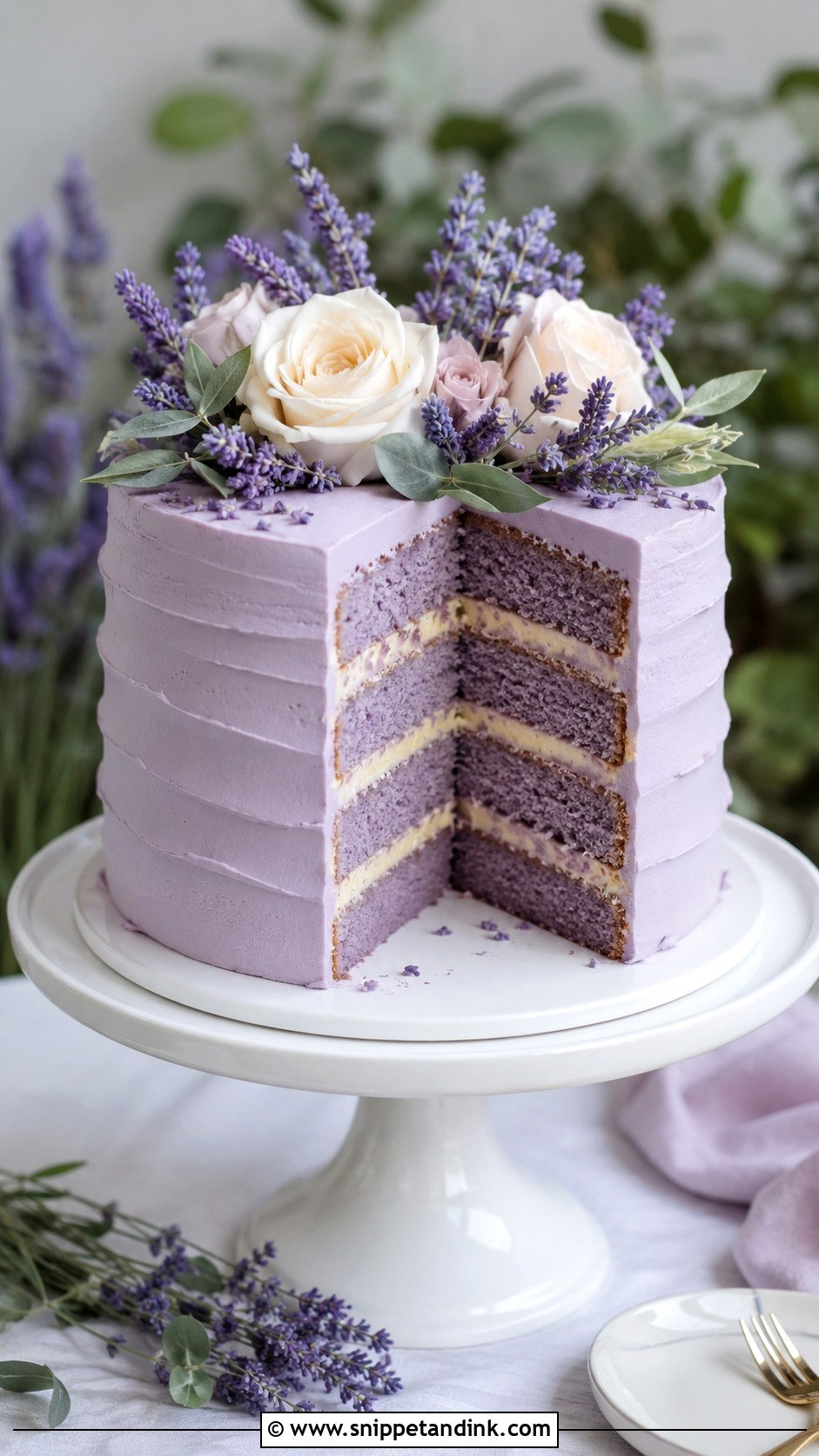
The balance has to tip toward gentle. Lavender used heavily tastes like soap, so I infuse it in the milk or syrup and strain it out, never leaving buds in the crumb. Honey buttercream, lemon filling or vanilla cream keep it fresh. Pale lavender frosting, smooth sides and small edible flowers suit garden and countryside receptions, and ivory roses with silver-green foliage look calm against it. Purple frosting can grey under some lighting, so I test the colour under the venue’s lights if I can.
13. Pistachio Sponge Wedding Cake
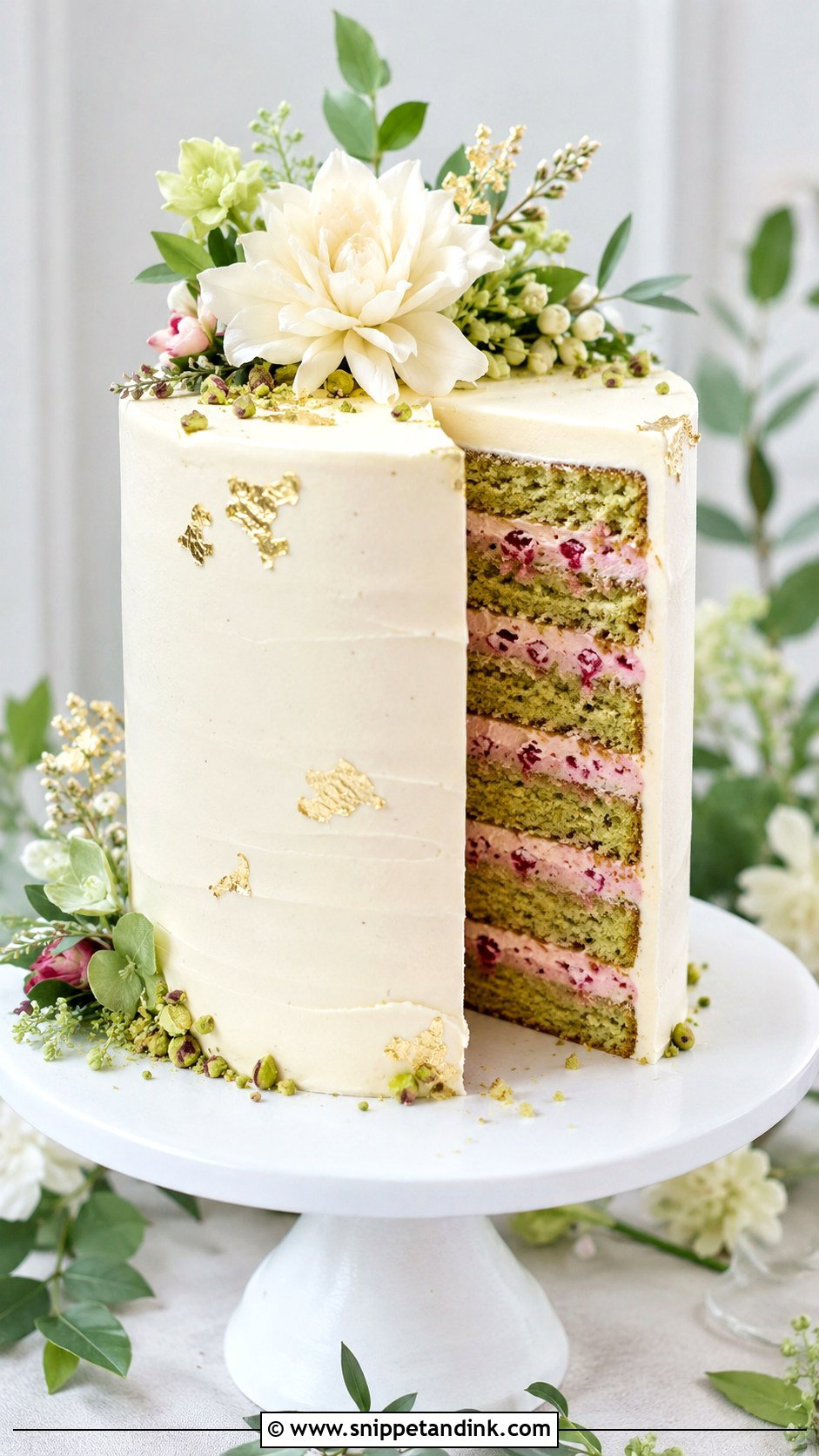
Pistachio gives a cake natural soft colour, and the pale green sponge looks lovely in a slice with vanilla buttercream, raspberry or rose cream. Outside, ivory frosting, crushed pistachios, sugar flowers and subtle gold details keep it refined. It’s rich without being heavy. Real pistachio paste costs more than most flavourings and the green is gentler than bakery photos suggest, so if you’ve seen a vivid green cake online, it was likely tinted. Like almond, check for nut allergies first.
14. Rose Sponge Wedding Cake
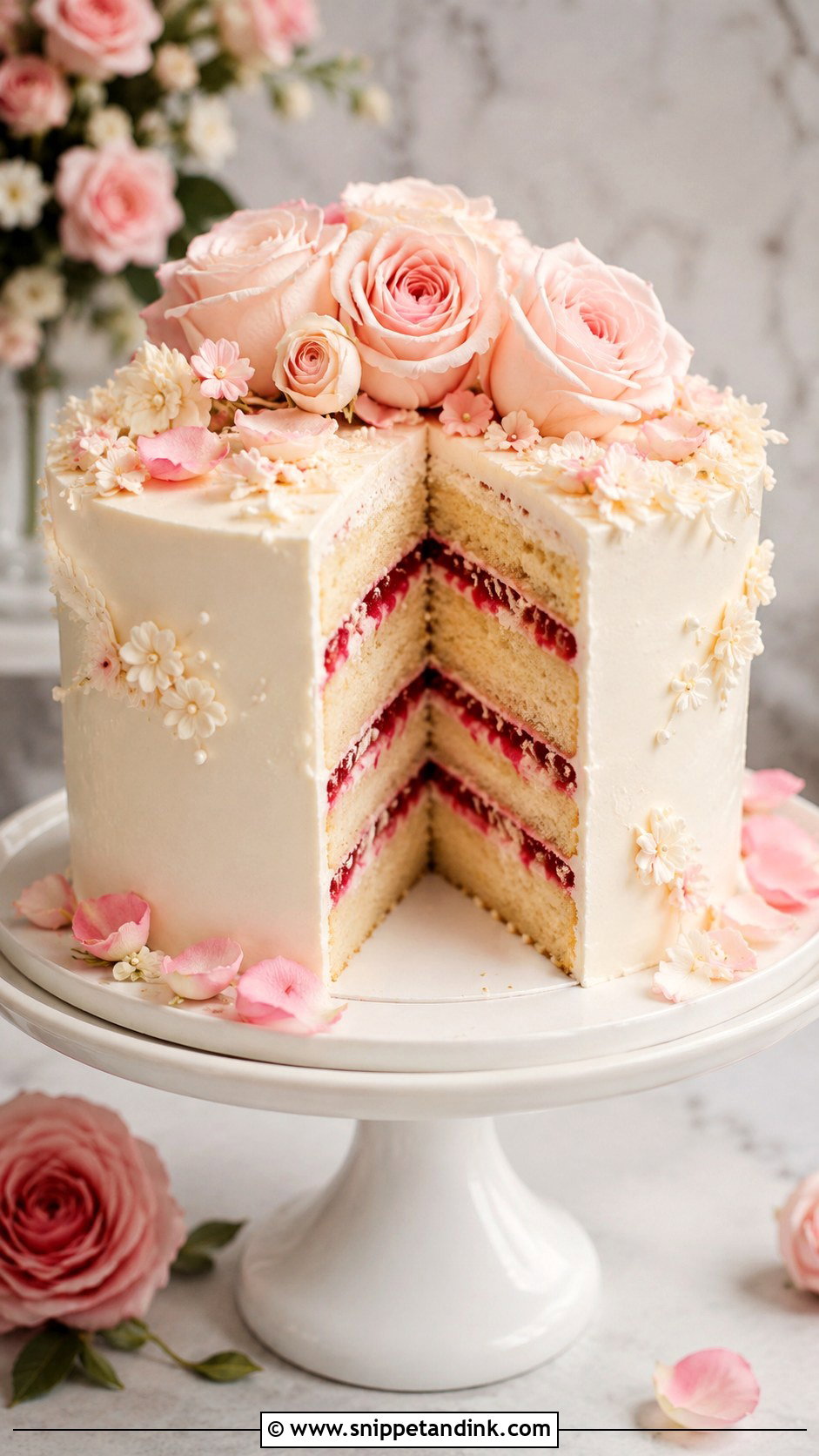
Rose needs a light hand. I flavour a vanilla or almond sponge with a light rose syrup and layer it with raspberry jam, strawberry filling or vanilla buttercream, so the floral note sits in the background. A smooth ivory finish with blush roses, piped flowers or petals suits garden and ballroom receptions. Fresh roses on a cake should be unsprayed and have their stems wrapped and sealed before they touch the frosting; your florist and baker need to talk about that before the day.

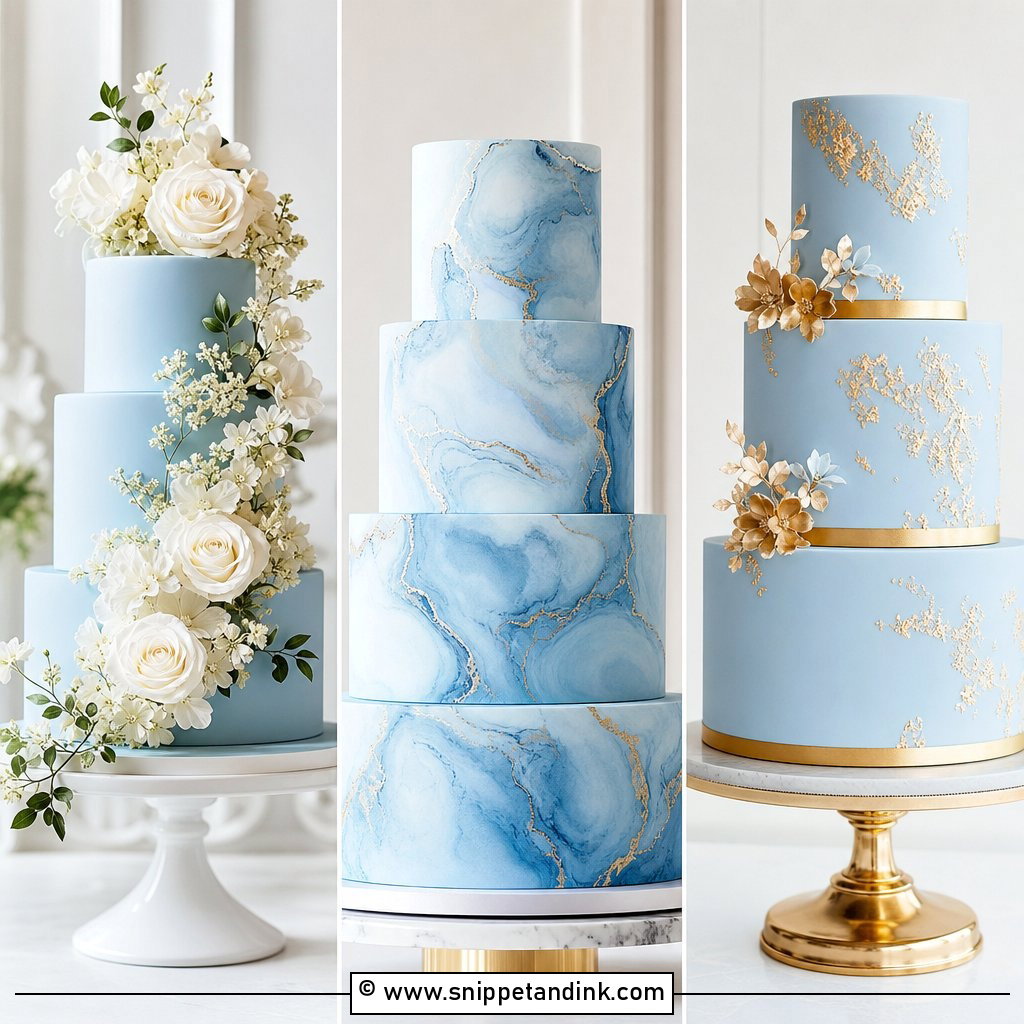
15. Coffee Sponge Wedding Cake
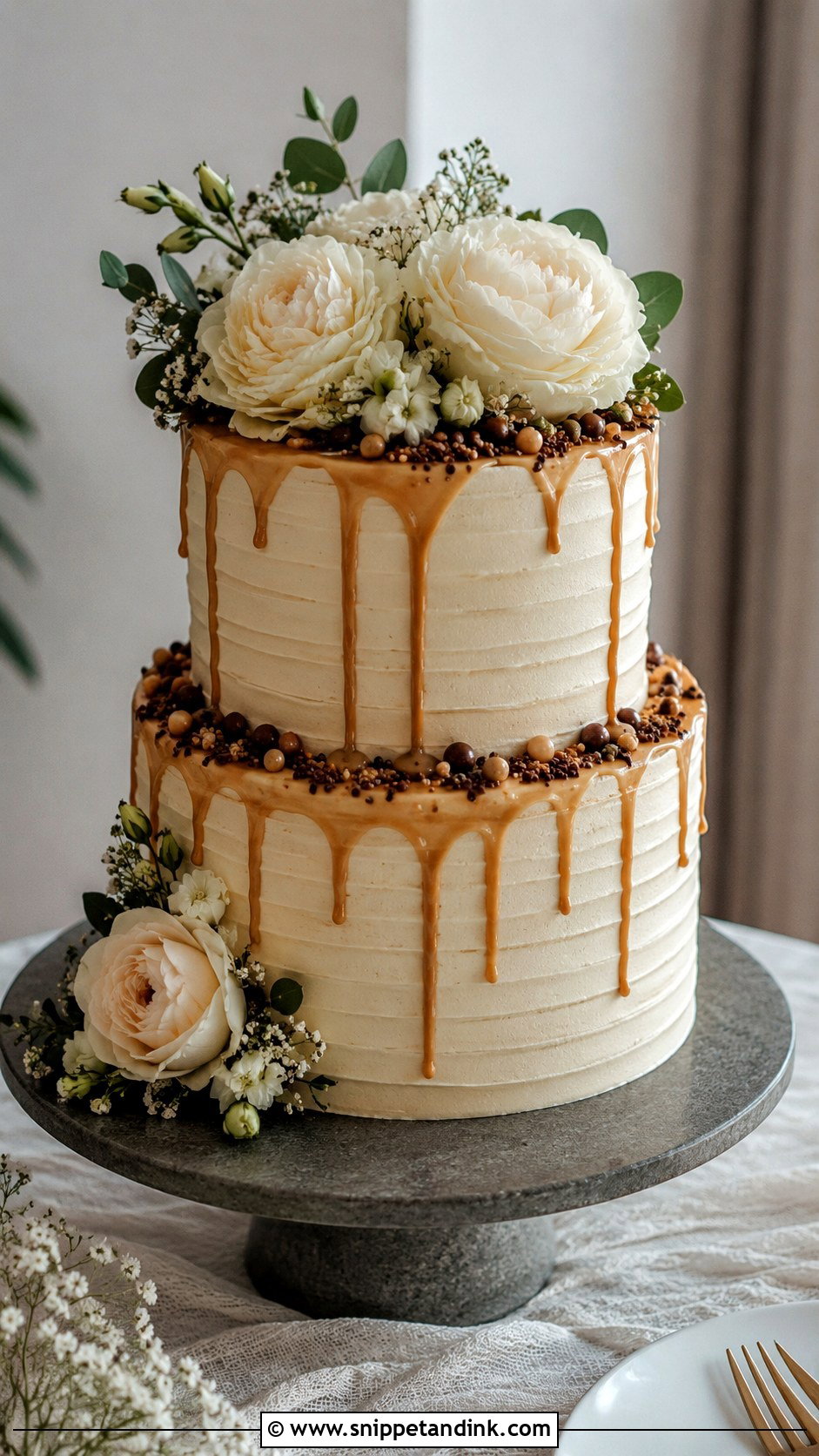
Coffee is warm, smooth and less expected. The sponge is lightly coffee-flavoured and layered with mocha buttercream, vanilla cream or caramel, with ivory frosting and espresso-coloured accents, chocolate pearls or a soft caramel drip on the outside. It suits autumn weddings and evening receptions, and it sits well beside chocolate and nut desserts. Keep in mind that a coffee cake contains caffeine; for a late reception, I can make it with decaf espresso and nobody can taste the difference.
16. Caramel Sponge Wedding Cake
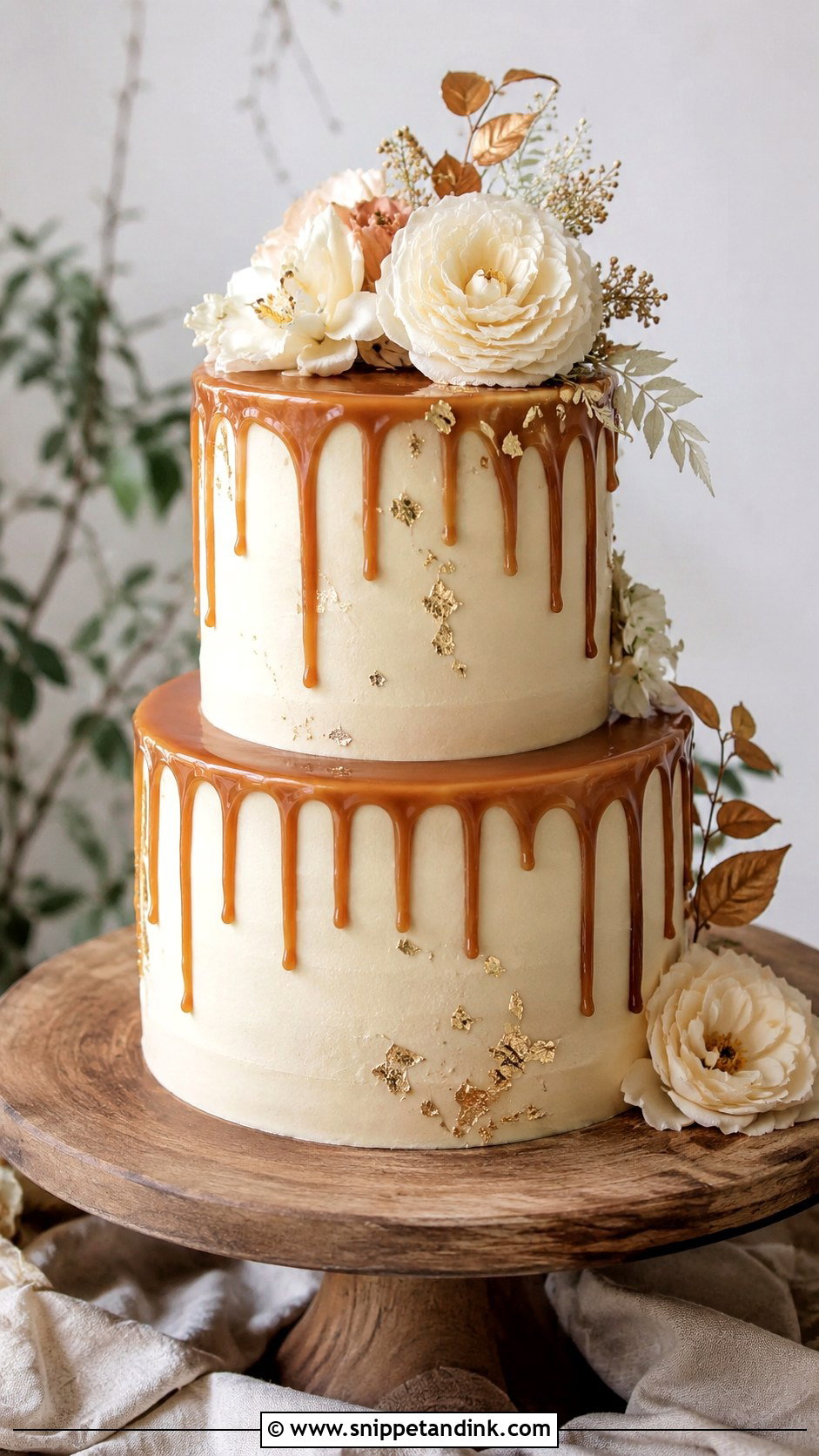
Caramel tastes indulgent while the crumb stays light. A vanilla or brown sugar sponge with salted caramel and smooth buttercream, finished in ivory with a caramel drip, gold accents and cream flowers, suits autumn and neutral palettes. Caramel drips need a cold cake and caramel at the right temperature; too warm and the drips run to the board. I do drips the day before so they’re fully set, and the cake travels chilled.
17. Blueberry Sponge Wedding Cake
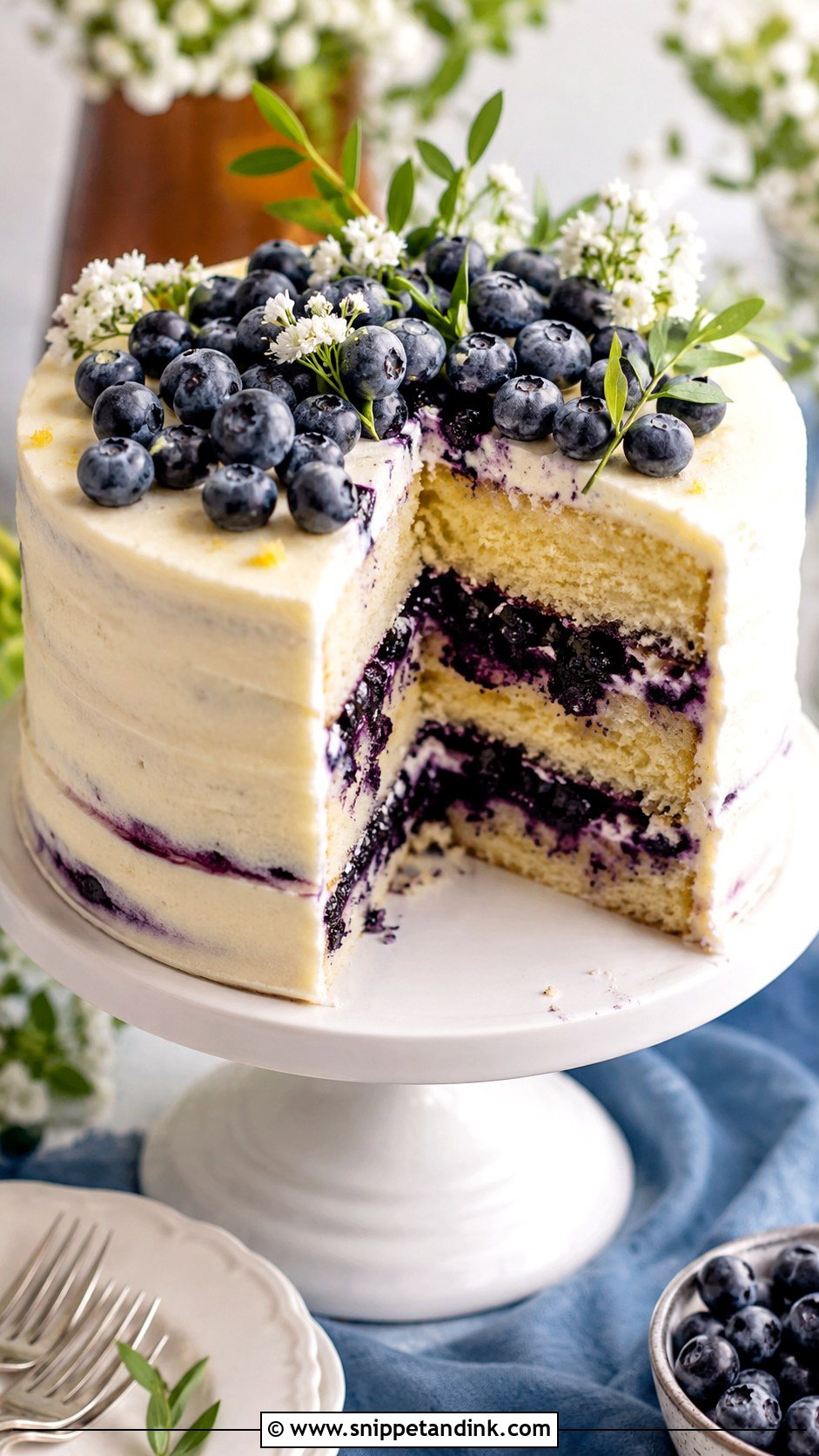
Blueberry gives a colourful slice that looks fresh and natural. I layer vanilla, lemon or almond sponge with blueberry compote and light buttercream, then decorate with fresh blueberries, small flowers and greenery. It’s sweet-tart and never cloying. Blueberry compote can stain buttercream purple at the edges, so a buttercream dam around each layer keeps the outside clean. It suits outdoor, barn and garden receptions.
18. Peach Sponge Wedding Cake
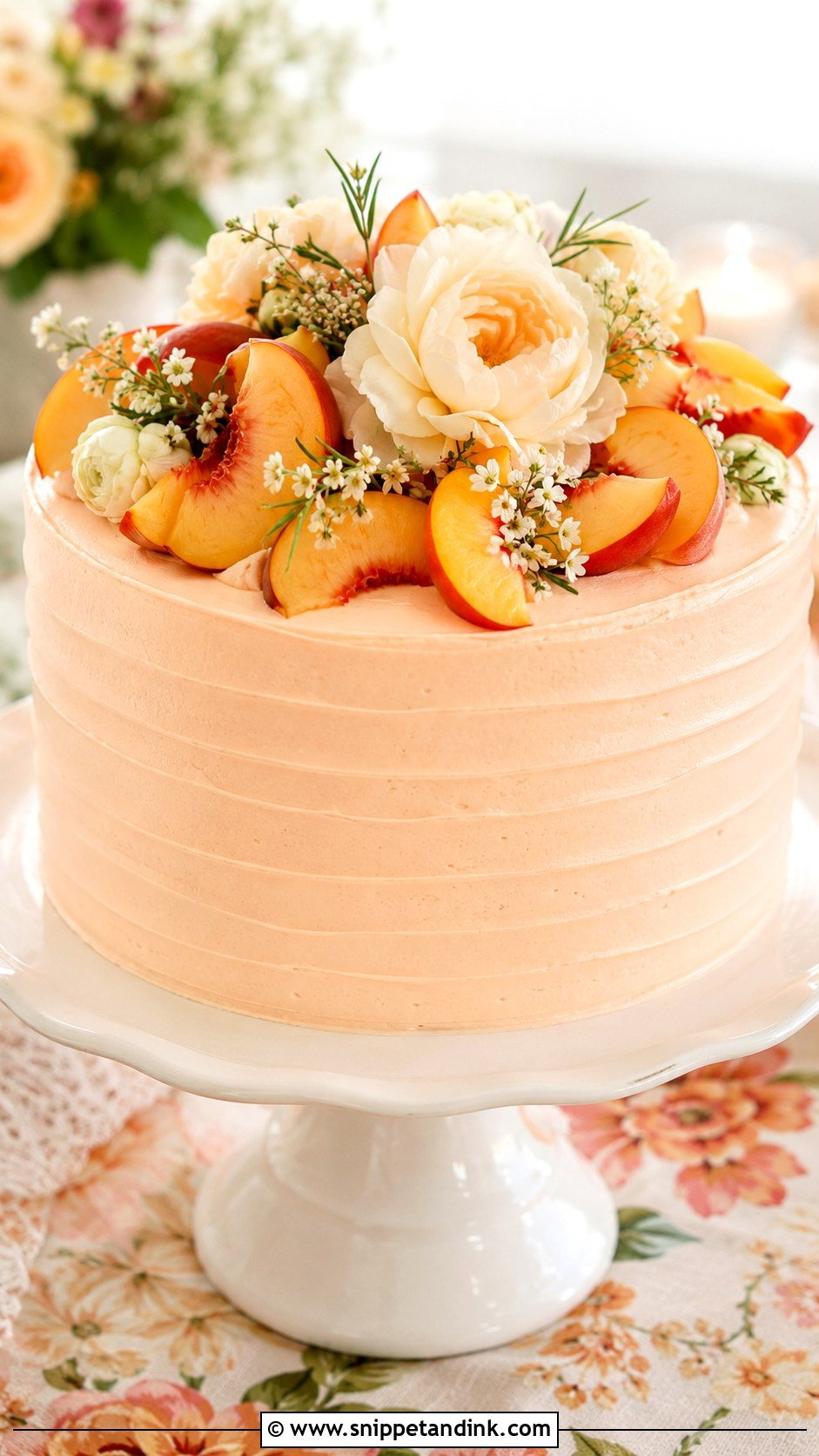
Peach is soft and warm. I layer vanilla or almond sponge with peach preserves, whipped cream or honey buttercream, and finish in pale peach frosting with fresh peach slices and cream flowers. It suits summer weddings and Southern-inspired receptions, and it pairs with champagne, vanilla and almond notes. Cut fresh peach browns fast, so I brush slices with a little lemon juice and add them on site. Out of season, I’d use preserves inside and flowers outside instead.
19. Blackberry Sponge Wedding Cake
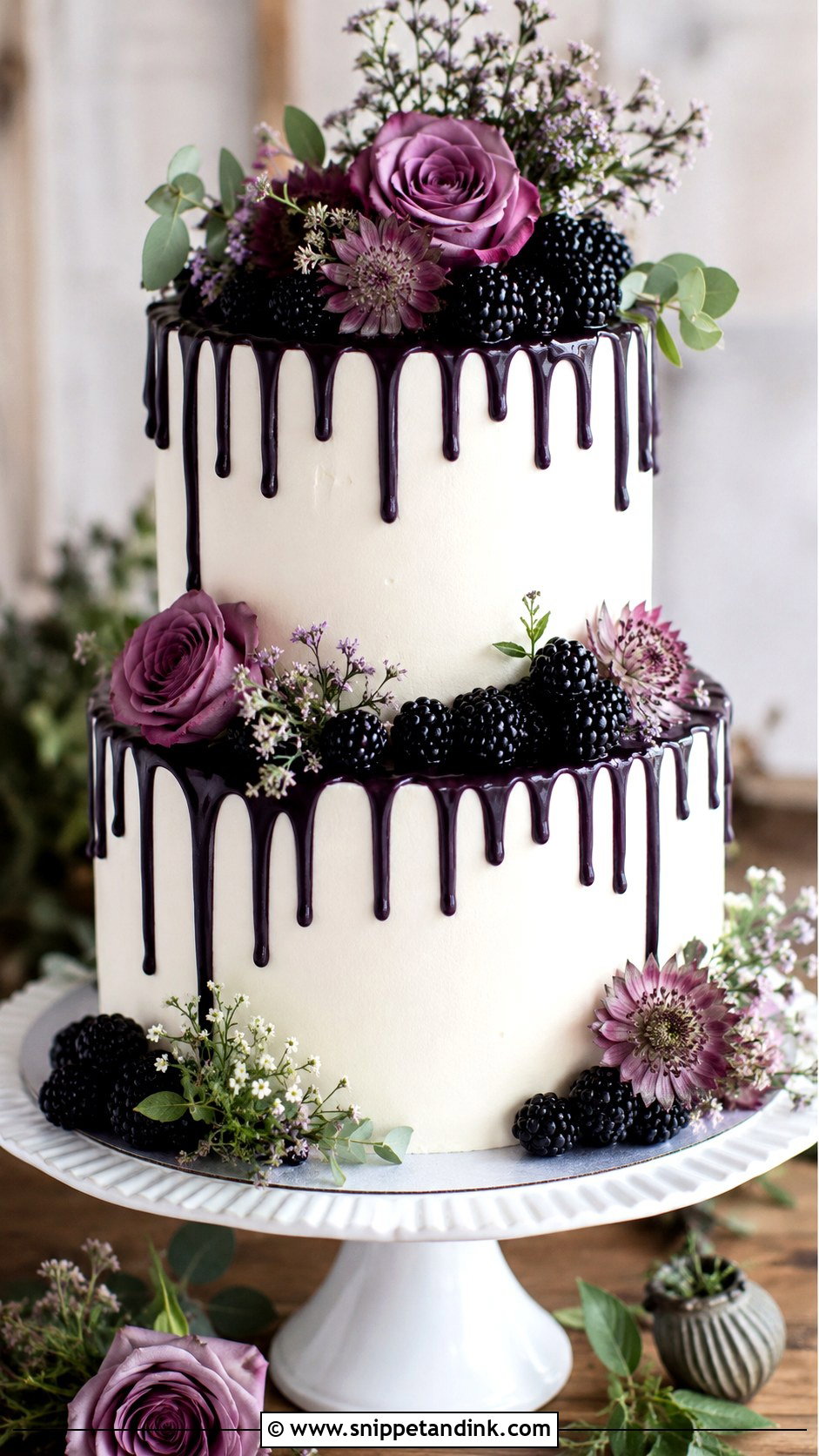
Blackberry adds depth without making the cake dark. The sponge is vanilla, lemon or almond, layered with blackberry jam and smooth buttercream, finished with white frosting, a purple berry drip, fresh blackberries and soft florals. It suits late summer and rustic receptions. Blackberry seeds bother some guests, so I sieve the jam for a smooth filling. The tart flavour balances the sweetness of the frosting, and the slice looks rich.


20. Honey Sponge Wedding Cake
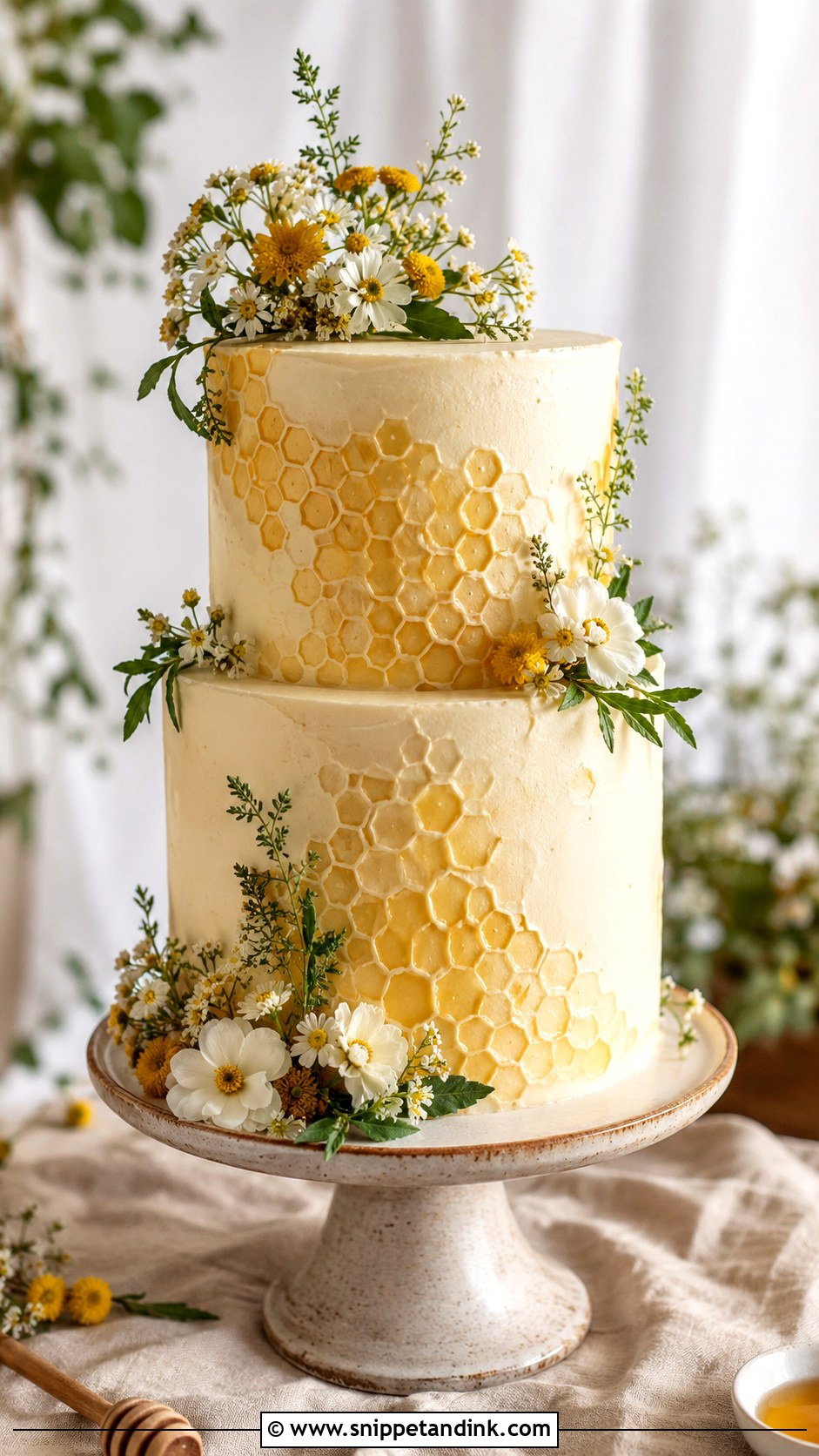
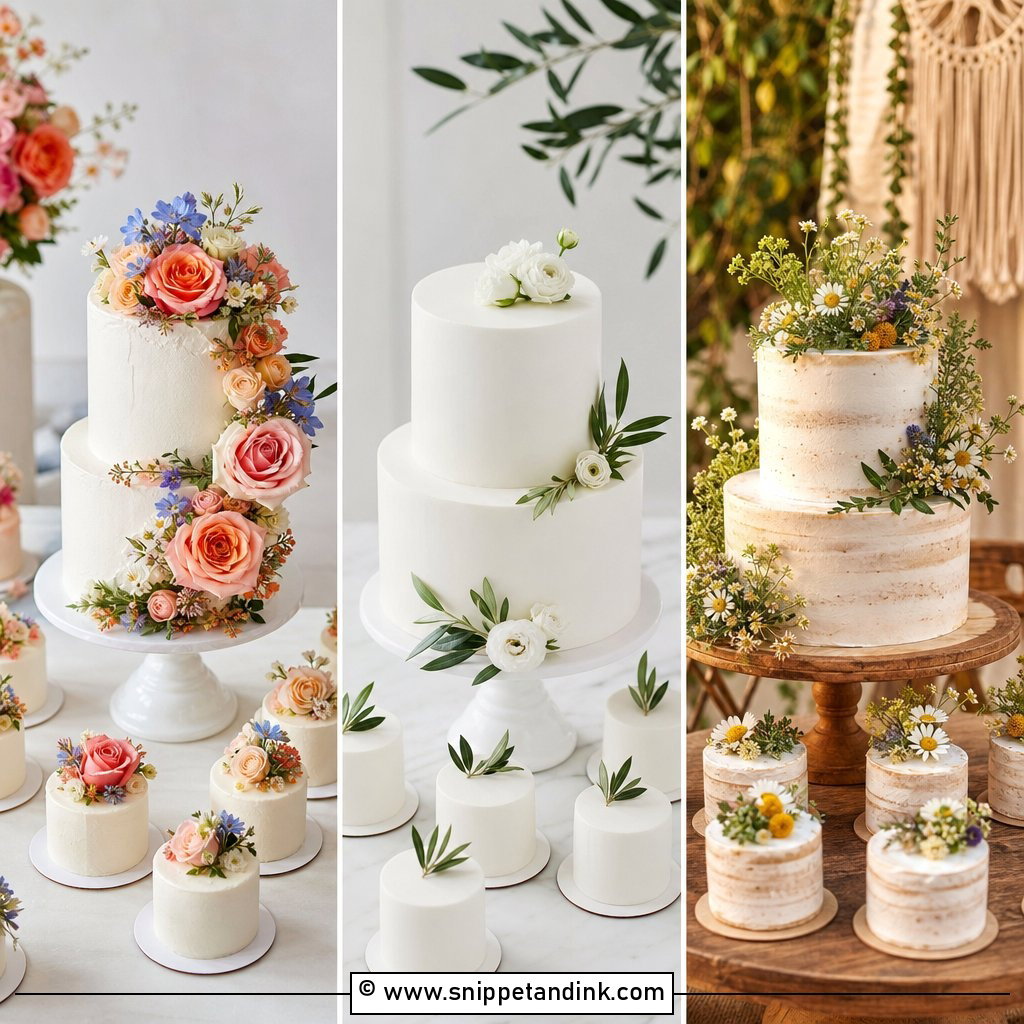
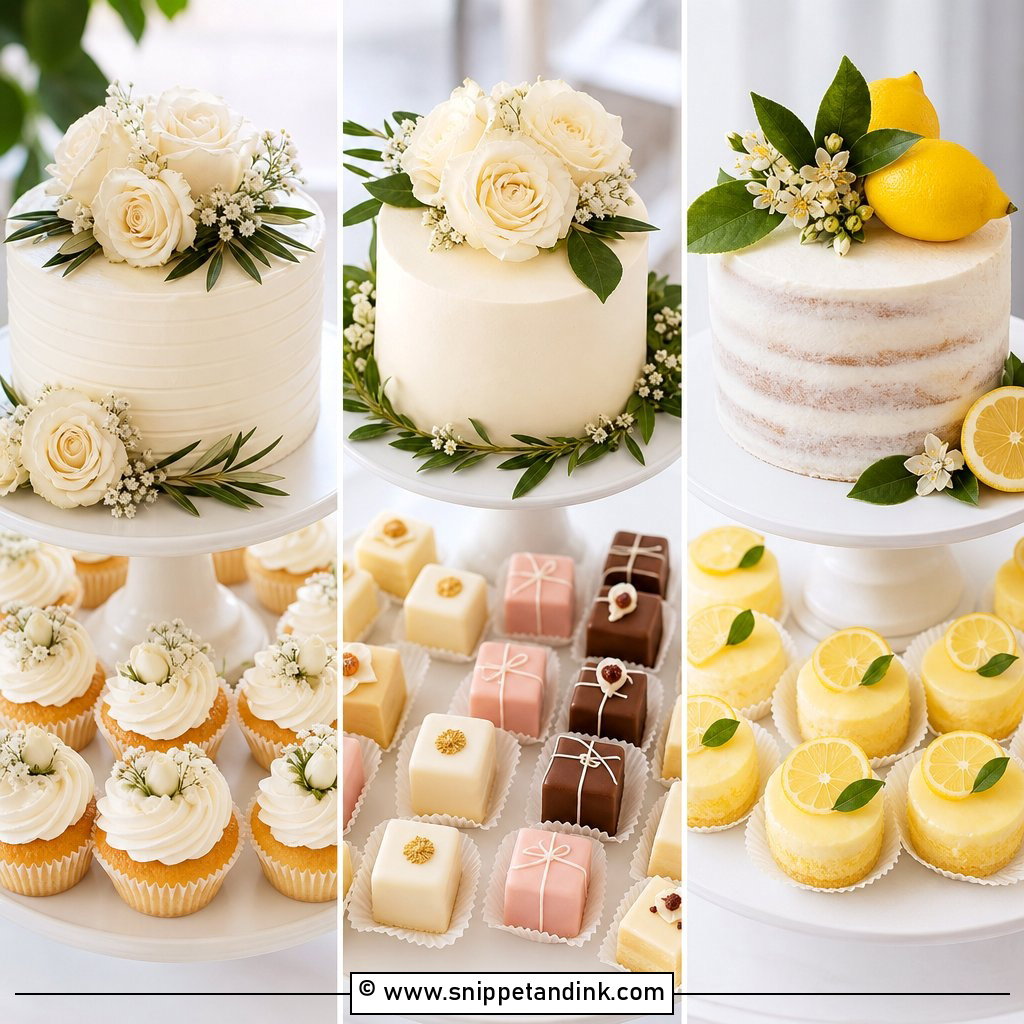
Honey gives a sponge golden colour and gentle sweetness. I layer it with honey buttercream, mascarpone cream or a light lemon filling and finish with smooth ivory frosting, honeycomb texture details, edible flowers and greenery. Lavender or chamomile notes suit it. Honey sponges brown faster in the oven and stay moist longer than plain ones, which helps if the cake has to be baked a day early. Real honeycomb on a cake weeps in heat, so I use sugar honeycomb or textured fondant for outdoor displays.
21. Matcha Sponge Wedding Cake
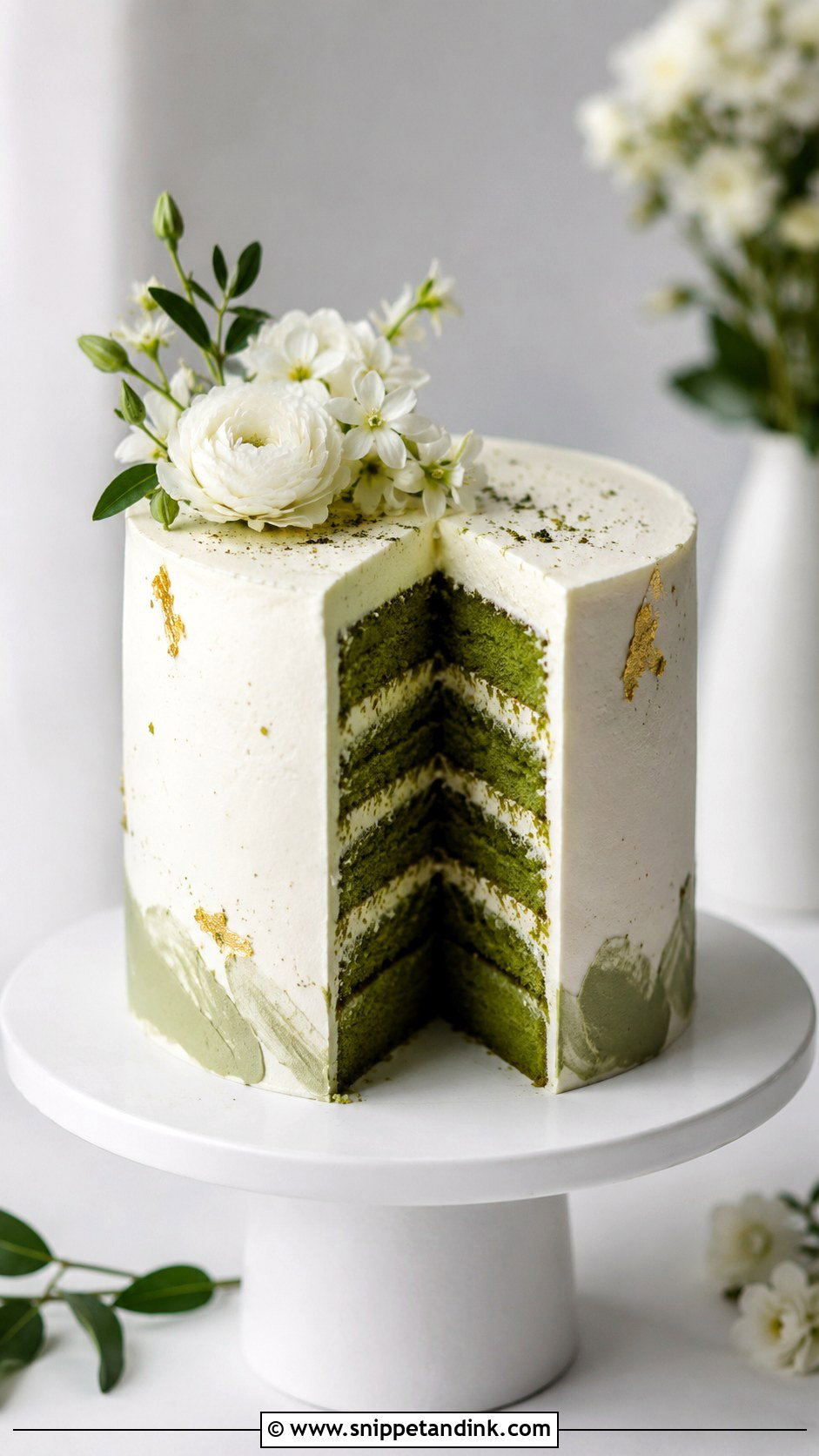
Matcha suits couples who prefer less-sweet desserts. The green sponge pairs with white buttercream, vanilla cream or black sesame filling, and the outside stays clean with ivory frosting, light green accents, gold leaf and simple flowers. The earthy flavour balances the sugar. Matcha fades to a dull olive in bright light and with low-grade powder, so I use a ceremonial-grade or good culinary grade and keep the cake out of the sun.
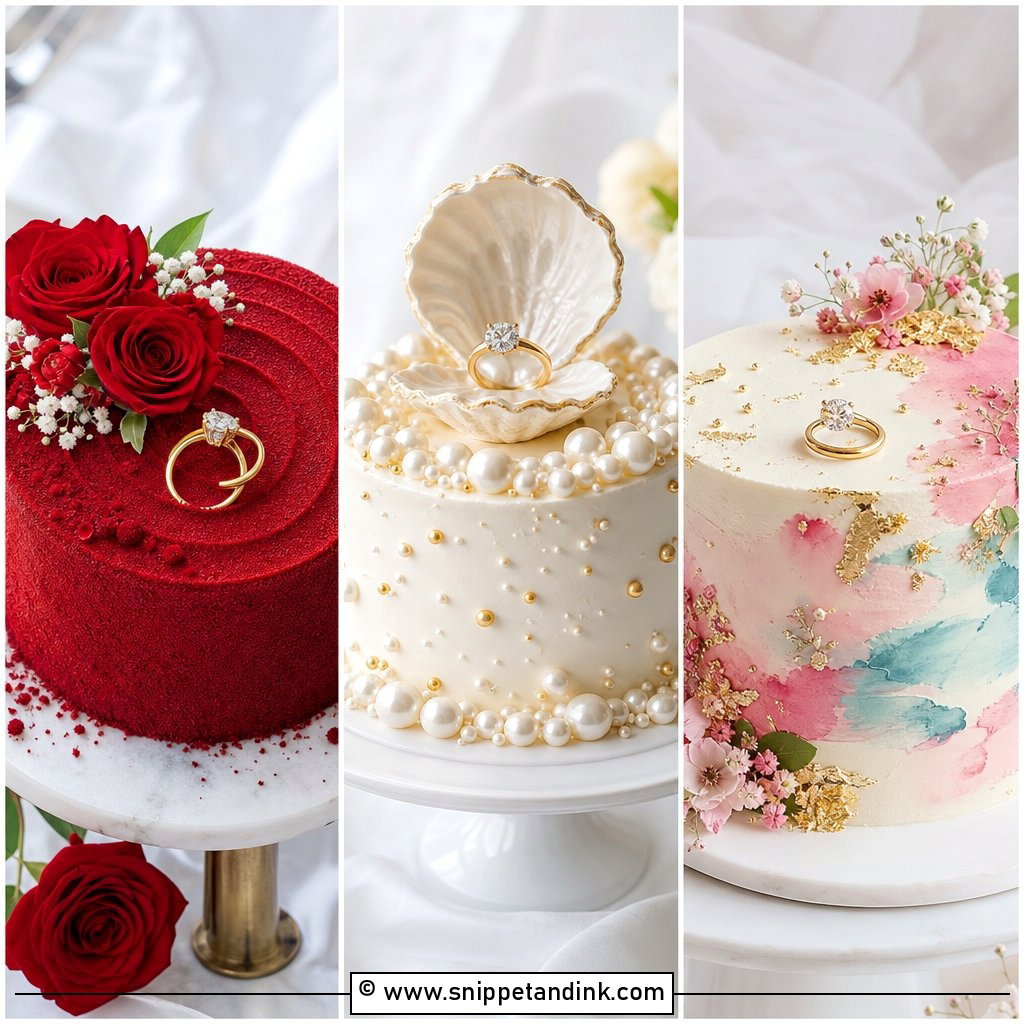
22. Red Velvet Sponge Wedding Cake
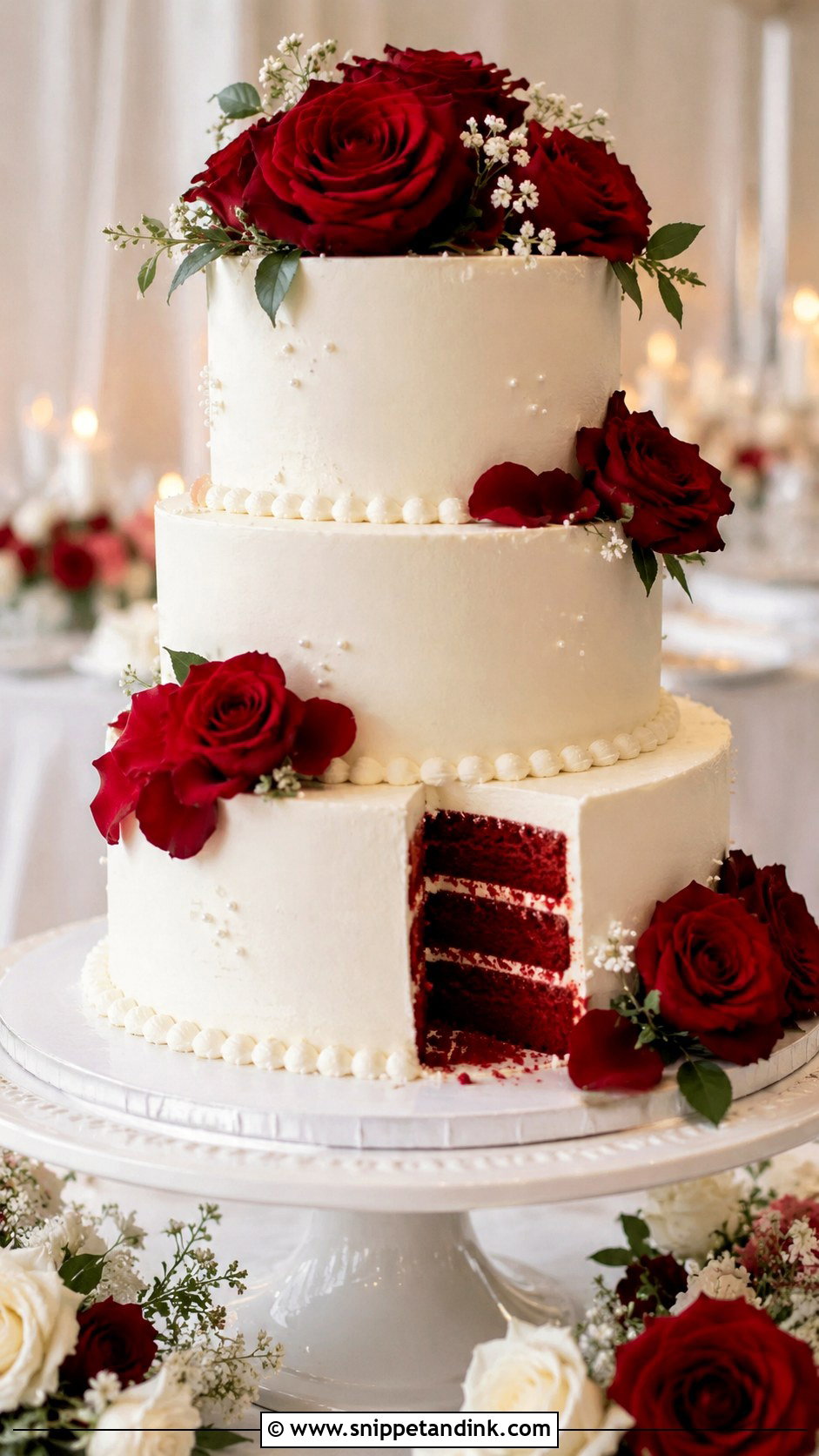
The deep red layers look dramatic against cream cheese frosting or vanilla buttercream, and the cocoa note stays mild. For a wedding finish, smooth white frosting, subtle piping, red roses or pearl accents keep it formal. Cream cheese frosting is softer than buttercream and doesn’t hold a tall tiered structure well at room temperature, so for a stacked cake I use a firmer cream cheese buttercream and keep the cake cool until serving.
23. Marble Sponge Wedding Cake
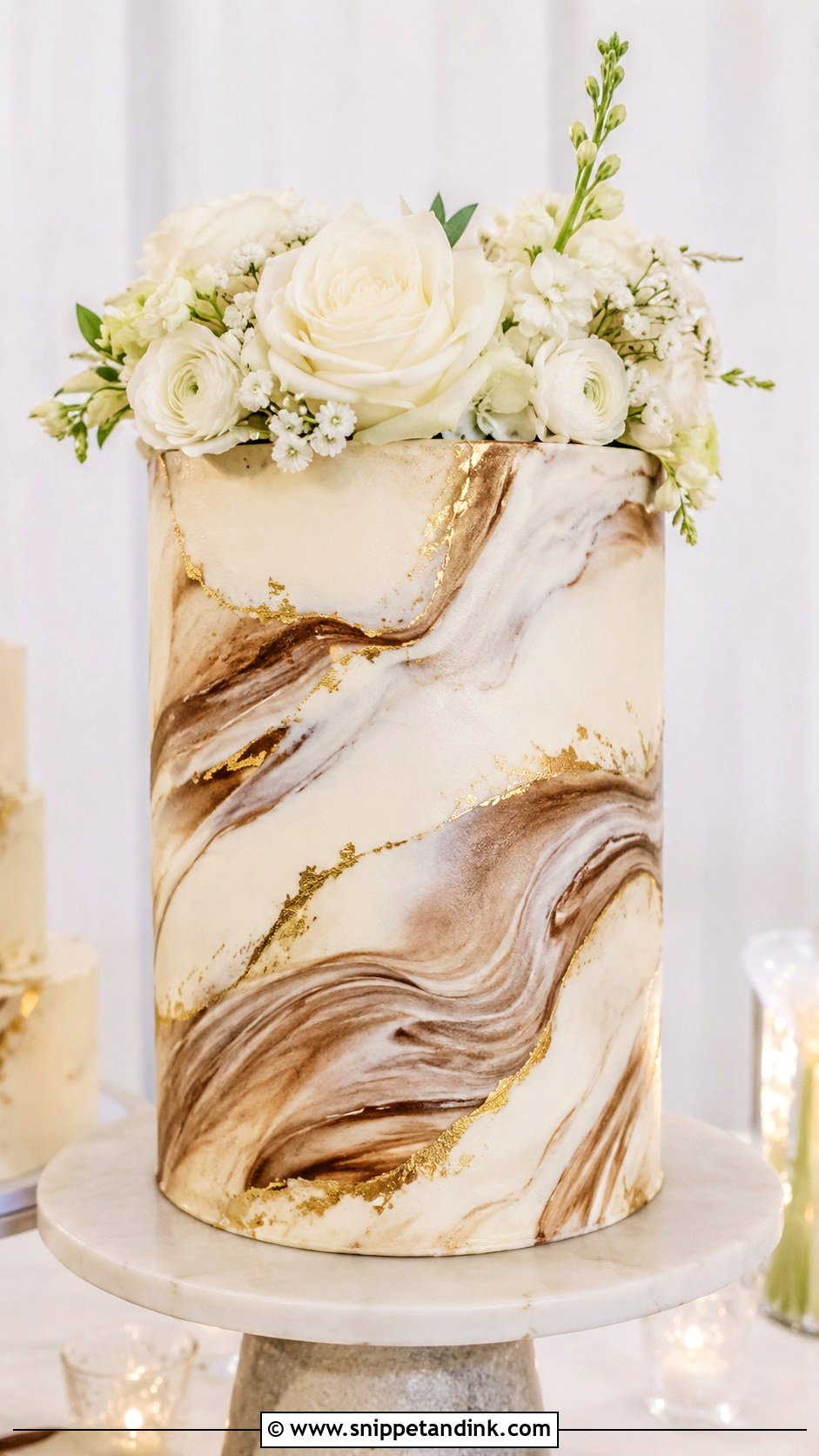
Couples who can’t choose between vanilla and chocolate get both. The swirled sponge looks interesting in a slice, especially with vanilla buttercream or light chocolate ganache between the layers. On the outside, white frosting with a subtle marbled fondant effect, gold accents and fresh flowers can go modern or romantic depending on the colours. Marble sponge is one batter split in two, so the chocolate half is slightly denser; I bake it in shallower layers so both halves cook evenly.
24. Semi Naked Sponge Wedding Cake
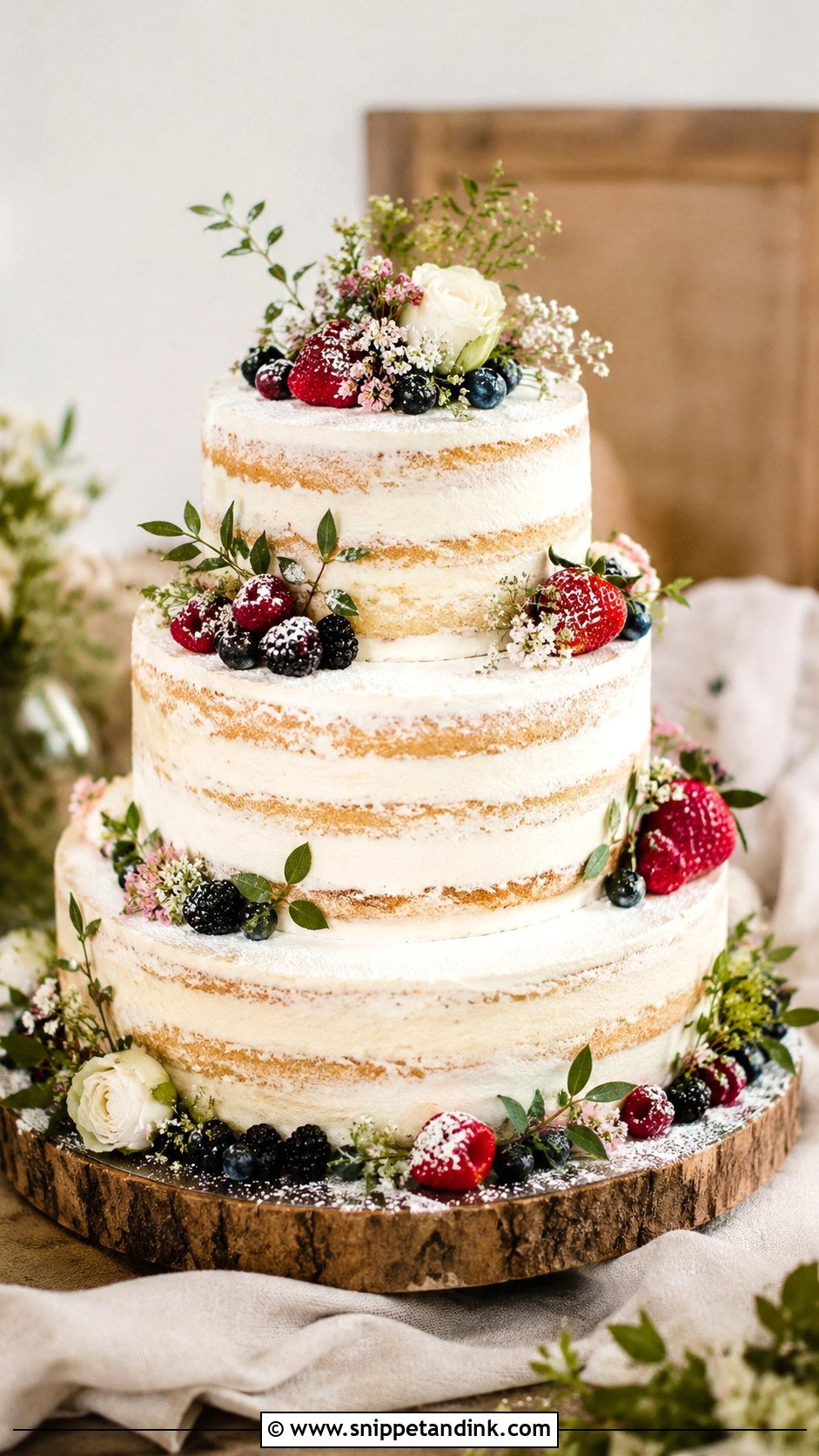
The thin coat of buttercream lets the golden sponge show through, which gives it a handmade look. It works with vanilla, lemon, almond or berry layers, decorated with fresh flowers, berries, herbs or a dusting of icing sugar, and it suits barn and garden receptions. The semi naked sponge wedding cake dries out faster than a fully frosted one because the sponge is exposed, so I don’t assemble it until the day before and keep it wrapped until delivery.



25. Tiered Sponge Wedding Cake
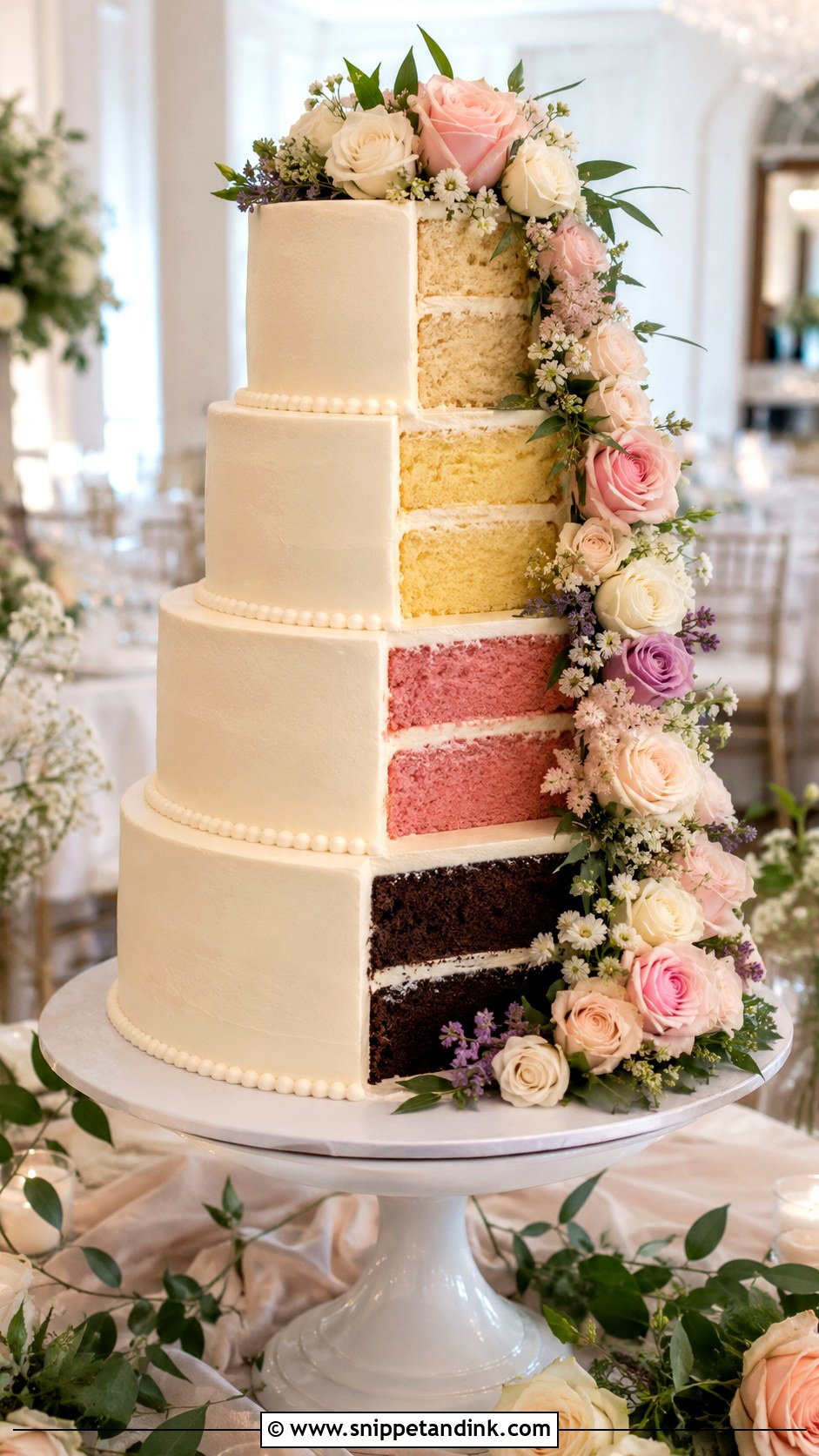
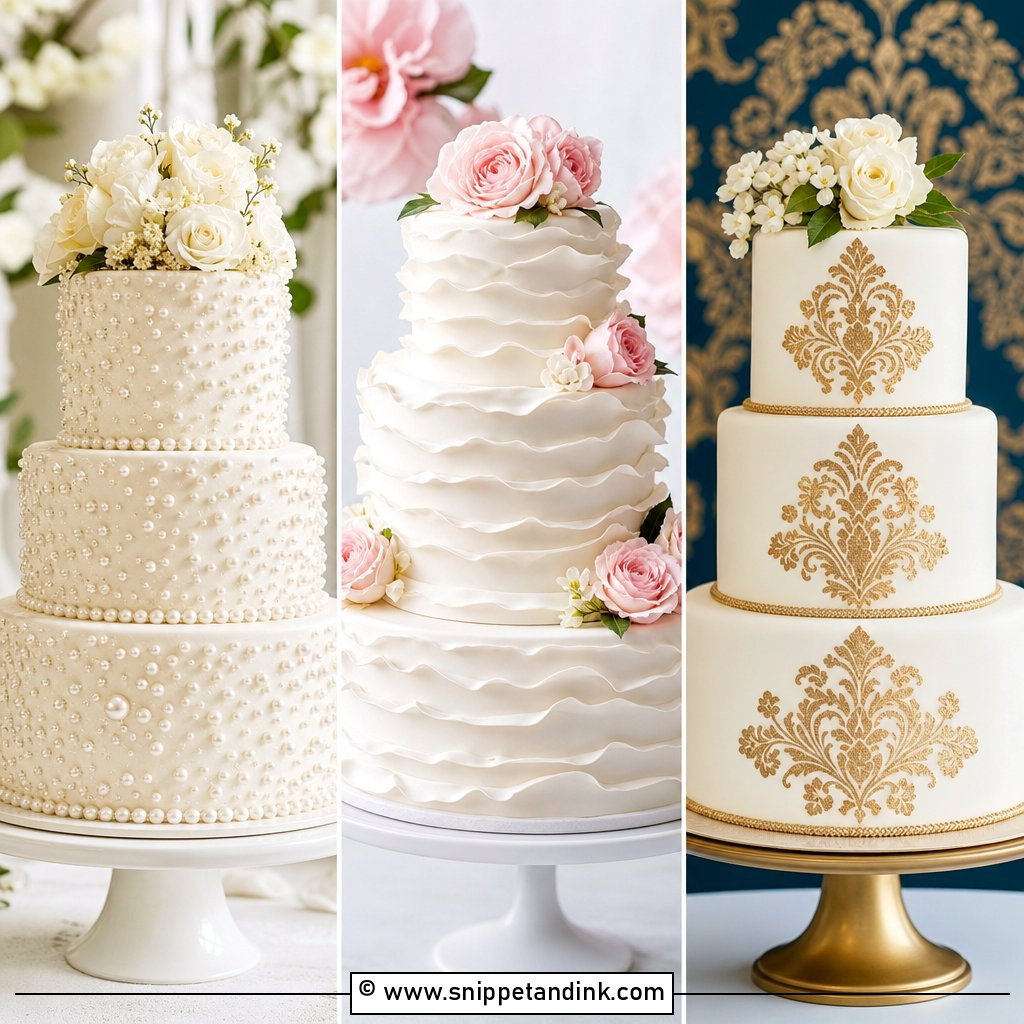
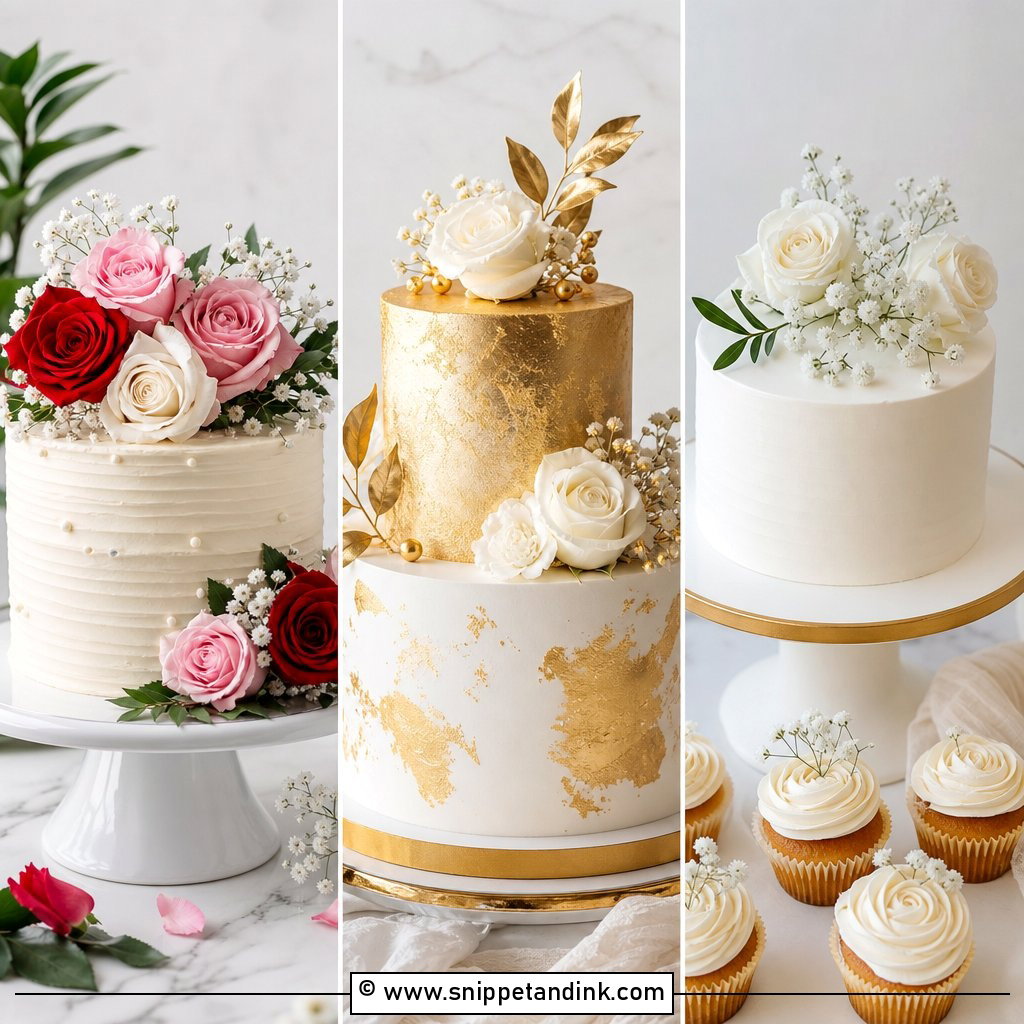
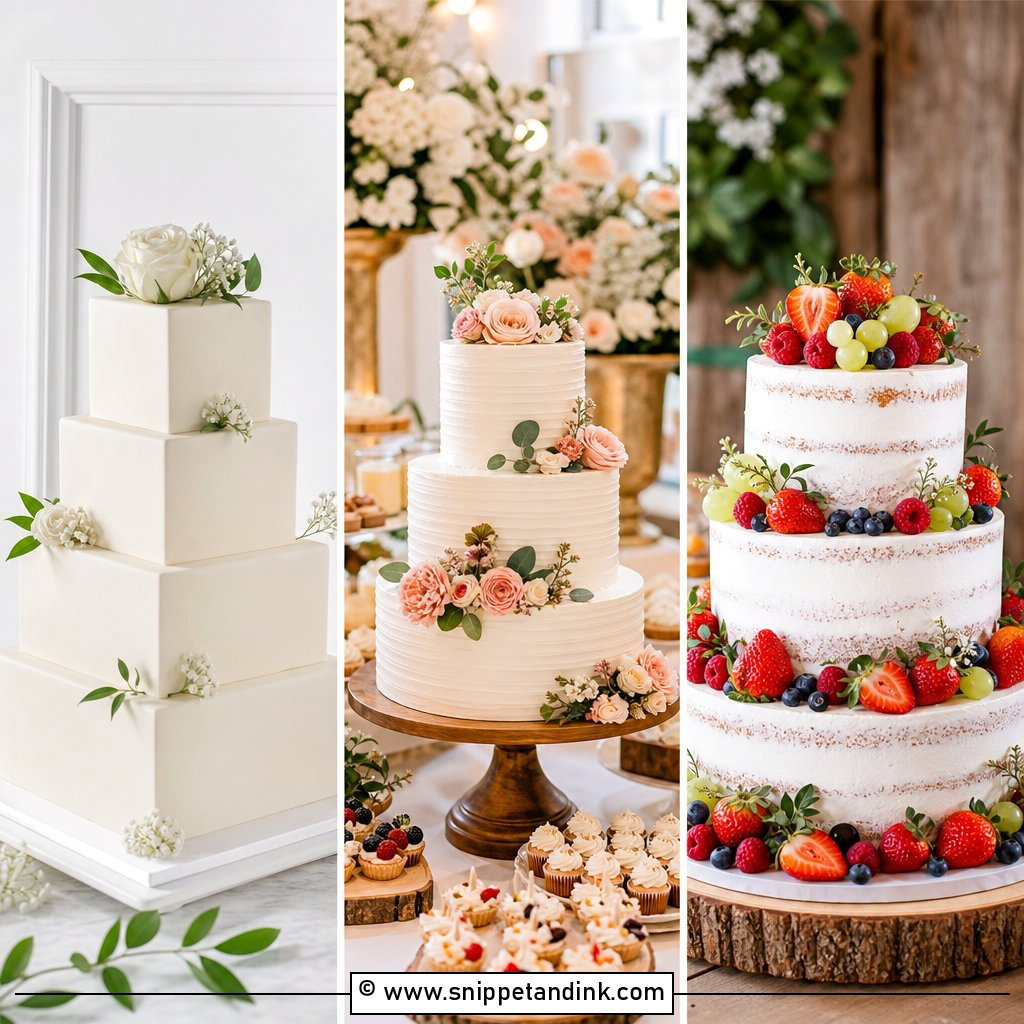
Height and drama with a soft bite: each tier can be a different flavour, vanilla, lemon, chocolate or raspberry, and the outside stays unified with ivory buttercream, fondant, flowers or piping. It suits almost any venue. Sponge is soft, so every tier sits on its own board with dowels or straws underneath to carry the weight of the tiers above. Without that structure, a sponge cake compresses and leans within hours, whatever the finish looks like.
Cream, Fruit and a Warm Room Shorten a Sponge’s Day
Sponge is happy for a long reception; its fillings often aren’t. Real whipped cream, fresh fruit, curd and cream cheese all need to stay cool. As a rule of thumb, perishable dairy fillings shouldn’t sit out at warm room temperature for more than a couple of hours, which is less time than many receptions leave between setup and cutting.
What I’d plan for an afternoon or outdoor reception
- Choose stabilised cream, buttercream or ganache fillings over plain whipped cream.
- Keep fresh fruit and flowers for the outside, added on site, instead of inside the layers.
- Ask the venue for a cool indoor spot out of direct sun; a cake table by a window can be as hot as a garden.
- Agree the cutting time with your planner so the cake goes from fridge to table as late as possible.
Sponge also dries out faster than denser cakes once cut. If you want to save the top tier, wrap it tightly that night, then freeze it. A fruit and cream filling won’t freeze well, so tell your baker in advance and they can fill the top tier with buttercream instead.
Taste Two or Three Side by Side Before Deciding
Sponge cakes are light and easy to personalise. Vanilla and lemon are safe classics, while pistachio, elderflower, matcha and champagne feel more modern, and fruit fillings bring colour to the slice. Start from your season and venue: cream and fresh fruit fillings need a cool room, and buttercream needs shade outdoors. Then taste. Book a tasting, try two or three flavours side by side, and ask your baker how each one will hold up for the length of your reception.
You'll Like These Ideas:



Leave a Reply