
Some of my favorite orders are the smallest ones. A cake for twenty people gets looked at from a foot away, so every piped bead and every petal counts in a way it never does on a five-tier tower. Size doesn’t decide how memorable it is. A petite single tier, a slim two-tier, a vintage heart or a little cutting cake beside other desserts can all carry the moment. Couples planning intimate weddings lately want soft texture, clean buttercream, pearls and playful retro piping, and they want less waste. The twenty designs below are the ones I’d suggest for guest lists from two people to about fifty.
How Small Can a Wedding Cake Go?
Smaller than most people think, but the price doesn’t shrink at the same rate. A tiny cake still needs a consultation, a design, the same decorating skill and a delivery, so a single tier often costs more per slice than a large tiered cake. I’d rather couples know that before they fall in love with a 4 inch cake for two.
These are the rough serving ranges I work with for standard-height round tiers cut as wedding portions. Party slices are bigger, so expect fewer.
- 4 inch: a cake for the couple, or a top tier to save, a few slices at most
- 6 inch: about a dozen wedding slices
- 8 inch: about two dozen
- 6 and 8 inch together: enough for a dinner of around 30 to 35
- 6, 8 and a kitchen sheet cake: comfortable for 50 without a third tier
If you plan to keep the top tier, leave it out of your count. And if there is a second dessert, I’d still round up, because guests at small weddings tend to go back for seconds.
1. One Tier Wedding Cake
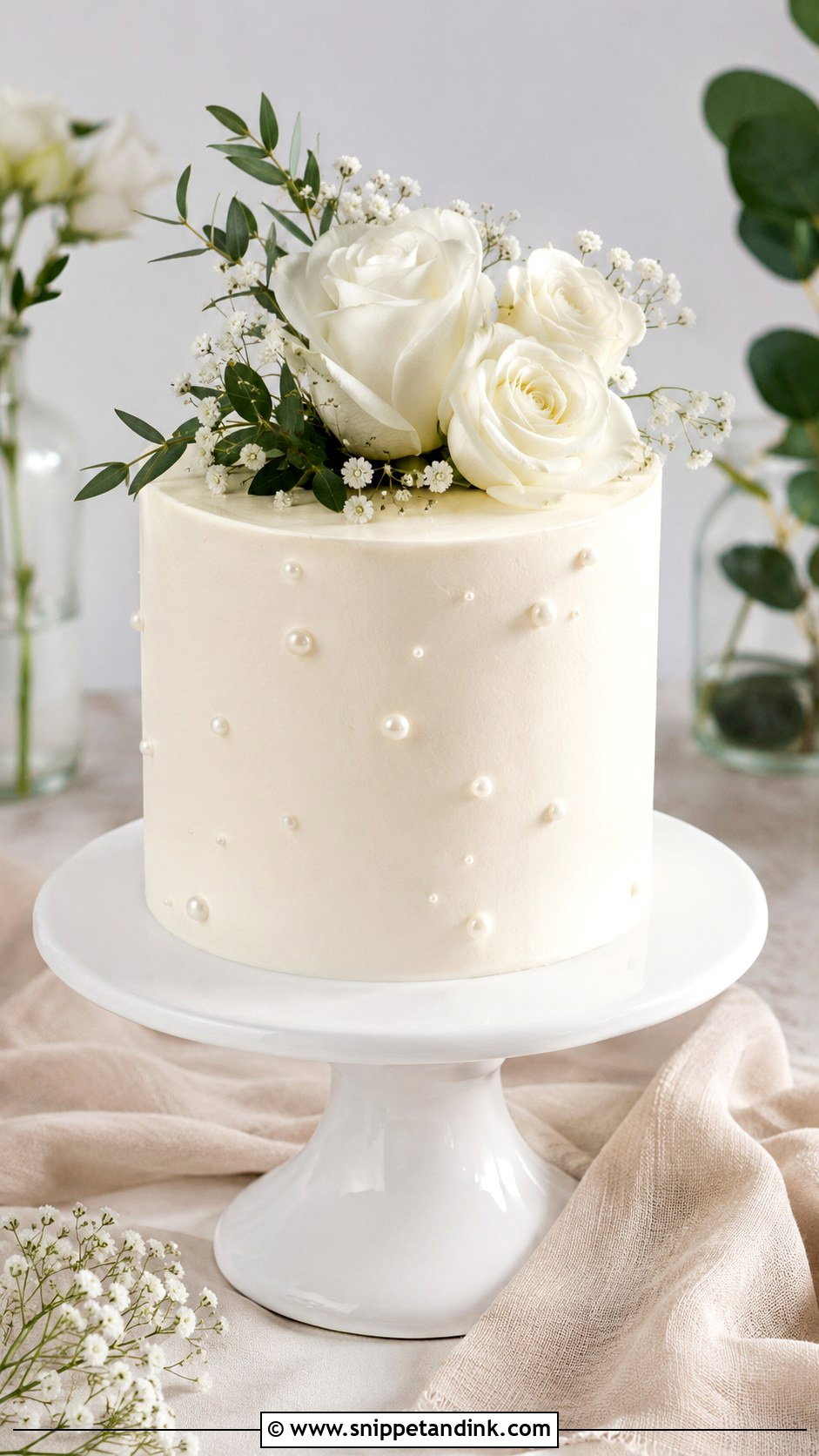
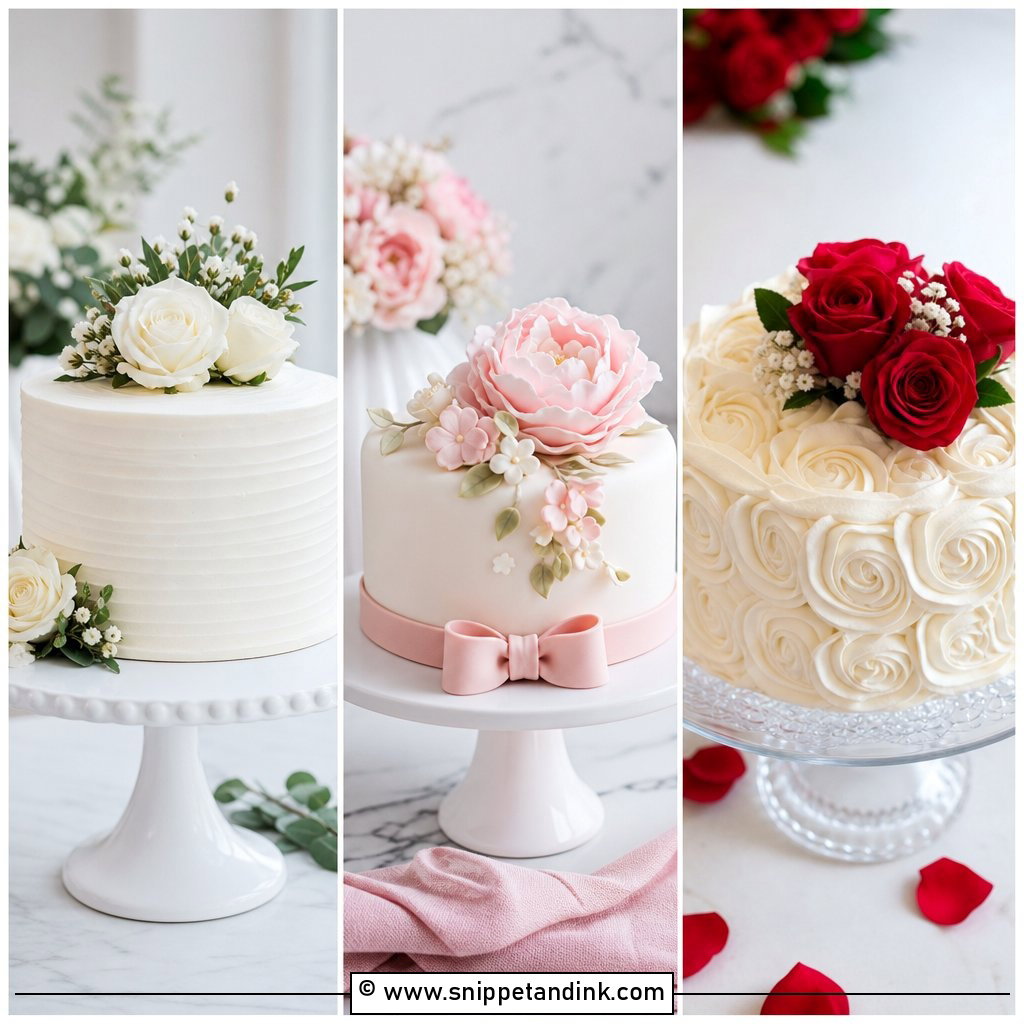
A one tier wedding cake is my default for elopements, courthouse lunches and dinners at home. A 6 inch round gives you a cutting moment and a handful of slices; an 8 inch feeds a small table. If it looks too short in photos, I bake it as a double-height tier, two stacked cakes with a board and dowels between them, rather than adding a second tier. Ivory buttercream with a ribbon or a few fresh flowers is all it needs.
2. Two Tier Wedding Cake
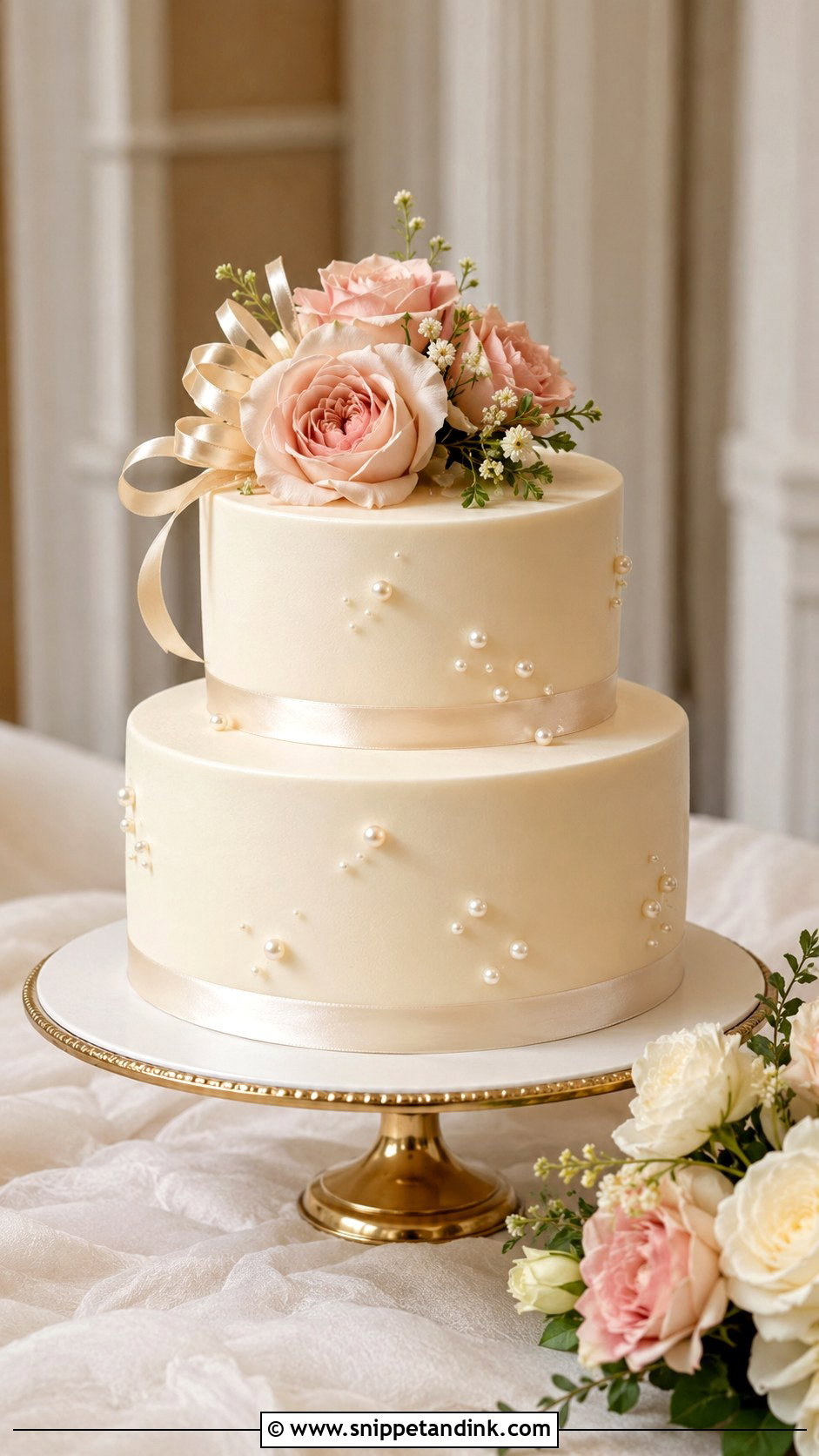
Two tiers give the classic wedding silhouette at a size that suits roughly 20 to 50 people, depending on tier sizes and how generously it’s cut. A 6-inch and 8-inch combination is the one I build most, because the step between tiers looks balanced. Two tiers is also the easiest way to give guests a choice: vanilla with raspberry on top, chocolate with mocha buttercream below. Smooth buttercream and a single bow or a small floral cluster keep it in proportion.
3. Small Buttercream Wedding Cake
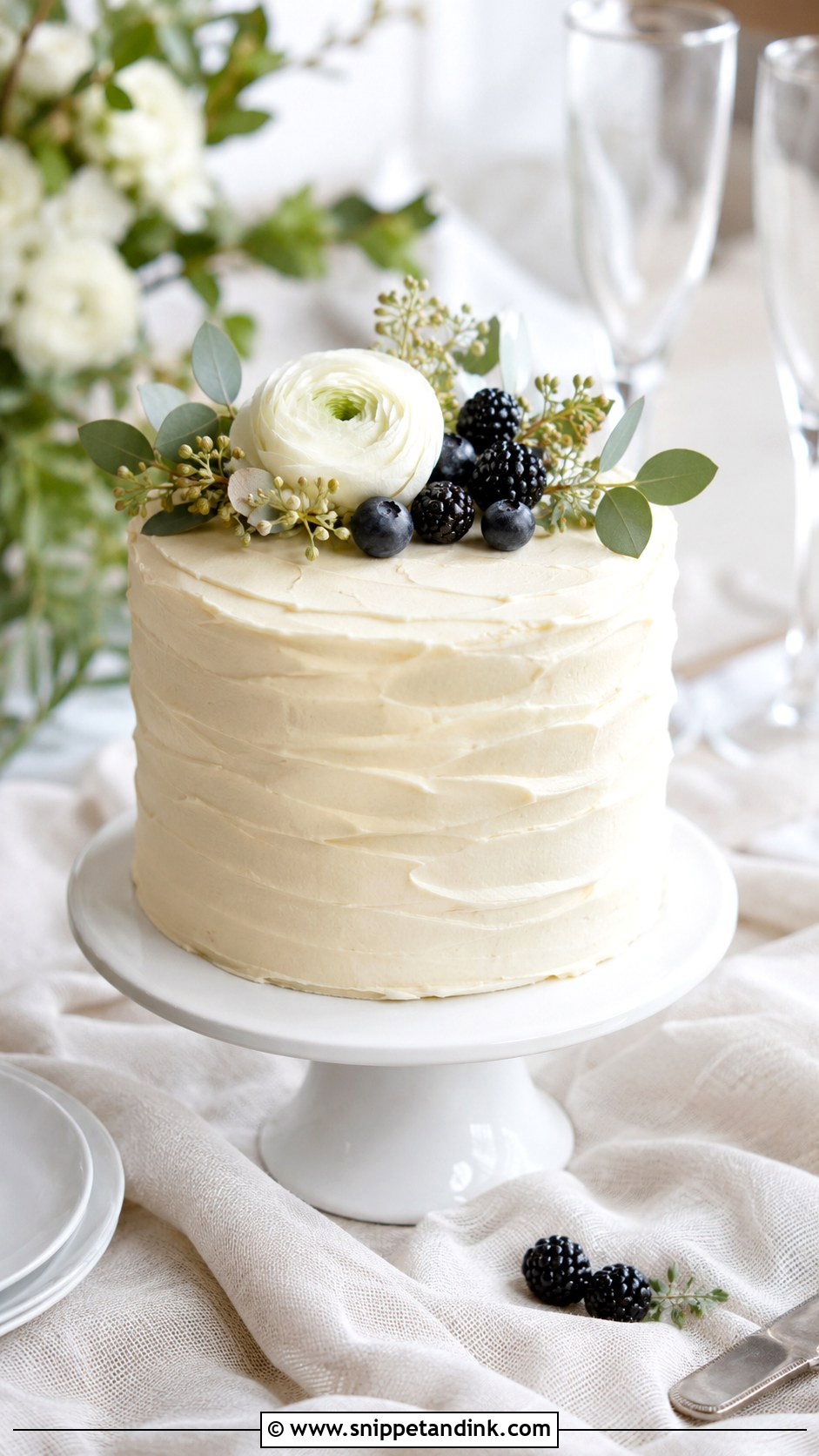
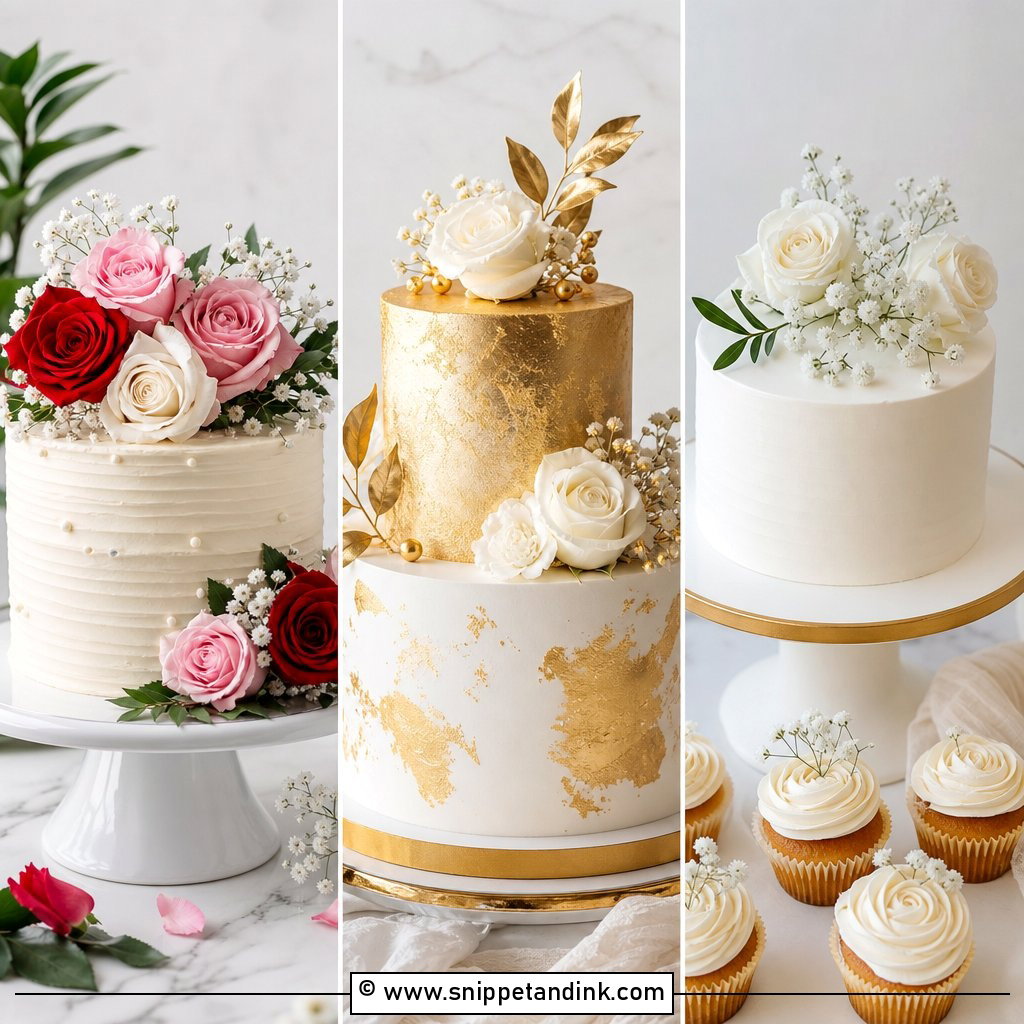
Buttercream reads warm and handmade, which suits an intimate room. On a small cake the edges are what people notice, so I spend most of my time getting a sharp top edge, or I go the other way and lean into texture with a palette knife or soft horizontal lines. Ivory, blush, pale blue and sage all take color evenly. Berries, pressed petals, a fleck of gold leaf or tiny piped dots are enough decoration. Too many of them and a petite cake looks crowded.
4. Small Fondant Wedding Cake
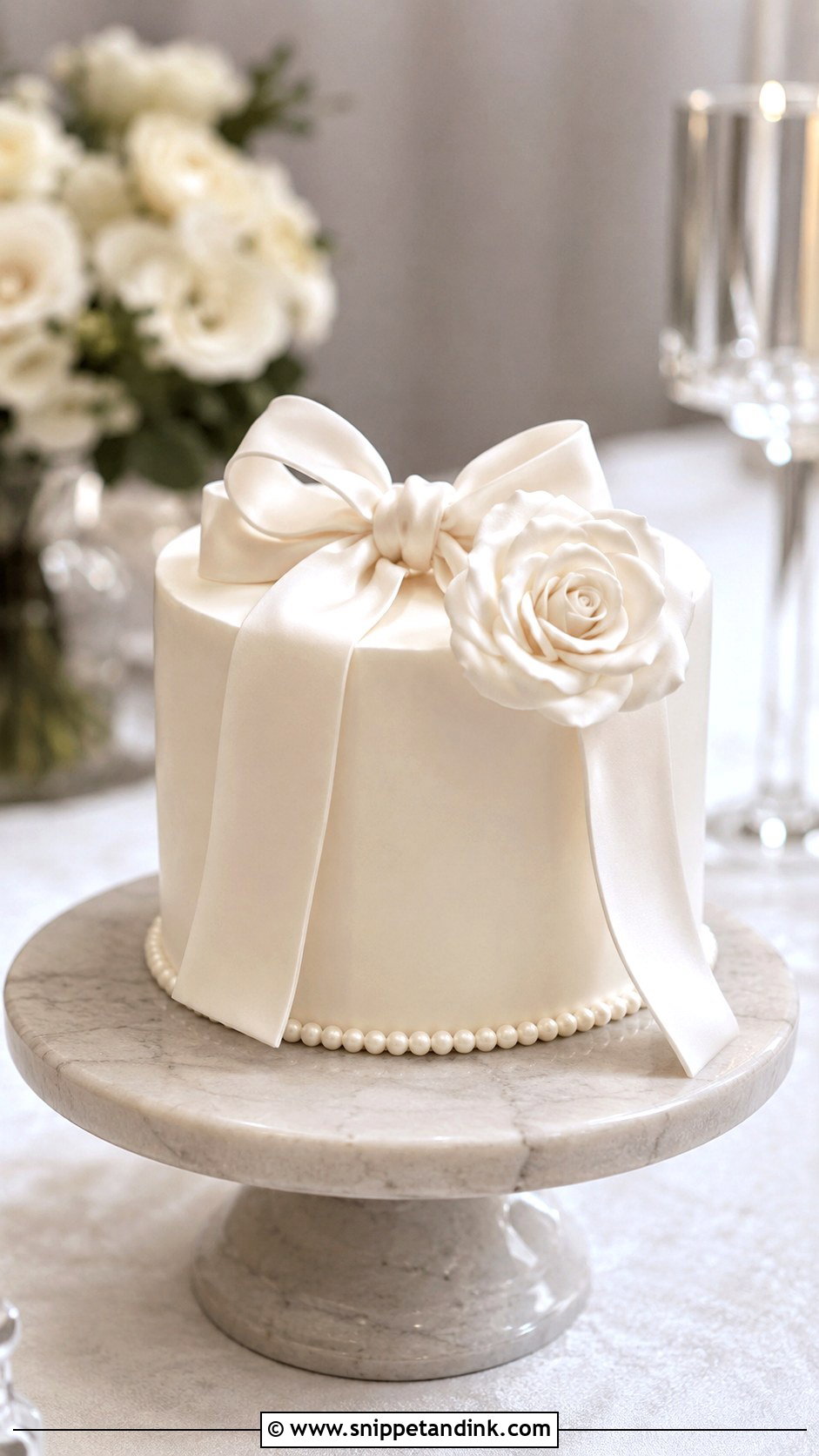
Fondant gives a little cake the crisp edges and flat surface that read as luxury in a modern room. I roll it thin over a chilled ganache coat, which is what gives those sharp corners. The flavor underneath matters more than ever at this size, since guests are eating a large share of the cake. Soft ivory or warm white is classic; pale stone, dusty blue or muted sage feel newer. Choose one detail, a silk ribbon, a sugar flower or a small monogram, and stop there.
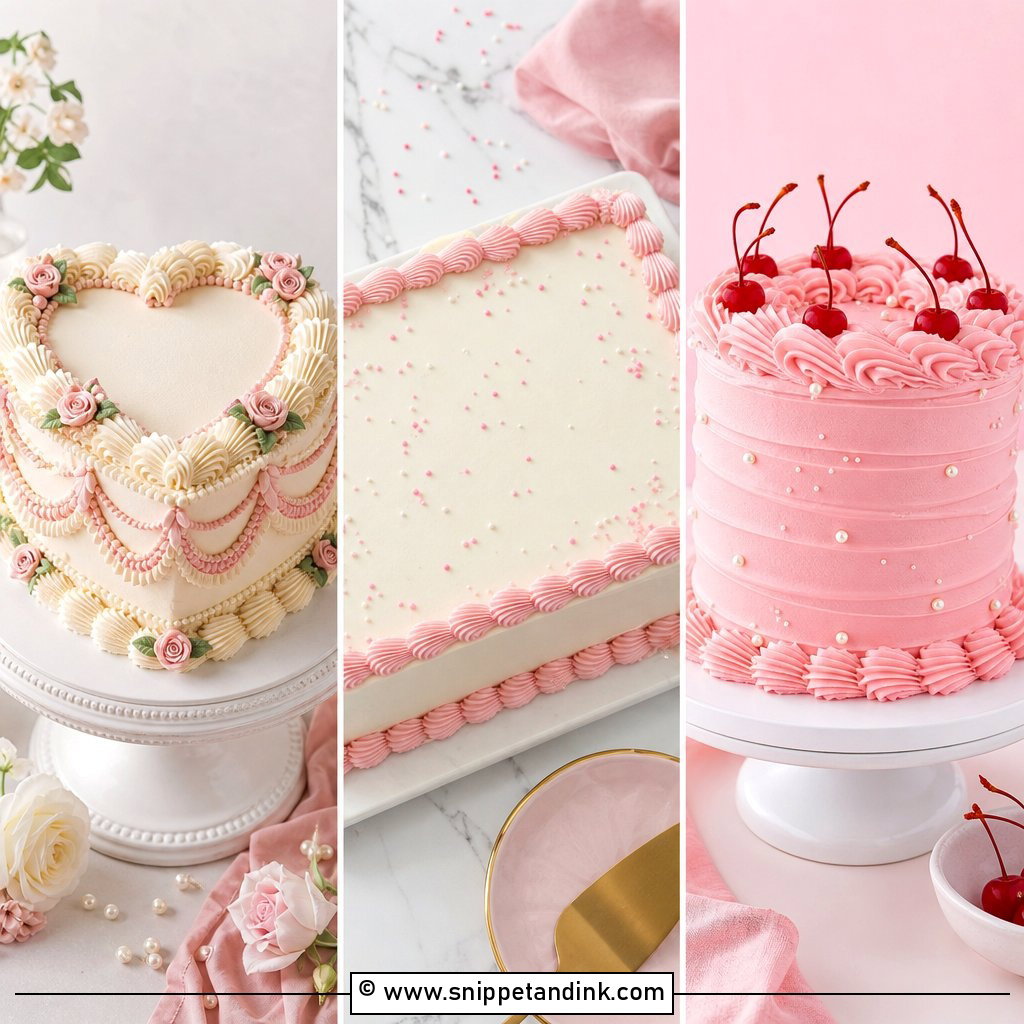
5. Small Vintage Wedding Cake
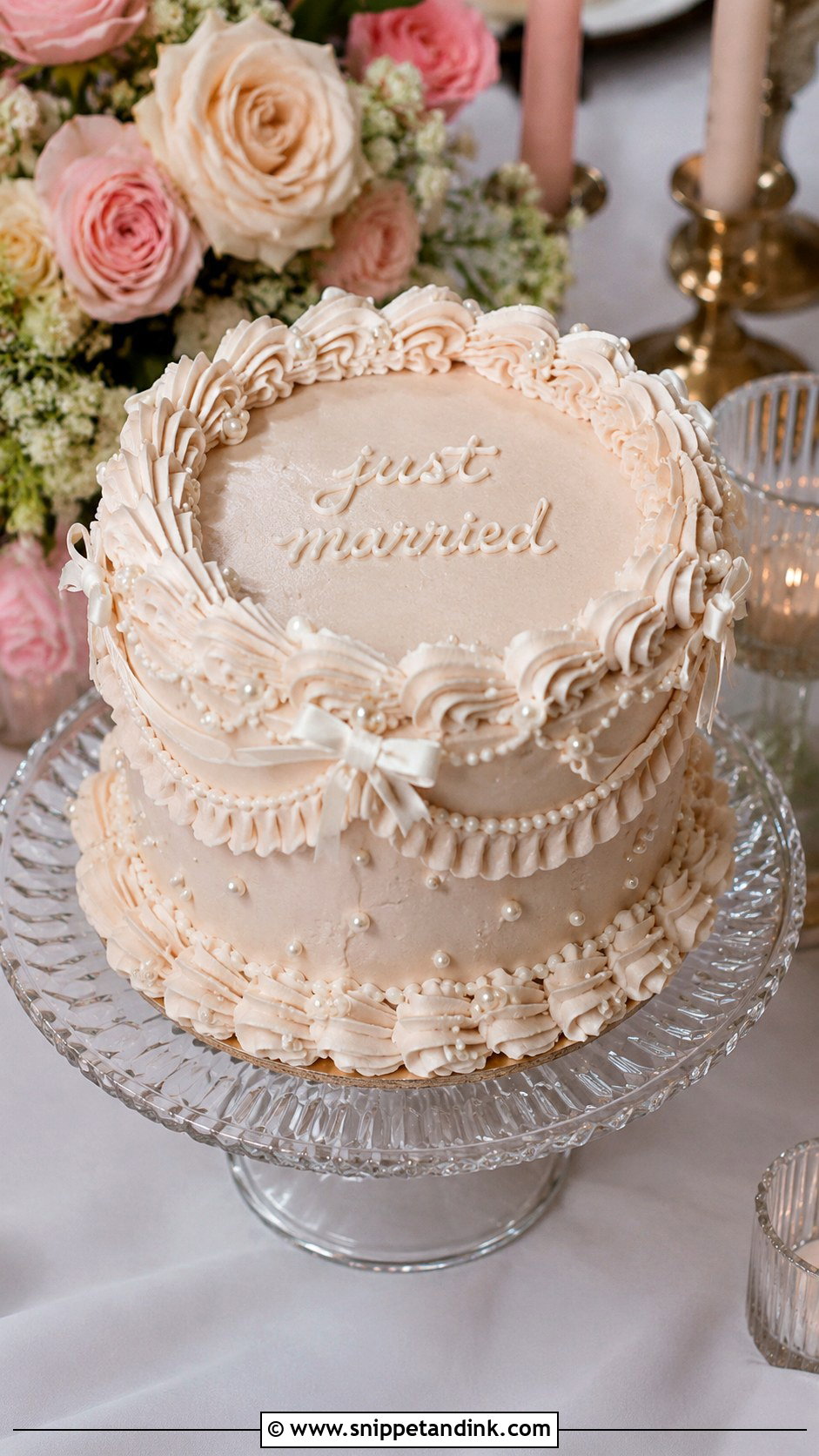
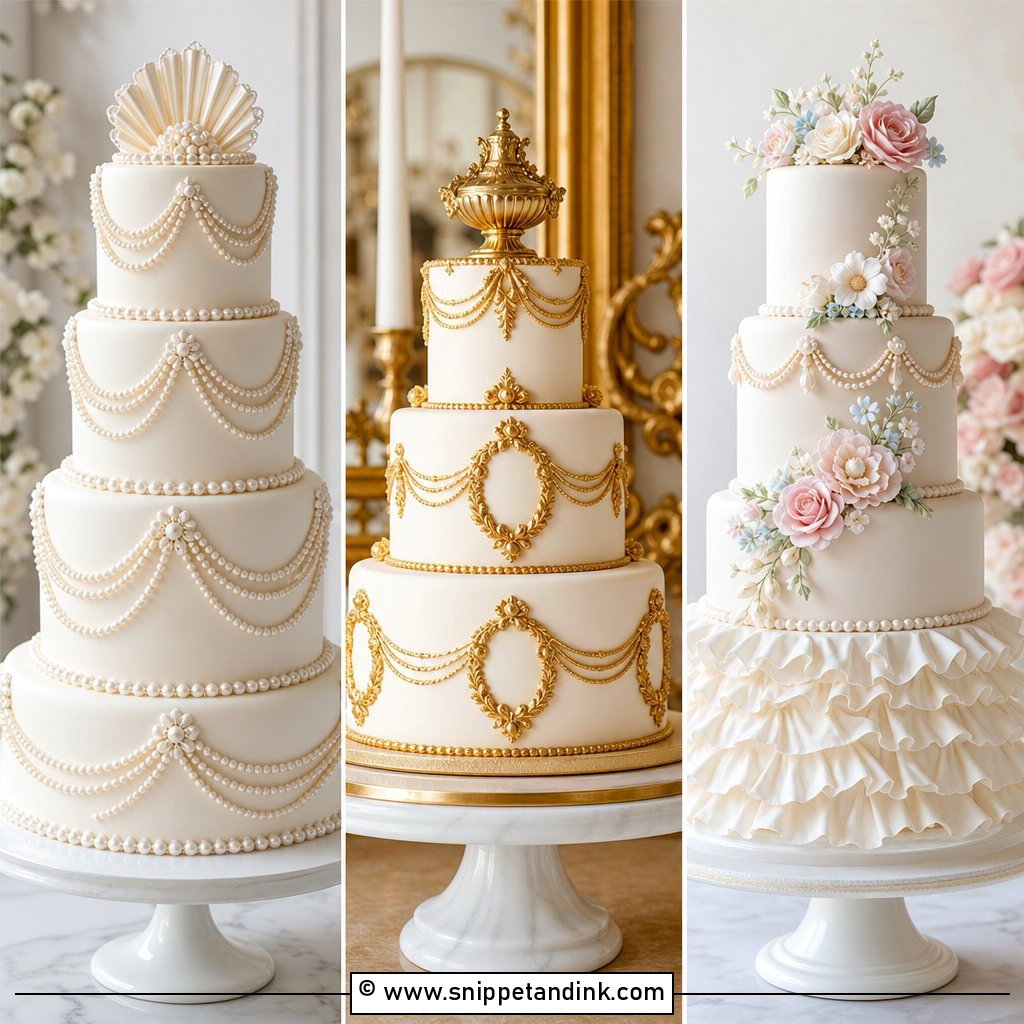
Vintage piping is where small cakes shine. Shell borders, ruffles, pearls and swags that would take a whole day across five tiers become a few careful hours on one, and they stay delicate rather than busy. For piped buttercream borders I use a crusting buttercream so the ridges hold their shape. White or blush keeps it bridal; pastel piping makes it playful. A short phrase, your initials or “just married” across the top suits the style.
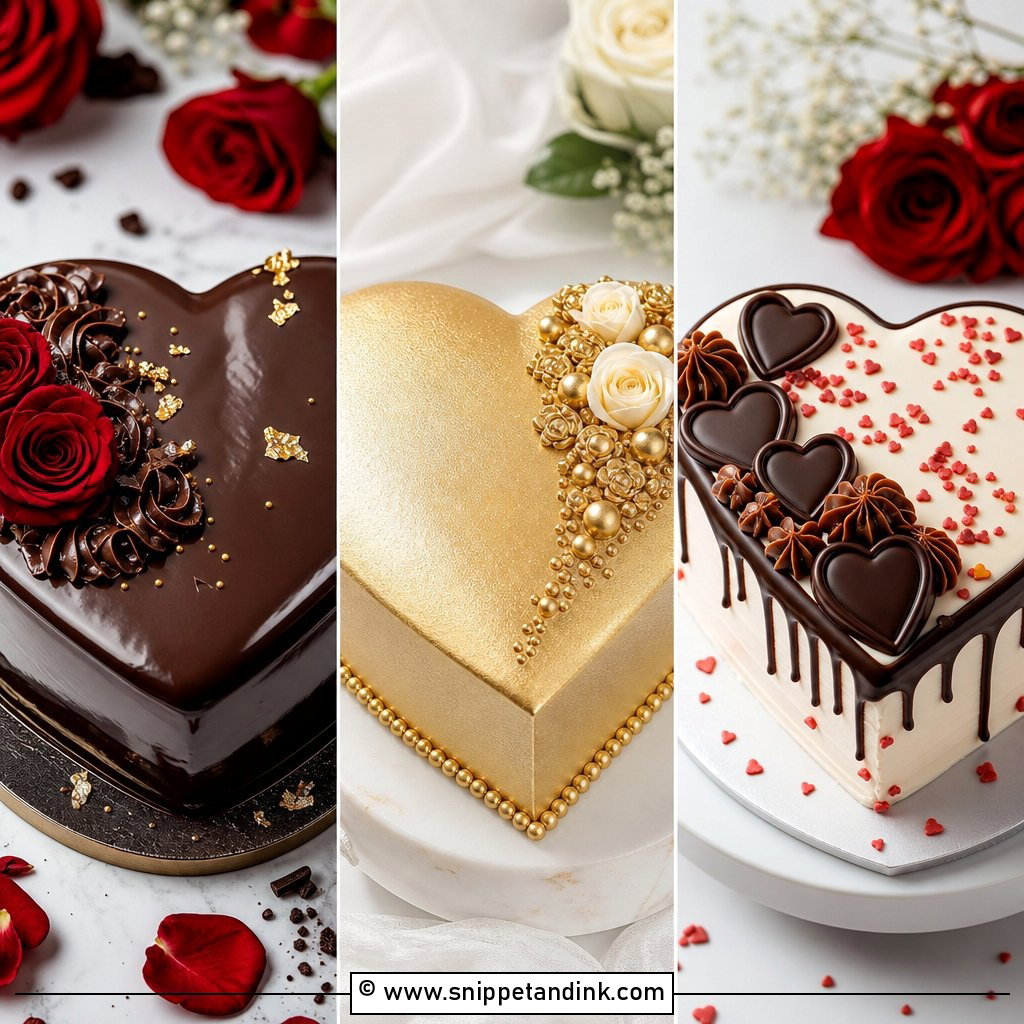
6. Small Heart Wedding Cake
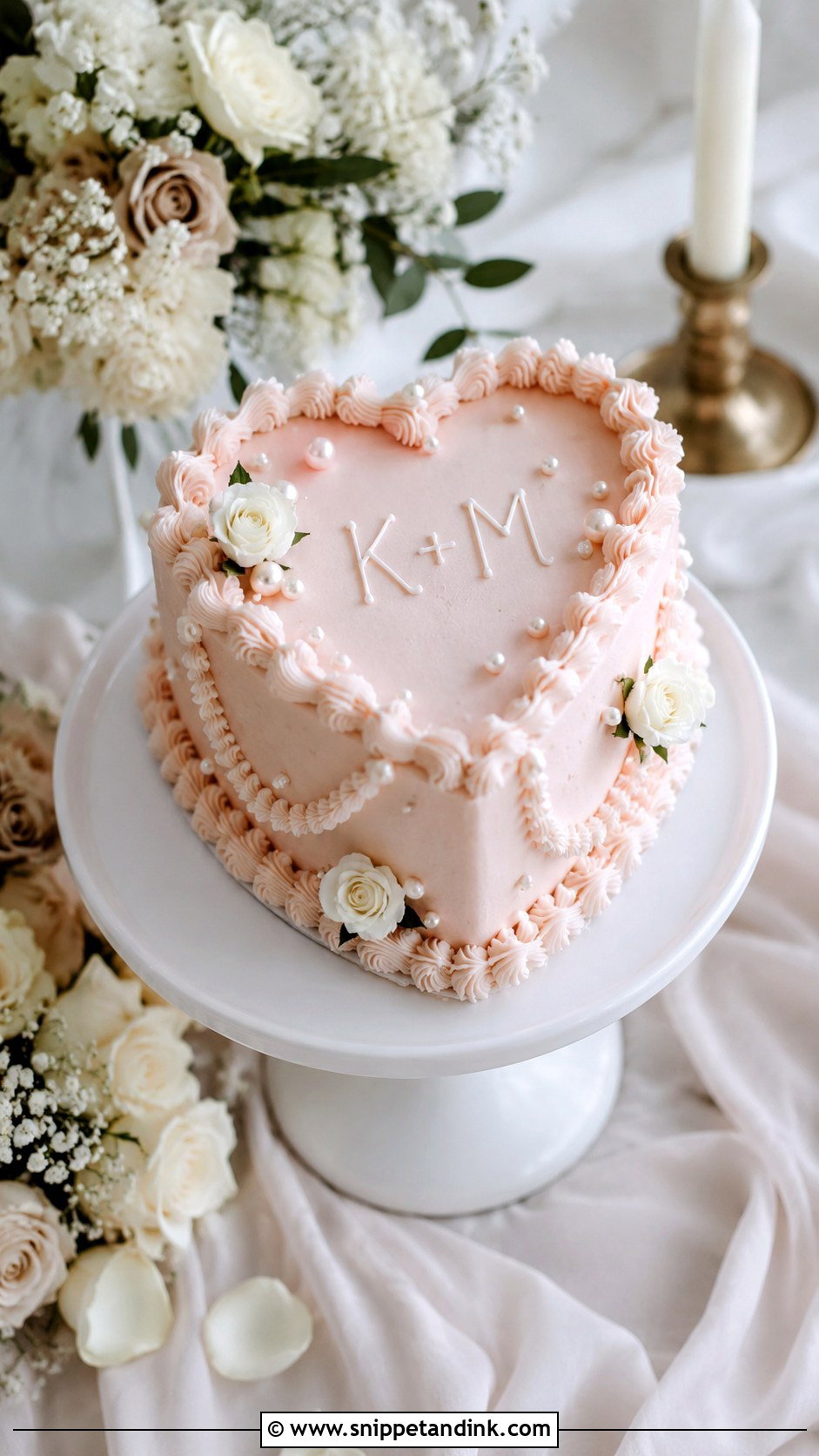
Heart cakes are made for a phone camera held close. The shape does the romantic work, so I keep the decoration to one idea: ivory with pearl piping, blush with white ruffles, or red accents if you want it bolder. The point of the heart is the hardest part to finish neatly, so look at how a baker handles it in their past work. Initials or a date in piped script fit nicely across the top. On a pedestal with a few flowers at the base, it becomes the centerpiece of a courthouse lunch.
7. Small Floral Wedding Cake
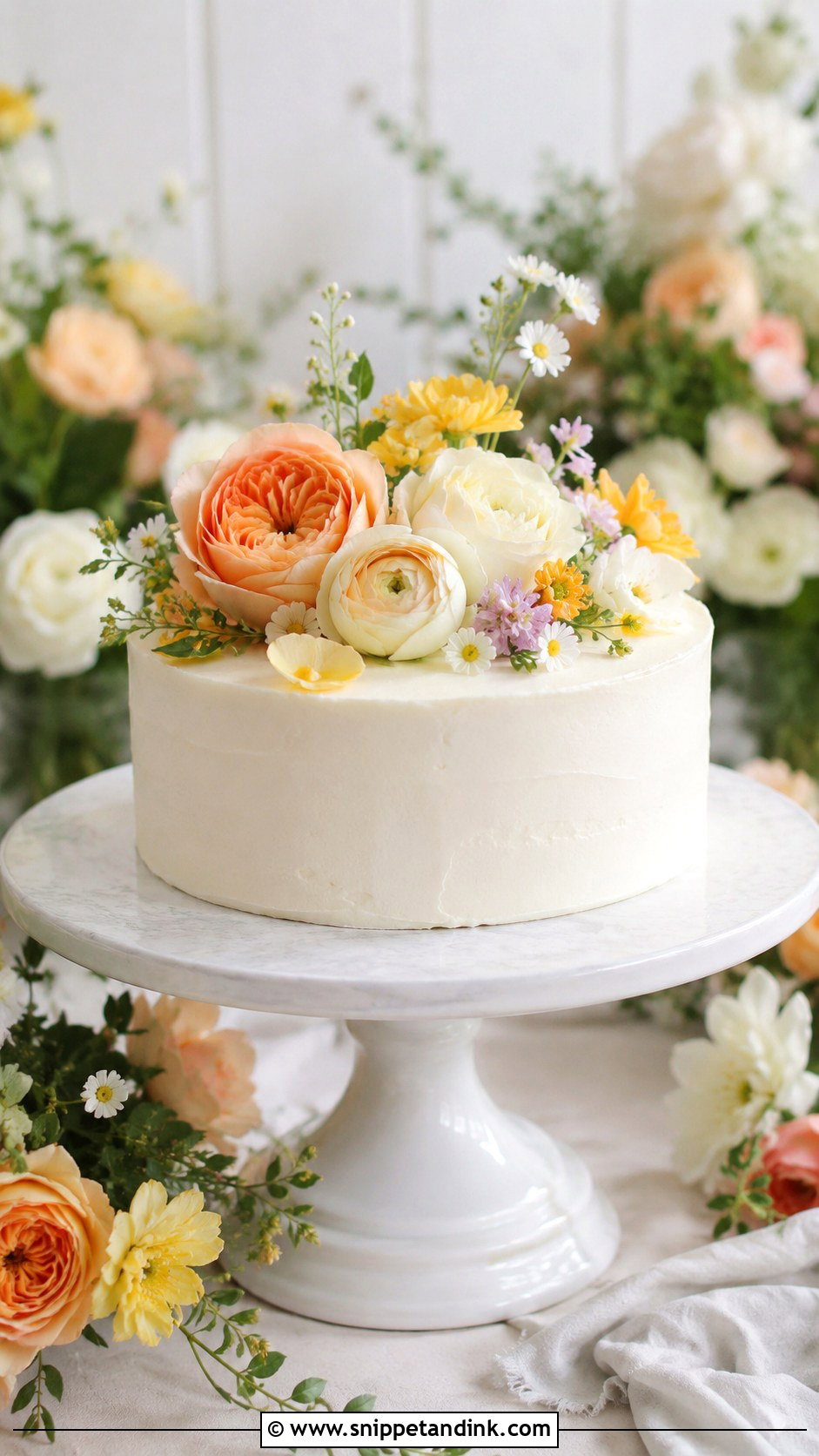
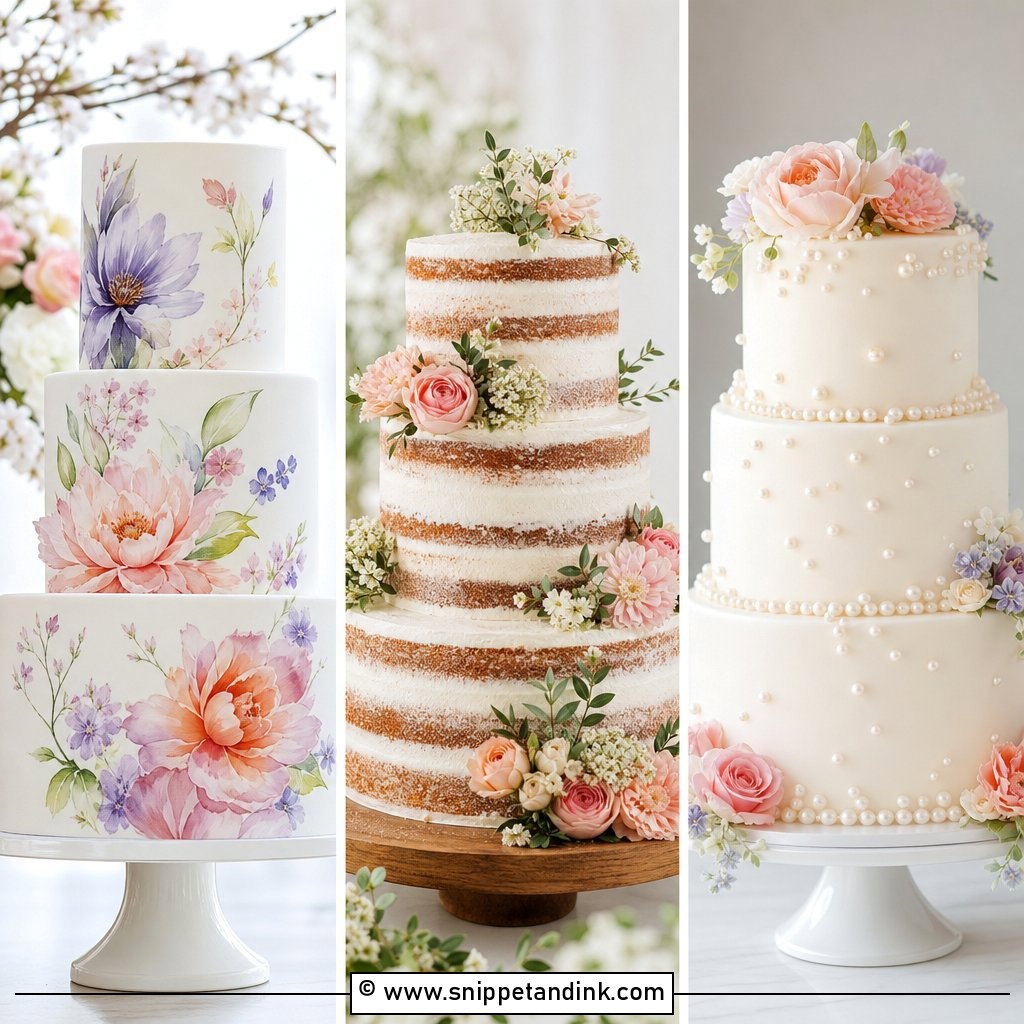
Scale is everything with flowers on a small cake. A single large peony can swallow a 6 inch tier, so I reach for small garden roses, ranunculus, chamomile and edible flowers. Baby’s breath is pretty but not safe to eat, so it stays on a barrier or off the cake entirely. A crescent across one side, a ring around the base or a short trail down the front all leave room for the frosting to show. Ask your florist to set aside a few stems from your bouquet for me.
8. Small Garden Wedding Cake
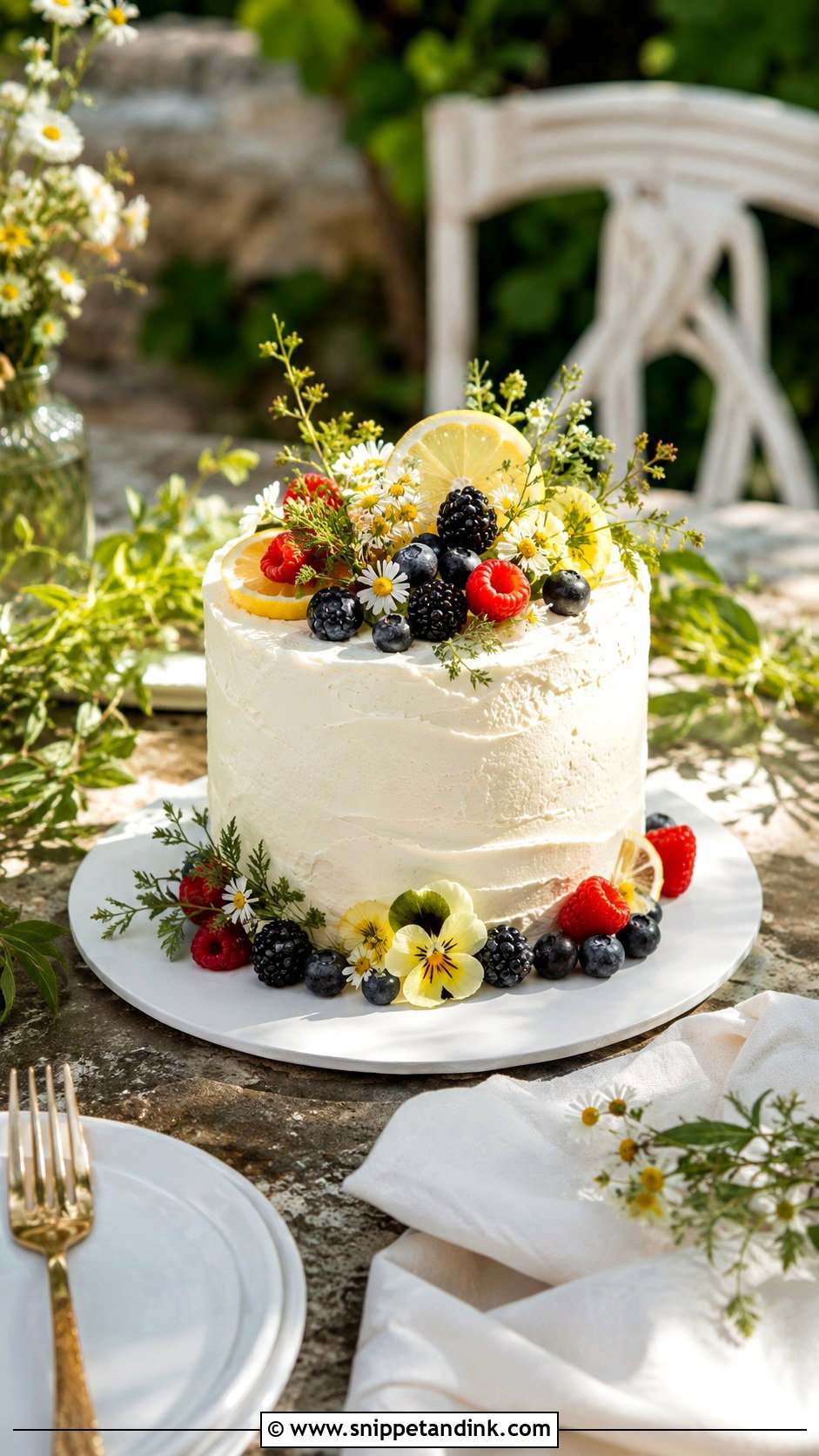
For a garden cake I want the flowers to look gathered, not arranged. Smooth or lightly textured buttercream, a little greenery and edible petals are the base, and the season does the rest: pale pink and cream in spring, berries and brighter blooms in summer, warm ivory frosting with figs or small pears in autumn. Outdoors, buttercream needs shade. I’d set it on a stone table or plain white stand away from direct sun, with candles kept a sensible distance from the frosting.
9. Small Rustic Wedding Cake
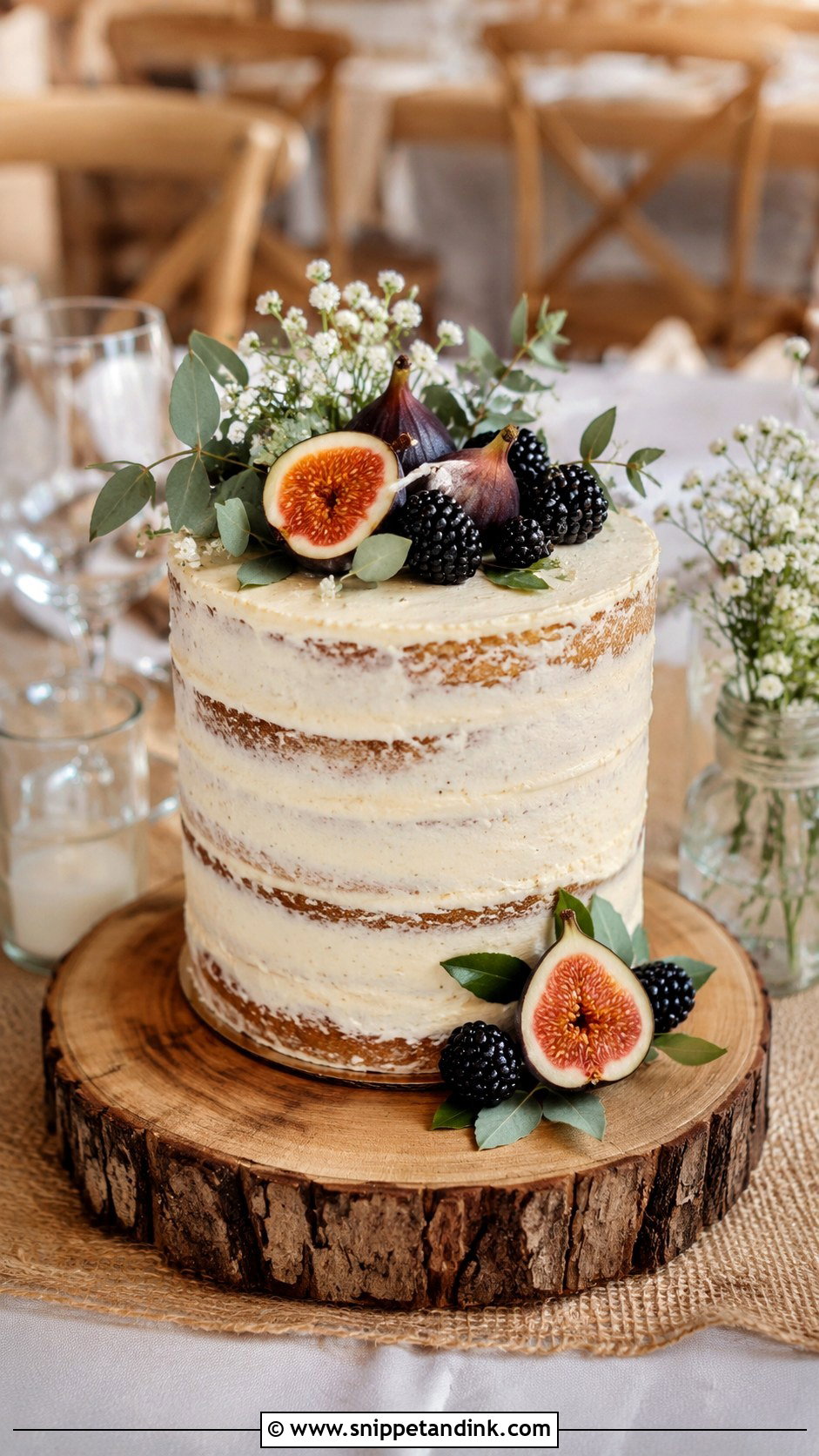
Semi-naked frosting is the natural finish for a barn, a backyard or a mountain elopement. The thin scraped coat lets the sponge show while still holding in some moisture. Vanilla, almond, carrot and spice cakes look warmest this way. Greenery, berries, figs, dried citrus or a few small white flowers finish it. A wood slice stand adds texture, but keep the table clean so it still reads as a wedding cake rather than a picnic.
10. Small Naked Wedding Cake
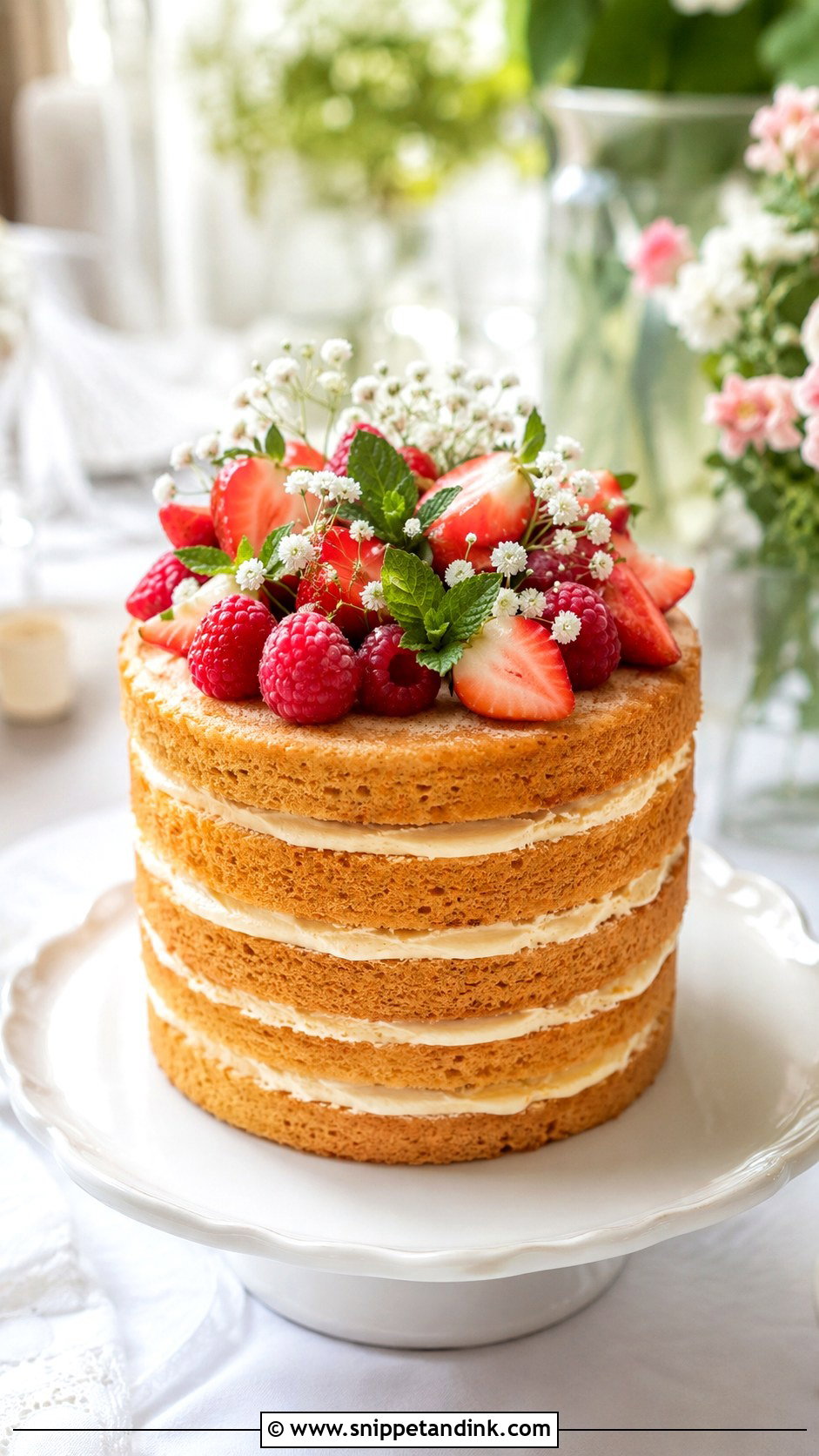
Naked cakes are about the layers, so the filling has to be firm enough to hold a straight line: vanilla buttercream, cream cheese frosting, lemon curd set with a buttercream dam, or berry preserves. Whipped cream won’t stay put. The sides dry out quickly once uncovered, so I bake as close to the day as I can and keep the cake wrapped and cold until shortly before serving. Fresh fruit, herbs and a few flowers add color. It suits a spring brunch or a summer table in the shade.
11. Small Pearl Wedding Cake
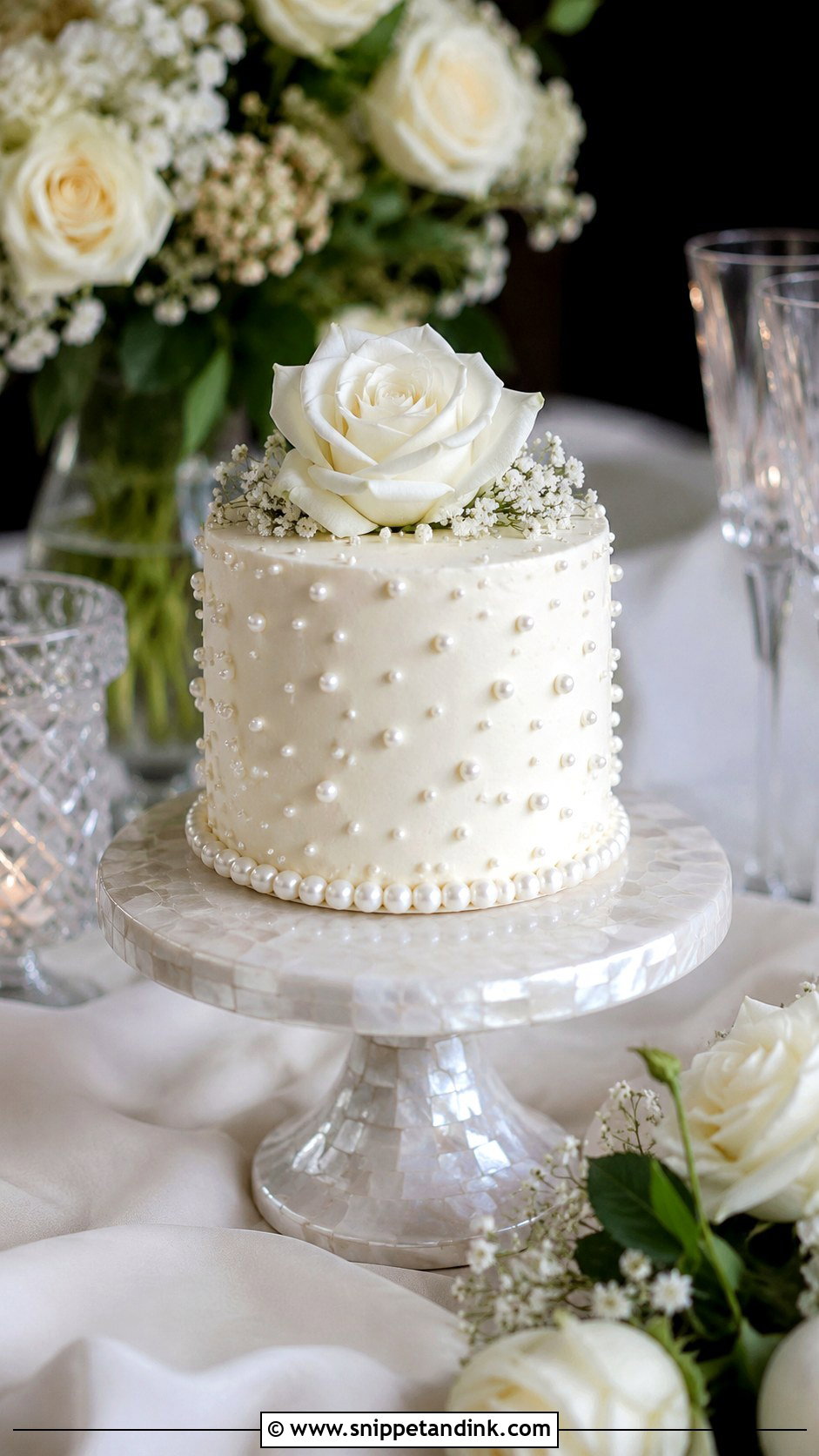
Edible pearls give texture without fuss. I place them one at a time with tweezers in neat lines, or scatter them lightly over the top tier, and either way a small cake shows the work clearly. Be aware that the hard sugar pearls are crunchy; for guests with sensitive teeth I use soft pearls piped in buttercream. Ivory is classic, while blush, pale gray or champagne look more current. A satin ribbon or a single white rose is all they need beside them.
12. Small Bow Wedding Cake
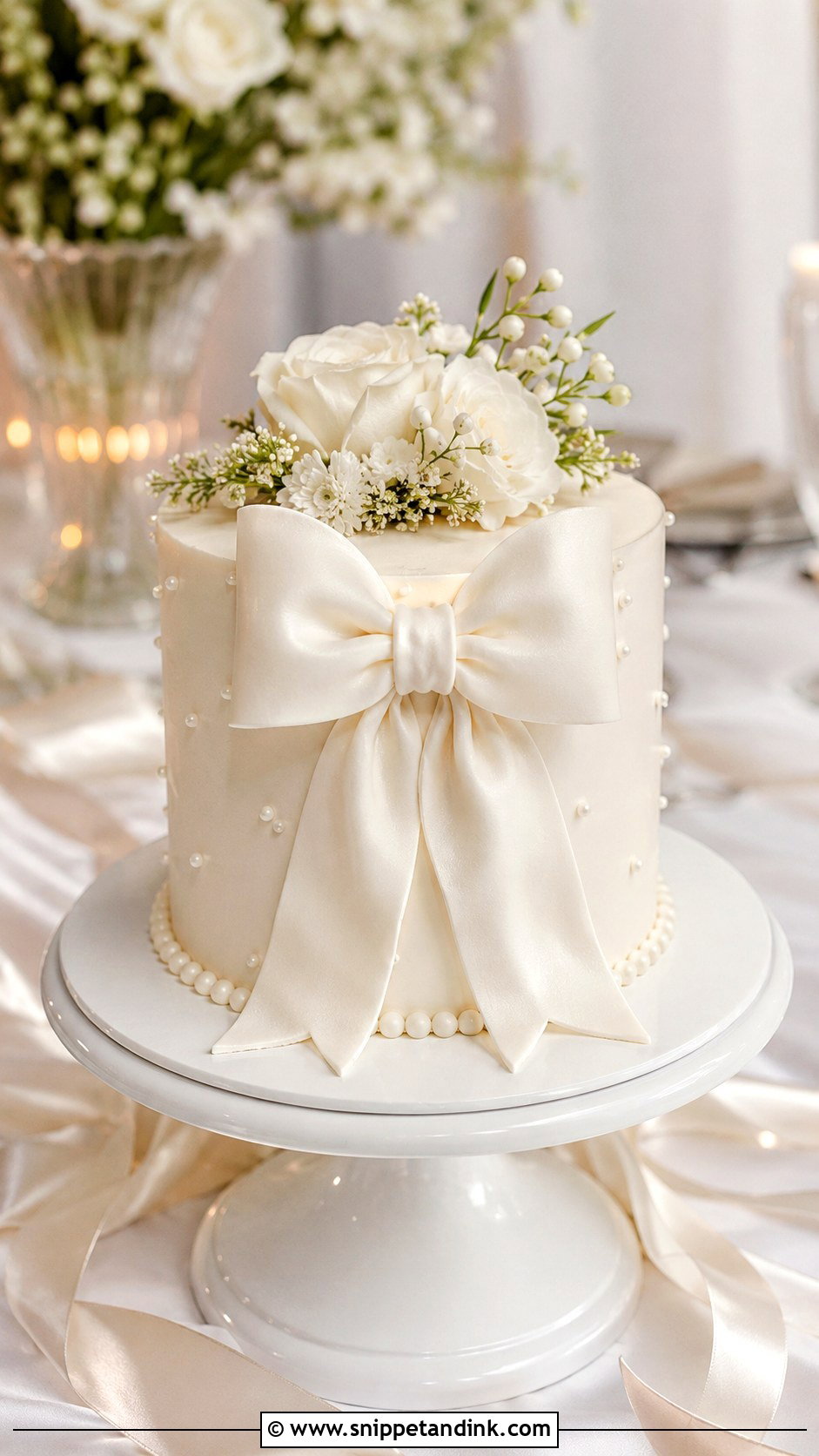
A bow on the front of a one tier cake is one of the simplest designs I make, and one of the most requested. I shape bows in gum paste or fondant so they hold their loops; buttercream bows look softer but sag in a warm room. Real ribbon around the base needs a strip of parchment or a thin food-safe backing under it, or the frosting grease stains the fabric. Keep the surface smooth. White, ivory, blush and pale blue all suit the look.
13. Small Gold Leaf Wedding Cake
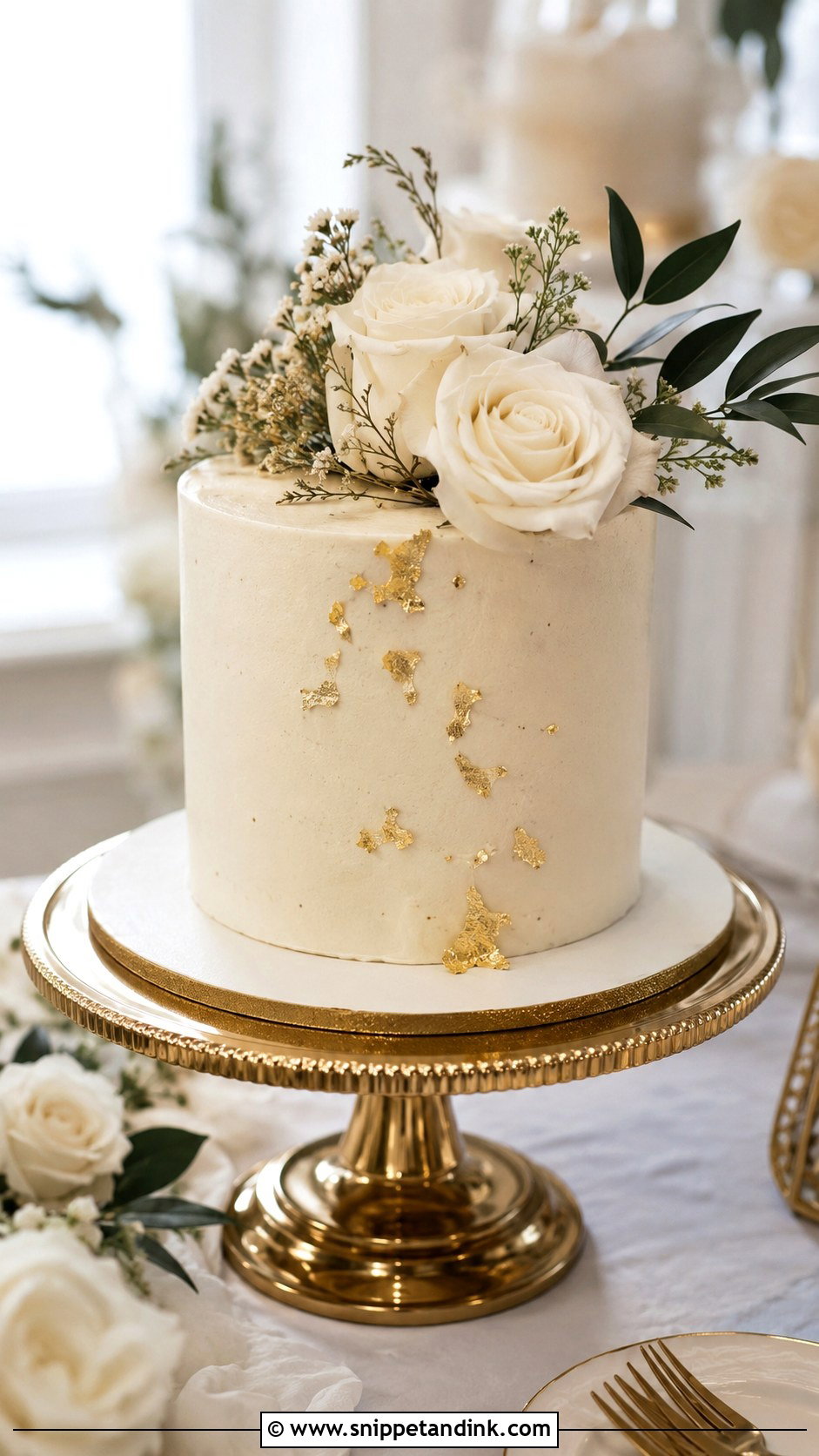
On a small cake, a little gold leaf goes a long way. I apply it with a dry brush to a chilled surface, either scattered, pressed along one side or tucked near a few flowers. Ivory is the safe base; black, sage, dusty blue or blush make it more modern. Gold reflects candlelight well, which is why I like it for restaurant dinners and evening receptions. Keep everything else simple, white flowers or a thin pearl border, so it glows rather than glares.
14. Small Square Wedding Cake
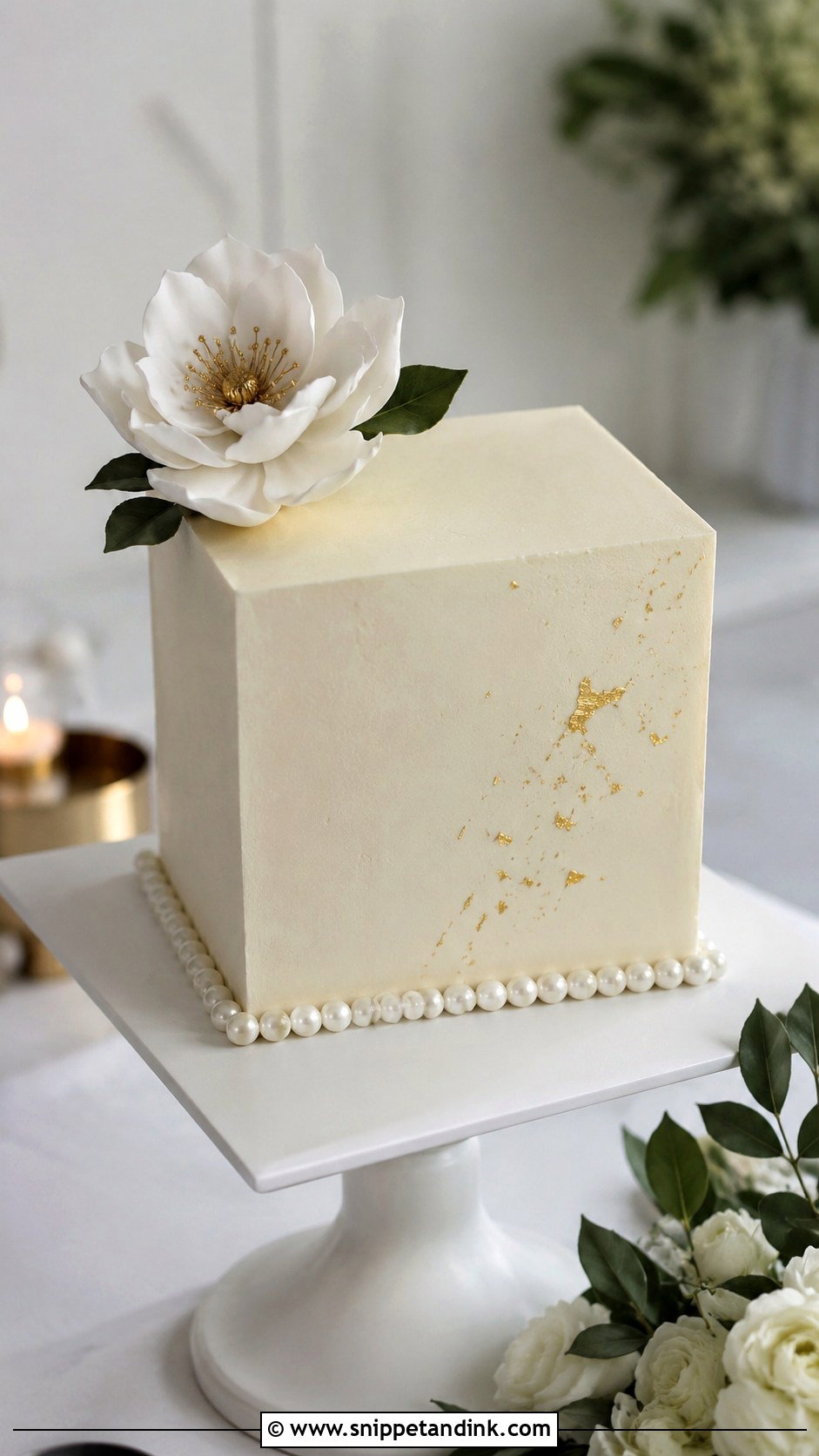
A square tier instantly looks different from the usual round, even with plain decoration. The corners are where you see the skill, so I chill the cake hard and finish each side separately. One square tier makes a stylish cutting cake, and two stacked give a strong modern outline. White with one statement flower, sage with gold, or pale pink with pearls all suit it. Square cakes also slice into tidy portions, which helps when there is no catering team.
15. Small Sheet Wedding Cake
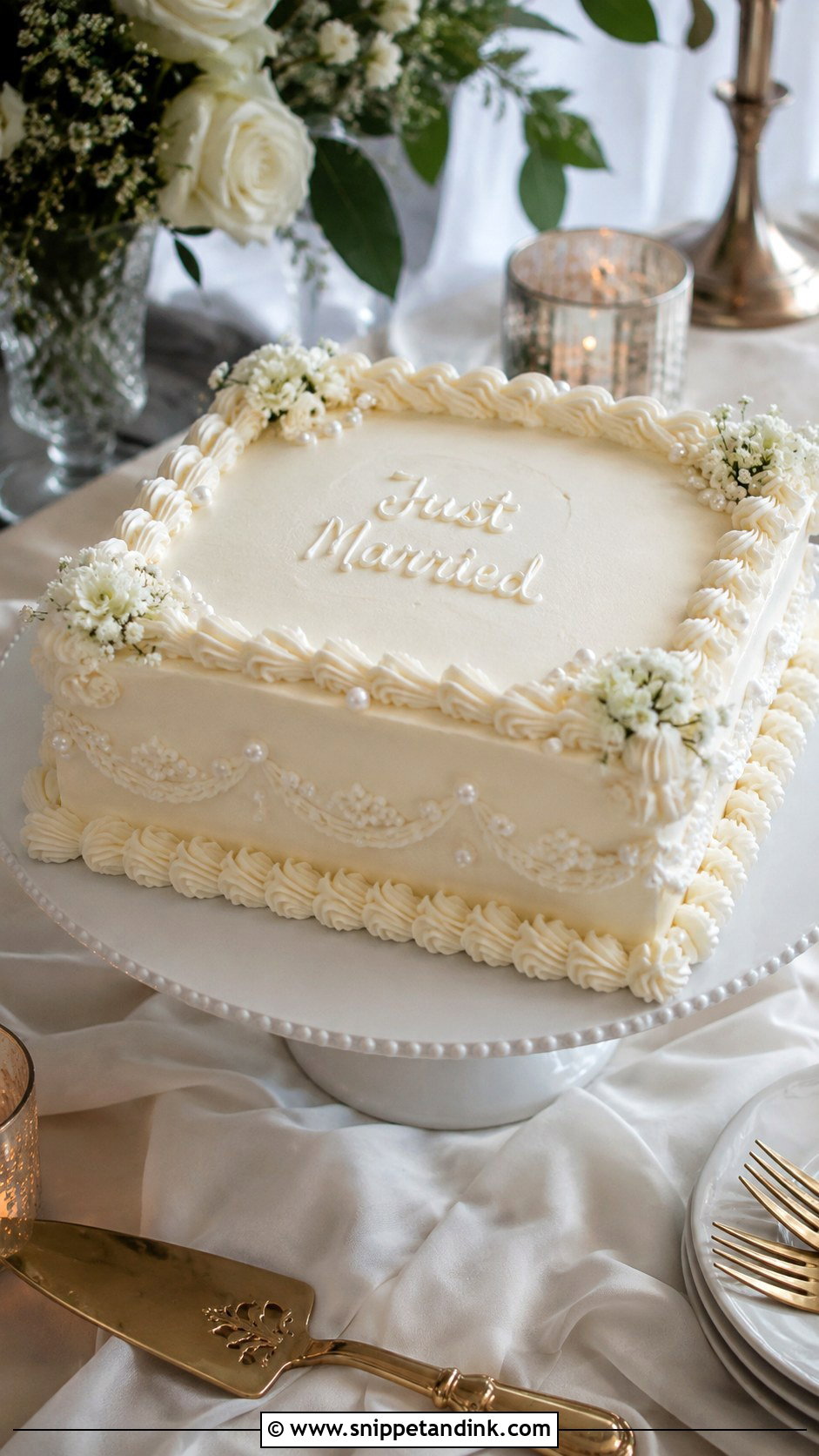
Sheet cakes have shed their office-party reputation. A rectangle cuts quickly into even slices and gives a wide surface for vintage piping, buttercream waves, fresh flowers or a single message in the center. I’d set it on a raised tray or a simple platter so it looks intended. It runs nicely down a long family-style table. If you want good cake photos without paying for stacked tiers, this is the most practical way to do it.
16. Small Italian Wedding Cake
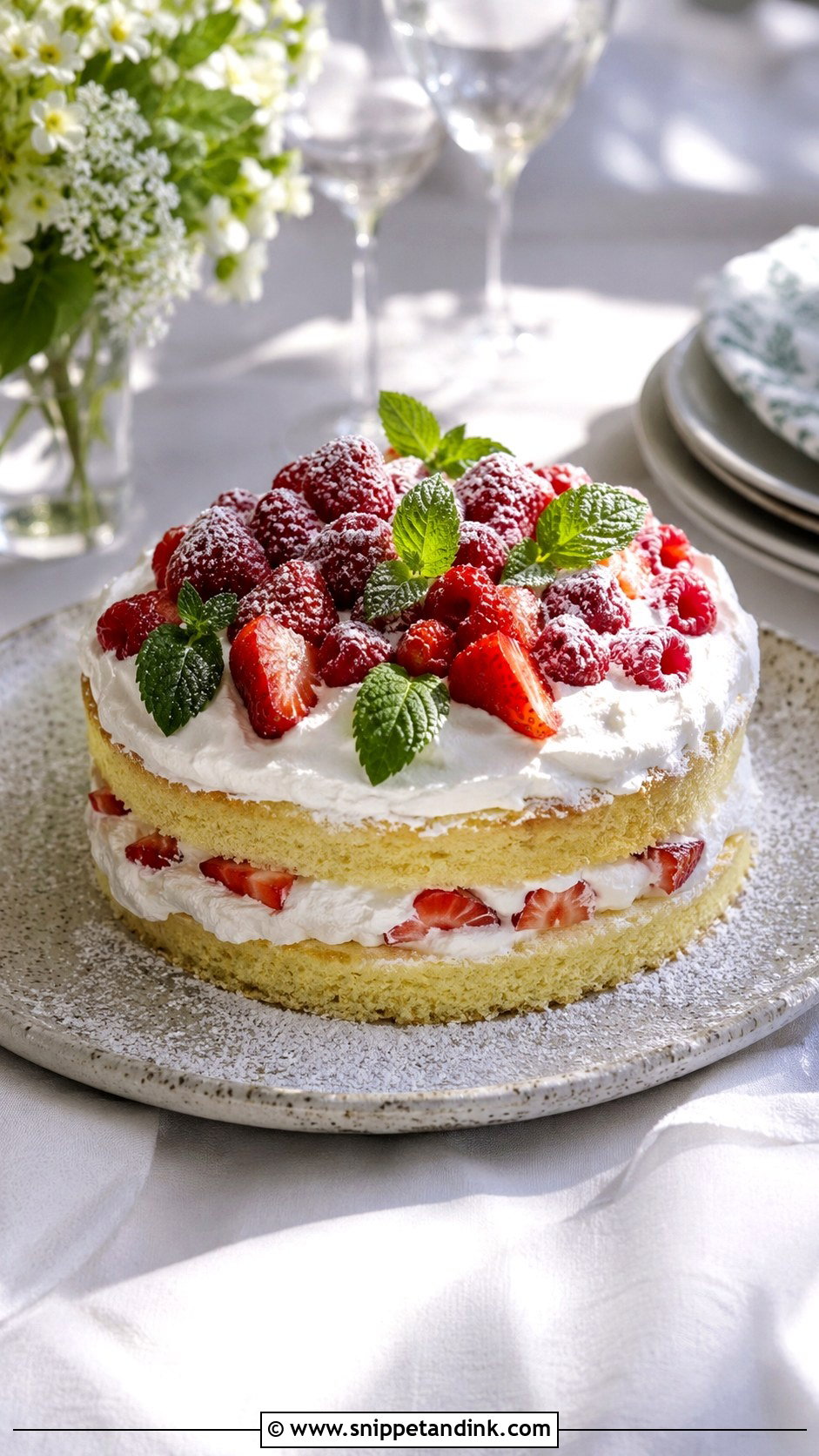
Italian wedding cakes tend to be wide and low, built around sponge, pastry cream, whipped cream and fresh fruit rather than height. Strawberries, raspberries and a dusting of powdered sugar finish it on a wide ceramic platter. The cream fillings that make it so good also mean it must stay cold, so I’d plan this one for a restaurant or a home with a fridge close by, not a long afternoon on a garden table. For a food-focused lunch it feels exactly right.
17. Small Drip Wedding Cake
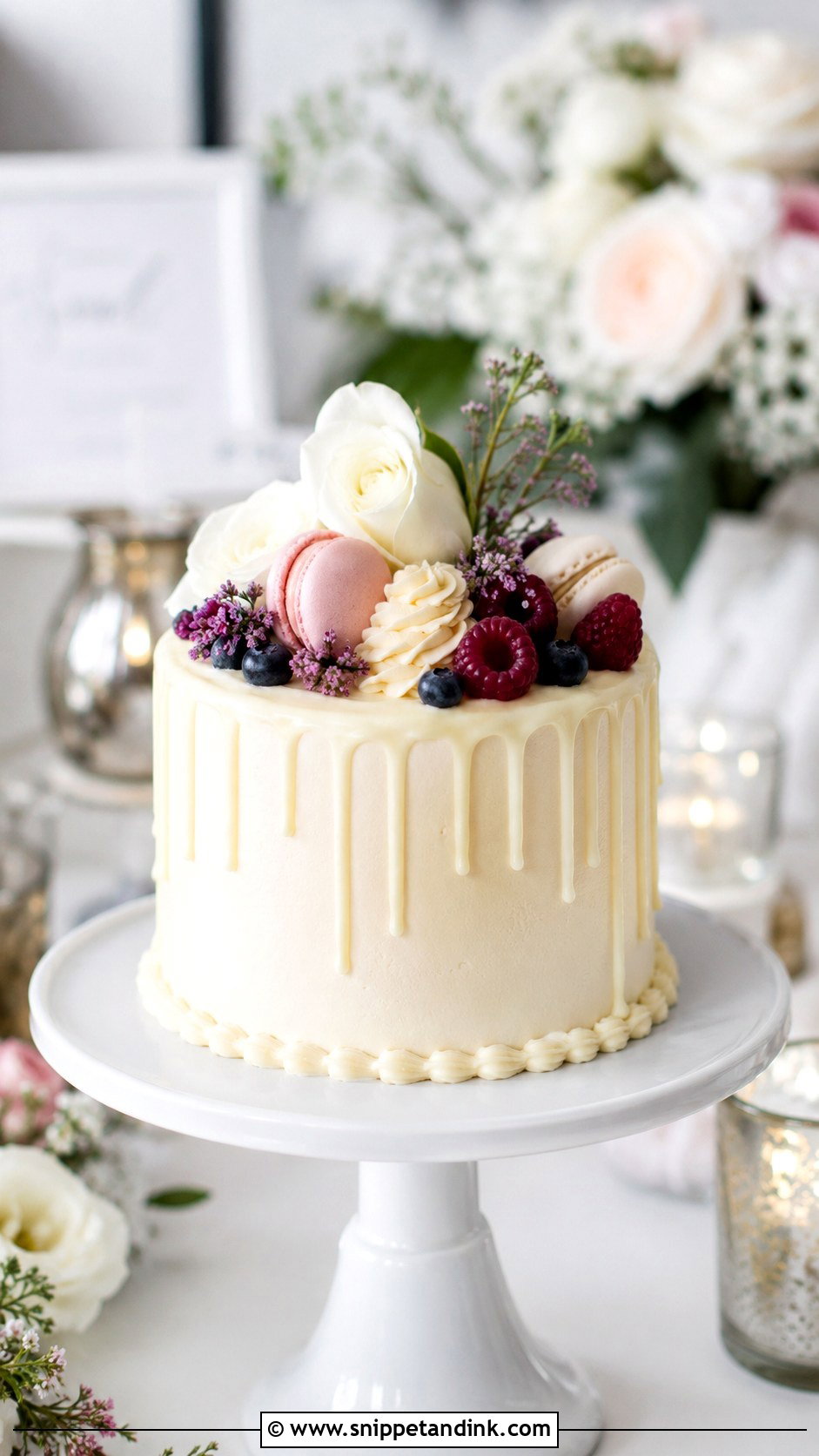
A drip can look polished when the colors stay soft: white chocolate over ivory buttercream for a clean bridal look, or caramel for autumn. On a 6 inch cake I make the drips short and evenly spaced, since long ones look messy at that scale. The ganache goes on a cold cake at just the right temperature or it runs to the board. Macarons, berries or a few piped swirls on top add height. Rich flavors, chocolate, almond or salted caramel, suit it.
18. Small Marble Wedding Cake
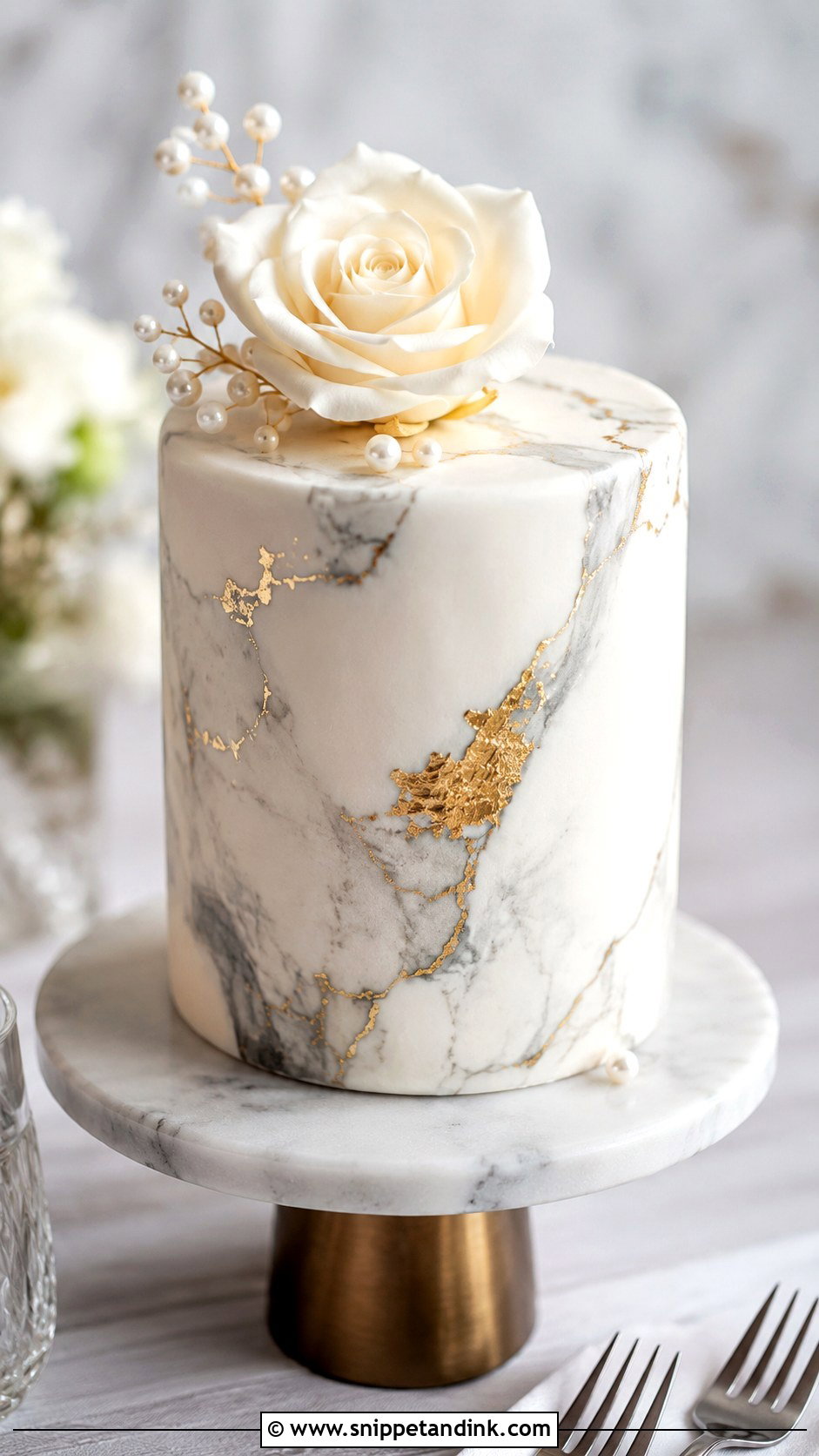
Marble is a surface pattern, so it works best on a single tier where nothing interrupts it. I work the veining into fondant by twisting colors together, or brush it onto buttercream, keeping the lines faint in gray, ivory, blush, sage or beige. Heavy veining on a small cake looks like a countertop. A touch of gold leaf, one sugar flower or a clear acrylic topper is plenty. It suits a rooftop, a gallery or a minimalist table.
19. Small Mini Wedding Cakes
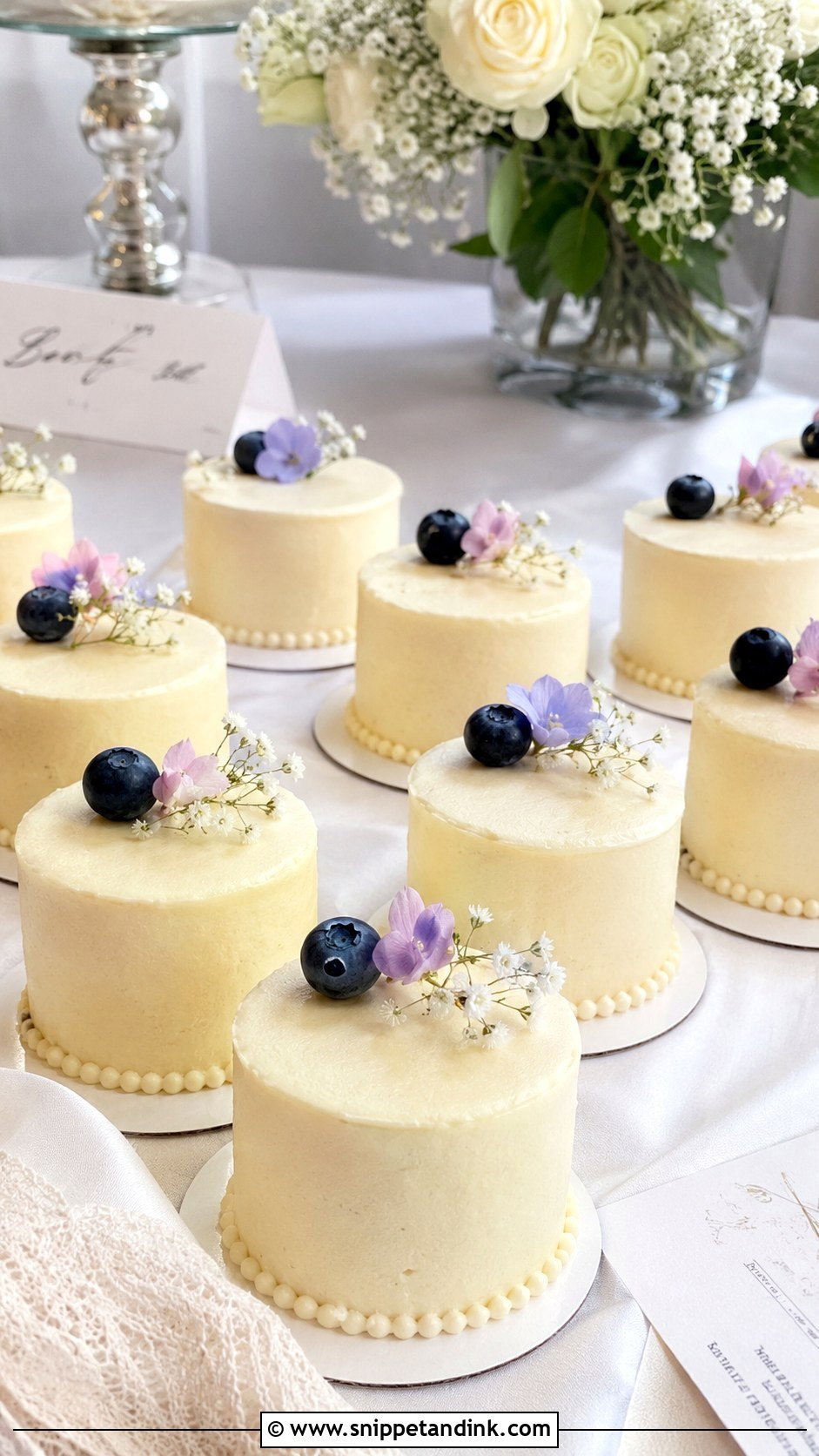
Individual cakes give every guest their own little moment, set at each place, grouped on a dessert table or boxed as favors. They take far more time per serving than one large cake, which surprises people when they see the quote. I keep the design uniform, smooth buttercream with a pearl border, a small flower or a single berry, because consistency is what makes them look professional. Two or three flavors are manageable. For a dinner of ten or twenty, they feel personal.
20. Small Cutting Wedding Cake
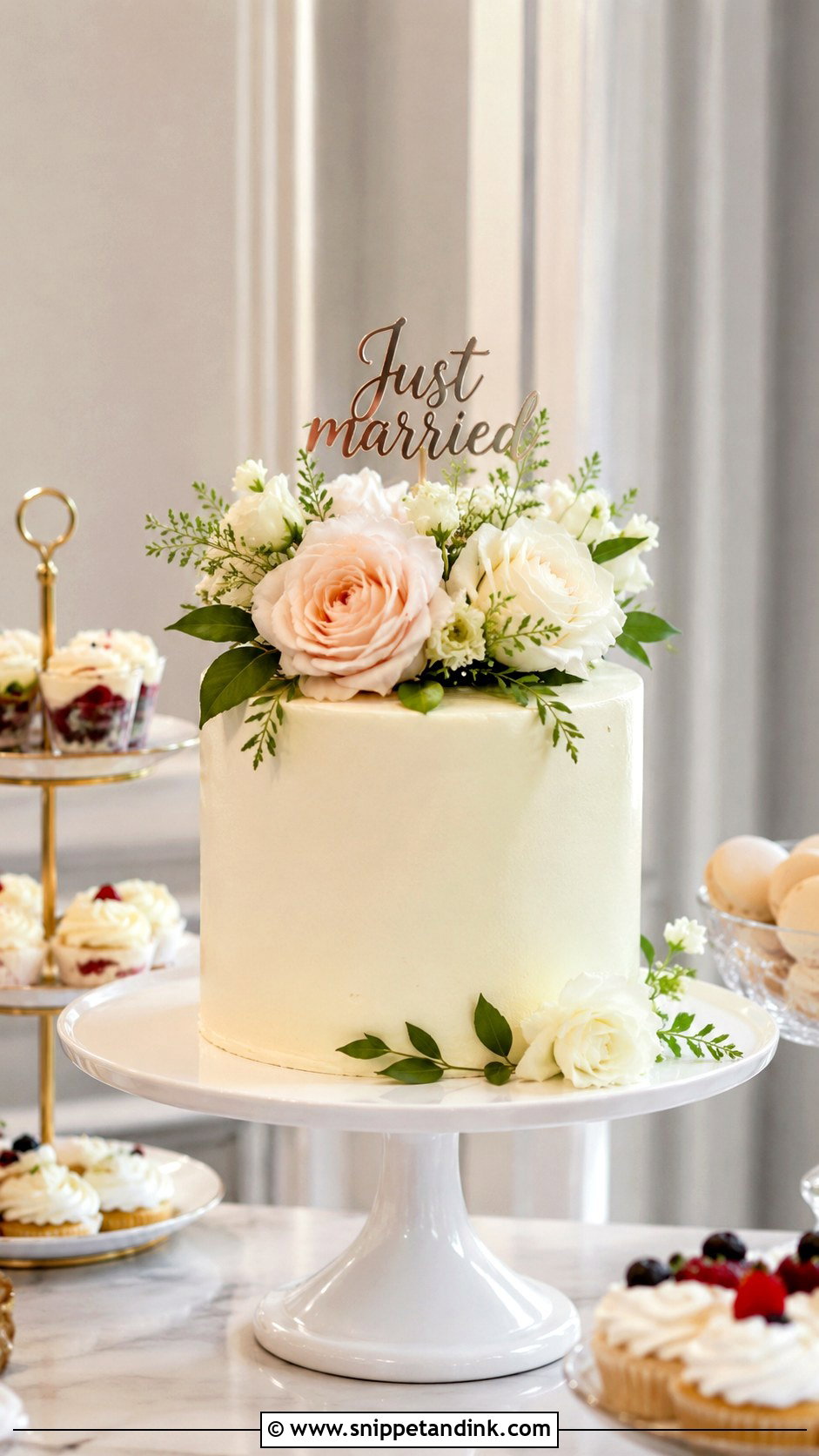
A small cutting cake gets you the traditional cake-cutting photo while guests eat sheet cake, cupcakes, cookies or plated desserts from the kitchen. A decorated 6 or 8 inch cake is usually enough. Because the photographer will shoot it up close, I put my time into a clean finish rather than more decoration. Pick a design that matches the rest of the day, smooth buttercream with flowers, vintage piping or a small fondant bow, and keep the table around it simple.
Taking a Little Cake to a Restaurant or a Mountaintop
Small weddings often happen in places that weren’t designed for cake: a private dining room, a rented cabin, a trailhead. Most problems come from the journey, not the bake.
- Ask the restaurant early whether they allow outside cakes and whether they charge a cake-cutting or plating fee per guest. Many do, and the amount varies widely.
- Check that there is fridge space for a cream or curd filled cake. If not, choose buttercream or fondant, which cope better at room temperature.
- In a car, the box goes flat on the floor or on a non-slip mat in the trunk, never on a seat. Air conditioning on, and no stops in the sun.
- For a hike or a remote spot, a sturdy cake in a cooler with ice packs under a board travels far better than anything with fresh flowers or a drip.
- Pack a knife, a cake server, napkins and a few plates. Venues that don’t usually host weddings often have none to spare.
Tell me where the cake is going when you order. I build a cake for a car trip and a mountain picnic differently from one that goes straight to a dining room table.
What the Cake Is Actually For
Before I sketch anything for a small wedding, I ask what the cake needs to do. Is it a cutting moment for photos, dessert for every guest, a centerpiece on the dinner table, or a tiny cake for just the two of you? The answer narrows twenty options down to two or three very quickly. One tier, two tiers, a heart, a sheet cake or mini cakes can each be right. Then choose flavors you genuinely love, keep the decoration in proportion to the size, and give the cake a clean spot to sit.
You'll Like These Ideas:





Leave a Reply