
A smaller cake asks more of the baker, not less. With no height to hide behind, the crumb, the frosting edge and the flower placement all sit at eye level, and guests at a table of twenty will actually look at them. I design a lot of cakes for elopements, backyard dinners and courthouse lunches, and the ones that work were planned as a finished piece from the start, never as a big cake shrunk down. Below are the styles I return to most, with notes on how each one behaves in the kitchen, in the car and on the table.
Portion Math for Six, Twenty or Forty Guests
Bakers count wedding portions as tall fingers of cake, roughly 1 inch by 2 inches, which is smaller than a party slice. By that measure a 4-inch round gives about eight pieces, a 6-inch about twelve and an 8-inch about twenty-four. Charts vary a little between bakeries, so ask yours how they cut.
- Up to 10 guests: a tall single 6-inch tier, with leftovers.
- Around 20 to 30 guests: a 6-inch on an 8-inch, or one 8-inch tier plus a small dessert plate.
- Around 40 guests: a 6-inch on an 8-inch with a kitchen cake of the same flavor sliced behind the scenes.
I always ask whether a dessert course is served too. If people have just had plated dessert, I can size down. If the cake is the only sweet thing all evening, I add a margin, because a small cake runs out quietly and someone’s grandmother misses a slice.
1. Single Tier Wedding Cake
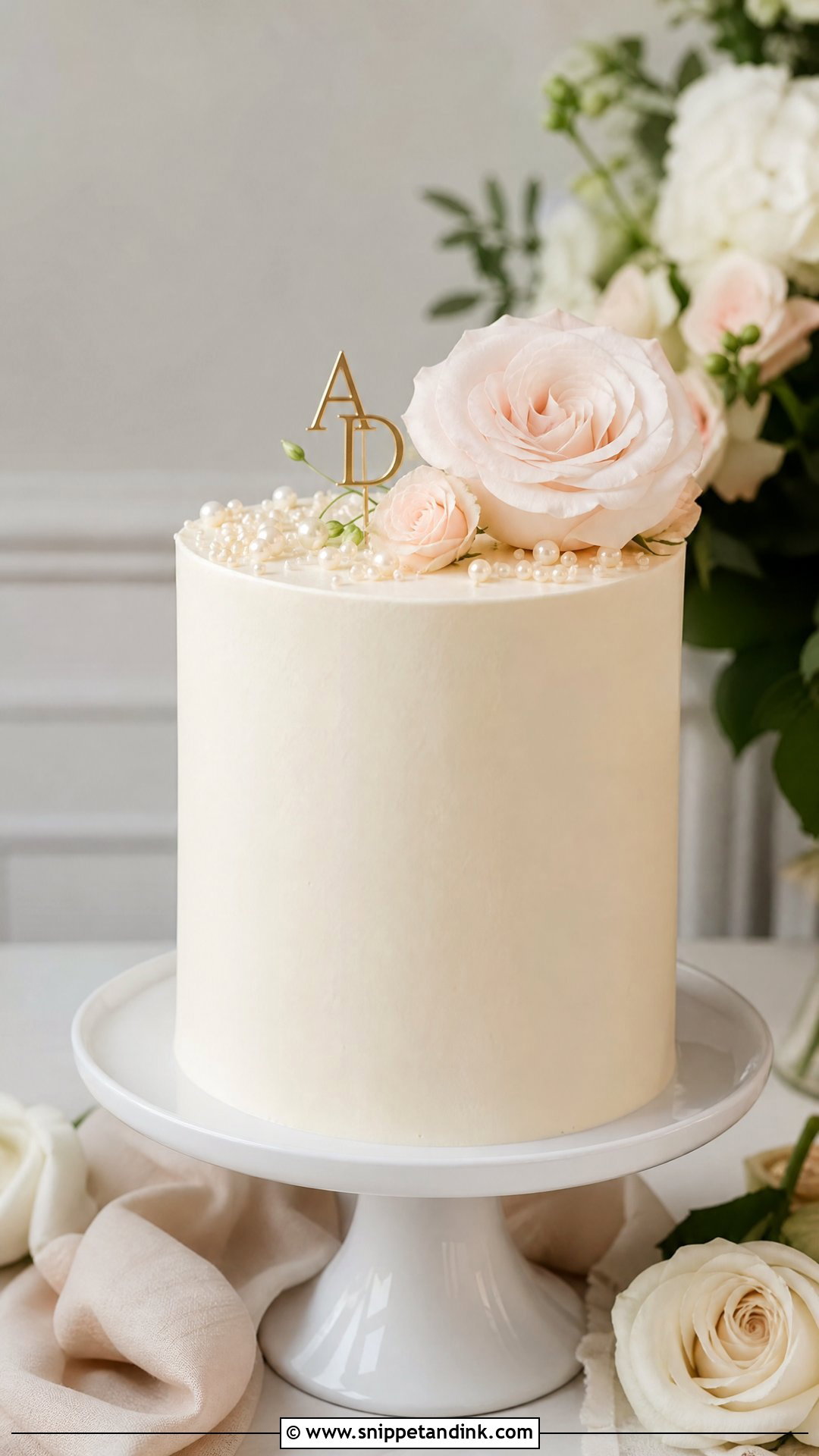
One tall tier does more than people expect. I bake a 6-inch or 8-inch round four layers high rather than the usual two or three, because that extra height is what stops it reading as a birthday cake. It suits elopements, courthouse weddings and small dinners where the cake sits close to the guests. Vanilla bean, almond, lemon and chocolate all carry well at this size. Finish it with smooth buttercream and one detail, like a silk ribbon or a tiny monogram topper, and stop there.
2. Two Tier Wedding Cake
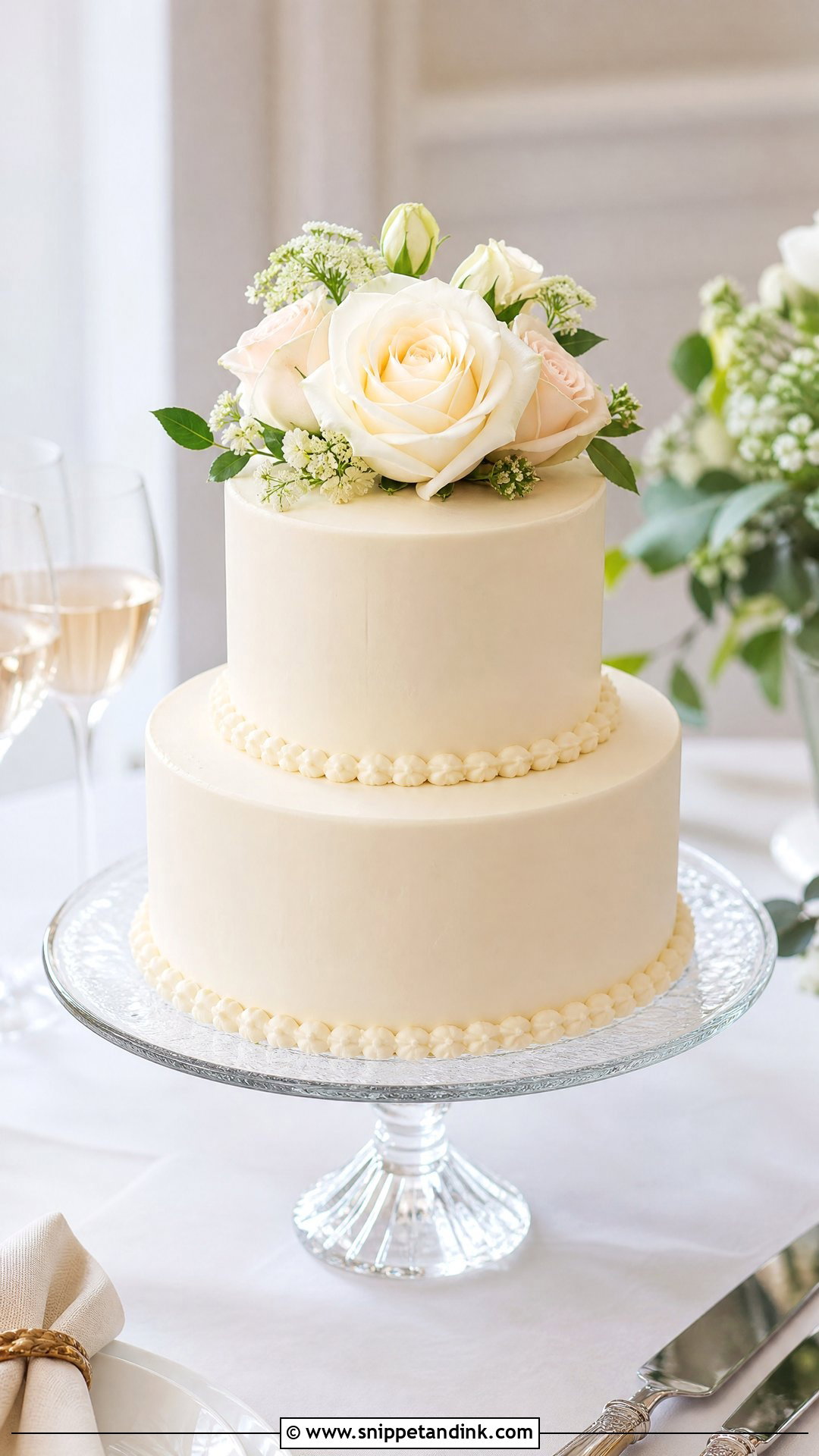
Two tiers give you the traditional cutting moment with a fraction of the cake. The proportions I trust are a 4-inch on a 6-inch, or a 6-inch on an 8-inch; skip a size between tiers and the stack starts to look like a lighthouse. Even a little top tier needs a support board and dowels in the bottom one, otherwise it slowly sinks during the drive. Two tiers also means two flavors, so lemon raspberry over vanilla almond is an easy way to please a small, opinionated crowd.
3. Small Buttercream Wedding Cake
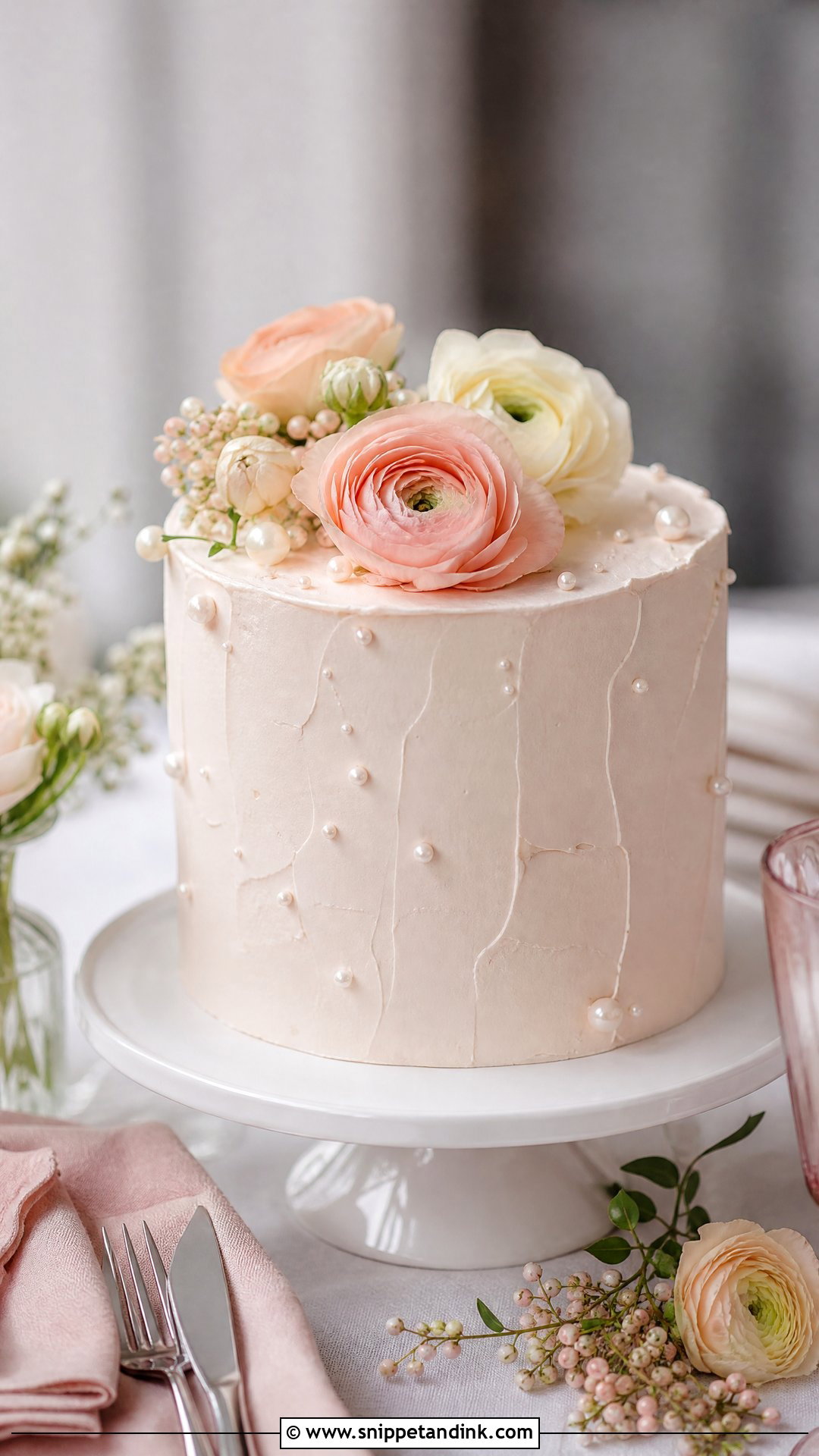
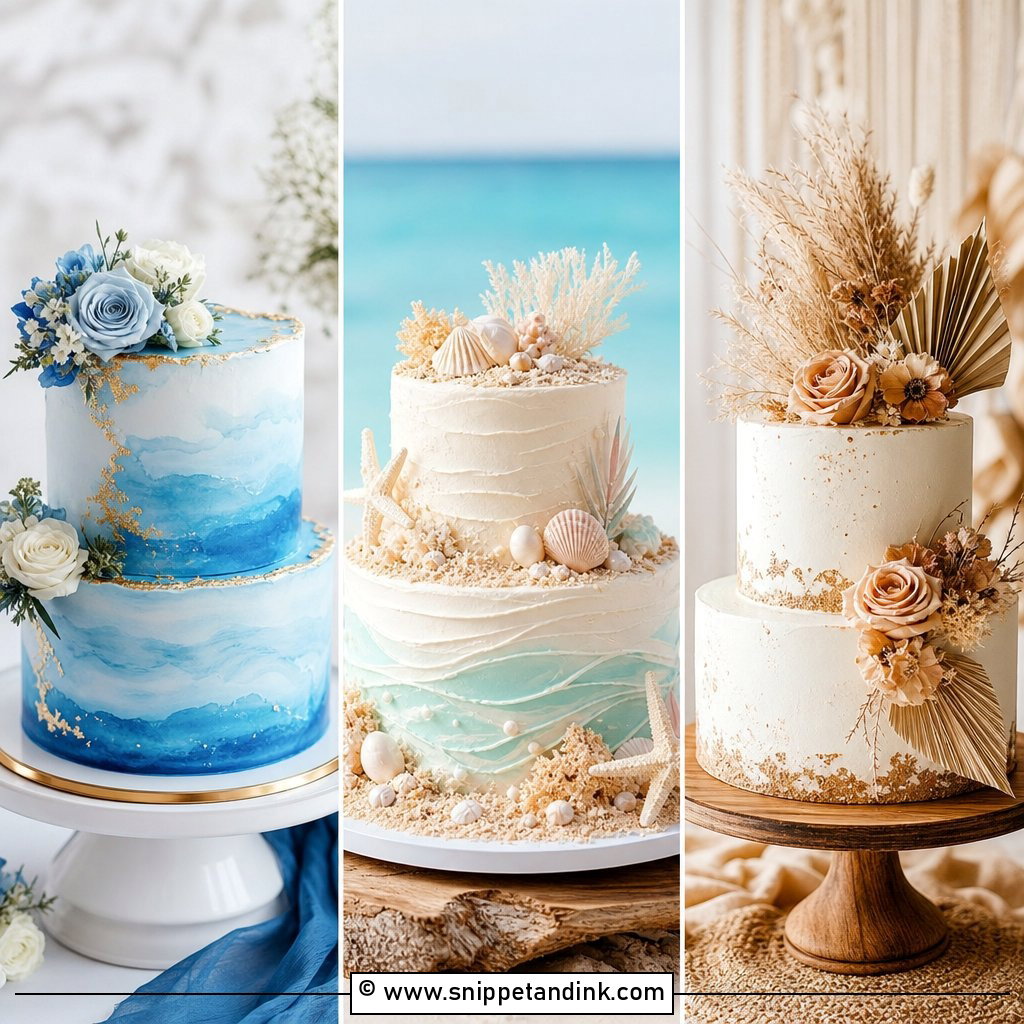
Most of my small cakes are buttercream, and for good reason: guests eat it. A Swiss meringue buttercream can be scraped glass-smooth or left with soft swirls, and it tastes lighter than the sugary American kind. The trade-off is heat. In a warm tent it softens within an hour, so for a July garden ceremony I keep the cake chilled until shortly before it goes out. Ivory and pale blush read classic; sage, champagne or dusty blue look more current against a plain stand.
4. Small Fondant Wedding Cake
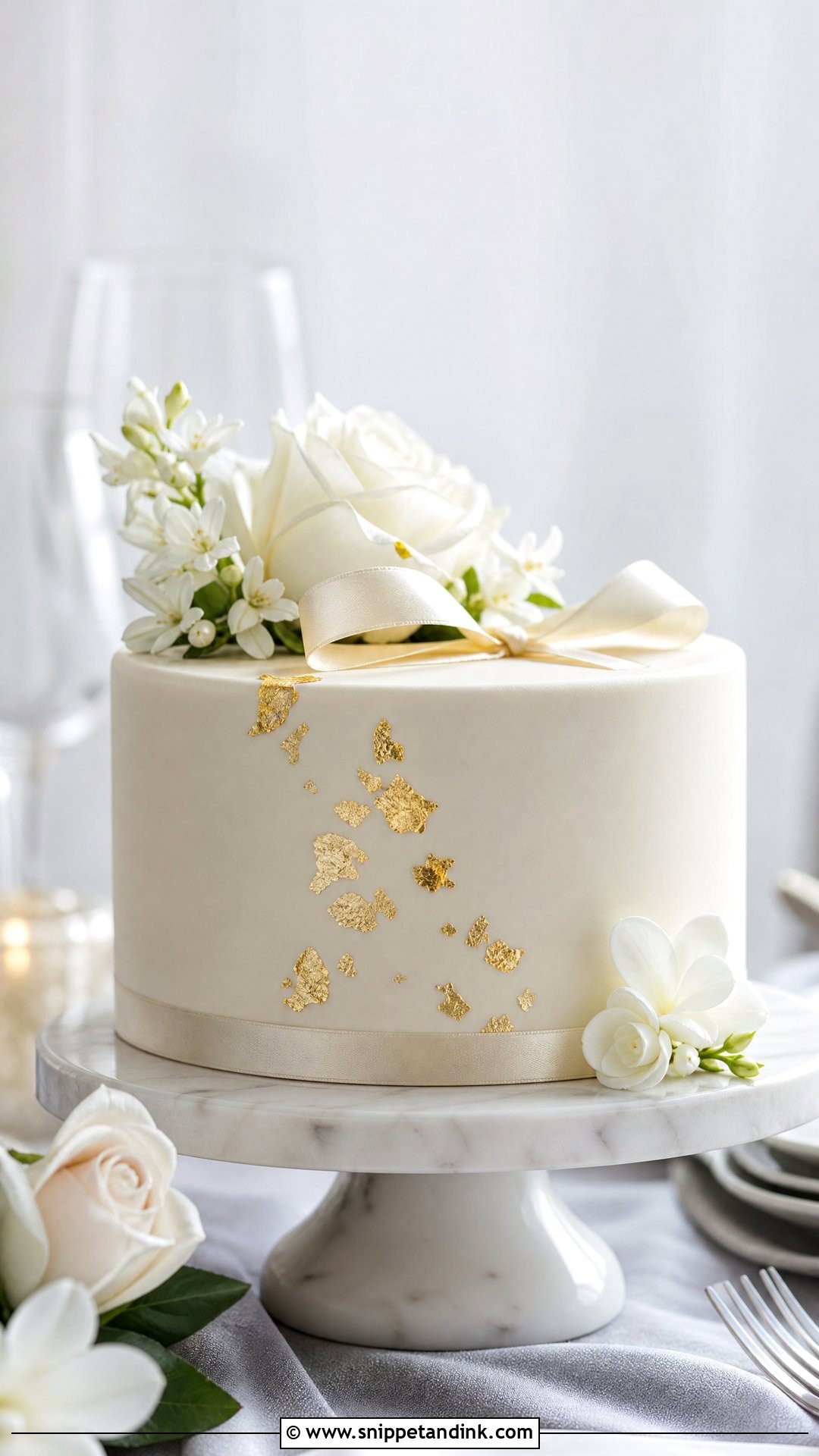
Fondant is what I reach for when a couple wants razor edges or a perfectly flat color. On a single tier it gives you a crisp surface for gold leaf, sugar flowers, pressed texture or a satin ribbon. Honest warning: many guests peel it off, so I keep it thin and put a generous layer of buttercream underneath. It also dislikes humidity and condensation. Bring a fondant cake straight from a cold fridge into a warm room and it can bead with moisture, which is why I let it come up to temperature boxed.
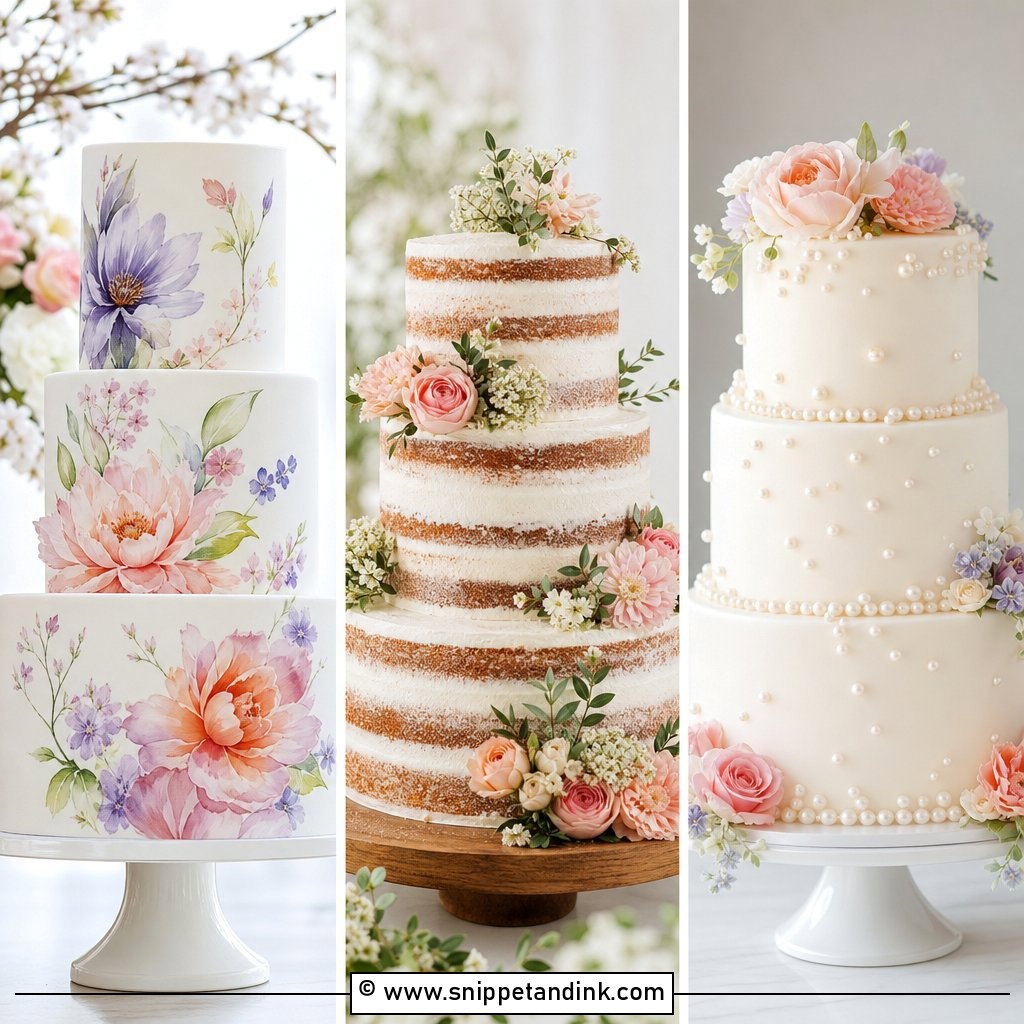
5. Small Naked Wedding Cake
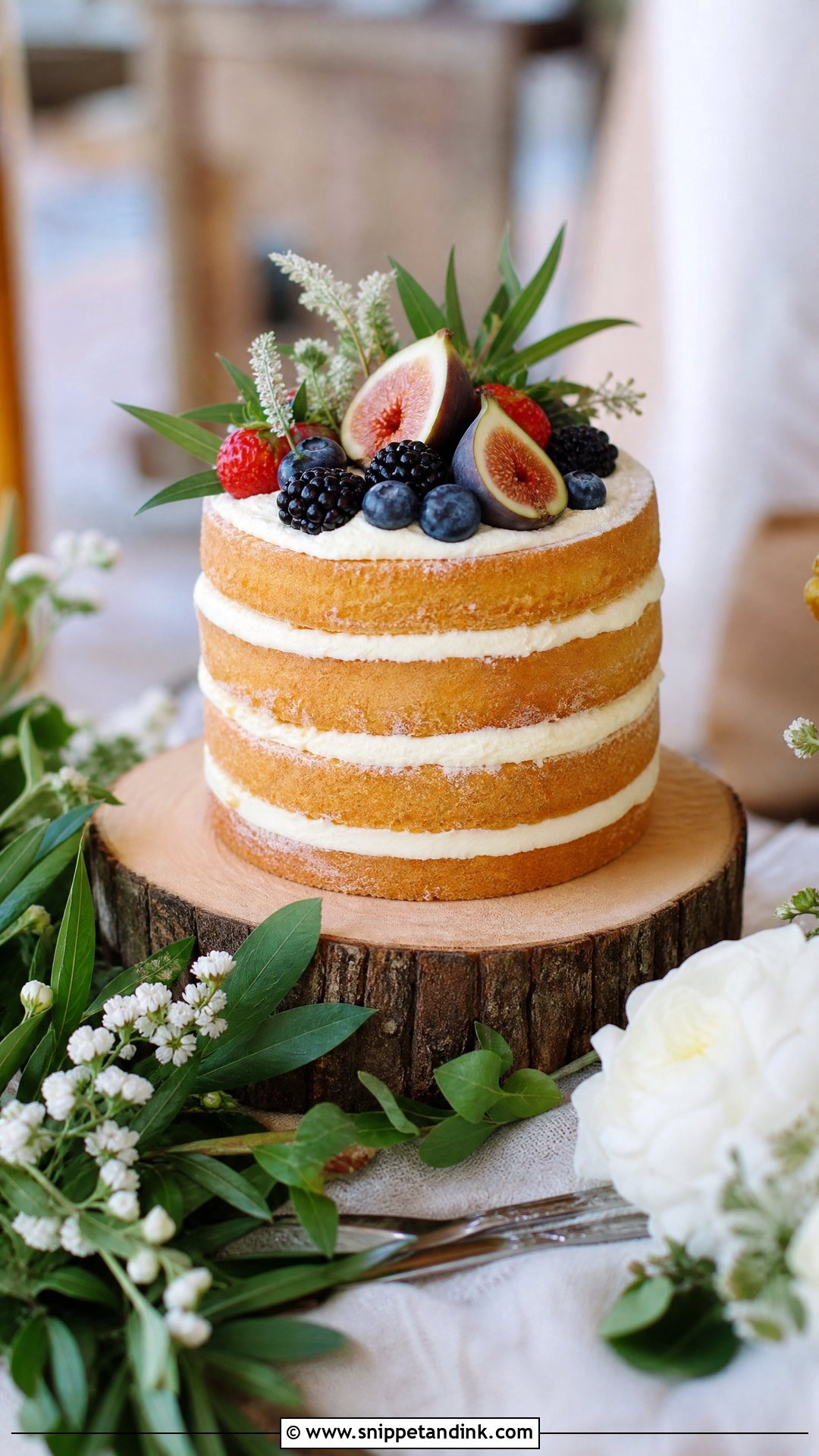
A naked cake shows every layer, so there’s nowhere for a dry or domed sponge to hide. I level each layer, keep the filling an even thickness, and pipe the buttercream rather than spreading it so the lines stay straight. The real risk is drying out. Unfrosted sides lose moisture fast, which is why I assemble these as late as I can and brush the layers with a light syrup. Berries, figs or a bit of greenery on top finish it without fuss, and barns and brunch receptions suit the look.
6. Small Semi Naked Wedding Cake
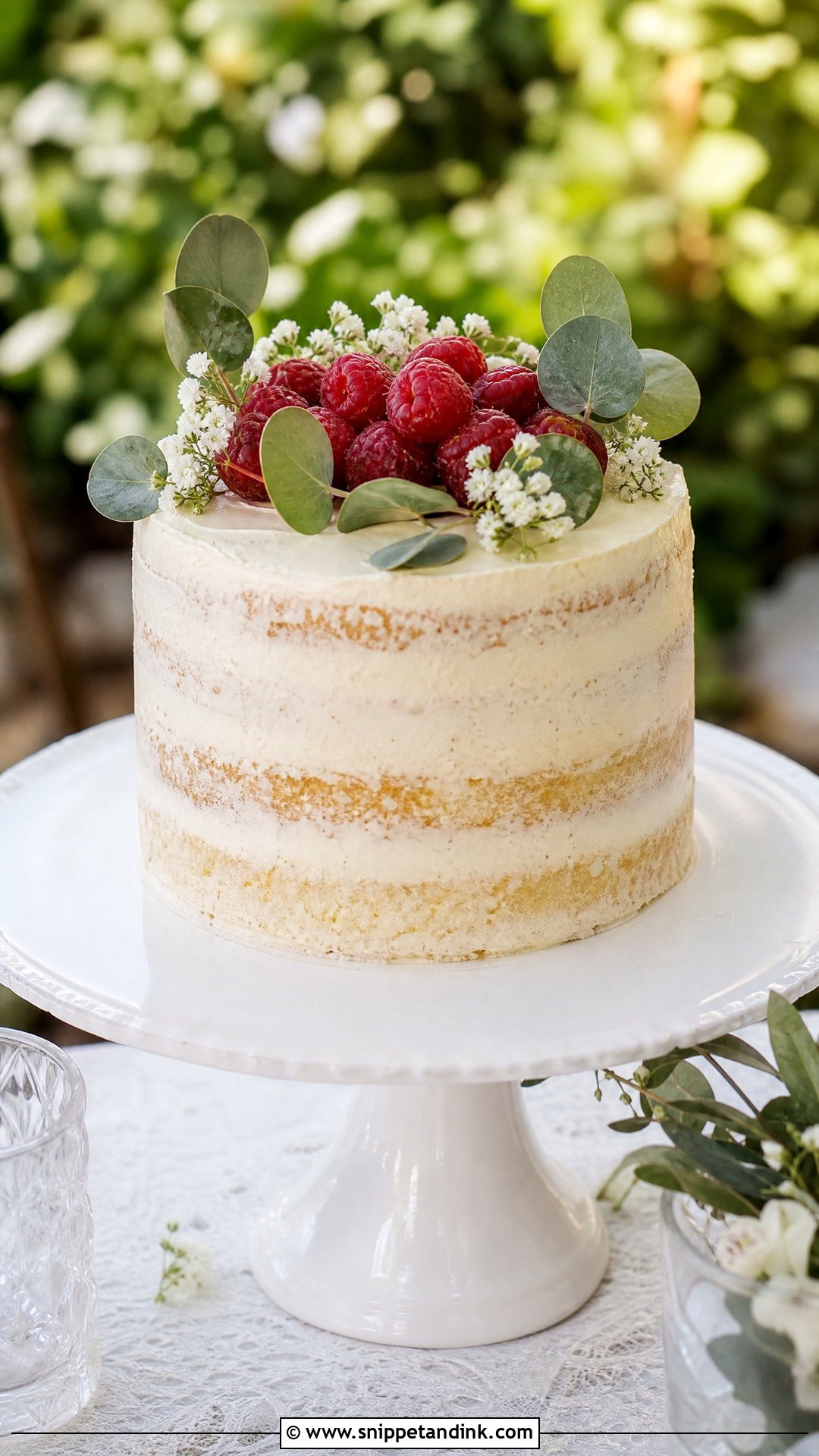
Semi naked sits between bare and fully frosted. I apply a thin coat of buttercream, then scrape most of it back so the cake layers show through like a soft shadow. That scrape is the whole design, and a heavy hand makes it look half-finished, so it’s worth seeing photos of your baker’s own semi naked work. Vanilla, lemon, almond and carrot cake all look good through the frosting. A few berries, sprigs of eucalyptus or tiny roses are plenty on a 6-inch.
7. Small Floral Wedding Cake
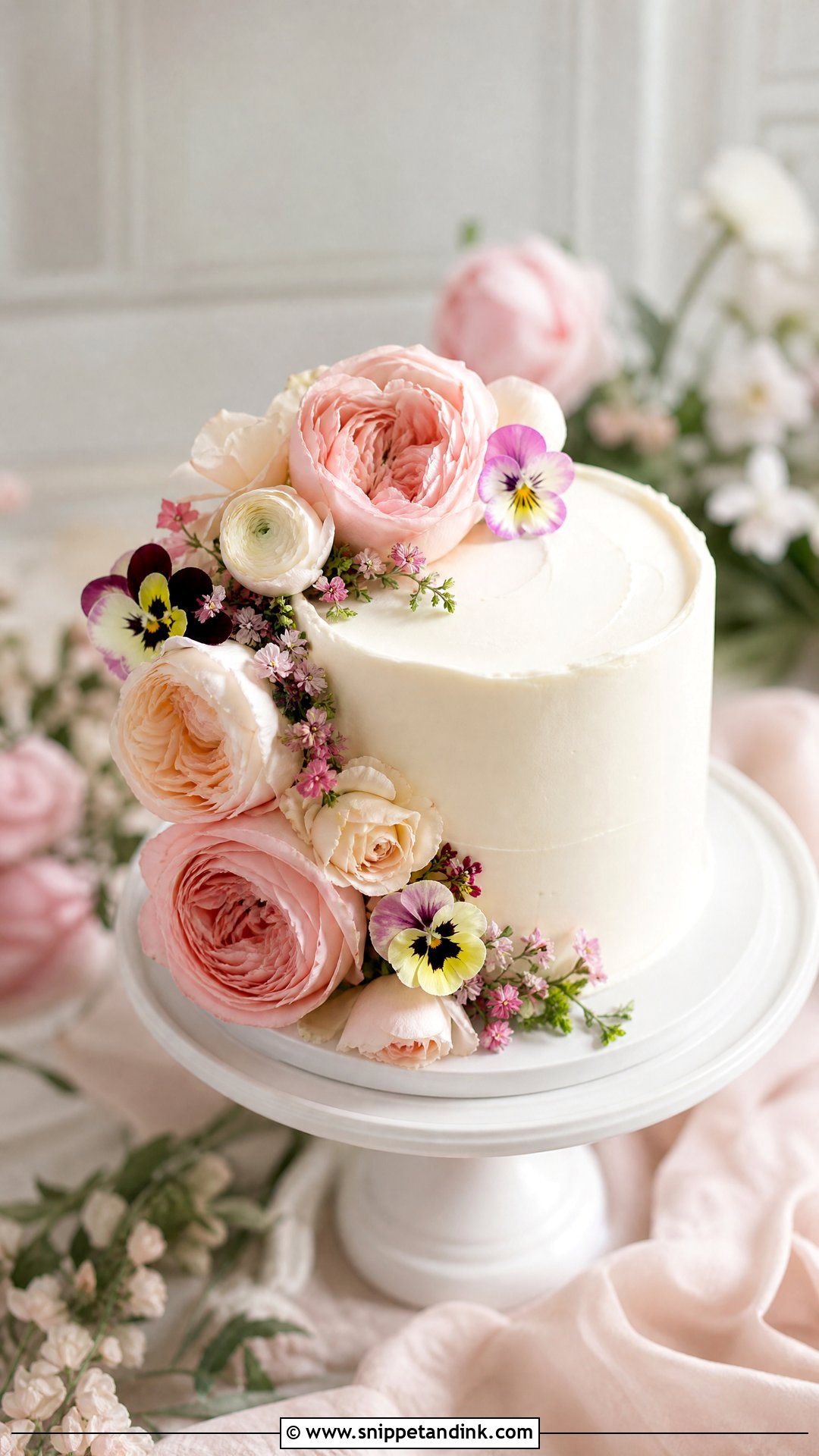
Scale is where flowers on a small cake usually go wrong. A single big garden rose on a 6-inch tier can cover half the top, so I use one focal bloom with a few small accents, or a loose crescent that wraps the top edge and drops down one side. Garden roses, ranunculus, spray roses and pansies are common picks. Not every flower is safe near food, though, so I wrap stems in floral tape, insert them into a straw or pick, and ask the florist for blooms grown without systemic pesticides.
8. Small Rose Wedding Cake
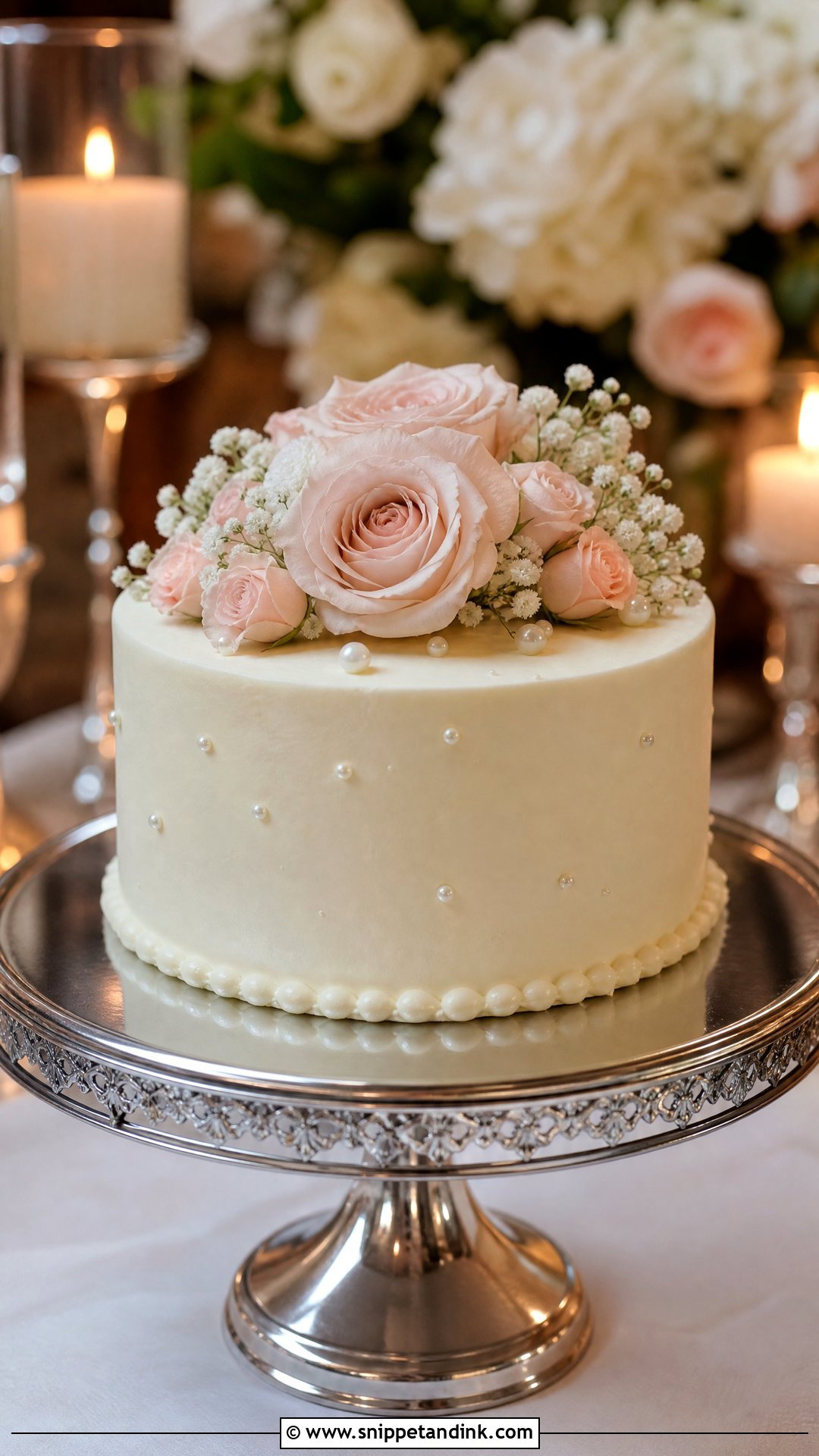
Roses suit nearly any palette and they sit on buttercream, fondant or a semi naked finish equally well. Ivory frosting with blush, cream or peach roses keeps things soft; mauve, burgundy or dusty pink gives a moodier evening cake. Decide where they go before the day: on top, trailing down one side, or framing the base. A trailing cascade looks great at three tiers but crowds a single small one, so on a 6-inch I’d keep the roses to the top and one edge.
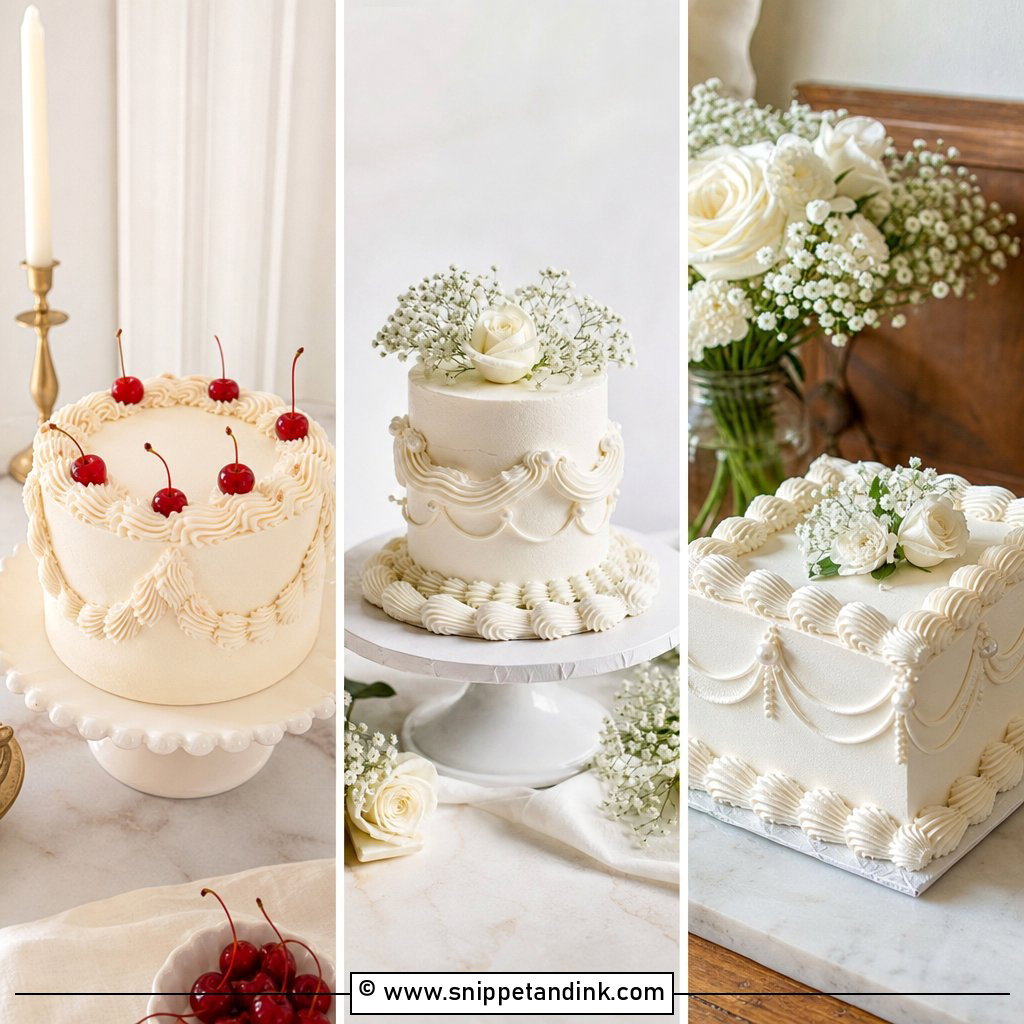
9. Small Pearl Wedding Cake
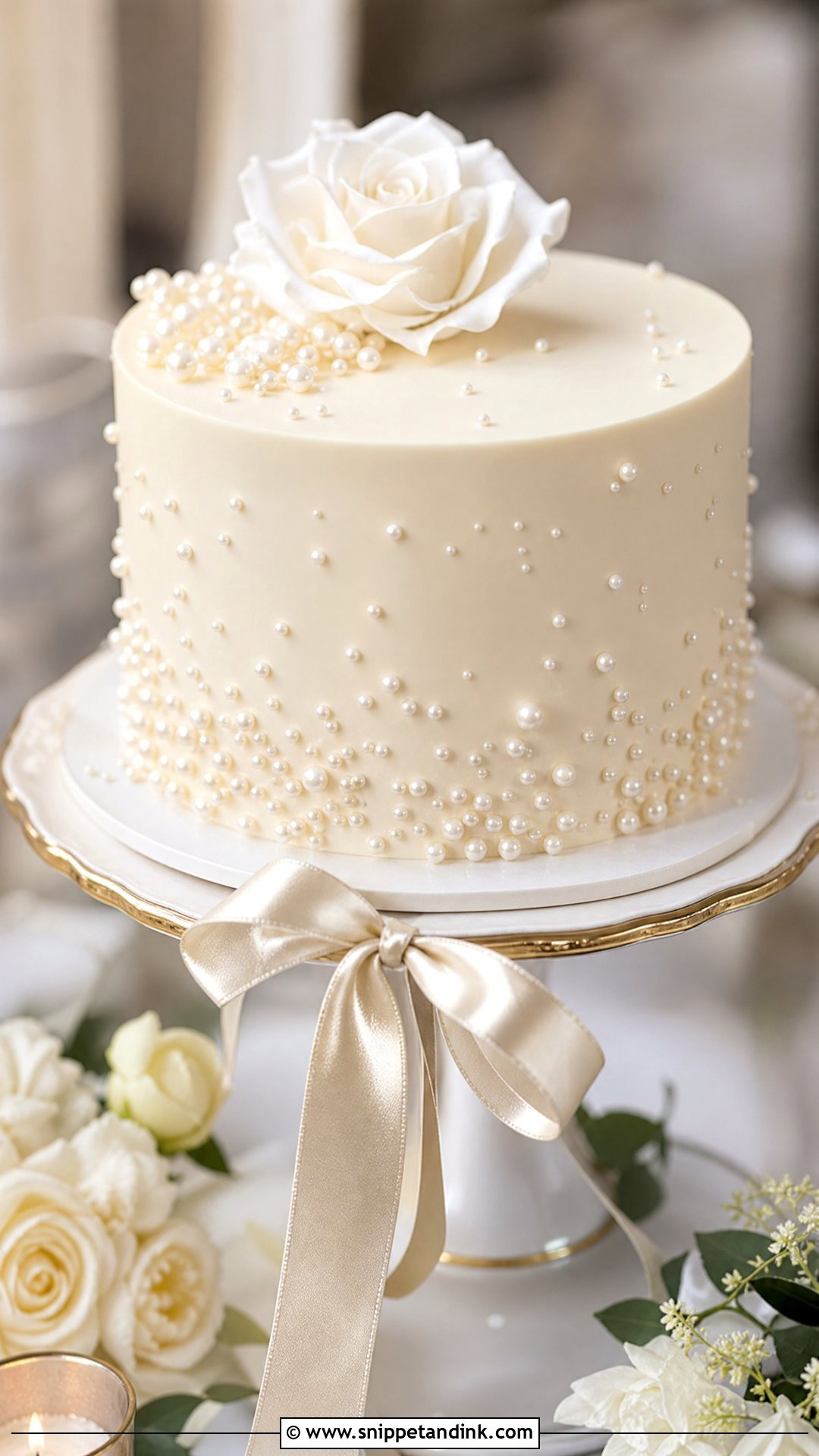
Edible pearls are the quickest way to dress up a plain tier. I set them one at a time with tweezers into buttercream that has just crusted, so they hold without sliding. A line around the base hides the board edge neatly; scattered clusters look more relaxed. Watch the size, too. Large dragees are hard on teeth, so I mix in plenty of tiny sugar pearls and keep the big ones as accents. Ivory, champagne and white keep the effect classic.
10. Small Vintage Wedding Cake
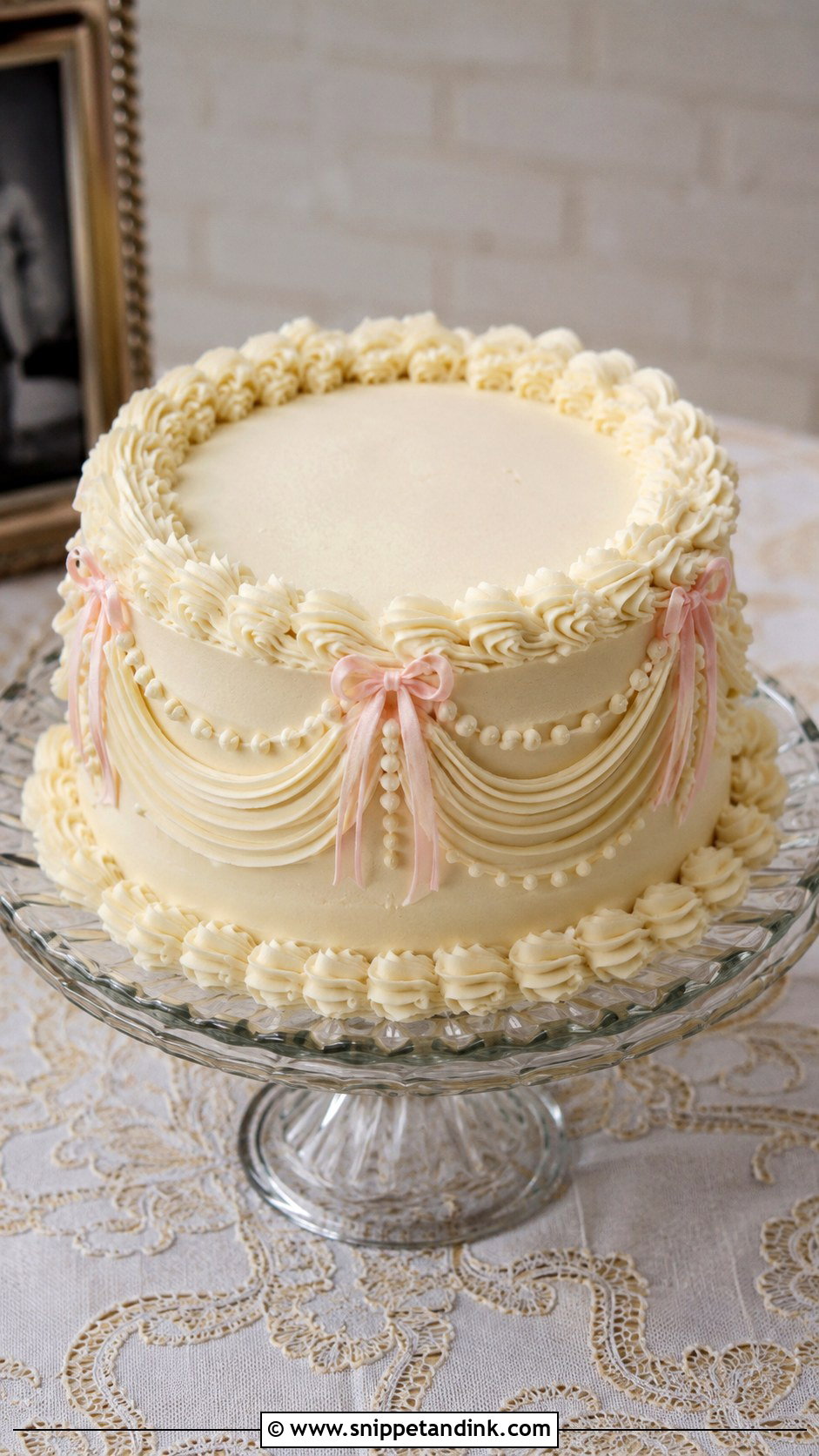
Vintage piping is back, and it’s one of the few styles that looks more charming small than large. Shell borders, swags and tiny rosettes need a stiff buttercream so the ridges hold their shape, which is why I make it a little firmer for this work. A heart shape, a round, or a little two tier all carry the look. Pale blue, butter yellow and blush feel nostalgic. Glacé cherries, small bows or a piped “Just Married” finish it.
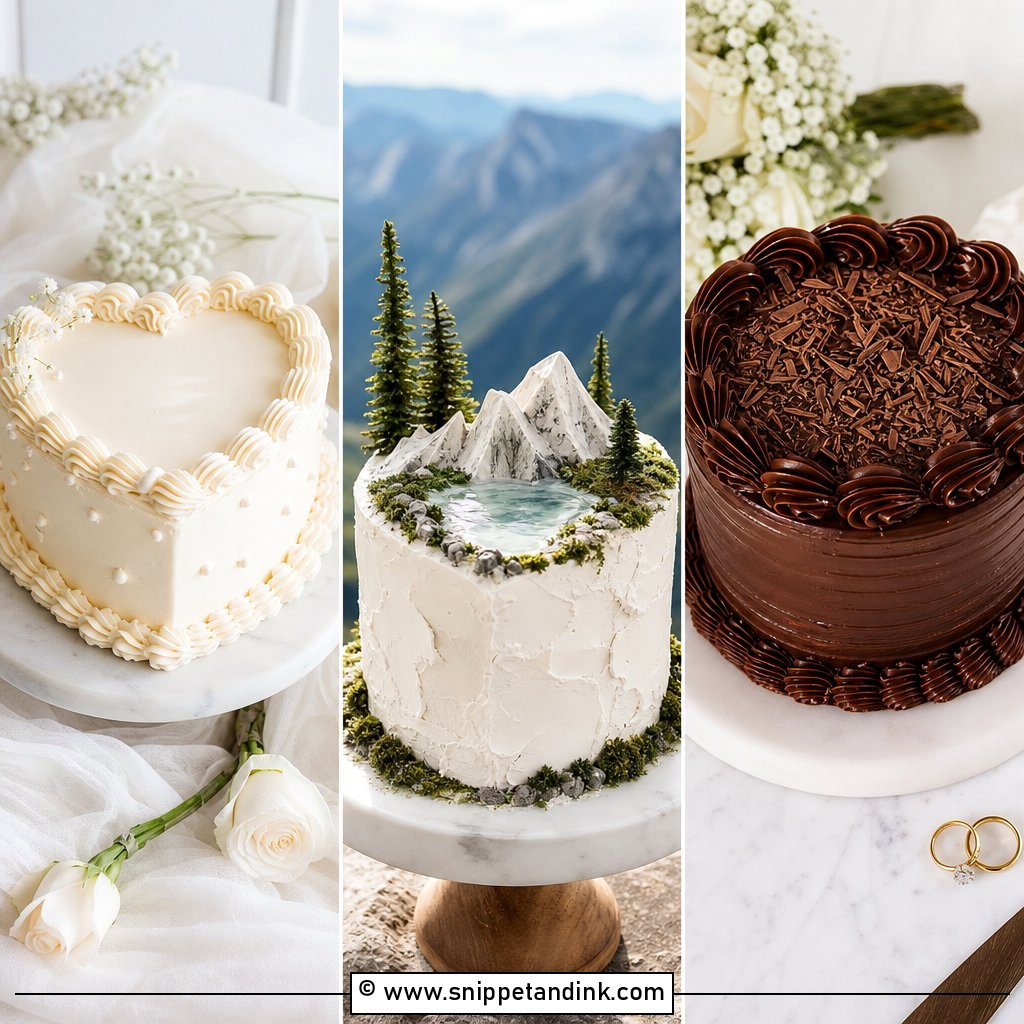
11. Small Heart Wedding Cake
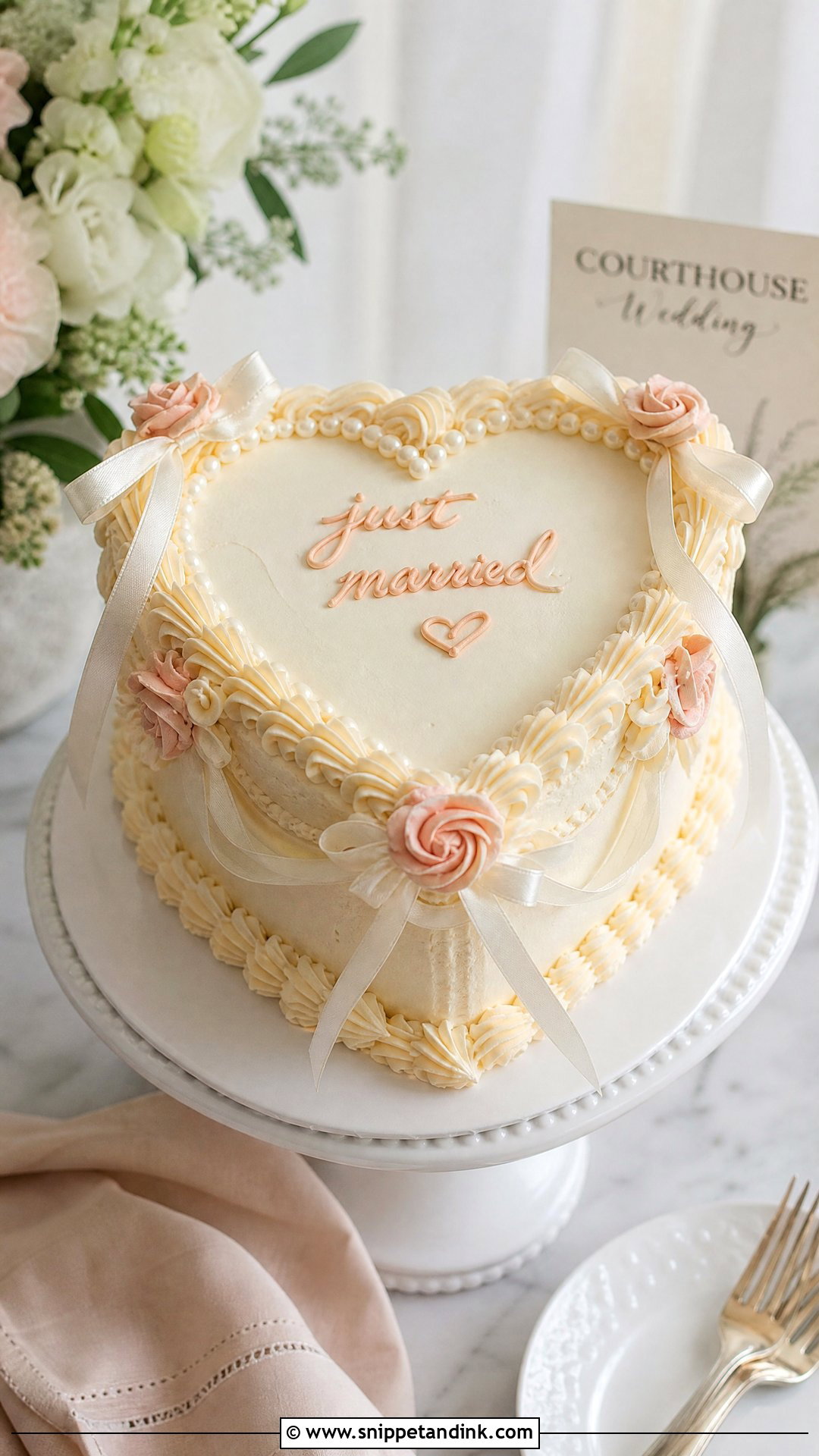
A heart is the shape couples order for elopements and anniversary-style dinners, and it gets a reaction before anyone sees the decoration. Frosting the point and the dip in the middle cleanly is fiddly, so I chill the cake between coats and work those two spots with a small bench scraper. Keep it smooth white with a piped border, or lean vintage with ruffles and pearls. Piped initials or the date on top suit this shape better than a tall topper, which overpowers it.
12. Small Square Wedding Cake
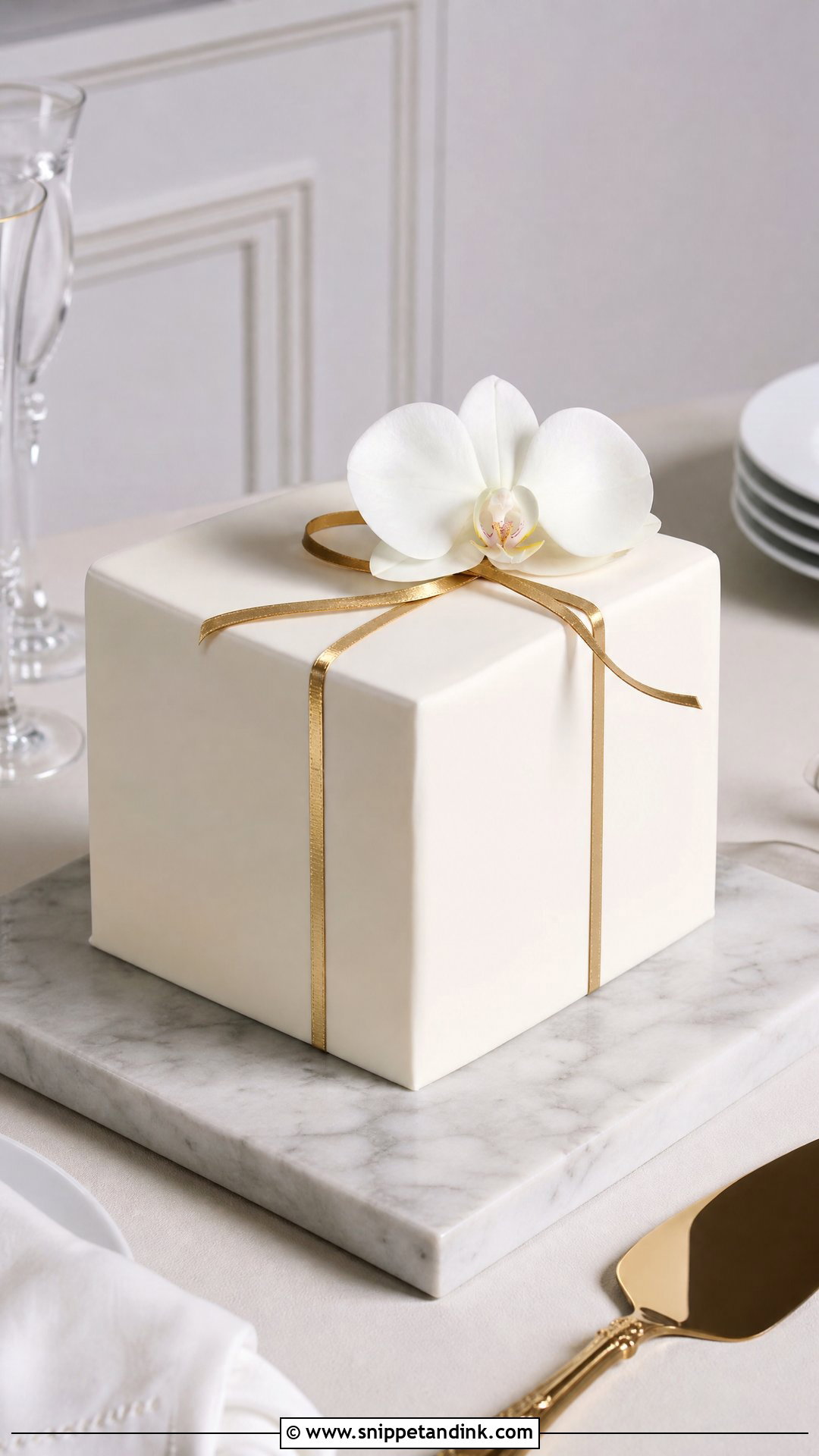
Square cakes look modern, but they’re the hardest shape to frost sharply. The corners pull and round off unless the cake is well chilled between coats, so I’d only book this with a baker whose portfolio shows crisp square edges. It suits city halls, gallery spaces and rooftop dinners. One flower, a thin ribbon or a strip of metallic leaf is enough decoration. The practical upside is slicing: a square cuts into neat even pieces with almost no waste.
13. Small Oval Wedding Cake
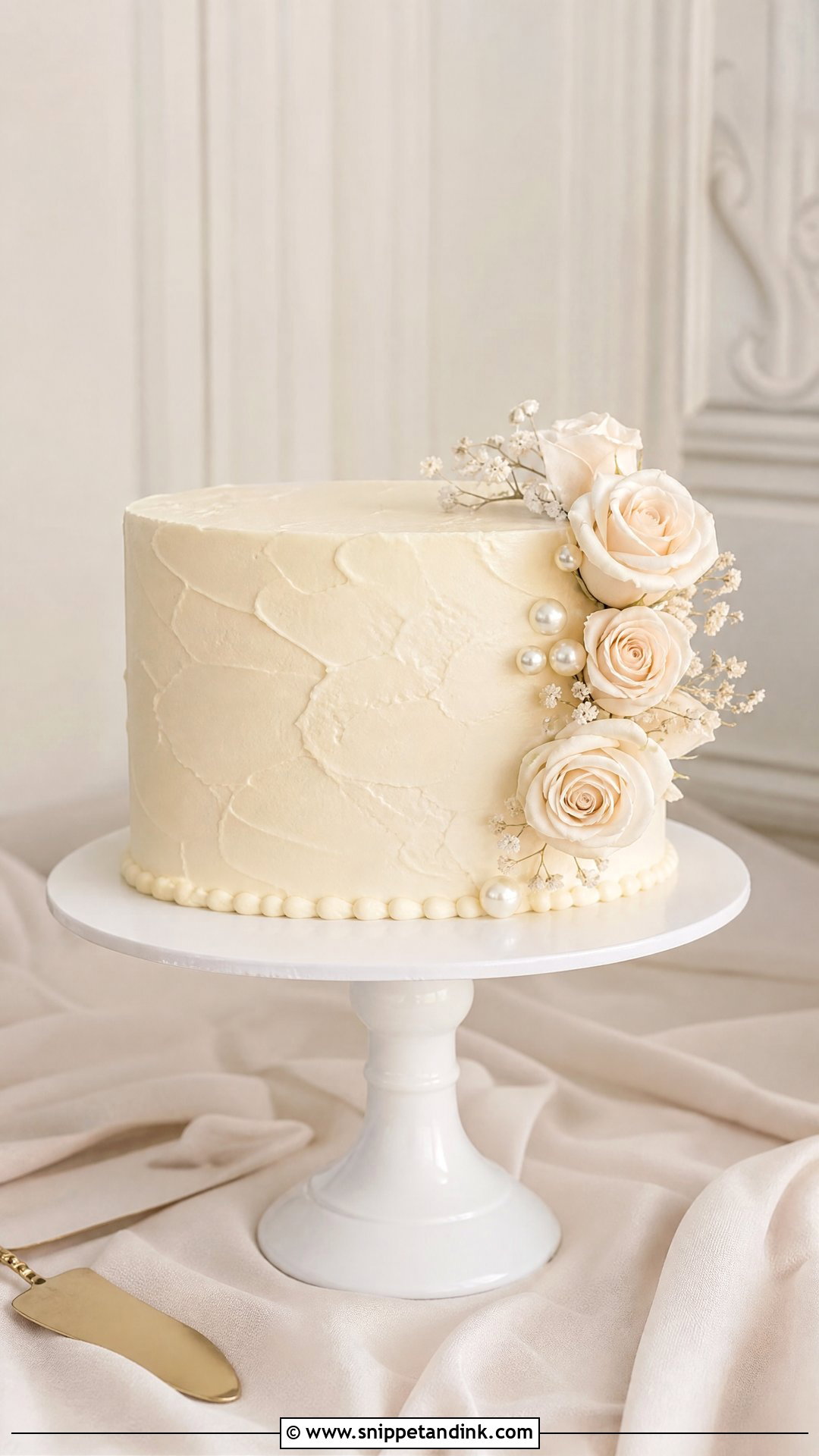
An oval reads softer than a round and less expected. It photographs especially well from the front because the long side faces the camera, which makes a single tier look larger than it is. Oval pans aren’t in every bakery, so ask early. Smooth buttercream, satin fondant or a light stucco texture all suit the shape; I’d keep decoration to one side cluster of flowers or a ribbon at the base and let the outline do the work.
14. Small Lambeth Wedding Cake
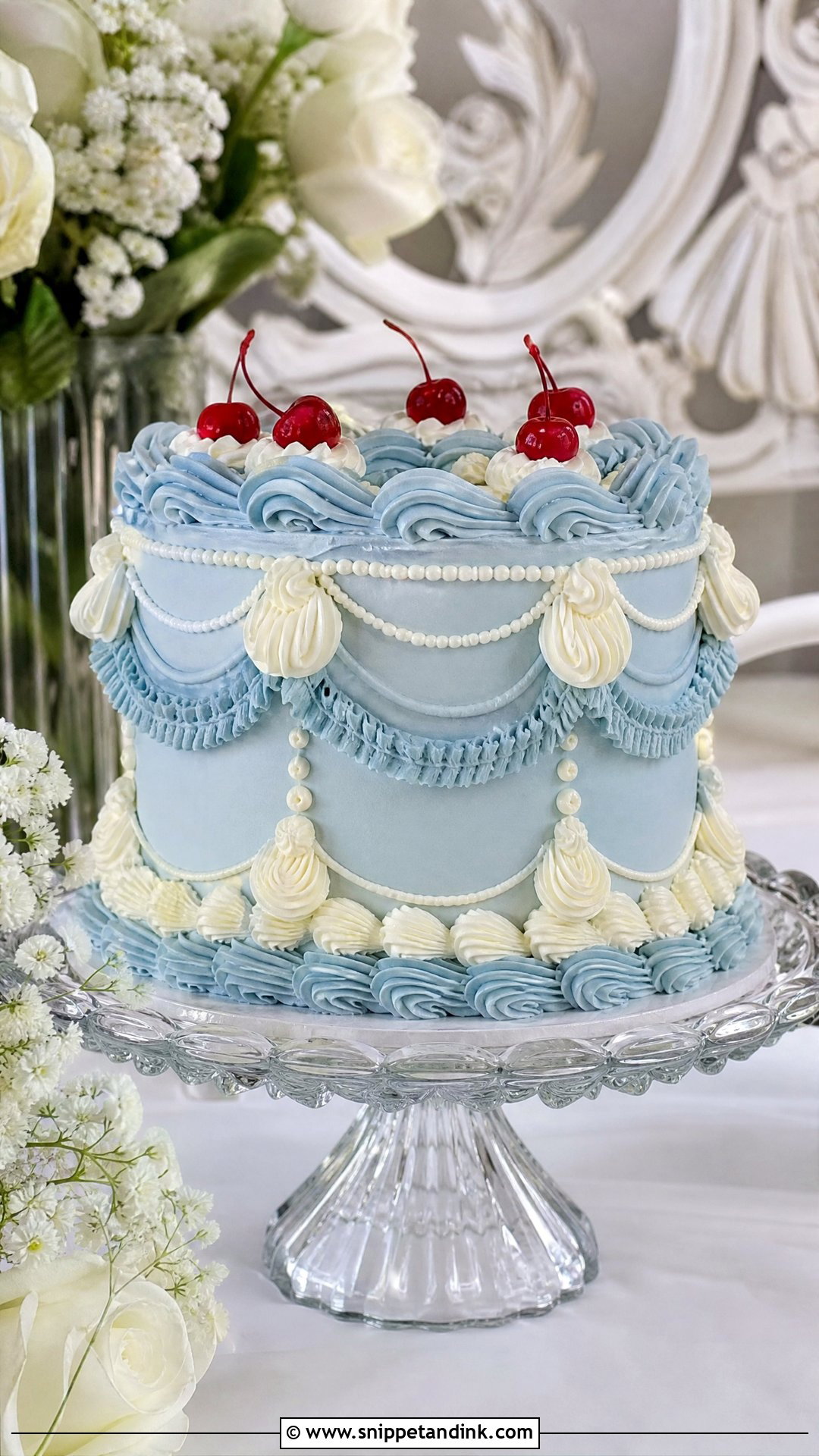
Lambeth is the over-piped style: layered borders, overlapping swags, scrolls and tiny shells built up in tiers of piping. It takes hours even on a small cake, and that labour is reflected in the price more than the cake size. I pipe it in buttercream for flavor, or royal icing when the cake needs to sit out longer, since royal icing sets hard and holds in warmth. Ivory, blush or pale blue keeps it from tipping into costume. On a 6-inch tier, a cherry or a few pearls in the centre is all the topper it needs.

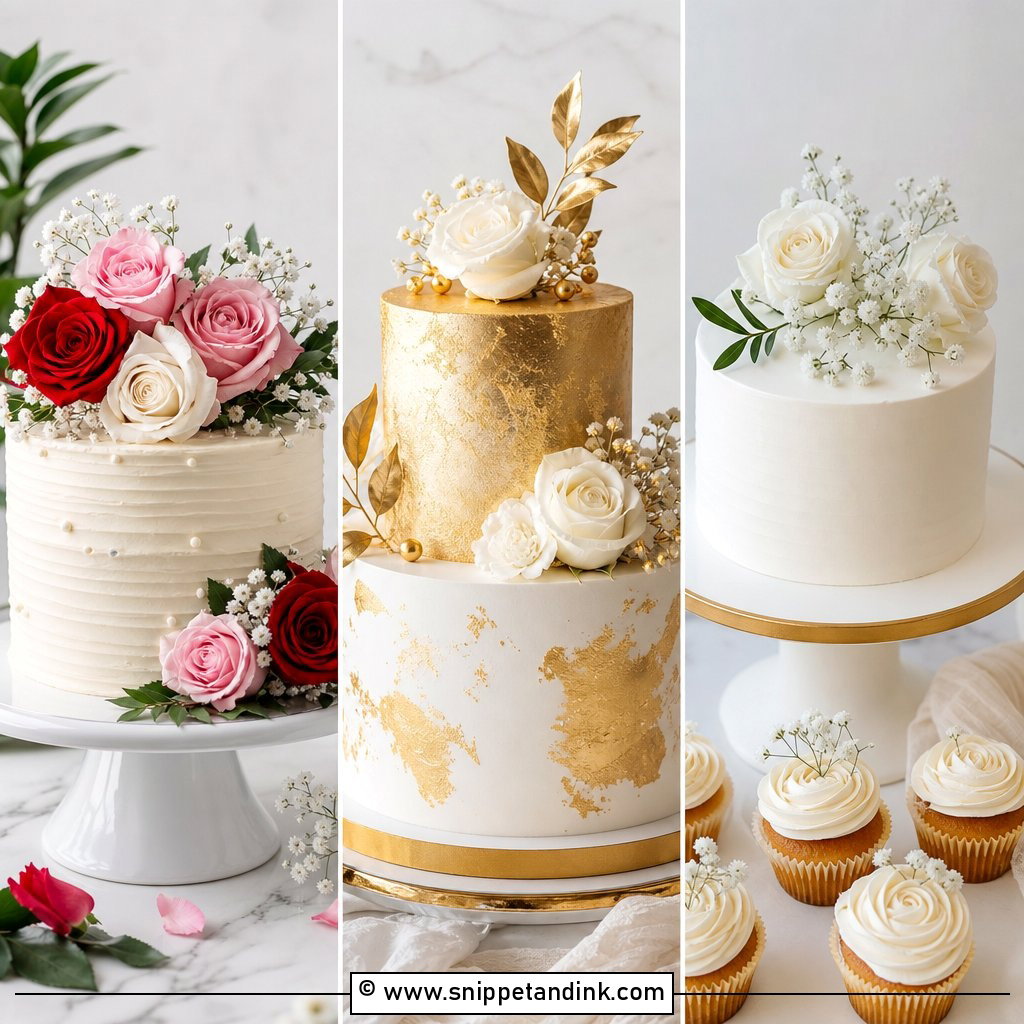

15. Small Minimalist Wedding Cake
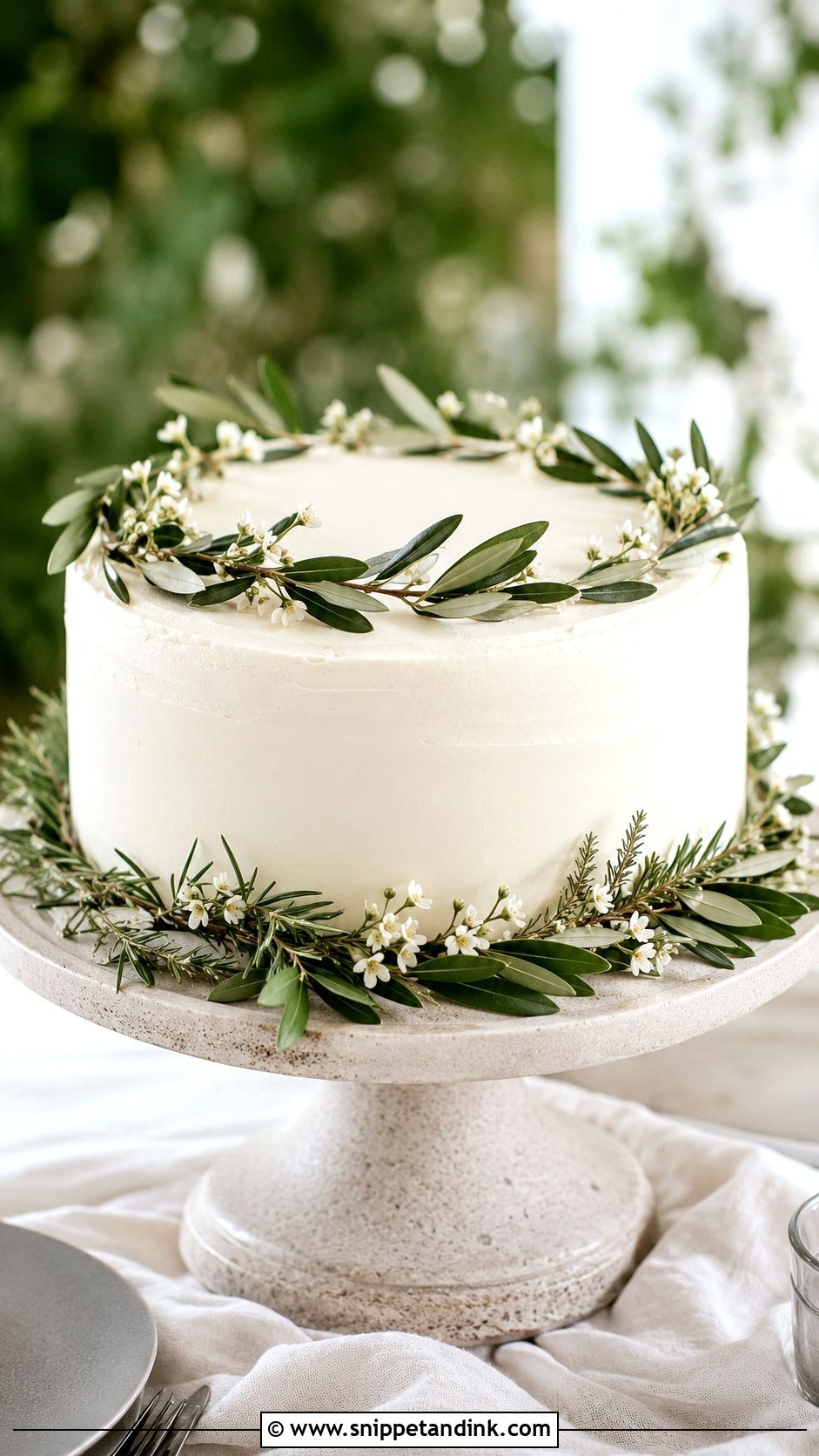
Minimal cakes show every flaw. A single smooth white tier with one ribbon depends entirely on straight sides and a sharp top edge, so I spend longer on the final scrape of a minimalist cake than on almost anything else. Pick one detail and give it room: a single flower, a tiny gold accent or a satin band. A calm palette of ivory, beige or sage keeps it quiet. Vanilla, almond, lemon or chocolate all suit it, and restaurants and courthouse lunches are where this one shines.
16. Small Rustic Wedding Cake
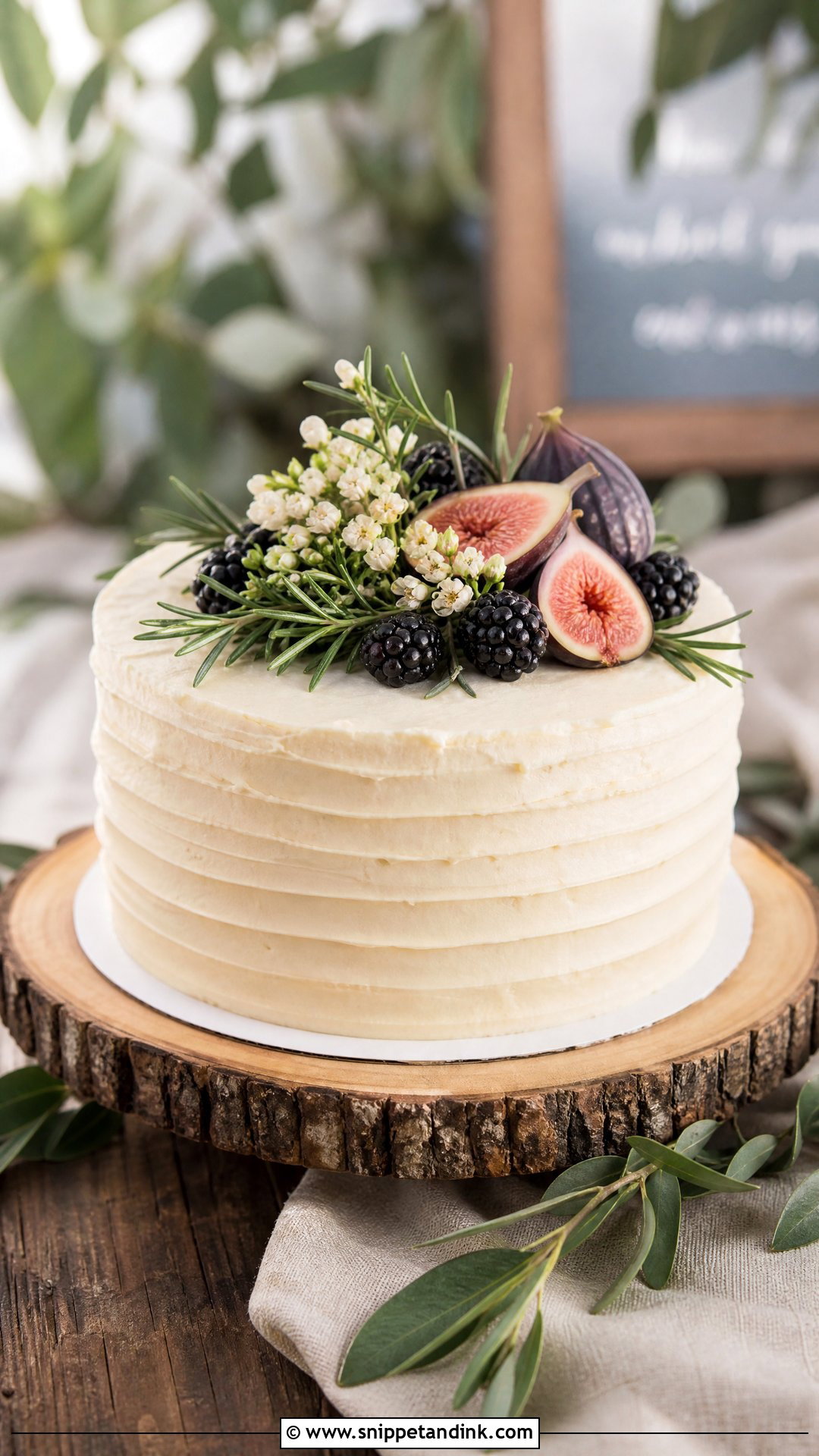
A small rustic wedding cake is about texture: buttercream dragged into soft ridges with a palette knife, or a semi naked finish, rather than a polished surface. Berries, figs, herbs and seasonal flowers suit it. Wood slice stands look right in a barn, but raw wood isn’t food-safe on its own, so I always put a cake board between the cake and the slice. Carrot, spice and chocolate all feel at home here.
17. Small Boho Wedding Cake
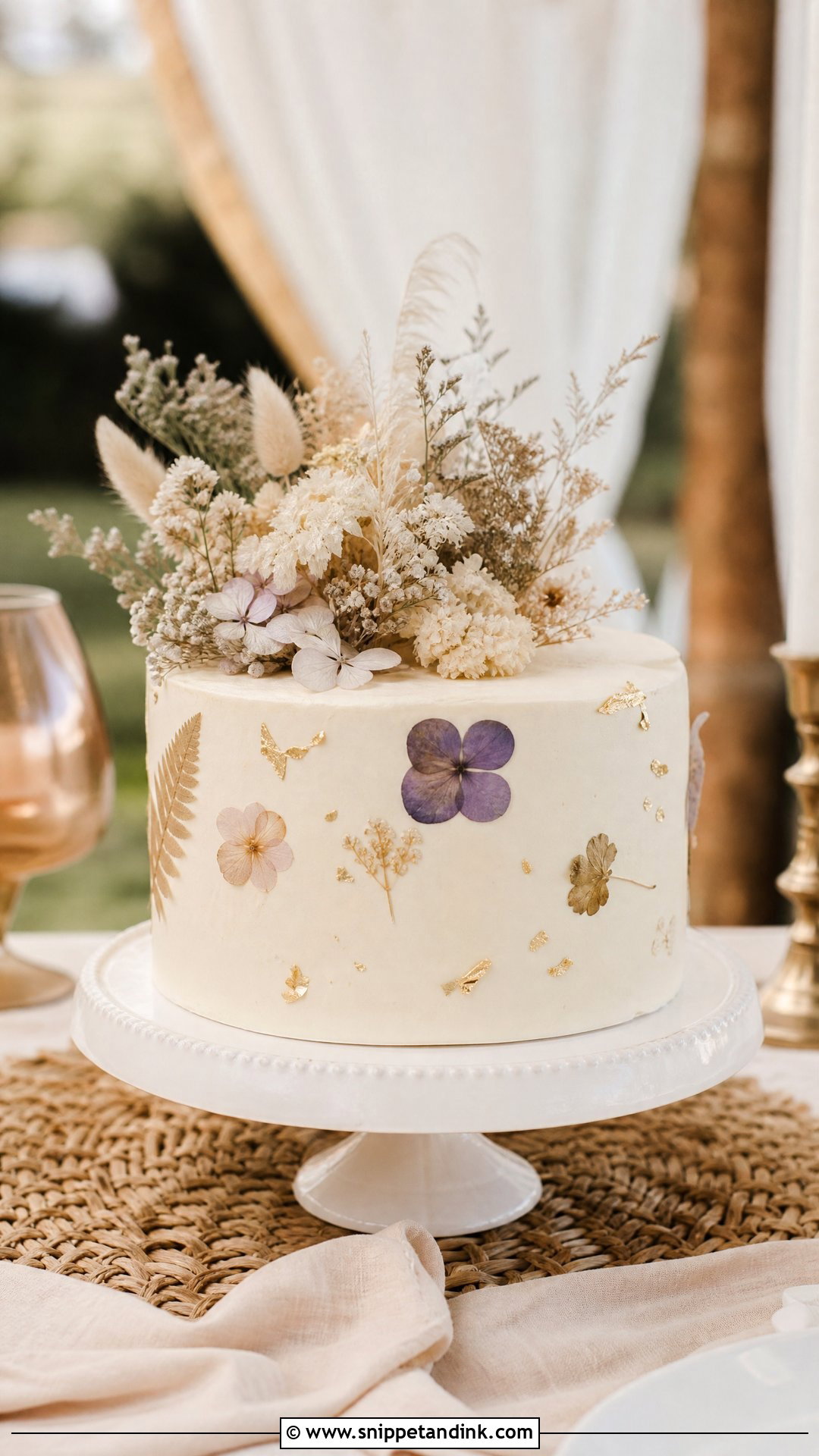
A small boho wedding cake leans on neutral color and airy decoration: ivory buttercream, dried flowers, pampas and pressed petals in warm terracotta, cream and dusty peach. Dried stems and pampas aren’t edible and often carry dust or dye, so I wrap and seal anything that touches the frosting, or press dried petals only where they won’t be eaten. One or two tiers both work. Keep the arrangement off-centre and sparse; packing it tight loses the loose look.
18. Small Beach Wedding Cake
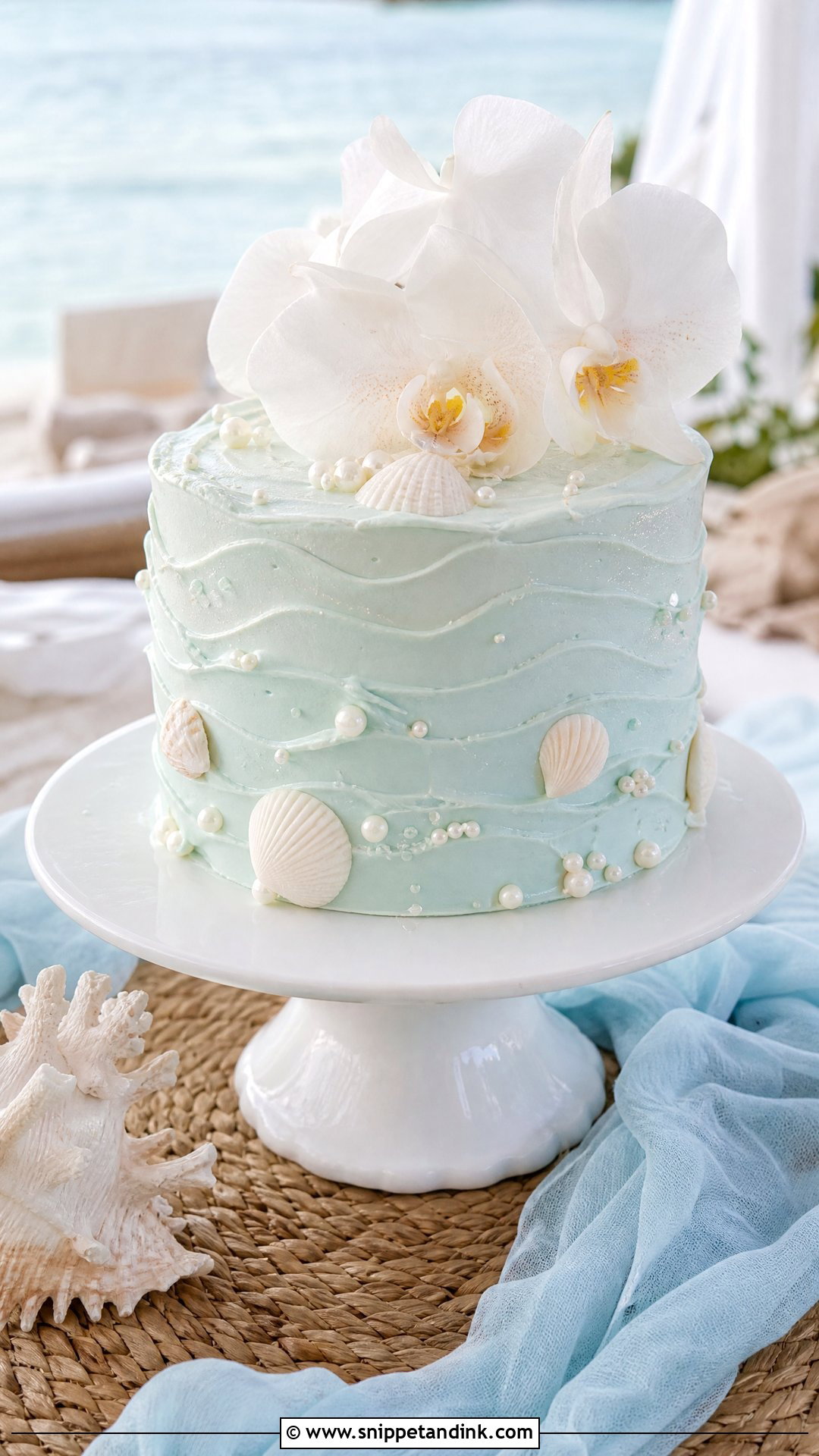
Beach cakes go wrong when they lean on too many shells and anchors. I’d rather suggest the sea with a soft wave texture combed into white or seafoam buttercream, then add one tropical flower or a few edible shells. The bigger issue on a beach is sun. Buttercream softens fast in direct heat, so the cake needs a shaded table and a short window outside. Coconut, key lime, lemon and passion fruit fillings suit a coastal menu, and a white stand keeps the palette clean.
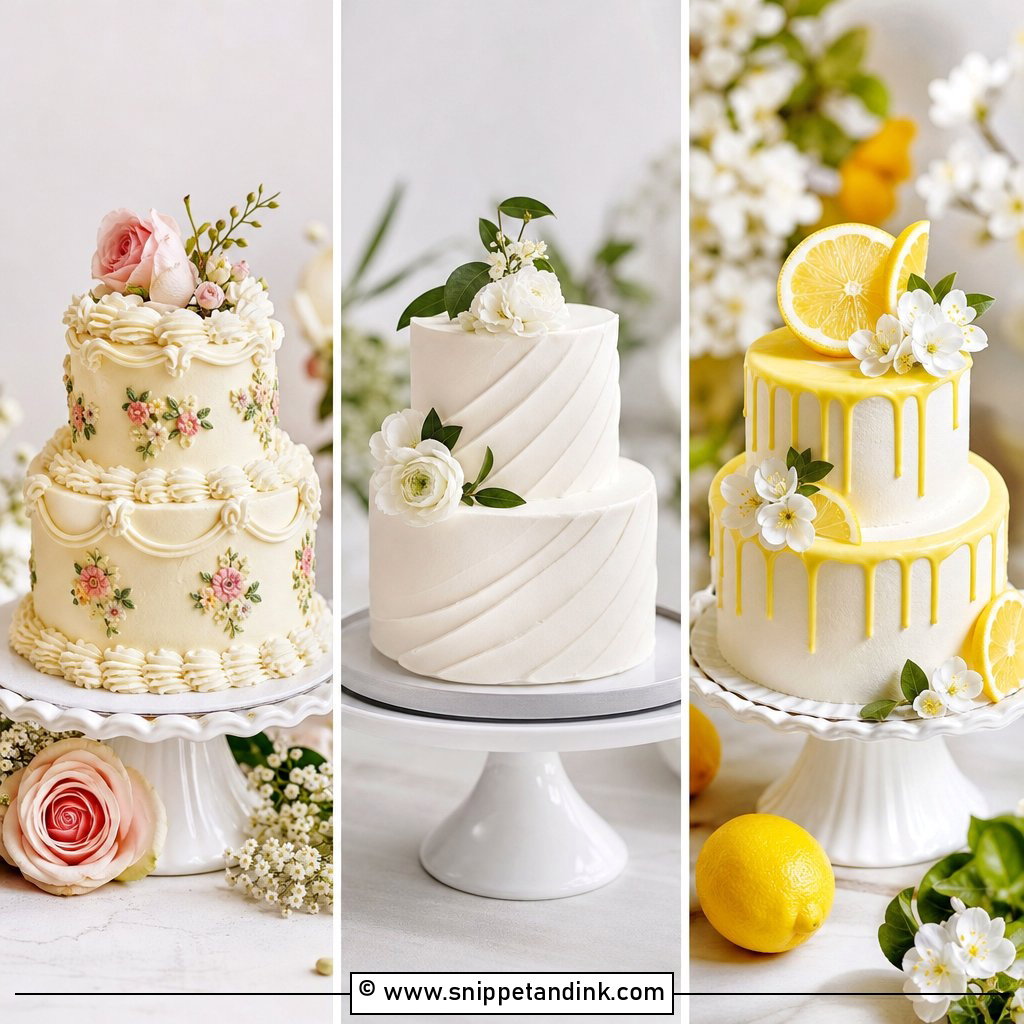
19. Small Garden Wedding Cake
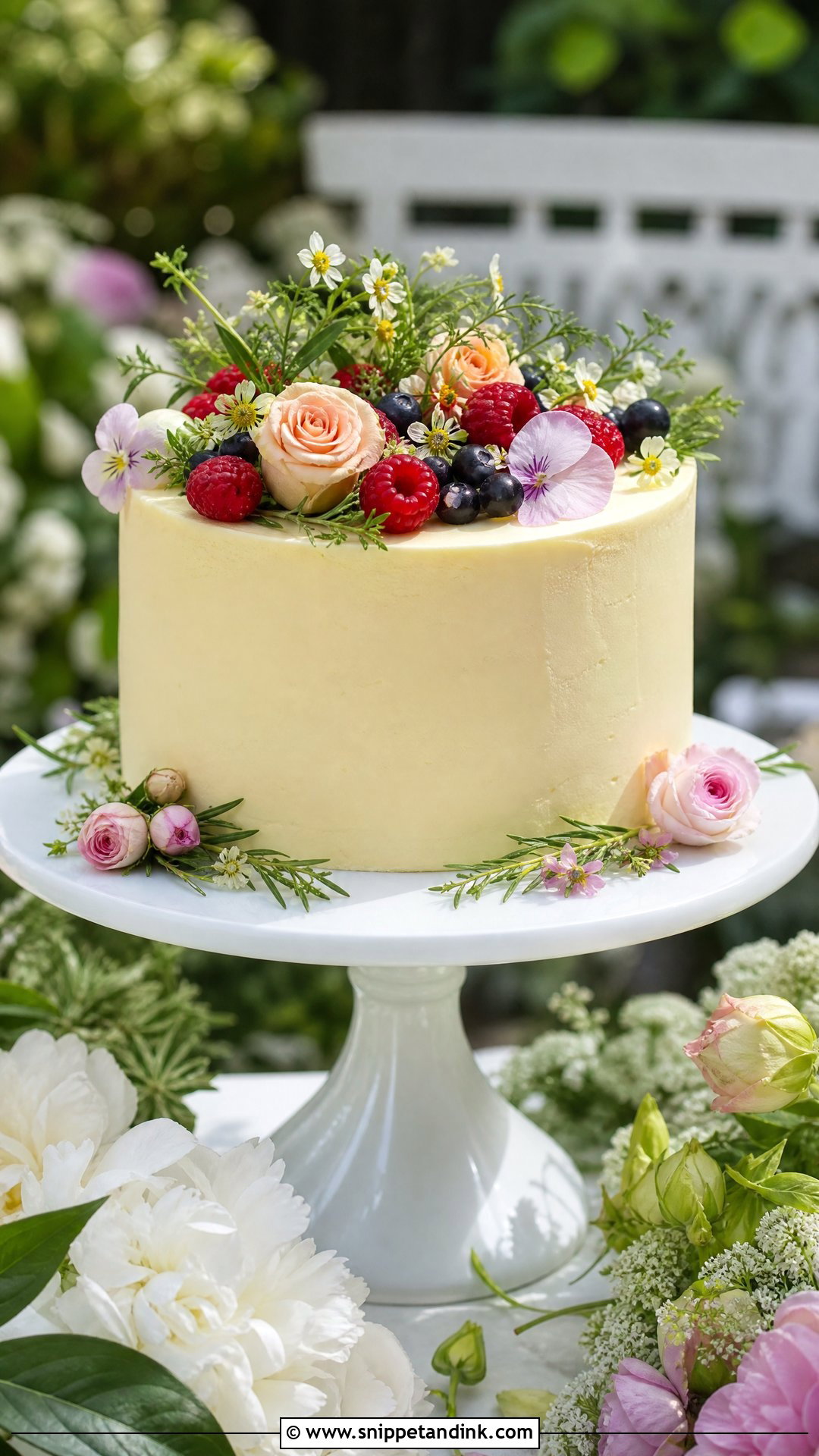
Garden cakes look best when the flowers seem to grow out of the cake rather than sit on it. I arrange small roses, herbs, berries and trailing vines in odd-numbered clusters and leave bare frosting between them so the eye has somewhere to rest. Lemon, lavender, strawberry and almond fit the setting. On a single tier, a loose crown of flowers works well. On two tiers, I tuck a band of blooms into the gap between them, which also hides the join.

20. Small Modern Wedding Cake
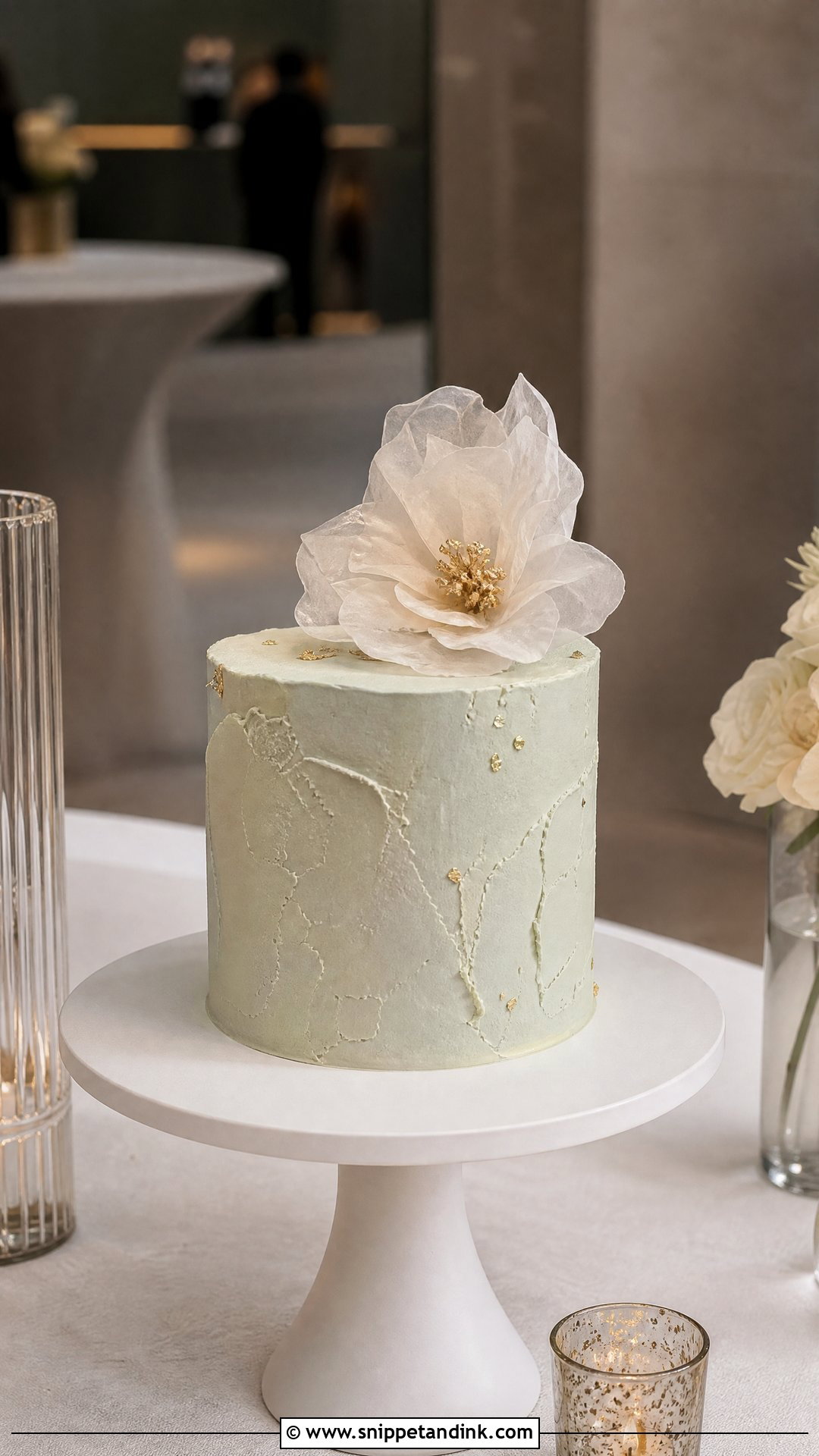
Modern cakes trade decoration for one idea: a strong color, a sculptural bow, a wafer paper flower or a sharp black-and-white contrast. Wafer paper is my favourite tool here because it’s light and holds a crisp curve, though it wilts if it touches damp buttercream for long, so it goes on near the end. Sage, taupe and blush look current without shouting. Lofts, city halls and museum venues suit this style, and the finish has to be immaculate because there’s nothing else to look at.
21. Small Drip Wedding Cake
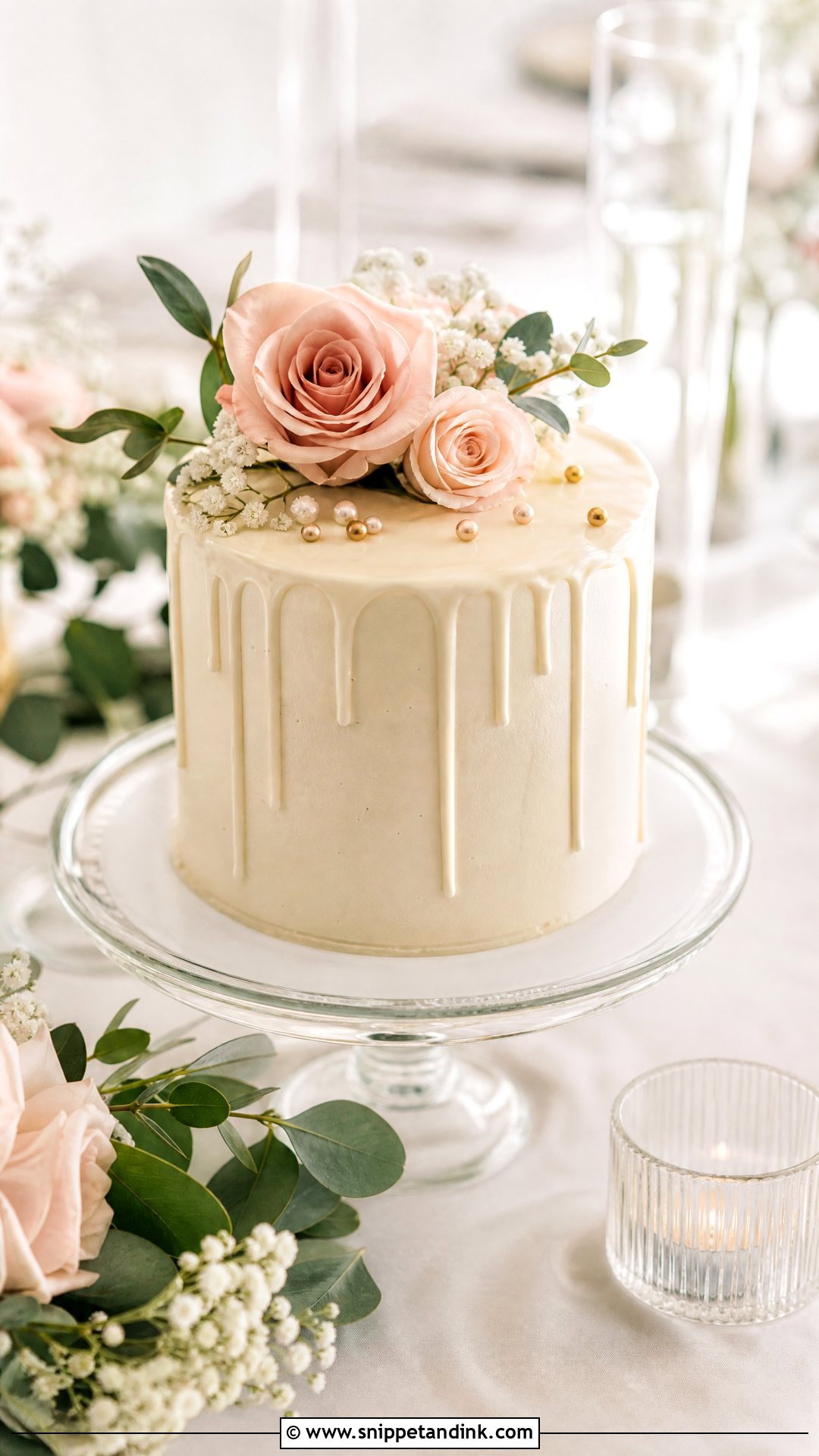
A drip looks casual, but controlling it isn’t. The ganache has to be the right temperature when it hits a chilled cake: too warm and it runs to the board, too cool and it stops in thick blobs. I test a single drip on the back first. White chocolate, caramel, dark chocolate and gold-painted ganache all work. On two tiers I’d drip the top tier only, which keeps the cake from looking heavy, and a small flower cluster balances the movement.
22. Small Gold Leaf Wedding Cake
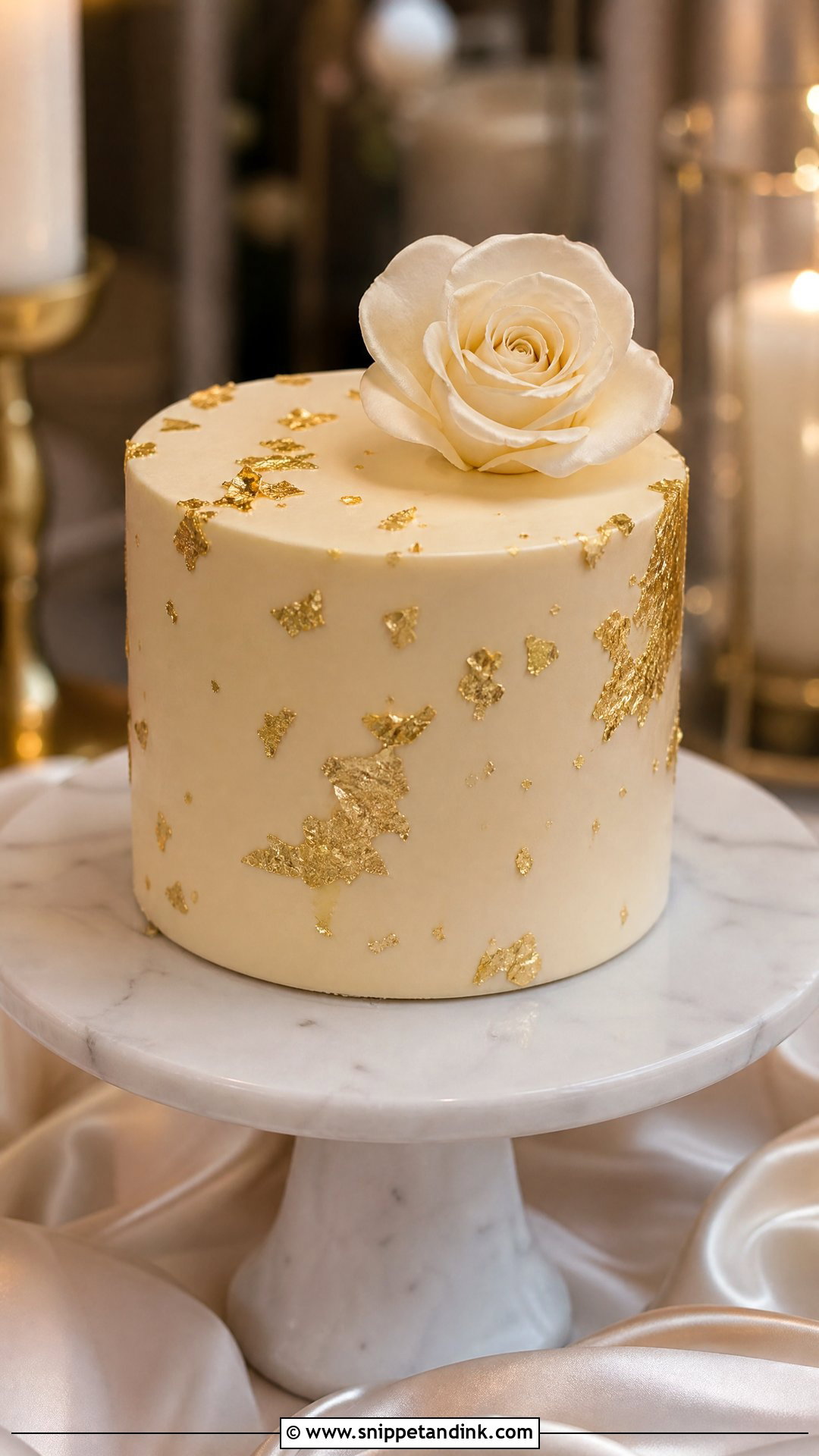
Gold leaf works because a little goes a long way. A few torn pieces on one side of a single tier are enough to catch the light; I apply them with a dry brush onto a slightly tacky surface so they don’t crease. The gold reads strongest on deep chocolate, sage or blush and quieter on ivory. Ask for edible gold leaf specifically, since craft leaf looks identical but isn’t meant to be eaten. Keep the rest of the cake plain so the metal stays the focus.
23. Small Fruit Wedding Cake
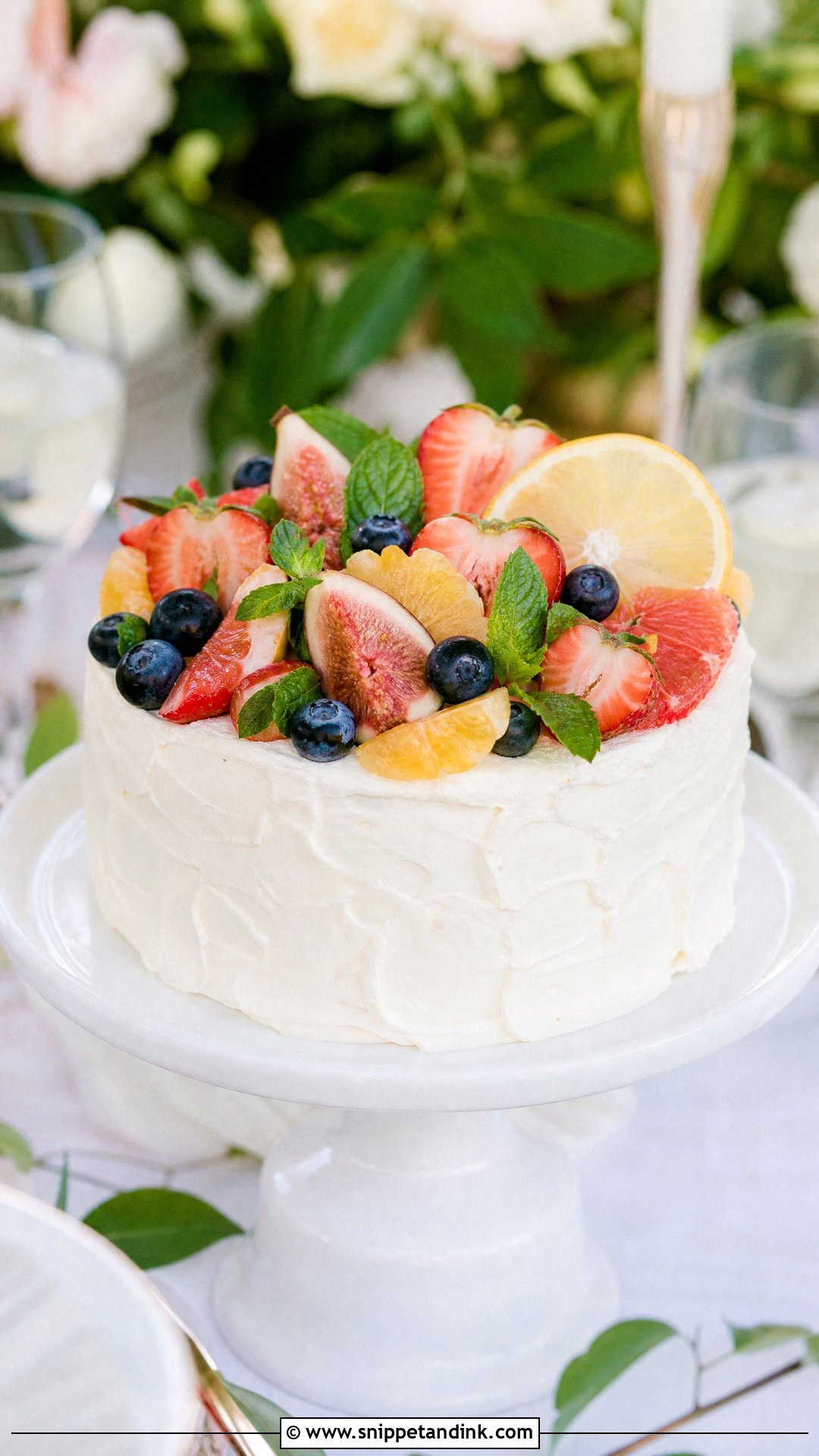
Fruit adds color, but it also adds moisture, and that’s what I plan around. Cut fruit weeps into frosting, so I use whole berries, figs and cherries where I can, brush them with a thin glaze, and add them as late as possible. A stable frosting like Swiss meringue buttercream holds up under fruit far better than whipped cream, which I only use if the cake will be served within an hour or two. Lemon, almond and olive oil cakes pair well with berries and citrus.
24. Small Dessert Table Wedding Cake
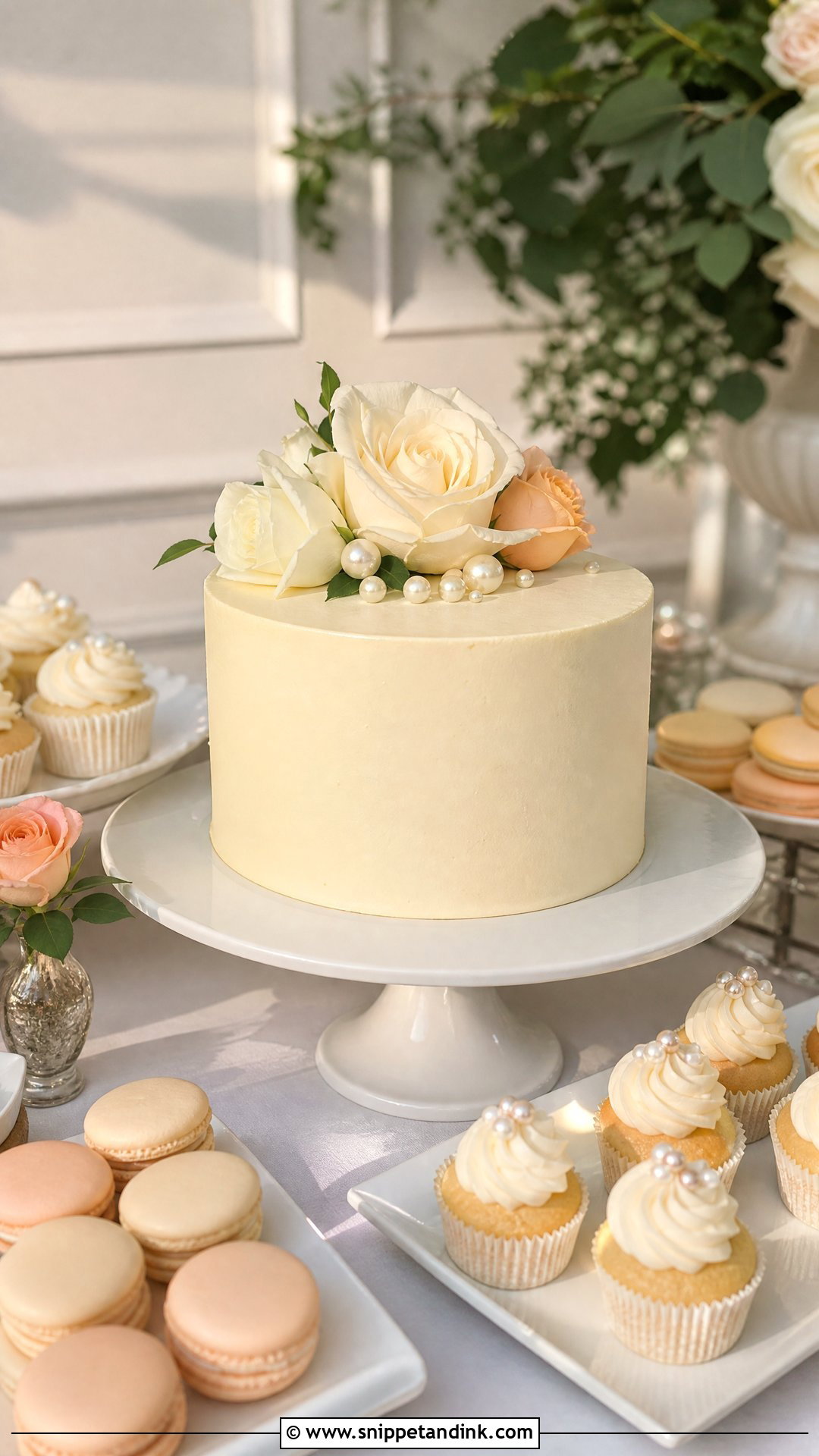
When the cake is part of a dessert spread, its job changes. It’s the centrepiece and the cutting cake, while cupcakes, macarons, cookies or mini pies feed most of the guests. I tie the cake to the rest of the table with one shared element, usually the flower or the frosting color, so it doesn’t look like a separate order. An ivory tier with a single floral detail anchors the display, and guests get to pick their own sweets.
25. Small Cutting Wedding Cake
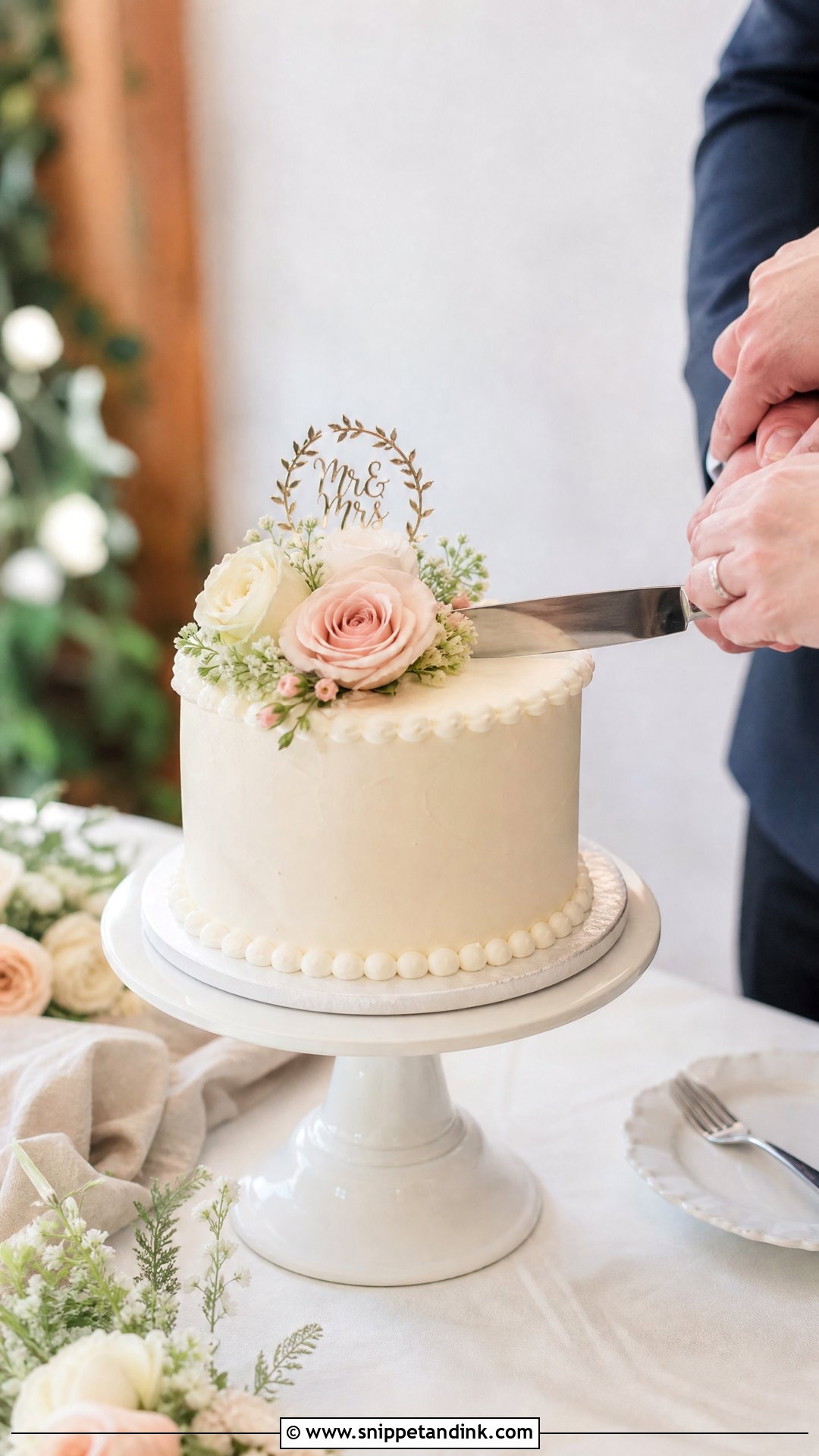
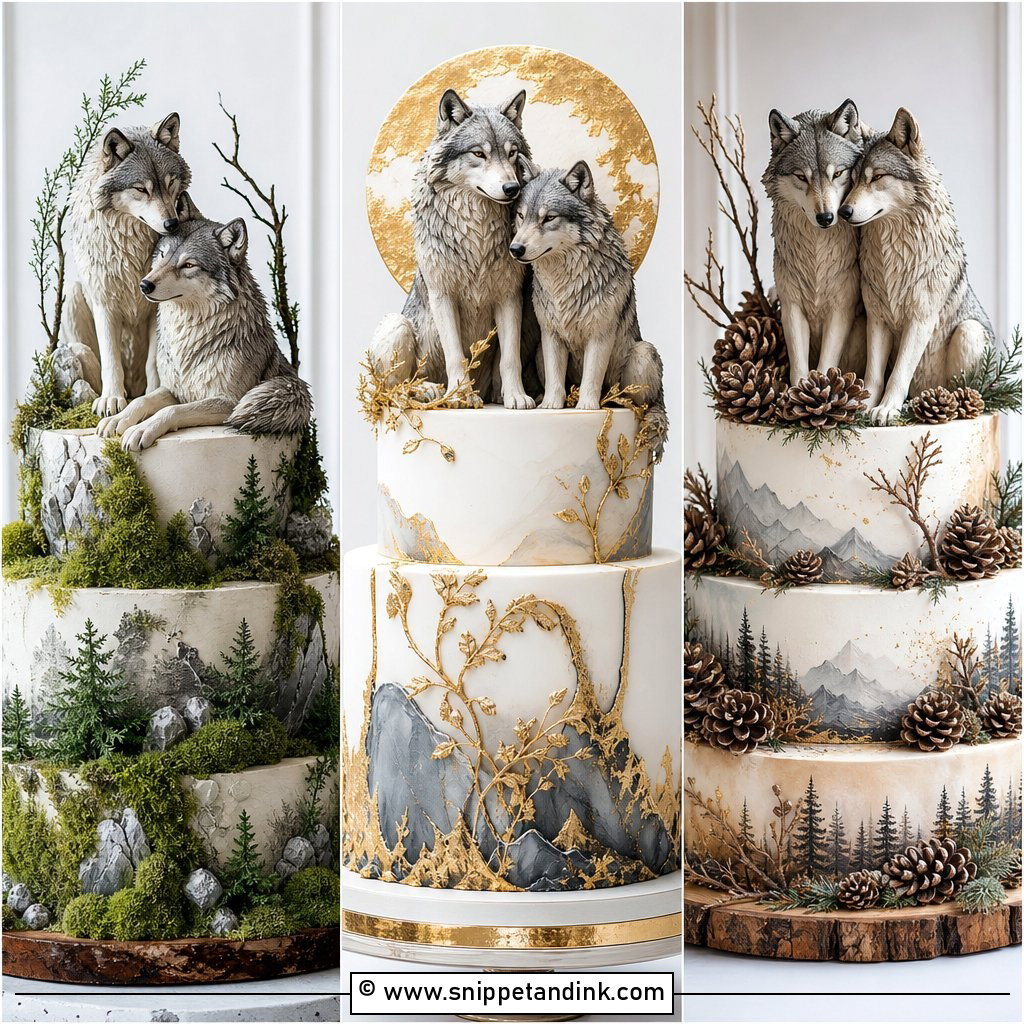
A cutting cake exists for the first slice and the photo, while sheet cake or plated desserts serve everyone else from the kitchen. A 6-inch round is usually enough. Because it will be photographed up close, I give it the same finish as a full wedding cake: smooth buttercream, fresh flowers or pearls, maybe a tiny topper. Pick a flavor you both love rather than a crowd-pleaser, since you’re the ones eating it. Ivory keeps it classic, or match it to your colors.
Getting a 6-Inch Cake to the Venue in One Piece
Small cakes travel more often in a couple’s own car than in a bakery van, and that’s where most damage happens. A few habits from my own deliveries:
- Carry it chilled. A cold buttercream cake is firm and survives bumps; a room-temperature one smears at the first brake.
- Put the box on a flat surface. A car seat slopes backwards, so I use the floor in front of the passenger seat with a non-slip mat under the box.
- Run the air conditioning before the cake goes in, and never leave it in a parked car, even for a few minutes in summer.
- Let it sit boxed at room temperature for about an hour before serving so the buttercream softens and the flavor comes back.
- Pack a small kit with a palette knife, a little spare frosting and a few spare flowers for any scuffs.
Where a Little Cake Should Sit
A short cake on a long table disappears. I put small cakes on a raised stand, usually 4 to 6 inches tall, so the top sits near eye level for seated guests and the camera. The stand should be about 2 inches wider than the cake; much wider and the cake looks lost on it.
Keep it out of a sunny window and away from candles, which soften buttercream faster than people expect. A plain backdrop helps too, because a small cake competing with a busy floral wall reads as clutter in photos.
Spend the Budget on Flavor, Not Height
A small cake isn’t a lesser cake. Every detail moves closer to the guest, from the frosting edge to the stand, so put the money into flavor, finish and one considered detail instead of tiers nobody needs. Start with your guest count and venue temperature, then pick the style. Pearls, roses, fruit, vintage piping or a single clean tier will all hold their own on an intimate table.
You'll Like These Ideas:




Leave a Reply