
Lace does half the styling for you. It brings texture and pattern to a gown, so the shoes, jewelry and hair only need to support it. The shapes below range from fitted mermaids to soft A-lines, for weddings, galas, formal dinners, graduations and cultural celebrations such as aso ebi gatherings. Fine floral lace reads romantic, bold cord lace holds structure, and embroidered lace sits somewhere in between. With each gown I’ve noted what I’d pair with it and what I’d check before buying, since lace behaves differently from plain fabric once it’s on a body.
Chantilly, Alençon, Guipure and Cord Lace Behave Differently
Lace names on a label tell you a lot about how a gown will wear. I sort them by weight before I think about style.
Chantilly
Fine and flat with a delicate floral pattern on a net ground. It drapes softly and suits sleeves and overlays, but it snags on rings and rough clutches.
Alençon
Has a raised cord outlining the motifs, so the pattern shows from further away. It holds a scalloped edge well and is sturdier than Chantilly.
Guipure and cord lace
Guipure has no net; the motifs connect directly, making it heavy and structured. Cord lace, popular for aso ebi styles, is similar in weight. Both suit peplums, mermaids and sharp tailoring, but neither drapes, so they won’t soften into a flowing skirt.
1. White Lace Mermaid Gown
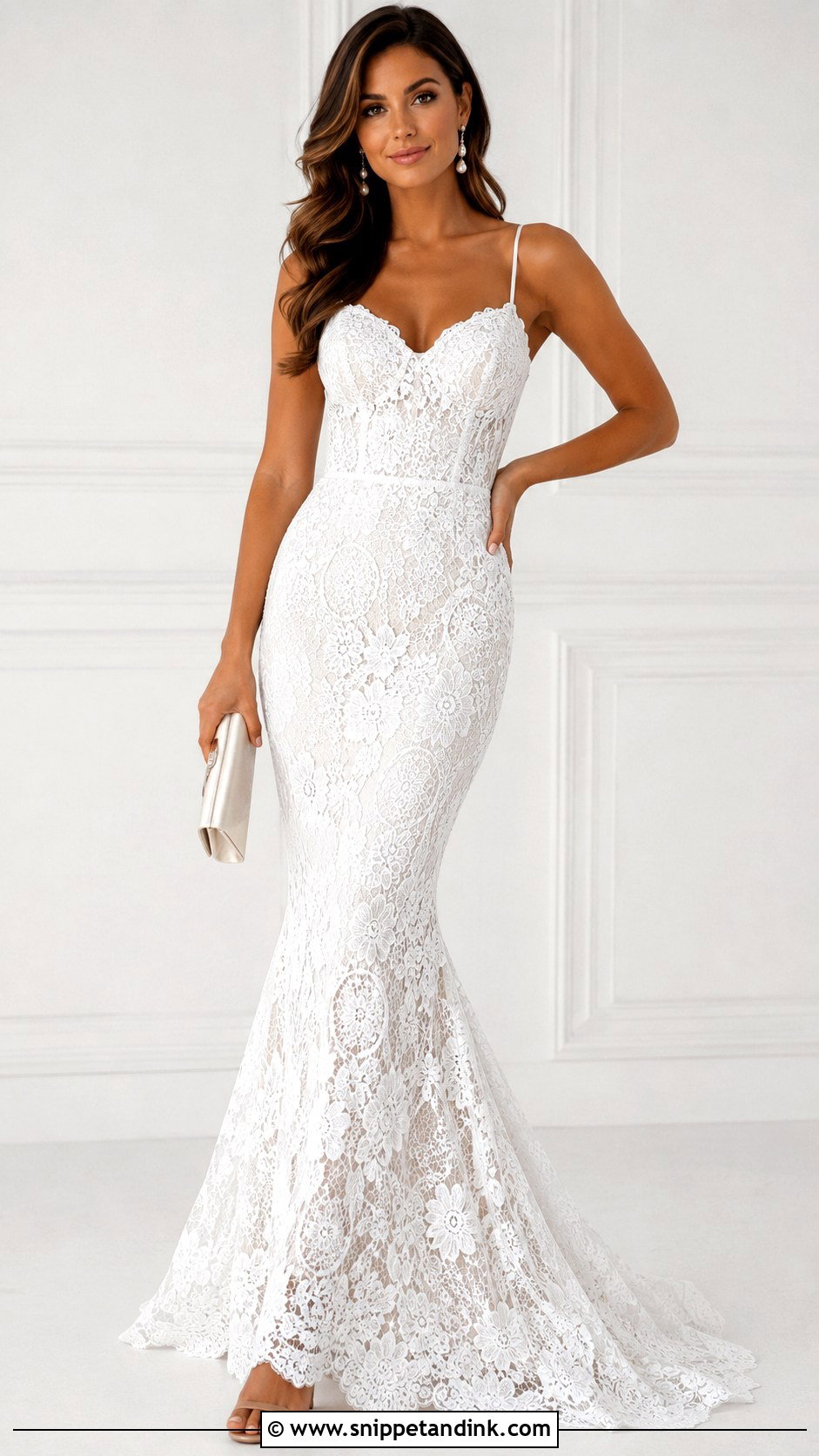
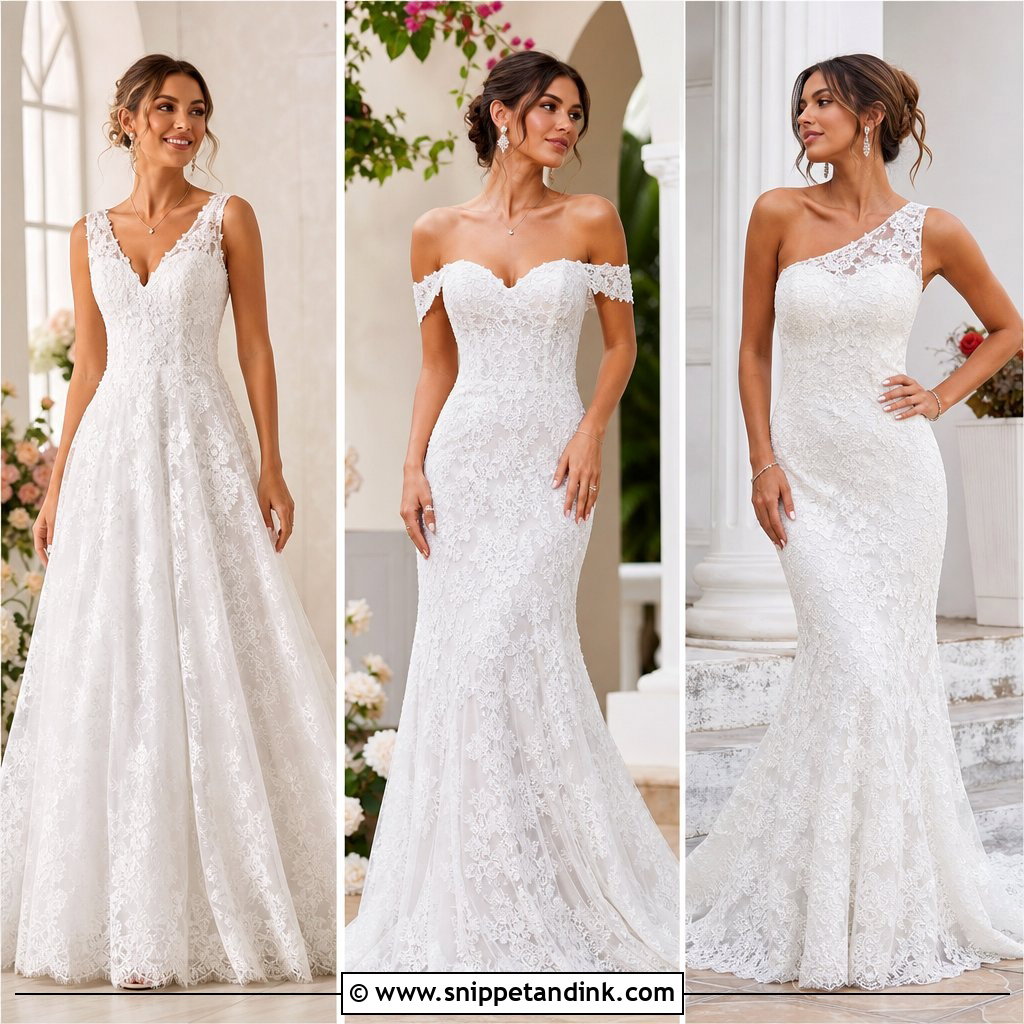
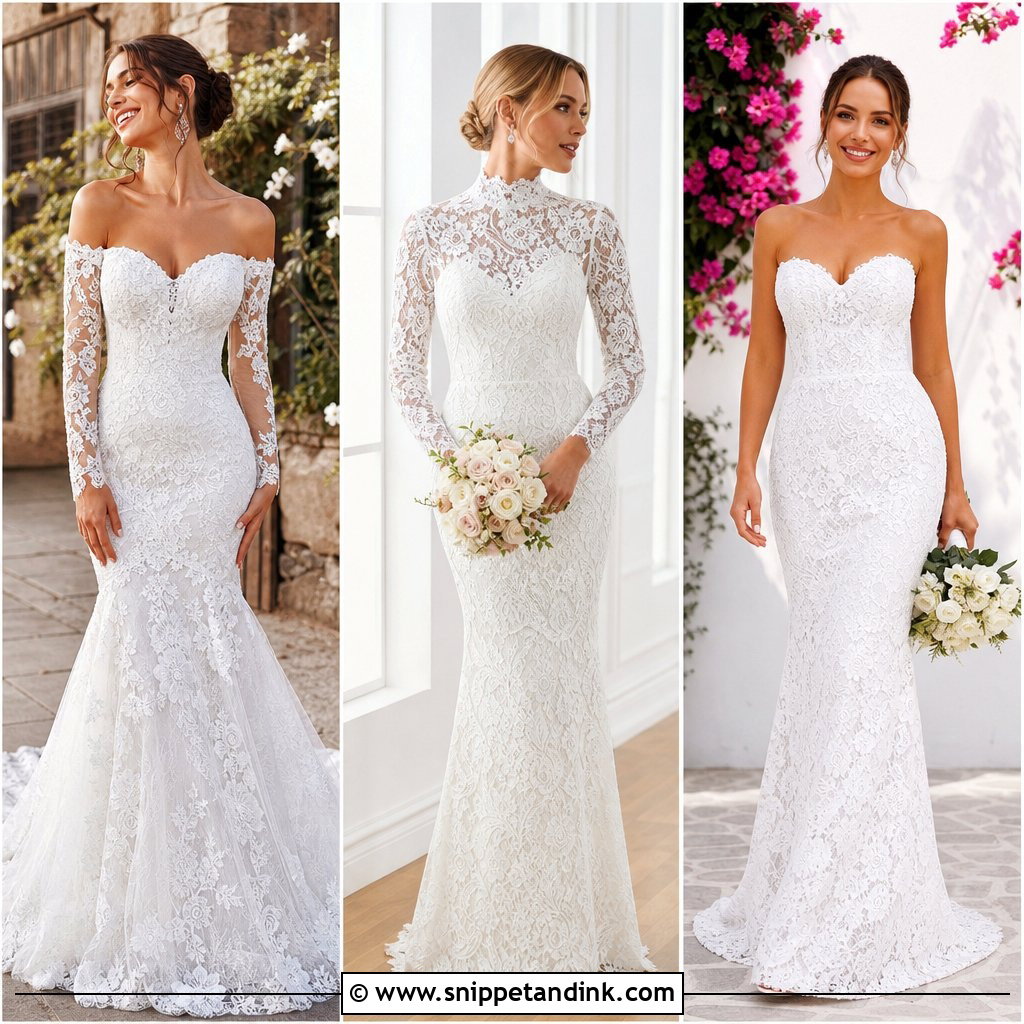
White lace on a mermaid shape is about the cleanest formal outline there is: fitted through the body, flaring at the hem. I like floral embroidery or a scalloped edge on it, with nude, silver or pearl heels, a small satin clutch and pearl drops. Neckline sets the hair. High neck, sleek bun; off-shoulder, soft waves. The thing I watch on a lace mermaid is the seam where the flare joins, because lace motifs that don’t line up across that seam are very visible from behind.
2. Black Lace Evening Gown
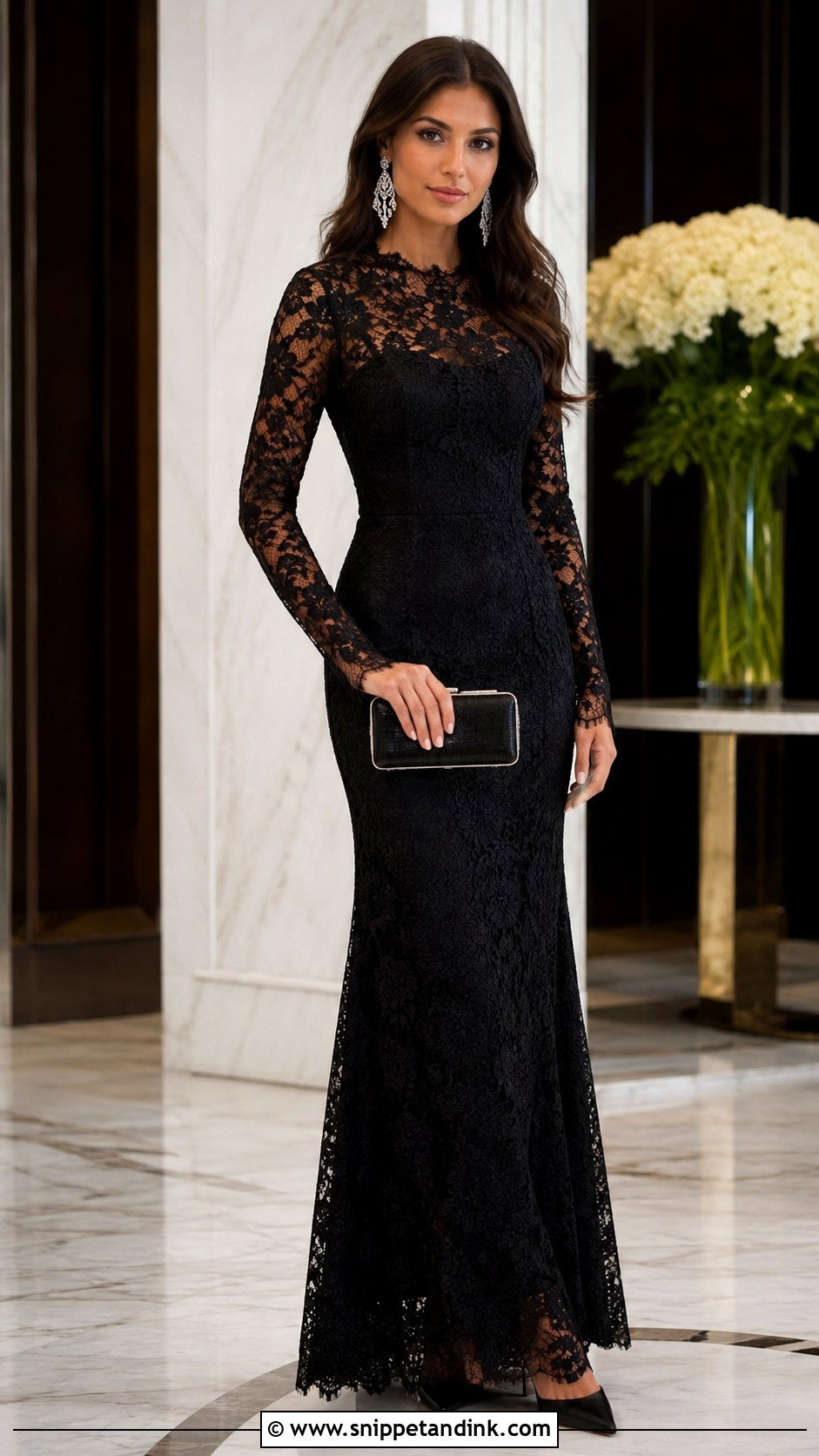
Black lace has depth, and on a lined bodice with sheer sleeves it gives coverage without feeling heavy. Black or metallic heels, a structured clutch and crystal studs are enough, with defined eyes or a soft berry lip. It suits galas, formal dinners and awards nights. One tip from fittings: look at black lace in daylight. Some black lace has a brown or blue cast that only shows outdoors, and it can clash with true-black shoes.
3. Red Lace Gown
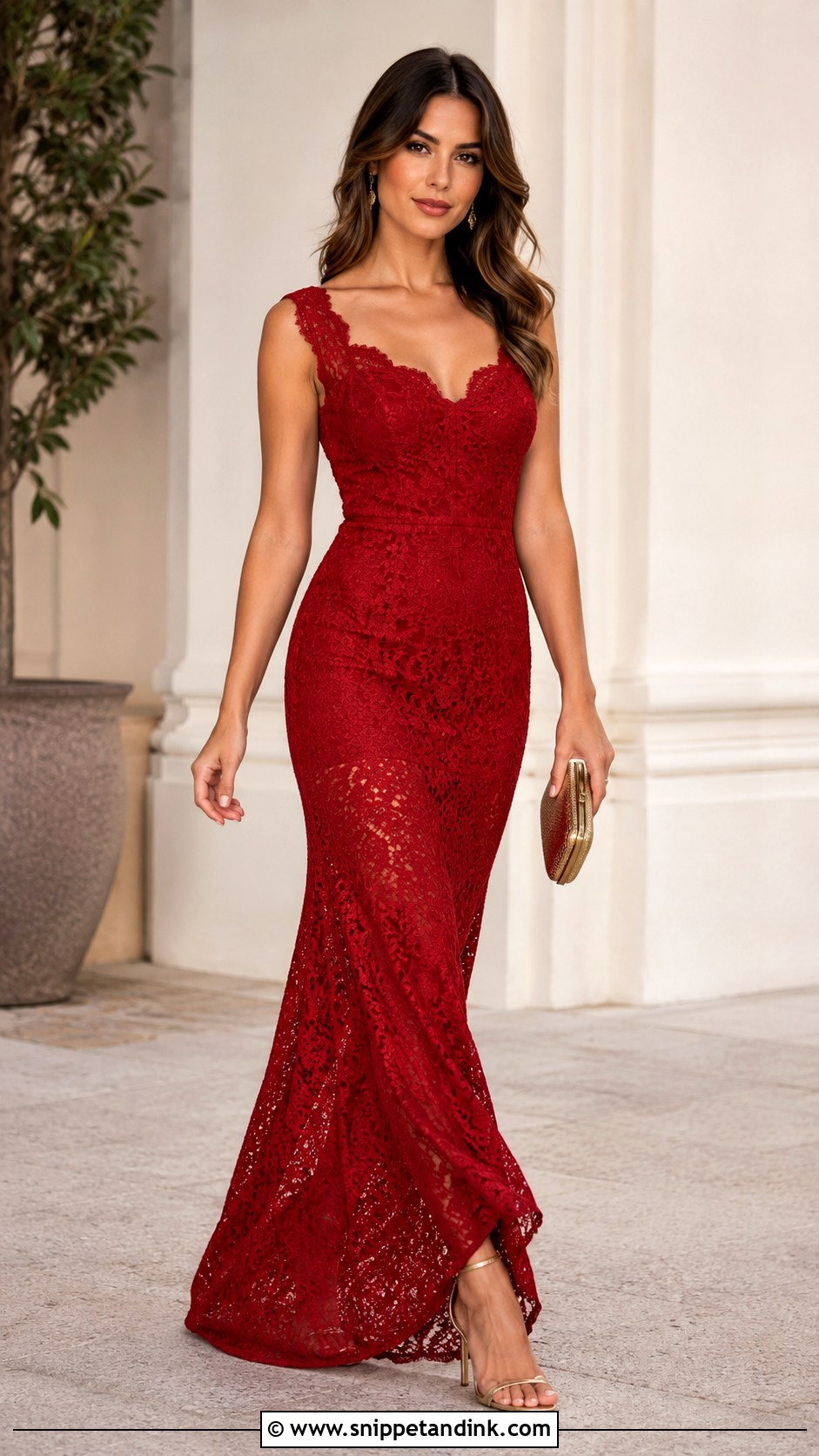
Red already holds the room, so I strip everything else back. A floor-length red lace gown with a fitted waist, soft sleeves or a straight neckline needs only gold heels, a small gold clutch and fine jewelry. Heavy lace patterns rule out oversized accessories. A smooth updo or side-parted waves keeps it polished. If you’re a wedding guest, check the dress code and the couple’s culture first; red is a bridal colour in several traditions.
4. Navy Blue Lace Gown
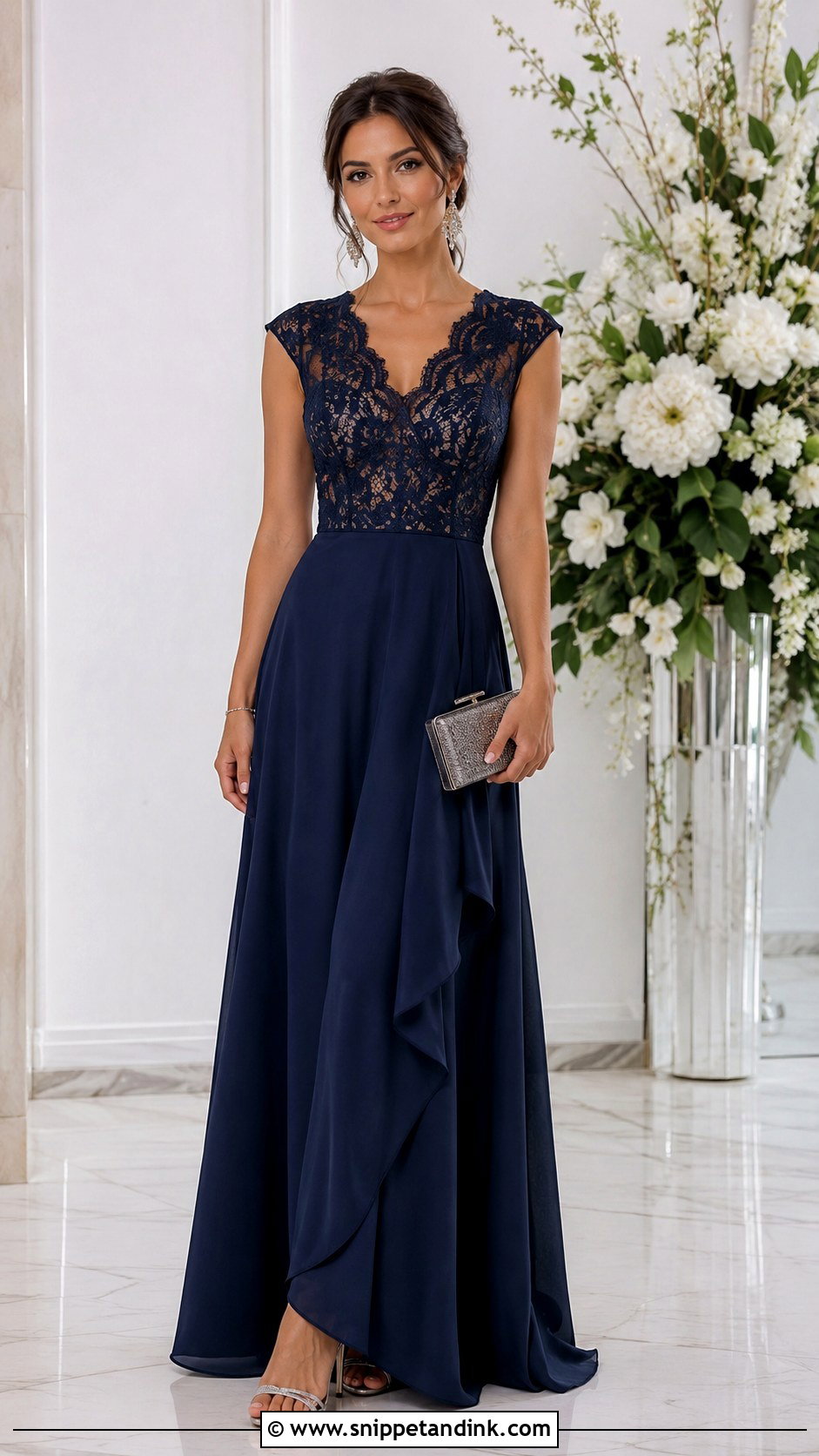
Navy is my usual suggestion when a client wants formal but finds black too expected. It reads rich in lace and suits most skin tones. A fitted bodice over a soft A-line skirt is comfortable for a long evening; long lace sleeves add polish. Silver heels, a navy or metallic clutch and crystal earrings finish it. Navy can look almost black at night, so if you want the colour to register, wear it where there’s warm light or daylight.
5. Champagne Lace Gown
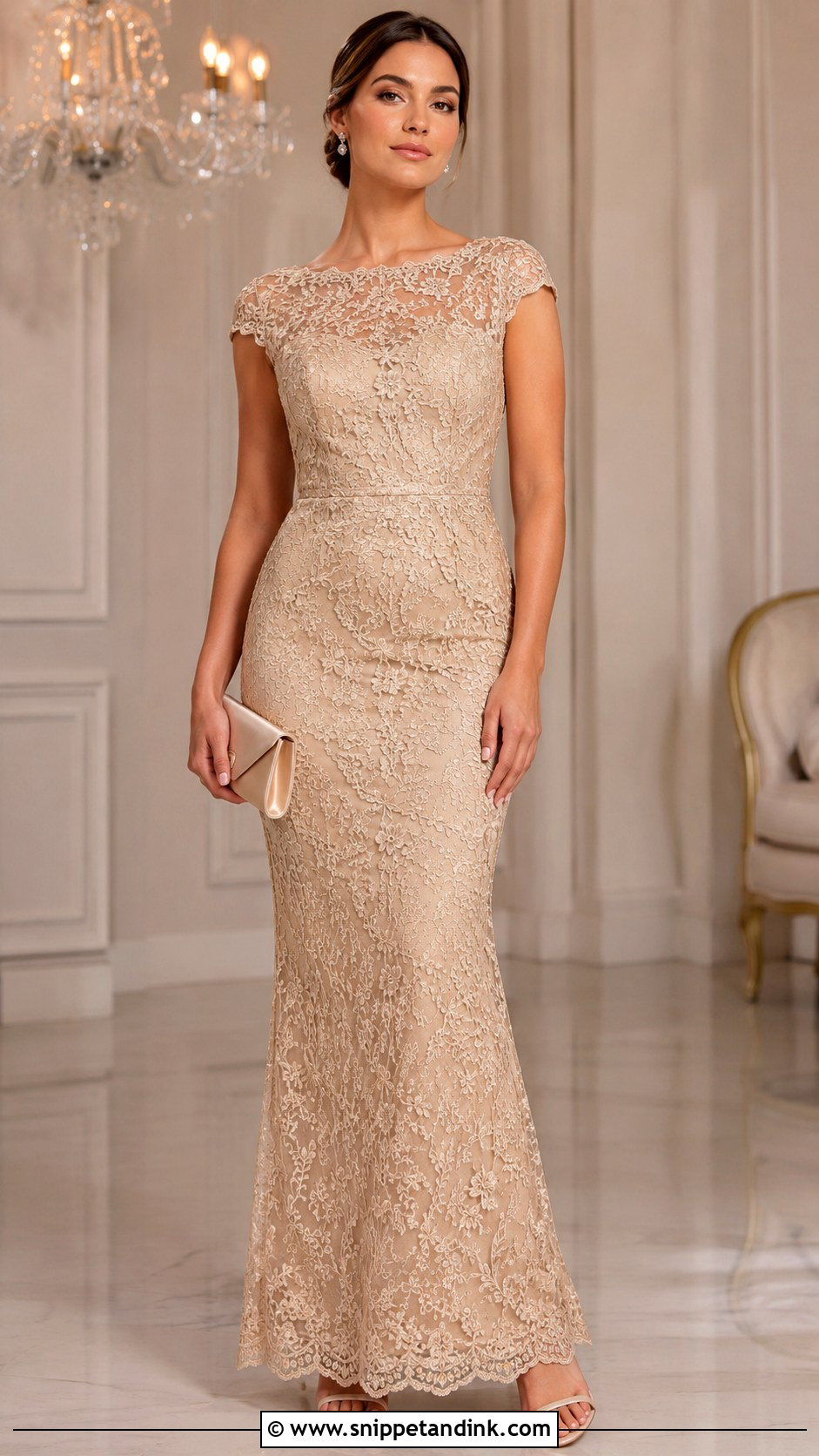
Champagne lace gives a warm glow, but it’s the colour I’m most careful with, because a pale champagne beside very fair or very warm skin can make you look washed out. Hold it to your face in daylight before deciding. A lined bodice with a delicate overlay looks smooth. Nude, gold or clear heels keep it light, with a satin clutch and small crystal earrings. Soft makeup and a neat hairstyle. Heavy accessories overpower it quickly.
6. Long Sleeve Lace Gown
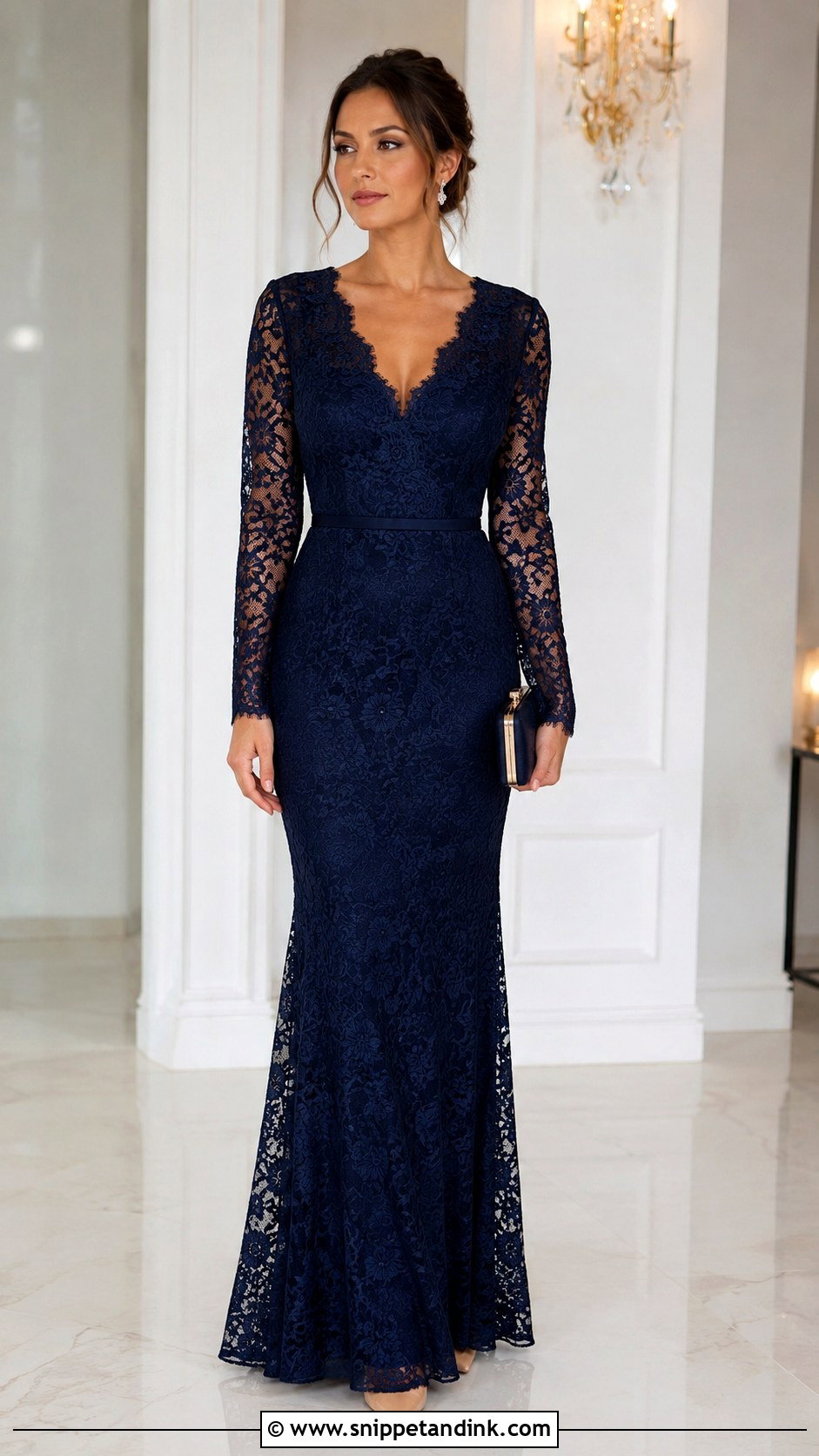
Sleeves can be fully lined, sheer or partly embroidered, and each reads differently. Sheer lace looks lightest; lined lace gives full coverage for religious venues or winter. A fitted waist and flowing skirt keep the gown from feeling heavy. Pointed heels, a neat clutch and simple earrings, and skip bracelets so the cuff lace stays visible. My fitting check: bend your elbows fully. Lace sleeves cut too close split at the seam the first time you hug someone.
7. Off Shoulder Lace Gown
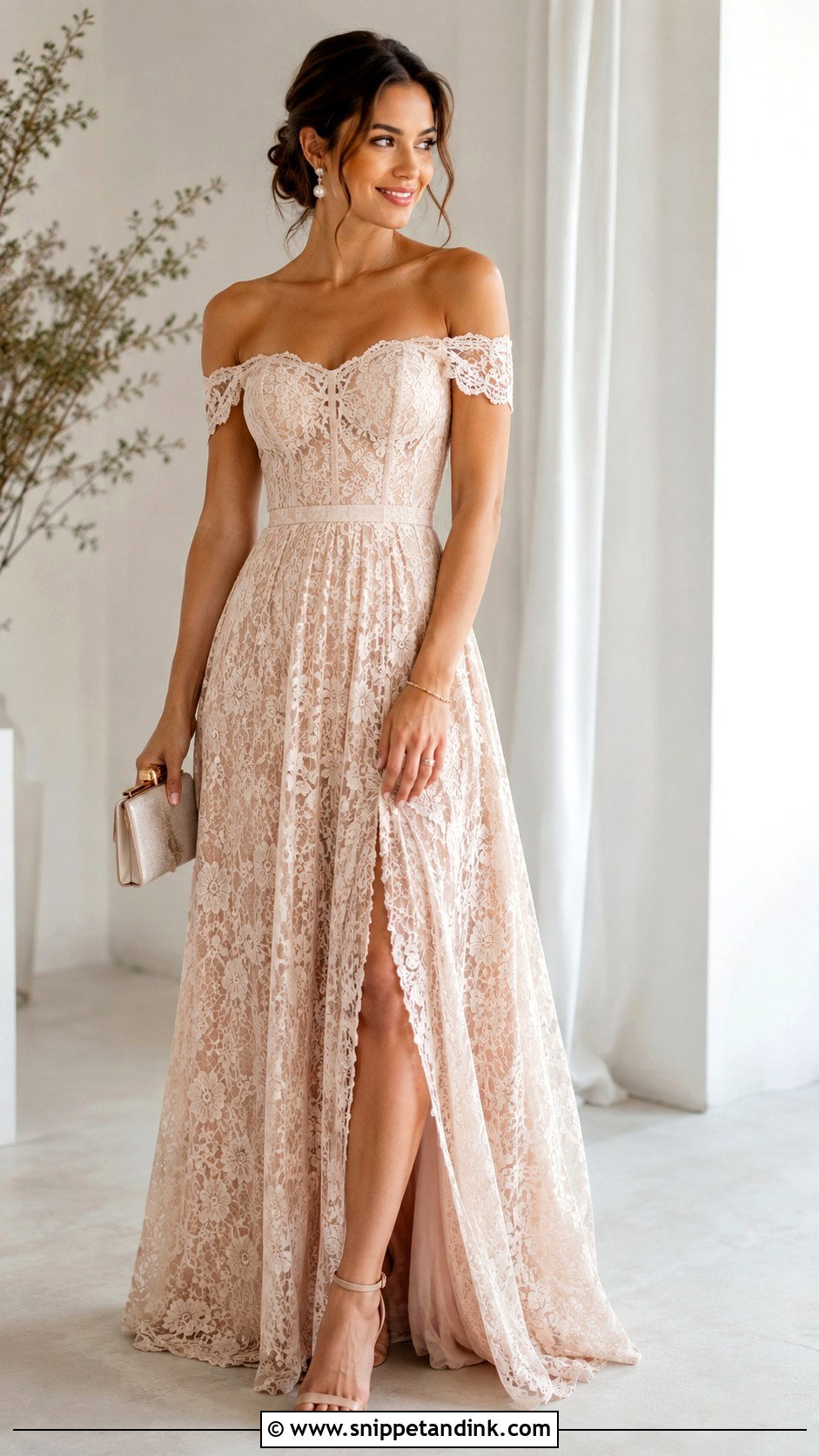
The off-shoulder line puts the focus on the shoulders and collarbones, so jewelry needs restraint: a short necklace, pearl studs or drops, rarely all three. A fitted lace bodice over a flowing skirt keeps it romantic without drama. Nude, silver or soft gold heels. With a detailed gown, I put hair up to show the neckline. These bodices rely on a good grip at the upper arm, so check you can lift your arms enough to eat and dance without the neckline creeping up.
8. A Line Lace Gown
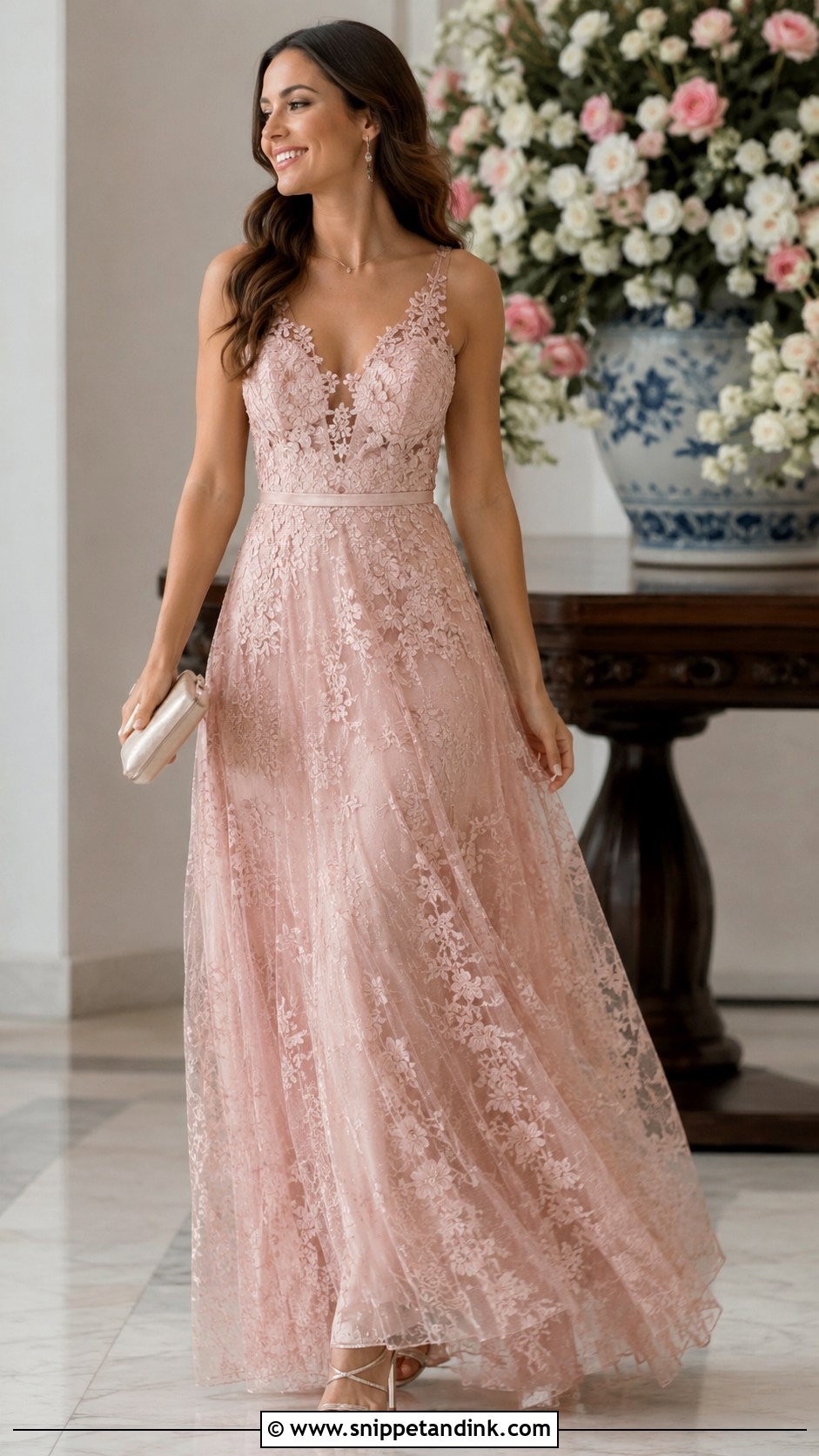
A-line is the shape I reach for when someone isn’t sure what suits them. The bodice gives shape and the skirt skims away from the waist, so sitting, walking and dancing are easy. Floral lace looks soft; corded lace looks structured. Block heels or slim stilettos depending on length and terrain, with a small clutch and fine jewelry. It covers weddings, dinners, graduations and family events with no fuss.
9. Lace Ball Gown
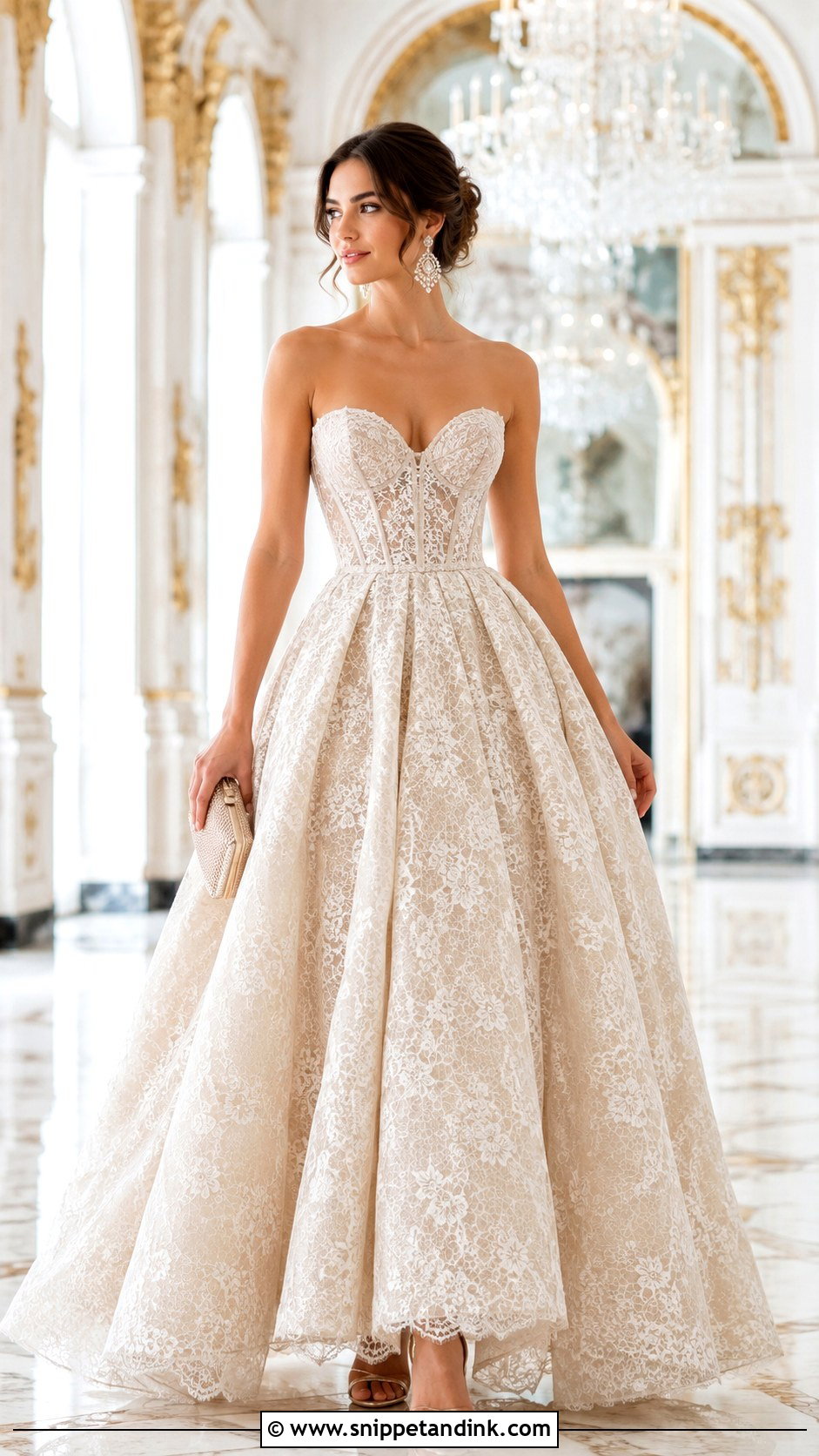
Choose a lace ball gown when the occasion is genuinely grand. The skirt brings the drama and the lace keeps it detailed, while a fitted bodice holds the waist so the volume doesn’t swamp you. Elegant heels, a small clutch and refined earrings; oversized jewelry fights the skirt. A neat updo keeps the neckline clean. Practically, a ball gown needs space: ask about the seating and the car before you commit.
10. Lace Corset Gown
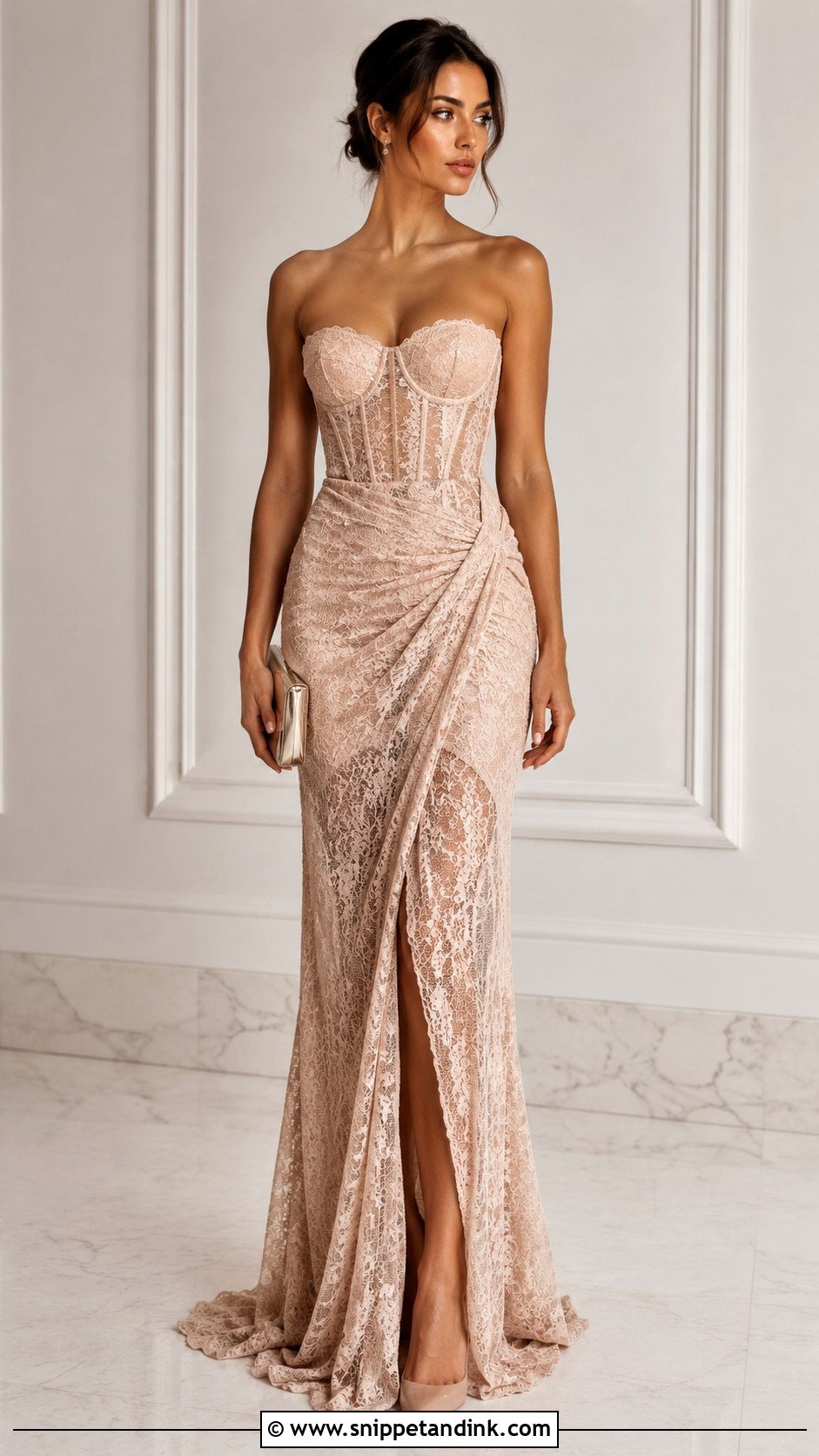
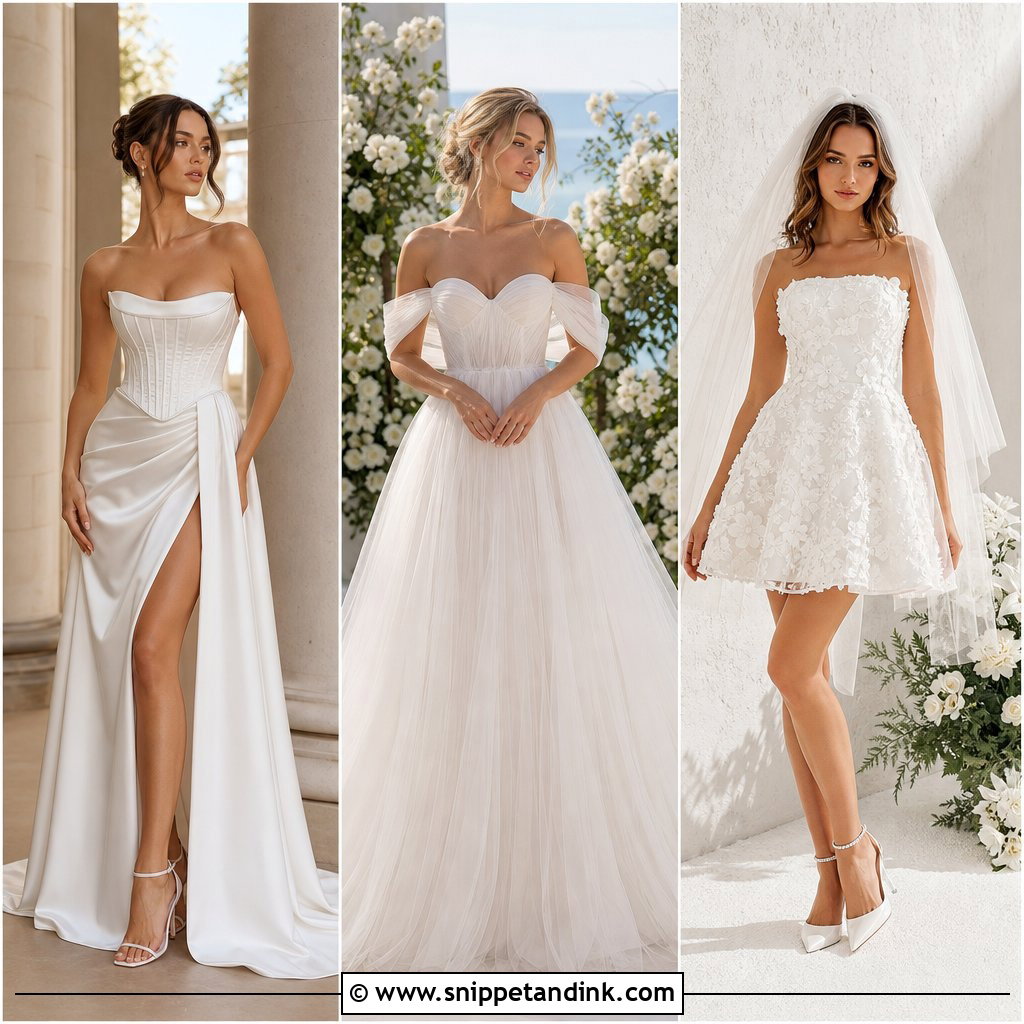
The corset gives structure and support; the lace softens it. If the boning is visible, that is the main detail and everything else stays quiet: pointed heels, a sleek clutch, minimal jewelry, soft waves or a clean bun. Look for a smooth lining against the skin. Unlined lace over boning can rub on a long evening, and I always ask clients to sit for a few minutes in a corset before deciding on the fit.
11. Lace Gown With Cape
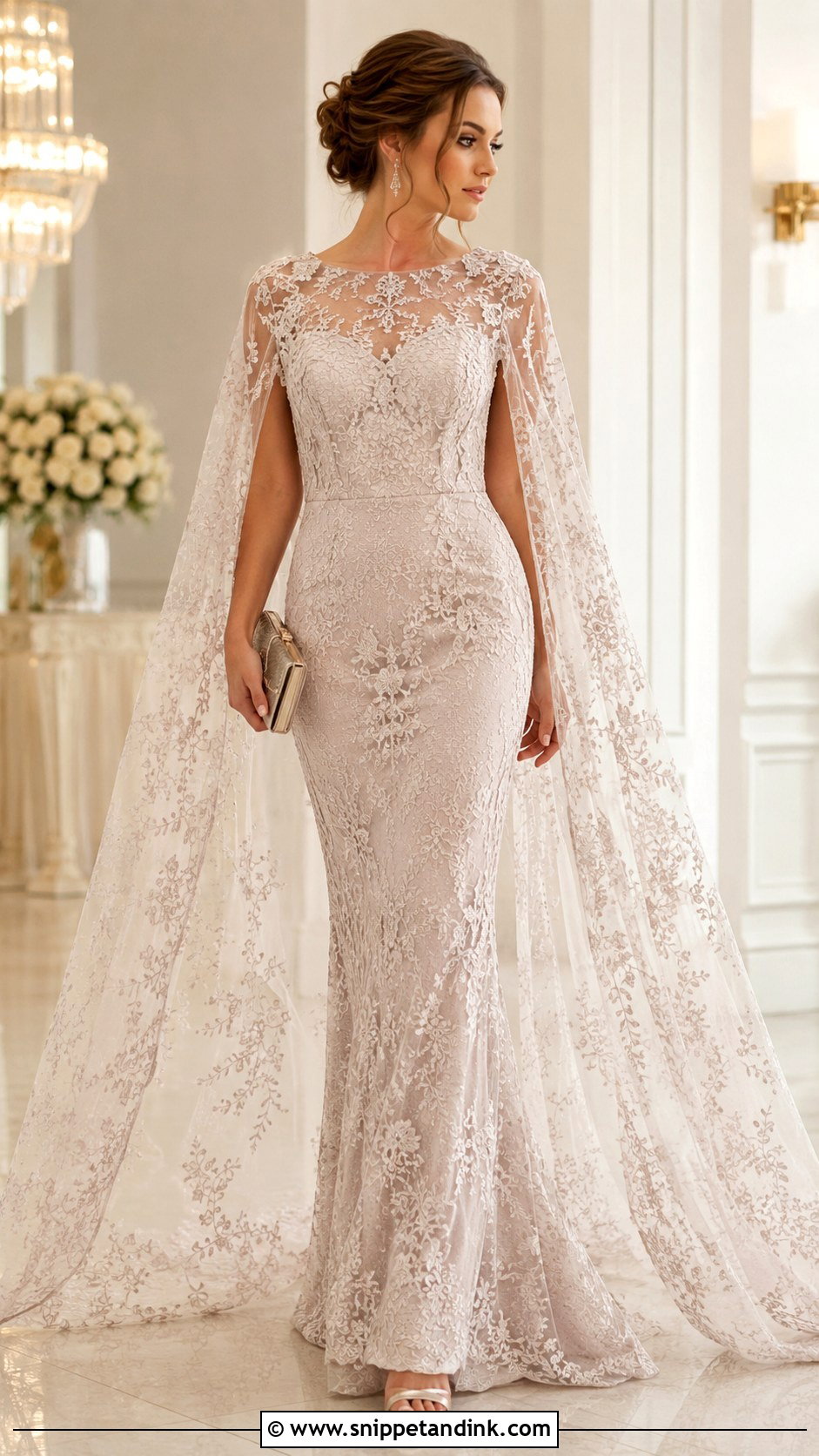
A cape adds movement and coverage, sheer or embroidered, detachable or fixed at the shoulders. Keep the gown under it streamlined, fitted or straight, so the extra fabric has a clean base. Simple heels, a structured clutch, small earrings, and no necklace if the cape neckline is detailed. I prefer detachable capes for long events: you get the entrance, then remove it for dinner instead of dragging lace through every chair.
12. Lace Gown With Train
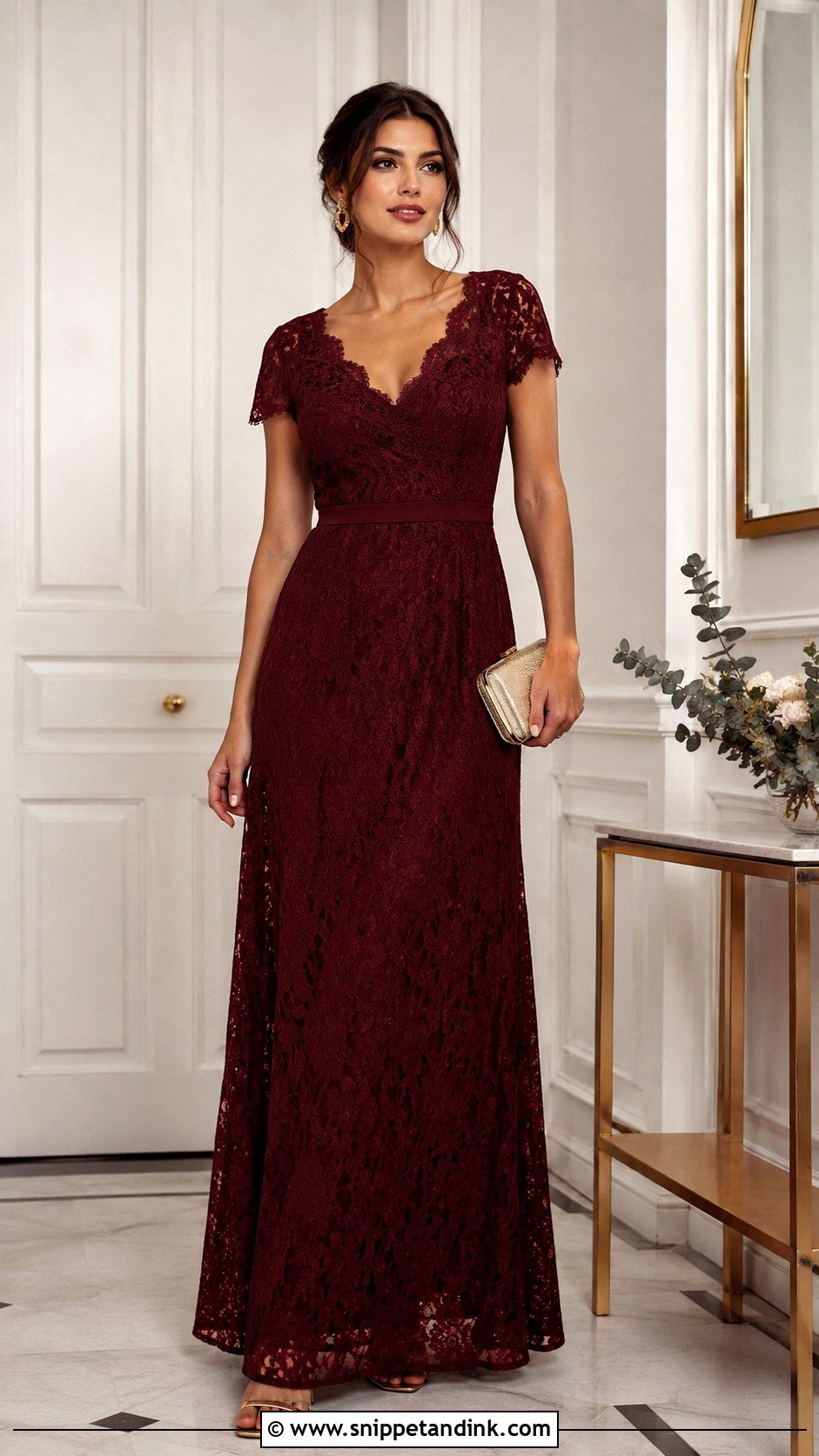
A train adds movement behind you and looks best when you’re walking or posed, so it suits ceremonies and formal receptions more than busy parties. A fitted lace bodice with a soft train keeps the balance. Wear the heel height you’ll actually wear on the day to every fitting; the hem is set to it, and changing shoes later leaves the front dragging. Clutch, delicate earrings and a low bun or side-swept style. Ask for a bustle or a wrist loop for later in the evening.
13. Green Lace Gown
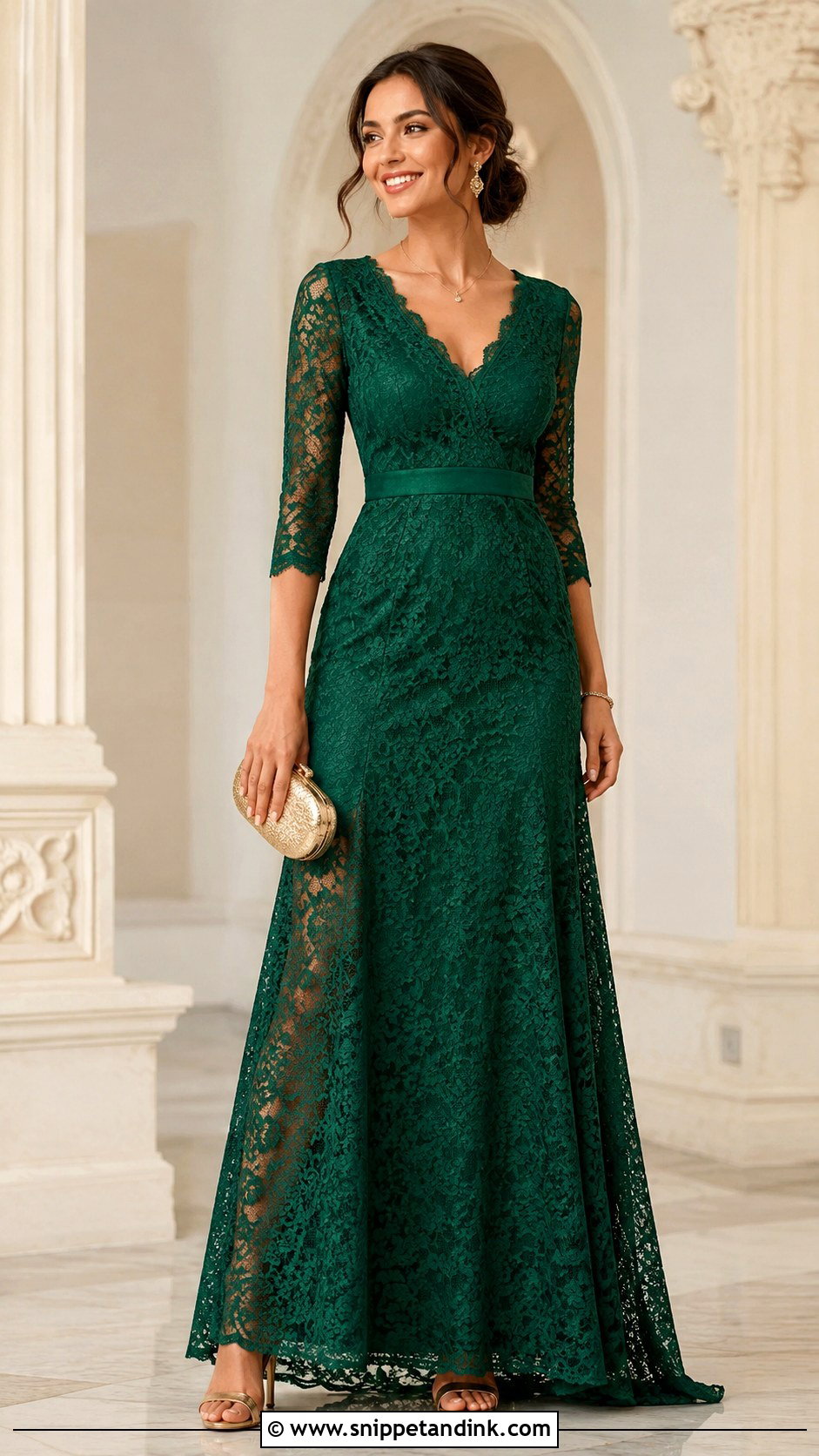
Green ranges widely. Deep emerald reads formal and evening; sage or olive lace reads softer and newer. A defined waist and floor-length skirt give a clean outline. Gold accessories warm green up, so gold heels, a small clutch and simple earrings work. With heavy embroidery, keep makeup soft. It’s a good alternative to black or navy, though muted greens can turn greyish under cool lighting, so test it under the venue’s light if you can.
14. Pink Lace Gown
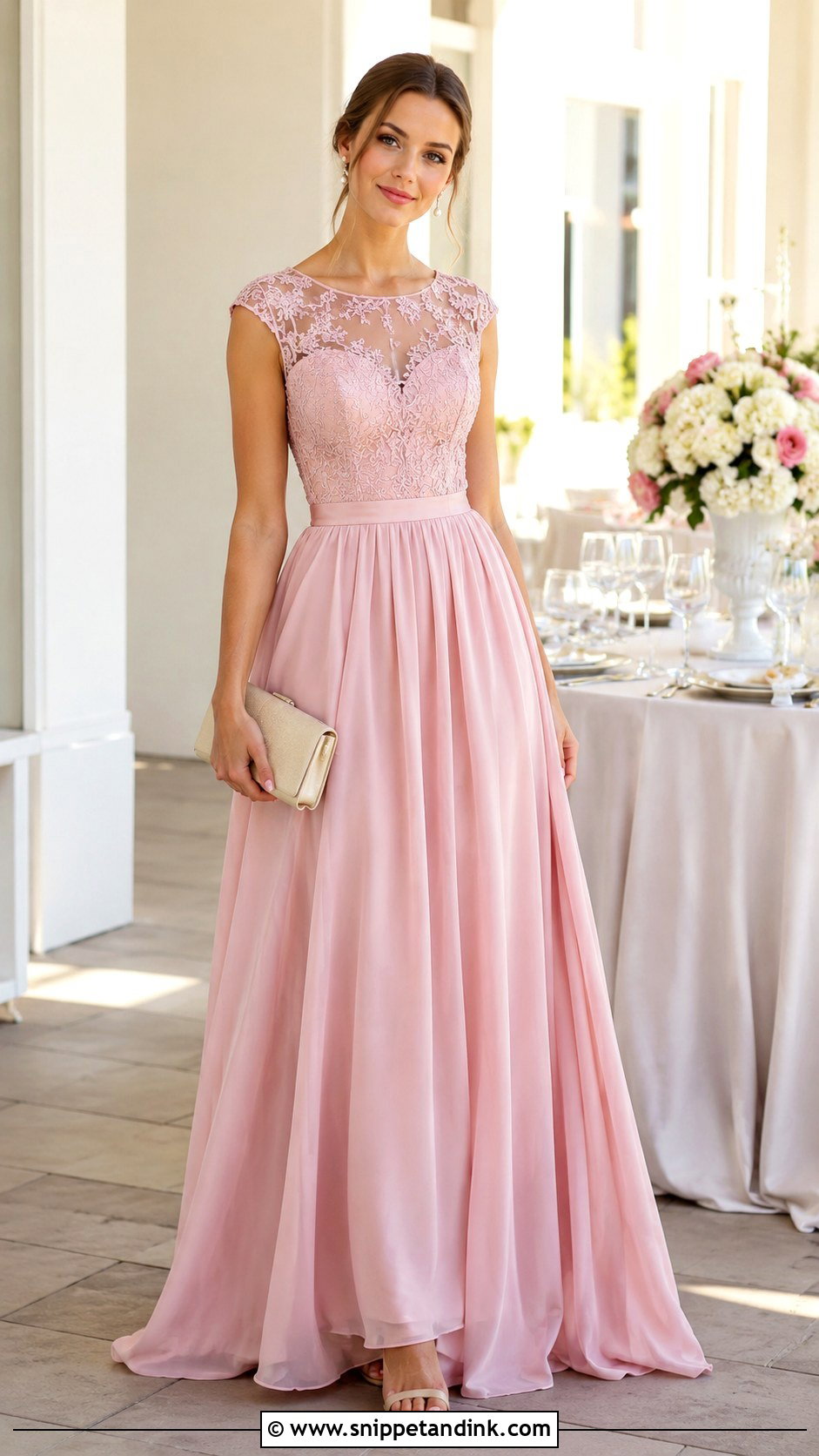
Pink in lace runs from blush and rose to dusty pink and mauve. A fitted bodice with a soft skirt keeps it from looking too sweet. Nude or champagne heels lengthen the leg; pearl or crystal jewelry finishes it. It suits daytime ceremonies, receptions and graduations. Pale pink can drain the face, so I add warmth with cheeks and a soft lip rather than going bare-faced.
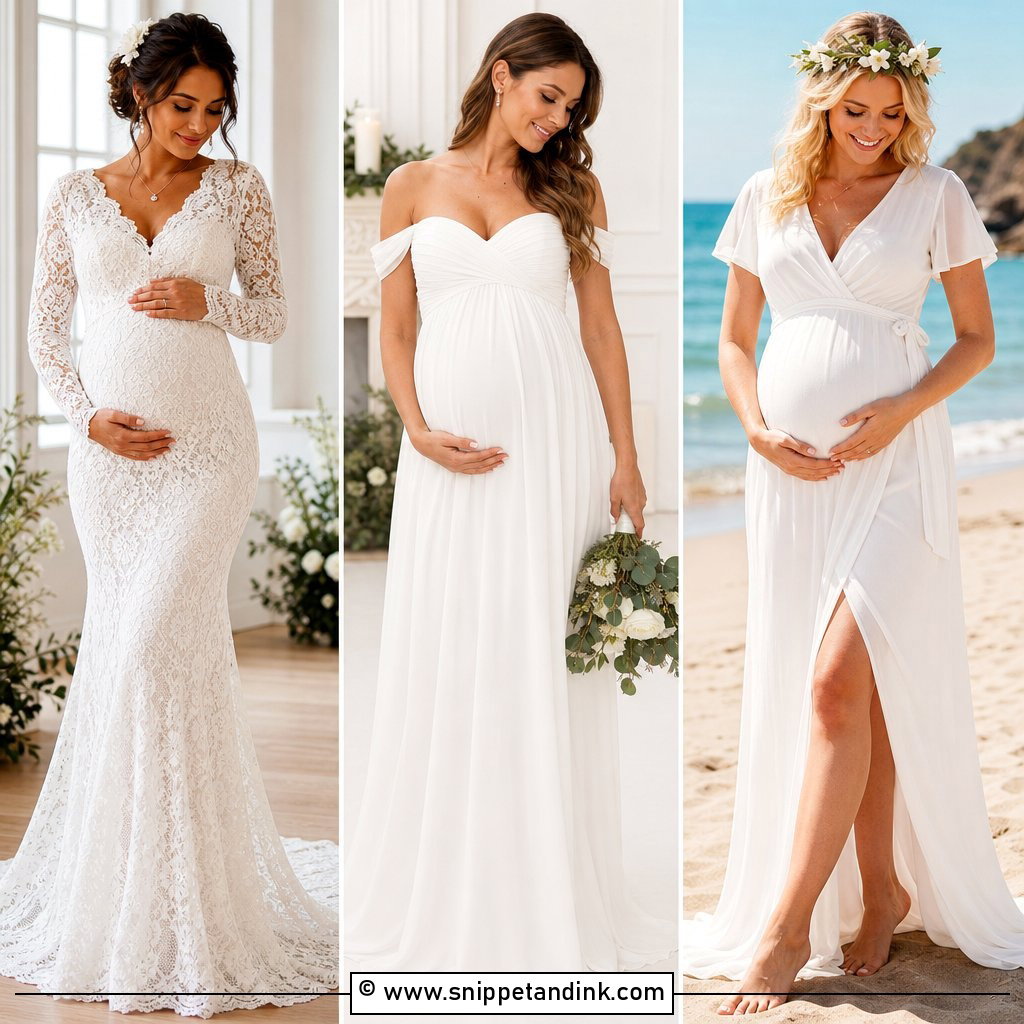
15. Gold Lace Gown
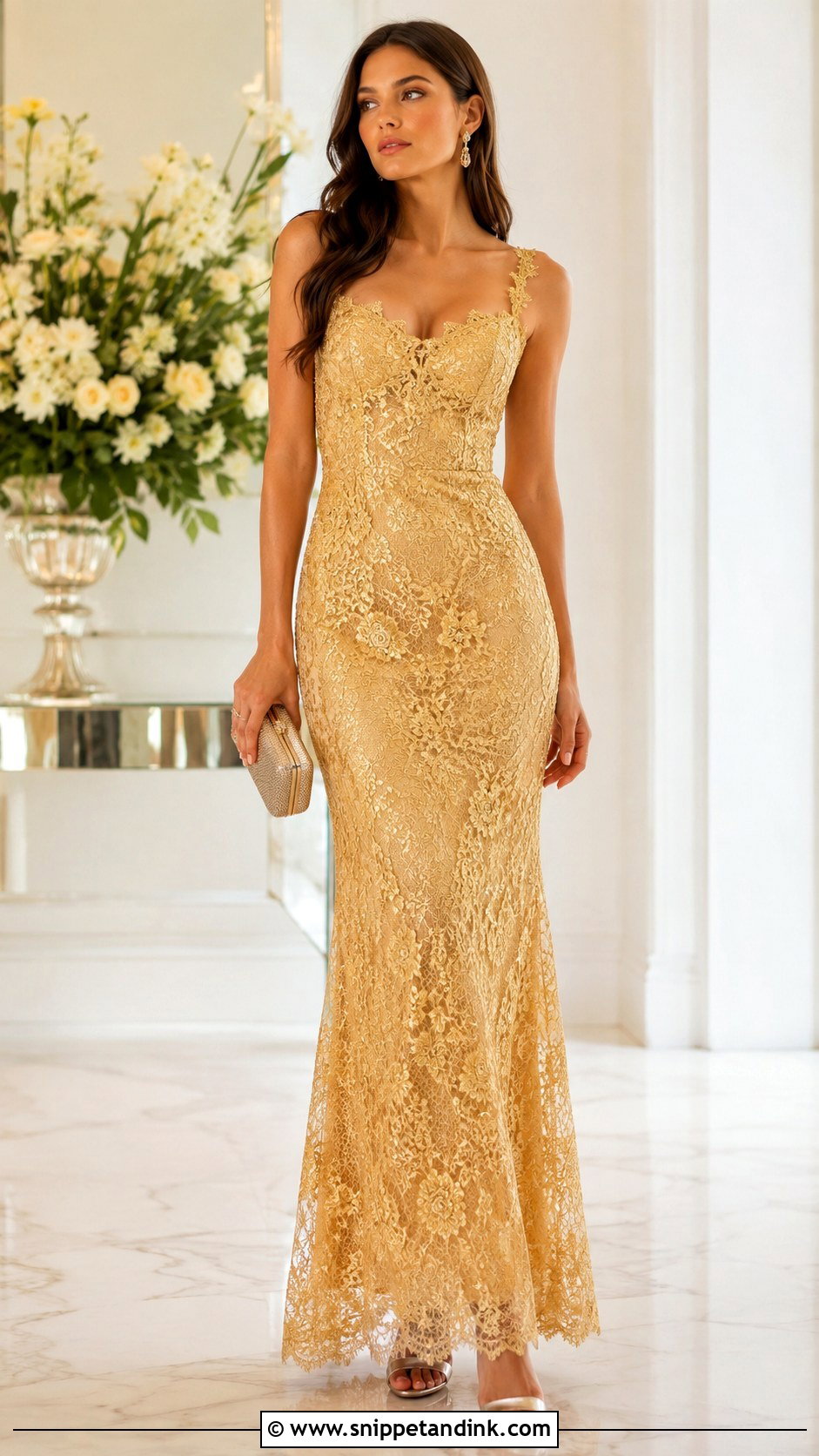
Gold lace catches light everywhere, especially with embroidery or subtle beading, so I treat it as the only shiny thing in the outfit. Mermaid, sheath or A-line all work; pick the one you can sit in. Metallic heels, a small clutch, simple earrings and a sleek hairstyle. Gold lace is often stiffer than plain lace because of the metallic thread, which can scratch the inner arm, so check the underarm seams.
16. Burgundy Lace Gown
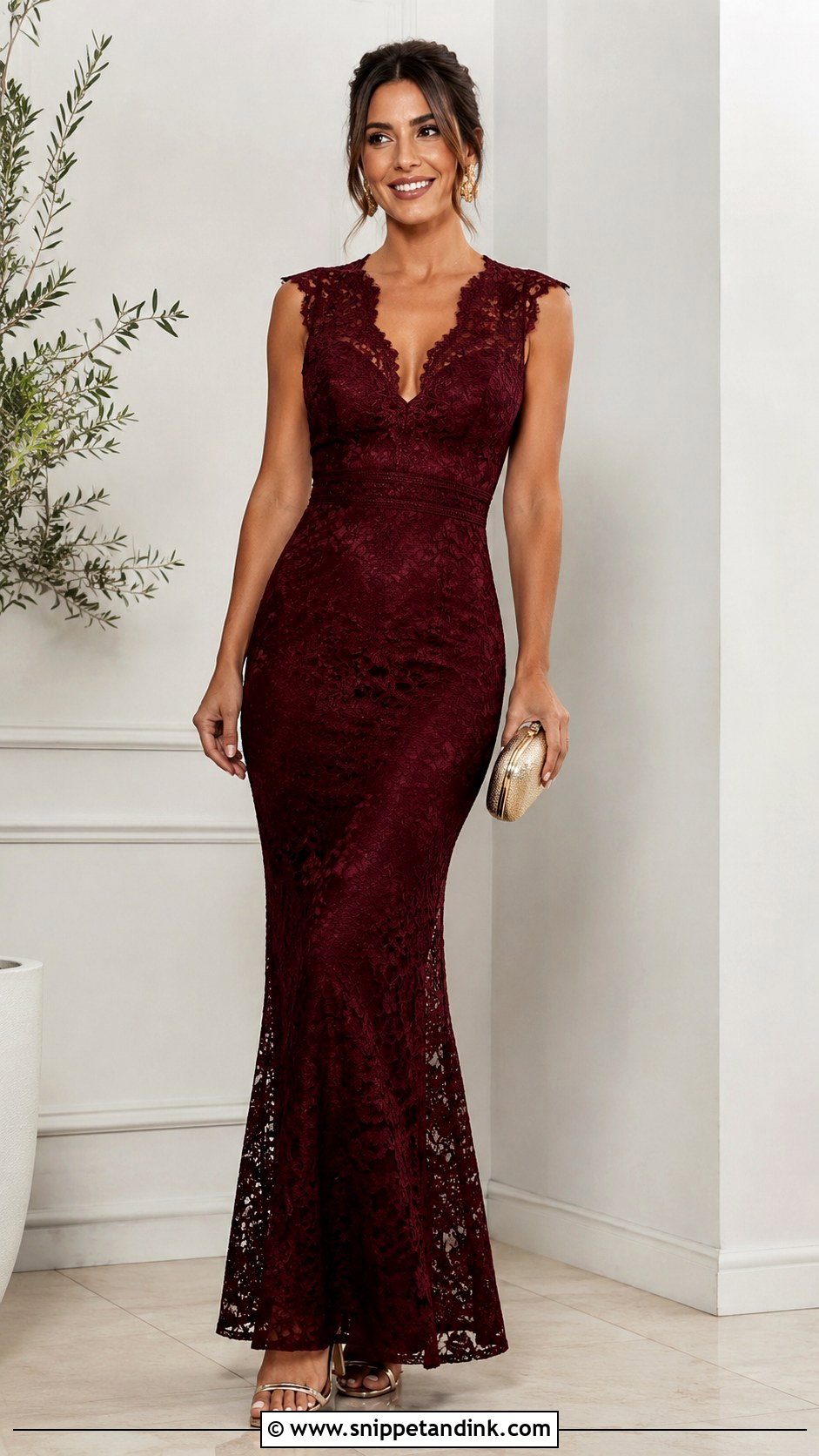
Burgundy is deeper and quieter than red but still holds attention. Floor-length with long sleeves, a sweetheart neckline or a fitted waist is where it looks most refined. Gold, nude or dark metallic heels, a small clutch and simple earrings. It’s a cold-weather colour by instinct, though it works formally year-round. I keep makeup warm and balanced so the dress isn’t the only colour on you.
17. Lace Sheath Gown
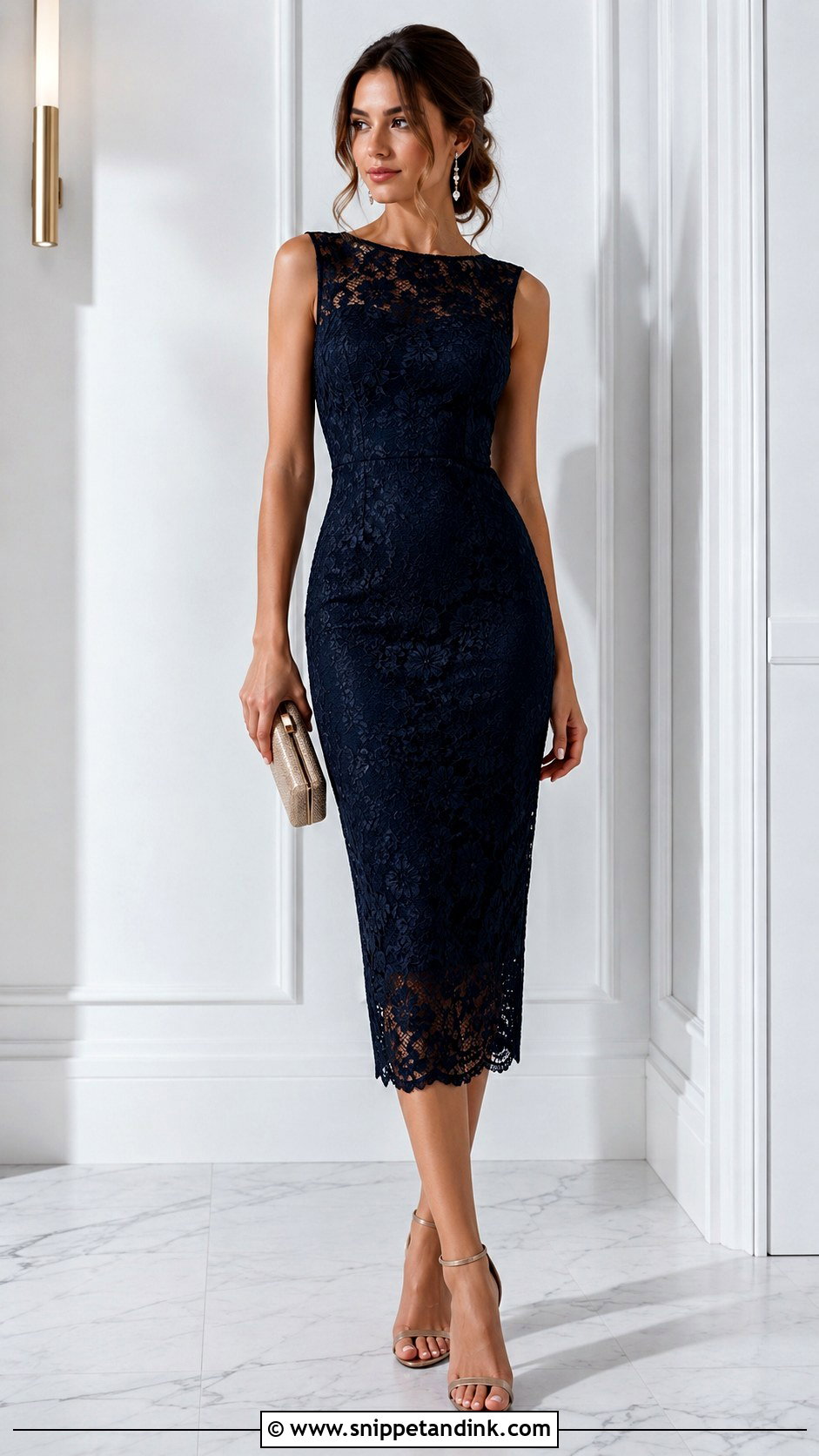
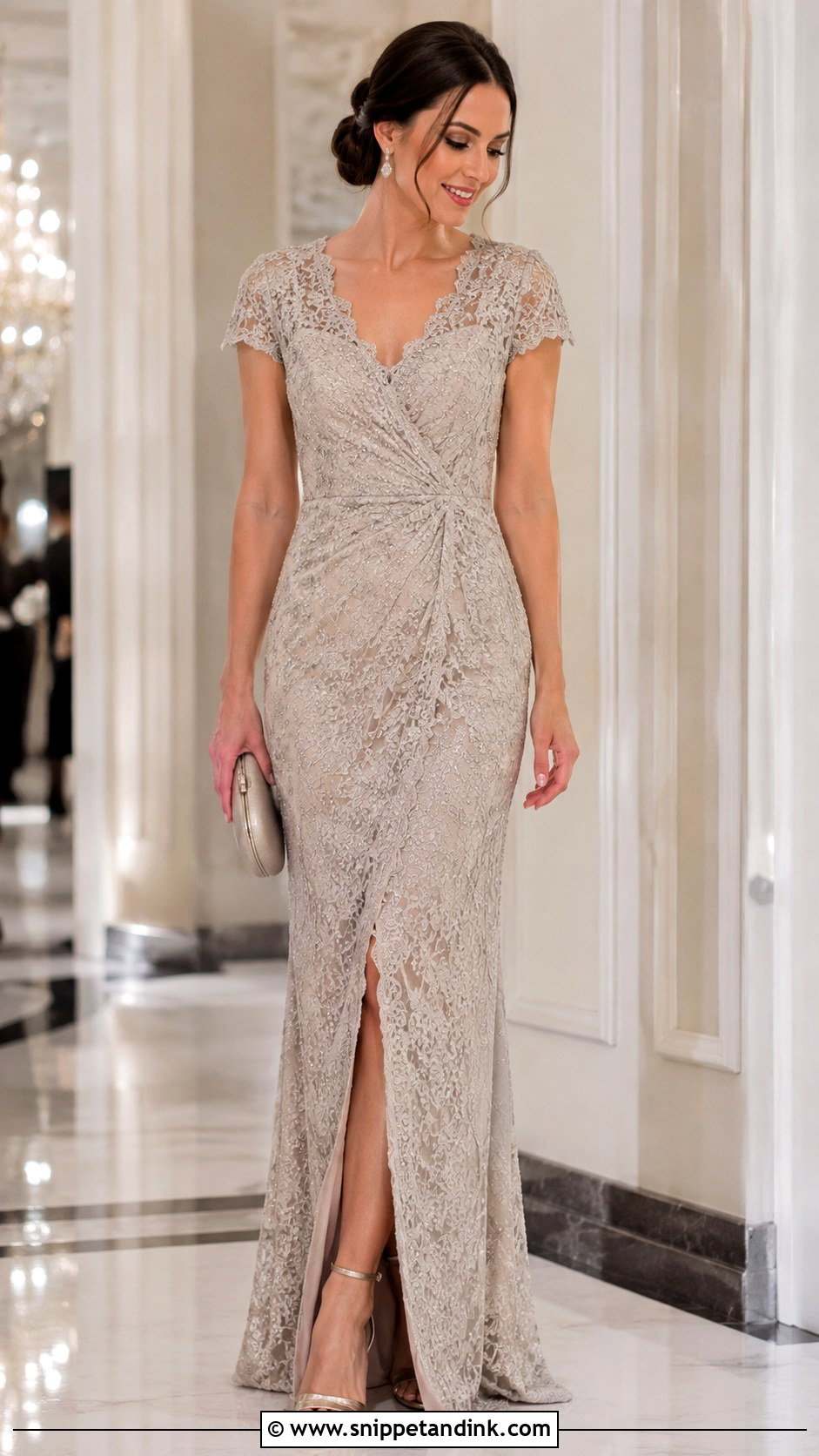
A lace sheath gown follows the body’s line without a flare, and the lace gives enough interest that it never looks plain. It suits cocktail-formal dinners, receptions and ceremonies. Slim heels, a structured clutch and delicate earrings. High neckline means hair up or behind the shoulders; a V-neck can take a small pendant. Close-fitting lace has little stretch, so the fitting check is walking up a step and sitting down.
18. Lace Gown With Satin Skirt
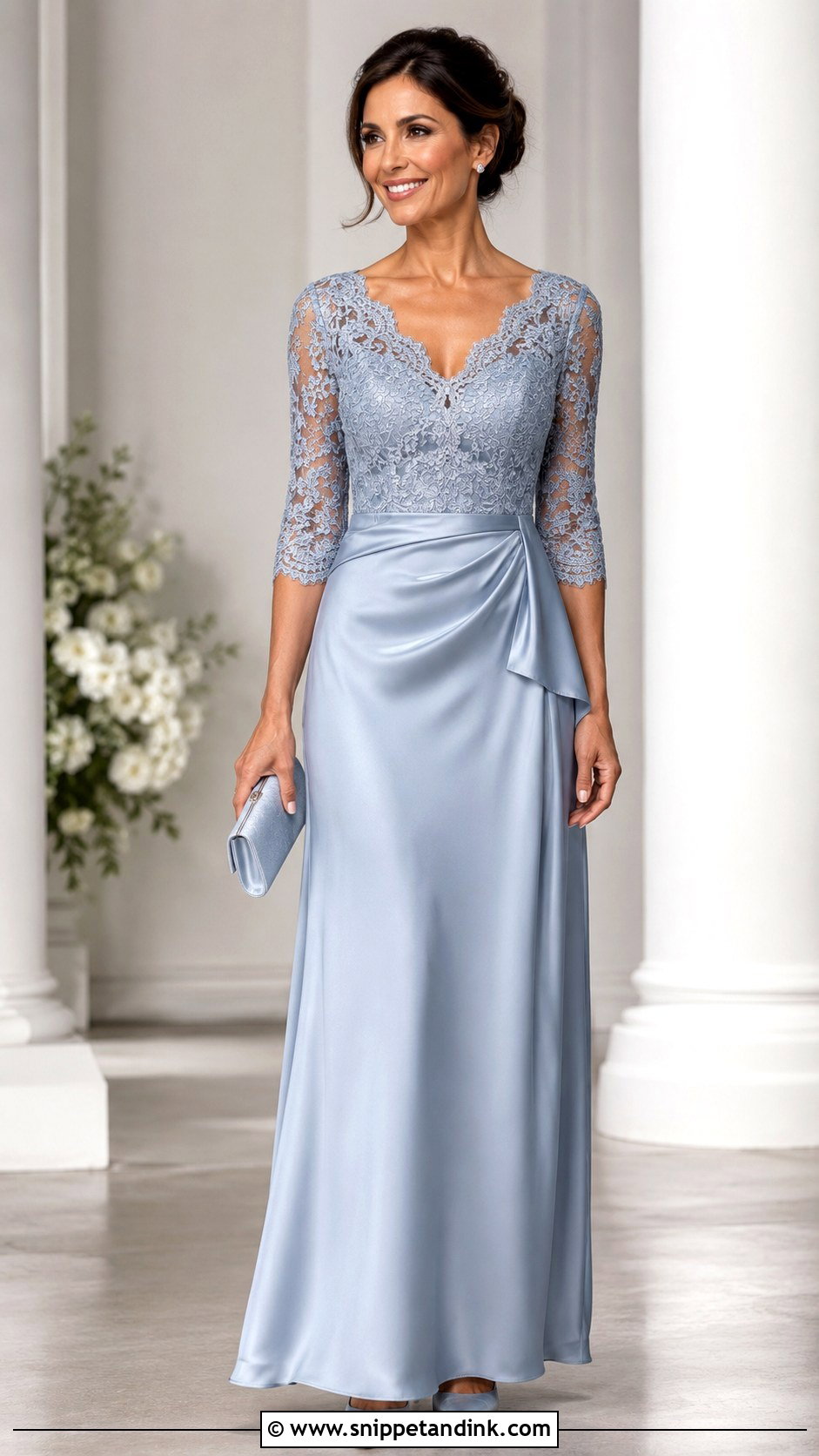
Lace on top, satin below: texture where people see you up close, a smooth reflective skirt for distance. A fitted lace bodice over a full or straight satin skirt is easy to balance. Satin or metallic heels, a matching clutch and small earrings if the bodice lace is strong. Satin creases where you sit, so I suggest a quick steam during the evening if photos are planned late.
19. Lace Gown With Tulle Skirt
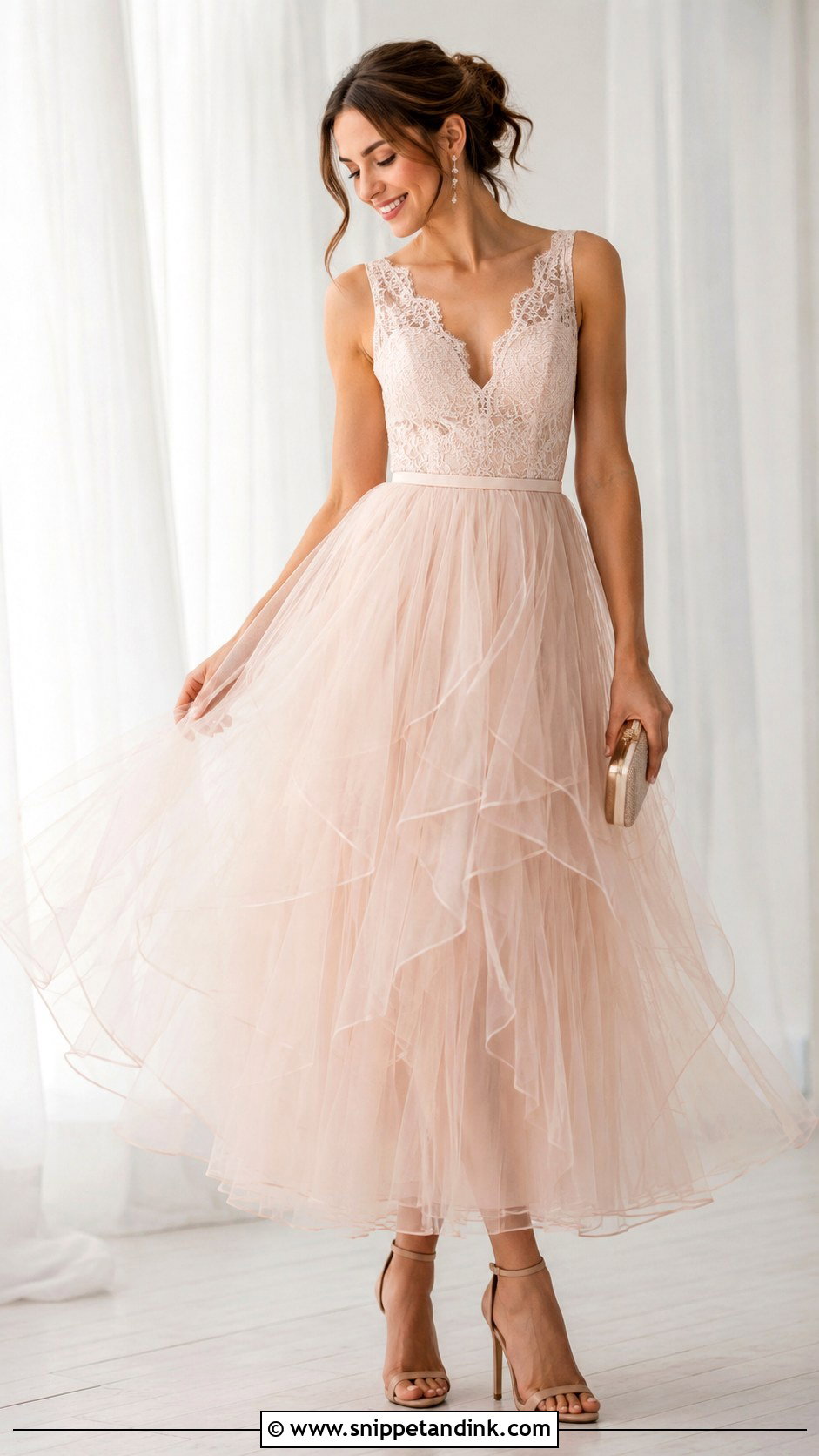
A tulle skirt softens a lace bodice and adds volume without weight. Choose light layers, since stacked tulle can quickly look bulky. Nude, silver or soft metallic heels, a small clutch and delicate earrings. Sweetheart or off-shoulder necklines pair well with soft curls. Tulle catches on heels and rough floors, so check the hem length with your shoes and keep it just off the ground.
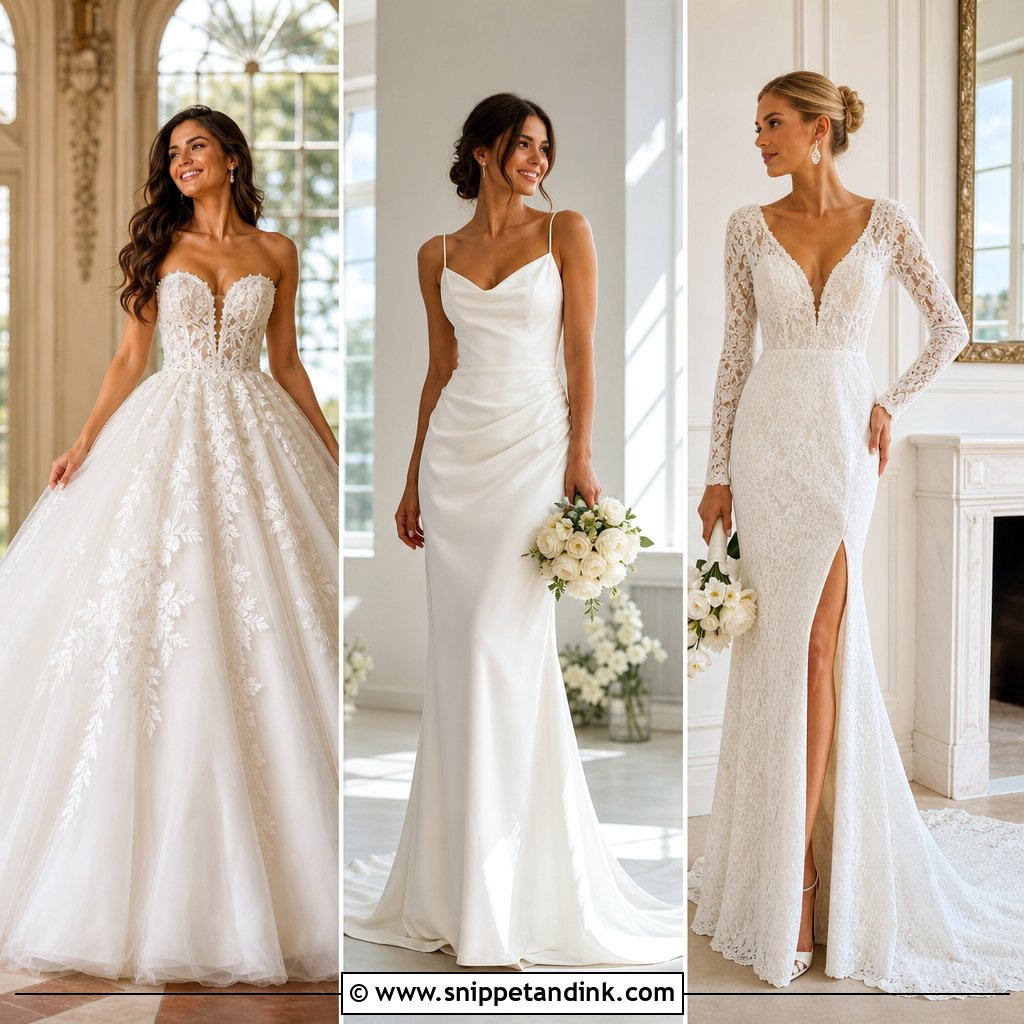

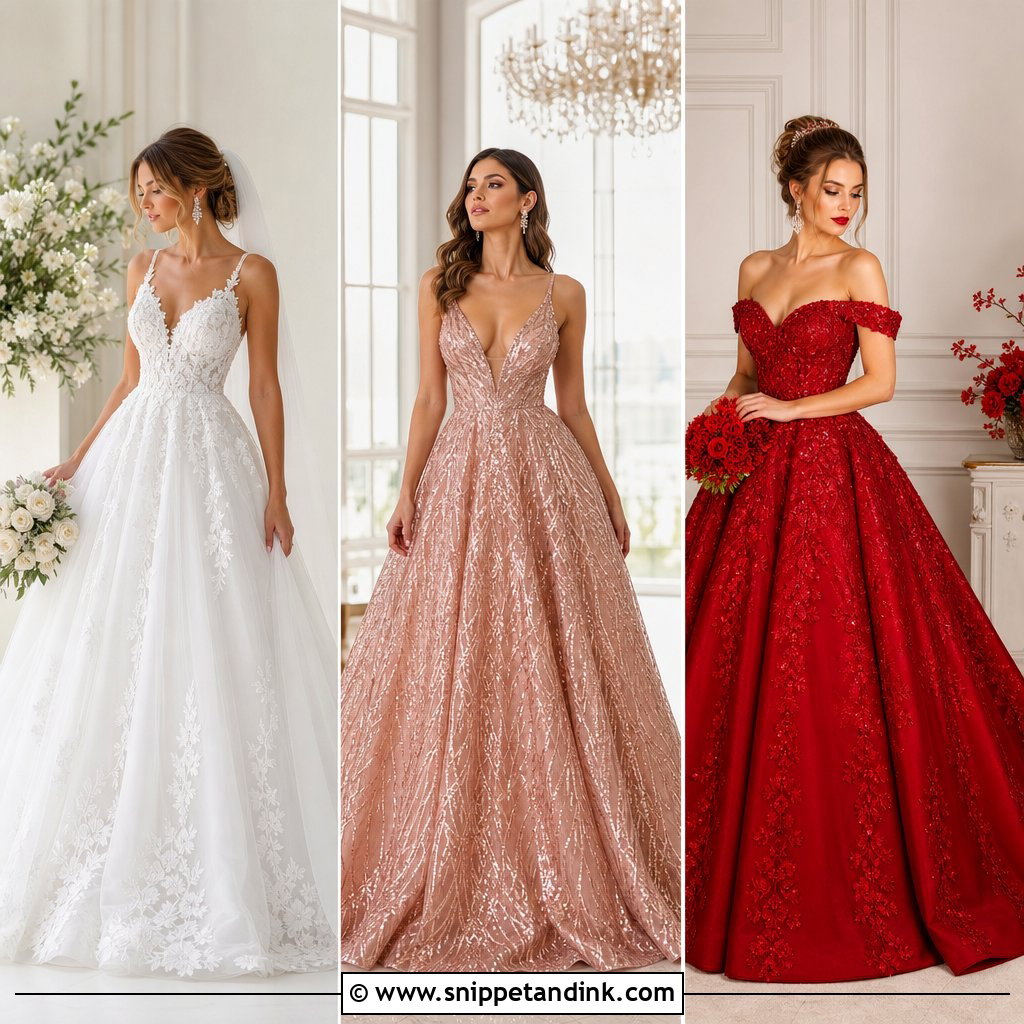
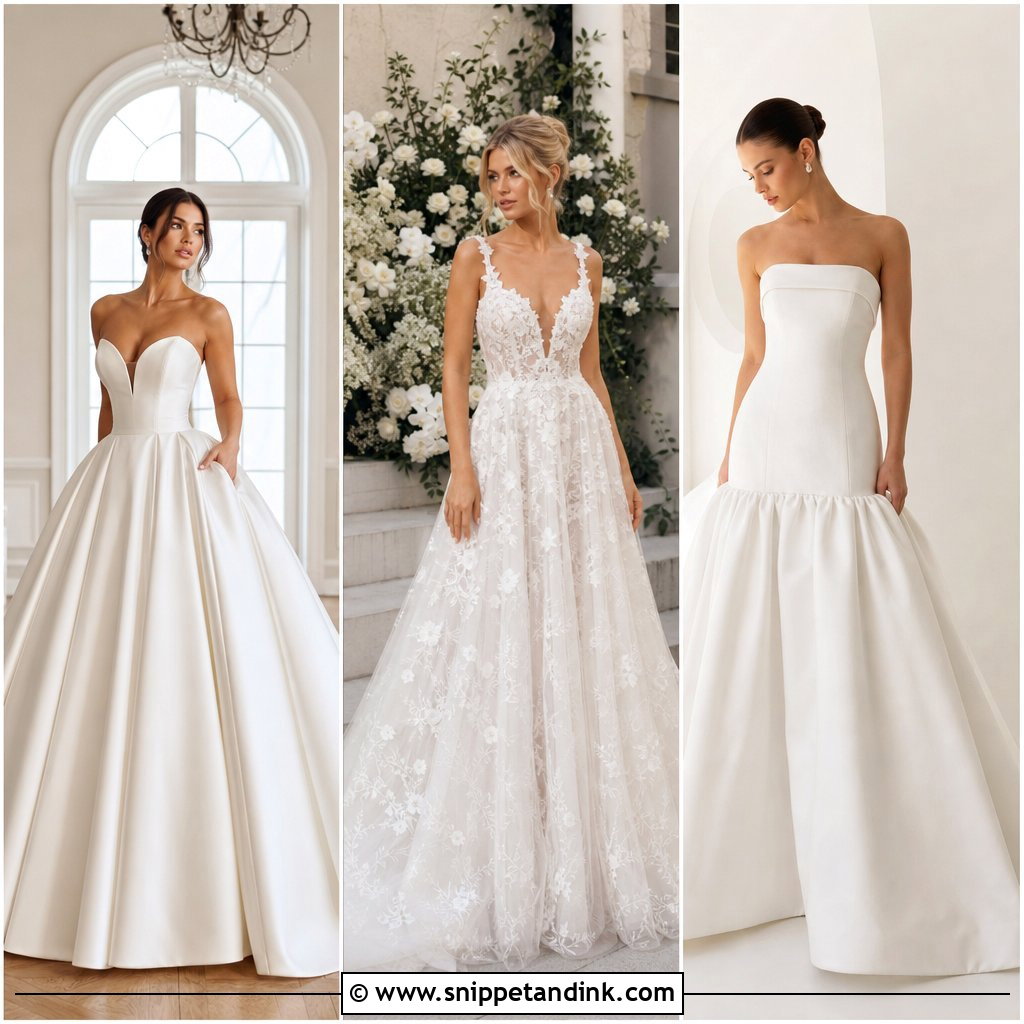
20. Lace Gown With Beading
Beading can trace the neckline, waist, sleeves or the whole lace pattern. I stick to one metallic tone across gown and accessories, silver, gold or champagne, which keeps it from looking jumbled. Matching heels, a compact clutch and understated earrings; no large necklace if beads sit at the neckline. A sleek bun or smooth waves. Beaded lace is heavier than plain lace, so the dress may hang lower by evening; a waist stay inside helps.
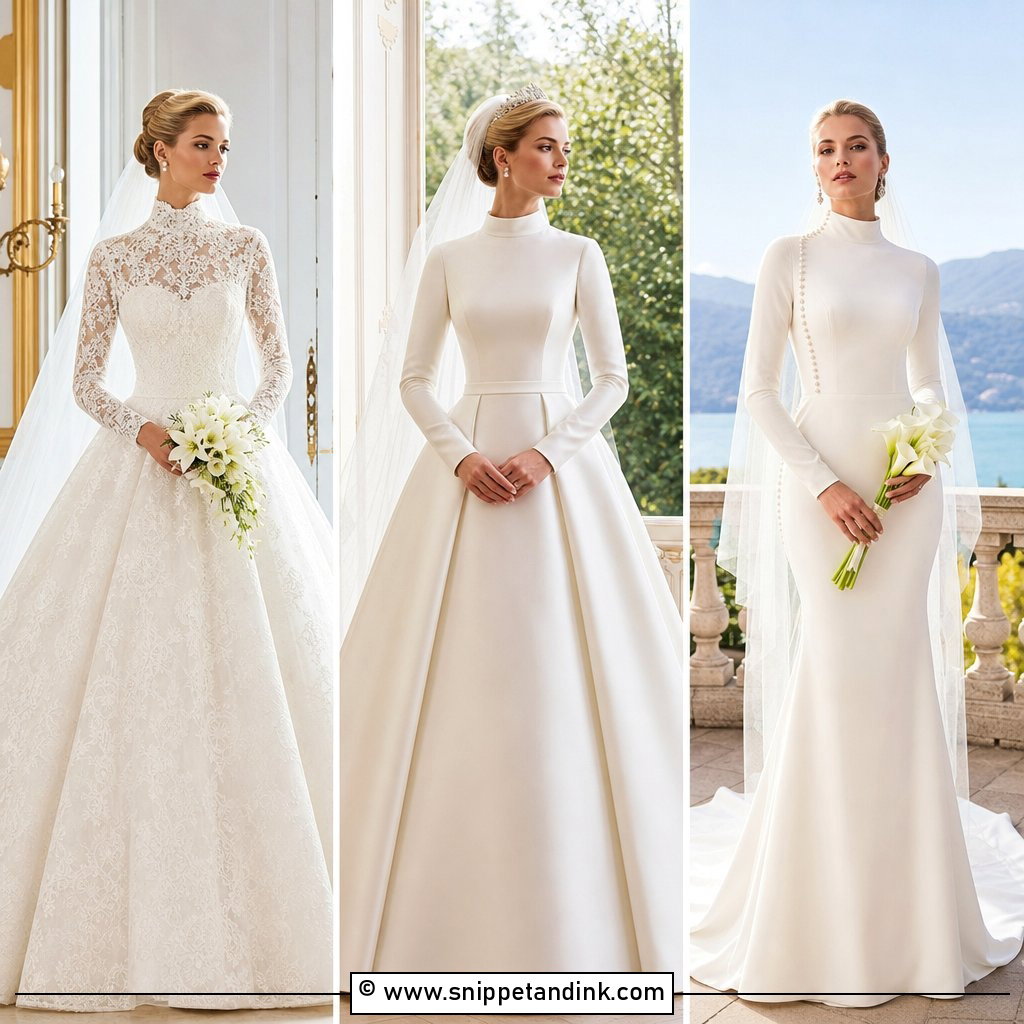
21. Lace High Neck Gown
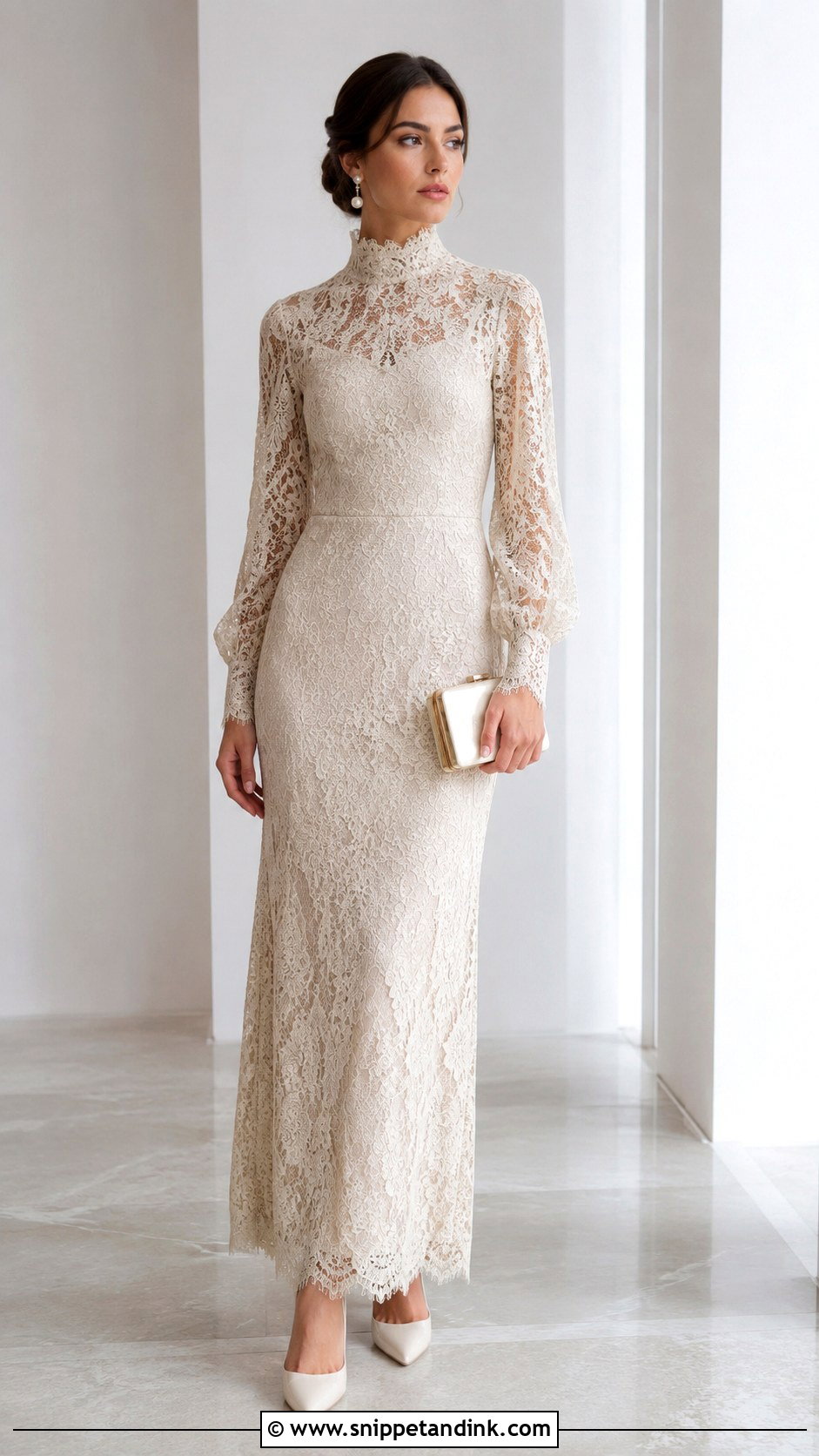
A high lace neck frames the face and gives modest coverage, and it pairs naturally with long sleeves or a fitted bodice. No necklace, then: pearl studs, crystal drops or small hoops. Pointed heels and a structured clutch. A sleek updo shows off the collar. Check how the neck closes; small buttons or a hook at the back are fiddly to do up alone, and you’ll want someone to help dress you.
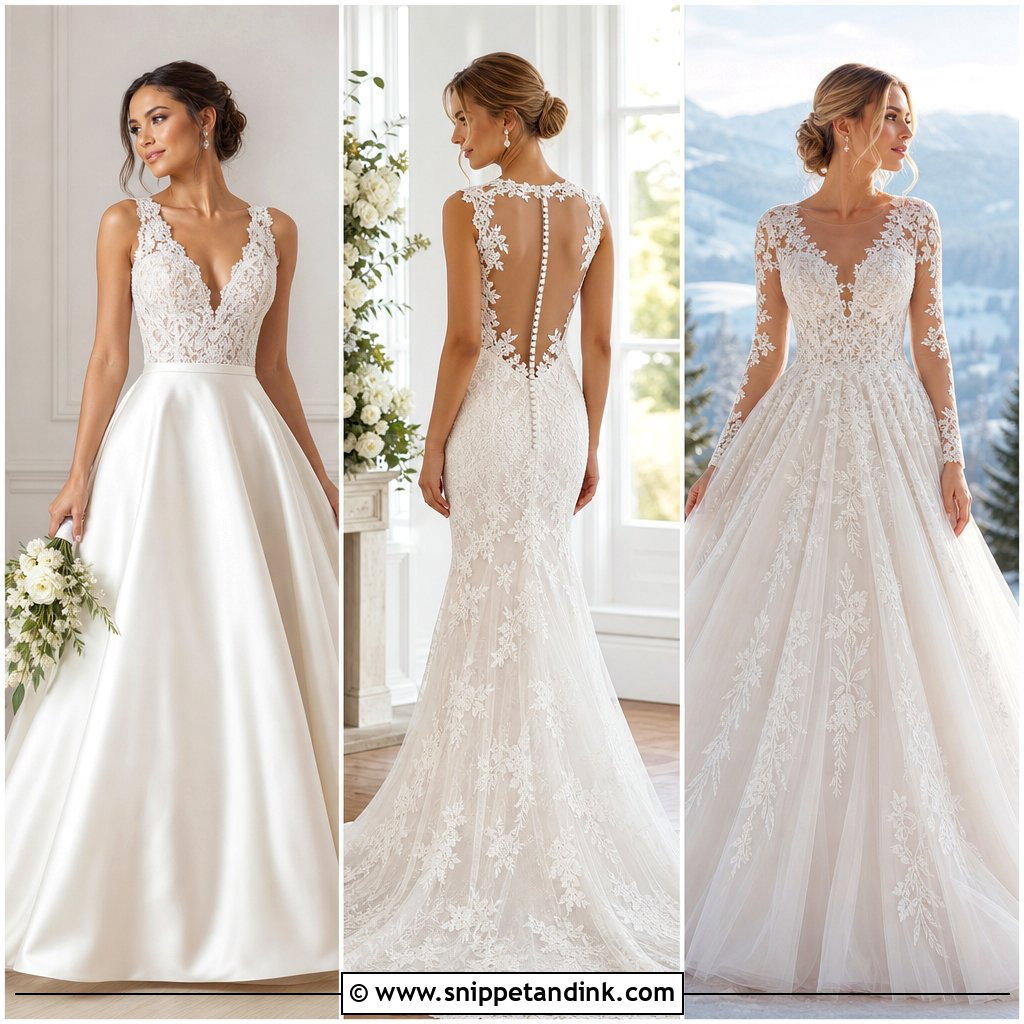
22. Lace V Neck Gown
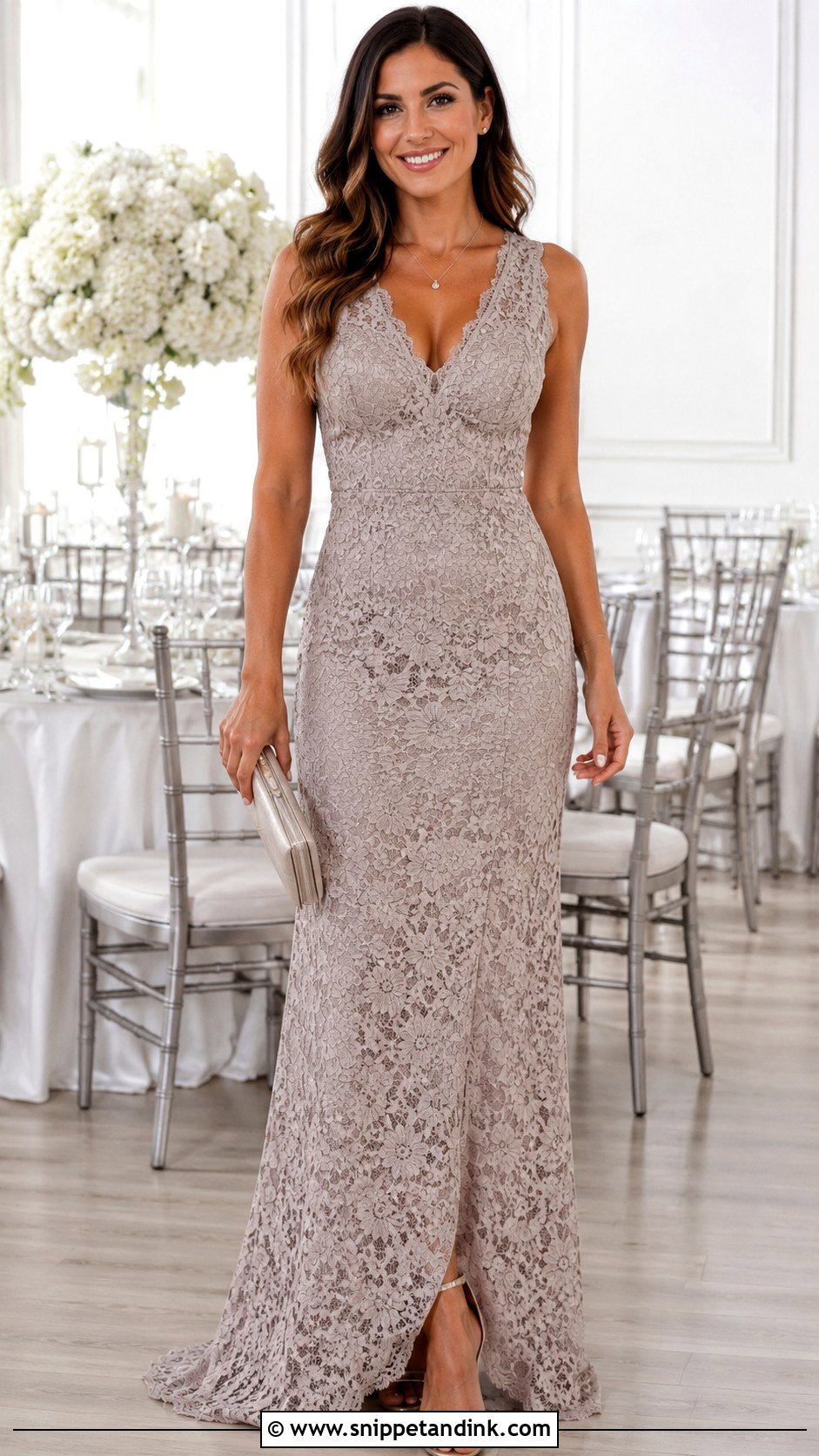
A V-neck lengthens the upper body. With a fitted waist and flowing skirt, it suits many figures. Pendant or drop earrings, but usually not both when the lace is already busy. Nude, metallic or matching heels, and a clutch in satin, velvet or smooth leather. If the V is deep, I add fashion tape at the edges so the lace doesn’t gape when you lean forward.
23. Lace Wrap Gown
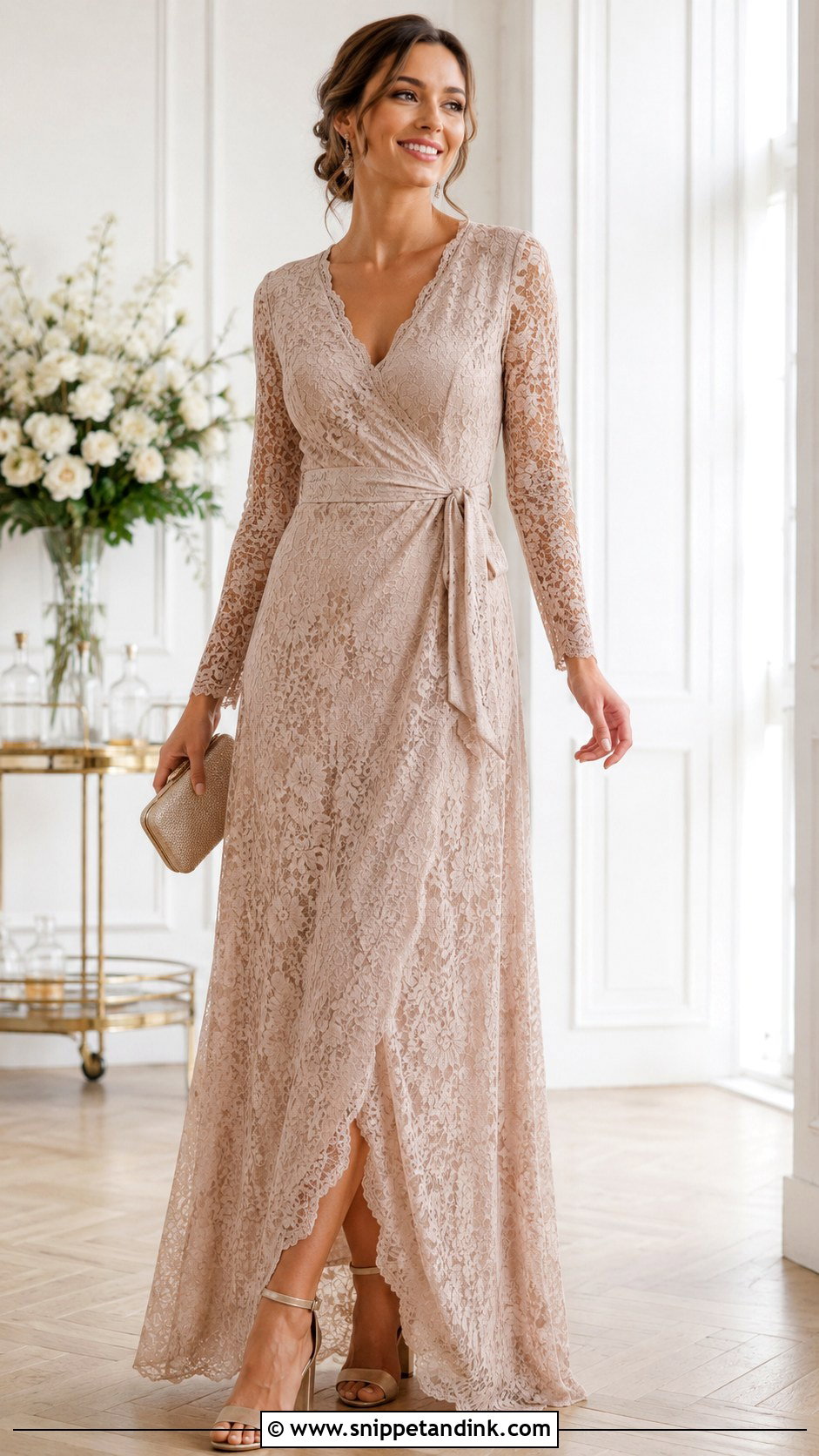
A wrap gown defines the waist, forms a soft V and moves more freely than most fitted gowns, which is why I suggest it to anyone who values comfort. Soft lace for formal events, a lined version for coverage. Block or slim heels depending on the venue, a small clutch and fine earrings. Wraps can slip open at the skirt when you walk or sit, so ask for a discreet stitch or snap at the overlap.
24. Lace Gown With Peplum
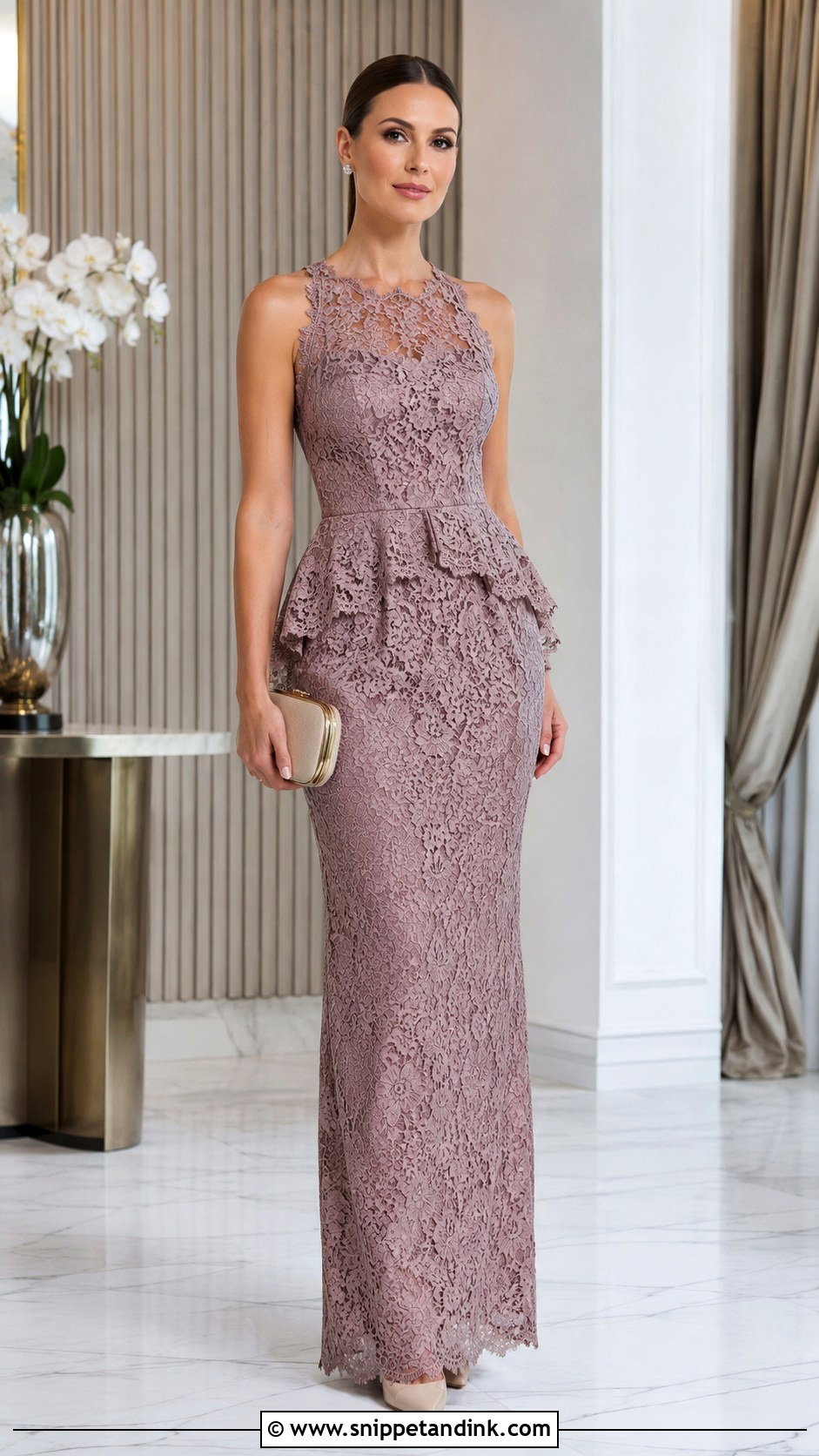
A lace gown with peplum adds a flared layer at the waist that defines it and balances the hips, giving a tailored outline. It pairs with pencil, mermaid or straight skirts. Use lace that holds its shape, cord lace or firm embroidered lace; soft lace makes the peplum droop. Pointed heels, a sleek clutch and simple jewelry, and a neat hairstyle, since the peplum is already the focal point.
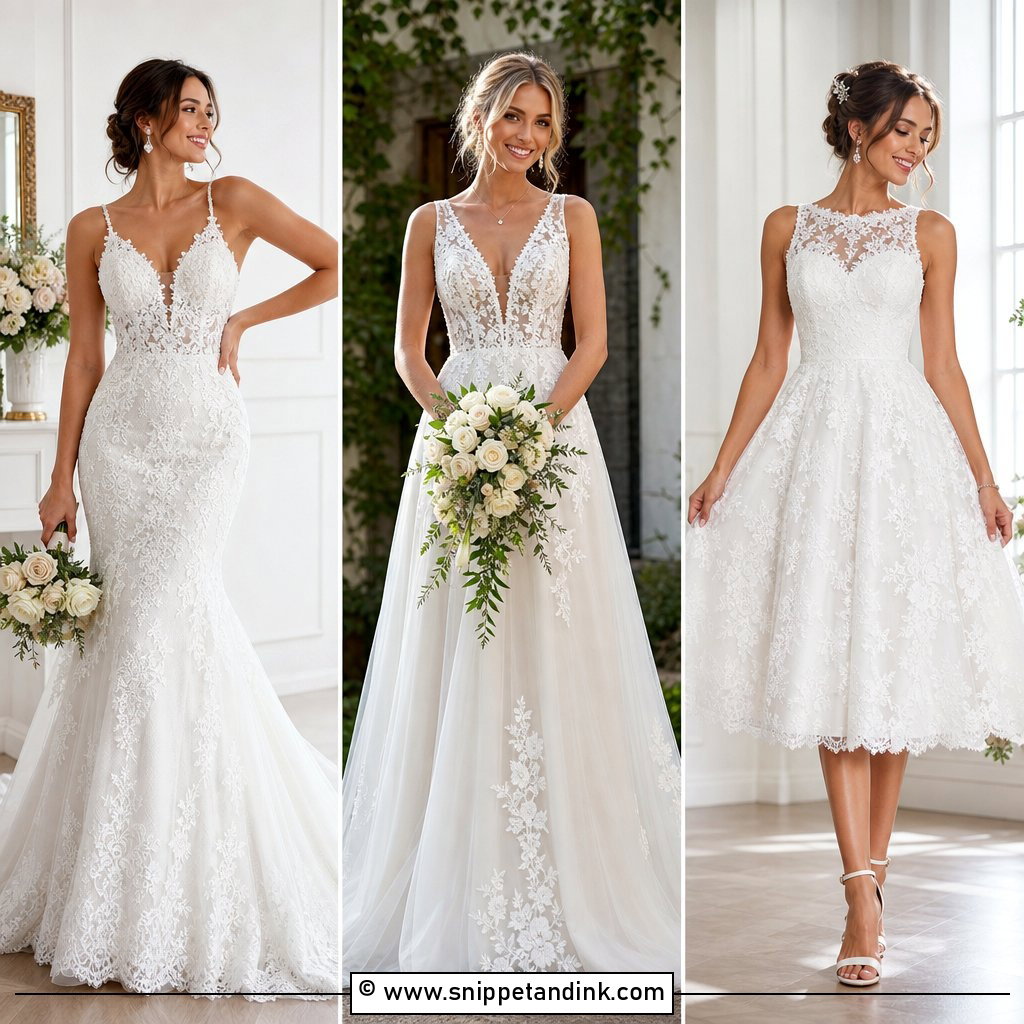
25. Lace Gown With Slit
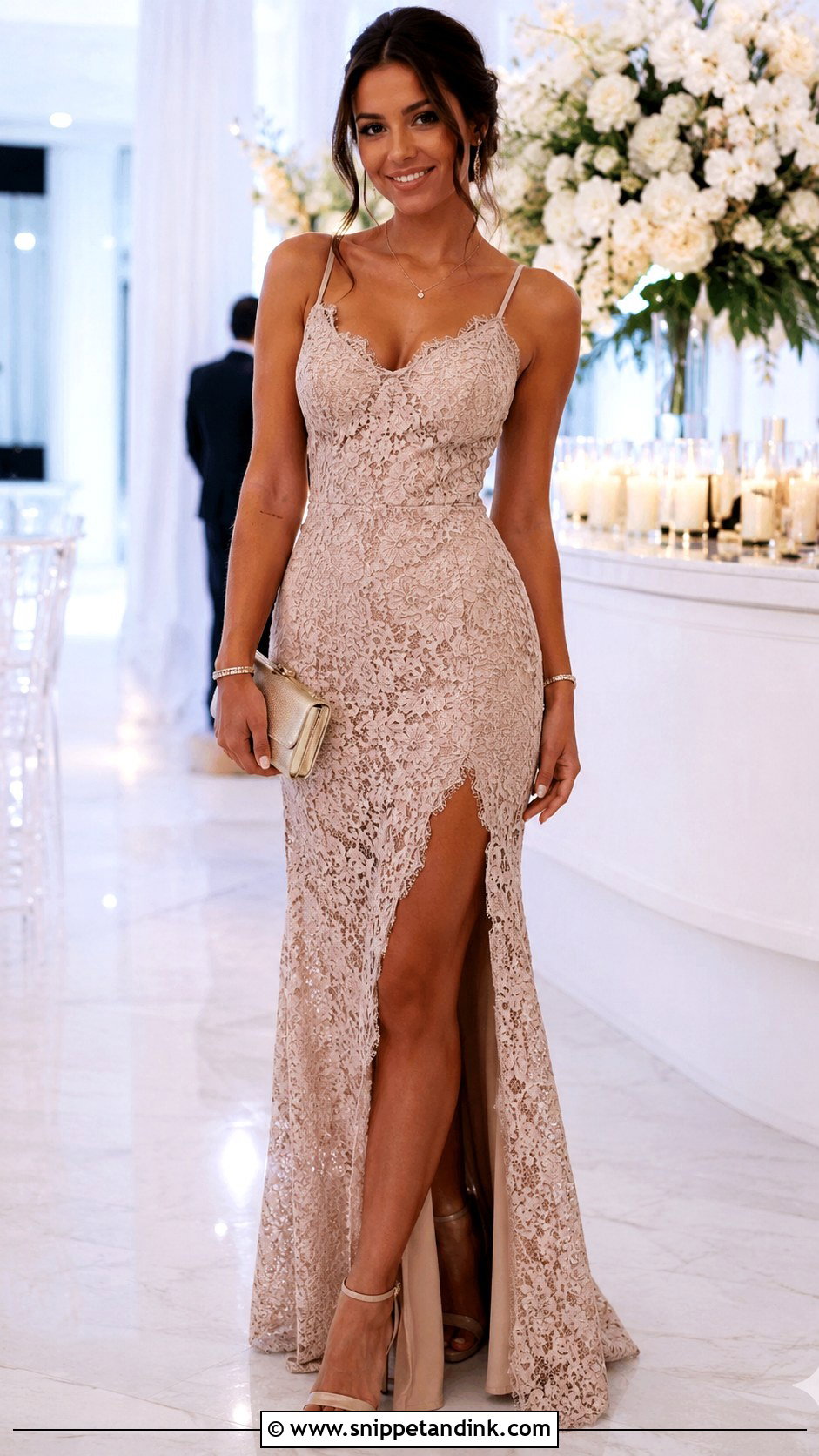
A slit adds movement and a modern edge. Height depends on the event and your comfort, so I always sit and climb stairs in it before setting it. A fitted lace gown with a side slit works with strappy heels or pointed pumps, a small clutch and fine jewelry. With long sleeves or a high neck, the slit stops the outfit from feeling too covered. Lace edges along a slit can fray with walking, so make sure they’re finished or faced.
Why the Lining Colour Changes the Whole Gown
The same lace looks like a different dress depending on what sits under it. A nude or skin-tone lining makes the pattern appear to float on your body; an ivory or white lining makes it look solid and more traditional; a contrasting lining, such as gold under black, makes every motif pop.
I always ask to see the lace over two or three lining shades before ordering a custom gown. Nude lining should match your actual skin, not a generic beige, or it reads as a stripe of the wrong colour through the sheer parts. And check the fabric next to your skin: polyester linings trap heat, while a cotton or silk-blend lining stays cooler through a long evening and stops lace edges from scratching.
- Sheer sleeves or back: ask for the lining to stop where the sheer section starts, with a clean finished edge.
- Coloured lace: bring the lining swatch outside, since artificial light flattens the contrast.
- Outdoor summer events: lightweight lining only under the bodice, with the skirt lined in something breathable.
Let the Lace Do the Talking
Lace gives you texture and pattern before you add anything, which is why styling it is mostly a matter of holding back. Start with a silhouette you can sit, walk and dance in, whether that’s a sheath, a ball gown, an off-shoulder or a slit. Then add shoes, jewelry and hair that support it. Detailed lace gets simple accessories; plain lace can take a little more. Check the lining against your skin, the motif at the seams and the colour in daylight, and the gown will look as good at midnight as it did in the mirror.
You'll Like These Ideas:




Leave a Reply