
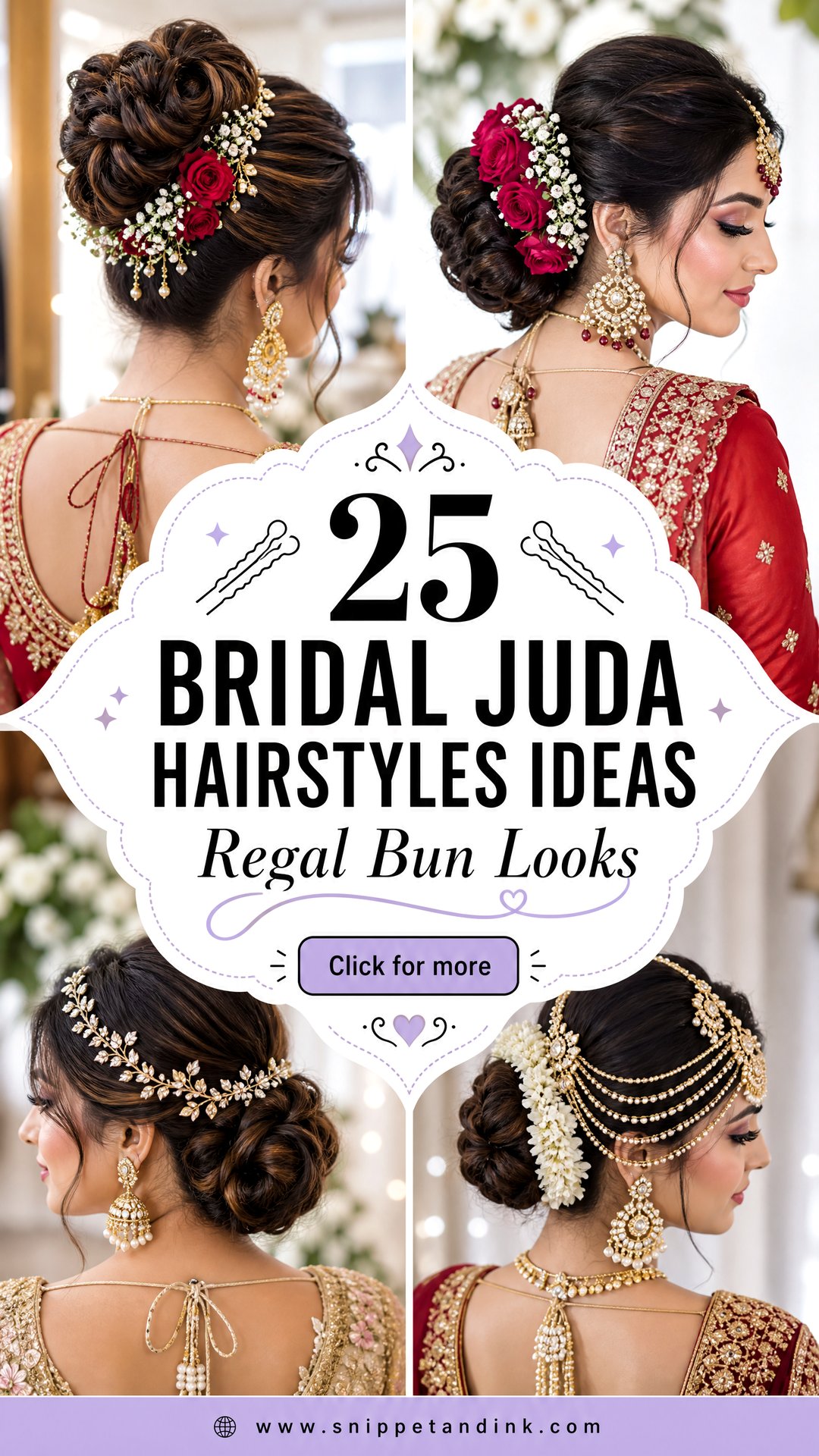
An Indian wedding asks more of a hairstyle than almost any other. It has to carry a dupatta pinned over it, a maang tikka or matha patti at the front, sometimes a long gajra, and it has to survive pheras, photos and a reception, often on a hot day. The juda handles all of that better than open hair. It keeps everything neat, gives jewellery and flowers a base to grip, and suits lehengas and sarees alike. Here are 25 bridal juda hairstyles, from sleek high knots to soft low buns wrapped in jasmine, with what I’d watch for on each.
Dupatta First: Where the Bun Has to Sit
The bridal dupatta decides a lot. If it will be pinned over your head for the pheras, it needs a base to grip, and the bun is that base. A low or mid-height juda lets the dupatta fall naturally from the crown and gives me firm hair at the back to pin it into. A very high bun pushes the dupatta upward into a peak, which some brides like and many don’t.
Bring the actual dupatta to your trial if you can. Heavily embroidered fabric is surprisingly heavy, and it pulls backward as you move. I usually add two or three extra pins through the dupatta and into the bun, with one at each side above the ears, so it stays put during the rituals.
A rough guide to bun height
- Dupatta over the head all day: low or nape bun.
- Dupatta over the head for the ceremony only: mid-height bun, which looks good both covered and uncovered.
- Dupatta on the shoulders or no head covering: any height, including a high bun with a gajra.
1. Floral Gajra Bridal Juda
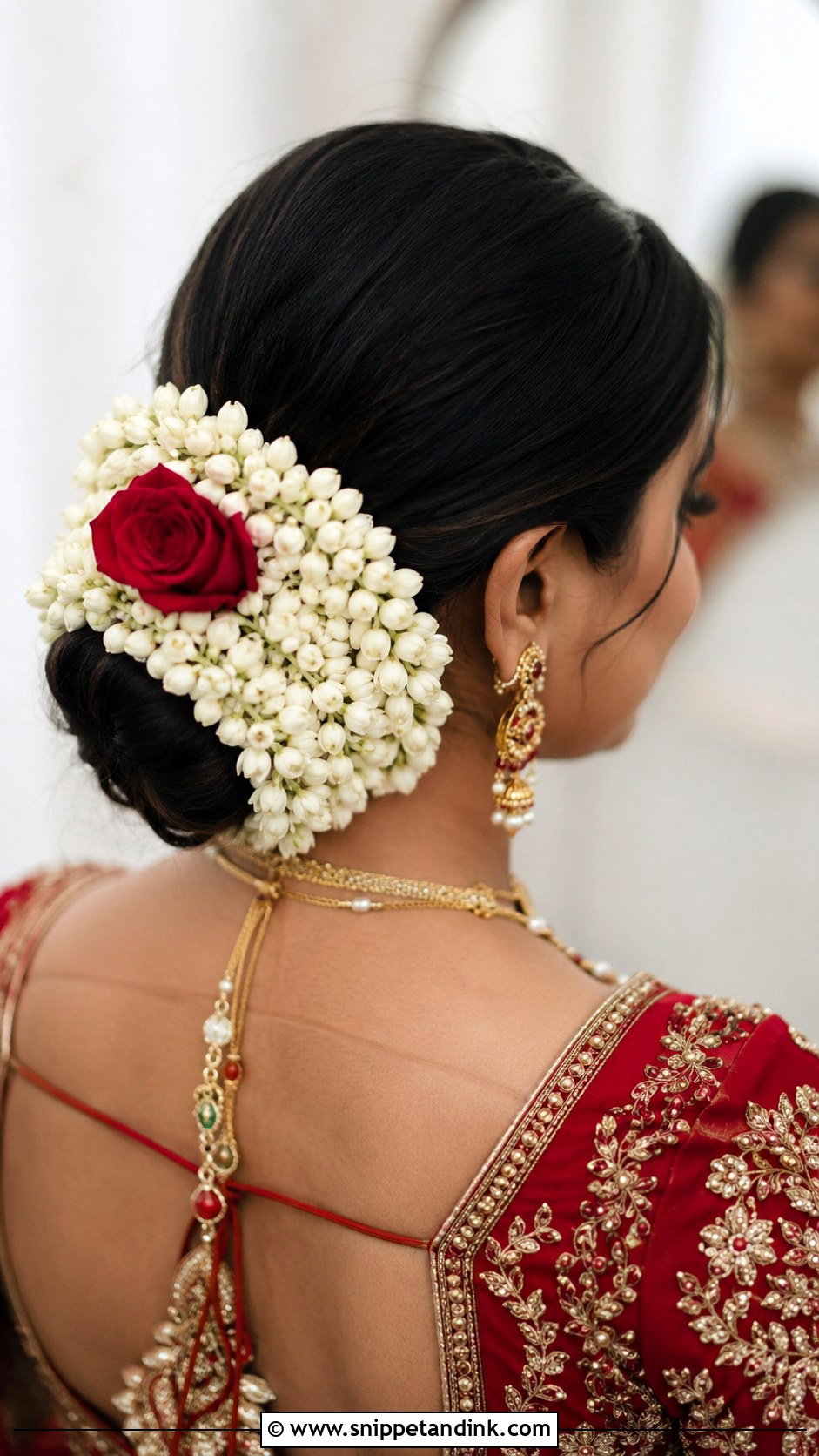
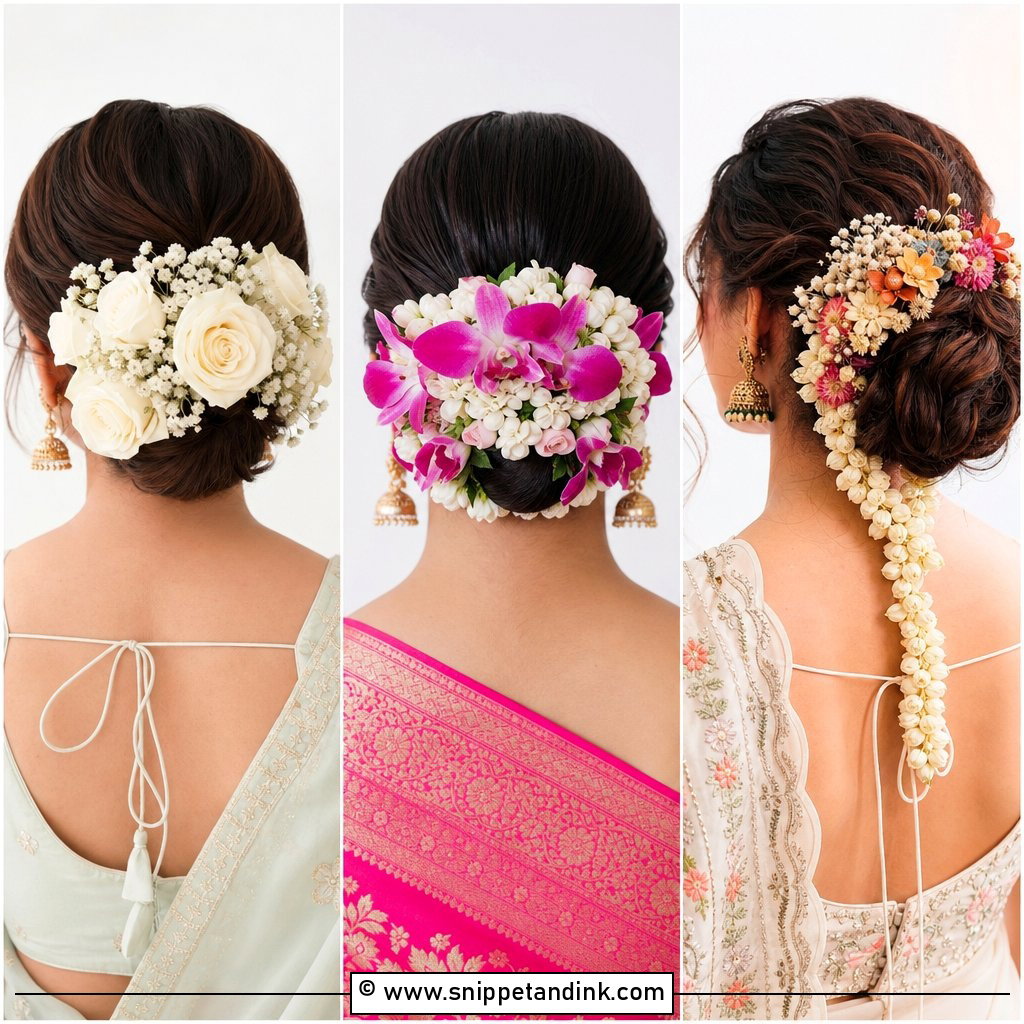
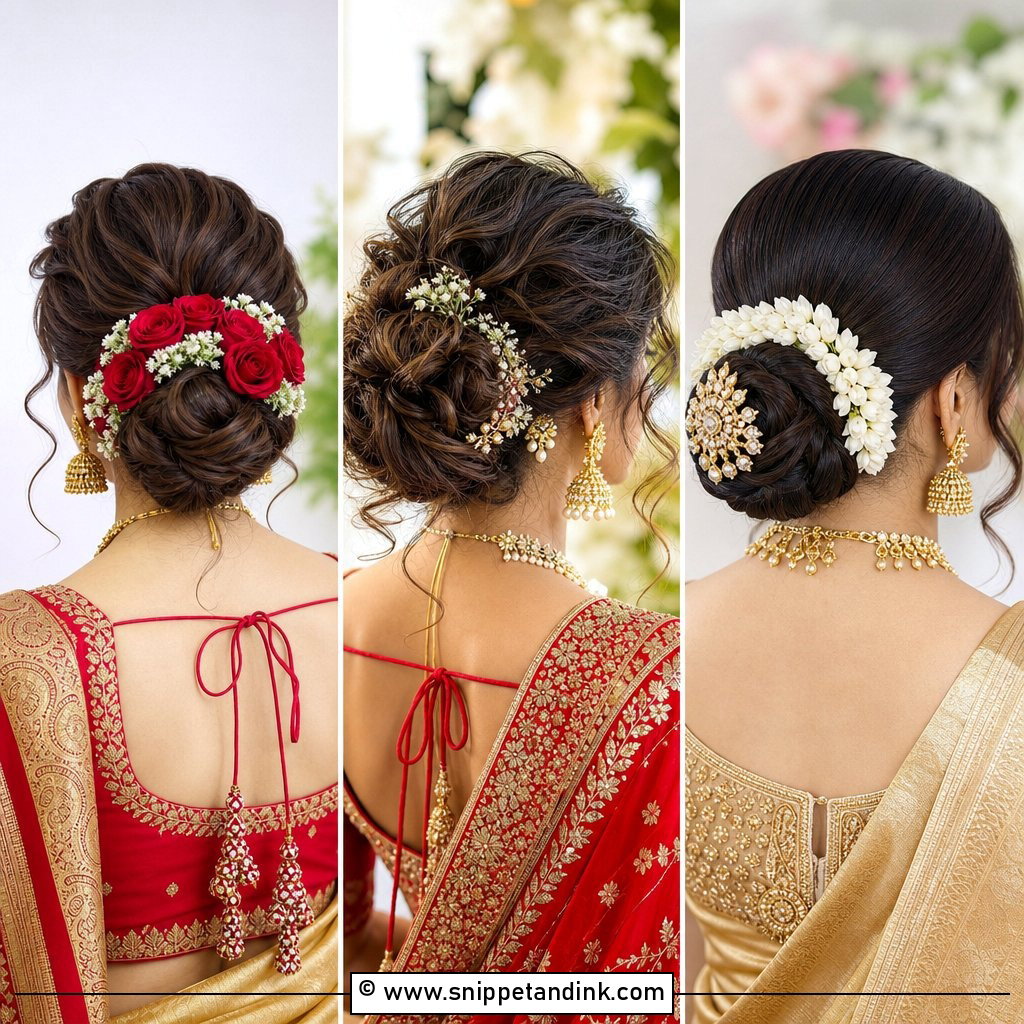
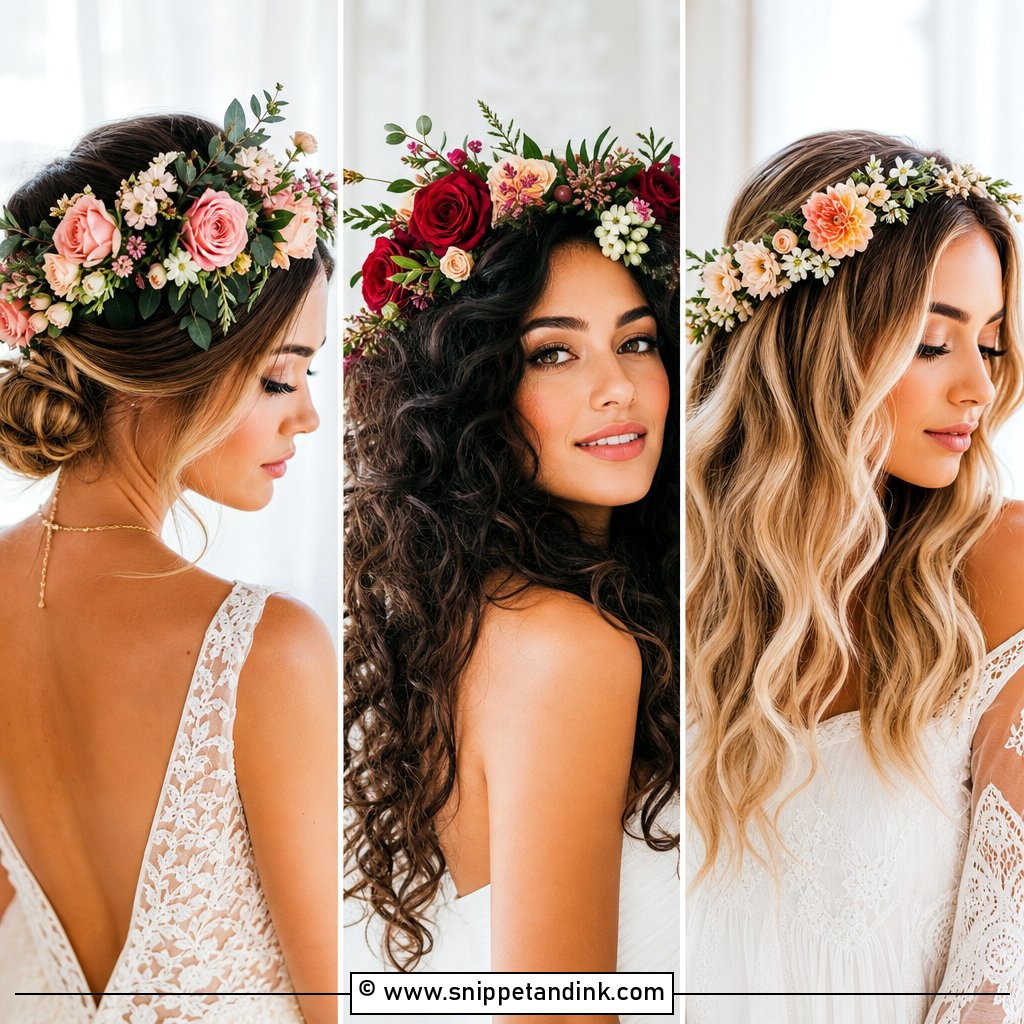
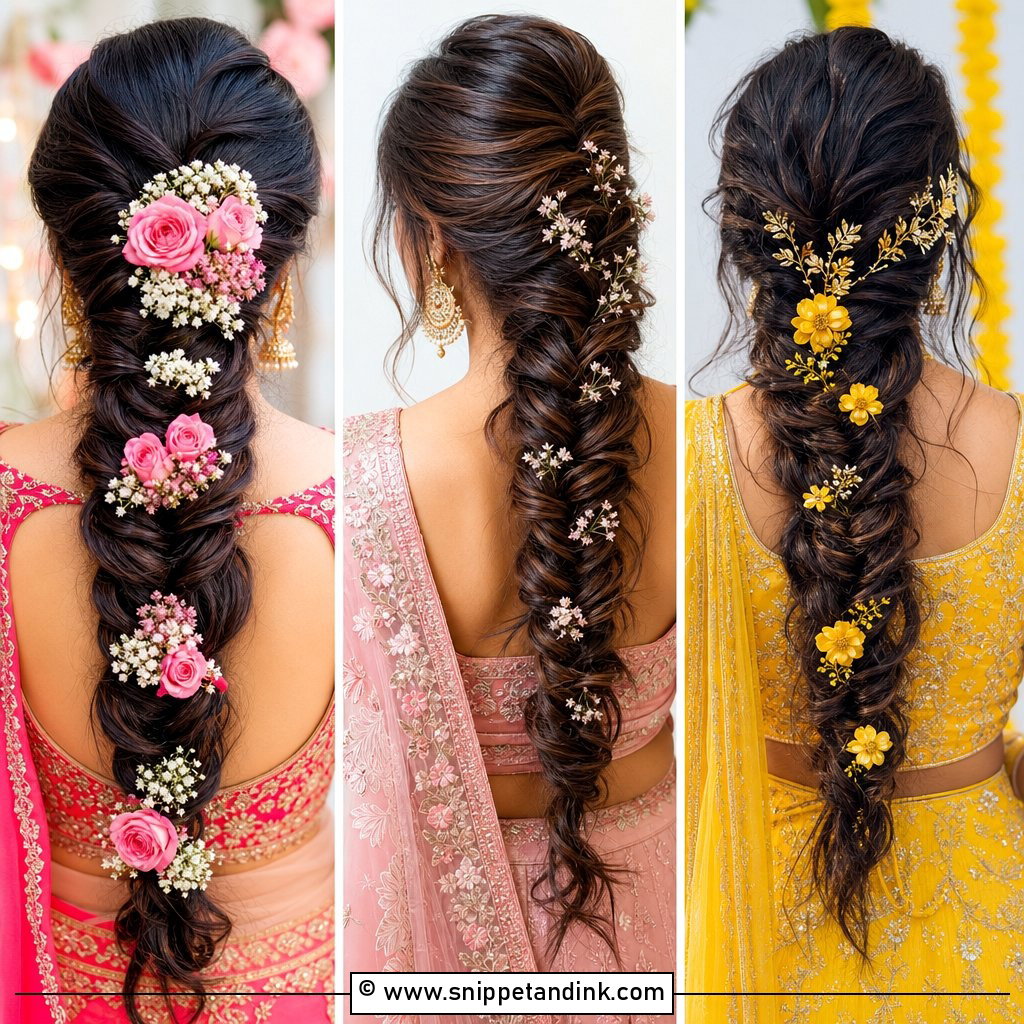
A juda wrapped in fresh gajra is the look most families picture. Strands of white jasmine circle a smooth low or centre bun, often with one red rose set at the side. The white stands out sharply on dark hair, and the scent stays with you through the rituals. I pin each gajra strand with U-pins every few centimetres instead of just at the ends, because a loose strand sags as the buds open and get heavier. It suits South and North Indian brides, sits beautifully with a Kanjeevaram saree, and the flowers add bulk that makes fine hair look fuller.
2. Messy Low Bun Bridal Juda
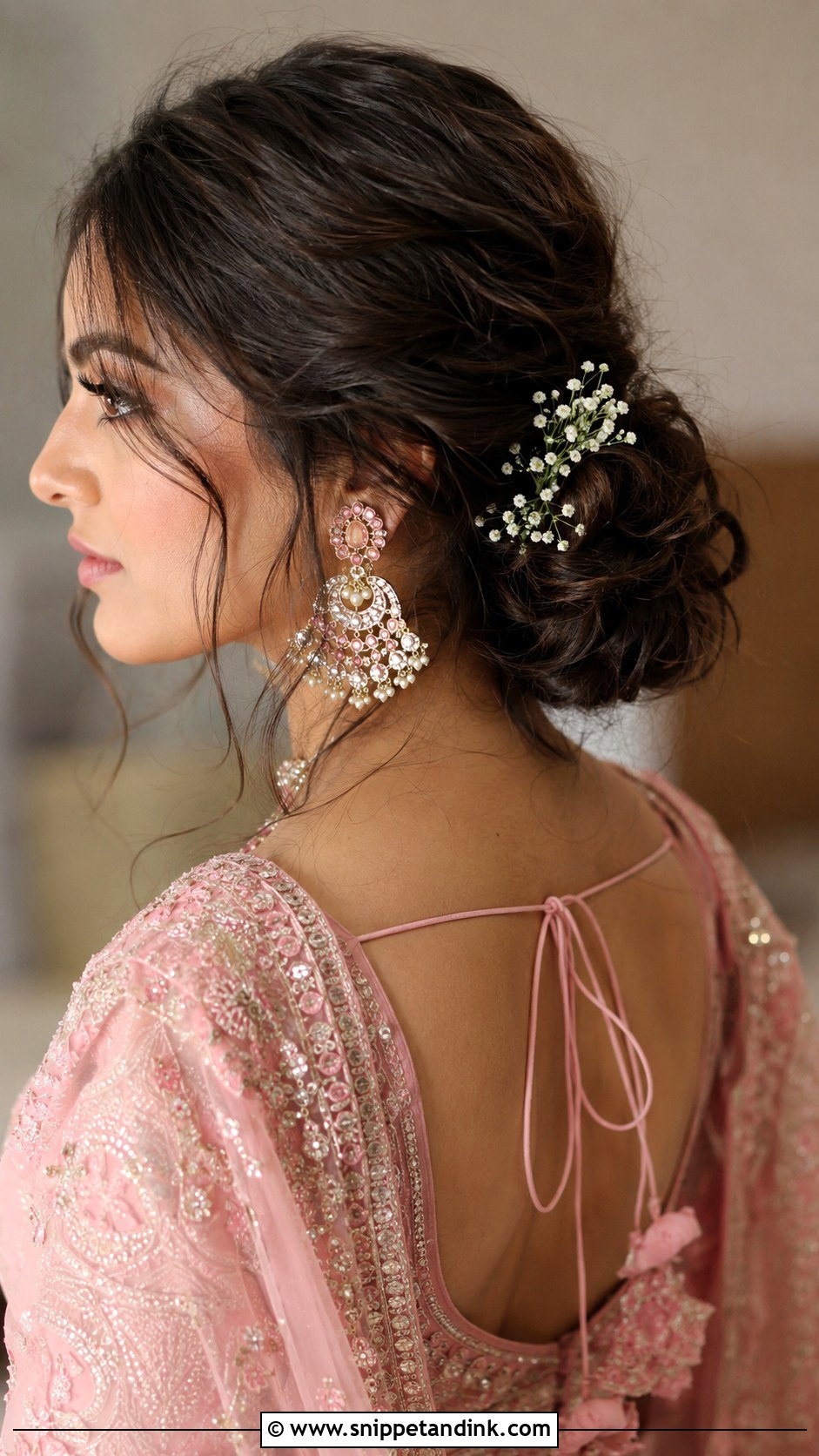
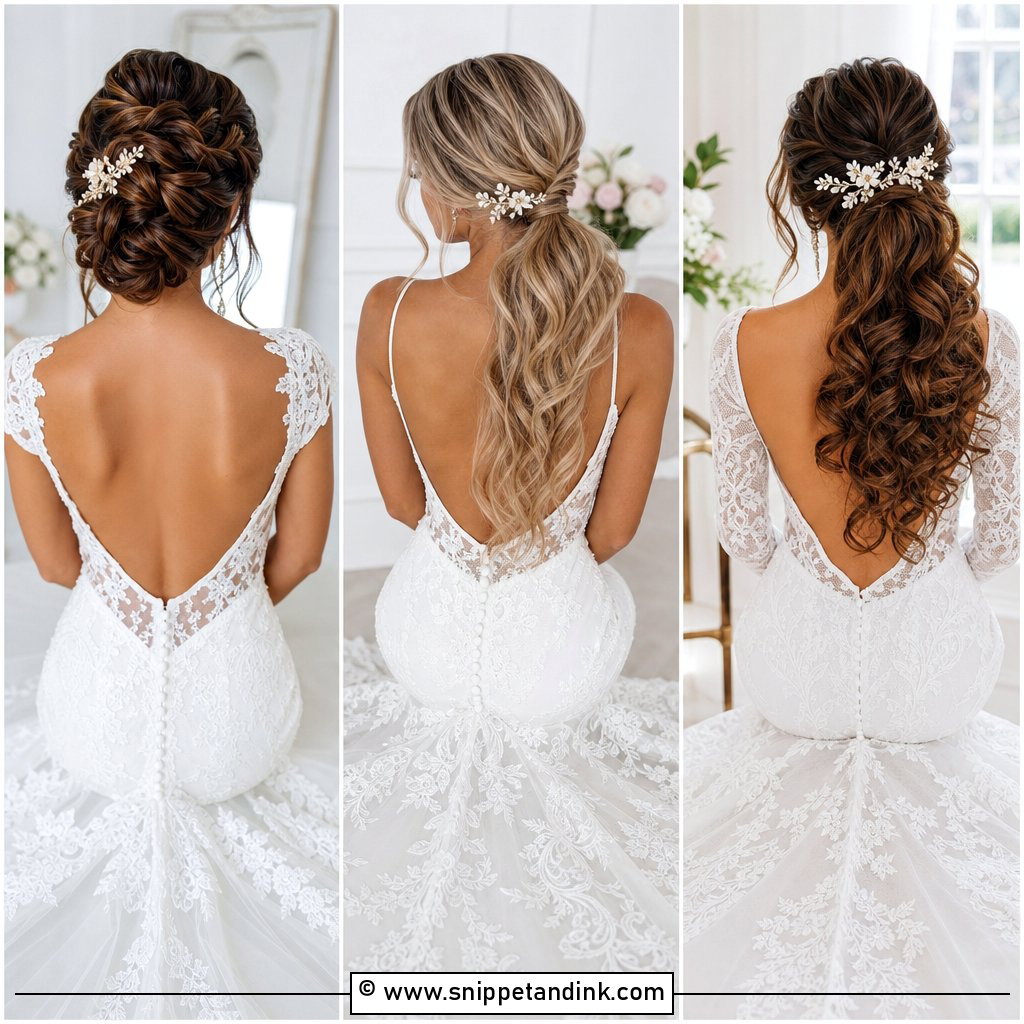
The messy low bun sits loosely at the nape with soft strands pulled out around the face. It’s relaxed but still finished enough for the mandap, and because nothing is pulled tight, you can wear it for hours without a sore scalp. A few sprigs of baby’s breath or a single pin are all it needs. The risk is that under a heavy dupatta, loose texture gets flattened, so I keep the top of the head smoother and let the mess live in the bun itself. Reception and smaller ceremonies suit it best.
3. High Bun Bridal Juda
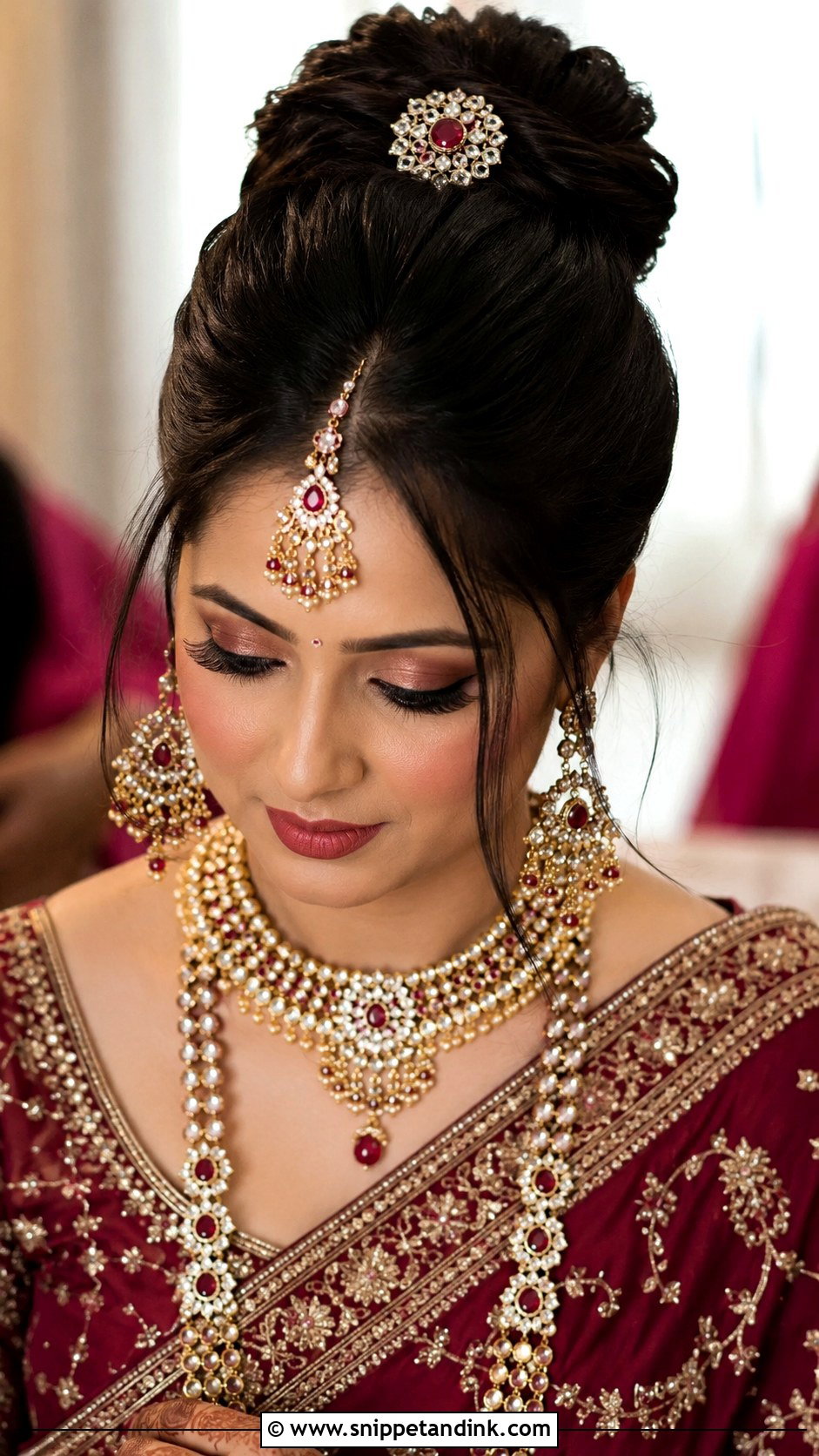
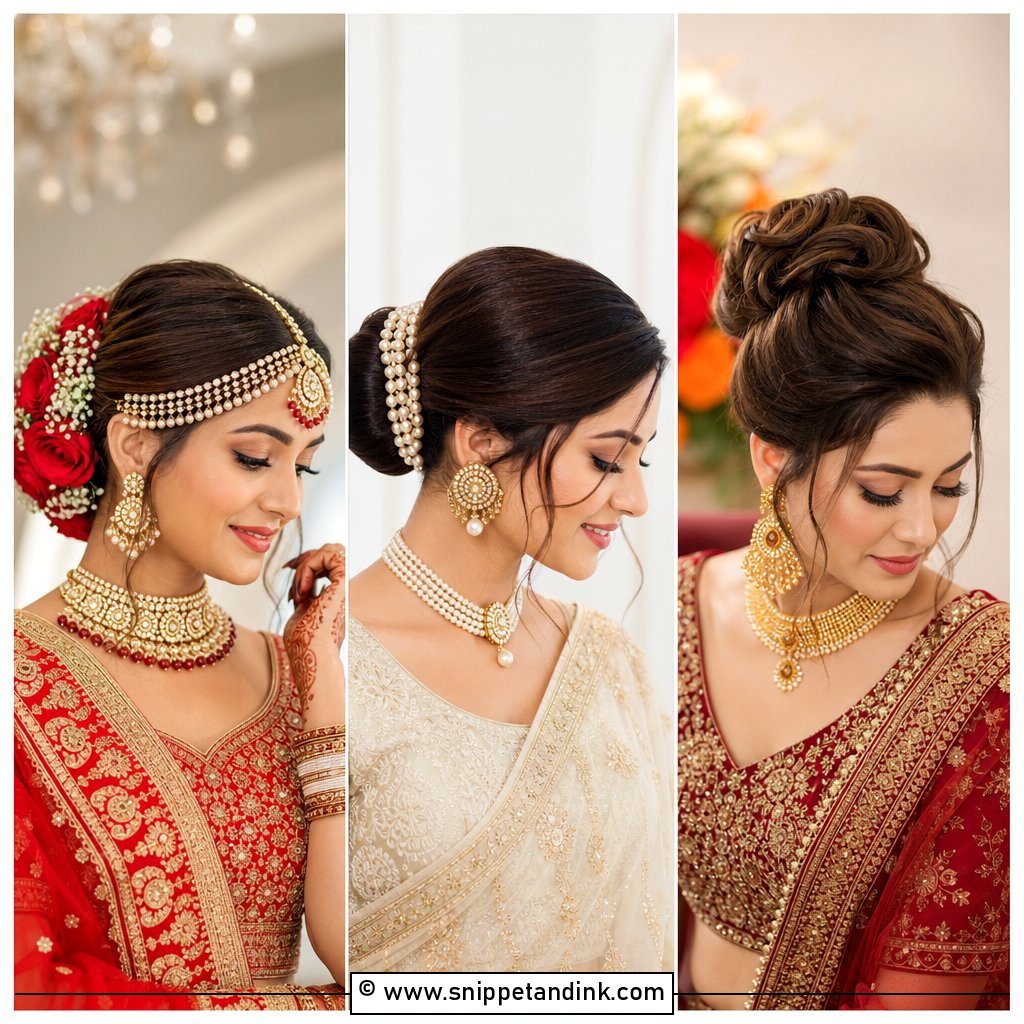
A high bun sits at the crown and lifts the whole face, pairing naturally with a heavy maang tikka and chandelier earrings. Keep it smooth or add gentle texture, then finish with a brooch or flowers tucked at the base. It’s a strong match for high-neck blouses, which can make a low bun look crowded against the collar. Think about the dupatta, though: pinned over a high bun it tents upward and can look stiff, so I only suggest this one when the dupatta will sit on the shoulders or be draped lower at the back.
4. Braided Bun Bridal Juda
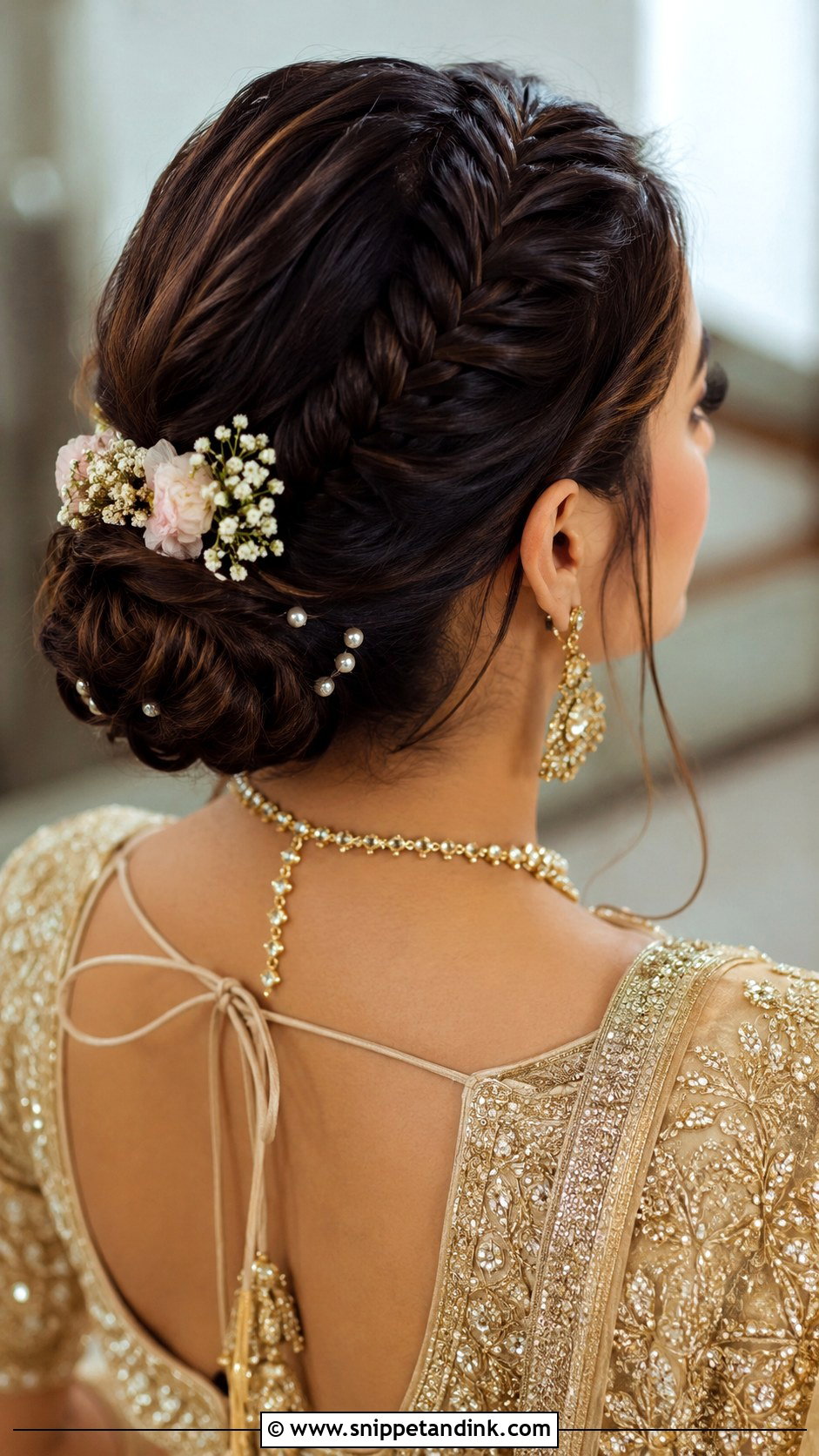
A French or fishtail braid leading into a wrapped bun gives the juda a handmade, layered look. The weave catches light in photos and gives flowers and pearls dozens of places to sit. I braid with a little oil-free cream so the plait stays defined in heat. It’s a good choice for a long day, because braided hair barely loosens even after hours of movement, and it works for the ceremony and the reception without any change.
5. Side Bun Bridal Juda
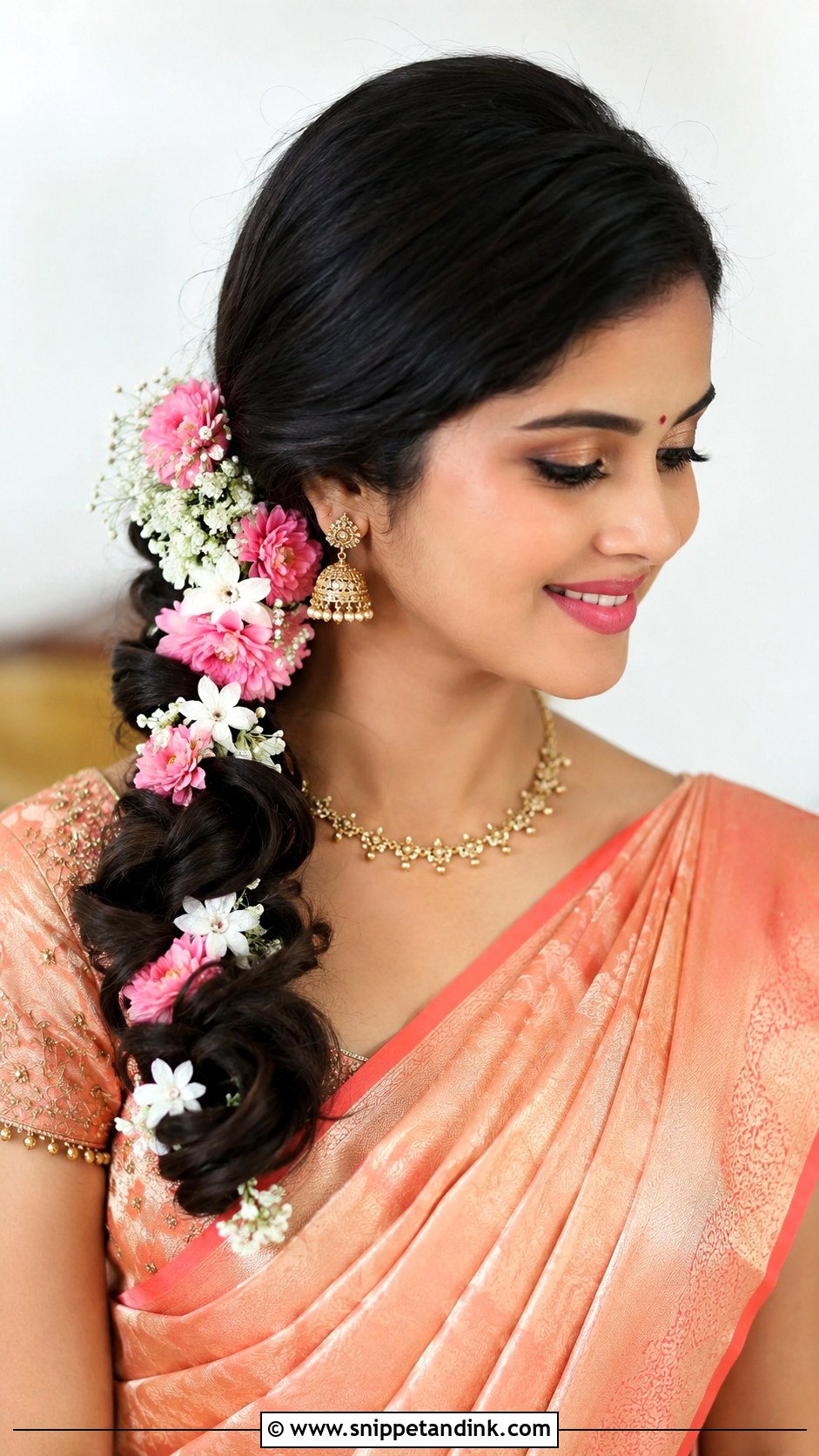
A side bun sits low near one shoulder and leaves one side of the neck open, so the earring on that side becomes a feature. With a saree pallu or a one-shoulder blouse it makes a lot of sense. A trail of flowers or a jewelled vine down from the bun adds movement. Profile photos are where this style earns its place. The practical issue is the dupatta: it has to be pinned to suit the asymmetry, so show your dresser the hairstyle before the dupatta goes on.
6. Rose Bun Bridal Juda
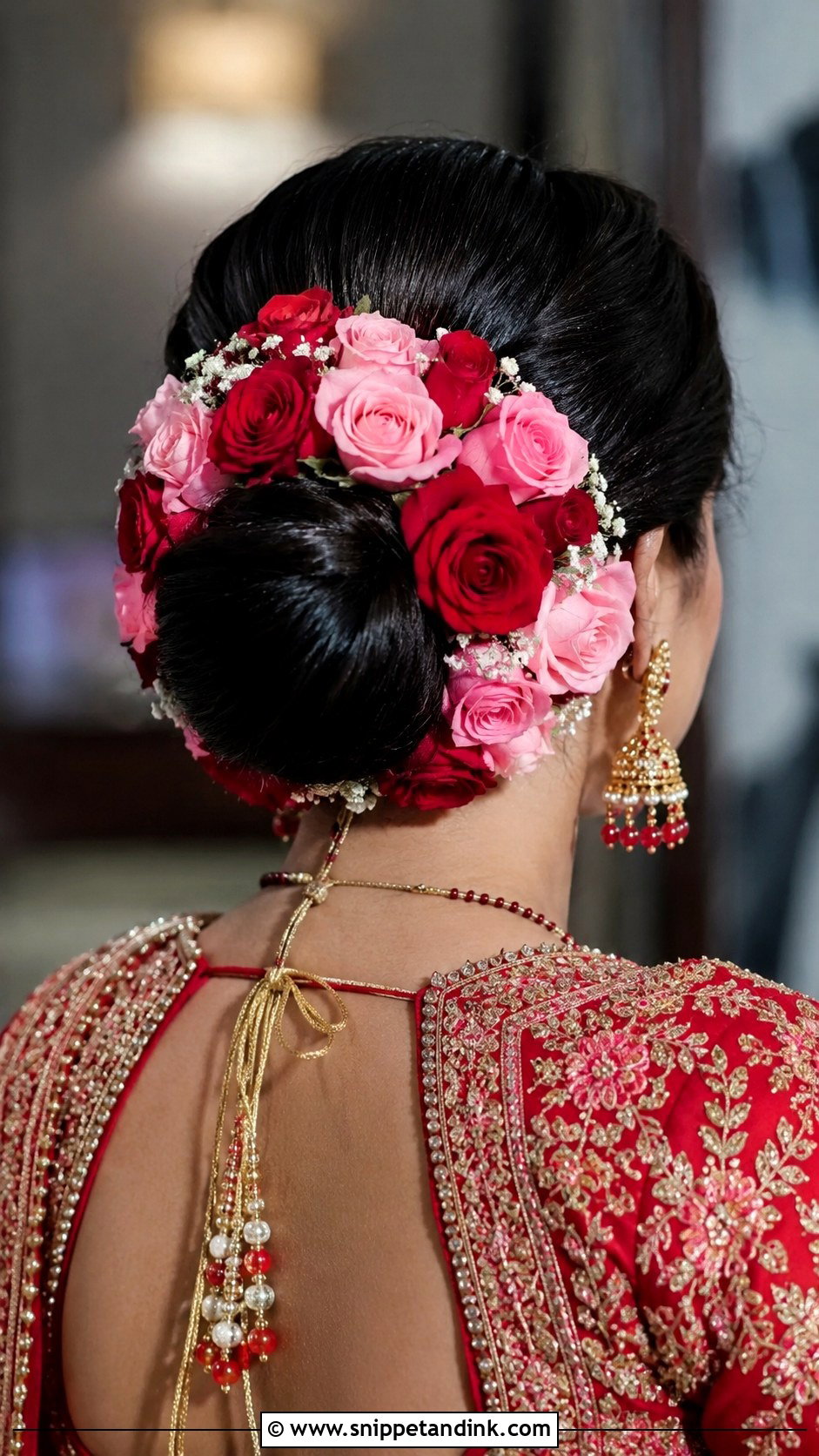
Fresh roses packed around a bun make a full, romantic juda. Red roses look grand and traditional; pale pink ones feel softer and suit a daytime ceremony. They can cluster on one side or ring the whole knot. Roses are heavier than jasmine, so I pin each stem individually and cut it short, and I use firm, tightly closed blooms that won’t drop petals onto the lehenga by evening. Pair it with statement jhumkas.
7. Pastel Flower Bridal Juda
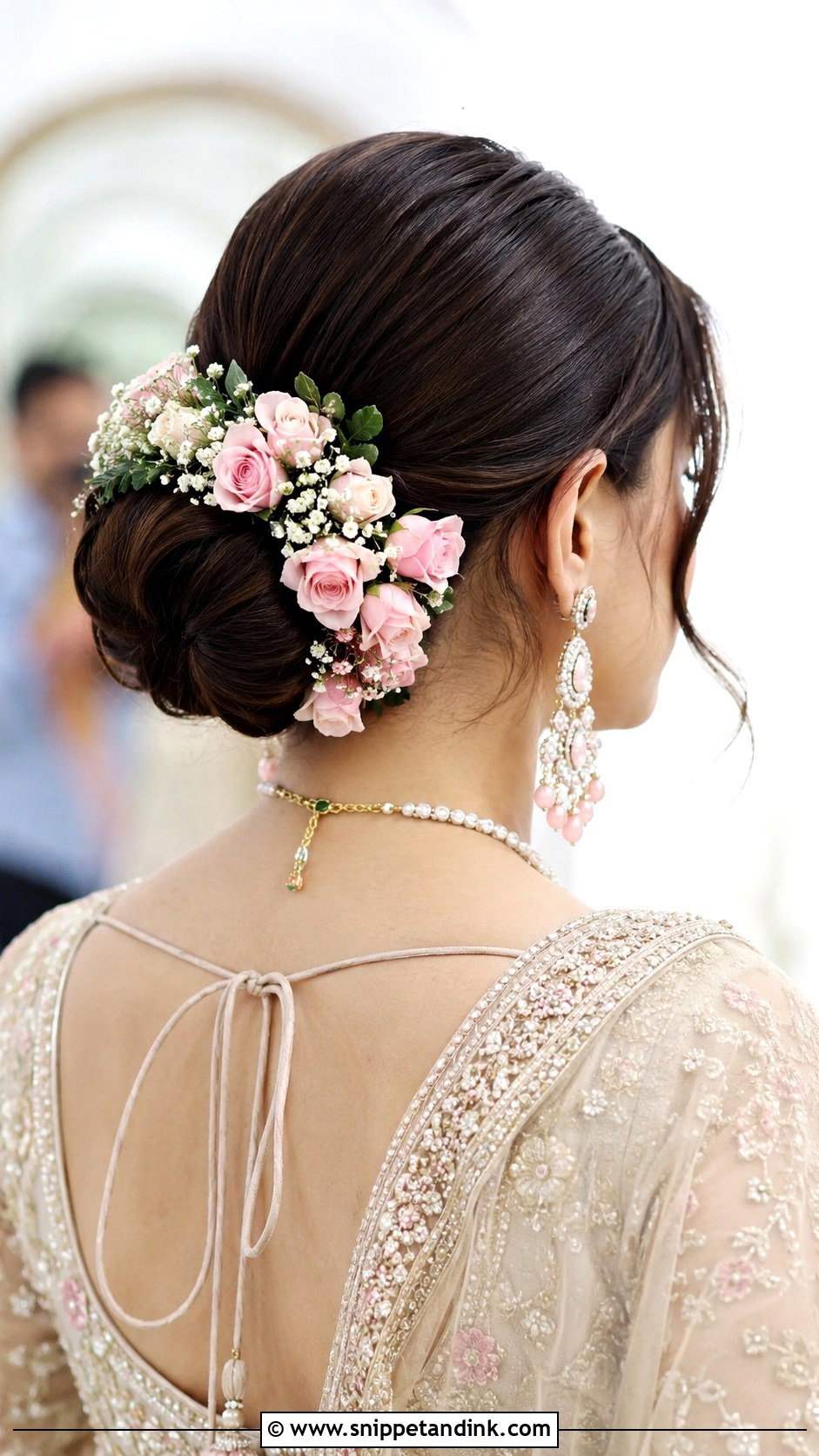
Pastel flowers like baby pink roses, white baby’s breath and a few green leaves wrapped around a neat bun give a lighter, garden feel. They look right at morning or outdoor ceremonies and against pastel and ivory lehengas. Choose this if heavy decoration isn’t your thing. Small flowers wilt faster than big ones in the sun, so ask your florist for blooms with a little more water in the stem, and keep them in shade until the moment they go in.
8. Curly Bun Bridal Juda
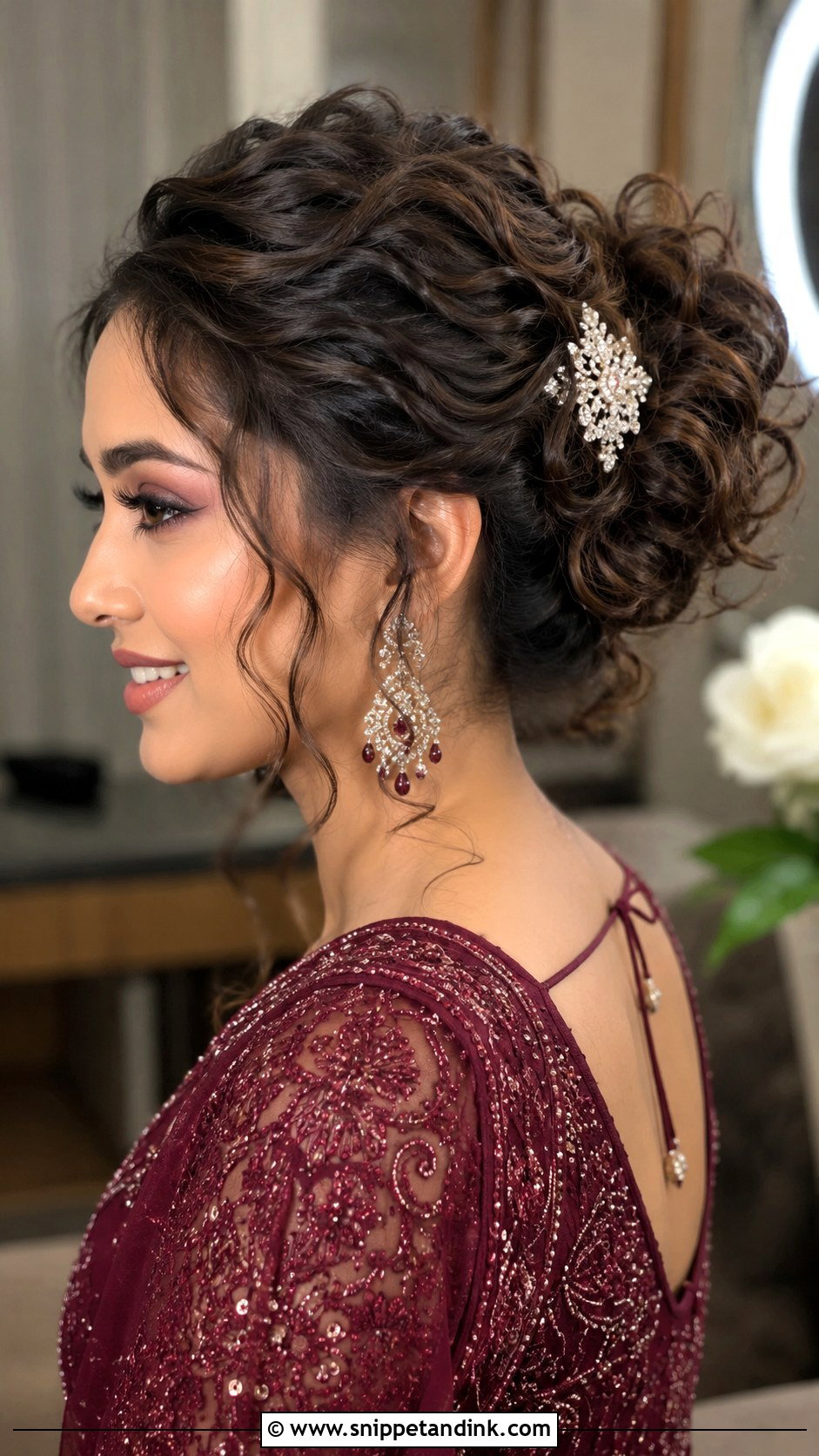
A curly bun gathers soft ringlets into a full knot with a few curls left free around the face. Thick or wavy hair suits it best, because the volume comes naturally. It’s playful enough for a cocktail night or reception but still holds jewellery well. Round and heart-shaped faces tend to look good with the height it creates. I set the curls before pinning and let them cool completely; otherwise they relax into frizz in a humid venue.
9. Donut Bun Bridal Juda
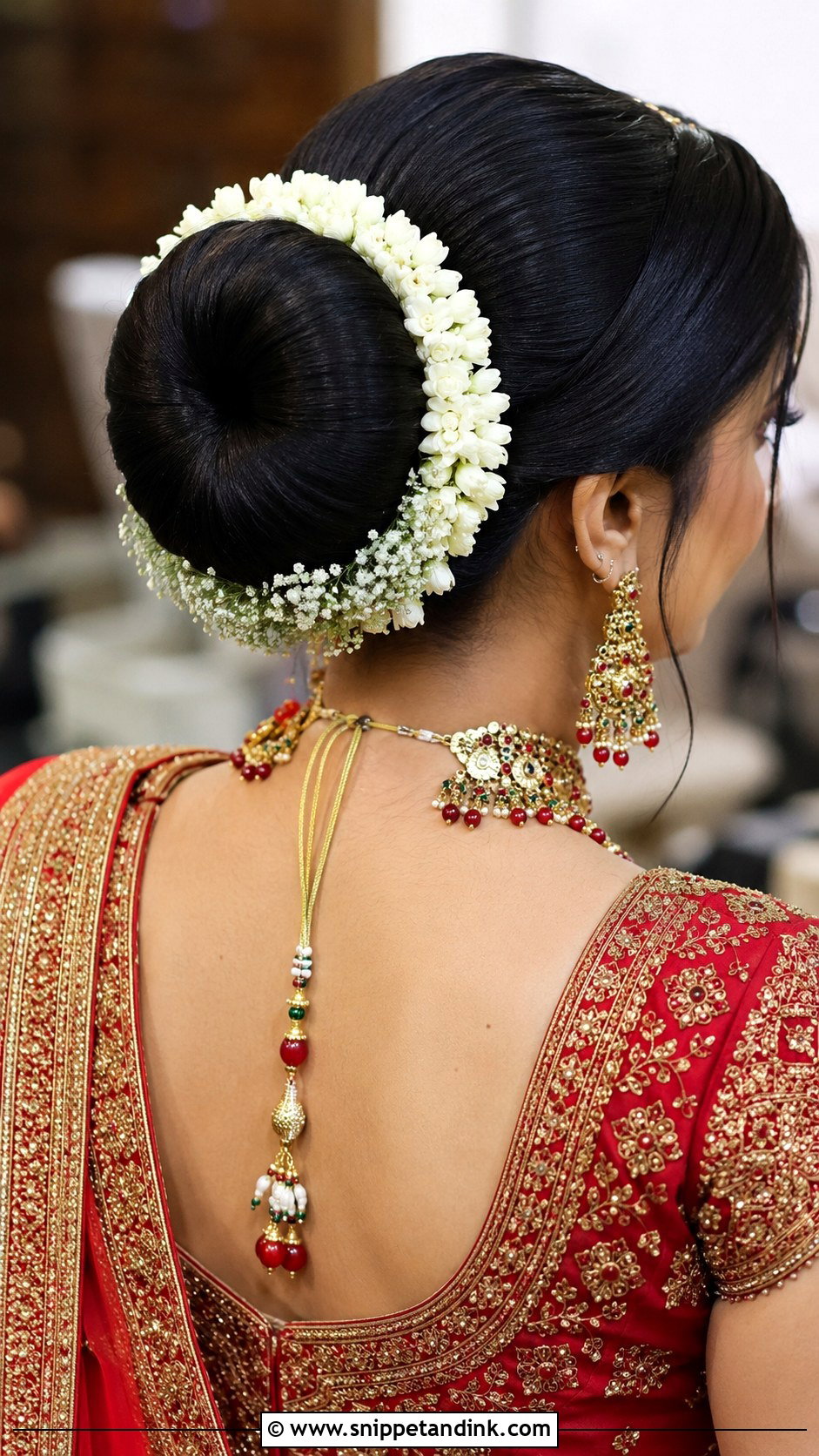
A donut bun is hair wrapped smoothly around a foam or mesh ring, which gives a perfectly round, even shape. It’s my most reliable base for a heavy gajra or jewelled garland, because the ring gives the pins something solid to push into. Fine hair benefits most, since the ring adds instant bulk. Match the ring colour to your hair, and make sure no foam peeks through when you turn your head.
10. Jeweled Juda With Ornaments
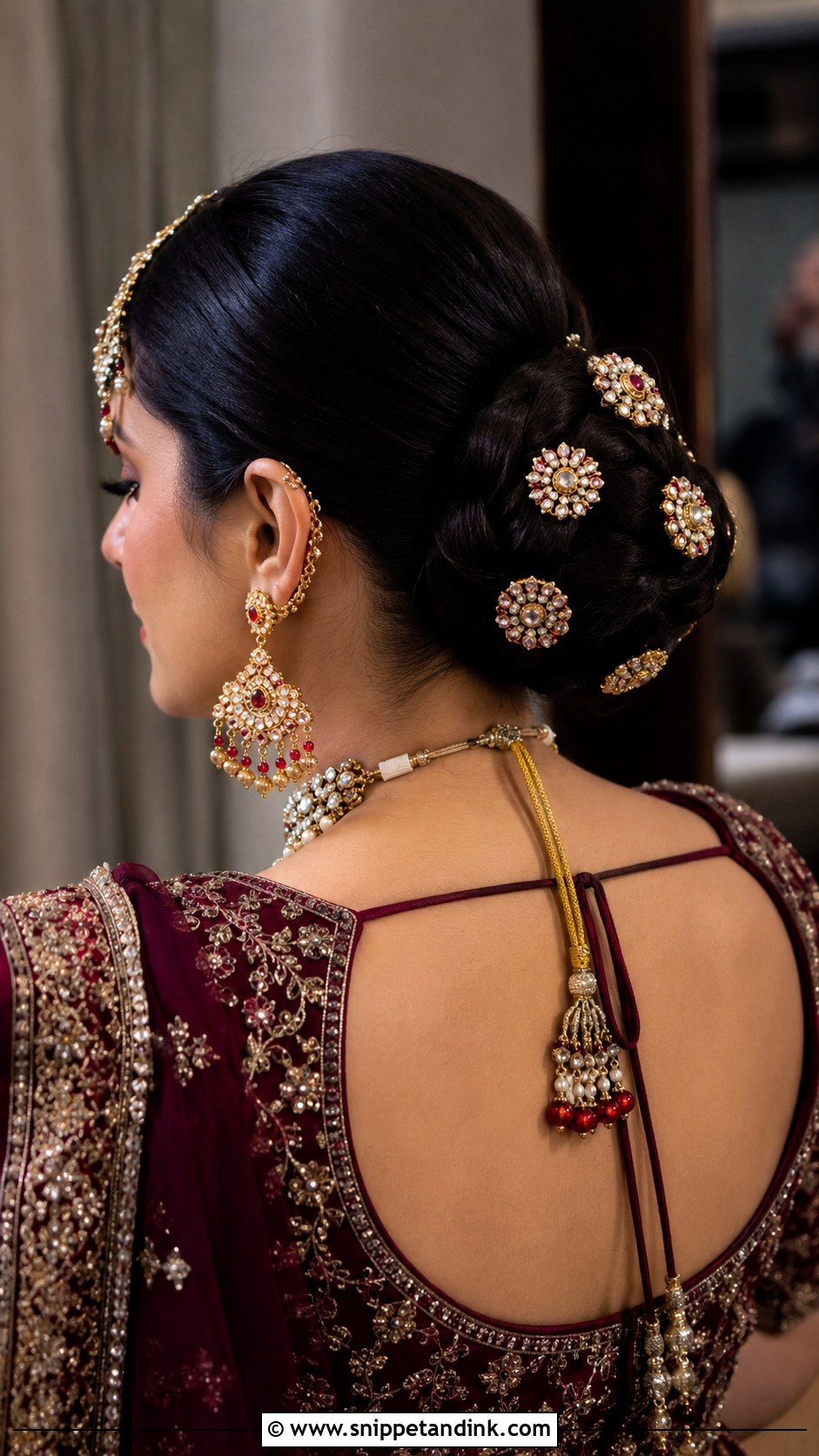
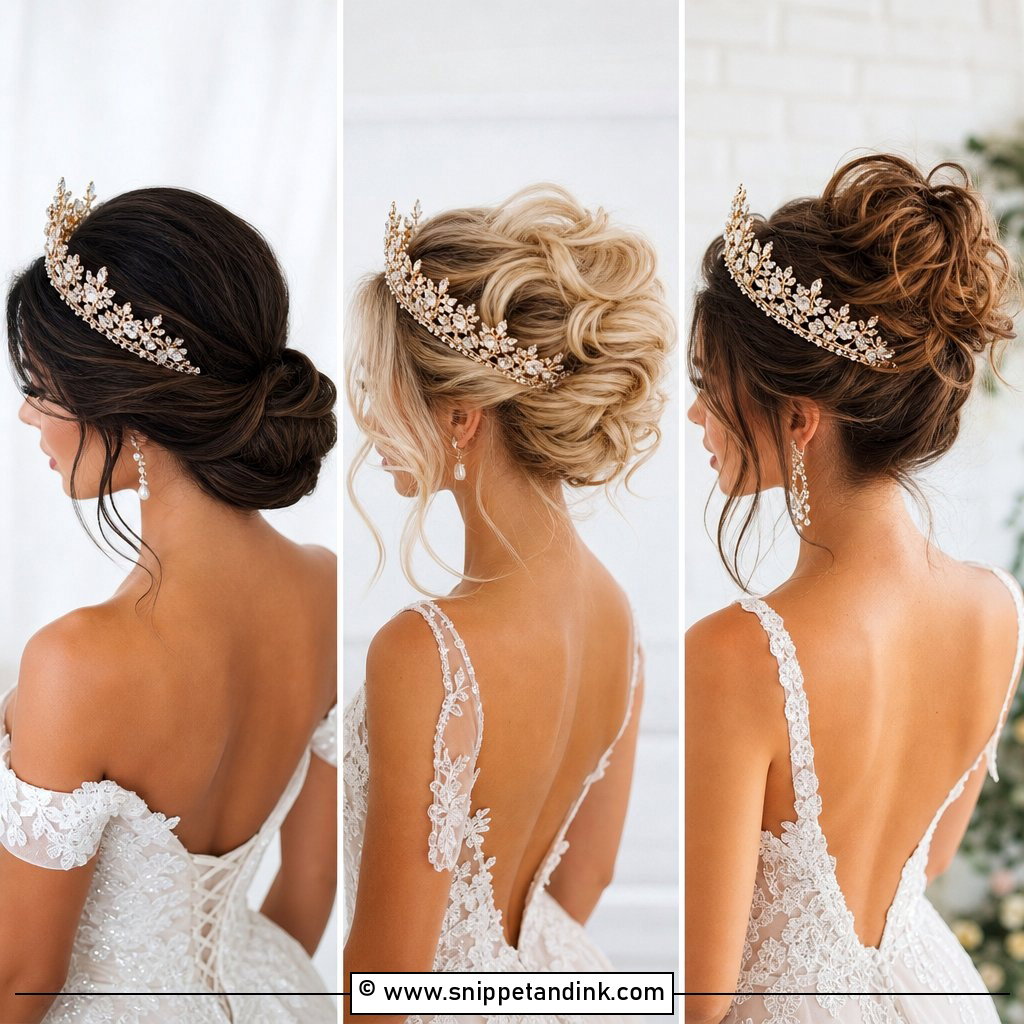
When flowers feel too soft for your look, jewellery takes over. Decorative pins, hanging ornaments or a full matha patti turn a simple juda into a centrepiece and tie it to the rest of your bridal set. Gold, kundan and pearl all work; match the metal tone to your necklace. Heavy hair jewellery needs a secure base, so I sew or pin a small anchor into the bun before the pieces go on. Evening ceremonies and grand receptions suit this best, with a heavy maang tikka to finish.
11. French Braid Bridal Juda
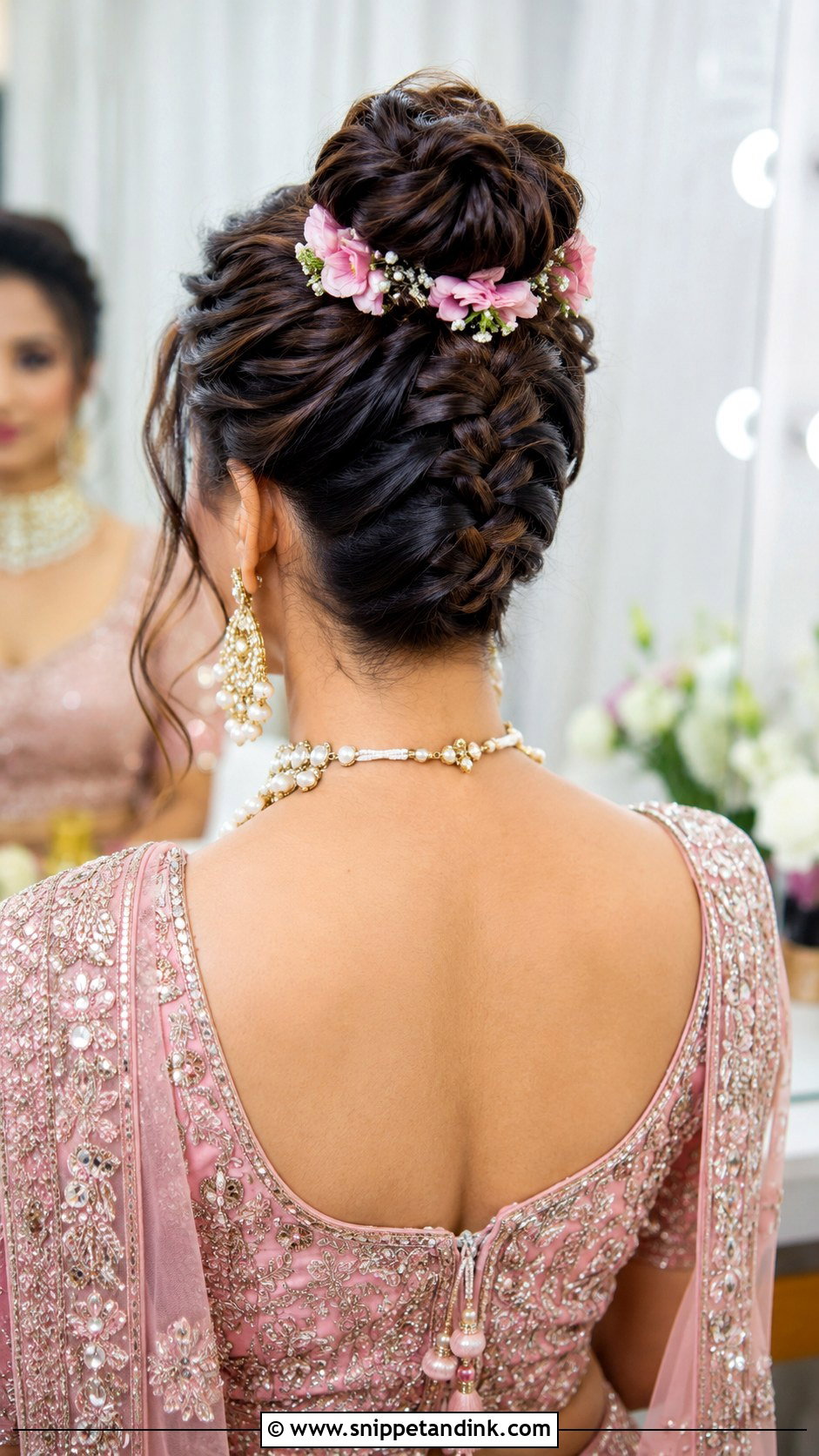
The French braid juda starts at the nape and braids upward, ending in a bun on top that can be neat or messy. The back view becomes the feature, which is useful in walking and pheras photos. Small flowers tucked along the braid add detail. It’s secure for long events, but hair shorter than shoulder length can struggle to reach the top, so I sometimes add a small clip-in piece to finish the bun.
12. Bun With Maang Tikka
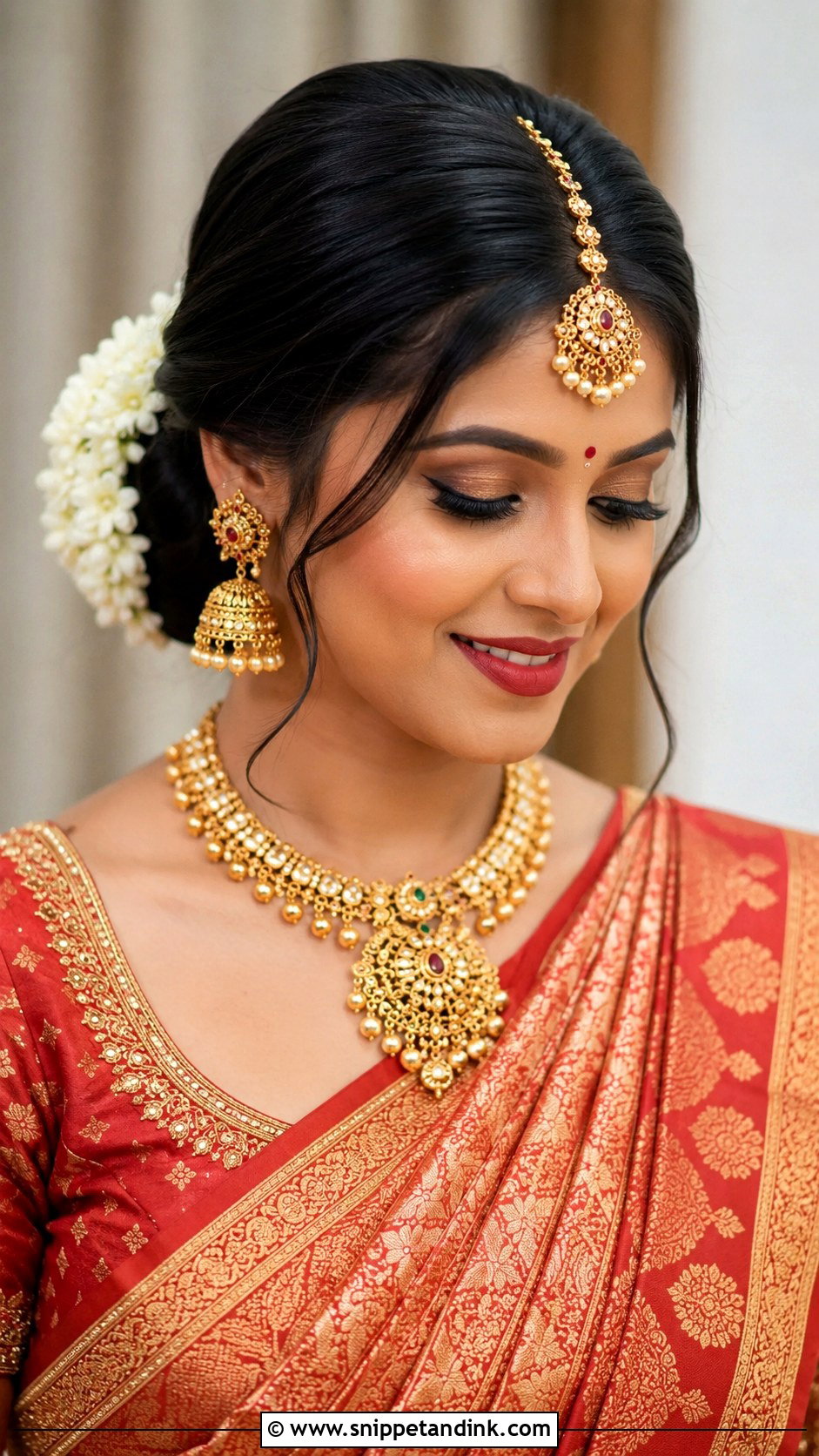
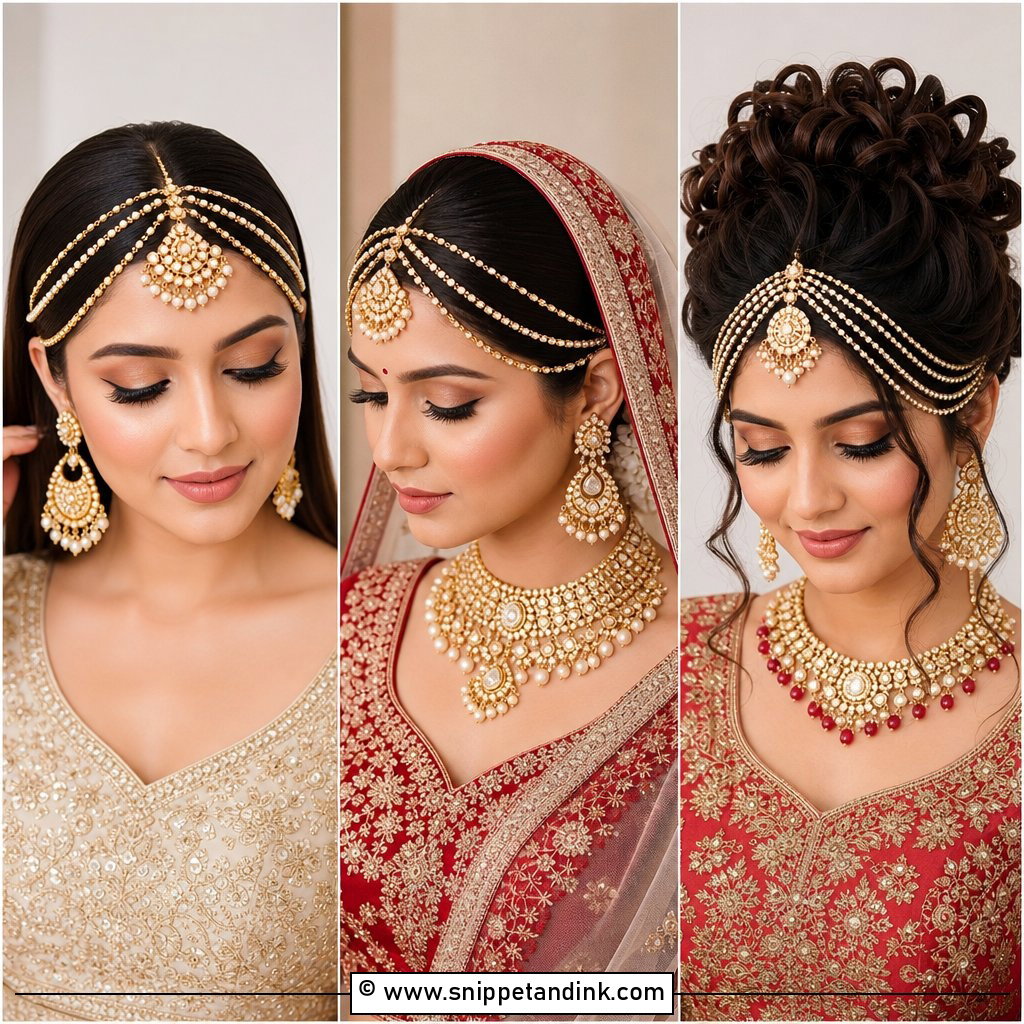
A smooth bun with a maang tikka is the classic bridal frame. The bun keeps hair away from the face, so the tikka and earrings are the focus. Low or high depends on your blouse neckline. The part matters here: I set a clean centre parting the day before so the tikka chain lies flat along it, and hide the tikka’s hook under a pinned section near the crown so it doesn’t slide forward. A few flowers at the base soften the look.
13. Boho Braided Bun Bridal Juda
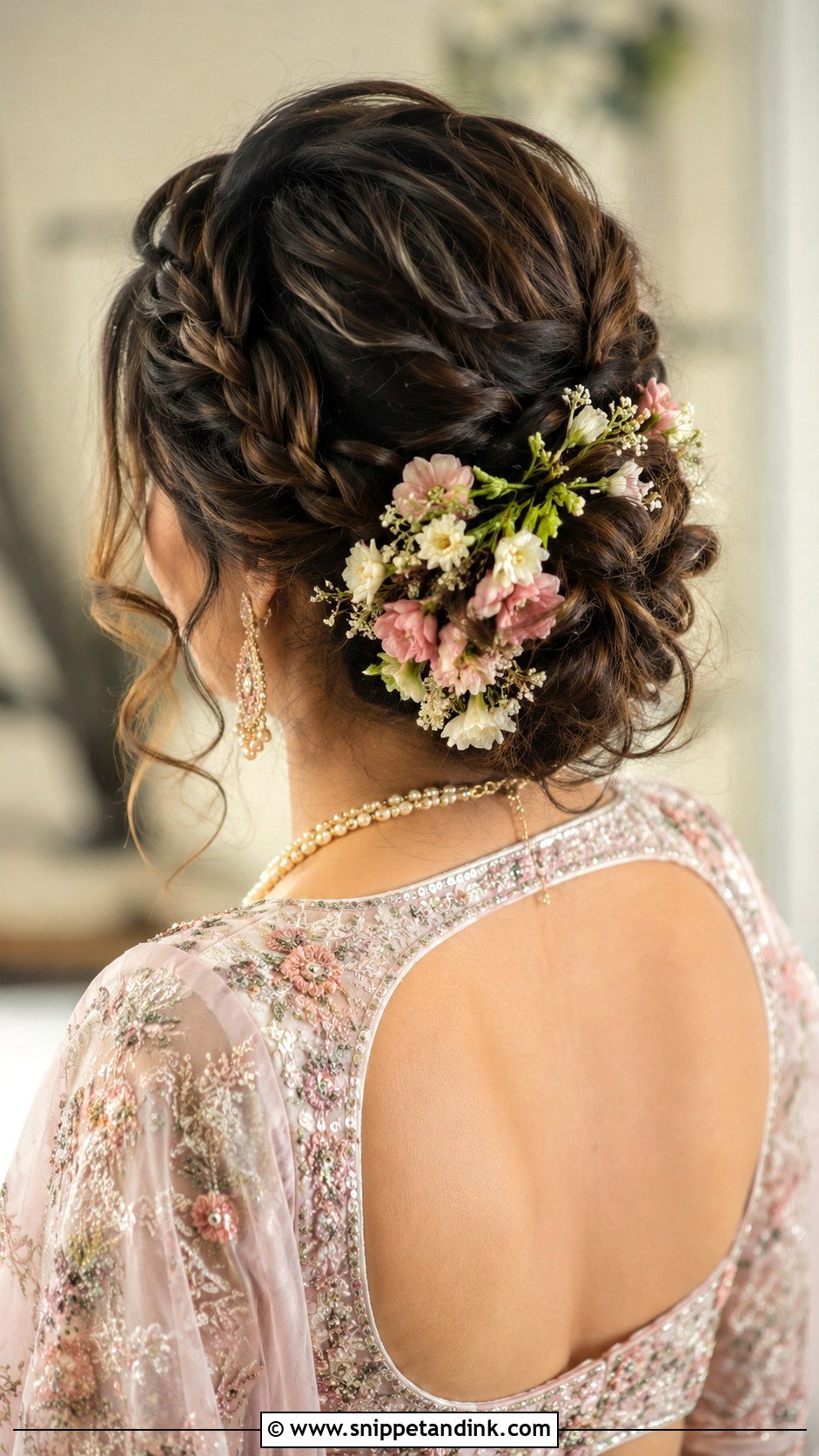
A boho braided bun mixes loose braids, soft waves and a textured knot, with tendrils left out around the face. Orchids, jasmine and small buds look natural in it. It’s at home at a mehndi function, an outdoor ceremony or an intimate wedding, and wavy or curly hair carries it best. Under a heavy bridal dupatta it can get squashed, so I’d save it for events where your head will be uncovered.
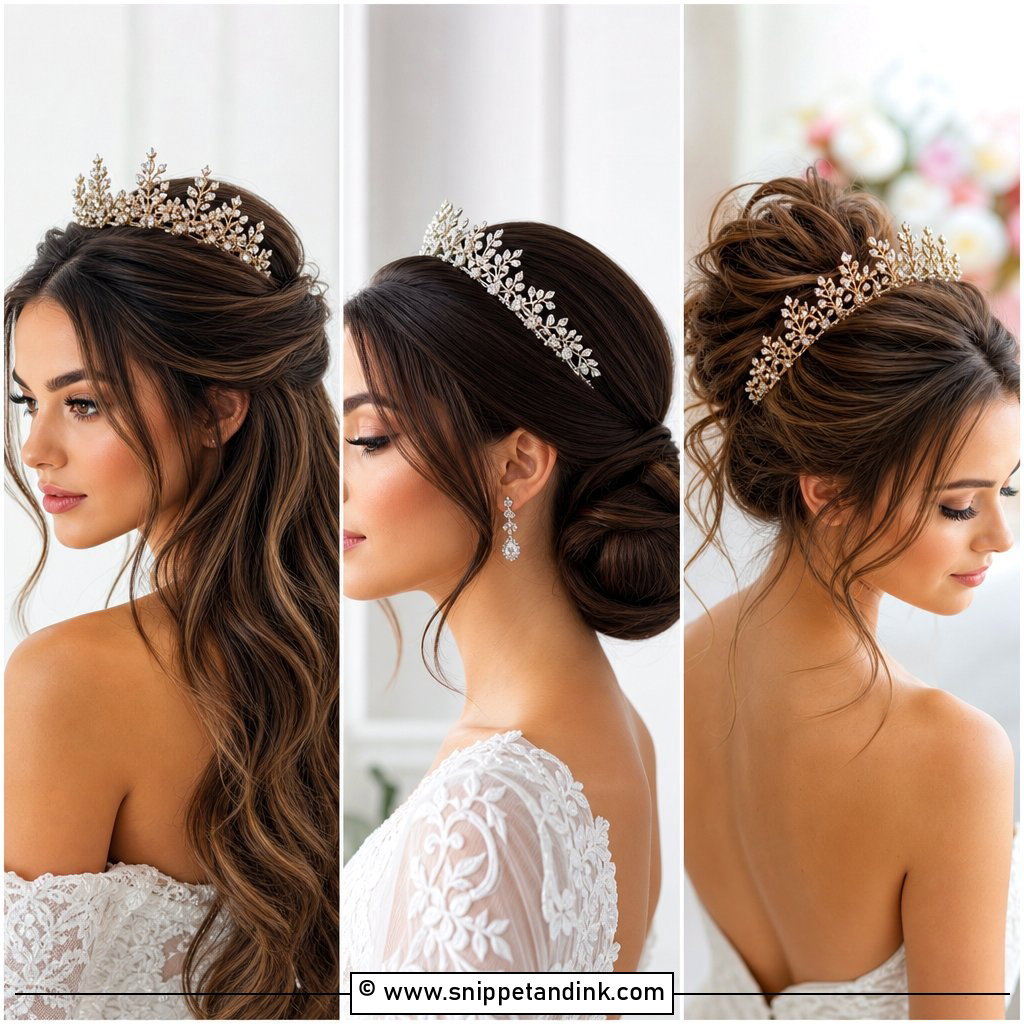
14. Sleek Low Bun Bridal Juda
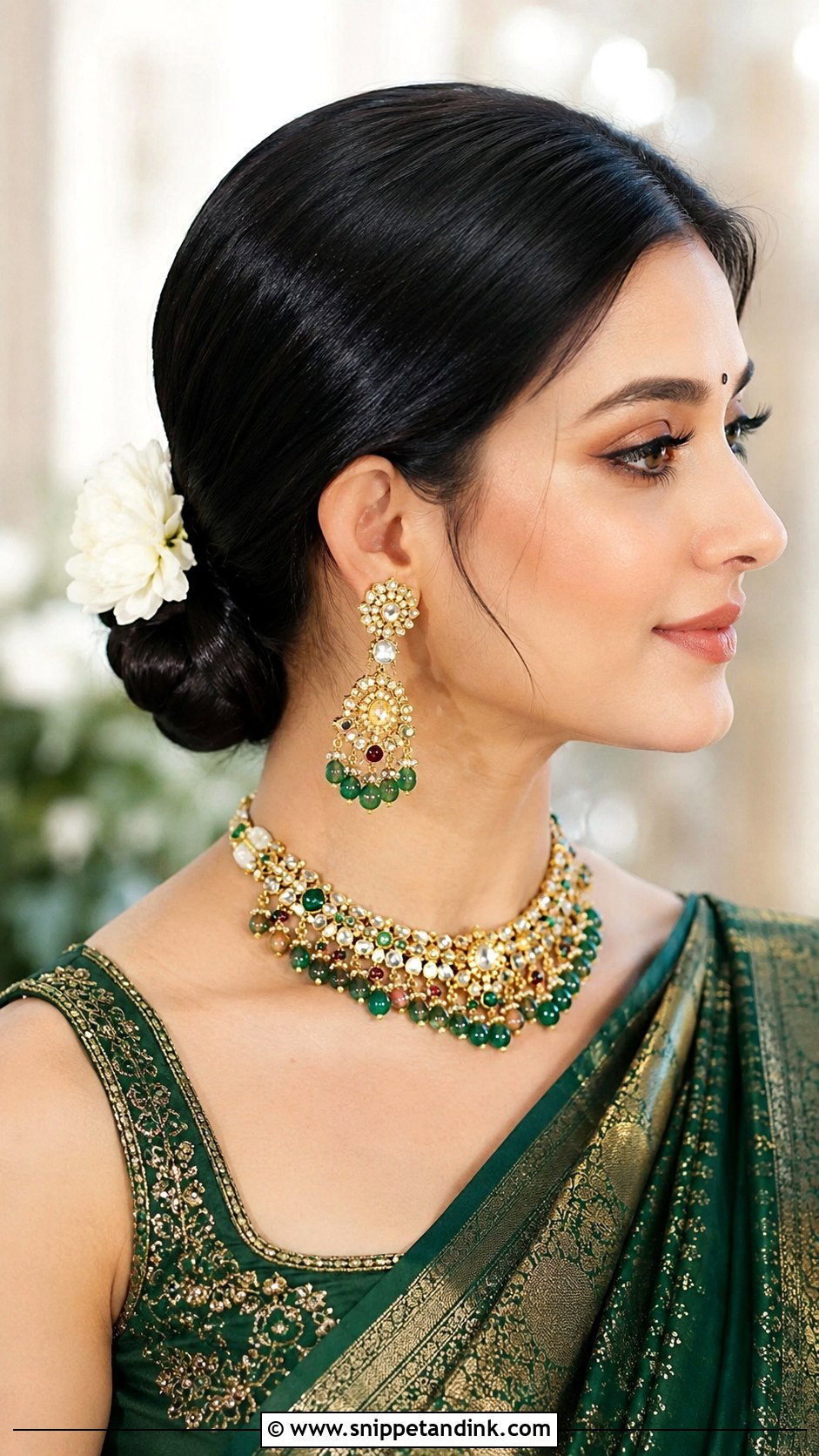
Hair smoothed back tightly and twisted into a neat knot at the nape makes the sleek low bun, the cleanest style in this list. It works for ceremony and reception, lets statement earrings and necklaces take the attention, and suits structured outfits. The dupatta pins easily above it. Sleek styles show every flyaway, so I use a toothbrush with a little gel along the hairline before the final spray.
15. Twisted Bun Bridal Juda
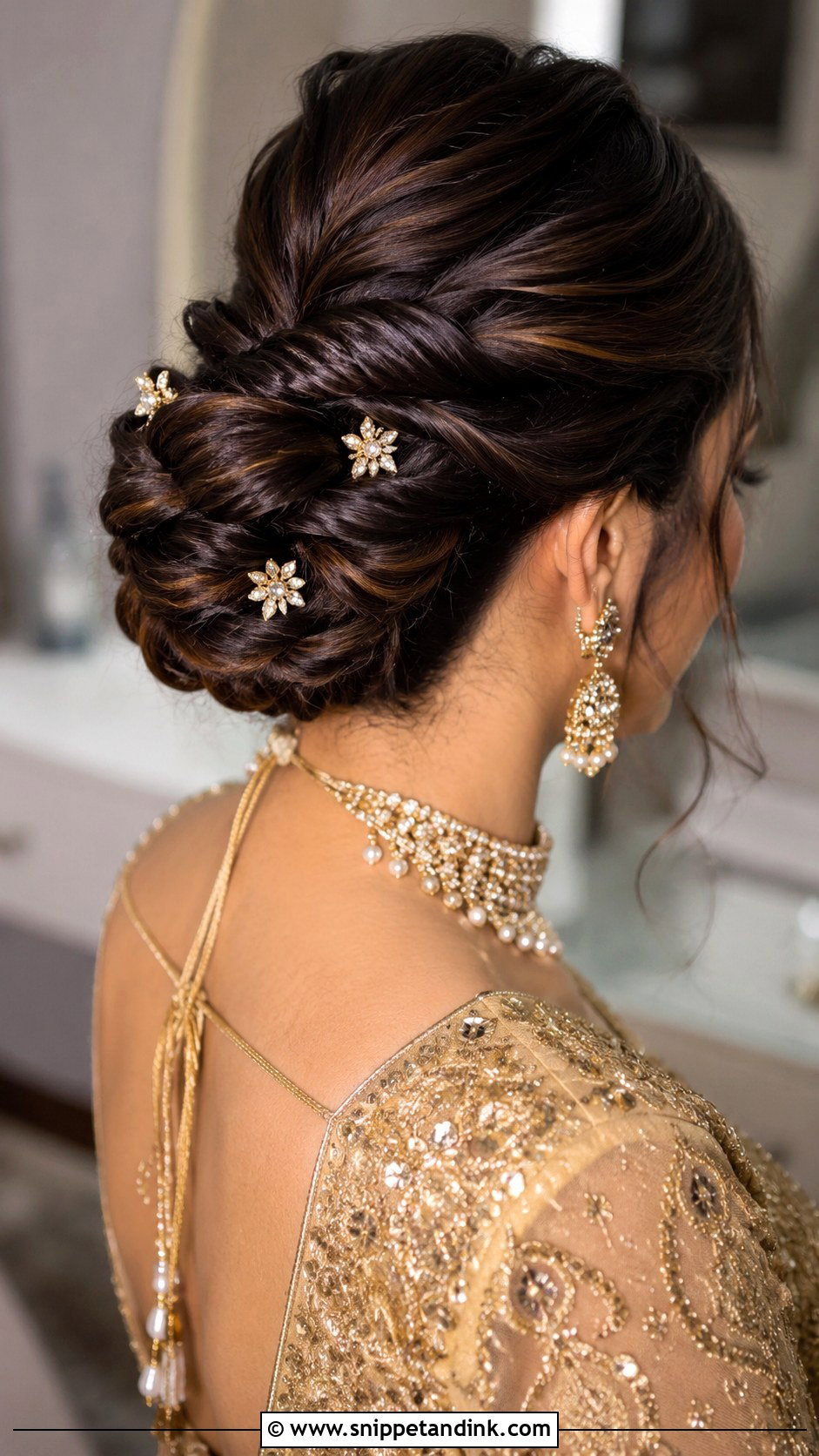
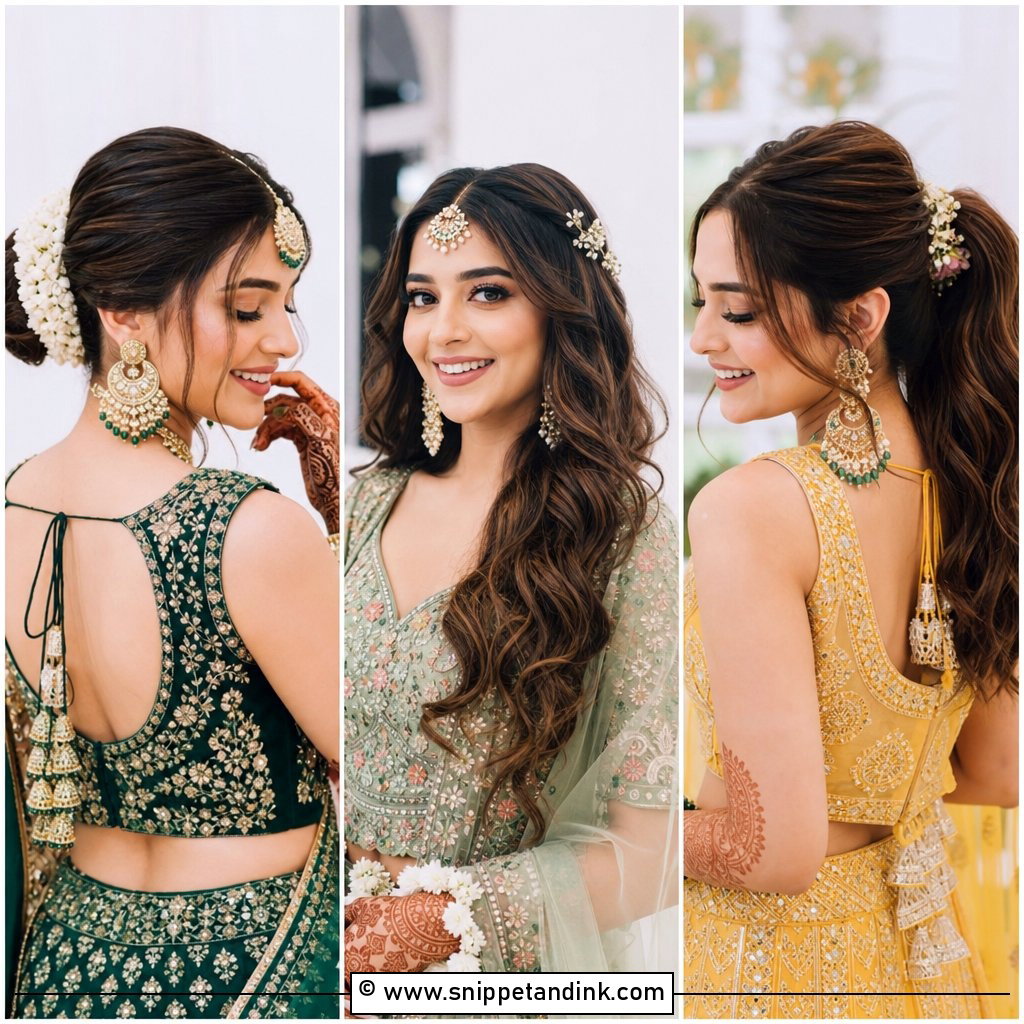
A twisted bun is built from rolled and twisted sections pinned into a knot, giving a more sculpted finish than a plain bun. The ridges hold flowers and pins well, and the shape reads clearly from every side. Medium to long hair works best. I twist each section away from the face and pin as I go, which keeps the shape tight and stops the twists from unravelling under the weight of decorations.
16. Bun With Baby’s Breath Bridal Juda
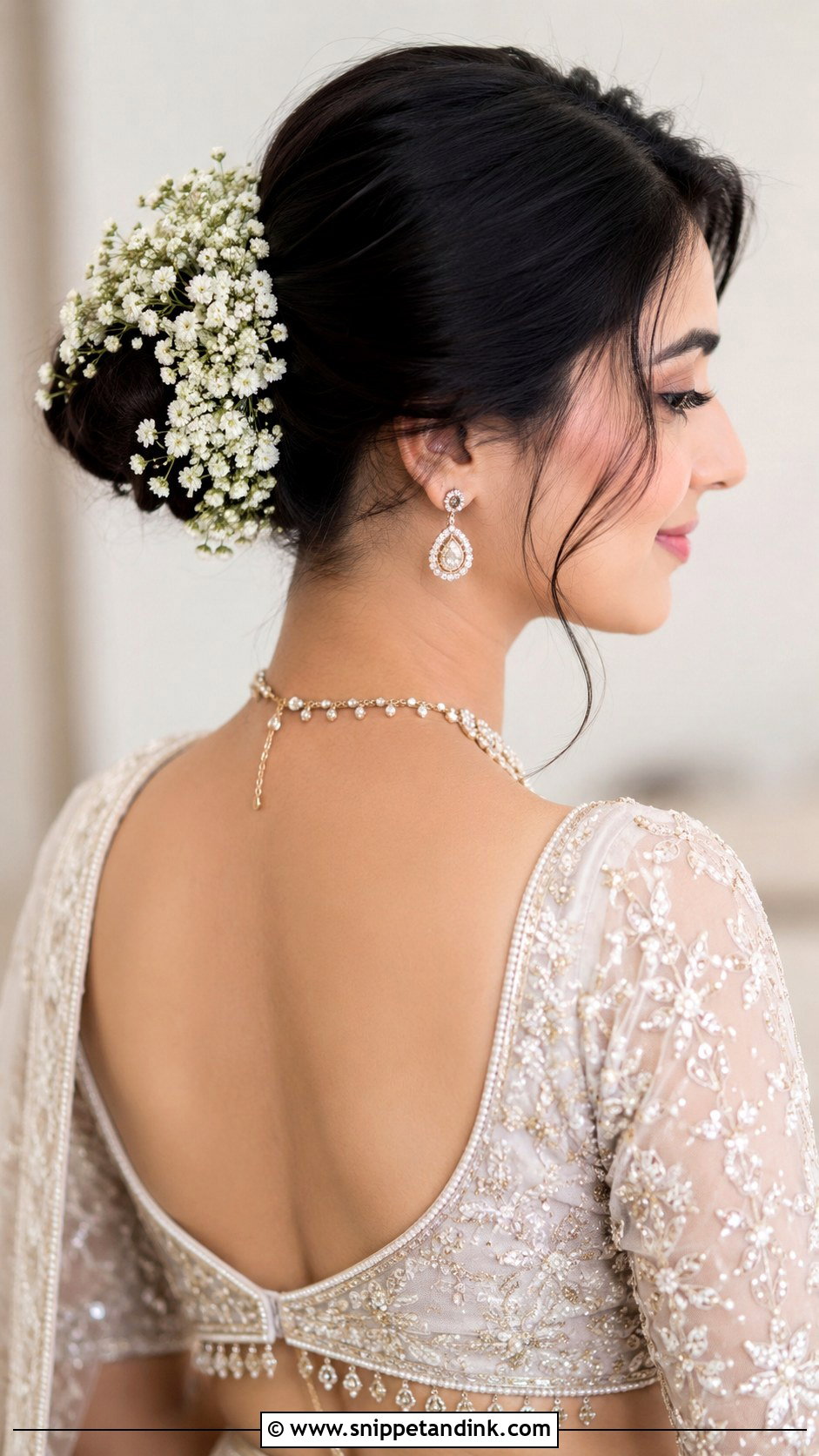
Baby’s breath clustered around a neat bun is light, airy and very fresh against dark hair. It suits day weddings, engagements and minimal bridal looks, and goes well with dewy makeup and fine jewellery. It’s also one of the hardiest small flowers, holding up in warm rooms better than jasmine or roses, which makes it a practical pick for summer. Cluster it tightly; scattered sprigs can look sparse in photos.
17. Voluminous Puff Bun Bridal Juda
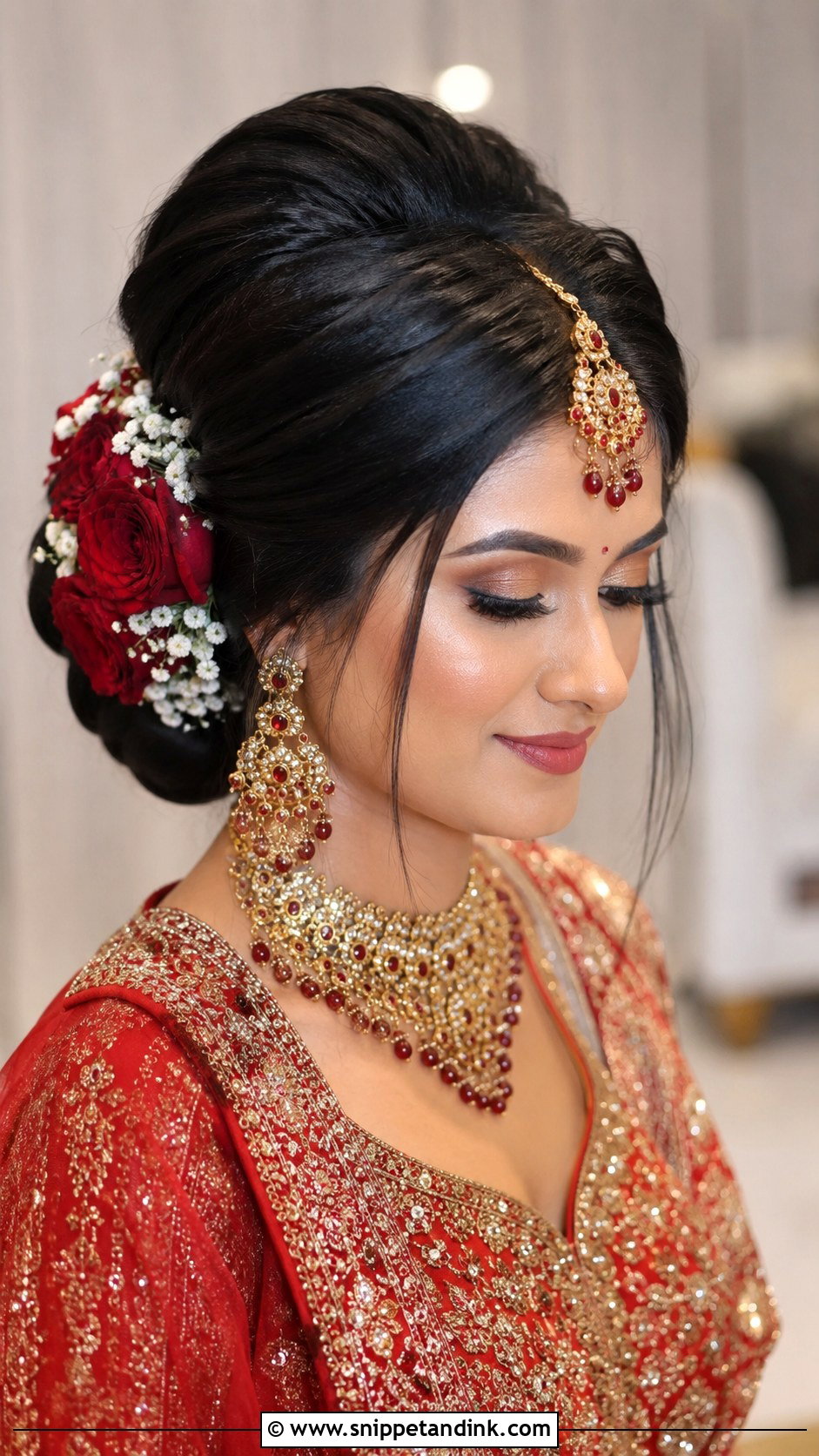
The voluminous puff bun teases the crown into a soft puff before gathering the length into a full bun at the back. The extra height lengthens round and square faces and balances a heavy maang tikka and grand jewellery. It holds well through long events if the puff is backcombed and pinned underneath. Too much height can push the dupatta up awkwardly, so I keep the puff moderate when the dupatta goes over the head.
18. Half Up Bun Bridal Juda
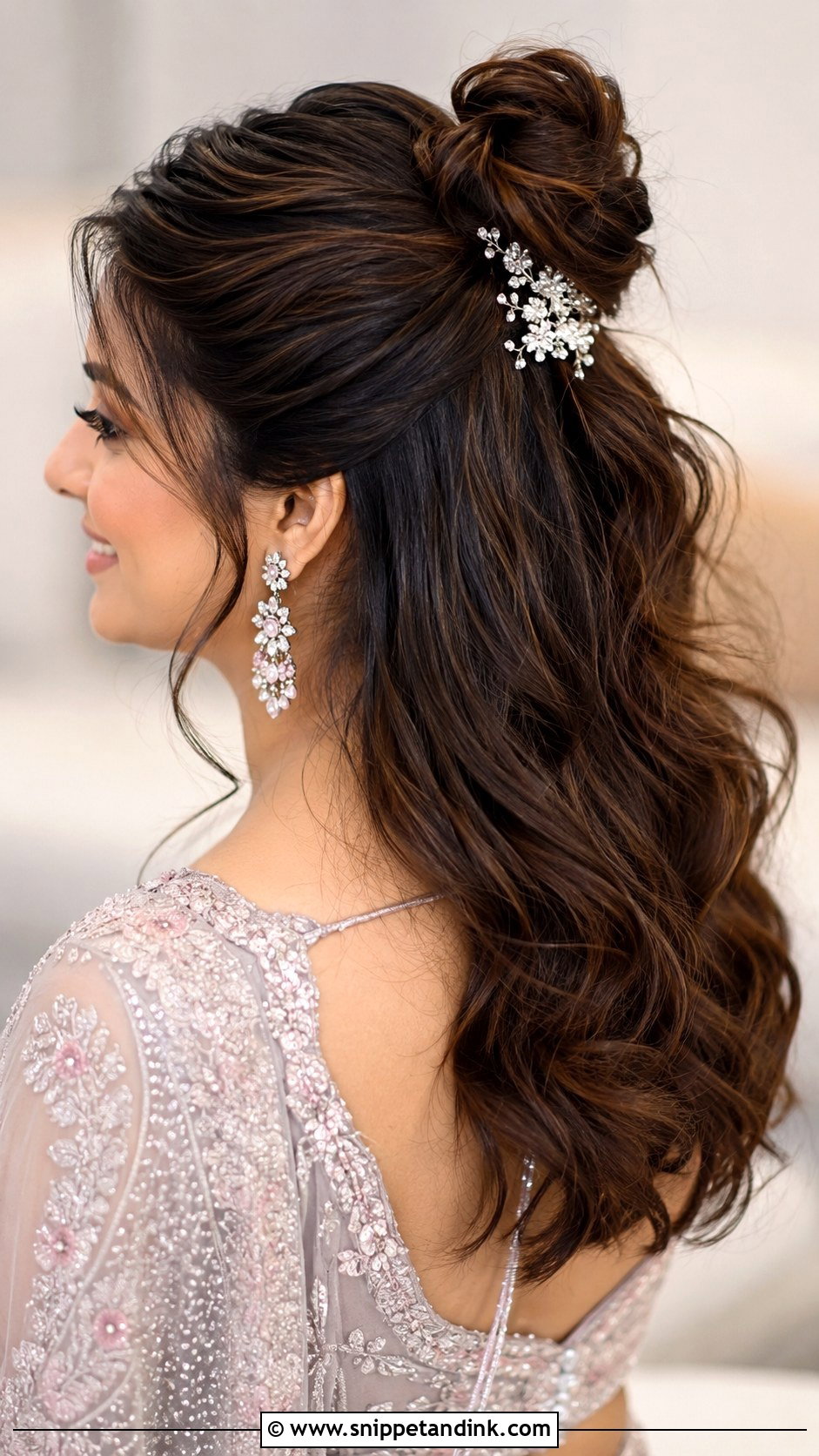
A half-up bun gathers the top section into a neat knot and leaves the rest flowing in waves. It’s youthful and softer than a full juda, and suits sangeet and reception looks with lighter outfits and open necklines. Long, wavy hair carries it best. In heat and humidity open hair frizzes quickly, so I’d only suggest it for an air-conditioned venue or an evening event.
19. Pearl Embellished Bridal Juda
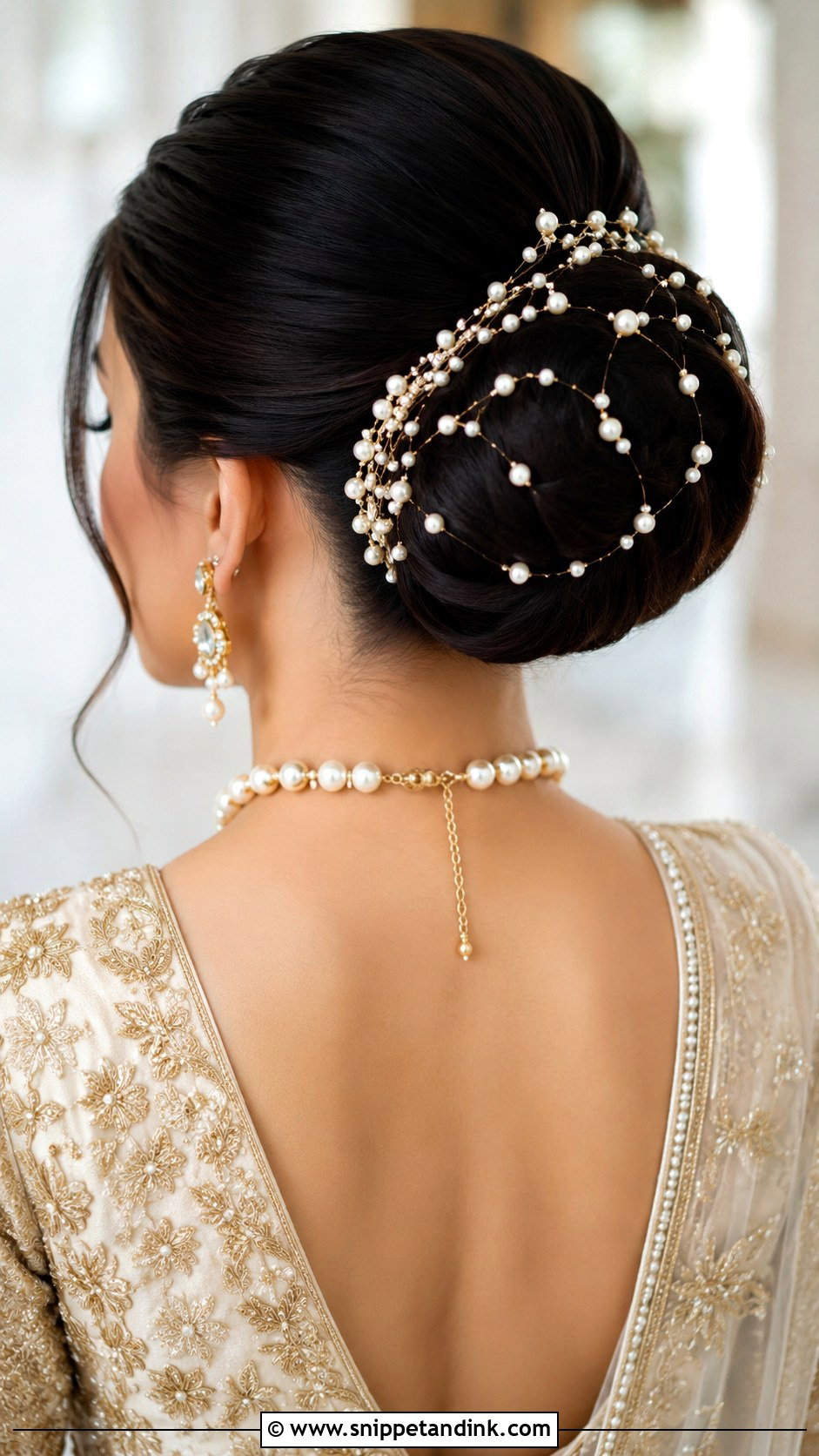
Pearls bring a quiet glow to a smooth bun, whether as scattered pins or draped strands. They suit ivory, pastel and gold outfits and pair naturally with pearl jewellery. They work at ceremonies and receptions alike. Pearls are light, so they’re kind to the scalp over a long day, but strands need to be pinned at several points or they slip down the back of the bun as you move.
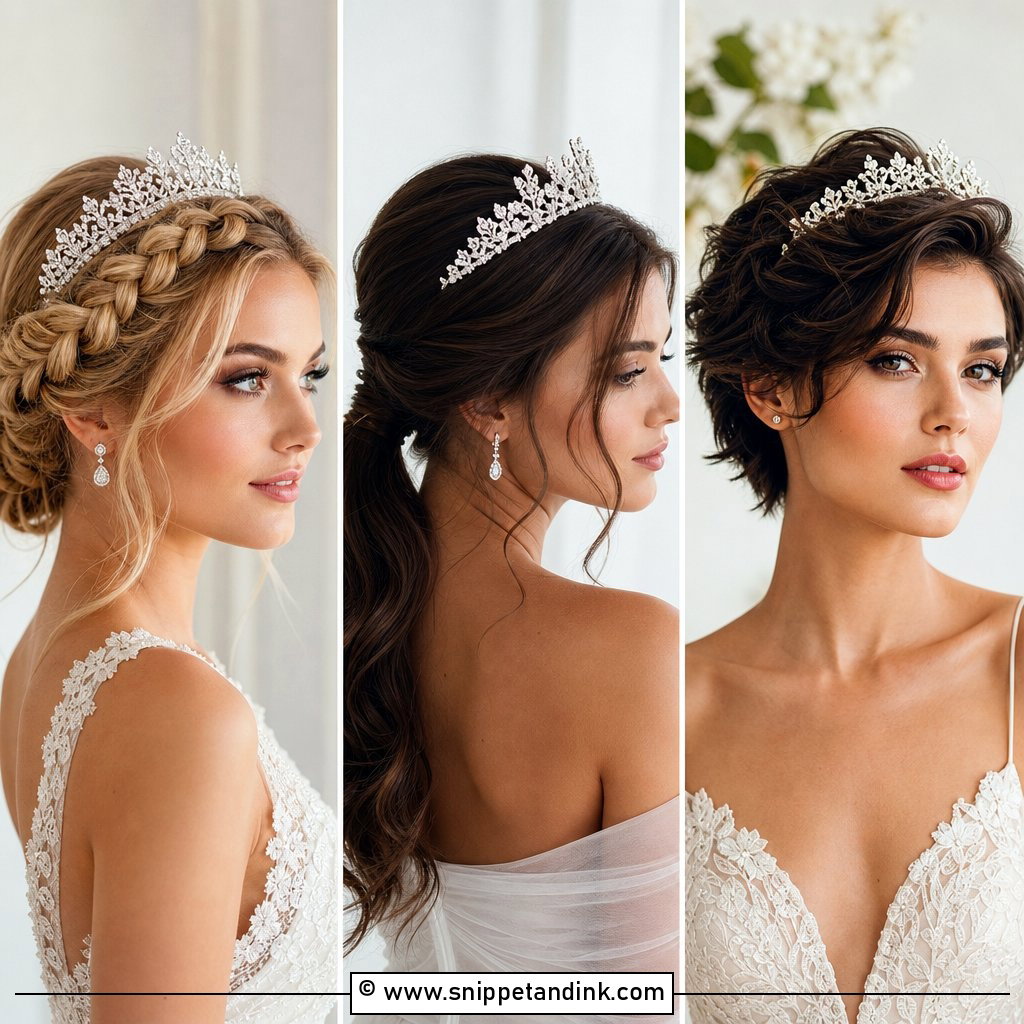


20. Bun With Hair Vine Bridal Juda
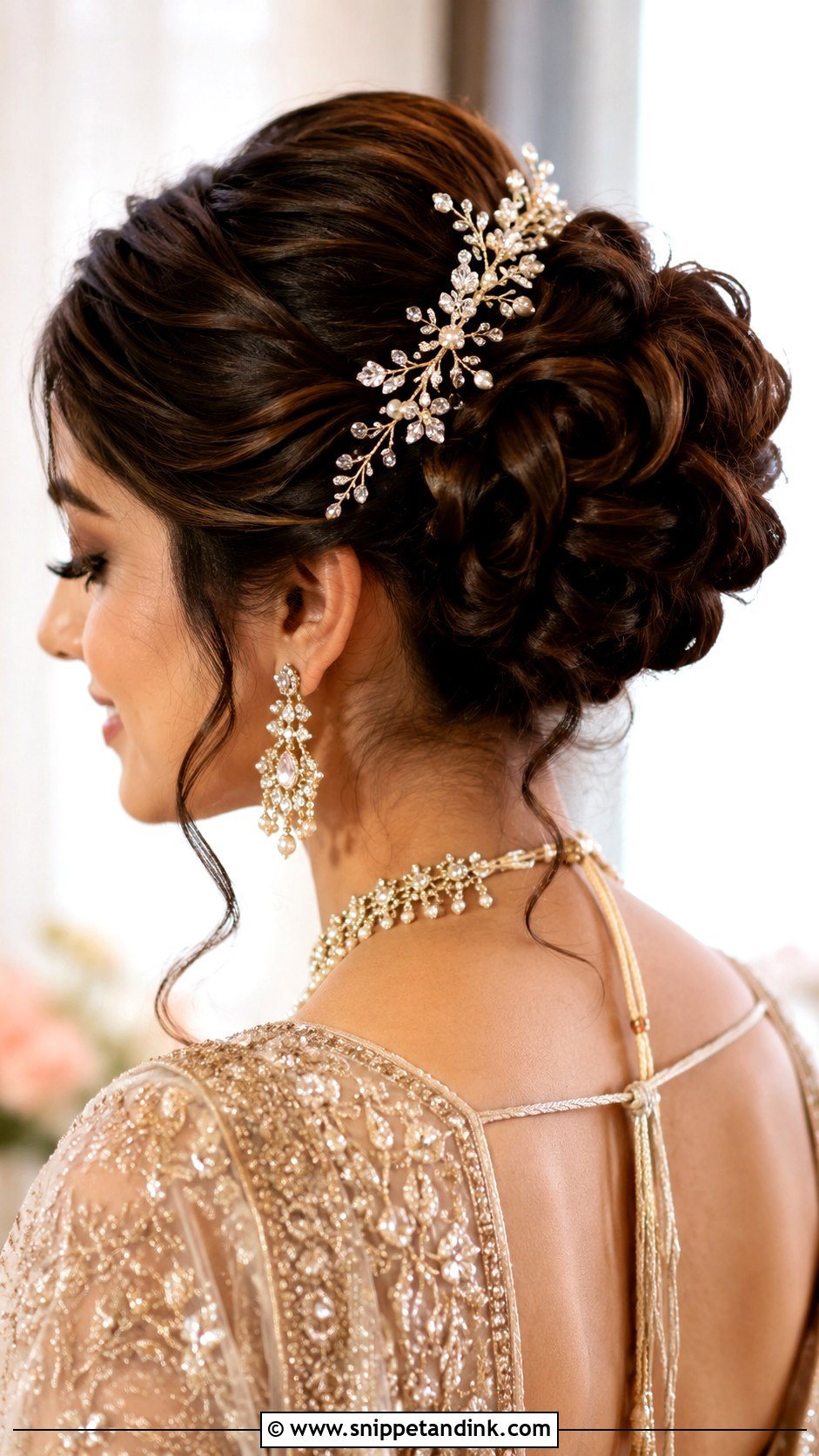
A hair vine is a flexible jewelled strand that wraps over and around a bun. It’s a modern accessory that still feels bridal, and it fits reception and engagement styling well. Gold, crystal or pearl vines can match your outfit and jewellery. Because it’s bendable wire, I shape it around the bun before pinning and secure both ends underneath so they can’t catch on the dupatta. It sits well on sleek or textured buns.
21. Fishtail Braided Bun Bridal Juda
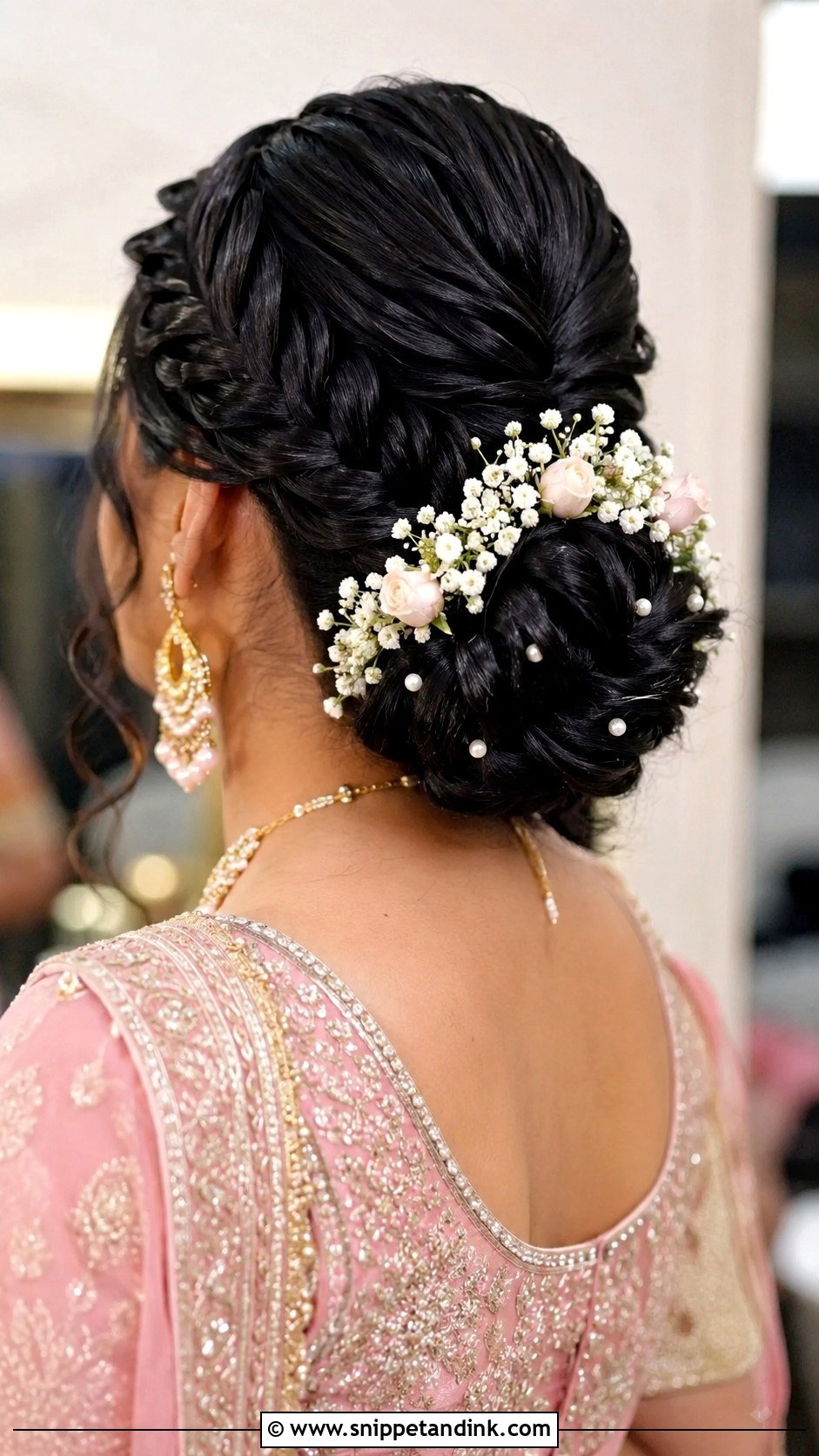
A fishtail braid leading into a bun gives the juda a fine, woven look that rewards anyone standing behind you. The braid holds flowers and pearls along its length. Neat or loosened, it suits sangeet, mehndi and reception functions, and medium to long hair carries it well. I tie off the fishtail before wrapping it into the bun so the weave doesn’t slacken as it’s pinned.
22. Gajra Wrapped High Bun Bridal Juda
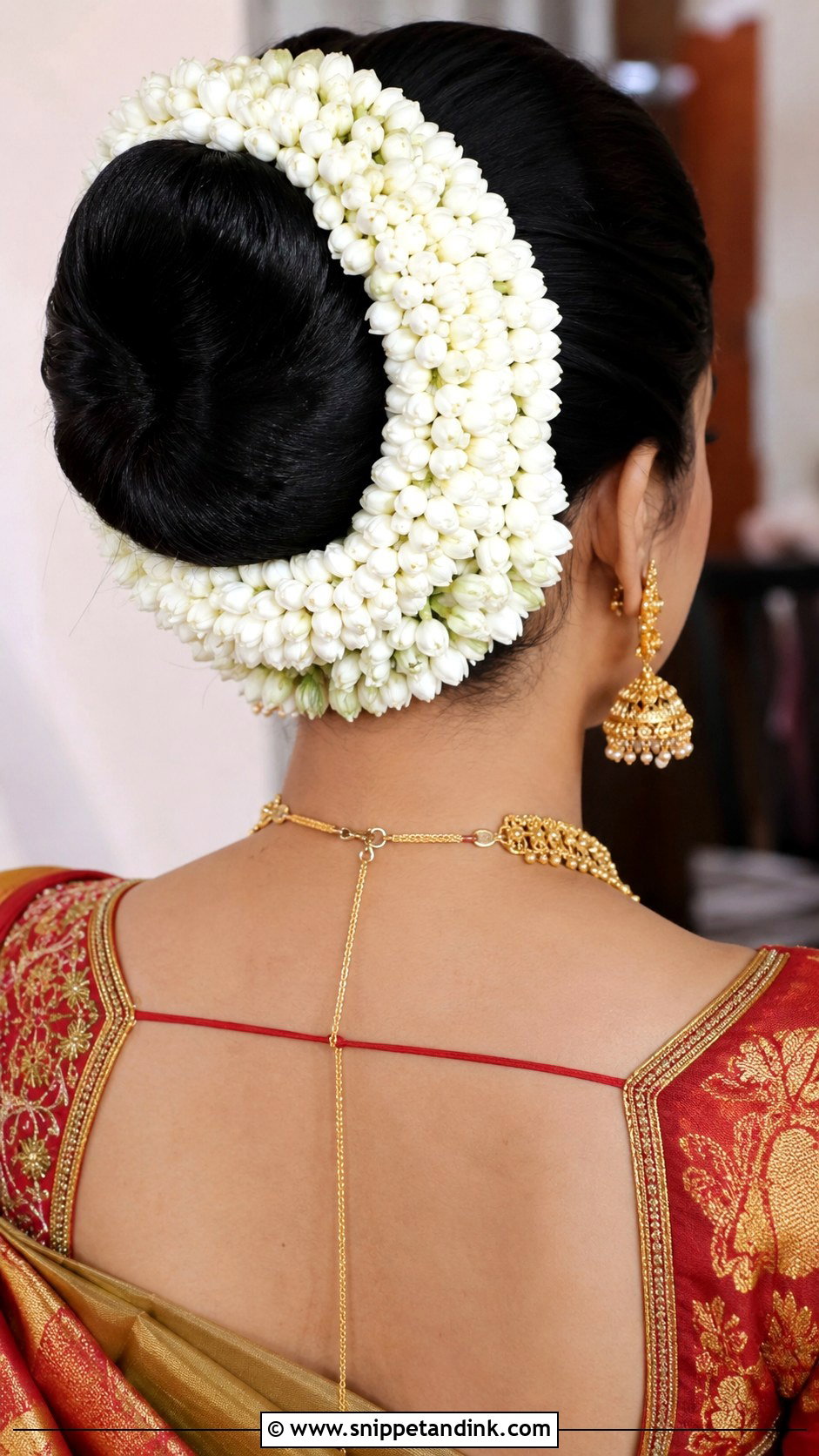
A gajra-wrapped high bun combines height with tradition: a sleek knot at the crown circled with jasmine. It lifts the face, shows off the neckline and earrings, and sits well with heavy jewellery. South Indian and other traditional brides often choose it. White jasmine on black hair is a classic contrast, and the scent is part of the experience. A high gajra bun is heavy, so the base must be very firmly anchored, or it drifts backwards over the course of the rituals.
23. Loose Romantic Bun Bridal Juda
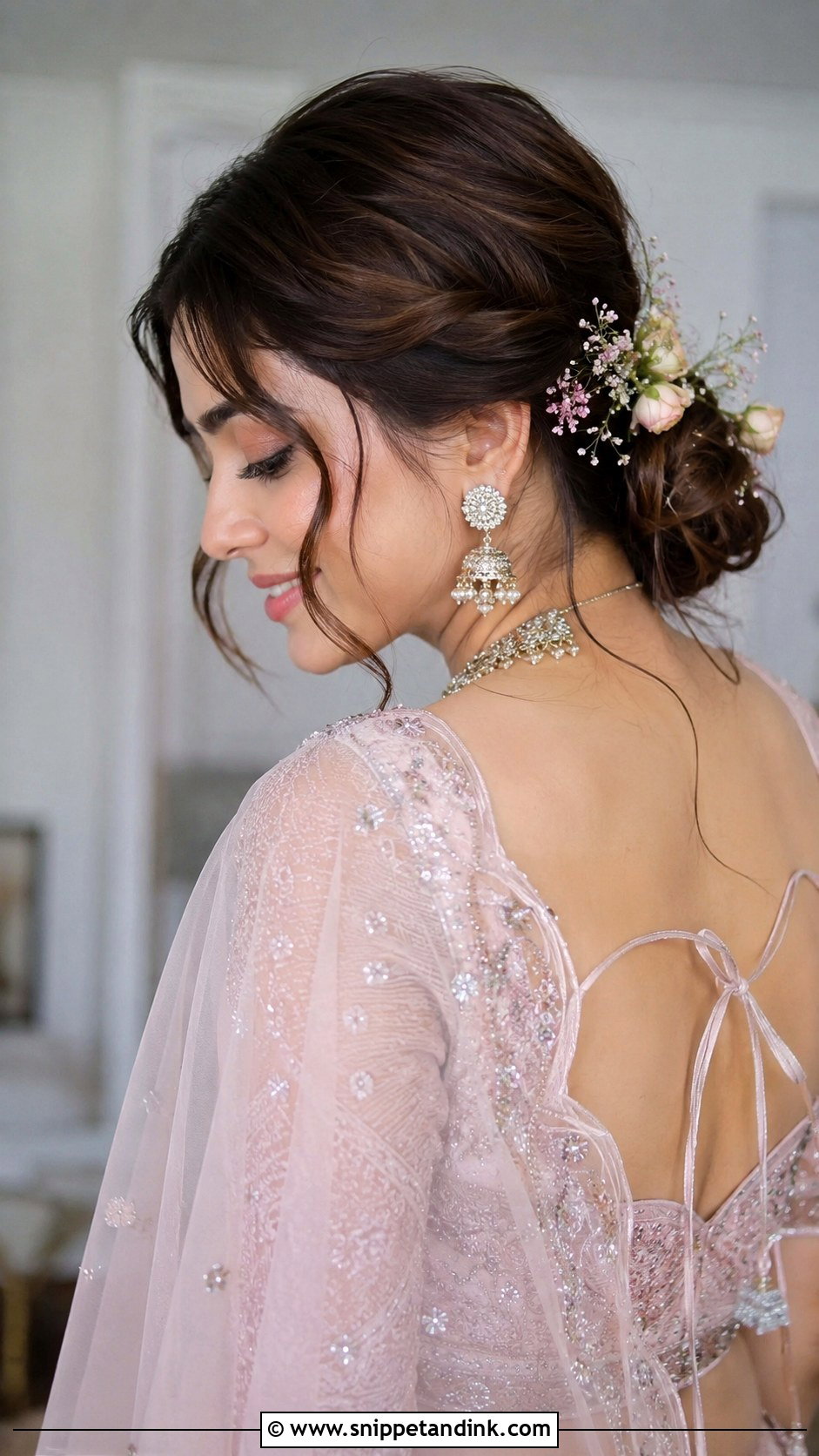
Loose waves gathered into a low, airy knot with tendrils around the face make this the softest juda in the list. Scattered flowers or a fine pin finish it. It’s comfortable for long hours and suits reception and engagement looks with flowy outfits and dewy makeup. Soft styles move, so I pin it more securely than it looks, using pins that match the hair colour and are hidden under the waves.
24. Bun With Side Flowers Bridal Juda
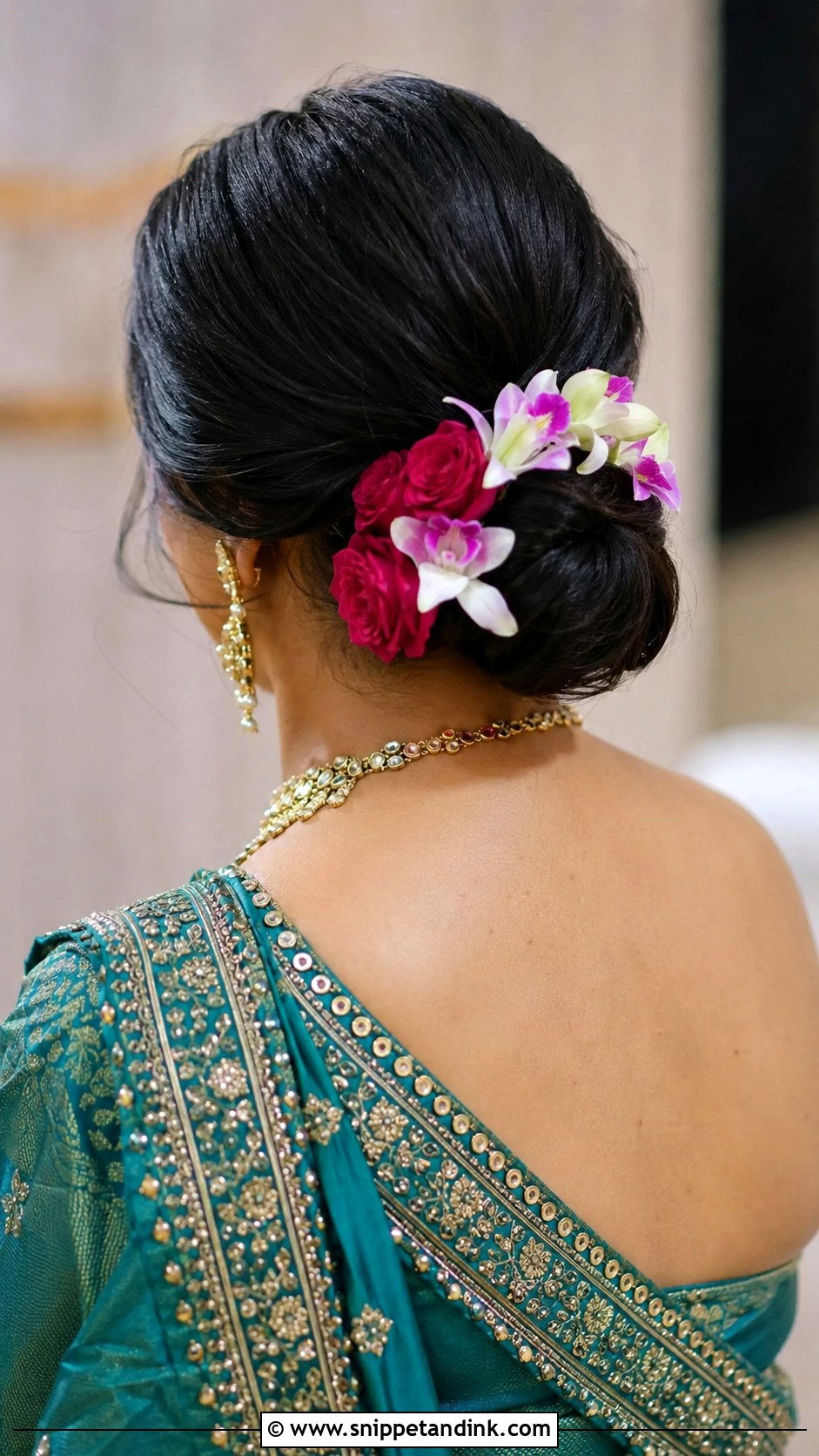
Flowers tucked along one side of the bun, rather than around it, feel fresh and modern. The bun stays the focus while blooms trail down one side. Roses, orchids or jasmine can match the outfit. It flatters your profile in photos and pairs well with sarees and one-shoulder blouses. I place the flowers on the side that will face the guests or camera during the ceremony, which is worth checking with your photographer.
25. Bun With Matha Patti Bridal Juda
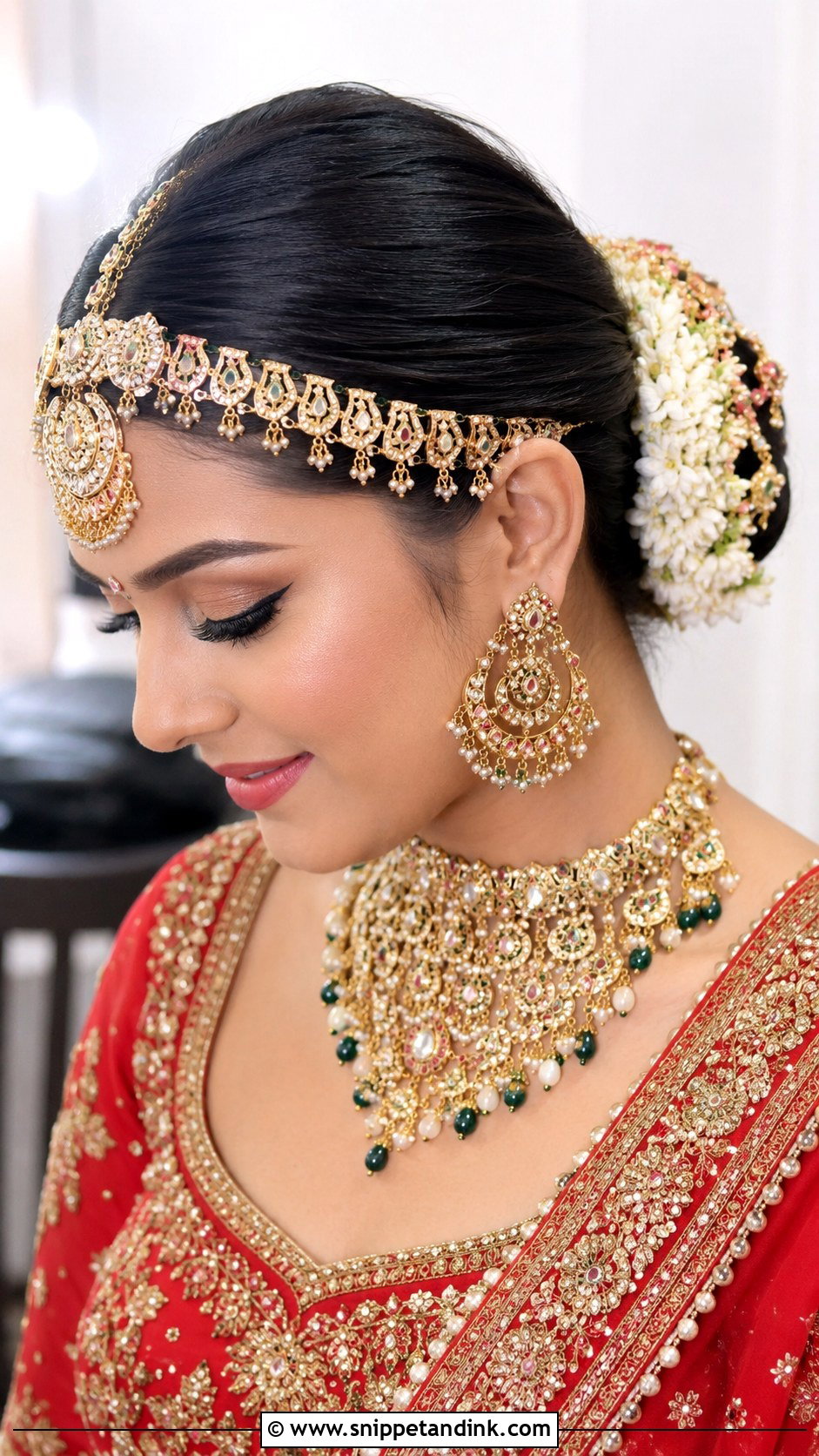
A smooth bun with a matha patti frames the face with ornate jewellery across the hairline. It’s deeply traditional and belongs at grand ceremonies with heavily embellished outfits. The bun has to be clean so it doesn’t compete with the forehead piece. A matha patti hooks into the hair along the side parting and at the crown, so I plan the bun position around those hook points. The matha patti juda looks its best in close portraits.
Jasmine Gajra From Market to Mandap
Fresh jasmine is lovely and fragile. Buds that are still tight in the morning open through the day and start to brown wherever they’re handled. Order the gajra for the morning of the wedding, ideally with buds that are just starting to open. Until it goes in, keep it wrapped in a damp cotton or muslin cloth in a cool spot, out of direct sun. A fridge works for a few hours, but not too cold, or the petals bruise.
Handle it as little as possible. I pin it last, after the jewellery and dupatta are in place, and I only touch the thread, not the flowers. If you’re sensitive to strong scents, a long jasmine gajra right behind your head for eight hours can give you a headache, so a shorter strand or mogra mixed with baby’s breath is a gentler option.
Switching Looks Between Pheras and Reception
Many brides want a softer look for the reception. A juda converts more easily than you’d think. A low bun can be loosened into a side-swept style with waves, and a donut bun can come down into a half-up look if the hair was curled before it went up. Ask your stylist to stay for the change or show a bridesmaid how to take out the pins and gajra without pulling hair. Allow at least thirty to forty minutes; it always takes longer than planned.
What Your Juda Has to Carry on the Day
Match the juda to your outfit, your jewellery and how many events you’re wearing it to. Gajra buns and matha patti looks feel the most traditional, sleek and pearl buns suit a minimal bride, and braided or curly buns bring texture. Mix flowers, braids and ornaments if that’s what you love. Above all, make sure it’s comfortable enough to last through every ritual. Show your stylist the photos you love along with your dupatta and jewellery, so she can build a juda that holds all of it.
You'll Like These Ideas:





Leave a Reply