
Two tiers is the size I end up building most often for smaller weddings, and it’s the one couples underestimate. You still get a proper cake to cut, a real presence on the table, and none of the leftover slabs that a five-tier order leaves in the venue kitchen. The catch is that with only two layers to work with, every choice shows: the frosting finish, the gap between tiers, the angle of a flower spray. Below are 25 designs I’d happily make, with notes on how each one behaves once it leaves my studio and sits in a real room for a few hours.
Sizing Two Tiers for Your Guest Count
The first question I ask any couple is how many people need a slice, because two tiers can mean anything from a small cake for an elopement dinner to a fairly substantial one. Wedding portions are cut smaller than party slices, usually a finger-sized piece around an inch wide and two inches across, and that makes a big difference to how far a cake goes.
- A 6 inch top on an 8 inch base is a common pairing and feeds roughly 30 to 40 guests at wedding portions.
- An 8 inch top on a 10 inch base is the size I suggest for around 60 to 75 guests.
- Extra-tall tiers, around 6 inches deep instead of the usual 4, add height and noticeably more servings without adding a third layer.
- Portion counts vary between bakers and depend on who’s cutting, so treat any number as an estimate and ask yours how they calculate it.
If your guest list is bigger than the cake you love, I’d rather make a plain kitchen cake in the same flavour to be cut out of sight than stretch a two tier design into something it isn’t. Guests get the same cake, and the display stays in proportion.
1. Two Tier Buttercream Wedding Cake
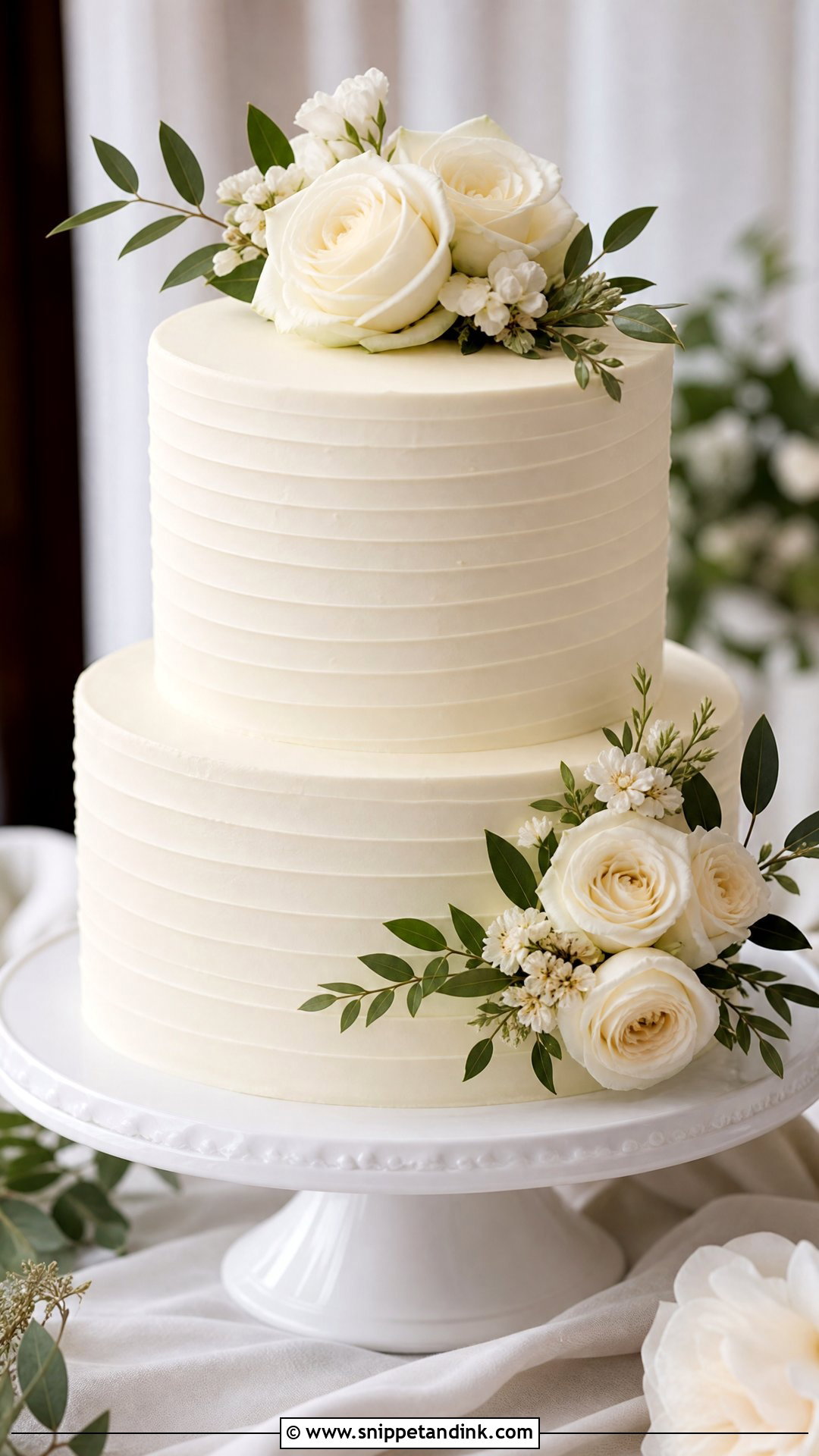
Buttercream is where I start most couples, because it’s the finish that tastes the way people expect cake to taste. A smooth ivory coat with a light comb texture on the sides hides the small dents that happen during delivery far better than a mirror-flat finish does. The trade-off is heat: American buttercream crusts and holds better in a warm marquee than a silky Swiss meringue, which I’d keep for air-conditioned rooms. Vanilla almond and lemon both suit it, and a few white roses on top are all it needs.
2. Two Tier Vintage Wedding Cake
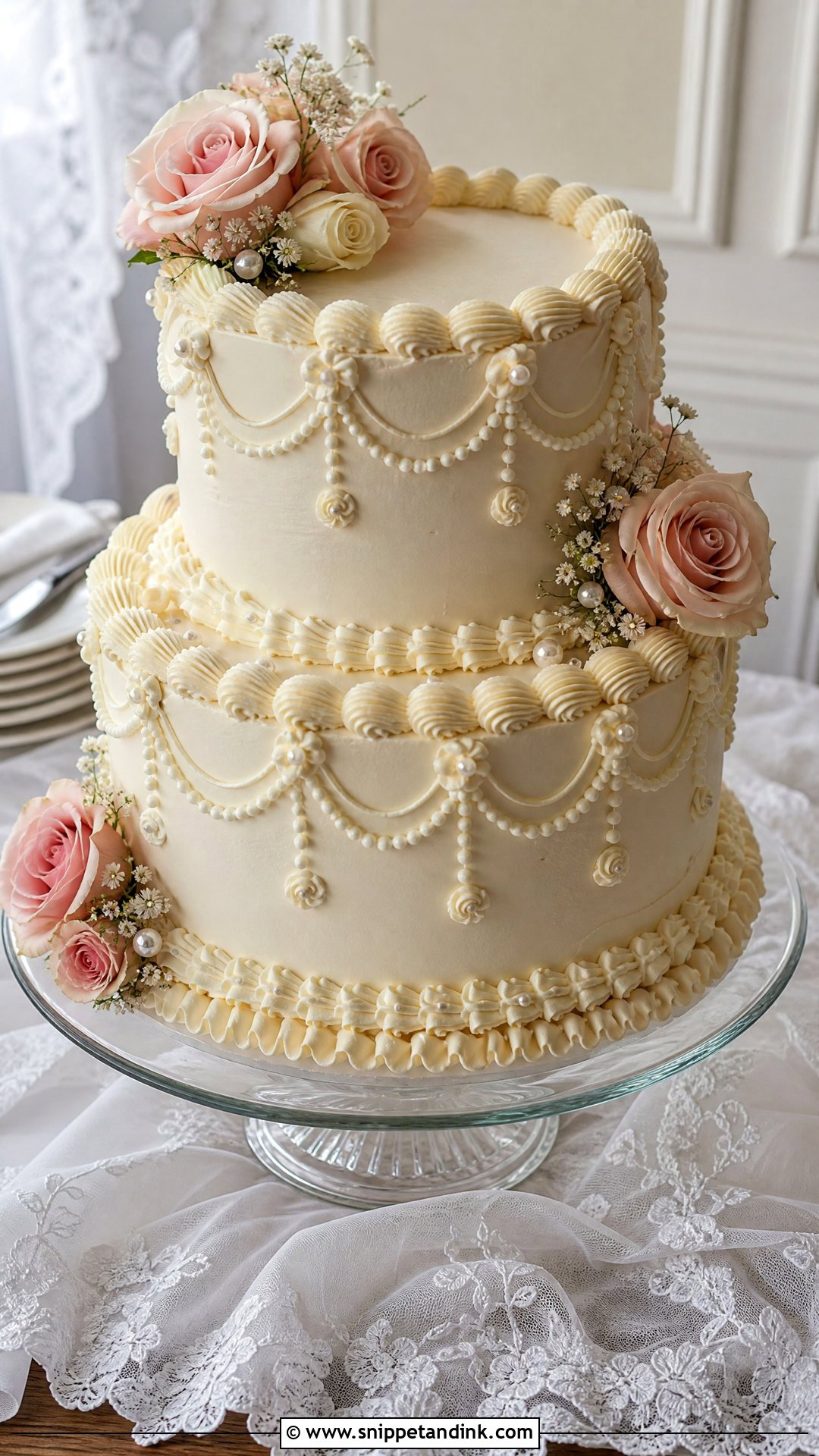
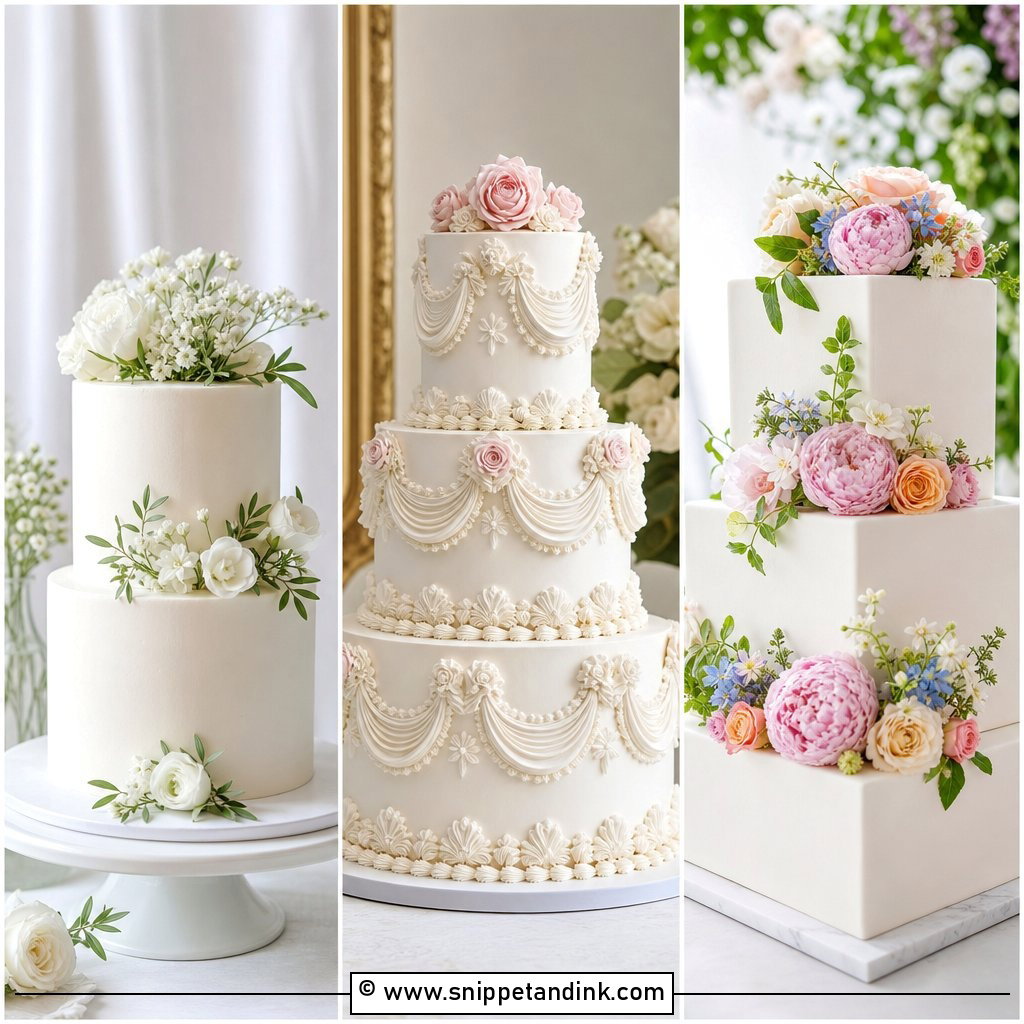
Vintage piping on a two tier cake means shell borders, small swags and dots, and on a smaller cake I keep the swags tighter so they don’t droop past the tier edge. Piped details need a stiffer buttercream than the coating layer, so ask your baker whether they adjust their recipe for it; soft piping slumps within an hour in summer. A glass or porcelain stand suits this style far better than a rustic slab. Pale blue or champagne accents work if an all-white cake feels too bridal for you.
3. Two Tier Lambeth Wedding Cake
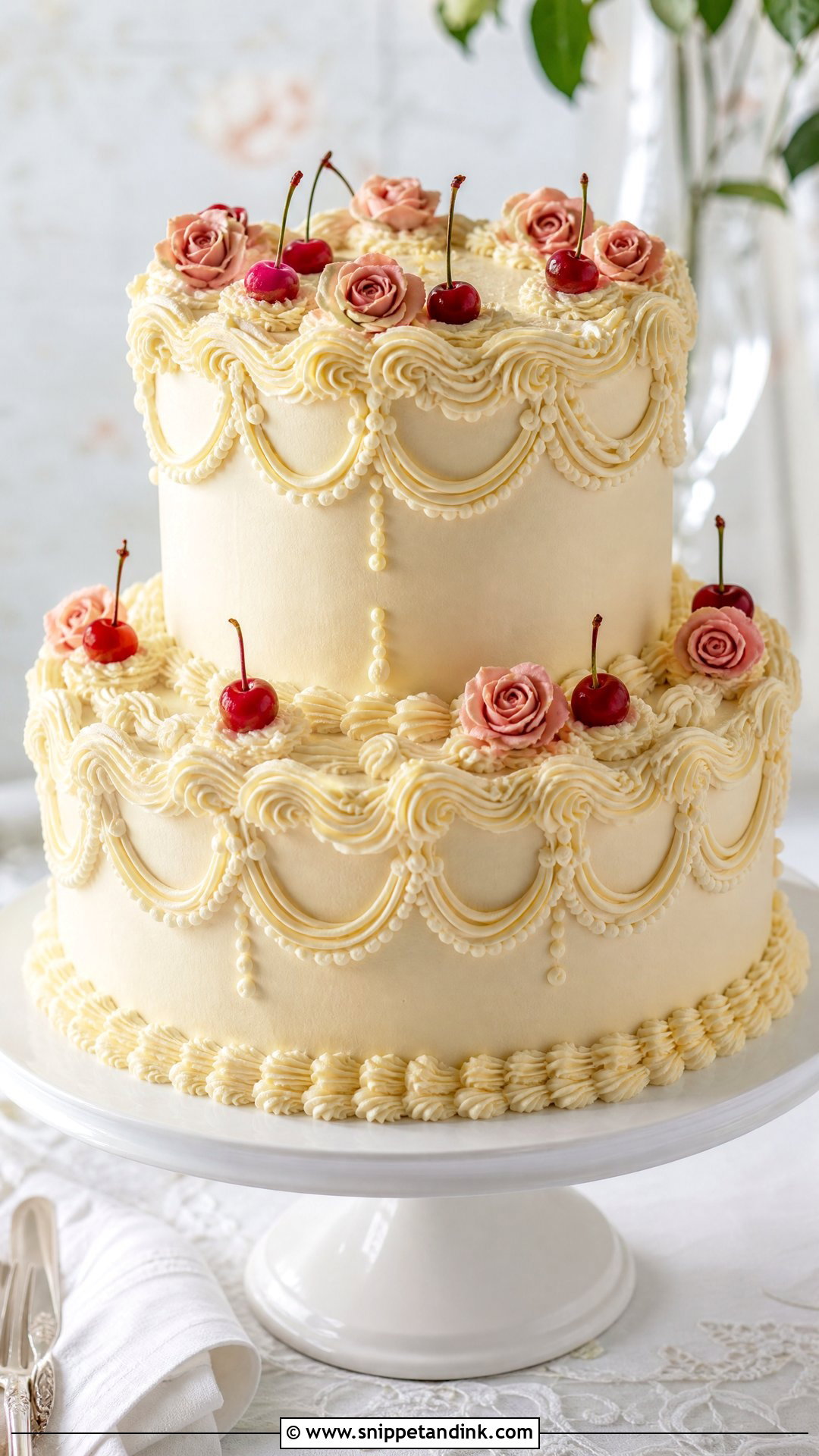
Lambeth is the most labour-heavy style on this list. Every scroll and overpiped border is built up in layers, so on two tiers you’re paying for hours of piping rather than size. I pipe Lambeth in a buttercream with a little extra sugar so the layers set firm enough to stack on each other. White on white looks the most refined in photos; pastel versions read more playful. Keep the stand plain, because the piping already has more going on than anything you could put beneath it.
4. Two Tier Floral Wedding Cake
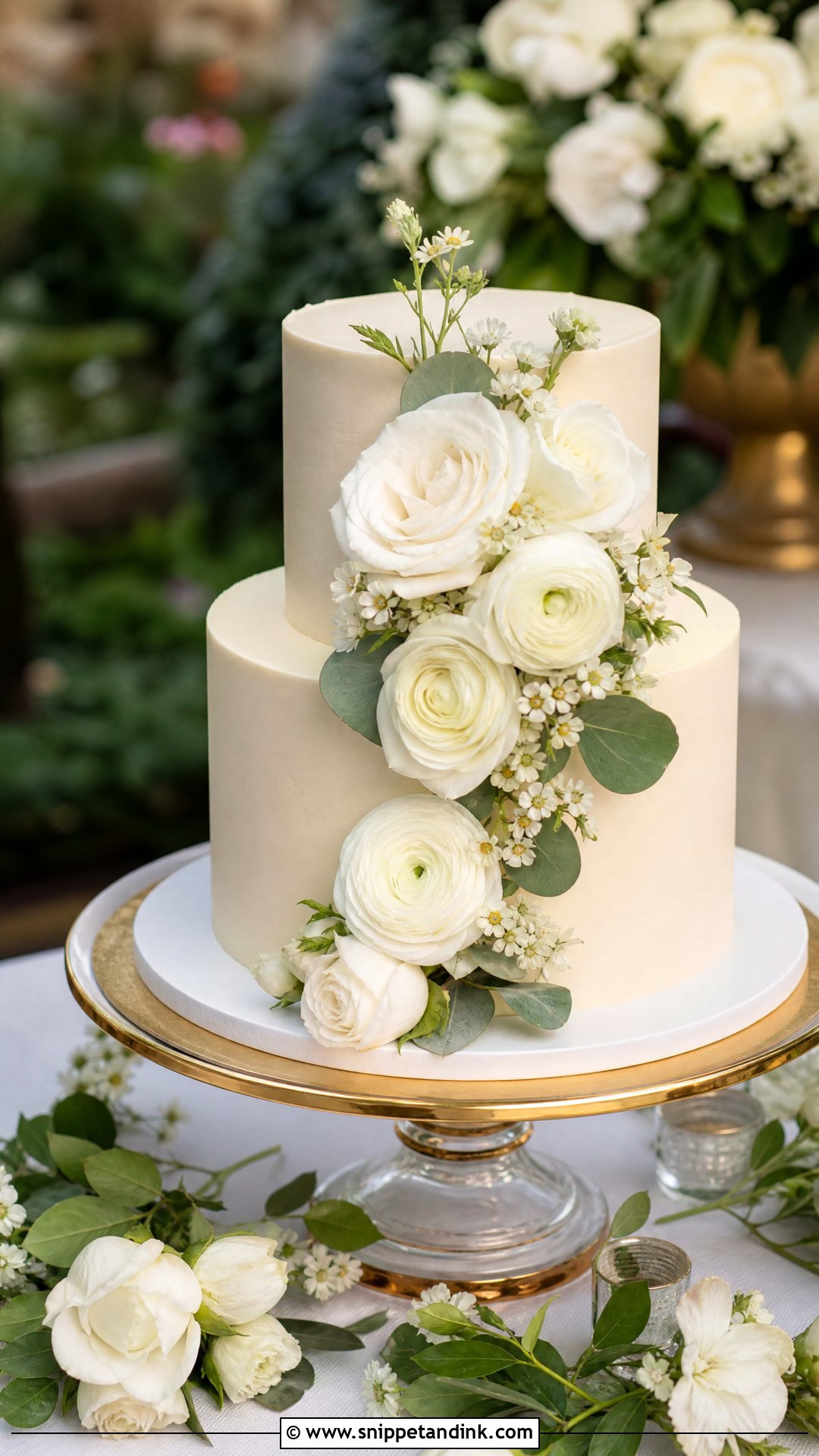
Fresh flowers make a two tier cake look finished faster than any other decoration, but they’re also where I see the most problems. Many popular blooms aren’t food safe, so stems should be wrapped in floral tape or set into posy picks before they go near the sponge, never pushed straight in. I ask the florist for the cake flowers separately, conditioned and unsprayed, and place them myself on site. A cluster on the top tier with a short cascade down one side makes two tiers look taller. Roses and ranunculus hold up well; delicate blooms wilt quickly away from water.
5. Two Tier Pearl Wedding Cake
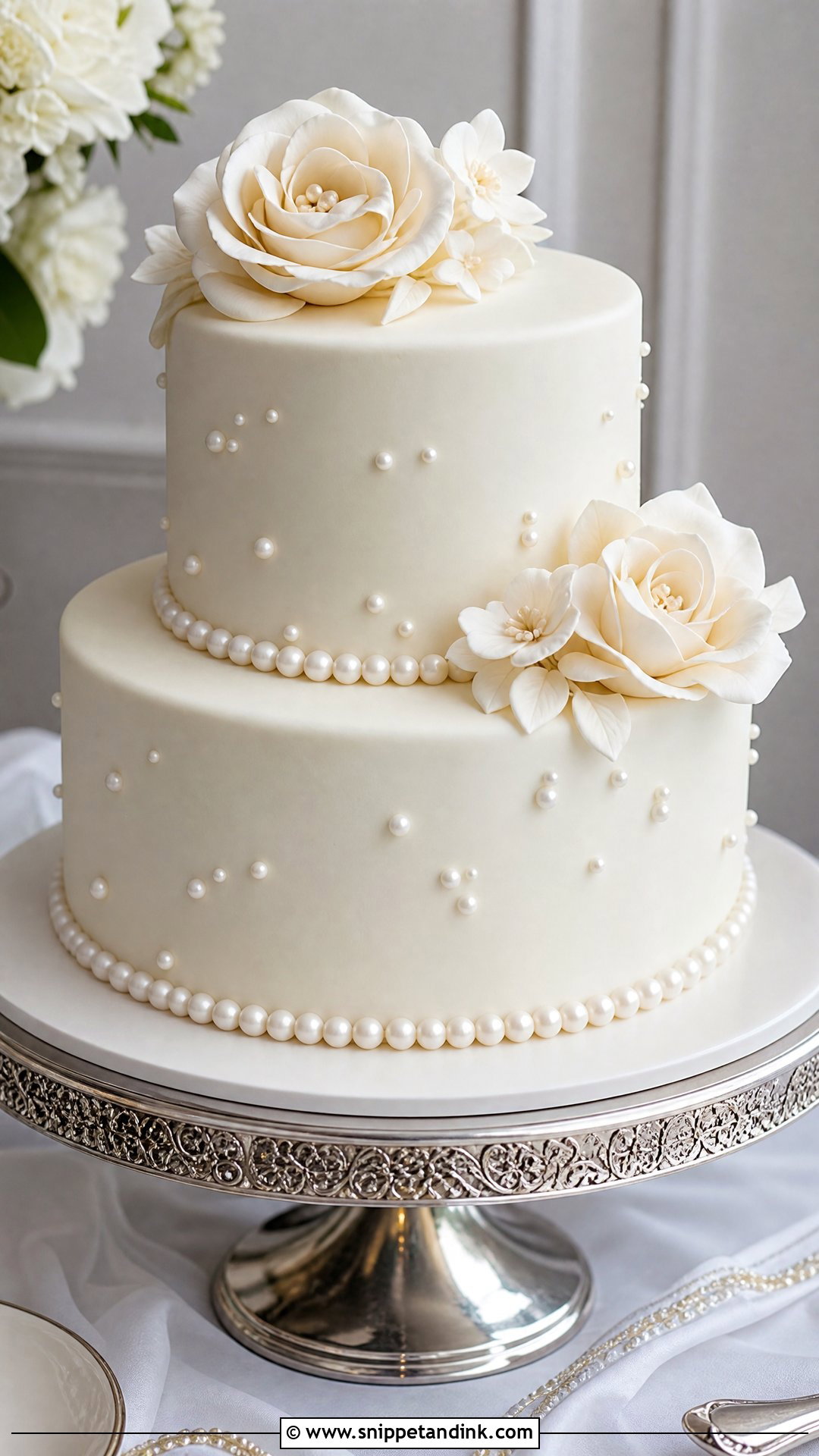
Edible pearls change character with spacing. A full coat looks glamorous and a single border between tiers looks quiet. The thing to know is that dragée-style sugar pearls are hard, so on a densely covered cake guests end up crunching through them. I lean toward soft fondant pearls or a pearl border only at the base of each tier. Ivory and champagne keep the effect warm, while bright white pearls on bright white frosting can disappear in photos. Vanilla bean or white chocolate sponge keeps the flavour as gentle as the look.
6. Two Tier Bow Wedding Cake
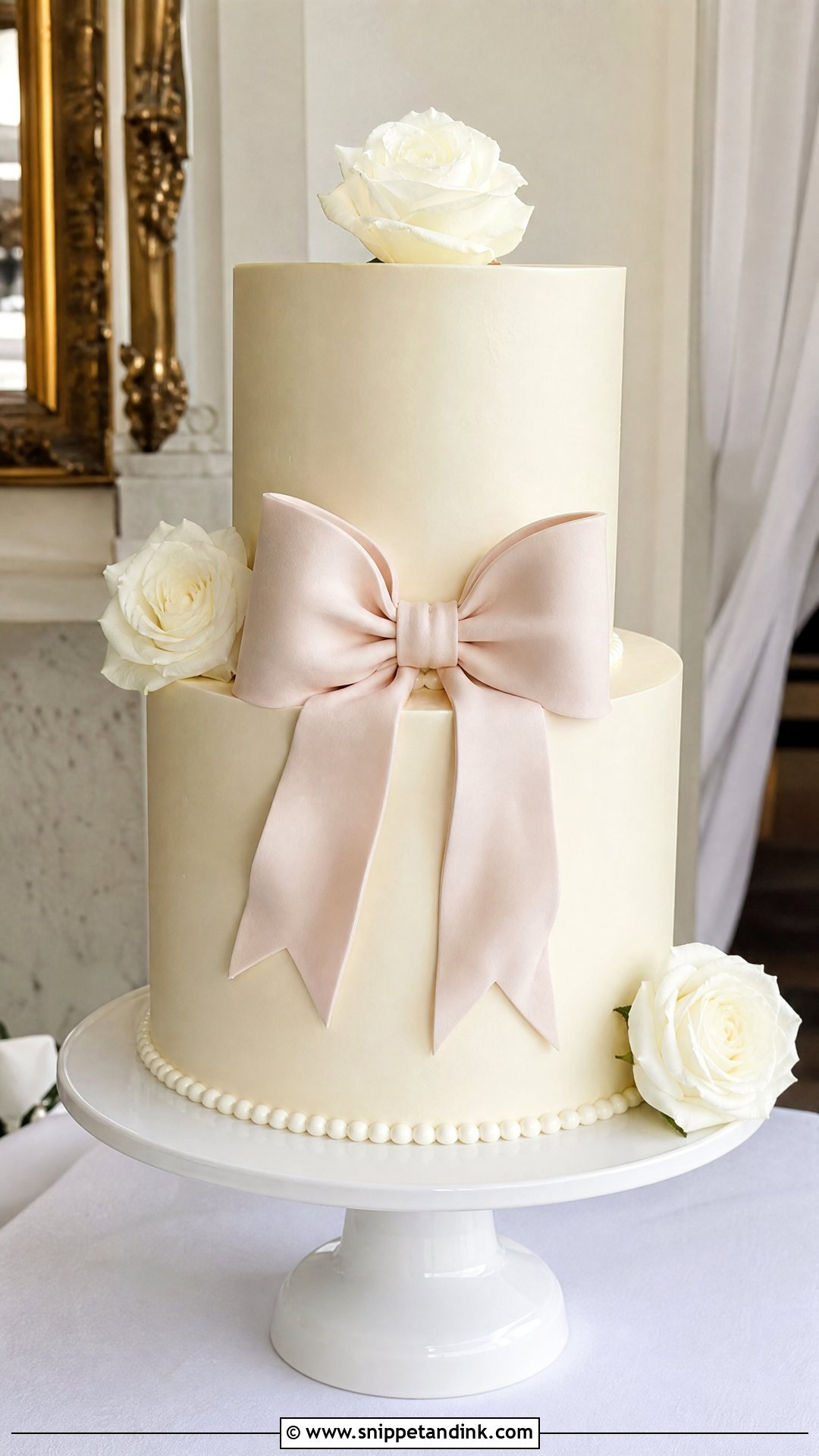
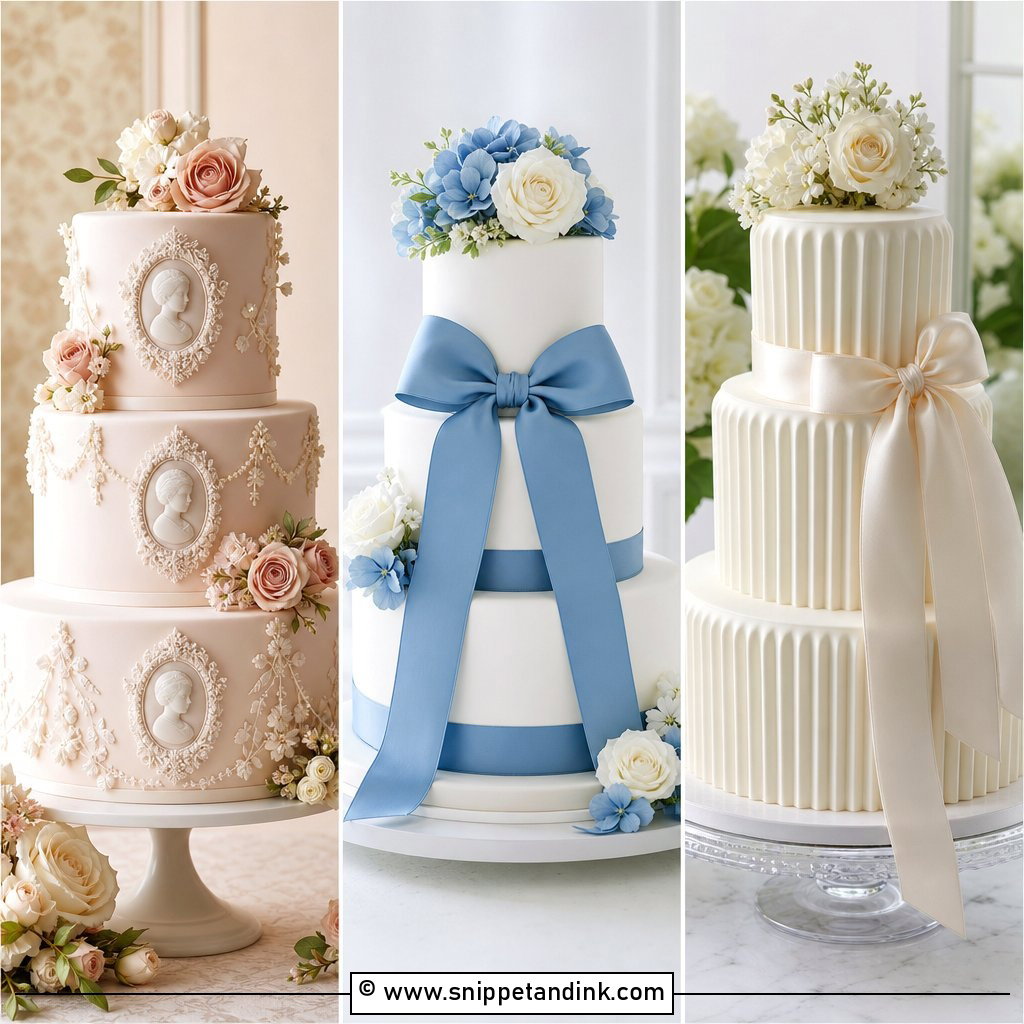
A bow is fashion borrowed for cake, and its size decides the mood. Small and neat on the front of the top tier feels sweet; a large sculpted bow becomes the whole design. Fondant bows need a day or two to dry over supports so the loops hold their shape, which is why I make them well ahead. Buttercream ribbon reads softer but won’t stand up off the cake. Ivory with blush is the classic pairing, and white with a black satin-look bow is the version I’d show a couple planning a city reception.
7. Two Tier Textured Buttercream Wedding Cake
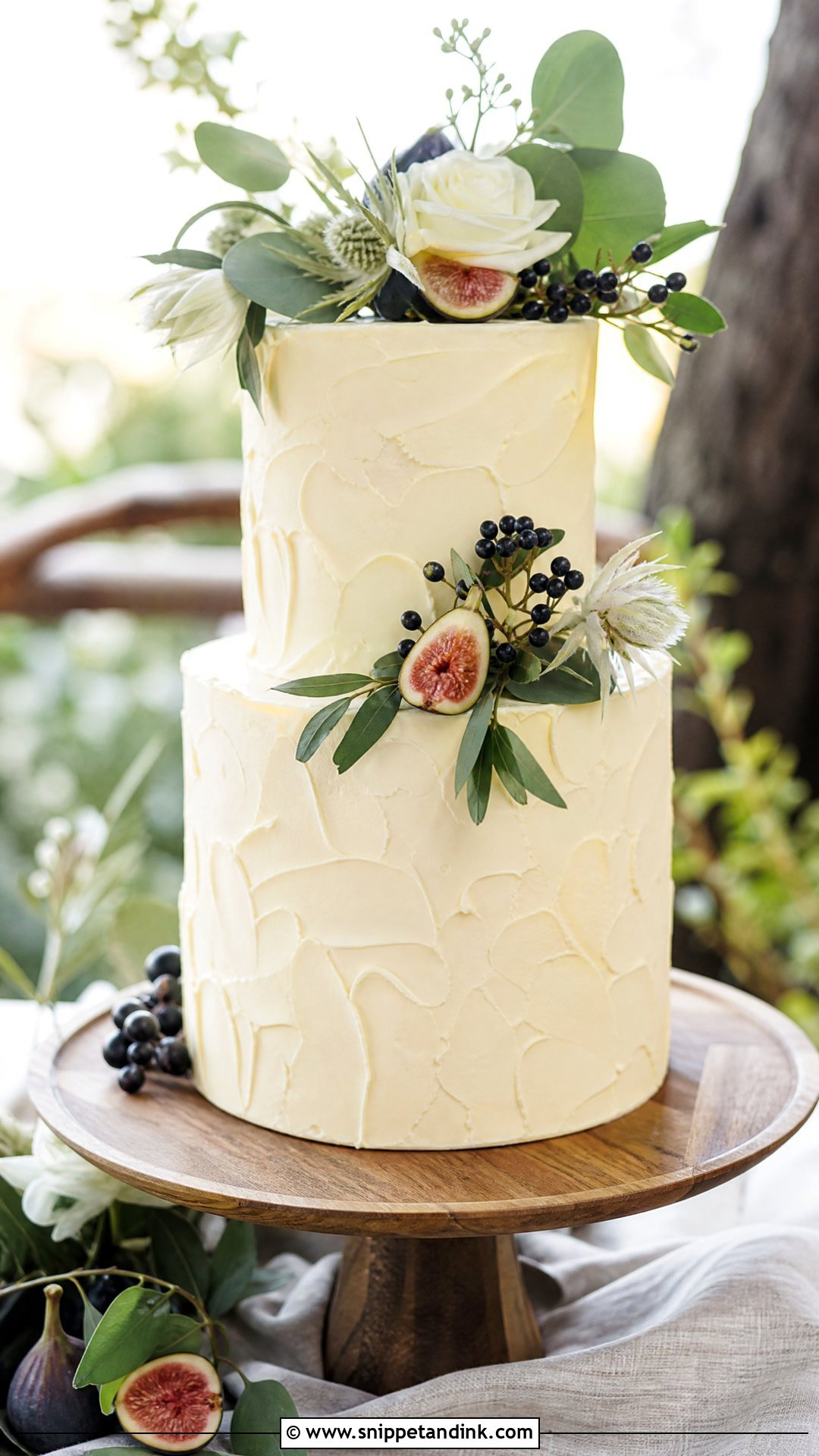
Texture is my answer for outdoor receptions. Palette knife strokes, horizontal combed lines or loose swirls catch the light and forgive the small knocks and soft spots that warm air causes, where a perfectly smooth cake shows every one. The frosting is the design here, so its flavour matters more than usual. I like brown butter or lemon buttercream over almond sponge with a raspberry filling. Figs or berries tucked into one side finish it without hiding the strokes.
8. Two Tier Semi Naked Wedding Cake
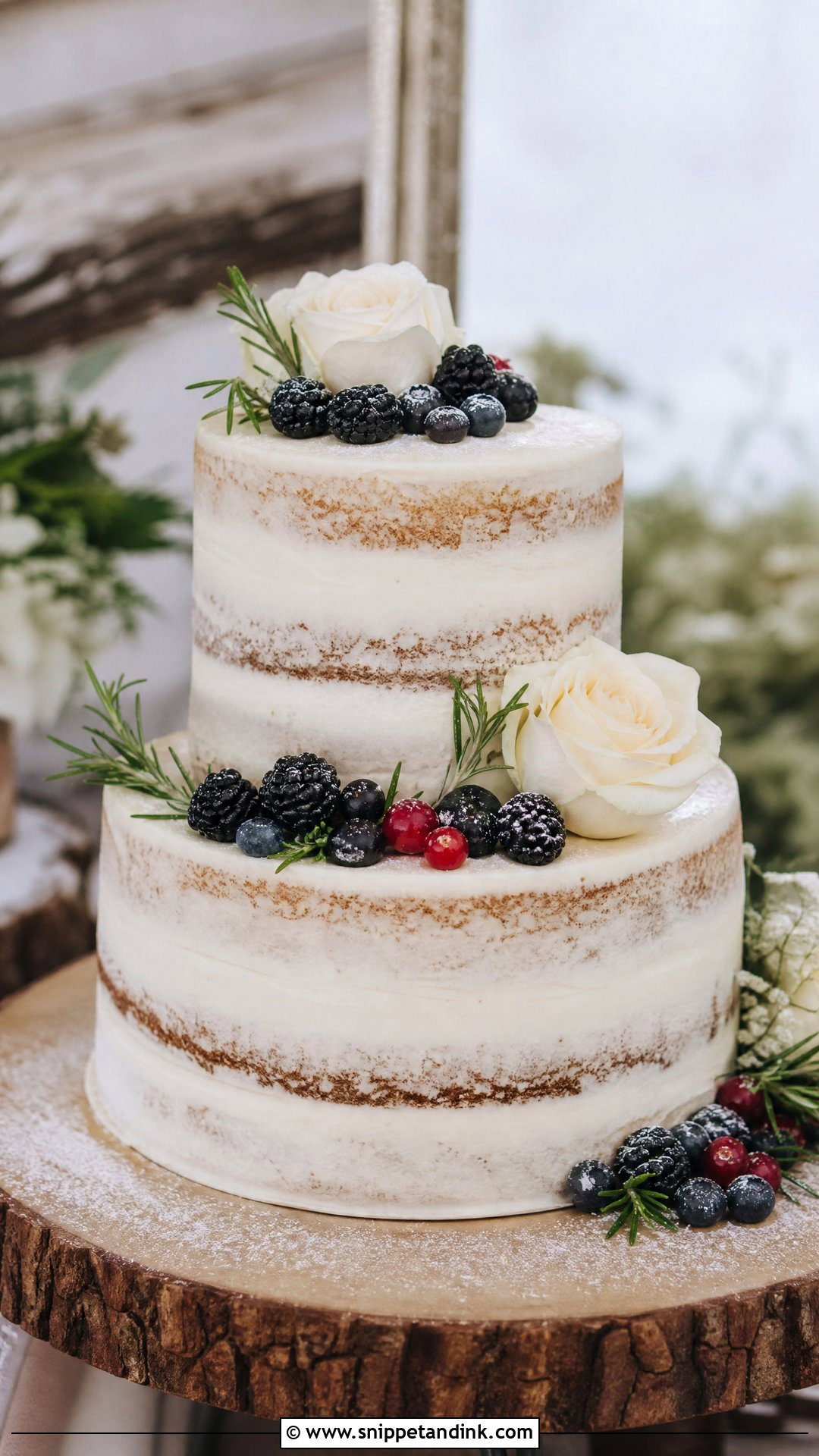
Semi naked tiers have a thin scraped coat that lets the sponge peek through, and that exposed sponge is also their weakness: it dries out faster than a fully coated cake. I bake, fill and scrape these as close to the wedding as possible and keep them wrapped until delivery. Carrot, spice and vanilla all look warm through the frosting. Neat stacking matters even more here, since any lean is obvious when there’s no thick coat to hide it.
9. Two Tier White Wedding Cake
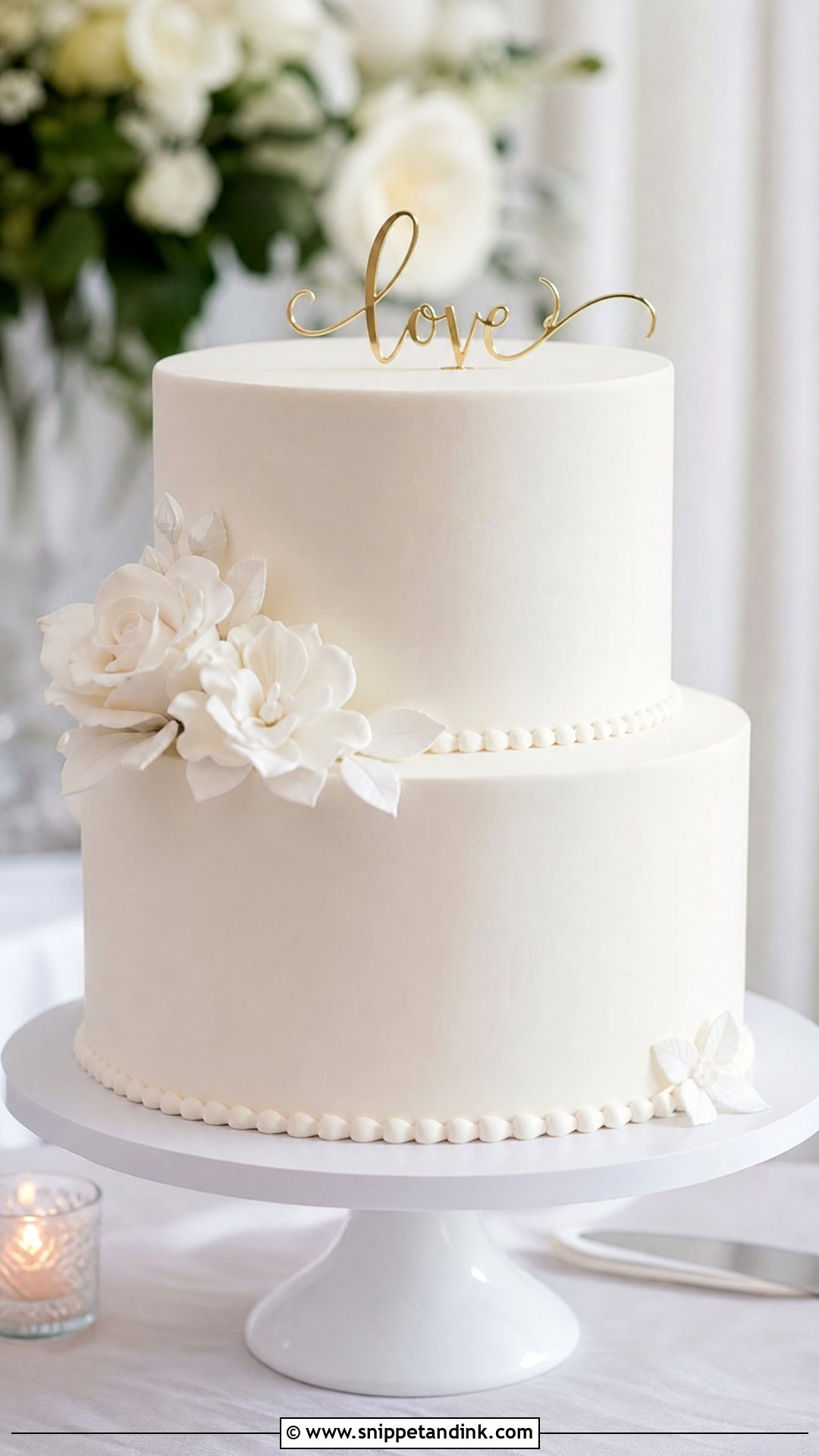
An all-white cake is the hardest to get right because nothing distracts from the finish. Sharp edges, a level top tier and an even coat do all the work. I usually suggest a few white sugar flowers or a band of subtle piping so the cake doesn’t vanish against white linens in photos. It sits happily with almost any theme and is easy to personalise with a monogram or ribbon. Coconut or white chocolate raspberry keeps the inside as clean tasting as the outside.
10. Two Tier Gold Wedding Cake
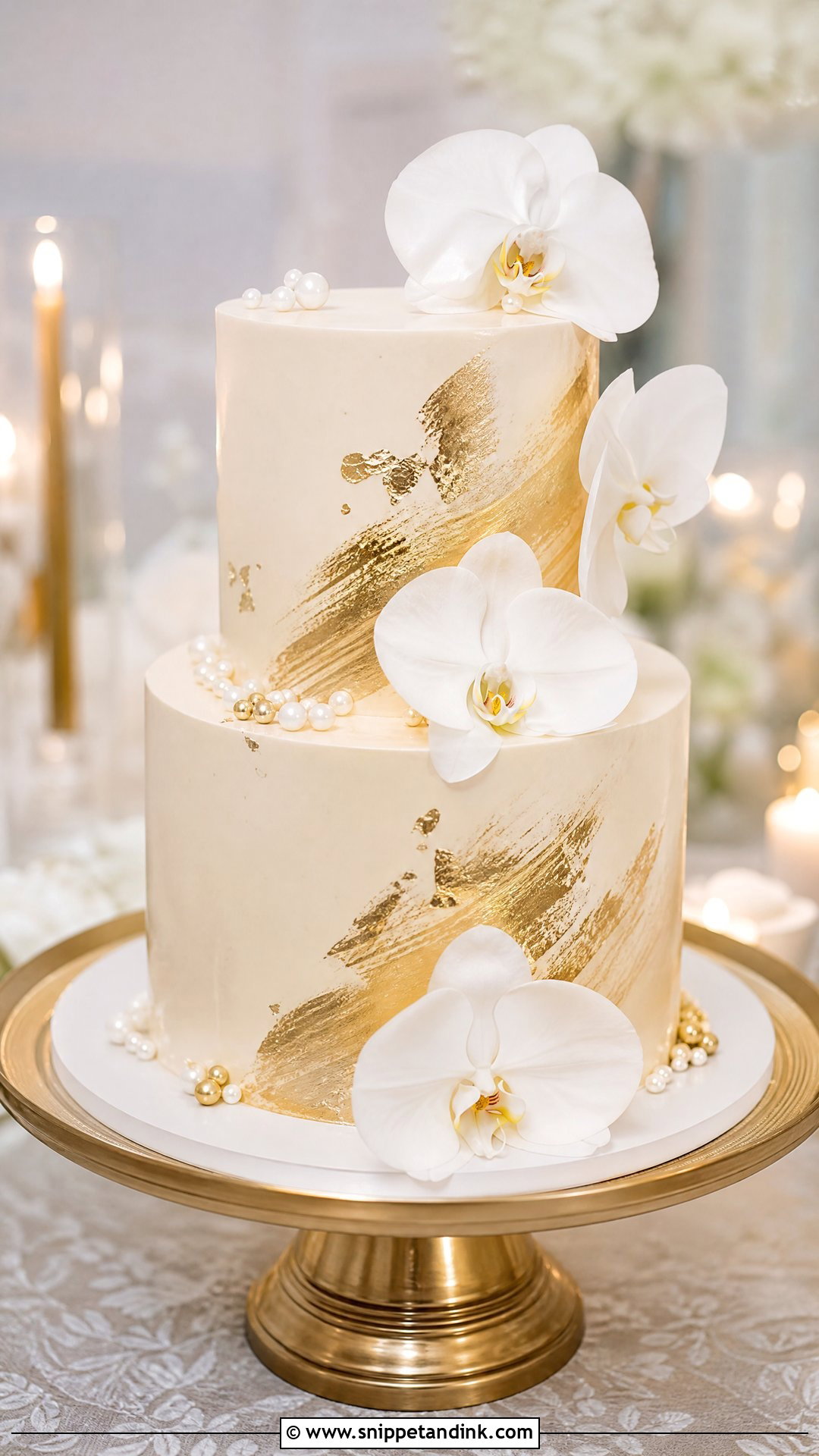
Gold works best when it’s rationed. Brushed edges, a painted floral motif or a thin band at the base of each tier keep the cake bridal; a fully gold tier tips into costume quickly. Metallic paint and gold leaf should be labelled edible, not just non-toxic, and I’ll always check that before it goes on a client’s cake. Under evening candlelight gold glows warmer than it looks in daylight, which is why it suits ballroom and formal receptions so well. Champagne sponge or chocolate with caramel filling pairs nicely with it.
11. Two Tier Blush Wedding Cake
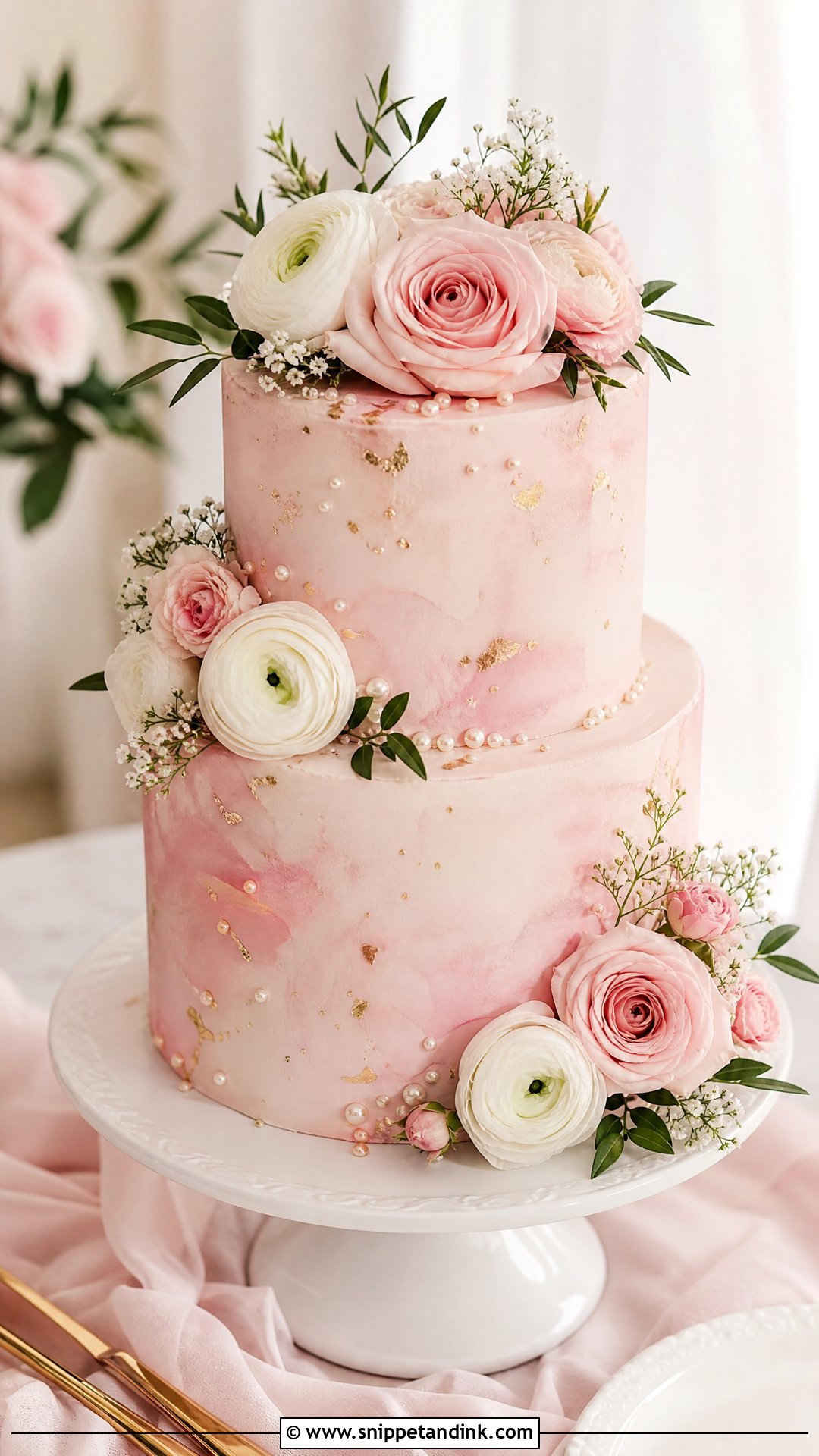
Blush is one of the trickiest colours to mix in buttercream. Too little gel and it looks beige under warm venue lighting; too much and it turns candy pink. I tint a test swatch and look at it in daylight and under a warm bulb before committing. A watercolour wash of blush over an ivory base is more forgiving than full coverage. Pale roses and a little gold finish it, and strawberry or rose flavoured sponge matches the colour story.
12. Two Tier Sage Green Wedding Cake
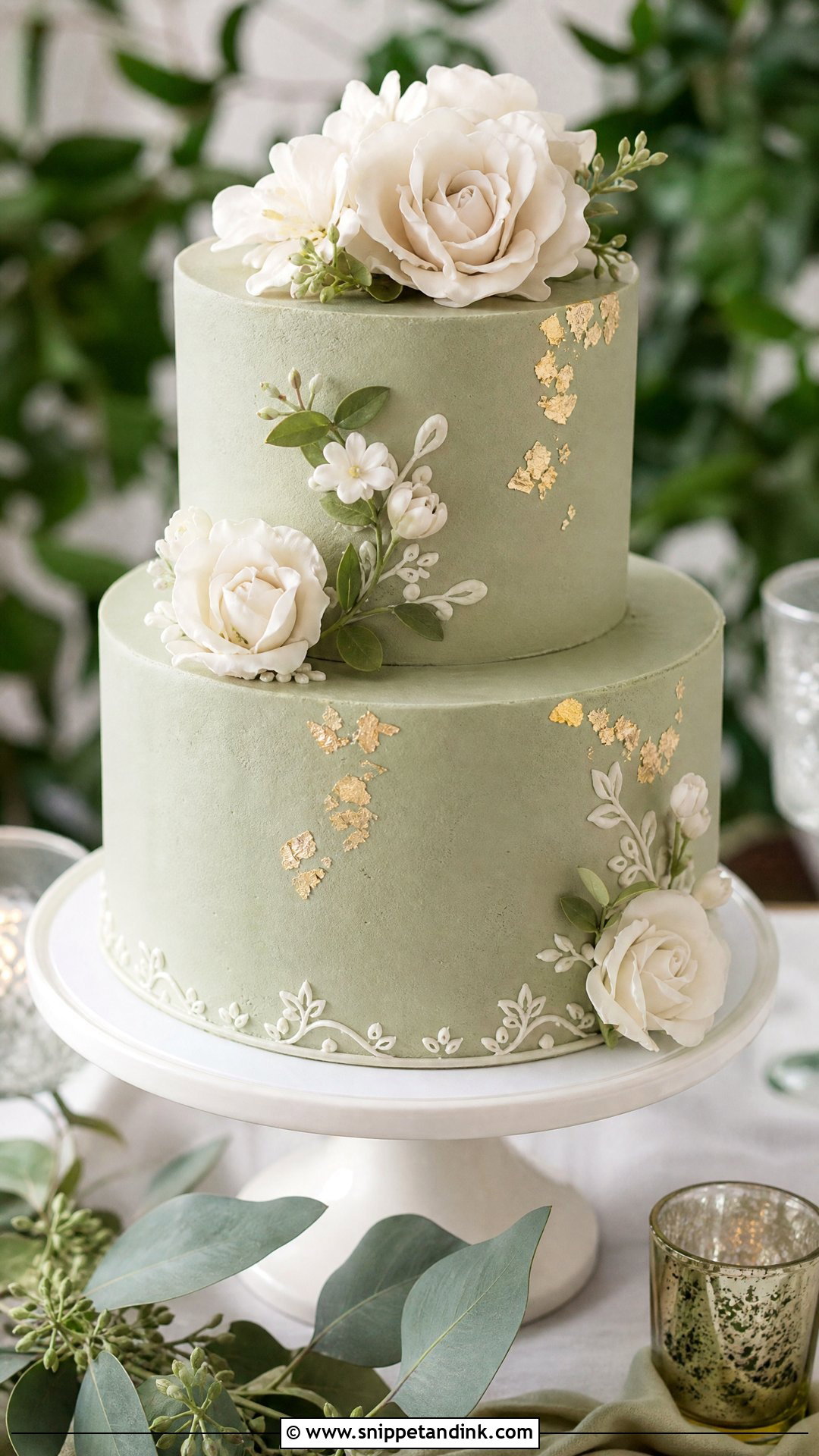
Sage is a colour that shifts depending on what’s around it. Next to ivory flowers it looks fresh; next to grey linens it can look muddy, so I like to see the table palette before mixing it. Smooth buttercream gives sage a modern finish, and a textured coat makes it look more organic. Pistachio, lemon elderflower and matcha all fit the mood. Keep the table simple with linen and candles and let the cake carry the colour.
13. Two Tier Blue Wedding Cake
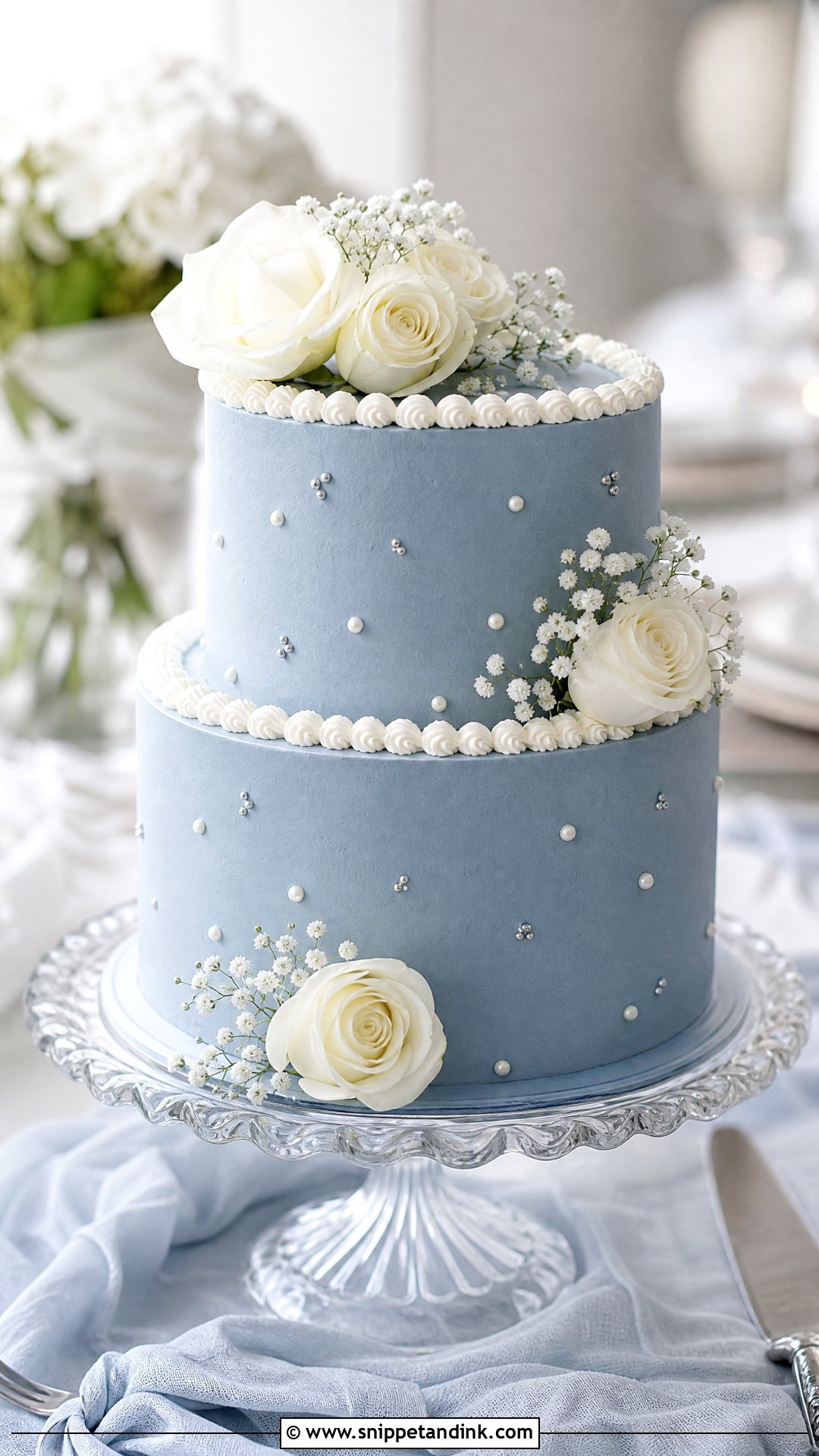
Blue reads differently at every depth. Baby blue with Lambeth piping and cherries looks vintage, dusty blue with white flowers looks quietly formal, and navy with gold looks evening-ready. Deep shades need a lot of colouring, which can taste bitter and stain lips, so for navy I often colour fondant rather than buttercream. A watercolour wash over white is the softest route. It’s an easy way to put “something blue” on the cake table, and blueberry lemon or Earl Grey sponge suits it.
14. Two Tier Black And White Wedding Cake
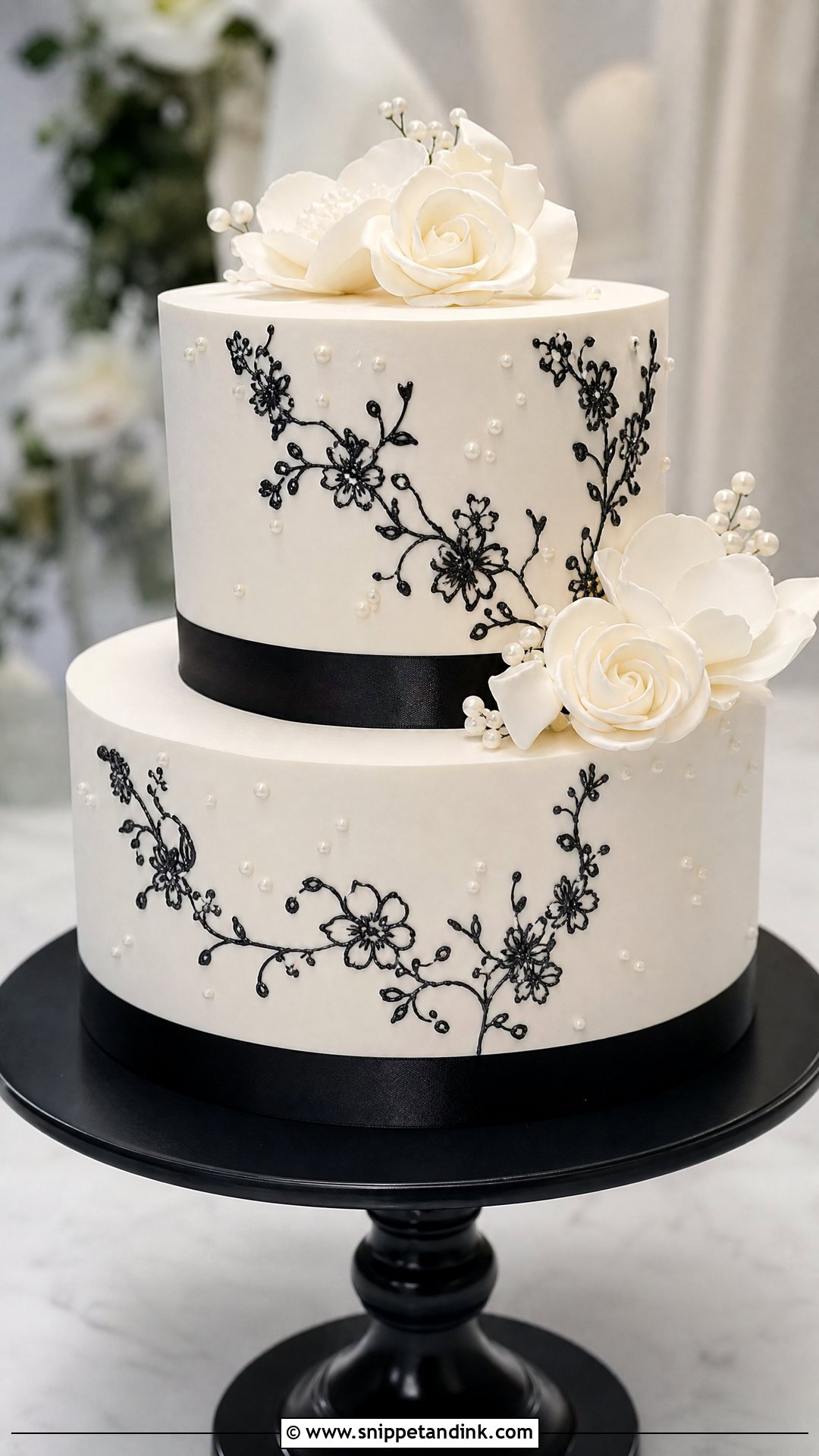
Black on white is the most graphic option here and the least forgiving to make. Black buttercream needs heavy colouring and can bleed into white frosting if the cake gets warm, so I keep black details in fondant, ribbon or painted lines on a chilled surface. A black bottom tier with a white top looks sharp in a gallery or city venue. A few white flowers or a satin bow stop it from feeling severe. Inside, almond cake with dark chocolate ganache keeps the contrast going.
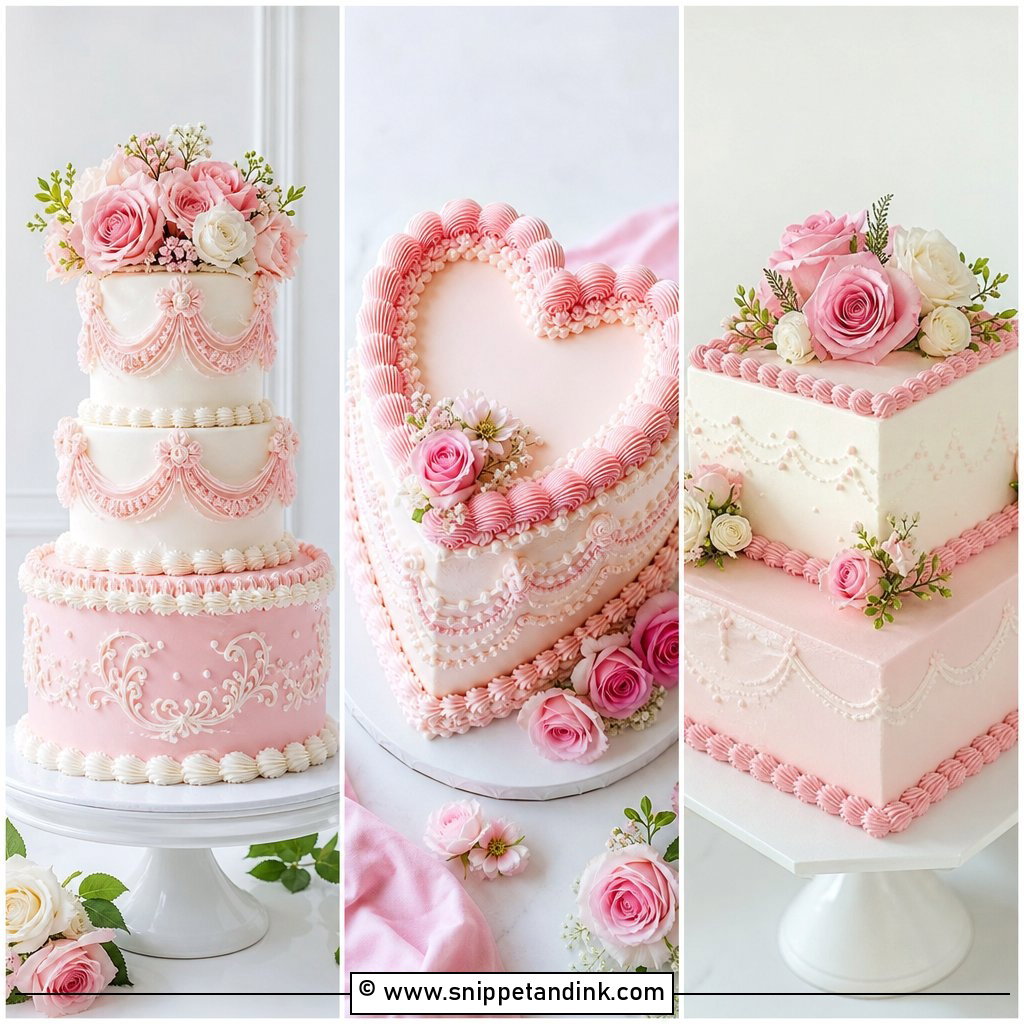

15. Two Tier Watercolor Wedding Cake
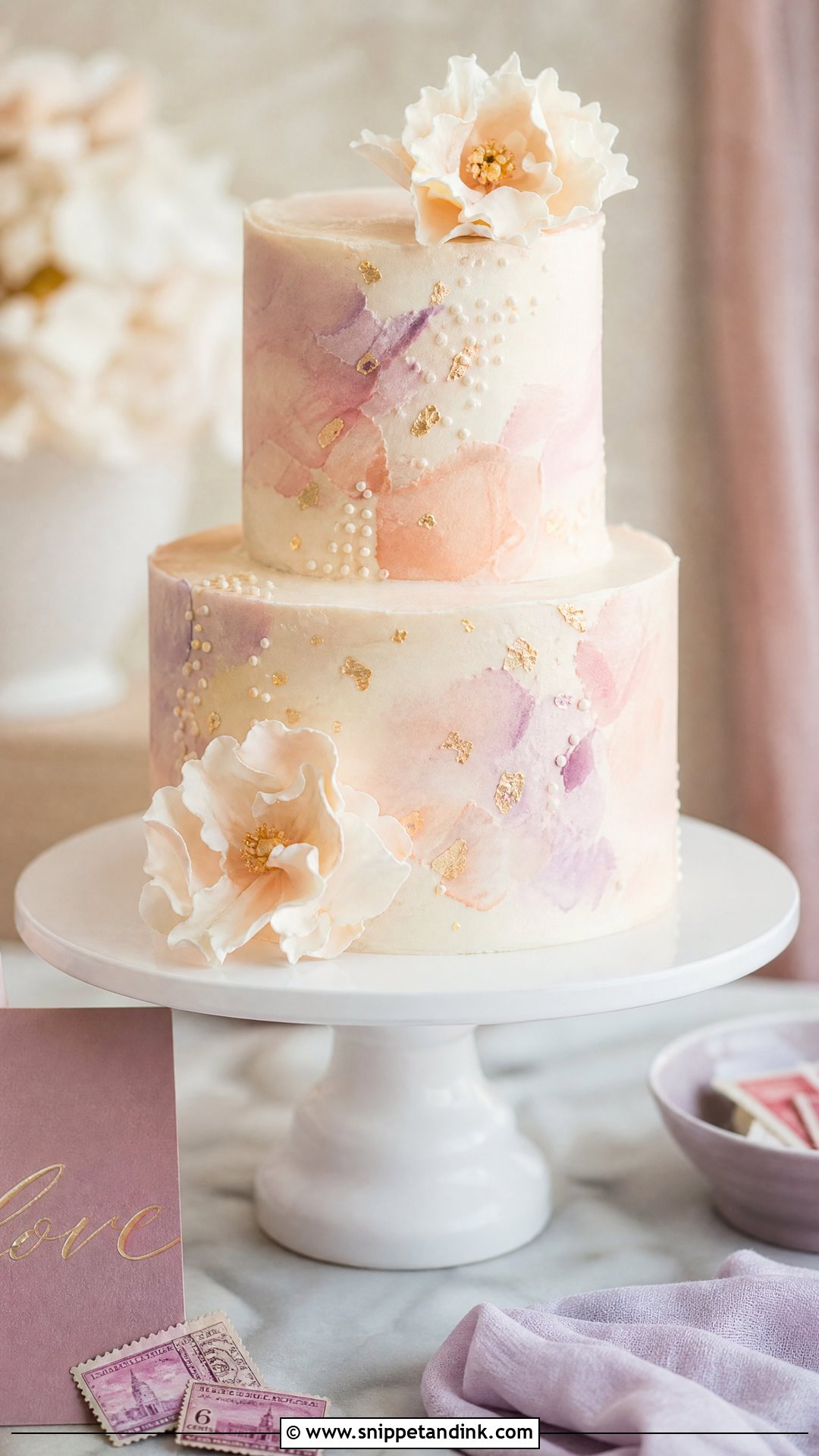
Watercolour frosting is done by blending a few tinted buttercreams over a white base and scraping them smooth, so the colours fade into each other rather than sitting in stripes. On two tiers I keep the wash heavier at the bottom and lighter at the top, which gives the cake a bit of lift. A few sugar flowers or a scatter of gold flakes adds depth. It suits spring and garden weddings, and lemon lavender or orange blossom sponge keeps the flavour light.
16. Two Tier Pressed Flower Wedding Cake
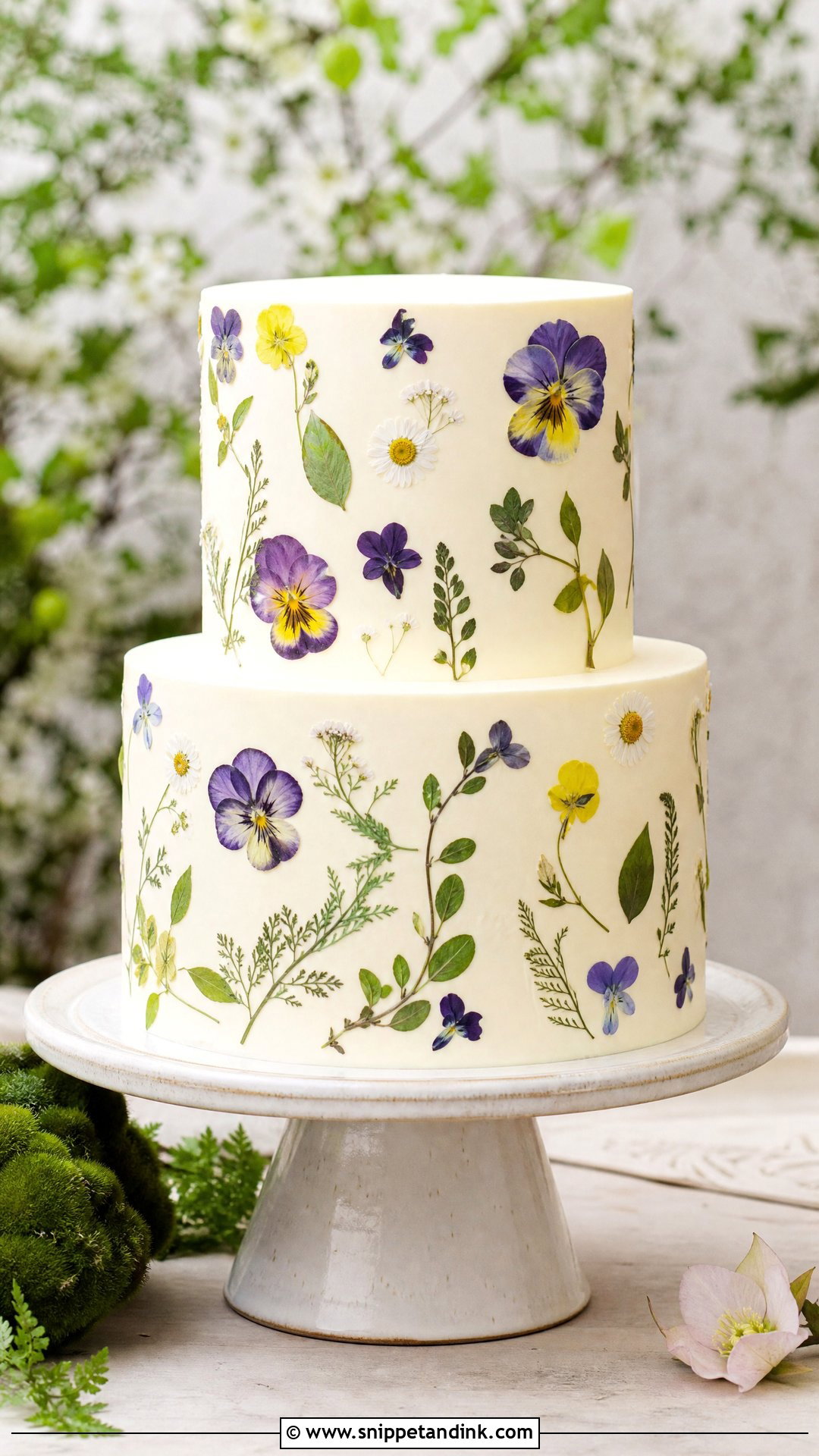
Pressed flowers need to be grown or sourced as edible, then pressed flat and dried, and that takes planning. They can’t be swapped for florist stems on the morning. I press them onto a chilled buttercream coat so they sit flush instead of curling at the edges. Placement can be a dense meadow or a few sparse sprigs. Pale ivory frosting lets the petals show their real colour, and elderflower or honey sponge suits the garden feeling. Work with a baker who already has a supplier for edible flowers.
17. Two Tier Sugar Flower Wedding Cake
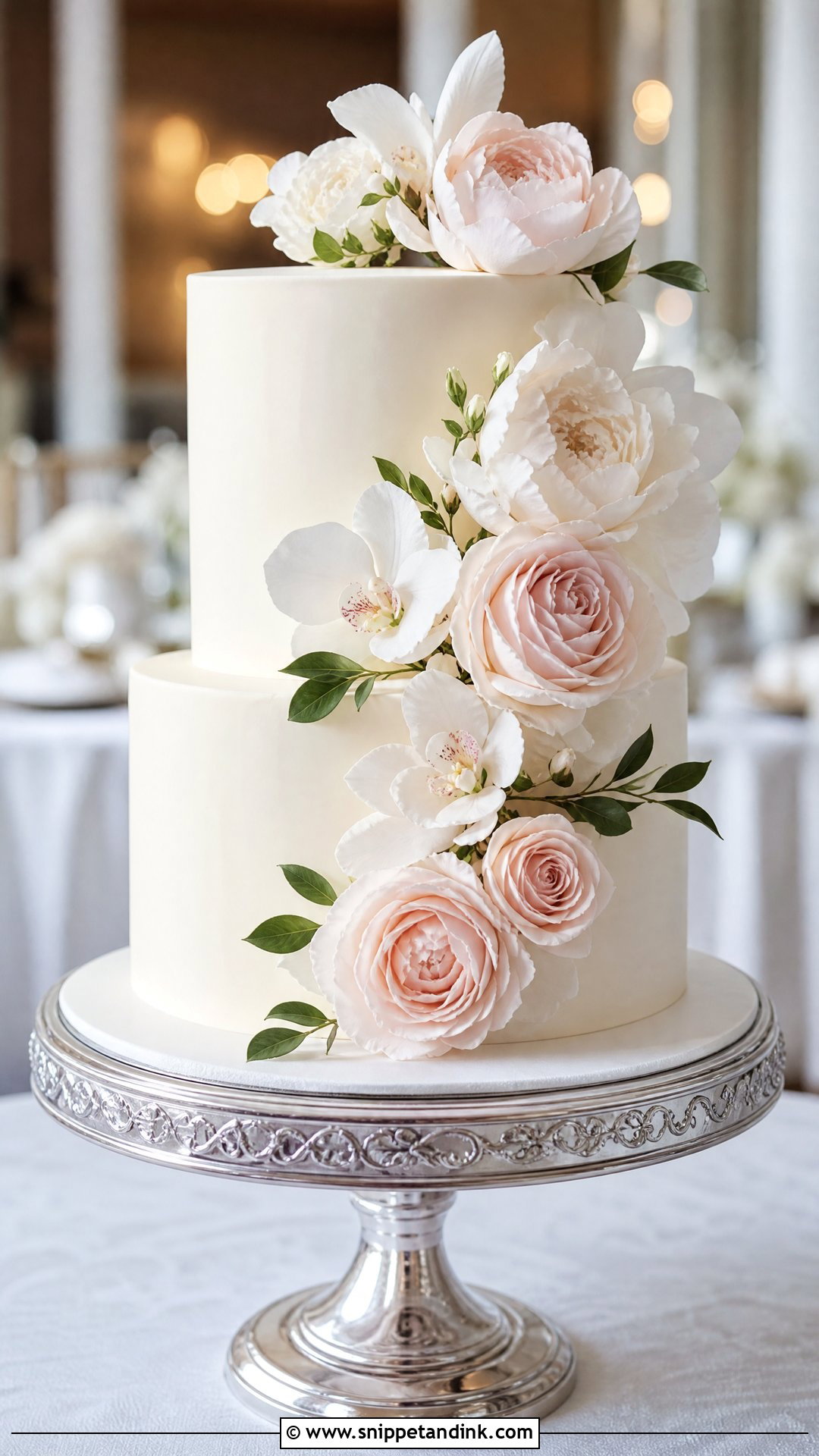
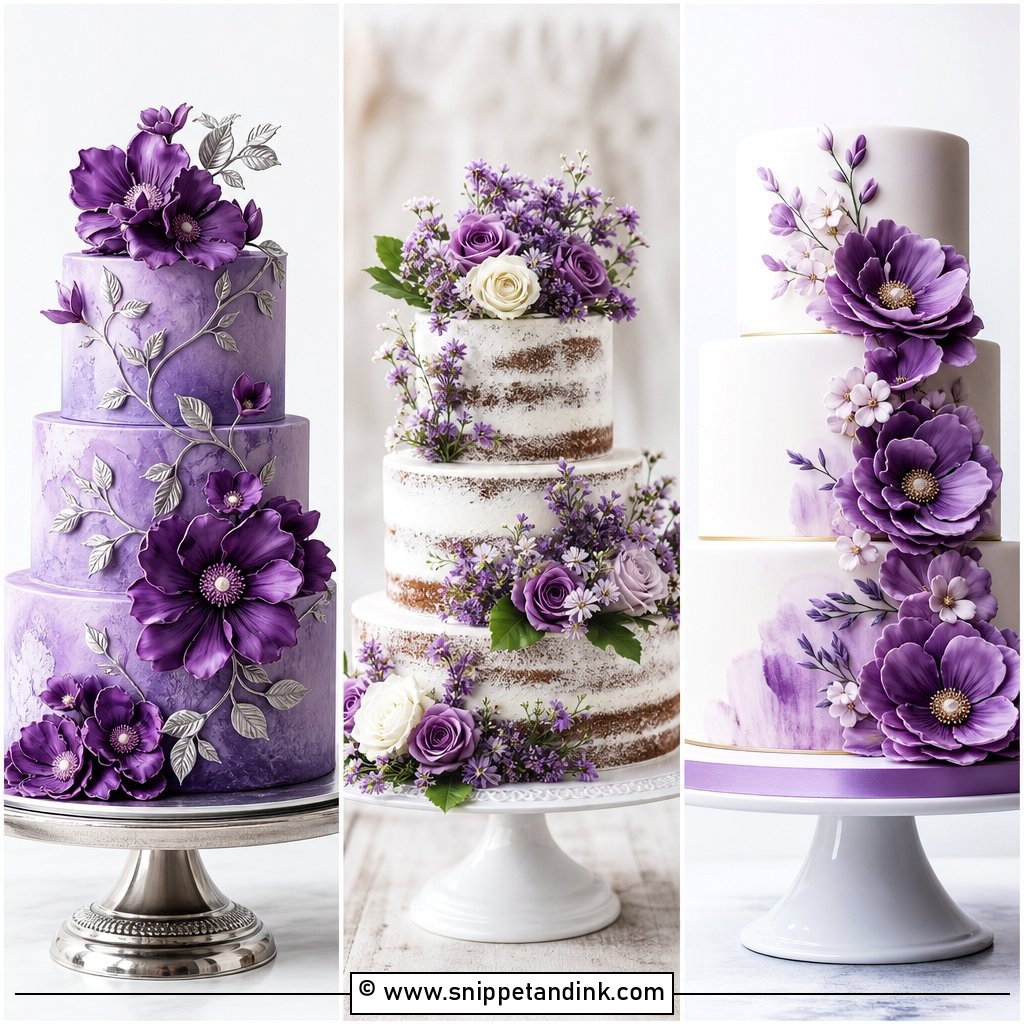
Sugar flowers are made petal by petal from gum paste and wired, which is why they cost more than fresh blooms and why they need weeks, not days. The upside is total control: I can match them to the bouquet and they look the same at midnight as they did at noon. They do absorb moisture, so humid venues soften them. One large bloom per tier looks modern; a full cascade looks traditional. Tell guests they’re decorative, since wired flowers aren’t meant to be eaten.
18. Two Tier Orchid Wedding Cake
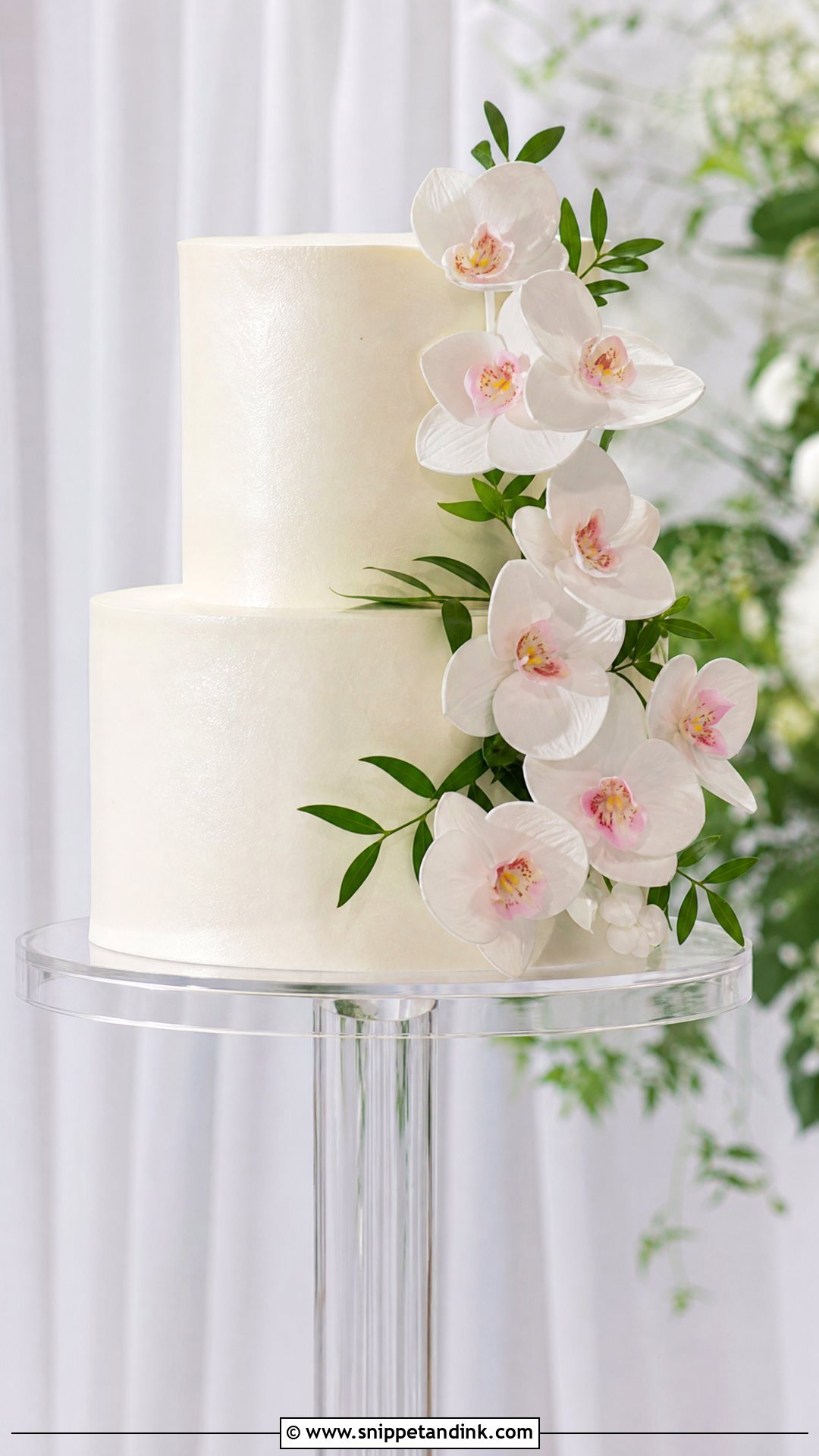
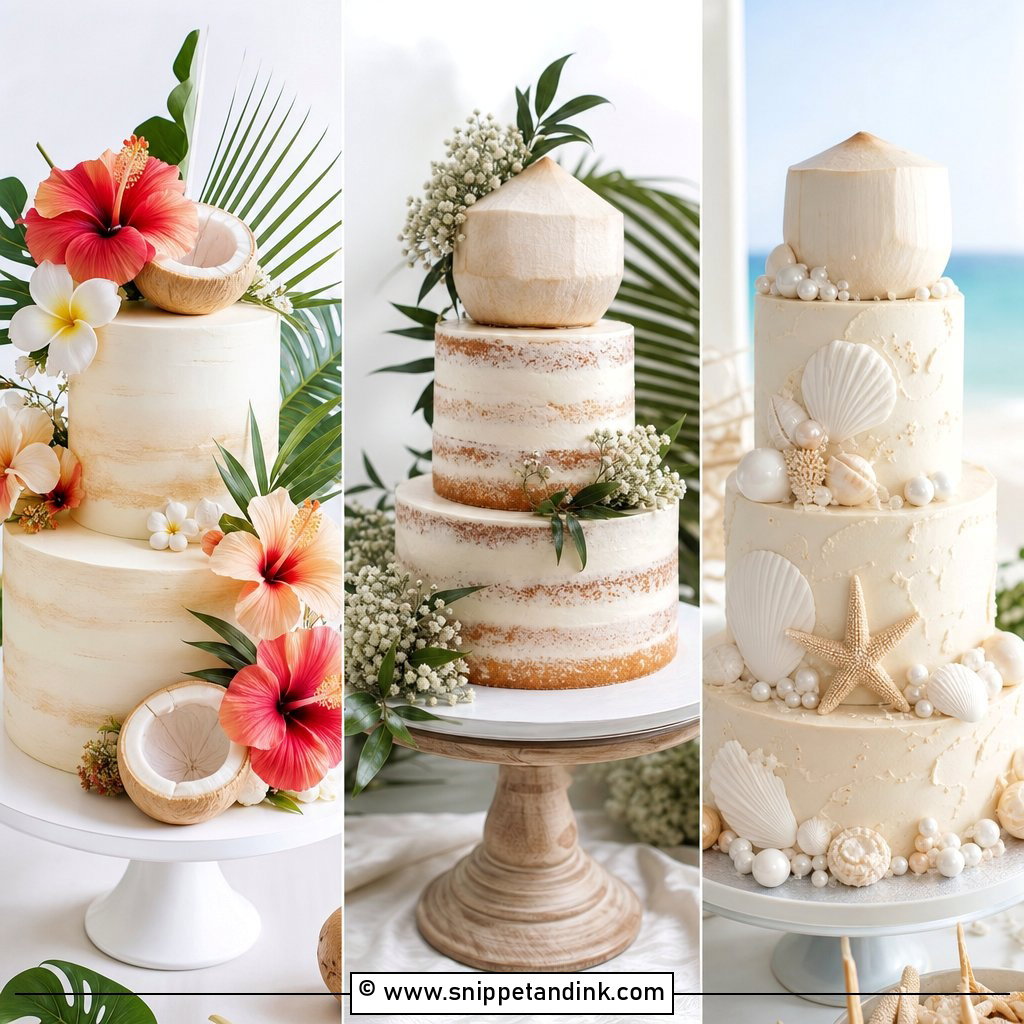
Orchids have a strong, sculptural shape, so I place fewer of them than I would roses. A clean cascade between the tiers or a single spray on top is usually enough. Fresh orchids hold well out of water compared with many flowers, but they still need taping before they touch the cake, and sugar orchids are worth considering for a hot resort wedding. White is the classic choice; pale pink or purple adds colour. Coconut or passion fruit sponge suits the tropical feeling they bring.
19. Two Tier Rose Wedding Cake
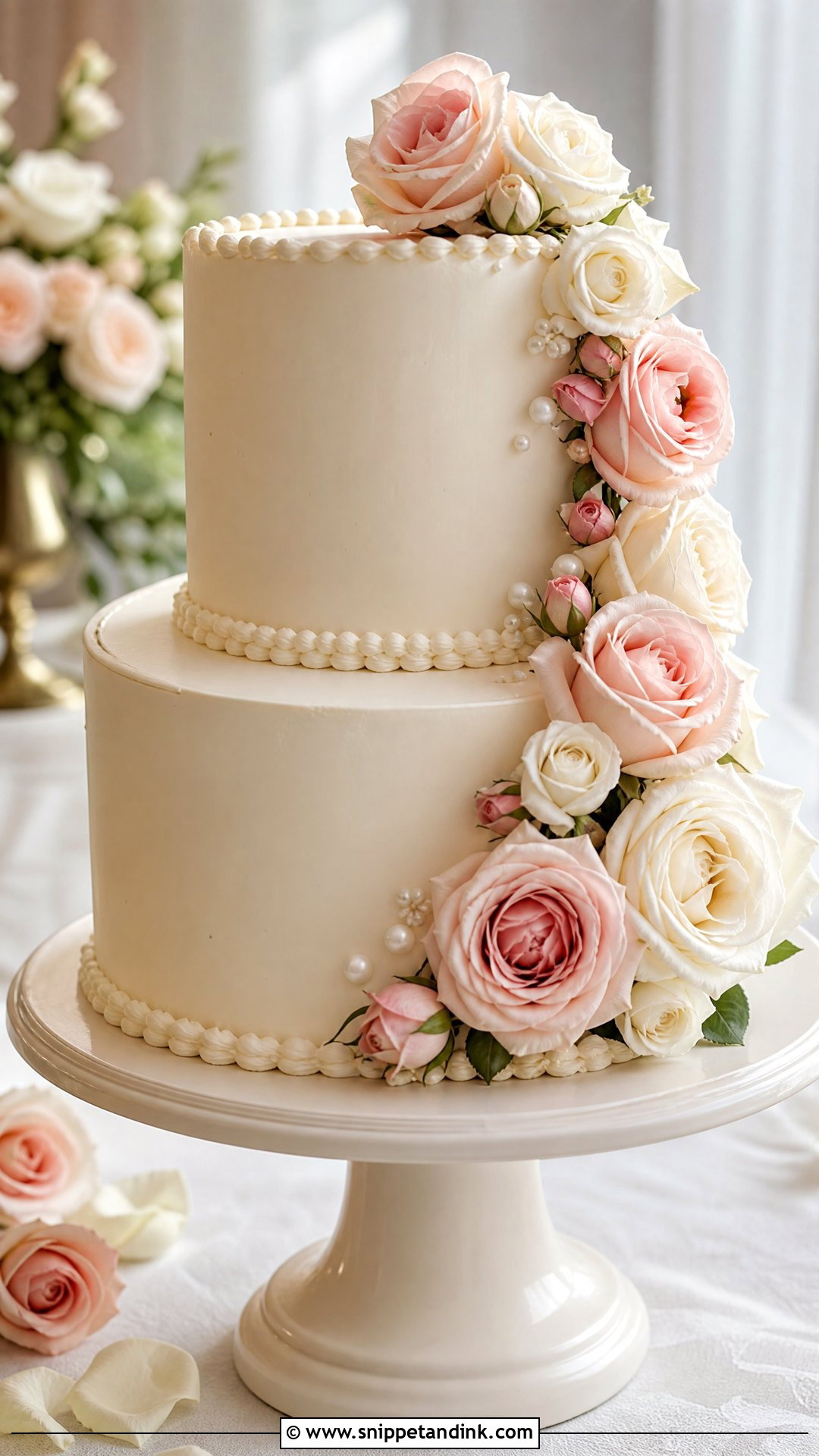
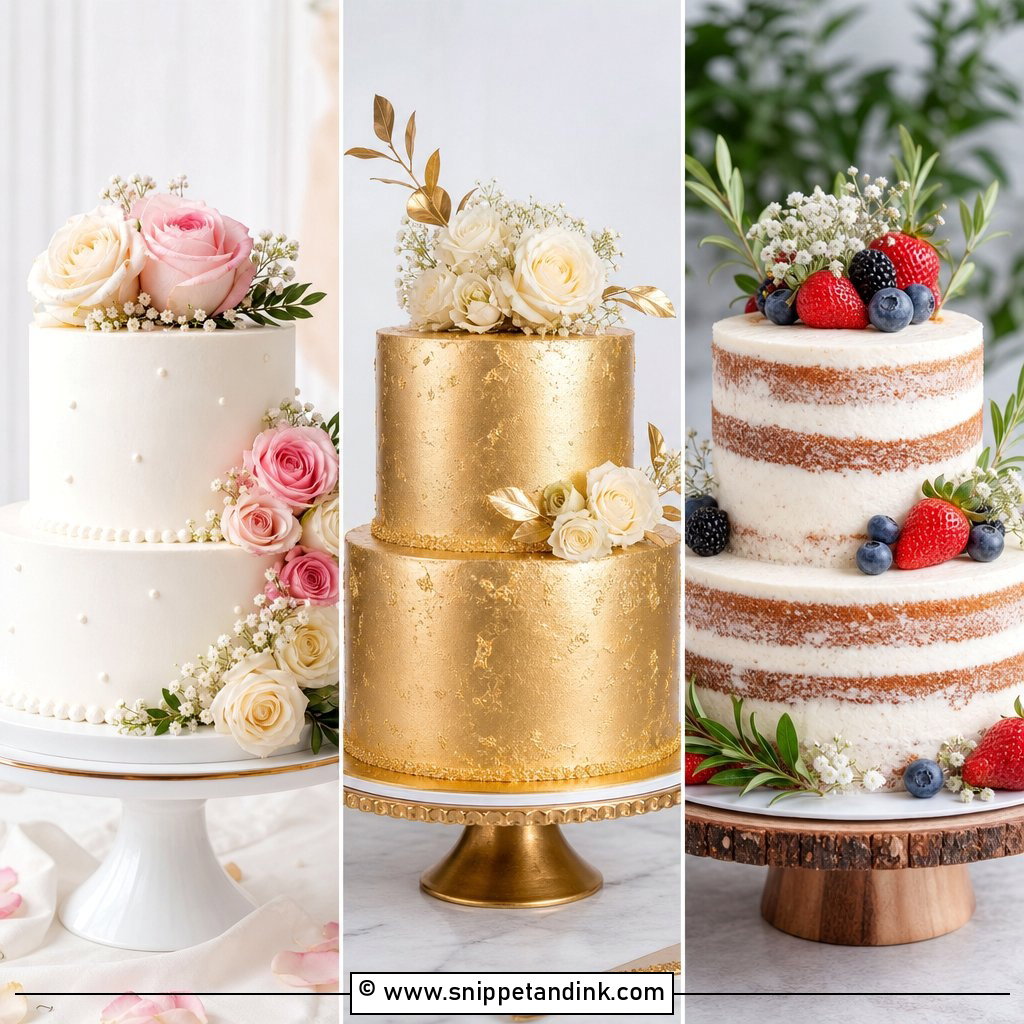
Roses are the most adaptable cake flower there is. They can be fresh, sugar or piped, and each gives a different finish: fresh looks garden-like, sugar looks polished, piped looks vintage. On two tiers I like a cascade running diagonally from the top edge down one side, since it draws the eye upward and makes the cake look taller. Red and mauve roses can bleed colour onto pale frosting if they’re damp, so I dry them carefully first. Strawberry, champagne or almond sponge all pair well.

20. Two Tier Rustic Wedding Cake
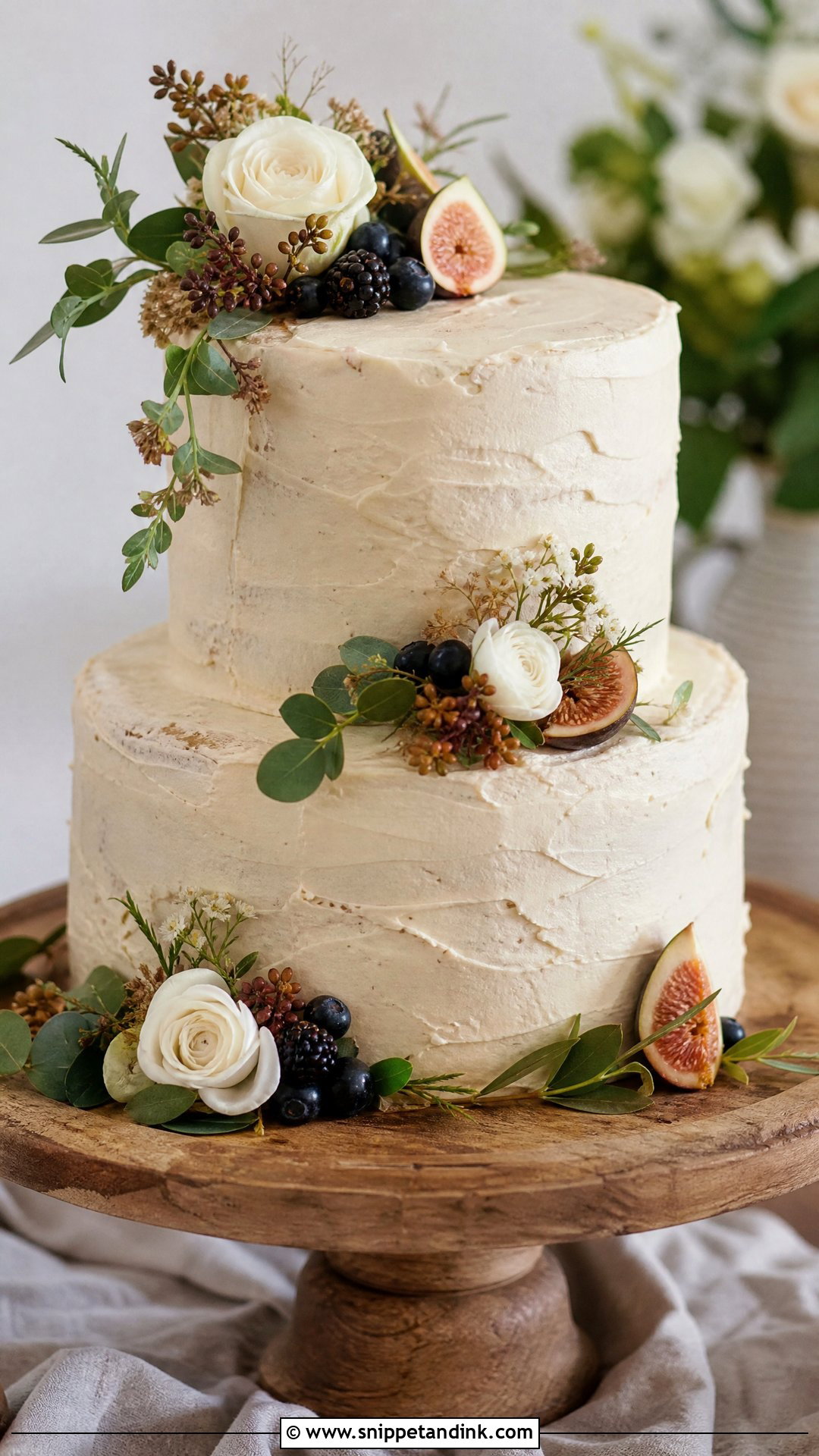
Rustic comes down to texture and natural decoration: a rough buttercream coat, semi naked sides, greenery or fruit. It looks right on a wooden slice or stone table, especially for barn weddings and fall celebrations. Rustic still needs clean structure underneath, though. I level and dowel these exactly as I would a formal cake, because a casual finish on a leaning cake just looks unfinished. Carrot, spice and apple cinnamon sponge suit the warmth.
21. Two Tier Modern Wedding Cake
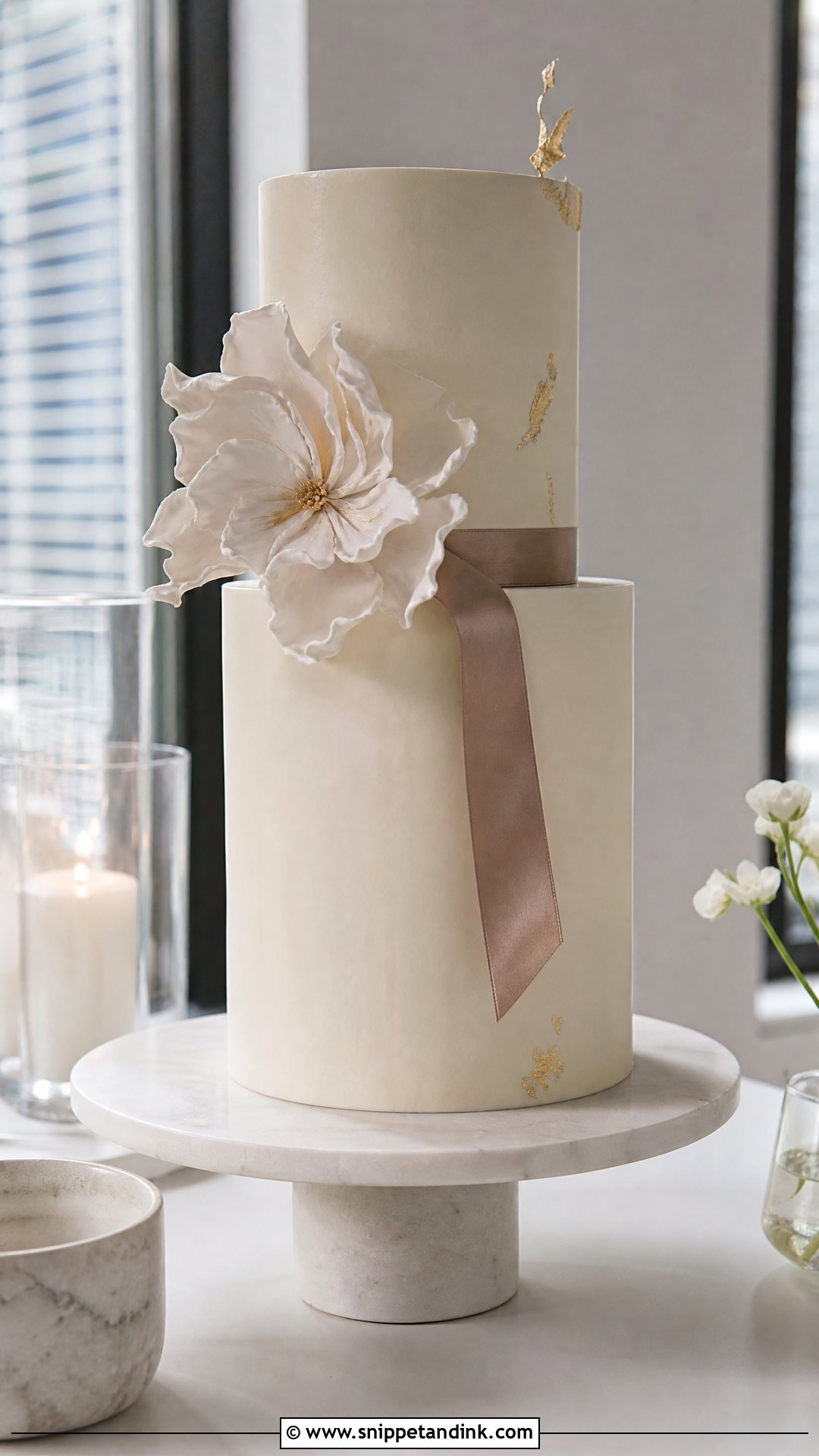
Modern two tier cakes depend on proportion more than decoration. A two tier modern wedding cake often uses extra-tall tiers with sharp ganache edges, then one strong accent: a single sugar flower, an abstract piped line, a block of colour. Sharp edges are much easier to achieve under fondant or a firm ganache than with soft buttercream, so expect your baker to steer you toward those. Taupe, black and muted green all read well. Pistachio raspberry and Earl Grey lemon carry the contemporary feel inside.
22. Two Tier Minimalist Wedding Cake
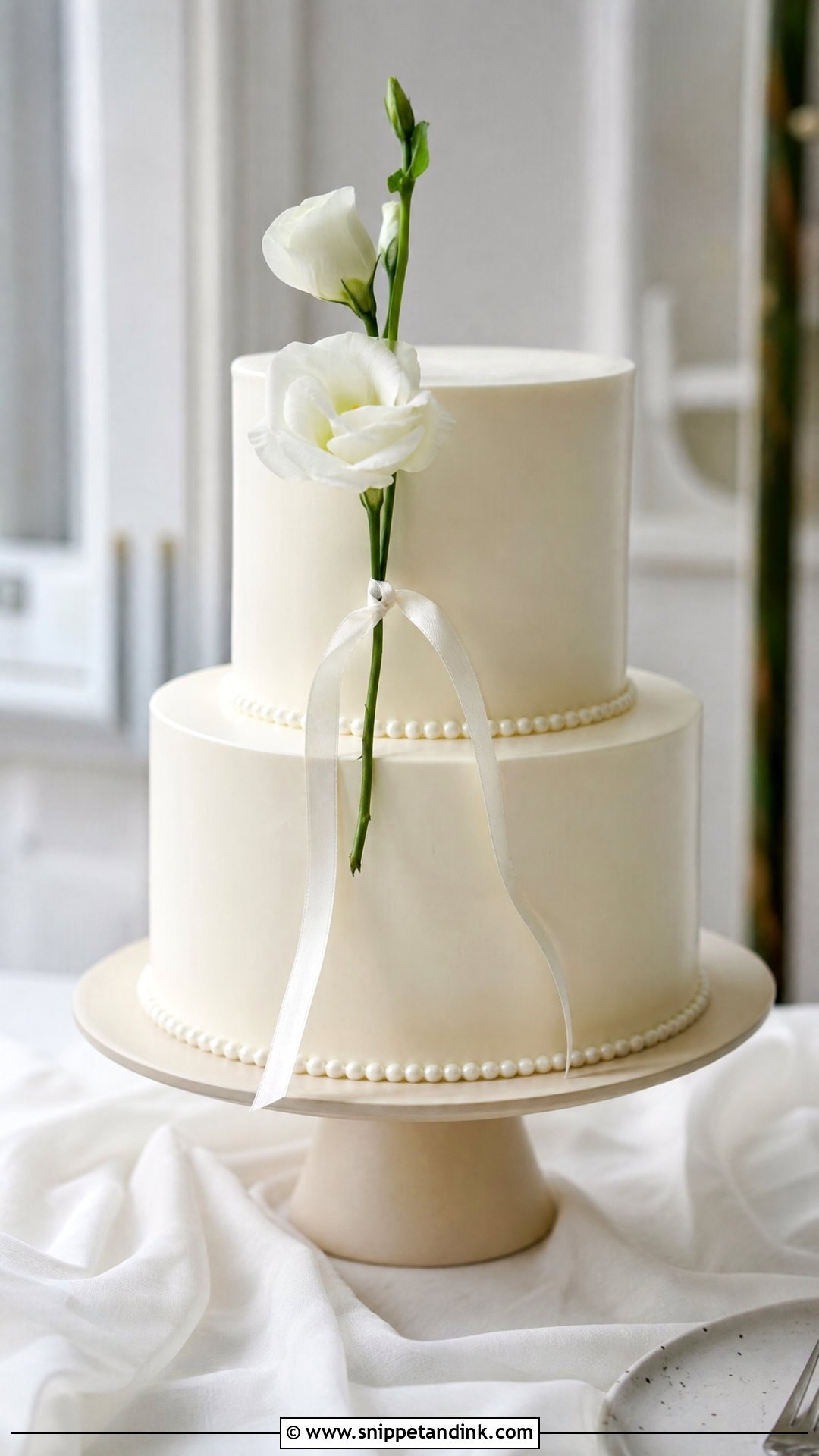
Minimalist cakes get compared to plain ones, but they’re harder to make. With almost nothing on the cake, any bulge in the coating or tilt in the stack is visible from across the room. One stem of greenery or a narrow ribbon is enough decoration. This is the design I suggest for courthouse weddings and small dinners where the cake sits close to guests. Ivory, pale beige and soft grey all work. Coconut or lemon sponge keeps the flavour as clean as the finish.
23. Two Tier Fruit Wedding Cake
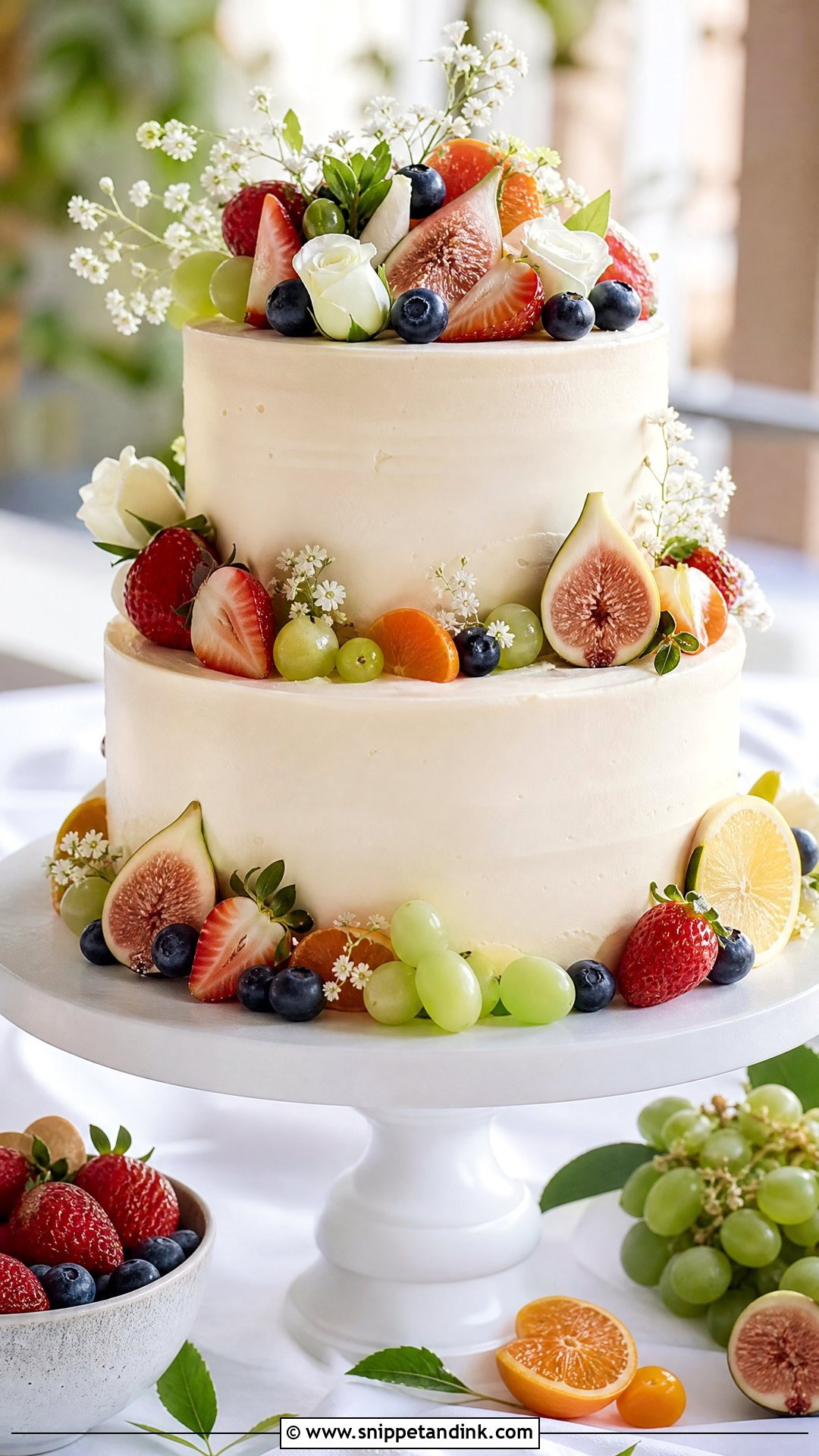
Fresh fruit adds colour without any piping work, but it has a short window. Cut fruit weeps juice onto frosting within a few hours, so I use whole berries, halved figs and firm grapes, and I add them on site rather than in the studio. Neat clusters look deliberate where scattered fruit looks spilled. It’s at home at summer receptions, brunches and Mediterranean-inspired menus. A light whipped buttercream or mascarpone filling suits it, and olive oil or lemon sponge is a natural match.
24. Two Tier Chocolate Wedding Cake
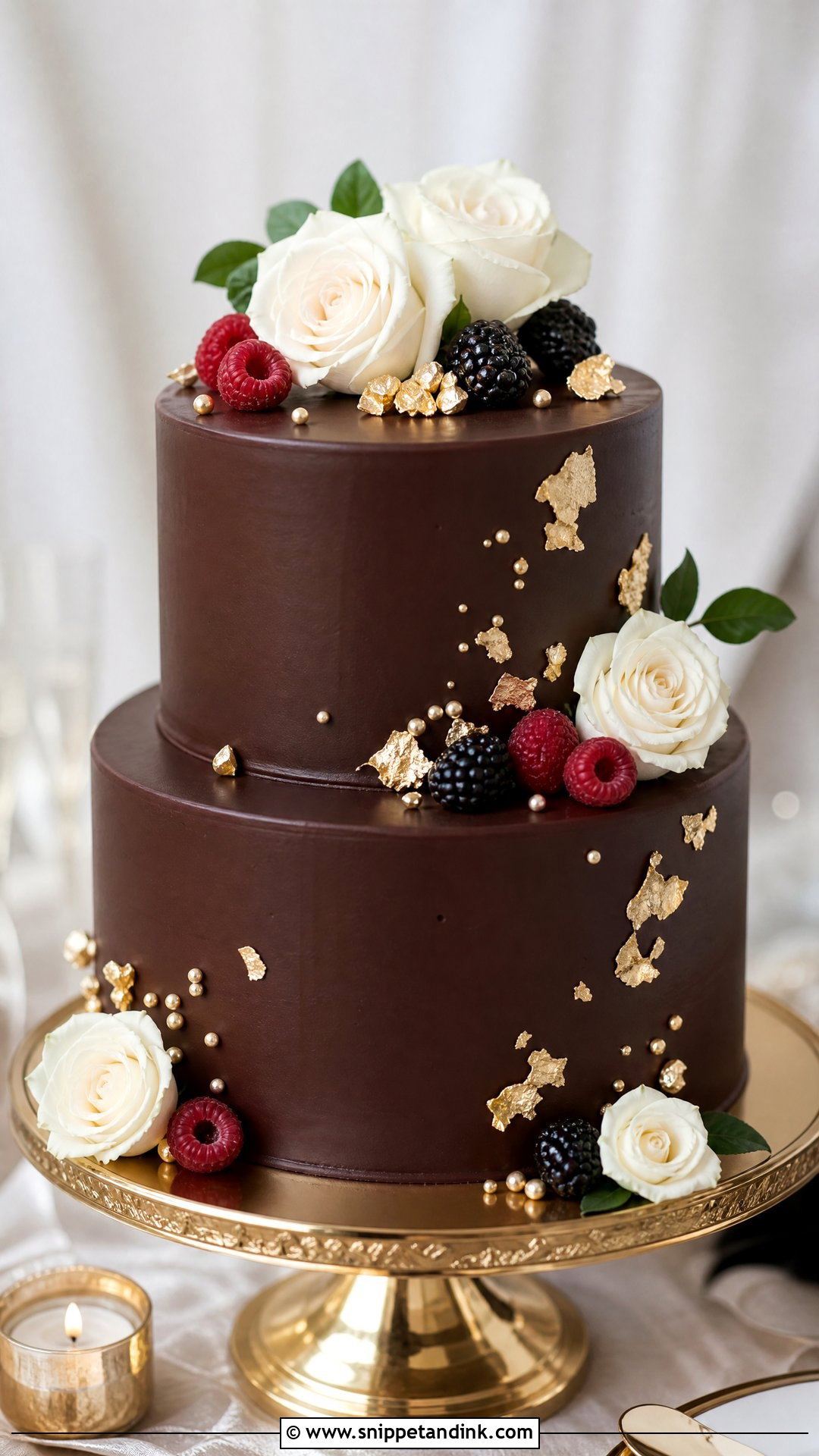
Chocolate cakes are what I recommend to couples who care more about the eating than the look, and a two tier chocolate wedding cake can still look bridal. Ganache is my preferred coat here: it sets firmer than buttercream, holds sharp edges and copes better with warmth. White flowers, berries or a little gold leaf brighten the dark finish. Fillings like salted caramel, raspberry or espresso keep it from tasting one-note. Two tiers is a good size for such a rich cake, since a small slice goes a long way.
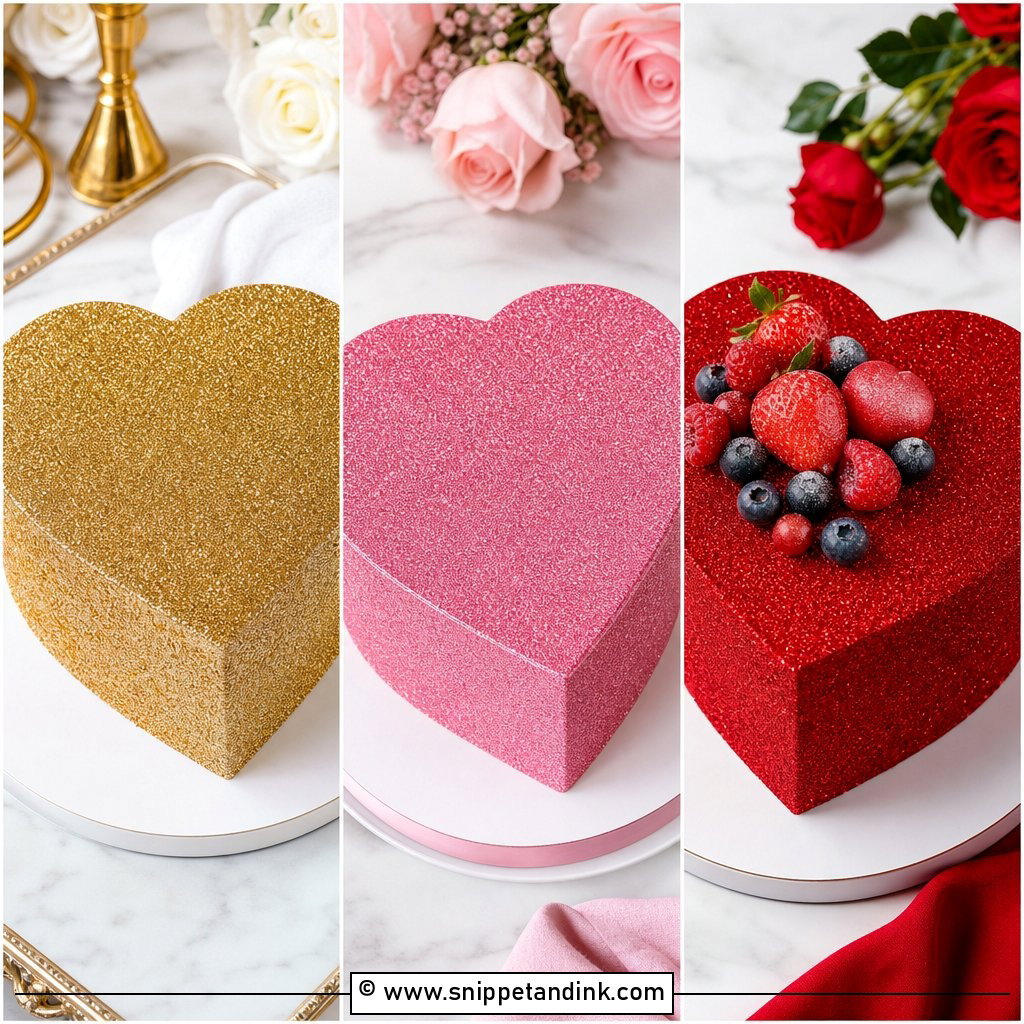
25. Two Tier Drip Wedding Cake
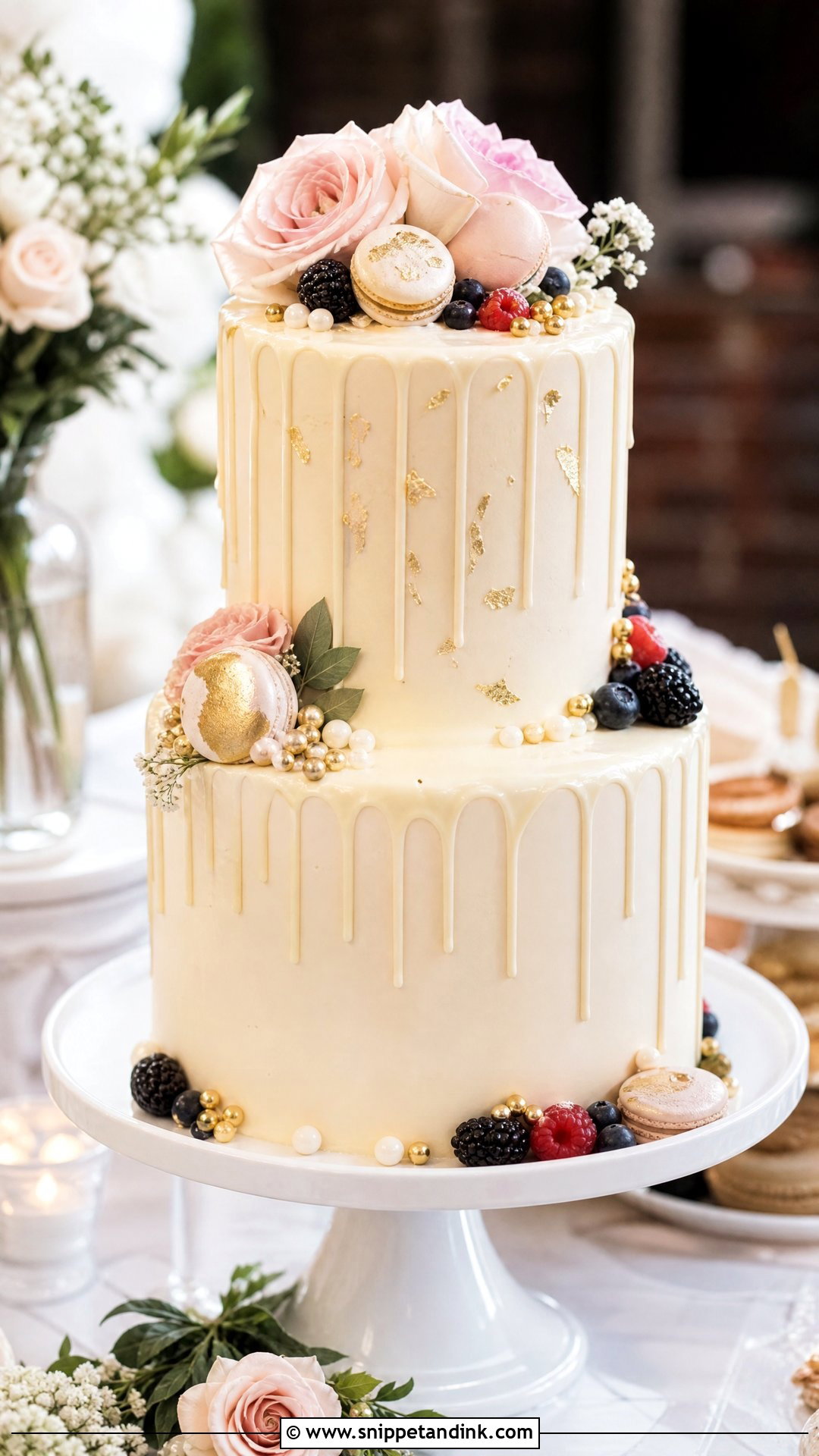
A drip is all about temperature. Ganache that’s too warm runs straight to the board; too cool and it stops in thick blobs. I test the flow on a chilled cake and pipe each drip by hand so the lengths vary a little. White chocolate tinted champagne looks soft on ivory buttercream, and dark ganache with berries looks richer. Finish the top with macarons or a few flowers, but leave space so the drips still read clearly.
What Keeps a Two Tier Cake Standing in a Warm Room
Even a small cake needs internal support. I put dowels or straws into the bottom tier and sit the top tier on its own cake board, so the weight goes down through the supports instead of crushing the sponge below. Two tiers are usually light enough that I can deliver them already stacked, which saves setup time, but on a long or bumpy drive I’ll still stack on site.
Heat, Sun and Timing
Buttercream softens quickly in direct sun, and a cake set up beside a window or under a marquee roof can start to slide within an hour. Ask the venue where the cake table will sit and keep it in shade, away from heaters and the dance floor. I aim to finish setup as close to the reception as the venue allows, and I’d rather the cake is cut earlier in the evening on a hot day than left standing until midnight.
Adding Height Without a Third Tier
Two tiers can look short on a large table, and couples often ask me for a third tier purely for height. There are cheaper ways to get it:
- A tall cake stand or a riser draped in linen lifts the whole cake into eye line.
- A separator between the tiers, filled with flowers or simply left as a gap, adds several inches of height.
- A double-height bottom tier changes the silhouette completely and also adds servings.
- A decorated polystyrene dummy tier looks identical to cake for a fraction of the work, and the kitchen cake covers the extra portions.
Two Tiers, Done Well
A smaller cake leaves nowhere to hide, which is exactly why it rewards care. Get the structure, the finish and the timing right and two tiers will hold their own next to any centrepiece in the room. Pick the design that suits your venue’s temperature and your guests’ appetites as much as your mood board, then let your baker tell you honestly what will survive the day. That conversation is where a good cake really gets made.
You'll Like These Ideas:





Leave a Reply