
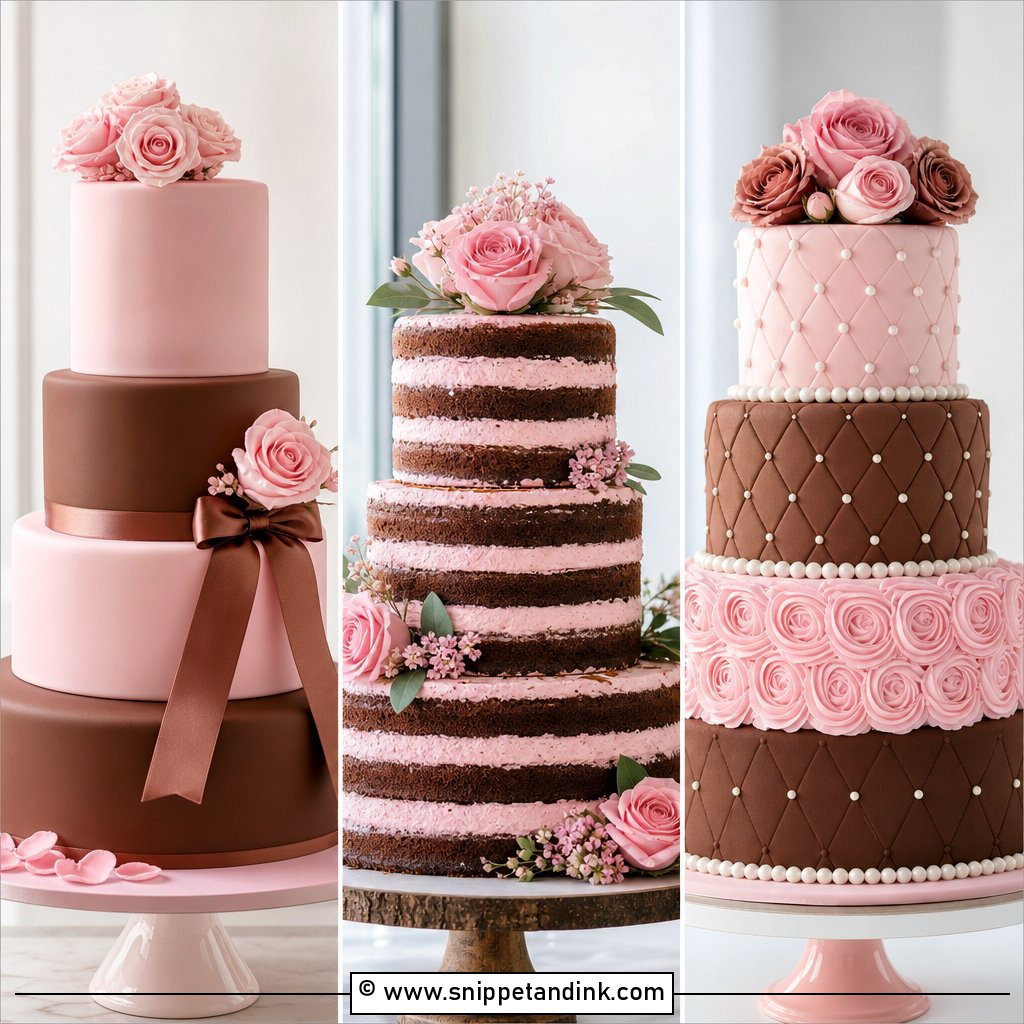
Pink is the color I mix most often for wedding cakes, and fondant is where it behaves best. A sheet of rolled fondant gives an even, matte surface with no streaks from a spatula, so a pale blush reads as one clean tone from across the room. The range is wide, from a pink so faint it is almost ivory through dusty rose, mauve and peach-pink up to a proper fuchsia. Before I mix anything, I ask about the venue lighting, the flowers and the linens, because a pink that looks right under a warm chandelier can turn chalky in daylight. The twenty cakes below are grouped by finish and decoration, so you can see what each one asks of your baker.

Why Pink Fondant Can Fade Before the First Dance
Pink and purple food colorings are the least light-stable colors in my kit. A pink cake left in direct sun or under strong daylight through a window can visibly pale within a few hours, and the side facing the light goes first. Bright fluorescent display lighting does the same thing more slowly. It surprises couples, because the cake looked perfect when it was delivered.
The fix is mostly about placement and timing. I ask for the cake table to be out of direct sun, and on a garden or conservatory day I’d rather set the cake up later than leave it on show all afternoon. Fondant colors also deepen a little as the paste rests, so I mix the pink a shade lighter than the target and let it sit before I judge it.
- Tell your baker where the cake table sits and whether it gets afternoon sun.
- Ask to see a colored swatch in daylight, not only under shop lights.
- If the reception is outdoors, plan for a shaded table or a later setup time.
- Very pale blush fades the least visibly; strong rose and fuchsia show it most.
1. Blush Pink Fondant Wedding Cake

Blush is the shade I suggest when a couple can’t decide, because it sits happily next to ivory, sage, champagne and almost any bouquet. On fondant it needs only a few drops of color, which also means it is the shade most likely to fade if the cake stands in a sunny window, so I always ask where the table will be. Two, three or a tall stack of tiers all suit it. A simple satin ribbon at each base hides the seam where tier meets board, and a few white sugar roses or tiny pearls finish it without fuss.
2. Pink Fondant Wedding Cake With Roses

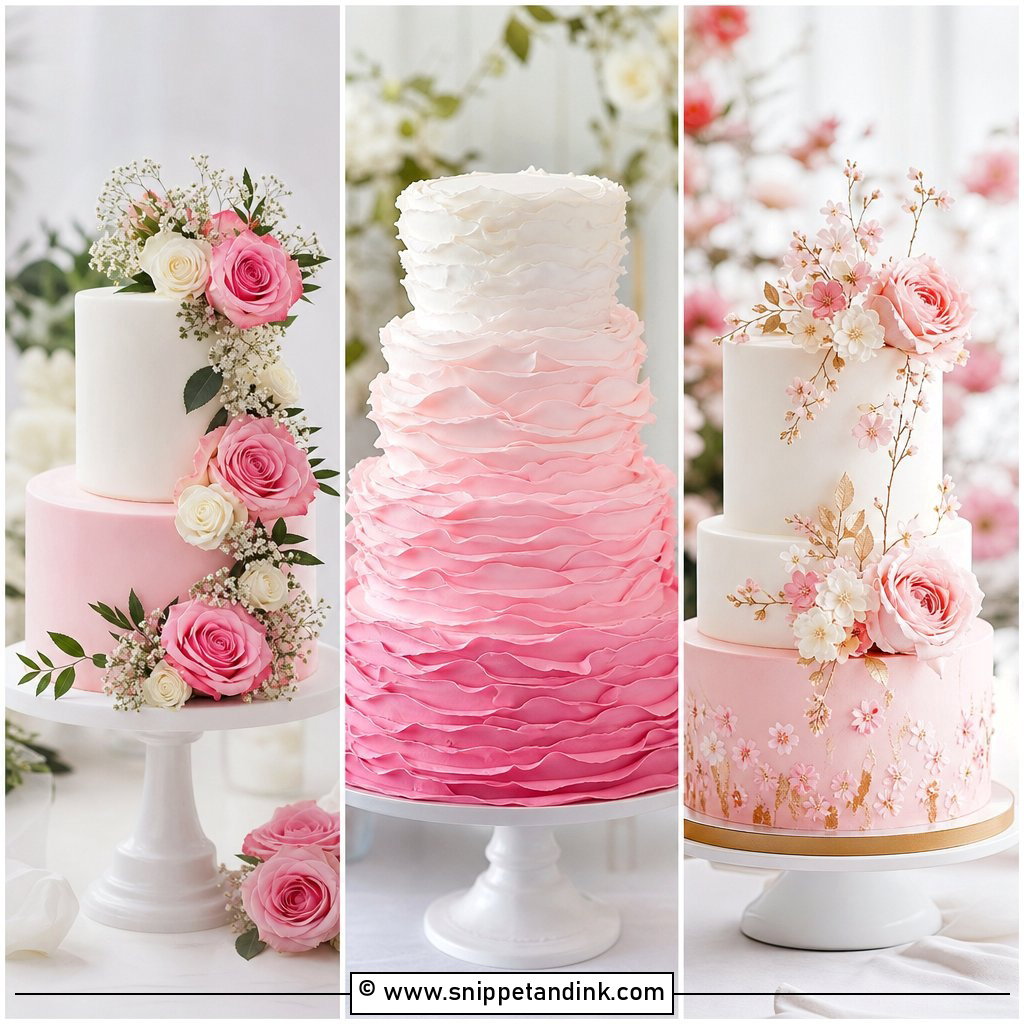
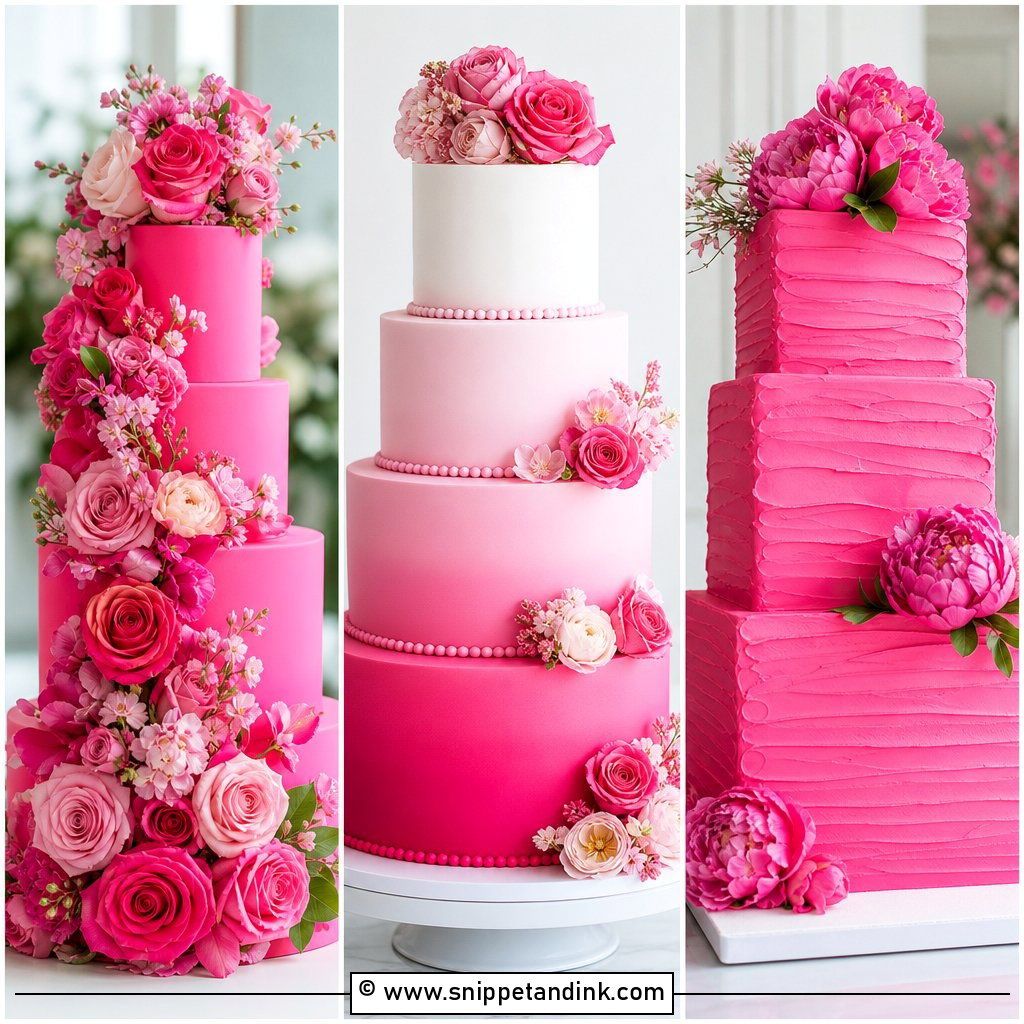
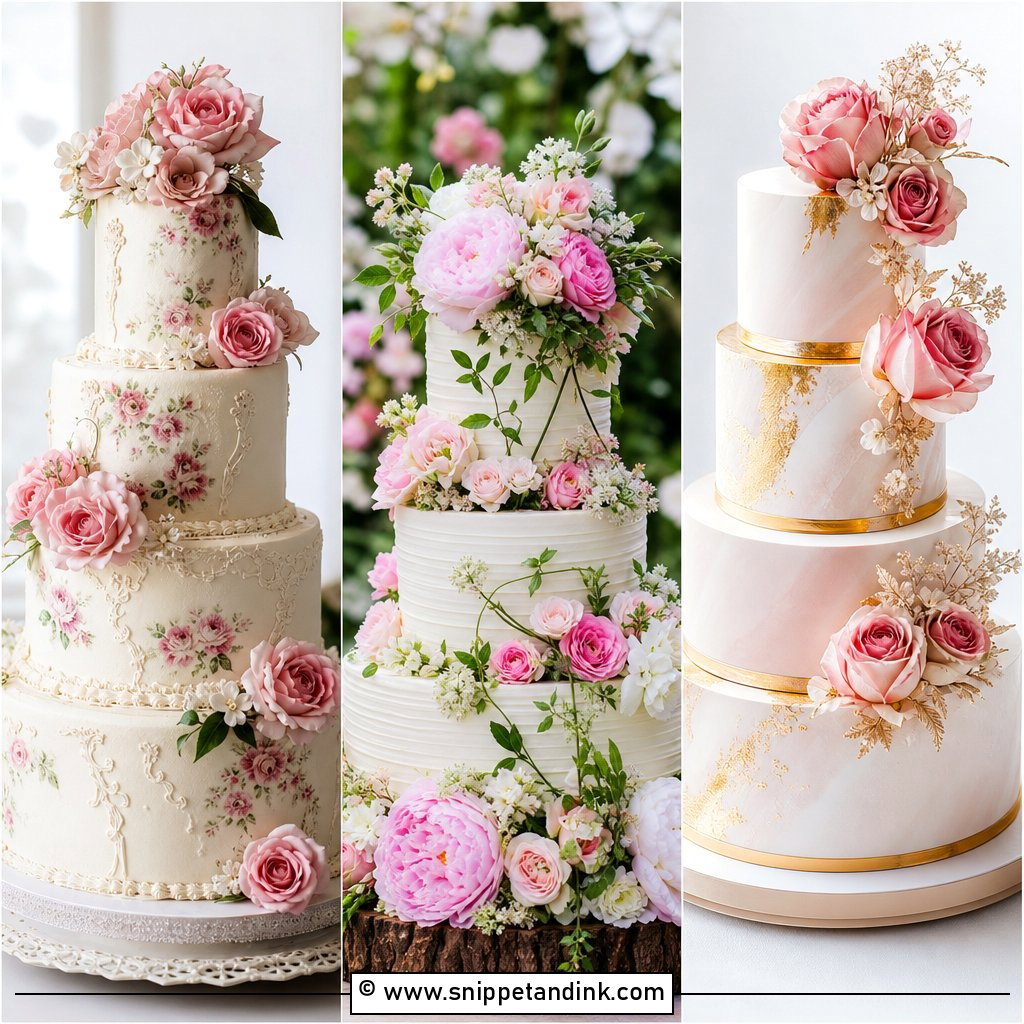
Roses are where I spend the most planning time, because the arrangement decides the whole mood. A diagonal cascade across the tiers is dramatic; small clusters tucked between tiers feel quieter. If you want fresh roses, they must be unsprayed and food-safe, and I still wrap the stems and keep them off the fondant with a small barrier, since sap and water spot the surface within hours. Blush, ivory, cream and dusty rose all mix well, and a plain white or gold stand lets them do the talking.
3. Pink Ombre Fondant Wedding Cake

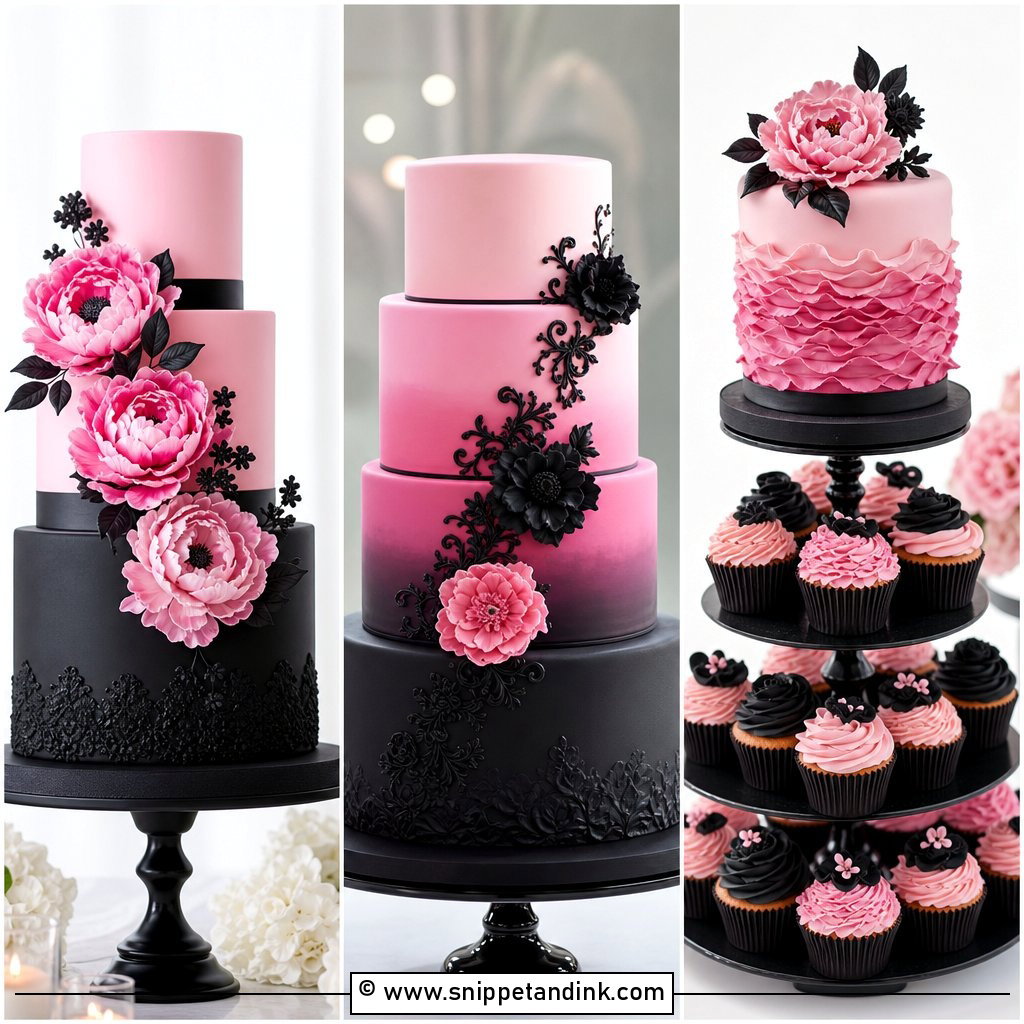
The honest difficulty with ombre in fondant is that each tier is covered separately, so the fade happens in steps, one shade per tier, rather than as a blend. I mix all the shades from one base batch so the steps relate to each other, starting with rose or dusty pink at the bottom and lightening to blush or ivory at the top. Keep decoration minimal or the steps get lost. A few sugar flowers or a little gold leaf is plenty, and the effect reads clearly from the back of a reception room.
4. Dusty Pink Fondant Wedding Cake

Dusty pink is my answer for couples who find bright pink too sugary. I get that muted tone by knocking the pink back with a touch of brown or a tiny amount of its complementary green, which is why it sits so well beside taupe, sage, beige and antique gold. It takes pressed texture and molded lace nicely because the low saturation lets the shadows show. I lean toward it for autumn dates and vintage rooms, where a candy pink would look out of place.
5. Light Pink Fondant Wedding Cake

Light pink sits a step deeper than blush, clearly pink rather than a warm ivory. That small difference matters in photos, where very pale blush can wash out to white. White piping, pearl borders or a few small blossoms around the tier edges are all it needs. For a cleaner version I’d keep to three round tiers with almost nothing on them. Inside, vanilla, almond or strawberry sponge suits the color, and guests tend to expect a fruity flavor when they see pink.
6. Pink Fondant Wedding Cake With Gold

Gold on pink is painted by hand, usually with edible lustre dust mixed into a little alcohol, and it needs a firm, dry fondant surface or the brush drags. That is one reason I cover these cakes a day ahead. Thin bands at each tier, a gilded top edge, scattered leaf or a metallic monogram all work, but I’d pick one. Keep the flowers ivory, blush or pale peach, because three warm metals and colors fighting for attention under ballroom lights looks busy fast.
7. Pink Fondant Wedding Cake With Pearls

Pearls are usually sugar dragées or molded sugar beads, and I set them with a dab of edible glue rather than pressing them in, so the fondant doesn’t dent. A ring at each tier base is classic; tiny scattered pearls laid out like beading on a gown are slower to place but read as couture up close. I’d keep the palette to blush, ivory and pearl white. The detail shows best in close-up photos, so tell your photographer to get a shot before the cutting.
8. Pink Fondant Wedding Cake With Lace

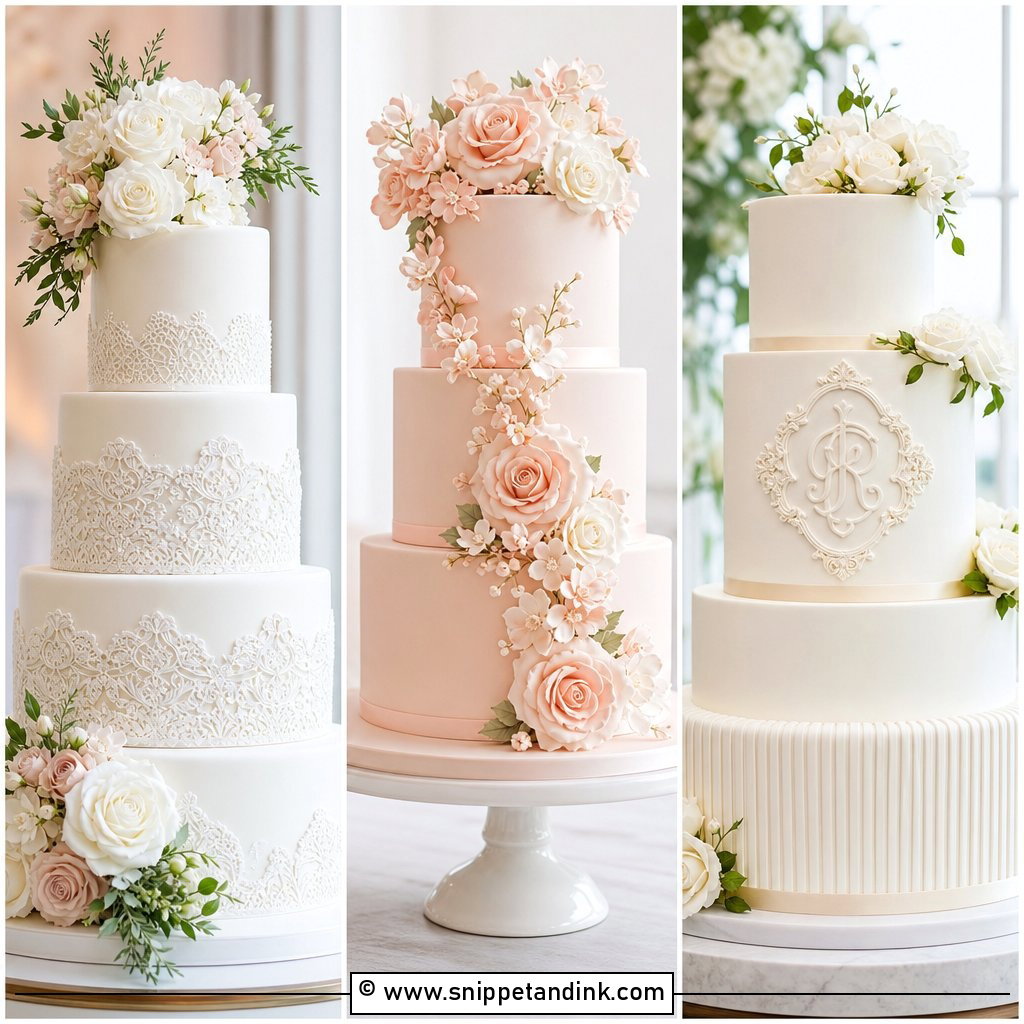
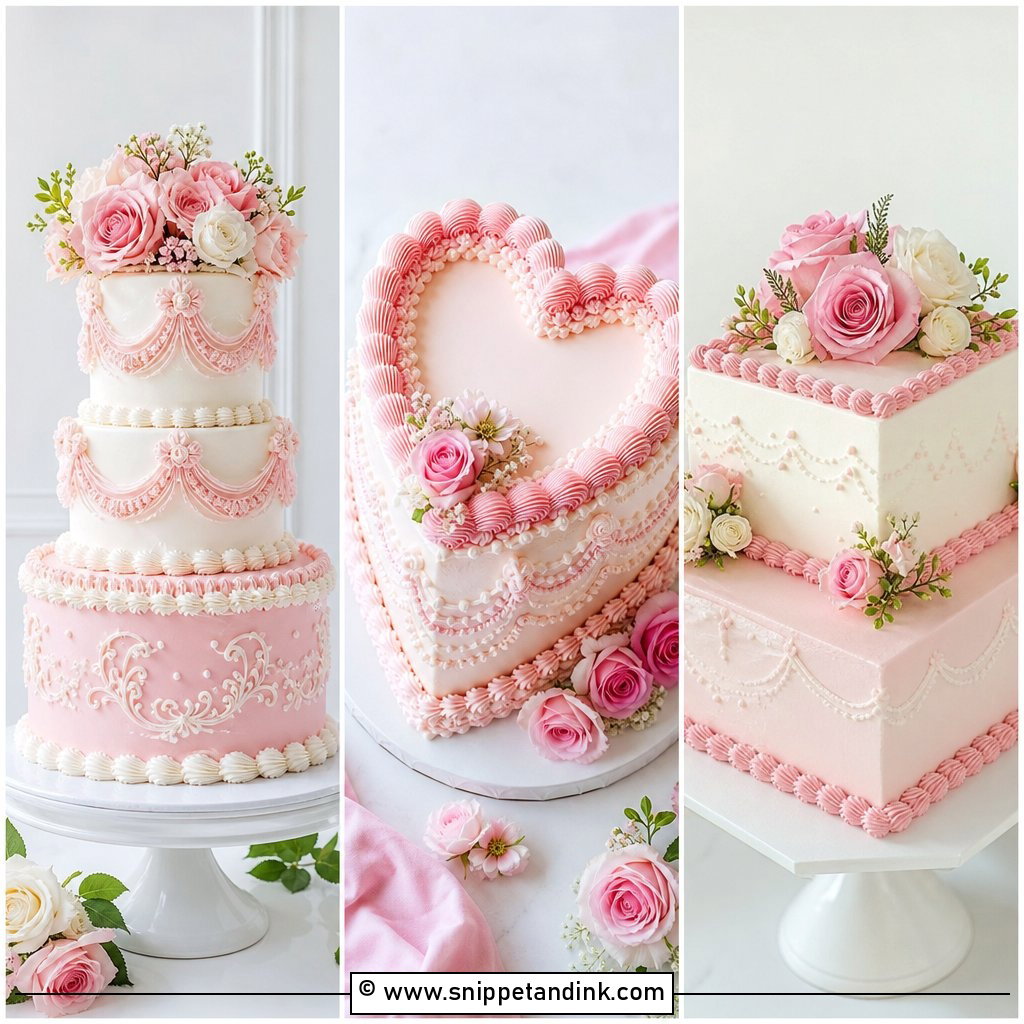
Edible lace is made in a silicone mat and dried until flexible, then laid on the fondant like fabric. It reacts to humidity: in a muggy room it softens and can sag, and in a very dry room it cracks when handled, so I apply it close to delivery. White lace on blush is the classic pairing, ivory lace on dusty pink feels warmer. If the dress has a distinctive lace, bring a photo or a fabric offcut and I can often match the motif. A full lace tier or a few panels between plain tiers both work.
9. Pink Square Fondant Wedding Cake

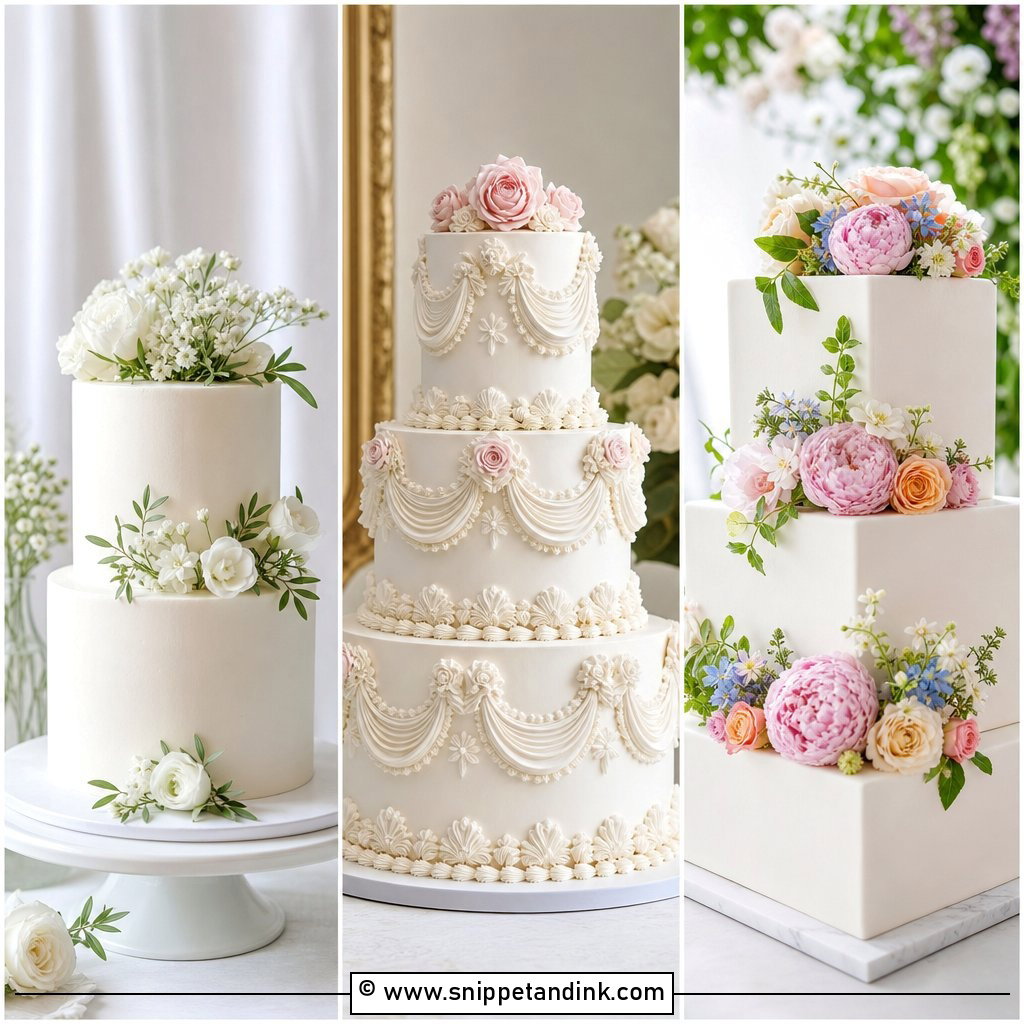
Square tiers are harder in fondant than they look. The corners are where the paste stretches thinnest and tears, so I cover each side in panels or use a firmer paste to keep the edges sharp. That extra work is worth it for city venues and gallery spaces, where the architectural outline suits the room. Soft pink stops the shape from looking severe. Tiers of different heights stacked together read well, and I’d keep any flowers to one corner per tier so the clean shape stays visible.
10. Pink Fondant Wedding Cake With Peonies

Sugar peonies are among the slowest flowers I make, with dozens of wired petals that need days to dry before assembly, so order this one early. The payoff is a full, rounded bloom that sits naturally against smooth pink fondant. Large peonies alone make a bold statement; mixed with smaller roses and buds they look more like a garden spray. Blush fondant with ivory and pink peonies is my favorite spring pairing, and the rest of the cake should stay plain.
11. Pink Marble Fondant Wedding Cake

Marble fondant is made by twisting colored and white paste together and rolling it out, and no two sheets come out alike, so I can’t promise the exact pattern in your inspiration photo. I can promise the palette: blush, white, rose and a thread of grey or gold. Two or three round tiers suit it, since the pattern is the decoration. Add thin gold lines, a few white flowers or a clear acrylic topper and stop there.
12. Pink Fondant Wedding Cake With Bow

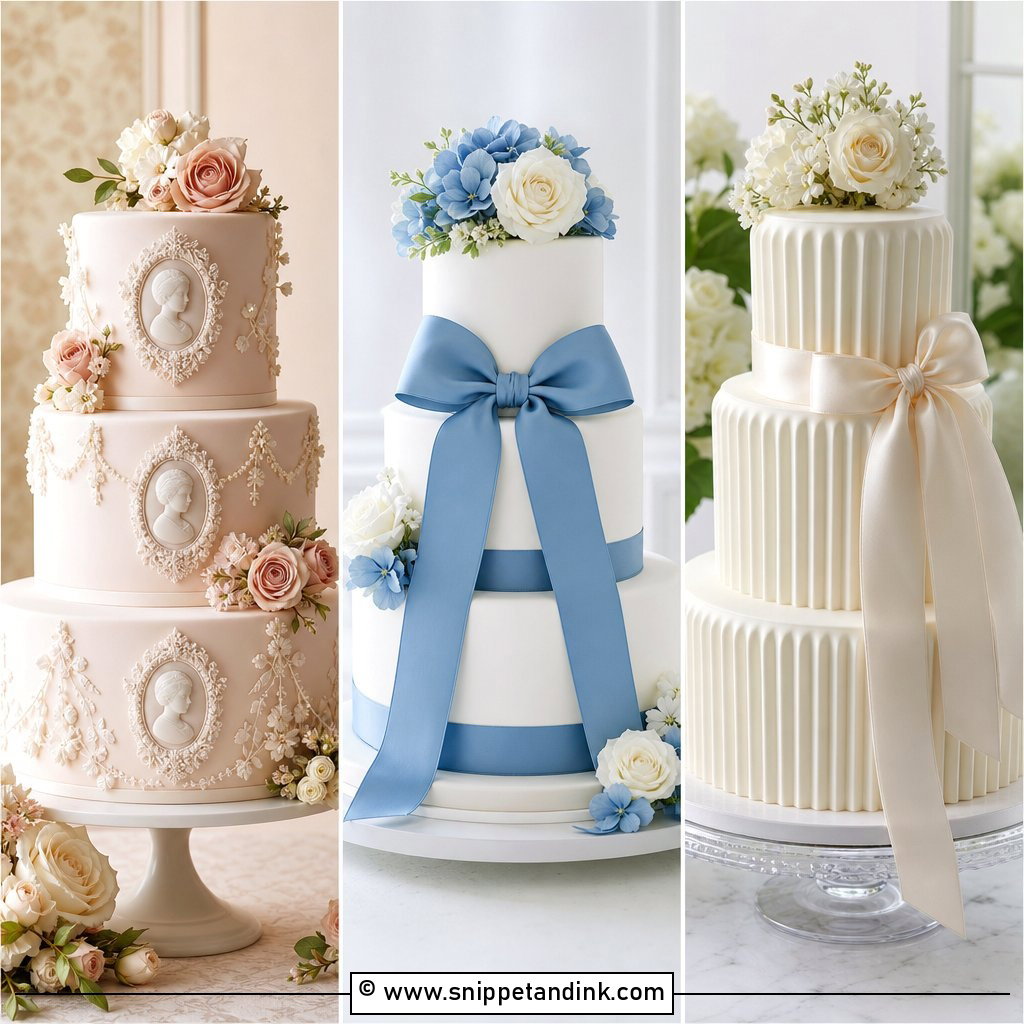
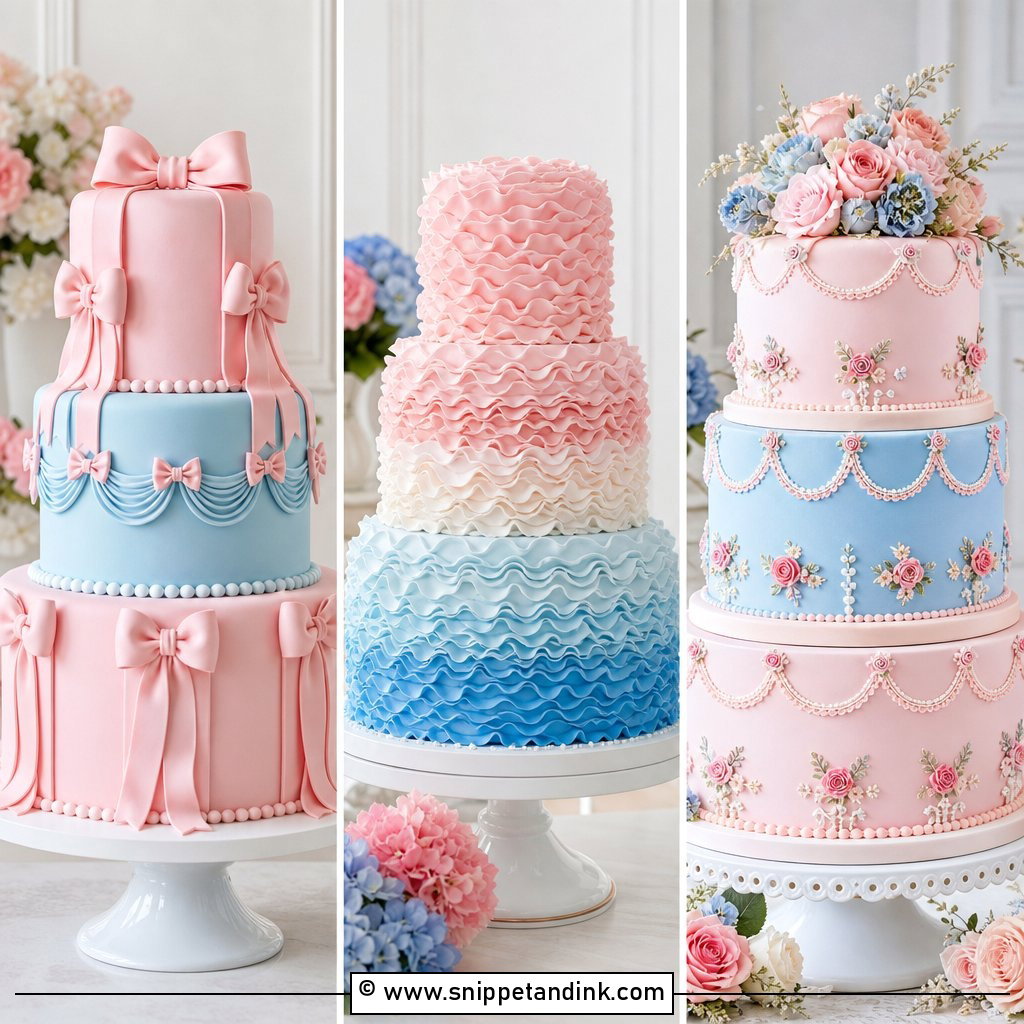
A fondant bow has to be made in advance and left to firm up over a former, or the loops collapse under their own weight. The real skill is scale: a bow too large for the tier looks like a gift box. It can sit on top, wrap the middle tier or trail down the front like ribbon. Pale pink with an ivory bow is the classic version, while dusty pink with a deeper rose bow looks more like a fashion detail. It suits intimate receptions with soft fabrics and candlelight.
13. Pink Floral Fondant Wedding Cake

Where the flowers go changes the cake more than which flowers you pick. A crown on top is simple, a side cascade is romantic and rings between tiers look traditional. The fondant can be blush, rose or dusty mauve. Sugar flowers last and can be kept afterwards; fresh flowers look natural but must come from a food-safe grower and go on as late as possible. I usually ask for the florist’s stem list so the cake echoes the bouquet rather than copying it.
14. Pink Fondant Wedding Cake With Butterflies

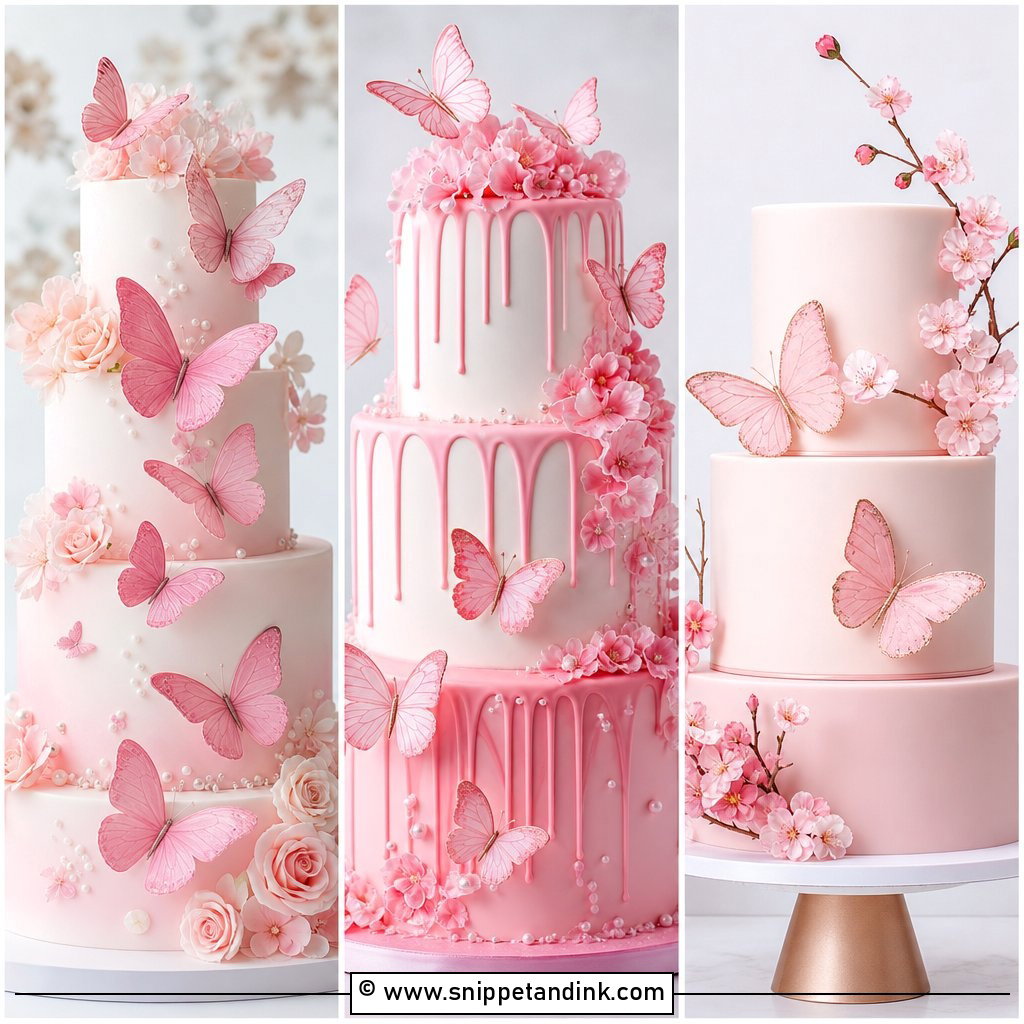
Butterflies work only when there are few of them. I use edible wafer paper butterflies in white, blush or soft rose, fold the wings slightly and wire a few so they lift away from the tier, as if they are climbing the cake. Wafer paper curls in humidity, which matters for outdoor and garden receptions in summer, so I keep spares and place them at the venue. A few small sugar flowers or pearls are enough company.
15. Pink Fondant Wedding Cake With Ruffles

Ruffles are strips of fondant thinned at one edge and layered, and they add weight, so a fully ruffled cake needs proper dowelling between tiers. One ruffled tier between smooth ones keeps the effect while staying lighter to carry. Pale pink ruffles look airy; dusty rose ruffles look richer and more vintage. The texture already does the decorating, so I’d add only a small floral accent.
16. Pink Fondant Wedding Cake With Macarons

Macarons are delicate in a way fondant isn’t. They soften from the filling outward and go chewy in humid air, so I attach them on the day rather than the night before. Blush, ivory, raspberry and champagne shells keep the palette tidy, stacked on top, ringed around the base or tucked into flower clusters. The real advantage is practical: matching macarons on the dessert table give guests a second sweet and tie the whole table together.
17. Pink Fondant Wedding Cake With Silver

Silver suits cool pinks such as pale pink, mauve and blush, because it adds shine without gold’s warmth. Try silver leaf, painted edges, silver pearl borders or a fine monogram. Edible silver can look grey under warm lighting, so I test it against a fondant swatch in light similar to the venue’s. White orchids, ivory roses or a hint of grey-blue complete it for formal evening receptions and hotel rooms.
18. Pink Fondant Wedding Cake With Orchids

Orchids give a cake a cleaner outline than roses because the bloom is flatter and the stem arches. White orchids on blush fondant are crisp, while pale pink orchids on dusty pink are tonal and soft. A neat cascade, a cluster on top or one sweeping side arrangement are the three placements I use, and the tier lines should stay plain so the flower shape reads. Sugar phalaenopsis are wired and fragile, so they are the last thing I add on site.
19. Pink Fondant Wedding Cake With Monogram

A monogram is the easiest way to make a fondant cake feel made for one couple. The monogram can be piped, painted, embossed or set on top as a topper, and smooth fondant is the ideal surface for crisp lettering. Send your stationery file so the letterforms match the invitations. Gold, ivory, white or silver all work, and the rest of the cake should stay restrained, a pearl border or a thin ribbon at most.
20. Pink Fondant Wedding Cake With Cascading Flowers

A cascade gives height and movement without covering every tier, which is why it reads so well on a cake table in large rooms. Roses, peonies, orchids or a mix in blush, ivory, dusty rose and peach can flow down one side from the top. Weight is the thing I plan for: a heavy sugar cascade needs a support wire or hidden posts, and fresh flowers need stems sealed so nothing touches the paste. It is the style that best mirrors a lush bouquet and centerpieces.
Fondant, Fridges and a Humid Marquee
Fondant’s reputation for being weatherproof is only half true. It protects the cake from drying out, but it hates moisture. If a chilled cake comes out of a fridge into a warm, humid room, condensation forms on the surface and the fondant turns tacky and shiny, and dark colors can bleed. That’s why I usually keep finished fondant cakes cool rather than refrigerated, and let a chilled one come up to room temperature in its box before it goes on display.
Heat is the other risk. The fondant itself copes, but the buttercream or ganache underneath softens, and in a hot tent the tiers can bulge or slip. Ganache holds up much better than buttercream in summer. Ask your baker what is under the fondant, how the tiers are supported and how long the cake can sit out before cutting.
How Early to Order a Decorated Pink Cake
The fondant cover goes on in the last few days, but the decorations start much earlier. Sugar peonies, orchids and rose cascades are built petal by petal and need time to dry, and a full set can take several working days on its own. Lead times vary a lot by baker and season, though for a decorated tiered cake many couples book several months ahead, with peak summer dates going first.
- Book the baker and the tasting once you have a venue and an approximate guest count.
- Confirm the shade, the tier sizes and the decoration a couple of months out, with a fabric or linen swatch.
- Give the final guest number and the venue’s access and setup times in the last few weeks.
- Agree who places any fresh flowers on the day, the baker or the florist.
Which Pink Your Fondant Should Be
The shade of pink sets the mood more than any decoration does. Blush and light pink stay quiet and classic, dusty pink reads grown-up and deeper rose turns the cake into a centerpiece. Fondant’s smooth surface is what makes lace, pearls, bows, flowers, metallics and monograms look neat, so pick one or two of those and let the color carry the rest. Bring a swatch of your linens and a photo of the bouquet to your tasting, and ask to see the pink in daylight before you sign off.
You'll Like These Ideas:


Leave a Reply