
Indian wedding dressing in 2026 has got lighter and more personal. Embroidered lehengas and silk sarees still lead, but shararas, cape gowns and pre-draped sarees now sit right beside them, and clients ask me about comfort and rewear as often as they ask about embroidery. The rule I start with is that each function has its own job: yellow for haldi, mirror work at the mehendi, jewel tones for the sangeet, silk or soft pastels for the ceremony and reception. The looks below start with the bride and move outward, and most of them work just as well for a bridesmaid, sister, or guest with a small change in color or weight.
A Lehenga’s Weight Matters More Than Its Color
Brides tend to choose a lehenga from photos, and photos never show weight. A heavily embroidered bridal skirt can sit hard on the hips by the end of a long ceremony, and the strain shows in posture and in pictures. When I take a bride shopping, I ask her to wear the skirt for ten minutes, then sit, stand and walk a few steps before she decides.
How I lighten a heavy outfit without losing the look
- Keep the heaviest work on the skirt hem and blouse, and choose a lighter net dupatta.
- Ask for the can-can to be stitched into the lining, with a soft layer against the skin.
- Have the waistband widened and fitted with hooks or a drawstring you can ease after dinner.
- Pin the dupatta at several points so its weight is spread, not hanging from one shoulder.
Guests face the same problem on a smaller scale. If a sharara or Anarkali looks just as festive and weighs a fraction, it’s usually the wiser buy for a full-day function.
1. Bridal Red Lehenga Outfit
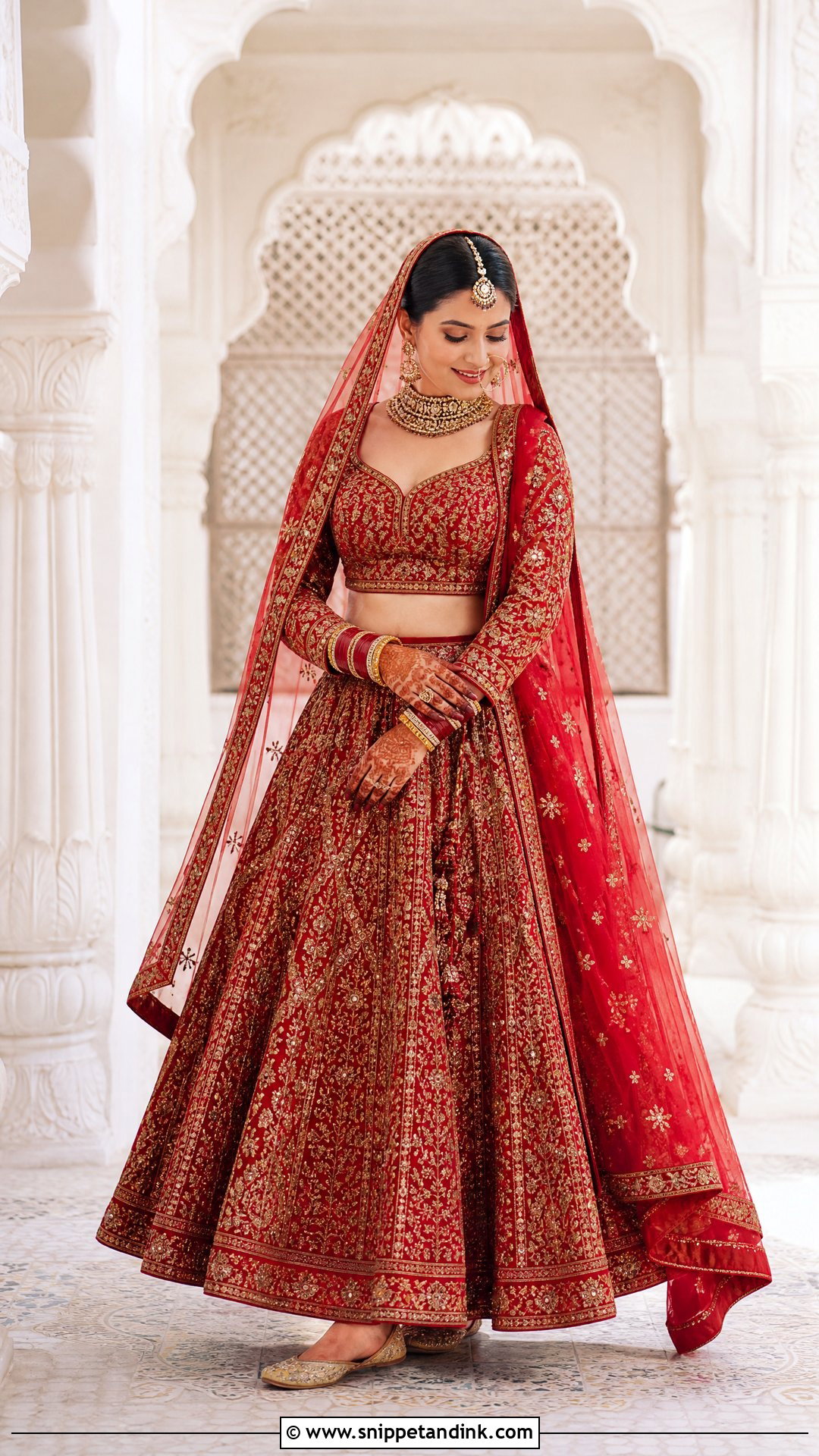
Red is still the color most brides I dress choose for the main ceremony, and for good reason: it keeps its depth in daylight, under fairy lights and against marigolds. Sindoor, maroon and true crimson each suit different undertones, so I drape the actual fabric against the bride’s face in daylight before she commits. Zardozi and gota are heavy, and a fully worked bridal lehenga is a real load at the waist, which is why I ask for a broad, firmly stitched waistband and a can-can sewn into the lining rather than worn separately. A choker, long necklace, maang tikka and bangles complete it. When the outfit is that heavy, I keep the makeup softer so the face isn’t competing.
2. Pastel Lehenga Outfit
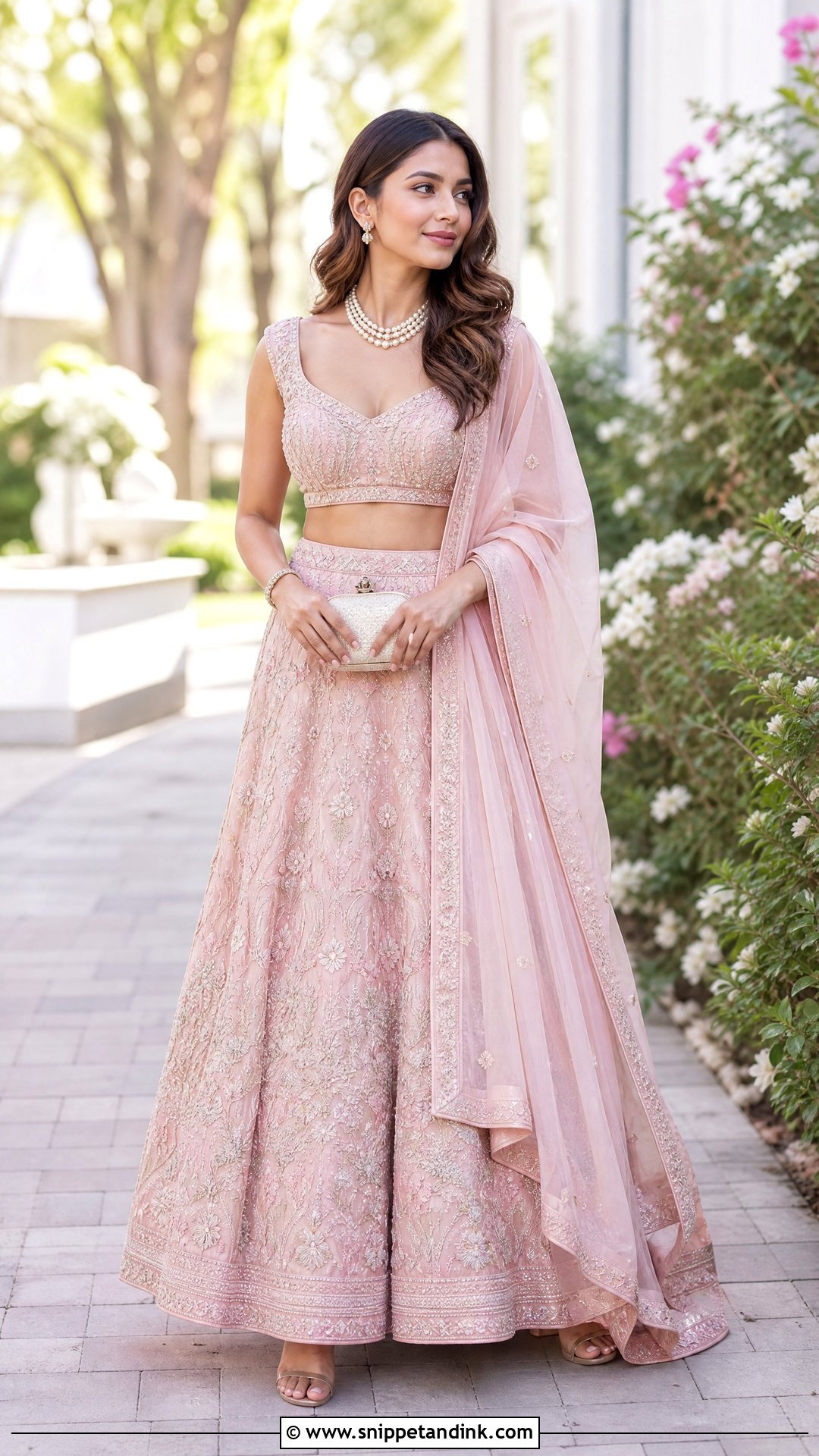
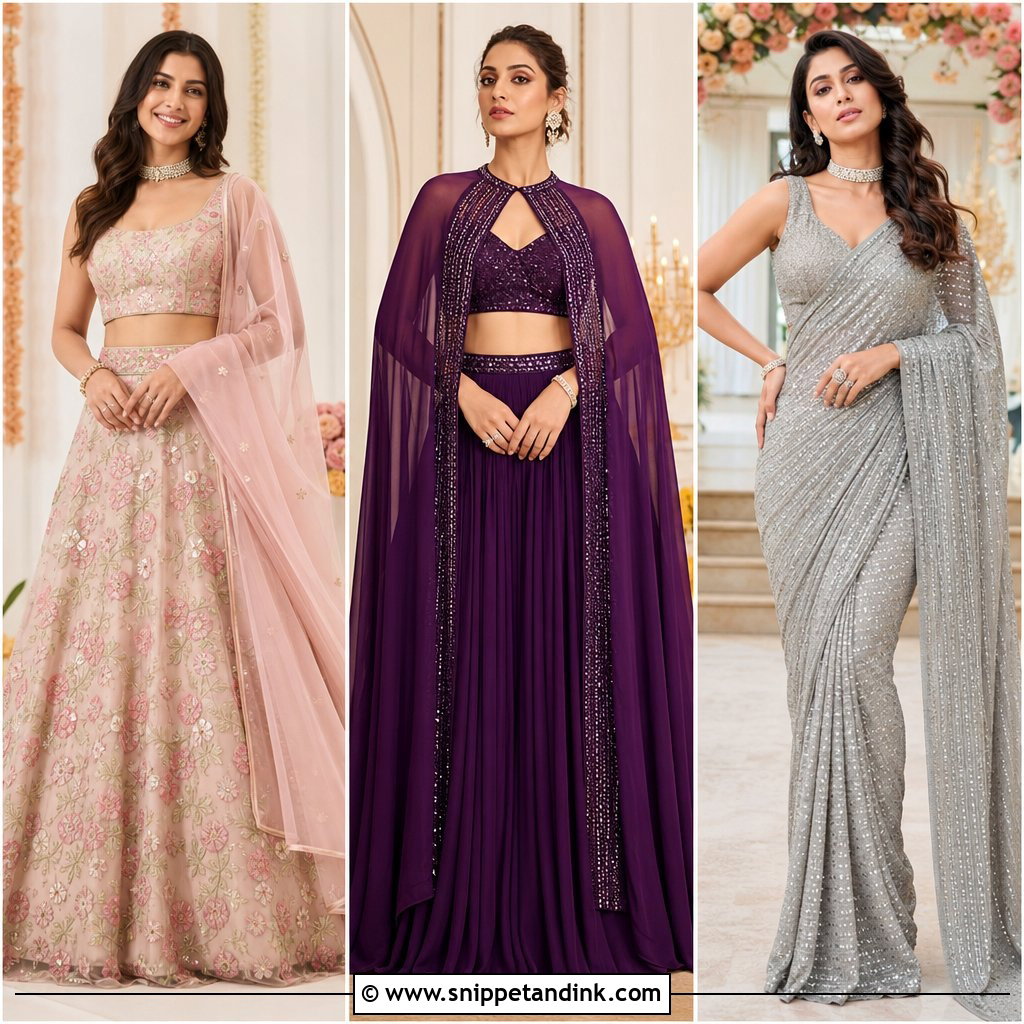
Pastel lehengas make a good second look for the bride, or a set for her sisters at a daytime function. Mint, powder blue, lavender and champagne look fresh outdoors, but they’re unforgiving of fit, because pale fabric shows every pull line at the bust and waist. I’d rather see delicate pearl or thread work on a perfectly fitted blouse than heavy sequins on a loose one. A sweetheart or square neckline keeps it current. Finish with diamond-style jewelry, nude heels and a small embroidered clutch.
3. Banarasi Silk Saree Outfit
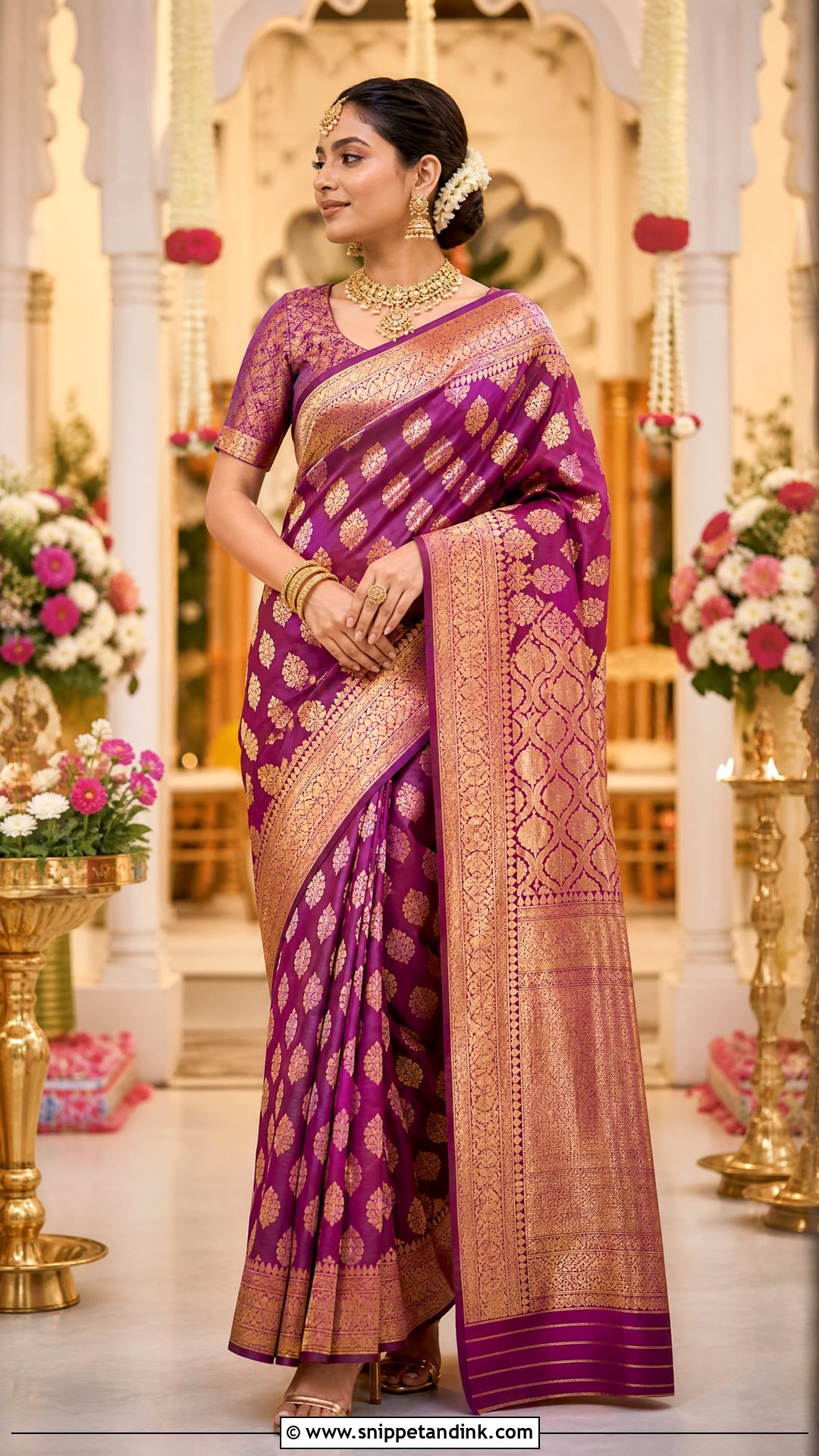
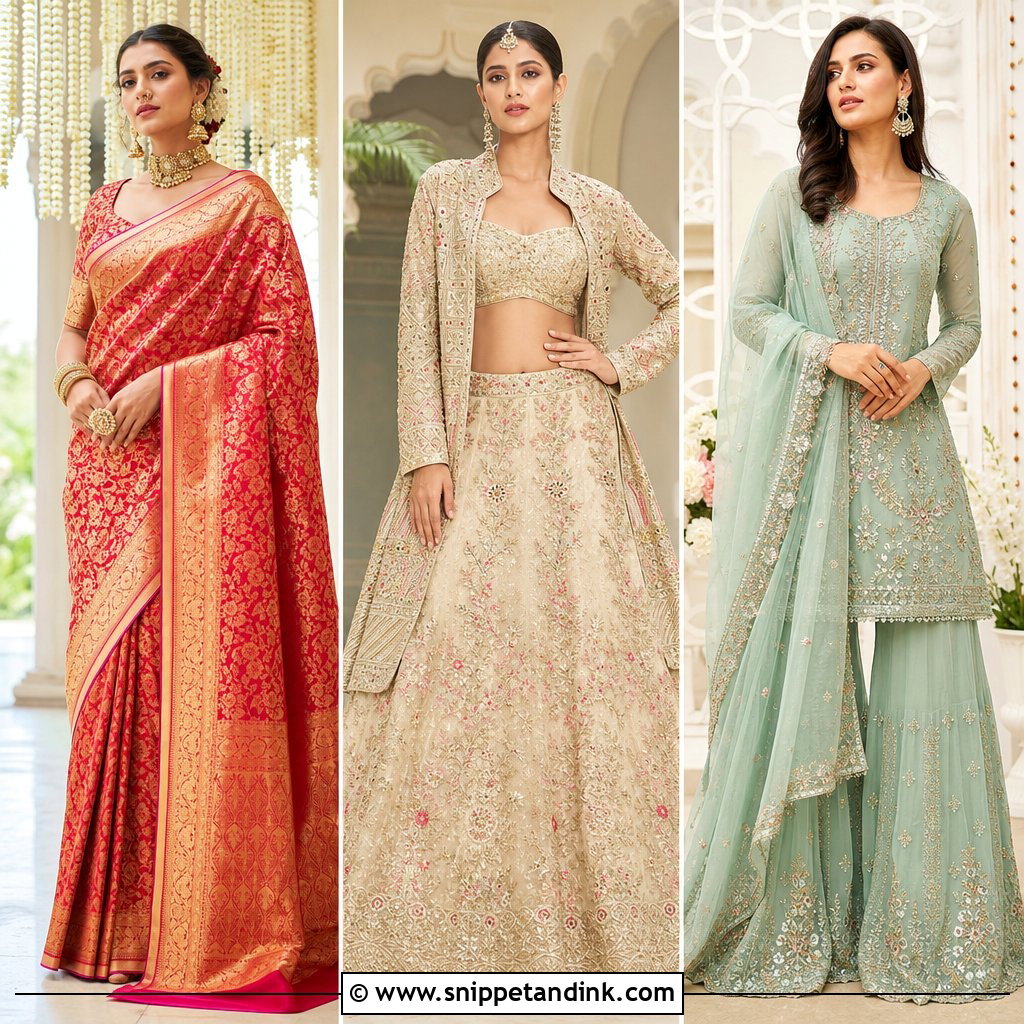
A Banarasi silk saree is the piece I suggest to mothers of the couple more than anyone else. It reads traditional at the rituals and still feels right at the reception. Emerald, ruby and royal blue hold up well in evening light. The blouse matters more than people think: brocade or raw silk gives a heavy drape the structure it needs, while a soft cotton blouse collapses under it. Temple jewelry, a sleek bun with fresh flowers and kohl-lined eyes finish it. Block heels are steadier than stilettos under a long silk saree.
4. Organza Saree Outfit
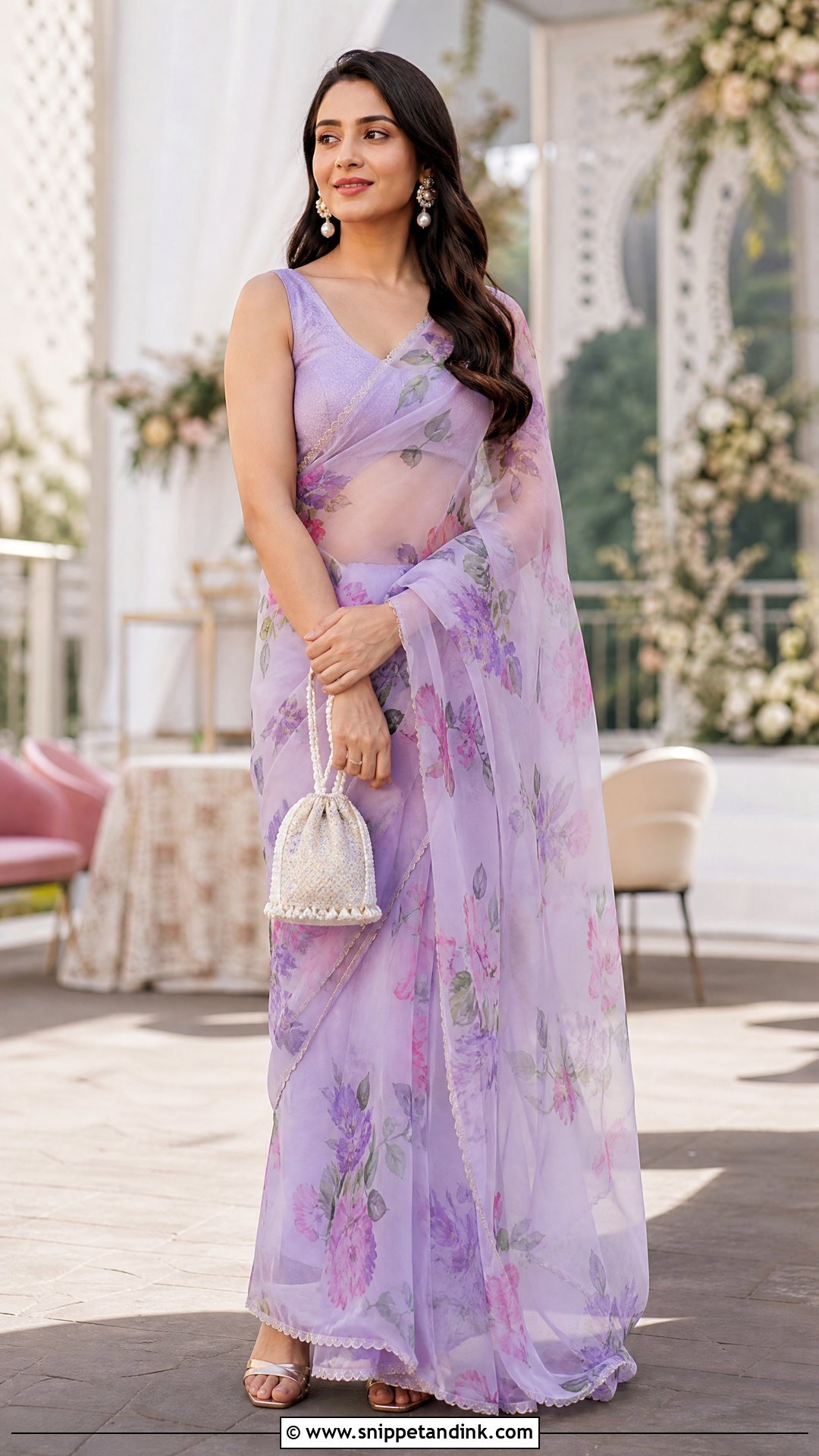
Organza is the saree I reach for at summer engagements and mehendi lunches. It’s sheer and crisp, so it carries a floral print or light embroidery without weight. Blush, sage and pale yellow suit daylight, and organza with sequin borders or metallic thread moves it into the evening. Because the fabric stands away from the body, a fitted blouse stops the silhouette looking boxy. One honest drawback: organza frays at raw edges and shows creases, so I check that the pallu is properly finished before anyone buys. Pearl earrings and a potli bag keep the styling light.
5. Mirror Work Lehenga Outfit
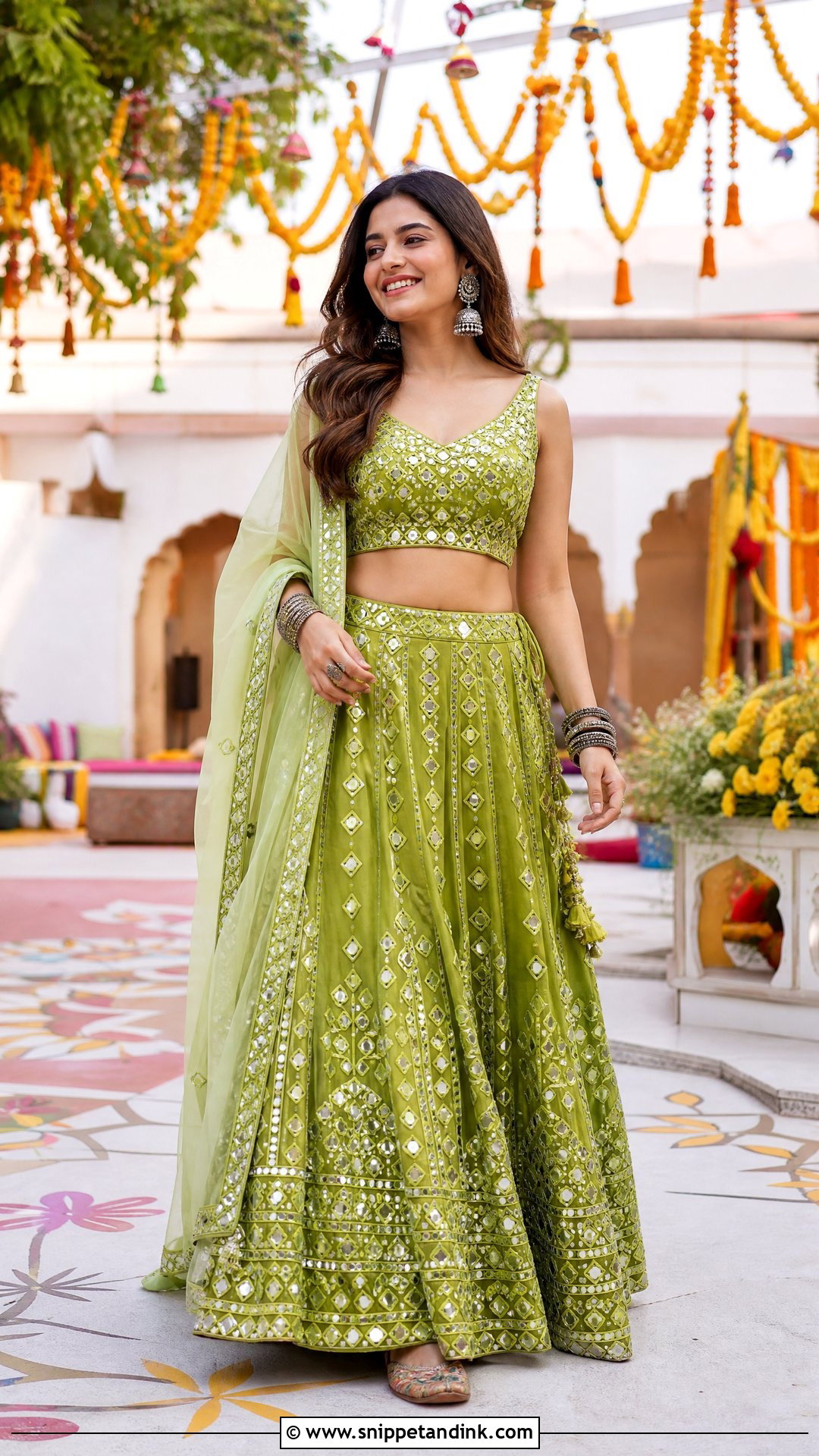
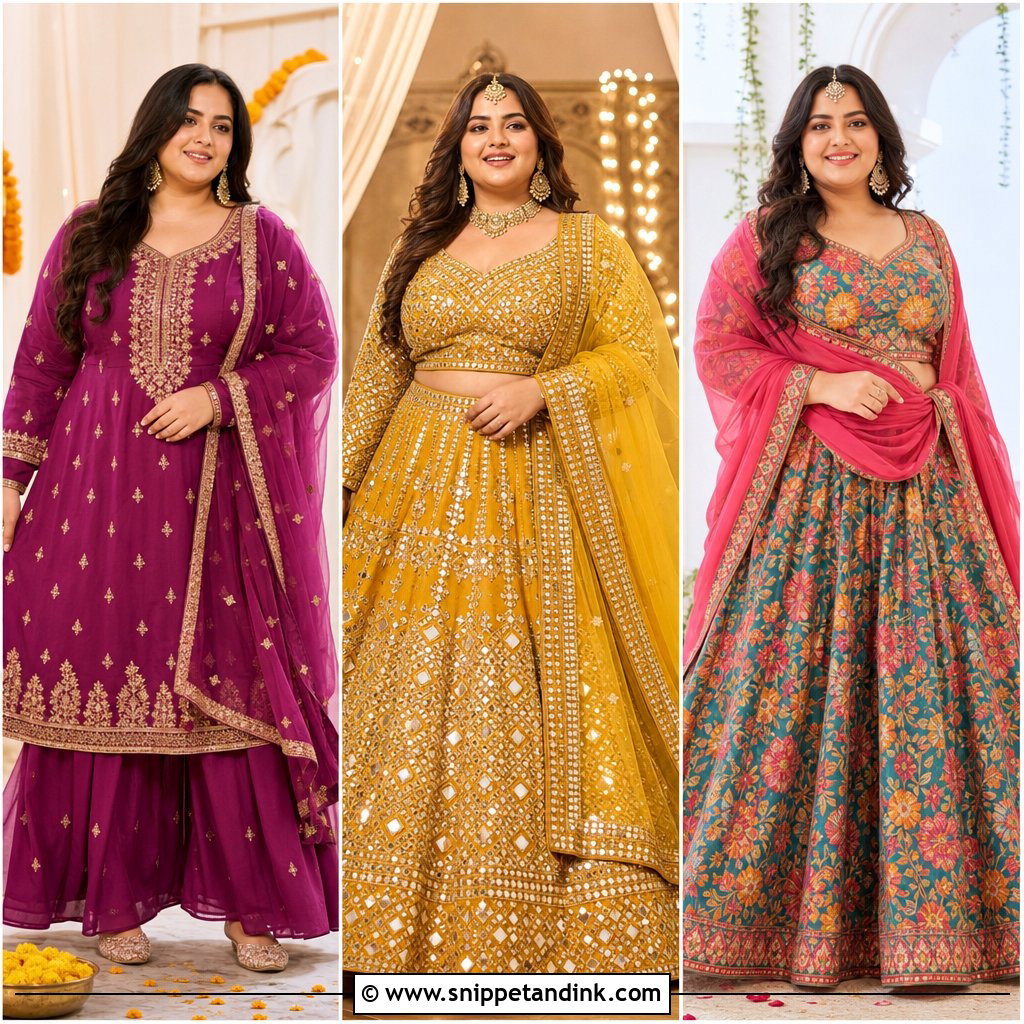
A mirror work lehenga outfit belongs at the mehendi and on the sangeet dance floor, where the little mirrors catch every light as you turn. Green, fuchsia, turquoise and cobalt make the most of them. Mirrors add weight, though, so I look for a lightweight base skirt with the mirrors spread out rather than packed into a solid band at the hem, which swings heavily. A short-sleeve mirror blouse, oxidized earrings and juttis keep it playful. Drape the dupatta to one side and pin it so it stays out of your way.
6. Sharara Set Outfit
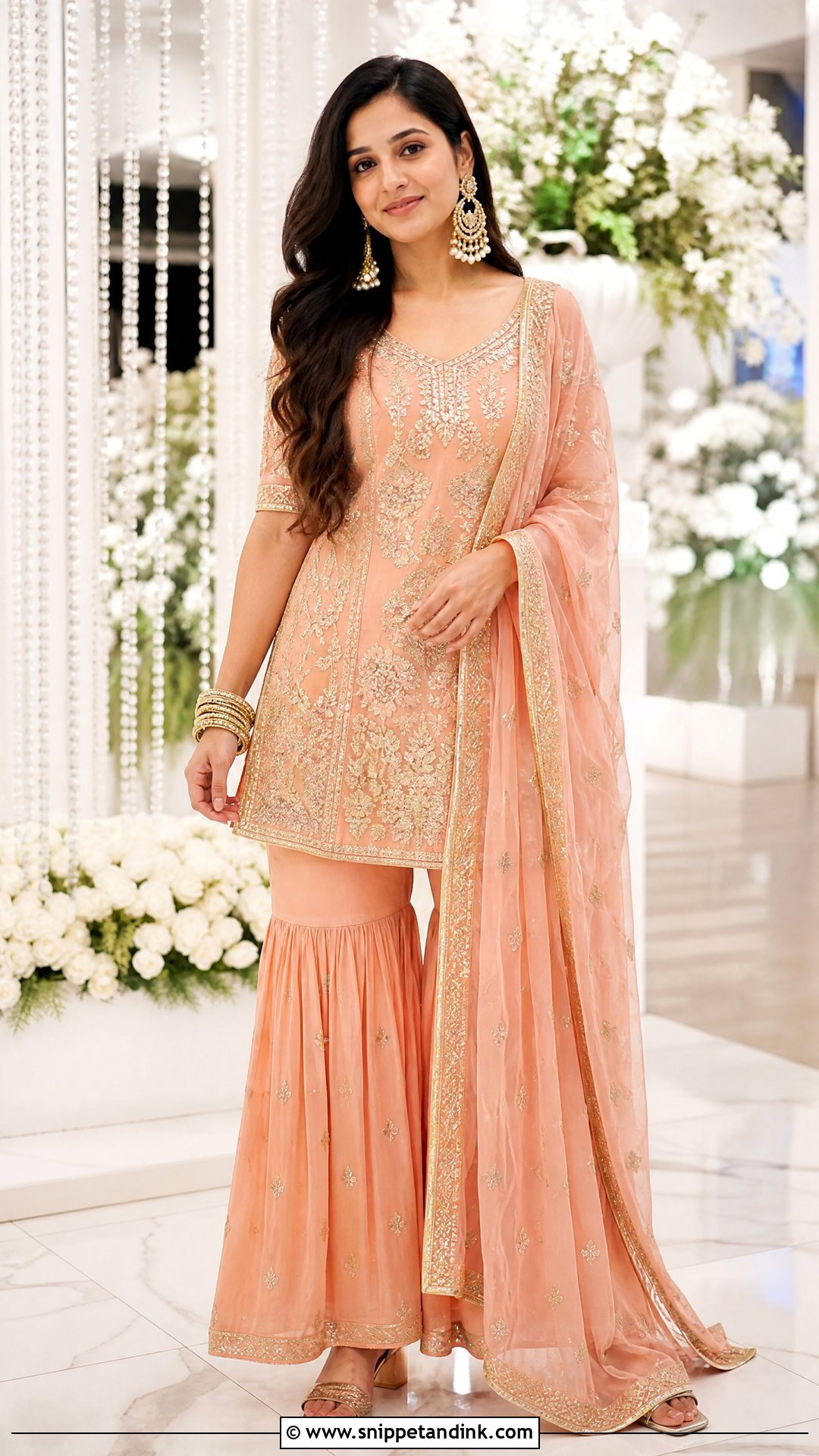
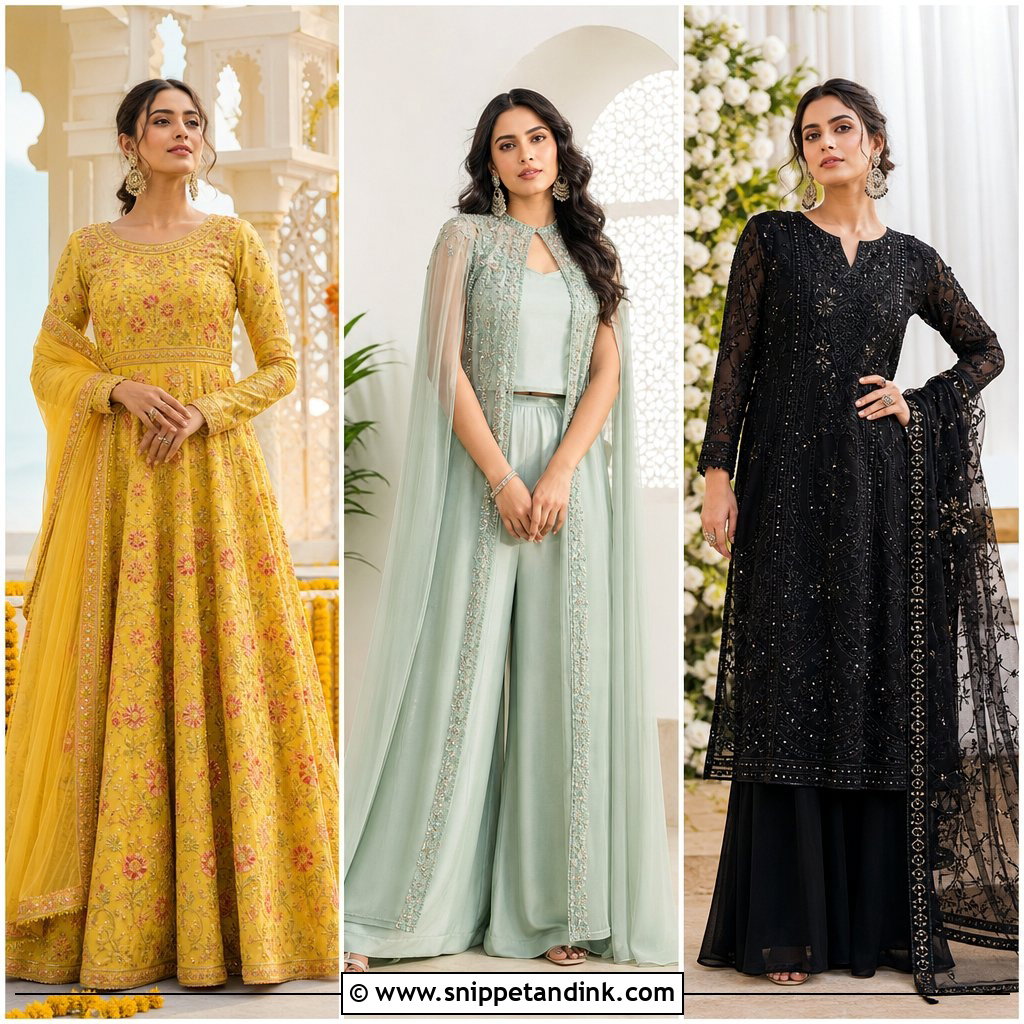
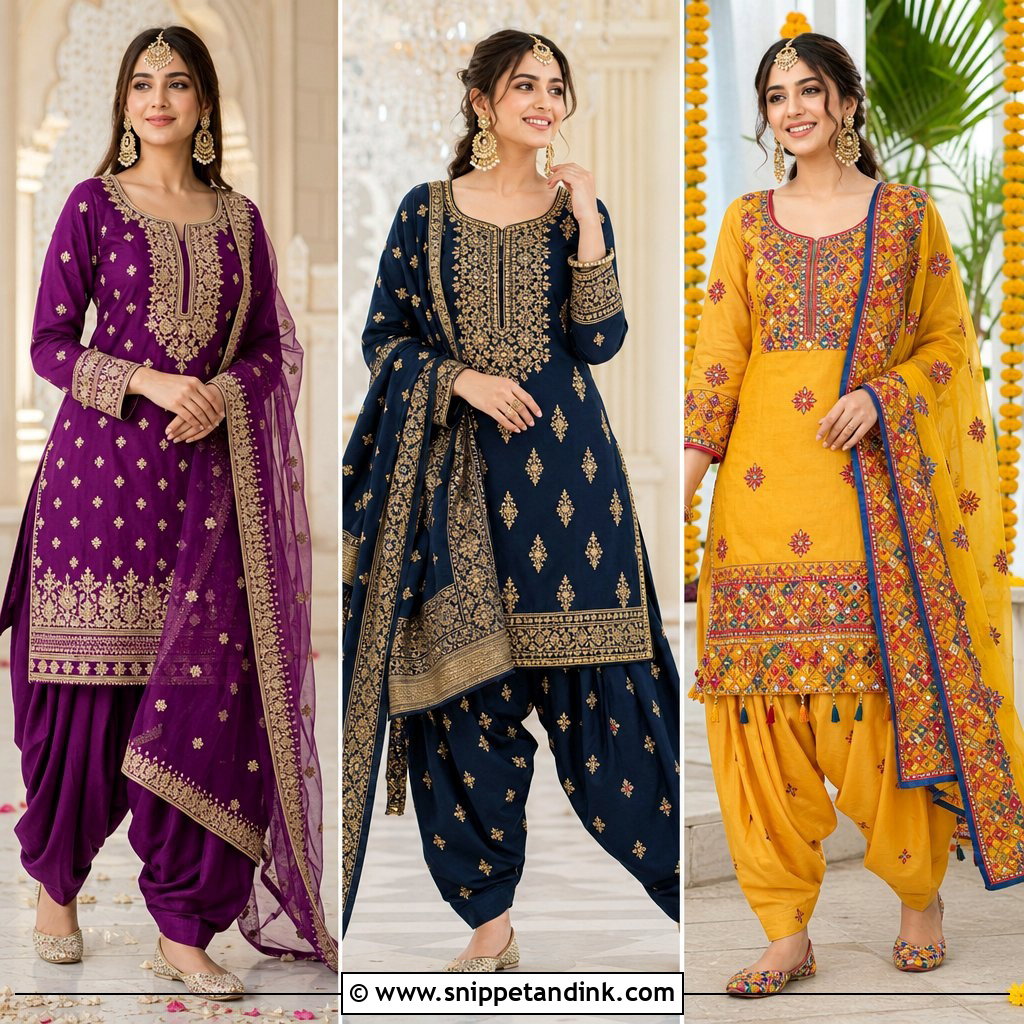
Shararas give you the drama of a lehenga without the weight, which is why I often put bridesmaids in them. The flared pants move like a skirt but never wrap around your ankles on stairs. Bright gota patti or mirror work suits haldi and mehendi, while silk, georgette or velvet in jewel tones can carry a reception. A passa on one side of the hair is a nice traditional touch here. My one fitting rule: the hem should just clear the floor in the shoes you’ll wear, because shararas collect dust and petals fast.
7. Gharara Suit Outfit
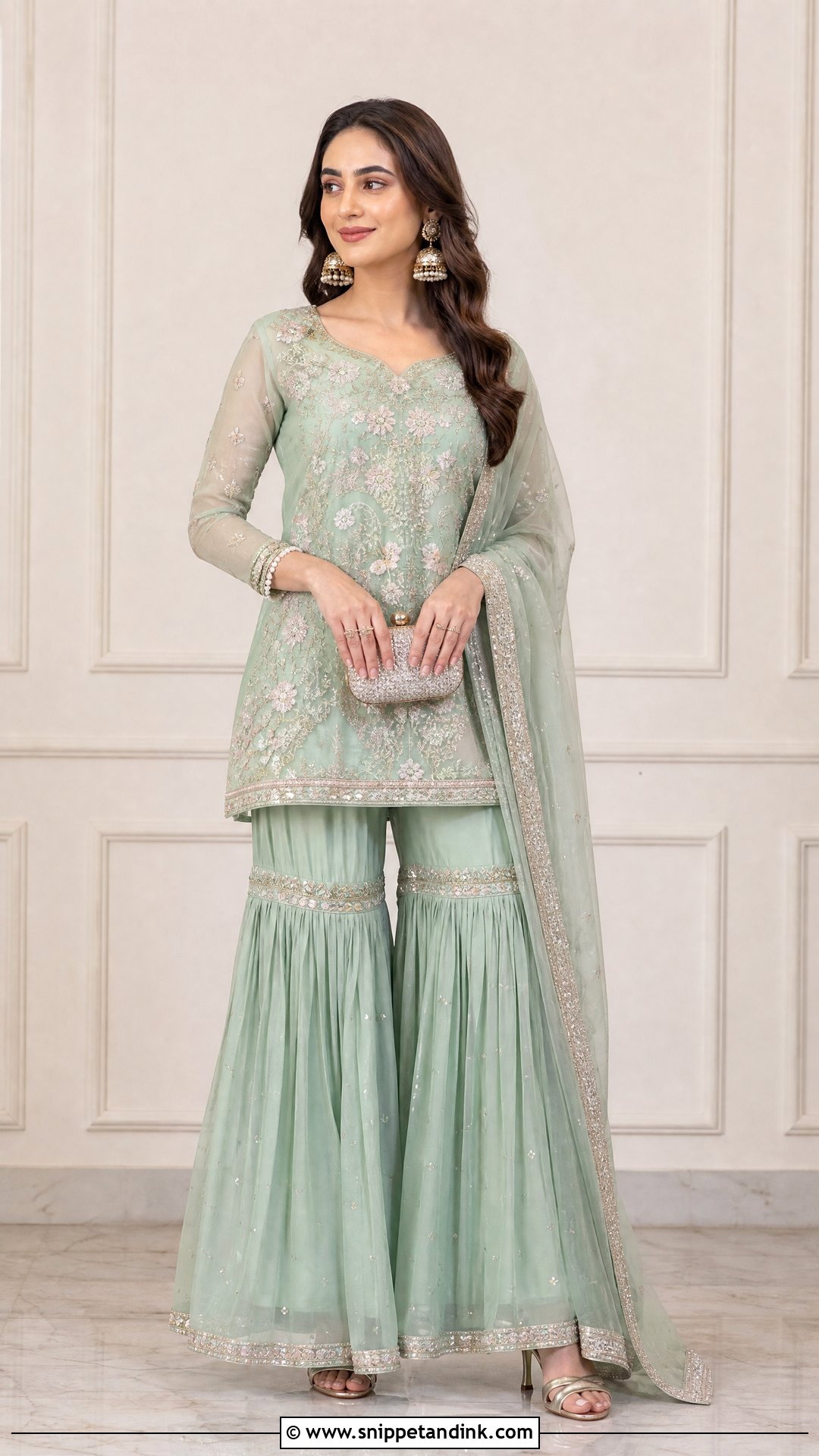
A gharara is fitted through the thigh and flares from the knee, so it looks more structured than a sharara and reads slightly more formal. That makes it a natural fit for nikah ceremonies and receptions. Silk, brocade and tissue hold the knee flare well; limp georgette loses the shape unless the gharara is lined. I measure the knee carefully, since a gharara that’s tight there makes a long seated ceremony miserable. A dupatta with a strong border, jhumkas and a soft bun complete it, with pastels by day and emerald or wine at night.
8. Anarkali Suit Outfit
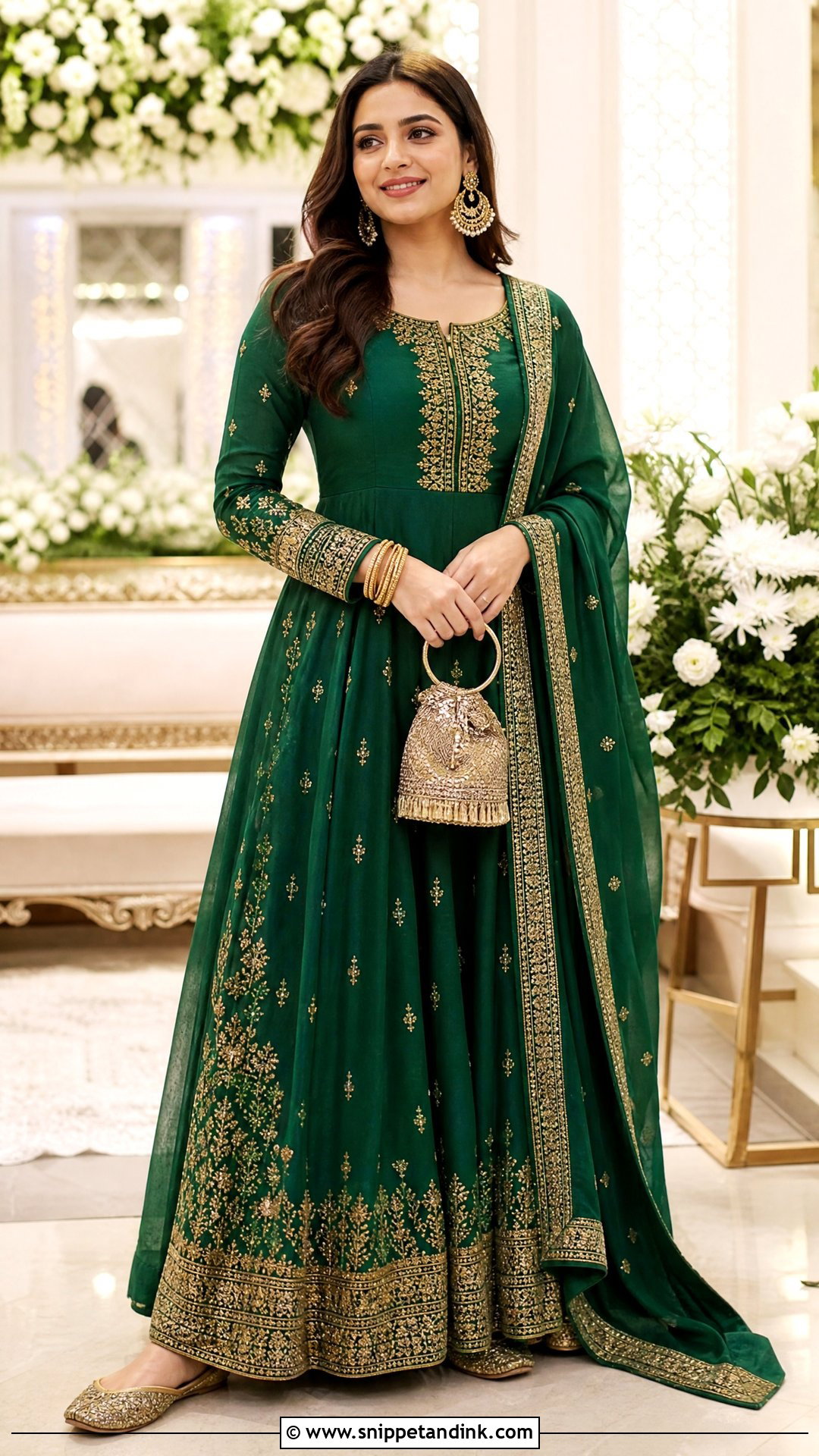
An Anarkali suit outfit is my safest answer for a guest who isn’t sure what to wear. The fitted bodice and long flare suit many body types and still let you sit and walk freely. Printed or chikankari Anarkalis suit daytime functions; velvet, silk or heavily embroidered georgette dress it up for the sangeet or reception. A floor-length Anarkali with a good dupatta can look every bit as dressed as a lehenga. Check where the waist seam falls, because just under the bust is the most forgiving placement for most figures.
9. Jacket Lehenga Outfit
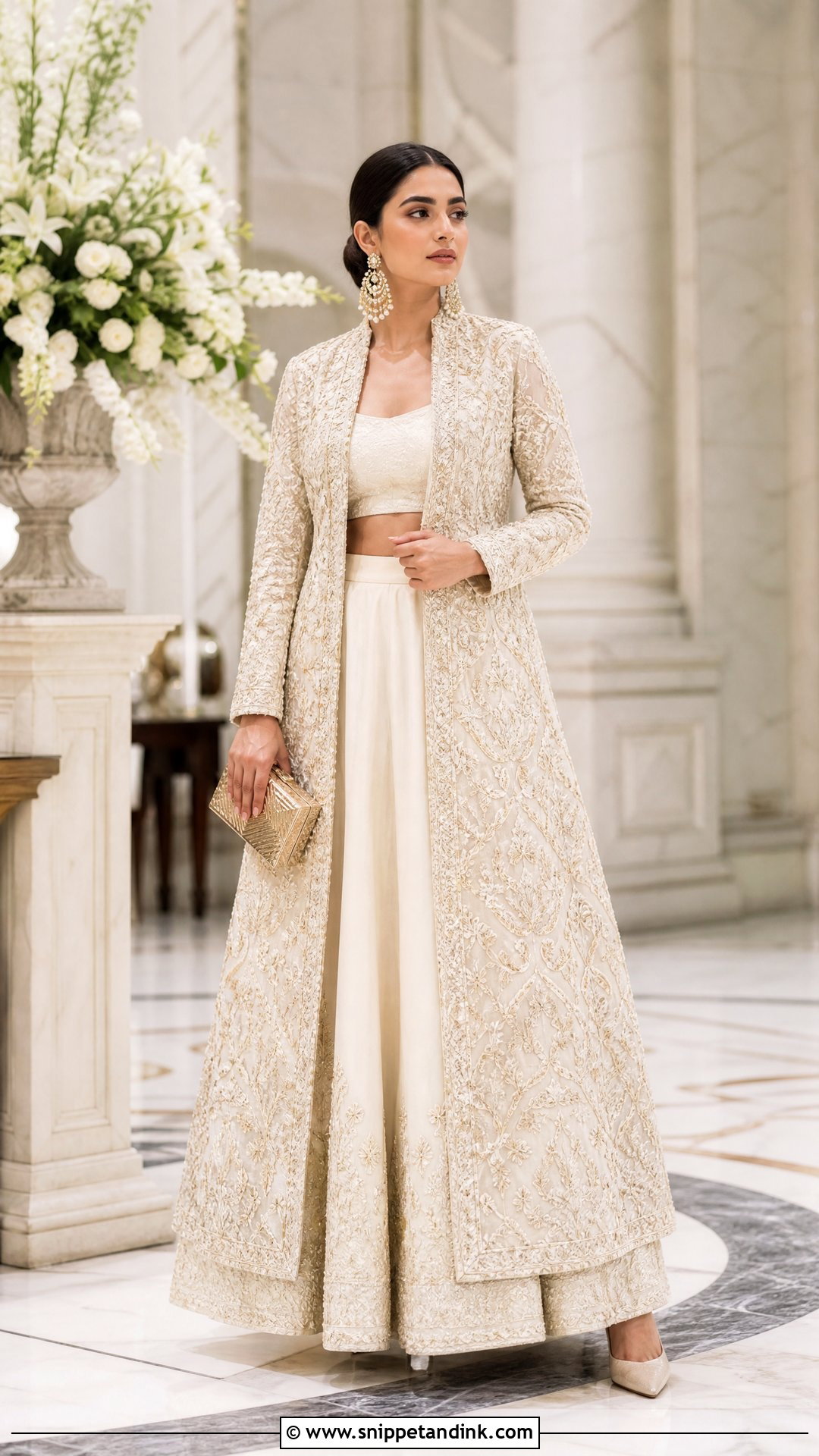
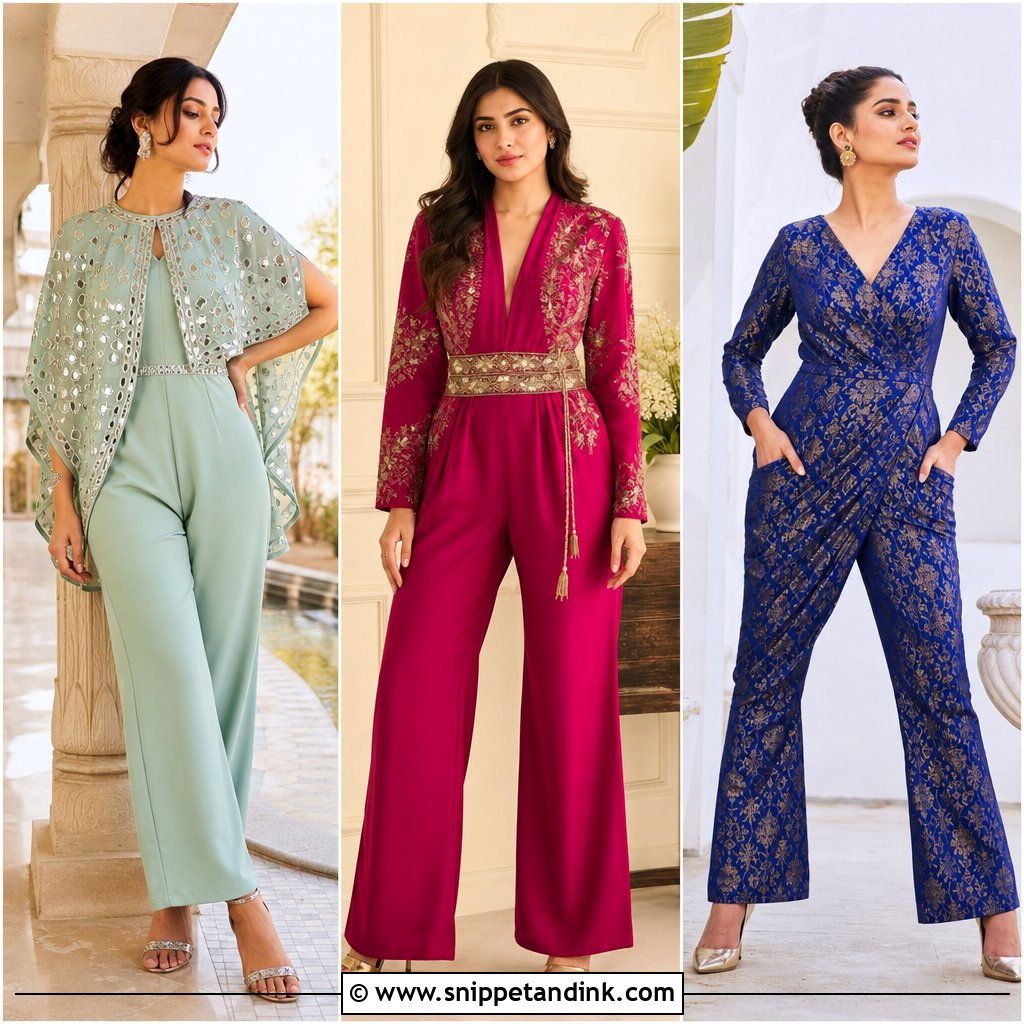
A jacket lehenga swaps the dupatta for an embroidered jacket, long or cropped, which gives you coverage and a sharp, structured line. I like it most for winter weddings and cocktail functions. Pair a plain lehenga with a heavily worked jacket, or keep both lightly coordinated. Have the jacket fitted with the blouse on underneath, otherwise the shoulders sit wrong and the front gapes. Sleek hair and pointed heels suit the cleaner shape, and the jacket rewears well later over trousers or a plain saree.
10. Cape Lehenga Outfit
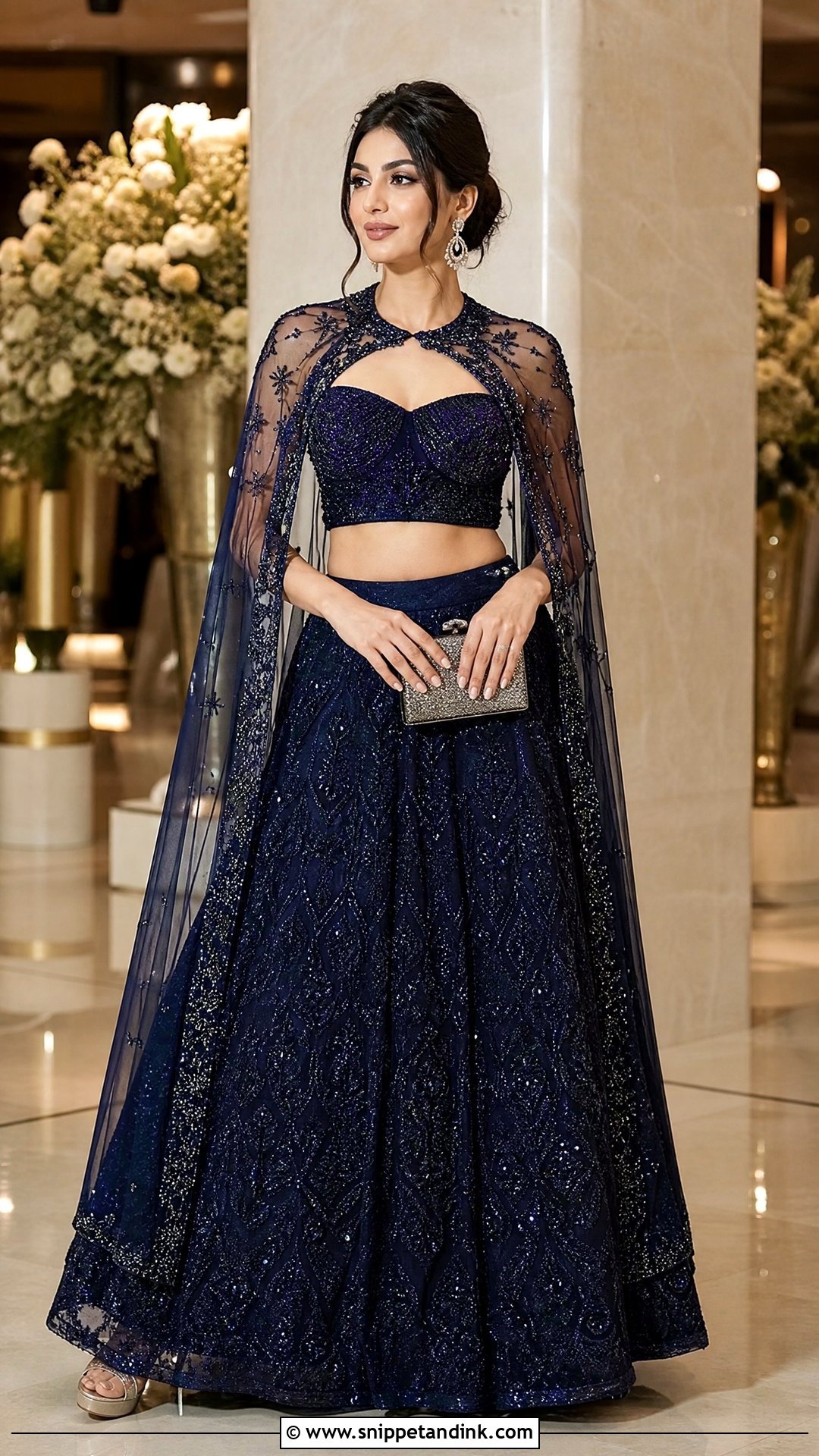
A cape lehenga keeps your hands free, which matters more than people expect when you’re greeting a hundred guests or dancing. The cape replaces the dupatta and moves around the shoulders. Sheer capes with scalloped or pearl edges look delicate; sequinned ones carry an evening. I make sure the cape is attached at the shoulder seam and not just hooked on, so it doesn’t slip back every time you hug someone. Pastel versions suit daytime, while black, navy and wine look more glamorous after dark.
11. Pre Draped Saree Outfit
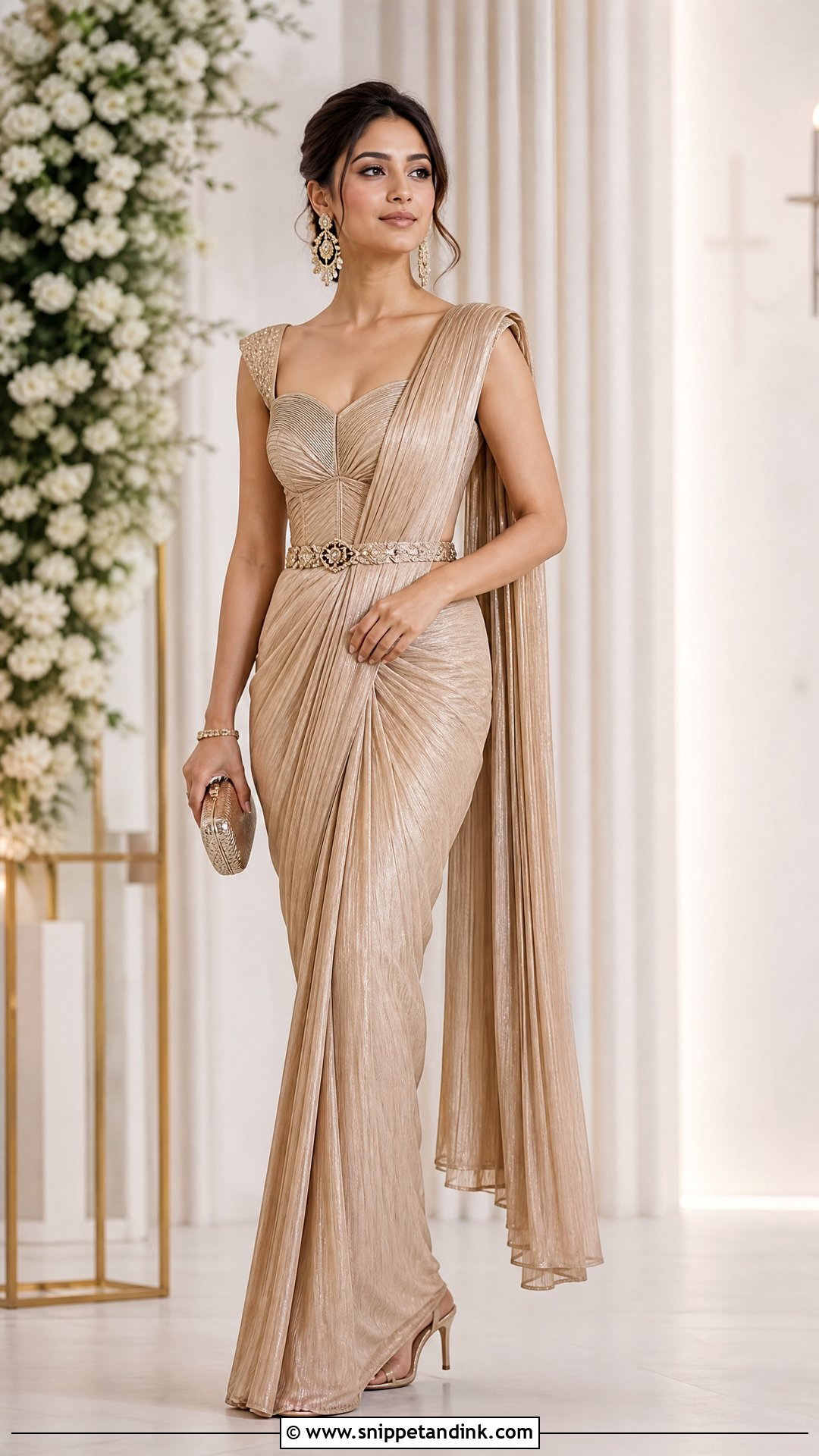
With a pre-draped saree, the pleats and pallu are stitched in place, so it stays neat from arrival to the last dance. That makes it a smart pick for destination weddings, where nobody may be around to help you drape. Many come with belts or sculpted blouses for a modern finish. Satin and crepe give a sleek line; shimmer georgette catches the light. Try it on before the day in the shoes you’ll wear, because a stitched pleat length can’t be adjusted at the last minute the way a regular drape can.
12. Saree Gown Outfit
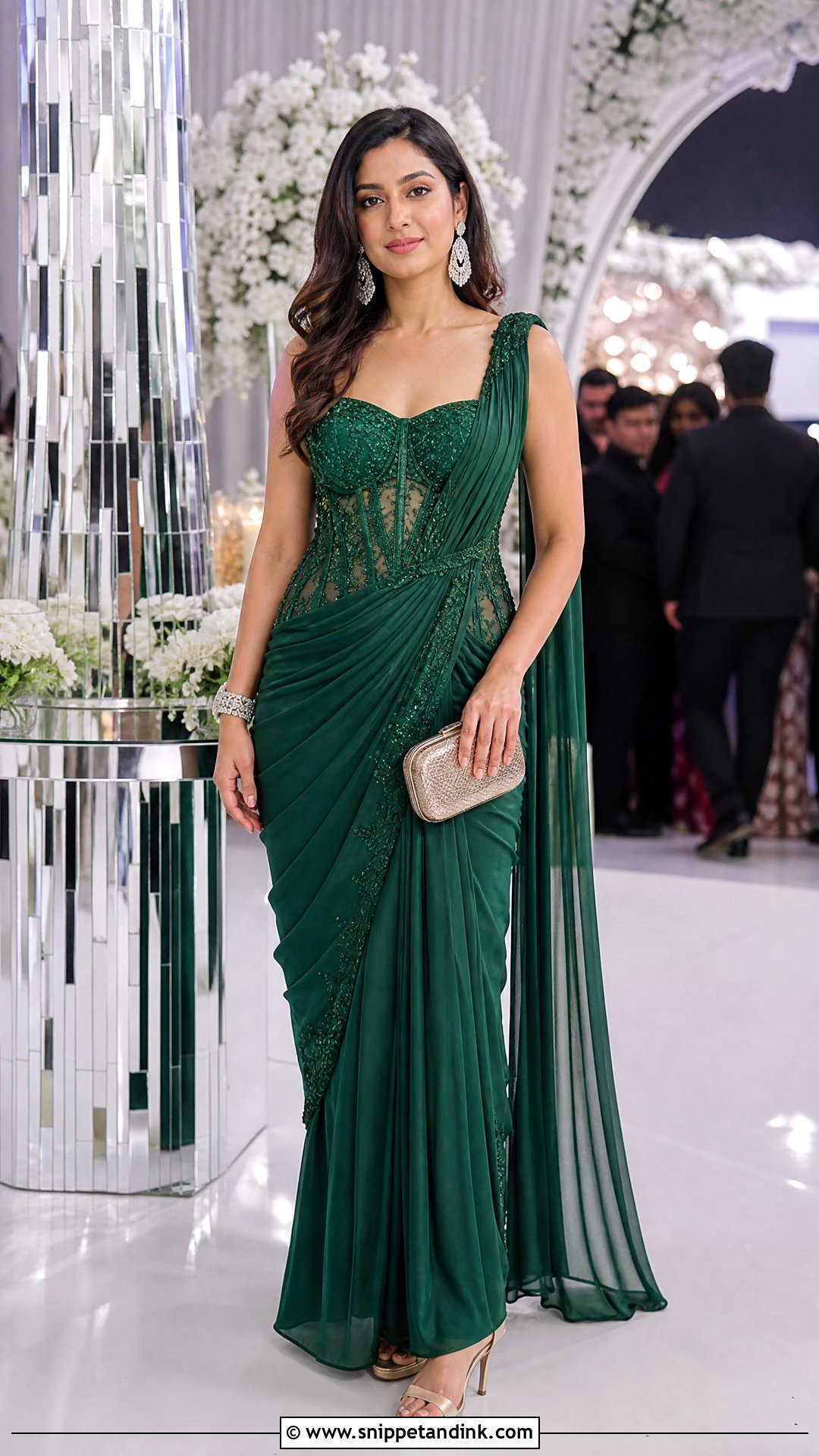
A saree gown has the drape of a saree and the fit of a gown, so nothing needs re-pinning at a reception or formal dinner. Pleated details, attached pallus and embellished bodices are the usual features, and champagne, metallics and jewel tones suit the cut. Because the shape is already sleek, I keep jewelry to drop earrings and a cuff. Watch the closure. Many saree gowns fasten with an invisible back zip that needs a second pair of hands, so plan who’s helping you dress.
13. Indo Western Skirt Outfit
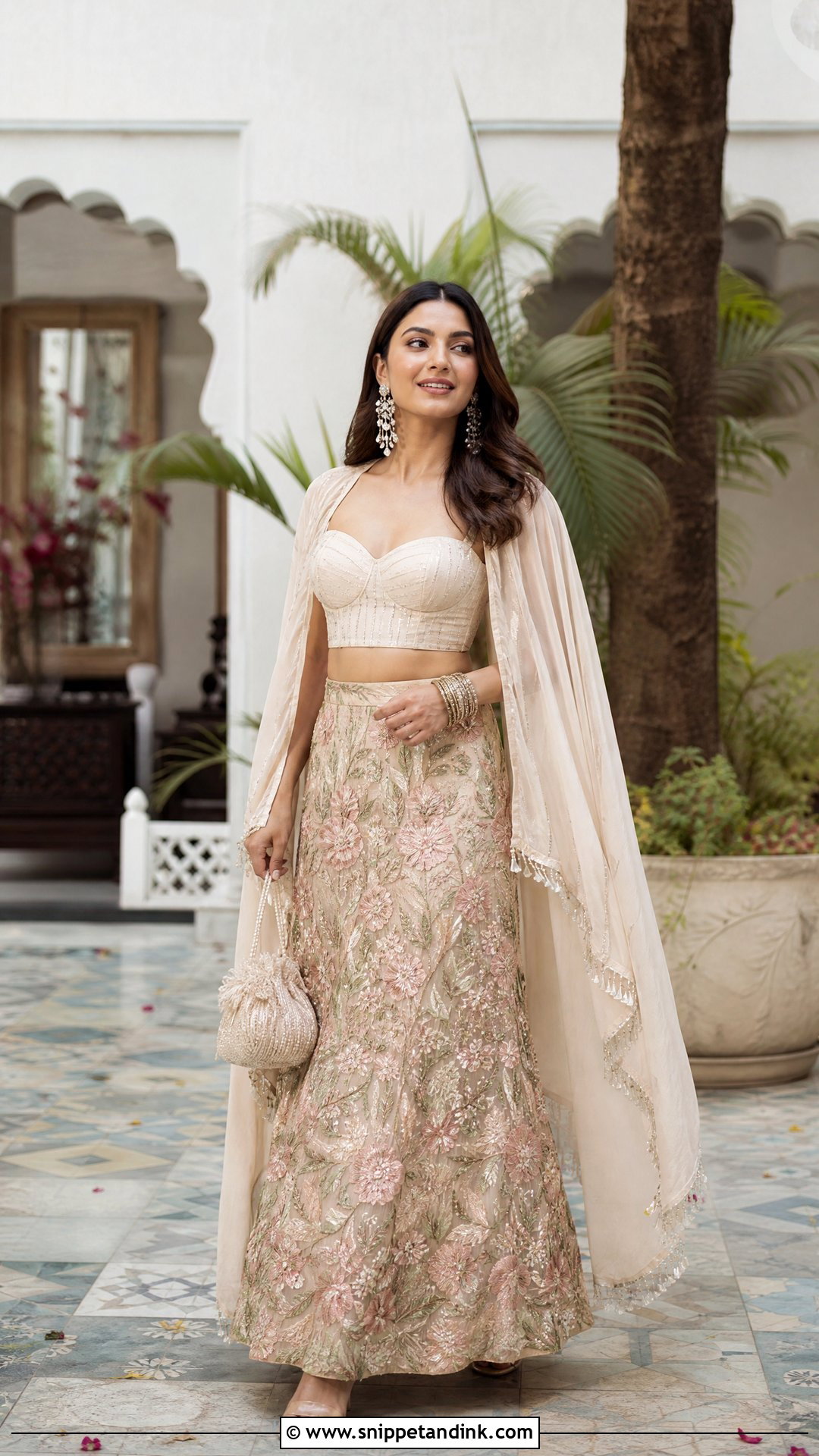
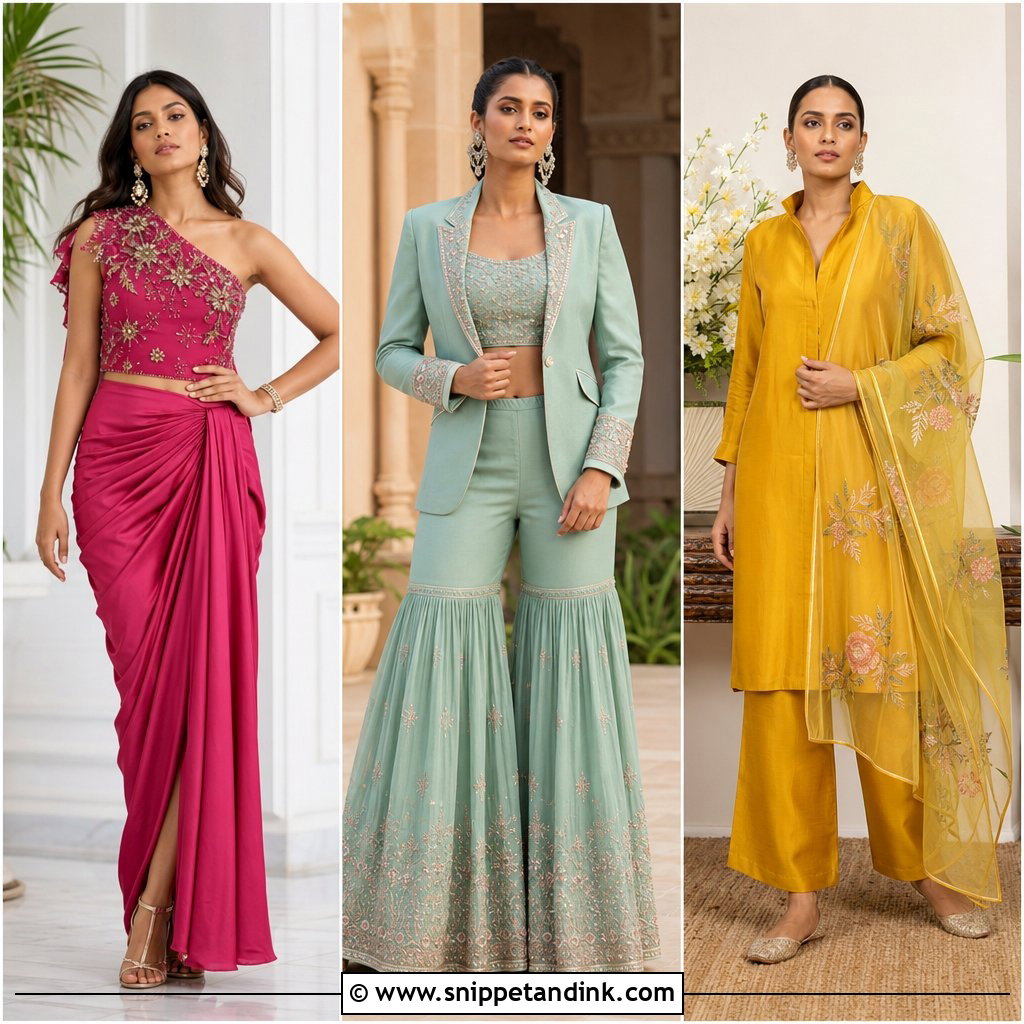
An Indo Western skirt outfit pairs an embroidered skirt with a crop top, corset blouse or structured shirt, plus a cape or jacket if the function calls for it. It’s lighter than a full lehenga, so it travels well and suits mehendi and sangeet. Bright prints feel right by day; sequins and metallic embroidery at night. The pieces split up and restyle easily afterwards, which is the practical reason I recommend it. Make sure the skirt is properly lined, since unlined embroidery scratches bare legs.
14. Chikankari Lehenga Outfit
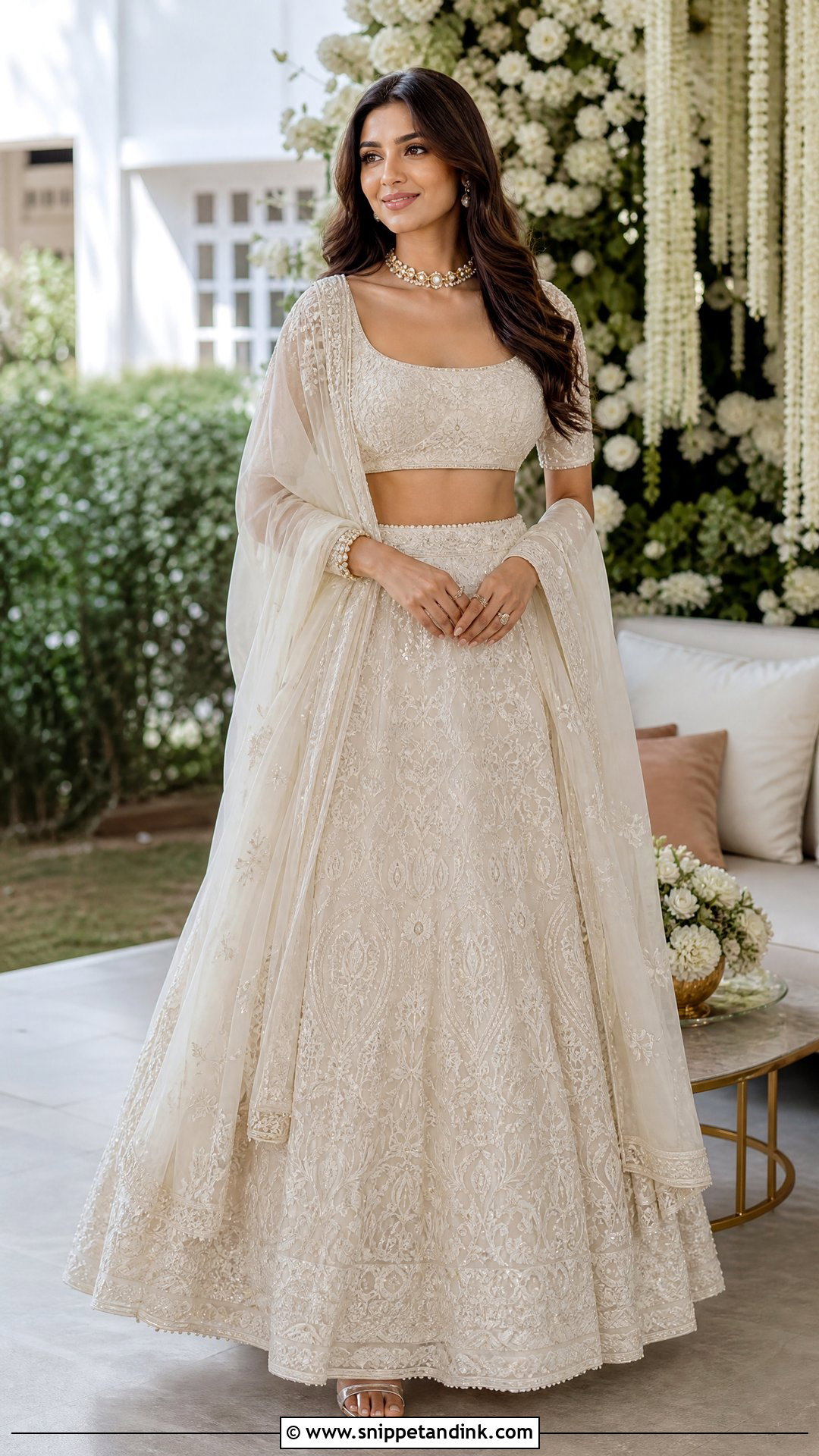
Chikankari is hand embroidery from Lucknow, traditionally pale thread on fine fabric, and a lehenga in it looks refined rather than loud. Ivory, blush, sage and powder blue are the popular shades for daytime ceremonies and engagements. Plain chikankari can look flat in wide photos, so I like versions with mukaish (tiny metal work) or a scatter of pearls to catch some light. Pair it with pearl jewelry and soft metallic heels. For a bride’s own engagement, ivory is an easy yes; a guest should think twice before wearing it to someone else’s wedding.
15. Velvet Lehenga Outfit
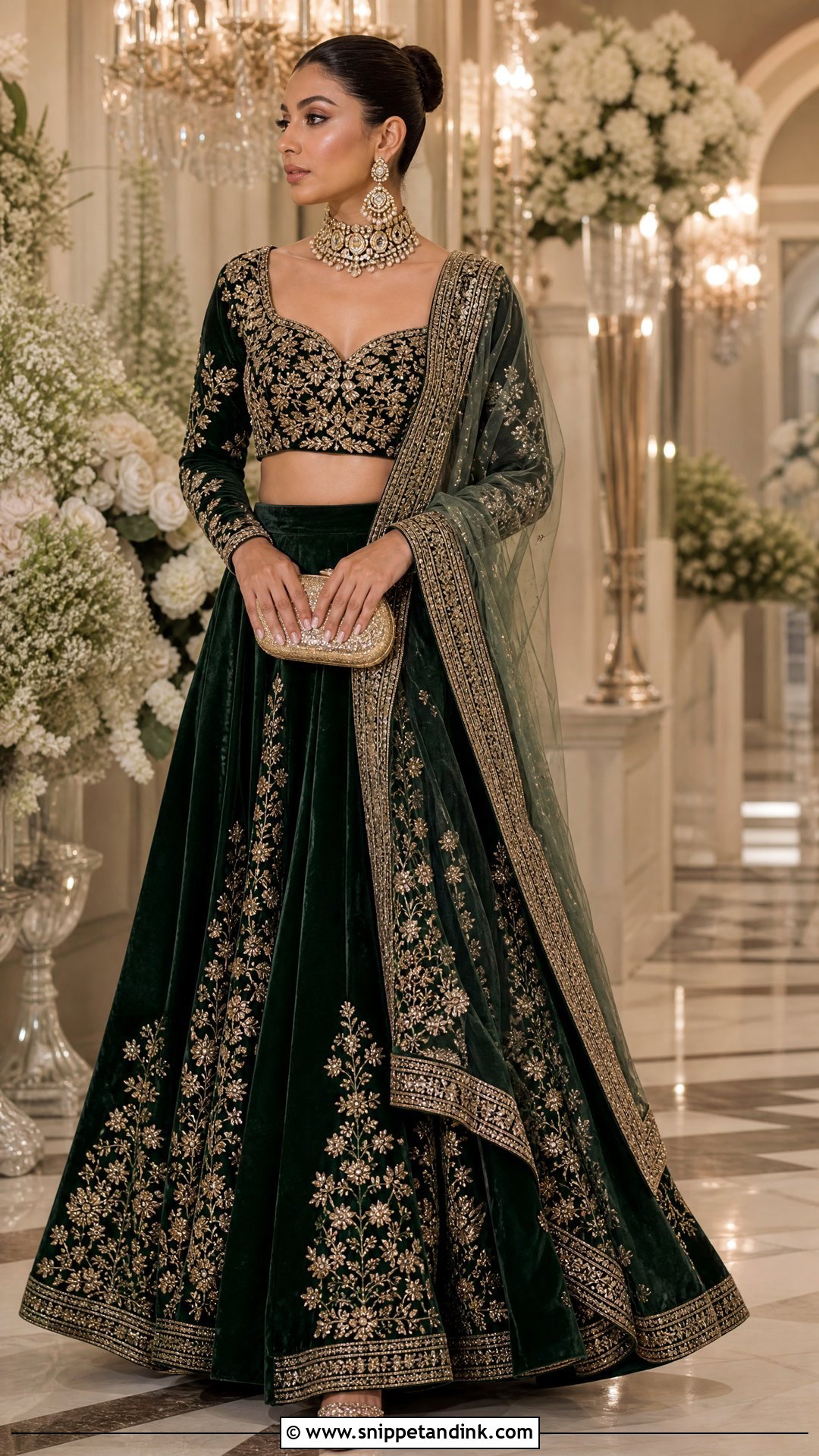
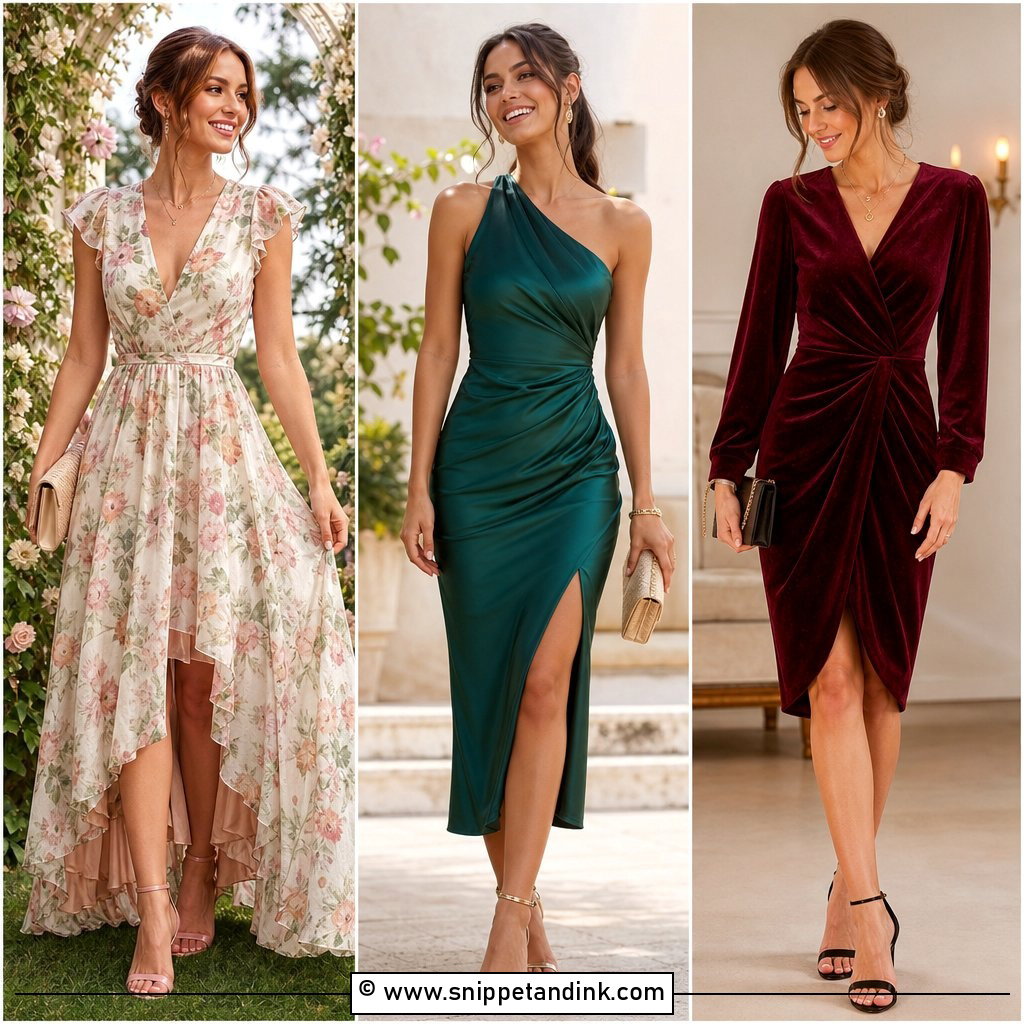
Velvet looks rich even with simple embroidery, which is why it carries winter weddings and evening receptions so well. Emerald, maroon, navy and bottle green hold their depth in the pile. A full velvet skirt is heavy, so for long nights I’d rather pair a velvet blouse with a silk or net skirt and a light dupatta. Velvet also shows pressure marks, so hang it rather than folding it tightly the night before. Kundan jewelry and bold eyes match its richness.
16. Sequin Saree Outfit
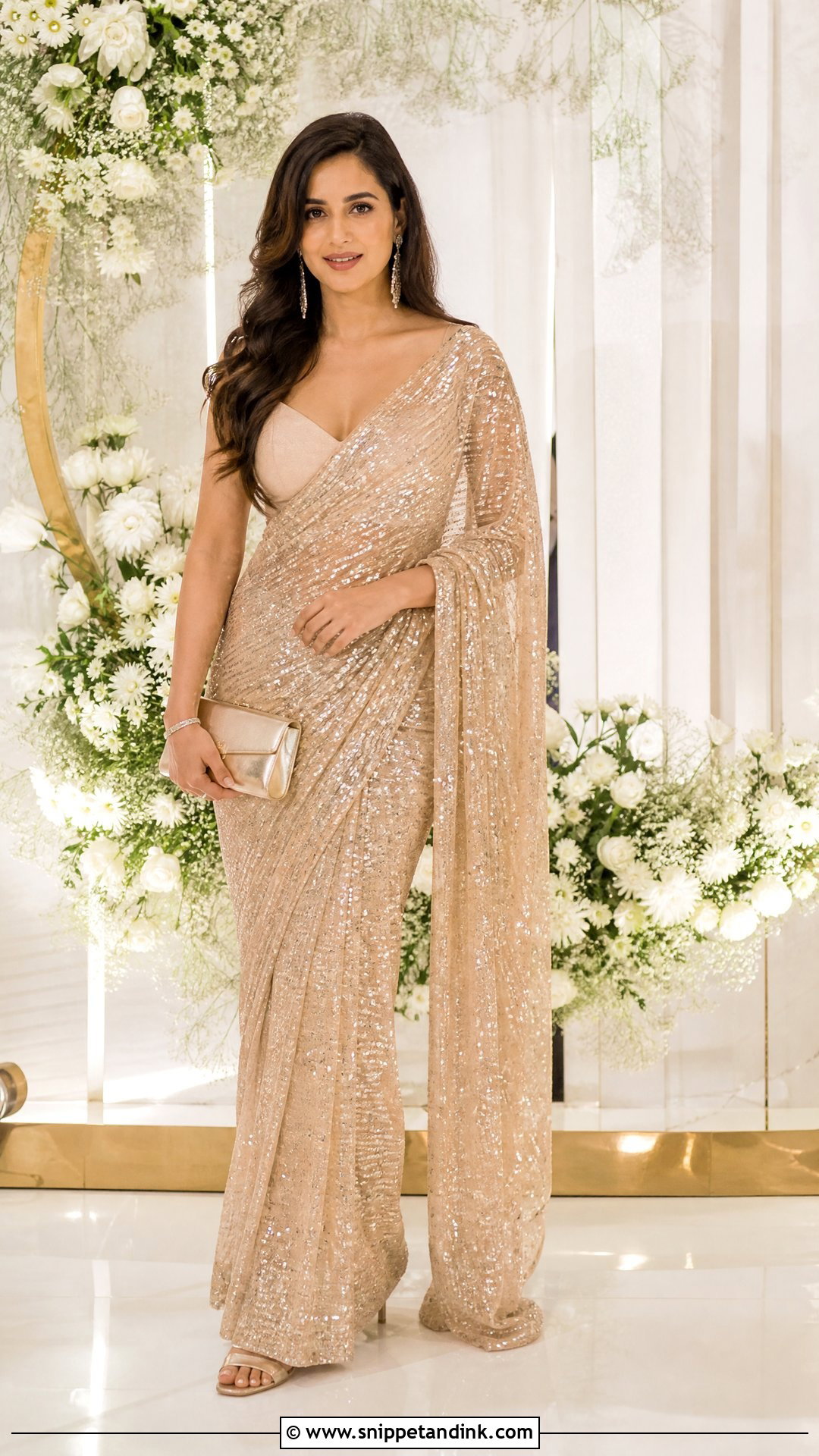
A sequin saree does the sparkling for you, so everything else can stay quiet. Soft gold, champagne, silver and navy look sophisticated at receptions and cocktail nights. I keep the blouse simple and the jewelry to earrings and a ring. The base under the sequins is often georgette that doesn’t breathe, so on a warm evening or a crowded dance floor I steer clients toward a scattered-sequin version instead of one that’s fully covered. Straight hair or a clean bun keeps strands from catching.
17. Floral Lehenga Outfit
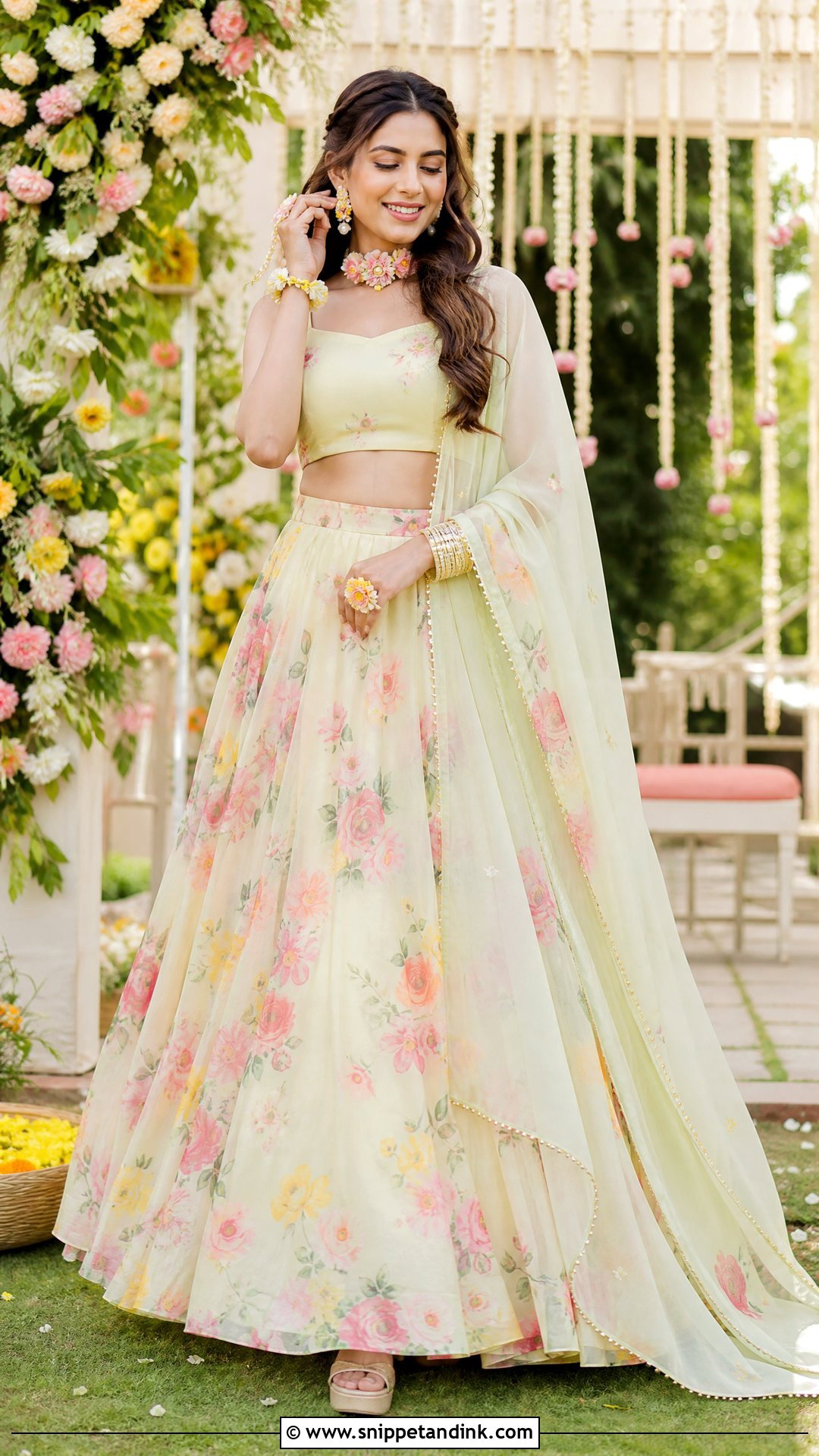
A floral lehenga suits haldi, mehendi and garden weddings, and it’s one of the easiest outfits for bridesmaids to coordinate, since different prints on the same base color still read as a set. Organza, georgette and cotton silk keep it light enough to move in, and yellow, peach and mint bases set off colorful florals. Cotton silk handles a hot afternoon better than synthetic georgette, which turns sticky. Floral jewelry or pearls and comfortable wedges for the lawn finish it.
18. Haldi Yellow Kurta Set Outfit
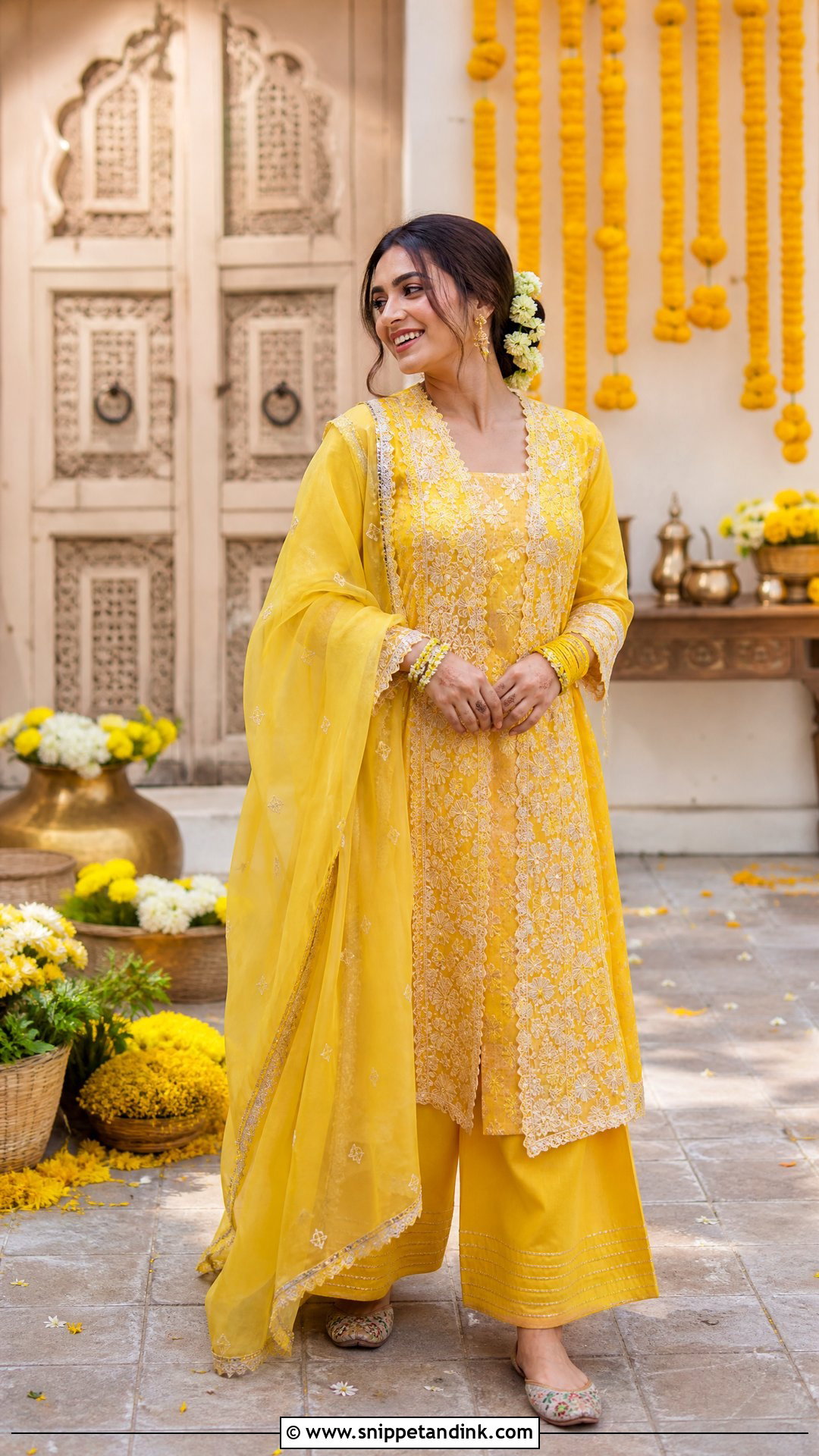
A haldi yellow kurta set outfit is the most practical thing you’ll wear all wedding week. Haldi gets messy, and turmeric marks light cotton easily, so I tell people to treat this as the outfit they’re happy to get stained. Mustard, marigold and lemon all suit the ritual, and palazzos or straight pants make floor seating easy. Cotton silk, chanderi or muslin breathe in morning heat, with gota patti or mirror work for a festive touch. Juttis, small earrings and a few fresh flowers are plenty.
19. Mehendi Green Sharara Outfit
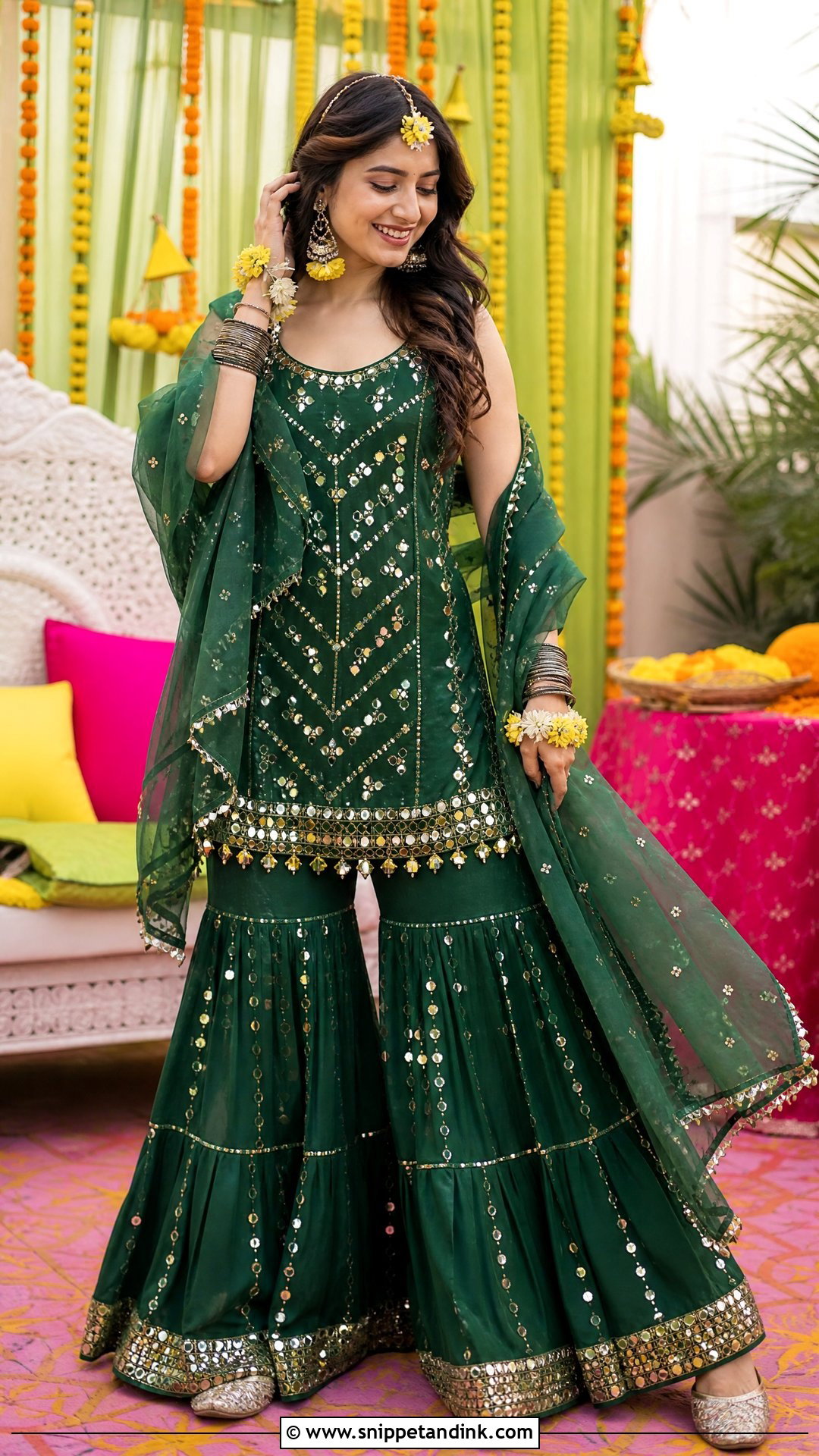
A mehendi green sharara outfit fits the mood of the ceremony, and green comes in more shades than people use: mint, parrot, olive, emerald, teal. The flared pants make dancing and sitting on floor cushions easy. For a bride getting her henna done, I suggest short sleeves or sleeves that roll well above the elbow, because she’ll sit with wet paste on her arms for hours. Mirror work or gota patti adds sparkle, and oxidized earrings with embellished flats keep it relaxed.
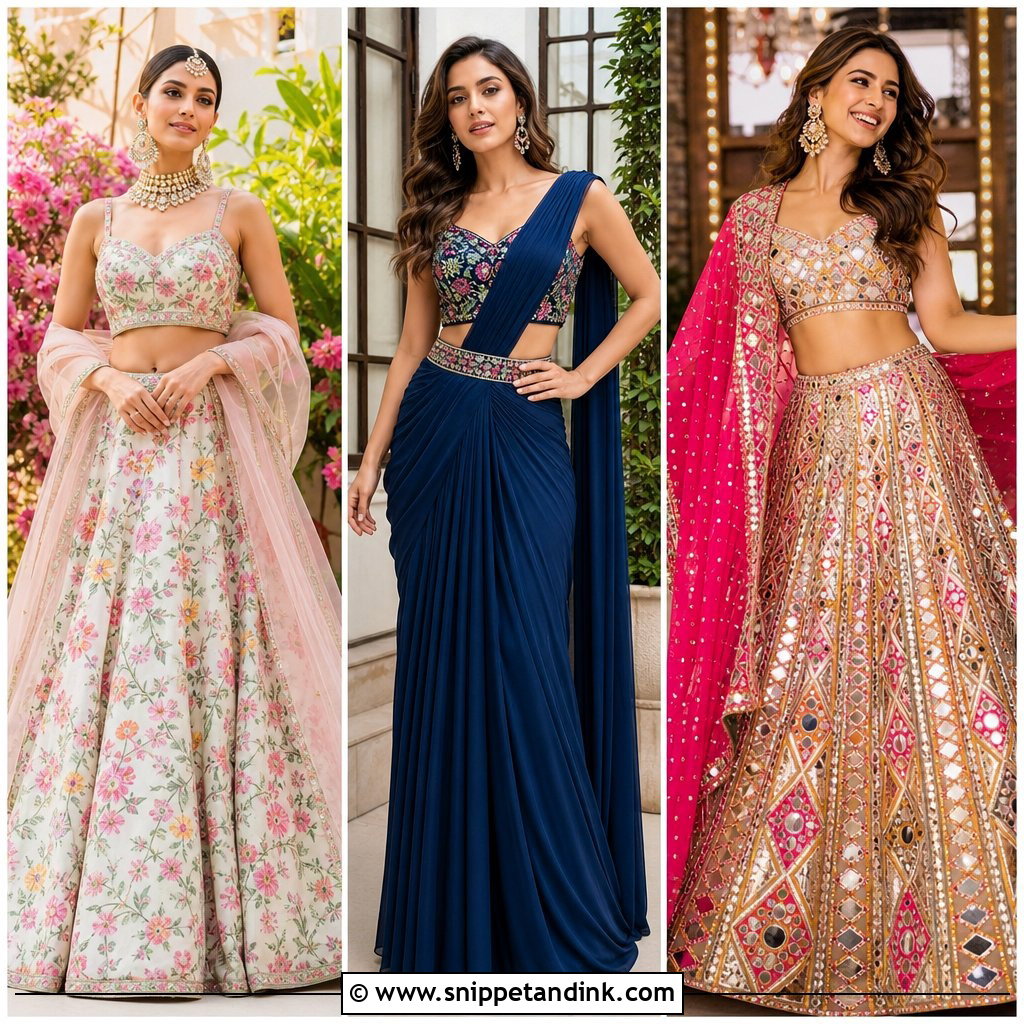
20. Sangeet Lehenga Outfit
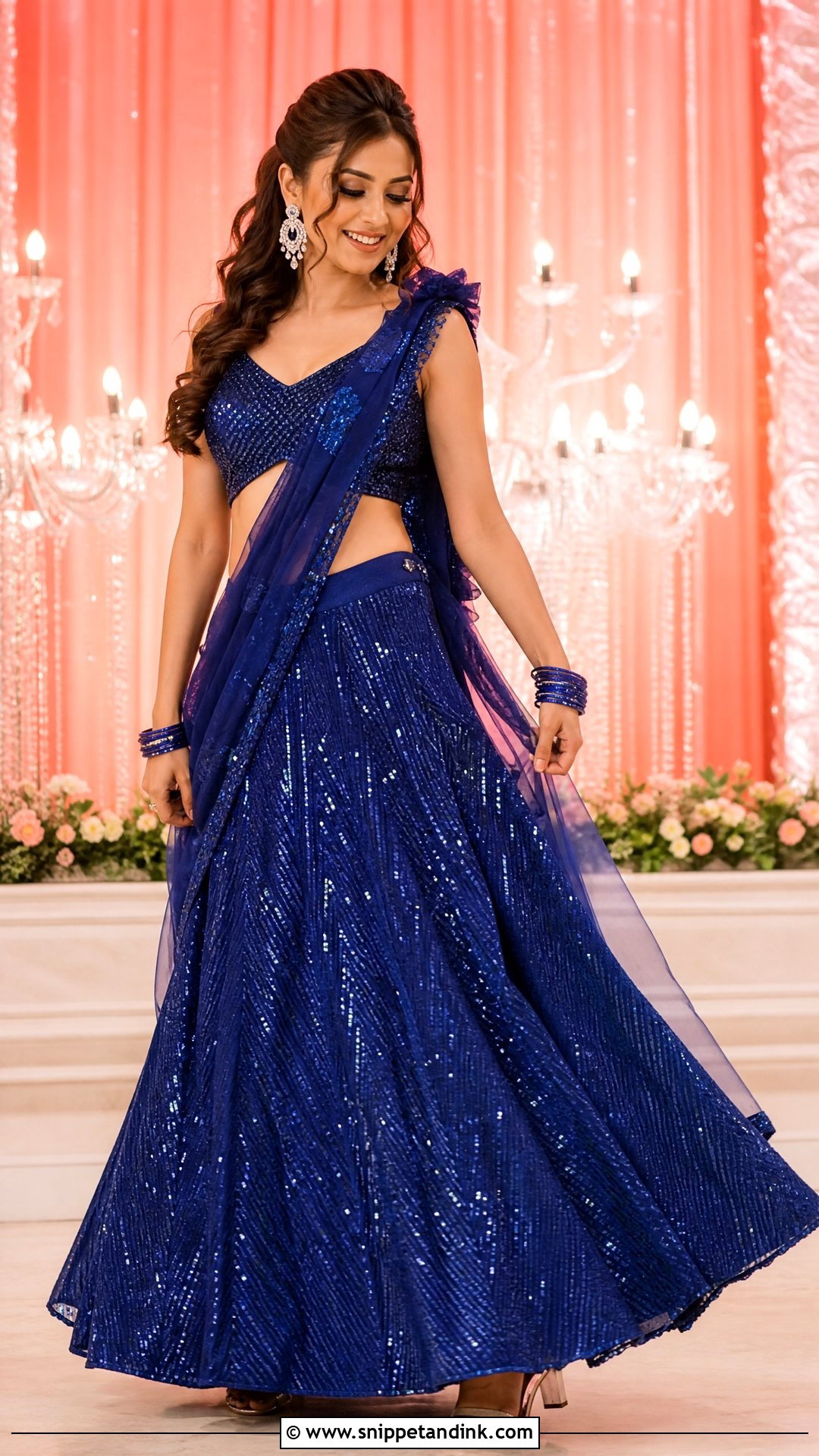
A sangeet lehenga has one job above all: letting you dance. That means a lighter skirt, a waistband that sits firmly without constant tugging and a blouse you can raise your arms in. Mirror work, foil print and sequins all catch stage lighting. Hot pink, cobalt and orange feel energetic, while champagne and silver lean glamorous. I pin the dupatta at both the shoulder and the waist, or skip it for a cape layer. Wear wedges or block heels you’ve already danced in at home.
21. Reception Gown Outfit
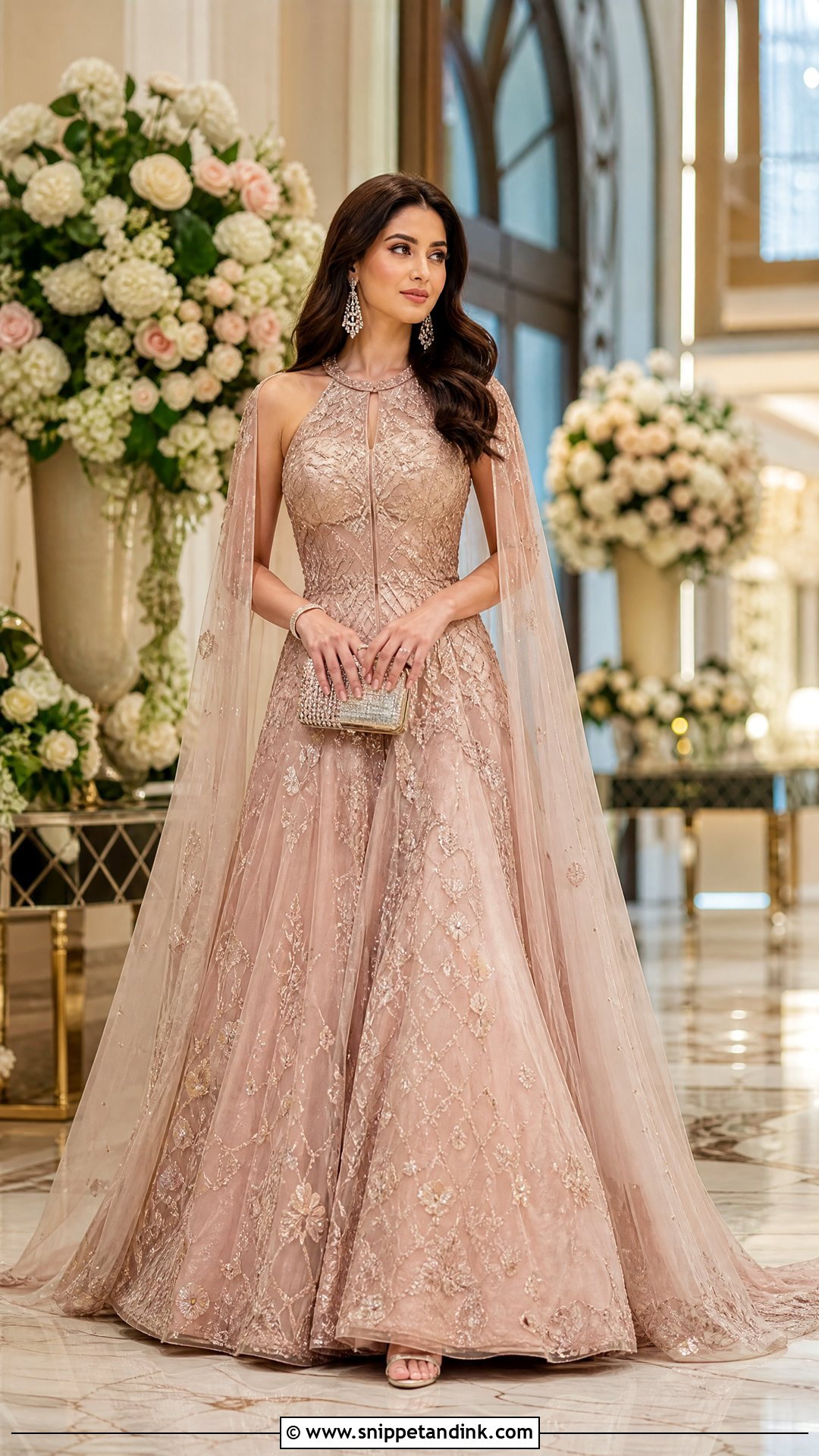
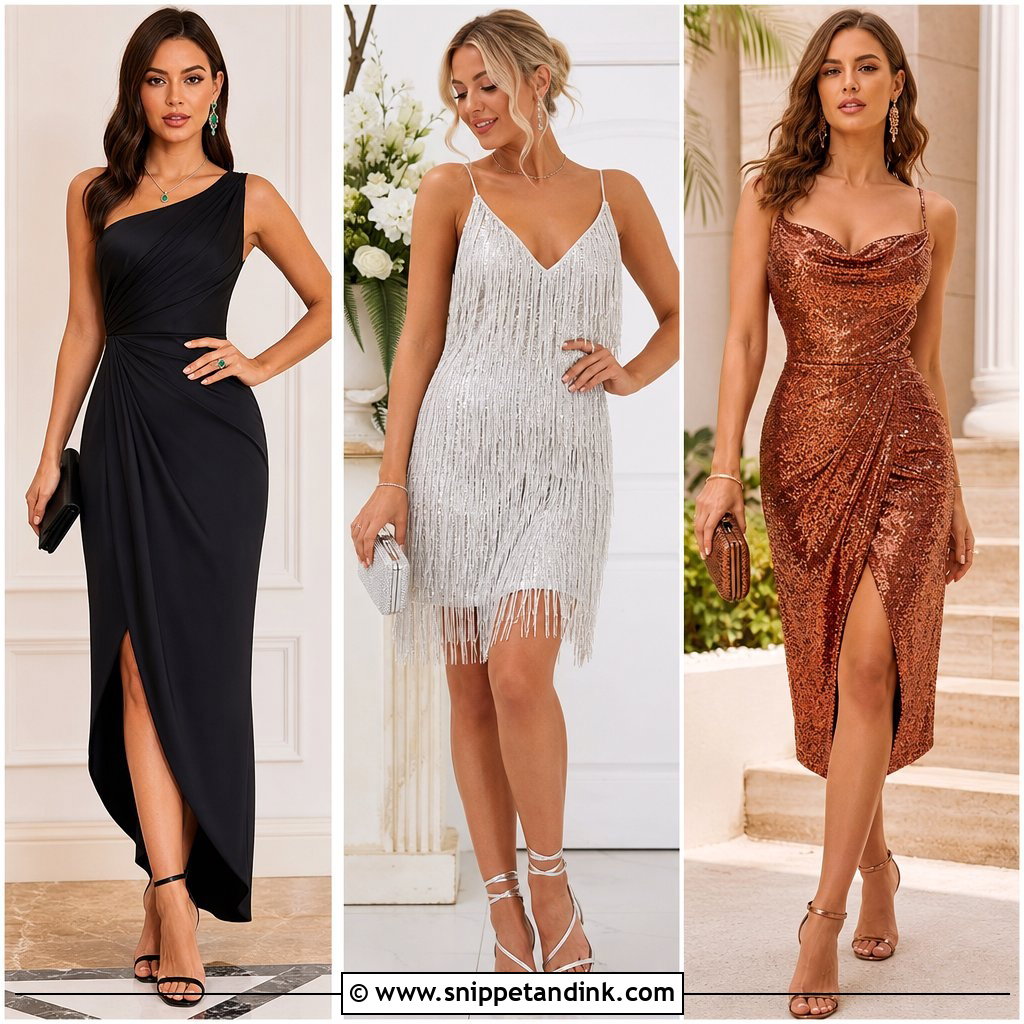
A reception gown suits the formal evening when you’d rather skip traditional layering. Look for zari, beadwork or a cape detail so it still reads Indian, in jewel tones, metallics or champagne. A fitted bodice and fluid skirt flatter most figures, and a dupatta-style drape over one shoulder adds a cultural note. When a bride changes into a gown, I always check she can sit at the head table and get through the first dance without the bodice cutting in after the meal.
22. Silk Lehenga Outfit
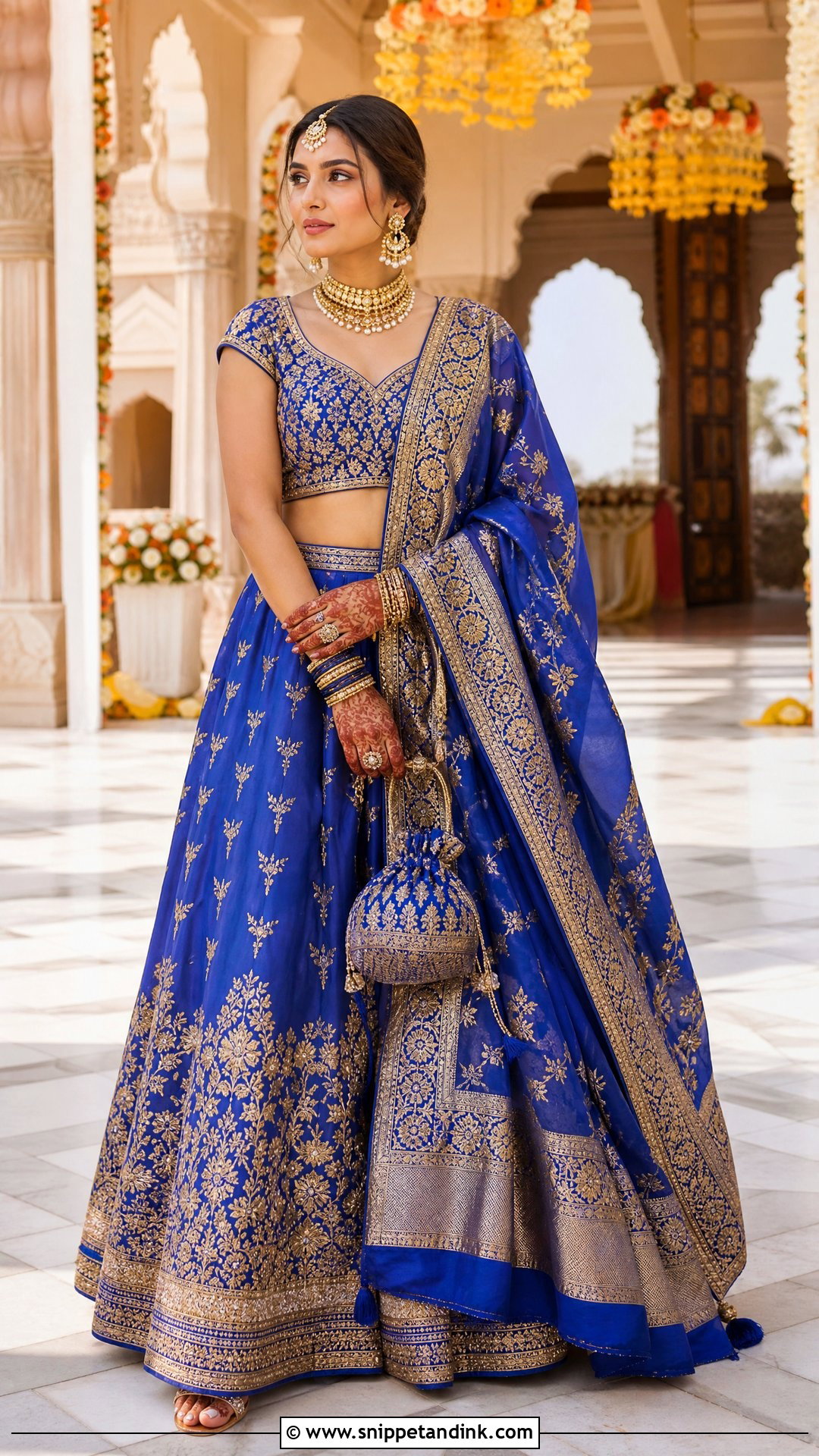
Silk has natural body and sheen, so a silk lehenga looks grand even with modest embroidery. Raw silk, Banarasi and brocade all suit traditional ceremonies, and gold zari borders or woven motifs keep it festive. Raw silk has a slightly nubby texture and creases less than satin, which helps on a long ceremony day. Pair it with a fitted blouse, gold jewelry and embellished sandals. It’s the outfit for brides and close family who want something they’ll keep and wear again.
23. Palazzo Suit Outfit
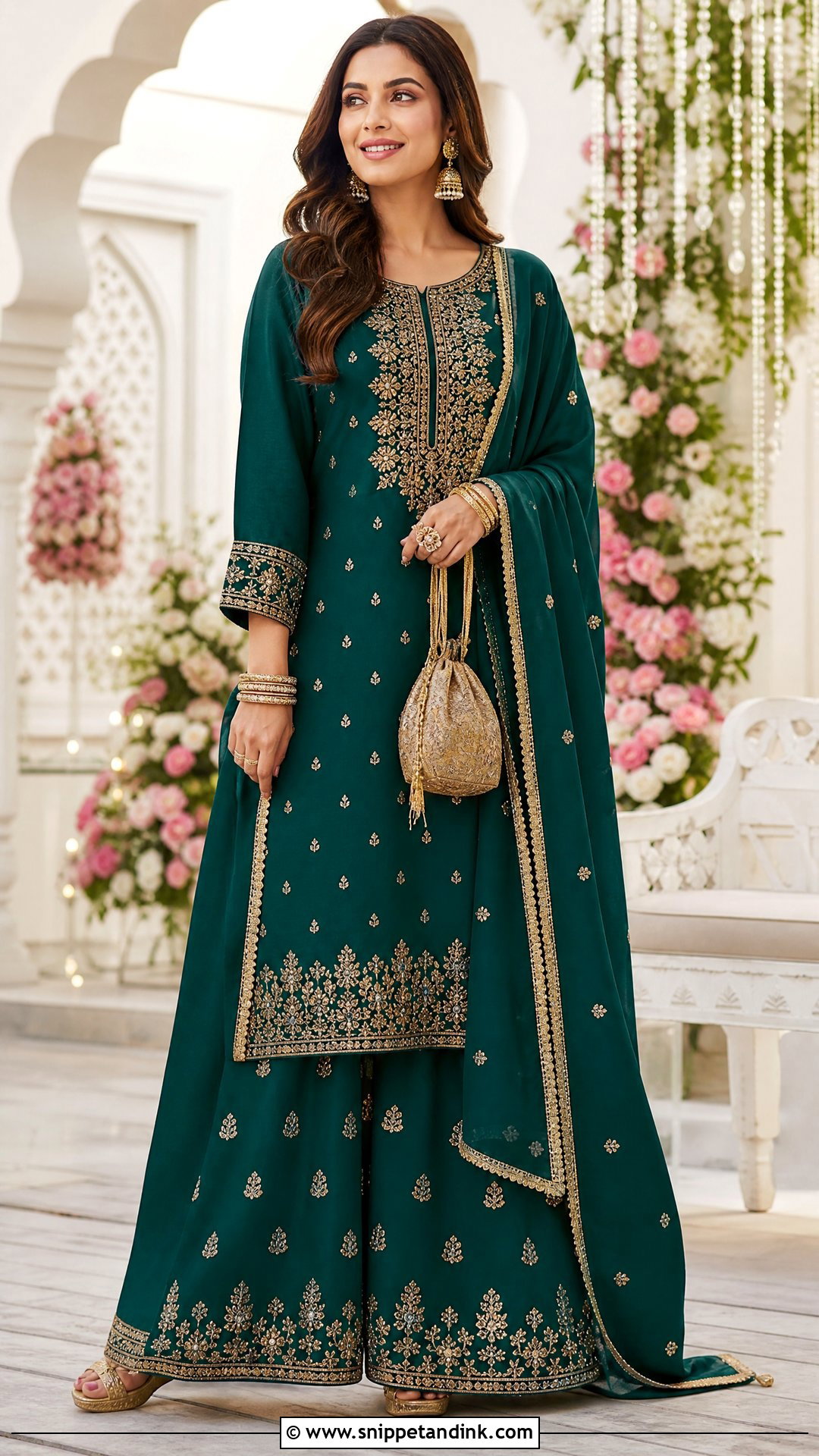
A palazzo suit is what I recommend for guests facing a full day of travel, ceremonies and dinners. Wide-leg pants feel relaxed, and an embellished kurta with a dupatta keeps it festive. Silk, chanderi and crepe hold up through hours of sitting; pastels suit daytime and jewel tones the evening. Check the length. Palazzos should just touch the top of your shoe, because anything longer catches under a heel on stairs. Jhumkas, bangles and a potli bag finish it.
24. Ruffle Saree Outfit
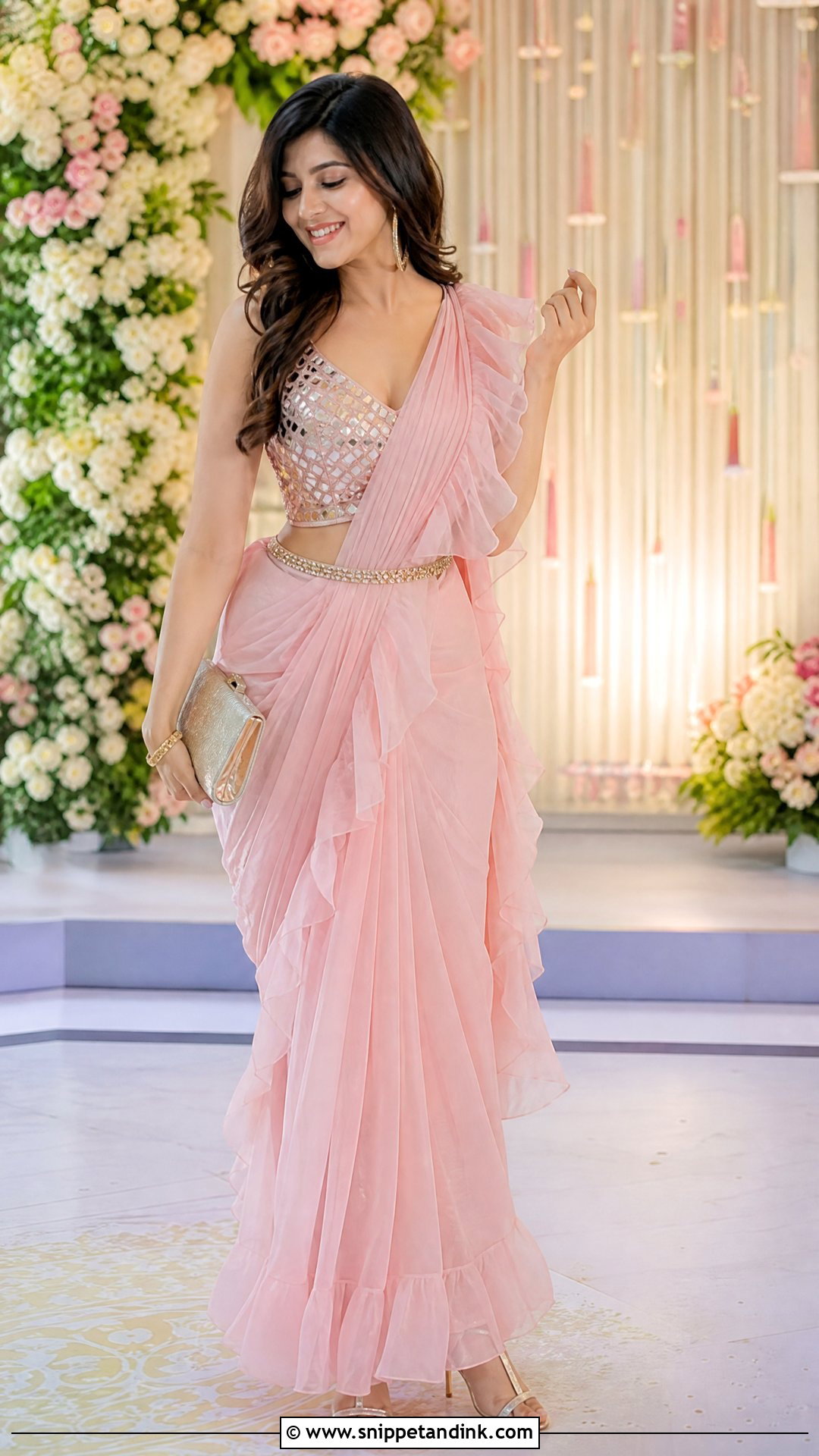
Ruffle sarees feel young and fun, so I suggest them to younger guests and bridesmaids for mehendi, sangeet or the reception. Georgette, chiffon or organza let the ruffles fall softly; stiff fabrics make them stick out. A mirror-work or sequin blouse gives the light saree enough weight to read as wedding wear, and a slim belt defines the waist. Hoop earrings and a small clutch keep it modern.
25. Co Ord Set Outfit
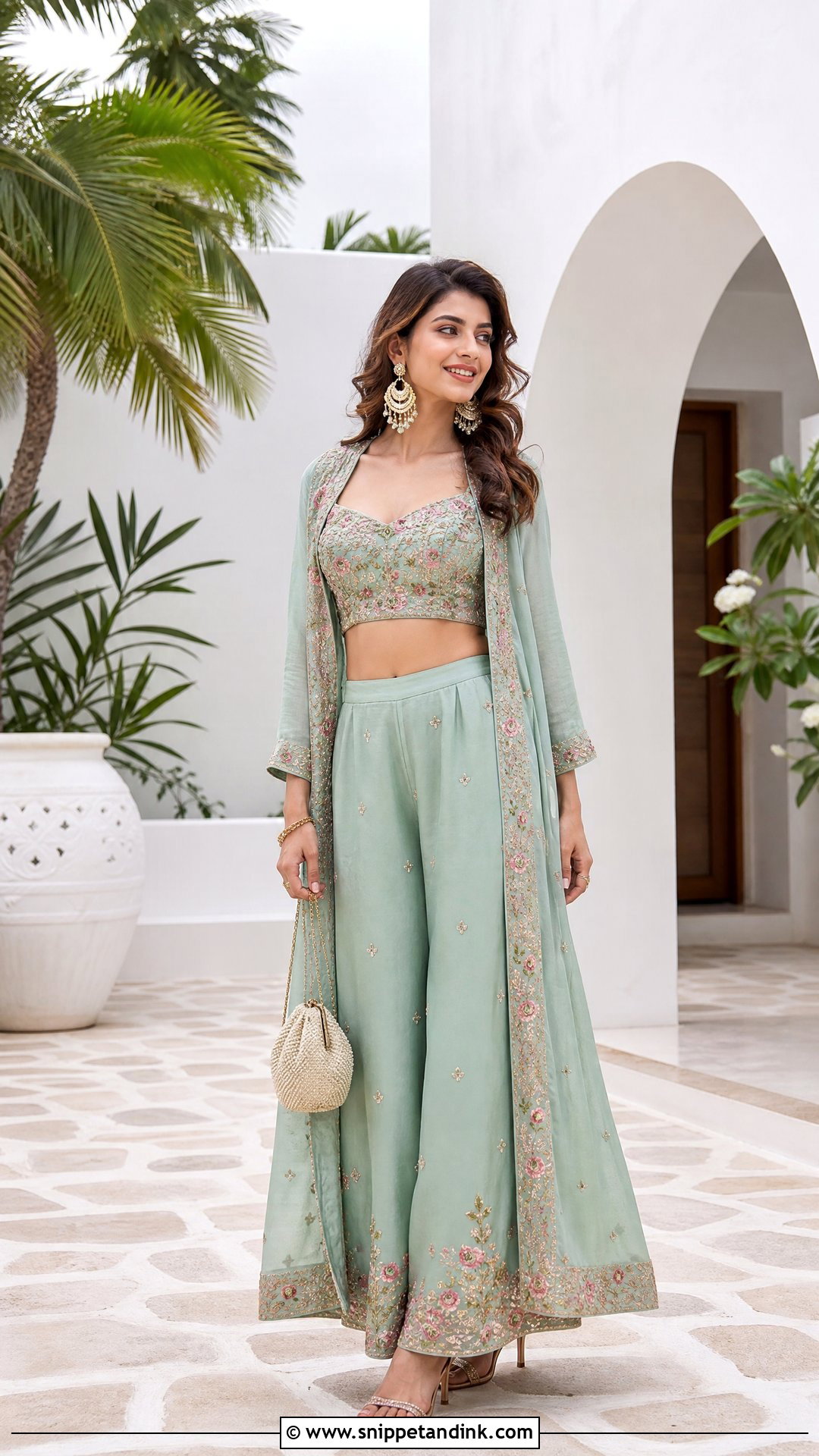
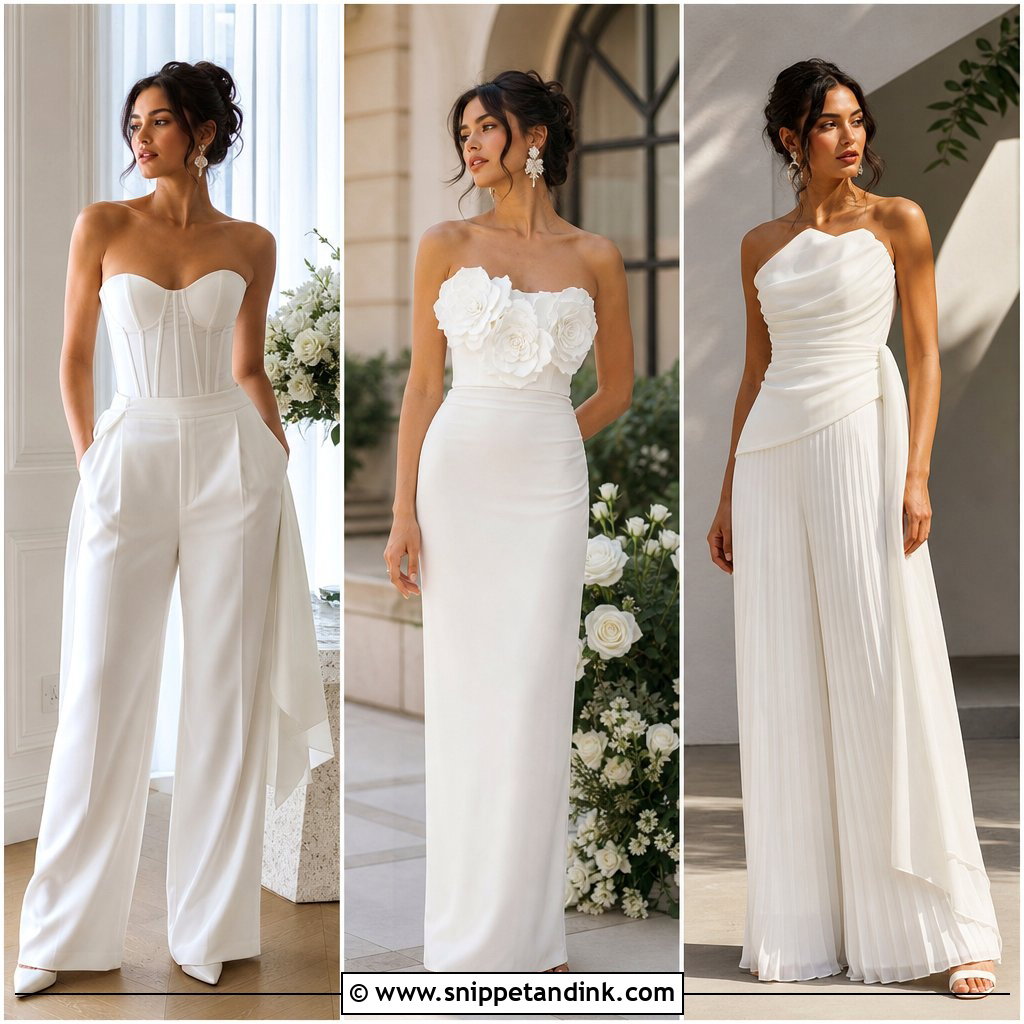
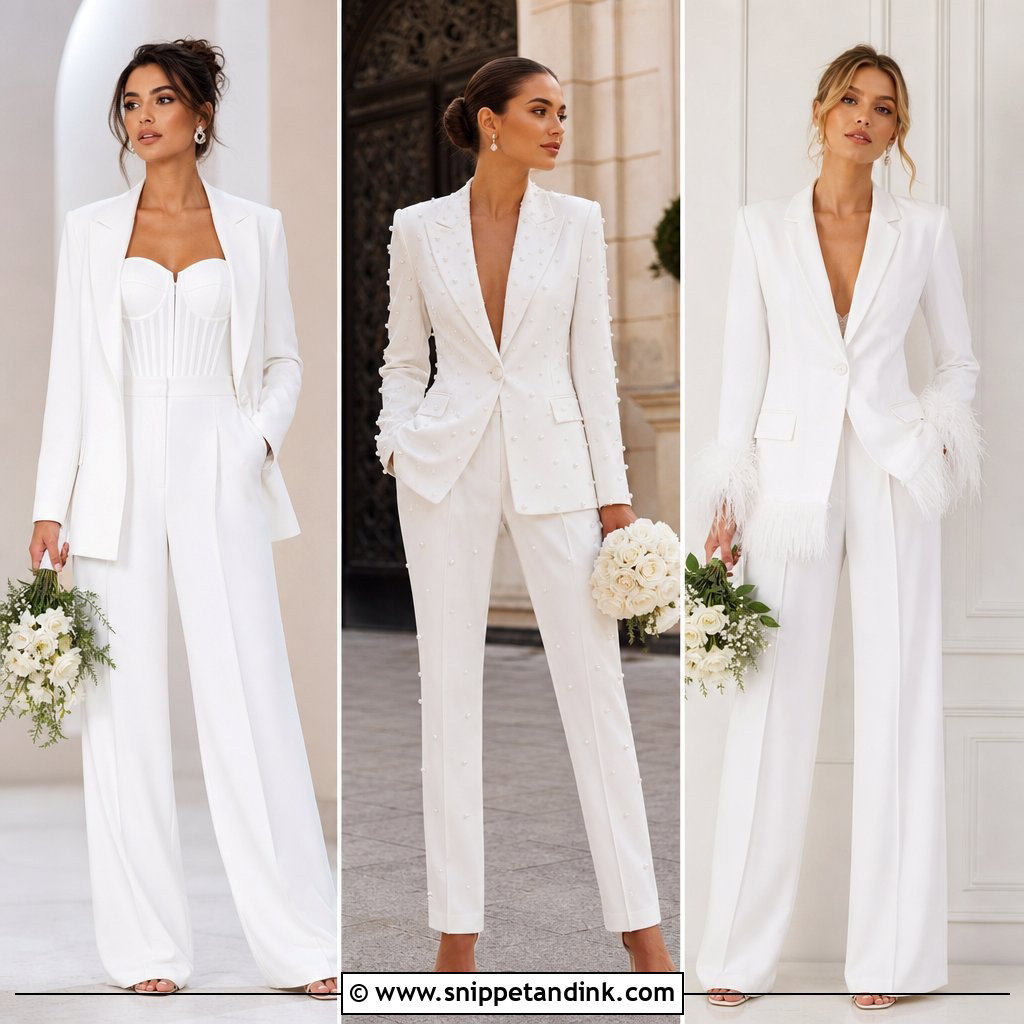
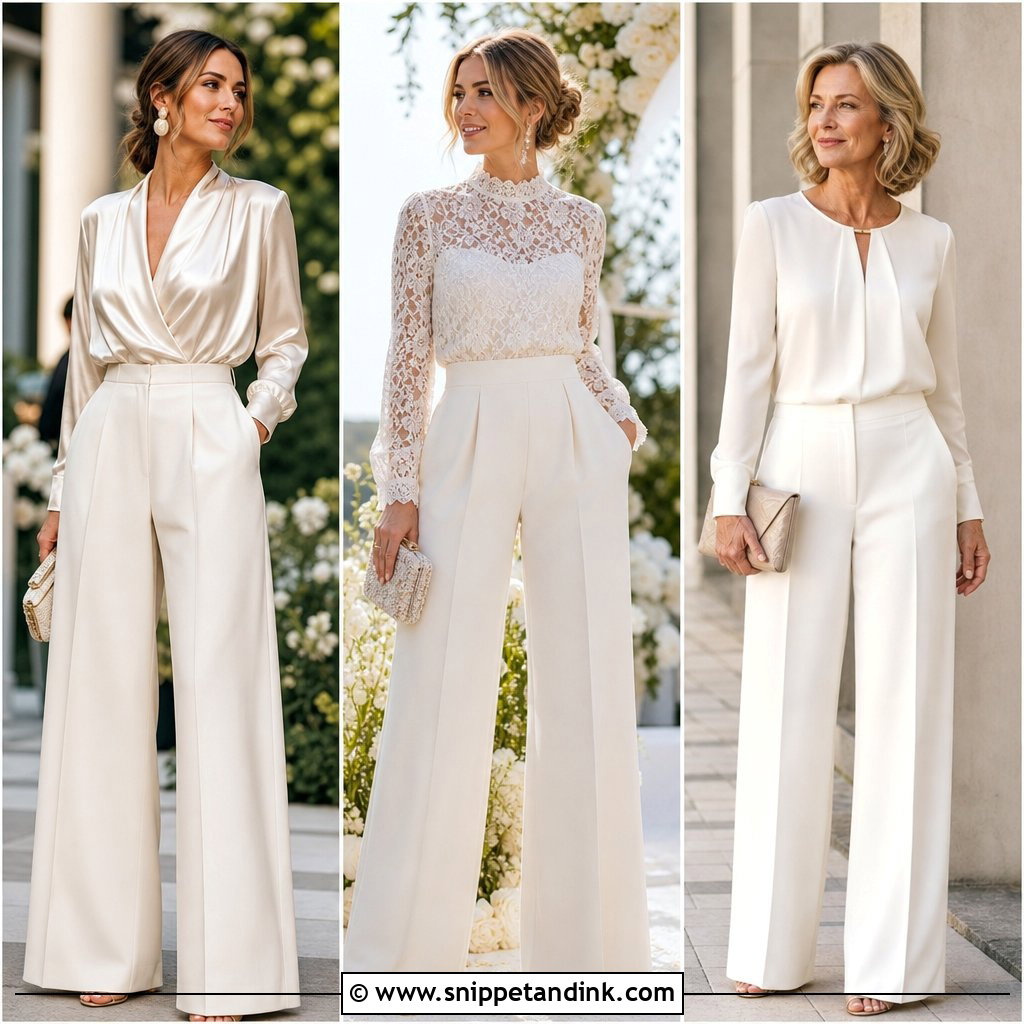
Co ord sets suit smaller functions, welcome dinners and destination events. Crop tops with palazzos or skirts with capes and long jackets look put-together without a dupatta to manage. Silk, brocade and crepe with mirror or thread work feel festive enough for most functions. Because the pieces mix with other clothes later, I recommend them to anyone with several weddings in one season. If there’s a big dinner, pick a set with an elastic-backed or adjustable waist.
Rent, Buy, or Restyle Your Mother’s Saree?
Not every outfit has to be new. Renting a designer lehenga makes sense for a single event where you’d never wear the piece again, but book early, try it on well before the day and read the damage terms closely, since henna, turmeric and food stains are common at weddings.
Restyling an heirloom silk saree is my favorite route for the bride’s family. An old Kanjivaram or Banarasi can become a new lehenga, or a jacket over a fresh blouse. Hold the fabric up to a window first and look for weak spots. Old silk often splits along the folds it was stored in for years, and a good tailor will cut the pattern pieces around those lines.
Fabrics That Act Up Under Flash and Stage Lights
Some outfits look one way in the shop and another in the wedding album. Tissue, dense metallic zari and solid sequins can glare white under direct flash. Very dark navy and black lose their embroidery detail in a dim hall, and near-white pastels can blow out in strong midday sun. Before a client commits, I photograph the fabric on my phone with the flash on and again in shade. If the embroidery disappears in either shot, I suggest a version with more contrast between thread and base.
Dress for the Function, Then the Trend
The heaviest outfit isn’t automatically the right one. I match each look to its function, the weather, the venue and how long it will be worn. Lighter colors and breathable fabrics suit daytime events; velvet, sequins and silk come out after dark. Shoes, hair and the way you drape a dupatta shift the mood as much as the outfit itself. Treat the 25 ideas above as a starting map, then fit them to the invitations you actually have.
You'll Like These Ideas:




Leave a Reply