
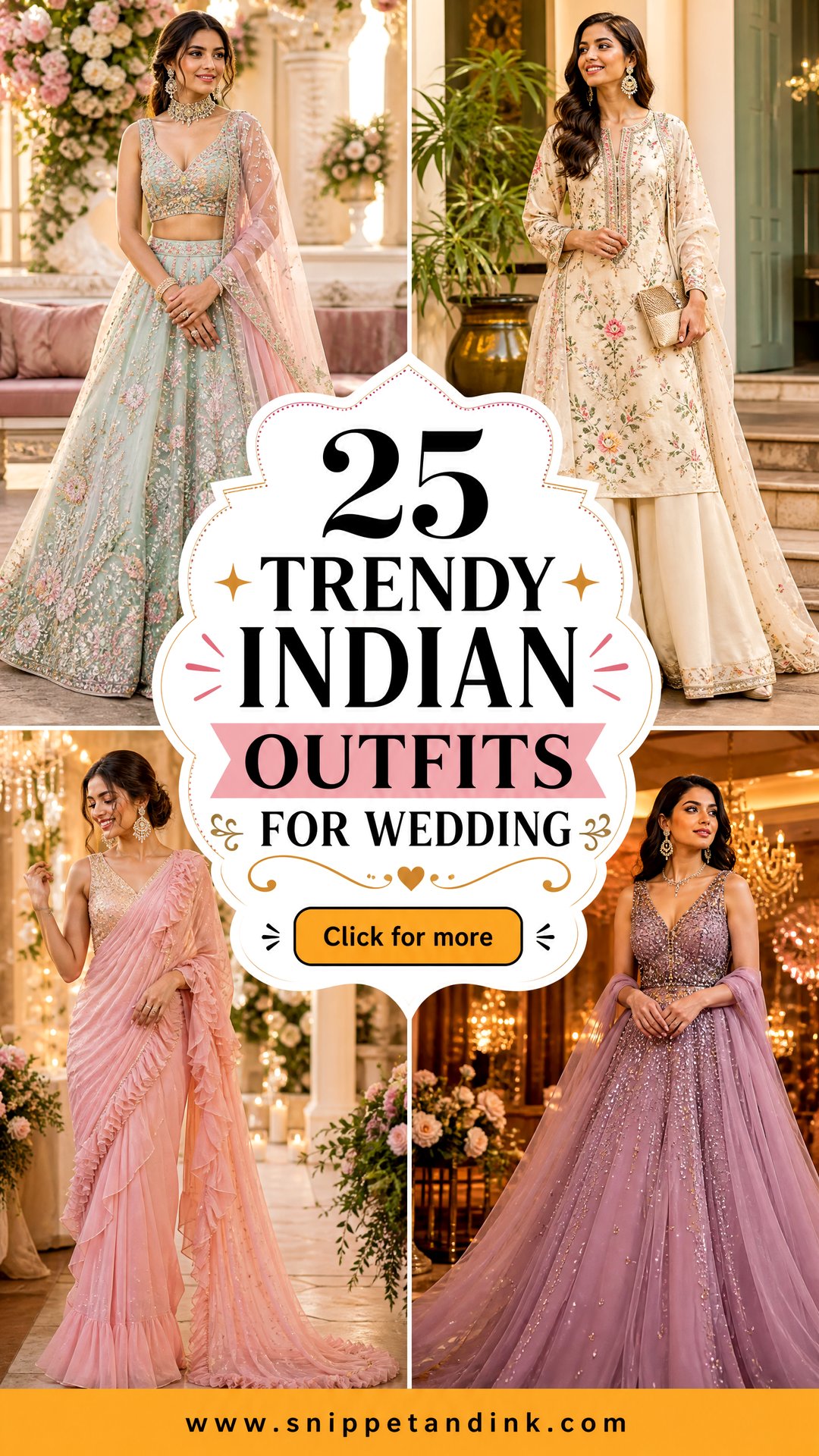
No two Indian weddings ask for the same wardrobe. A mehendi wants something light and playful; a reception wants polish and a little shimmer. Between them sit lightweight lehengas, silk sarees, shararas, Anarkalis, pre-draped sarees and Indo-western silhouettes, and almost all of them can work if they match the function, the venue, the season and how much you’ll be moving. Jewel tones, pastels, mirror work, organza and structured drapes all have a place this year. Below are 25 outfits I’d happily put in front of a wedding guest, with honest notes on where each one shines and what to check before you buy.
Regional Weddings Don’t All Dress Alike
Indian weddings vary a great deal by region and community, and guest dressing follows. A few patterns I keep in mind when someone tells me whose wedding they’re attending:
- South Indian ceremonies often begin early in the morning, so silk sarees and lighter jewelry suit the hour, and you may be asked to remove footwear.
- At a Maharashtrian wedding, a Paithani saree is right at home, and some women wear the nine-yard nauvari drape.
- Gujarati weddings love bandhani, so a tie-dyed dupatta or saree reads festive there.
- Bengali ceremonies often take place in the evening, where silk and Banarasi sarees in rich tones are common among guests.
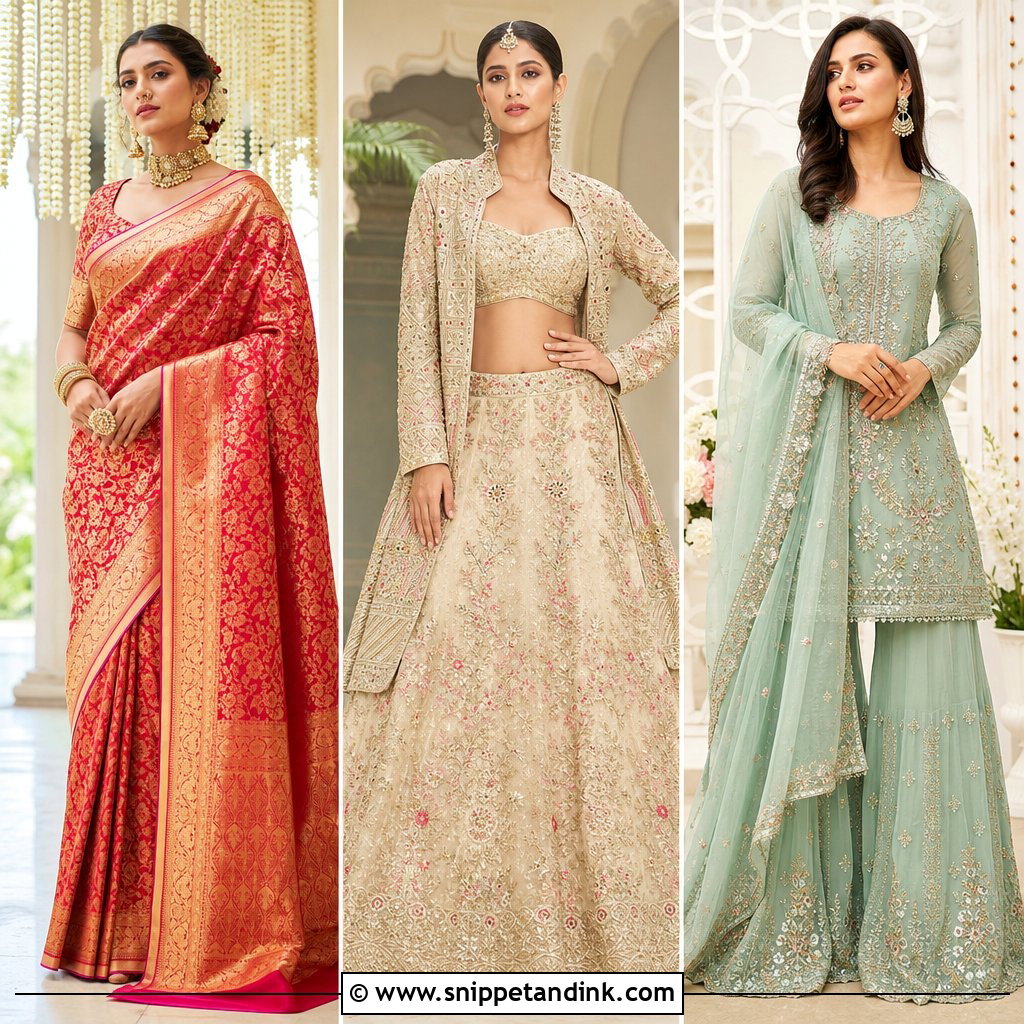
- A nikah tends to call for more coverage, and ghararas, shararas or Anarkalis with a dupatta fit comfortably.
These are tendencies, not rules, and families differ. If you’re unsure, ask the hosts what most guests are planning to wear.
1. Pastel Lehenga For Indian Wedding
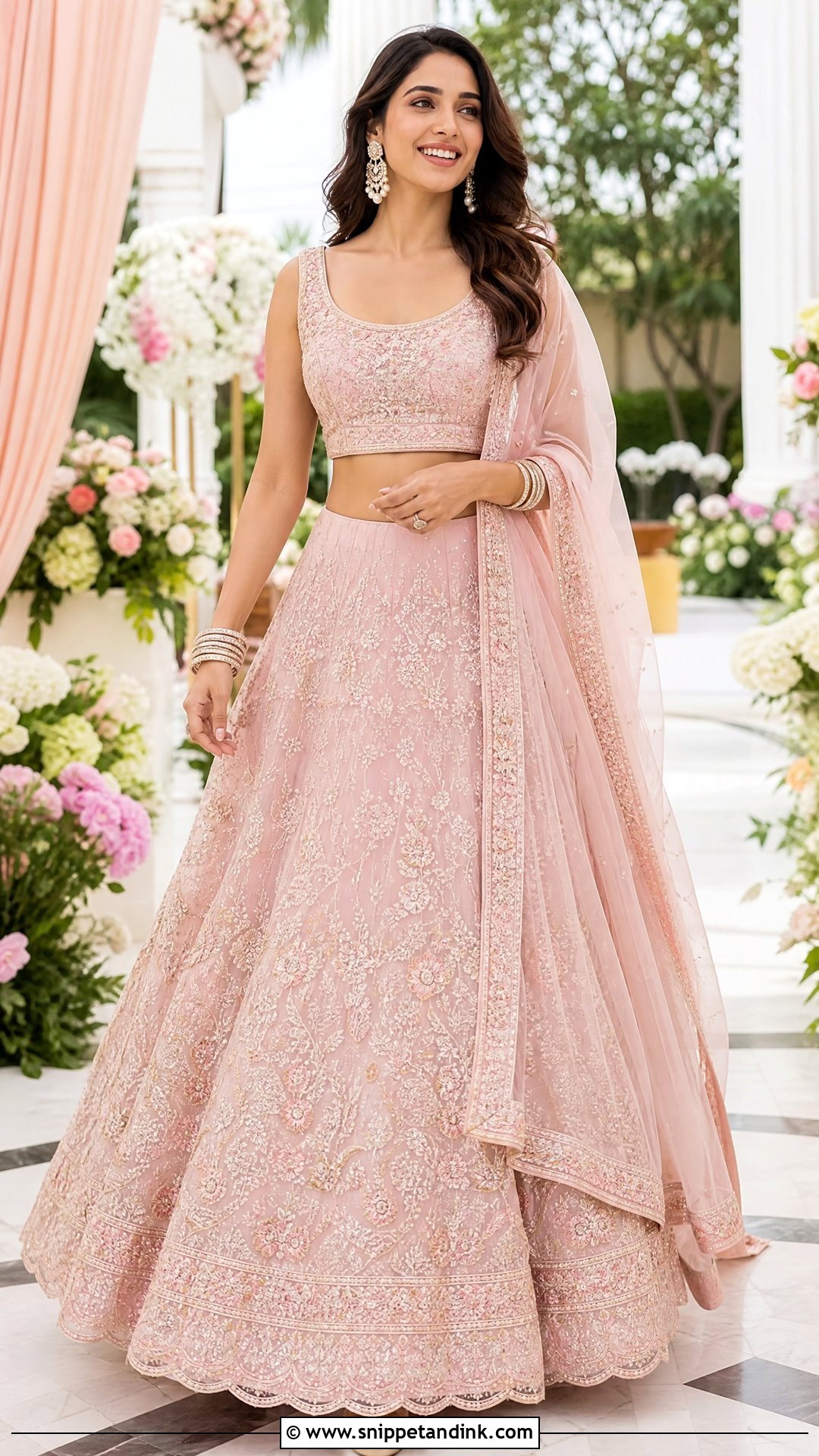
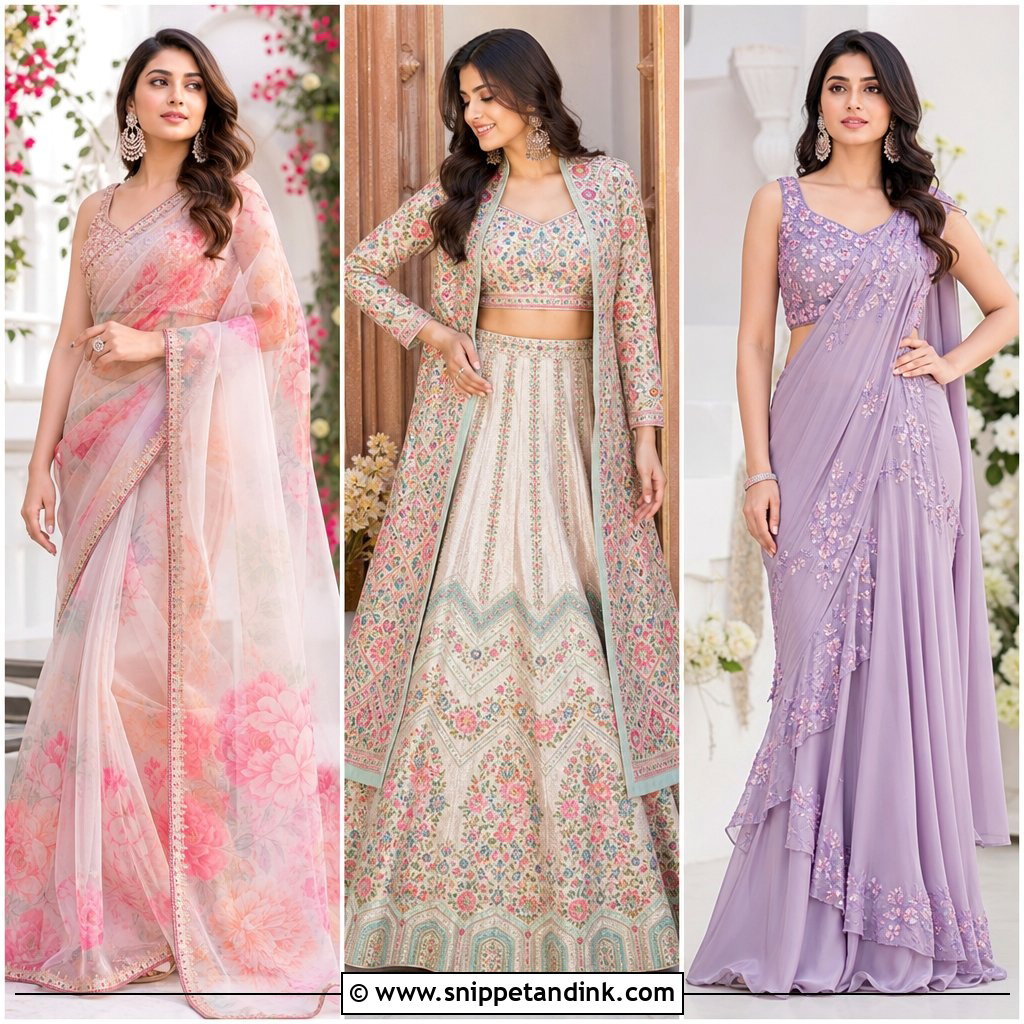
I’d steer a pastel lehenga toward daytime. Blush, powder blue, mint, lavender and champagne glow in sunlight at a garden or summer wedding. A lightly embroidered skirt, a fitted blouse and a sheer dupatta are enough, and with detailed threadwork the jewelry can stop at pearl earrings. The thing I warn about: pale skirts pick up grass stains and dust at the hem fast, so for a lawn function choose a length that ends just above the ground in your block heels.
2. Silk Saree For Indian Wedding
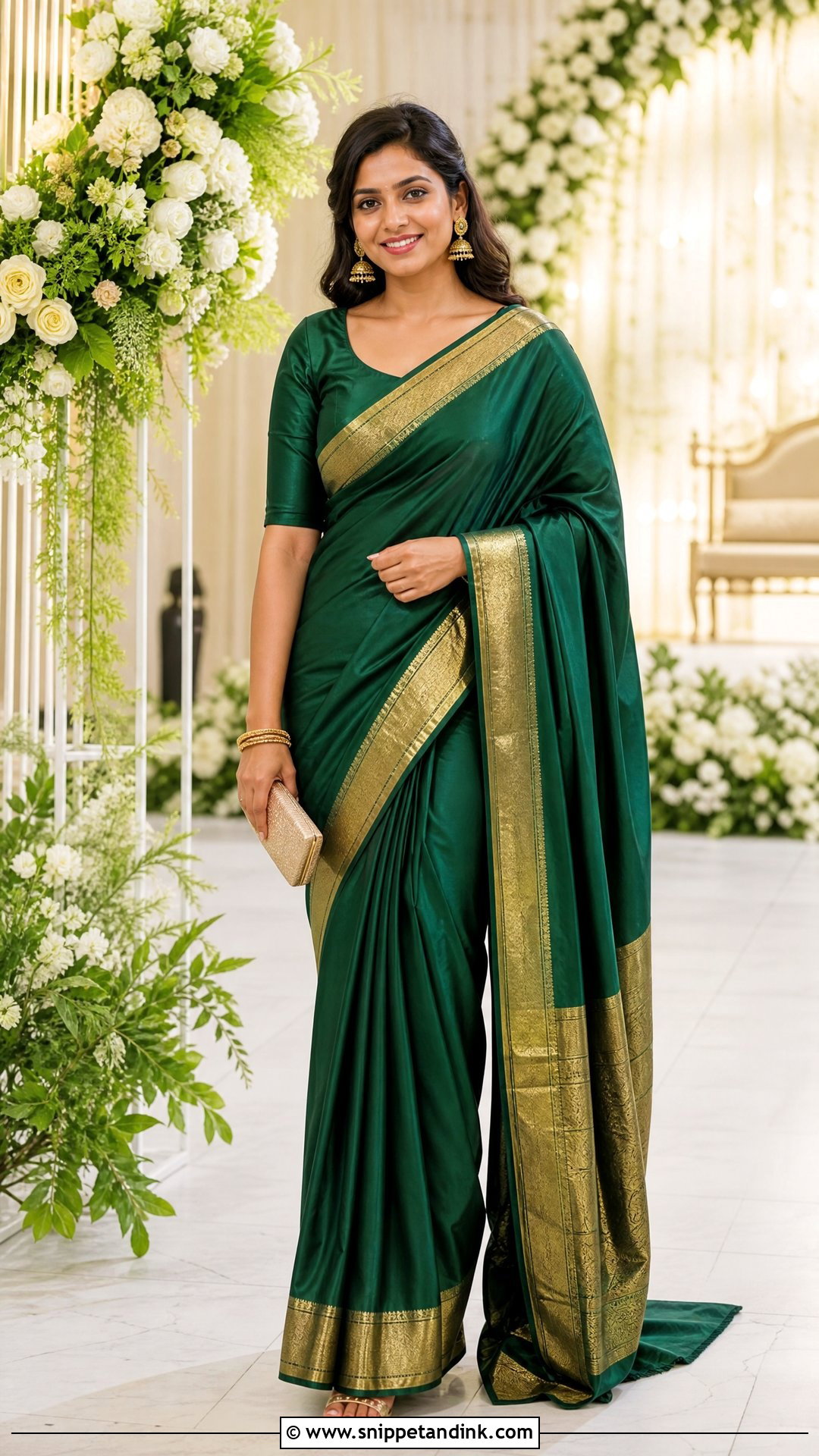
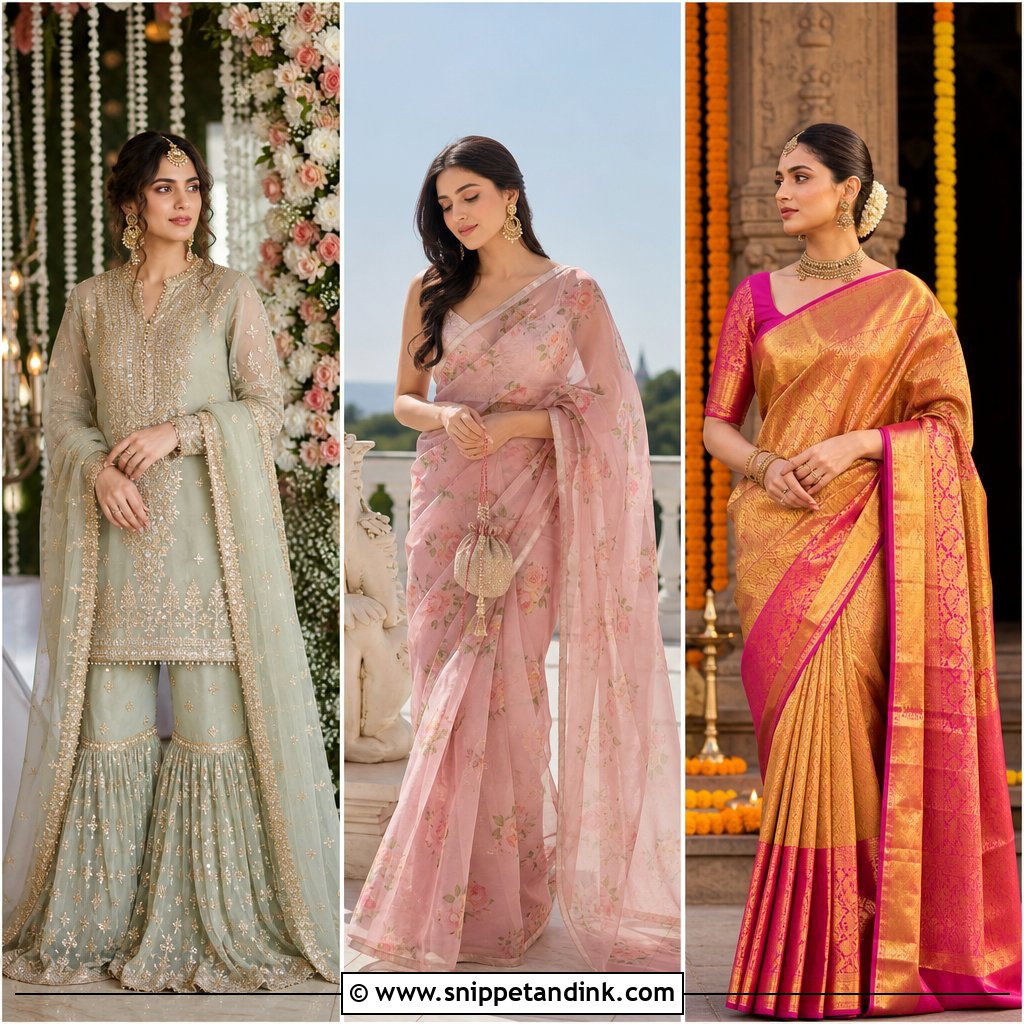
Silk sarees remain the backbone of Indian wedding outfits for the main ceremony, and each weave has its own character. Paithani, with its peacock pallu, is a Maharashtrian classic; Kanjivaram’s heavy border stands stiff and proud; Mysore silk is soft and light; Banarasi carries rich zari. Emerald, maroon, royal blue, mustard and rani pink all feel festive. A fitted blouse, gold jhumkas and a neat bun with fresh flowers finish it. Pure silk gets warm in a crowded hall, so I suggest a cotton-lined blouse and low wedges for long rituals.
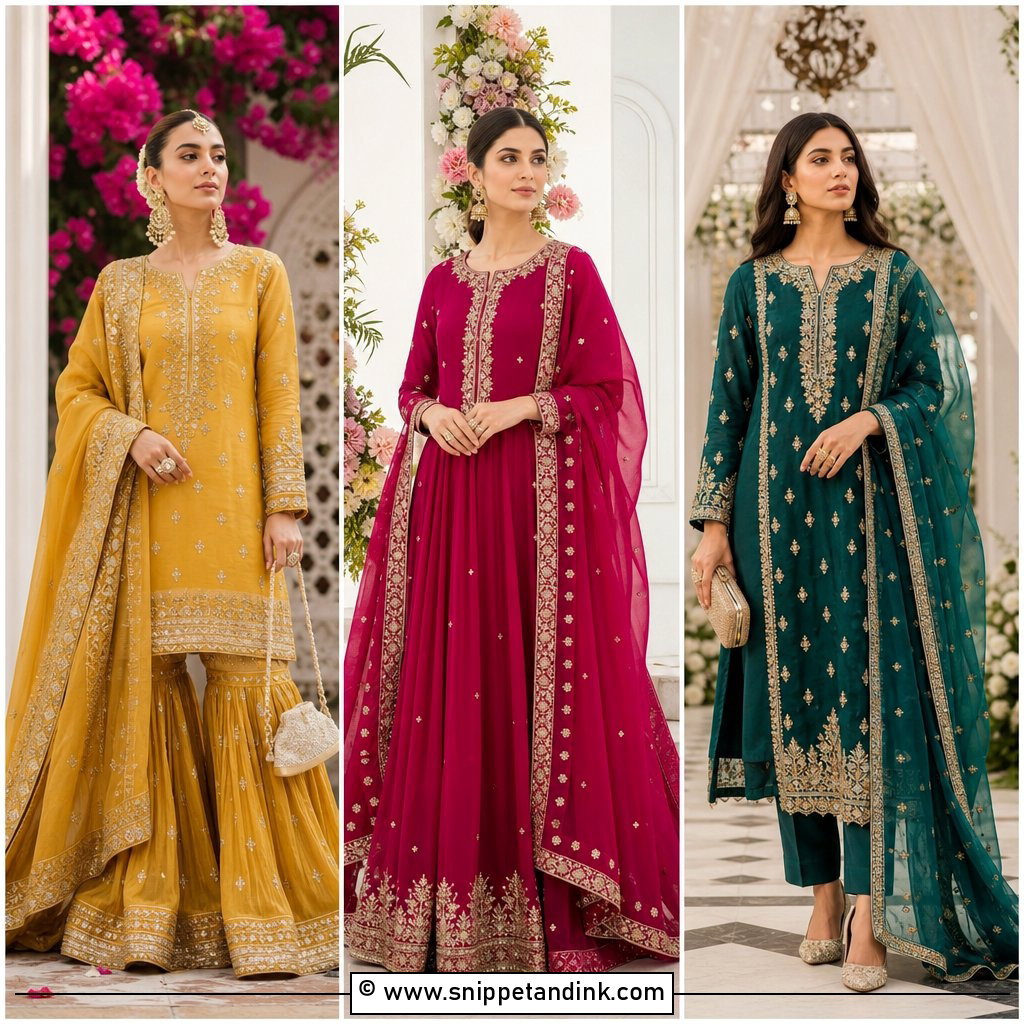
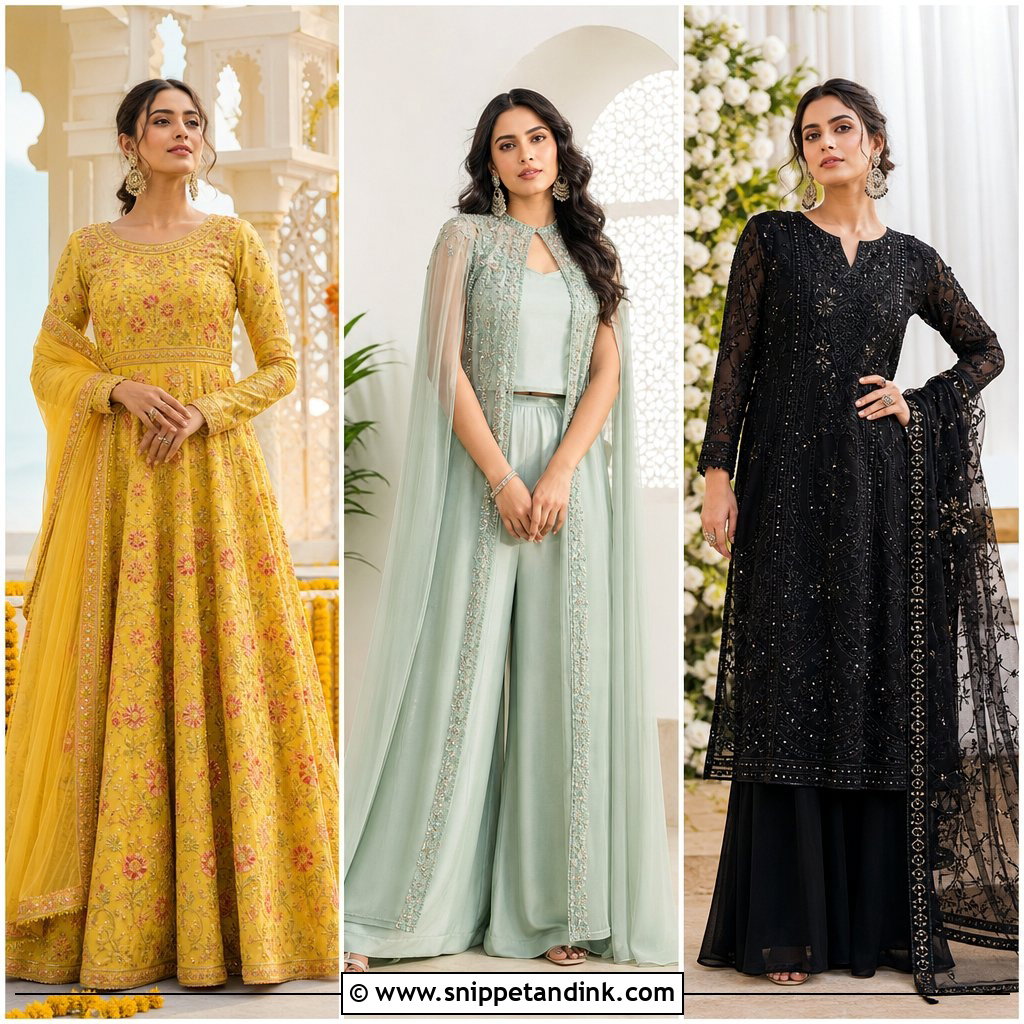
3. Anarkali Suit For Indian Wedding
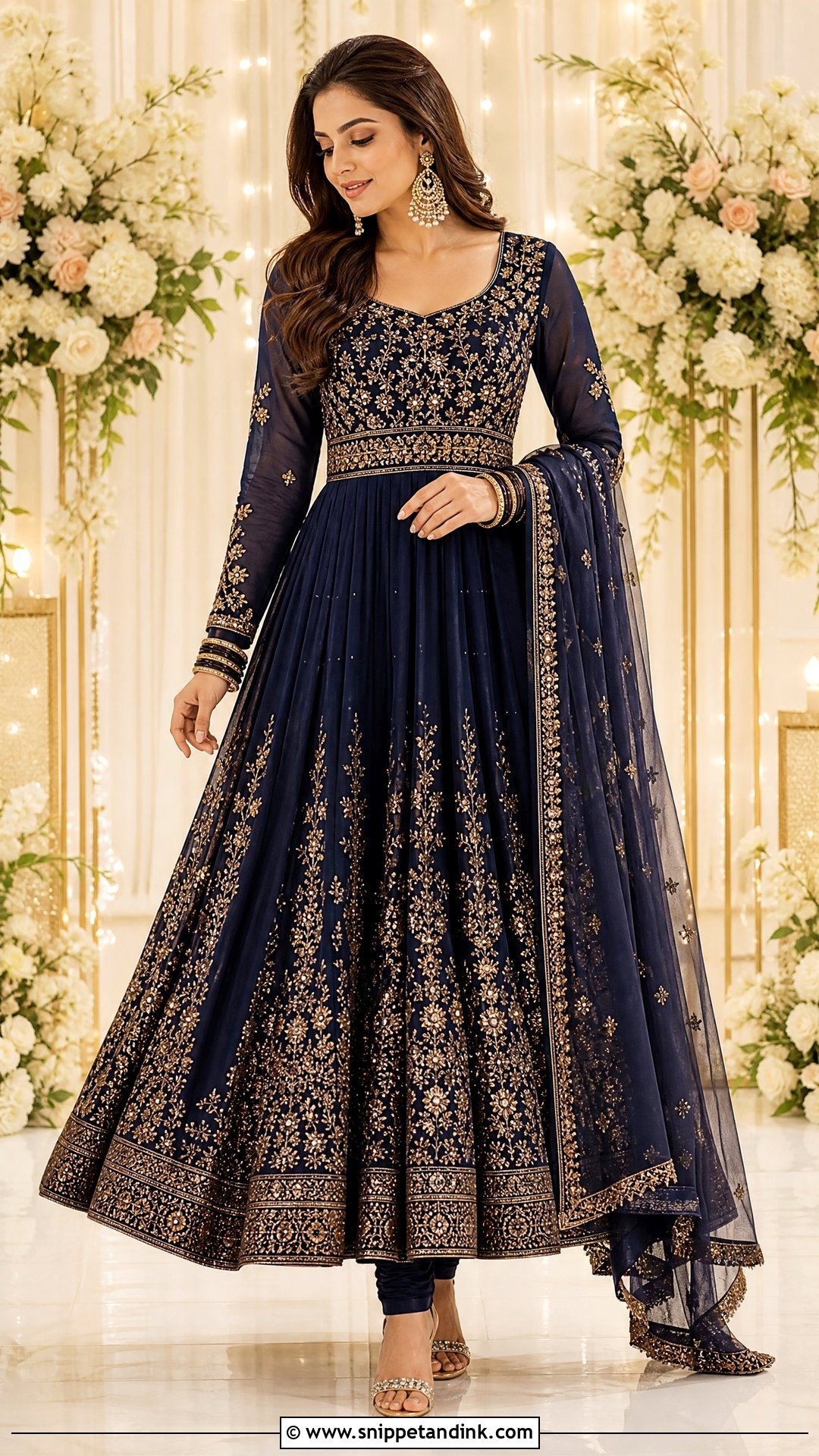
The Anarkali is the outfit I trust for guests who’ll sit, walk and dance in the same evening. The long flare moves well and gives coverage without any pinning. Embroidery at the neckline, sleeves or hem gives a floor-length one enough polish for a ceremony or reception. Maroon, navy, teal and plum look formal, while peach, sage and ivory with gold work feel softer. Anarkalis carry a lot of fabric in the skirt, so lift the hem in the shop and feel the weight. If it’s heavy, the shoulder seams will drag by midnight.
4. Sharara Set For Indian Wedding
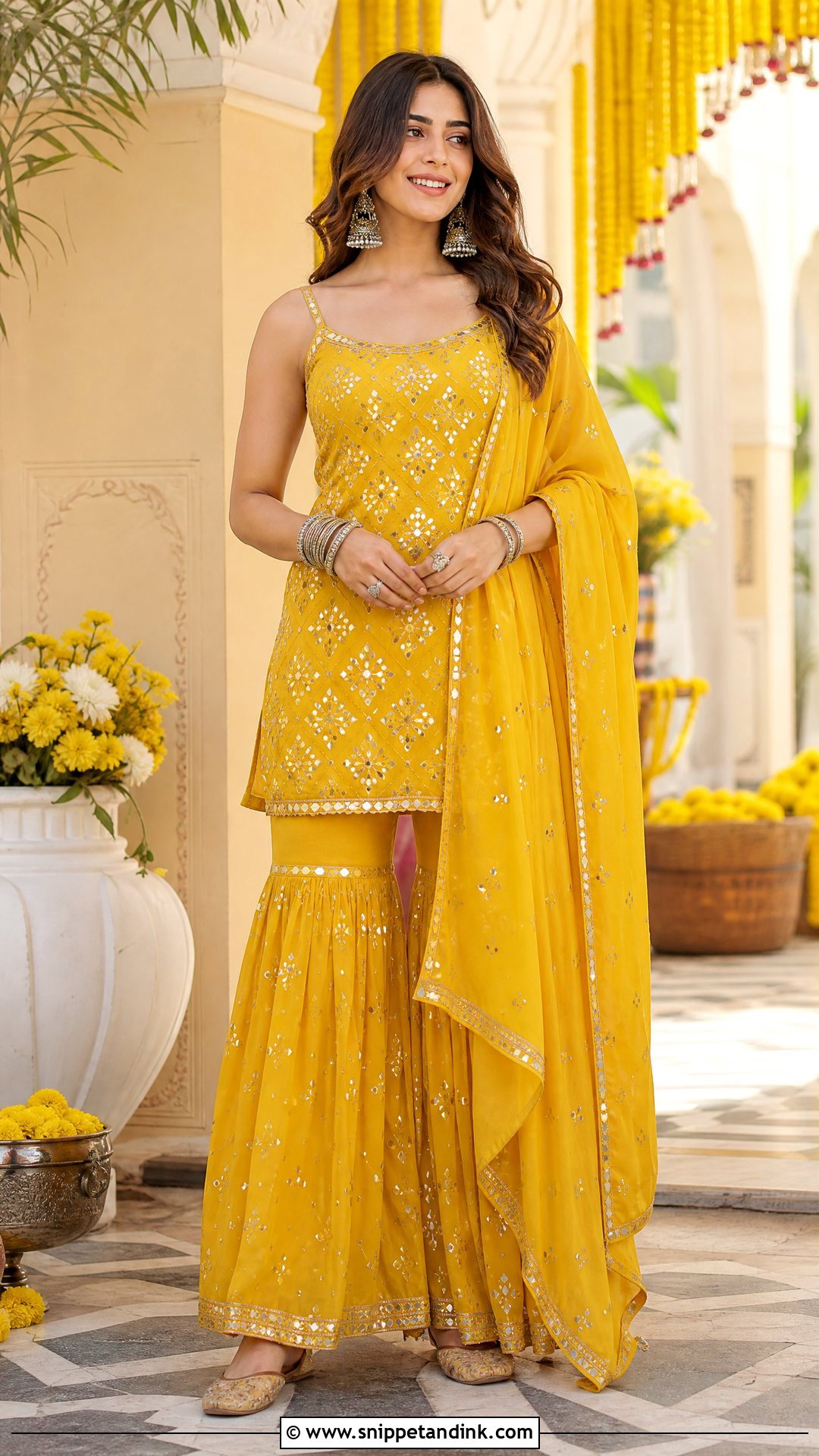
A sharara set is my first pick for mehendi, haldi and sangeet, because you can dance, sit on the floor and help with the rituals without managing a skirt. A short kurti or peplum top keeps the proportions young, and mirror work, gota patti or zari borders suit it. Yellow, coral, turquoise and fuchsia look happy in daylight. A light dupatta over one shoulder is easiest. Have the sharara hemmed while wearing your juttis, since flared pants that drag collect petals and get stepped on.
5. Gharara Set For Indian Wedding
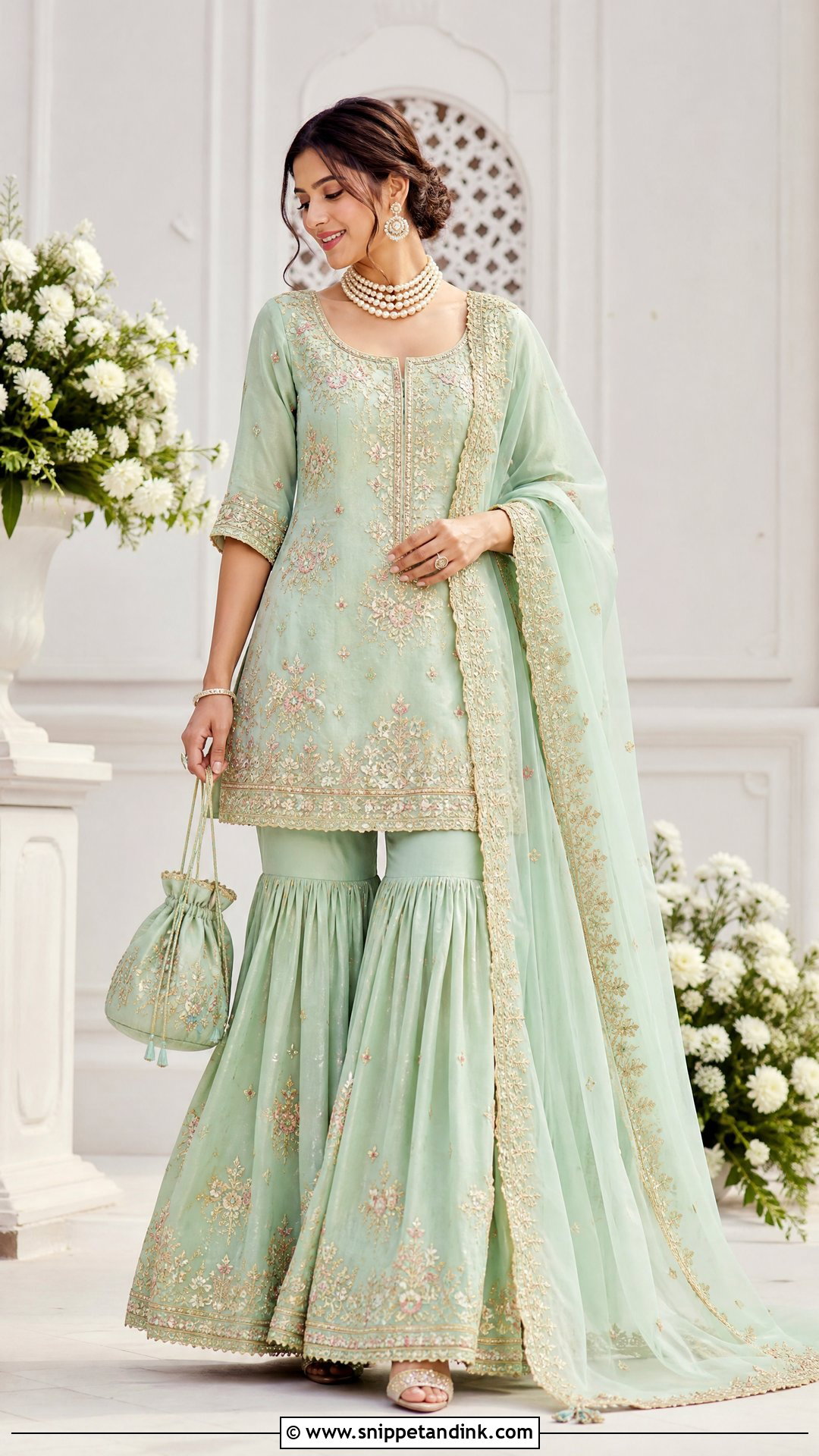
Ghararas have a slightly vintage, Lucknowi feel. They’re fitted to the knee and then flare, which makes them more structured than shararas. An embroidered short kurti, the gharara and a matching dupatta make a complete look, with pastels by day and jewel tones at night. I suggest them to guests who want something traditional but less expected than a lehenga or saree. Because of the fitted thigh, sit down in it at the fitting. If it pulls across the knee, ask for more ease.
6. Pre Draped Saree For Indian Wedding
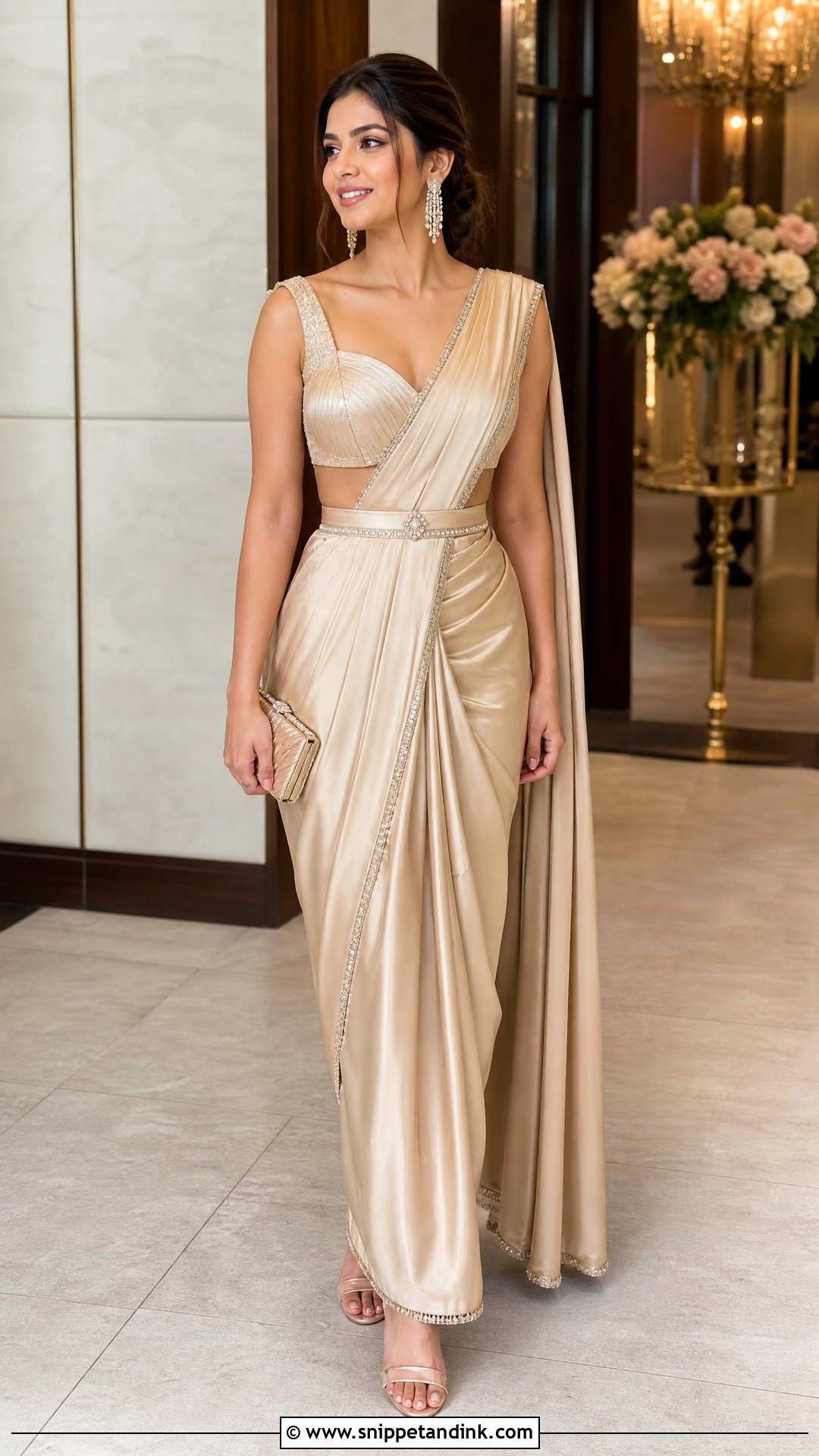
A pre-draped saree gives you a saree’s line without pleating and pinning from scratch, which takes a lot of stress out of a wedding morning. Versions with a structured blouse, belt or cape feel modern, and satin, georgette, chiffon or crepe stay light through long events. That ease is exactly why they’re so popular at destination weddings. One check before ordering: pre-draped sarees are sized like dresses, so go by your waist and hip measurements, not your usual blouse size.
7. Banarasi Saree For Indian Wedding
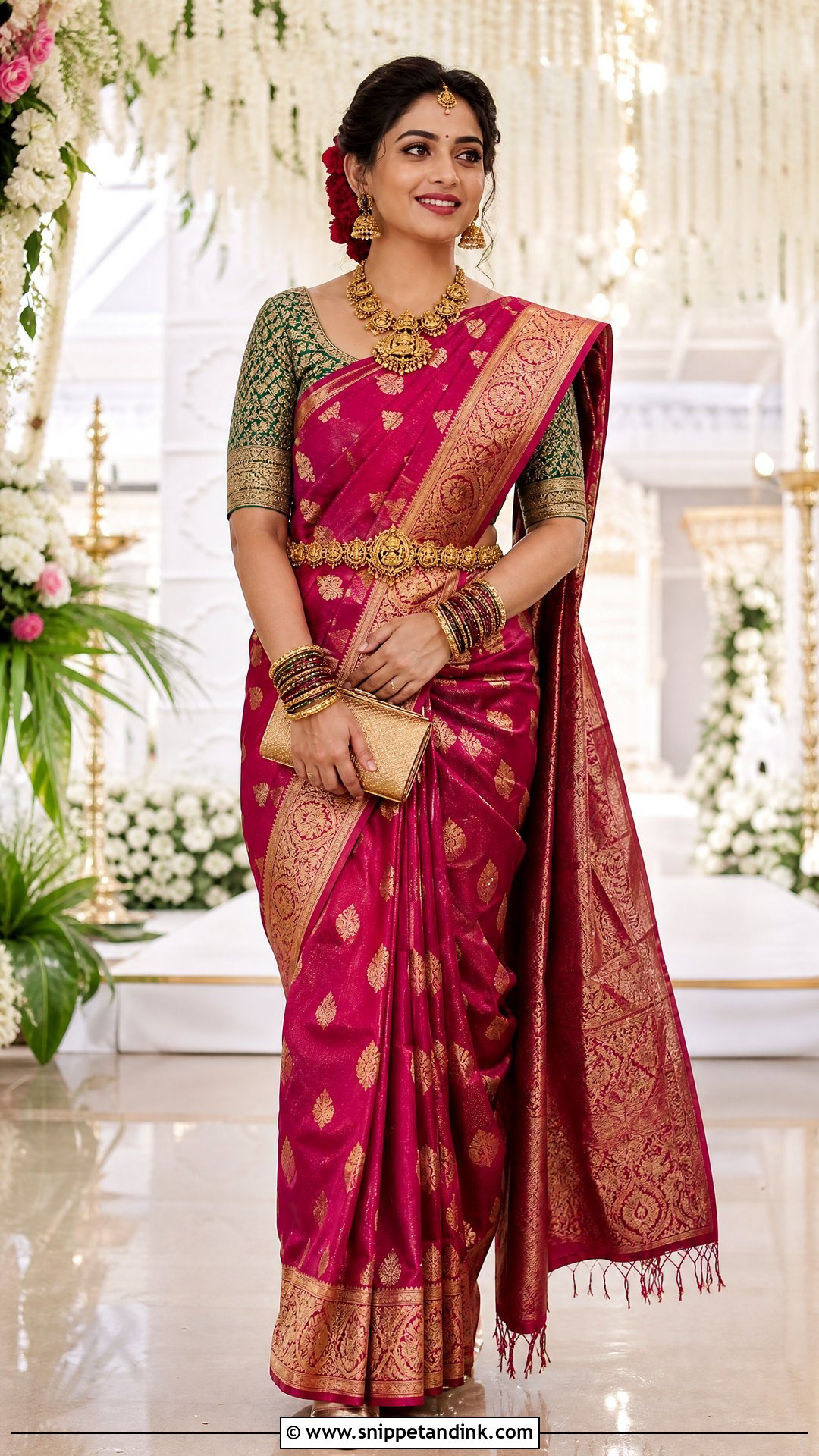
A Banarasi saree is the classic for the main ceremony. Woven zari in gold or silver gives it a richness that doesn’t depend on embellishment, and red, magenta, emerald, purple or royal blue all feel ceremonial. A contrasting blouse looks current; a matching one stays classic. Temple jewelry, a sleek bun and a bindi complete it. When buying, I turn the saree over and look at the reverse: hand-woven pieces usually show small irregularities in the weave, while machine-made ones look perfectly uniform.
8. Mirror Work Lehenga For Indian Wedding
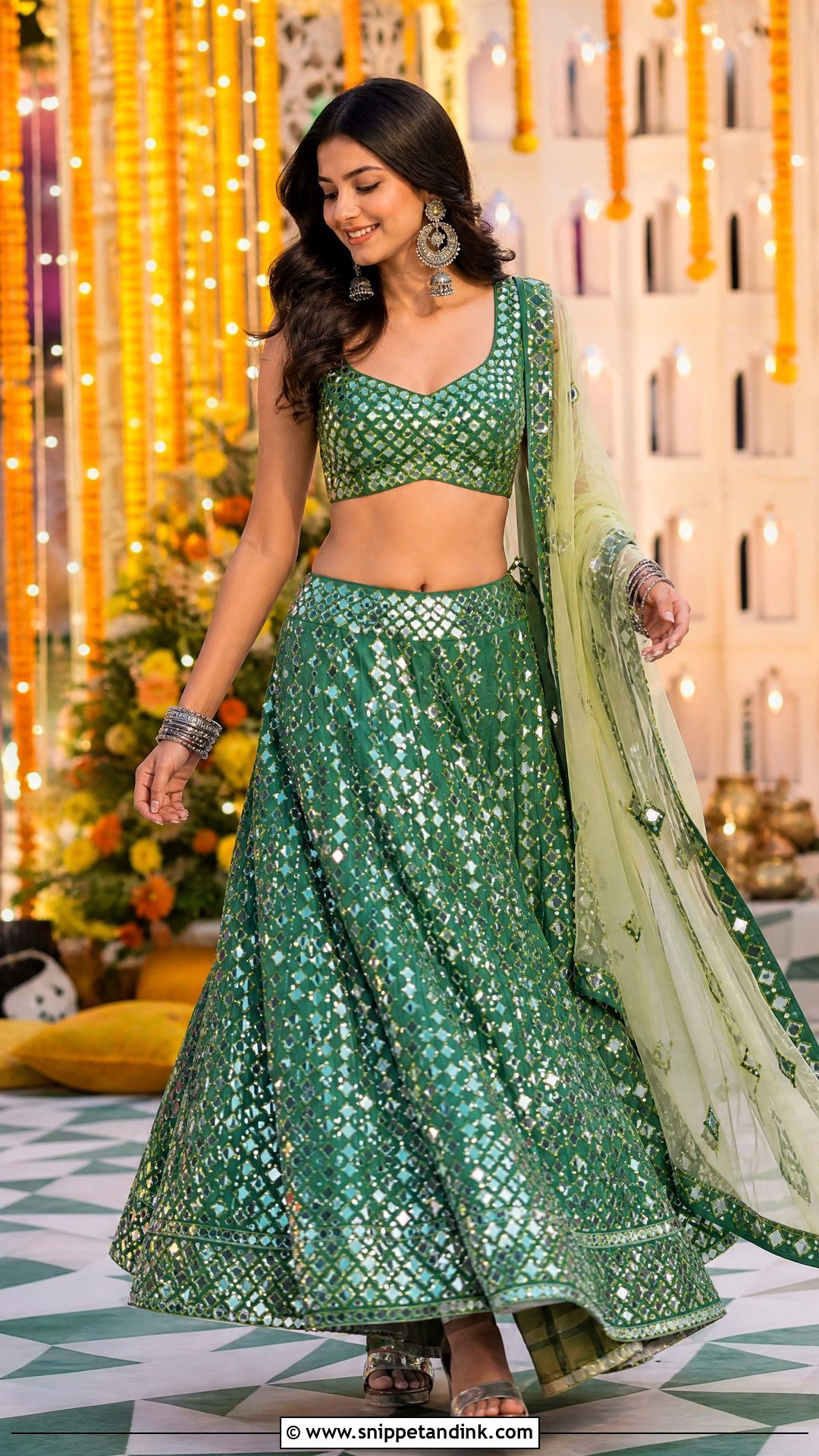
Mirror work lehengas belong at the mehendi and sangeet, where they flash every time you move. Green, yellow, orange, pink and blue grounds suit them. I’d keep the heaviest mirror work on the skirt rather than the blouse, since mirrors on the upper body feel stiff and can scratch the inner arm. Oxidized earrings, stacked bangles and juttis keep it relaxed. Glowing skin and a soft lip are enough makeup, because the outfit is already busy.
9. Sequin Saree For Indian Wedding
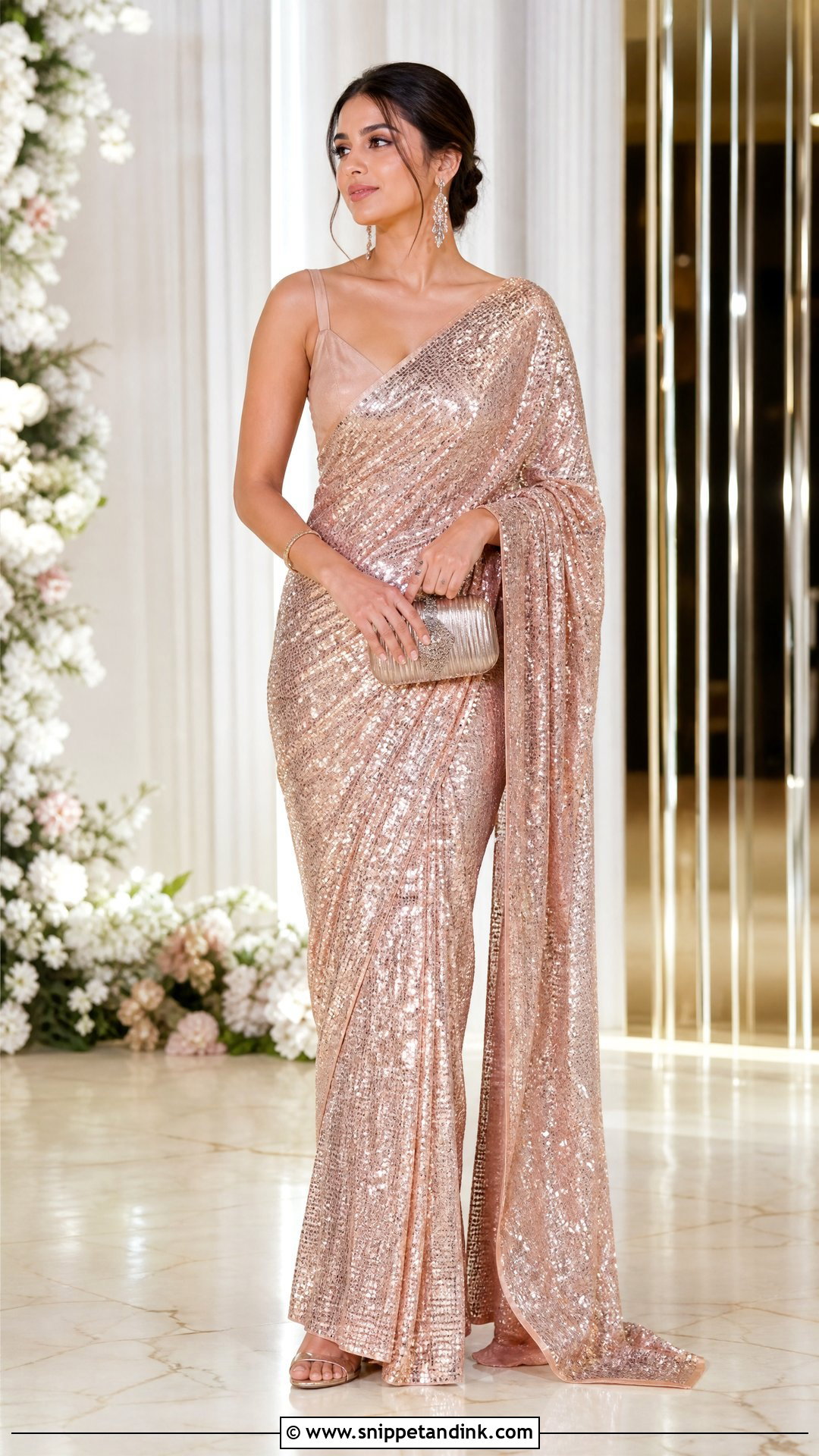
Sequin sarees bring shimmer to receptions and sangeet nights without any heavy embroidery. Champagne, silver, rose gold and taupe feel modern; emerald, navy or deep pink feel bolder. A simple blouse keeps the saree as the focus, and I limit jewelry to one pair of earrings since the sequins already reflect so much light. Pleating sequinned georgette is fiddly, because the sequins catch on each other, so allow extra time to dress or ask someone experienced to help.
10. Indo Western Lehenga For Indian Wedding
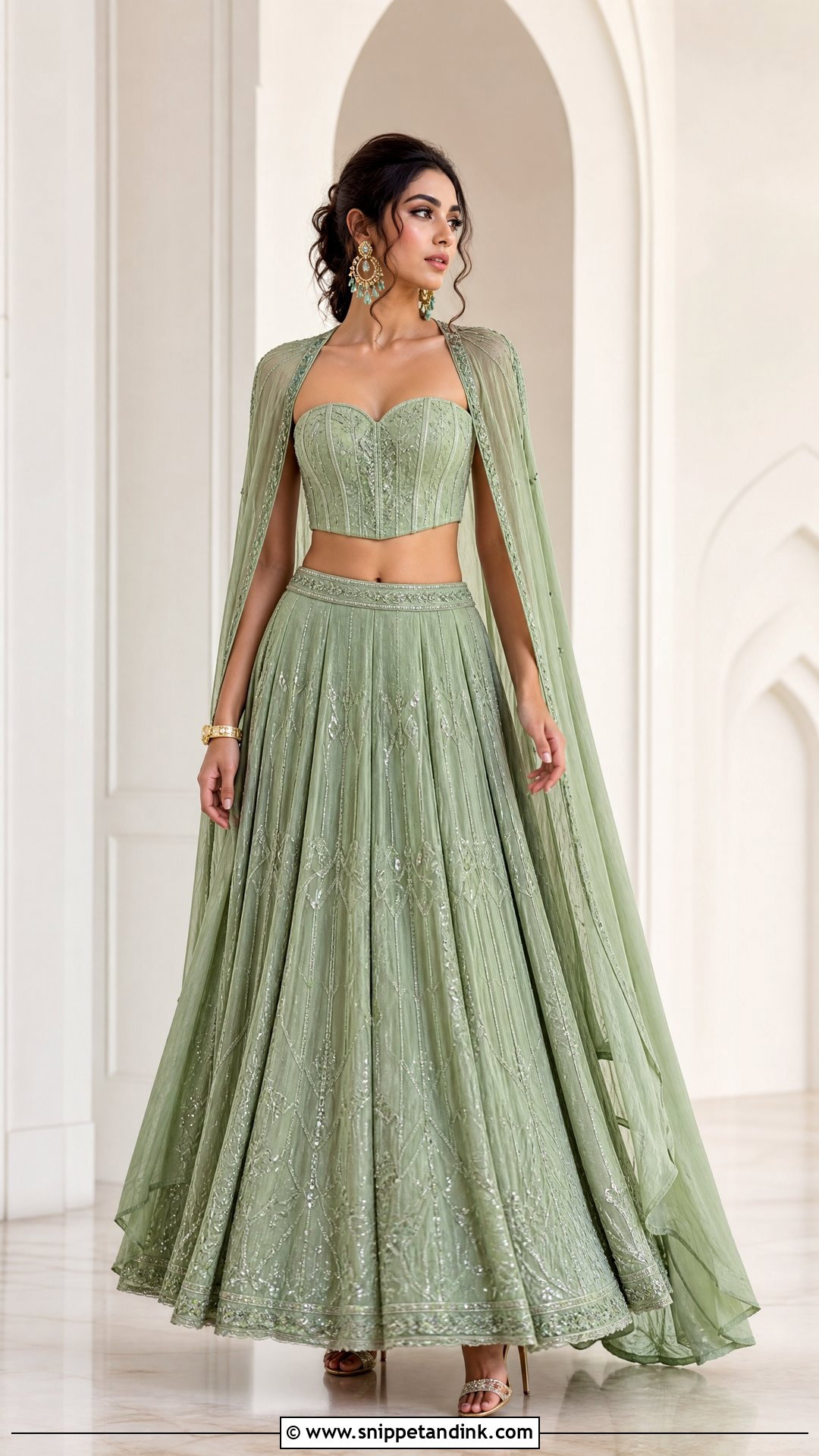
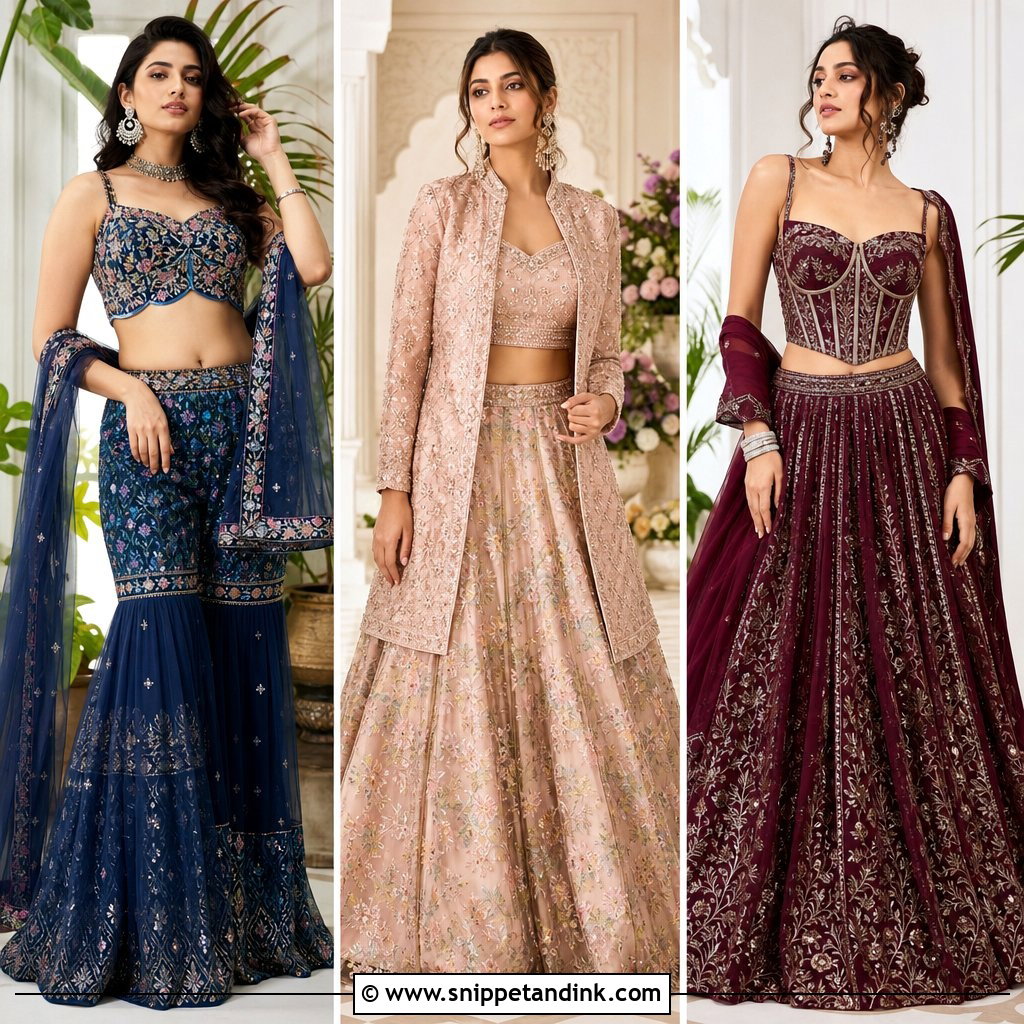
An Indo western lehenga pairs a lehenga skirt with a crop top, jacket blouse, cape or structured draped blouse. It suits the sangeet, the reception and engagement-style wedding events. Silk, organza, brocade or crepe all work, depending on the season, and a monochrome set in ivory, sage, rust or navy looks especially current. My rule is one modern element. A corset top plus a cape plus a belt loses the Indian wedding feel; any one of them keeps it fresh.
11. Organza Saree For Indian Wedding
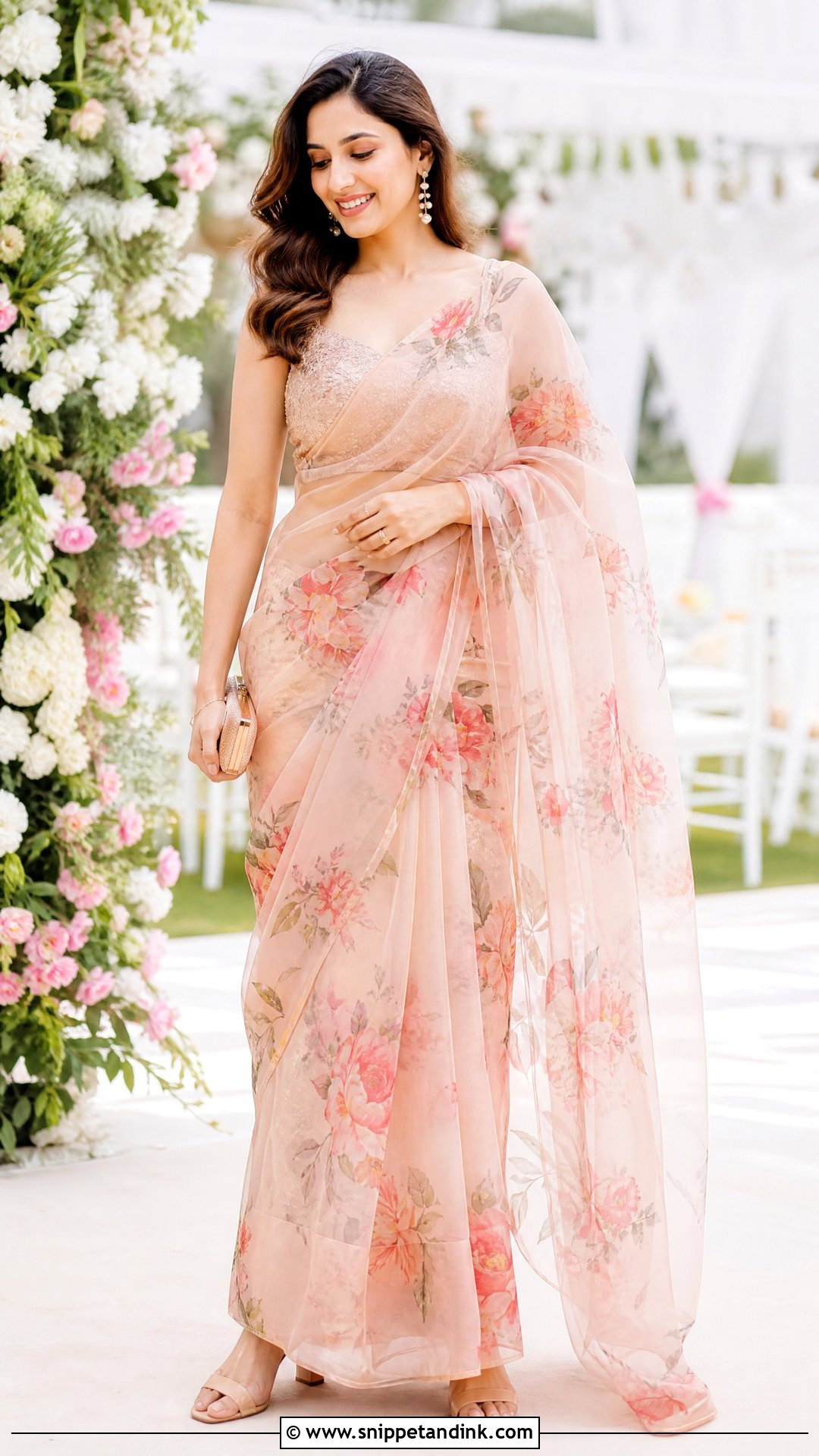
Organza is a crisp, sheer daytime saree, at its best at garden ceremonies, brunch functions and summer weddings. Floral prints and scalloped borders suit it, in peach, ivory, lilac or mint. A well-fitted blouse, pearl studs and a small clutch are plenty. Organza has natural volume, so I make the pleats a little narrower than I would for silk and press them lightly, or the front puffs out. Block heels or wedges help it fall straight.
12. Velvet Lehenga For Indian Wedding
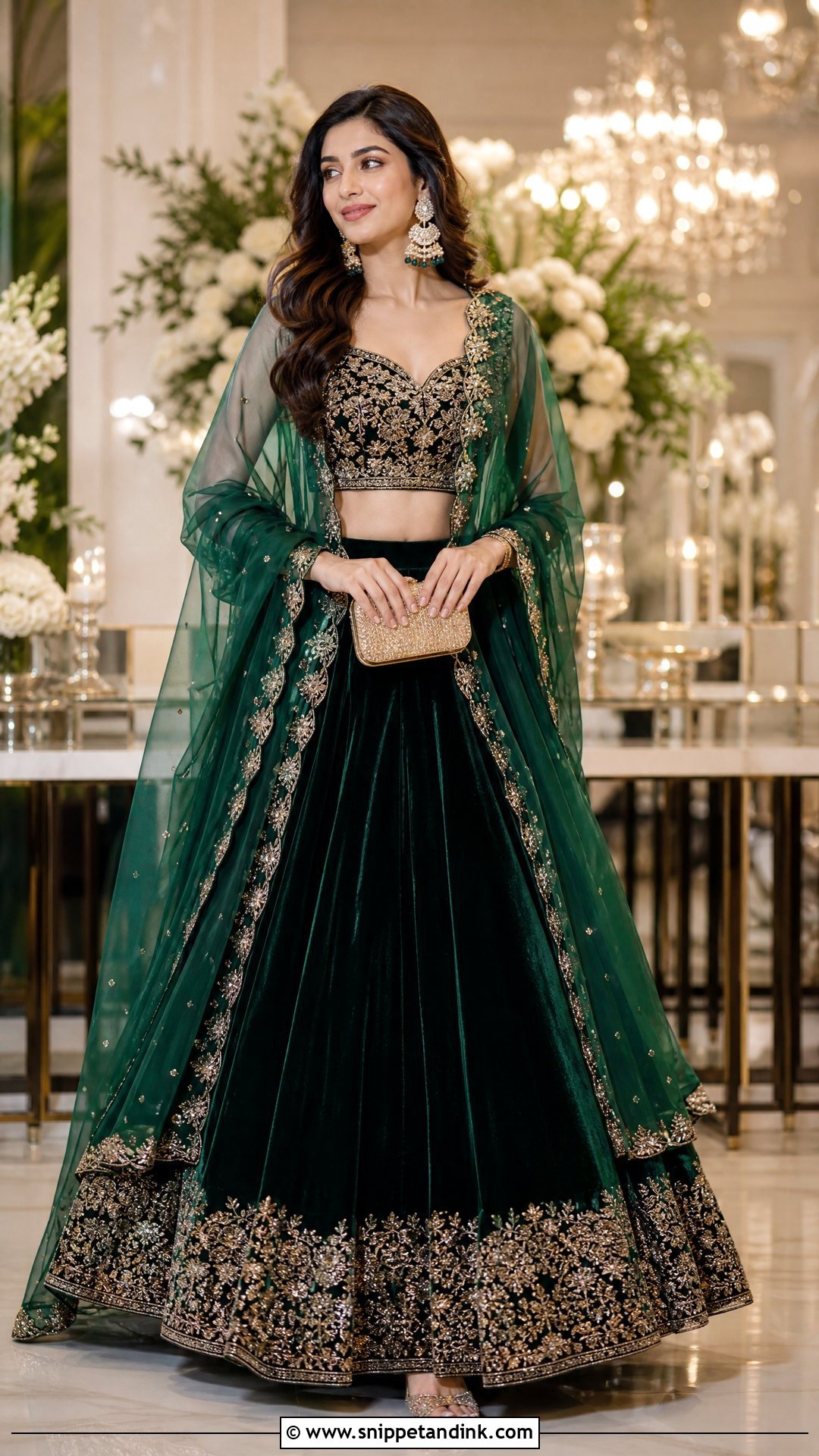
Velvet makes even minimal embroidery look grand, which is why it suits winter weddings and evening receptions. Emerald, midnight blue, maroon, plum and dark teal all look regal. A net or organza dupatta stops the outfit from feeling too heavy. Velvet gets warm under stage lights and in packed halls, so for an indoor event I’d put a lighter silk blouse with the velvet skirt. Kundan earrings and closed-toe embellished shoes suit the colder months.
13. Chikankari Lehenga For Indian Wedding
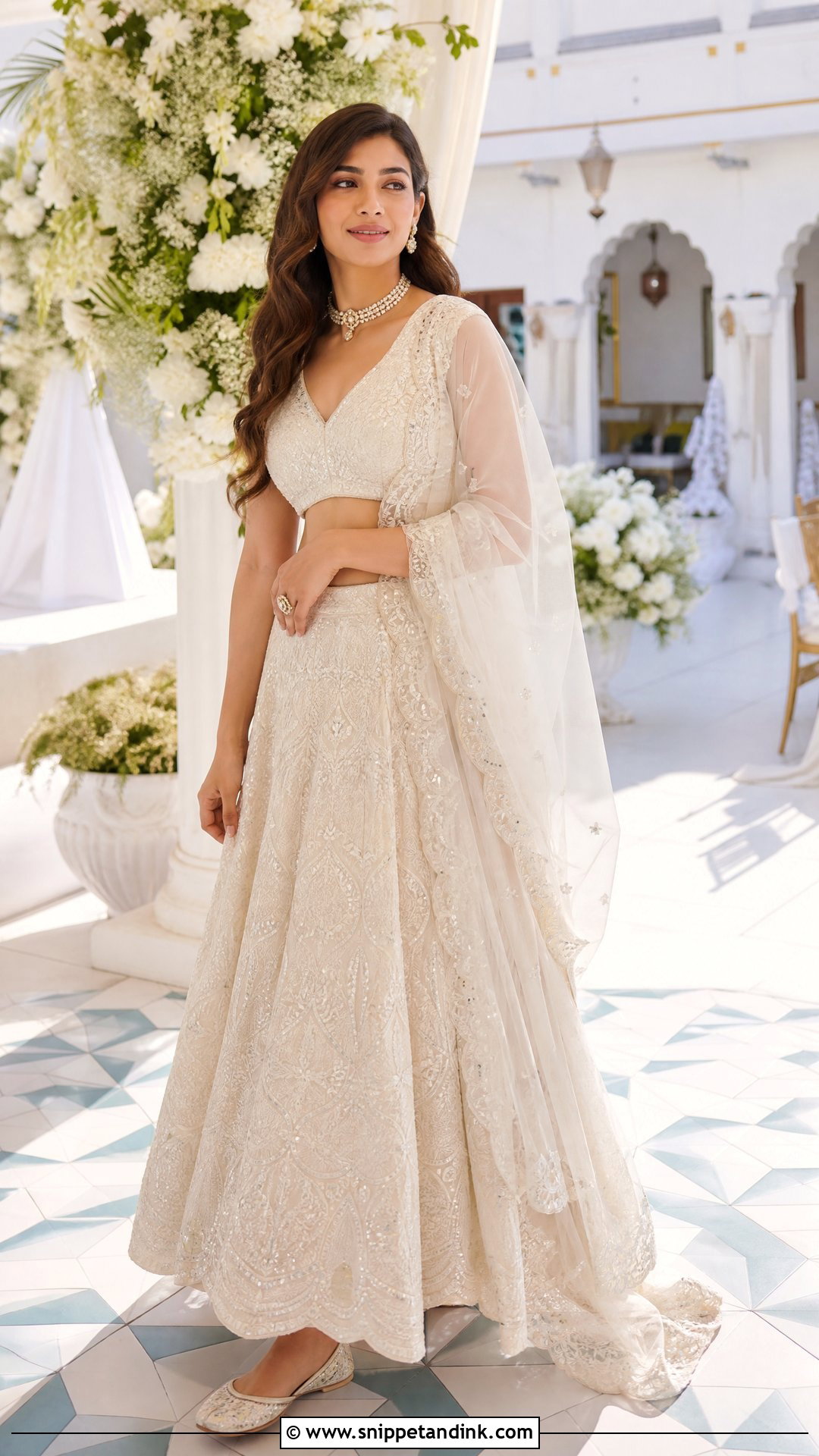
Chikankari lehengas are calm and breathable, right for daytime events and summer weddings. Ivory, blush, mint, lemon, lavender and beige with tonal embroidery look refined, and chikankari mixed with mukaish or a touch of mirror work adds festivity. Pearl jewelry and soft waves suit it. Real chikankari is hand embroidered, so the reverse shows small, careful stitches; a printed or machine version won’t have that raised texture. Drape a sheer dupatta over one shoulder and it’s done.
14. Kurta Palazzo Set For Indian Wedding
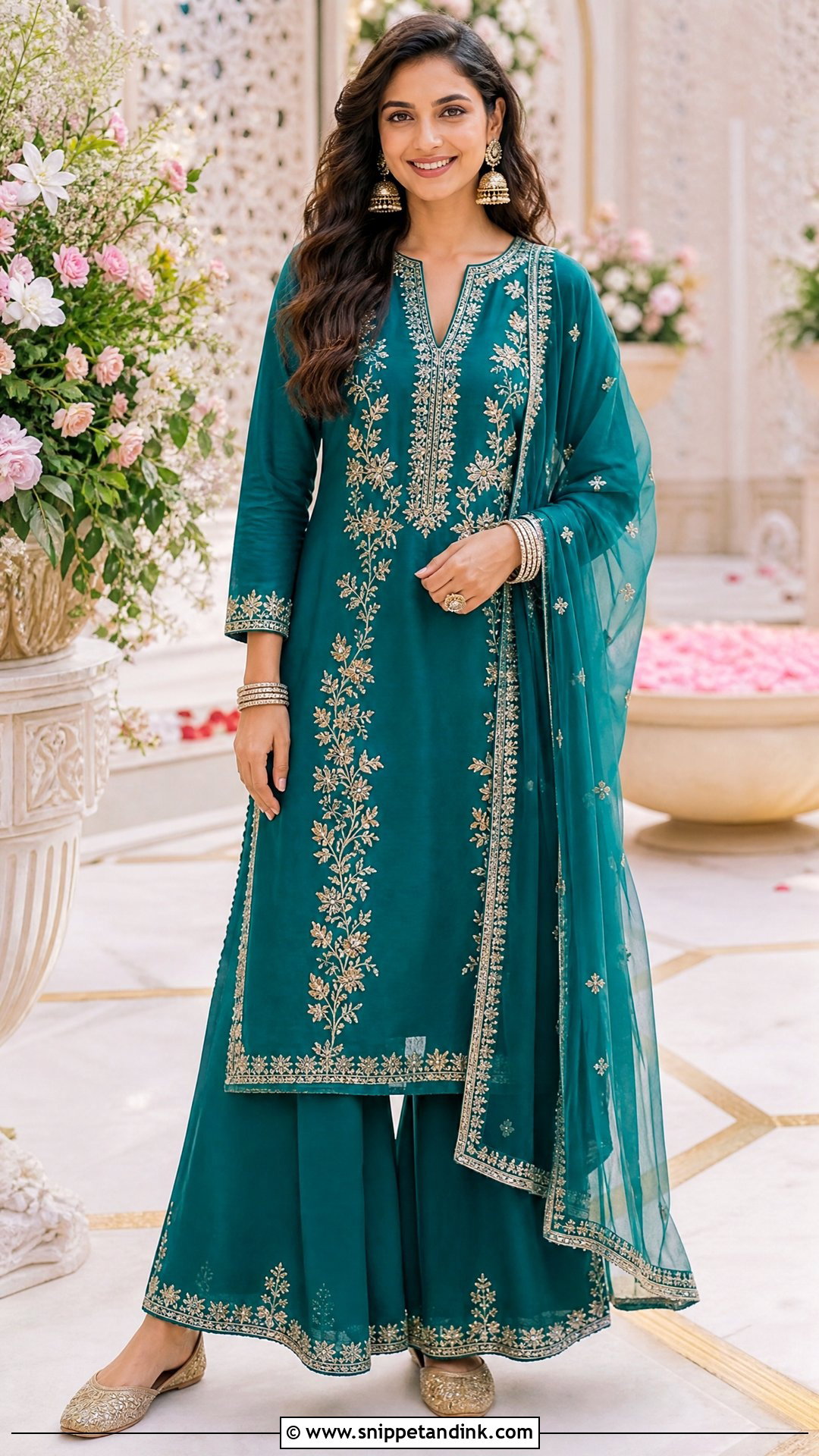
A kurta palazzo set is comfortable enough for travel, long rituals and smaller ceremonies, and still looks dressed. A long embroidered kurta, wide palazzos and a matching dupatta make the full look. Silk blend, georgette, cotton silk and chanderi cover the range of formality. Yellow, peach or powder blue suit daytime; navy, maroon or emerald suit evening. I like this set for guests who’ll sit on the floor through a long ceremony, because palazzos don’t ride up the way fitted bottoms do.
15. Cape Lehenga For Indian Wedding
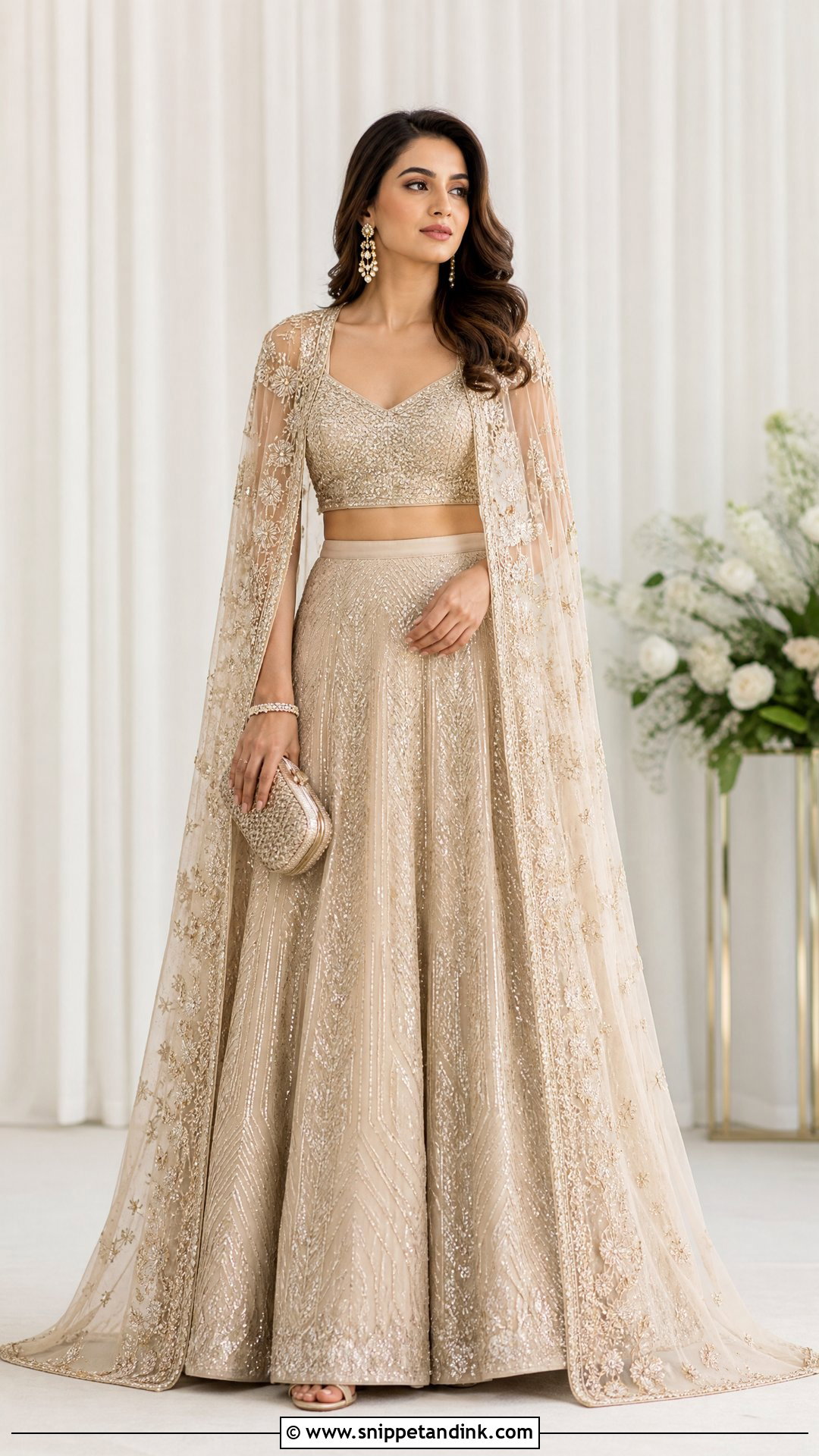
A cape lehenga stays put, which is the main reason I recommend it for receptions and destination weddings. The cape replaces the dupatta and gives you coverage and movement. A simple skirt, an embellished blouse and a sheer embroidered cape keep the balance right, in soft metallics, pastels or jewel tones. If the cape has detailed work, skip the necklace and wear sleek earrings. Check the cape length in your heels; it should end clear of the floor.
16. Jacket Lehenga For Indian Wedding
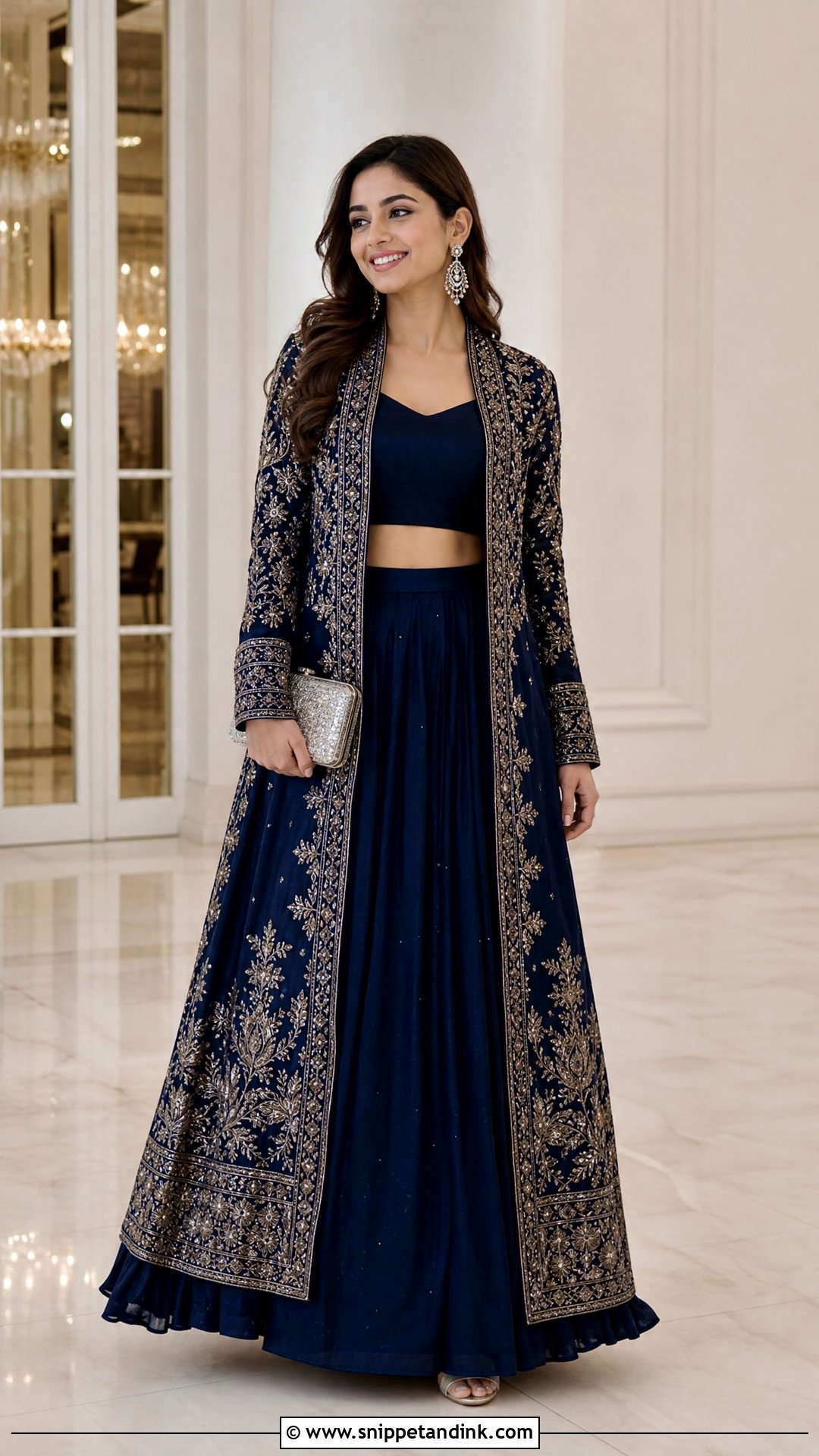
A jacket lehenga adds structure and coverage, and the jacket itself can be long, short, sheer or brocade. A long jacket over the skirt looks regal; a cropped one feels younger. It’s practical at winter weddings and in heavily air-conditioned halls. Pair a plain lehenga with a heavily embroidered jacket, or coordinate the colors for a cleaner look. Since the jacket is the feature, keep the blouse underneath simple and close-fitting so it doesn’t bunch.
17. Floral Lehenga For Indian Wedding
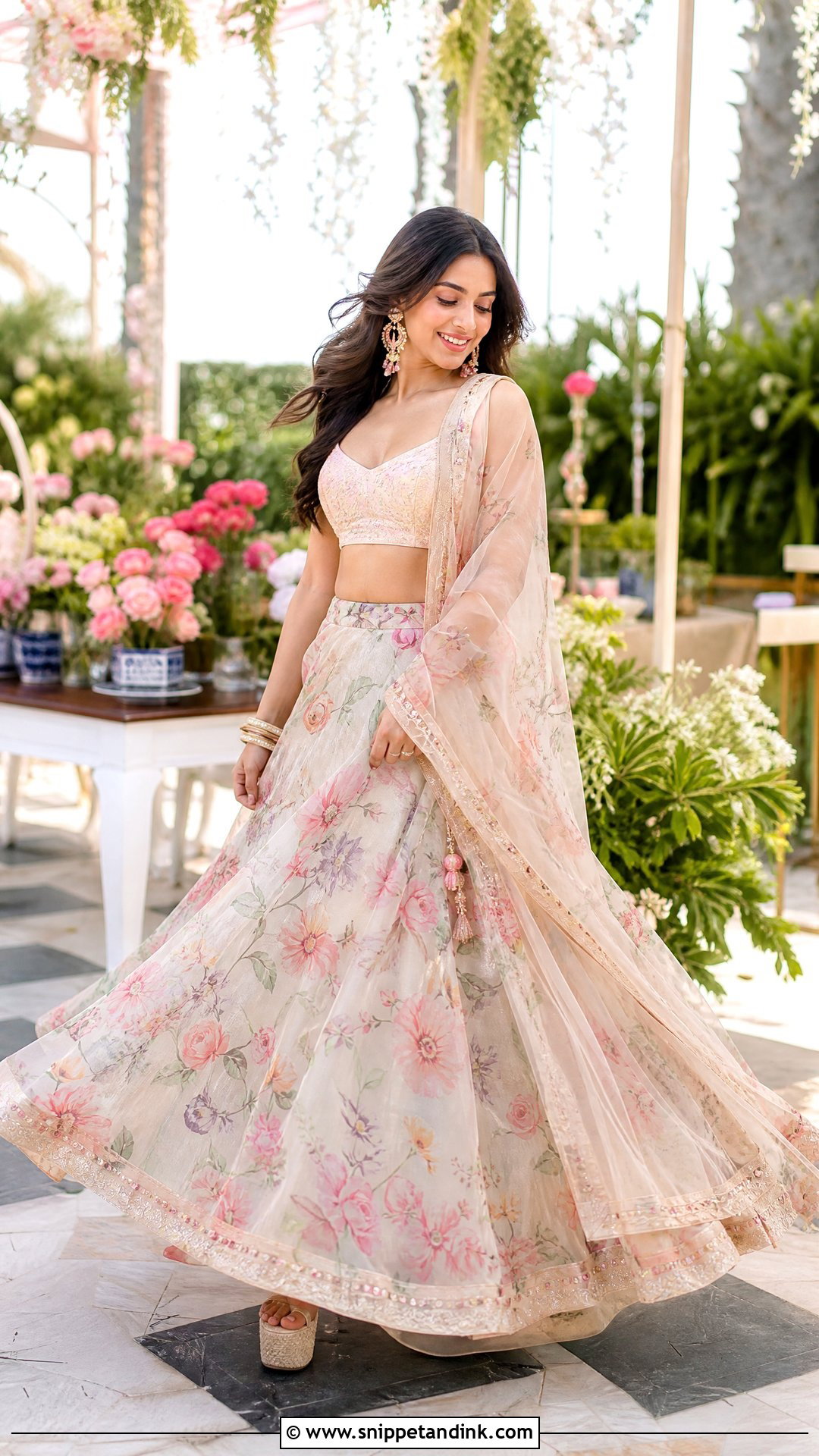
Floral lehengas suit mehendi, haldi, brunch events and outdoor ceremonies in spring and summer. Organza, georgette, chiffon and silk blend keep the skirt moving. Pastel florals look soft; bright florals in pink, orange or yellow feel festive. Printed florals are lighter and usually cheaper than embroidered ones, which makes them the smarter buy for a haldi where turmeric may splash. Keep the accessories simple so the print leads, with floral jewelry, a light dupatta and juttis.
18. Ruffle Saree For Indian Wedding
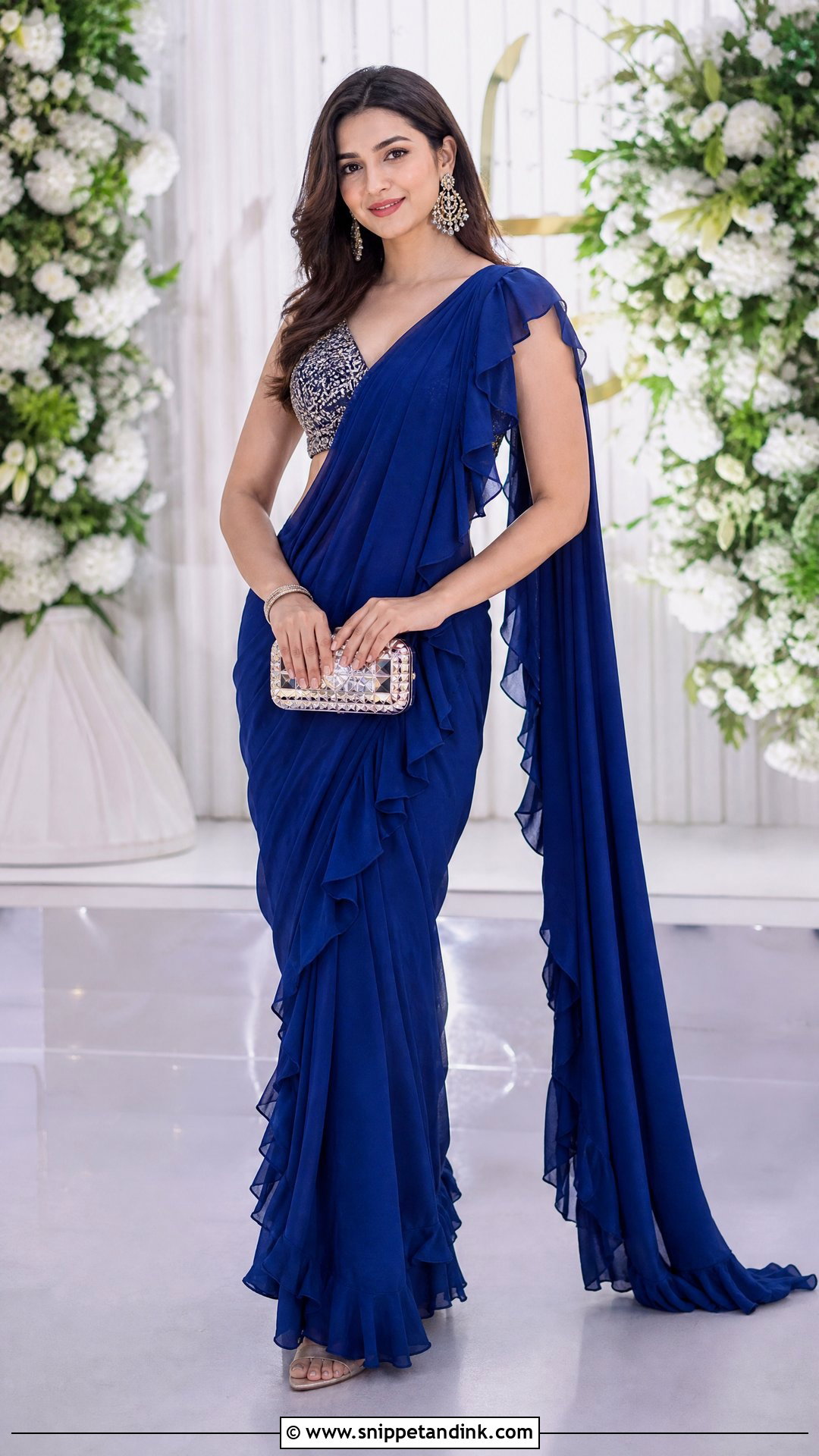
A ruffle saree gives you volume and movement without heavy fabric. Georgette, chiffon or pre-draped versions are the easiest to wear, and a fitted blouse with light embroidery or sequins keeps the outline sharp. Pastels, metallics, hot pink or cobalt all work. Ruffles widen the lower edge, so I choose moderate, steady heels, because it’s easy to step on a ruffle on stairs. It suits sangeet nights and receptions best.
19. Salwar Kameez For Indian Wedding
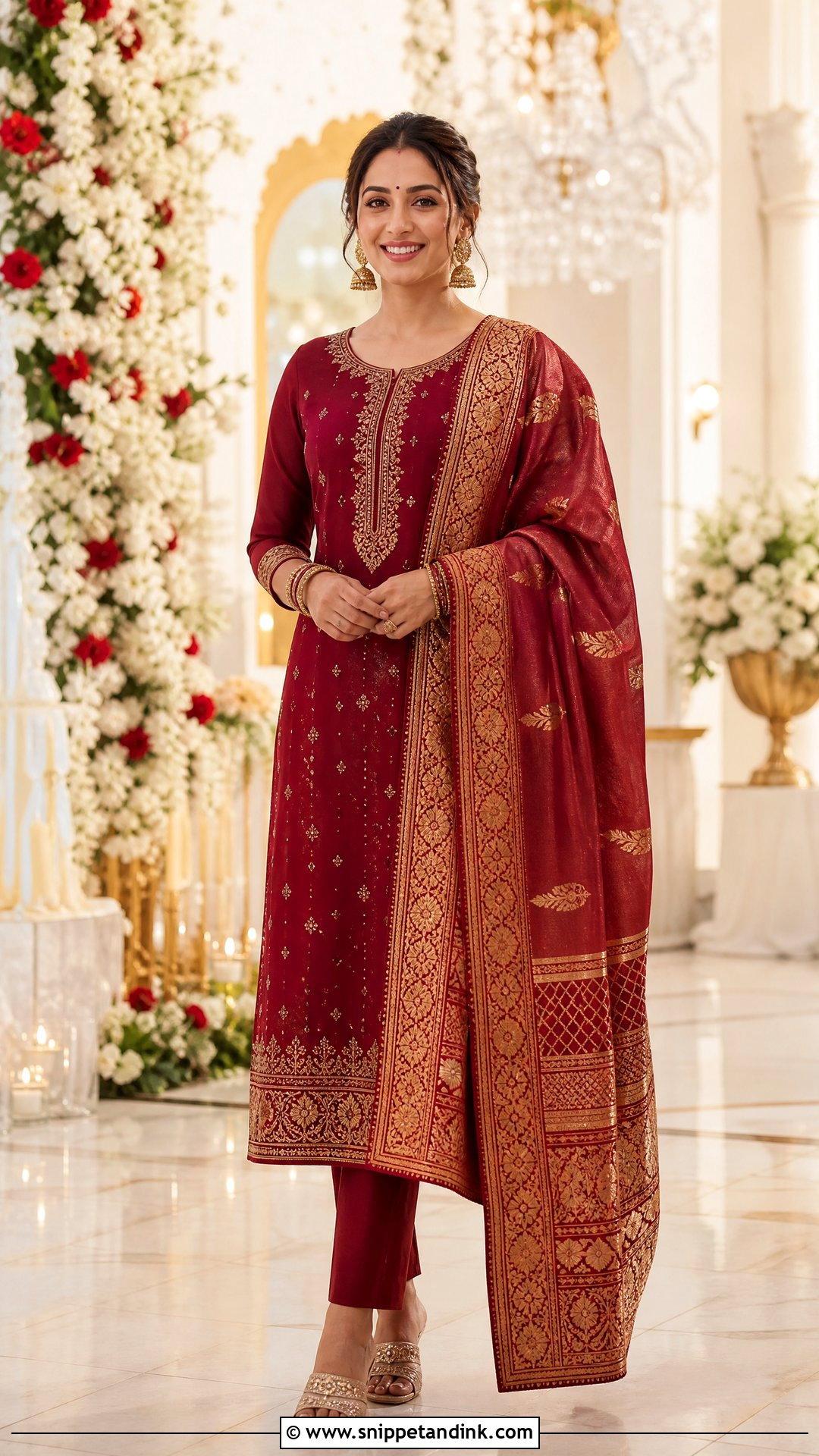
A festive salwar kameez can look every bit as dressed as a lehenga when the fabric and detailing are rich enough. Silk, brocade, georgette or chanderi with zari, gota or beadwork all work. A straight kurta with tailored pants and a rich dupatta looks clean and modern; a slightly flared kameez with a churidar is more classic. Jhumkas, a bindi and bangles finish it. I recommend it often to older relatives and for long family functions where comfort comes first.
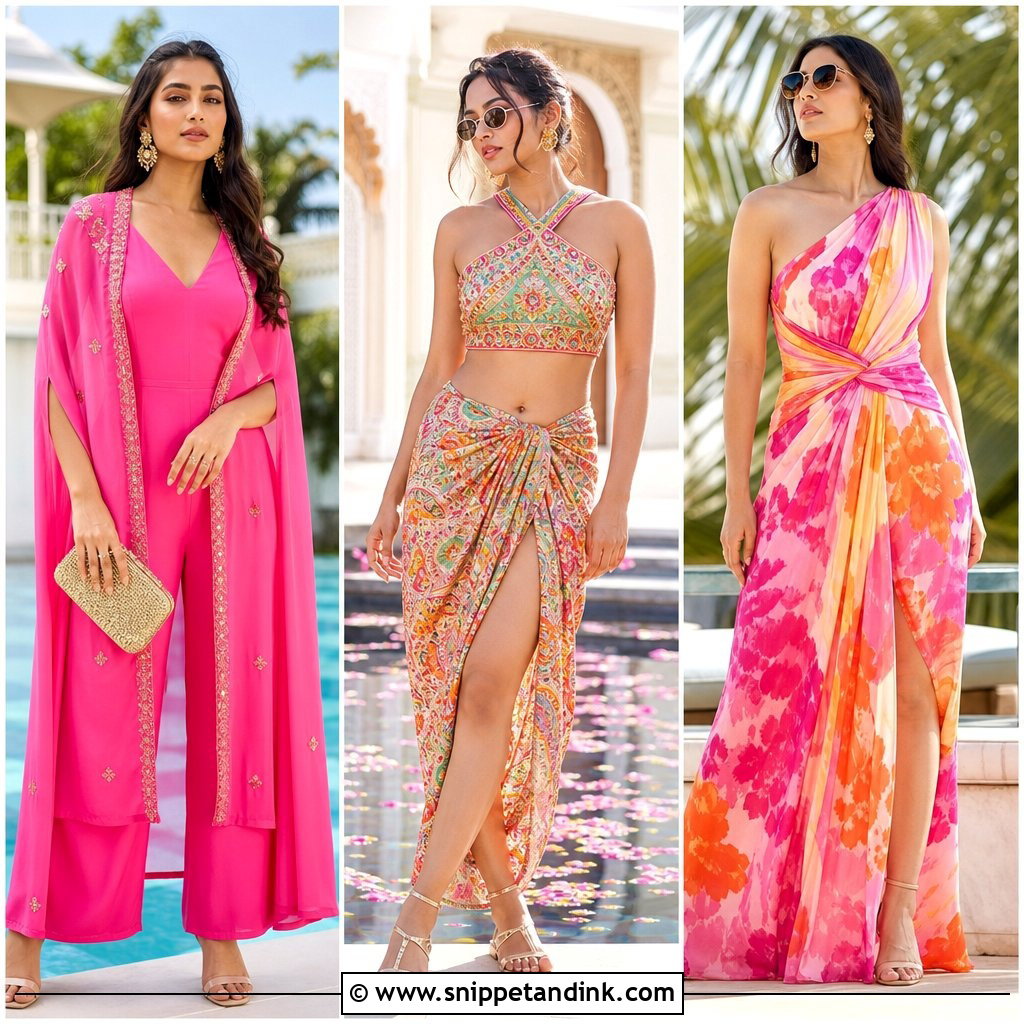



20. Dhoti Pants Set For Indian Wedding
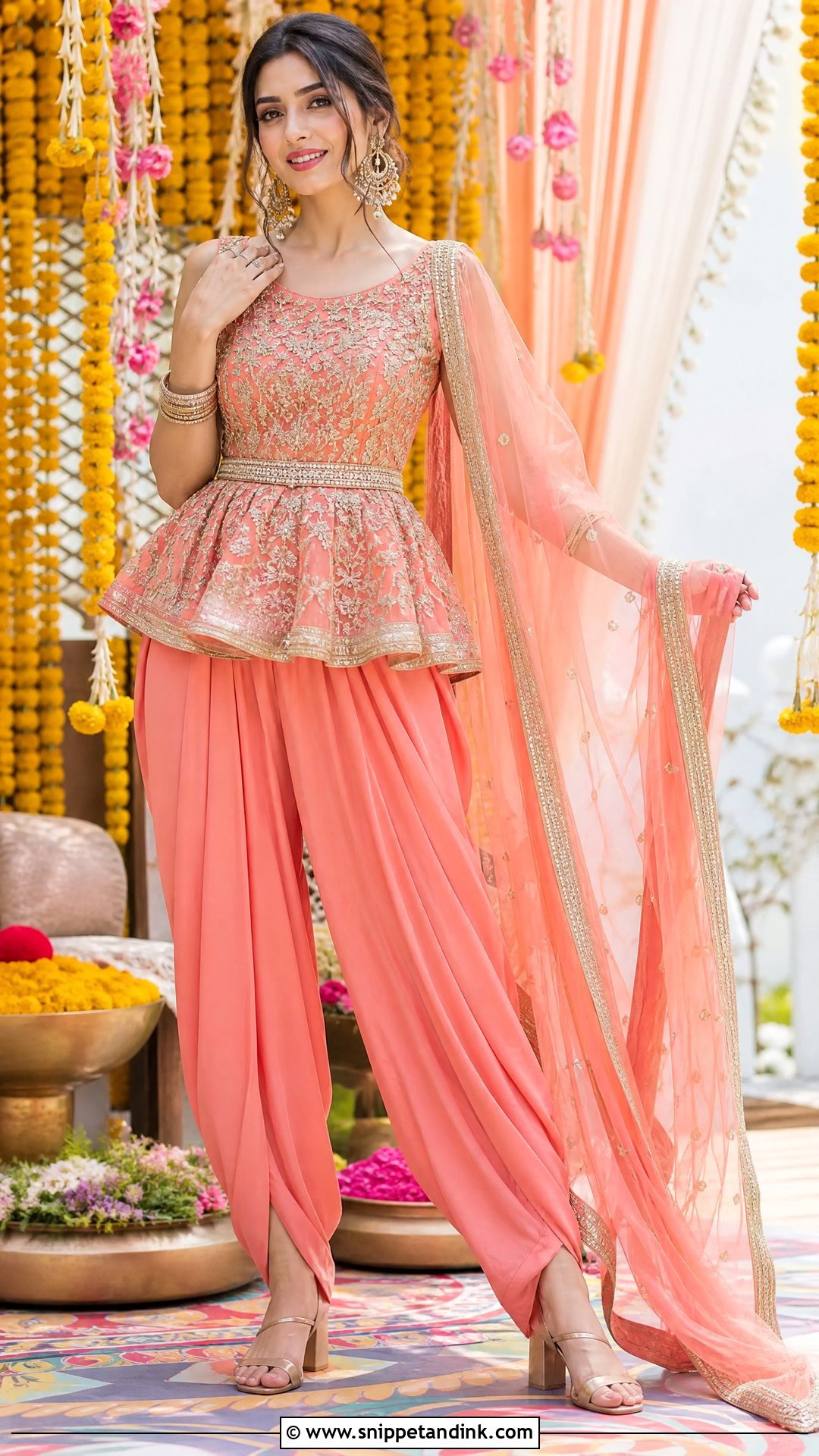
Dhoti pants sets suit mehendi, haldi and sangeet. The draped pants move well, and the top can be a crop blouse, a peplum kurti or a short embroidered jacket. Bright colors suit daytime; metallics and jewel tones carry the evening. A belt helps define the waist, especially over a loose kurti. Very soft fabric makes dhoti pants look shapeless, so I look for satin or crepe that holds its folds. Statement earrings and block heels or juttis finish it.
21. Lehenga Saree For Indian Wedding
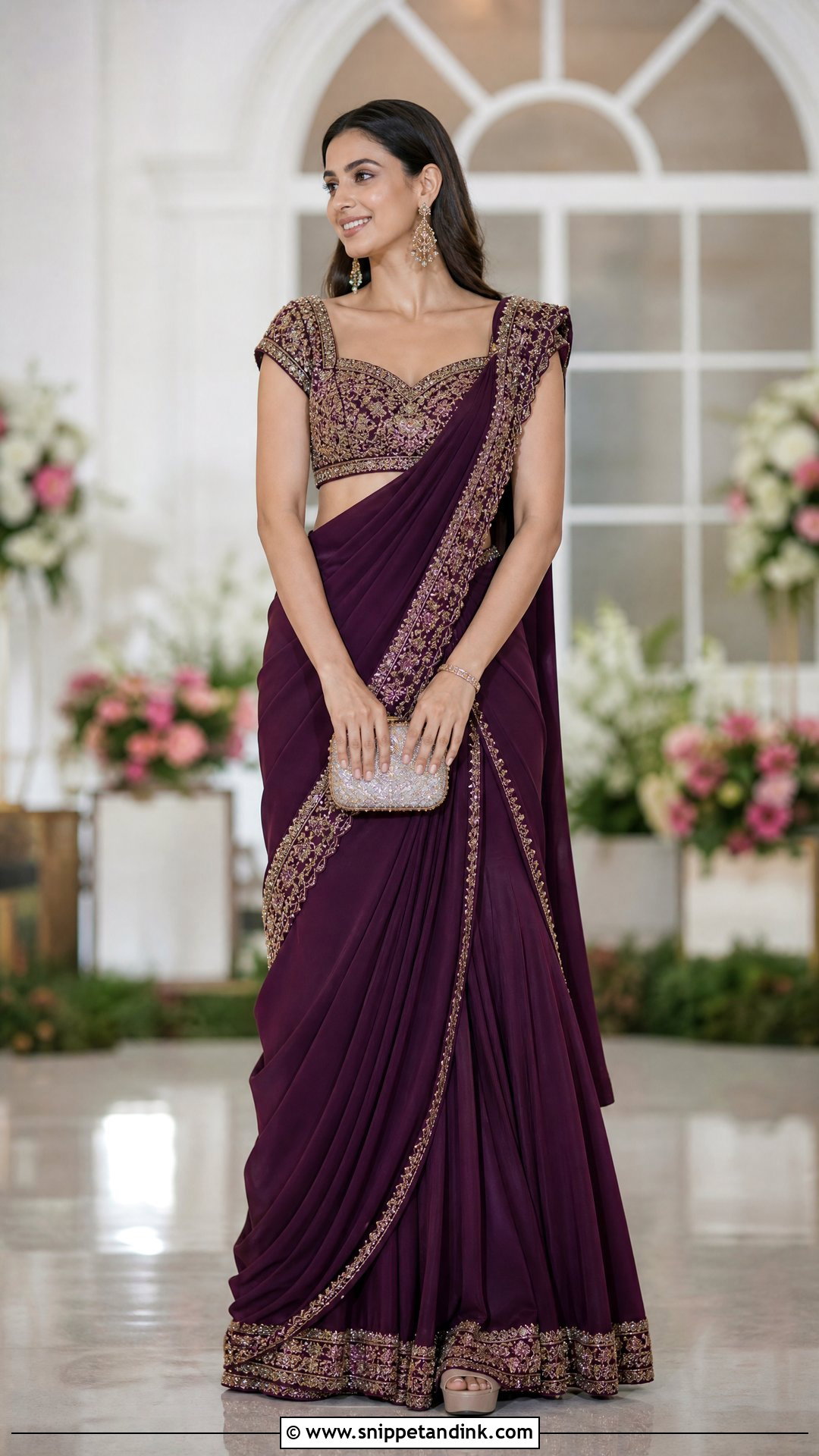
A lehenga saree combines a flared skirt and blouse with a pre-draped pallu, so you get a saree’s drape with none of the pleating. It’s a good choice for long functions if you aren’t confident draping a saree yourself. Embroidered borders, light sequins or rich silk suit different events, and heels help the skirt fall cleanly. Make sure the pallu is attached securely at the waist and pinned at the shoulder, otherwise it slips off every time you hug a relative.
22. Peplum Sharara For Indian Wedding
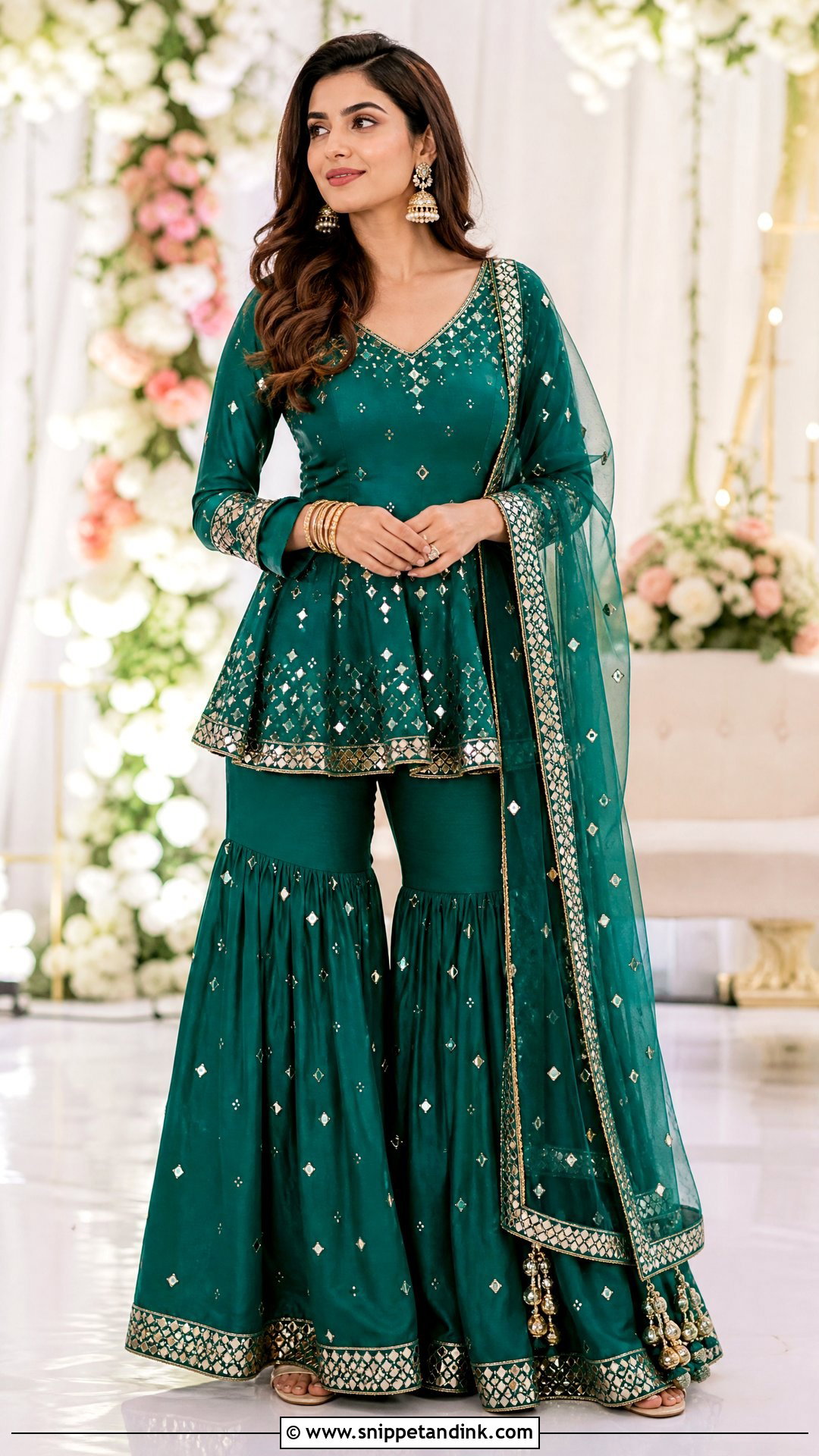
The peplum shapes the waist and the sharara adds swing, so this outfit flatters a lot of figures. Mirror work, gota patti, zari or light sequins all suit it. Yellow or green for mehendi, peach or pink for daytime ceremonies, navy or emerald at night. The silhouette already has volume from the hip down, so I keep the jewelry clean: jhumkas, a sheer dupatta and embellished heels. If you’re short-waisted, pick a peplum that starts at your natural waist, not below it.
23. Heavy Dupatta Suit For Indian Wedding
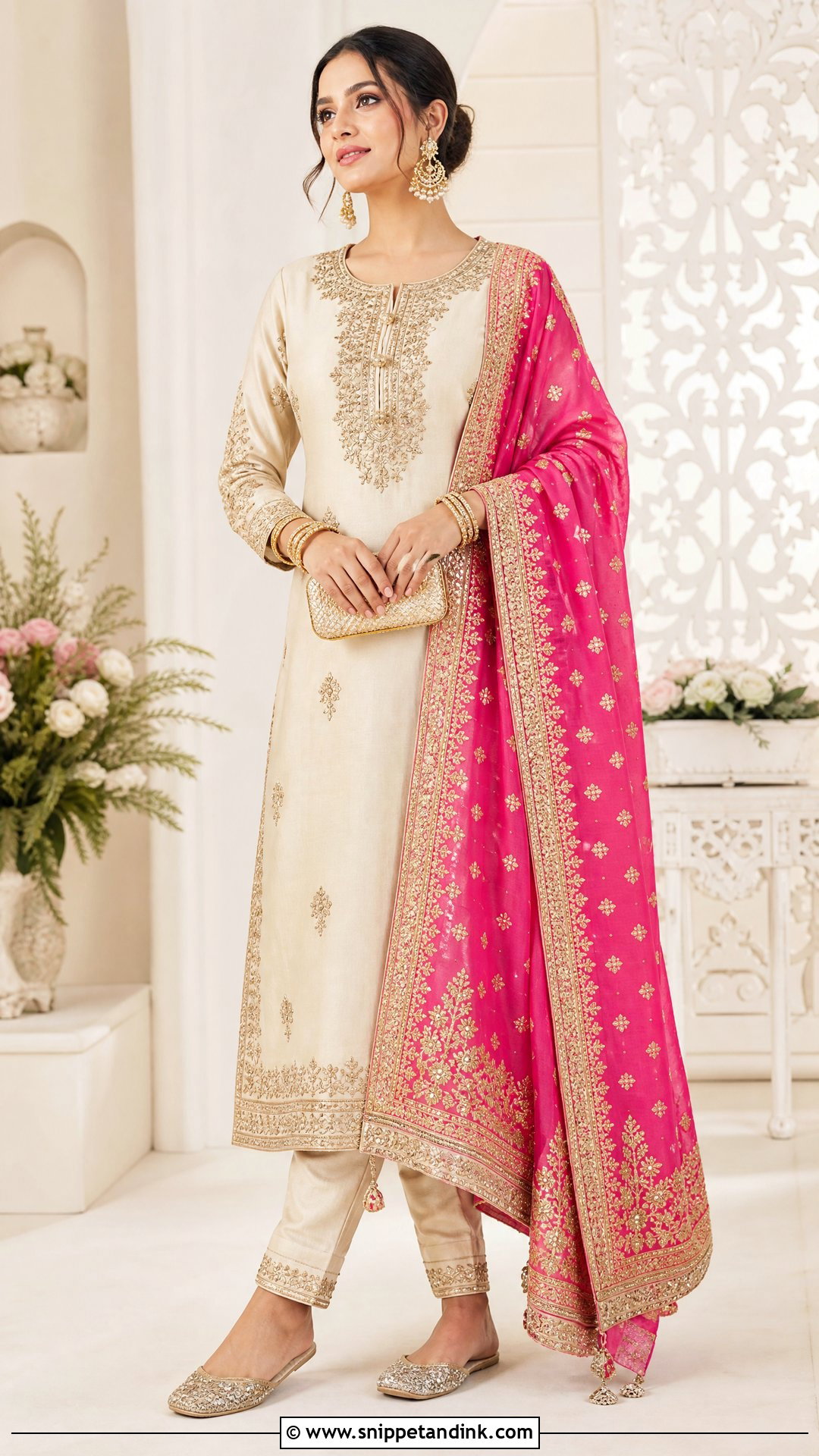
A heavy dupatta suit lets one piece carry the whole look. Start with a plain silk, georgette or chanderi kurta and pants, then add a dupatta with zari, phulkari, bandhani or mirror work. Contrast is what makes it work, such as a plain ivory suit with a bright dupatta or a jewel-tone suit with a gold one. Heavy dupattas slide, so pin it at the shoulder. I suggest this to older guests in particular, since it’s festive without putting any weight on the body.
24. Bridesmaid Lehenga For Indian Wedding
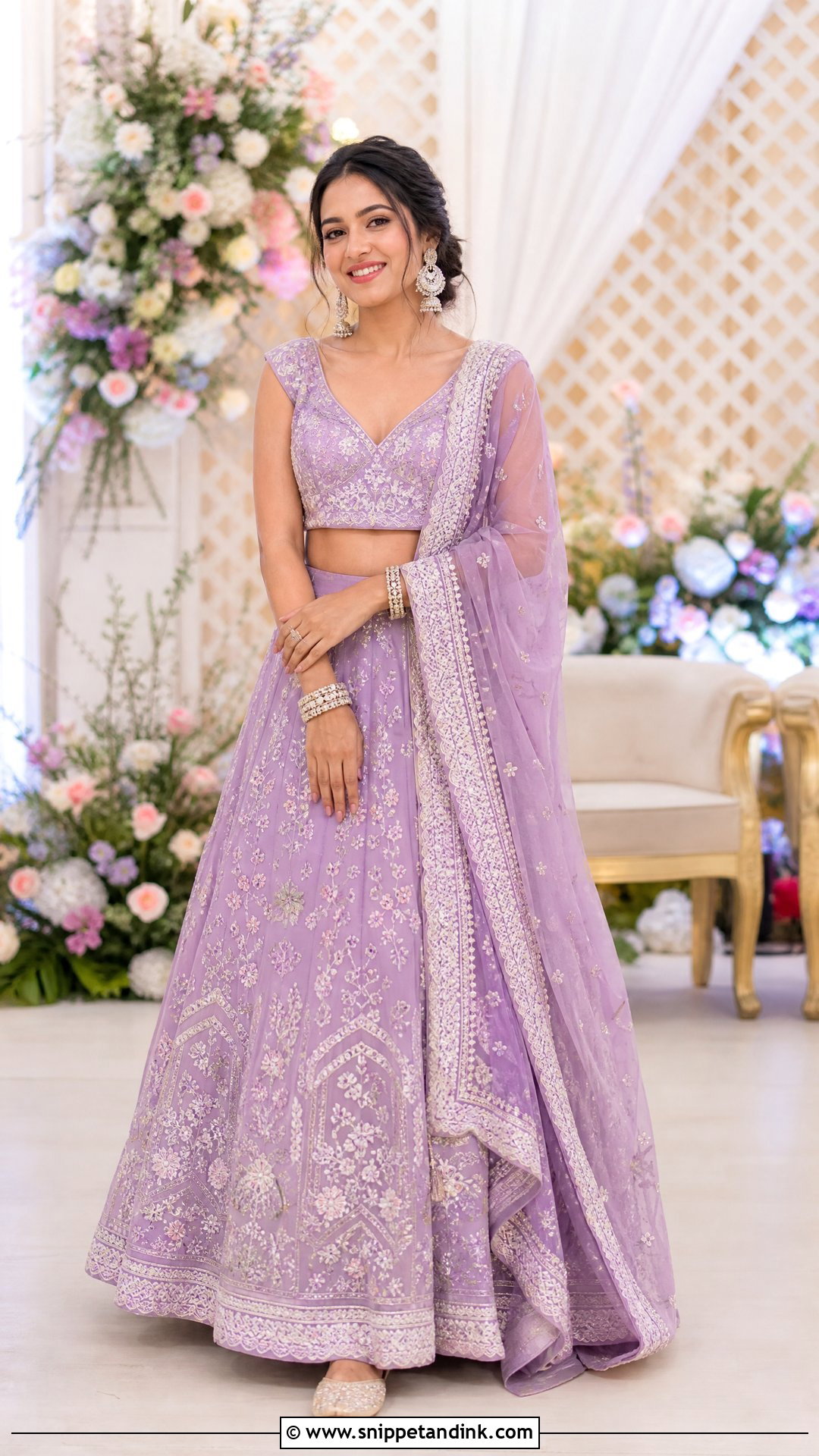
Bridesmaid lehengas need to coordinate and survive a full day of events. Soft pastels, jewel tones or the family’s own palette all work. Lightweight embroidery and breathable fabric matter more here than in a single-event outfit, because bridesmaids are on their feet helping, posing and dancing all day. A dupatta pinned on one shoulder keeps the hands free. Keep the silhouette similar across the group and let blouse necklines or jewelry vary, so everyone looks related without looking uniform.
25. Reception Gown For Indian Wedding
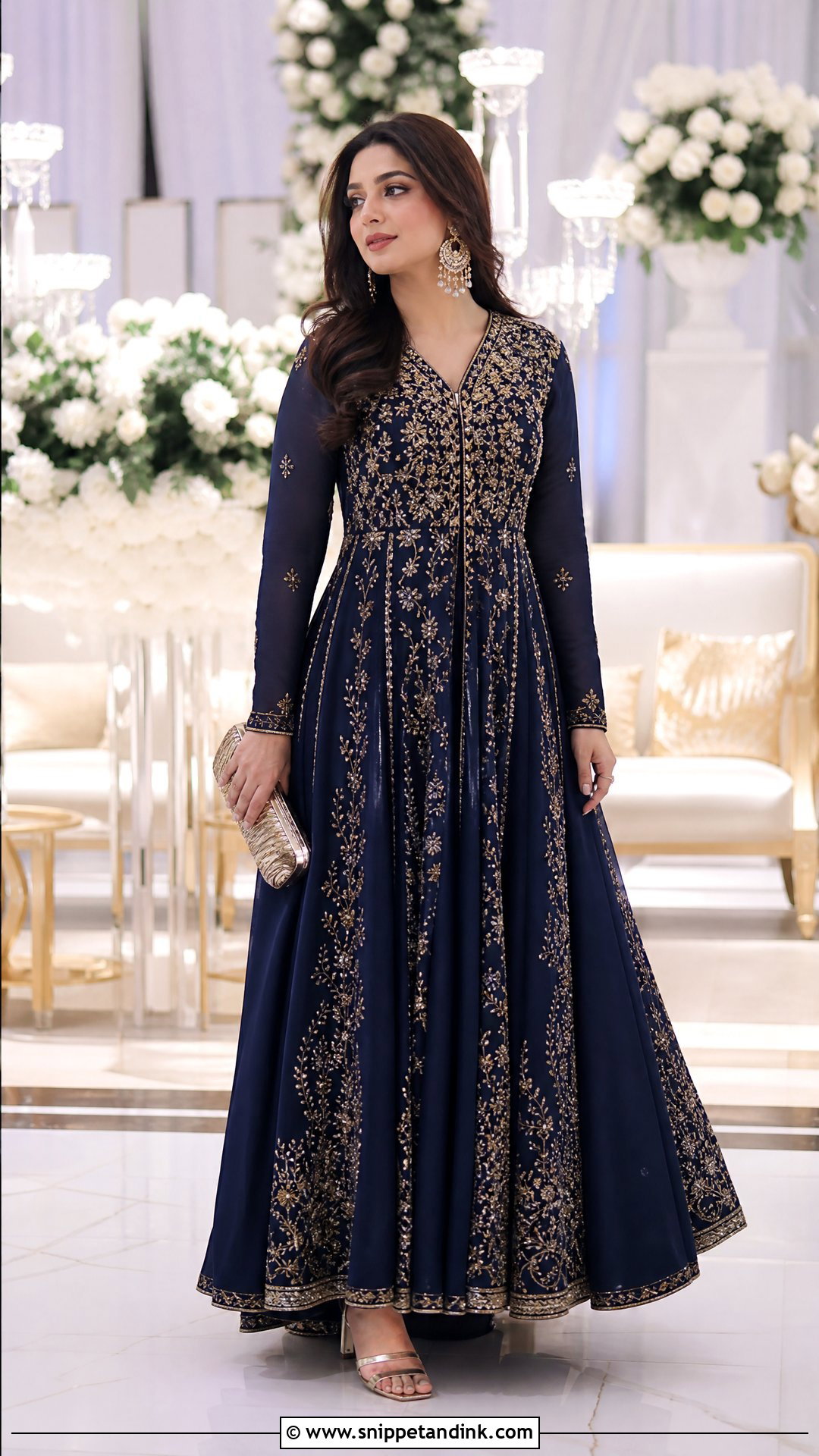
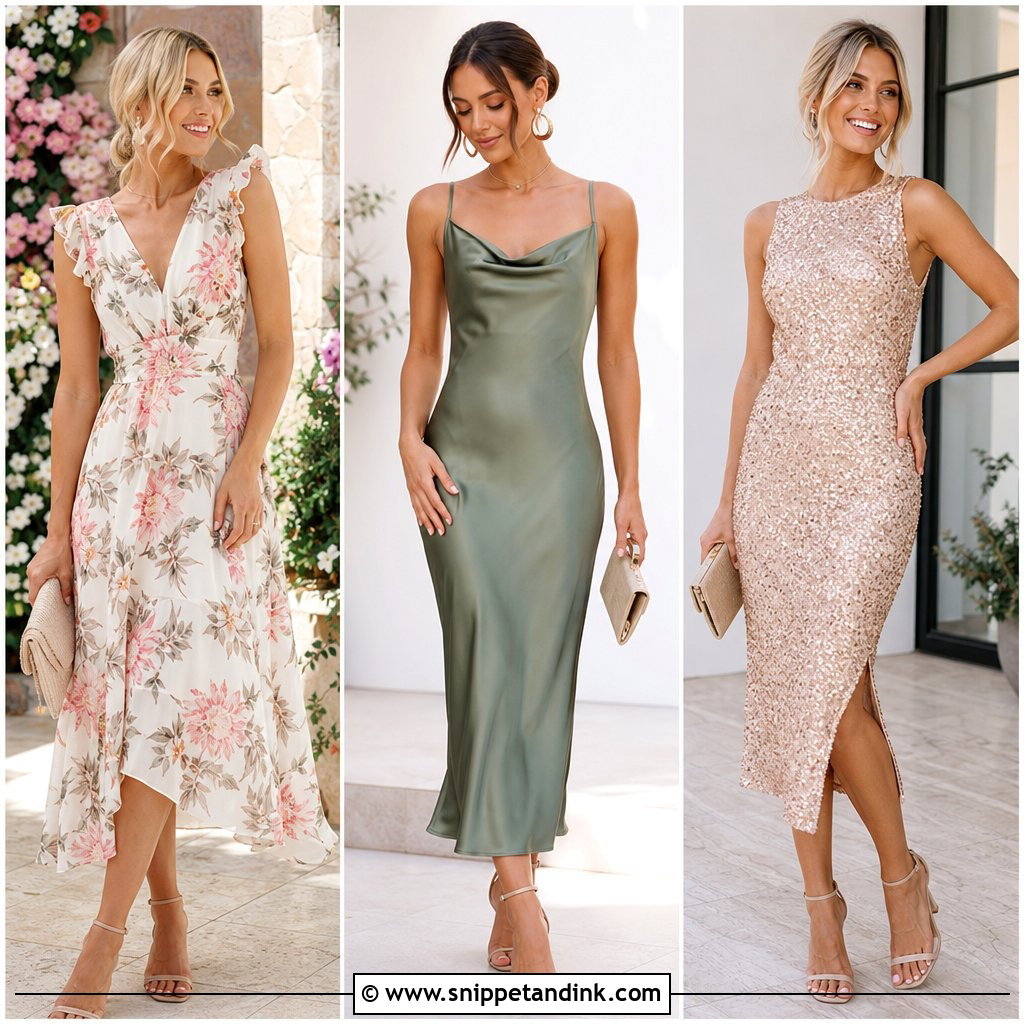
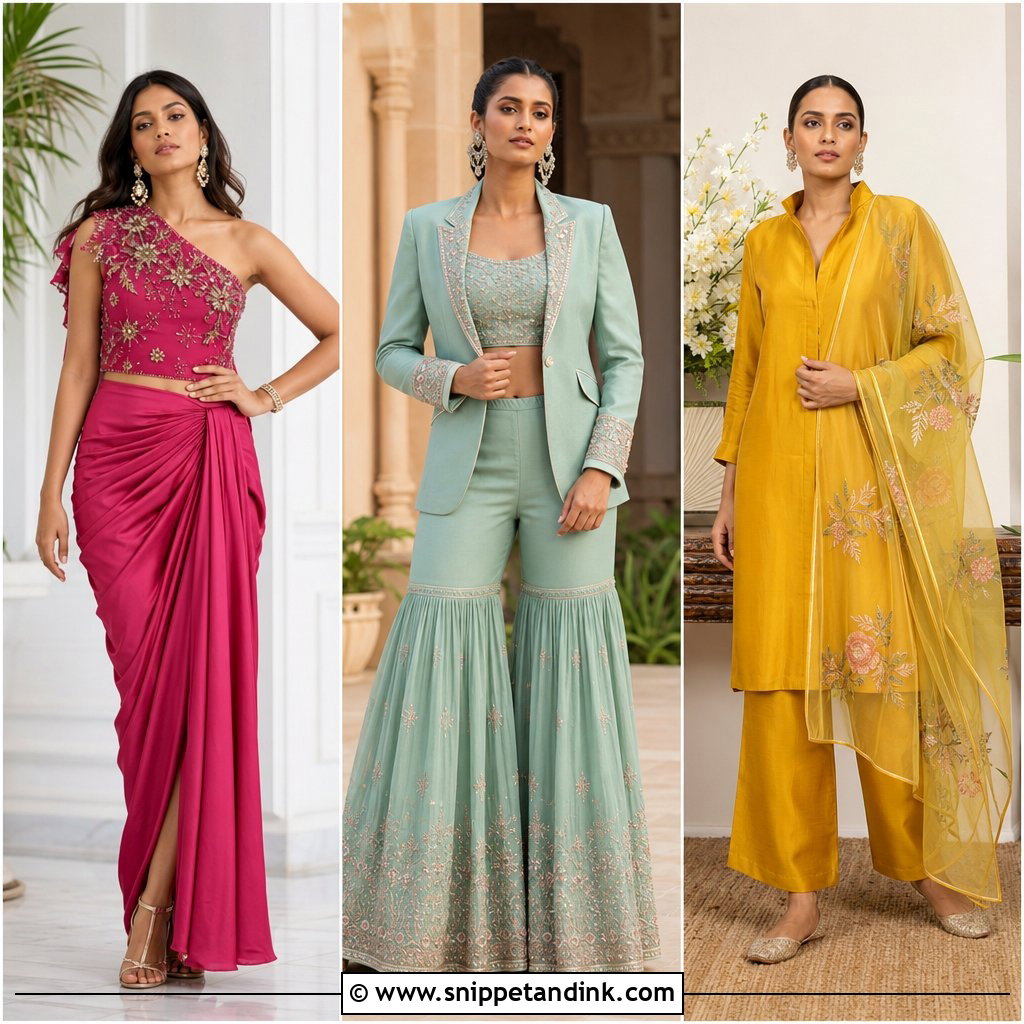
A reception gown suits a formal, slightly modern evening. Indian-inspired gowns with embroidery, beadwork, cape sleeves or a draped bodice work best, in jewel tones, champagne, silver, blush, navy or emerald. If the neckline has heavy work, skip the necklace and wear statement earrings. Check that you can sit through dinner in the bodice and walk in the skirt length, especially if the reception has a stage with steps for photos.
Six Bridesmaids, One Palette, No Uniforms
Dressing a bridesmaid group is where I see the most stress, mostly because orders start too late. Made-to-measure lehengas can take several weeks to arrive, and heavily embroidered pieces longer, so start early and leave room for one round of alterations.
- Agree on two or three related shades rather than one exact color.
- Keep one element the same for everyone: the fabric, the embroidery style or the dupatta.
- Let each bridesmaid choose a blouse neckline and sleeve that suits her body.
- Have one person take everyone’s measurements with the same tape.
- If buying online, order a single sample first and check the color in daylight.
Hair, Dupatta and Jewelry Have to Agree
An outfit can be right and still fail if the hair fights it. A dupatta worn over the head needs a bun or a firm low base to pin into; open curls under a net dupatta tangle within the hour. Heavy jhumkas pull on the earlobes over a long day, so I often add a sahara, the small chain that clips into the hair, to carry some of the weight. And when the blouse has a high or embellished neckline, I put the hair up so the work shows and leave the necklace off.
From Mehendi Morning to Reception Night
The right Indian wedding outfit fits the function, feels comfortable and suits you. Silk and Banarasi sarees belong at traditional ceremonies, while pastel lehengas, organza sarees and florals suit daytime celebrations. Sequin sarees, cape lehengas, pre-draped sarees and reception gowns carry the sangeet and reception. Shararas, ghararas, palazzo suits and heavy dupatta suits give you comfort with festive detail. Let color, fabric, jewelry and footwear match the mood of each ceremony, and treat the trendy outfits above as a starting point for every function on your list.
You'll Like These Ideas:


Leave a Reply