
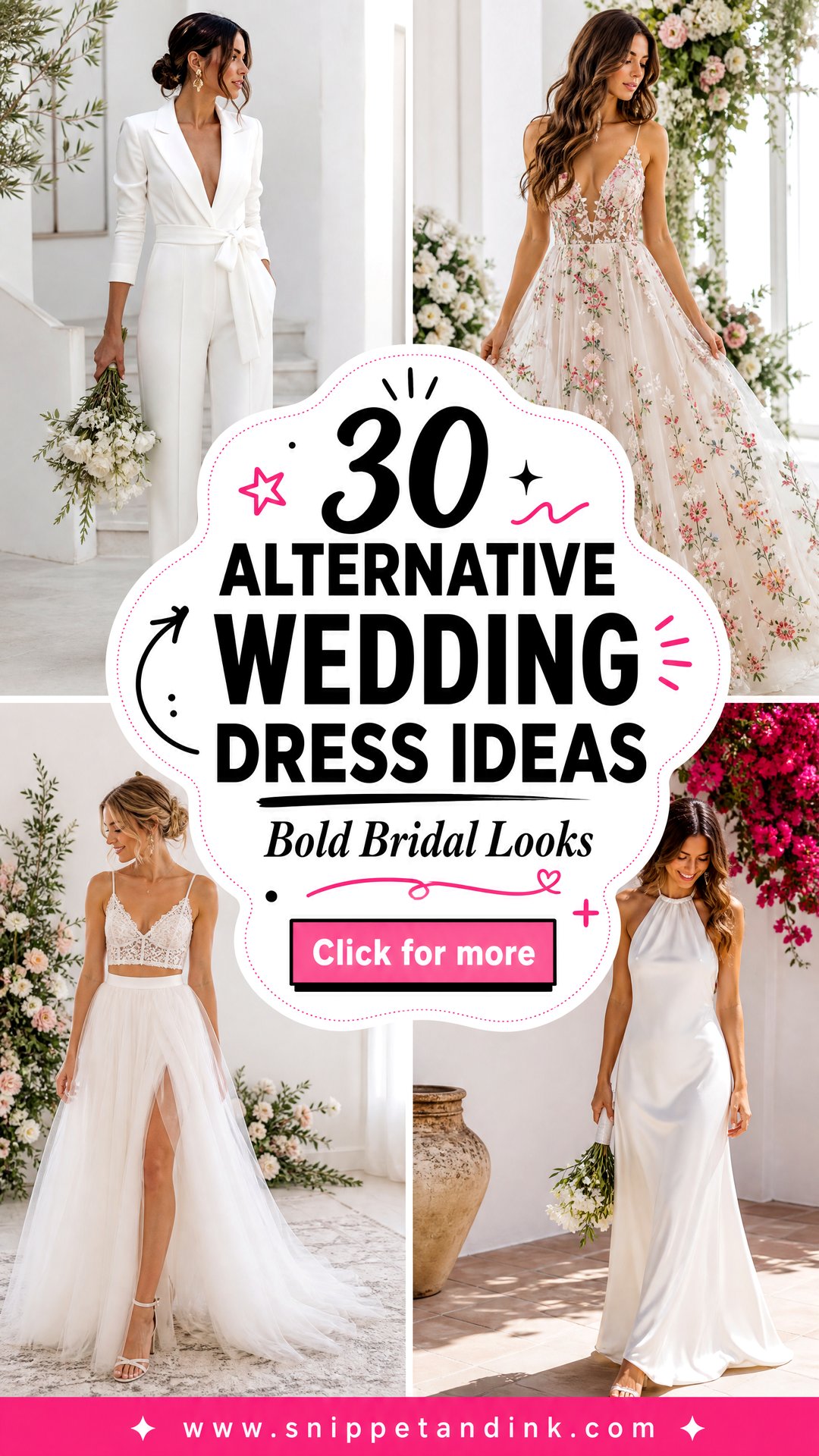
A white gown is one answer to the question of what to wear, not the only one. A lot of the brides I dress arrive knowing the traditional dress isn’t them, and what they actually need is permission plus a few honest fitting notes. The list below covers suits, jumpsuits, short hemlines, color, separates and some vintage shapes, and for each one I’ve added what I watch for when a bride tries it on: where it pulls, how it behaves when you sit, and which venues it suits. Start with how you want to move and where you’ll be standing, and the right outfit gets much easier to spot.
Fittings Work Differently Once a Gown Is Off the Table
Most bridal salons are set up for full skirts, so when a bride comes to me for trousers, a short dress or a colored gown, I plan the fittings a little differently. Gowns hide a lot below the waist. Trousers, slips and minis hide almost nothing, which means the alterations are smaller in number but far more visible.
- Bring your wedding shoes to every fitting. A trouser hem is set to one exact heel height, and switching to flats later leaves the fabric pooling.
- Do the sit test in the chair you’d find at a reception, not a soft fitting room bench. Jumpsuits and bias slips show strain lines at the hip the moment you sit.
- Check color by a window. Blush, champagne and pale blue shift dramatically between salon bulbs and daylight, and daylight is what your ceremony photos will use.
- Ask about the lining. Sheer fabric over the wrong lining changes the color of the whole outfit.
I’d plan two or three fittings for a suit or separates and at least three for a corset or anything with boning. The final one should happen close to the date, ideally within a few weeks, because tailored pieces show even small changes in weight.
1. White Bridal Jumpsuit
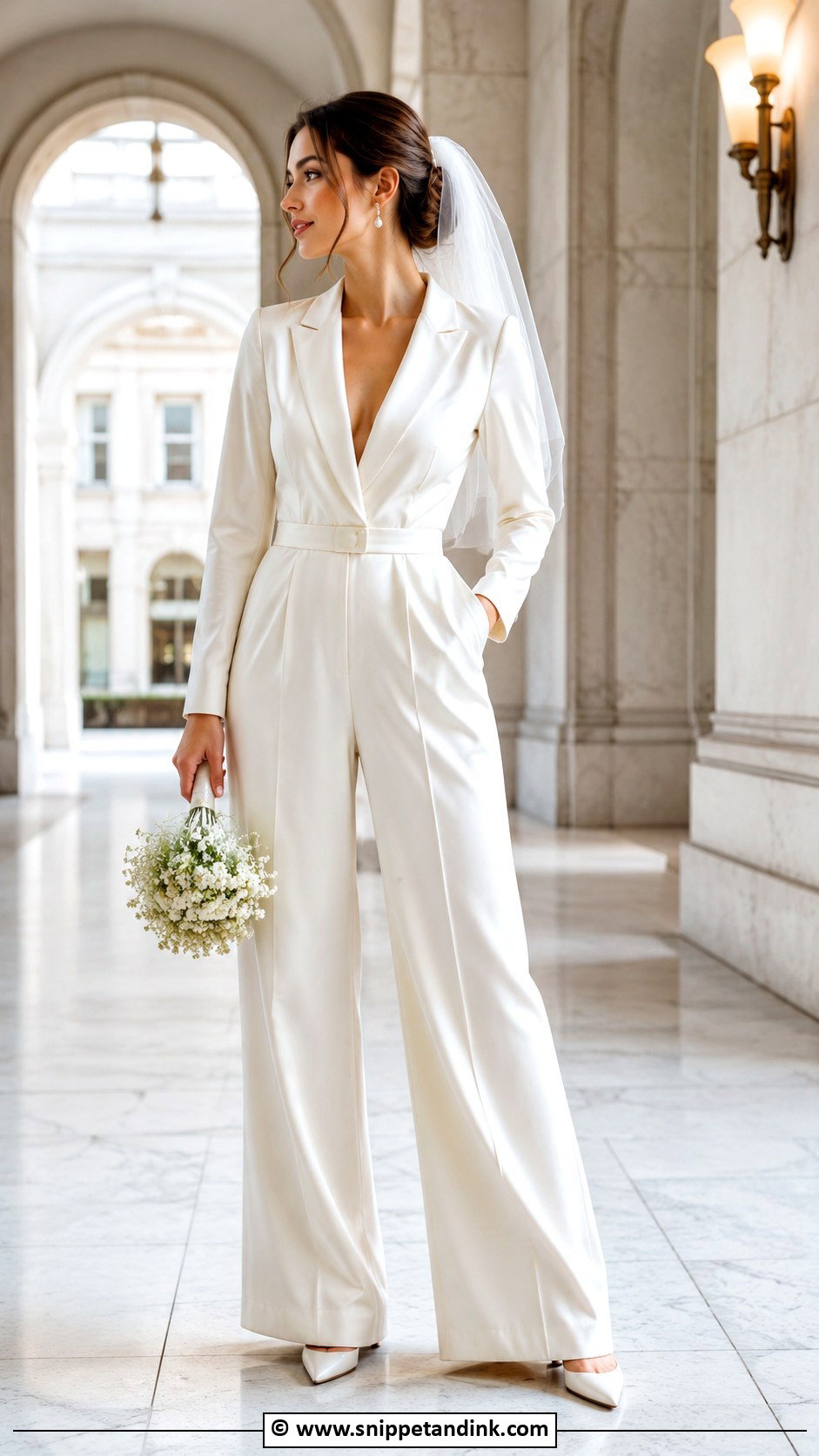
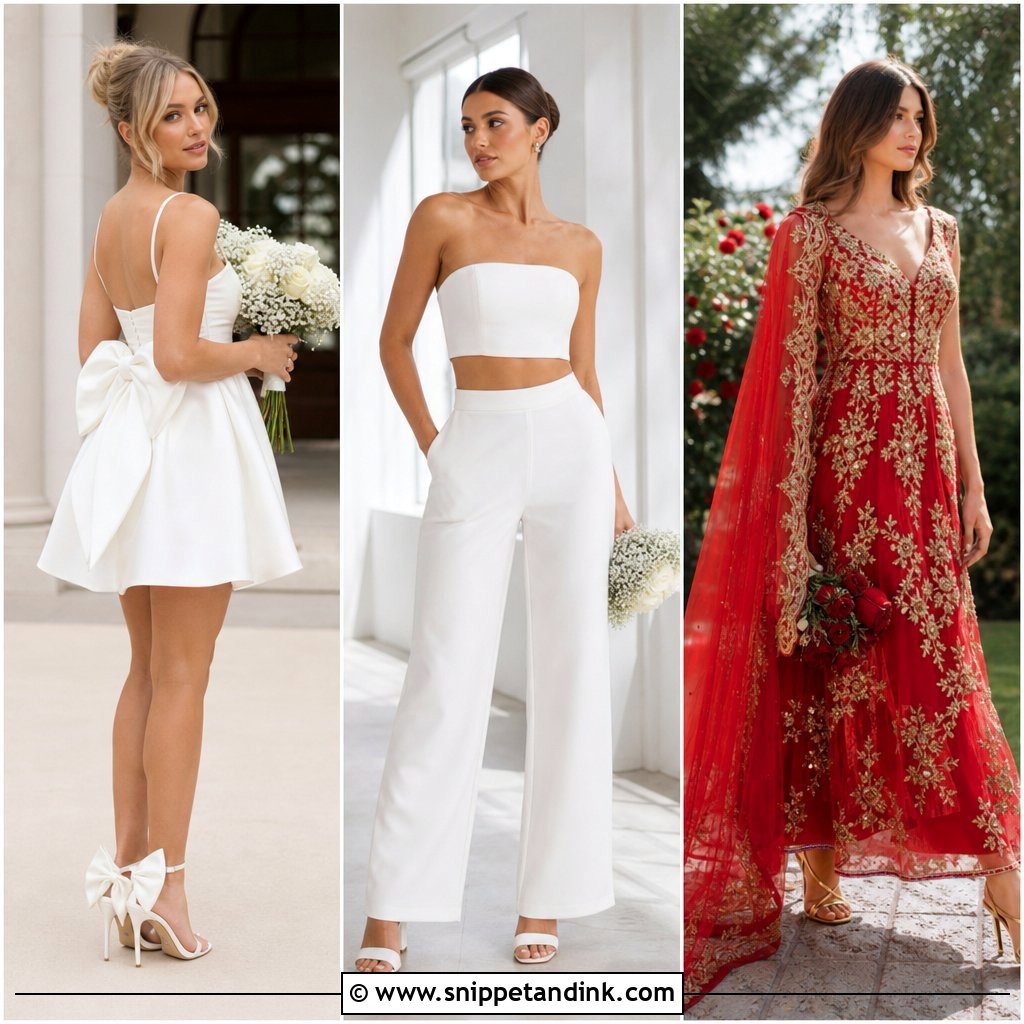
A white bridal jumpsuit gives you a gown’s presence with none of the skirt management. I look for a tailored wide leg, a defined waist and a fabric with some weight, like crepe or stretch mikado, because thin satin shows every seam of your underwear in flash photography. The crotch length is where most jumpsuits fail: if it pulls when you sit, it will pull all night, so sit, crouch and lift your arms in the fitting room. A sleek low bun and pointed heels keep it ceremony-ready, and a detachable overskirt can add drama for the aisle. It suits a courthouse, a rooftop or a dance-heavy reception.
2. Ivory Bridal Pantsuit
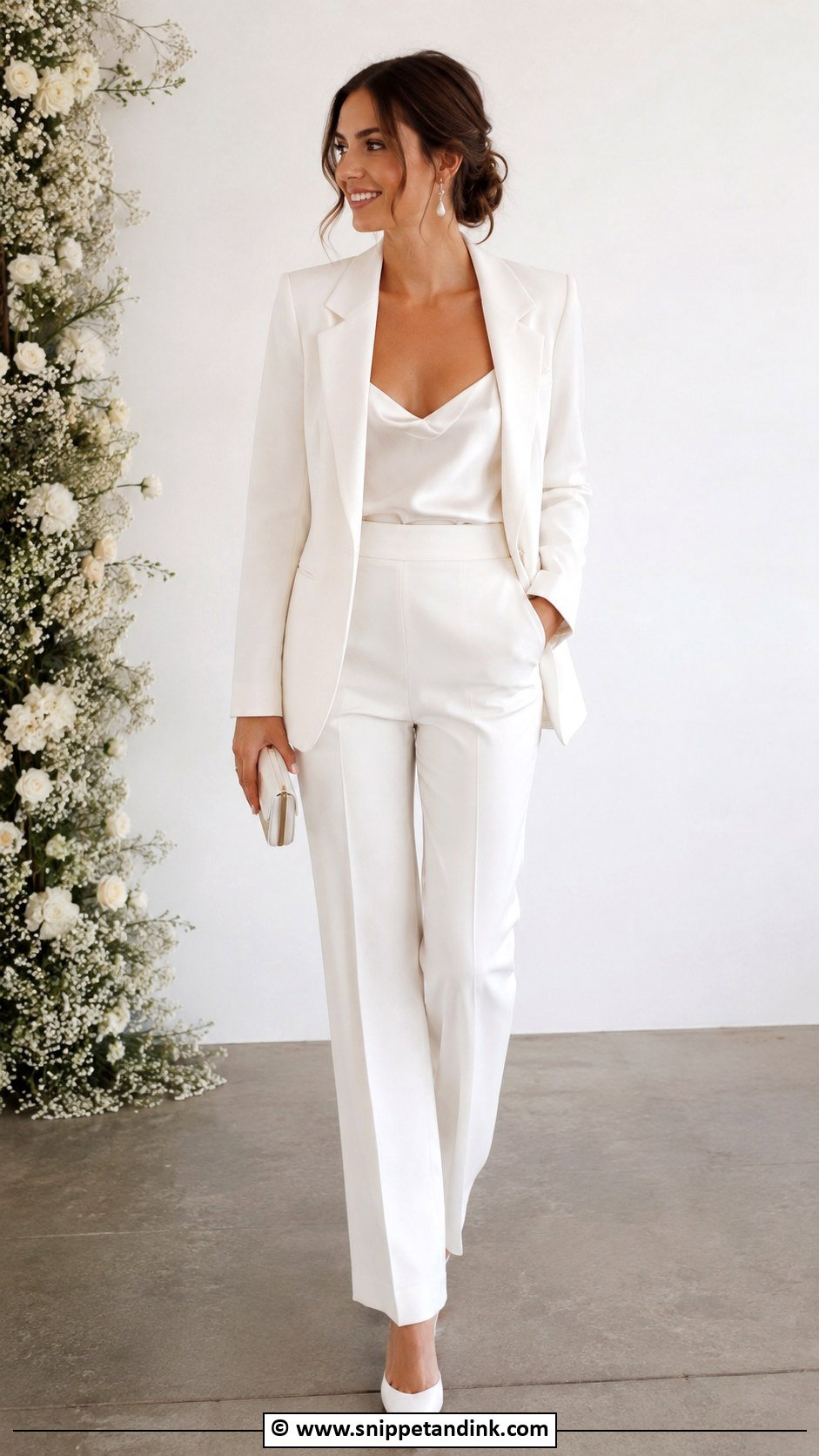
The ivory pantsuit lives or dies on the shoulder seam. If the blazer shoulder sits past your natural bone, no amount of hemming fixes it, so I fit the jacket first and treat the trousers as the easy part. Underneath, a lace camisole reads softer and a satin bustier reads evening; pick based on whether the jacket stays on. High-waisted trousers should break just at the top of your shoe, which means you need the wedding shoes at every fitting. Brides who love tailoring often wear this blazer again for years, which I think is the best argument for it.
3. Short Wedding Dress
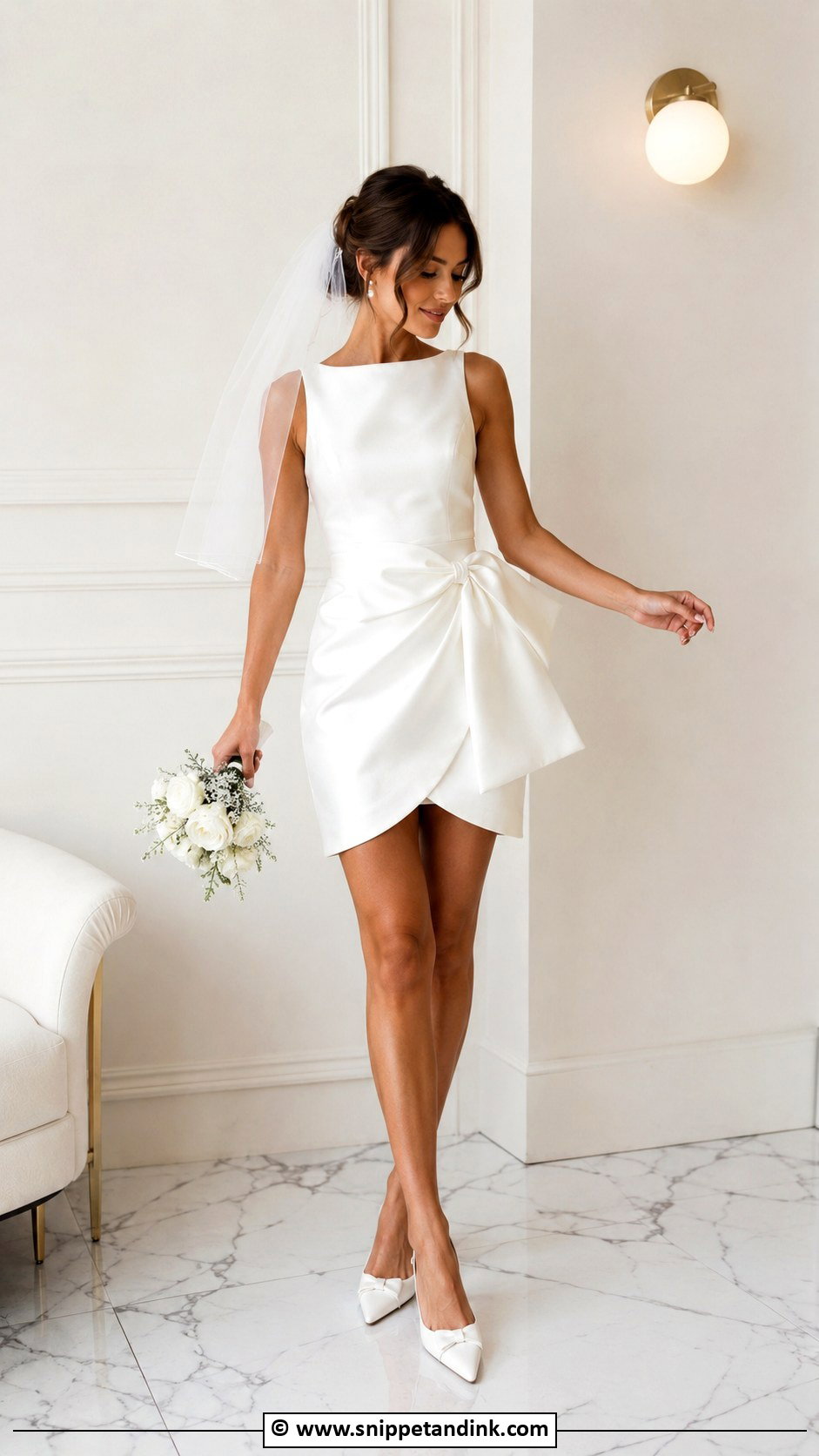
Short dresses are the quickest to alter and the hardest to get right in proportion. On a mini, the hemline and the shoe do most of the work, so bring two heel heights to your fitting and look at yourself from across the room, not up close in the mirror. Bridal details like bows, pearls or a structured sleeve stop it from reading as a cocktail dress. Sheer tights are worth packing for a cool registry office, and a short veil or headband finishes it without swamping the length. This is the look I suggest for elopements and after-party changes.
4. Tea Length Wedding Dress
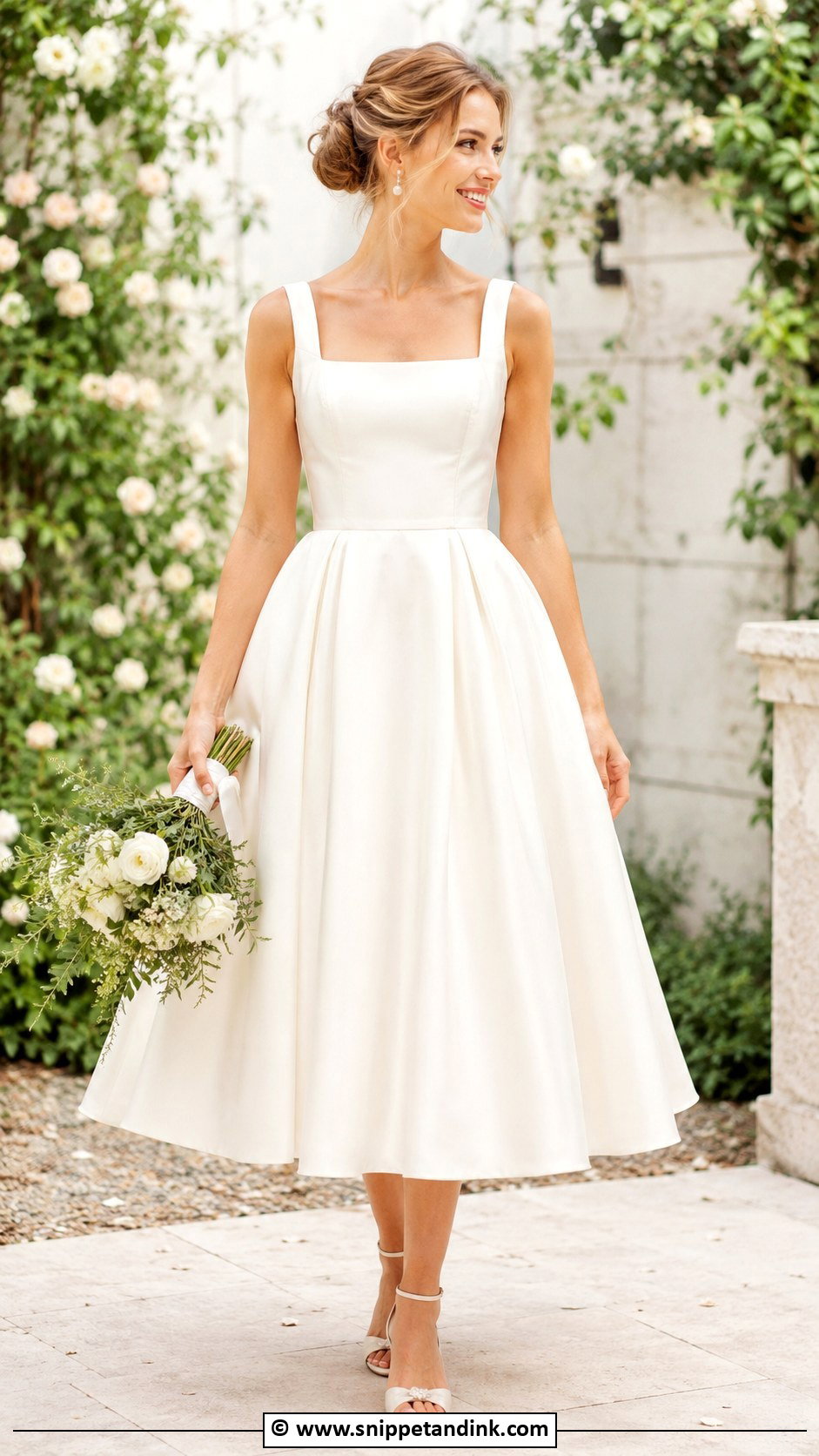
Tea length sits between the knee and the ankle, and that small range matters more than people expect. A hem that stops at the widest part of the calf shortens the leg, so I usually pin a few centimeters higher or lower depending on the bride. A fitted bodice with a full skirt gives a retro outline; bias-cut satin at the same length looks modern. Block heels help on garden lawns, and a soft updo keeps the neckline clean. It’s the length I steer brides toward when they want to walk a brunch venue and still feel dressed up.
5. Black Wedding Dress
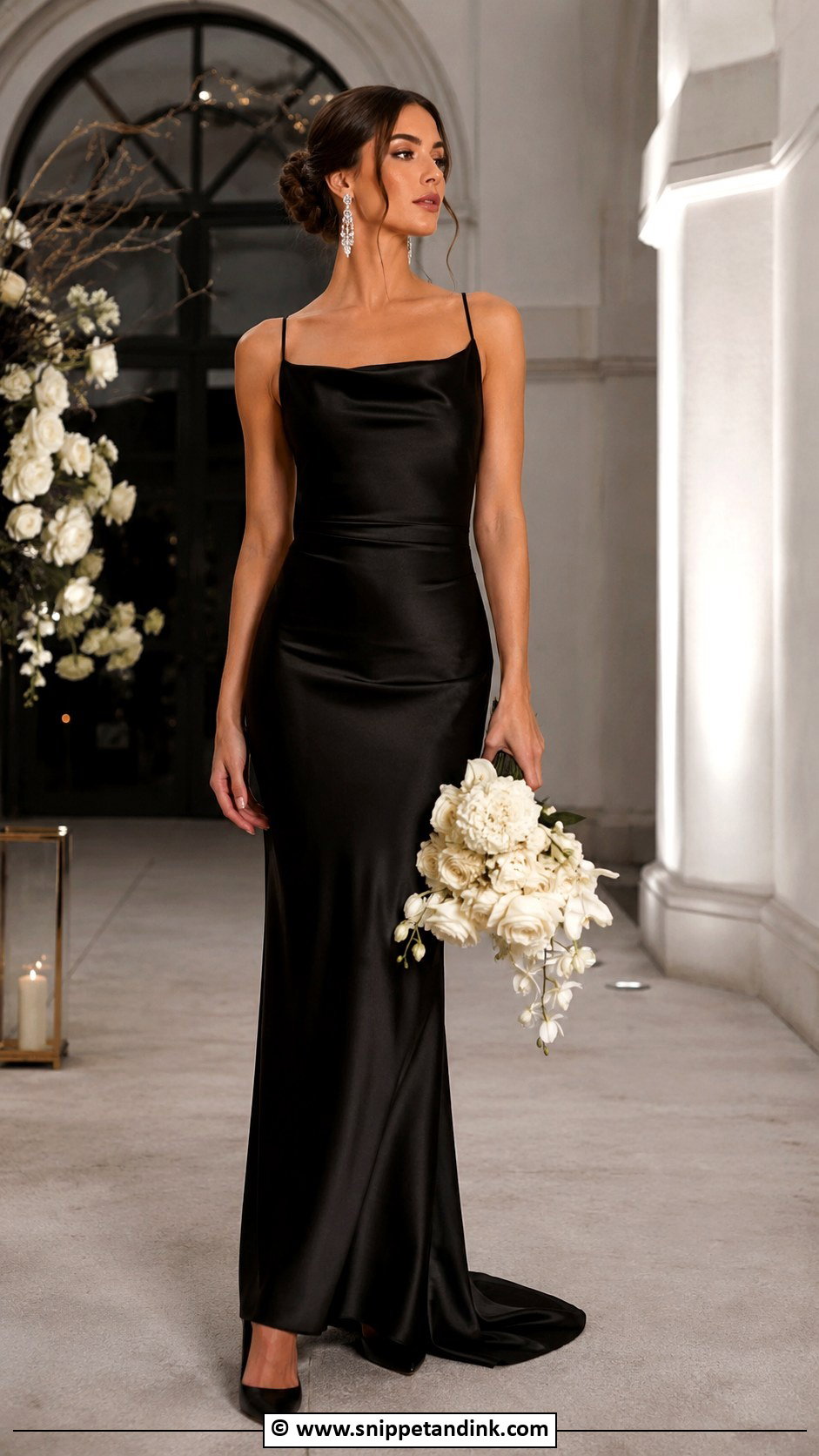
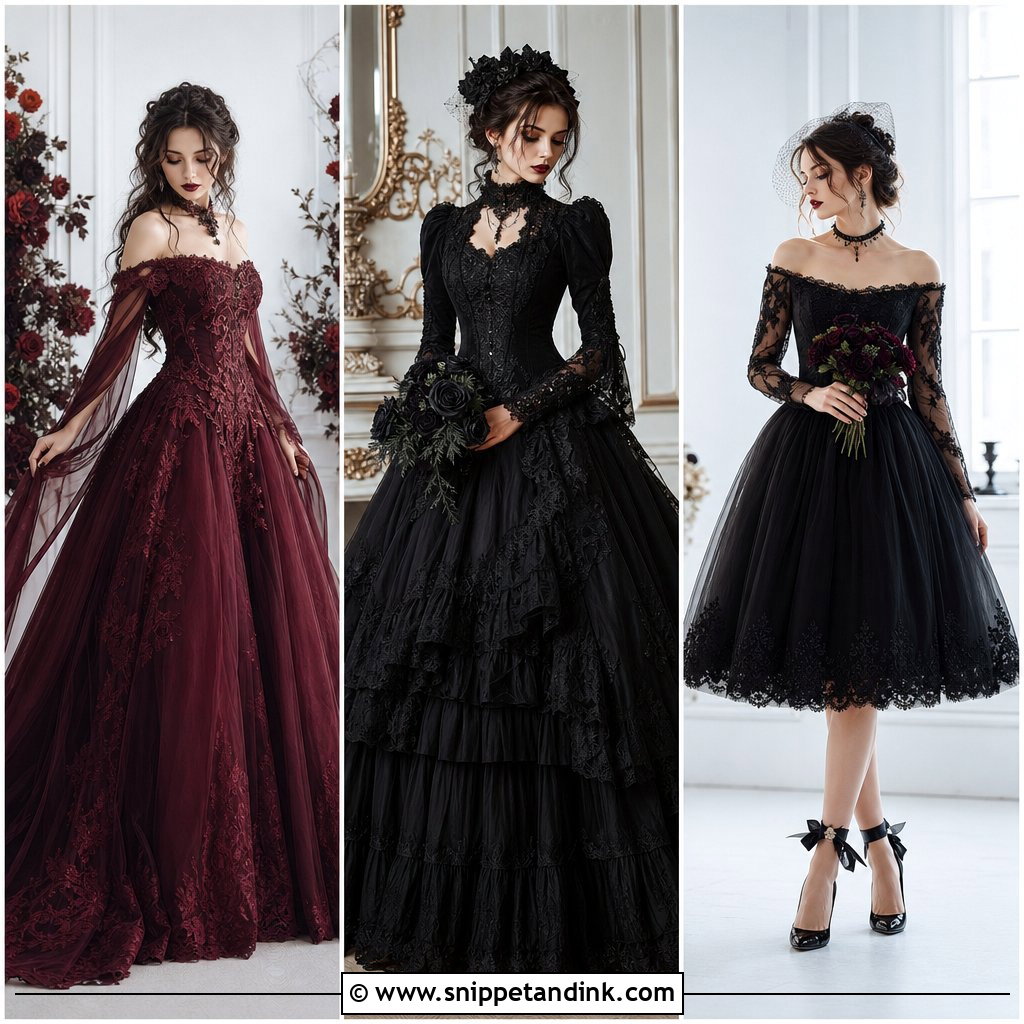
Black needs a clear silhouette, because a soft shape in black can look like a guest outfit. A black satin slip dress, a lace gown or a big tulle skirt all read bridal once there’s a deliberate detail: a long veil, sheer sleeves, floral appliqué. One practical thing I tell every bride choosing black is to check the fabric in daylight, since black dye lots vary and lace can look slightly brown next to a black lining. Silver jewelry and a pale bouquet give the photographer some contrast to work with at an evening ceremony.
6. Blush Pink Wedding Dress
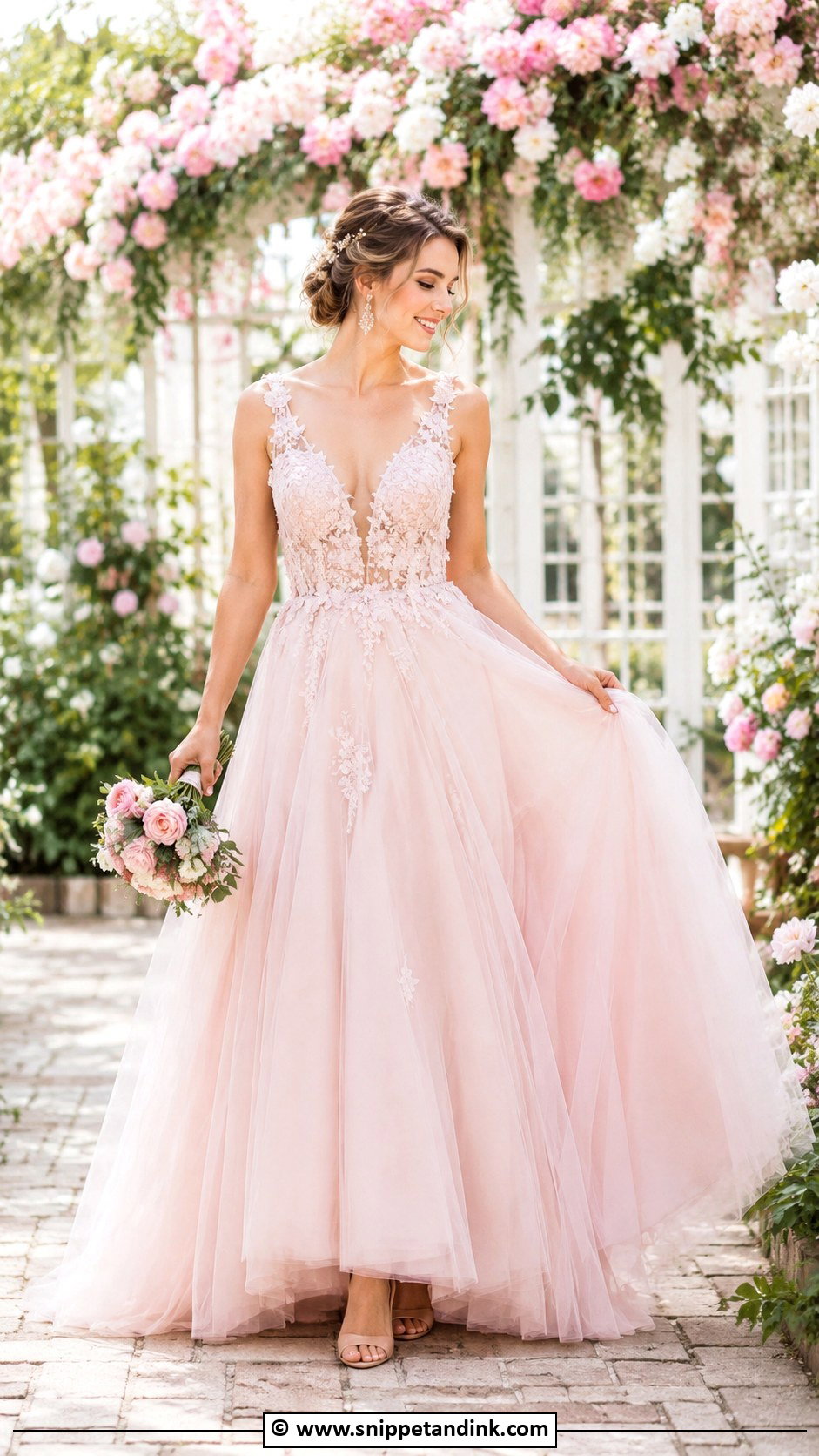
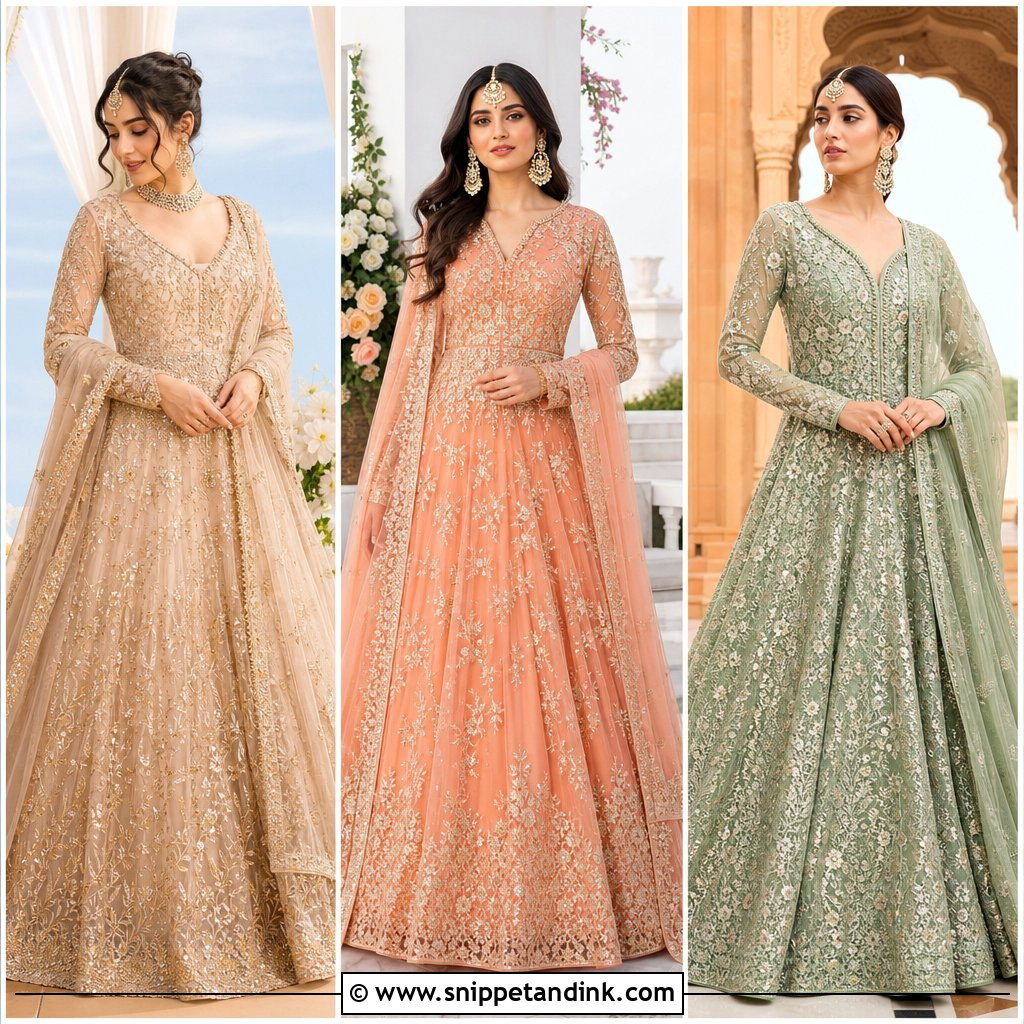
Blush covers a huge range, from nearly white to dusty rose, so I always hold swatches against the bride’s face in natural light. Very pale pink can turn grey on deeper skin and almost invisible on fair skin, and the right shade is usually one step warmer than you’d guess. Tulle diffuses the color and makes it softer; satin intensifies it. Nude heels and rose gold jewelry keep the palette quiet, and pearl pins or loose waves suit the mood. It’s a natural fit for spring gardens.
7. Champagne Wedding Dress
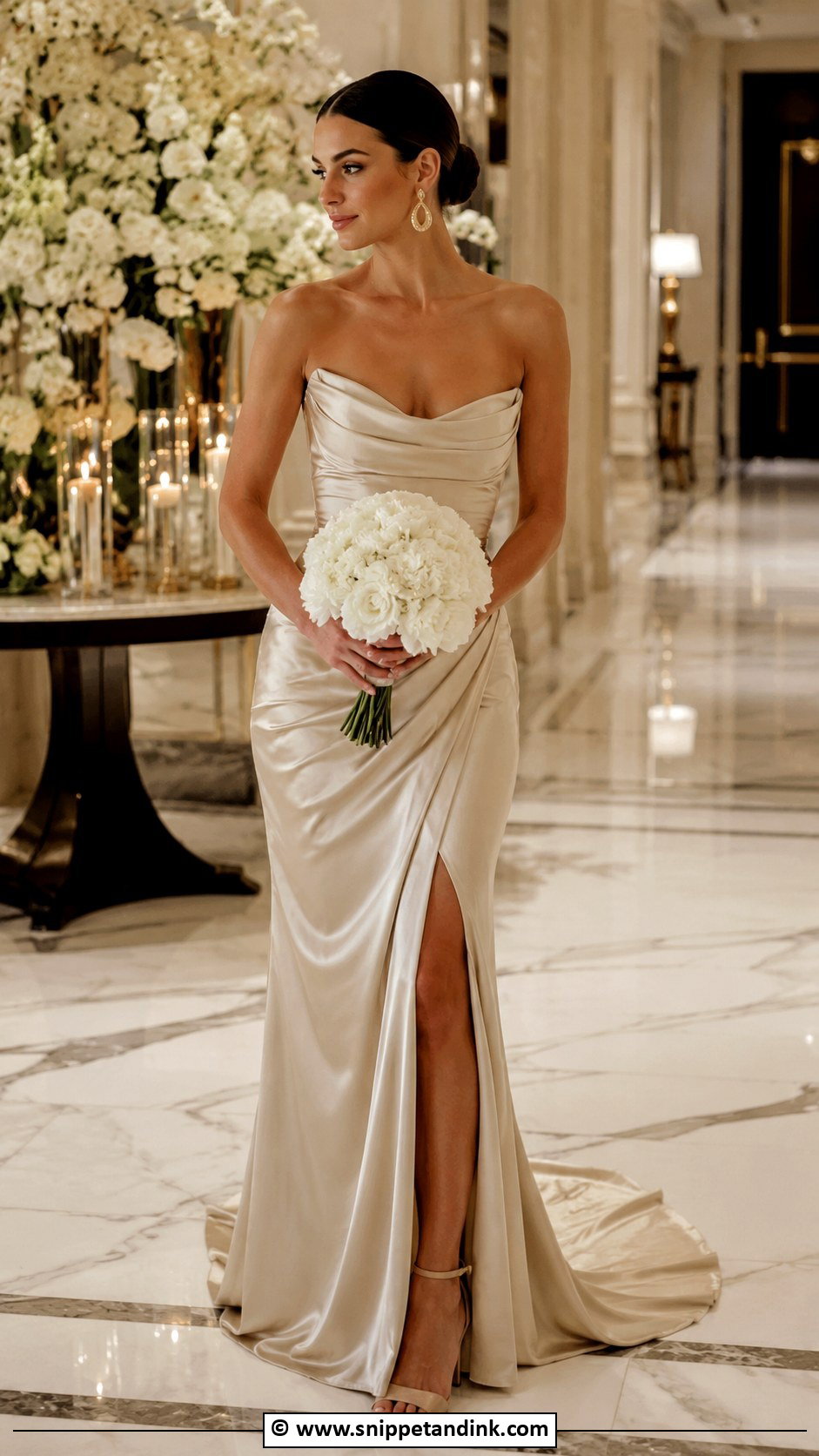
Champagne is the color I reach for when bright white makes a bride look tired. The golden undertone warms the skin, especially under evening and candle light. Beaded sheaths and draped slips both work, but watch the lining: a champagne lace over a nude lining can look like bare skin in photos, which some brides love and others really don’t. Gold earrings and nude heels keep it calm. Hotel ballrooms and autumn weddings show it off best.
8. Floral Embroidered Wedding Dress
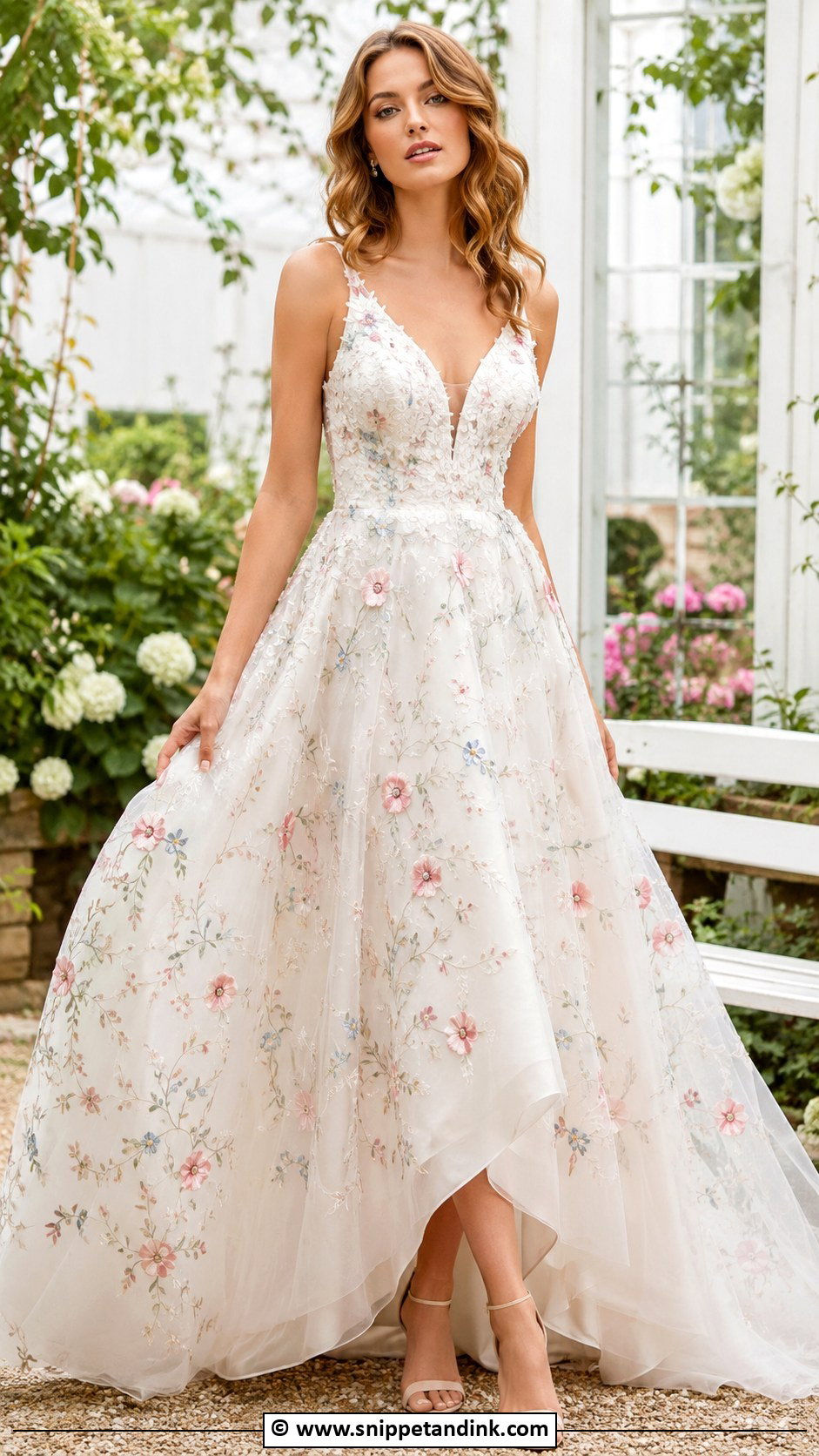
Embroidery is about scale. Small tonal flowers read as texture from the back row, while large colored blooms read as the whole idea of the dress, so decide which you want before you shop. I check the back of embroidered panels too, because heavy 3D appliqué can catch on a lace veil or a bouquet ribbon. Keep makeup soft and jewelry minimal so the needlework isn’t competing. Conservatories and summer gardens give the colored versions a setting that makes sense.
9. Bridal Two Piece Set
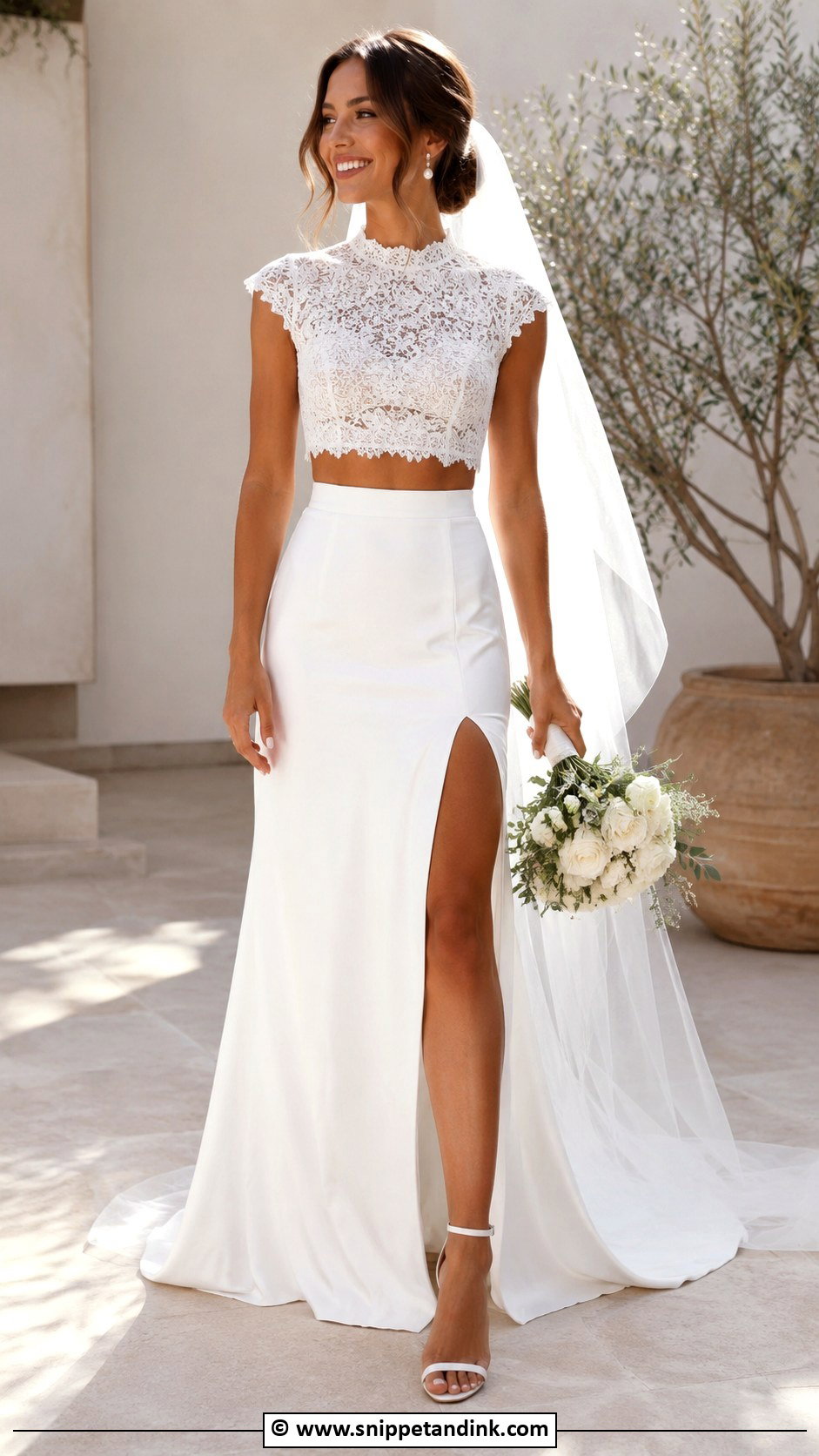
A two piece is the most forgiving fit in bridal, since top and bottom are sized separately. A crop top with a high-waisted skirt feels young; a satin blouse with tailored trousers feels grown-up and sharp. Mixing textures works, but I keep the whites in the same family, because a cool white lace against a warm ivory crepe looks like a mismatch in photos. The gap at the waist is the thing to test: raise your arms for a first dance and see how much skin shows. Many brides rewear one half later, which is a quiet bonus.
10. Bridal Separates With Skirt
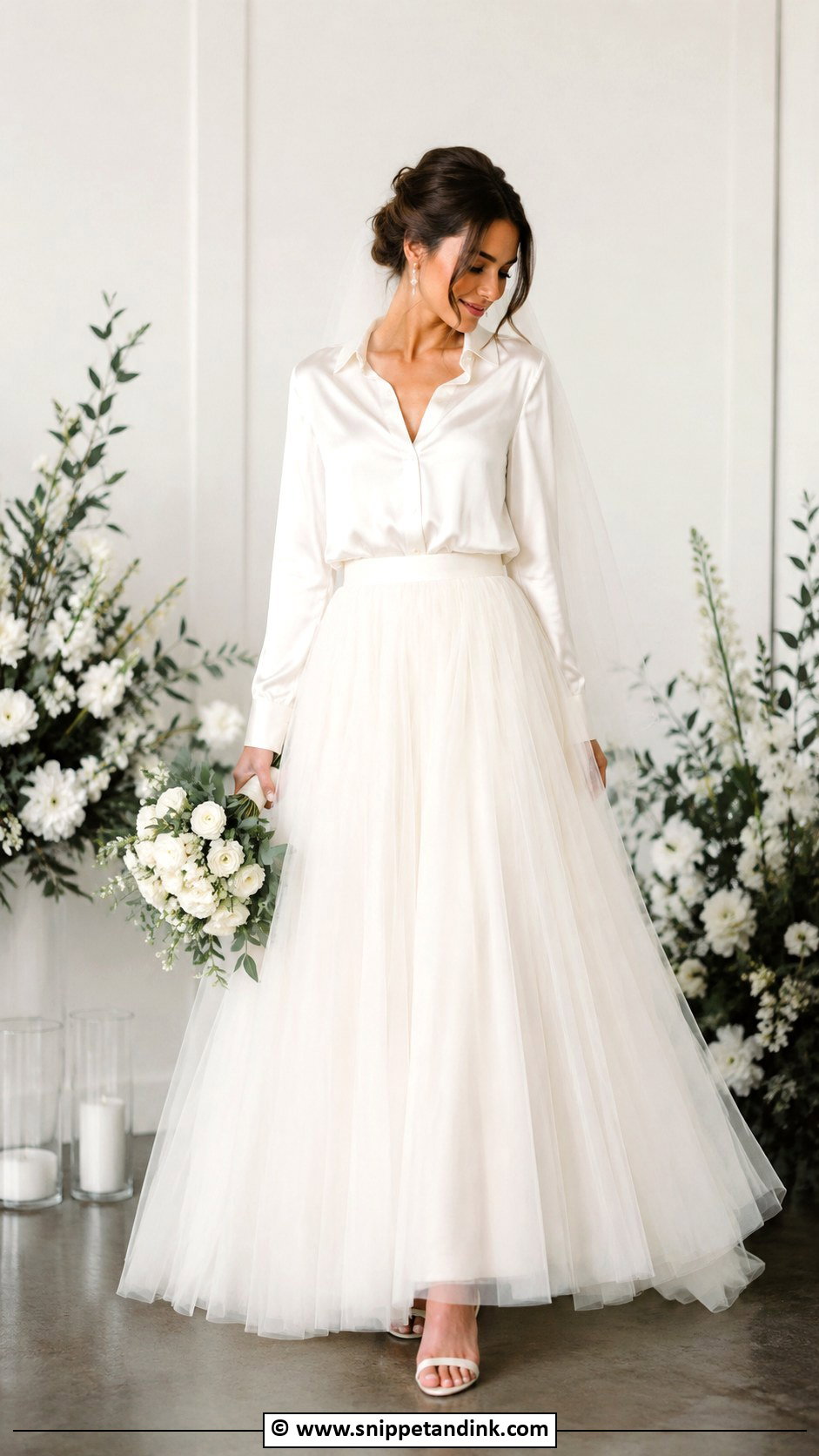
Separates with a full skirt are my usual suggestion when a bride is two sizes apart between bust and hips. A fitted bodice and a tulle or satin skirt can look every bit as formal as a gown, and each piece is altered on its own terms. Have the waistband finished with a small hook or a gripper tape inside so the top doesn’t ride up when you hug people. A veil and refined jewelry complete it. Swapping the full skirt for a slim one gives you an easy reception change.
11. Satin Slip Wedding Dress
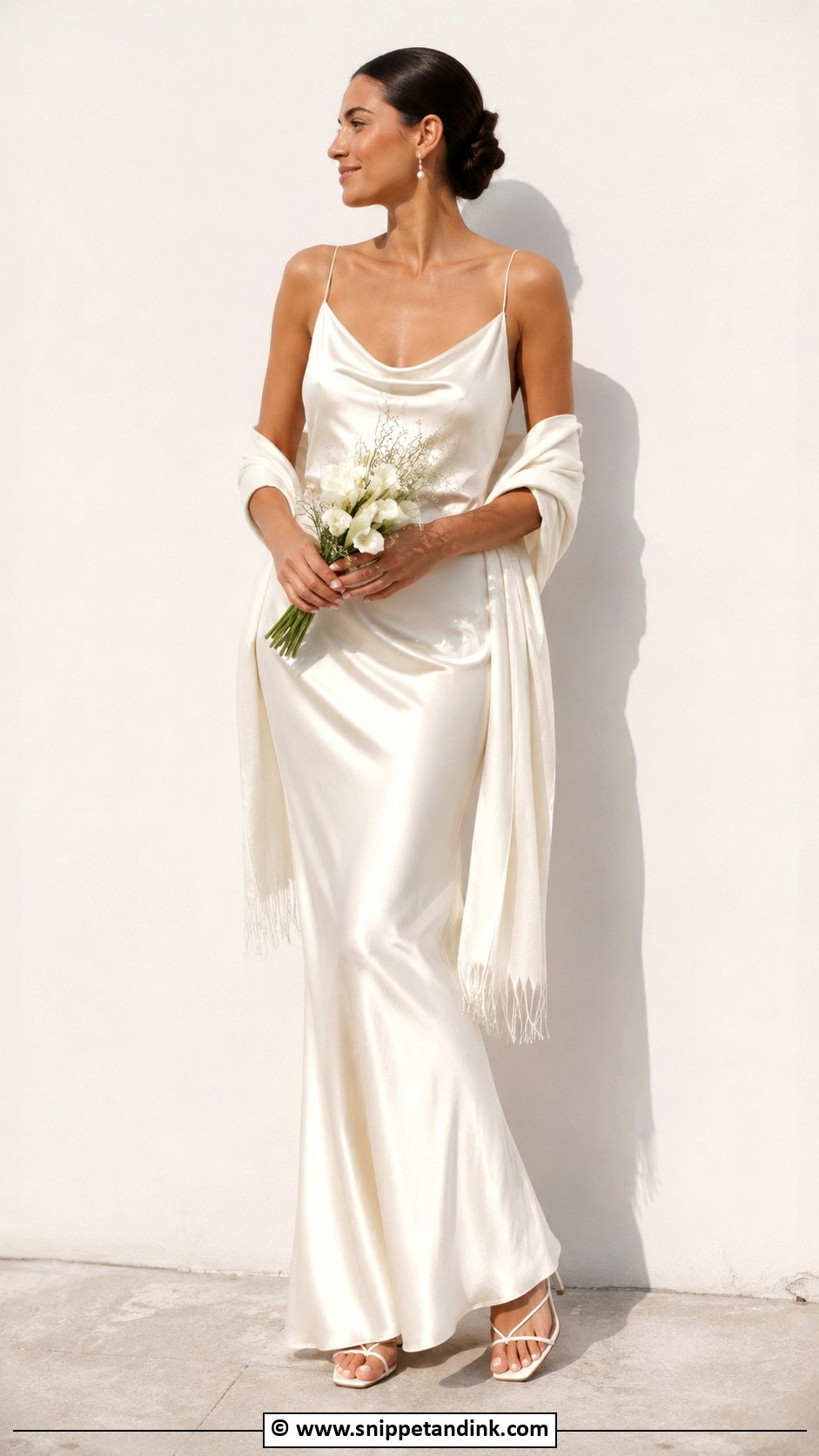
Satin slips are unforgiving in one specific way: they show everything underneath, including the edges of supposedly invisible underwear. A bias cut skims rather than clings, and I would always size up and take it in rather than squeeze into the smaller one, because bias fabric grows tighter when you sit. Strappy heels and pearl drops are enough. It packs into a small bag and steams out fast, which is why destination brides choose it. A blazer over the top makes it look more fashion than bridal.
12. Lace Bridal Suit
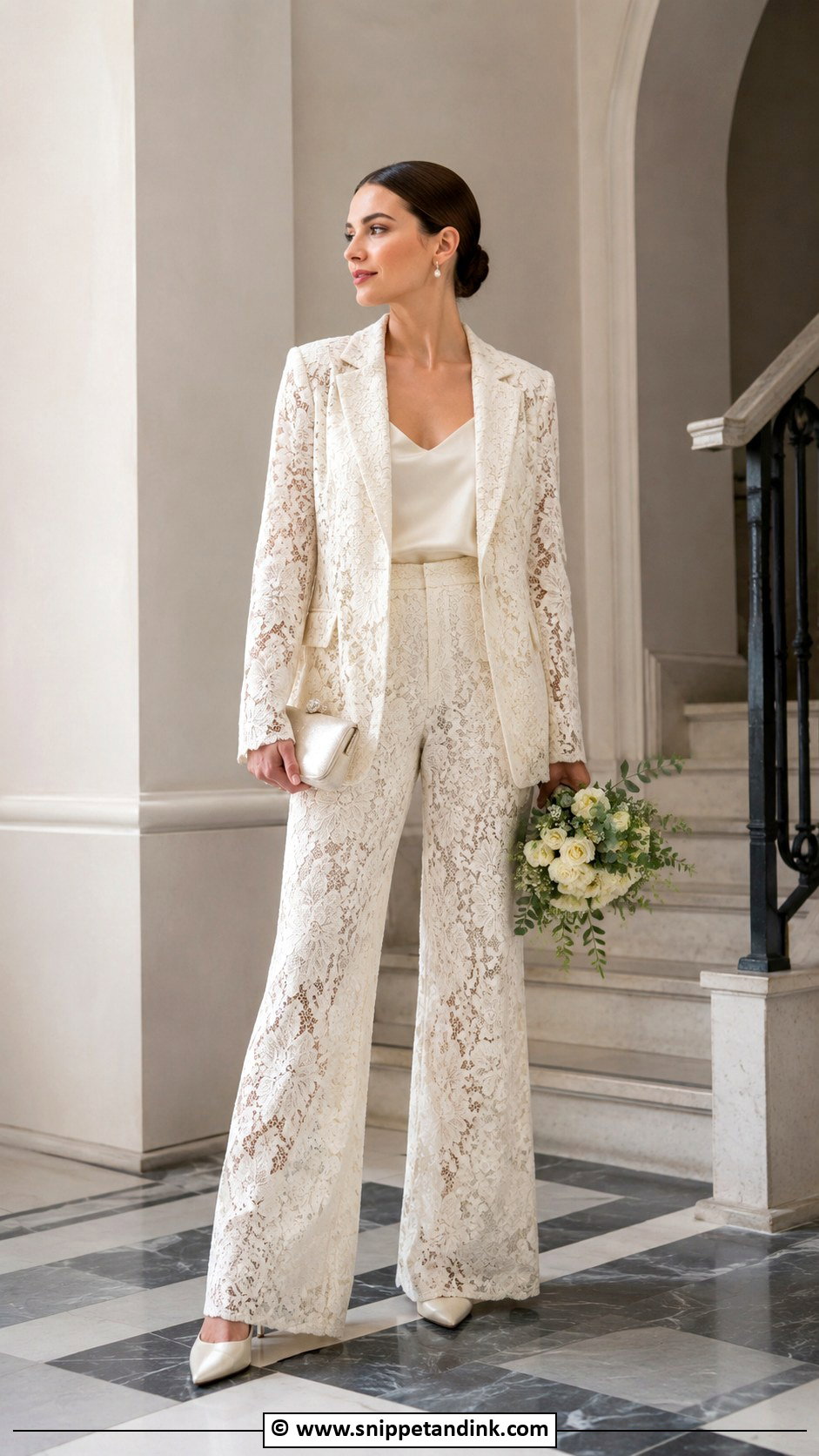
A lace suit needs a clean base layer, because lace jackets are see-through at the lining seams if the maker cut corners. I ask to see the inside of the blazer before anything else. Wide-leg lace trousers are the bolder route; lace trousers with a plain satin jacket are easier to wear all day. Pointed heels and a small clutch keep it balanced. It gives detail-loving brides structure without the bulk of a lace gown, and it suits a civil ceremony well.
13. Bridal Cape Dress
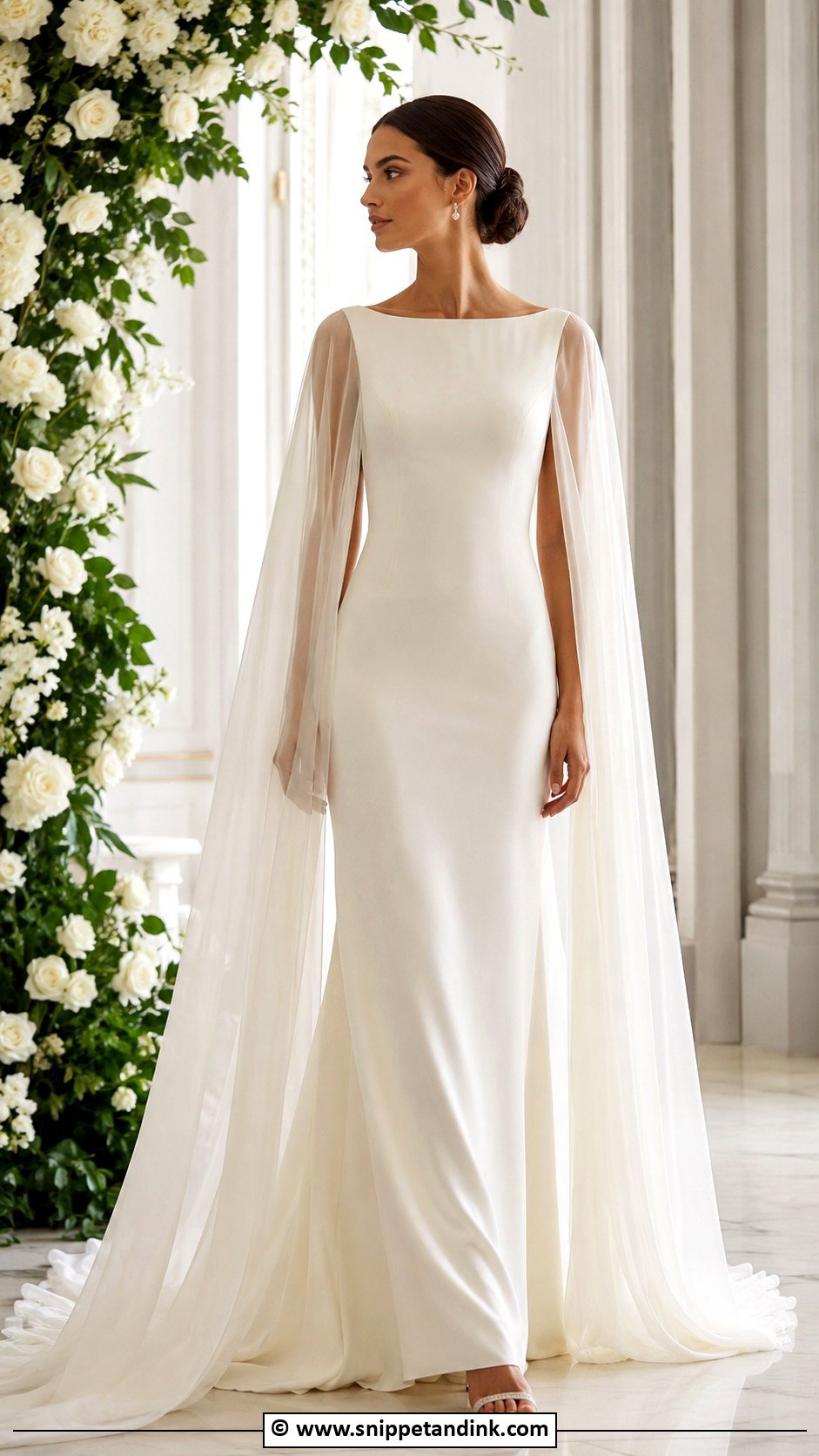
A cape gives you a train’s movement without the weight on your hips. It can attach at the shoulders, be built into the neckline, or sit as a separate piece over a simple gown. Sheer capes over a column dress look modern; lace over a fitted dress looks romantic. The fitting note I always give: walk briskly in it, because capes attached only at the neck can pull the dress backward and choke slightly. It gives arm coverage without sleeves and moves wonderfully in outdoor photos and cooler weather.
14. Bridal Cape Jumpsuit
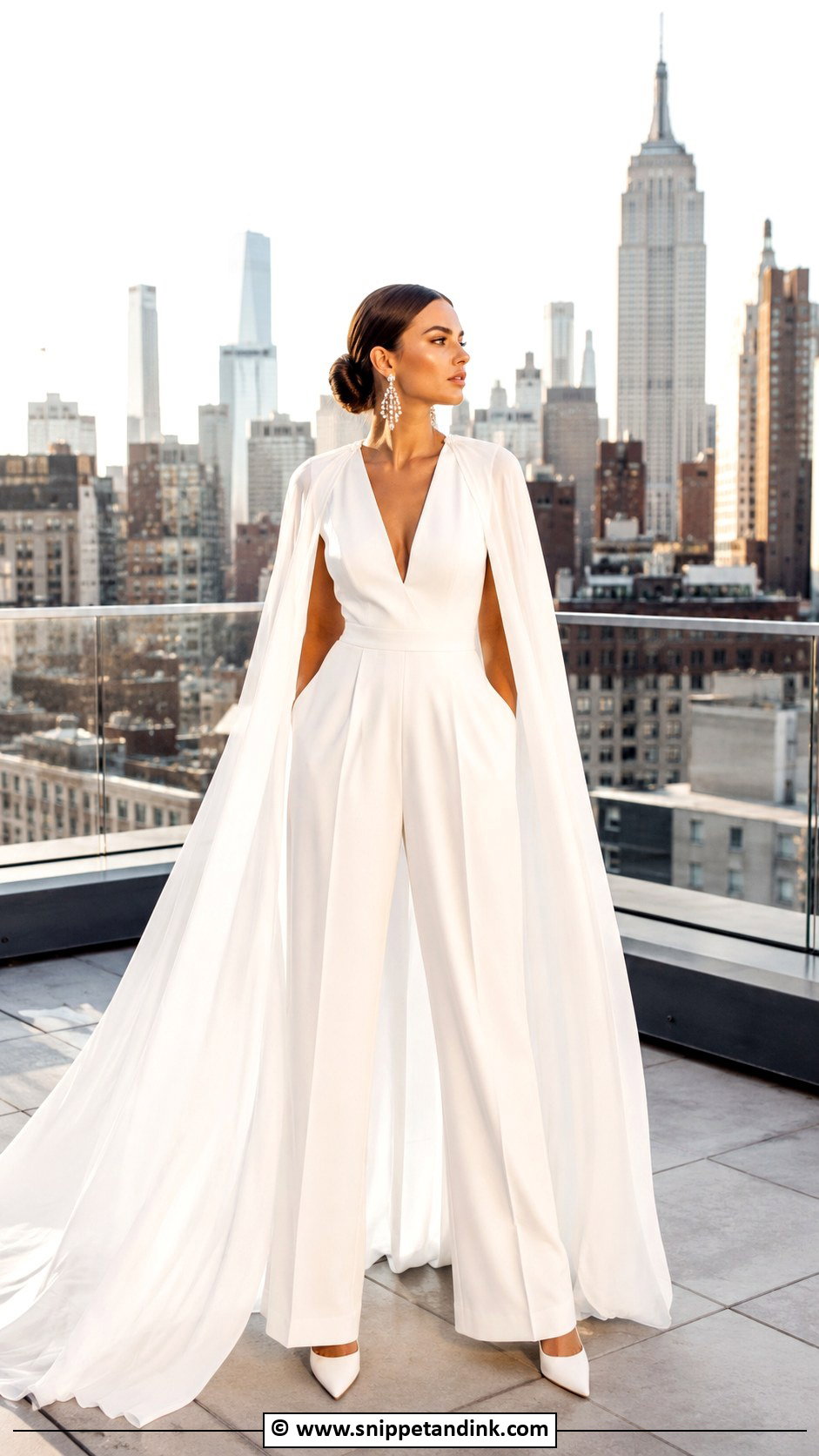
Pants under a cape make one of the strongest silhouettes on this list. Start with a tailored white or ivory jumpsuit, then add chiffon, crepe or organza falling from the shoulders. The cape softens the structure of the legs and reads like a train when you walk away from the camera. Choose one with snaps or hidden hooks so it comes off cleanly, which leaves you a simple jumpsuit for the reception. Sleek heels and a smooth hairstyle keep it modern.
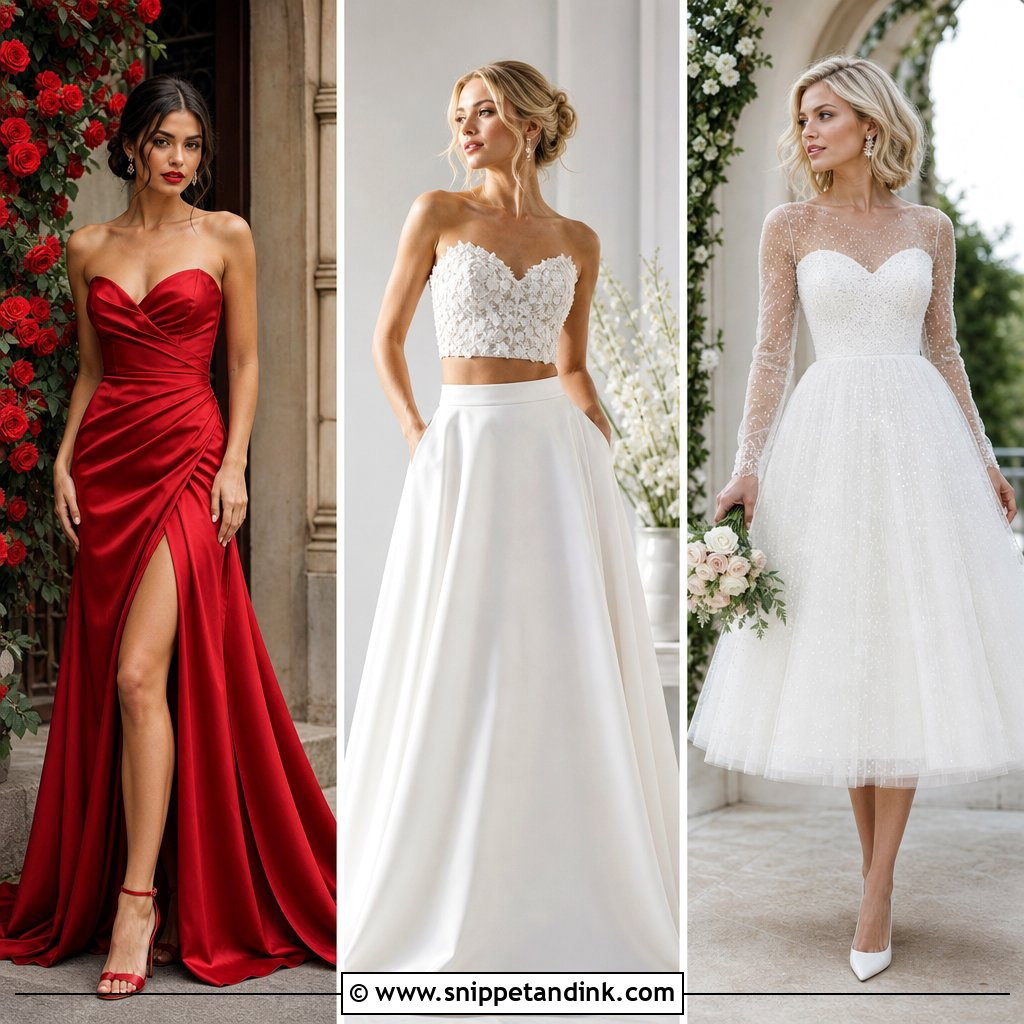


15. Silver Wedding Dress
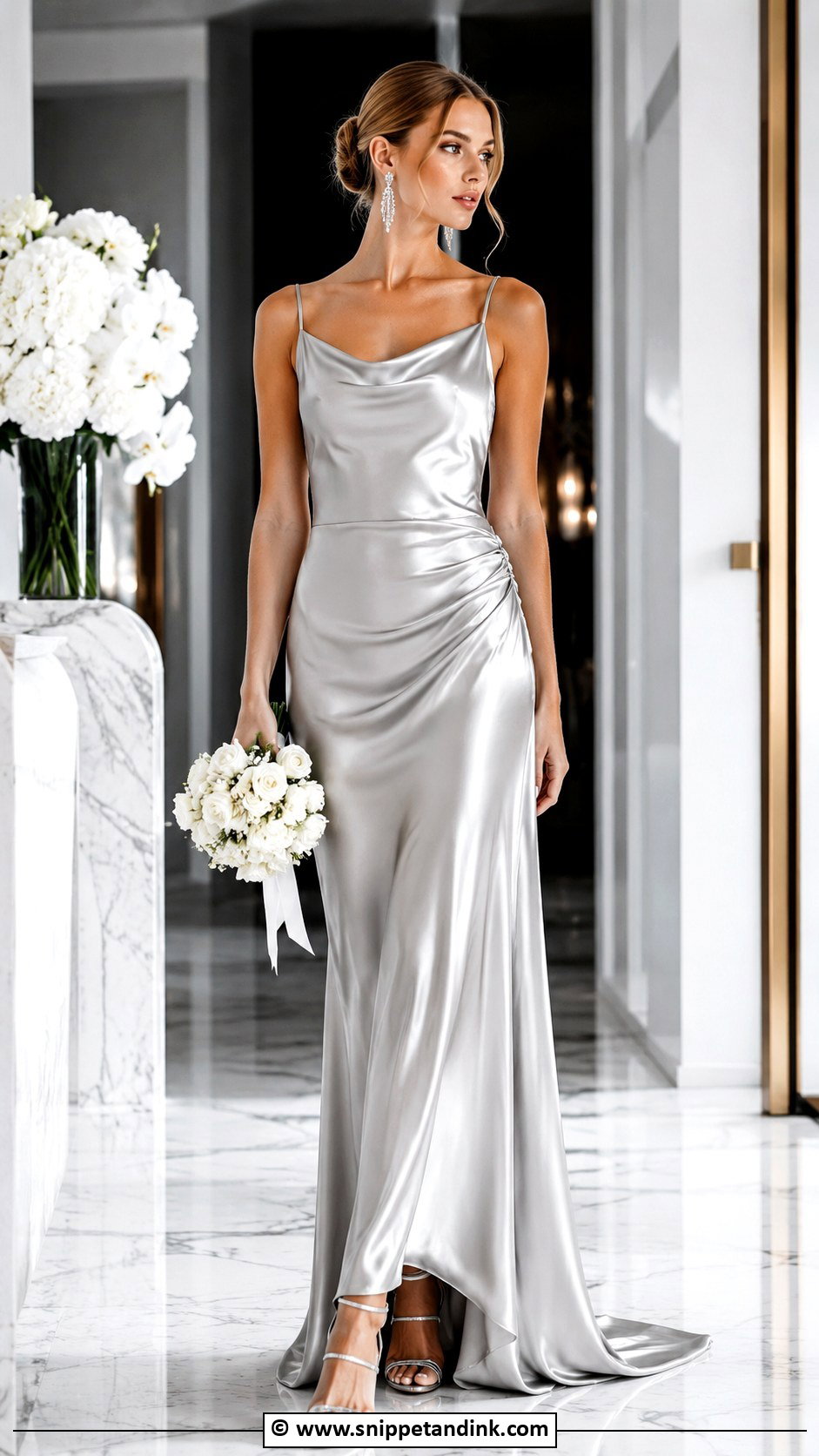
Silver can tip into costume quickly, so I keep the shape simple and the accessories cool-toned: crystal earrings, silver heels, a plain clutch. A soft metallic slip or a beaded column is easier to wear than full lamé. Metallic fabric bounces flash, so ask your photographer how they light evening portraits. If full silver feels like too much, dove grey or a lightly shimmering fabric gives the same effect at a whisper. It suits winter and city evenings.
16. Gold Wedding Dress
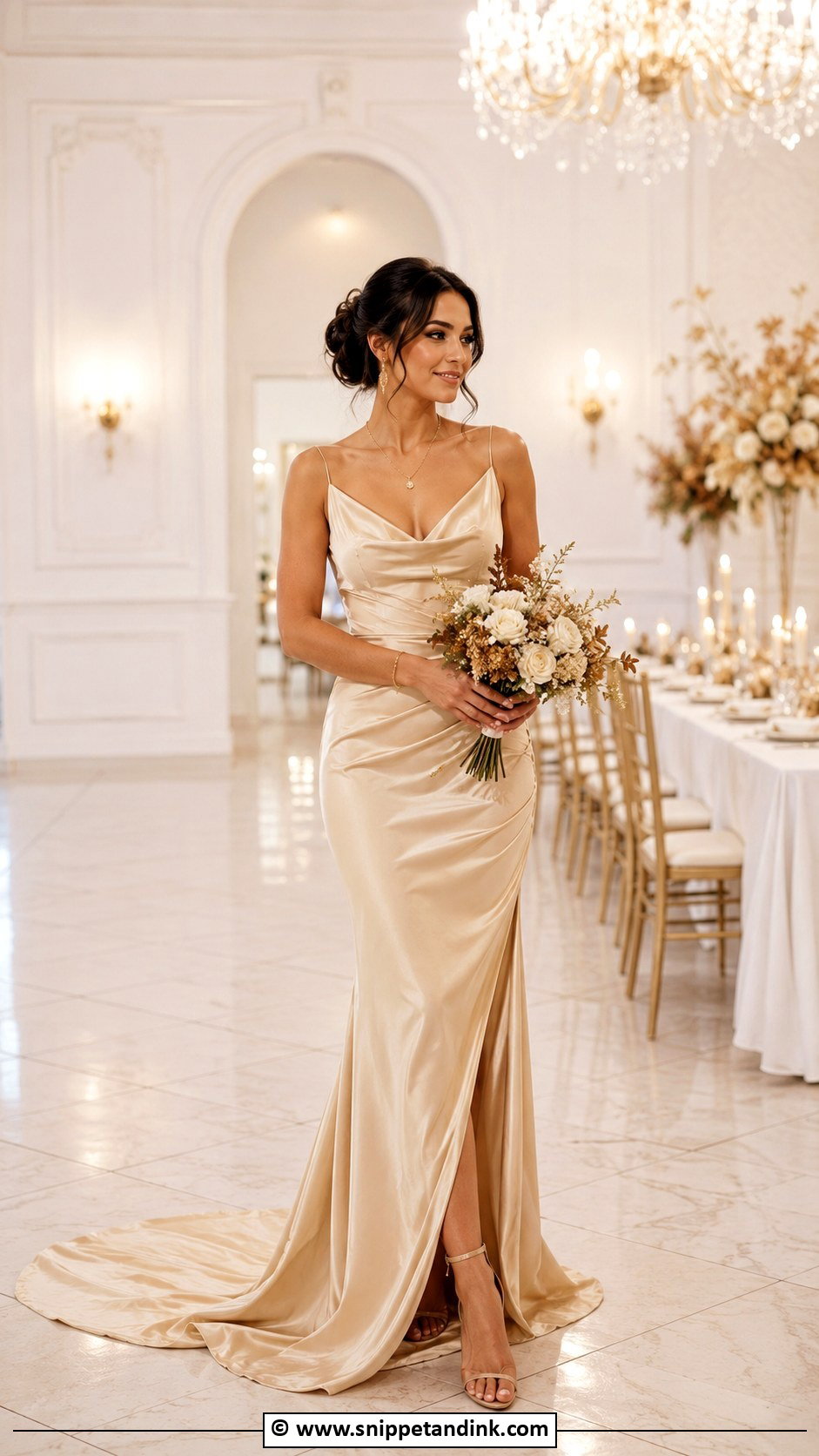
Gold works when the cut is restrained. Soft gold satin, champagne sequins or a pale metallic gown look rich with a simple neckline and almost no jewelry. The shade decides everything: antique gold flatters cooler skin, honey gold flatters warmer skin, and I test both near the face before committing. Sequins scratch the inside of arms after a few hours, so check the sleeve seams. Autumn weddings and grand rooms give it a reason to be there.
17. Blue Wedding Dress
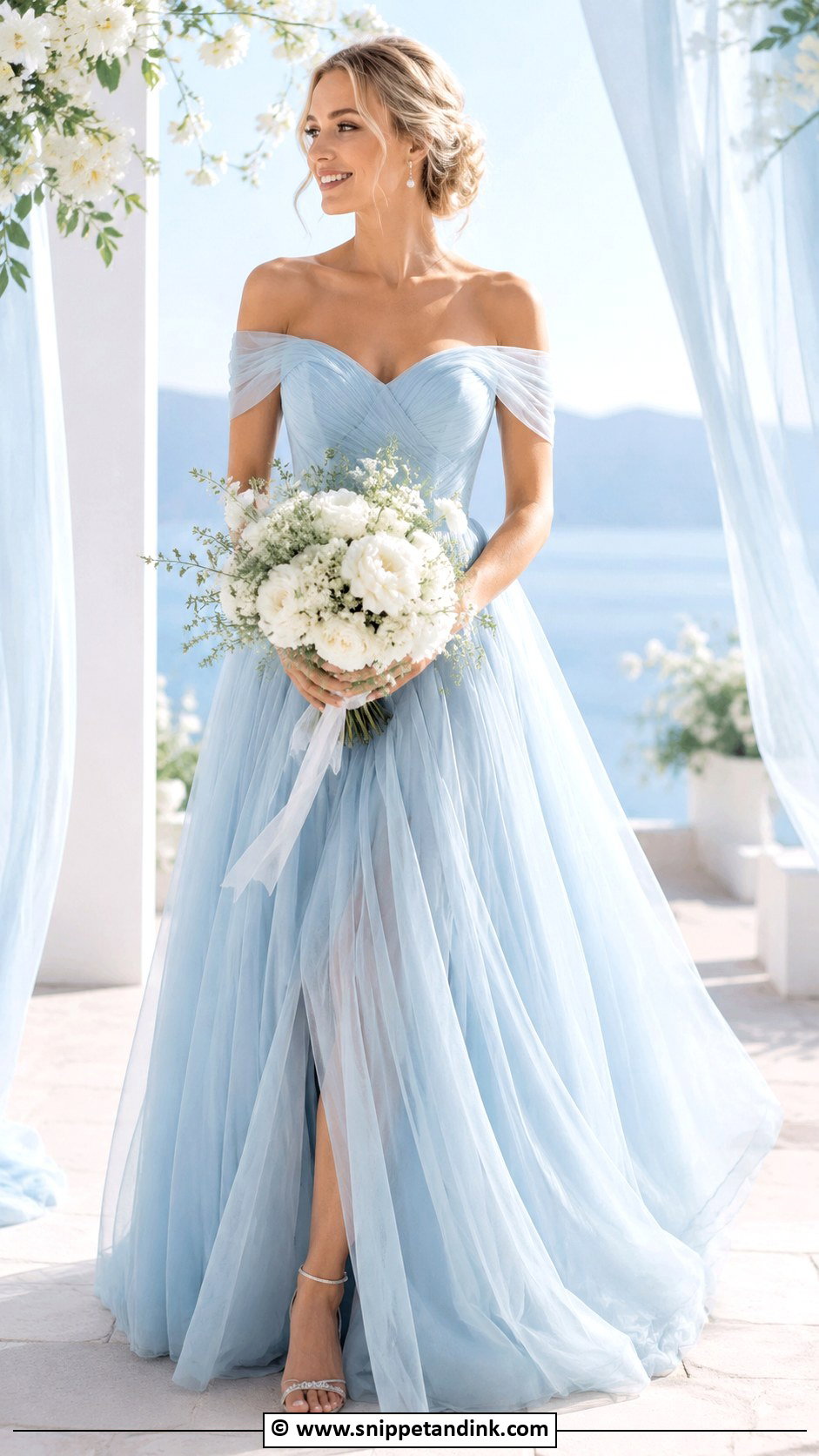
Blue ranges from powder to navy, and the paler shades photograph closer to white than you’d think, which is good news if you’re nervous about color. Tulle softens it; a satin midi or column sharpens it. I pair pale blue with silver heels and pearls so nothing pulls warm. Coastal and spring weddings suit it, and it comes with its own something blue.
18. Green Wedding Dress
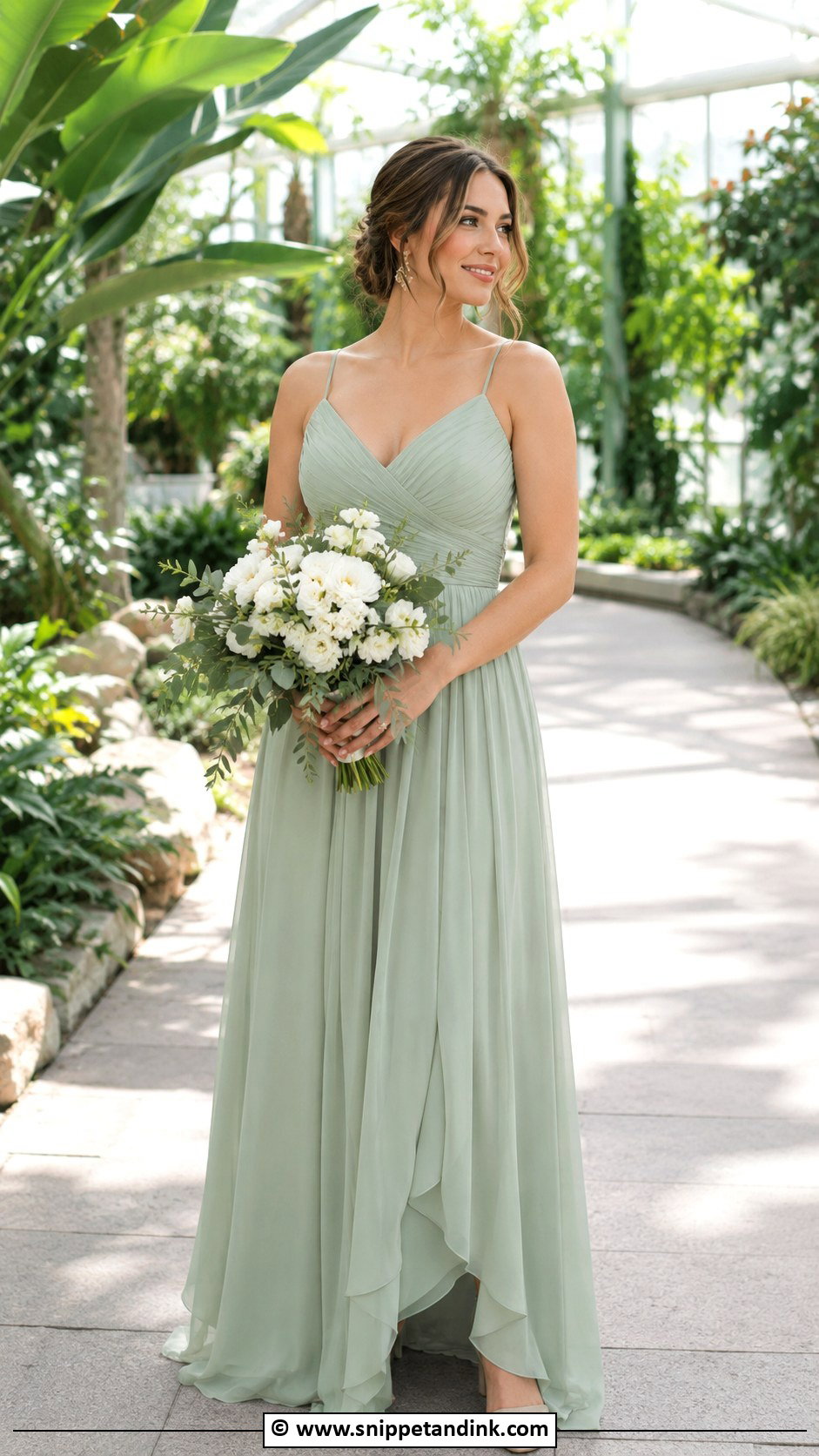
A green wedding dress is very sensitive to setting. Sage and mint can disappear against a lawn in photos, while emerald stands out against foliage and glows at night. A sage chiffon gown suits a daytime outdoor ceremony and emerald satin suits an evening reception. Keep the bouquet white or pale so it doesn’t merge with the dress. With a bold shade I keep the silhouette simple; with a soft shade I add texture so it doesn’t look flat.
19. Red Wedding Dress
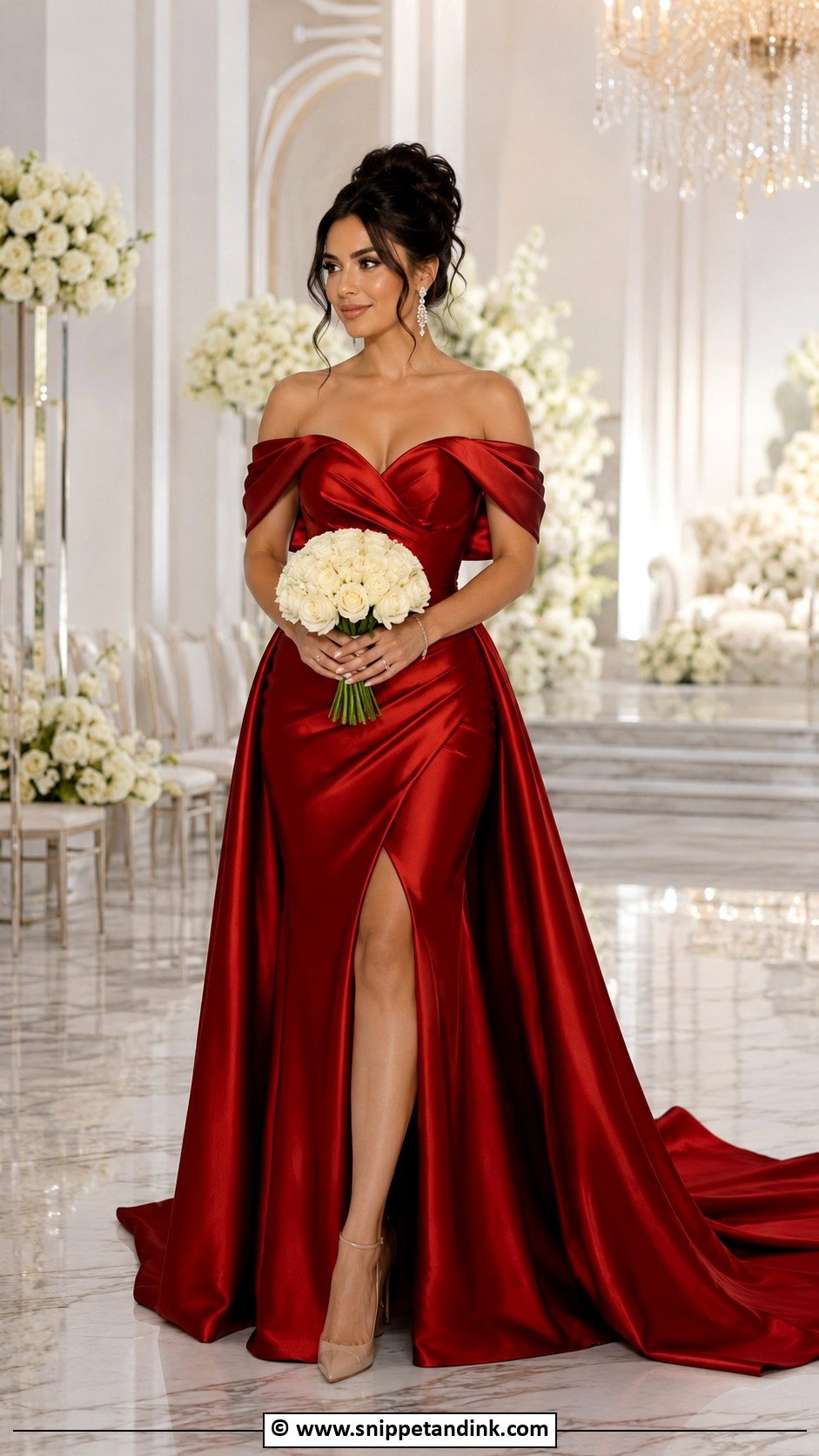
Red carries cultural meaning for many brides, and for others it’s simply the color they feel strongest in. Rose red, true red and burgundy behave differently against skin, so I try at least two before ordering. Satin gowns, lace dresses and structured midis all work when styled deliberately. The bouquet should step back: whites, creams or deep berry tones, never orange-reds that fight the dress. It sits naturally at formal evening weddings and cultural celebrations.

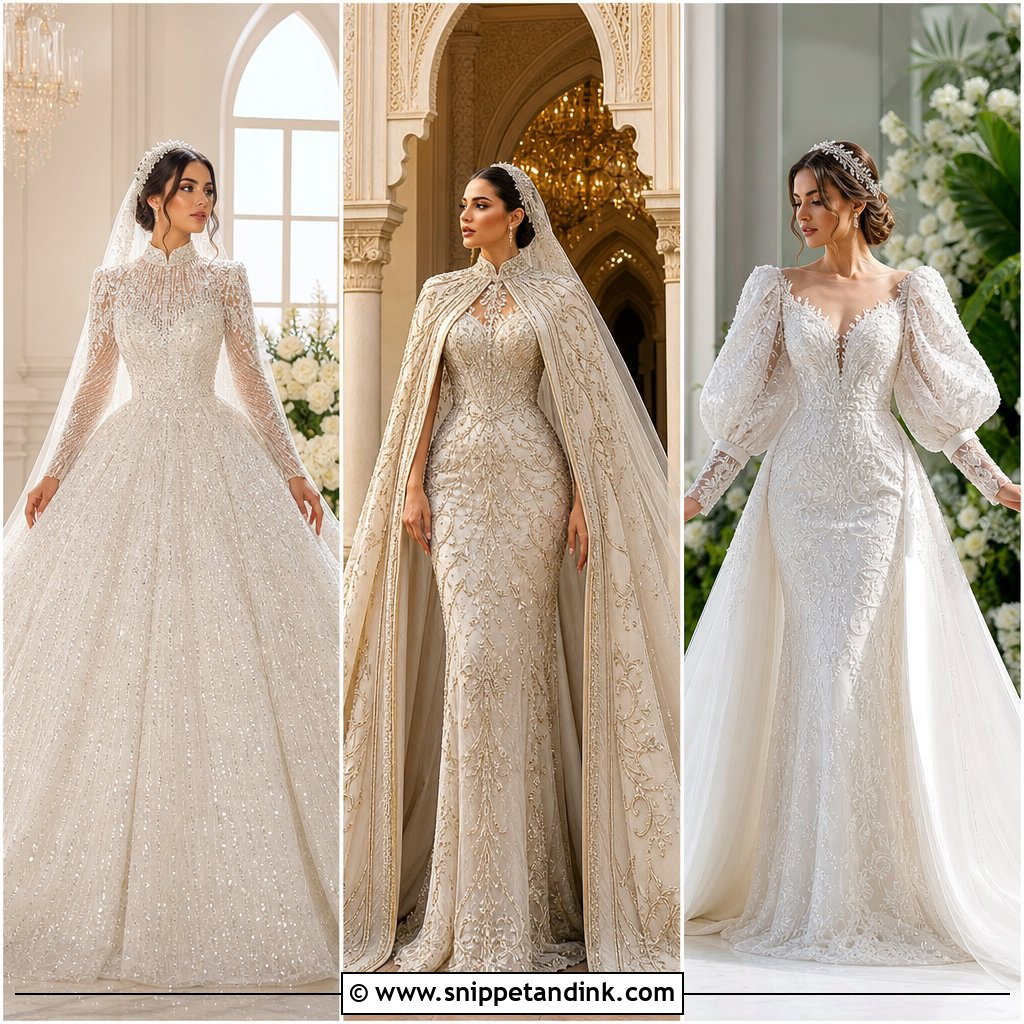



20. Printed Wedding Dress
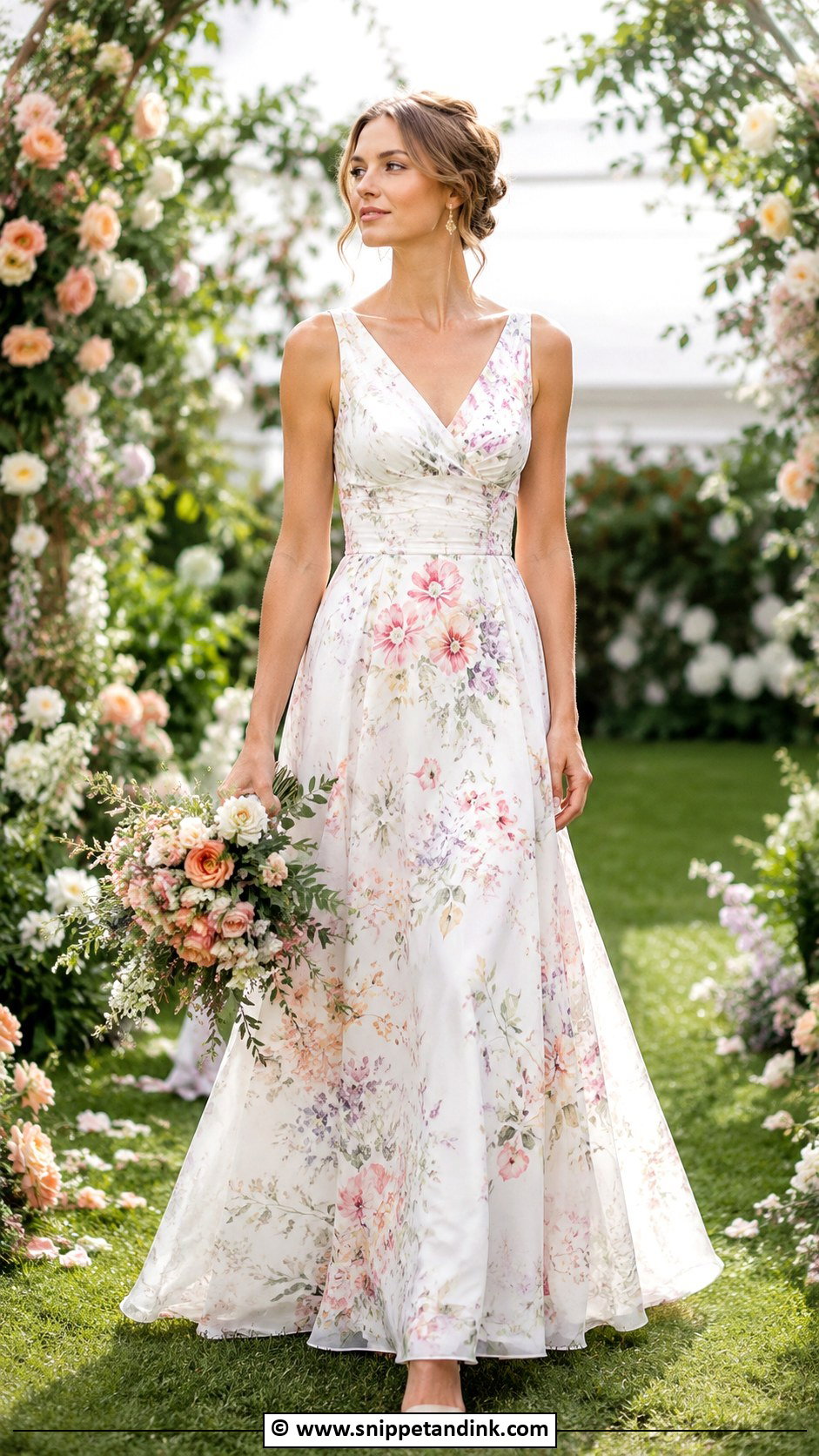
Print is easiest when the motif is small or soft, like a watercolor floral or a fine botanical. Large abstracts are bold but harder to photograph in group shots, since they can look busy beside plain bridesmaid dresses. An A-line, a wrap or a full-skirted midi gives the print room to sit flat. I pull one color from the pattern for the bouquet so everything ties together. Relaxed outdoor weddings and destination ceremonies are where printed dresses make most sense.
21. Tulle Bridal Skirt Outfit
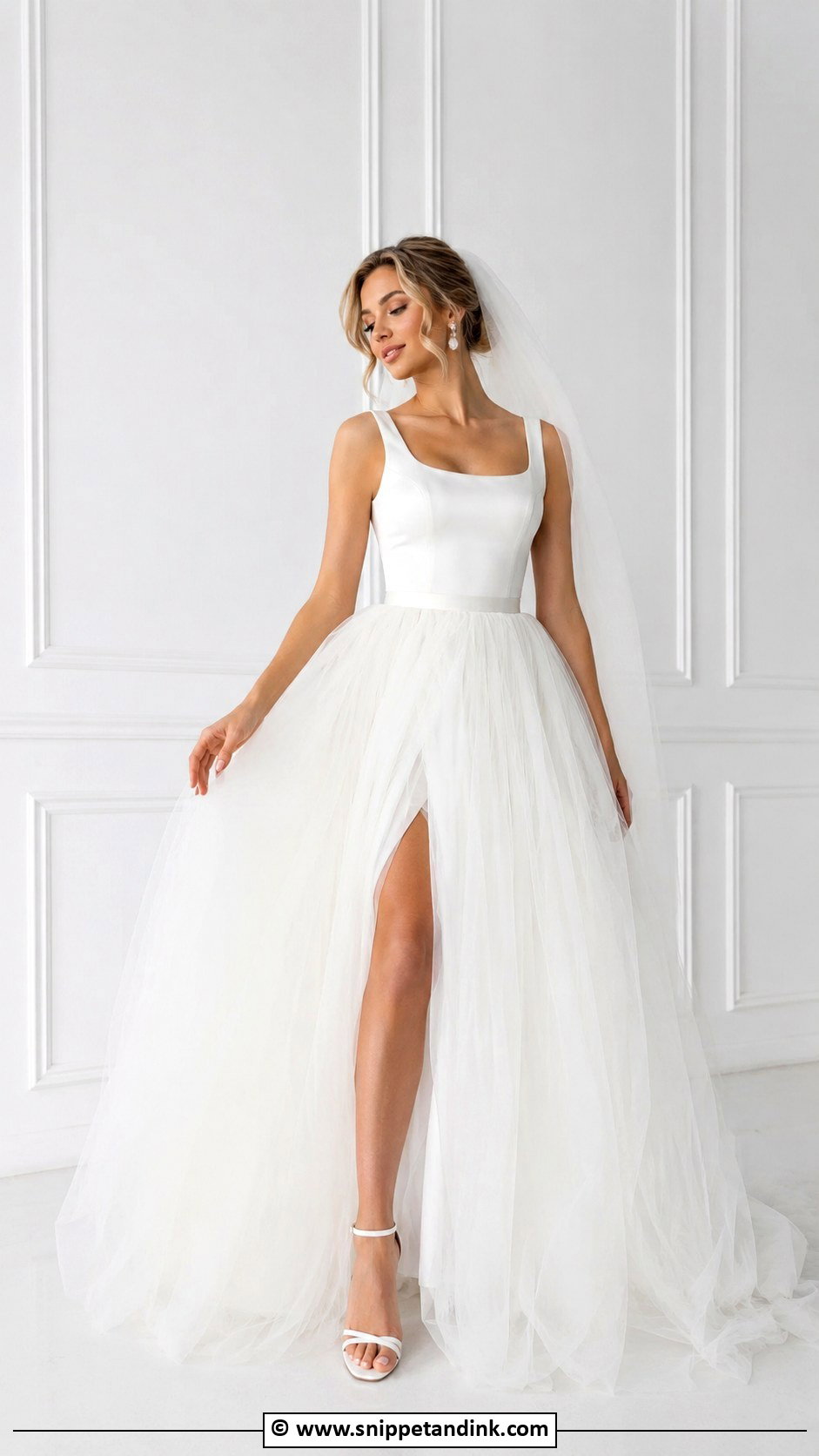
A tulle skirt gives you full gown volume from the waist down and freedom up top. Bodysuits are my favorite pairing because they stay tucked; a loose camisole will creep out by the reception. Layers of tulle catch on heels, so the hem should clear the floor by a centimeter when you stand in your shoes. White with a plain top looks classic, while a blush or blue skirt makes it more unexpected. It also lets you adjust coverage on top without touching the skirt.
22. Bridal Blazer Dress
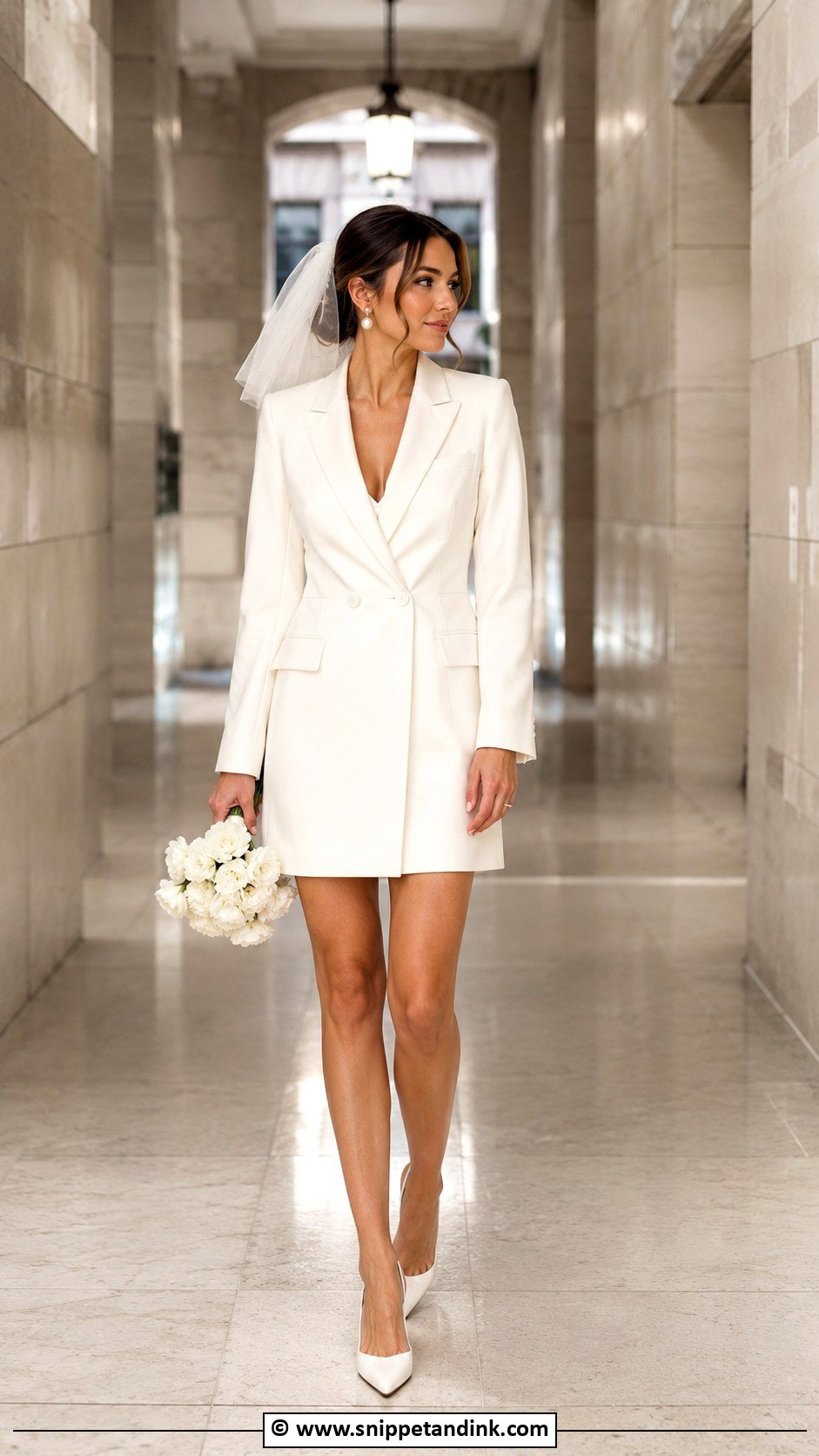
Blazer dresses depend on shoulder width and length together. Strong shoulders with a short hem look sharp; strong shoulders with a long hem can look boxy. I like a defined waist, either built in or with a belt, and tailored shorts or sheer tights underneath if it’s short. A mini veil or a hair bow tells everyone you’re the bride. It’s a practical choice for courthouse ceremonies and moves straight into a dinner without a change.
23. Bridal Midi Dress
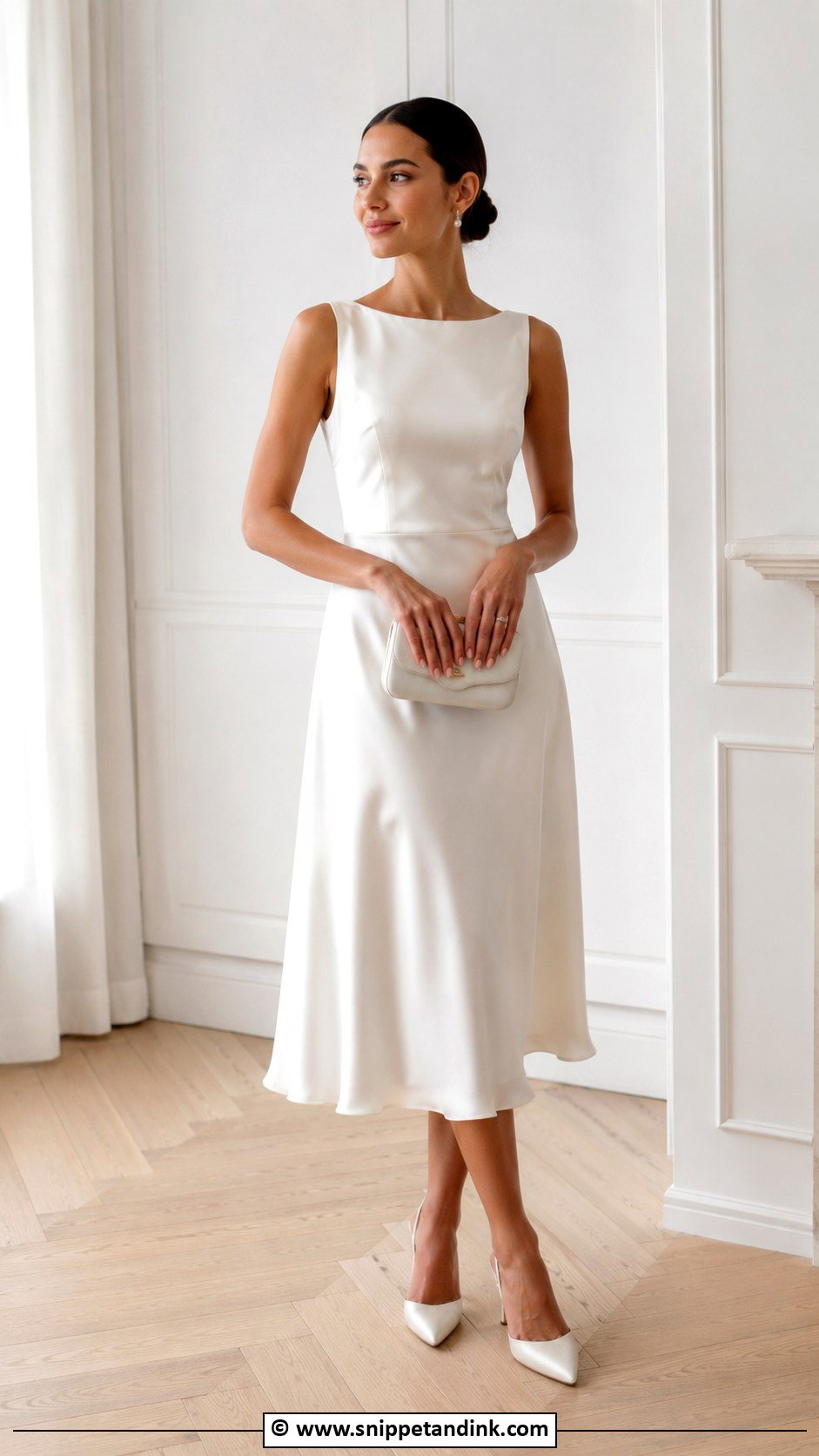
Midi length is the one most brides rewear. Satin, crepe, lace and organza all work, in ivory, blush or a soft pastel. A fitted midi looks sleek; an A-line midi looks romantic and hides a seated crease better. Slingback heels and a small clutch suit the length. I suggest it for civil ceremonies and intimate dinners, and for any bride who wants a dress she’ll wear again on anniversaries.
24. Bridal Maxi Dress
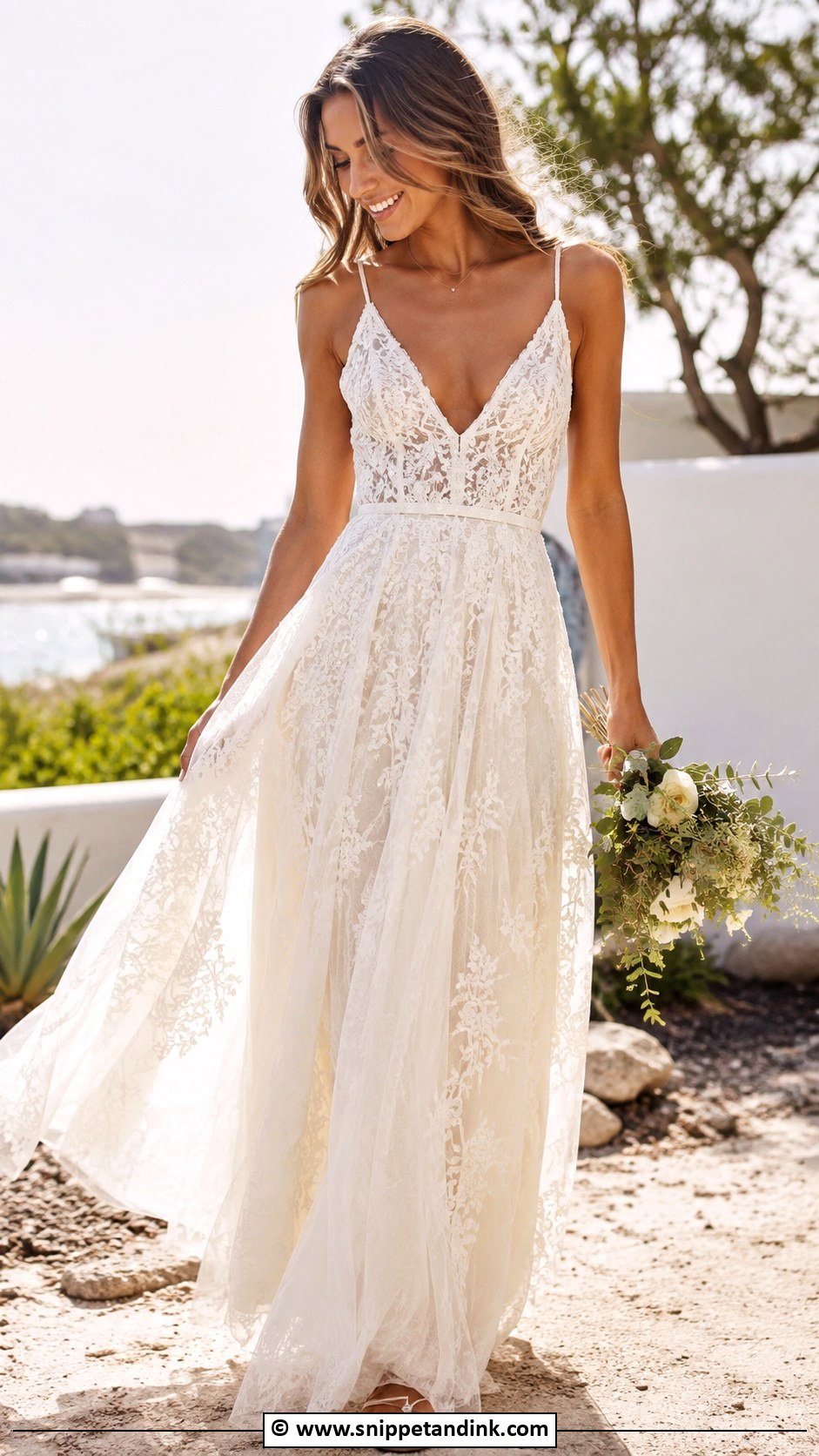
A maxi is relaxed by nature, so the work is in keeping it from looking like a holiday dress. Silk, chiffon or cotton lace with a defined waist or a considered sleeve does that. Sandals and soft curls suit the mood. Watch the length on sand and grass: a maxi that grazes the floor indoors will drag outdoors, so I hem it for the actual ground. It’s built for beach, backyard and desert ceremonies.


25. Corset Wedding Dress
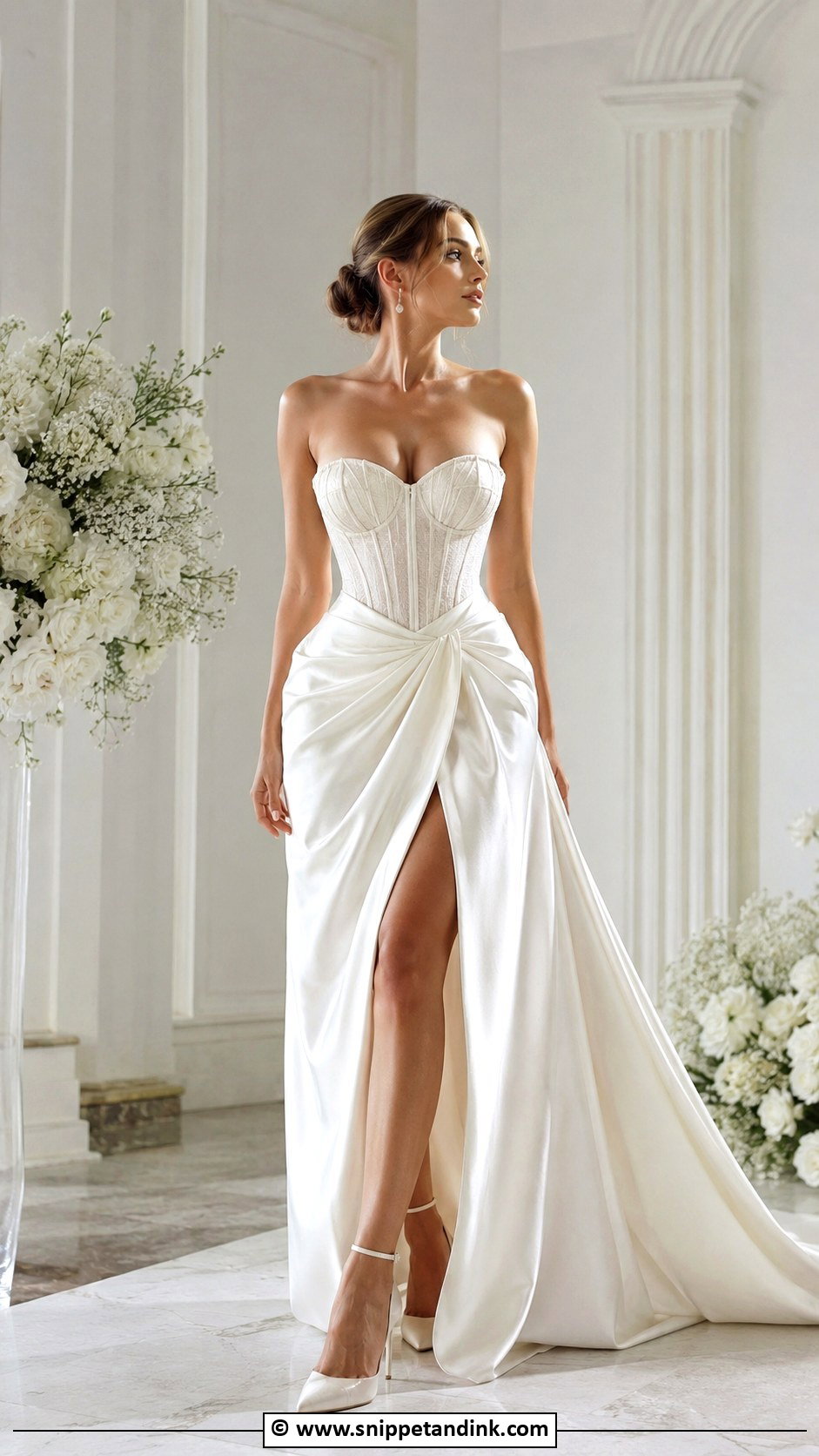
Corsets look easy in pictures and take real fitting work. The boning should support without digging, and I always ask brides to sit, eat a bite of something and breathe deeply in the second fitting, because a corset that’s comfortable standing can be miserable at dinner. It can be part of a gown, sit over a tulle skirt or pair with wide-leg trousers for a sharper look. Keep earrings and hair clean so the shape stays the focus. Budget for at least two alteration appointments.
26. Sheer Sleeve Wedding Dress
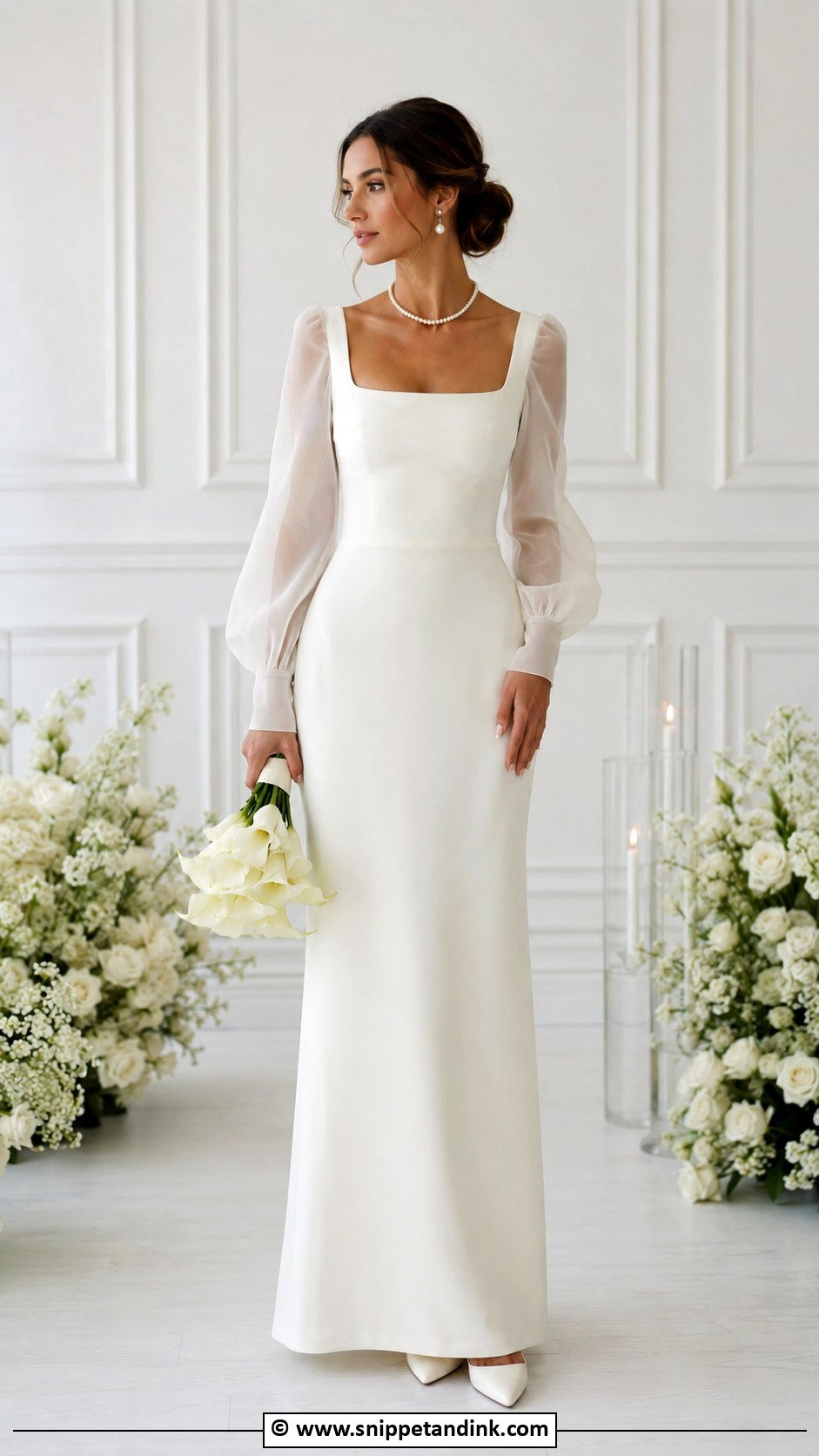
Sheer sleeves are the subtle way to make a simple dress feel distinctive. Organza holds its shape and puffs; tulle drapes; dotted mesh adds pattern. The fitting point here is the armhole: a sheer sleeve set too low restricts how high you can raise your arms, which matters when you’re hugging relatives all day. Pointed heels, pearls and a low bun show off the neckline. Sleeves like these work in any season.
27. Feather Trim Wedding Dress
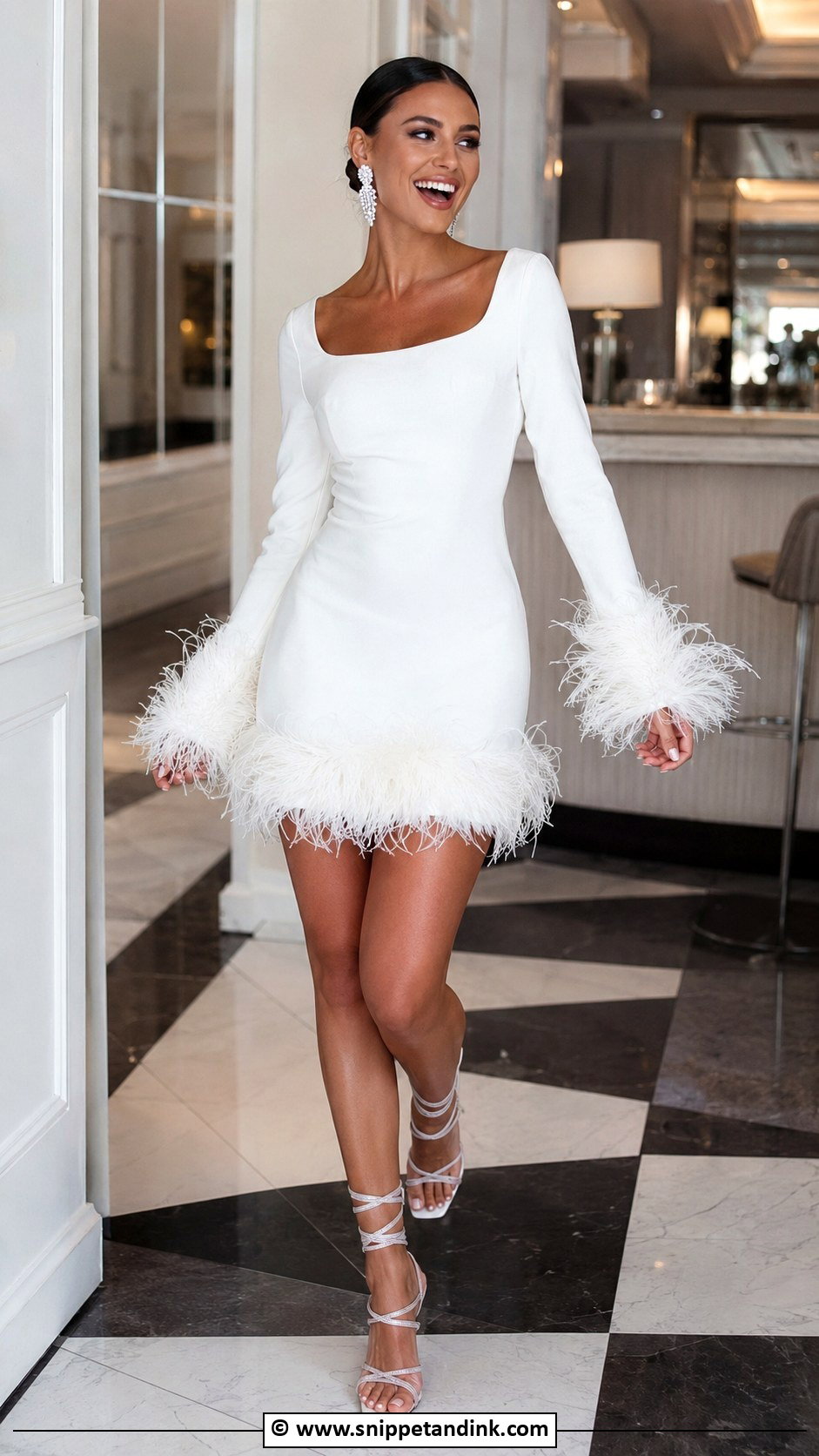
A feather trim wedding dress moves every time you do, which is the whole fun of it. Feathers can sit at the hem, the cuffs, the neckline or on a detachable wrap. A clean base dress keeps the trim intentional. One practical warning: feathers shed and they hate rain, so keep a lint roller and a plan for wet weather, and avoid feathers at the cuff if you’ll be eating with your hands near food. It’s a strong second look for a hotel or city party.
28. Pearl Detail Wedding Dress
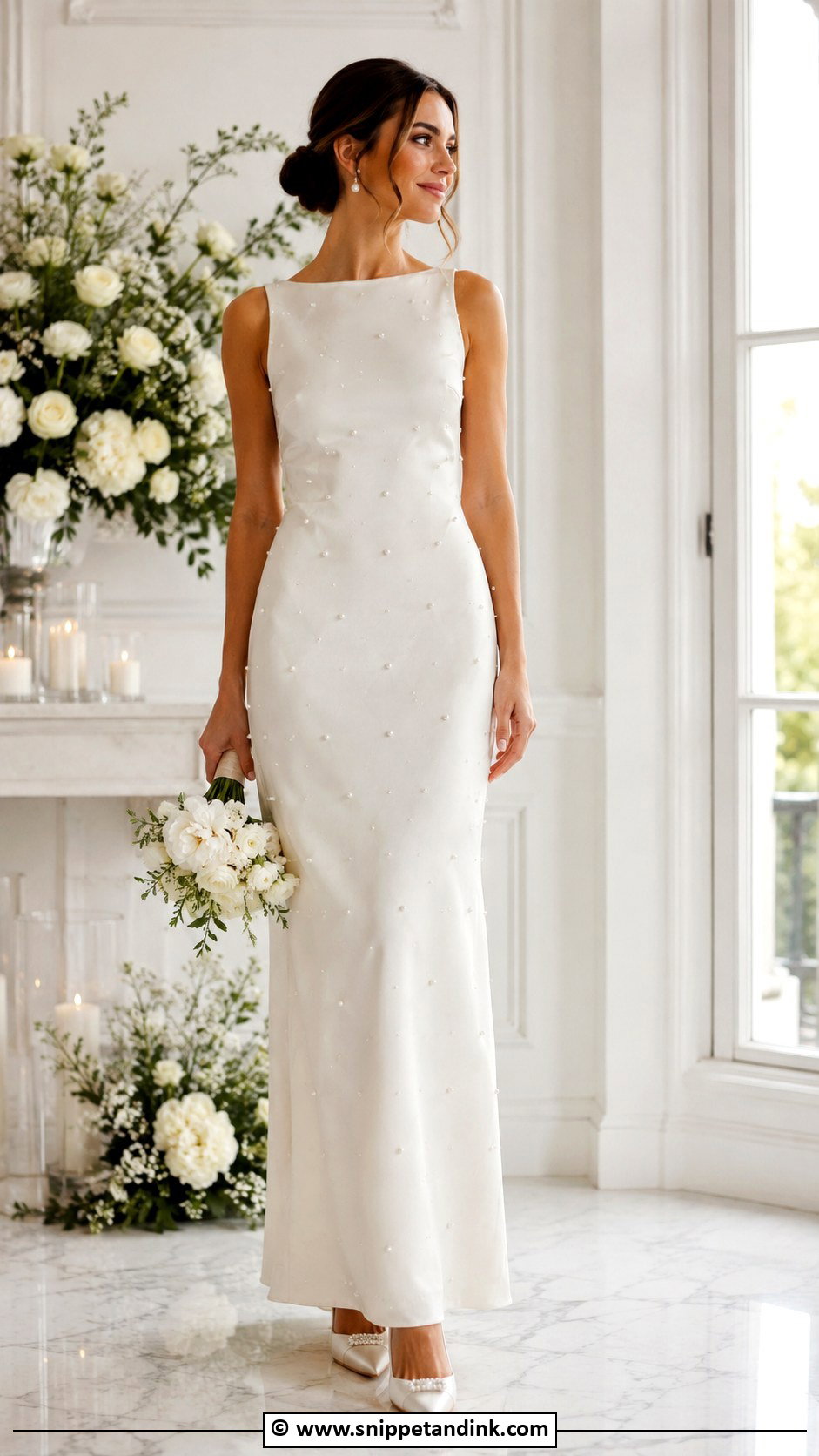
Pearl detailing adds weight, literally. A fully pearled overlay can be surprisingly heavy, and I check how the straps carry it after an hour of wear. Scattered pearls, beaded straps or pearl buttons give the effect with less load. A simple sheath, slip or clean A-line lets the work show. Pearl earrings and satin heels keep it coherent, and other accessories can stay minimal.
29. Vintage Inspired Wedding Dress
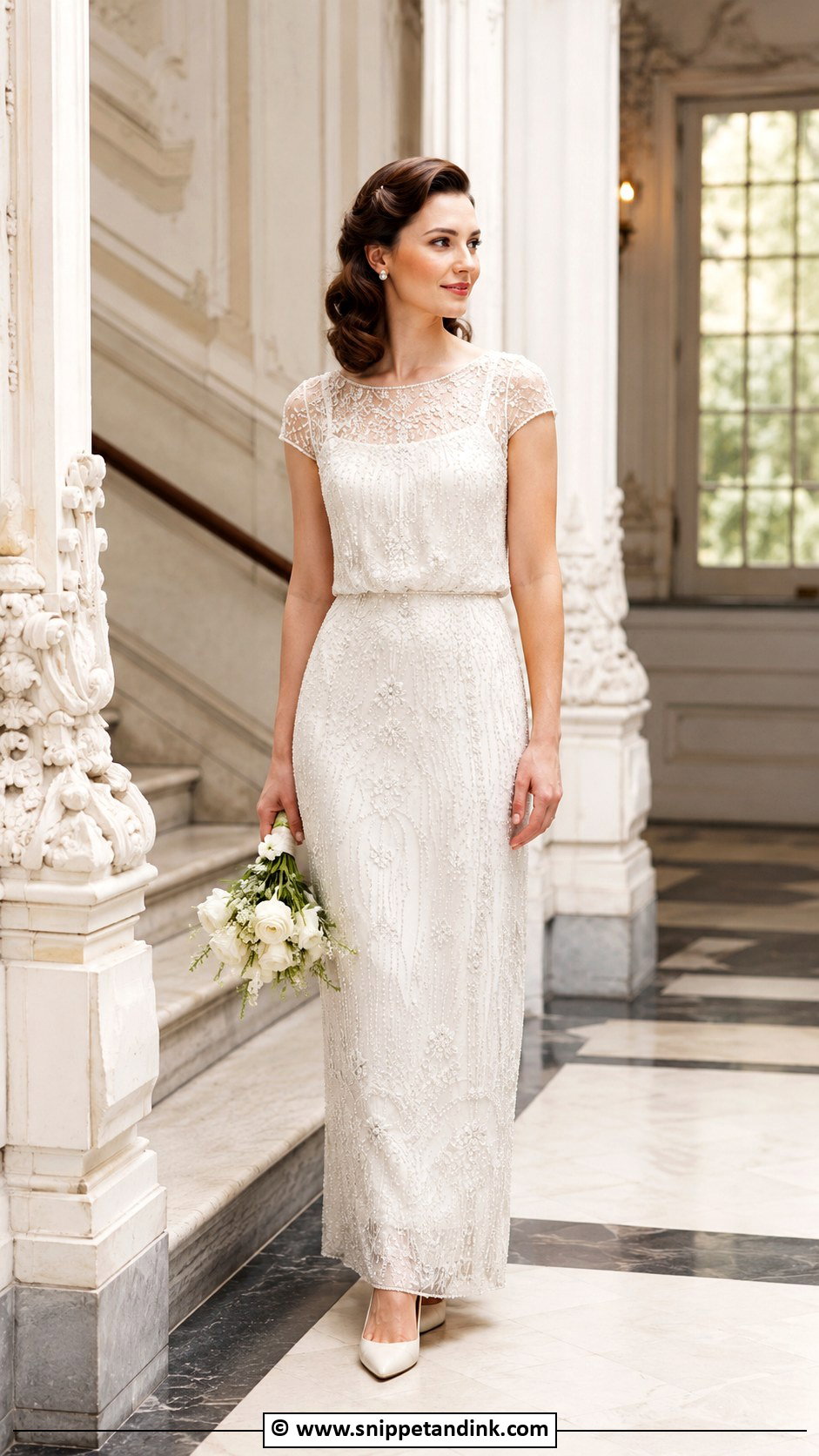
Vintage spans decades, so start with the era that suits your body: 1920s columns for straight figures, 1950s tea length for defined waists, 1970s lace maxis for anyone who wants ease. Genuine vintage needs a tailor who’s comfortable with old fabric, because seams may be fragile and sizes run small. I’d avoid too many era accessories; a beaded gown with simple heels looks considered, a full period outfit can look like dress-up. Reproductions and reworked family pieces are both good routes.
30. Convertible Wedding Dress
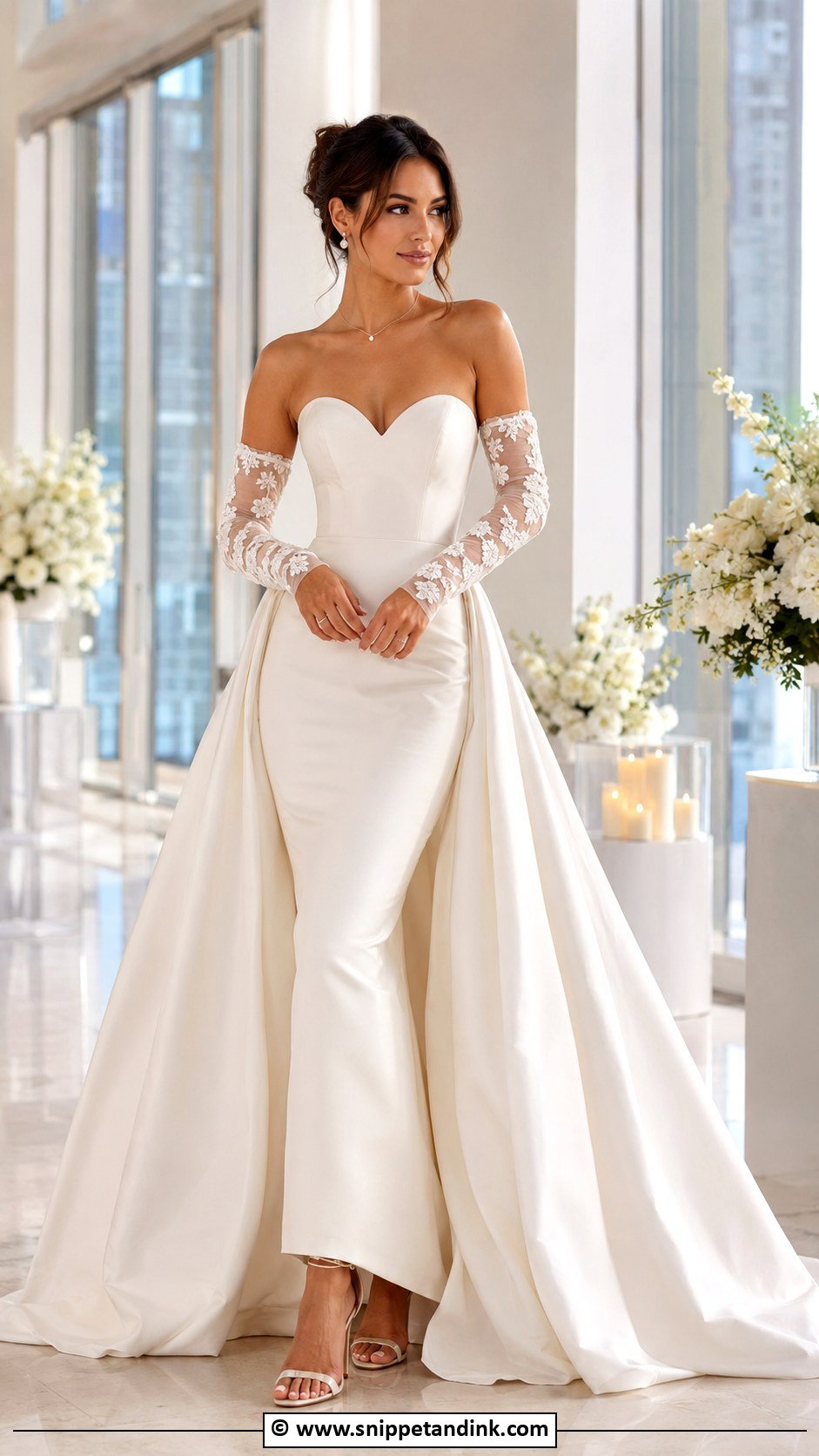
A convertible wedding dress gives you two looks for one budget. Removable overskirts, detachable sleeves, capes and trains all let you go from aisle to dance floor. The thing I check is the base dress on its own: if the bodice looks unfinished without the overskirt, keep looking. Practice the change with whoever will help you on the day, because hooks and snaps are fiddly with nervous hands. Choose a hairstyle that works with both versions.
Where These Pieces Come From, and How Early to Order
Alternative outfits don’t always come from bridal shops, and that changes the timeline. A made-to-order bridal gown commonly takes several months to arrive, plus time for alterations. Ready-to-wear suits, eveningwear and occasion dresses can arrive within days, but stock sells out and return windows are short, so I buy early and keep tags on until the first fitting confirms the size.
Colored and metallic fabric
If you order a colored gown in separate pieces, or a matching top and skirt from different shipments, ask whether they come from the same dye lot. Two shades of sage can look identical online and clearly different side by side. Request a swatch where you can.
The small kit I pack for non-gown outfits
- Fashion tape for blazer lapels and slip straps.
- A handheld steamer, since satin and crepe crease on the drive to the venue.
- A spare pair of bra cups and a nude strapless, in case the plan changes.
- A person you trust briefed on how the jumpsuit or corset fastens, because bathroom trips in one-piece outfits need help.
Wearing Something Nobody Expected, Comfortably
None of these replace a classic gown if a classic gown is what you want; they’re just proof there are more doors. What matters in the fitting room is fit, movement, fabric and the feeling of catching yourself in the mirror and thinking, yes, that’s me. If a jumpsuit, a short hem or a color gives you that feeling, trust it, then do the practical checks: sit in it, walk in it, look at it in daylight. That’s the version of you the photos will keep.
You'll Like These Ideas:




Leave a Reply