
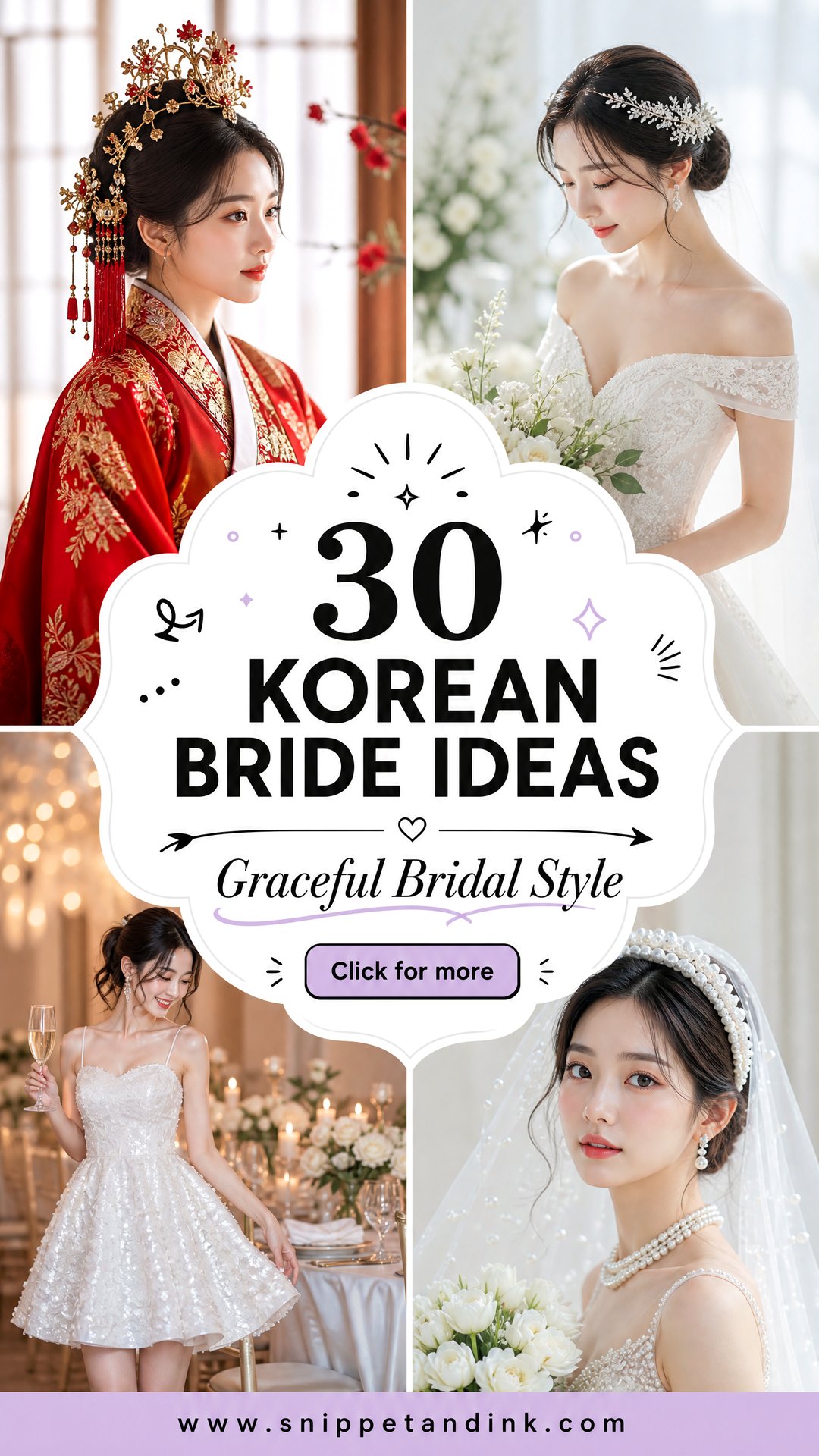
Korean brides often wear two or three looks in one day, and that changes how I plan each one. A classic hanbok for the paebaek, a white gown for the main ceremony and something lighter for the reception or after party is a common pattern. Each outfit has to work with the same hair and makeup, and each change has to fit the schedule. The ideas below include silk chima skirts, embroidered hwarot robes, satin gowns, pearl hairpieces and modern fusion pieces, with notes on what each one asks of you on the day.
How Many Outfit Changes a Korean Wedding Day Can Hold
Korean wedding halls often run on tight time slots, and the paebaek may happen in a separate room straight after the main ceremony. That leaves less time for changing than brides expect. Before choosing outfits, I map the day in blocks and give each change its own window.
- Decide which outfit you’ll wear longest and make that the most comfortable one.
- Plan one hairstyle that works for every look, or allow time for a restyle. Waves suit a gown; a low bun with a binyeo suits a hanbok and jokduri. A low bun can usually do both.
- Ask the hall or venue how long the bridal room is yours, and whether hanbok rental and a dresser are included with the paebaek room.
- Keep makeup consistent across changes. A soft, glowing base works under both a white gown and a red hanbok; a heavy red lip may fight a pastel outfit later.
Many couples rent the paebaek hanbok rather than buy it. If you rent, try it on in advance and check the length of the chima with your shoes, since rental pieces are hemmed for an average height.
1. Korean Bride Traditional Red Hanbok
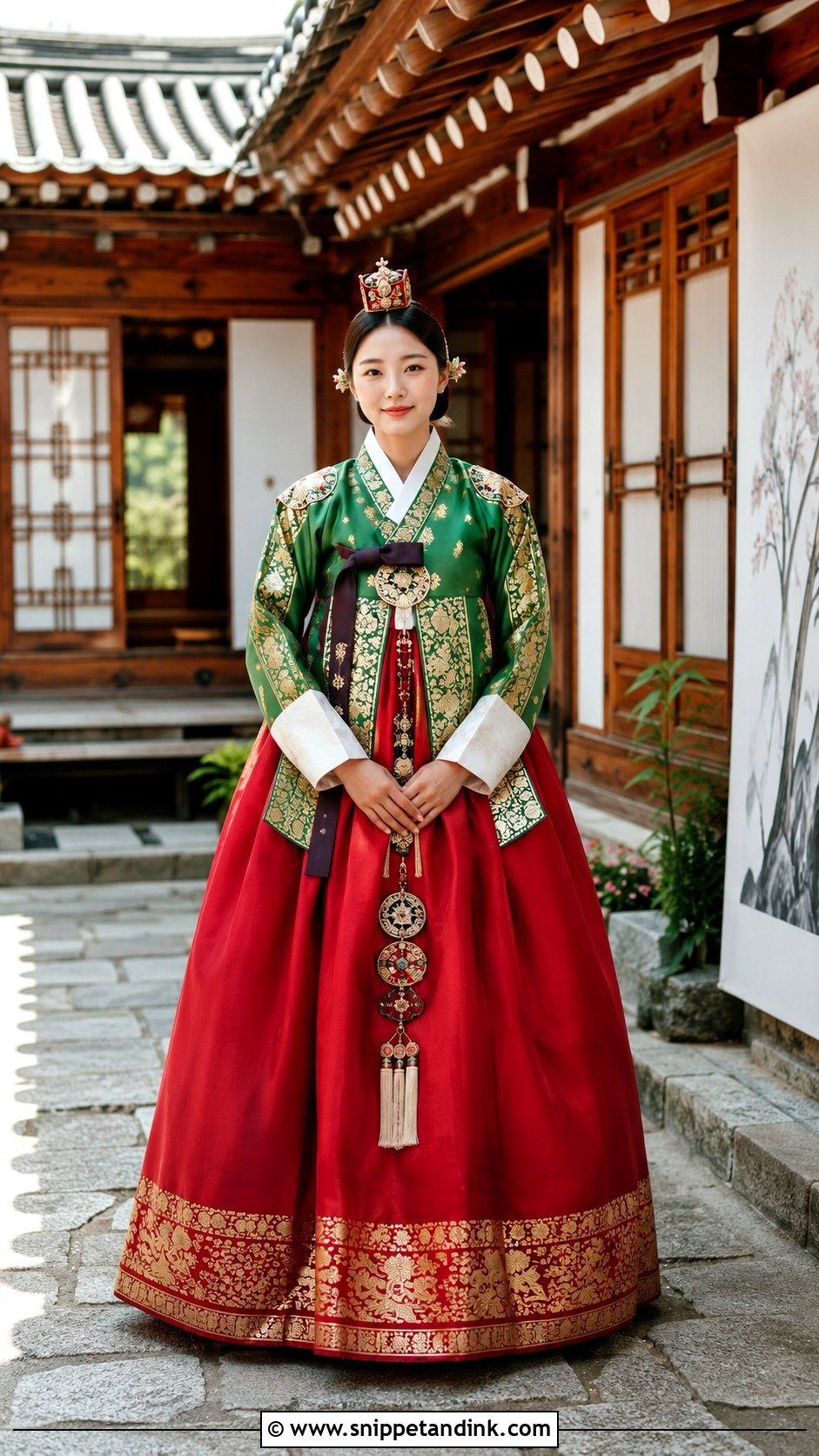
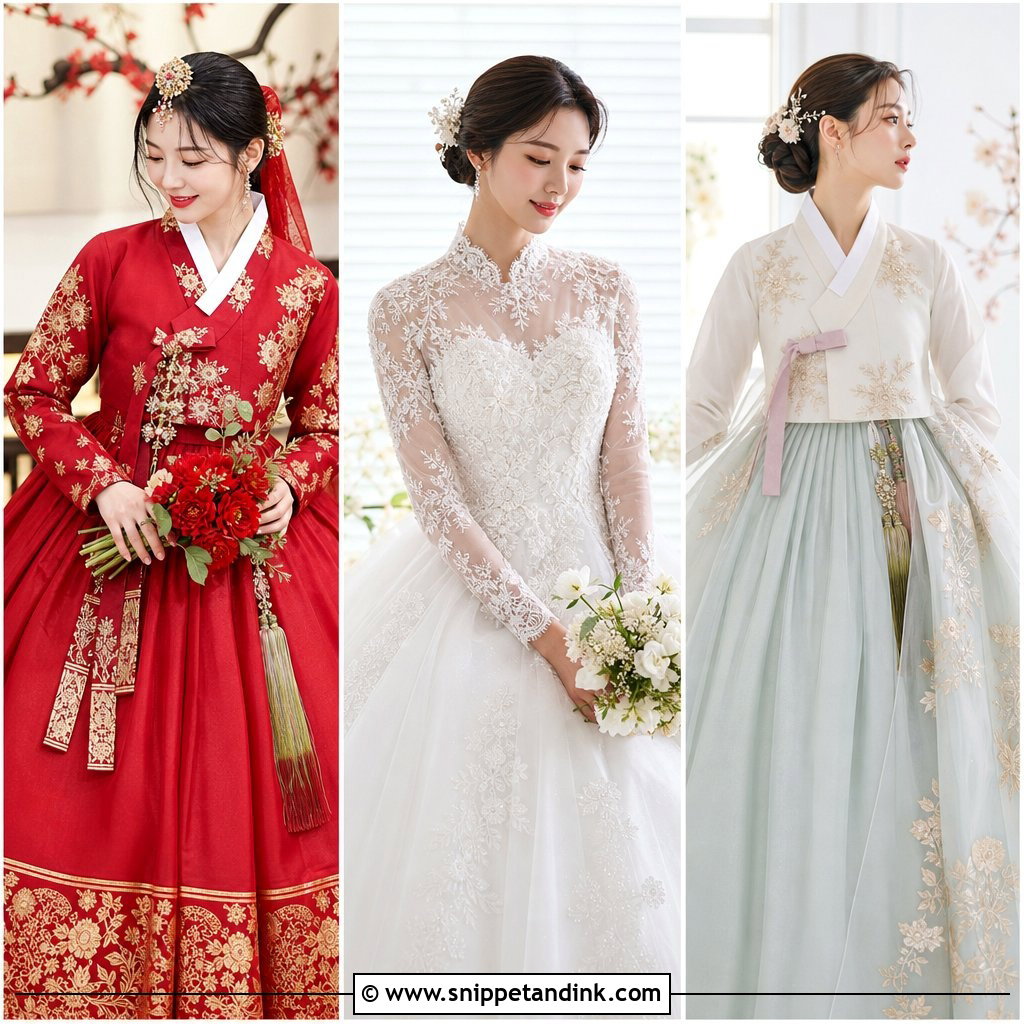
Red chima with a shorter jeogori is the look most people picture for a Korean bride. A rich red chima skirt with gold or floral embroidery reads ceremonial without being overdone. The chima ties high, above the bust, so it hides the waist entirely and falls straight to the floor; that’s why a well-fitted jeogori matters so much, as it’s the only shaped piece. A jokduri crown or small ornament, traditional shoes and a neat bun complete it. For makeup, I keep skin glowing and lips soft pink so the red stays in charge.
2. Korean Bride Hwarot Wedding Outfit
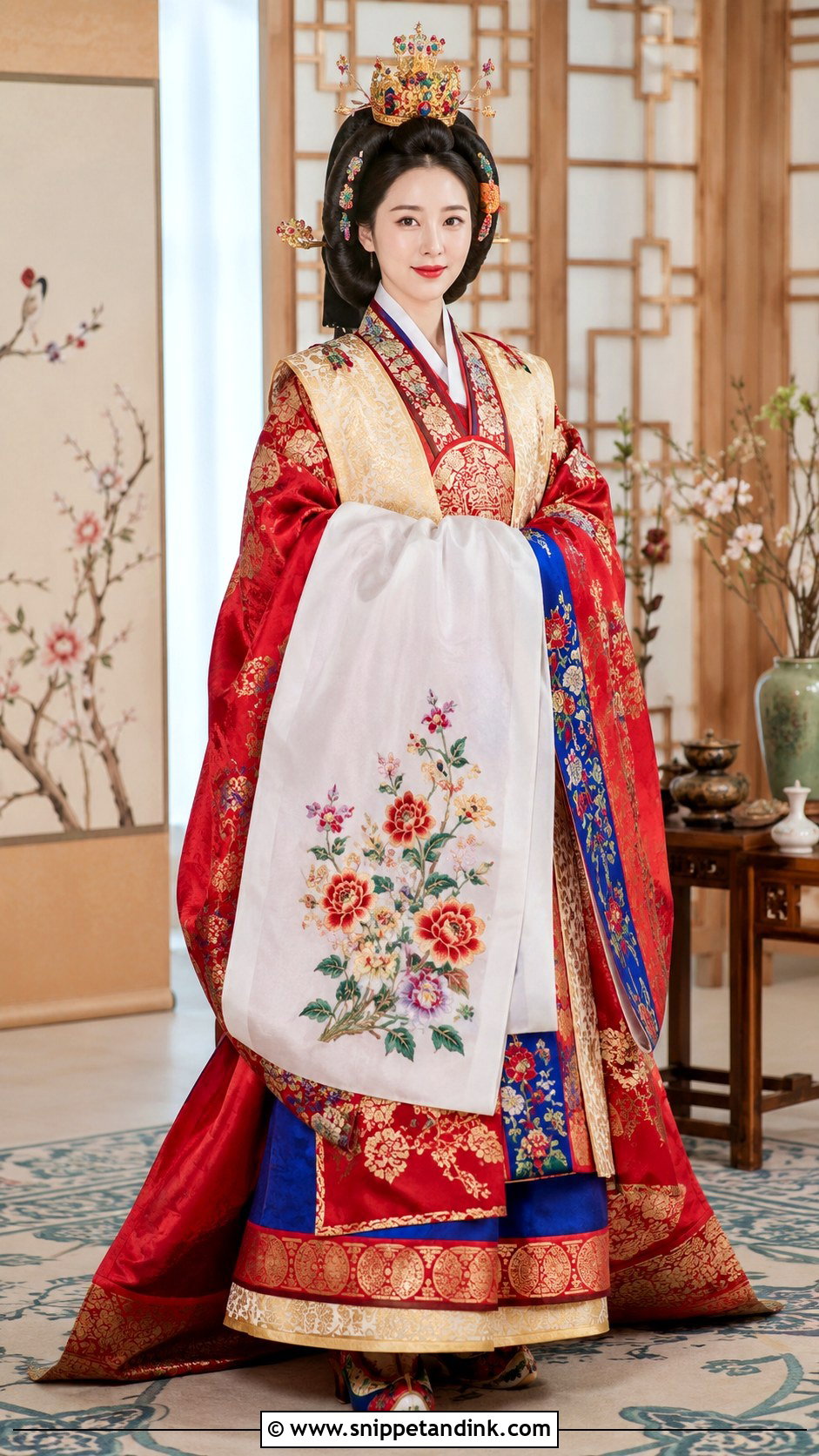
The hwarot is the most formal bridal robe, heavily embroidered with flowers, birds and symbols of long life and many children, and historically reserved for royalty. It goes over the hanbok, so keep the inner layers plain. The sleeves are long and the hands are covered by a white cloth called a hansam during the bows. That means you can’t hold anything, adjust your hair or use your phone while you’re in it; I always have an assistant stay close. Palace-style venues and hanok settings show the back of the robe best.
3. Korean Bride Wonsam Hanbok Outfit
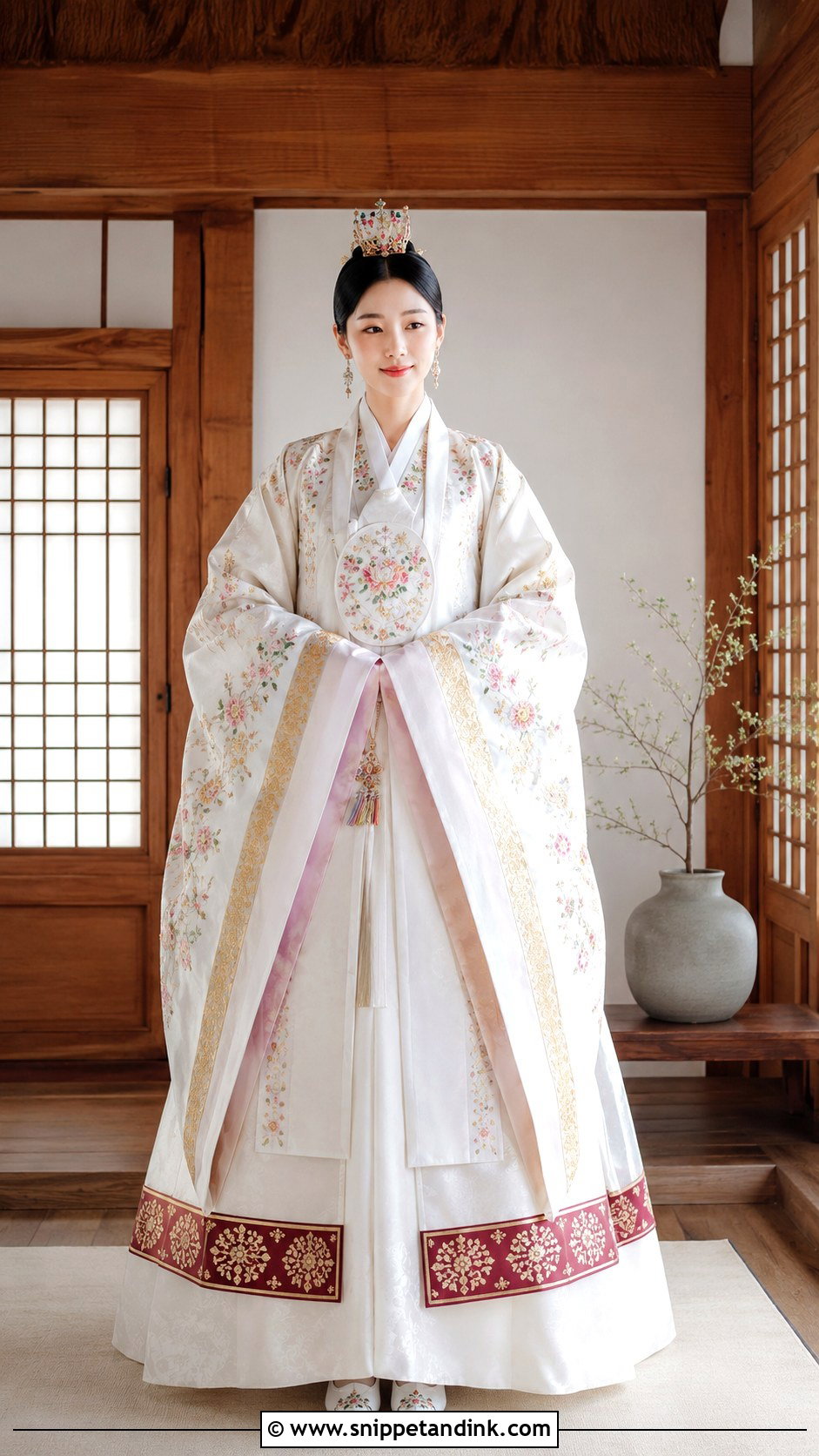
The wonsam is a long ceremonial robe that feels lighter than a hwarot and moves well. Red, green, blue or cream palettes depend on family preference. A full chima underneath gives volume, and traditional shoes keep the line authentic. The classic pairing is a center-parted low bun with a binyeo hairpin and a jokduri; if you’re wearing waves for the gown earlier, ask your hairstylist how long the switch takes, since it’s a full restyle. It works for paebaek and for a cultural change after the white dress.
4. Korean Bride Modern White Hanbok
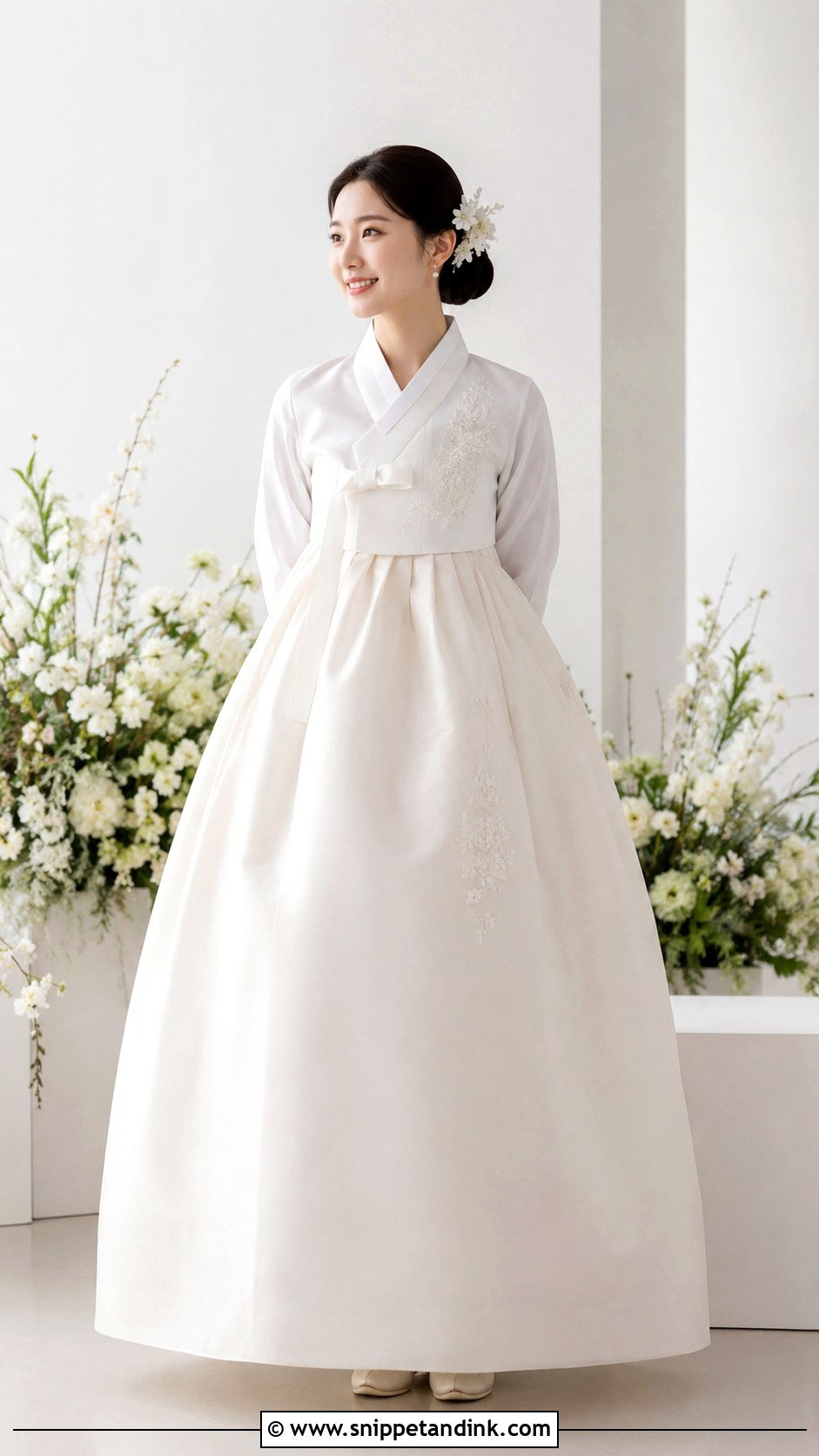
A white or ivory hanbok gives a soft bridal look with the traditional shape. A clean jeogori with subtle embroidery and a textured chima works indoors and out. Pearl earrings, white floral hairpins and ivory shoes finish it. A sheer or lace-trimmed jeogori modernises it. White hanbok shows marks quickly, especially at the hem and the goreum ribbon where hands touch it, so I’d keep it for a short ceremony or a photo session rather than a long day.
5. Korean Bride Pastel Hanbok Wedding Outfit
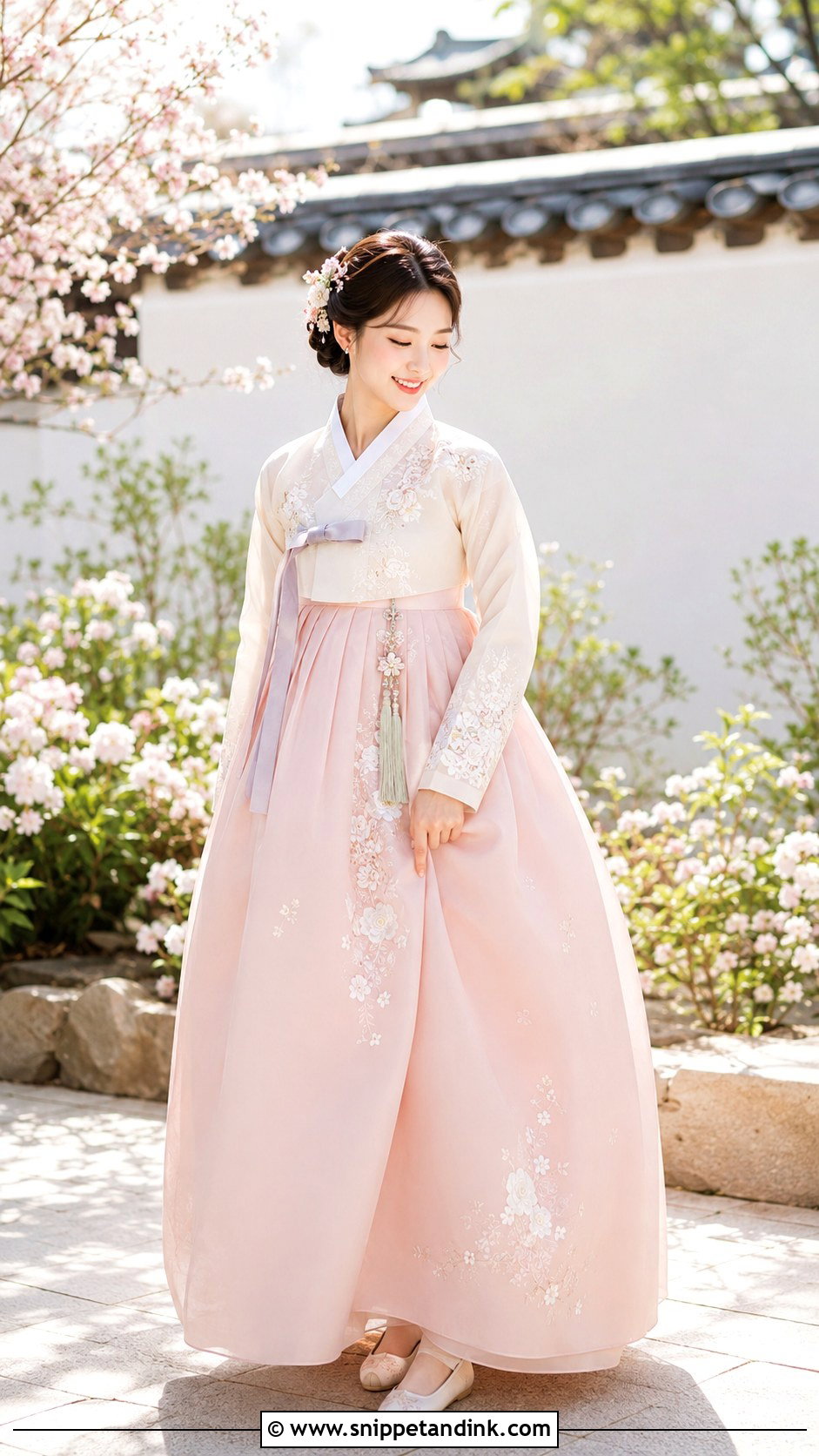
Pastel hanbok in blush, sky blue, lavender, mint or ivory is light and friendly in photos. Choose a flowing chima, a fitted jeogori, low shoes and delicate hair accessories. The difference between a pastel hanbok that looks bridal and one that looks like a guest outfit is the fabric: quality silk with a slight sheen and fine embroidery reads bridal; flat polyester doesn’t. Spring weddings and pre-wedding shoots suit it. Finish with a low bun and a bouquet in matching tones.
6. Korean Bride Red And Green Hanbok
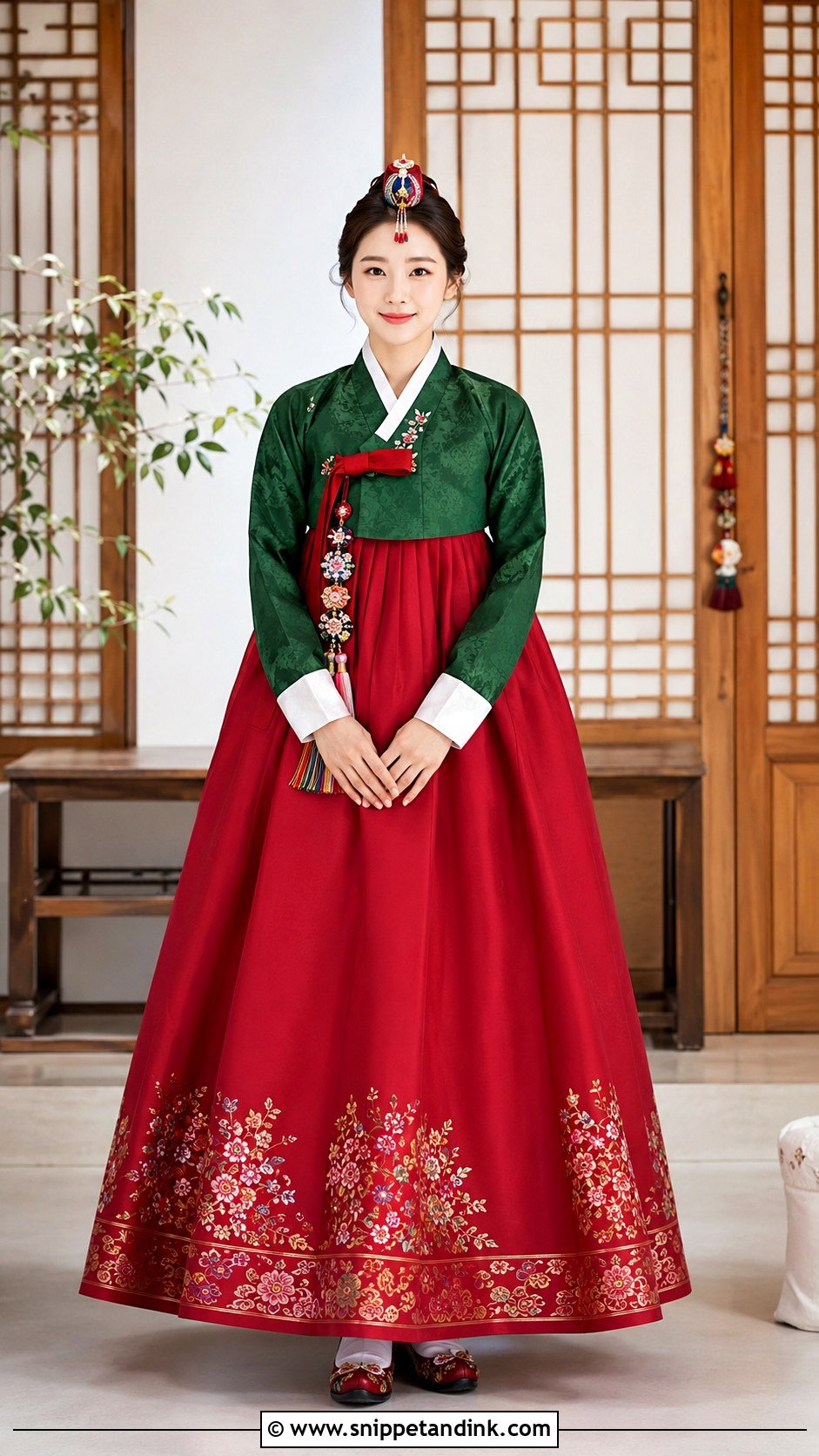
Red skirt with green jeogori is the traditional bridal combination, warm and festive, and you’ll see it at many paebaek ceremonies. Embroidery, a norigae tassel, traditional shoes and a clean updo complete it. Both colours are strong, so I add nothing that brings a third. The norigae hangs from the goreum ribbon and swings when you bow, so I check it’s tied firmly before the ceremony starts. A small jokduri finishes the head.
7. Korean Bride Ivory Wedding Dress
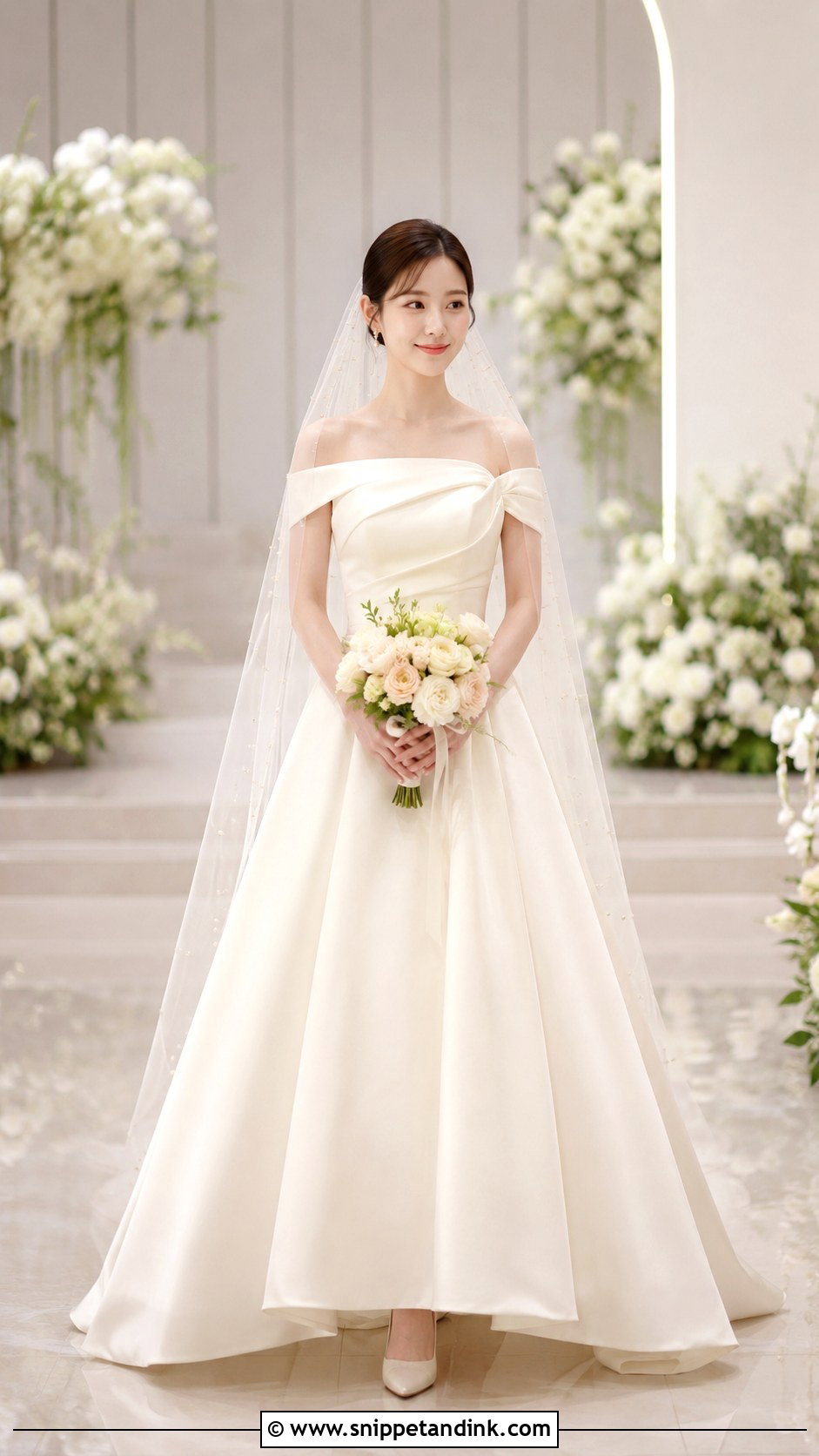
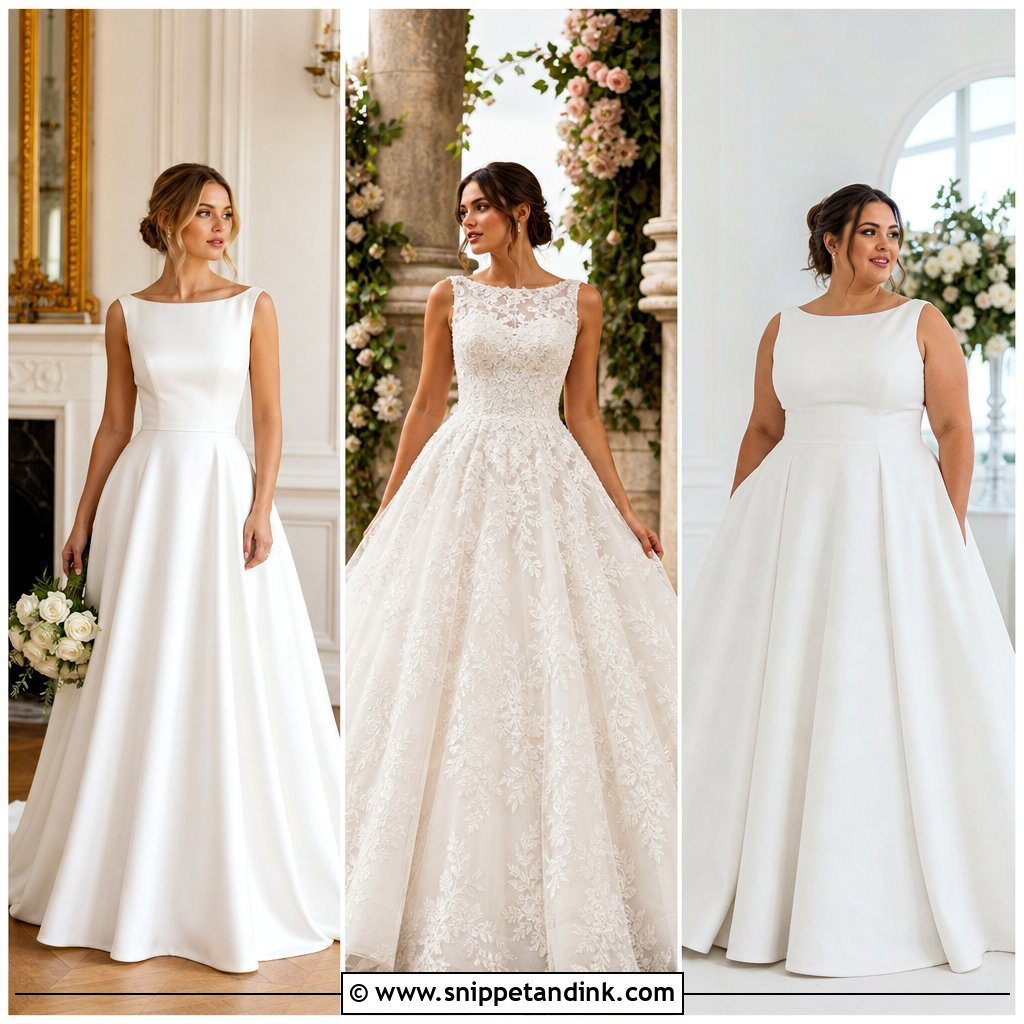
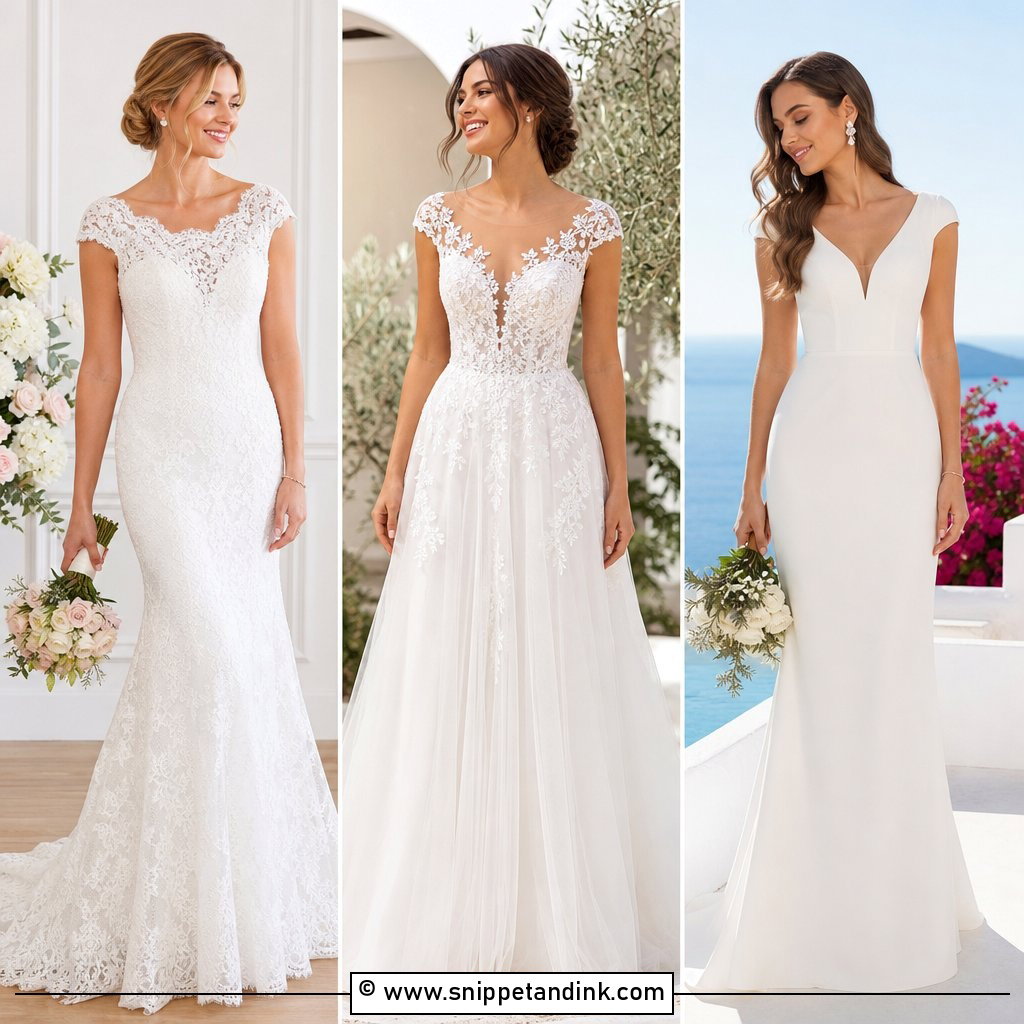
Ivory sits warmer than stark white and is kinder to most skin tones in the bright light of Korean wedding halls. A clean bodice with a gentle A-line skirt or subtle lace works well. Pointed heels, a pearl veil and a structured bouquet complete it. Keep hair in loose waves or a low bun, and makeup soft pink. If you plan to change into a hanbok later, a low bun is the easier base to convert.
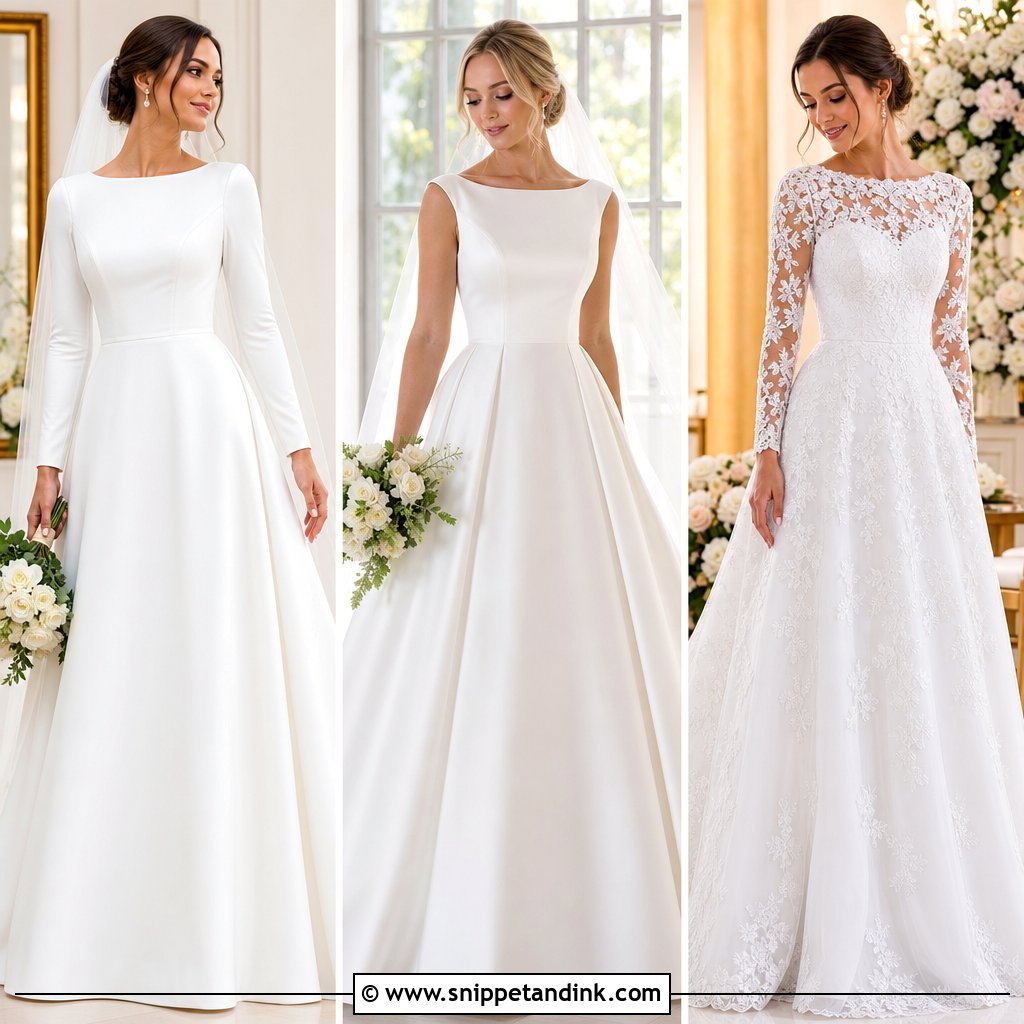
8. Korean Bride Satin Ball Gown
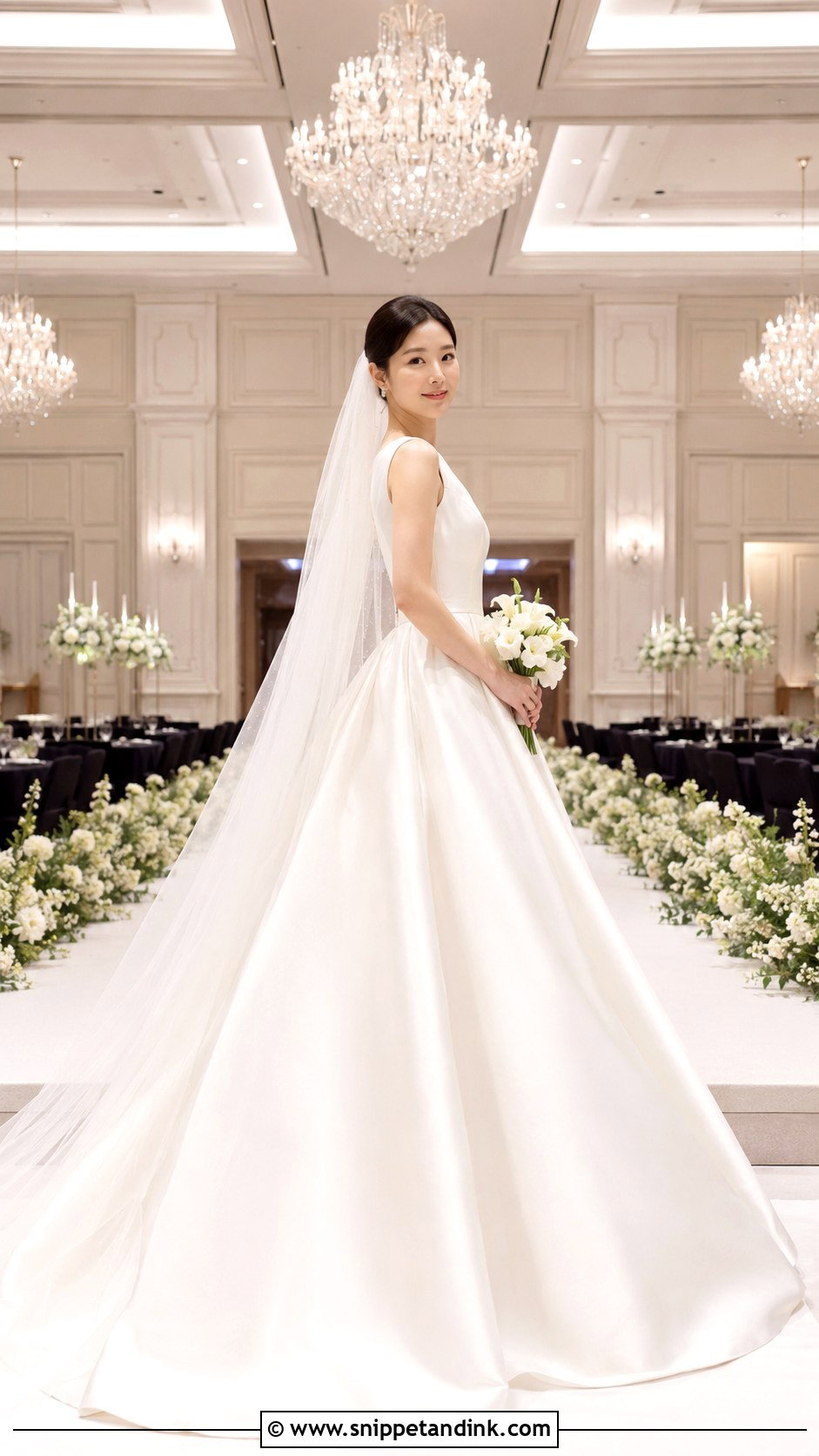
A satin ball gown is formal and photographs cleanly without heavy embellishment. It suits hotel weddings and grand ballrooms. A cathedral veil, pearl earrings and a neat updo finish it; strapless, off-shoulder or square necklines all work. Satin ball gowns are heavy, and the full skirt makes it hard to sit in a car or a small changing room, so I’d confirm the bridal room is big enough for the gown and a quick change. Keep the bouquet structured and simple.
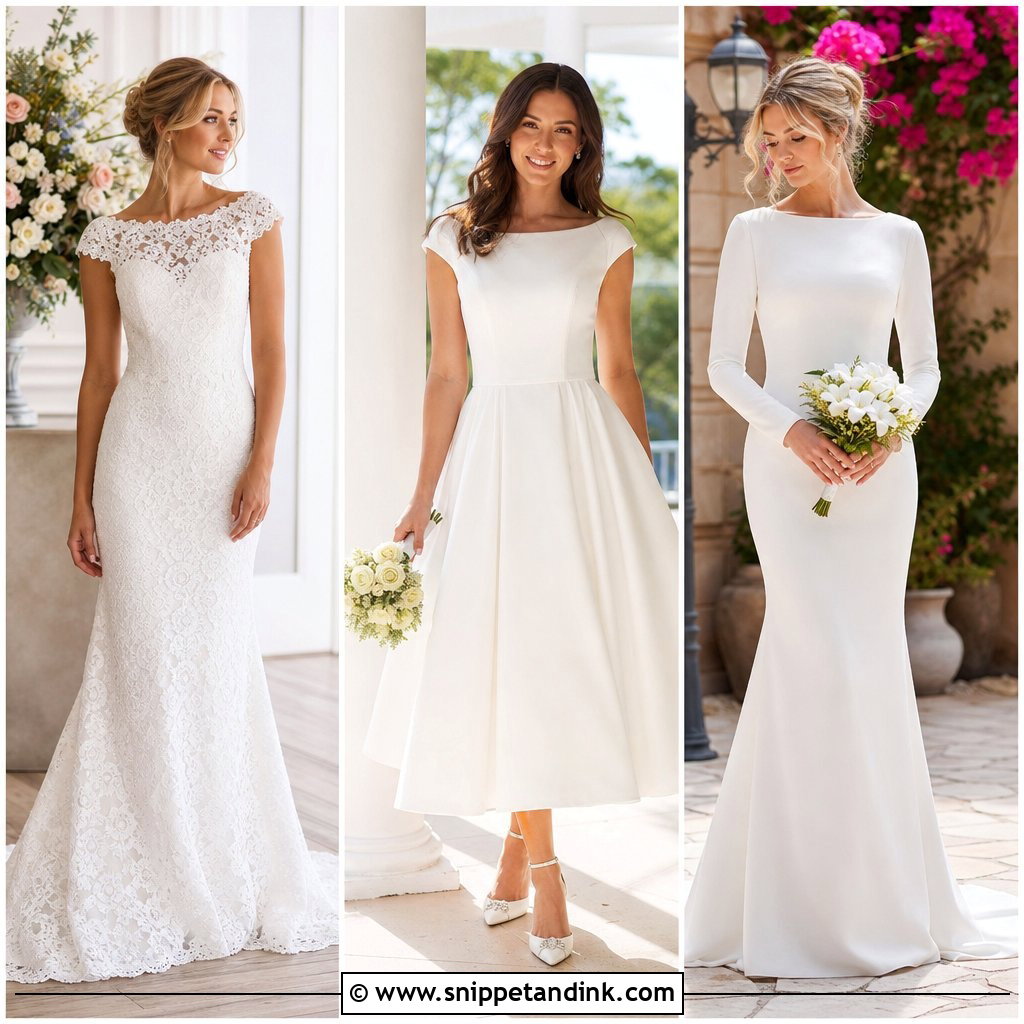
9. Korean Bride Lace Wedding Dress
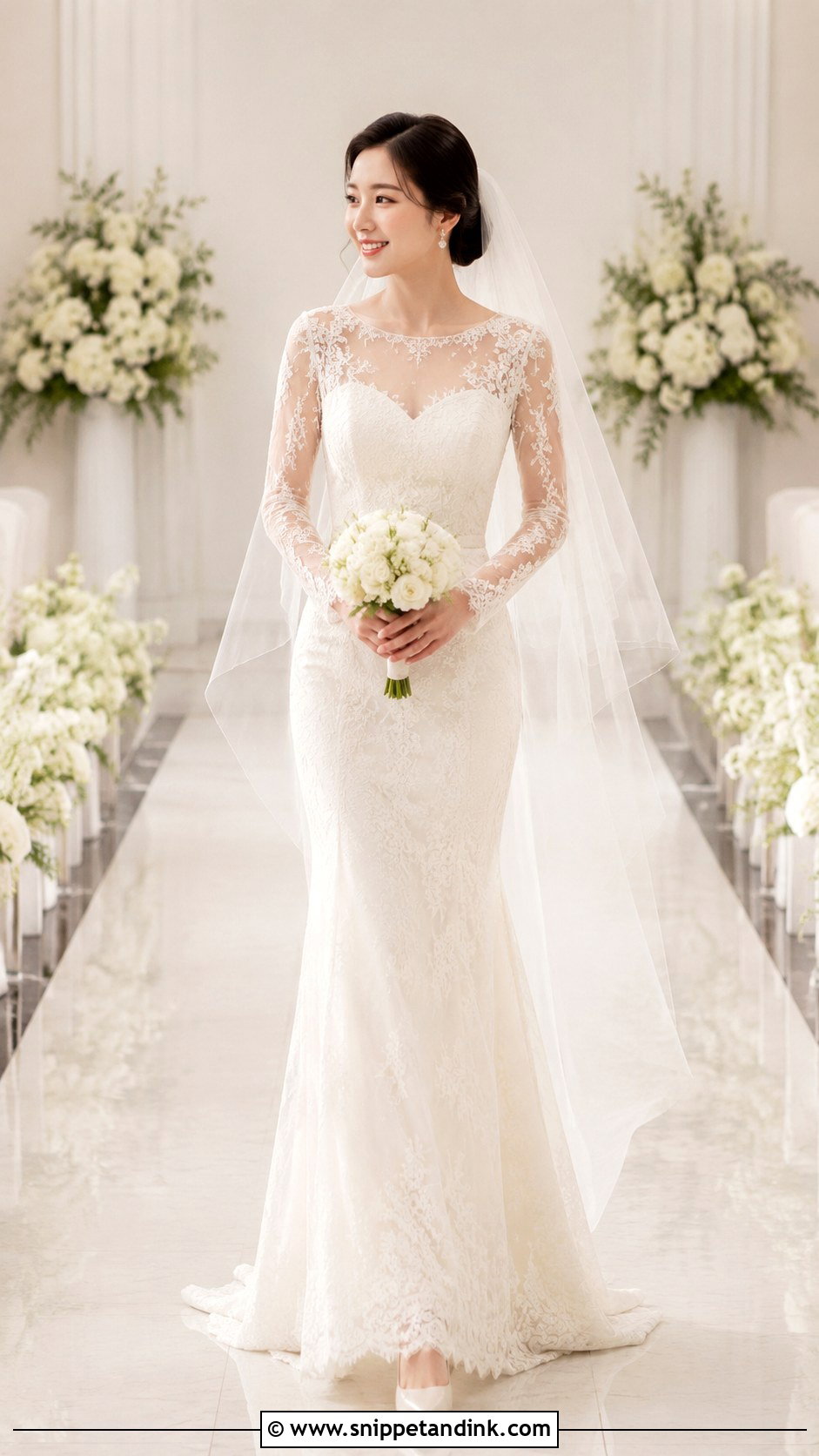
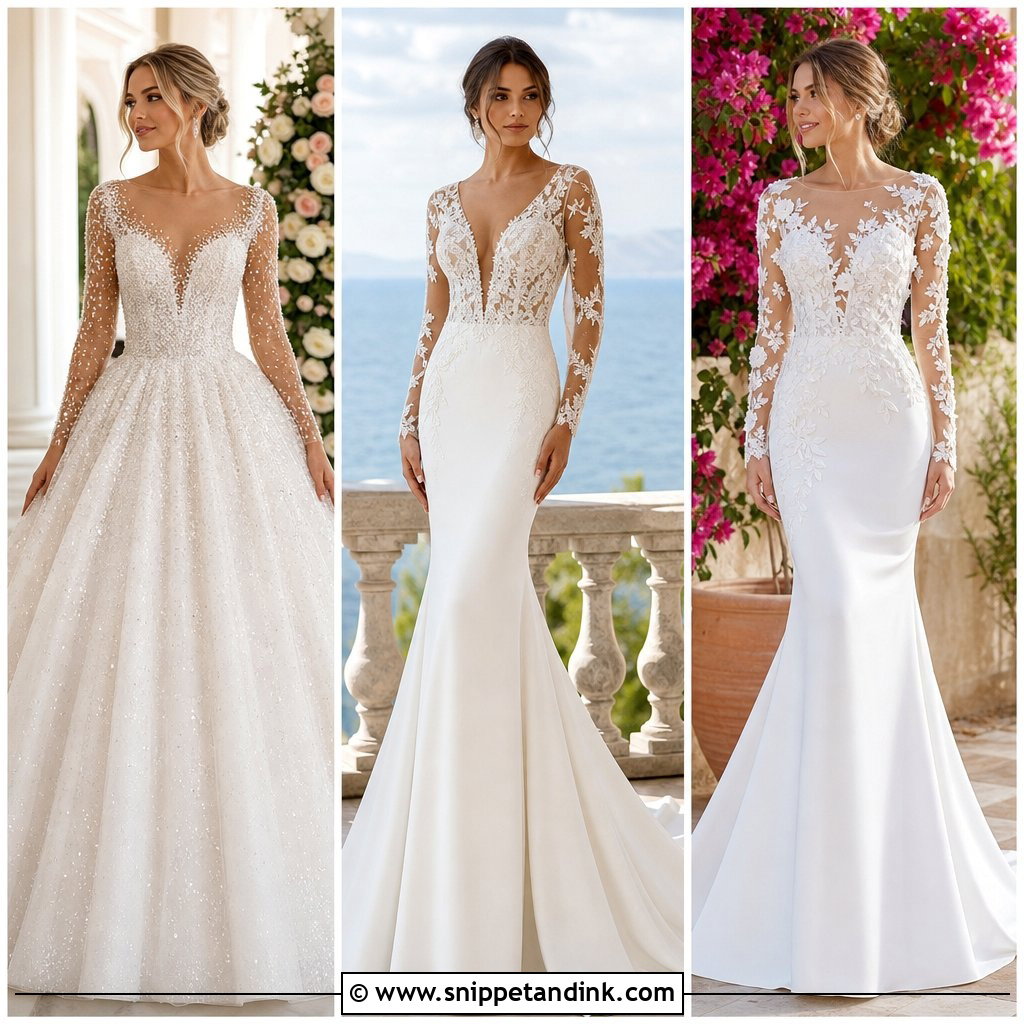
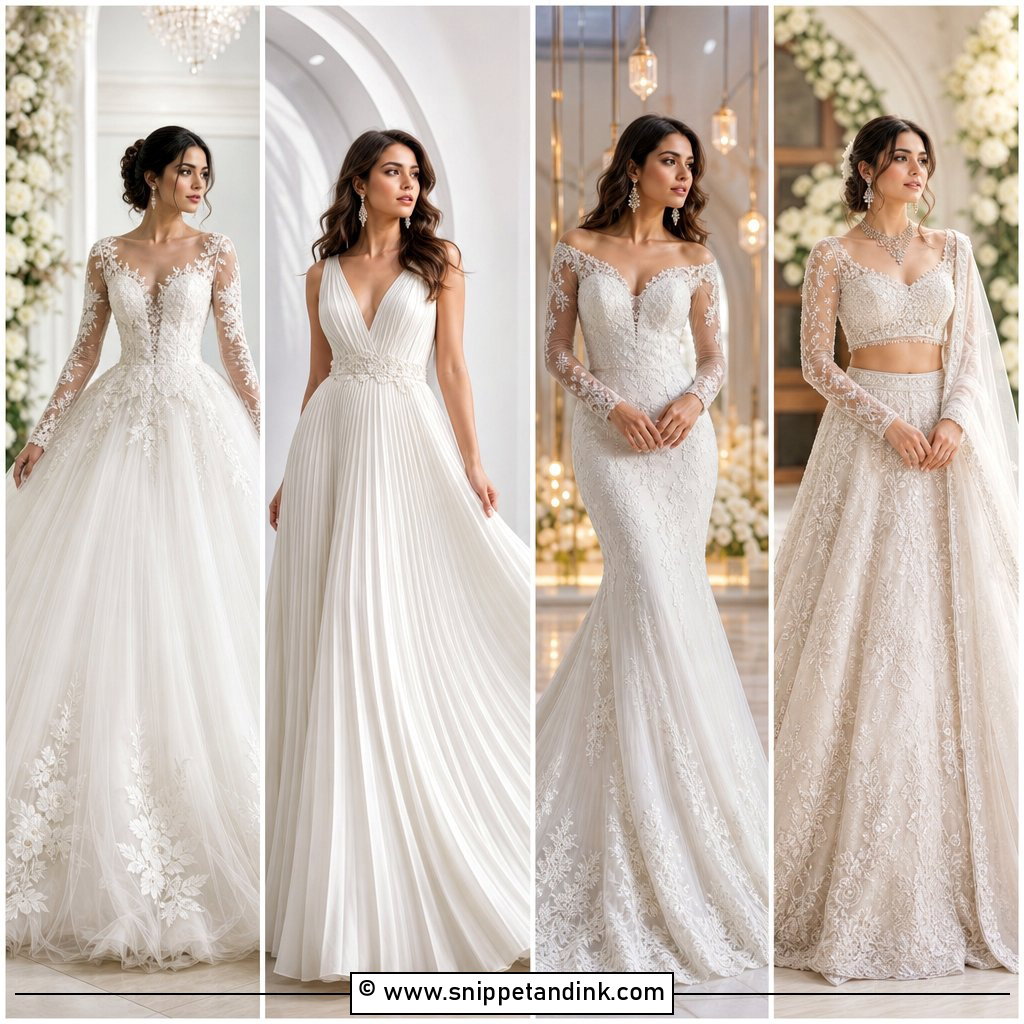
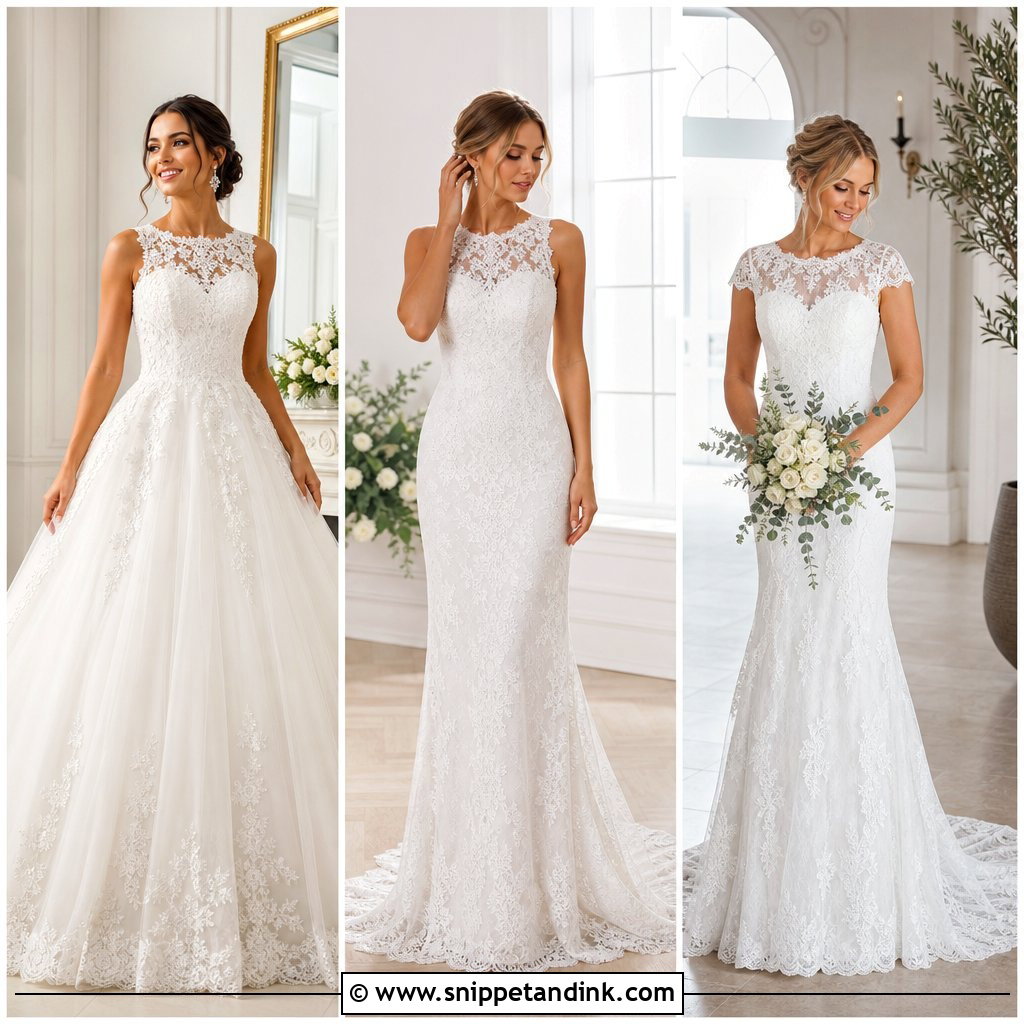
Lace brings texture and softness. Delicate floral lace, sheer sleeves or a lace bodice with a flowing skirt suit indoor ceremonies, studios and gardens. A fingertip veil, pearl earrings and nude or ivory heels finish it. With detailed lace, I keep the hair plain, a low chignon or soft half-up, so the face isn’t competing. Lace catches on bouquet wires and veil combs, so I tape the bouquet stems before handing them over.
10. Korean Bride Minimal Wedding Gown
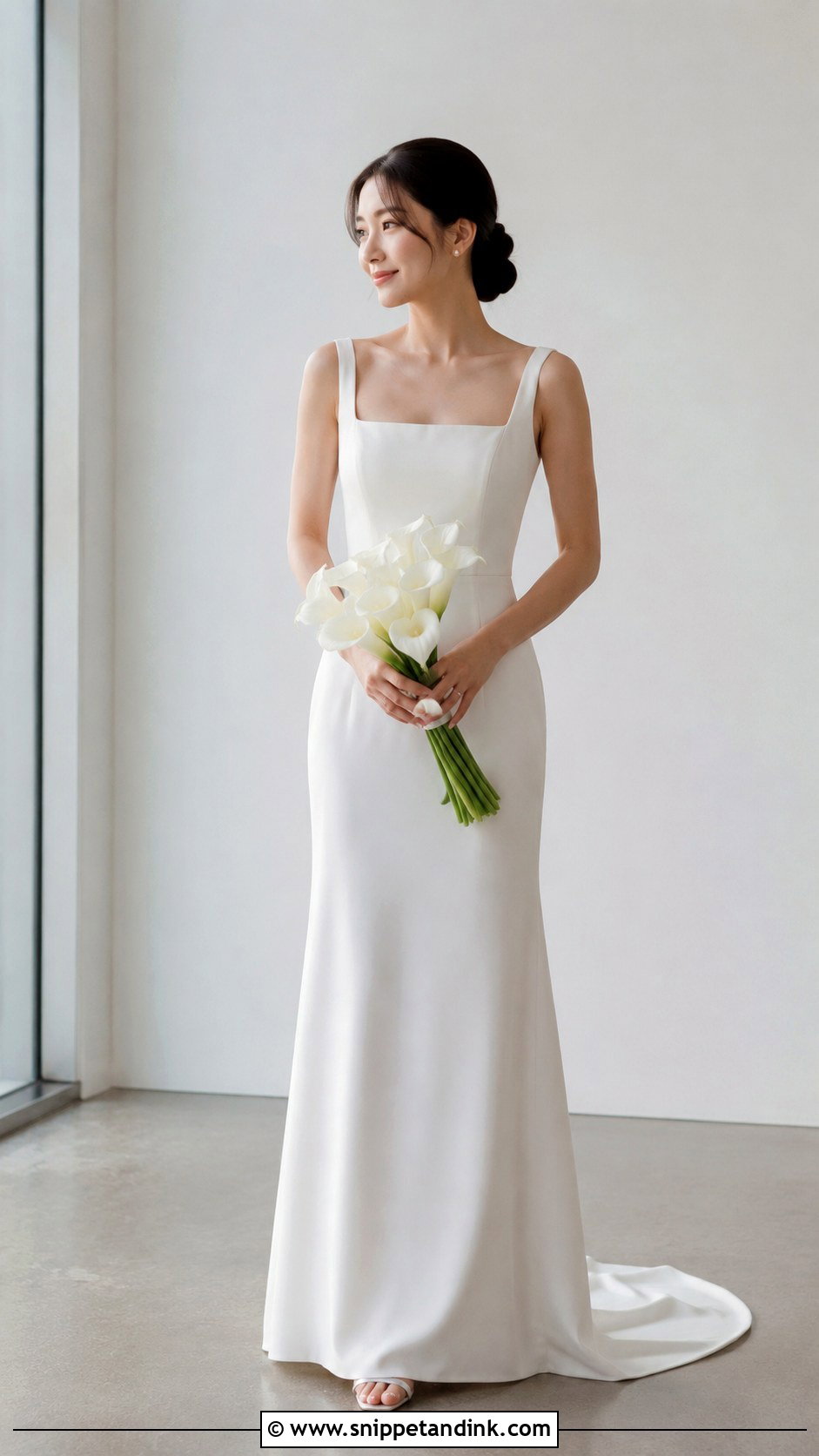
Minimal gowns in crepe, satin or mikado rely on clean lines: a straight or square neckline, or simple long sleeves. Sleek heels, pearl studs, a low bun and a sculptural bouquet suit them. They photograph very well in bright halls and studios. A minimal gown also contrasts well with a hanbok later in the day, so the two looks feel distinct in the album rather than repetitive.
11. Korean Bride Off Shoulder Wedding Dress
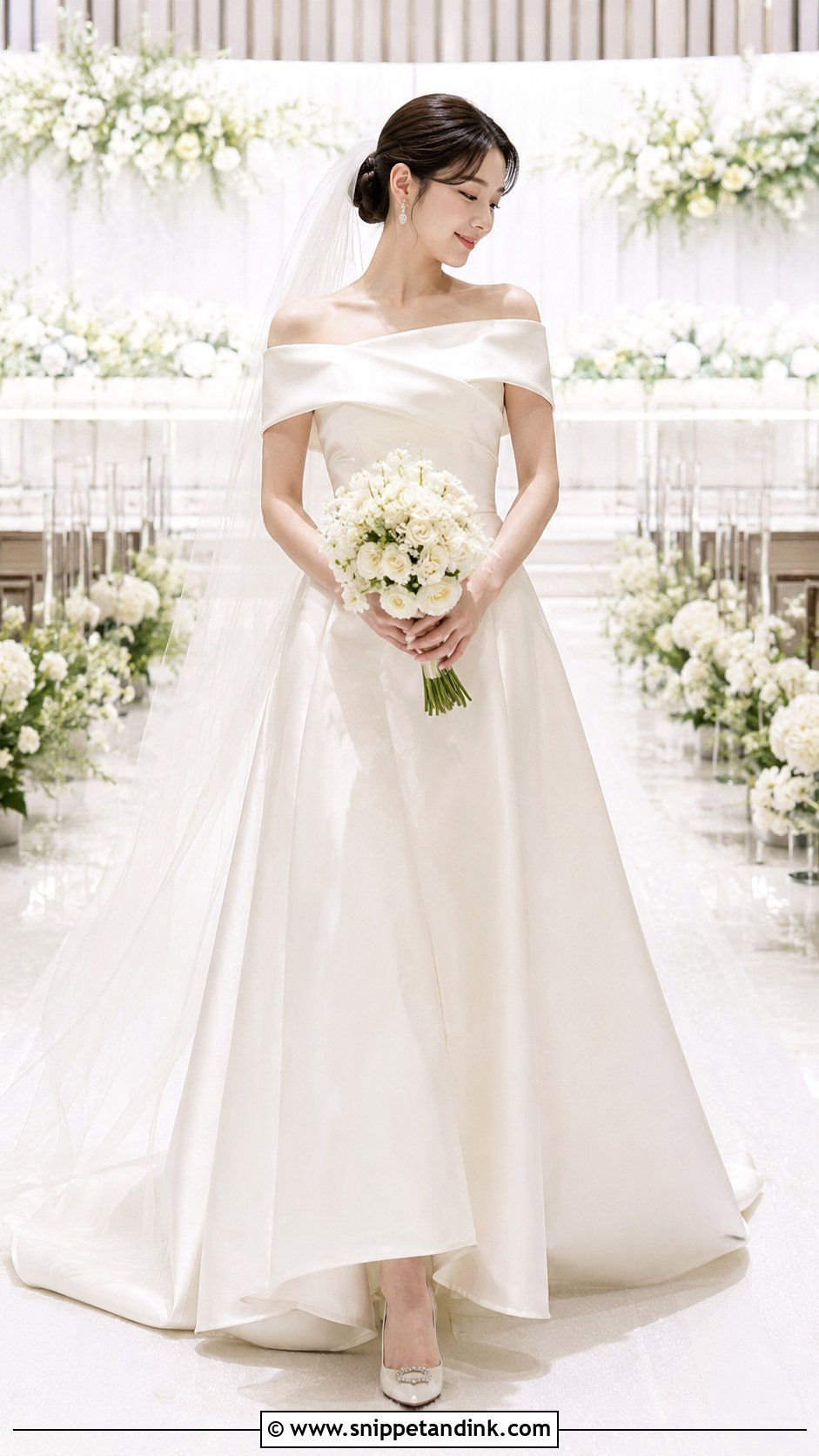
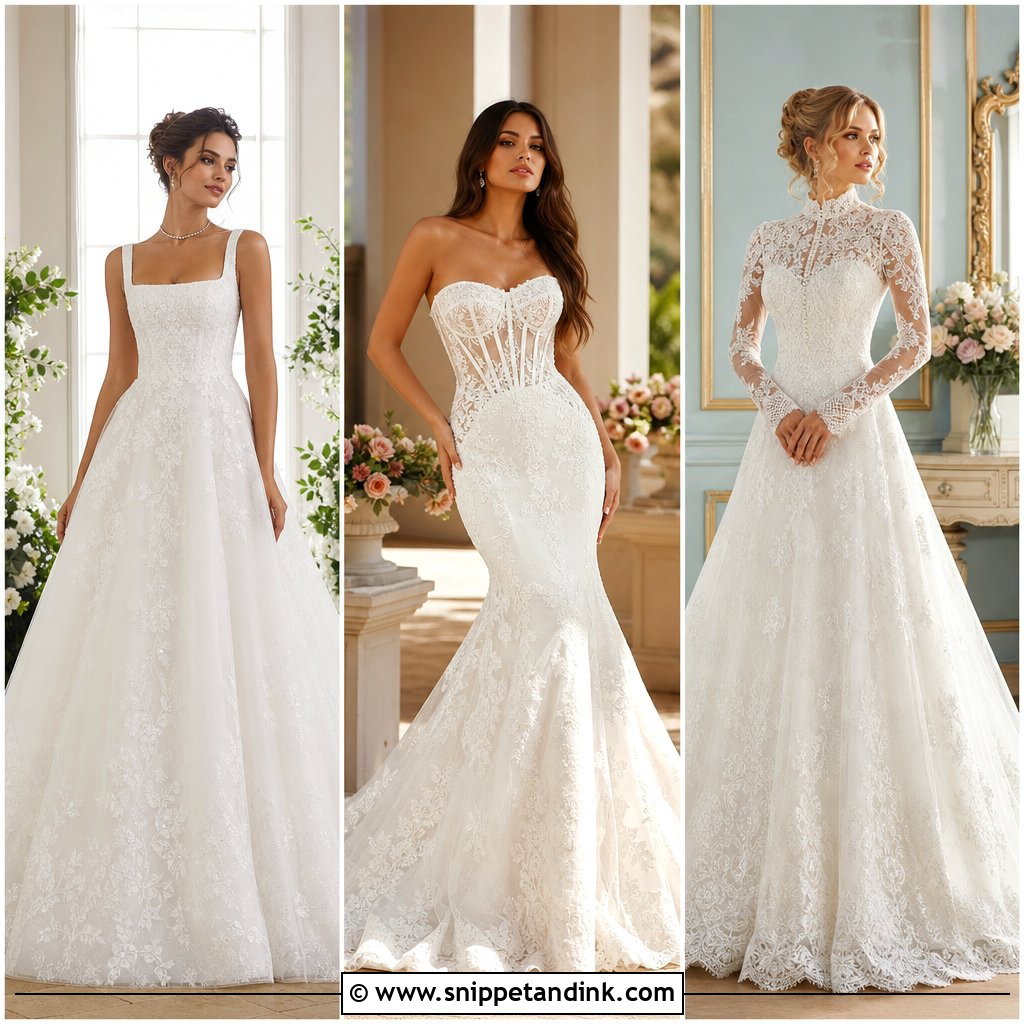
An off-shoulder neckline frames the collarbone and works on mermaid and A-line shapes. Delicate earrings, a clean veil and heels in the dress tone complete it. A low bun or loose waves keep the neckline open. Off-shoulder sleeves restrict how high you can lift your arms, which matters for hugging guests and the bouquet toss, so test that at the fitting. Keep the bouquet medium-sized so it doesn’t cover the neckline.
12. Korean Bride Long Sleeve Wedding Dress
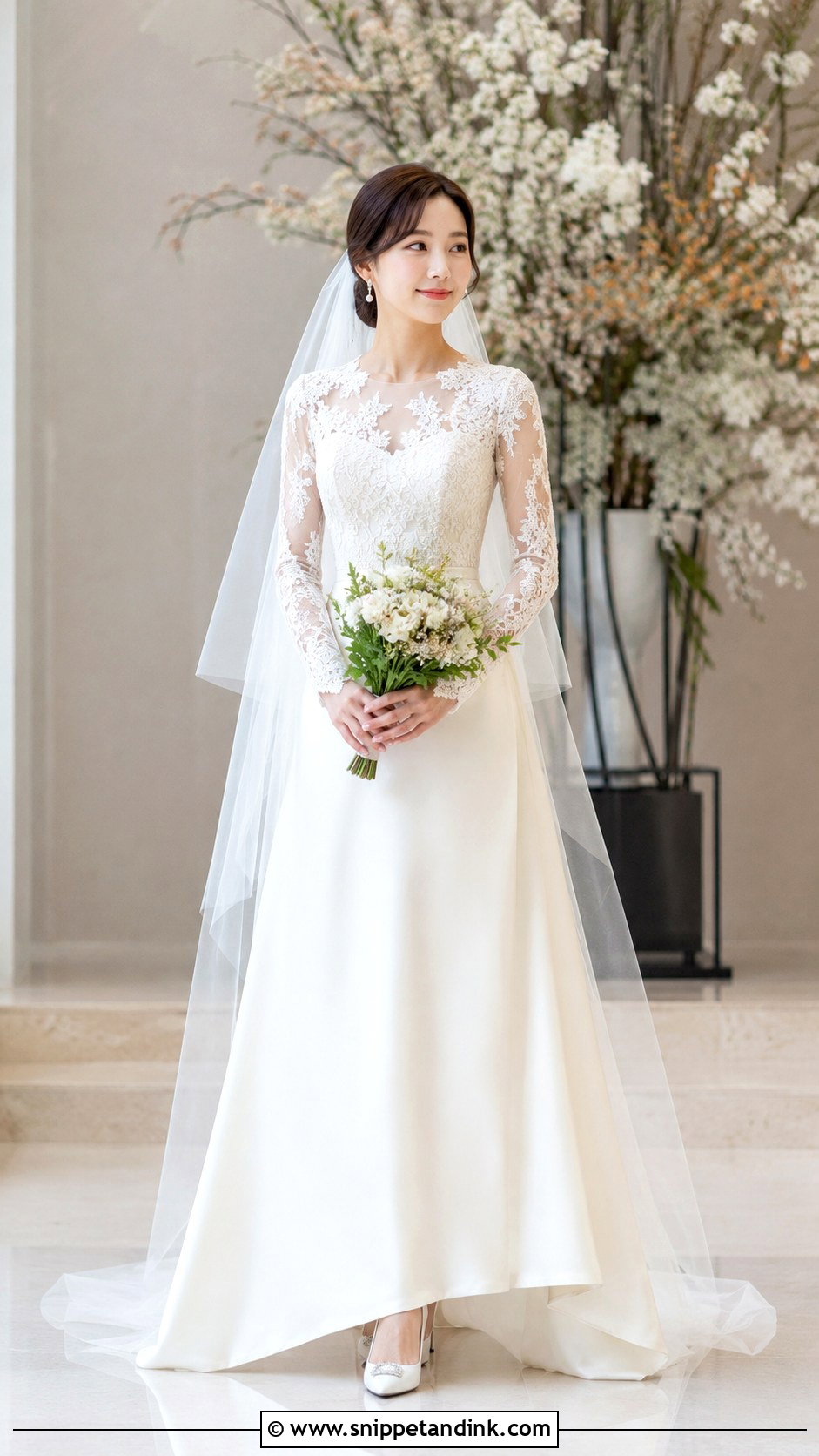
Long sleeves suit autumn, winter and formal indoor weddings. Sheer lace sleeves feel romantic; crepe or satin sleeves feel modern. Closed-toe heels, pearl drop earrings and a simple veil complete it. With detailed sleeves, keep jewellery minimal. I check sleeve length with the arms bent, as you’d hold a bouquet; a sleeve that’s right with arms straight often rides up past the wrist when bent.
13. Korean Bride High Neck Wedding Dress
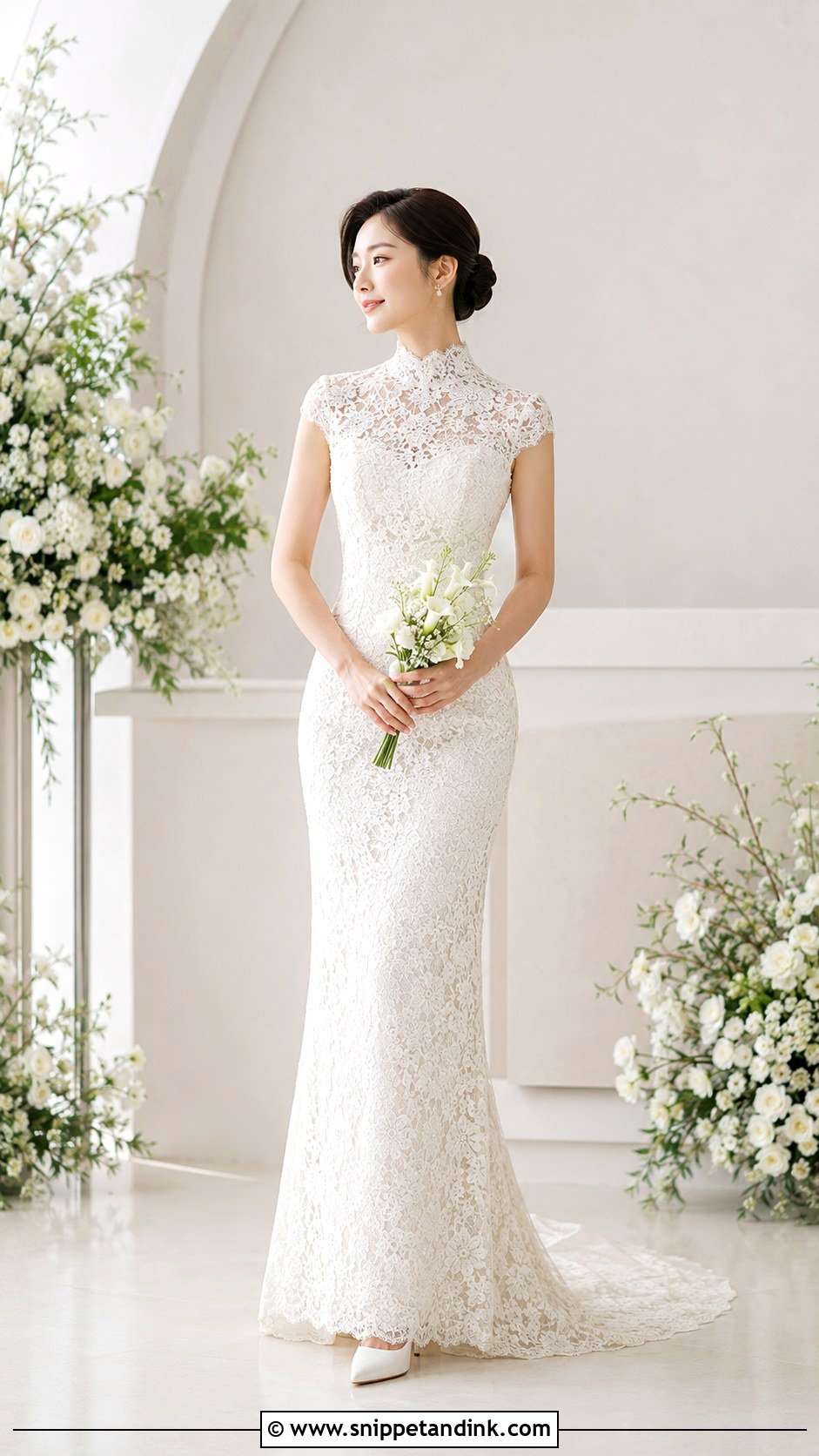
A high neck is refined and modest, in lace for romance or satin and crepe for a sleek look. A clean updo, small earrings and pointed heels complete it; skip necklaces, since the neckline already frames the face. High necks work well for a bride who’s moving from the ceremony to a family paebaek, because they feel secure through bowing and greeting. Check the collar doesn’t rub your makeup off at the jawline.
14. Korean Bride A Line Wedding Dress
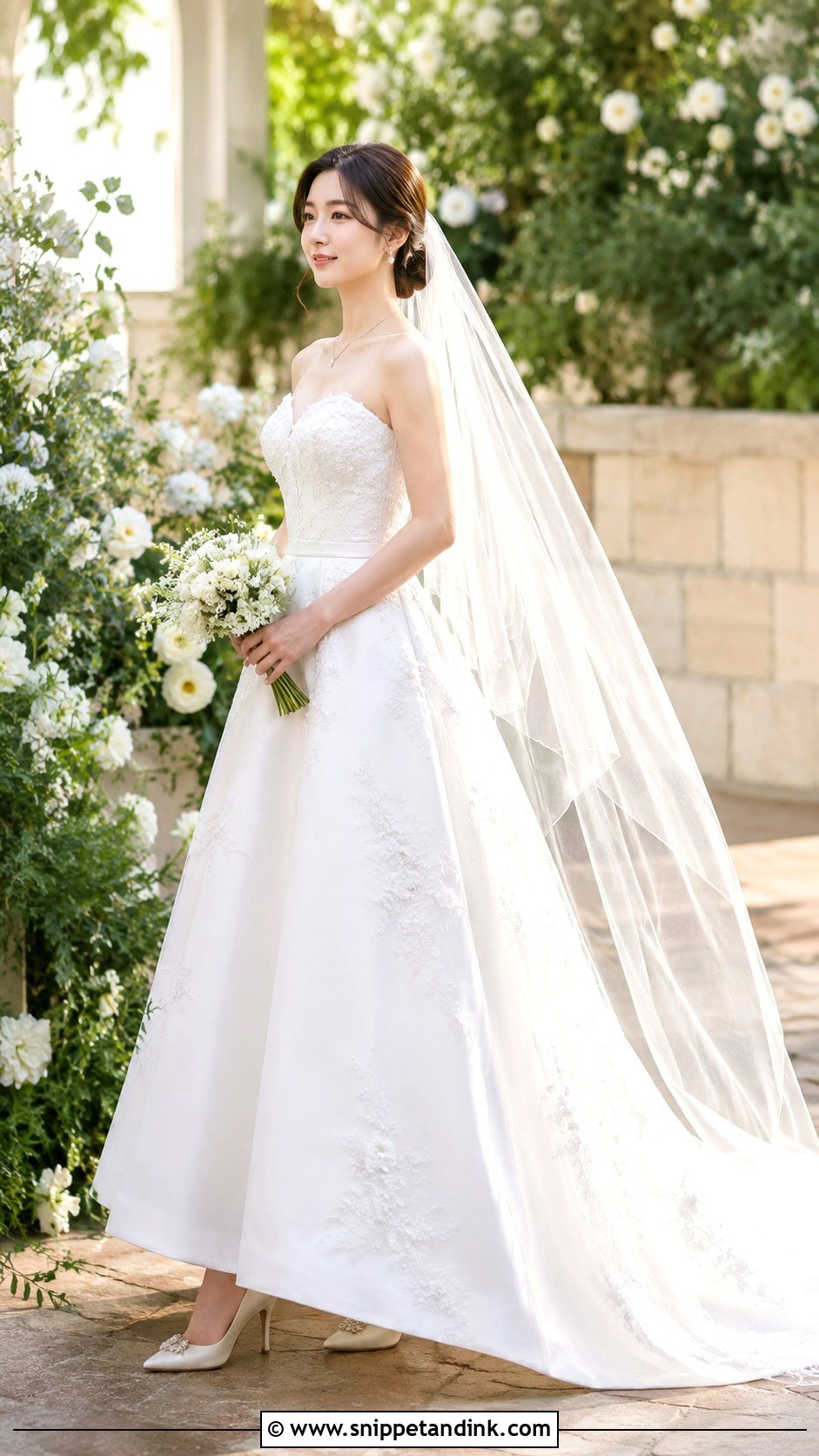
A-line is the easiest shape to wear: fitted bodice, gently flared skirt, comfortable all day. It suits hotel ballrooms and gardens alike. Lace, satin or tulle each set a different mood. Mid-height heels, a veil and delicate jewellery finish it. If you’re planning several outfits, an A-line ceremony gown is the one I’d choose, because you’ll be in it for the longest stretch and it never pinches when you sit.
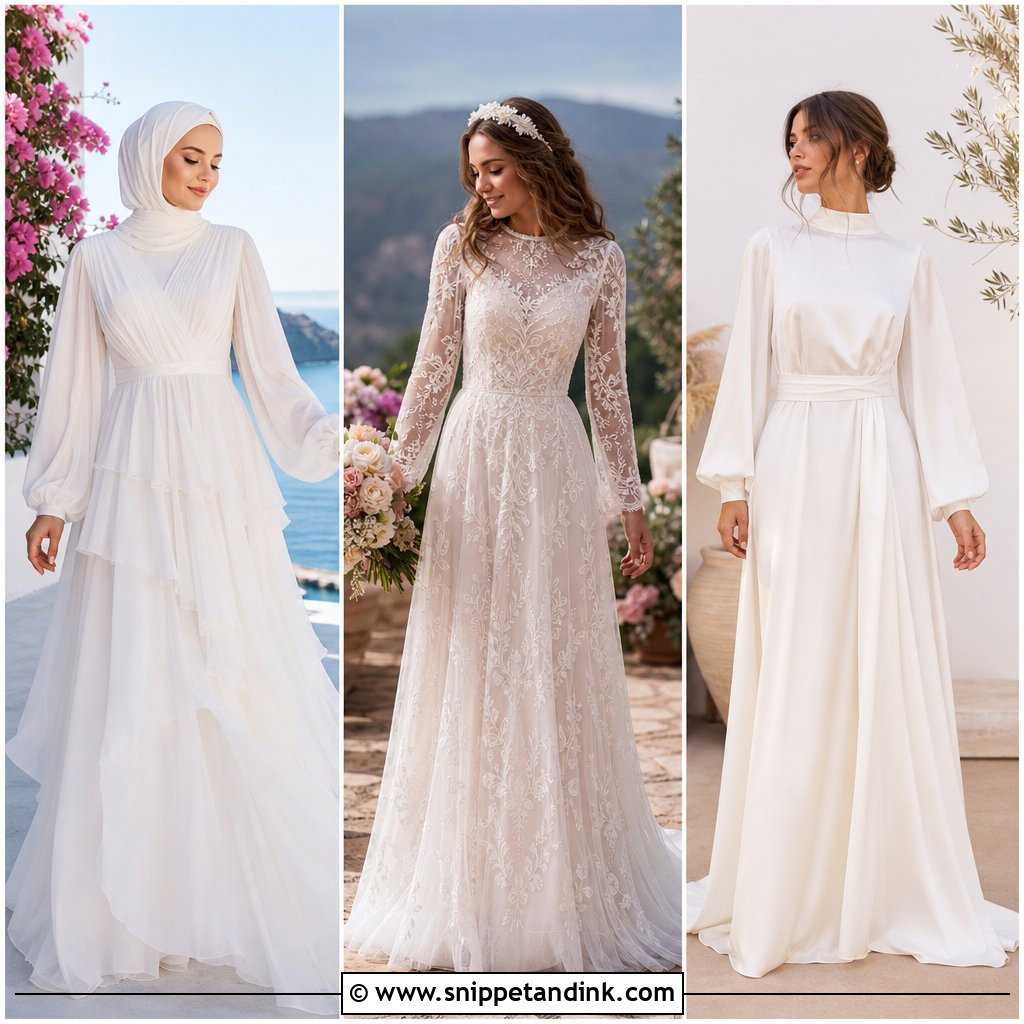
15. Korean Bride Mermaid Wedding Dress
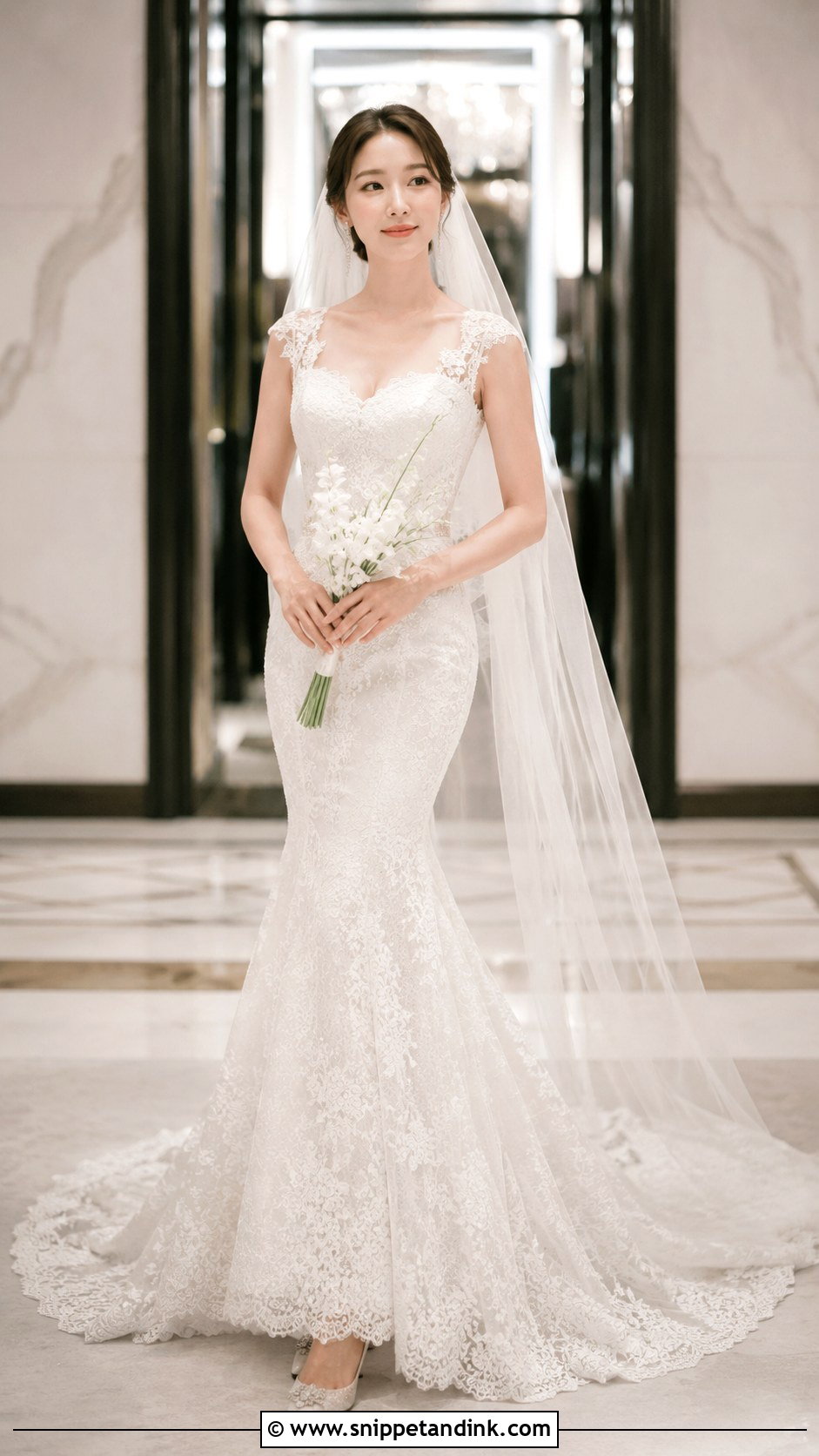
Mermaid gowns skim the body and flare at the hem, which suits aisle photos and portraits. Structured satin looks sleek; lace looks softer. Long earrings, a fitted veil and a polished hairstyle complete it, with a narrow bouquet. Walking and sitting are harder in a mermaid, so I’d test stairs and a car seat at the fitting. Korean wedding days often include a lot of standing in greeting lines, which suits this shape better than long sitting.
16. Korean Bride Tea Length Wedding Dress
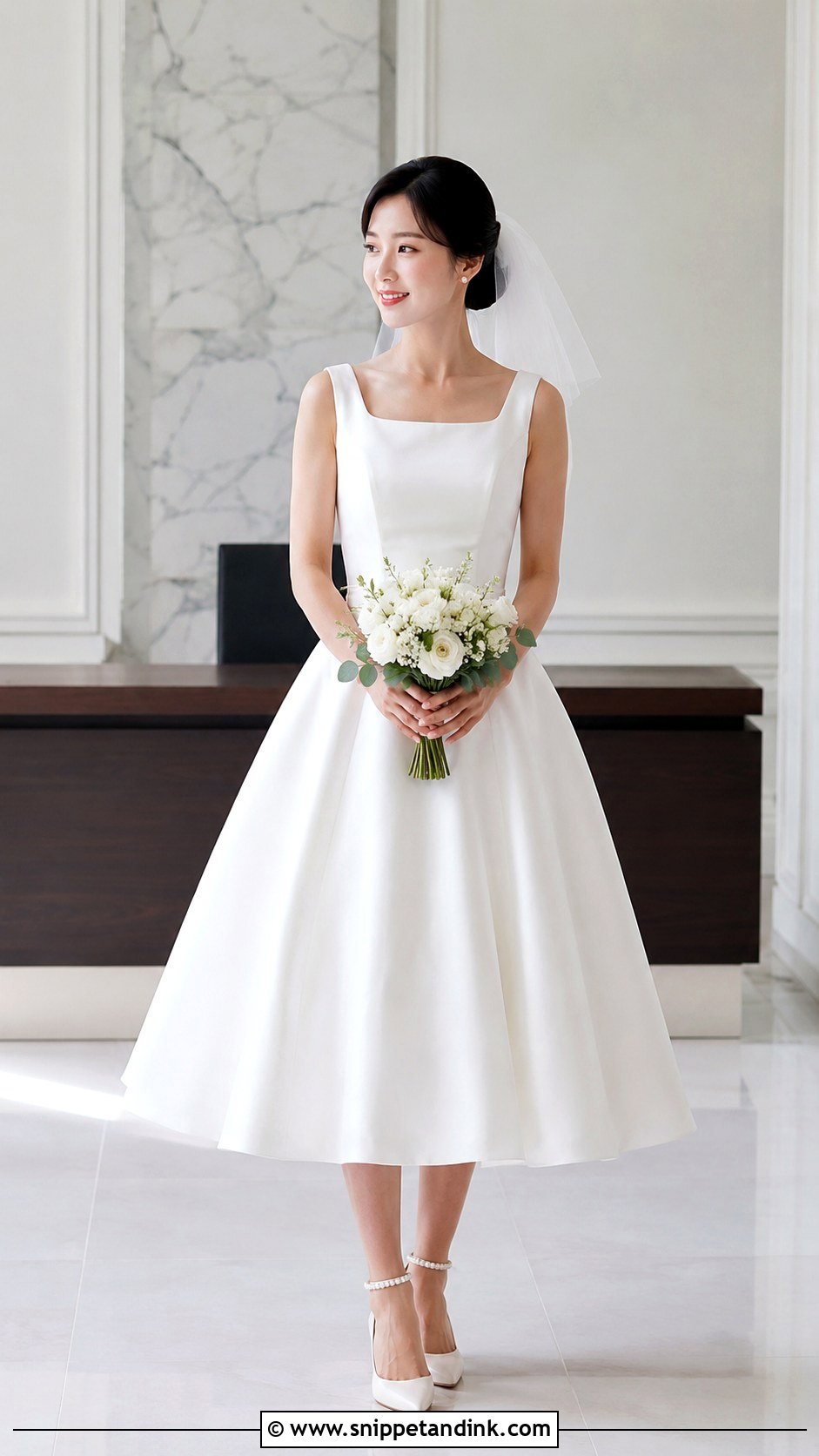
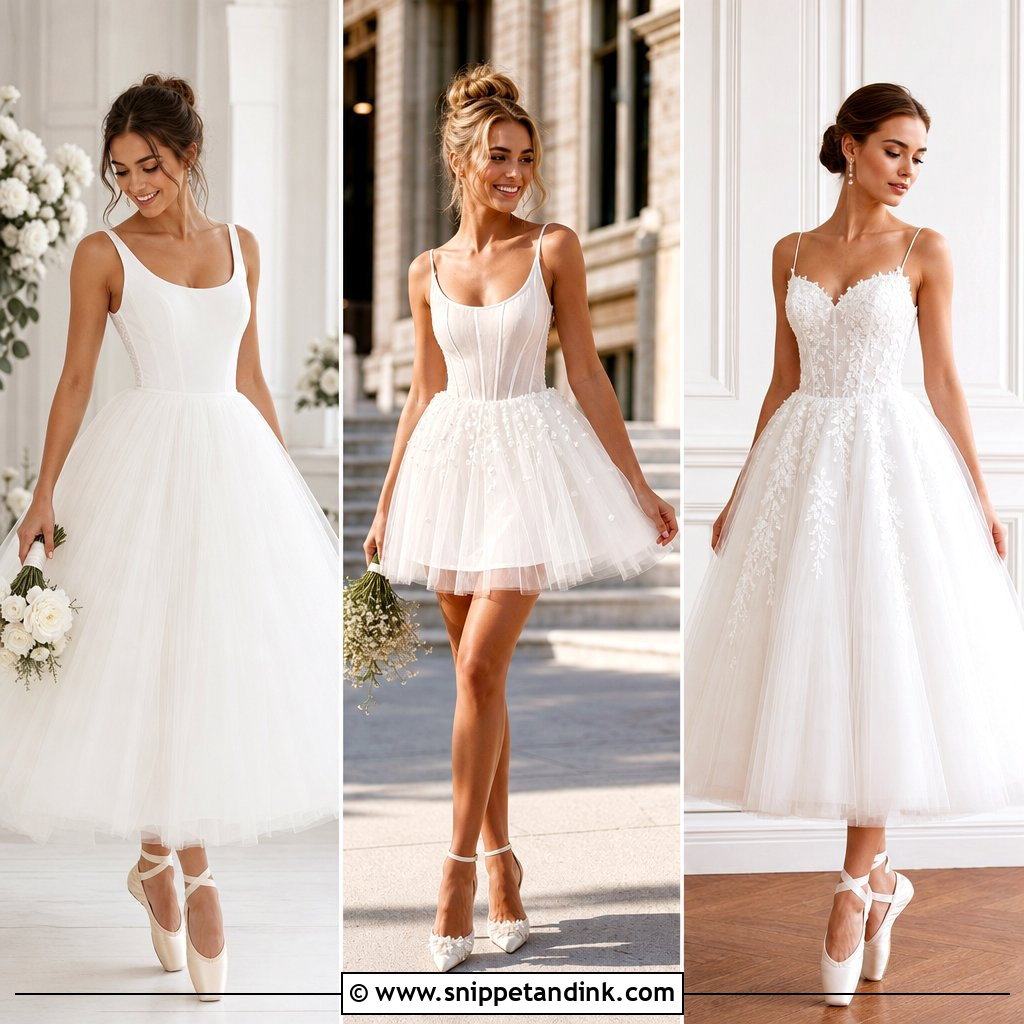
Tea length shows the shoes, so choose them carefully: pearl ankle straps or elegant slingbacks. It suits civil ceremonies, small weddings and reception changes. A structured bodice with a flared skirt in satin or organza keeps it bridal. A short veil and pearl earrings complete it. Tea length is also the easiest gown to dance in, which is why I suggest it for brides who’ll change only once.
17. Korean Bride Reception Mini Dress
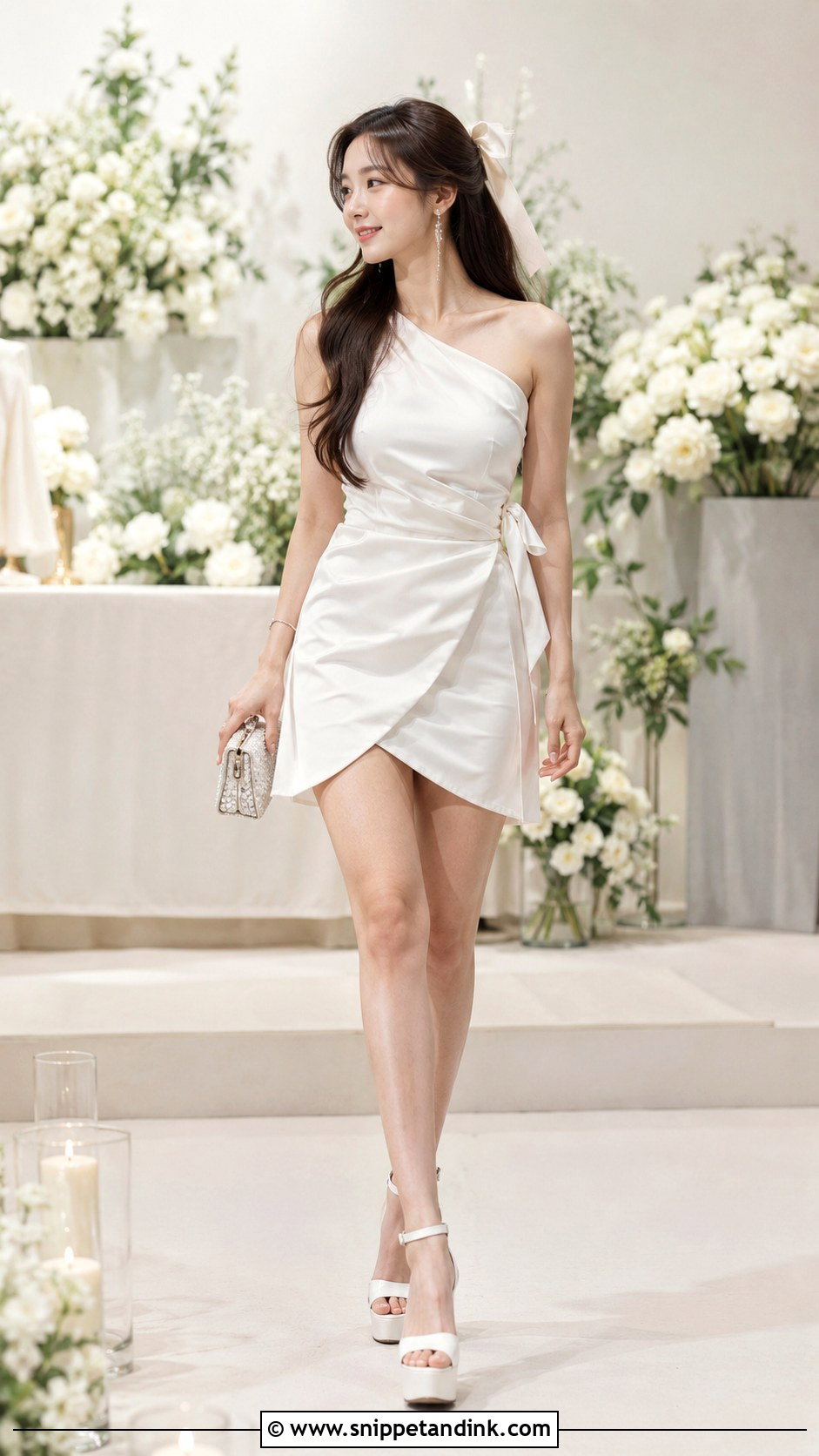
A white mini makes a fun second look after the main ceremony. A satin mini, pearl trim, bow detail or a structured long-sleeve mini all work. Platform heels, statement earrings and a small clutch suit it. A high ponytail, soft waves or a ribbon hairstyle keep it playful. A mini looks bridal only when it fits precisely, so I’d tailor it as carefully as the gown; a loose mini looks like a party dress.
18. Korean Bride Two Piece Wedding Outfit
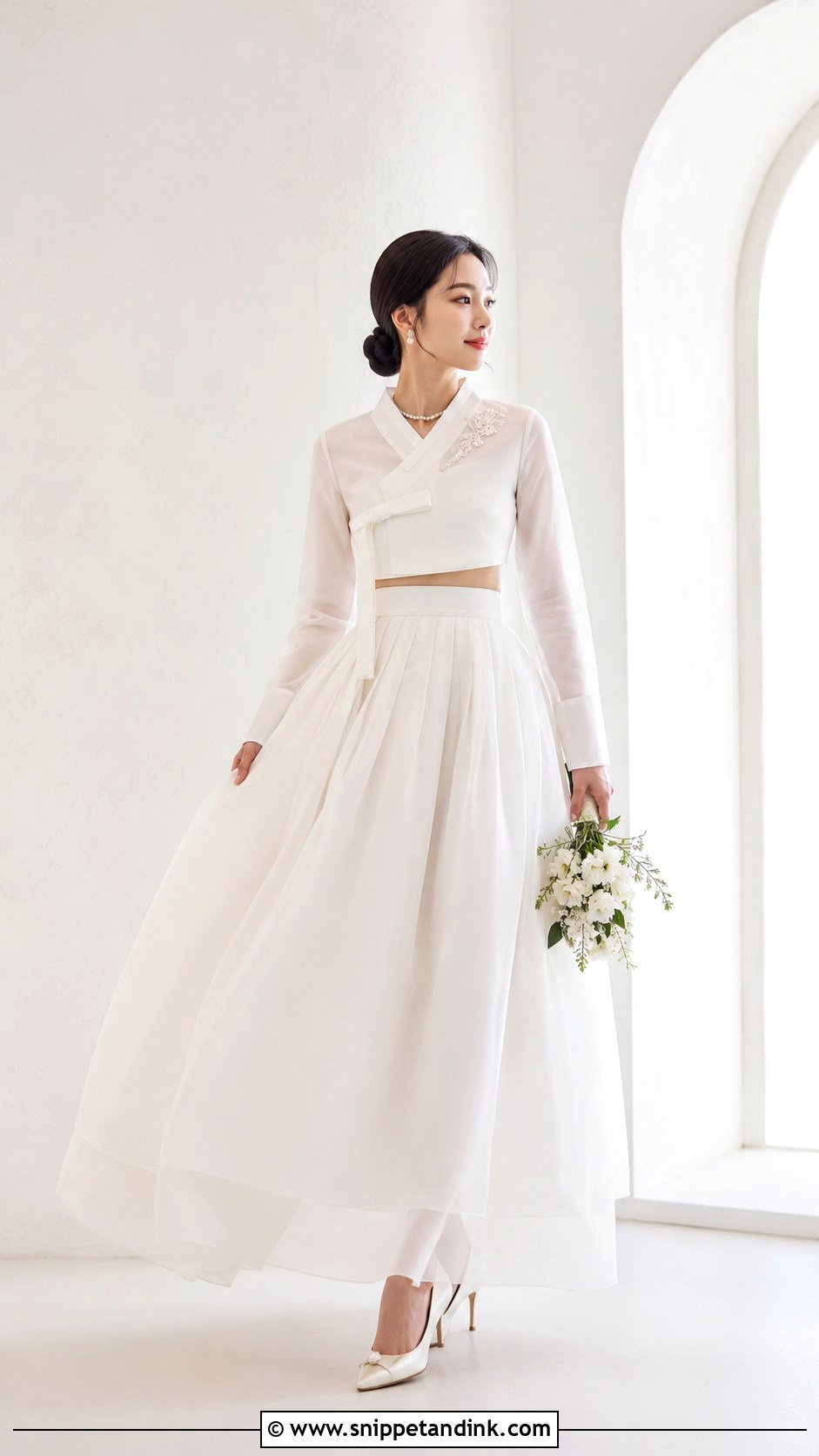
A two-piece outfit gives a modern alternative to a gown. A cropped top with a high-waisted skirt looks clean; a lace blouse with a satin skirt feels softer. For a Korean reference, a short jeogori-style top with a flowing white skirt nods to the hanbok silhouette. Separates are easier to tailor, since top and bottom fit independently. Heels and pearl jewellery complete it. It suits engagement photos, courthouse weddings or a reception change.
19. Korean Bride Jumpsuit Wedding Outfit
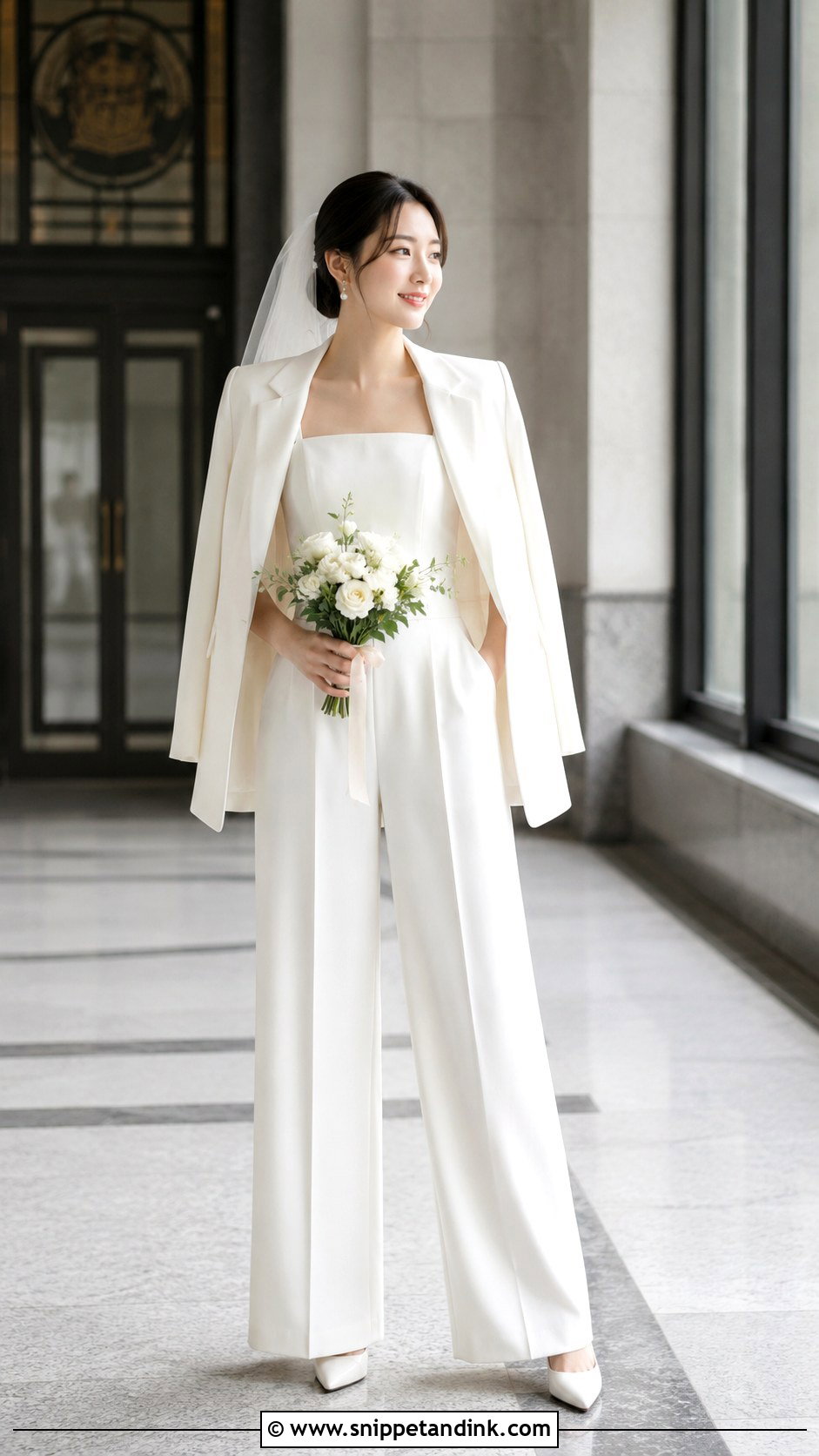
A bridal jumpsuit suits a bride who prefers trousers. Choose white or ivory with wide legs, a defined waist and crepe or satin. Pointed heels, pearl earrings, a short veil and a structured blazer for a formal venue complete it. Tailoring makes or breaks this look; wide legs should graze the top of the shoe, not pool on the floor. A sleek bun or soft waves finish it for a civil ceremony or reception.
20. Korean Bride Blazer Wedding Outfit
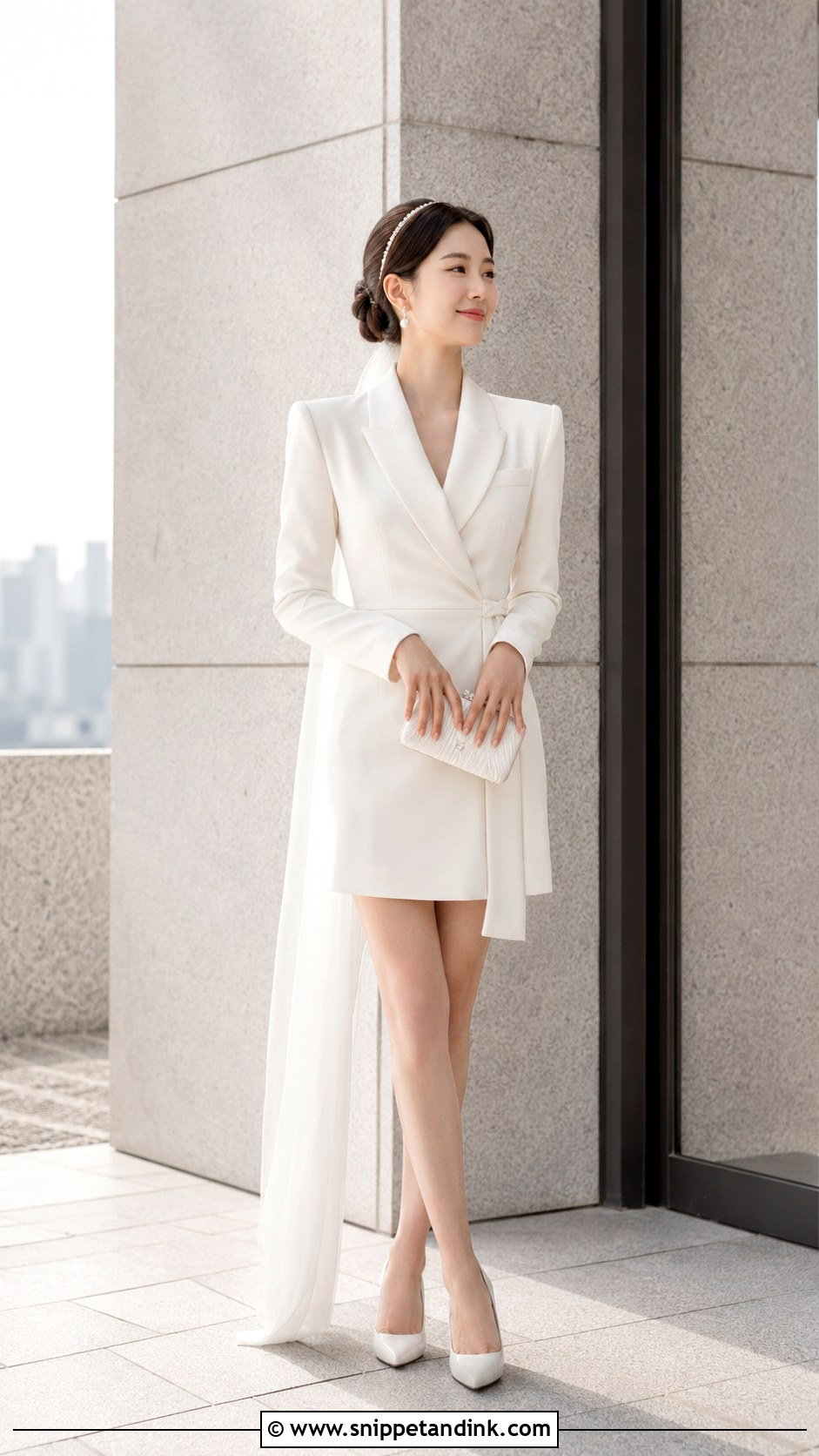
A blazer gives a sharp alternative to a gown. Try an ivory blazer dress with heels, or a tailored white blazer with wide-leg trousers and a silk camisole. Pearl earrings, a small clutch and a birdcage veil or slim headband add the bridal touch. The blazer has to fit the shoulders exactly; a sleeve or shoulder seam that’s a little out is obvious in photos. It suits city weddings and civil ceremonies.
21. Korean Bride Pearl Wedding Look
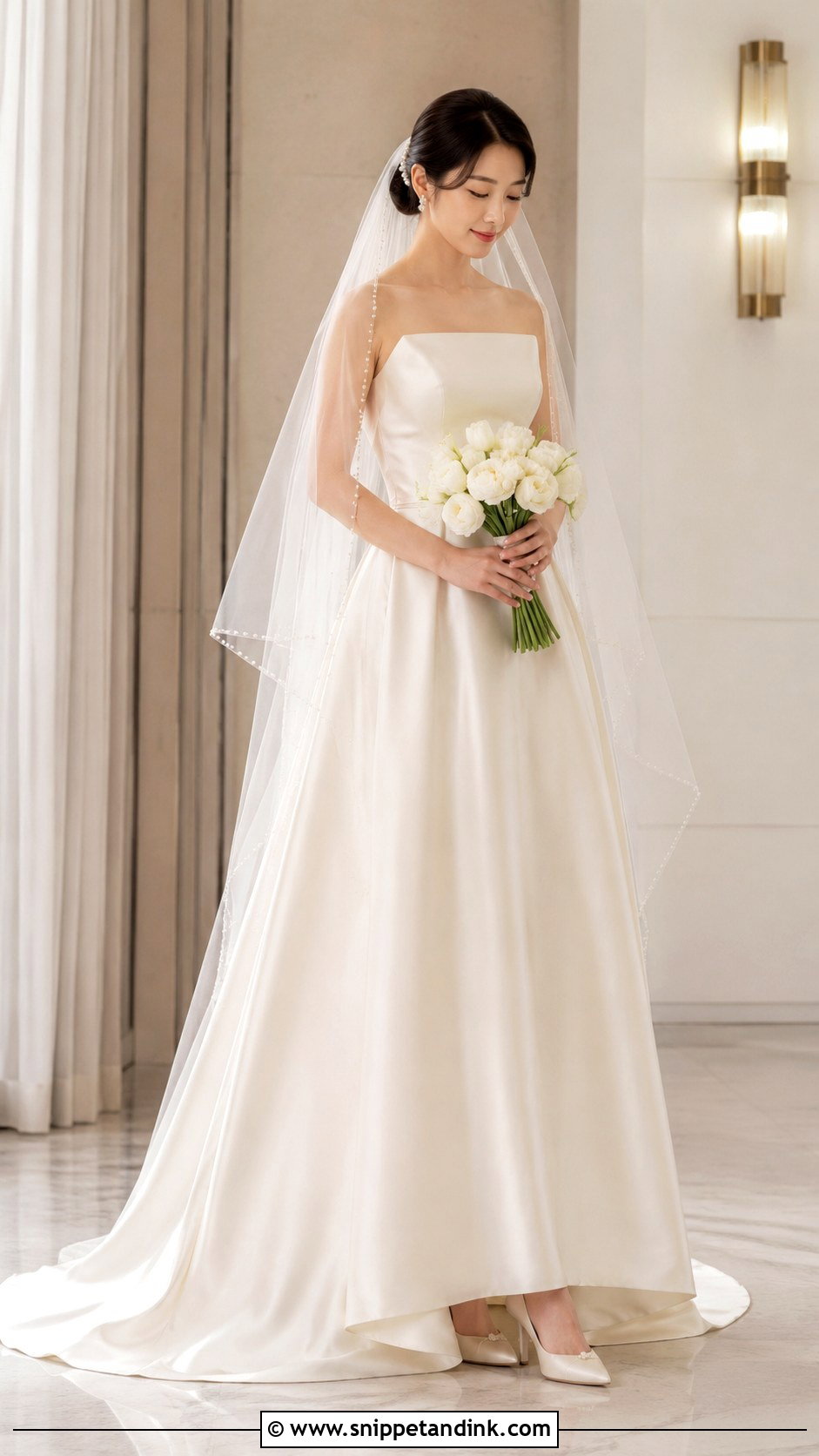
Pearls give soft shine with a simple ivory gown or a modern hanbok. Add them through earrings, hairpins, shoes or a pearl-trimmed veil, which can make even a minimal dress feel special. When I place pearl pins in a low bun, I set them at slightly different depths so they catch light from more than one angle. Avoid too many oversized pearls at once. Satin heels and a clean bouquet finish it.
22. Korean Bride Bow Wedding Dress
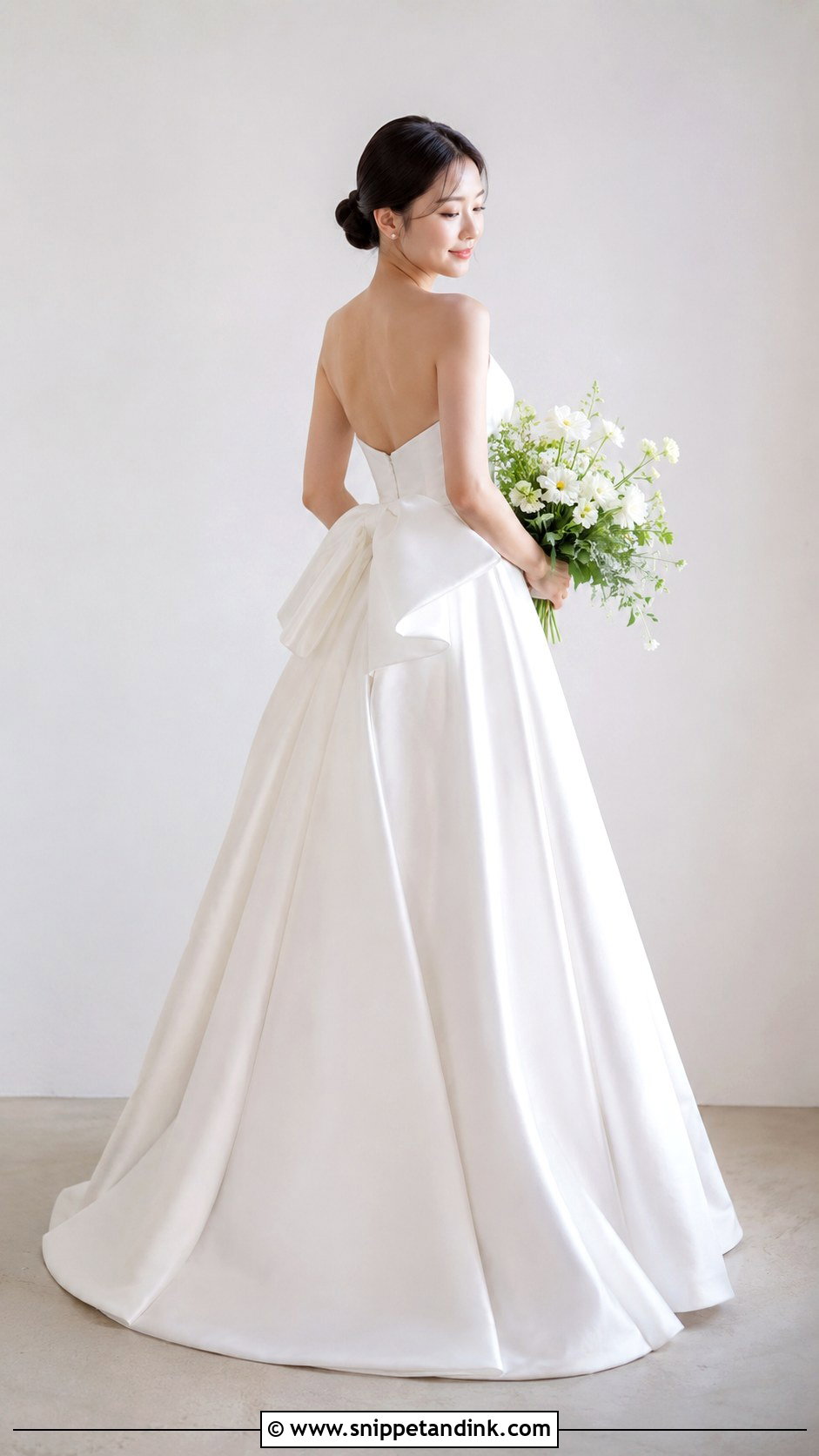
Bows can sit at the back of the gown, the shoulder, the waist or on the veil. A satin bow looks clean; a tulle bow softer. Choose a hairstyle that lets a back bow show, which usually means an updo rather than long waves. To stop the look tipping into cute, I balance a bow with a structured shape and minimal accessories. Large back bows also get crushed when you sit, so steam or fluff before each portrait session.
23. Korean Bride Tulle Wedding Dress
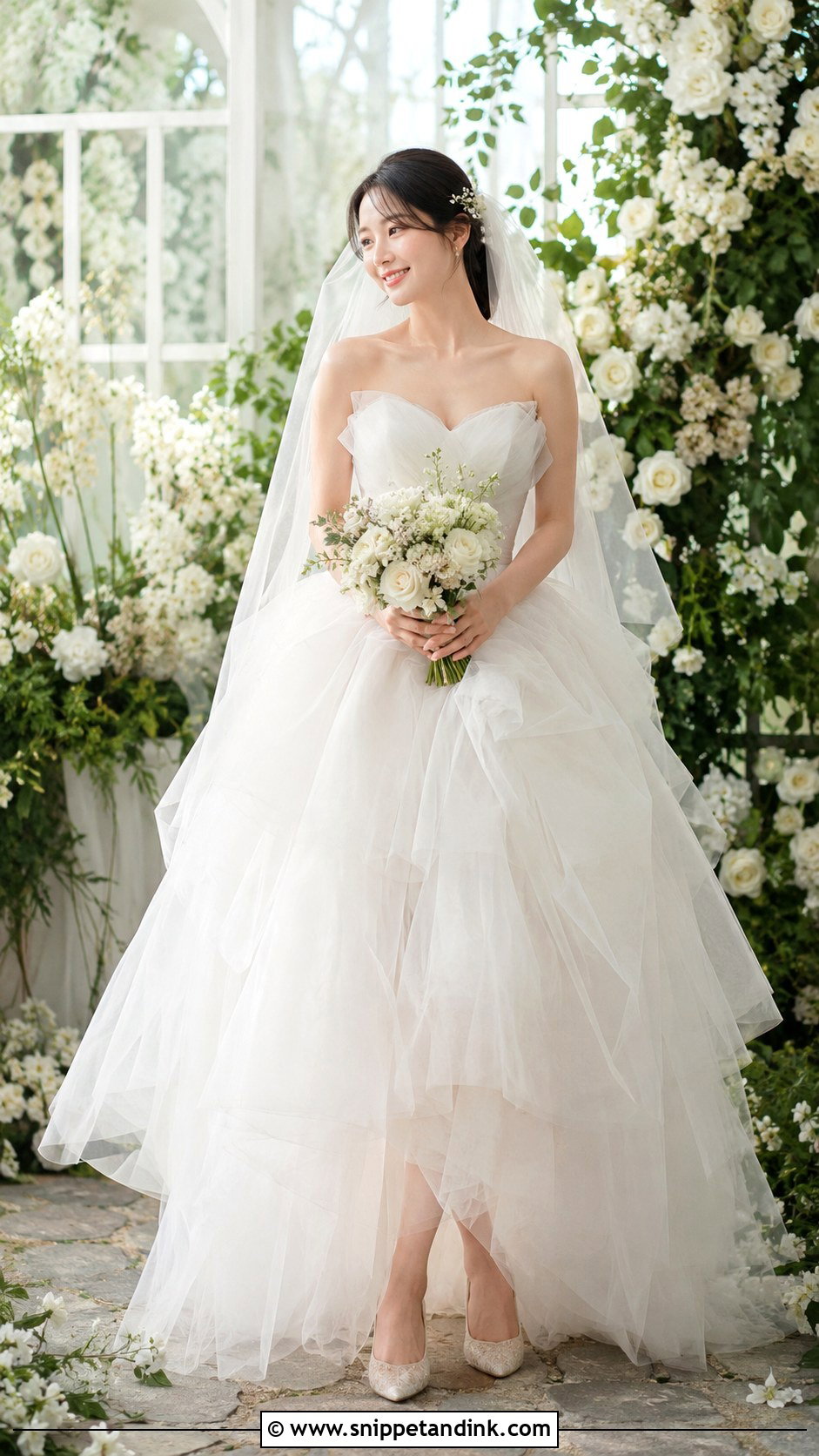
Tulle is light and airy, and a layered tulle skirt over a fitted bodice moves well. Delicate heels, a sheer veil and soft makeup suit it. Gardens, studios and hotel settings show it off. Tulle snags on rough floors, jewellery and veil combs; I tuck combs in carefully and keep bracelets to smooth styles. With a full skirt, keep jewellery simple and the bouquet light.
24. Korean Bride Silk Hanbok Outfit
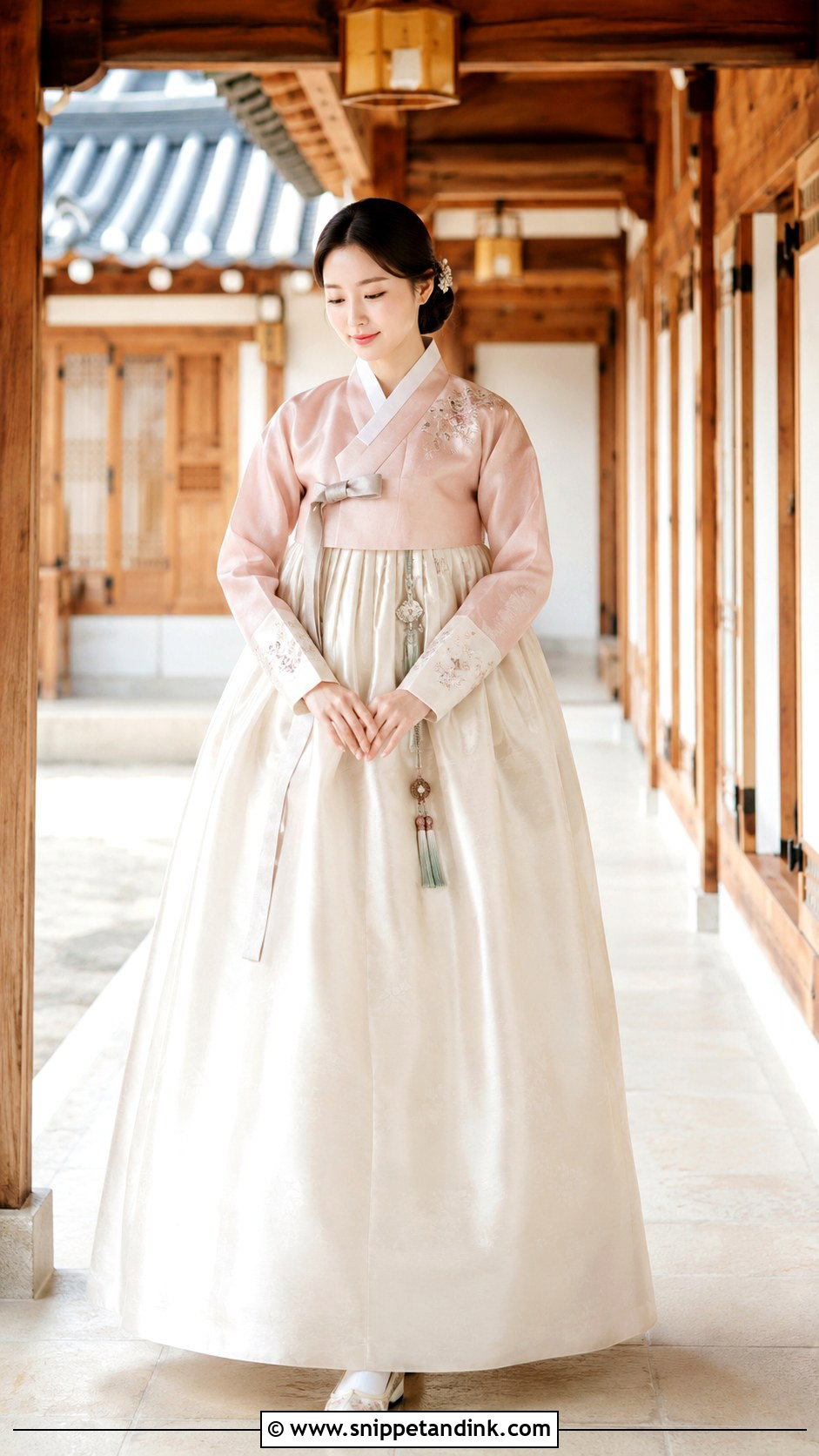
Silk hanbok has a natural sheen and moves well in walking shots. Choose a flowing chima, a well-fitted jeogori and subtle embroidery in ivory, blush, red, green or blue. Traditional shoes, a norigae and a polished hairstyle complete it. Silk marks with water and creases where it’s folded, so I hang a silk hanbok the night before and keep drinks away from it until the photos are done. Let the fabric carry the look and keep accessories tasteful.

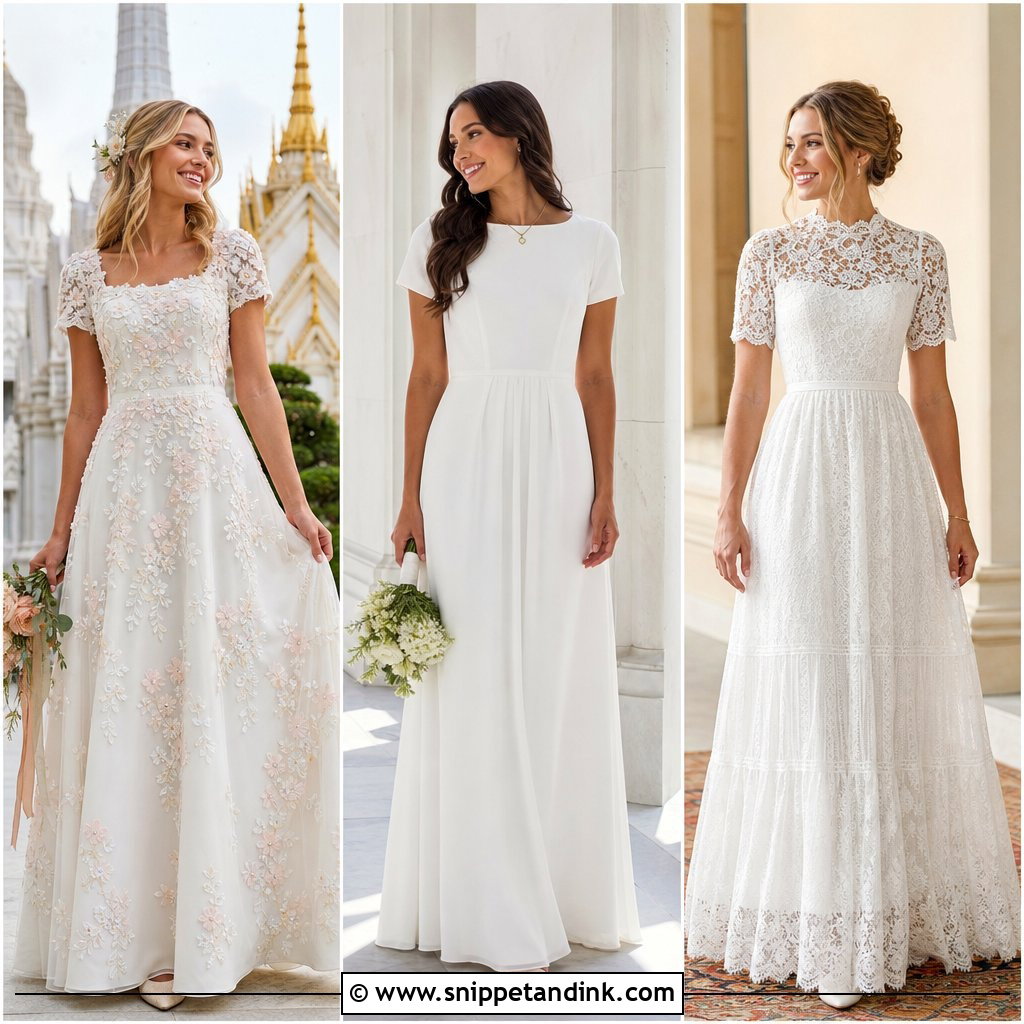
25. Korean Bride Embroidered Hanbok
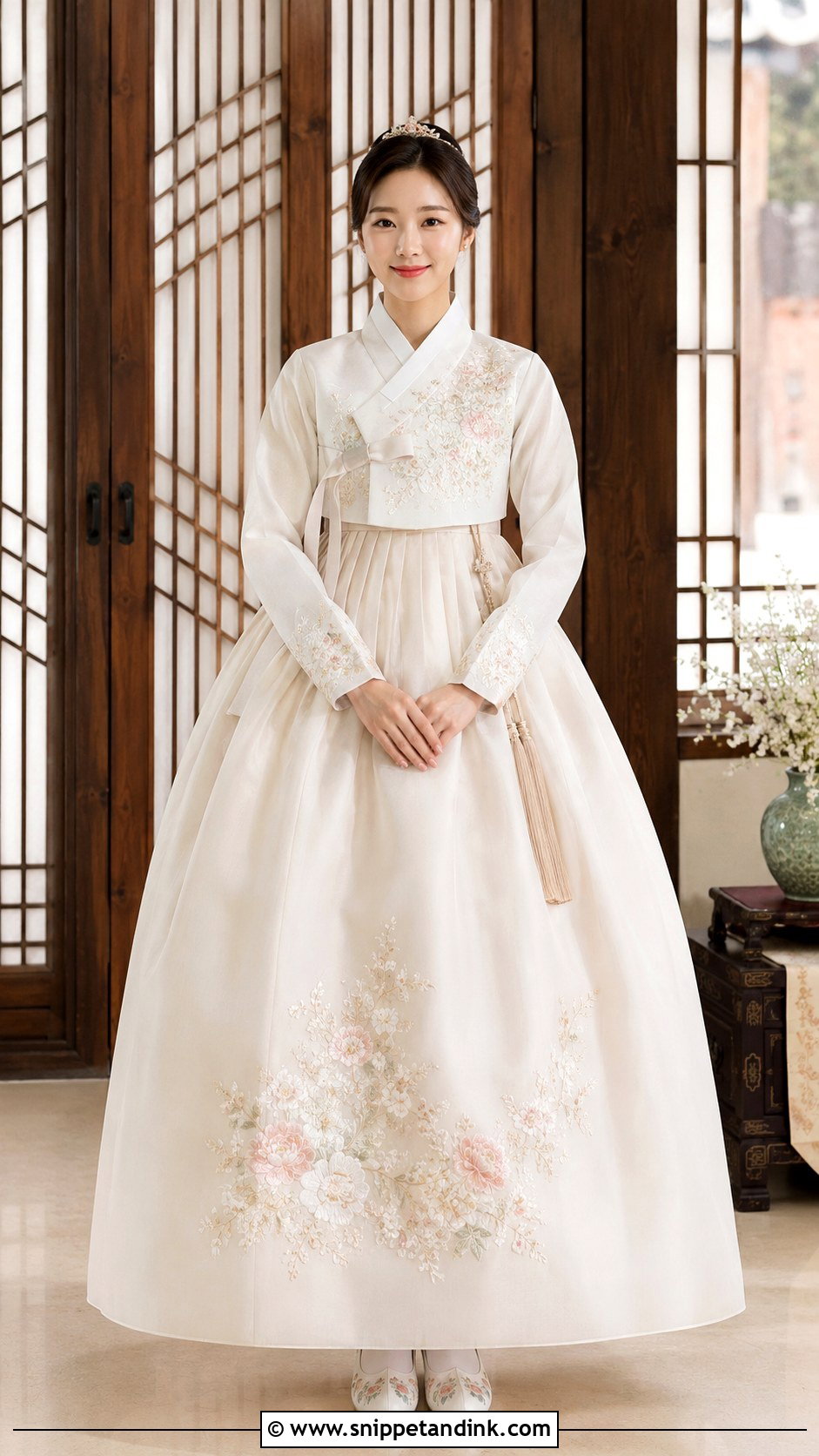
Embroidered hanbok carries meaning: flowers, birds, clouds and other symbolic motifs each have their own associations. Choose a chima and jeogori in coordinated colours, traditional shoes and a small hair ornament. If the embroidery is bold, keep makeup and jewellery soft. Embroidery rewards close-up photos, so ask the photographer for detail shots of the motifs. Hand embroidery looks raised and slightly uneven in a good way; flat machine prints look flat on camera.
26. Korean Bride Floral Wedding Dress
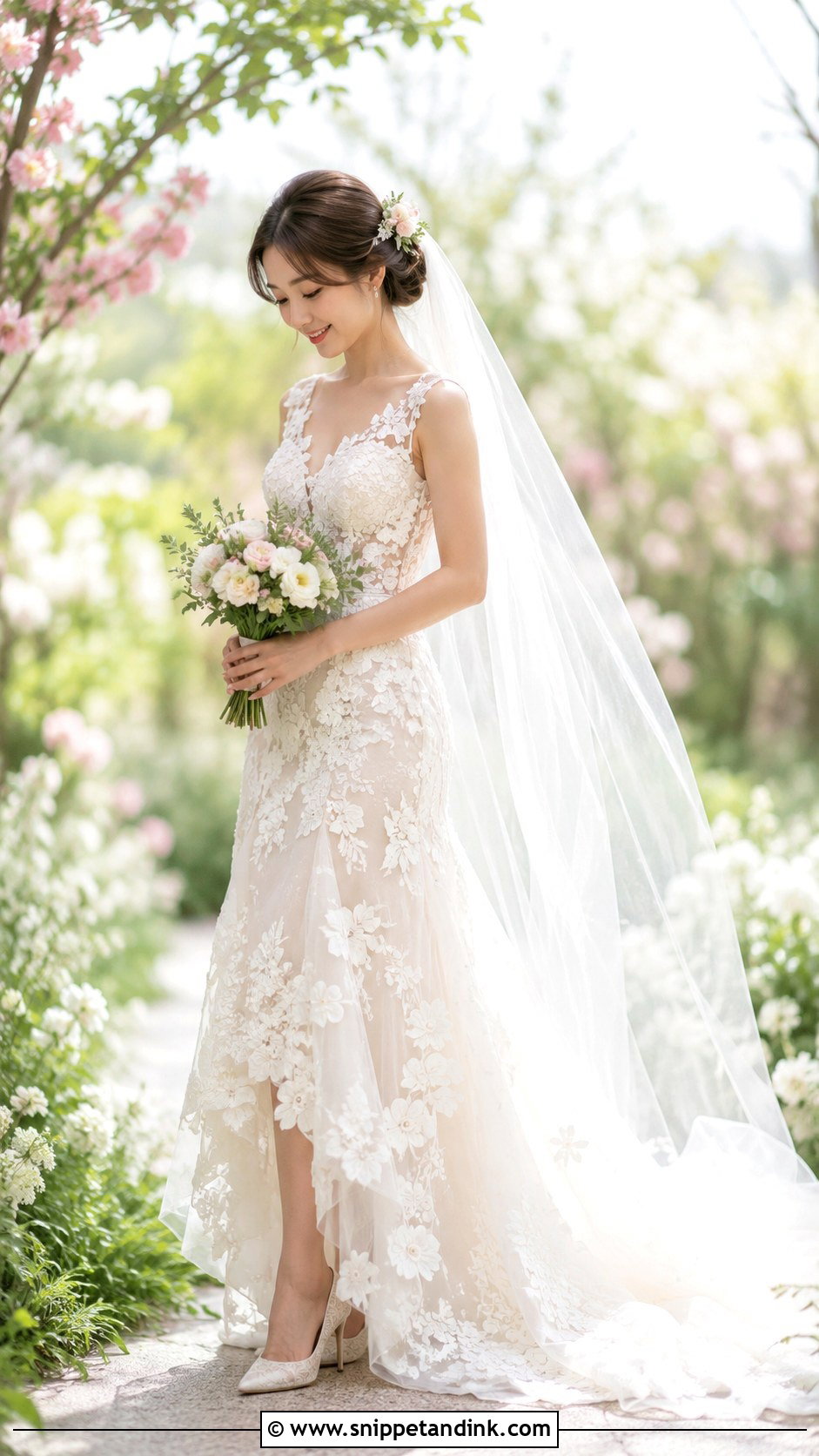
Floral gowns can use lace appliqué, soft embroidery, printed organza or 3D flowers. Ivory or nude heels, floral pins and a bouquet that complements rather than copies the dress complete it. Spring weddings and gardens suit it. If the flowers are coloured, keep accessories simple; if they’re white on white, pearl earrings or a soft veil add a little more. 3D flowers crush in a car or when you sit, so check where they sit on the skirt.
27. Korean Bride Veil And Hanbok Outfit
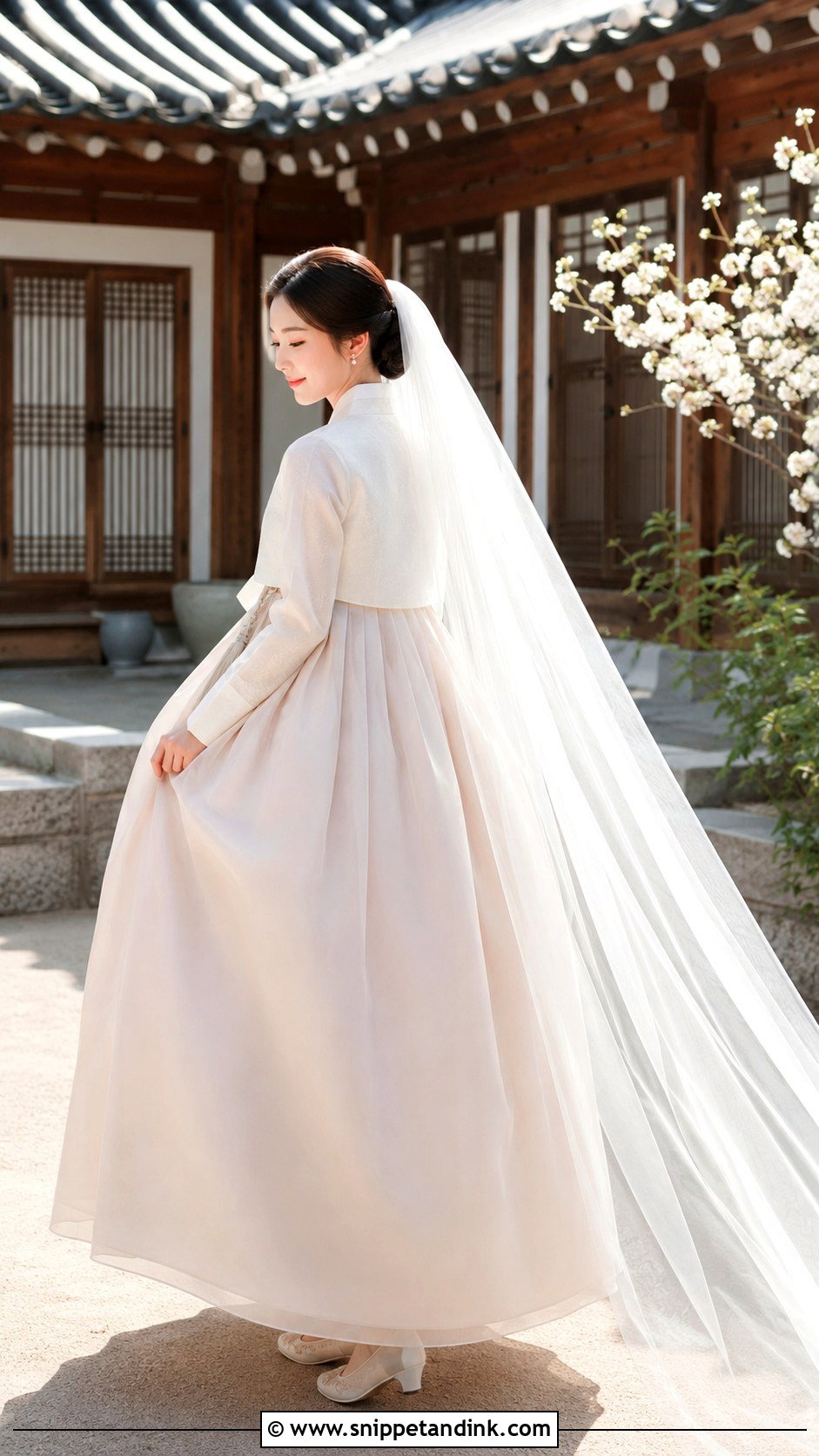
A veil over a hanbok creates a beautiful fusion look. Choose a simple white or pastel hanbok and a sheer veil that falls lightly over the back. Traditional shoes, pearl earrings and a neat low bun finish it. The veil comb needs a firm bun to grip, so I set the comb before the bun is fully pinned. Keep the hanbok clean in detail so the veil doesn’t crowd it. It suits cultural portraits and engagement photos.
28. Korean Bride Palace Wedding Hanbok
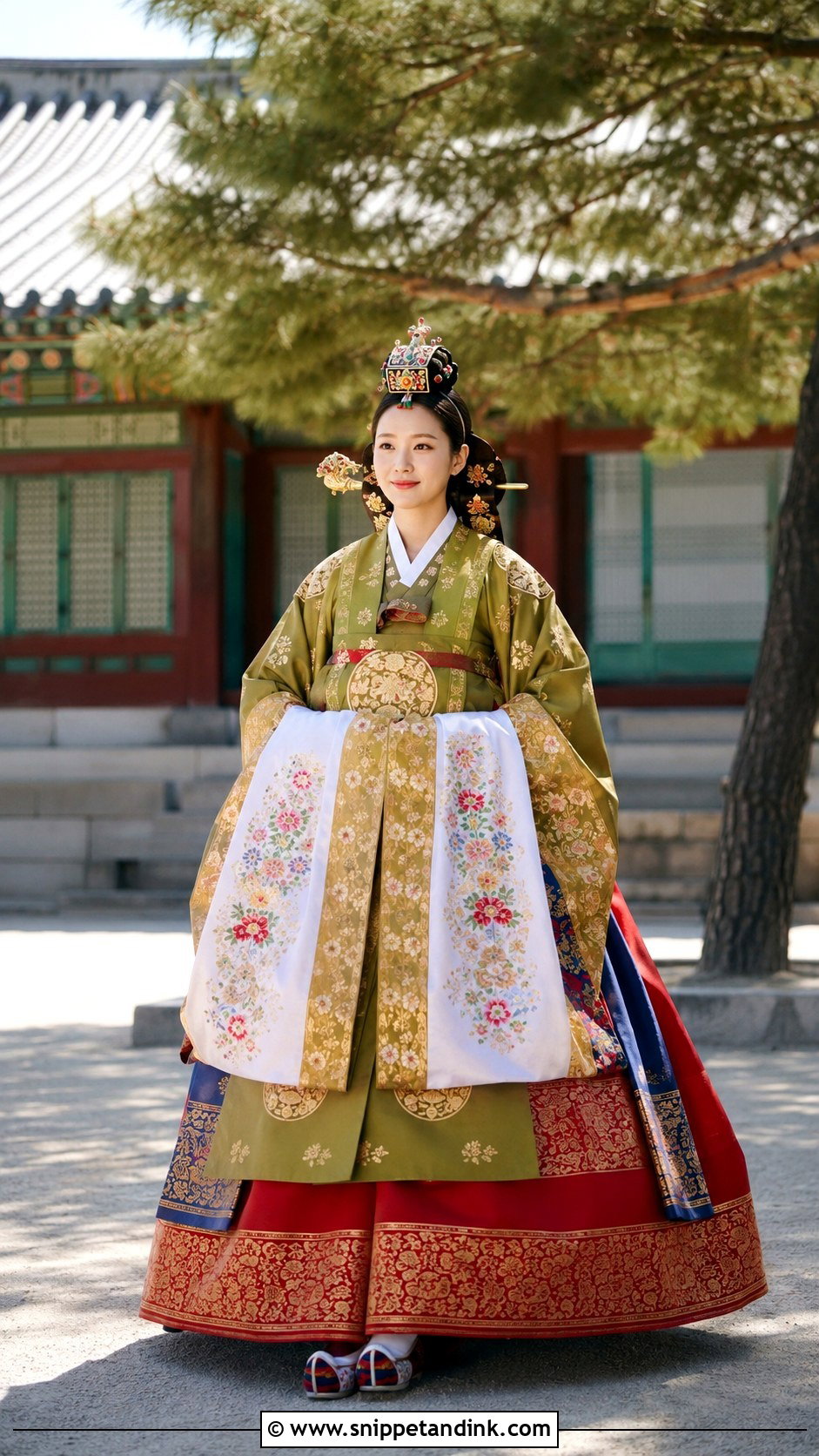
Palace-style hanbok is the most formal: rich colour, full volume, ornate embroidery and traditional accessories, usually with a ceremonial robe and a decorative crown. It’s heavy and warm, so I’d plan it for a shorter ceremony or a portrait session. Hanok or palace-inspired venues suit it. Pose upright and still so the full silhouette shows; slumped shoulders crease the robe across the back immediately.
29. Korean Bride Pre Wedding Photo Outfit
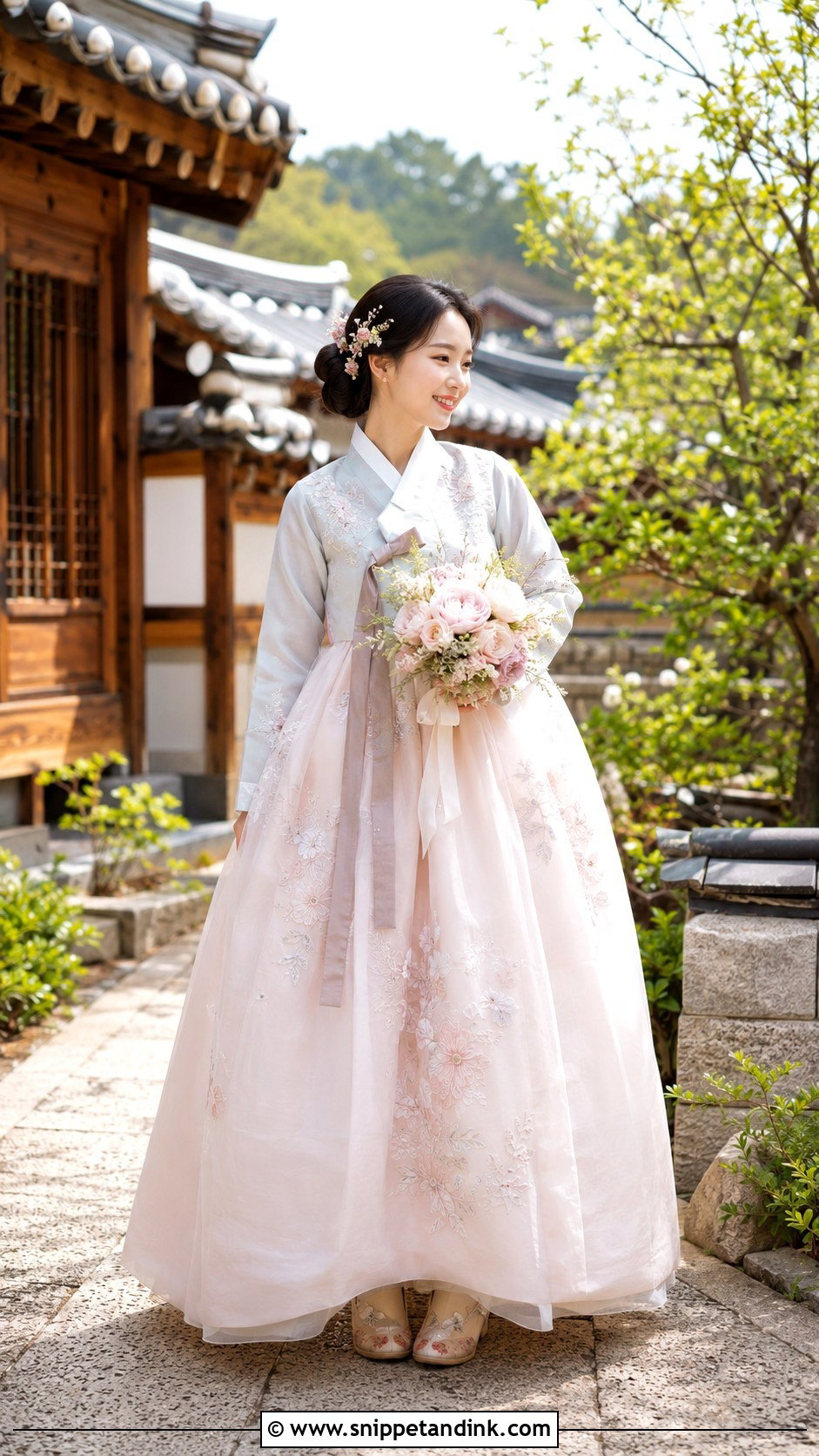
Pre-wedding shoots give room for several looks, often a white gown, a pastel hanbok and a casual couple outfit. For the hanbok portion, a light hanbok with soft embroidery, simple shoes and delicate hair accessories work well. A bouquet in pale pink or white adds romance. Hanok villages, palace grounds and garden studios suit it. I coordinate the bride’s hanbok with the groom’s so the colours sit together, rather than matching them exactly.
30. Korean Bride After Party Outfit
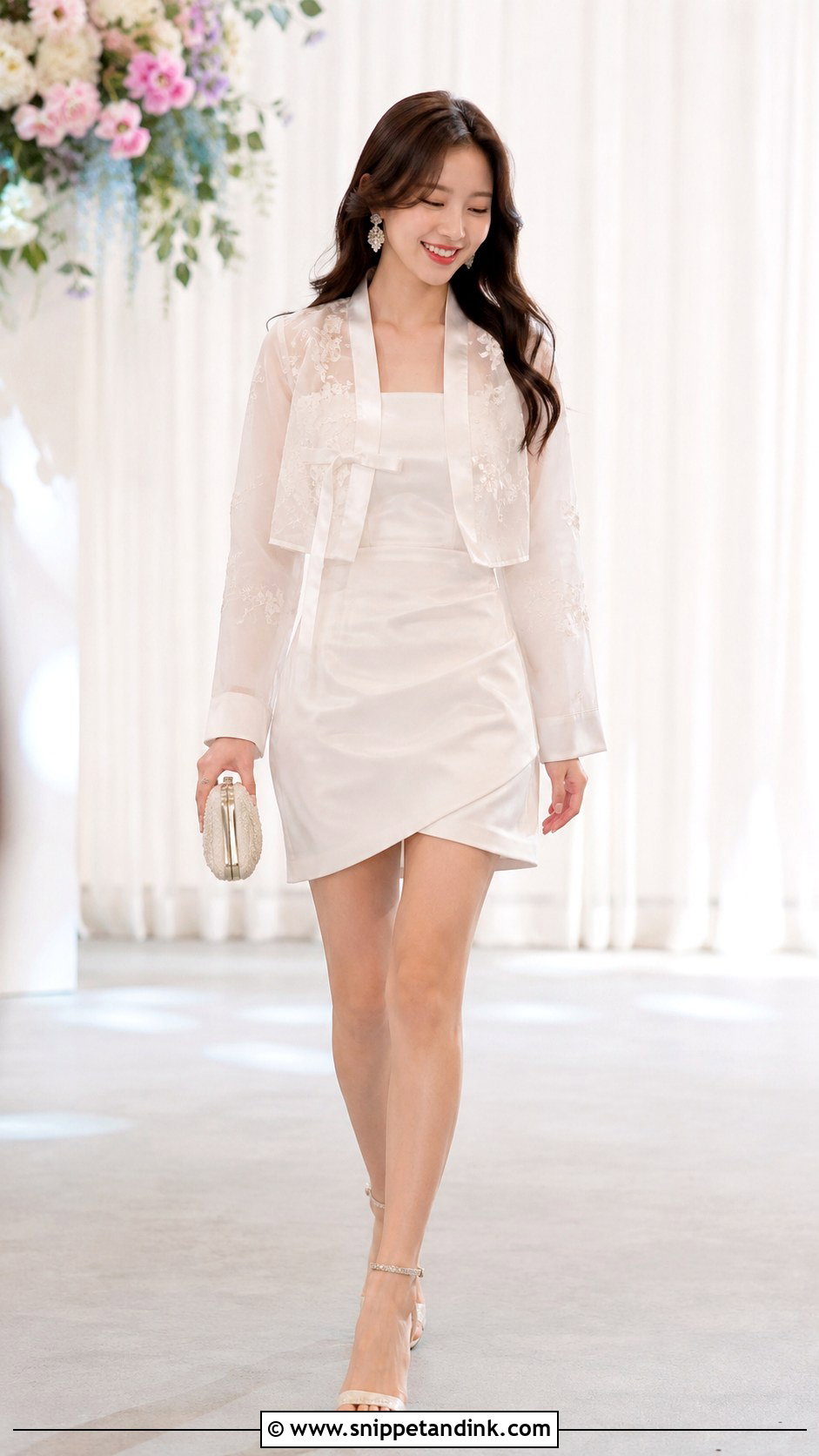
The after party is where you’ll move most, so comfort leads. A white mini, satin slip dress, jumpsuit or modern two-piece set all work. Comfortable heels, sparkling earrings and a secure hairstyle finish it. For a Korean touch, a short modern hanbok jacket over a simple dress works well. Pick fabric that holds up under bright indoor lights and stays put when you dance. It should feel lighter than the ceremony look while still clearly the bride’s.
Bowing, Kneeling and Catching Chestnuts in a Hanbok
The paebaek is physical. The bride and groom make deep bows to the groom’s family, kneel, stand and kneel again, usually with a helper guiding them. In a hwarot or wonsam, with the hands covered by the hansam cloth, you can’t use your arms to balance. I have brides practise the bow at home in a long skirt, slowly, at least a few times.
Near the end, the parents throw jujubes and chestnuts and the couple catch them in the bride’s chima. Tradition says the number caught predicts the number of children, and it’s usually the funniest moment of the day. A full chima with enough width to spread open makes catching easier, so avoid narrow fusion skirts for this part.
Fit details I check for the paebaek
- The chima tie sits high and firm; it shouldn’t slip when you kneel.
- The jeogori sleeves cover the wrists when arms are raised for the bow.
- The jokduri and binyeo are pinned well enough to survive a deep bow.
- The chima clears your toes when you rise from a kneel, so you don’t stand on the hem.
Red Hanbok, White Gown or Both in One Day
Your Korean bridal look might be one red hanbok, one white gown or three changes across the ceremony, paebaek, portraits and after party. Plan the fit, the fabric and the colours, and then plan the hair and makeup that carries across every change. Shoes, accessories and timing matter as much as the dresses. Treat the day as one bridal wardrobe, with each piece chosen for the part of the day it has to work in.
You'll Like These Ideas:



Leave a Reply