
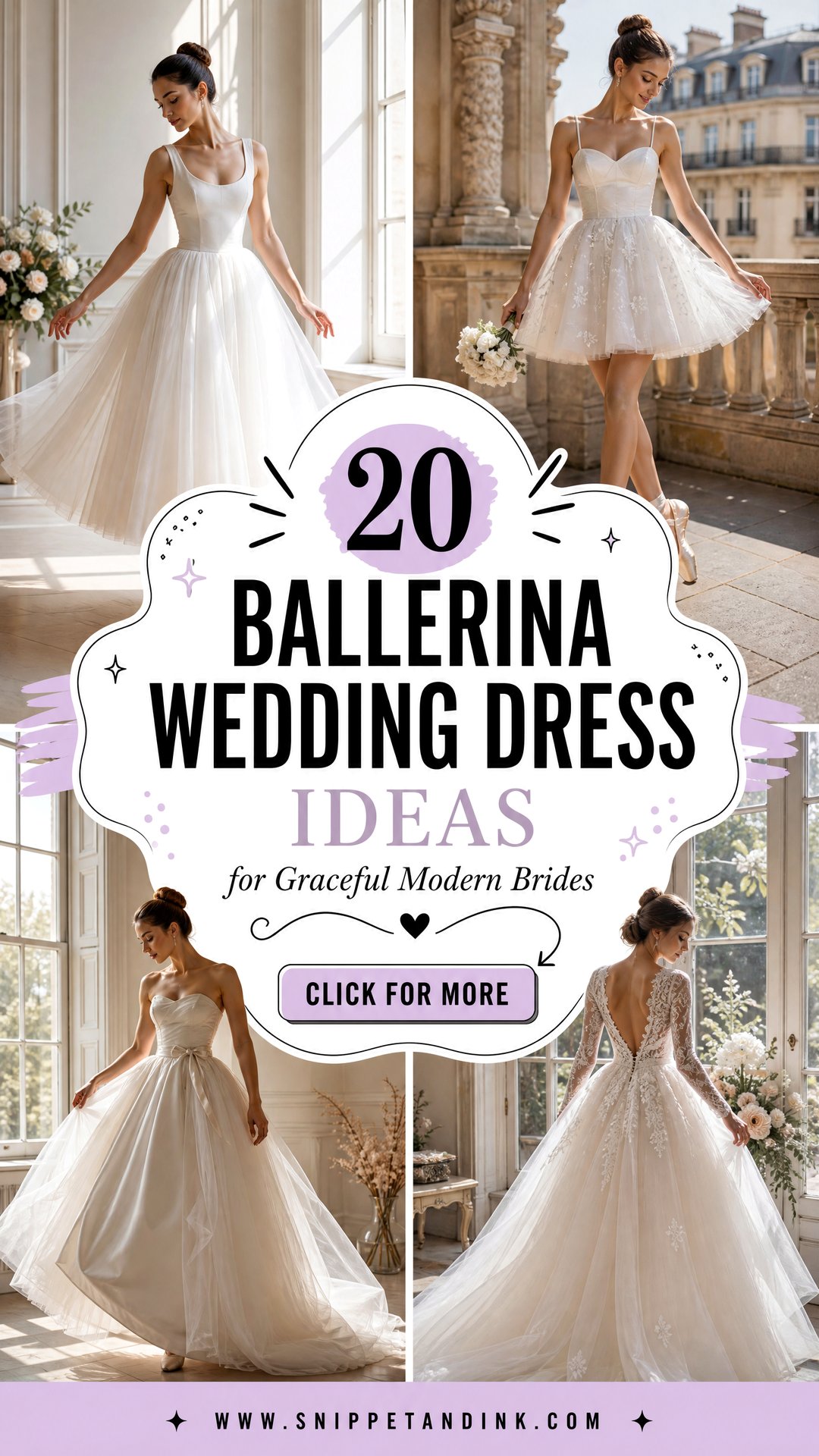
Ballet costumes and wedding gowns are built on the same problem: a fitted torso that has to hold still while a skirt full of air moves around it. That is why the ballerina look borrows so naturally from classical dance. Tulle, a sculpted bodice, a ribbon at the waist and a neat bun carry the theme. In fittings, the hardest part is restraint, because pile on every ballet detail at once and the gown starts to read as a recital costume. Below are twenty versions, from a full corset ball gown to a tea length dress and a reception mini, with what I watch for in each one when a bride tries it on.
Silk Tulle, Nylon Tulle and Why the Skirt Matters
Every dress below depends on tulle, and tulle is not one fabric. Before you fall for a picture, it helps to know which kind you are actually looking at, because it changes how the skirt moves, how it photographs and how it survives the day.
- Silk tulle is the softest. It drapes close to the body and moves when you breathe, which is the true ballet feel, but it crushes, snags easily and costs noticeably more.
- Nylon or polyester tulle holds a crisp shape and stands away from the body. It gives you volume for less, though a cheap version can look shiny in flash photos.
- Illusion tulle is very fine and almost invisible, which is why it’s used on sleeves, necklines and veils rather than for building skirt volume.
- Layer count matters more than fabric weight. Several thin layers float; a few heavy ones look stiff and swing like a bell.
When I pull dresses for a ballet-inspired bride, I hold the skirt up to a window. If you can see light through the top layers and the hem moves when you walk past it, the skirt will move on the day too. If it hangs like a lampshade, no amount of styling will make it feel like dance.
1. Corset Tulle Ballerina Wedding Dress
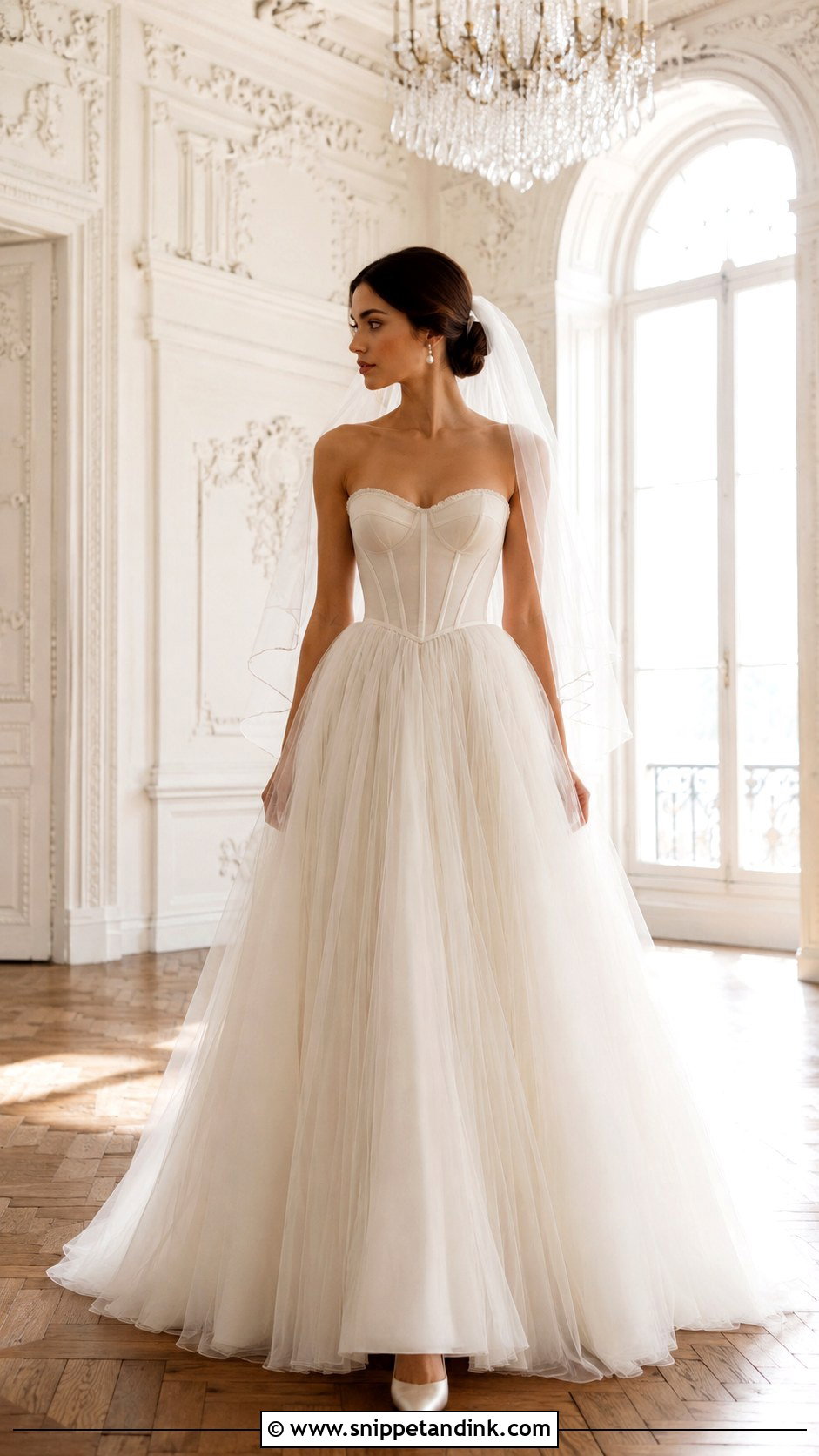
The corset tulle version is the one most people picture first: a boned bodice, a lace-up or buttoned back, and a skirt of several fine ivory tulle layers. The bodice is where I spend the fitting. Boning that sits a fraction too long digs into the hip crease the moment you sit, so I have the bride sit on a hard chair before anything is pinned. Pointed satin pumps, pearl drops, a fingertip veil and a low bun tied with a narrow ribbon keep it in proportion. Ballrooms, gardens and formal indoor rooms all suit it.
2. Strapless Ballerina Ball Gown Wedding Dress
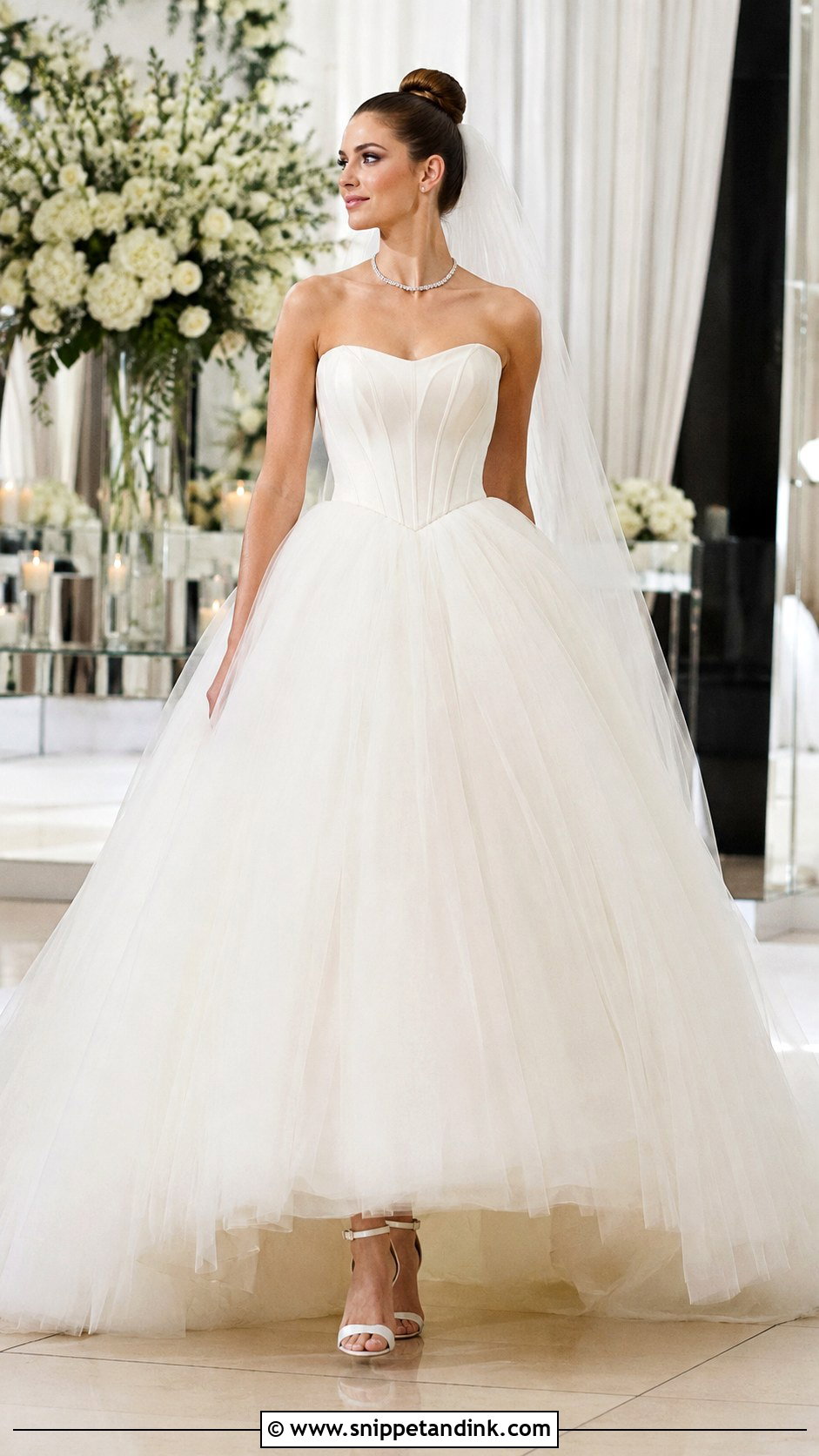
A strapless ball gown gives you the grand entrance, with a fitted bodice and a full tulle skirt under a scooped or cat-eye neckline. Strapless only stays up if the structure is inside the dress, not in your posture. I ask for a waist stay, an inner grosgrain band hooked at the natural waist, because it carries the weight of the skirt so the top edge doesn’t slide every time you hug someone. A crystal necklace, studs, ankle-strap satin heels, a high bun and a chapel veil finish it. Keep the bouquet small, and give it a venue wide enough for the skirt to move.
3. Scoop Neck Ballerina Wedding Dress
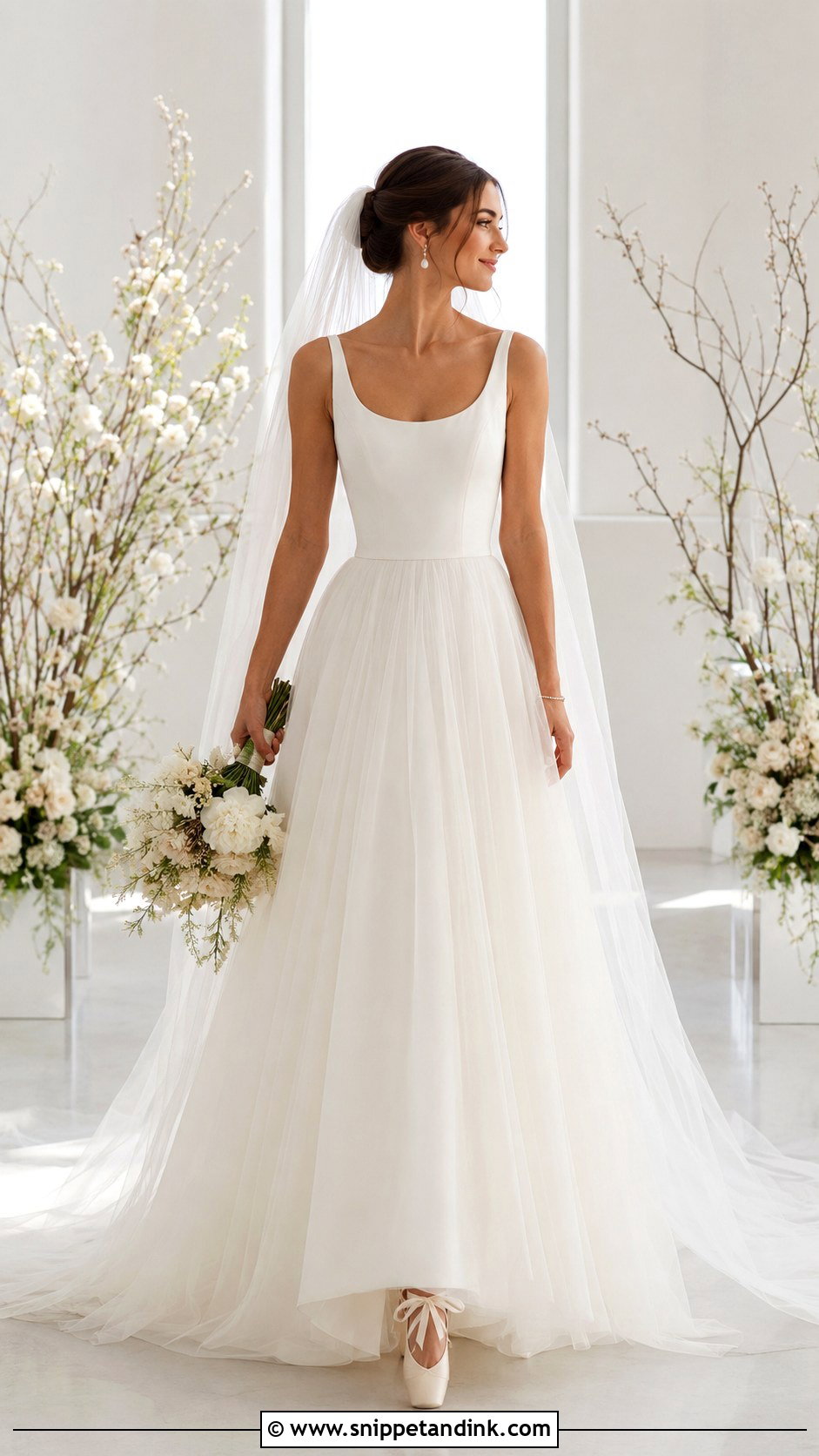
If a full corset feels like too much, the scoop neck is the gentler route. That curved neckline is lifted straight from a ballet leotard and sits well on wide straps or small cap sleeves. Below it, an A-line tulle skirt drops from the natural waist. I steer comfort-first brides here, the ones who’d like to forget they’re in a gown by the second hour, since the straps share the load the boning would otherwise carry. Pearl earrings, a slim bracelet, ribbon-tie ivory shoes and a bun or half-up waves suit it, and a sheer cathedral veil adds length without hiding the neckline.
4. Long Sleeve Ballerina Wedding Dress
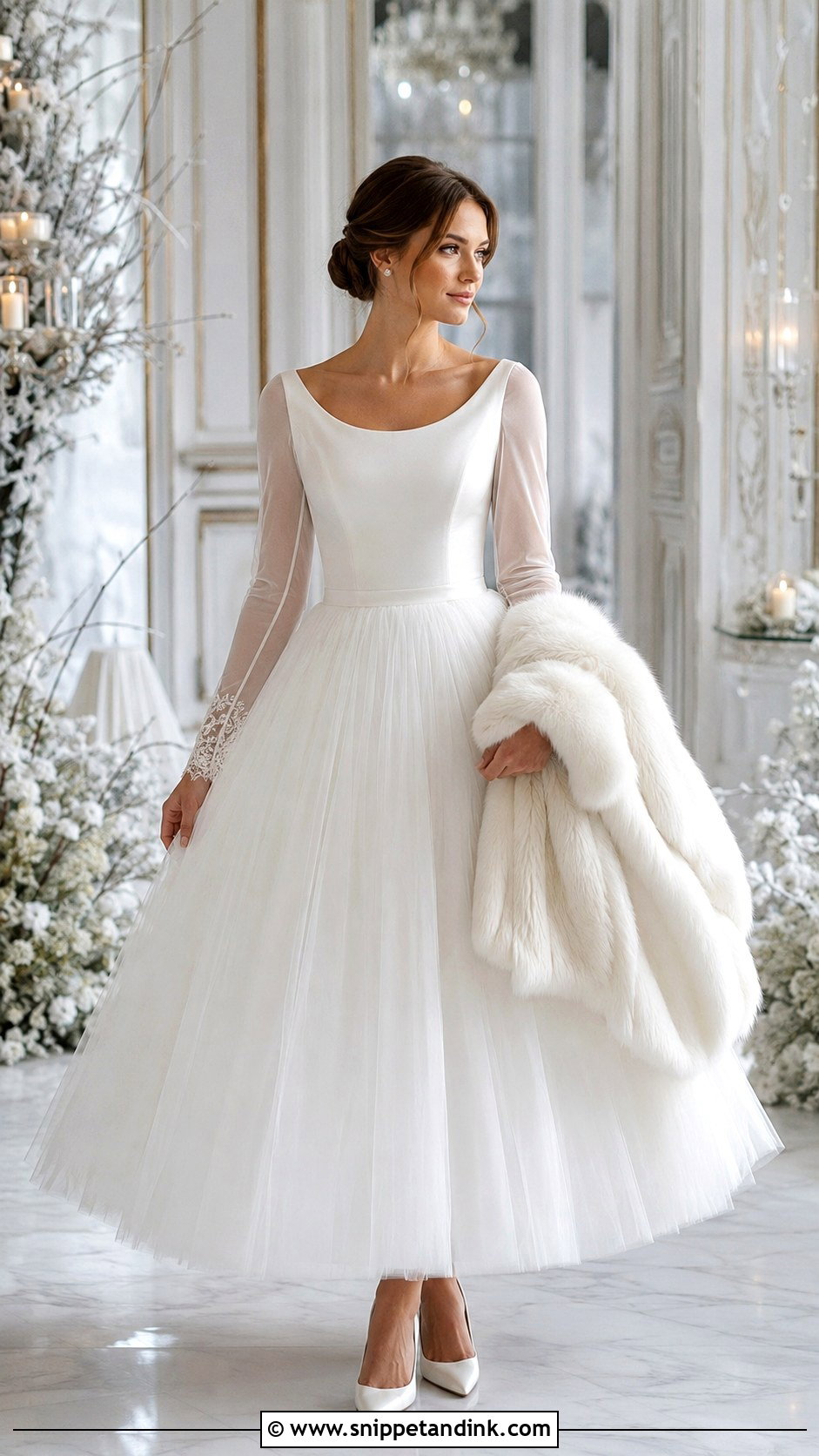
Sleeves change the season of a ballet gown. A long sleeve ballerina wedding dress in sheer tulle or fine mesh keeps the airy feel, with lace cuffs or covered buttons at the wrist. My one fitting rule here: raise both arms over your head before the sleeves are finished. Tight sleeves set into a fitted bodice pull the whole bodice up when you lift your arms, and you only discover it during the bouquet toss. A bateau or square neckline balances the coverage. Closed-toe satin heels, crystal studs and a low bun keep it calm, a faux-fur wrap handles the outdoor photos, and a plain tulle veil echoes the skirt.
5. Off Shoulder Ballerina Wedding Dress
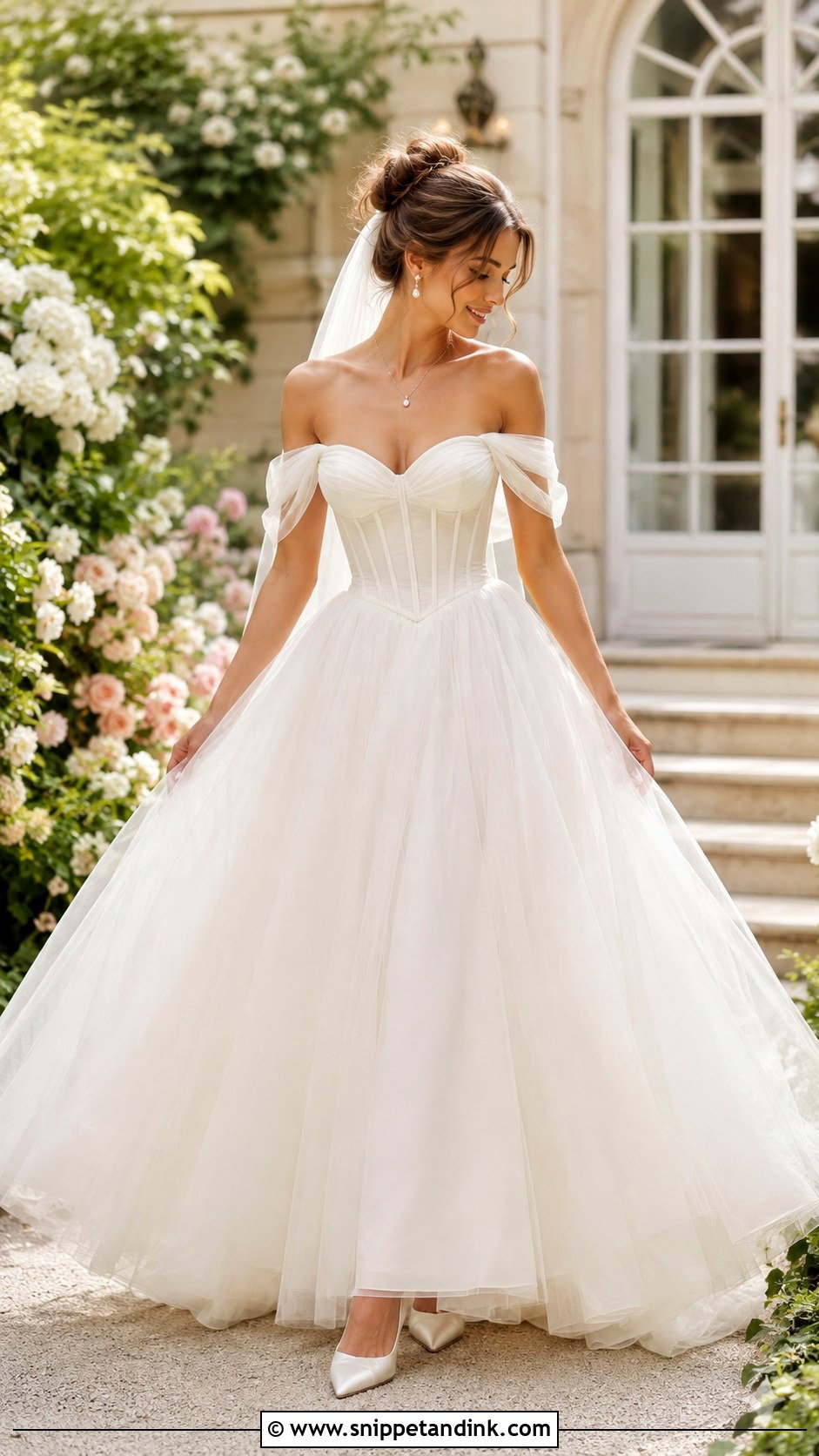
Off-shoulder tulle straps drape around the upper arm like the soft sleeves on a stage costume, leaving the collarbone open. Pair them with a supportive corset bodice and an A-line skirt rather than a stiff ball gown, or the shoulders get lost. The catch is movement. Off-shoulder straps limit how high you can reach, so I check whether the bride can hug a tall relative without the straps riding up into her armpits. A satin ribbon at the waist adds definition if you want it. Wear a simple pendant, small pearls, pointed pumps and a loose ballet bun, with the veil attached beneath the bun so the shoulders stay visible.
6. Drop Waist Ballerina Wedding Dress
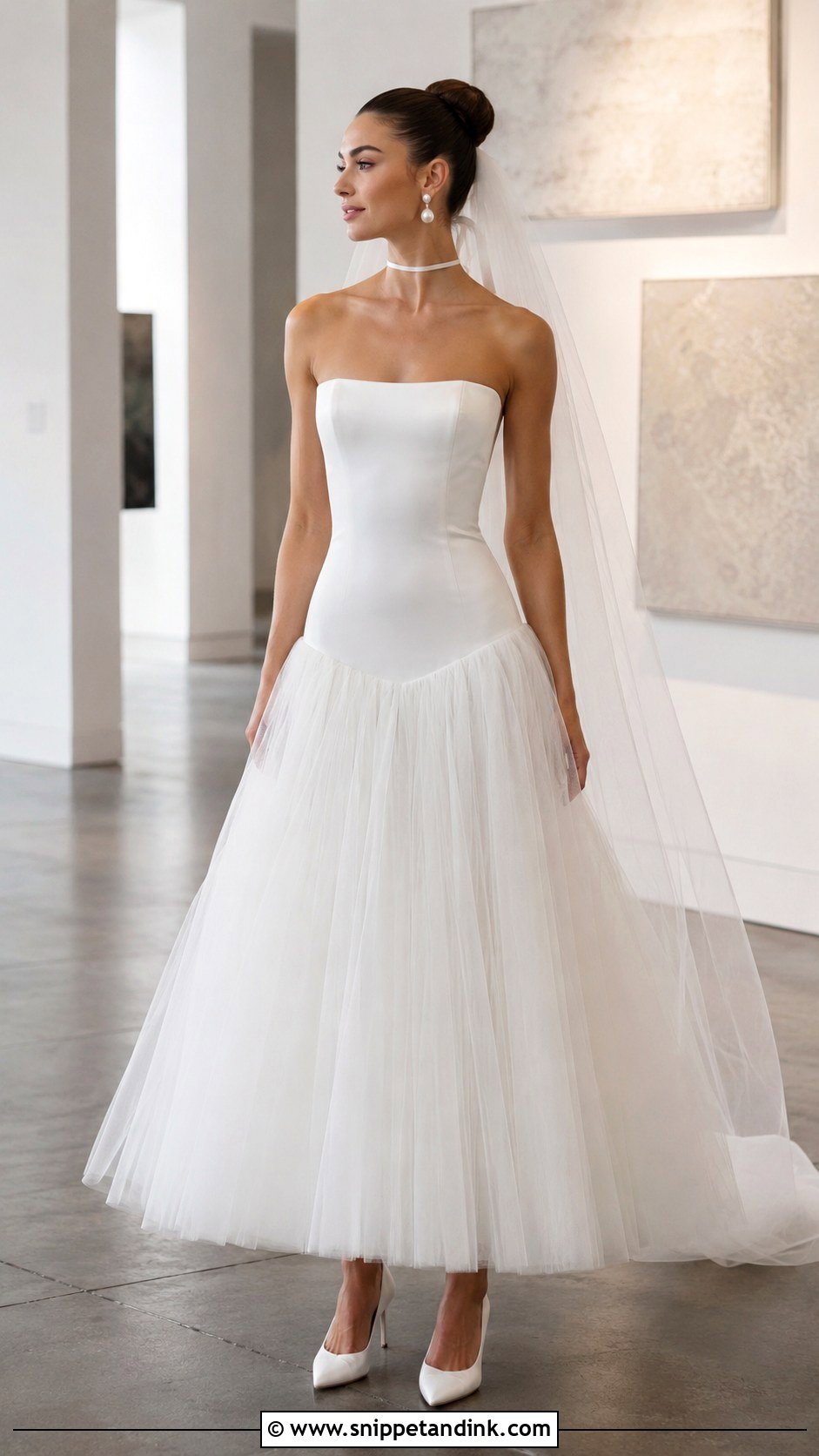
A drop waist keeps the bodice fitted down to the upper hip before the tulle opens out, which gives a long leotard line through the torso. Where that seam lands decides the whole dress. Half an inch too low and it shortens the legs, so I try two or three bodice lengths on the same bride before choosing. Shorter torsos often do better with the natural waist instead. Satin pumps, sculptural pearl earrings and a high bun suit it, plus a narrow ribbon choker only if the neckline is plain. Choose a long, plain veil that falls behind the skirt. Galleries and modern city venues match its clean shape.
7. Basque Waist Ballerina Wedding Dress
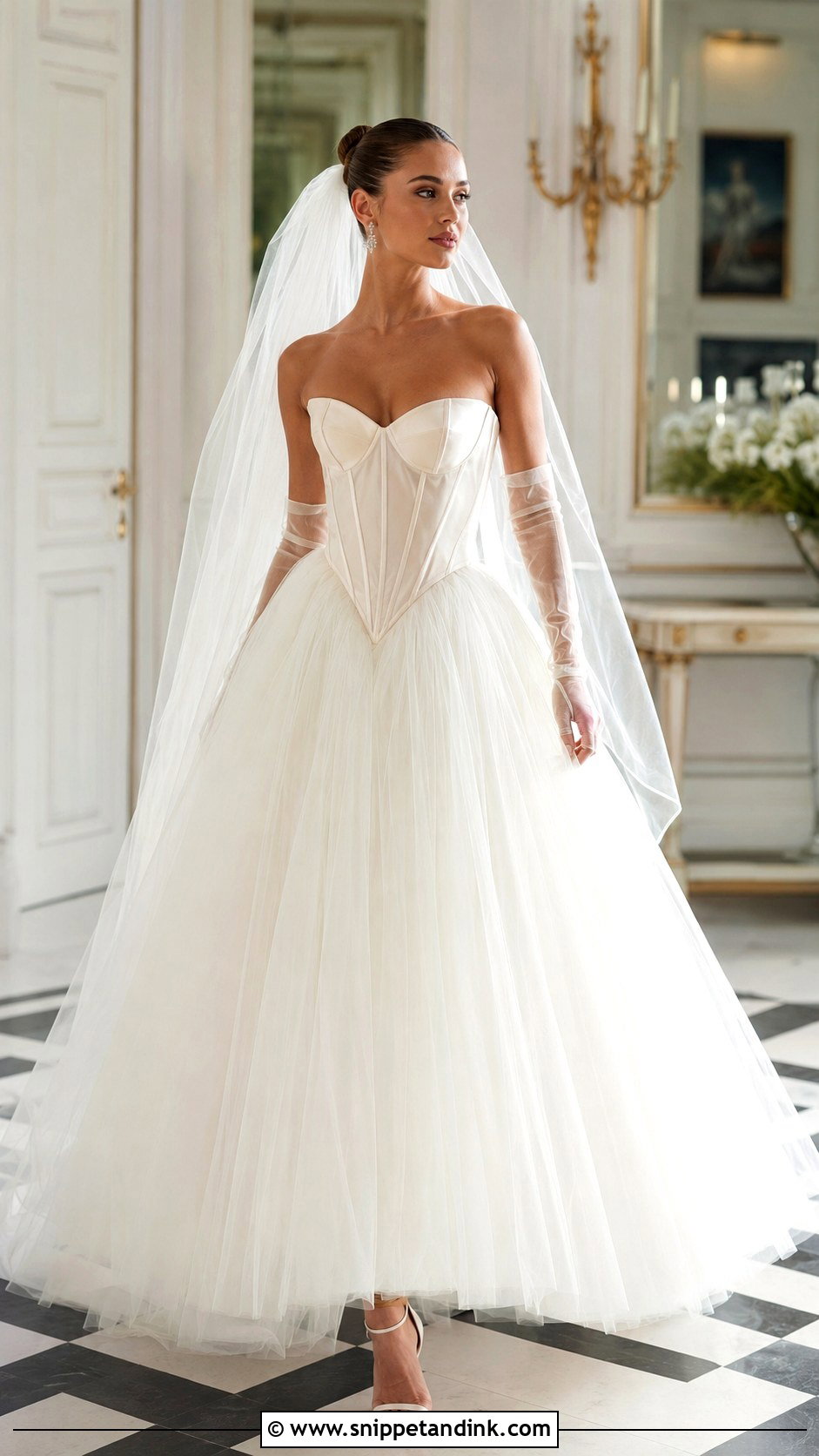
The basque waist dips into a V at the front, the same line you see on classical tutus, and it bridges a structured corset and a flowing skirt better than a straight seam can. That point also draws the eye downward, which slims the midsection more than a horizontal waist does. Matte satin gives a clean finish; embroidery gives texture. Elbow-length sheer gloves, small crystal earrings, slim ankle-strap heels and a centred bun keep the waist construction on show. Add a cathedral veil only if it’s plain when the gown already has lace or beading. Ballrooms and formal estates carry its regal feel.
8. Tea Length Ballerina Wedding Dress
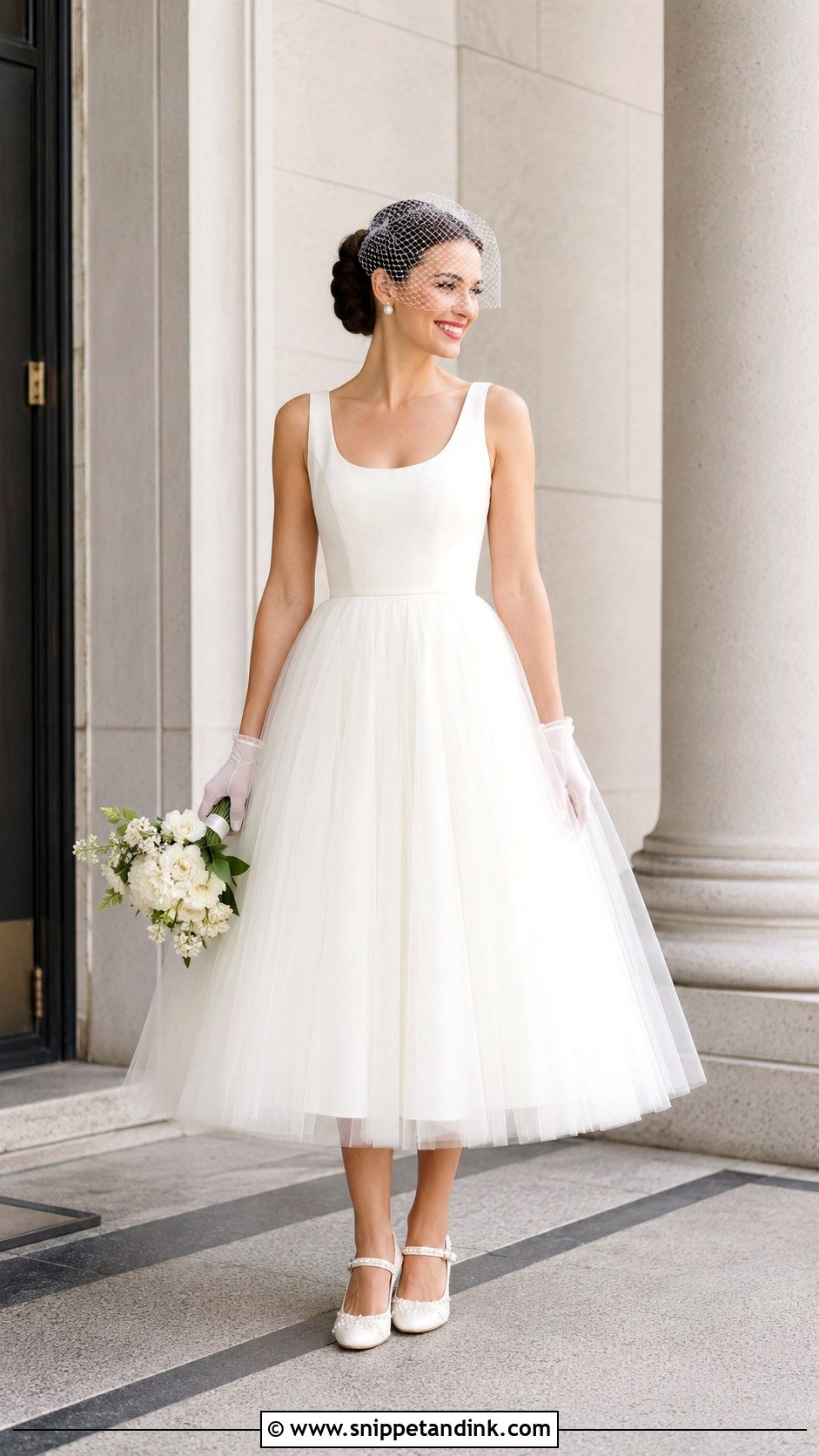
Tea length is the most practical dress on this list. The skirt stops somewhere between knee and ankle, so it reads like a rehearsal costume rather than a stage one, and you can walk, climb steps and dance without a bustle. Start with a fitted scoop-neck bodice, a defined natural waist and a few light tulle layers. Your shoes will be on show all day, so I treat them as part of the dress: satin pumps, embellished Mary Janes or ribbon-tie heels, broken in at home first. Pearl studs, short gloves and a birdcage veil give a vintage edge. Courthouse ceremonies, brunch weddings and dance-heavy receptions suit it.
9. Ballerina Mini Wedding Dress
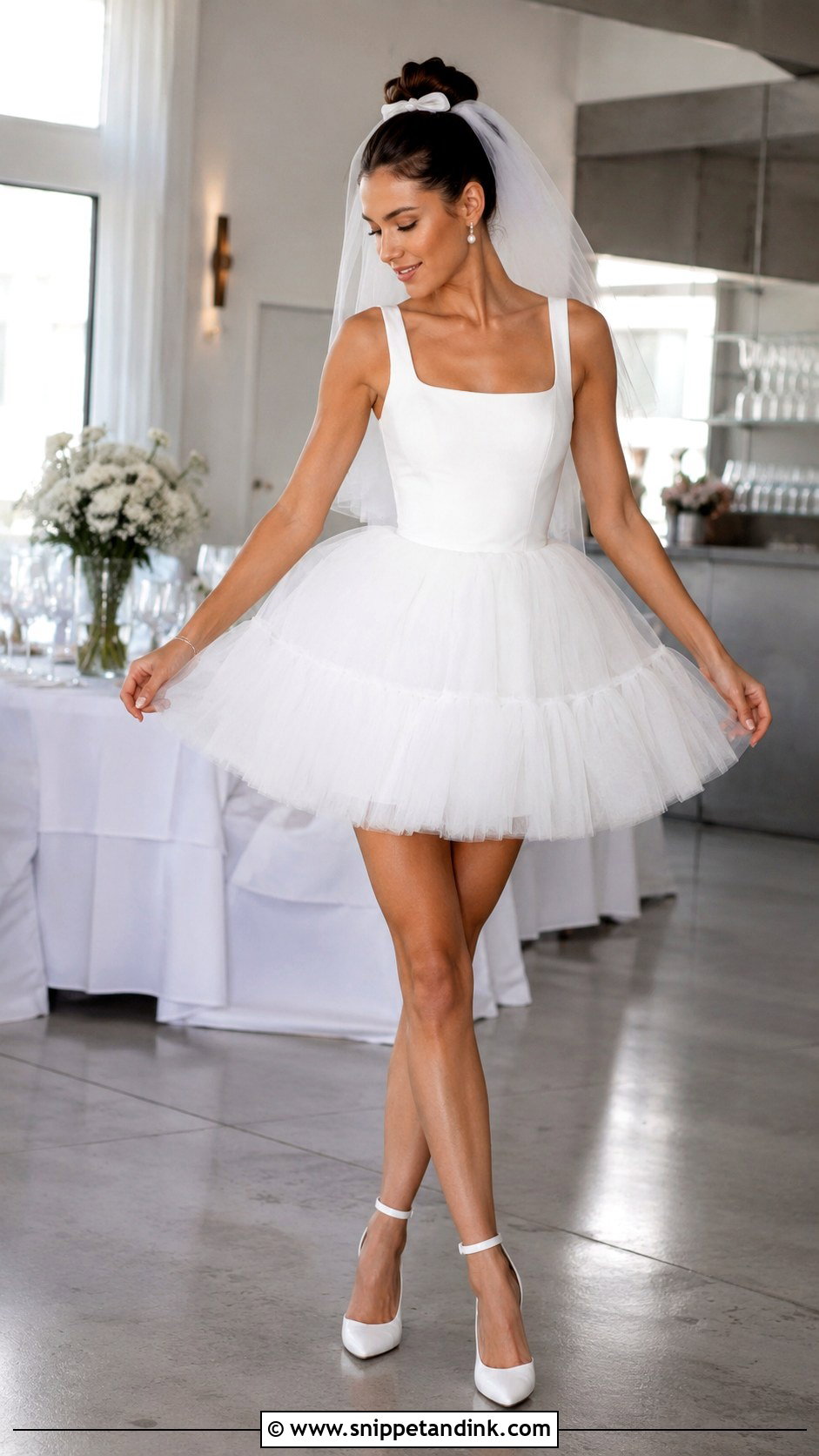
A ballet mini usually works best as a second look for the reception. Look for a structured bodice and a short tulle skirt layered so it holds its shape without bulk, under a square, scoop or strapless neckline. Short tulle shows every flaw in the lining, so check it from below and in flash photos before you buy. Low block heels make sense if you plan to dance for hours. Add pearl drops, a slim tennis bracelet and a small satin bow in a high bun, and trade the long veil for a shoulder-length one or a hair piece that suits the shorter hemline. Built-in support matters more here than in a long gown.
10. High Low Ballerina Wedding Dress
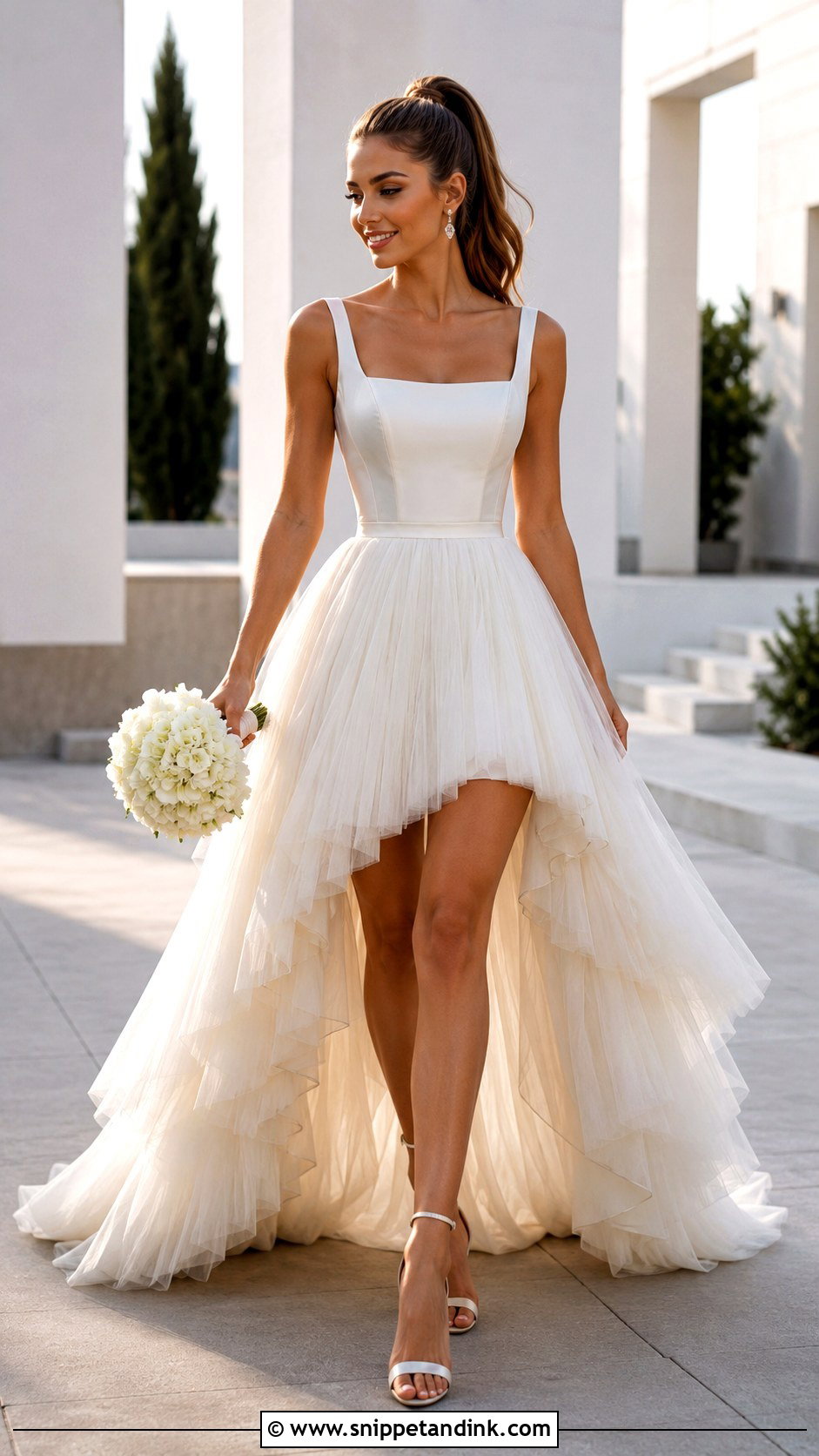
High low hems give you the drama of a long back with the shoes and lower legs showing at the front. Pleated tulle or organza moves well here, and a plain fitted bodice lets the uneven hem do the talking. Watch the angle of the cut. A steep drop from front to back looks deliberate; a shallow one can look like a hem that slipped, so I mark it on the bride while she stands in her actual shoes. Satin ankle straps, small earrings, a compact bouquet and a smooth bun or high ponytail suit it. Keep any veil short enough to end near the shortest point of the train.
11. Satin And Tulle Ballerina Wedding Dress
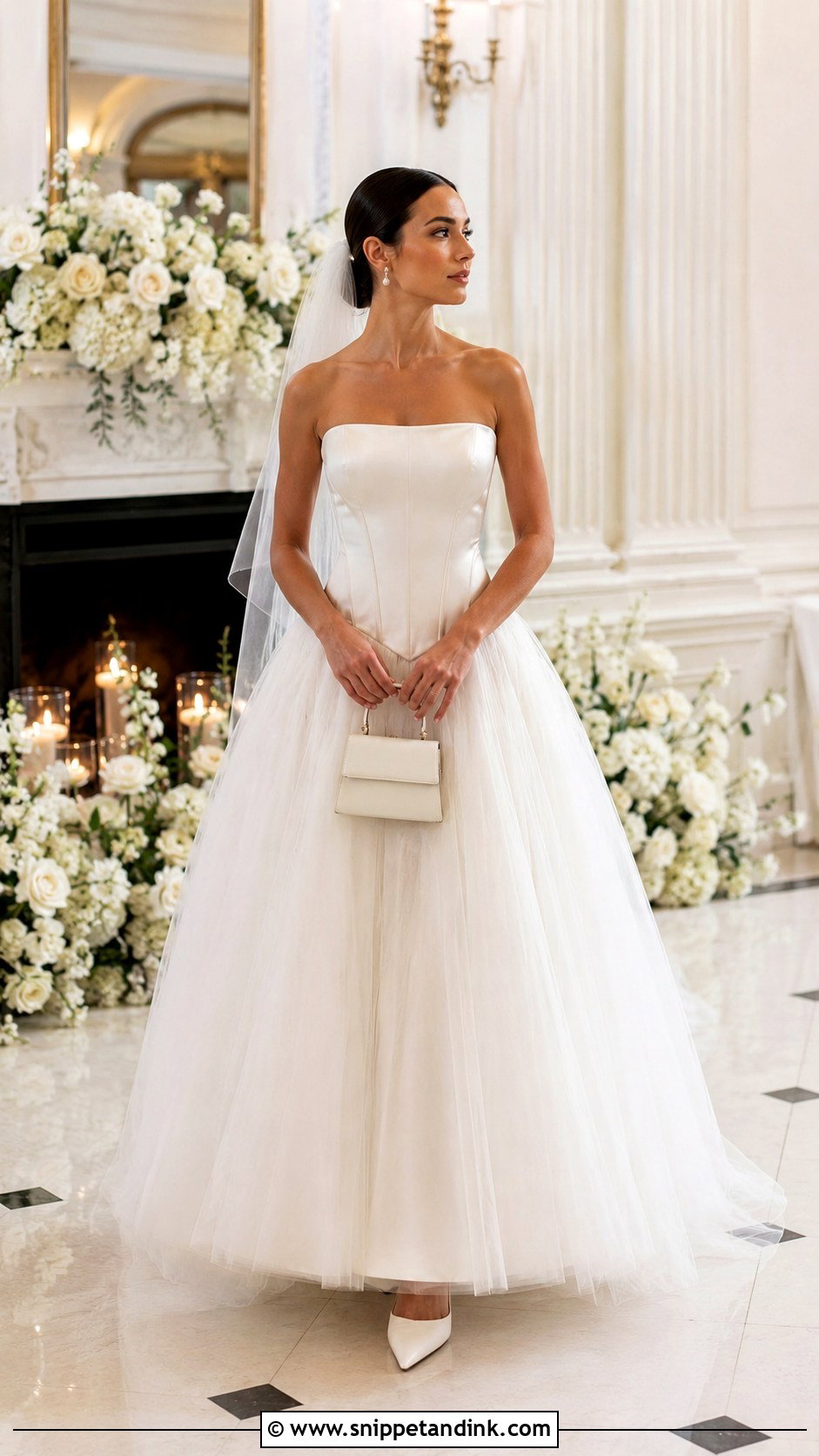
Satin and tulle together give the gown depth: a satin corset or draped bodice over a layered tulle skirt from the natural or basque waist. The two fabrics must be matched in daylight, not under shop lighting. Ivory satin and ivory tulle from different mills can sit a shade apart, and the camera finds it at once. Satin pumps, pearl earrings, a structured bag for the reception and a low bun with a plain ribbon keep the dance reference. A single-layer veil suits it best. You get the formality of satin without carrying the weight of a full satin ball gown.
12. Lace Ballerina Wedding Dress
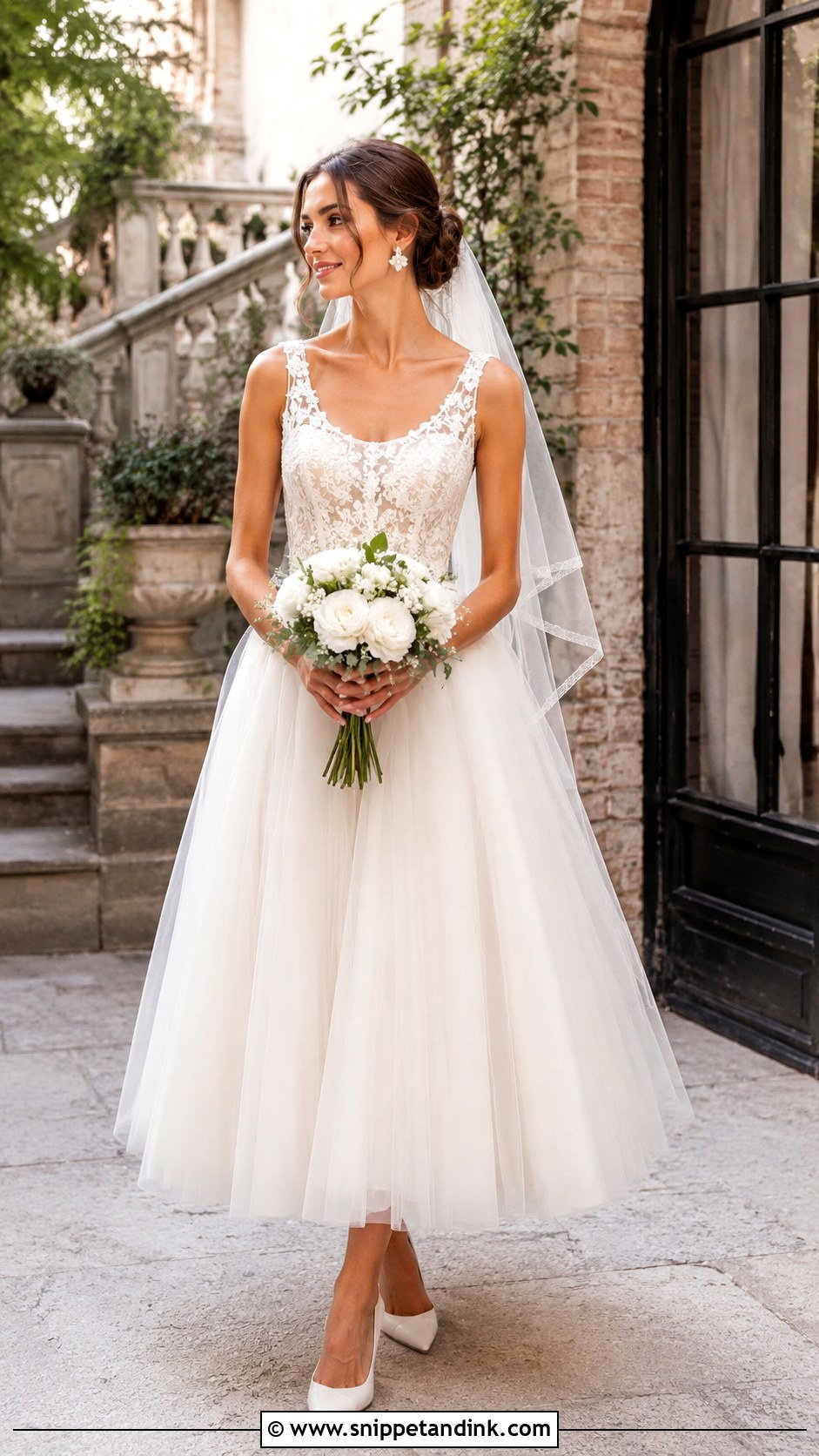
Lace adds texture and old-fashioned romance, as long as it stays in one place. A lace bodice with a scoop neck, slim straps or fitted sleeves, over a plain tulle skirt, reads clearly; lace on both halves turns busy fast. If you want a lace-edged veil, bring a cutting of the gown’s lace to compare, because two different lace patterns side by side fight each other in close-up photos. Plain tulle is the safer veil when the bodice is detailed. Pearl or floral earrings, pointed ivory heels and a soft bun with a few loose pieces suit it. Gardens and historic venues match it.
13. Floral Appliqué Ballerina Wedding Dress
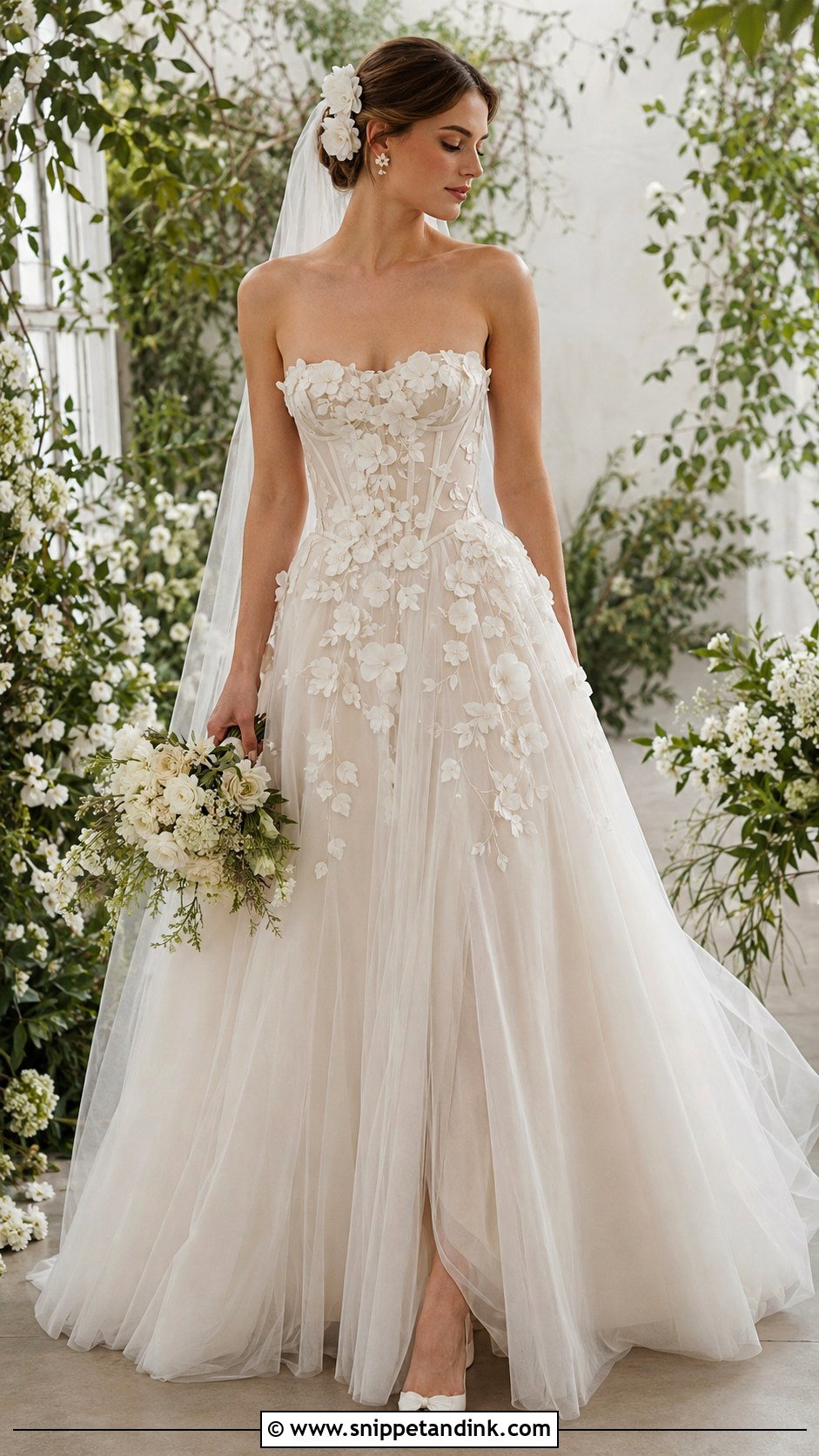
Appliqué flowers give a tulle gown dimension. The pattern I like best is dense on the bodice and thinning out as it travels down the skirt, which keeps the hem light. Before buying, turn a section over and look at the back. Appliqués glued rather than stitched can lift at the edges after a few hours of movement and catch on the tulle beside them. A fitted corset or scoop-neck bodice gives them structure. Quiet satin heels, small floral earrings and a low bun with a couple of matching fabric flowers suit it, with either a plain veil or a sheer bow instead. Spring gardens and botanical venues fit naturally.
14. Pearl Ballerina Wedding Dress
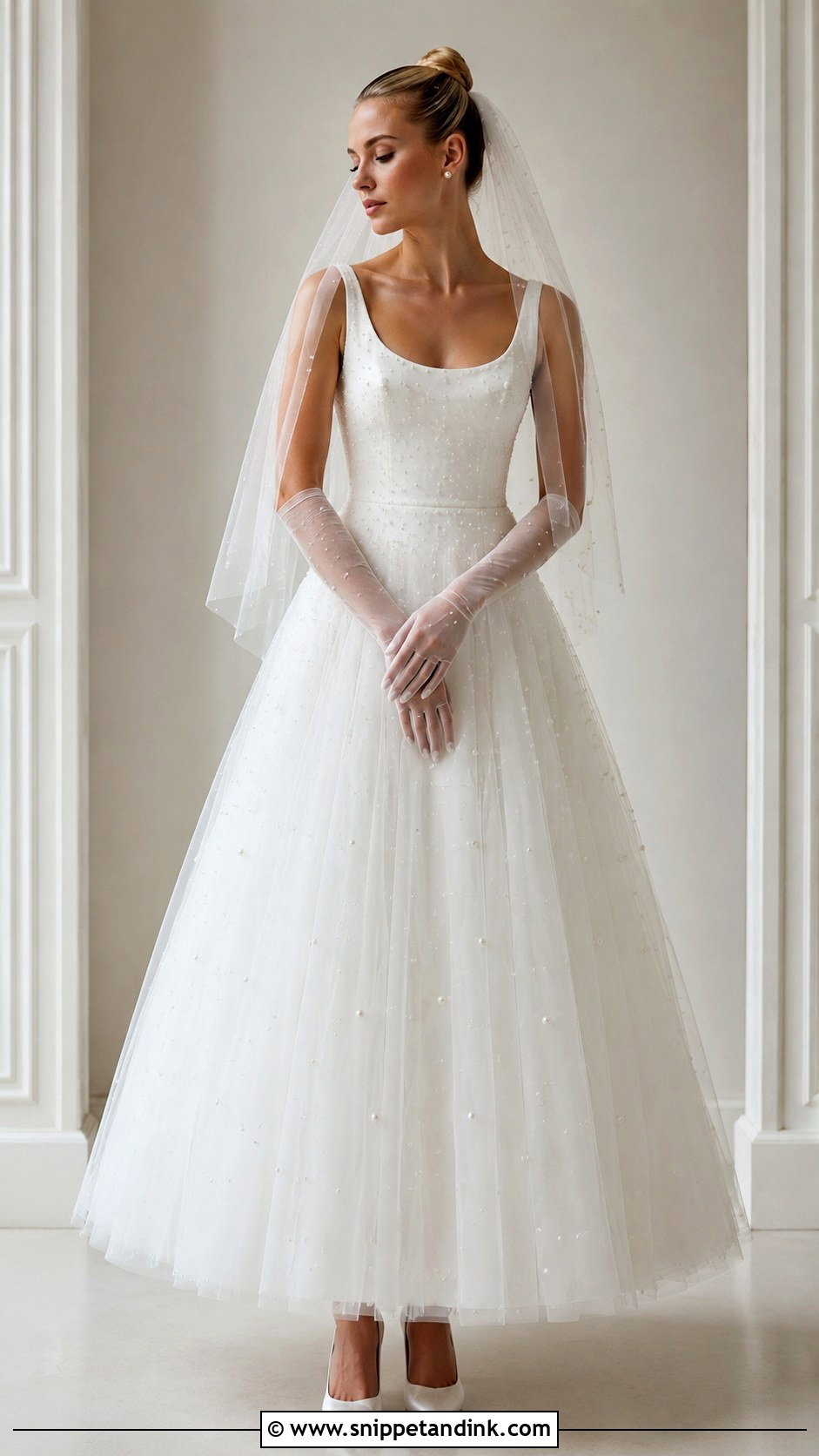
Scattered pearls make tulle shimmer quietly without the flash of glitter. Keep the embellishment around the neckline, bodice or upper skirt, on a fitted scoop or strapless bodice with an A-line skirt. Run your forearm along the bodice in the fitting room. Pearls sewn near the side seams can rub the inner arm raw by the evening, and I’d rather move a few now than tape them on the day. Since the dress already has texture, keep jewellery to pearl studs, then add satin gloves, plain pointed pumps, a smooth bun and a fingertip veil. It glows most indoors in the evening.
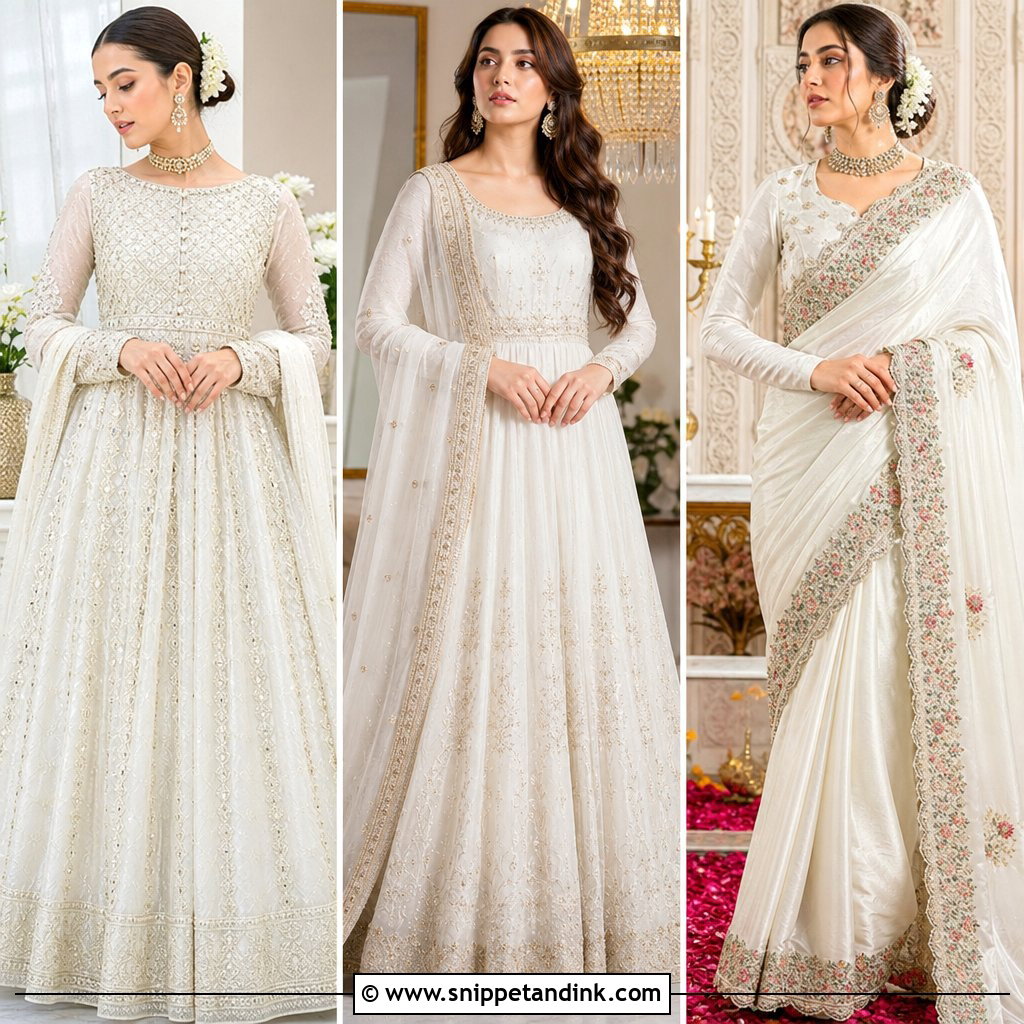
15. Sparkly Ballerina Wedding Dress
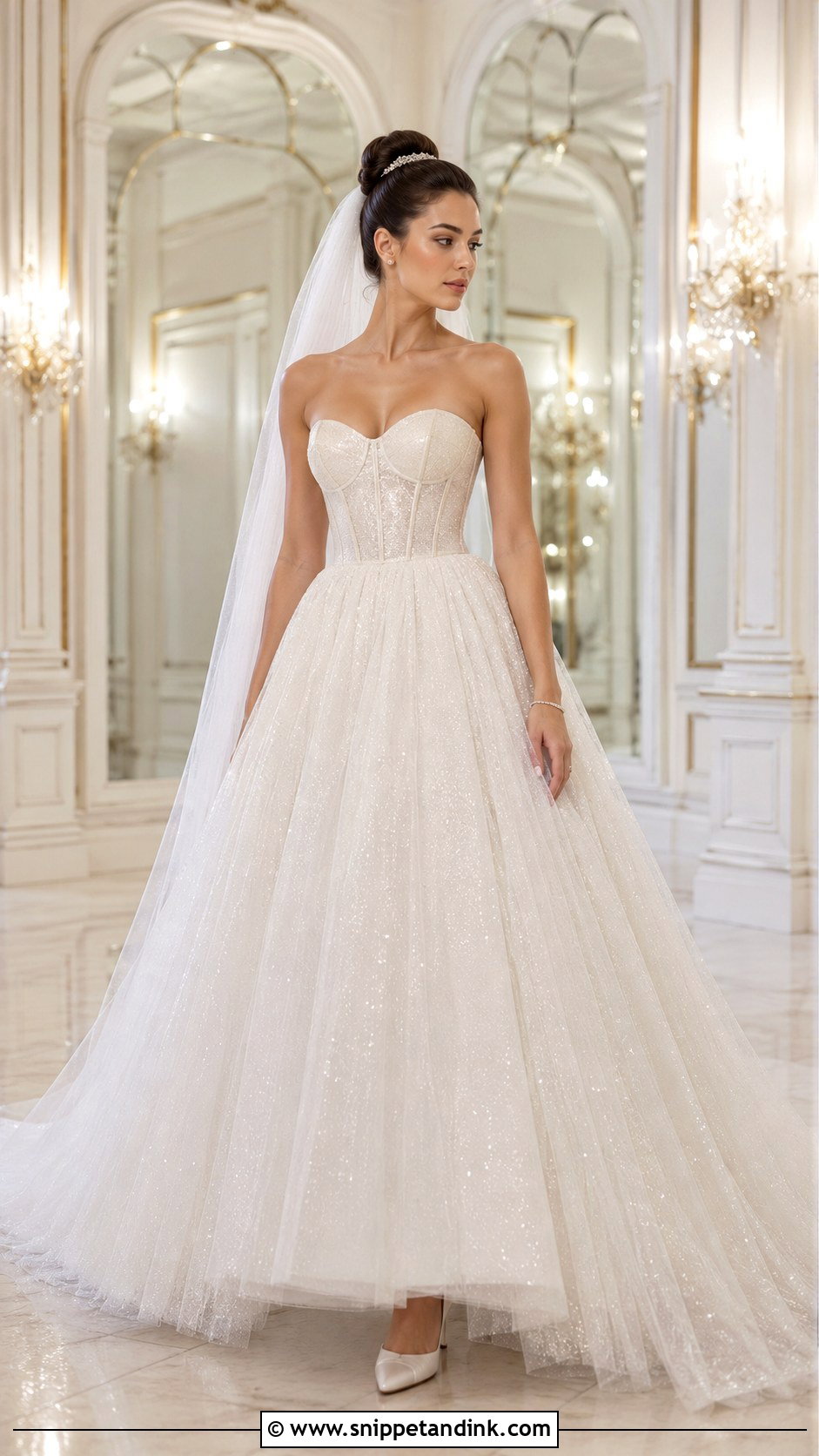
Sparkle on a ballet gown should come from one source. Fine glitter tulle, crystal accents or subtle sequins each work; all three together look like a costume rack. Glitter tulle sheds, too, so expect some on your partner’s jacket. A structured bodice and layered skirt give the shine a clean base, and the accessories stay restrained: crystal studs, a slim bracelet, plain satin heels, a high bun with a simple comb. A long plain veil softens the shine during the ceremony and comes off for the reception. Always look at the dress under daylight and under warm indoor bulbs, since sparkle reads differently in each.
16. Blush Pink Ballerina Wedding Dress
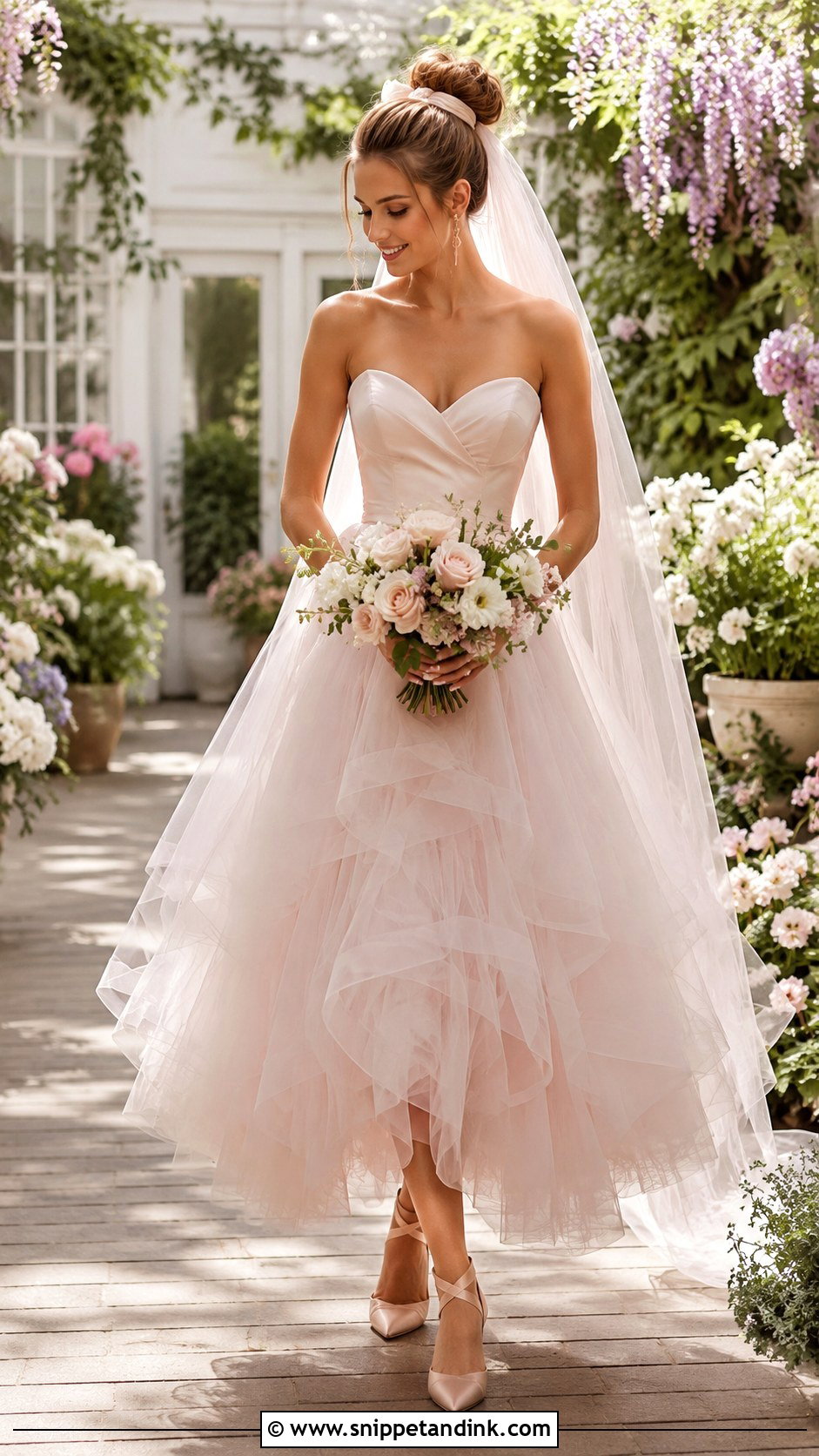
Blush is the most honest nod to ballet, since so many practice tutus are pale pink. The version that looks expensive is pink tulle layered over an ivory lining. The ivory underneath softens the shade so it doesn’t turn sugary. Test it against your skin in daylight: very cool, pale skin can look washed out in a flat pink, while a slightly peachy blush is kinder. A fitted satin bodice, scoop neck and full skirt keep it grown-up. Neutral heels, rose-gold earrings and a ribbon around the bun suit it, with a blush veil to blend or ivory for contrast, and white, cream and muted pink flowers.
17. Bow Detail Ballerina Wedding Dress
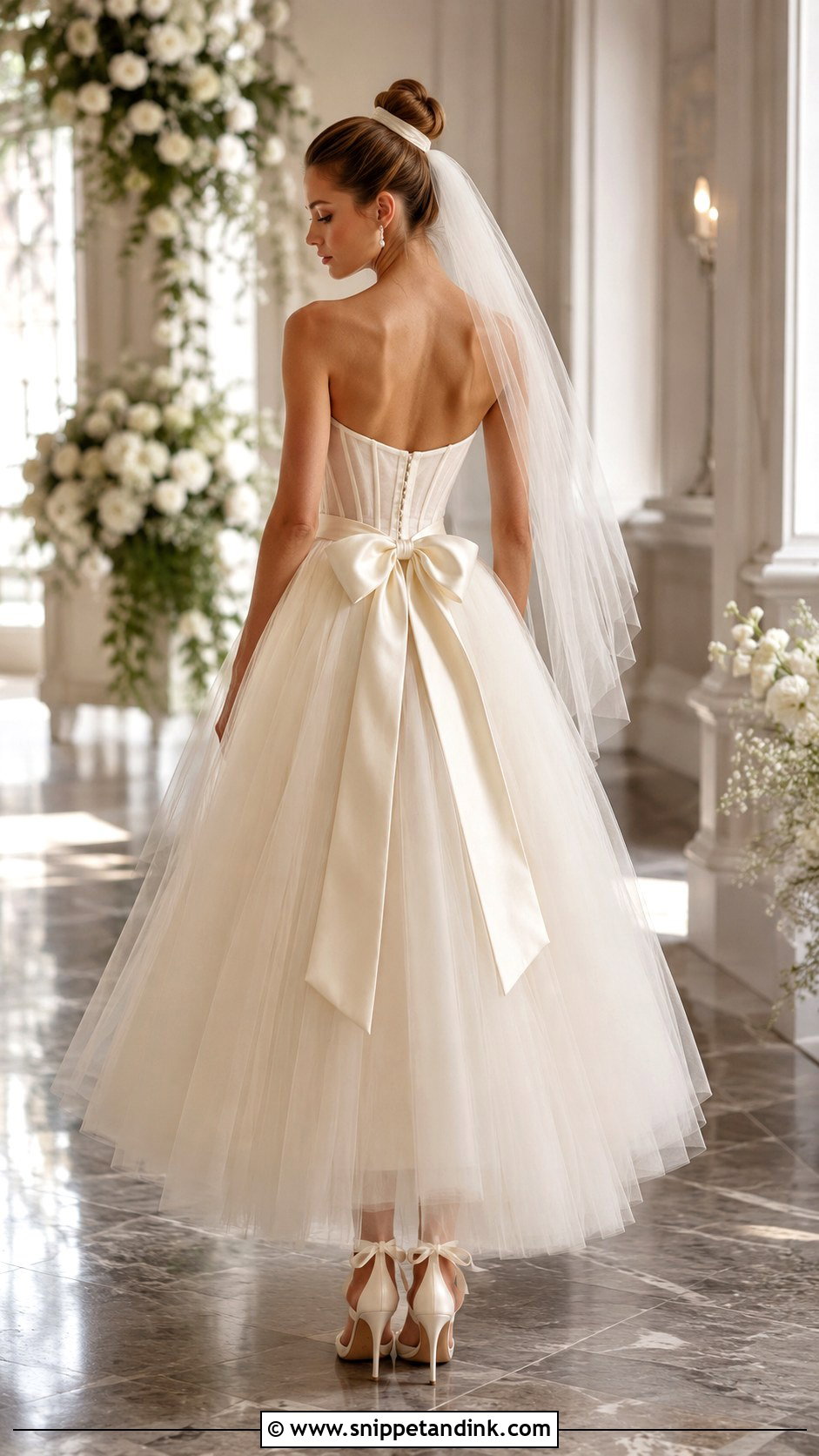
Ribbon and bow details point back to ballet slipper ties without spelling it out. One bow is the rule I hold to: a slim waist bow, removable shoulder ribbons or a single structured bow at the back, never several oversized ones. A back bow also has to survive sitting, so make sure it’s stiffened or interfaced; soft satin bows flatten after the first hour in a chair. A clean corset bodice and soft tulle skirt carry it. Ribbon-tie heels, pearl earrings and a bun wrapped in matching ribbon finish it, with a plain fingertip veil that leaves the bow visible.
18. Detachable Tulle Skirt Ballerina Wedding Dress
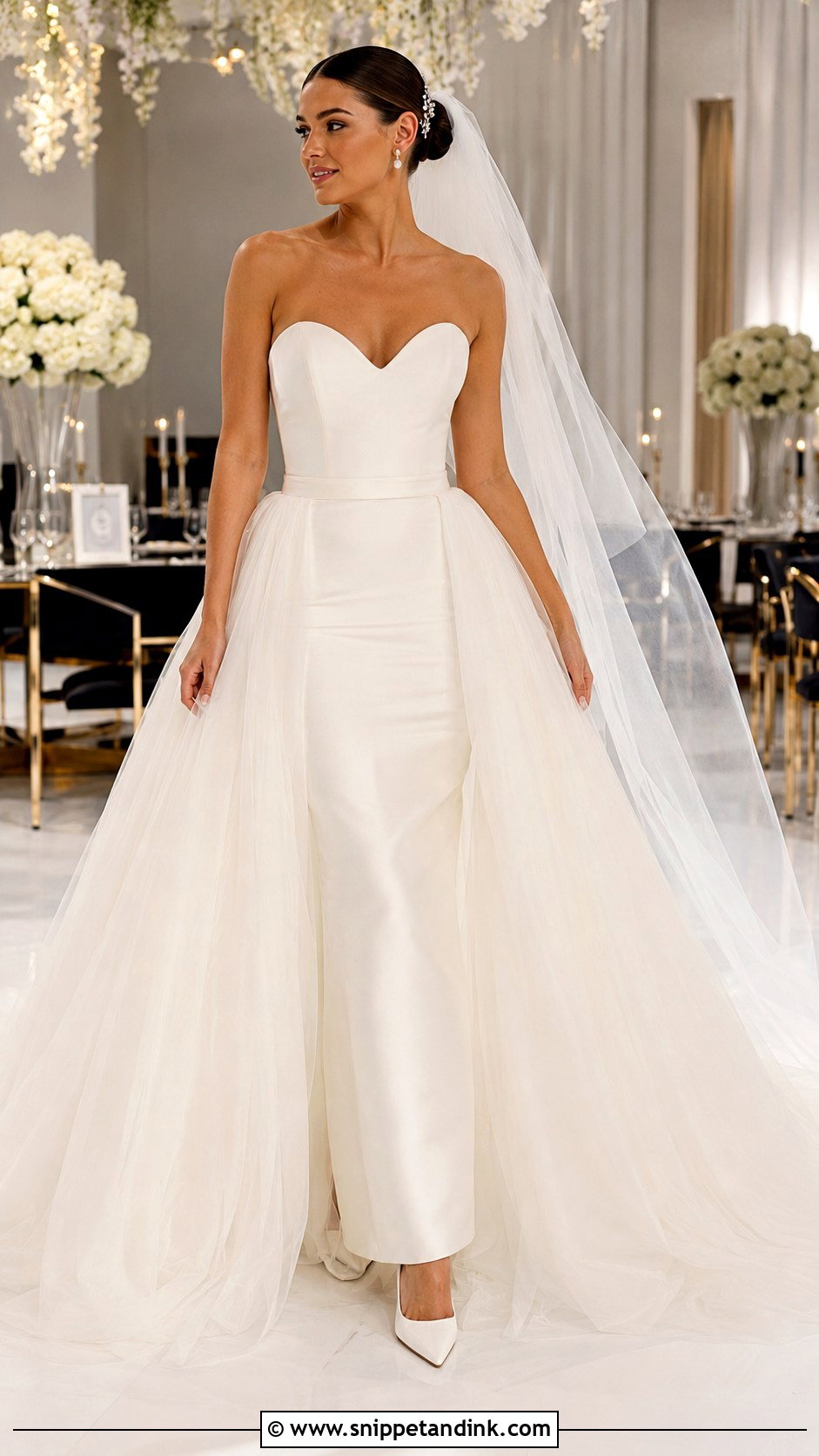
A detachable tulle overskirt gives you two dresses from one booking. Wear the full skirt over a fitted satin, crepe or lace dress for the ceremony, then unhook it before the dancing. Practise taking it off yourself at the last fitting and time it. A good closure takes a helper under two minutes; a bad one takes ten and a pair of scissors. The waistband should blend into the gown rather than add bulk. A cathedral veil, pearl earrings and satin pumps suit the ceremony version, then switch to block heels and a jewelled pin. A sleek bun works for both.
19. Plus Size Ballerina Wedding Dress
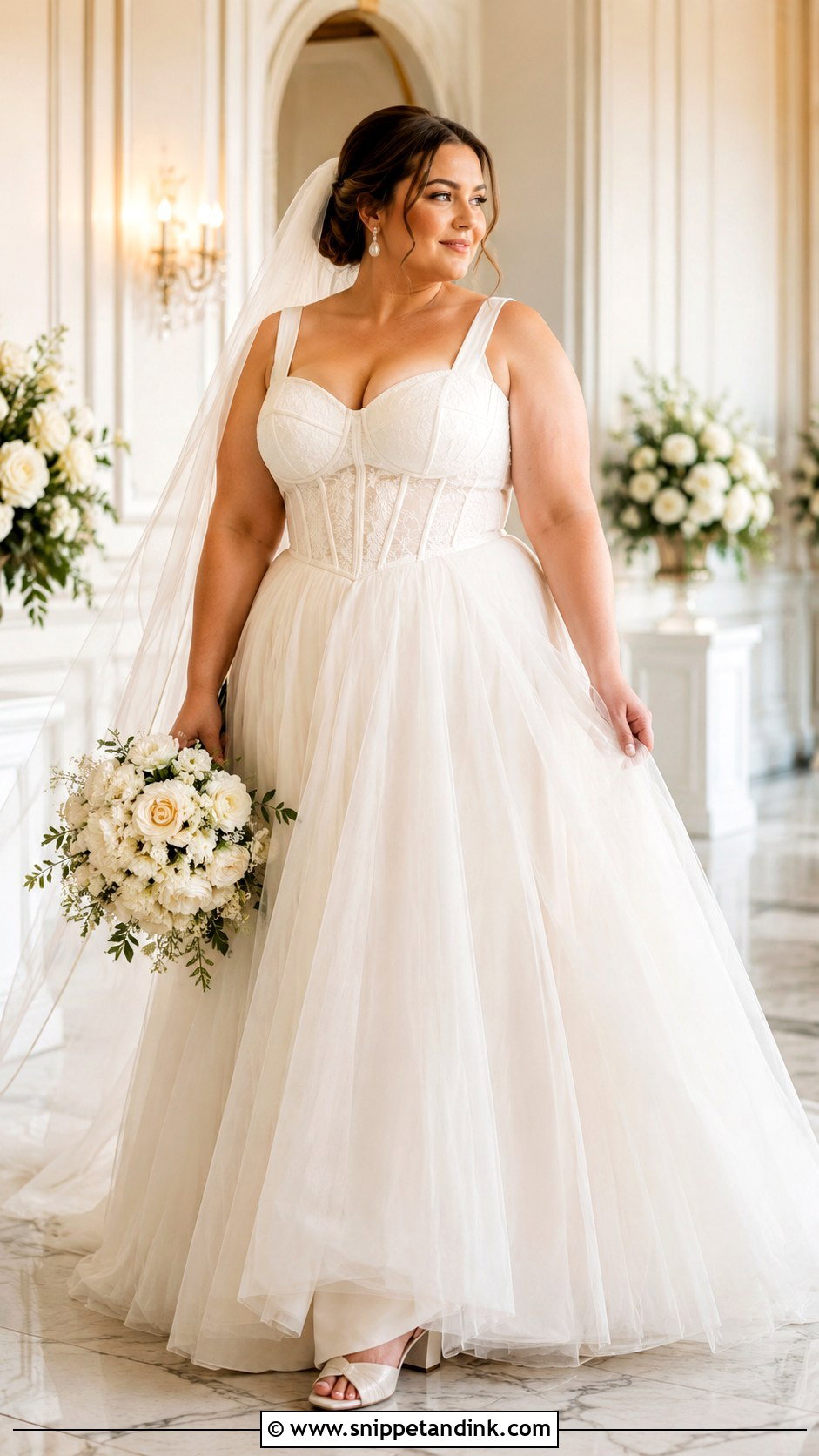
Support comes first in a plus size ballerina gown, and softness follows. A structured bodice with comfortable boning, wider straps or optional sleeves gives you the coverage you choose, while a basque or natural waist defines the shape before an A-line tulle skirt. A fuller skirt doesn’t need to be enormous. I usually ask the seamstress to cut the top tulle layers a little shorter than the ones underneath, which gives movement without stacking width at the hip. Supportive block heels, statement earrings, a low bun or romantic updo, a long veil for a continuous line and a bouquet scaled to you finish it. Good alterations matter more than the label.
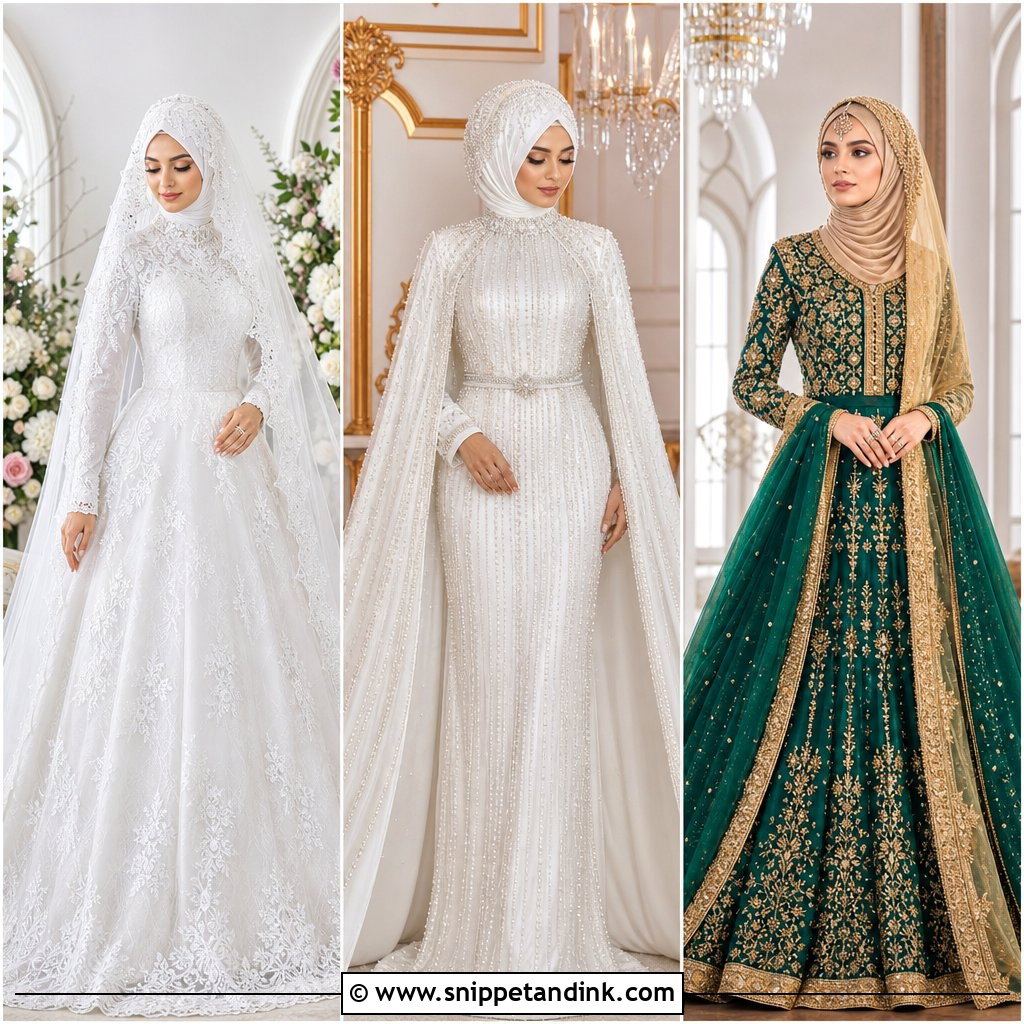
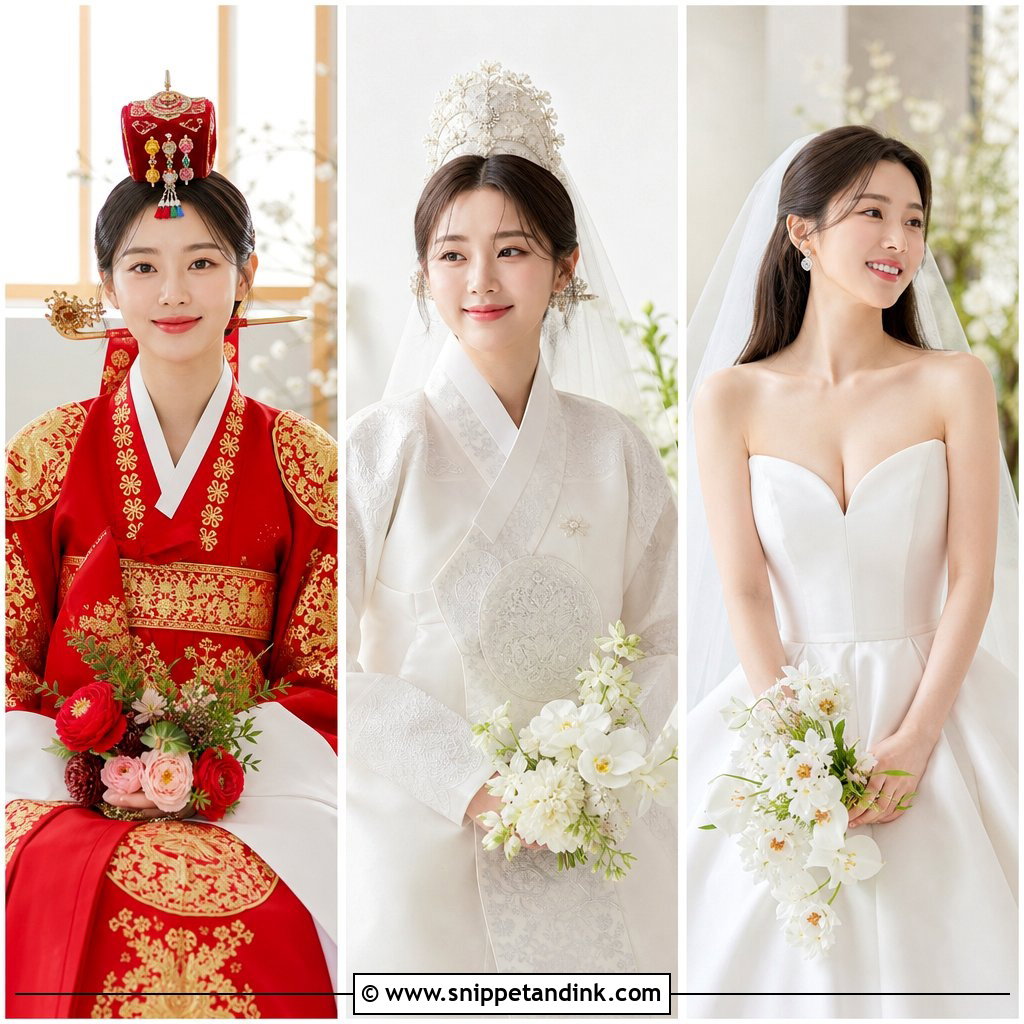
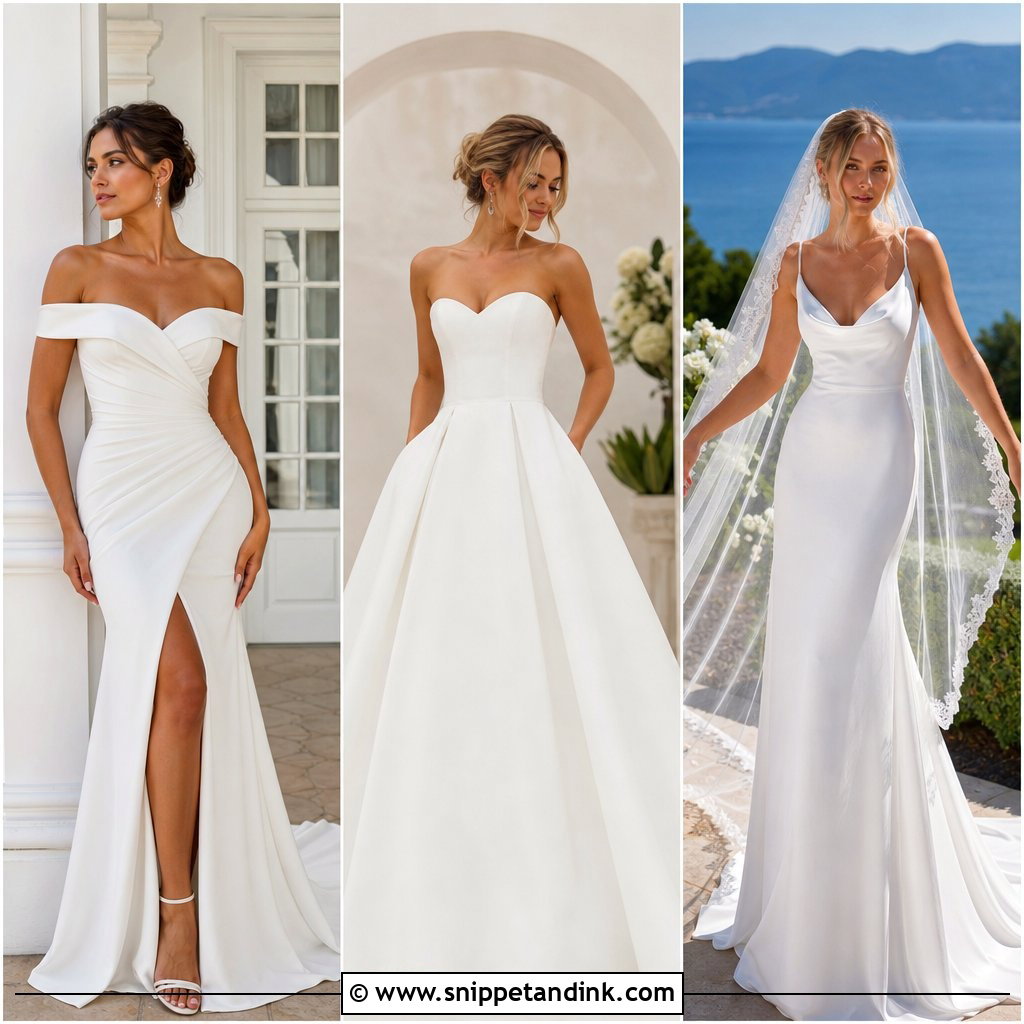
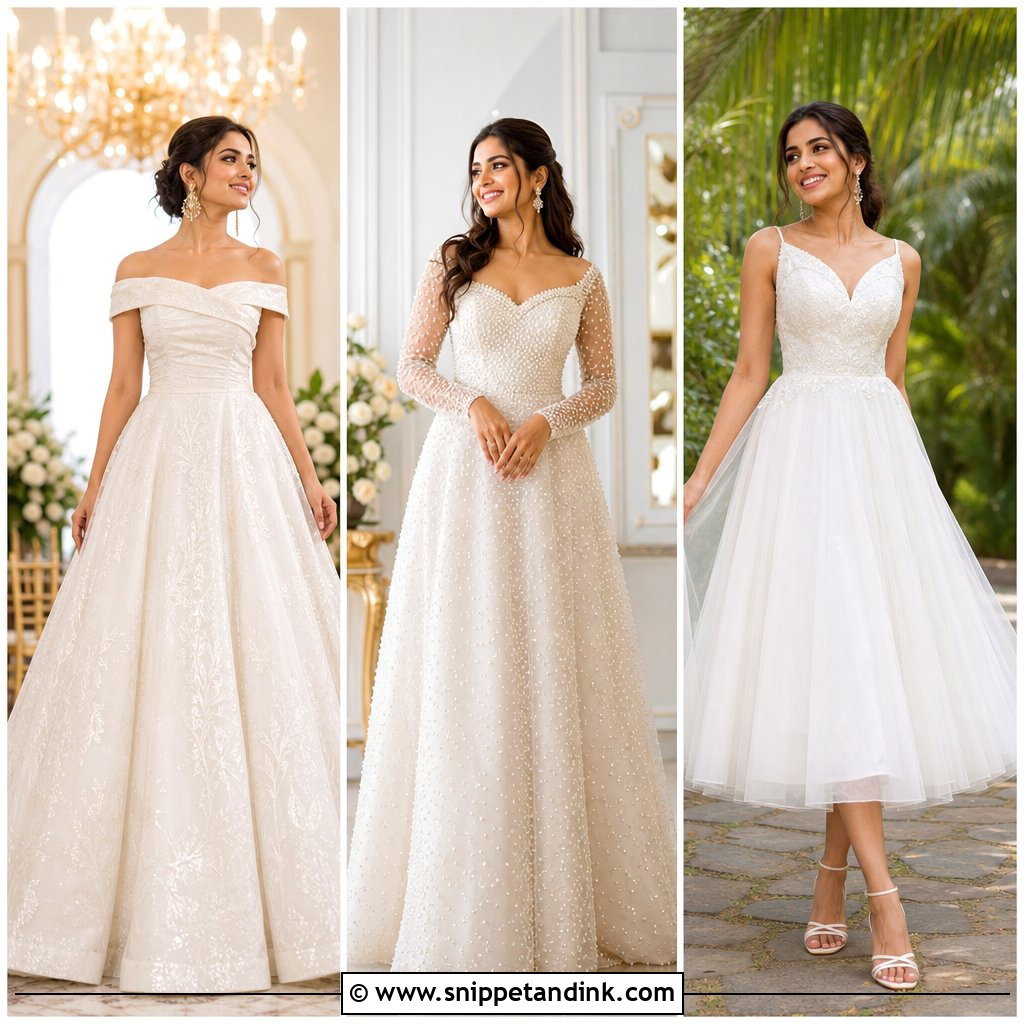
20. Simple Ballerina Wedding Dress
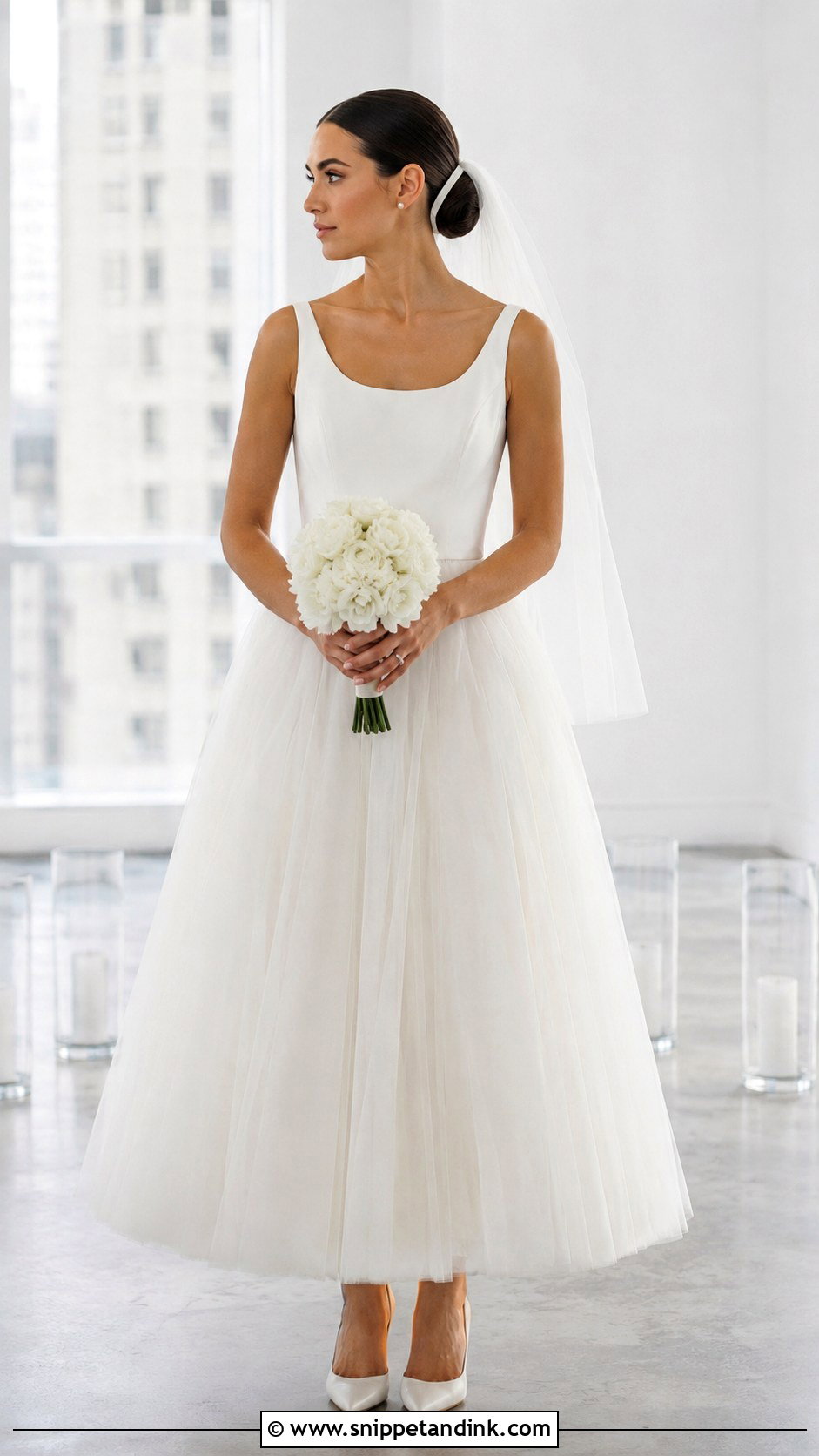
Take away lace and beading, and fit is all that’s left to judge. A simple ballerina gown, a matte satin or crepe bodice with a scoop neck over an undecorated tulle skirt, will show every wrinkle and every pulled seam. So I spend extra time at the fittings for plain dresses, not less. Pearl studs, pointed ivory pumps, a low bun with a slim satin ribbon, a single-layer veil and a one-flower bouquet keep it minimal. It suits modern city rooms, outdoor ceremonies and small gatherings, and it’s the easiest to personalise later with gloves, a bow or heirloom jewellery.
What Ten Hours Do to a Tulle Skirt
Tulle looks weightless, and it’s also the fabric I see suffer most between the aisle and the last dance. A little planning keeps the skirt looking the way it did at the fitting.
Bustling, Stepping and Snagging
Long tulle trains need a bustle, and with layered skirts each layer may need its own hooks. Ask your seamstress to show your bridesmaid how it works at the last fitting, not on the morning. Ring prongs, bracelet clasps and beaded bodices are the usual snag culprits, so I check every piece of jewellery against the skirt before the bride dresses.
Steaming and Creases
Tulle creases in transport but relaxes quickly with steam. Never iron it, because synthetic tulle melts. Hang the gown as soon as it arrives, steam from inside the skirt on low, and keep the steamer moving. Water drips leave marks on satin bodices, so cover them first.
After the Wedding
Have the gown cleaned within a few weeks, before any spills set. Store it flat or folded in acid-free tissue in a breathable box, away from light. Plastic garment bags trap moisture and can yellow ivory fabric over time, and a long tulle skirt left hanging for months stretches out of shape.
One Ballet Detail, Then Stop
Tulle, a corset bodice, a scoop neck, ribbon, pearls and a polished bun all say ballet, but they don’t need to appear together. Start with the silhouette you can sit, walk and dance in without thinking about it, then add one or two ballet details that suit your venue. Before the final alteration, walk the length of the room, sit through a pretend dinner and dance a full song in the dress. From the strapless ball gown to the reception mini, the shapes above cover different bodies and settings; the fitting room will tell you which one is yours.
You'll Like These Ideas:




Leave a Reply