
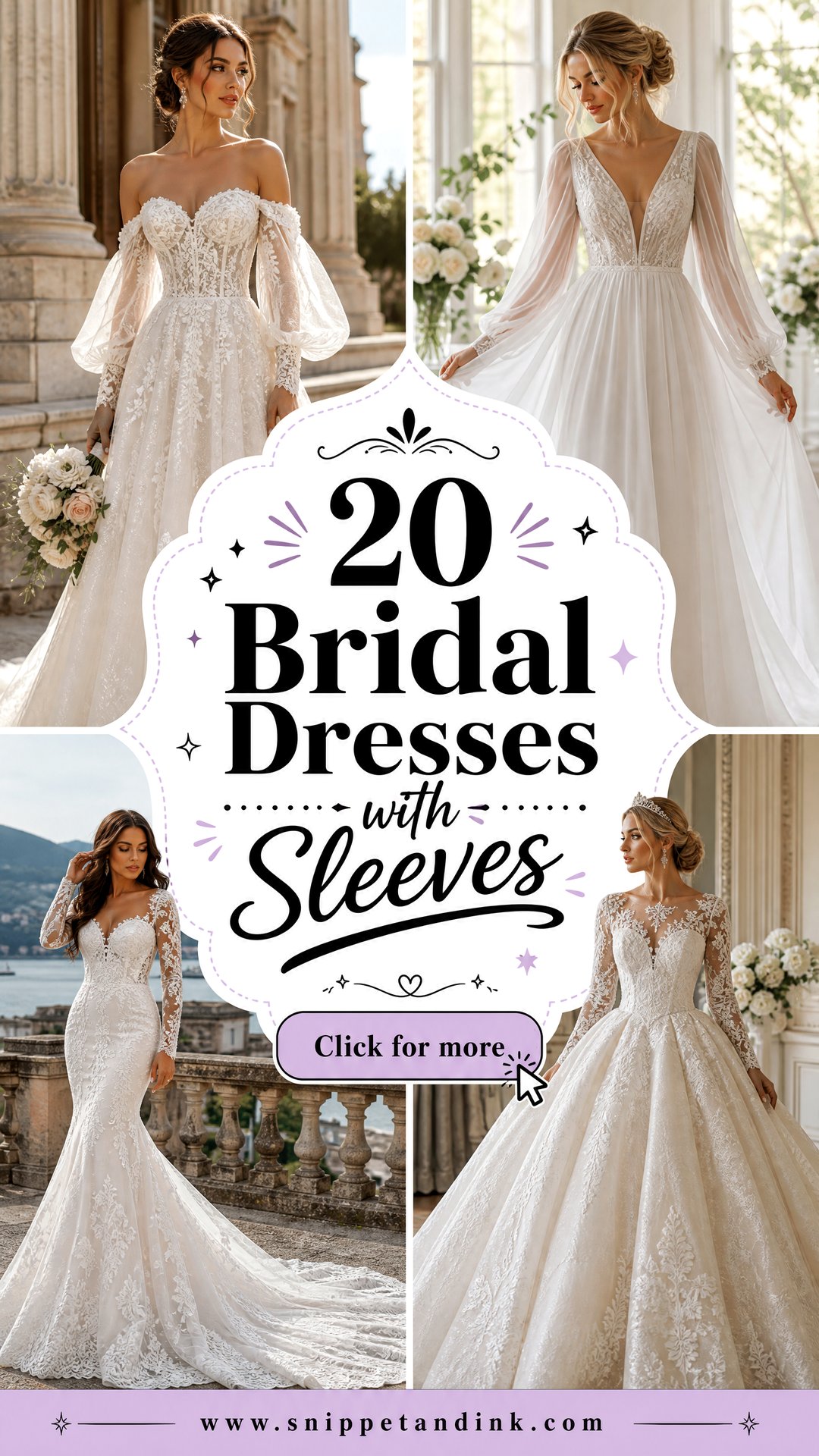
A sleeve changes a wedding dress more than almost any other detail. The same bodice reads traditional with fitted lace to the wrist and modern with a sculpted puff or a cape falling off the shoulder. Brides have more choice now: illusion lace, structured satin, bishop sleeves, three-quarter lengths and convertible details that let one gown do two jobs, often paired with basque waists, corset bodices and dimensional florals. In fittings I care less about which sleeve looks nicest on the hanger and more about how it moves. A sleeve you can’t lift your arms in will spoil every hug in the receiving line. The twenty looks below cover different seasons, venues and shapes, with the fit points I’d check on each.
The Arm Test I Run in Every Sleeved Fitting
Sleeves restrict the arm in ways a strapless bodice never does, and you only find out by moving. I ask every bride to do the same short routine in the fitting room, wearing the shoes and underwear she plans to wear on the day.
- Hug someone and hold it. A sleeve that’s too tight across the back of the upper arm will pull the whole bodice forward.
- Raise the bouquet to chest height, then raise both arms above your shoulders as if you’re dancing. Watch whether the bodice lifts with you.
- Bend your elbow fully, the way you would to fix your hair or eat. Lace and mesh should not dig in at the crook.
- Sit on a hard chair. Sleeves and bodice shift when you sit, and the underarm is where it shows.
- Check the length with your arms down and with them bent. A sleeve that ends exactly at the wrist bone while standing will pull up when you reach.
If a sleeve fails one of these, it’s an alteration question, not a reason to drop the dress straight away. A seamstress can often add a gusset, let out a seam or lower the armhole a little.
1. Long Sleeve Lace Bridal Dress With Cathedral Veil
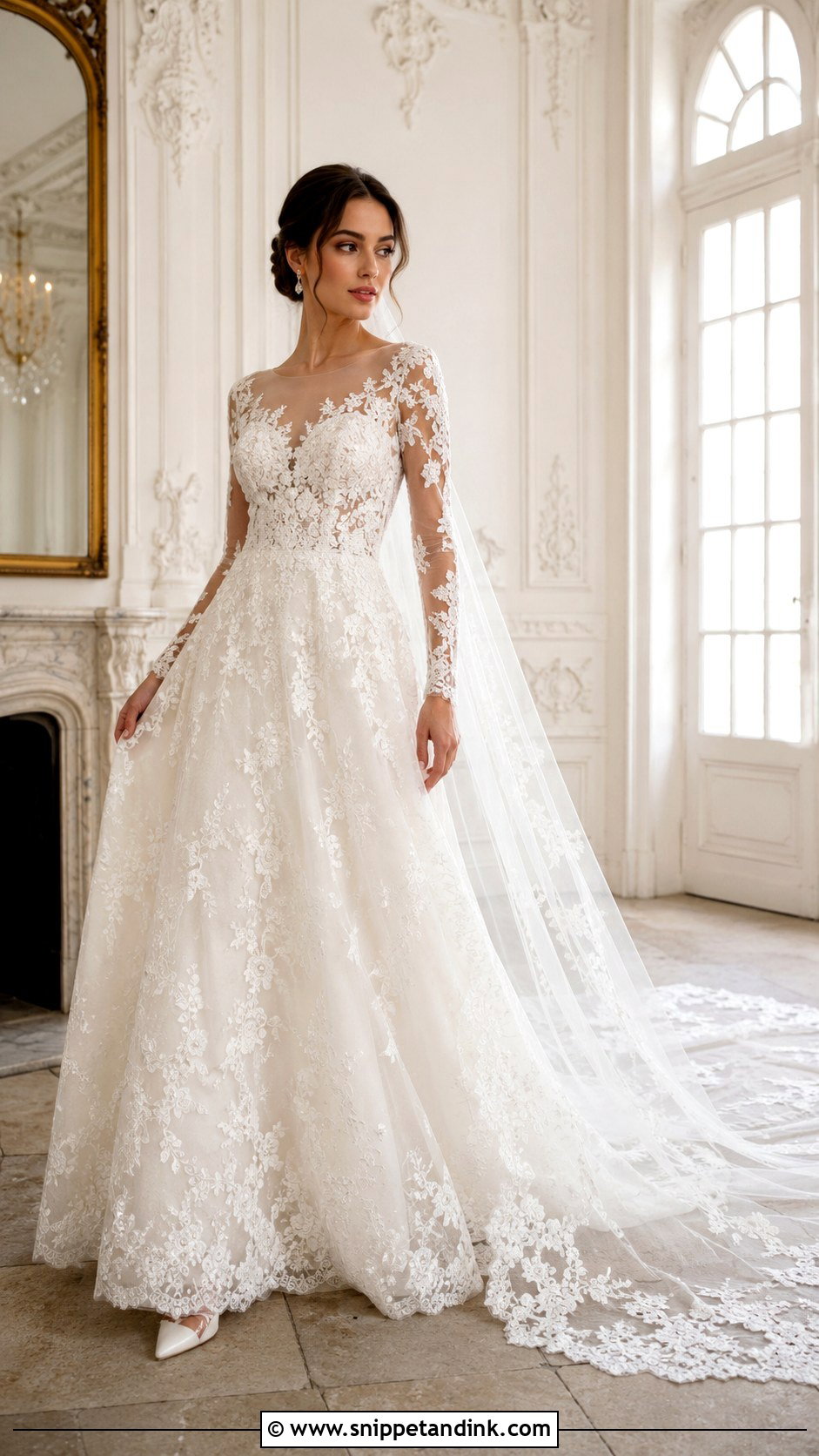
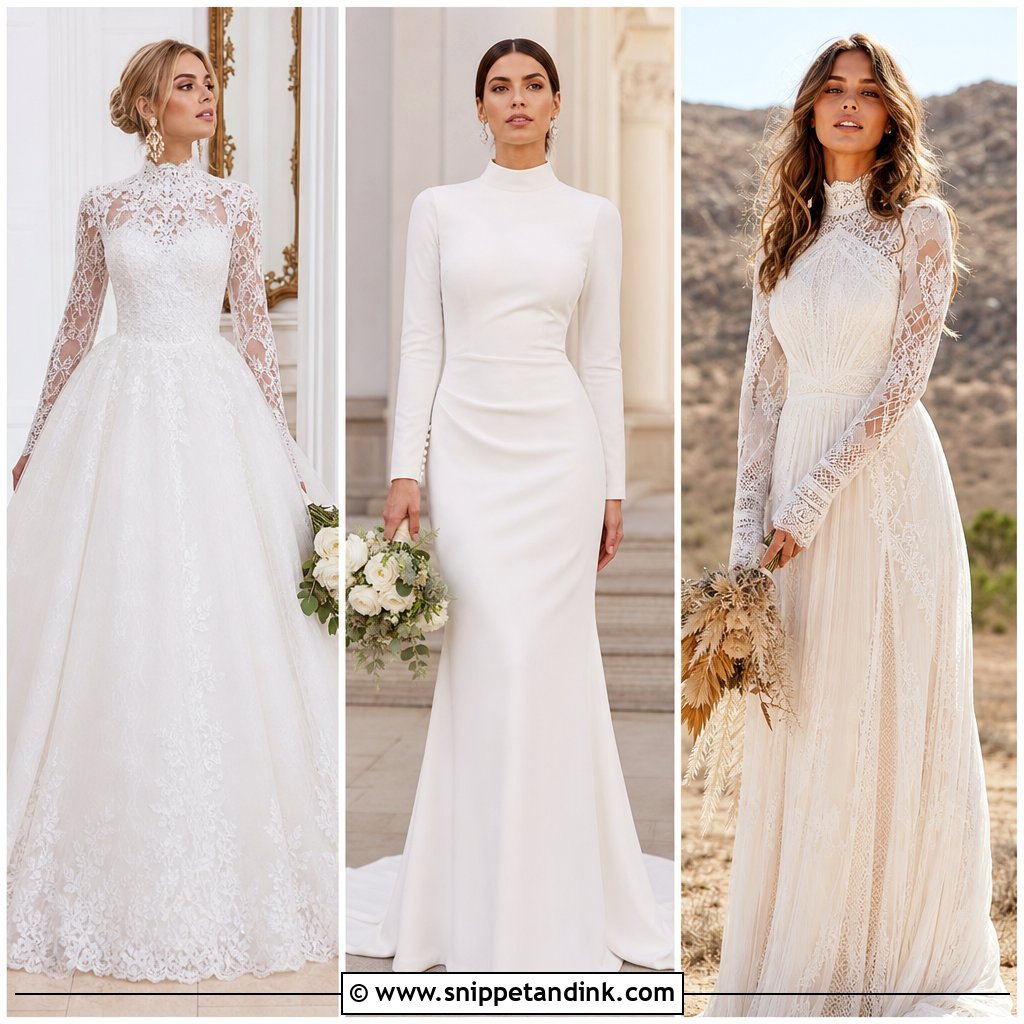
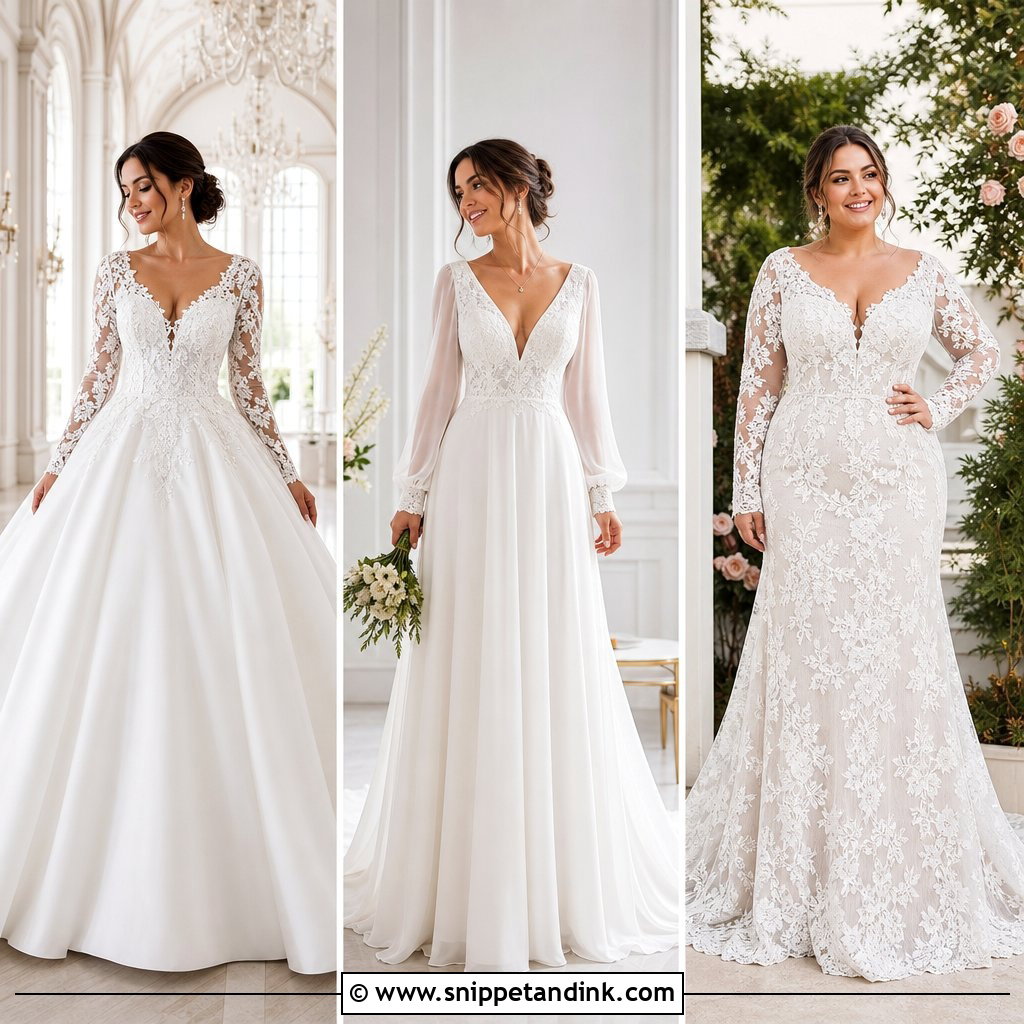
Fitted illusion lace to the wrist on an A-line gown is the classic for a reason: the arms are covered, but the mesh lets the skin show through, so it never feels heavy. A light lining under the bodice keeps the lace pattern crisp. I’d pair it with ivory pointed pumps, pearl drops and a plain cathedral veil edged in matching lace, and skip the necklace if the neckline sits high. A low chignon keeps the shoulders clear. Illusion mesh has very little give, so at alterations I ask brides to hug someone, lift both arms and sit down. If the sleeve pulls at the elbow, it needs ease added now, not on the day.
2. Satin Bridal Dress With Fitted Long Sleeves
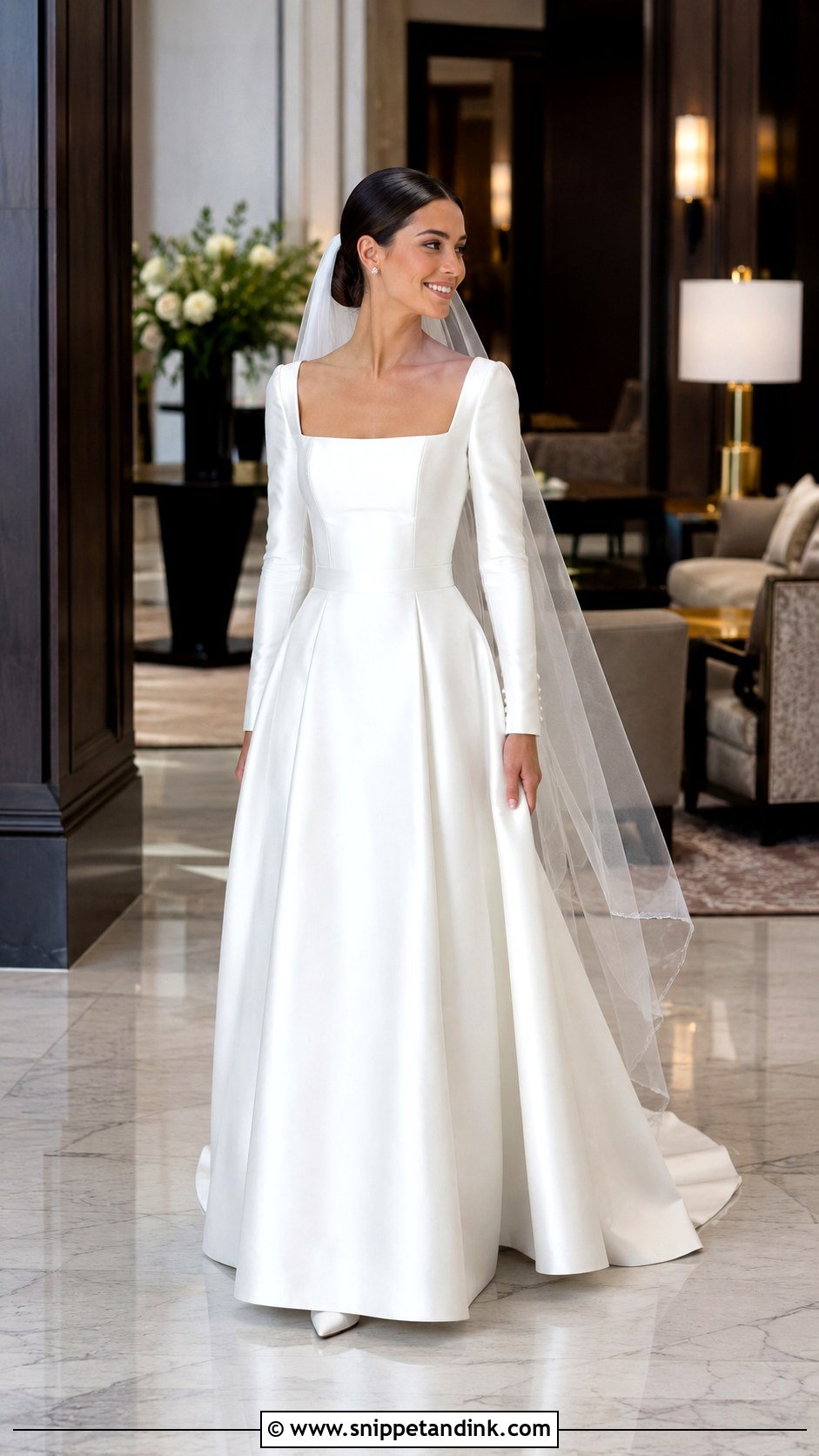
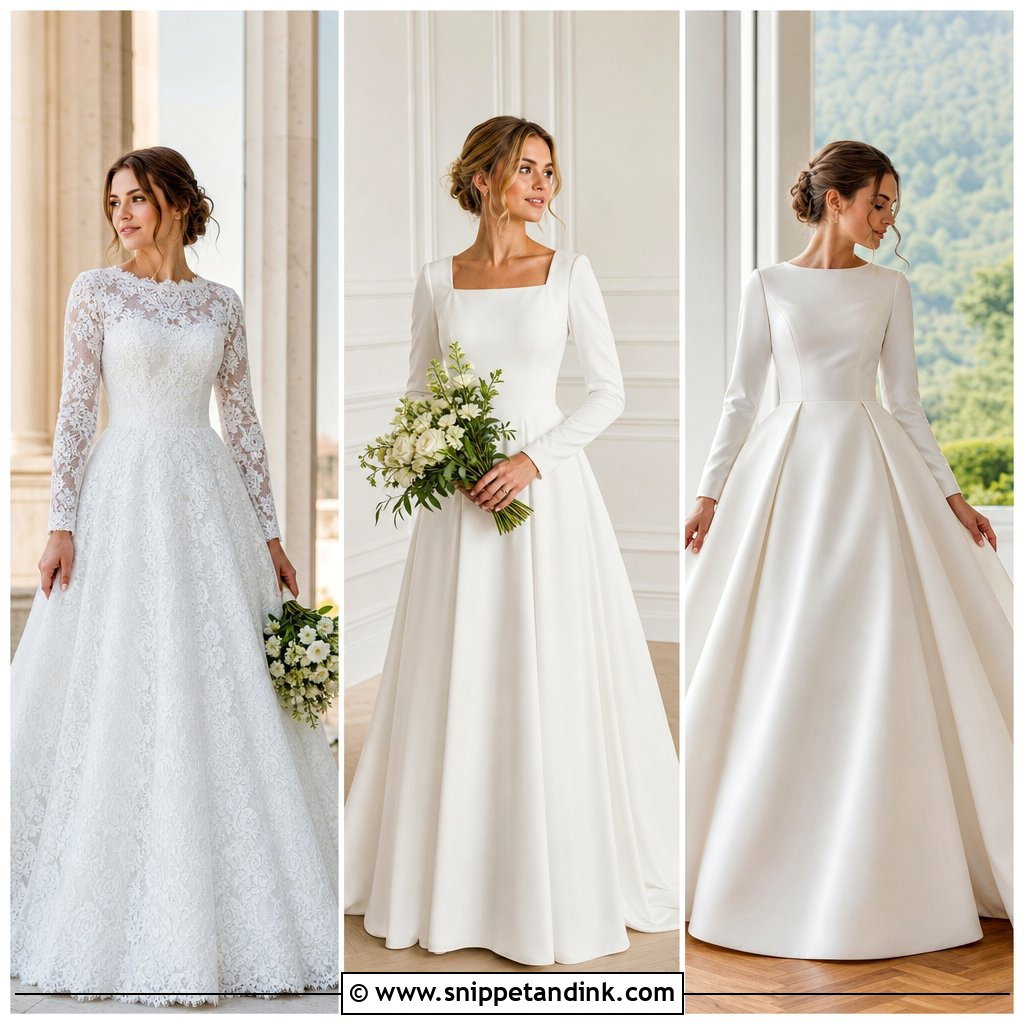
Satin shows every pull. On a fitted sleeve, that means stress lines across the upper arm and wrinkles in the crook of the elbow the moment the fit is slightly off. Done well, though, a structured A-line or ball gown with a square neckline and covered buttons down the back needs no embellishment at all. Closed satin heels, small crystal studs, a sleek bun and a plain fingertip veil are enough. A compact bouquet keeps the bodice in view. I’d ask the seamstress for a little more ease through the sleeve than feels necessary in the mirror. Formal evening weddings and cold months suit it best.
3. Sheer Sleeve Bridal Dress With Floral Appliqué
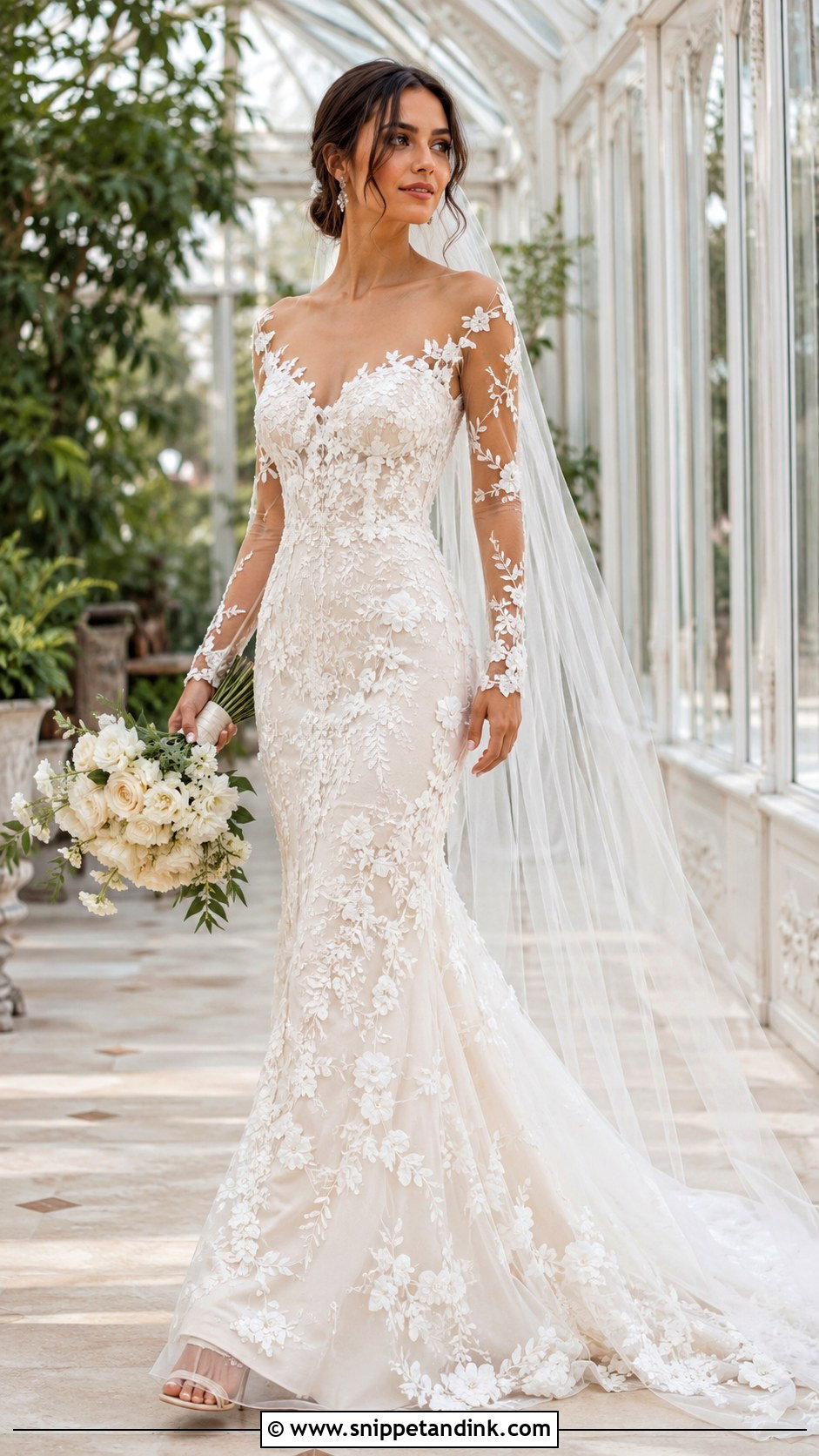
With floral appliqué on sheer sleeves, the placement is everything. The flowers should trail from the bodice down the arm, not stop in a hard line at the shoulder seam. Pick illusion mesh close to your own skin tone; in photos, a mismatched mesh reads as a grey or pink film over the arm. A fit-and-flare or soft A-line, nude-lined ivory heels, small floral earrings and a light tulle veil with no heavy trim suit the look. A loosely pinned updo keeps the neckline open. Raised appliqué can feel scratchy on the inner arm, and a good seamstress can soften or move a piece without changing the design. Gardens, conservatories and spring ceremonies are its natural setting.
4. Off Shoulder Bridal Dress With Detachable Sleeves
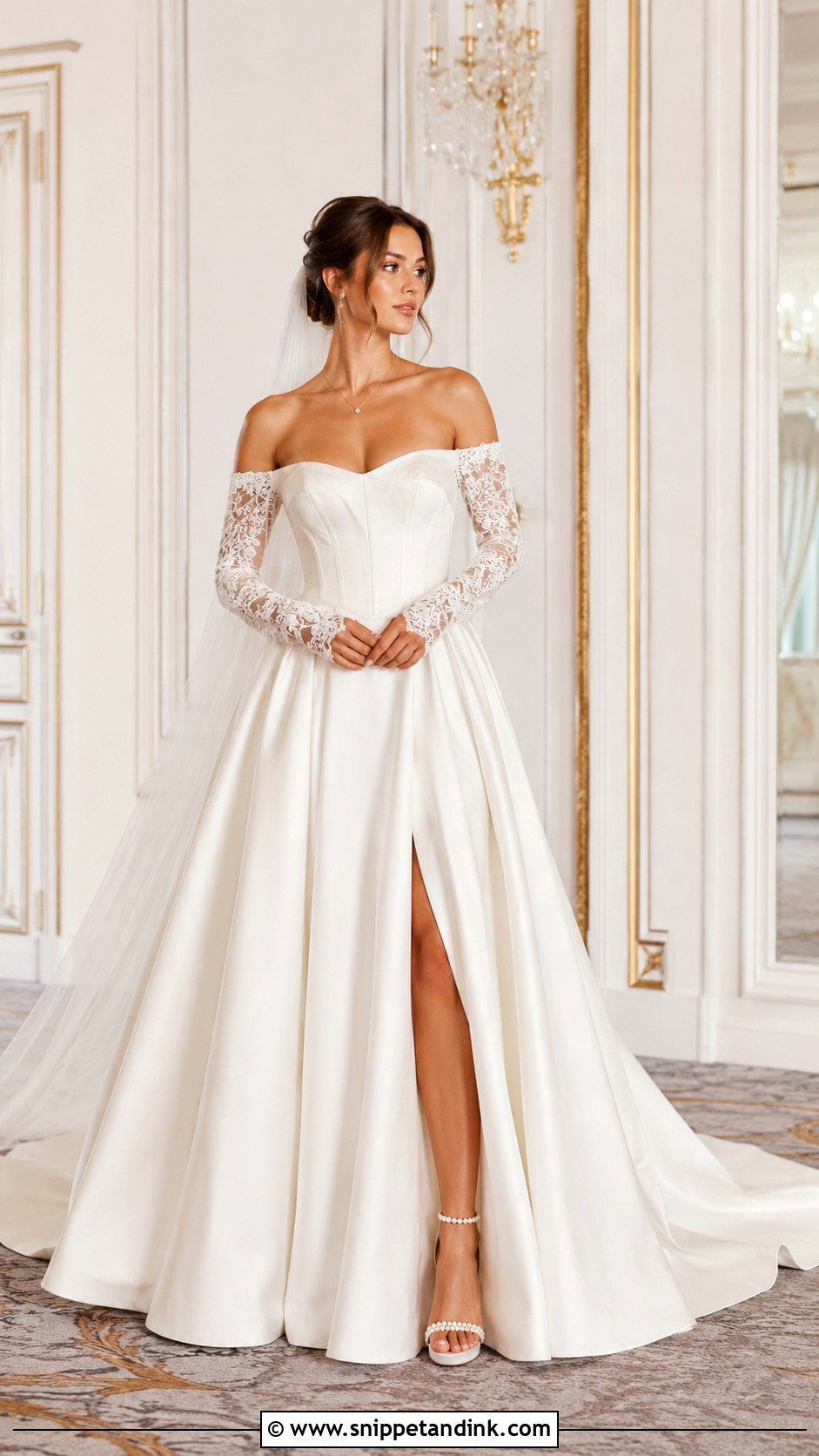
Detachable sleeves give you two outfits from one gown. An off-the-shoulder bodice with a full skirt takes fitted lace or draped tulle sleeves for the ceremony, then loses them for dancing. Pearl-trimmed heels, a short pendant and a chapel veil balance the open neckline, and loose waves or a half-up style frame the shoulders without hiding them. Off-shoulder sleeves have one job: staying where they’re put. I’d ask for small snaps, hidden loops or a strip of silicone elastic inside so they don’t creep down when you raise your arms. Practise the removal once at your last fitting so it takes a minute, not a struggle.
5. Crepe Bridal Dress With Buttoned Long Sleeves
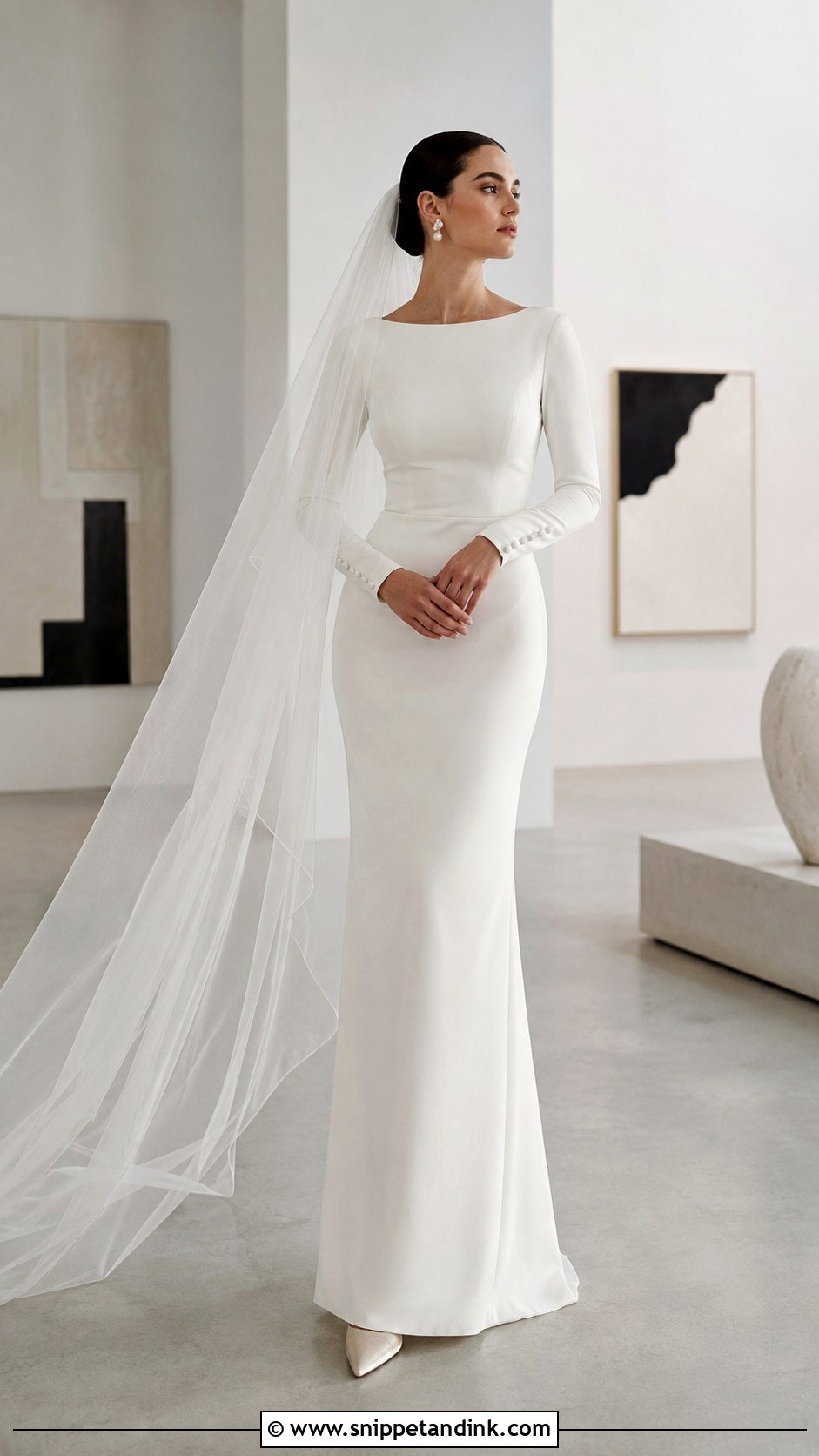
Crepe is honest fabric. It falls close to the body with no lace or beads to distract, so a crepe gown with long sleeves looks modern in a very clean way. A column or fit-and-flare with a bateau neckline, shaped waist seams and covered buttons at the cuffs and back is the version I like most. Pointed pumps, sculptural pearl earrings, a narrow cathedral veil and a sleek low ponytail or centre-parted bun keep it spare. That closeness has a cost: every line of your underwear shows. Bring the exact shapewear to every fitting, and walk and sit in front of a three-way mirror. Galleries and city venues suit it.
6. Bishop Sleeve Bridal Dress With Flowing Skirt
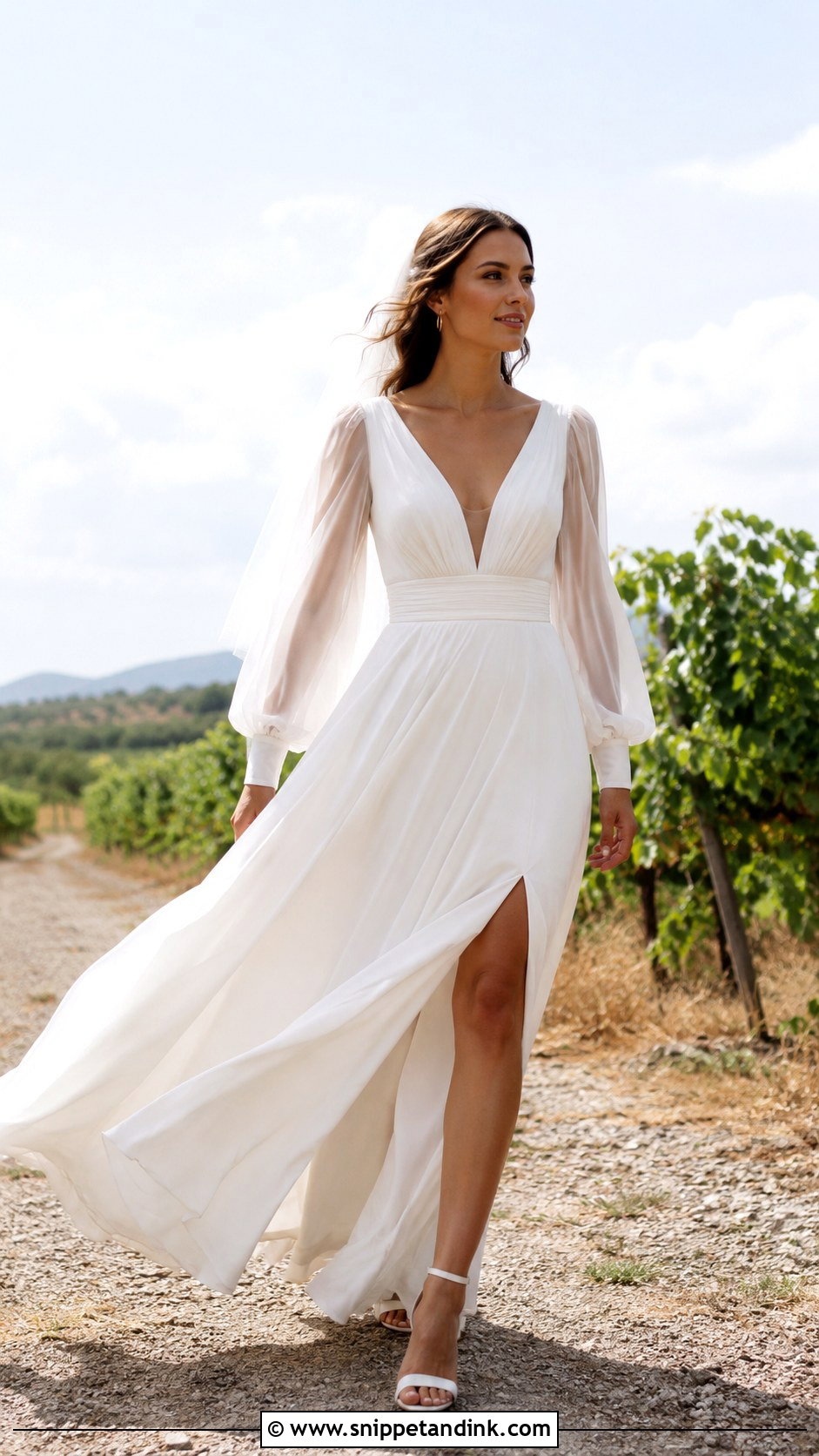
Billowing bishop sleeves gathered into a narrow cuff move every time you do, and over a flowing chiffon or soft tulle skirt they look best outdoors. The cuff keeps the volume looking deliberate. A V-neck bodice with a defined waistband stops the shape from turning loose all over. Block-heel sandals, understated gold earrings, a light veil and a textured low bun or braid suit vineyard, meadow and coastal weddings. Skip bracelets; they catch in the gathers. I always mention candles and buffet tables, too. A wide sleeve swings further than you’d think, so keep it clear of flames and food.
7. High Neck Bridal Dress With Lace Sleeves
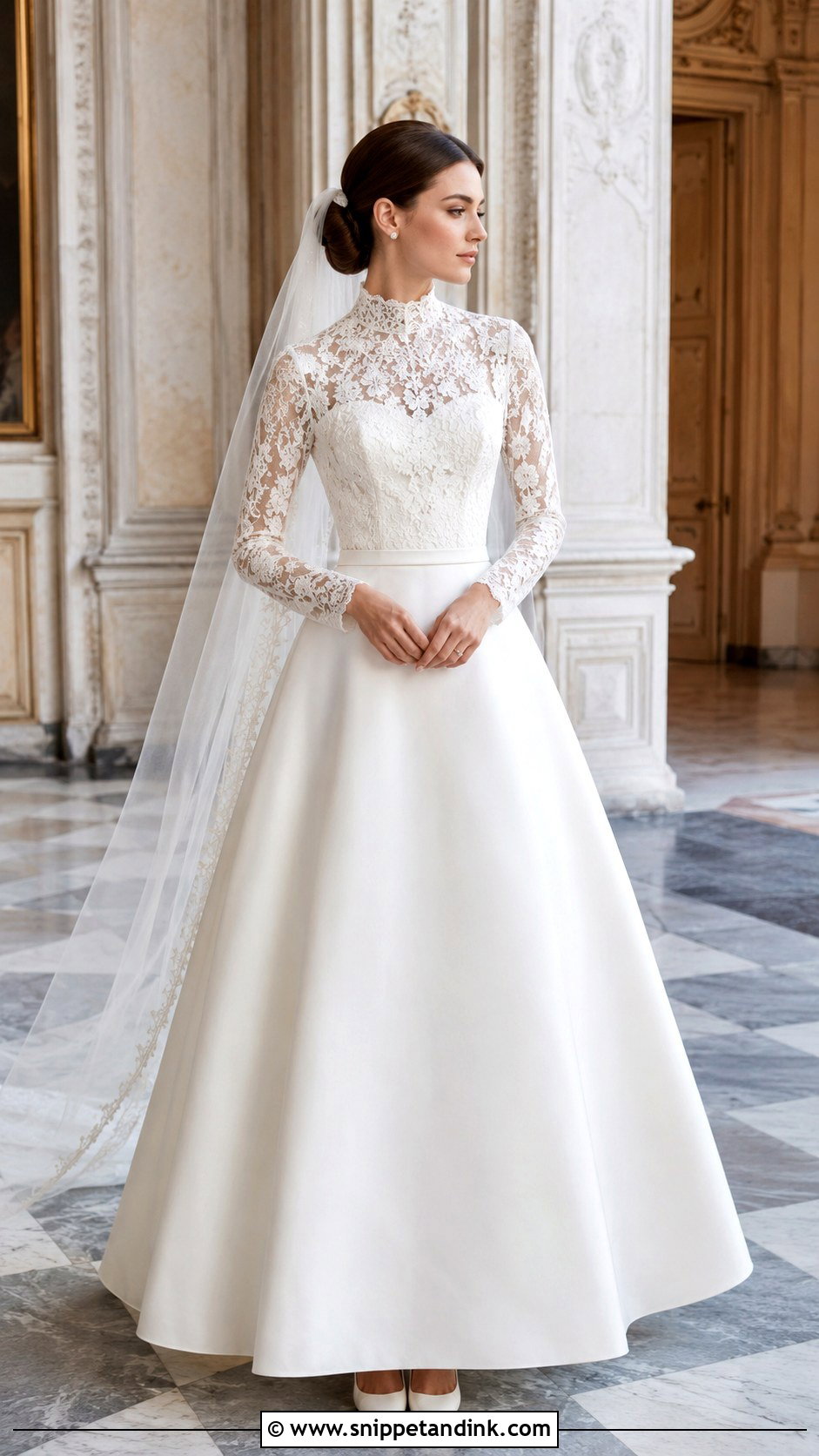
A high neck pulls attention to the face, and lace sleeves carry the detail down the arm. I’d keep the skirt a clean A-line under a fitted lace bodice with light lining, so the whole gown doesn’t become pattern. No necklace; small studs, ivory pumps, a plain comb and a veil set beneath a smooth chignon are enough. A sheer lace back keeps the front formal and the back lighter. Collars are the fiddly part. If the neckline is even slightly tight, it rubs by the second hour, so I check that a finger slides in at the collar and that the underarm doesn’t bite when the bride raises her arms. Ballrooms, historic venues and winter ceremonies suit it.
8. Puff Sleeve Bridal Dress With Square Neckline
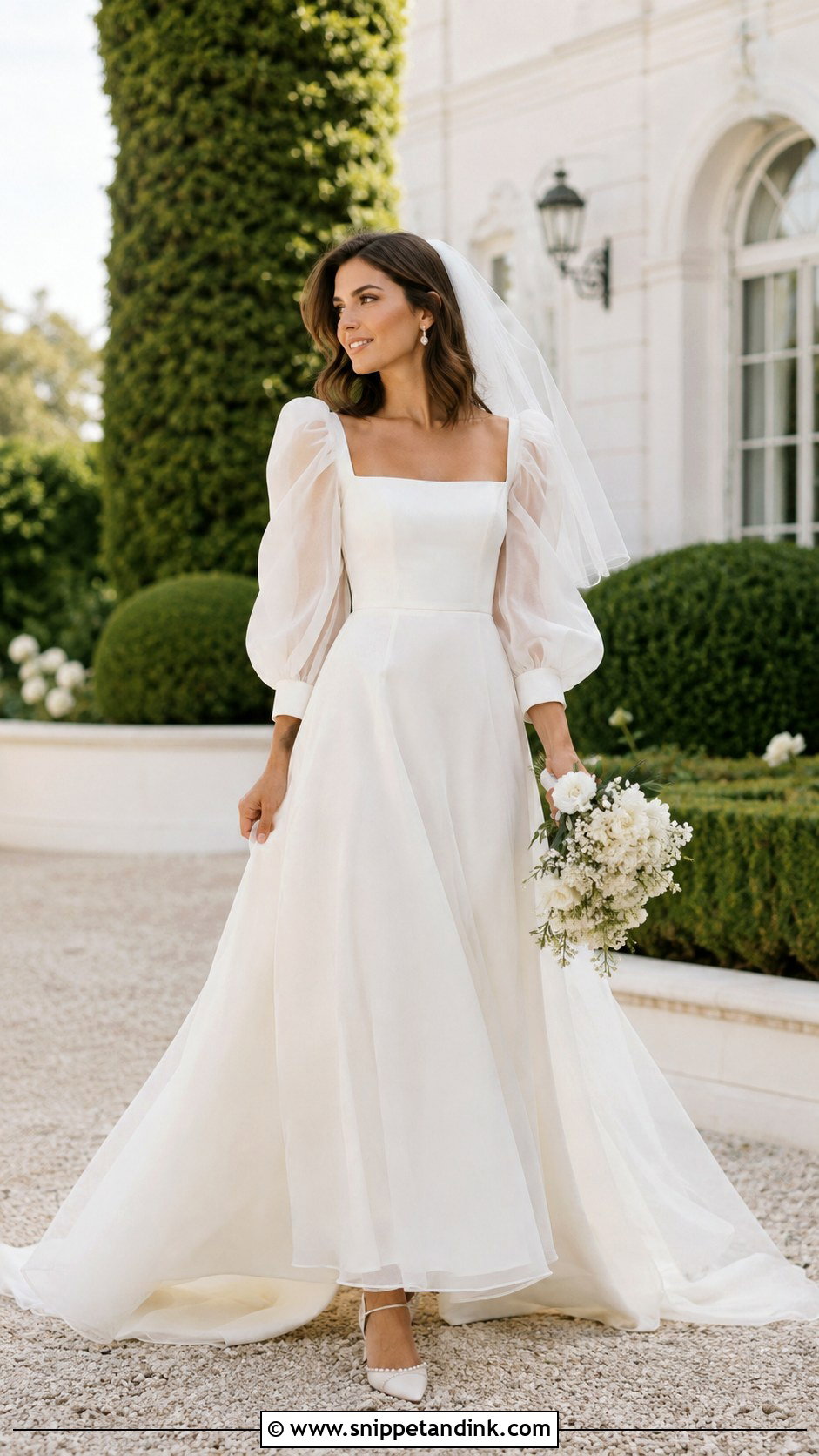
Puffs are about control. On an A-line gown with puff sleeves and a square neckline, I want soft organza fullness at the shoulder that tapers neatly toward the forearm or cuff, never a balloon that runs the length of the arm. Pearl heels, small drops, a shoulder-length veil that doesn’t flatten the puff and a neat updo keep the frame clear. If your shoulders are broad, choose a smaller puff; if you want more balance up top, go fuller. Organza holds its shape well but crushes in a garment bag, so steam it on the morning. Estates, gardens and daytime weddings suit it.
9. Beaded Bridal Dress With Illusion Sleeves
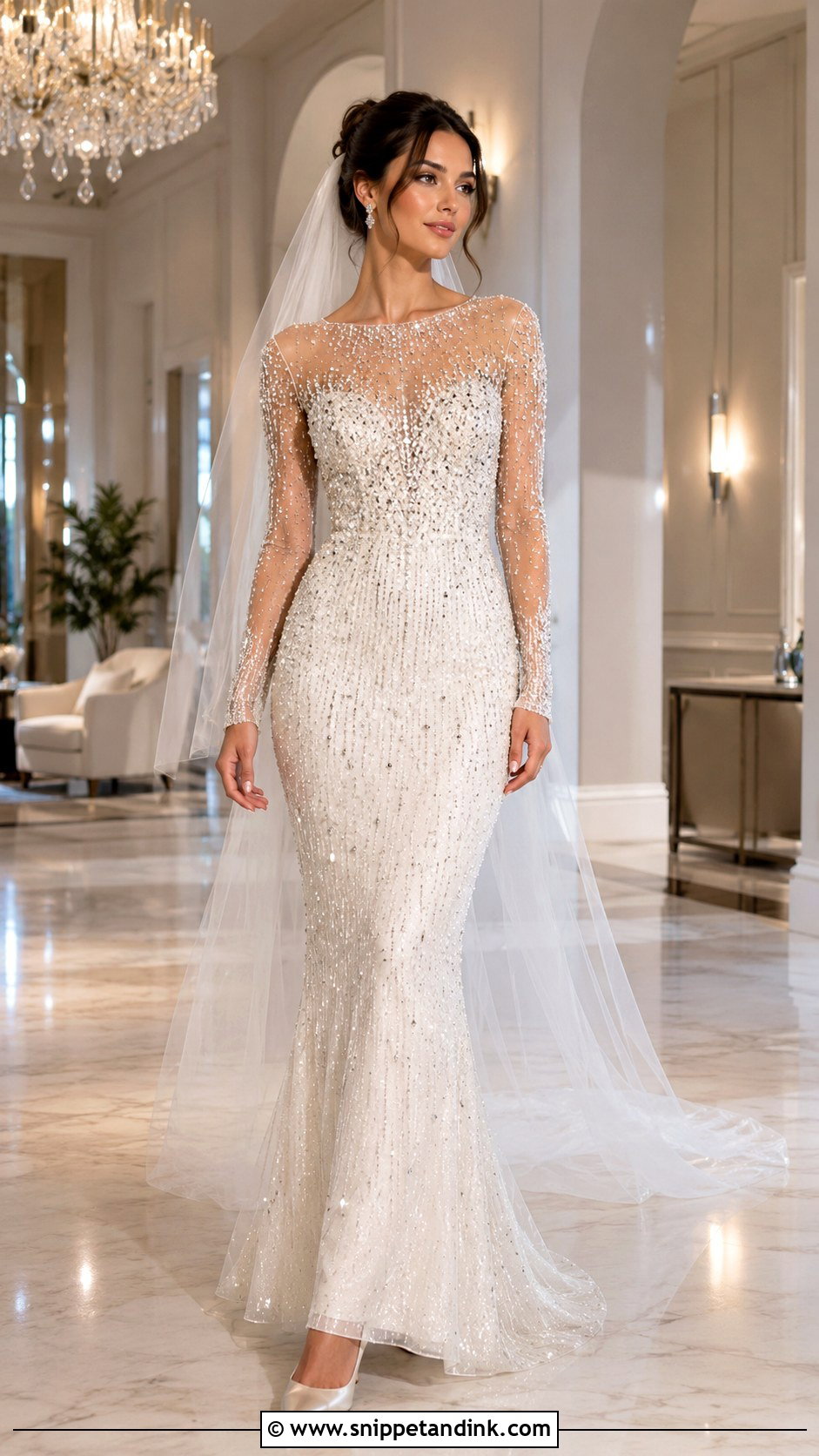
Beaded illusion sleeves glow under evening light because the stones catch it as you move your arms. I prefer beading that’s dense on the bodice and thins out down the arm, so the sleeves don’t feel heavy or pull the shoulders forward. Crystal studs, metallic ivory pumps, a plain tulle veil, a polished bun and neutral makeup keep the rest quiet. Beads near the underarm rub against the bodice with every arm swing and can snag or pull threads, so I check that zone closely. Heavily beaded mesh also needs a specialist seamstress; beads often have to be removed and re-sewn to alter a sleeve. Formal hotels and evening receptions suit it.
10. Boho Bridal Dress With Bell Sleeves
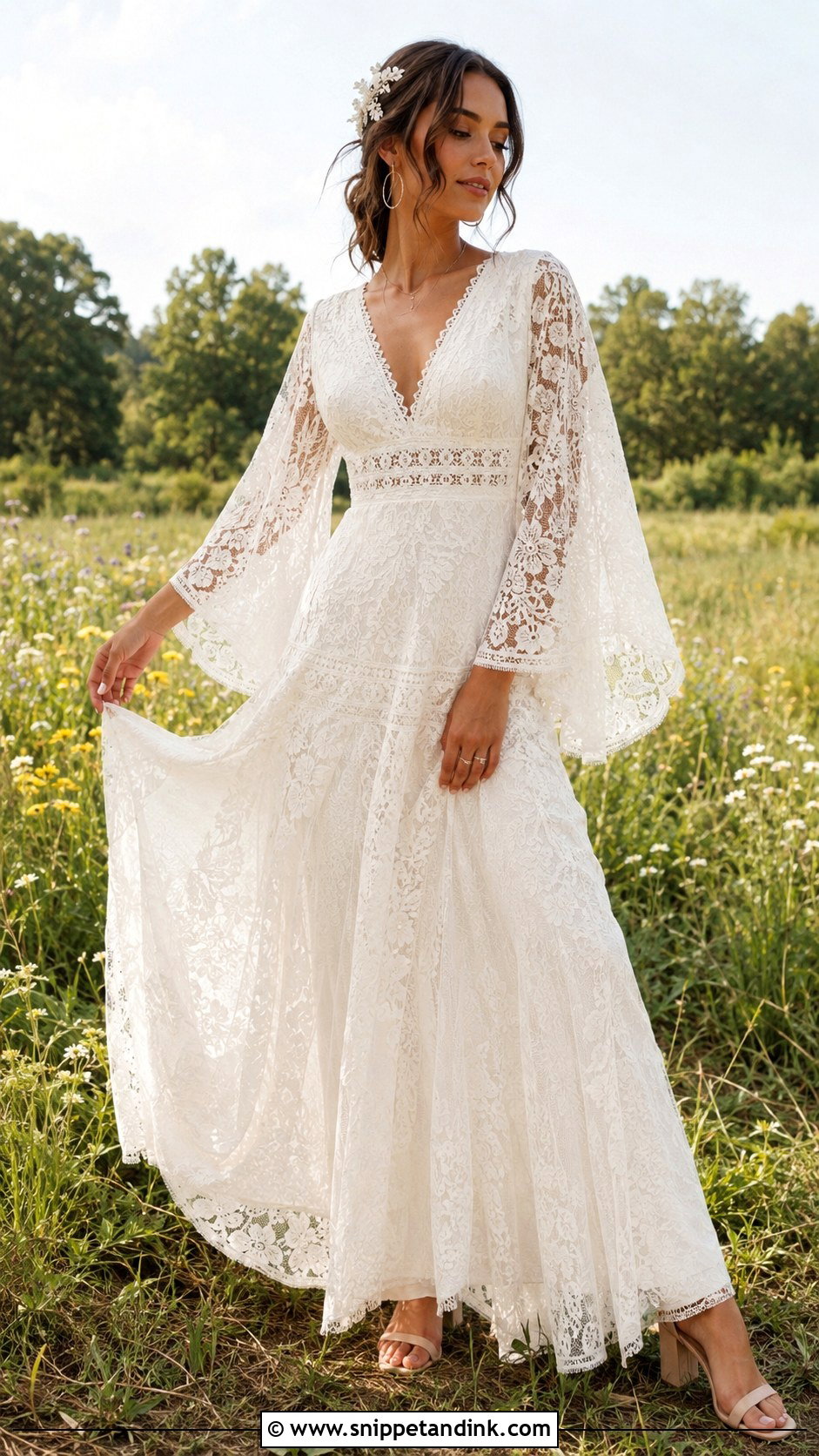
Bell sleeves that open below the elbow are much easier to live with than ones that flare from the shoulder. They give the movement without the fabric landing in your bouquet. Crochet-style lace, a gently fitted bodice and a skirt that skims rather than clings make the boho shape. Ivory block-heel sandals, small gold hoops and a floral comb are enough, with either a light veil or a sheer cape for the ceremony, but not both. Desert, woodland and lodge weddings are its home. Before the hem is cut, hold the bouquet and shake a few hands in the sleeves. If the bell swallows your hands, it needs shortening.
11. Modest Bridal Dress With Full Length Sleeves
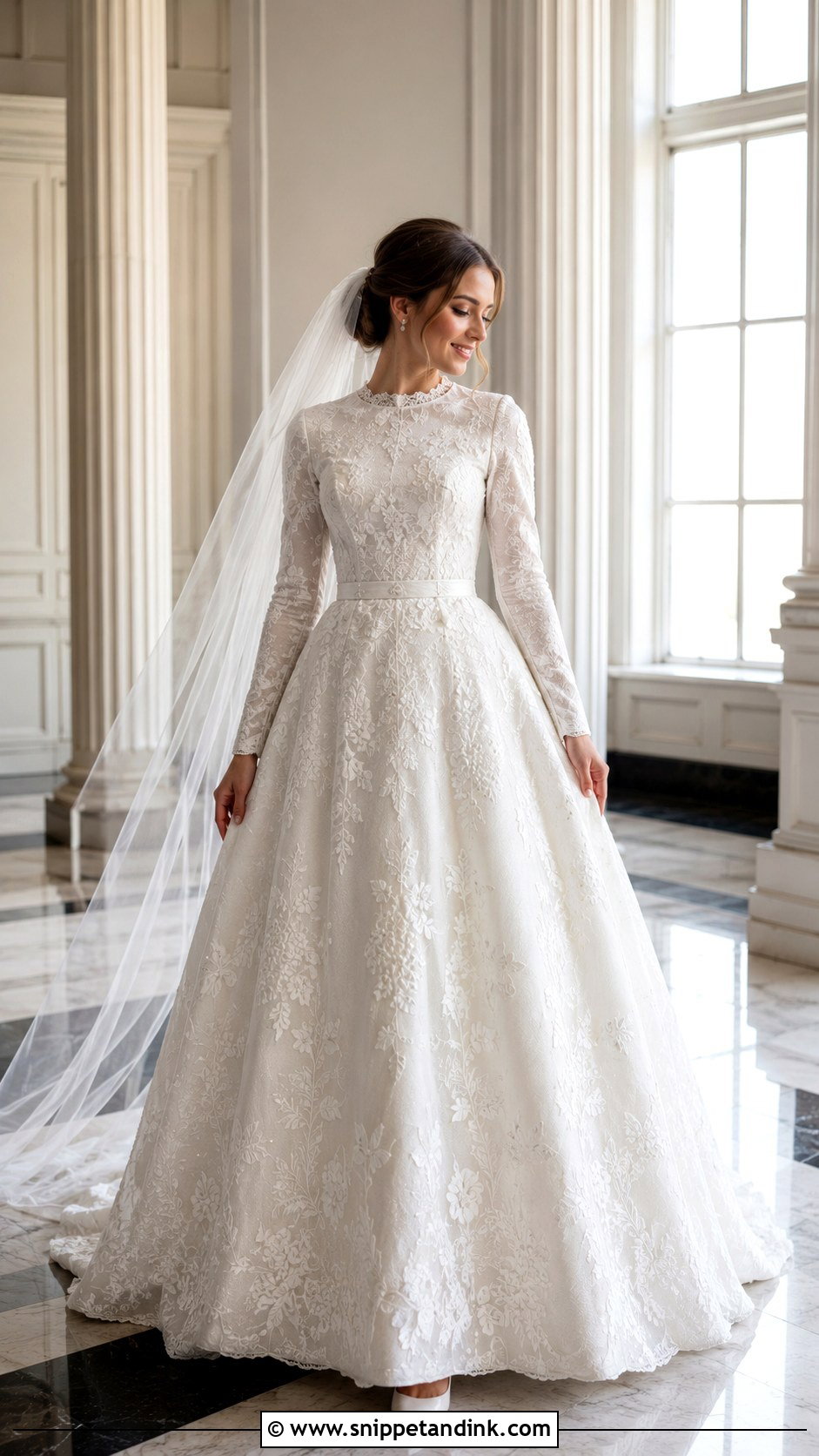
Modest doesn’t mean plain. Full-length sleeves, an opaque bodice and a higher neckline look rich on an A-line or ball gown with tonal embroidery, covered buttons and a softly structured waist. Texture through the bodice keeps it interesting without any sheer panels. Closed pumps, pearl studs and a chapel veil under a smooth bun finish it, and a narrow belt can define the waist if needed. Opaque sleeves are warmer and tighter than illusion ones, so I test them while the bride sits, eats a pretend forkful and raises her arms. A breathable lining makes a long day much easier. Formal venues and cool seasons suit it.
12. Winter Bridal Dress With Velvet Sleeves
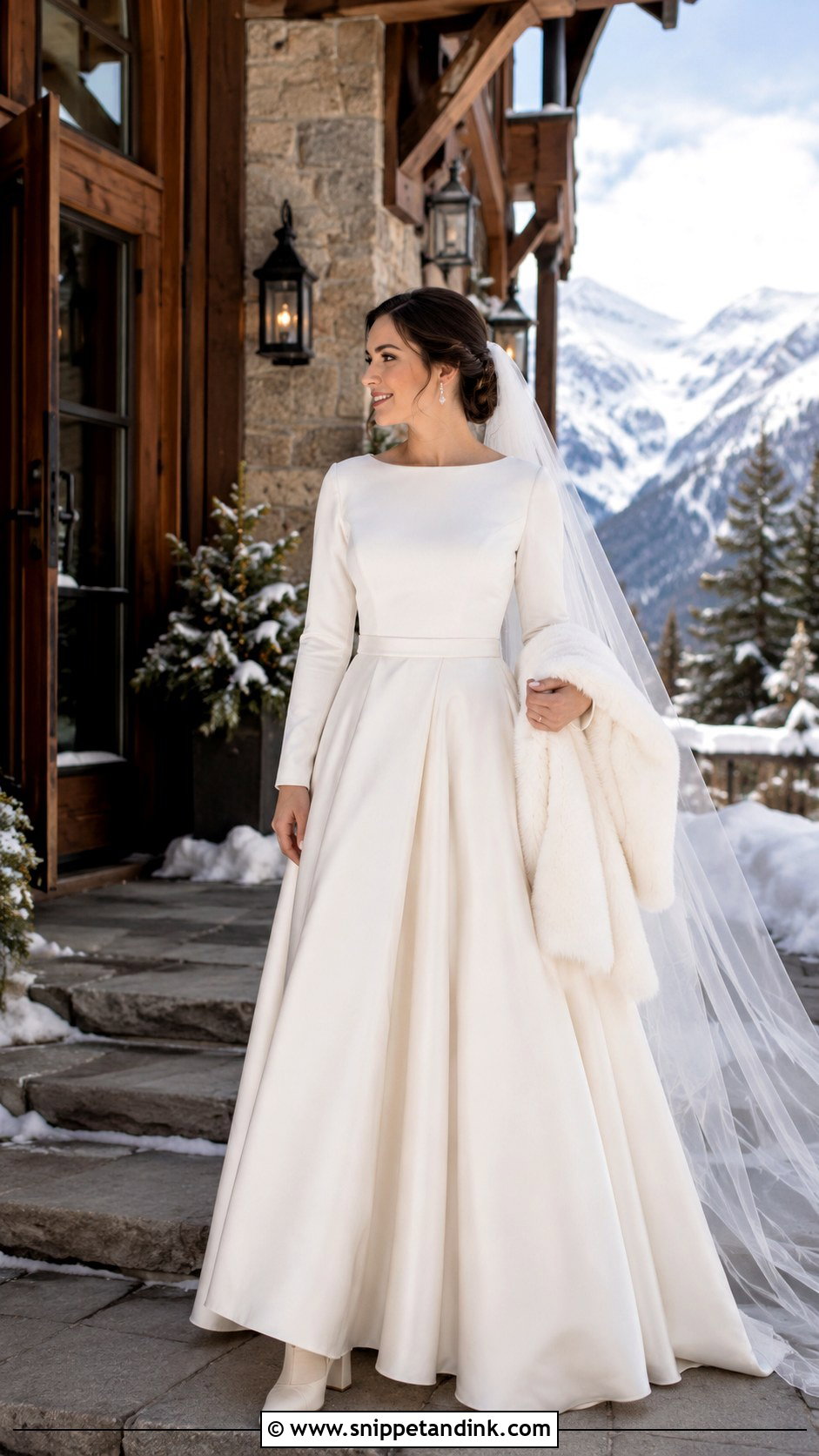
Velvet sleeves are for cold days only. On an ivory gown with a velvet bodice and a satin, crepe or structured skirt, a bateau or modest V-neckline keeps the heavier fabric from feeling closed in. Closed block heels, crystal earrings and a clean-edged cathedral veil suit it, with an ivory faux-fur wrap for outdoor portraits. I’d wear the hair up, since loose hair sticks to velvet’s pile. Velvet also marks where it’s pressed or creased, so it should travel hanging and never be folded. Make sure the sleeves have stretch or seam allowance at the elbow. Lodges and snowy settings suit it.
13. Tea Length Bridal Dress With Three Quarter Sleeves
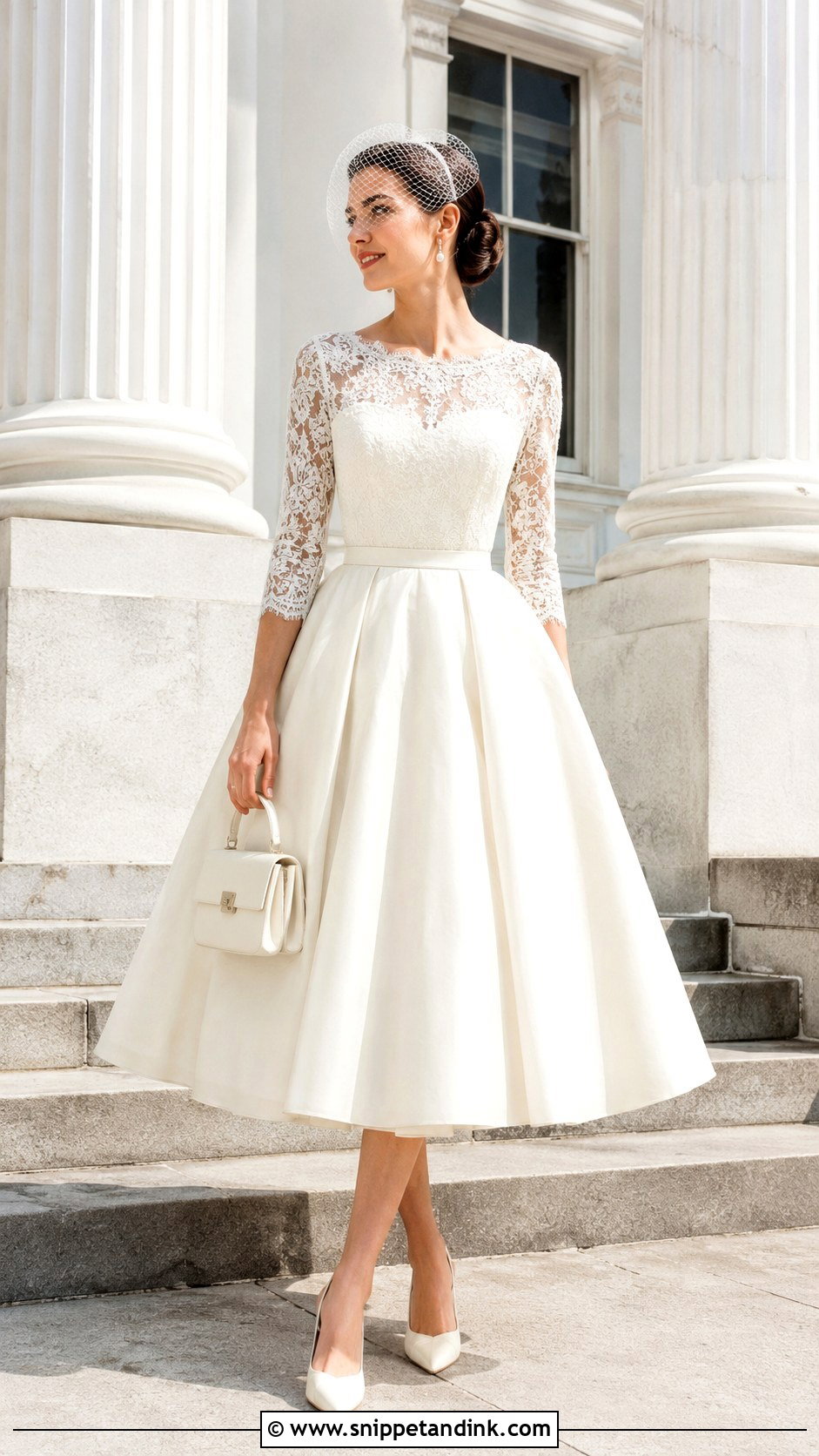
Three-quarter sleeves stop at the forearm, which leaves the wrists free for a watch or bracelet and keeps them out of the cake. On a tea-length dress with a fitted bodice and a skirt ending between knee and ankle, lace sleeves look soft, and crepe or mikado looks sharper. The shorter hem puts the shoes on show, so slingbacks or embellished bridal heels earn their place. A birdcage veil, pearl earrings and a small structured bag finish the vintage feel, with a neat bun or curled bob. Set the hem with the actual shoes on, and take a few long strides to check the skirt. Courthouses and daytime receptions suit it.
14. Mermaid Bridal Dress With Lace Long Sleeves
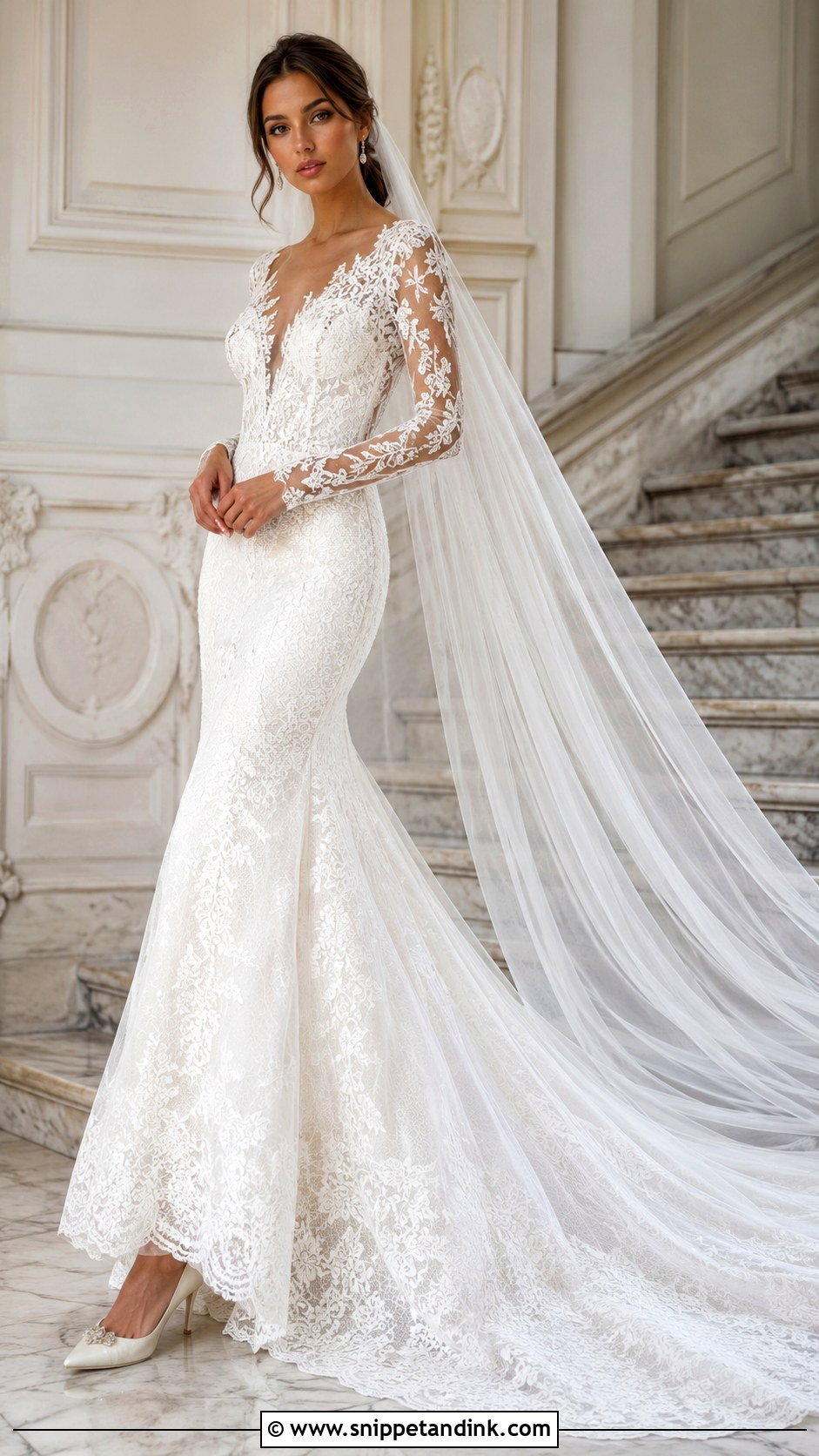
A mermaid shape hugs through the hips and flares near the knee, and the lace sleeves soften what can otherwise feel severe. Illusion sleeves with a low or keyhole back keep it light. Slim ivory heels, drop earrings, a long plain veil past the train and an updo that shows the back detail suit evening weddings in large rooms. I spend most of a mermaid fitting on movement. Where the flare starts decides how freely you can walk, so I have the bride climb a few stairs and sit on a chair. If she has to shuffle, the flare needs to start higher.
15. Ball Gown Bridal Dress With Long Sleeves
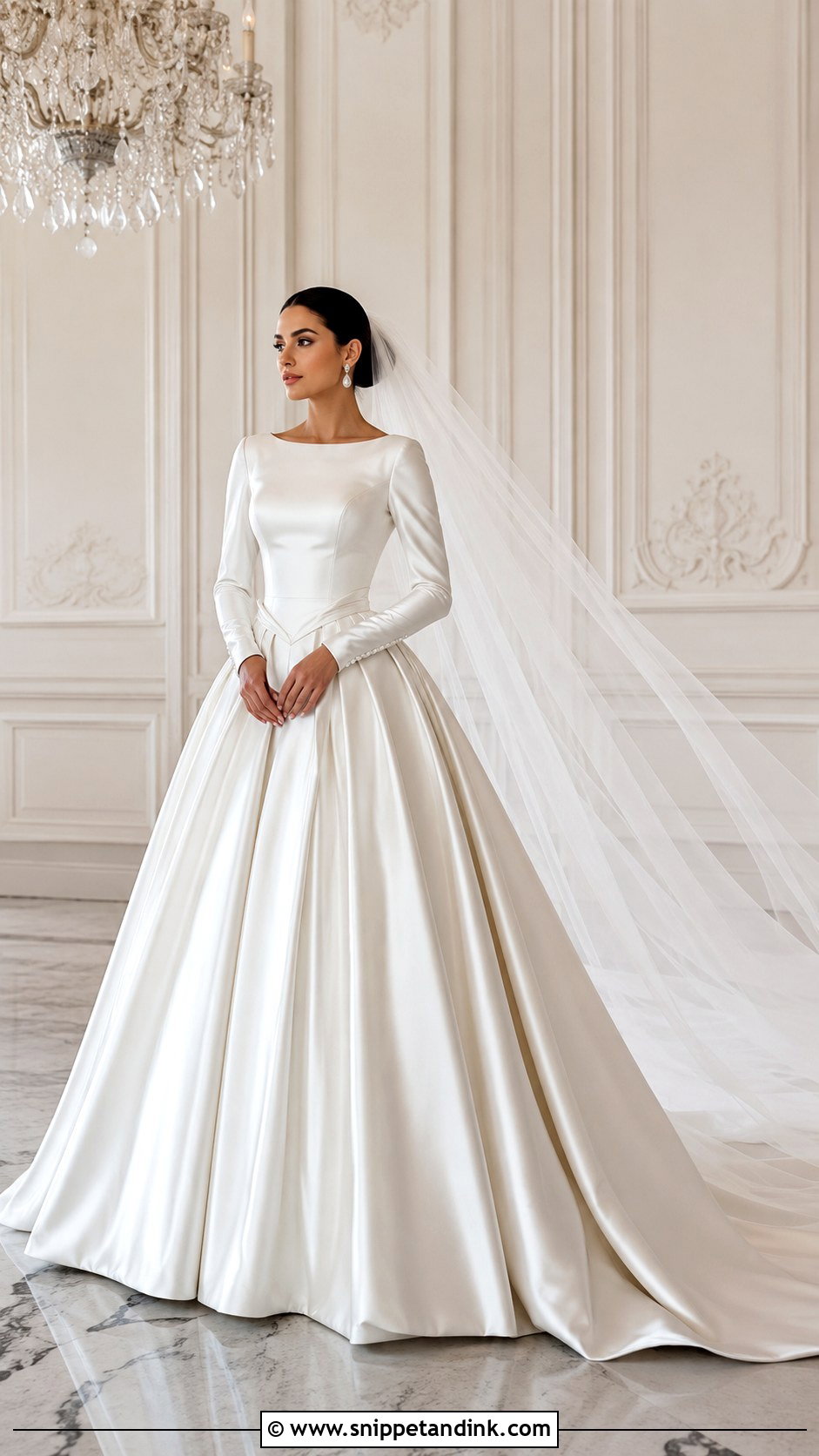
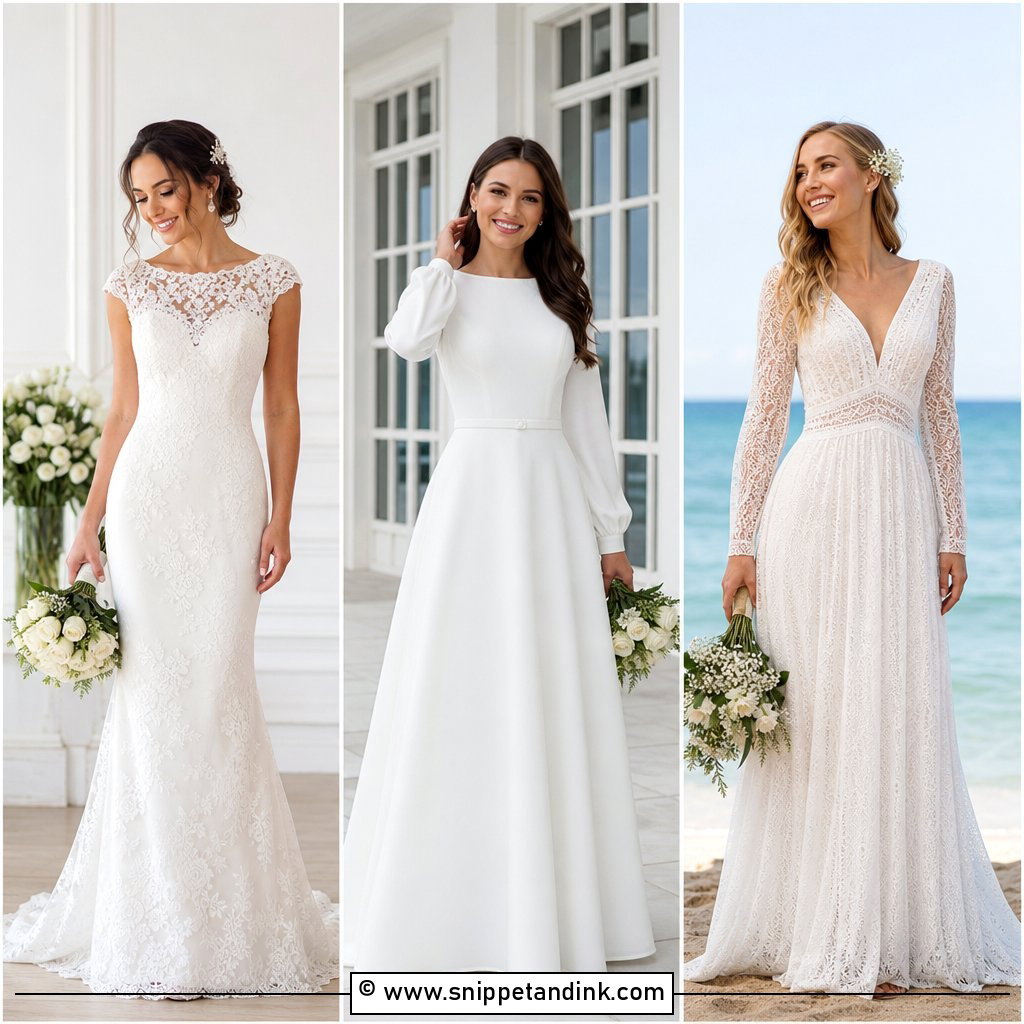
A long-sleeve ball gown is as formal as bridal dressing gets. Satin gives a crisp finish and lace a softer one. A basque or natural waist shapes the bodice, and covered buttons from the wrists to the back add old-fashioned detail. Comfortable platform heels, pearl drop earrings and a cathedral veil scaled to the skirt finish it, with a polished bun. The weight of a full skirt sits on the waist and hips, so the bodice has to grip without digging into the ribs. I’d practise turning and sitting before the day and make sure the bustle is secure. Ballrooms and historic estates suit it.
16. A Line Bridal Dress With Cap Sleeves
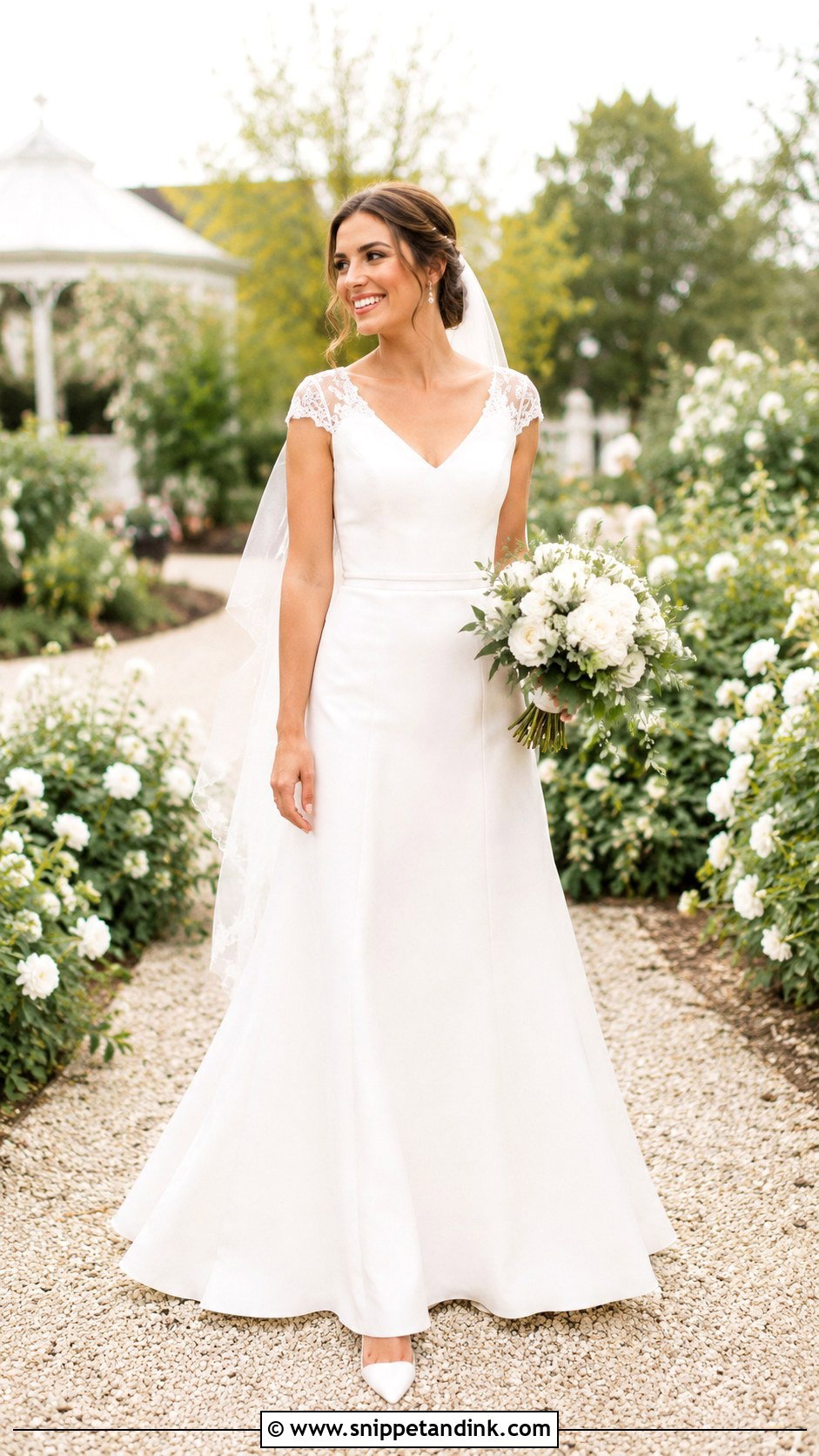
Cap sleeves give the shoulder a little cover without any of the warmth of a full sleeve. On an A-line with a soft V or scoop neckline, a fitted waist and a smooth skirt, lace or beaded caps add detail for spring and summer. Pointed pumps, delicate earrings, a fingertip veil ending above the fullest part of the skirt and a half-up style suit it. The catch with caps is the armhole. A narrow cap with a high, tight band restricts your arms more than a full sleeve does, so I check that the band doesn’t cut in when the bride reaches and lifts her bouquet.
17. Bridal Dress With Flutter Sleeves And V Neck
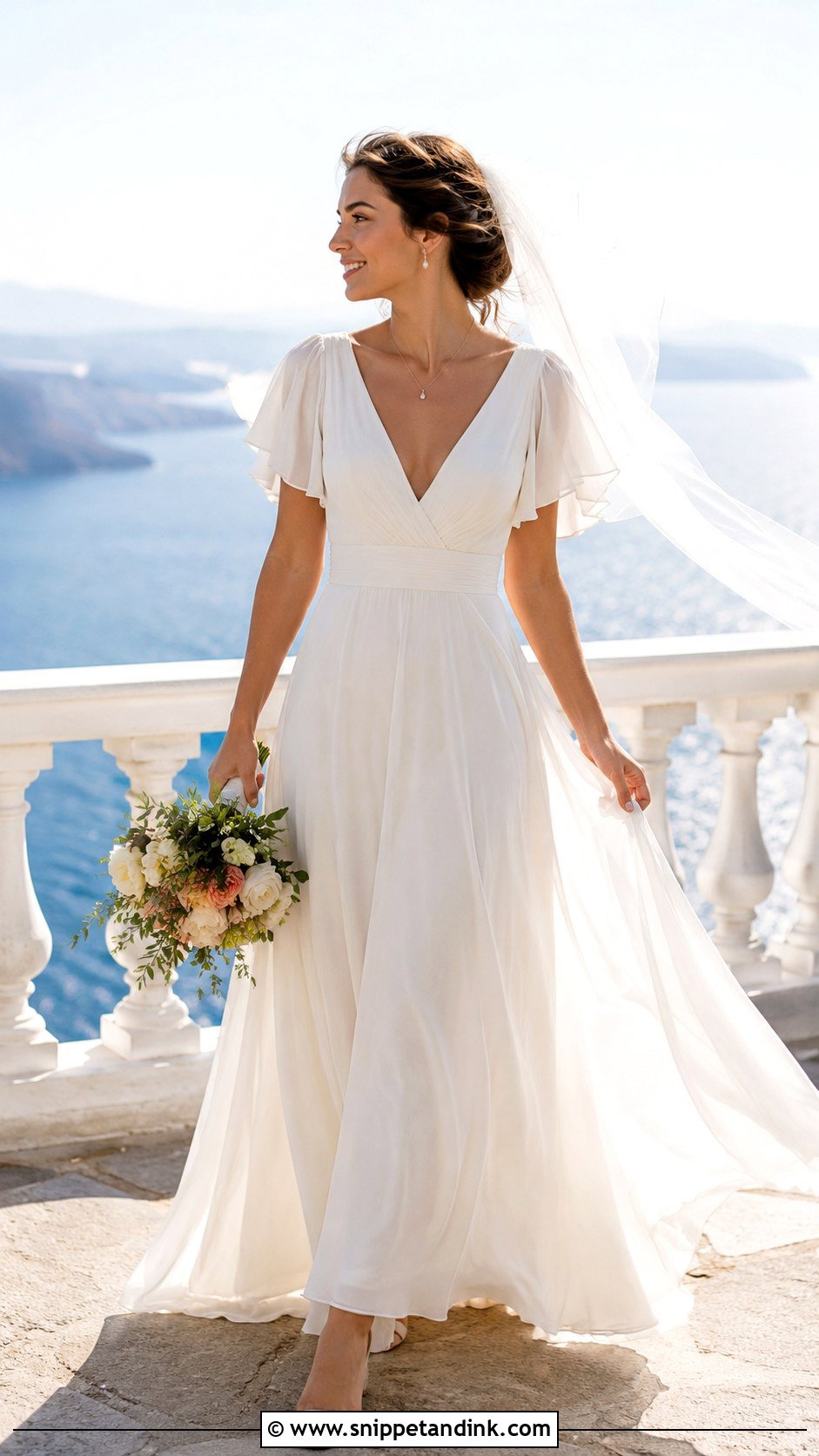
Flutter sleeves are the warm-weather sleeve. They fall loosely from the shoulder on a V-neck A-line in chiffon, georgette or soft tulle, and a defined waistband gives the floaty fabric some structure. Make sure the flutter doesn’t add width at the bust; it should drop, not stick out. Low block heels, a fine pendant, small earrings, a simple veil and soft waves or a loose low bun suit beach and garden weddings. Light flutters flip up in wind and can cover the face in close portraits. I’d ask about a slightly heavier fabric or a weighted edge if the venue is breezy.
18. Bridal Dress With Cape Sleeves And Train
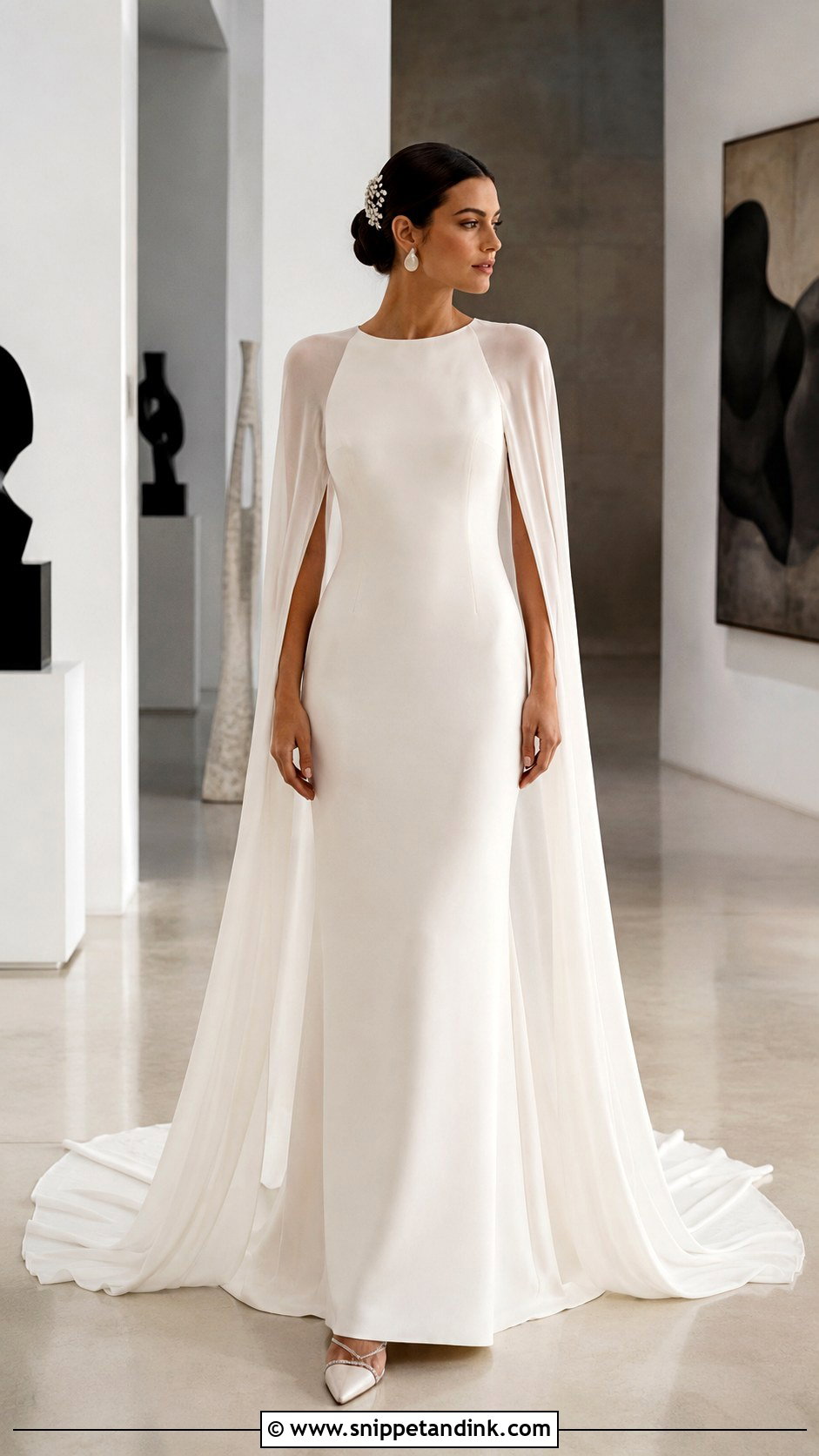
Cape sleeves give you the drama of a cape while staying attached to the dress. A sleek crepe or satin column with sheer panels falling from the shoulders into a chapel-length train is the cleanest version, and the plain dress underneath keeps the cape from swallowing the frame. Pointed heels, sculptural earrings and a simple comb replace the veil. A low bun or smooth ponytail keeps the shoulder line strong. My test is turning on the spot. The cape should fall behind the arms, not wrap around the body. If it stays on for the reception, ask about a wrist loop or discreet bustle so nobody steps on it. Galleries and modern venues suit it.
19. Bridal Dress With Detachable Tulle Sleeves
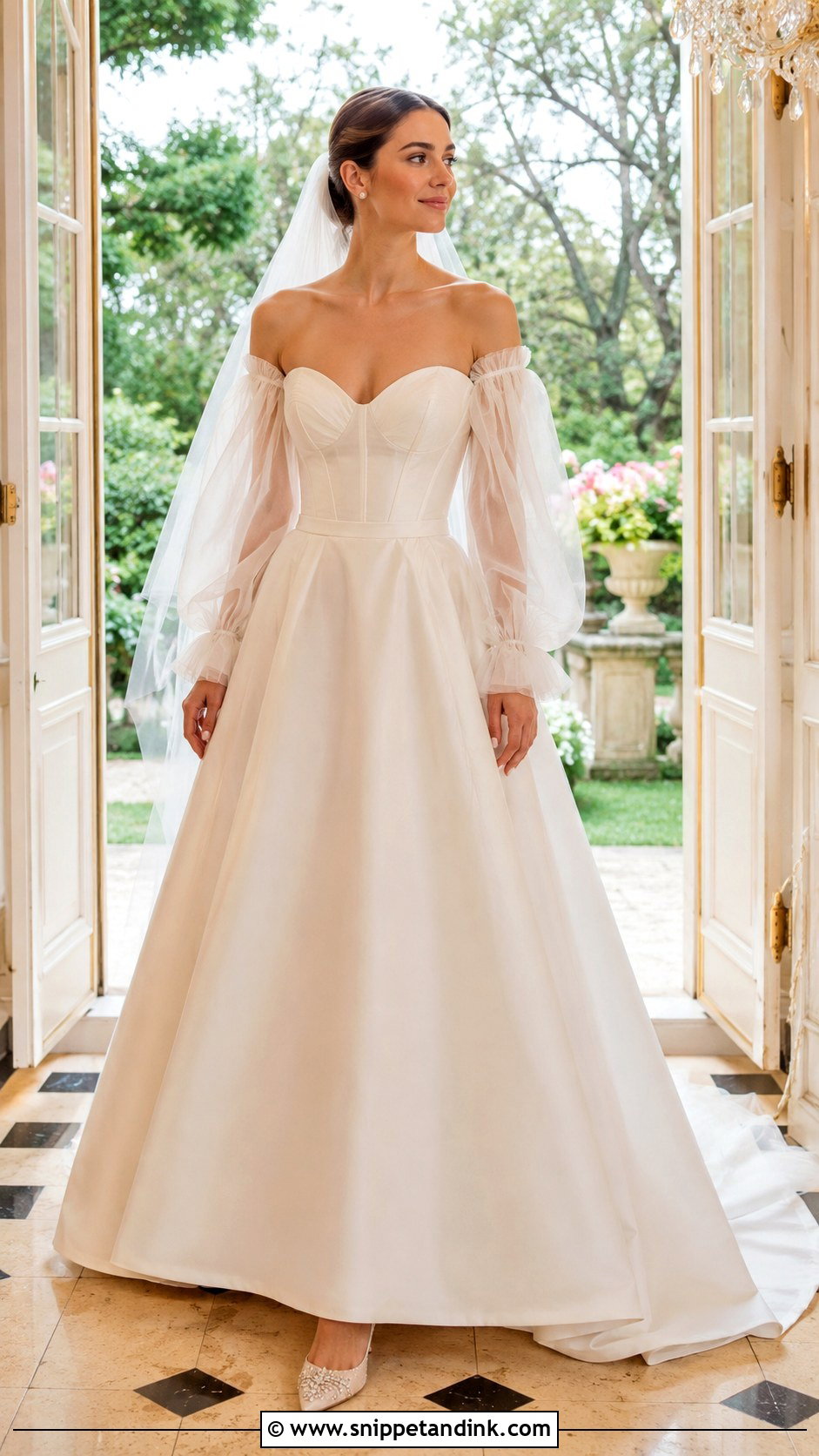
Detachable tulle sleeves turn a strapless or sleeveless gown into a ceremony look and back again. Sheer off-the-shoulder sleeves gathered at the wrist work on a structured A-line or a fitted corset dress, kept plain or scattered with a few pearls. Embellished pumps, pearl studs and a clean chapel veil suit the ceremony; after the sleeves come off, swap in statement earrings or a hair bow. Tulle comes in many shades of white, so I always compare the sleeves against the gown by a window, not under shop lights. The attachments should be invisible from every angle and removable without disturbing hair or makeup.

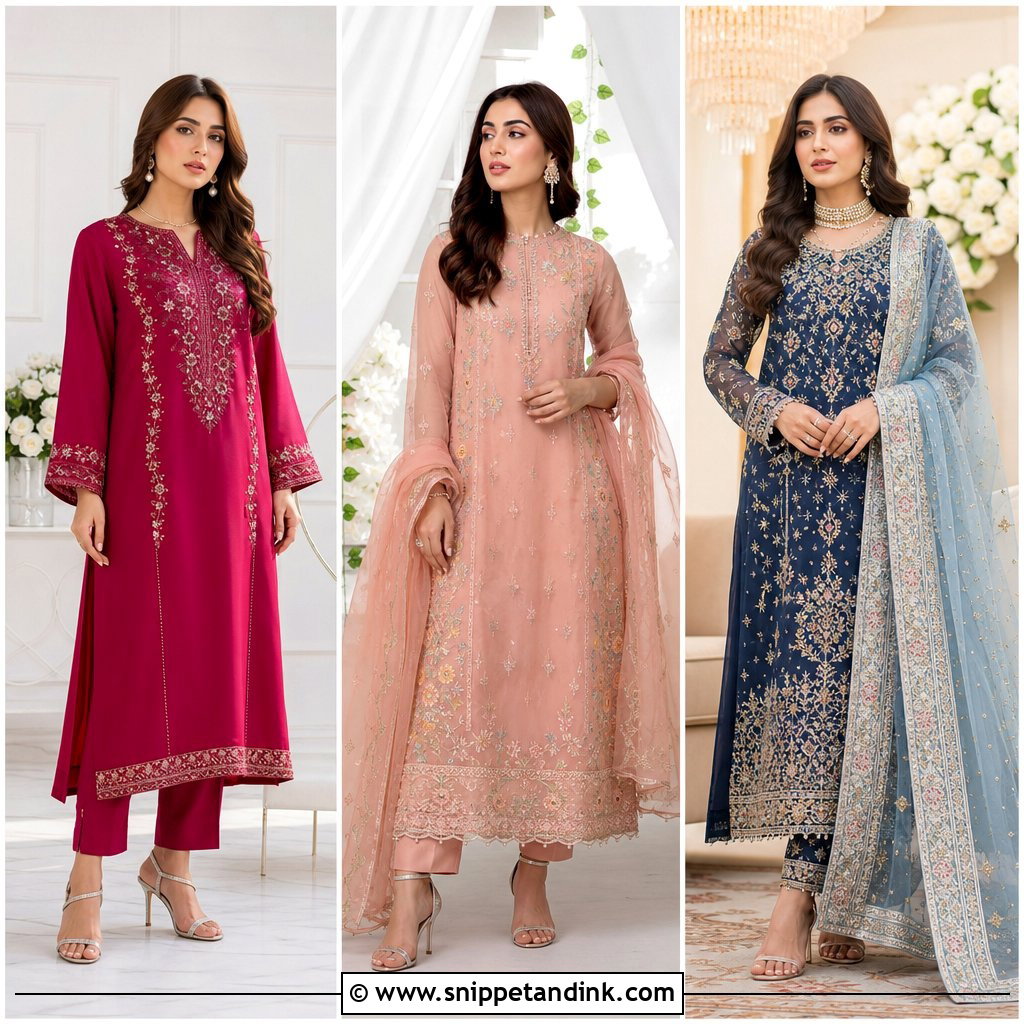
20. Floral Bridal Dress With Long Organza Sleeves
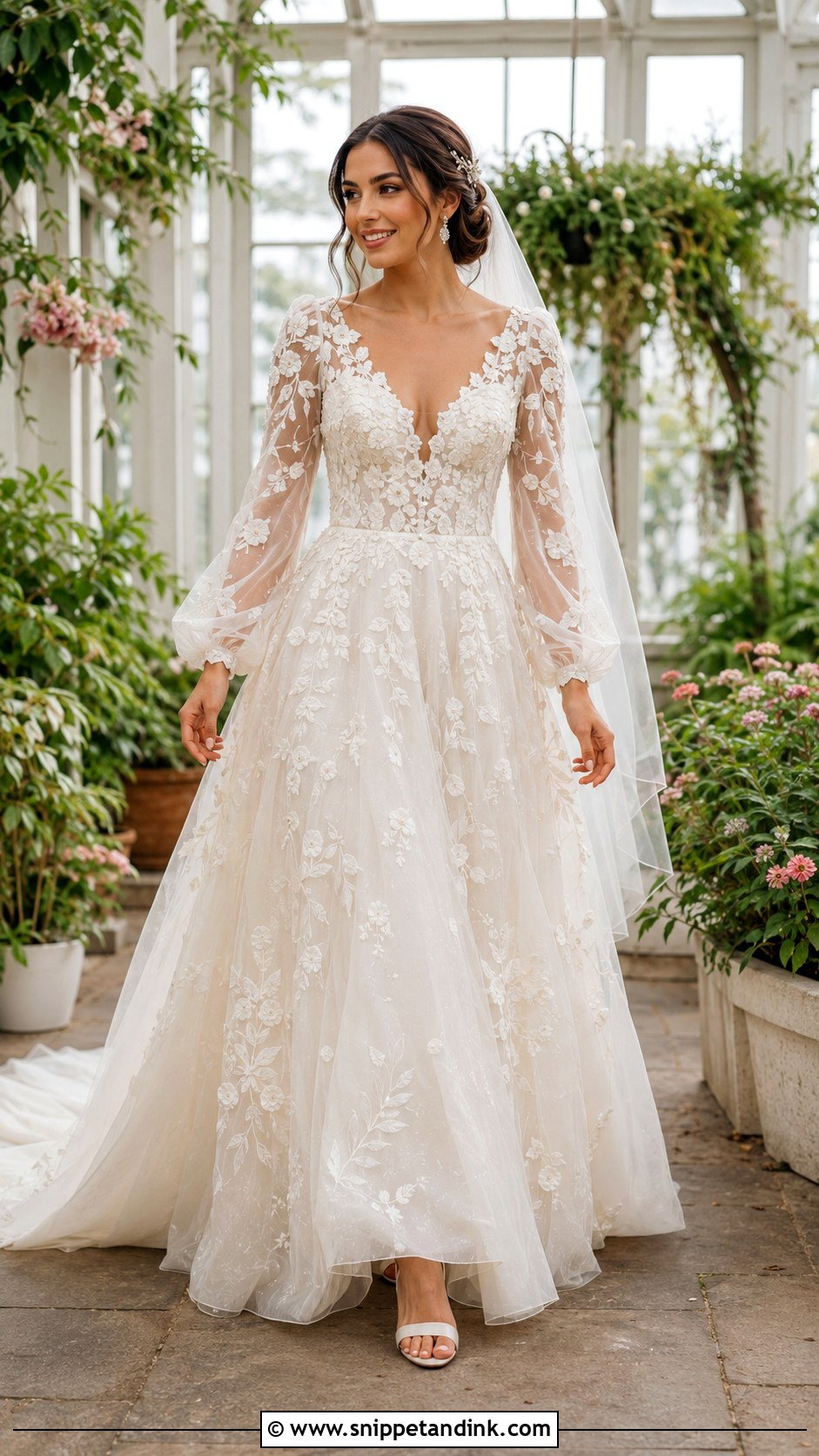
Floral gowns with long organza sleeves carry a lot of pattern, so I keep everything around them simple. Tonal ivory embroidery, soft pastel blossoms or dimensional appliqué over the bodice, sleeves and upper skirt need an A-line shape to give them room. Plain ivory heels, small gemstone earrings, a veil without trim and a loose low bun with a fine comb are enough. Keep the bouquet small. Raised flowers near the cuffs and underarms can snag and scratch, and organza frays if a thread pulls, so I’d check those areas at every fitting. Botanical venues and spring weddings suit it.
What Sleeve Alterations Really Involve
Shortening or taking in a sleeve sounds simple, but on a wedding dress it often isn’t. Every sleeve style here behaves differently on the cutting table, and I’d ask about it before you buy, not after.
Lace and appliqué
A scalloped lace edge at the wrist can’t just be cut. The seamstress lifts the scallop, shortens the sleeve and sews the edge back on by hand. Appliqués that cross a seam have to be removed and replaced.
Beaded and button sleeves
Beading along a seam must be unpicked before the seam can move, then re-sewn. Covered buttons at the cuff also have to be moved when the length changes. Both take time, so build extra weeks into your alteration schedule.
Illusion mesh
Mesh can be taken in easily but barely let out, because there’s little seam allowance. If you’re between sizes in a mesh-sleeved gown, I’d order to fit the arms and upper back, and take in the rest.
Raise Your Arms, Then Decide
A sleeve is part of the fit, not decoration added on top. Start with how you want to feel and move through the day, then look at what each sleeve gives you: cover, texture, warmth, or a strong focal point. Test every dress while walking, sitting, hugging and raising your arms. Then think about the neckline, veil, jewellery, shoes and hair together with the sleeve shape. Detailed lace or beading usually wants plain accessories, and a minimal gown can carry stronger ones. From fitted crepe and classic lace to light organza and detachable tulle, there’s a sleeve for nearly every venue and season if it’s chosen for how you move.
You'll Like These Ideas:



Leave a Reply