
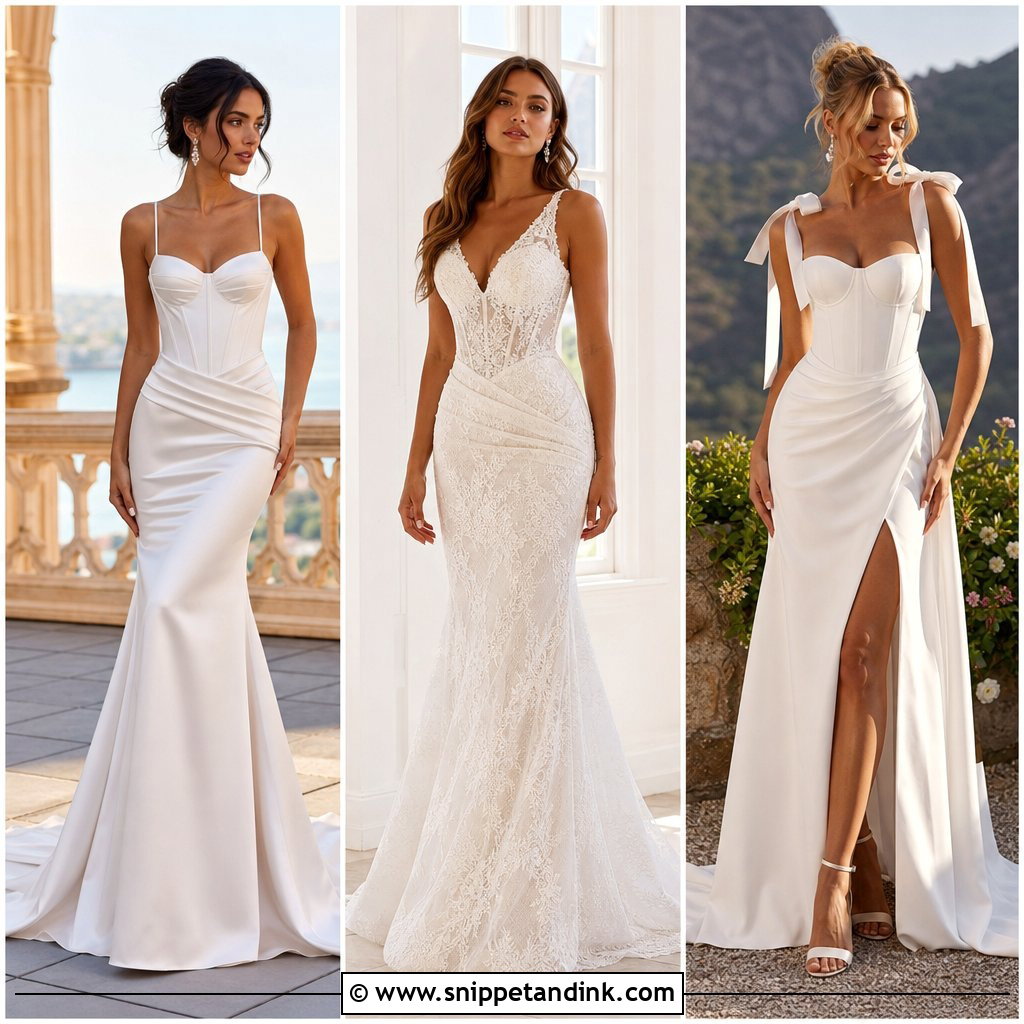
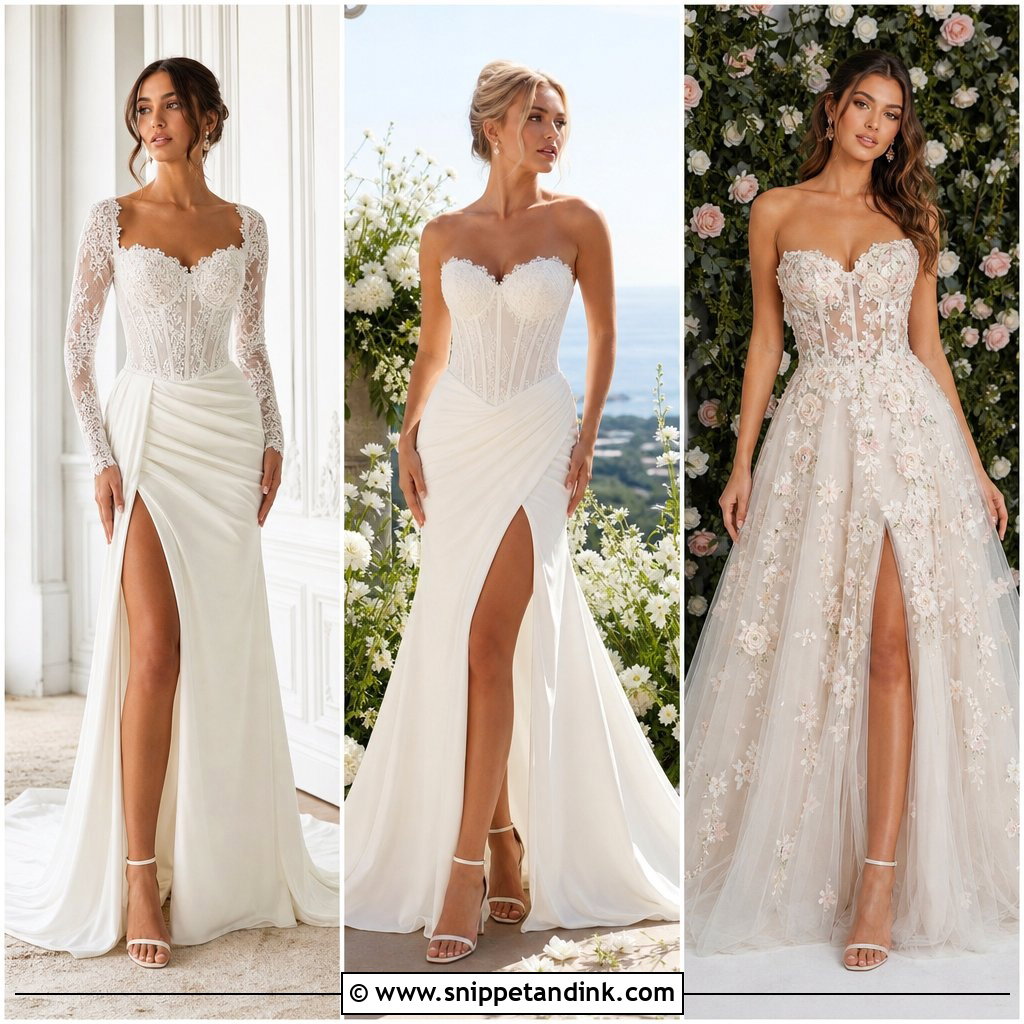
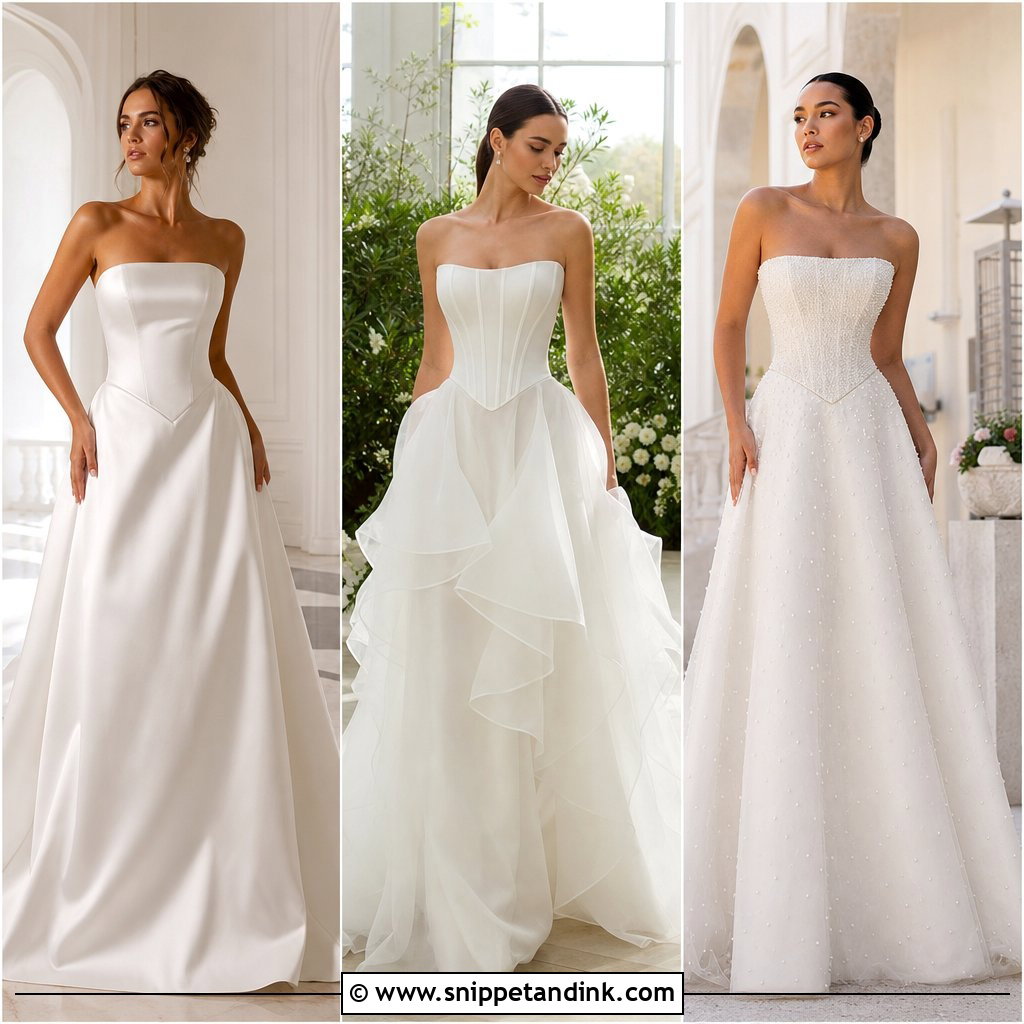
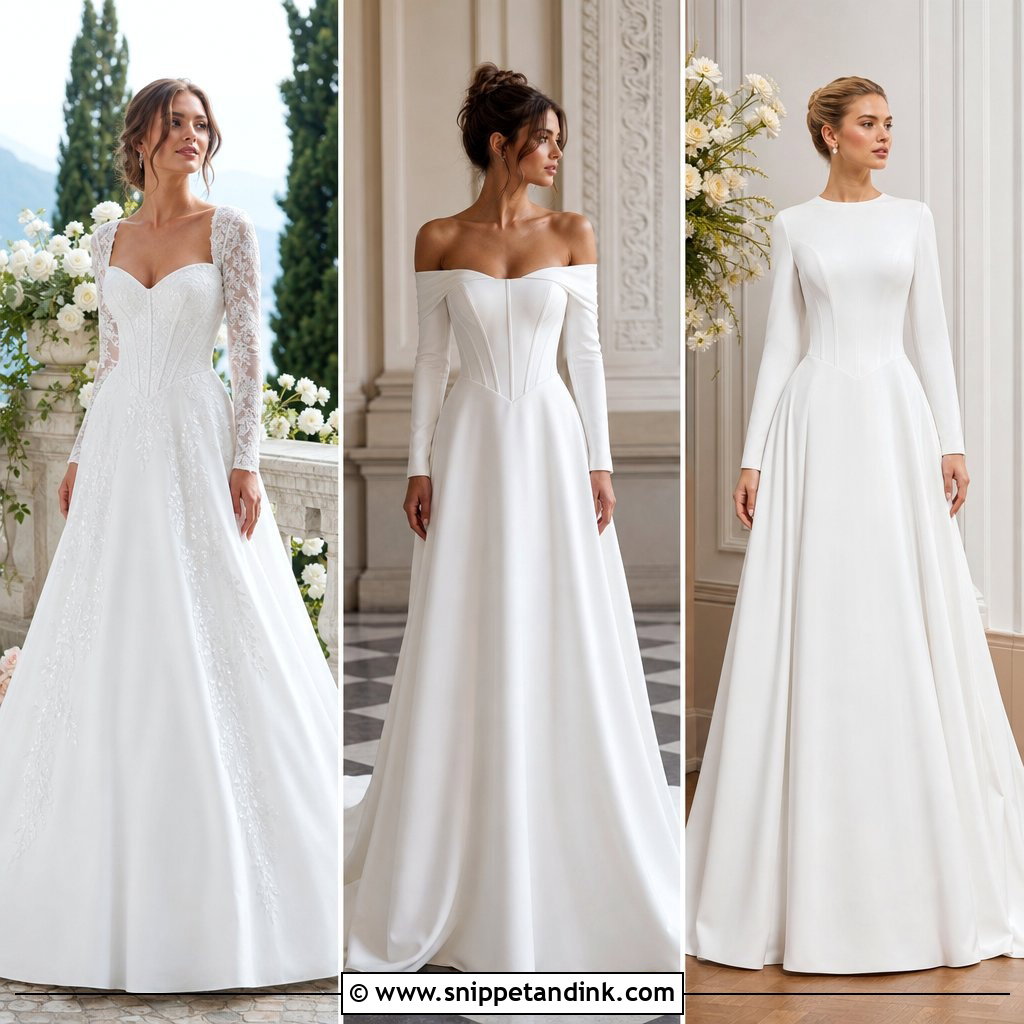
Brides keep asking for the Basque waist again, that low V or soft curve at the front of the bodice that makes the torso look longer. Add sleeves and the dress gets a balance and coverage that strapless versions don’t have. Today’s options run from plain satin with long sleeves to lace ball gowns, airy organza dresses and gowns with detachable sleeves that work in any season. I’ve grouped 25 of them below with notes on fabric, fit and what each sleeve shape does in practice, because the sleeve changes how a Basque bodice moves more than most brides expect.
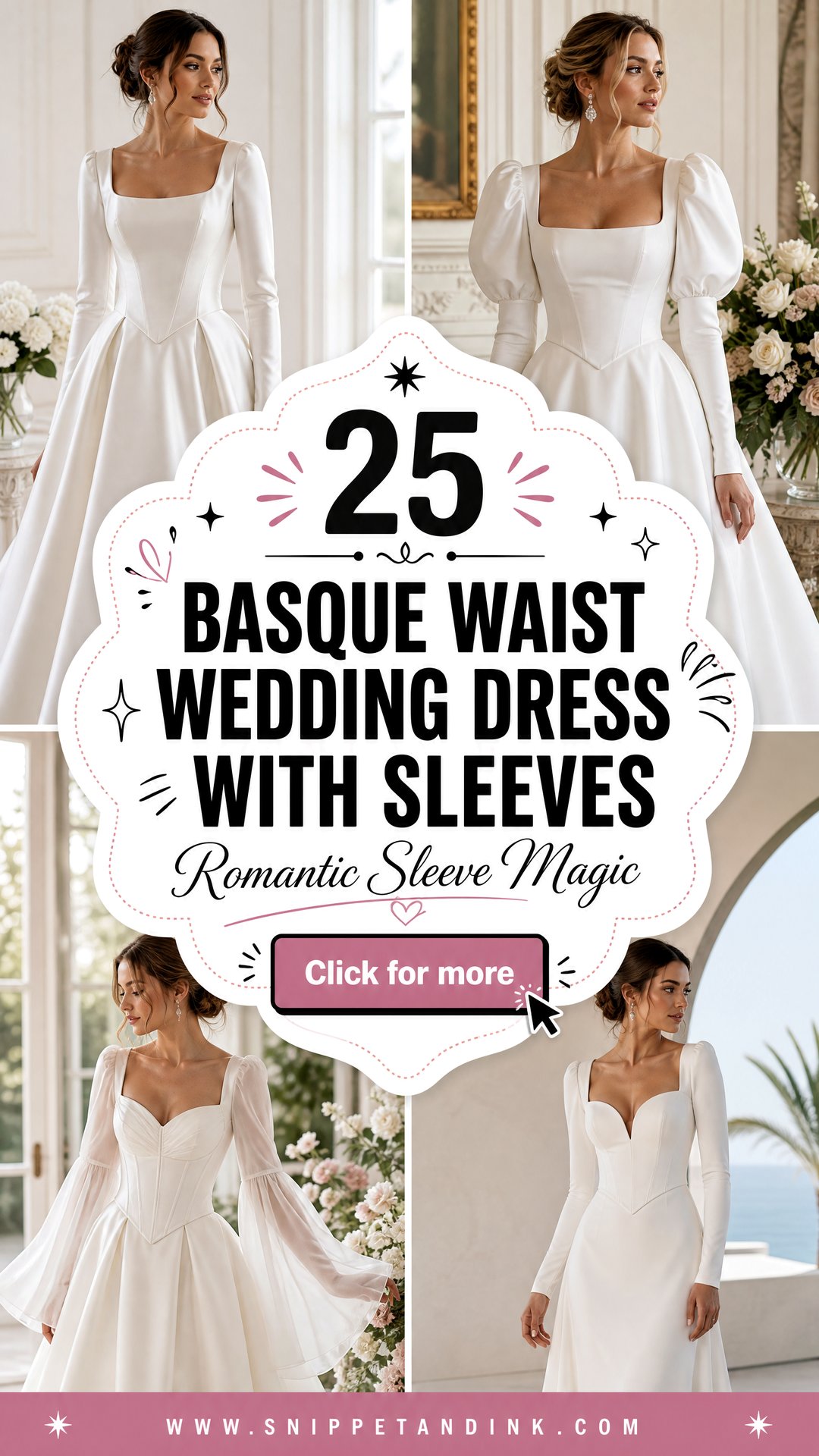
Who a Basque Waist Flatters, and Who Should Try Before Buying
The pointed waist sits lower than your natural waist at the front, which makes the torso look longer and the hips start lower. That’s lovely on many figures, but not all.
- It tends to flatter: long or average torsos, pear shapes who want definition without clinging over the hips, and brides who like a defined middle.
- Try it first if: you have a short torso, since a deep point can shorten the legs; or a full tummy, where a curved, shallower waist usually sits more comfortably than a sharp V.
- Watch out for: the point pressing into your lap when you sit. A good bodice has a slightly softened point and flexible boning at the front.
Ask to see the same gown in two waist depths if the shop has them. A difference of a couple of centimetres in where the point lands changes the whole silhouette.
Sleeves change the picture too. A long, fitted sleeve repeats the vertical line of the point and makes the body look longer still, while a big puff or bell adds width at the top and makes the waist look smaller. If your shoulders are broad, a slimmer sleeve keeps the proportions even.
1. Long Sleeve Basque Waist Wedding Dress
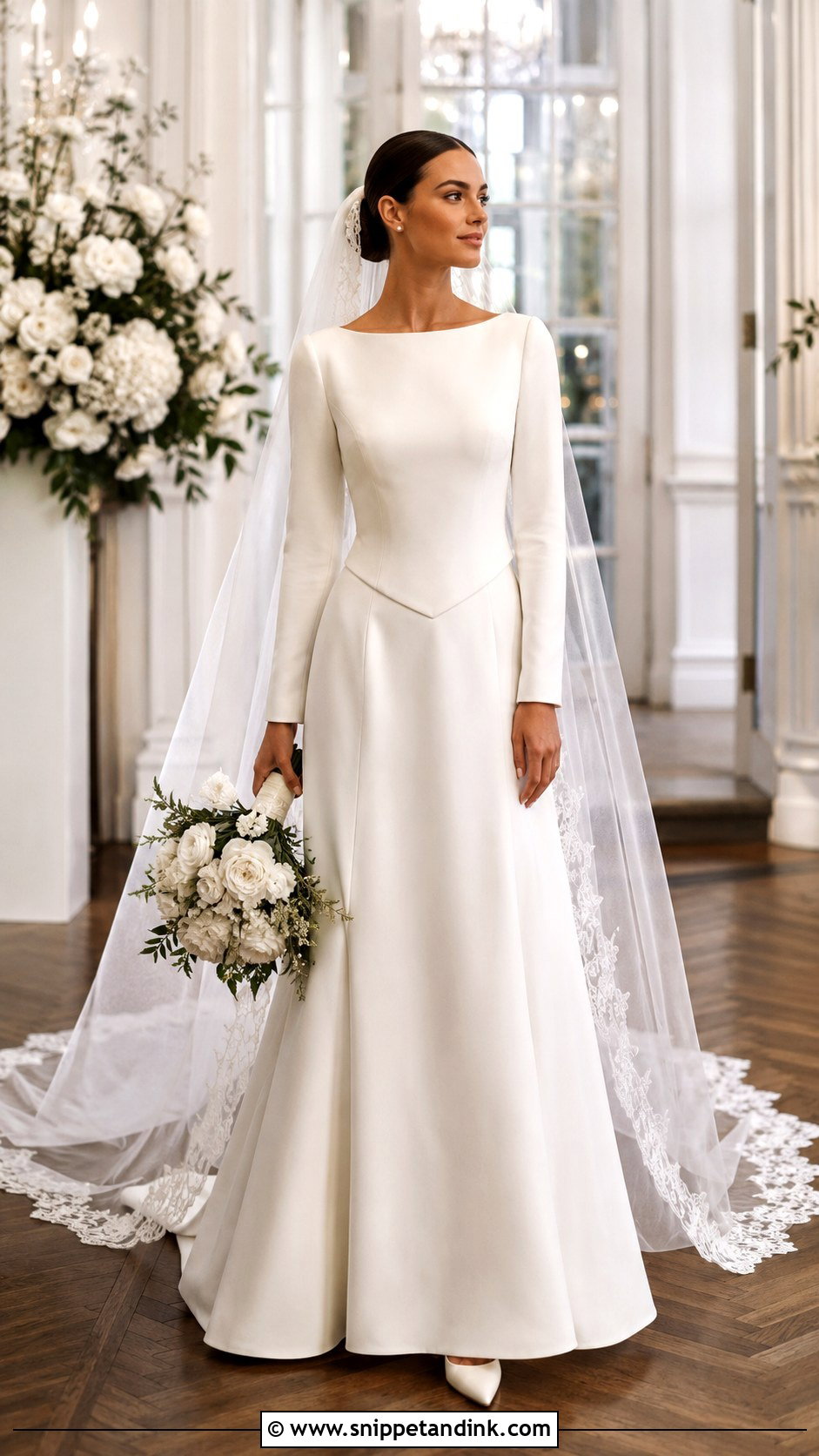
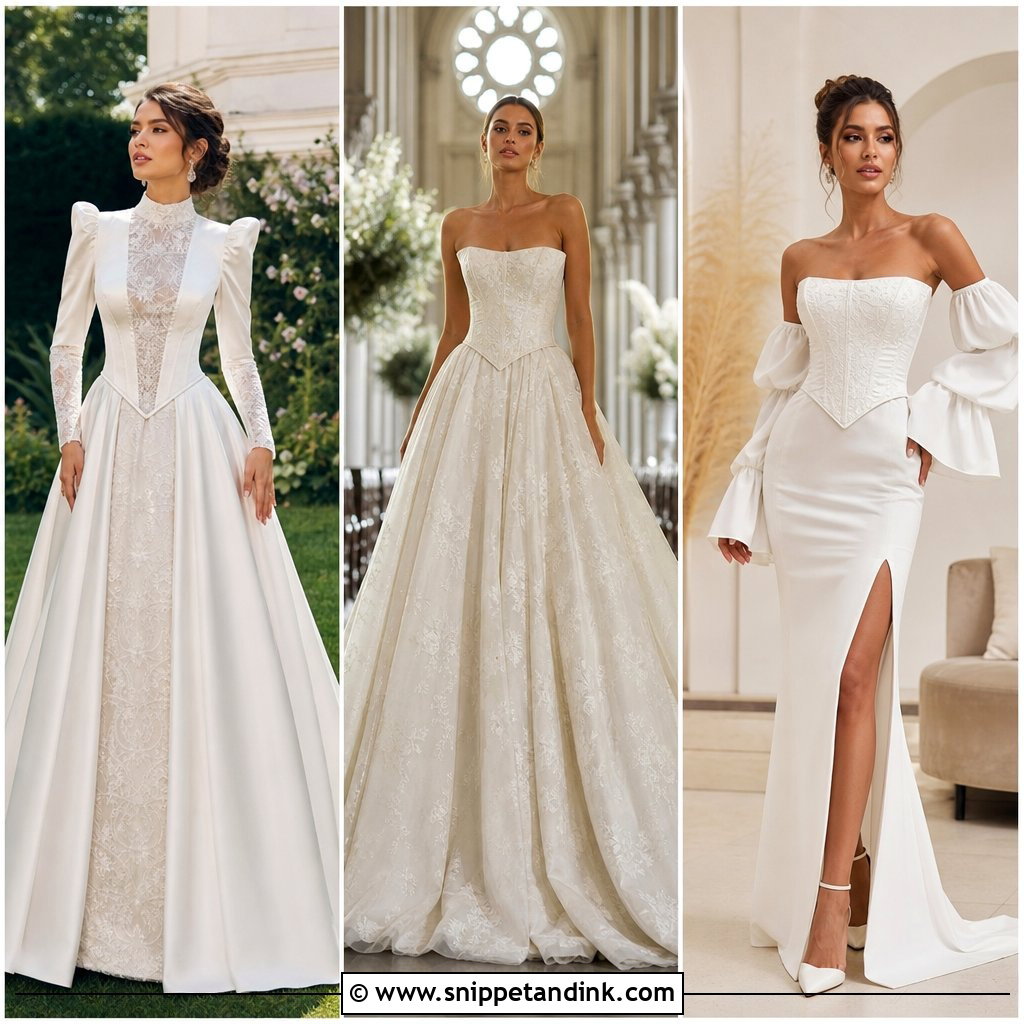
Long fitted sleeves with a dipped waist is the version I’d call the classic. The bodice shapes the torso, the point draws the eye down, and then the skirt opens into an A-line or full shape. Crepe and satin look clean; lace adds texture. Fitted sleeves need room at the elbow, so bend your arm at the fitting as if holding a bouquet, and if the seam pulls, ask for a little ease. Pointed heels, pearl studs and a plain cathedral veil suit autumn and winter ballroom weddings.
2. Lace Basque Waist Wedding Dress With Sleeves
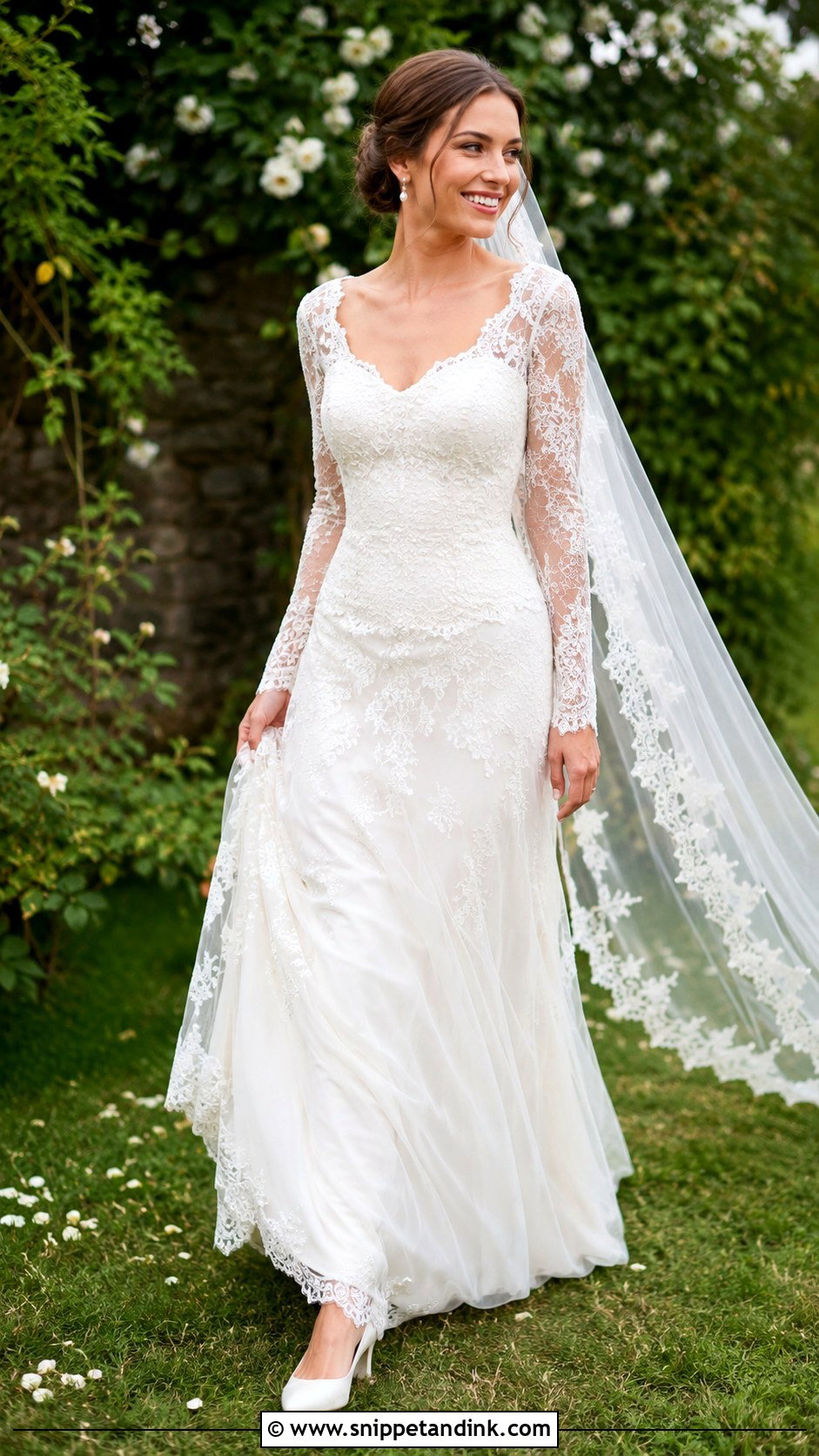
Lace and a Basque waist work best when the lace follows the bodice closely, because loose lace blurs that pointed line. Long lace sleeves are classic; sheer ones lighten it for spring and summer. I like appliqué concentrated near the waist with plainer fabric toward the hem, which keeps the eye on the shape. Delicate drop earrings, a lace-edged veil and satin pumps finish it. Historic estates and candlelit receptions suit the detail, which rewards a close look.
3. Satin Basque Waist Wedding Dress With Sleeves
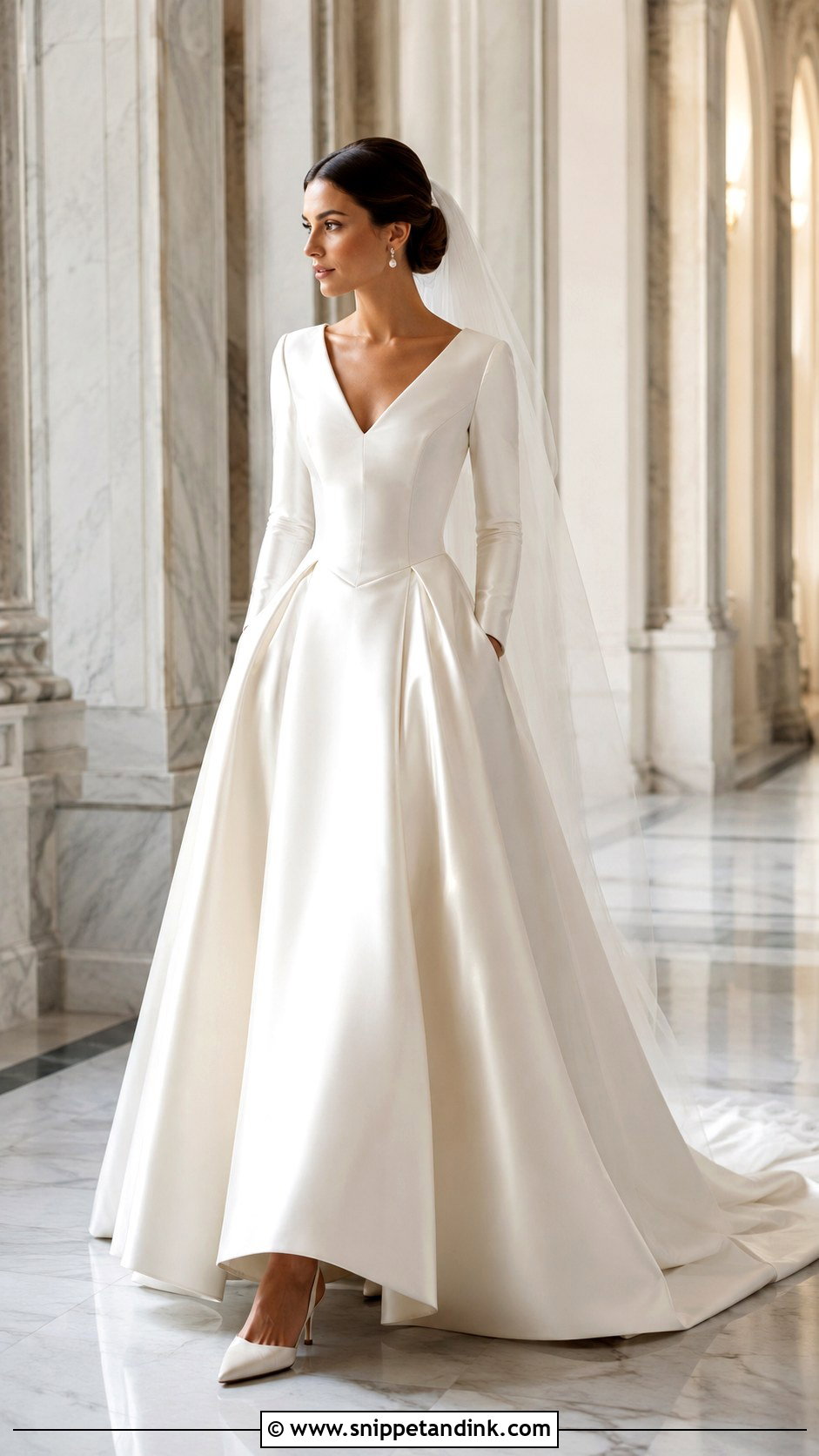
Satin turns the pointed waist into a clean architectural line, since there’s no pattern to distract from it. Long fitted sleeves and a full satin skirt make a formal evening gown. The one problem with satin is creasing: a satin Basque bodice wrinkles across the hips when you sit, so ask for a good lining and a heavier satin. Pearl earrings, a low bun, ivory slingbacks and a plain veil are all it needs for a grand hotel or city wedding.
4. Off Shoulder Basque Waist Wedding Dress With Sleeves
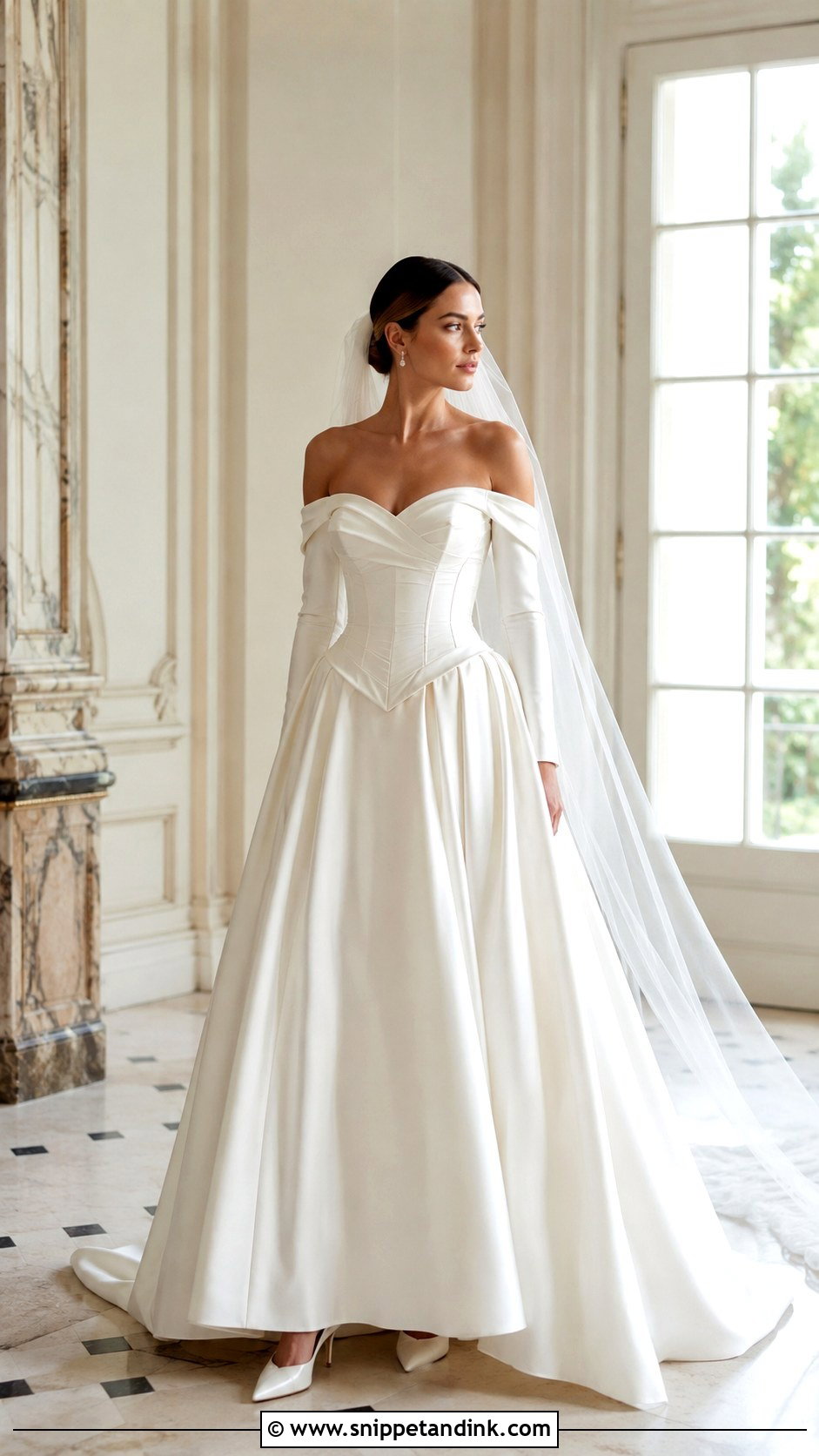
Off-the-shoulder sleeves open the neckline and soften a structured waist. Fitted sleeves are classic; slightly draped ones look gentler. The full skirt balances the bare shoulders and gives an hourglass outline. These sleeves sit on the upper arm, so they limit how high you can lift your arms; test a hug and a wave. Skip a necklace or keep it short, add drop earrings and a fingertip veil, and it suits indoor ceremonies and estate portraits.
5. Basque Waist Ball Gown Wedding Dress With Sleeves
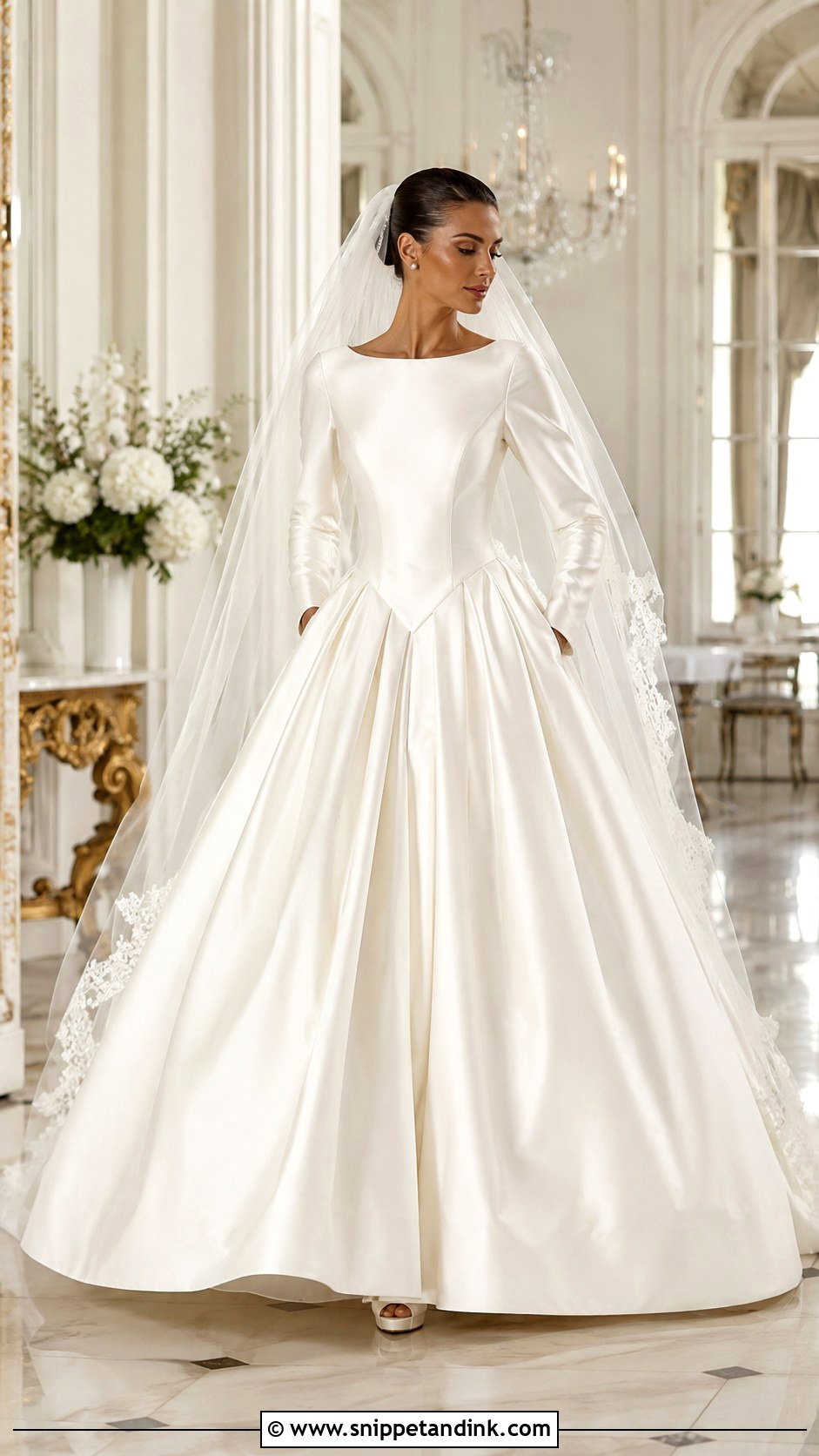
A Basque waist ball gown with sleeves is the most dramatic version. The point sits low, then the skirt fills out into real volume, and long sleeves stop the top half looking small against it. Tulle keeps the skirt lighter; satin or mikado give structure but weigh more. With that much skirt, a platform heel helps, as does a petticoat that lifts the hem so you don’t step on it. A plain veil and small earrings keep the shape in charge.
6. Basque Waist A Line Wedding Dress With Sleeves
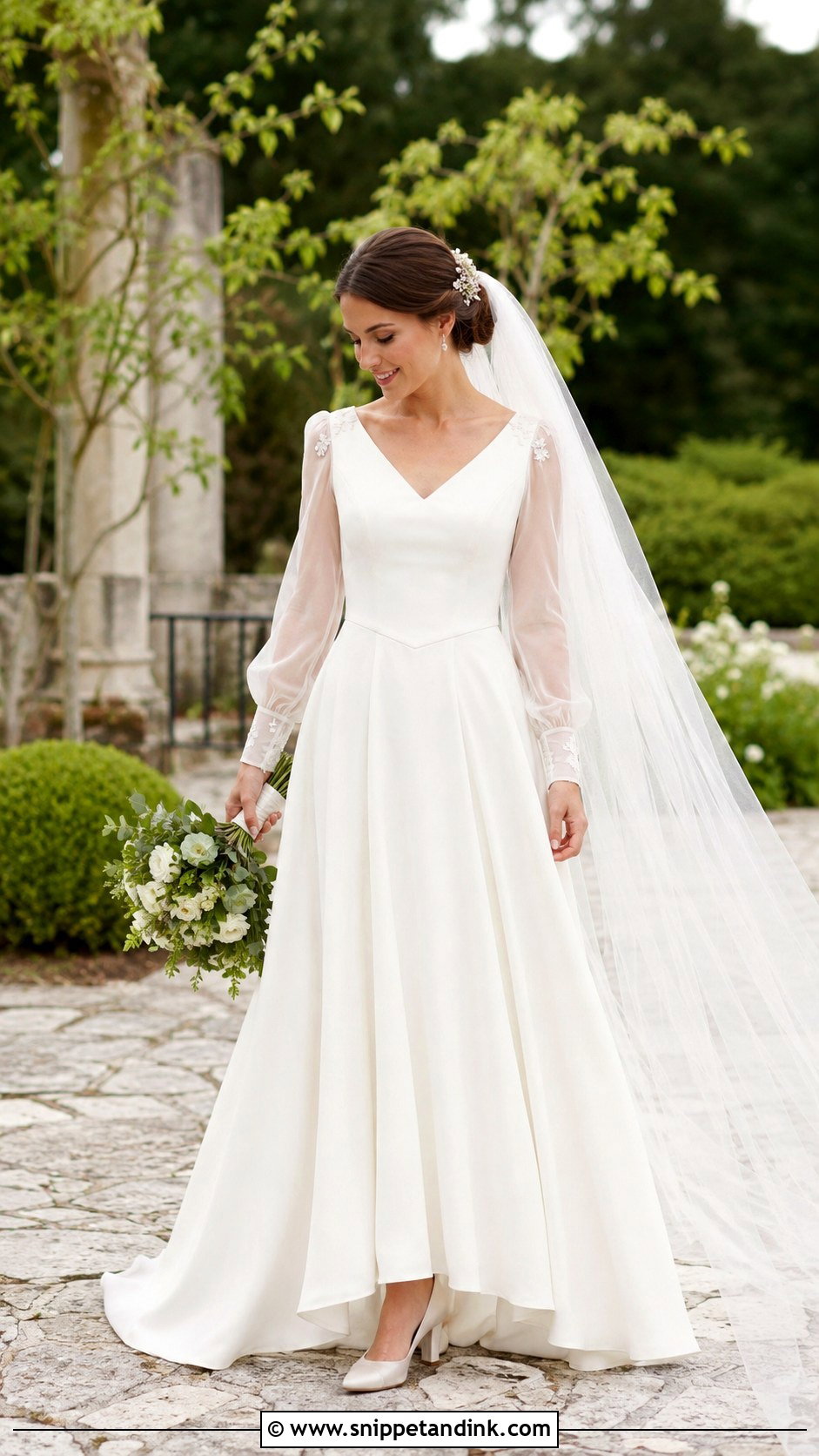
The A-line version is the easiest to wear for a full day. The dipped waist defines the torso while the skirt skims away from the hips without ball-gown volume, so you can sit, walk and dance more freely. Illusion, satin or lace sleeves all suit it. I’d point anyone who wants structure without weight here first. Block heels, a chapel veil and a small pearl comb finish it, and it sits comfortably in gardens or traditional reception halls.
7. Basque Waist Corset Wedding Dress With Sleeves
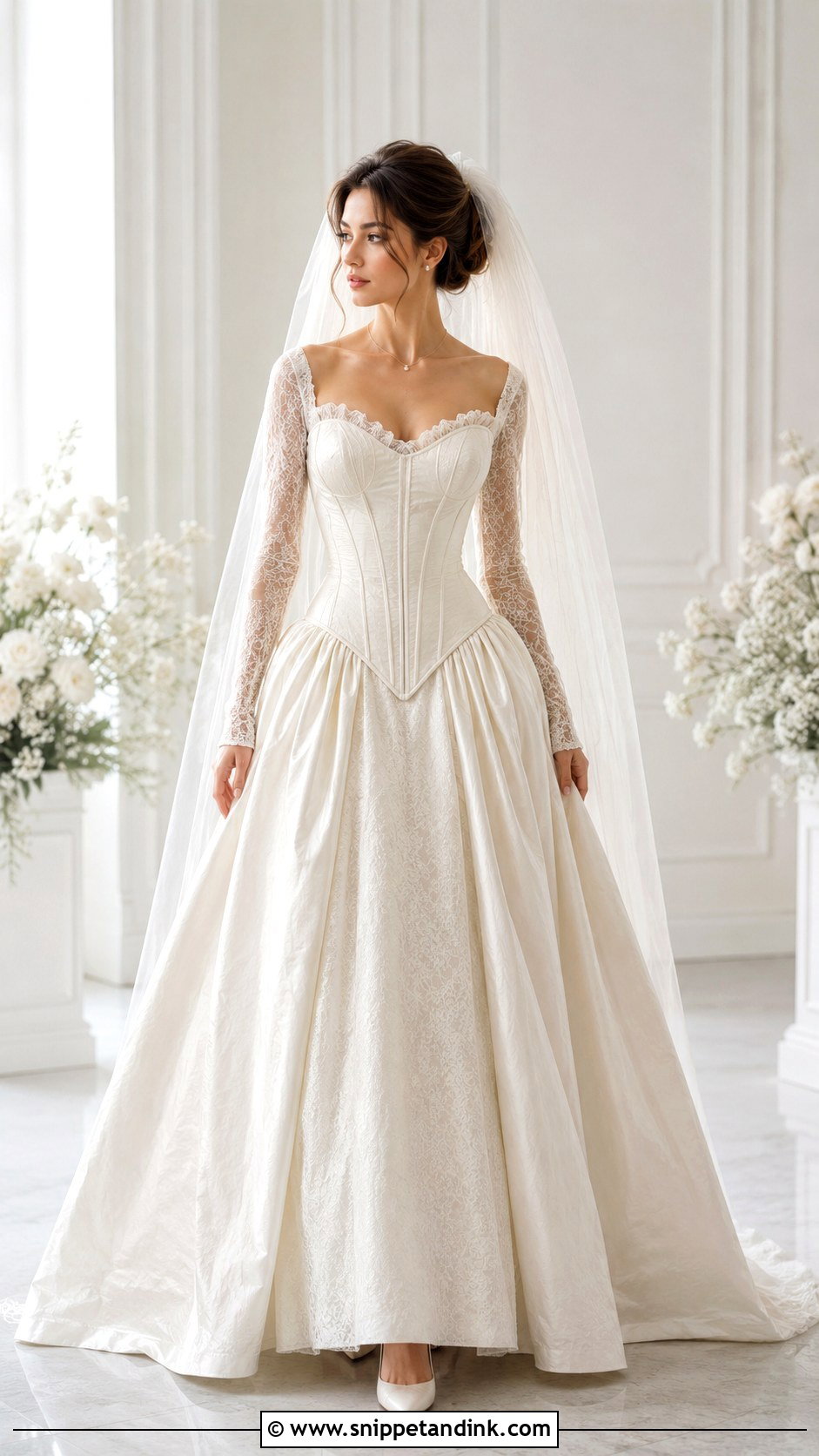
Corset construction, with boning, princess seams and a dipped waist, gives the firmest, most supportive version of this bodice. Keep to one strong detail on top, sheer sleeves, lace appliqué or a satin finish, so it reads current rather than costume. A lace-up back makes small fit changes possible on the day, which helps if your weight shifts in the final weeks. Pumps, a structured veil and minimal jewellery suit it.
8. Basque Waist Wedding Dress With Puff Sleeves
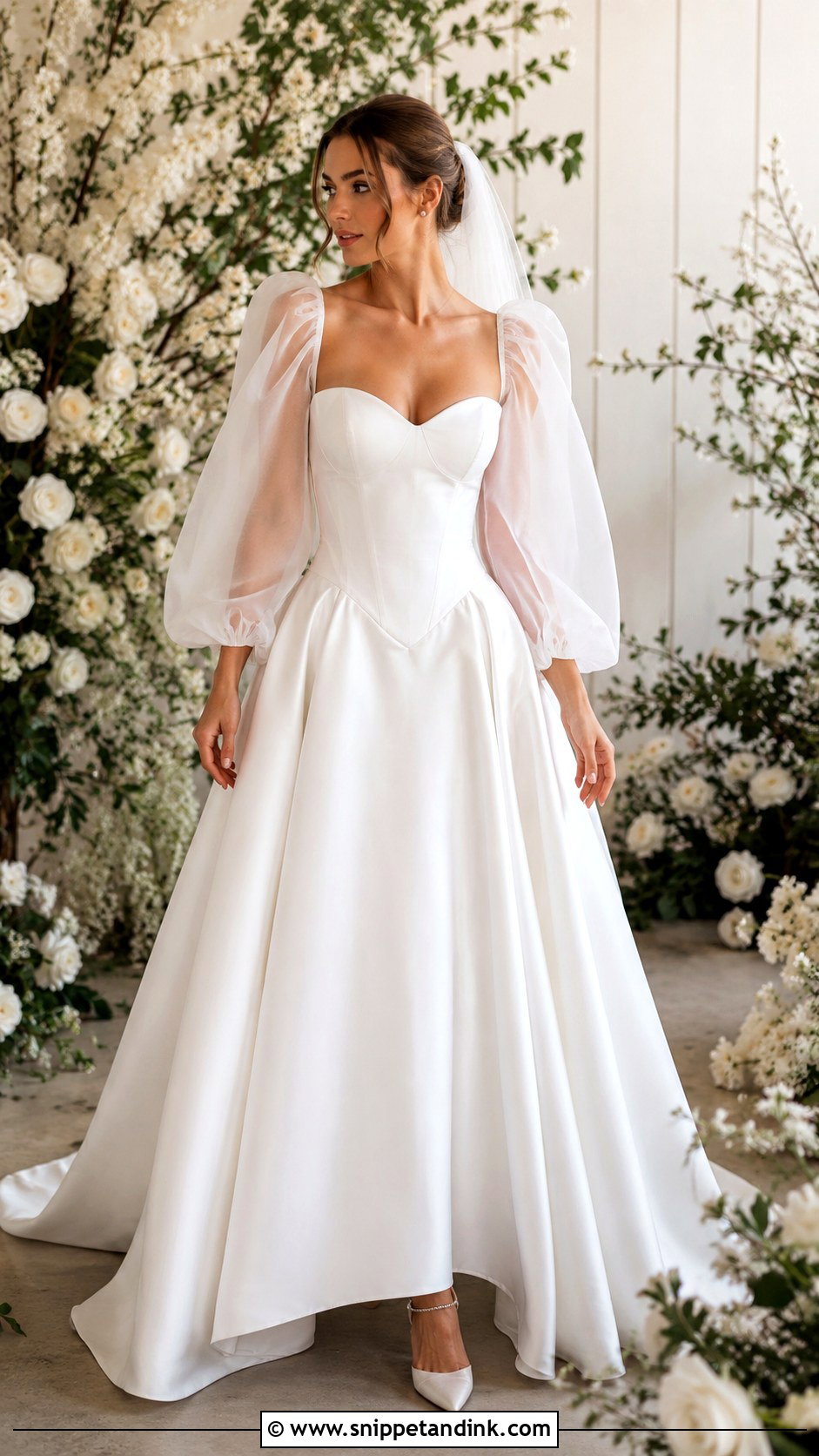
Puff sleeves add volume at the shoulder, which makes the pointed waist look smaller by contrast. Choose sheer organza puff sleeves to stay light; satin puffs are a bolder statement. A square or sweetheart neckline pairs well. Big puffs do widen the shoulders, so on a broad frame I’d keep them modest. Pearl studs, a narrow bracelet and simple heels are enough.
9. Basque Waist Wedding Dress With Bishop Sleeves
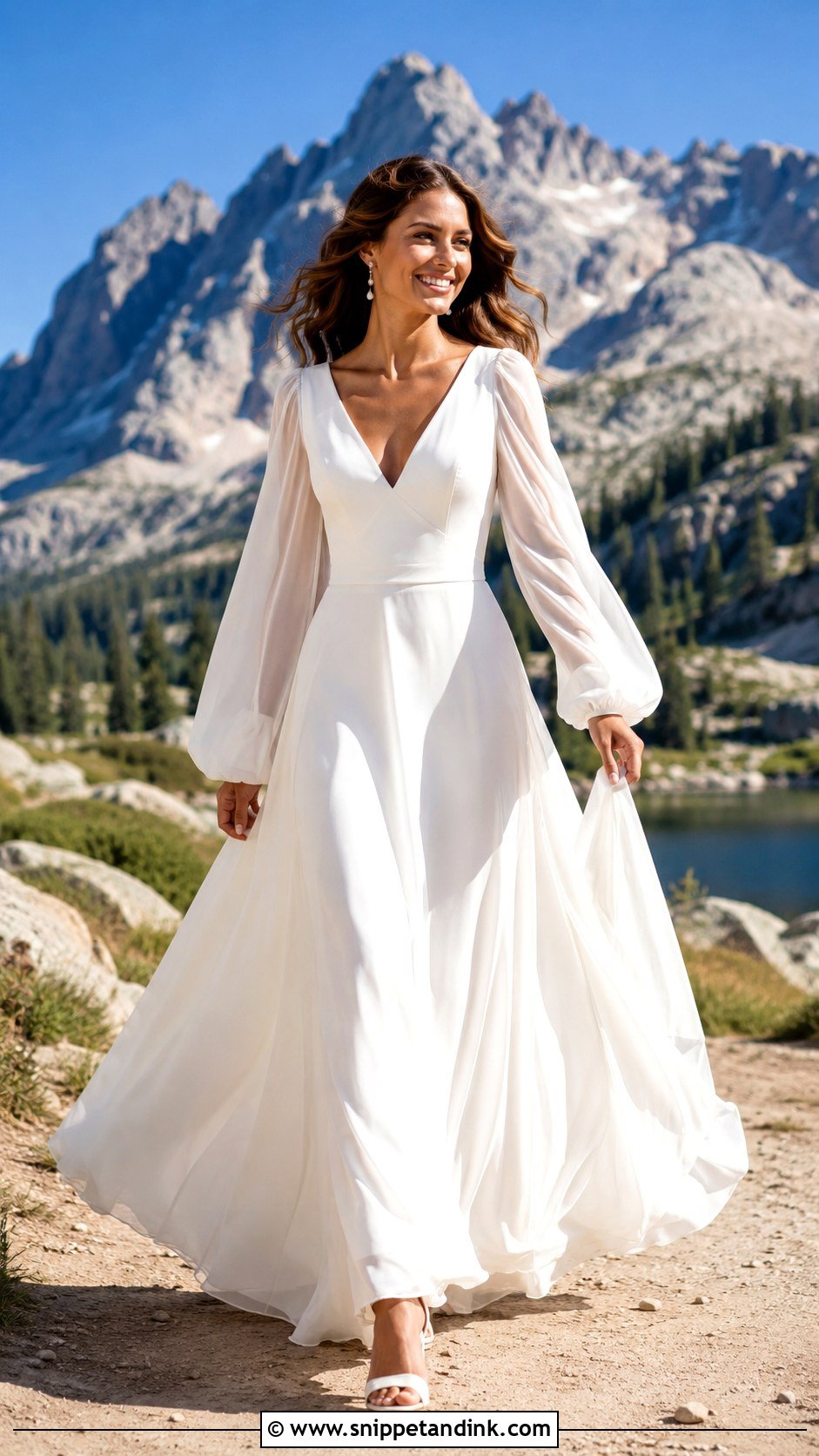
Bishop sleeves are loose through the arm and gathered at the wrist, so they move without crowding the waistline. Chiffon, organza or soft tulle drape best. The bodice has to stay closely fitted or the loose sleeves make the whole top look shapeless. A flowing A-line skirt, soft waves, pearl drops and ivory heels complete it. The gathered cuff can drag through food and catch on a bouquet, so ask for a cuff that sits just above the wrist bone.
10. Basque Waist Wedding Dress With Bell Sleeves
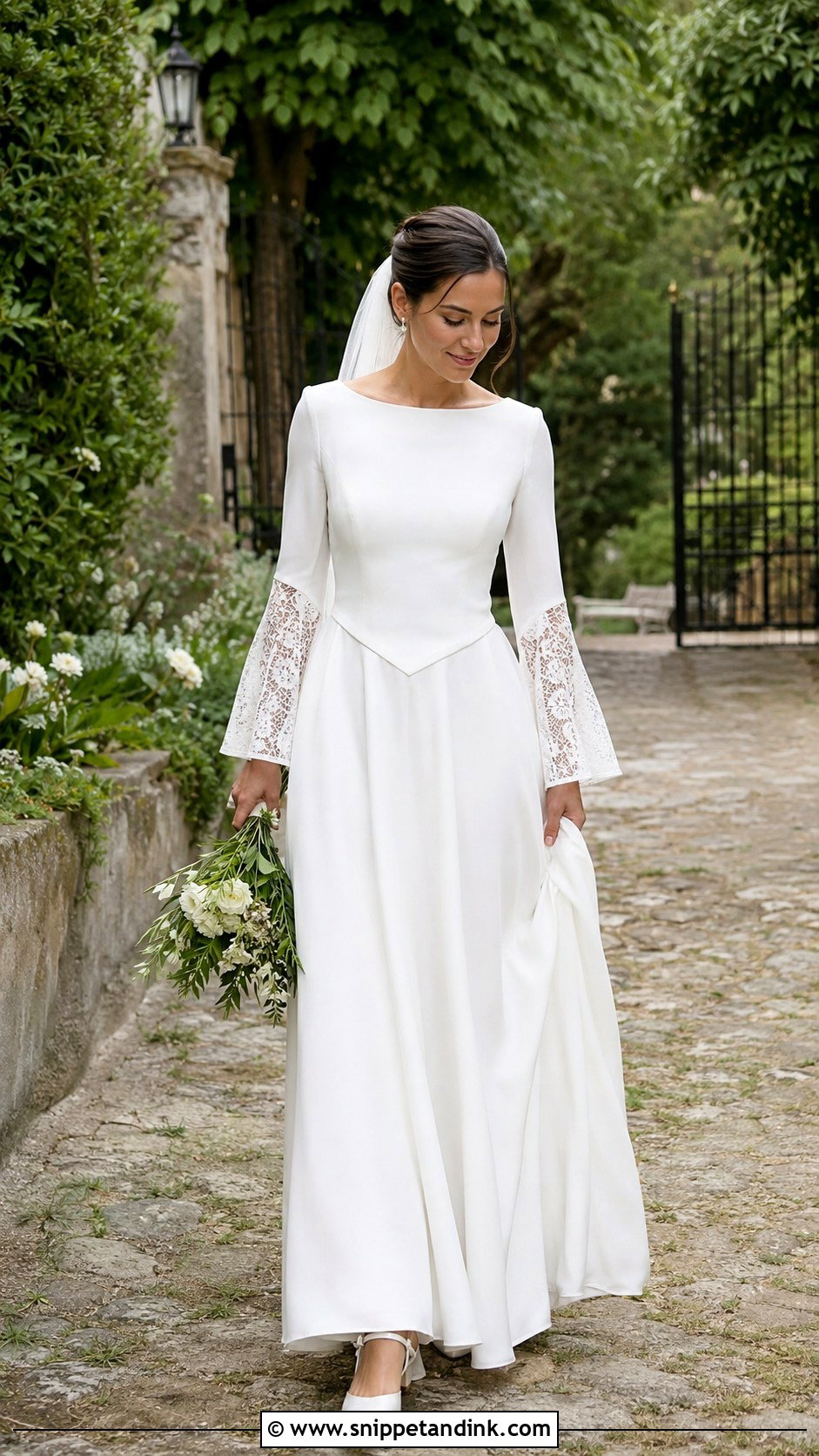
Bell sleeves flare at the wrist and swing as you walk or hold a bouquet. Stiff fabric makes them look medieval, so lightweight lace or chiffon works much better. Keep the bodice clean and the skirt plain to balance them. A simple veil, soft curls and low heels or satin flats for grass and stone paths suit garden and castle-style venues. Practically, a wide bell can dip into a plate at dinner, so many brides pin them up for the meal.
11. Basque Waist Wedding Dress With Detachable Sleeves
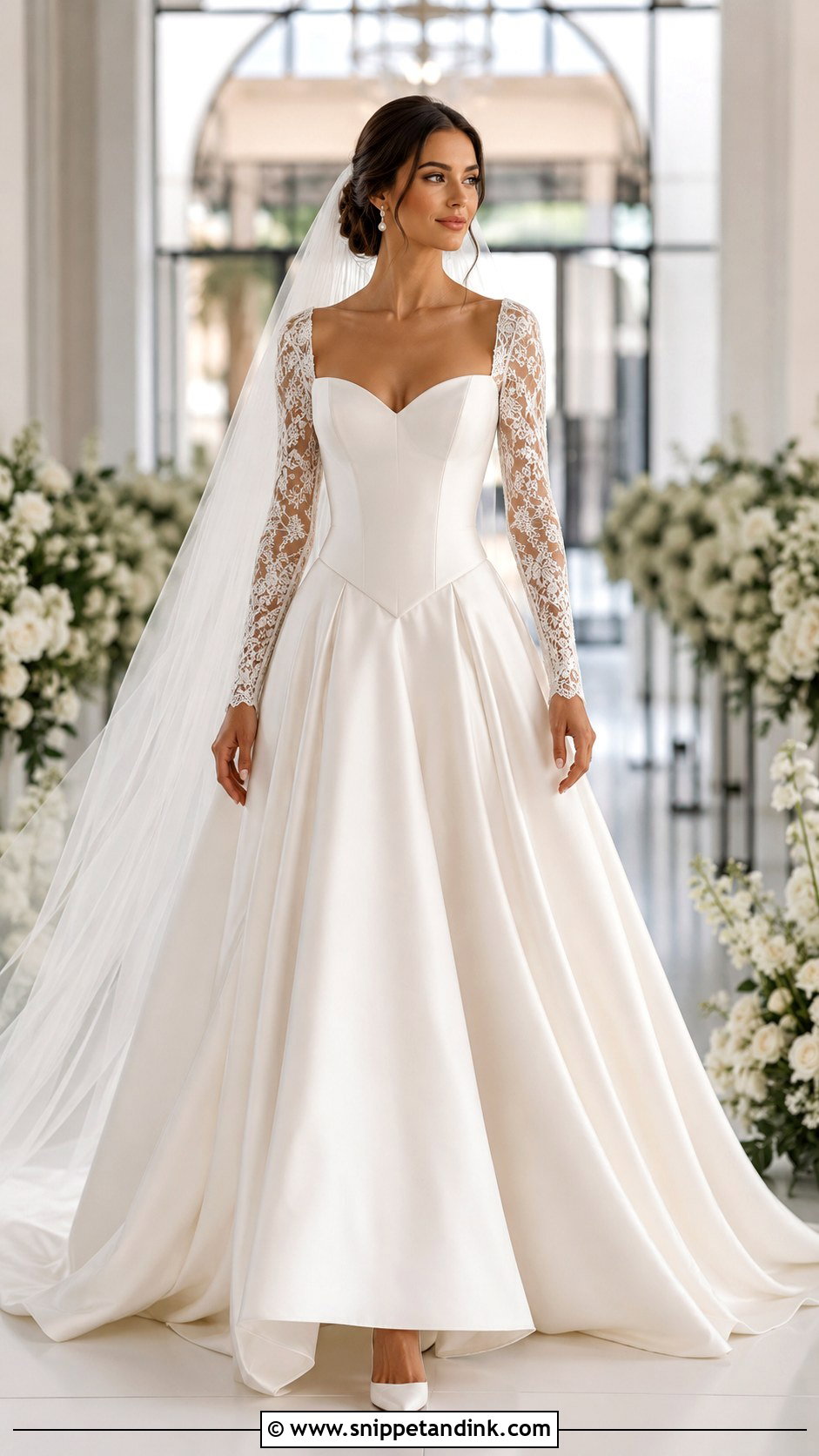
Detachable sleeves give you a covered ceremony and bare arms for dancing. Long lace, off-shoulder, puff or sheer tulle sleeves can attach to the bodice with hooks, poppers or small buttons. The attachment point is what I check most: it should be invisible from front and back, and someone besides you needs to know how to remove it. Wear the veil and classic heels for the vows, then take the sleeves off for the reception.
12. Basque Waist Wedding Dress With Illusion Sleeves
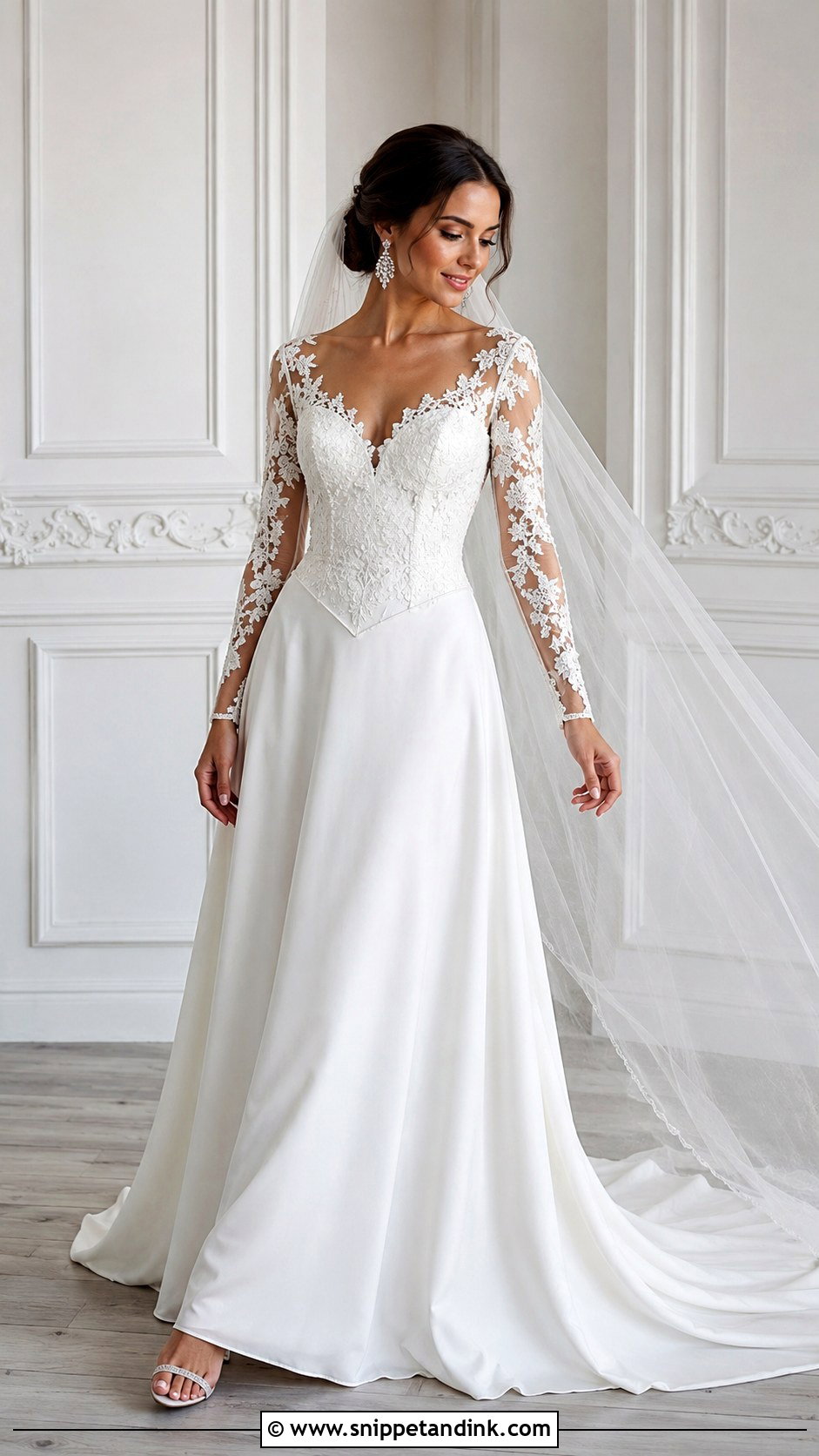
Illusion sleeves use sheer tulle or mesh with lace appliqué, beading or embroidery, so they give coverage that looks light. When the sleeve detail runs into the bodice, the effect is delicate. Matching the mesh to your skin tone matters most, because a mismatch shows as a band of colour in flash photos; bridal shops can order mesh in several shades. Crystal earrings, a sheer veil and bridal heels finish it for formal weddings.
13. Basque Waist Wedding Dress With Sheer Sleeves
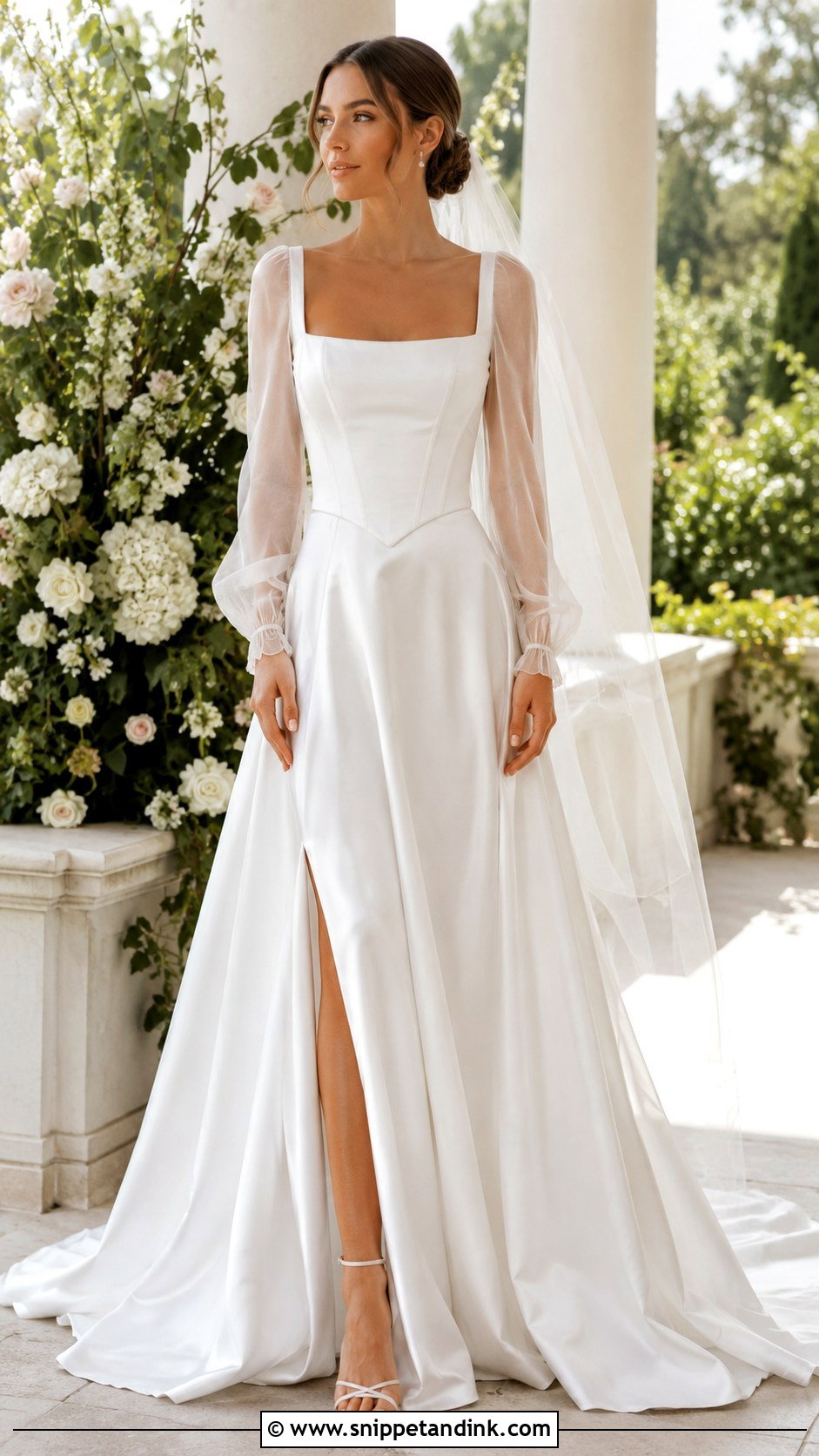
Plain sheer sleeves, with no lace on them, look modern and airy. They show the skin softly while still finishing the gown, and they pair well with satin, crepe, tulle or organza skirts. Keep the bodice clean with a defined V waist. Minimal earrings, a sleek veil and strappy sandals suit spring and summer, when you want sleeves for the look rather than the warmth. Sheer chiffon snags easily, so check bracelet clasps.
14. Basque Waist Wedding Dress With Tulle Sleeves
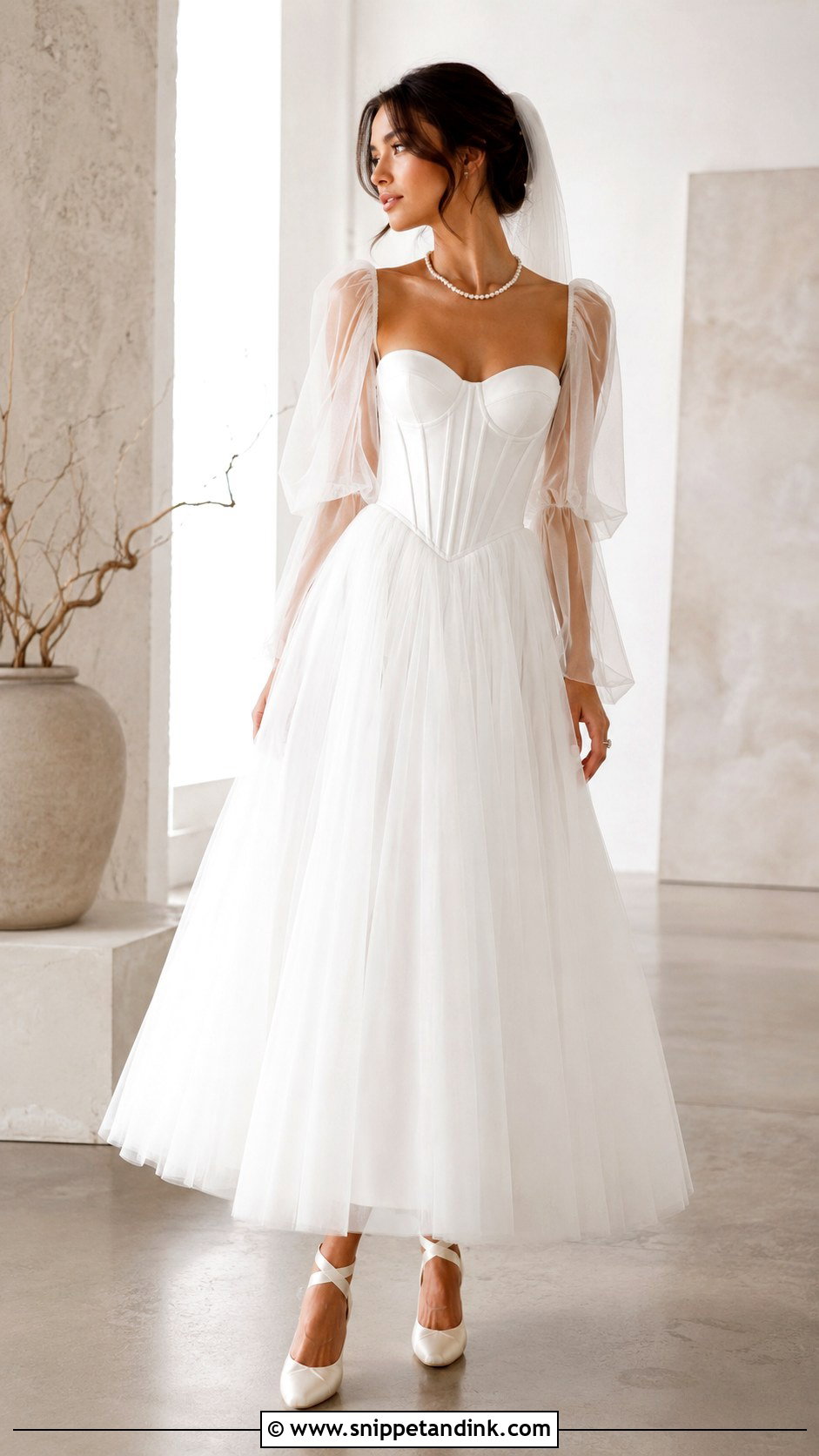
Tulle sleeves can be fitted, puffed or gathered, and they soften the strong waist. With a tulle skirt the gown feels unified, but tulle sleeves also look good on satin or lace bodices. The waist must stay crisp underneath, so ask that the tulle not overlap the seam where the point sits. Ballet-style heels, a soft veil and small pearls suit a light, airy look with real structure in the bodice.

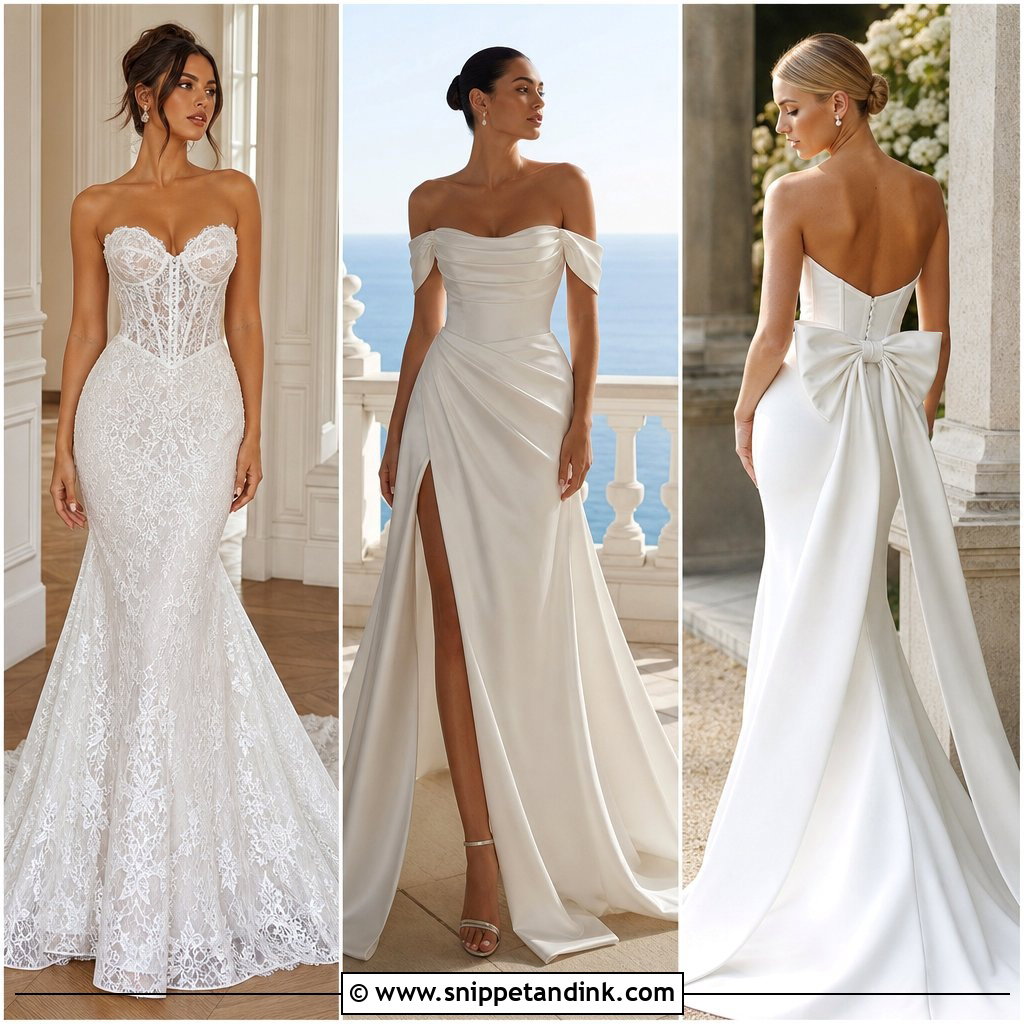
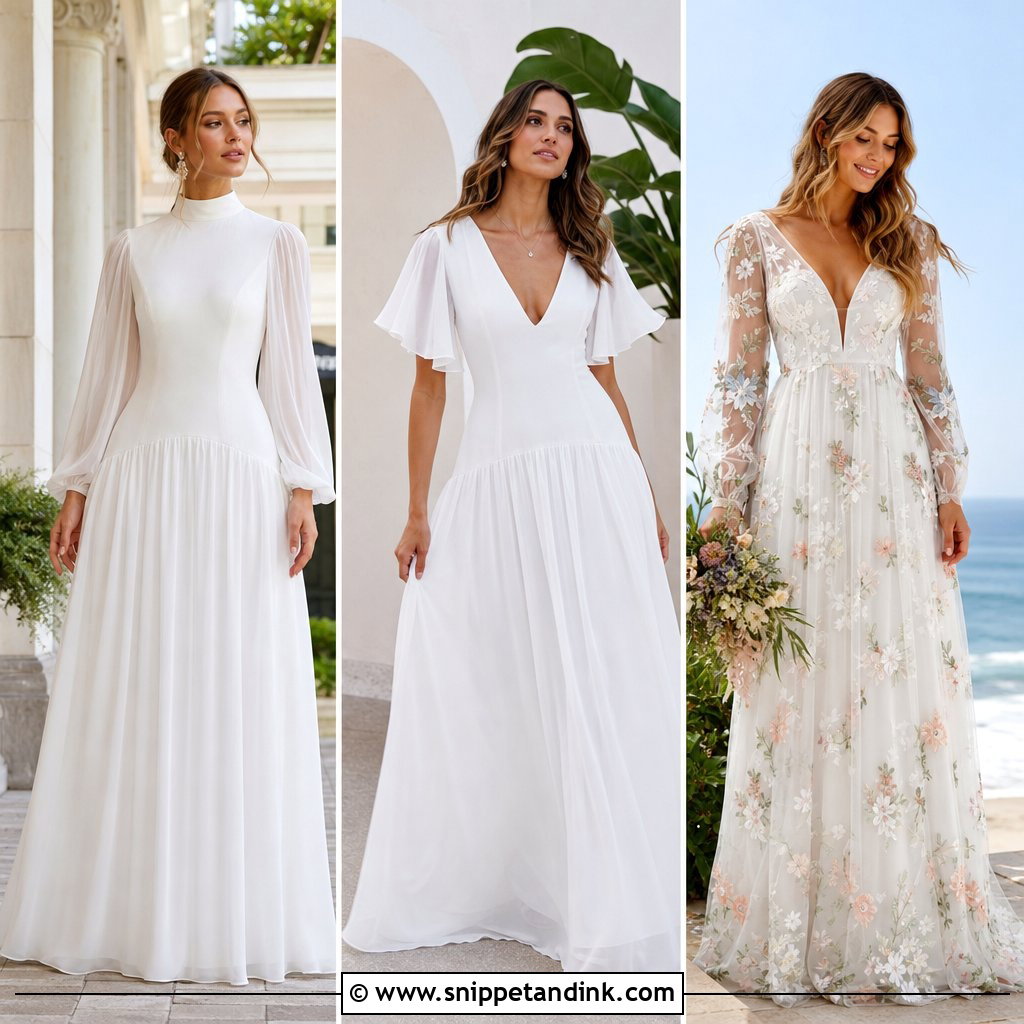
15. Basque Waist Wedding Dress With Organza Sleeves
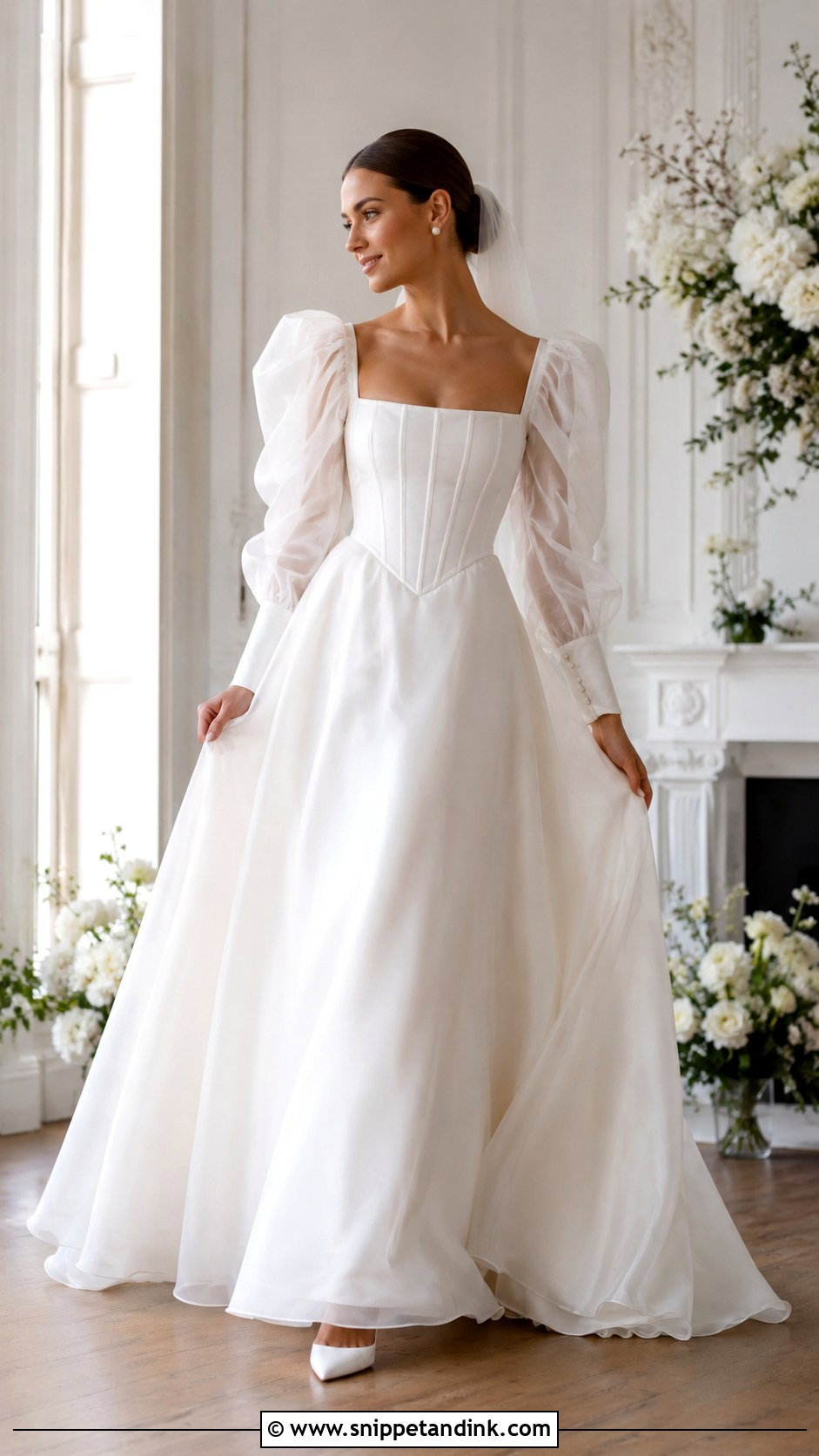
Organza is crisper than tulle and holds a shape, so organza puff or bishop sleeves keep their volume all day instead of collapsing. With a pointed bodice, that gives a modern romantic balance. An organza skirt keeps the whole gown full but light. Organza creases sharply if crushed, so hang the dress the night before and steam the sleeves. Pearl studs, satin heels and a simple veil suit bright venues and outdoor portraits.
16. Basque Waist Wedding Dress With Crepe Sleeves
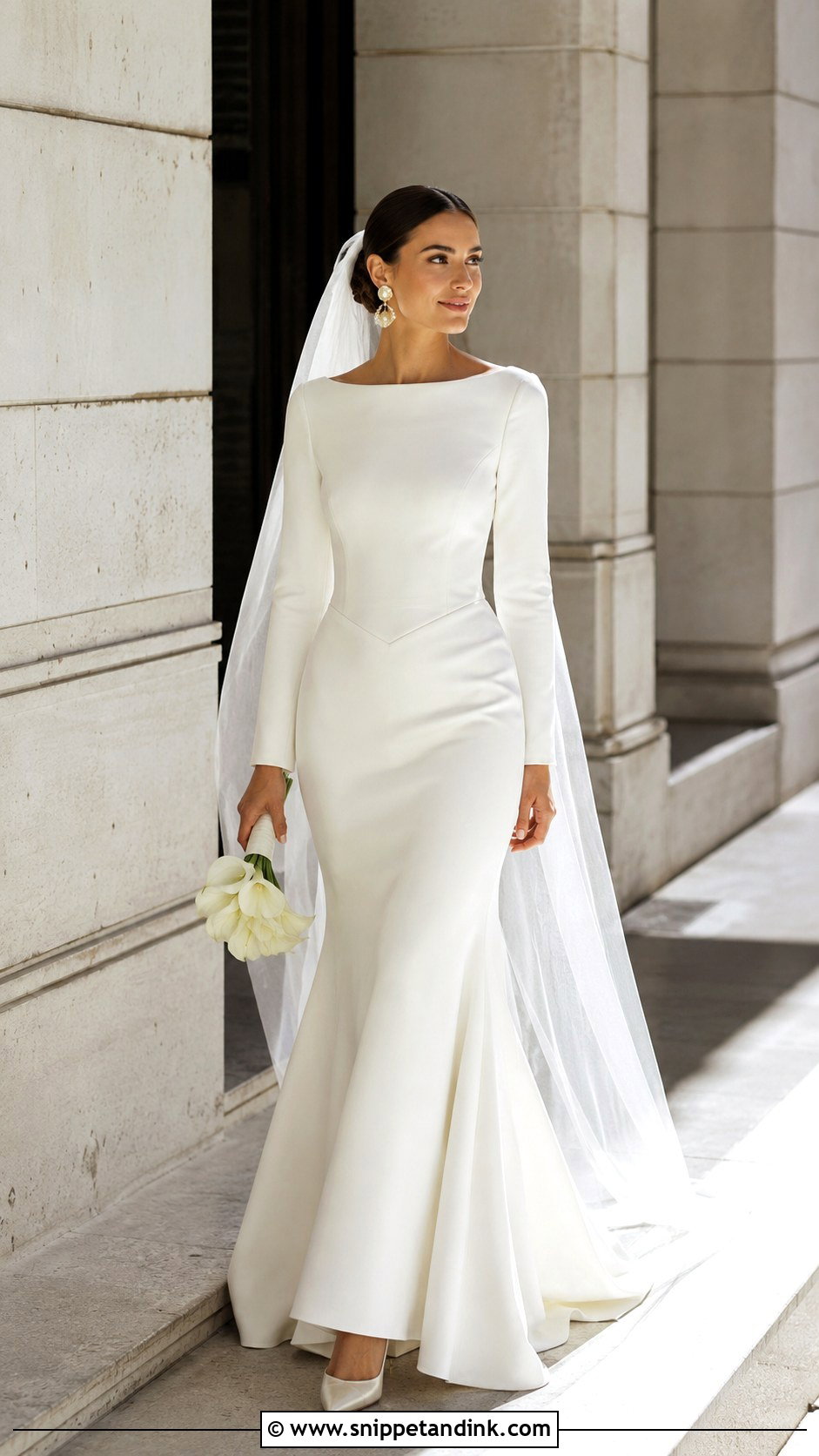
Crepe sleeves give a clean line from shoulder to wrist, and crepe has enough weight to smooth the body while staying softer than satin. The dipped waist adds the interest. A subtle A-line or fit-and-flare skirt suits it best. Crepe shows lumps from boning or seams, so a well-made lining is essential. Pointed pumps, a long plain veil and sculptural earrings make it the cut-first choice for minimal city weddings.
17. Basque Waist Wedding Dress With Square Neck And Sleeves
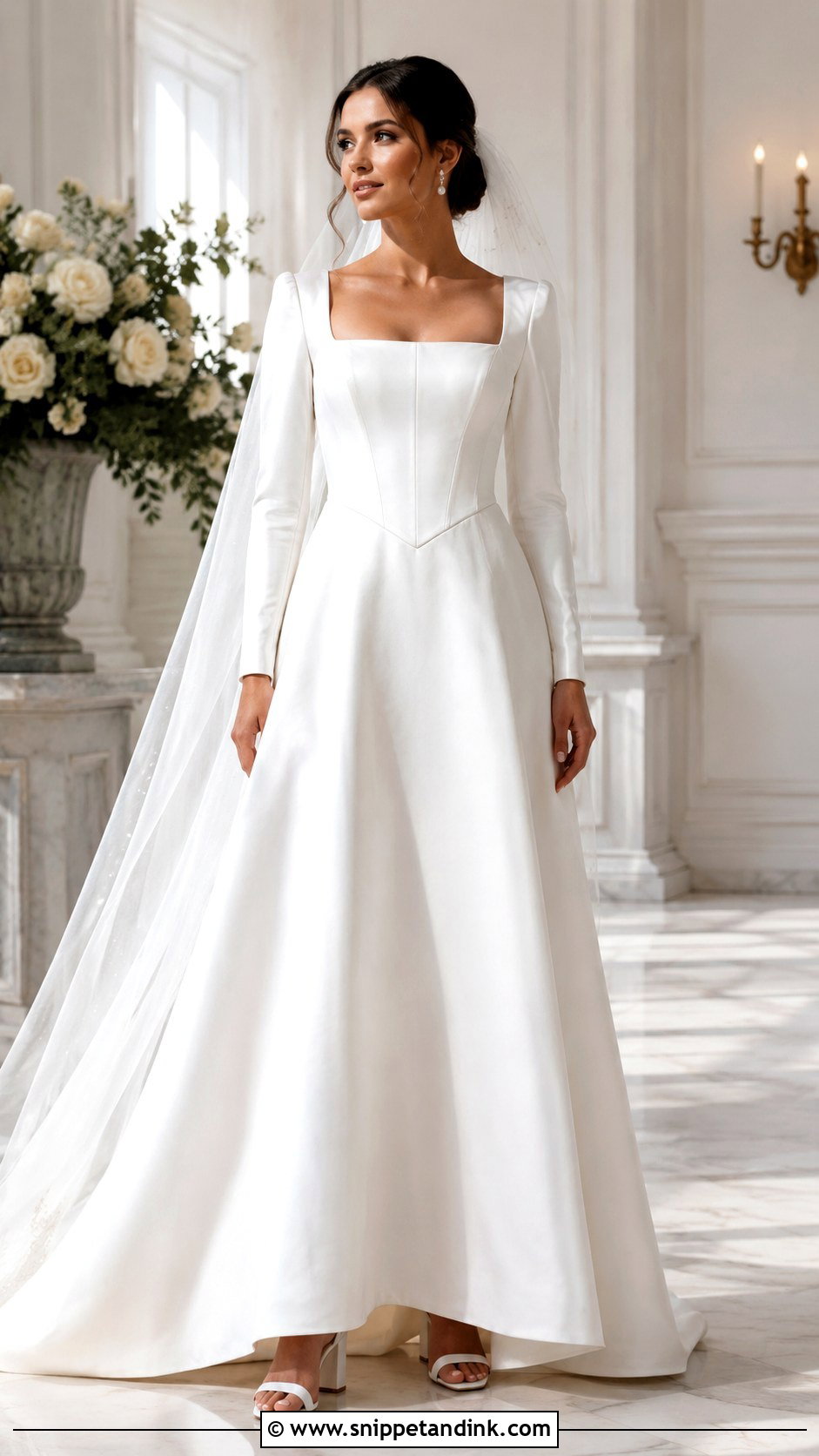
A square neck and a Basque waist are both angular, so together they look structured and balanced. The neckline frames the collarbone; the point lengthens the torso. Long fitted sleeves keep it formal and a soft A-line stops the whole thing looking rigid. Satin, crepe, lace or mikado all work. A low bun, pearl drops, ivory block heels and a plain veil or hair ribbon finish it.
18. Basque Waist Wedding Dress With Sweetheart Neck And Sleeves
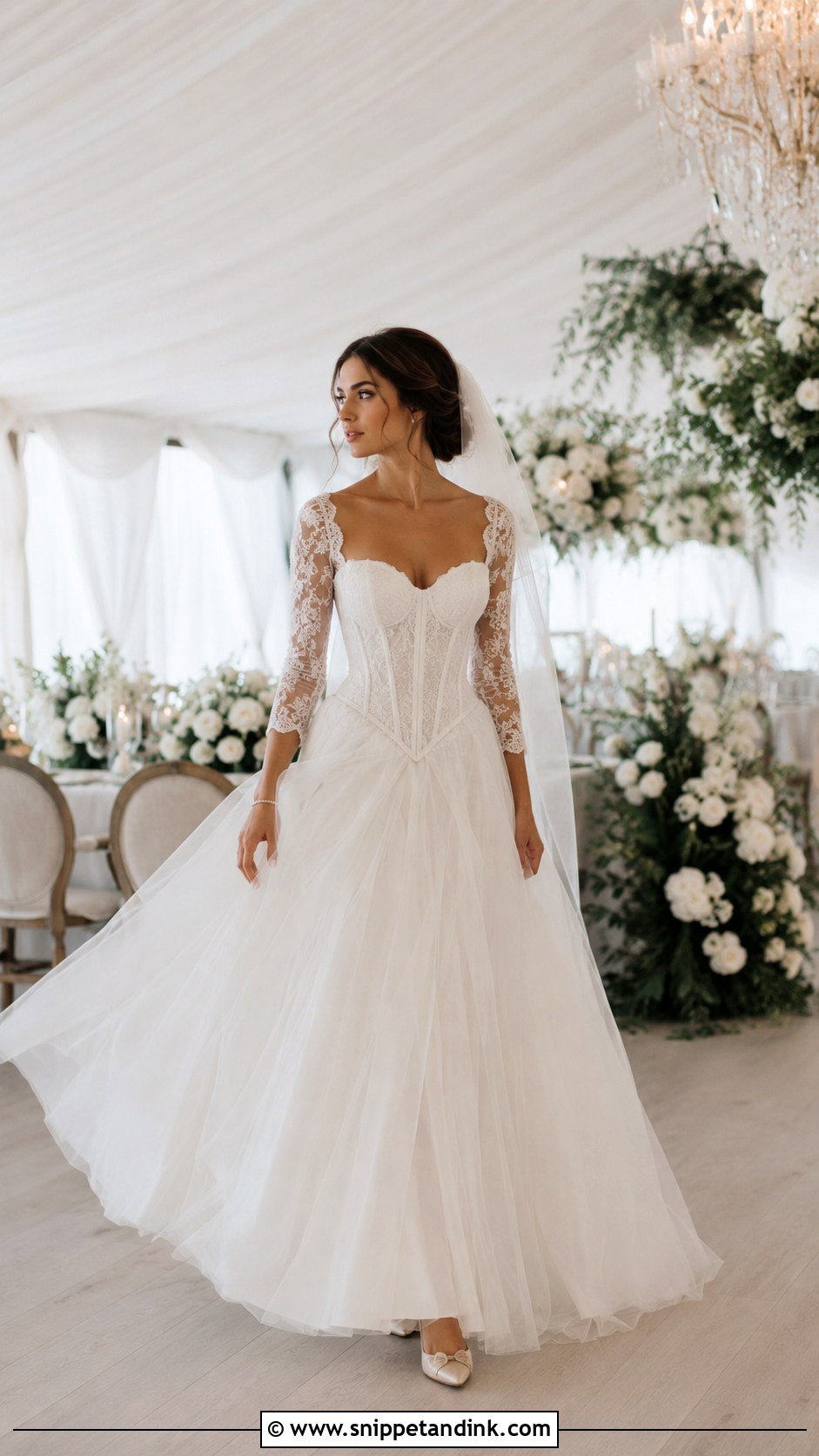
A sweetheart neckline adds a curve to the top of a bodice that’s otherwise all angles. Long sheer, lace or detachable sleeves all suit it. For the skirt, tulle is softer and satin more formal. Start the veil behind the crown so the neckline stays visible. Sweetheart cups need to fit the bust exactly, especially under sleeves that tug on the shoulder seam, so plan the bodice fitting with the bra or cups you’ll actually wear.
19. Basque Waist Wedding Dress With High Neck And Sleeves
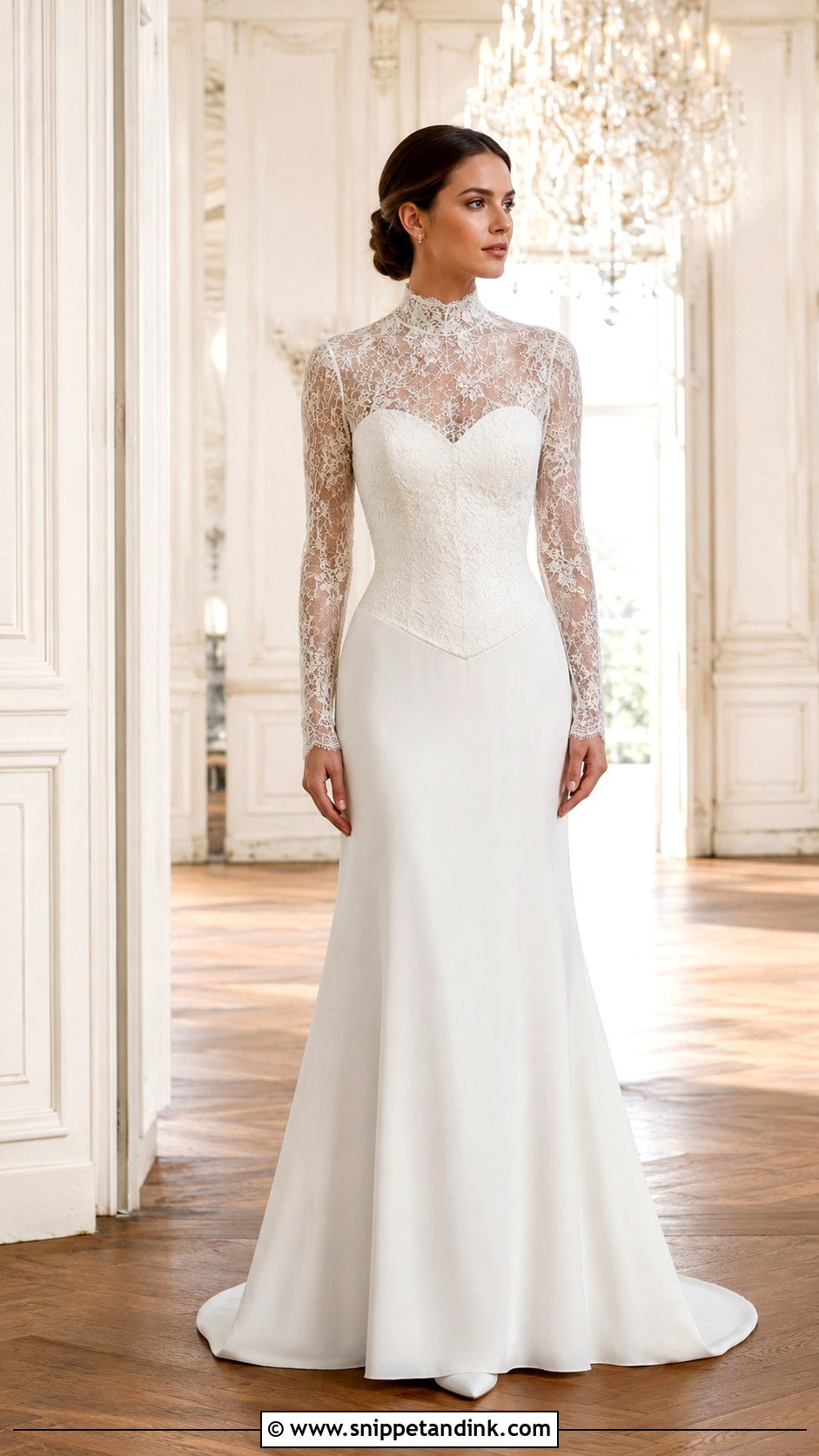
High necks give full coverage at the top, so the waist and skirt have to supply the shape. Sheer lace or illusion fabric keeps the upper part from feeling heavy. A fitted bodice and gently flared skirt give a long line. Pull the hair into a sleek updo and skip the necklace. With a high neck and long sleeves together, the dress can feel warm, so it’s a natural fit for cooler seasons.

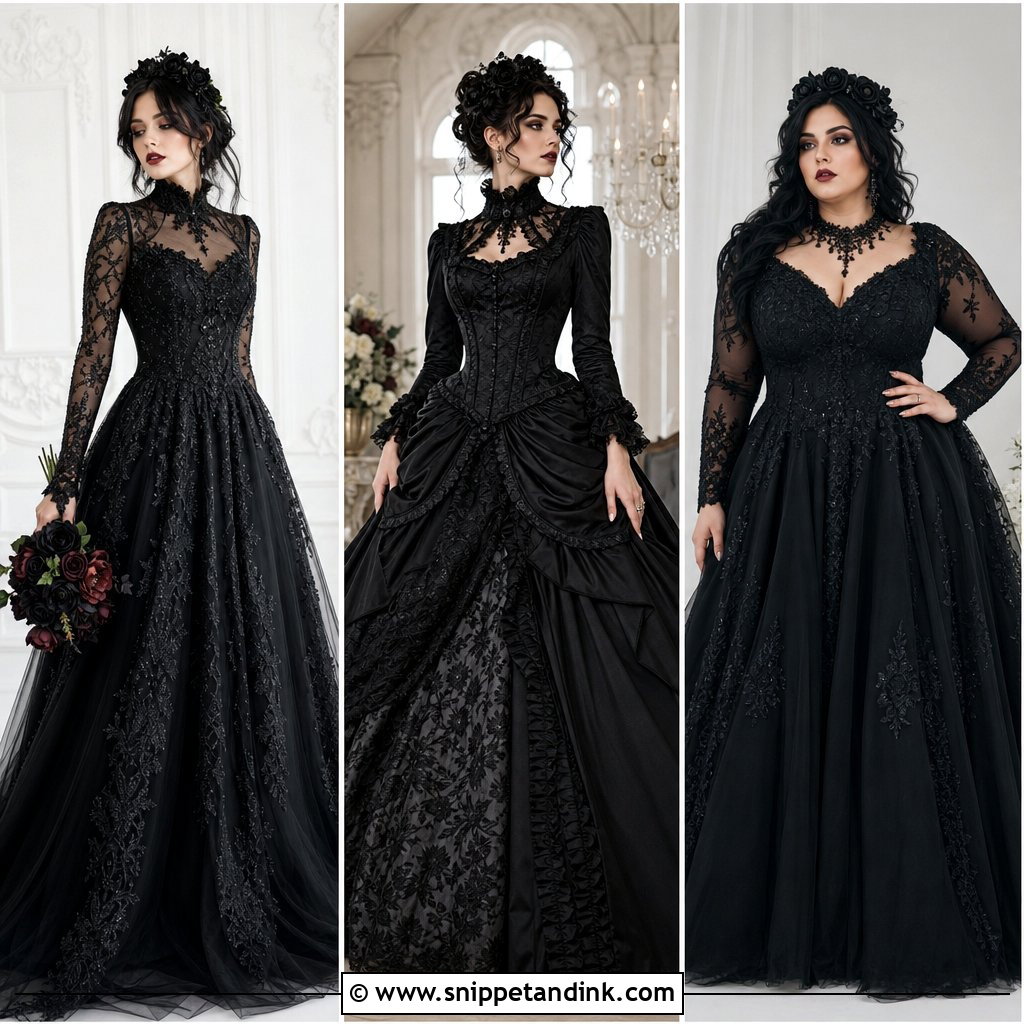

20. Basque Waist Wedding Dress With V Neck And Sleeves
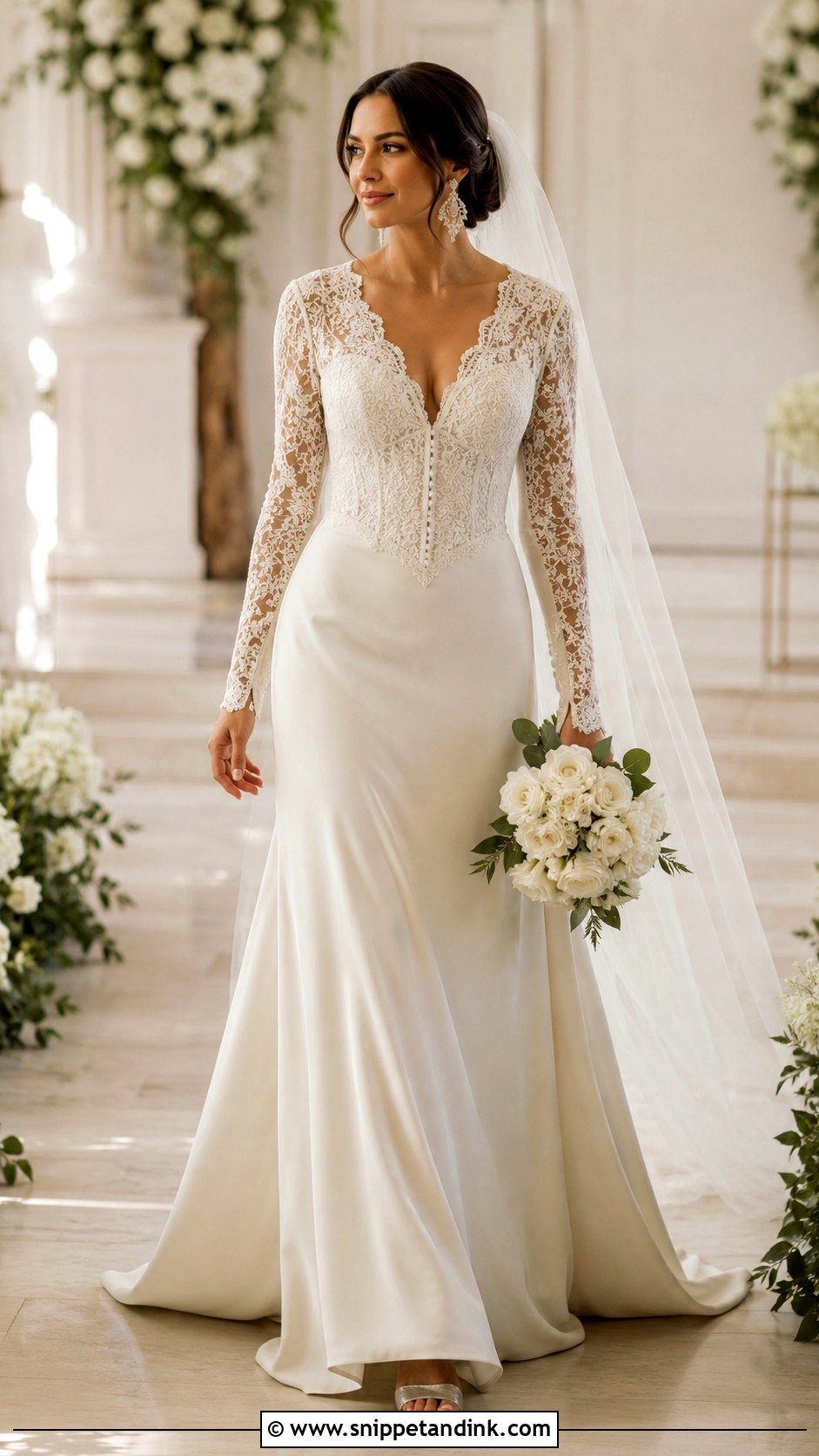
A V neck repeats the V of the waist and stretches the body vertically. If the V is deep, long sleeves and a classic skirt balance it; a modest V can take lace, beading or a fuller skirt. Leave the neck bare and wear statement earrings with simple heels. Deep Vs need fashion tape or a mesh panel to stay in place when you lean forward, which is worth testing at the fitting.
21. Basque Waist Mermaid Wedding Dress With Sleeves
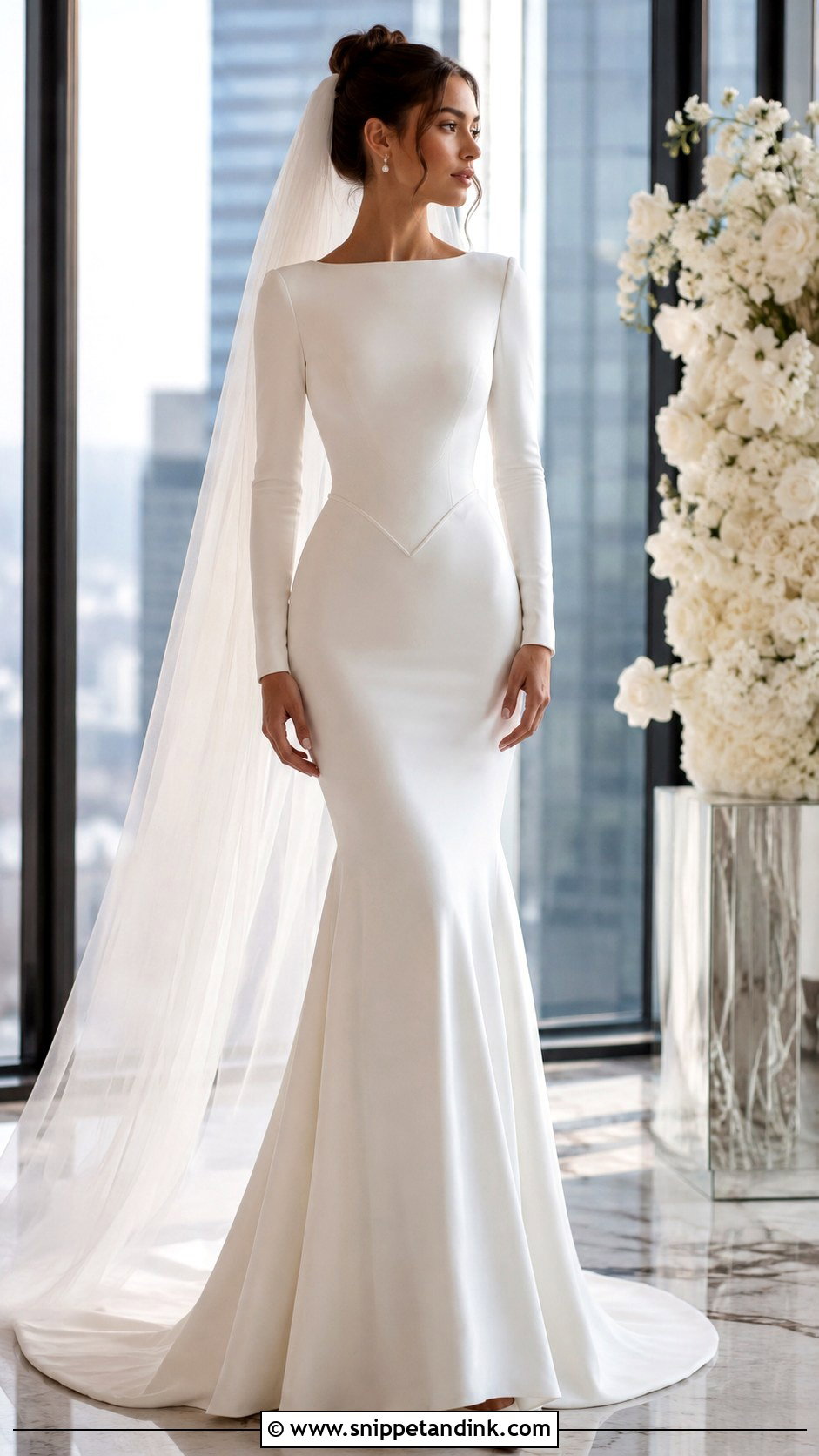
In a mermaid shape, the waist defines the torso before the skirt hugs the hips and flares near the knee. Fabric matters here: crepe looks sleek, lace romantic, satin formal. Long fitted sleeves balance the close fit. It’s a tailored, confident look, but walking is shorter-stepped and stairs need care, so practise in your shoes. Pointed heels, a long veil and simple earrings suit ballroom and evening weddings.
22. Basque Waist Fit And Flare Wedding Dress With Sleeves
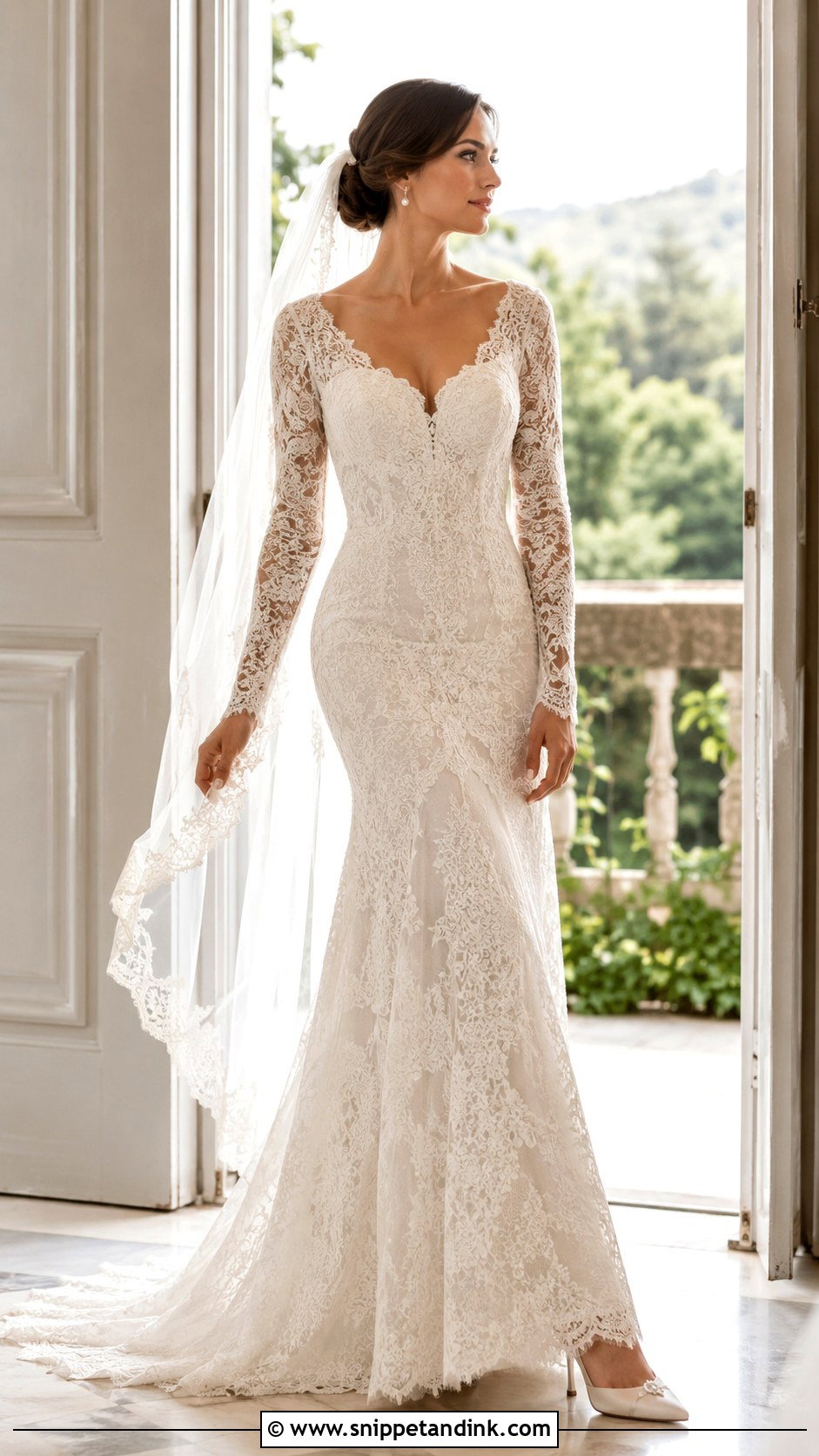
Fit-and-flare is the middle ground between mermaid and A-line: fitted through the bodice and hips, then opening gradually so you can walk and dance. The dropped waist adds a vintage note; lace sleeves add romance, crepe sleeves a modern finish. If you want curves and still need to dance, this is the version I.d steer you toward. Comfortable heels, a fingertip veil and a small clutch suit formal and relaxed celebrations.
23. Basque Waist Wedding Dress With Slit And Sleeves
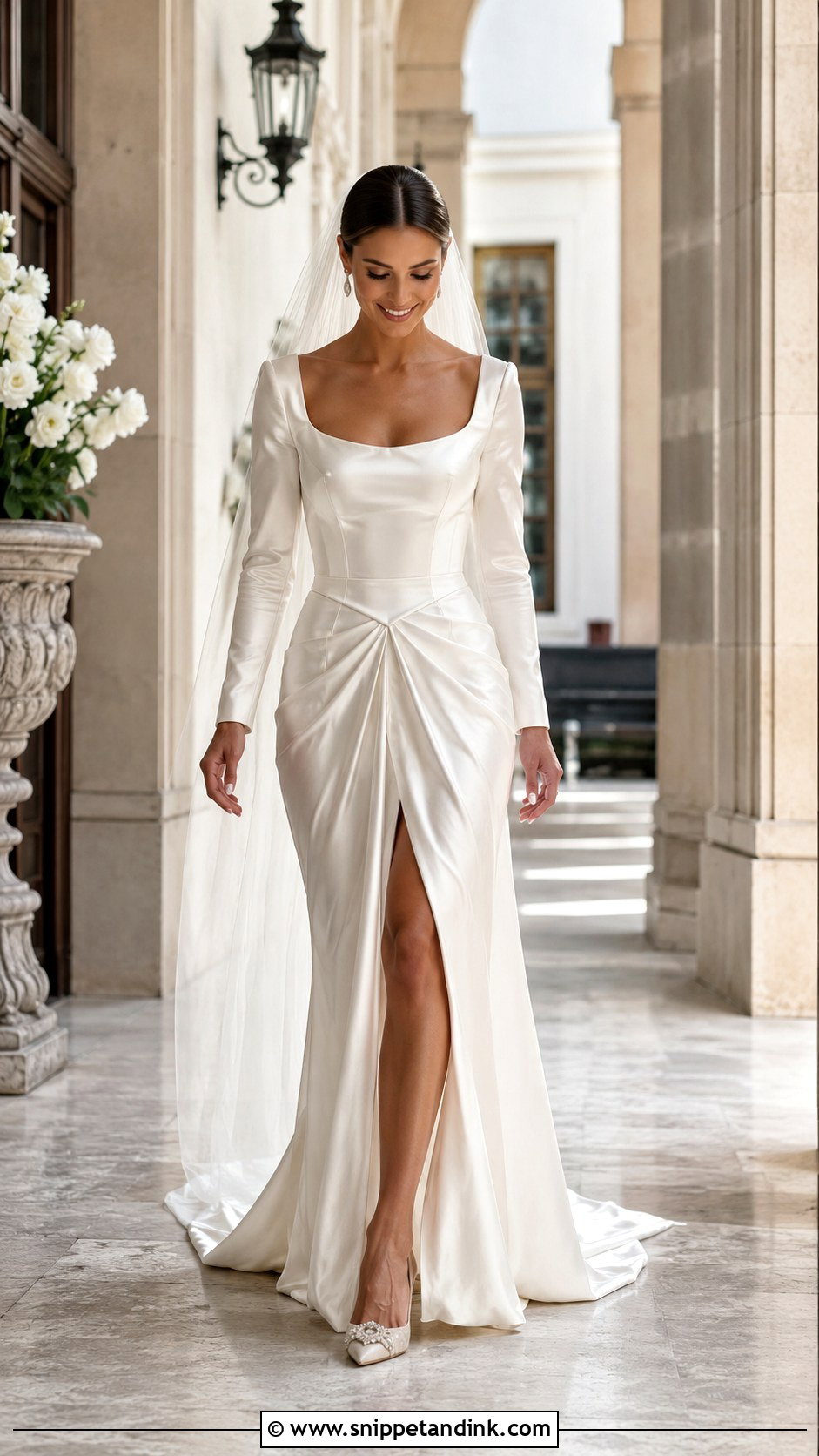
Sleeves balance a leg slit so the gown doesn’t feel too revealing. Satin or crepe skirts let the slit fall cleanly as you walk. Keep the bodice structured and the waist crisp. The slit shows your shoes, so choose ivory pumps or embellished sandals you’re happy to have photographed. Check the slit height sitting down; one that’s fine standing can open much higher when seated.
24. Basque Waist Wedding Dress With Bow And Sleeves
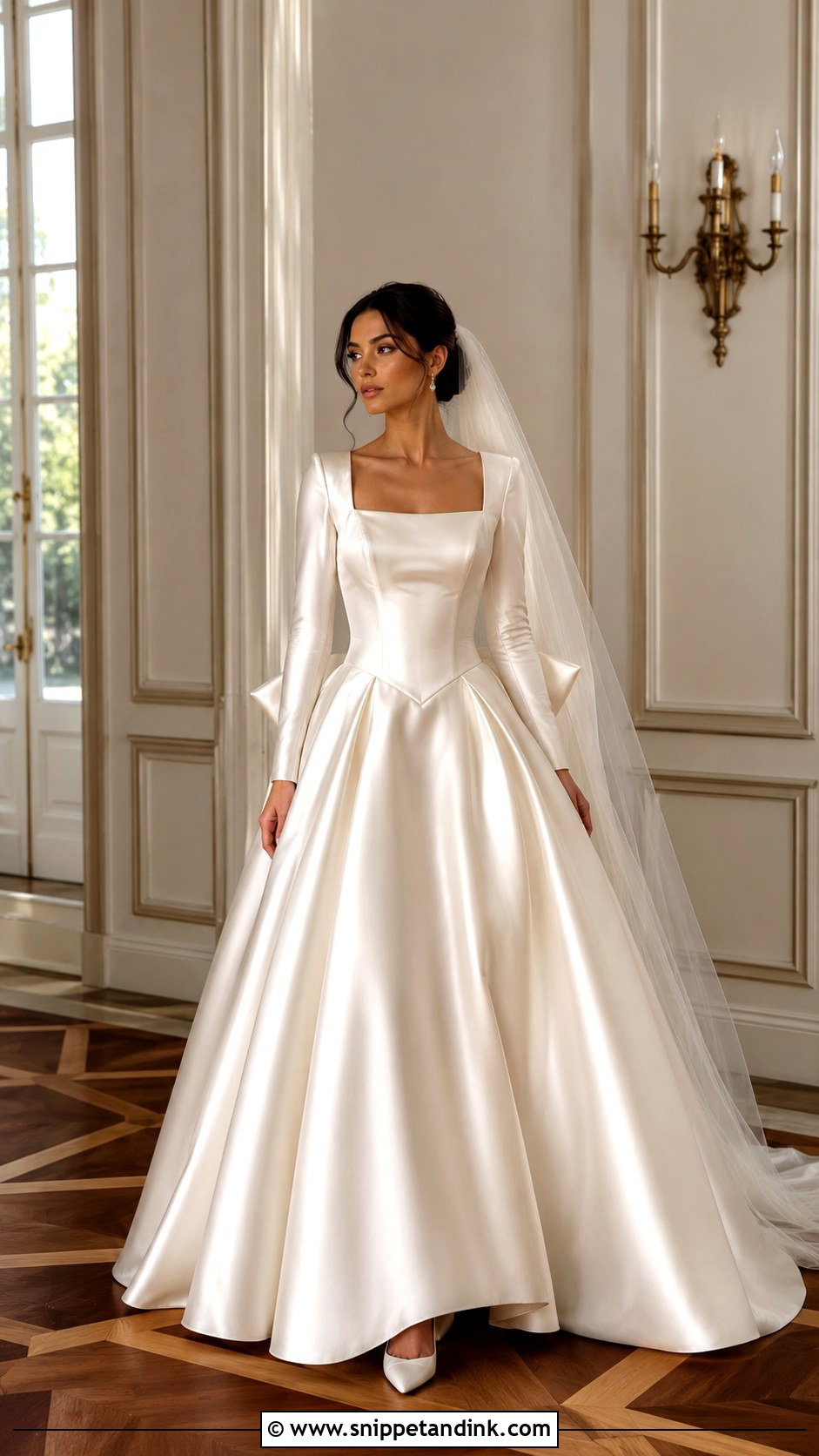
A bow works on a Basque gown when it doesn’t cover the waist point. A back bow at the waist is classic and frames aisle photos, while a small shoulder bow can make detachable sleeves look planned. Keep it to one bow. Satin, mikado and organza hold bow shapes; soft fabrics droop. Pearl earrings, a clean veil and simple heels finish it.
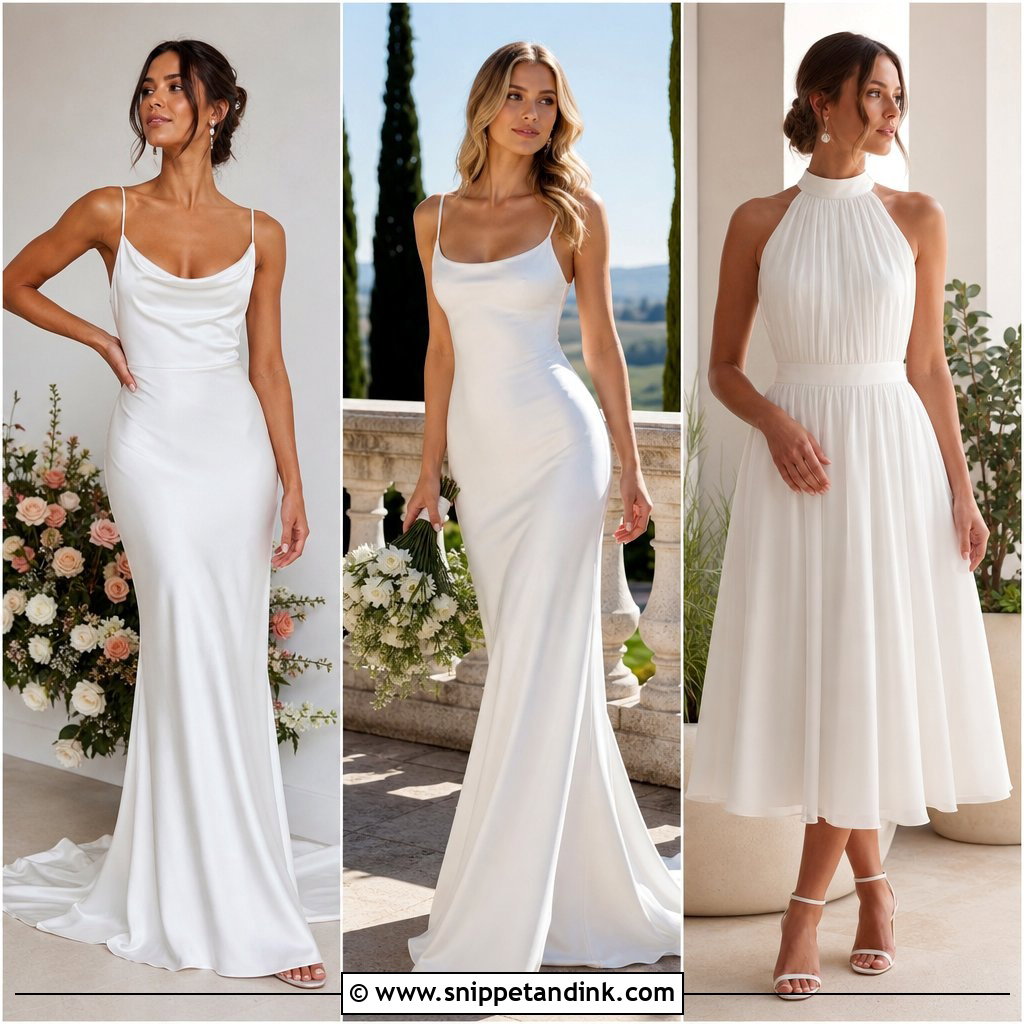
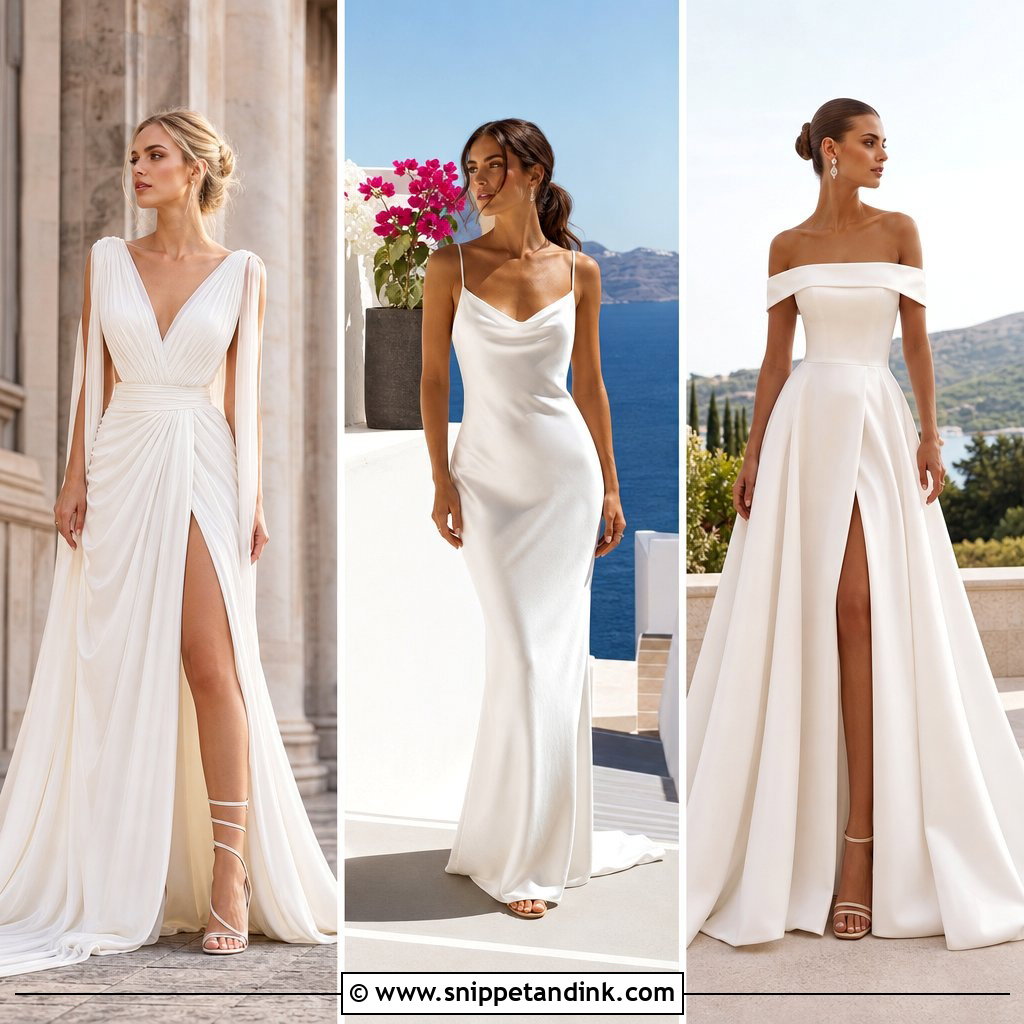
25. Vintage Basque Waist Wedding Dress With Sleeves
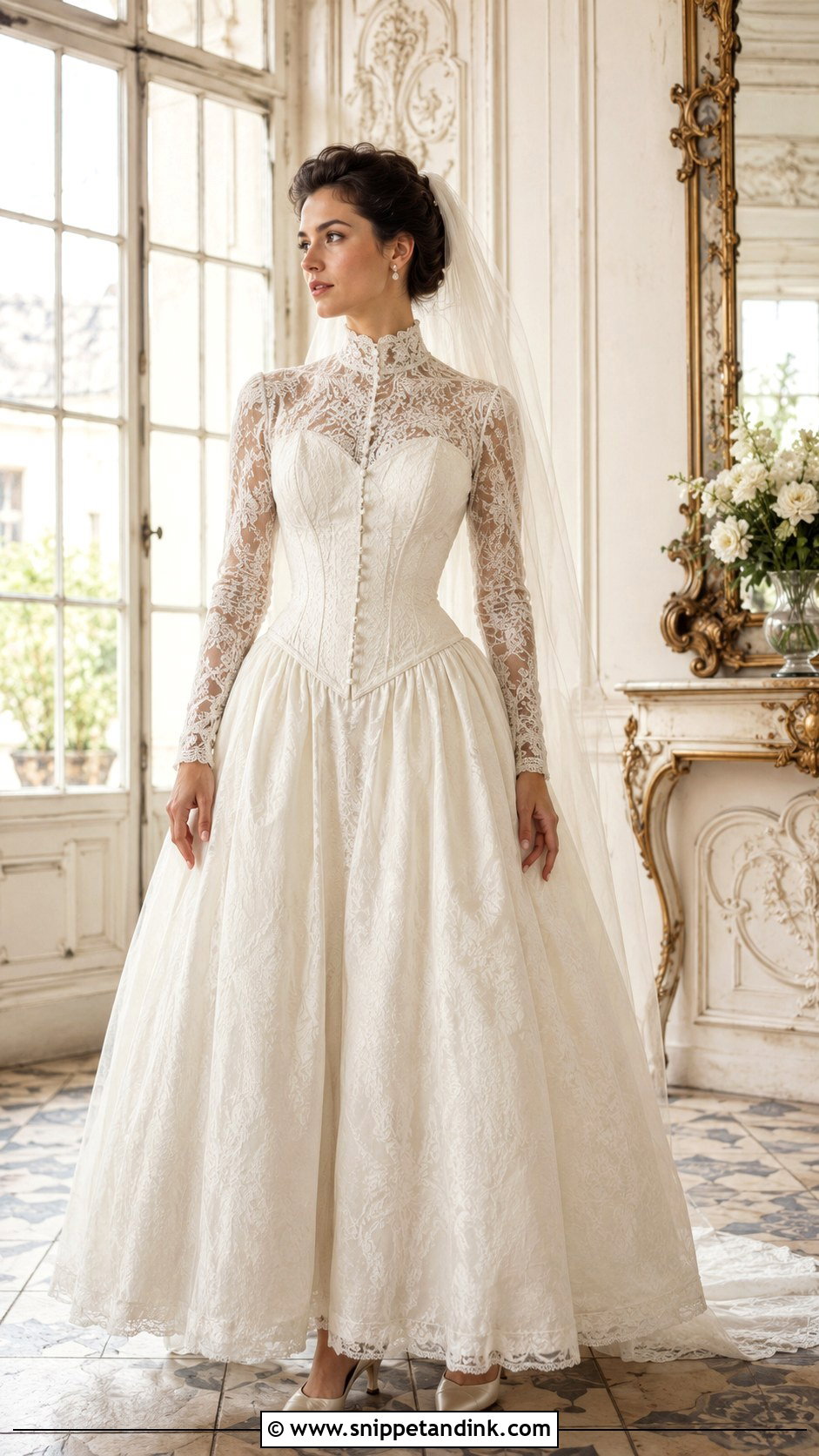
Vintage Basque gowns, with lace sleeves, covered buttons, a corset bodice and a full skirt, look personal rather than dated when the styling is modern. If you’re wearing an actual heirloom or second-hand gown, have a seamstress check the seams and lace for weakness before altering; old fabric can tear at the stress points. Satin heels, pearl earrings and a simple veil or comb keep it fresh.
What a Seamstress Can and Can’t Change on Sleeves
Sleeves are among the most altered parts of a wedding dress, and some changes are much easier than others. It helps to know before you buy.
- Shortening plain sleeves is straightforward. Lace sleeves with a scalloped edge at the wrist are harder, because the scallop has to be cut off and re-applied higher.
- Taking sleeves in is usually simple; letting them out depends on seam allowance, which is often small.
- Adding sleeves to a strapless gown is possible with matching fabric, and many designers sell them separately. Order them with the dress.
- Changing how a fitted sleeve moves at the shoulder means re-cutting the armhole, which is a bigger job.
Bridal alterations commonly start around two to three months before the wedding, over two or three fittings, though it varies by seamstress. Wear your wedding shoes and underwear to each one, and move: hug, lift your arms, sit down. Sleeves fitted while you stand still are the ones that pull when you finally dance.
Which Sleeve Changes the Basque Waist Most for You?
The Basque point gives you the shape; the sleeve decides the mood. Long lace reads classic, sheer is light, puff is playful and crepe is clean. Pick the skirt your venue and comfort allow, then the sleeve that lets you move, and keep accessories small so the waistline stays visible. Try at least one gown with a pointed waist and one with a curved waist, because they suit different bodies.
You'll Like These Ideas:



Leave a Reply