
The blouse is the part of a bridal saree or lehenga that gets the closest look, at the neckline when you garland, on the sleeves when you hold hands for rituals, and across the back in every photo of you seated. That’s why I spend more planning time on it than on almost anything else. The designs below all use maggam embroidery, worked on fabric stretched across a wooden frame, and many borrow from detailed Aari embroidery: zari, pearls, beads, sequins, stones and raised motifs. Peacocks, florals, temple borders and zardosi are still everywhere, alongside personalized backs, pastel silks and cutouts. The heaviest blouse isn’t automatically the best one. It has to suit your saree border, your jewelry, the ceremony and how long you’ll be wearing it, so each idea comes with the pairing advice I’d give at a styling session.
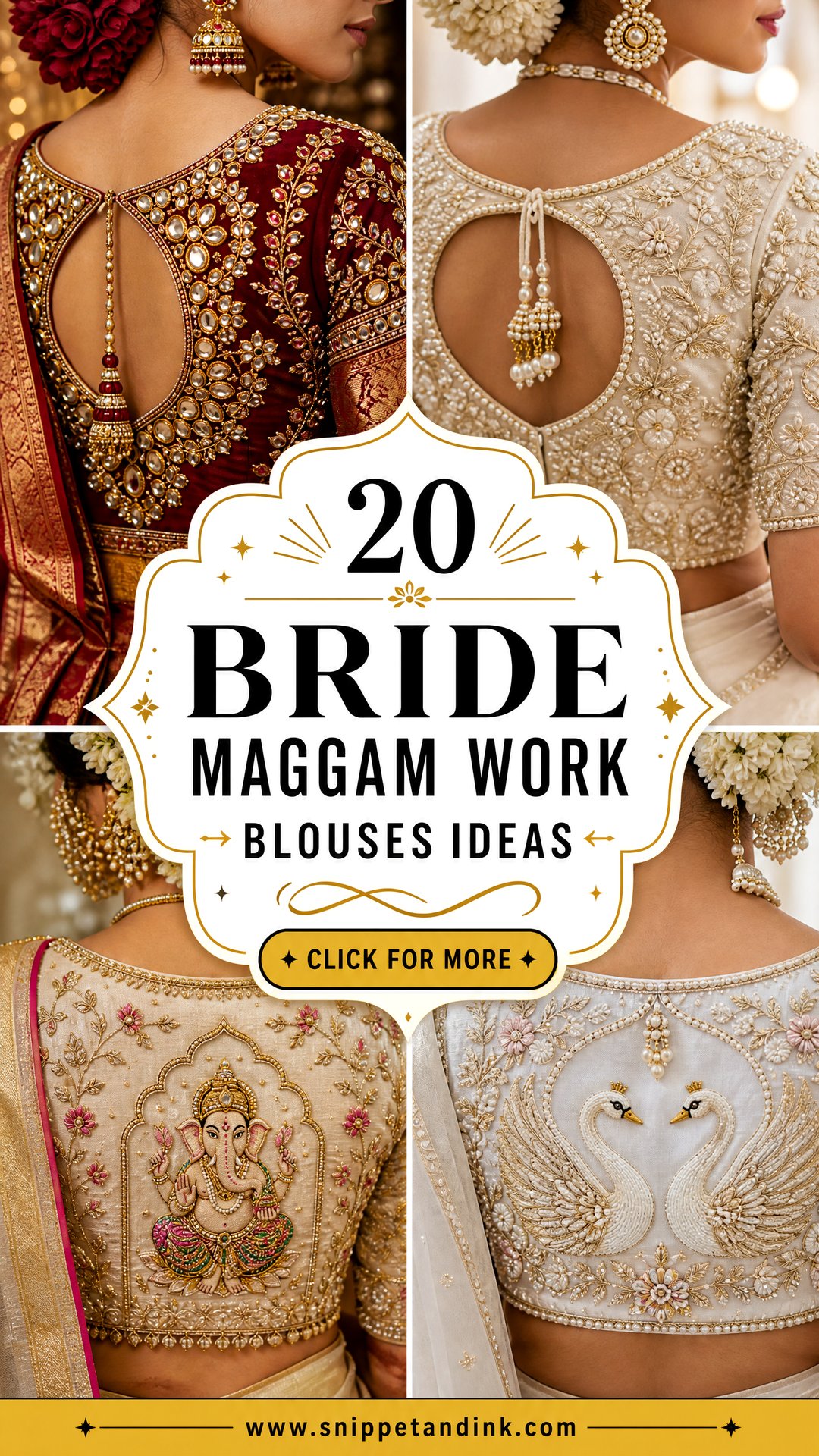
Give the Artisan Final Measurements Before the Frame Goes Up
Maggam work is done on cut panels stretched over a wooden frame, before the blouse is stitched together. That order matters. Once the front, back and sleeves are embroidered, the tailor can only let out the small seam allowance left at the sides; the embroidered areas themselves can’t be re-cut. So the measurements you give at the start are the measurements you’ll wear.
- Get measured wearing the bra or padding you’ll use on the day.
- If you expect to lose or gain weight before the wedding, tell the tailor and ask for wider seam allowances at the side seams.
- Ask for a plain trial blouse in cheap fabric first. It’s the only real way to check the neckline depth and sleeve fit before embroidery starts.
- Agree on hook placement early. Front hooks are easier to dress in; back hooks give a cleaner front for heavy necklaces.
Heavy bridal work by hand takes time. Depending on the design and how busy the season is, a full bridal blouse can need several weeks, so I’d book your embroiderer around two to three months ahead and plan a final fitting at least two weeks before the first function.
1. Red Peacock Maggam Work Bridal Blouse
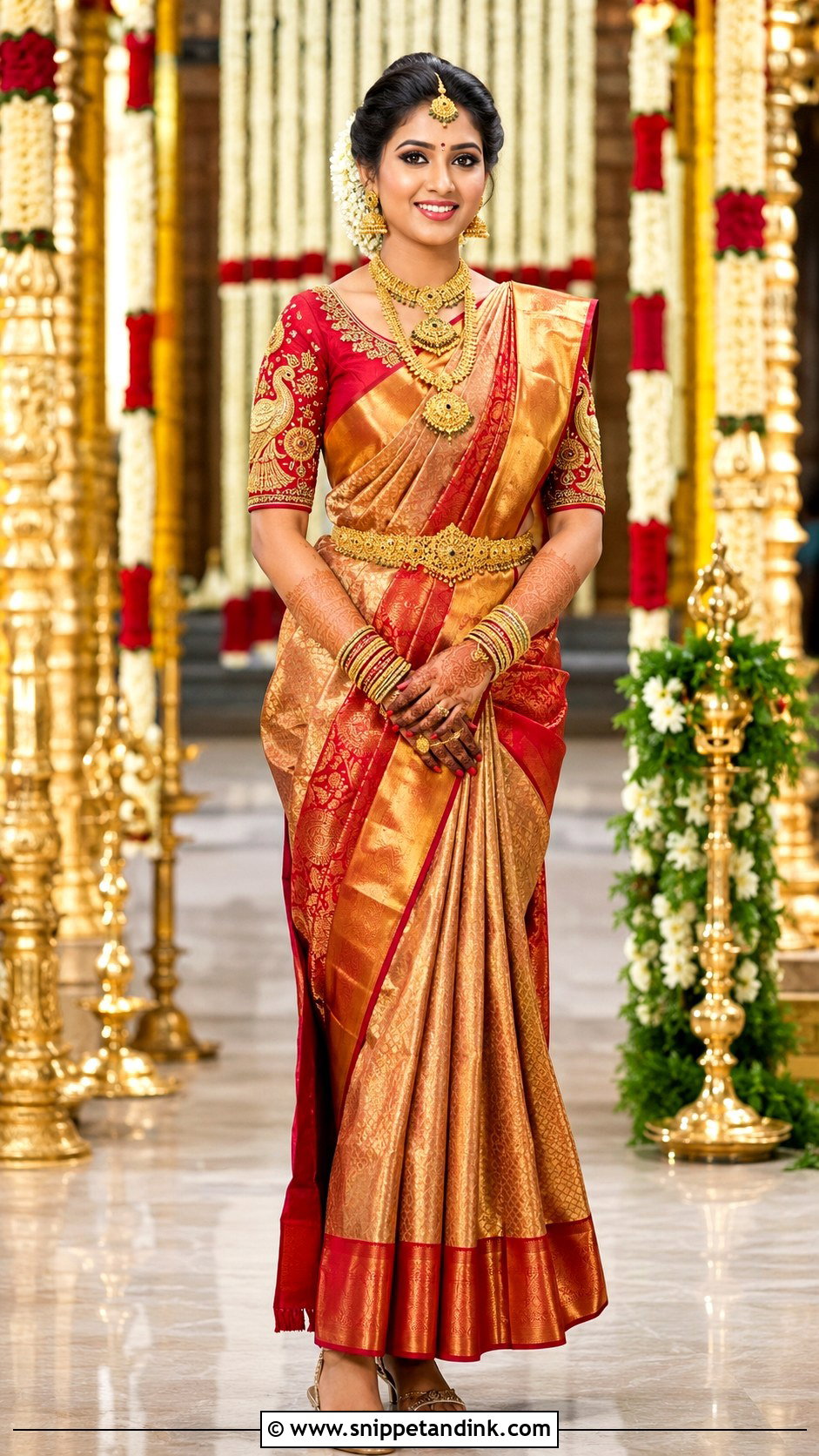
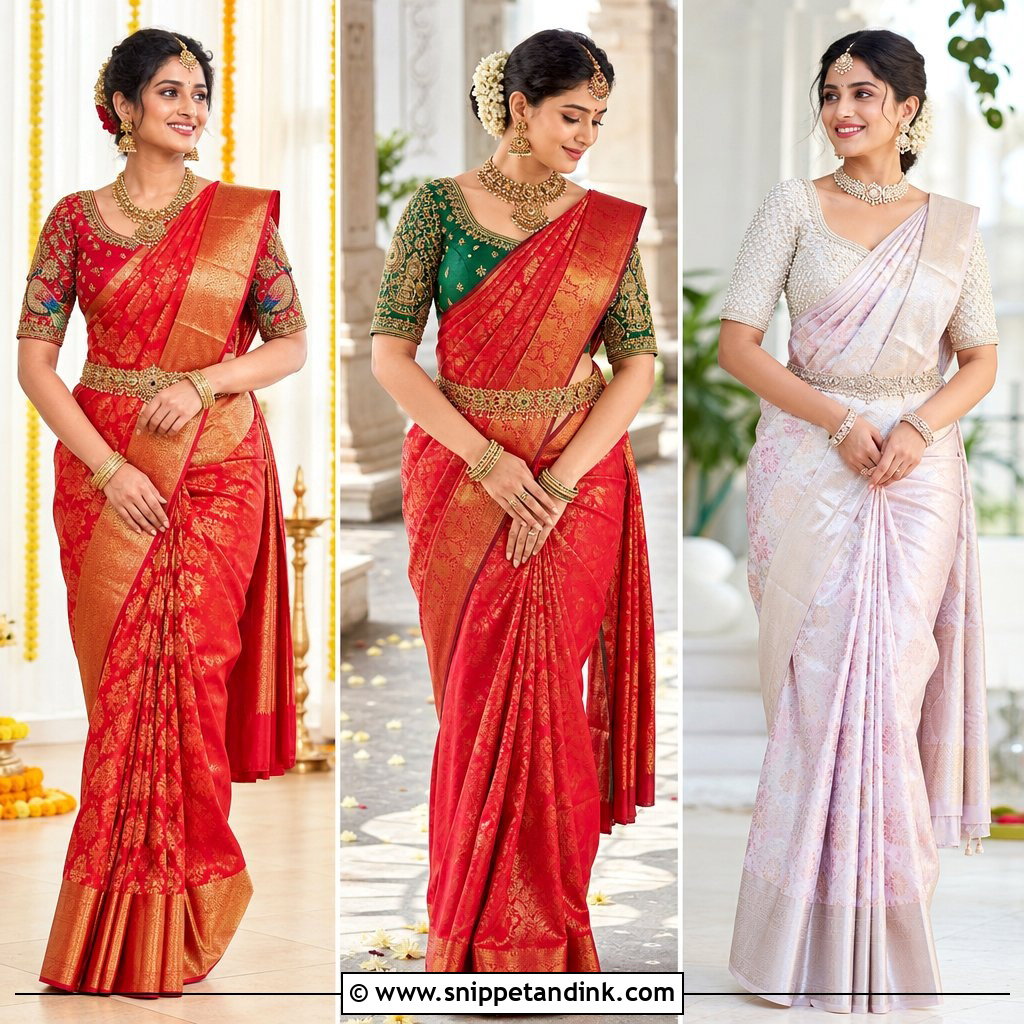
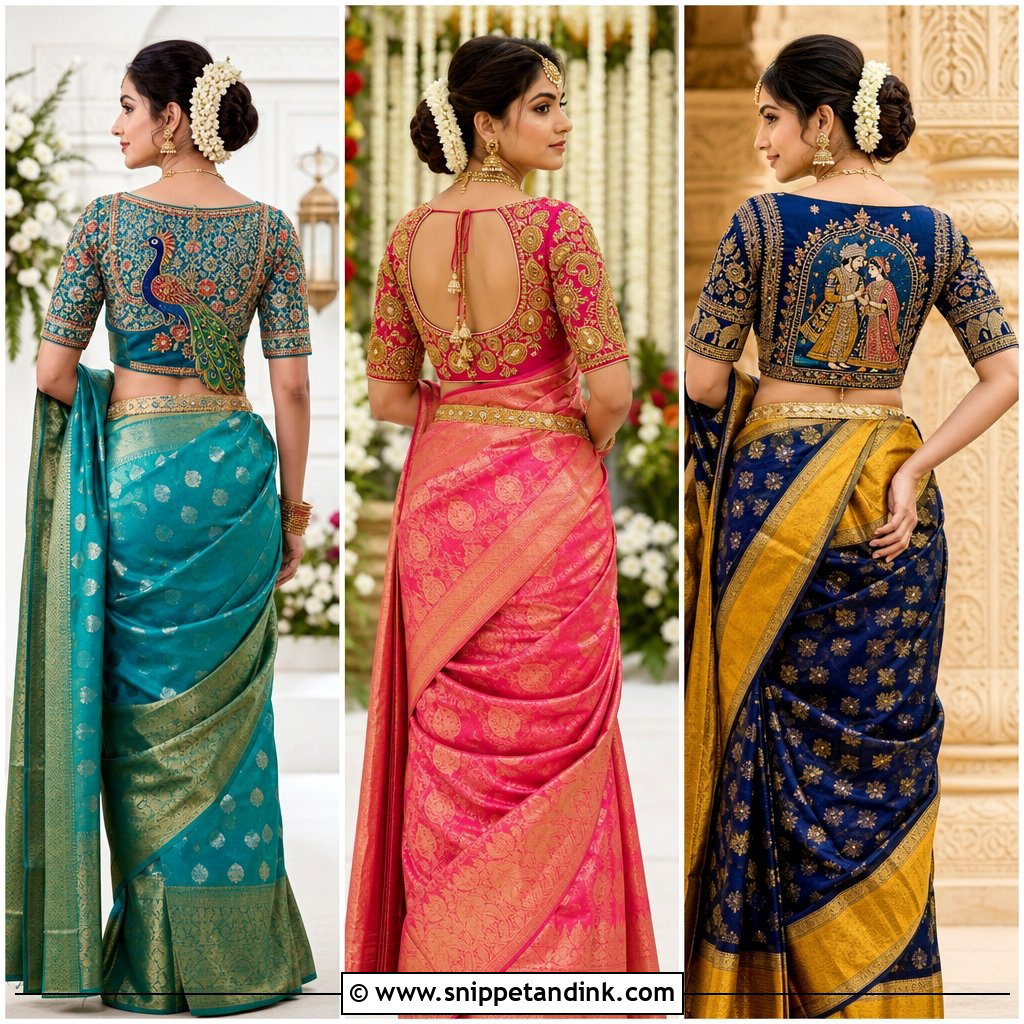
Red silk with gold peacocks is the classic main-ceremony blouse, and the sleeve length decides how good the peacock looks. Elbow sleeves give the embroiderer room to shape full feathers in zari, beads and small stones; on short sleeves the bird gets squashed. Pair it with a red, maroon or antique-gold Kanjeevaram and keep the pallu neatly pleated so the neckline stays in view. A temple necklace, jhumkas, bangles and a waist belt complete it, with gold sandals underneath. I always ask for a moderate back neck, secure hooks and covered padding. A deep back on a heavy blouse slides off the shoulders after a few hours of sitting.
2. Green Temple Maggam Work Bridal Blouse
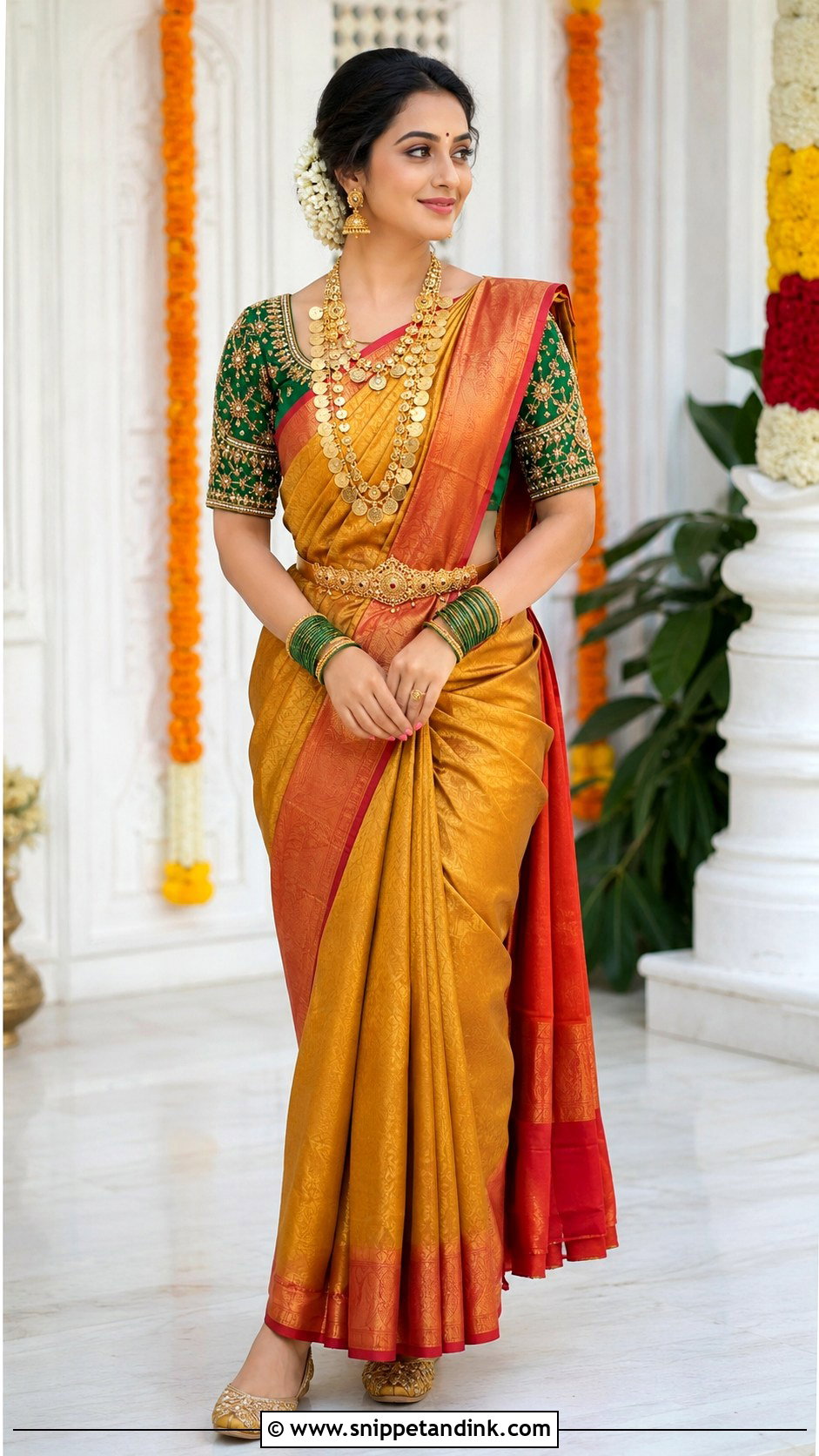
Bottle green with temple arches and coin shapes in antique gold is about as traditional as maggam gets. It sits well against mustard, red, cream or a contrasting pink silk saree. Keep the neckline square or rounded with a thin pearl border, because temple jewelry is already heavy and a busy neckline competes with it. Repeating the arches on the elbow sleeves so they echo the saree border is the detail that makes it look designed rather than bought. Finish with a layered coin necklace, gold earrings, green bangles, a structured belt, a low bun with flowers and embroidered gold flats. A clean, fitted drape keeps the arches readable.
3. Pink Floral Maggam Work Bridal Blouse
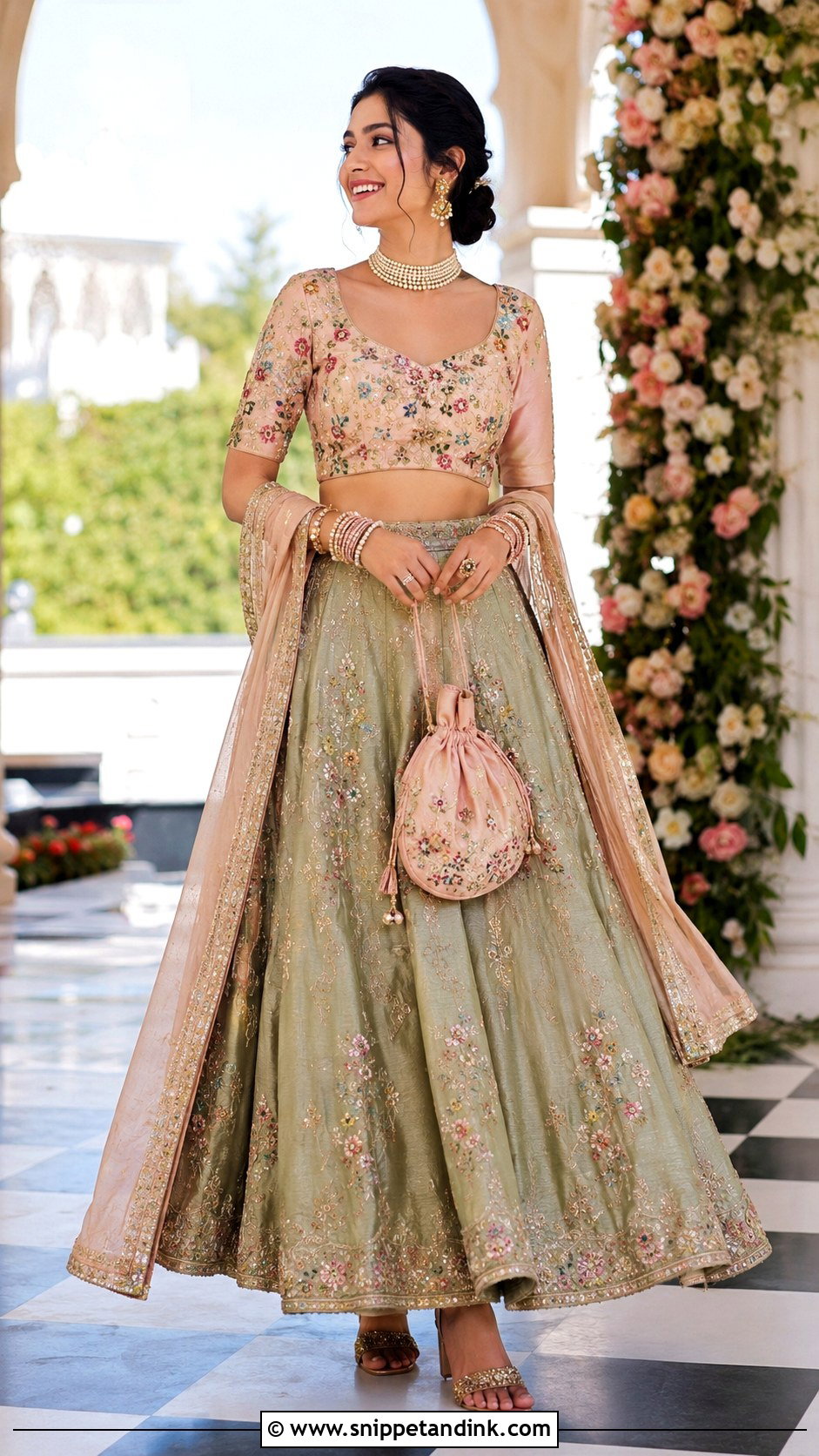
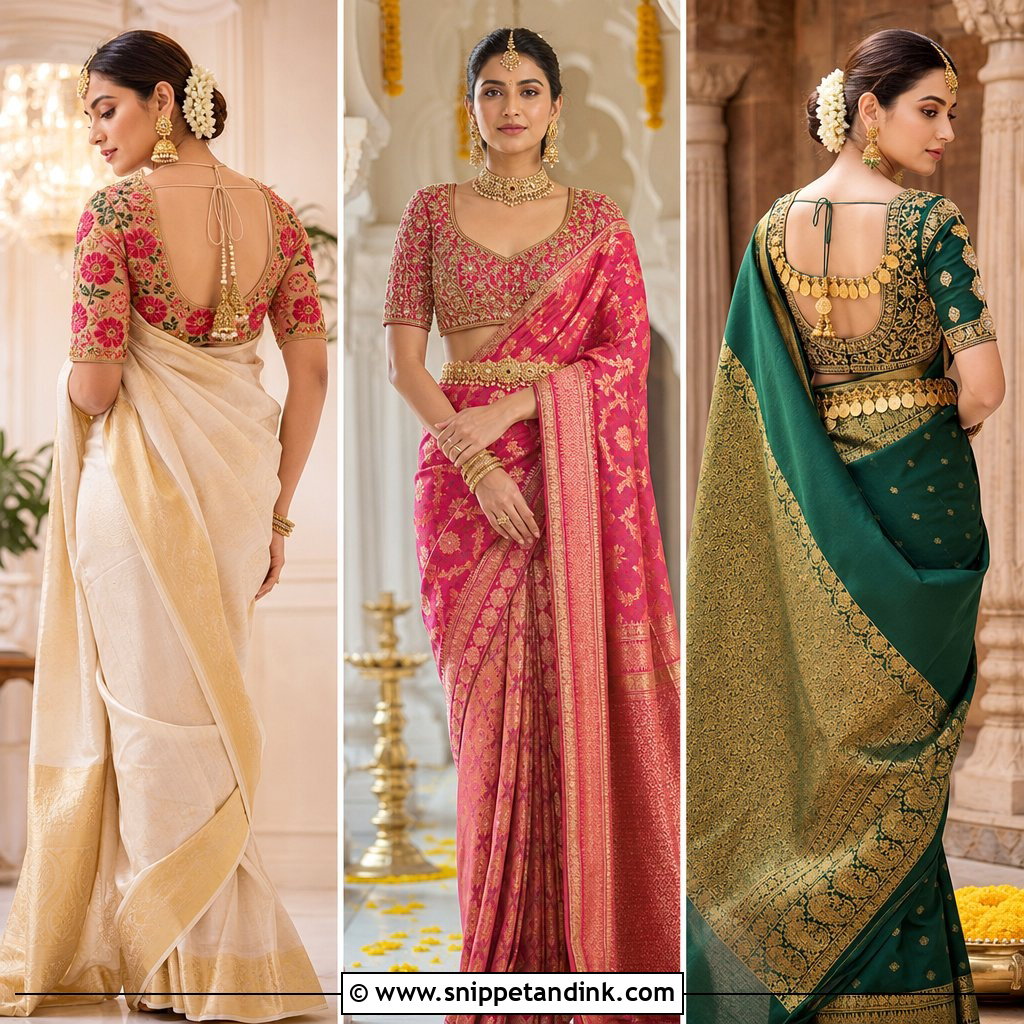
Pink raw silk with multicolor florals is my go-to suggestion for a daytime ceremony or an engagement. Blush, rose or dusty pink all work, with green vines, pearl centers and a little gold zari. A matching saree gives a tonal look, and a sage-green lehenga adds soft contrast. The sweetheart neckline and fitted elbow sleeves frame the flowers well. Raw silk has a slight slub texture, which hides small puckers around dense embroidery better than smooth satin. A pearl choker, small drops, stacked bangles and a potli suit it, with pale-gold block heels you can actually walk in.
4. Gold Zardosi Maggam Work Bridal Blouse
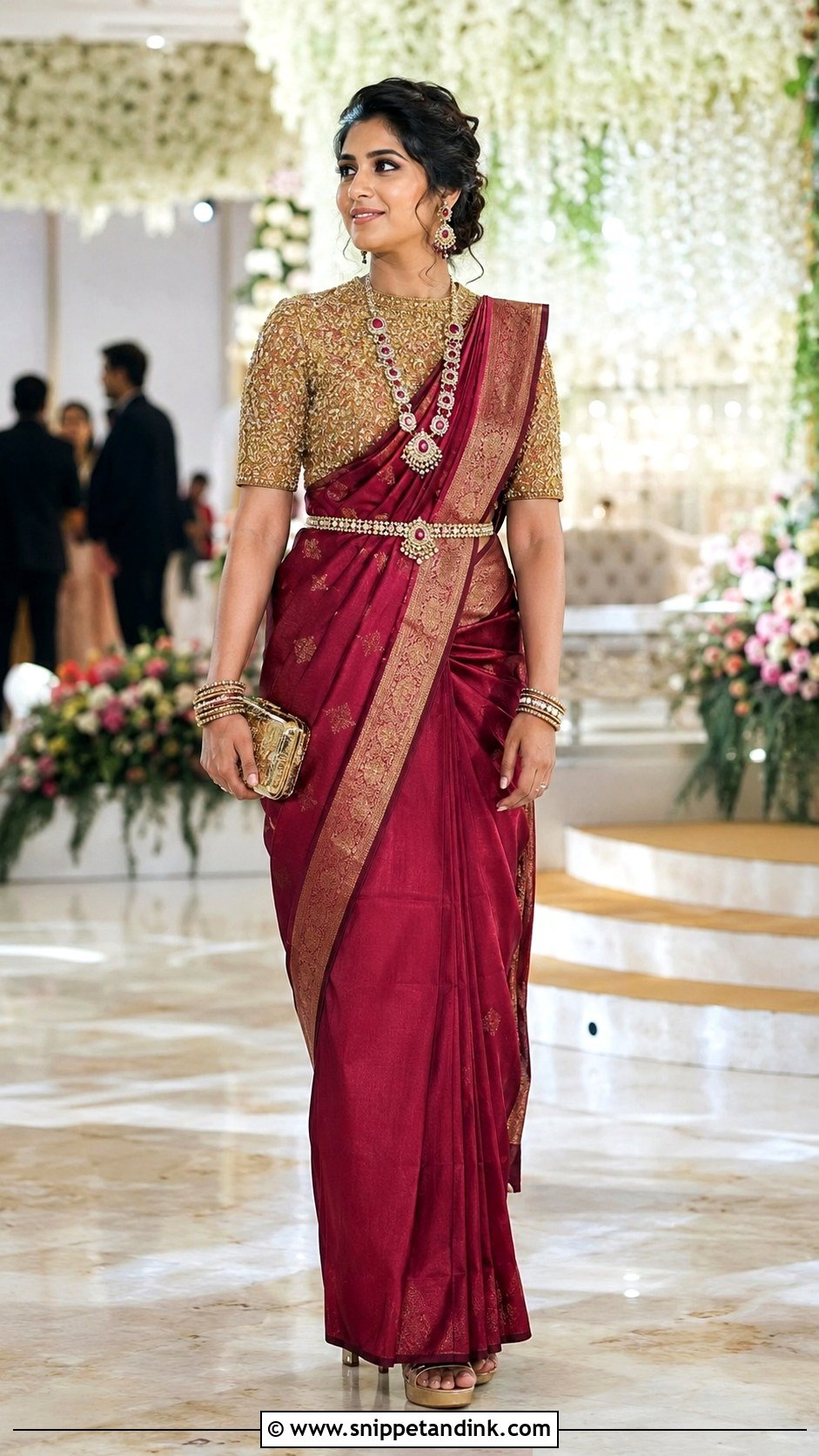
This is the most formal blouse on the list, and it needs the right base fabric. Structured zardosi is heavy, so I’d only do it on firm silk or velvet; a soft silk sags under metal thread and raised florals. Put the antique-gold blouse against a burgundy, emerald, navy or red saree so it reads as its own piece. A high round neck with elbow sleeves gives plenty of embroidery space and a regal line. Add a long gemstone necklace, studs, bangles and a slim belt, plus a small clutch and metallic platforms for stability. Keep the saree border moderate and wear one big necklace, not three.
5. Blue Lotus Maggam Work Bridal Blouse
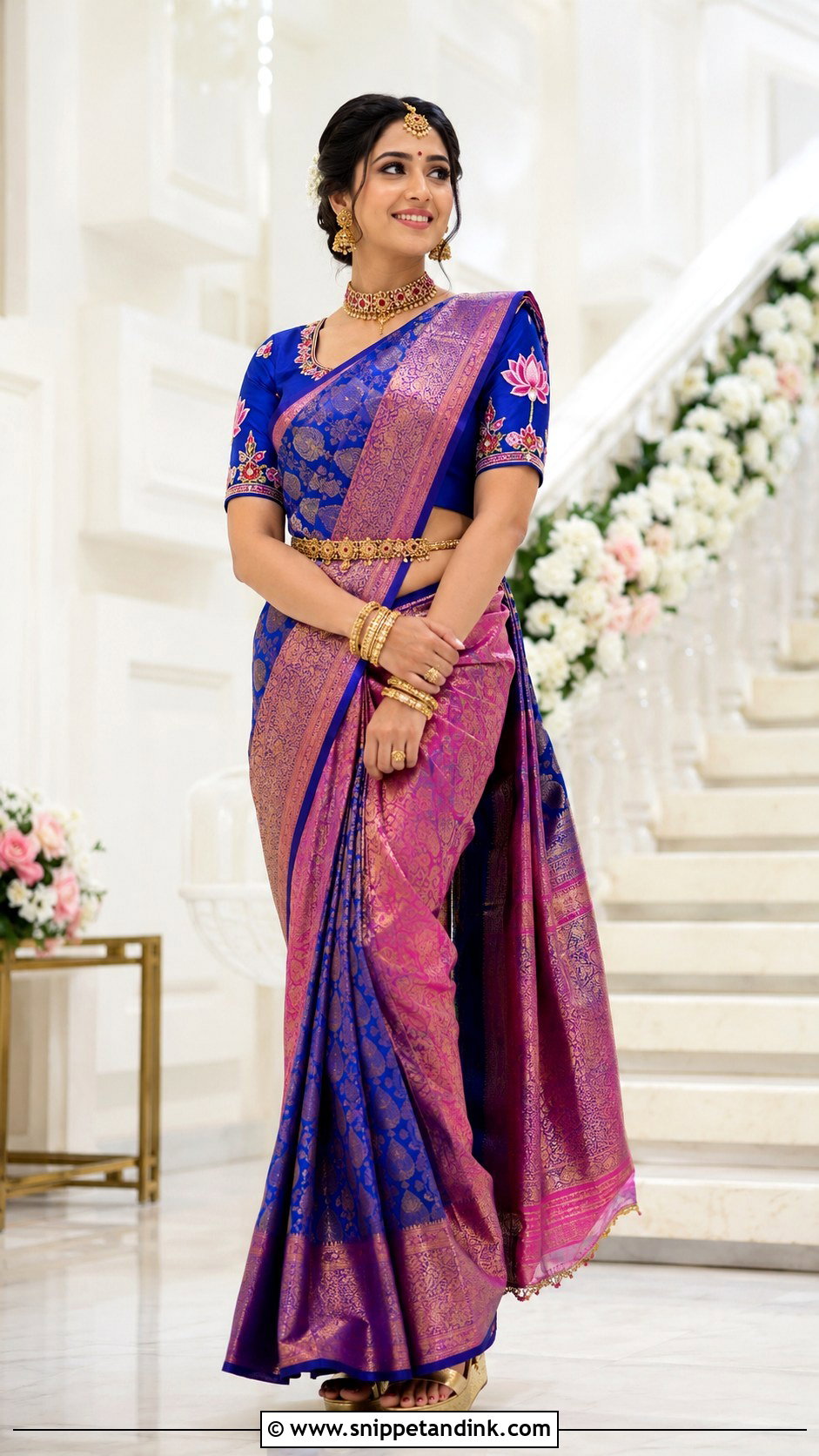
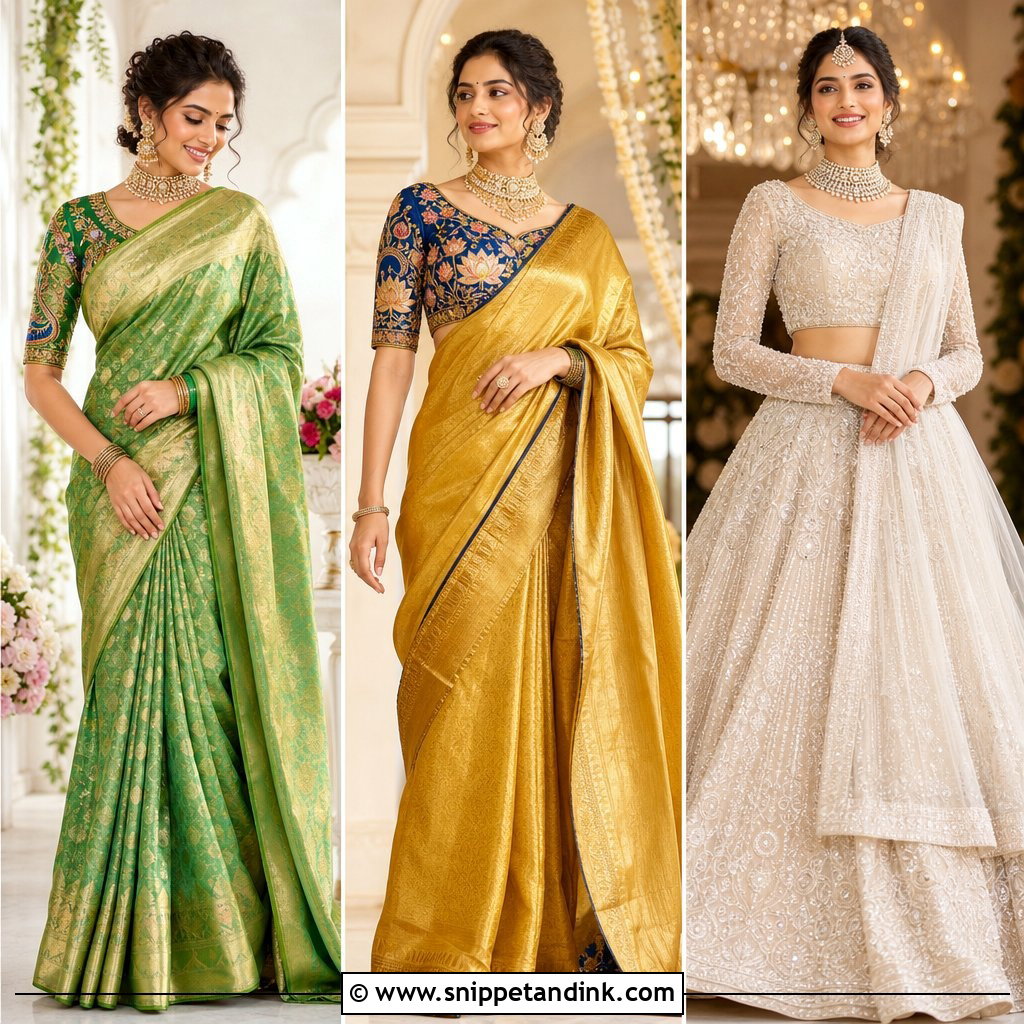
Royal blue with lotus motifs gets you out of default red while staying traditional. Ask for pink petals, green leaves, gold stems and tiny pearls at the neckline and sleeves, then pair it with a blue-and-pink Kanjeevaram or a fuchsia lehenga with a blue dupatta. A wide U-neck lets a choker sit without covering the embroidery. Ruby or pink-stone jewelry, medium jhumkas, bangles and a jeweled hair piece suit it, with gold wedges. I like a single lotus repeated at the back neck, but I’d keep the lower back plain. Embroidery there presses into you every time you lean against a chair.
6. Maroon Kundan Maggam Work Bridal Blouse
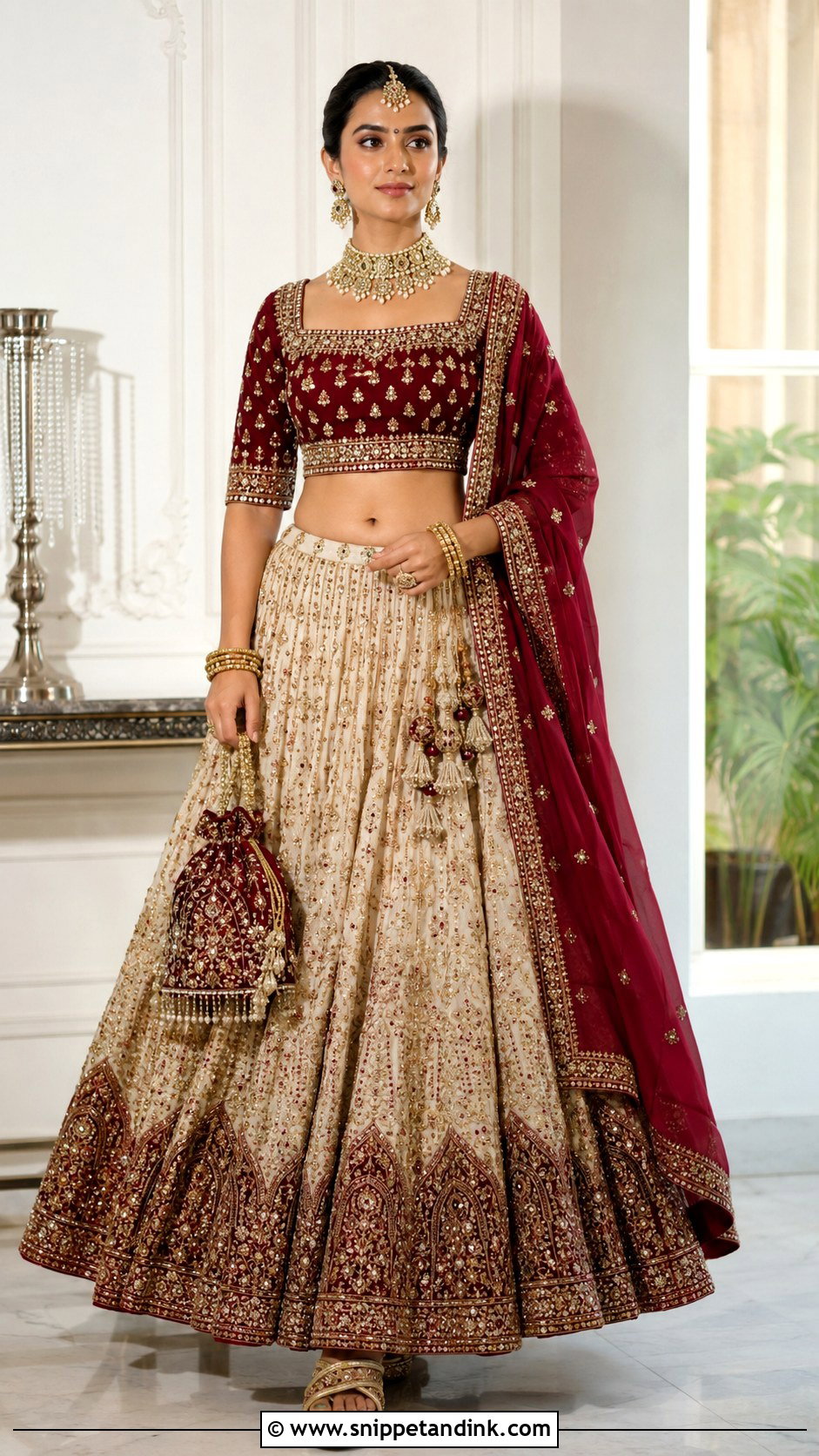
Kundan on maroon looks rich, but stones add weight and stiffness fast. I place the larger ones on the neckline, sleeve borders and back opening only, and let fine gold maggam fill the rest, so the blouse still bends when you lift your arms. Pair it with an ivory, beige, maroon or antique-gold lehenga. A deep square neck frames a Kundan choker, and elbow sleeves balance the structured bodice. Add matching earrings, a maang tikka, gold bangles, a potli and cushioned block heels. Check the inside before you accept the blouse: stone settings should be backed with a soft lining, never left as bare metal against skin.
7. Ivory Pearl Maggam Work Bridal Blouse
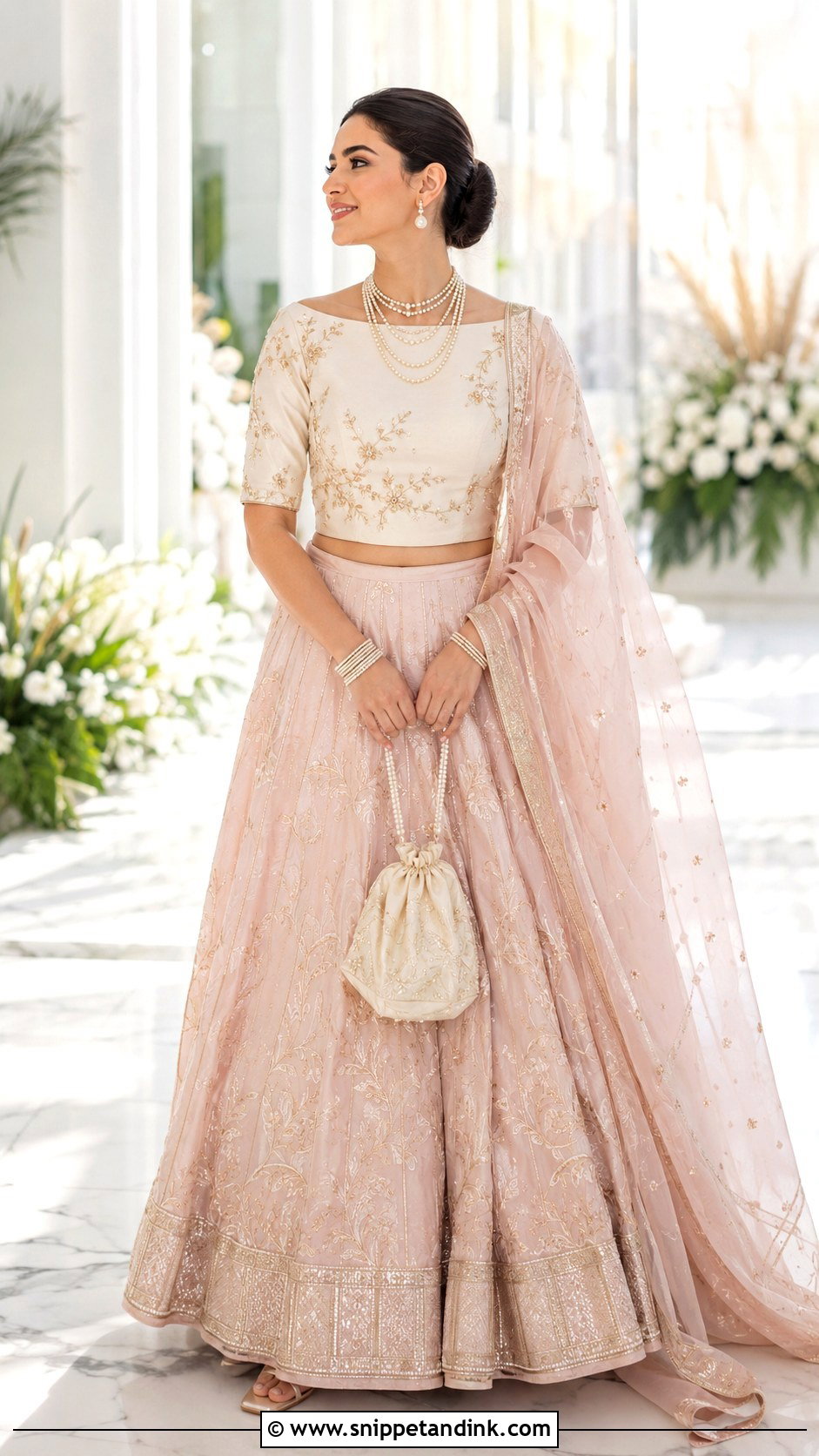
Pearls give dimension without the weight of dense metal thread, which makes this the blouse I’d suggest for a long morning ceremony in warm weather. Start with ivory raw silk, add pearl clusters, fine gold vines and a few crystals around the neck and sleeves. Pair it with an ivory-and-gold saree or a pastel pink lehenga. A boat neck leaves room for a longer pearl strand. Pearl drops, slim bangles, an ivory potli and pale-gold sandals complete it, and a sleek bun or braid keeps the shoulder line clear. Ask your artisan to graduate pearl sizes, small at the edges and larger toward the center, rather than using big beads throughout.
8. Purple Paisley Maggam Work Bridal Blouse
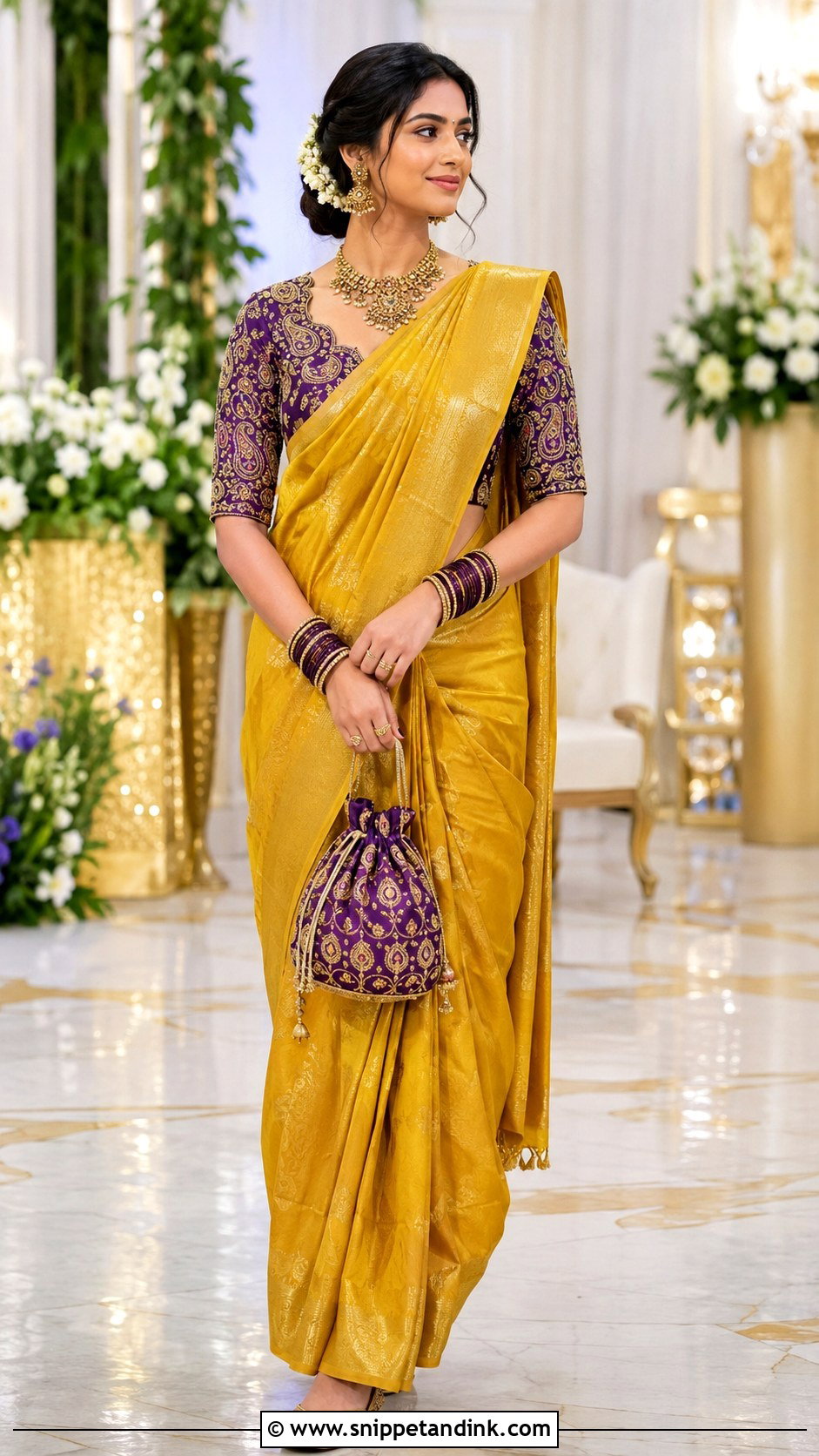
Plum or royal purple with gold paisley Maggam work is a confident break from the usual bridal shades. Put the large paisleys on the sleeves and scale them down along the neckline and back border, since big motifs on a small neckline look cramped. Mustard silk, a purple Kanjeevaram or a green lehenga all pair well. A rounded V-neck lengthens the upper body and leaves space for a medium necklace. Antique-gold jewelry, purple and gold bangles, a potli and embroidered juttis finish it. Three-quarter sleeves give extra coverage without losing the fit. Pin the pallu lightly and keep the pleats sharp so the curves stay visible.
9. Yellow Mirror Maggam Work Bridal Blouse
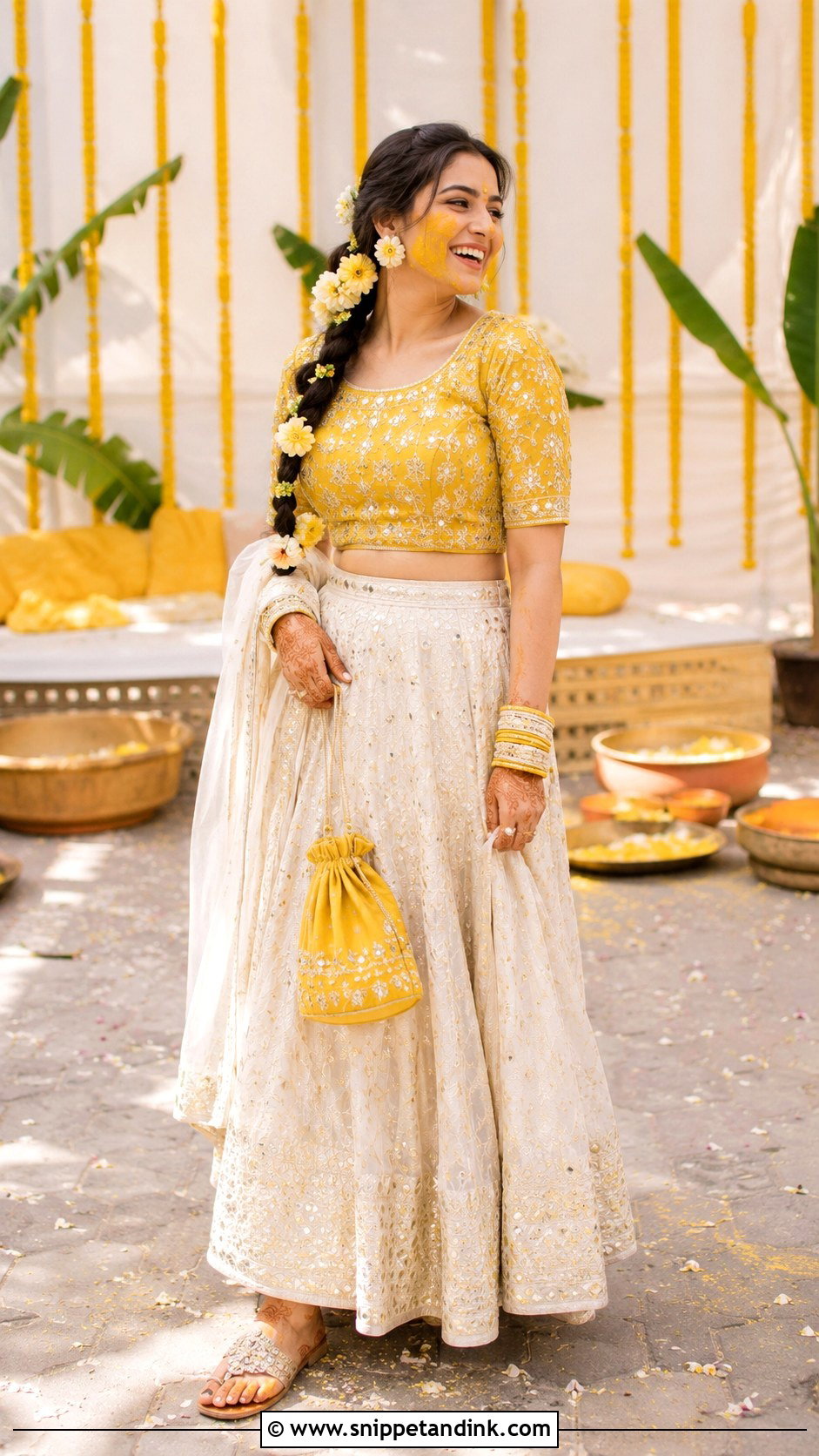
Mirror work belongs at the haldi. Yellow raw silk or cotton silk with small mirrors and white-thread embroidery is light, bright and easy to wash turmeric off the lining later. Pair it with a plain yellow lehenga, an ivory skirt or a green-bordered saree. Use mirrors only at the neckline, sleeve hems and back opening. Each mirror needs a tight, smooth stitched border, because a loose edge cuts thread and snags the dupatta. Floral earrings, simple bangles, a potli and flat embellished sandals suit the mood, with a braid tucked with small flowers. Made this way, it’s a blouse you’ll wear to festivals for years.
10. Emerald Cutout Maggam Work Bridal Blouse
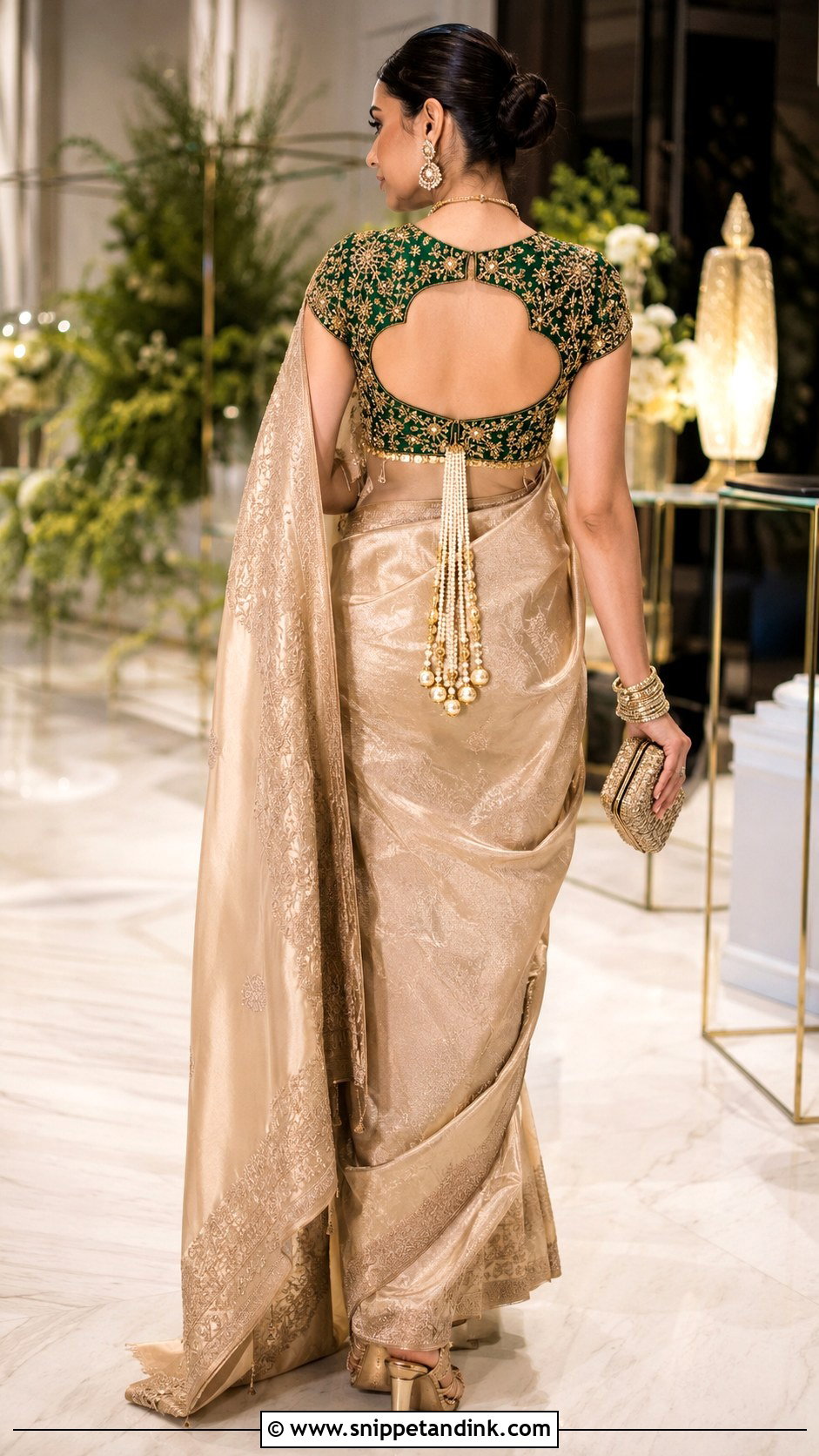
An emerald cutout back framed in gold is a reception blouse, and it only works if the fit is precise. Pick the opening shape, geometric, teardrop or curved, around the bra or built-in support you’ll wear, and have that support sorted before the cutting. The edges need piping, or they stretch and gape by the end of the night. Pair it with an emerald lehenga, a champagne saree or a black-and-gold drape. Keep the front neckline simple and put the heavy work on the back and elbow sleeves. Statement earrings, a slim necklace, bangles, a clutch, platforms and a pair of tassels or pearl drops at the back finish it.
11. Orange Jhumka Maggam Work Bridal Blouse
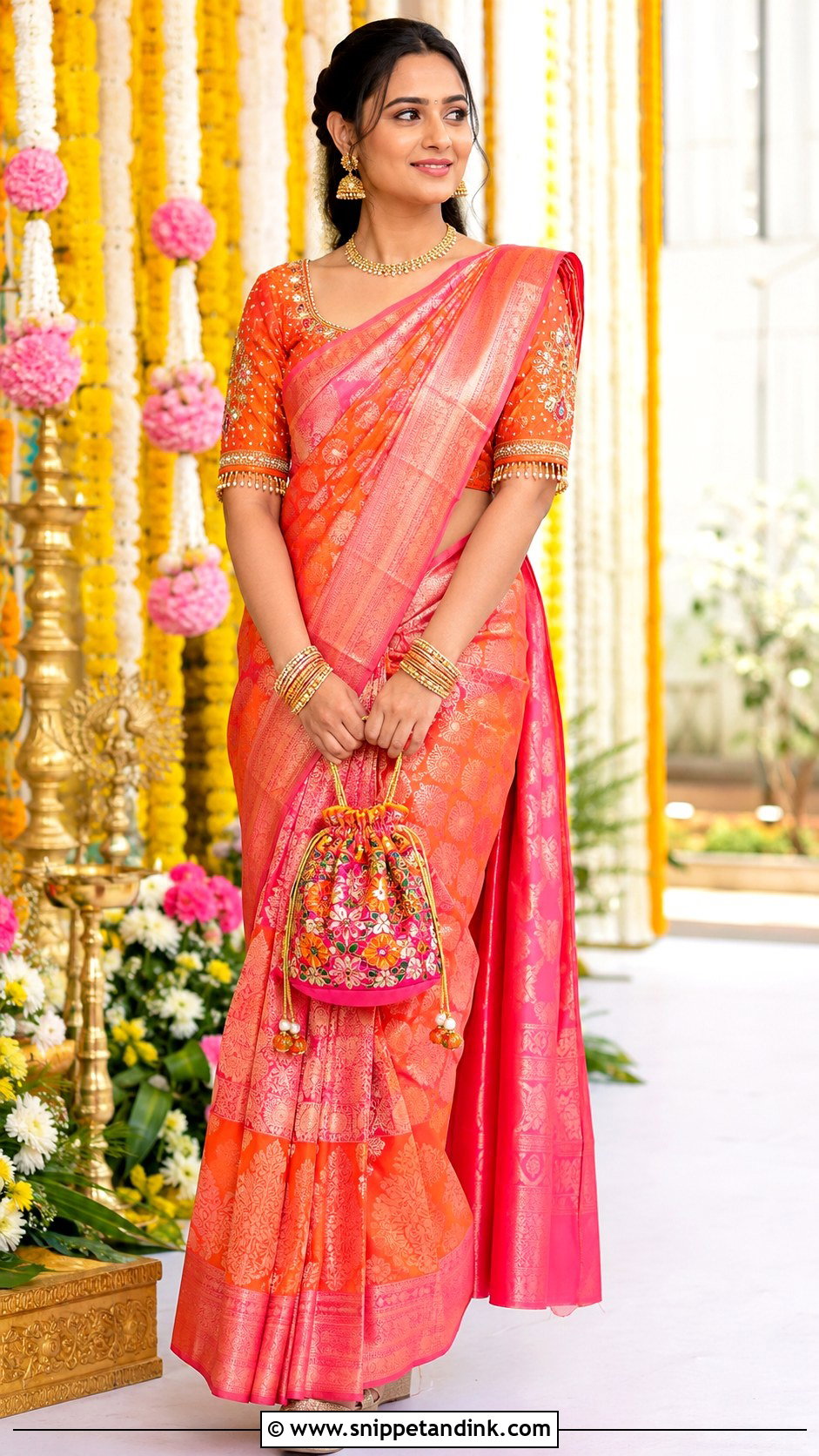
Miniature jhumka motifs are playful, and pearl drops hanging from each one give the embroidery movement. Outline them in gold thread and pair the orange silk blouse with a pink-and-orange Kanjeevaram or a magenta lehenga. A classic U-neck and elbow sleeves leave enough room for the motifs without making the cut feel experimental. Wear medium jhumkas that echo the embroidery but a quieter necklace, or the theme becomes a joke. Dangling beads do catch on dupatta fabric, so I’d keep them off the shoulders where the dupatta rests. Gold bangles, a bright potli and embroidered wedges round it out.
12. Magenta Bride And Groom Maggam Work Blouse
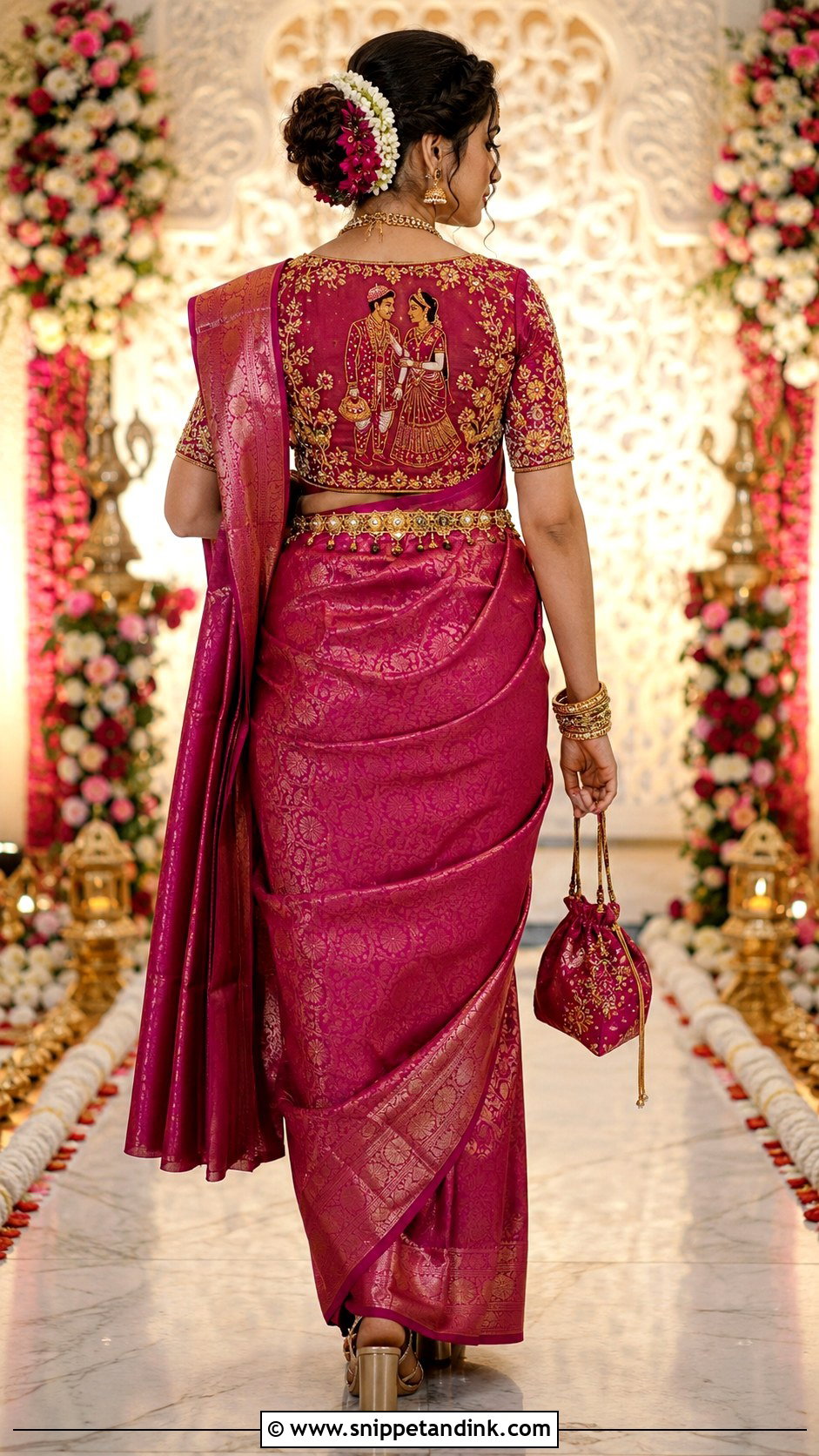
A bride-and-groom scene on the back of a magenta blouse is one of the most personal things you can commission. Keep it small and central, a ceremonial scene, a couple silhouette or initials, ringed with florals and gold borders. Pair it with a magenta Kanjeevaram, red silk or an antique-gold lehenga, and keep the front neckline modest so layered necklaces sit well. Gold earrings, bangles, a waist belt, a potli and block heels or flats complete it. Figures are where maggam goes wrong most often. I’d give the artisan a clean sketch, approve the thread colors on a swatch, and ask for faces kept simple so they don’t look distorted from a distance.
13. Navy Full Sleeve Maggam Work Bridal Blouse
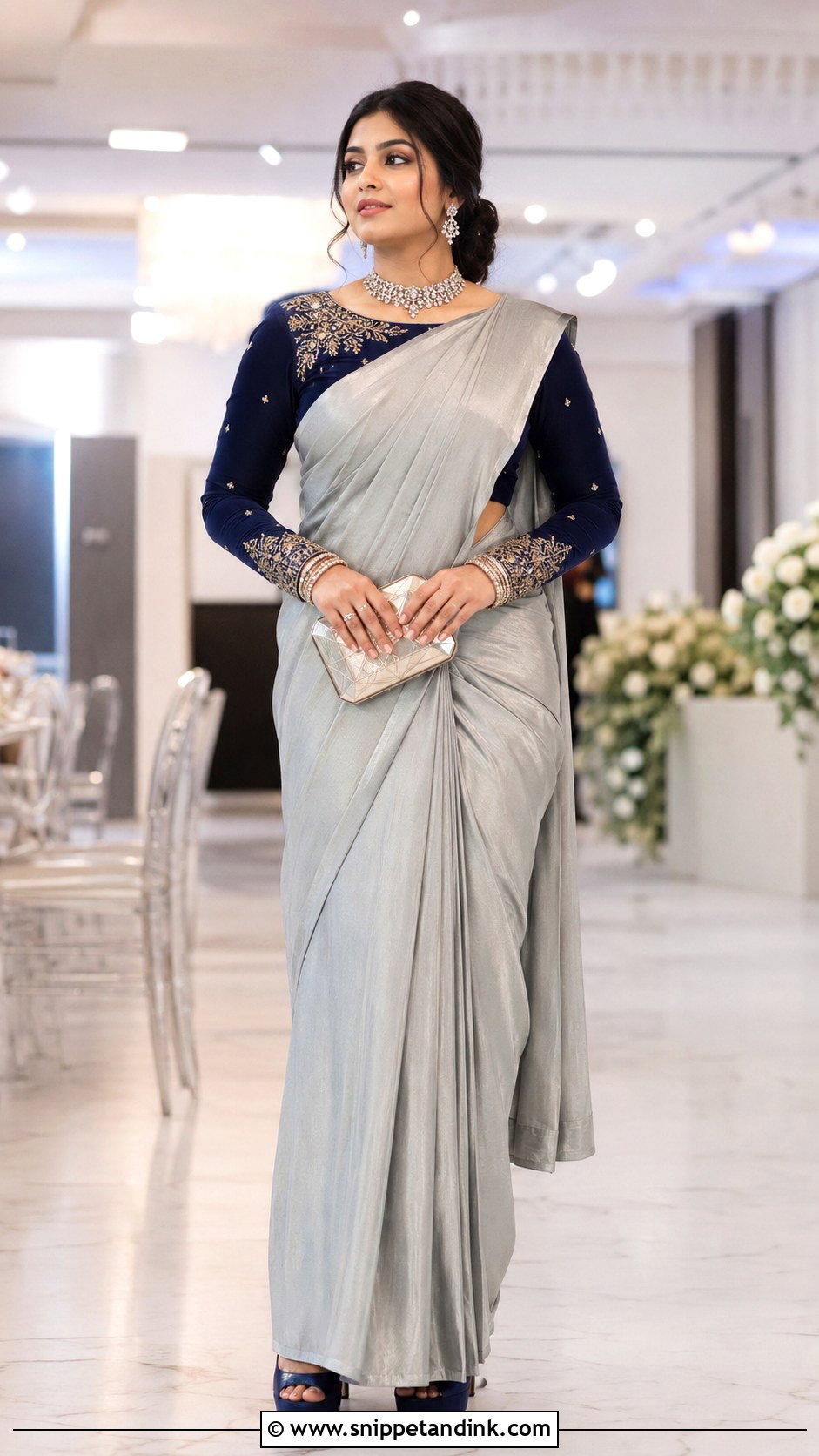
Full sleeves in navy velvet or raw silk carry fine gold work beautifully, but sleeves are where comfort fails first. I ask for extra ease at the elbow and a breathable lining; tight embroidered sleeves restrict you during greetings and rituals and can split at the seam if you dance. Concentrate the design on the cuffs, shoulders and neckline, linked by light vines or scattered stones. Pair it with a navy lehenga, a silver-grey saree or a wine drape. With full coverage on the arms, a wider front neckline keeps it from looking closed in. A diamond-style choker, drops, a metallic clutch, navy platforms and a polished bun finish it.
14. Teal Scalloped Maggam Work Bridal Blouse
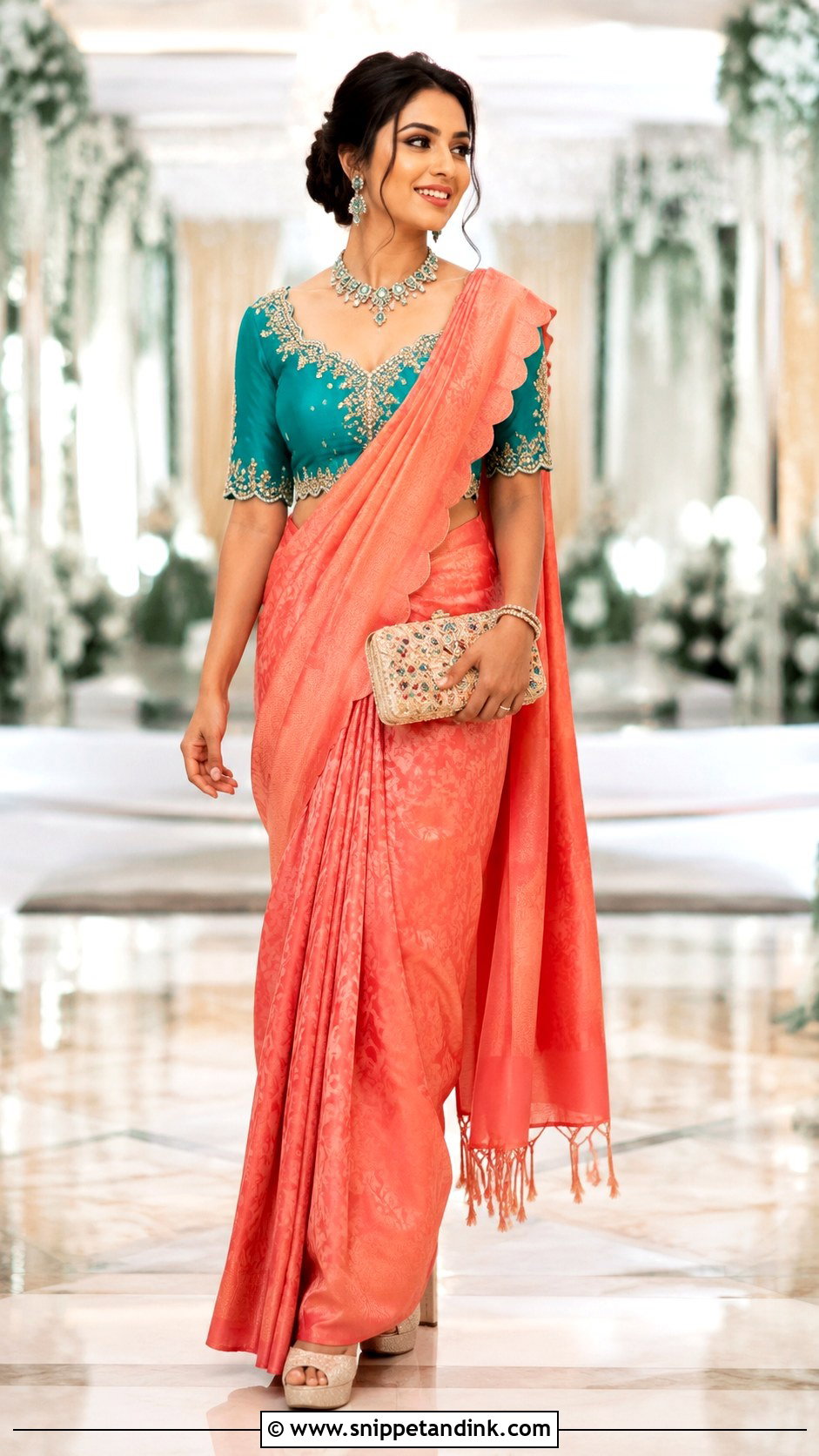
Scalloped borders make a teal blouse look finished without needing a deep neckline. Gold thread, tiny pearls and crystal beads can form rounded scallops along the neck, sleeves and back opening. Teal pairs well with a teal lehenga, a coral silk saree or an ivory drape with a teal border. A scalloped boat neck sits nicely with a short gemstone necklace and drops. Add slim bangles, an embroidered clutch and champagne heels. The technical point I’d raise with the tailor is facing: every curved edge needs clean fabric facing underneath, or the scallops curl outward after one wear. Teal carries well from daylight into a bright reception.

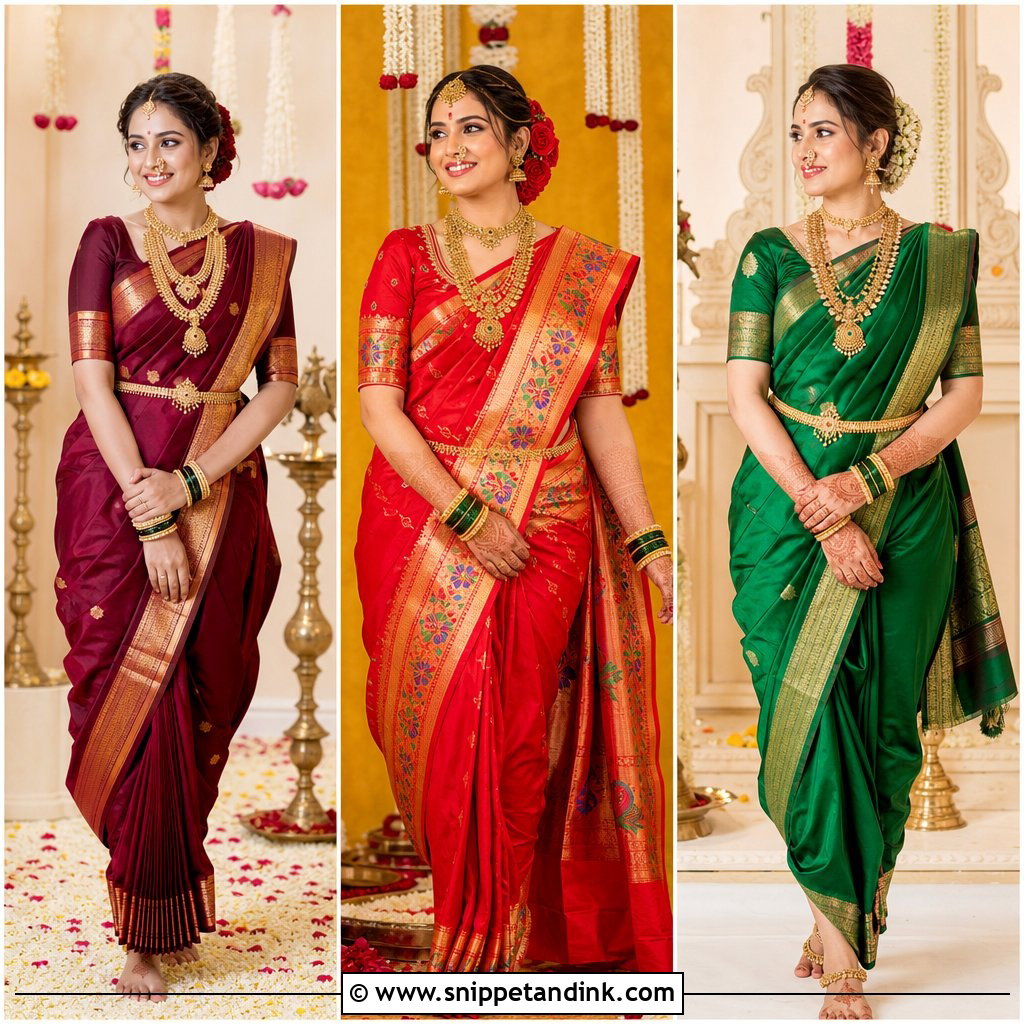
15. Black Gold Maggam Work Bridal Blouse
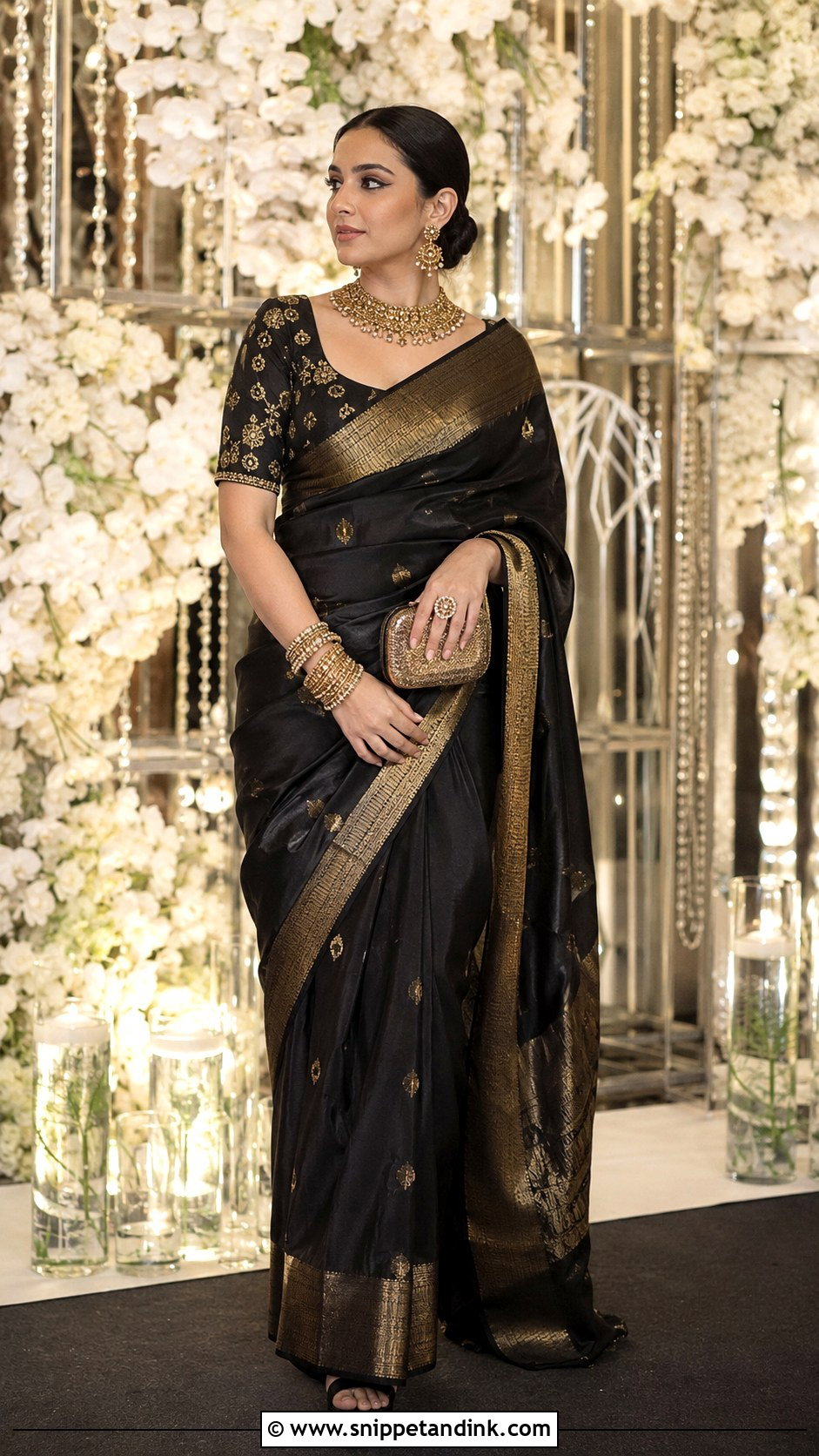
Black with antique gold is sophisticated for a reception, and black is unforgiving of sloppy finishing. Loose threads, glue marks and fraying edges all show against it, so I inspect the work closely under good light. Choose raw silk or velvet with embroidery at a square neckline, fitted sleeves and a structured back. Pair it with a black-and-gold saree or an antique-gold lehenga. Floral vines, geometric borders or a few peacock accents are enough. Antique-gold earrings, stacked bangles, a statement ring, a metallic clutch and black platforms complete it, with a sleek low bun. Soft lining and covered embroidery backs keep it comfortable and long-lasting.
16. Lavender 3D Floral Maggam Work Bridal Blouse
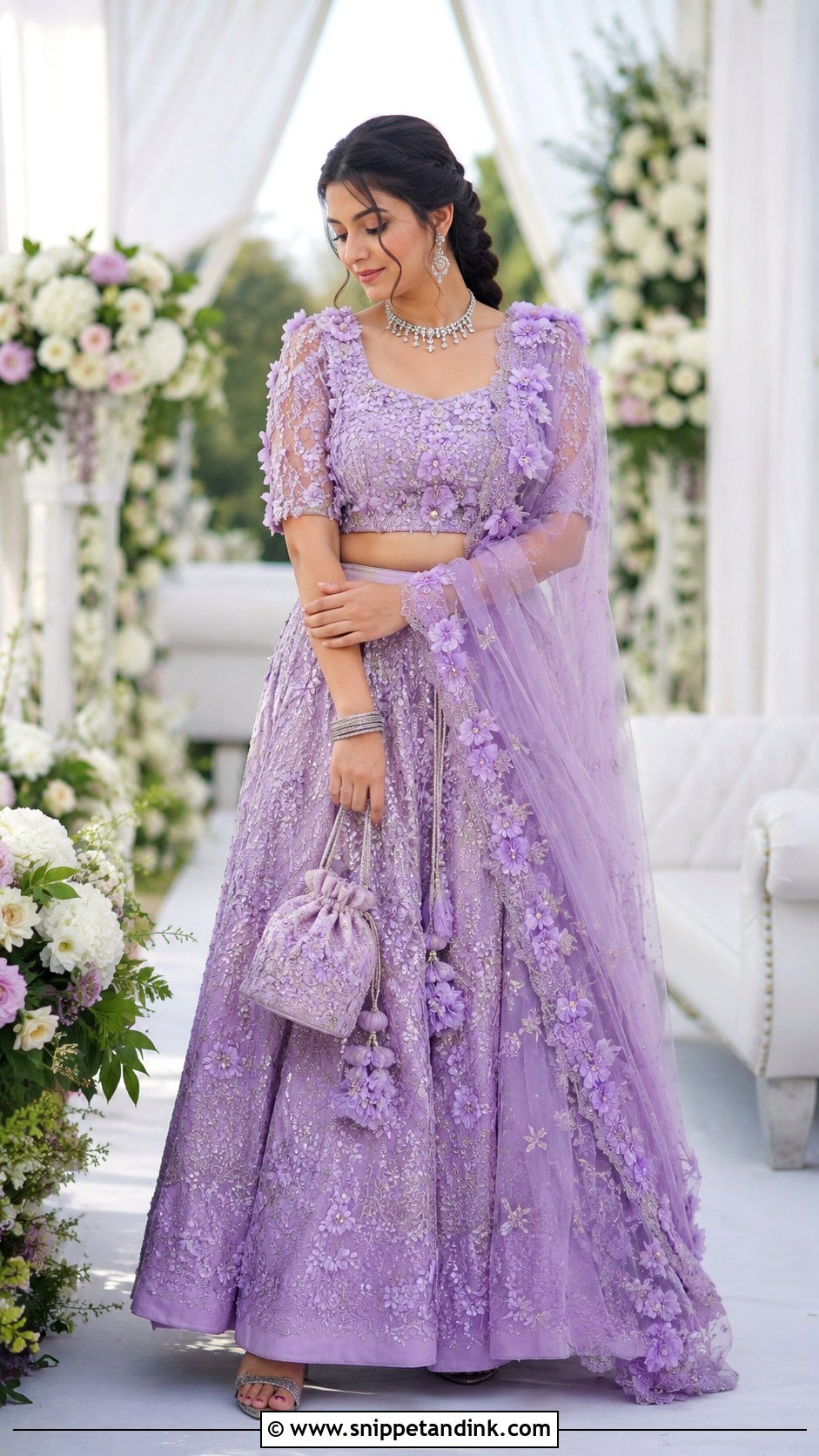
Raised 3D florals on lavender silk look fresh for an engagement or daytime wedding. Embroidered petals, small fabric flowers, pearl centers and silver-gold vines all work together. Keep the dimensional flowers on the shoulders, sleeve borders and upper back; on the lower back they get crushed flat the first time you sit, and they don’t spring back. Pair it with a lavender lehenga, a dove-grey saree or pale pink. A delicate crystal necklace, earrings, slim bangles, a pastel potli, silver block heels and soft waves or a loose braid suit it. I’d stop at two or three pastel shades.
17. Rust Elephant Maggam Work Bridal Blouse
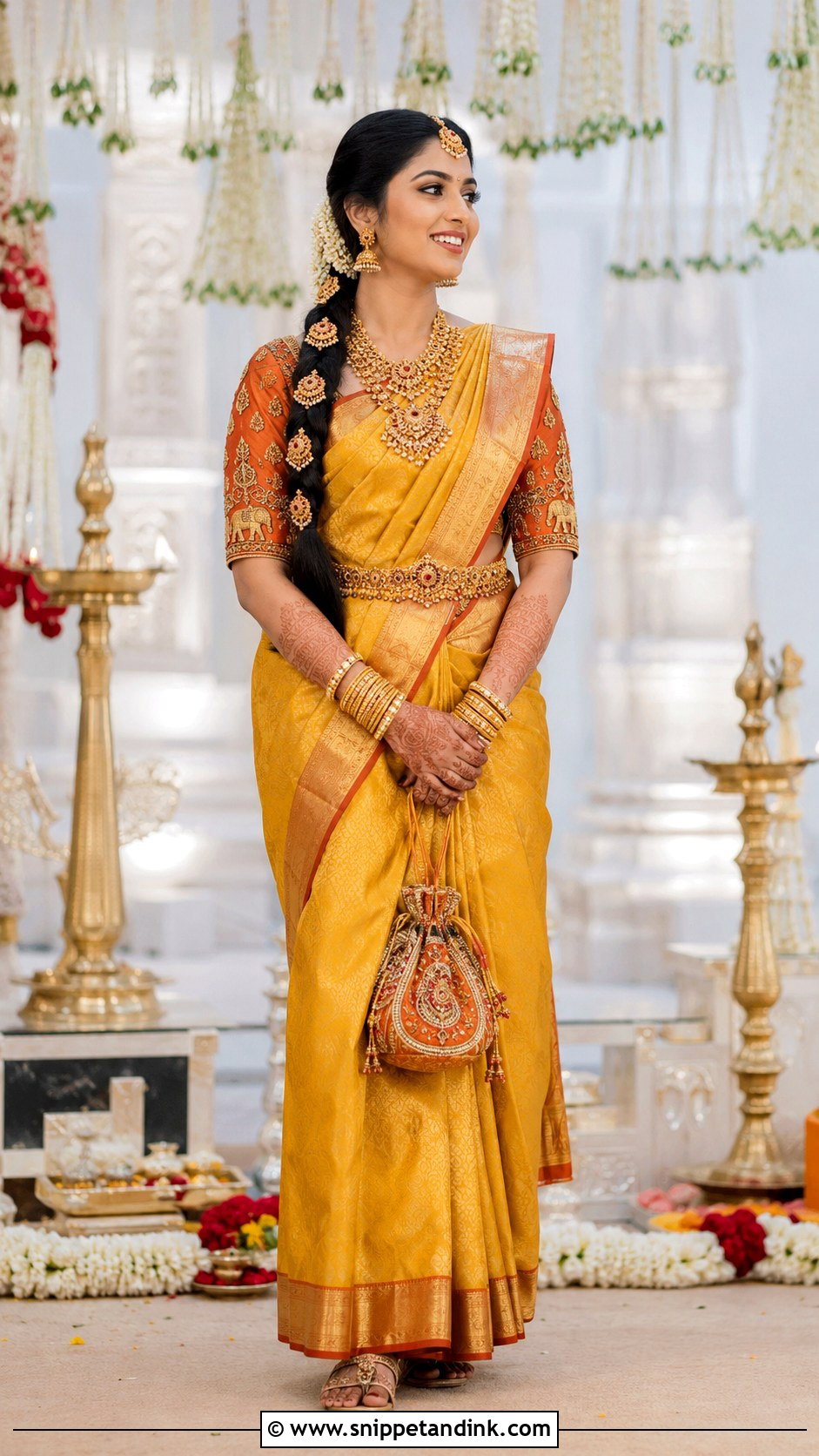
A rust-orange blouse with elephant motifs has a heritage feel that suits a traditional wedding. Outline the elephants in antique-gold thread and add small red, green or pearl details to their coverings. Place them along the sleeves or lower back and finish the neckline with a repeating floral border. Pair it with a mustard Kanjeevaram, deep-green silk or a rust lehenga, and style it with temple jewelry, bangles, a waist belt, a potli and cushioned gold sandals. A long braid with hair ornaments completes it. Keep the elephants small and evenly spaced; crowded figures turn into blobs from across a hall.
18. Silver Stone Maggam Work Bridal Blouse
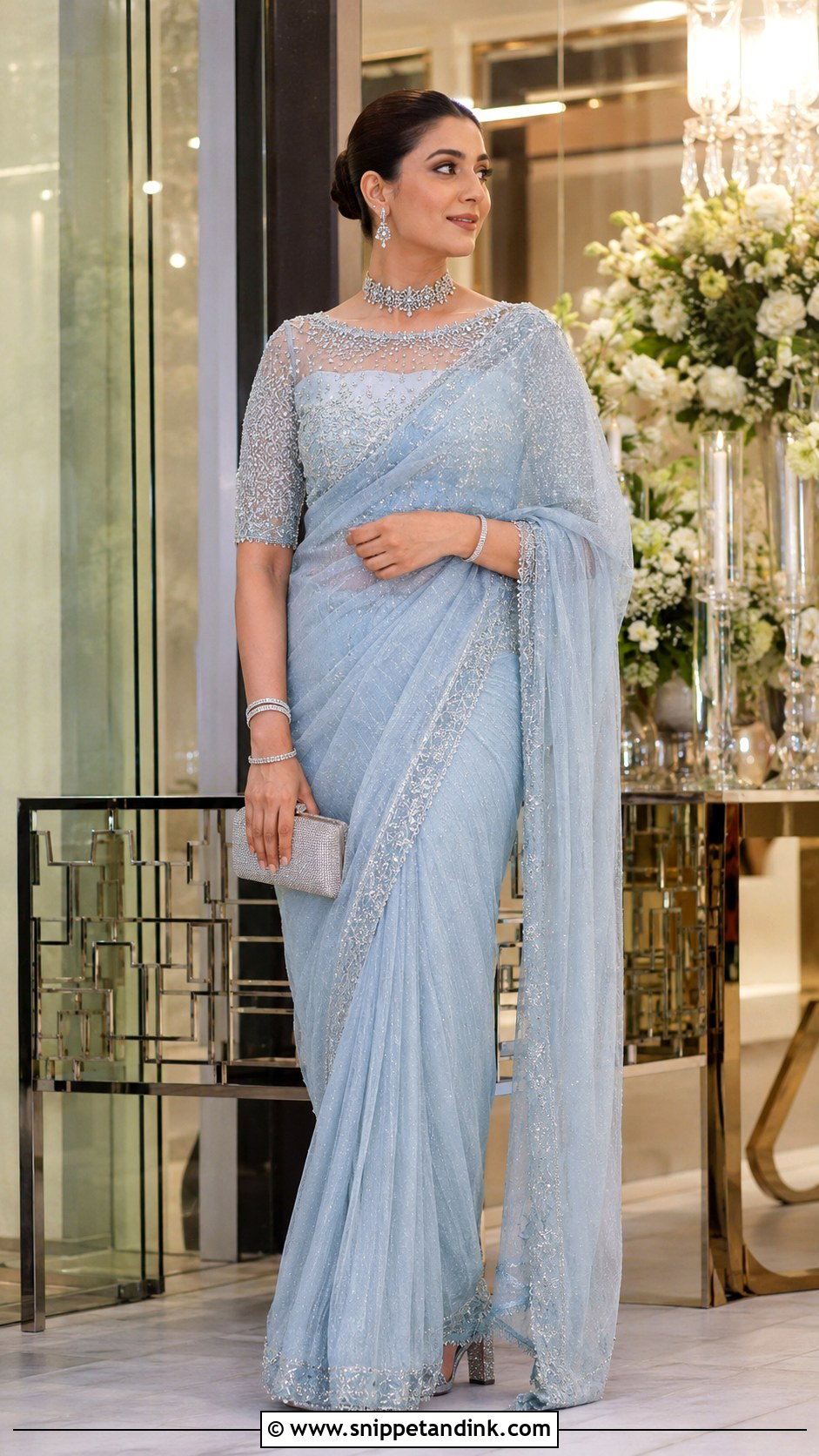
Silver-grey with crystals and stones gives a modern reception look. Satin silk, raw silk or velvet has the structure to hold the embellishment. I’d graduate the stones, larger at the neckline and sleeve edges and smaller toward the center, so the blouse doesn’t turn stiff and heavy. Pair it with a silver lehenga, an ice-blue saree or deep navy. A crystal choker, drops, silver bangles, a metallic clutch, glitter block heels and a smooth ponytail or bun keep it contemporary. Ask for stitched settings, not glue alone. Glued stones loosen with body heat over a long evening.
19. Cream Ganesha Maggam Work Bridal Blouse
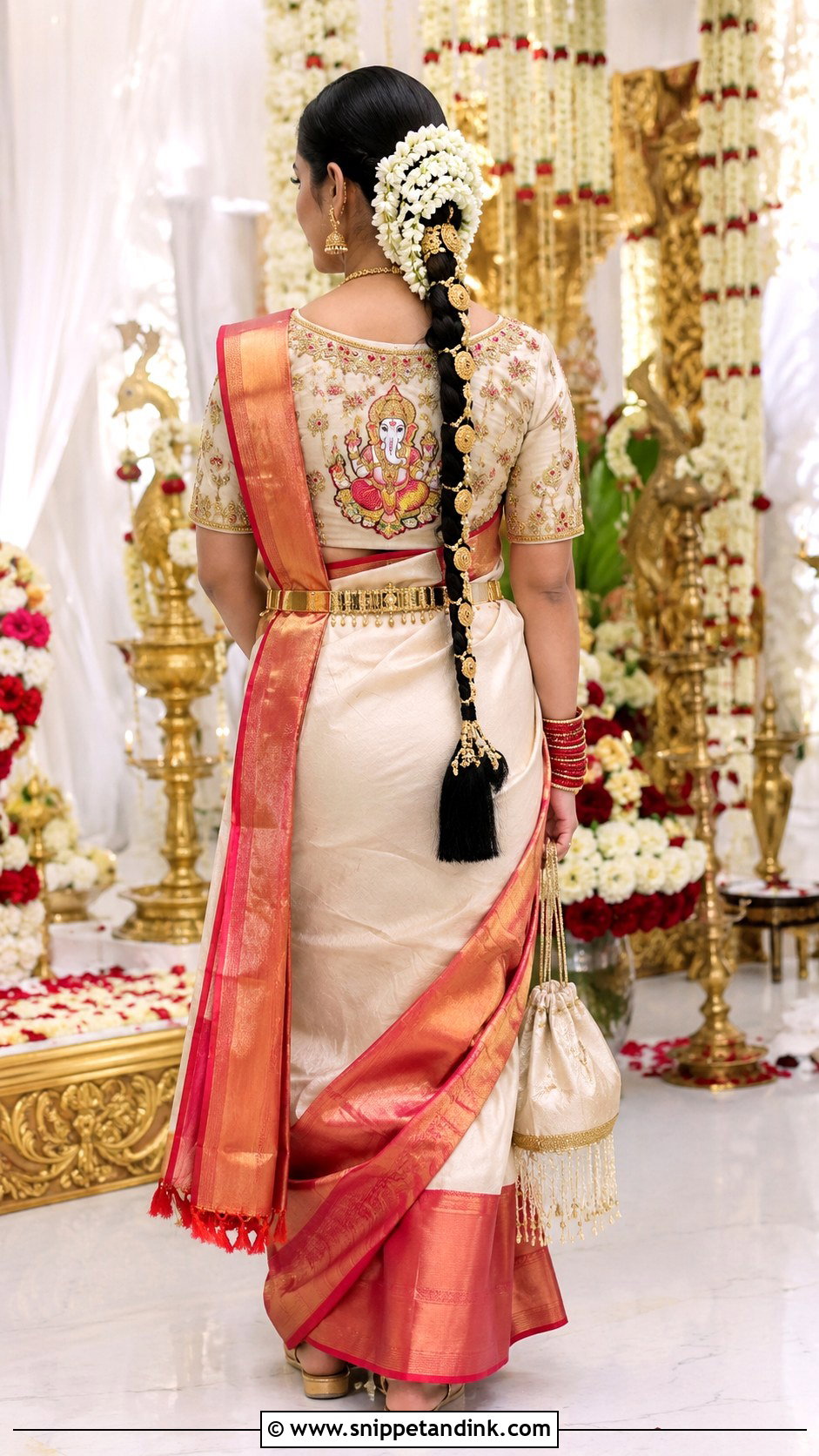
A Ganesha motif on a cream blouse is a devotional choice, and it deserves careful drawing. Put the central design on the upper back and frame it with lotus flowers, temple borders and fine gold work. Pair it with a red-and-cream silk saree or a maroon lehenga, and keep the front restrained with a round neck and narrow border. Traditional gold jewelry, red bangles, a waist belt, a cream potli, gold flats and a flower-wrapped braid suit it. I’d agree the size and placement with the artisan on paper first and keep space around the figure. Many families also prefer the motif sits high, away from where you lean back.
20. White Swan Maggam Work Bridal Blouse
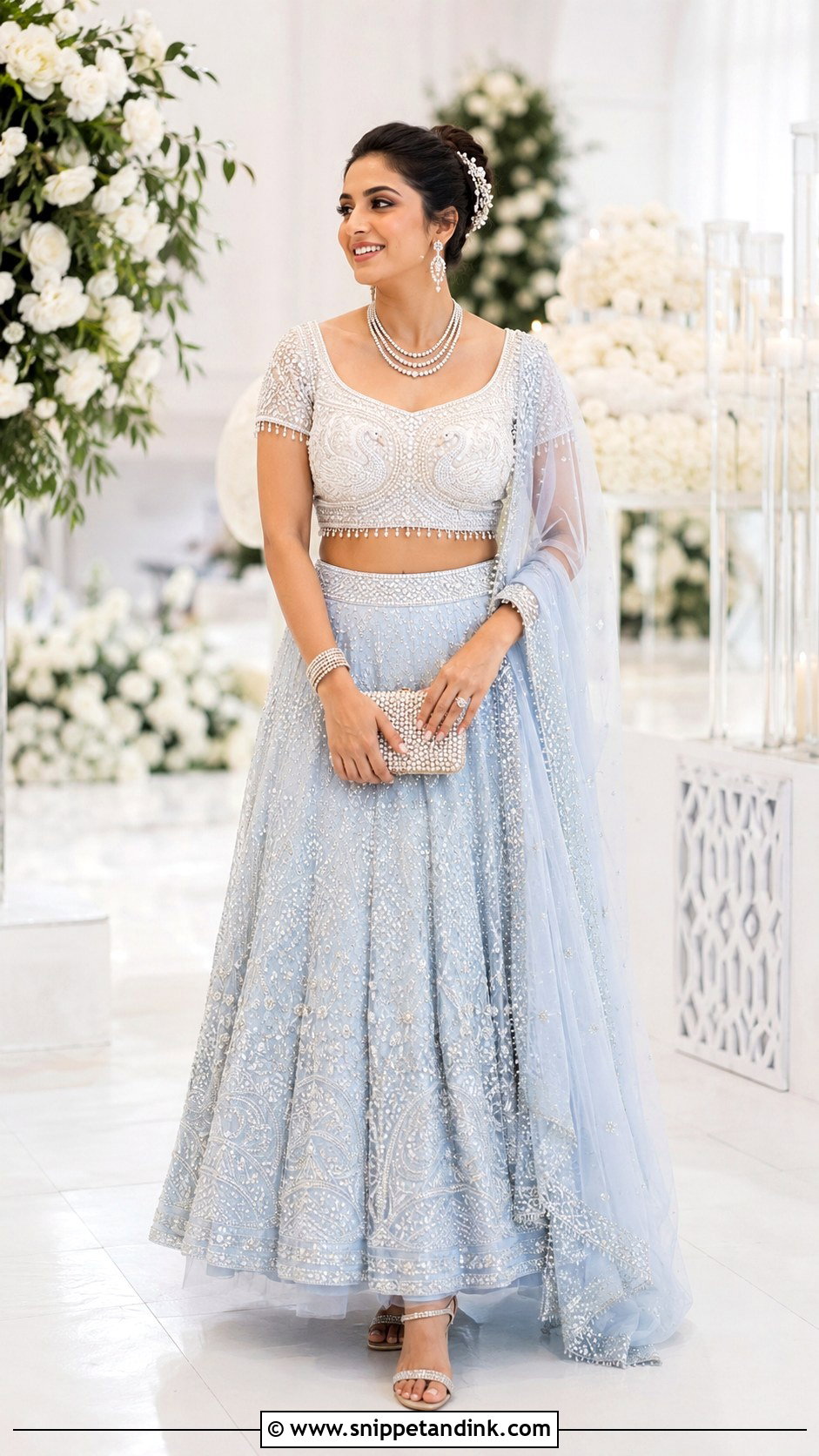
Paired swans on white or soft ivory suit a pastel outfit, but white-on-white is hard to read, so the swans need pearls, crystals and a touch of silver thread to show up. Place them either side of the back neck or across the elbow sleeves with fine floral vines around them. A powder-blue lehenga, a blush saree or an ivory drape with a silver border all work. Pearl earrings, a layered crystal necklace, slim bangles, a beaded clutch, pale metallic heels and a bun with a pearl pin finish it. White fabric shows puckering around dense embroidery more than any other color, so I’d insist on a smooth lining and a final press.
Muslin, Not Plastic, for Storing Zari Between Weddings
A maggam blouse can outlast the wedding by decades if it’s stored properly, and it can tarnish within a year if it isn’t. Zari and metallic thread darken with moisture and air, and stones loosen when the fabric is folded over them.
- Air it inside out for a day after wearing, away from direct sun, so perspiration dries before you put it away.
- Dry clean only, and only with a cleaner who handles bridal embroidery. Never machine wash or soak it.
- Wrap it in soft muslin or old cotton, with the embroidery facing inward and a layer of cloth between folds.
- Avoid plastic covers, which trap moisture against zari. Keep it away from perfume and naphthalene balls.
- Refold it along different lines every few months so the creases don’t wear the thread on one spot.
If you plan to wear it again, a tailor can add new sleeves or alter the neckline using the seam allowance, and a plain saree in a contrasting color gives the same blouse an entirely different look at the next family function.
Your Saree Border Decides Half the Design
A good bridal blouse is embroidery you love plus a fit you can live in for the whole event. Peacocks, temple borders, paisleys, lotuses, personal scenes, mirrors, pearls, Kundan and cutouts all have a place, depending on the ceremony. Before you sign off a design, put the drawing next to your saree or lehenga border, your jewelry and your hairstyle. For unusual colors or detailed figures, ask for a sample motif. At each fitting, check the lining, where the hooks sit, how the sleeves move and how heavy the finished piece feels. A well-planned Maggam blouse carries you through the day comfortably and is worth wearing again at family weddings.
You'll Like These Ideas:




Leave a Reply