
A train looks wonderful walking up the aisle and becomes a trip hazard about an hour later. That is the moment a bustle earns its keep. The gowns below pair different silhouettes, fabrics and train lengths with the bustle that suits them, from lace fit-and-flares with French under-bustles to structured satin with a clean ballroom finish. What I watch in every one is whether the lifted train flatters the gown or hides its best detail, and that comes down to where the attachment points go. Your alterations specialist decides that on the actual dress. Practice fastening it at least once before the wedding, and keep the reception look as comfortable as the ceremony one is dramatic.
Do You Even Need a Bustle?
Not every dress does. If your train only just brushes the floor behind you, a bustle may add hardware for nothing. I ask three questions at the first fitting. Does the train drag more than a hand’s length behind your heels? Will you be dancing, or moving between rooms, after the ceremony? Is the venue floor something you would mind dragging fabric across, such as grass, gravel or a beer-sticky dance floor? Two yeses, and you want one.
There are alternatives. A detachable train or overskirt removes the length altogether, and a wrist loop works for a very short, light train if you are happy with a hand busy. Some brides change into a second dress. For most long trains, though, a bustle is the cheapest and simplest way to keep the dress you chose all night.
1. American Bustle Satin Ball Gown
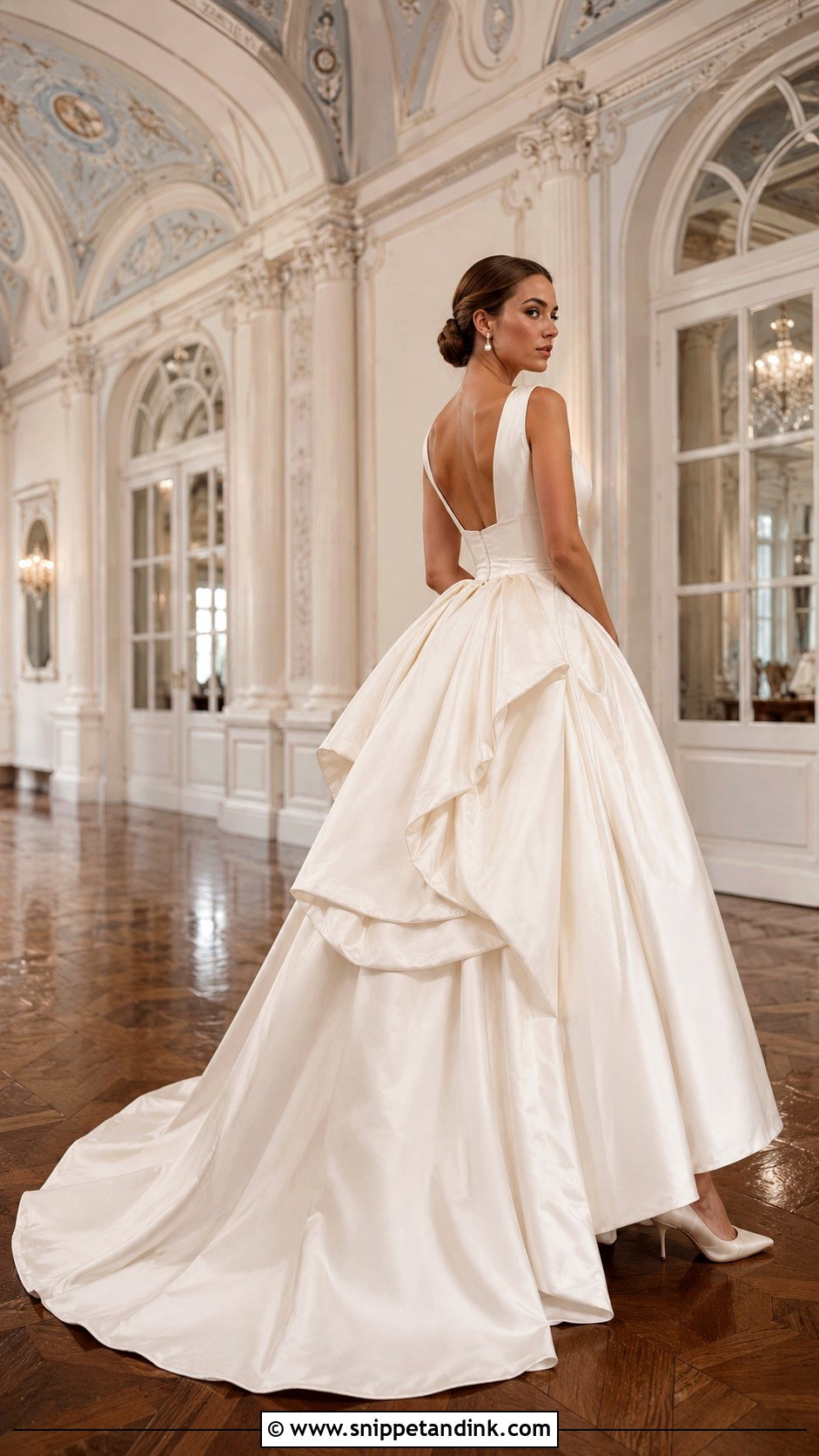
Satin and an American bustle are an old pairing for good reason: the fabric is heavy enough to fold into deep, even drapes when the chapel train is lifted over the skirt. I like several attachment points here rather than one, because satin under a single hook creases into a sharp V. Keep the bodice structured with a defined waist. Pearl drops, a low bun and a fingertip veil that comes off after the ceremony finish it. In a ballroom, the symmetrical folds read clearly from across the room.
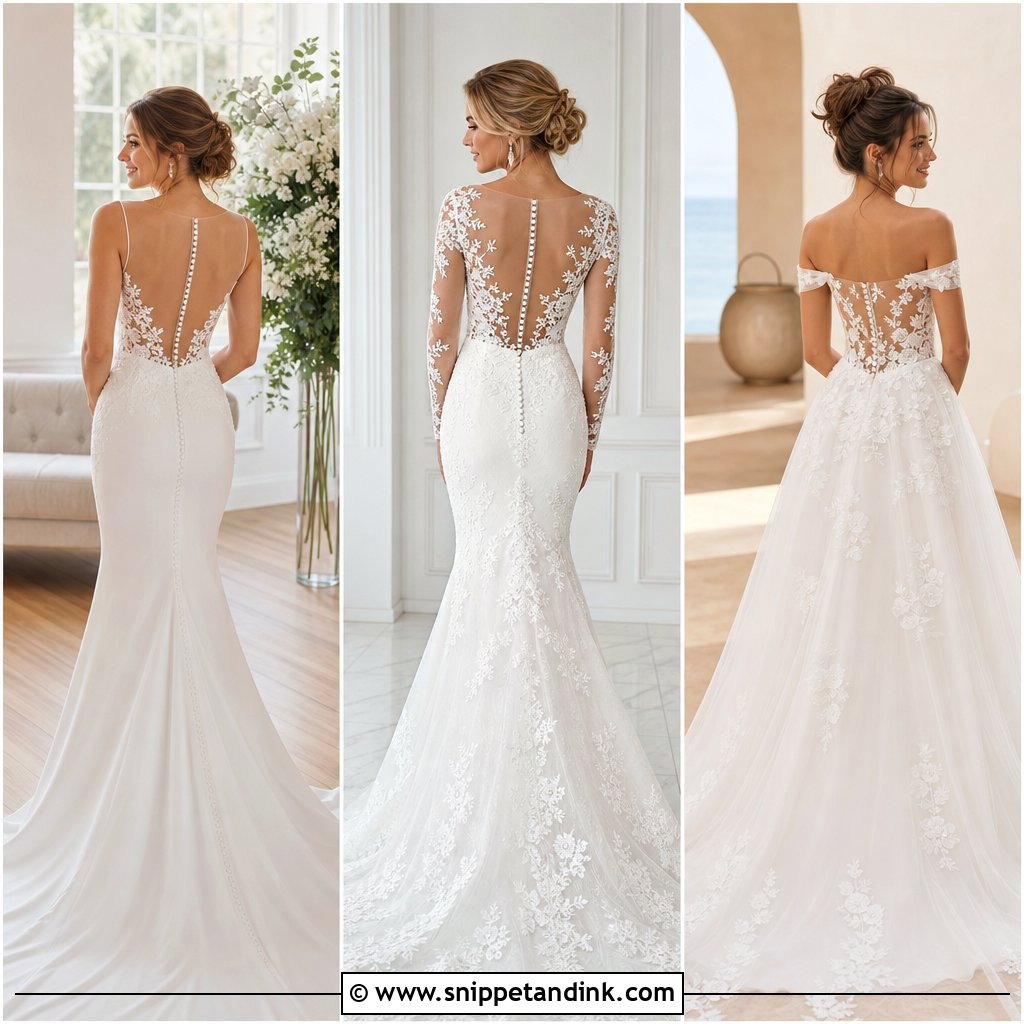
2. French Bustle Lace Fit And Flare Dress
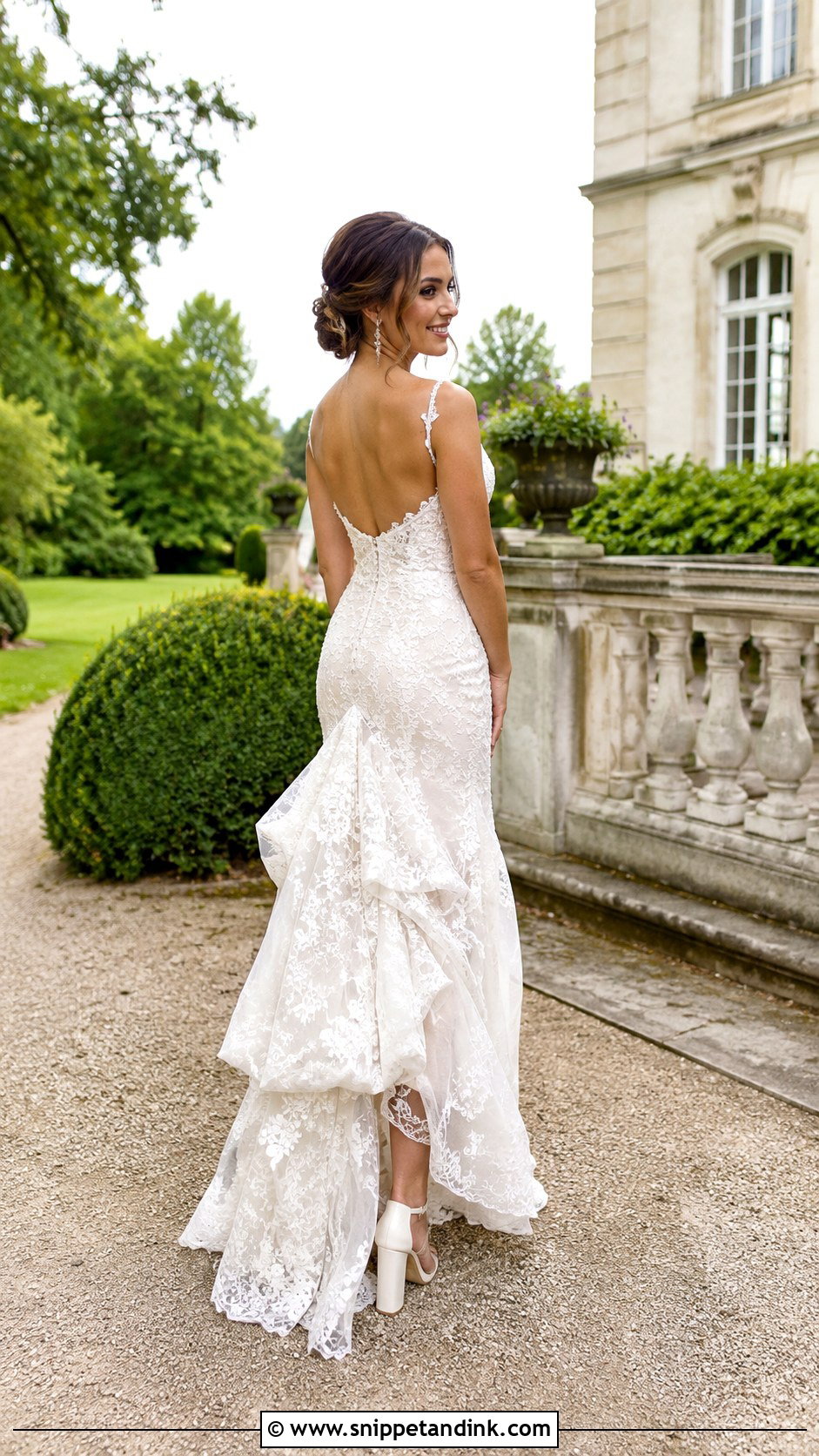
The French bustle tucks the train under, so lace on a fit-and-flare stays on view, pattern and all. I like it under a sweetheart bodice with fine straps and floral lace running into the train. Fastening is the part brides underestimate. Color-coded ribbons or numbered ties make it far easier for your helper, and I would not leave the alterations shop without them. Block heels and a loose chignon keep it relaxed for a garden party. The payoff is a dress you can dance in that still shows its texture.
3. Ballroom Bustle Satin A-Line Dress
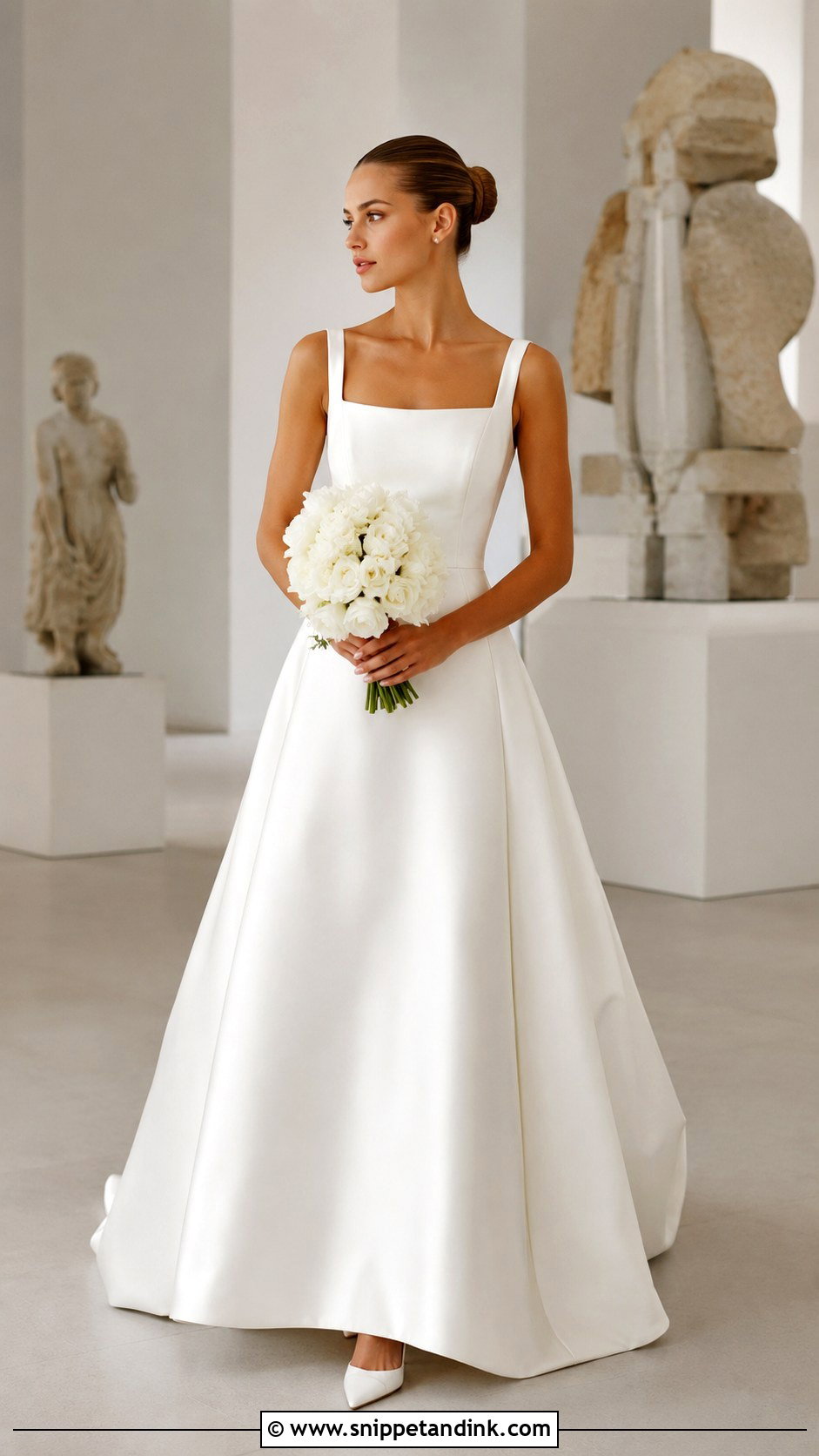
Some brides want the reception dress to look exactly like the ceremony dress, minus the train. A satin A-line with a ballroom bustle does that: the train folds under at several points and the hem looks continuous. A square neckline and wide straps keep the top modern. The thing that ruins this bustle is uneven weight, which makes one side of the skirt hang lower, so I ask the specialist to spread the load across all points. In a minimal venue, the smooth satin carries the whole look.
4. Royal Bustle Cathedral Train Gown
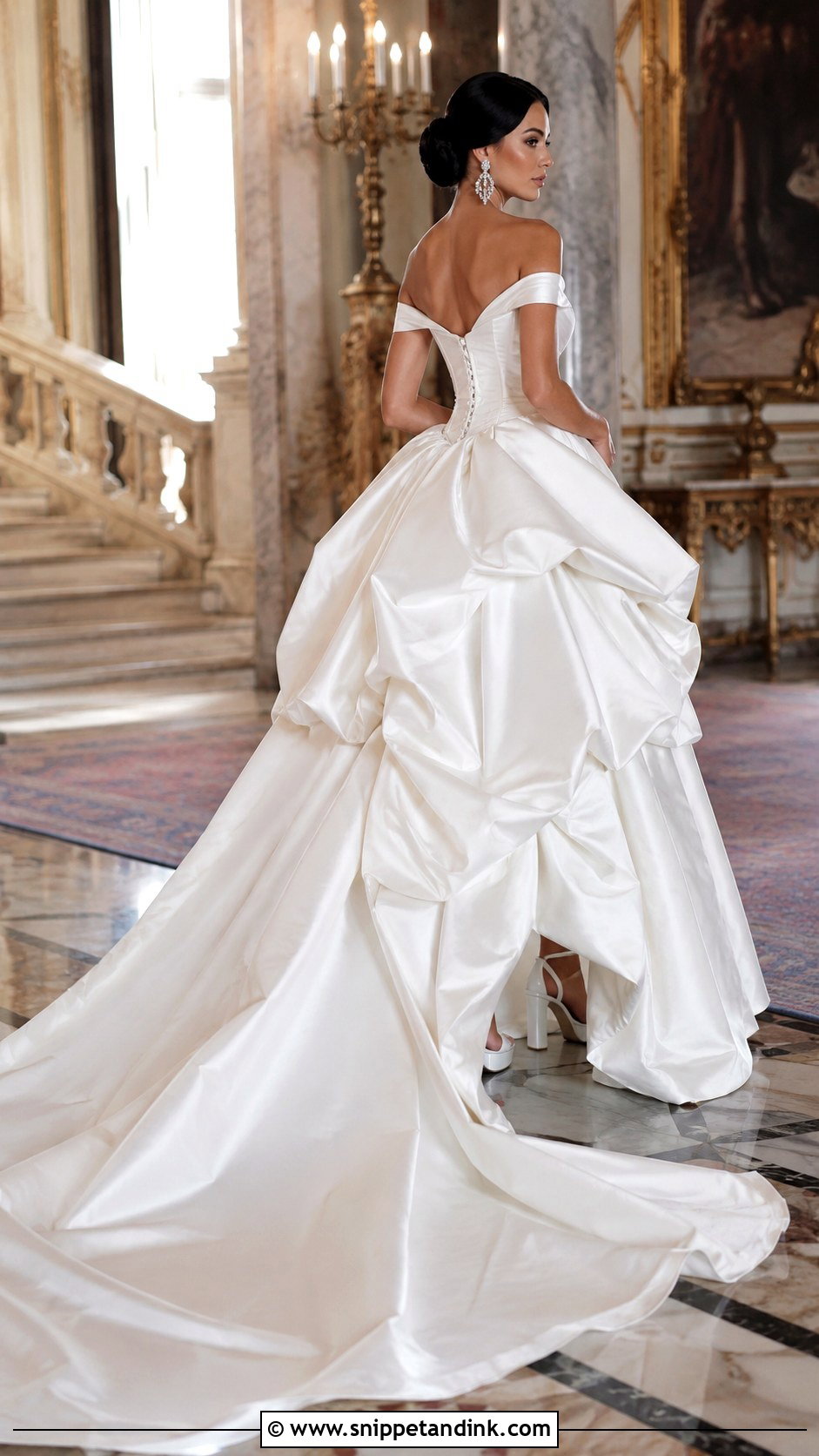
A cathedral train gathered into a royal bustle is pure theater. On a princess gown with a corseted bodice and an off-the-shoulder neckline, several pickup points build deep folds across the back for the reception. The volume is huge, so I keep hair and jewelry balanced: a polished updo, chandelier earrings, and a long veil that leaves after the ceremony. Platform heels give height under the skirt. This bustle can have many attachments. Get your helper to the final fitting with their phone recording, because they will not remember the order from one demo.
5. Bow Bustle Mikado Wedding Dress
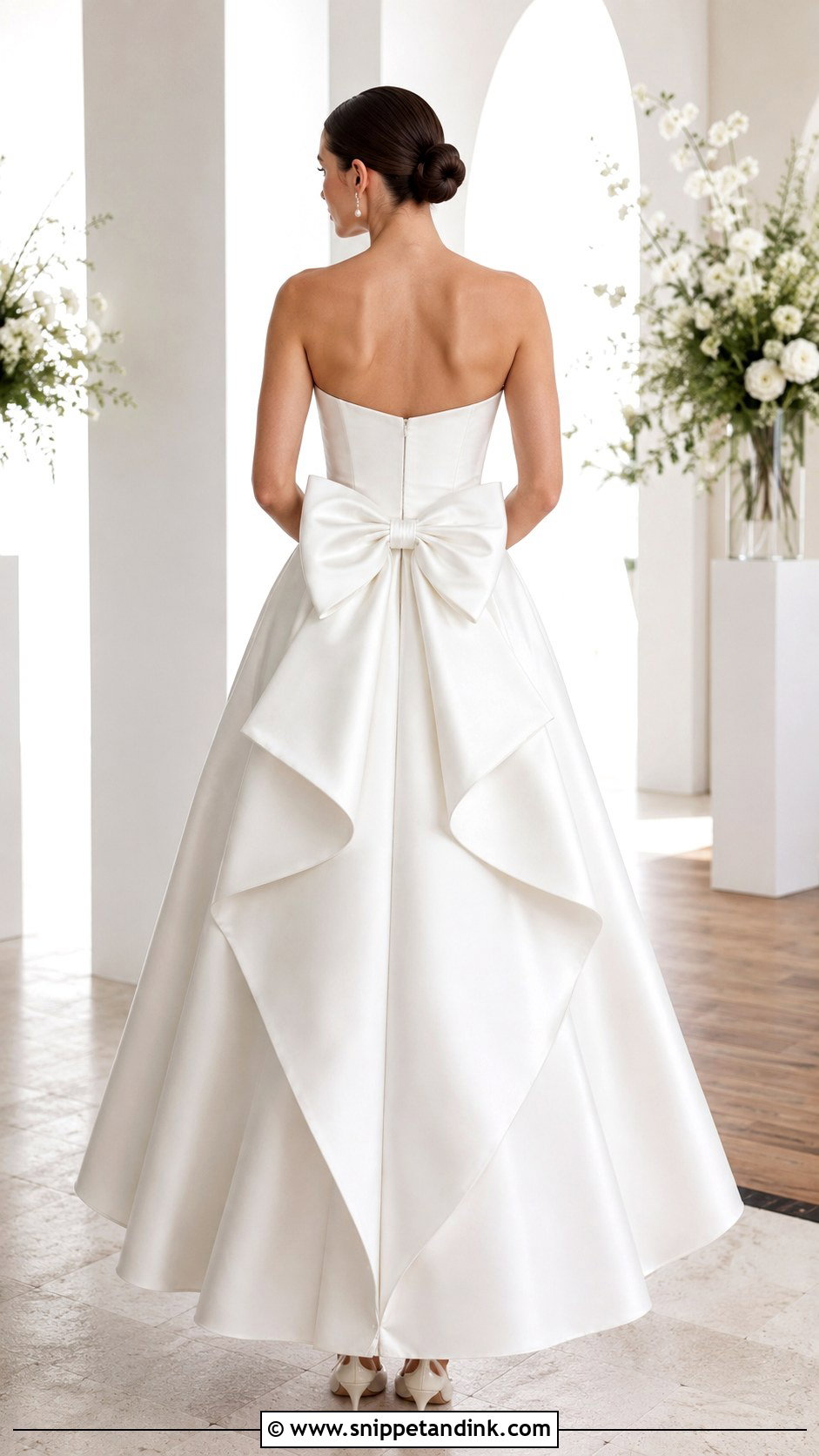
Mikado holds a crease like paper, which is why a bow bustle on this fabric looks so tidy. The oversized bow sits above the train, and hidden ties under it lift the fabric into neat symmetrical folds. Choose a strapless A-line with a fitted waist. Keep the veil short so the back is not cluttered during the ceremony, and keep jewelry to pearl studs. One honest warning: Mikado shows crush marks if you sit on the folds for long, so smooth them when you stand up.
6. Austrian Bustle Chiffon A-Line Dress
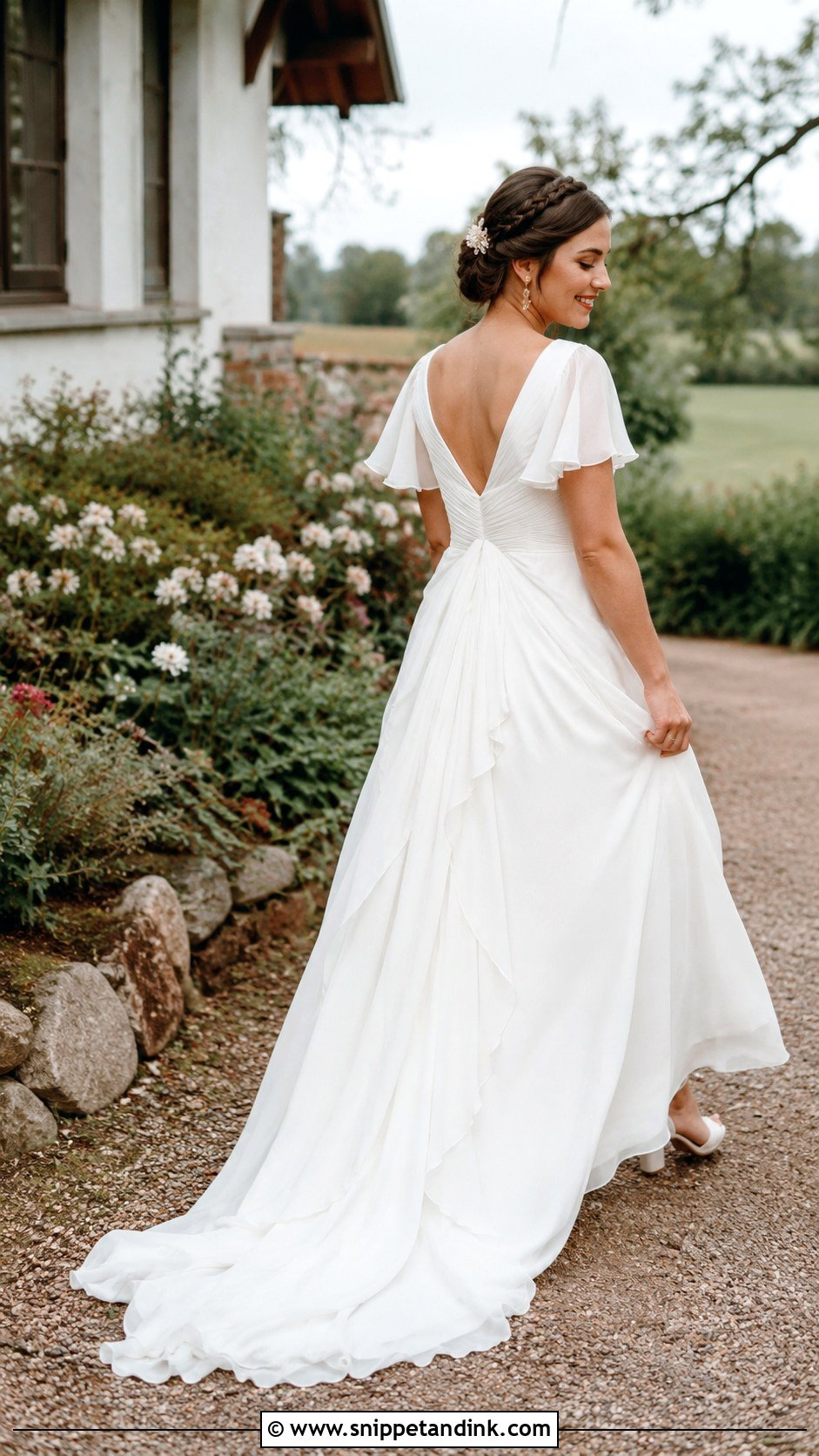
Chiffon floats outdoors, and an Austrian bustle gathers it into soft vertical ruching without stiffness. A draped V-neck, flutter sleeves and a flowing train suit garden, coast or countryside settings. Since chiffon is so delicate, the drawstring channel must be stitched to a firmer lining layer; pulled straight on the chiffon, the cord can tear it. A braided updo and low sandals keep the look light. After tying, I always fluff the ruching by hand so it sits centered.
7. Three-Point Bustle Mermaid Wedding Dress
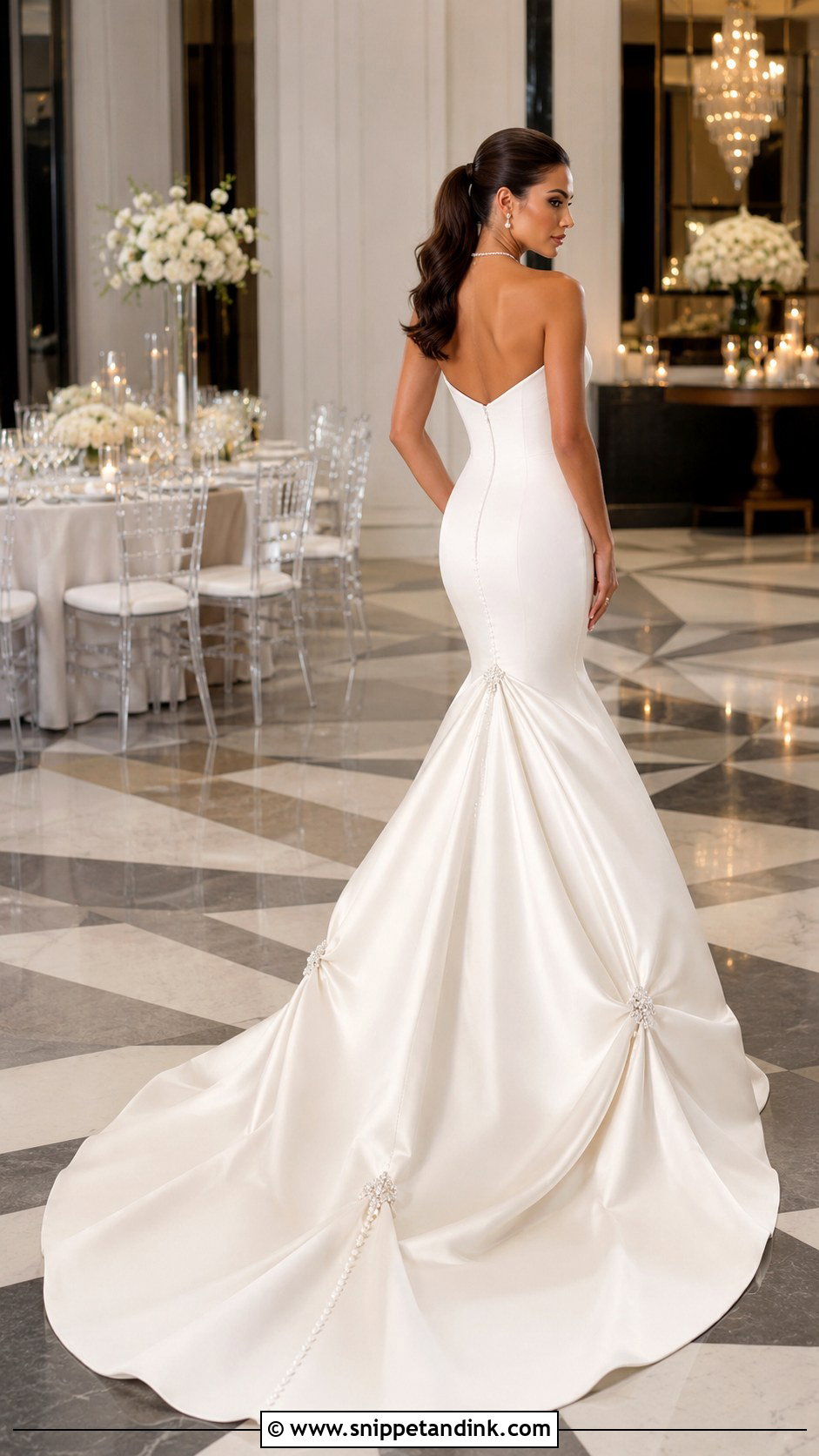
Mermaid gowns flare at the knee, and the bustle must not flatten that flare. Three points spread the train across the back, following the seams so the hourglass shape stays intact. I set them slightly higher than the flare line. A sleek ponytail, crystal studs and pointed heels suit an evening hotel reception, and a cathedral veil can add ceremony drama before it comes off. At the fitting, turn quickly and sit; mermaid trains tend to swing, and you want the hooks to stay put.
8. One-Point Bustle Crepe Sheath Dress
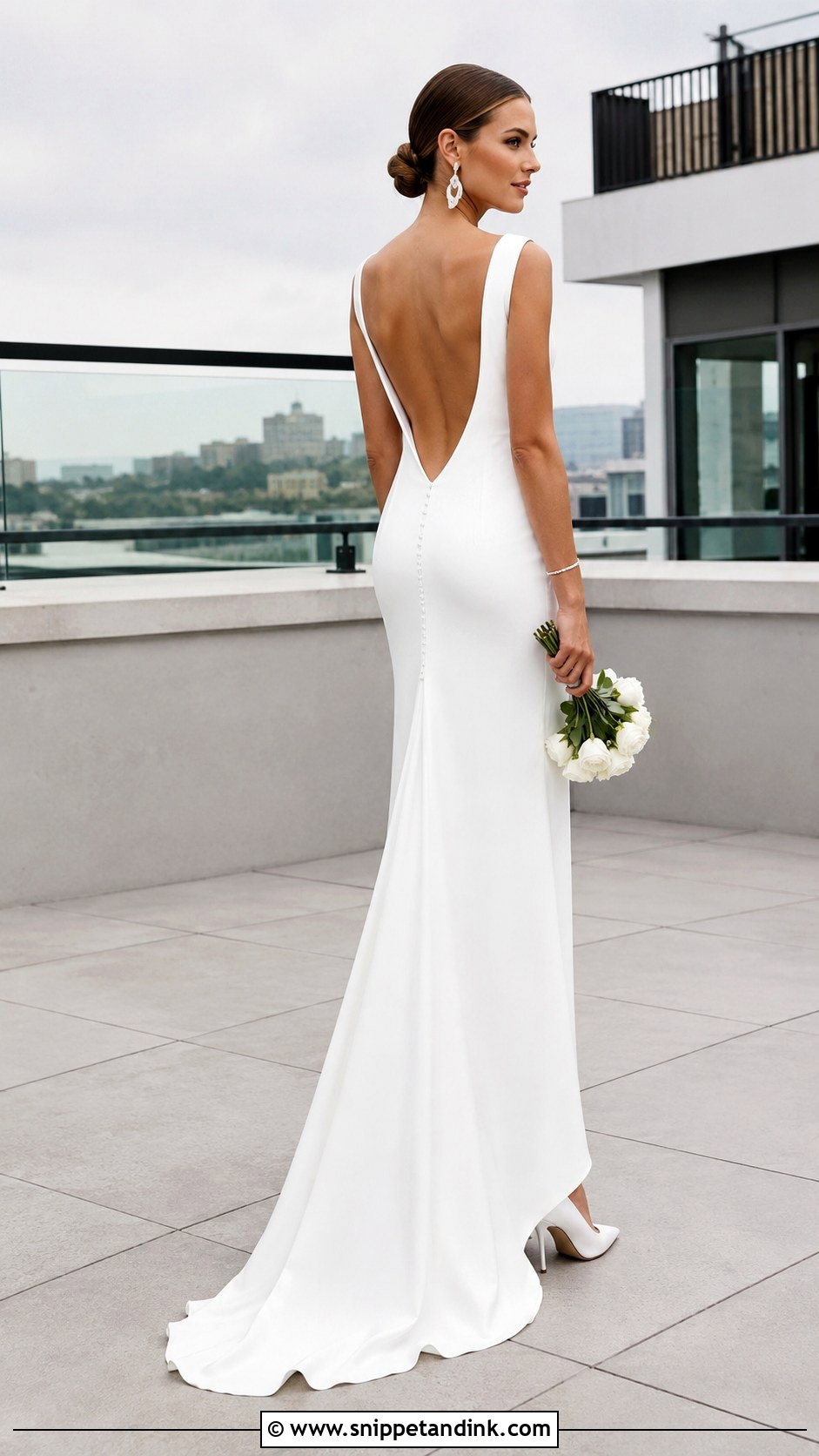
A one-point bustle is the simplest system there is, and on the right dress it is all you need. That means a crepe sheath with a light sweep train, a bateau neck and a low back. One discreet hook lifts the center into a soft drape. I would not use it on a heavy or long train; the single point will sag and pull. Hide the attachment at a seam or behind a covered button. A low knot and leather pumps finish a clean, city look.
9. Multi-Point Bustle Tulle Ball Gown
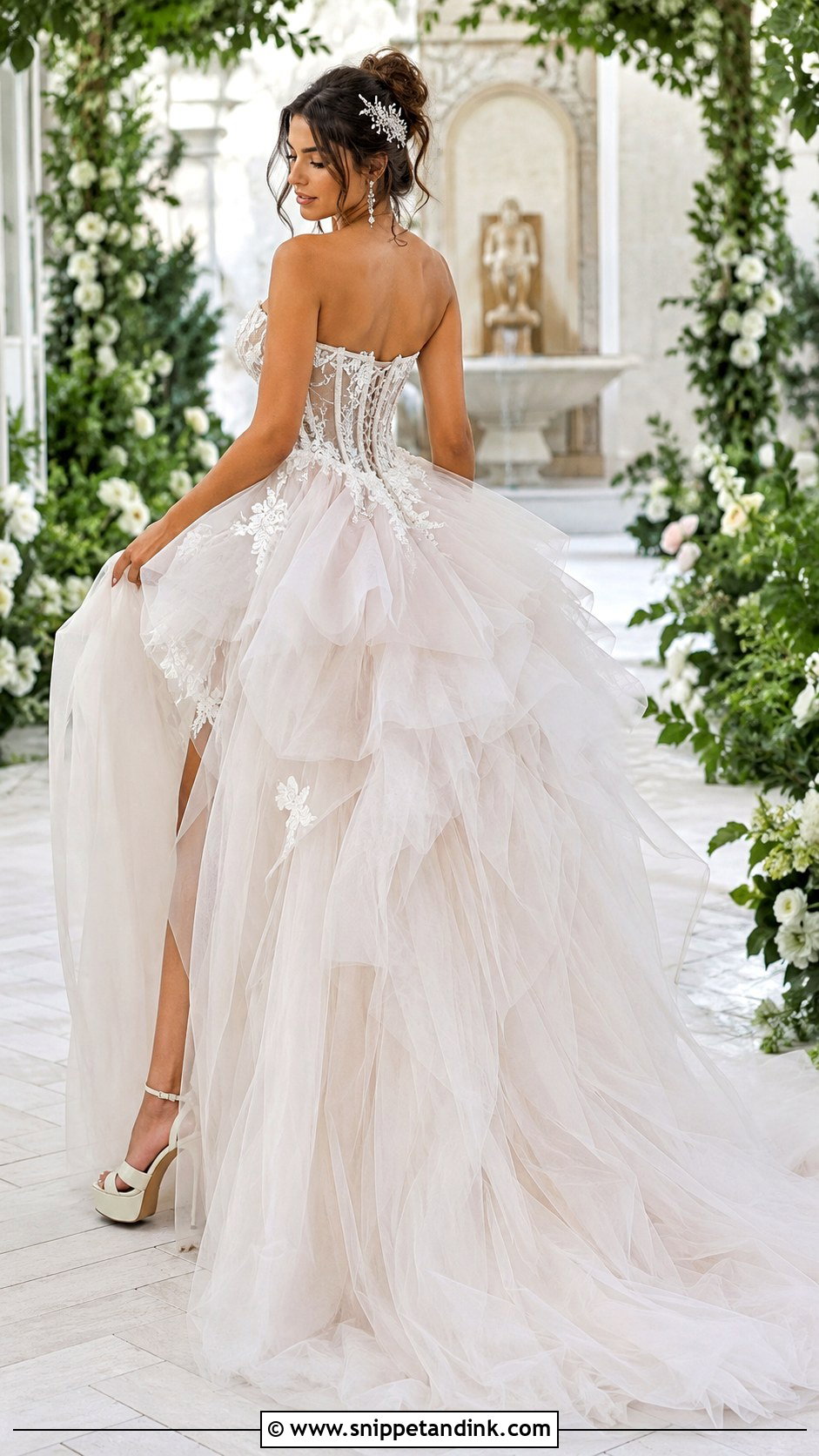
Tulle ball gowns need a bustle that lifts without crushing. A multi-point system forms soft clouds across the back. The common mistake is catching only the top tulle layer, which leaves the under-layers dragging on the floor. I check every layer is included. A corset bodice with floral appliqués, a crystal hairpiece and platform sandals fit both a garden and a ballroom. Label the loops clearly for your helper; tulle sections look alike once they are gathered.
10. Under-Bustle Beaded Trumpet Dress
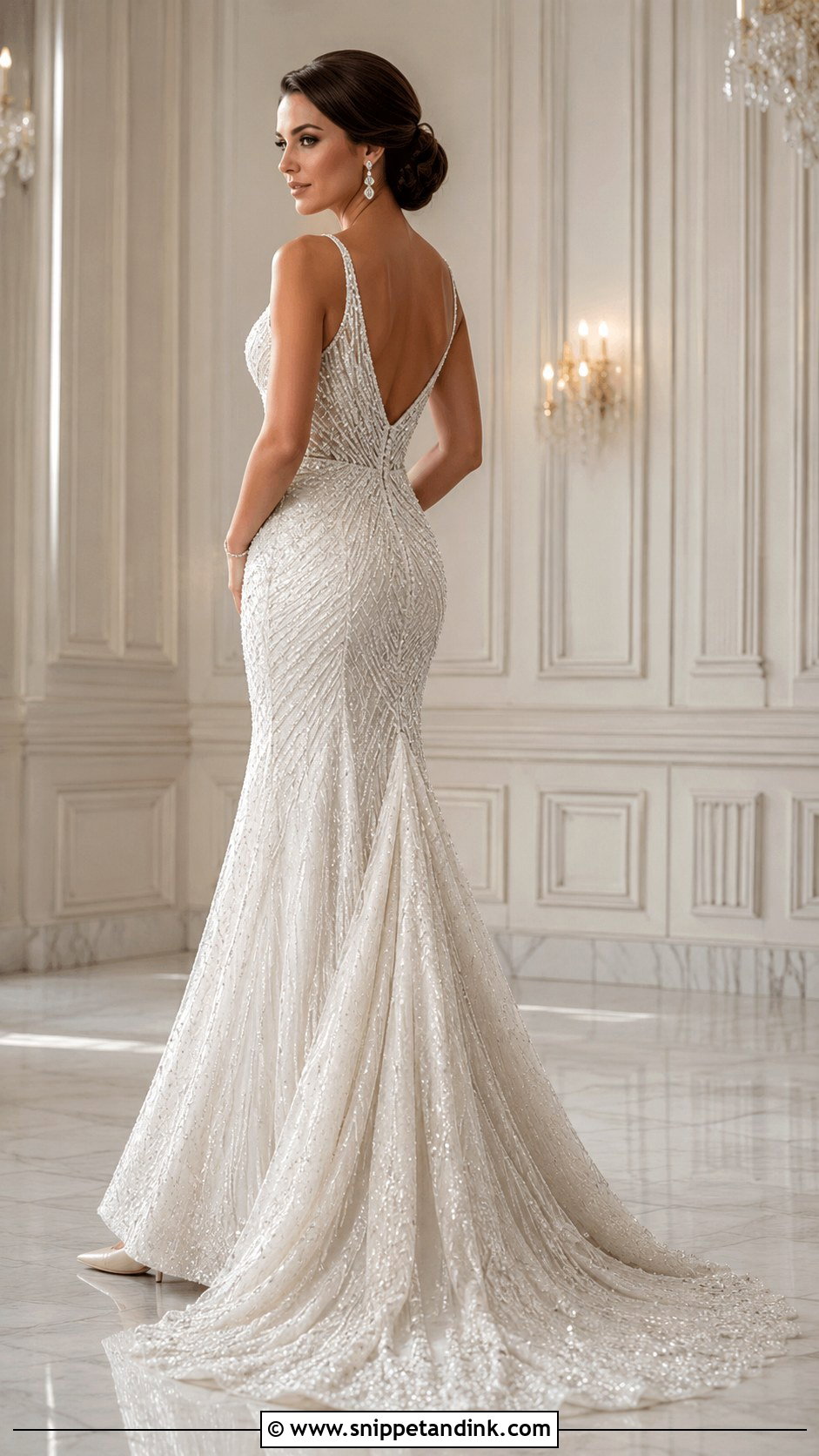
Picture beading catching candlelight as you walk into the reception. That is the point of an under-bustle on a beaded trumpet dress: the train tucks under and the beaded back panel stays visible. Beaded fabric is heavy, so the hidden attachments need reinforcement and more of them than you would use on plain fabric. Choose beading that thins toward the hem, and skip a necklace. My movement test for this one includes walking backward, because that is what you do on a dance floor.
11. Over-Bustle Floral Lace A-Line Dress
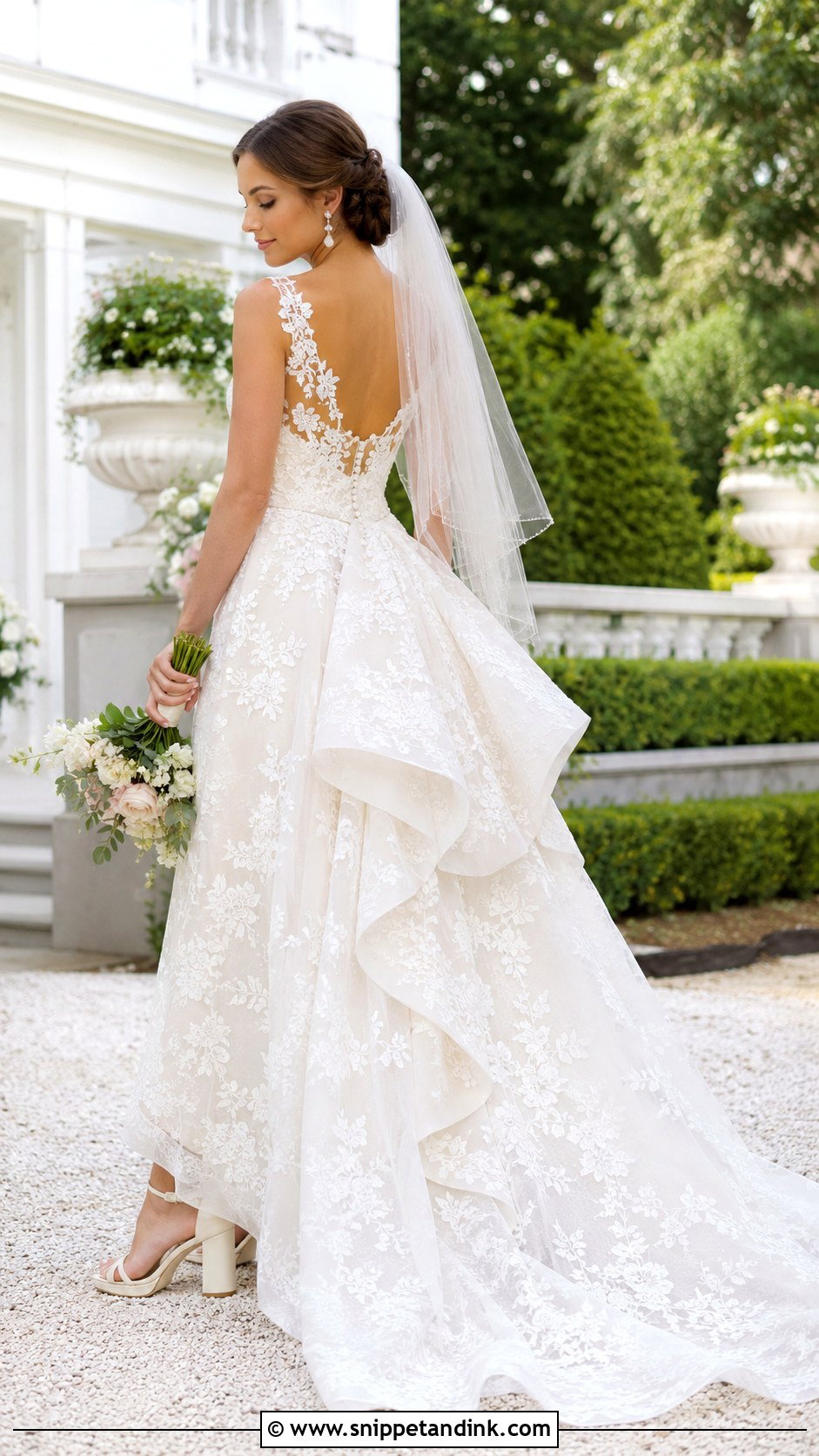
An over-bustle on a floral lace A-line gives soft cascading folds while the lace stays on top. Choose a gown where appliqués run from bodice to chapel train, and put covered buttons or loops at the waist to lift the train. The bodice defines the waist and the skirt falls easily over the hips, which suits a wide range of figures. Before I approve one, I stand behind and to each side of the bride; uneven folds show most from the side.
12. Chapel Train Bustled Slip Dress
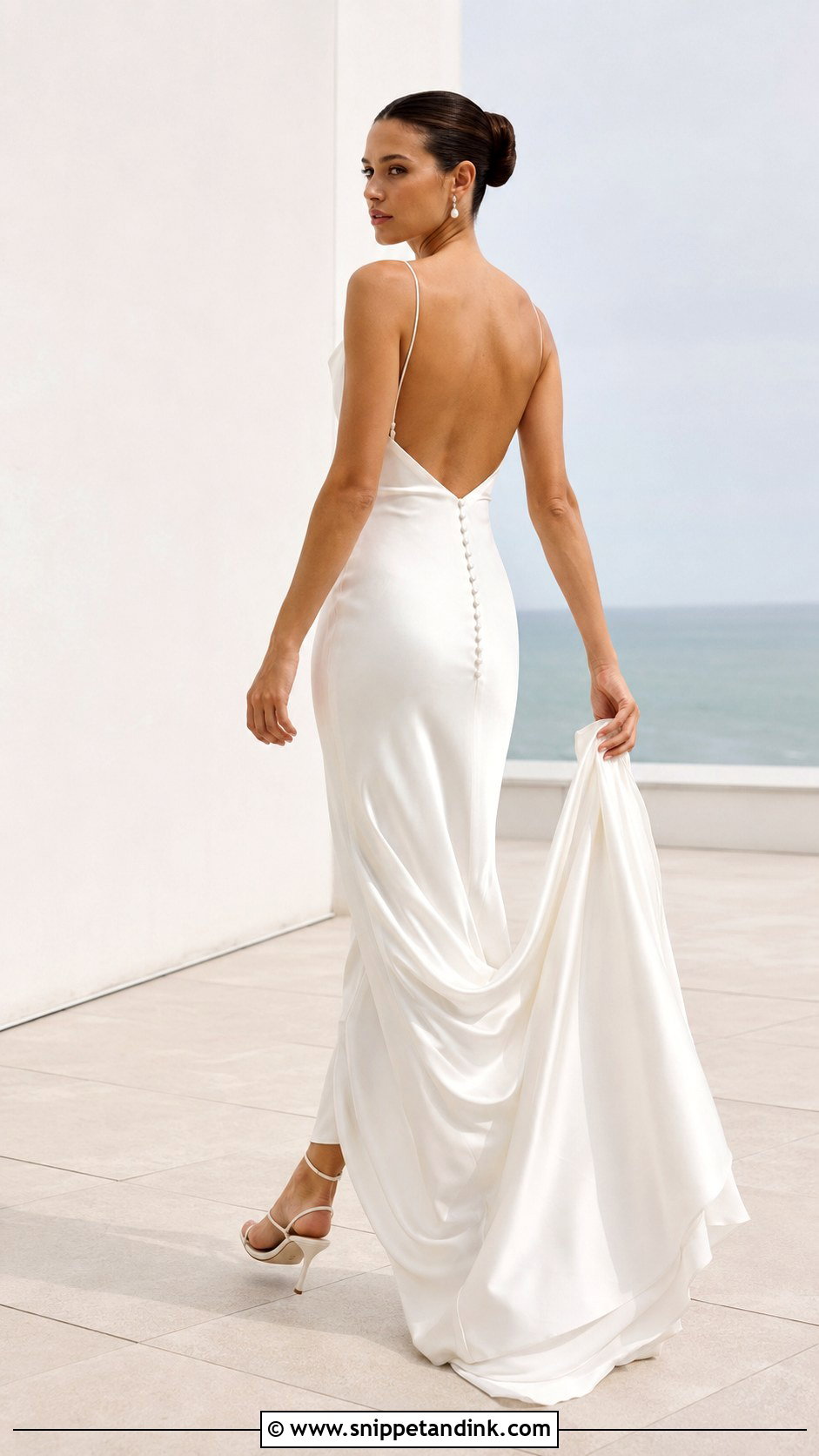
Bias-cut satin slips are fluid, and that makes any bustle tricky, because the fabric moves and shows tension at every stitch. A chapel train on a slip adds ceremony drama, then a discreet multi-point or under-bustle lifts it. I keep the points small and placed precisely, since a misplaced hook causes a ripple straight down the skirt. Covered buttons down a low back make good hiding spots. Slim sandals with an ankle strap stay on when you dance. Done well, the skirt still skims the body instead of bunching at the lower back.
13. Cathedral Train Bustled Princess Dress
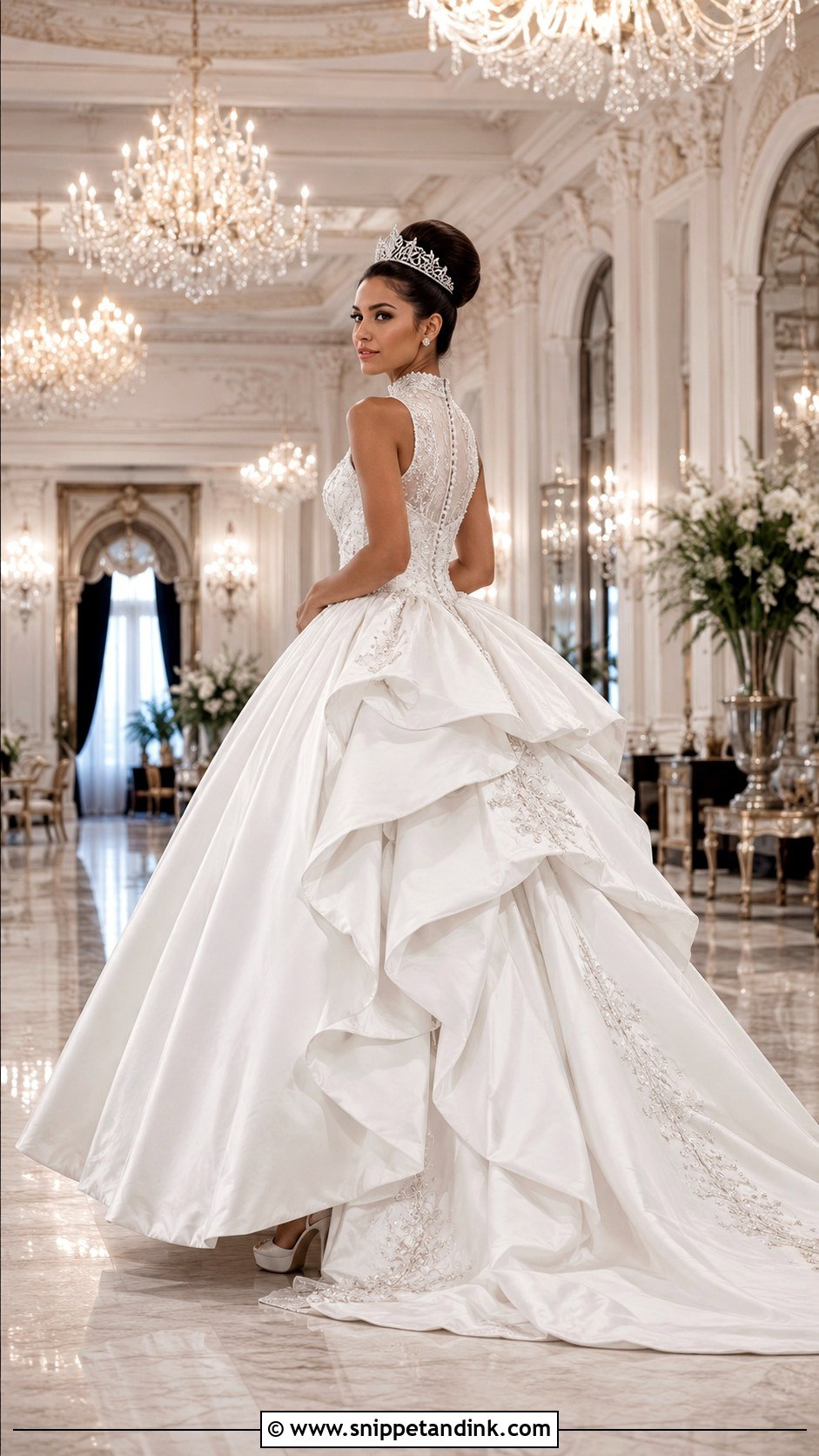
Planning a grand entrance? A princess dress with a sweeping cathedral train and a structured bustle is built for it. Portrait neckline, corsetry and subtle beading on top; a wide skirt below. For the reception, multiple reinforced points lift the train into deep, evenly spaced folds. A crystal tiara and a high bun suit the scale. Take the veil off before bustling. A train this big needs practice more than once, and I put a spare loop and a few safety pins in the emergency kit for exactly this dress.
14. Detachable Overskirt Bustled Wedding Gown
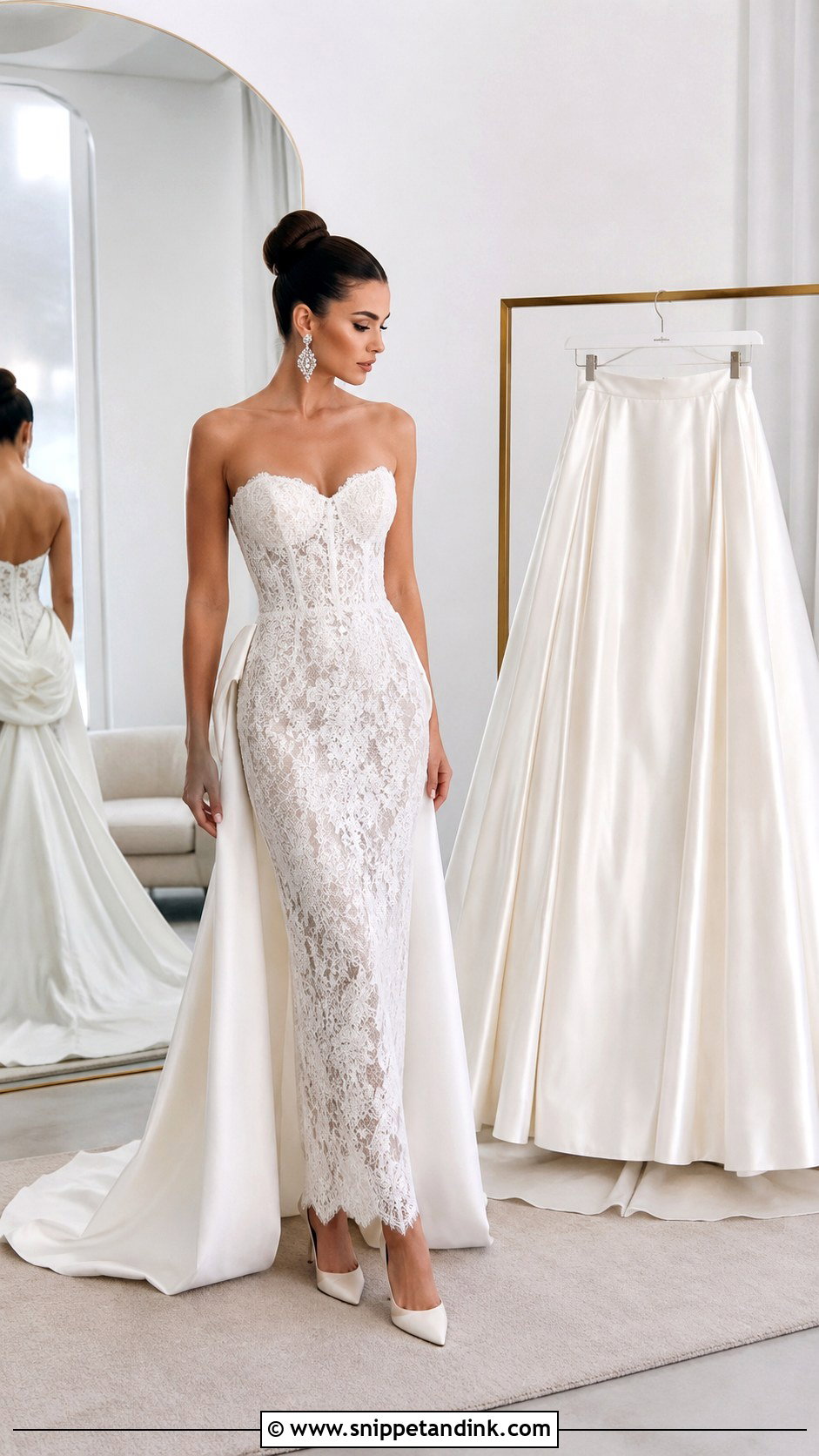
A detachable overskirt gives you two silhouettes. A crepe or lace column sits underneath, a full satin overskirt goes on top for the ceremony and comes off before the reception. If the column has its own train, a small French or American bustle lifts it. I check that the overskirt fastenings do not sit on top of the bustle points, because the two systems can clash. Have someone ready with a wide hanger and a clean spot to put the overskirt, or it will end up crumpled on a chair.
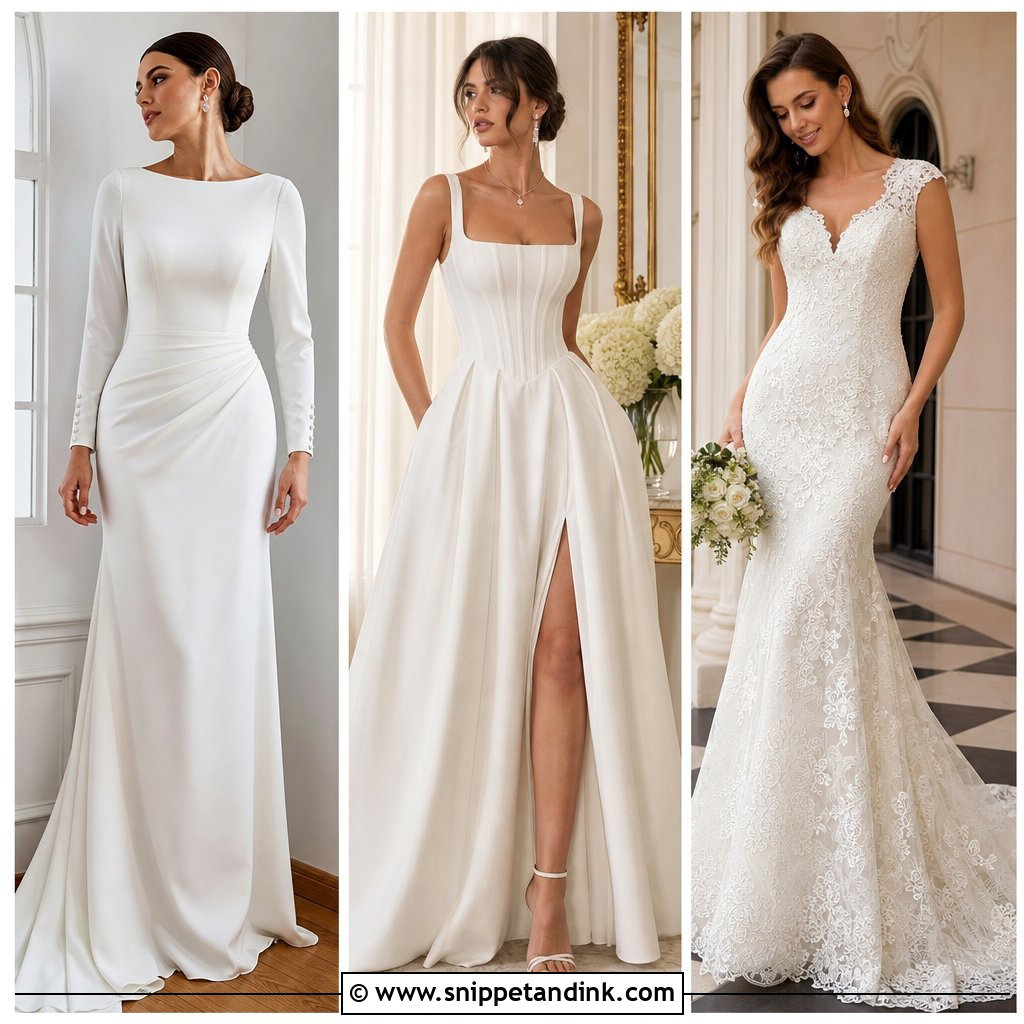

15. Victorian Bustle Long-Sleeve Wedding Dress
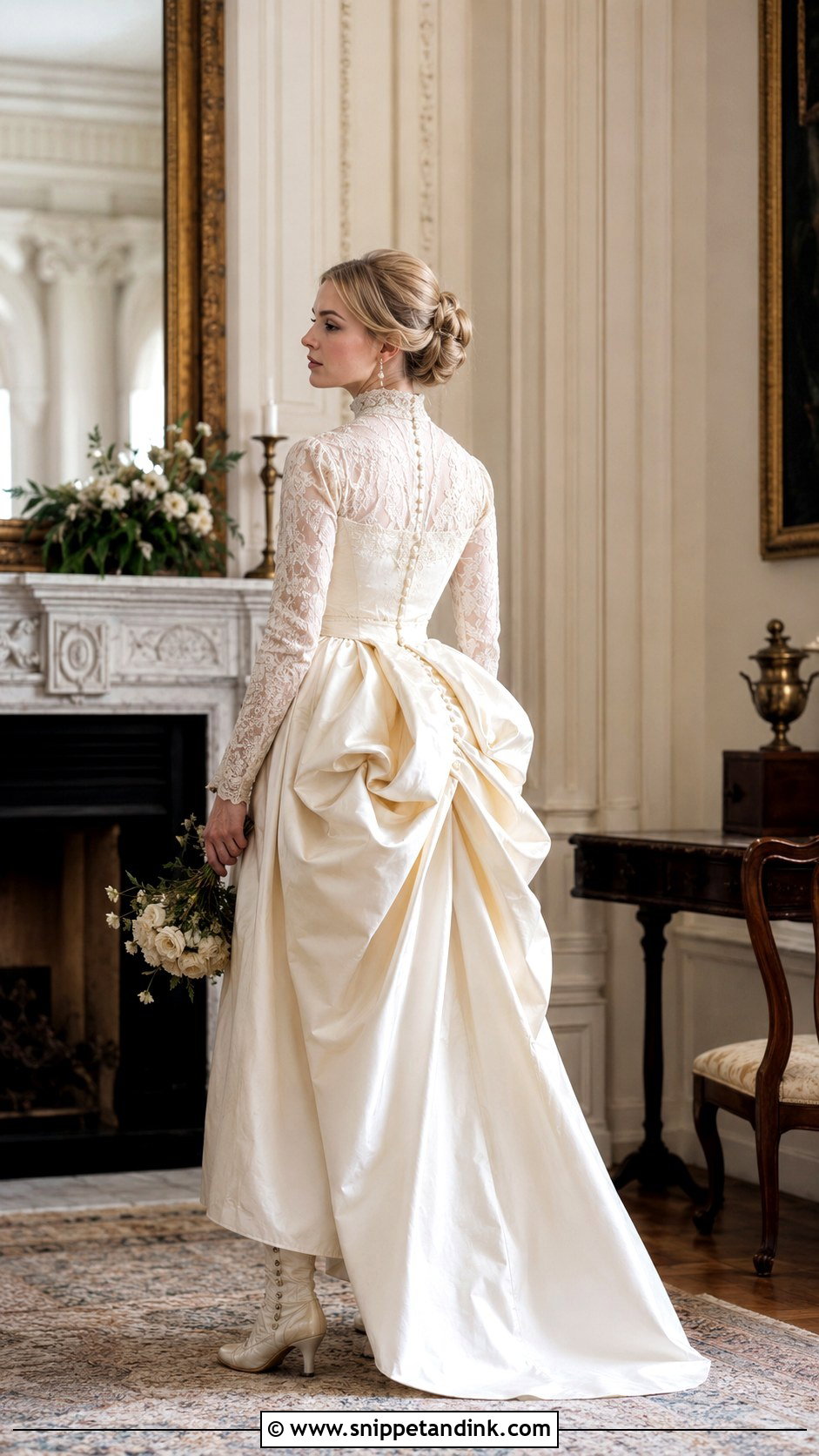
A Victorian-inspired bustle gives a long-sleeve gown real historical shape, with the volume concentrated at the back. A high-neck lace bodice and a full satin or brocade skirt suit it. Restraint keeps it from tipping into costume: one period touch, such as button ankle boots or antique pearls, is enough. Multiple pickup points arrange the train into sculpted folds. It fits historic venues and winter weddings, where sleeves are welcome anyway.
16. Minimalist Square-Neck Bustled Wedding Dress
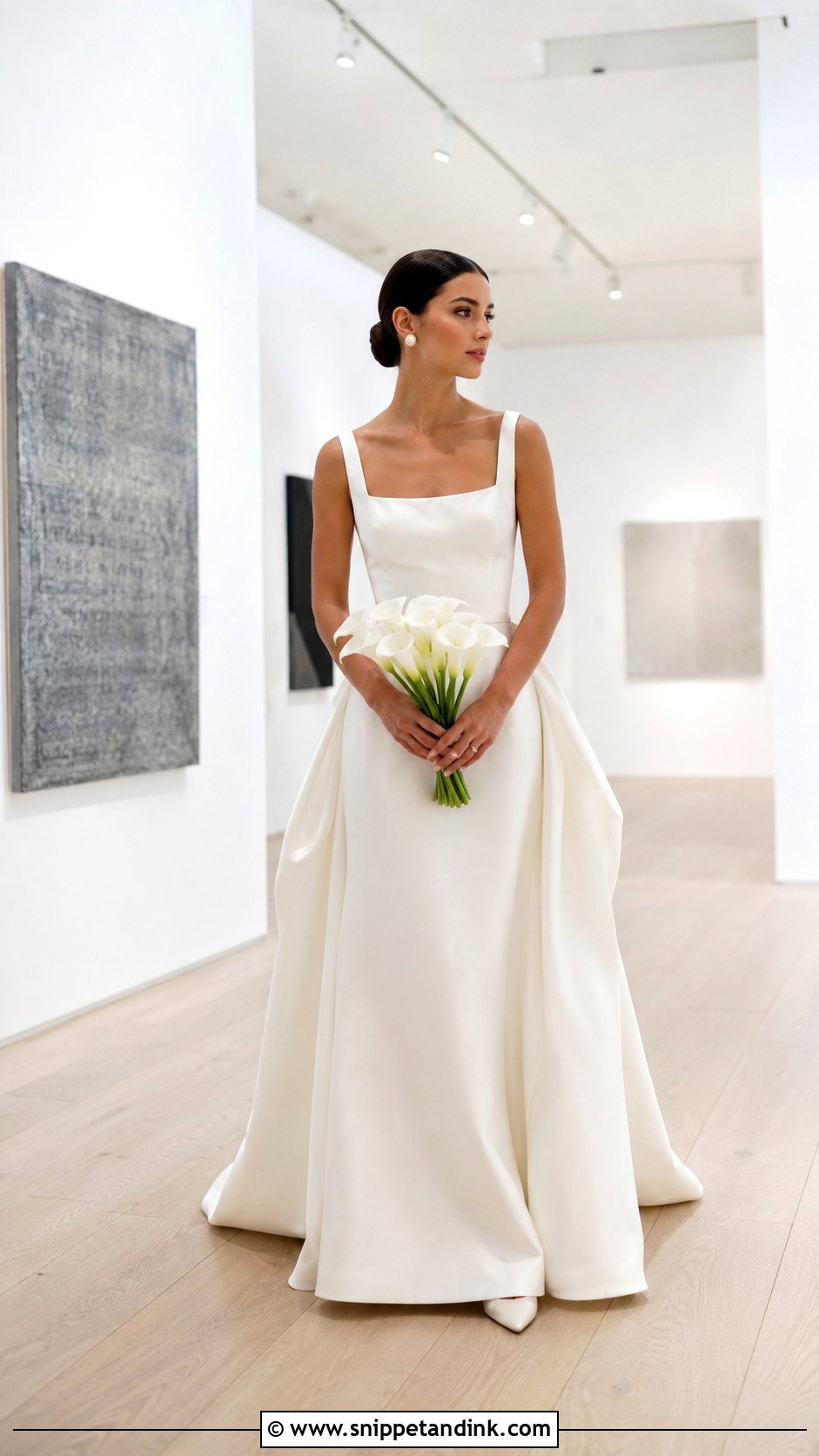
Minimal dresses hide nothing. On a square-neck gown in smooth stretch crepe or matte satin, every hook and puckered stitch is visible. A hidden ballroom bustle raises the chapel train beneath the skirt for a clean floor-length finish. I ask for fabric-covered fastenings on existing seams and a good steam after fastening so the folds fall smoothly. Bold pearl studs and a center-parted bun suit lofts and galleries.
17. Off-The-Shoulder Bustled Ball Gown
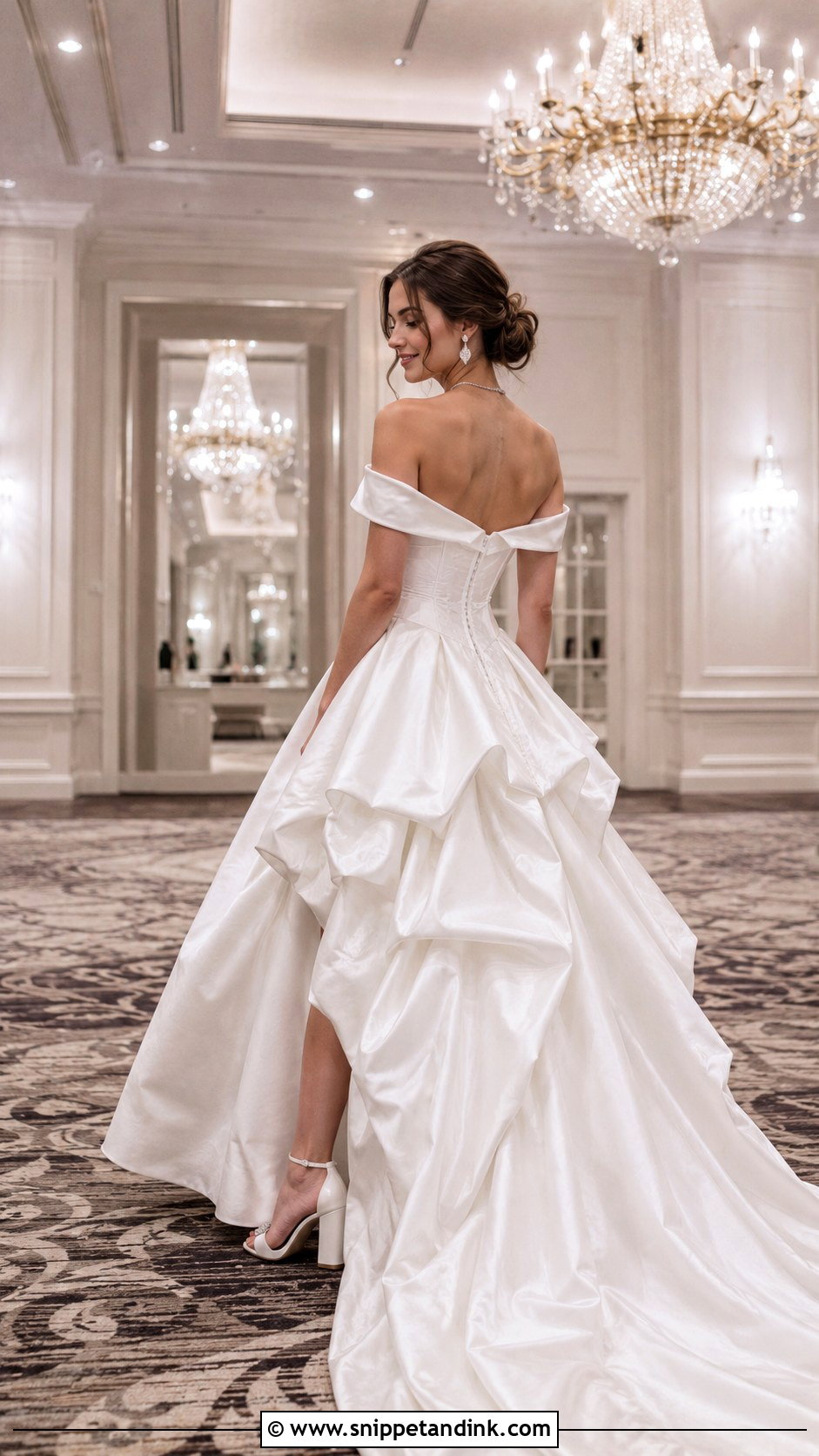
Off-the-shoulder ball gowns frame the face and shoulders, and their weight pulls downward, so the bustle and bodice work together. A multi-point American bustle gathers the train into generous folds while the skirt stays full. When testing, I have the bride raise both arms and walk briskly. The bodice should stay up, and the lifted train should not tug the skirt backward or shorten your stride. A fingertip veil keeps the neckline visible during the ceremony.
18. Long-Sleeve Lace Bustled Wedding Dress
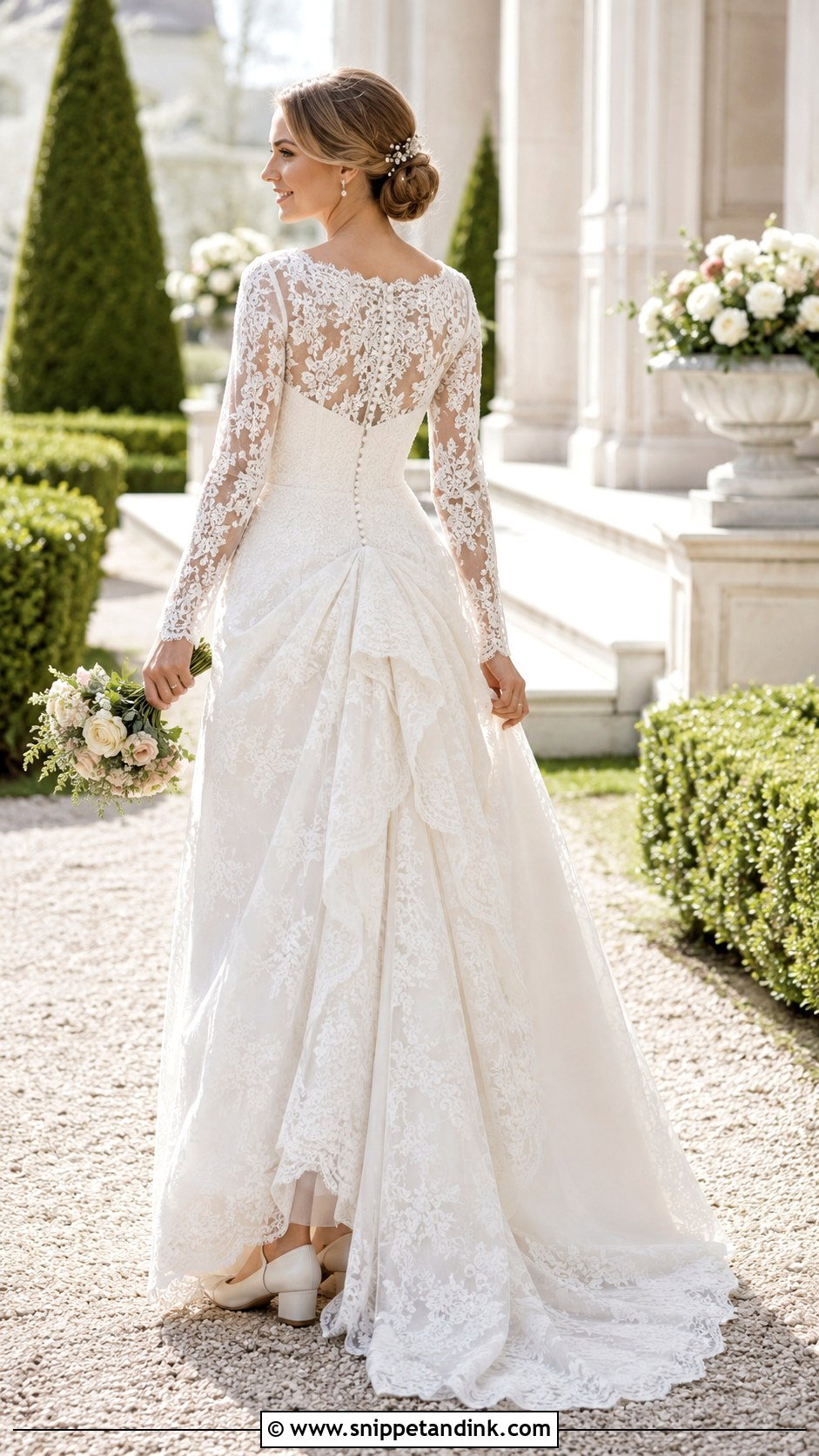
Long lace sleeves and a detailed chapel train call for a hidden bustle. A French under-bustle folds the train under the dress, so the lace pattern stays on display at the back. Attachments must avoid fragile appliqués and open sections of lace, because the weight of the train will tear them. Pearl pins in a low chignon suit the vintage feel. If the neckline is dense with appliqué, skip the necklace. A veil with a narrow lace edge can echo the gown before it comes off.
19. Plus-Size Corset Bustled A-Line Dress
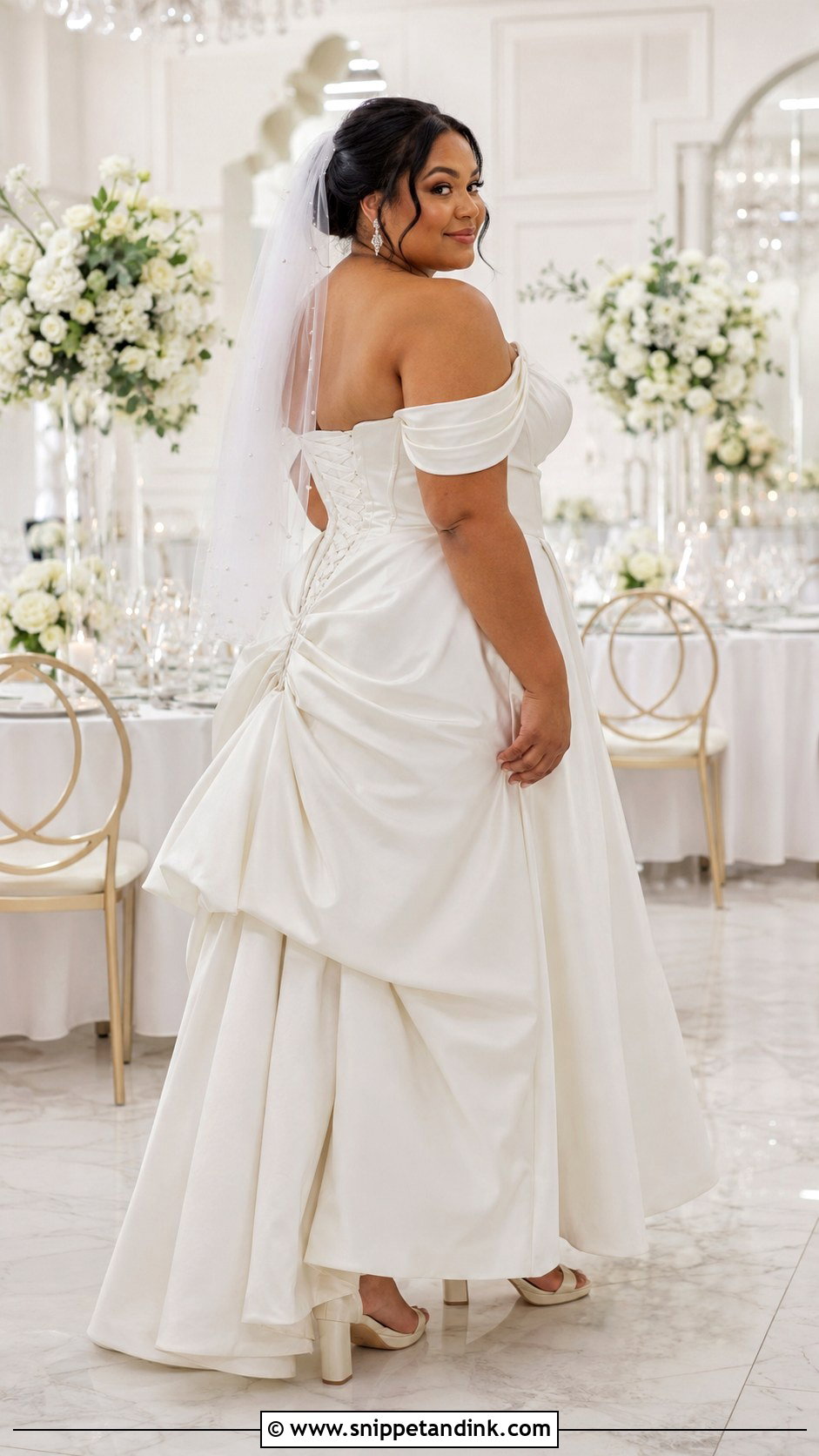
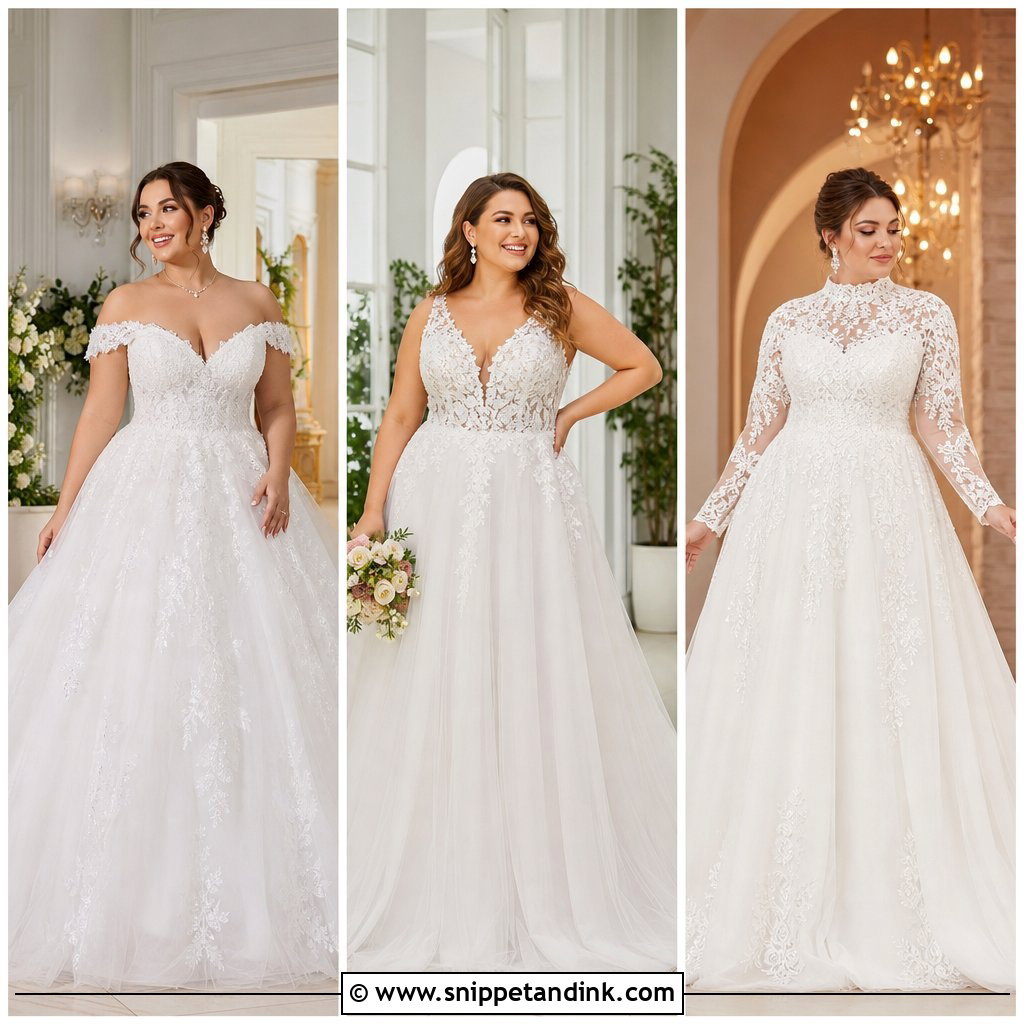
A corset A-line gives support and a defined waist, and on a plus-size bride I care more about secure construction than any rule about what to wear. A curved neckline with wide straps or draped sleeves is comfortable and flattering. A multi-point bustle spreads the train’s weight and avoids a heavy center fold that drags the back of the corset down. Fit the bustle in your exact shoes and undergarments, since both change the hem height. Then move through the fitting as you would on the dance floor so every point can be adjusted.

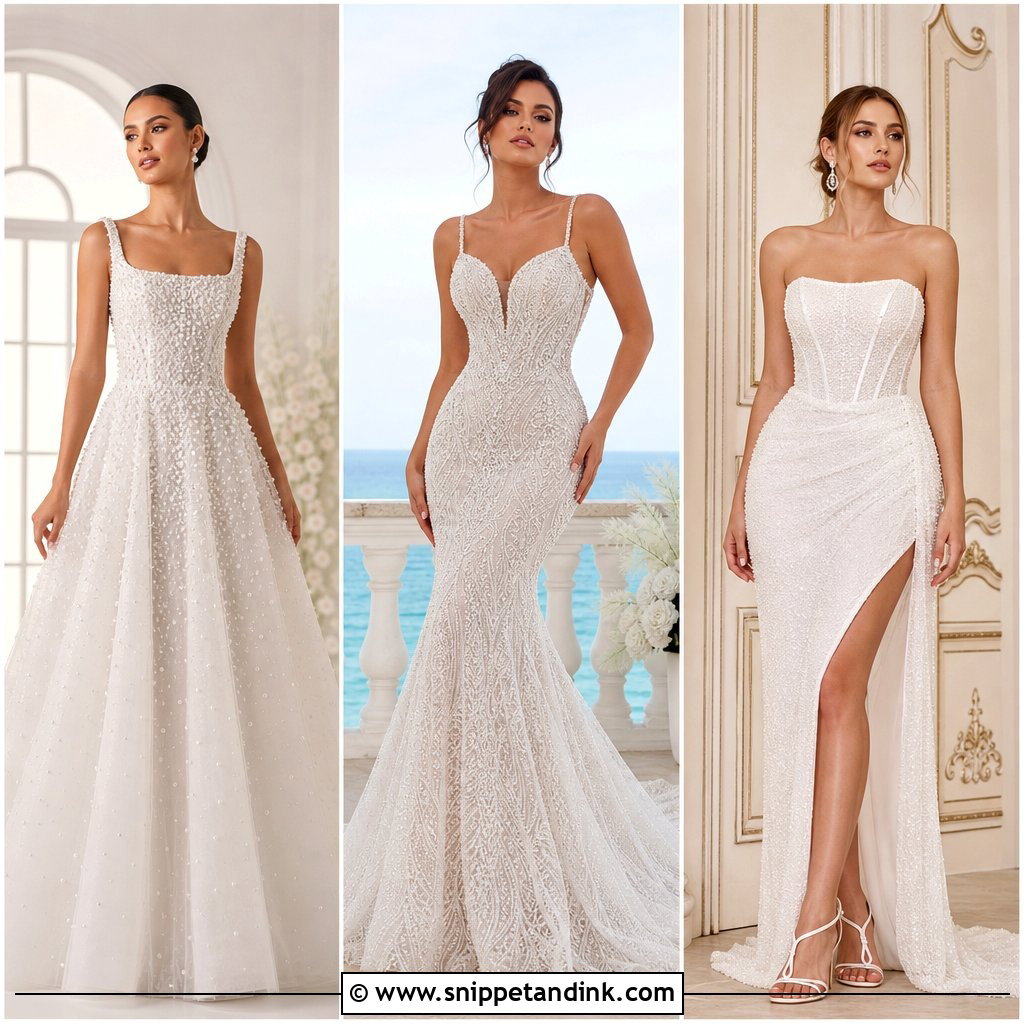
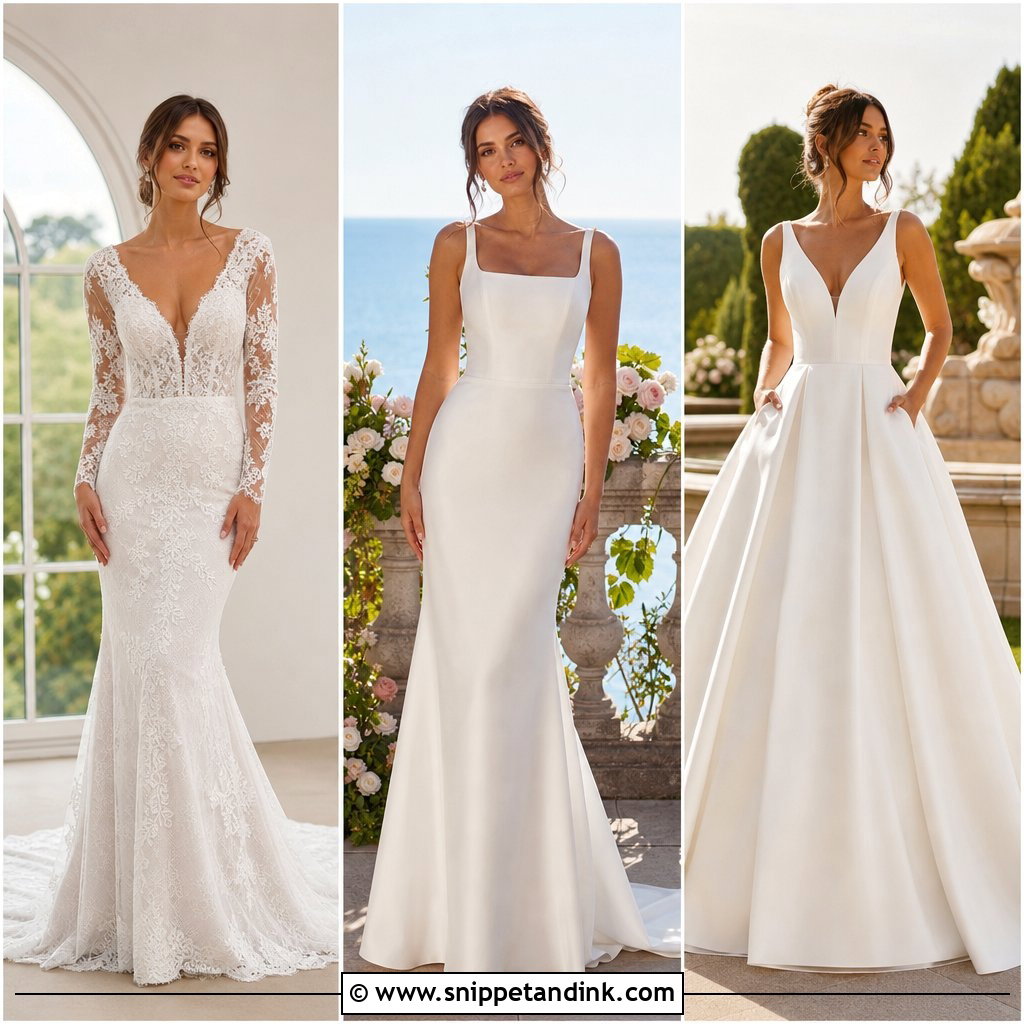
20. Floral Bustled Wedding Dress
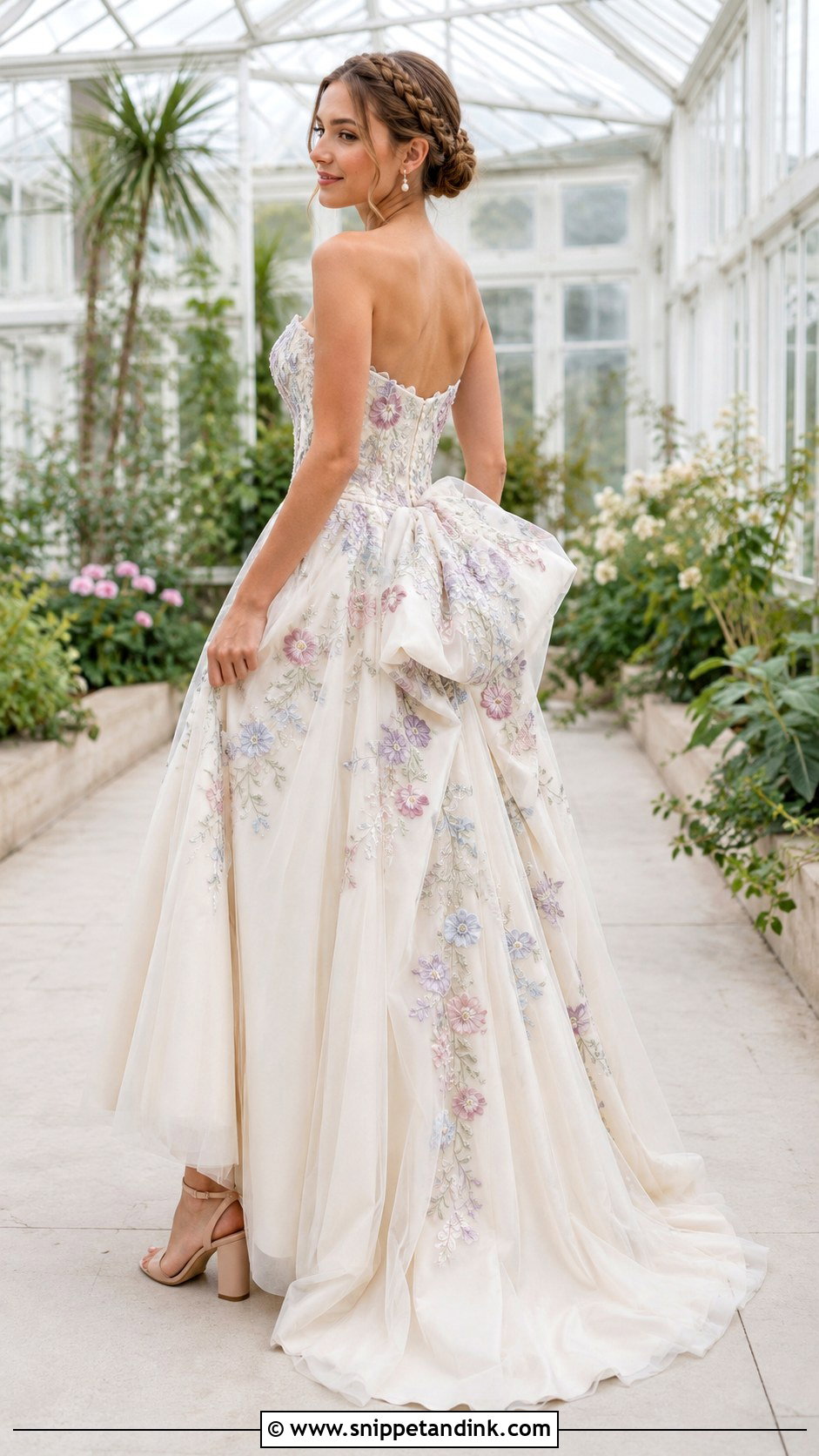
Colored floral embroidery on an ivory gown, in blush, blue or lavender, makes the bustle part of the design. A multi-point over-bustle lifts the chapel train so the flowers end up in the folds, and placement matters: I ask the seamstress to fold so the main motifs stay visible and evenly spaced. Fabric-covered buttons in a matching tone hide the hardware. Keep the veil plain so the look does not get busy. Botanical gardens and bright outdoor venues suit it.
Where the Bustle Fits in Your Alteration Schedule
A bustle is one of the last things added to a gown, because it depends on the final hem length and fit. If the bustle goes in before the hem is set, the points will be in the wrong place. Plan it like this, and confirm details with your own seamstress, since timing varies by shop and season.
- First fitting: mention you want a bustle and show photos, so the seamstress can plan around the back detail.
- Middle fitting: hem and body fit are finished, with your wedding shoes on.
- Final fitting: the bustle is pinned, then sewn and tested. Your helper attends and practices.
- Pickup: fasten and release it once more before the dress leaves the shop.
Prices for bustles vary a lot, depending on the number of points, the fabric and whether lace or beading has to be worked around. Ask for a quote at the first fitting rather than finding out at the end.
After the Last Dance: Dirty Hems and Gown Care
Even a bustled train picks up dirt, because the hem drags during the ceremony and portraits. Do not try to scrub it at the venue, which can set stains and fray lace. Unfasten the bustle before you hang the gown, so the ties and hooks are not under strain for days.
- Hang the gown by its inner hanger loops, not the shoulders, and keep the train off the floor.
- Store it in a breathable cotton bag, not plastic, until it goes to a cleaner.
- Point out the bustle ribbons and any loose stitches to the cleaner, so they protect them.
- If you plan to preserve the gown, book a specialist cleaner within a few weeks, before stains oxidize.
Your Train at the Altar and on the Dance Floor
A good bustle looks like it was always part of the dress, and it lets you walk, hug people and dance freely. American, French, ballroom, royal, Austrian, and multi-point arrangements can all suit gowns from slim crepe sheaths to big tulle ball gowns. Bring photos you like to the alterations appointment, but listen when the specialist says your fabric or train needs something different. Bring your helper, practice every point, and record a video. Pack safety pins and a length of matching ribbon. With that done, the dress works as well at midnight as it did at the altar.
You'll Like These Ideas:





Leave a Reply