
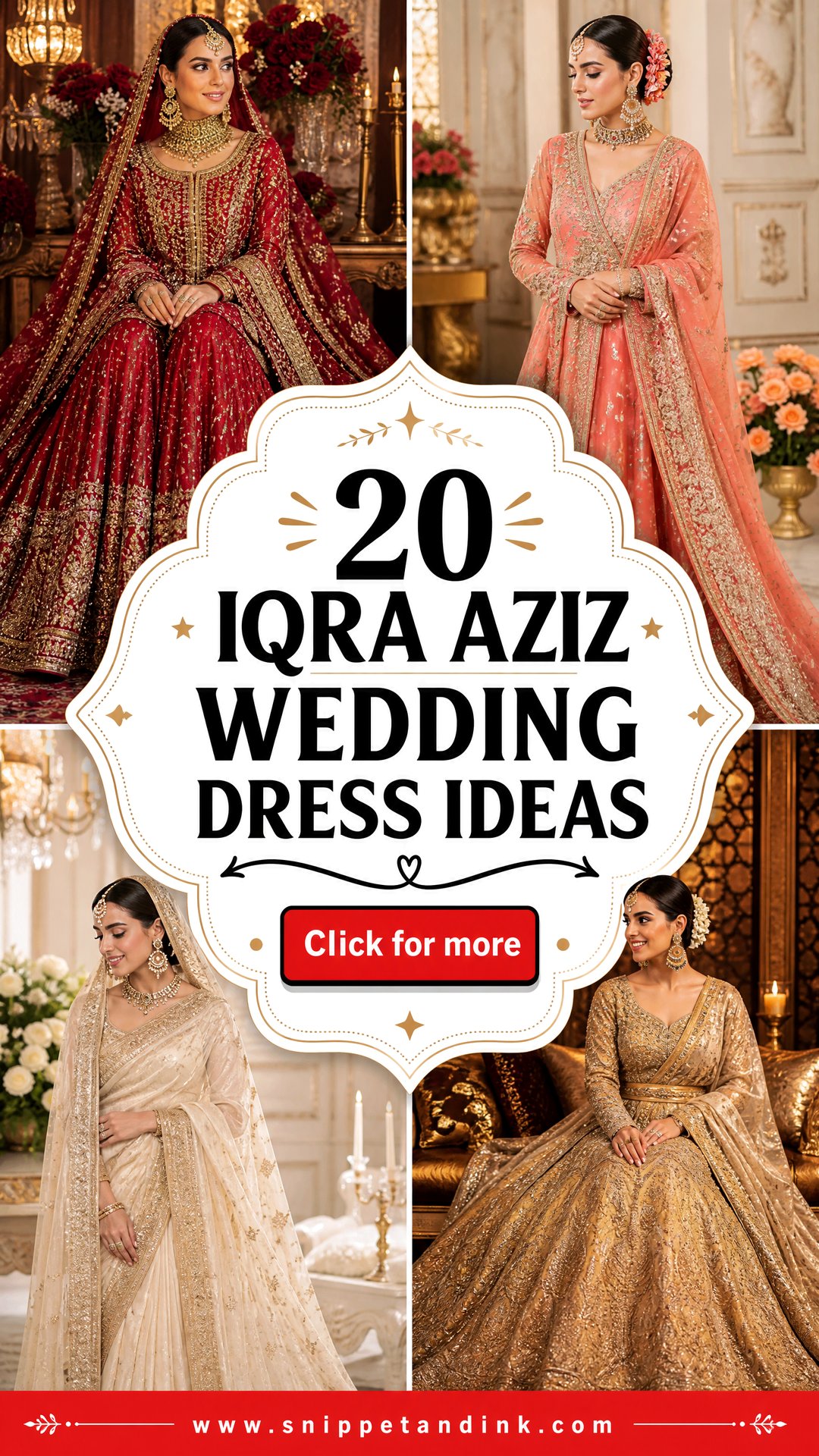
When a bride brings me a screenshot of Iqra Aziz’s bridal fashion, she is usually reacting to two outfits: the red-on-red lehenga from her wedding and the softer, more modern dress she wore for the reception. Both work because the colour story is controlled, not because of any single piece. At a first appointment I pull out that principle and rebuild it around the bride’s own frame, her family’s expectations for each function and the venue she has actually booked. Copying a celebrity outfit stitch for stitch rarely suits anyone else’s proportions. The twenty looks below run from mayun yellow to walima pastels, with notes on where each one usually needs adjusting.
Giving Each Function Its Own Outfit Job
A Pakistani wedding can mean five or six outfits in a week, and the most common problem I see is a wardrobe planned piece by piece. Three of them end up in similar pinks, or the walima dress looks heavier than the baraat. I plan backwards from the baraat. That outfit gets the most fittings, the heaviest work and the strongest colour, and everything else is lighter or clearly different.
- Mayun and dholki: washable or inexpensive fabric, no train, nothing you would mind getting stained or sat on.
- Mehndi: bright and contrasting, with a skirt light enough to dance in for two hours.
- Nikkah: often the most photographed close up, so fine embroidery near the face matters more than volume.
- Baraat: the heaviest piece, fitted last so weight changes in the final weeks don’t spoil it.
- Walima: a step softer in colour, with enough comfort for a long receiving line.
Lay out photos of all the outfits side by side before ordering anything. Two looks that clash or repeat are easy to fix on paper and expensive to fix after the embroidery is done.
1. Iqra Aziz Red Bridal Lehenga
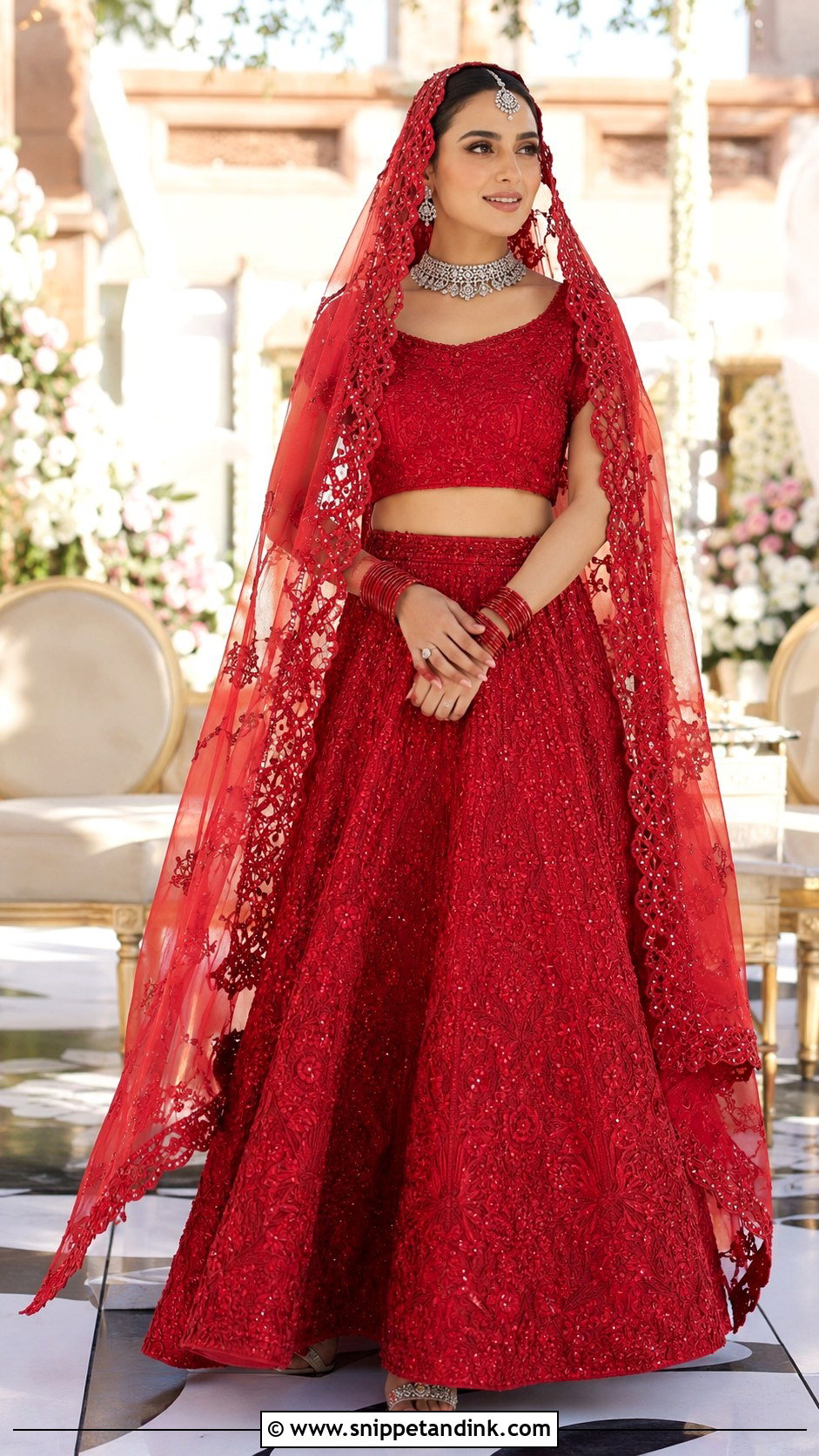
Her red-on-red baraat lehenga, designed by Nomi Ansari, is still the one I’m asked about most. Instead of the expected gold on red, the embellishment stayed tonal and the dupatta carried detailed cutwork. Recreating it means asking the karigar to keep thread, sequins, beads and crystals within a few shades of the base red, which is harder than it sounds. Dyed thread and dyed fabric rarely take colour identically, so I ask to see a sample of the embroidery on the actual fabric before work starts. Keep the lehenga full and structured, the choli fitted and the sheer red dupatta over the head, with a diamond or kundan choker, a centered maang tikka and stacked bangles. With no gold contrast to break the surface, soft waves and a classic red lip stop the face from disappearing into all that red.
2. Iqra Aziz Ivory Gold Walima Maxi
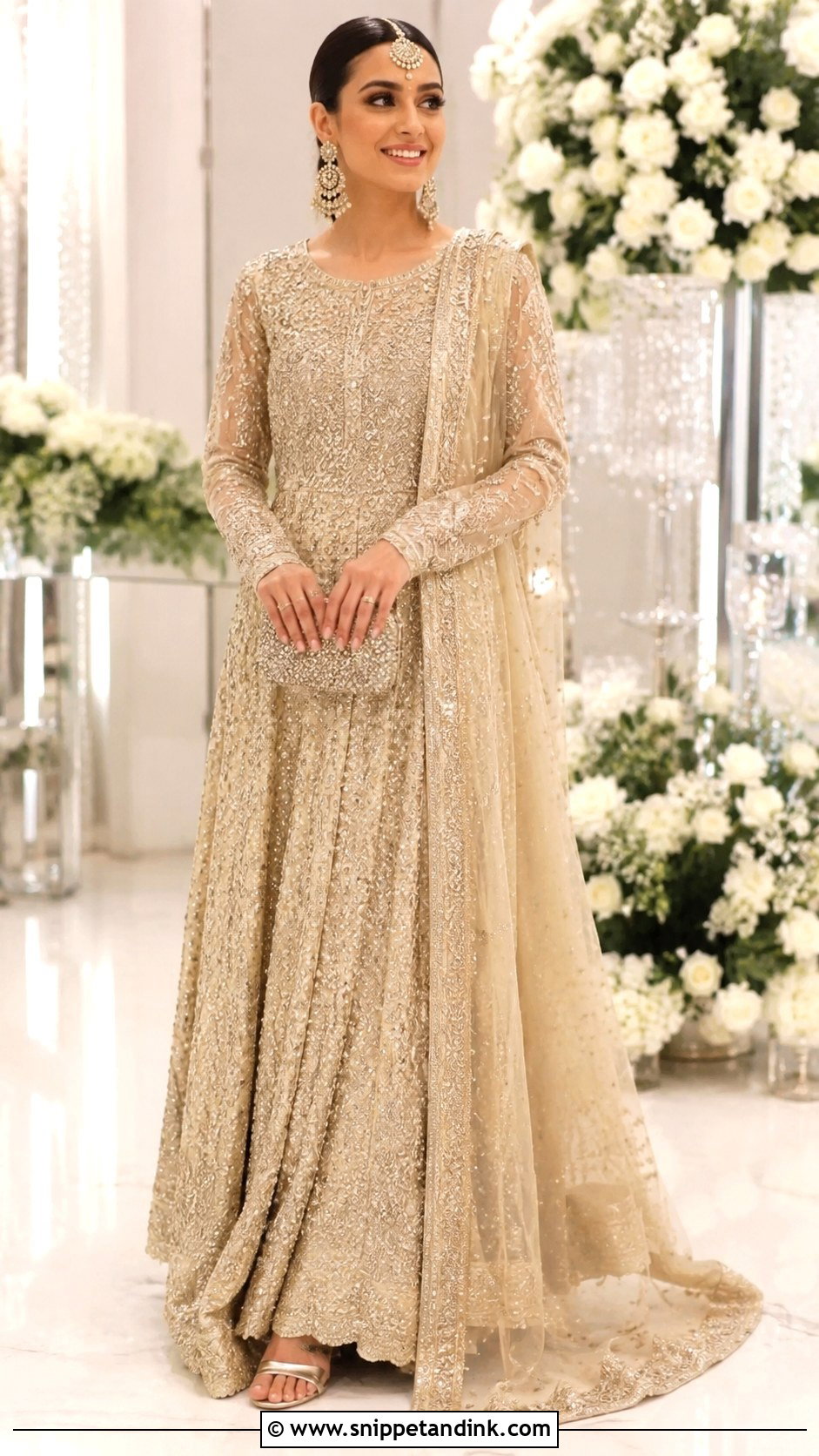
For her walima she switched to an embellished ivory and pale gold maxi by Sadaf Fawad Khan, worn with traditional jewelry, soft makeup and flowers in her hair. My version has a fitted bodice, a flowing skirt and fine metallic embroidery that doesn’t stiffen the fabric. An illusion neckline or sheer sleeves give coverage without bulk, but check how the net is finished at the edges; cheap net scratches after a few hours of hugging guests. Let the dupatta rest lightly on one shoulder so the dress stays visible. Oversized earrings, a slim maang tikka, metallic heels and a small crystal clutch are plenty, and a half-up style with a floral pin keeps it fresh for day or evening.
3. Iqra Aziz Yellow Mayun Gharara
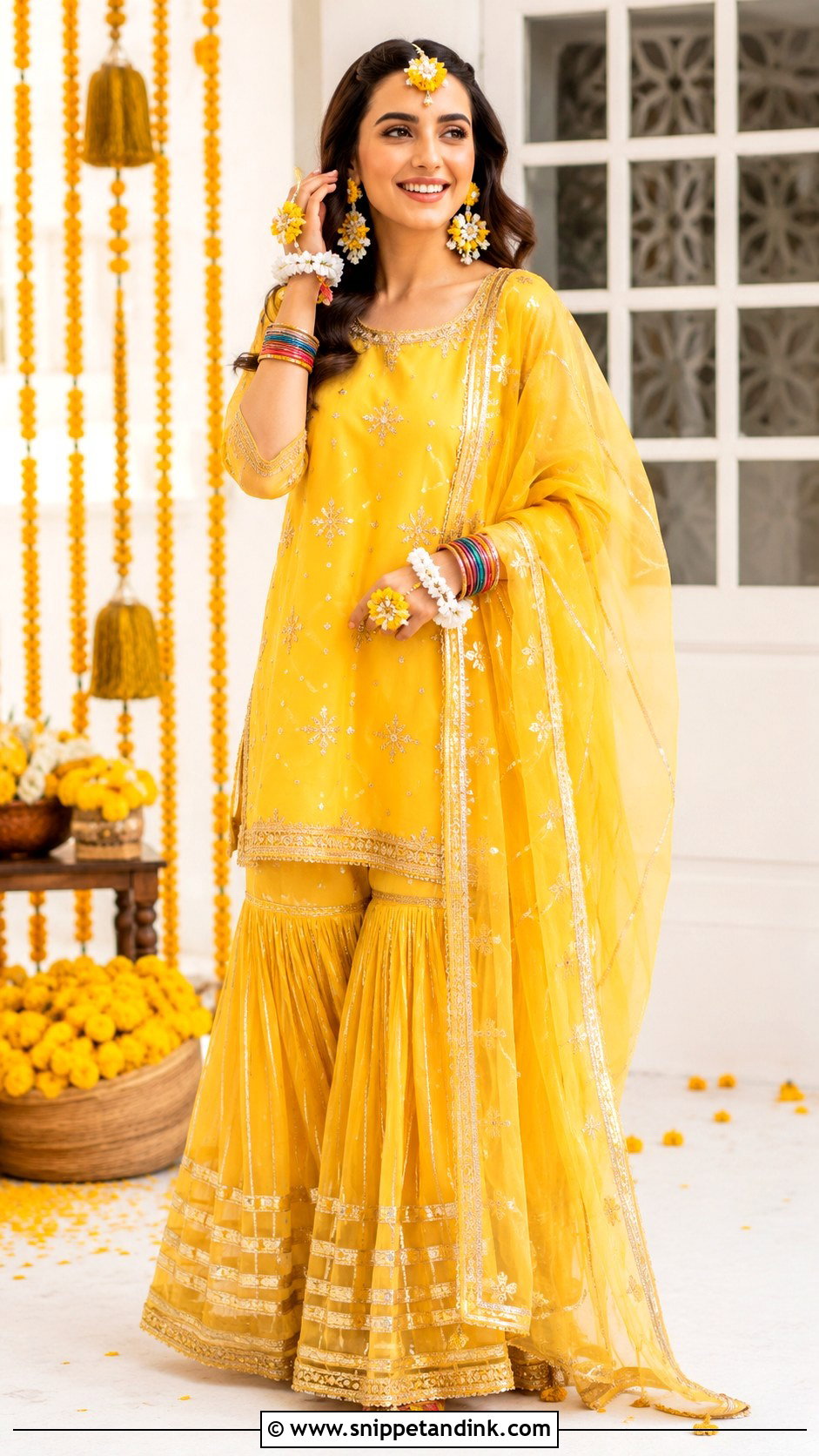
Yellow is the colour families expect at a mayun celebration, and a gharara is kind to the ritual itself because you spend much of it seated low while ubtan is applied. Pick a short kameez trimmed in gota, a wide-flared gharara and a light organza dupatta with a gold edge. Assume it will get marked. Turmeric paste stains pale silk for good, so I never let a bride commission anything precious for this event. Small touches of coral, green or hot pink lift the yellow. Floral earrings, a flower tikka, colorful bangles, khussas and a low braid with fresh flowers are all it needs.
4. Iqra Aziz Green Mehndi Lehenga
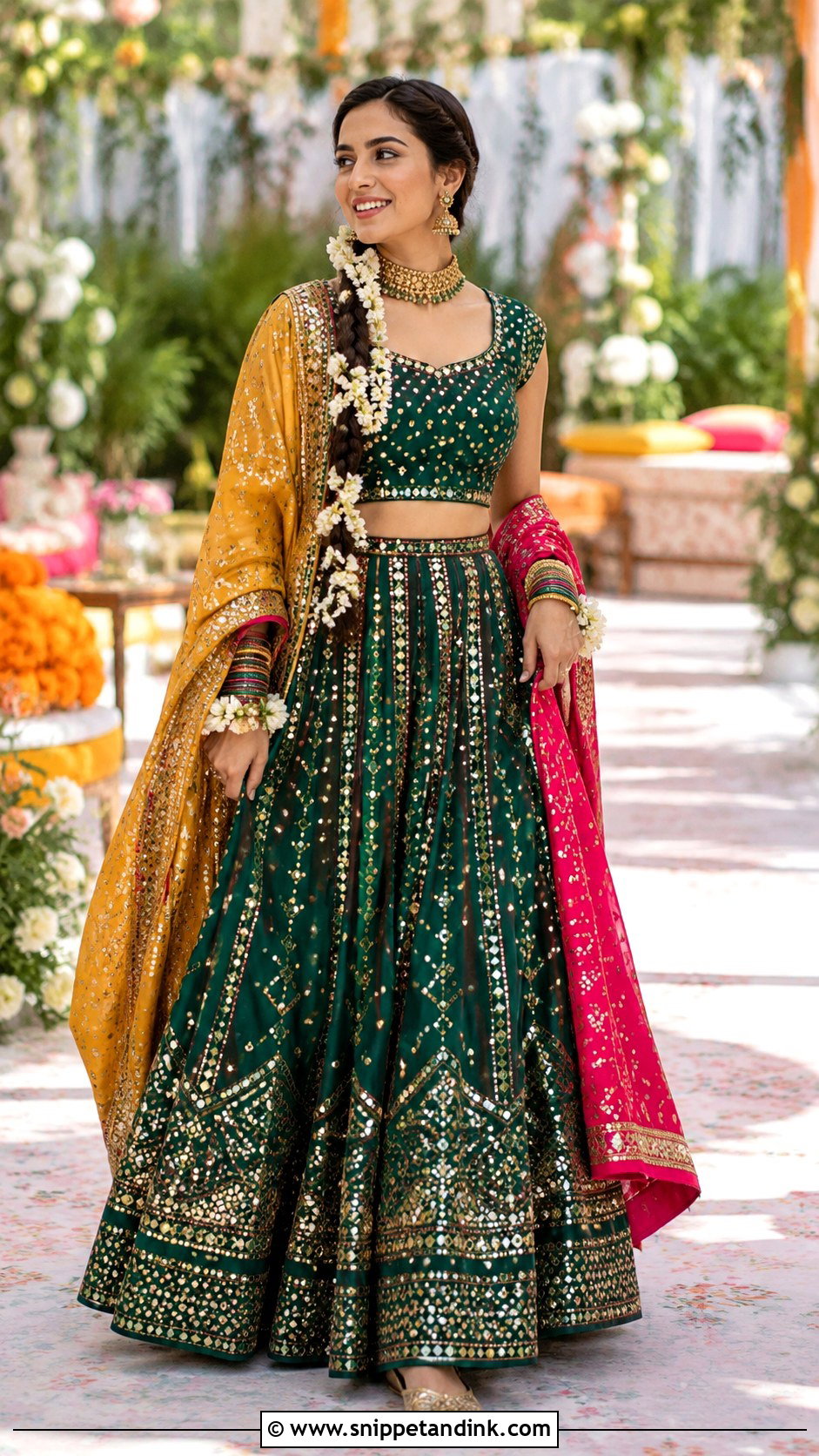
Green with yellow is the classic mehndi pairing, so an emerald or bottle-green lehenga with mirror work, gota and multicolored thread sits naturally among the marigolds. Contrast it with a mustard, orange or fuchsia dupatta. What I watch at fittings is skirt weight. Mirror work is heavier than it looks, and a bride who plans to dance needs one light can-can at most, not a full bridal lining. Statement jhumkas, a delicate choker, glass bangles and gold khussas suit it, along with a side braid and warm bronze eyes.
5. Iqra Aziz White Gold Nikkah Gharara
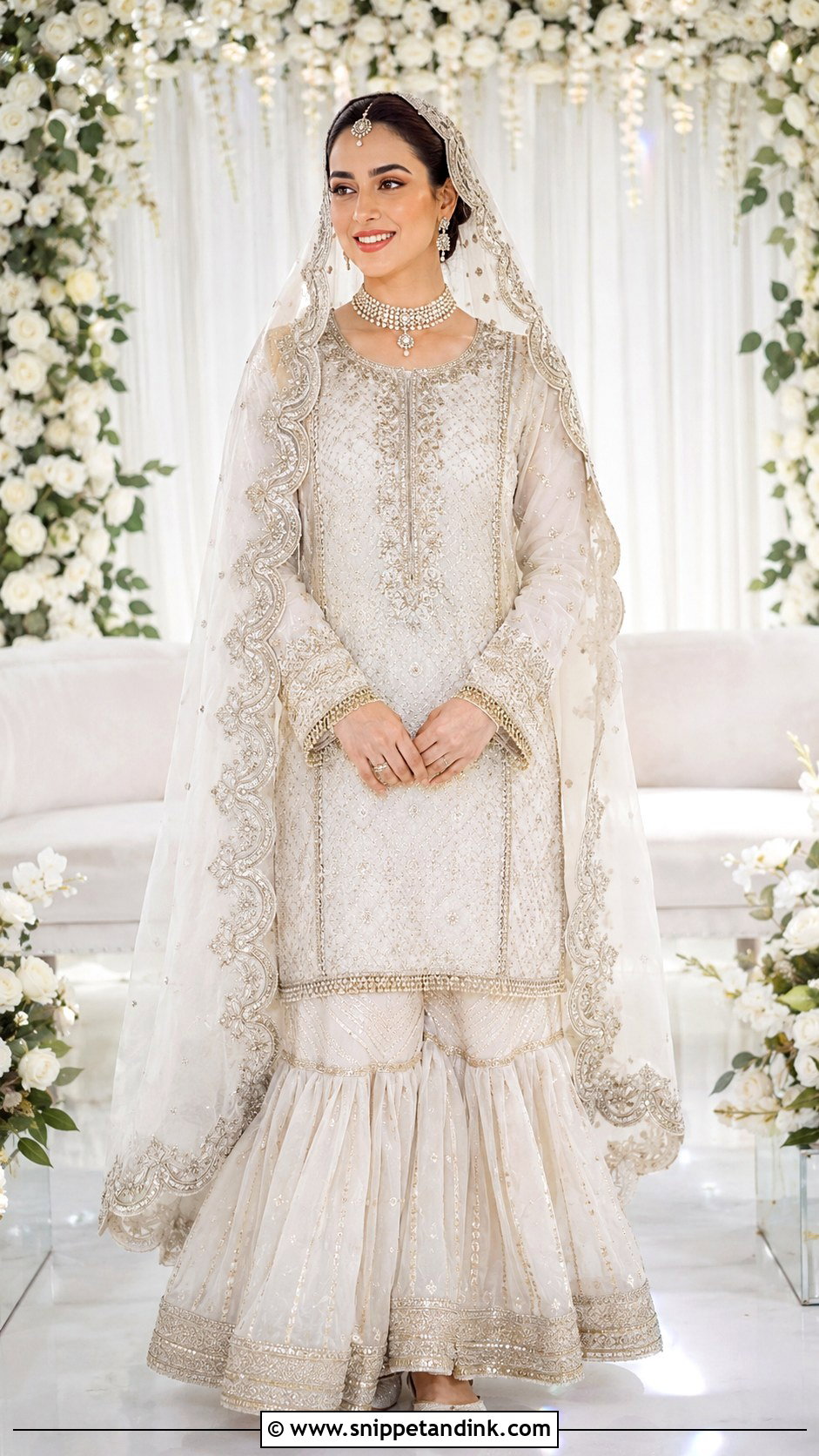
A nikkah at home or in a garden calls for something calmer than baraat red. I like a straight white kameez with fine gold embroidery at the neckline, cuffs and hem over a gharara with controlled volume. That control matters: a white gharara with too many panels looks shapeless from the side, so ask for a moderate flare and a firm waistband. The sheer dupatta with its scalloped border goes over the head for the ceremony, one side falling along the arm. Pearls, a petite maang tikka and ivory khussas keep the richness quiet. Hold any white against your face in daylight before buying; optical white makes some skin tones look grey, and an off-white is often kinder.
6. Iqra Aziz Blush Pink Bridal Pishwas
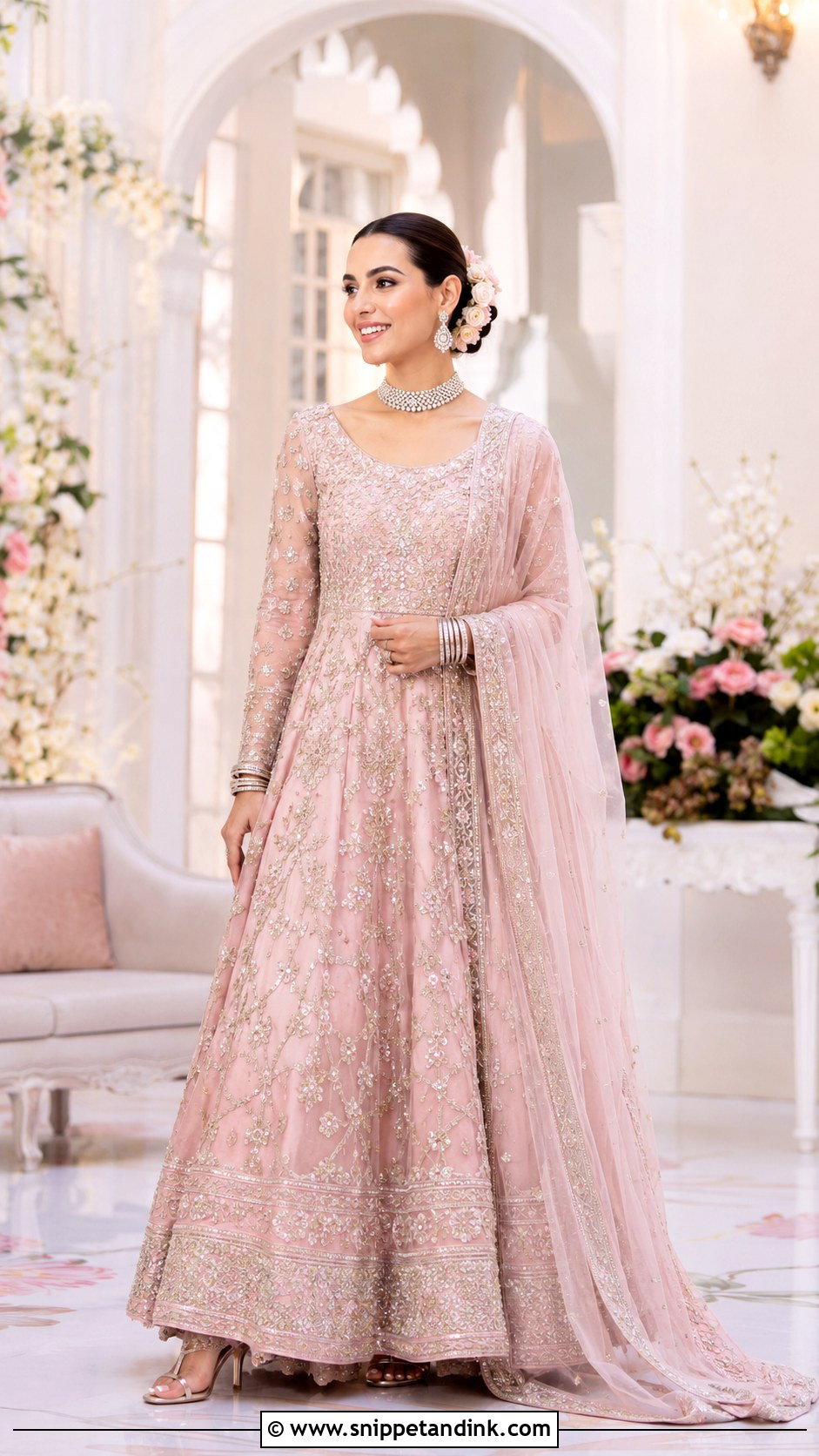
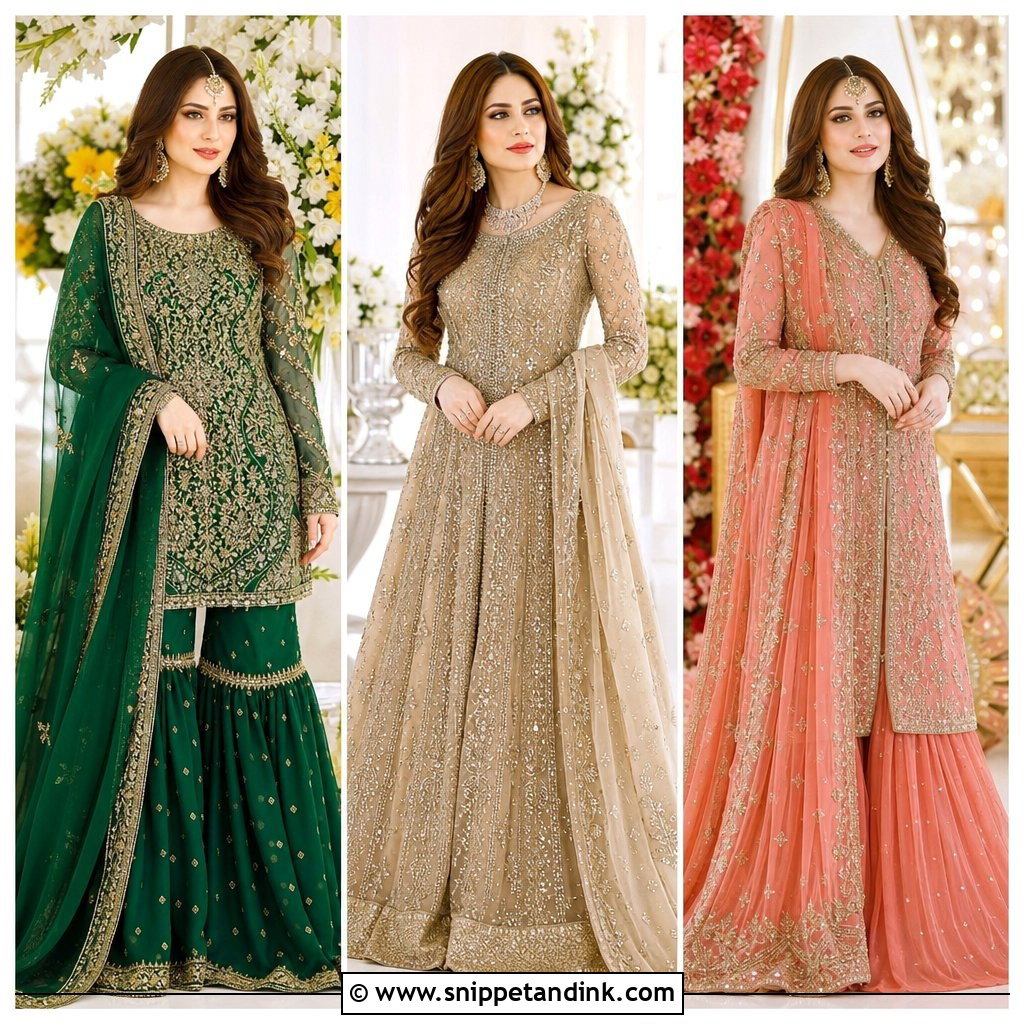
Blush pink is the colour I suggest most often to brides who feel swallowed by red. A long pishwas with a fitted upper body and a generously flared skirt carries silver-gold embroidery, pearls and floral motifs without overpowering the pale base. Get the waist exactly right. On a pishwas the waist seam is where the whole silhouette hinges, and a seam sitting an inch low makes the skirt look dropped. Drape the net dupatta over the head and one shoulder, then add a crystal choker, teardrop earrings and metallic block heels. A center-parted low bun with tiny white flowers and a muted berry lip give the face enough definition for a nikkah or engagement.
7. Iqra Aziz Maroon Velvet Bridal Lehenga
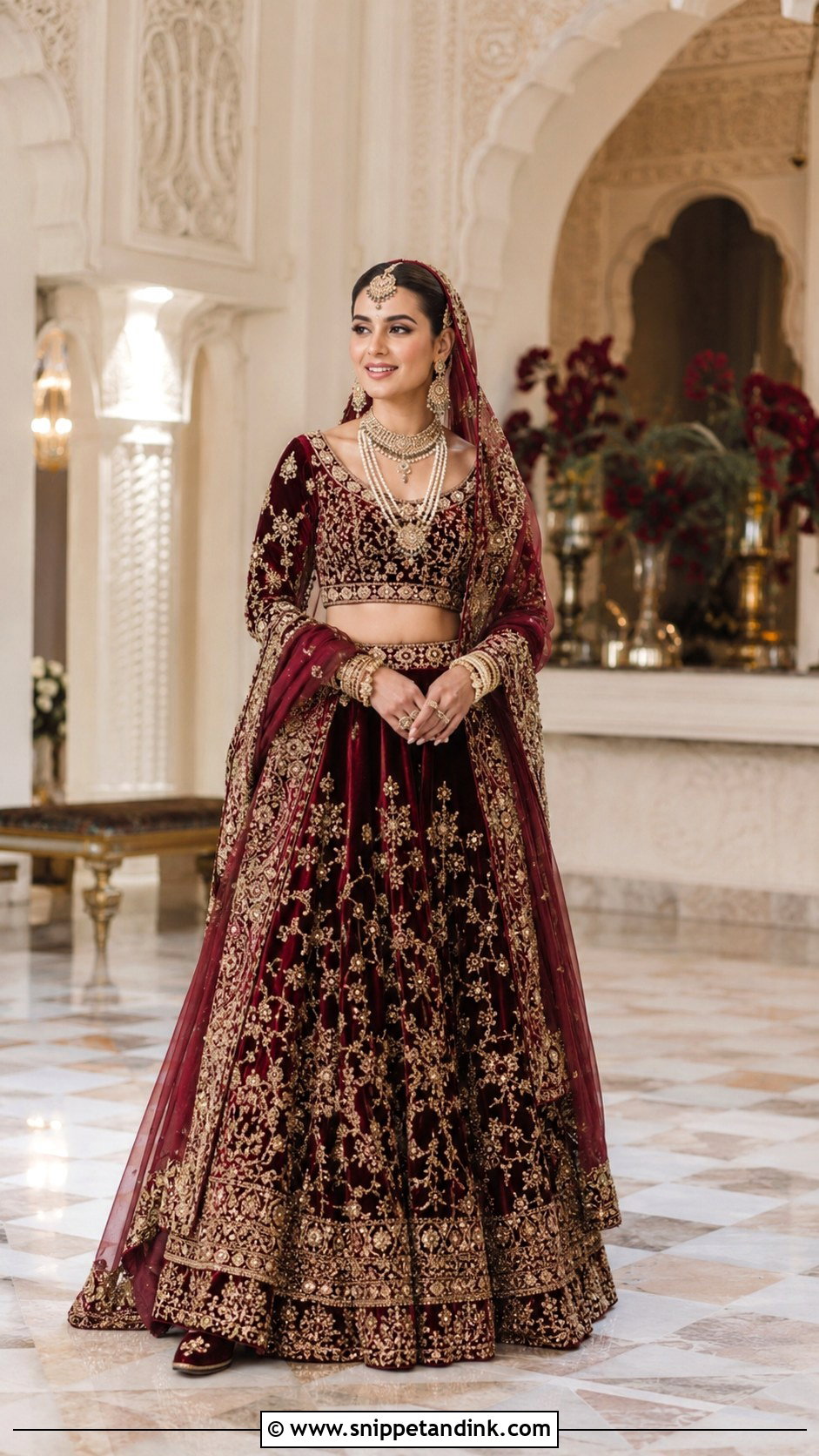
Velvet is a winter fabric, full stop. In a heated hall in December a maroon velvet lehenga looks deep and rich; at a summer baraat it becomes unbearable within an hour. Pair a velvet choli or long choli worked in antique gold zardozi with a lehenga whose heaviest embroidery sits at the hem, which also helps the skirt hang. Velvet crushes wherever you sit, so steam it on the morning and never press it flat with an iron. A sheer maroon dupatta lightens the overall mass. Antique gold, a layered necklace, jhumkas, a passa and velvet khussas suit it, and a sleek low bun keeps the neckline clear for the jewelry.
8. Iqra Aziz Mint Green Reception Gown
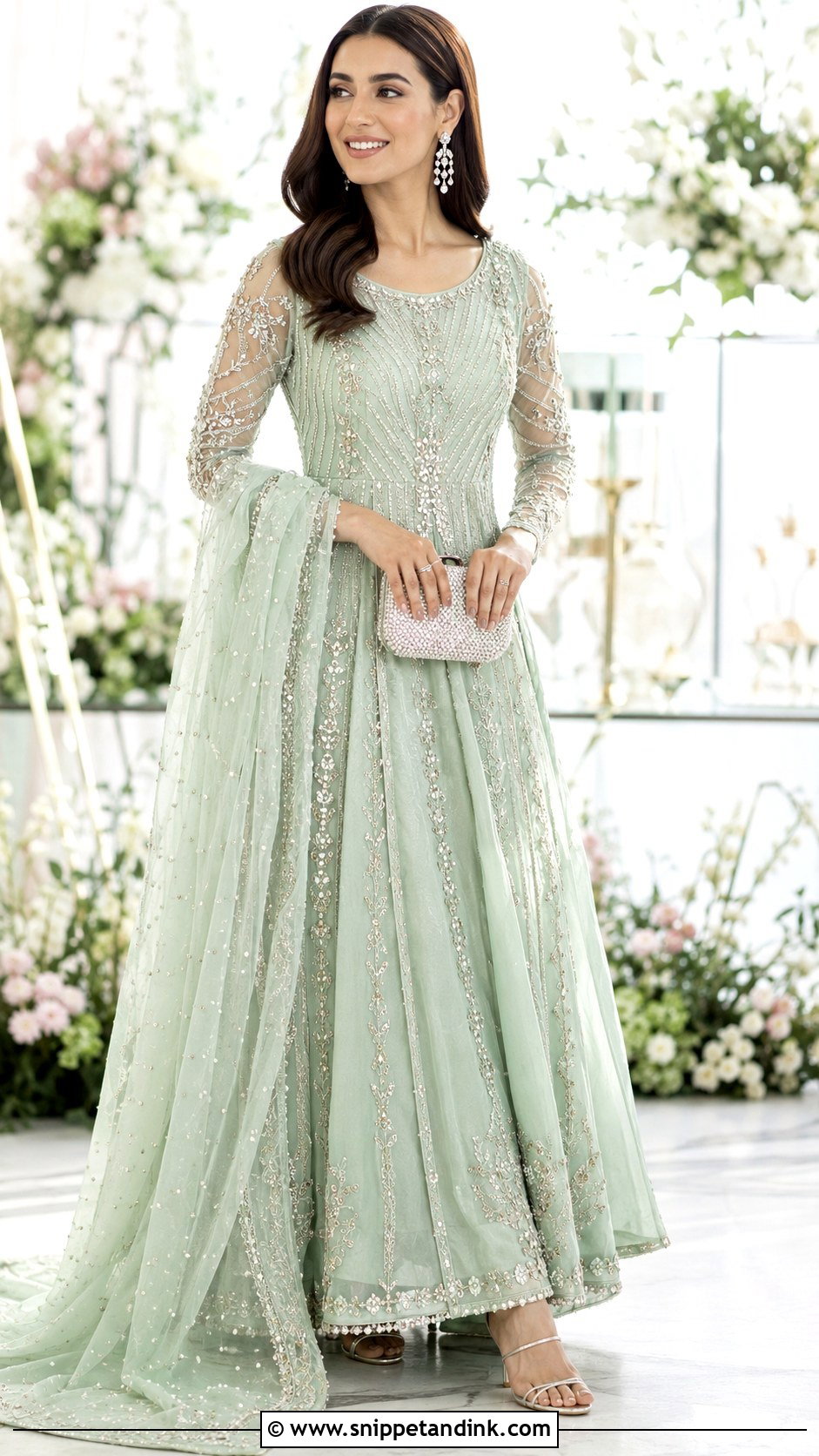
Mint green is a cooler take on her softer reception style, and it shifts a lot under different lighting, so I look at the fabric under the venue’s lights whenever I can. A floor-length gown with a structured bodice, full skirt and scattered silver embroidery works well. Sheer sleeves, pearl details and a lightly worked waist give it shape while keeping it airy. Carry the dupatta over one arm rather than covering the gown. A silver choker, crystal earrings, pointed metallic heels and a beaded clutch, with soft waves or a half-up style, suit a daytime walima or spring reception.
9. Iqra Aziz Red Bridal Sharara
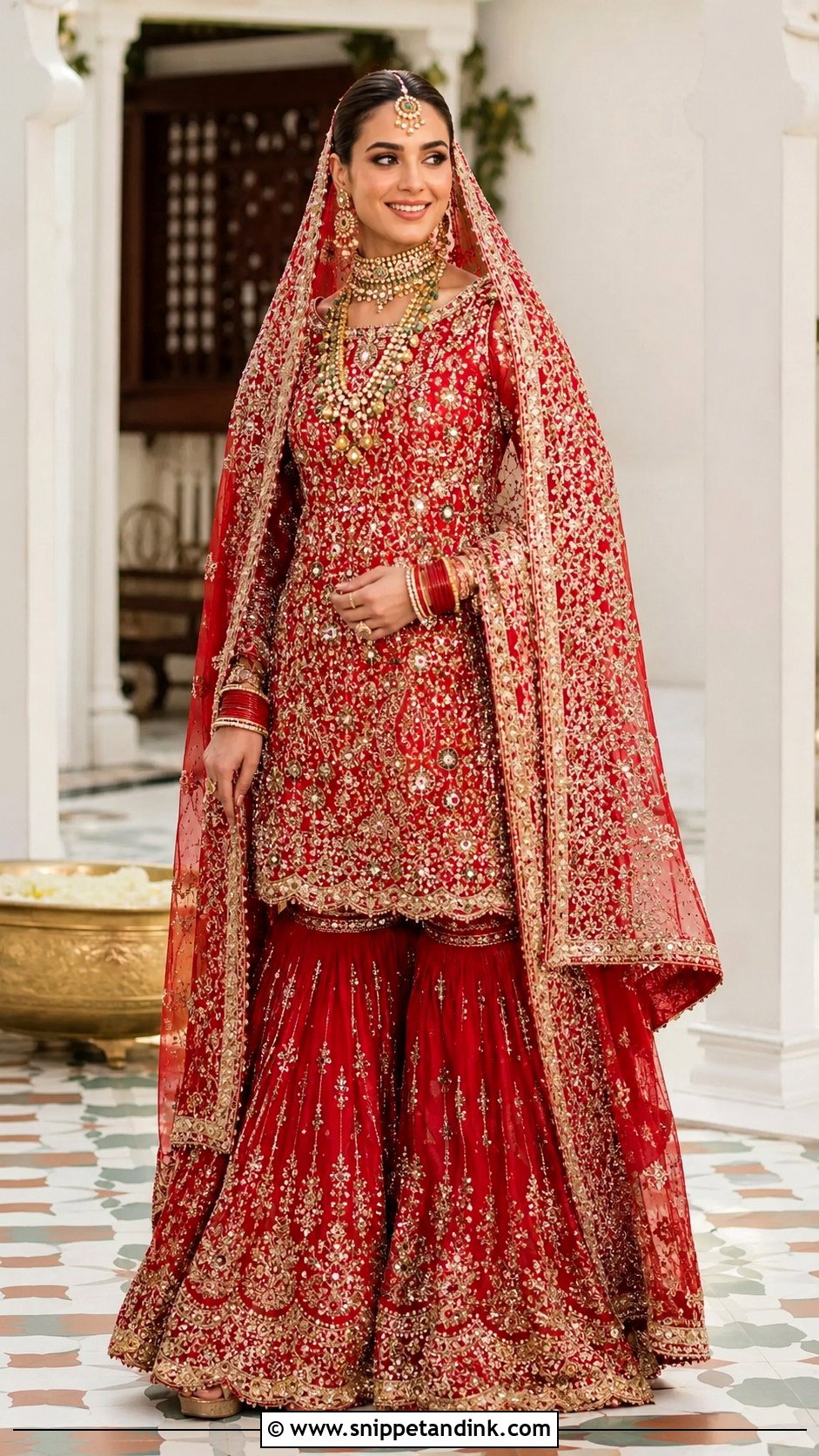
A sharara changes the silhouette while keeping full bridal colour. The flare starts at the knee, so the embellishment belongs on the knees and lower panels; work placed higher just disappears into the folds. Pair a heavily embroidered knee-length kameez with the sharara in tonal red thread, sequins and fine gold, echoing her love of saturated bridal colour. Wide sharara legs catch heels, so I steer brides toward embroidered platform sandals and a hem that stops at floor level, not past it. A cutwork dupatta over the head, a kundan choker, long necklace and red bridal bangles complete it for a traditional nikkah or baraat ceremony.
10. Iqra Aziz Champagne Bridal Lehenga
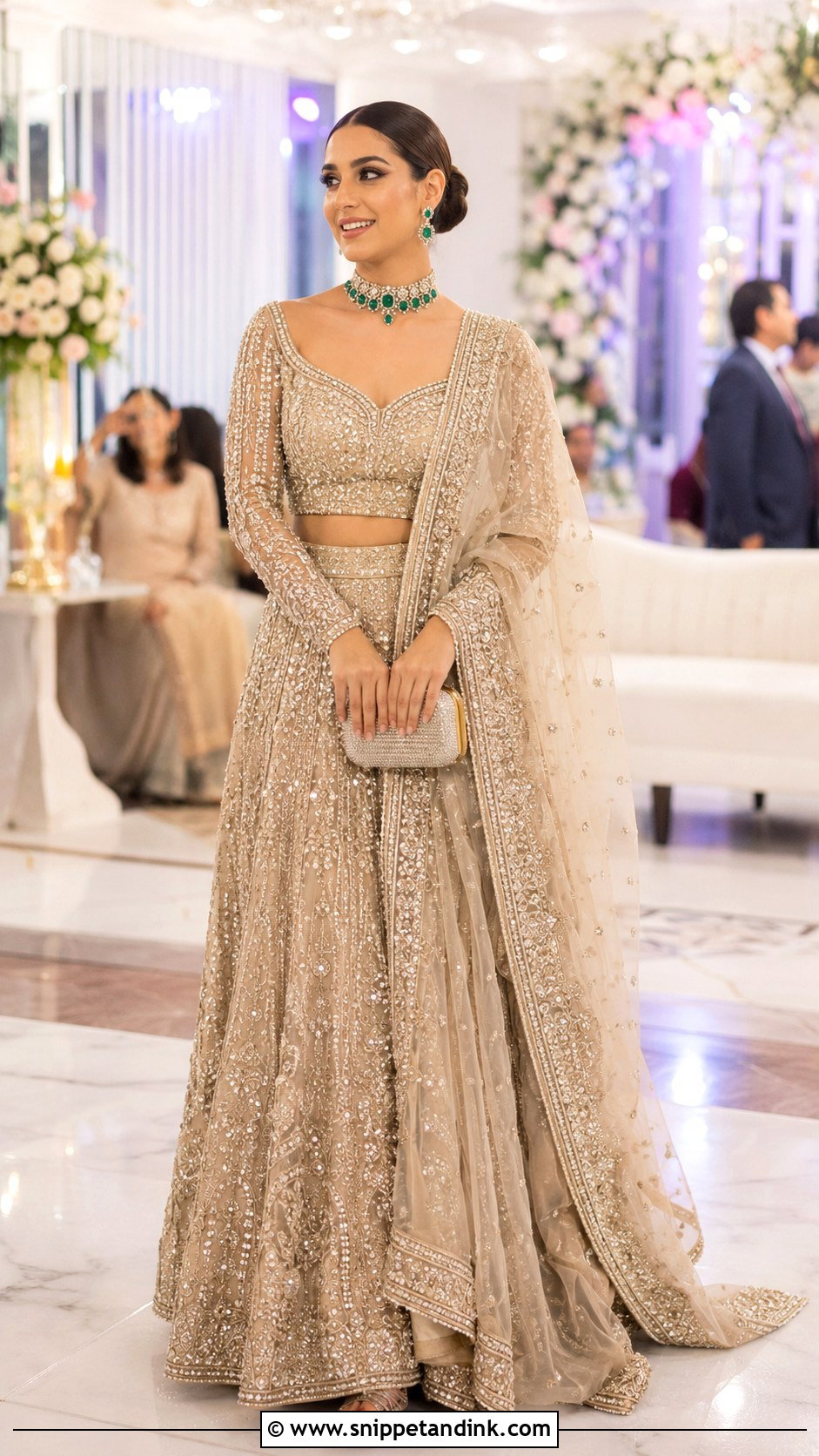
Champagne sits between white and gold, which is why I suggest it to brides who find white too plain and gold too loud. Choose a champagne lehenga with ivory threadwork, crystals and restrained metallic embroidery, a fitted long-sleeve blouse and a sheer matching dupatta with a defined border. It suits indoor receptions and evening walima events. The jewelry decides the mood here: emerald gives contrast, diamonds and pearls keep it tonal. Champagne can turn beige under warm hall lighting, so ask your photographer how they plan to balance the room before you commit.
11. Iqra Aziz Coral Angrakha Pishwas
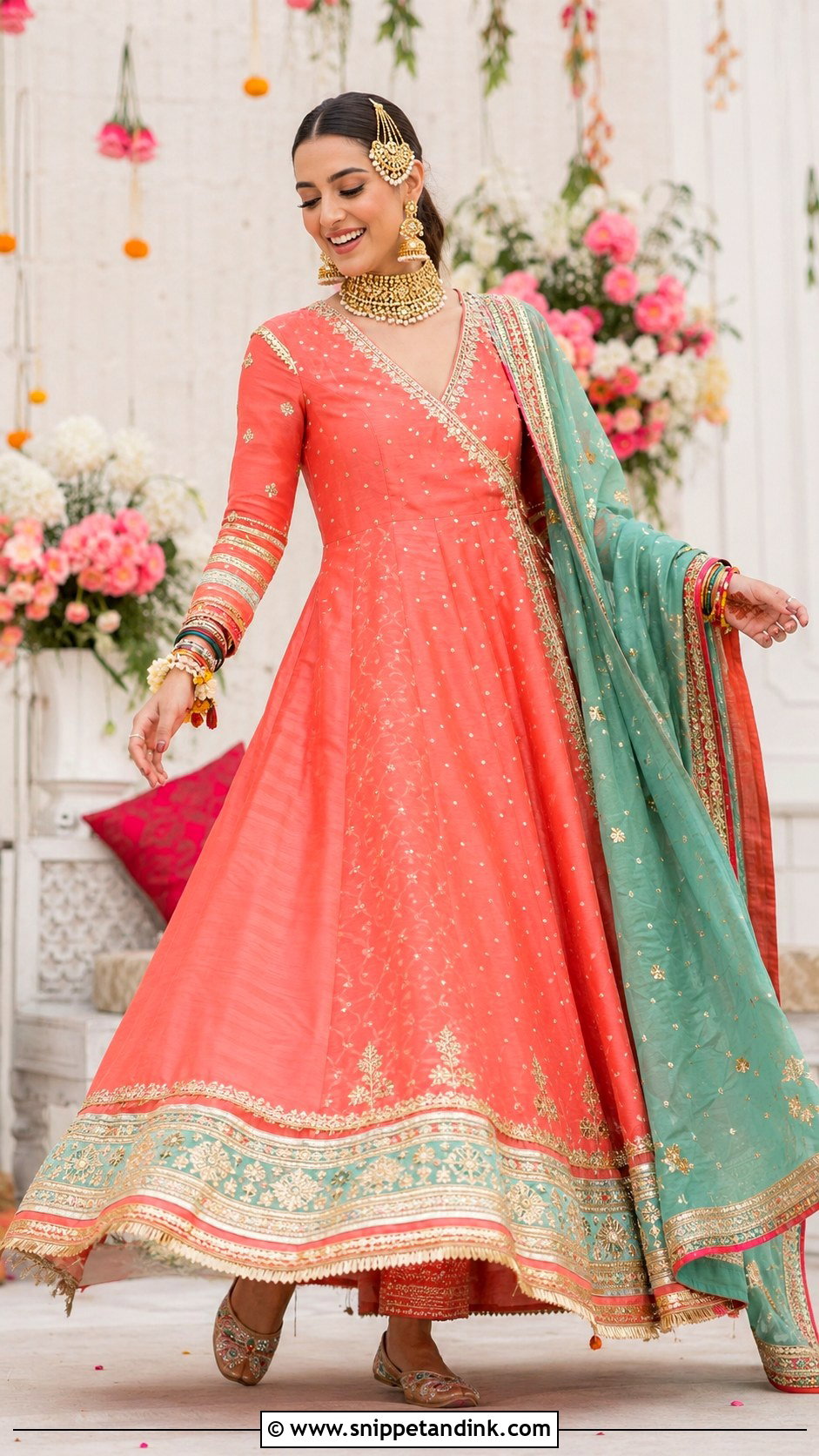
Coral is warm without the formality of deep red, and the angrakha wrap bodice flatters most figures because the diagonal overlap draws the eye inward. Look for a fitted waist and a wide skirt with gold gota, light sequins and small florals. The dupatta changes the event: turquoise or lime pushes it toward a mehndi, while a matching coral one reads as engagement wear. Ask for a hidden hook under the angrakha ties. Ties alone loosen as you move, and by the second hour the wrap starts gaping. A gold choker, jhumkas, colorful bangles, khussas and a loose braid with small flowers keep it light.
12. Iqra Aziz Emerald Green Pishwas
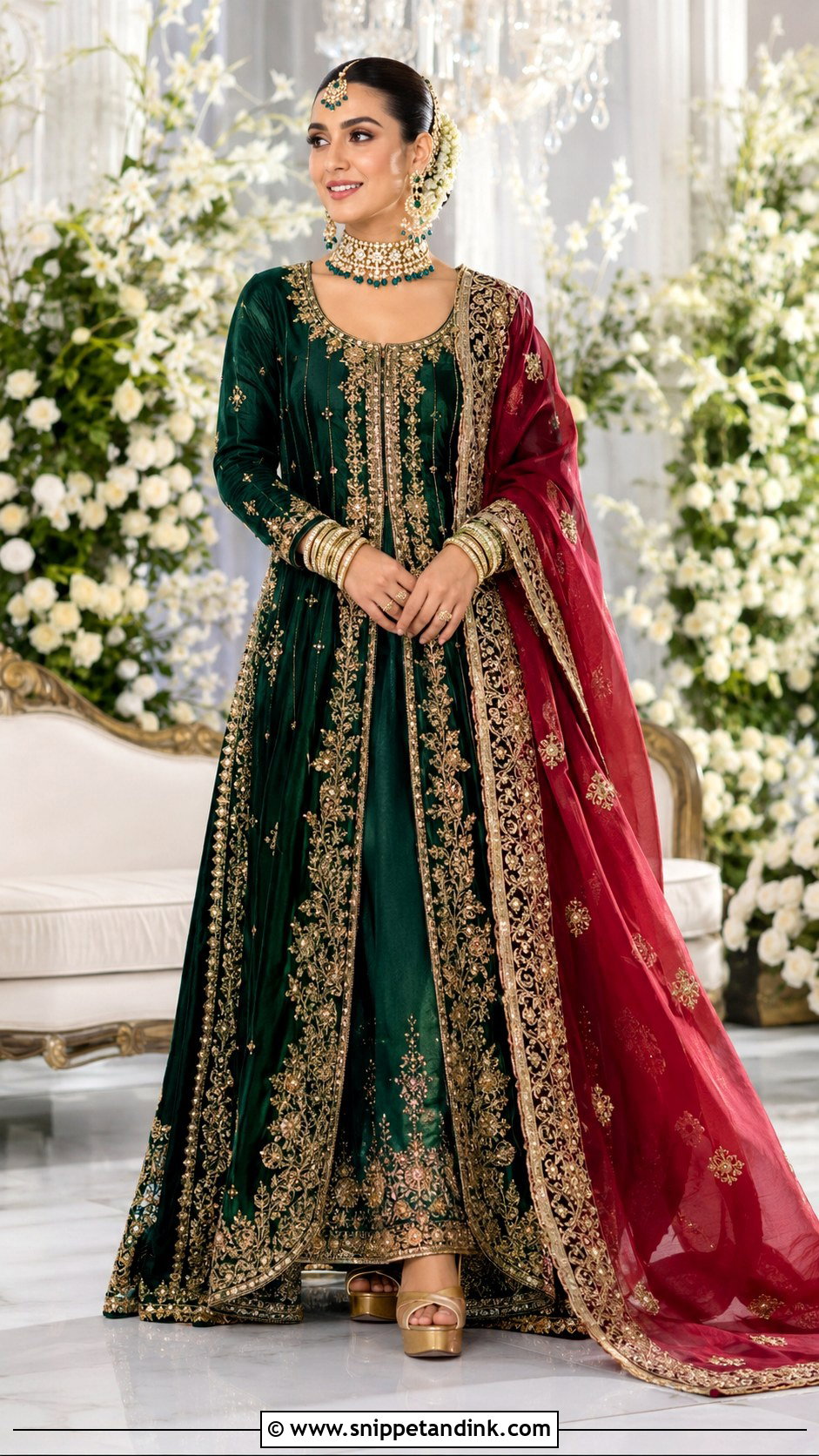
Emerald is the jewel tone I find most forgiving across skin tones, and in a pishwas it suits a formal mehndi, engagement or evening nikkah. Choose a full-length design with a fitted bodice, long sleeves and antique gold borders, keeping zardozi and sequins at the neckline and hem so the middle stays clean. A matching organza dupatta is subtle; a deep red one gives classic contrast. Add a kundan choker, a small passa, stacked bangles and gold heels. Bronze lids, defined liner and a berry lip hold their own against the deep green, which is a real alternative to red in photographs.
13. Iqra Aziz Powder Blue Walima Maxi
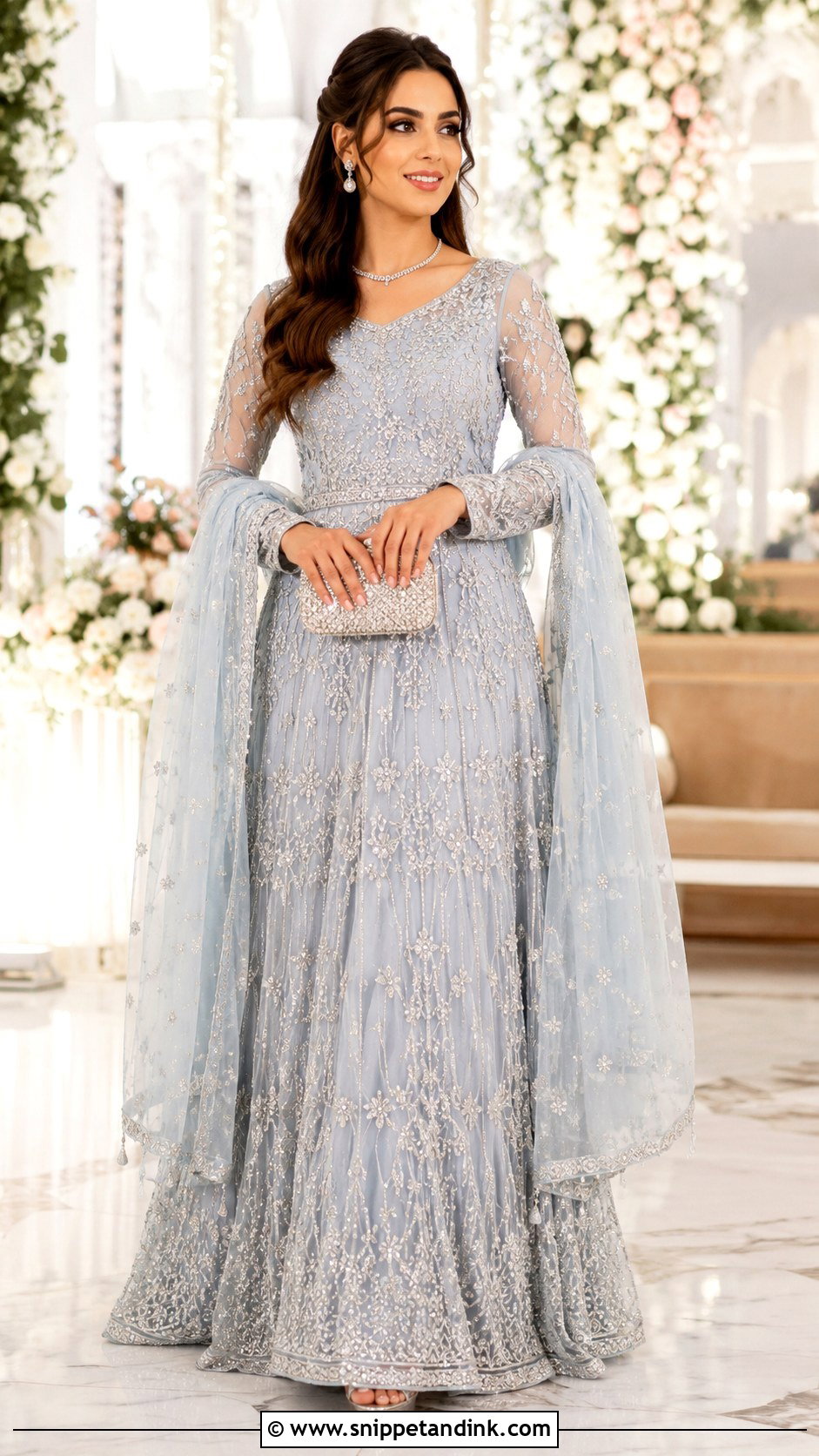
Powder blue belongs in daylight, in a bright hall or outdoors. Pick an ankle-skimming or floor-length maxi with a fitted waist, flowing skirt and delicate silver embroidery, with pearl accents, sheer sleeves or a scalloped neckline to make it bridal without adding weight. Pale blue chiffon shows every water mark and sweat line, so for a summer walima I’d choose lined organza instead. Wear the dupatta over one shoulder and across the opposite arm. Pearl drops, a slim diamond necklace, silver heels and a half-up style with soft curls finish a look that feels modern and easy to wear.
14. Iqra Aziz Fuchsia Mehndi Gharara
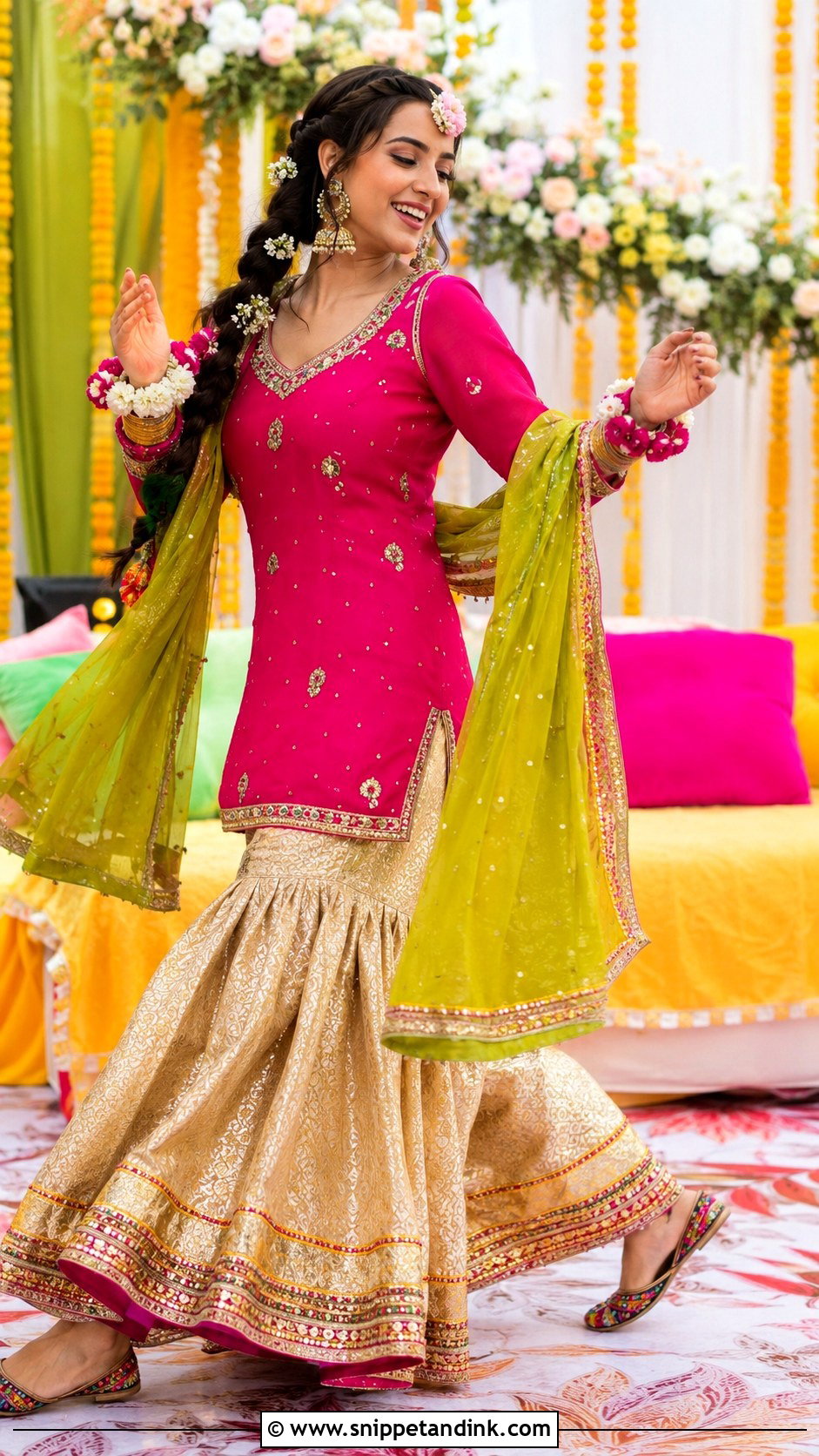
Fuchsia is a confident pick for a mehndi outfit because it stands clear of the green, yellow and floral décor that fills most mehndi stages. Pair a short embroidered kameez with a dramatic gharara banded in gold gota and multicolored thread, then add a lime, orange or turquoise dupatta. Layered gota bands make a full gharara heavy, so I have the tailor add hooks at the waist along with the drawstring; a drawstring alone sags once the dancing starts. Oversized jhumkas, floral wrist pieces, mixed bangles and colorful khussas suit it. A long braid with tiny flowers stays put through the whole evening.
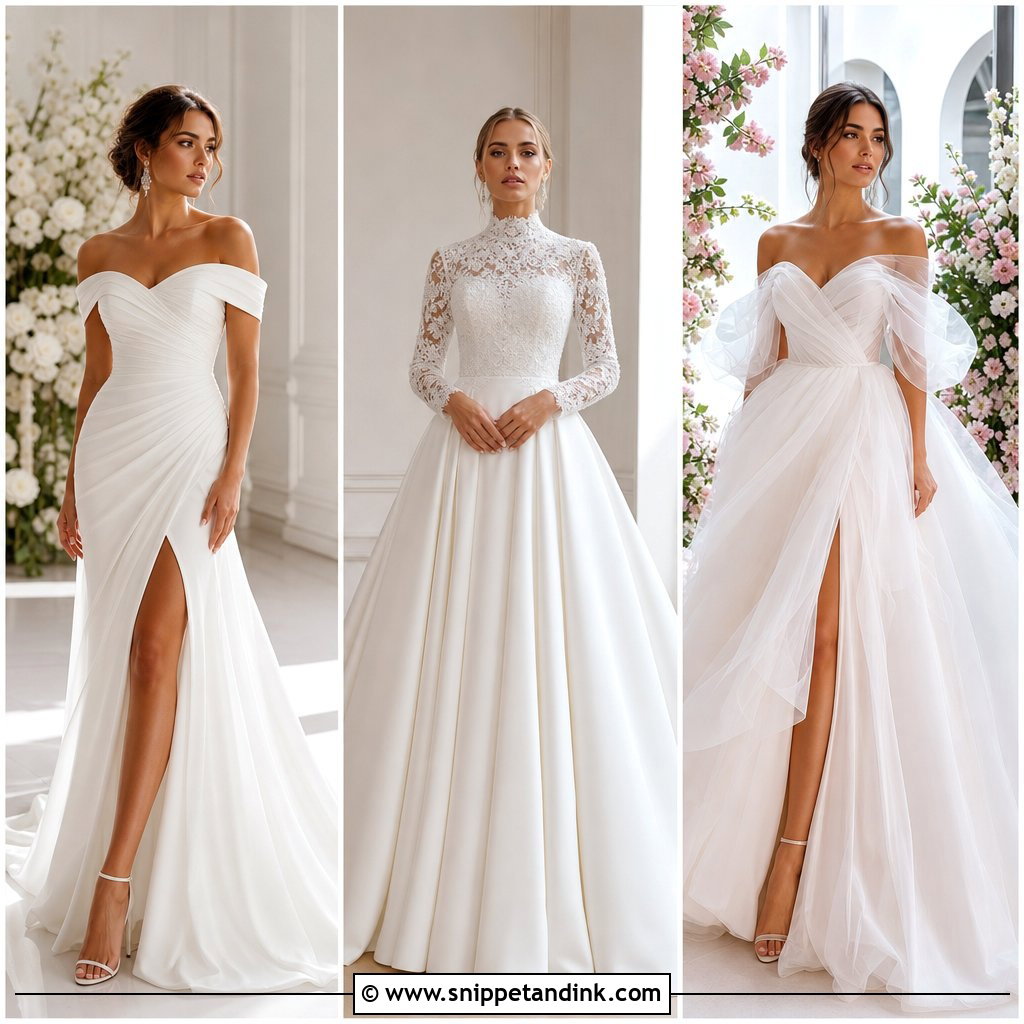
15. Iqra Aziz Ivory Bridal Saree
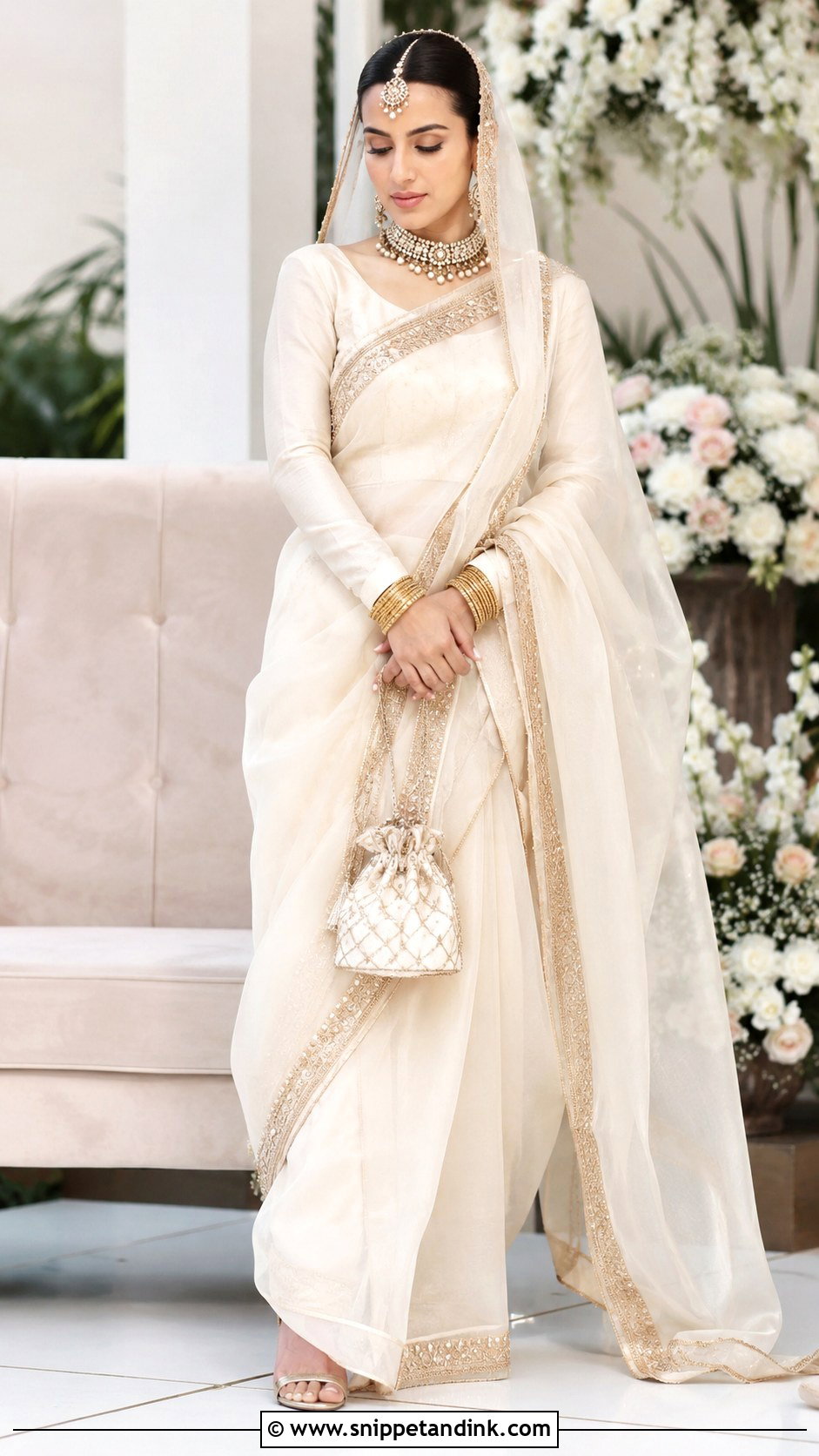
An ivory saree is the most minimal option in this list, right for a small nikkah or a modern reception. Organza, tissue and silk with an embroidered gold border all work, but they drape differently: tissue holds crisp pleats, silk falls softly, and organza puffs unless it is pinned firmly. Pair it with a fitted blouse with elbow-length or full sleeves. The pallu goes over the head for the ceremony and is re-pinned over the shoulder for the reception, so have someone who can drape a saree with you for that change. A pearl-and-kundan choker, gold bangles and a structured potli complete it.
16. Iqra Aziz Gold Tissue Lehenga
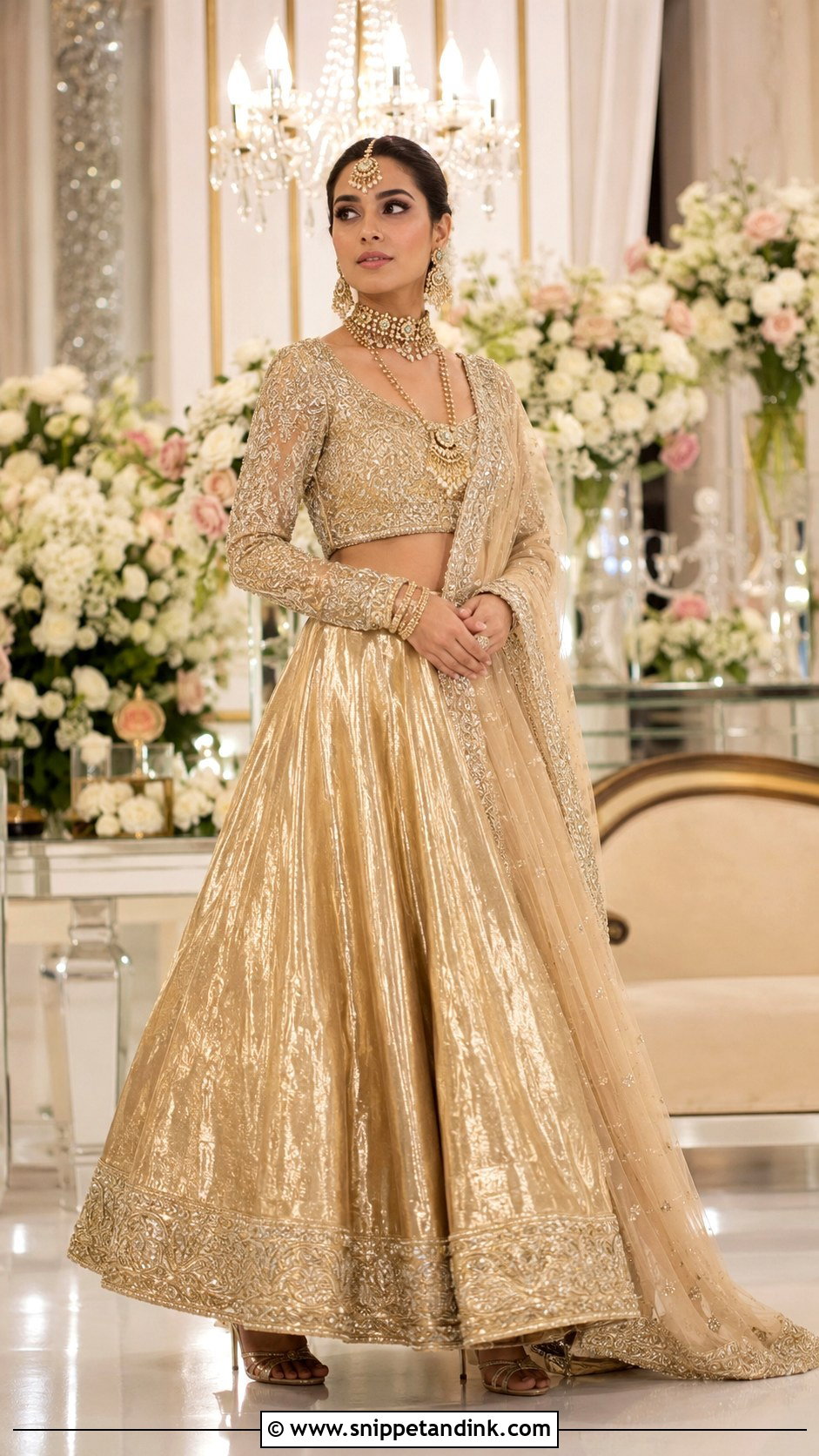
Gold tissue gets its impact from shine rather than dense embroidery, which keeps the weight down. Choose a full skirt with a broad embellished border and a fitted blouse with delicate zardozi and pearl work, softened by a sheer gold-beige dupatta. Tissue creases sharply and every crease catches the light, so roll it in acid-free tissue paper for travel and hang it the night before. Small red details in the border, bangles or lipstick bring in tradition. An antique gold choker, layered necklace and smooth low bun keep attention on the fabric at an engagement, nikkah or evening reception.
17. Iqra Aziz Rust Orange Dholki Lehenga
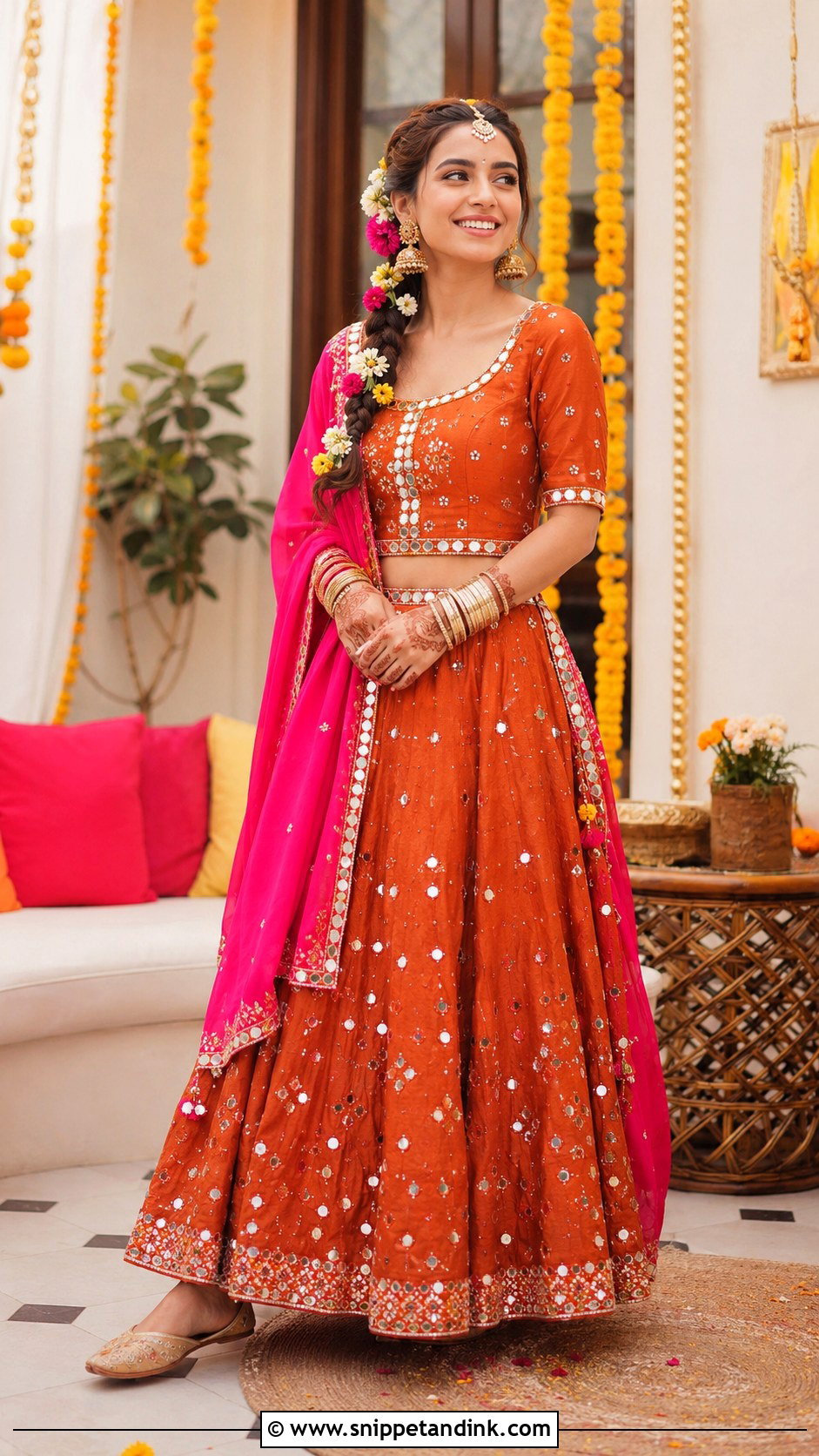
Rust orange is warm and informal, an easy outfit for a dholki or a small pre-wedding evening at home. Start with a lightweight lehenga with small mirror details, gota borders and touches of magenta or green, then a short orange blouse and a pink dupatta draped loosely. At a dholki the bride sits on the floor near the drum for long stretches, so I drop the train and the heavy underskirt entirely. Oxidized gold jhumkas, flat khussas and a side braid with floral pins carry the cheerful colour she favours in her traditional wardrobe.
18. Iqra Aziz Plum Bridal Maxi
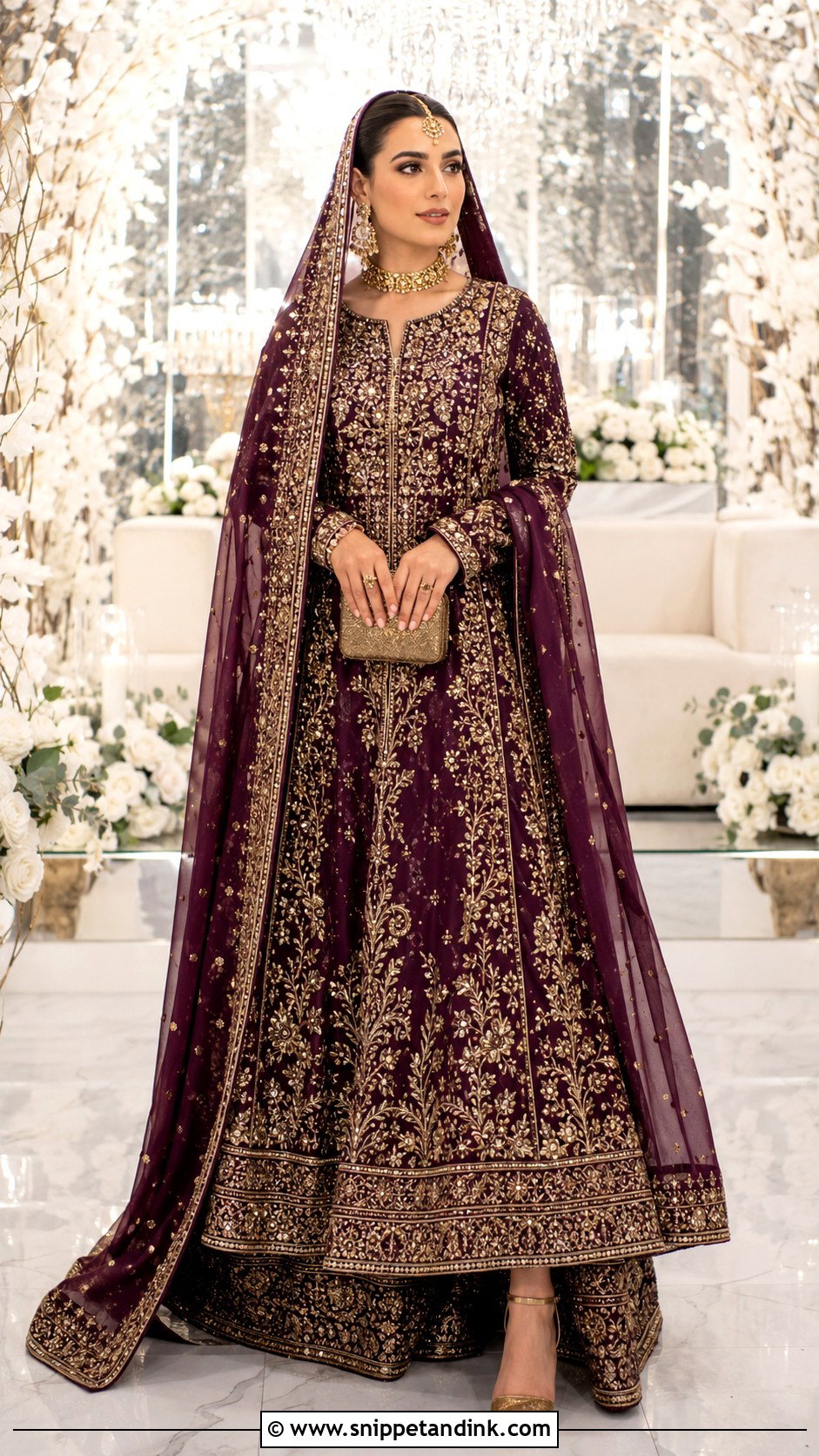
Plum gives you evening drama without going to red or black. A floor-length maxi with a structured bodice and full skirt in tonal embroidery takes antique gold thread and small crystals well, because the deep base makes metal glow. Plum is also one of the colours most likely to vary between dye batches. If the dupatta is made separately, see it next to the maxi in daylight before it is finished. Wear the sheer plum dupatta with its wide border over the head for the ceremony, with an antique gold choker and centered tikka, for an evening nikkah or winter reception.
19. Iqra Aziz Peach Floral Lehenga
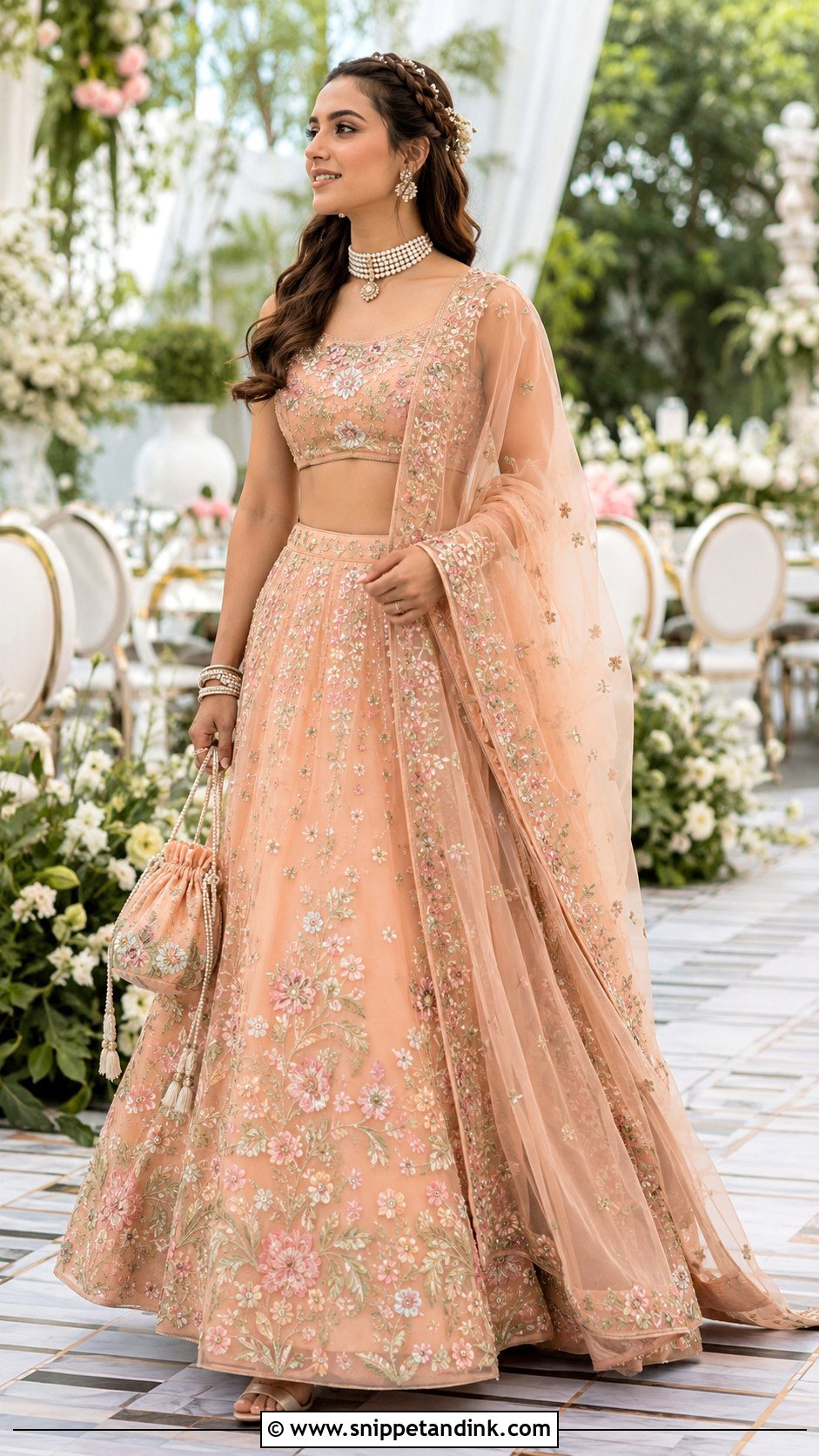
Peach florals are my usual suggestion for a garden engagement or daytime reception. Choose a flowing skirt embroidered with ivory, pink, mint and soft gold flowers, a fitted peach blouse and a sheer dupatta with a delicate floral border. Keep the work light. Once a peach lehenga gets heavily encrusted it loses the airiness that made it worth choosing. On grass, block heels or flats are kinder than stilettos, which sink. Pearl earrings, a fine necklace, a pastel potli and a low bun with tiny flowers are enough.

20. Iqra Aziz Red Green Bridal Gharara
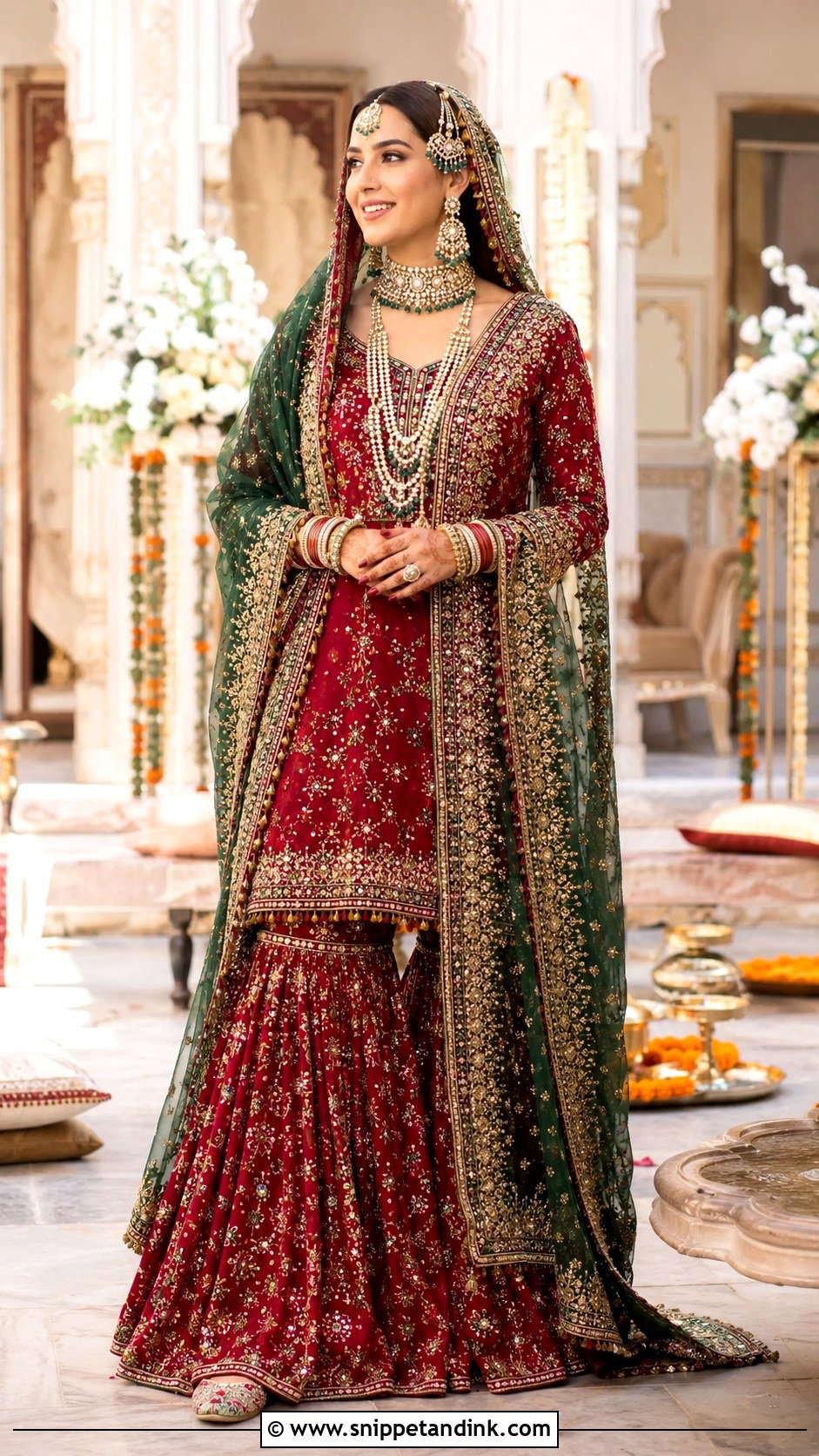
For a deeply traditional finish, a red gharara with emerald borders draws on the classic bridal wardrobes she has worn on screen: gharara silhouettes, covered heads, layered jewelry and richly coordinated colour. Choose a long red kameez with gold embroidery, a flared gharara and a dupatta edged in green. This carries the heaviest jewelry list in the post: kundan choker, long mala, jhumkas, jhoomar, maang tikka and red bangles. With a jhoomar on one side and a tikka in the centre, I always build a center-parted bun first and anchor both pieces into it. Pinned into loose hair, they pull and slip within the hour.
Ordering Embroidered Bridal Wear Months Ahead
Hand embroidery is slow. Zardozi, dense tonal threadwork and cutwork dupattas are done by hand, and established designers usually want a bridal order several months before the wedding, often four to six. Smaller workshops can be quicker, but they also have busy seasons around the winter wedding months when everything slows.
If you live abroad
Many brides order from Pakistan while living overseas. Measurements taken at home by a friend are a common source of trouble, so have a local tailor measure you properly and send a well-fitting blouse as a pattern. Allow time for shipping and customs, and leave a few weeks for a local alteration once the outfit arrives.
Wearing a Heavy Dupatta on Your Head All Evening
A fully worked bridal dupatta can weigh as much as a small handbag, and it hangs from a few pins. The base matters more than the pins. I ask the hairstylist for a firm bun set slightly lower than usual, so the dupatta has something solid to grip, and I pin through the fabric into the bun rather than into loose hair.
Pin at the crown and behind each ear, then let the border fall evenly over the shoulders. Bring a light second dupatta in the same colour for dinner or the drive home. After five hours of a heavy one, most brides are very glad to switch.
Taking Her Colours Into Your Own Wedding Week
Use her wardrobe as a reference for colour and proportion, not a pattern to copy. Across the mayun, dholki, mehndi, nikkah, baraat, engagement and walima there is room for traditional red lehengas, ivory ghararas, pastel maxis, colorful pishwas dresses and sarees. Adjust fabric weight, sleeve length, neckline and footwear for your body, venue and weather. Then wear each finished outfit, jewelry and dupatta included, for an hour at home. That hour tells you more than any photograph will.
You'll Like These Ideas:



Leave a Reply