
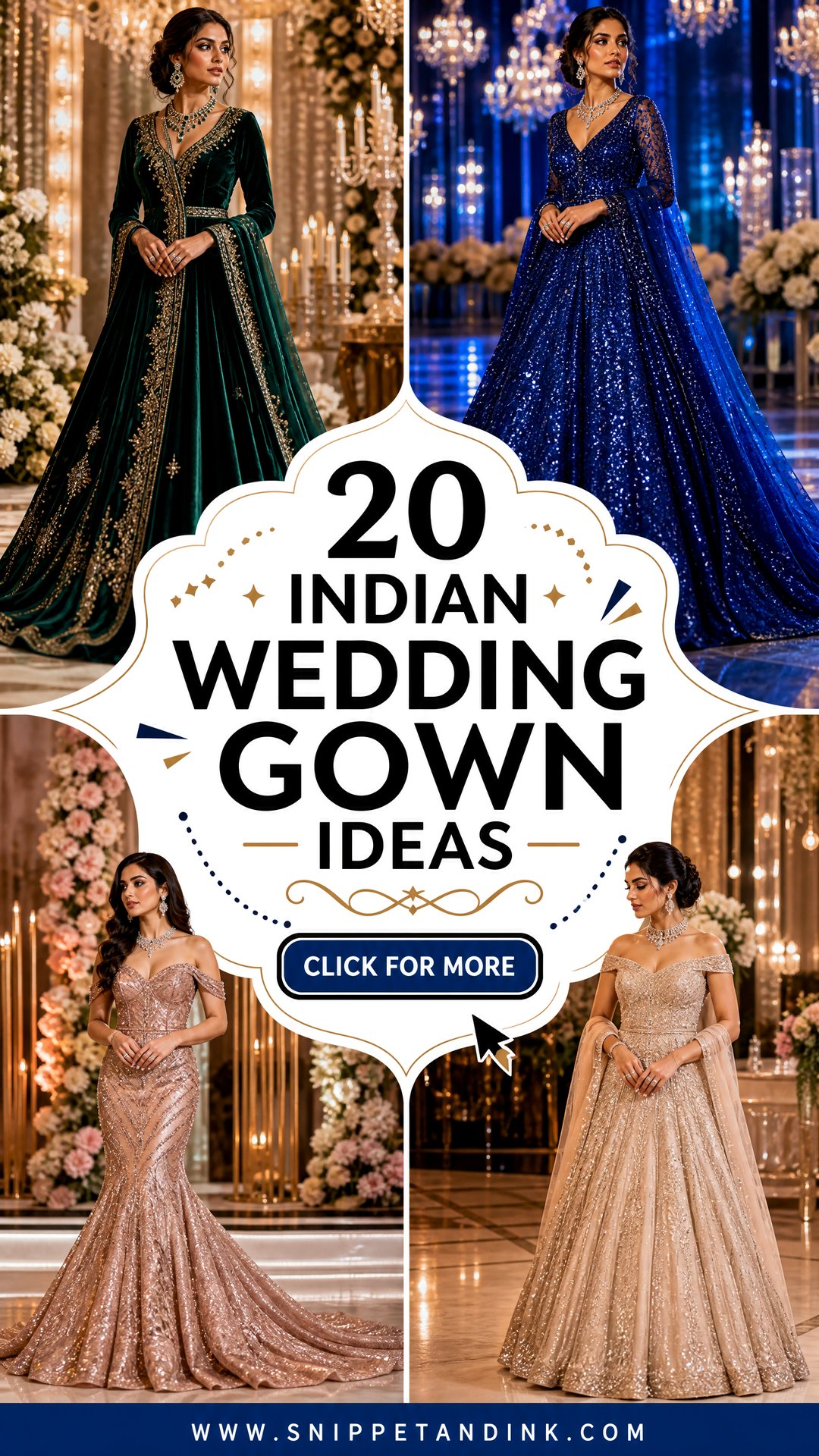
Indian wedding gowns take a Western silhouette and dress it in the color, embroidery and handwork of traditional Indian clothing. They’ve become a favorite for receptions, sangeet nights, engagements and more contemporary ceremonies, partly because one garment is far easier to manage than a lehenga, blouse and dupatta. The range is wide, from red zardozi to pastel florals, so there’s a cut for most bodies and most events. What I look at first is whether you can walk, sit for photos and dance in it. After that come the venue, season, dress code, fabric weight and how much embellishment you want. Jewelry, shoes and hair should support the gown rather than compete with it. Here are twenty complete looks, each with the fitting detail I’d check.
Ready-Made or Made to Measure?
Most gowns in this style are either bought ready-made and altered, or made to your measurements by a designer or boutique. Each route has its own trade-offs, and the embroidery is usually what decides it.
When ready-made works
A ready-made gown is fine if it fits your largest measurement and needs taking in elsewhere. Taking in side seams is routine. Letting out is limited by how much seam allowance is left inside, which on many embroidered gowns is very little.
The hem is the trap. If the gown has a heavy embroidered border at the bottom, shortening it means unpicking and re-attaching that border, which is slow and sometimes impossible to do invisibly. If you’re petite and in love with a bordered gown, ask about the hem before anything else.
When made to measure is worth it
Corset bodices, mermaid cuts and anything with embroidery that has to line up across seams fit far better when they’re cut for you. Lead times vary widely between designers and get longer in wedding season, so I’d start the conversation several months ahead and ask for at least two fittings in the schedule.
1. Red Embroidered Indian Wedding Gown
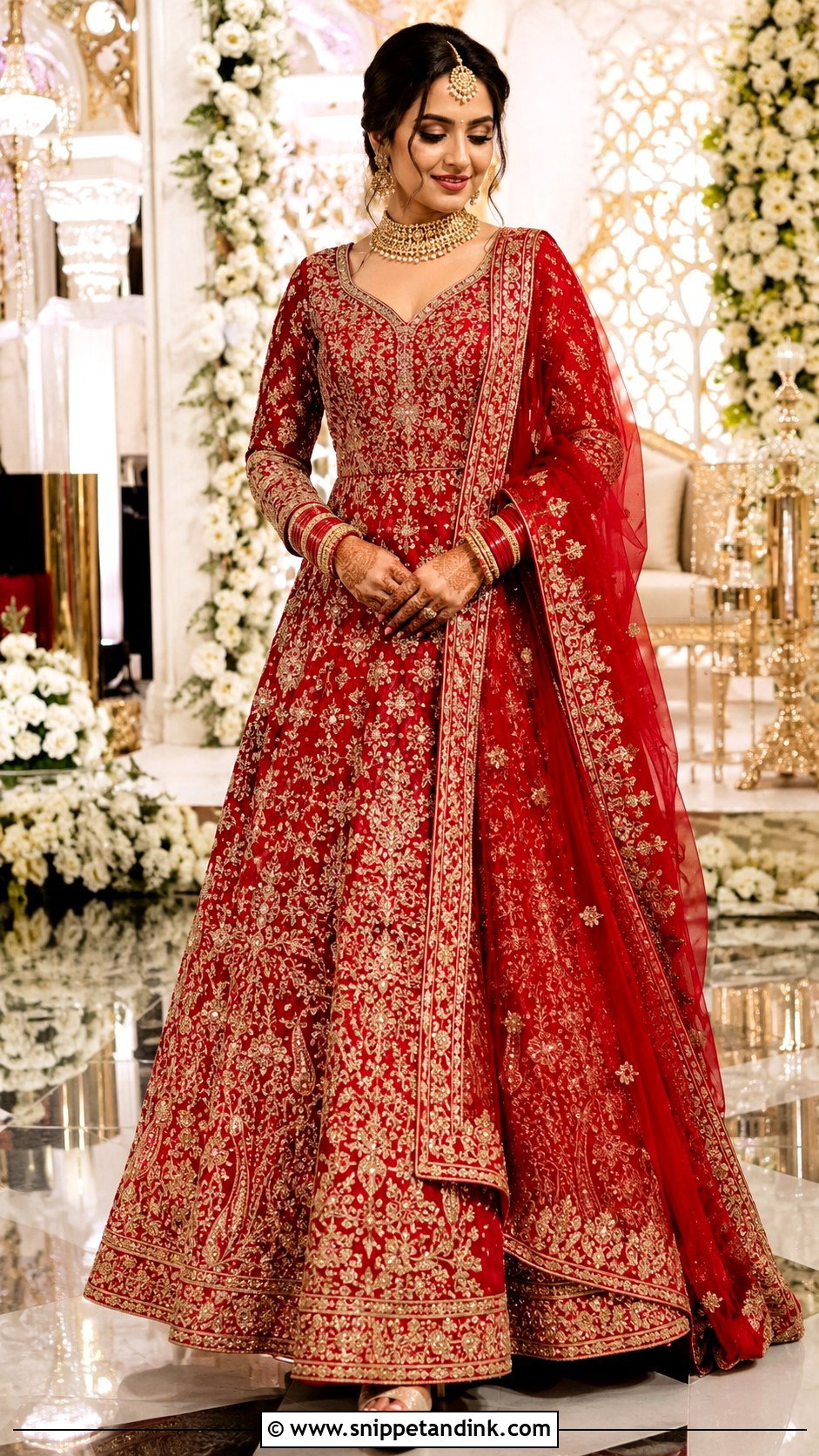
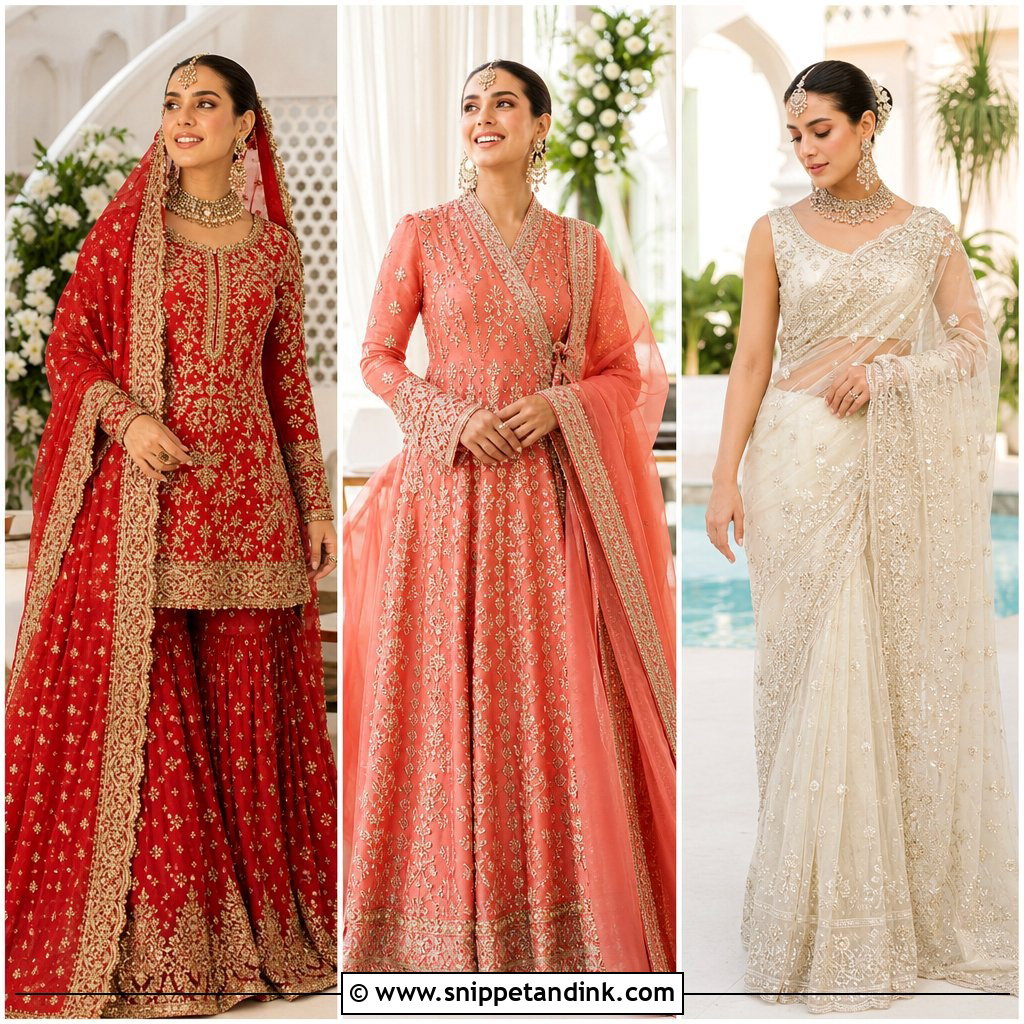
Red embroidery on a gown gives you bridal grandeur without the layers. An A-line or softly flared shape with gold zardozi, threadwork, sequins or beading at the bodice and hem is the classic version, with a fitted waist for definition and a full skirt that moves through the ceremony. A gold choker, matching earrings, a maang tikka and stacked bangles complete the jewelry. Gold platform heels give height and feel steadier under a long skirt than stilettos. A sleek bun with fresh flowers finishes it. If the family wants a traditional touch, I add a sheer embroidered dupatta over one shoulder, pinned at the back so it doesn’t hide the waist.
2. Ivory Zardozi Indian Wedding Gown
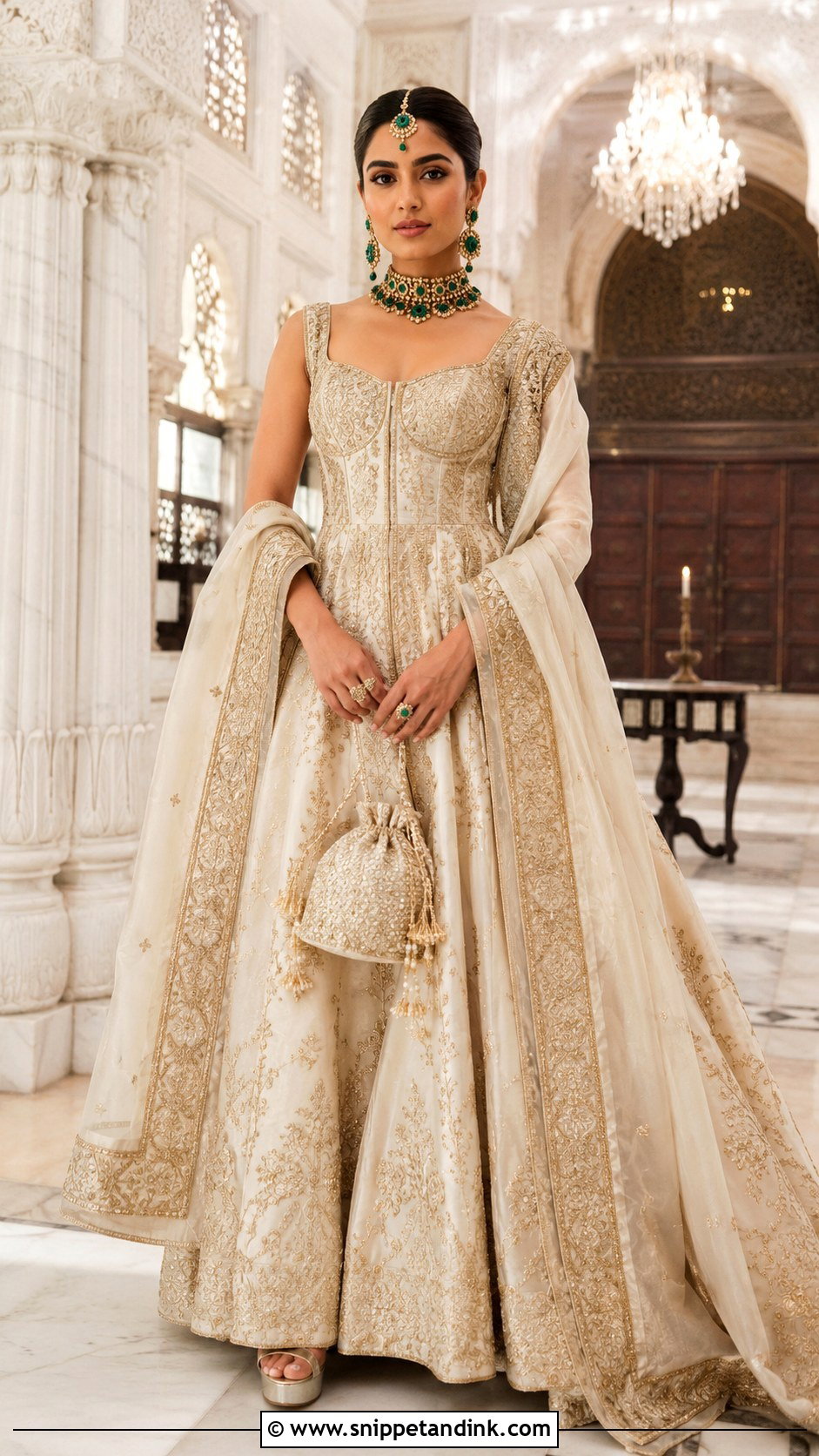
Gold zardozi on ivory looks rich because the pale ground lets every raised thread cast a small shadow. The gown is most refined when the work is concentrated at the neckline, bodice, sleeves and lower skirt rather than spread evenly. A structured A-line suits a formal ceremony; a lighter flowing cut suits the reception. Antique gold jewelry, pearl drops and an embroidered potli are enough, with metallic block heels under the hem and a center-parted low bun with neutral makeup. If you want more color, emerald bangles or a deep green stone necklace bring it in. Ivory isn’t welcome at every ceremony, so check with the family first. Zardozi is heavy, too; I’d lift the gown by the shoulders before trying it on.
3. Blush Pink Floral Indian Wedding Gown
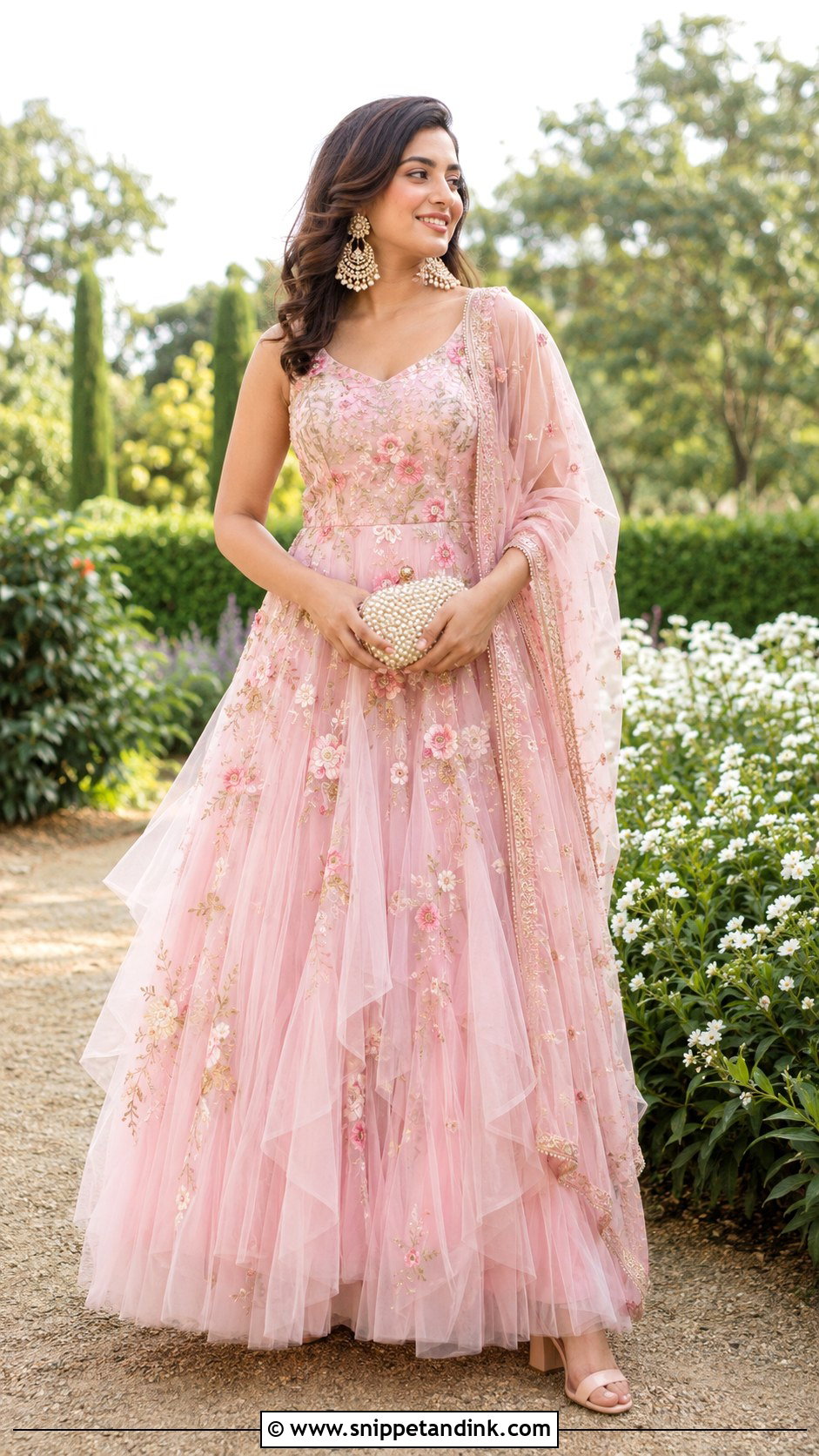
Blush with dimensional flowers belongs in daylight, at a garden reception or an engagement lunch. Look for a flowing tulle, net or organza skirt with raised blooms in pink, peach, ivory and muted green, and a fitted bodice that keeps the waist clean. Rose gold earrings, a slim bracelet and a small pearl or beaded clutch finish it. Nude block heels lengthen the leg and won’t sink into a lawn. Loose waves, a braided half-up style or a low textured bun suits the design, with rosy cheeks and a comfortable pink lip. Three-dimensional flowers flatten when you sit and lean back, so I’d keep the heaviest clusters off the back of the skirt.
4. Emerald Green Velvet Indian Wedding Gown
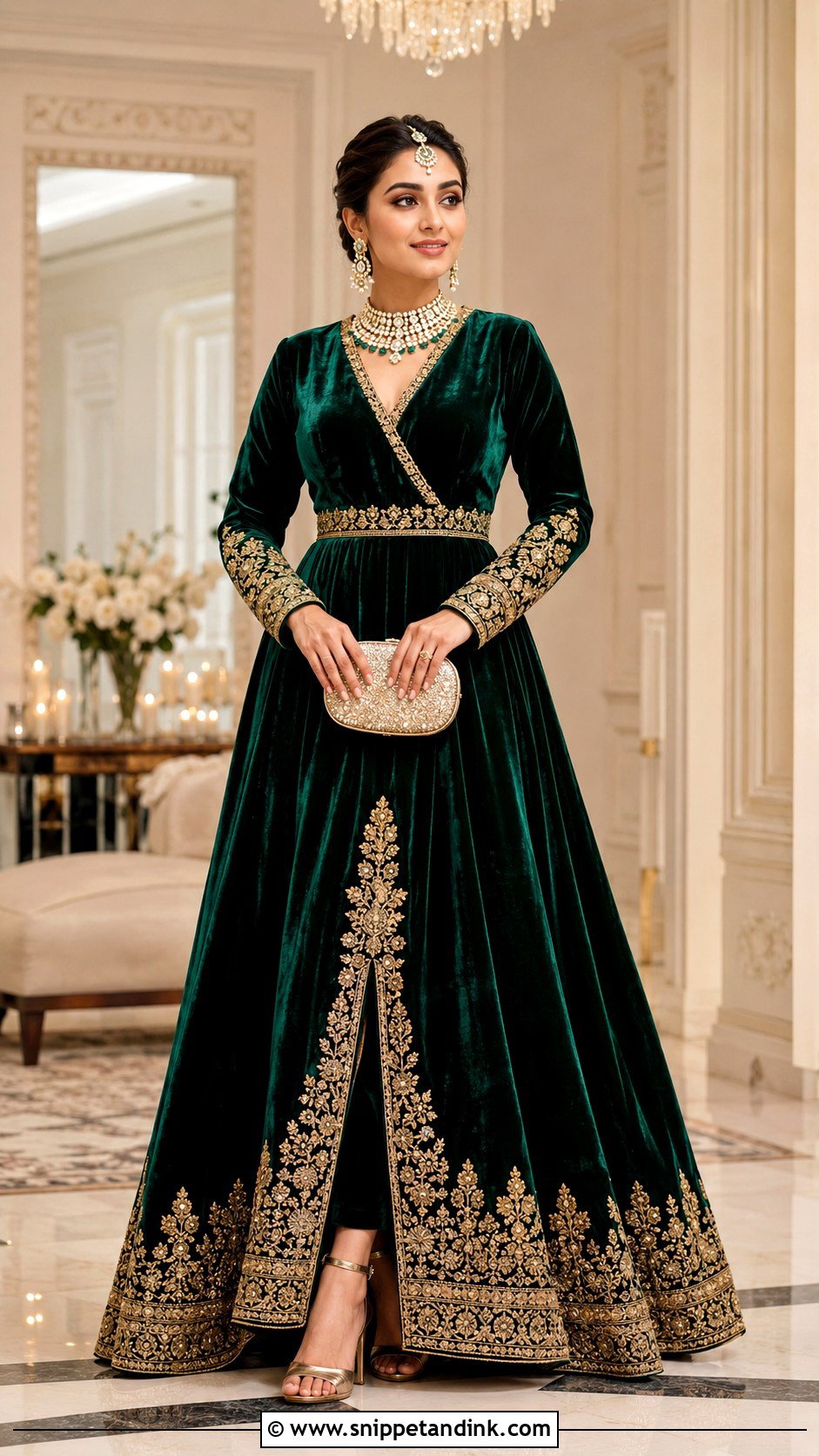
In cool weather, emerald velvet gives richness with very little decoration. Choose a defined waist, long sleeves and gold embroidery at the neckline, cuffs and skirt border. Velvet already has depth, so placed embroidery looks more expensive than all-over work. A kundan necklace, matching earrings and a few gold bangles complete it, with a structured metallic clutch for contrast against the soft pile. Gold heels or embellished juttis go under the hem, with a smooth low bun and warm makeup. Evening receptions and winter functions are its home. In a warm room it’s another story; velvet sleeves trap heat quickly, so ask about the venue before committing.
5. Royal Blue Sequin Indian Wedding Gown
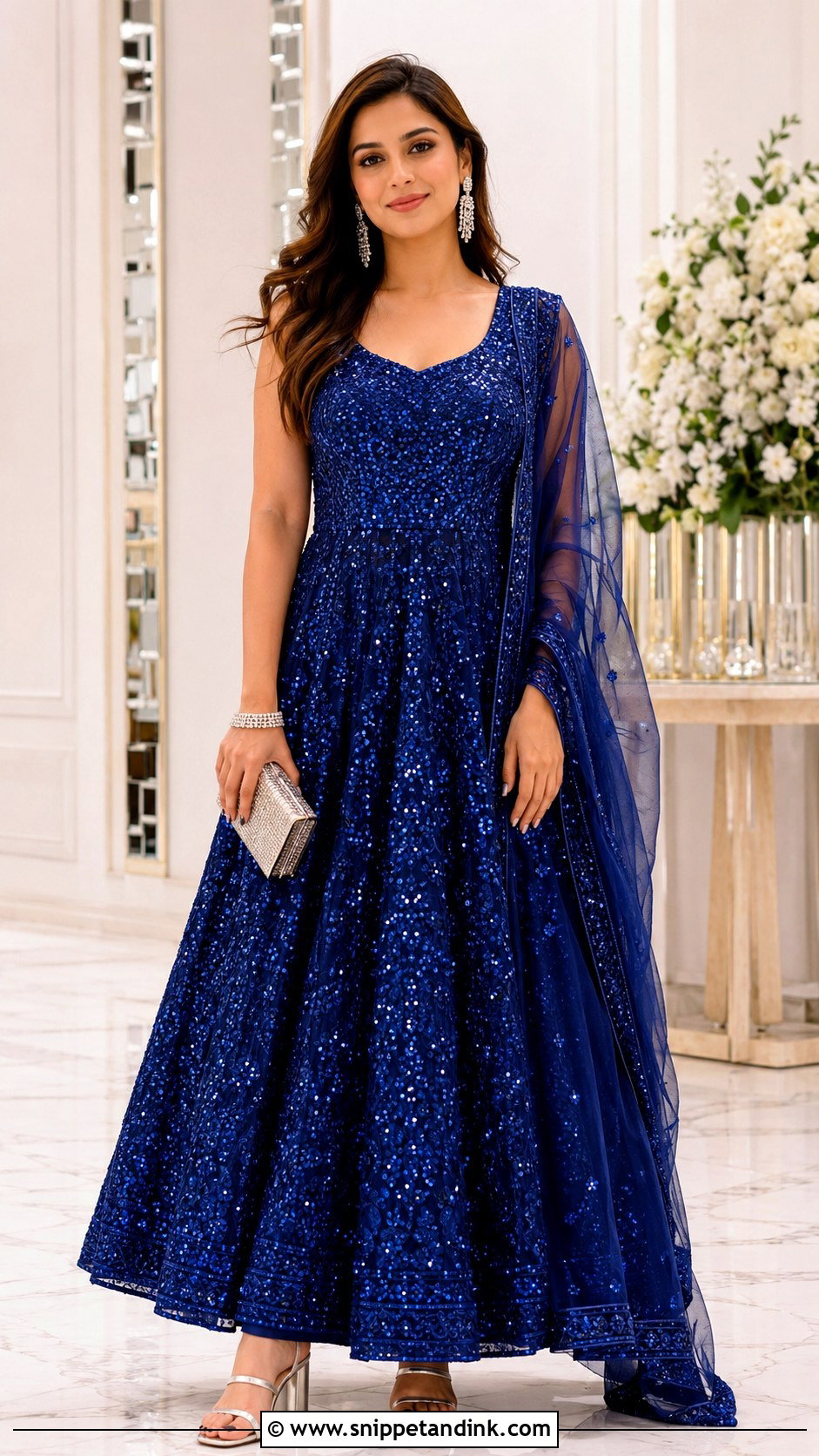
Scattered sequins, not a solid sheet of them, are what make royal blue look expensive. A clean floor-length A-line or fit-and-flare with balanced sparkle in silver, crystal or tonal blue catches evening light without turning into glare in flash photos. Drop earrings, a slim bracelet and a silver box clutch are enough, with metallic sandals or block heels that don’t add another color. A high ponytail feels young; side-swept waves feel more classic. Keep the necklace minimal if the neckline is decorated. My one fitting check with sequined gowns is the inside of the arms, where rough sequin edges rub through a long night; ask for a smooth lining at the underarm.
6. Gold Reception Indian Wedding Gown
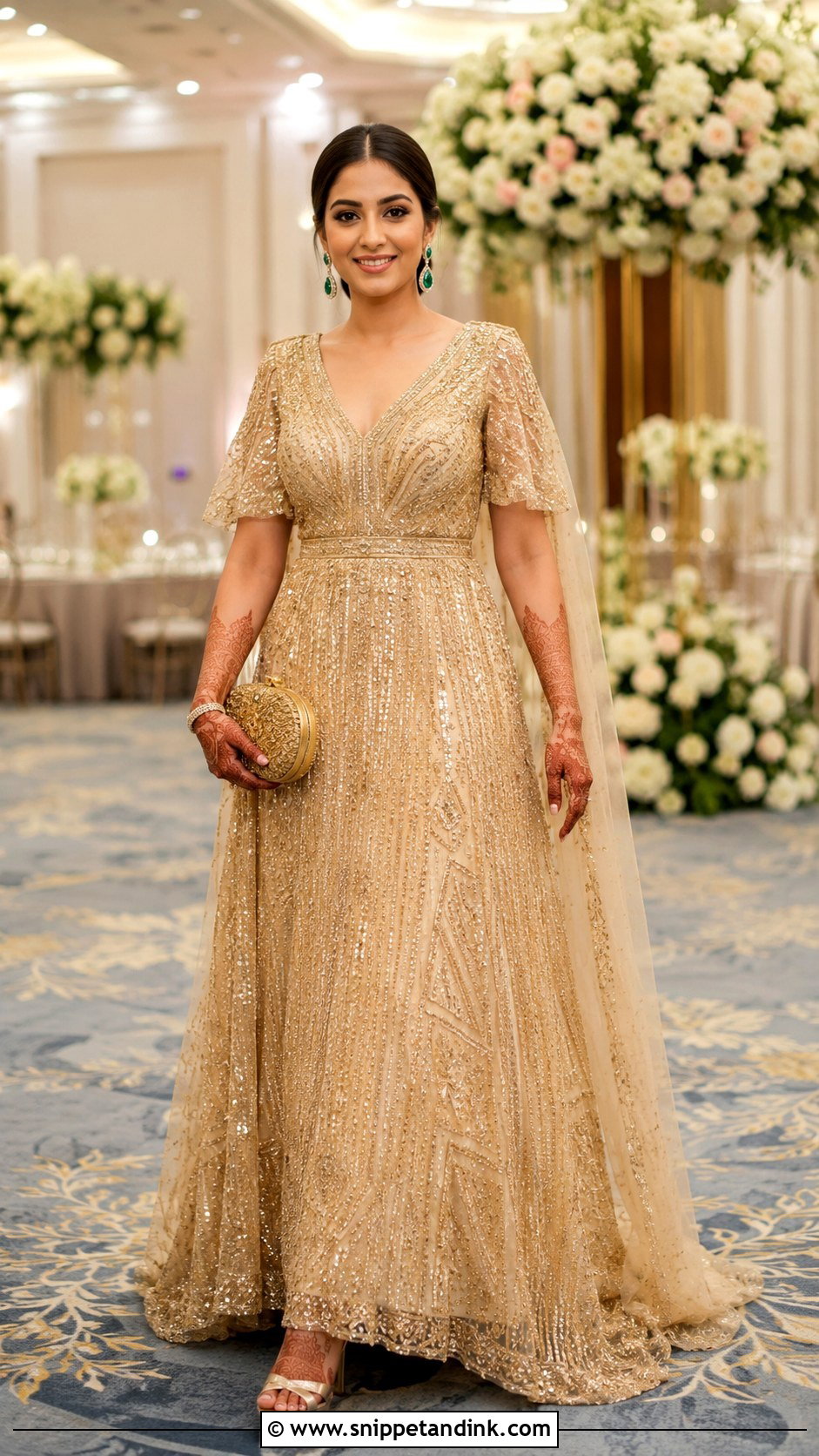
All-gold can tip into costume very quickly, so I look for a gown that mixes matte fabric with sequins, beads or metallic embroidery. That contrast is what keeps gold looking rich under bright ballroom light. A defined waist and gently flared skirt keep it balanced. Emerald earrings or ruby accents add controlled color. A small antique gold clutch and neutral-gold platforms give stability, and a sleek center-parted bun shows off the neckline. Go easy on highlighter, since metallic fabric already throws light onto the face. If the gown is heavily decorated, skip the necklace in favor of statement earrings. You should still be able to dance in it comfortably at the end of the night.
7. Champagne Cape Indian Wedding Gown
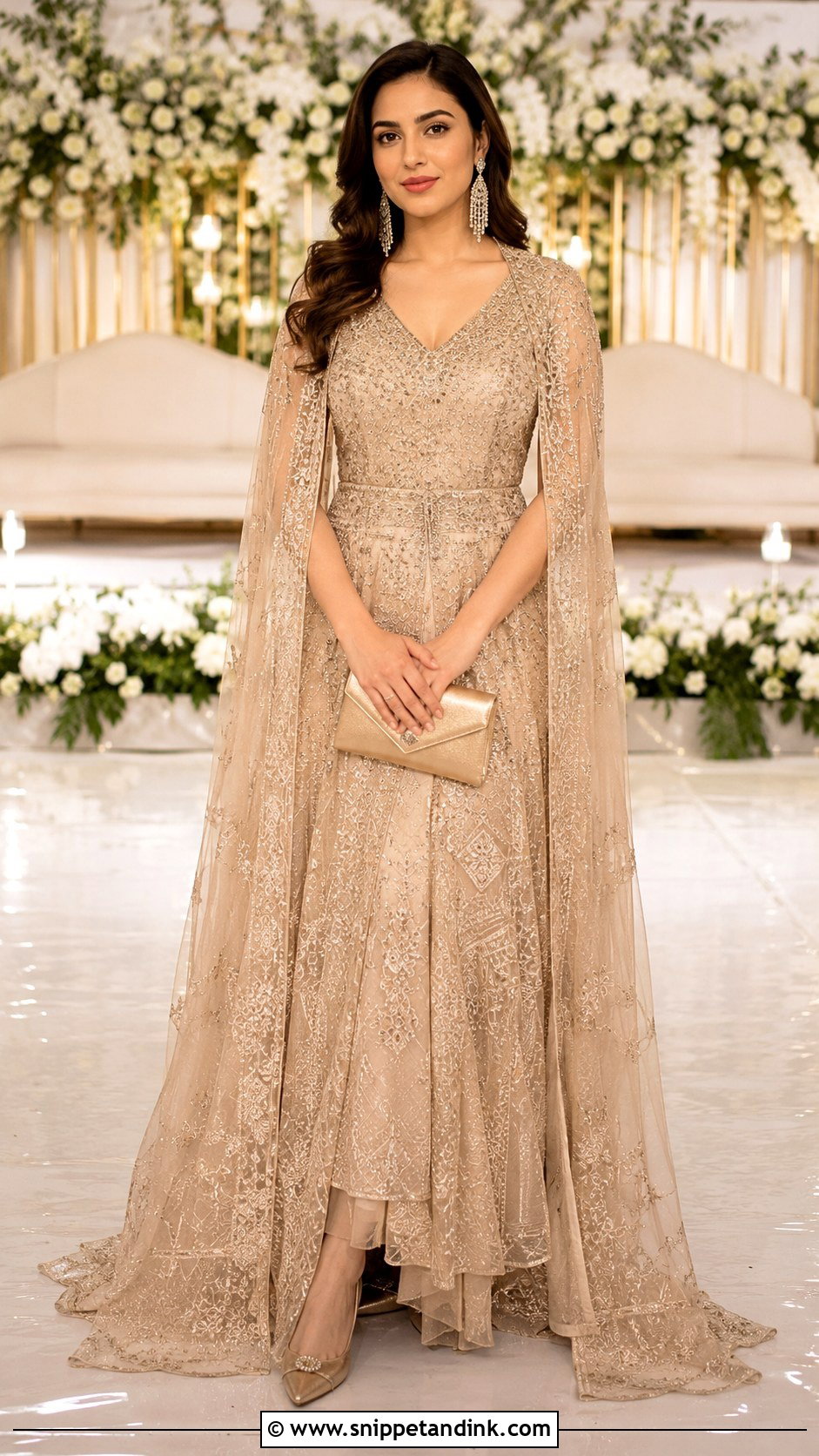
A cape adds coverage and movement to a gown and makes it feel contemporary. Start with a fitted champagne gown in tonal beadwork and add a light sheer cape embroidered with sequins, pearls or fine gold thread. The cape should fall from the shoulders without bulking out the upper body; heavy embroidery at the cape’s edge pulls it backward and drags the neckline with it. Long earrings, a cocktail ring and a compact satin clutch complete it, with pointed metallic heels for a long line. Wear a low ponytail or neat bun so the cape stays visible, and skip any heavy necklace. Engagements and receptions suit it best, since it’s formal but less traditional than a lehenga.
8. Lavender Ruffle Indian Wedding Gown
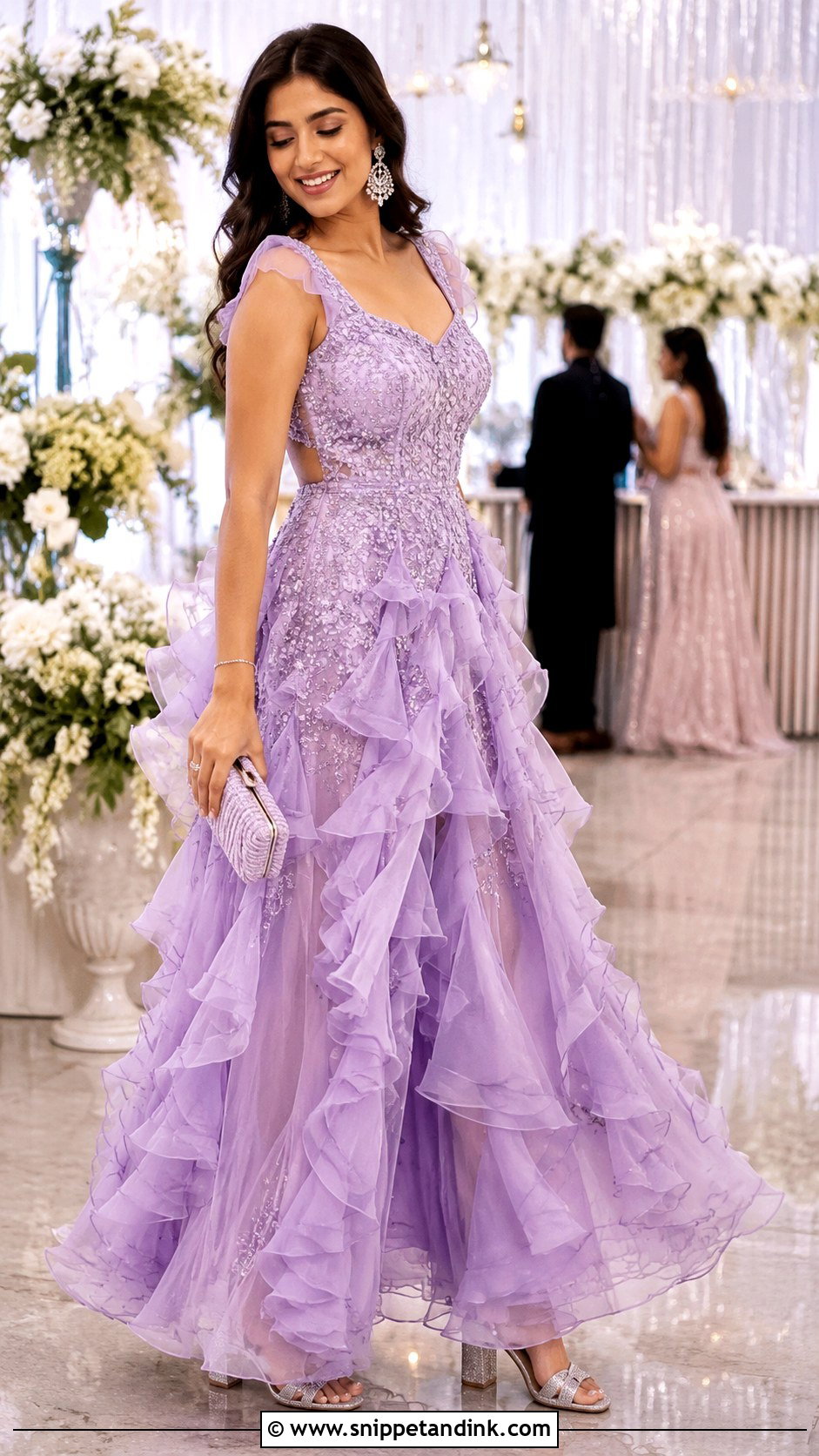
Ruffles go wrong when they’re everywhere. On a lavender gown, I’d keep them to one area, whether that’s a shoulder, the skirt or the hem, and let a fitted embroidered bodice give structure. Silver sequins, crystal beads and tonal threadwork stop lavender from looking too sweet. Crystal earrings, a silver bracelet and a pale lilac clutch finish it, with silver block heels if there’s dancing. A textured ponytail or side-parted waves echo the movement. Keep the makeup cool: soft mauve on the eyes, luminous skin and a pink-nude lip that doesn’t overpower the pastel shade. Lavender suits a sangeet or daytime reception best, since it can look grey under warm evening bulbs.
9. Sage Green Organza Indian Wedding Gown
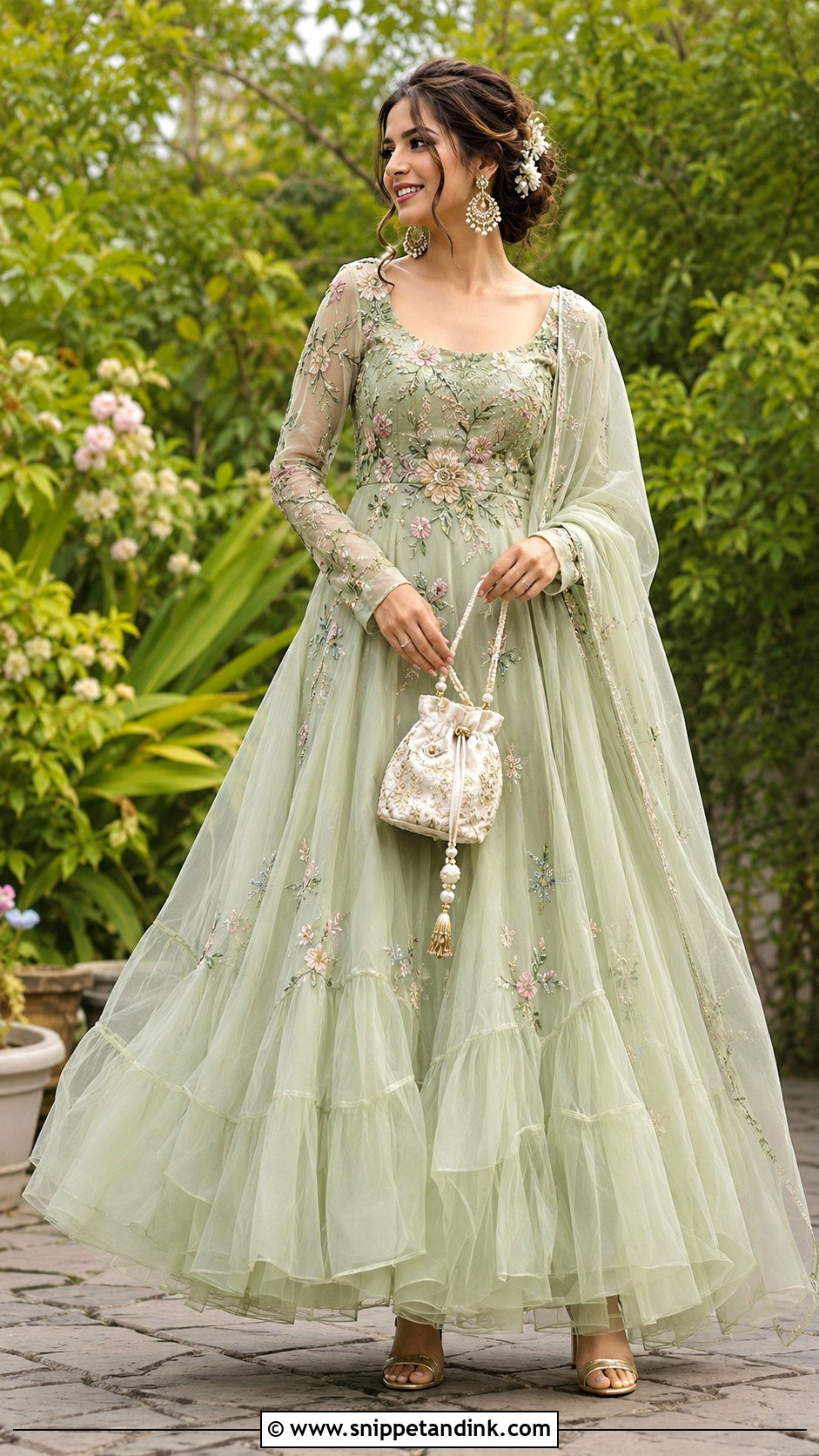
Organza is crisp and light, so a sage green organza gown stays comfortable in warm weather. Check the lining carefully: single-layer organza is see-through in sunlight, and the skirt needs enough layers to prevent that. A fitted bodice with floral embroidery or subtle mirror work balances the volume. Sage sits naturally with pearls, gold and soft pink accessories. Medium chandbalis, a delicate bracelet and a lightly embroidered ivory potli complete it, with nude or pale gold block heels. A loose bun with small white flowers or polished waves suits the color. Organza puffs out easily, so keep the waist sharply defined and avoid extra layers at the hip. It looks fresh in outdoor photographs.
10. Maroon Anarkali Indian Wedding Gown
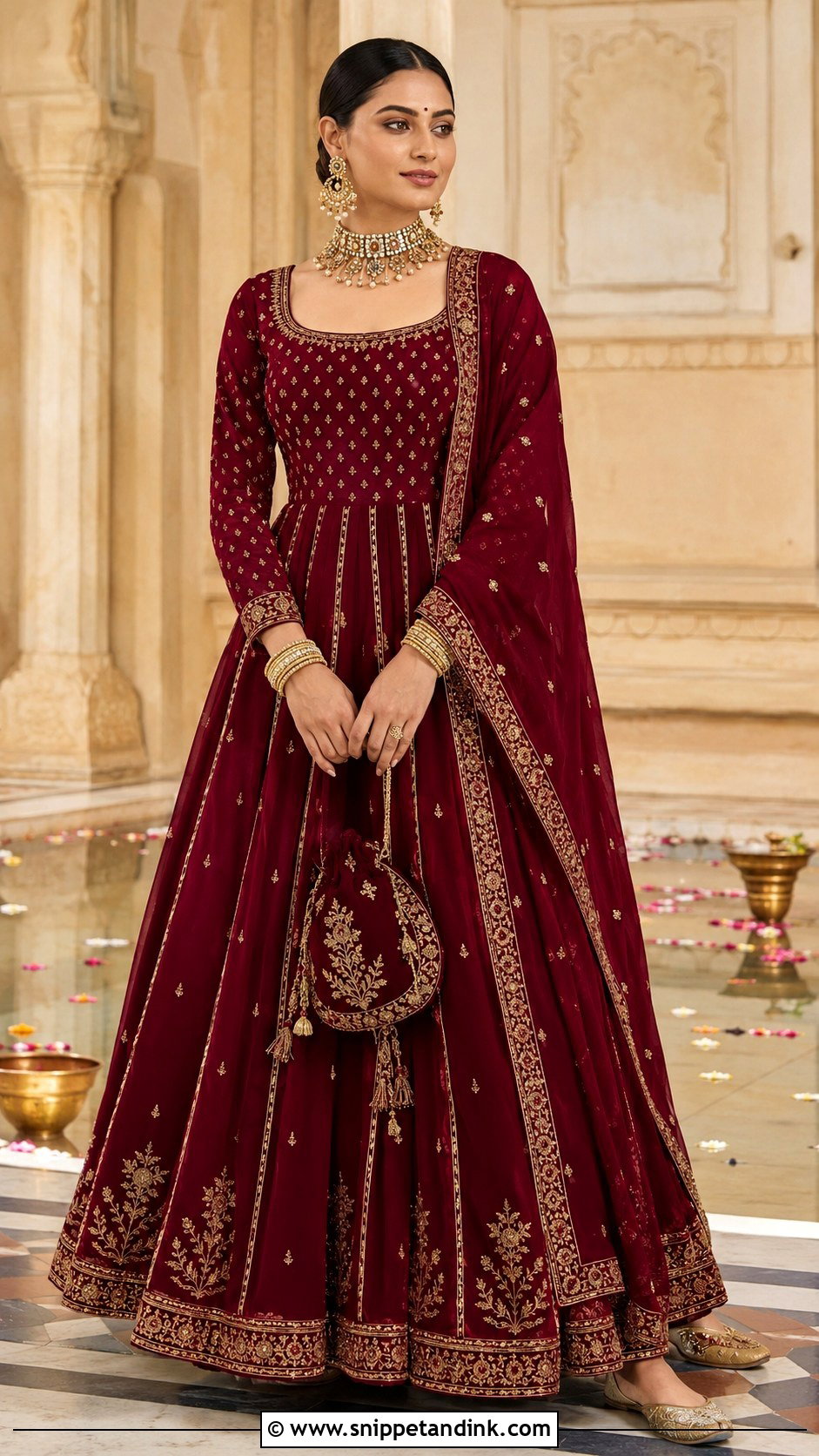
A maroon Anarkali gown is where a traditional Indian silhouette meets formal evening wear. Look for a fitted upper section, a natural or slightly raised waist and many flowing panels through the skirt; more panels give a fuller, rounder swing. Antique gold embroidery at the neckline, sleeves and hem brings out the deep color. A kundan choker, matching earrings and traditional bangles complete it. Embellished juttis are often better than heels when the hem covers your feet anyway. A center-parted bun with a decorative hair accessory keeps it traditional. Brides, close family and guests can all wear this shape. The amount of embroidery and the scale of the jewelry decide which role it suits.
11. Peacock Blue Draped Indian Wedding Gown
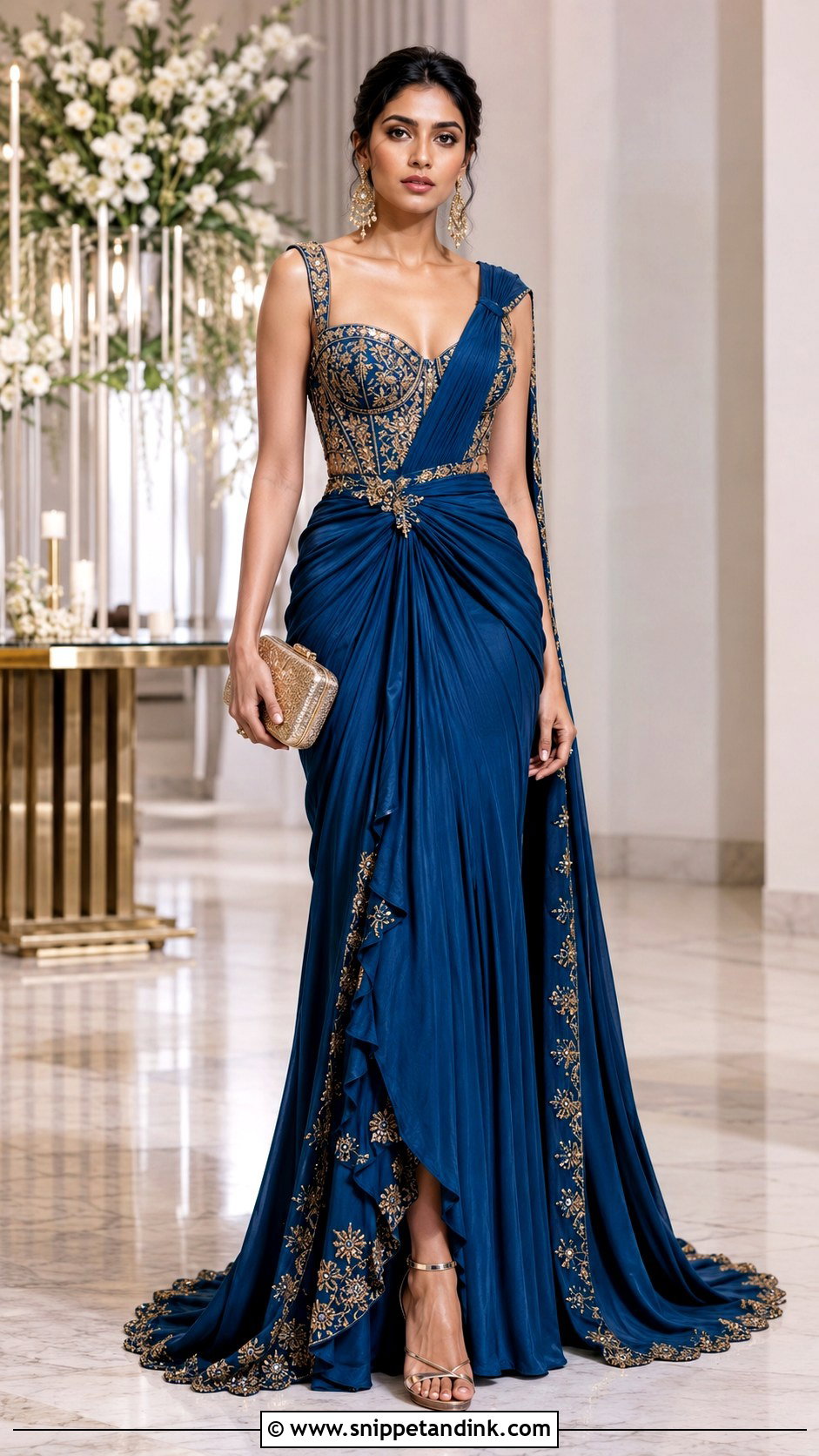
Peacock blue drapes beautifully, and a draped gown gives you the movement of a sari with none of the pinning. Choose gathered fabric at the waist, a structured bodice and an attached shoulder panel that falls neatly down one side. Teal, navy and antique gold embroidery add depth. Wear a statement necklace or big earrings, not both. A small gold clutch, stable metallic heels and a smooth side bun that leaves the draped shoulder visible complete it. Receptions and cocktail-style parties are where it fits. The tailoring is in the waist gathers: they should shape your figure, and if they’re anchored badly they bunch or pull diagonally across the stomach. Check that in a side mirror.
12. Pastel Blue Corset Indian Wedding Gown
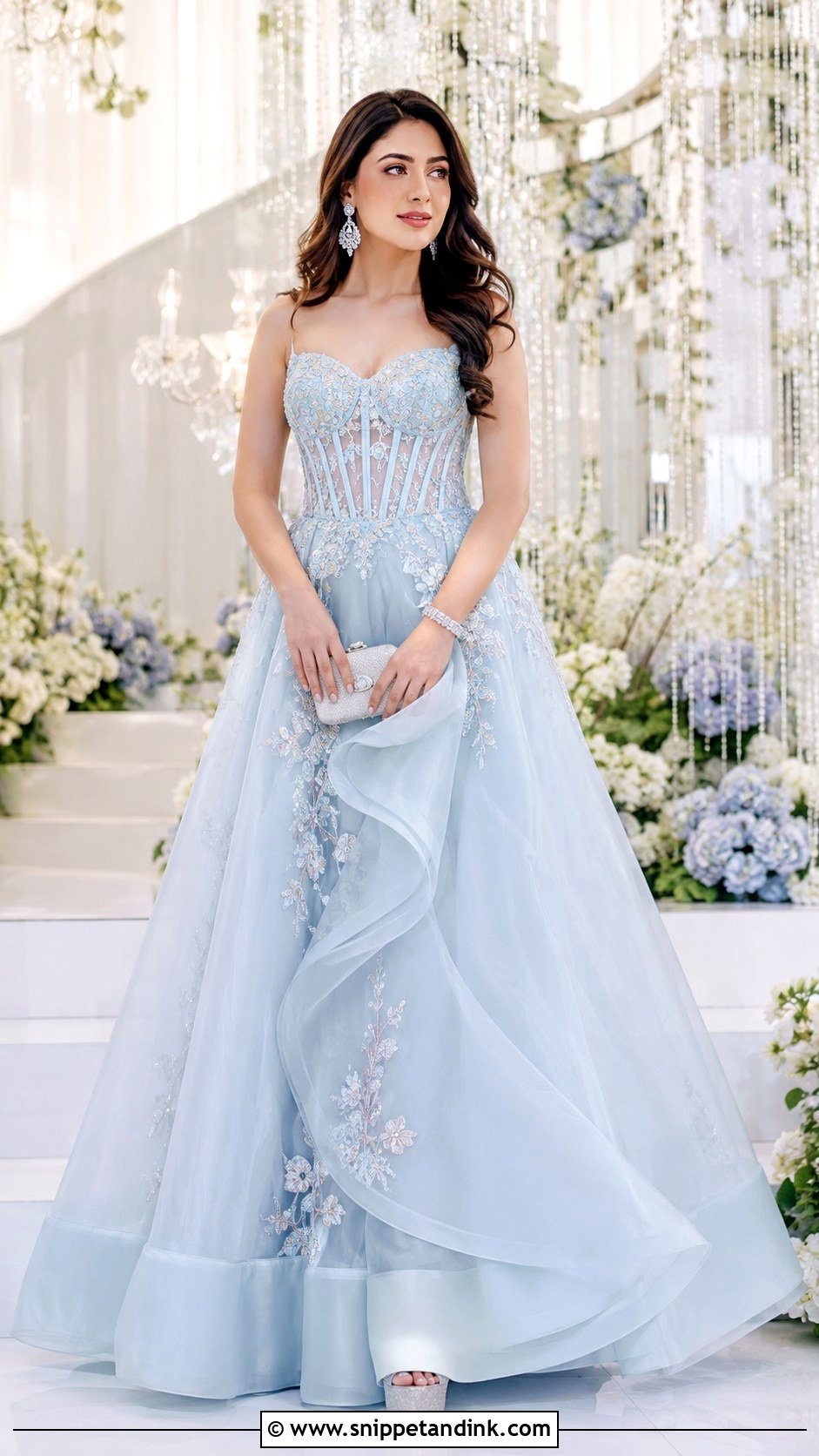
Corset gowns live or die on their internal construction. I’d only consider one with proper boning, a firm waist tape and enough coverage that you’re not adjusting the neckline all night. On pastel blue, delicate Indian embroidery over the seams softens the structure. Pair the bodice with a flowing A-line skirt in tulle, organza or light silk. Crystal drops, a slim tennis bracelet and a silver clutch complete it without pulling focus from the neckline, with silver platforms for comfort and a little height. Soft waves or a polished low bun both work. If you’d like more coverage, detachable embroidered sleeves or a sheer cape solve it. Sit down at the fitting and eat something if you can; a corset that’s fine standing can feel very different at dinner.
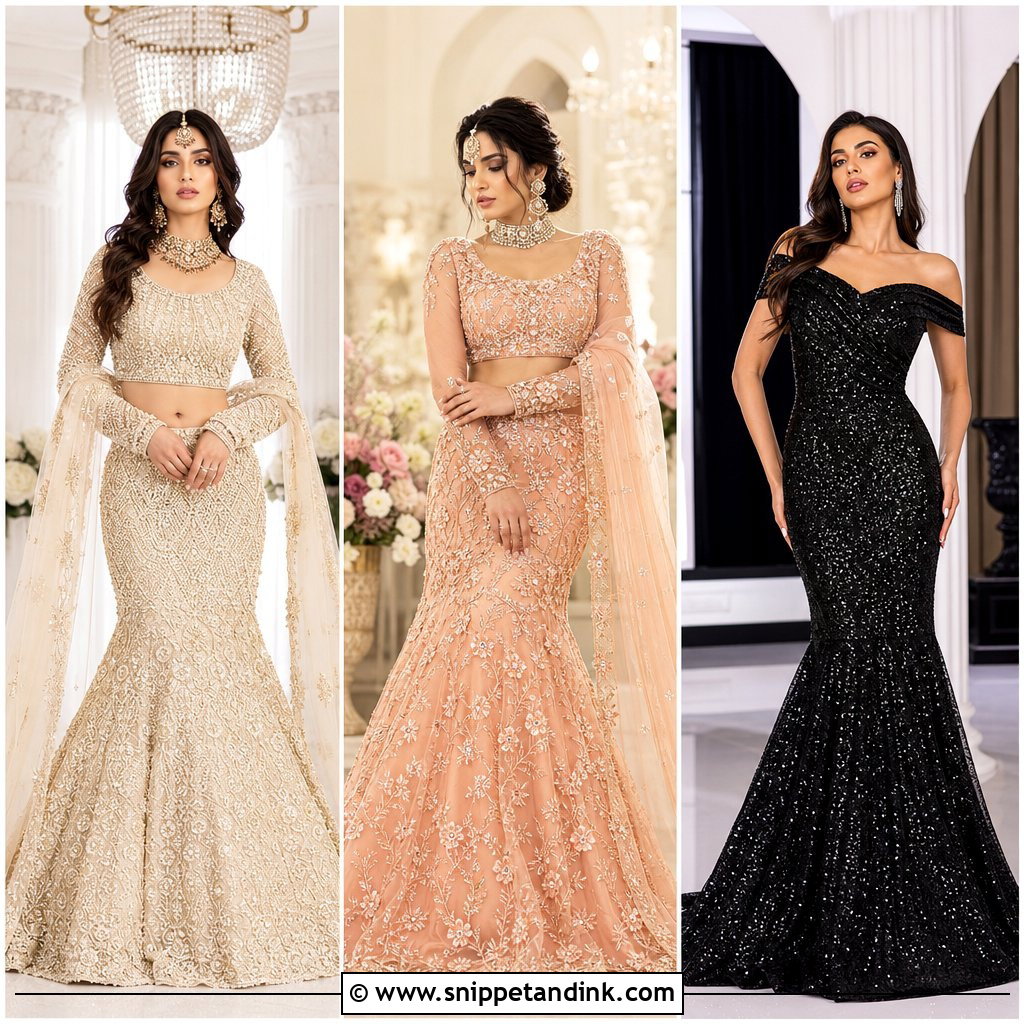
13. Rose Gold Mermaid Indian Wedding Gown
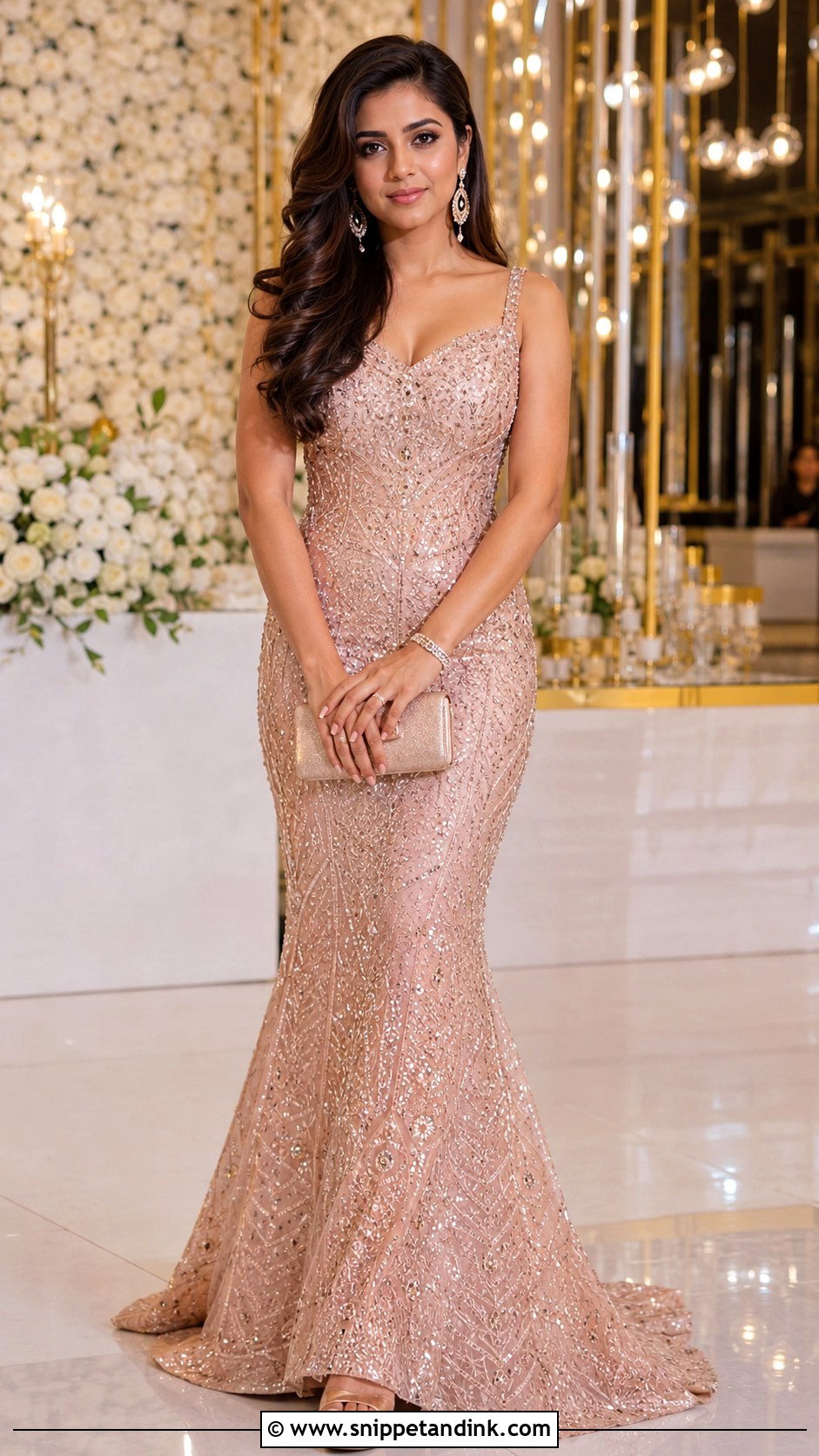
A mermaid follows the body and then flares below the knee, which makes it the most dramatic shape here and the hardest to move in. On rose gold, choose a flexible lining and carefully placed sequin or beadwork so the fitted section doesn’t stiffen. The flare has to start high enough for a natural stride; I ask every wearer to take full steps and climb a stair at the fitting. Matching drop earrings, a simple ring and a blush metallic clutch are enough. Platforms support you better than narrow heels under a tight skirt. A sleek ponytail or soft side waves keeps it polished. If you want more room, a modified mermaid or trumpet cut, with an earlier, softer flare, gives the same impression with far more freedom.
14. Mirror Work Indian Wedding Gown
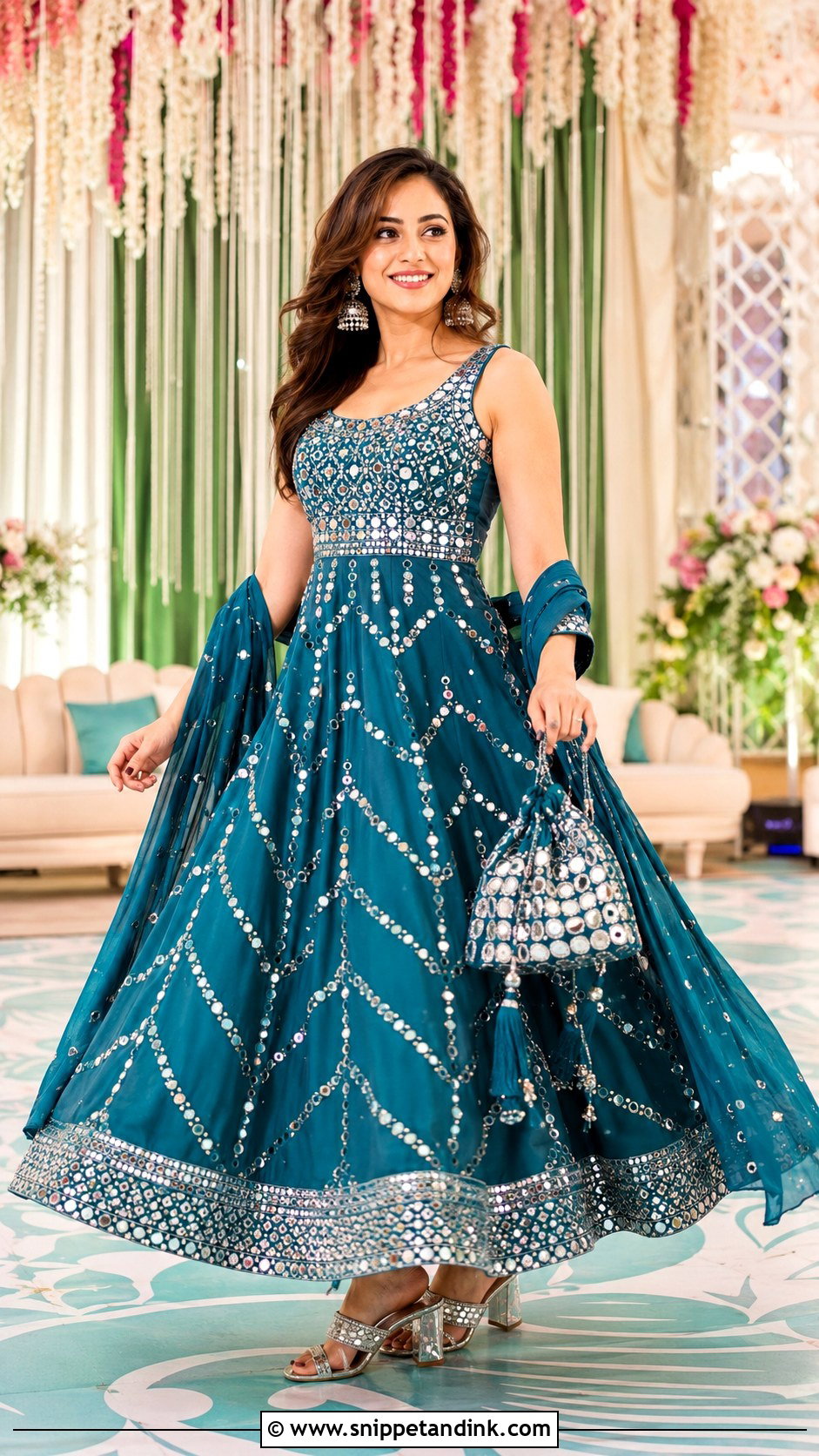
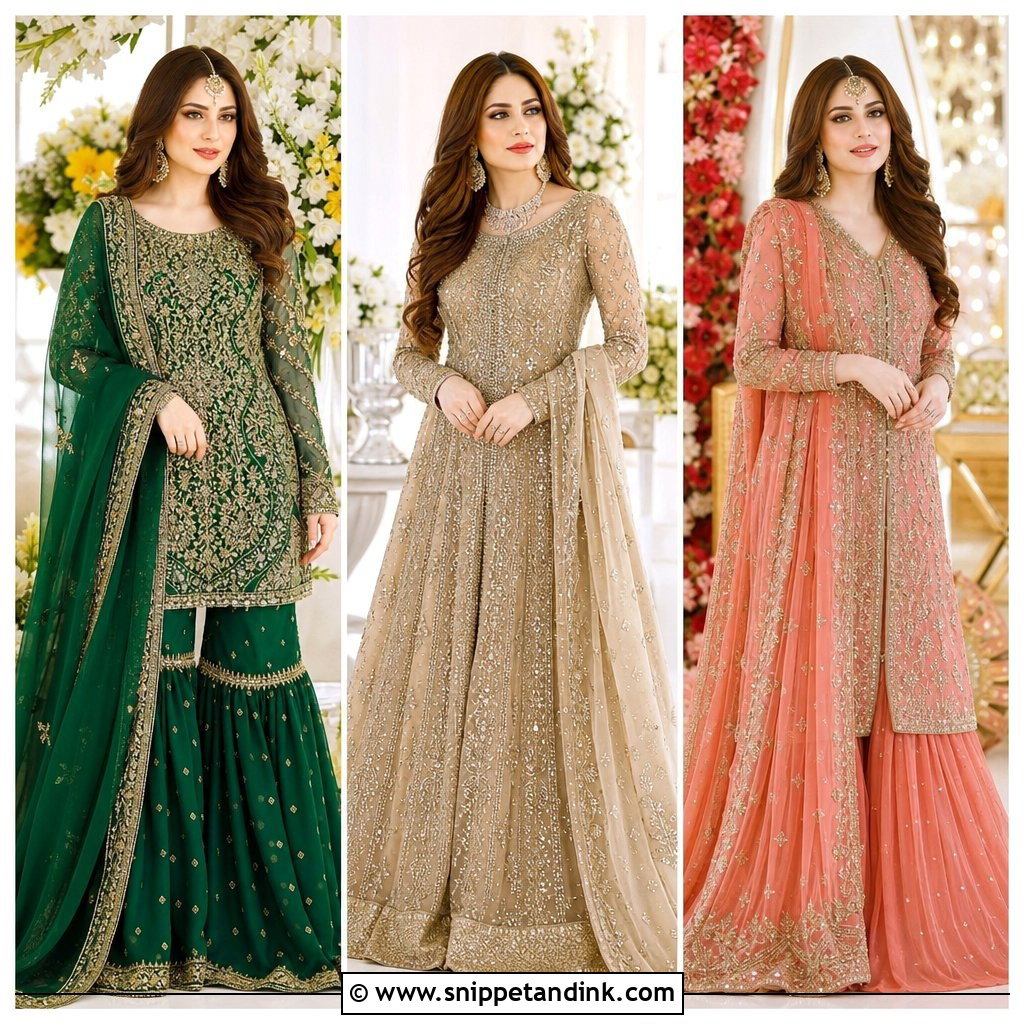
Mirror work suits a sangeet performance because every movement makes it flash. A jewel-toned base, such as magenta, teal, navy or deep purple, keeps the mirrors visible, and an A-line shape with a fitted bodice is practical for dancing. Silver jhumkas, a small mirrored potli and comfortable block heels or juttis complete it. If the sleeves are worked in mirrors, keep bangles to a minimum, because glass against glass chips. A braided ponytail or secure half-up style stays tidy through an active night. Inspect the work before buying. Smooth edges, firm stitching and a soft lining stop the mirrors catching on skin, hair and the fabric of whoever you dance with.
15. Jacket Style Indian Wedding Gown
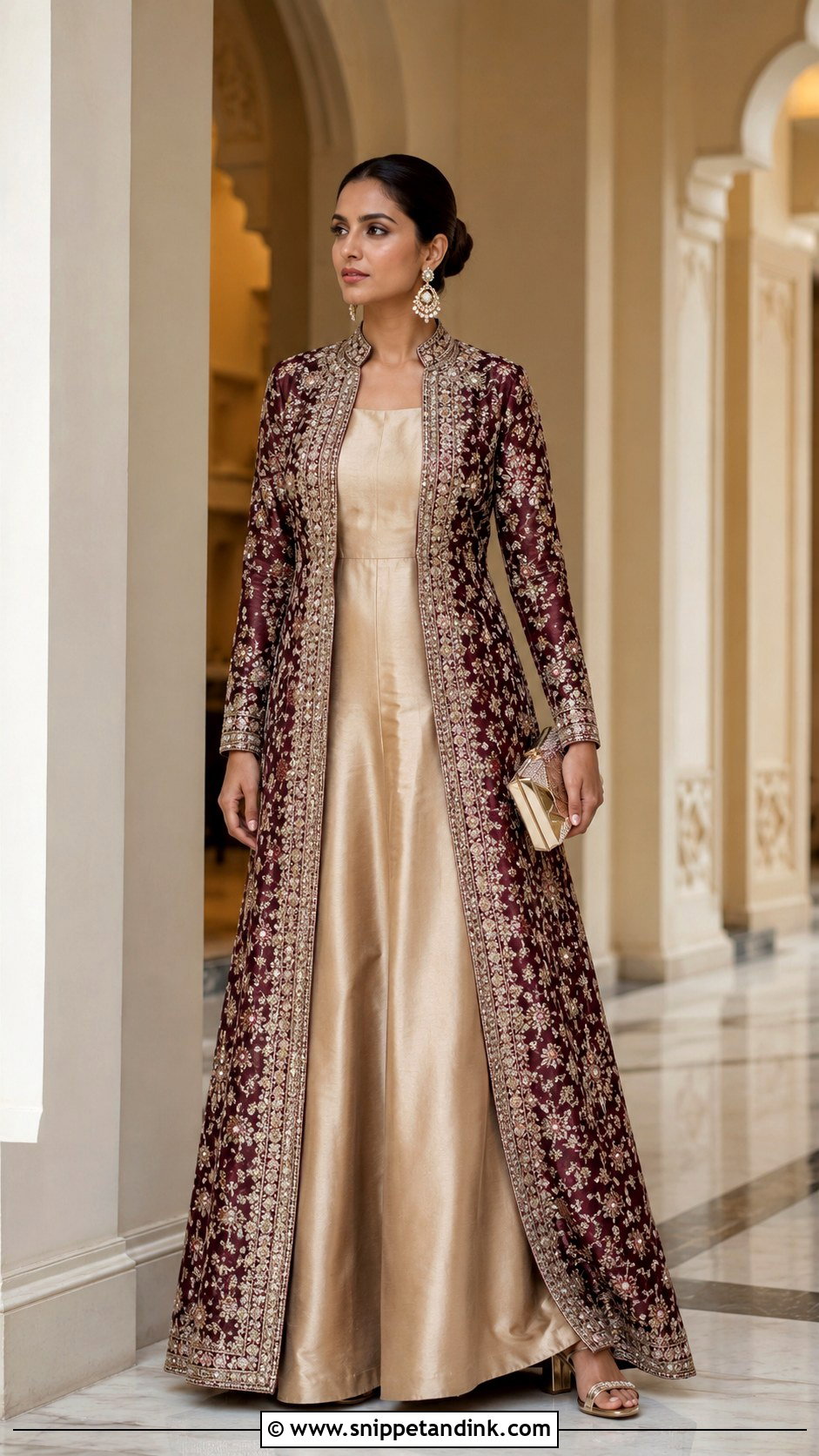
Start with a simple sleeveless or short-sleeve floor-length gown, then add a coordinated embroidered jacket, and you’ve got a look that changes through the evening. The jacket can end at the waist, knee or ankle. Long jackets give a regal line; cropped ones define the waist. Statement earrings, a structured clutch and metallic block heels complete it, with a sleek bun if the jacket has detailed shoulders or a high collar. Base and jacket should share at least one color or embellishment so they look like a set. I like this for cooler venues, because the jacket keeps you warm through dinner and comes off for dancing.
16. Pre-Draped Saree Indian Wedding Gown
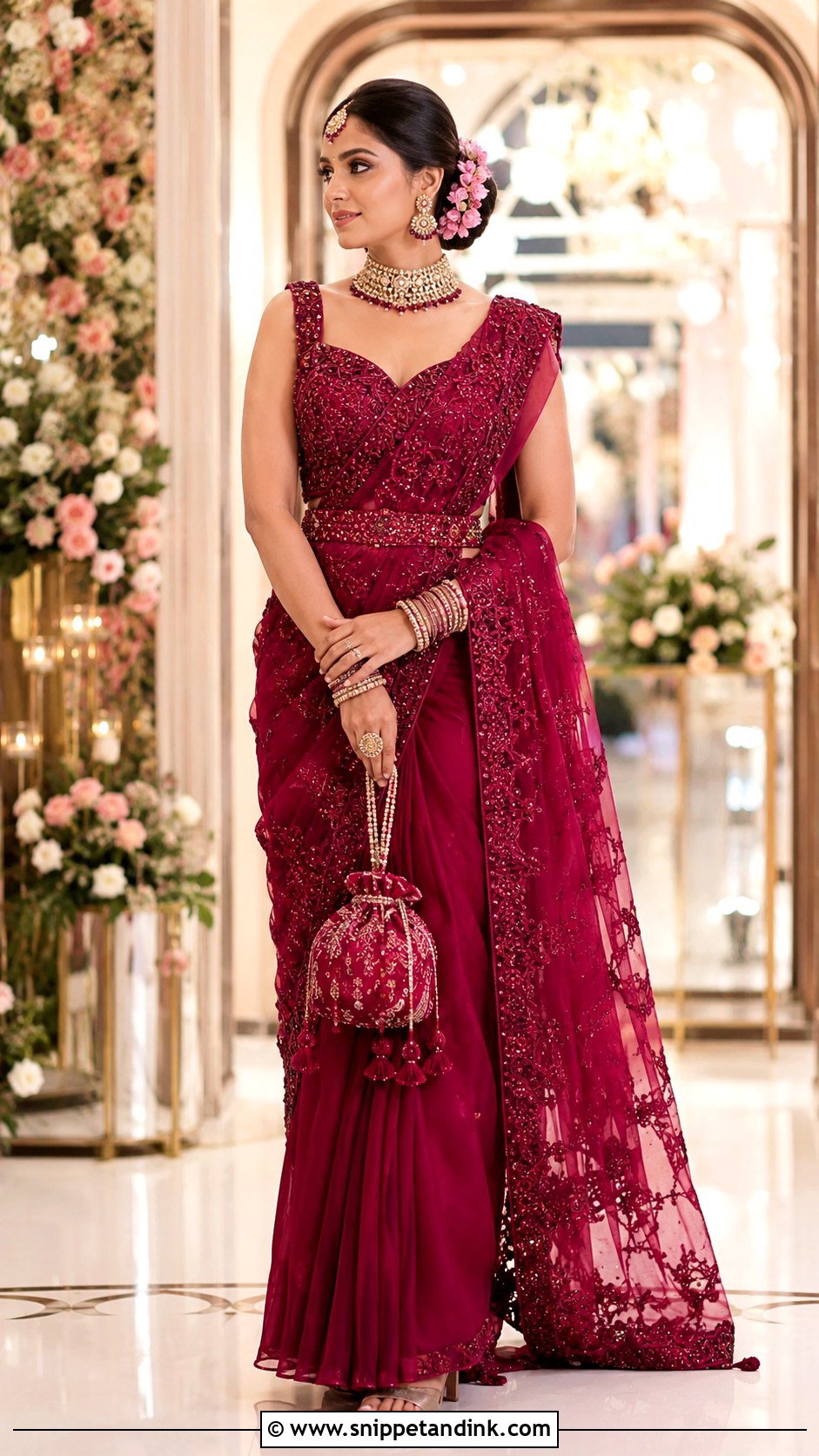
A pre-draped saree gown gives you the lines of a sari, already stitched and secure. Look for neat pleating through the skirt, a defined waist and an attached pallu that falls naturally over one shoulder. Georgette and crepe drape smoothly, and sequins, zari borders or beadwork bring the wedding detail. A choker, coordinating earrings and stacked bangles on one wrist complete it, with a compact potli or hard-case clutch and heeled sandals. A low bun with flowers reinforces the sari feel. Before the event I tack the attached pallu to the blouse strap with a couple of stitches or a hidden pin, so it can’t slide off the shoulder. Get the length right, too, so the skirt doesn’t gather round your feet.
17. High Neck Indian Wedding Gown
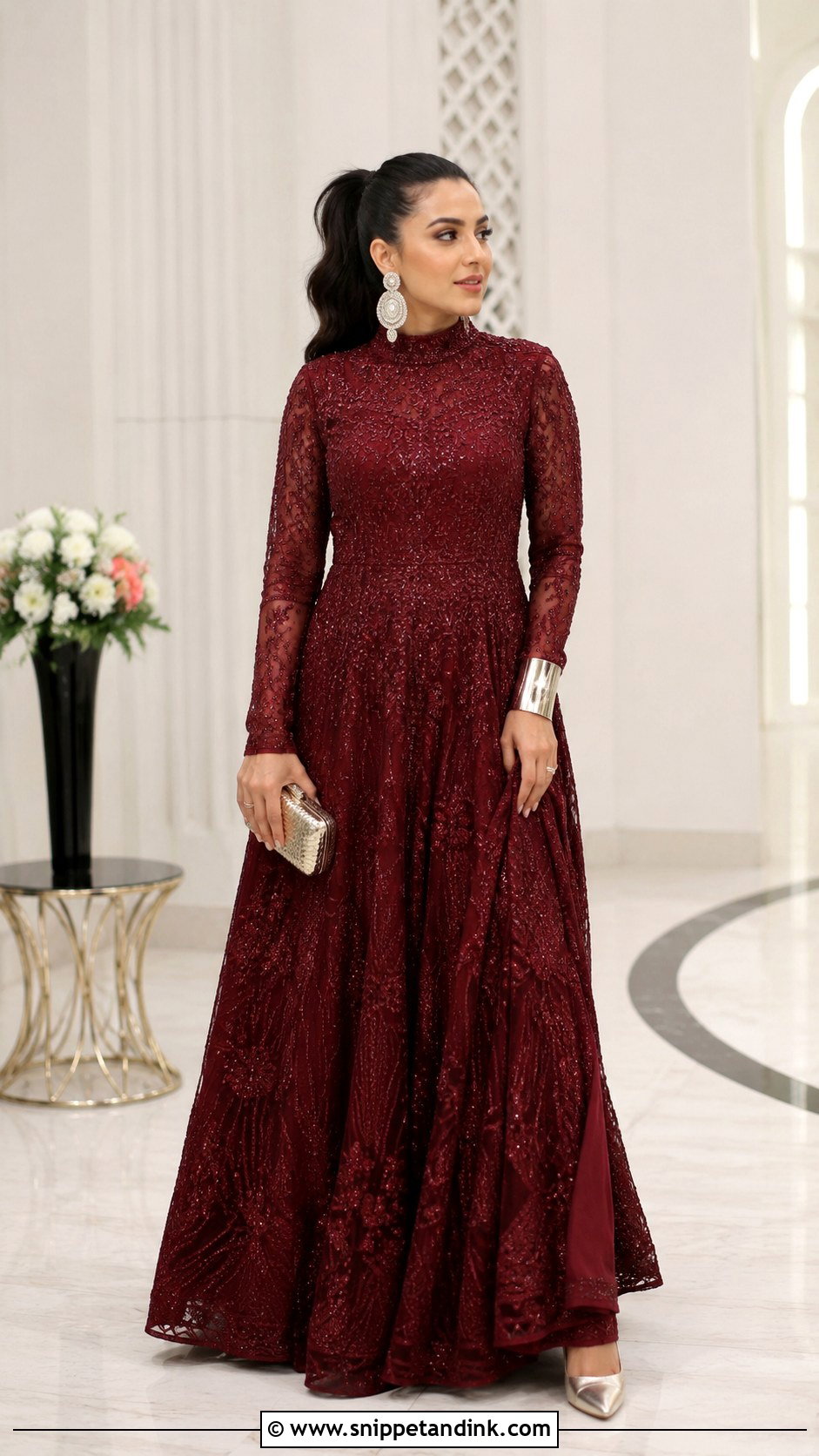
High necklines frame the face well and give comfortable coverage at formal events. Choose a fitted embroidered bodice over a plain or lightly decorated skirt so the gown doesn’t look top-heavy. Jewel tones, champagne, ivory and deep red all suit this neckline. Skip the necklace and wear statement earrings, a cuff and a small coordinated clutch instead. A clean updo or high ponytail keeps the neck detail visible, and pointed metallic heels look modern under the skirt. A high neck traps heat, though, especially with long sleeves, so I’d look for a lighter fabric and a breathable lining. Brides, relatives and guests of every age can wear it.
18. Off Shoulder Indian Wedding Gown
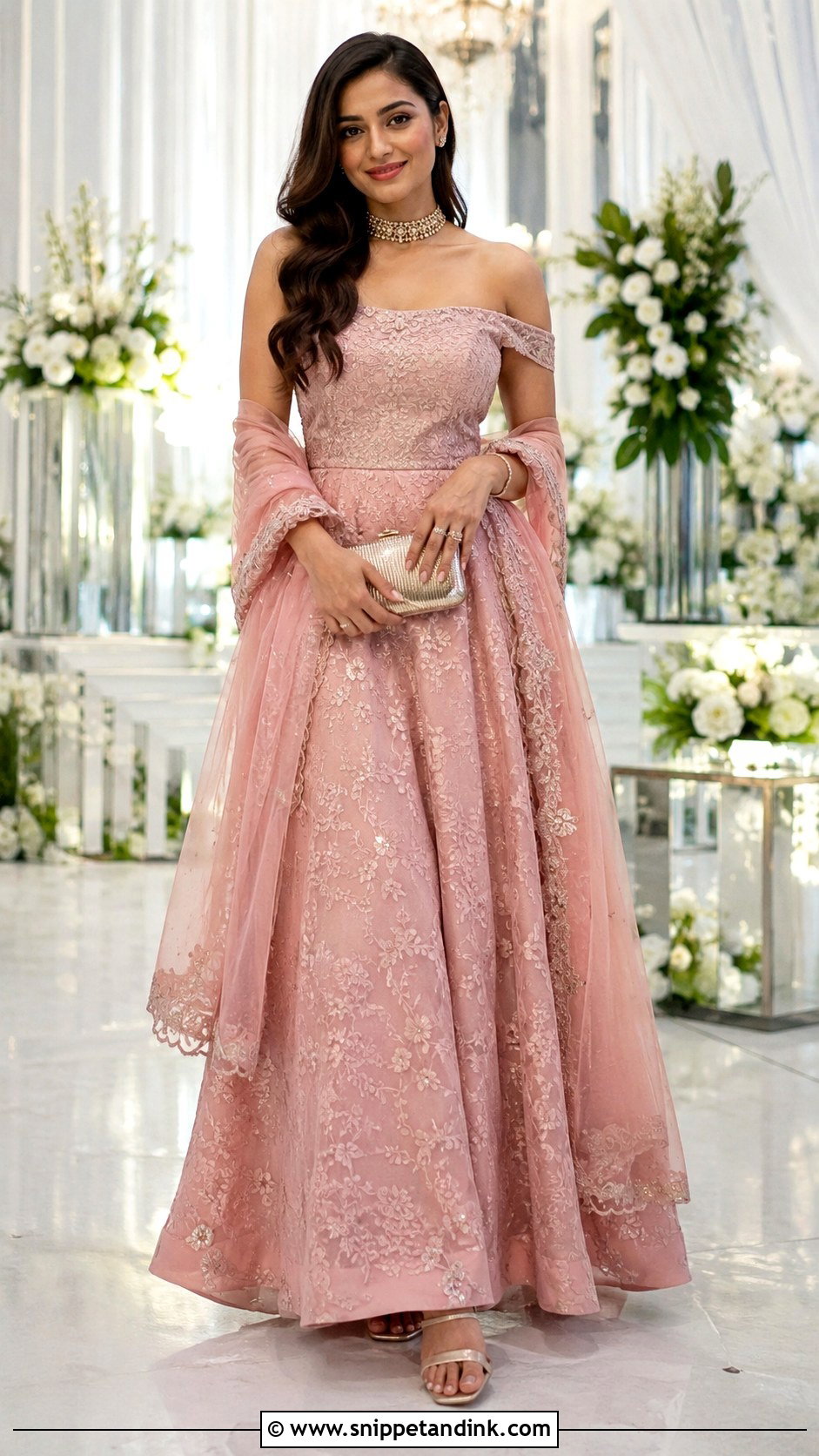
Off-shoulder necklines only work when the fit is precise. The band should sit firmly on the upper arm and the bodice should be structured enough that nothing slides down. Choose a defined waist and an A-line or softly flared skirt, with Indian threadwork, pearls, sequins or floral appliqués bringing cultural detail. Depending on how decorated the bodice is, wear a short choker or prominent earrings. A metallic clutch and stable block heels complete it. Side-swept waves show off the shoulders; a low bun is more formal. A matching sheer stole or detachable cape adds coverage when needed. Raise your arms at the fitting: if the neckline climbs or the band digs in, it needs adjusting before you dance.
19. Long Sleeve Indian Wedding Gown
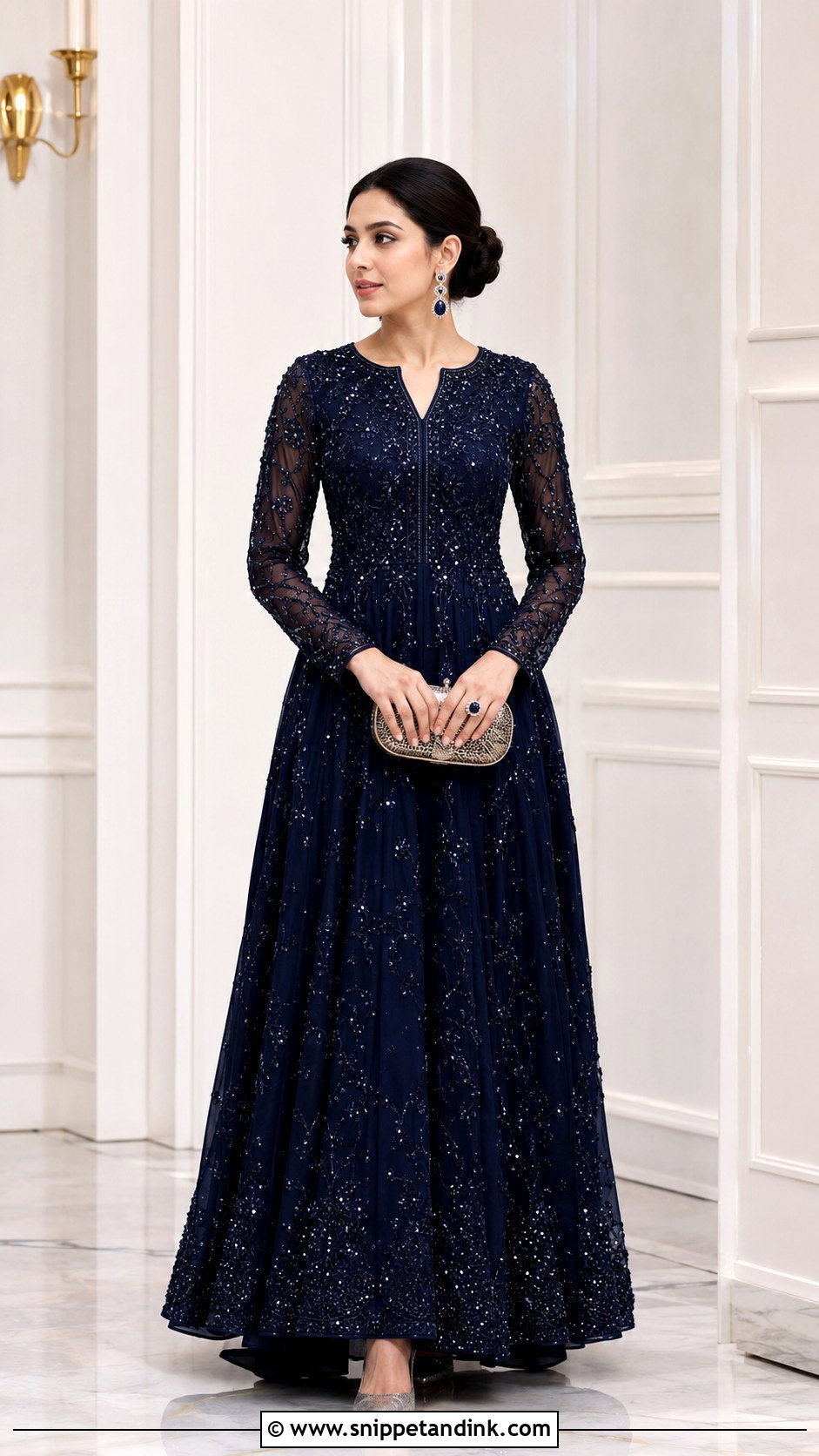
Winter weddings, evening receptions and anyone who prefers covered arms all point to a long-sleeve gown. Sheer embroidered sleeves look delicate; lined velvet sleeves add warmth. The bodice should fit smoothly through the shoulders without limiting movement. A richly decorated upper half balances best with a simpler flared skirt. Drop earrings, a cocktail ring, a compact clutch and closed-toe heels or embellished juttis complete it, with a low bun or smooth waves depending on the neckline. Don’t stack heavy bangles over worked cuffs. The tailoring I care most about here is at the elbow and wrist; sleeves cut too close stop you eating, hugging and dancing comfortably.

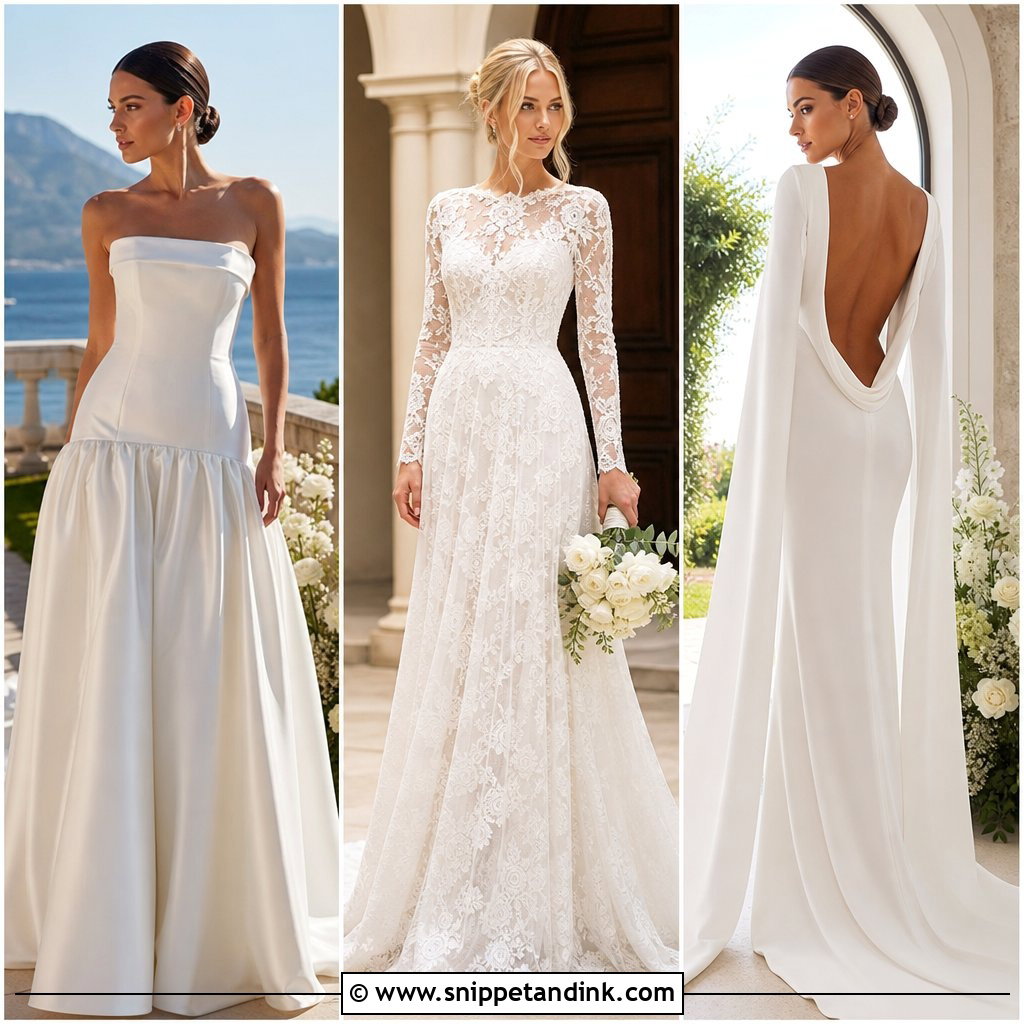
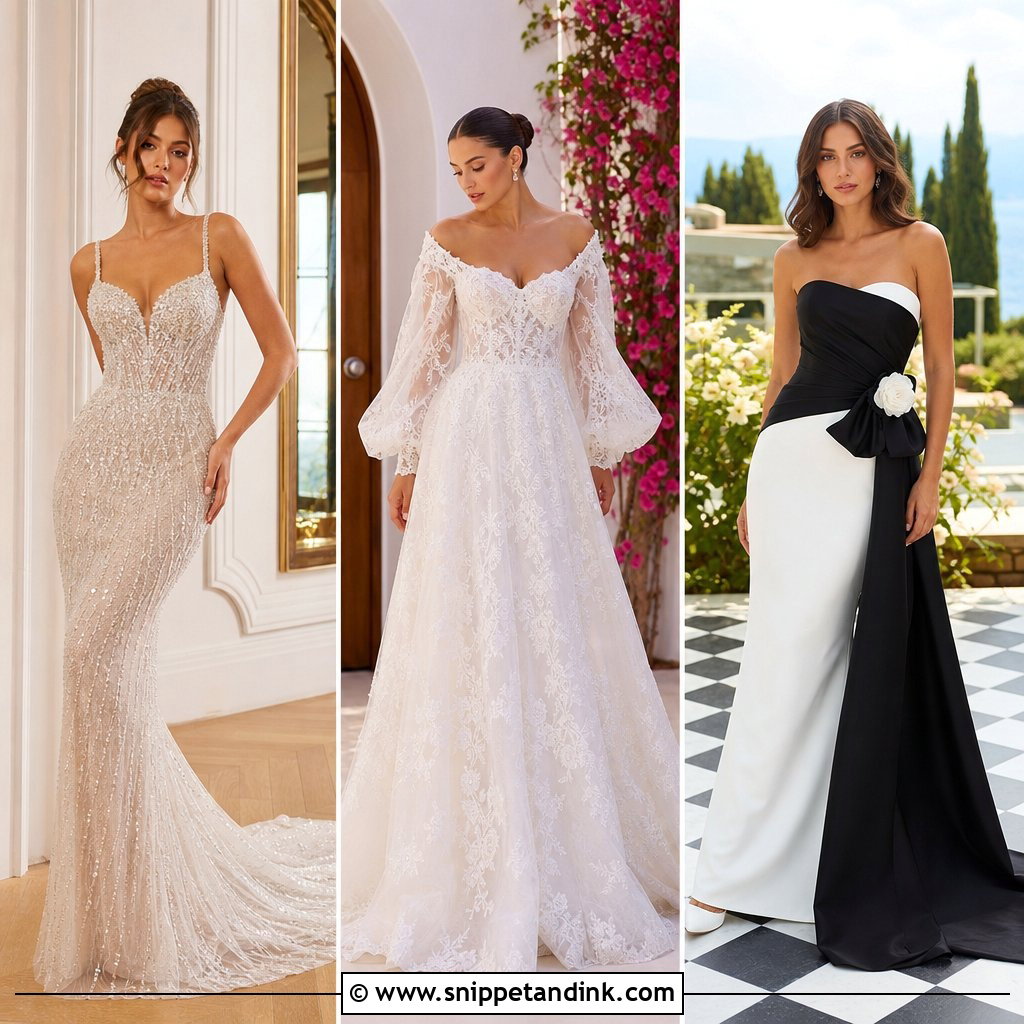
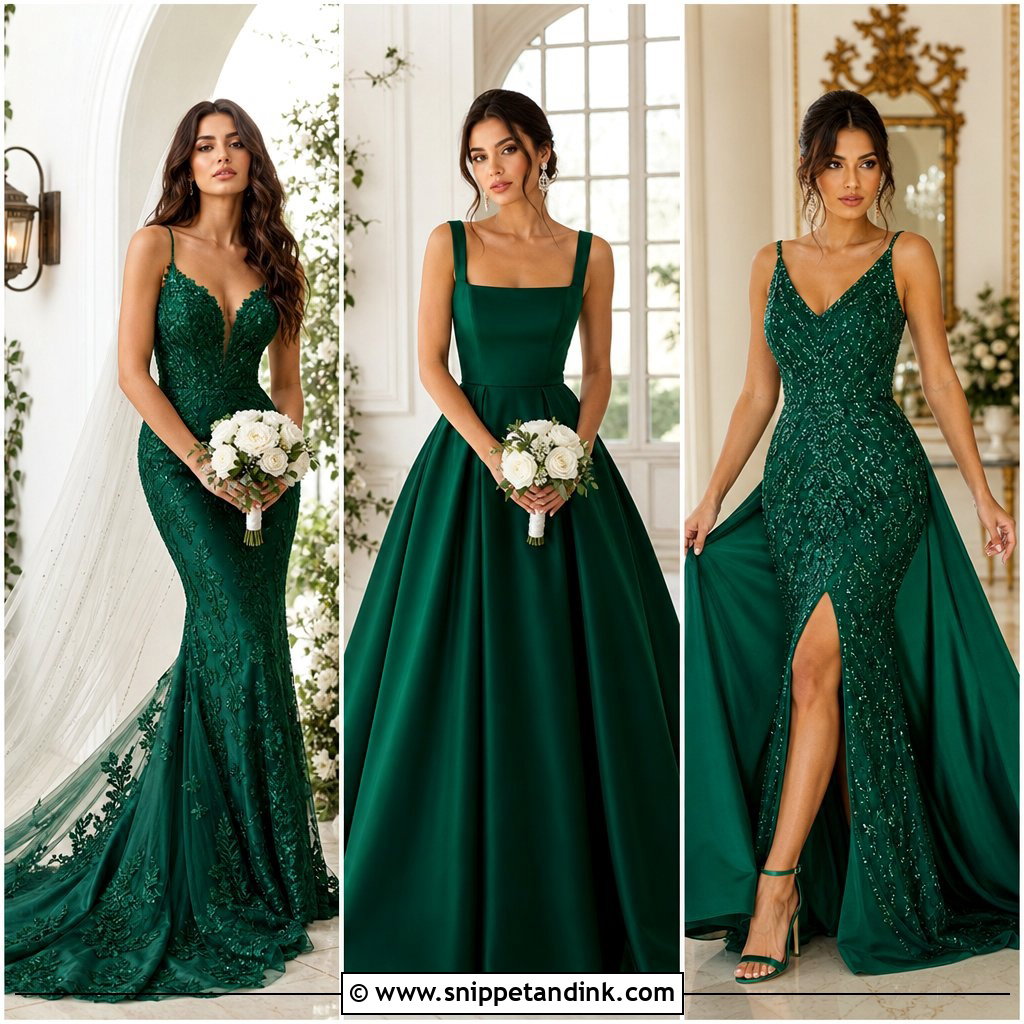
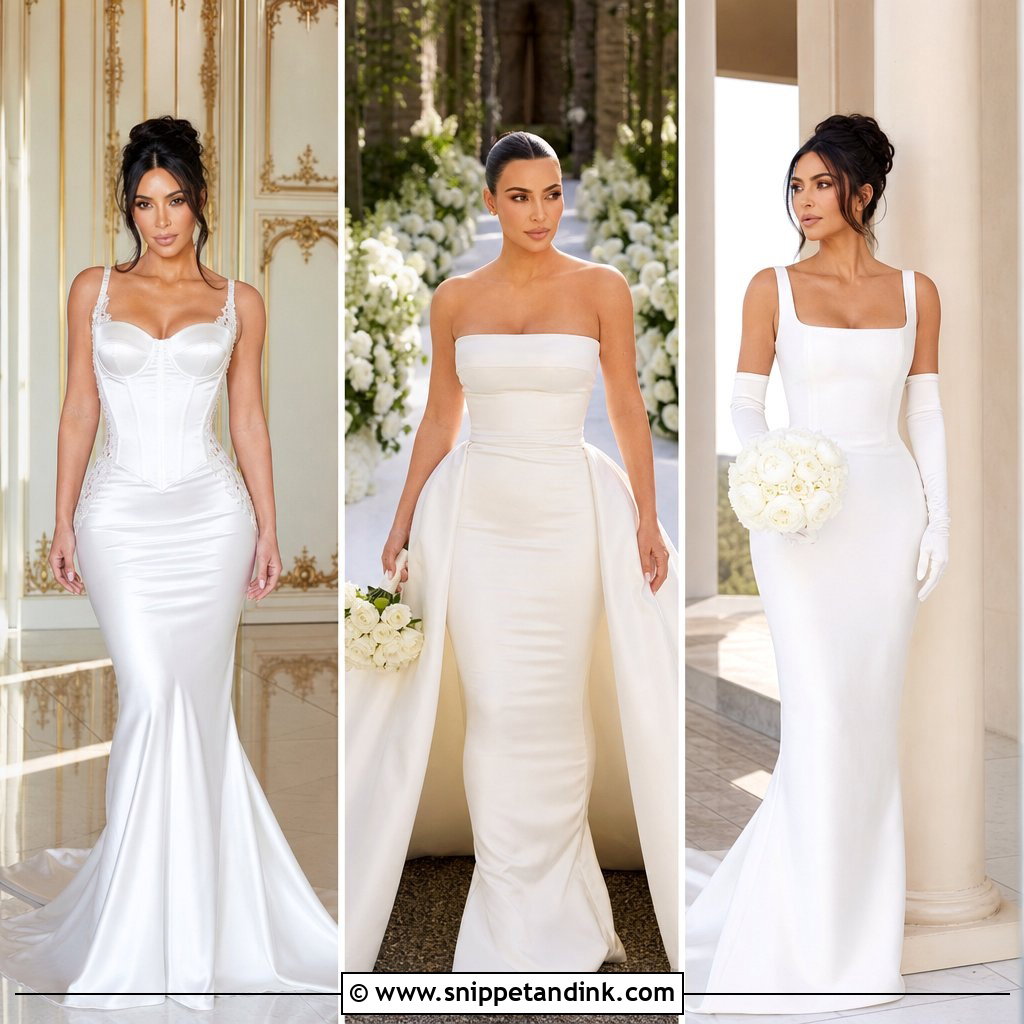
20. Plus Size Empire Waist Indian Wedding Gown
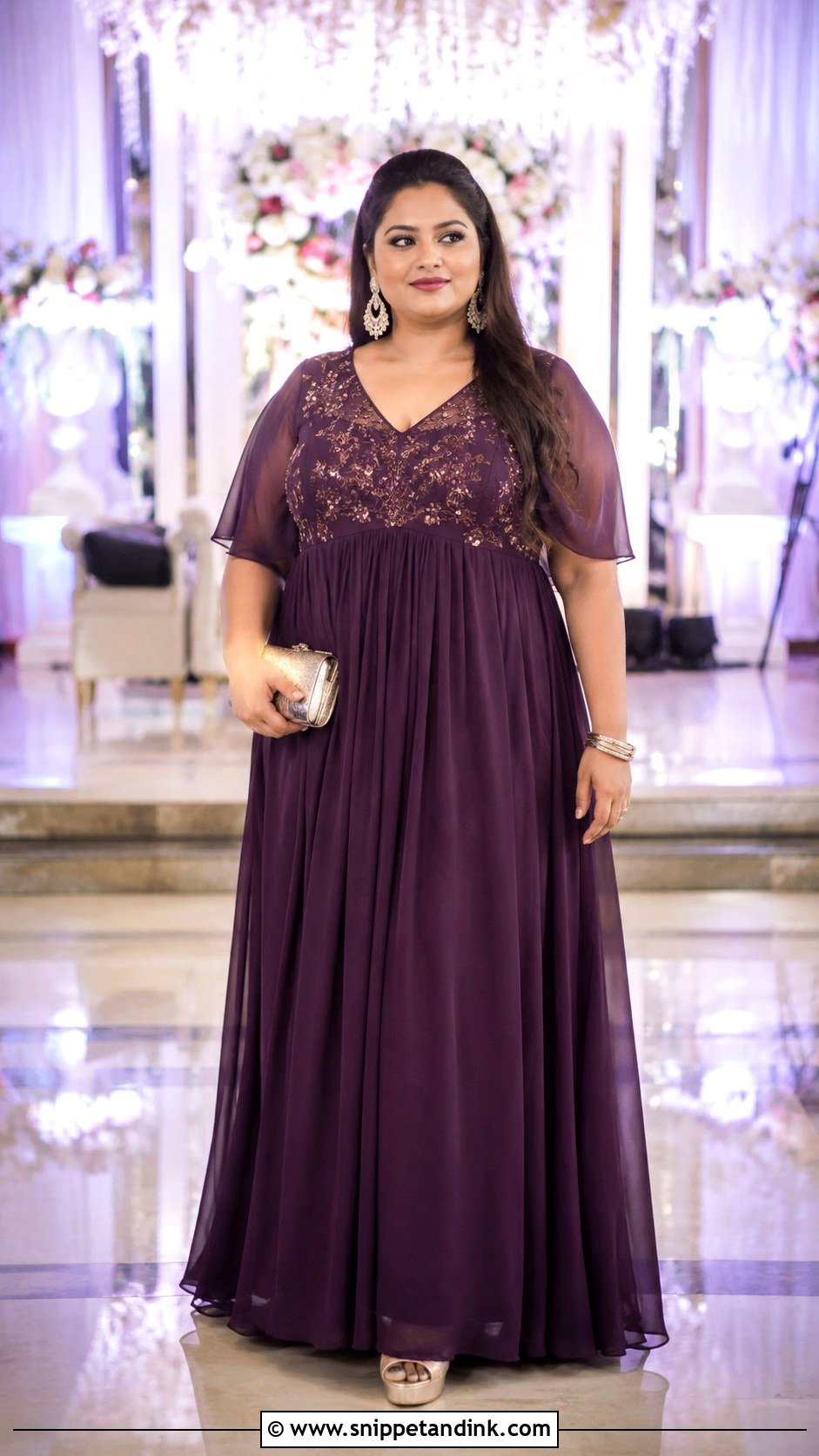
An empire-waist gown places the seam just under the bust and lets the rest fall in a long, uninterrupted line. Plus-size women, pregnant guests and anyone who’d rather avoid structure at the natural waist often find it the most comfortable shape here. Choose a supportive embroidered bodice and a skirt in fluid georgette, crepe or layered chiffon. Vertical embroidery and a V neckline lengthen the figure without relying on dark colors. Medium earrings, a few bangles, a structured clutch and comfortable platforms finish it, with a half-up style or textured bun. Bust support is where I spend fitting time; without it, the seam drops and the whole gown looks a size too big. Hem it accurately so it skims rather than swamps.
Built-In Cups, Can-Can and the Layers Nobody Sees
The structure inside a gown decides how it looks in photos far more than the embroidery outside. I go through these with every client before the final fitting.
- Bra or built-in cups. Off-shoulder, corset and backless gowns often have cups sewn into the lining. If they don’t, ask for them, because a strapless bra under a heavy gown tends to slip by mid-evening.
- Can-can. Volume under A-line and ball skirts usually comes from a can-can petticoat. More layers mean more volume, but also more weight and heat. Try the gown with and without one before deciding.
- Shapewear. If you plan to wear it, wear it to every fitting. Adding it later changes the fit at the waist and hips.
- A hem loop or bustle. Floor-length and trained gowns need a way to lift the hem for dancing. A simple wrist loop or a few hidden hooks take minutes to add during alterations.
Bring your exact shoes, undergarments and any jewelry that sits on the neckline to the final fitting. Once all of those are on, the tailor can see the gown as everyone else will, and make the last adjustments for the real thing.
Sit, Walk and Lift Your Arms Before You Decide
A good gown shows off Indian craftsmanship and still lets you enjoy the evening in your role, whatever it is. Reds and maroons bring traditional drama; ivory, lavender, sage and blush feel softer and more contemporary. Saree gowns, capes, jackets, corsets and Anarkali shapes give you many ways to combine cultural detail with modern construction. Whichever you love, test it sitting, walking and with your arms raised, and think about the weather, venue, shoes and how much you’ll dance. Keep the jewelry in proportion, and the gown will do the rest.
You'll Like These Ideas:



Leave a Reply