
From across the room a wedding cake looks simple. In the kitchen, it’s a math problem. Tier height, slice size, frosting thickness, shape and whatever other desserts are on offer all change how many plates come out. Most bakers count in wedding portions, a slim slice about one inch by two inches from a four-inch-tall tier. After a full dinner that’s plenty; if cake is the only dessert, guests may want more. I cut and plate cake at receptions, and the numbers below are the ones I’d plan around. Treat these cake sizes as planning estimates and confirm the final count with your baker before you order.
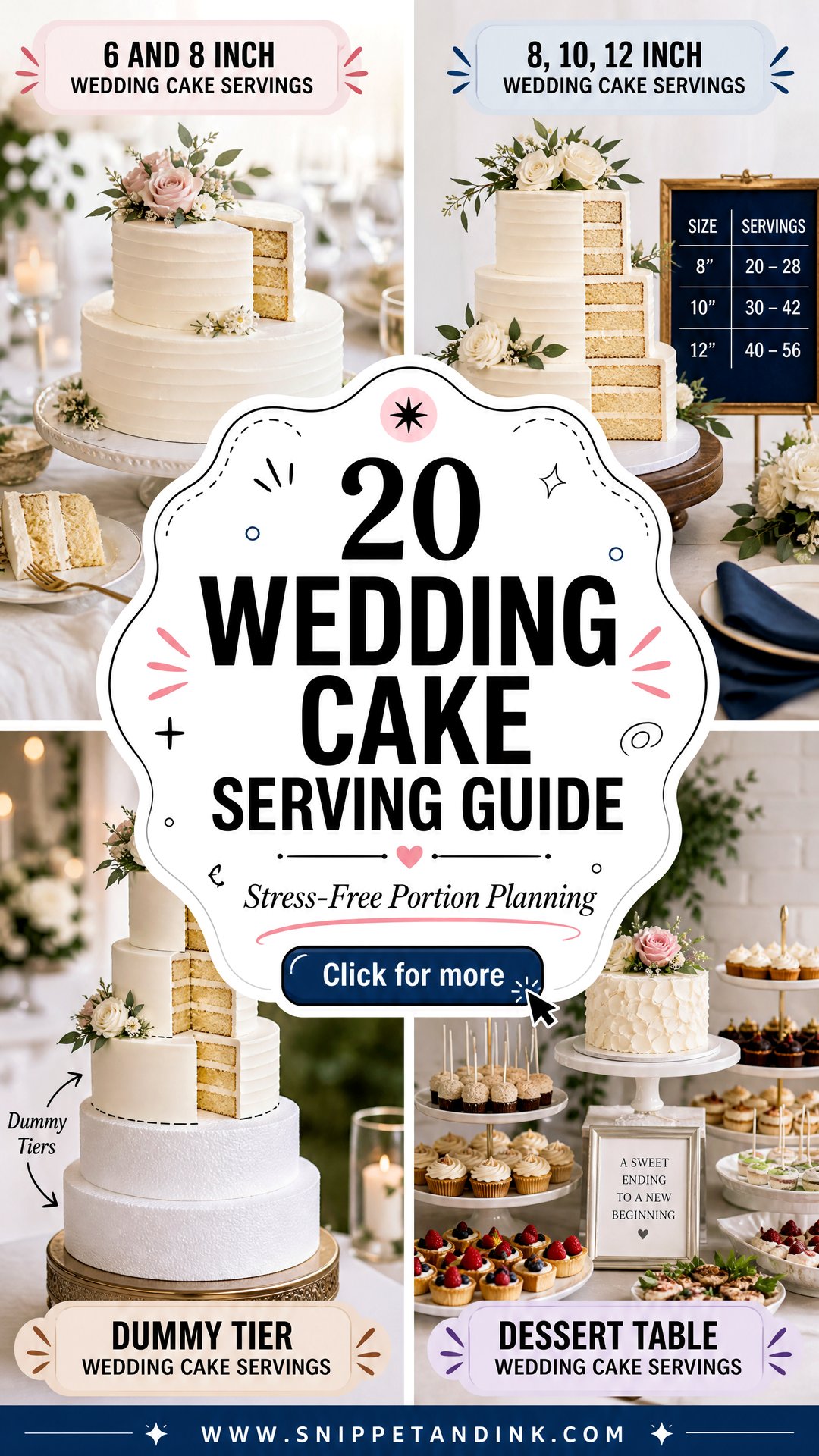
Where Those Serving Numbers Come From
Serving charts assume the cake is cut the wedding way, not the birthday way. Here’s how I do it for a round tier:
- Remove the top tier and any flowers, cake toppers or ribbon.
- Cut a circle about two inches in from the outer edge of the tier.
- Slice that outer ring into pieces roughly one inch wide.
- Cut another circle two inches further in and repeat.
- Cut the small center section, usually around six inches, into slim pieces.
Each piece is a tall finger of cake about one inch by two inches. On the plate it looks small, but a four-inch tier with filling and frosting is rich, and most guests don’t finish more. If your crowd expects a dinner-party wedge, plan on roughly half the chart numbers, or double the cake.
Square tiers are simpler. I cut them straight across into two-inch rows, then into one-inch pieces, with no rings needed.
1. 6 Inch Wedding Cake Servings
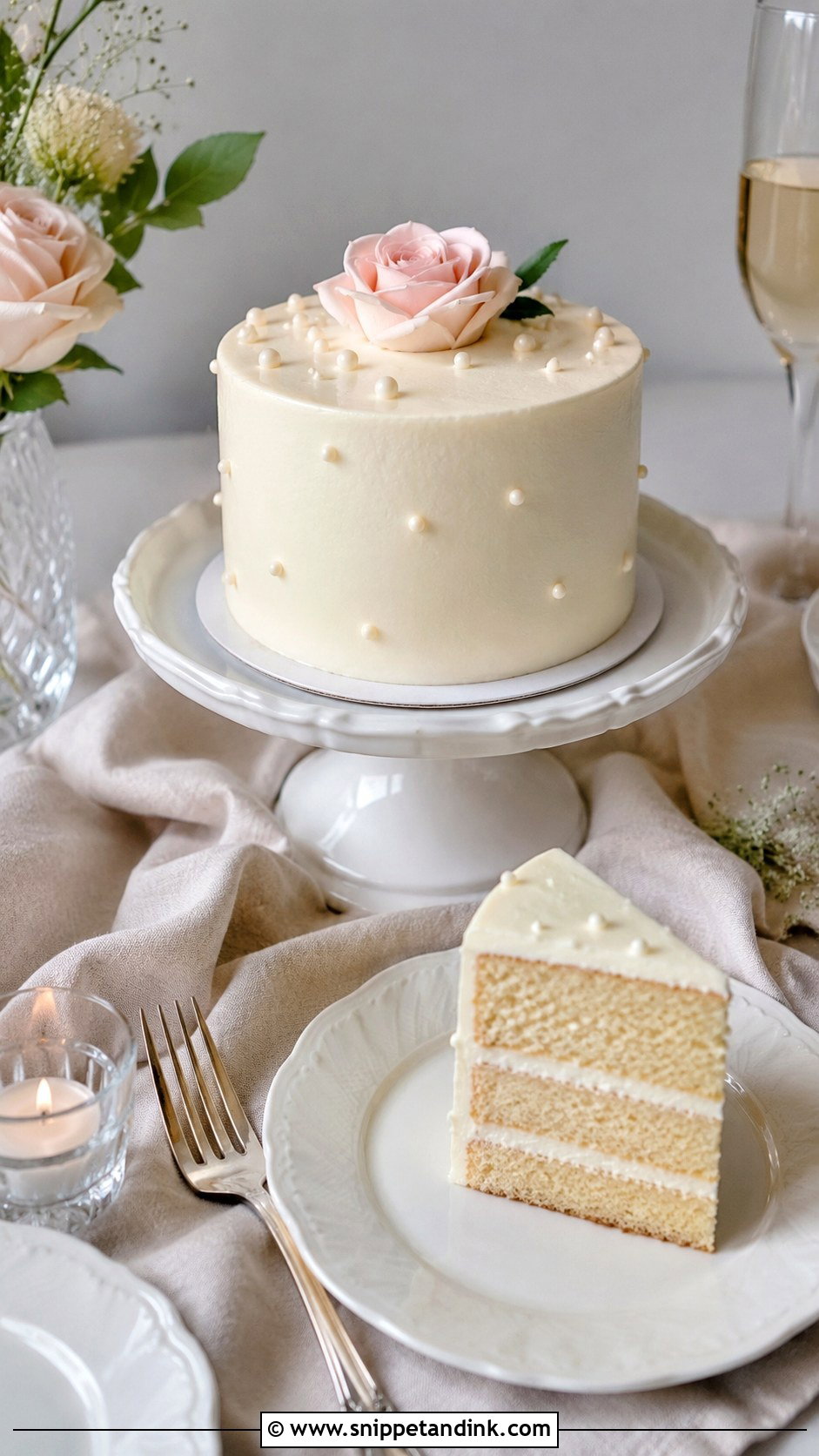
Six inches suits an elopement, a courthouse wedding or a sweetheart table backed by cupcakes or dessert bars. Expect about 10 to 12 wedding portions; a taller three-layer version can stretch to around 14 very slim pieces, but I’d plan on the lower number. A small cake is hard to cut neatly once it warms, so I chill it briefly before slicing. If you’d like leftovers for the next morning, order a small extra cake rather than cutting thinner.
2. 8 Inch Wedding Cake Servings
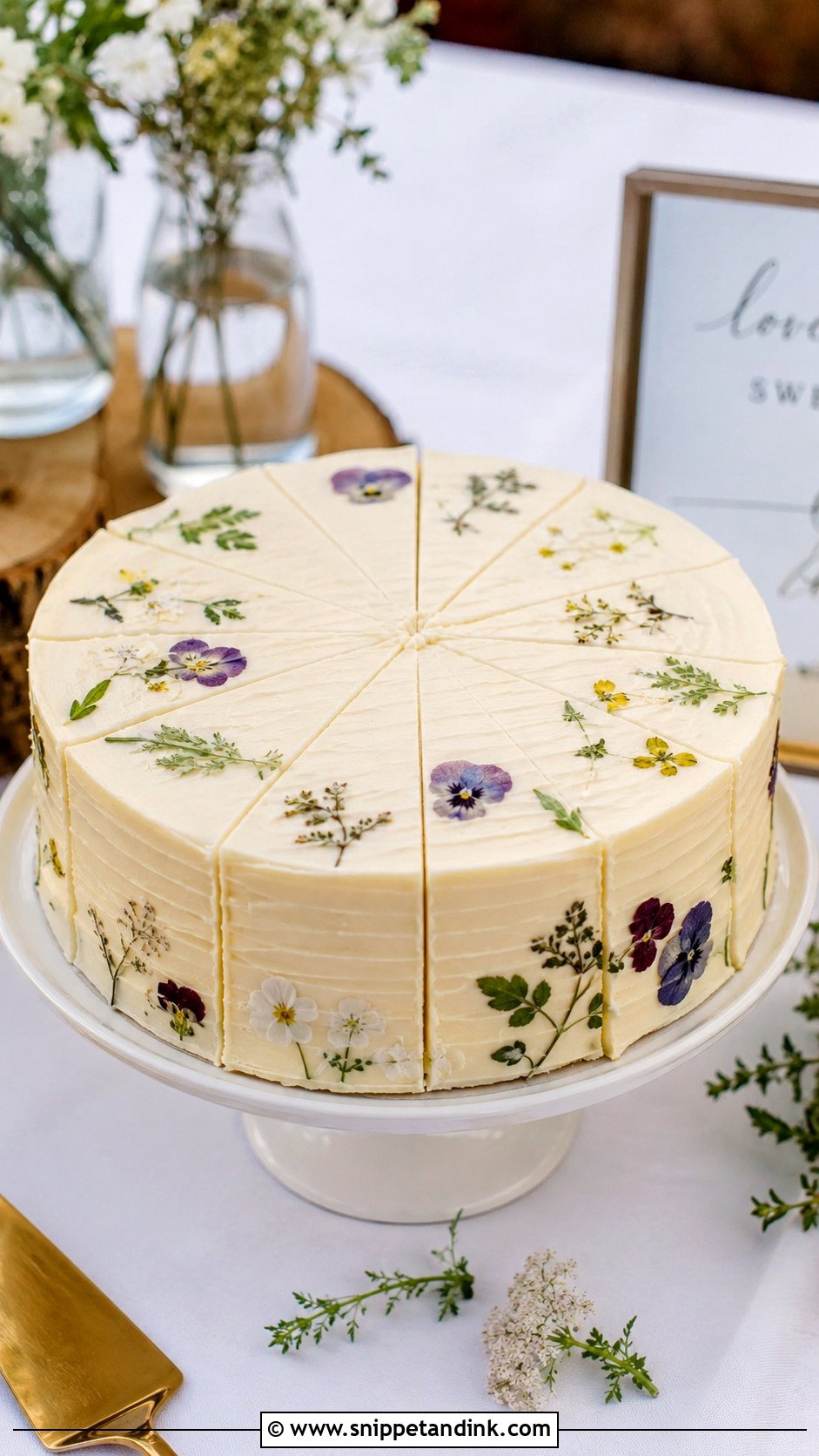
An 8-inch round feeds about 20 to 25, which suits brunch weddings, backyard receptions and restaurant dinners. Two layers lands nearer 20; a taller three-layer cake gives a few more. With a full dessert table beside it, an 8-inch can cover 30 guests, since not everyone takes cake when there’s a choice. Smooth buttercream or pressed edible flowers keep it looking like a wedding cake rather than a party cake.
3. 10 Inch Wedding Cake Servings
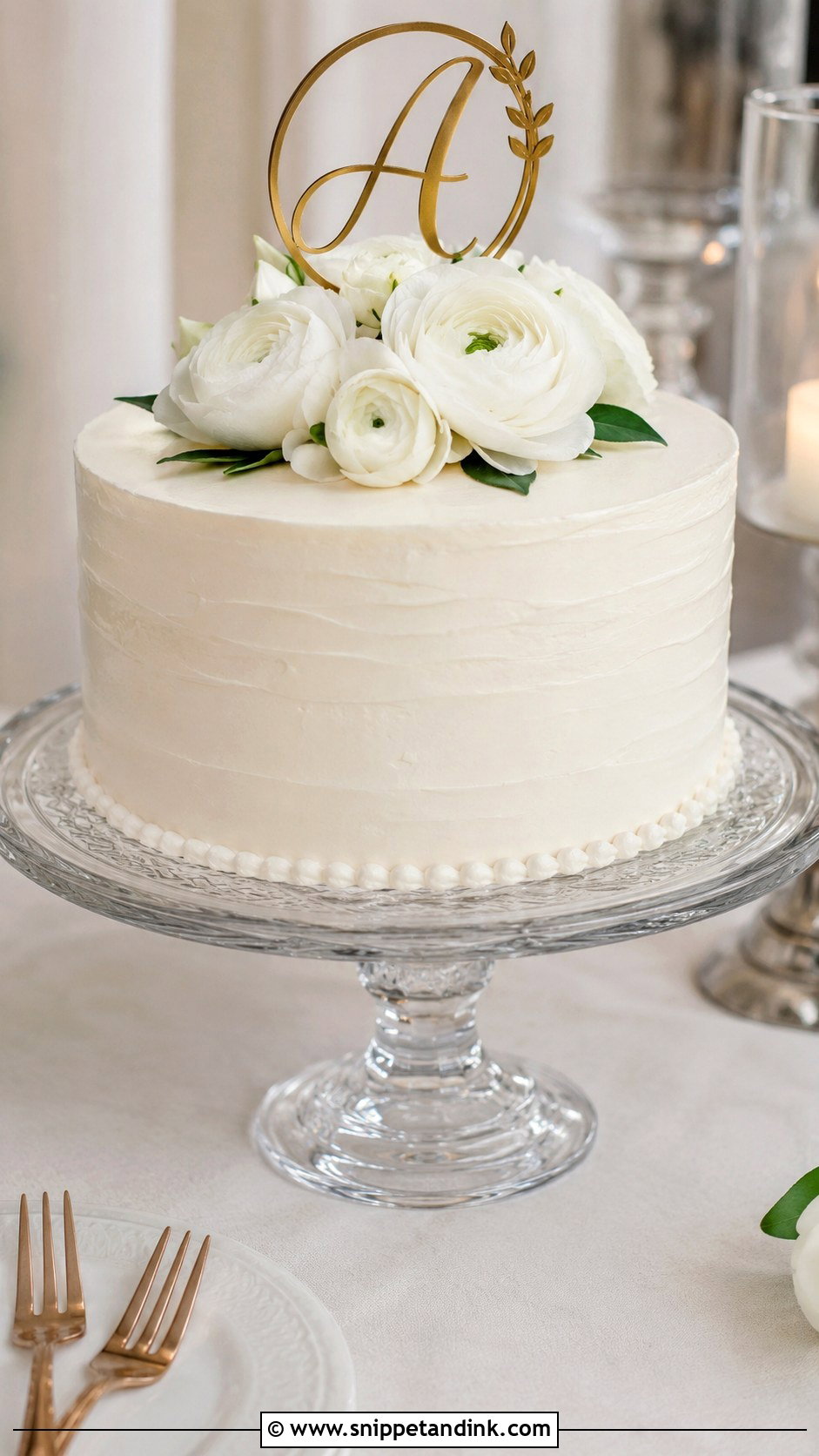
Ten inches is the size where a single tier starts to feel like a real wedding cake. It gives roughly 30 to 38 portions and enough surface for flowers, texture or a monogram topper. Wider tiers are also easier to cut uniformly than small ones, because the knife has room to work. For around 35 guests it’s practical on its own. If your crowd loves dessert, ask for a taller tier or a backup kitchen cake.
4. 12 Inch Wedding Cake Servings
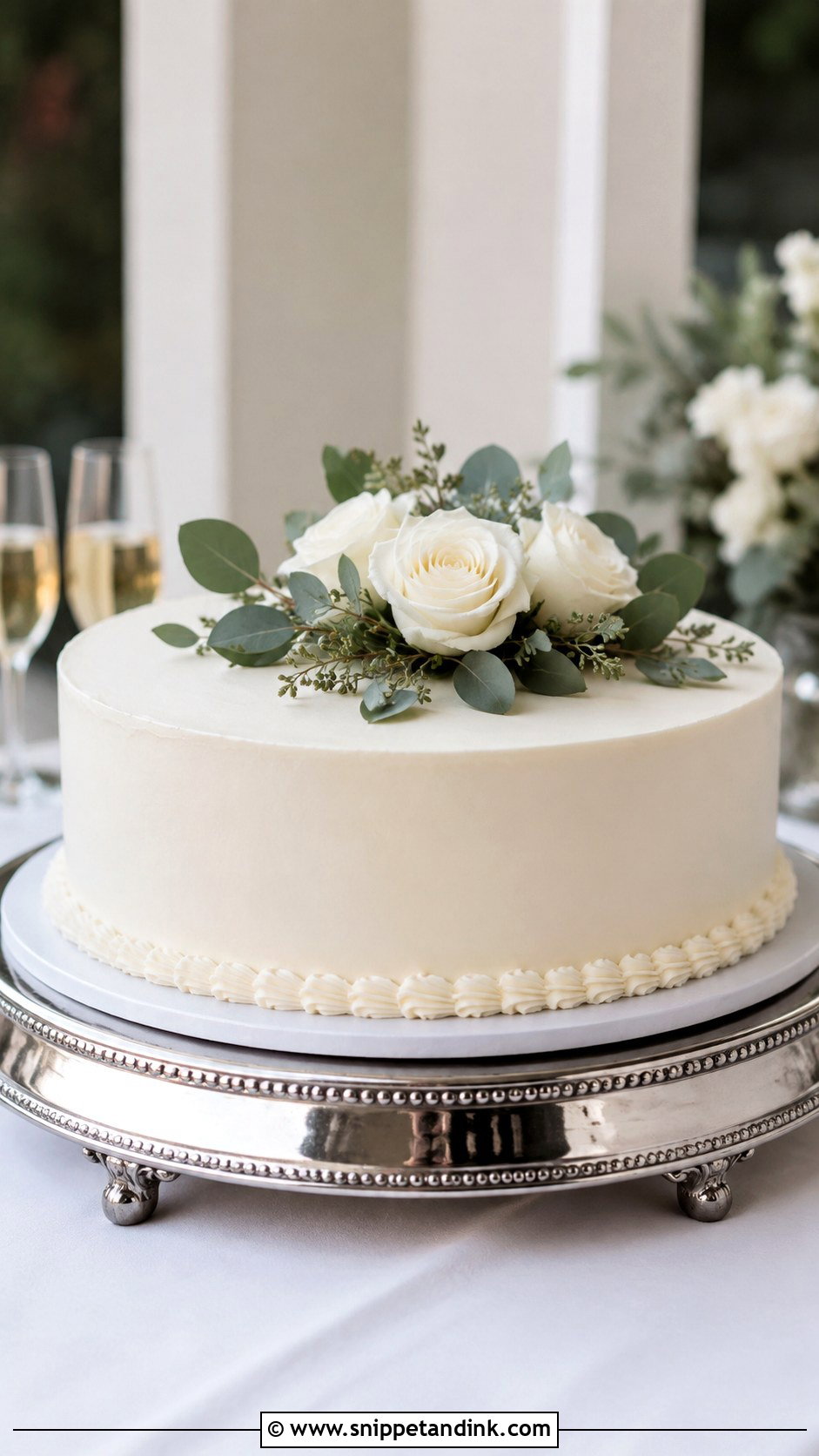
A 12-inch single tier can feed about 50 to 60. On a raised stand with flowers around the base, it reads low and wide, which suits garden and minimalist receptions. Cutting technique matters most at this size. I cut a 12-inch in rings, working in from the outside, because wedges cut like a pie lose a third of the yield. Make sure whoever slices it knows that.
5. 6 And 8 Inch Wedding Cake Servings
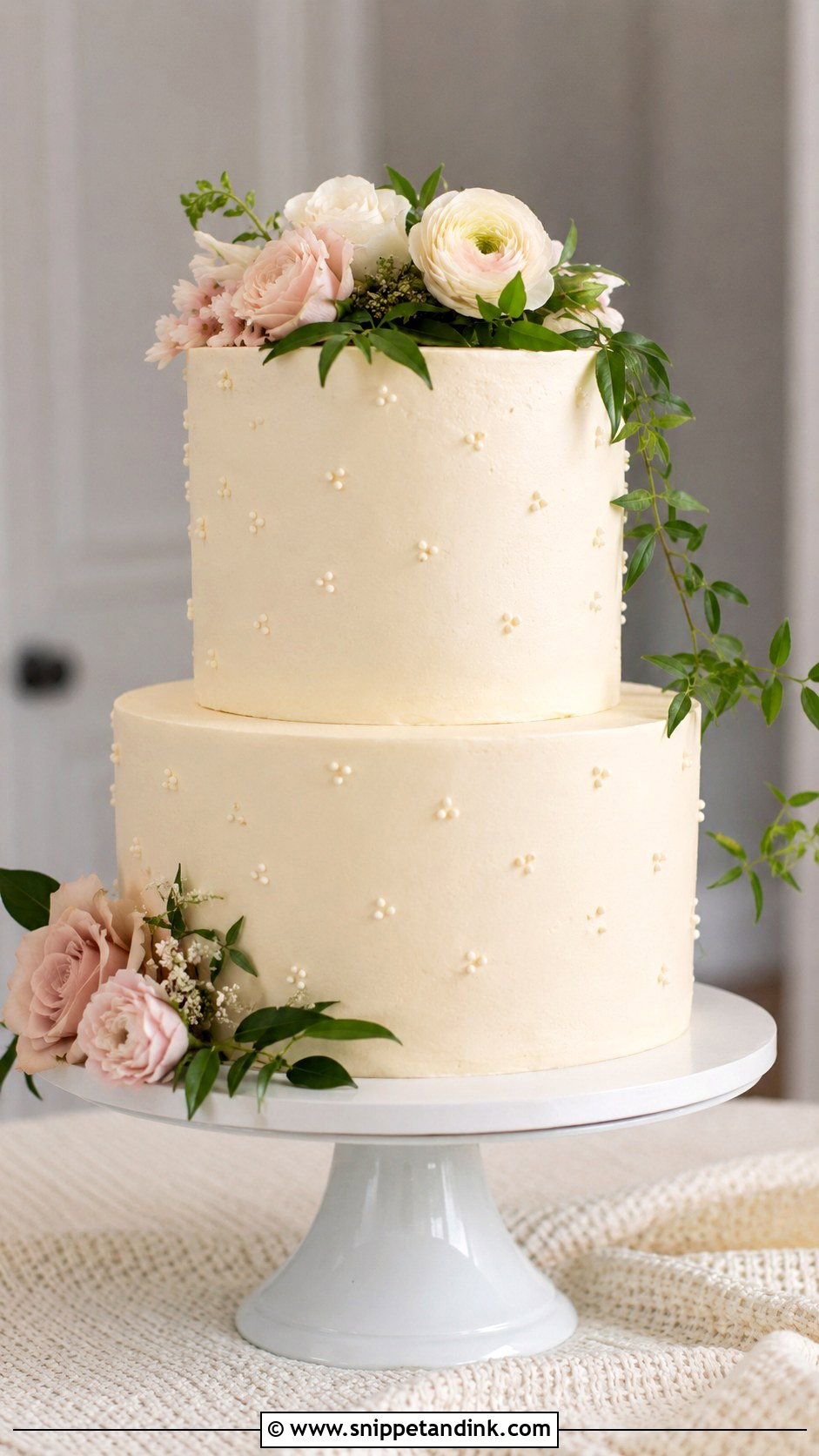
Two tiers of 6 and 8 inches serve about 30 to 40 and give you a classic stacked shape without many leftovers. You also get two flavors, which guests always appreciate: vanilla almond on top and lemon raspberry below, or chocolate and white. If you plan to keep the top tier, subtract its 12 or so portions from your count now, not on the night.
6. 8 And 10 Inch Wedding Cake Servings
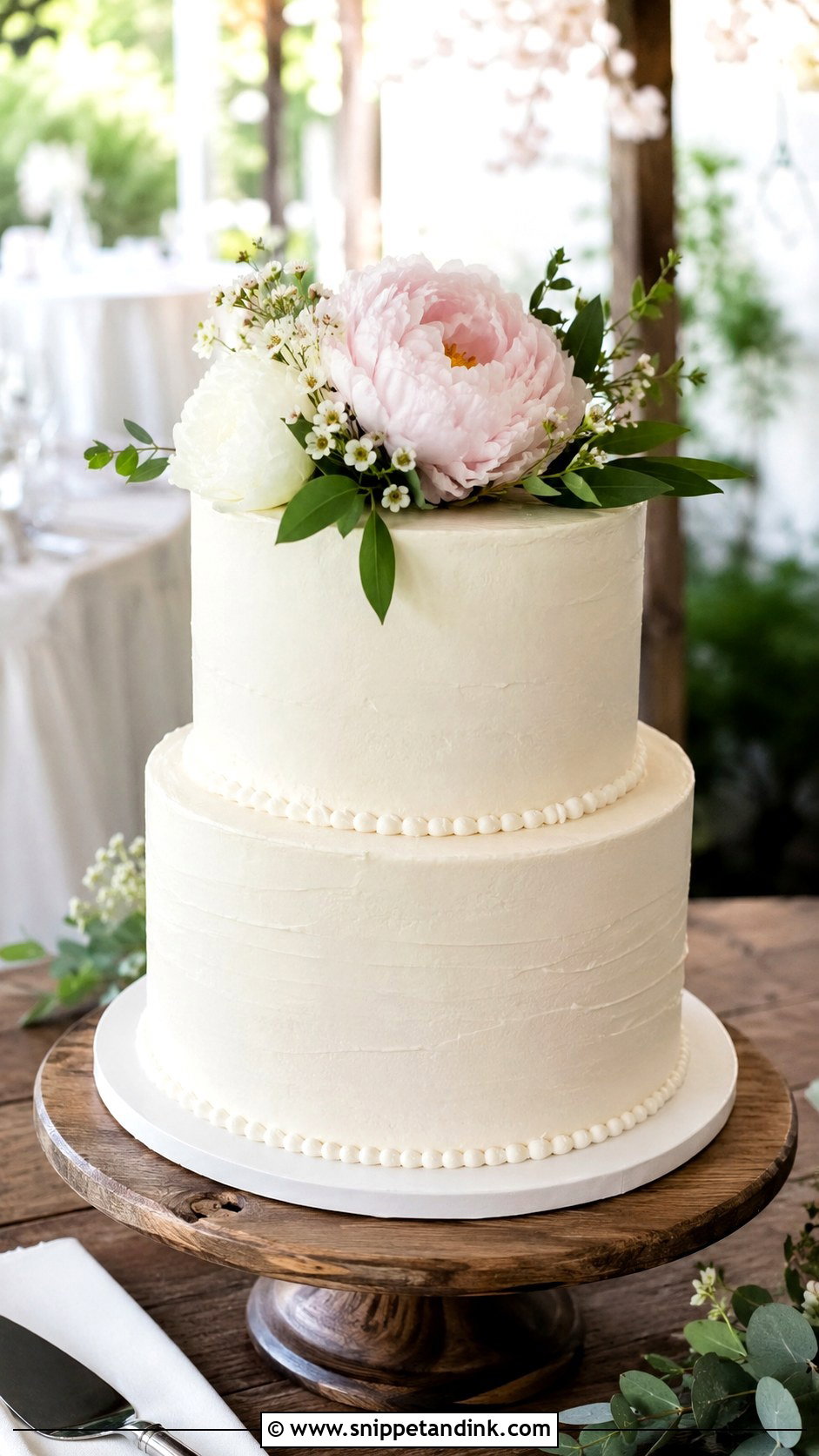
Eight and ten inches together usually serve 55 to 65. The wider bottom keeps the proportions steady while the top adds height for photos. It’s a dependable middle size for semi-formal and small hotel weddings. When cake is the plated dessert, I’d plan toward the top of that range or add a small kitchen cake, because a plated dessert service gives everyone a slice whether they asked or not.
7. 6 8 10 Inch Wedding Cake Servings
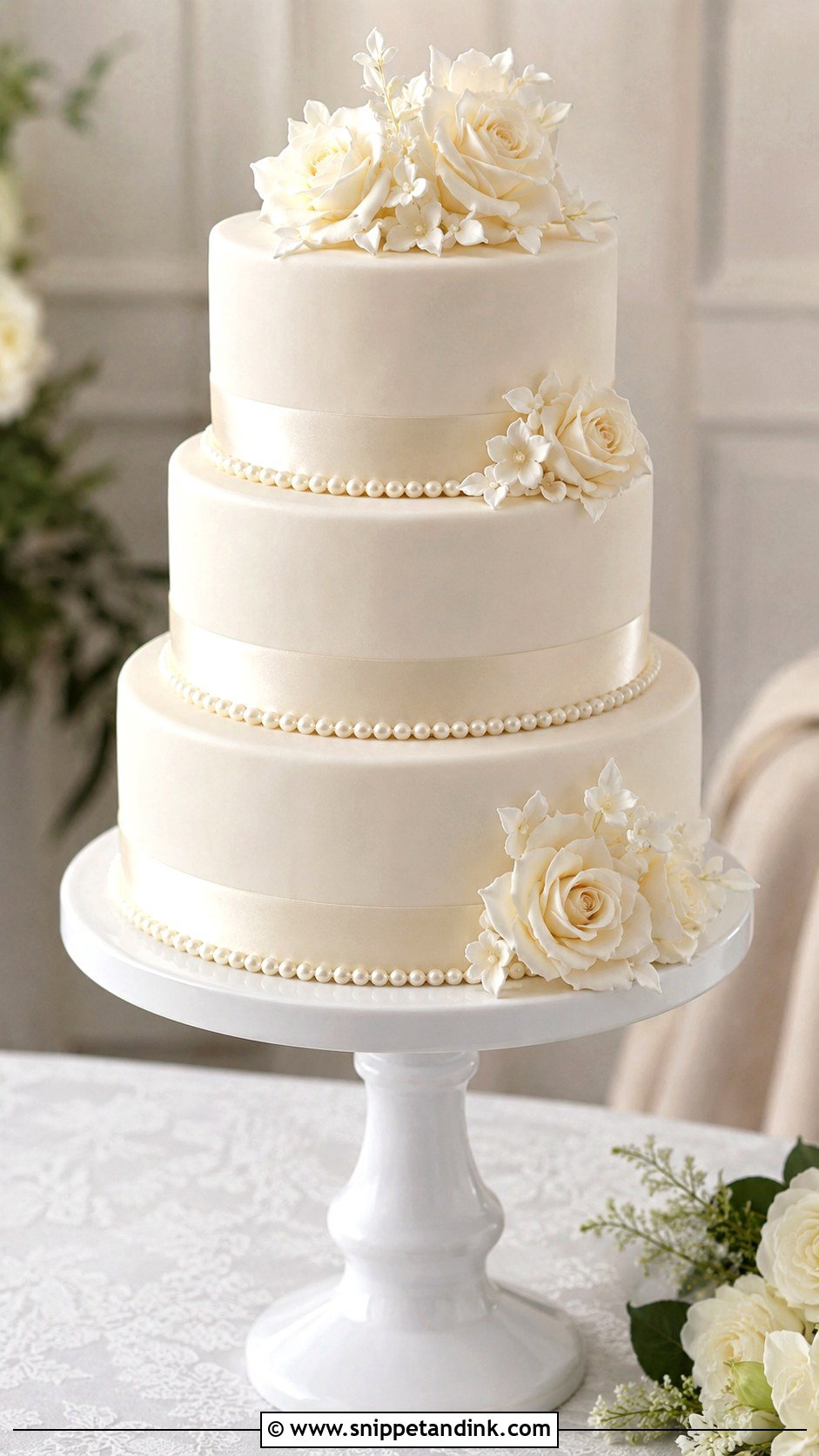
The classic small three-tier, 6, 8 and 10 inches, feeds about 70 to 80 with standard slices. Bakers like it because it’s easy to support, carry and decorate, and it looks tall enough to feel like an occasion. Couples often use the top tier for an anniversary tradition, which brings the served count down to about 60 to 70. Heavier flowers at the base and lighter ones up top keep it from looking top-heavy.
8. 6 9 12 Inch Wedding Cake Servings
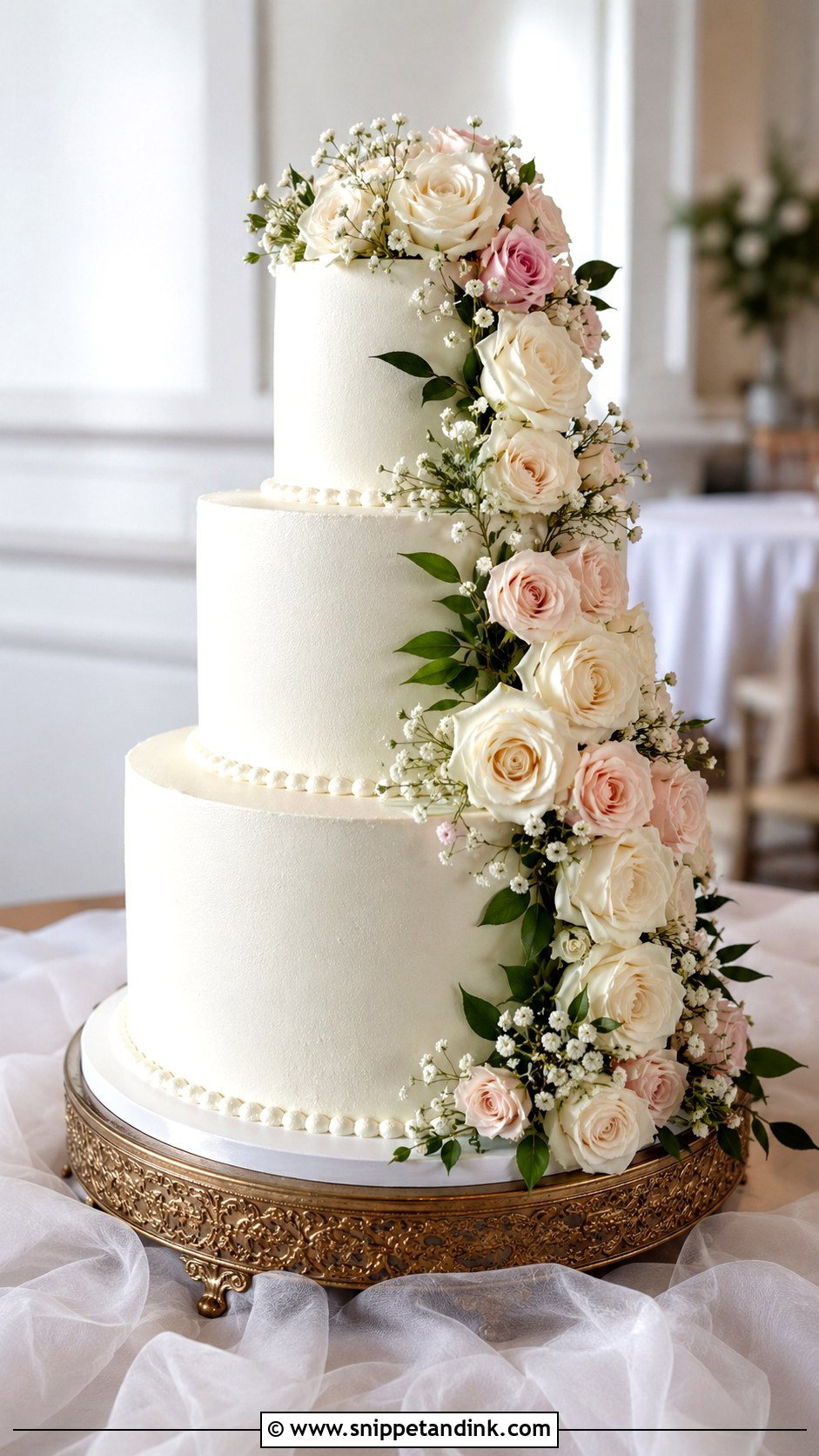
Three-inch steps from 6 to 9 to 12 give a graceful stepped silhouette and about 90 to 100 portions, depending on tier height. Most of those come from the 12-inch base, so put the crowd favorite there and use the smaller tiers for almond, lemon or red velvet. From the serving side, it’s a practical size for a medium reception with cake after dinner.
9. 8 10 12 Inch Wedding Cake Servings
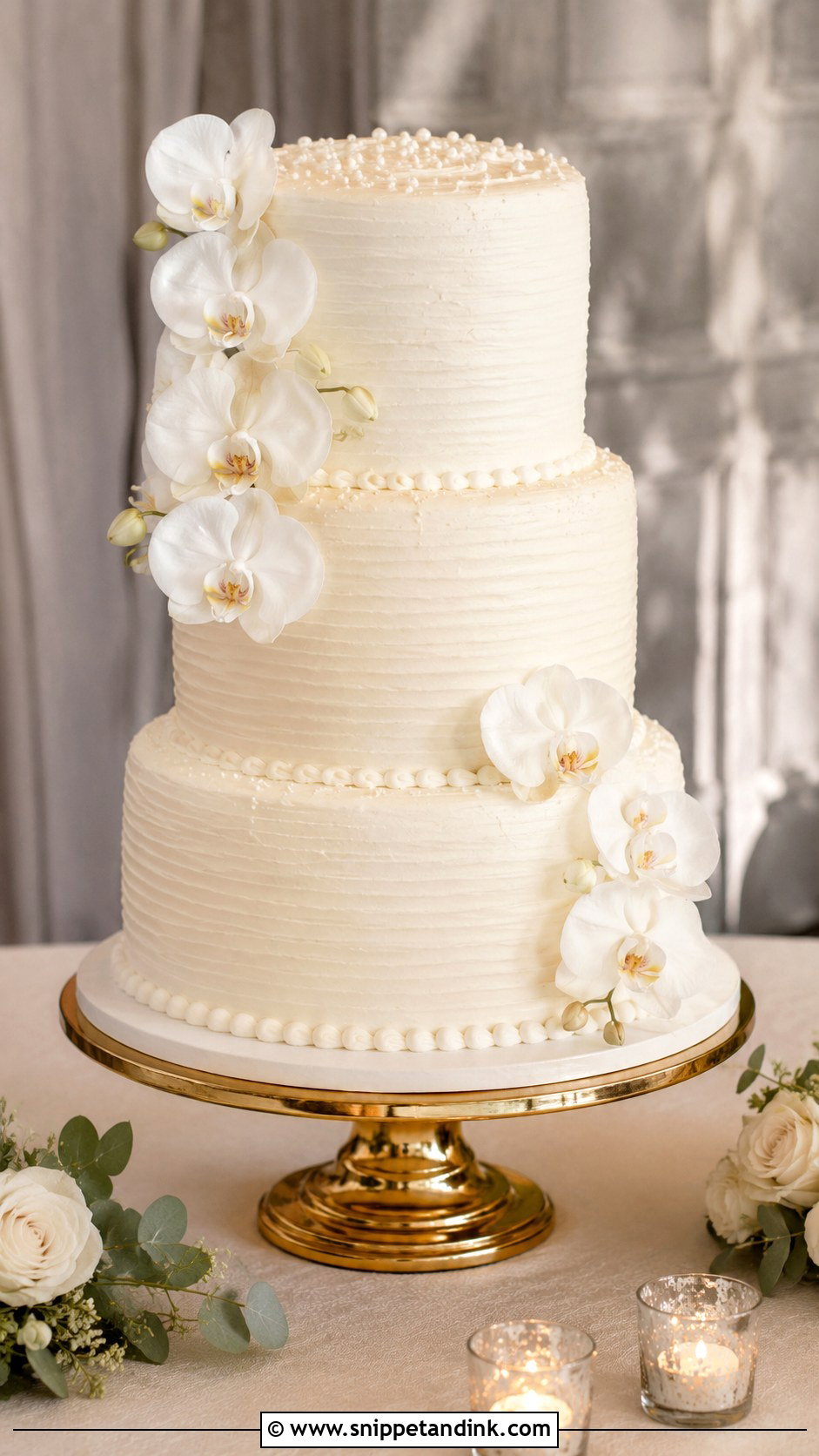
Wider tiers of 8, 10 and 12 inches give a fuller, more substantial shape and serve about 90 to 110. They can carry bigger flowers and textured piping. If the cake will stand on display all evening before cutting, ask the baker how the frosting and filling cope with that time out of the fridge. And if it has to be moved after setup, it needs strong internal supports; a wide cake carried across a dance floor is a nervous moment for everyone.
10. 6 10 14 Inch Wedding Cake Servings
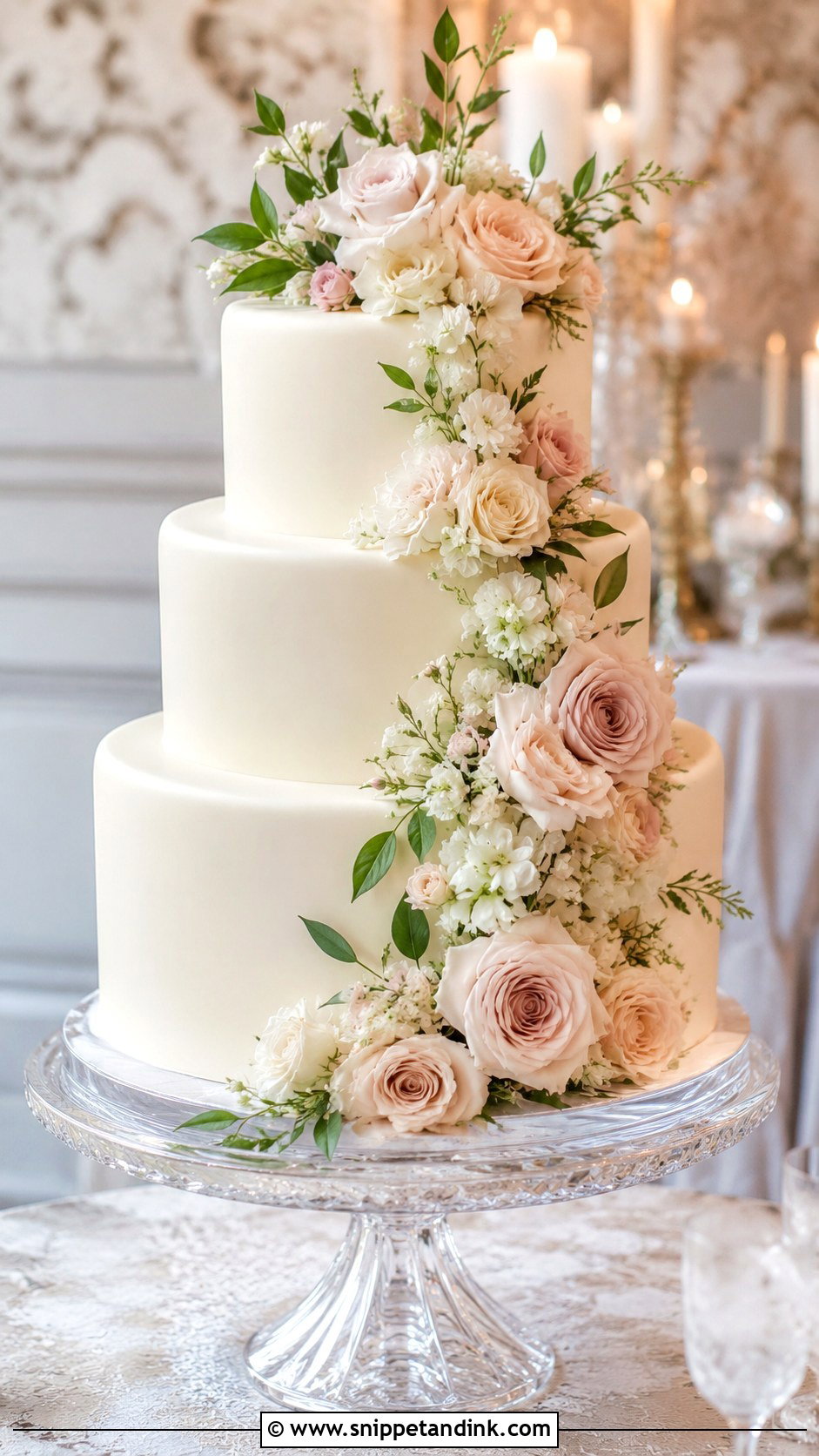
Big jumps from 6 to 10 to 14 inches create a dramatic, slightly modern outline and serve about 100 to 120. Nearly all the servings sit in the 14-inch base, while the small top tiers keep the profile tall. Cascading flowers suit the wide base. If there are other desserts on the table, this size usually covers the room with some to spare.
11. 8 12 16 Inch Wedding Cake Servings
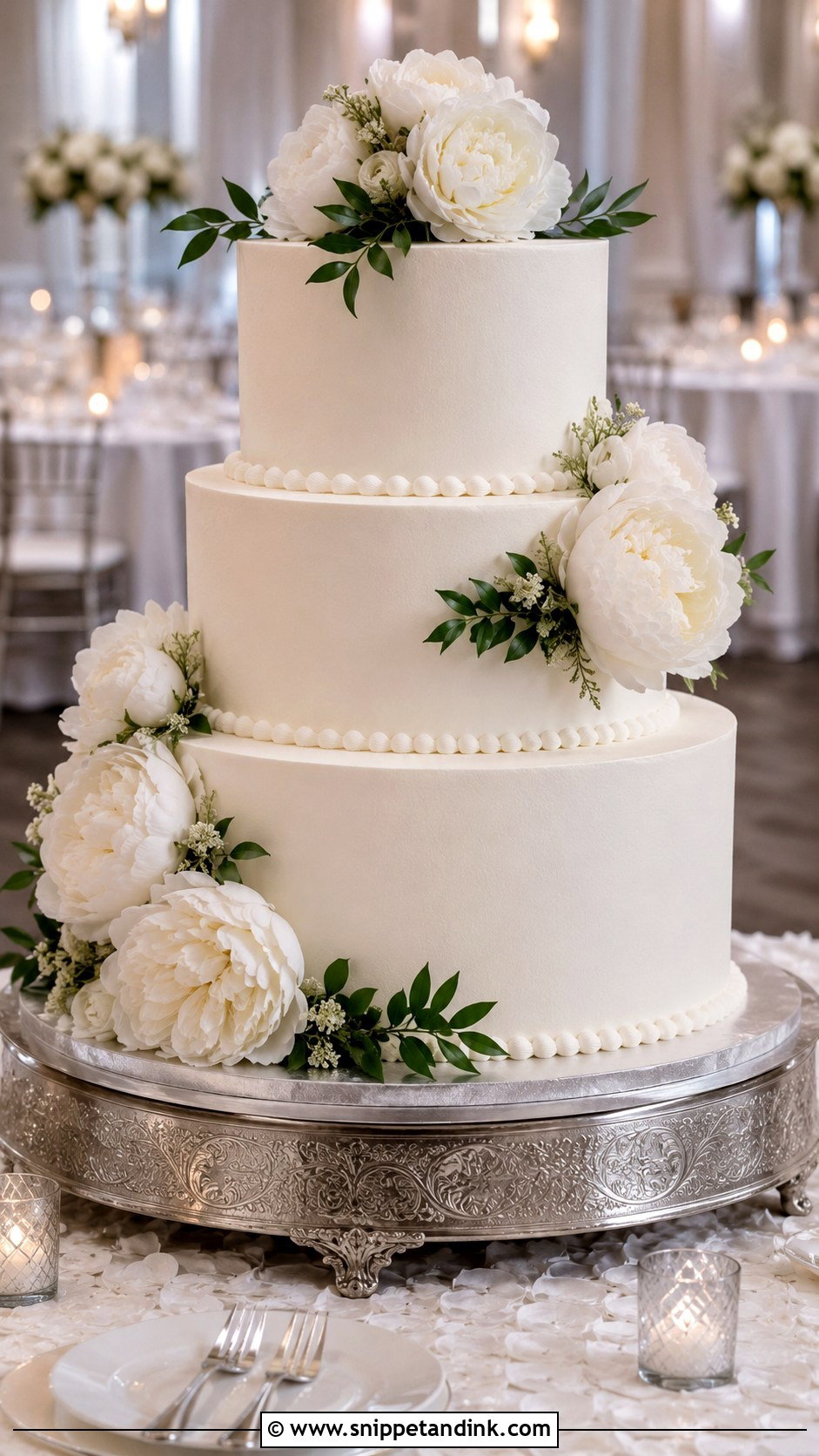
A 16-inch base under 12 and 8 inches gives a grand cake for ballrooms and banquet halls, feeding about 130 to 150. A cake this size is genuinely heavy, so it needs proper doweling, a sturdy table and a baker who delivers and sets up in person. Put popular flavors in the larger tiers. When I cut a 16-inch tier, I need a long knife, a clear workspace and a second pair of hands to plate, so tell your caterer it’s coming.
12. 6 8 10 12 Inch Wedding Cake Servings
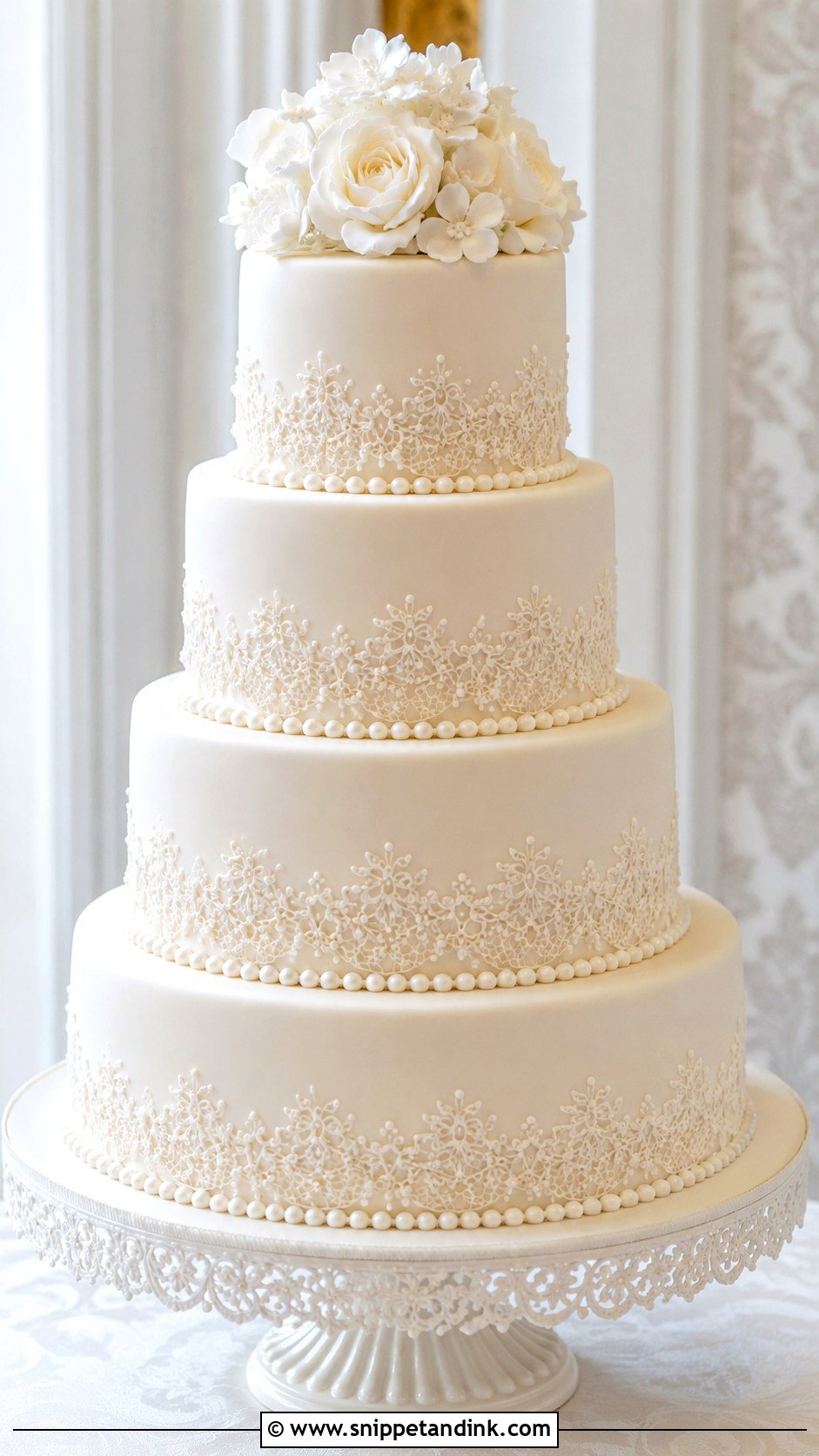
Four evenly stepped tiers, 6, 8, 10 and 12 inches, serve about 120 to 140 and give height without width. The even steps make repeating details like pearl borders or buttercream bands easy to carry up the cake. Four tiers need careful support, so choose a baker experienced with stacked wedding cakes. Saving the top tier? Tell the baker early so they can add a matching kitchen cake to make up the count.
13. 6 9 12 15 Inch Wedding Cake Servings
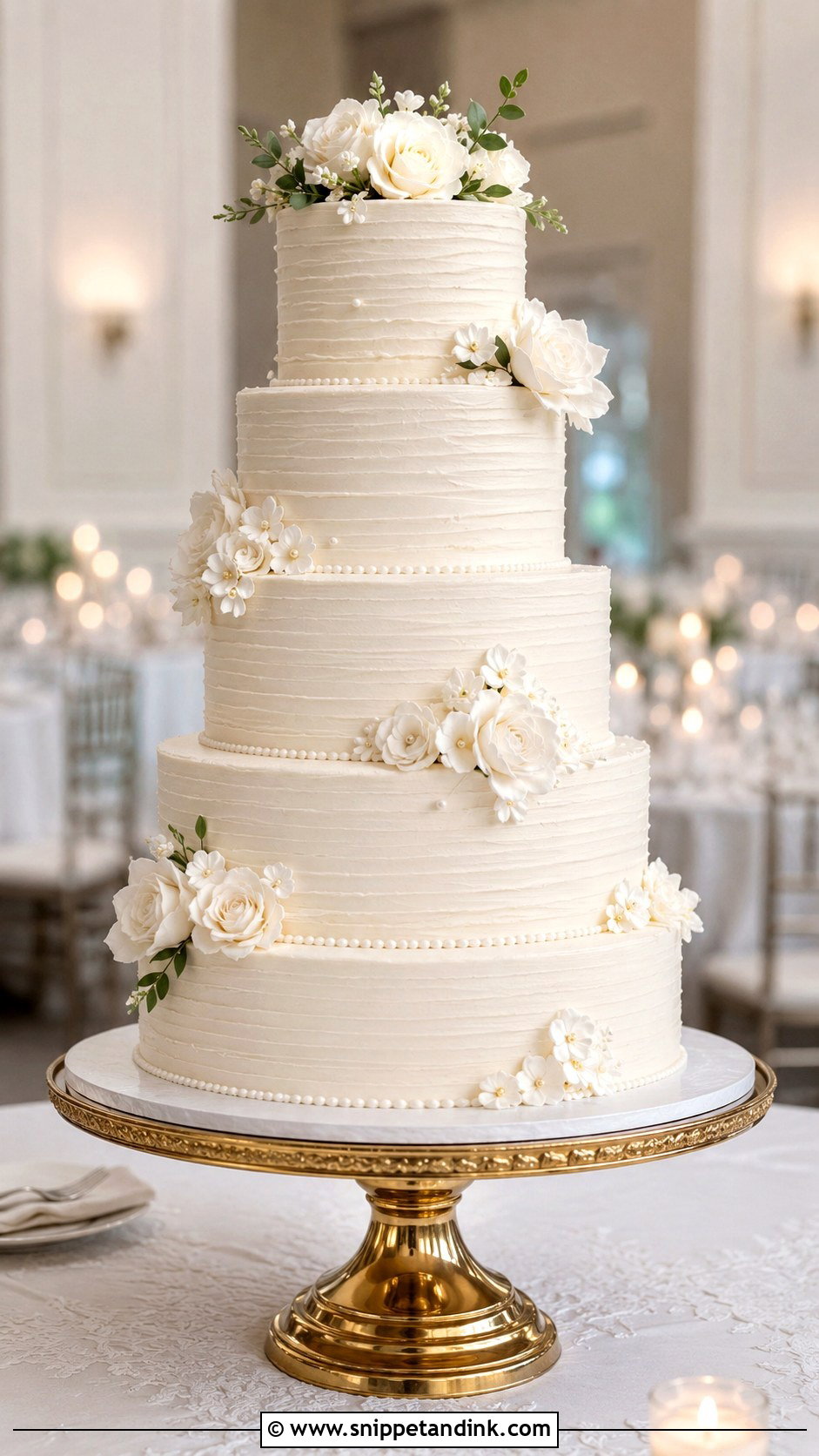
Stepping 6, 9, 12 and 15 inches serves about 150 to 170, and the three-inch gaps leave decorating space on every tier. A cake this heavy should be assembled, or at least checked, on site by the baker. Use the 15-inch base for the safest crowd-pleaser and save special flavors for the upper tiers, since far fewer slices come from them.
14. 8 10 12 14 Inch Wedding Cake Servings
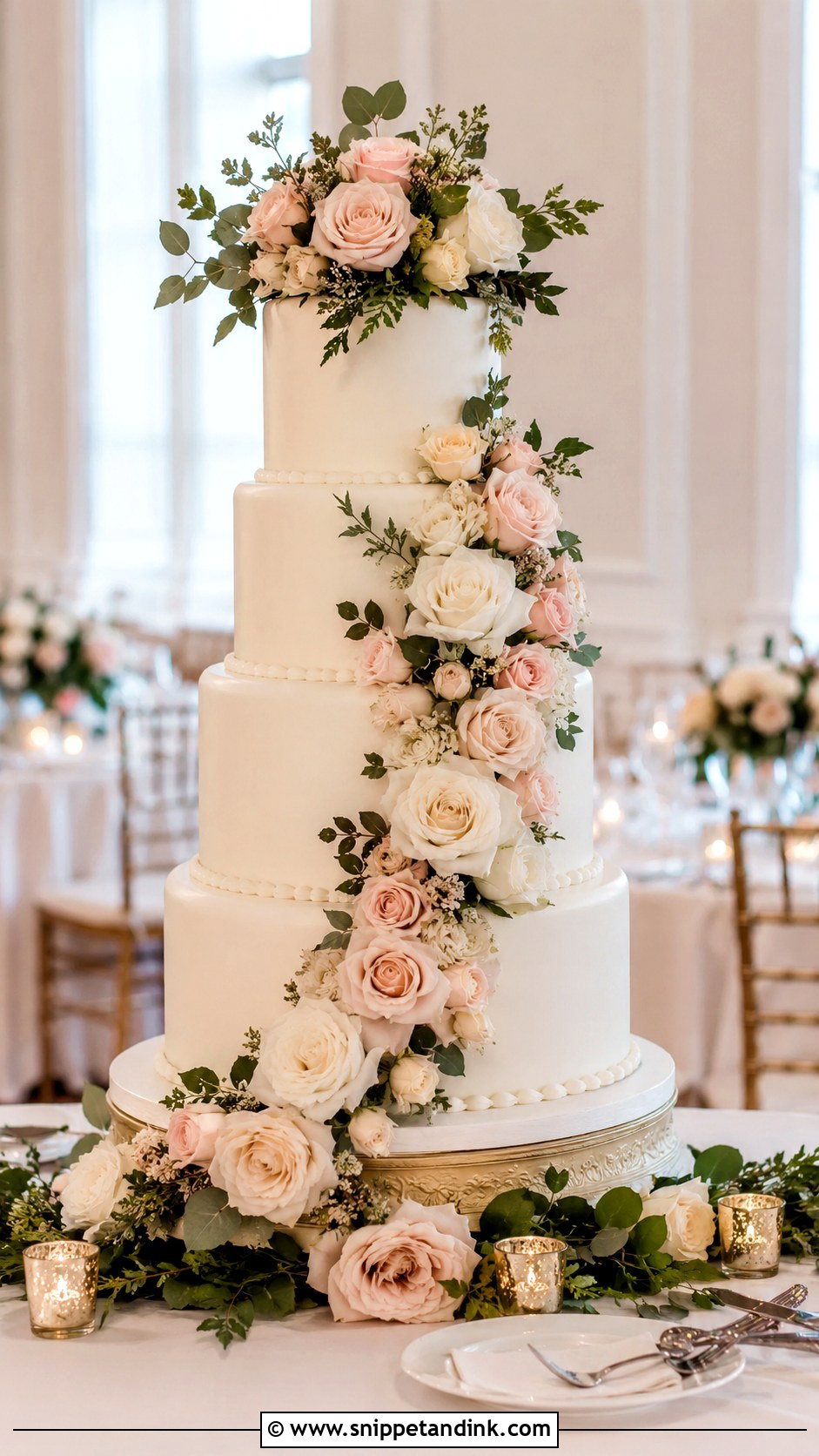
Close sizes of 8, 10, 12 and 14 inches build a full, stately cake that serves about 160 to 180. Because each tier is wide, a light hand with decoration looks better than heavy work: refined texture, scattered sugar flowers or simple piping. As the only dessert, it covers a big room well. Paired with pastries or a dessert bar, expect leftovers, and decide in advance whether guests can take slices home.
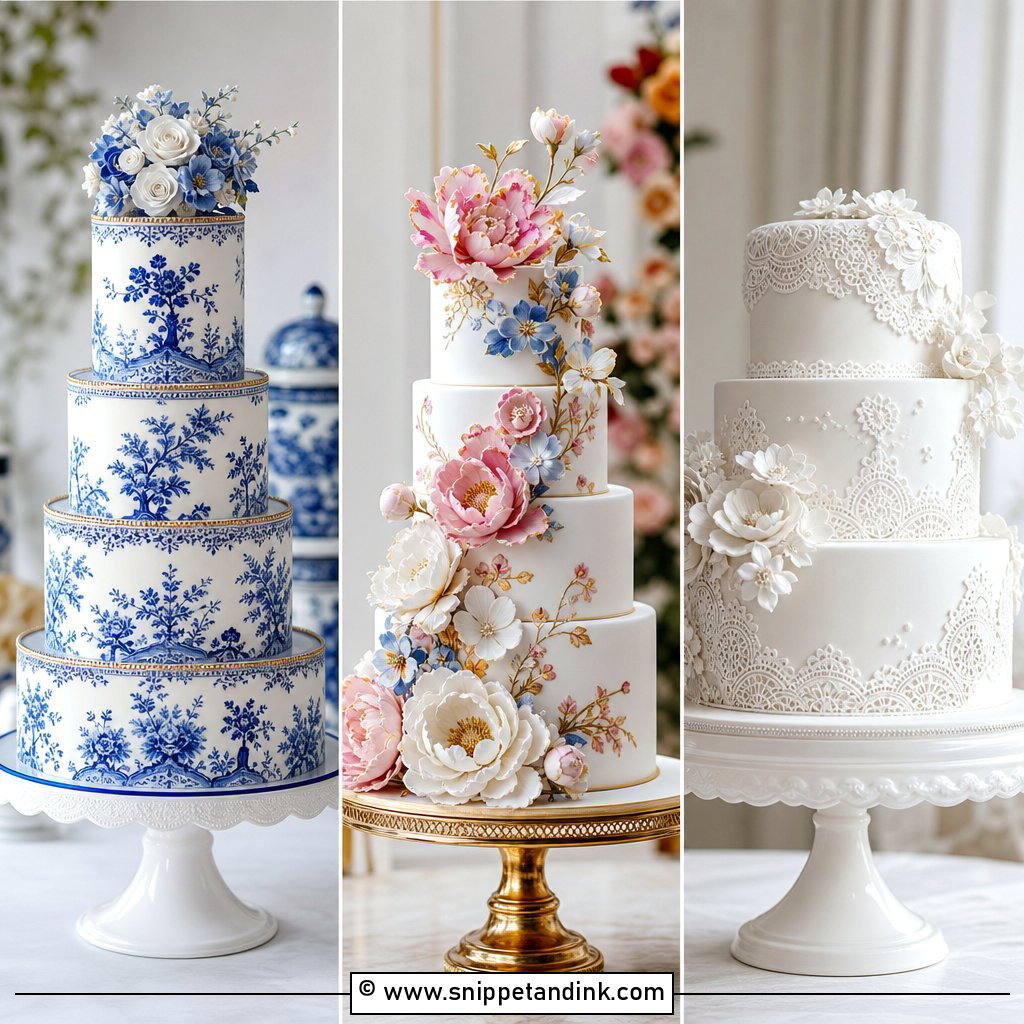
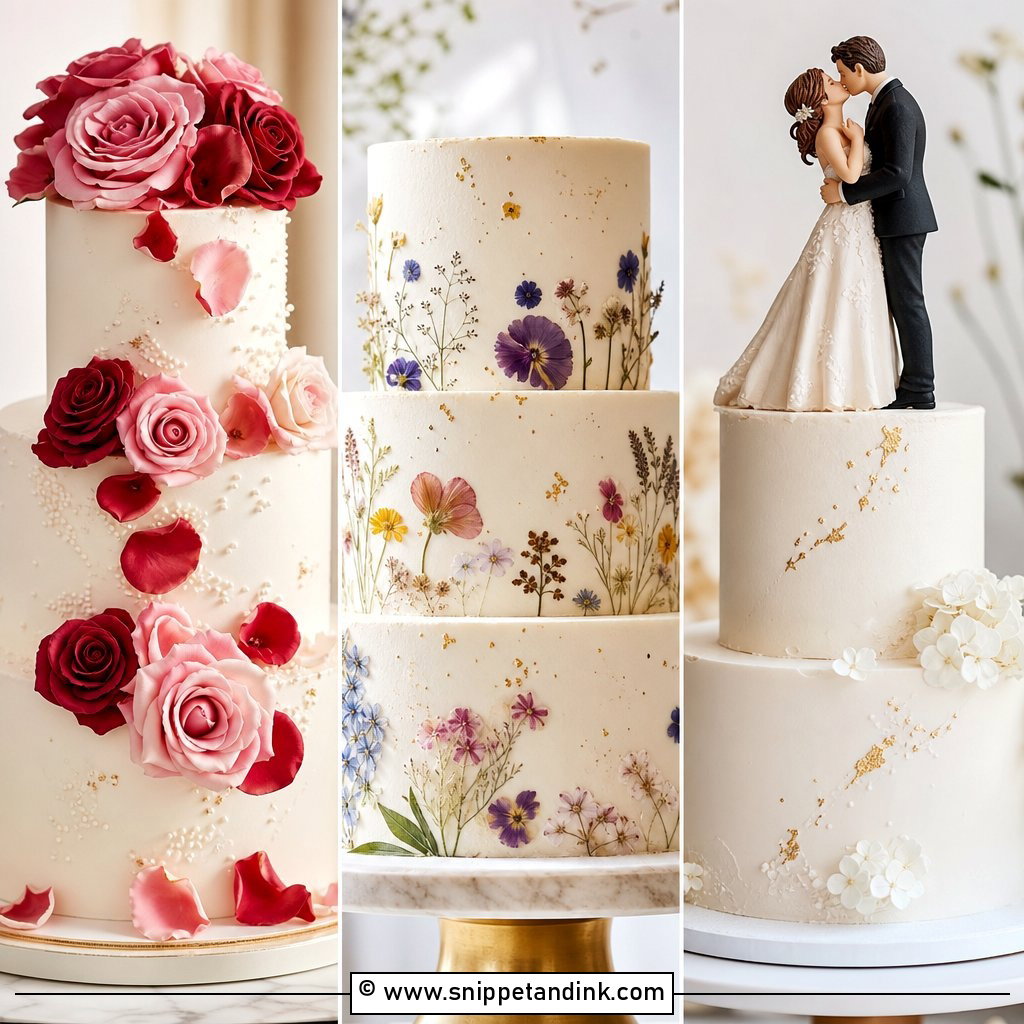
15. 10 12 14 16 Inch Wedding Cake Servings
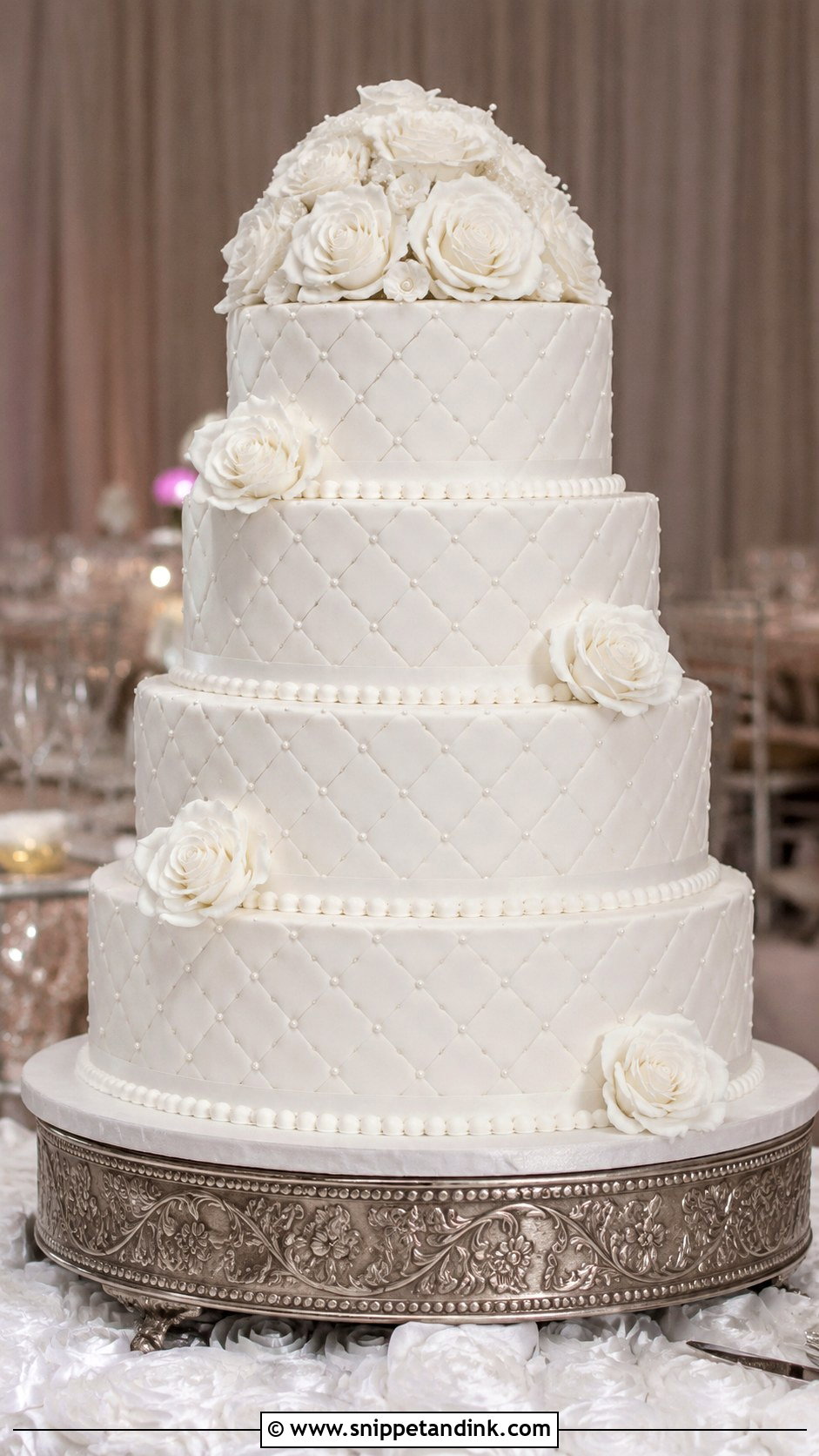
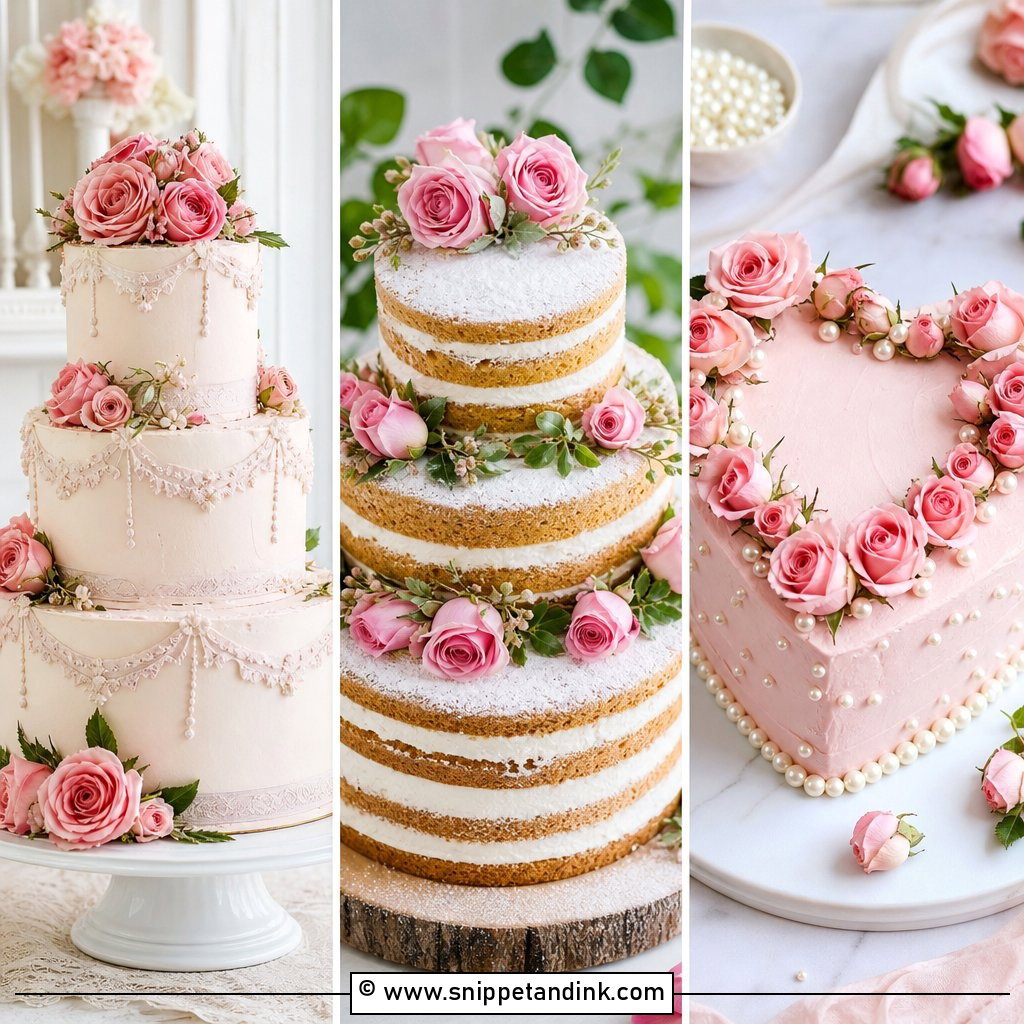
With 10, 12, 14 and 16-inch tiers, you’re looking at around 200 portions or more, depending on how each tier is cut. It needs a sturdy table, strong supports and careful transport, and the shape reads broad rather than tall. In the kitchen I’d section the largest tiers before cutting, scoring the top lightly so every slice matches. Without that, servers drift toward big wedges and the cake runs out before the last tables.
16. Square Wedding Cake Servings
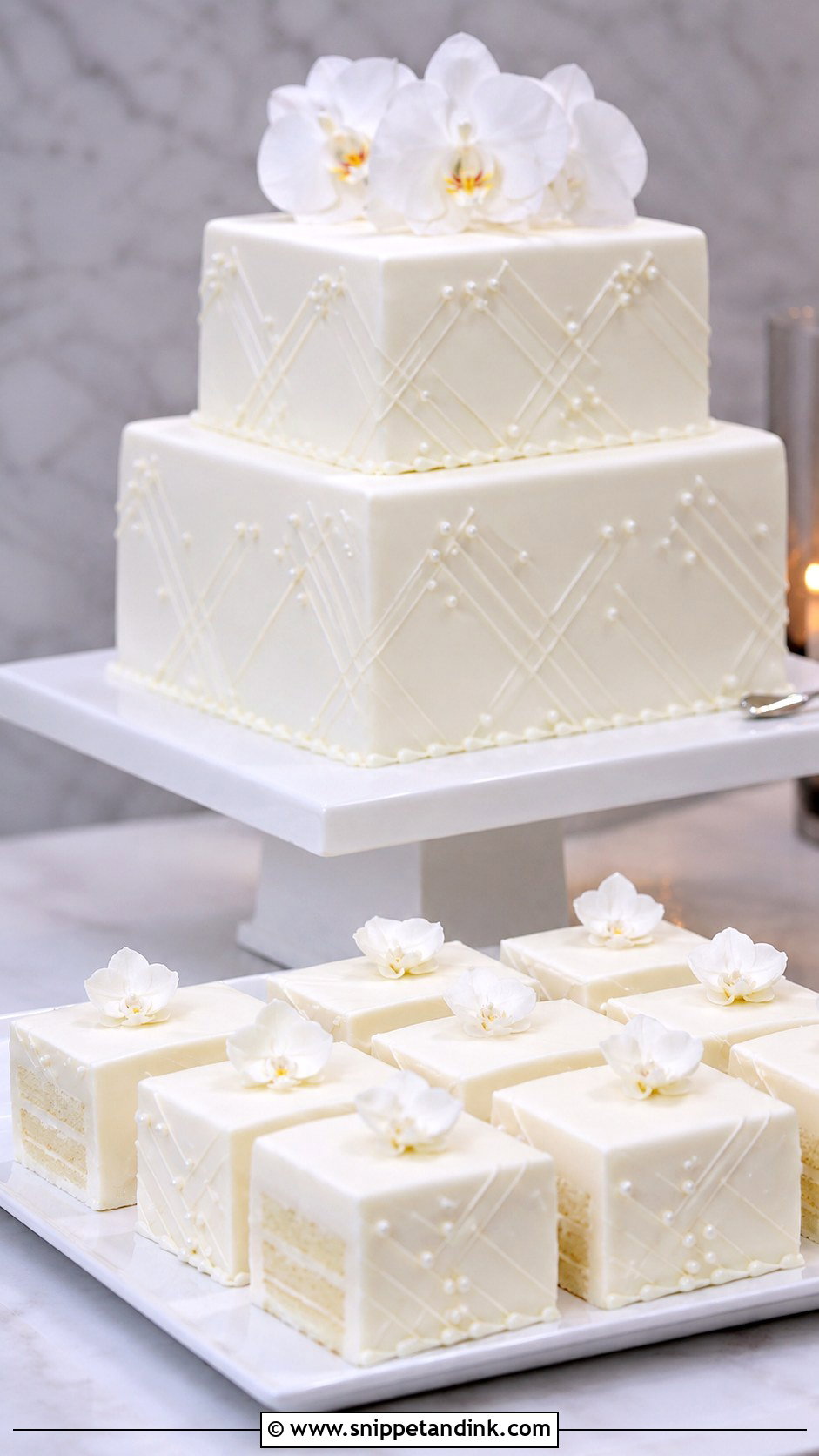
Square tiers serve more than round ones of the same width, because the corners hold extra cake. An 8-inch square gives roughly 30 to 40 slim slices, and larger squares stretch further than most couples expect. They cut into straight rows with no guesswork, which makes portion control easy for a catering team. Sharp edges and crisp fondant or buttercream suit modern and art deco receptions.
17. Sheet Cake Wedding Servings
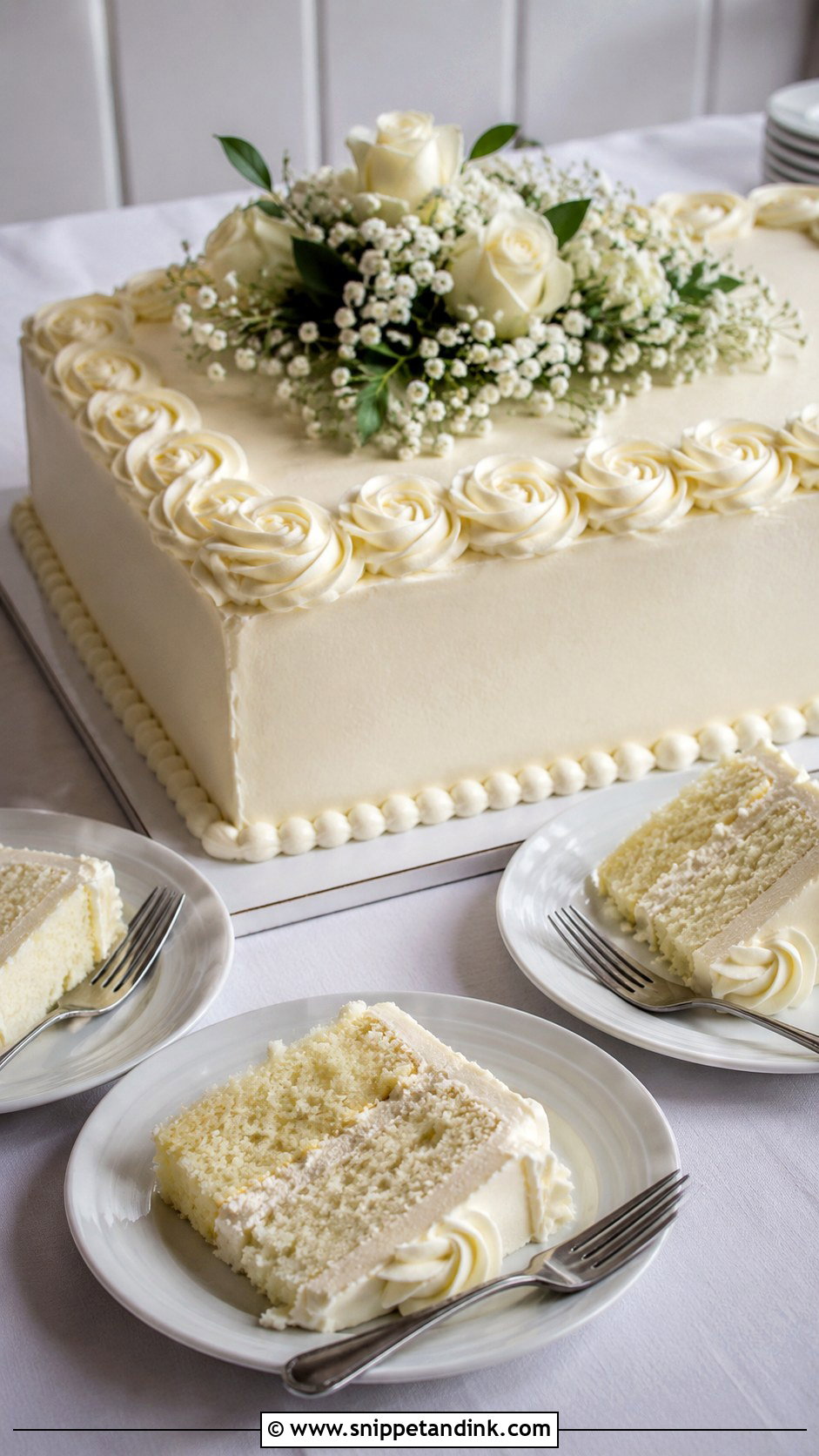
Kitchen sheet cakes are the cheapest way to add servings without growing the display cake. Many couples show a small tiered cake for photos and serve matching sheet cake from the back. A half sheet may feed around 40 to 50 guests and a full sheet 80 or more, depending on slice size. Ask your baker to match flavor, filling and frosting exactly. Guests can’t tell where their slice came from once it’s plated, and it frees the display cake from a rushed cutting.
18. Cutting Cake With Cupcakes Servings
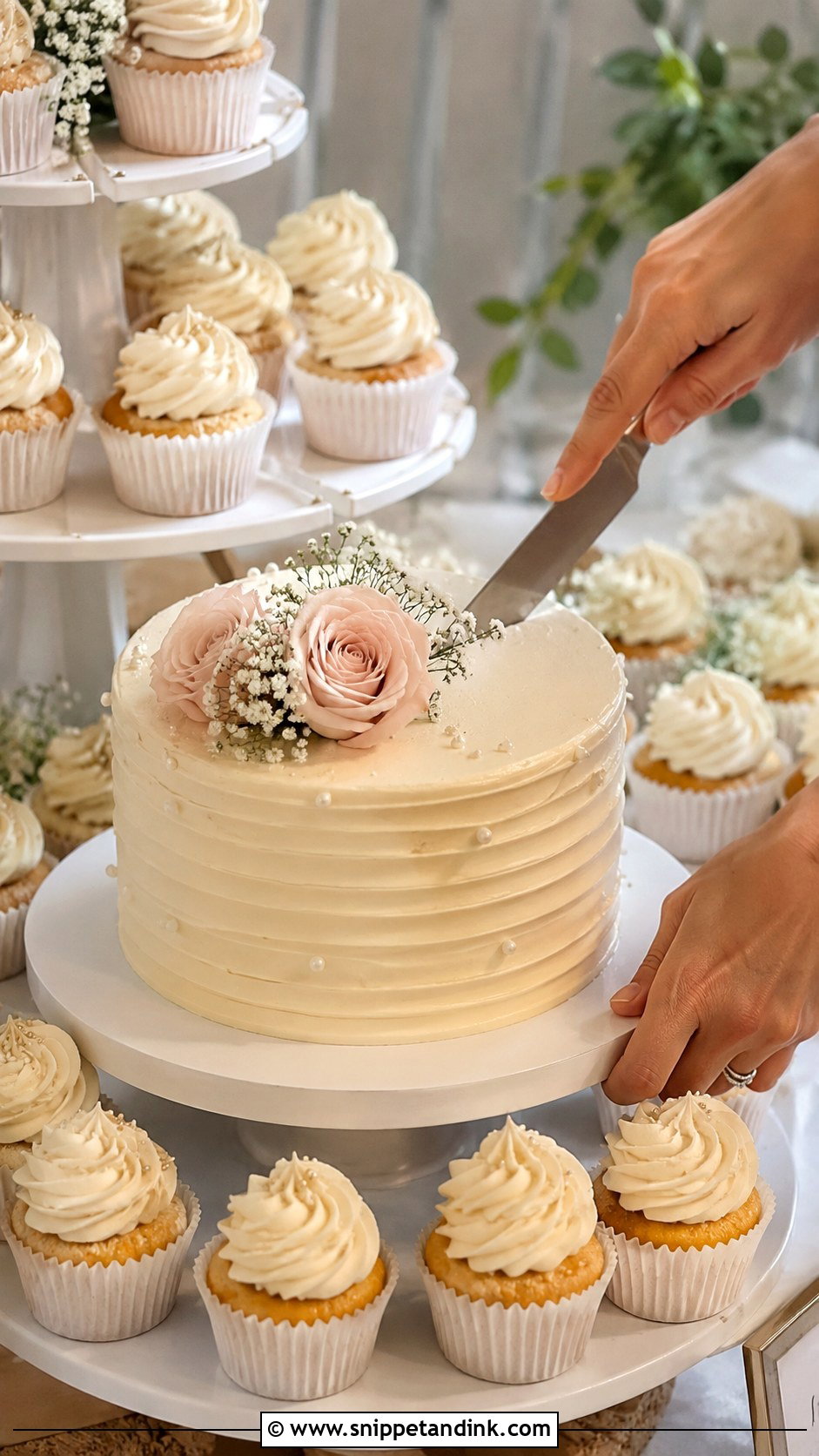
A small 6 or 8-inch cake for the couple to cut, with cupcakes doing most of the feeding, removes slicing almost entirely. That helps at outdoor weddings and venues with few staff. Plan one cupcake per guest plus a small cushion for second helpings. Match the cupcake frosting to the cutting cake so the table reads as one design. It’s also the fastest way to serve dessert, since guests help themselves.
19. Dummy Tier Wedding Cake Servings
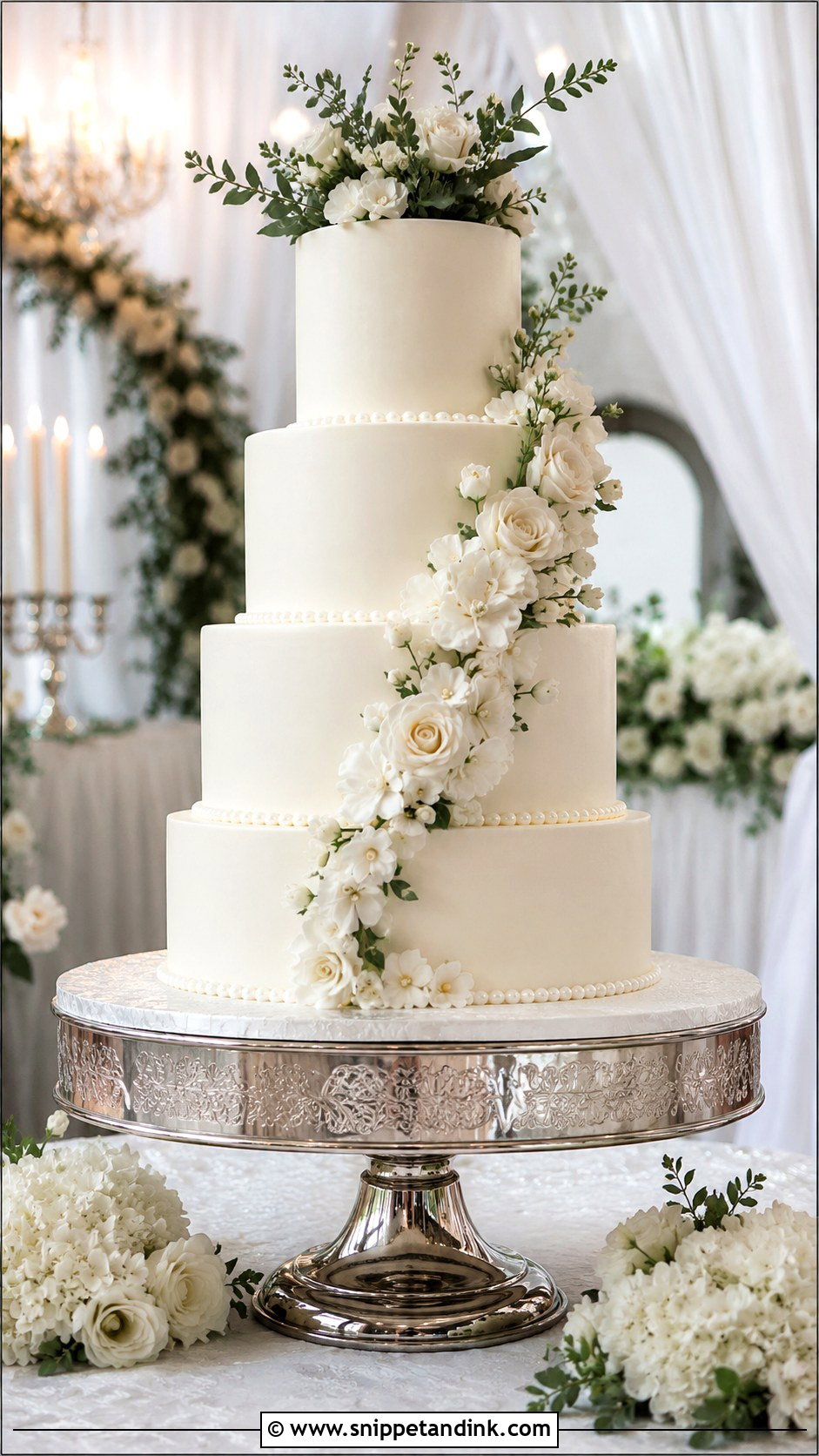
A dummy tier wedding cake uses frosted foam tiers to add height without adding servings. A real 8 and 10-inch cake might sit on or under one or two dummies to look like four tiers, with kitchen cakes covering any shortfall. Dummies also help with heavy designs and tall rooms. The one thing I need on the night is a clear note of which tiers are real. A knife into foam in front of guests is not the moment anyone wants.
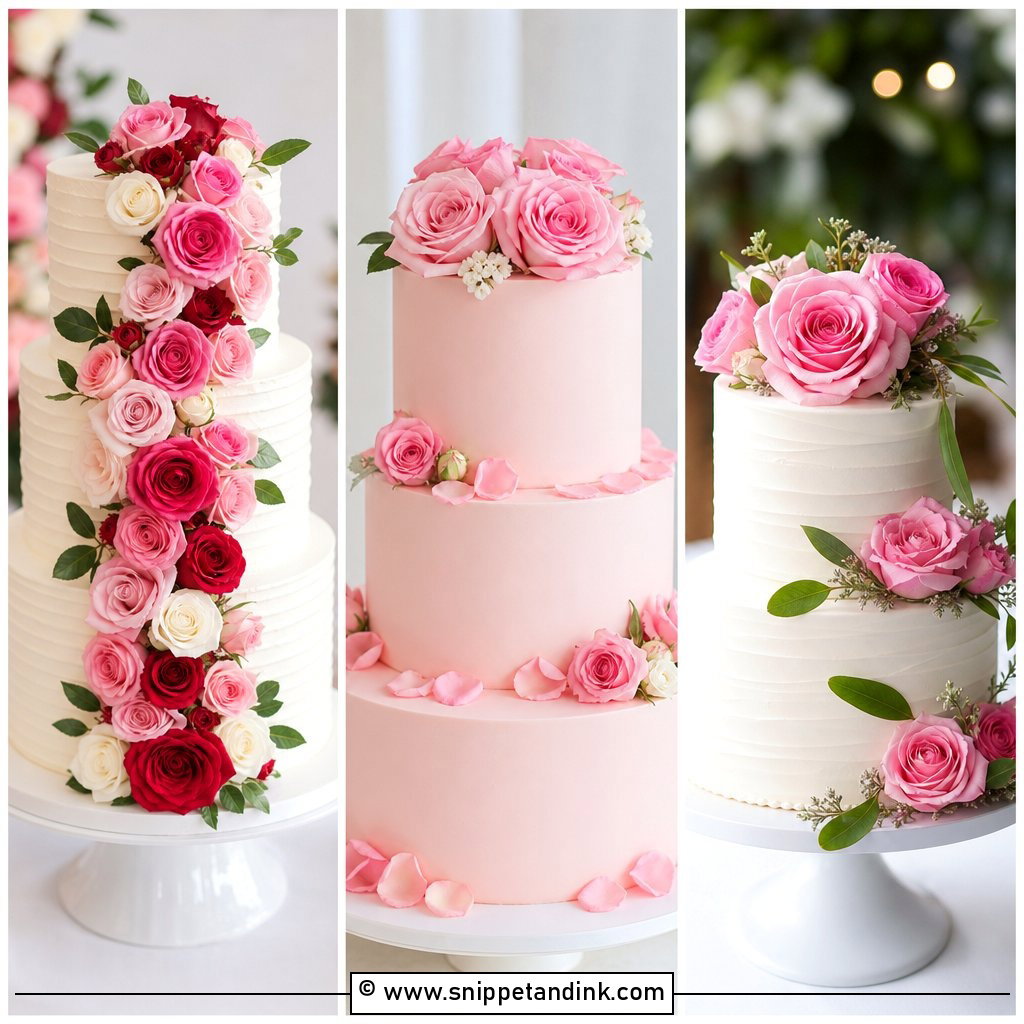
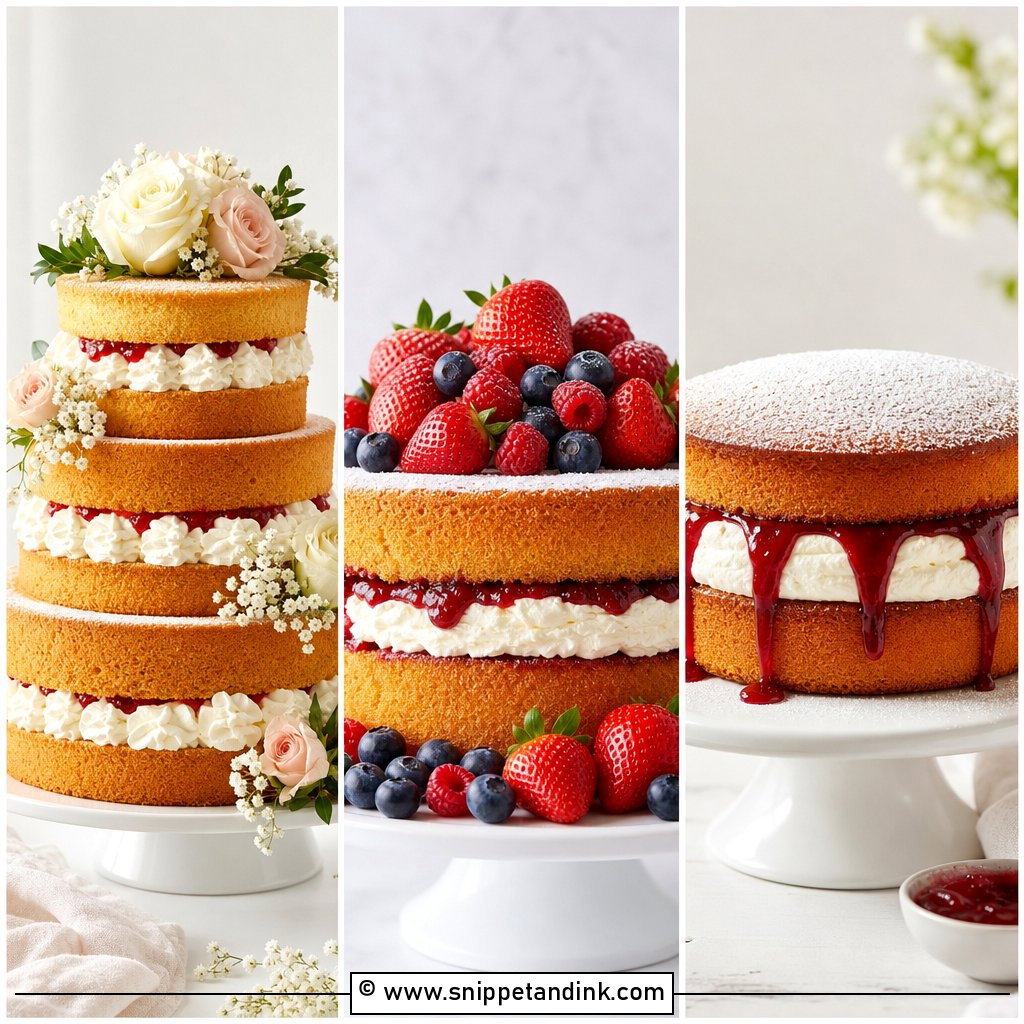
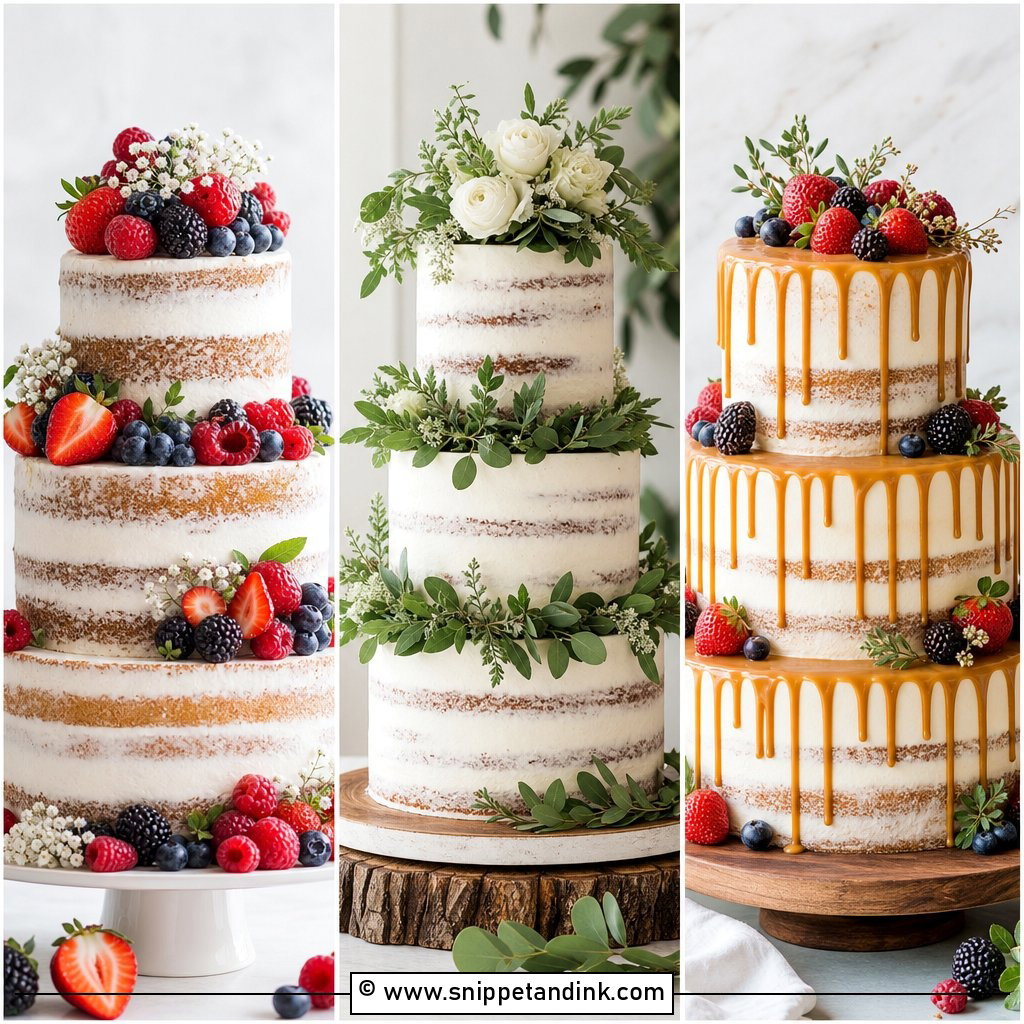
20. Dessert Table Wedding Cake Servings
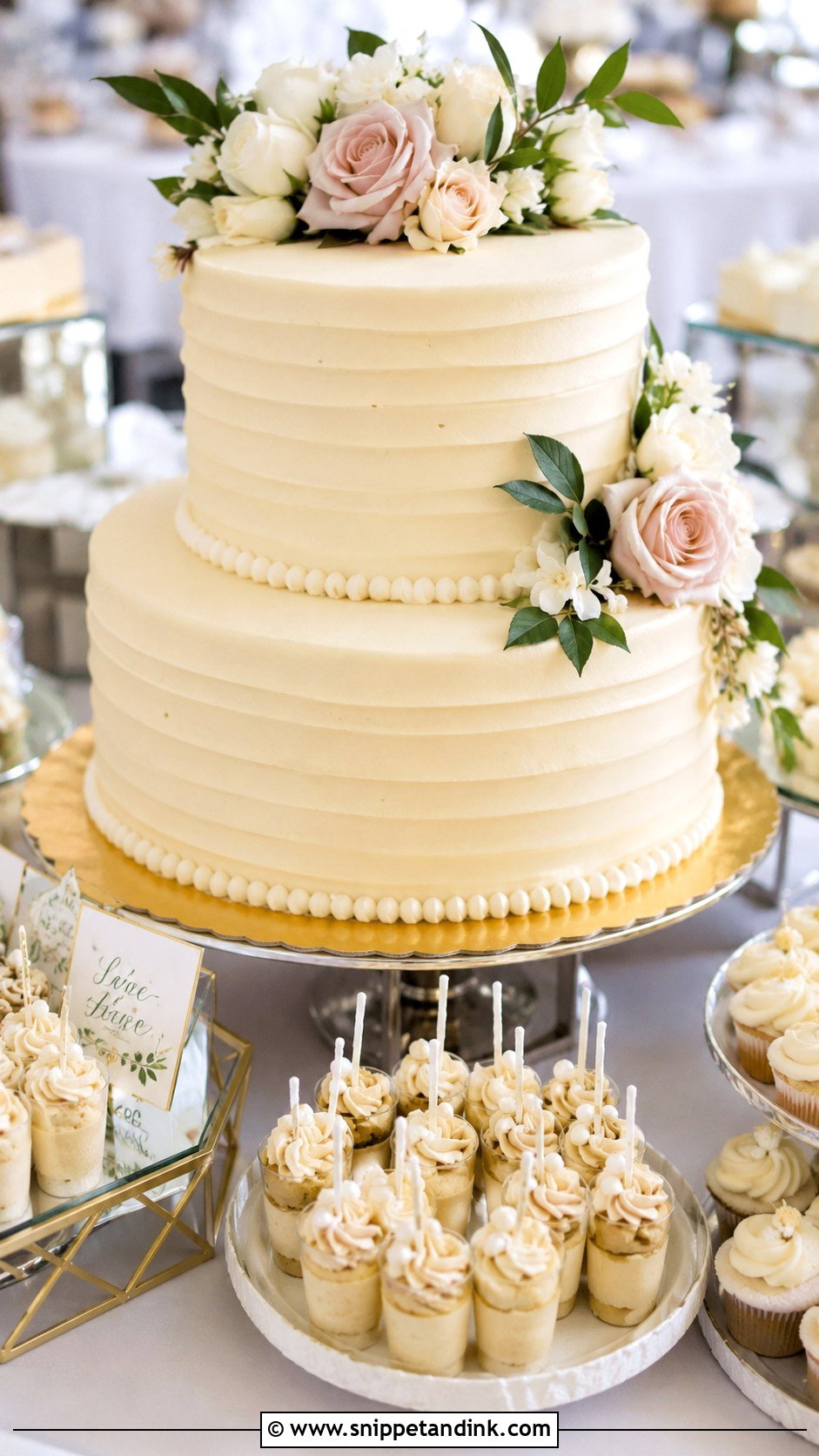
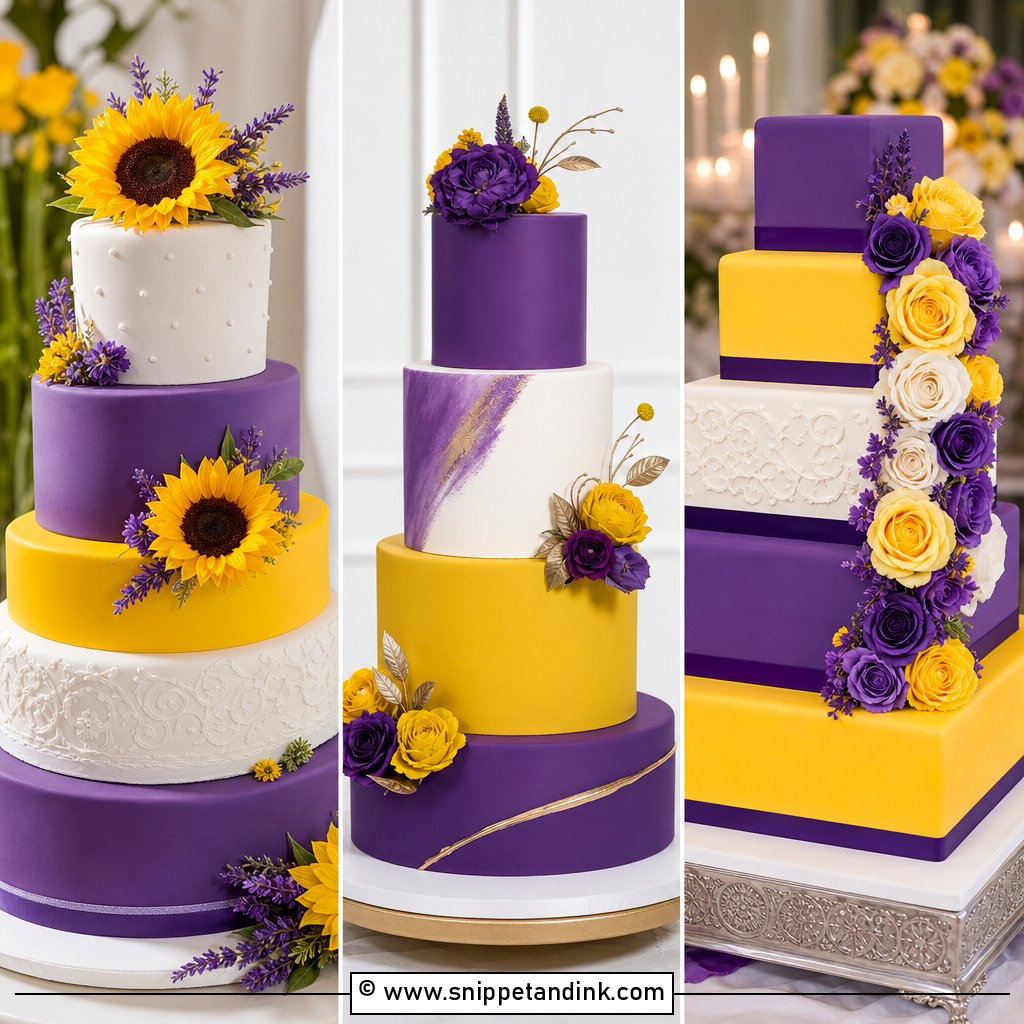
When there’s a full spread of cookies, bars, mini tarts or other sweets, the cake doesn’t need to feed everyone. Many couples order cake for about 60 to 75 percent of the guest count; for 100 guests, 60 to 75 servings is usually enough with a generous table. The cake still anchors the display, so choose a two or three-tier size that looks intentional. Vary the flavors across the table so guests aren’t eating lemon three times.
Do You Really Need a Slice for Every Guest?
Not always. Small children often share or skip it, some guests leave before the cutting, and plenty pass on cake if the dancing has started. On the other side, vendors may get a slice, and if you’re keeping the top tier for an anniversary, those portions are gone before anyone eats.
Timing affects it more than people expect. Cut the cake soon after dinner and nearly every table takes a plate. Wait until late in the evening and a good share of slices come back untouched. I’d decide the cutting time with your planner before you finalize the order.
Cutting Fees, Plates and Who Holds the Knife
Many venues and caterers charge a per-slice cutting fee when the cake comes from an outside baker. It covers staff time, plates, forks and cleanup, and it varies widely, so ask for it in writing early. Confirm who actually cuts the cake, whether they have a long knife and space in the kitchen, and how quickly they can plate for your guest count. A large cake takes a team a while to cut and serve.
Finally, decide about leftovers. If you want them boxed, bring or order takeaway boxes, and check the venue’s rules, since some don’t allow food to leave the premises.
Order the Display Cake First, Then Fill the Gap
Every number above is an estimate, so use any chart as a planning tool rather than a promise. Tier height, shape, fillings, the way it’s cut and the size of the slice all move the final count. If cake is the only dessert, plan close to one slice per guest. With a dessert table, cupcakes or a late-night station, you can order fewer. The calmest approach I know is to pick the display size you love, then cover any shortfall with a kitchen or sheet cake, and have your baker and venue sign off on the plan together.
You'll Like These Ideas:


Leave a Reply