
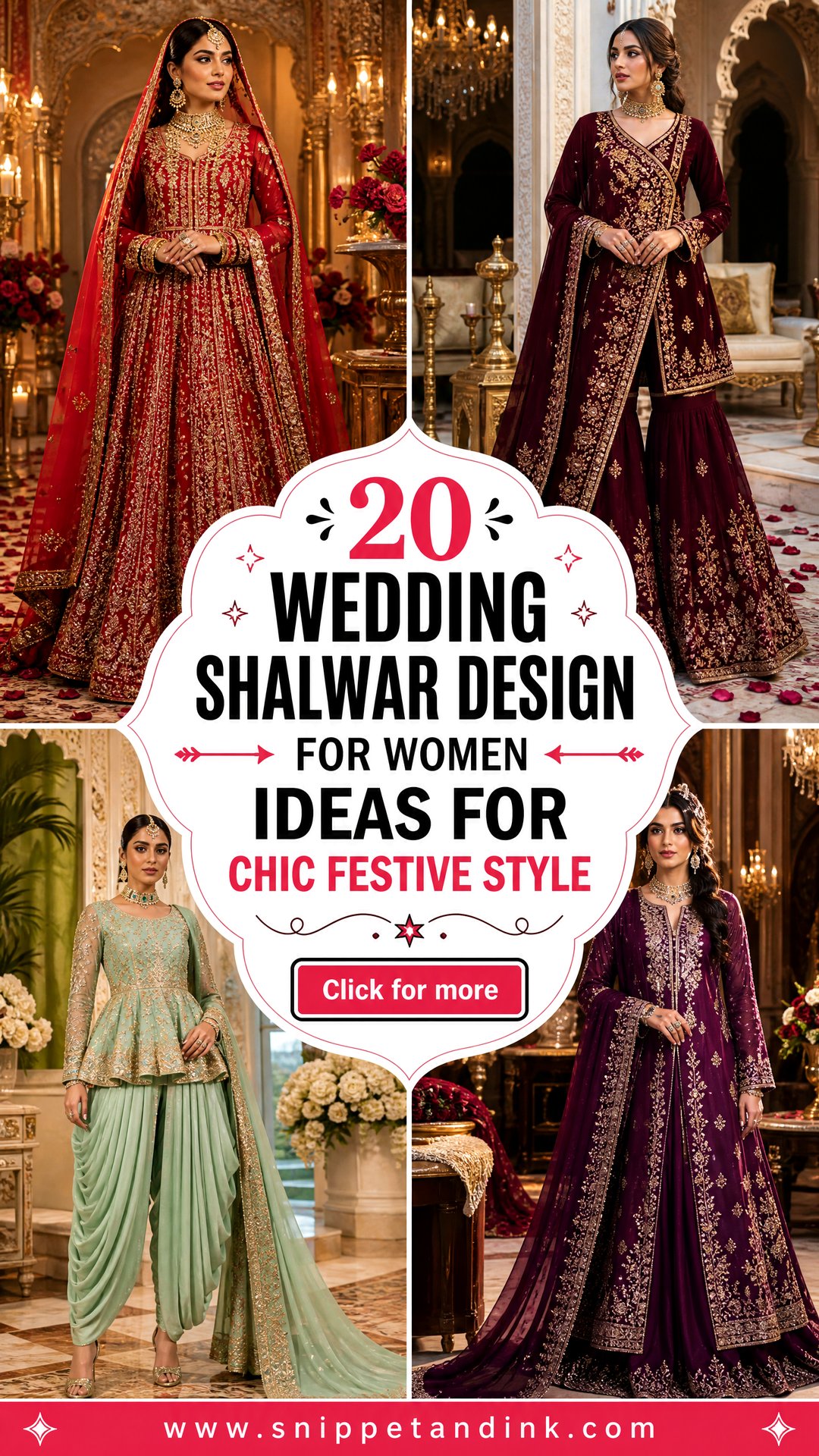
Shalwar, Churidar, Sharara and Gharara Are Not Interchangeable
The bottoms change how a kameez hangs, how you sit and how much you can dance, so I decide them before the top. Here is how the main styles behave in wear:
- Shalwar: loose, gathered at the waist and narrowed into an ankle cuff. Comfortable for floor seating and long ceremonies; the Patiala version adds deep pleats and more fabric.
- Churidar: cut long and narrow so the extra length bunches into rings at the ankle. It suits Anarkalis and long kameez, but it’s tight to sit in for hours.
- Cigarette or straight trousers: the cleanest line under a straight or embellished kameez, and the easiest to walk in.
- Sharara: flares from the waist or upper thigh. Wonderful to dance in, though it needs a shorter kameez to show.
- Gharara: fitted to the knee, then flared, with a joining band at the knee. Formal and traditional, and the knee seam must match your knee exactly.
If you’re attending several functions, choose the looser styles for the mehndi and dholki, where you’ll be sitting on cushions, and keep the churidar and gharara for events with chairs.
1. Red Bridal Anarkali Shalwar
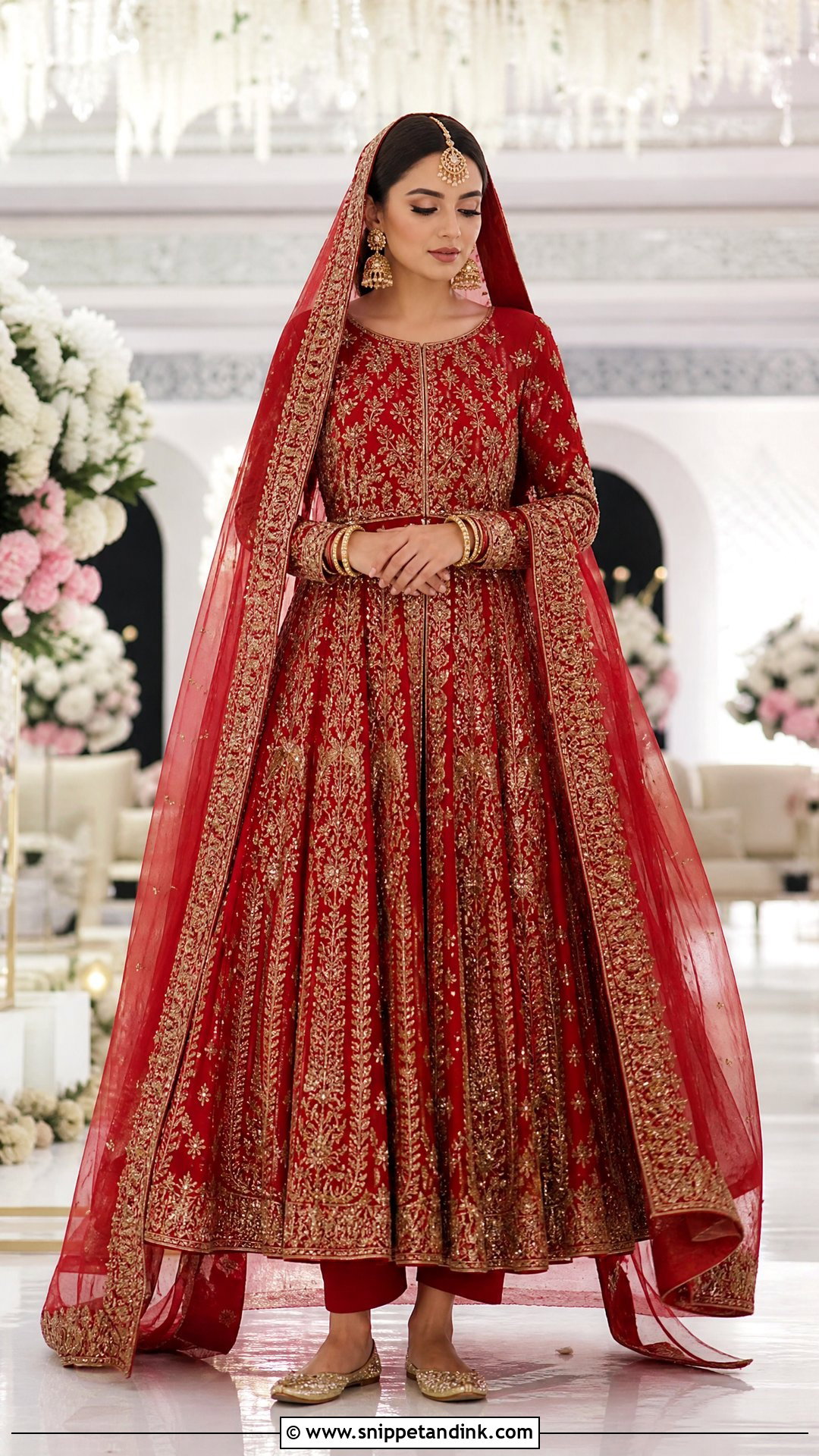
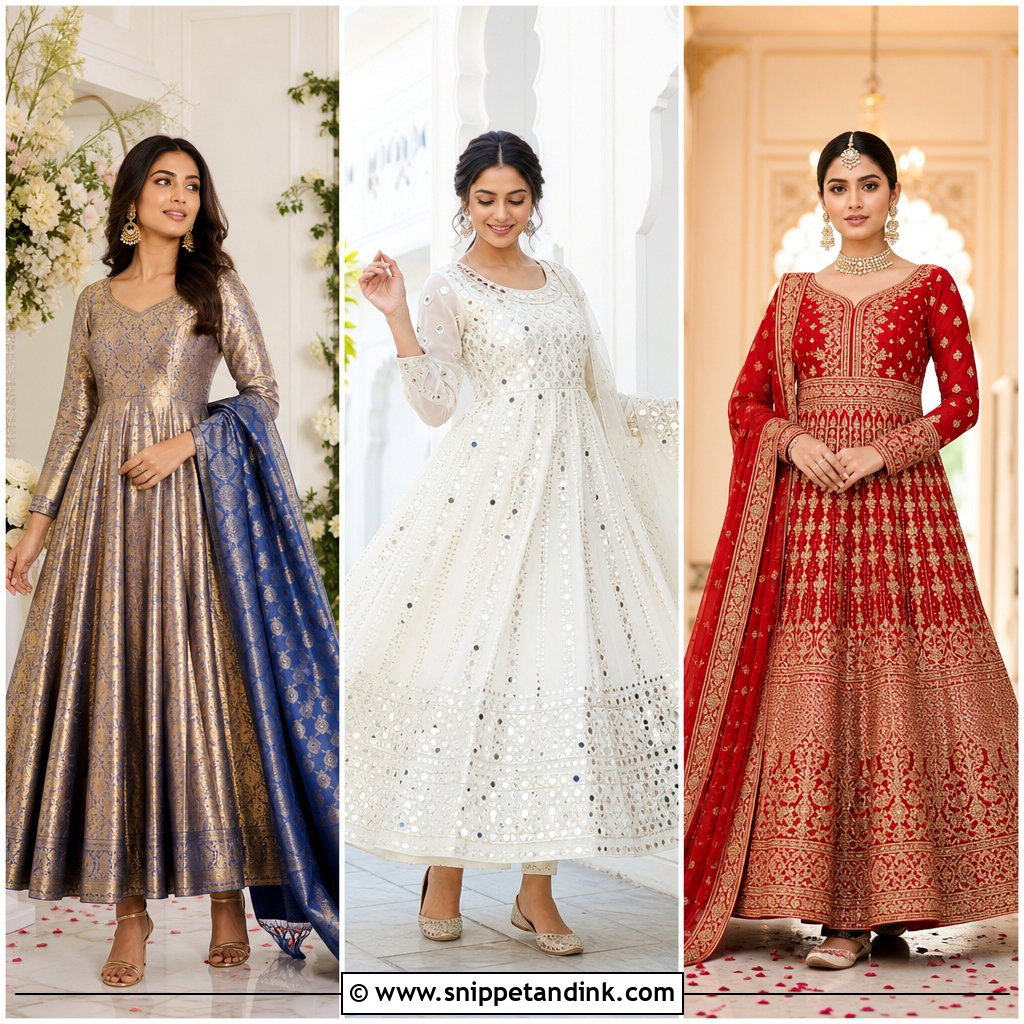
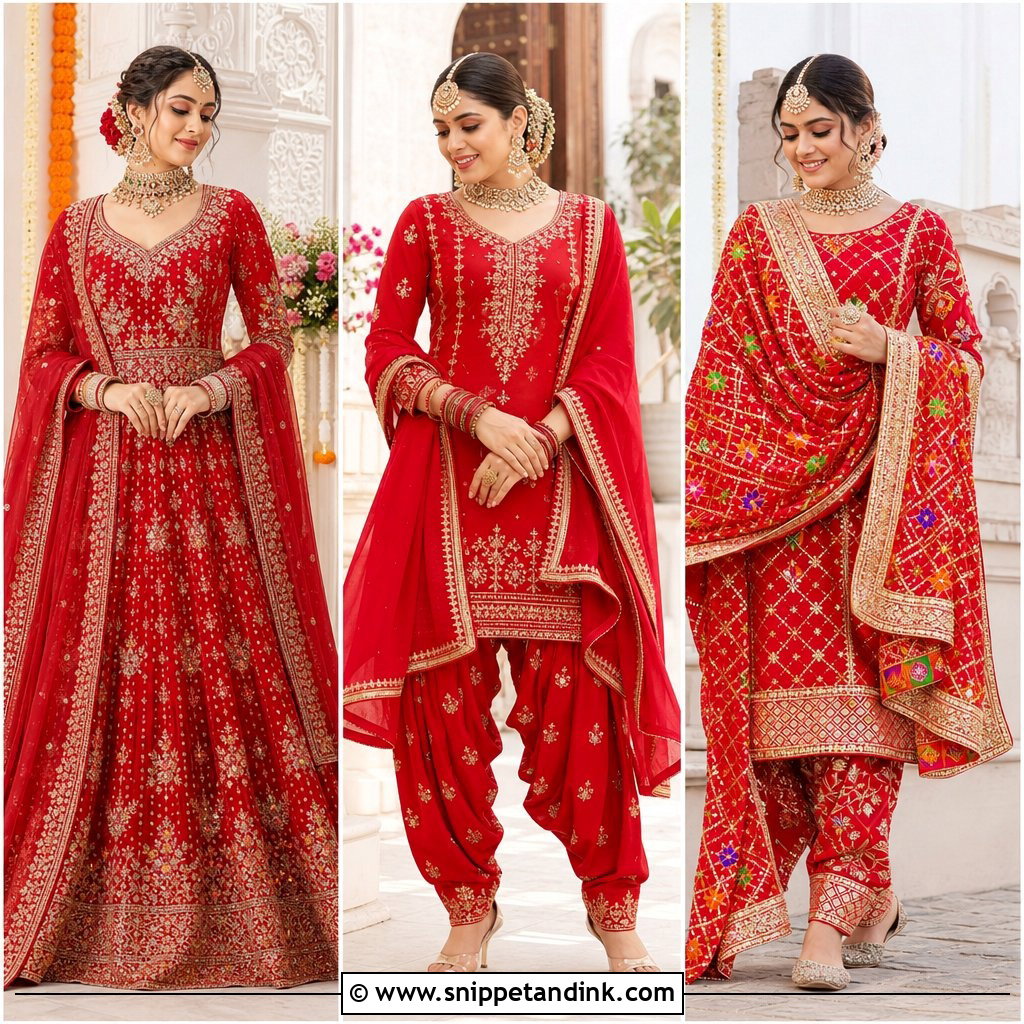
Red is still the color most Pakistani brides come back to, and a deep red Anarkali shalwar lets it move. Choose a floor-length kameez with a fitted bodice, a flared skirt and gold zardozi at the neckline, sleeves and hem, over straight trousers or a churidar. The first fitting question I ask is how much the outfit weighs. Zardozi on a full Anarkali can get very heavy, and that weight hangs from the shoulders for hours, so the shoulder seams and lining need to be strong. Drape the red net dupatta over the head with one end across the arm. On a petite bride I’d lighten the embroidery and reduce the flare; a tall bride can carry a wide hem. Gold jhumkas, a maang tikka and embroidered juttis finish it.
2. Ivory Gharara Wedding Shalwar
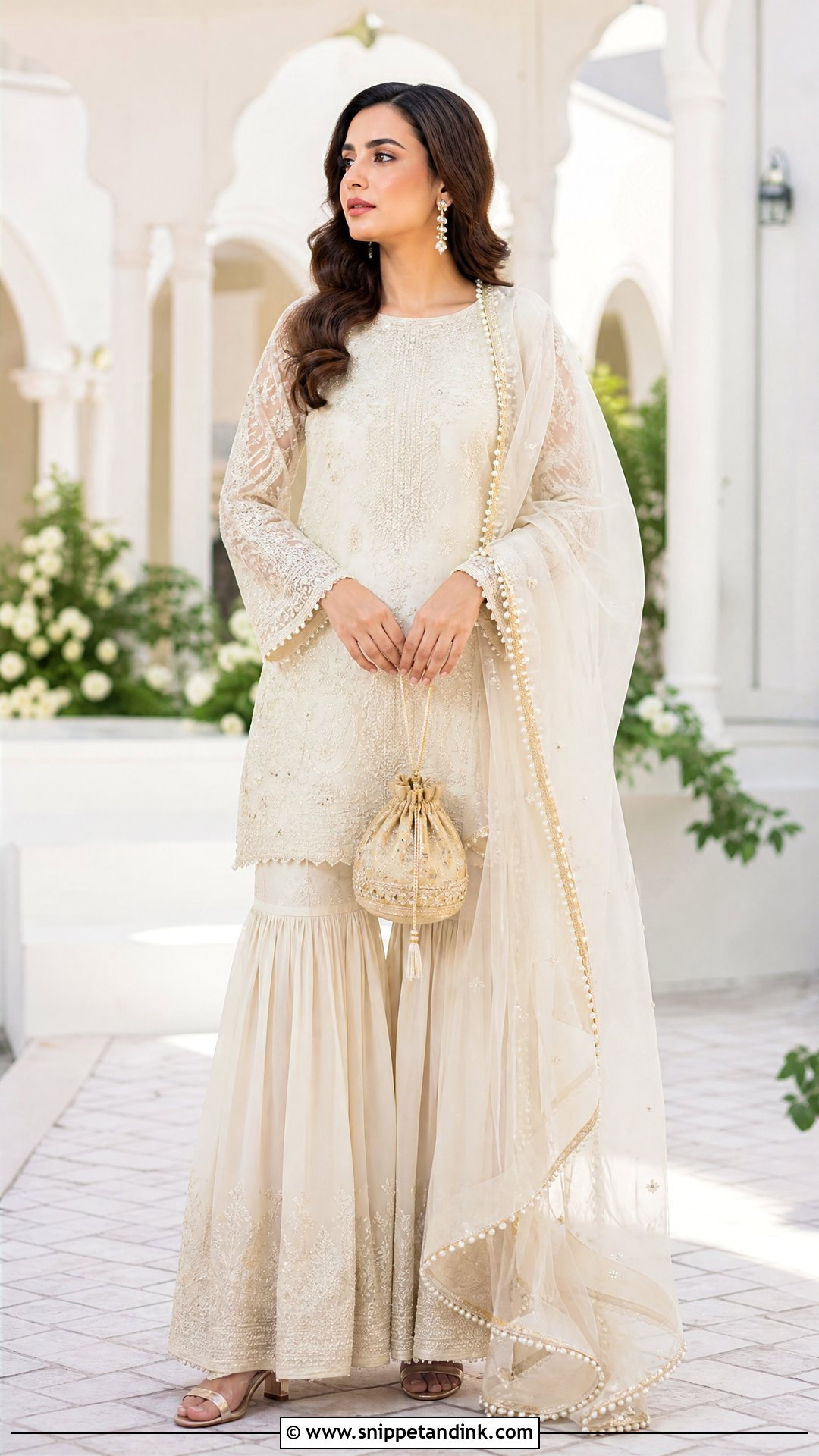
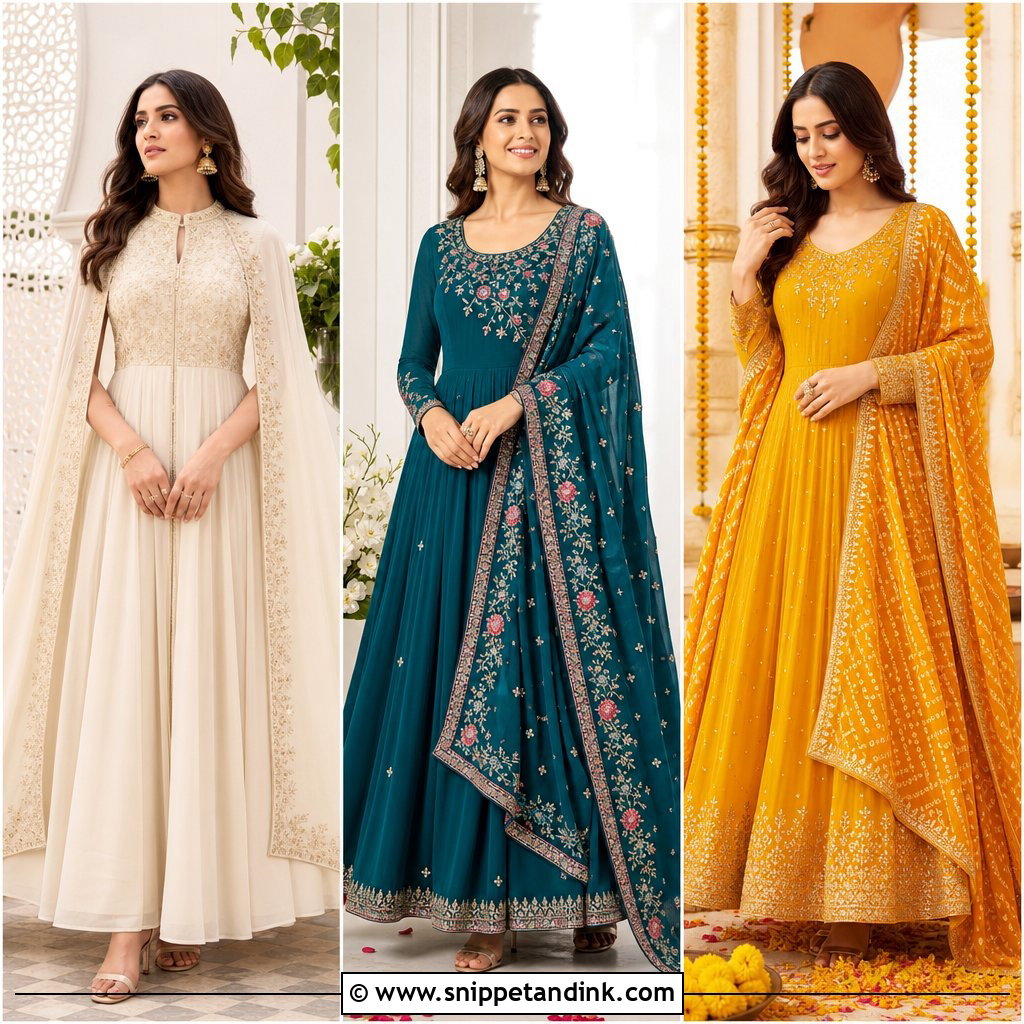
Ivory with antique gold is a daytime choice, and it suits a nikkah held in the morning or early afternoon. Build it on a knee-length kameez with a clean neckline, fitted sleeves and fine floral motifs over a gharara with defined knee seams. The gharara gives all the volume, so the top can stay shorter. Ivory is the color I check most under a ring light and outdoors, because thin ivory turns see-through in bright sun and flash. Insist on a full lining. A sheer organza dupatta edged with pearls, champagne heels and a small gold potli keep the palette soft.
3. Emerald Velvet Wedding Shalwar
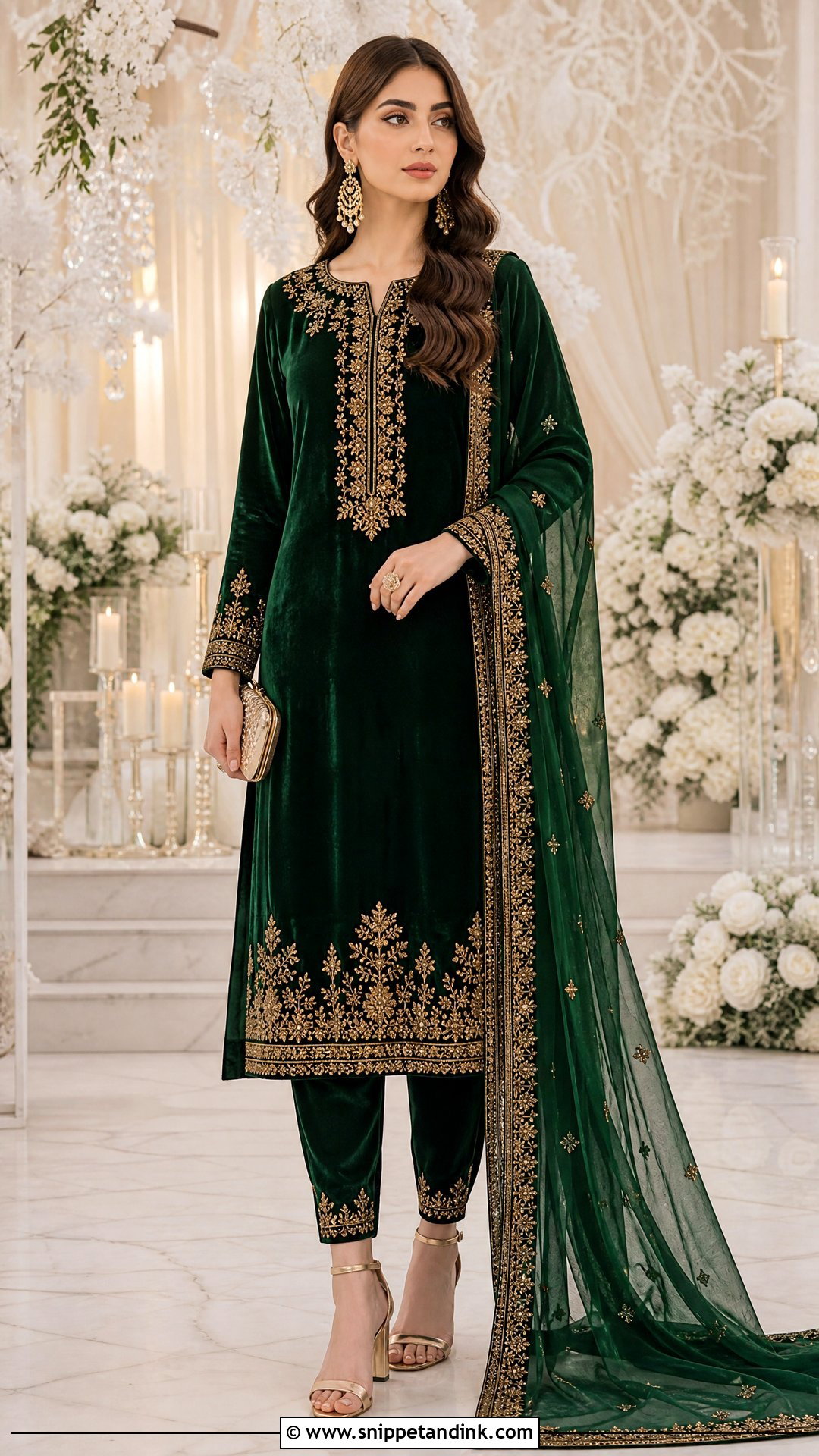
Velvet only works when the weather is cool, so I’d save emerald velvet for a winter evening. A straight or slightly flared kameez with antique gold work at the neckline, cuffs and side slits pairs well with tapered silk trousers. Velvet is heavy, which is why the dupatta should be light chiffon with a narrow border rather than another rich layer. Velvet also crushes where you sit and shows the marks under flash, so smooth the back of the kameez every time you stand up. A longer kameez gives a clean vertical line. Gold block heels and chandelier earrings suit it; skip the necklace if the neckline is heavily worked.
4. Blush Pink Organza Shalwar
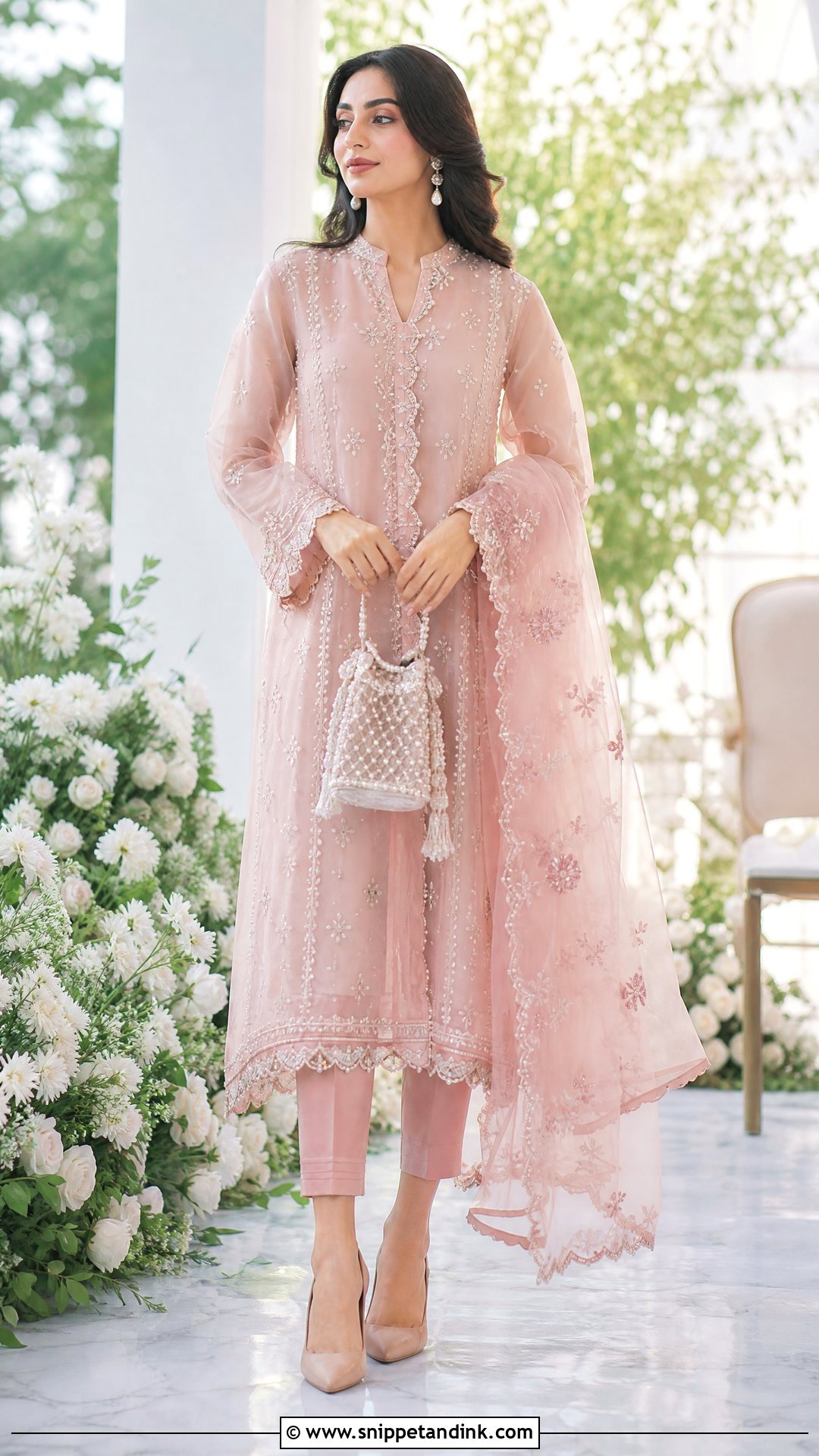
Blush organza looks its best in daylight, when the tonal threadwork shows. A long kameez with pearl accents and a scalloped hem over a matching silk lining stays light enough for a warm-weather wedding, and narrow cigarette trousers keep the shape modern. The lining length is the detail people get wrong. If it stops well short of the organza hem, a visible pale line runs across the leg, so ask for it to end just above the scallops. A sheer dupatta with tiny flowers adds depth. Full sleeves with embroidered cuffs give more coverage if you need it.
5. Gold Zardozi Straight Shalwar
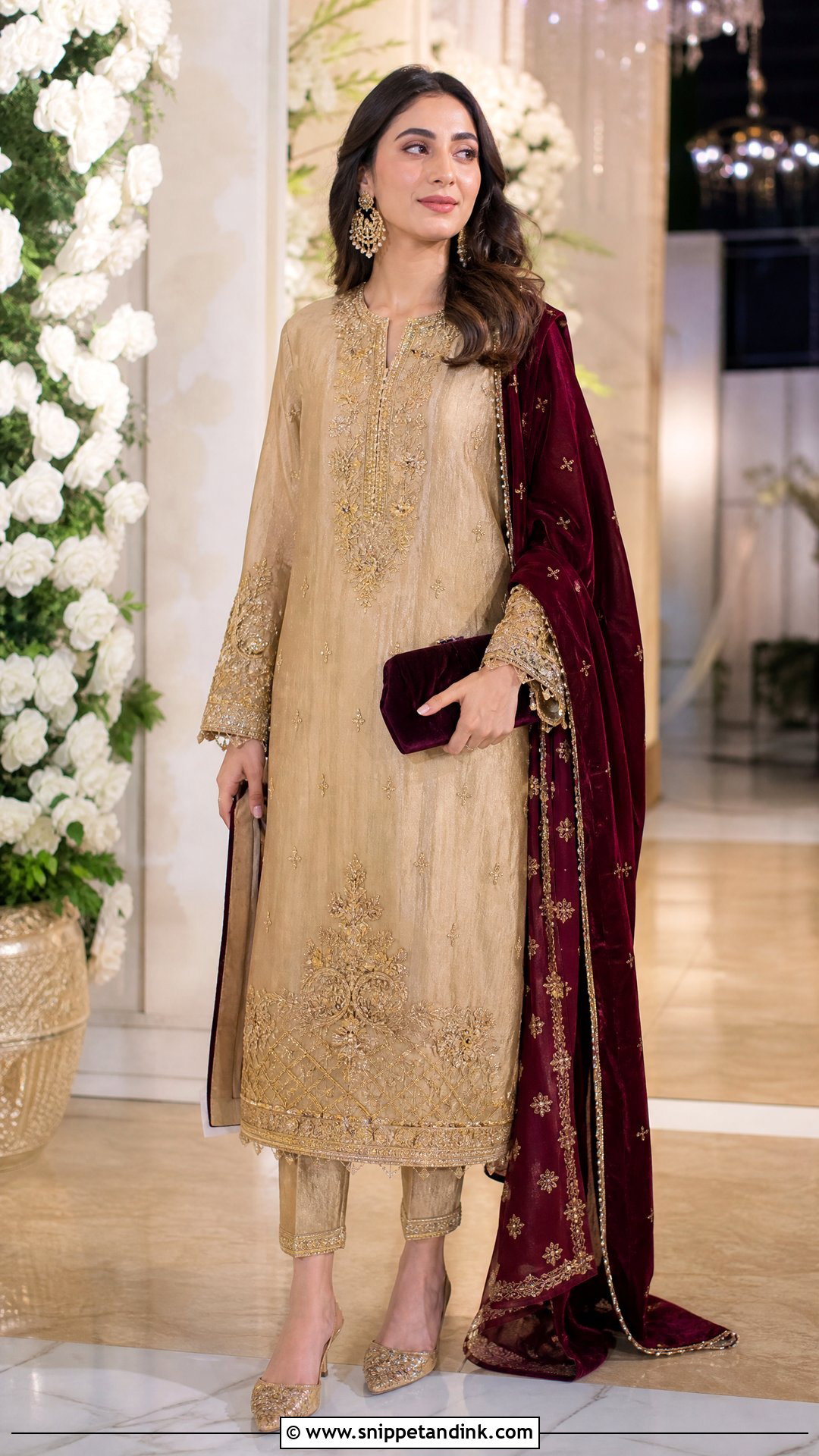
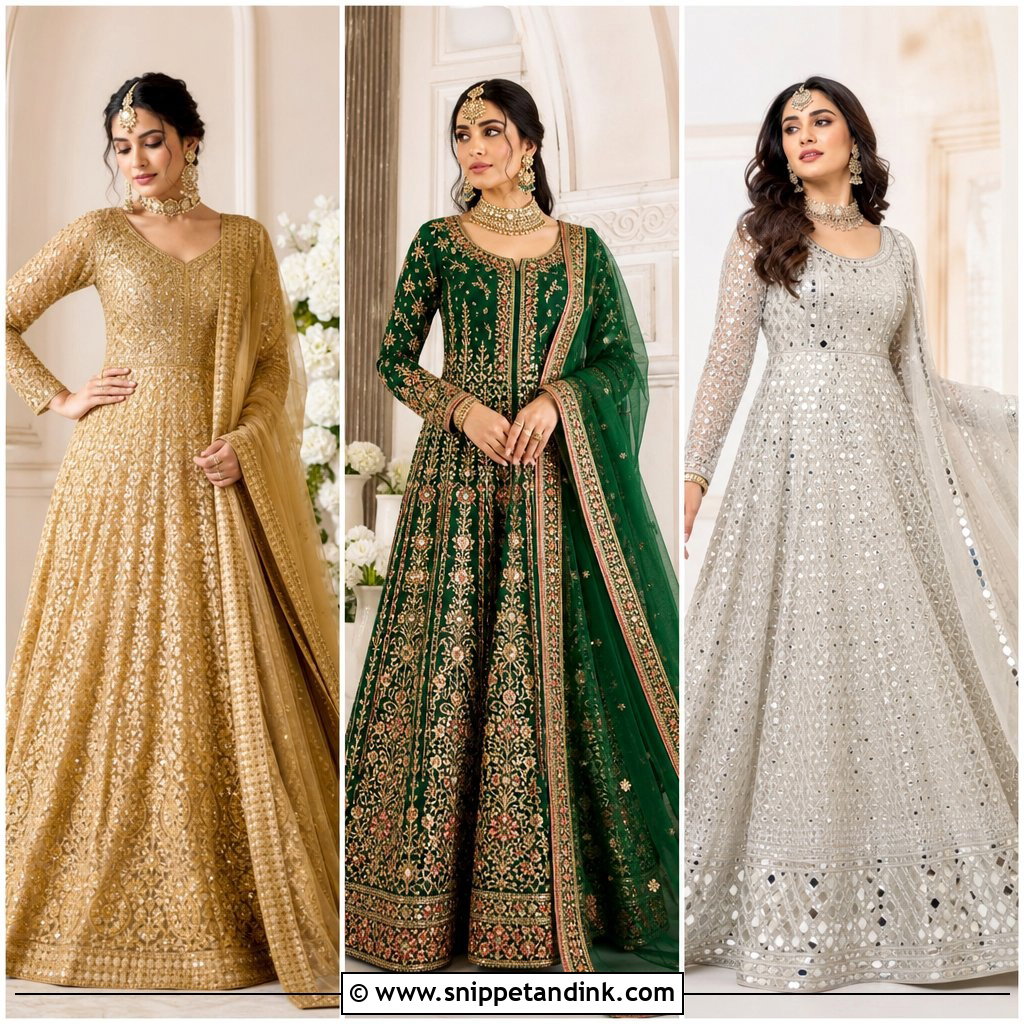
A gold straight-cut suit is a calm alternative to a heavily flared outfit. Look for a long kameez in tissue silk, brocade or raw silk with placed zardozi motifs, side slits and slim trousers. All-over gold can look flat in photographs, so I break it with a contrasting dupatta in wine or emerald. Tissue silk is stiff and creases sharply, which shows across the lap after a long dinner; raw silk is more forgiving. Pointed gold flats are kinder than heels for long standing. Wear either the statement ring or the bold earrings, not every piece at once, and a sleek low bun.
6. Maroon Angrakha Sharara Shalwar
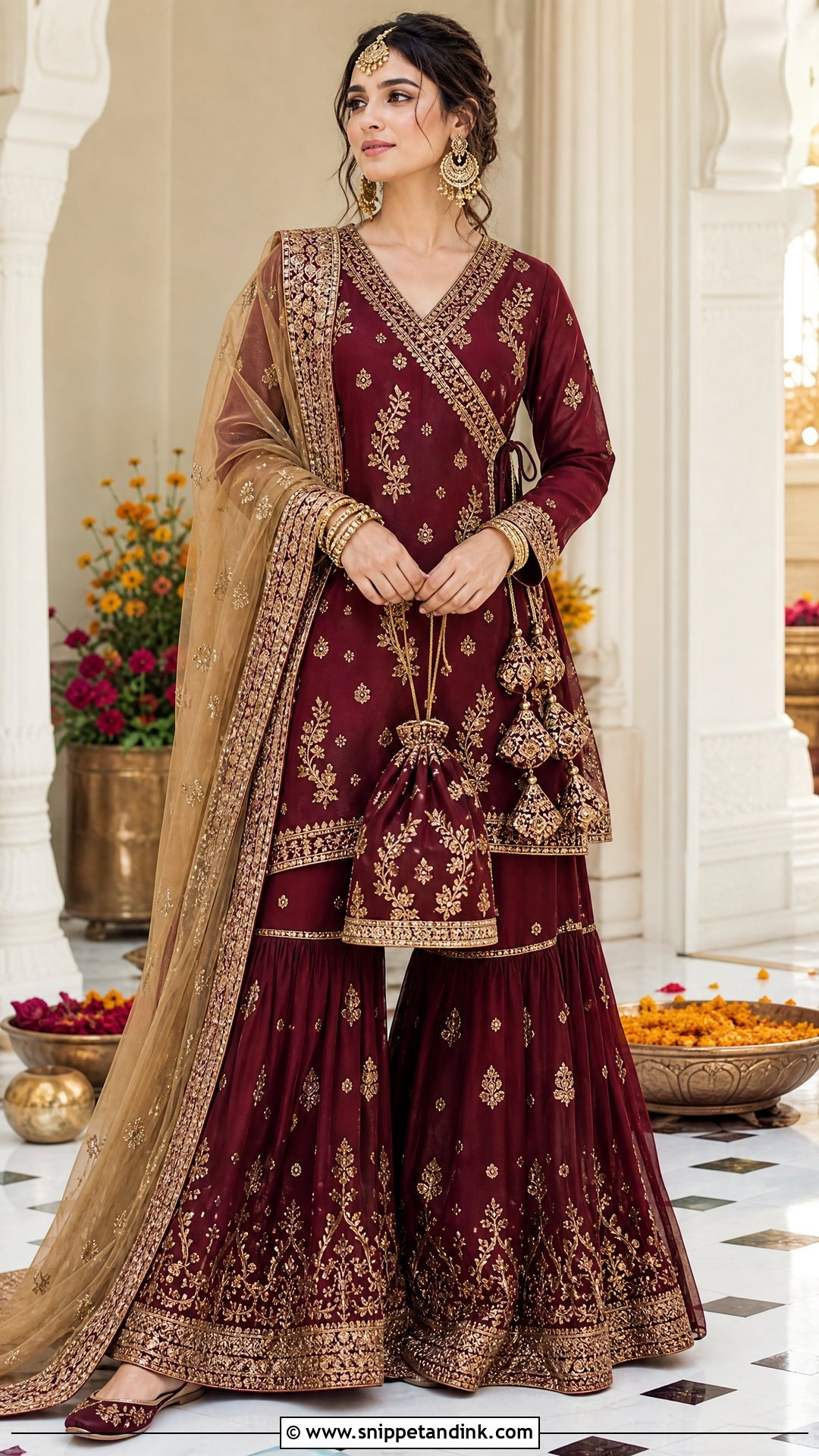
The wrap front of a maroon Angrakha kameez gives shape without a tight fit. Choose a knee-length top with an overlapping neckline, tassel ties and gold embroidery following the diagonal, and balance it with a flowing silk or brocade sharara. The weak point of an Angrakha is the overlap. It can gape when you sit or lean forward, so I always ask for a securely stitched inner panel and a hidden hook at the point of the wrap. Drape a muted gold net dupatta over one shoulder so the diagonal stays visible. Maroon juttis and stacked bangles suit a family wedding or dholki.
7. Pastel Blue Cape Shalwar
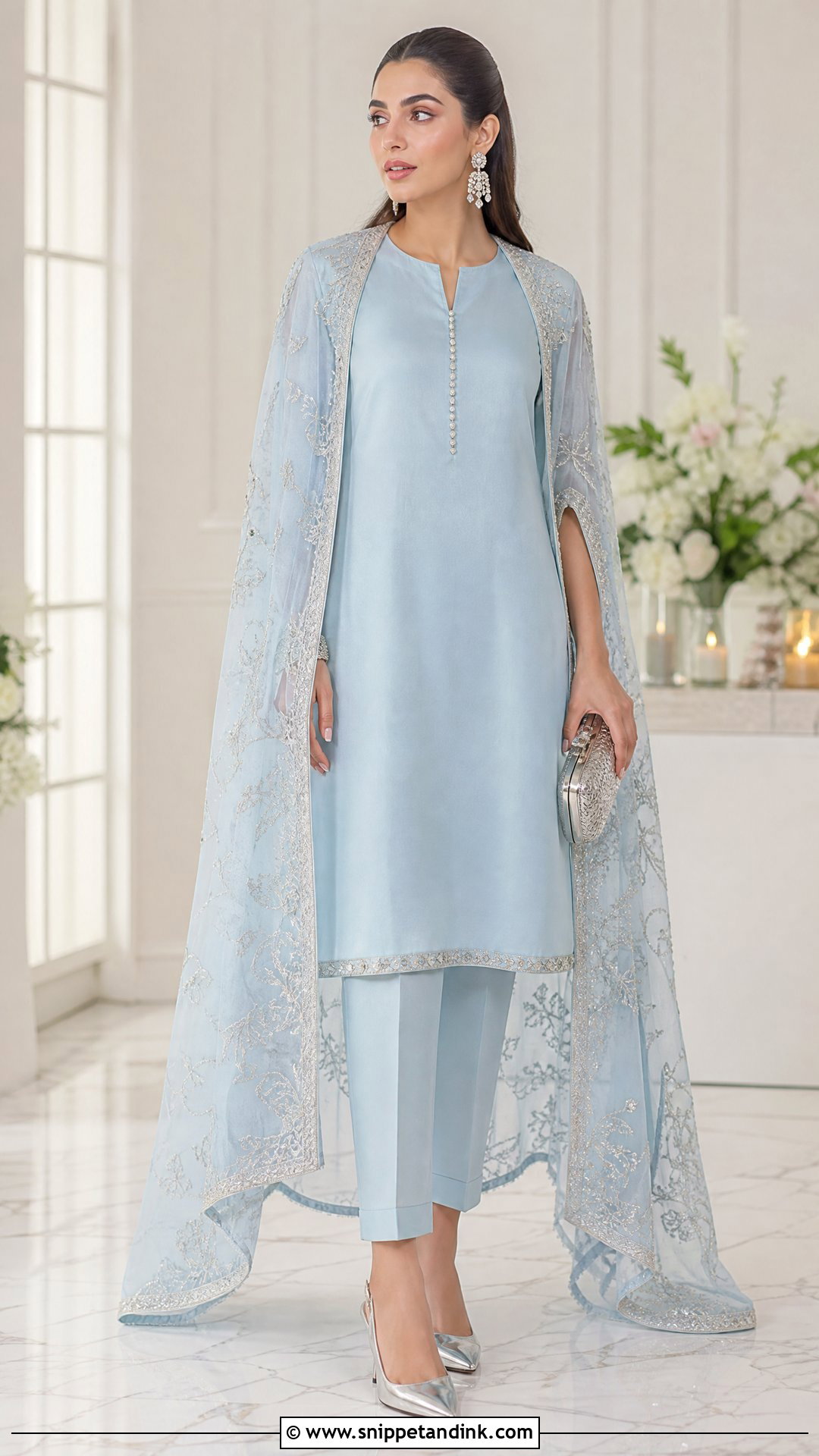
A cape replaces the dupatta and lets the outfit move with you. Layer a sheer pastel blue cape with silver thread, sequins or small crystals at the edges over a sleeveless or short-sleeve straight kameez and matching cigarette trousers. Choose a cape that ends above or below the widest part of the hips, since ending right at the hip adds width. Crystal edging is heavy at the shoulder seam, and a heavily embellished cape slides backwards over the evening, so a discreet snap at each shoulder helps. Silver slingbacks and crystal earrings finish it. For coverage, choose a full-sleeved base kameez.
8. Mustard Mehndi Patiala Shalwar
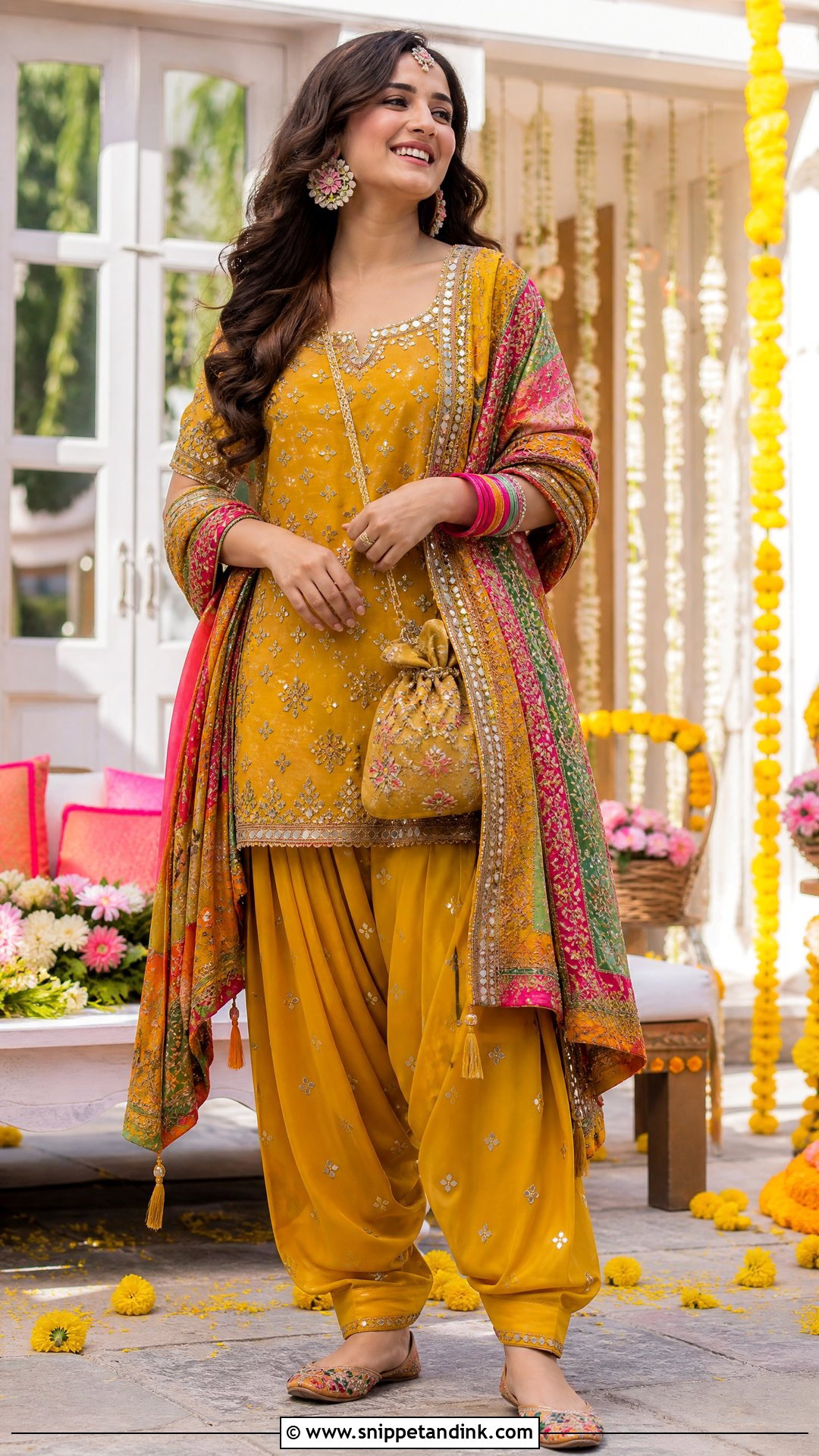
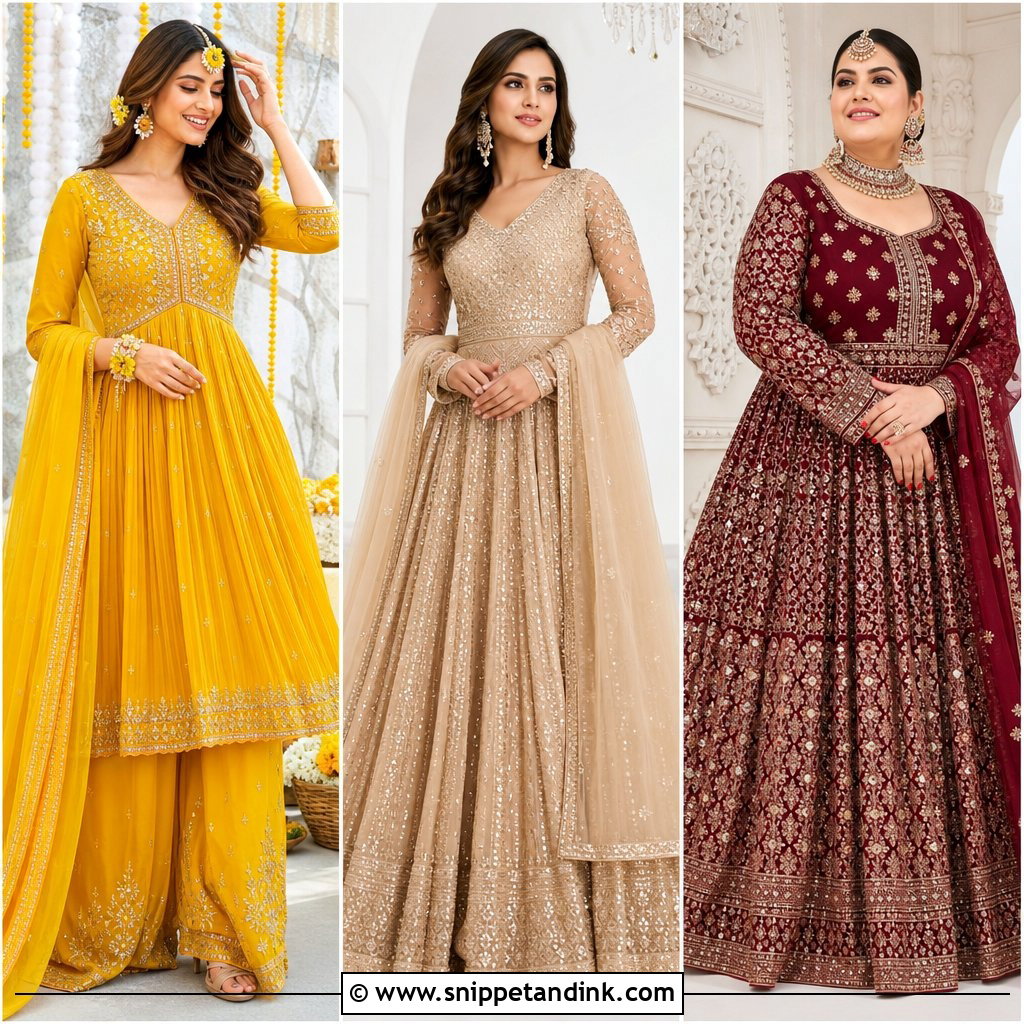
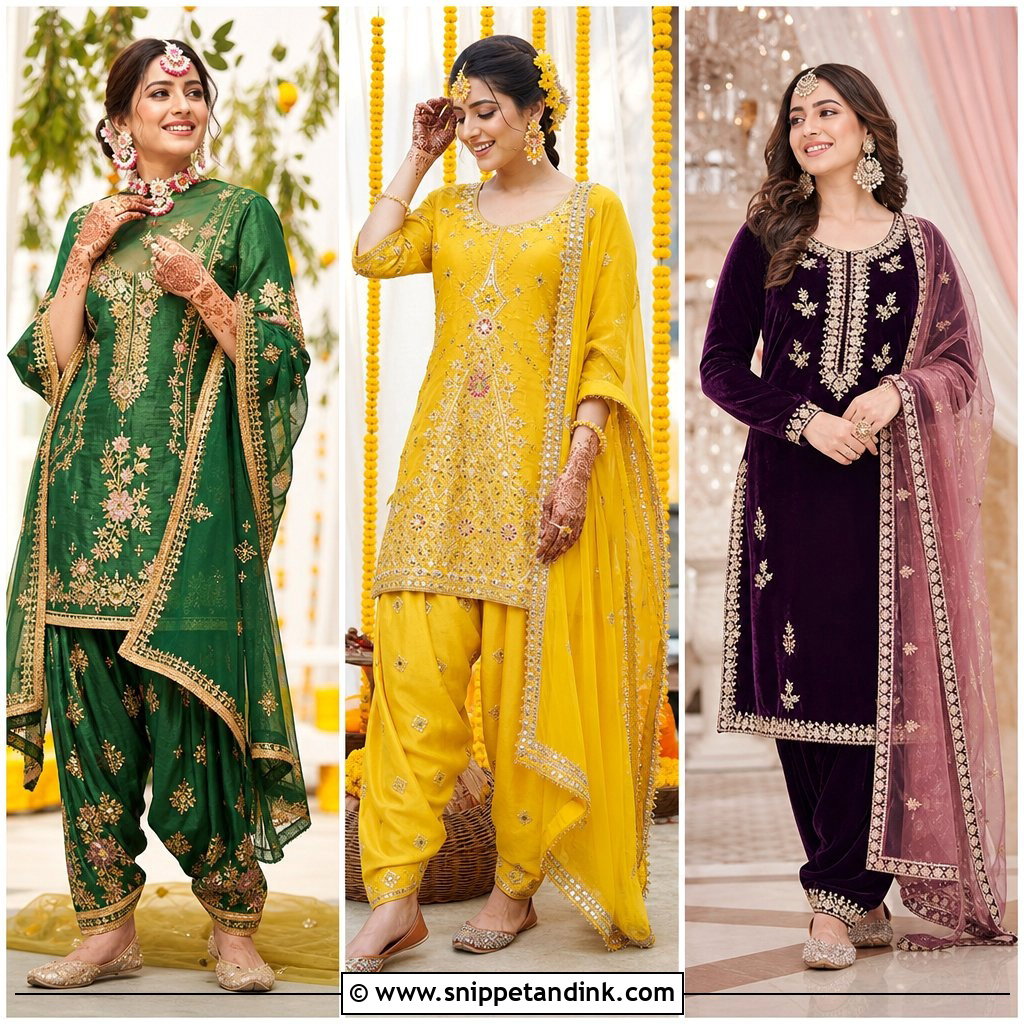
Mustard is the classic mehndi color, partly because it hides the odd smudge of henna paste better than pastels do. Start with a short fitted kameez with colored thread embroidery and small mirrors, over a deeply pleated Patiala shalwar in mustard, green or magenta. The pleats give you room for dancing and for sitting on floor cushions. Pin the phulkari-style dupatta at the shoulder so your hands stay free for the henna artist and the dhol. A slightly longer kameez sits better over fuller hips; a shorter one shows off the pleats. Embroidered juttis and colorful bangles suit the mood.
9. Mint Peplum Dhoti Shalwar
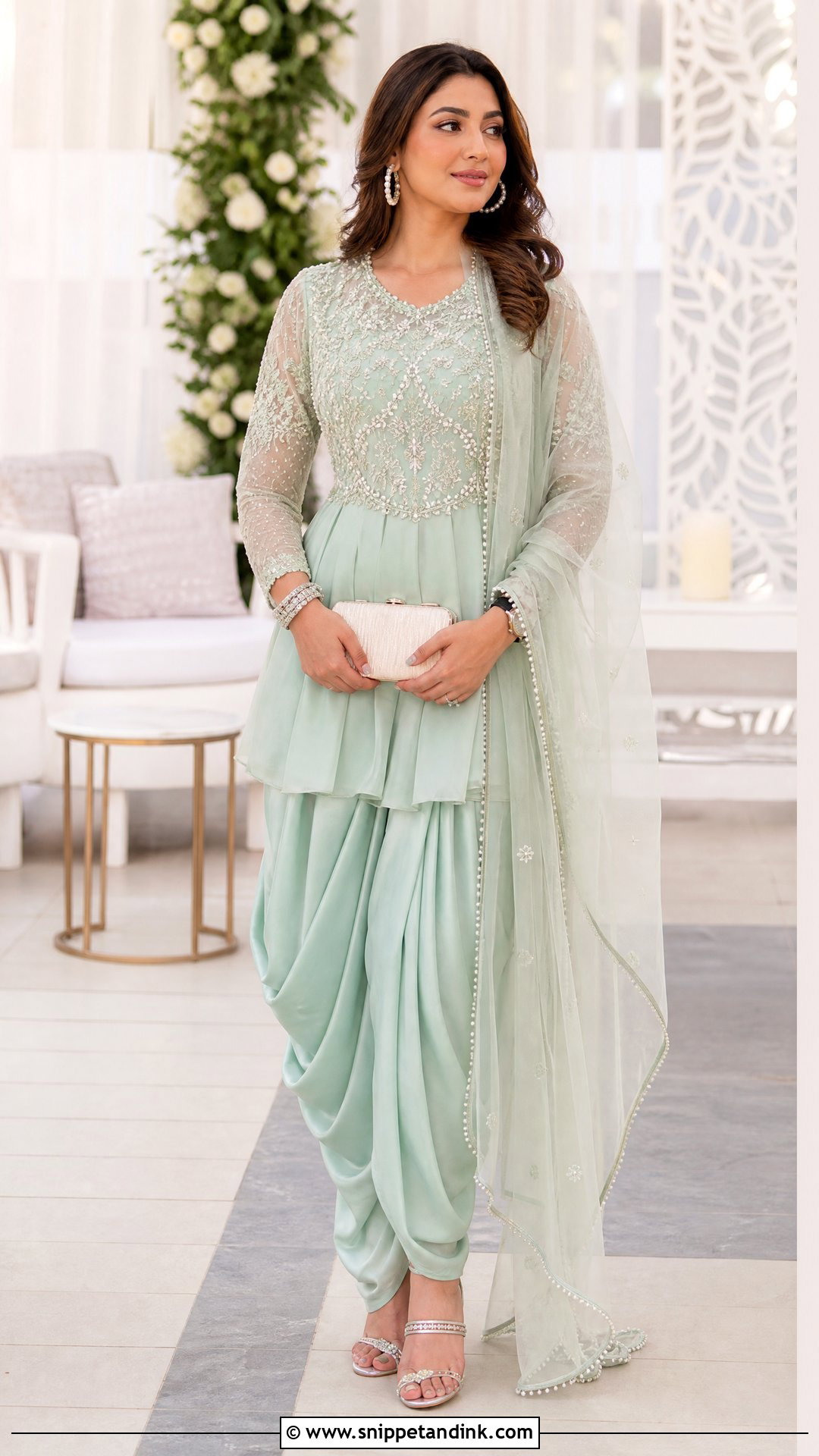
A mint peplum over dhoti shalwar pants is a playful pick for a pre-wedding function. The peplum should sit at the natural waist and flare gently over the hips. Tonal embroidery or silver gota work makes it festive without much weight. The dhoti drape should taper near the ankle so embellished heels or juttis show. The fit check here is seated. A peplum seam cut snug while standing digs in once you sit for dinner, so sit down in it at the fitting. Pearl hoops, a silver clutch and a light net dupatta finish the look.
10. Navy Jacket Wedding Shalwar
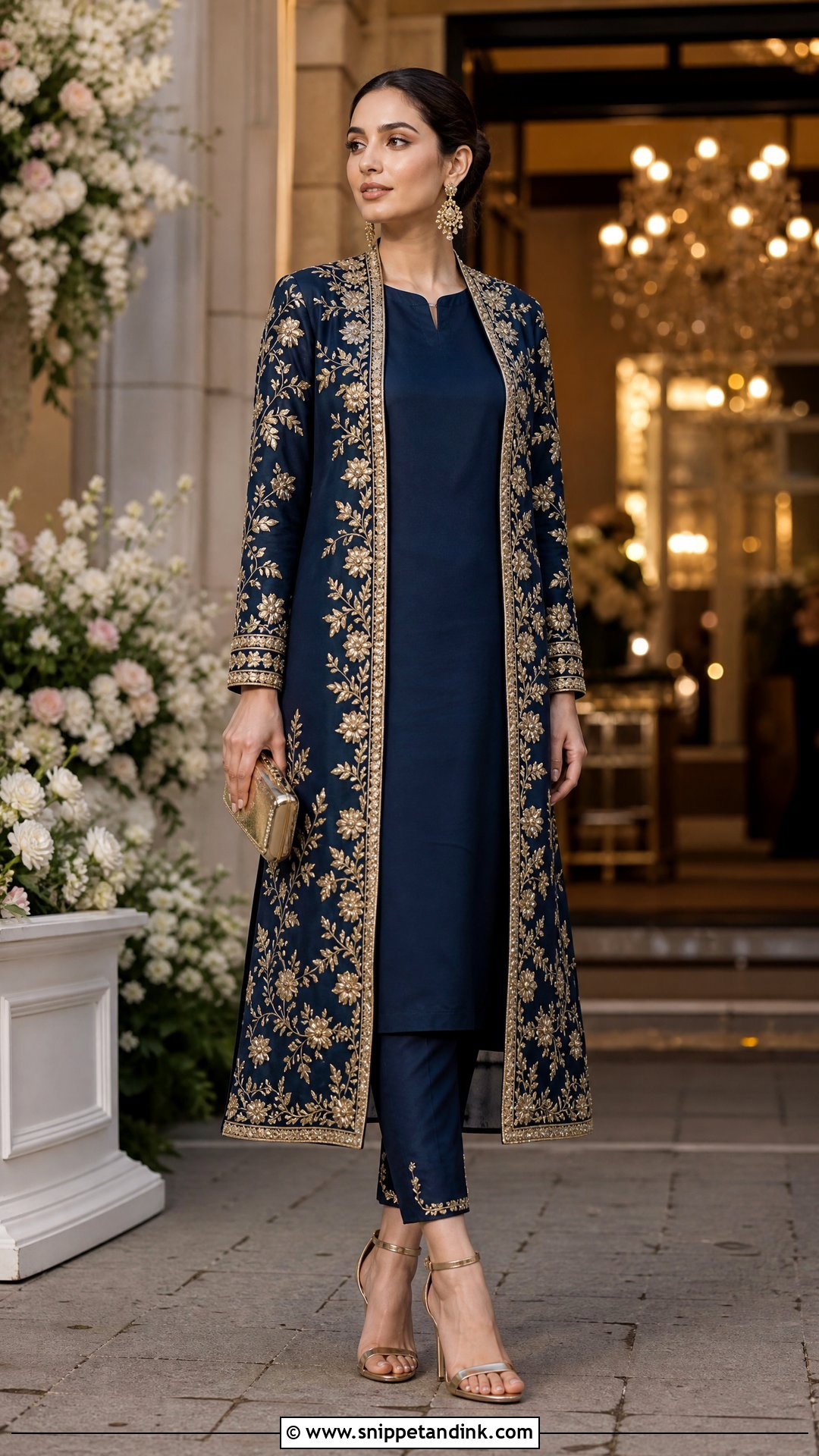
Navy and gold together read formal and grown-up at an evening reception. Start with a sleeveless kameez and narrow trousers in navy silk, then add a long open-front jacket with gold floral embroidery or velvet panels. The jacket should hang straight from the shoulders, and if it’s cut close at the waist it bunches when you sit. Match the jacket length to your height: calf-length with smaller motifs on petite women, ankle length on taller ones. The dupatta is optional when the jacket already gives coverage. Metallic heels and gold drops, with hair swept back, keep the embroidered shoulders visible.
11. Lilac Palazzo Wedding Shalwar
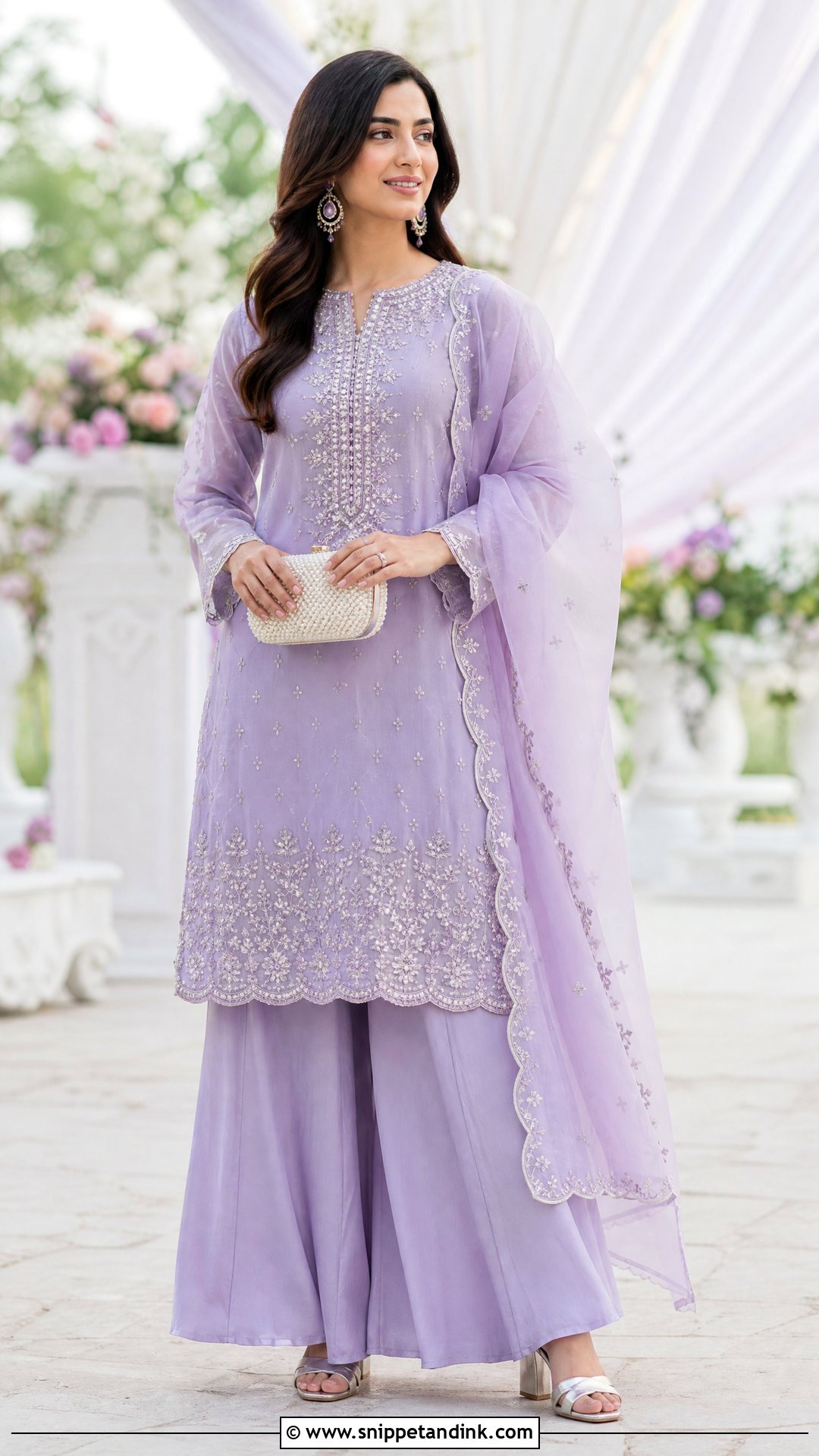
Palazzos are the comfortable choice for anyone sitting through a long ceremony. Pair a mid-calf lilac kameez with wide-leg palazzos in fluid georgette or silk; vertical embroidery lengthens the figure and a lightly scalloped hem softens the edge. Drape a matching chiffon dupatta narrowly over one shoulder so it doesn’t hide the proportions. The hem rule I use is simple: palazzos should nearly cover the shoe but never touch the floor, because they collect dust and catch under heels on stairs. Silver block heels are steady under the wide leg. It works for bridesmaids and close family alike.
12. Black Embroidered Reception Shalwar
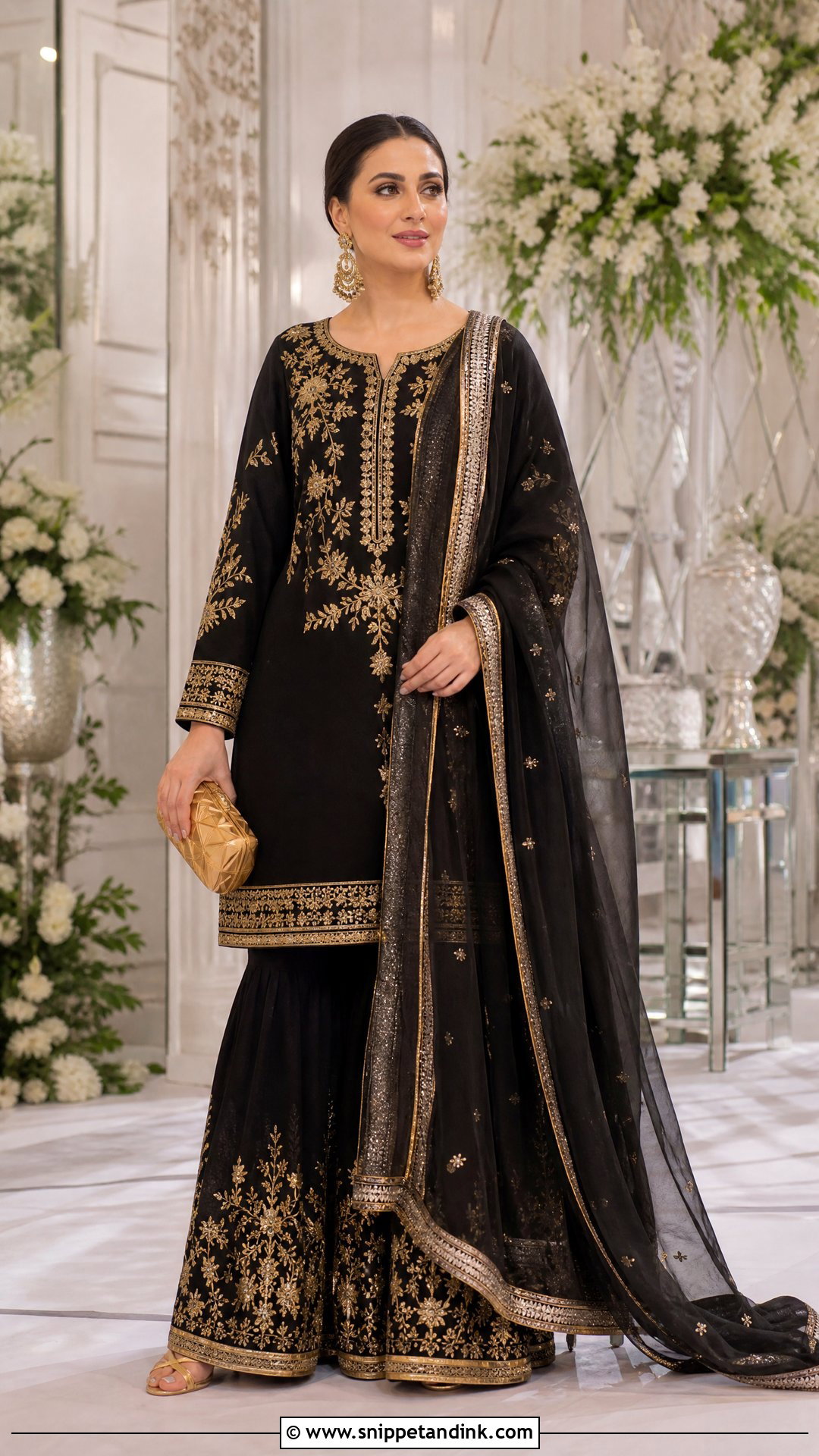
Some families still avoid black at weddings, so ask before you wear it. Where it’s welcome, a long black kameez with gold, copper or multicolored floral embroidery is sharp at a formal reception. Pair it with tailored black trousers or a soft sharara and a sheer black dupatta with a metallic border. A single flat black fabric photographs as a dark shape with no detail, so I mix textures, such as velvet with net or silk with handwork, to give the camera something to pick up. Side panels or a defined waist add shape under a long kameez. Gold heels and bold earrings warm up the dark base.
13. Coral Short Kameez Shalwar
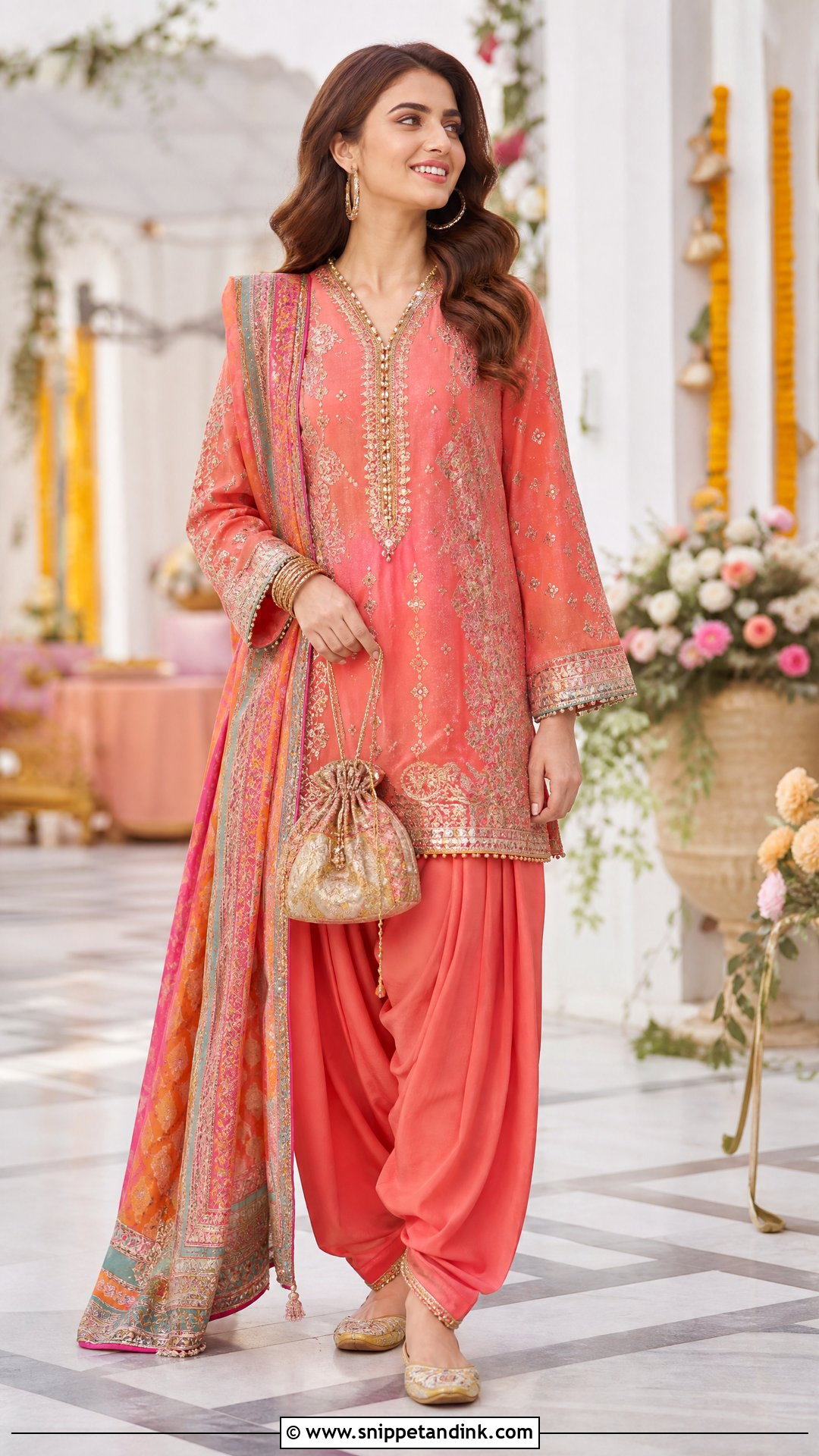
A short kameez with a full shalwar feels youthful and easy for a daytime function. Look for a hip-length or mid-thigh coral top with an embroidered neckline and finished cuffs, over a pleated shalwar in coral or peach. Because the short top shows the whole shalwar, the pleats have to fall evenly from the waistband; uneven gathering at the front is obvious in photos. A printed dupatta can bring in turquoise or pink. Gold juttis, bangles and a small potli suit it, and choosing a top to upper-thigh length gives a little more coverage.
14. White Chikankari Wedding Shalwar
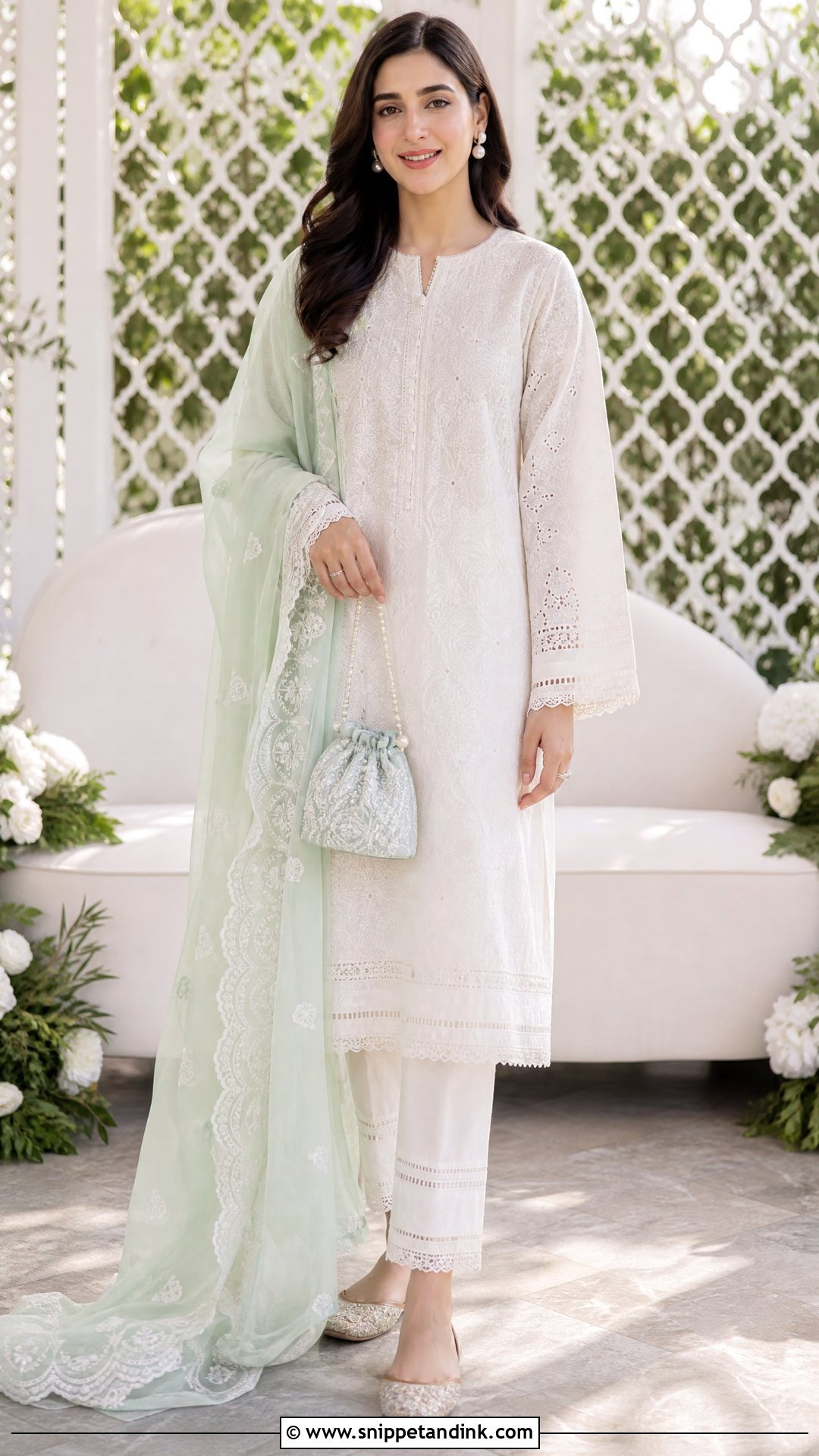
Chikankari is hand shadow-work embroidery, and in white it needs careful layering to look like wedding wear. Choose a long kameez with a breathable lining, three-quarter or full sleeves and cutwork near the hem, over straight white trousers with lace or embroidery at the ankle. Cutwork lets light through, so check each layer in daylight for coverage. Bring color in through the dupatta, in pastel pink, mint or a floral organza. For a formal event, choose chikankari with mukaish, the small metal-wire work that catches light. Metallic juttis and pearl earrings keep it light.
15. Teal Asymmetric Wedding Shalwar
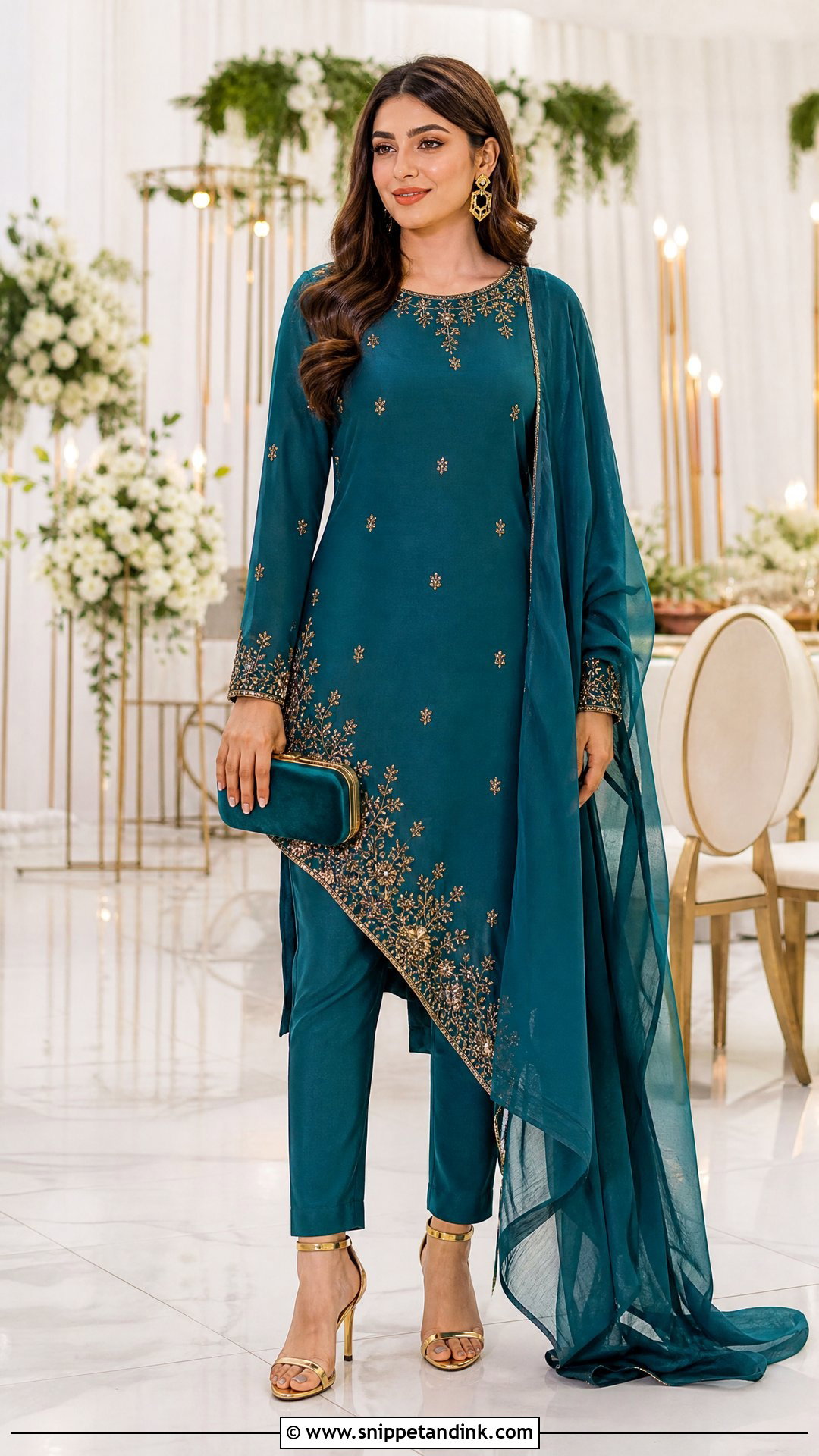
A teal asymmetric kameez gives movement while keeping the comfort of a shalwar suit. Choose a clean high-low or angled hem rather than several uneven layers, which can look like a tailoring error. Slim trousers or a narrow shalwar keep the hem as the focus, and gold threadwork along the neckline and one side can follow the diagonal. Drape the dupatta over the opposite shoulder for balance. Sit down at the fitting and check the shortest part of the hem, since a side that looks fine standing can ride up when seated. Gold ankle-strap heels and geometric earrings suit a reception or wedding dinner.
16. Plum Floor-Length Wedding Shalwar
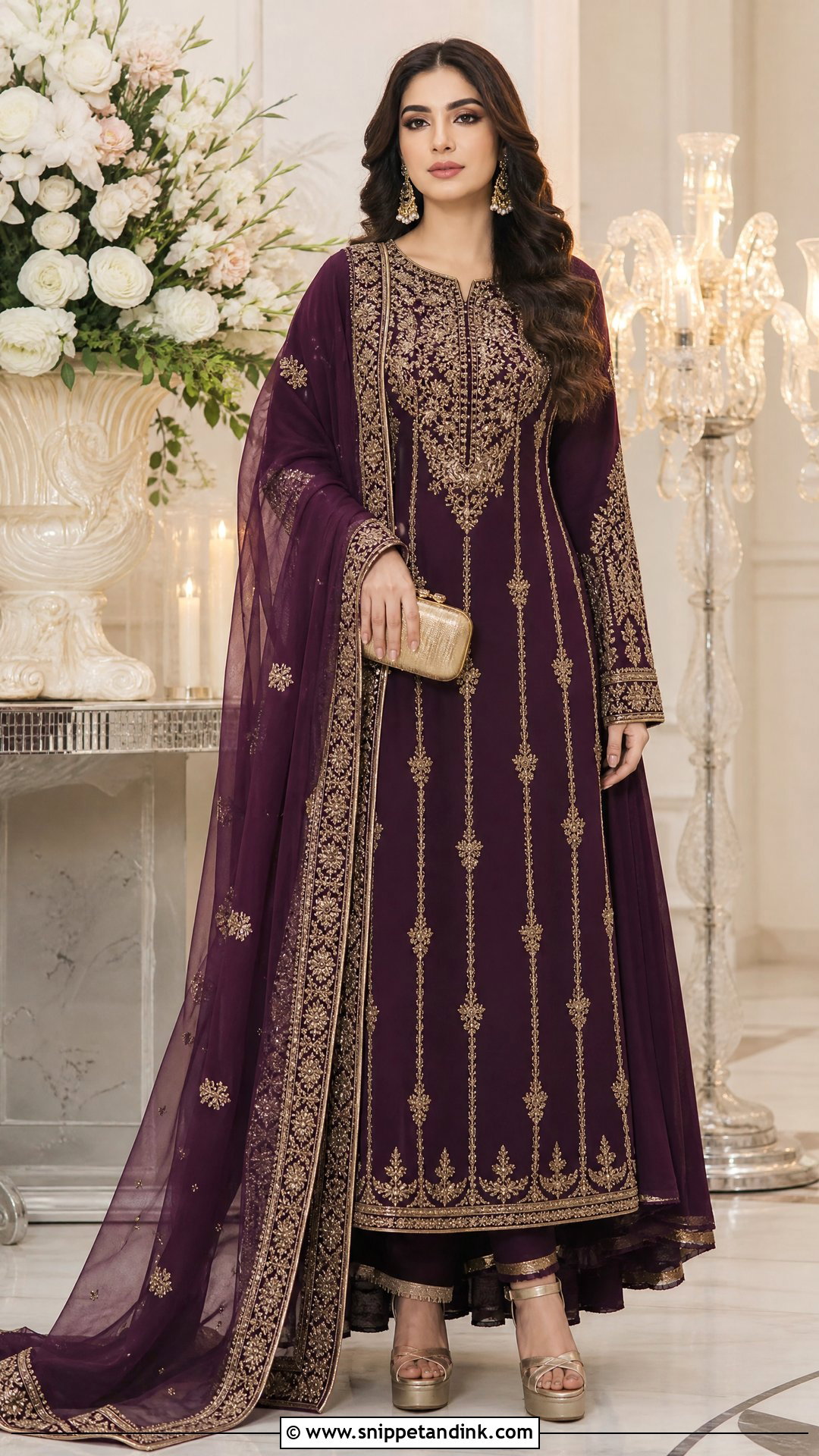
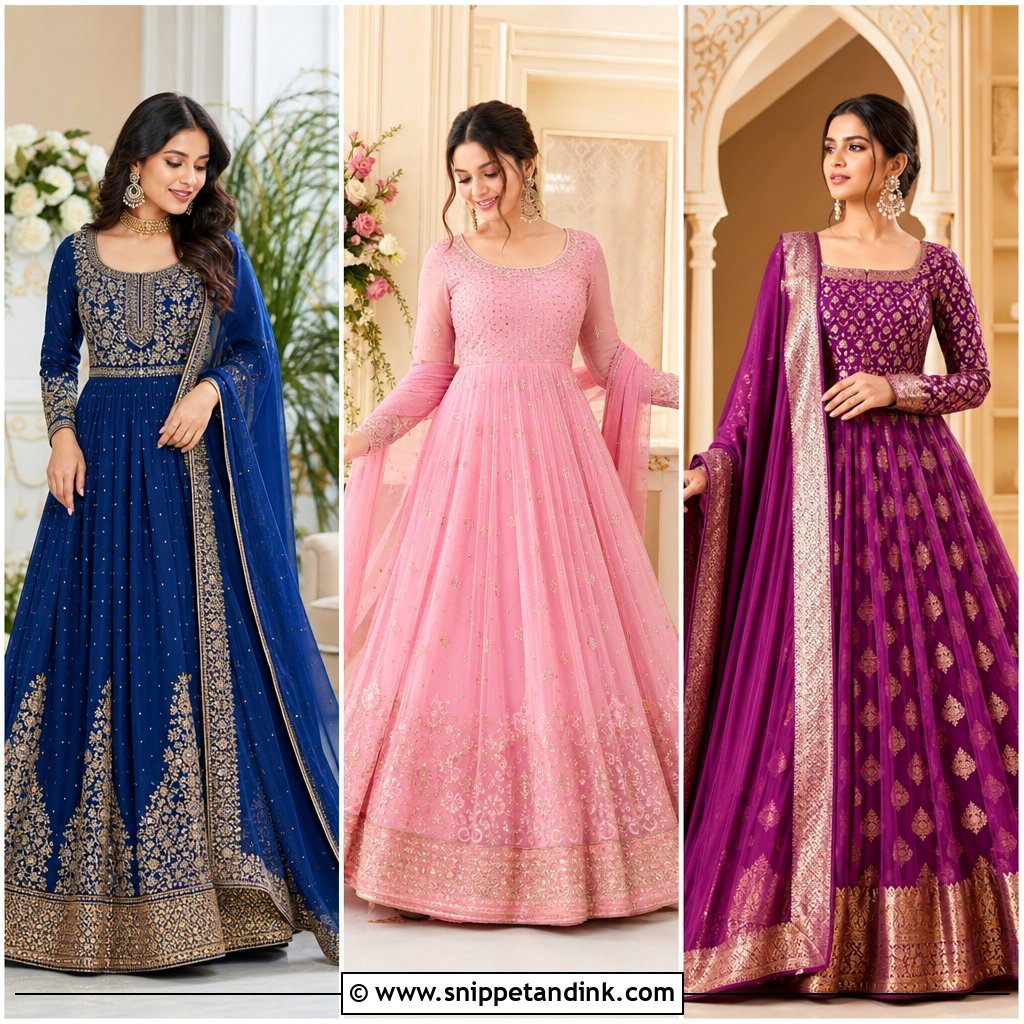
A floor-length plum kameez gives the drama of a gown with the ease of a shalwar suit. Choose an A-line or paneled cut with fitted shoulders and a controlled flare, and wear narrow trousers even though they only show when you walk. Panels let the flare start lower without adding bulk at the waist, which is why I prefer them to gathers on heavy fabric. Antique gold embroidery or velvet borders deepen the plum. Let the sheer dupatta fall from one shoulder down the back. Have the hem set in your platform heels so it clears the floor, and add chandelier earrings.
17. Peach Scalloped Wedding Shalwar
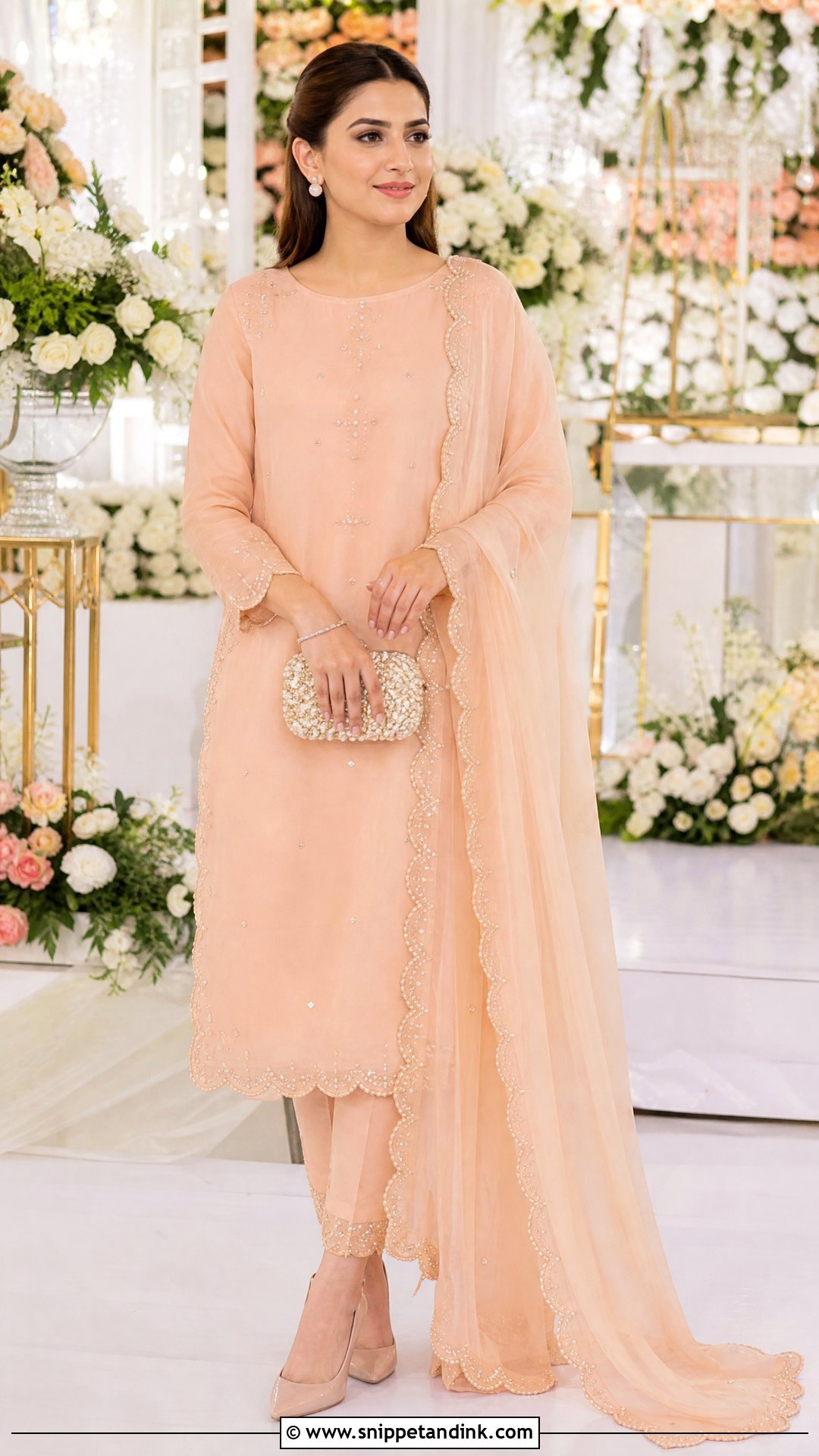
Scallops are a finishing detail, so this outfit lives or dies on workmanship. Choose a straight peach kameez with scallops at the neckline, cuffs, side slits and hem, outlined in fine pearl work or tonal embroidery, and tapered trousers that repeat the scallop at the ankle. Look closely at the curves before you buy. Uneven scallops or fraying where the fabric is cut away tell you the finishing was rushed. Keep the trousers short enough to show the ankle detail. A sheer peach dupatta, nude heels and pearl studs keep the monochrome look soft for a daytime wedding or engagement.
18. Rust Brocade Wedding Shalwar
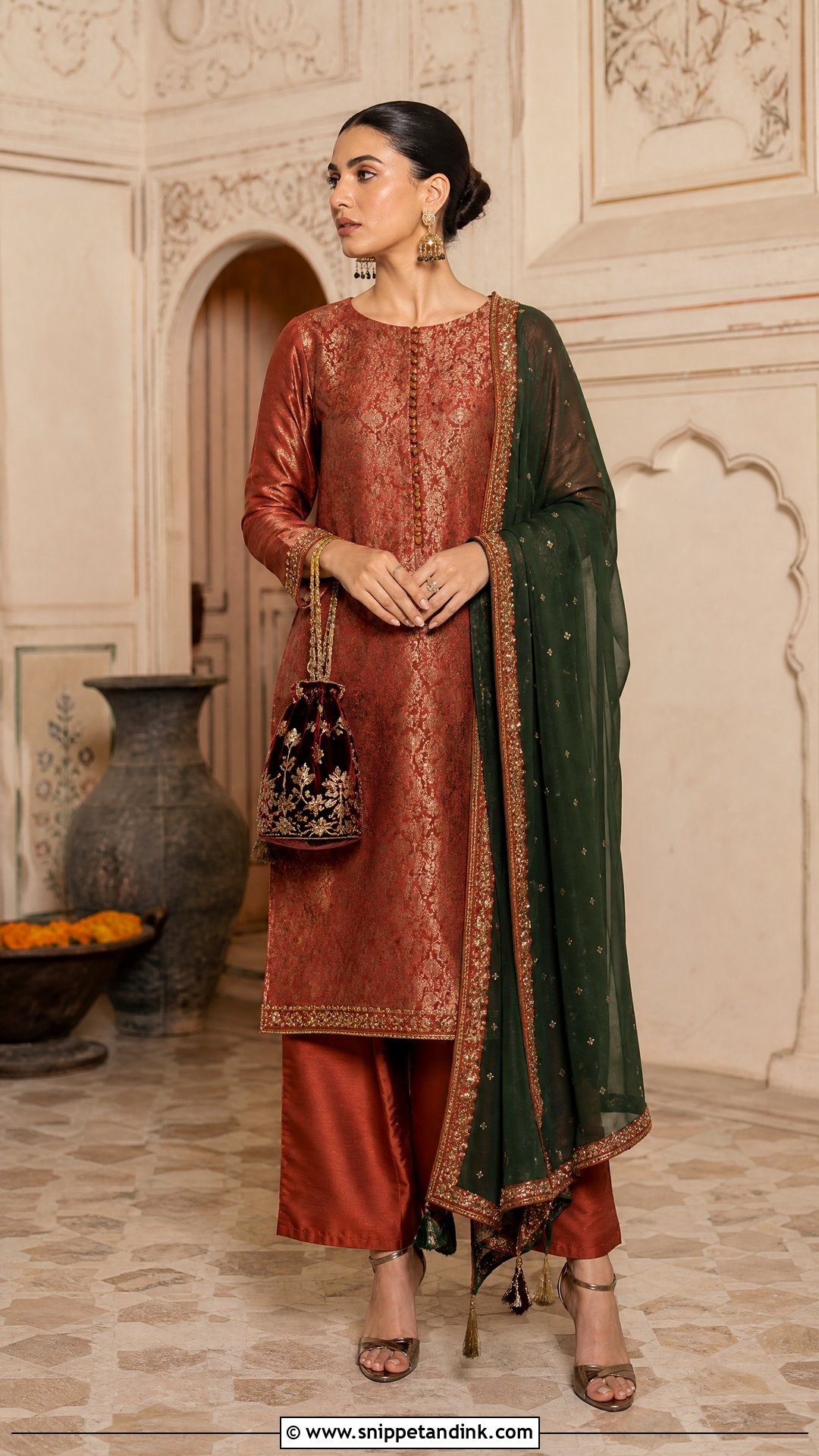
Rust brocade suits autumn and winter evenings. Brocade is woven with the pattern in the cloth and has natural stiffness, so a straight or A-line kameez holds a clean shape. Pair it with plain silk trousers or a soft shalwar, not another patterned piece. Stiff brocade can stand away from the body or crease into a ridge at the waist, so a smooth lining and a fabric with some drape are worth looking for. A deep green or antique gold chiffon dupatta gives contrast. If you’d prefer less shine, use brocade only on the sleeves or front panel. Bronze heels and a velvet potli finish it.
19. Silver Gray Pakistani Wedding Shalwar
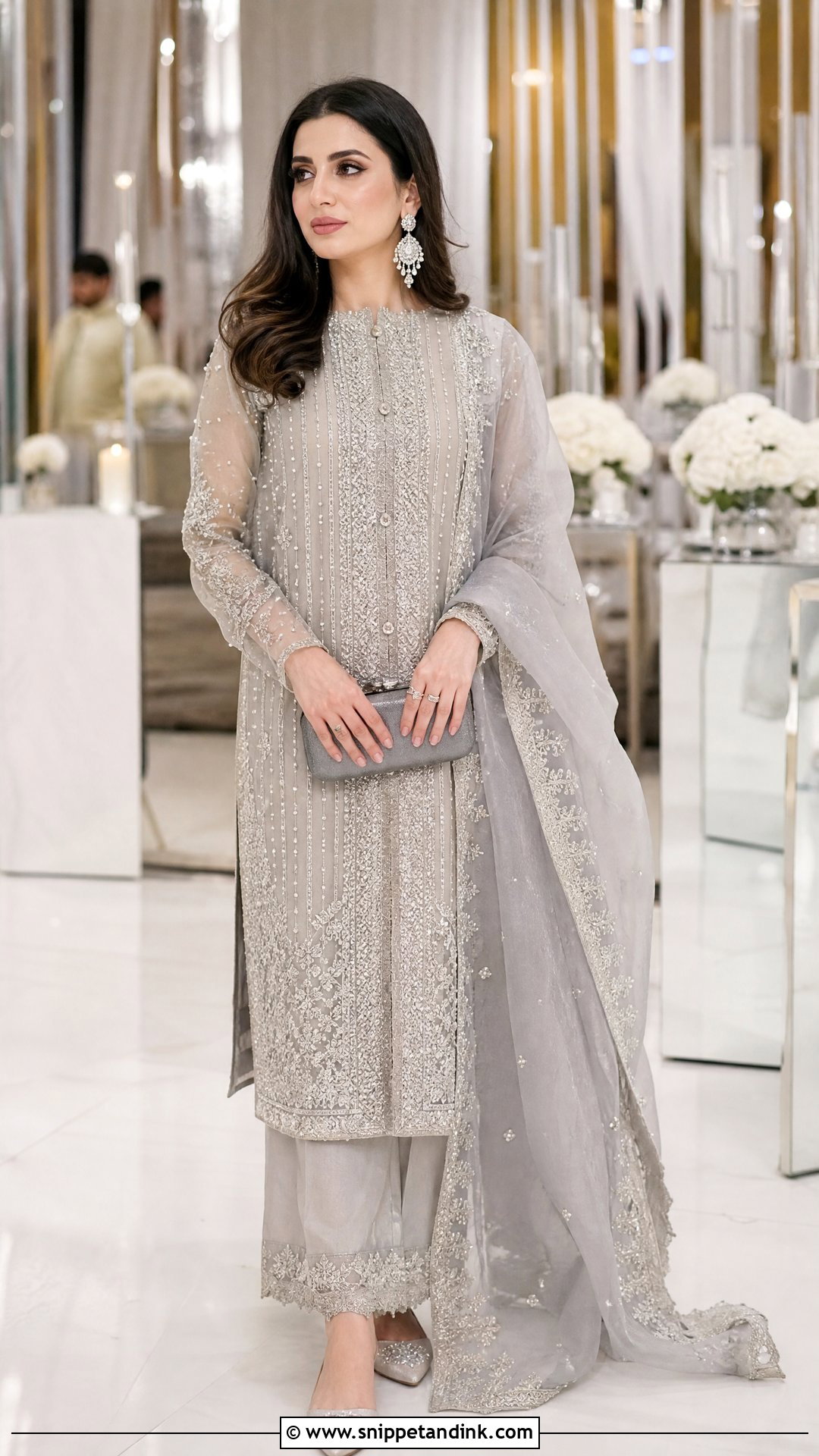
Silver gray is a quiet, polished choice for a reception, and a Pakistani wedding shalwar suit in this shade relies on its surface work. Choose a long straight kameez with side slits, full sleeves and silver or pearl embroidery, over loose straight trousers. Hold the fabric against your face first. A gray close to your skin tone can wash you out, while charcoal or blue-gray adds definition. Shoulder fit matters more than a tight waist with this shape, since a straight kameez hangs from the shoulders. Add a matching organza dupatta, silver pointed flats and crystal drops.
20. Fuchsia Mirror Work Shalwar
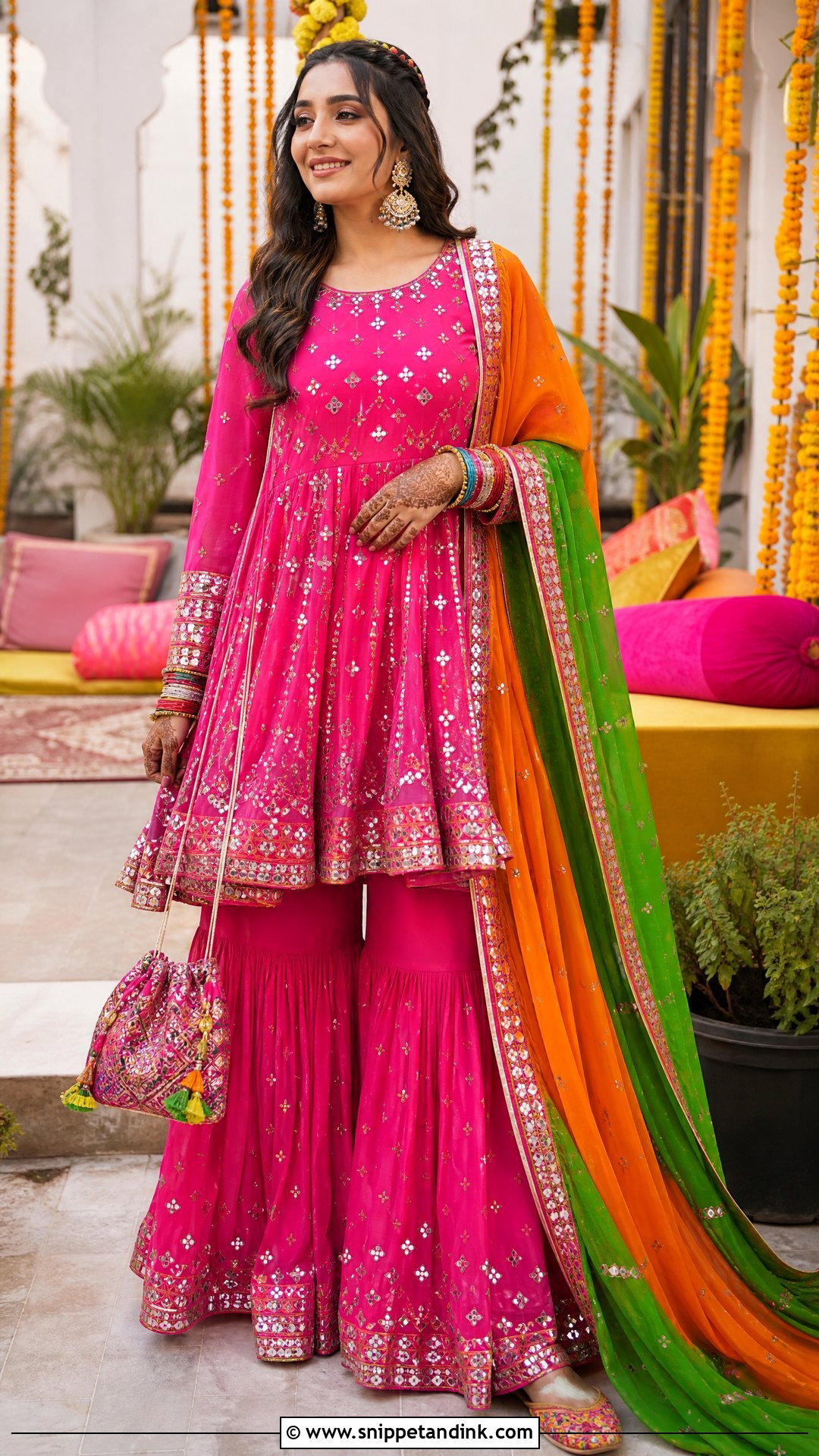
Fuchsia mirror work is made for colorful daytime functions and especially the mehndi. Choose a fitted or gently flared kameez with mirrors at the neckline, sleeves and hem, over a sharara for movement or a shalwar for ease. A contrasting orange or green dupatta adds another festive color. Before buying, run your fingers along the inside: each mirror should be firmly stitched with smooth edges, or it scratches your skin and catches on the dupatta all evening. Keep the necklace simple, because the mirrors already frame the face. Mirror-work juttis and bright bangles complete it.
Unstitched, Ready-to-Wear or Made to Measure
Pakistani formal wear is sold in three ways, and each needs different planning. Unstitched suits come as a set of fabric pieces, often with an embroidered front, sleeves and borders, which a tailor makes up to your measurements. You choose the cut, but you depend on the tailor’s skill and calendar. Ready-to-wear outfits are finished in standard sizes and usually need small alterations to sleeves, side seams and trouser length. Designer and bridal pieces are made to measure and can take several months, especially for hand embroidery.
In wedding season, tailors fill up fast, so I’d hand over an unstitched suit at least a month ahead and allow longer for anything with heavy embroidery. When ordering from abroad, add shipping time and possible customs delays, and send measurements taken by someone else over the undergarments you’ll actually wear.
Making a Heavy Dupatta Stay on Your Head and Shoulder
Net and organza dupattas are slippery, and an embroidered border drags them down. Use small safety pins or dupatta pins on the inside: one at the shoulder seam, one on the opposite side under the arm if it crosses the body, and for brides, a few hidden in the hair or bun to anchor the head drape. Set the pins after your hair is done, not before, so the stylist isn’t working around them. A light dupatta can be pinned once at the shoulder and left to move.
Kameez Length Matters More Than Embroidery
A shalwar suit adapts to almost any wedding setting. Brides might choose a red Anarkali or floor-length plum, while guests can go for pastel organza, chikankari, brocade or a cape set. The heaviest outfit is rarely the best one. Get the kameez length right for your height, choose bottoms you can sit and dance in, secure the dupatta, and wear shoes you can stand in for hours. Let jewelry support the embroidery rather than compete with it. Then walk and sit in the complete outfit before the day, and leave time for a tailor to fix what you find.
You'll Like These Ideas:




Leave a Reply