
White chocolate is the flavor I get asked for most by couples who find dark chocolate too heavy for a wedding but want more than plain vanilla. On its own it is sweet and milky, so the real work happens in the pairing: raspberry, passion fruit, lemon and pistachio all cut through it. On the outside it gives you a warm ivory base that takes drips, pearls, piping and flowers equally well. In my experience the best cakes start with a clear idea of the finish and the filling together, and the twenty designs below are ones I’d happily build, each with a note on how it behaves in the kitchen and on the day.
Why White Chocolate Is Ivory and Softens Early
Before you pick a design, it helps to know what white chocolate actually is. It’s cocoa butter, sugar and milk solids, without the cocoa solids that give dark chocolate its color and firmness. That changes two things on a wedding cake.
The color is cream, not white
White chocolate buttercream and ganache come out a warm ivory, and under yellow reception lighting they read darker still. If your dress is bright white and you want the cake to match, say so at the very first consultation. Some bakers neutralize the yellow in buttercream with a tiny touch of violet coloring; others cover the ganache in white fondant. If you like the cream tone, lean into it with ivory and champagne flowers instead of fighting it.
It sets softer and melts sooner
With no cocoa solids to firm it up, white ganache needs a much higher ratio of chocolate to cream than dark ganache before it’s firm enough to stack under. Even then it softens at a lower temperature. In practice, a white chocolate cake shouldn’t stand in sun or near a heater, a drip should only go onto a chilled cake, and buttercream designs do best indoors or in deep shade. Ask your baker how long they’re comfortable with the cake standing out before cutting. For a summer date, expect a cautious answer, and plan the cutting around it.
1. White Chocolate Drip Wedding Cake
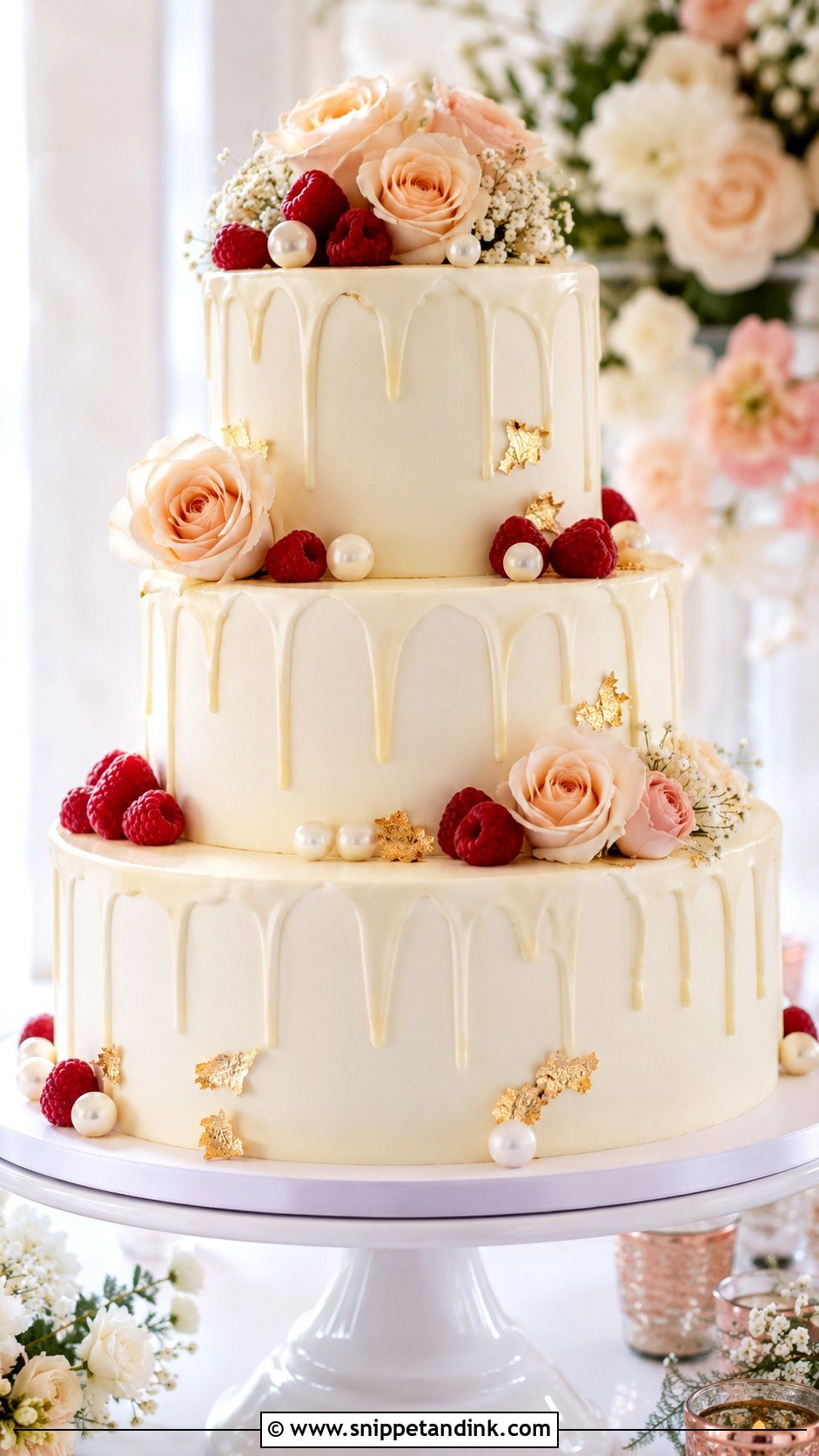
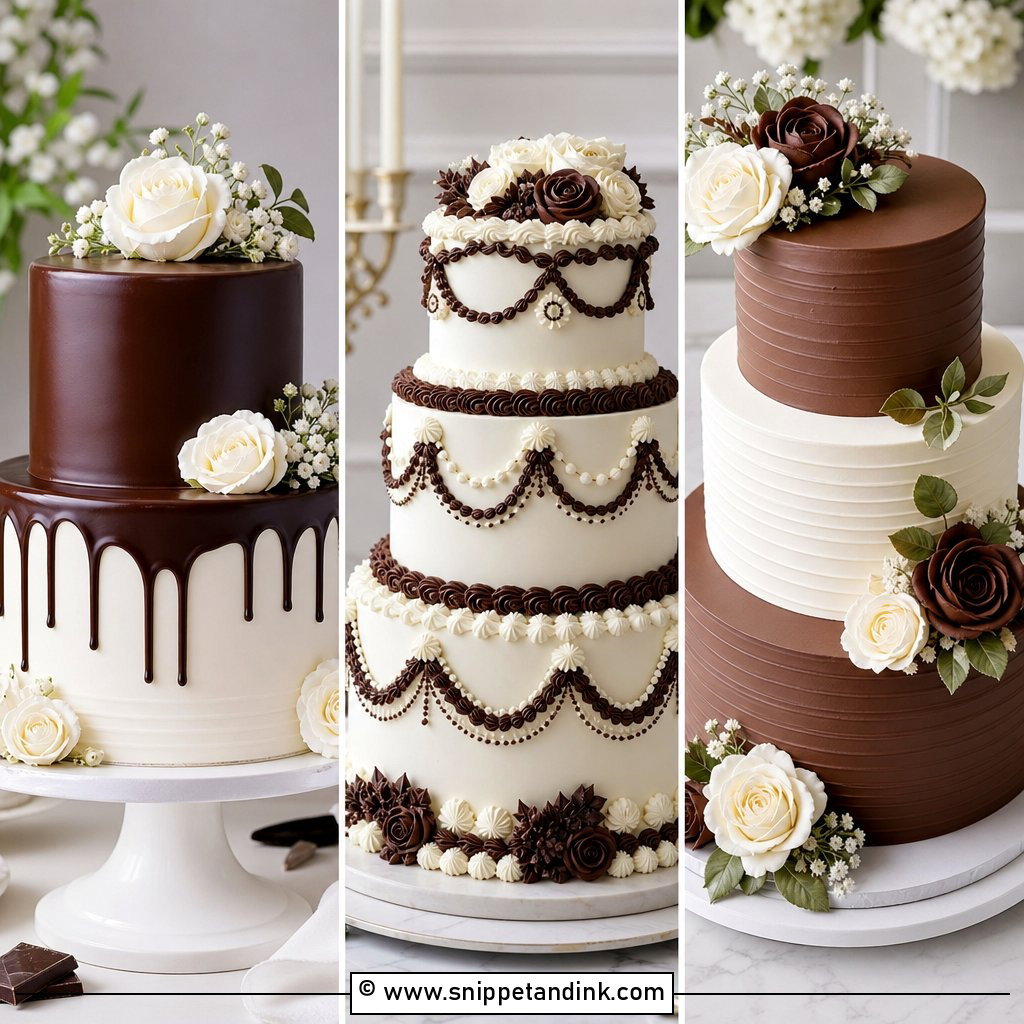
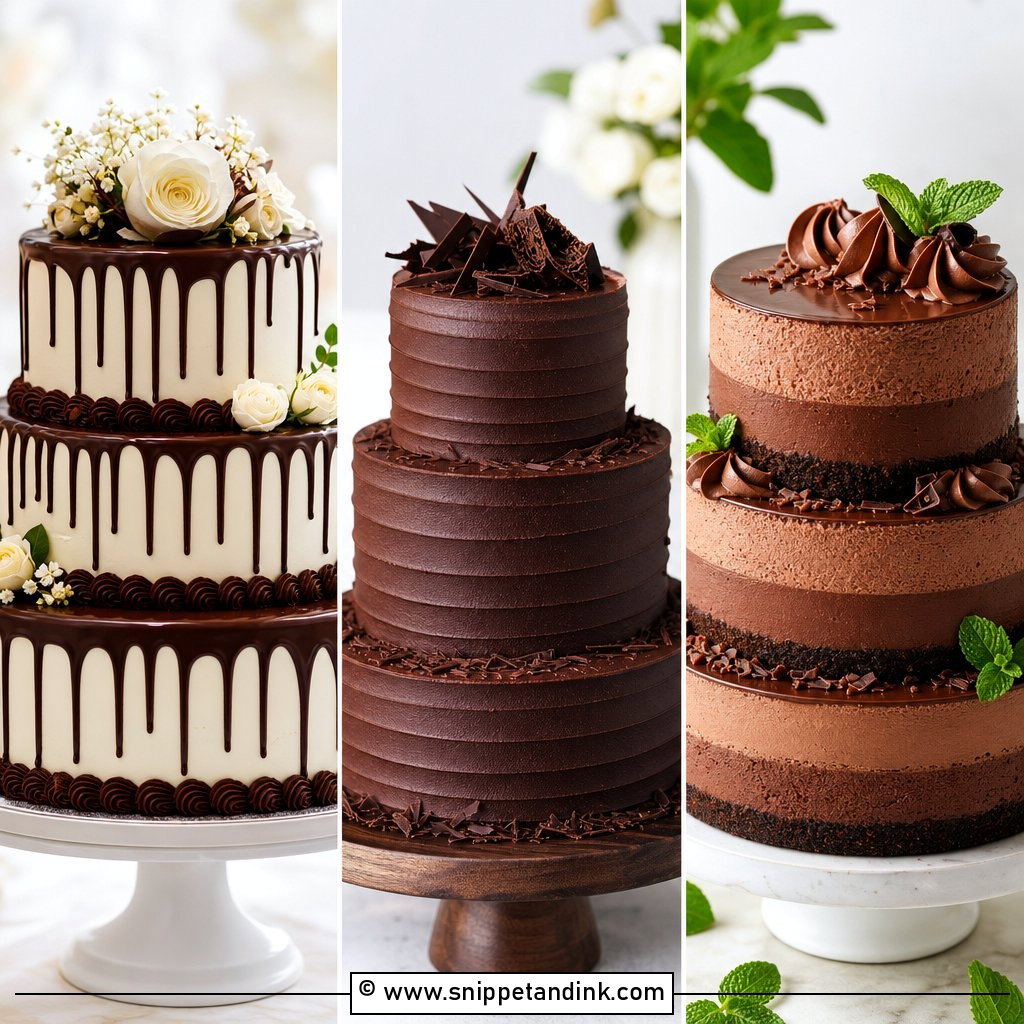
A drip is where white chocolate shows its quirks. White ganache needs far more chocolate to cream than dark ganache before it will hold a drip, and I always test a single run down the side of a chilled tier before doing the whole edge, because ganache that’s a few degrees too warm races straight to the board. Two or three tiers give the drip room to fall. Inside, vanilla sponge with raspberry or lemon curd keeps the sweetness in check. A few roses or berries on top are enough, and gold leaf on the drip tips catches the light better than painting every run.
2. White Chocolate Ganache Wedding Cake
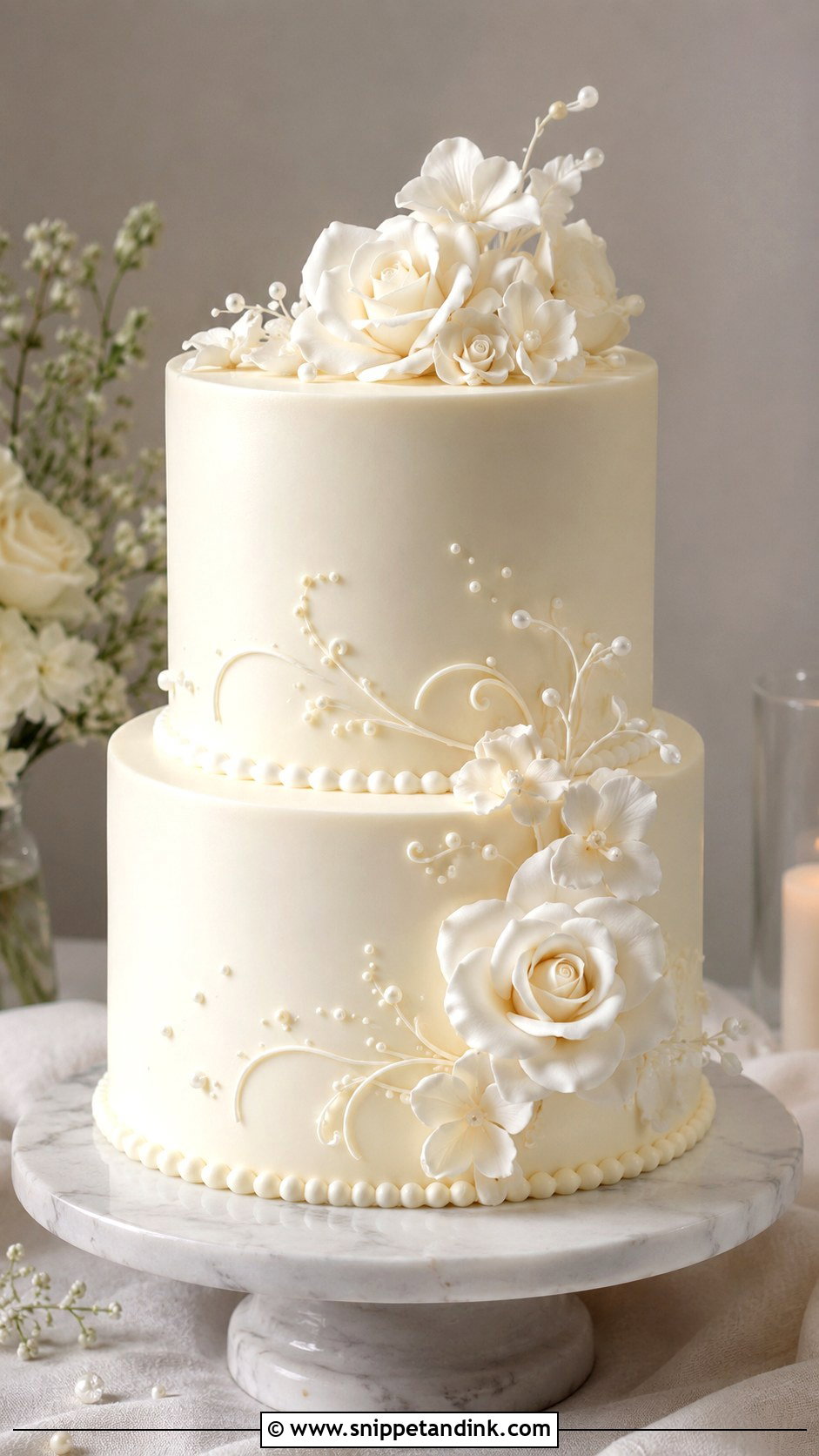
Ganache is the workhorse under a lot of my cakes. Set firm, it gives fondant those crisp edges; whipped, it turns into a soft, mousse-like coating you can spread with a palette knife. It’s rich, so I balance it with something sharp inside, usually raspberry, passion fruit or blackcurrant. Keep the outside quiet with ivory tones, fine piping or a slim cascade of flowers. Couples who find dark chocolate bitter tend to love this, though committed chocolate fans sometimes find it too sweet, so taste it before you decide.
3. White Chocolate Raspberry Wedding Cake
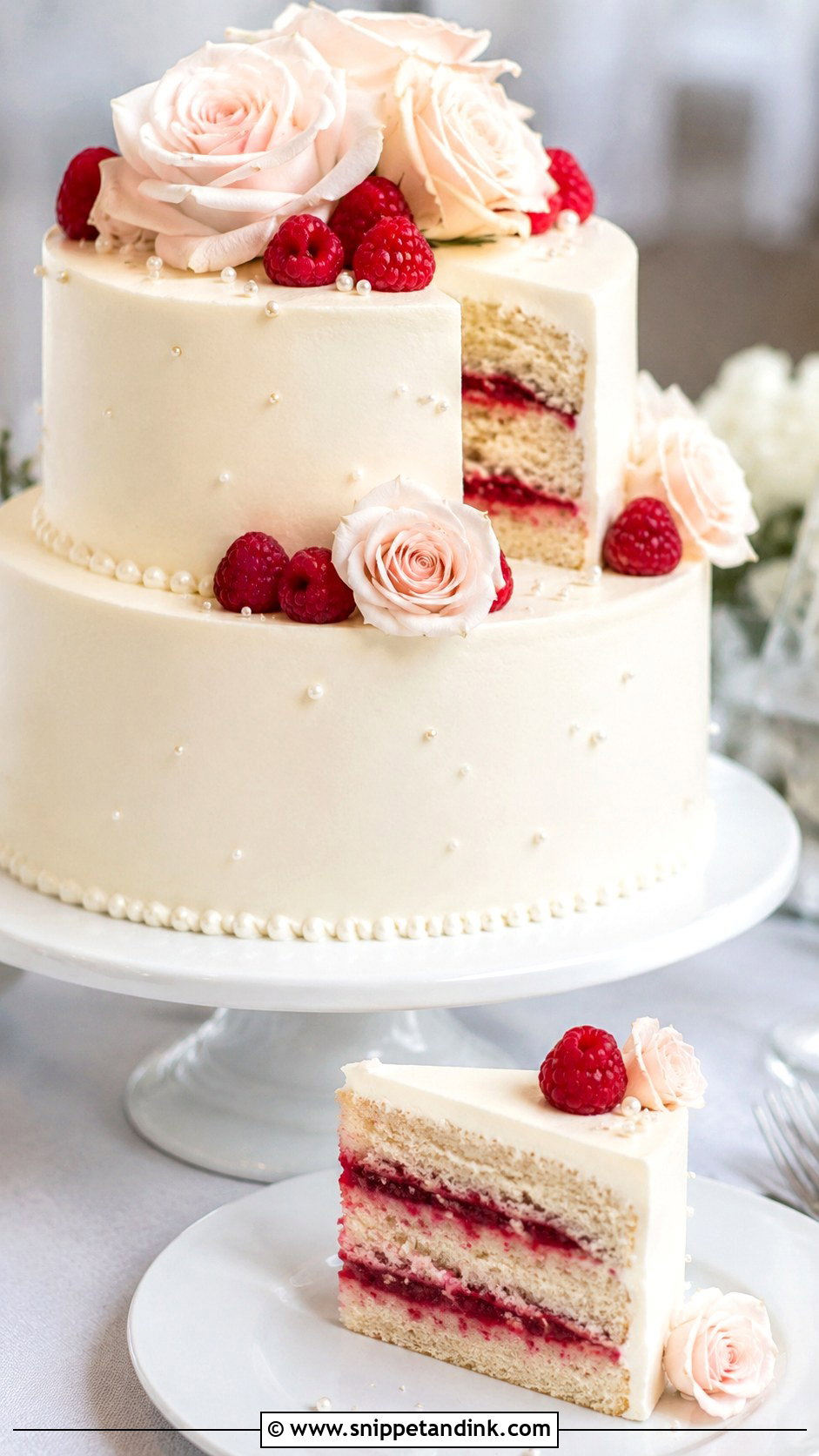
Sweet against tart is the oldest trick in cake design, and raspberry with white chocolate is the version I’d put in front of a nervous couple at a tasting. I fill pale sponge with raspberry compote and fence it in with a dam of buttercream, because loose fruit pressing on a soft filling is how tiers start to bulge a few hours in. Outside, smooth ivory with a few real raspberries keeps it fresh, and blush flowers can tie the filling to your palette. A semi-naked finish suits a garden; full buttercream reads more formal. Once it’s cut, that thin ruby line through the layers is half the appeal.
4. White Chocolate Pearl Wedding Cake
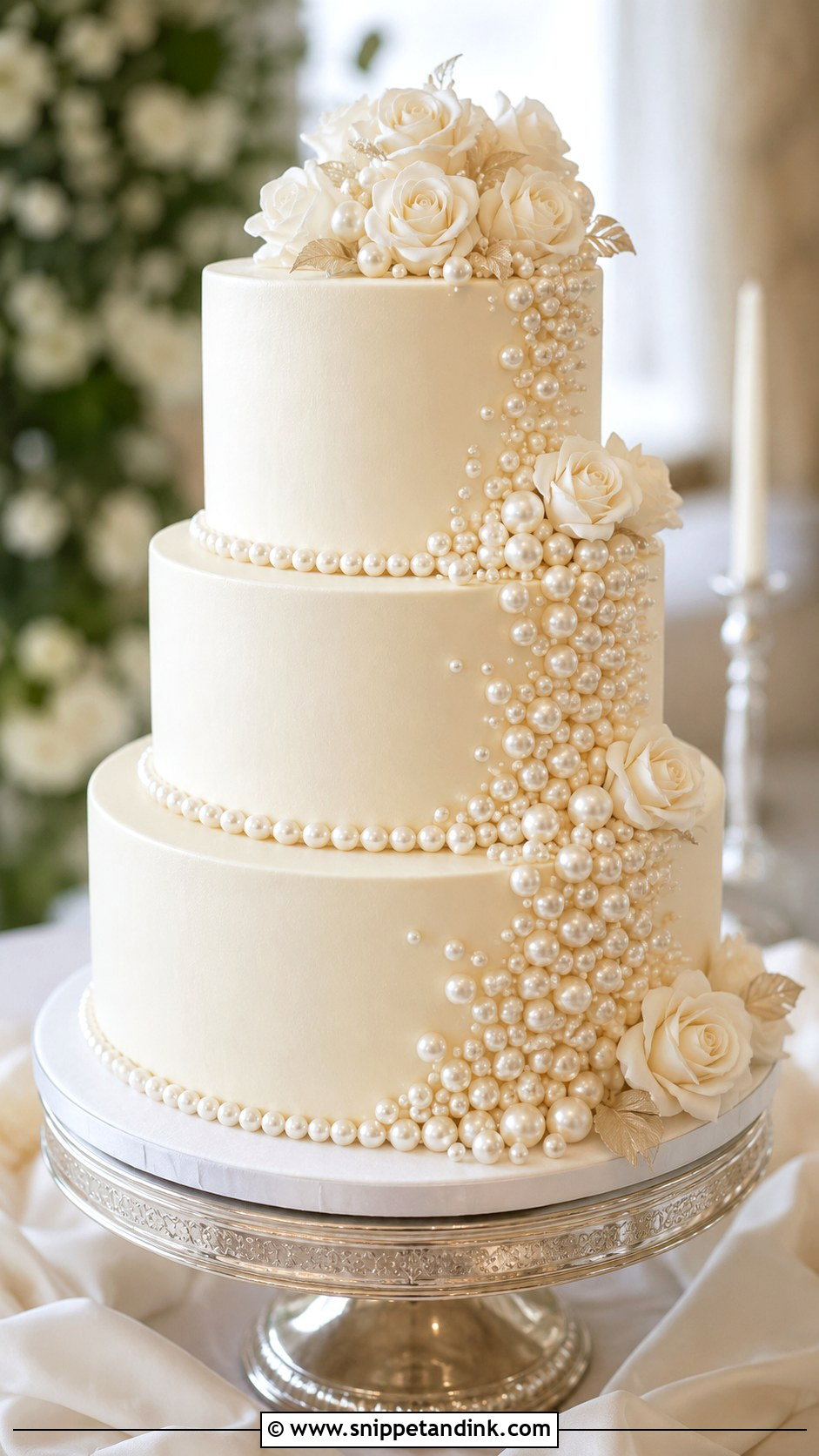
Pearls need restraint. I’ll place a cascade down one side, a border between tiers or tiny dots laid out like lace, but rarely all three on one cake. Sugar pearls go into buttercream while it’s still tacky, or onto fondant with a dab of piping gel; press them into buttercream that has already crusted and they slide. White chocolate buttercream gives the creamy colour and ganache gives the smooth sides. Round tiers look traditional with pearls, square ones look sharper. I keep flowers to a minimum here so nothing competes with the pearl work, which sits well in a ballroom or hotel.
5. White Chocolate Floral Wedding Cake
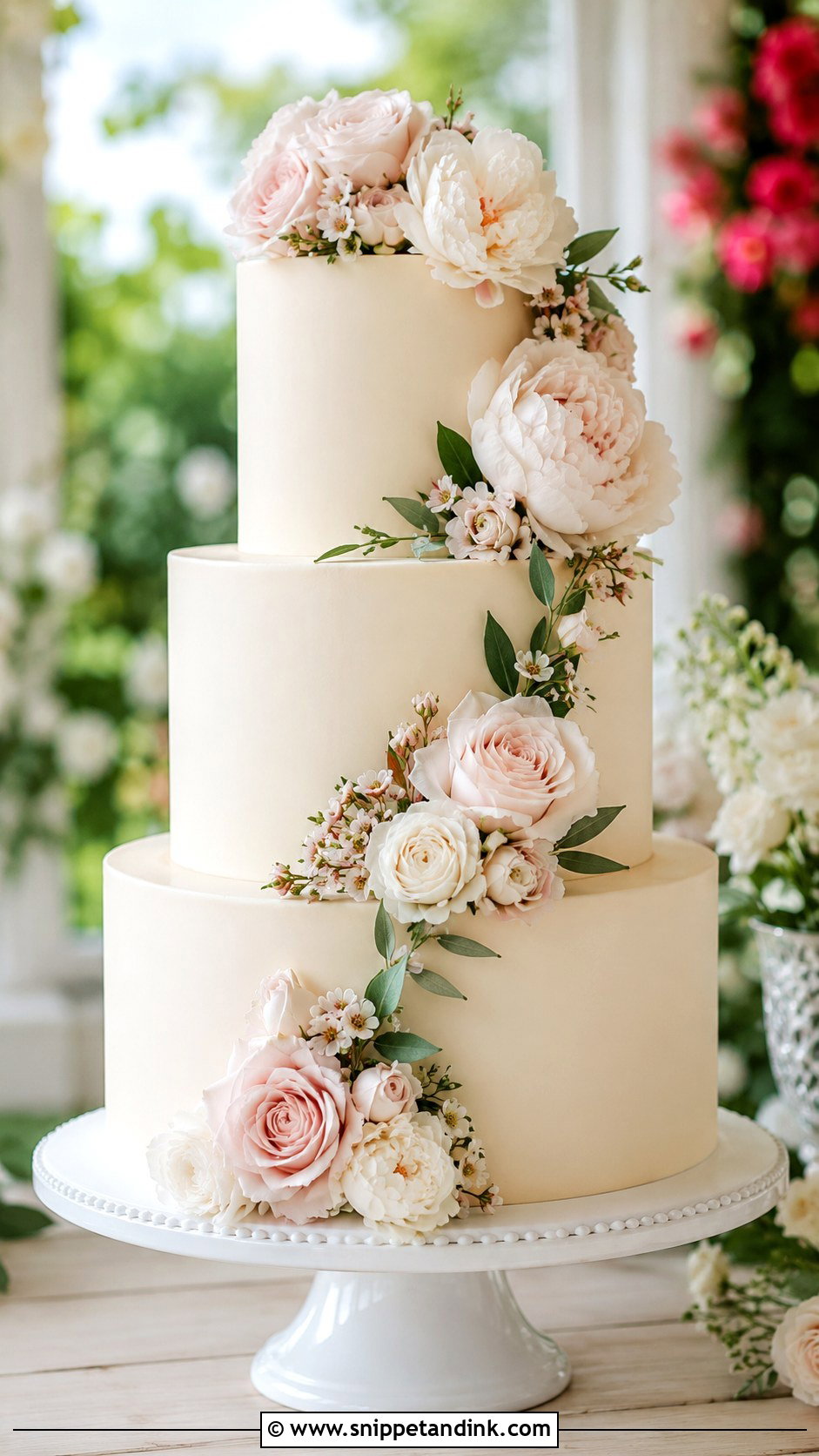
Flowers on a cake can be fresh, sugar, wafer paper or piped buttercream, and the choice usually comes down to budget and how long the cake will stand out. Against white chocolate buttercream I like blush roses or ivory peonies laid in a loose diagonal, which looks more natural than a tight ring. Fresh stems need care. Some popular wedding flowers are toxic, so I only use blooms the florist confirms are safe, wrap or seal every stem, and keep them off anything that will be eaten. Spring and summer weddings suit this design most.
6. White Chocolate Buttercream Wedding Cake
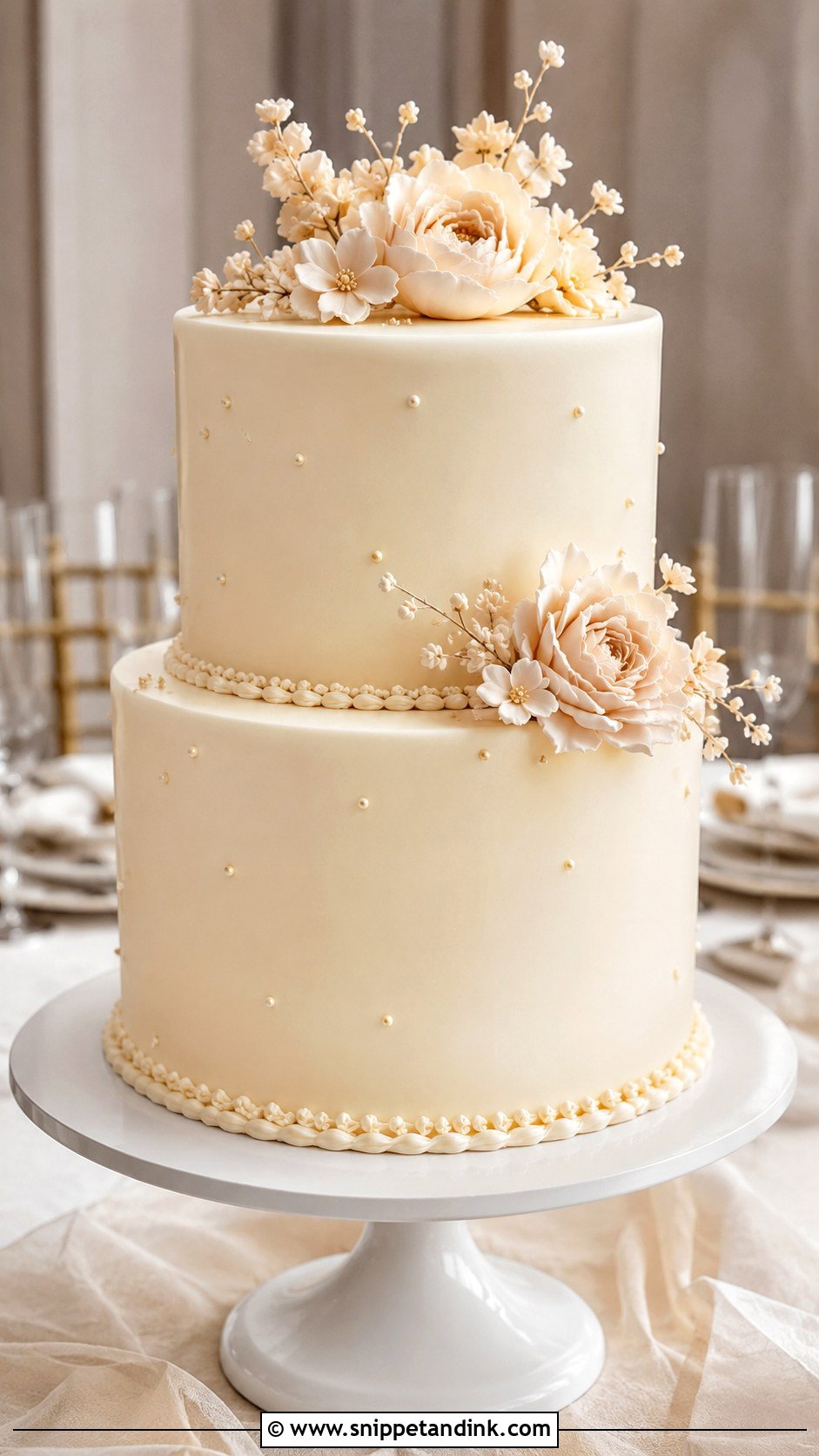
If you don’t like the texture of fondant, this is the one I’d point you to. White chocolate whipped into Swiss meringue buttercream tastes rich but stays light, and with a warmed scraper I can still get smooth sides and sharp top edges. Decoration can be as simple as a pressed texture or one floral cluster, over almond, vanilla bean or lemon sponge. For a modern table, ask your baker for a tall tier shape with almost nothing on it except one generous flower arrangement. The one caveat is heat, since buttercream softens long before fondant does.
7. White Chocolate Vintage Wedding Cake
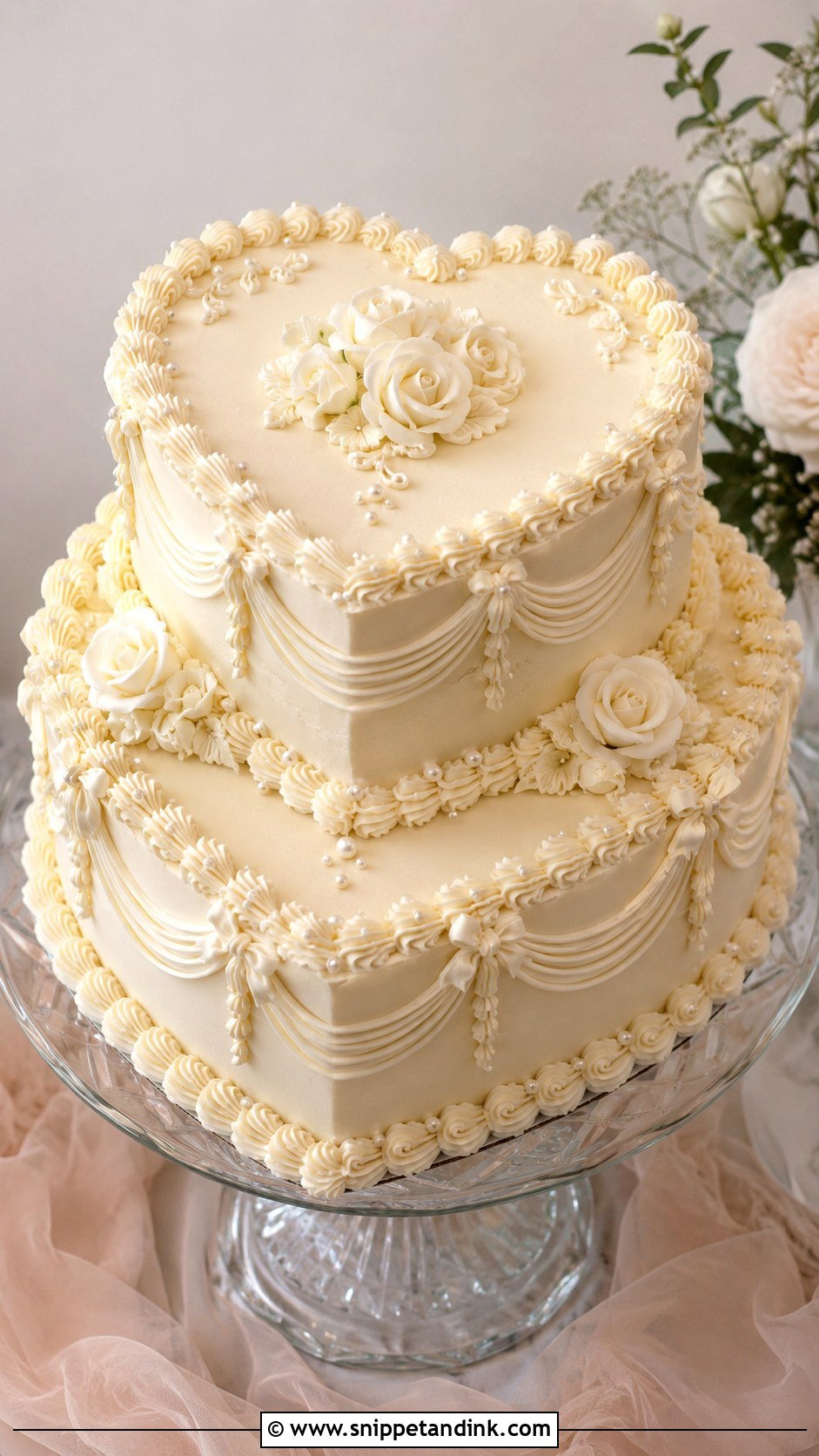
Ornate piping is back, and it suits white chocolate because the rich flavor matches the nostalgic look. Hearts, scallops, shells, swags and little buttercream bows all pipe cleanly in a stiff meringue buttercream; mix it too soft and the ridges slump within the hour. With this much detail, even one or two tiers look finished, so it’s a good route for a smaller wedding. Add cherries only if they belong in your palette. Otherwise I keep it bridal with pearls and white roses.
8. White Chocolate Lambeth Wedding Cake
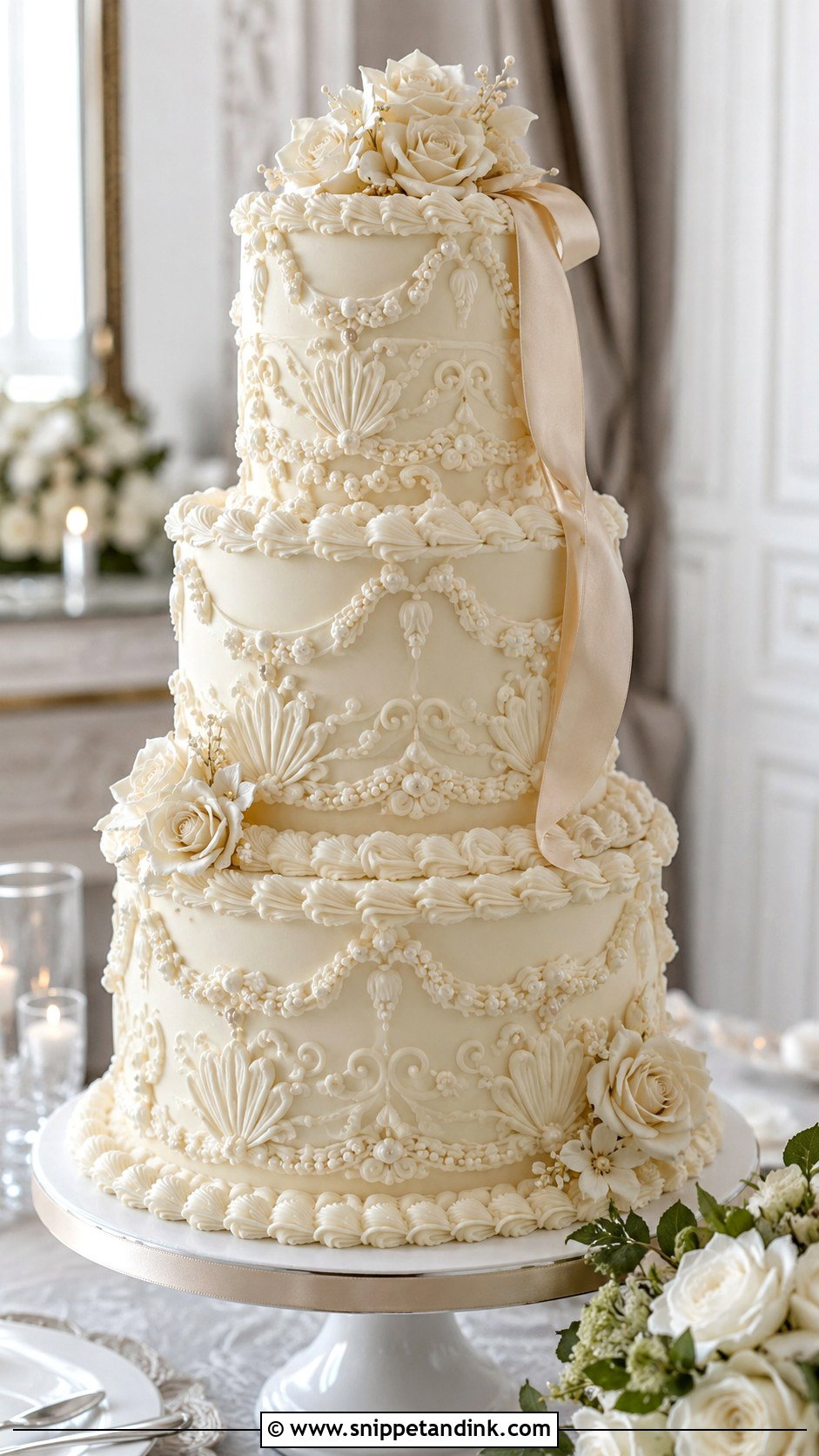
Lambeth is the heavyweight of vintage piping: borders built up in layers, scrolls over shells, then overpiping on top of that. On white chocolate I pipe it in ivory or soft champagne so the depth comes from shadow rather than color. Round tiers, tall mini tiers and a heart cake for a small reception can all carry it, and a few sugar roses keep it bridal instead of kitsch. Expect a higher quote than a plain cake, because the labor is in every centimeter. In return, there isn’t a flat angle on it for the camera.
9. White Chocolate Textured Wedding Cake
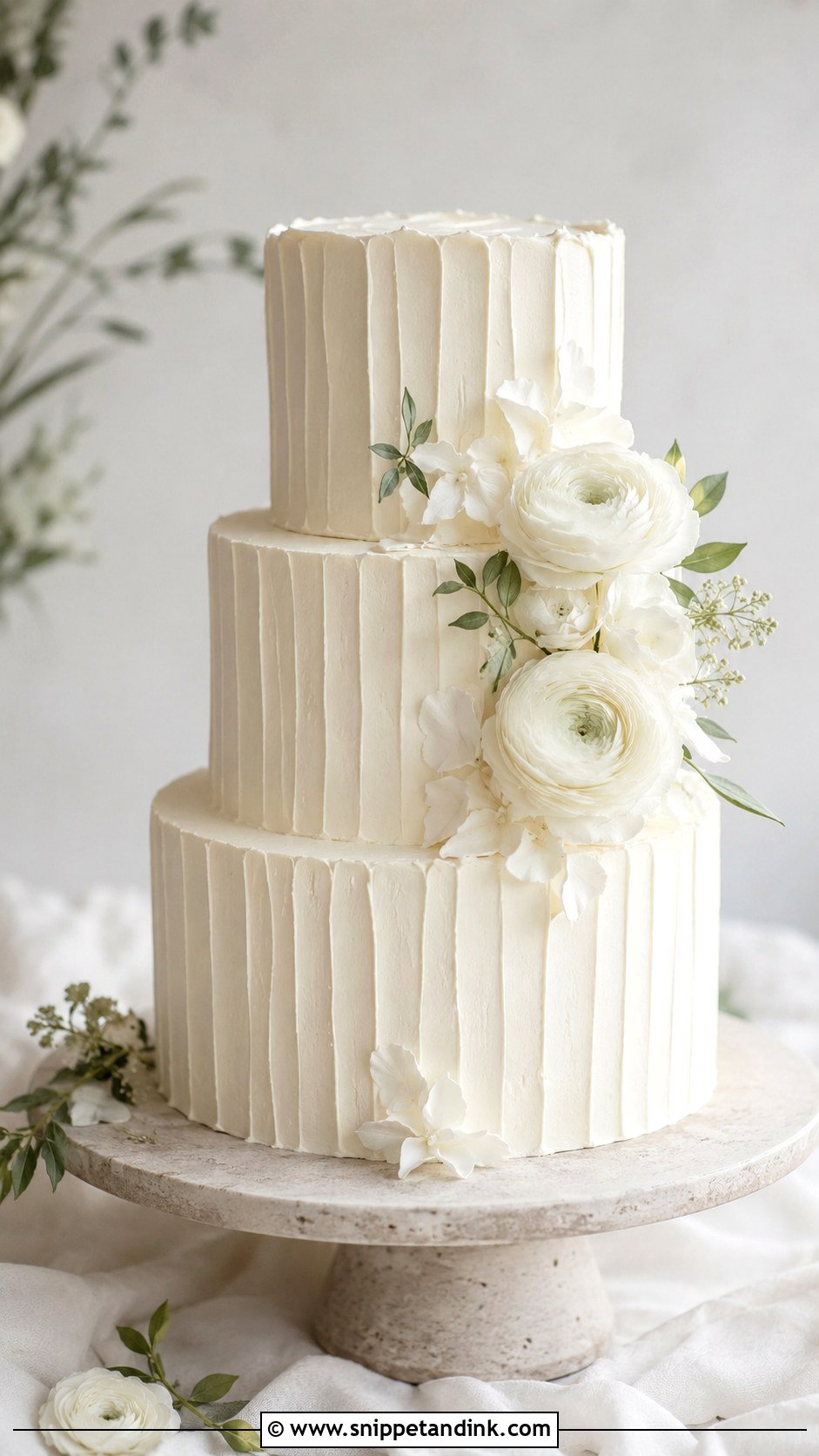
Textured buttercream forgives what a smooth finish exposes, which is partly why I like it for outdoor weddings. Palette-knife strokes, combed vertical ridges or a gentle stucco all hide the small knocks a cake picks up in transit. The trick is consistency: keep the same texture density on every tier, or the cake looks unfinished. The white chocolate buttercream sits well over citrus, berry or pistachio fillings. One floral cluster or a few thin sugar petals are plenty.
10. White Chocolate Fondant Wedding Cake
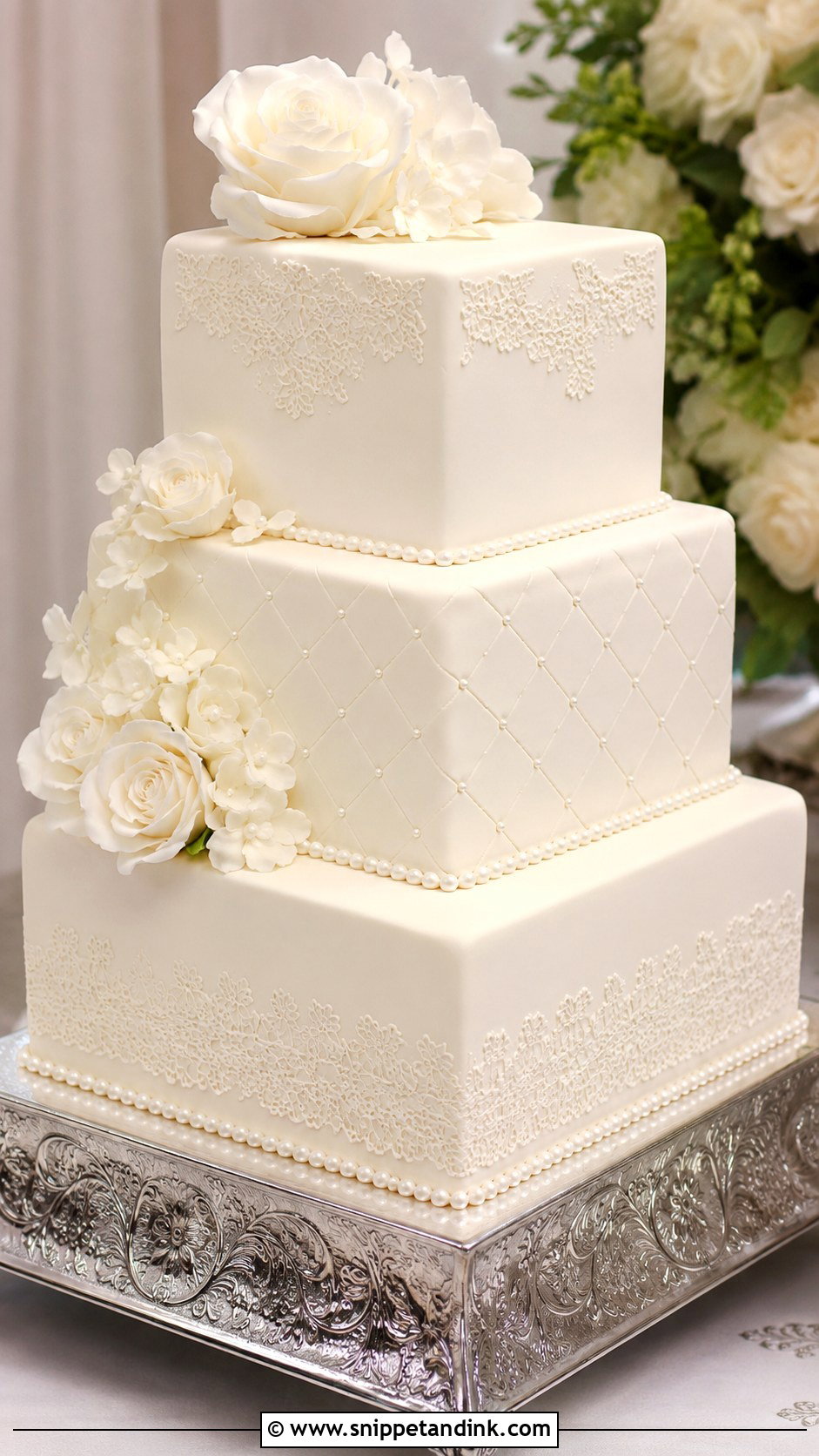
Fondant is all about the finish, so I start with what’s underneath. A firm coat of white chocolate ganache gives the fondant something solid to hug, which is how you get sharp edges and a cake that travels well. From there it can stay plain or take quilting, embossed lace, pearl borders or sugar flowers. Plenty of guests peel fondant off, which means the flavor inside carries more weight: white chocolate sponge with raspberry curd, or lemon cake with white chocolate buttercream. I steer formal ballroom and black-tie receptions toward this finish.
11. White Chocolate Naked Wedding Cake
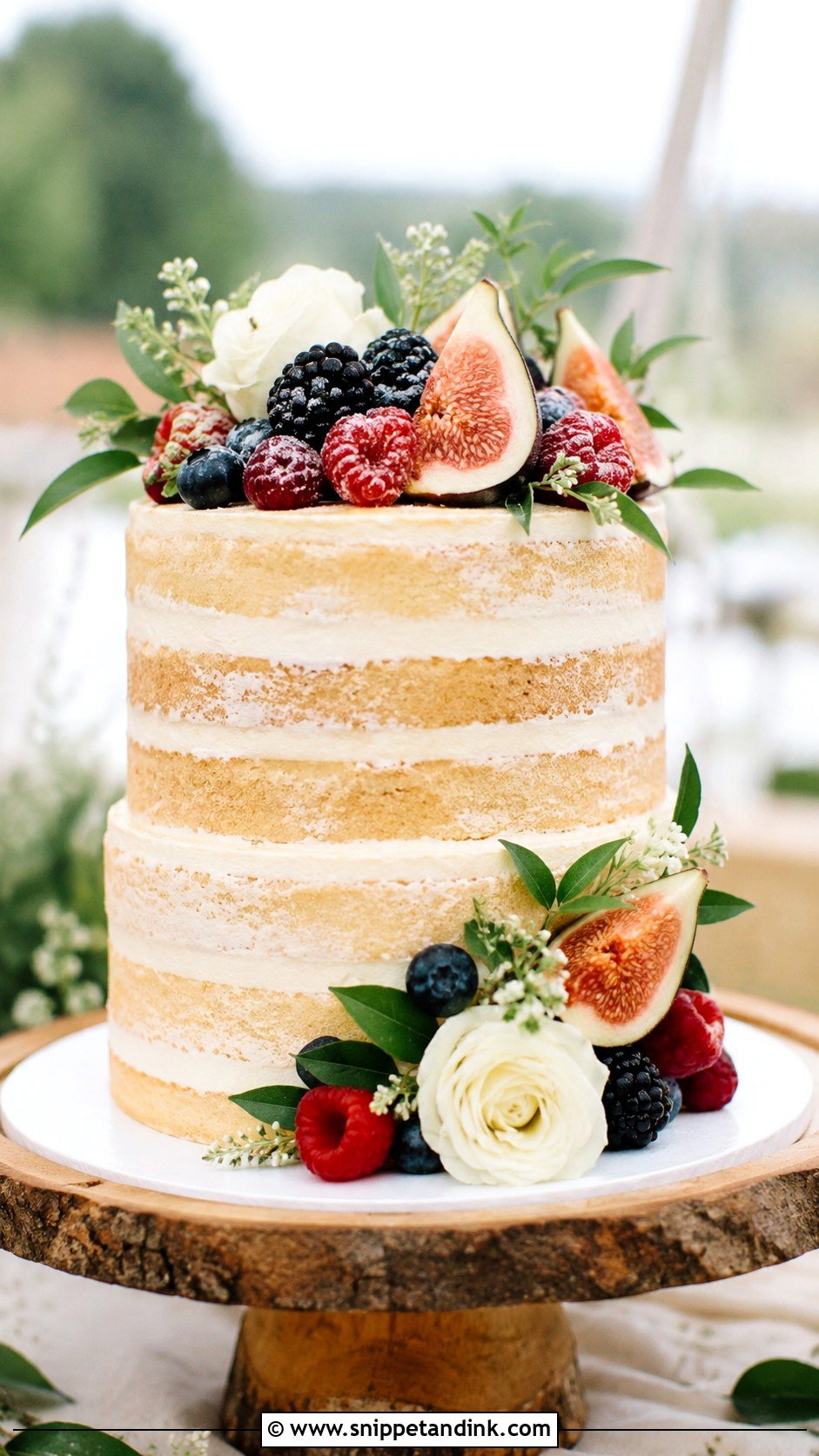
A naked cake has nowhere to hide, so I only recommend it when the sponge itself is good to look at: level layers, an even crumb, no domes. White chocolate buttercream goes thinly between the layers and is scraped almost clean on the outside. Exposed sponge dries quickly, so I assemble these as late as I can and brush each layer with syrup. Figs, berries, edible flowers and greenery make it feel seasonal, and a tart filling like passion fruit or lemon balances the sweetness. It belongs at a garden or rustic reception, not a formal ballroom.
12. White Chocolate Semi Naked Wedding Cake
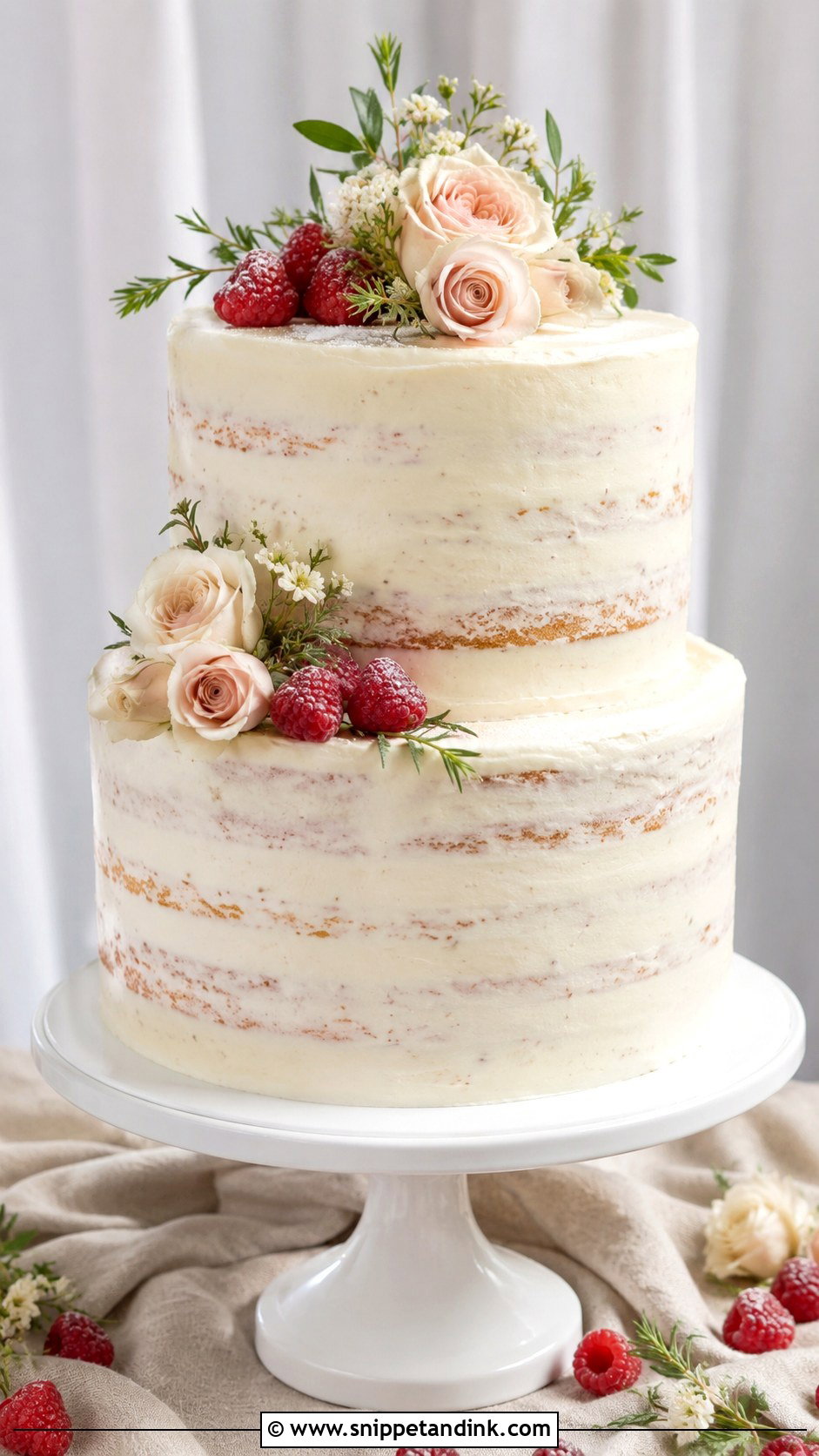
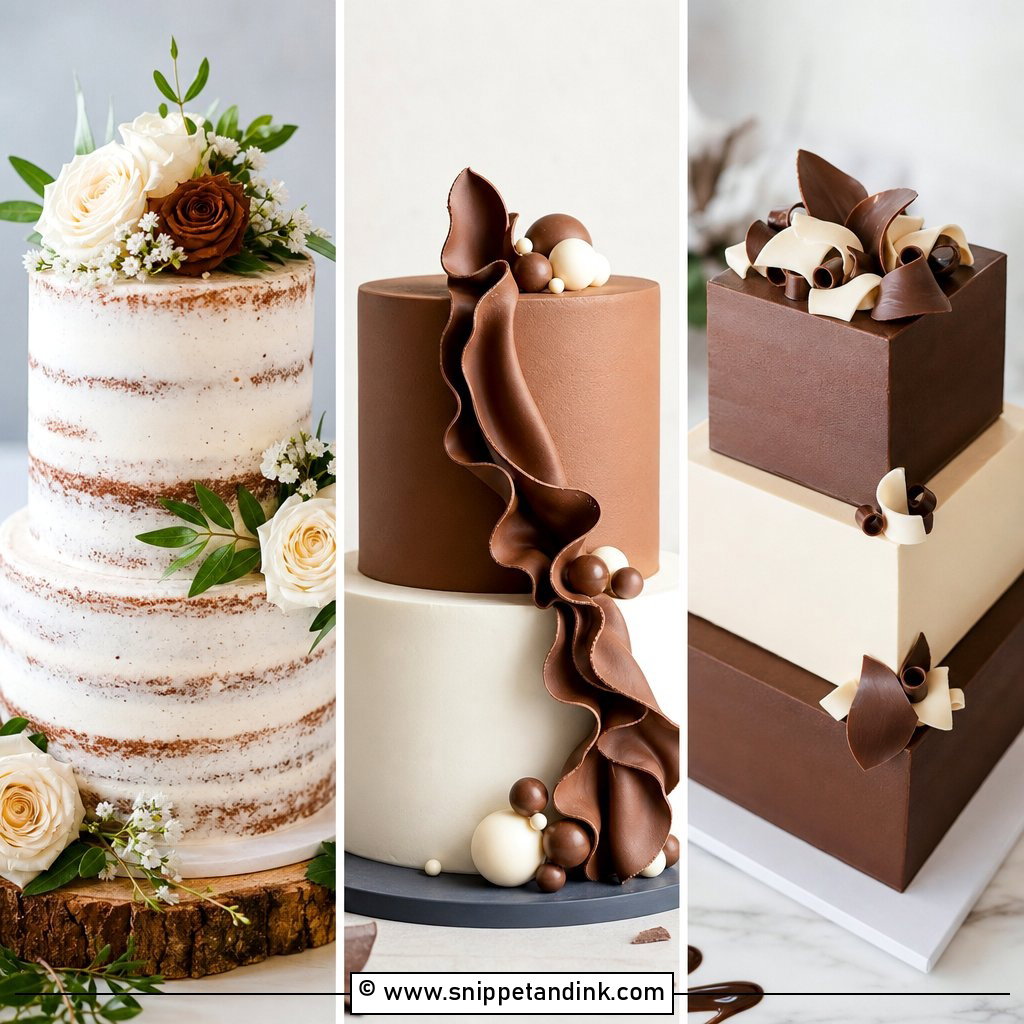
A white chocolate semi naked wedding cake gets a thin coat of buttercream all over, which is then scraped back so the sponge shows through in places. It protects the cake better than a fully naked finish while keeping the relaxed look, so I suggest it to couples who like rustic styling but worry about dry cake. Vanilla, almond, lemon or a champagne-flavored sponge all work. If you want a dusting of icing sugar, have it added at the venue, because it dissolves into buttercream within a few hours. It sits comfortably on a dessert table next to macarons and fruit tarts.
13. White Chocolate Tiered Wedding Cake
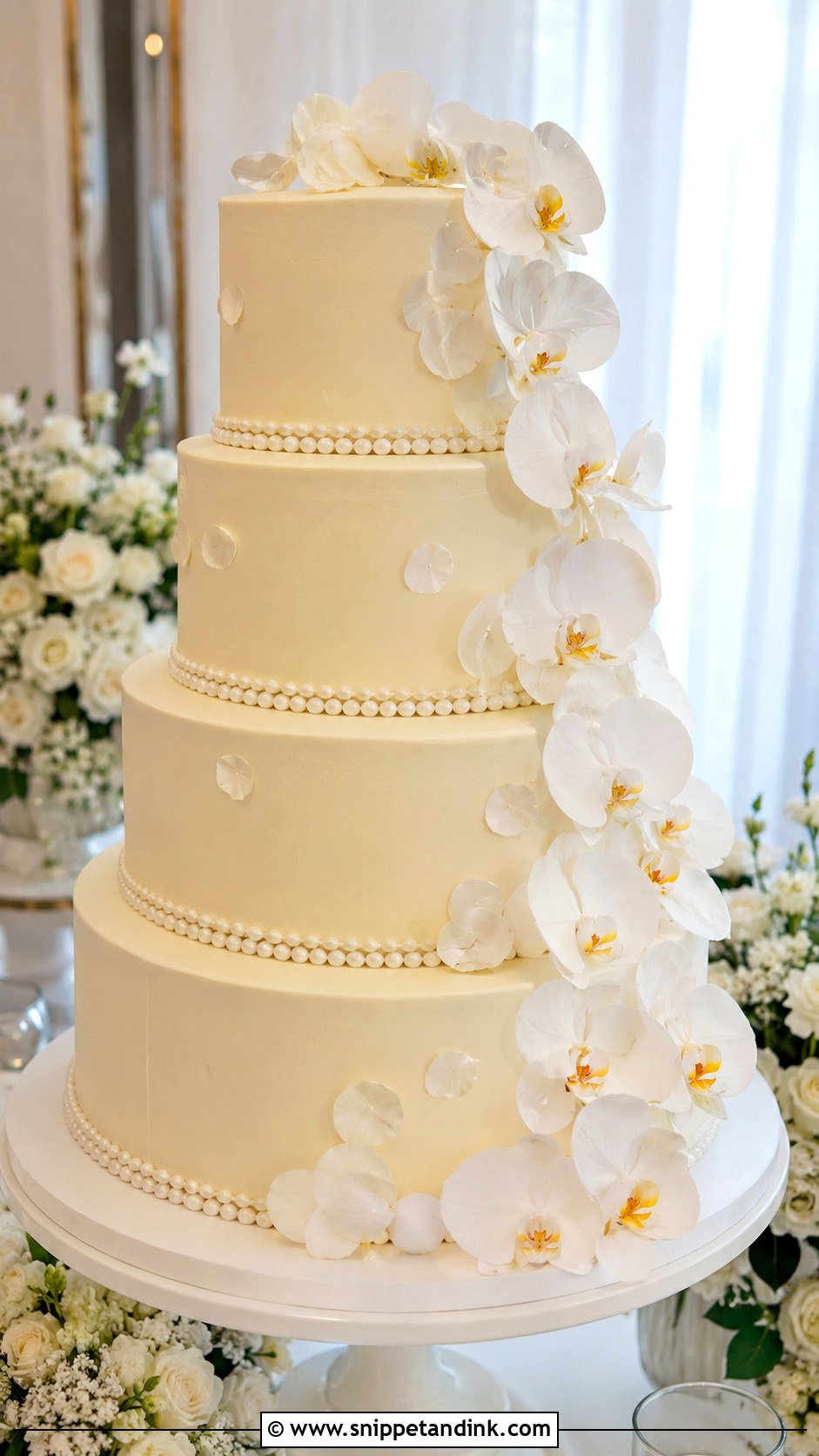
A white chocolate tiered wedding cake is the classic centerpiece, and the structure matters as much as the decoration. Every tier above the base sits on its own board, with dowels underneath carrying the weight; skip that and the bottom tier slowly compresses. Three tiers read traditional, two tall tiers feel modern. I often give each tier a different filling so guests get some variety, from raspberry and lemon to pistachio. What I fuss over most is proportion. Tiers that step down by even amounts look right from across the room.
14. White Chocolate Square Wedding Cake
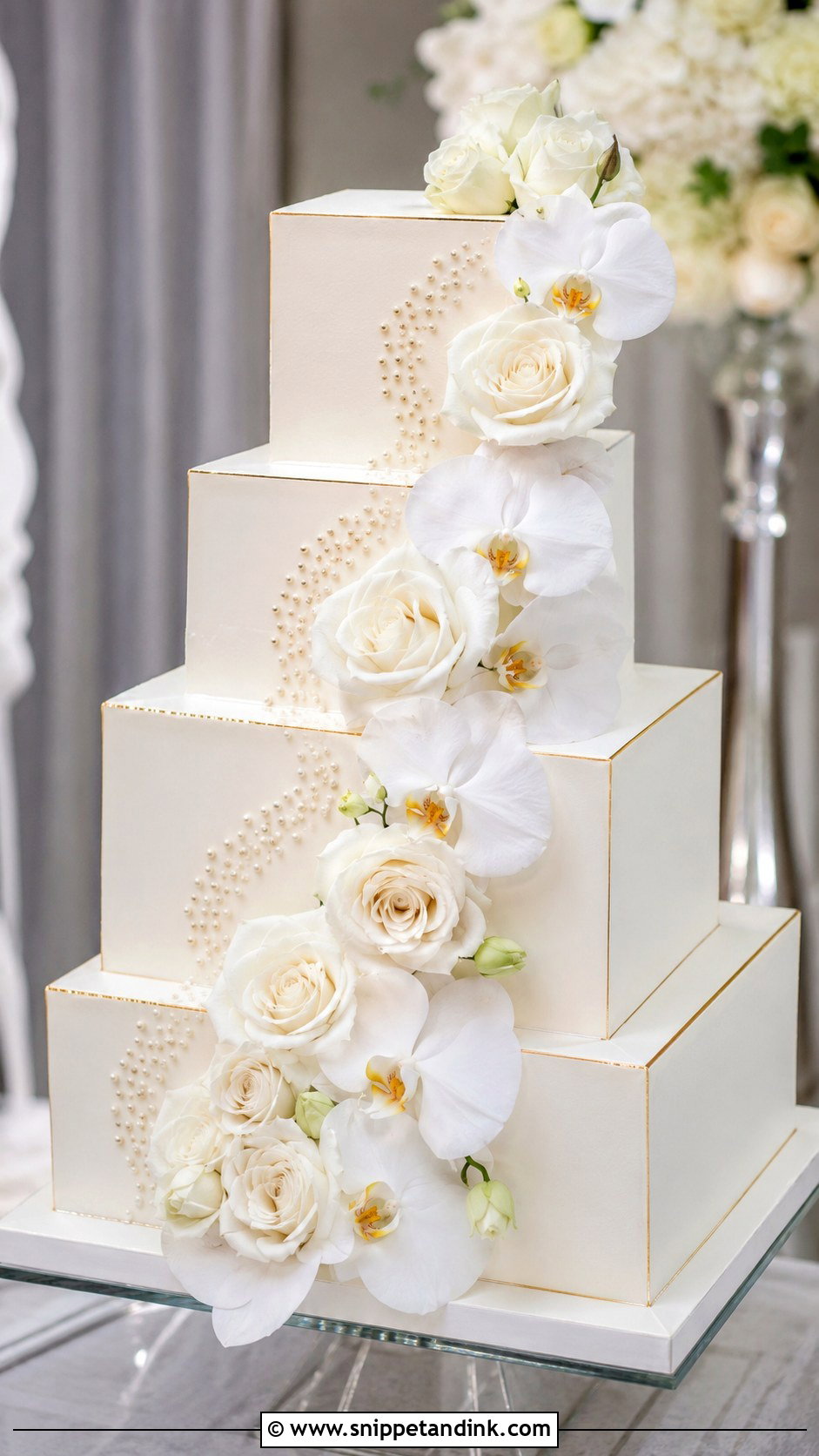
Square tiers look architectural, and they’re harder to finish than round ones. Corners chip, buttercream thins at the edges and any lean shows immediately, so I almost always put square cakes under ganache and fondant. That clean shape suits gallery venues and minimalist receptions. A diagonal line of white roses or orchids softens it, and thin metallic edging suits a formal room. Because the outside is so plain, I let the inside be playful, with passion fruit or almond alongside the white chocolate.


15. White Chocolate Heart Wedding Cake
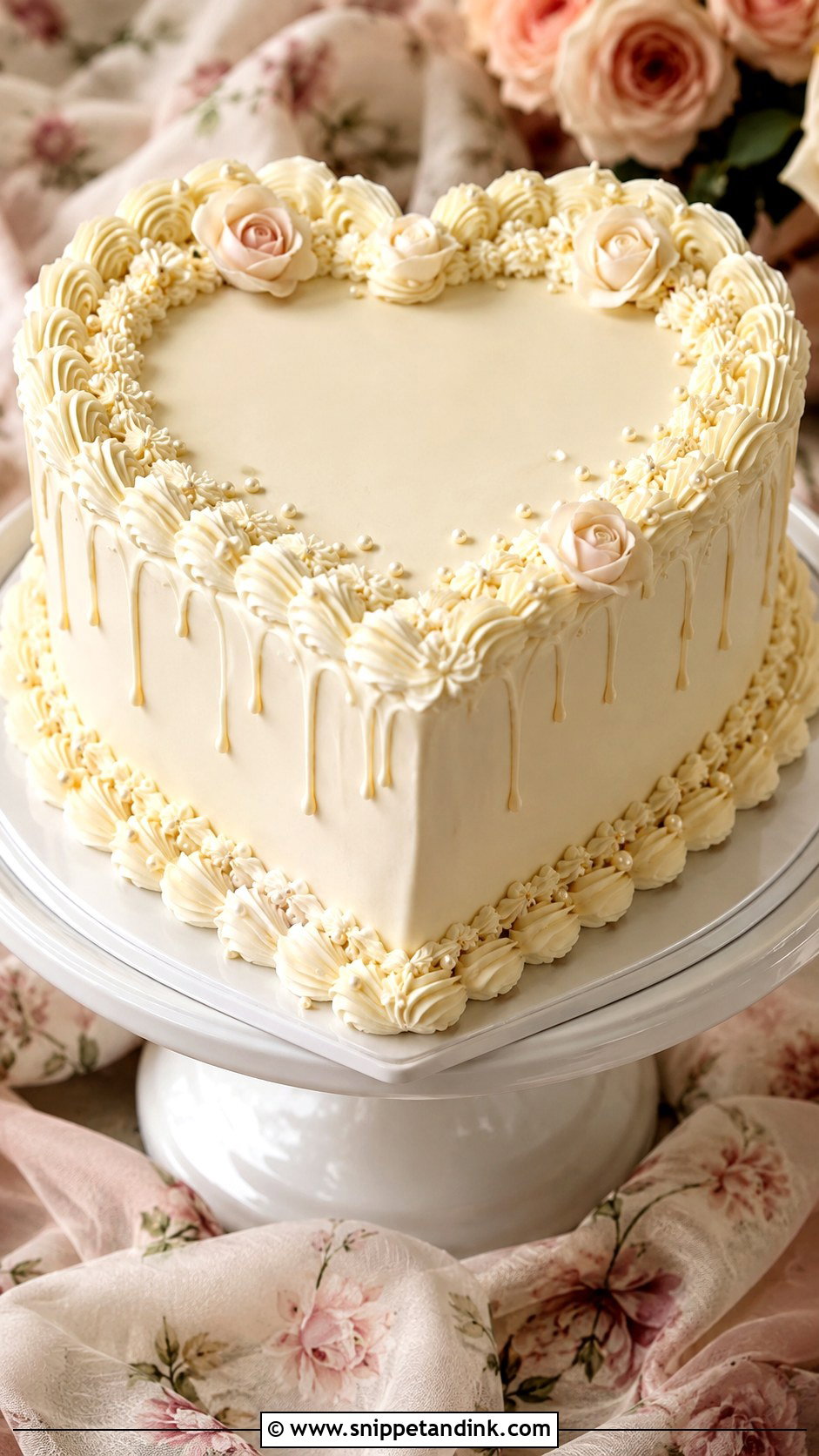
A white chocolate heart wedding cake is a natural pick for an intimate reception, or as the cutting cake beside a dessert table. The point of the heart is the hardest part to keep sharp, so I chill the cake between coats. It takes vintage shell borders, smooth buttercream or a white ganache drip equally well, and blush flowers with tiny pearls keep it bridal. One tier serves a small wedding; two stacked hearts look bolder. Vanilla with raspberry or strawberry is the filling I’d suggest, and few shapes are as instantly recognizable on a pin board.
16. White Chocolate Sheet Wedding Cake
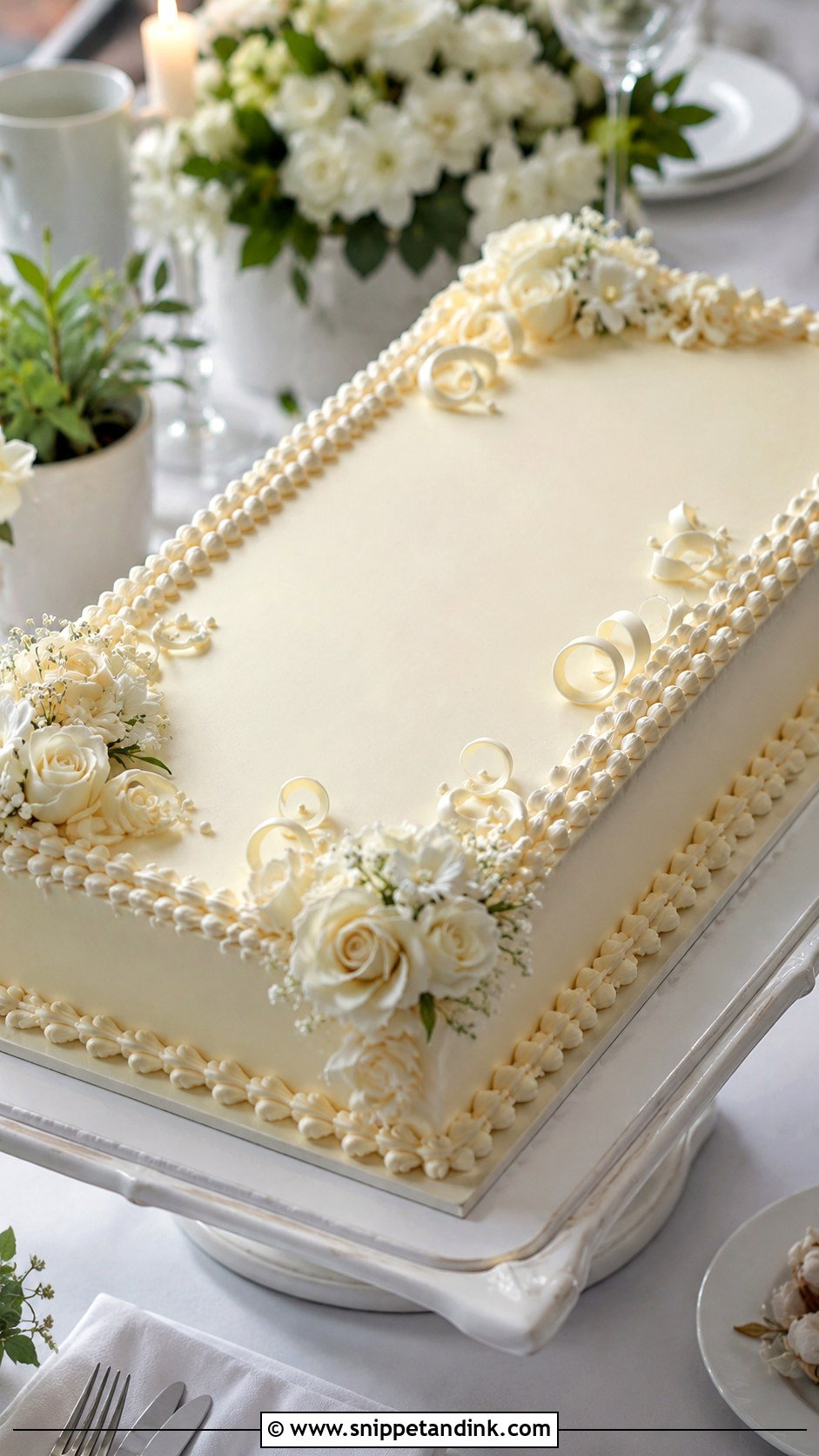
Sheet cakes have a reputation for being plain, but a long, low white chocolate sheet with piped borders and flowers at the corners can look properly dressed. The real advantage is serving. It slices into neat, even pieces fast, which a catering team appreciates on a tight timeline. White chocolate with raspberry or lemon pleases most crowds. Raise it on a tray with flowers round the base so it doesn’t disappear on the table. Brunch weddings and backyard receptions are where I suggest it most.
17. White Chocolate Mini Wedding Cake
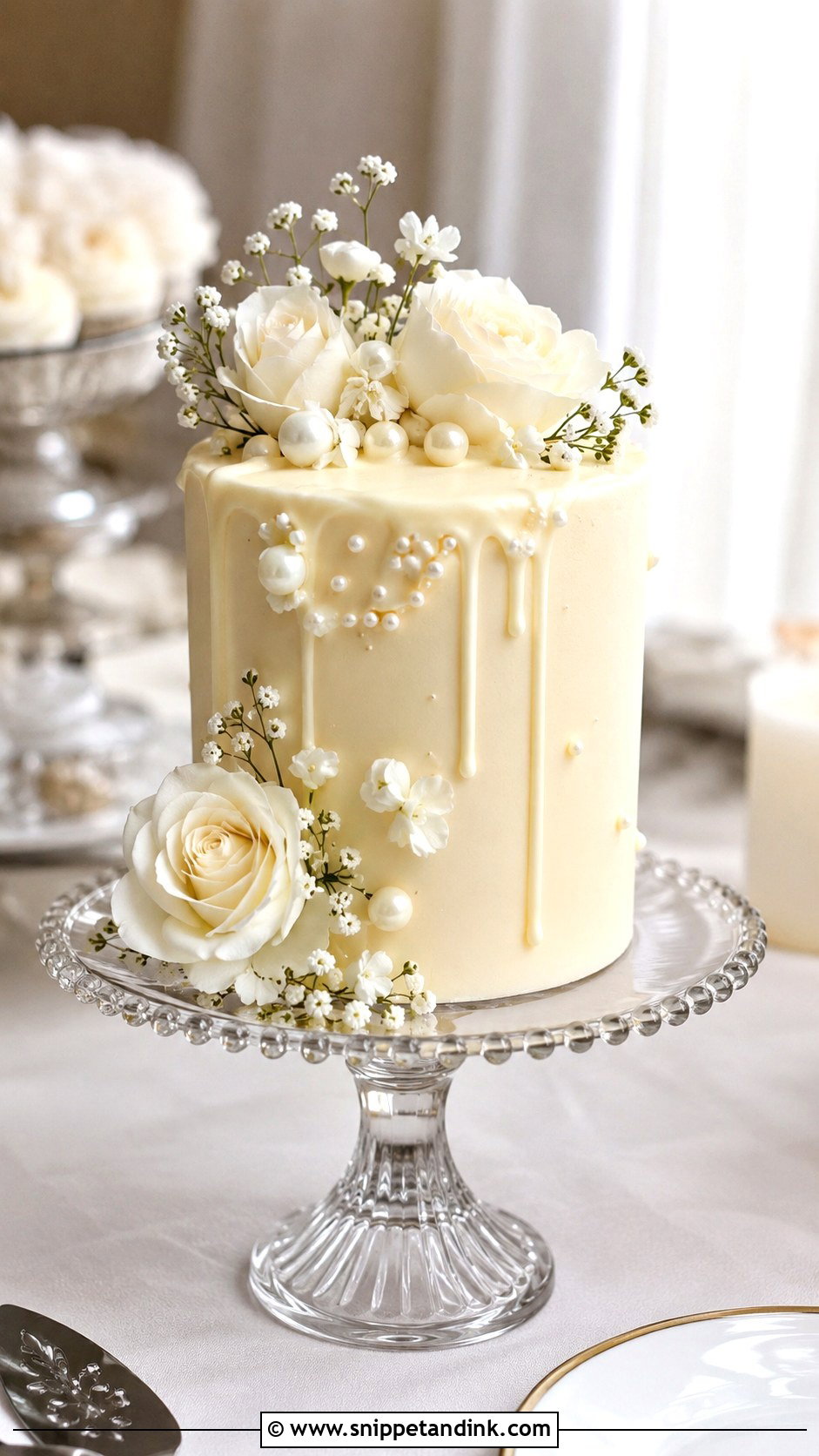
For an elopement or a micro wedding, one tall tier can feel as special as a big cake if the finish is careful. Small cakes show every flaw, so I take extra time on the top edge and limit the decoration to one strong element, such as sugar flowers or a short drip. Since guests only need a small slice, you can go richer: pistachio or vanilla bean with white chocolate. Put it on a stand for height. Mini cakes also make good cutting cakes when the rest of the dessert comes from a kitchen-cut sheet.
18. White Chocolate Pistachio Wedding Cake
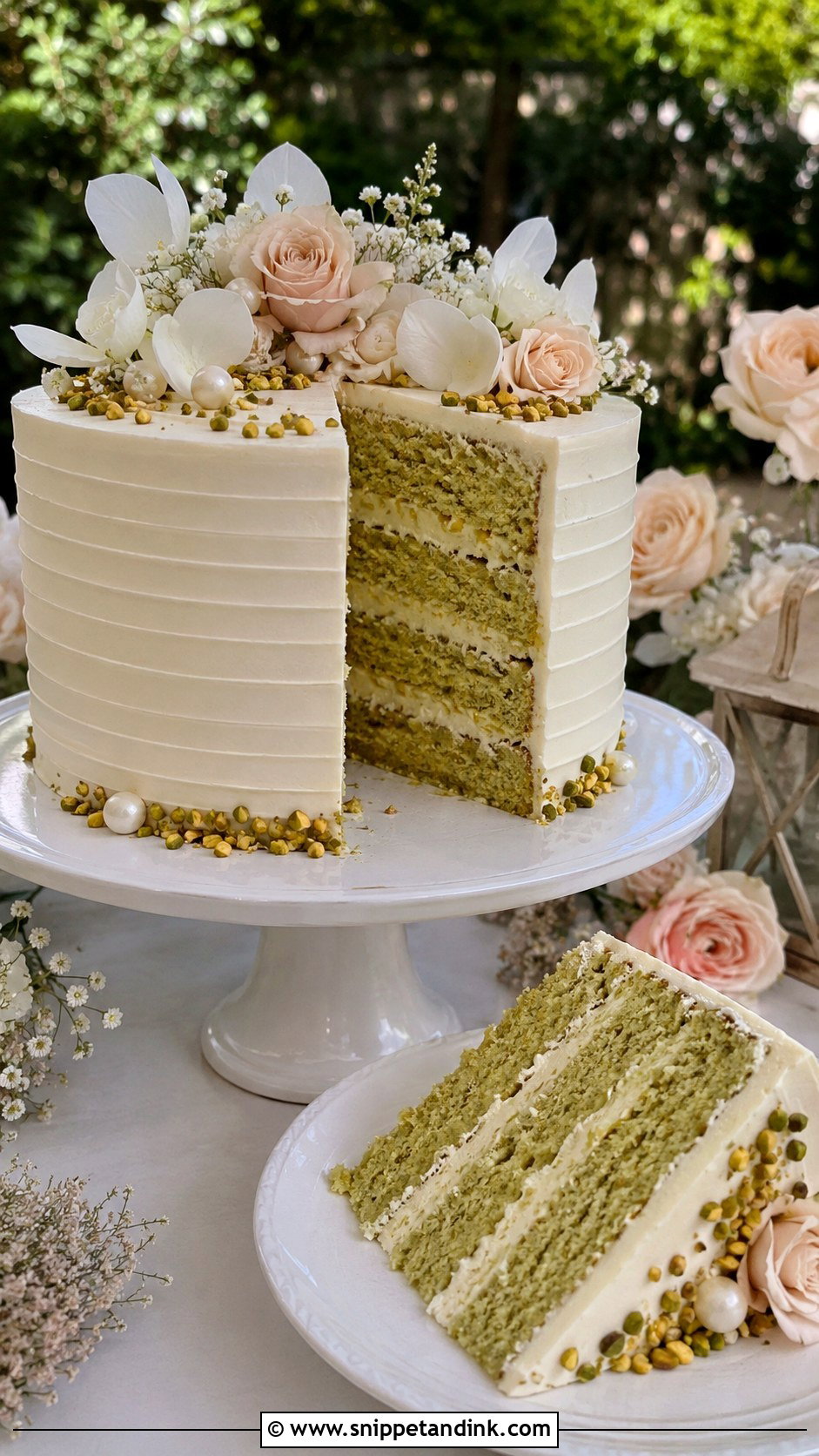
Pistachio is my favorite surprise partner for white chocolate. The pale green crumb looks fresh against ivory frosting, and a thin pistachio cream, a raspberry layer or a crunchy praline gives each bite some character. Real pistachio sponge is a muted green; if you see a vivid green, there’s coloring involved. I keep the outside quiet, with crushed pistachios round the base and white or blush flowers. Check your guest list first, because nut allergies turn this one into a conversation with your caterer.
19. White Chocolate Lemon Wedding Cake
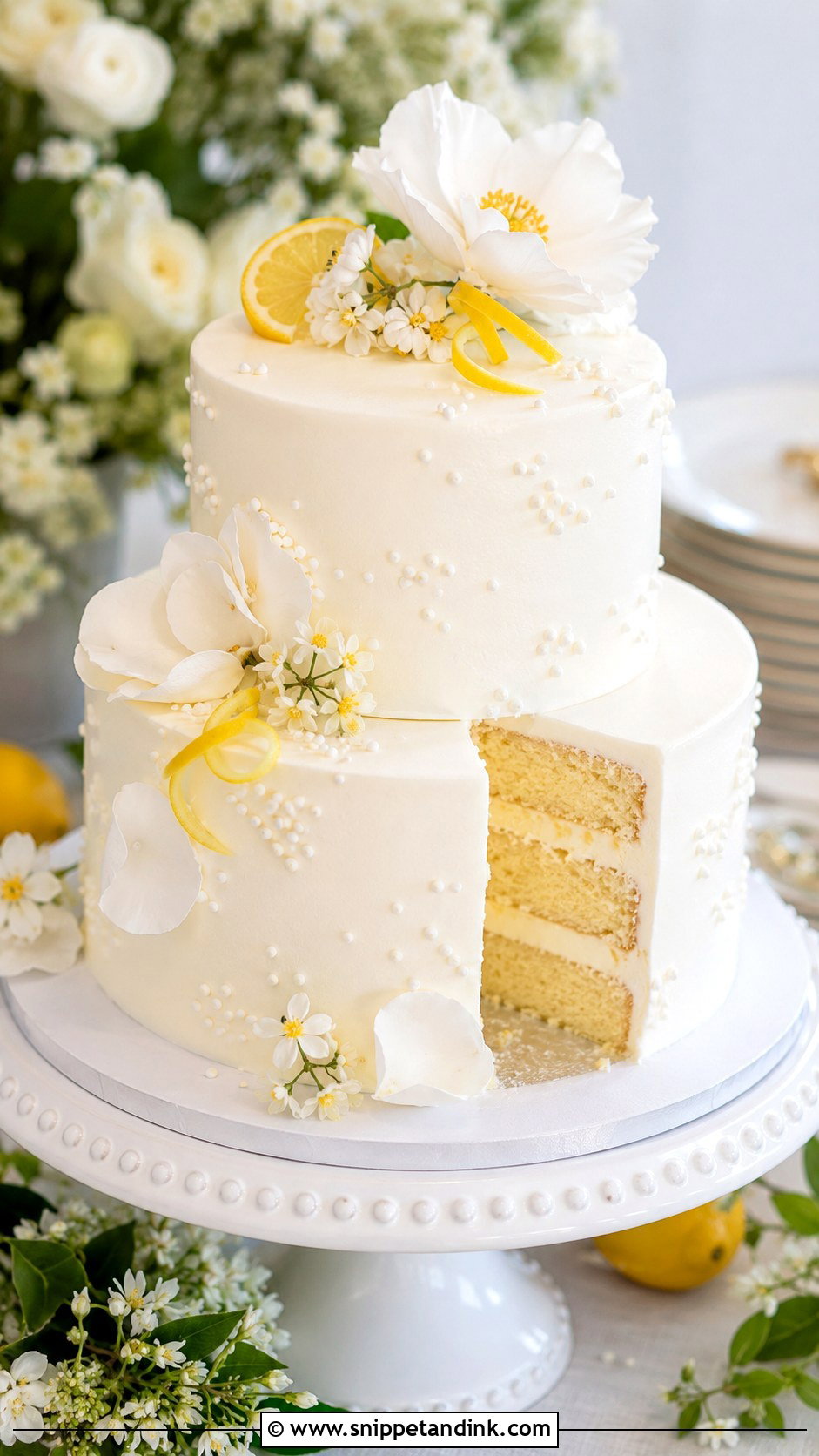
Lemon is the most reliable way to cut through white chocolate’s sweetness, and it’s what I’d suggest for a warm-weather wedding. I pair lemon sponge with a thin layer of curd and white chocolate buttercream, keeping the curd thin because a thick layer can let a tier slide in heat. Small yellow flowers, lemon blossom or sugar petals keep the outside wedding-ready, while heaped fruit makes it look casual. Garden and brunch receptions suit it best.
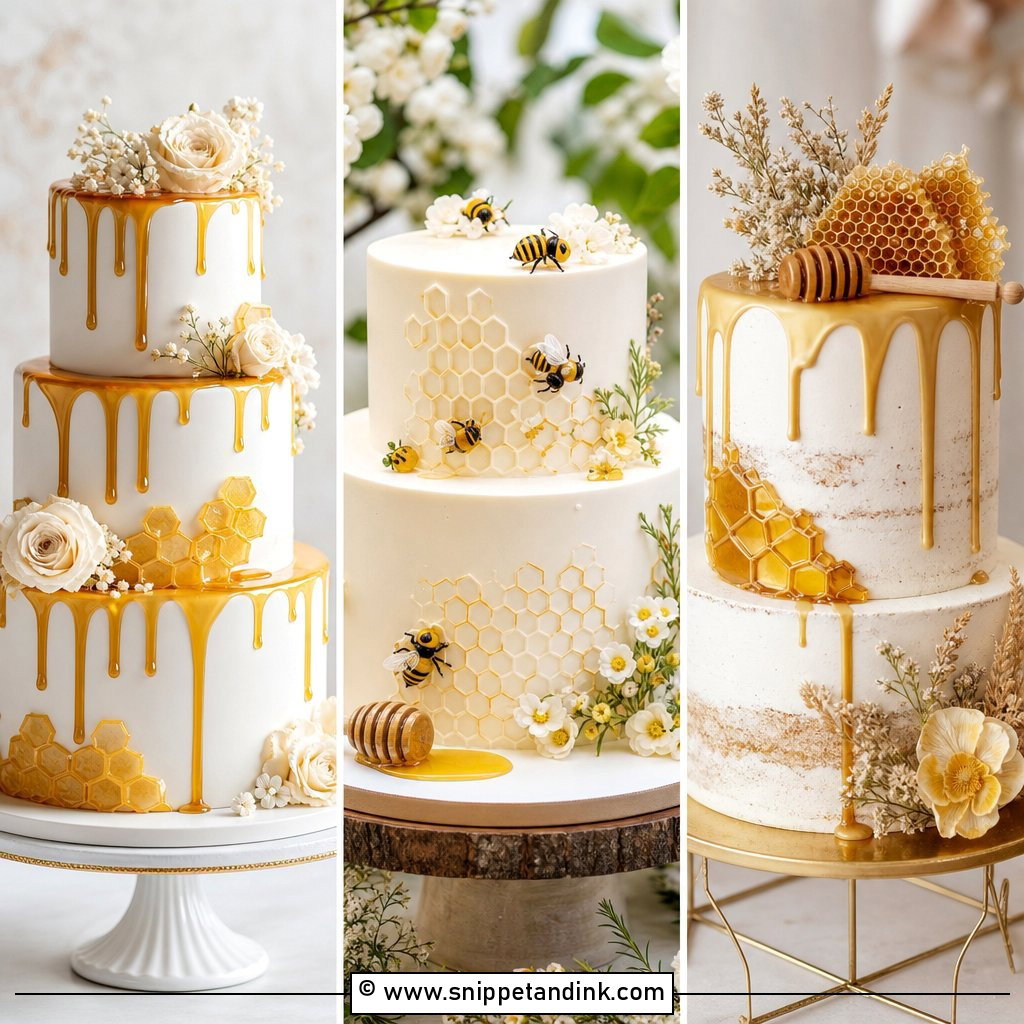
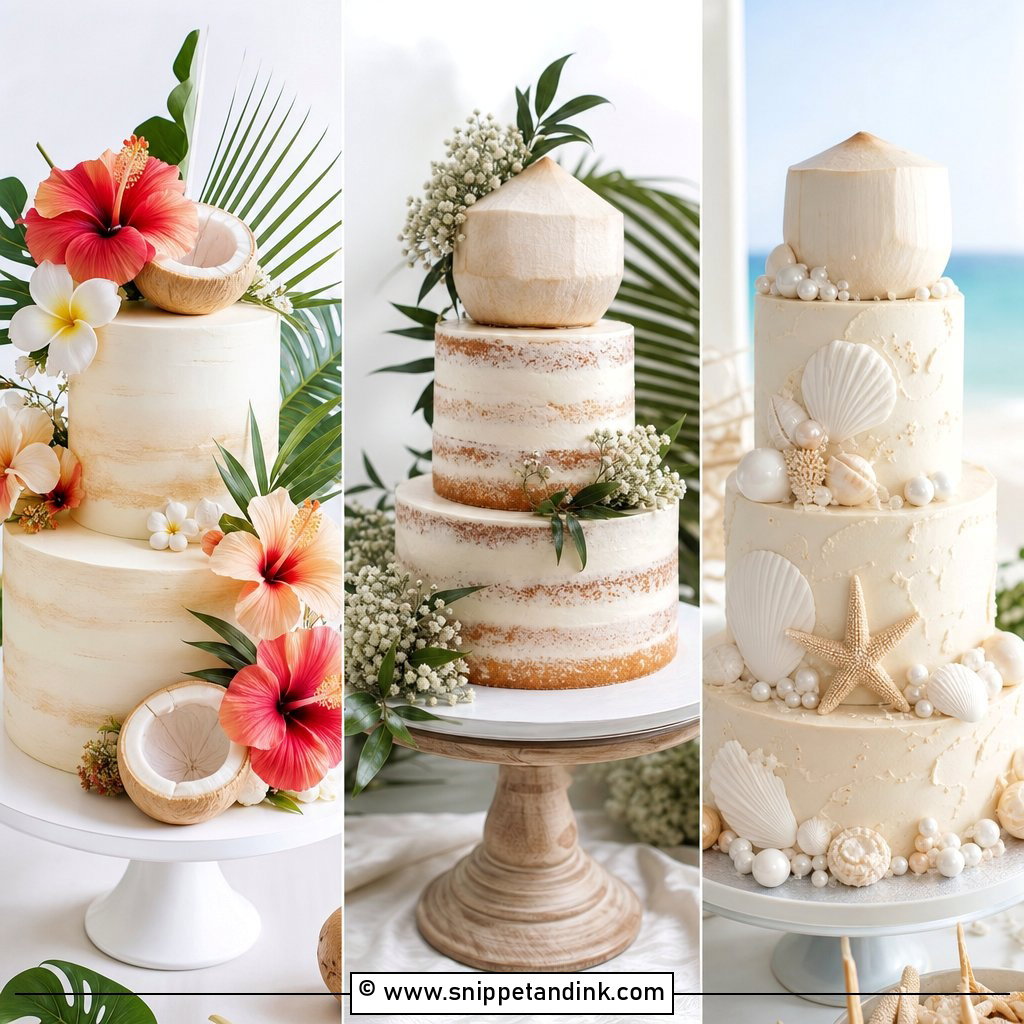
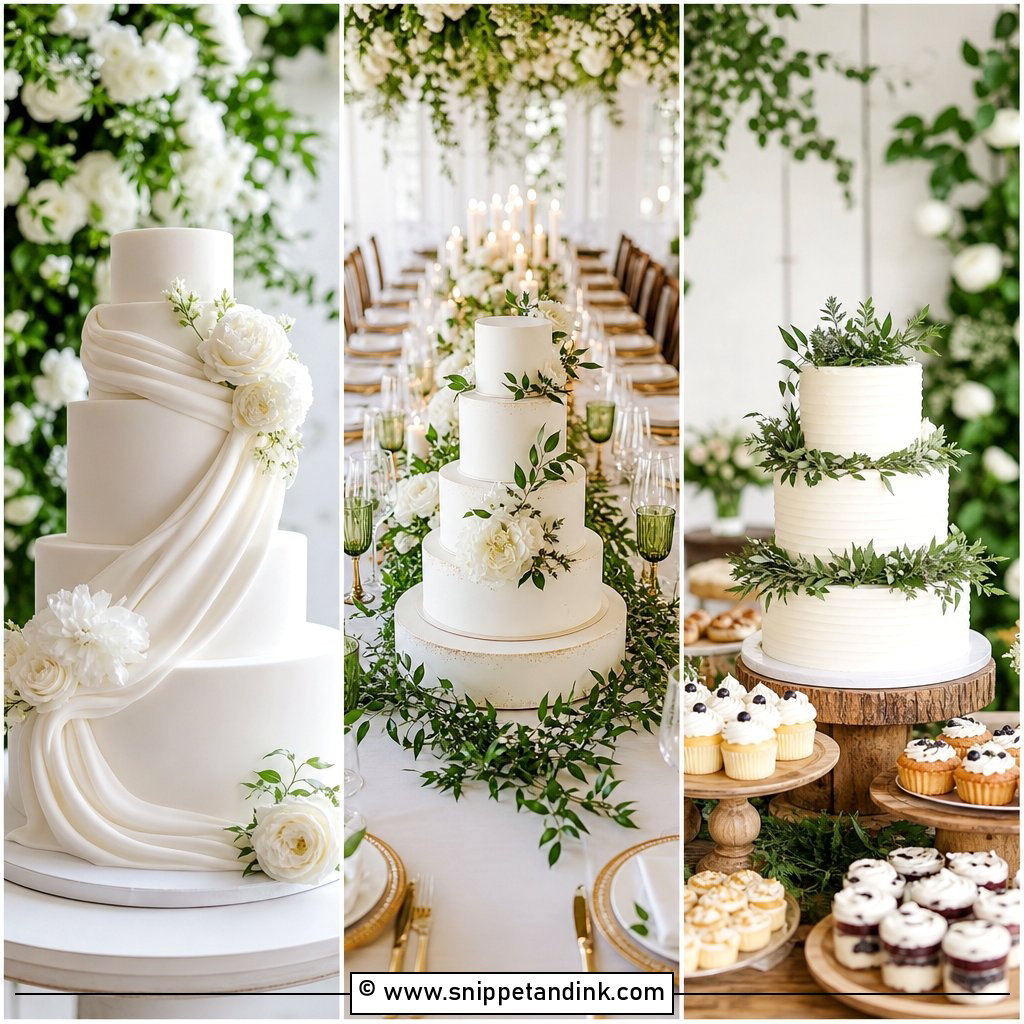
20. White Chocolate Rose Wedding Cake
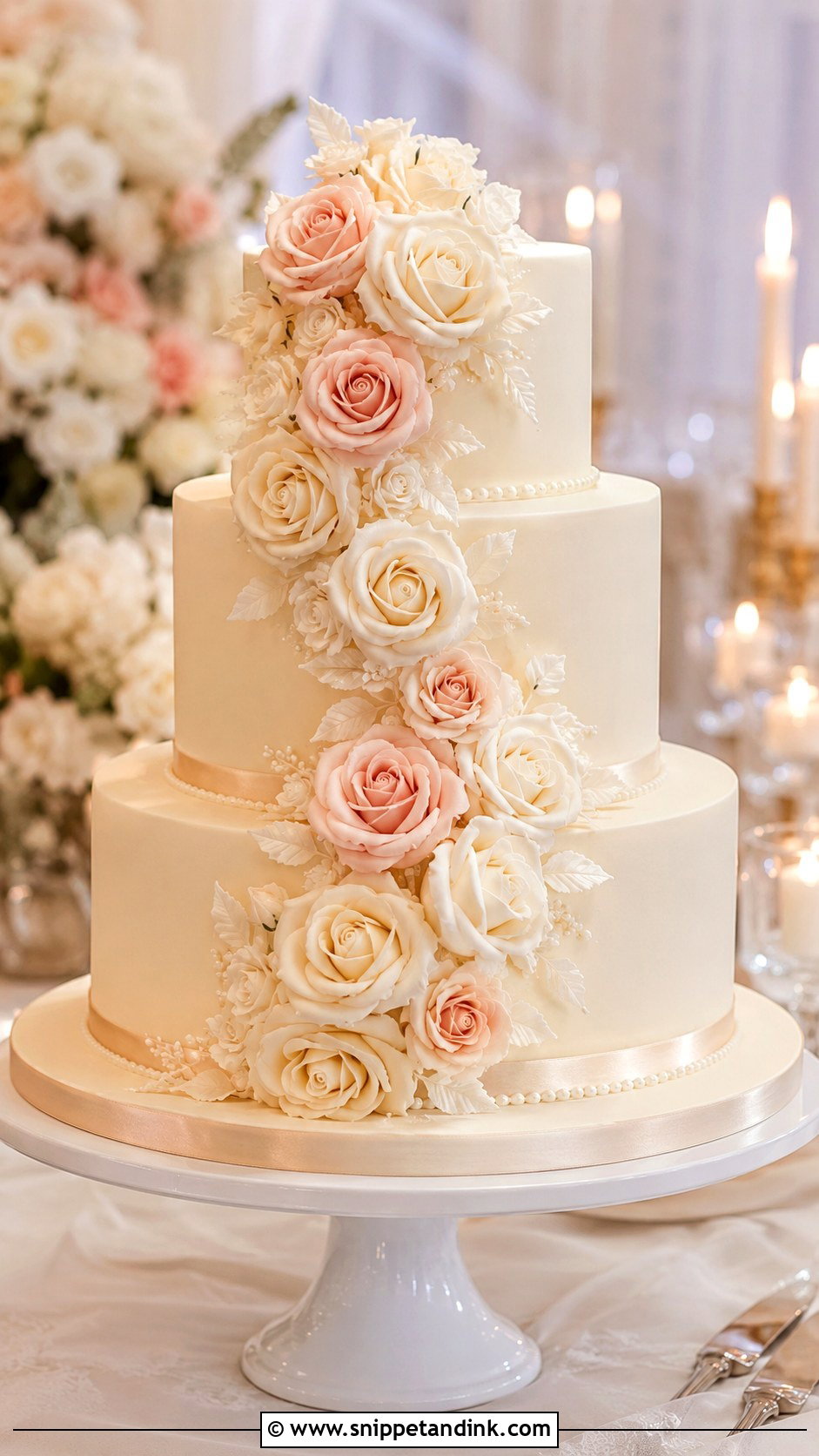
Roses come fresh, in sugar, in buttercream or in wafer paper, and each gives a different mood. Fresh roses feel lush but don’t last long out of water. Sugar roses take days to make and can be kept afterwards as a keepsake. White chocolate buttercream is a creamy base for ivory, blush, dusty pink or champagne roses. A single cluster keeps the cake simple; a full cascade makes it the focal point of the room. Underneath, raspberry, strawberry, vanilla bean or almond filling all sit comfortably.
From the Tasting Plate to the Cake Table
Most of the cake problems I see happen after the baking is done. Once you have a design, this is what I’d plan for.
- Taste the full combination. A plain cube of white chocolate sponge tells you very little; ask to try it with the filling and the buttercream together, because the balance only shows when all three meet.
- Allow time for detail. Sugar flowers and heavy piping take days of work, and in-demand cake designers fill peak-season Saturdays many months ahead, so get in touch as soon as you have a date and a venue.
- Agree on delivery. A ganache-coated cake travels far better than a soft buttercream one. Tall cakes are often stacked on site, so ask who does it and how long they need before guests arrive.
- Expect a little sweat. A fondant cake moved from a fridge into a warm, humid room can bead with condensation. It dries off on its own if nobody touches or wipes it.
- Check the table. It should be level and solid, away from windows, the speakers and anywhere people will lean.
None of this is glamorous, but a cake that arrives level and stays firm until the cutting is the one guests remember for the right reasons.
Ballroom Pearls or Garden Buttercream?
White chocolate wedding cakes adapt to almost any style, from clean modern tiers to heavy vintage piping, and the ones that taste best always bring contrast from fruit, citrus or nuts. Before you settle on a design, think about where the cake will stand and for how long. An air-conditioned ballroom can hold pearls and fondant all evening; a garden in July is kinder to a semi-naked cake that comes out shortly before cutting. Bring photos of your venue and flowers to the tasting, and a good baker will tell you honestly which of these designs will hold up there.
You'll Like These Ideas:



Leave a Reply