
A corset bodice does real work. It shapes the waist, holds the bust, and carries the weight of whatever skirt hangs from it, from a soft A-line to a full ball gown. That’s why I spend more fitting time on corset gowns than on any other style. The dresses below include lace, satin, crepe, floral appliqué, detachable sleeves and overskirts, and short reception hems, often finished with a dipped Basque waist, layered tulle or dimensional lace. What makes one right for you is how secure it feels, how it suits your venue, and how the neckline, waist, skirt, veil, shoes and jewelry work together.
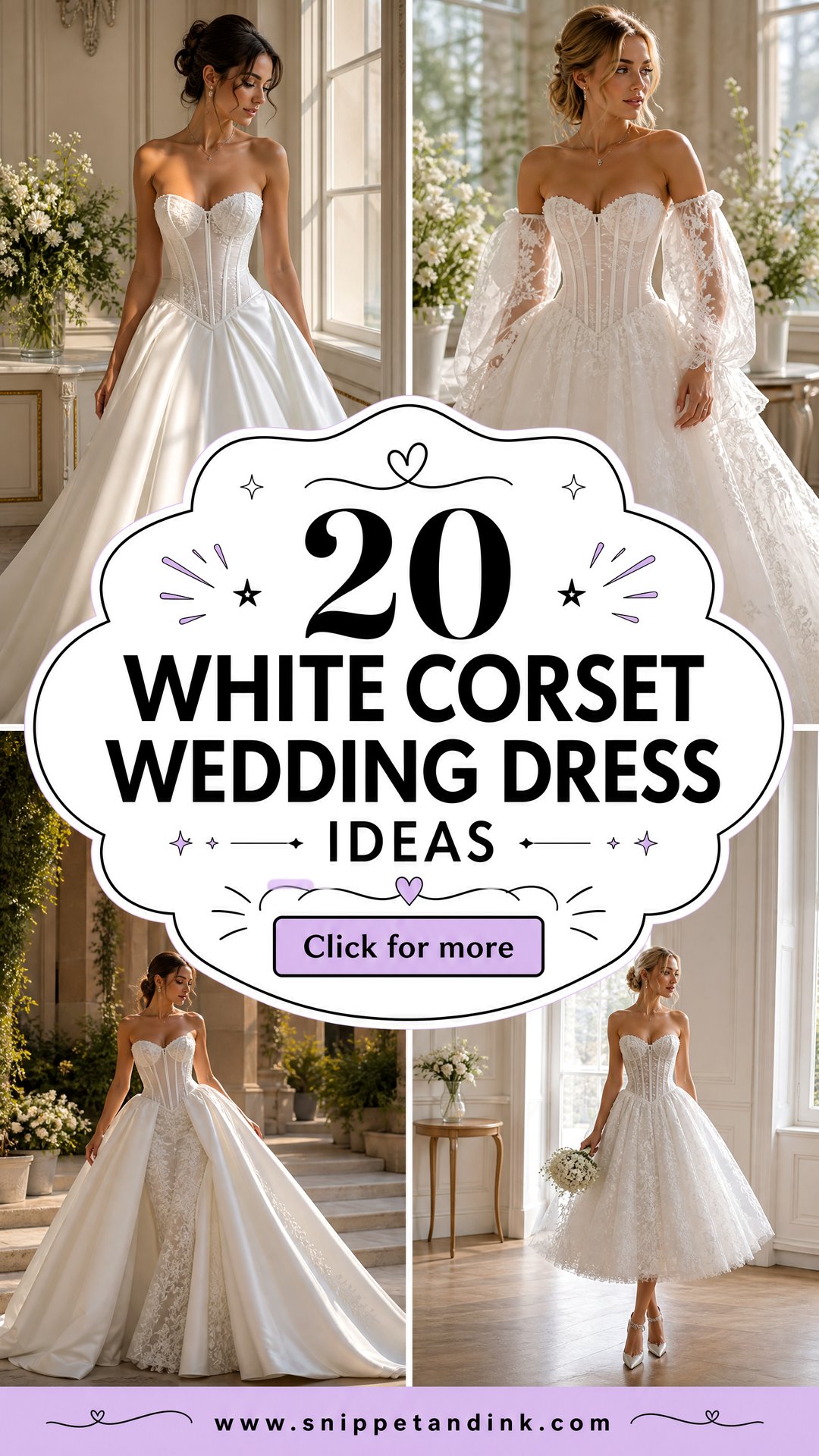
Steel or Plastic Boning, and Why It Matters by Evening
Most bridal corsets are built with one of two kinds of boning, and you’ll feel the difference by the reception. Many gowns use flexible plastic boning, which is light and comfortable for a while, but it softens and bends with body heat over a long day, so the bodice can start to wrinkle or kink at the waist. Spiral steel bones flex with you and keep their shape, and flat steel is sometimes used at the front or along the closure for a firm line.
I ask the shop what the bodice is boned with before a bride falls in love. Plastic is fine for a short ceremony and a lighter skirt. For a heavy ball gown or a twelve-hour day, steel holds up better. A tailor can often replace or add bones during alterations, so it isn’t a dealbreaker, but it should be planned and priced early.
1. White Satin Corset Ball Gown Wedding Dress
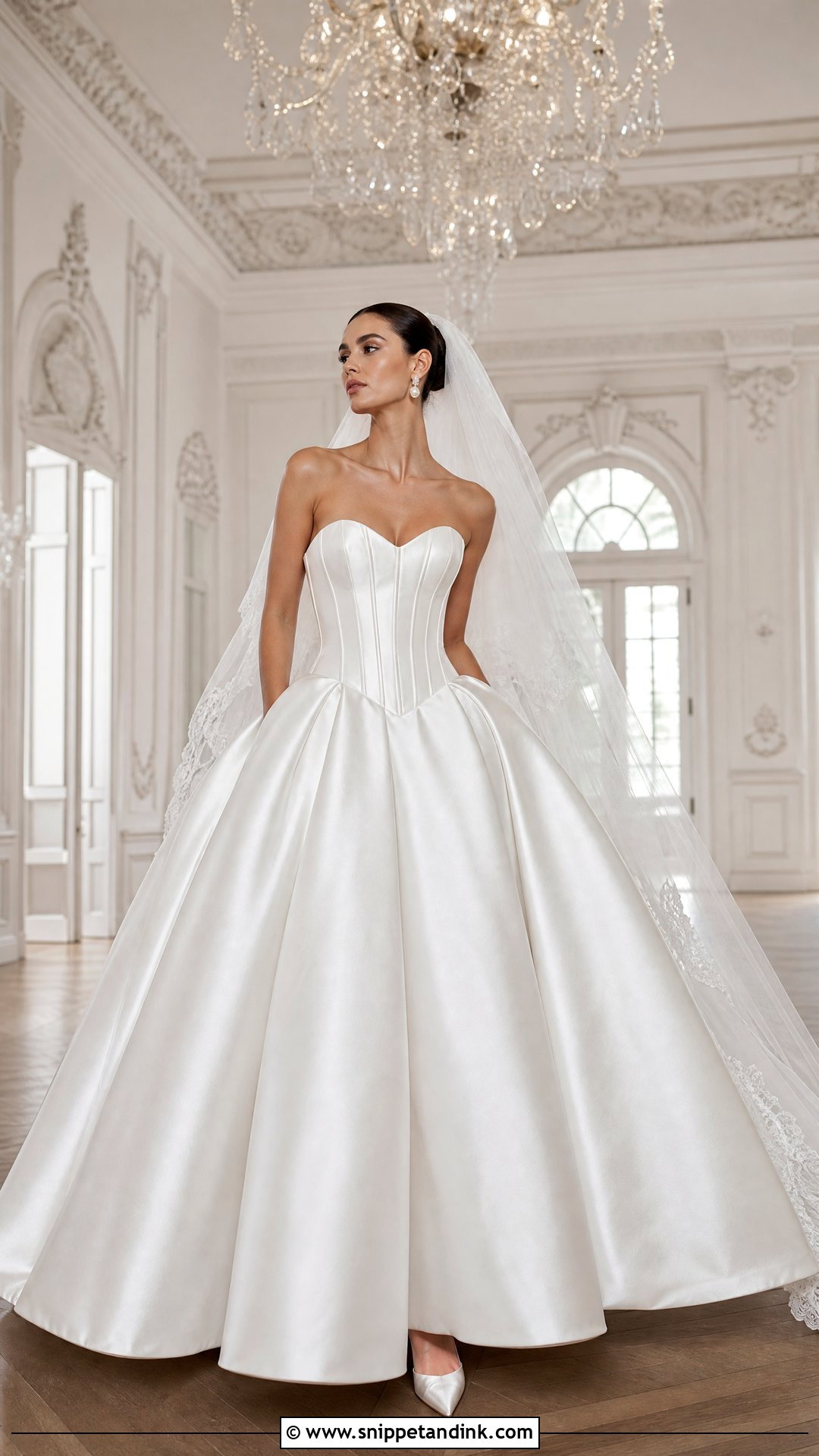
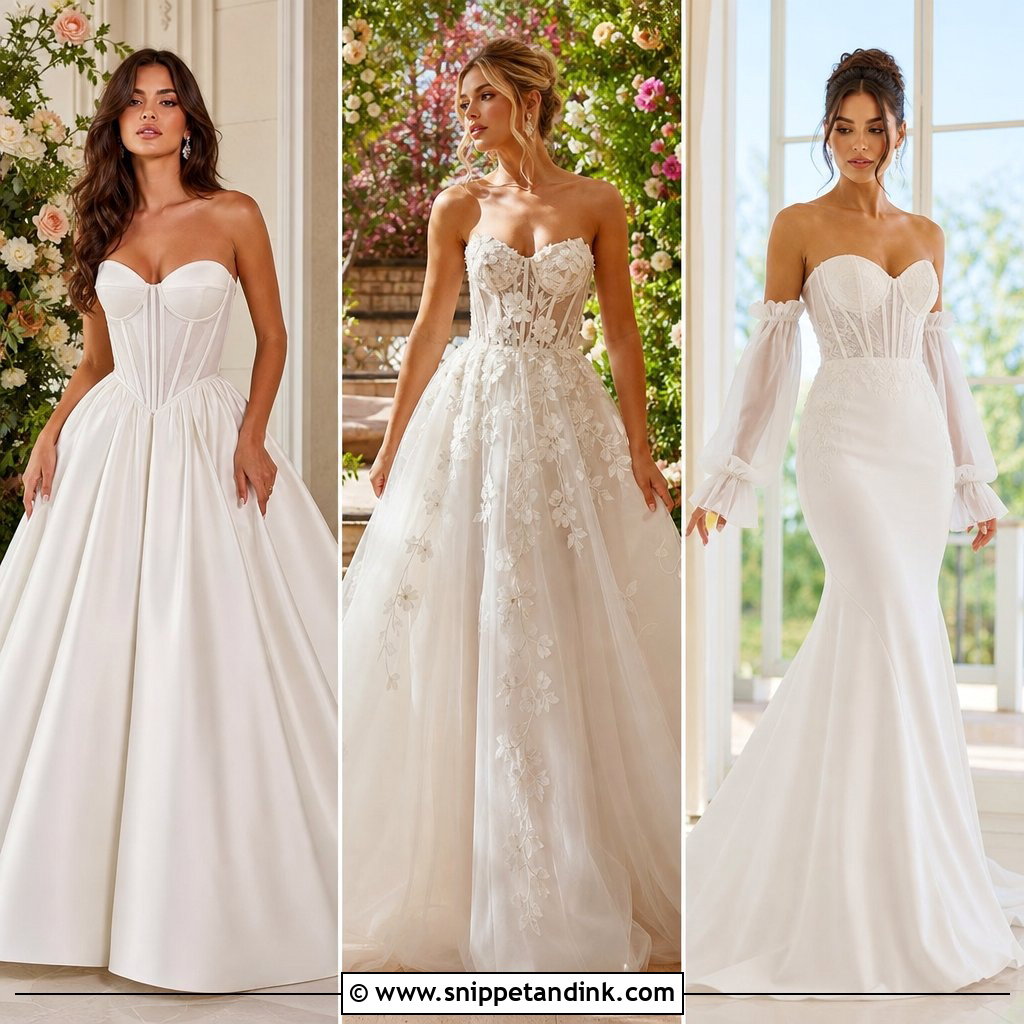
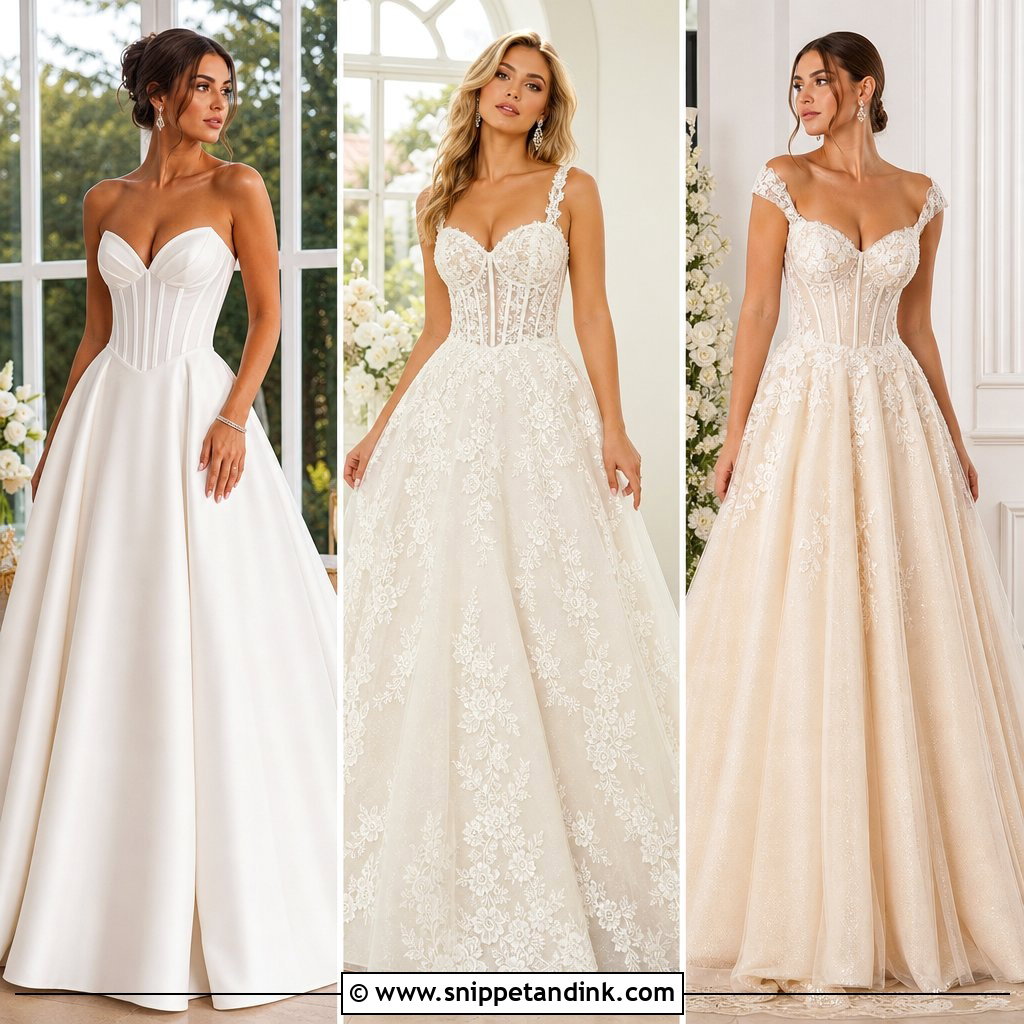
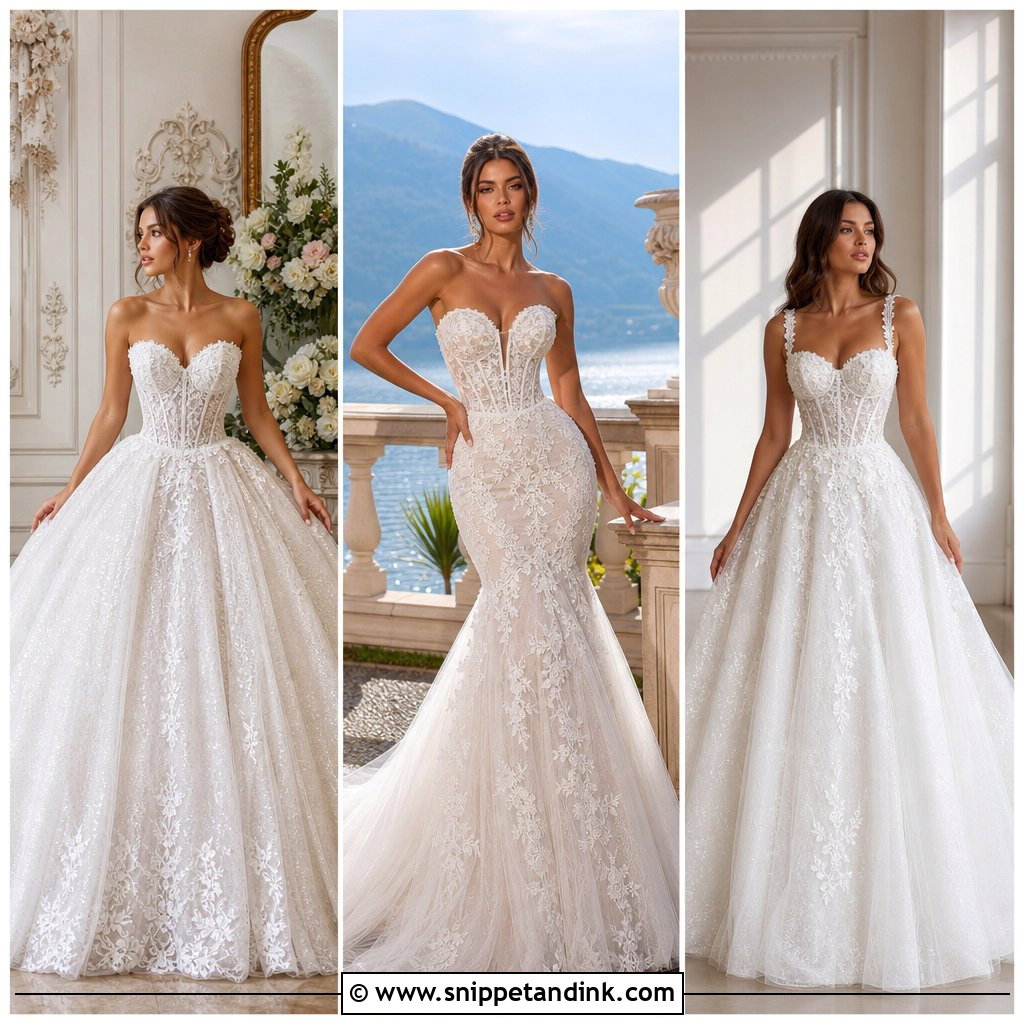
Satin and a corset are a classic pairing, because heavy satin lies smoothly over boning and shows every sculpted seam. I look for visible seamwork, a softly curved neckline and a Basque waist that dips just below your natural waist. A box-pleated skirt gives volume without layers of decoration, so the cut does the talking. Pearl studs, a cathedral veil and pointed satin pumps finish it, with a low bun to keep the neckline open. Satin creases where you sit, so buy a substantial weight and book professional steaming for the morning. Ballrooms, hotels and estates suit it.
2. White Lace Corset A-Line Wedding Dress
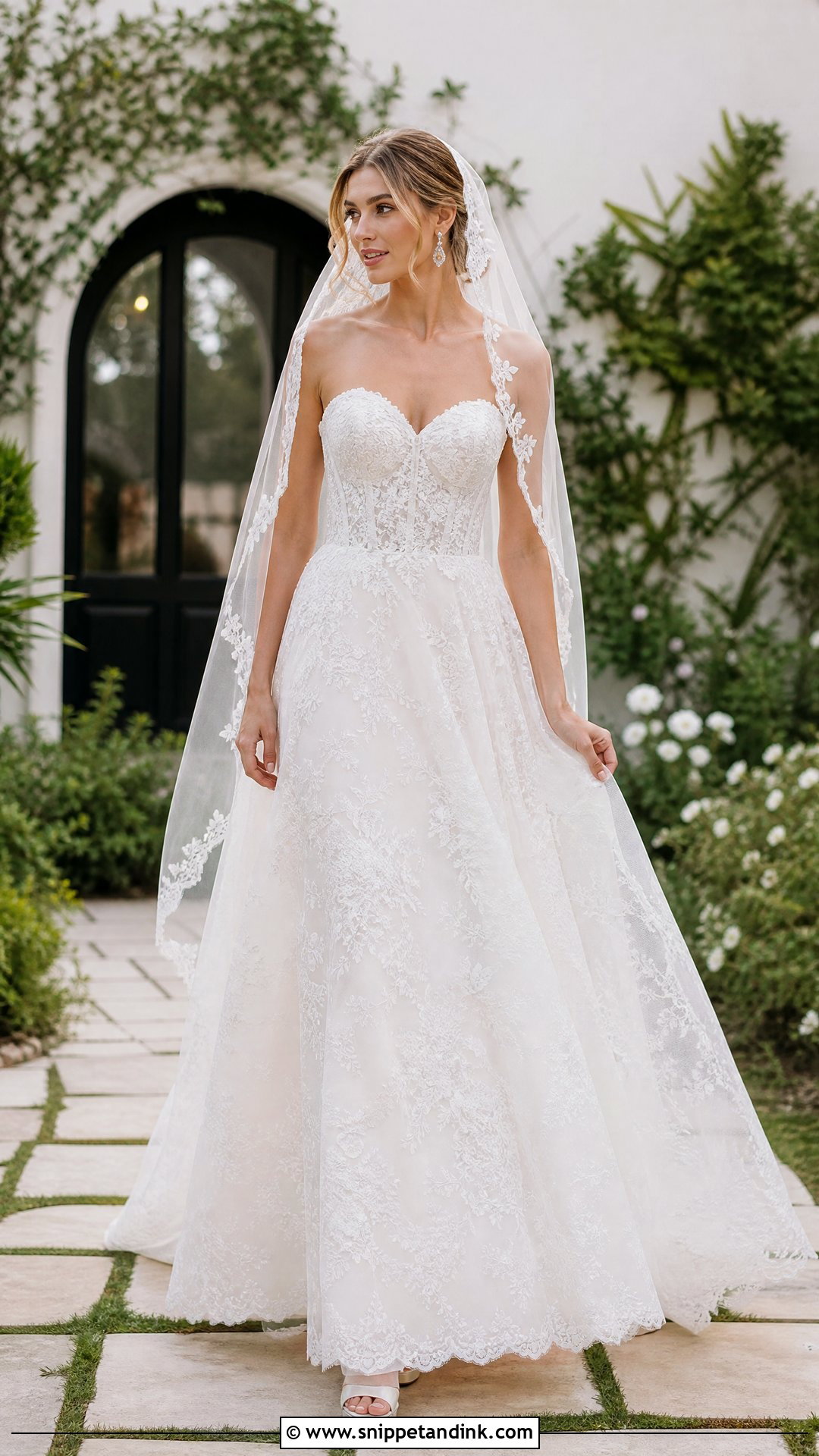
Lace softens the structure, and an A-line skirt keeps you mobile. Look for a supportive lace bodice with subtle boning, where the floral motifs carry on naturally into the skirt rather than stopping at the waist seam. A sweetheart or gentle scoop neckline keeps it romantic. A lace-edged fingertip veil, small drops and ivory block heels suit it, with a loose chignon or soft waves. If the bodice has sheer panels, I’d ask for lining at alterations if you want more coverage. Of all the shapes here, this is the easiest to walk and sit in, which is why it works so well outdoors at garden, country or coastal weddings.
3. White Basque Waist Corset Wedding Dress
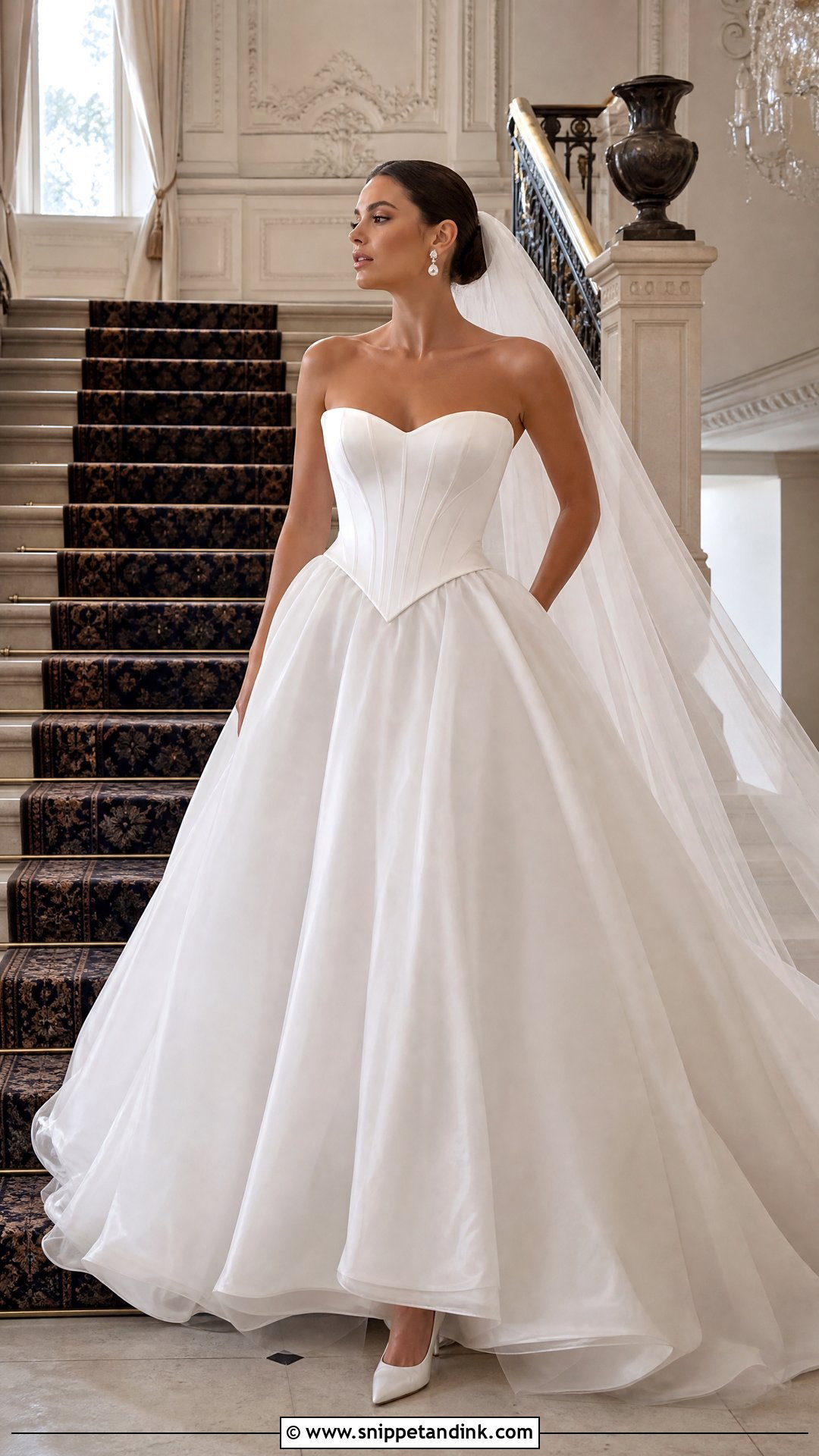
The Basque waist dips into a point below your natural waist, and that point visually lengthens the torso before the full skirt begins. Satin, organza or tulle all work below it. Keep the neckline simple, a strapless scoop or soft peak, so the waist leads. A long plain veil, pearl earrings and closed-toe pumps finish it. The fitting matters more than usual, because the dip has to match your torso length exactly. Too long and the point digs into your hips when you sit; too short and it loses the shape. Bend and sit at every fitting. With clean fabric and natural makeup, it reads modern as well as regal.
4. White Sweetheart Corset Tulle Wedding Dress
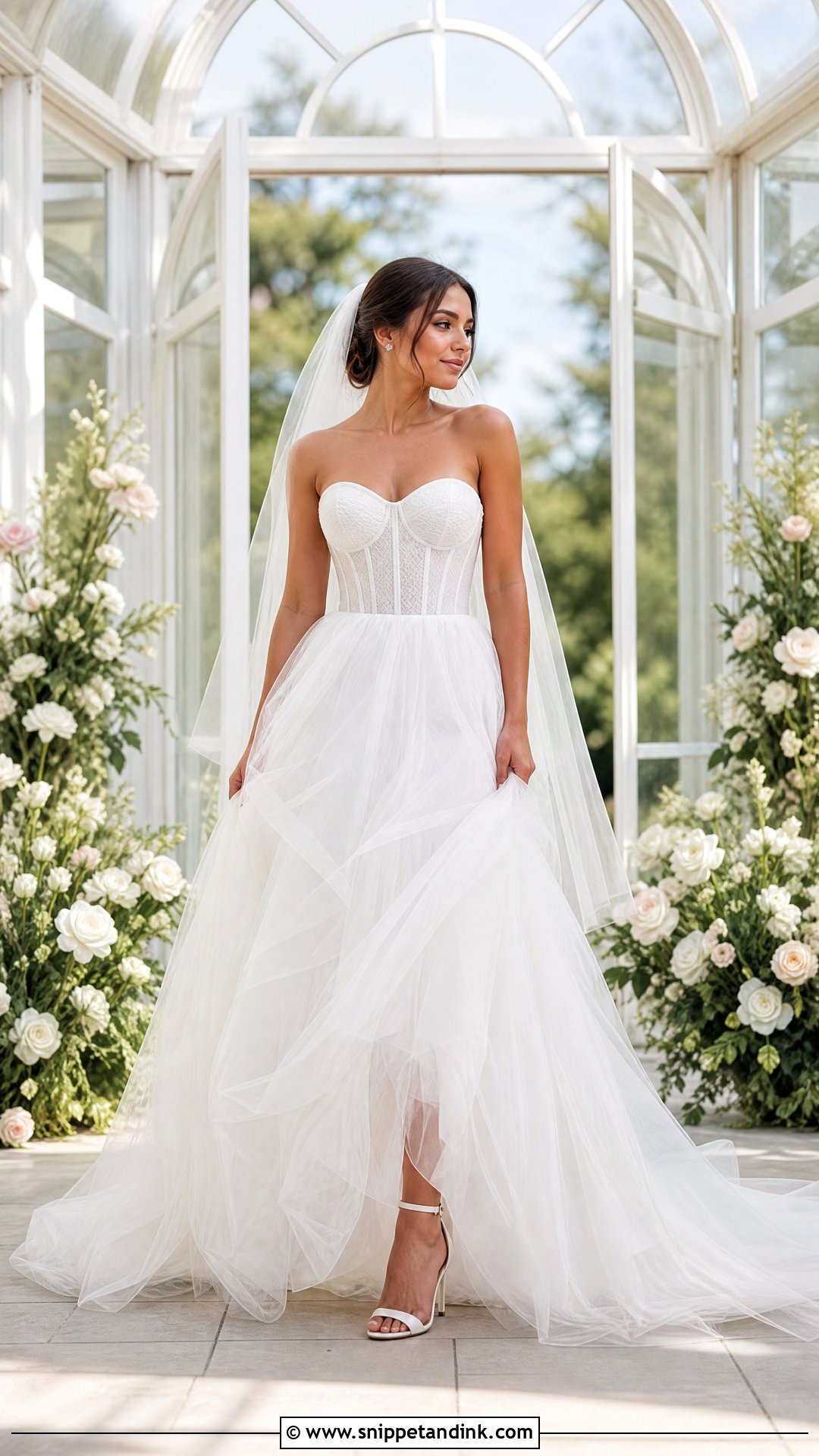
Sweetheart necklines and tulle soften each other. Even with a voluminous skirt, tulle keeps the gown feeling light. Check for smooth cups, firm boning and a secure back closure, because a sweetheart neckline with weak support creeps down. Fine gathered tulle or scattered lace appliqués add texture. Crystal studs, white ankle-strap heels and a sheer chapel veil complete it; pinned waves suit the curve, a neat updo is more formal. Ask whether the skirt has a removable petticoat, because adjusting the fullness after you see the venue is useful. Gardens, conservatories and romantic ballrooms suit it.
5. White Long Sleeve Lace Corset Wedding Dress
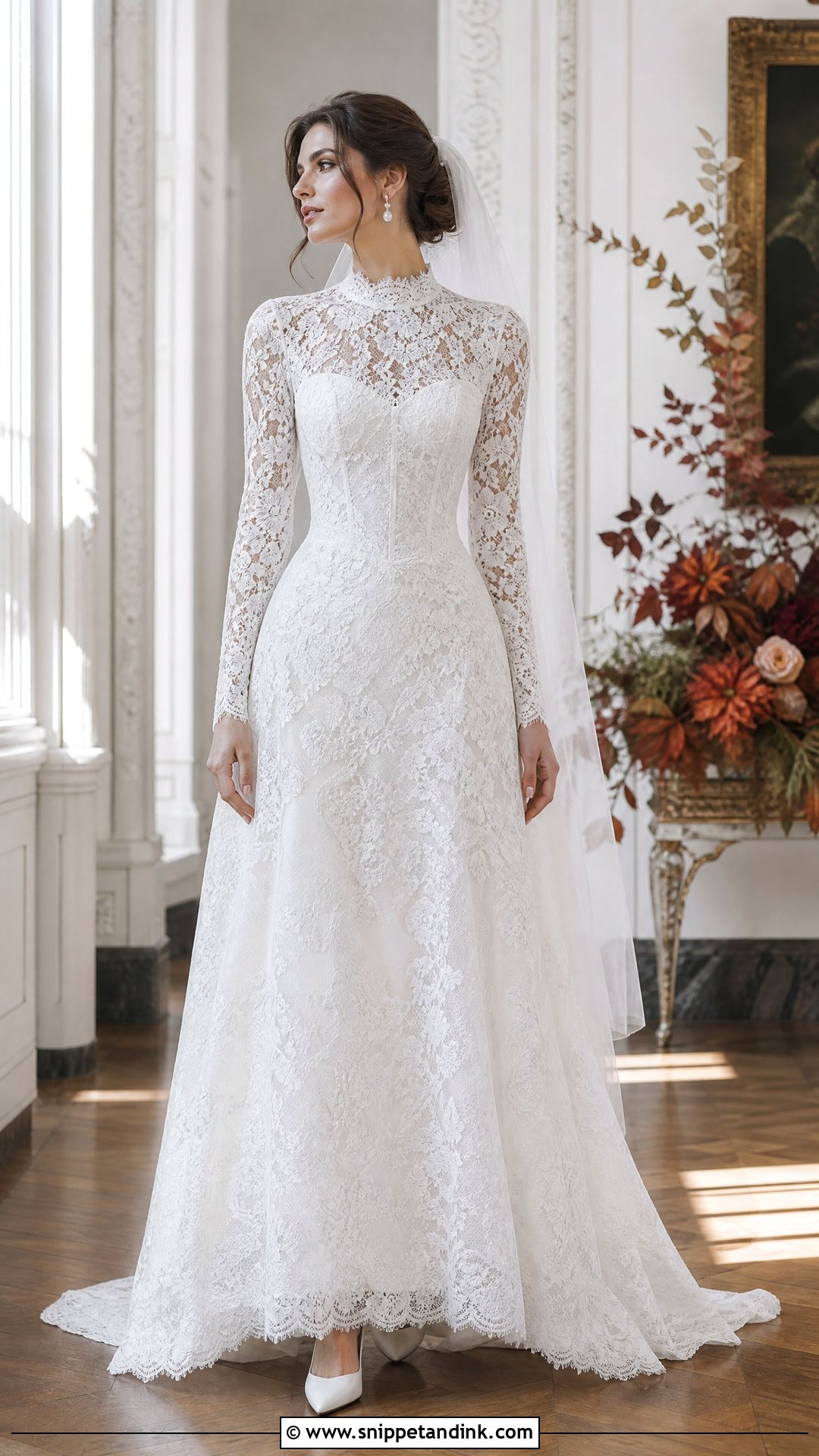
Lace sleeves give coverage while the bodice keeps its shape. A structured inner corset does the support, and an illusion lace overlay softens the neckline into the sleeves. An A-line or gently flared skirt balances it, and pearl buttons at the cuffs and back are a traditional finish. Low pointed pumps, a plain tulle veil and pearl or diamond earrings suit it, with no necklace if the lace reaches the collarbone. Fitted lace sleeves over a rigid corset can bind across the back when you reach forward, so I have brides hug someone at the fitting. Fall, winter and formal indoor weddings suit it best.
6. White Off-Shoulder Corset Wedding Dress
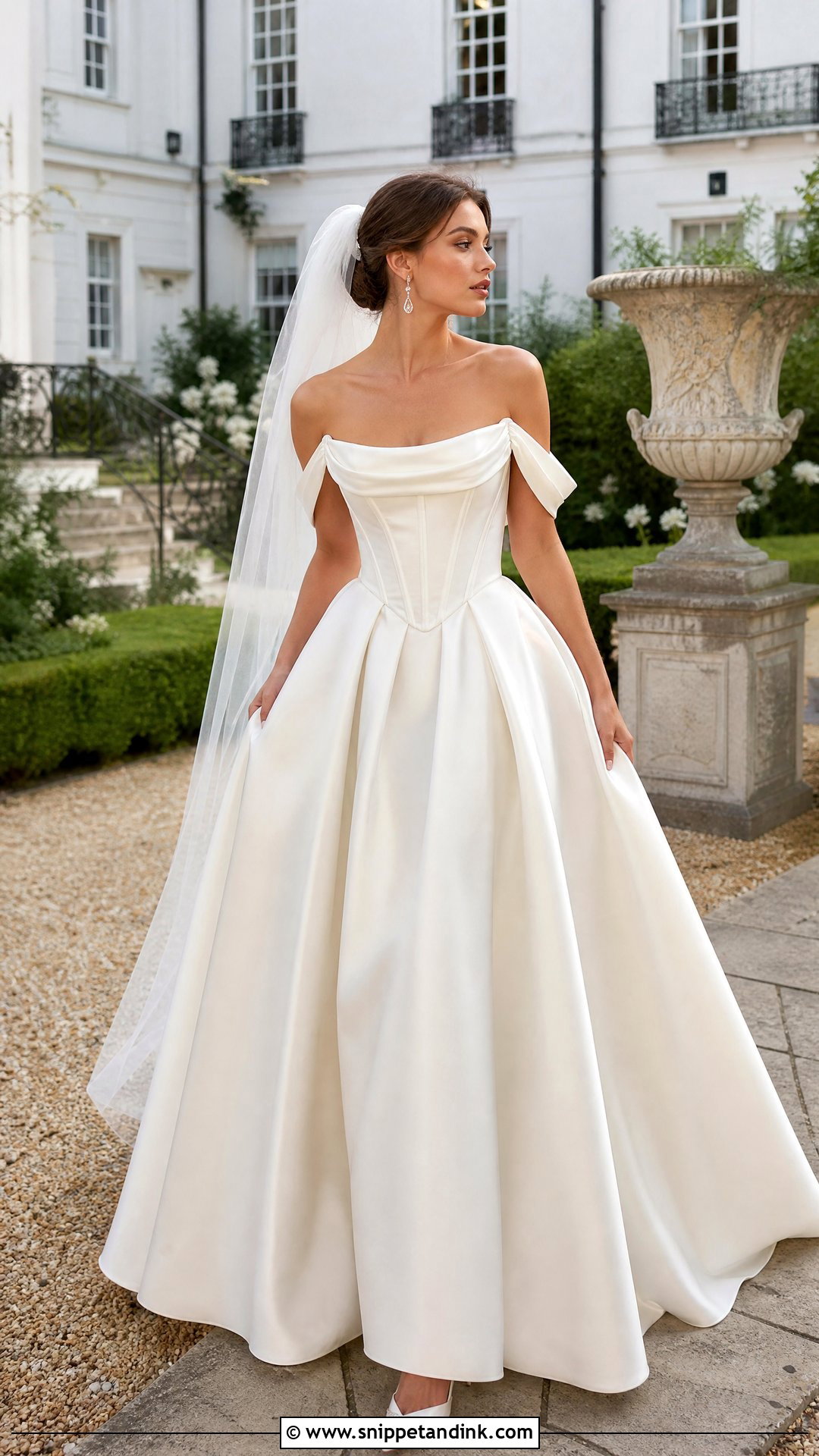
Off-shoulder bands frame the collarbones and contrast with a sharply defined waist. A structured satin bodice with soft draped bands sitting comfortably on the upper arms is what I look for. A full skirt is traditional; a fitted one feels contemporary. A low bun, statement drops and pointed heels finish it, with the veil anchored below the bun so the shoulder line stays clear. Skip the necklace. The bands are what move, so at fittings raise your arms and sit down. If they ride up, ask for a hidden elastic or a small tack to the bodice.
7. White Square Neck Corset Wedding Dress
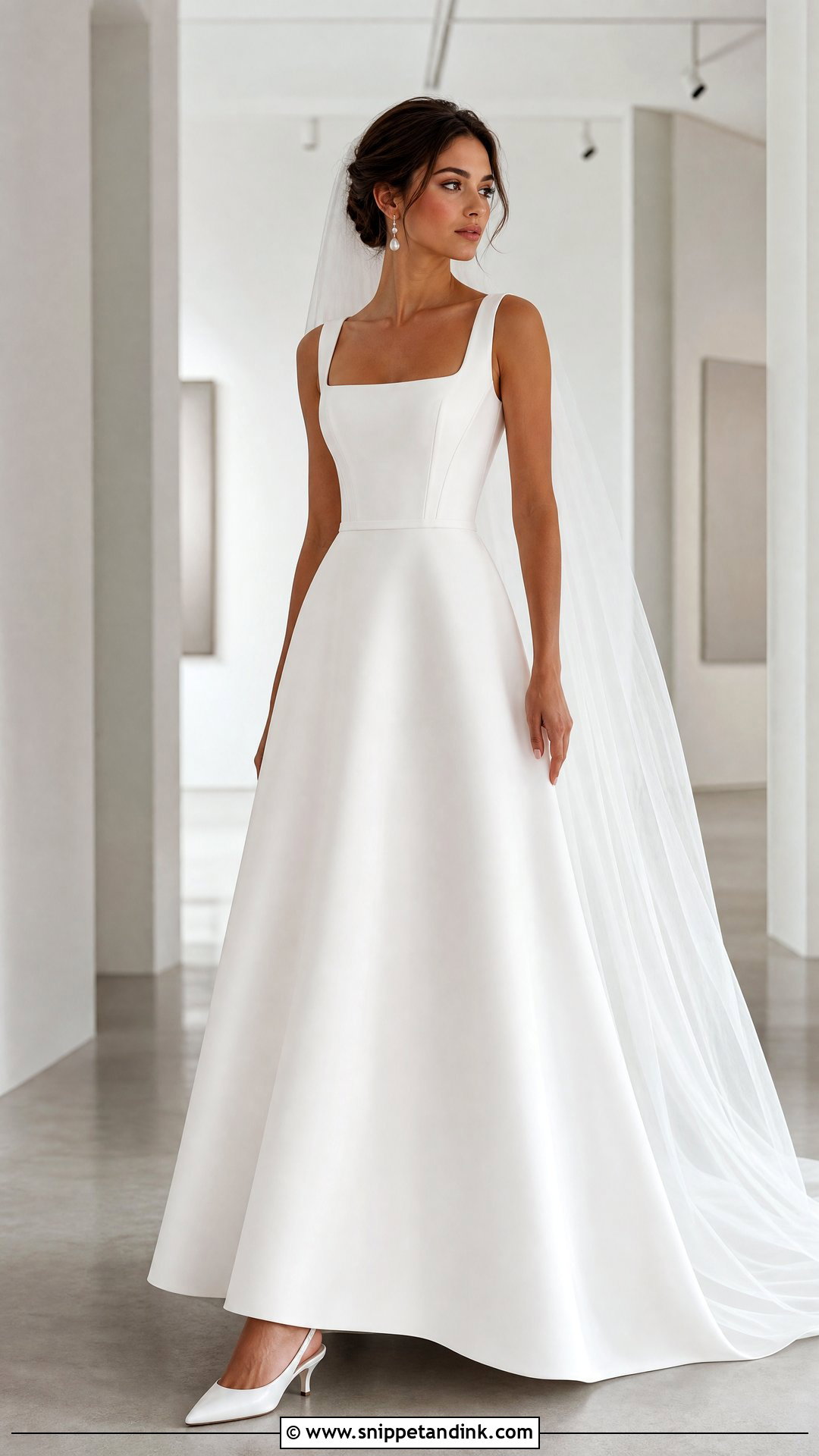
A square neckline gives corsetry an architectural edge. Wide straps, defined bodice seams and a firm inner structure hold the bust without adjusting. A crepe A-line or column skirt streamlines it. A sleek bun, pearl drops and a plain veil suit it, then pointed slingbacks and a structured mini bag for the reception. Covered buttons down the back or a draped skirt soften it if you’d like. I check the corners of the square when the bride leans forward, since that’s where it gapes if the bodice isn’t fitted closely. It suits city venues, galleries and courthouses.
8. White Pearl Beaded Corset Wedding Dress
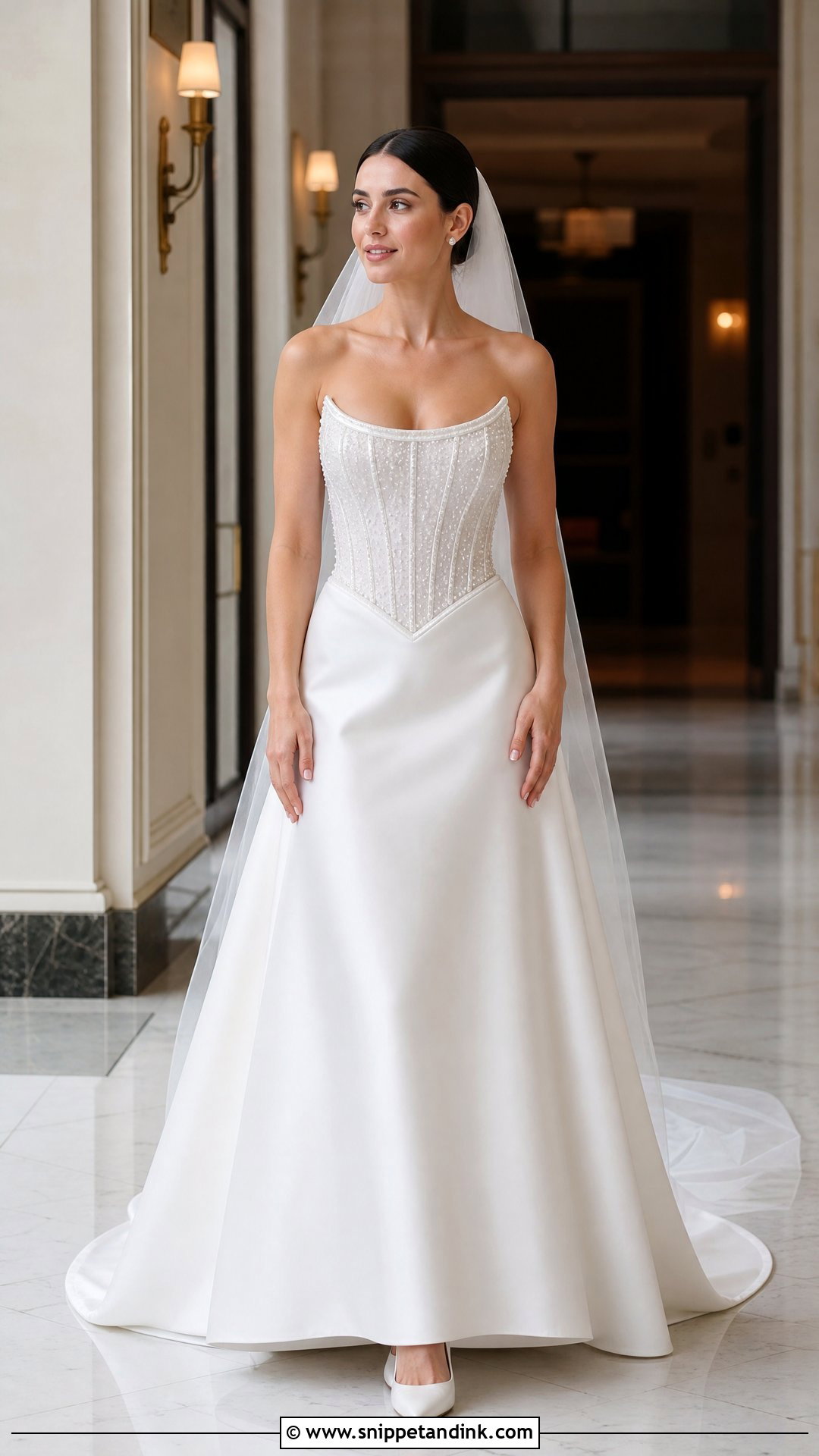
Small pearls along the neckline, the boning channels or lace motifs draw attention to the corset’s construction without sparkle overload. A lightly beaded bodice looks balanced over a plain satin or tulle skirt. If the whole corset is beaded, keep everything else simple: pearl studs, satin pumps and a clean chapel-length veil. An updo keeps hair from snagging on raised beads. Two things I check before ordering: that the beading under the arms feels smooth, and that the shop can supply spare pearls, because alterations often mean unpicking and re-sewing some.
9. White Floral Appliqué Corset Wedding Dress
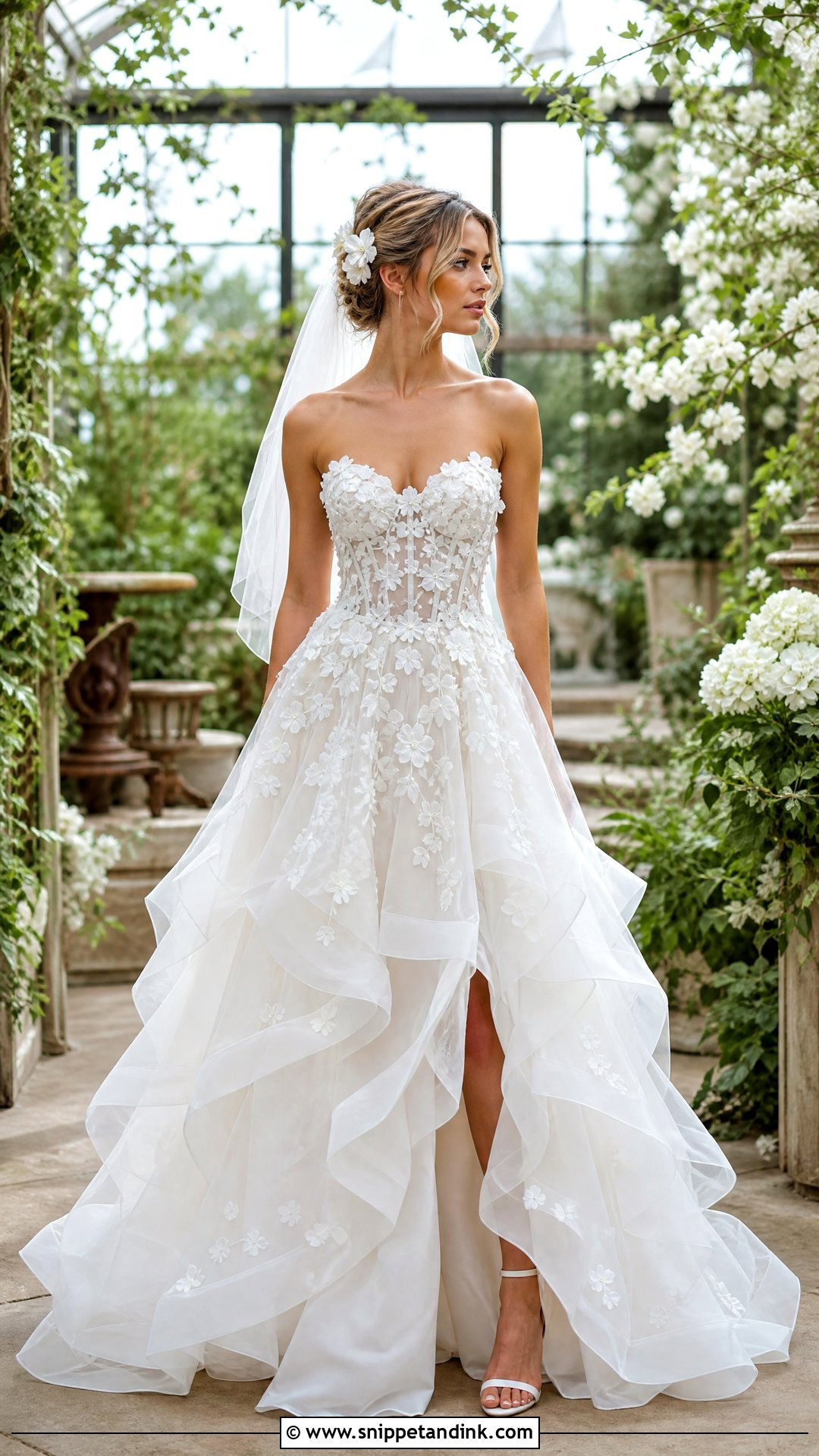
Dimensional flowers bring texture and movement. I like appliqués that are dense on the bodice and thin out across an organza or tulle skirt, so the waist stays visible and the dress reads as one piece. Floral pins, simple earrings and minimally strapped heels suit it. Use a plain veil, since an embroidered one competes with the surface. For a bolder look, choose oversized fabric flowers around the neckline or train. Run your arms along your sides in the dress; stiff appliqués at the bodice edge can scratch the inner arm all day. Gardens, estates and greenhouses suit it.
10. White Minimalist Corset Column Wedding Dress
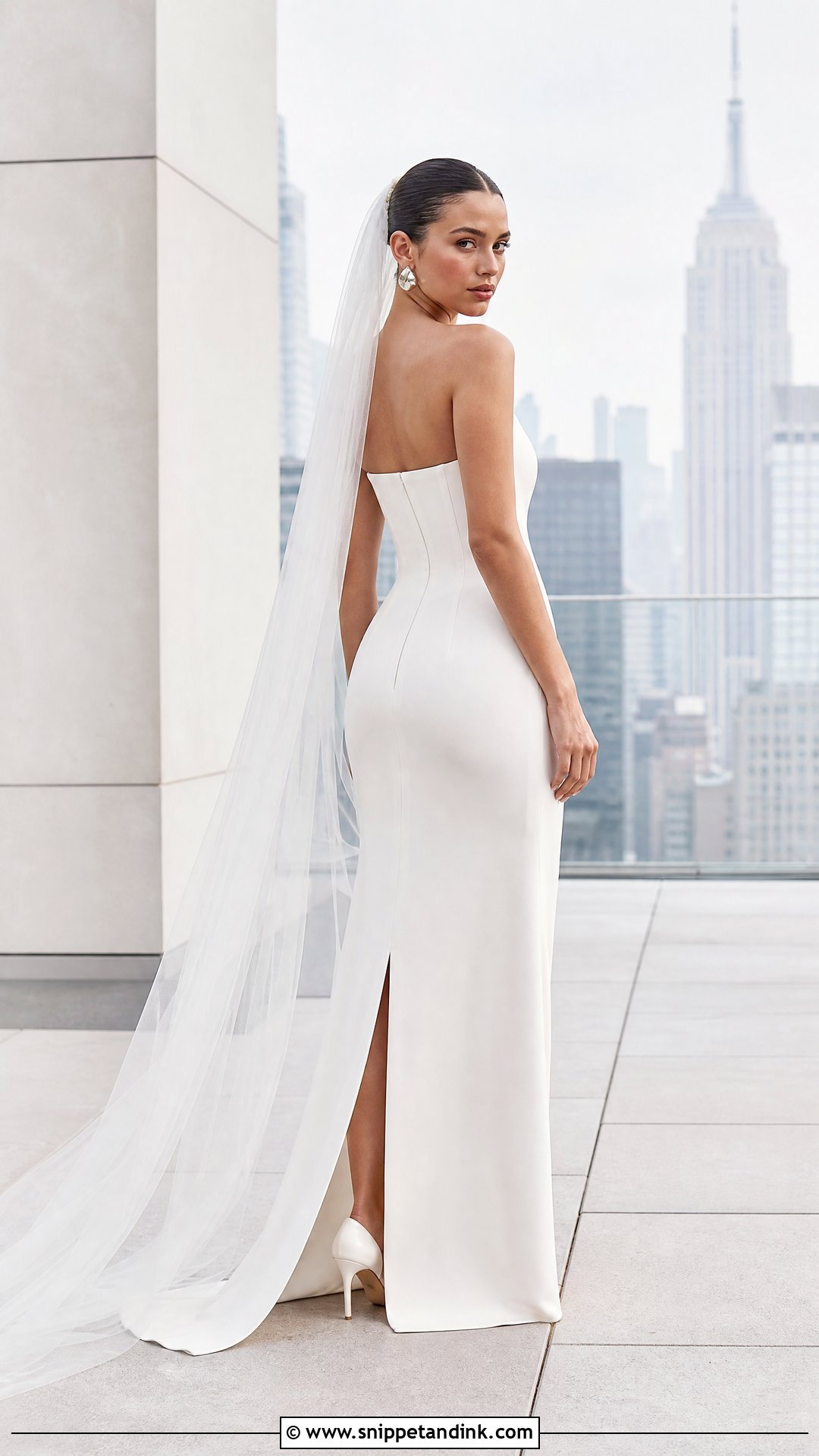
A minimal corset gown looks sophisticated rather than theatrical because the boning stays inside. An internal corset, a straight or softly draped neckline and a slim column skirt in crepe or matte satin are the ingredients. Sculptural earrings, pointed white pumps and a sleek floor-length veil suit it, with a polished bun or smooth shoulder-length hair. Column skirts restrict your stride, so practise walking, sitting and climbing stairs at the fitting, and ask about a back slit. Rooftops, modern hotels, galleries and restaurants are where it looks most at home.
11. White Corset Wedding Dress With Detachable Sleeves
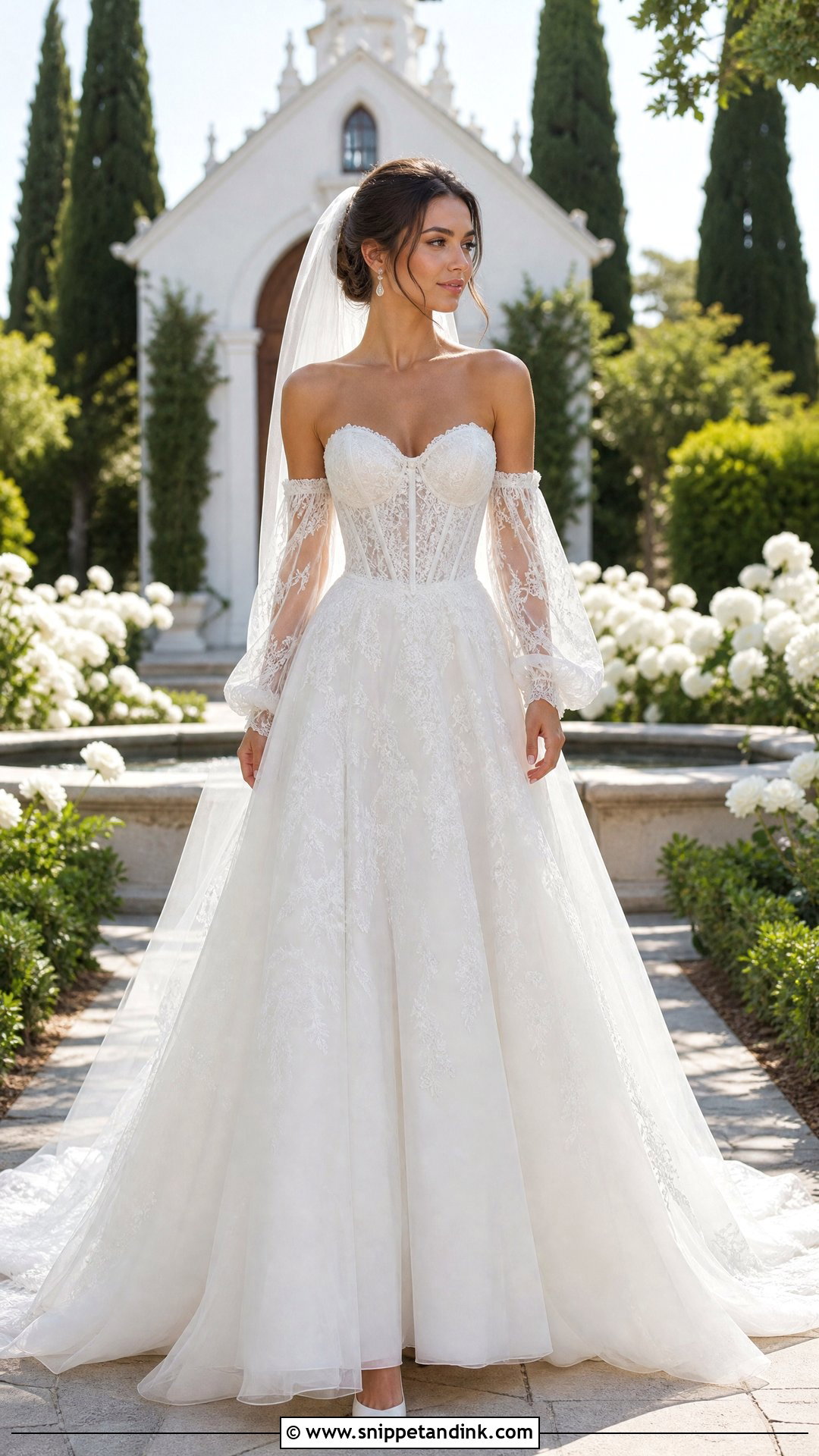
Detachable sleeves give you two looks from one dress. Start with a strapless corset gown and a balanced A-line skirt, add sheer lace sleeves for the ceremony and take them off for dancing. The attachment matters most: sleeves that fasten under the arms or along the neckline hide the join. A long veil, pearl earrings and closed-toe heels finish the ceremony version; for the evening, swap in statement earrings or a fine necklace. Test every fastening at alterations and label a garment bag for the sleeves, because loose sleeves do get lost in a busy suite.
12. White Corset Wedding Dress With Detachable Overskirt
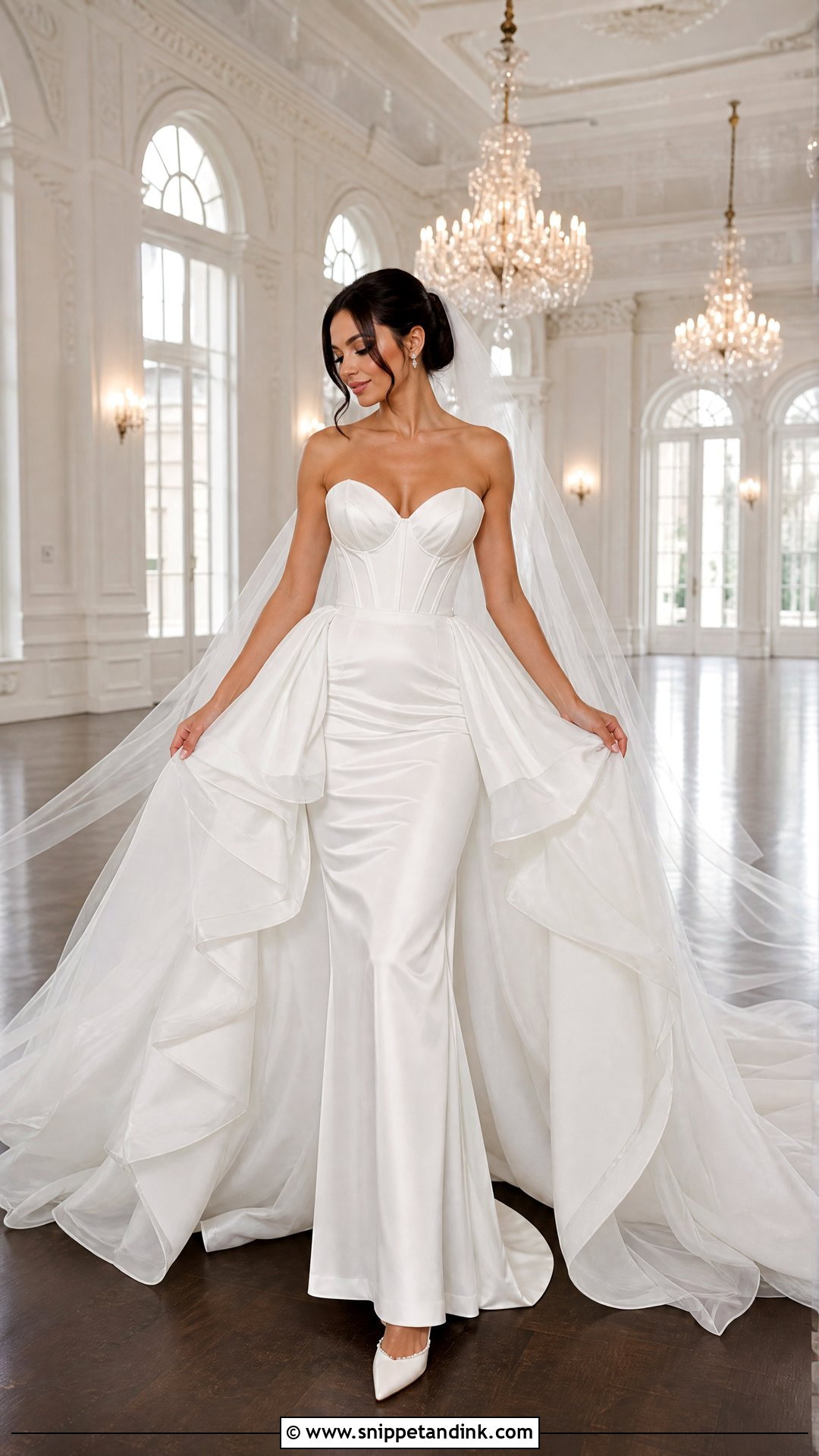
An overskirt gives ballroom drama for the ceremony and freedom afterwards. Choose a fitted corset dress in satin, lace or crepe, and layer a full tulle or organza overskirt at the waist, starting exactly where the corset ends so the join looks deliberate. Wear the full version with a cathedral veil, understated earrings and pointed pumps. When the overskirt and veil come off, the slimmer dress feels fresh. Ask your seamstress to hide the snaps, hooks or zip under a narrow waistband. I always have the bride and whoever will help her practise removing it once before the wedding.
13. White Mermaid Corset Wedding Dress
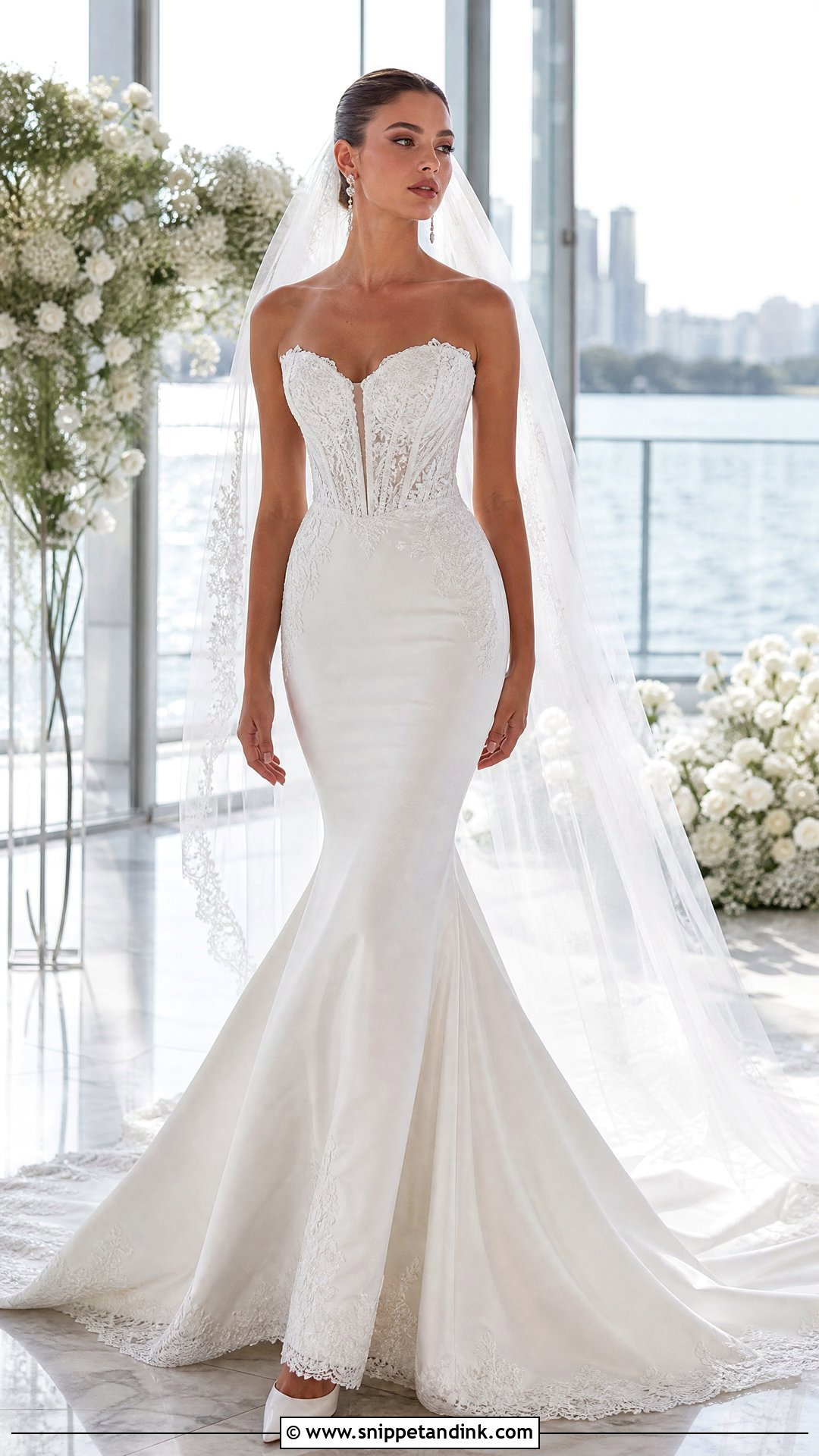
The mermaid adds glamour to a corset’s strong lines. The gown follows your body through the waist and hips and flares at the knee. Satin is sculptural; lace is softer. A sweetheart or curved neckline balances the fitted lower half. Drop earrings, pointed heels and a veil longer than the train finish it, with side-parted waves or a polished bun. Movement is the trade-off. I check where the flare starts by watching a full stride; if it’s set too high, you’ll be taking tiny steps all night. A bustle makes the train manageable for dancing.
14. White Tea-Length Corset Wedding Dress
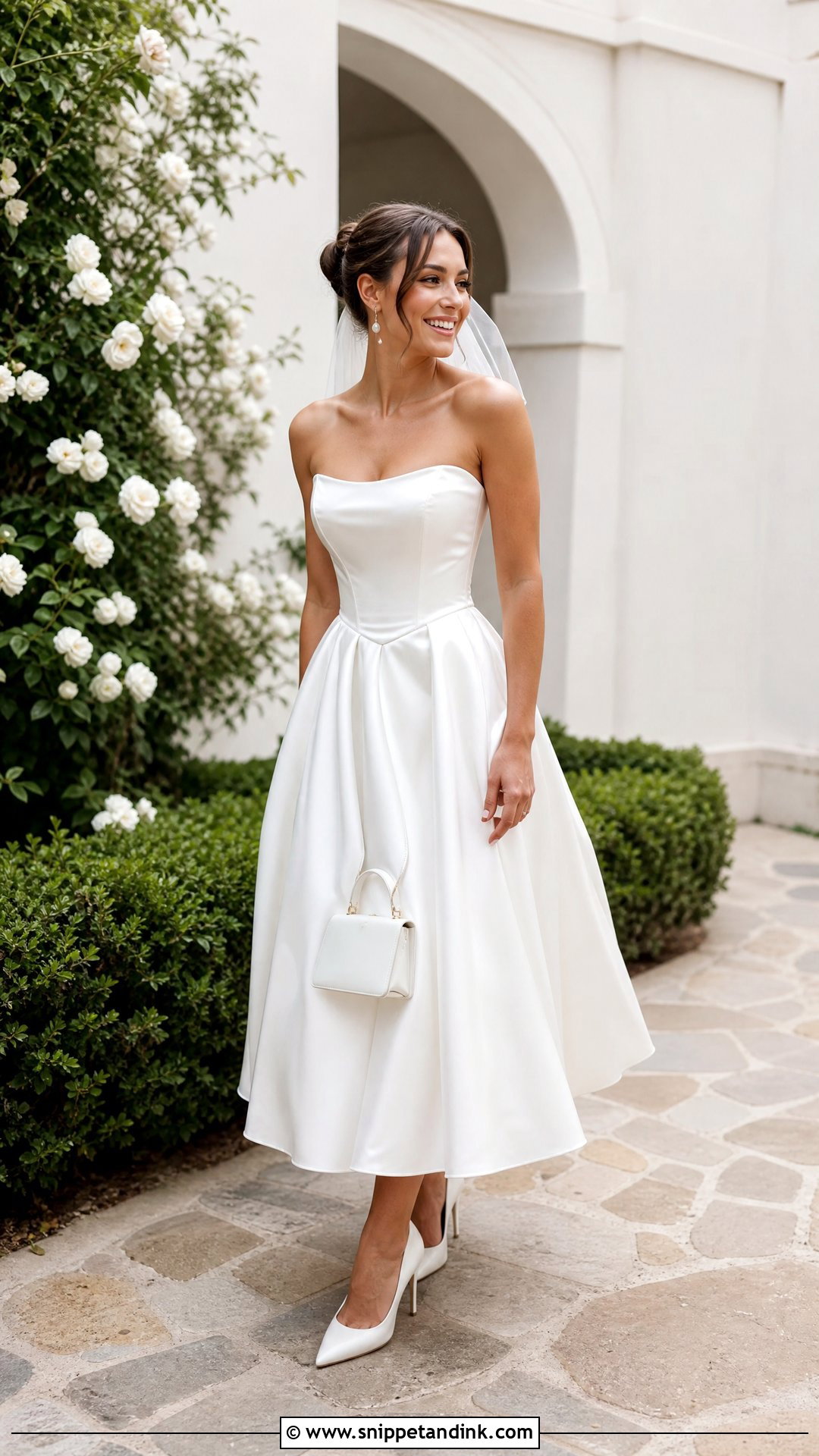
Tea length is playful and still polished. A fitted bodice, natural waist and full skirt ending between knee and ankle give it a vintage feel. Since your shoes show, they matter: pointed pumps, embellished slingbacks or classic block heels. Pearl earrings, a short veil and a structured mini bag coordinate it, with a soft updo or shoulder-length waves. A petticoat adds fullness; keep it light so you can sit. Courthouses, gardens and restaurant receptions suit it, and so does any bride who doesn’t want a floor-length gown.
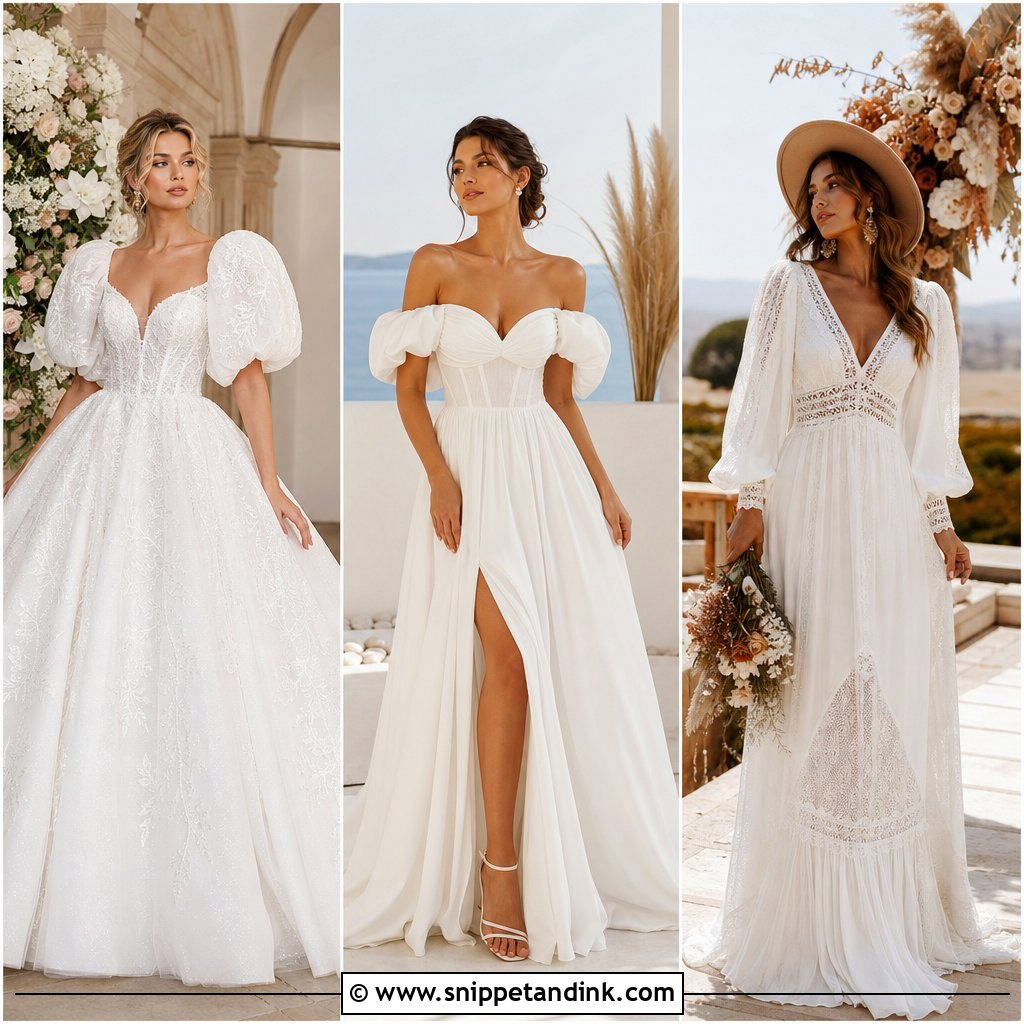
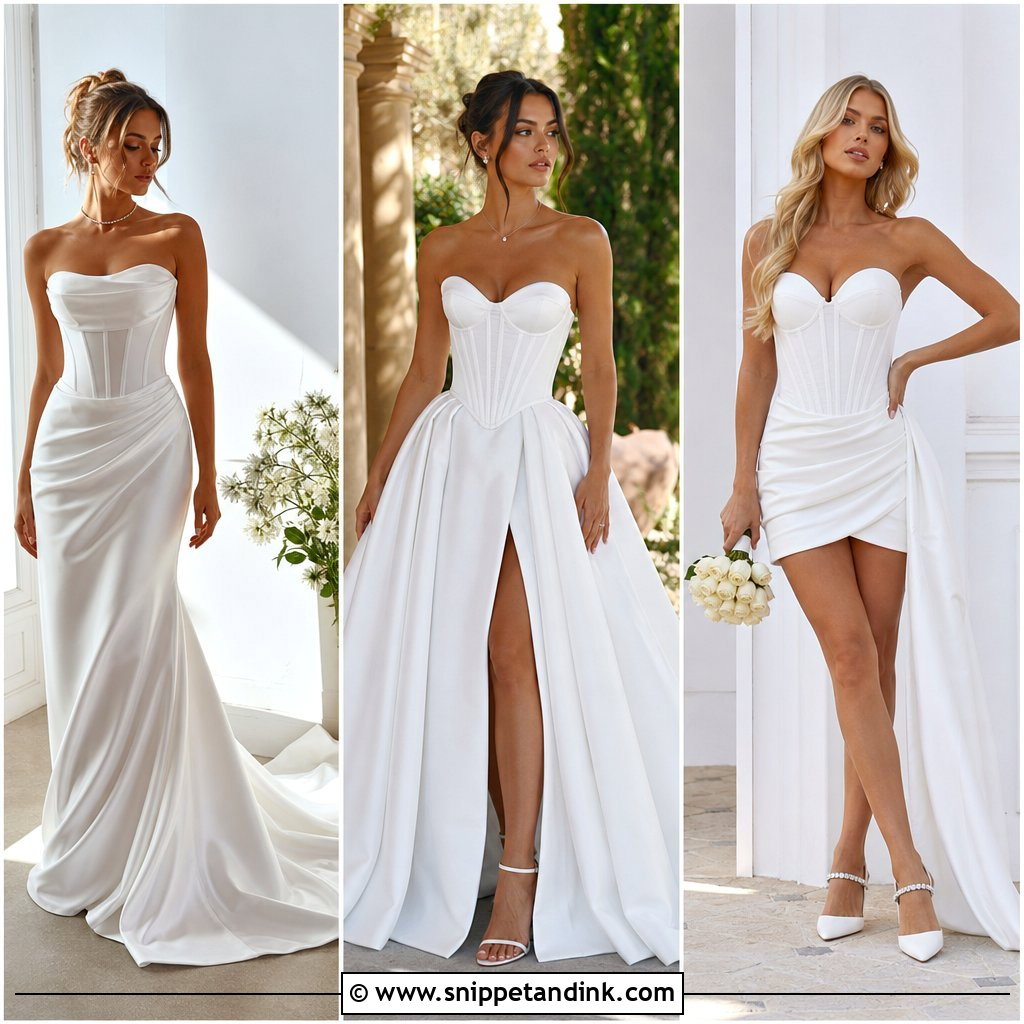
15. White Corset Mini Wedding Dress
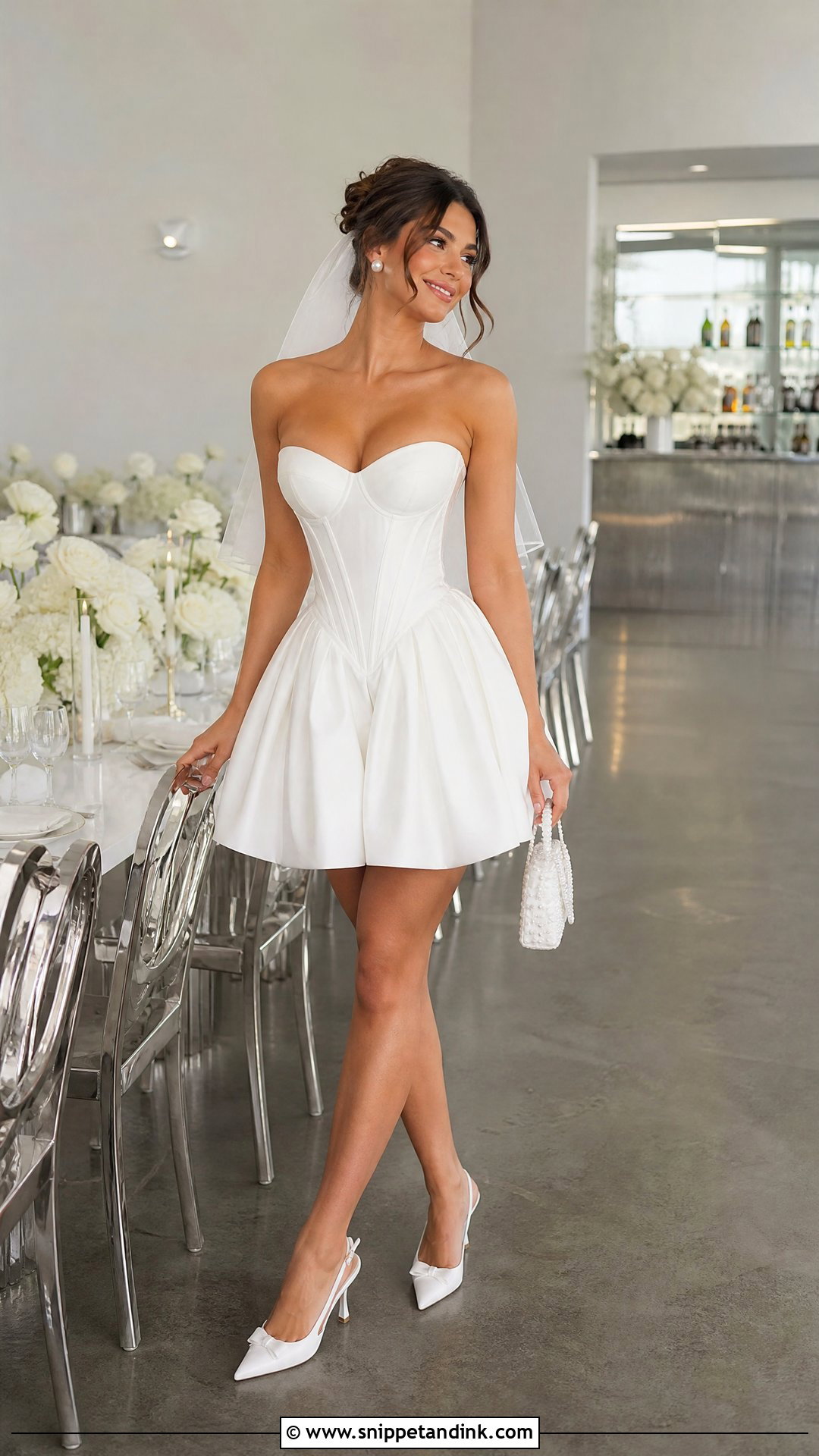
A corset mini is confident, and it works for a civil ceremony, the reception or a second look. A structured bodice with secure straps or a well-fitted strapless top, balanced by an A-line, tulip or softly flared skirt, is the shape. Slingbacks, pearl earrings and a small white bag finish it. A short veil suits the ceremony, a satin headband or bow the party. Sit and dance in it at the fitting; fitted minis ride up. Built-in shorts or a smooth lining help. The corsetry and white fabric keep it unmistakably bridal.
16. White Corset Top And Skirt Wedding Dress
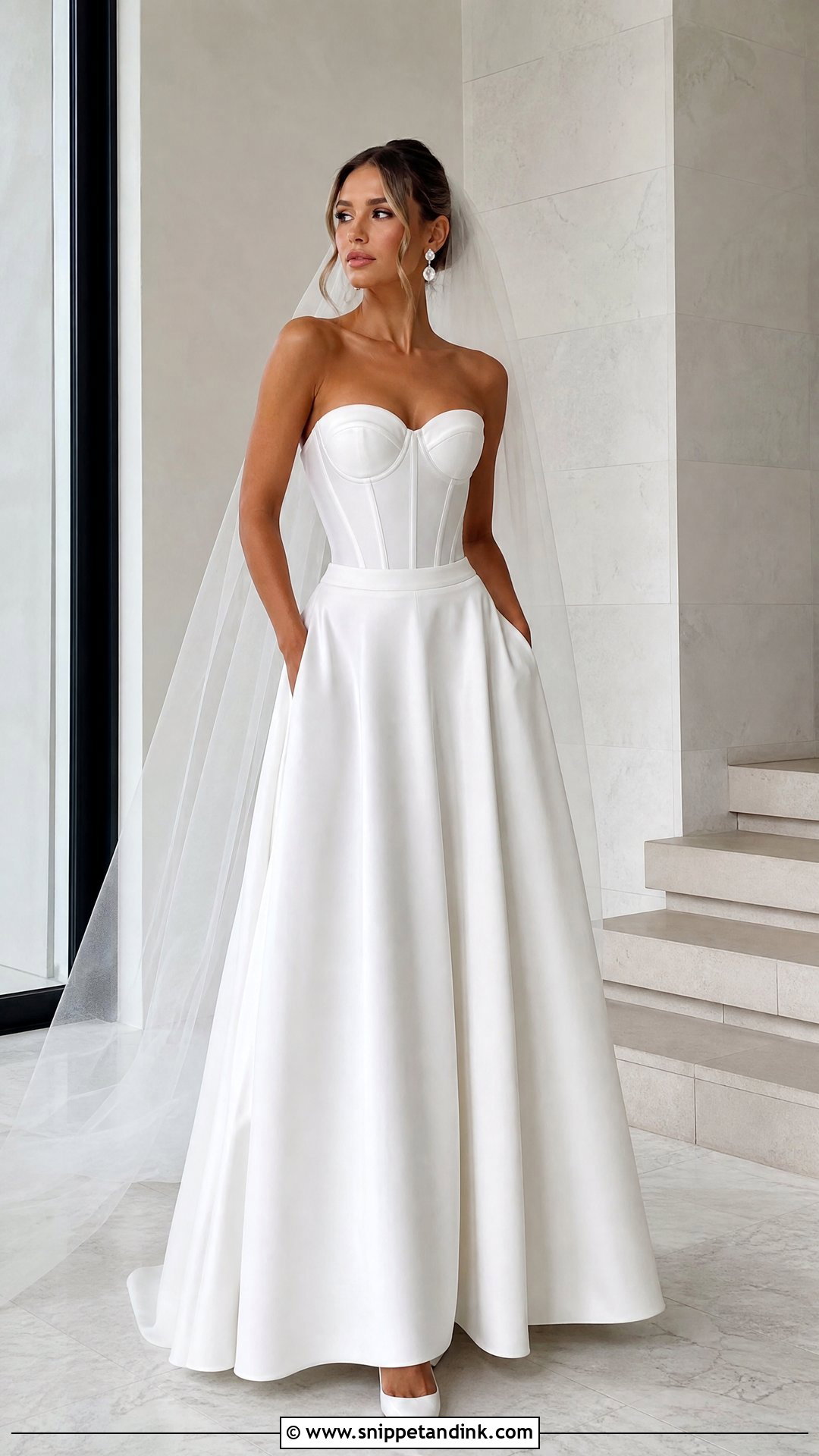
A corset top and skirt in the same fabric reads as one gown with a modern edge. Use matching white satin, lace or textured fabric. You can show a sliver of skin or have the skirt meet the corset for coverage. A structured top over a flowing A-line, or a fitted skirt for something sharper. Sleek heels, drop earrings, a plain chapel veil and a low bun finish it. My one request to the tailor: hidden fasteners linking top and skirt, otherwise the top lifts every time you raise your arms. It suits modern venues and destination weddings.
17. White Corset Wedding Dress With Cape
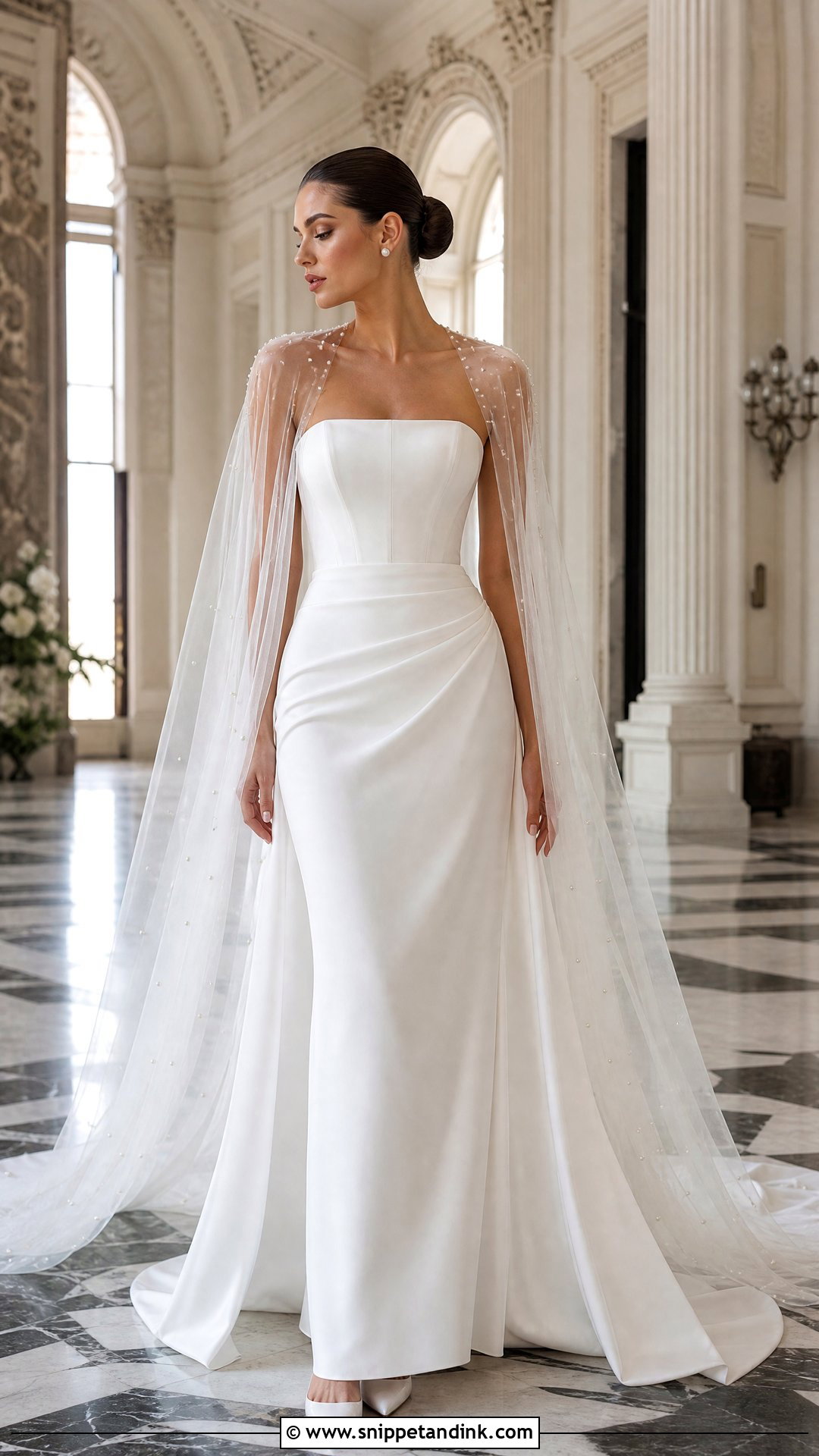
A cape adds movement to a clean corset gown and replaces the veil. Start with a strapless or sleeveless dress, fitted bodice and simple satin or crepe skirt, then layer a sheer tulle cape from the shoulders, floor length or longer. Embroidered edges add detail; plain tulle is minimalist. Pearl studs, pointed pumps and a sleek bun keep the head uncluttered. Check that the fastening at the neckline is comfortable and that you can undo it yourself for the reception. It suits formal halls, historic buildings and modern architecture.
18. White Corset High-Low Wedding Dress
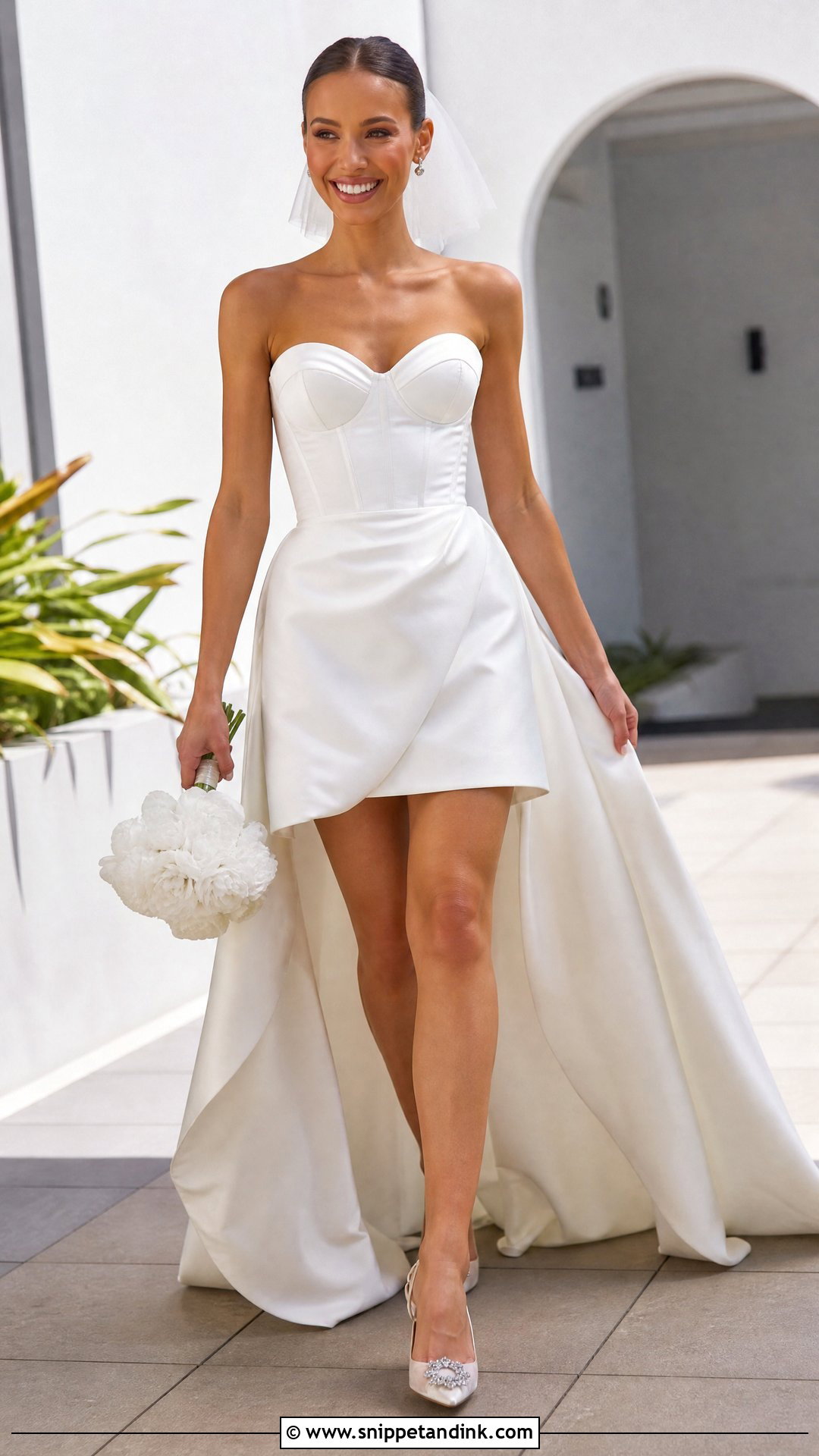
High-low skirts combine a long gown’s presence with a lighter front. A corset bodice with a clean neckline, a knee-length front and a floor-length back is the shape. Structured satin is bold; organza and tulle move softly. Your shoes show, so choose elegant slingbacks or embellished pumps, then small earrings, a short veil and a polished updo. Walk in it before buying, since some front hems flick against the knee with every step. The back still needs a bustle. Modern ceremonies, destination weddings and lively receptions suit it.
19. Plus Size White Corset A-Line Wedding Dress
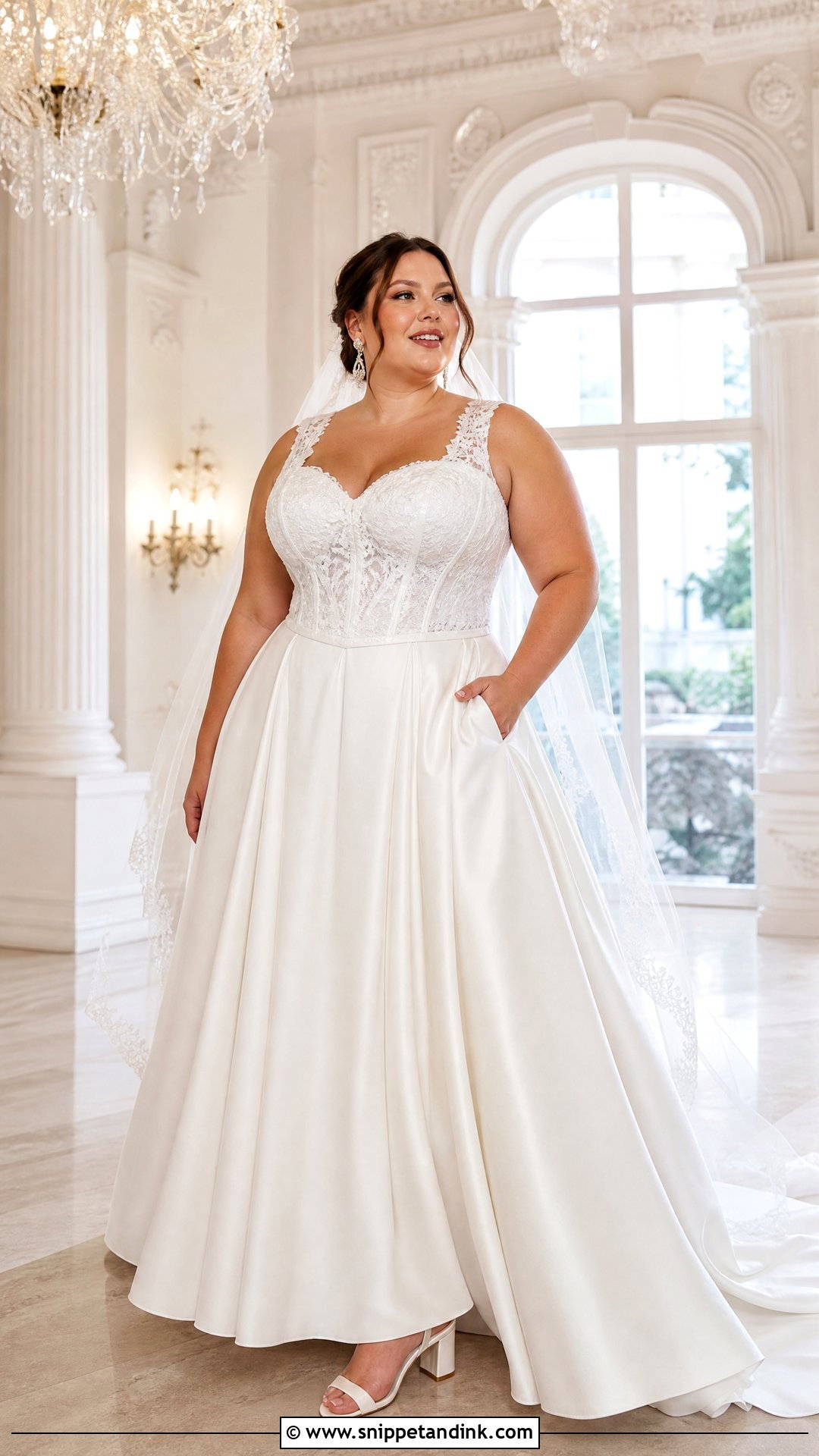
A well-built corset supports every size, and in plus-size gowns the construction is where I look first. Ask for substantial boning, real support cups, wider straps if you want them, and a lace-up or reinforced zip back. An A-line skirt moves easily and leaves room to sit and dance. Smooth satin is clean; floral lace adds texture. Comfortable block heels, a fingertip veil and earrings that suit the neckline finish it. Ignore the label size and order by your largest measurement, then tailor down. It suits any venue, from a relaxed garden to a formal ballroom.
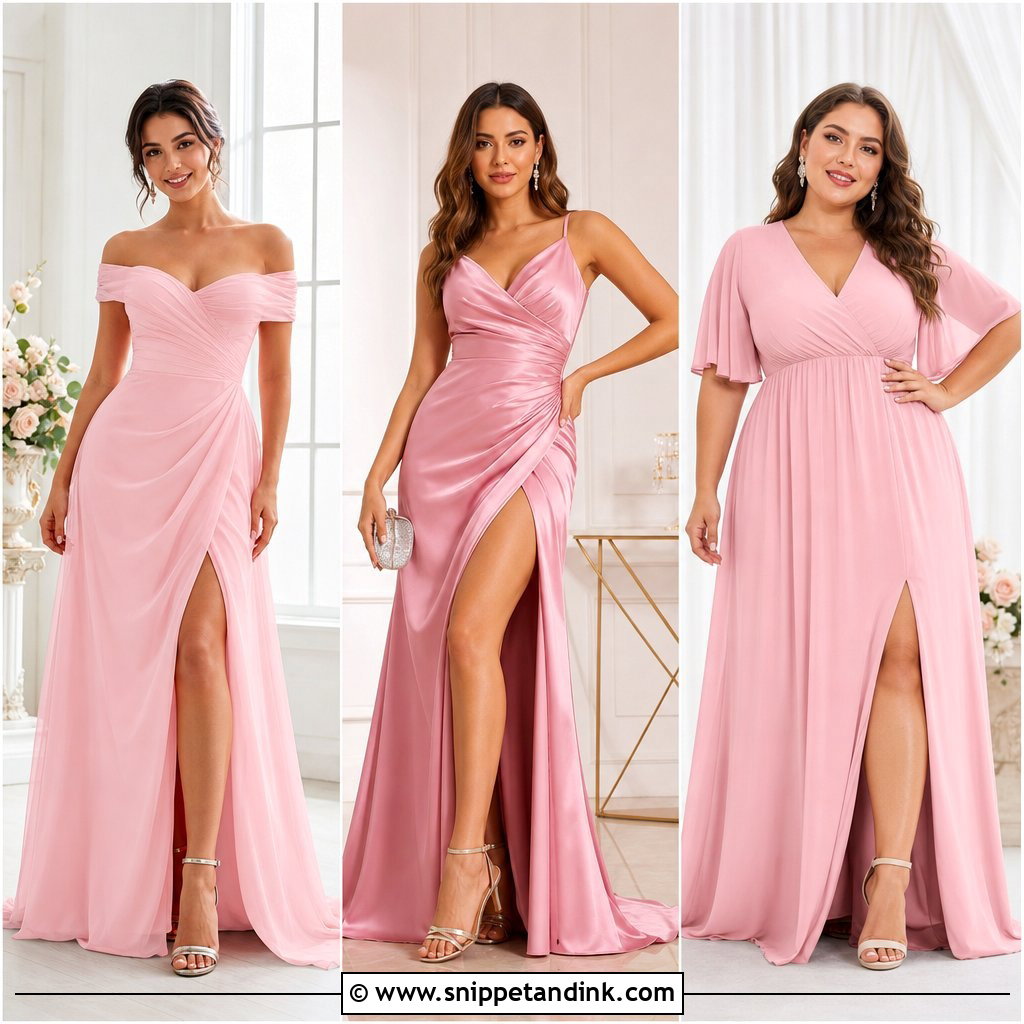

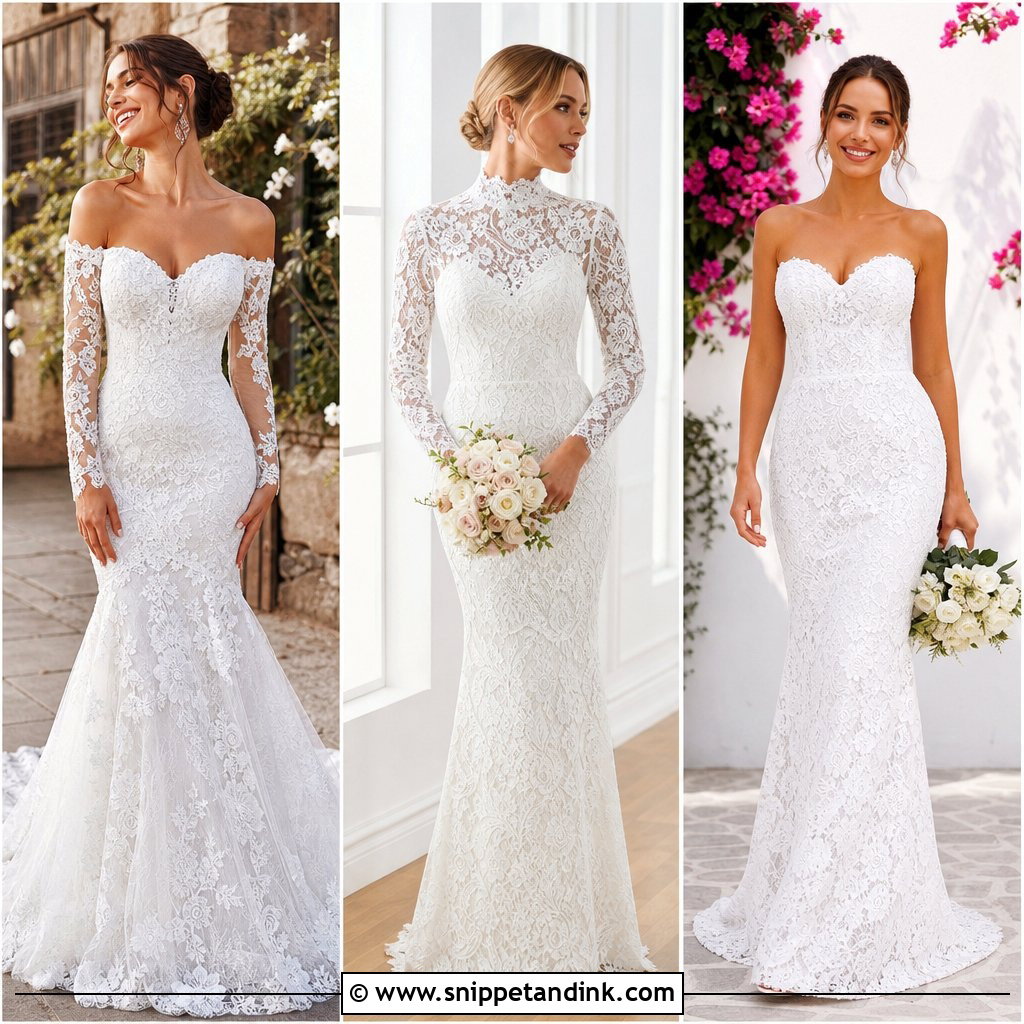
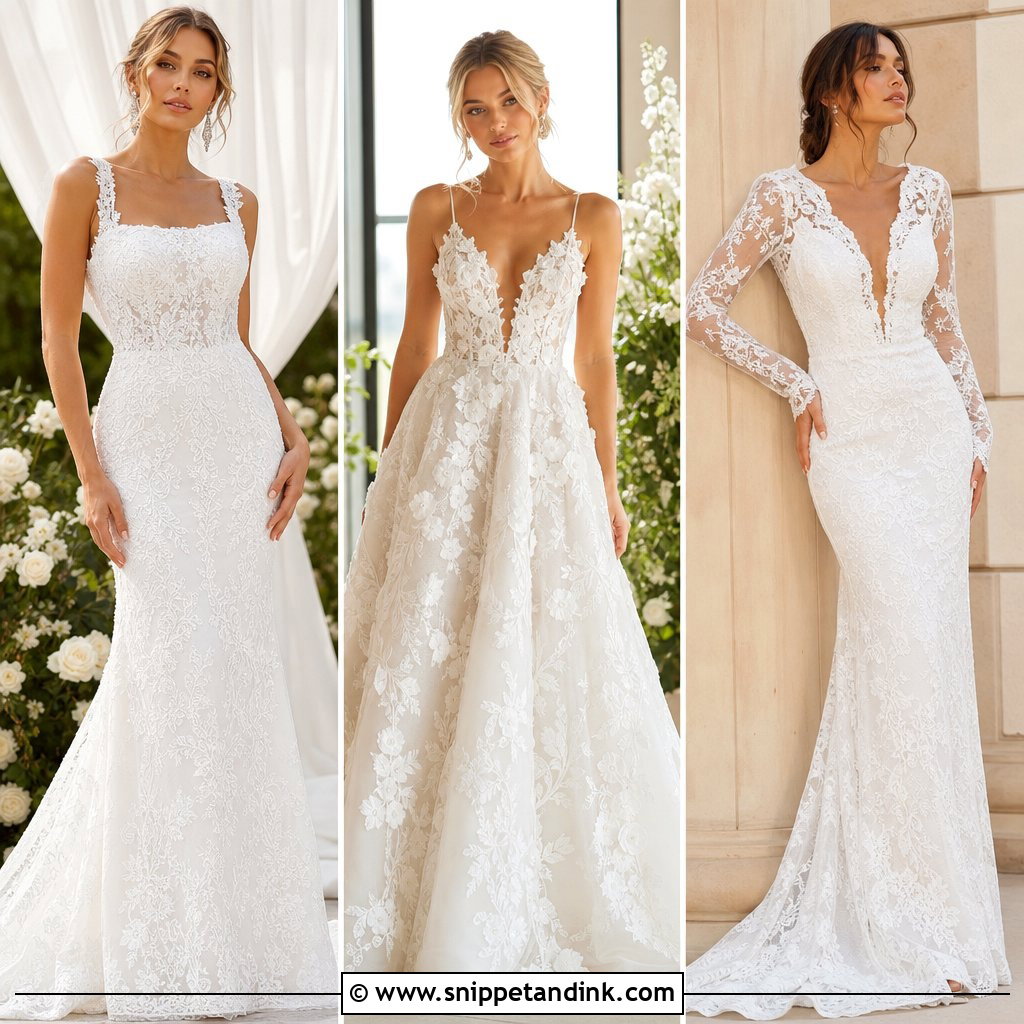
20. White Modest Corset Wedding Dress
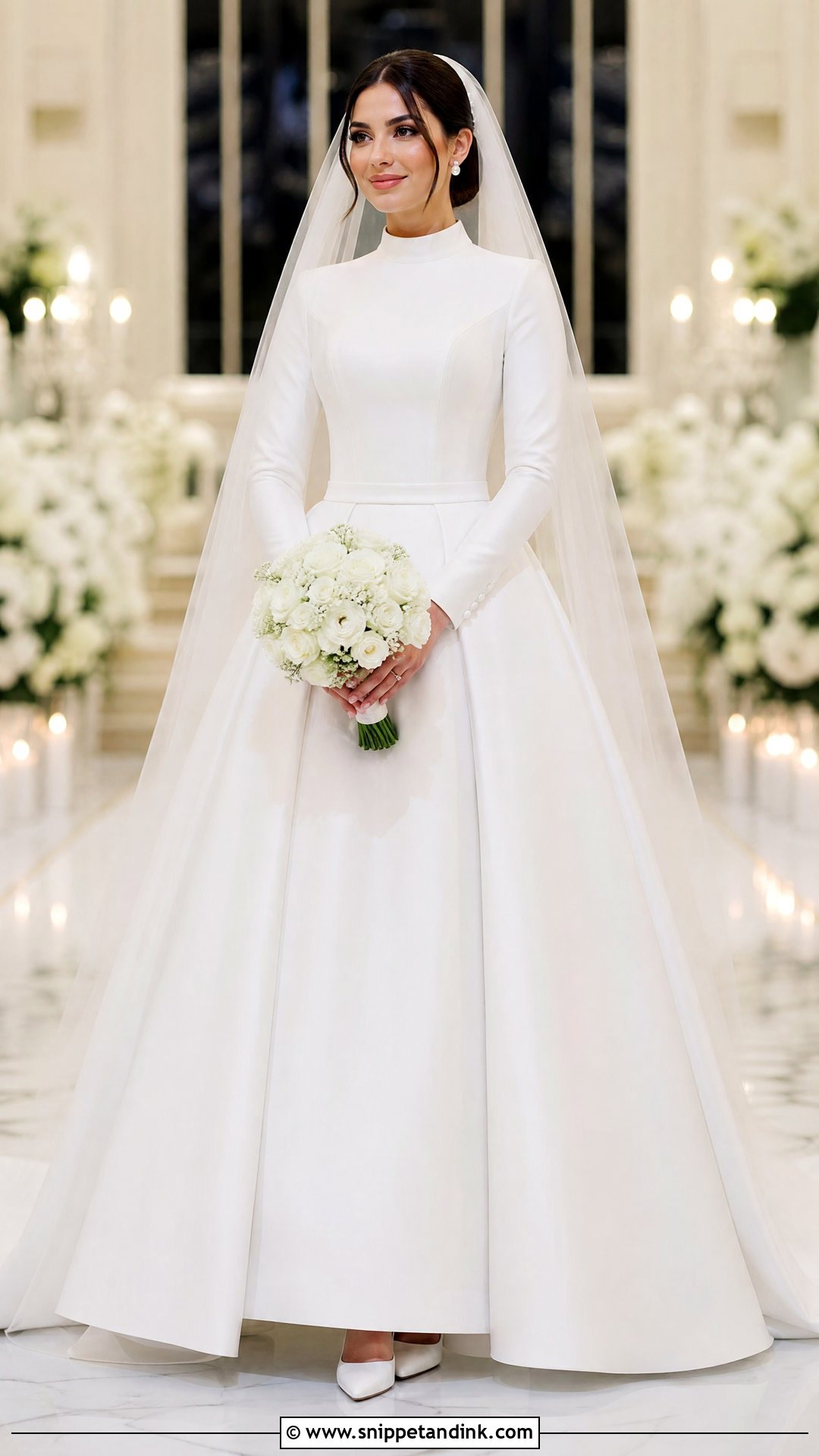
Corsetry works within a modest design too. The supportive bodice sits inside, covered by an opaque high neckline, fitted long sleeves or a softly draped satin overlay, so you get the shape without the exposure. An A-line or full pleated skirt balances it. Closed-toe pumps, pearl earrings and a cathedral or chapel veil finish it, with covered buttons at the cuffs and back. I check that the overlay doesn’t pull across the boning when you sit, since that shows the channels through the outer fabric. Formal ceremonies, winter and family-focused weddings suit it.
Does a Lace-Up Back Beat a Zip?
Each closure has a real trade-off, and it’s worth choosing deliberately.
- Lace-up backs adjust. If your weight shifts slightly between the final fitting and the wedding, the lacing absorbs it. They also let you loosen things a little before dinner.
- They take practice. Whoever laces you on the day needs to know to tighten from the middle outward and to keep the gap even, so show them at the final fitting.
- A modesty panel behind the lacing stops skin showing through the gaps. Make sure it’s sewn to one side so it can’t slip.
- Zips are quick and give a sleek line, but they have no give at all. A zip bodice has to be fitted precisely and checked again close to the date.
- Pack a small sewing kit and a spare length of lacing. Ribbon laces can fray at the eyelets.
Ordering Early Enough for Corset Alterations
Made-to-order bridal gowns commonly take several months to arrive, and corset bodices usually need more alteration time than softer dresses, often two or three fittings. I tell brides to order around nine months to a year ahead when they can, and to book the final fitting close enough to the date that the fit is current. Bring the exact underwear, shoes and any shapewear to every fitting, and eat a normal meal beforehand, so the bodice is fitted to you on a real day rather than an empty stomach.
A Corset You Can Still Eat Dinner In
A good corset gown combines structure with enough comfort to walk, sit, eat and dance. Here you’ve seen it work on satin ball gowns, lace A-lines, mermaids, modest designs, short reception dresses and convertible styles. Start with the neckline, waist shape and skirt volume that make you feel most like yourself, then build the veil, shoes, jewelry, hair and any removable layers around them. I’d leave generous time for alterations, because a corset depends on exact proportions, and a properly fitted one will feel supportive and personal from the ceremony to the last dance.
You'll Like These Ideas:






Leave a Reply