
Where an A-Line Seam Should Land on You
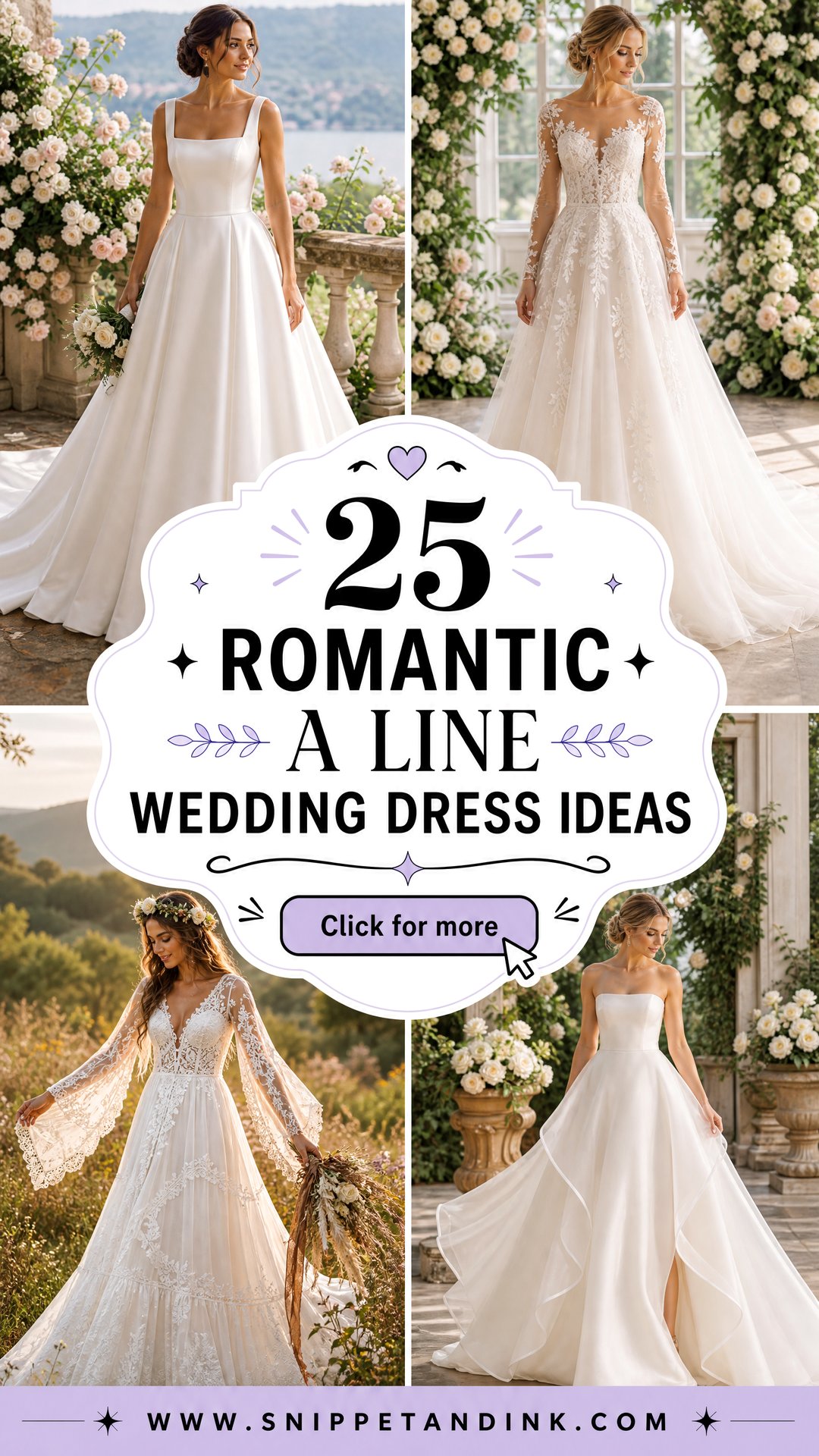
Every gown below shares the same basic shape: fitted through the bodice, then flaring gradually from the waist to the hem like a capital A. It’s the most forgiving bridal silhouette I fit, but only if the waist seam sits in the right place for your body.
- Natural waist: the seam hits the narrowest point of your torso. Best for showing shape and for most body types.
- Dropped waist: the seam sits a little lower, toward the hip. It lengthens a short torso but can shorten the legs on a petite bride.
- Empire line: the seam sits just under the bust. Comfortable and flowing, though it hides the waist completely.
Samples in bridal shops are usually one size and clipped to fit, so the seam may sit higher or lower than it will on your own gown. Ask the consultant to hold the waist where your finished dress will sit, and look in the mirror from the side as well as the front.
1. Lace A-Line Wedding Dress
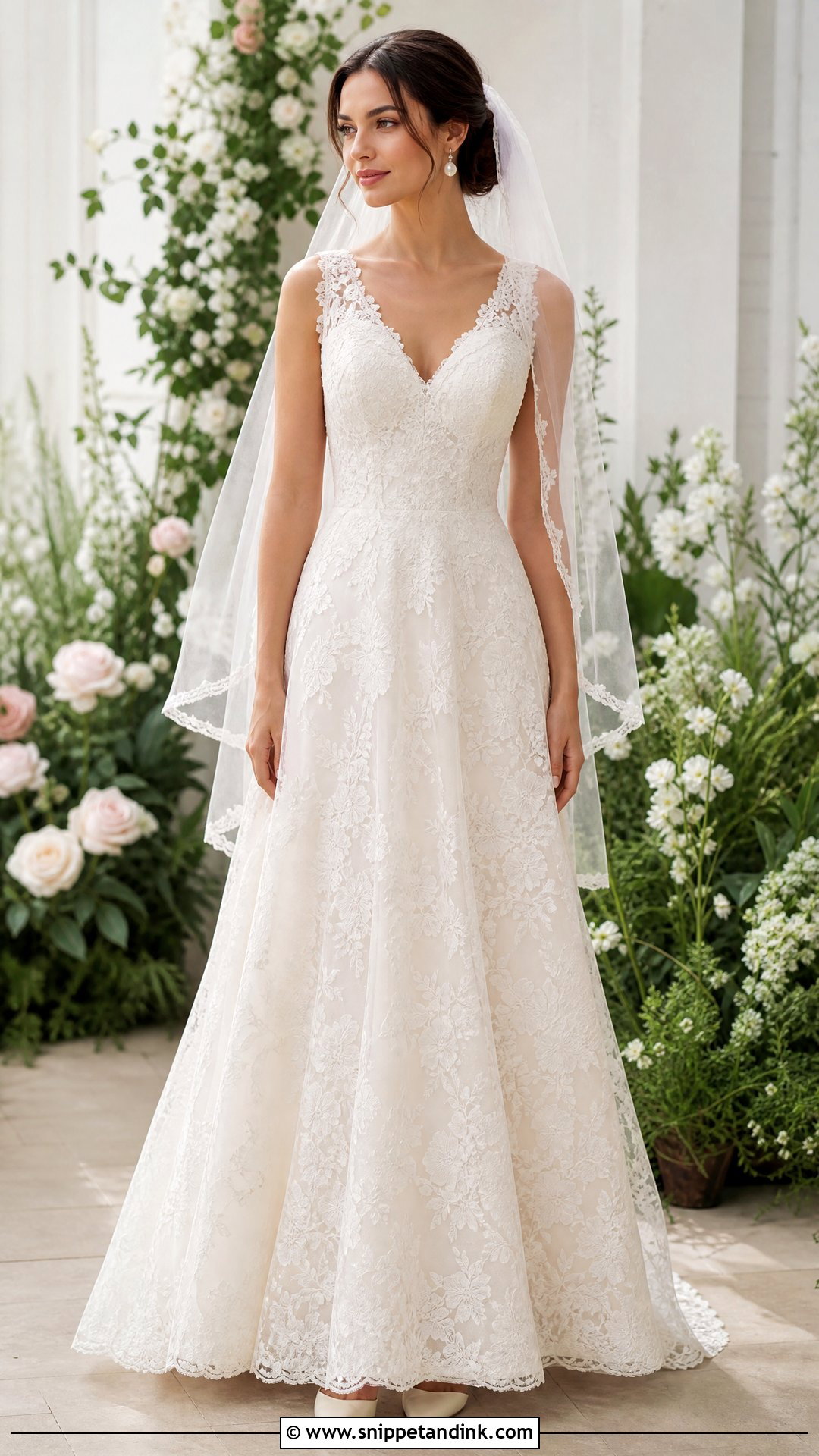
Lace on an A-line works because the fitted bodice shows off the pattern and the skirt gives it room to fall. Chantilly lace is fine and light, almost like a drawing on tulle, while heavier corded or floral lace adds texture you can see from the back row. A sweetheart neckline softens it; a V-neck makes it more current. Pearl earrings, a fingertip veil and ivory heels finish it, with a plain bouquet of white roses, ranunculus or greenery. The thing I check first is the scalloped edge: on a good gown, the lace border is placed along the hem and neckline instead of being cut off raw.
2. Tulle A-Line Wedding Dress
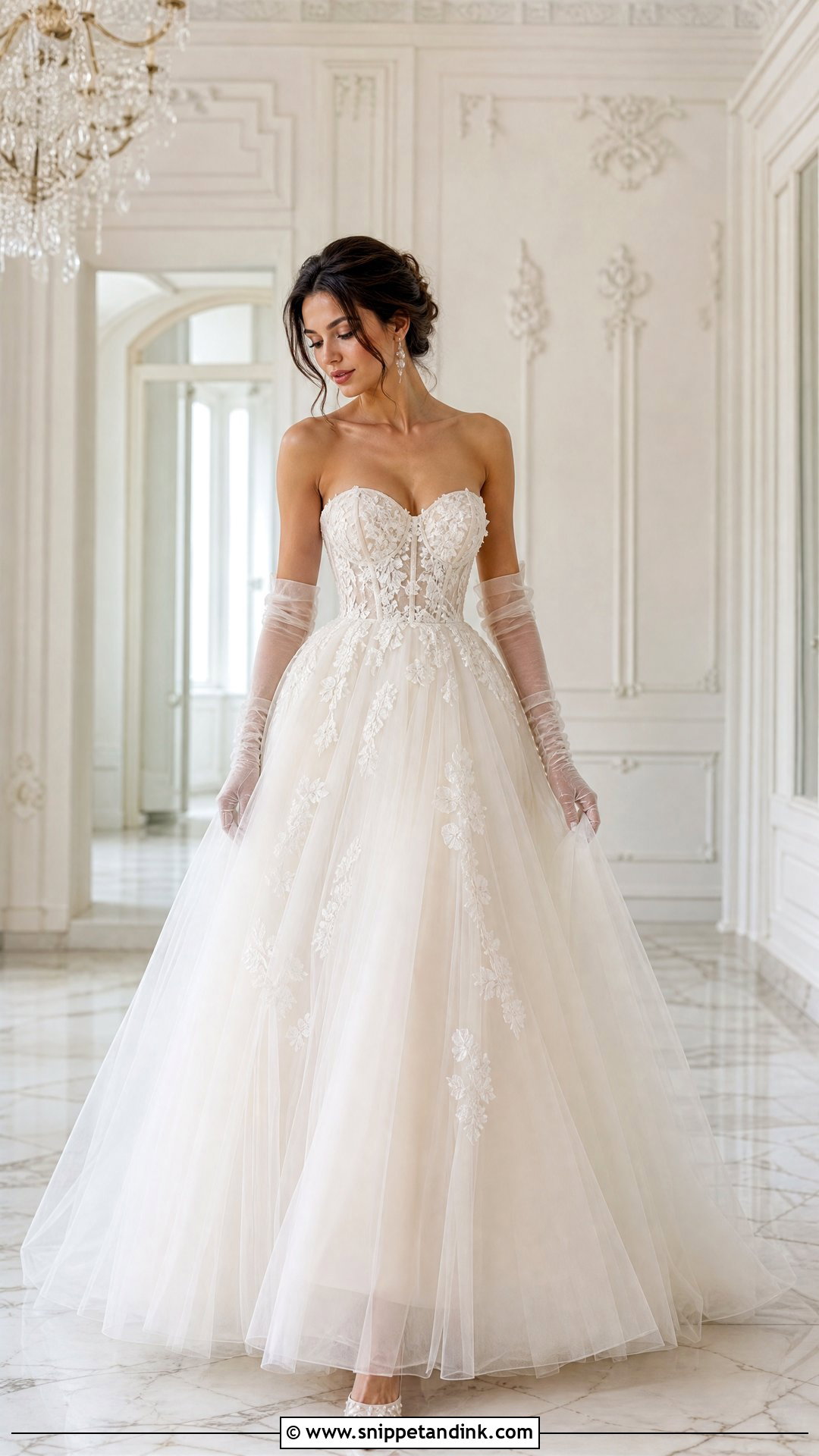
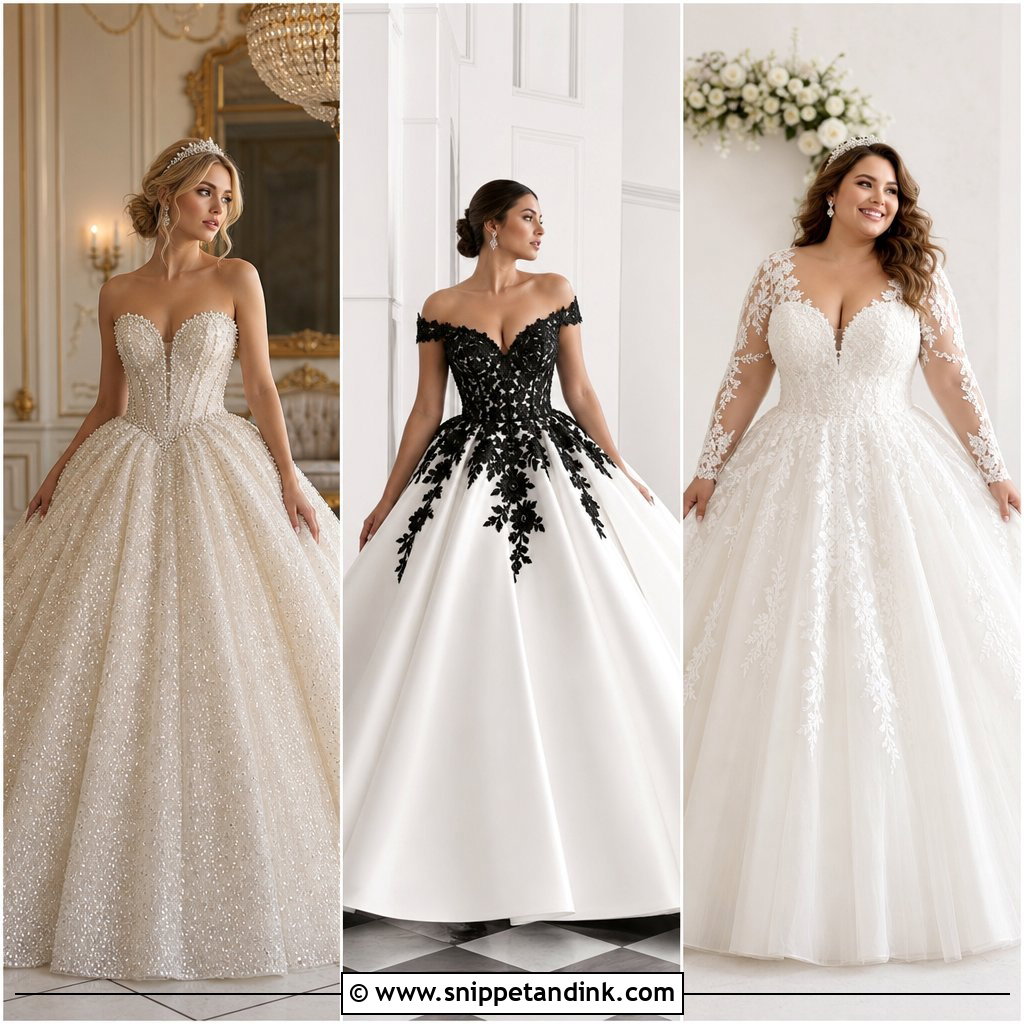
Tulle gives the floating feeling of a ball gown at a fraction of the weight. Several layers of soft ivory tulle over a lightly structured bodice move as she walks, which is why it shows up so well in first-look and dancing photos. Appliqué at the waist or hem adds detail, and a layer of glitter tulle underneath gives a quiet shimmer. Sheer gloves, small drop earrings and pointed shoes suit it. Tulle catches on everything outdoors, from rose bushes to stone, so I always ask about the ground the bride will walk on in spring and summer.
3. Floral Appliqué A-Line Wedding Dress
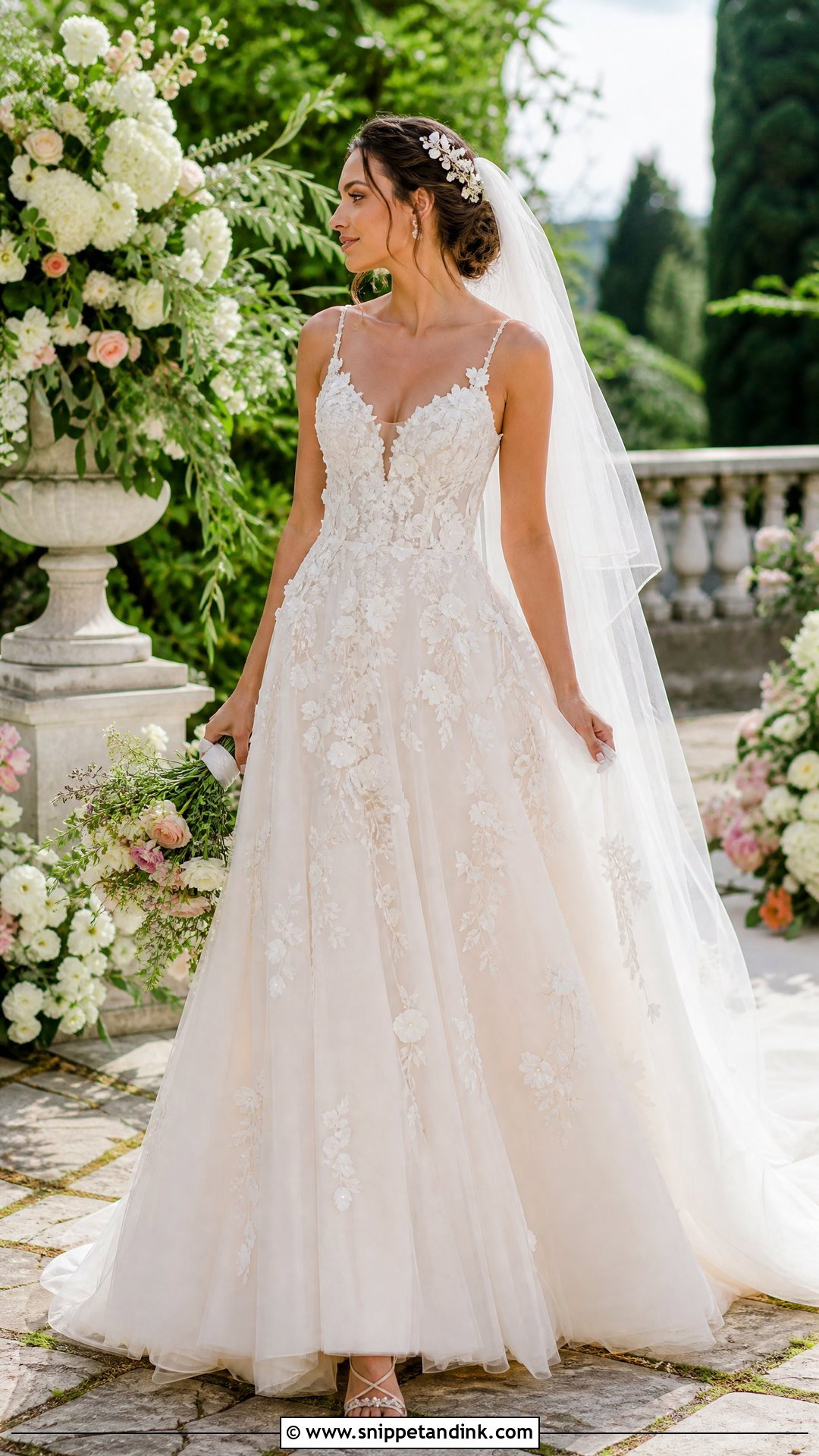
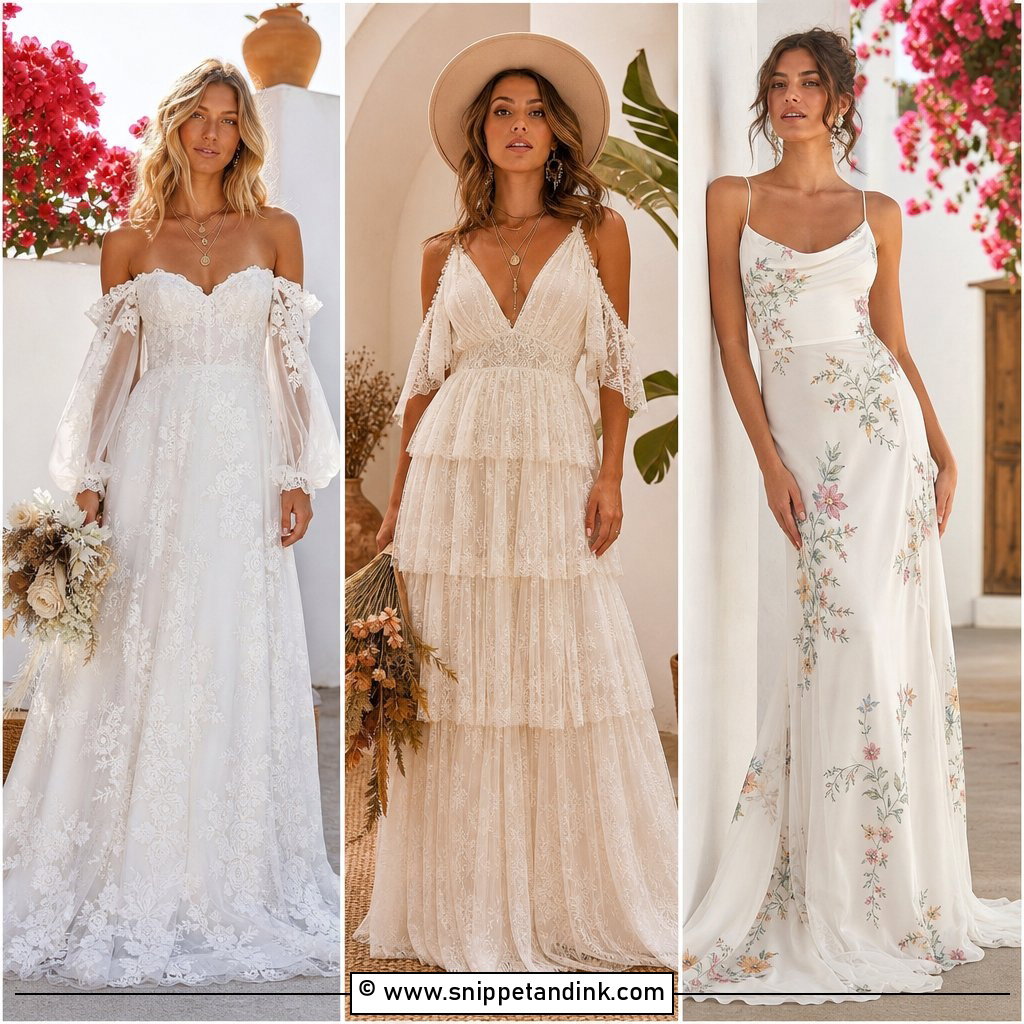
Raised flowers trailing from the bodice into the skirt give a garden feeling while the gown stays polished. 3D blooms read dreamy; flat embroidered vines read finer. Over a sheer bodice, the appliqué looks as if it’s resting on the skin; a lined bodice gives more coverage. I keep styling quiet here, a soft veil, a few floral pins and almost no jewelry, because 3D petals and a busy veil comb fight each other at the back of the head. Ask whether the flowers are hand-sewn; loose petals can be stitched back on, glued ones are harder to repair.
4. Long Sleeve A-Line Wedding Dress
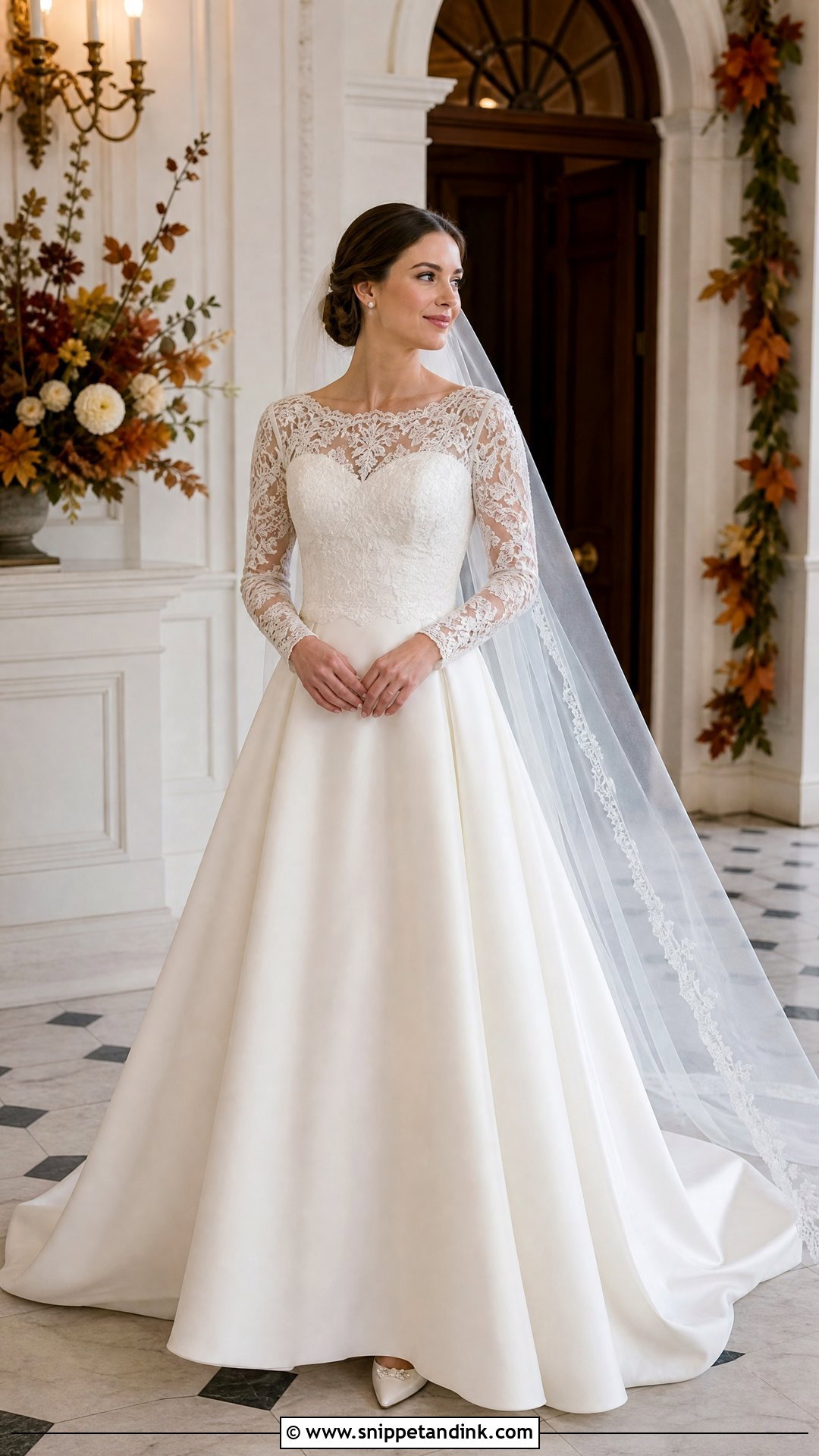
Long sleeves give coverage and a lot of grace, and they change completely with the fabric. Sheer lace feels delicate; satin or crepe looks clean and modern. They suit autumn, winter and formal evenings, and lightweight lace makes them workable in spring. A high neck feels graceful, while a deep V balances all that coverage. Pearl studs, a low bun and a cathedral veil finish it. At fittings, I ask her to raise her arms as if hugging someone tall, since a tight sleeve can pull the whole bodice up.
5. Off The Shoulder A-Line Wedding Dress
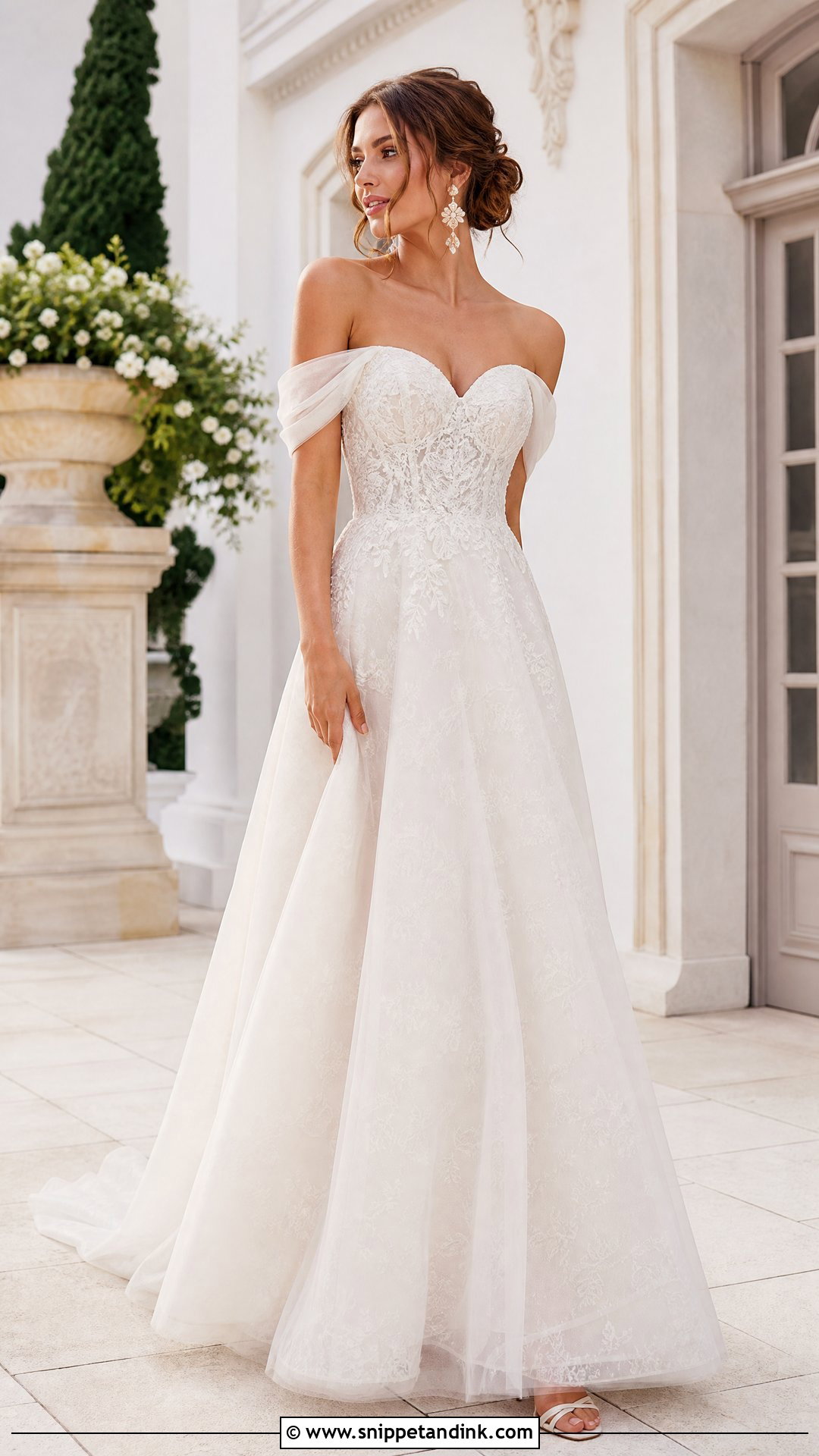
Off-the-shoulder necklines frame the collarbones and still cover more than a strapless bodice. The A-line skirt balances the open shoulder line, and lace, satin and tulle all suit the shape. Draped sleeves or appliqué along the neckline add romance. Choose a simple necklace or skip it for statement earrings, with a loose updo or soft waves and a veil set low at the back. Arms are limited in this neckline. If she can’t lift her hands above shoulder height without the sleeves riding up, the fit isn’t right yet.
6. Sweetheart A-Line Wedding Dress
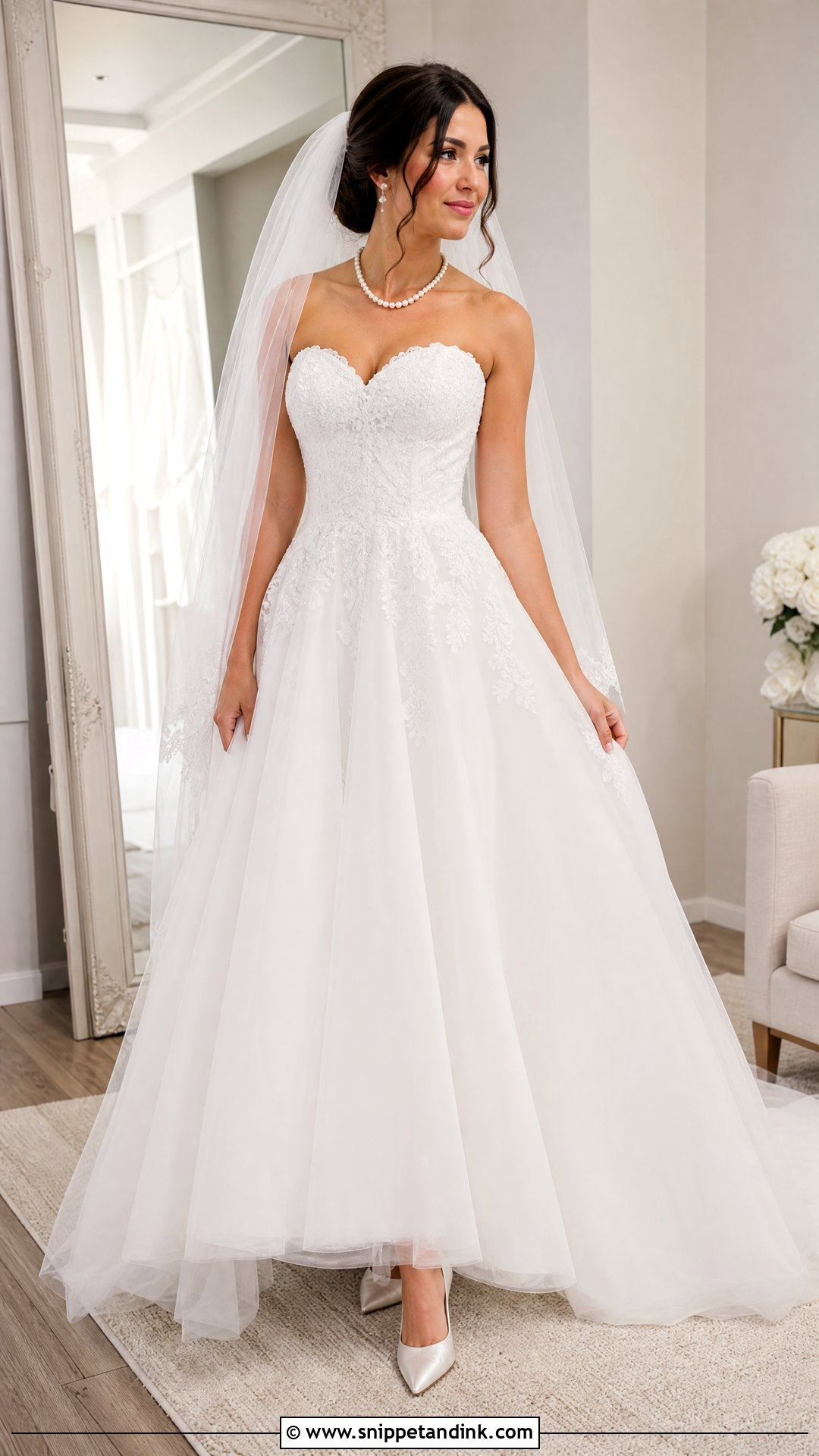
The sweetheart line softens the face and draws the eye to the waist, which is why a sweetheart A-line wedding dress remains one of the shapes I pull most often. It works strapless, with spaghetti straps or under a lace bodice. Tulle, lace appliqué or a softly pleated skirt keeps it romantic, and a corset-style bodice adds support. A chapel veil, pearl necklace and satin heels suit it. Strapless sweetheart bodices depend on their internal structure, so fit the bust with the actual bra or no bra she’ll wear on the day.
7. Satin A-Line Wedding Dress
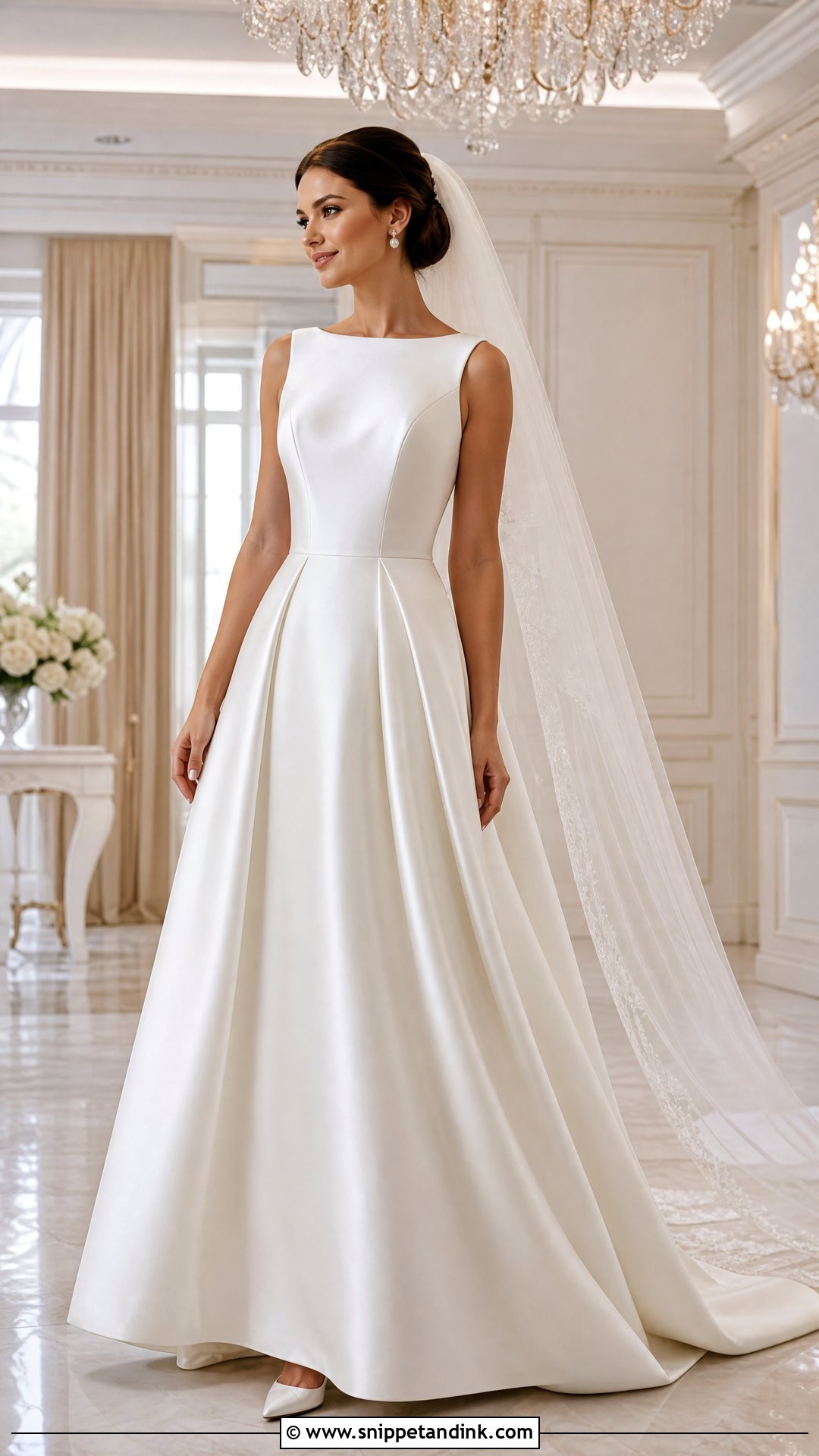
Satin has a soft glow that doesn’t need beading to look finished. A structured bodice, soft pleated skirt and modest train look classic; a scoop or square neck, or a low back, makes it more modern. Pearl earrings, a polished bun and plain satin pumps are all it needs, with a long veil for ceremony drama. Satin is honest about fit. Every pull line at the waist or seam shows, so the tailoring matters more here than on lace. It suits ballrooms and formal evenings.
8. Chiffon A-Line Wedding Dress
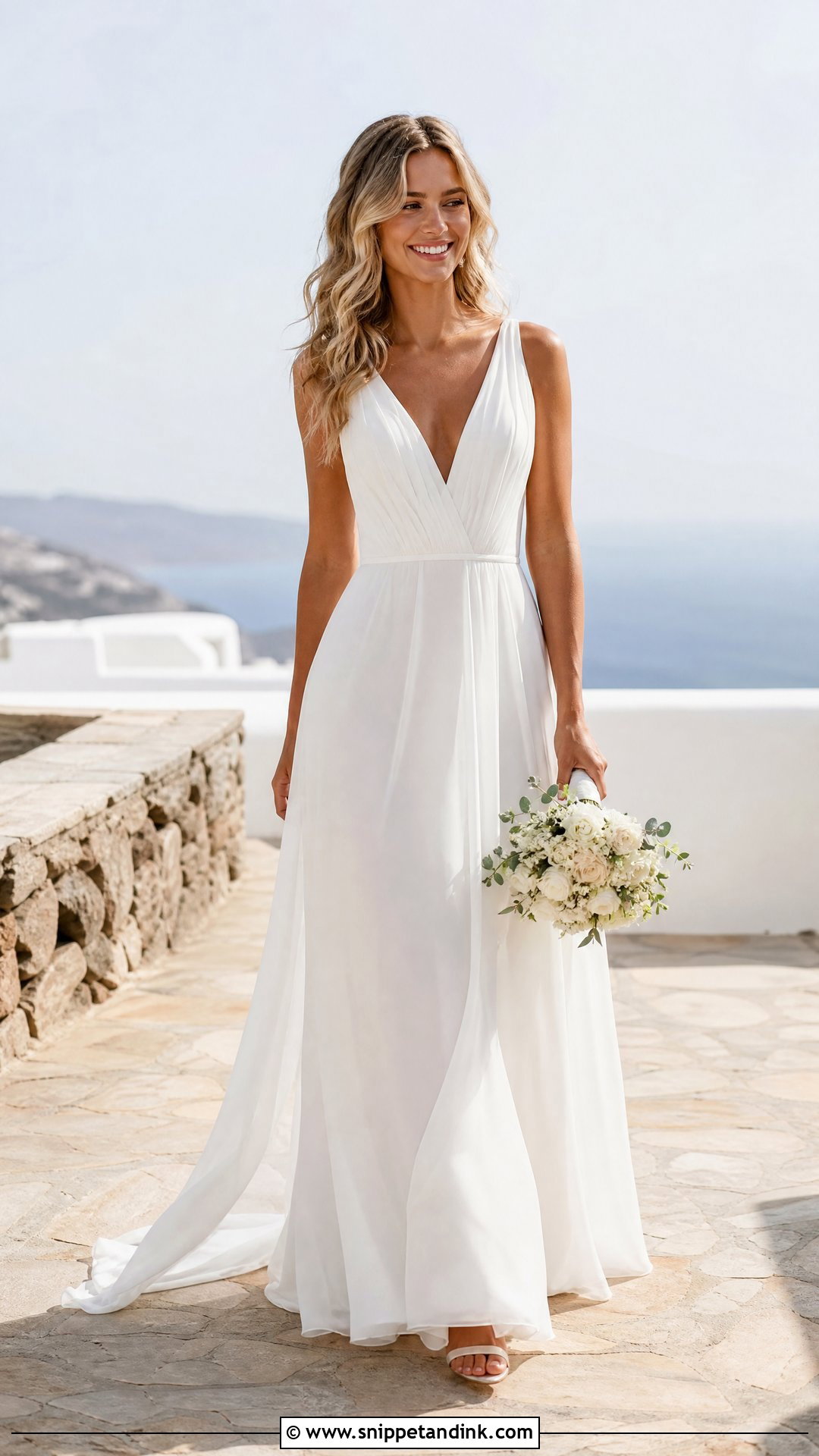
Chiffon is the fabric I suggest for heat and wind: beach, garden, destination. It moves with the breeze and stays light. A pleated chiffon skirt with a lace bodice gives texture; an all-chiffon gown feels understated. Thin straps, flutter sleeves or a soft V suit the fabric. Keep accessories light, delicate sandals, loose waves and a small bouquet. One warning: chiffon is fine enough that it can snag on beaded bags and bracelets, so check her jewelry against the skirt before the day.
9. Corset A-Line Wedding Dress
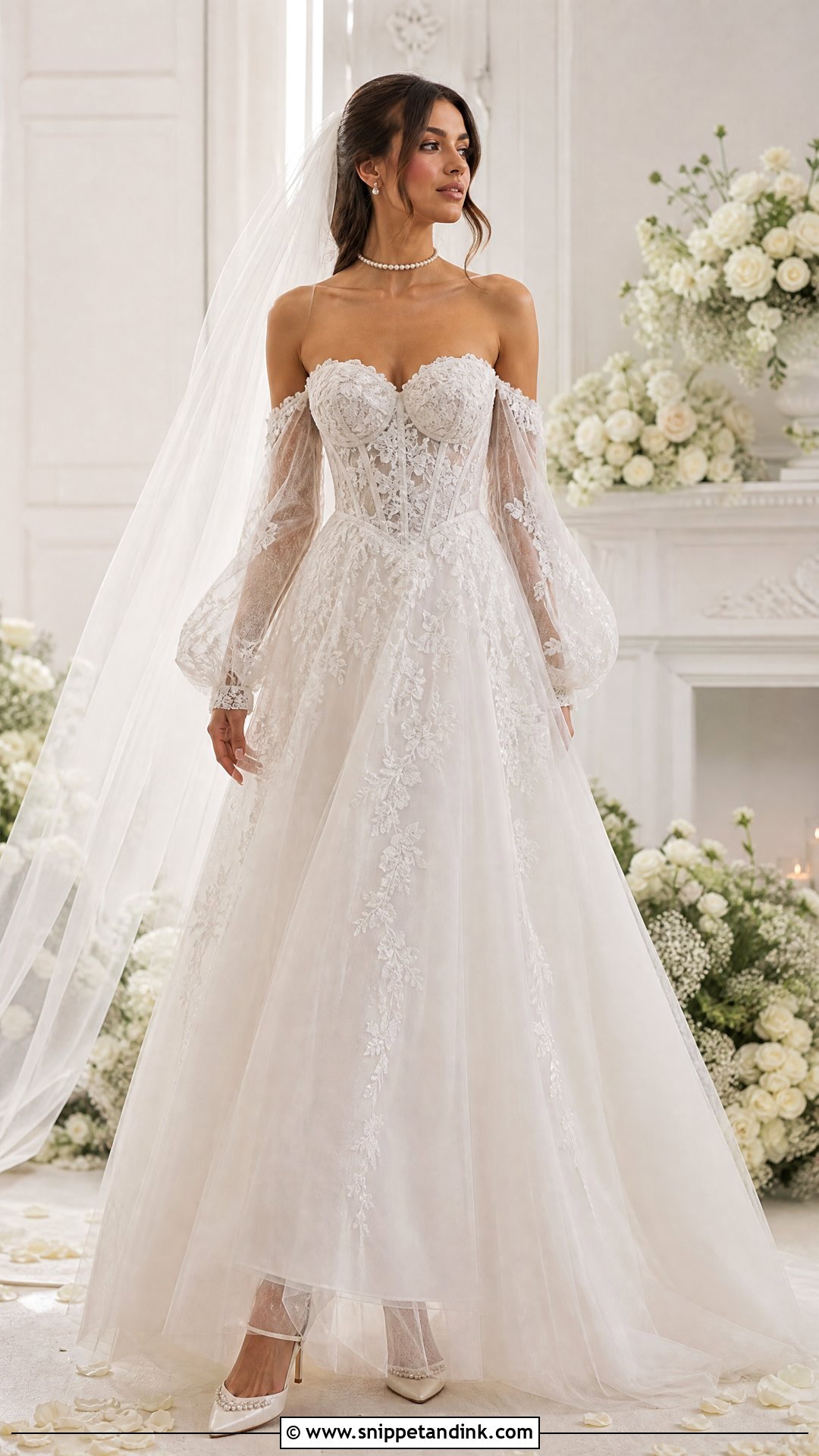
A corset bodice supports and shapes, and then the A-line skirt releases everything below the waist. Covered in lace, appliqué or sheer tulle, it looks soft rather than rigid. Exposed boning reads modern, but keeps the romance if the fabric is light. It pairs well with detachable sleeves, a long veil or a pearl choker, and it holds firm through dancing. Keep the skirt light to balance the structure on top. Sit in it at every fitting; boning that sits too low will dig into the hips during dinner.
10. Square Neck A-Line Wedding Dress
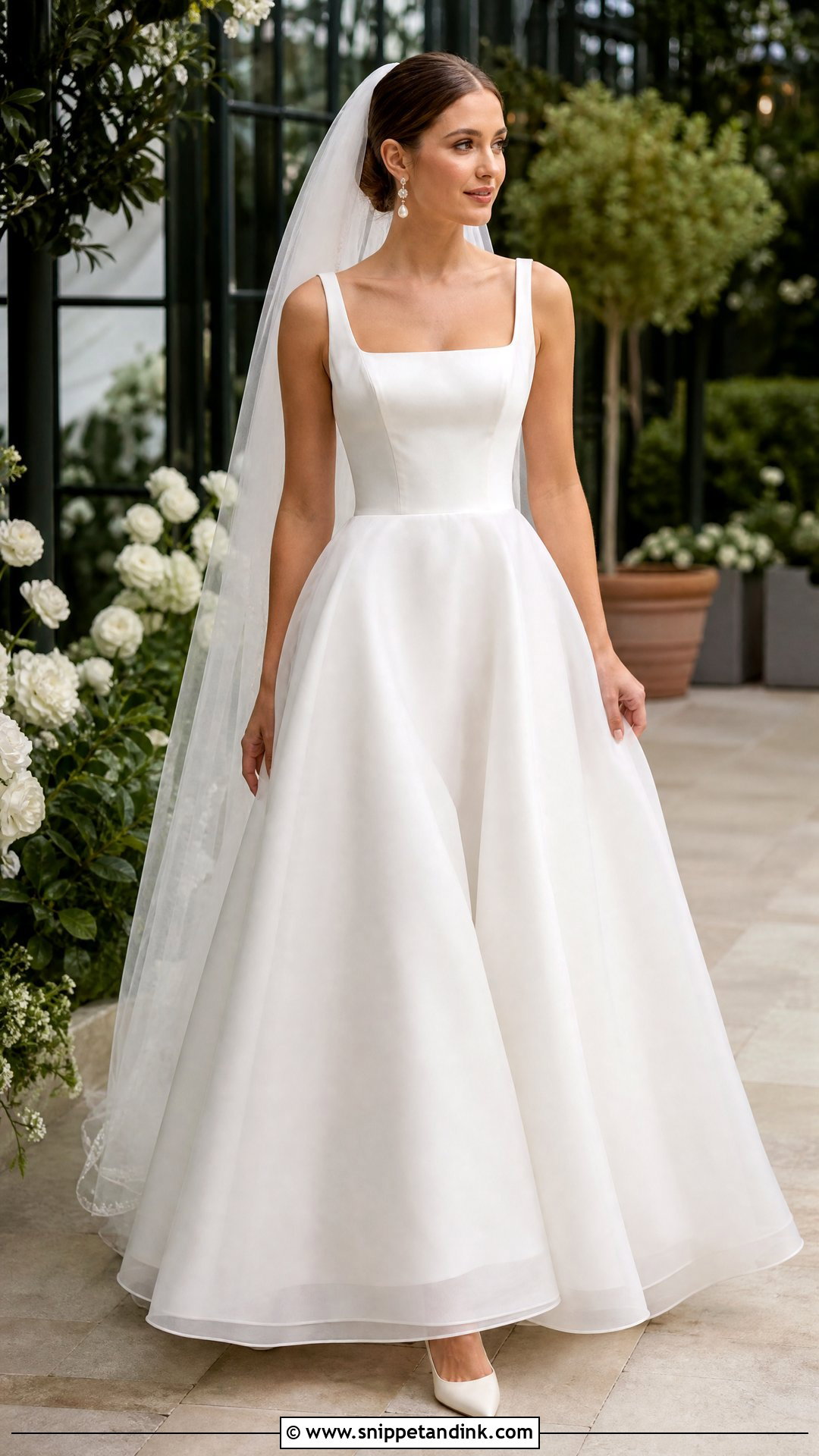
A square neck frames the face cleanly and stays tidy from every angle. It pairs with wide straps, lace sleeves or a smooth satin bodice, and suits heirloom-style jewelry, pearl drops or a fine pendant. A tulle, organza or satin skirt with soft pleats keeps it bridal. It’s the shape I pull when a bride asks for classic without fuss. The corners need to lie flat against the chest, so watch for any gaping when she leans forward.
11. V-Neck A-Line Wedding Dress
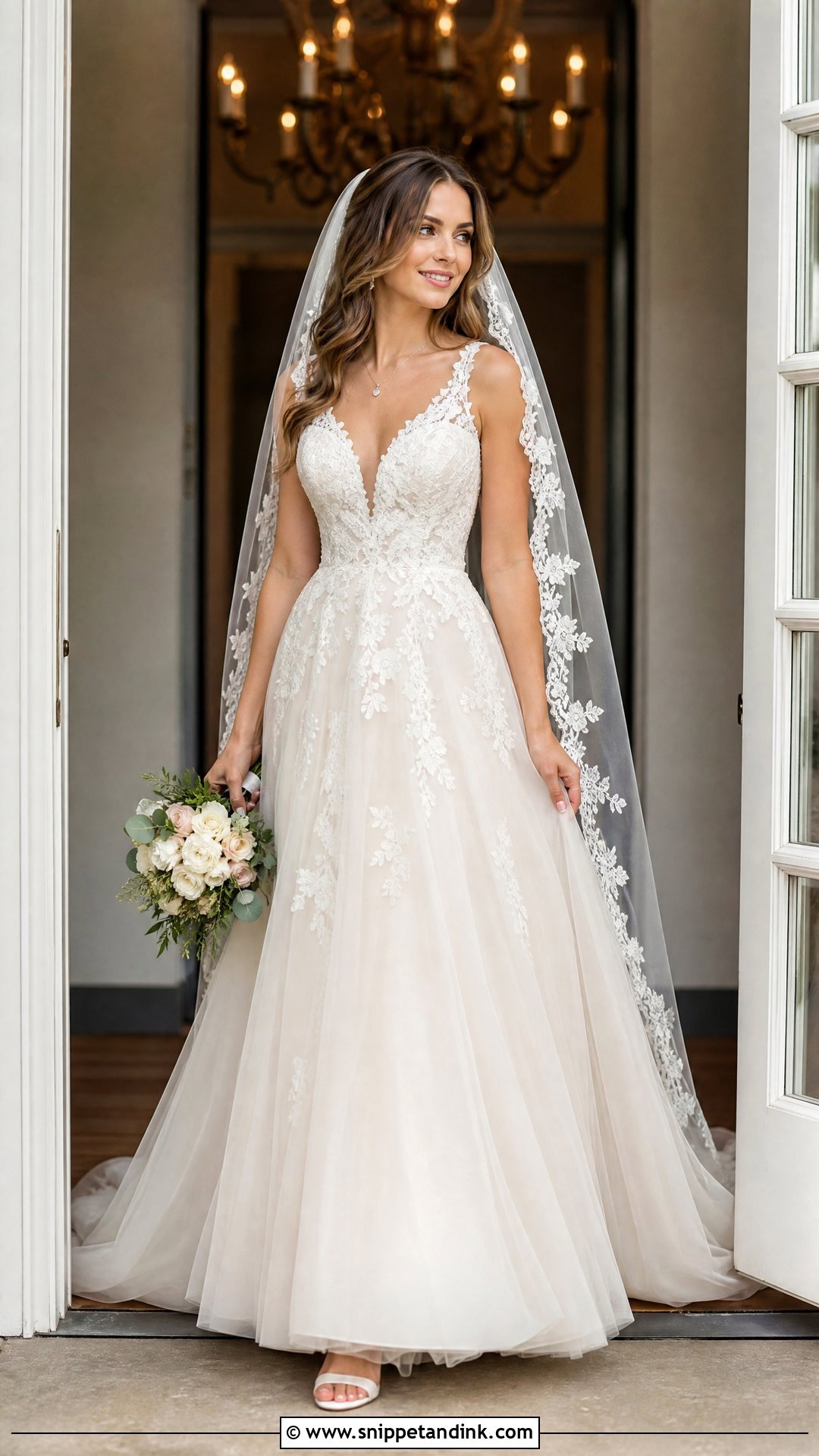
V-necks lengthen the neck and torso, which balances a full A-line skirt well. Lace straps, illusion mesh or appliqué soften the edges. A deep V looks glamorous; a modest V stays classic. A pendant necklace, soft curls and a lace-trimmed veil suit it, with simpler jewelry if the bodice is busy. For a deep plunge, ask about fashion tape and a hidden mesh panel, since without them the neckline shifts every time she moves her arms.
12. Illusion Bodice A-Line Wedding Dress
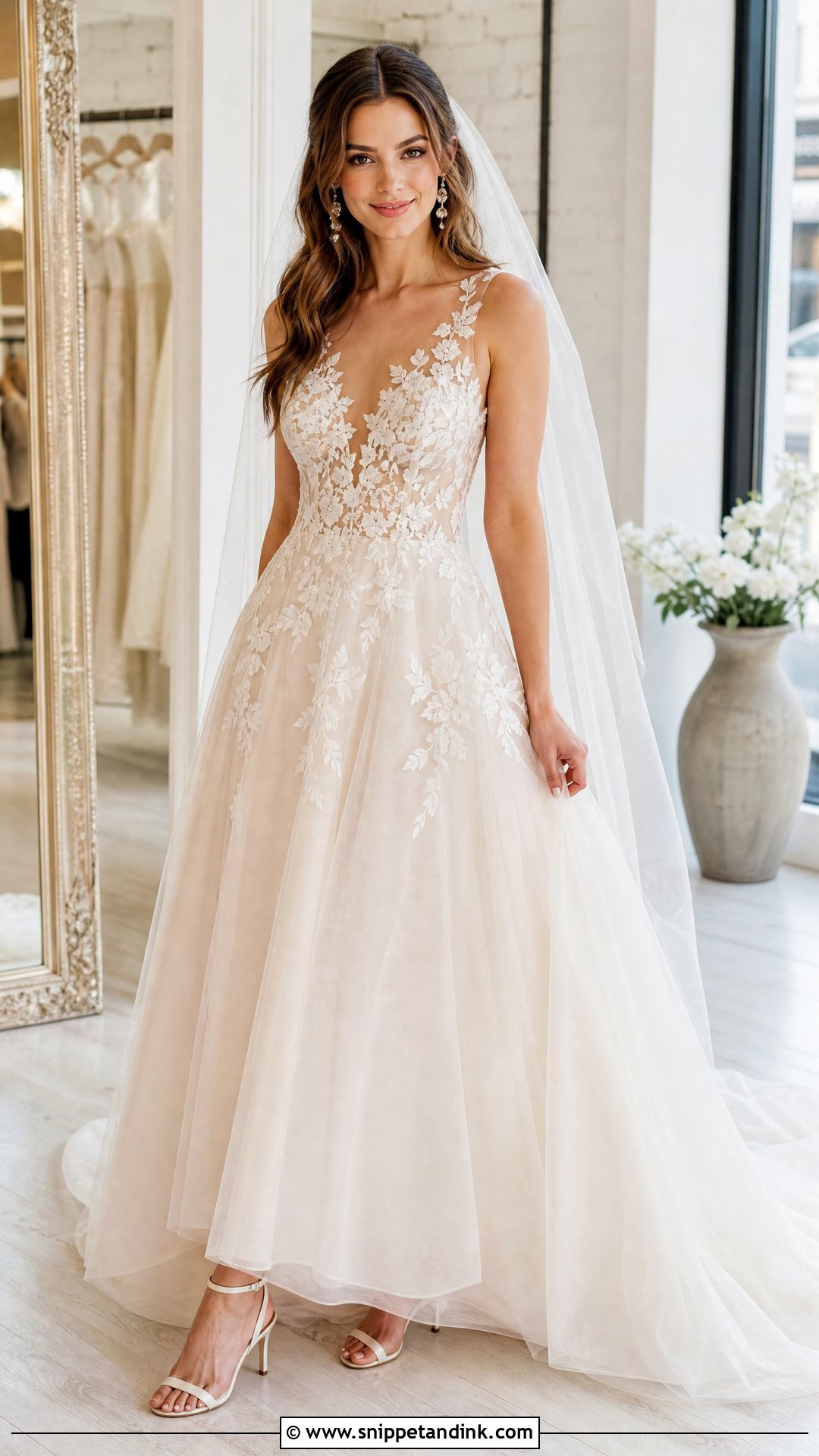
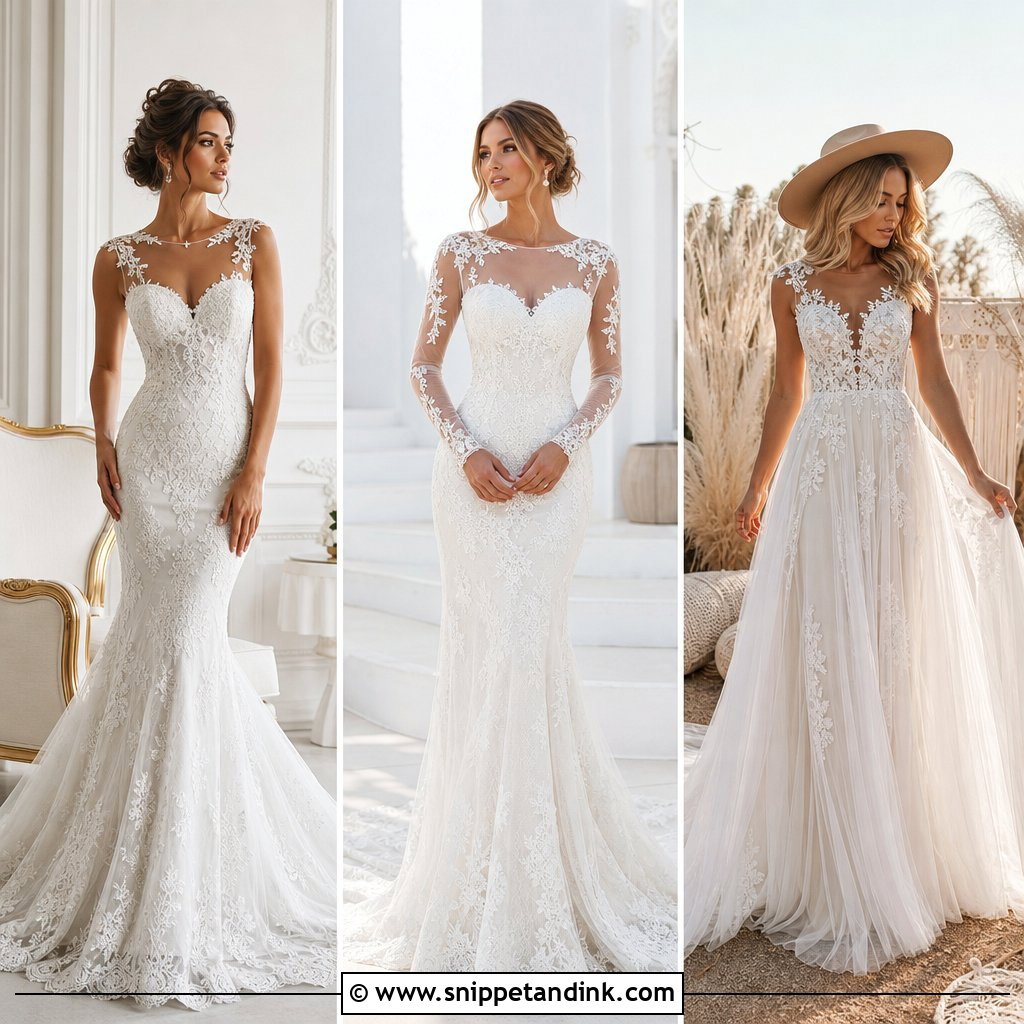
Illusion mesh lets lace, beads or appliqué look like they’re floating on skin. It works with high necks, plunges, long sleeves and open backs, and a lined front with illusion sleeves or shoulder panels adds coverage. A sheer veil and simple earrings let the bodice lead, and the A-line skirt keeps the detail from overwhelming her. Mesh comes in shades meant to match skin tones; ask the salon which ones they carry, since the wrong shade makes the illusion obvious in photos.
13. Beaded A-Line Wedding Dress
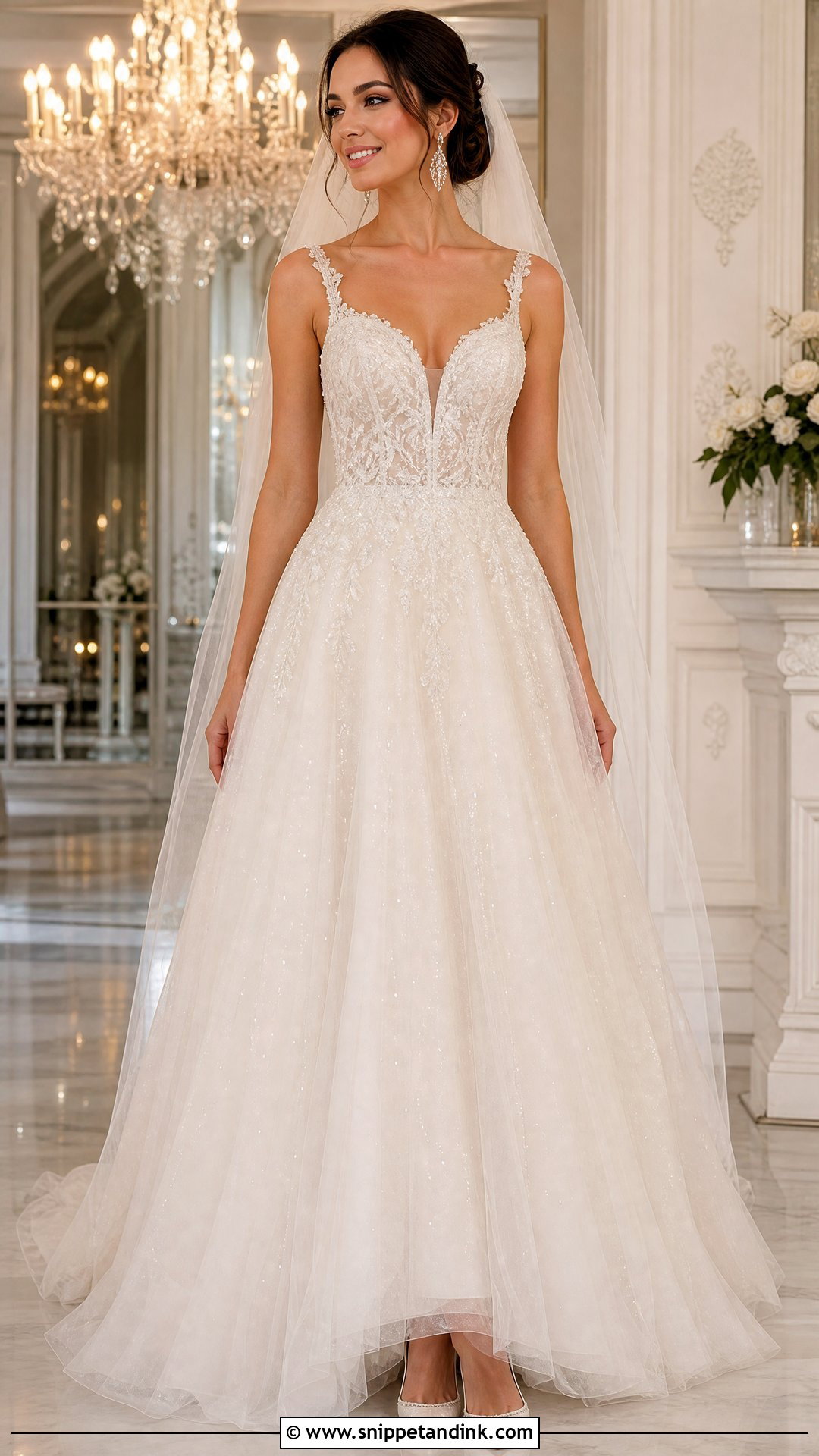
Beading adds a soft sparkle that catches candlelight. For romance, I prefer beading over lace or tulle rather than shine from top to bottom; a beaded bodice with a plain tulle skirt is balanced and lighter to wear. If she wants drama, beading that fades down the skirt like scattered stars works. Small crystal earrings, a soft veil and plain heels suit it. Beadwork is heavy and can snag a veil, so I check how the veil edge sits against the bodice before the final fitting.
14. Simple A-Line Wedding Dress
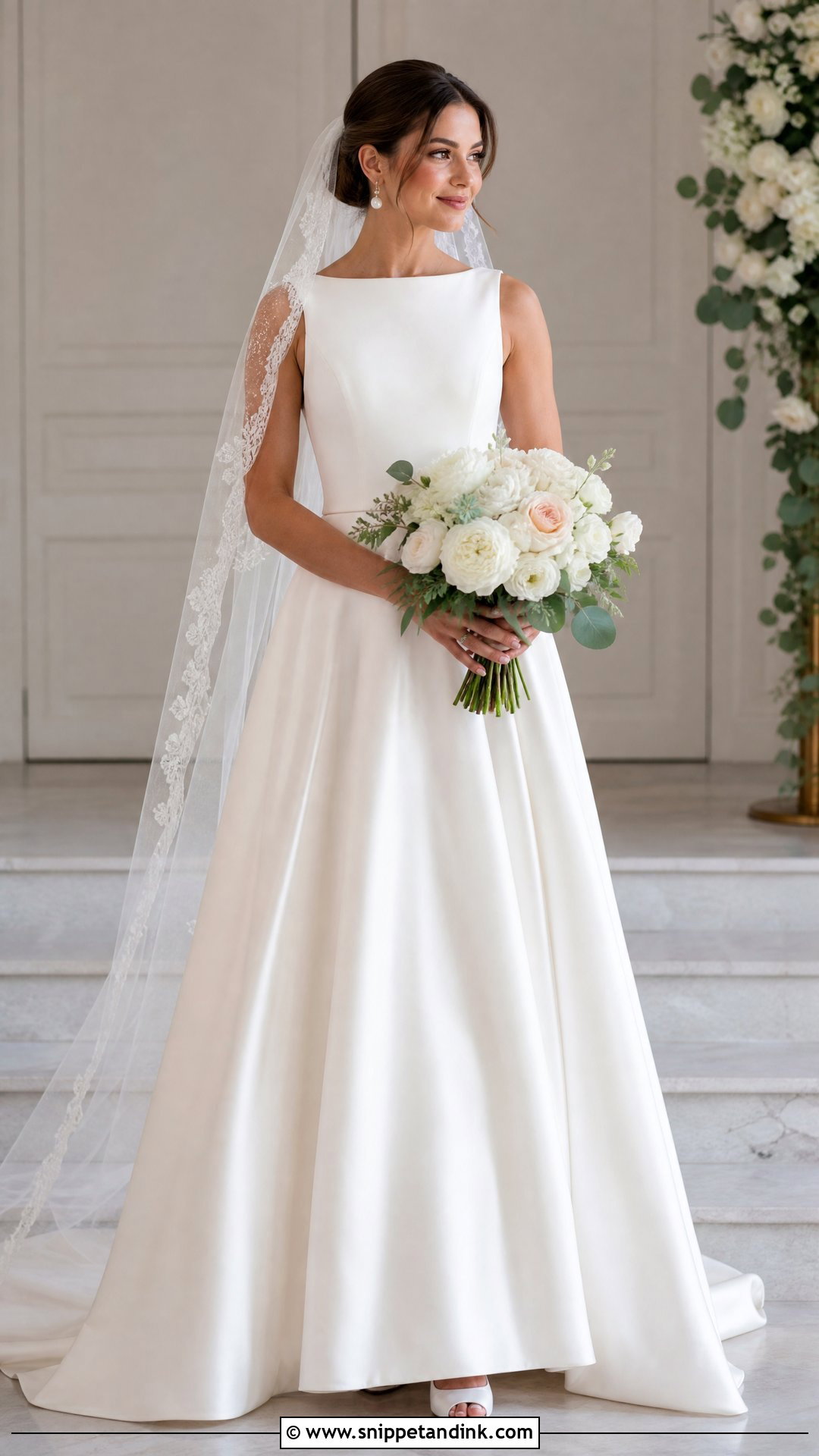
A plain A-line relies on cut and fabric, and when both are right it’s very elegant. Satin, crepe and mikado hold their shape best. A scoop neckline, square neck or strapless bodice keeps it classic, and the romance comes from styling: a lace veil, pearls, a soft bouquet or gloves. Plain gowns are also the easiest to alter. With no lace or beading to work around, a seamstress can adjust the fit more freely.



15. Boho A-Line Wedding Dress
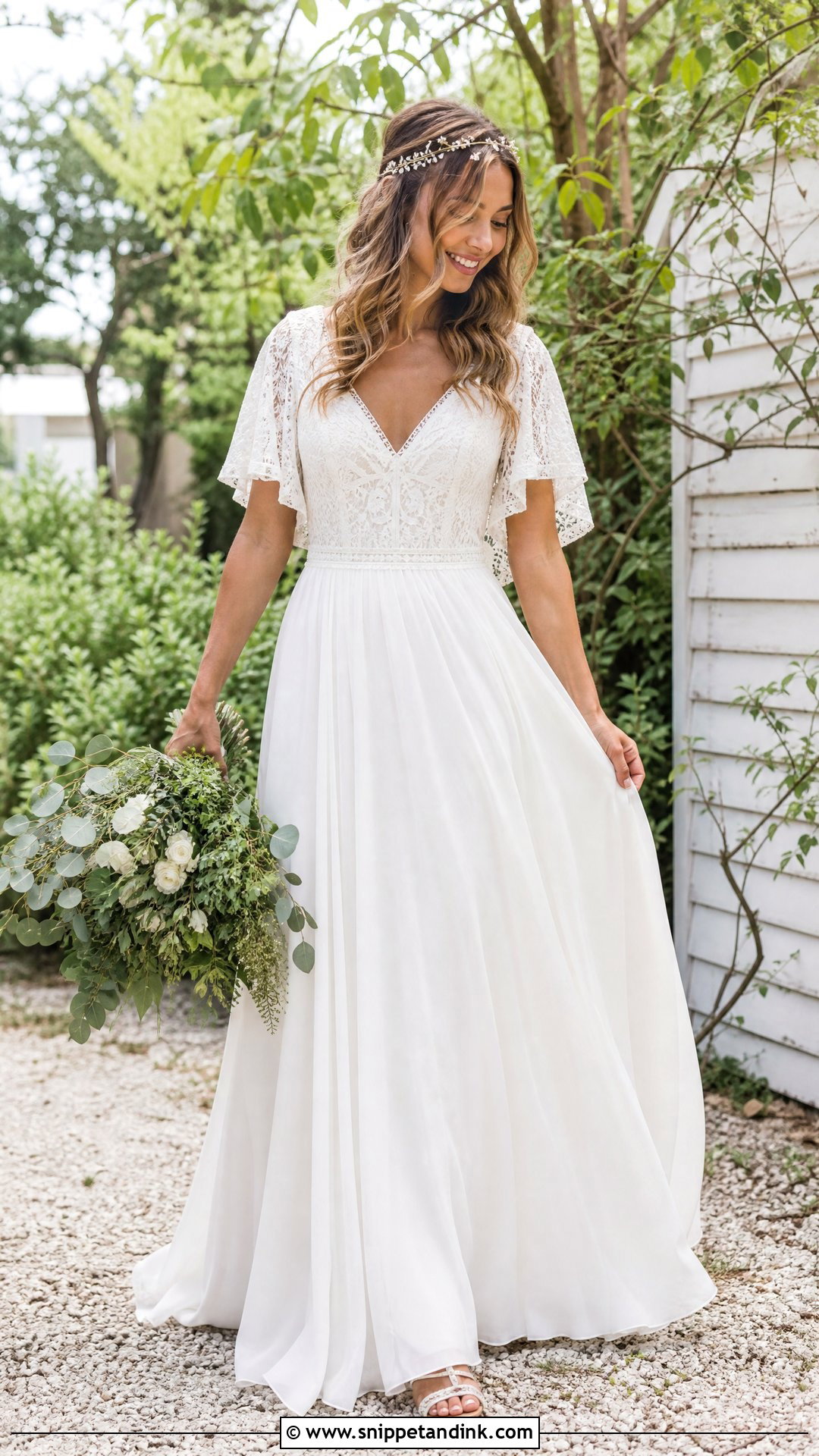
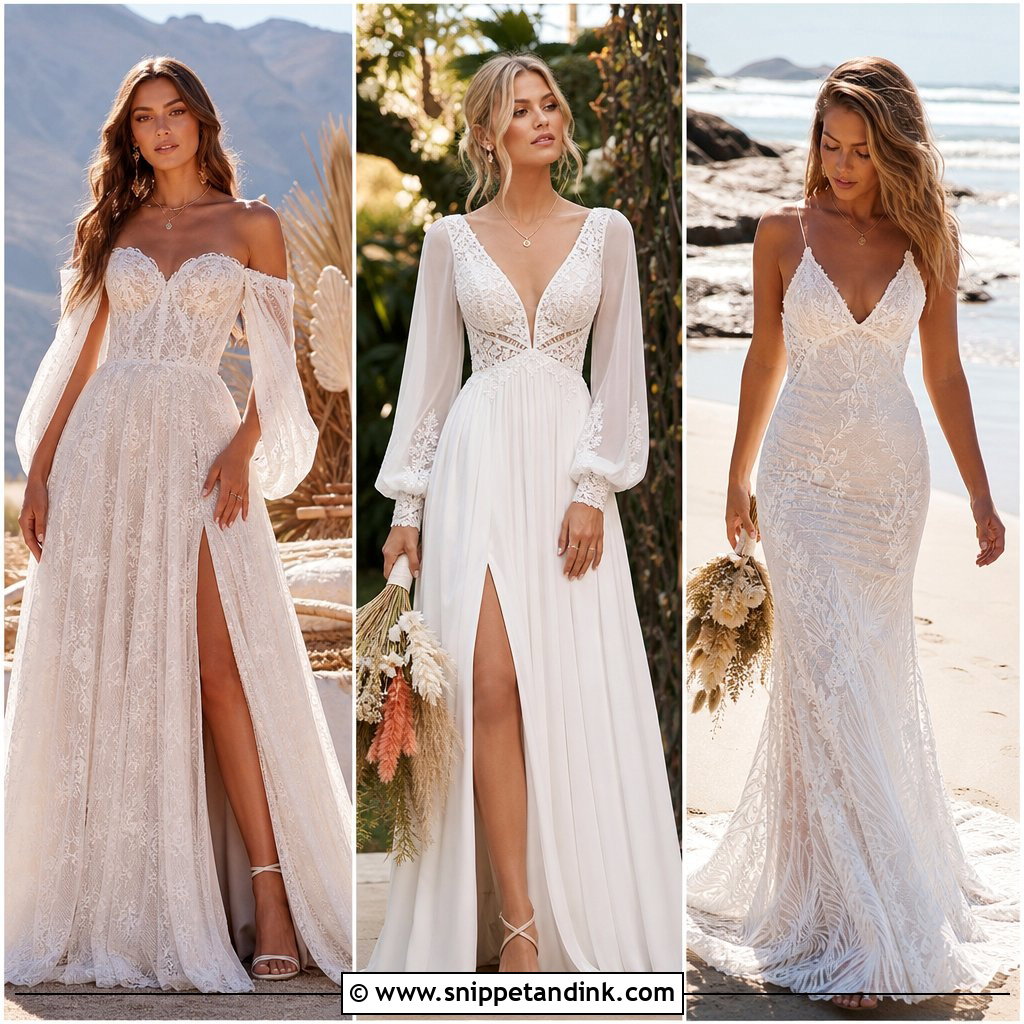
Boho A-lines need a skirt that moves, so I look for soft lace, flowing chiffon, light embroidery or flutter sleeves, never a stiff shape. A low back, lace trim or short train adds interest without making it formal. Loose waves, delicate hair vines, block heels or flat sandals and a bouquet of greenery and wildflower-style blooms suit gardens, barns, deserts and beaches. Flat sandals change the hem length a lot, so have the hem done in the shoes she’ll actually wear.
16. Vintage A-Line Wedding Dress
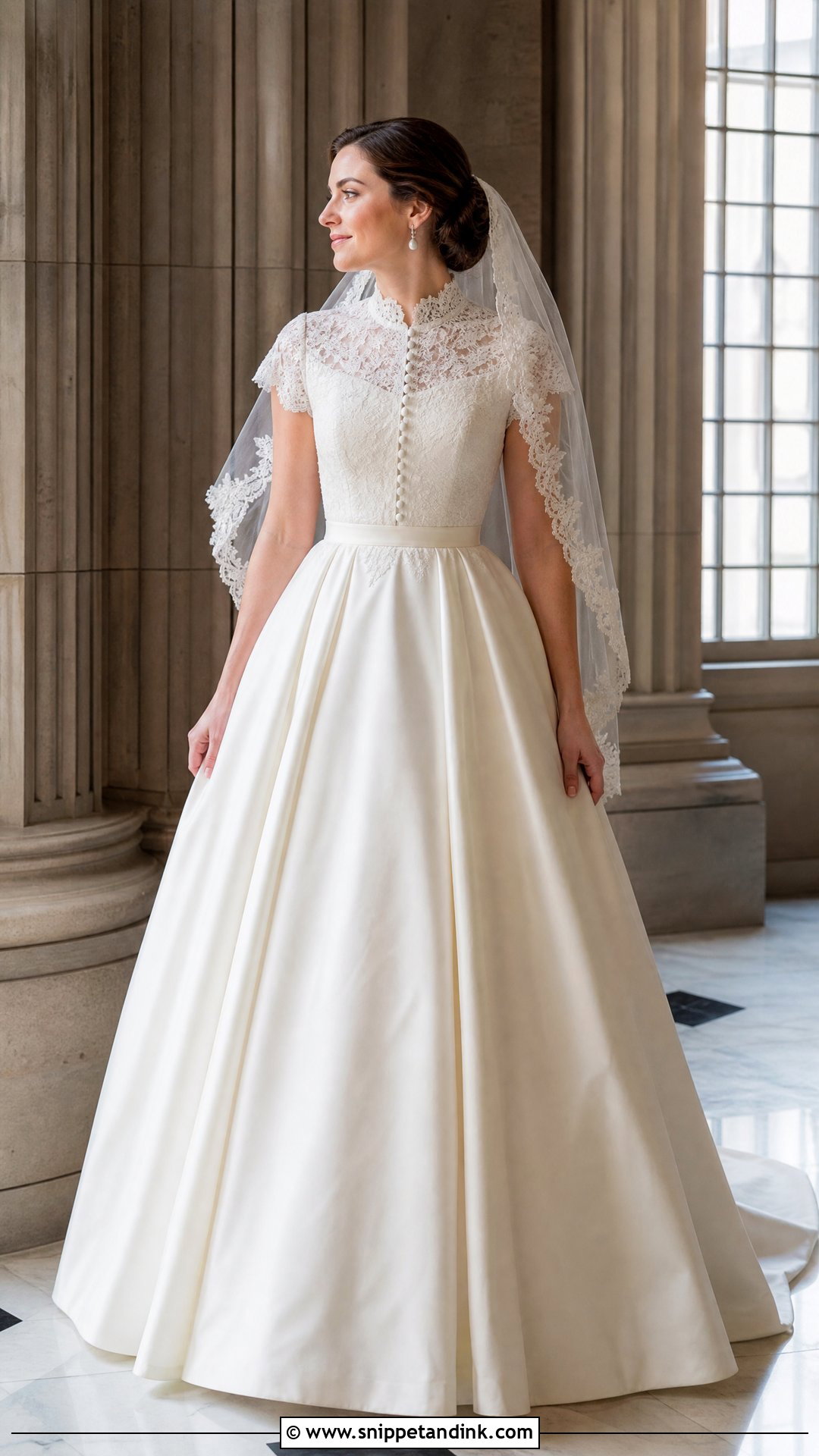
Vintage details are what give a gown an heirloom feeling: high necks, lace sleeves, covered buttons, scalloped edges. A full-length lace A-line is the classic route; a satin gown with vintage accessories is a softer nod to the past. A birdcage or lace-trimmed veil, pearl earrings and soft makeup with a classic bun or brushed waves suit historic venues and small ceremonies. Covered buttons down the back look lovely and take a long time to fasten, so give the helper a crochet hook or a button loop tool.
17. Strapless A-Line Wedding Dress
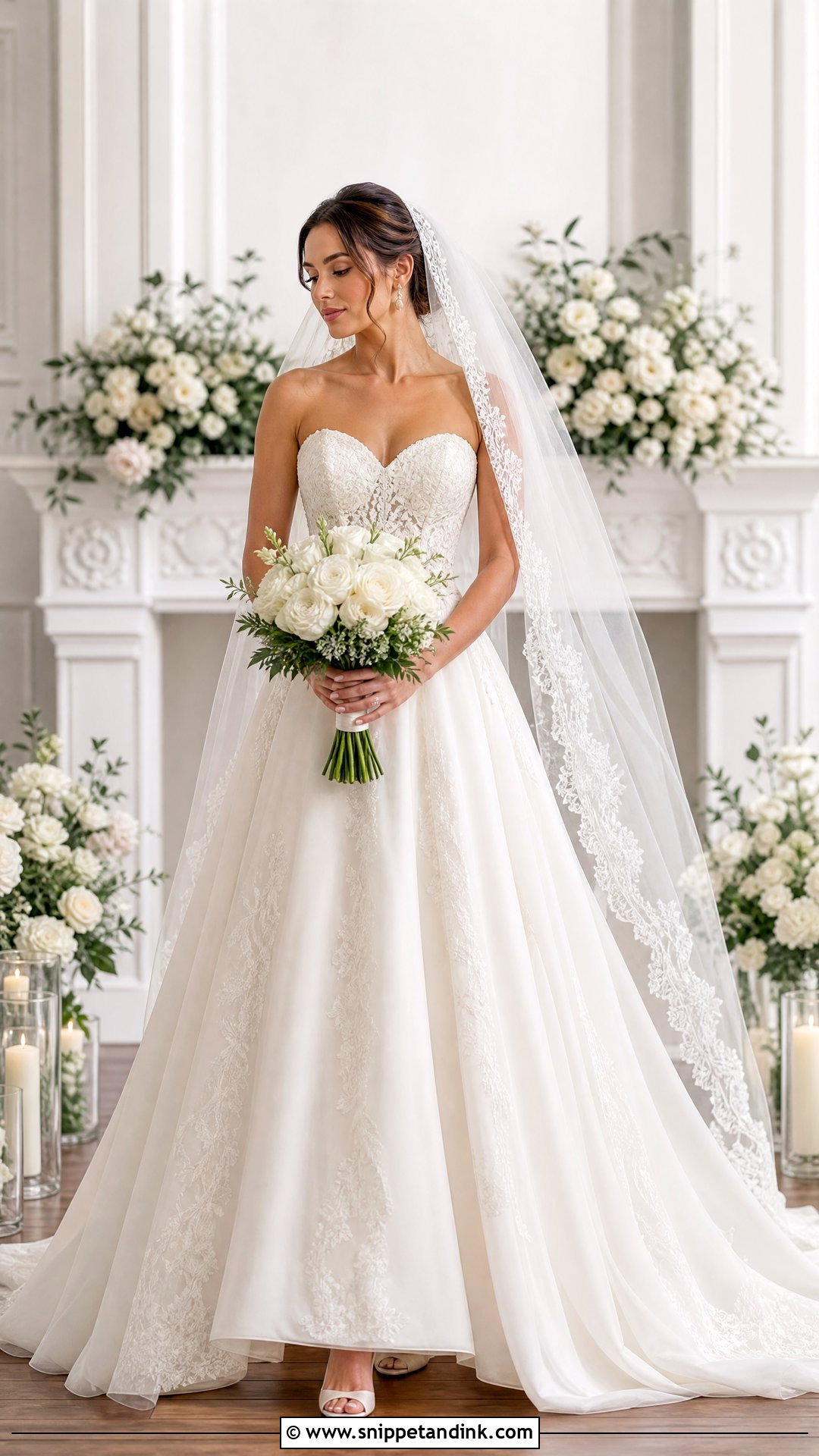
Strapless bodices open up the neck and shoulders for jewelry, a veil and soft hair. A sweetheart shape, lace overlay or draped satin makes it romantic, and the A-line skirt lets her move. Detachable sleeves for the ceremony give two looks in one day. A statement veil, pearl drops and a structured bouquet suit it. Strapless gowns stay up because of boning and a snug waist, not the bust, so if she’s tugging at the top during the fitting, the waist needs taking in.
18. Organza A-Line Wedding Dress
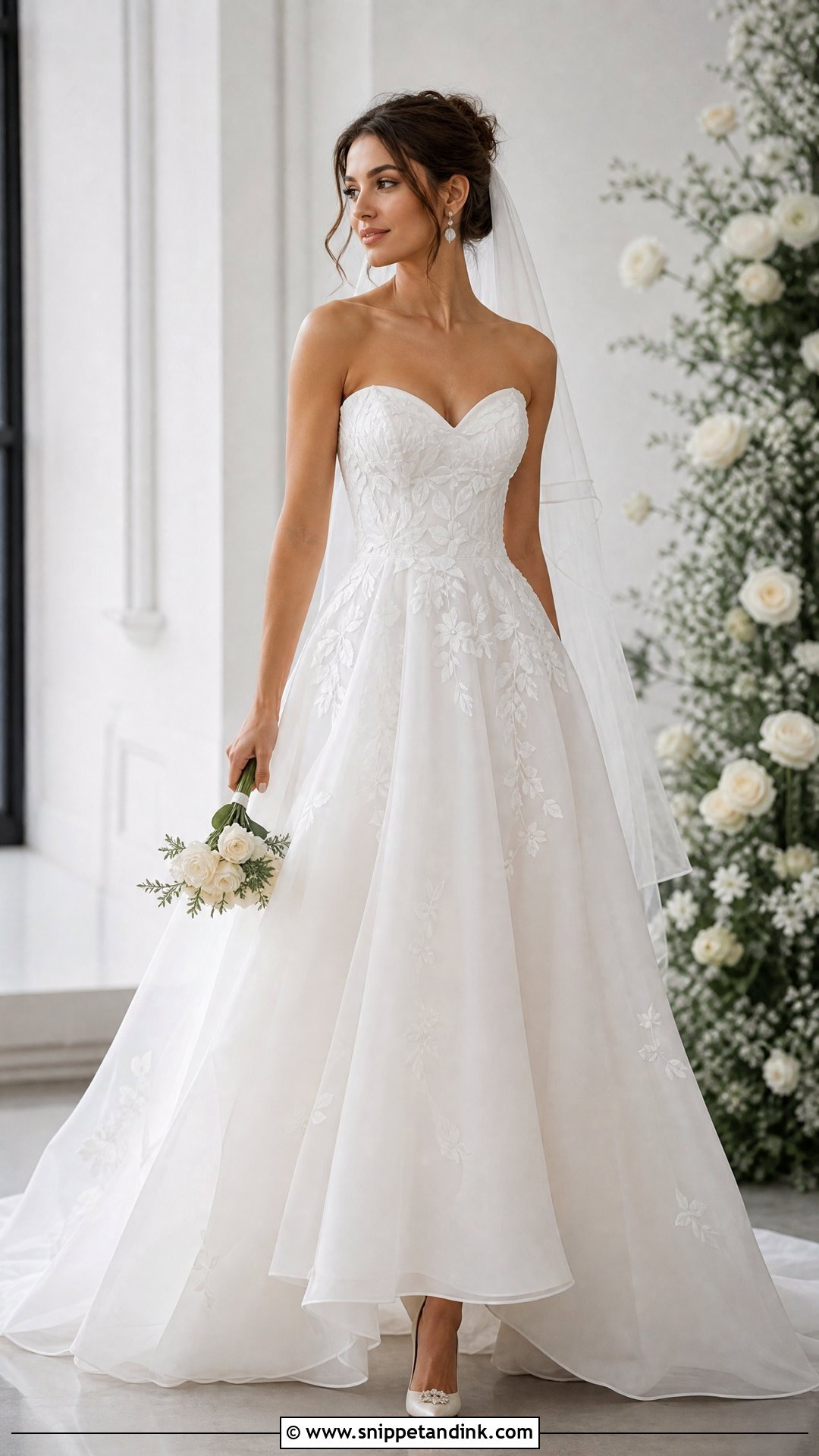
Organza is crisper than tulle, holding gentle volume while still looking airy. It suits floral appliqué, pleated bodices, ruffled hems and layered details. A plain bodice over an organza skirt feels modern; lace over organza looks classic. Sleek earrings, a clean veil and elegant heels suit it. Organza creases sharply, especially where she sits, so I suggest steaming on the morning of the wedding rather than the week before. In bright rooms, it catches light softly.
19. Open Back A-Line Wedding Dress
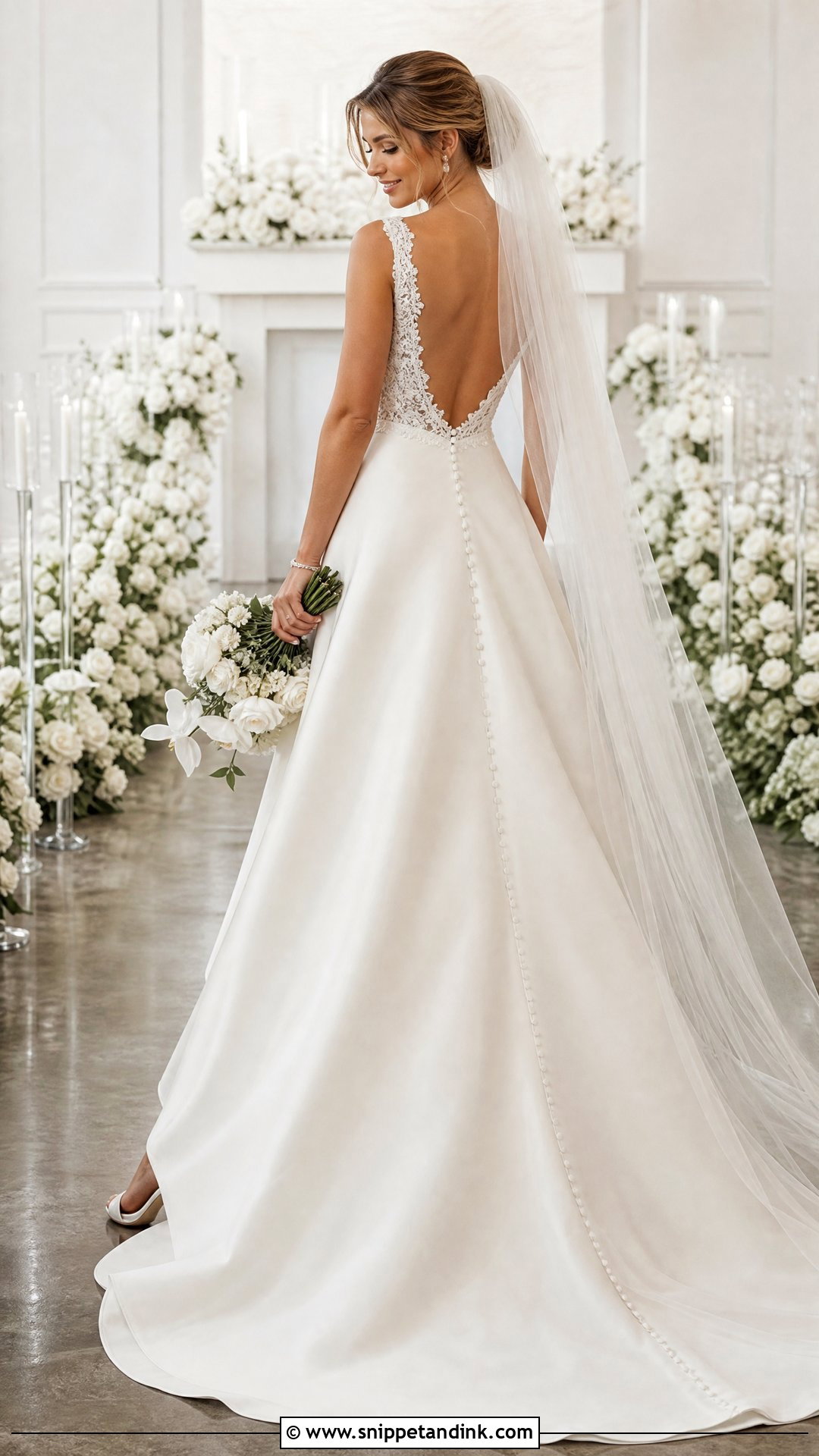
Open backs let the gown stay modest in front and surprise from behind. Lace edging, covered buttons, illusion mesh or a soft bow at the waist finish it. A deep open back needs strong internal support, so I always ask what she’ll wear underneath before choosing the depth. Hair up or swept to one side keeps the back on show, and a long veil can come off after the ceremony. It’s the gown for walking-away aisle photos.

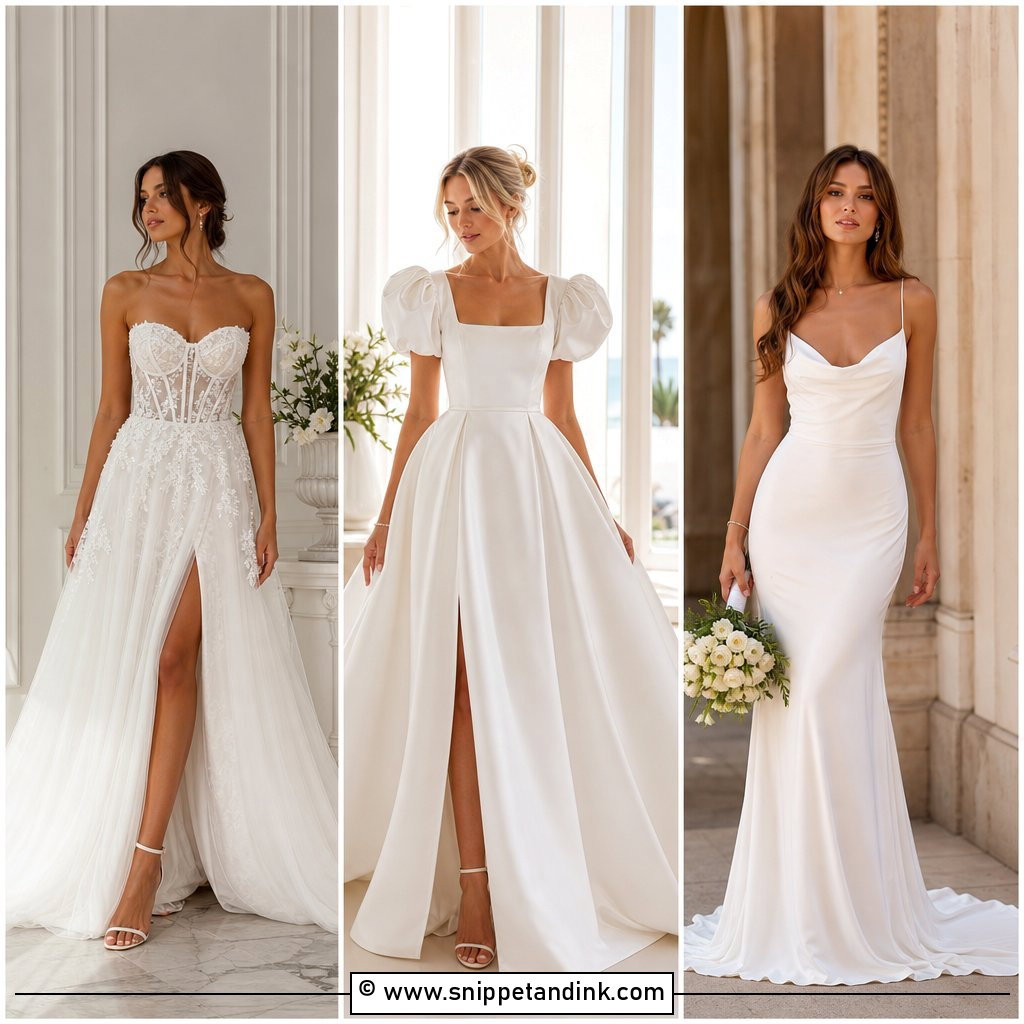

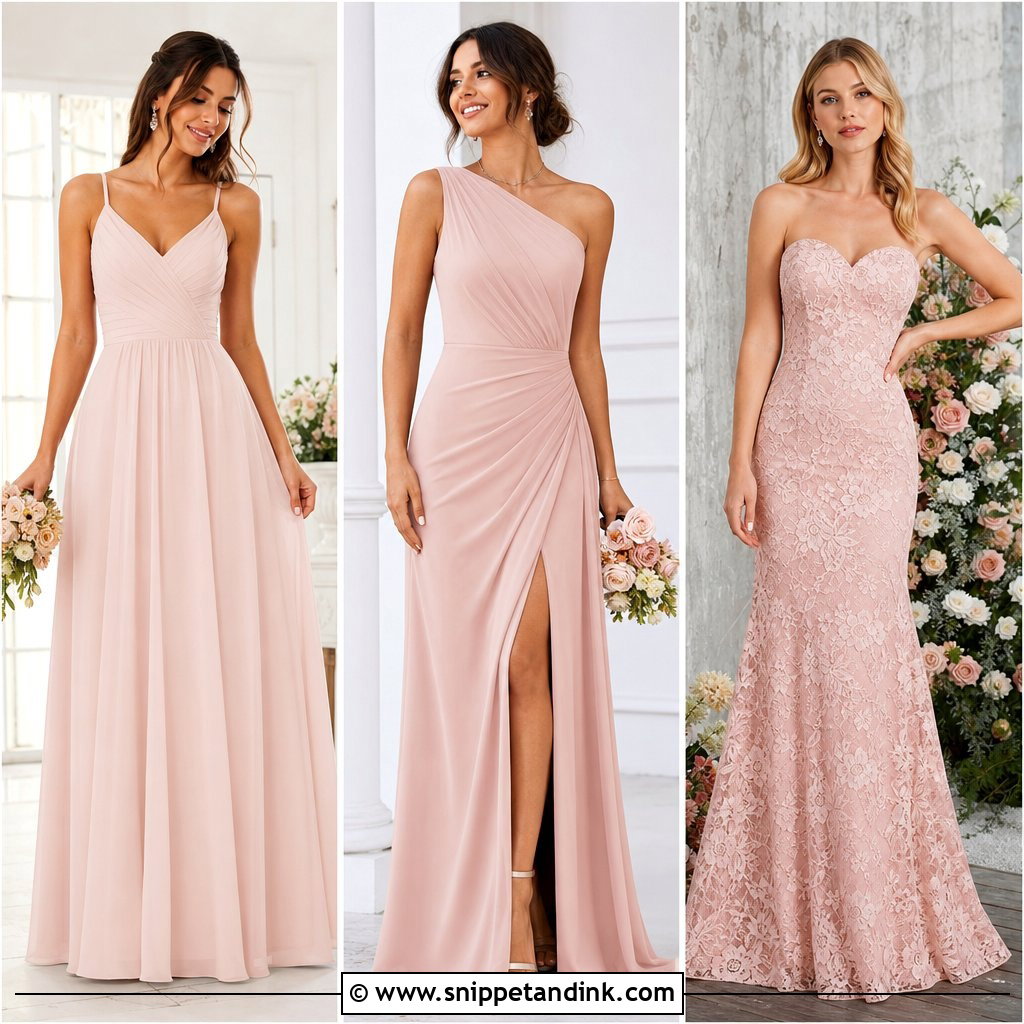
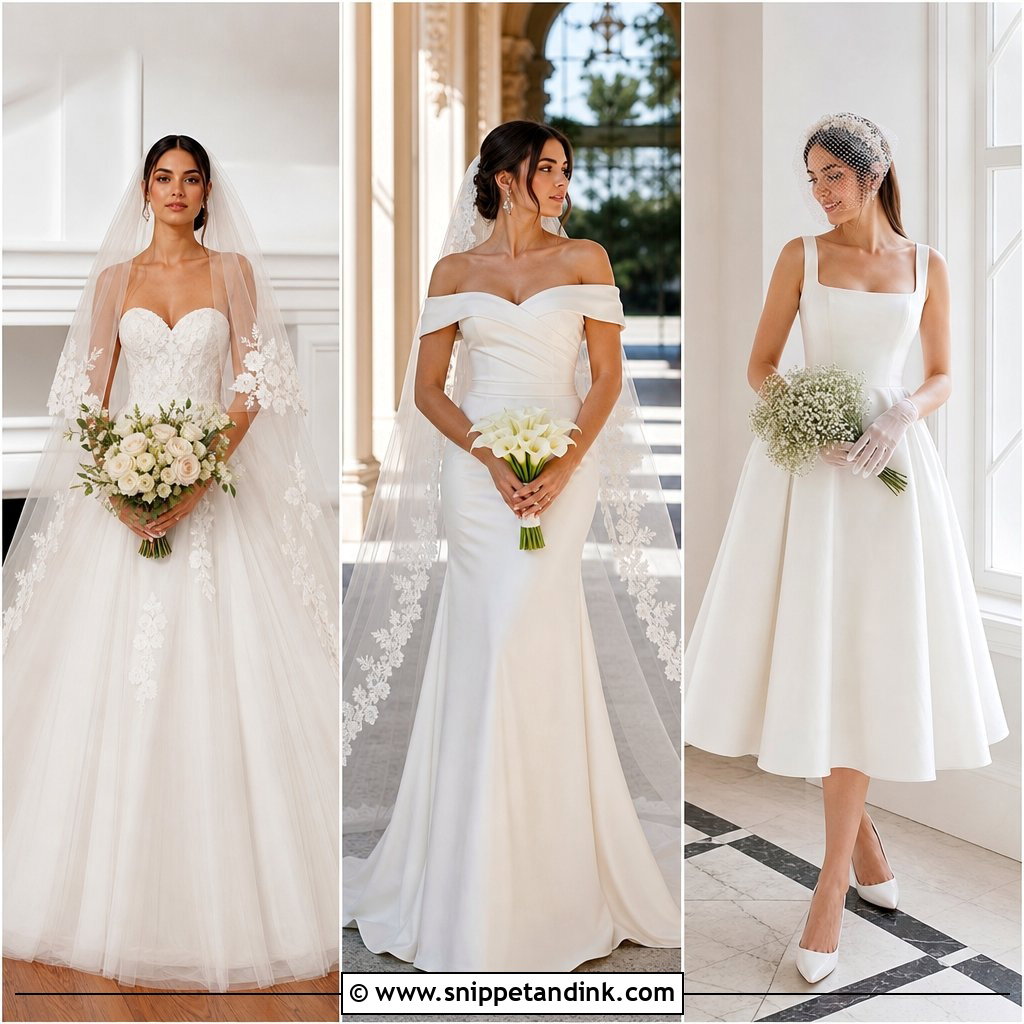
20. Cap Sleeve A-Line Wedding Dress
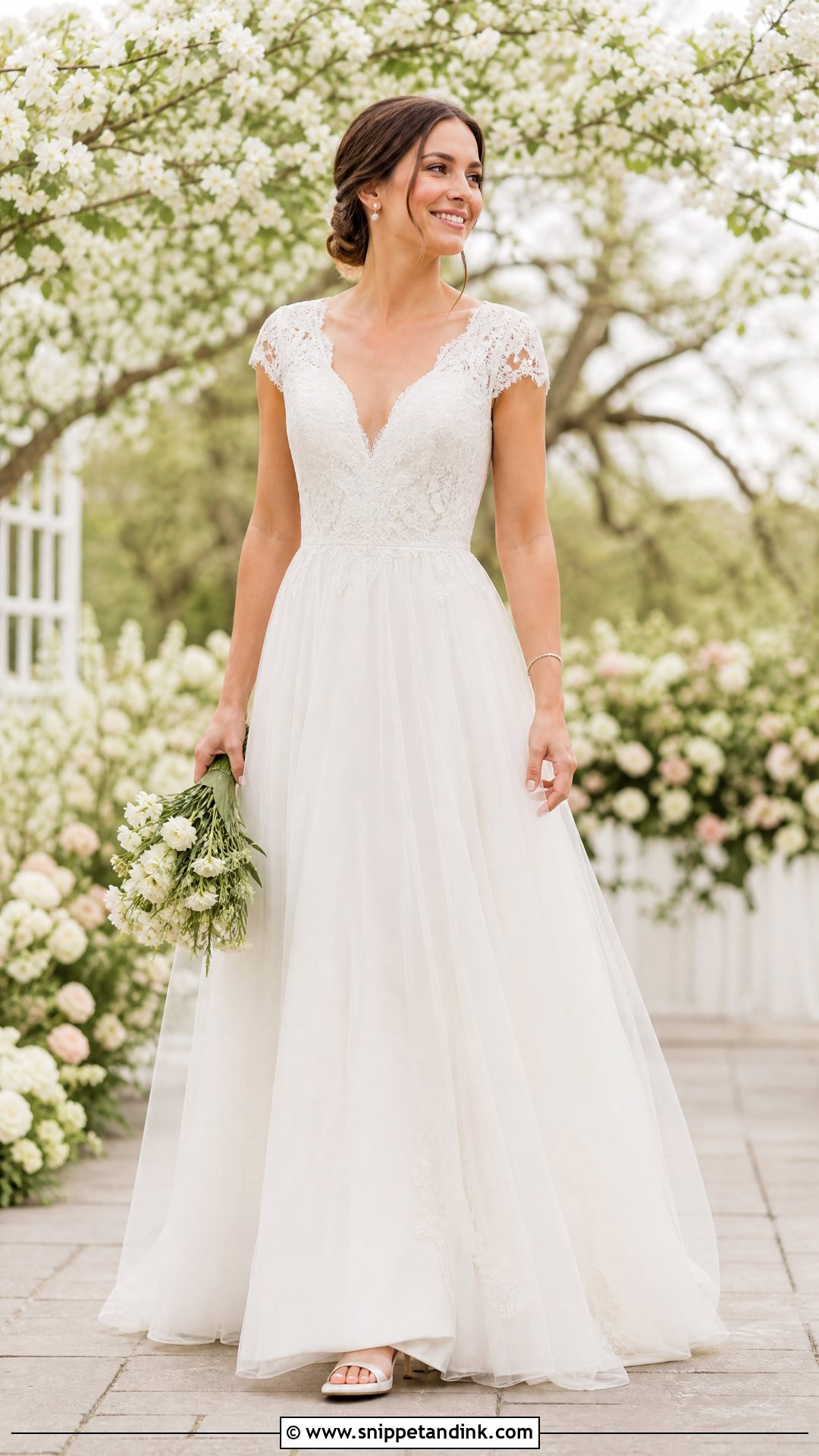
Cap sleeves give light shoulder coverage without weight. Lace cap sleeves frame the neckline and upper arms delicately. They pair with V-necks, illusion necklines or scoop necks, and a tulle skirt keeps it dreamy while satin keeps it classic. Pearl studs, a thin bracelet and ivory heels suit it, especially for spring and daytime gardens. Cap sleeves that are cut too tight press into the arm and leave marks; there should be enough room to slide a finger under the edge.
21. High Neck A-Line Wedding Dress
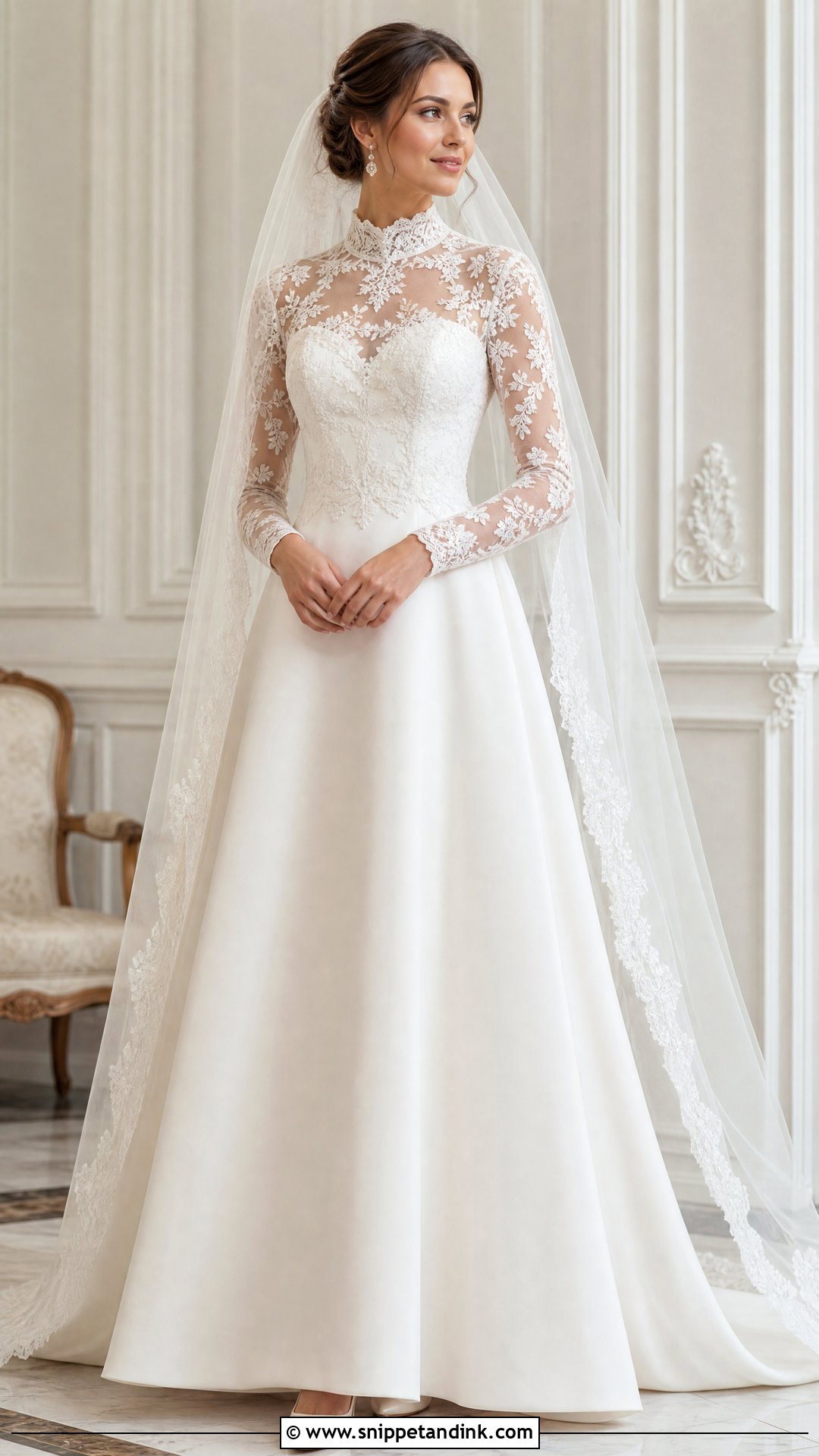
High necks feel graceful when they’re made in lace, illusion mesh or fine embroidery; in solid fabric they can look severe. A fitted bodice and flowing skirt balance the coverage, especially with a defined waist. An updo shows the neckline best, and earrings, pearls or small crystal drops, take the place of a necklace. A long veil adds movement. If the neck closes with tiny buttons or a hook at the back, the bride needs to be able to turn her head freely, so fit it with her looking over each shoulder.
22. Blush A-Line Wedding Dress
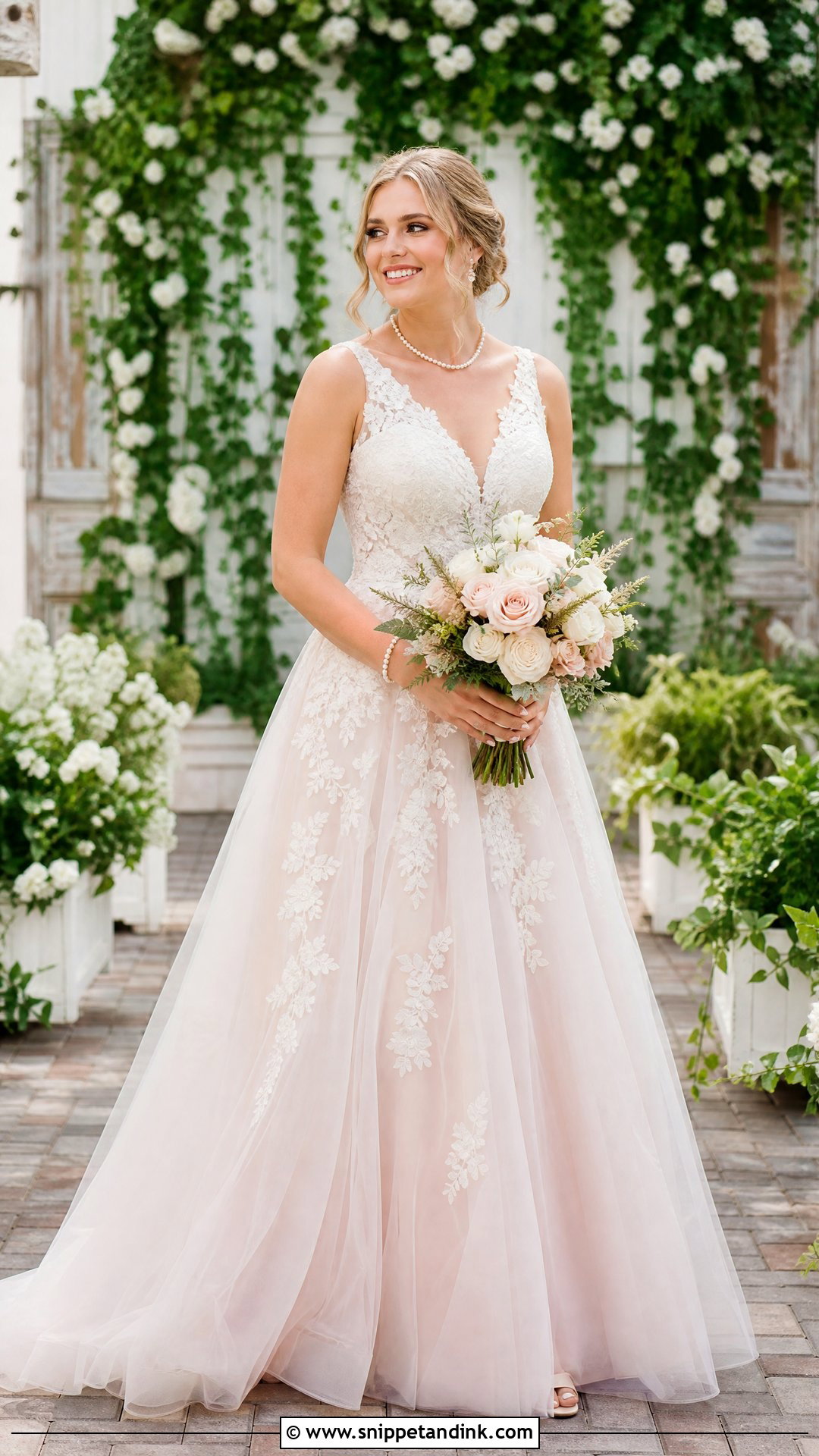
Blush adds warmth without leaving bridal territory, and it gives lace, tulle and appliqué more depth because the color shows through. A blush lining under ivory lace is subtle; a fully blush gown is more noticeable. Neutral heels, rose-toned makeup and gold or pearl jewelry suit it, with ivory, mauve and pale pink flowers. Blush varies between makers, from peach to almost lilac, so hold the fabric next to her skin in daylight. It looks best in gardens, spring weddings and warm indoor light.
23. Detachable Sleeve A-Line Wedding Dress
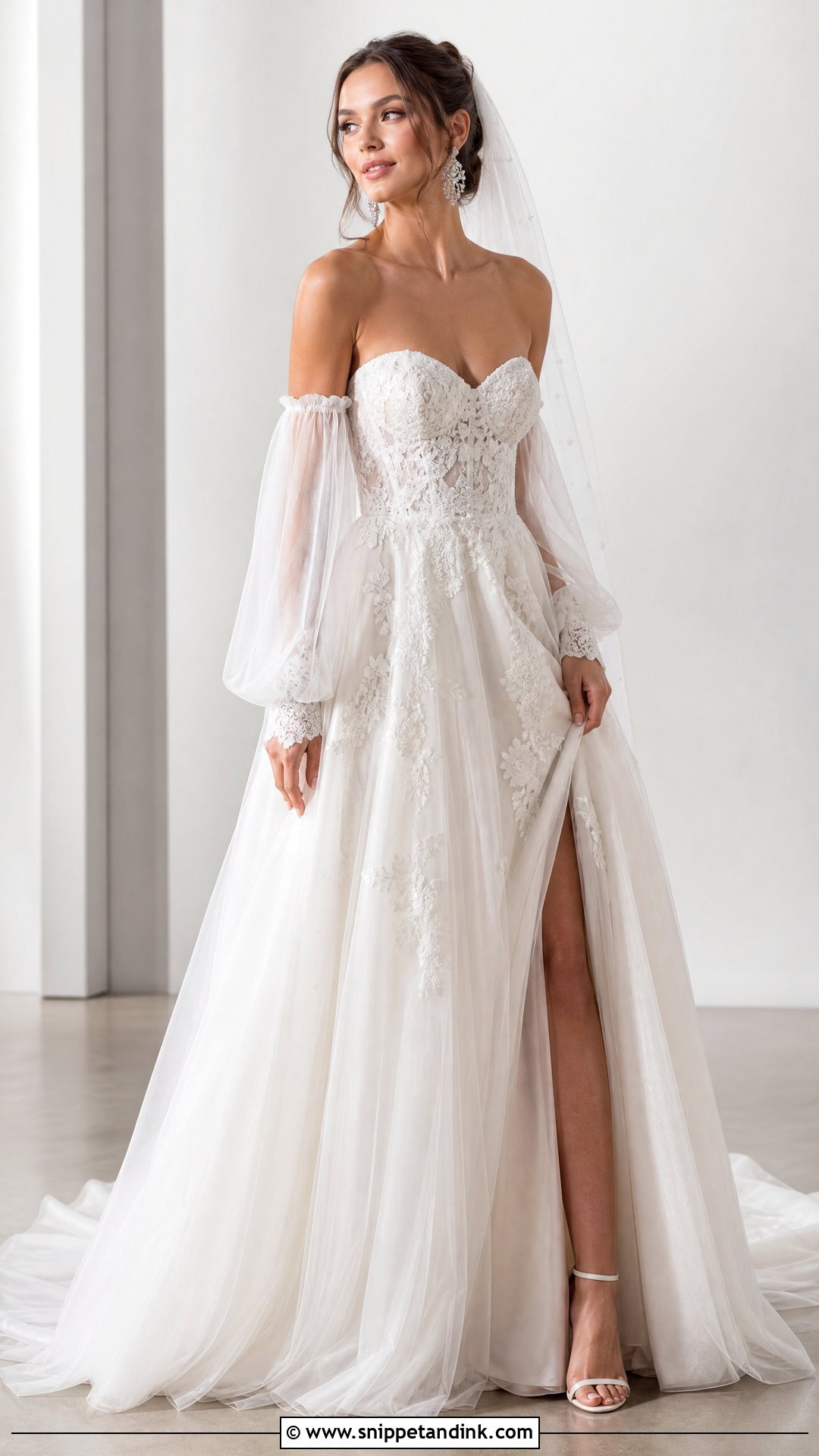
Detachable sleeves give two looks for the price of one gown. Sleeves on for the ceremony, off for the reception. Off-shoulder tulle sleeves look soft, lace long sleeves look classic, and puff sleeves feel modern with a simple skirt. They pair best with strapless or spaghetti strap A-line gowns. A veil completes the ceremony look; statement earrings or a new hairstyle change the reception one. Make sure the sleeves are fitted with the gown, not separately, so the two pieces meet without a gap.
24. Bow Back A-Line Wedding Dress
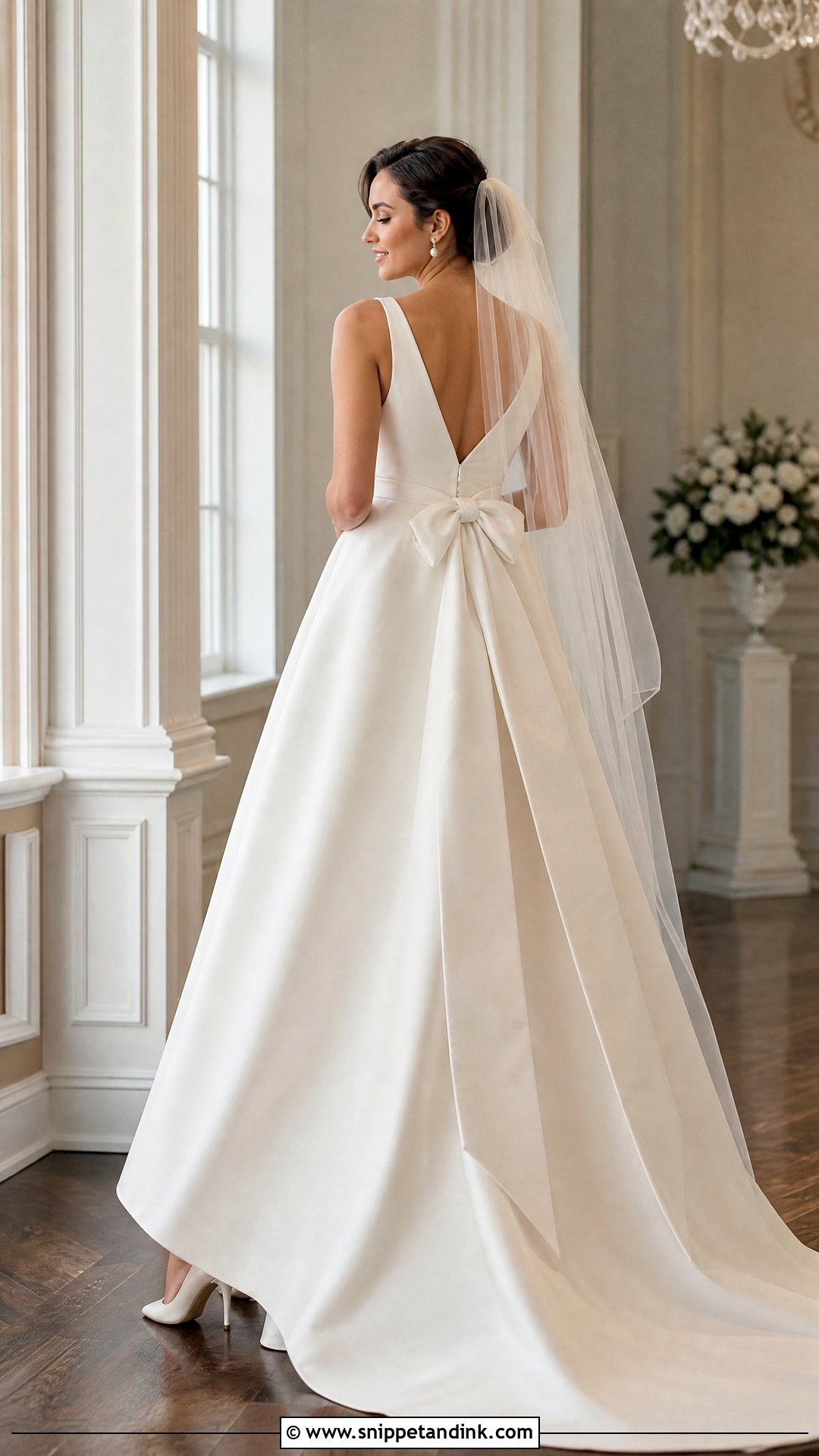
A bow at the back gives a sweet detail without beading. It can sit at the waist, trail into ribbons or attach to a detachable overskirt. Satin bows look polished; tulle bows feel lighter. It suits plain satin gowns, lace bodices and clean mikado dresses. Keep the front balanced, wear hair up or half-up and choose simple earrings and a clean veil. Large satin bows crush when she sits for long, so a few minutes of fluffing before portraits is worth it.

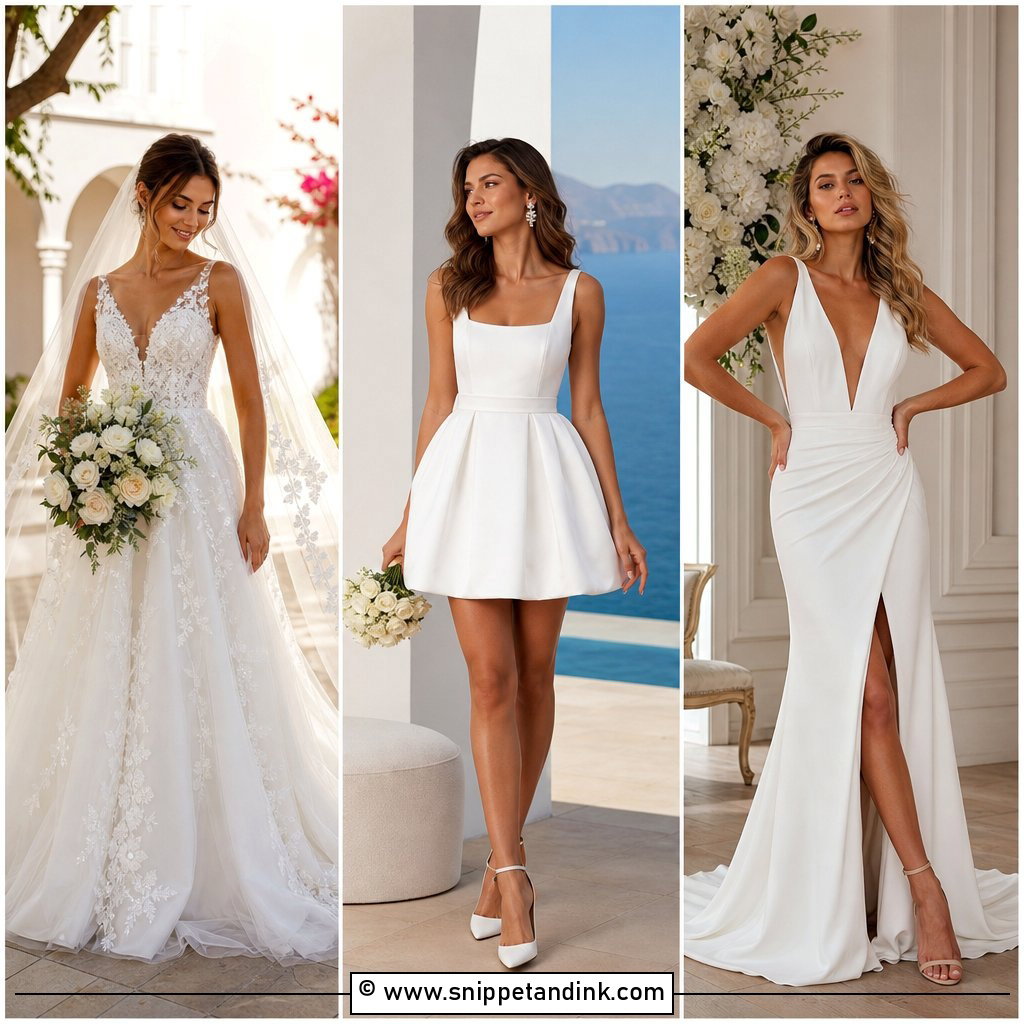

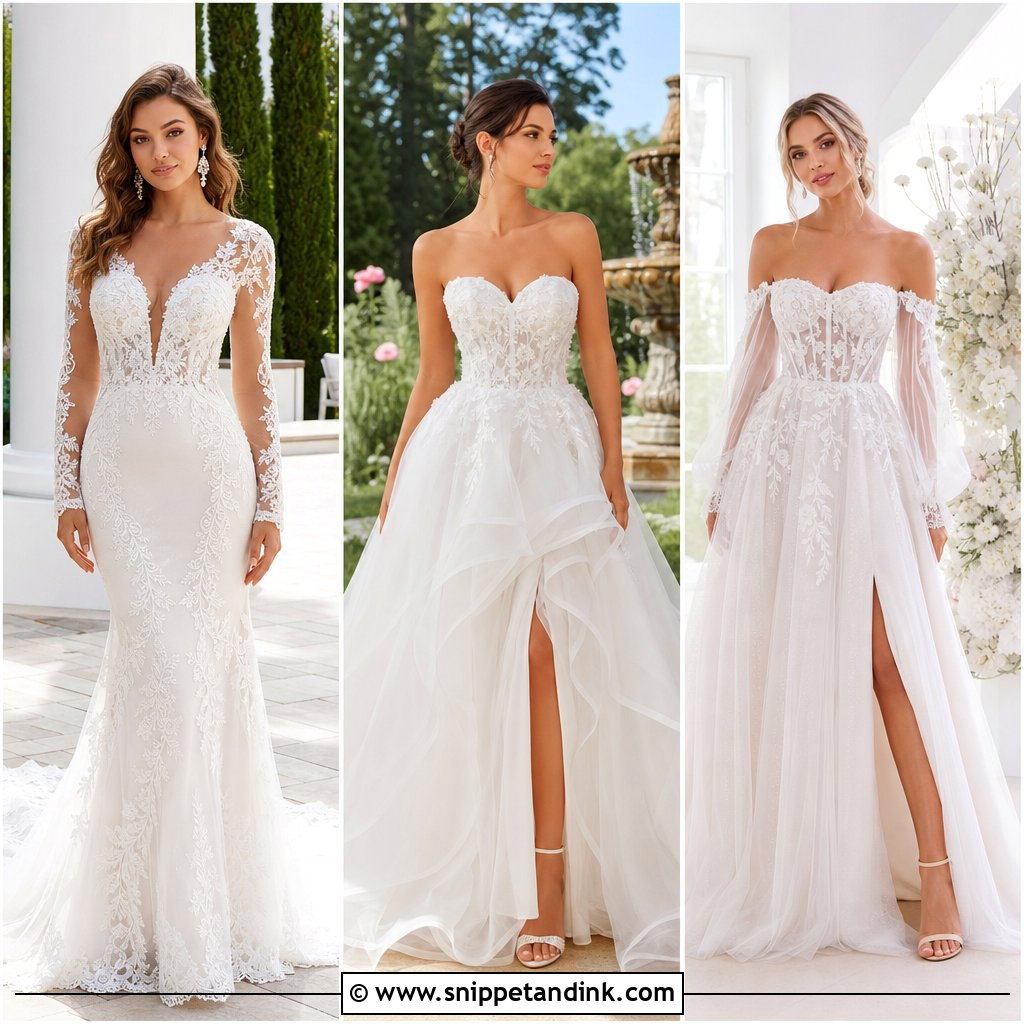
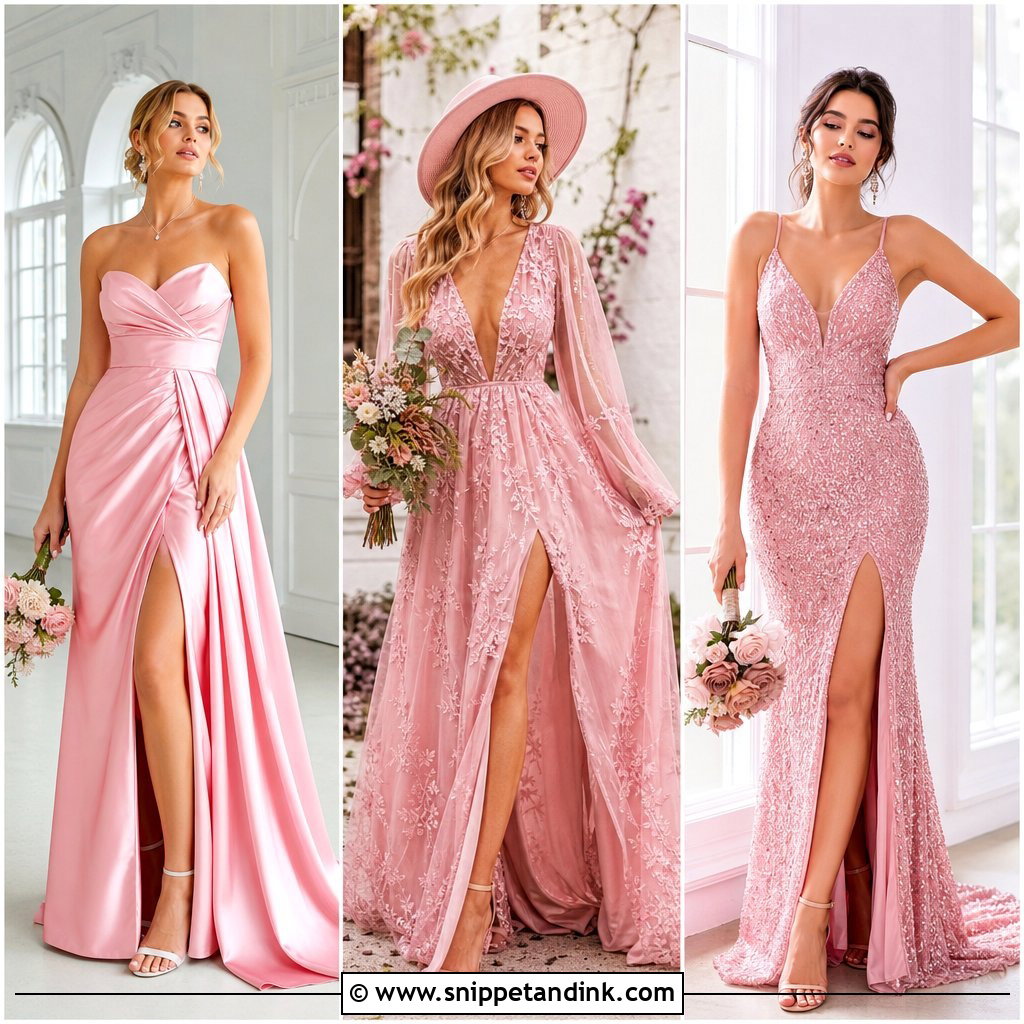
25. Cathedral Train A-Line Wedding Dress
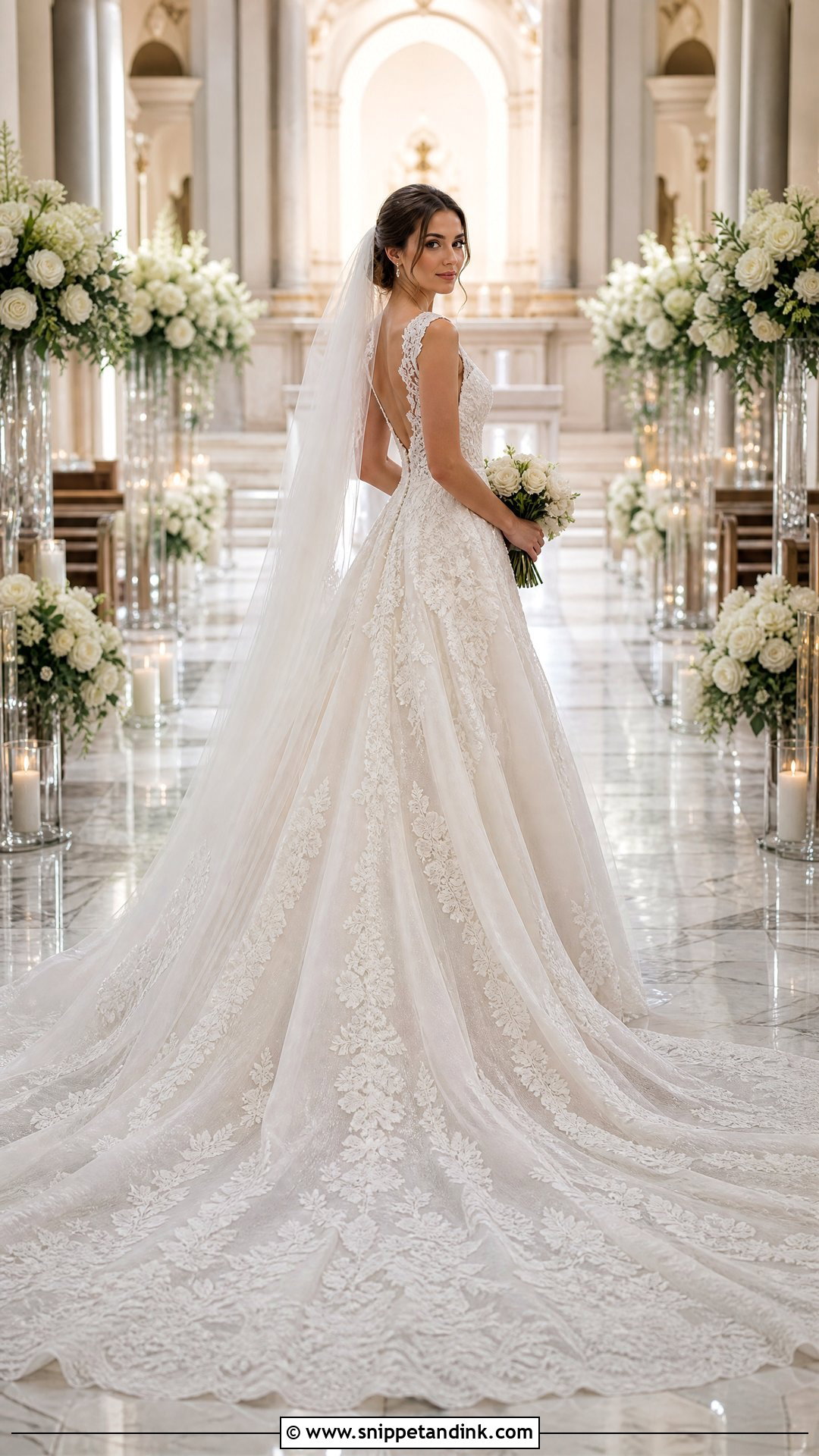
A cathedral train makes the aisle moment, and on an A-line it looks grand without swamping the bride. Lace trains feel traditional; plain satin feels regal. A long veil, classic heels and jewelry that doesn’t compete suit it. The bustle is the real decision: a French bustle tucks under, an over bustle hooks up, and each looks different on the dance floor. Have the person who’ll bustle it practise at the final fitting. It suits formal weddings and large venues.
What Happens at Each Fitting, and What to Bring
Brides often expect one fitting and are surprised by three. An A-line needs fewer adjustments than a mermaid, but the bodice and hem still have to be right.
- First fitting: the seamstress pins the bodice and waist. Bring your shoes and the undergarments you’ll wear on the day, since both change the fit.
- Second fitting: the hem is set and any sleeves or straps adjusted. Walk, sit and climb a step or two in the dress.
- Final fitting: check everything, practise the bustle and get the dress pressed. Bring whoever will help you dress and bustle on the day.
Leave enough time between your gown arriving and the wedding for these, often a couple of months, and plan around any weight change you expect. Lace and beading take longer to alter than plain satin because the seamstress may have to remove and re-stitch the detail around a seam.
Undergarments are part of the dress
Many A-line bodices have built-in cups and boning, so you may not need a bra at all. Try the dress both ways at the first fitting. For an open back or plunge, test adhesive options at home well before the day, since some skin reacts to the glue.
The Neckline and Fabric Make an A-Line Yours
An A-line suits so many brides because it shapes the waist, lets the skirt move and stays comfortable all day. Lace sleeves, floral appliqué, soft tulle, plain satin, blush or a long train each give it a different personality. When you try them on, pay attention to the neckline, the fabric, the waist detail and how the skirt moves when you walk, since those small choices change the whole feeling. Walk, sit and lift your arms in every sample, and the right one tends to make itself obvious.
You'll Like These Ideas:









Leave a Reply